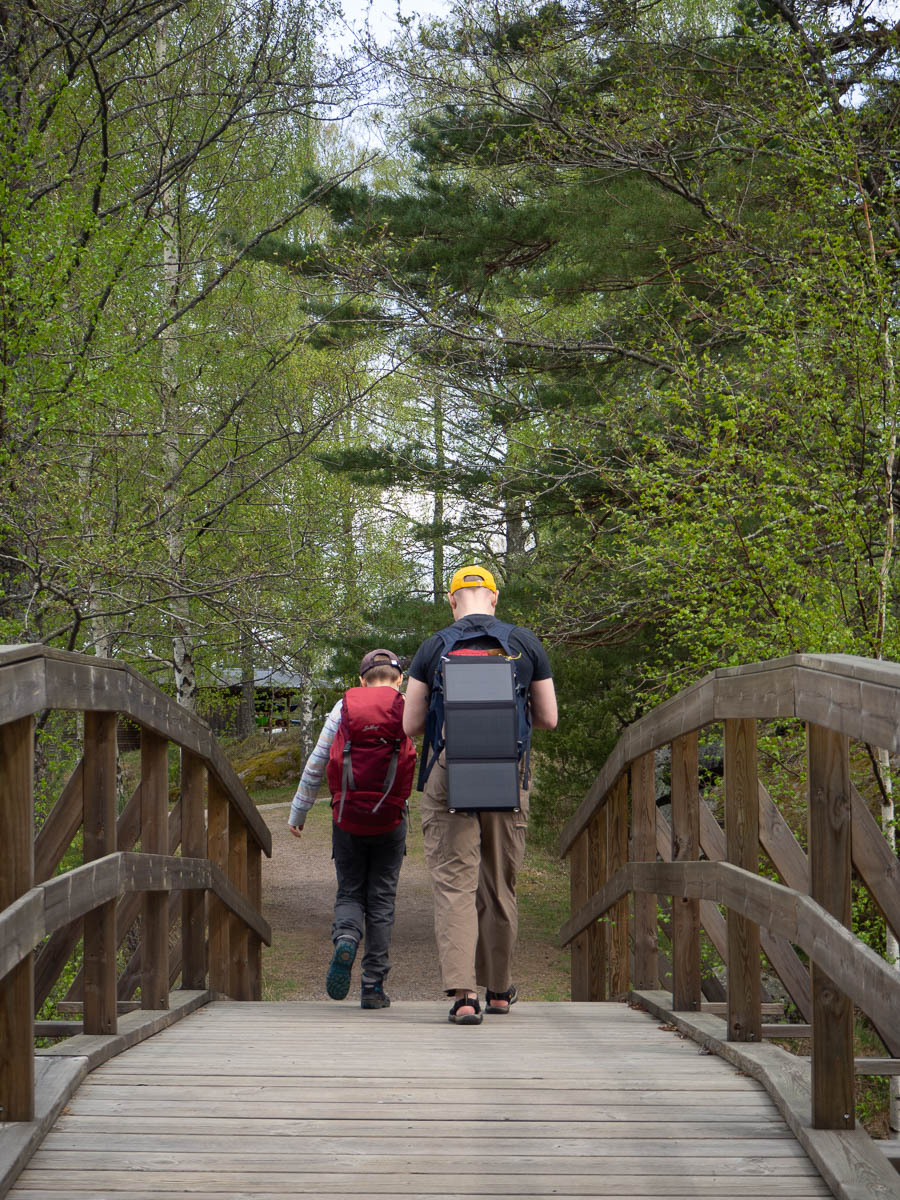
Trehörningsrundan 9.5 km + Tärnekullerundan 1.3 km.

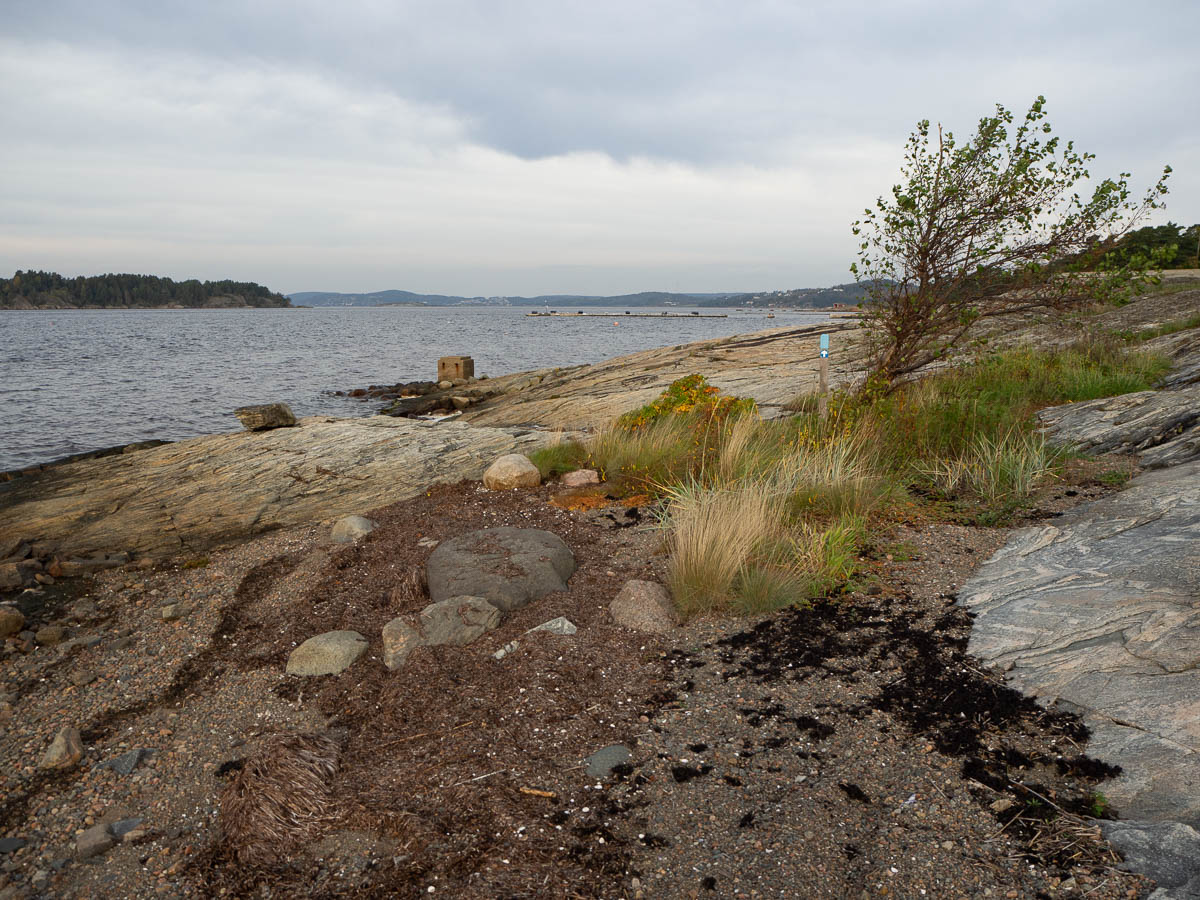
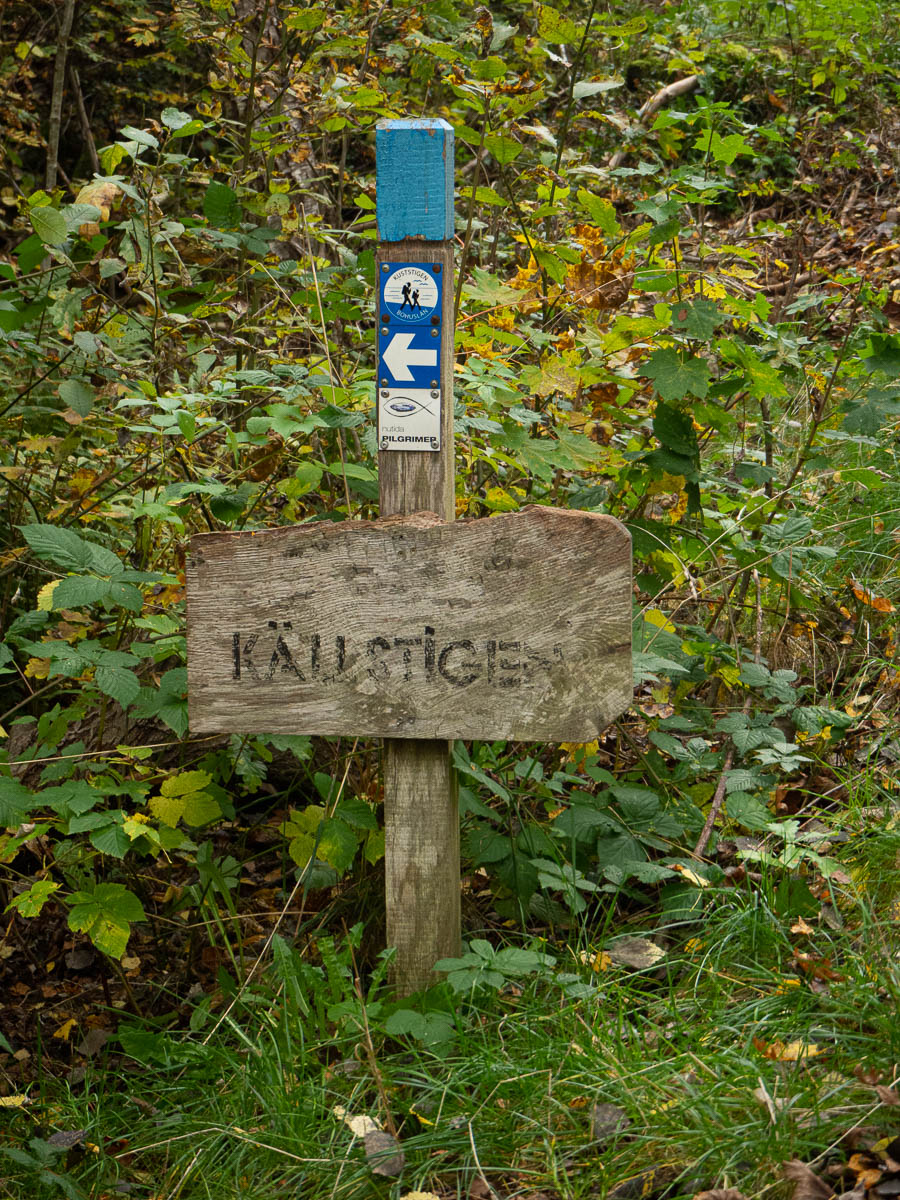
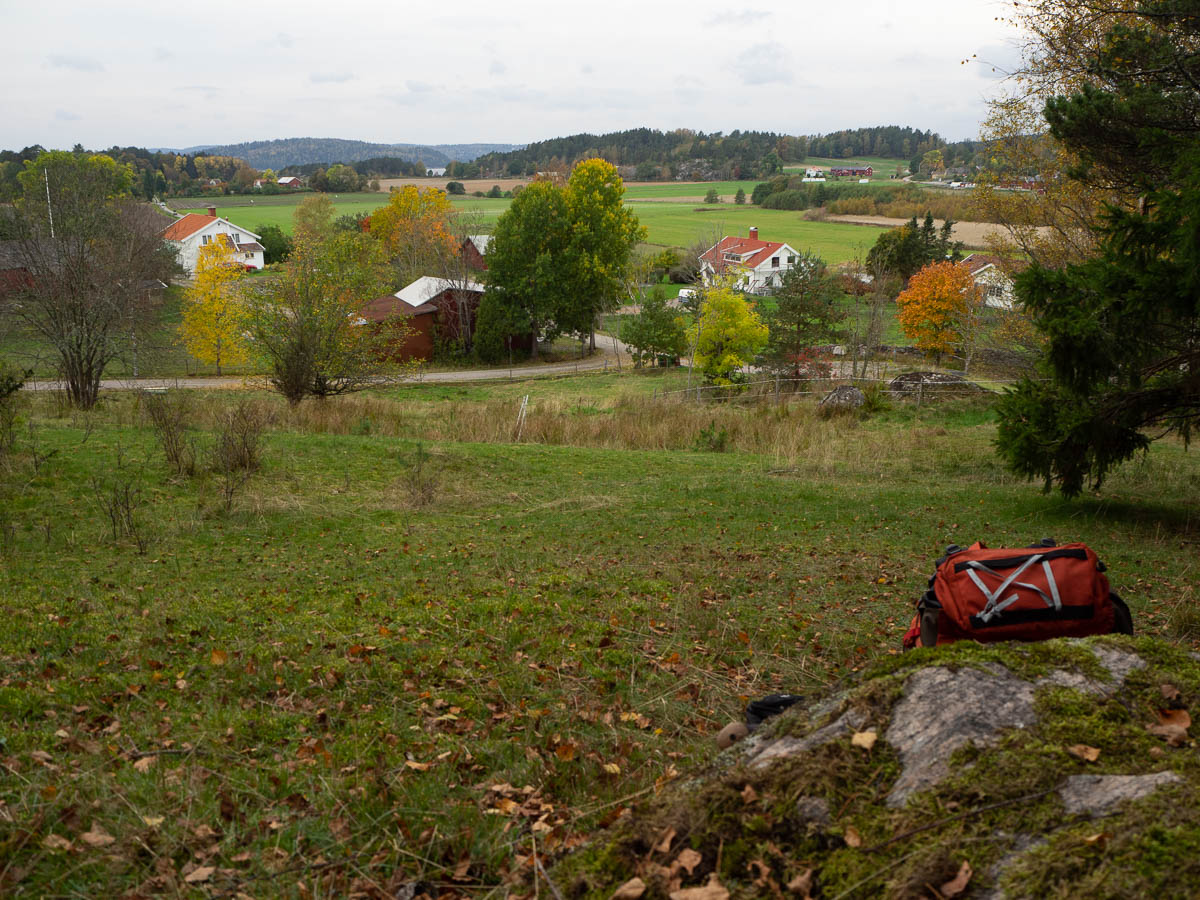
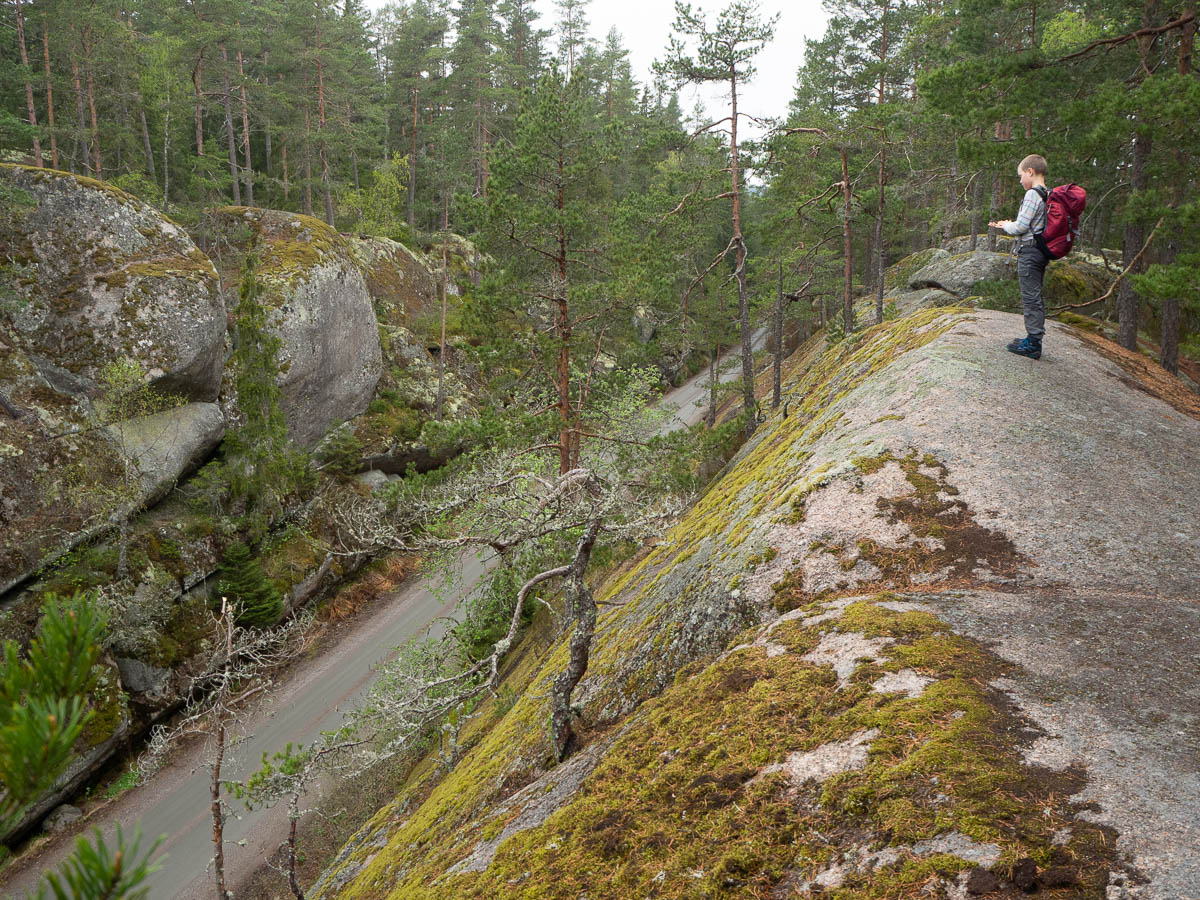
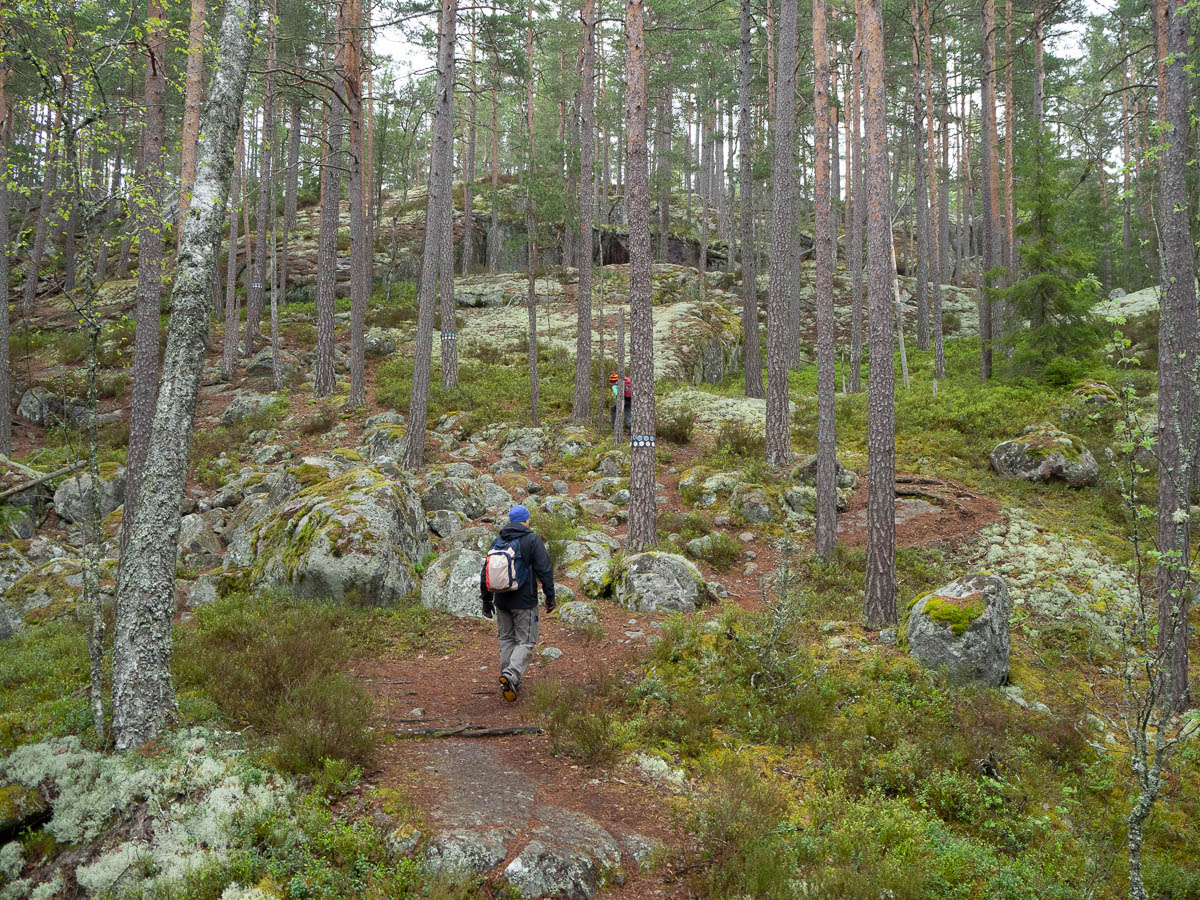
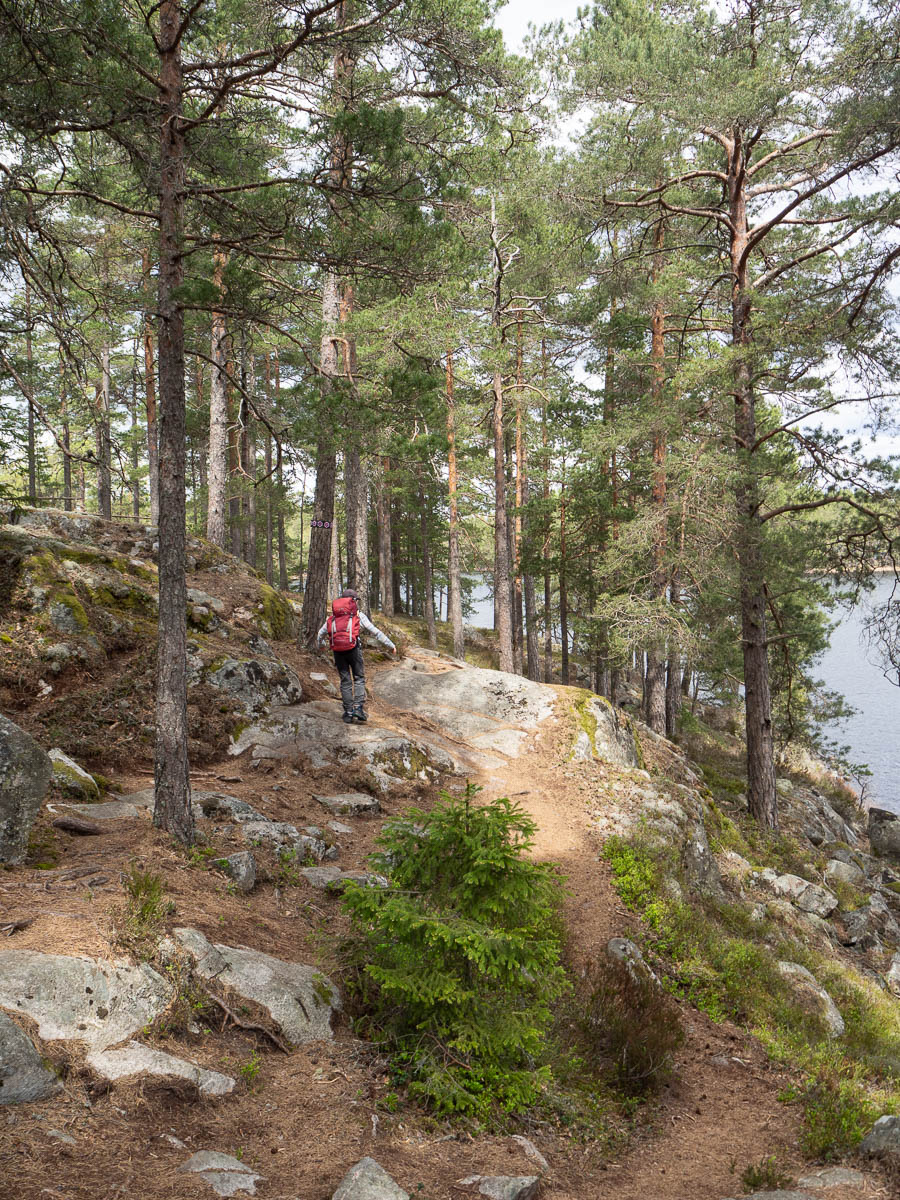
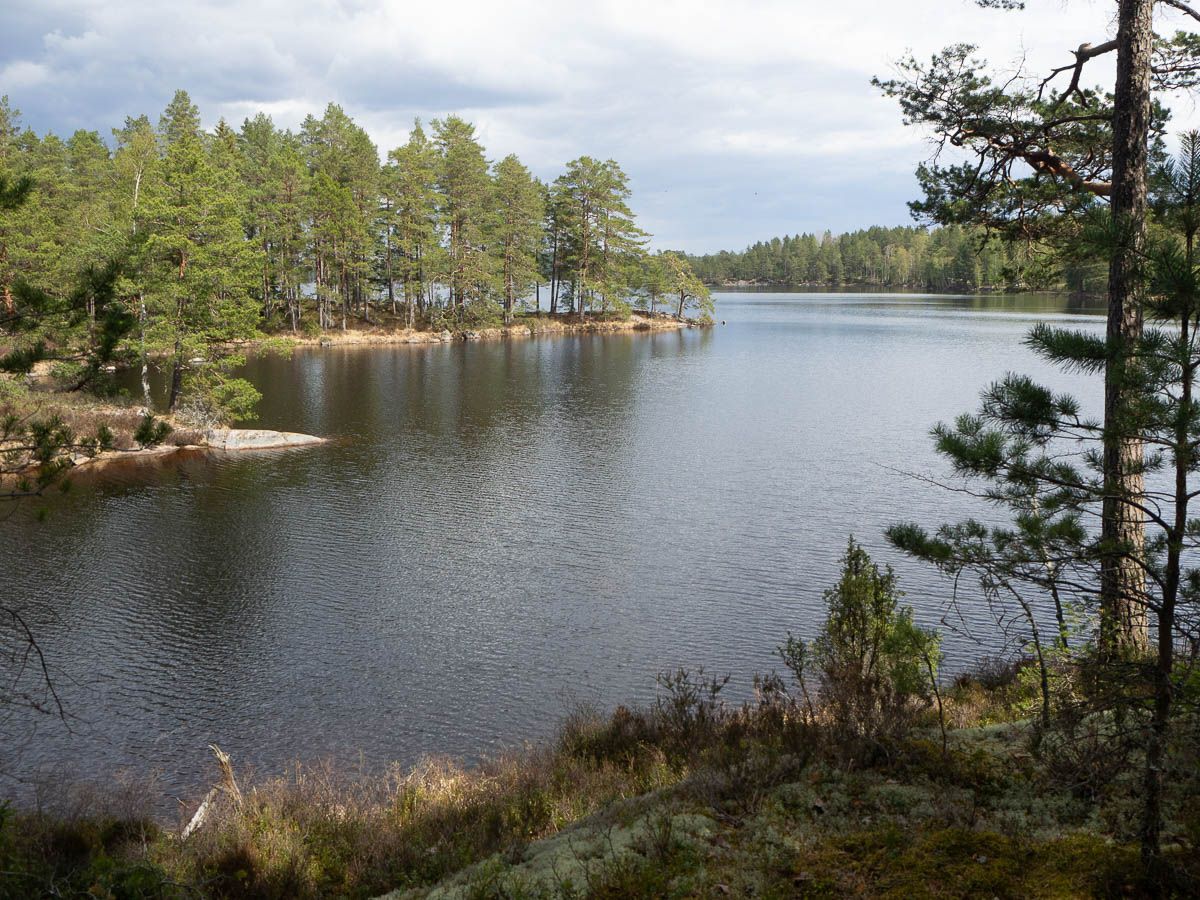
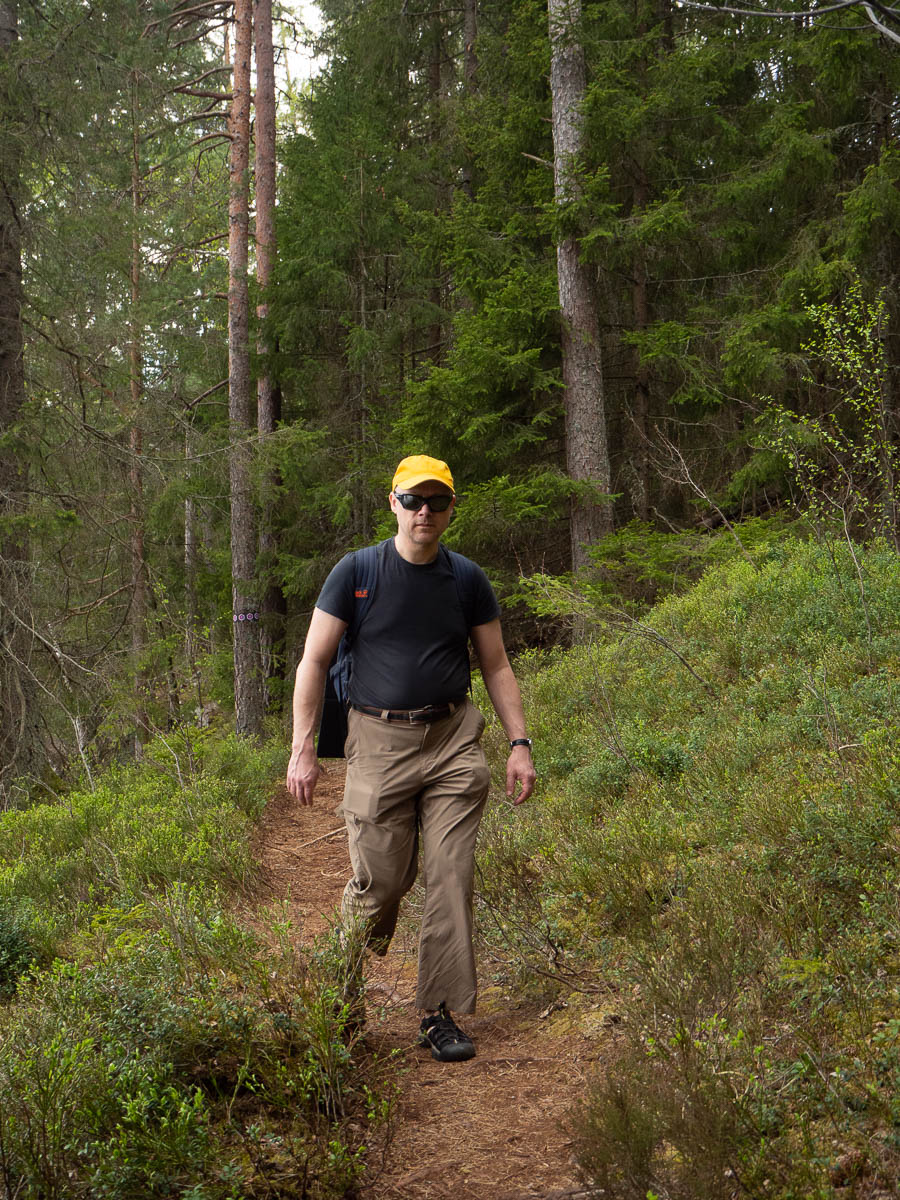
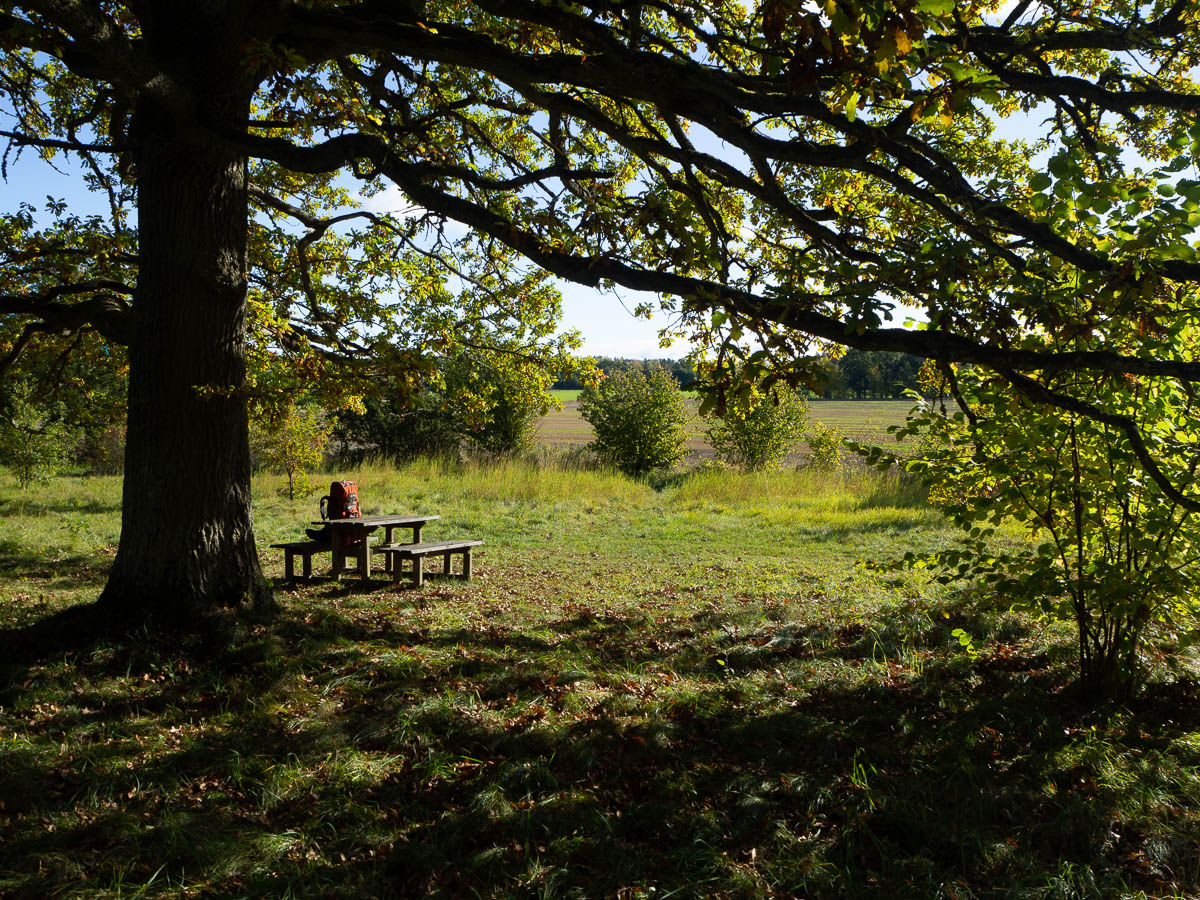
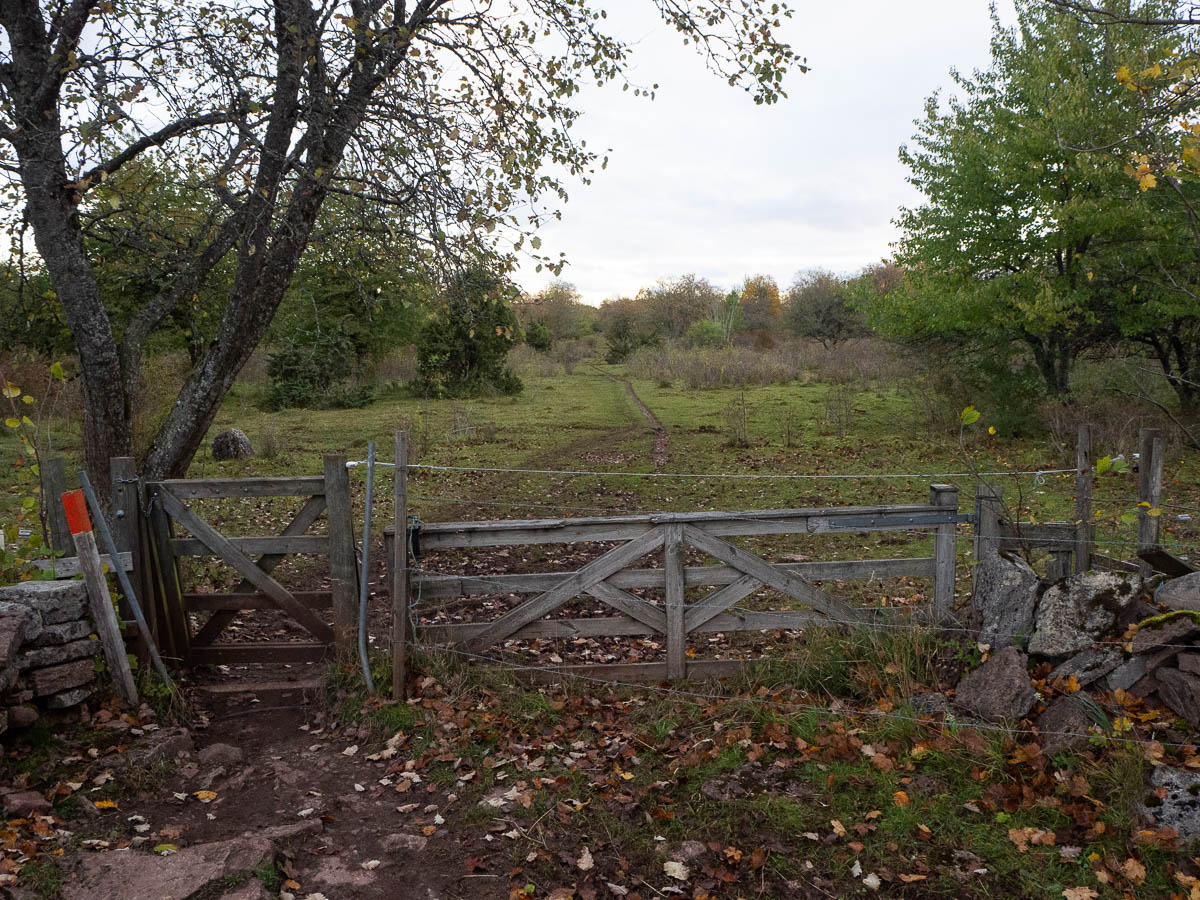
A full day of walking. We hiked around lake Trehörningen (“the triangle”) and added an extra detour to see some caves.

It’s a popular route so we met people, passed people and were passed by others, all day long. I was afraid it would be crowded even, but it never got to the point where it felt that way.

It’s customary for hikers on a trail to greet each other. It’s just a natural, nice thing to do. It’s a behaviour one just picks up after a few hikes. In a touristy place like this, though, not everybody you meet is a hiker. Some are just “normal people” out in the woods for a day. You can see by people’s clothing whether they will look at you and say hi or not. If they’re wearing jeans or tracksuit bottoms and trainers and a city backpack, they’re likely to just look past you and pretend they didn’t see you, like one does with strangers one passes in a city street. But if they wear outdoor trousers and hiking boots, you’ll probably get a smile and a greeting.


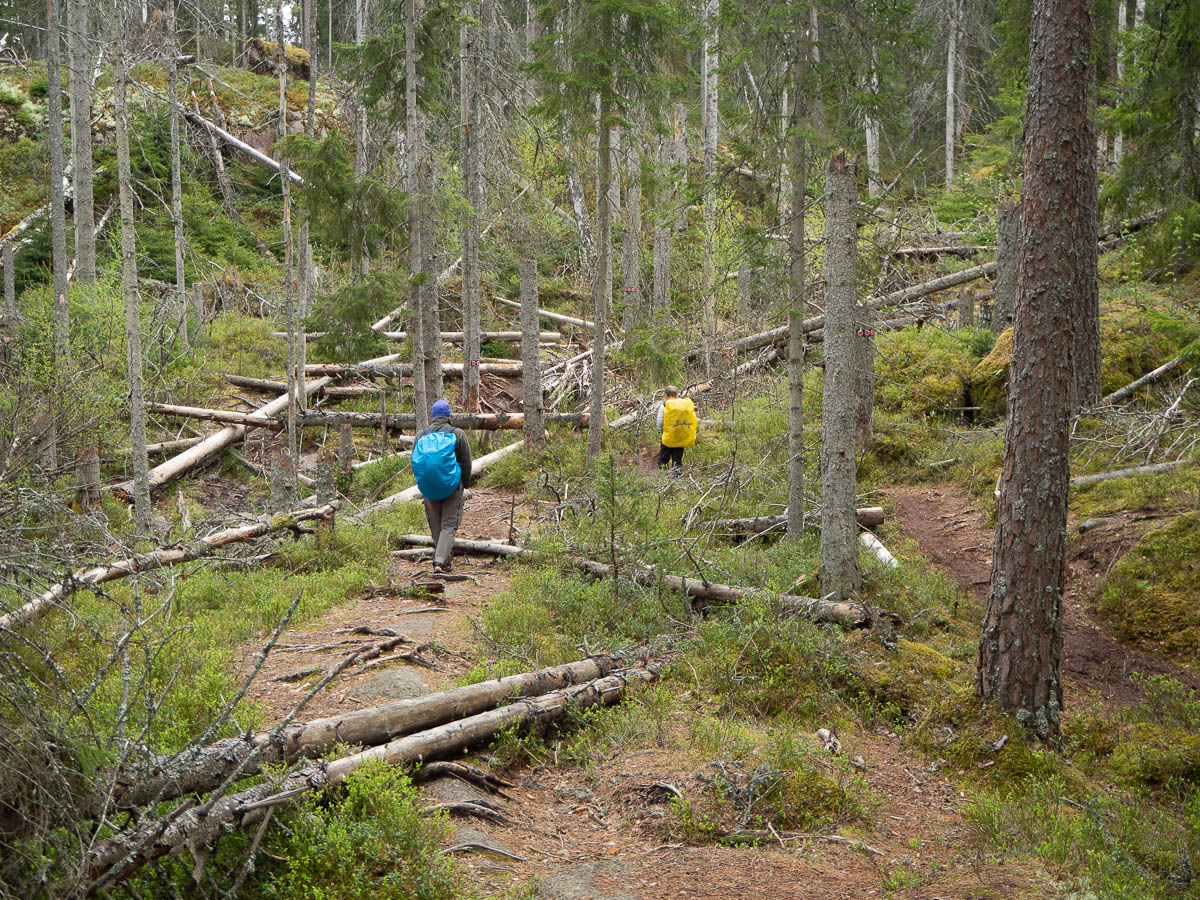
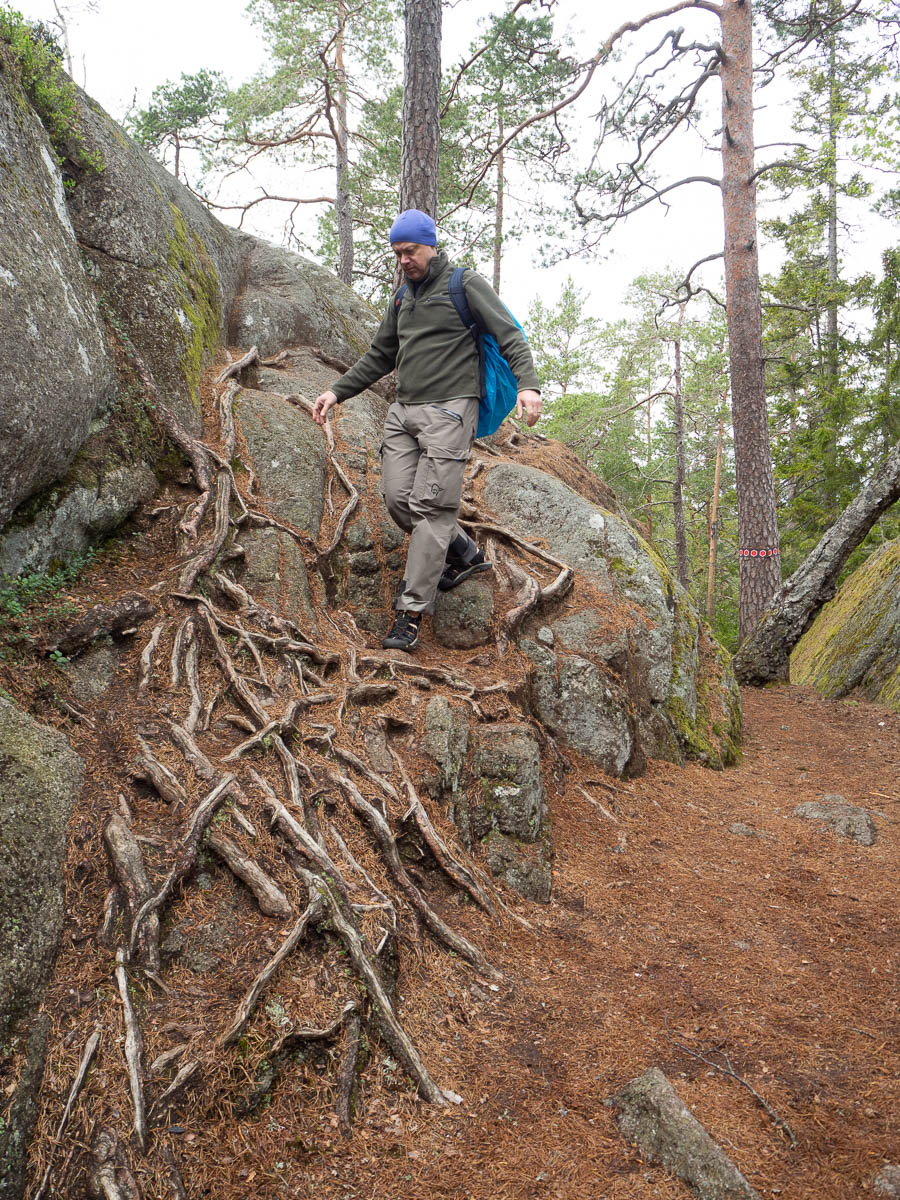
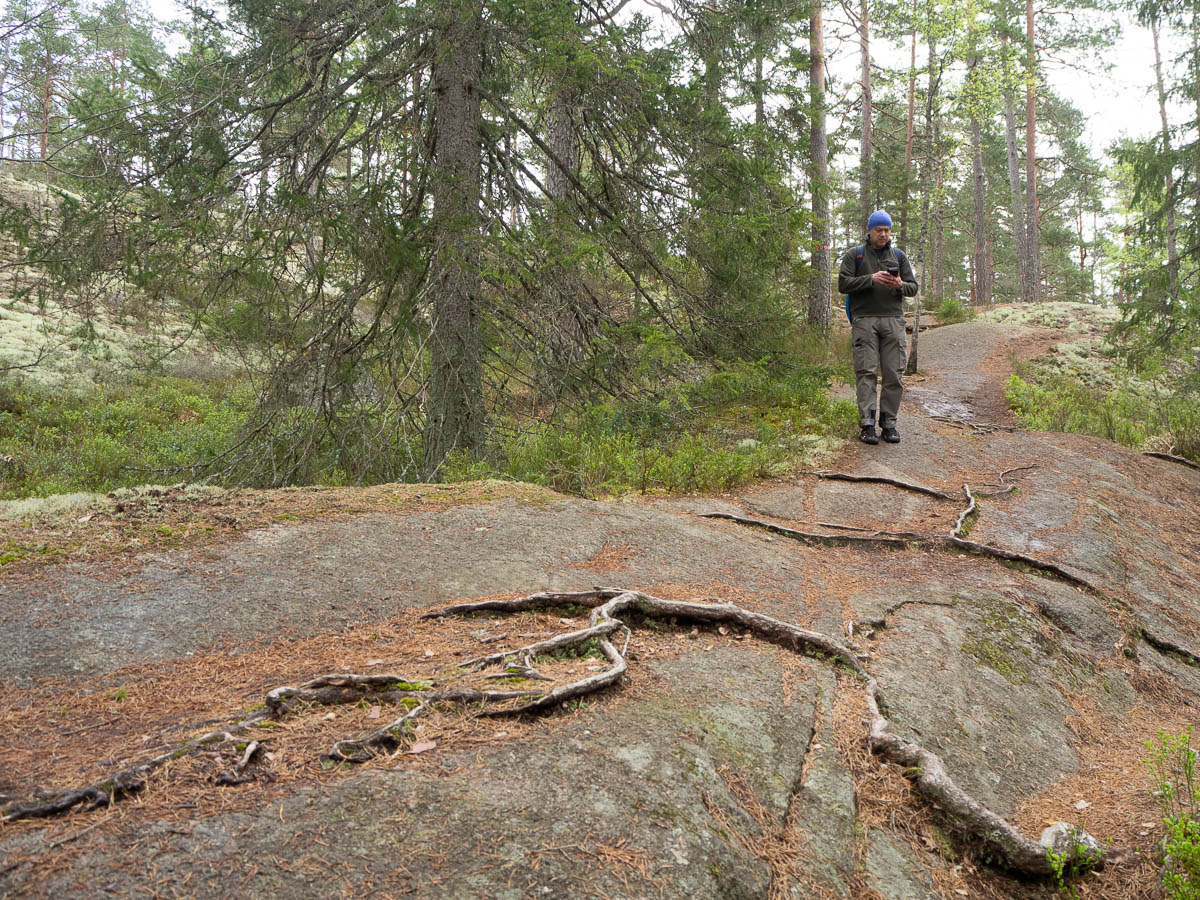
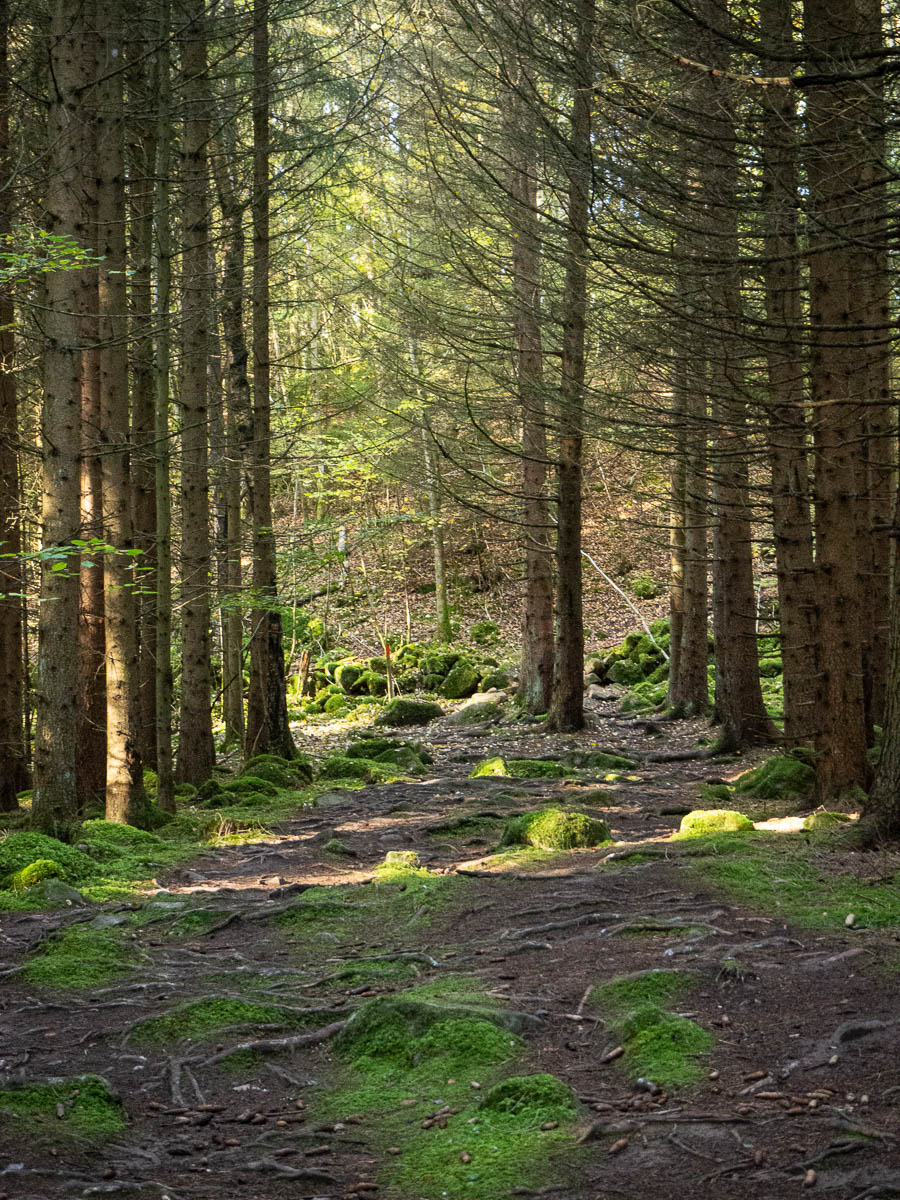
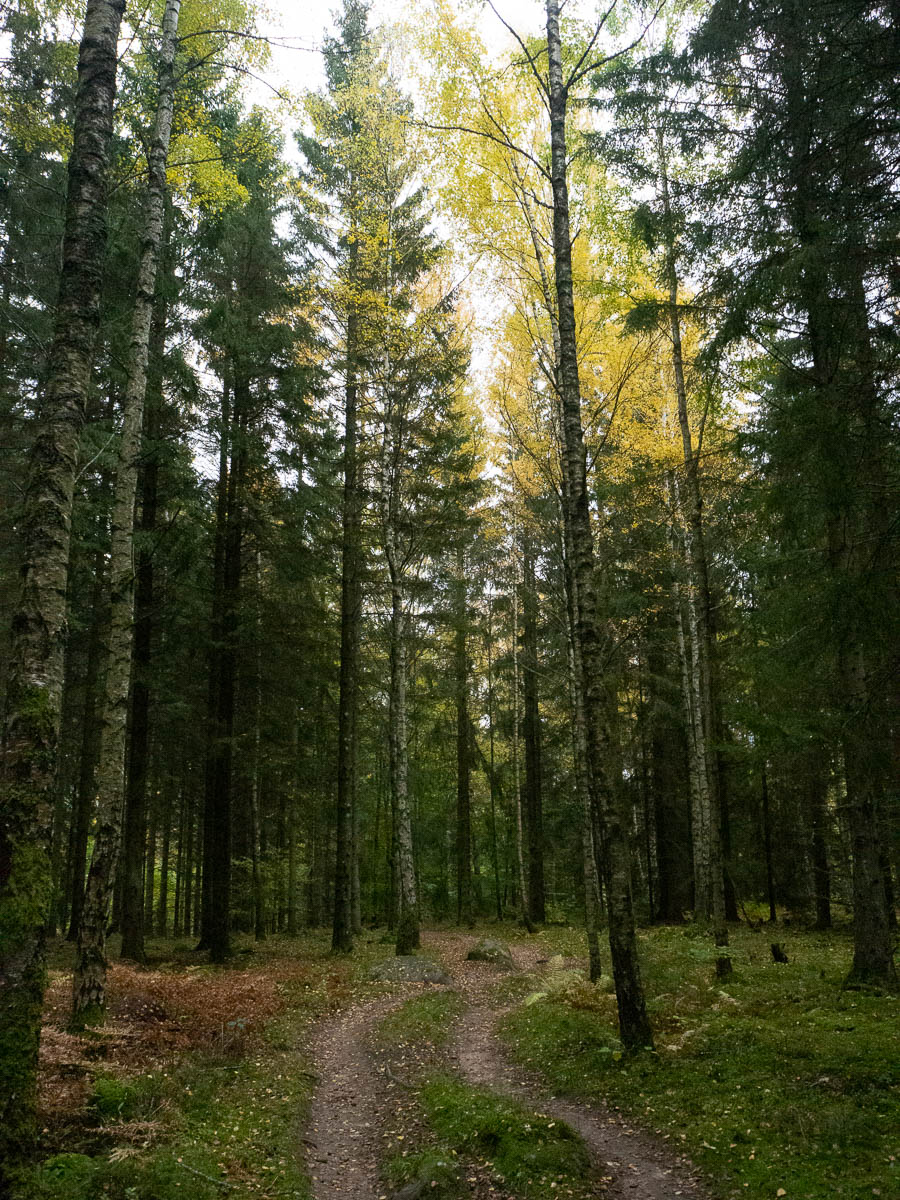
The trail circles a lake, keeping quite close to the shore at all times, so you’d think it would be flat. And in terms of metres of altitude it may have been. But the terrain was uneven, with rocks and roots everywhere, so it was quite tiring.


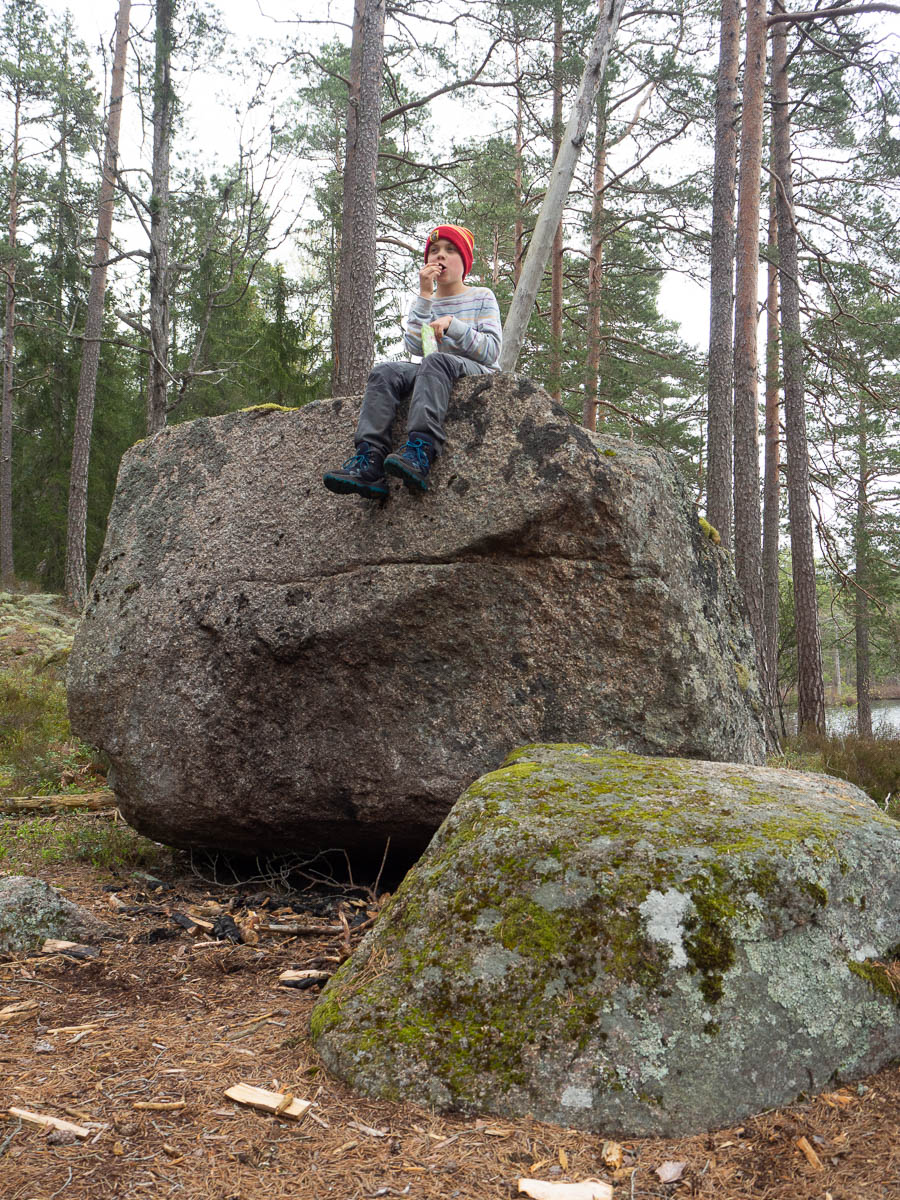
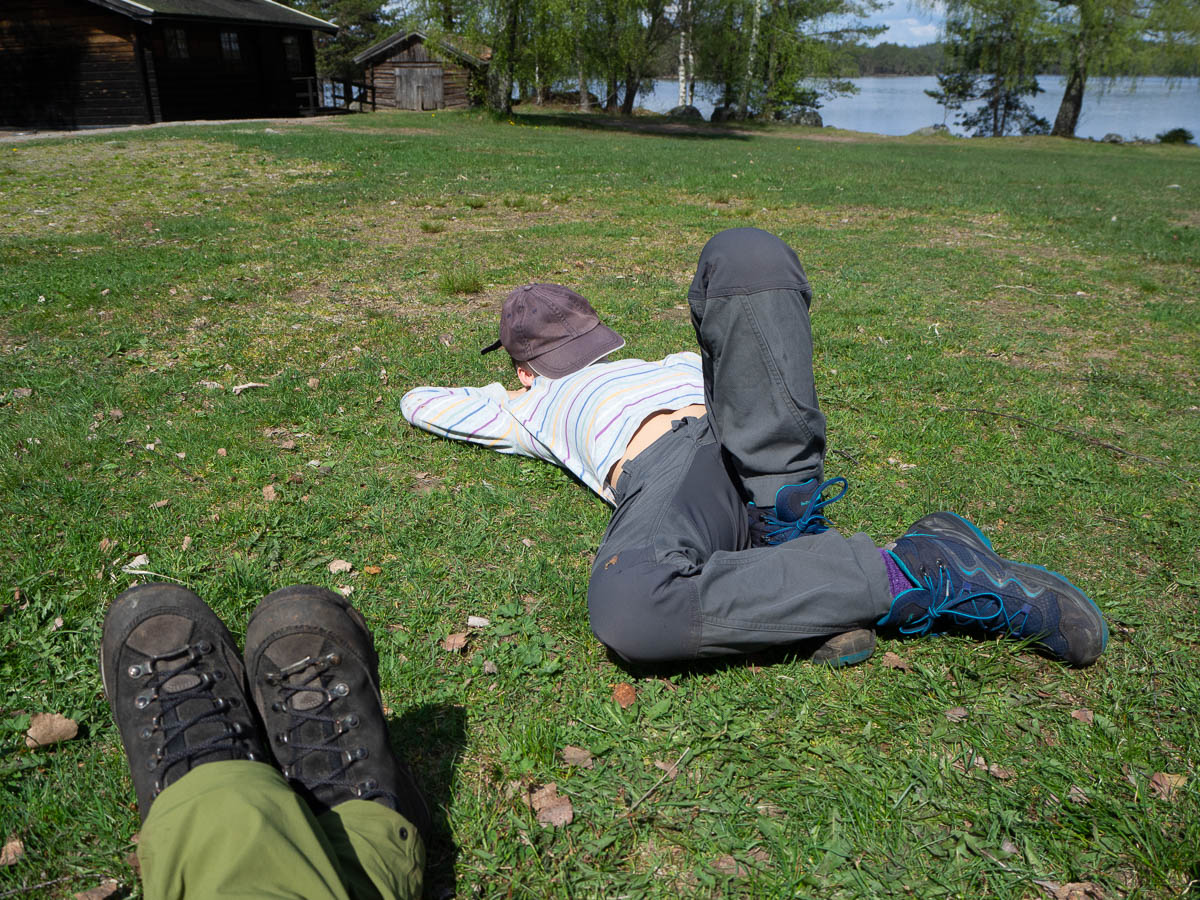
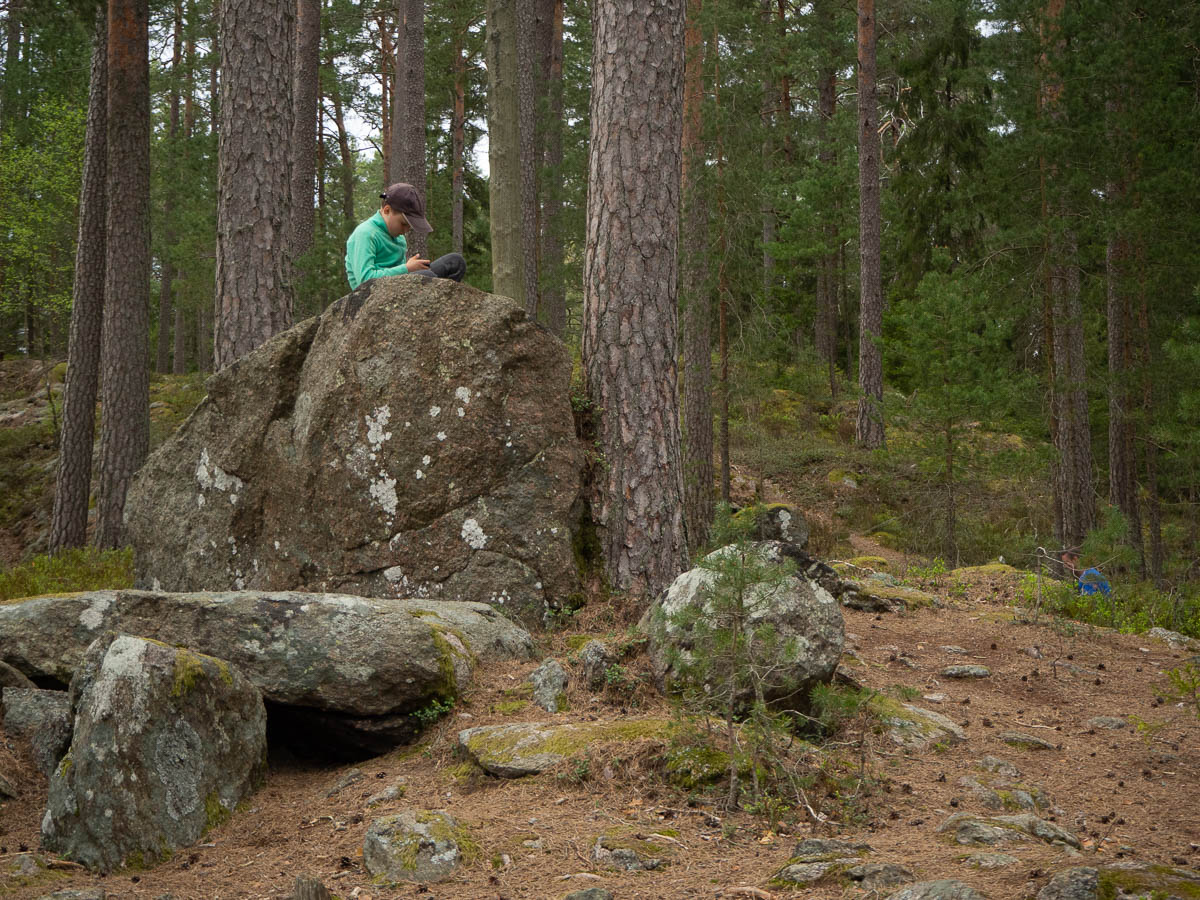
Adrian is constitutionally incapable of walking at a slow pace. He scampers, and he runs, and he climbs all the large rocks he can see. Most of the time he was ahead of us and then waited for us to catch up at our energy-efficient adult pace. As a result he was tired after we’d walked barely a third of the way. So we took a long break, ate lots of nuts and dried fruit, and rested his legs.


The weather was unsettled and threatening rain much of the time, but in the end we only got a few drops. On the other hand we got plenty of dramatic light.


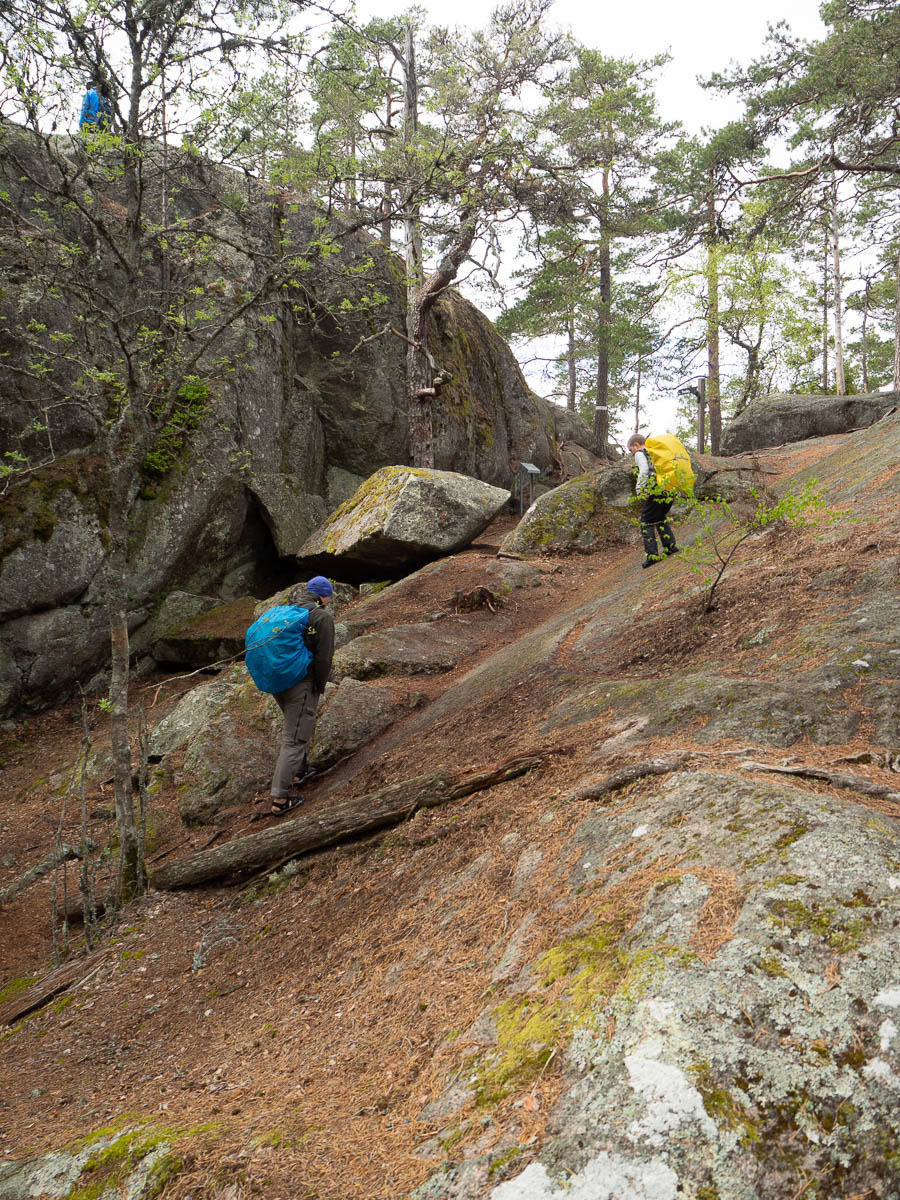
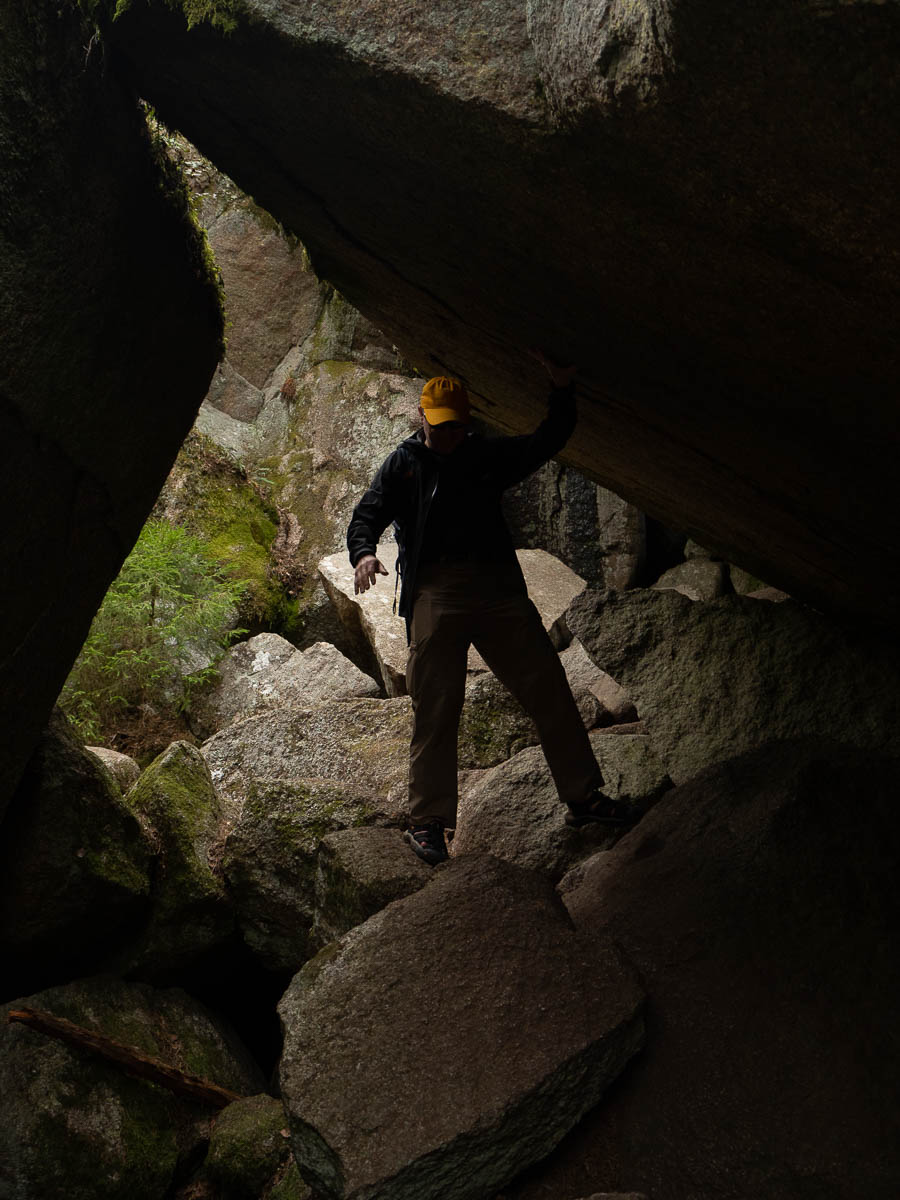
The so-called caves at Vitsand were disappointing. Despite the name, there’s nothing cavelike about them. It’s just a bunch of really, really large rocks in a higgledy-piggledy pile that you can scramble through and under.


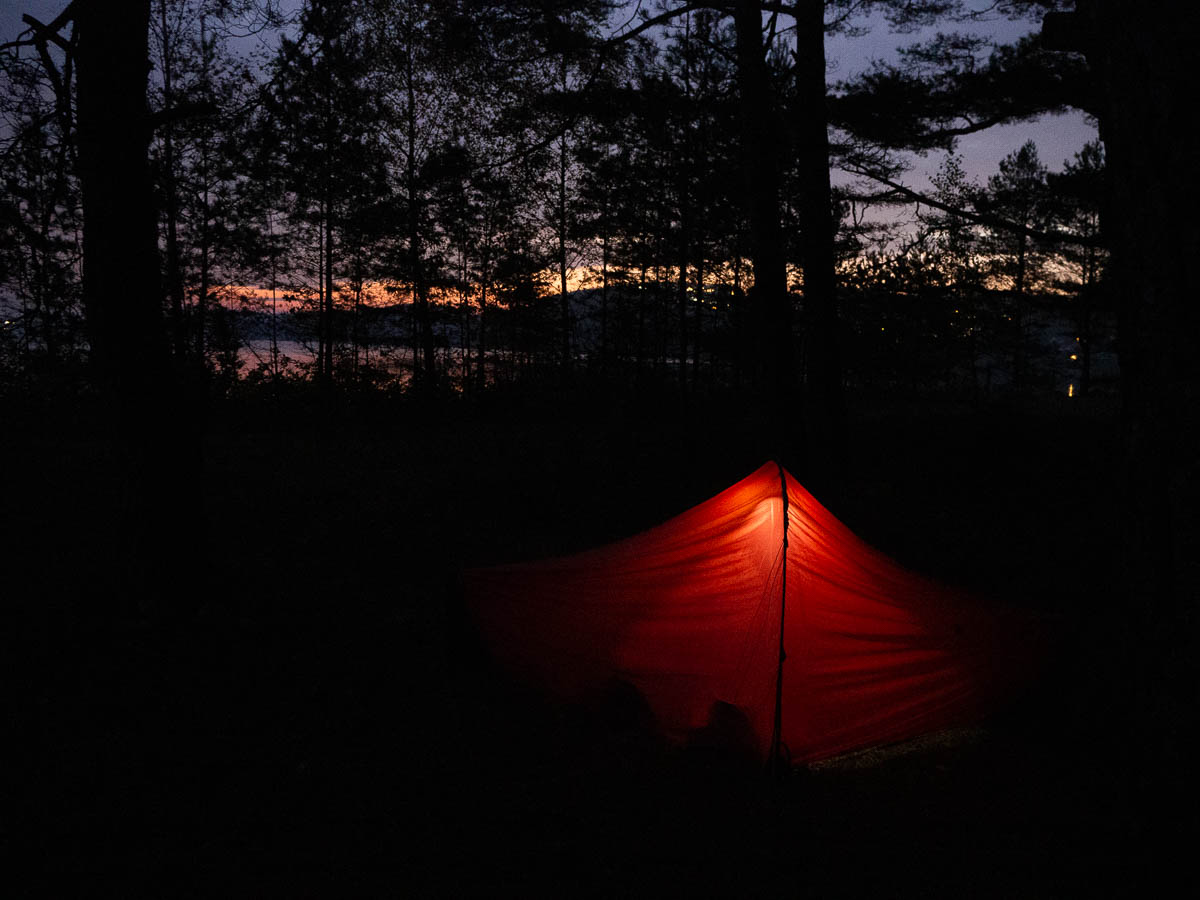
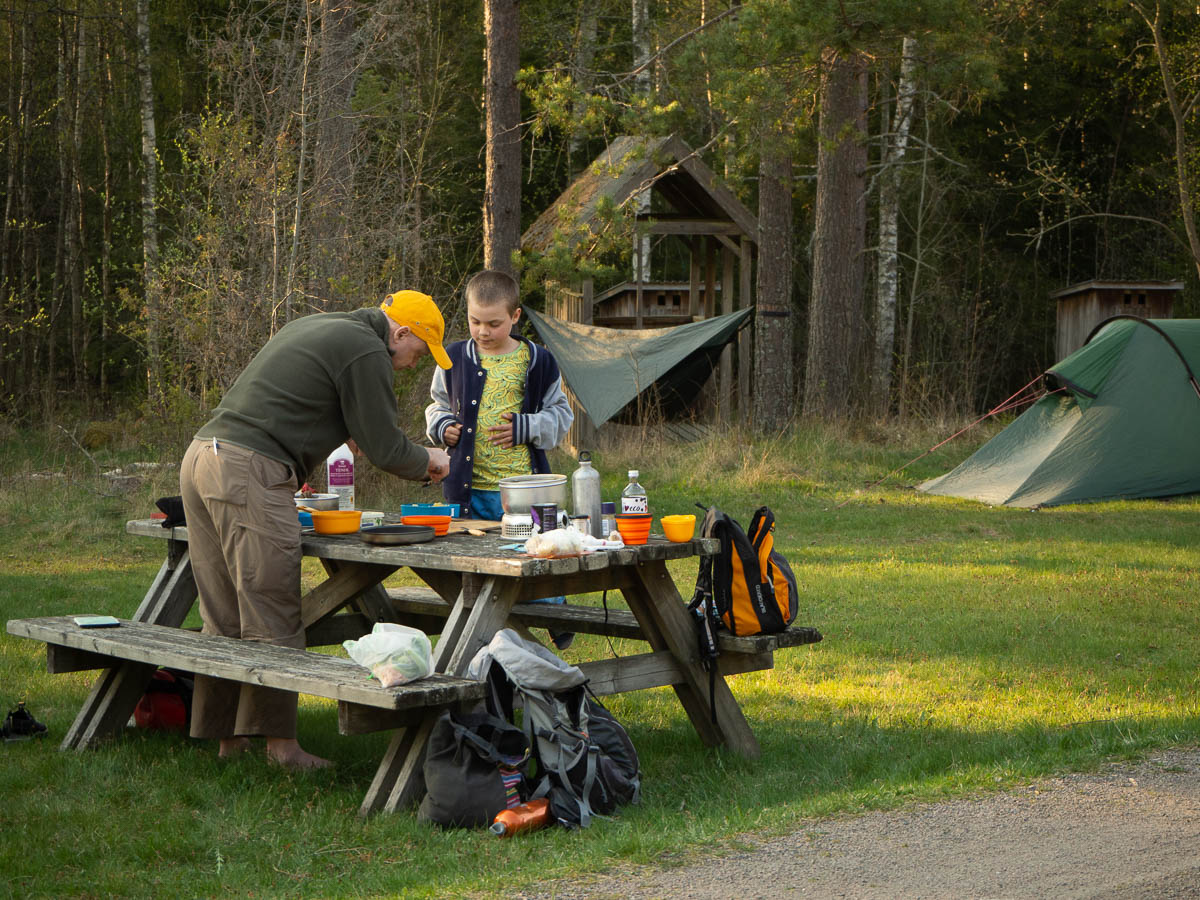
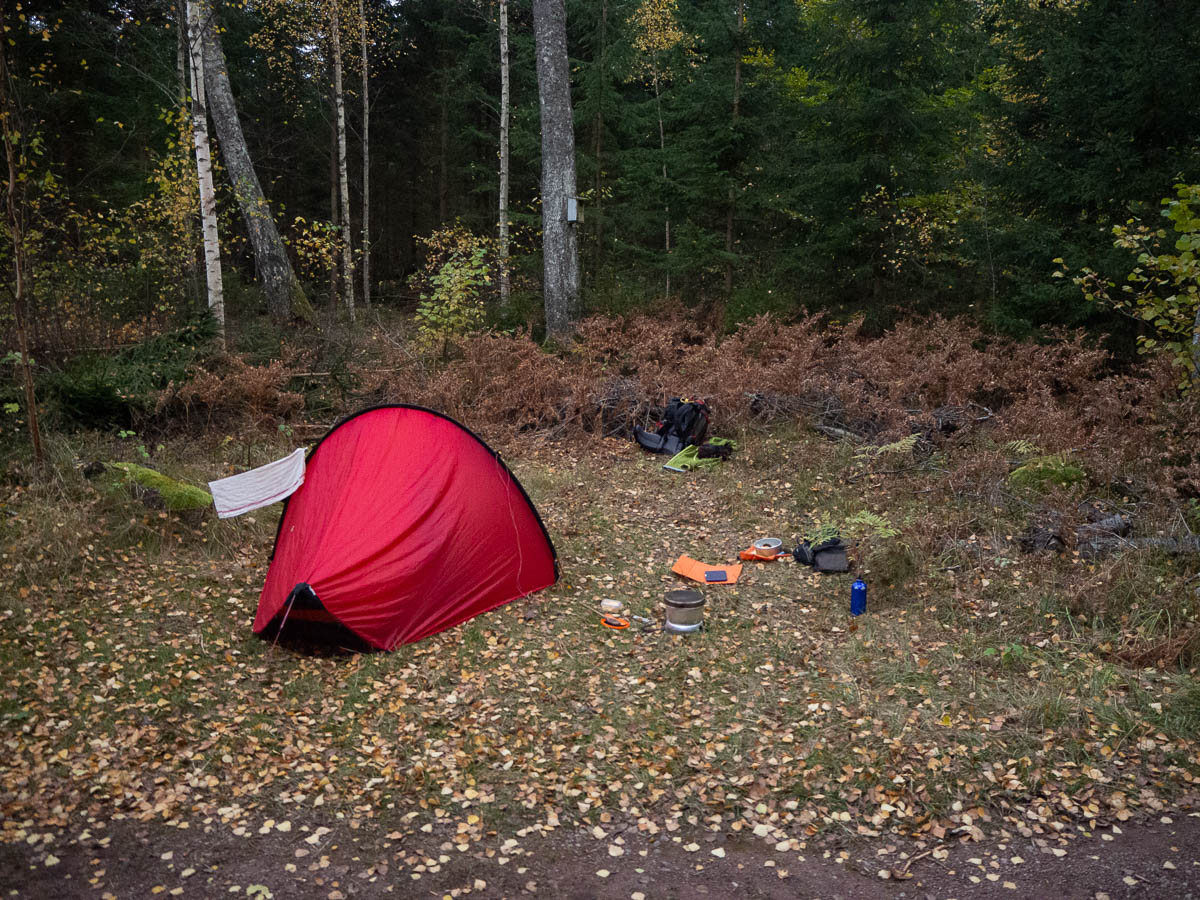
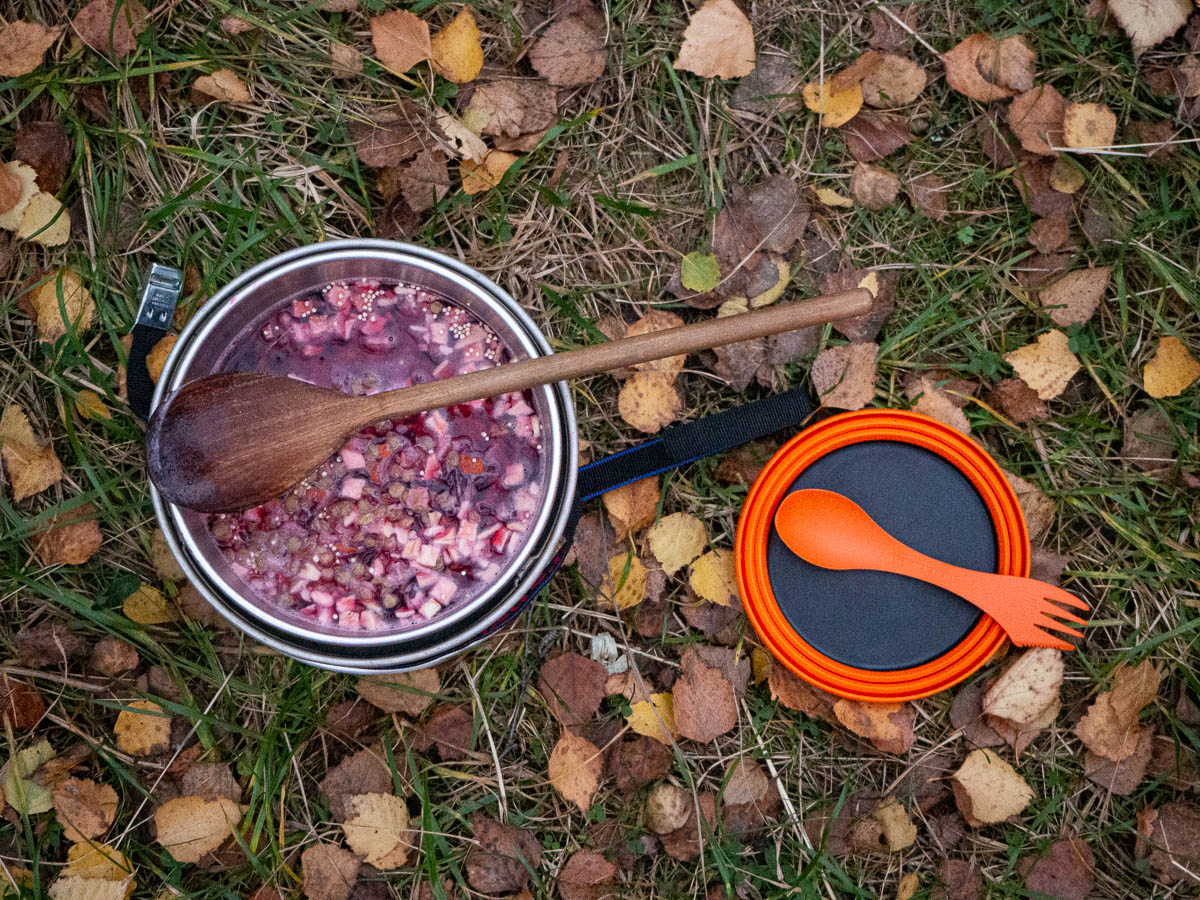
We’re taking a four-day weekend and spending it camping/hiking in Tiveden. This is going to be a really leisurely weekend so all we did today was pack, drive here, set up camp and then just lounge around all evening. Cook dinner on the Trangia stove, sit in the evening sun and read, listen to the birds sing.

There’s a good chance that the national park will be chock full of people tomorrow – it’s a long weekend in May after all – but at least this place isn’t crowded. We’re camping at the Tivedstorp STF hostel. They have a camping ground, and then they have “the other camping ground” which is at the very far end of everything and if I sit facing the right way then it really feels like we’re on our own out here. But with the benefit of a road, and an outhouse, and running water within a few hundred metres’ walk.

It’s just me and Eric and Adrian. Adrian loves camping and hiking. Ingrid sort of does, but not with us. Not any more. So she gets to stay at home on her own for an entire weekend for the first time.


Gössäter to Råbäck station, 11 km.

Following the familiar pattern: wake shortly after 7 as the sun comes up, pack, walk. Stop for breakfast when the sun is properly up and I am properly hungry.

The morning was sunny but very windy. I could see on the map that the path would take me to the coast of lake Vänern around mid-morning, where I would meet the full force of the westerly wind. Breakfasting in that wind would be cold and unpleasant. I kept looking for a place to stop more and more urgently as I got closer to the lake, but it was all forest everywhere, and the sun was not high enough yet to reach down between the trees.

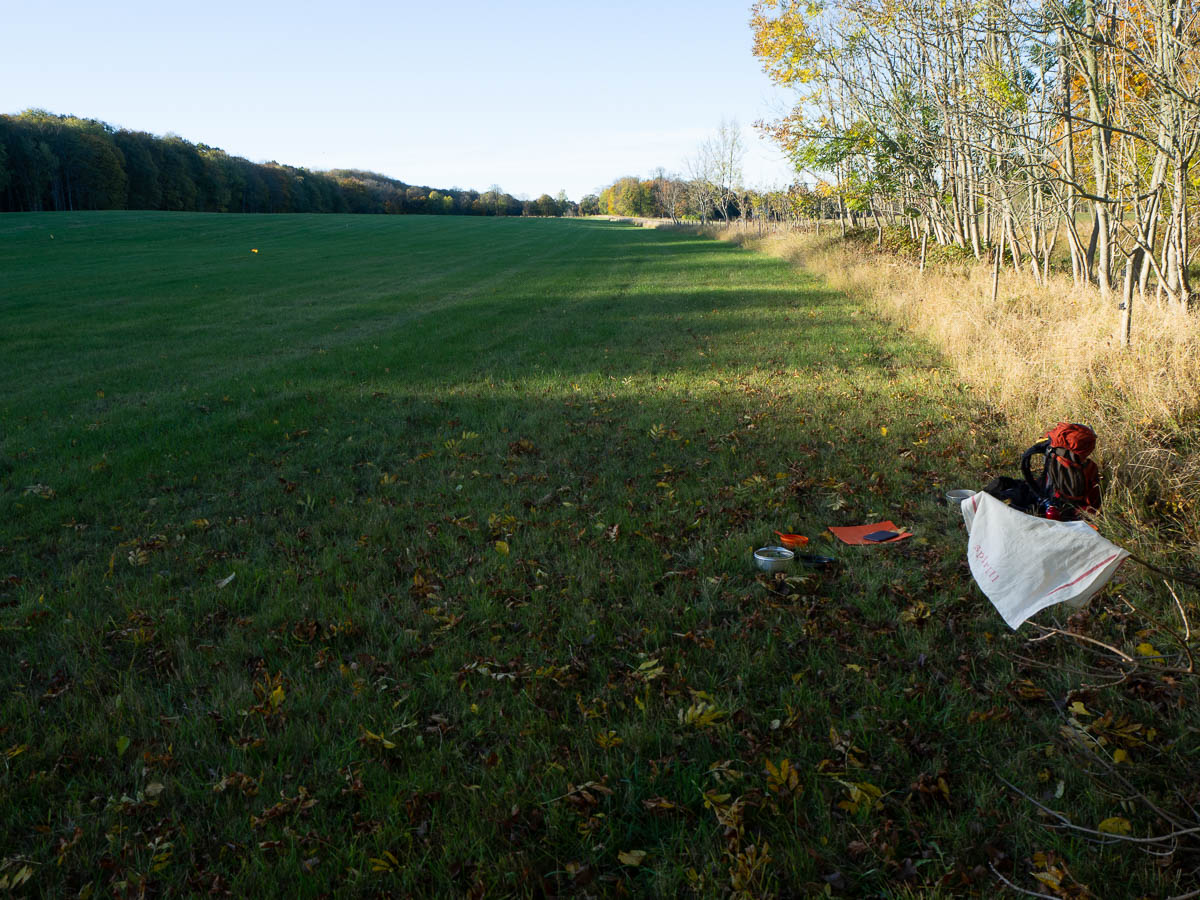
Finally just half a kilometre short of the lake I came across the perfect place: a large, flat meadow/field thing, wide enough that the sun reached halfway down the trees on the western side. It took a while for the sunlight to get all the way down to me at the bottom of those trees. But I have loads of time today, so I could wait. For planning purposes I counted today as a half-day, but since my train leaves late in the afternoon, I have almost a full day to spend on half a day’s worth of walking.


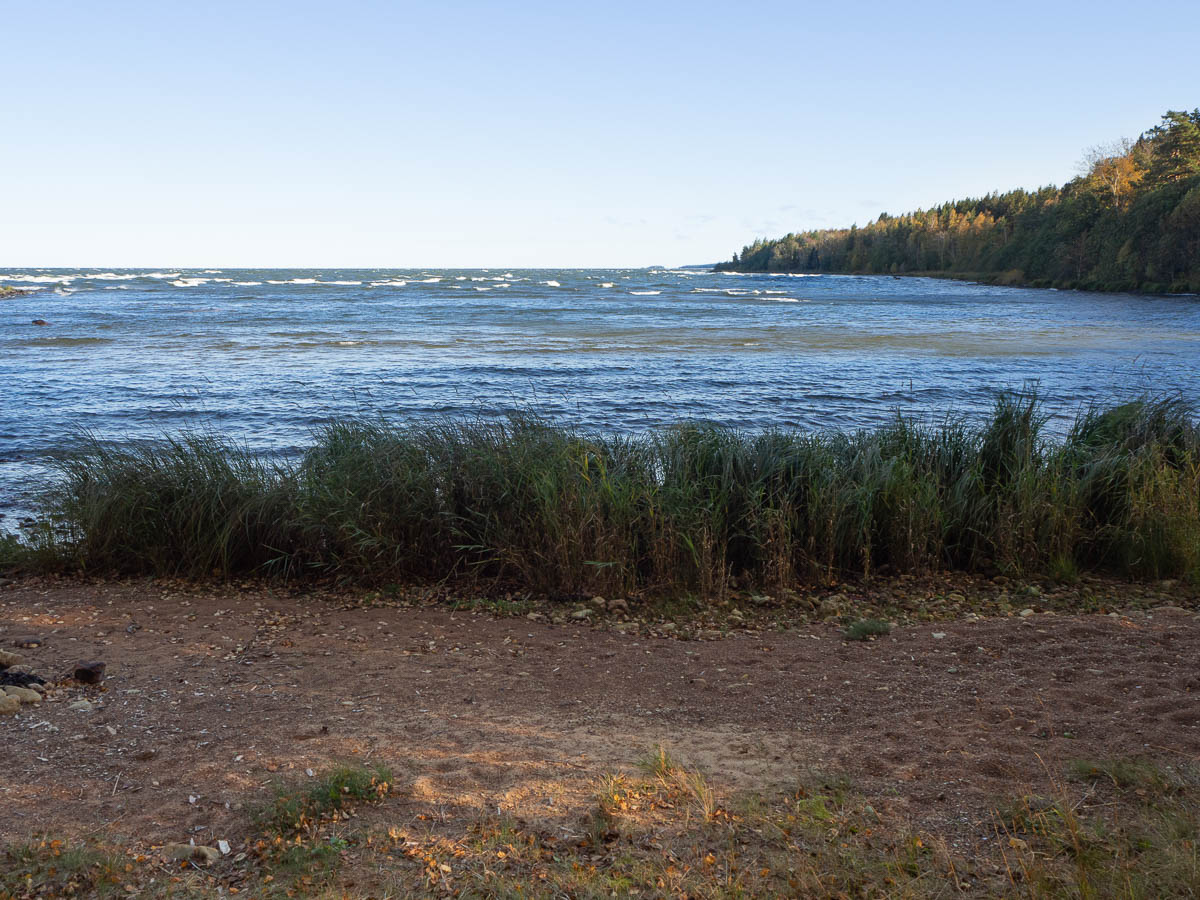
Onwards to lake Vänern, and here it was windy indeed. In a different season, on a different day, perhaps the beaches would have been inviting. Today I was not at all sad when the path turned away from the lake shore again.

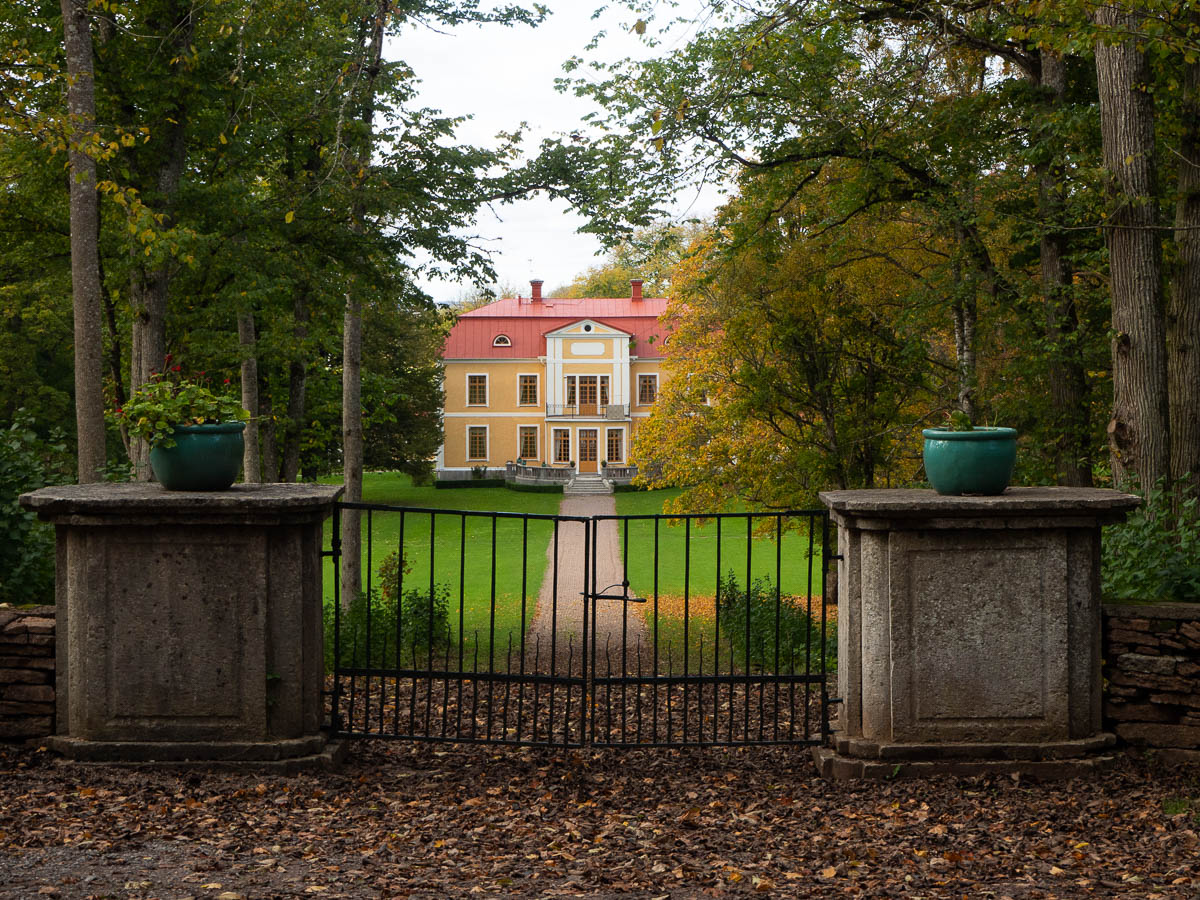
The Kinnekulleleden path then passed through the grounds of another manor, with an impressive manor house, stables, tennis courts and so on. Apparently this place is owned and inhabited by people with serious money – the kind who take a drive on a Sunday morning in what looked to me like a 1960s Rolls Royce.

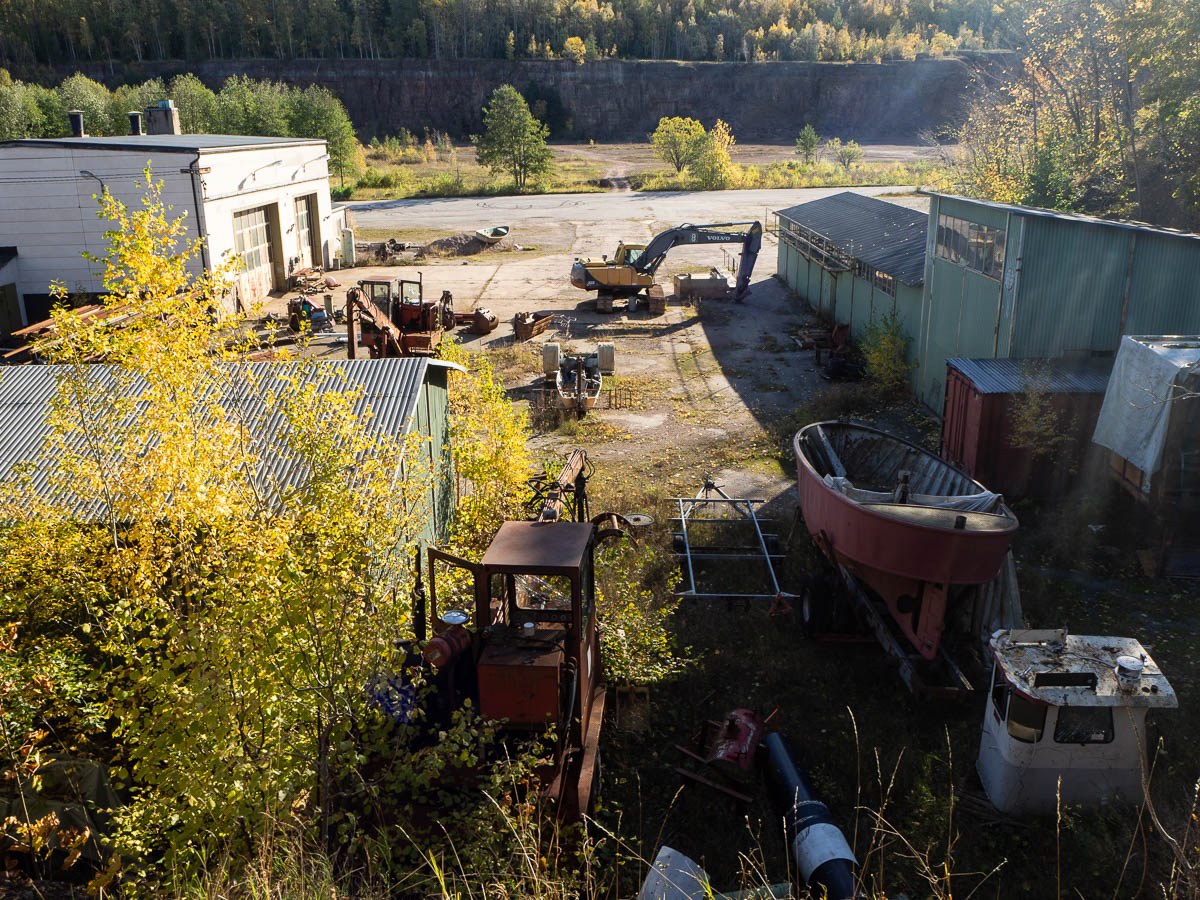
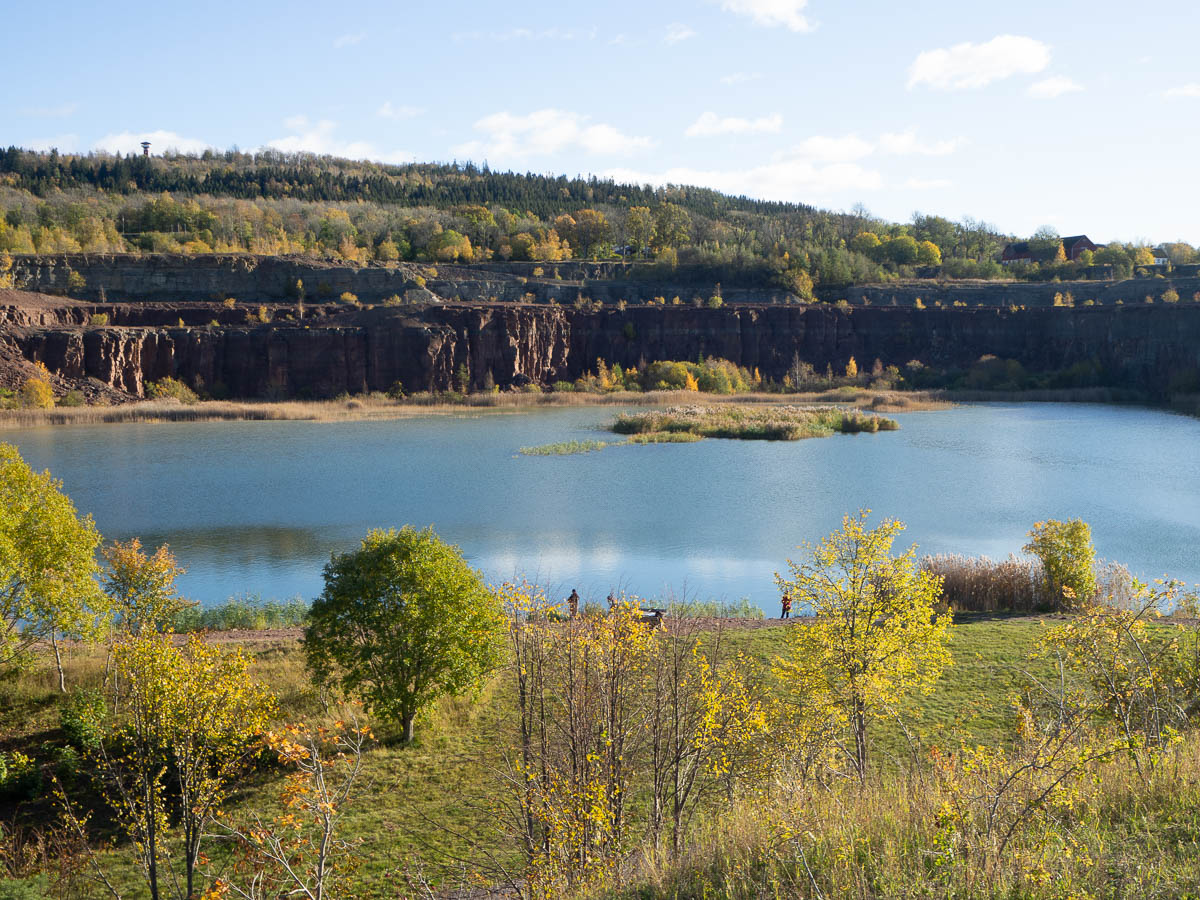
After some zig-zagging through a hilly forest, I came to a large quarry. Not for the first time I was struck by how well-planned this hiking path is. The path proper carefully avoided the less pretty end of the quarry with abandoned industrial equipment (which I only saw because I was curious about what was being hidden from me) but made sure I got a good view of the picturesque end with its large lake.


Looking at the map, I realized I was about to run out of path before I’d run out of time, so I decided to even things out. It was perhaps a bit early for lunch but I stopped anyway when I came to a suitable open place. I’d rather hang around for a while here in the grass and sit and read in the sun, than hang around at the train station all afternoon. With a two-hour breakfast and two-hour lunch, this was my most leisurely hiking day yet. A real Sunday outing. I’m glad I had my Kindle with plenty of good books to read!

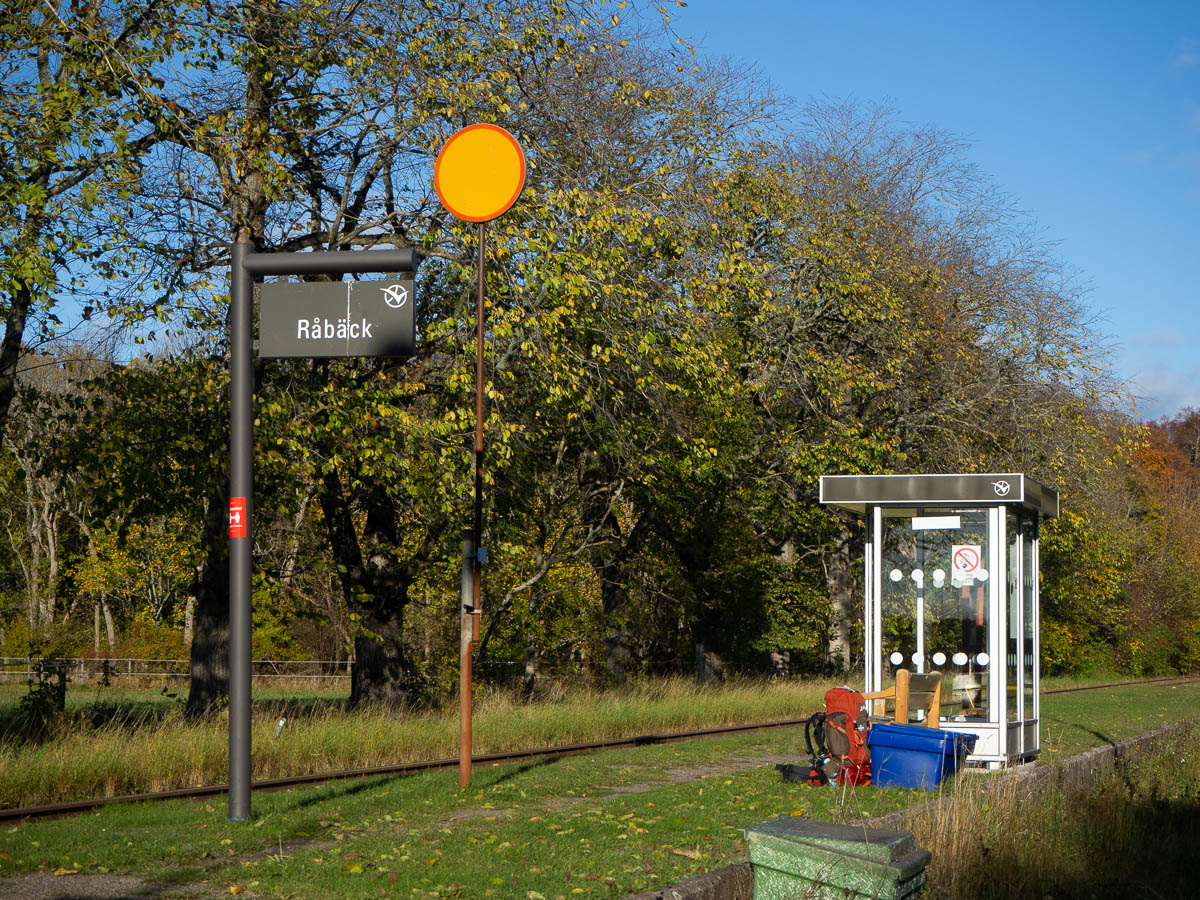
Råbäck station is a small one. The station building is now a residential one, and the part that actually functions as a station looks more like a bus stop than what a train station is supposed to look like in my mind. A platform, a sign on a post, a small shelter. Also a very nice, solid wooden bench, which I dragged into the sun and then gladly used.

Råbäck is a request stop, so the station’s most important feature was a yellow circular sign for flagging down the train. Here I’ve turned the sign to face the train’s direction to request a stop. When the train stopped, I turned it back before boarding.


From the path near Sandtorp to Flyhov and back, 7 km. Then to Gössäter, 14 km.

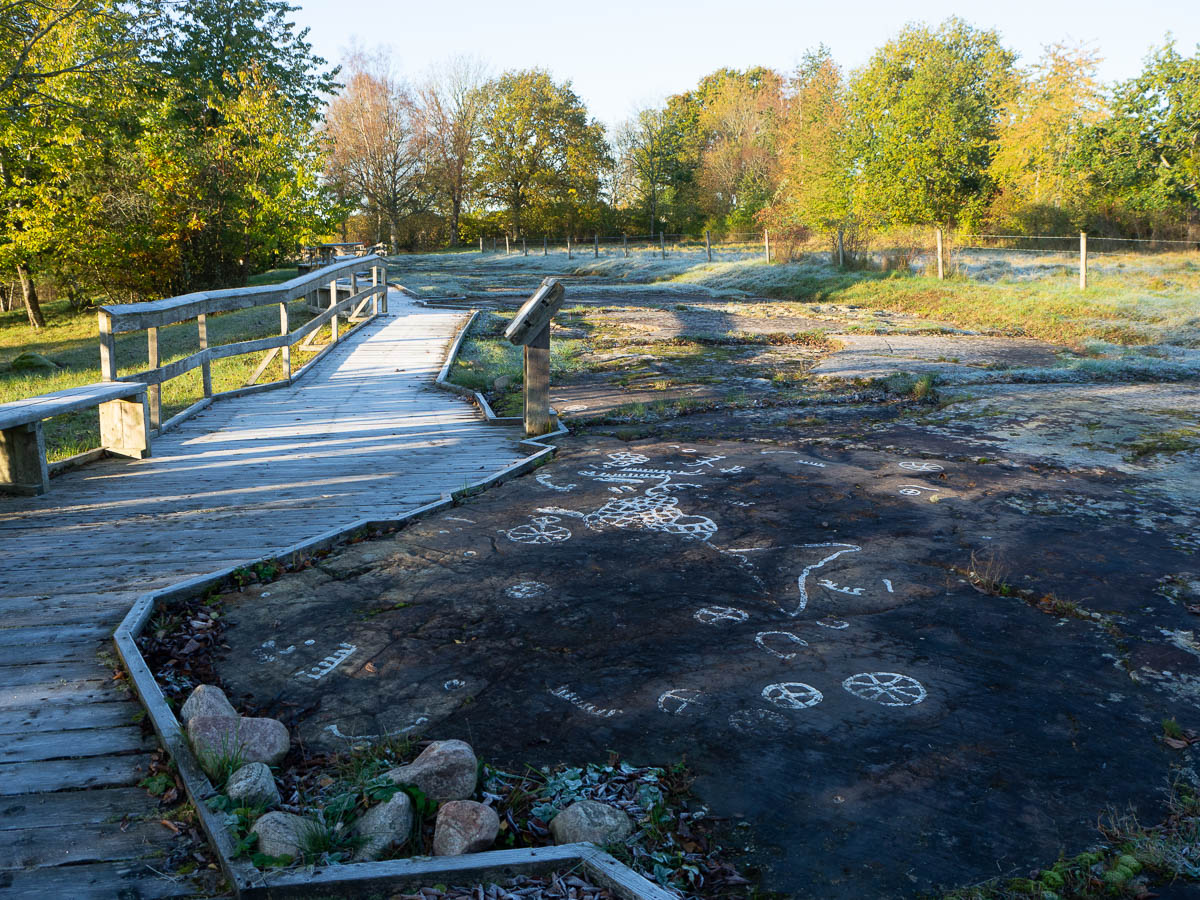
Last night’s camping spot was very deliberately chosen to be as close as possible to the Bronze Age rock carvings at Flyhov. They are not on the Kinnekulle path but they are close enough that I decided to make a detour to go and see them. So I got up again with the sun this morning, packed my rucksack but left it in the tent, and went off the path, across fields and along lanes.

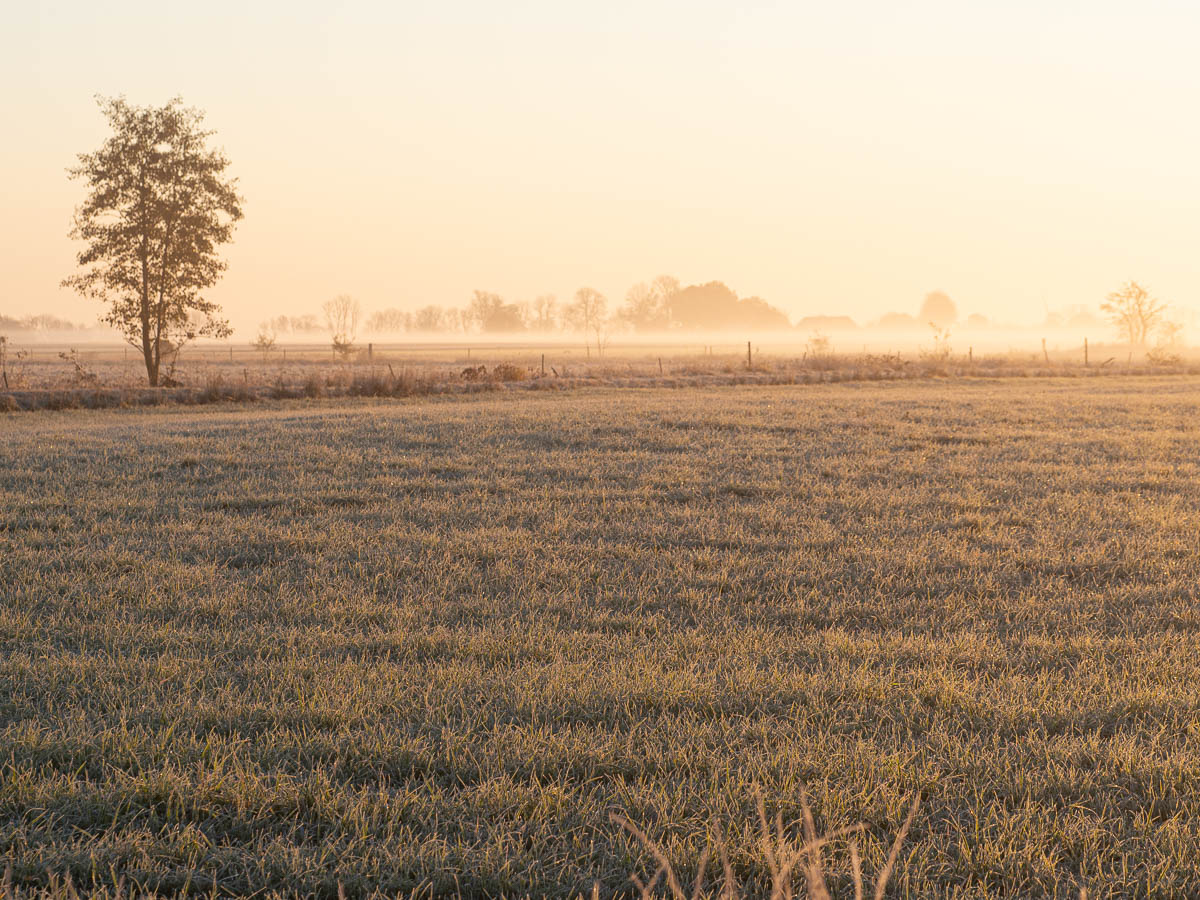
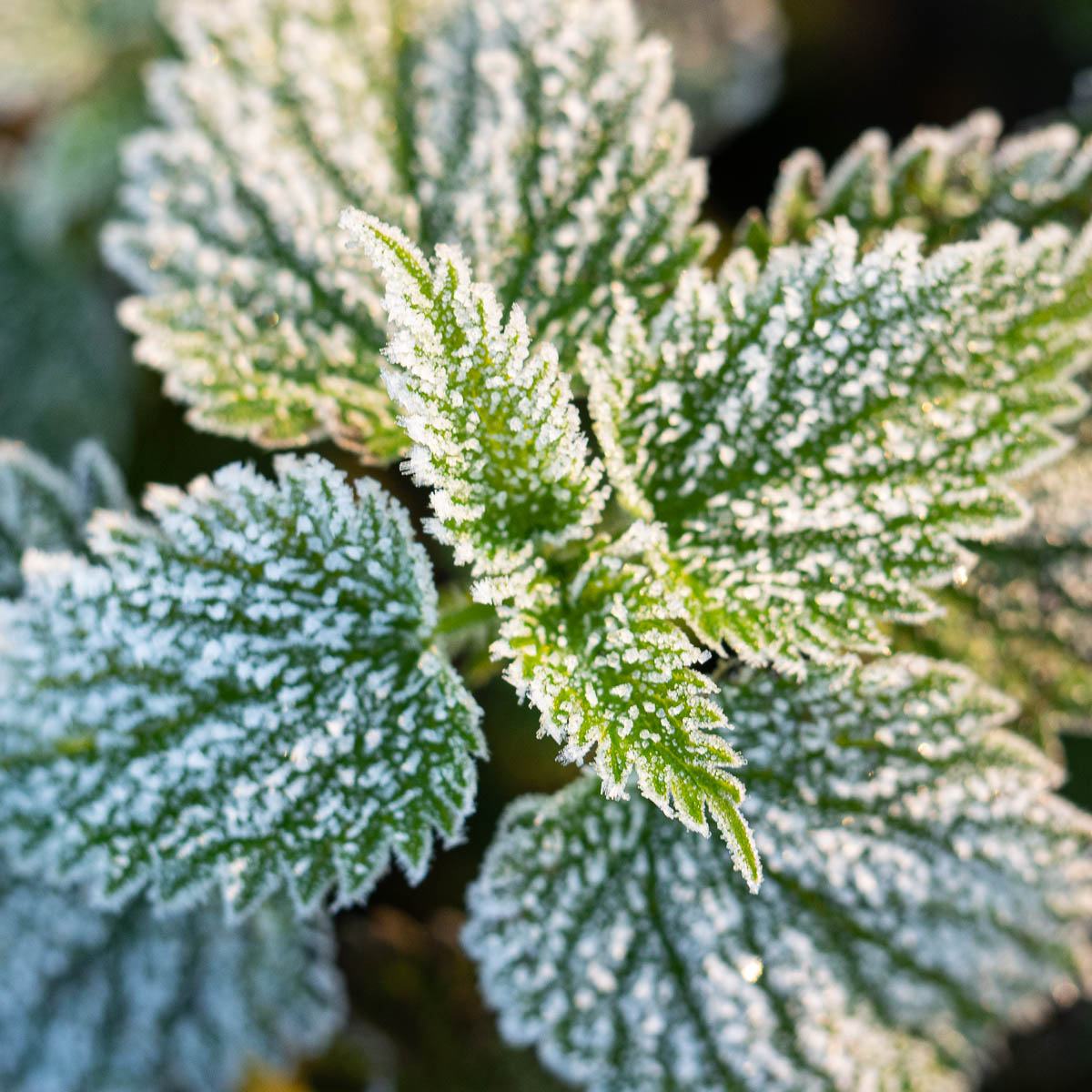
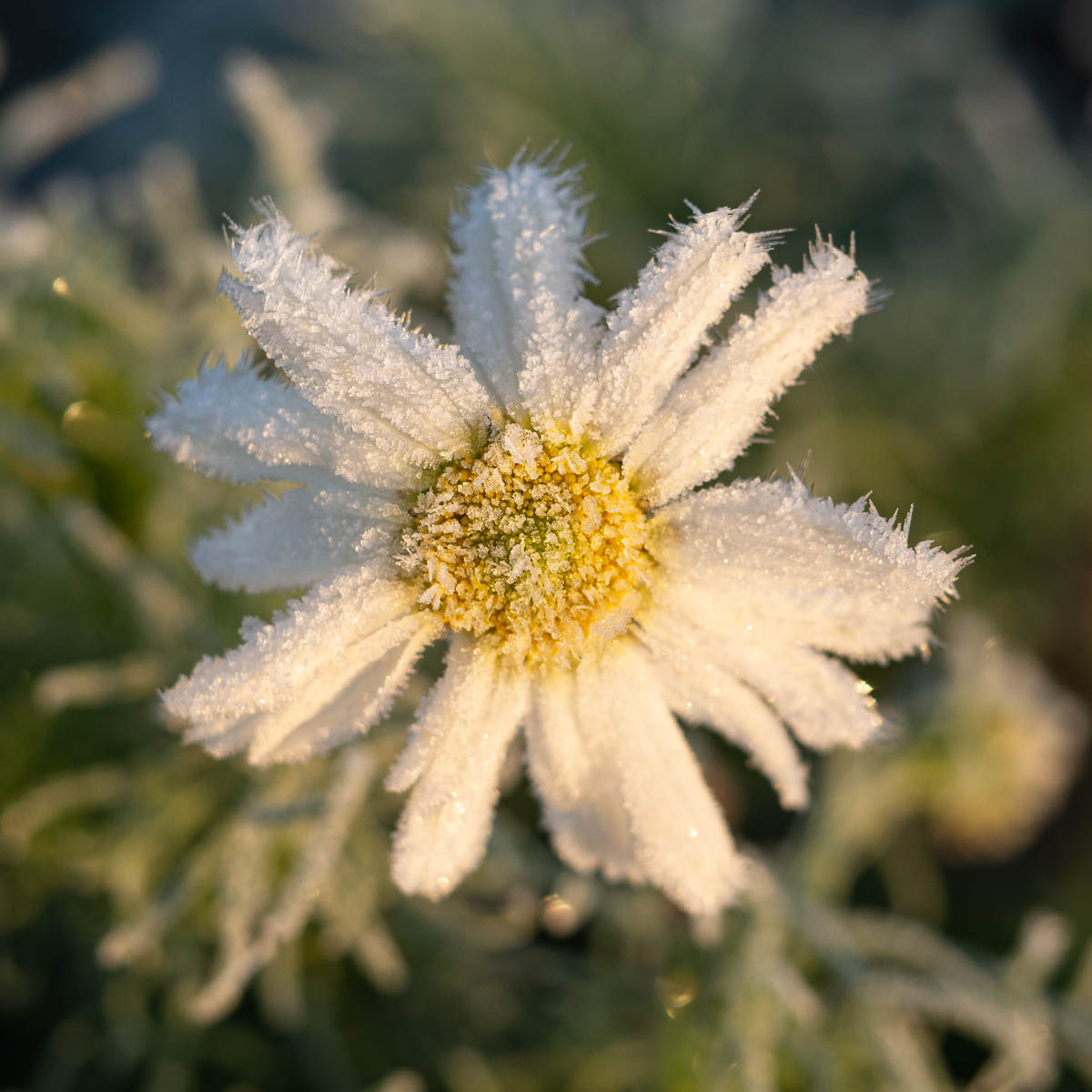
The first thing I noticed when I got out of the tent was the frost on the ground. I rather suspected it would be there, already before I’d seen it, given how cold the night was. I slept with my fleece jacket as an extra blanket on my upper body and I was still feeling cold much of the time.

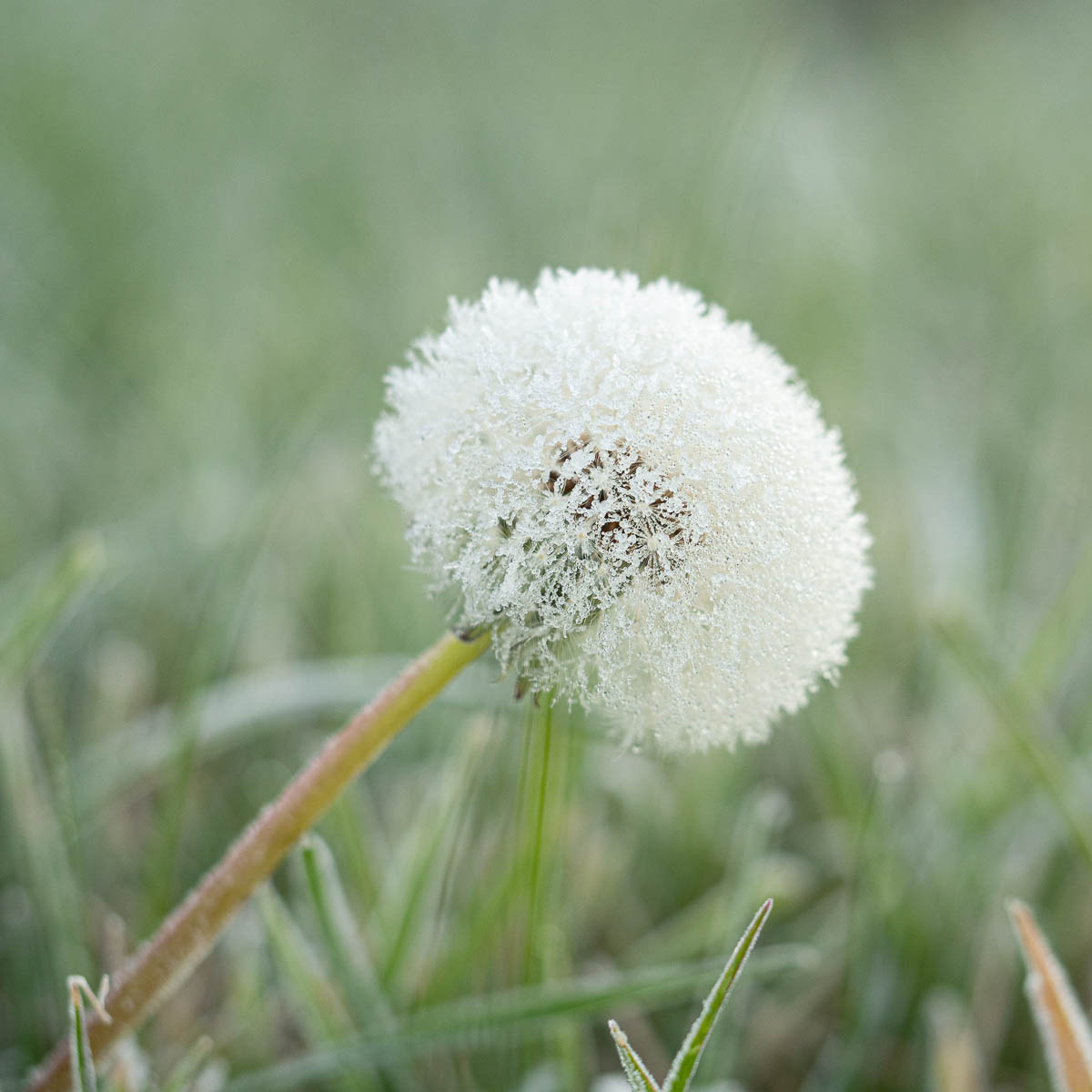
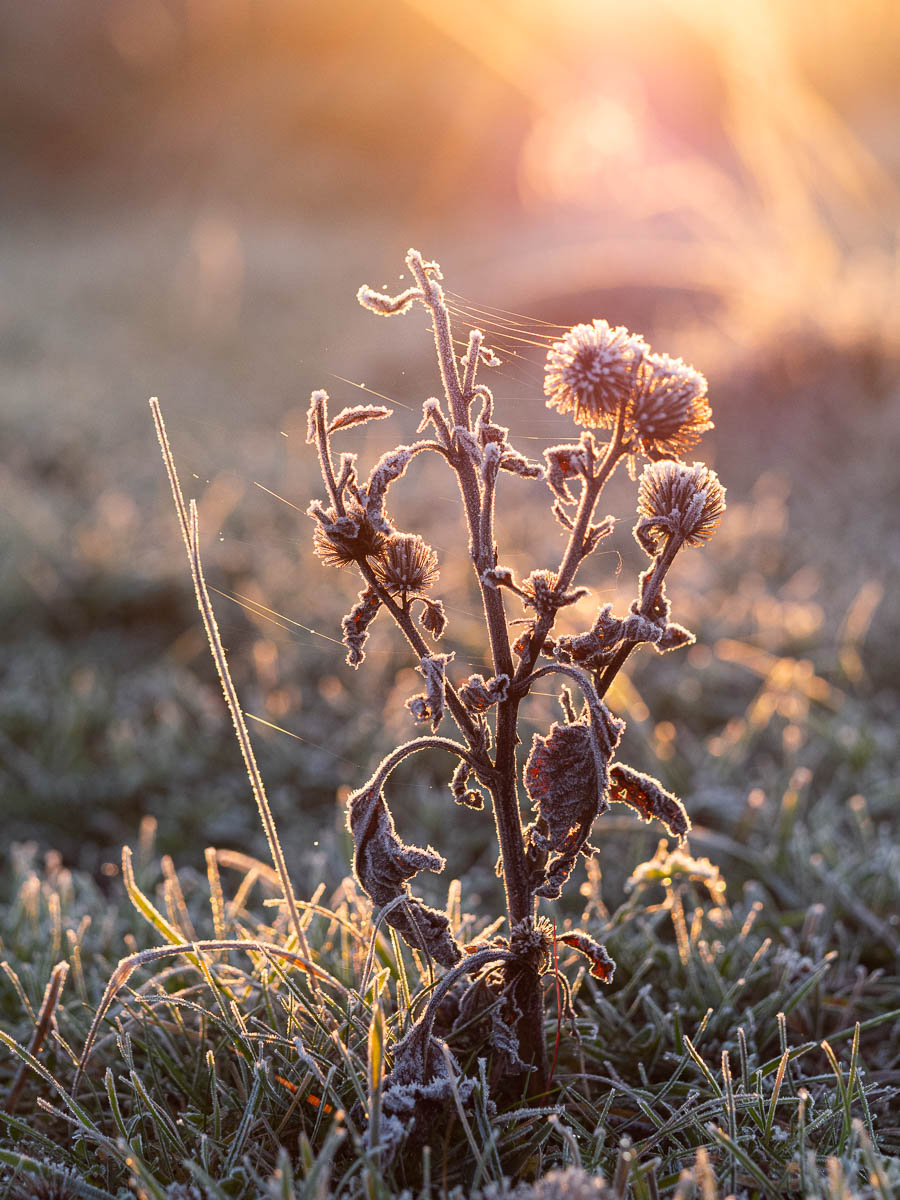
But the payoff was incredible. The morning mist and the frost made the world so beautiful. The days have been sunny and warm so the field edges were still full of lush plant life, not just dry grass: daisies, thistles, nettles, dandelion seed heads. And all of it decked out in thick, sparkling crystals of ice.


This early in the morning there were other creatures around than just humans. I scared a hare into flight and saw a fox at the edge of a field. On the way back I saw not just one but two herds of fallow deer. At home I’m used to seeing the occasional red deer or two, or maybe three, but the herds here were twenty or thirty strong at least.

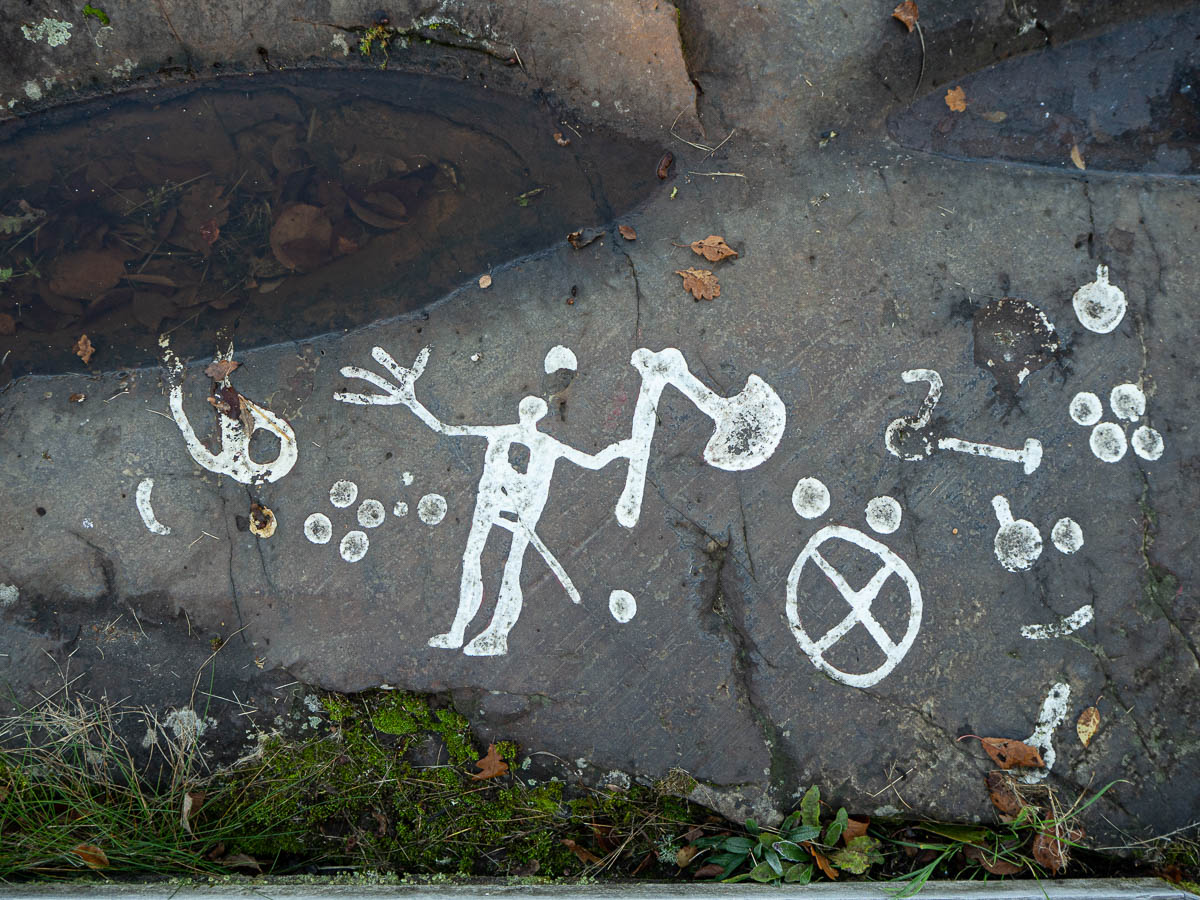
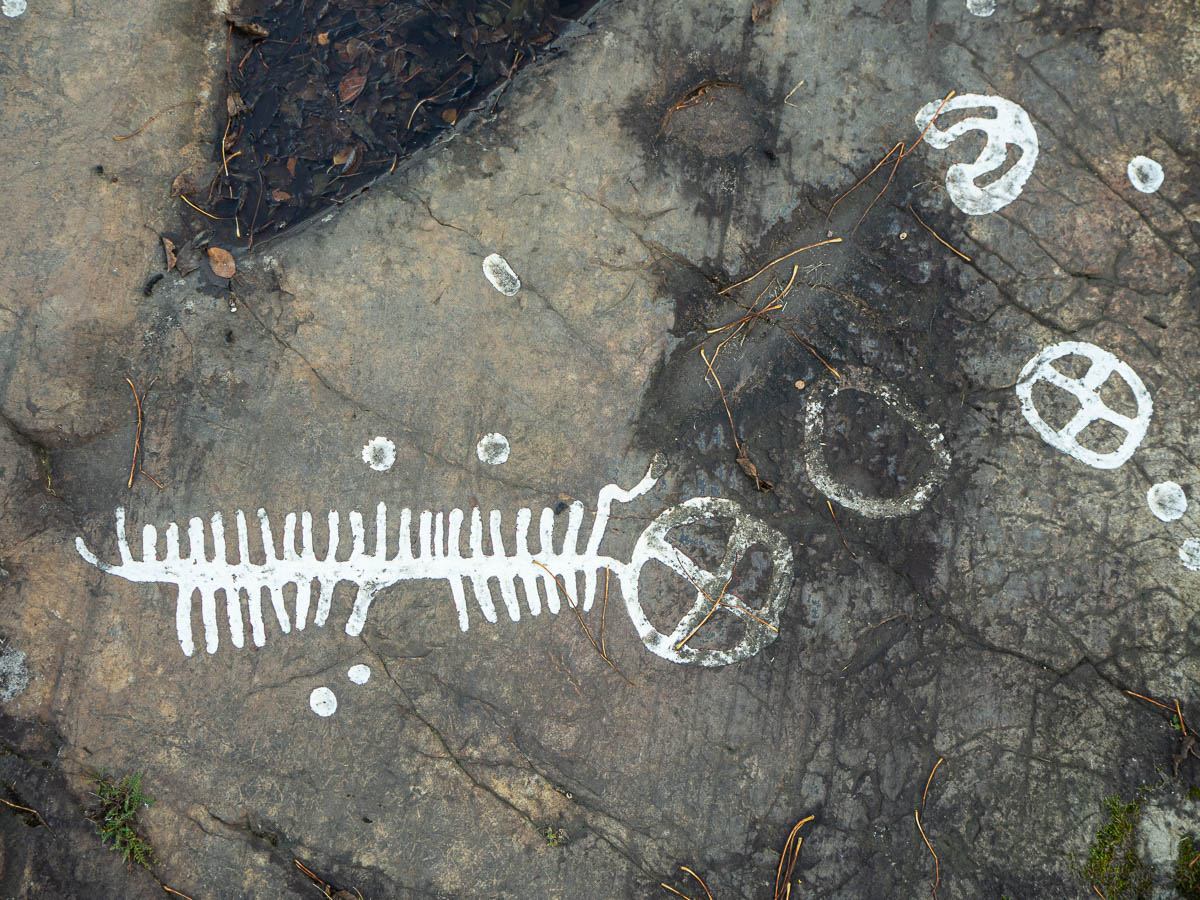
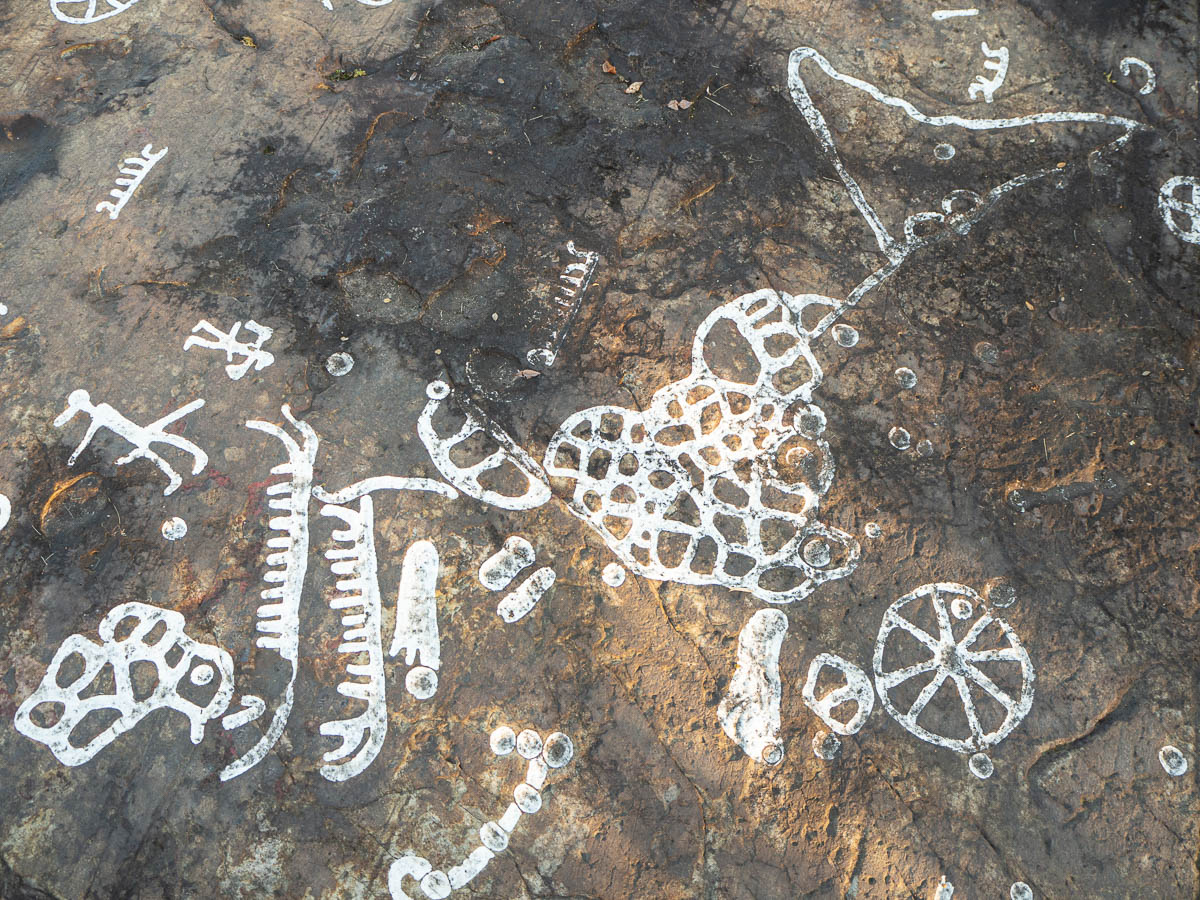
The rock carvings were well worth a visit as well. They’re nicely presented, with a walkway that allows visitors to get quite close, and signs explaining what is what. Ships, wheels, men with swords and axes, mysterious networks of lines.


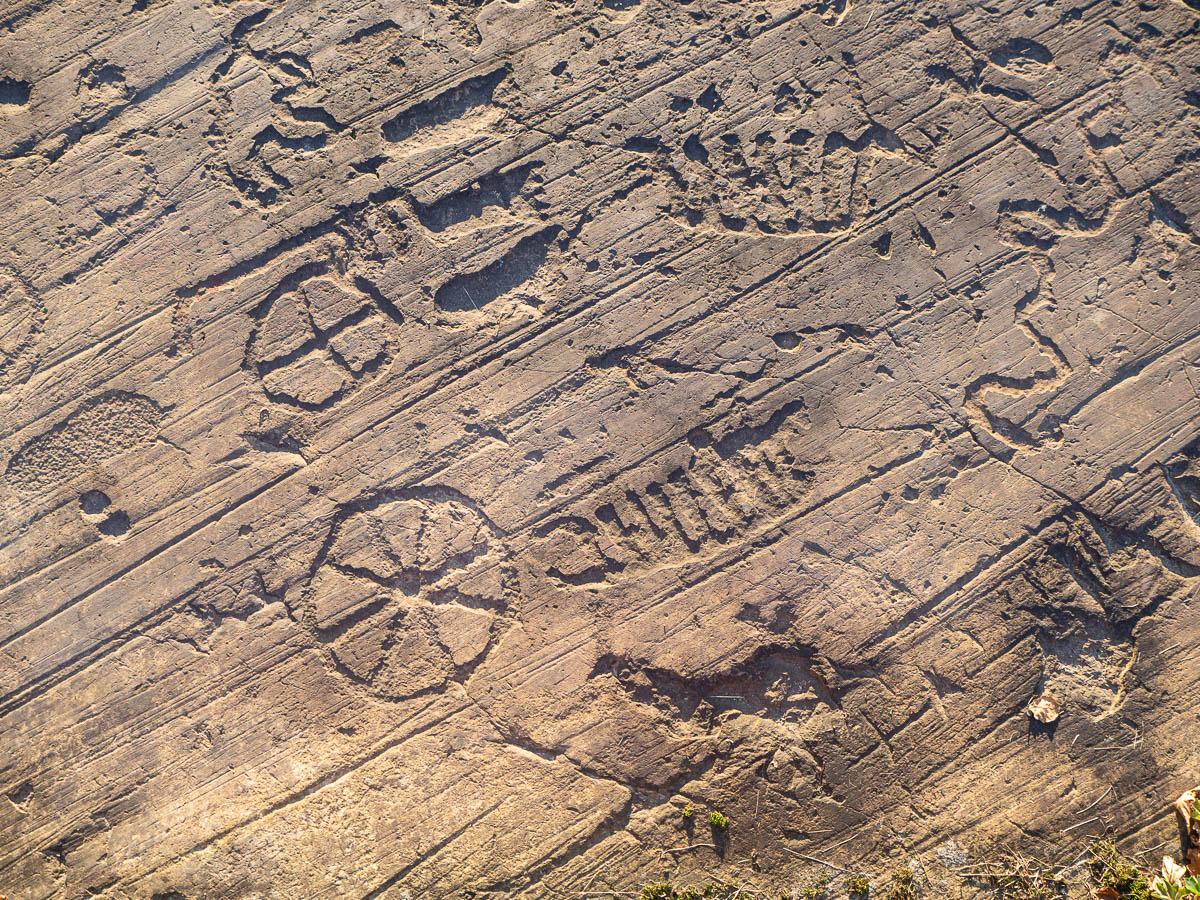
Most of the carvings are filled in with white paint to make them easier to see, but one section has been left unpainted so you can see what they originally looked like. And the carvings were all in surprisingly good state: I think some may have been uncovered only quite recently. At another site I read that some carvings get covered up for winter, to protect against the weather and especially ice I guess. Perhaps this is done here as well.

My quick packless 7 km walk, which could have taken an hour and a half, took nearly twice as long because I kept stopping for photos. By the time I was back the sun was well up and I was quite starving. I made my usual porridge breakfast and finally started walking on the Kinnekulle path at around 10.

My tent was, of course, dripping again this morning. Condensation on the inside, melting frost on the outside. I’ve started unpacking it every time I make a slightly longer stop. I choose a flat, sunny, dry spot; spread out the tent in the sun and weigh it down with a couple of stones, and rearrange it occasionally to expose new parts to the sun and the wind. By the evening, after several such stops, the tent is more or less dry again, both inside and out.

I take several long breaks every day. Like hobbits: elevenses, lunch, afternoon snack. For lunch I cook a hot meal; the others are cold snacks. I eat and I read, and perhaps make some photos. It’s very pleasant to sit out on a rock in a quiet sunny meadow and just read. I have no reason to hurry, because if I get “there” too early then all I get is a long evening of sitting and reading next my tent. Better to spread out that sitting and reading through the day.


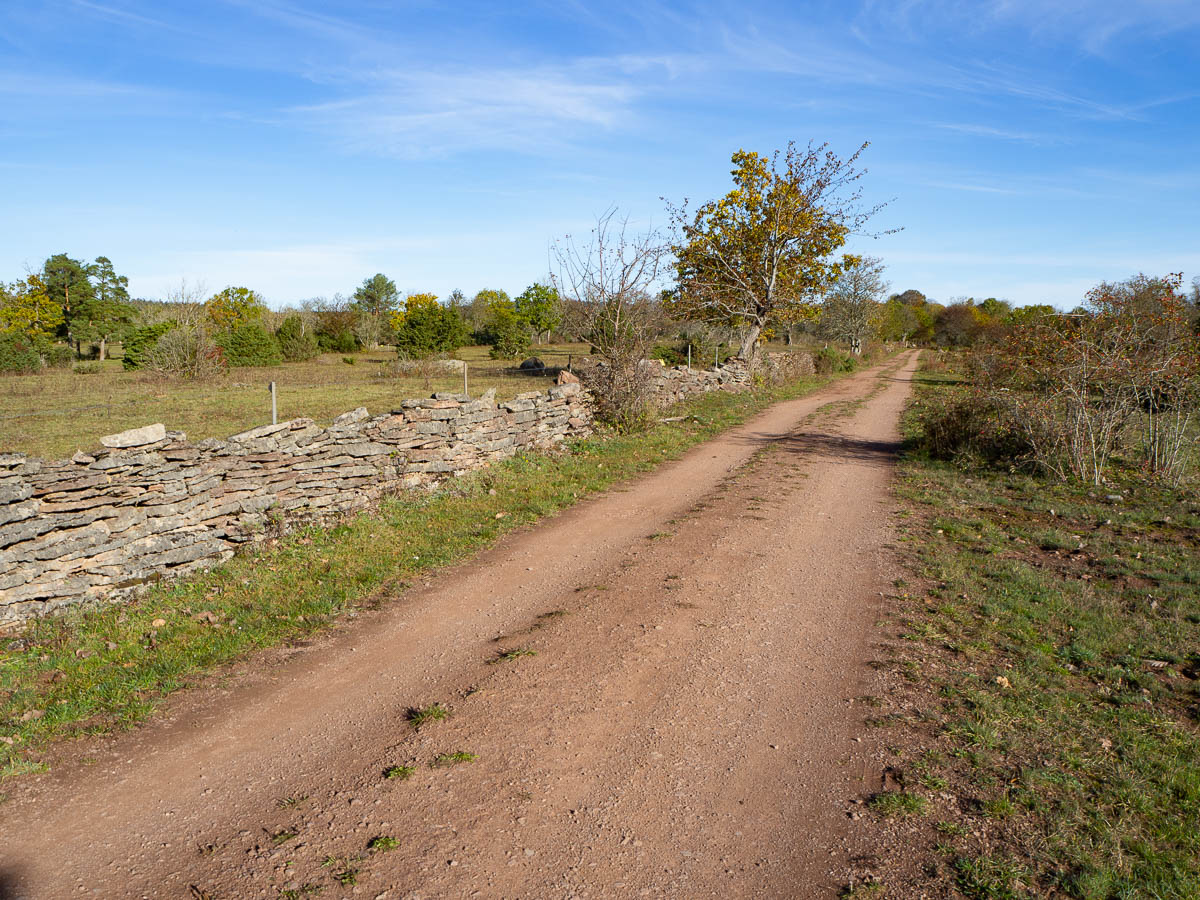
Today’s walking was much like the past two days: interesting and varied. Pastures and limestone meadows and forests of various kinds.

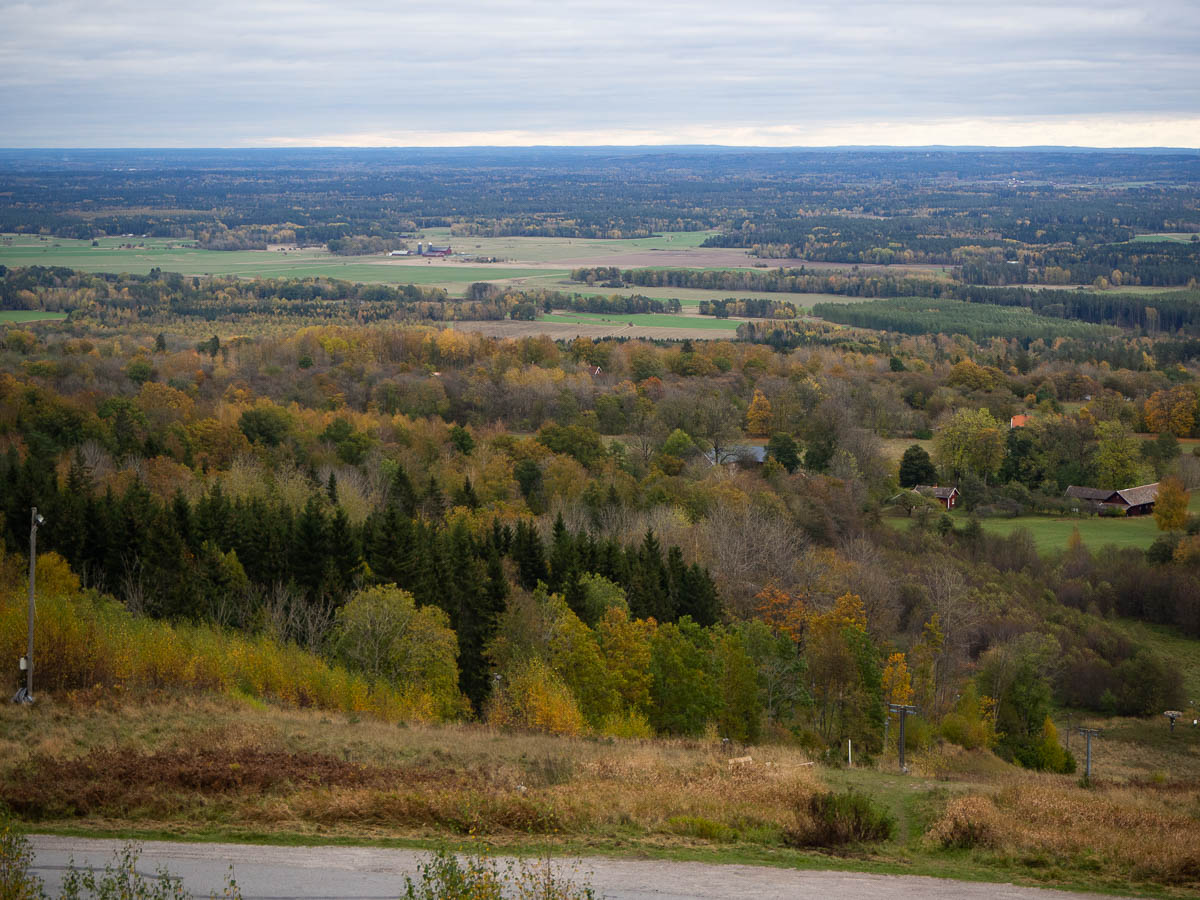
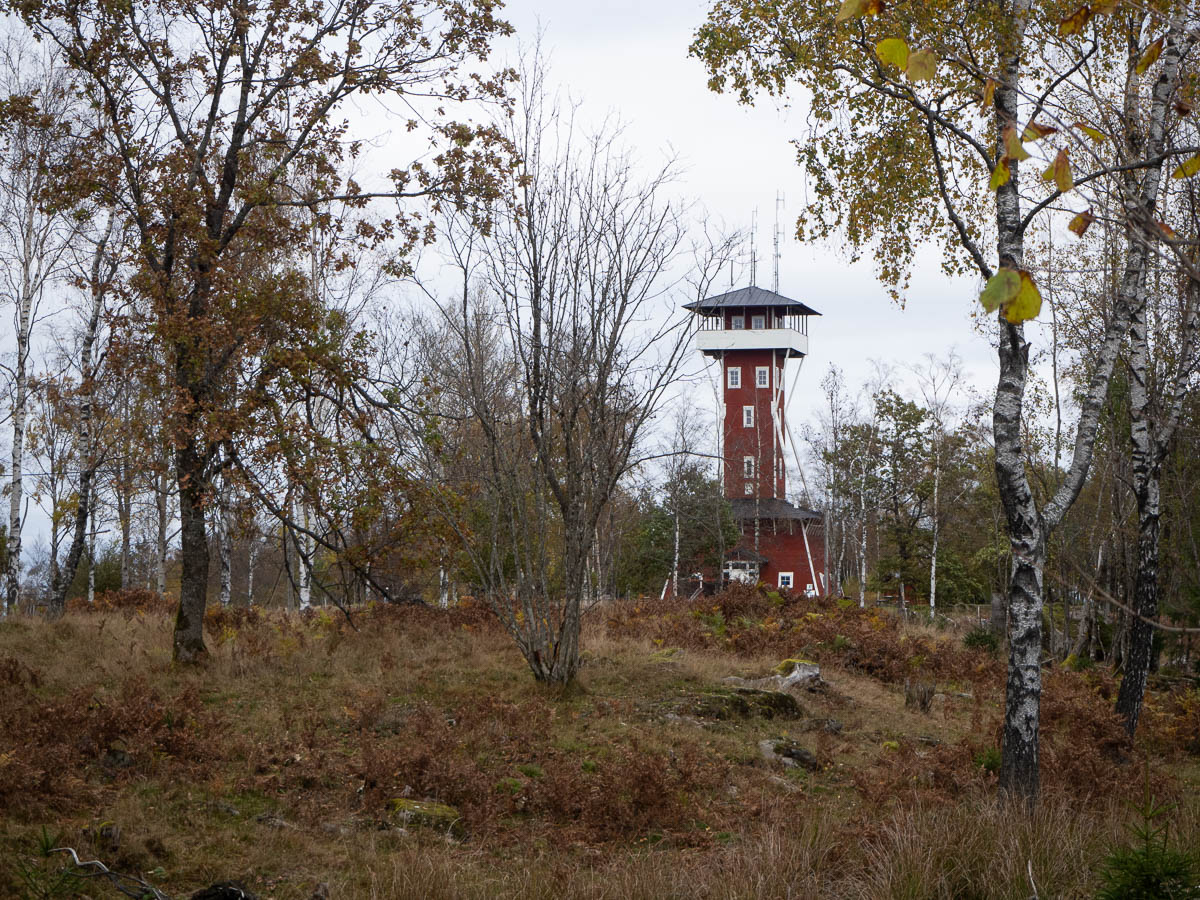
In the afternoon I reached the peak of Kinnekulle plateau mountain, which I’ve been circling since Thursday afternoon. There was a viewing tower, unfortunately closed this late in the season. But even without the tower, just looking out from on top of the hill, the views were wide.


As evening approached, I realized I was running out of water again. So I kept walking for a bit longer than I had perhaps otherwise planned, all the way to the easternmost tip of the circular path, where it gets close to Gössäter. There I left my pack behind a pile of logs, left the path and aimed for civilization. Crossed the main road, knocked on the door of the first house I came to, and got my water bottles filled up again.

I pack as light as possible and my food is all dry and lightweight. I don’t want to undo all that scrimping by carrying too much water. But the drier the food, the more water I need for cooking, of course… On the whole, though, I’d rather carry fewer kilograms but walk more kilometres. This evening’s extra kilometre to get water, walked without any pack, was hardly noticeable – but an extra litre of water, carried all day, would not have been.

By now evening was approaching and it was really time to stop and set up camp. But I was in on a gravel road in a dense, scruffy spruce forest, full of tangled undergrowth, with no room anywhere to put up a tent. Finally I came to a rectangular, flat, cleared patch of ground next to a by-road – probably someone’s parking spot.

Såten shelter to a glade north of Sandtorp, 17 km.

I woke with the sun shortly after seven in the morning. This was an unexpected benefit of hiking late in the season: I can sleep without earplugs and eye mask, and still not be woken by birdsong or sunlight at an ungodly hour.

The tent was cold and nearly dripping with condensation. I tried to not touch the walls as I crawled out and pulled out my gear.

Outside was also cold. The sun was well hidden behind trees, far from reaching down into the small clearing around me. So I did as is becoming a habit for me: packed everything up and started walking straight away. It was much nicer to eat breakfast on a sun-warmed slope an hour later.

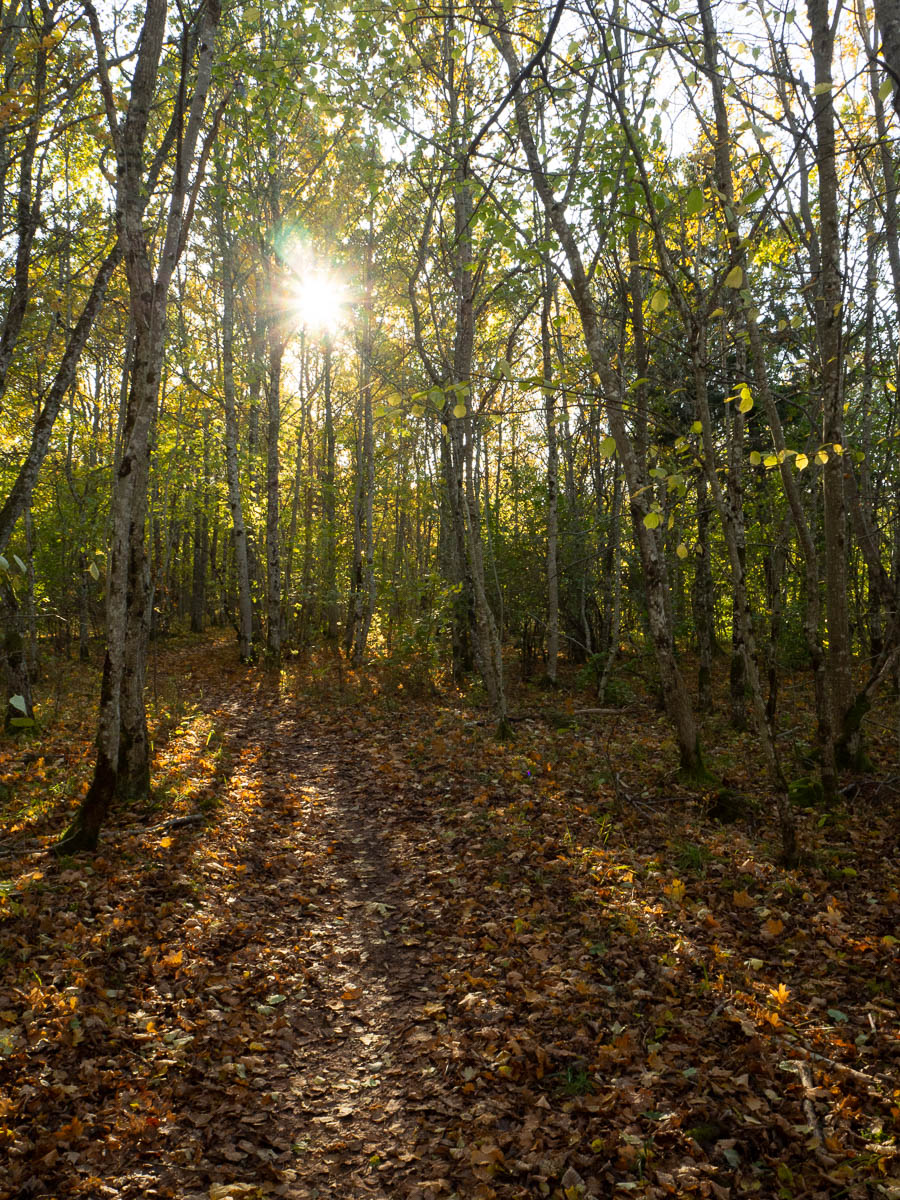
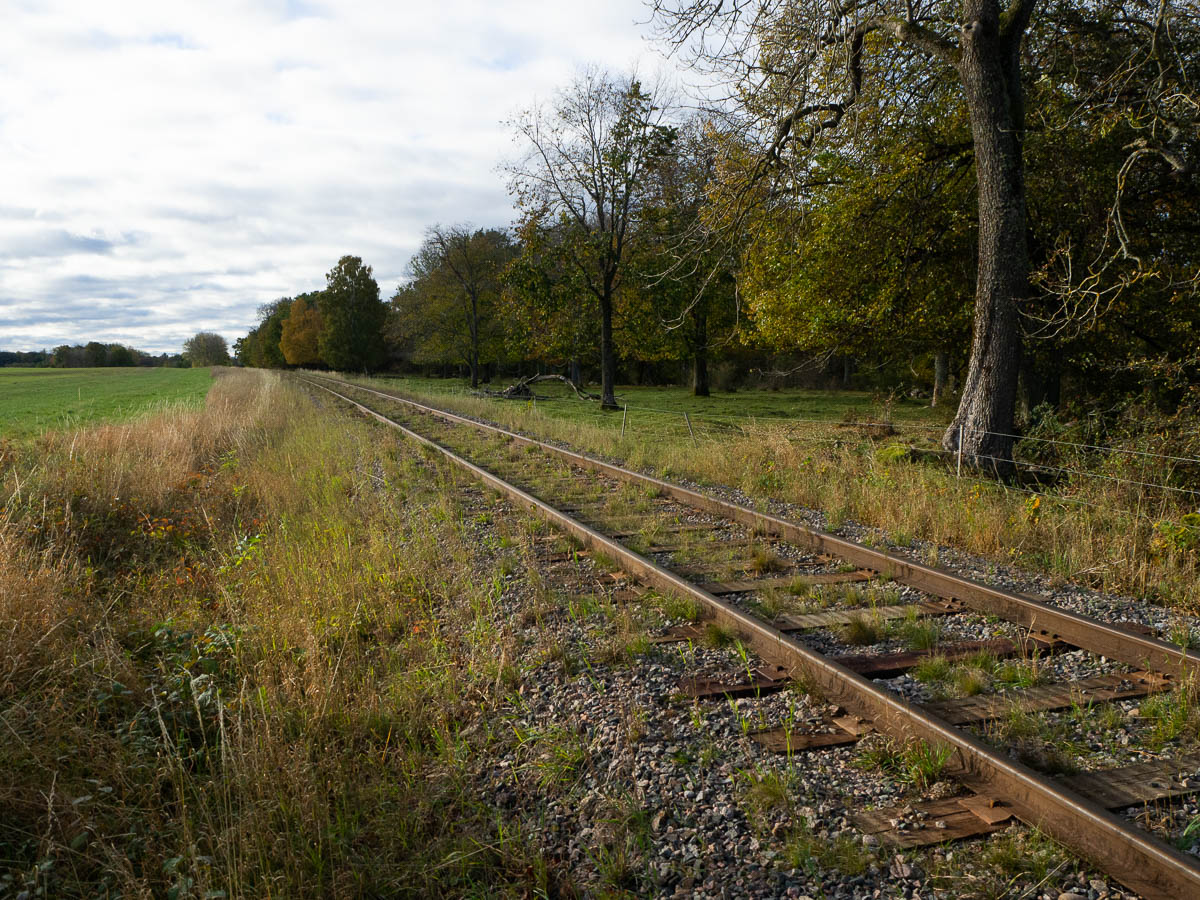
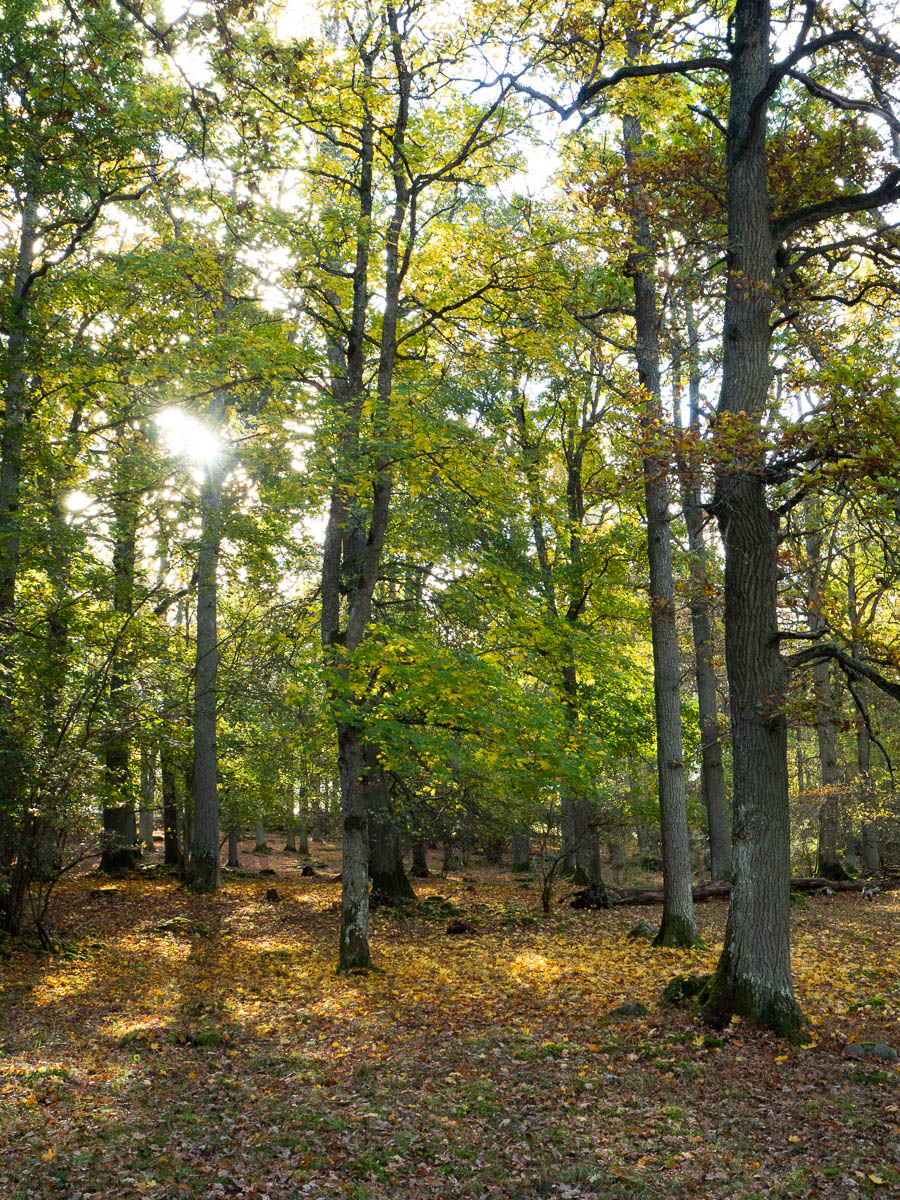
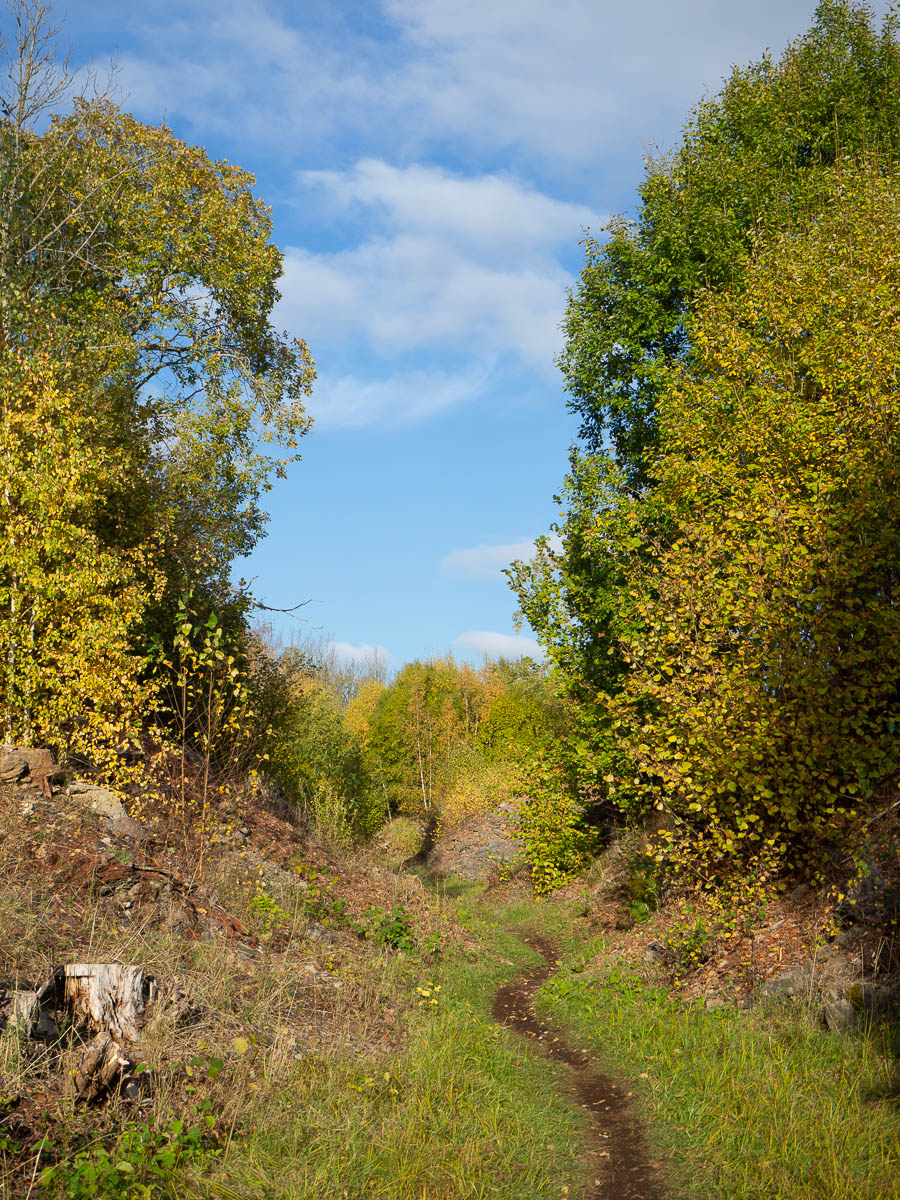
My surroundings today were very varied. The Såten nature reserve, in the morning, had grassland on limestone. After a while the path crossed the railway and entered a sparse, light oak forest. But mostly it was a mixture of pastures and deciduous forests.


Hiking in this kind of landscape feels quite different from e.g. Sörmlandsleden. Sörmland forests – both pine and spruce – are relatively close. You can’t see very far and the nature along the path is mostly unchanging. There is not much to look at and walking becomes a meditative activity. After the first few hundred pines, they meld into a kind of a peaceful curtain.

Along the Kinnekulle path the landscape is more open and more varied. The eye reaches farther and there is always something new to catch the eye. I was much more alert and present when walking here.

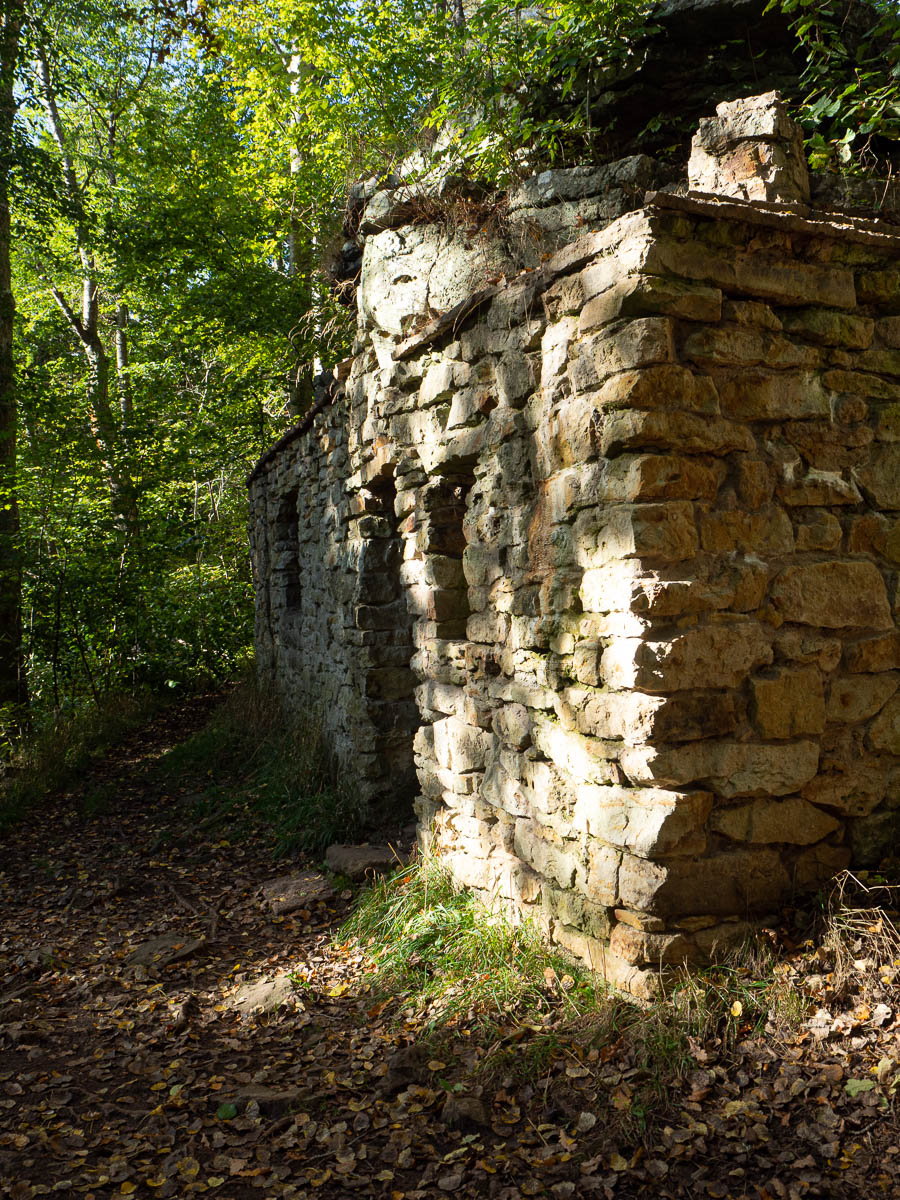
There is a sort of a cave house, Lasse i bergets grotta in the forest near Sandtorp, built in the late 19th century. A man and his wife lived there for thirty years. It has been abandoned and vandalized and then built up again roughly in its original shape.

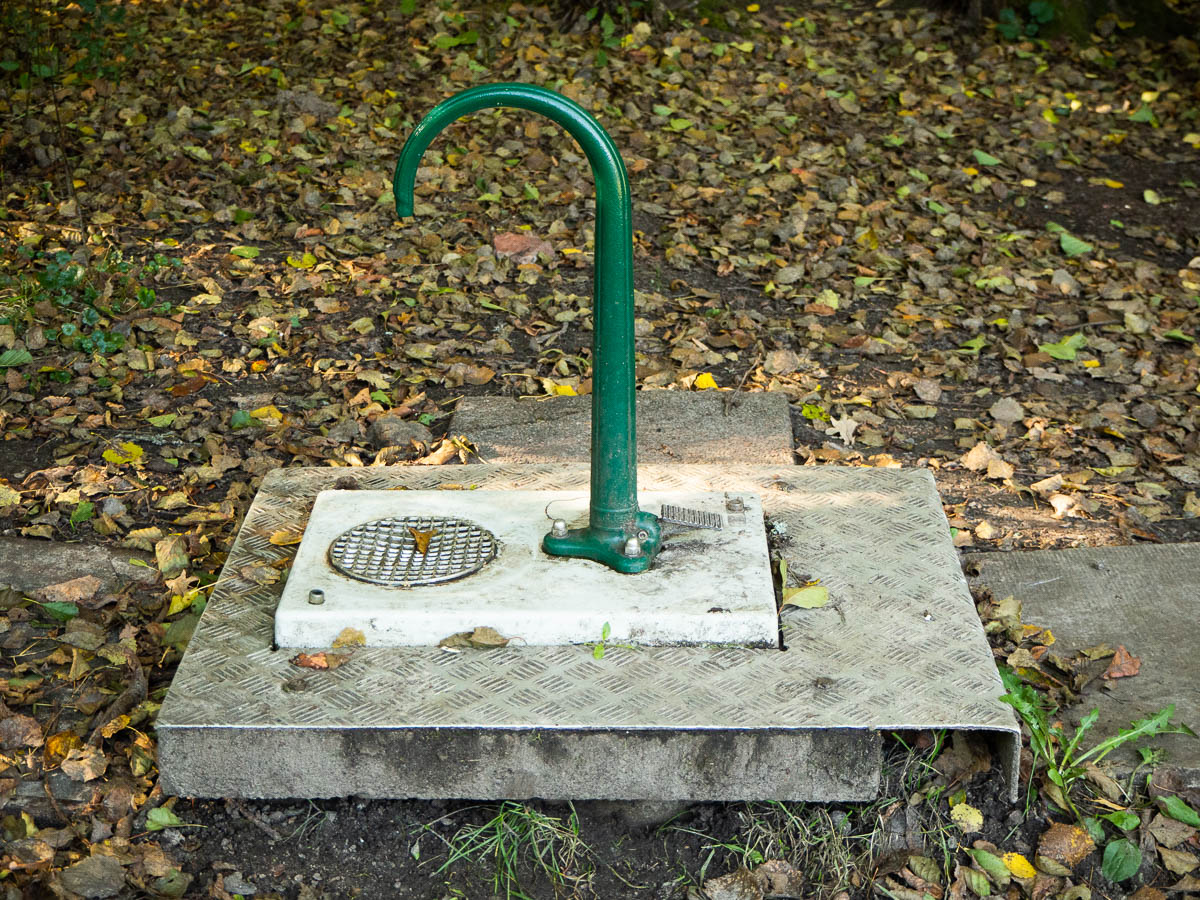
A municipal water pipe passes here, and I was very glad to find the tap that the water company has kindly installed next to the picnic tables here. I was close to running out of water by now. This is the one and only potable water source along the entire Kinnekulle path.

In the Fells, access to fresh water is never an issue. In the woods in Sörmland, miles away from civilization, I have used lake water for both cooking and dish-washing and occasionally for drinking. Here I’ve seen small springs and brooks, but they’ve all been shallow and muddy. And there are pastures with cows and horses absolutely everywhere so I really don’t trust the water in the springs at all.

On the other hand, the nearness of civilization means that there are plenty of people and houses nearby. If I do run out of water, I can leave the path and make my way to the nearest village and knock on doors.

Lunch was late because I couldn’t find a good spot. I was looking for some open ground where I could set up my stove, and hopefully get some sunshine as well. I haven’t met many other people on the path but lunching right on the path would still feel awkward and uncosy.

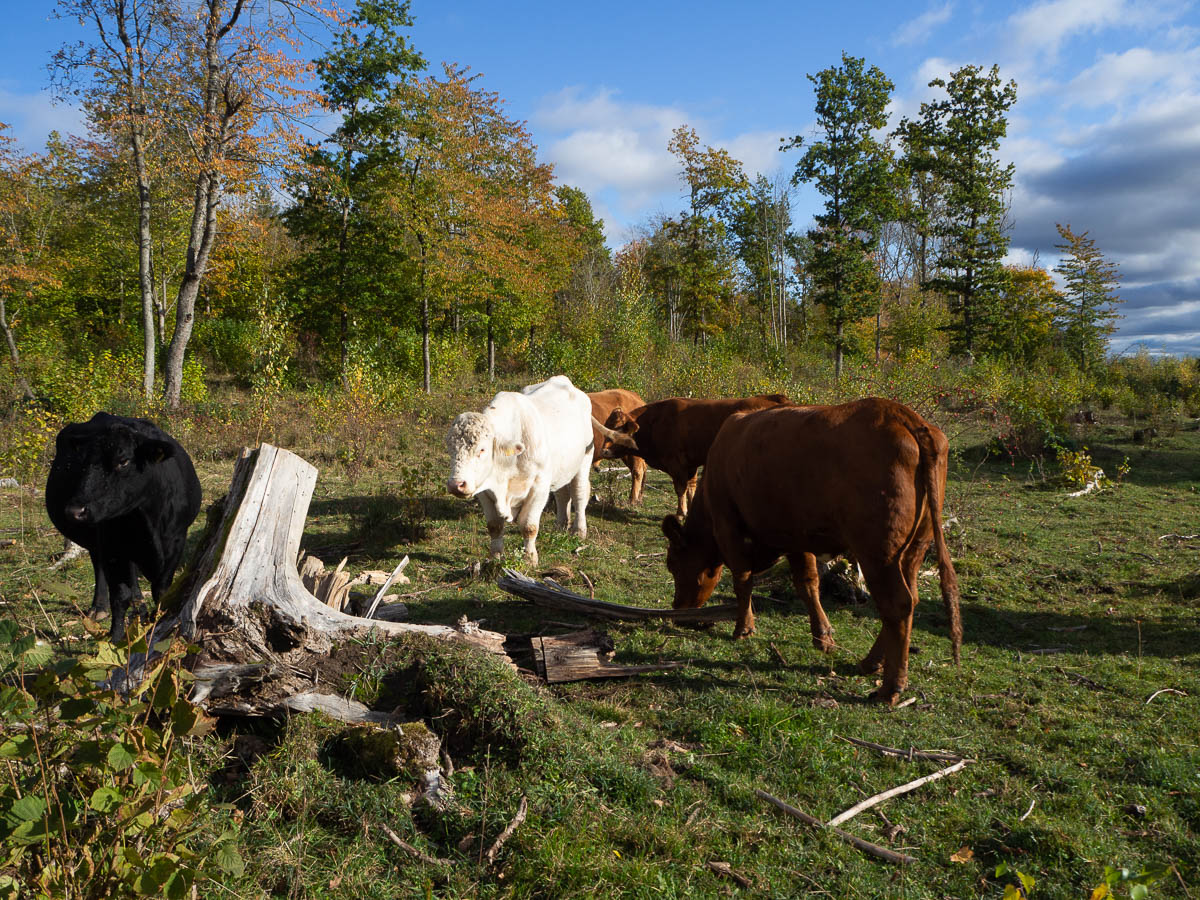
I finally came to an empty cow pasture with lots of nice tree stumps for seats. Just as I was in the middle of cooking my food, a whole bunch of cattle arrived from over a ridge I hadn’t investigated. Apparently the pasture was larger than I had thought, and not at all empty. Oops.

I couldn’t easily move out, with the stove burning and my lunch half-cooked. What to do? Cattle are large and heavy and could trample me quite badly if they decided they don’t like me. But on the other hand these cows (and at least one bull) looked more curious than bothered, so I took my chances and stayed. I finished my cooking and eating closely surrounded by seven or eight cows. They were rather nosy and I kept having to shoo them away from my stove to avoid accidents.

The path continued mostly through deciduous forests, interspersed with meadows and pastures, and one manor.


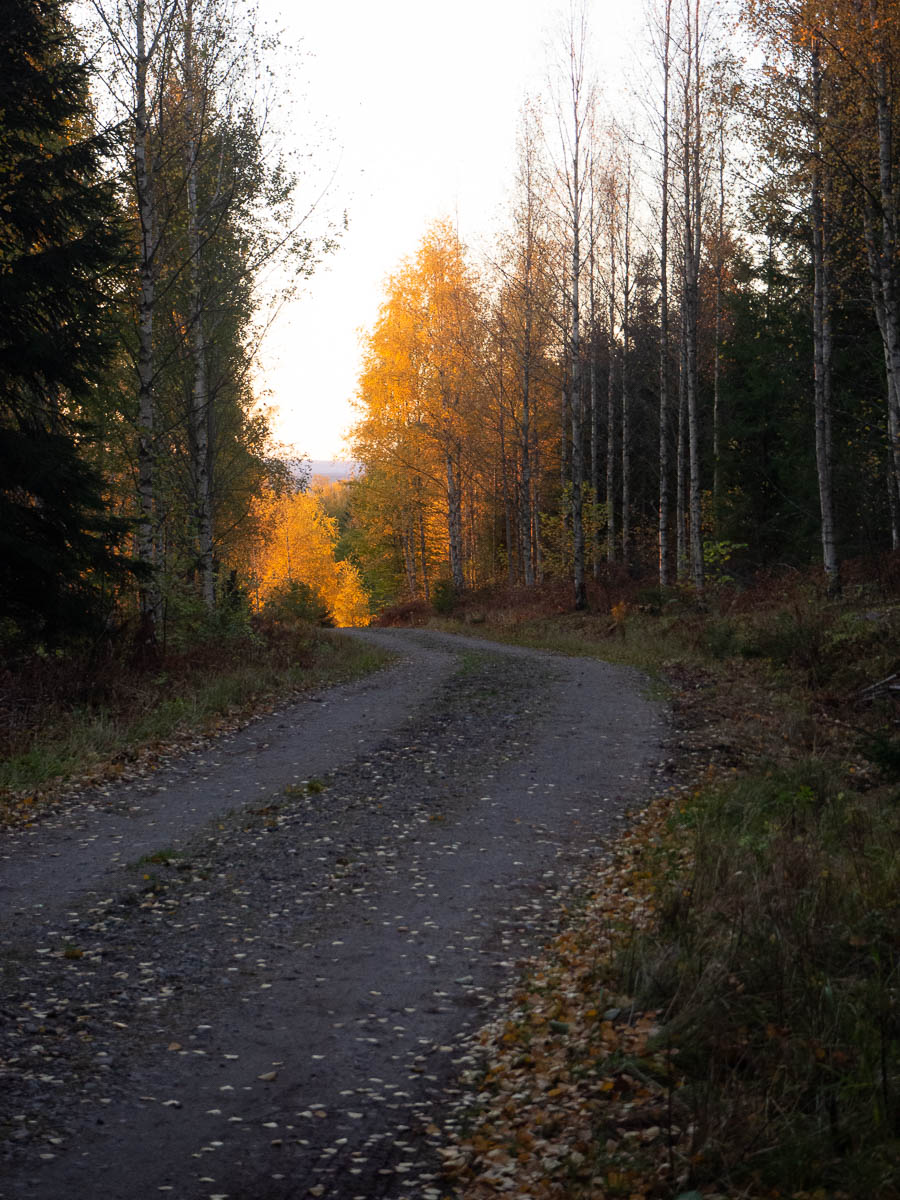
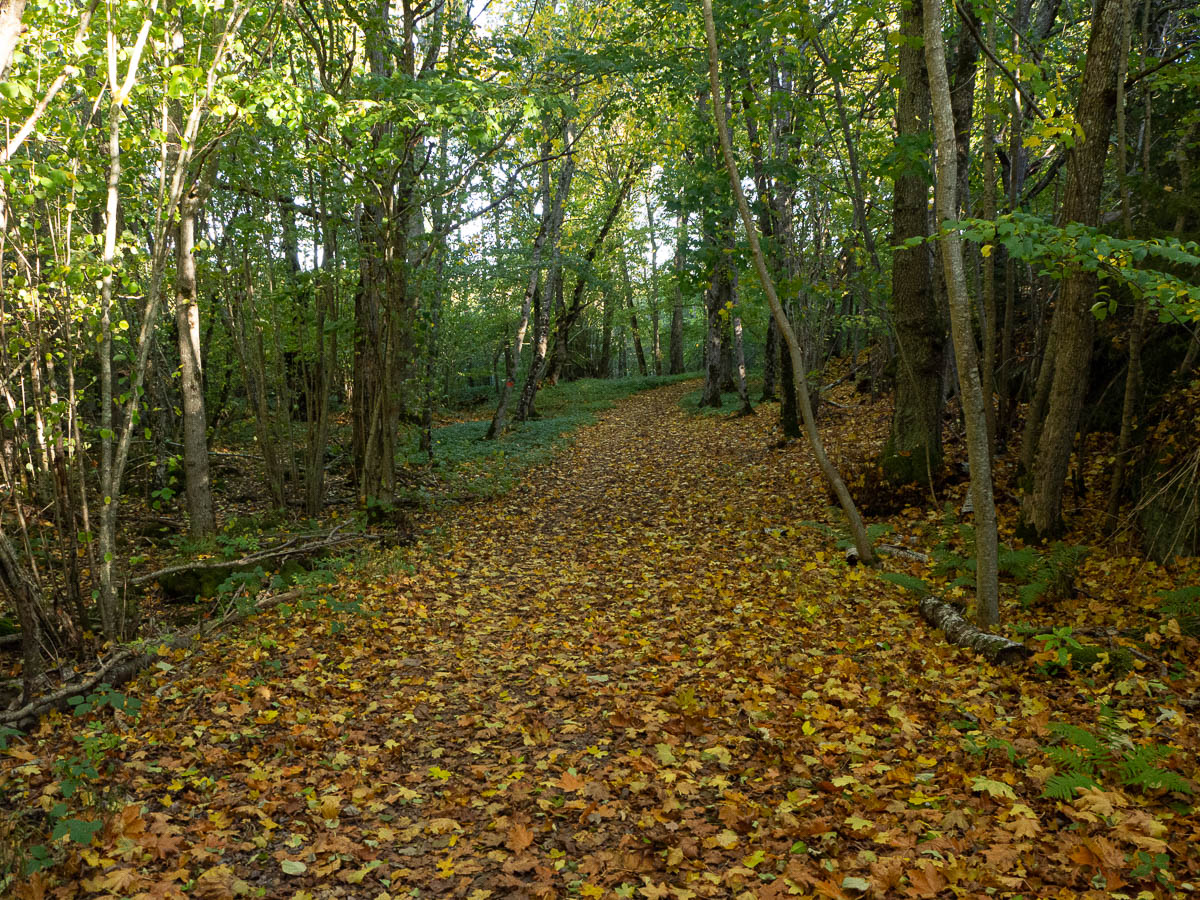
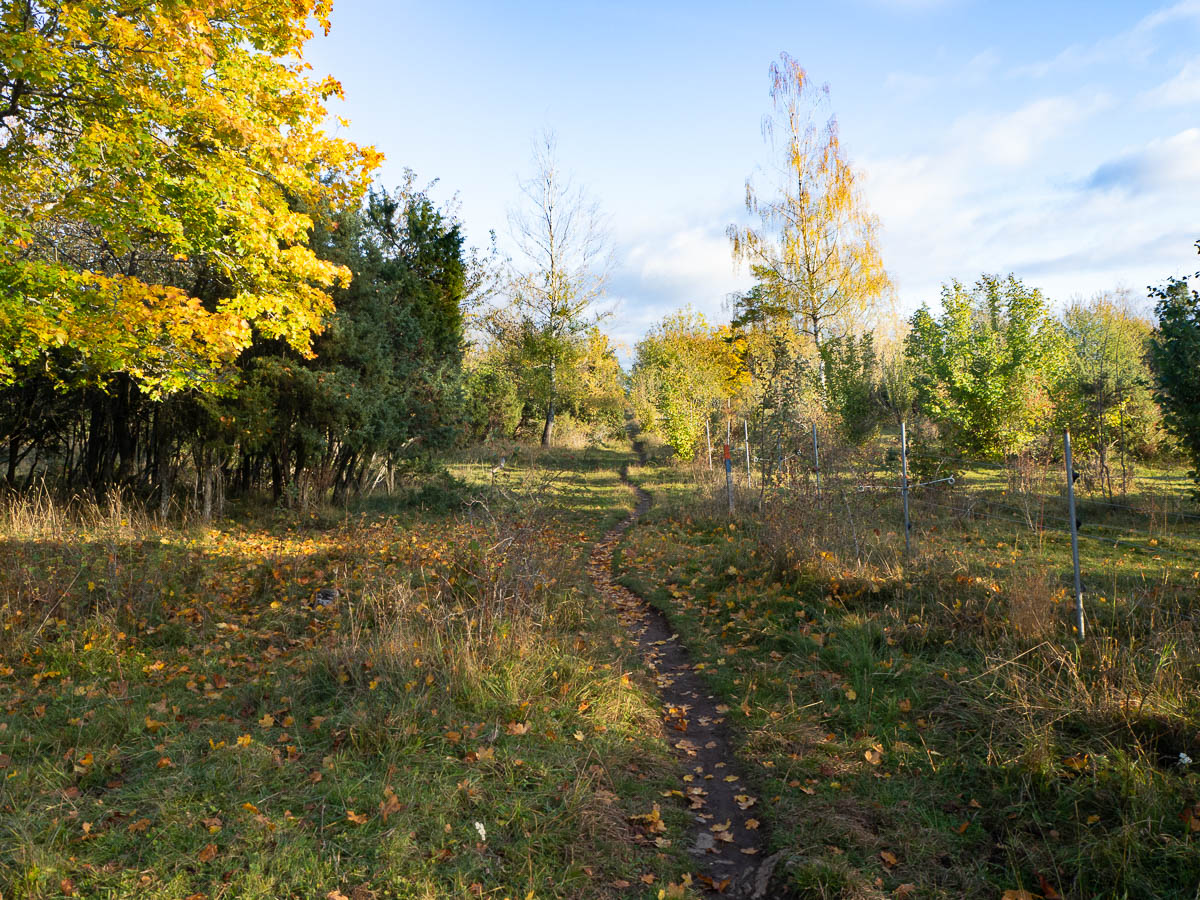
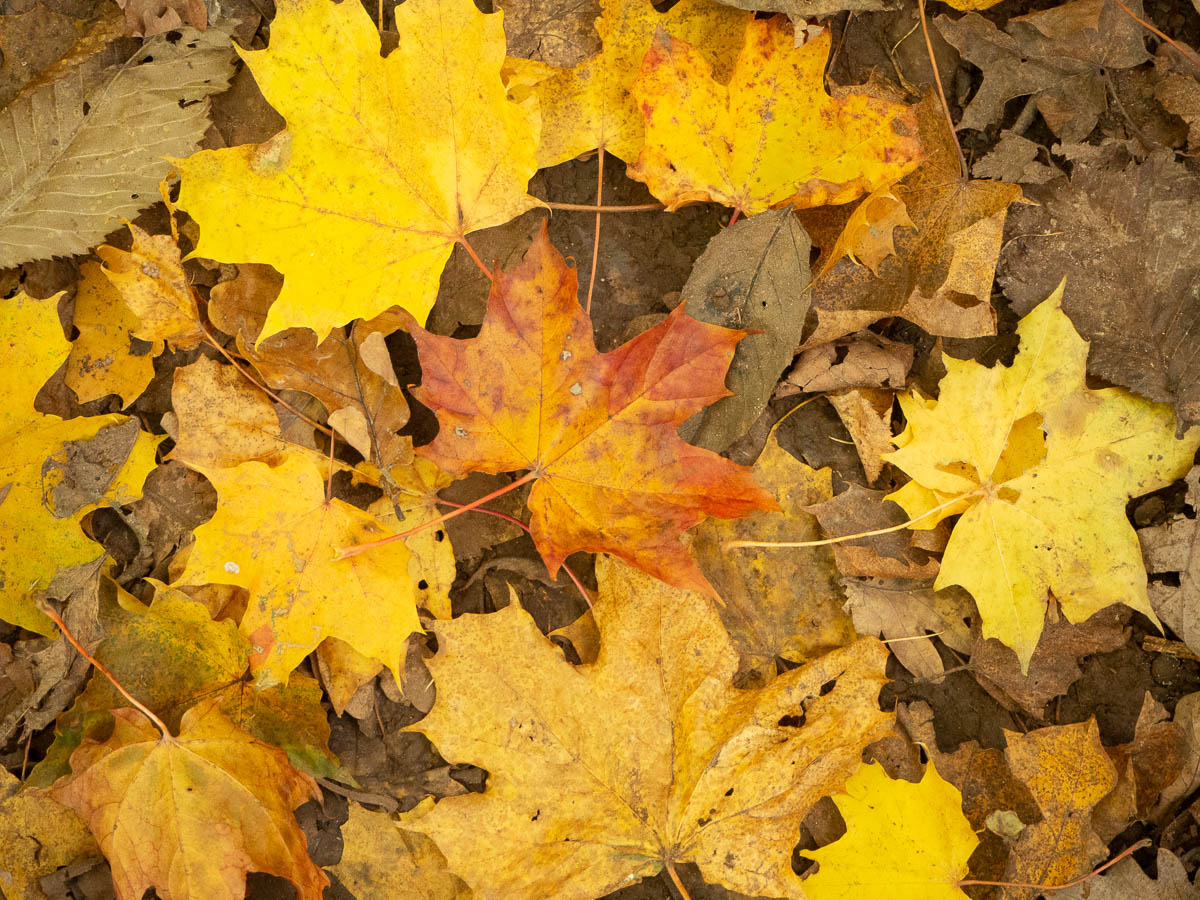
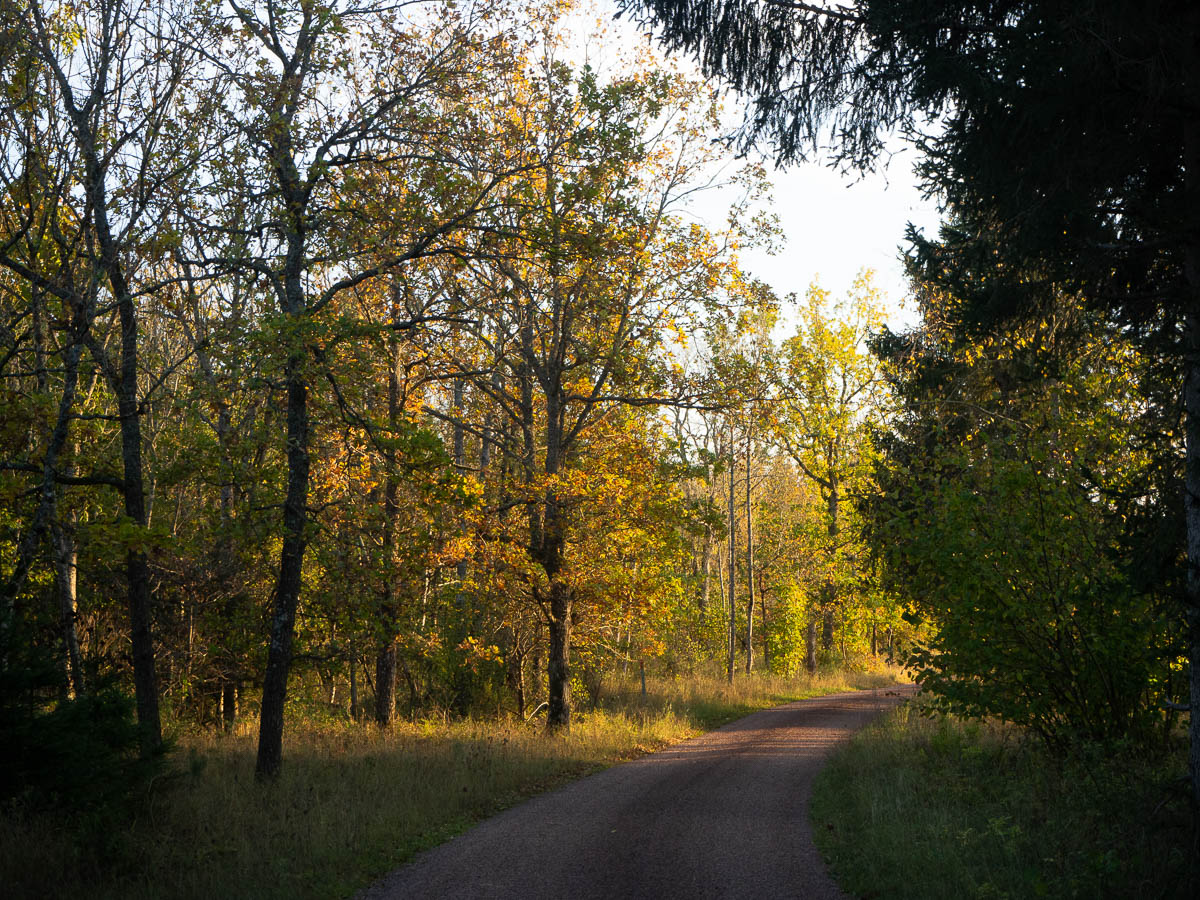
I had hoped to see vibrant autumn colours, maples and aspens in orange and red, but they were almost all yellow here. Perhaps it’s a regional thing, or maybe somehow due to the weather.

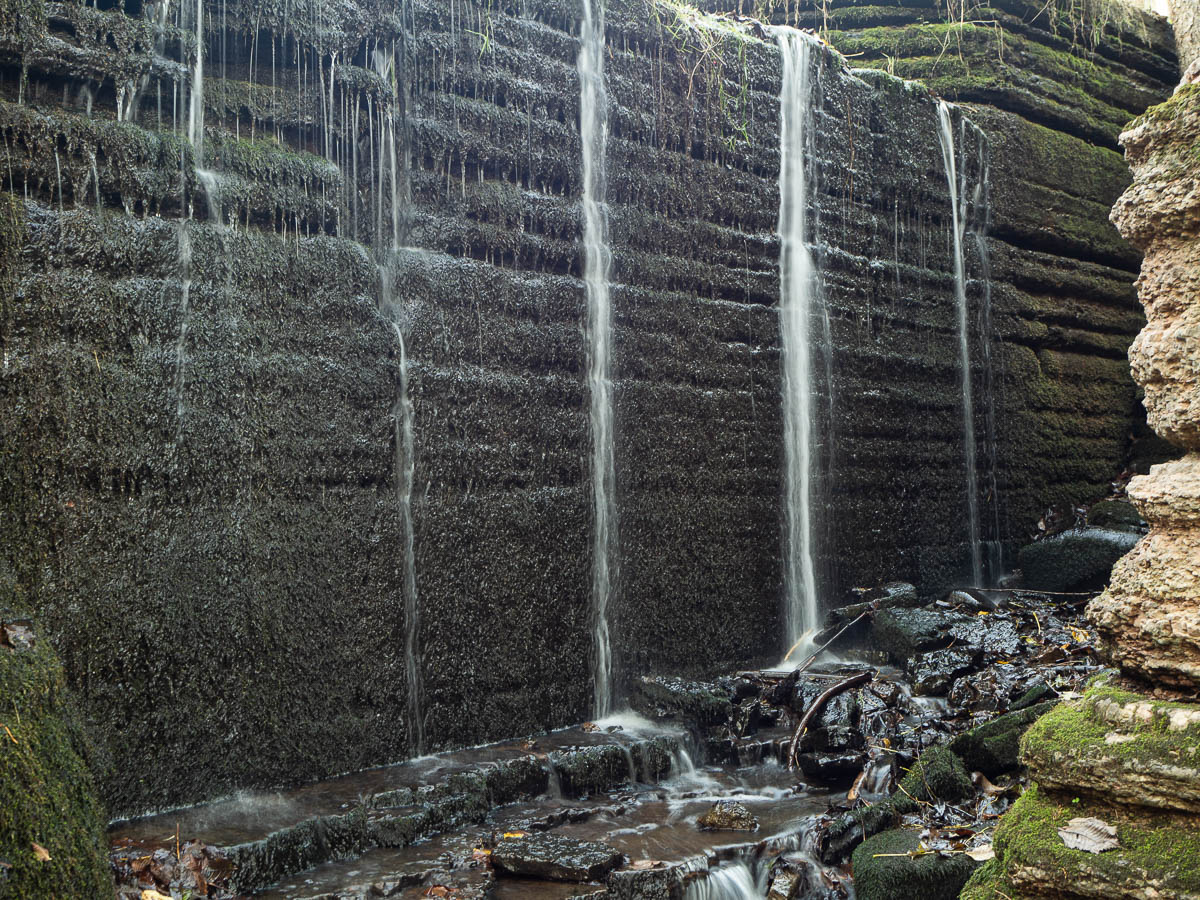
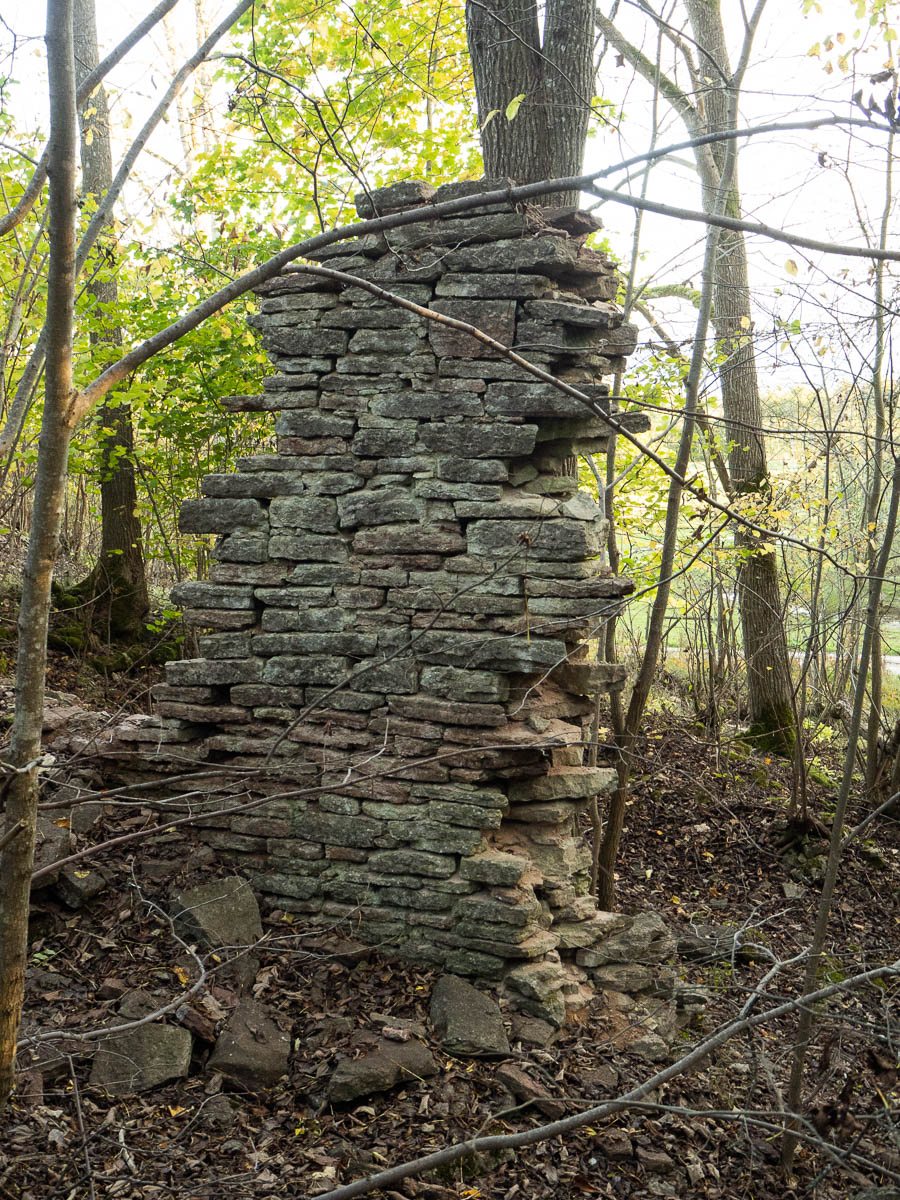
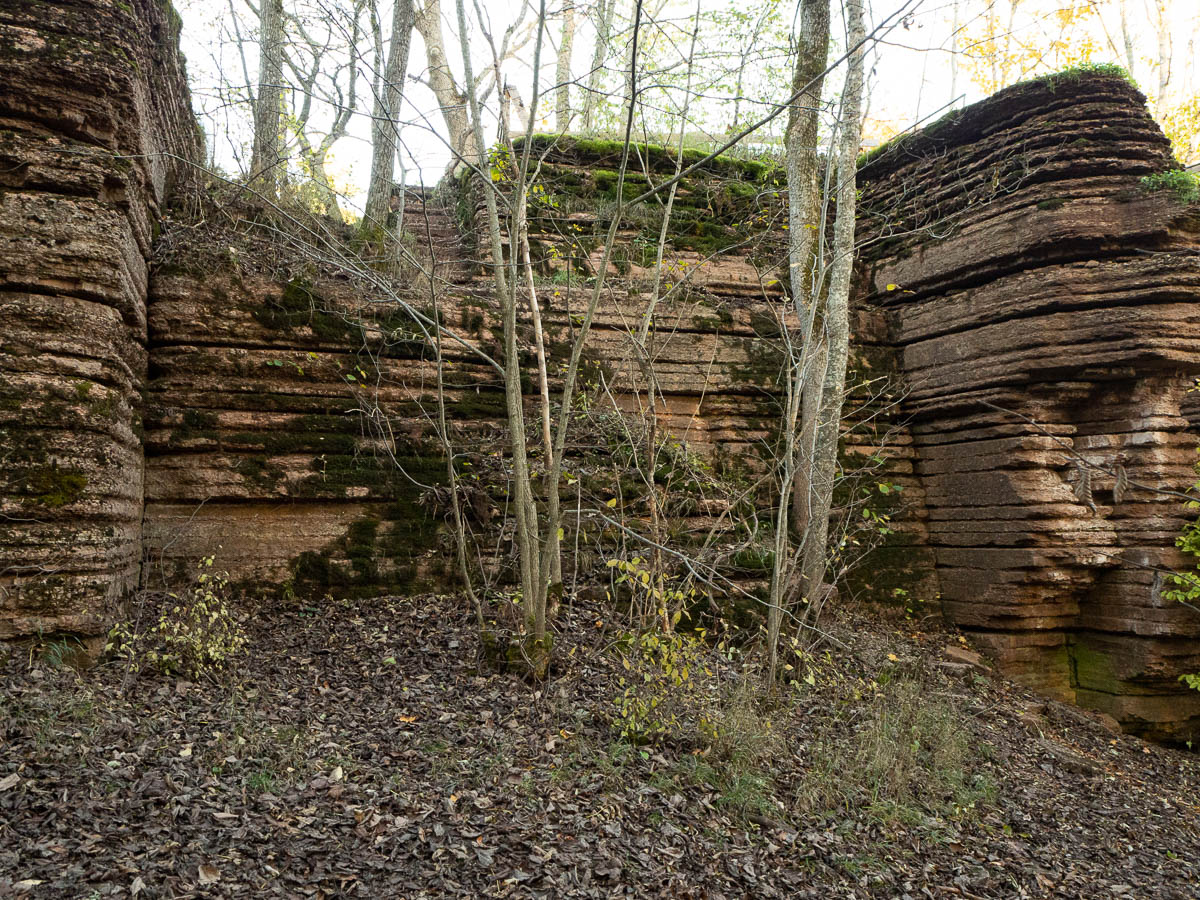
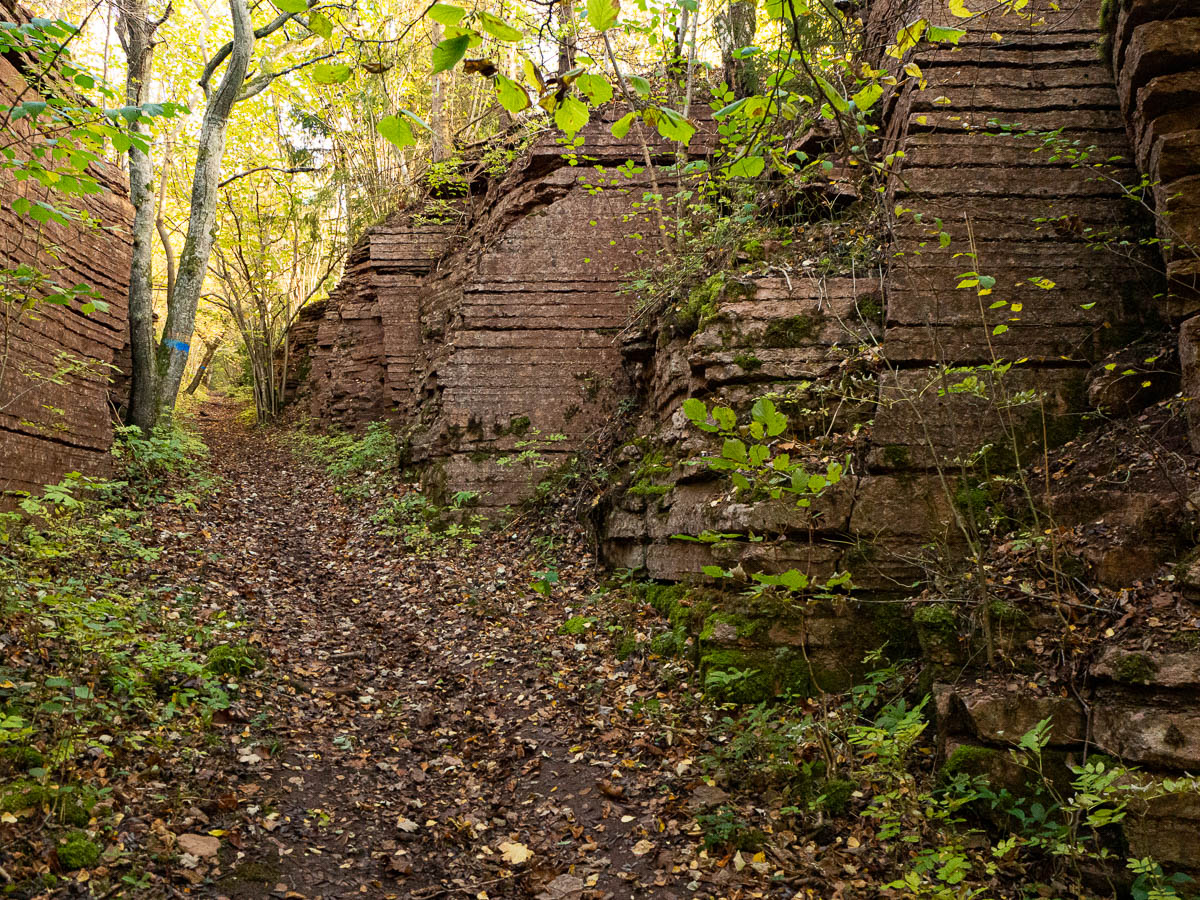
Towards the end of the day I passed the Martorp waterfall. This time of the year it’s more a trickle than a waterfall – I can imagine it looks a lot more impressive in early spring. But the rock formations were interesting. The layers of limestone look almost unnatural in their even, smooth arrangement. I found a stump of a man-made wall nearby. I wonder if the rocks have been shaped entirely by nature, or if it might be partly due to quarrying.

Like many of the spots I’ve passed, with traces of past inhabitation and human use, it looks like a fairy tale world. One can almost expect hobbits and dwarves to appear around a corner, or perhaps trolls.


Råbäck to Såten, 8 km.


My autumn hike in the Fells was just beginning to turn into a tradition when I had to interrupt my streak. I’ve hiked in Jämtland three autumns in a row now. This year won’t be the fourth. Spending my nights with strangers – first in a sleeper train and then in cramped mountain huts – does not seem like a good idea, given the increasing numbers of people testing positive for covid-19 in Sweden.

So I had to come up with alternative arrangements. And perhaps this is a good thing, pushing me to try new things. I took one step outside my comfort zone with the three-day hike of Sörmlandsleden in September. That worked, so I’m doing a similar thing again: packing my tent and food for a few days, and hiking on my own with no huts or such.

This time I’ll be walking the Kinnekulle path. I’ve seen it mentioned several times as a lovely hike especially in autumn, and it’s reachable by train, and it’s a three-day hike so I can do it in a long weekend – perfect in all ways. Plus it’s in western Sweden, so it’s hopefully going to look rather different from Sörmlandsleden, which is beginning to feel a bit monotonous by now.


The Kinnekulle path totals 45 km according to official stats. At a reasonably leisurely pace, that’s a three-day hike for me. But the train rides there and back add another day. I arrived in Råbäck shortly after two o’clock this afternoon. I’ll do half a day’s worth of walking today, then two full days, and another half-day on Sunday.

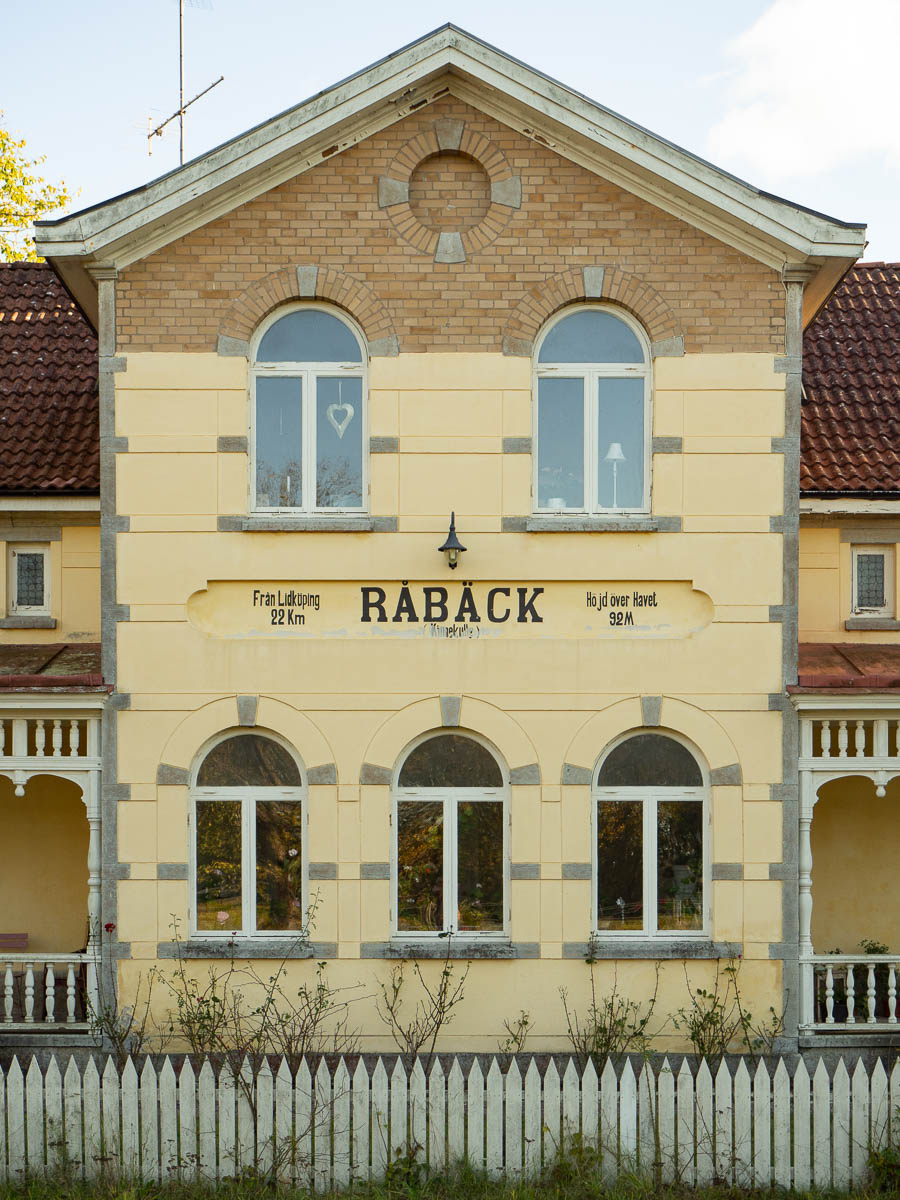
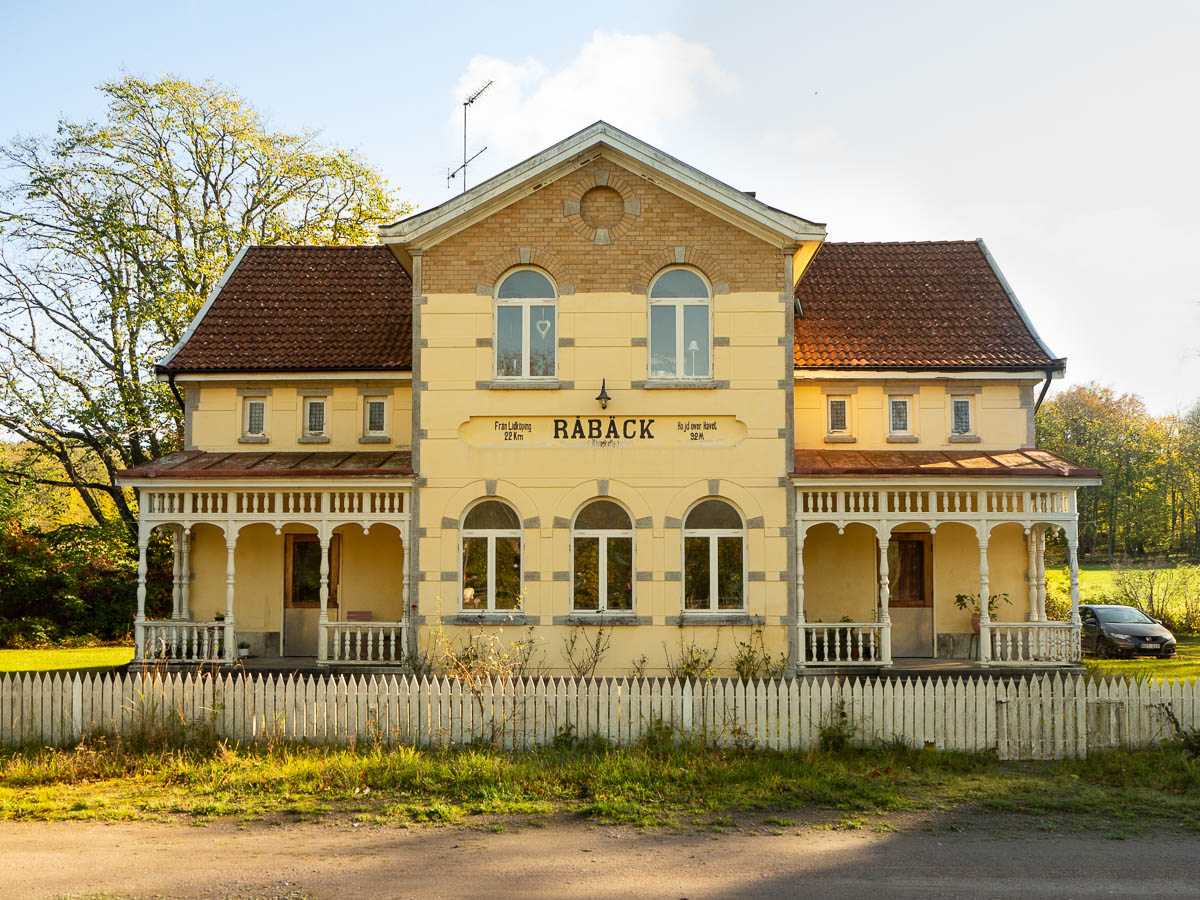
Råbäck train station has one of those lovely old station buildings, loudly proclaiming that this station has been more important in the past. Now the station building has been turned into a residential one, and the village mostly consists of summer cottages. You can see some old postcards from the station’s heyday here.


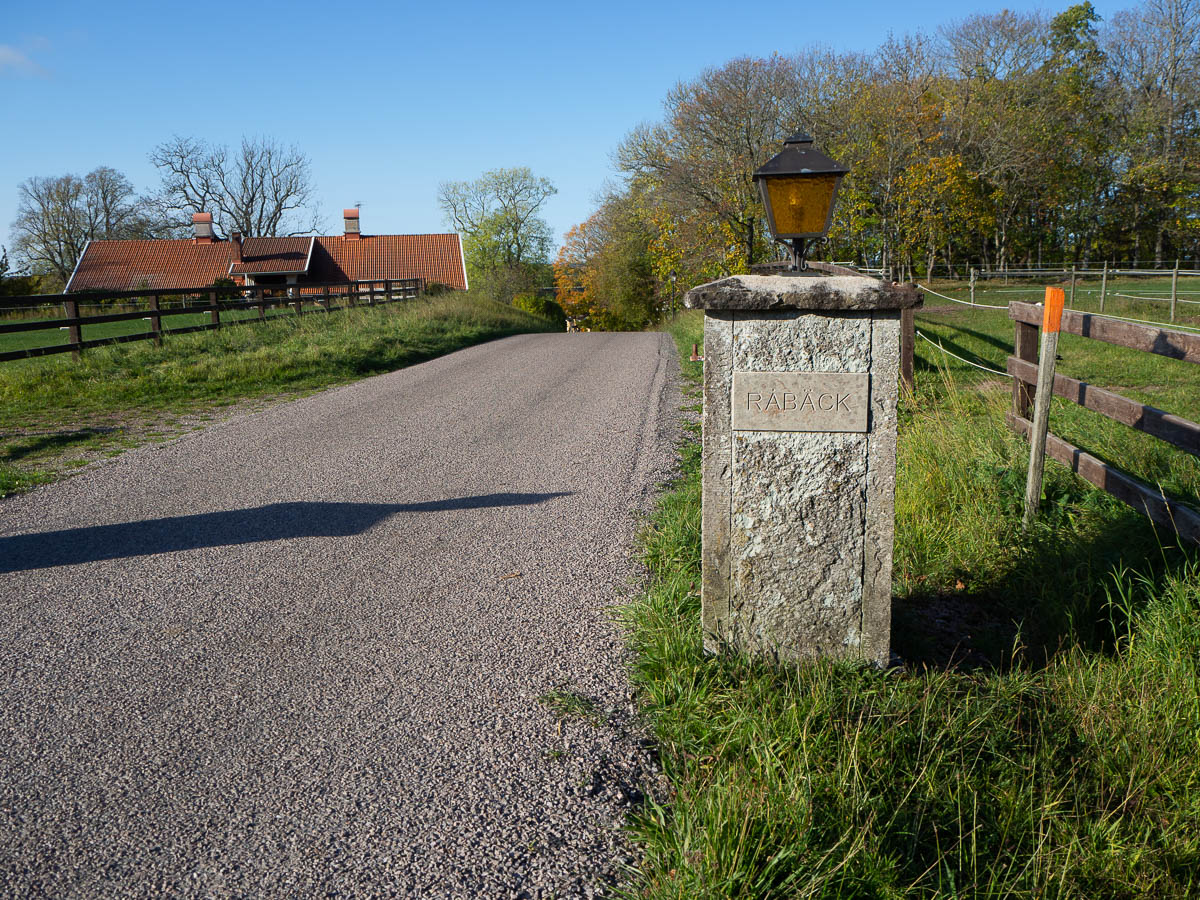
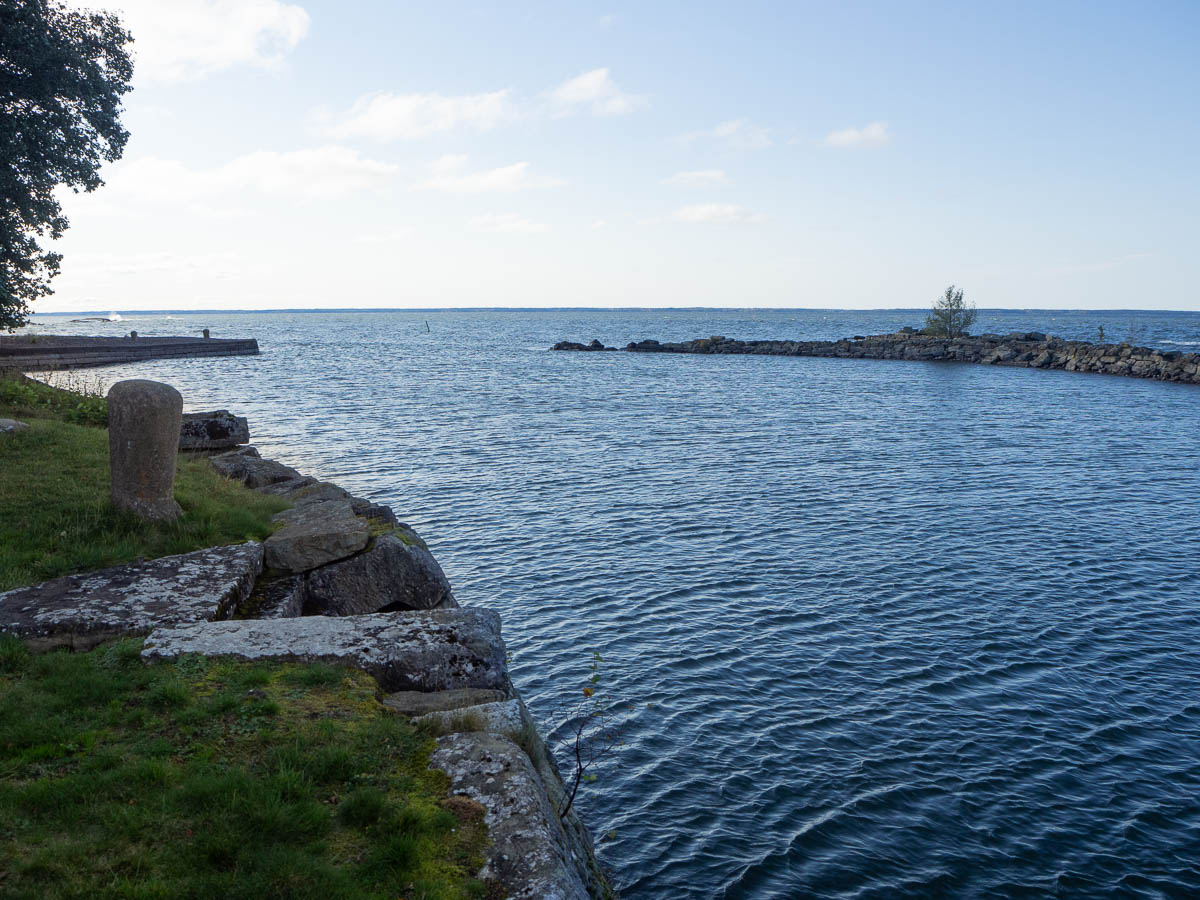
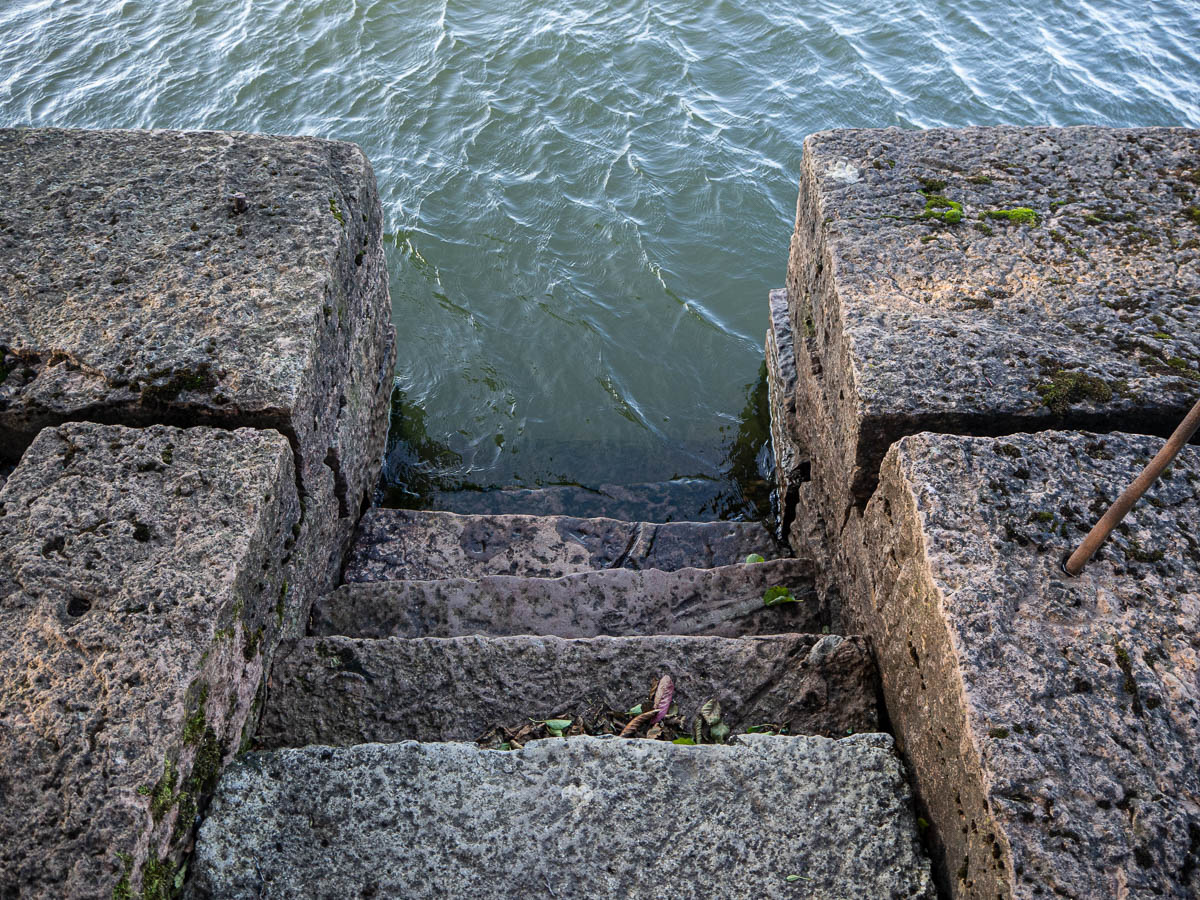
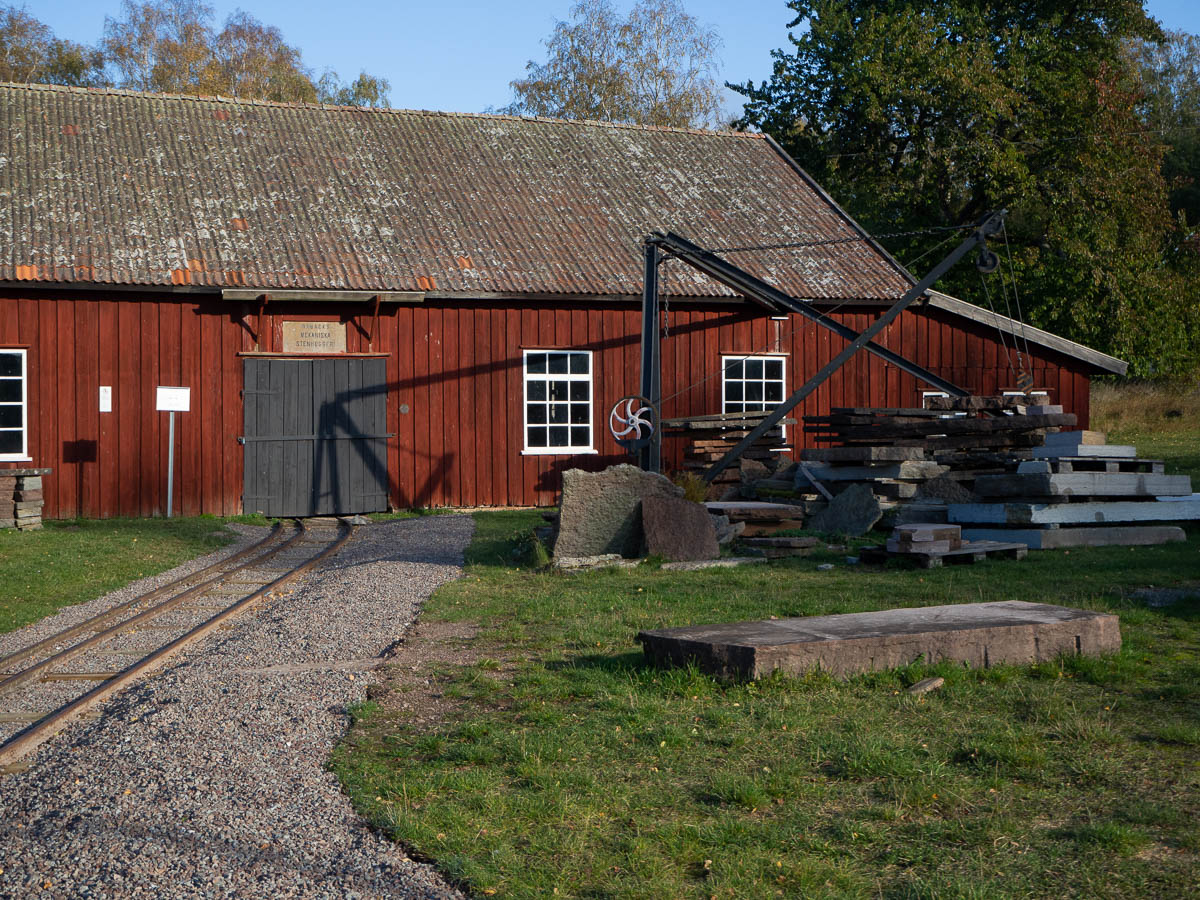
The path first winds along country lanes through the grounds of Råbäck manor to Råbäck harbour. Again a place that clearly has seen more activity in the past. The harbour is large and solid, clearly built for substantial traffic. It was used for shipping out limestone from the local quarries. The old stonemasonry workshop right next to the harbour, closed since the 1970s, is a museum now but was unfortunately closed today.


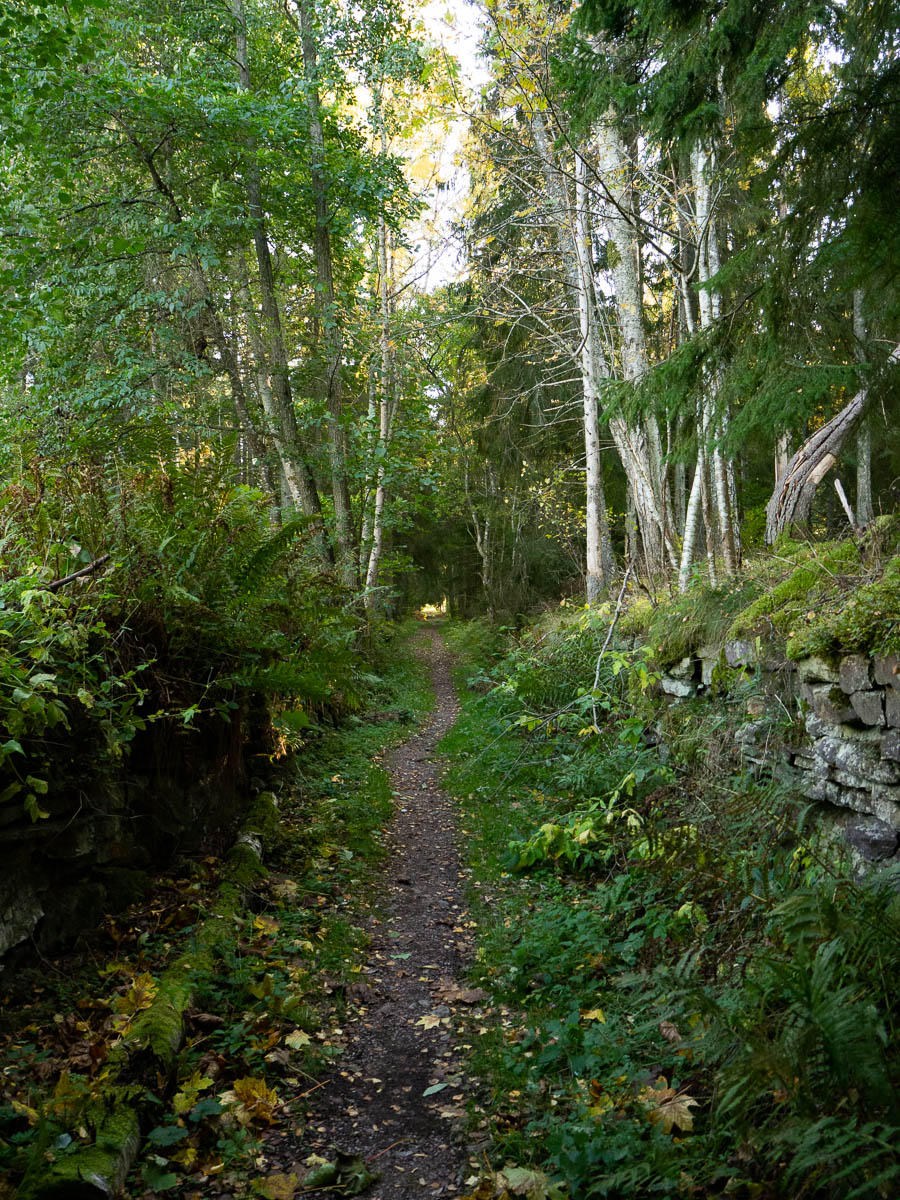
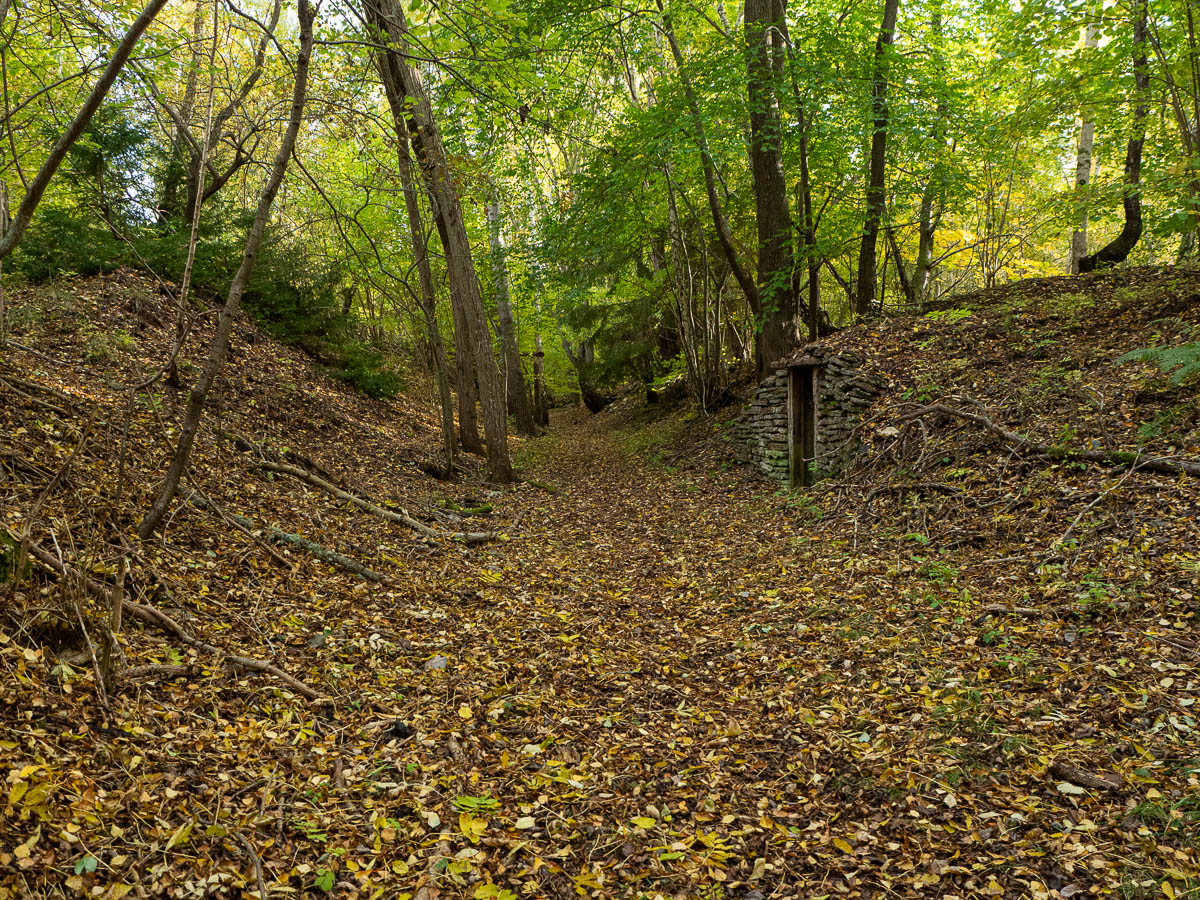
From the harbour the path goes through deciduous forest, following the tracks of an old tramway, straight like an arrow, to an old limestone quarry.

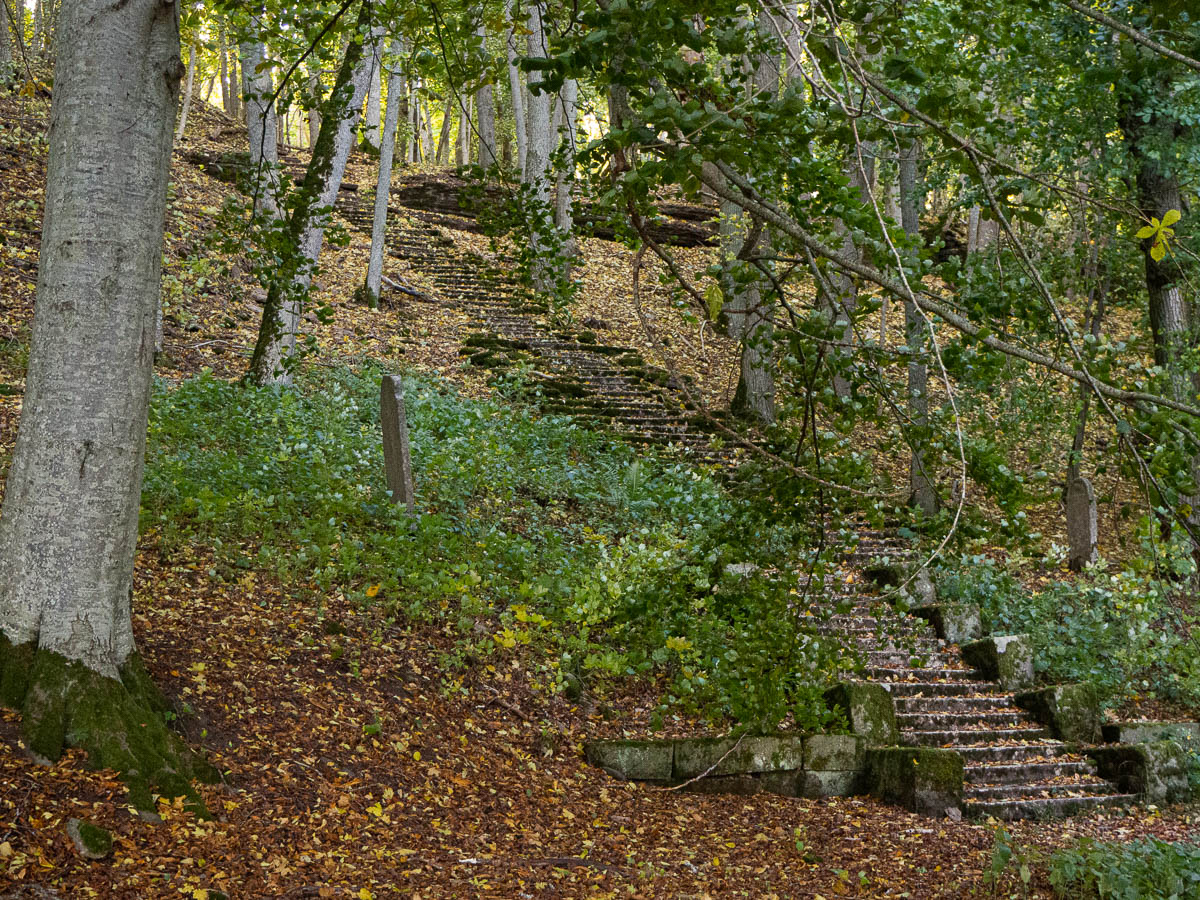
There are ruined limestone walls here and there in the forest, and various other signs of past habitation: gate posts, cellars, traces of the foundations of buildings, the remains of limestone quarries and kilns.

It felt strange to be walking among so many traces of history. Slightly sad, that all this is now come to nothing. But then again, what else would we do with old buildings that are no longer needed? It’s nice that there are still traces of them, so they aren’t completely gone.


I was really lucky with the weather! Mid-October can bring anything – I could have been walking in freezing rain. But I had bright sunshine most of the afternoon and evening, with only light cloud cover some of the time, and beautiful autumn colours to look at.

I camped for the night next to a shelter near the Såten nature reserve. It wasn’t even twilight when I stopped, but by the time I was done with dinner, it was full dark. I sat and read outside the tent for a while, but moved inside when it got colder, so I could cover my legs with the sleeping bag. It got really cold at night. Every time I turned the other side, I woke of the cold, and had to tuck the sleeping bag closed around my neck again.

The most memorable moment of today was seeing the night sky when I went out for a last trip to the loo. The sky was clear – and so full of stars! I hadn’t realized that Kinnekulle was so far from lit-up cities. I could even see the Milky Way, which I haven’t done since our stay in Mercantour in 2016. Had I not been shivering with cold, I could have watched the stars for a long time.


A bit of stage 13, most of stage 12 and all of 12:1. From lake Stora Envättern to Mölnbo, 15 km.

My day followed the same basic pattern as yesterday. Up early, pack and get walking. Porridge stop after an hour or so. Lakes, pine forest, spruce forest.

I walked stage 12 before, quite recently even. Some bits of the trail – with the nicest lake views – I definitely recognized. A few hills and roads were vaguely familiar. But as soon as the path went through just plain forest, I could have been anywhere.

Knowing that I am heading home inevitably made me think of train timetables and such things, and the walking did not feel quite as mindfully relaxing as yesterday. It’s a good thing that I made this a three-day trip rather than just a weekend: now I had that one perfect day of hiking untouched by ordinary days or ordinary concerns.


When I reached Mölnbo and civilization, an older man I met asked me if I had run across any wolves. I found out that a couple of wolves have their territory in the area between Läggesta and Mölnbo, and they had been spotted recently quite near Mölnbo. The man seemed to be trying to get a scared reaction out of me, but I was more disappointed. I realize that the odds are small but I’d have loved to see a wolf.


Half of stage 14 and most of stage 13. From lake Glådran to lake Stora Envättern, 15 km.

I woke up shortly after six. I’m never hungry early in the morning, so I postponed breakfast and instead just packed up and started walking. Breakfast tastes much better when I am properly hungry. I stopped for a porridge breakfast around eight.

The Sörmlandsleden trail has been split into stages based on some kind of logic, but that logic is not always very obvious to me. Sometimes a stage ends (and the next one begins) by a road, which makes sense if you want the starting points to be easily accessible; other times it seems to be a random point in the middle of nowhere. The stages are not much use for planning an overnight hike: shelters and other suitable campsites are rarely near the end of a stage.

Instead I planned my days around lakes. Lakes are nice to look at, of course, but more importantly, they have water – which is most useful for doing the dishes and for cooking. This part of Sörmland is dotted with small lakes, so with a little bit of planning, it wasn’t hard to end each day near one of them.


For drinking water there are freshwater springs, well marked on the maps and clearly signposted. Unfortunately, all of the springs I passed today were dry, or nearly so, with just a muddy puddle at the bottom. I had filled up my water bottles at a spring yesterday, but when that water ran out today, I had to switch to lake water.
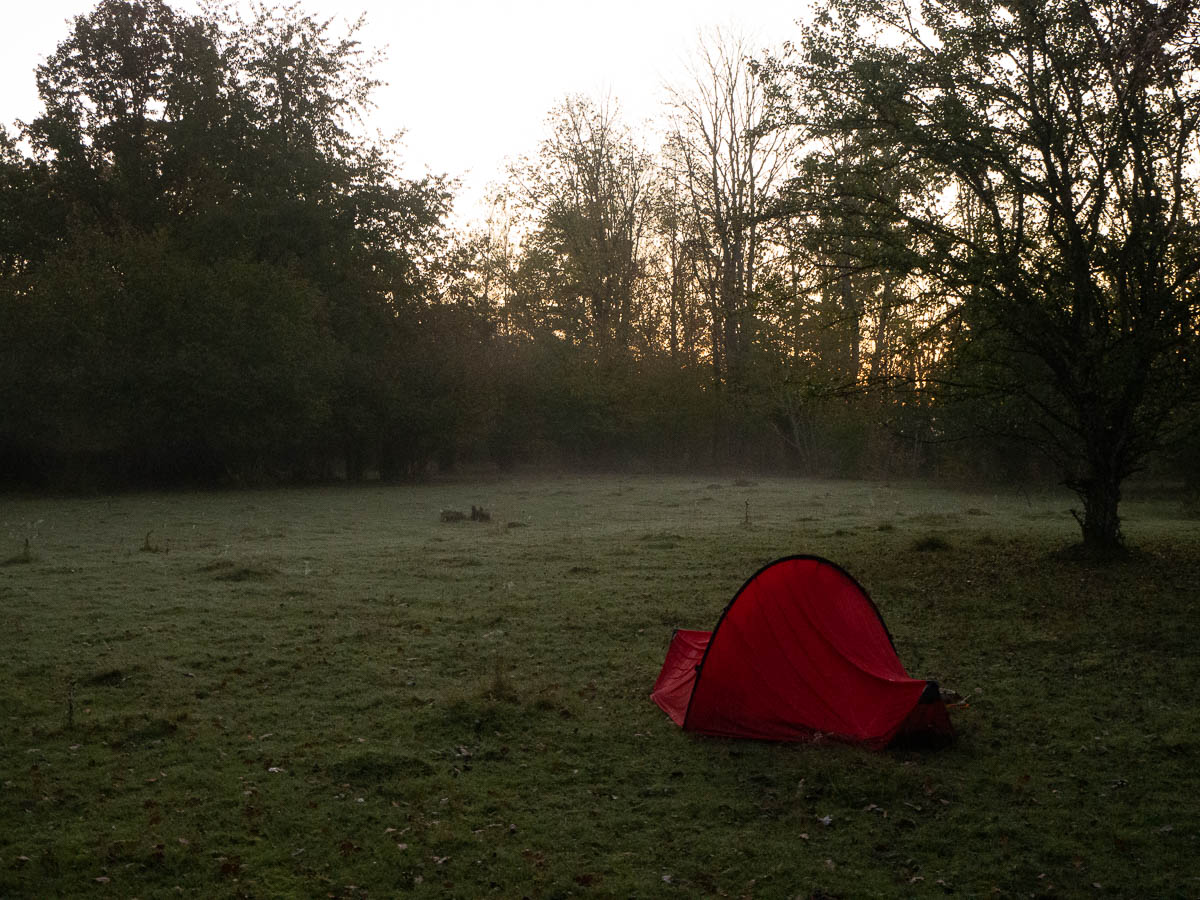
Most hikers agree that water in mountain brooks is safe to drink. Opinions about the potability of lake water in Sörmland vary. Some say you should boil or purify it; others say it’s OK to drink without treatment. I look at these lakes and see them all surrounded only by wild, clean nature – untouched by industry, agriculture, beaches or summer cottages… so I just went ahead and drank the water as is. A little bit of fish poop won’t kill me. The water had a slightly metallic taste, but didn’t cause any problems.


The hiking today was much like yesterday’s. Up and down rocky hills, through pine and spruce forest. Wonderfully wild and peaceful.

On top one of the hills there was a viewing tower, built by a local orienteering club back in 1969. It had a cute little money box for donations, dating back to the same era. The vintage sign exhorting visitors to donate to the tower’s upkeep was now accompanied by a much more modern sign with a Swish number. I didn’t climb the tower – I’m sure I would just have seen more of the same forests and lakes I’ve seen already – but donated anyway, because I liked the look of the sign so much.

The path down from the viewing tower passed through wonderfully rich lingonberry fields. After eating bilberries off and on all day yesterday, I was getting heartily tired of them and was more than happy to switch to lingonberries and the occasional bog bilberries.

If I went out to pick berries, I’d probably want the berry bushes to be on flat ground, but when I’m hiking, I like them best on uphill stretches of the path. That way I don’t have to bend all the way down to reach them (because bending with a rucksack can be awkward) and can just scoop them up without really stopping.

By now I’ve gotten properly into a hiking mood. My thoughts drift. Sometimes I notice the trees and bushes and rocks and roots around me. Sometimes I just walk without really noticing or thinking about anything in particular. Time passes, and I can’t say how much of it has passed.

I take a lot of breaks. After snack breaks, I sit and read for a while, instead of hurrying onwards. I started early and I don’t want to stop until around dinnertime, because once I’ve stopped and set up camp, there won’t be much to do. I’d rather spread my walking over a large part of the day than have a long empty evening.

There were several camping spots around Lake Envättern, so I could find one without any other campers and more or less pretend that I was out there alone.

Just as I had finished cooking dinner, it started raining. I’d gotten hit earlier in the day by a very sudden rain shower – it took just a couple of minutes to go from tentative drops to pouring rain, and I had to really scramble to get my rucksack covered and my rain clothes on. This time I knew what to expect, which helped a little bit, but I still only had a few minutes to get all my things into the tiny tent. It was a total jumble in there.

The tent fabric seems so incredibly flimsy that it’s hard to imagine it withstanding any kind of weather, but it kept me nice and dry.

Wildlife today: one heron flying above a lake. One vole, larger than a mouse but smaller than a rat, that ran across the path. Splashing noises from fish in the lakes. Bumblebees and grasshoppers. Thrushes and various unidentified tweeting birds.


Stages 15:1, half of 15 and half of 14. From Läggesta to lake Glådran, 17 km.
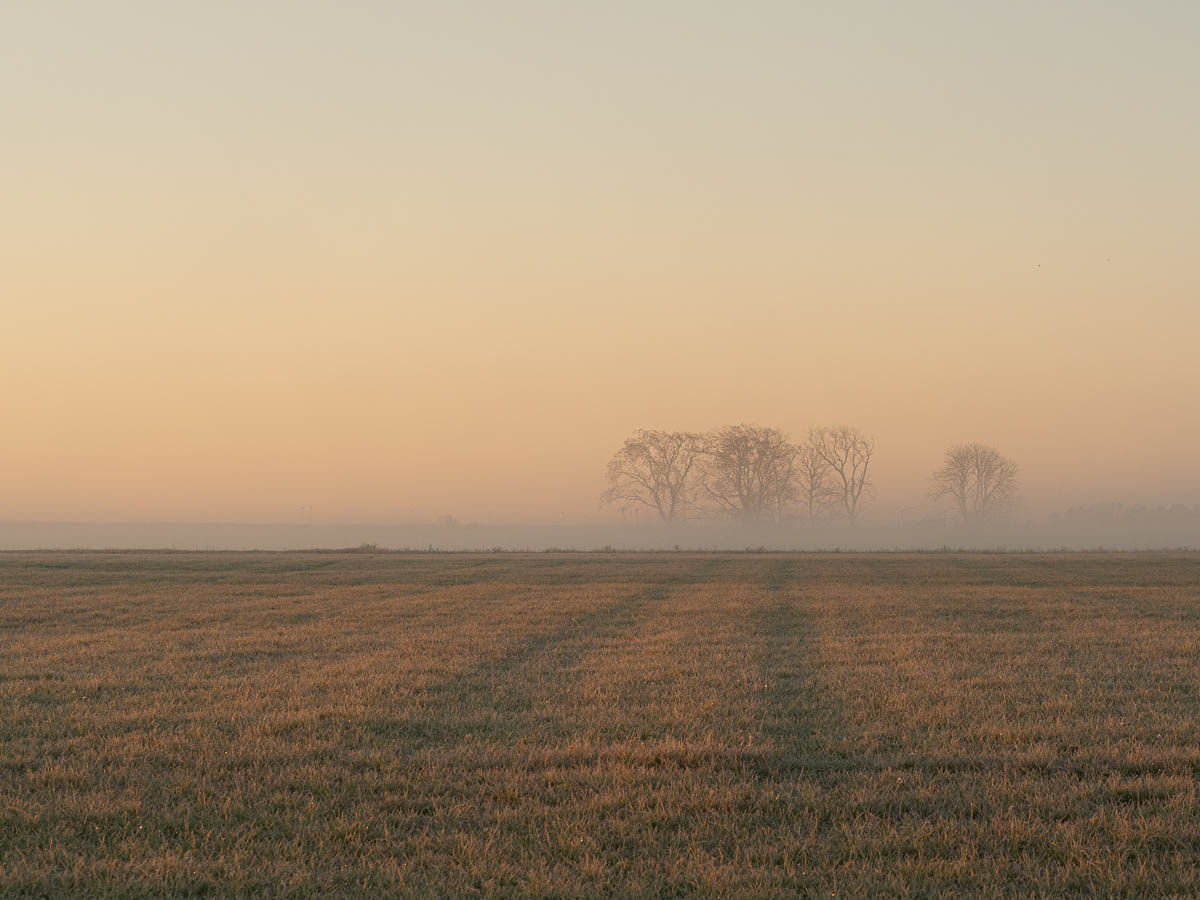
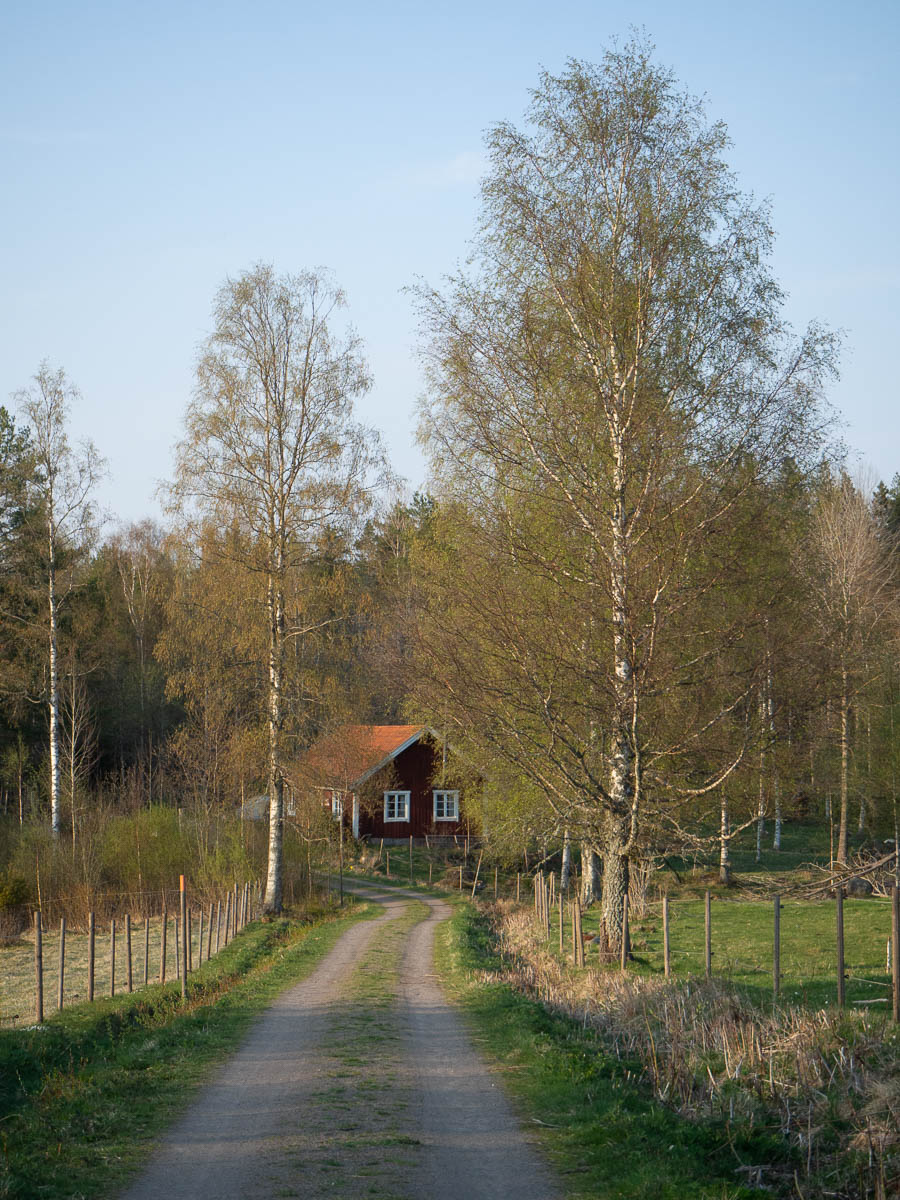
The connecting trail from Läggesta conveniently starts right in front of the train station. The first kilometre of the trail unfortunately goes right alongside a noisy main road, but soon after the trail turns off onto a smaller road, and then from that onto a lane. Quite soon I was on a pleasant shaded path, leaving civilization behind.


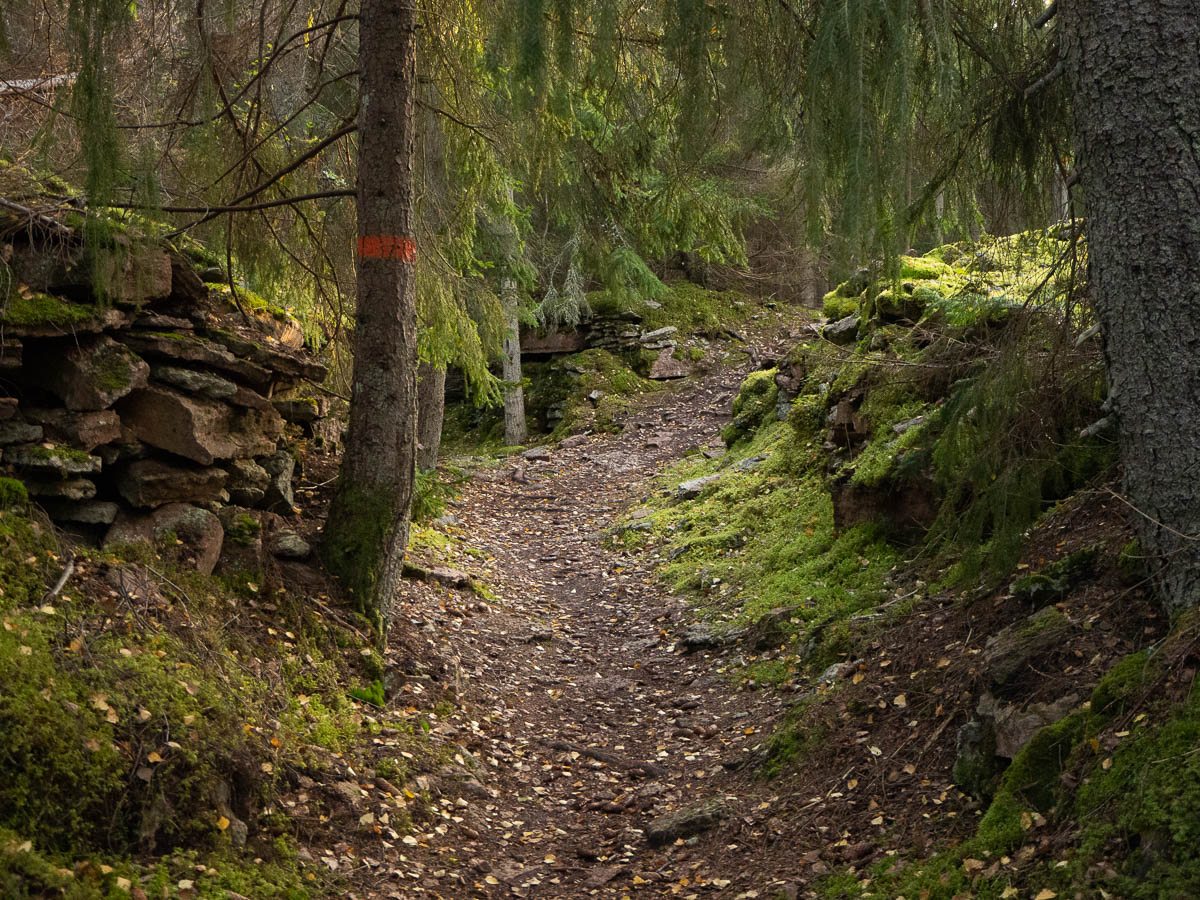
After that my surroundings were the usual mixture of Sörmland nature. Rocky pine forest with white mosses and heather; spruce forest with green mosses and ferns and bracken; mixed forest with spruce, birch and aspen. And bilberry bushes everywhere, with tons and tons of bilberries.

I’d walked half of stage 15 in 2017 and had most of the other half ahead of me today – but I realized now that there would be a gap between the two parts. I don’t know if I ever will walk all of Sörmlandsleden, but I want to keep that possibility open, so a gap here would leave a real itch behind.

I hid my pack behind a rock (not because I worried about thieves, but because I thought other hikers might worry if they found an abandoned rucksack) and just walked that missing bit back and forth, so I could check it off my list.

I felt like a gazelle walking without a rucksack. So fast, so easy!

The contrast was extra strong when I picked up my pack again, because the path went steeply uphill from there, up to a high cliff with views over the whole area, with all its forests and lakes.

Today was an excellent day for walking. Warm and summery still, but mostly cloudy, so it didn’t get too hot. And because it’s a Friday, there were very few other people on the trail.

I like hiking on my own, and having the forest to myself. I love the peace and quiet. Hearing nothing but the wind, the creak of my rucksack, the occasional bird call and the buzzing of bumblebees.

The first day of a hike, it usually takes me a while to get into the groove. I tend to worry about whether I’m walking fast enough to get to my planned destination by the end of the day. Mentally I’m partly still in my everyday life, with plans and times to keep. It takes time to let go of all of that, and some conscious effort. I forced myself to not think too much about the time, to take breaks, to be present in the here and now.

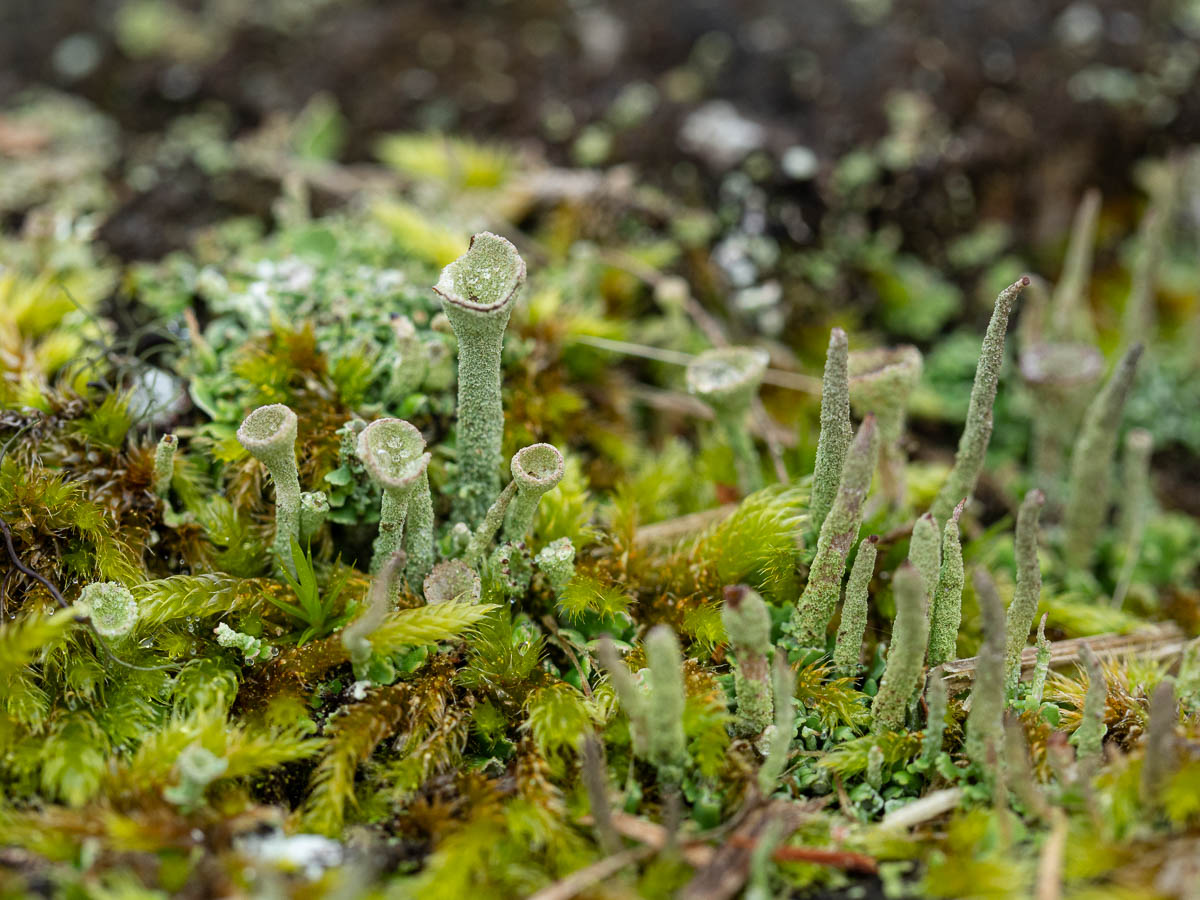
Macro photography always helps me relax. I tried to capture the bumblebees in the heather, but it was hard, because they never stayed still! The heather flowers are so tiny that a bumblebee empties one in the blink of an eye and is always moving on to the next flower.


I stopped for the night at a nice little camping site next to lake Glådran. The site was very small, but unexpectedly luxurious. Not only did it have a fireplace and a picnic table, and a flat area for putting up a tent: there was also a bucket for water, and even a rake for clearing the ground of the inevitable pine cones.

Both Adrian and I slept really, really well. Adrian didn’t wake until eight o’clock, which is about an hour later than he normally gets up at home. He said the hammock was great. I think we might need to get another one so that he and Ingrid won’t have to argue about who gets to sleep in it.

I always wake several times per night when I am not in my own bed. That’s normal and expected by now. I’m happy, though, when we’ve been camping and I don’t wake up all stiff and sore. The combination of inflatable mattress, extra wide sleeping bag, and nobody poking me with their elbows (which often tends to happen in tents) made for a good night’s sleep.

Breakfast was pancakes of sorts, fried in plenty of butter. They were more delicious than they look in the photo. Why did I photograph them before flipping them?

After breakfast we had a swim in the lake. Or rather, I swam while Adrian just sort of was in the water. He likes bathing but not swimming, and very much prefers to do it in shallow water, with predictable footing and in the company of friends.

Then we walked back to the car.

Walking home was apparently not much more fun than walking out. We took several breaks again. At the last one, Adrian borrowed my camera.