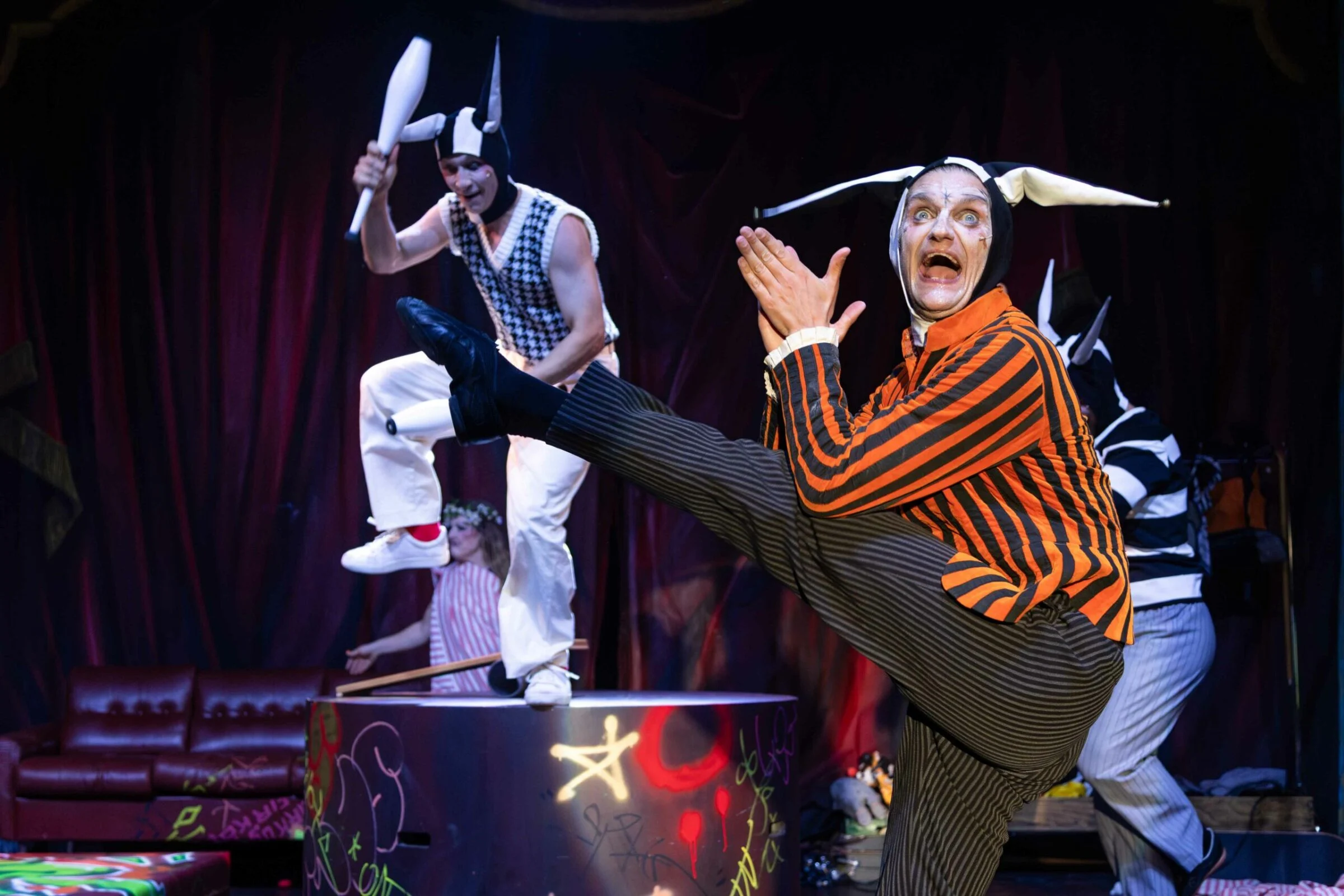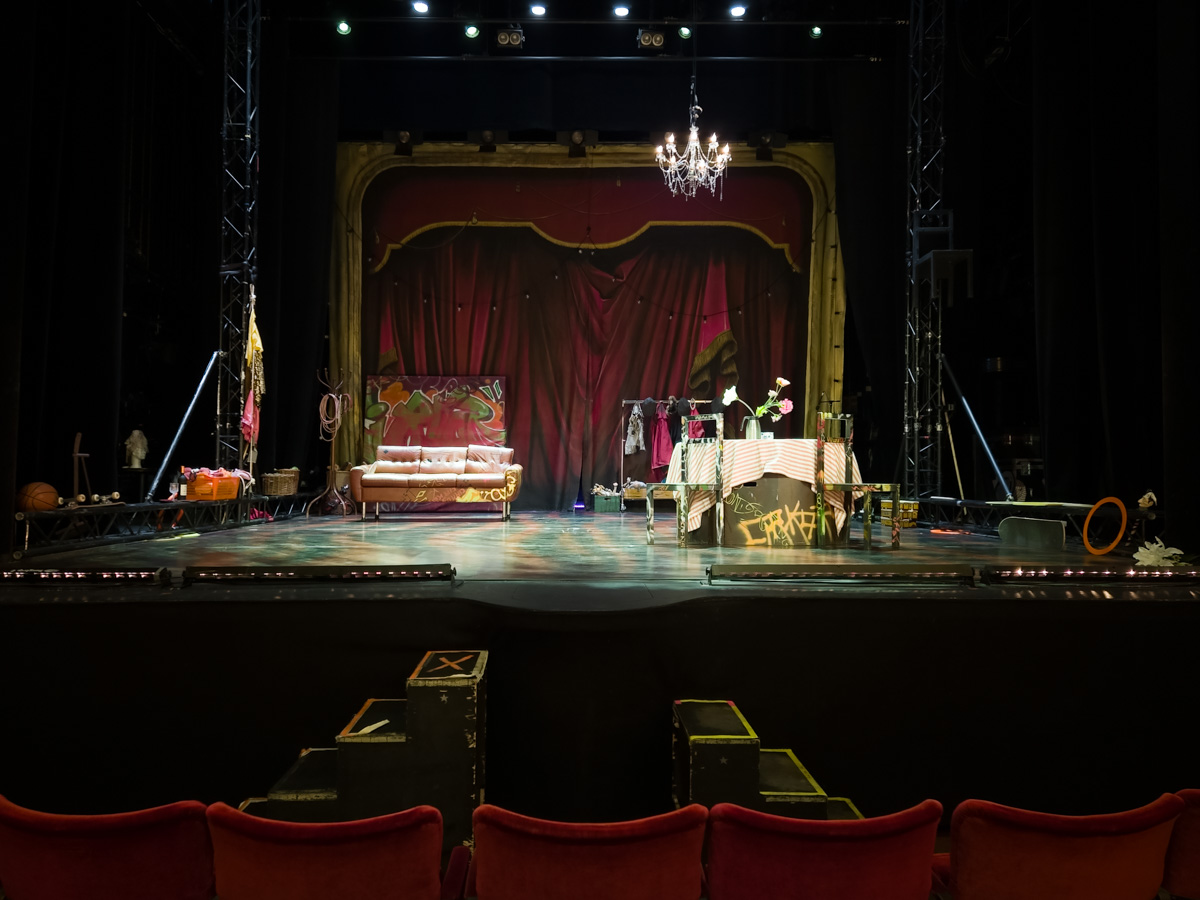
Cirkus Cirkör with The Extraordinary History of Circus at Södra Teatern.

Cirkus Cirkör is usually good and sometimes excellent. This particular show was marketed as “a vibrant family show” and “fast-paced and humourous”, which could mean a whole lot of different things, including cringeworthy childish nonsense. It’s gotten rave reviews in media, though, so I gave it a last-minute chance.

It turned out to be utterly fabulous. Quite unlike most of their other performances that I’ve seen, which have been more conceptual and minimalist, this was silly and vibrant and sensitive and emotional and fun.

A tour through the history of circus, in reverse chronological order, jumping from the early days of Cirkus Cirkör itself in the 1990s, to European travelling circuses in the 1970s, to Barnum & Bailey around 1900. Then leaping onwards to the late 18th century and Philip Astley as the origin of modern circus. But no – circus has its roots in medieval jesters. No, go further back, to the orchestrated battles and beast shows of Rome. And further back than that: humans have probably been throwing things in the air for fun since the dawn of time.

The artists evoked the atmosphere of each of these points in circus history through storytelling, miniatures, re-enactment, sound, light, and costume changes. The steam train of Barnum & Bailey, followed by the circus artists parading through the town. Hobby horses and sound effects for the horse shows of Philip Astley. Giving the audience (soft) toy vegetables to throw at the jesters when they’re not funny enough. And actual circus acts interspersed with all that. It sounds kind of silly but was so well done that I was laughing out loud.

I want to hand out extra brownie points to the cast’s dialect coach! I’m not an expert but I’m sensitive to Swedish accents in English. This crew was switching smoothly and believably from the patter of an American circus presenter to crisp, posh British English for 1790s London – with no fumbling and no Swenglish. Absolutely the cherry on top of the whole show.

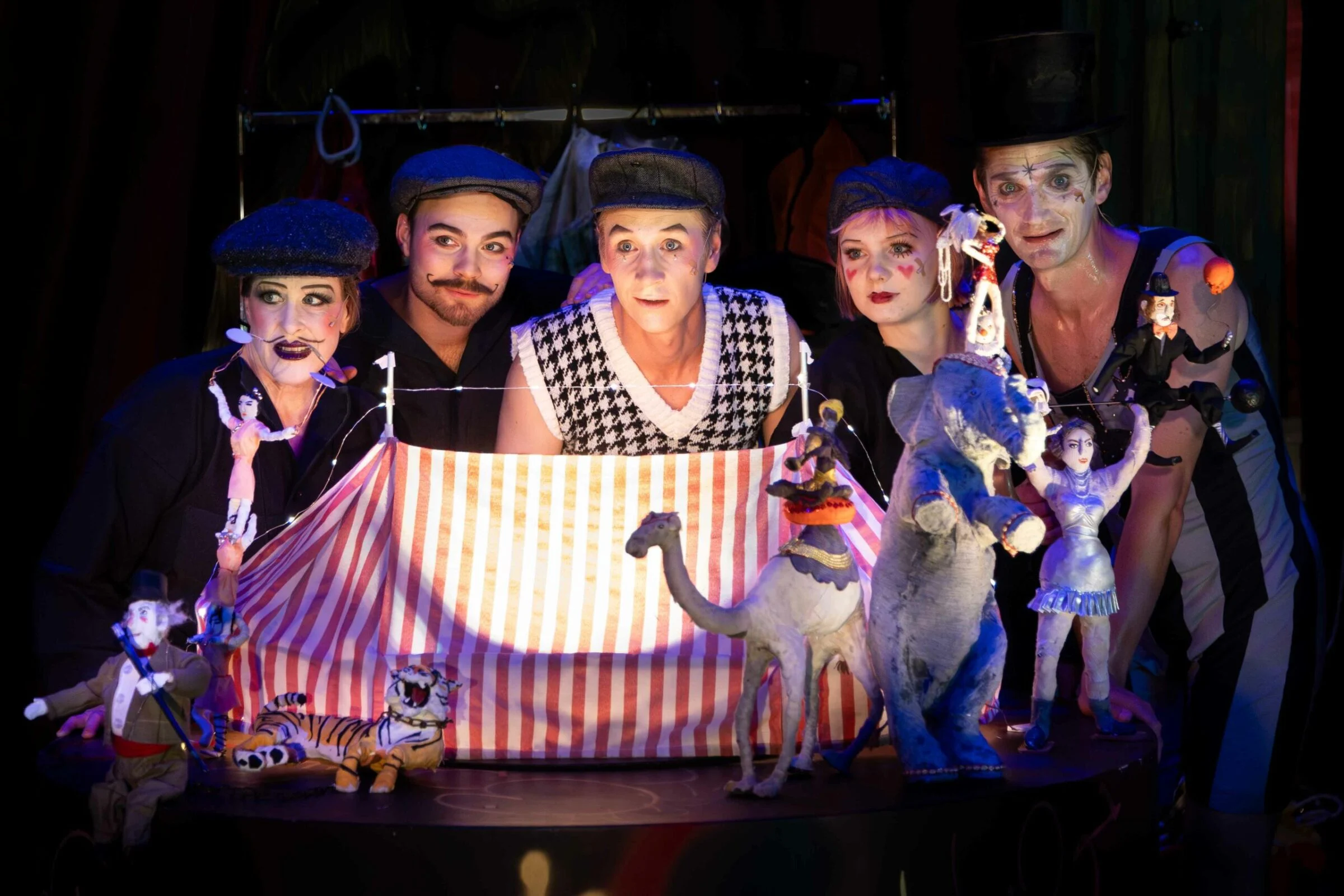
Here are a couple of press photos, copyright Sara P Borgström:
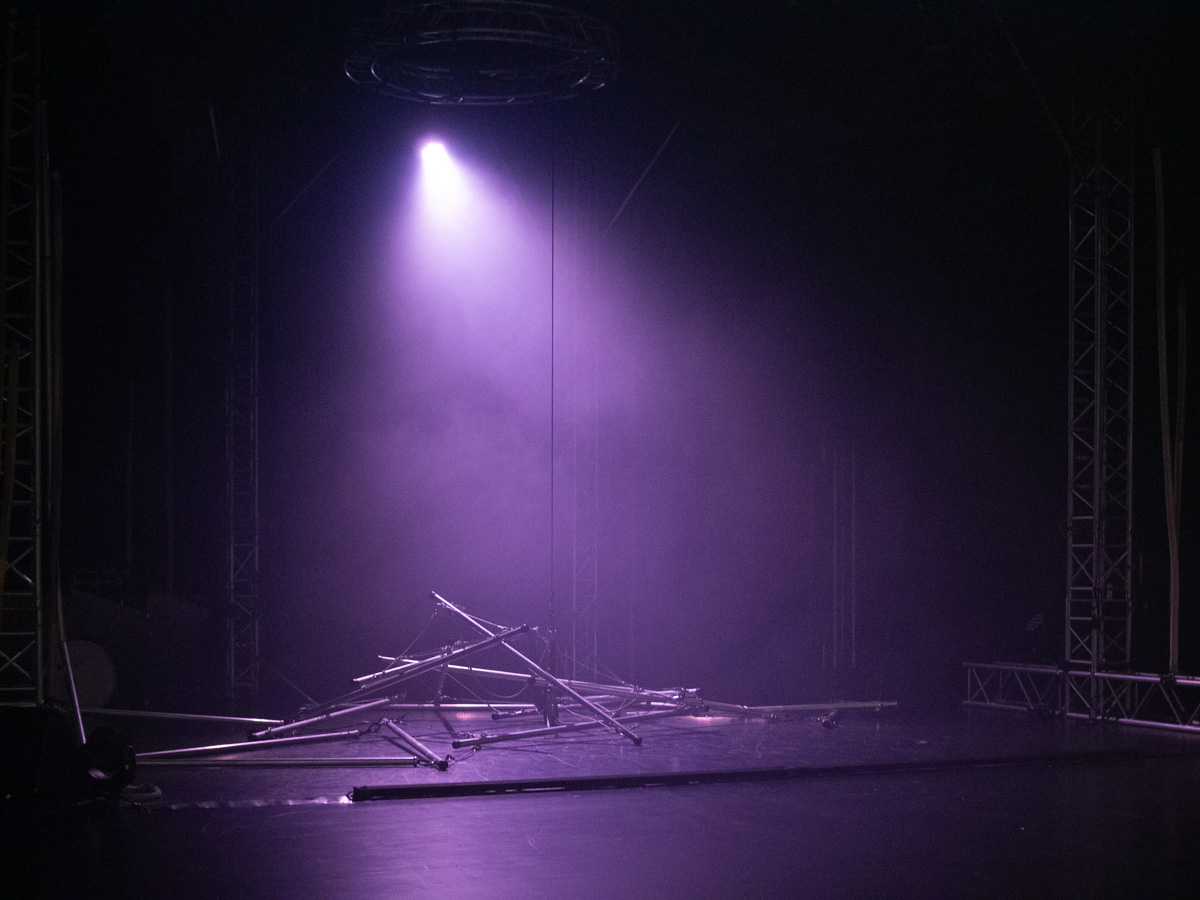
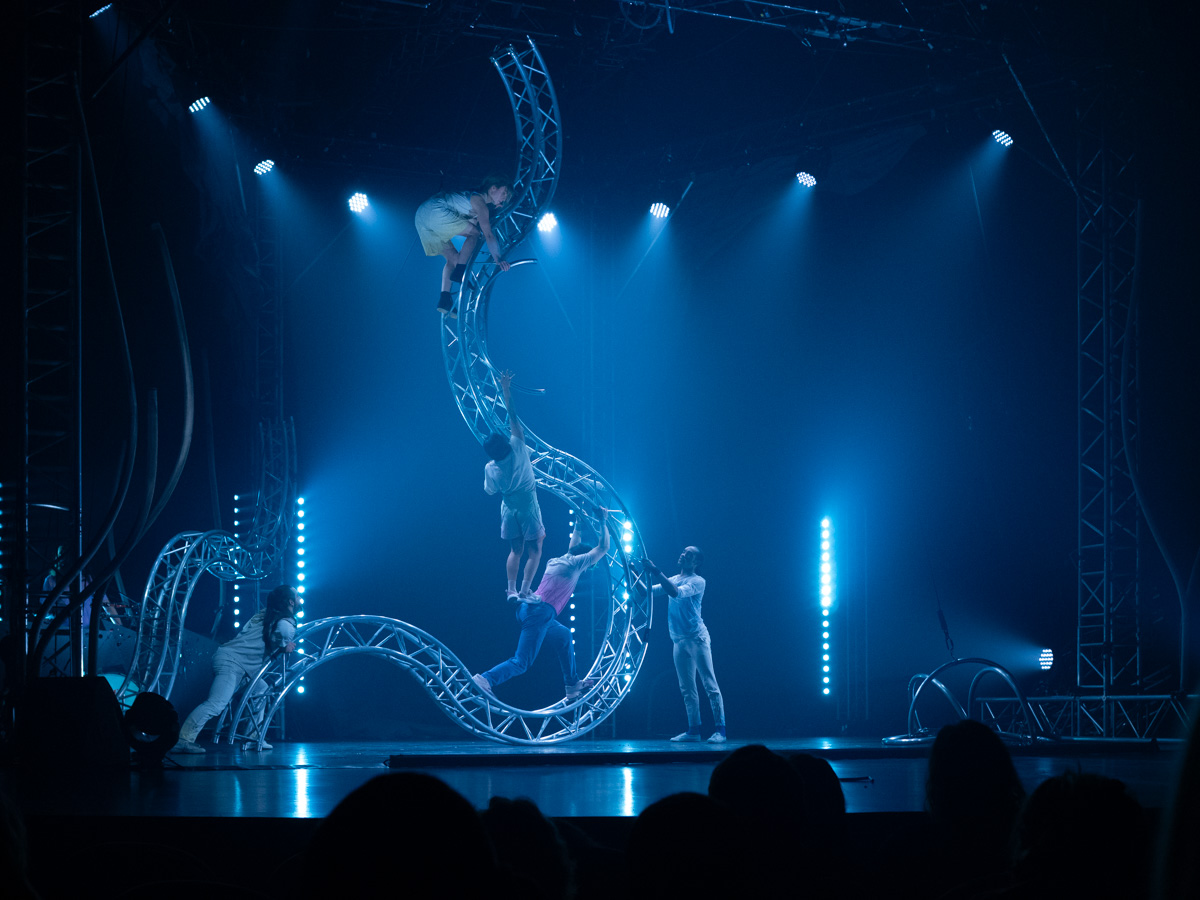
Cirkus Cirkör with Ingrid and Adrian, at Dansens Hus. Tipping Point involved a lot of climbing and balancing on teetering structures of steel pipes. I liked the tensegrity-based designs a lot.

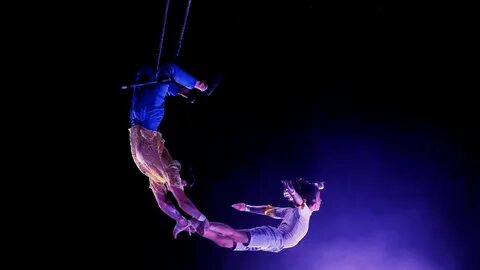
The most stunning part was a trapeze number, both visually and in terms of skill. Had I been their official photographer, knowing the programme and the timing in advance, being able to position myself optimally in the hall, I know exactly what moments I would have tried to capture, and what angles. It was so obvious that I went to their press photos looking for that obvious best shot – and it just wasn’t there. Obviously what was obvious to me was not obvious to others.

Picture this, but with plenty more space below them to show the height, and shot from further to the right so you get the artists more clearly in profile for that pure and elegant graphical curve:

Danse Macabre at Kulturhuset. A mixture of theatre, dance and circus.

This was the weirdest thing I’ve seen in a long time.

The scene was covered in garbage. At the rear, a large construction consisting of a steep hill of sorts, and a box/room/house balancing on top of it. The box/room/house was often but not always tilting quite steeply left and right at a constant pace.

On the plus side, three of the people on the scene were really skilled as both actors, dancers and acrobats (and one of them as a singer). The fourth one seemed to be a bit of a filler, with not much to do and not much skill either – later I found out he was the director. I guess he wanted to stand on the scene, too.

The performance itself was a jumbled mixture of all imaginable things. I couldn’t discern any consistent theme or tone. It was so wildly inconsistent that the surprises stopped being surprising and interesting and just made me roll my eyes. It was as if the director/choreographer had just thrown in everything he could think of. Childish, and not in the sense of unbridled creativity, but more like “look at me being all crazy, now you all have to laugh at me”. And most of these fancies were abandoned soon after their introduction. Nothing actually went anywhere.

“Let’s put the dancers in a tilting box and let them hang off the walls! Let’s give the old guy a silly voice like a whiny kid! Let’s pretend he doesn’t know how to put on a shoe! Let’s make the long-haired actors hang their hair in front of their faces so we can’t see them! Let’s make the guy sing! Let’s make the guy give birth to a bundle of clothes, with really realistic groans and screams! Let’s have the small girl get inside an XXL hoodie and put the wrong body part out of the wrong opening! Let’s give the skeleton guy a pair of fake legs to hold so it looks like he has four legs! Let’s make them all stuff garbage inside their clothes! Look at us being so funny and unpredictable!”

I was yawning by the end of it, and so were the people next to me. At the end, the cast were clapping their hands to pull more applause out of the not-very-impressed audience.

The two parts that I actually appreciated were Dimitri Jourde’s singing, and the dancing inside the tilting box, which contained both actual development and progression and plenty of skill.

Cirque Alfonse, “Tabarnak”, at the Hangar at Subtopia.

Cirque Alfonse is a family circus from Quebec. Not the kind that is aimed at families, which mostly seems to mean silly clowns, but a circus that is a family.

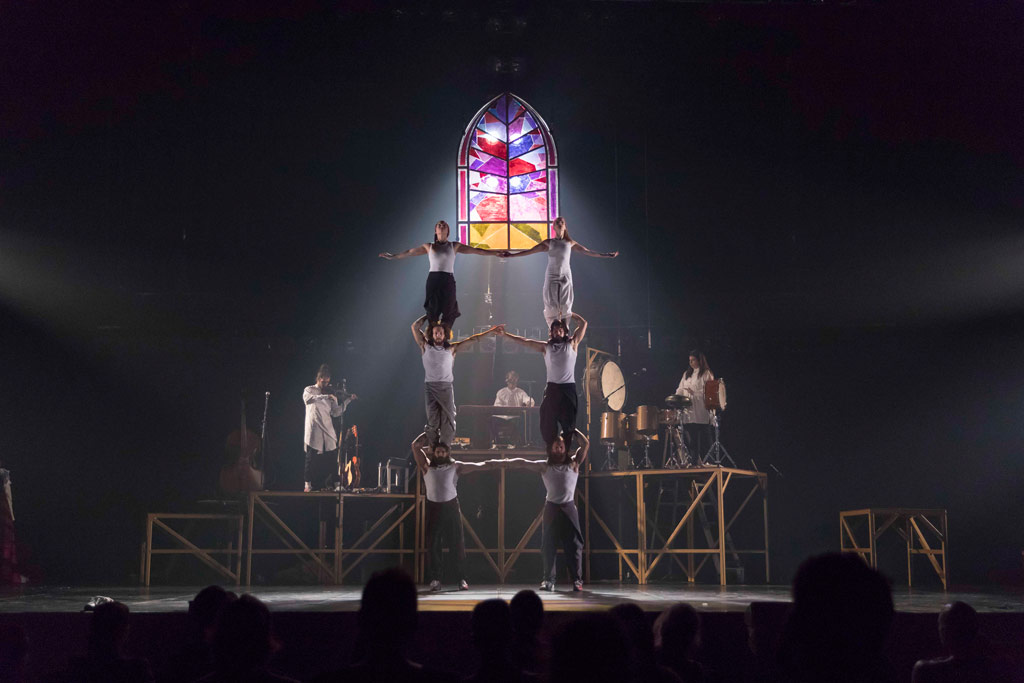
Tabarnak was quirky, down-to-earth back-country circus. The scene design featured bare, undecorated timber frames and a colourful church window. The artists were dressed in loose gray trousers and long, loose white shirts.

There were various different kinds of acts, and also random entertaining things-between-acts. (Step dancing. Rhythmic whip cracking.) But their best numbers were strength acrobatics: climbing on top of each other. This was all accompanied by live music, written by/for the troupe.

I enjoyed this a lot.


Image from the web site of Cirque Alfonse.

An ensemble of seven women, dressed in various tones of red and pink, perform a seamless new circus/dance/song show.

The theme is feminism, very obviously, and it permeates everything from costumes to song lyrics. Cirkus Cirkör are never subtle about their messages. But unlike some previous shows, I thought this one didn’t rub its message in my face too strongly.

Organic, flowing movements, with circus numbers blending into dance and vice versa. There is rarely a “my number” and “your number” – some performers are more in focus during a particular number but others support, surround, carry, or push. There is a strong sense of togetherness. Beautiful, lyrical and physical.

Memorable fragments: An artist hanging by her hair, spinning, counterbalanced by a pile of plate armour. An artist in the centre, circled and besieged by two others who sing at the same time in different languages. An artist in a tangle of black swathes of fabric that the others weave into a plait. Three artists on two rope trapezes, close together, shifting and moving snake-like over each other.

(Not my photos.)

I like modern circus. I like Philip Glass. I don’t particularly like opera, but I’m willing to listen to it if I get circus and Philip Glass to compensate.

We saw Philip Glass’ opera Satyagraha at Folkoperan. They combined the opera with a circus performance by Cirkus Cirkör. A surprising combination that worked surprisingly well: the two complemented each other, and the combination never felt forced. Performances of minimalist music can benefit some kind of visual complement – I’m thinking of Koyaanisqatsi for example.

Satyagraha deals with the early life of Mahatma Gandhi and the beginnings of his theory of non-violent resistance. Each circus act fit into the story and illustrated each scene much more tangibly than the music could possibly do. Balancing on a tightrope to symbolize passage through an annoyed crowd. a teeterboard act to illustrate a battle, etc.

Even so the performance was relatively… vague. Not concrete. It consisted not so much of events from those years in Gandhi’s life, as interpretations of feelings and associations around those events.

I wonder how much sense the opera would even make on its own. Probably not much at all, given that it is in sanskrit. But then again I don’t suppose “sense” is what opera-goers want and expect from opera performances.

Threads, nets and knitting have been recurring themes in Cirkus Cirkör’s performances in recent years, and they were part of this performance as well. It sounds gimmicky but again it worked really well.

The final scene initially made no sense to me but made a strong impression. Six actors walked in a circle, taking turns to push a giant wheel, thereby winding rope on it. A seventh actor guided the rope. It went on for a long time. Combined with the music, which for this scene was particularly minimalistic, the effect was hypnotic. I thought it mostly symbolic. Only later did I connect this wheel to the spinning wheel on India’s flag, and learn that spinning was an important part of Gandhi’s later politics in India.

The opera on its own would probably not have been enough to keep me interested for 2+ hours, and the circus acts were not impressive enough to fill a whole evening either. But the two together made for an interesting and memorable performance.


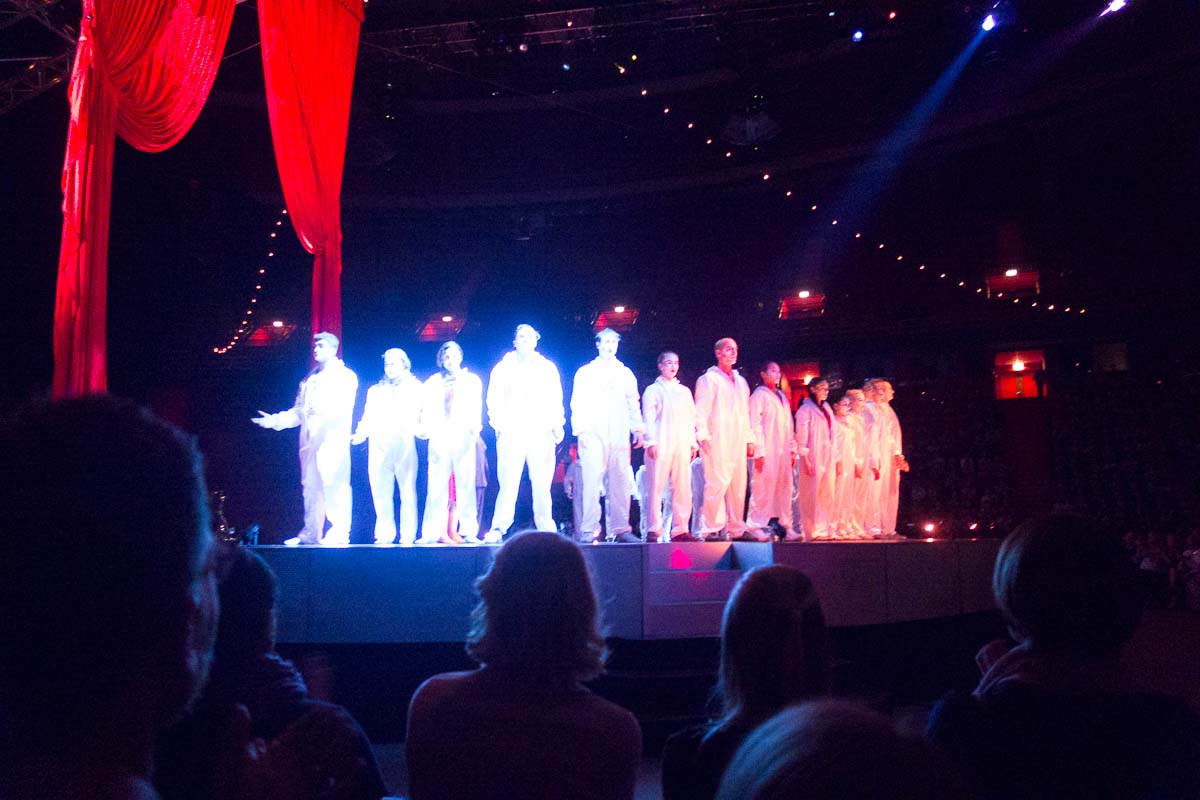
I went to see Cirque du Soleil’s Quidam in Globen. We first saw Quidam years ago in London. I think it was the first CDS show I saw so it has a special place in my heart. Today they were as amazing as ever.

They do everything right and pay attention to every detail. Every little part contributes to a magnificent whole. The decorations, costumes, props, lighting and music all harmonize. There is no dead time: even when one act is finishing, another is walking on scene – or perhaps someone else is, just to fill the void.

Each act is masterfully choreographed and performed. Some so far surpass normal human skill that my almost brain gives up and cannot relate any more. (It’s like with money: thousands are money, millions are a lot of money – trillions are just made up numbers.)

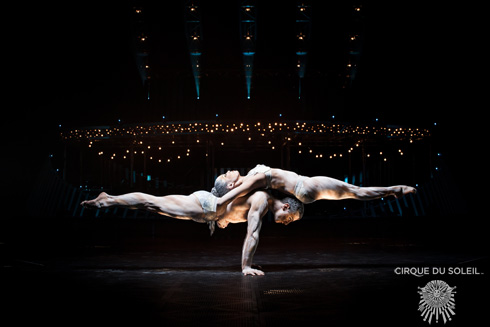
The Statues act was one of the most amazing ones.

Cirkus Cirkör is Sweden’s one and only major contemporary circus company. We last saw a show by them in 2010. Yesterday it was time for another one.

I quite liked Wear it like a crown, the 2010 show, except for one thing: the theme. It was about daring to be yourself, and daring to make mistakes. Which is not a bad theme in itself, but it was presented way too loudly and in-your-face and unsubtly in the show. Feelgood pop philosophy aimed at teenagers. But otherwise it was a nice show.

Their show for this year is titled Knitting Peace. I expected something similar to last time, but came away much more impressed. This show is noticeably more mature: quieter, subtler, leaving more to the imagination.

The dim lighting and the simple monochrome visual design, and the music (partly performed live on stage), all came together into one contemplative whole.

Knitting suffuses everything. The scene decorations are made out of rope, knitted or tangled. The props are rope tangles, or balls of yarn (ranging from palm-sized to one metre), or knitted dolls, capes, nets, or just plain ropes. And because they are so simple, they can speak of many things at once.

A man struggling with a tangle of rope: a tangled relationship? or a tricky problem? or Man’s struggle in general?

Self-inflicted or externally caused?

But the yarns and ropes were not just props: not just for decoration, or for the theatrical aspect of the show. Most of the circus numbers were also built around ropes and knitting. Rope-walking, of course, is an obvious one (but you’d be surprised at the number of variations possible). But ropes can also be used for climbing, hanging, tying… Rope can be knit (live on stage); rope ladders can be unravelled. One can balance on balls of rope, and tumble over and around them, or why not climb into one. The variety was amazing.

Technically the show doesn’t reach the same level as, for example, Cirque du Soleil. But in this show the theatrical aspect was so much stronger that the technical skills didn’t really matter as much. The two shows are so different that they cannot really be compared – they are two different genres.

So there is a lot of knitting in the show, but not much of an overt peace theme. Instead, if I were to try and pinpoint one master theme, it would be “struggle”. So, lack of peace? Or perhaps the struggle to find your peace – not peace as not-war, but inner peace.

There are more nice photos at MyNewsDesk.

I went to the circus yesterday! Cirque du Soleil is in town and I had booked tickets already in September, for myself, my mother and Ingrid.

Contemporary circus is my favourite form of entertainment, well ahead of theatre, movies and concerts. And Cirque du Soleil consistently delivers great shows. We have seen several – Quidam, Dralion, Varekai and Alegria, and maybe more. Basically I think we went to every one of their shows that visited London during our stay there.

Each of their shows has a theme. I think of Quidam as the French show about a childish sense of wonder; Dralion is the Chinese show; Varekai is the show with the weird creatures. I thought I had seen Saltimbanco as well but now that I try to remember its theme, I cannot, so maybe I haven’t seen it after all.

Yesterday we saw Alegria. Again… but it was well worth seeing again. Alegria is about joy and power – I think of this show as the court of the King of Light. It is courtly, airy, elegant, full of light. A spectacular show, as they all are, with fabulous costumes, great music, and impressively skilled circus acts.

To me the most impressive and most interesting acts are the ones that combine acrobatic skill with dynamism. People flying and tumbling through the air – Russian bars, trapeze, trampoline, etc. This show had them all, and it was as dazzling as ever.

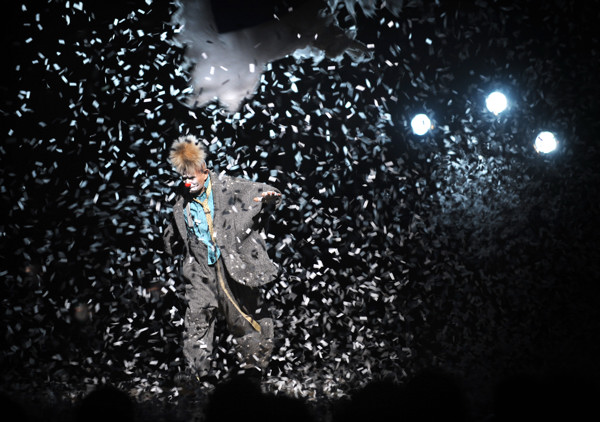
Ingrid’s favourite part was the clowns, and the rest was too long and too grown-up for her. The clown acts in this show tell a story of their own, about travel and longing. And even though all the other acts were very impressive, the clowns were also the part that I had strongest memories of from the last time I saw them.

Amazingly, Svenska Dagbladet was disappointed and found the show soulless compared to Cirkus Cirkör, the main contemporary circus group in Sweden. Yes, Cirkör is more intimate, and their themes are more idealist (like “world peace” and “it’s OK to be yourself”) but they are also simplistic and naïve, almost childish. And while Cirkör are entertaining enough, compared to Cirque du Soleil they are like a country cousin.

TodayYesterday we saw Cirkus Orion at the Orion theatre: a fusion of theatre and circus, with horses and dogs outnumbering the humans on the scene.

The story:
A man and his daughter come to the circus. The daughter longs to leave her seat in the audience and join the crew on and behind the stage. At first she approaches cautiously, then becomes a bit bolder, steps into the arena and dances with the horses, shyly imitates the juggler and longingly tries to insert herself in the hula hoop routine.

The father is more reserved and fearful of the unknown. Inclined to keep his distance, it takes a while before he dares to approach a pony or pet a dog. But he cannot resist the lure of the circus, either.

The whole show is more sweet and charming than dazzling or impressive. It’s tasteful, poetic and low-key, with simple costumes (no spandex, no sequins) and simple music. The circus part of it was decent but not very impressive technically. Pleasant family entertainment for an afternoon.