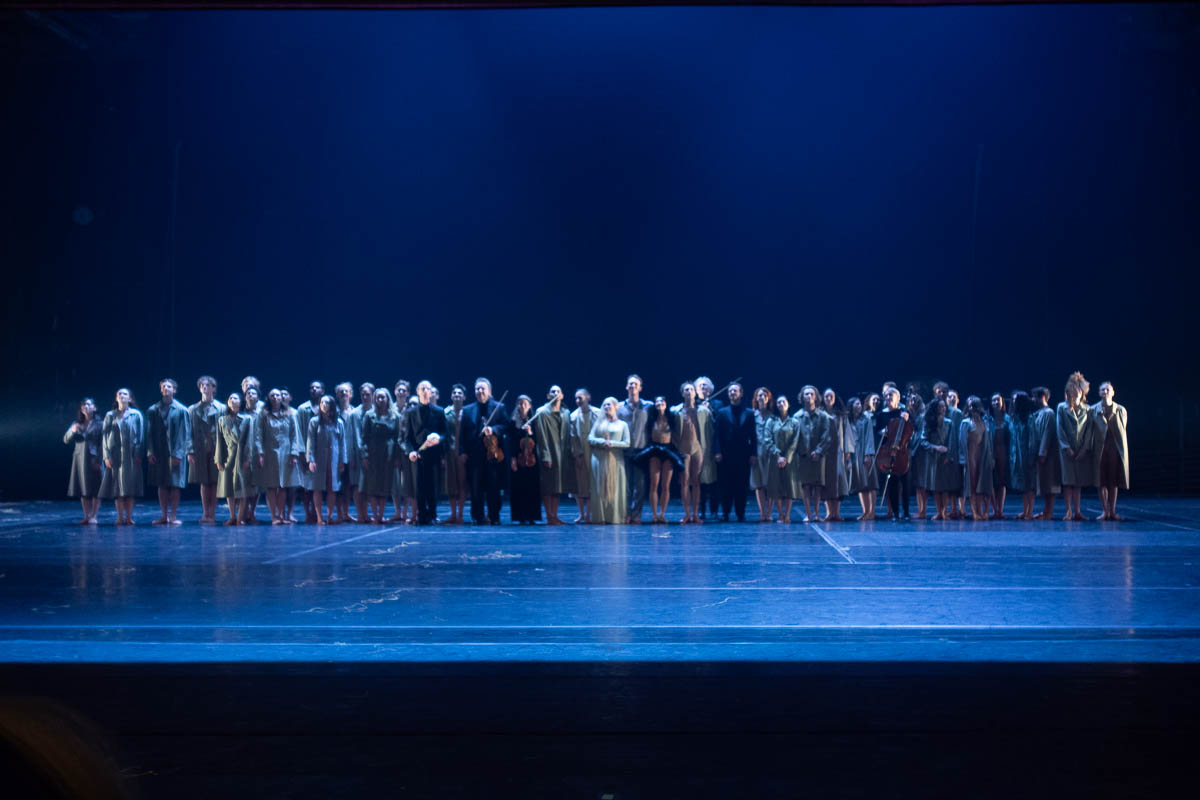
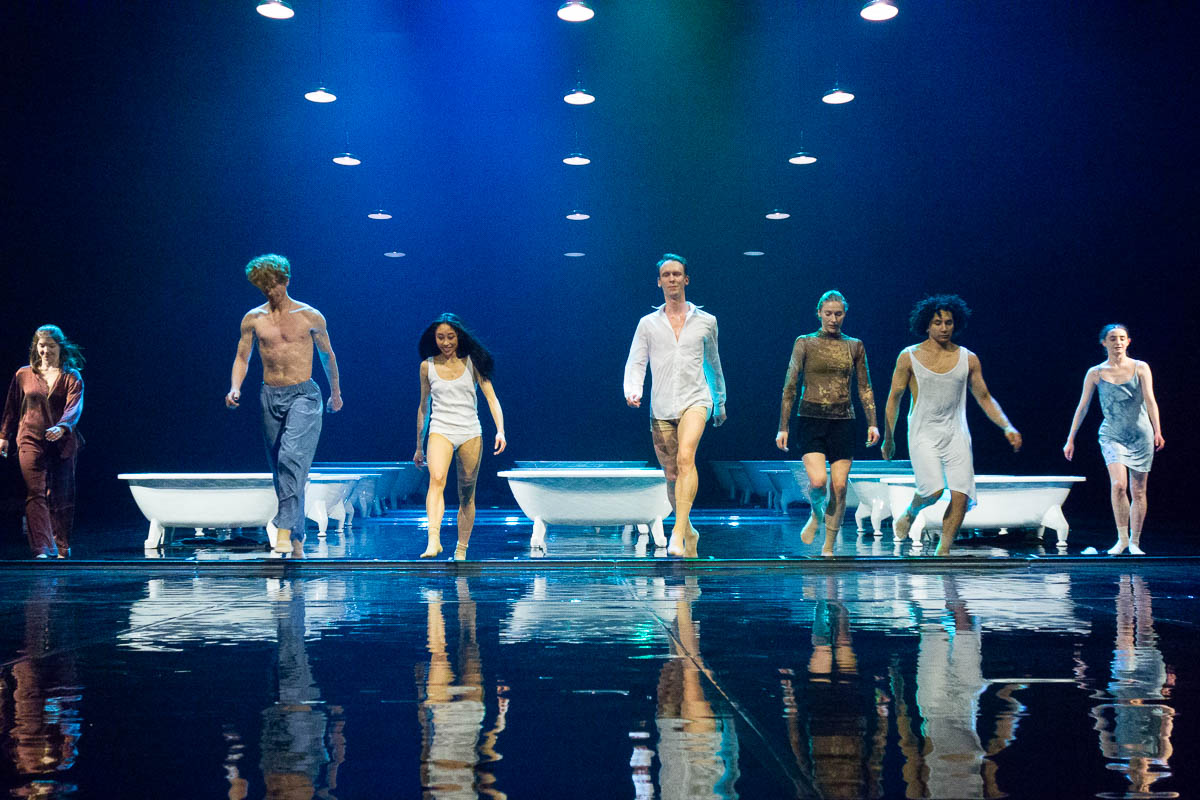
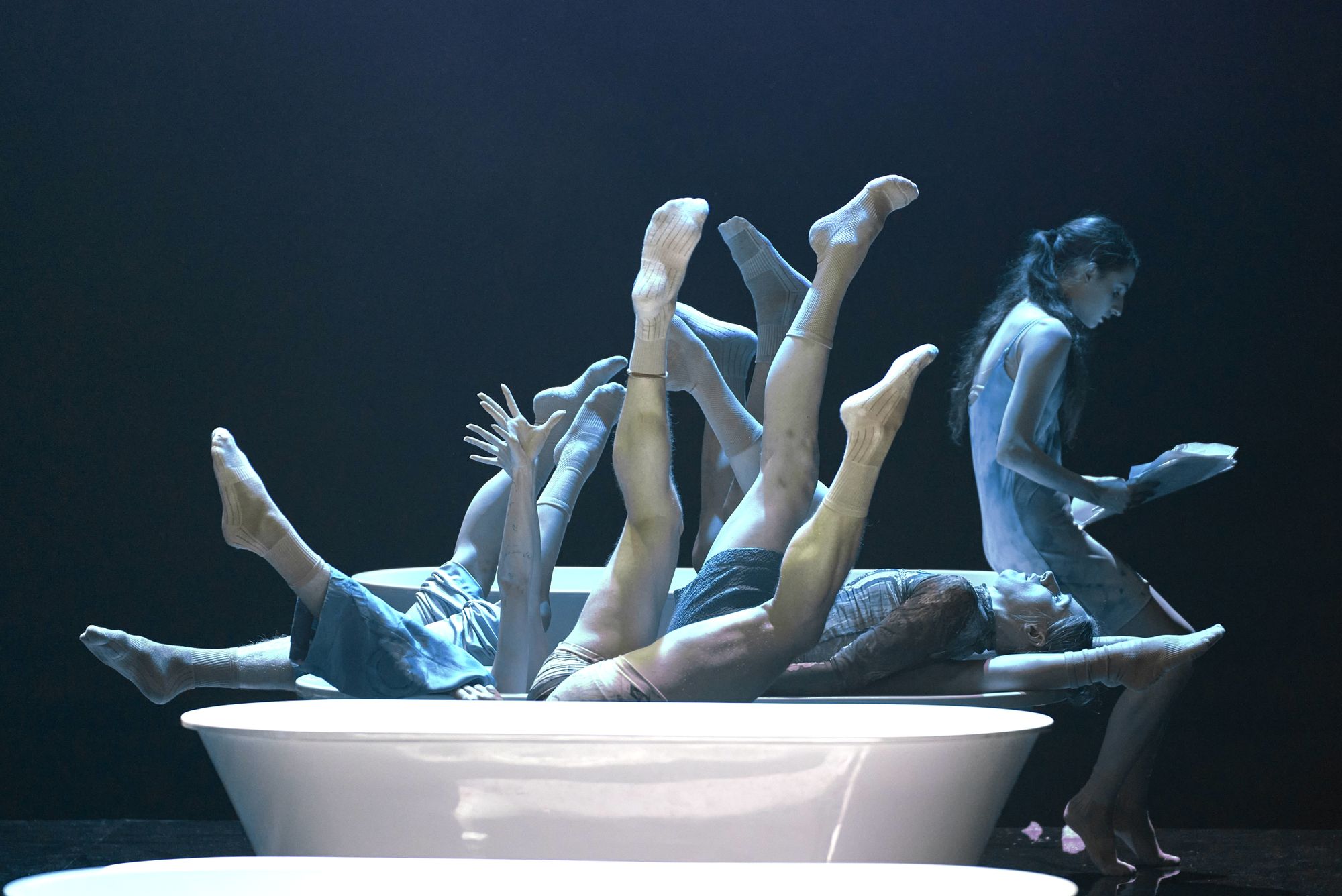
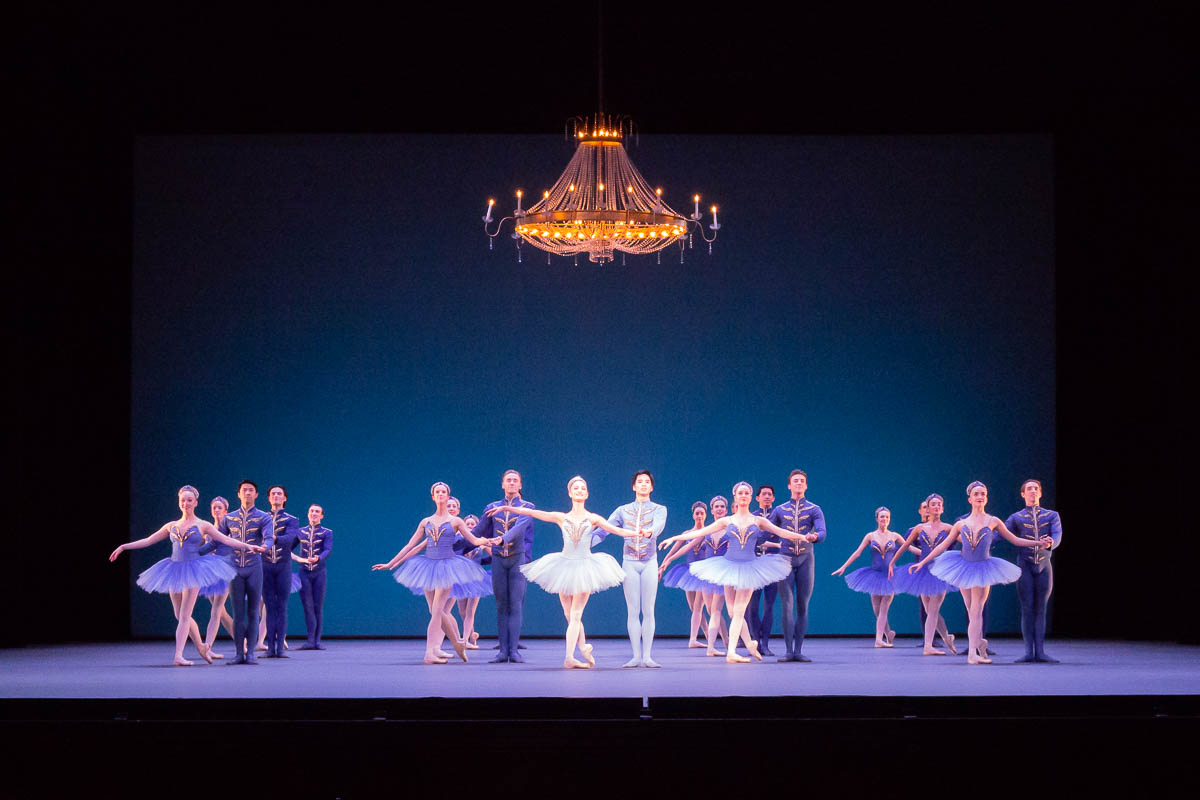
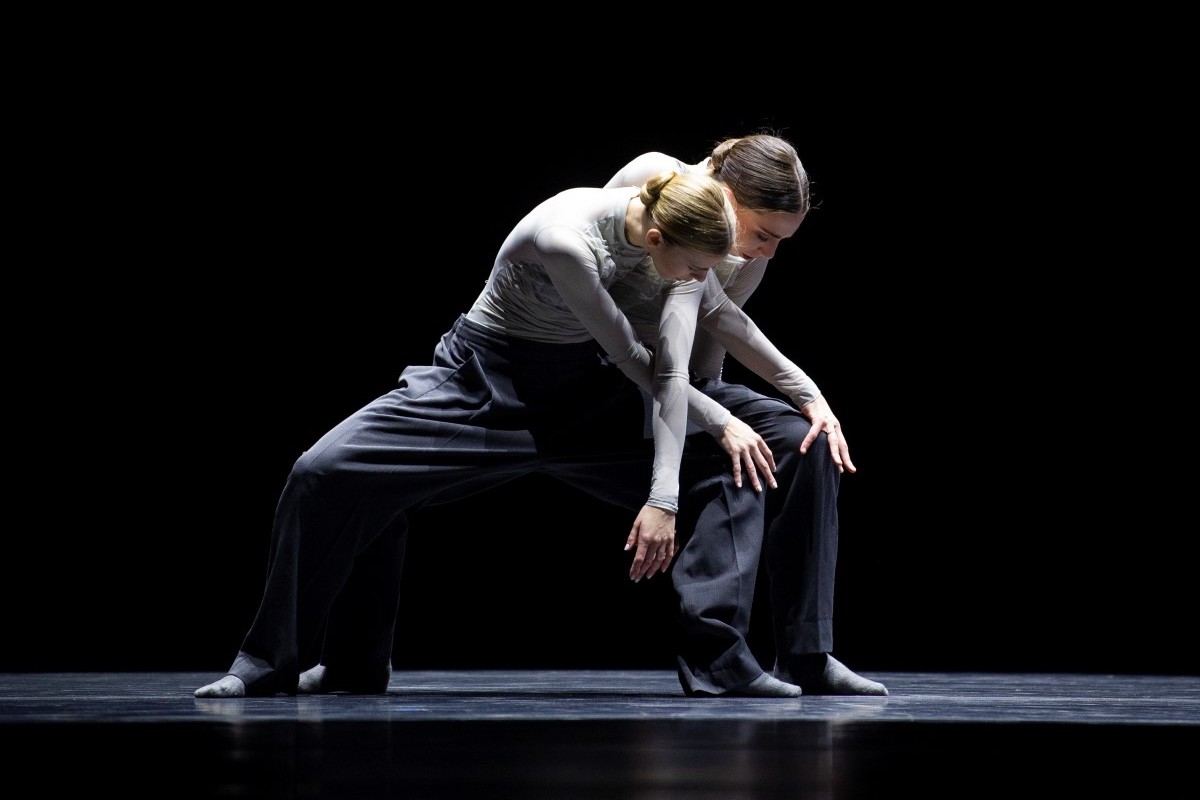
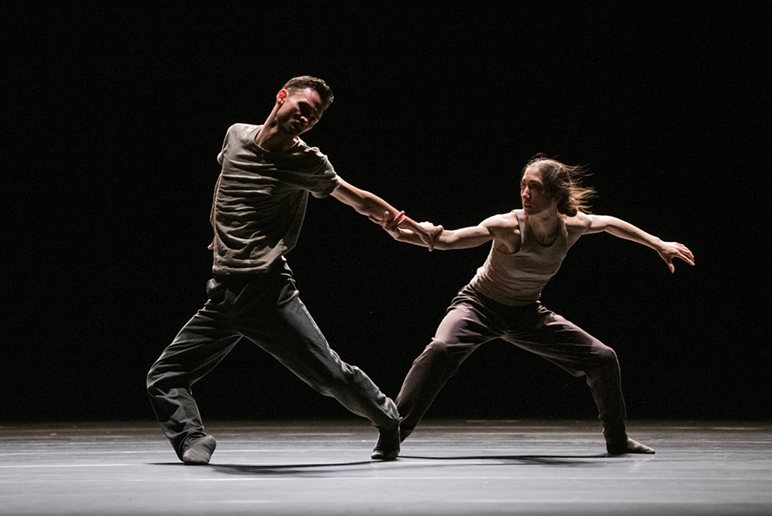
Jalet’s Kites and Eyal’s Saaba.
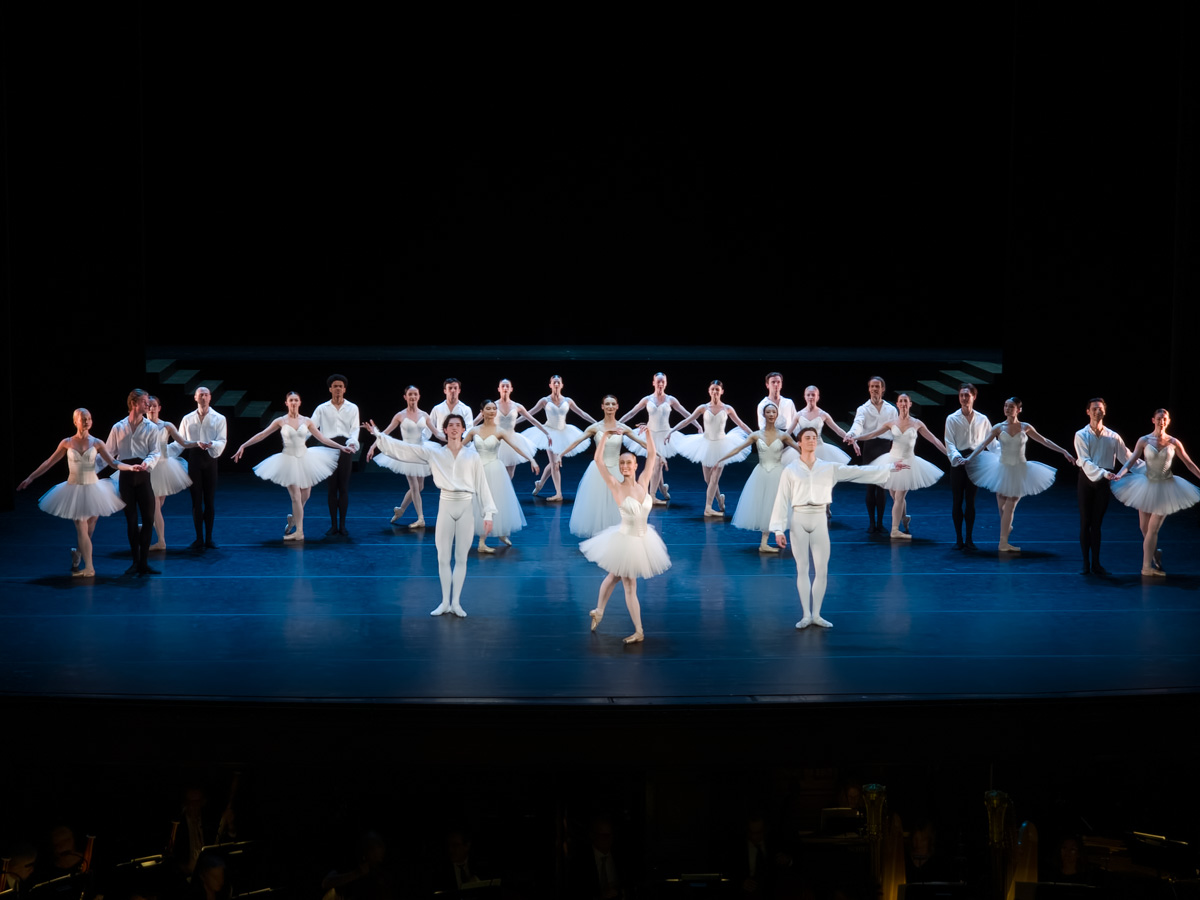
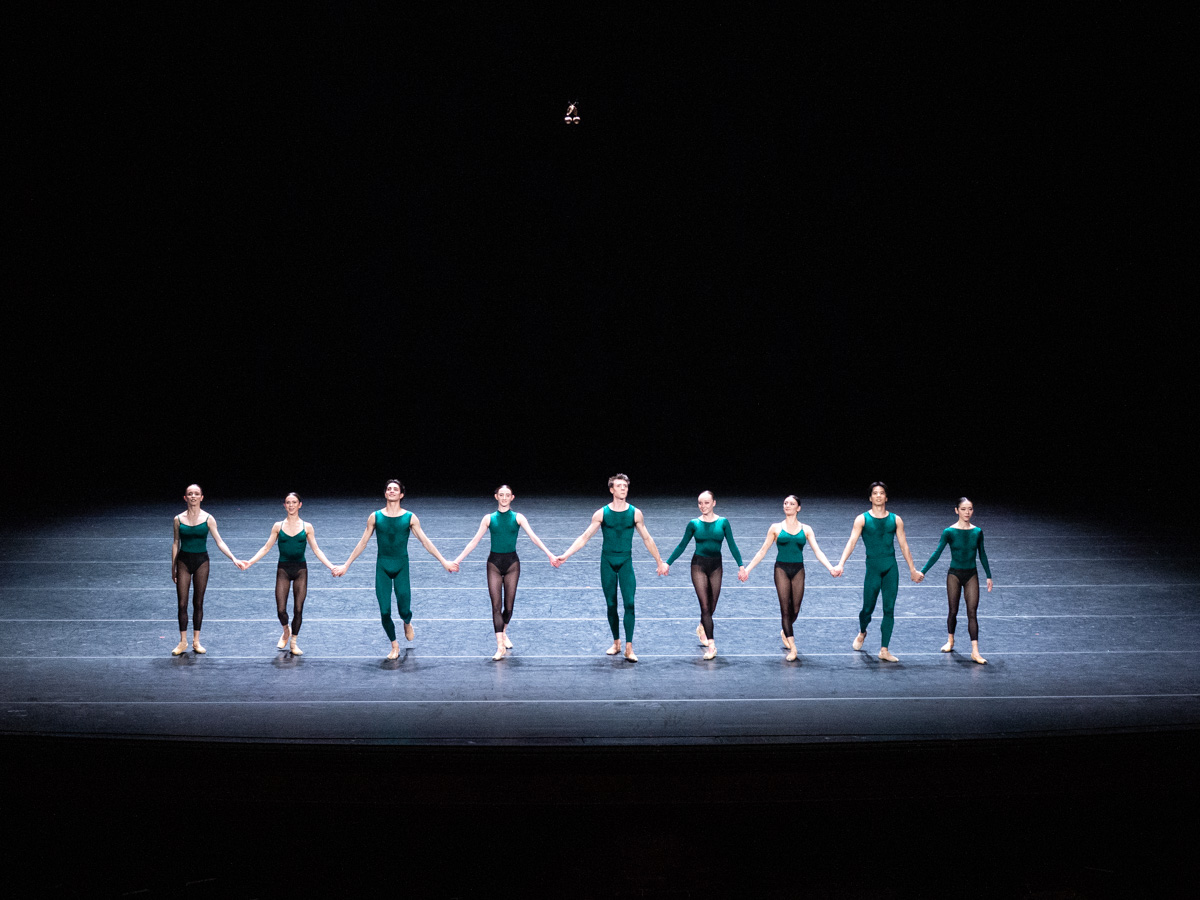
I usually post press photos in my reviews of dance performances but this time we had front row seats so I took my own. Obviously my little camera struggled with the dim lighting but it’s enough for some memories.
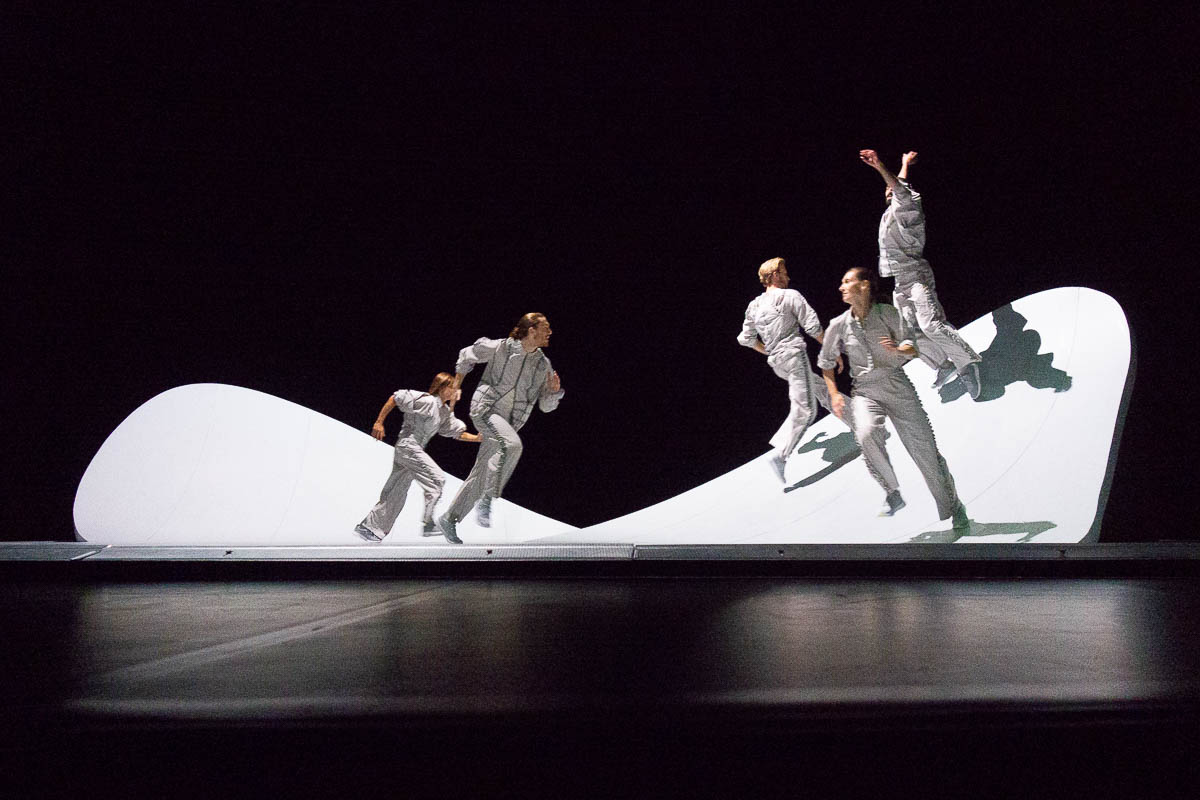
Damien Jalet’s Kites. My opinion of this piece went up and down.
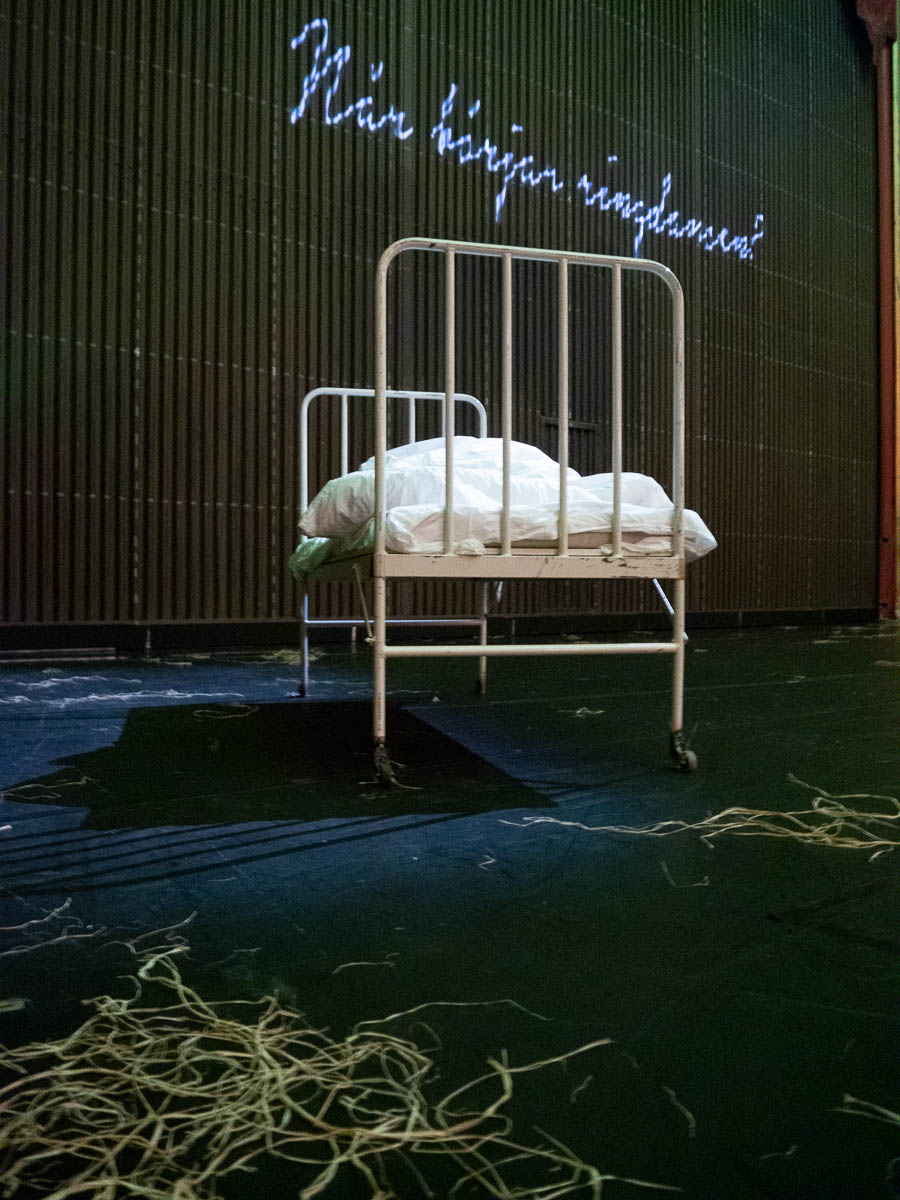
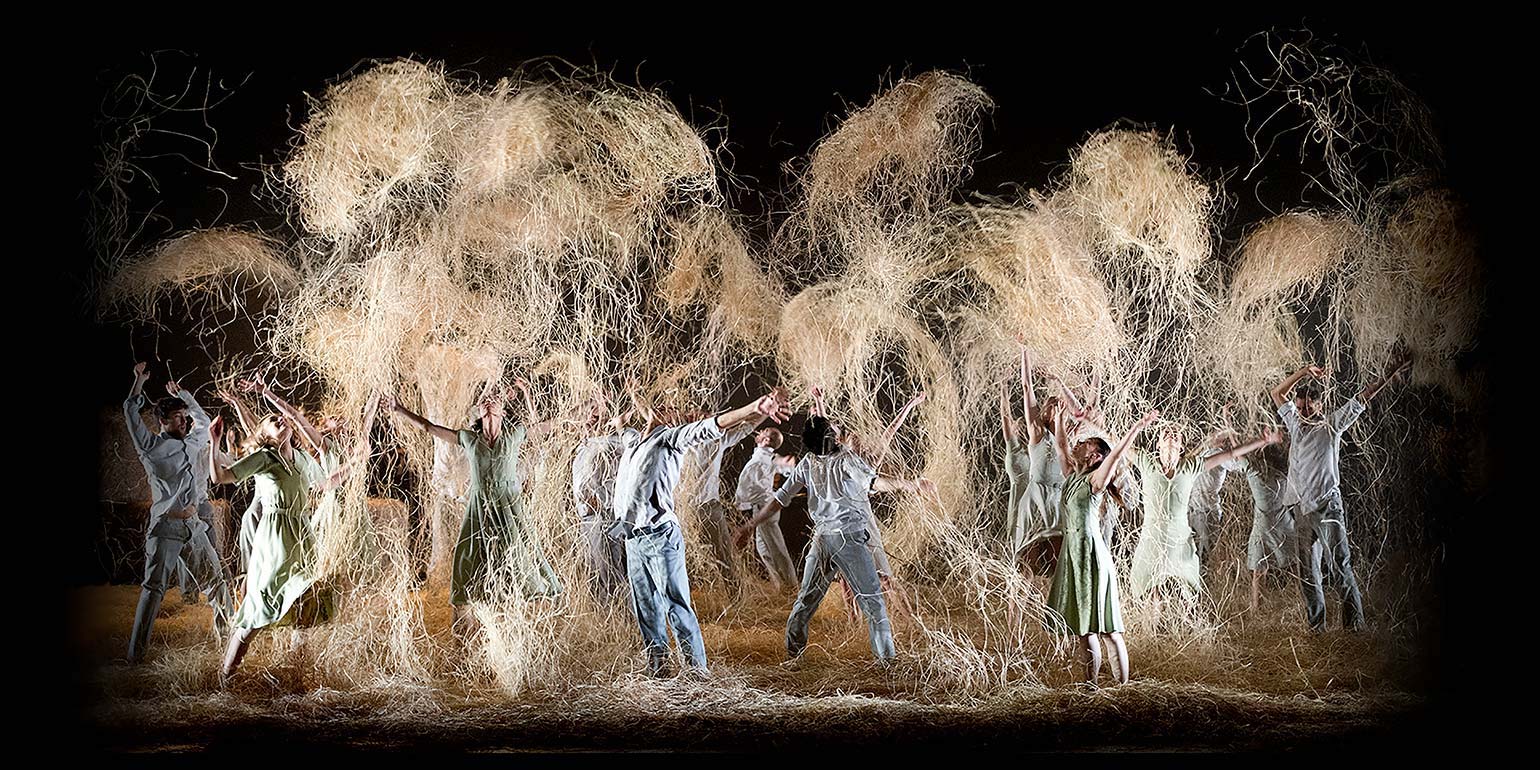
First: a woman, lying down on the floor, moving to a poem about the wind. Then, a group running up and down white slopes, evoking the feeling of running in the wind. This section didn’t impress me much – I found it repetitive and lacking direction and choreography. It felt as if the dancers had just been told to run up and down the white slopes, and let their arms drag behind them. Kind of boring, but the constant motion was soothing, like looking at the foam wake behind a boat, especially together with the music.
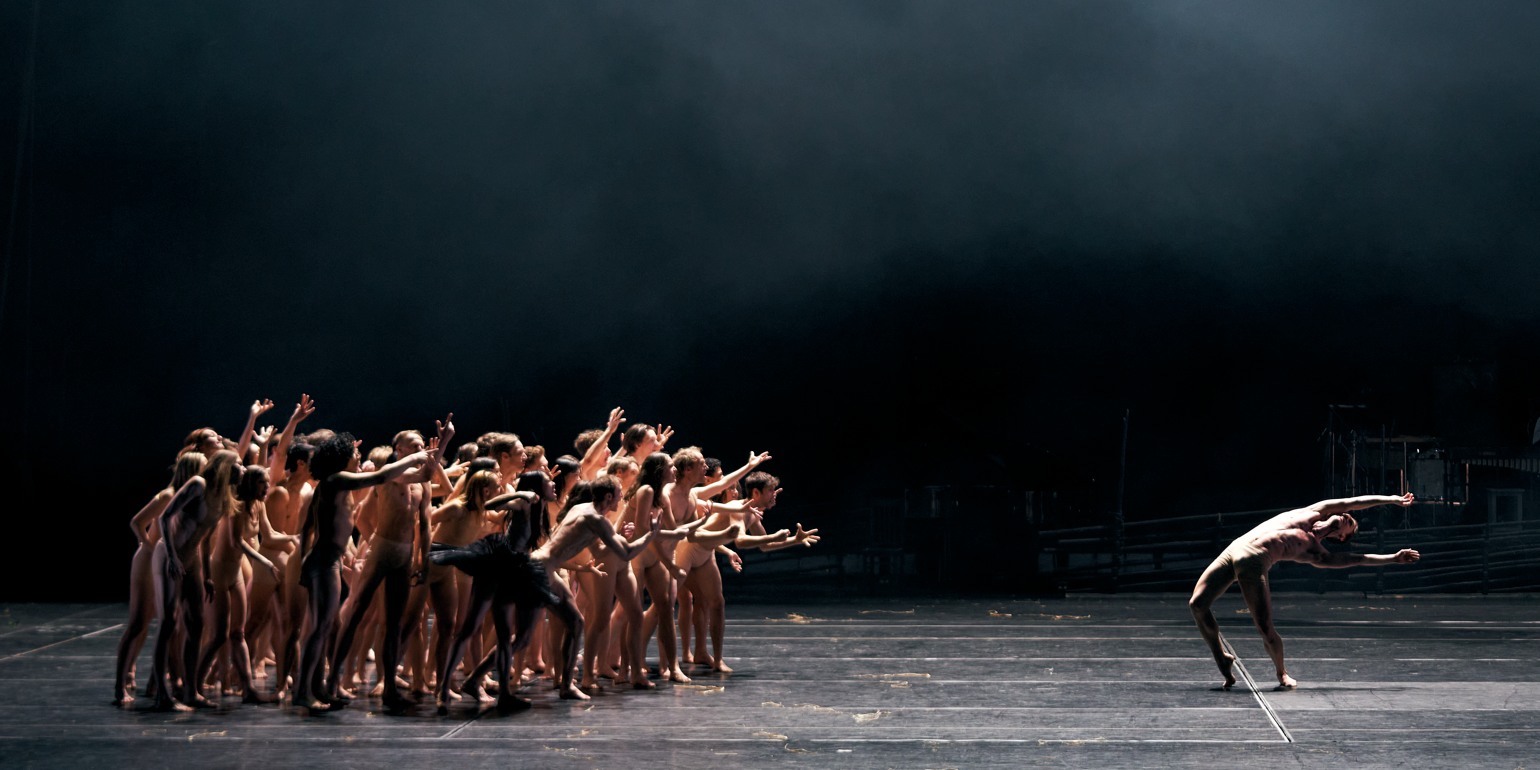
Then the group gathered loosely at the front of the scene, dancing together but slightly out of sync. One of them starts a movement, and the others follow gradually, like a wave. The next wave had a different starting point and a different direction. It was still relatively aimless: the same kind of thing kept happening for quite a while, without any noticeable change or directionality. It reminded me of Koyaanisqatsi, music and motion blending into one, especially with the minimalist music. It made me see the previous section from a new perspective, and appreciate it a bit more. Still, my opinion of the whole piece kept oscillating between appreciating the minimalism, and finding it low-effort and boring.
The final section was gimmicky. Cords got pulled and clothes transformed – shirts blown full of wind, sparkly jackets, loosely blowing pants, glitter blowing in the wind. Childish and cheap, compared to what came before, lowering the tone.
Also, the streetwear-inspired costume design may be modern and cool but it detracted from the performance. The costumes were loose but stiff, so they hid the dancer’s bodies and made movements indistinct. A tighter design would have made the bodies more visible; a looser, softer fabric would have flown with the motion.
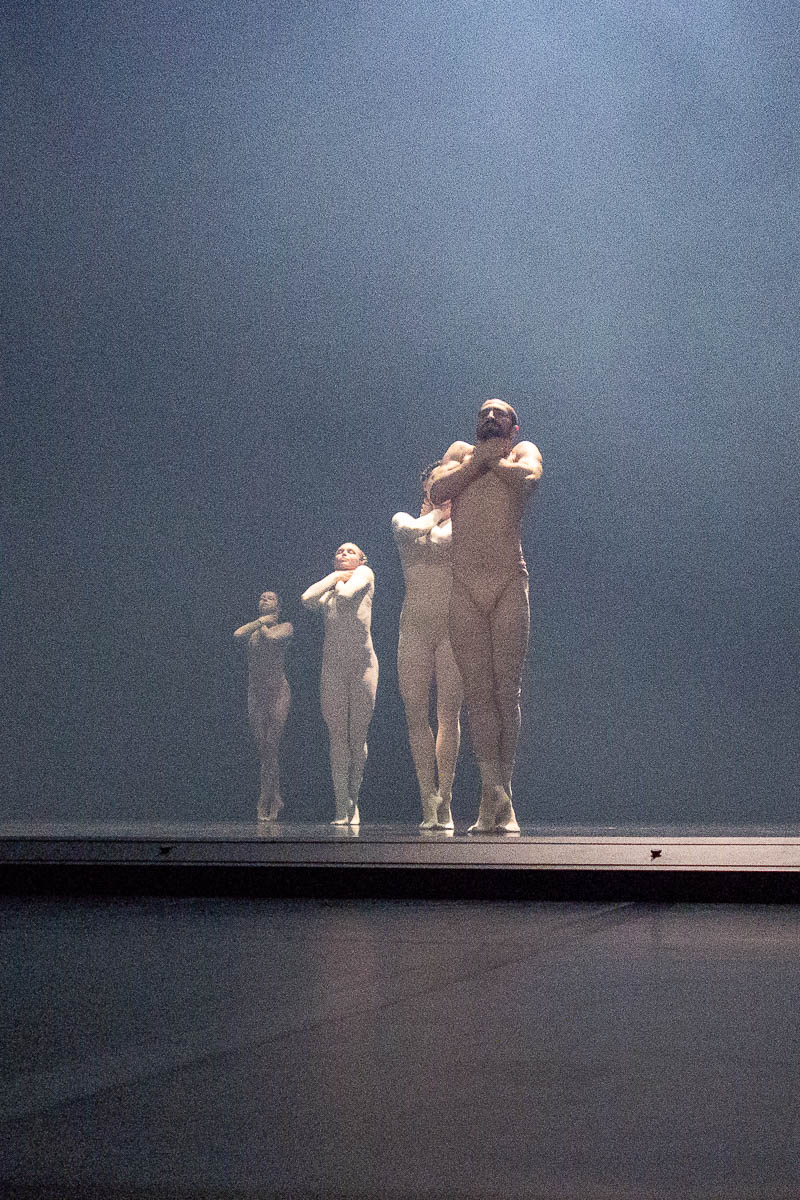
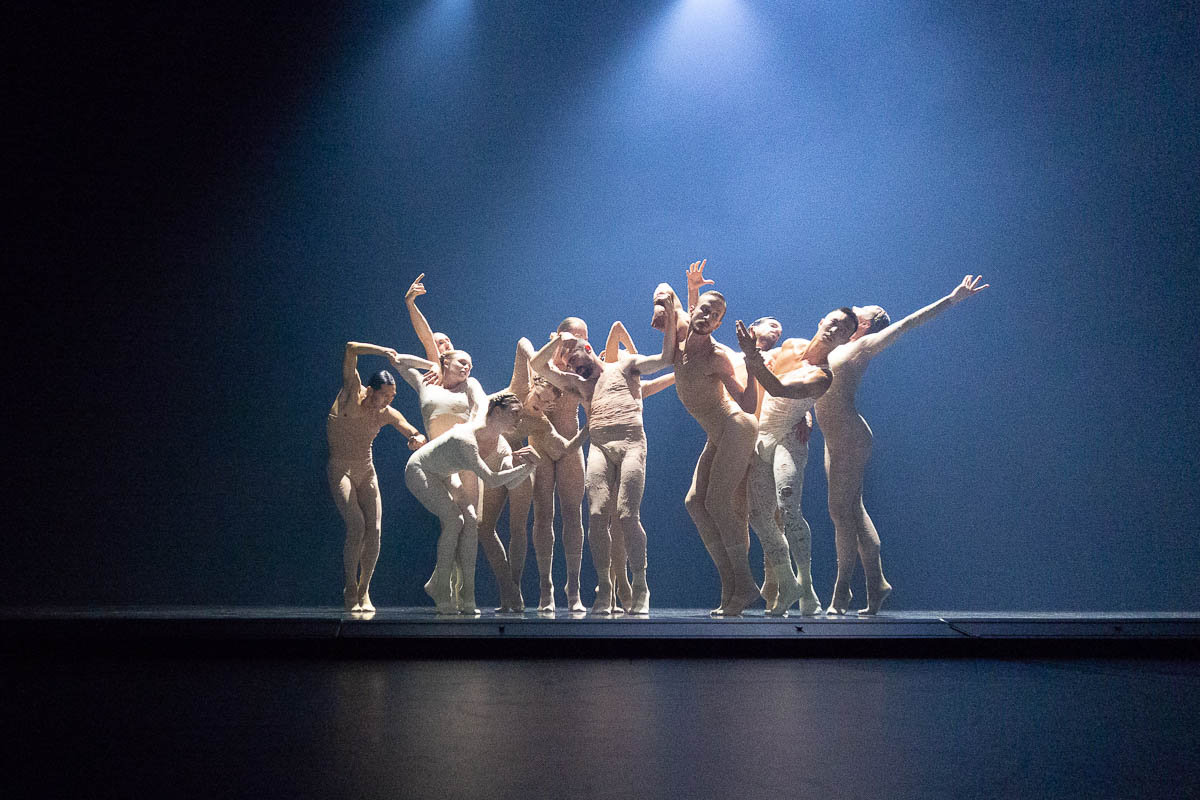
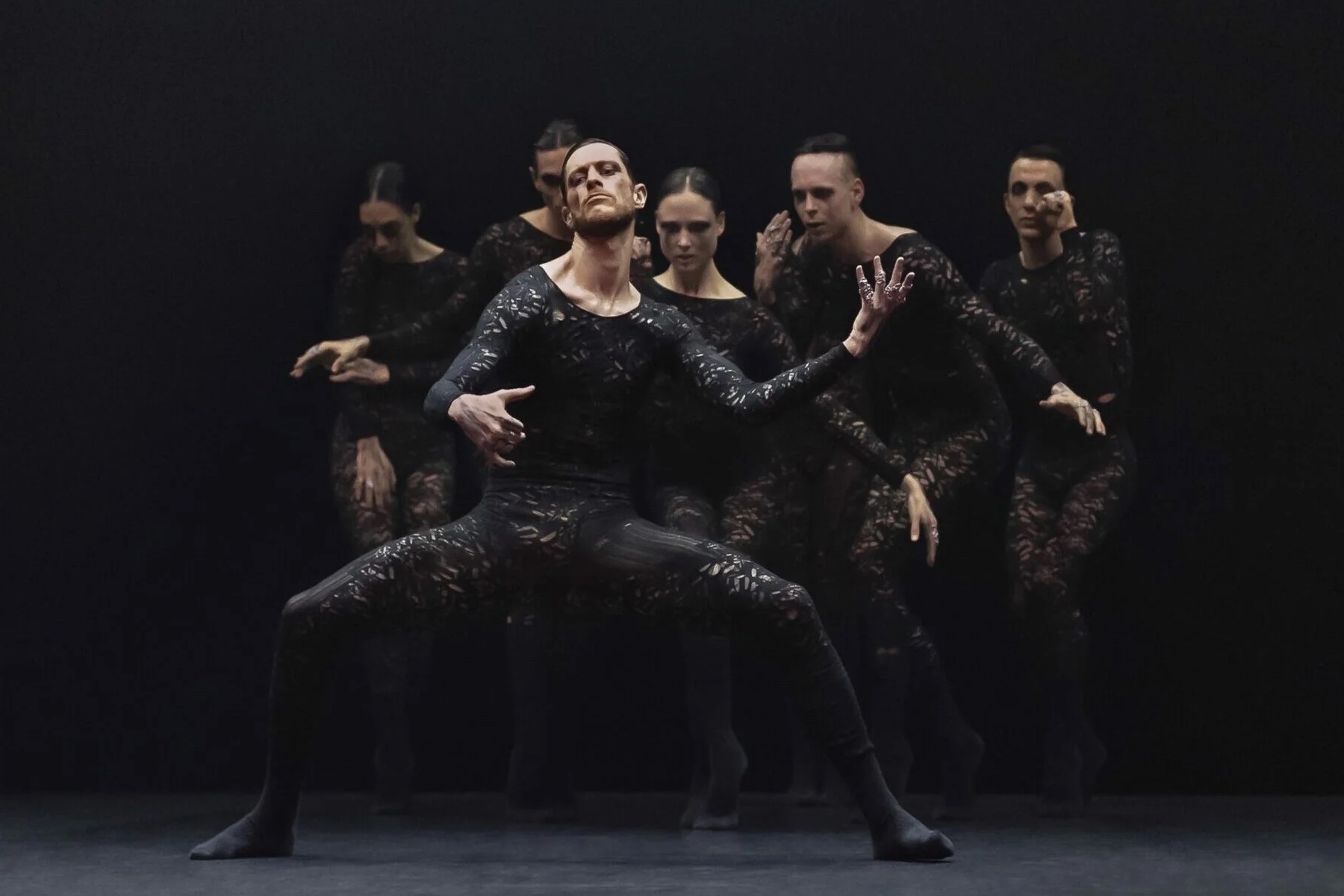
Sharon Eyal’s Saaba. This was spellbinding and awesome. It was as if she had seen the first piece and taken the best parts of the concept – minimalism, gradual change, waves of movement – and added emotional depth and vision, turned up the intensity to 11, and fixed all the niggling little shortcomings.
Like Kites, there is a minimalism to the choreography. There are rarely any large movements or radical changes. Unlike in Kites, everything always subtly mutating. It’s never just time passing. The group is constantly changing direction, or size, or motion, or role. In technical terms, the information density of this work is ten times that of Kites.
The style felt immediately familiar from the last time I saw a work by Sharon Eyal. The dancers move as a group, but their movements are not identical. There is always some deviation, someone going against the flow, or standing on their toes when the others have their feet flat on the ground, or looking left when the others look right.
What was most interesting about the choreography was the tension between the strict and the grotesque. Straight legs, controlled bodies, restrained movement, tightly braided hair – but also hunched shoulders, choked throats, pointed fingers, gaping mouths, distant gazes, pained grimaces. I got the impression of something demonic and obsessed, though it was far from wild or fiery. Possessed, otherworldly, especially with the dreamlike lighting making everything look slightly unreal.
And those amazing costumes of tight light-coloured lace, looking gritty rather than pretty, highlighting every movement.
Hypnotic, powerful, mesmerizing. I barely blinked during this performance, so as not to miss a single detail.