One of my favourite Estonian foods is karask, a barley bread with sour milk.

It wasn’t a staple when I was a child, but my mum made it a few times. Now it’s come back as a commercial product – not in every supermarket, but some do sell it, as well as some artisanal bakeries and food market stalls.

For some reason I’ve never tried making my own, until very recently. I made a first batch a couple of weeks ago, and another one this weekend.

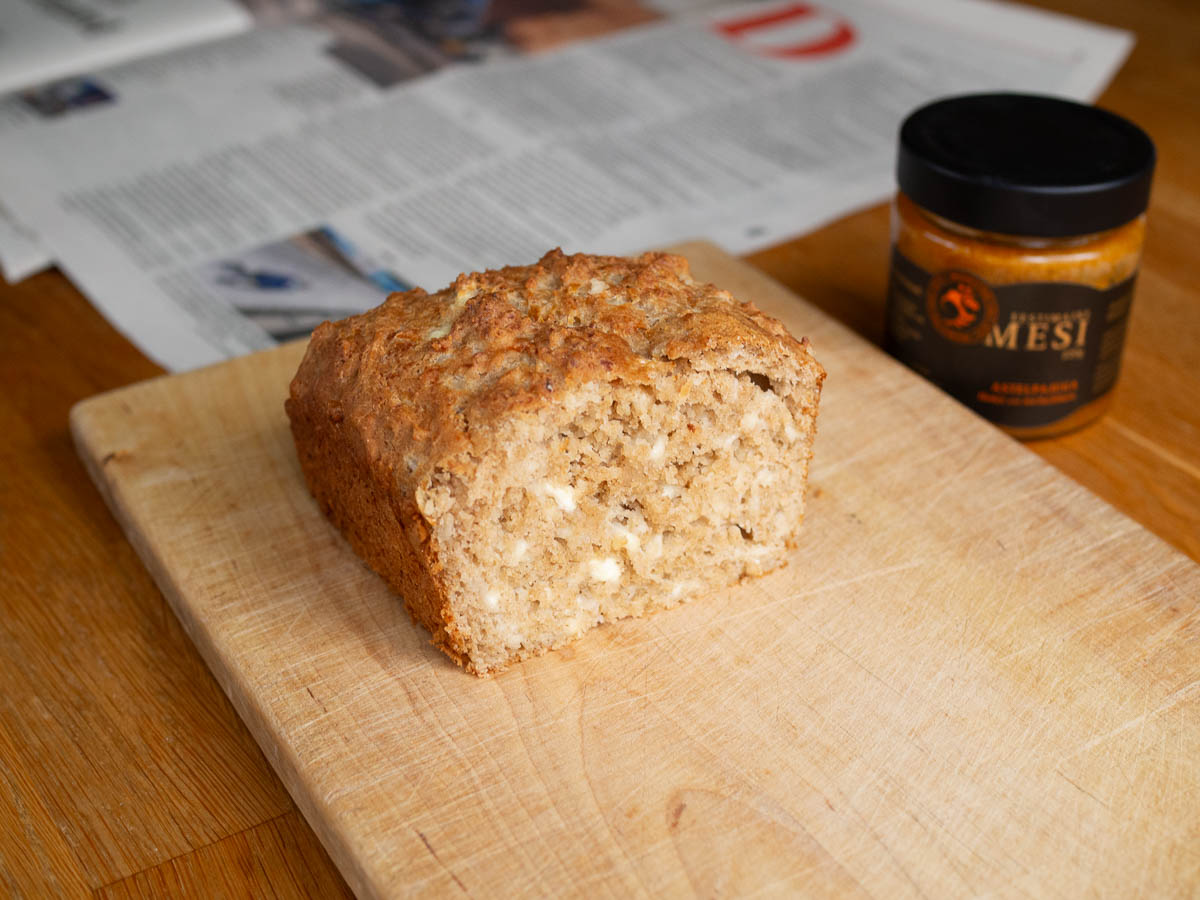
What made this one even better than a standard karask was the addition of quark to the batter. Barley is great, quark is great, the combination is even better.

These days quark is a health food: all low-fat or no-fat, marketed for its high protein content, homogenized into a smooth, creamy mass for easy consumption. Back when I was a child, Estonian quark was a solid, dense, rich product. The richer version was 12% fat, I believe, while the skinny kind was 6%. It was sold in paper-wrapped pats, kind of like you’d buy butter today.

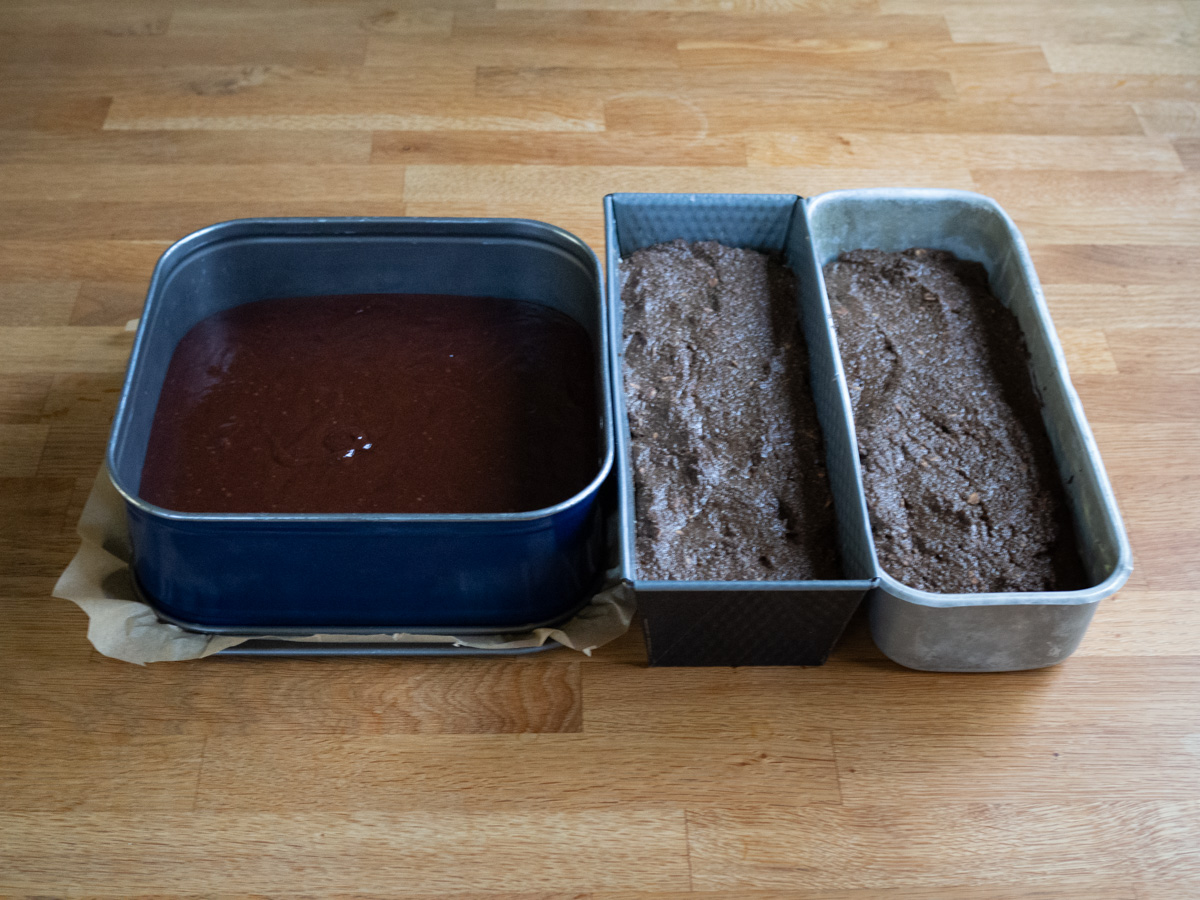
I ran across old-school tvorog at the Baltic store. Sold in one-kilogram blocks, grainy and solid, just like it’s supposed to be. Not Estonian but Latvian, I believe (didn’t look to closely at the packaging) but still – what a find. Half of the one-kilo package immediately went into a double recipe of quark karask. The other half is in the freezer for when I bake another batch.

Served warm, with butter and – by suggestion of the recipe page – honey. I never had honey on my karask before but why not.

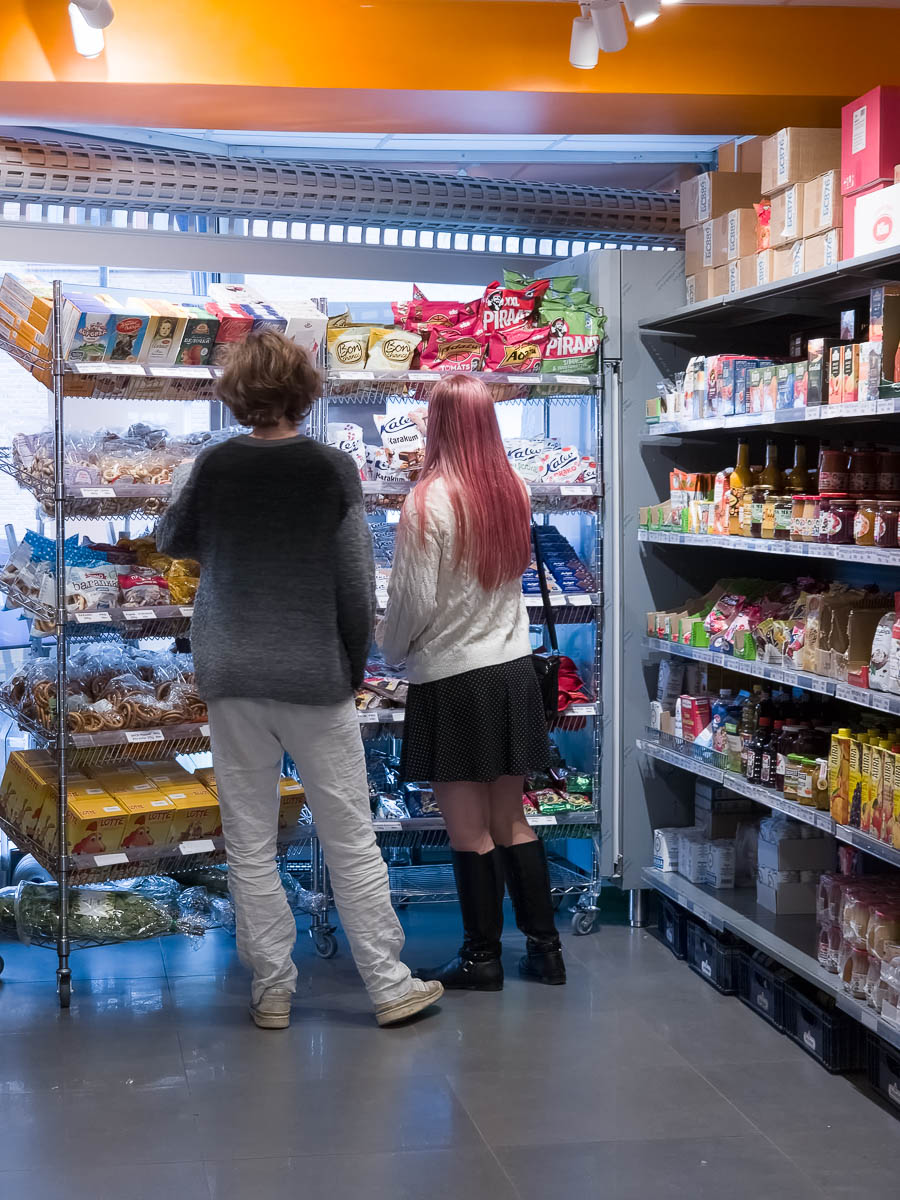
Visited Tre brudar, a nearby shop that sells foodstuff from the Baltic countries. Ingrid was hoping for Merekivid candy, but they didn’t have any. Instead we came home with Estonian dark rye bread and Kohuke quark sweets.

A full day. In the morning, a picnic outing to Taevaskoda. Then bathing at Kiidjärve lakeside beach. In the evening all the children participated in a charity run.

Taevaskoda is mostly as it has always been. A bit more people, I guess – at one point it felt like a whole busload arrived. And it all feels smaller than it used to, when I was a child.

I crossed the river and climbed to the top of the cliff to look down on our picnic site. The wear and tear on the grassy meadow was striking.

The river is shallow but fast-flowing and rather cold.


It’s a very scenic spot, but we’ve been here enough times that most of us barely look around us. Get there, eat picnic, get back. I kind of wish I could spend a bit more time just looking at the surroundings.

After the picnic, we drove to Kiidjärve for bathing. There’s a nice grassy slope down to the water, and it never feels crowded, although there are always people here. The water gets deep quickly, which works out great now that the kids are older and comfortable in deep water.

Somehow they ended up doing yoga poses in water. First just while standing, and then Ingrid and Adrian wanted to do the same also while jumping. The timing was most tricky – both for the two of them to jump at the same moment, and for me to press the trigger at the appropriate time.


In the evening there was a charity run where the audience threw colourful powder at the runners. Adrian and Ingrid came back bright green and pink.

At Kapsta again. Helped take down and cut up a mostly-dead tree. Looked at old photos of my ancestors (everything from my grandmother as young, to various “great-grands”) and tried to figure out who’s who.

I am very grateful to my father’s wife Ülle, who welcomes us, feeds us, and brightens our conversations.

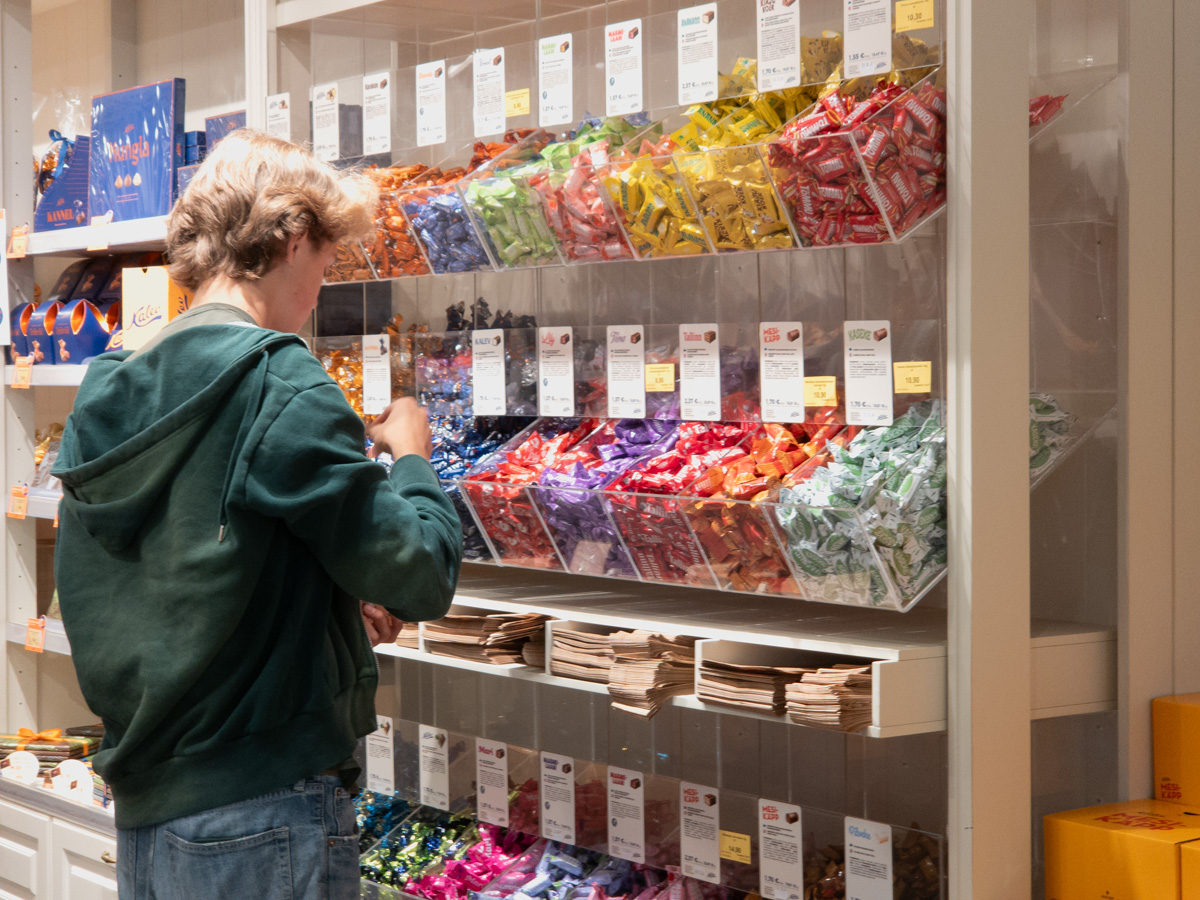
Buying Estonian candy is a necessary part of a trip to Estonia.

Likewise, eating Estonian cake. This was a sea buckthorn cake with cream cheese and chocolate.

We spent the day at Kapsta with my father and his wife.

Made our traditional home-made sushi lunch.

Enjoyed lunch out in the gazebo tent since the weather remains horribly hot.


Went for a walk in the early evening when the temperature had cooled a bit. Still 25 degrees but at least it’s not 29 any more.

My father’s back is in a bad enough shape that he’s probably not going to be taking any more walks in his life.


There are no pea fields this year. Beans and wheat instead.

A hot and rainy day. Had the weather been better, we might have gone to the adventure park in Otepää, like we do must summers. Now we chose indoor climbing instead – or bouldering, to be more precise. “We” here being the next generation (Ingrid, Adrian, and my Estonian friends’ kids) and me. The rest of the older generation were all either working, or not the climbing kind of people. Occasionally I feel a bit weird, being the only mum in a group that’s otherwise mostly teenagers and twenty-somethings and one brave nine-year-old. But I’m young at heart, eh?


The first room had the traditional kind of bouldering wall with colour-coded routes going crossways and sideways. Then we found the other room, which had a series of twenty-odd competition routes. The first couple were easy, the next few were doable, and beyond that they got more and more bizarre. It’s hard to even picture someone climbing some of them.


In the evening we went paddleboarding. Or “SUP riding”, which in Estonian sounds identical to “soup riding”.

There were heavy showers earlier in the day and heavy clouds even now; even some warnings of thunder. Thunder would have forced us to cancel; heavy rain would have been unpleasant. In the end we were lucky to get neither.

We had a safety and technique lecture on the shore, and then we were allowed on the boards and the water. Initially we were all wobbly and stayed on our knees, while swarming in the little bay we started in.


We left the bay and started paddling our way up the Emajõgi river. When we had worked up a little bit of speed, it didn’t take long for us to find our balance and stand up, like the name suggests you’re supposed to. It took longer for the knees and legs to stop shaking slightly from all the balancing that was going on.


The stand-up paddling was OK, but most of us concluded after a while that the standing-up part was rather unnecessary. You get much more leverage and control when you’re closer to the water. Canoes just make sense. Some of us went back to kneeling; many sat cross-legged.


I was all set to be camera-less during this activity, but the life jackets turned out to have a zippered chest pocket which fit my phone, and I had a little waterproof bag that also fit my phone, so I could take photos after all. I struggle to get the exposure right on the phone – in many non-standard lighting situations the photos come out way too dark and I need to adjust them a lot afterwards. But I’m glad I have these.

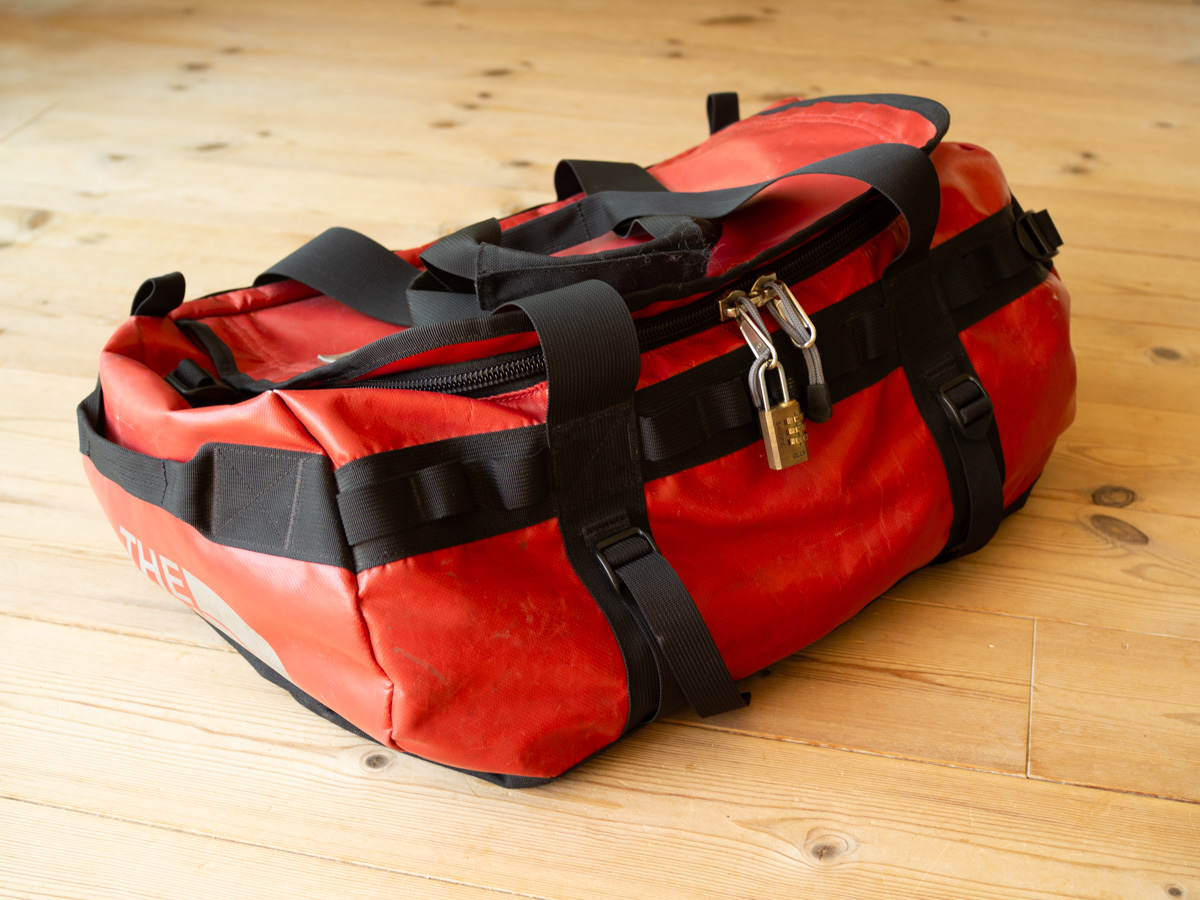
We got together with all of our Estonian friends for a grill night at a public picnic spot. I completely forgot about my camera and didn’t even take out the camera bag from my big bag. So, no photos of us eating all the good stuff, nor of the beach volleyball or badminton games, or anything.

All I have is two phone photos of the grill, which looked rather sad and worn. The bench on the far side of the picnic table had collapsed, and the grill itself was rusty and graffiti-ed. But once we got going, we forgot all about that.

Visited Ahhaa science centre with a bunch of friends of various ages. Their interactive exhibits captured everyone’s attention for hours.

The current temporary exhibition was AI-themed. We got to try out AI attempting to deduce our emotions, recognize images, drive a toy car, etc. Very well done.

The exhibition also included a kind of a poll about visitors’ views on AI. Would you trust an AI diagnosis? Fly an AI-piloted flight? Would you be more inclined to forgive a human or an AI for a mistake they made?

I’ve got mixed feelings about this. It’s easy to be distracted by LLMs and other generative AI, and forget about all the other kinds of AI out there, doing more workmanlike tasks. I rather like AI analysing X-ray images and sifting through tons of data to find anomalies.

The statement I was most positive about was “I can imagine AI teaching me”. And I absolutely can. An AI-curated, individually adjusted learning path, instead of listening to pre-prepared hour-long videos where I find myself skipping half – yes please. Then I thought about AI teaching children, especially at a younger age, and my immediate reaction was a visceral “no”.

In the evening we gathered and played “Bang”, which has for many years been our go-to game for large groups. I might be growing just a little bit tired of it, but we only play it for a few evenings each summer, and it’s become a firm tradition by now.