Kastlösa to Mörbylånga, around 15 km. Hot.
As usual, the first order of business is topping up my water bottles. Kastlösa is a large enough village to have a small hotel, so I snuck into their bathroom and got fresh water, and also a chance to wash my hands and face with running water. There has been a significant shortage of washing opportunities on this trail.
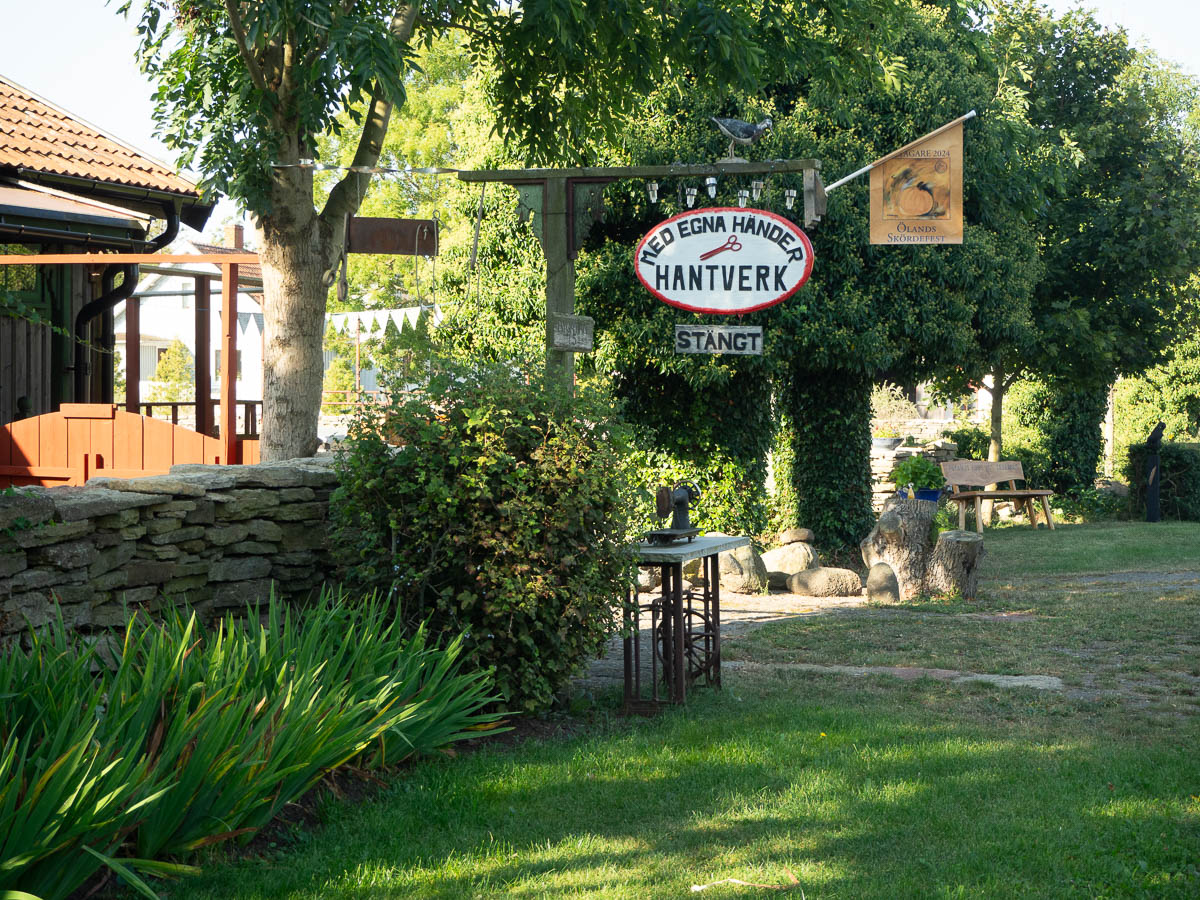
Kastlösa also has small crafts workshops and antiquities shops that would probably be fun to visit, but as with most places I pass, they’re all closed.
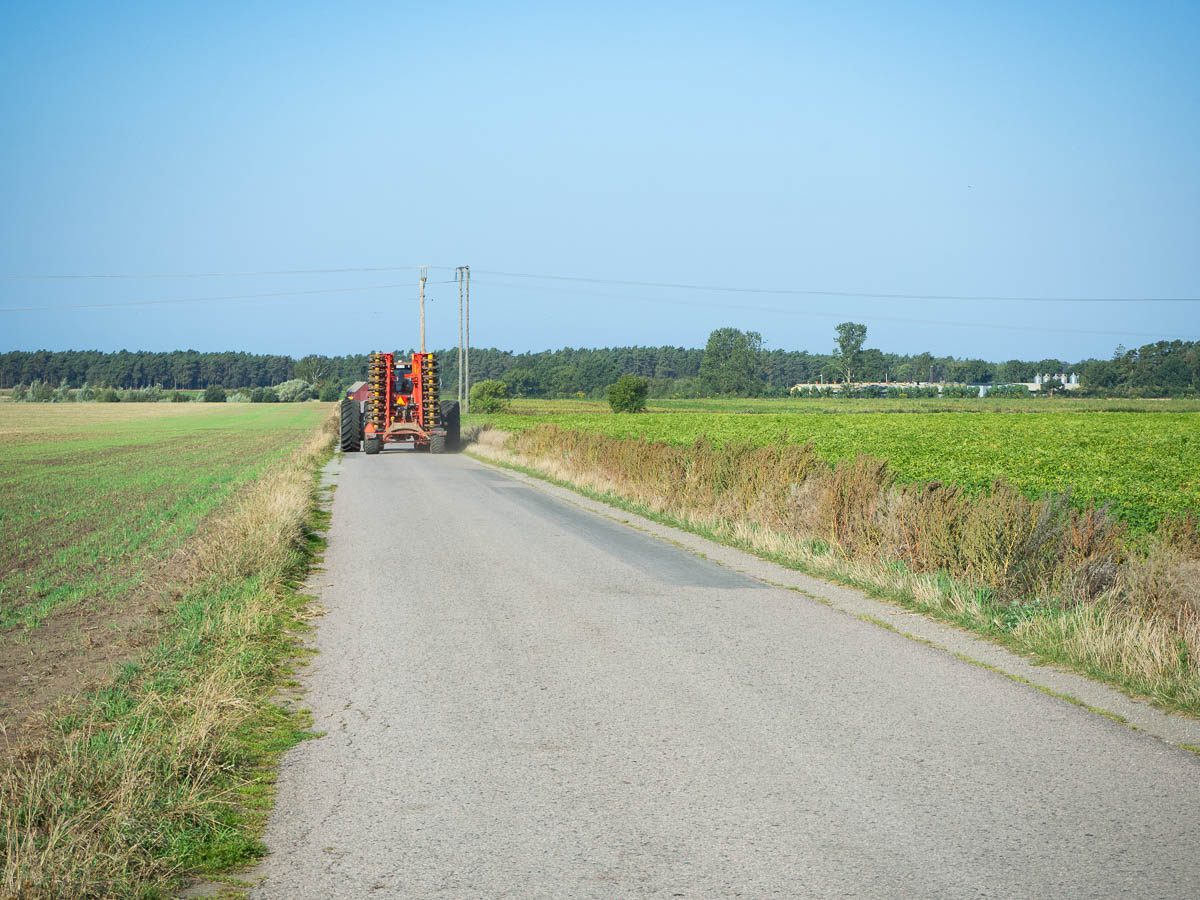
From Kastlösa the trail follows small roads towards the western coast of Öland. On these roads you need to keep a lookout for tractors and farm machinery and trucks transporting produce, more than cars.
It’s harvest season. Some fields were already bare, others were being harvested as I passed them, still others were green and growing yet.
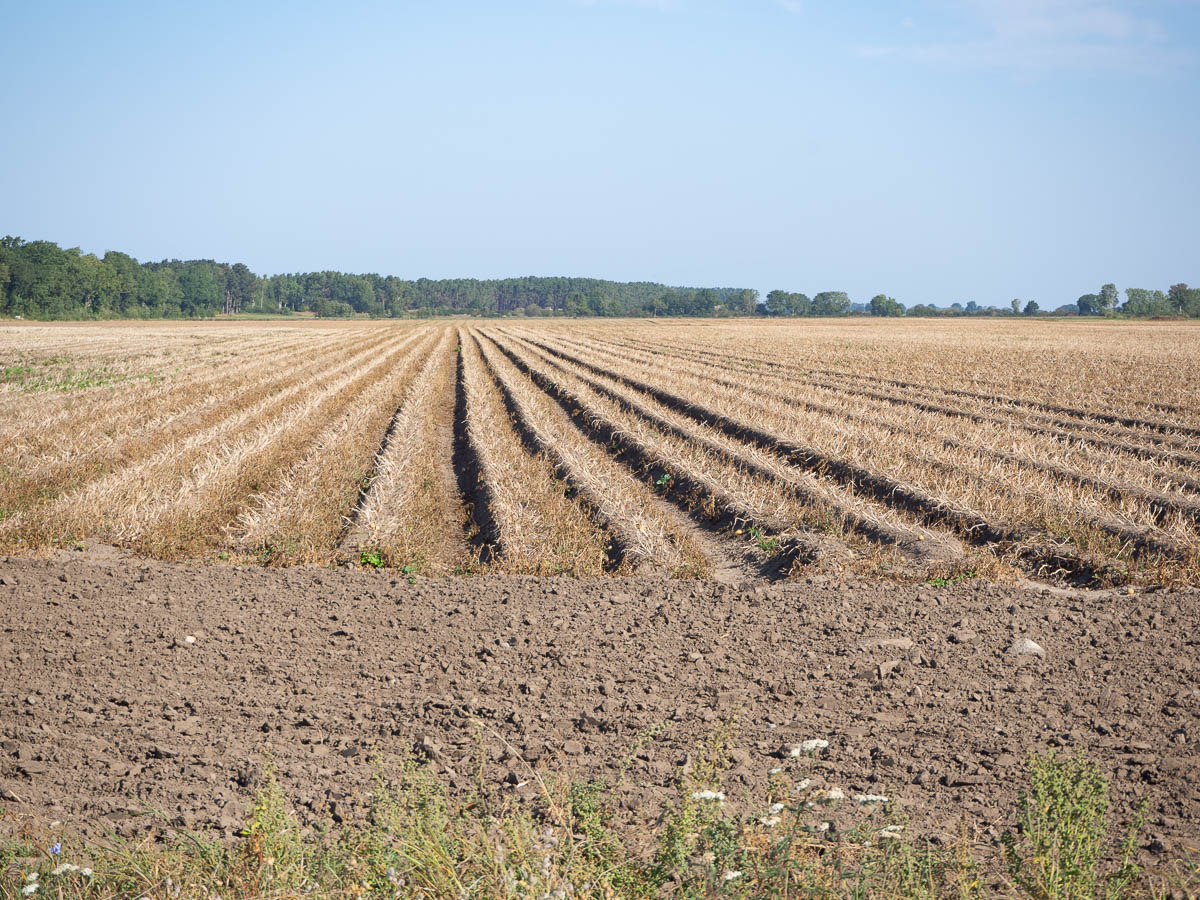
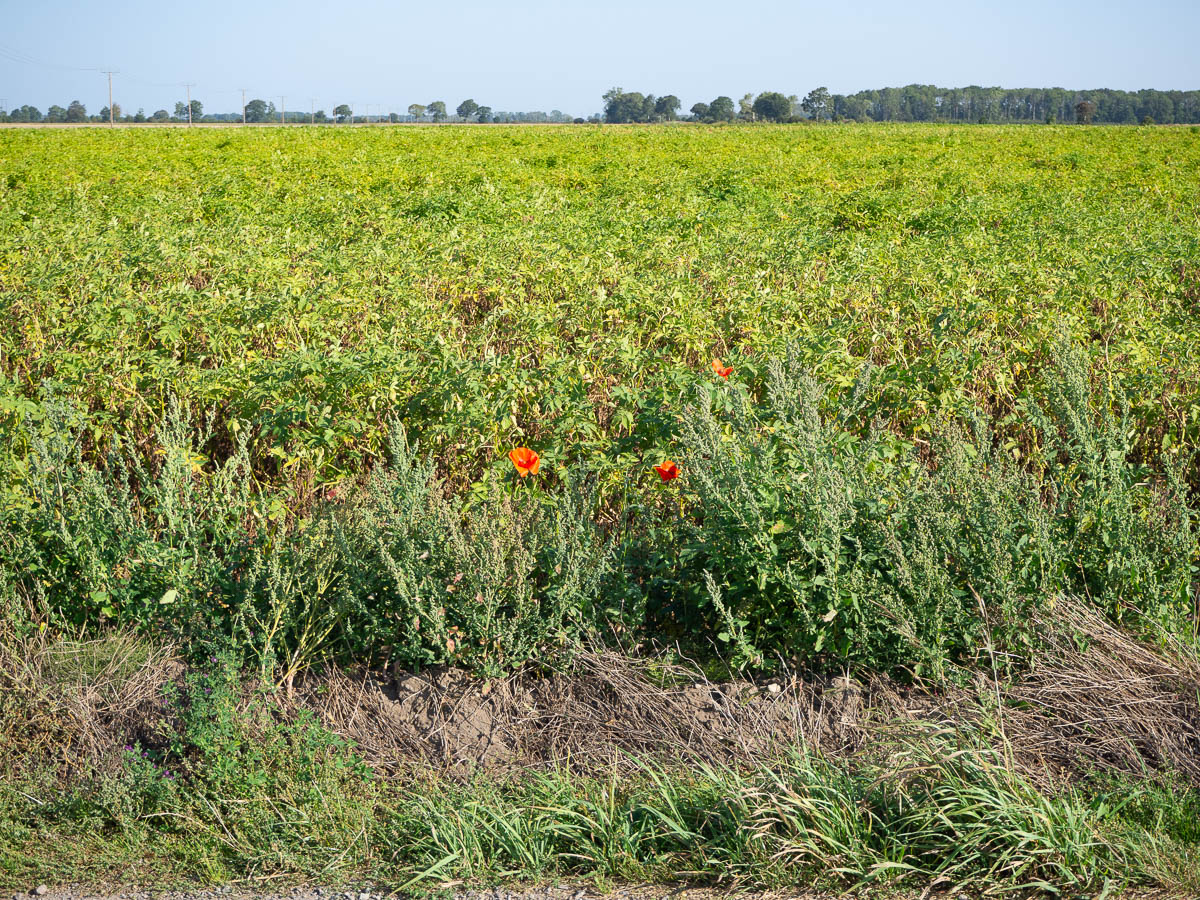
The fields were nice, even when bare, like the potato field above. Less nice was the chicken factory of Ölands kyckling. I’m sure they live up to the minimum levels of environmental regulation, but passing a large windowless barn that smells of nothing but chicken shit was depressing.
Same with cattle. Cattle roaming on the alvar or the seaside meadows do not smell noticeably, and neither do their cow pats. When the air is saturated with a smell of cow dung, it’s because I’m passing directly downwind of a barn – a large number of cattle in a small space.
Anyway, after a few kilometres I reached the sea shore and that was much nicer. As is becoming habit, I took a brunch break and dried my tent. The days can be as hot and dry as anything, but the nights and mornings are cool, and by morning, my tent is always dripping with condensation. In the cool morning air, it takes forever for the tent to dry, so I just roll it up as wet as it is and strap it on the outside of my backpack and start walking, and dry it later when the sun is high.
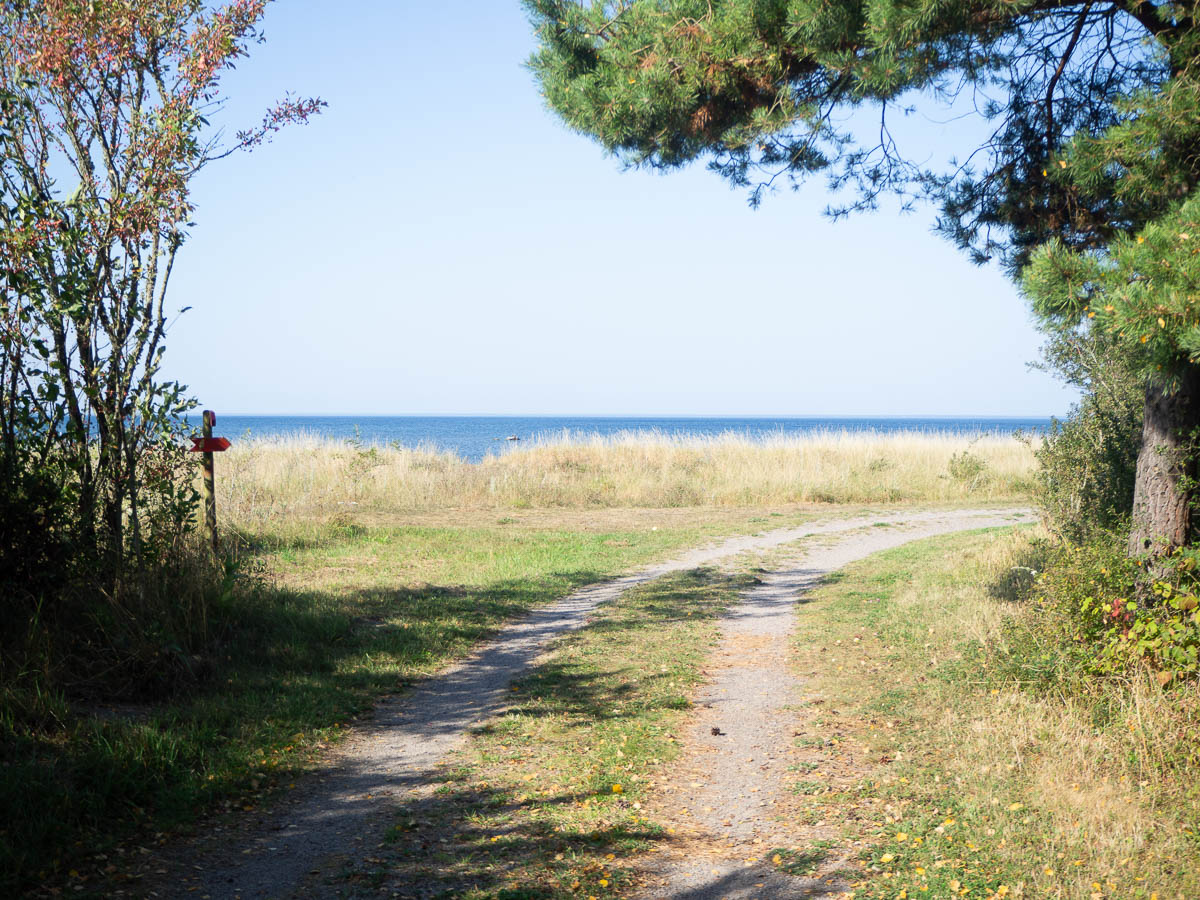
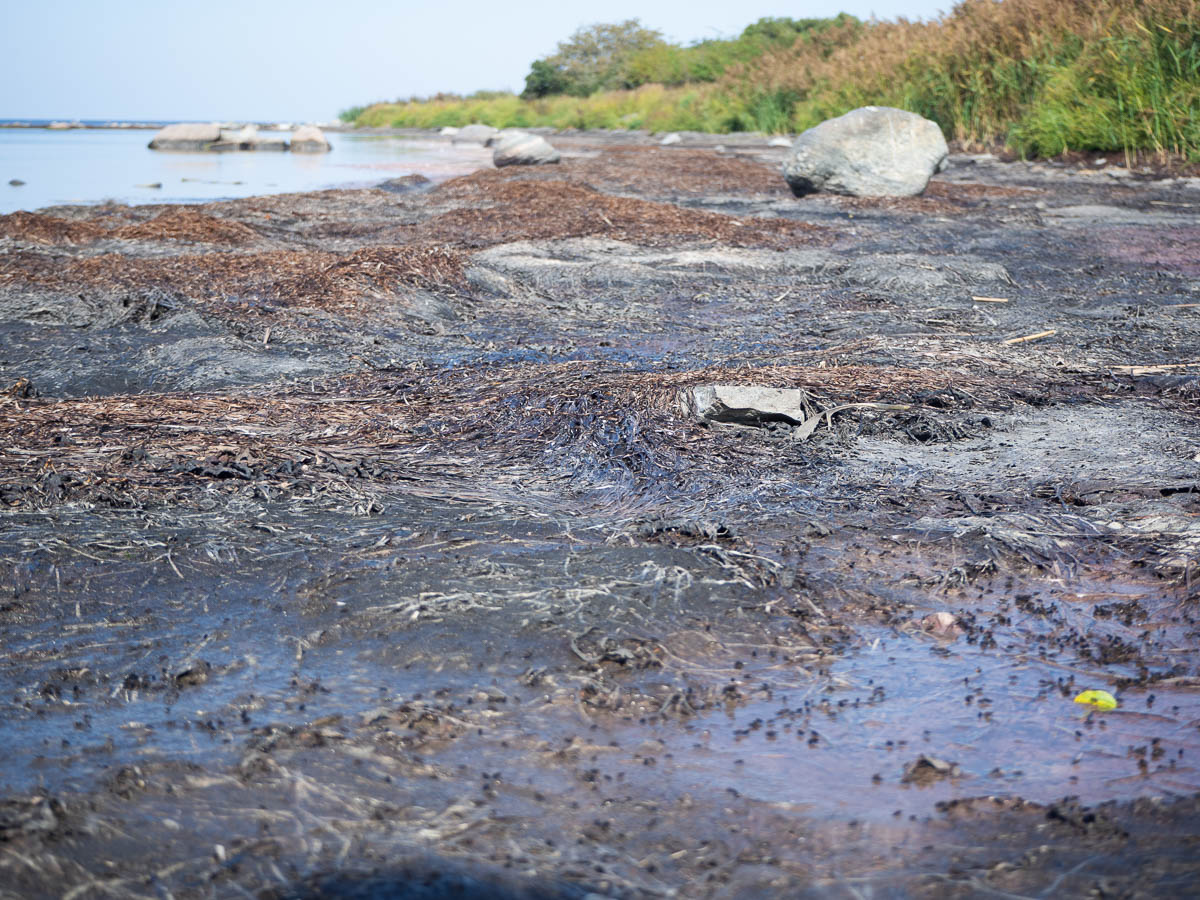
The beach here was fascinating. At first glance, it looked pretty though not spectacular.
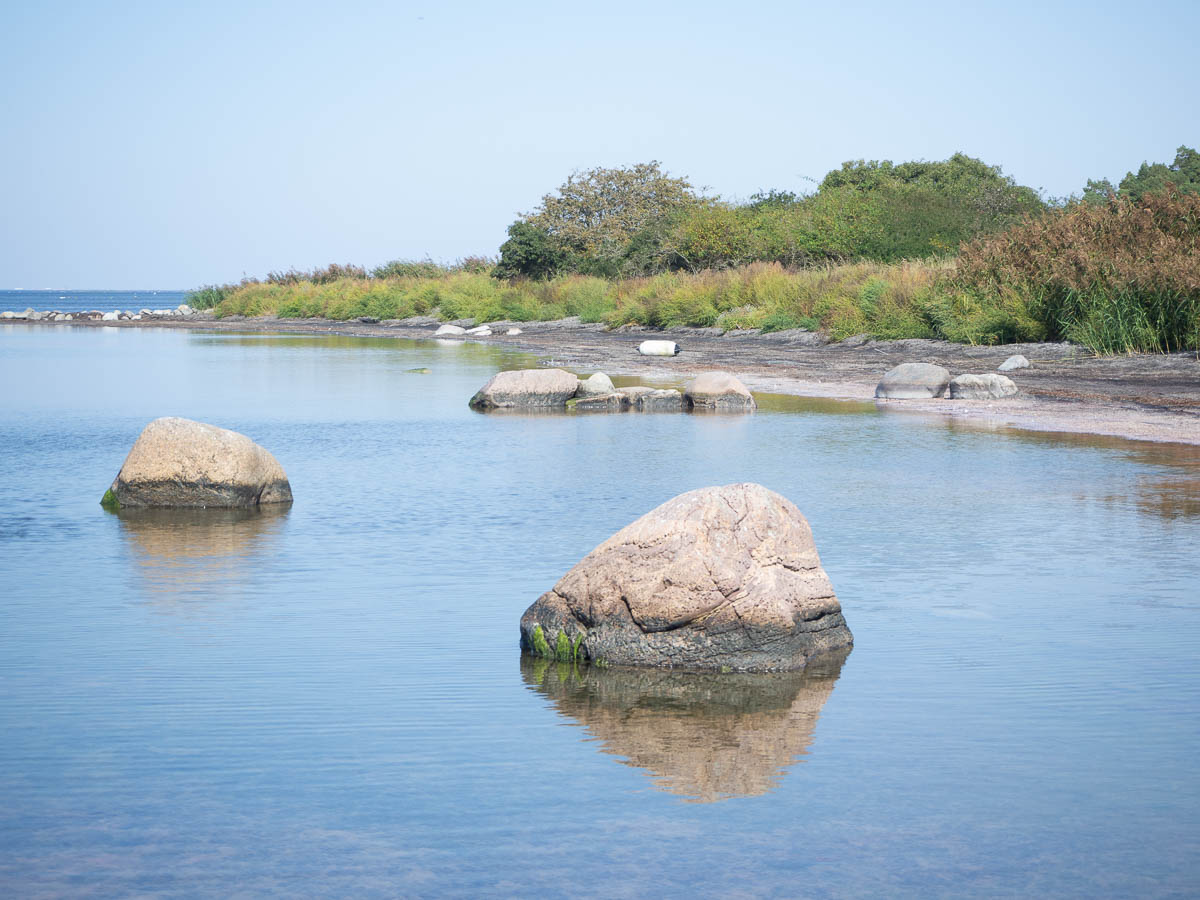
Then I got closer, and it was all mucky, blackened seaweed, with clouds of flies buzzing around.
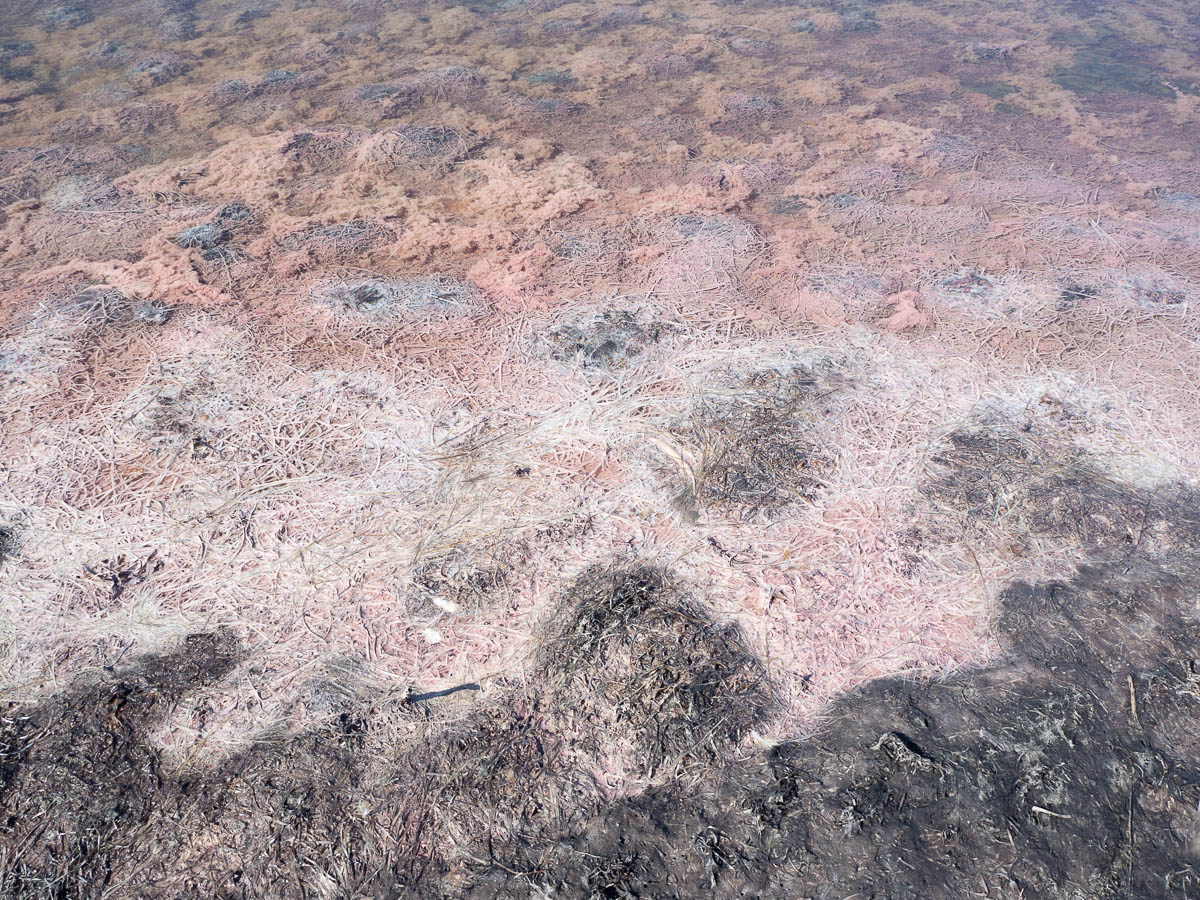
Just beyond the water’s edge, things got a lot more interesting to look at. White and pale pink strands of stuff, floating around together with delicate pinkish fluff. I have no idea what any of it is, or why it’s pink, but it was very pretty and had beautiful colours
I first clambered around on the tufts of dry black stuff, trying to find the firmer ones that wouldn’t give way when I stepped on them. Pretty soon I gave up, took off my boots and waded into the water. The black stuff looked unappealing but didn’t smell, and was not actually sticky or anything – after I stepped out again, my feet were wet but clean.
The water was very wader-friendly: shallow, and with a firm, flat limestone bottom. And amazingly hot! Not like a swimming pool but like a bathtub. It was surprisingly pleasant to walk around in.
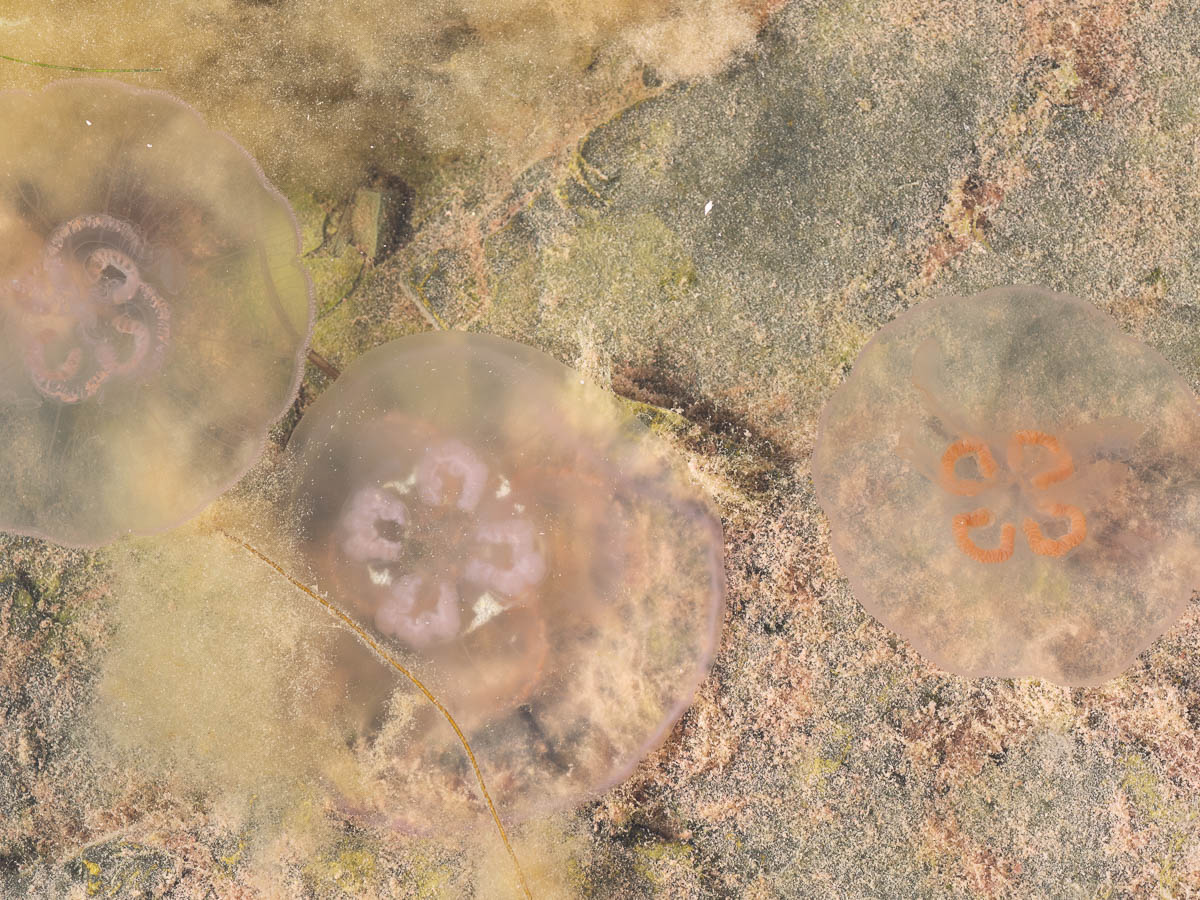
I soon realized that I wasn’t the only one who enjoyed it. There were jellyfish everywhere.
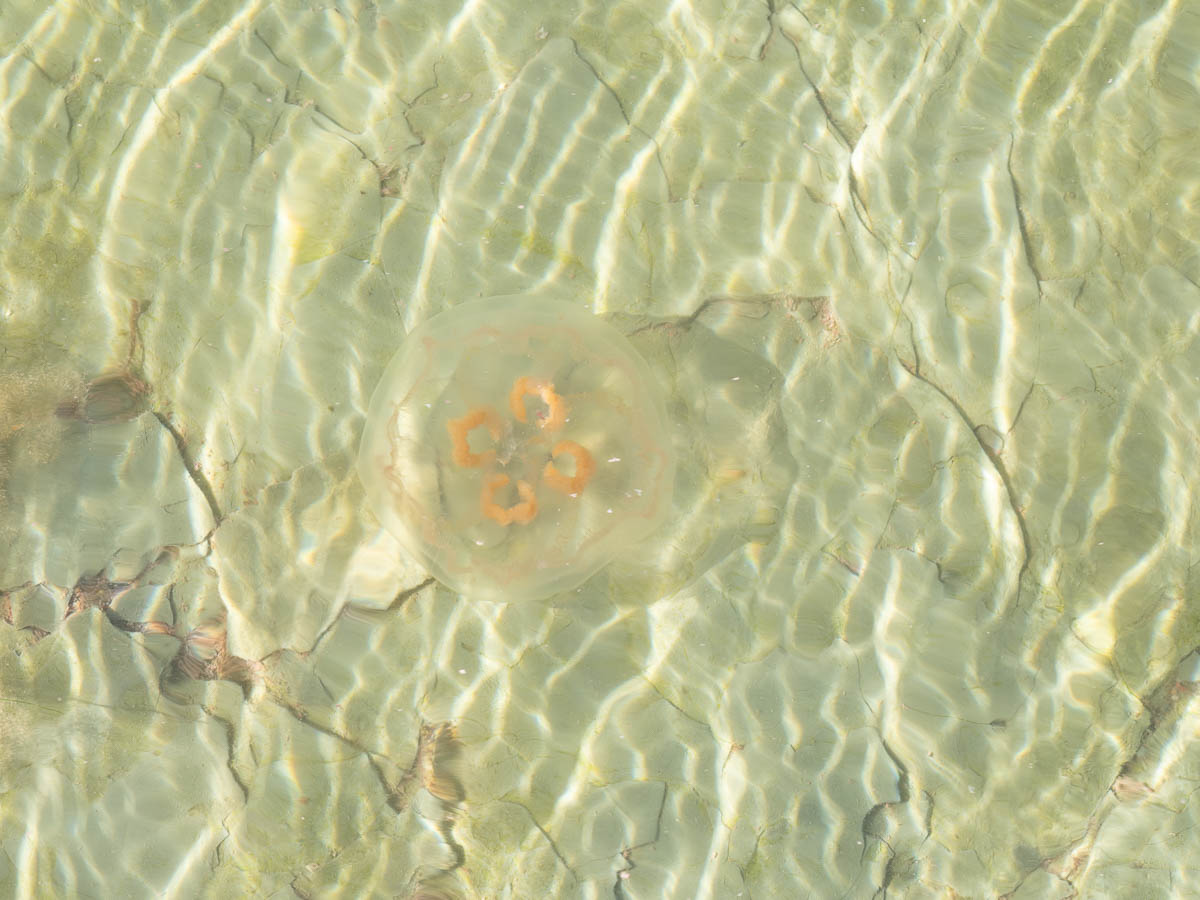
First I saw one, then I saw another, and the more I looked, the more I found.
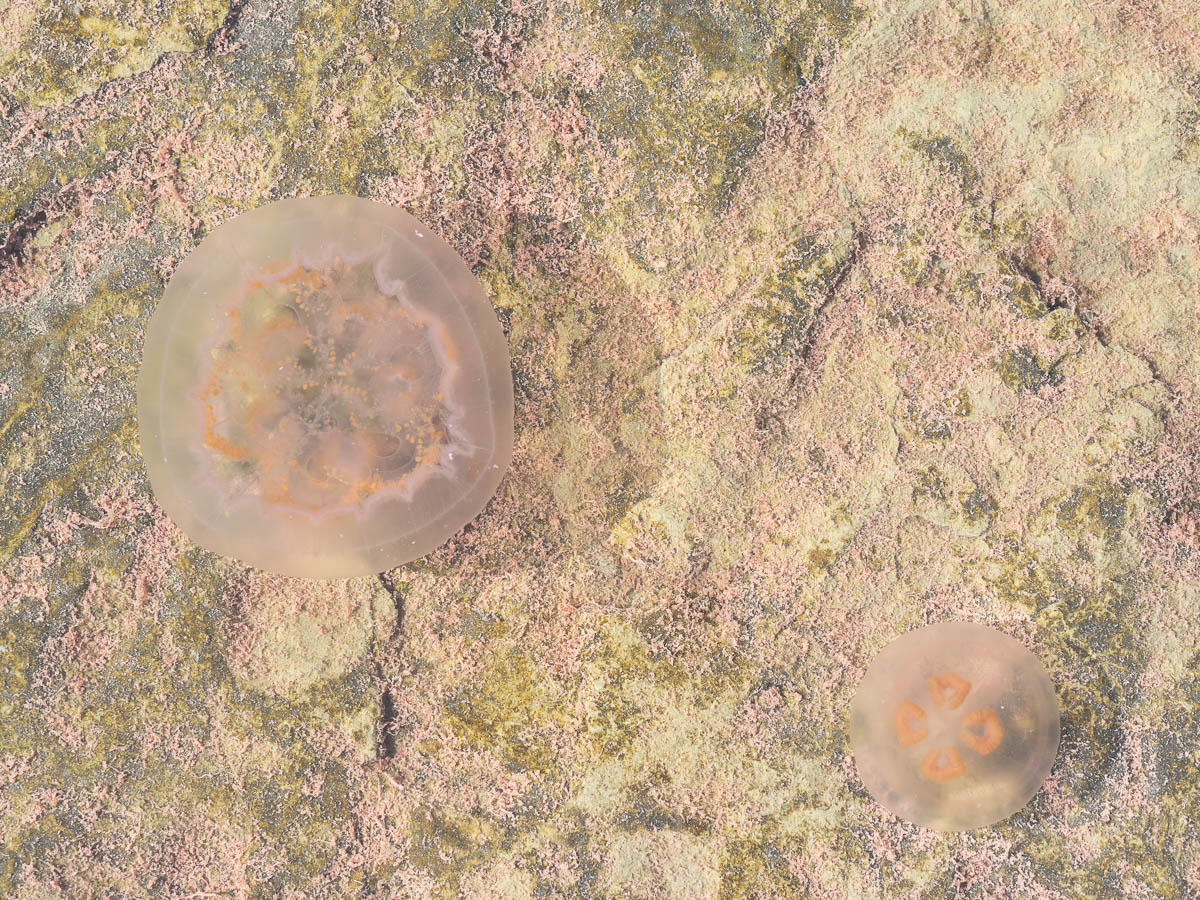
This was their place, not mine, so I left them to it and got out of the water.
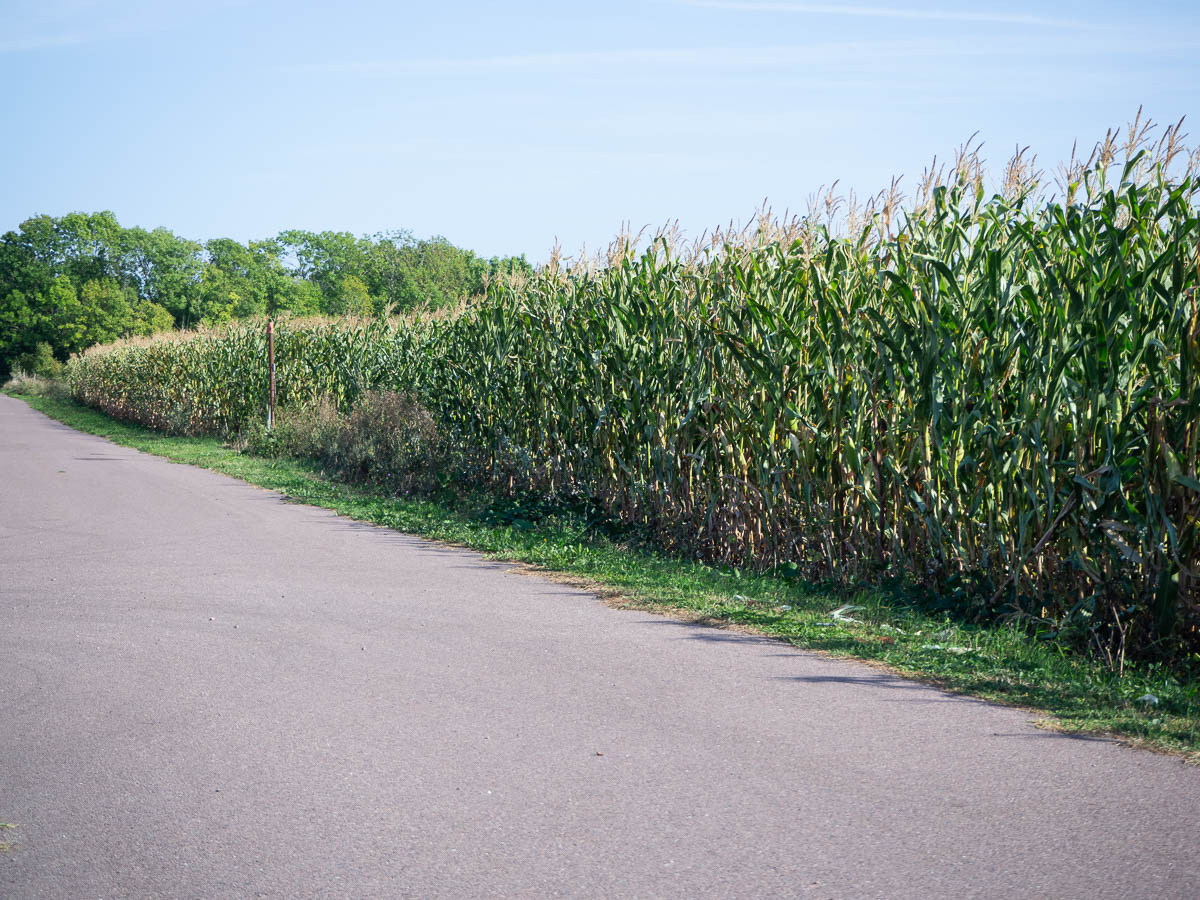
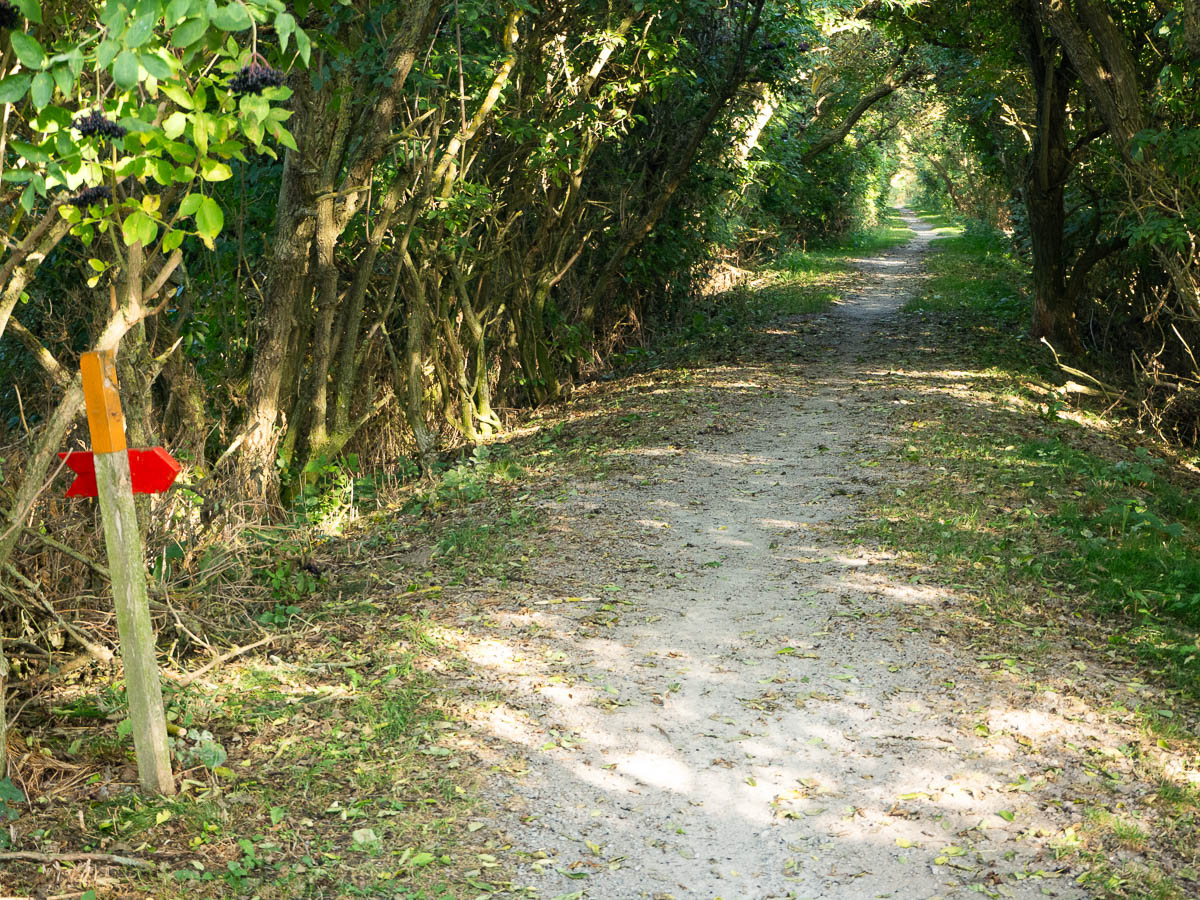
From Risinge to Mörbylånga there was a mixture of small roads, gravel and asphalt, in between fields and small villages of summer cottages.
In the afternoon I reached Mörbylånga. On the minus side: asphalt roads and cars. On the plus side: supermarket! Fresh fruit and vegetables, the season’s last strawberries, local bread. Fruit and vegetables are difficult to carry with me on a hike – they’re heavy and fragile – but I could give a few of them special for the few remaining hours of this day.
Also, ice cream. This stage of the trail is a short one, and I’ve had to make an active effort to walk slowly and take long breaks, so as not to get to the end too early. I had plenty of time to stroll through the small town and sit in the harbour and enjoy my ice cream.
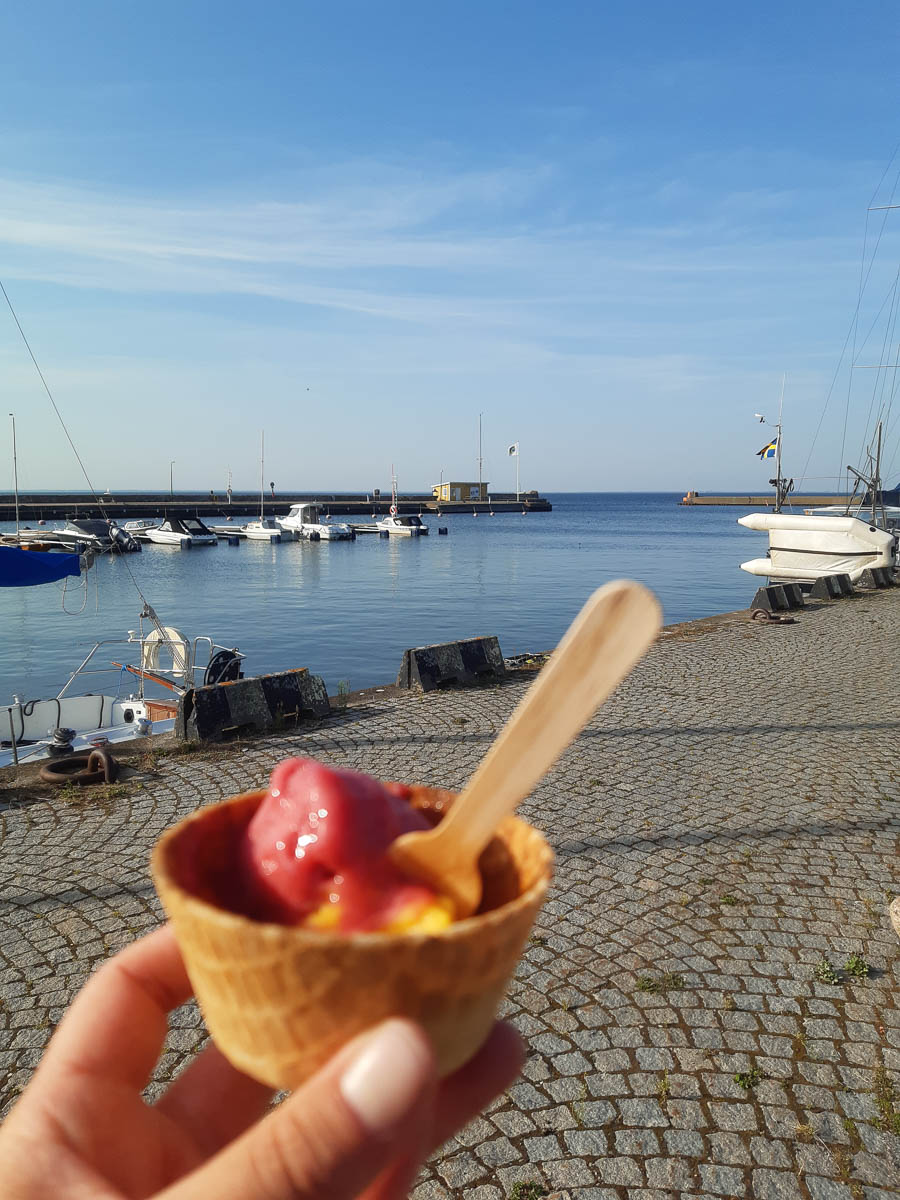
(Crappy phone photo? Yes. I’ve been taking one photo a day on my phone, so that I could share it with the family in the evening, as a sign of life. There was a major national news story just a week before I went on my hike, about a couple of hikers in Sarek who hadn’t returned from their hike as planned, and were being searched for by helicopter. I really wouldn’t want to cause anyone that kind of hassle, so I’m reporting daily on my location. Öland is of course nothing like Sarek in terms of remoteness, but since I’m on my own, stuff could happen.)
The stage ends in Mörbylånga and I guess you’re expected to stay at a hostel or something. Which I had no interest in, so I kept going for another kilometre or so, until my surroundings didn’t feel too urban any more.
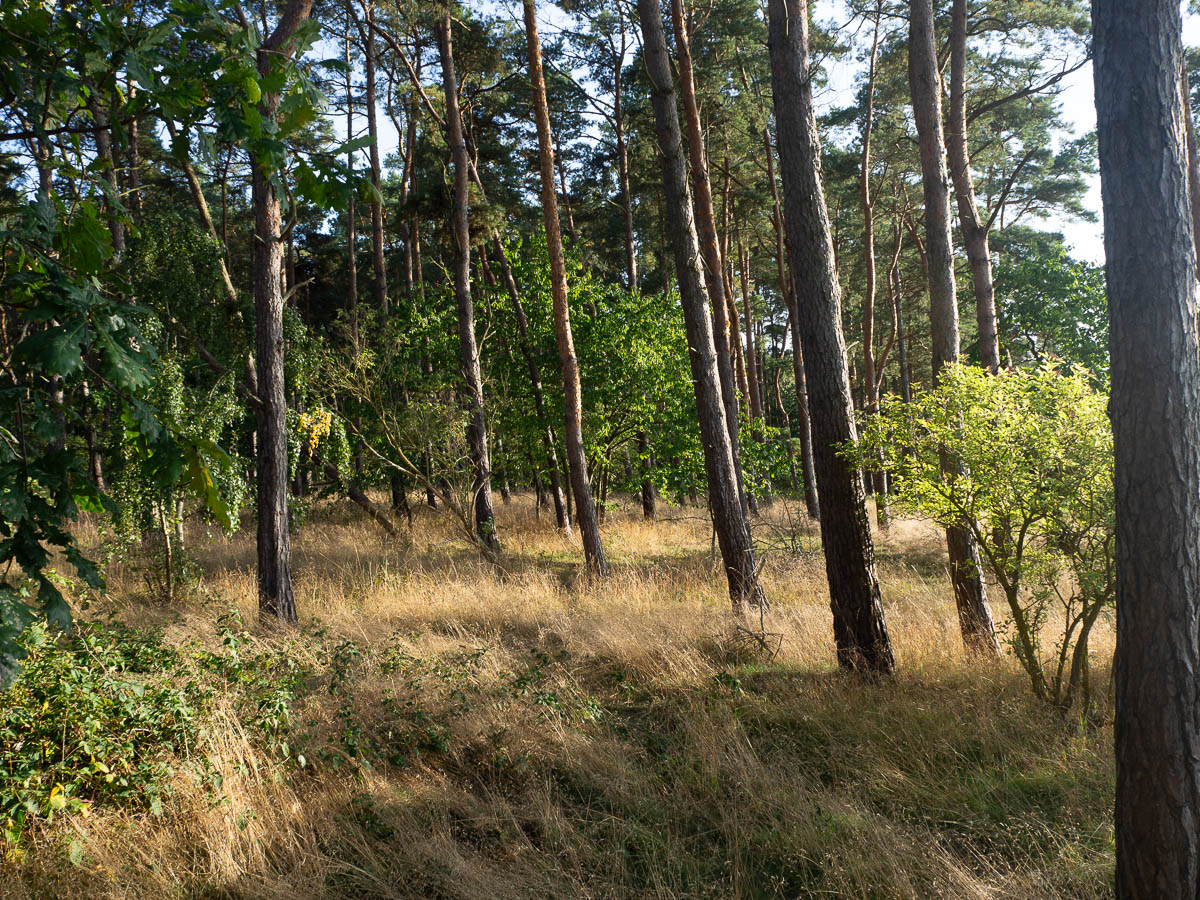
I put up my tent in a little patch of pine wood just north of Mörbylånga.
The trees all slanted towards land, away from the sea.