Kulturnatt Stockholm – Stockholm Culture Night.
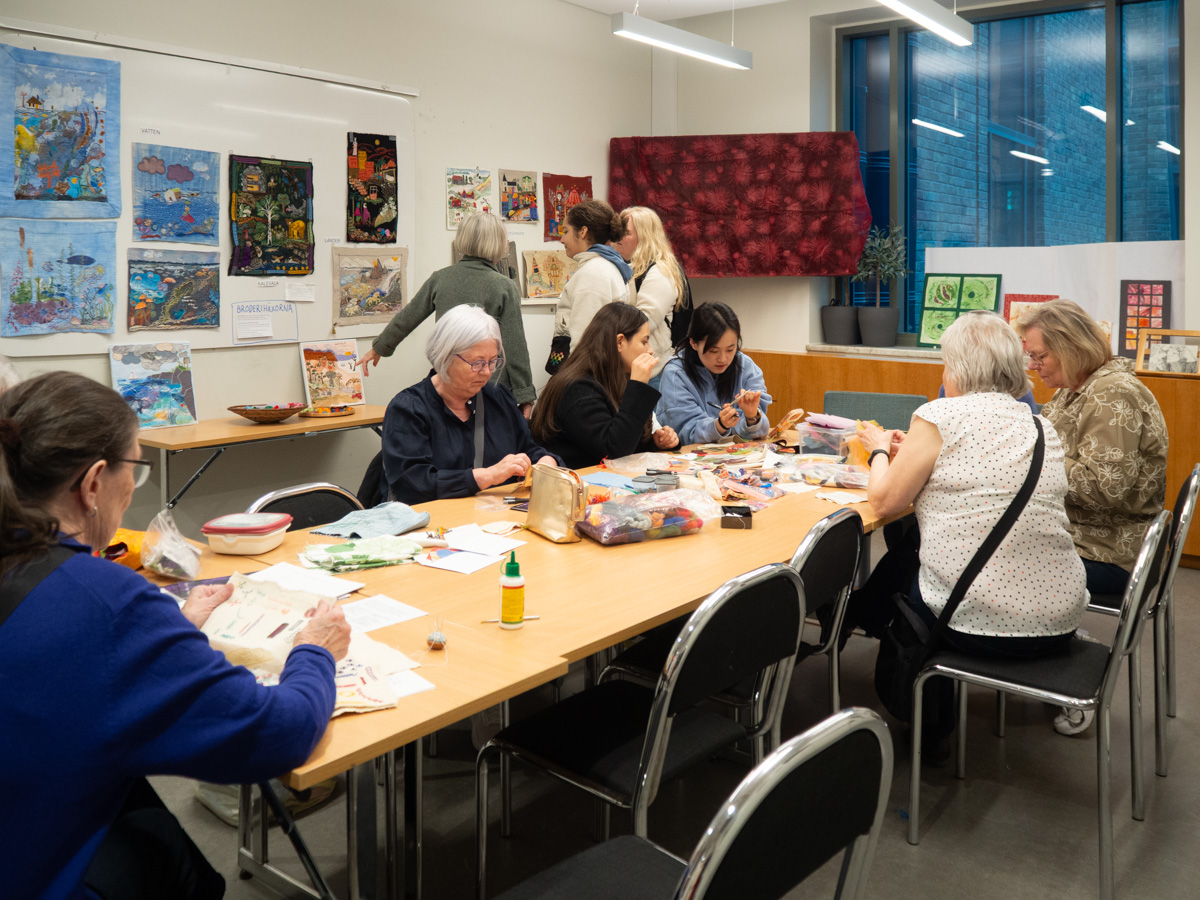
Sensus, the umbrella organization for study circles under whose aegis our embroidery club takes place, participated in the project with a packed programme. Concerts, talks, workshops… including an embroidery exhibition and workshop that we were invited to contribute to. Members from our small club and two others hung our works in the small workshop room where we have our usual Thursday sessions.
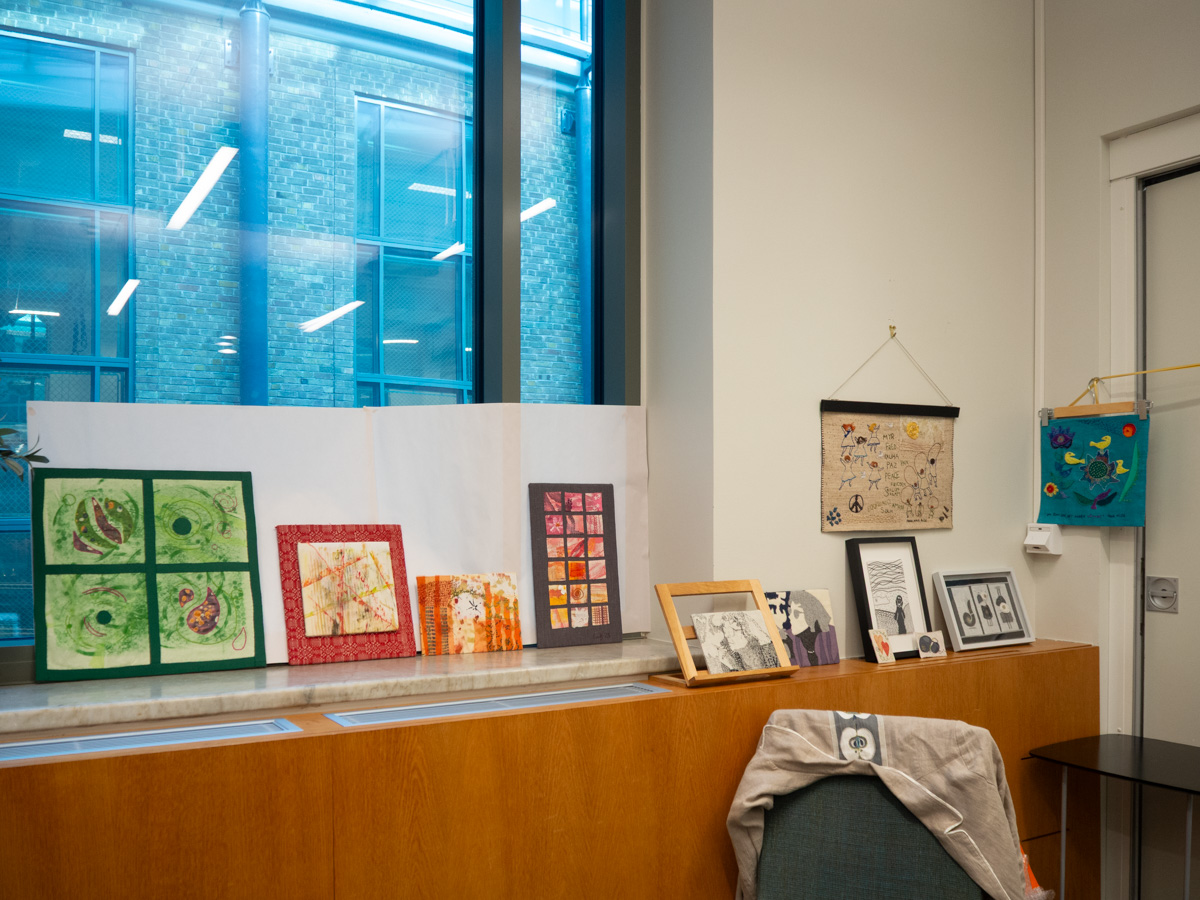
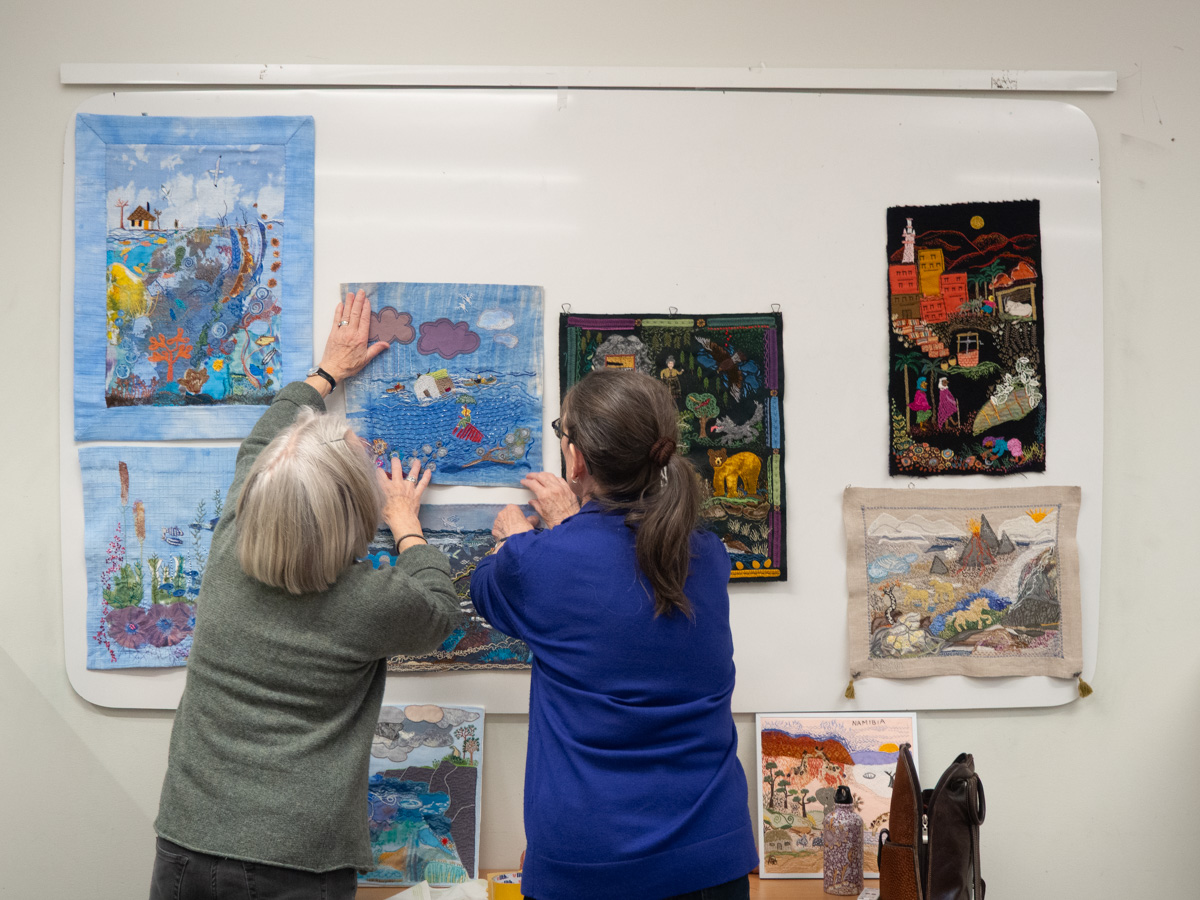
One of the other clubs had themed embroideries only, on the theme of “sunrise”. The other had “wandering embroideries” on a couple of themes – a number of people all start work on same-themed, same-sized pieces of same-colour fabric, and then hand them over to the next person in a circular manner, until everyone has worked on every piece.
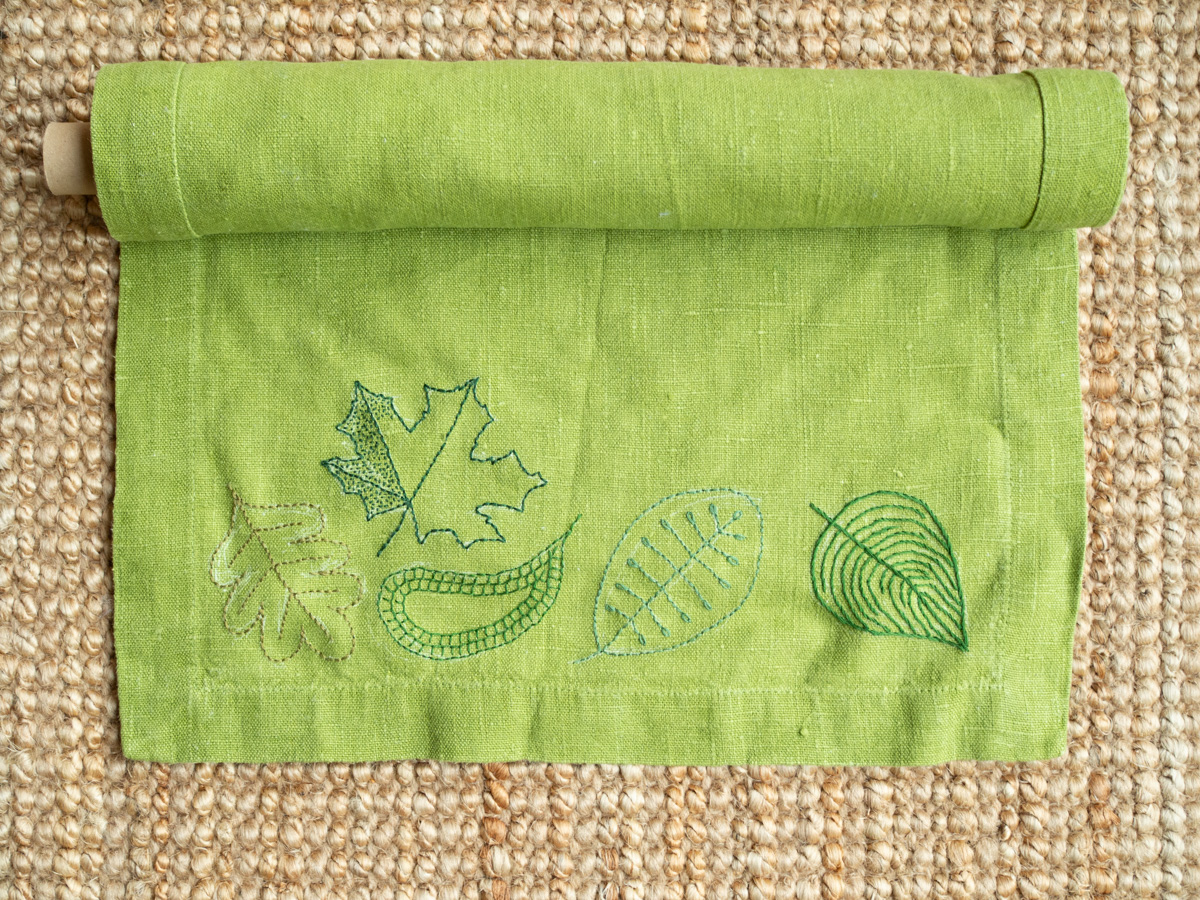
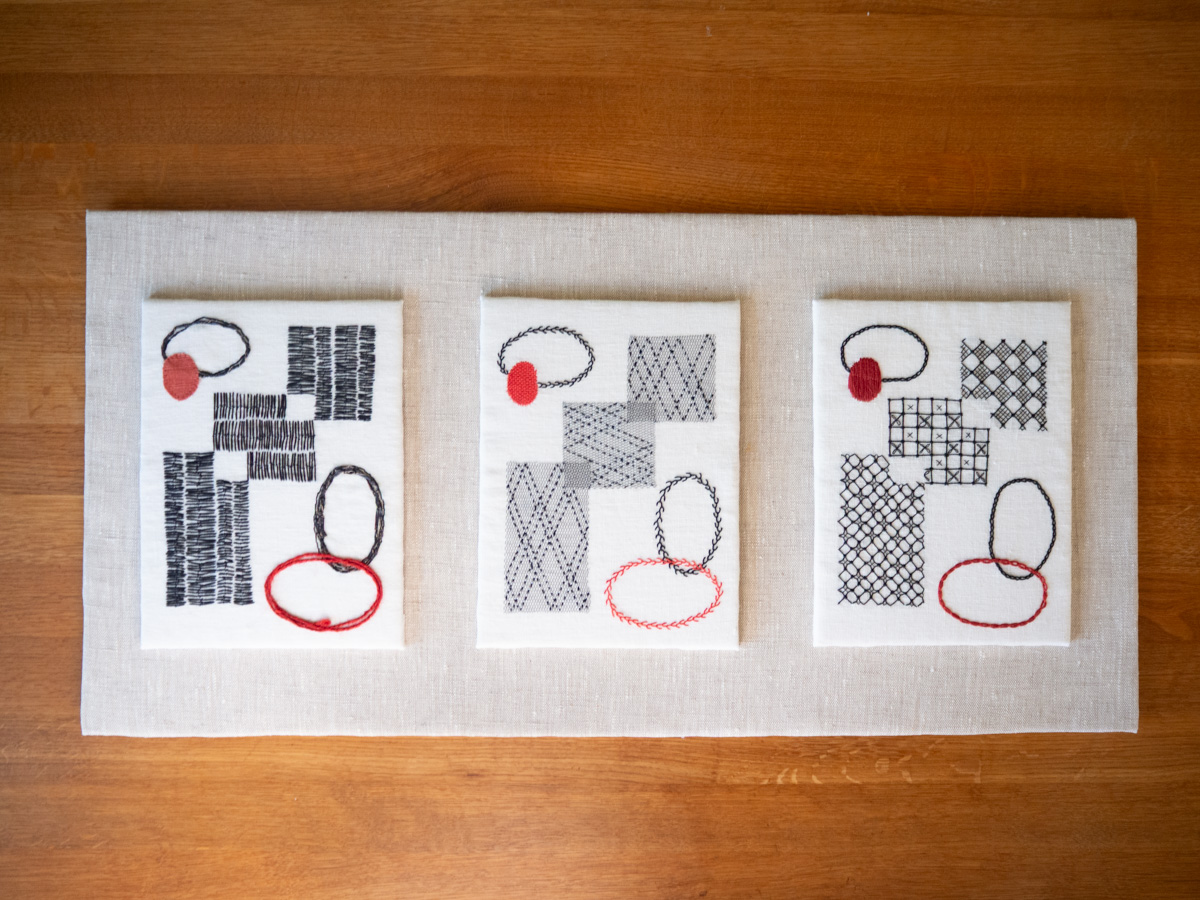
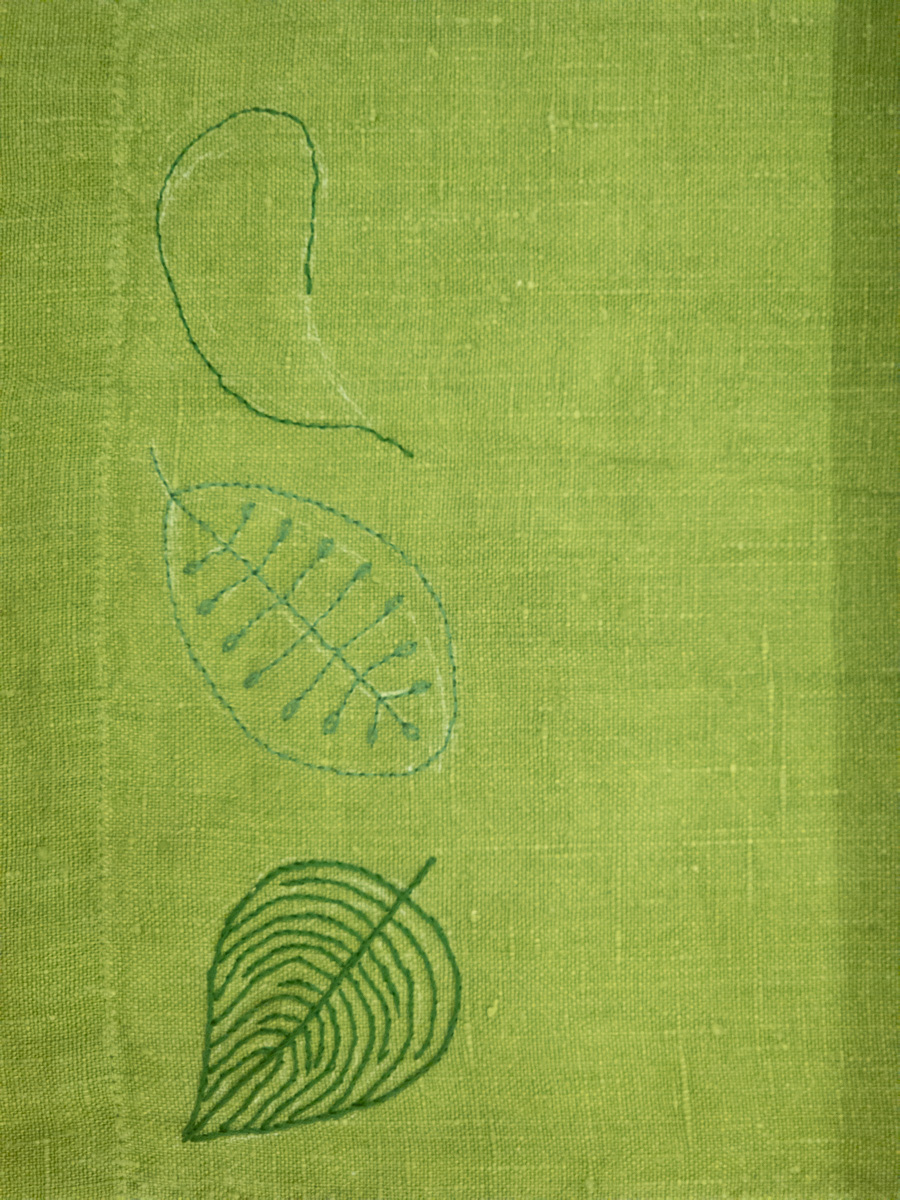
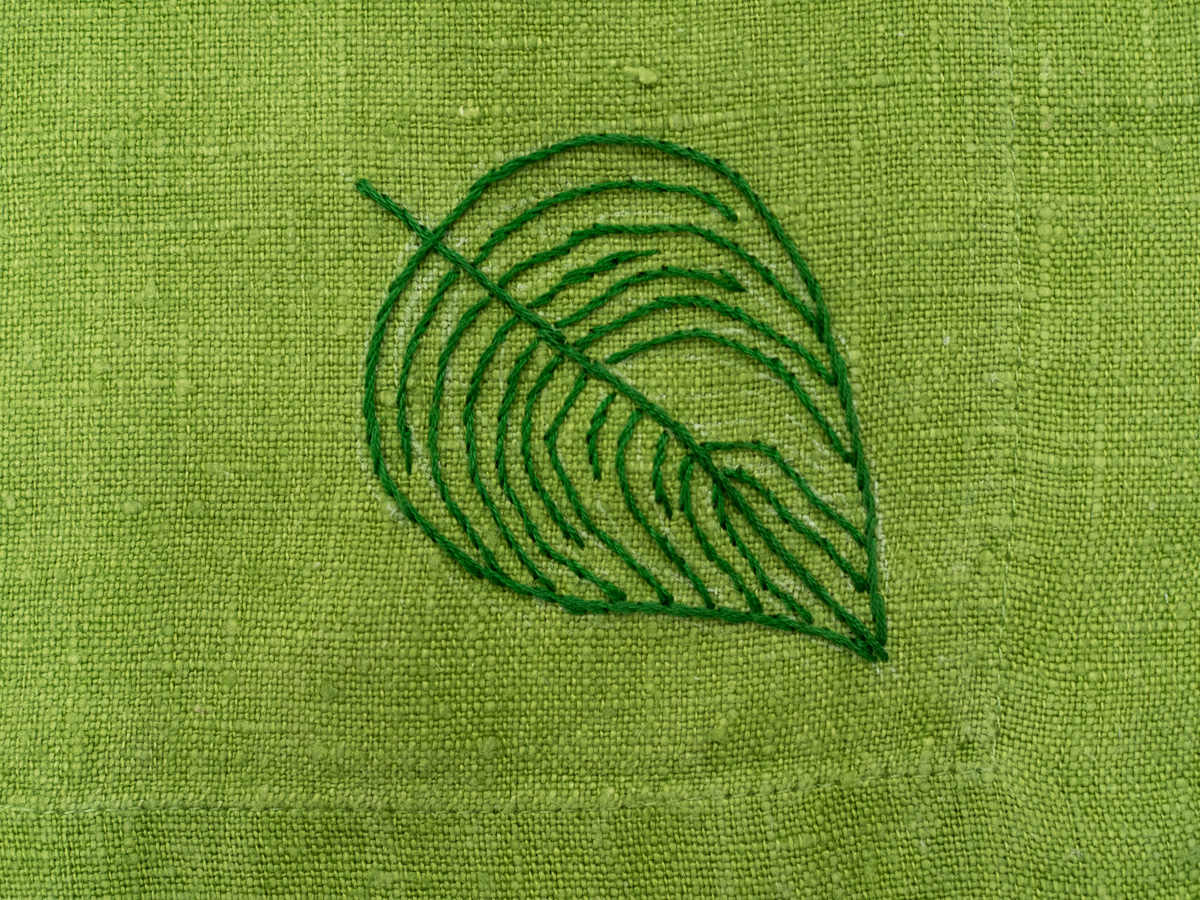
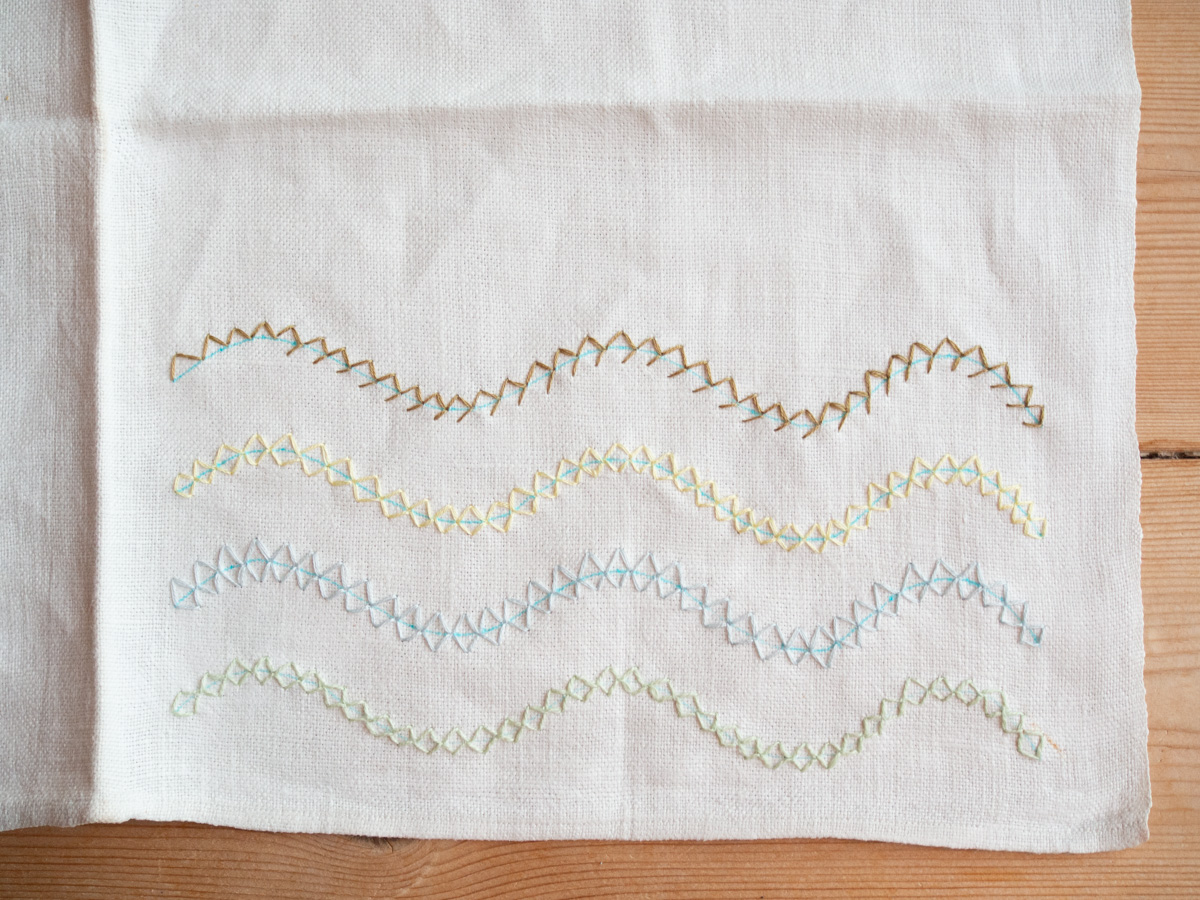
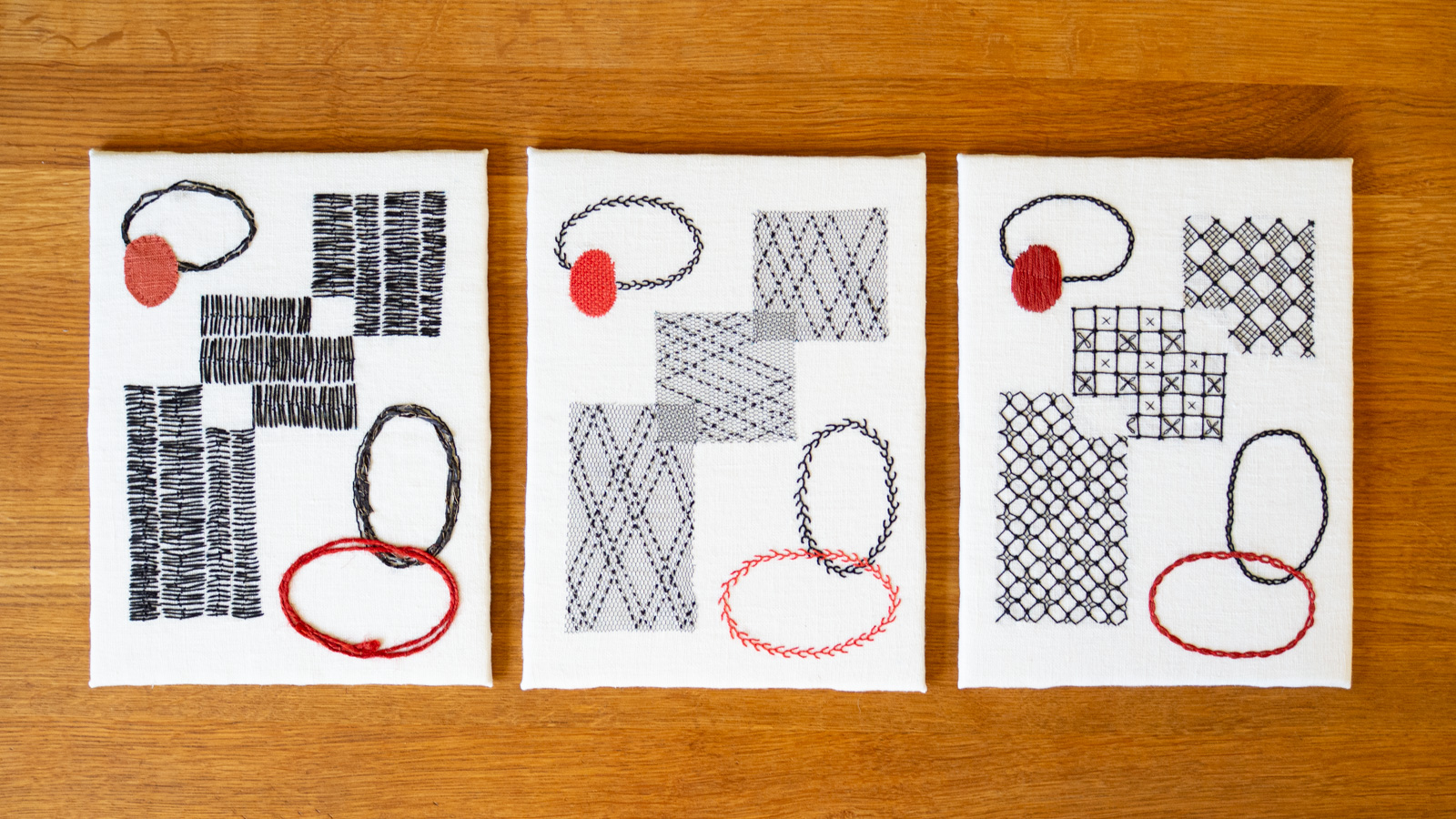
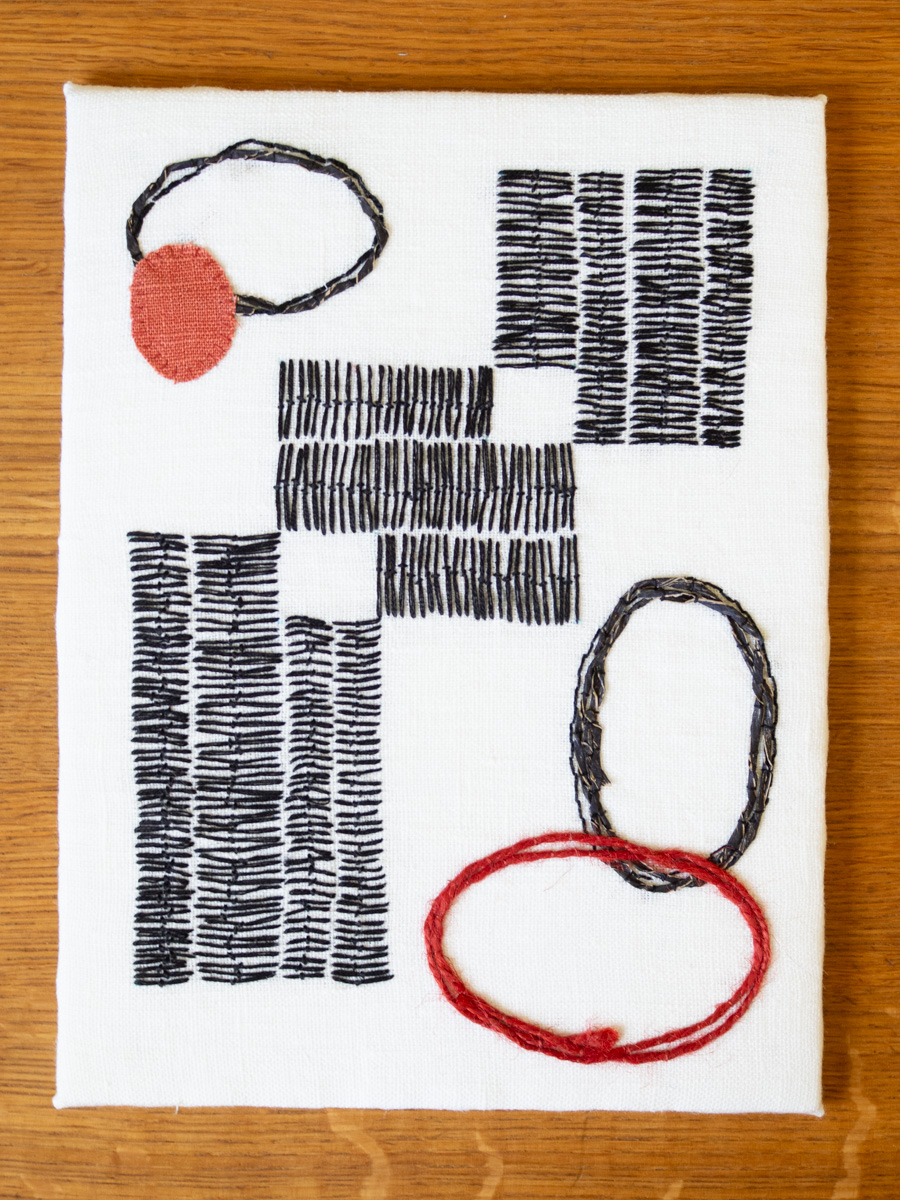
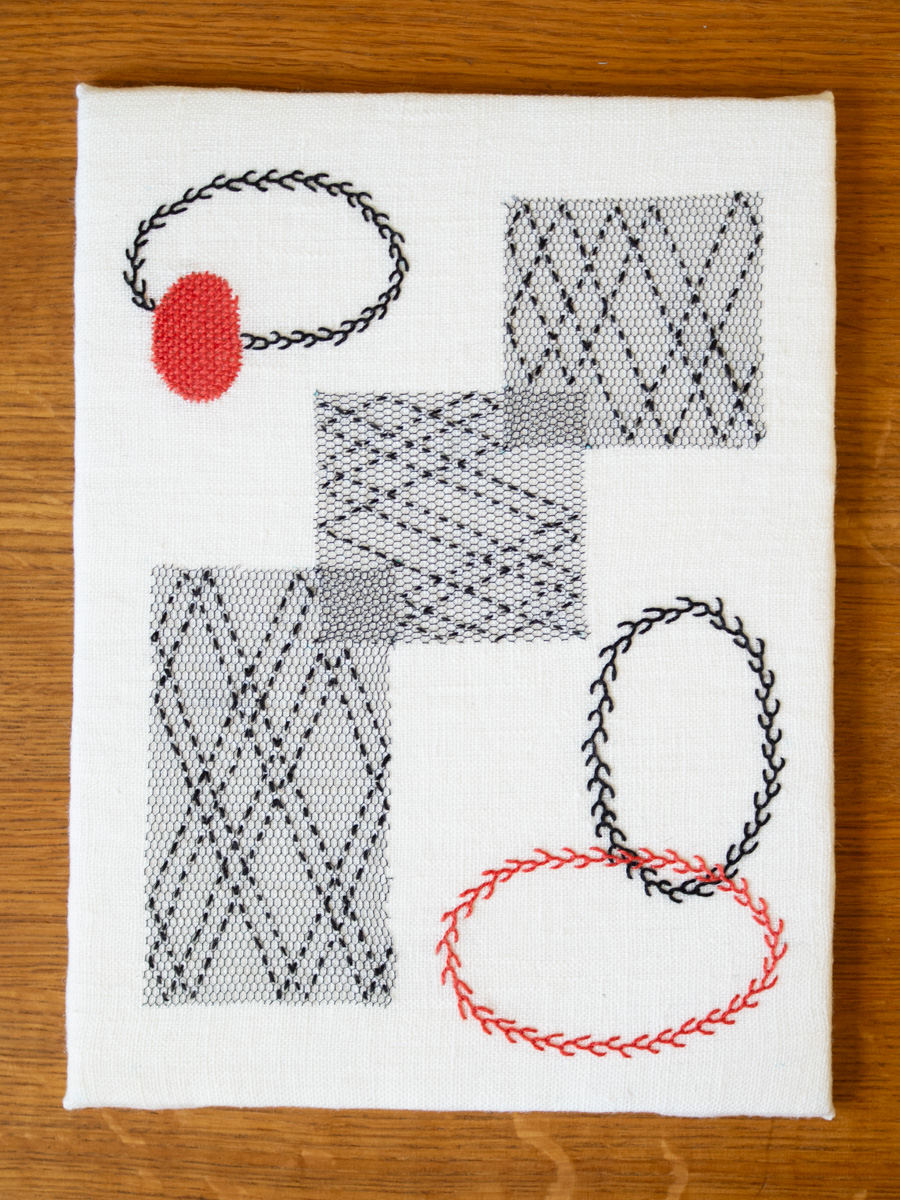
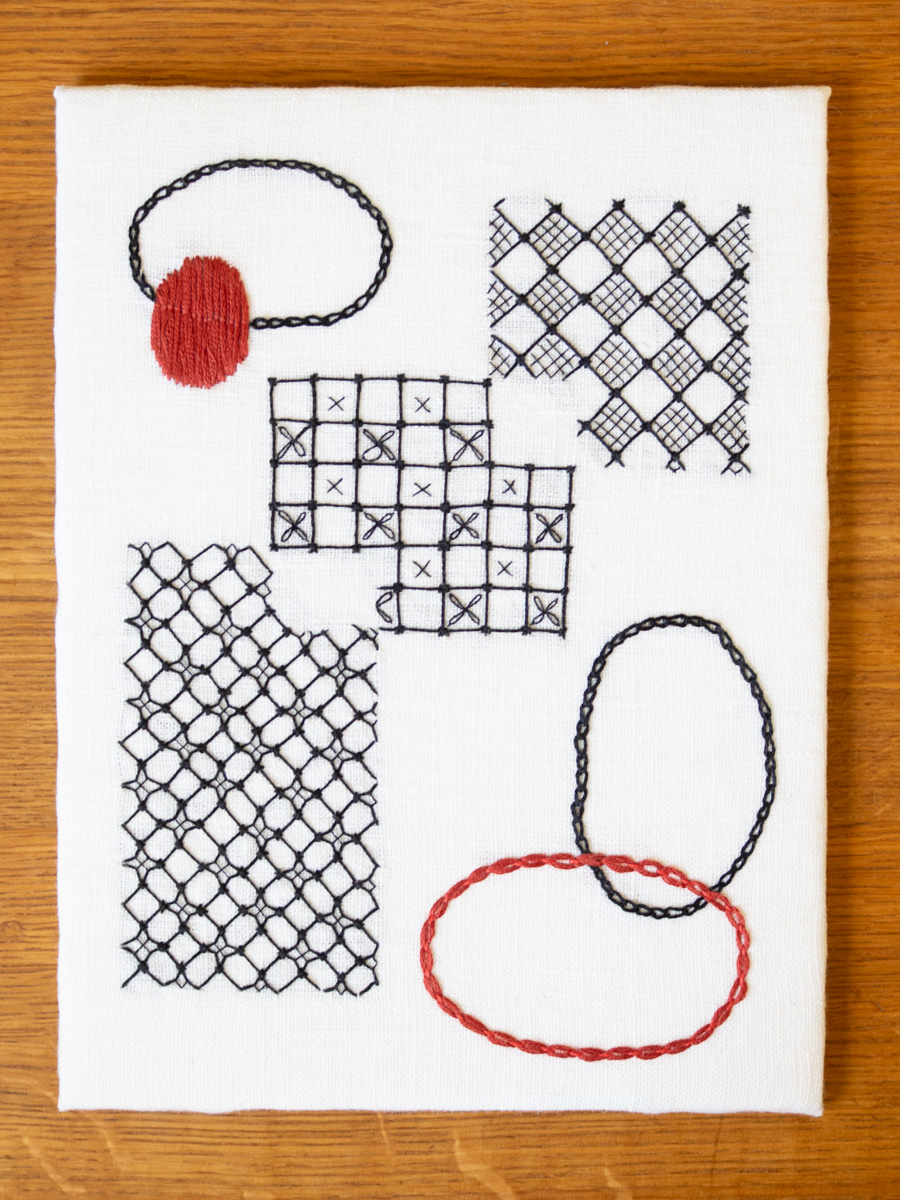
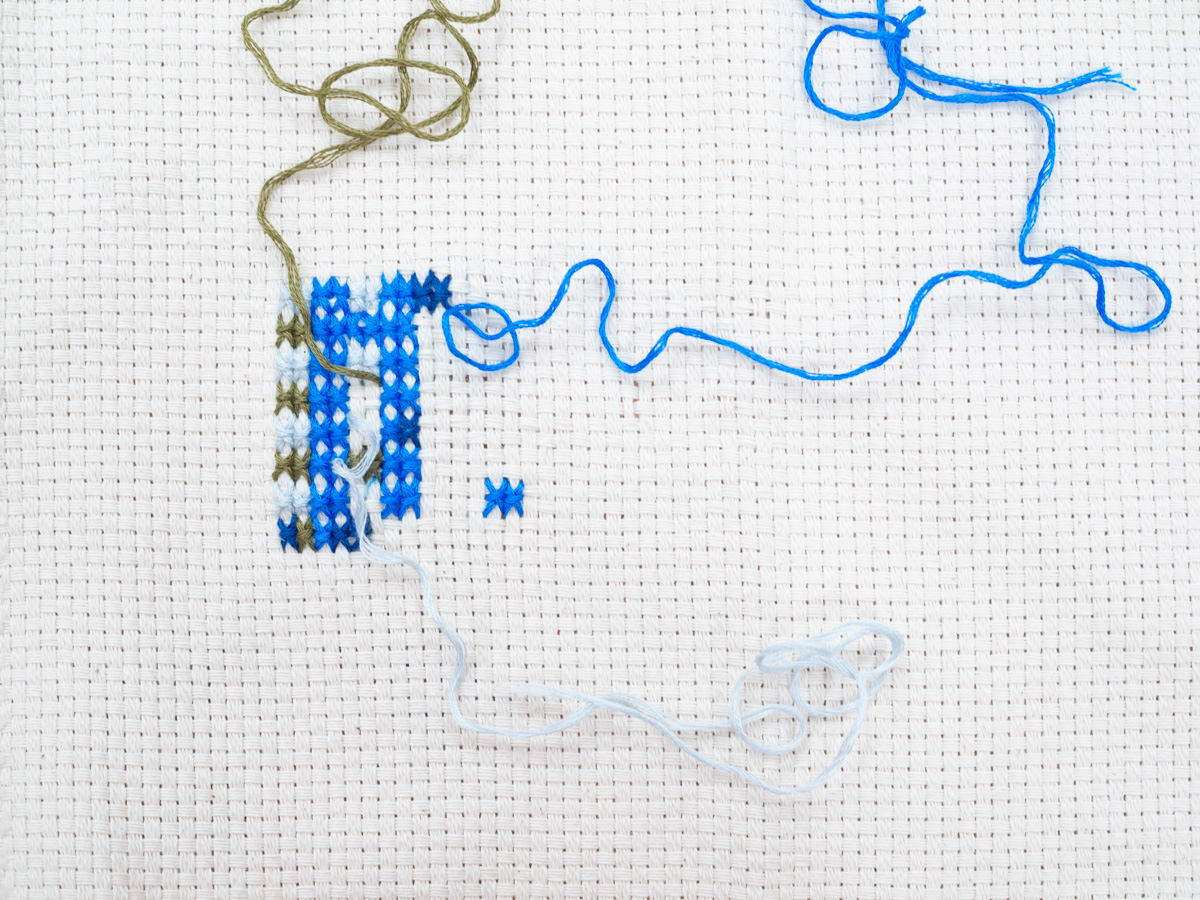
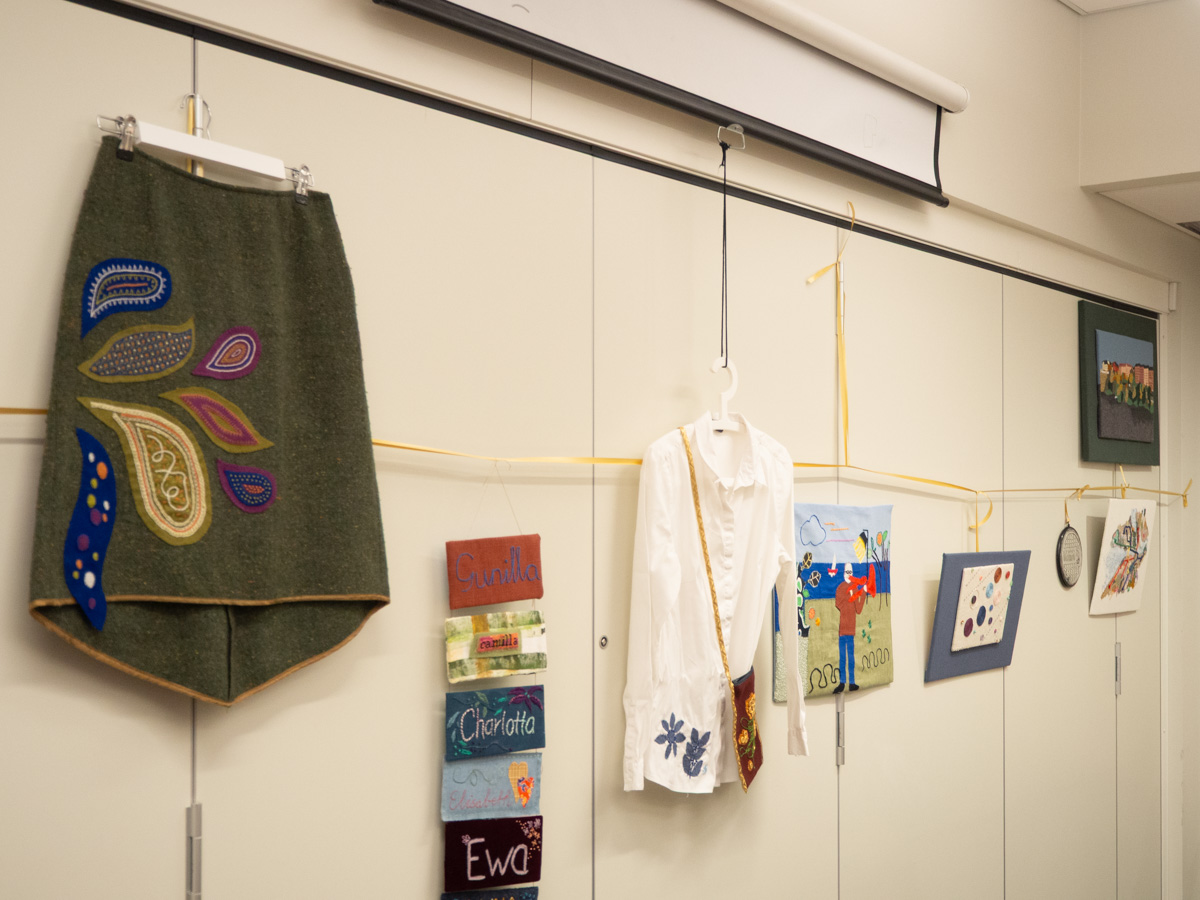
Our contribution to the exhibit was a mixed bag, which I rather like as a concept. Many embroidery exhibitions are intricate and figurative, which can certainly be impressive and interesting and beautiful, but I wouldn’t want interested newcomers to get the impression that that is the only thing that embroidery can be. I myself don’t much enjoy making those kinds of pieces. We had some figurative works, but also abstract ones, as well as clothes and accessories embellished with embroidery.
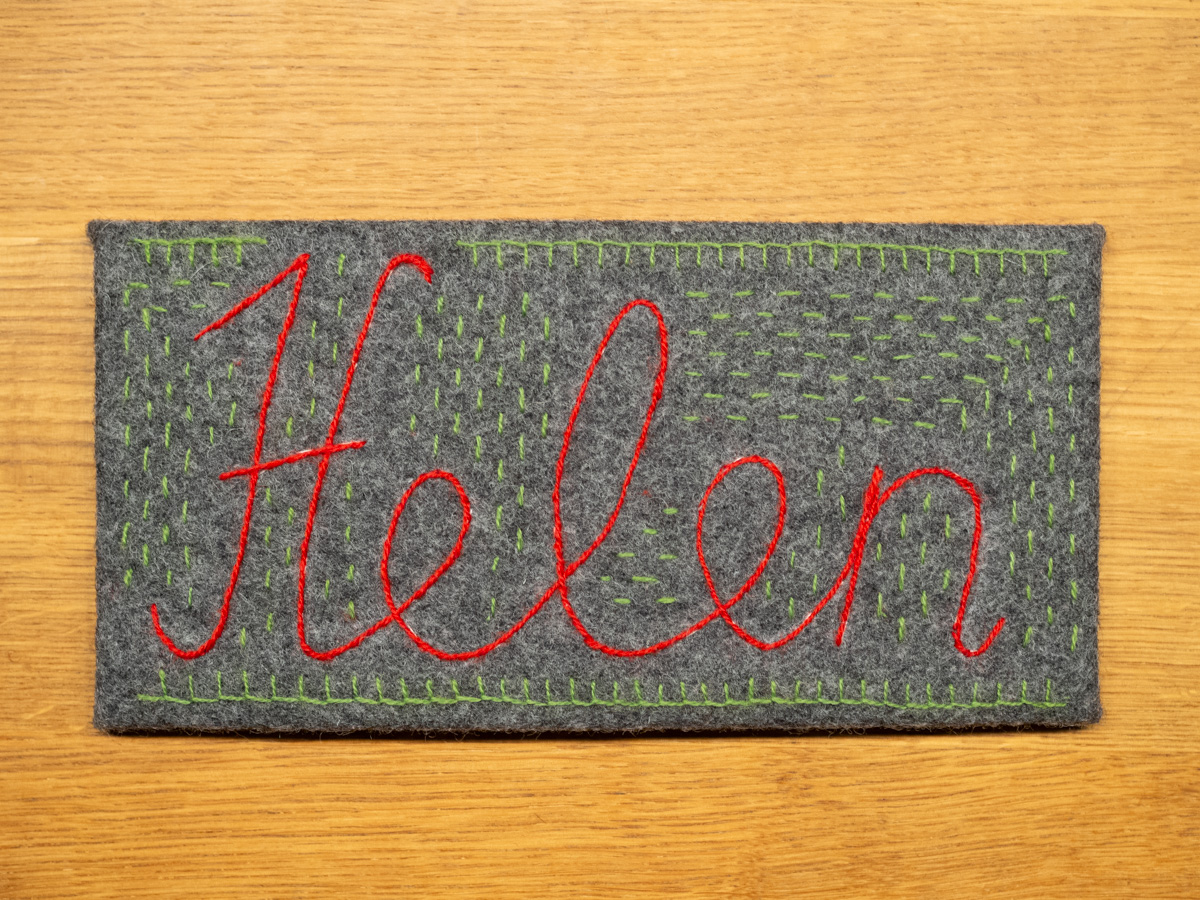
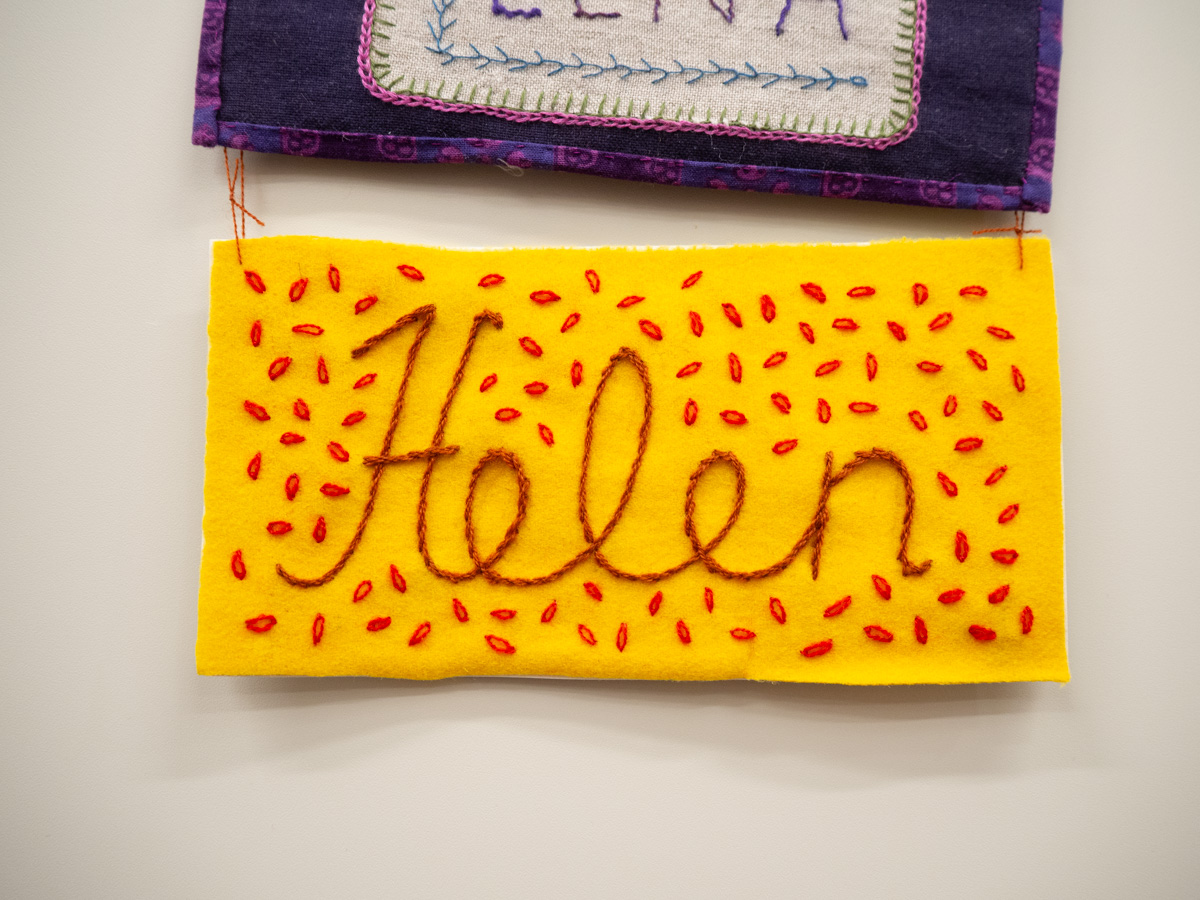
We were supposed to hang up our name signs, for a personal touch, and I had forgotten mine at home. We had plenty of materials that we’d collected for the evening’s workshop, so I sat down and made a new one, in the hour that I had between finishing hanging and before the exhibition officially opened.
I didn’t hang around while the exhibition and workshop were actually open. I heard afterwards that there were so many visitors that at times there weren’t enough seats for everyone who wanted to try it out, so I guess it wasn’t a bad thing that I wasn’t there, taking up another seat.
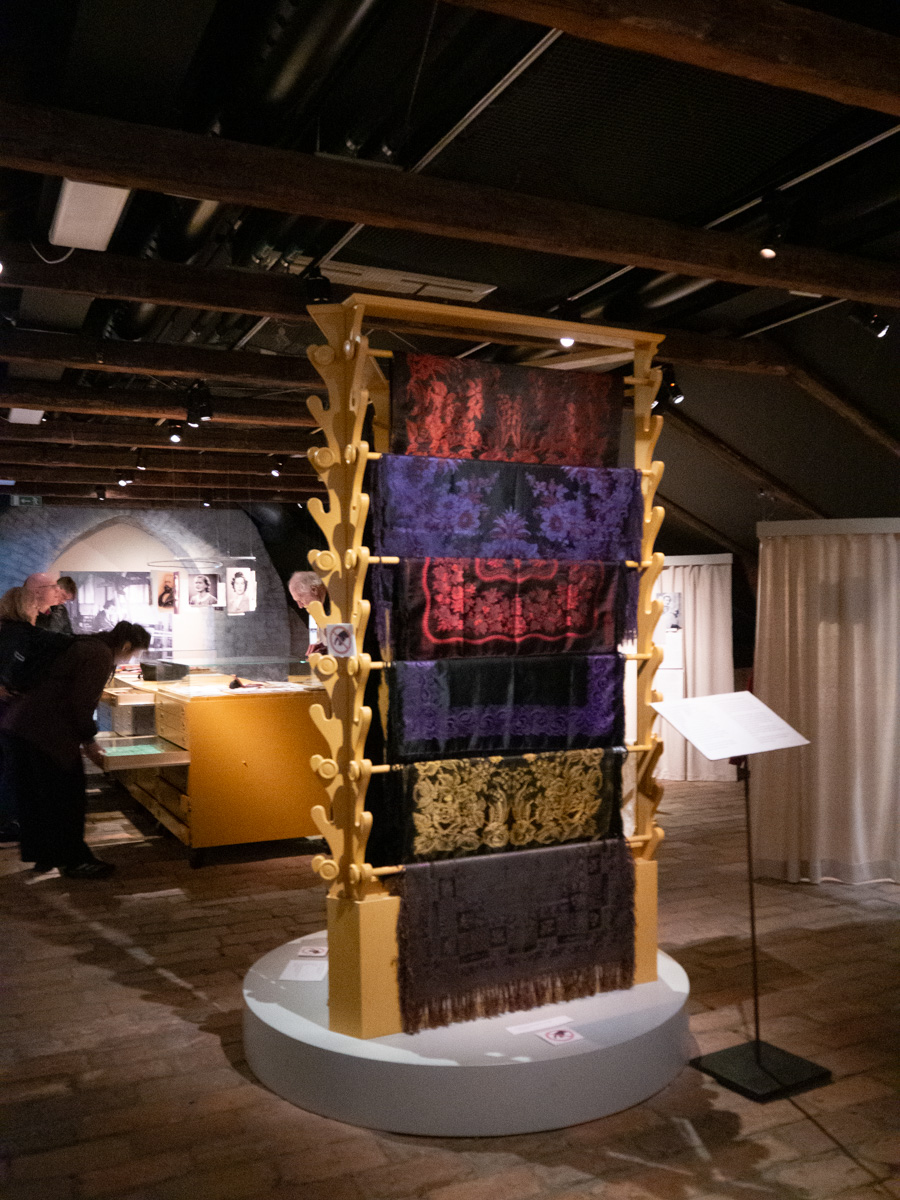
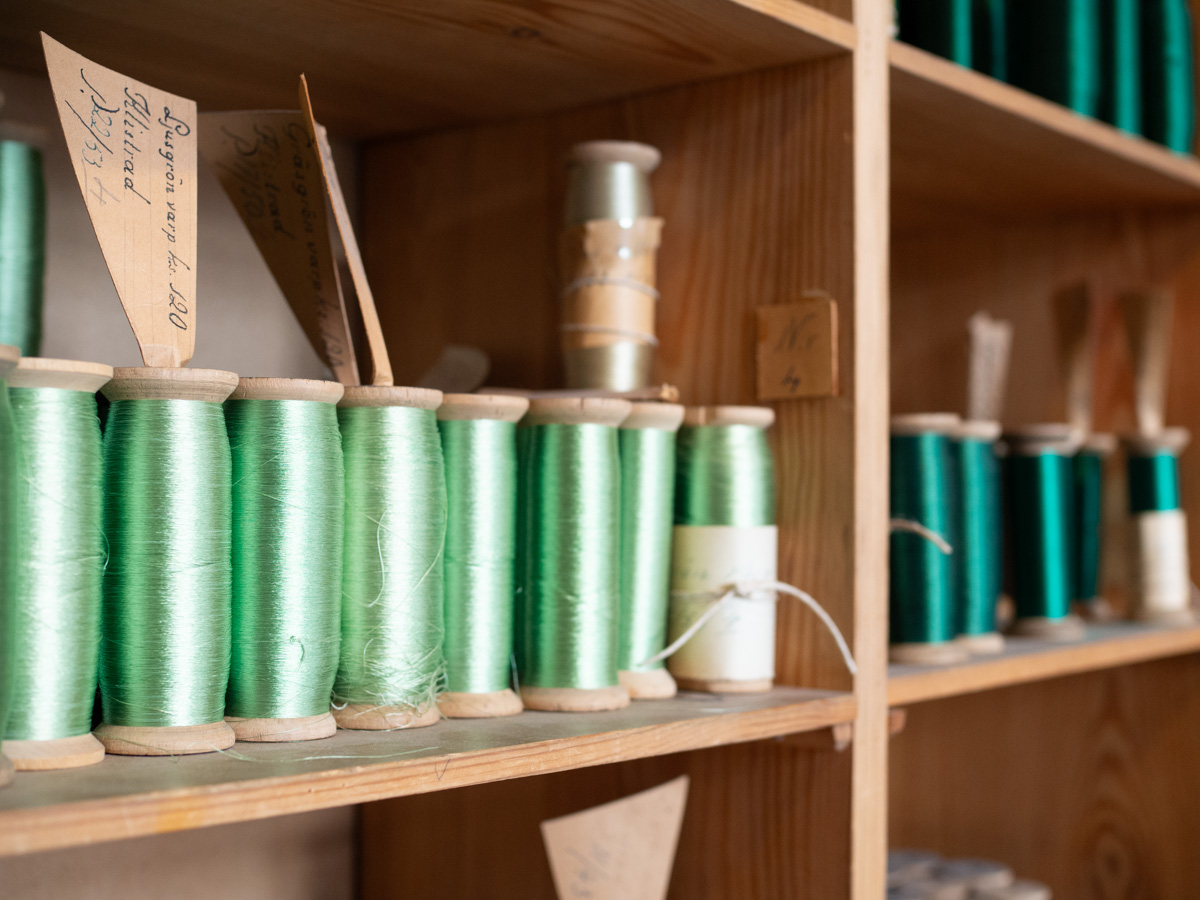
Instead I partook in the event offerings myself. First: K.A. Almgren silk mill, a historical silk weaving factory. The factory has its original jacquard looms from the 1860s – the roots of punch card computer programming. There’s an exhibition about the history of the factory and the people who have worked in it, as well as plenty of examples of fabulous patterned silk fabrics.
The original looms are in full working condition, and at least one person is still employed and working there as a weaver to keep the knowledge alive.
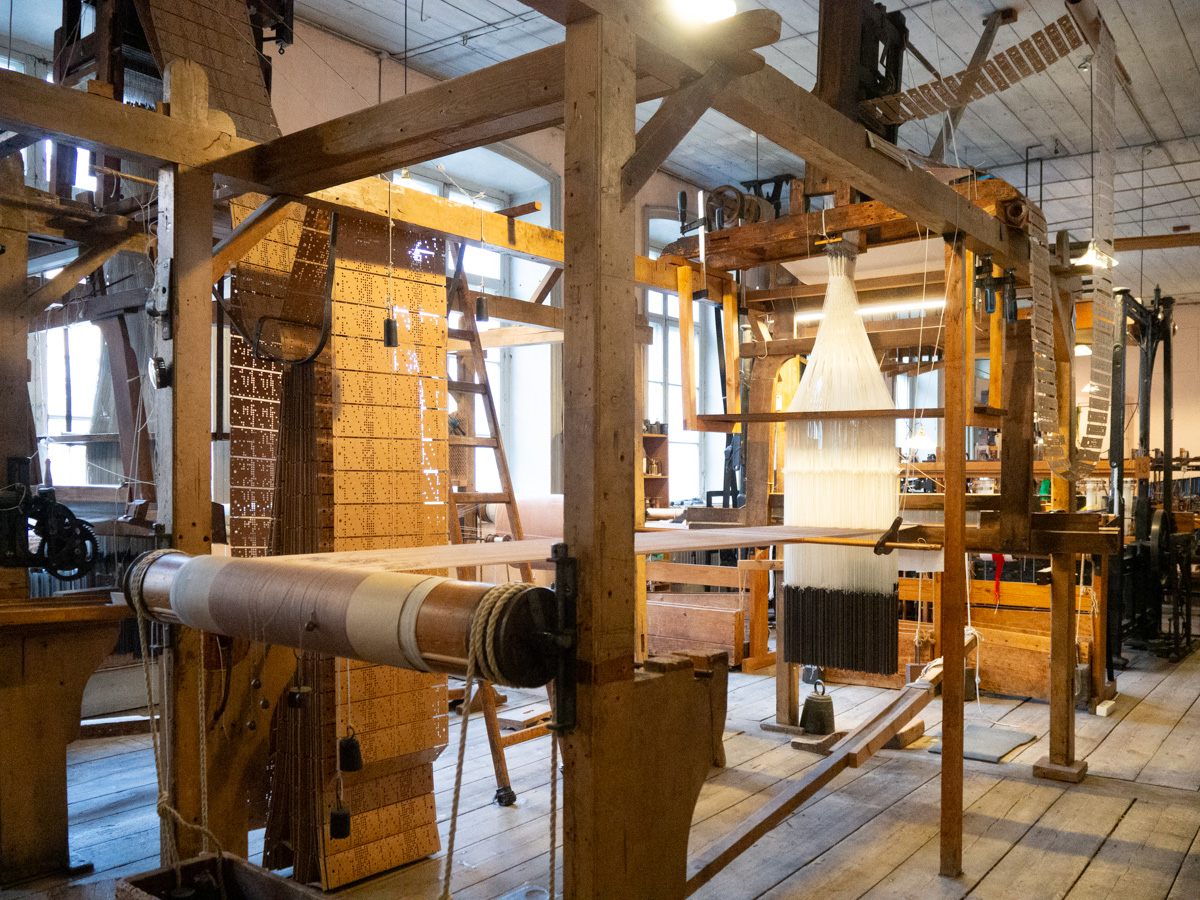
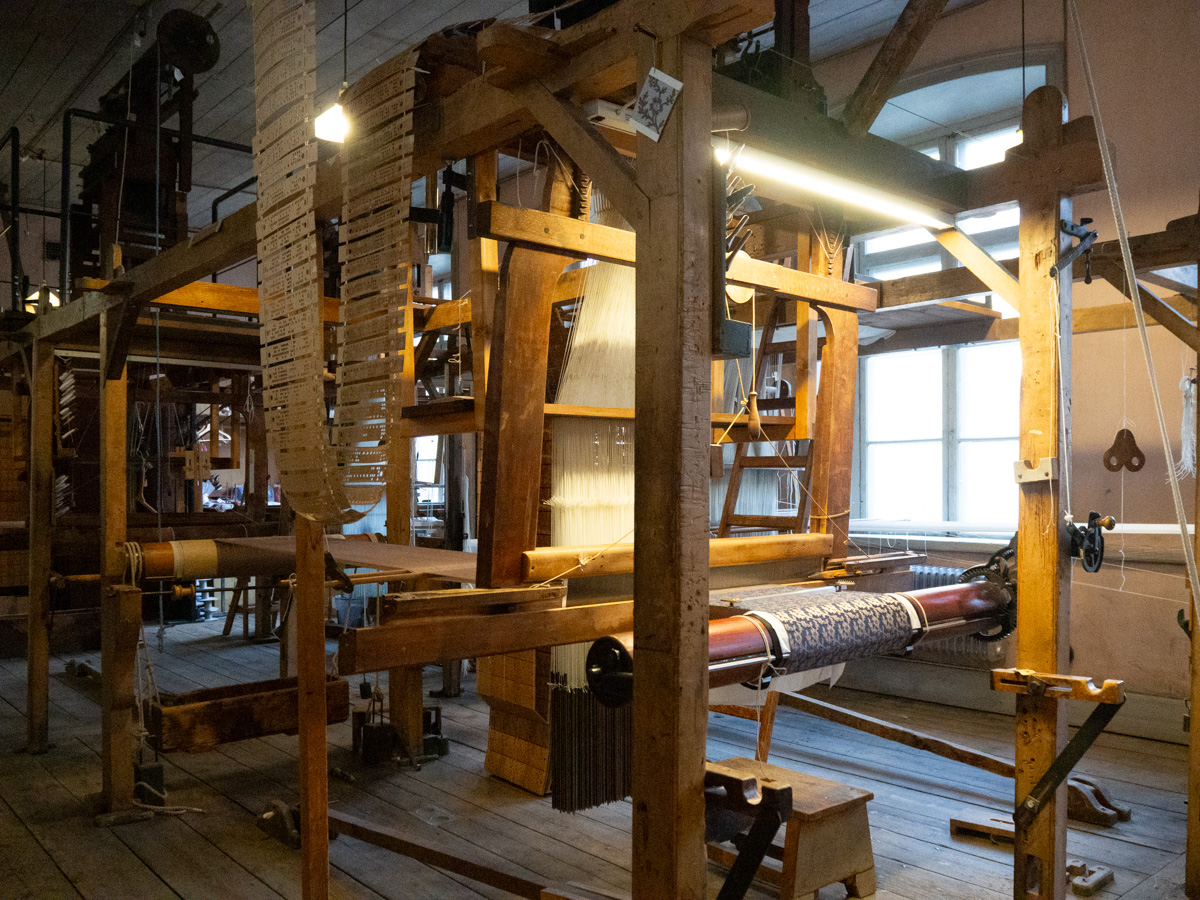
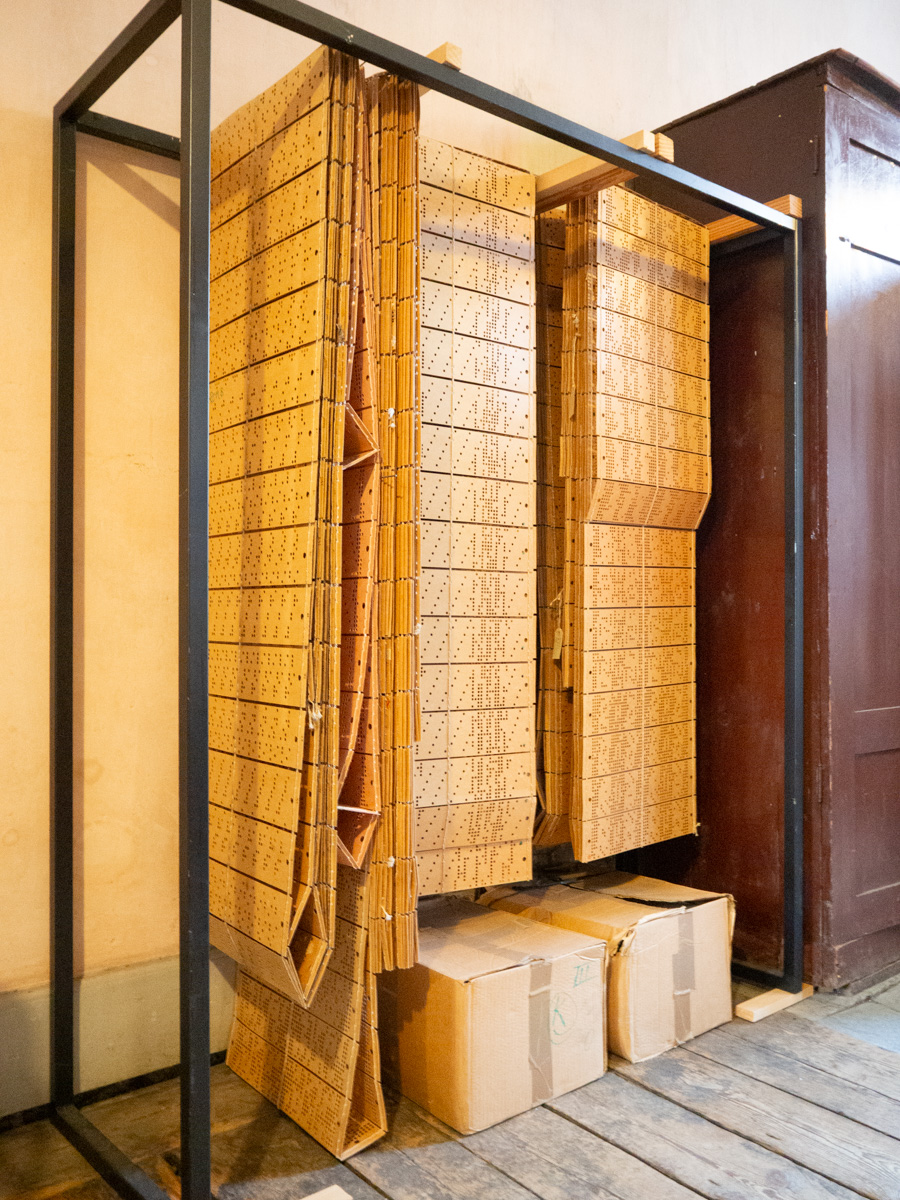
The punch card patterns for some of the more intricate fabrics could be hundreds and hundreds of cards long, each card corresponding to one weft thread.
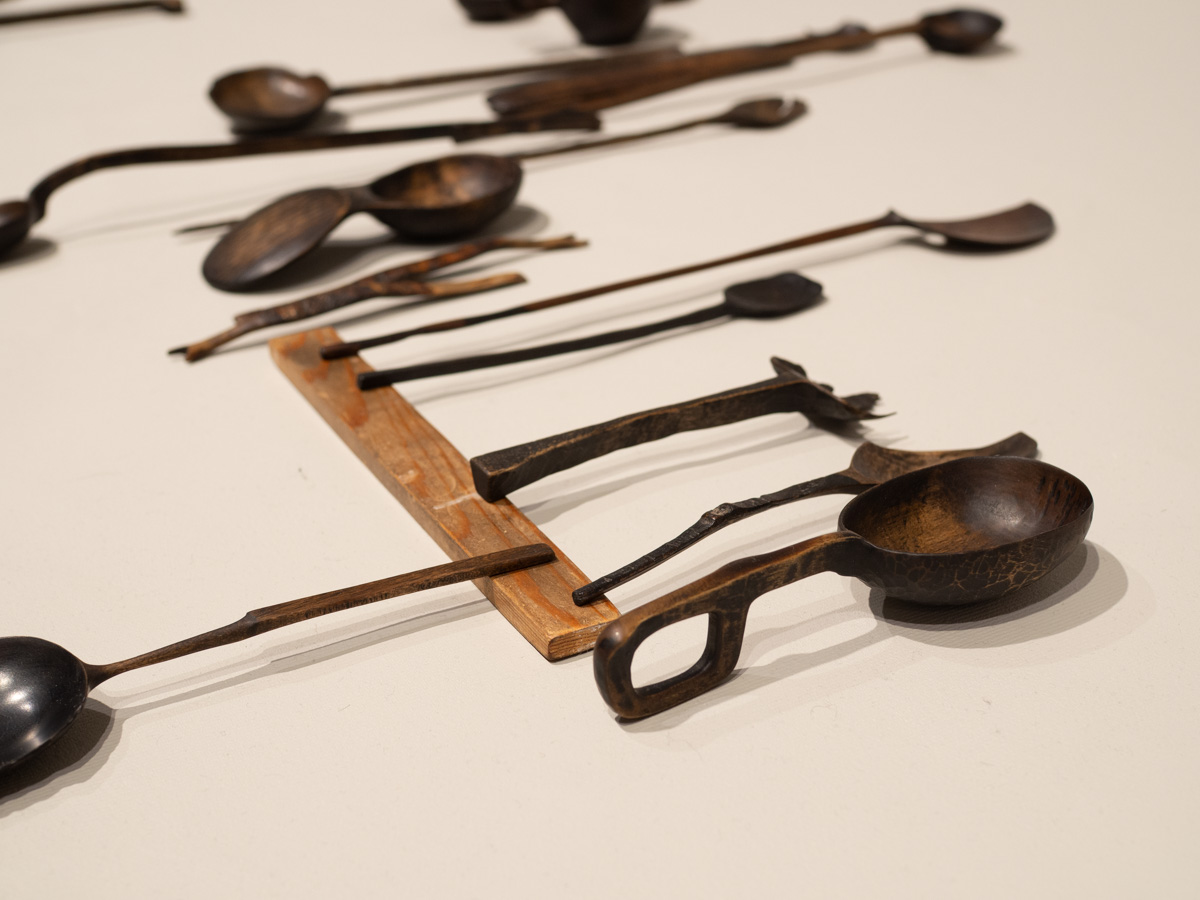
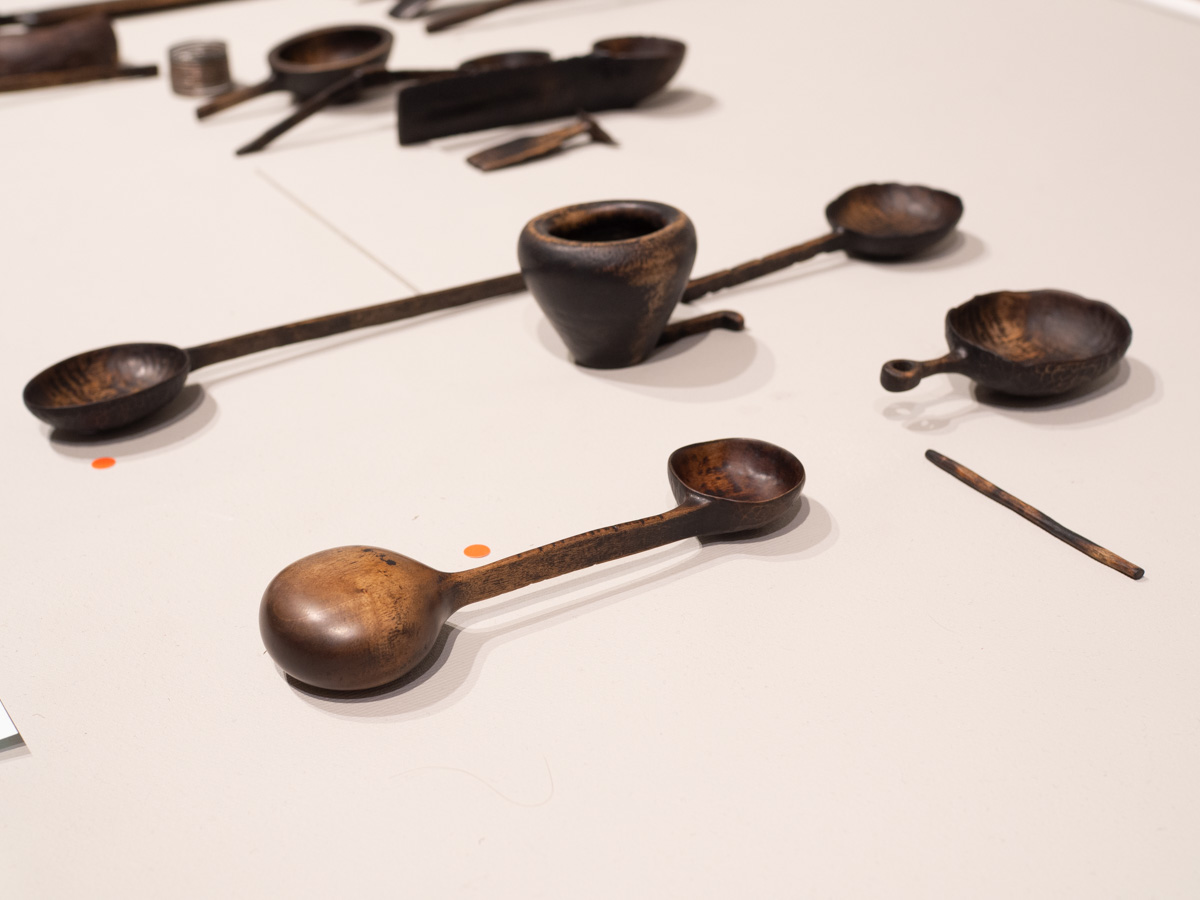
Afterwards I walked to the shop and exhibition room of Konsthantverkarna, a crafts collective. Their current exhibition is Marie Eklund’s They’re spoon-spoons, silly!, a collection of hand-carved spoons, one crazier than the other.
Titeln anspelar på ett citat av David Bowie ”They’re shoe-shoes, silly”, vilket var hans svar på frågan om det är herrskor, damskor eller bisexuella skor han hade på sig. Marie Eklund får ofta frågan vad det är hon sysslar med egentligen. Är skedarna brukbara? Hållbara? Slöjd? Skräp? Konst? Dyra? Till för vem? För vad? Varför då? They’re spoon-spoons, silly!
The title is a play on a quote by David Bowie: “They’re shoe-shoes, silly”, which was his response when asked whether he was wearing men’s shoes, women’s shoes, or bisexual shoes. Marie Eklund is often asked what she’s doing. Are the spoons usable? Durable? Crafts? Rubbish? Art? Expensive? For whom? For what? They’re spoon-spoons, silly!