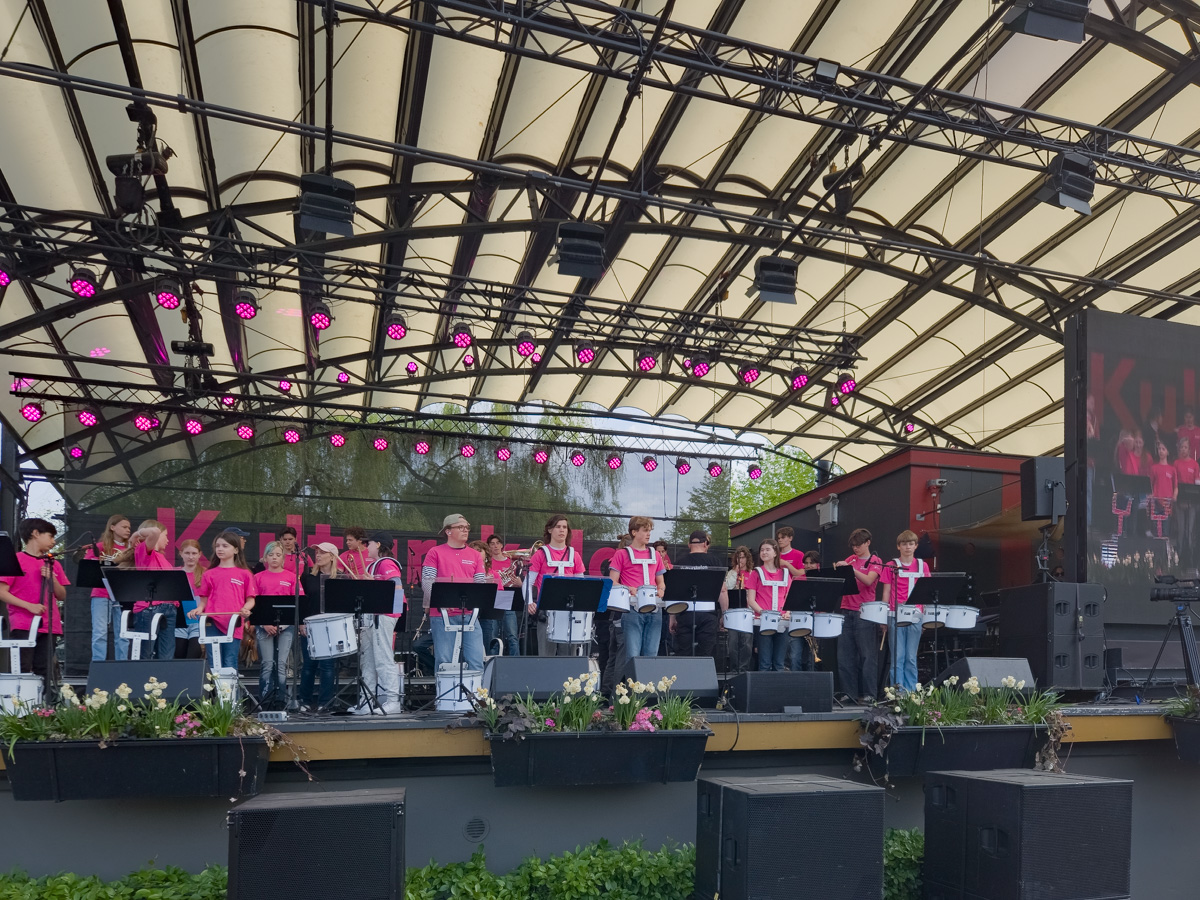
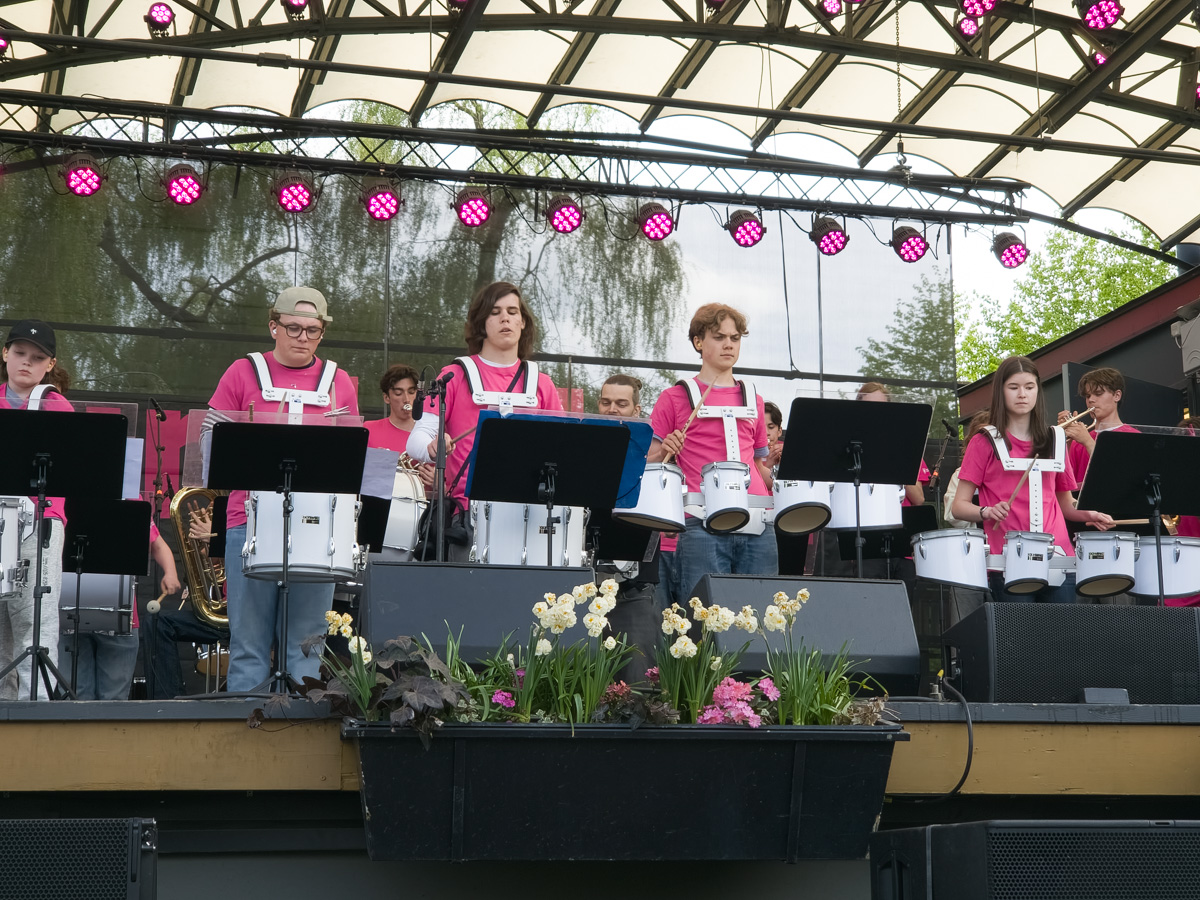
The end-of-term concert for Adrian’s percussion class took place on the big scene in the middle of Kungsträdgården.
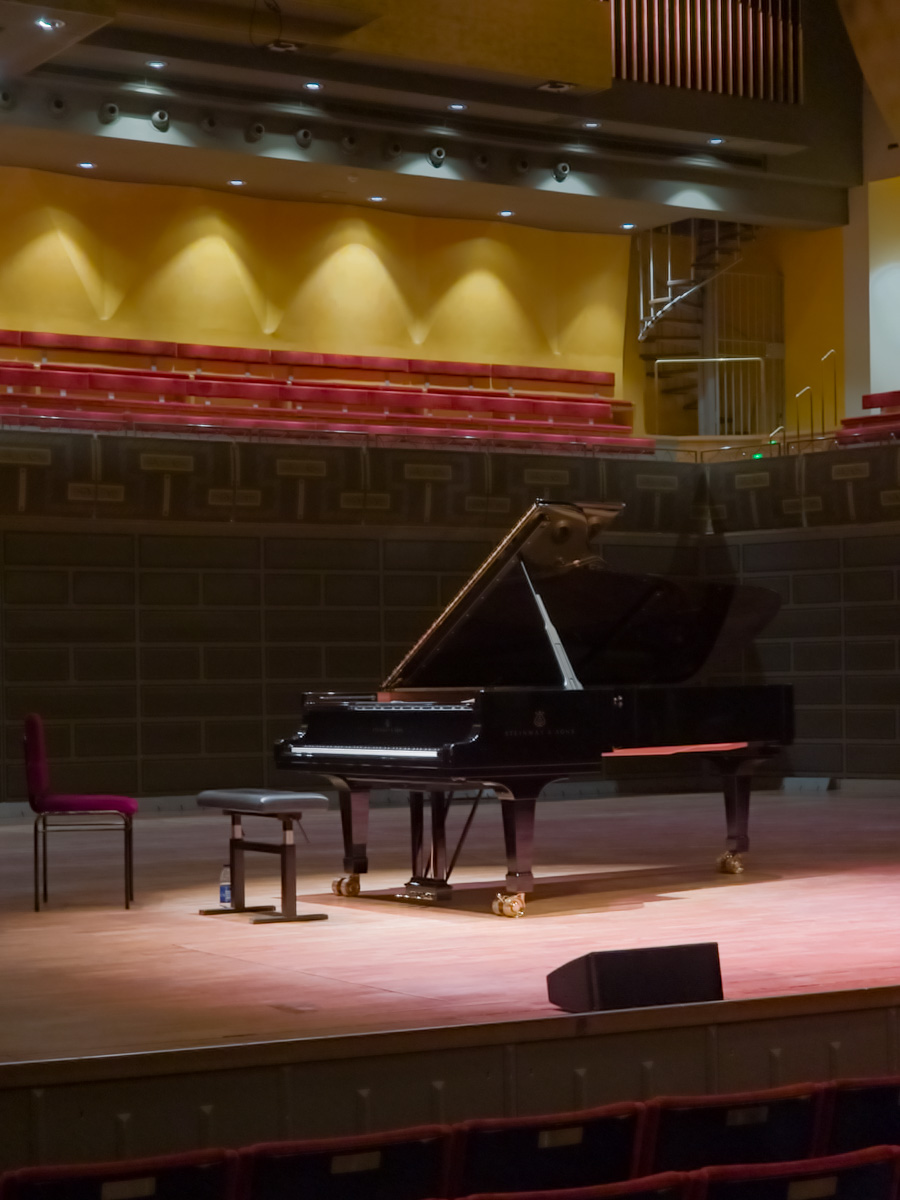
The piano recital series at Konserthuset. Pierre-Laurent Aimard with Bach’s The Well-Tempered Clavier, Part 2. Lovely, but also rather intense, with 140 minutes of focused listening. I was running out of energy towards the end and maybe a little bit less enraptured with the last four pairs or so.
Several parties in the rows in front of me left in the interval. I absolutely support walking out of a concert that isn’t doing it for you (if you can do it without interrupting). Still, it surprised me, that someone would choose to do so with this particular work. To me, this was – well, not quite the easiest music to listen and enjoy, but definitely not one that takes a real effort (like John Cage). You get a theme nicely and clearly presented at the beginning of every fugue and then you can follow it around all its twists and turns, like a guided tour.
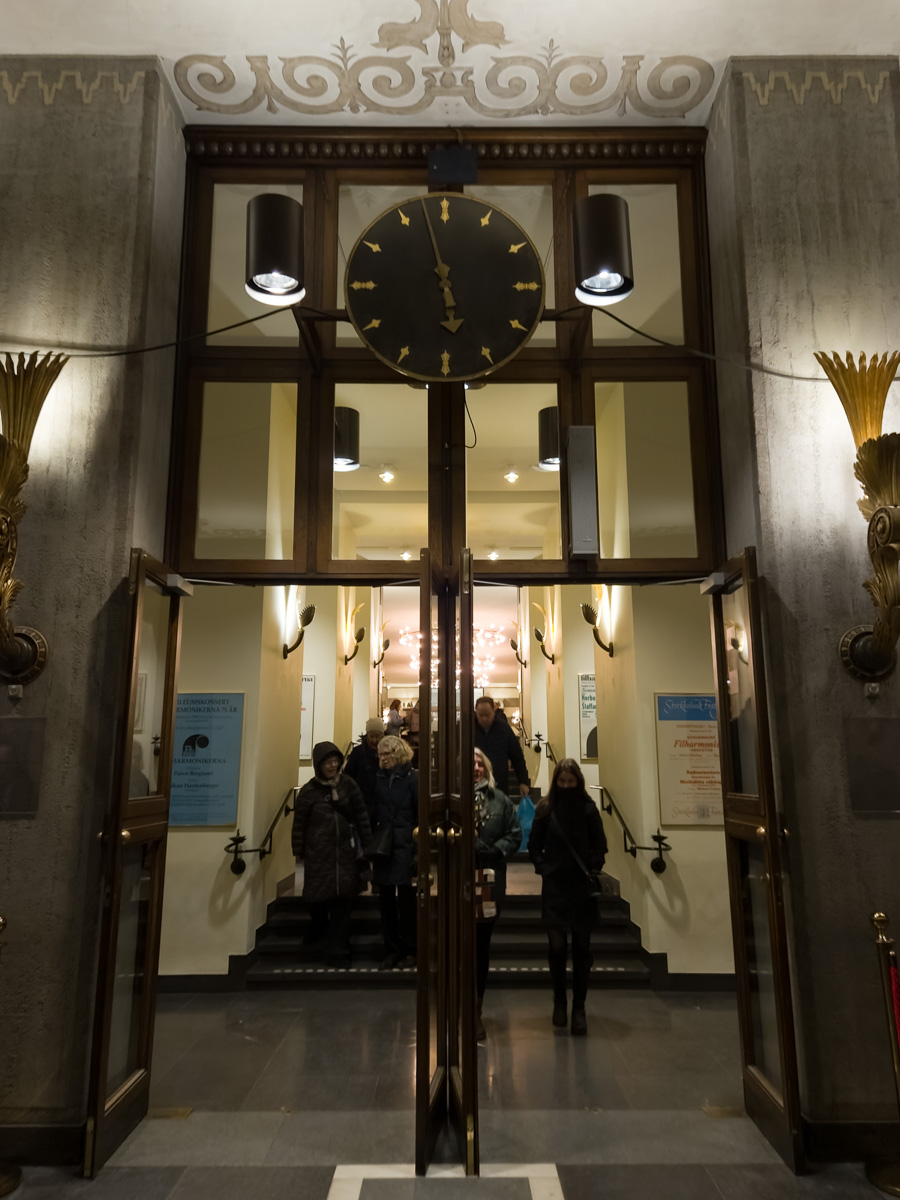
Vivaldi at Konserthuset. I had been more or less resolved to not continue with the Baroque concert series next season, but this was so great that it’s making me reconsider.
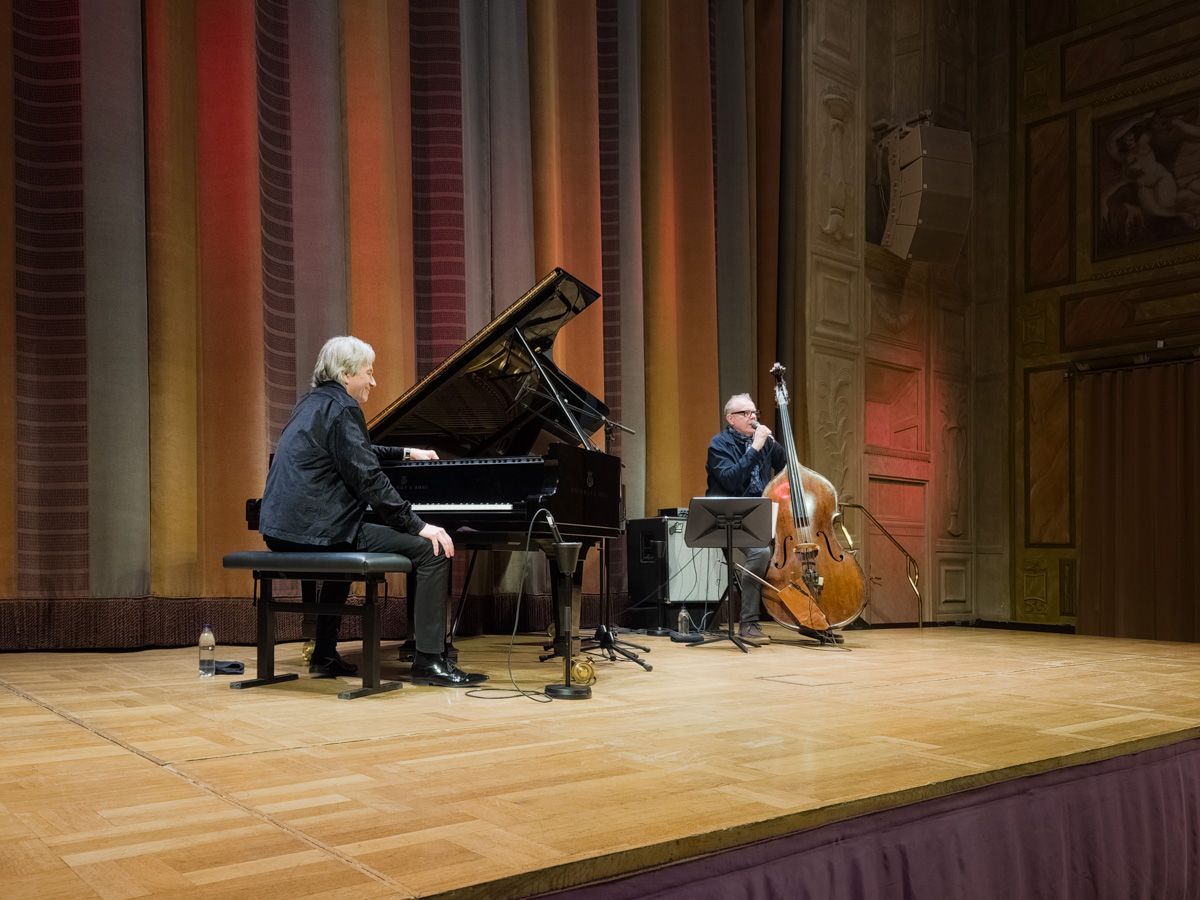
Jan Lundgren and Hans Backenroth at Konserthuset, playing tunes from Jan Johansson’s Jazz på svenska. Absolutely wonderful. Music that I know and love, expert musicians enjoying themselves together, and me in a front row seat. It doesn’t get more perfect than this.
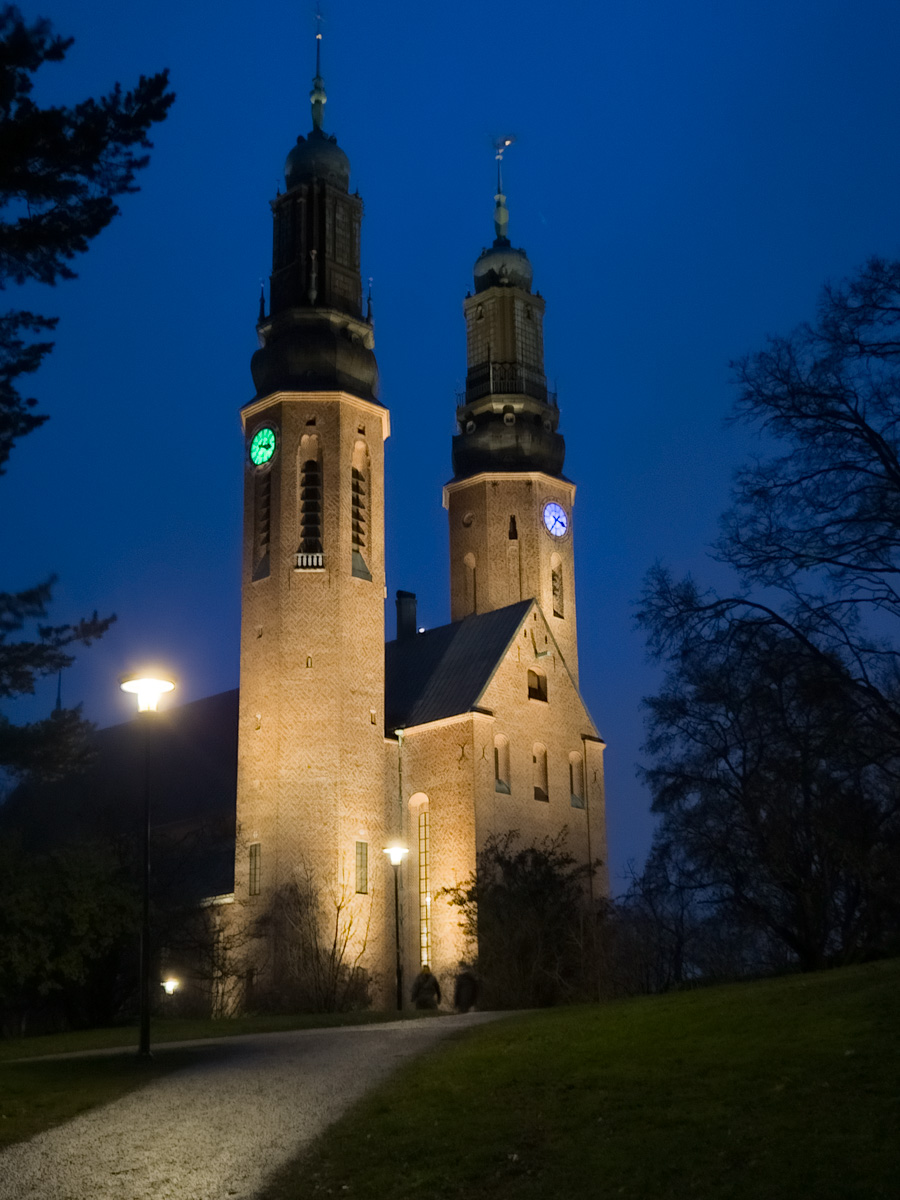
Halfway through the autumn term, Adrian was coaxed into playing with an orchestra attached to the music school. A quarter of the way through, he was frustrated and close to giving up: with a late start and lots of tricky pieces to learn, he felt like he wasn’t going to be able to learn it all by the end of the term. Plus it took quite a lot of time and led to rather late evenings. He was their only percussionist, though, and they convinced him to stay on at least until the end of the term.
Today they had their end-of-term concert and all that hard work paid off.
I came there expecting something rather like the previous concert. I don’t even know why: I already knew that this was going to be an orchestra and not just a few kids with drums and some backing from a recorded track. And that it was at St. Birgitta Church rather than the school’s somewhat scruffy rooms.
This concert was on a whole other level – very impressive. There were two orchestras in one – a smaller ensemble that then got subsumed into a larger one. The larger version was basically a full chamber orchestra: violins, cellos, double basses, a whole row of woodwinds and brass, a piano – and percussion, of course.
The repertoire ranged from Jingle Bell Rock and Sleigh Ride to the March of the Toreadors from Carmen. Adrian was joined by one of his teachers and they both had a lot to keep up with. Complicated music to play and a lot of switching between instruments. And I totally understand why they were so keen to keep him: percussion was essential to most of the pieces. Adrian did an excellent job, and now he’s even considering continuing with the orchestra in the spring.
For some reason they don’t place the percussion section at the front and centre of the orchestra. I could get a glimpse of Adrian at times, but mostly not. I rather suspected that this would happen, and got a photo in when they were still warming up. Adrian is not in the frame but this gives a feeling of the ambience at least.
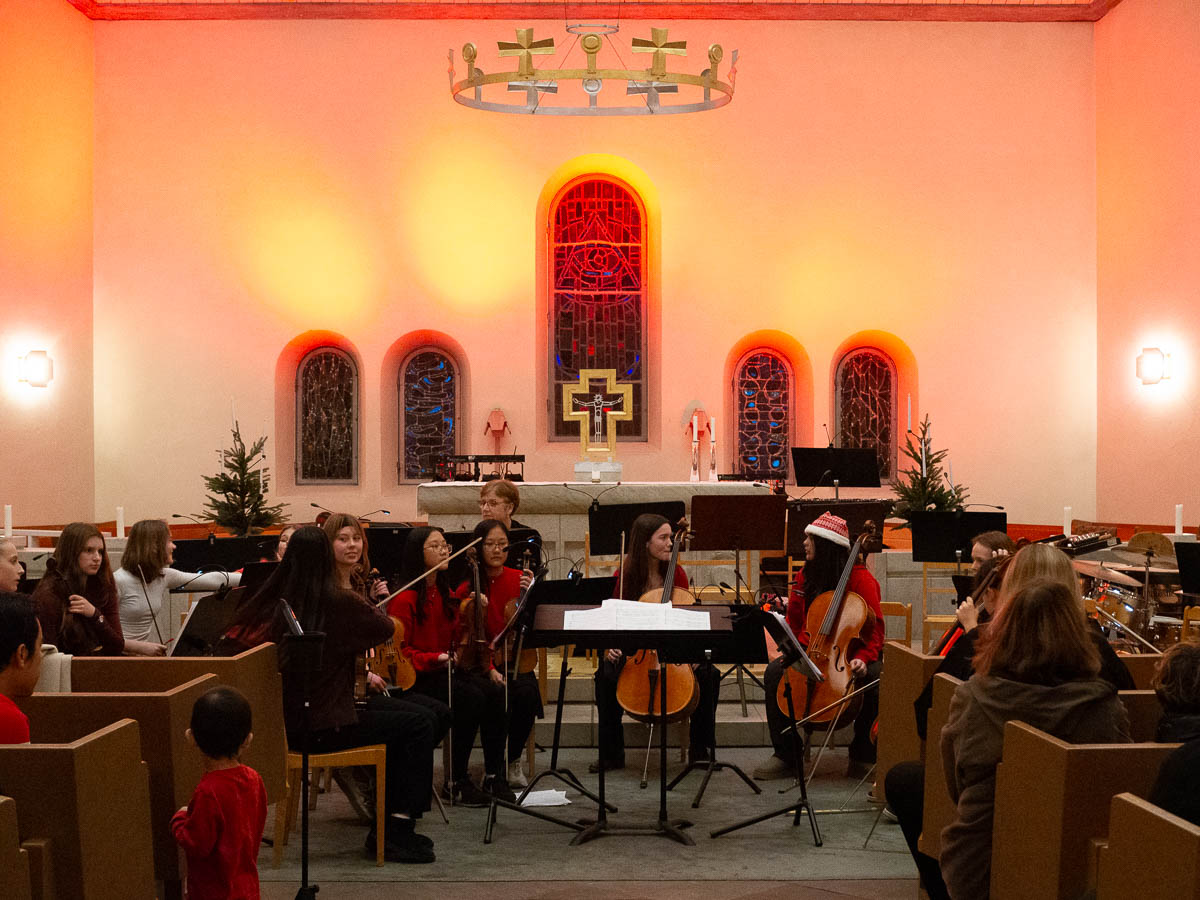
End-of-term concert for Adrian’s percussion class. An eclectic mixture of Christmas music, pop songs, and made-for-drums creations.
Here’s Adrian expertly playing the marimba.
One of the pieces they played was “Crazy frog” which in its original version is known primarily for how annoying it is. Played by a percussion ensemble with several marimbas, xylophones and vibraphones in the foreground, it was surprisingly pleasant.
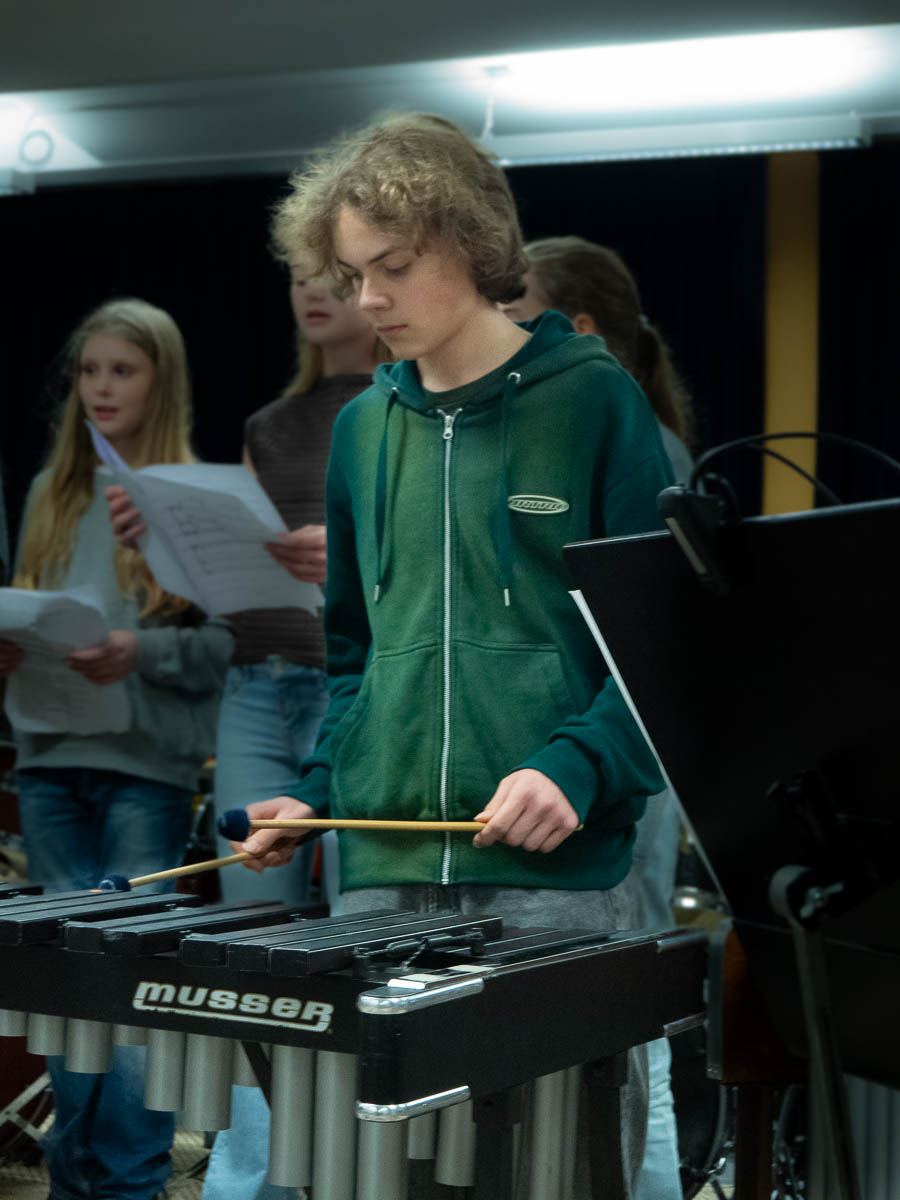
The photo is from their final practise run just before the concert. During the concert itself, the lighting was all weird and not at all photo-friendly: red and patchy. Some kids were squinting from having strong lights straight aimed in their faces; others were in total shadow.
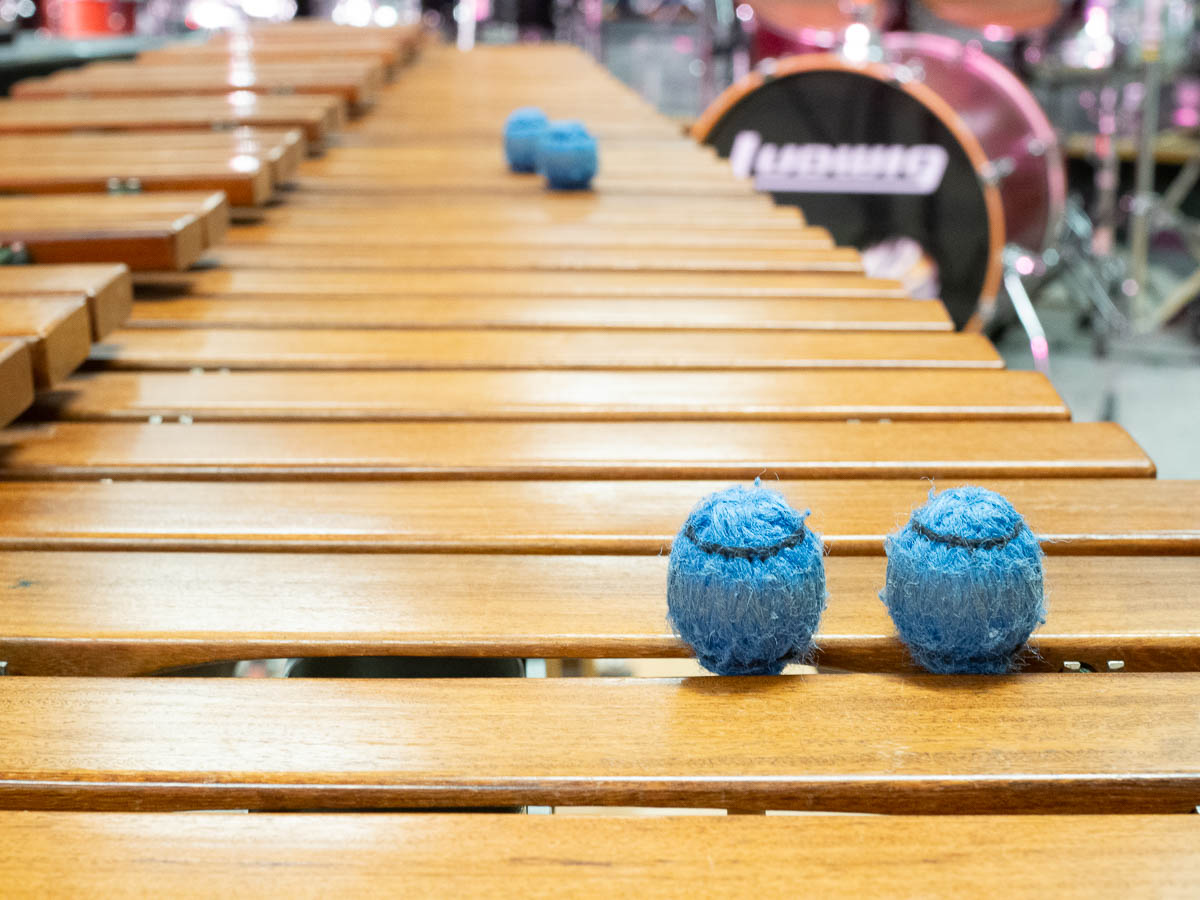
After the concert, I tried to figure out what makes the marimba different from the xylophone. I asked a teacher but only got a mostly useless answer. (Yes, I heard that they have different sounds; yes, I can see that the marimba has a wider range.)
I did some reading when I got home and learned that one key difference is how they are tuned (to a different set of overtones) and how the tone plates are shaped. They look like flat pieces of wood at first glance but absolutely aren’t – they’re scooped out underneath into an arch shape, and that’s what changes the pitch. Yamaha has interesting articles about the tuning of marimba tone plates, among others.
The length of the resonators, the different types of mallets used, and the playing technique, all reinforce their characteristic sounds: deep and mellow for the marimba, sharp and bright for the xylophone.
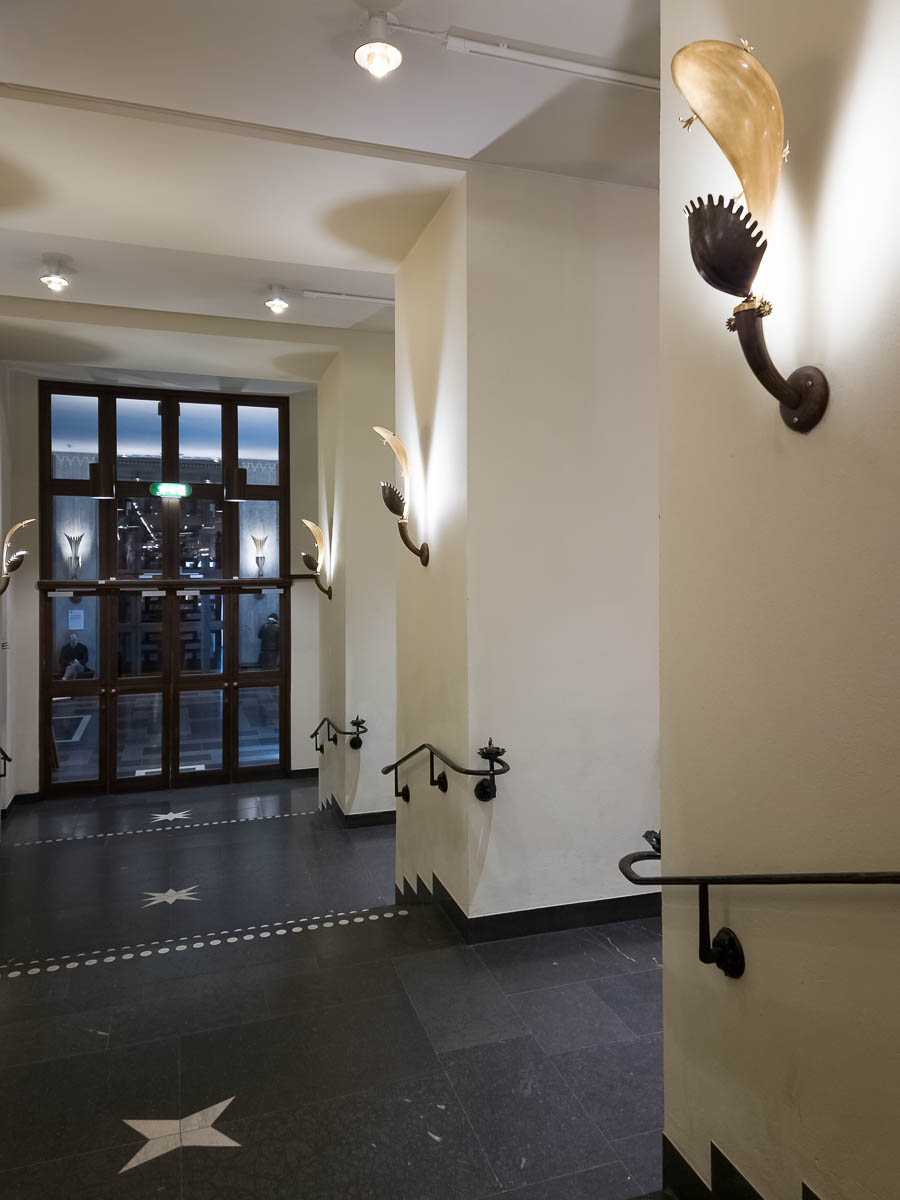
Another concert in the baroque series. Händel’s oratorium Il trionfo del Tempo e del Disinganno. And I just could not get into it.
It may not technically be an opera, but it sure walks like an opera and it talks like an opera, apart from lacking a story. I have never learned to enjoyed operas. That way of using the human voice has something about it that just grates on me. I can admire it from an intellectual angle, but I cannot actually enjoy it.
In the interval, I realized I was steeling myself for the second half. That is not a good frame of mind to be in for a concert. I admitted defeat and walked out, feeling like an uncultured philistine.
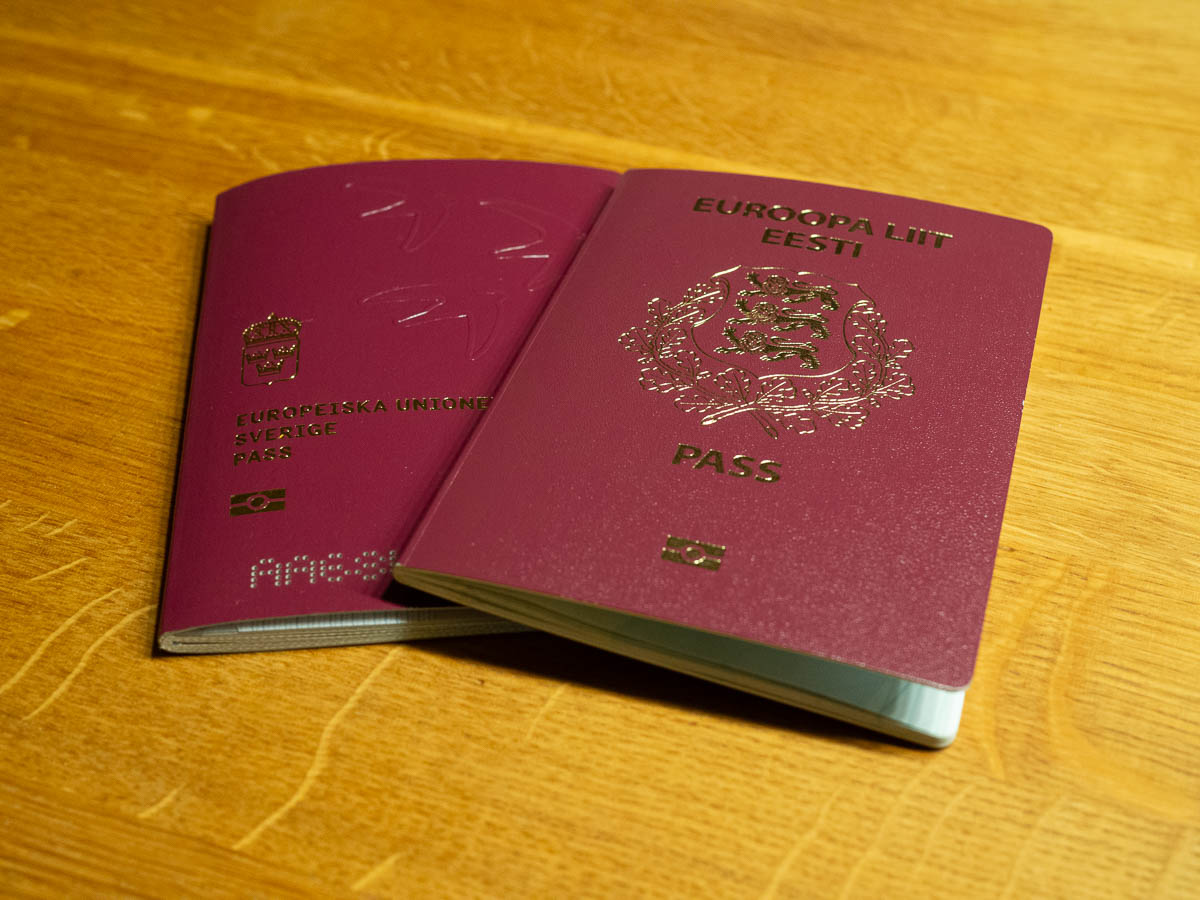
Near miss #1: Adrian and I are going to London for a few days during autumn break, which is this week, and I was this close to missing the fact that you now need a permit to enter the UK. I know they’re out of the EU but for years that didn’t actually mean anything for travel, and somehow I’d missed that this had changed.
The confirmation email from airline even mentioned it, but the new permit thing is called an ETA – a most unfortunate naming choice, I have to say. As I skimmed the email, I saw the term in passing, naturally interpreted it as “Estimated Time of Arrival” in the context of a flight booking, and didn’t pay any more attention to it.
Today I finally noticed it for real and had a minor bout of panic because it can apparently take days to get an ETA (“Electronic Travel Authorization”, why couldn’t they just call it a visa) and we don’t have that many days. Spent a good chunk of the afternoon going through an online application process only to realize, when my payment didn’t go through, that I had landed on a scam website and had to start all over on the real site.
The process required photos and face scans and scans of the passport and whatnot. I got the applications in just before Adrian had to leave for his week at Eric’s, and thankfully got an approval back within 10 minutes, so our trip was saved.
Near miss #2: Due to the ETA panic I nearly forgot the fact that I had a concert ticket for this evening, and almost missed a concert with Grigori Sokolov. Missing it wouldn’t have been quite as sad as missing a London trip, but still, I’m glad I remembered it in the last minute. Beethoven and Brahms. Just the thing I needed to get my adrenaline levels back to normal again.
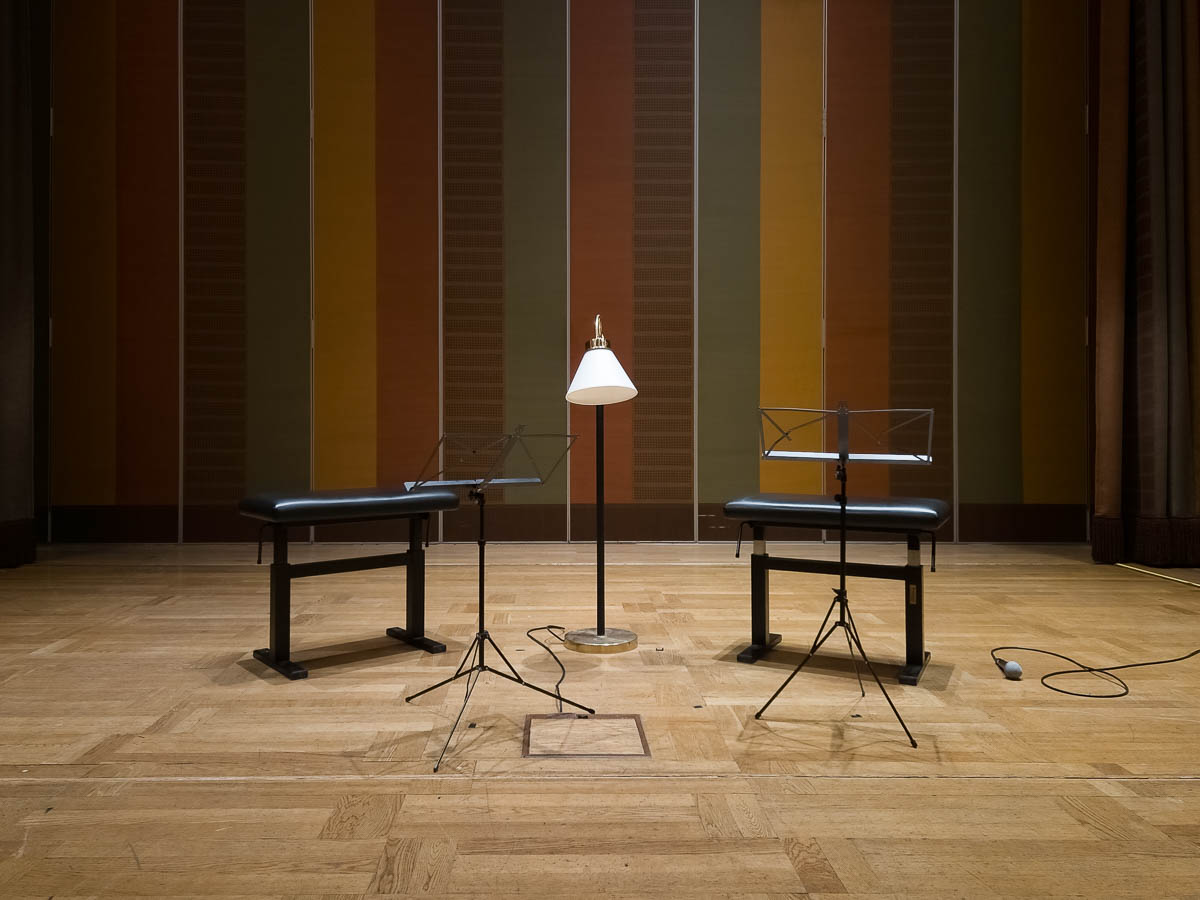
First concert in one of this season’s series, Orfeus Barock. Solo cello and lute, and the two together. Music by Johann Sebastian Bach, Silvius Leopold Weiss and Domenico Gabrielli.
I love Bach’s cello suites (one of which was included today) and cello music in general, and yet somehow this concert didn’t work for me. It wasn’t bad, in any way, but somehow the music melted into a soothing blanket of sound and the melody got lost.
My seat was several rows back and I couldn’t see the musicians very well. The lighting was low, with much of the room quite dim and a single lamp lighting up the sheet music, and the musicians to a certain extent. (In the photo above the main lights have been turned on again; it wasn’t this bright during the concert at all.) The organisers said they wanted to recreate the feeling of being in your own living room, but for me the result was just soporific.
Maybe it was also the performers’ style? I would have wanted to someone else play the same piece directly afterwards, to compare.
| « Older posts |
