Remember those stones that I was stacking back in May? And that I didn’t break any fingers?

Well, I didn’t break any fingers but I did damage a fingernail. It wasn’t even noticeable at the time but as it grew out, it had a big crack across. And even that was not a problem – it slowly grew out and behind the crack the nail was healthy.

But then the edges of the crack got more and more worn, until one day that ragged barely-attached bit of nail accidentally got torn off.

It turns out that torn-off fingernails don’t always heal very well on their own. Two weeks on, it was still not healed. I ended up having to go to the local clinic today so they could cut/scrape off a bit that was growing all wrong. (I learned a new word in the process; I now know what svallkött is.) Note to self: take better care of damaged fingernails in the future.

In addition to the new word I also got a very impressive bandage from the nurse, really out of proportion with the actual damage (but in proportion to the expected amount of bleeding according to the nurse). A great conversation starter at work, and with the kids at home.

And thirdly I gained a new appreciation for the importance of the middle finger. It turns out to be useful for much more than sticking up in the air. Adjusting my typing for the lack of middle finger was surprisingly easy. On the other hand, it was quite tricky to peel an onion or a clove of garlic, or do any other task that requires precision with a small knife. I don’t usually think of using my middle finger to hold the knife, but it makes a big difference to stability. Likewise, holding a pen or a toothbrush is much, much easier if all the fingers are present and work properly.

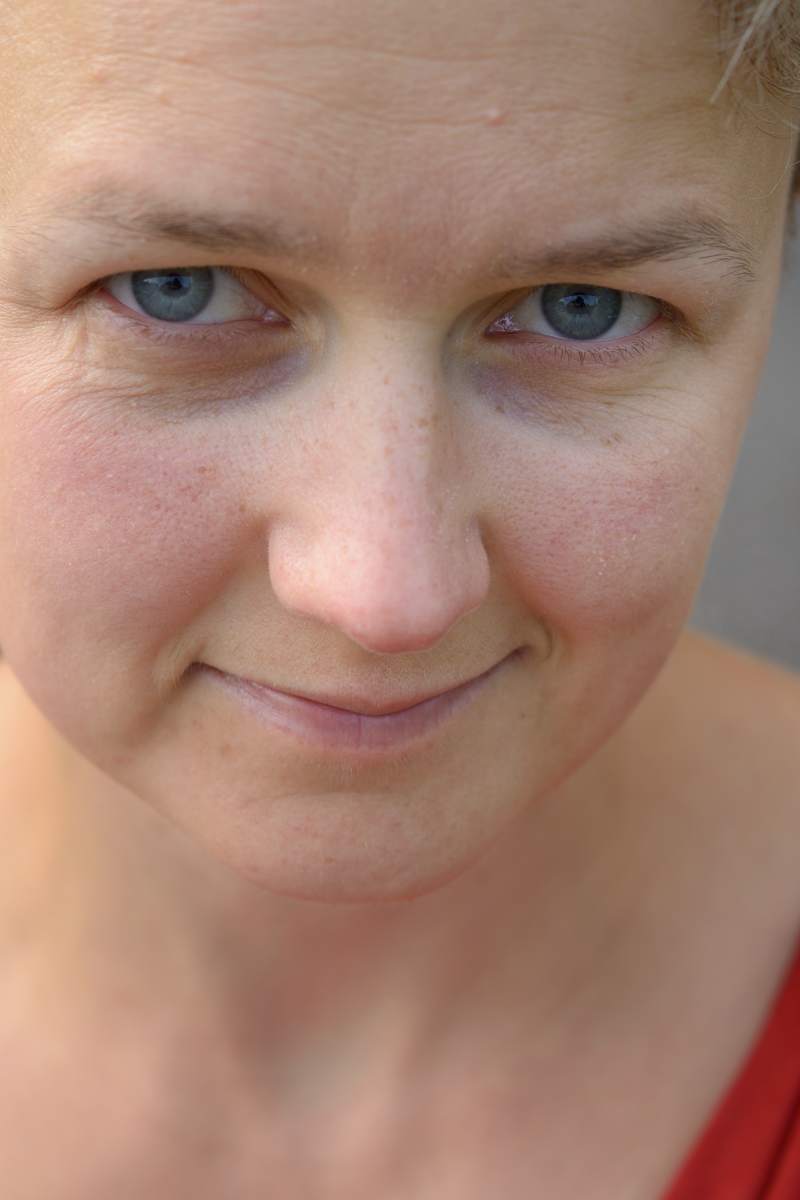
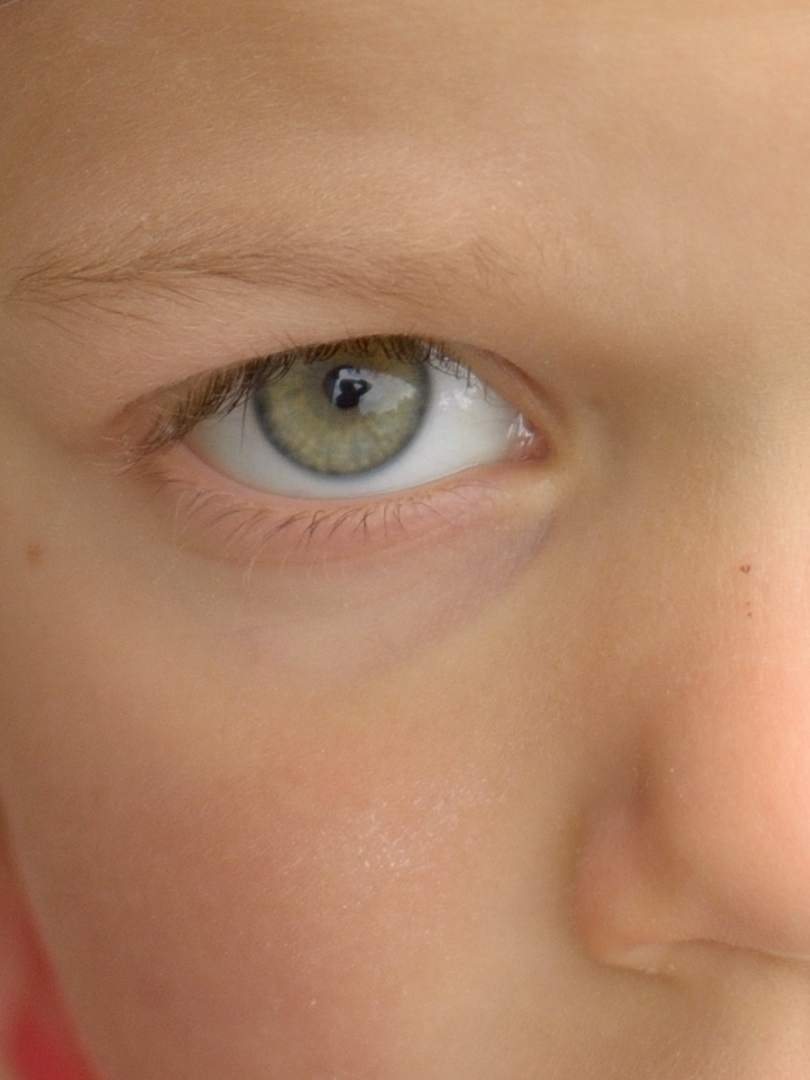
I’ve started to notice the wrinkles around my eyes recently. My mental image of myself has been stuck at about 25 years of age for a long time, but I’m beginning to realize I am not 25 any longer. More like 40, really…

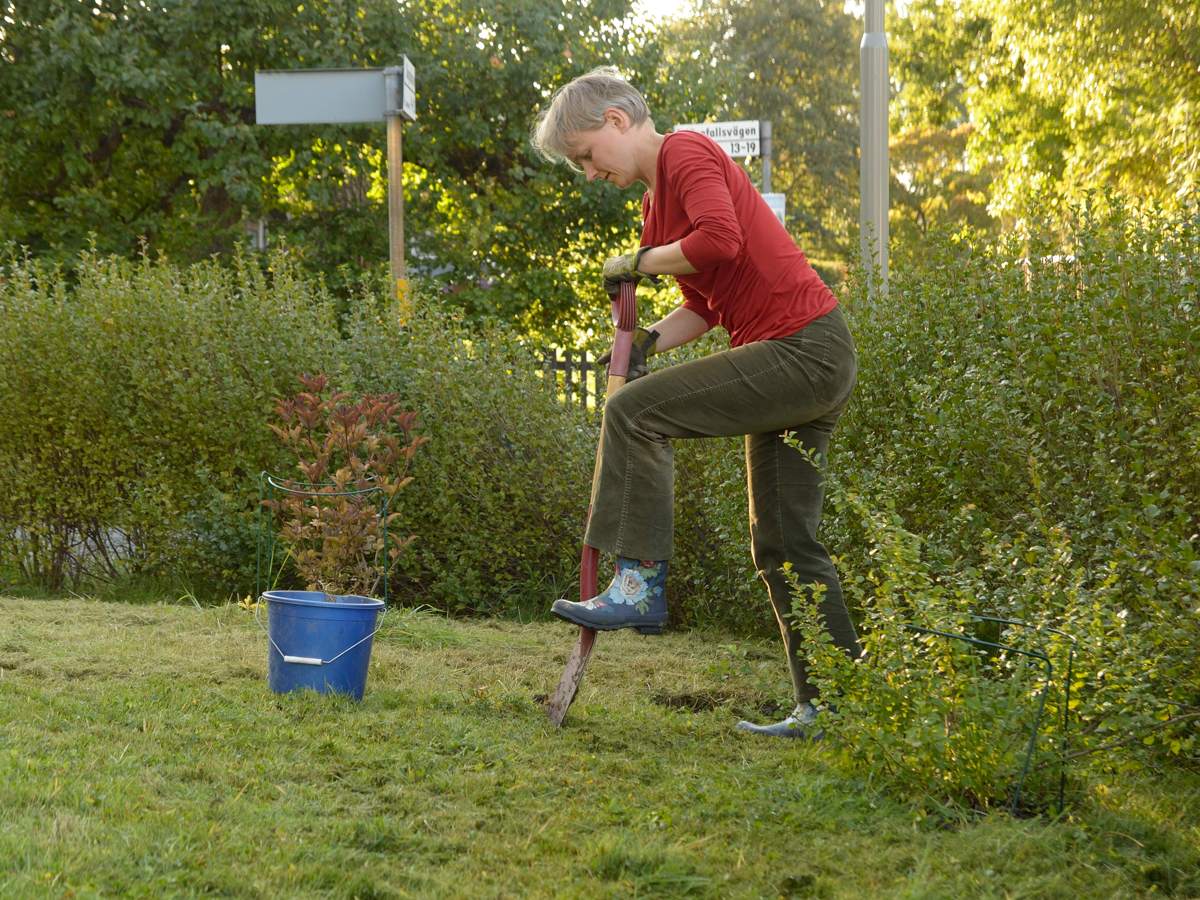
An alternative self-portrait in a more documentary style: out in the garden, digging to make place for yet more bushes.


We had pancakes for dinner. We do that occasionally.

Not for the first time, I wondered how people with large families or hungry teenagers (or, god forbid, both) manage to cook dinner. Today it was just me and Adrian, but when I make pancakes for the whole family, frying them can take me close to an hour. And that’s with three pans working in parallel.

Perhaps it’s like with baby-wearing. You begin early, when the baby is small, and your strength grows with the baby. Maybe my patience for making pancakes will grow in tandem with the family’s appetites.

Swedish and Estonian pancakes, by the way, are large and thin, akin to French crêpes. Savoury varieties exist and occasionally make an appearance in our home, but usually pancakes are an excuse for us to indulge in jam. We normally have a sizeable assortment of home made jams in the fridge to choose from. It is quite possible to eat your fill of pancakes and not use any jam twice. The ones in the photo are a damson and cherry jam that Eric made, and plum jam made by our friend P.

The kids often prefer even more sugary pancake toppings: honey, chocolate sauce or just plain table sugar.

Another reason to love pancakes is that they can be eaten with fingers without creating a huge mess. I like that. There is a special kind of immediacy and closeness in eating with my fingers, feeling only food and no metal in my mouth. It is a softer, more personal way to eat. Not many meals are finger-friendly; most require utensils. I also always eat sushi with my fingers, as well as tortellini and other types of filled pasta (without sauce).

Hmm. I often remind Adrian to use his fork, not his fingers – for food that I eat with a fork, like pasta and vegetables. I have a lower tolerance for sticky, greasy fingers than he does. Of course there are some societal norms here that he needs to learn, but still, perhaps I should reconsider in some cases and let him eat with his hands more often.

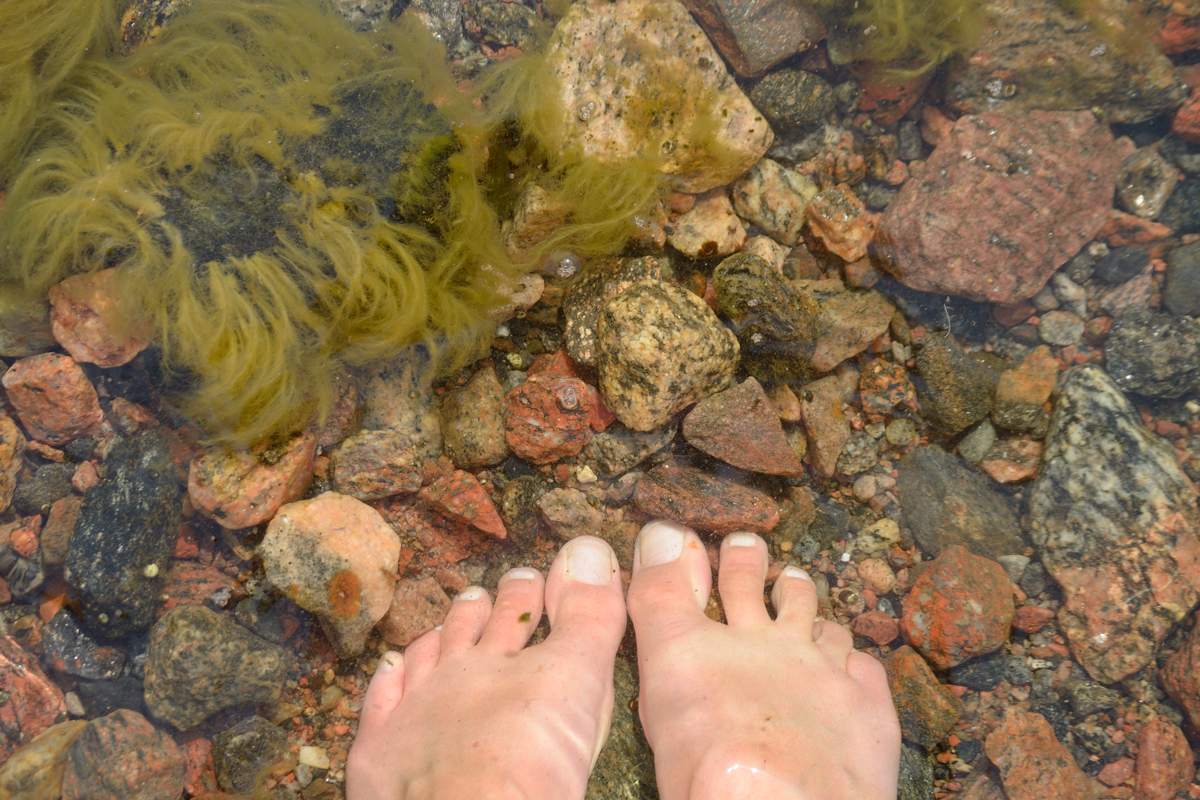
Seaside beach at Ljusterö near Stockholm.

You know how people say that becoming a parent has changed them, and that it has taught them new things about themselves? All sorts of life lessons, often deep and true.

It turns out that this also applies on the very lowest levels, the smallest things – such as sleep habits.

Adrian still sleeps with us. The actual position has varied – first it was me next to him, then Eric, now it’s my turn again. Most of the night Adrian is on his side and I am on mine and I don’t notice him much. But in the early hours of the morning, as he moves into lighter sleep, he wants body contact.

He likes to sleep with the soles of his feet pressed against me, for example, or even with his legs on top of me: as if he was supported from below when sitting or standing.

He also likes to put his hands inside his pyjamas, so his palms are against his neck and shoulder. Or he clasps his hands and then tucks them next to his neck.

I had never really thought about it much but I’ve noticed that I actually do kind of the same. I also like to press my feet against Eric (but not at 5 o’clock in the morning, and not against his ribs). And there is something oddly comfortable about putting my hand on my neck and shoulder when I’m sleeping on my side (or on my abdomen if I’m on my back). It’s as if an open loop was closed. I am grounded.

Ingrid is picky about the physical sensation of her sleeping arrangements. She needs everything to feel just right. She has a narrow comfort zone when it comes to temperature, for example. During the day she doesn’t care much, but at night it can take her a long while to find a good blanket solution. She tries one blanket, then the other, then the thinner one folded double… then puts her legs out, then just her feet… it’s either too warm or too cold, and needs to be adjusted until it’s right. And only then she can go to sleep.

The blanket needs to lie right as well before she can feel comfortable, and if I am holding my hand on her chest or stomach that also needs to be right: not too far up or too far down, and in the middle rather than to one side. And likewise her own arms and legs. She can’t just put them down and be comfortable – they need to be adjusted until they feel right.

Now I’m not too picky about blanket weight (I think) – my usual blanket is usually warm enough. But I do recognise this feeling of things being uncomfortable when they’re not just right. For me it comes and goes; sometimes I feel it much more strongly and then for a long time I may not notice it at all.

During a “sensitive” period I feel every wrinkle in the bedsheet, especially under my feet. It can really bother me if the blanket lies more heavily on one leg than the other, or if it touches me too lightly in some place. The blanket needs to come up to my shoulders but not touch my neck.

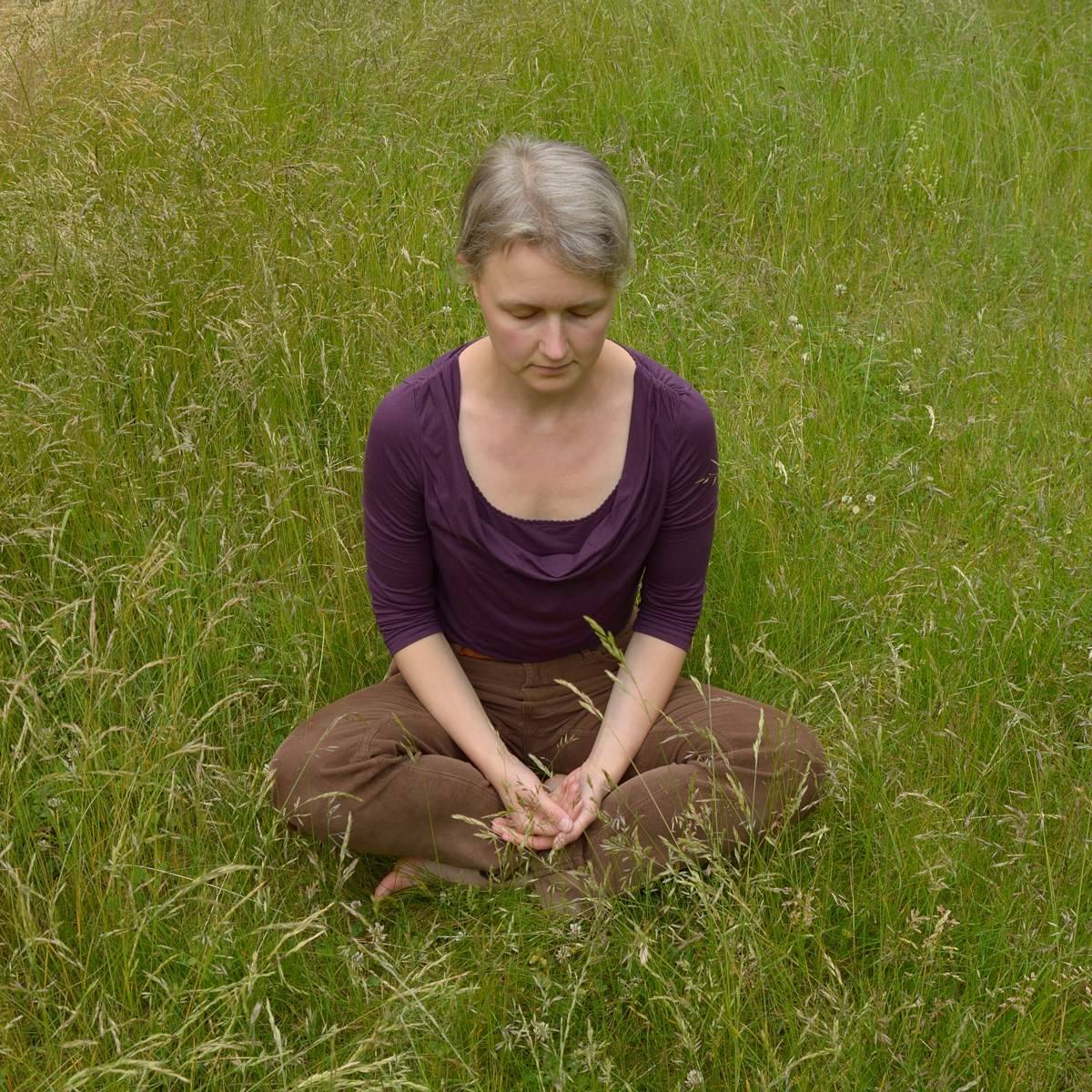
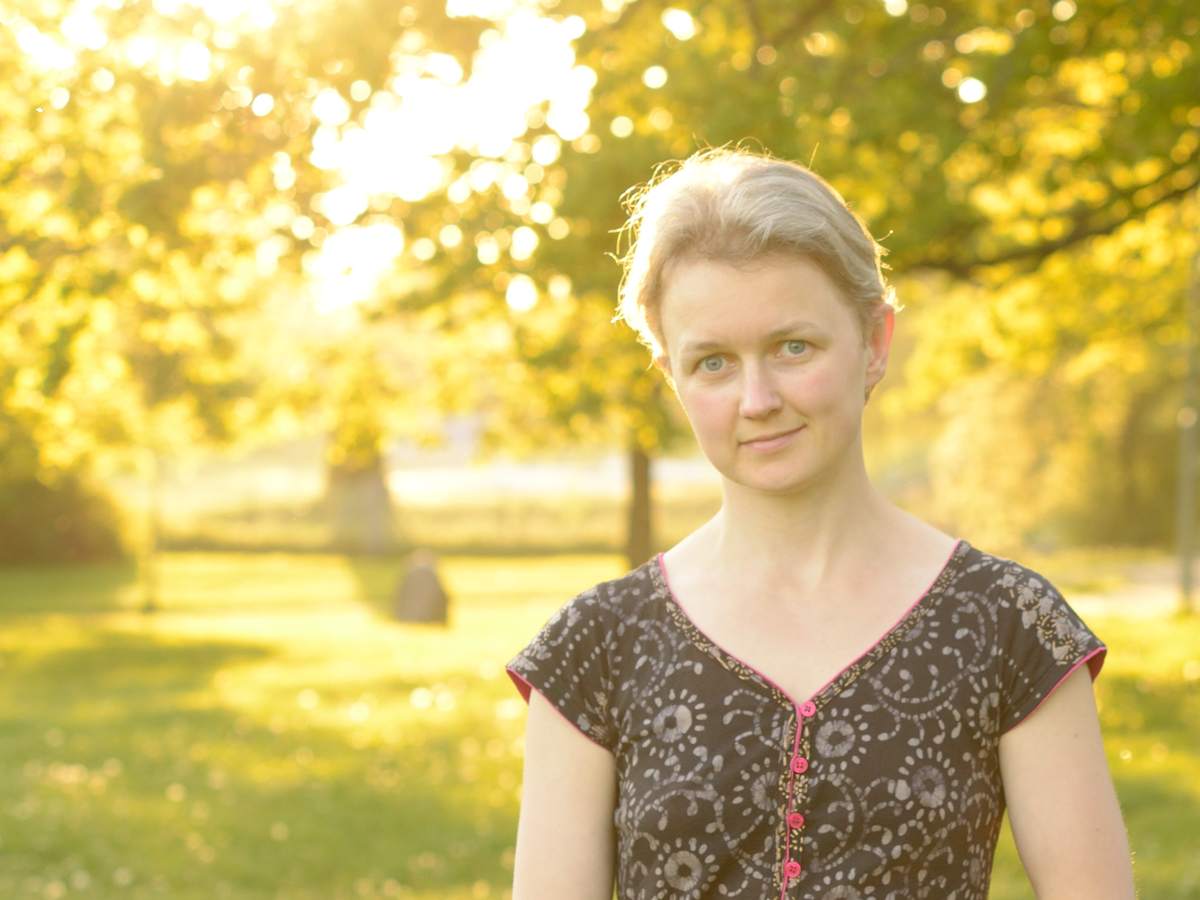
… and because I missed April, here’s another one, of me and Ingrid.

I was practising backlighting last week.

My to do list has a tendency to grow and grow and never get any shorter. Until some of the items on it grow so old that they become irrelevant and I throw them off the list without doing them.

I think I have finally hit on a solution. The trick is to not stop.

I like the Getting things done (GTD) methodology. I like getting my mental list of things to do down on paper. (My organiser is still as it was in 2006: a set cardboard sheets with sticky notes.) But GTD only helps me know what I should be doing. It doesn’t help me actually do them.

For me the hardest part is getting started. I have this long list of things and I really should do something about it… but maybe a bit later, OK?

I’m like a heavy wagon. Getting the wagon rolling is the hard part. When it’s rolling, keeping it going is not that difficult.

The solution, then, is to minimize starts. Once the wagon is rolling, do not let it stop.

This is the opposite of what I think as the conventional approach, where after some period of work one takes a break. Do some work, then relax for a while before doing more. No no no! Breaks are dangerous! Instead, as soon as I am done with one task, I get up and pick up the next. I only rest when I really run out of energy.

This works best if I am pretty relaxed about which particular task I pick up. Doing some small task, any task at all, is better than thinking about the most highly prioritised task right now but then not doing it because it’s too hard, or I don’t feel like it, etc.

Yeah yeah baby yeah…

I learn better when there is some structure to support my learning. To learn photography, I need a workshop, a project, or some other external support. Left to my own devices I slide back into my habitual groove of taking pretty much the same kinds of photos of the same kinds of things.

I’m in between courses right now. It’s like being between meals: the next meal may be some while away, but you know it’s coming.

I thought I’d keep busy in the meantime. I bought an e-book with 50 chapters and joined a study group that would work through that book over a year. But the combination of a fast pace (a chapter a week) and no real external pressure meant that it was hard for me to keep up the pace, so I dropped out after just a few weeks. It’s still a good book so I hope to work my way through it at a slower pace. At some point.

Then another assignment turned up on a blog. This one had a deadline of almost a month, and (deceptively) simple theme, so I thought I’d play. The assignment was “lines”.

For several weeks I saw lines everywhere. I could not walk down a street without mentally noting: line. Line. Line line line. Lines. Lines.

I took photos of lines, wherever I some some lines I somehow found interesting. And I looked at other people’s photos of lines. But every time I did, I found myself questioning the purpose of that photo.

What is the meaning of these lines? Who cares about these lines? Why?

Well, hopefully that will be part of the discussion of this in the assignment wrap-up, I thought, and looked forward for that follow-up blog post. To my great surprise and equally great disappointment, Zack’s critique post had nothing at all to say about any of this. There was no mention of the use of lines for a purpose, or the meaning of lines. Lines were lines, and that was that. They could be well seen or not, well lit or not, well photographed or not. But they were never anything more than just lines.

And I just could not make myself care about these photos, or the critique video. I left it after 20 minutes and have zero interest in continuing with that assignment series. Totally not my cup of tea.

So what if your lines really make you go “wow, great lines!” or “man, look at those stunning lines”. Who cares about lines?!

Apparently, a lot of people do.

And I’m not saying that lines cannot be the subject of the photo. They can – but in that case they need to say something about something. They might communicate the awesome tallness of a skyscraper, or the stark beauty of an iceberg, or something. Or they may have a supporting role in a photo where the subject is something else: by pointing at some subject, framing it, barring the way to it, etc.

Lines need to have a point, if you’ll pardon the pun.

Today I was listening to a podcast by another photographer while emptying the dishwasher and doing the dishes: Question The Image, by David DuChemin. He also talks about lines (starting at 19:10 in the podcast) and it was fascinating to me to hear how differently he approached lines. In just a few moments he had questioned lines from half a dozen aspects. “Do they lead the eye, do they provide balance, do they form relationships between elements, do they connect things? Do they lead you in to the photograph or out of the photograph?”

Now this is photography with a meaning, photography that says something.

Two well-known professional photographers with blogs. And two so utterly different ways of thinking about photography.
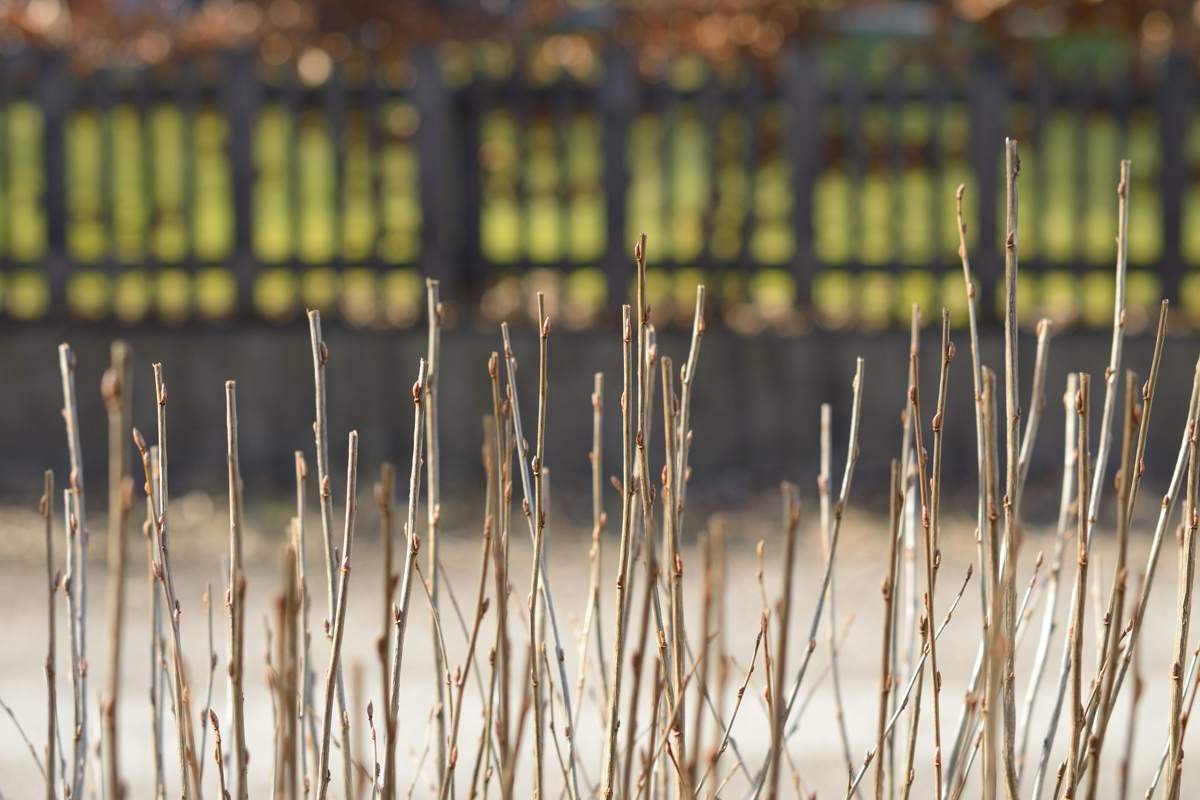

Lines of growth. Of aspiration cut off. Of contrast, natural vs man-made.
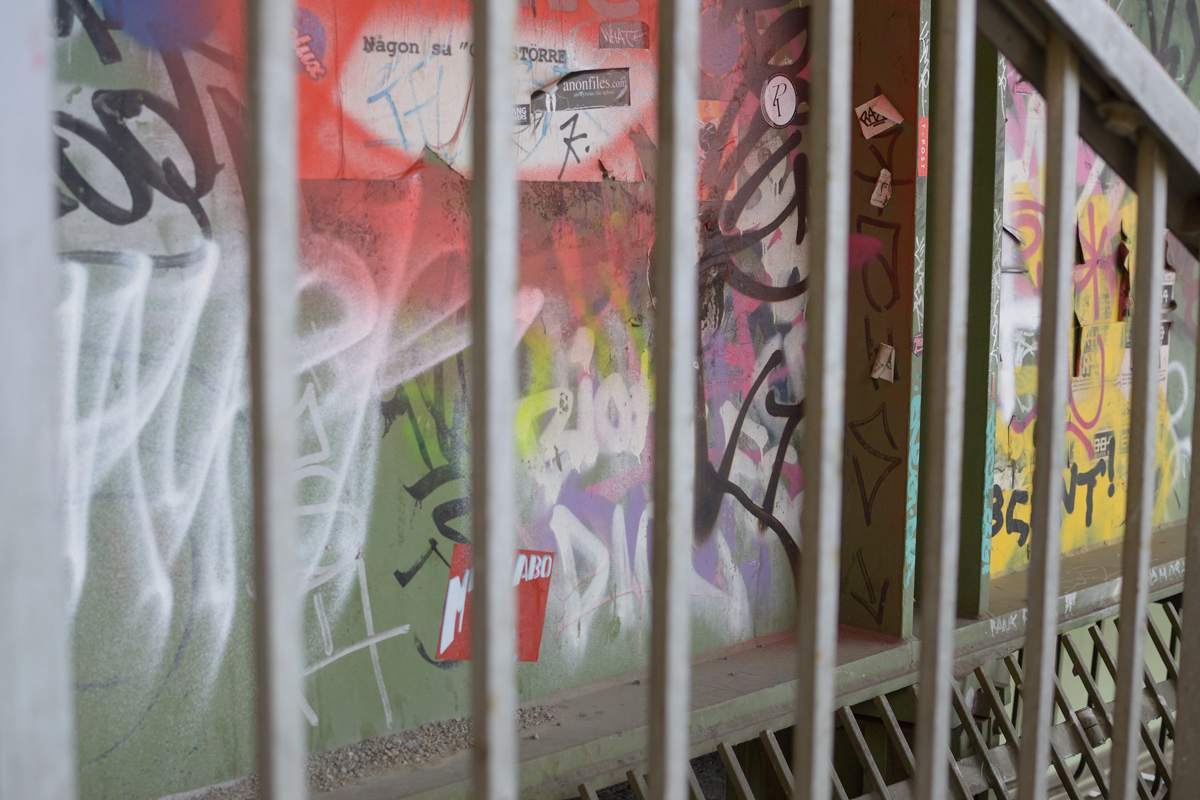
Lines of exclusion. Lines that bar the way, separate, outsiders vs insiders.
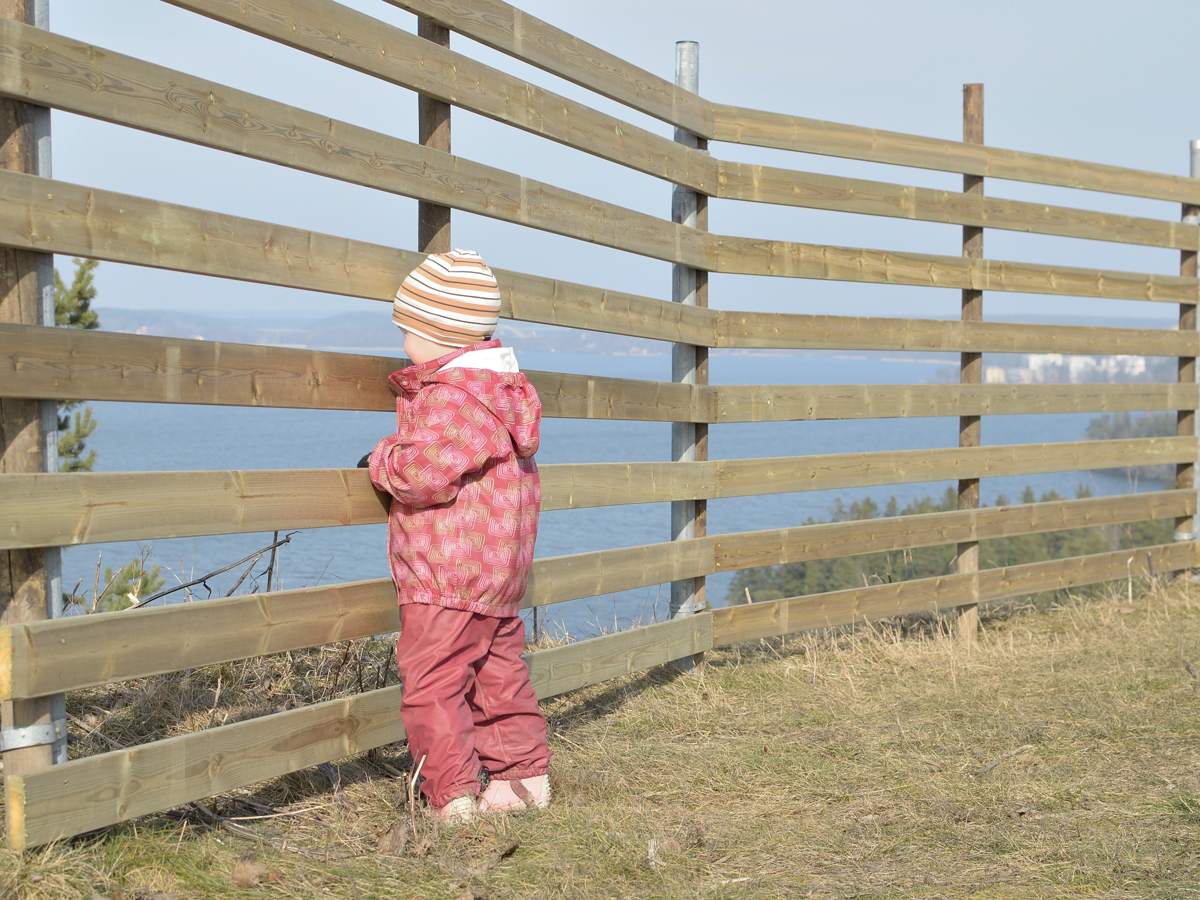
Lines that block but also protect and support.