My to do list has a tendency to grow and grow and never get any shorter. Until some of the items on it grow so old that they become irrelevant and I throw them off the list without doing them.

I think I have finally hit on a solution. The trick is to not stop.

I like the Getting things done (GTD) methodology. I like getting my mental list of things to do down on paper. (My organiser is still as it was in 2006: a set cardboard sheets with sticky notes.) But GTD only helps me know what I should be doing. It doesn’t help me actually do them.

For me the hardest part is getting started. I have this long list of things and I really should do something about it… but maybe a bit later, OK?

I’m like a heavy wagon. Getting the wagon rolling is the hard part. When it’s rolling, keeping it going is not that difficult.

The solution, then, is to minimize starts. Once the wagon is rolling, do not let it stop.

This is the opposite of what I think as the conventional approach, where after some period of work one takes a break. Do some work, then relax for a while before doing more. No no no! Breaks are dangerous! Instead, as soon as I am done with one task, I get up and pick up the next. I only rest when I really run out of energy.

This works best if I am pretty relaxed about which particular task I pick up. Doing some small task, any task at all, is better than thinking about the most highly prioritised task right now but then not doing it because it’s too hard, or I don’t feel like it, etc.

Yeah yeah baby yeah…

I learn better when there is some structure to support my learning. To learn photography, I need a workshop, a project, or some other external support. Left to my own devices I slide back into my habitual groove of taking pretty much the same kinds of photos of the same kinds of things.

I’m in between courses right now. It’s like being between meals: the next meal may be some while away, but you know it’s coming.

I thought I’d keep busy in the meantime. I bought an e-book with 50 chapters and joined a study group that would work through that book over a year. But the combination of a fast pace (a chapter a week) and no real external pressure meant that it was hard for me to keep up the pace, so I dropped out after just a few weeks. It’s still a good book so I hope to work my way through it at a slower pace. At some point.

Then another assignment turned up on a blog. This one had a deadline of almost a month, and (deceptively) simple theme, so I thought I’d play. The assignment was “lines”.

For several weeks I saw lines everywhere. I could not walk down a street without mentally noting: line. Line. Line line line. Lines. Lines.

I took photos of lines, wherever I some some lines I somehow found interesting. And I looked at other people’s photos of lines. But every time I did, I found myself questioning the purpose of that photo.

What is the meaning of these lines? Who cares about these lines? Why?

Well, hopefully that will be part of the discussion of this in the assignment wrap-up, I thought, and looked forward for that follow-up blog post. To my great surprise and equally great disappointment, Zack’s critique post had nothing at all to say about any of this. There was no mention of the use of lines for a purpose, or the meaning of lines. Lines were lines, and that was that. They could be well seen or not, well lit or not, well photographed or not. But they were never anything more than just lines.

And I just could not make myself care about these photos, or the critique video. I left it after 20 minutes and have zero interest in continuing with that assignment series. Totally not my cup of tea.

So what if your lines really make you go “wow, great lines!” or “man, look at those stunning lines”. Who cares about lines?!

Apparently, a lot of people do.

And I’m not saying that lines cannot be the subject of the photo. They can – but in that case they need to say something about something. They might communicate the awesome tallness of a skyscraper, or the stark beauty of an iceberg, or something. Or they may have a supporting role in a photo where the subject is something else: by pointing at some subject, framing it, barring the way to it, etc.

Lines need to have a point, if you’ll pardon the pun.

Today I was listening to a podcast by another photographer while emptying the dishwasher and doing the dishes: Question The Image, by David DuChemin. He also talks about lines (starting at 19:10 in the podcast) and it was fascinating to me to hear how differently he approached lines. In just a few moments he had questioned lines from half a dozen aspects. “Do they lead the eye, do they provide balance, do they form relationships between elements, do they connect things? Do they lead you in to the photograph or out of the photograph?”

Now this is photography with a meaning, photography that says something.

Two well-known professional photographers with blogs. And two so utterly different ways of thinking about photography.
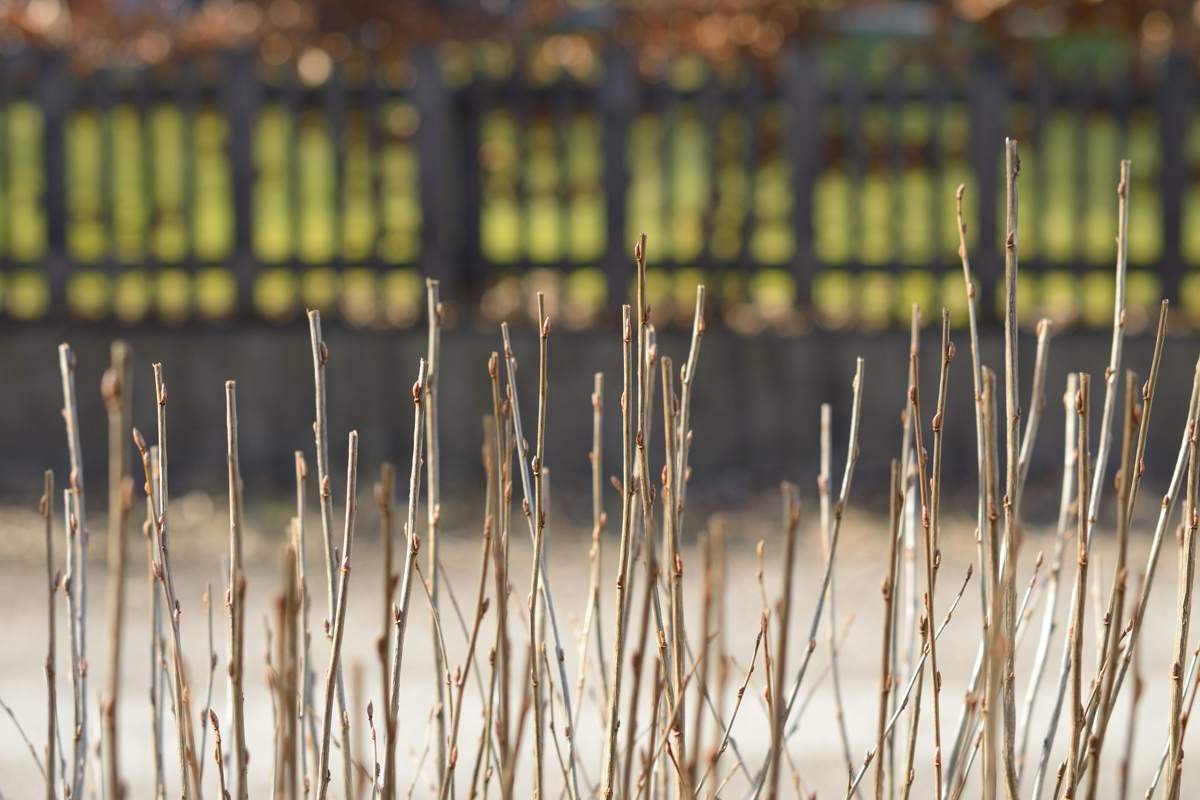

Lines of growth. Of aspiration cut off. Of contrast, natural vs man-made.
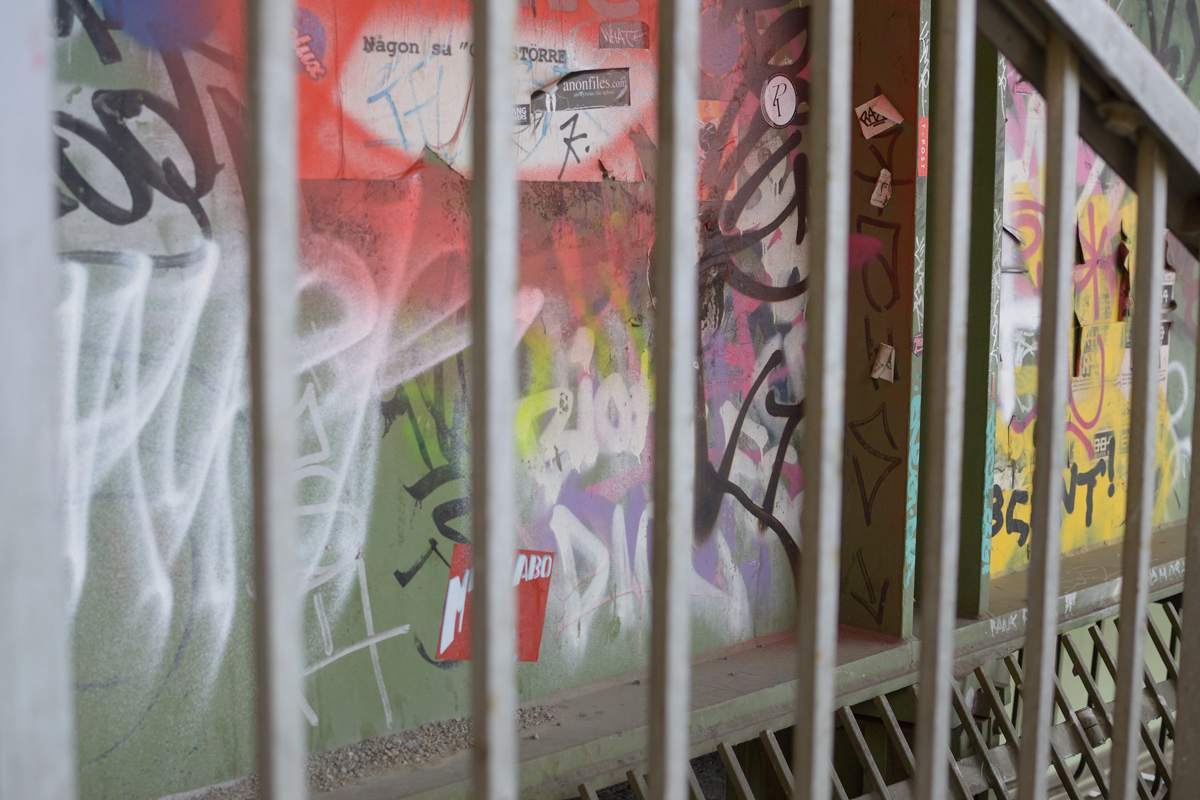
Lines of exclusion. Lines that bar the way, separate, outsiders vs insiders.
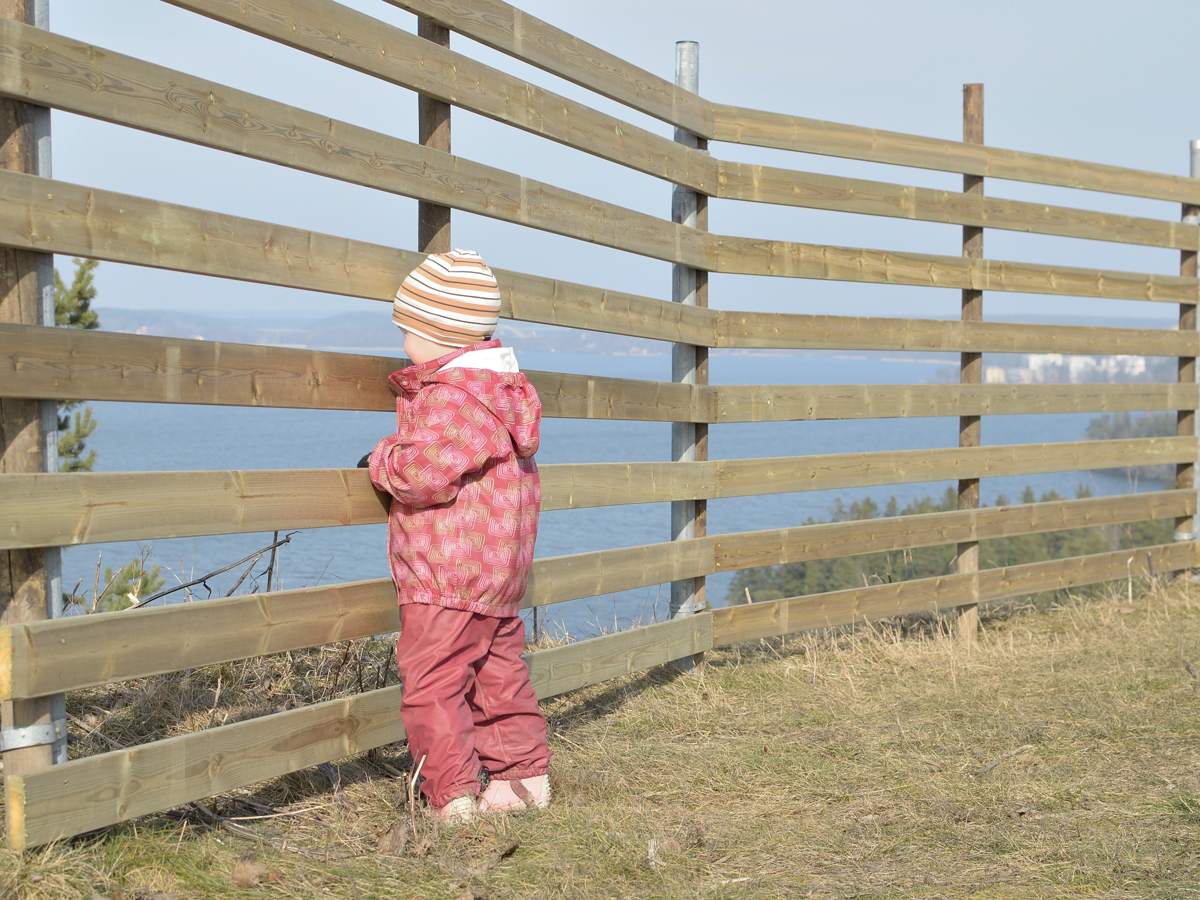
Lines that block but also protect and support.
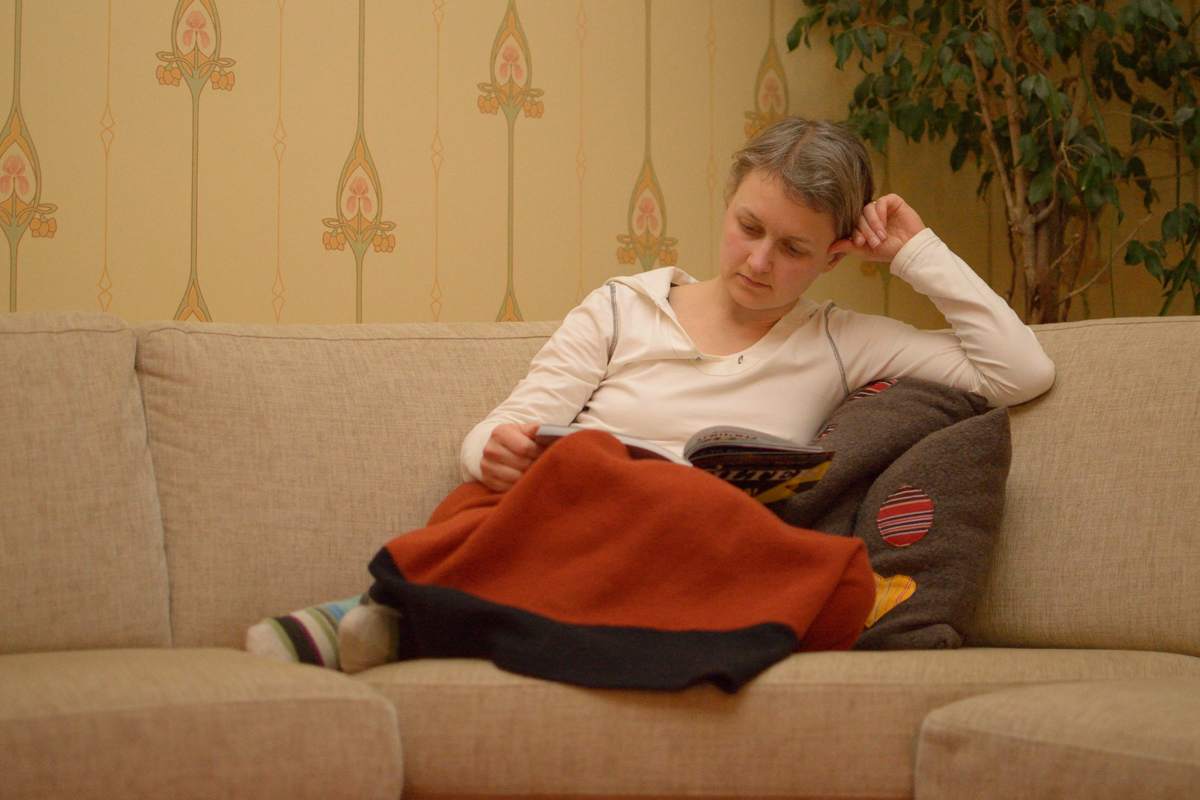
This is me doing what I would have been doing if I had not been taking this month’s self-portrait: reading.

The kids are gradually growing up and even Adrian is leaving the messy toddler phase. Washability is no longer the primary criterion when I buy new casual clothes for myself. I no longer rush to change out of my work outfit into child-proof clothes the moment I get home – I now allow myself to wear nice-looking things at home, too, including the occasional white item, and even wool cardigans that cannot be machine washed.

My body is wider than it really is.

There is this concept of personal space: the space around you that psychologically “belongs” to you. If people get inside that space, you feel uncomfortable.

I’ve noticed that my physical body also extends outside of itself. When people walk towards me in a tight place, such as a narrow pavement, I often misjudge the space we have.

They walk towards me. I walk straight ahead, and I’m right up against the wall on my other side, and I can’t get out of their way.

I am sure we will walk right into each other. I brace for impact.

And then: nothing. Maybe our elbows brush, barely. Maybe not even that.

I had a most liberating haircut this week. I love having my hair short.

Haircuts are tricky things. For a long time I was more or less unhappy with all the salon haircuts I got. Some just had no skill; some did not listen at all to what I asked for.

I got a good haircut at a hairdressing school in 2008. Then I tried out the various salons around Odenplan which is where I worked at that time. When I found a good one, I stayed, and I hope she never retires. So now I take the train to Odenplan whenever I need a haircut.

Yesterday I said I didn’t buy or make things that are only beautiful but not useful. That requires some clarification, I think.

I do like buying and making things that make our home more cosy: curtains, rugs, potted plants, and plants for the garden. Those are beautiful but not very useful.

I also like necklaces, and wear them on most days. Those are definitely not useful. But they are more practical than rings and bracelets, which I hardly ever wear.

I am too practically-minded and frugal to buy necklaces for myself nowadays. Although now that I think about it, maybe I should.

However I do like getting necklaces as gifts. In fact I think the majority of my necklaces have been given to me. Mostly by Eric, but also some by my mother, and some by other friends.

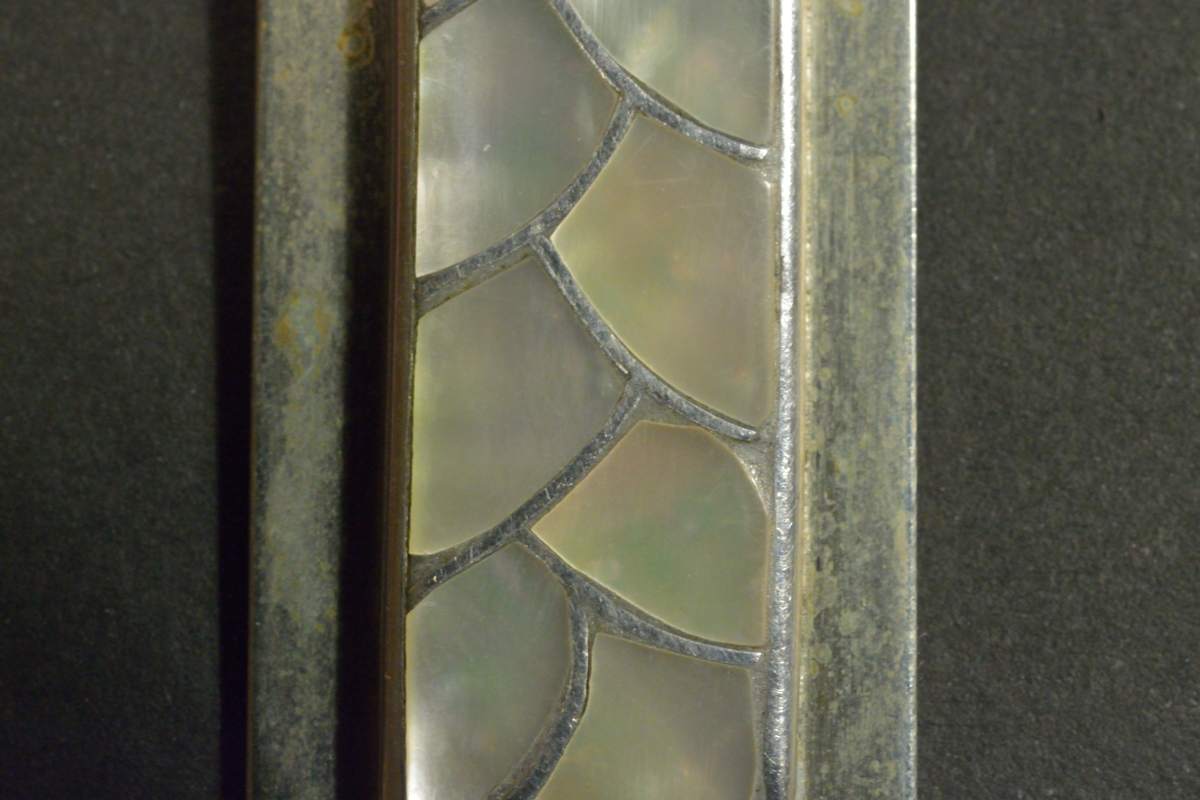
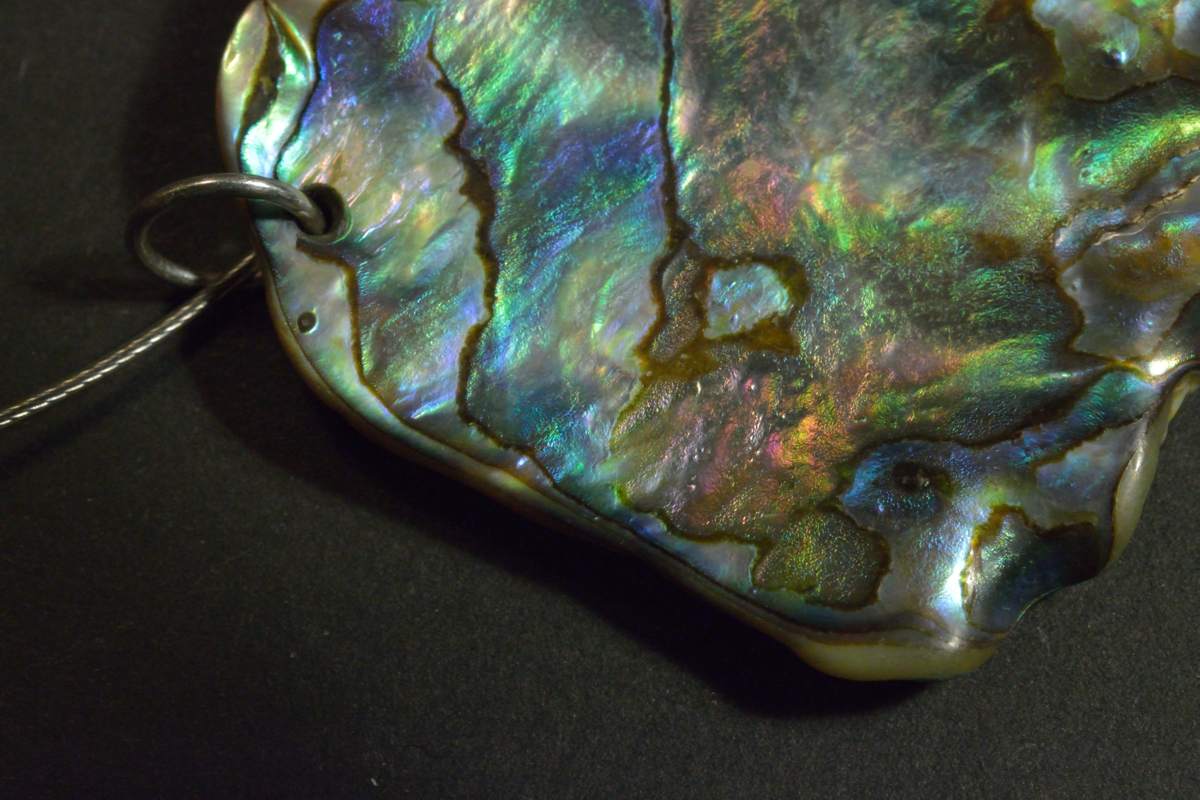
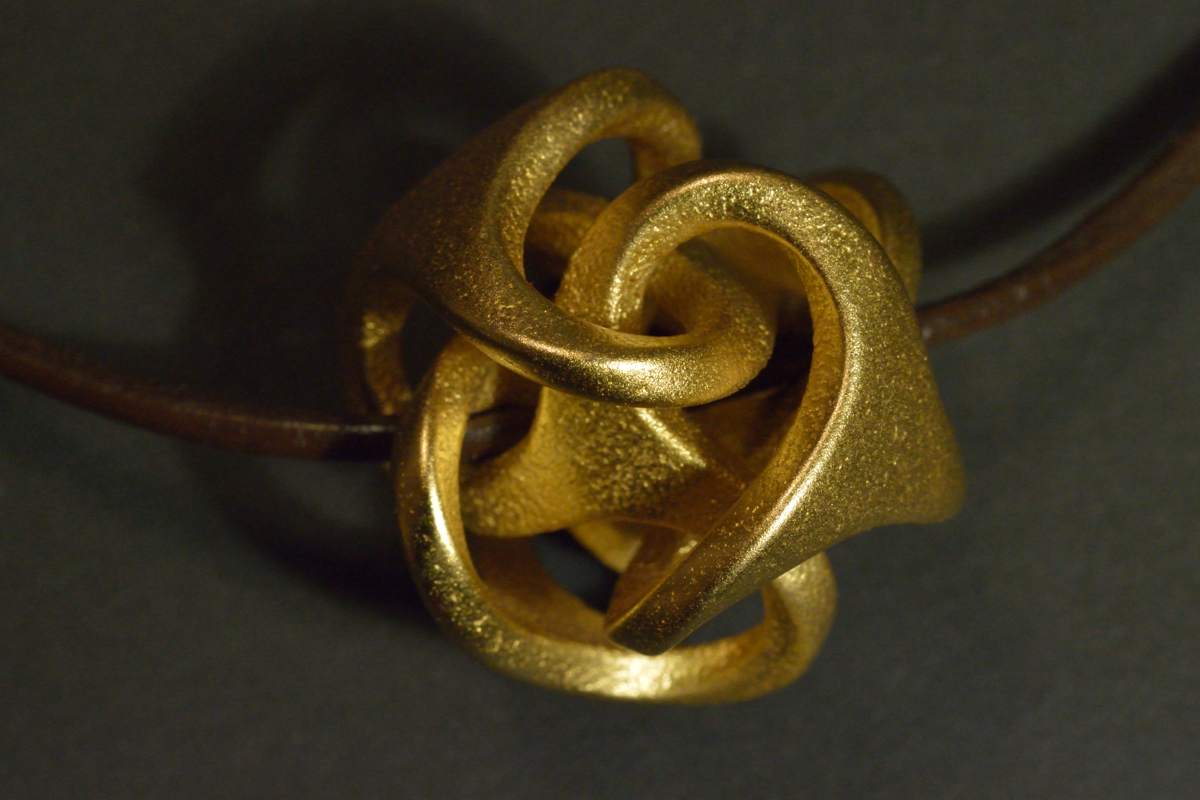
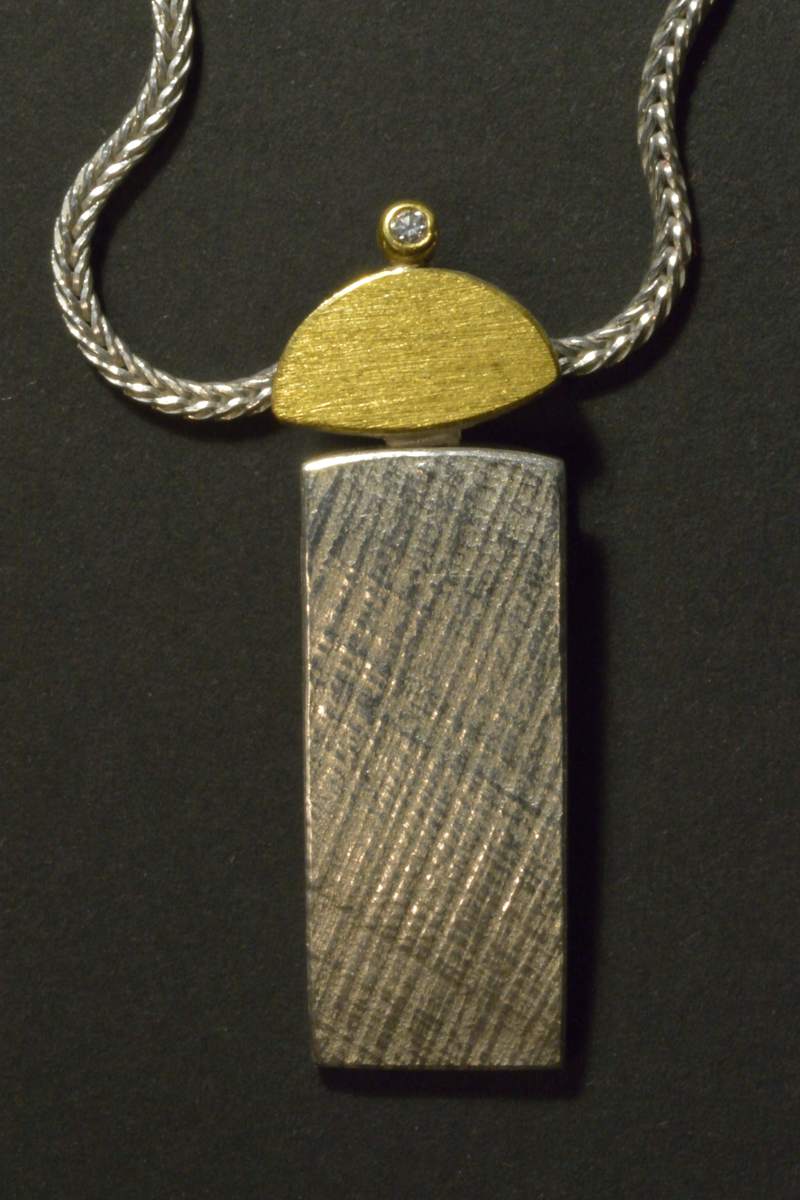
I like unusual, non-traditional, interesting necklaces: no strands of pearls for me! I have necklaces made of wood, of mother-of-pearl, of stainless steel. I have one that is made out of a silver fork, bent into a curious shape. I have a gilded lettuce leaf, and a 3d-printed geometrical structure.

Some of my favourites did not photograph well in lamplight; here are the ones that turned out well.

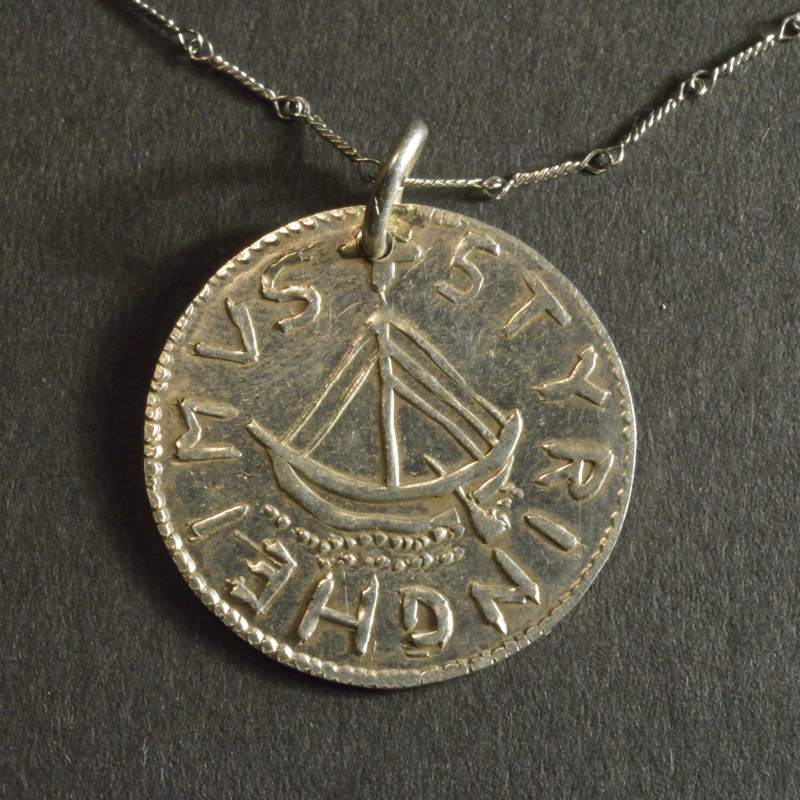
This was the first necklace I bought for myself. It is a silver pendant, designed to look like a Viking coin (but not a real one). The size of my thumbnail and paper-thin, and on an almost-invisible chain: an economical purchase for a teenager. But I still like it after all these years.

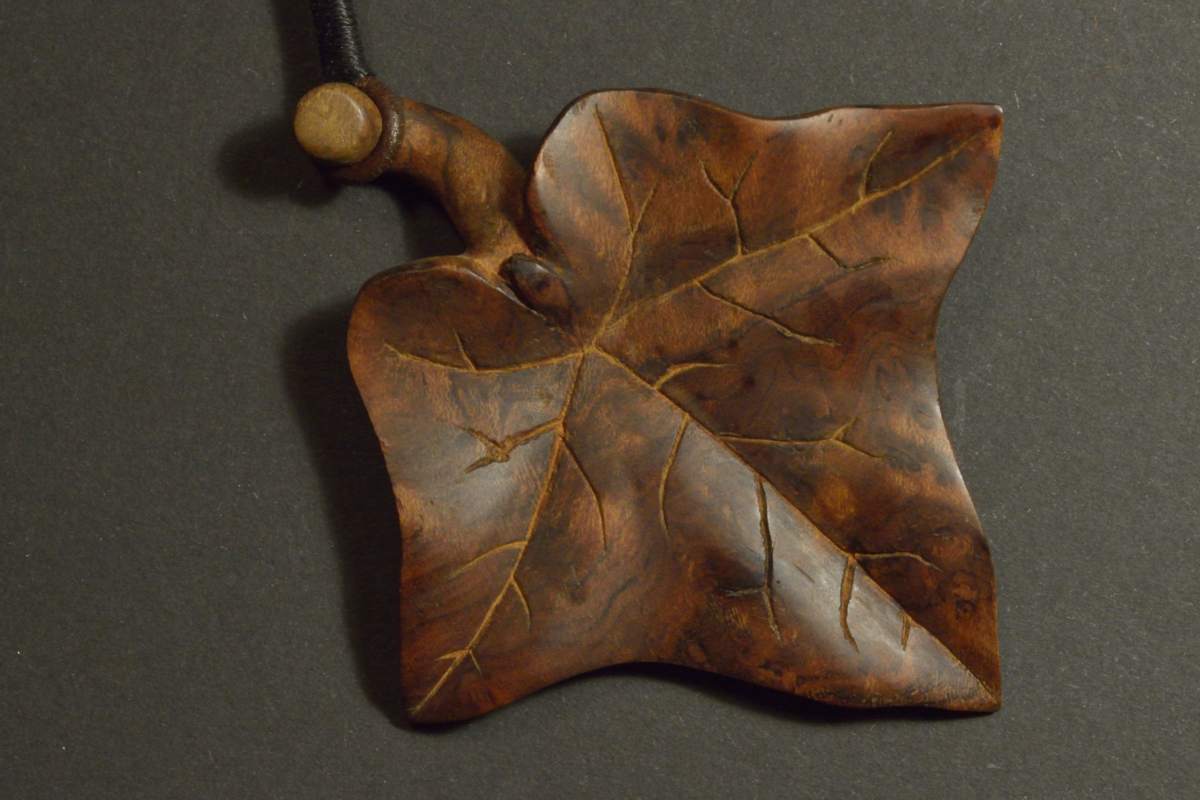
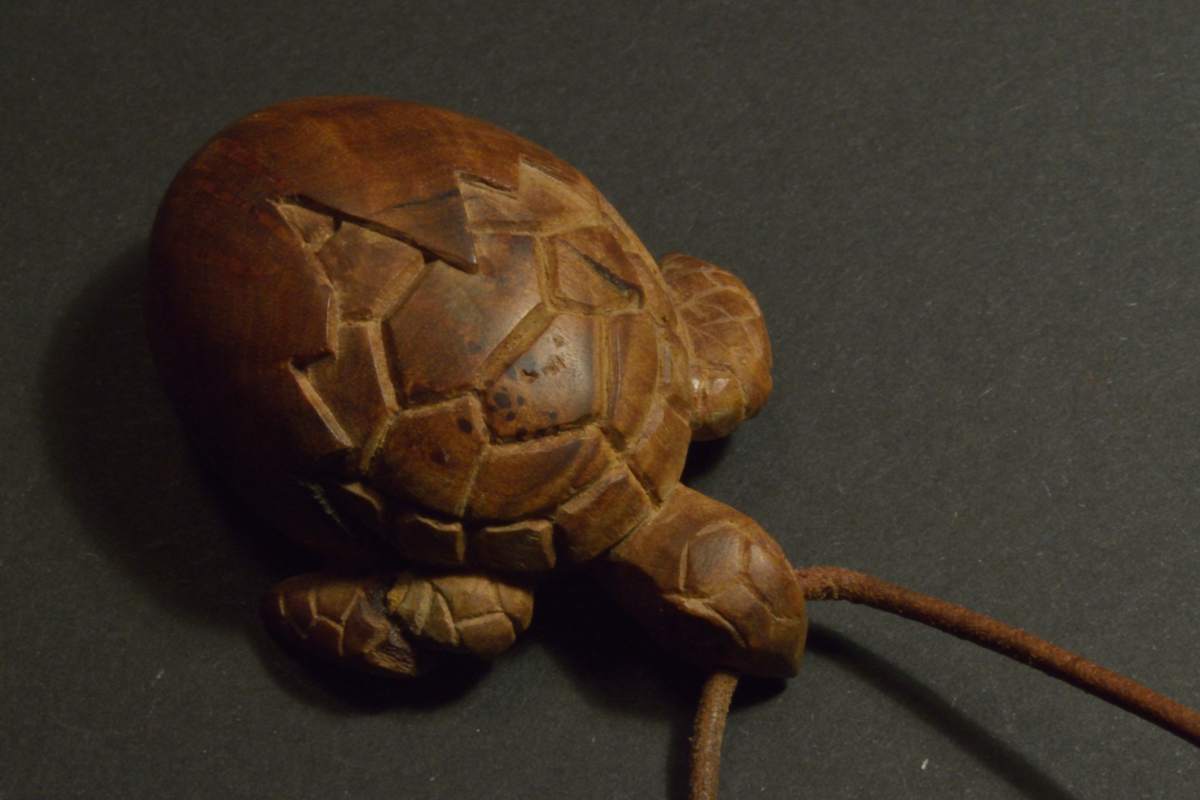
These wooden ones Eric made for me:

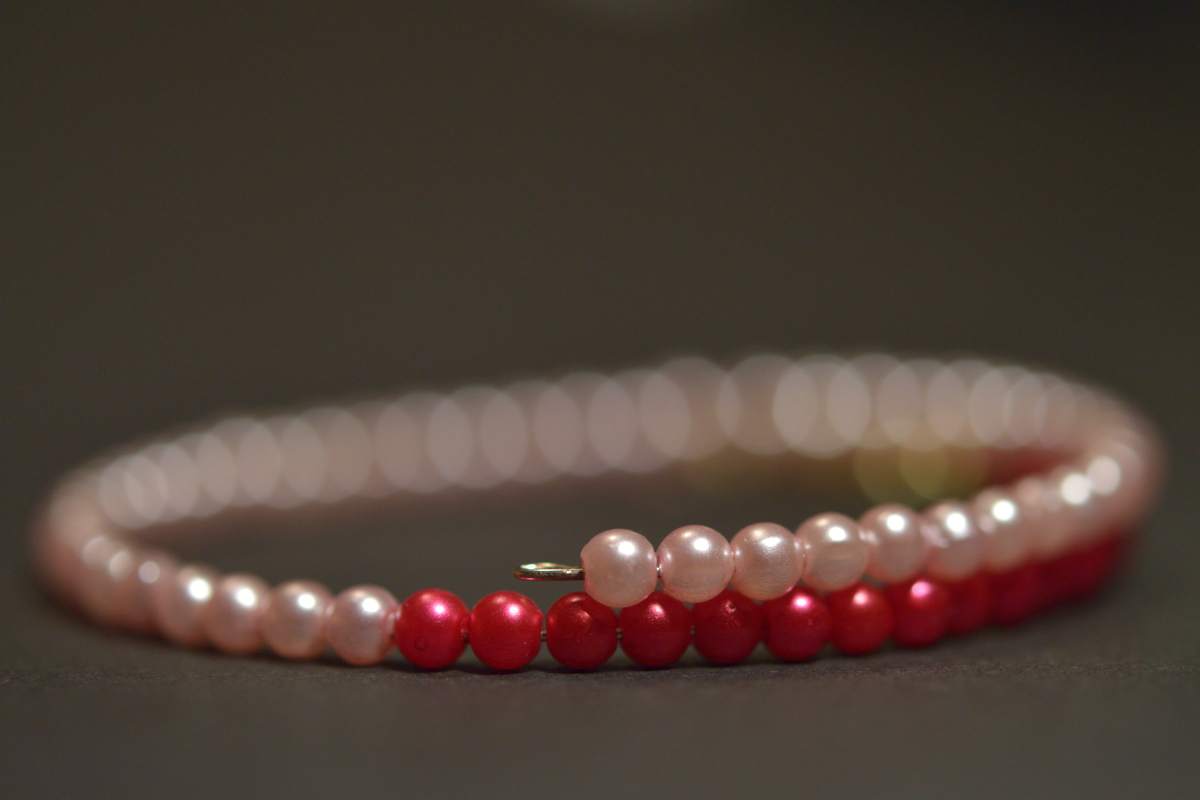
Ingrid made this bracelet:

Mother-of-pearl and steel:

3D printed tangle:

And here’s a more traditional one:

One of my challenges for the macro course is to find subjects that are somehow meaningful to me. It’s a self-imposed challenge, not part of the course in any way. It’s simply that I find it difficult to really be interested in subjects that are only pretty. I can look at a sunset and find it beautiful, but I don’t feel any need to photograph it. I am much more interested in documenting our everyday.

My aim with photography is to document rather than to make art. Ten years from now I’d love to look at a photo and remember – “Oh yes, that’s exactly the face Ingrid used to have while reading! There’s Adrian with that favourite hat of his!” Much better than “Oh yes, look at how beautiful this is!”

Likewise I almost never buy or make things that are only beautiful but not useful.

I like that quote of William Morris:

Have nothing in your house that you do not know to be useful, or believe to be beautiful.

But to me the ideal is to achieve both. Beauty should be there to make a useful thing worth loving.

Back to the macro course…

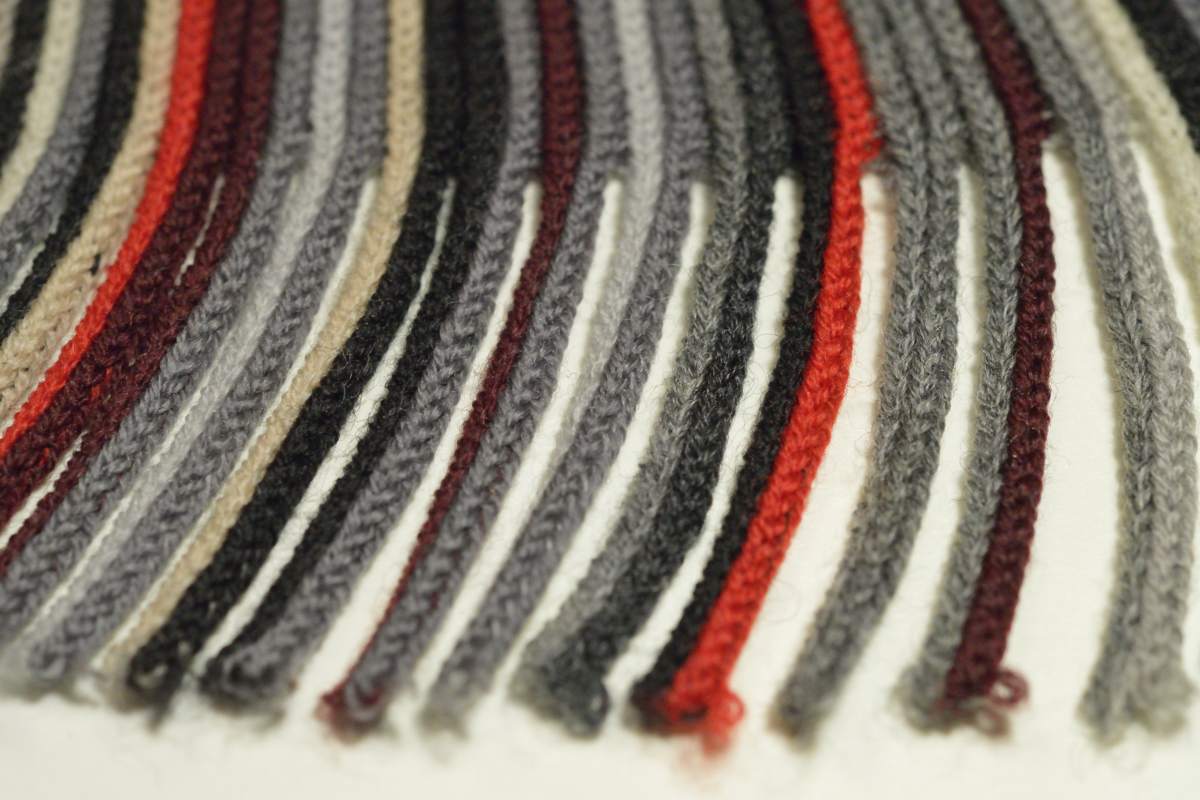
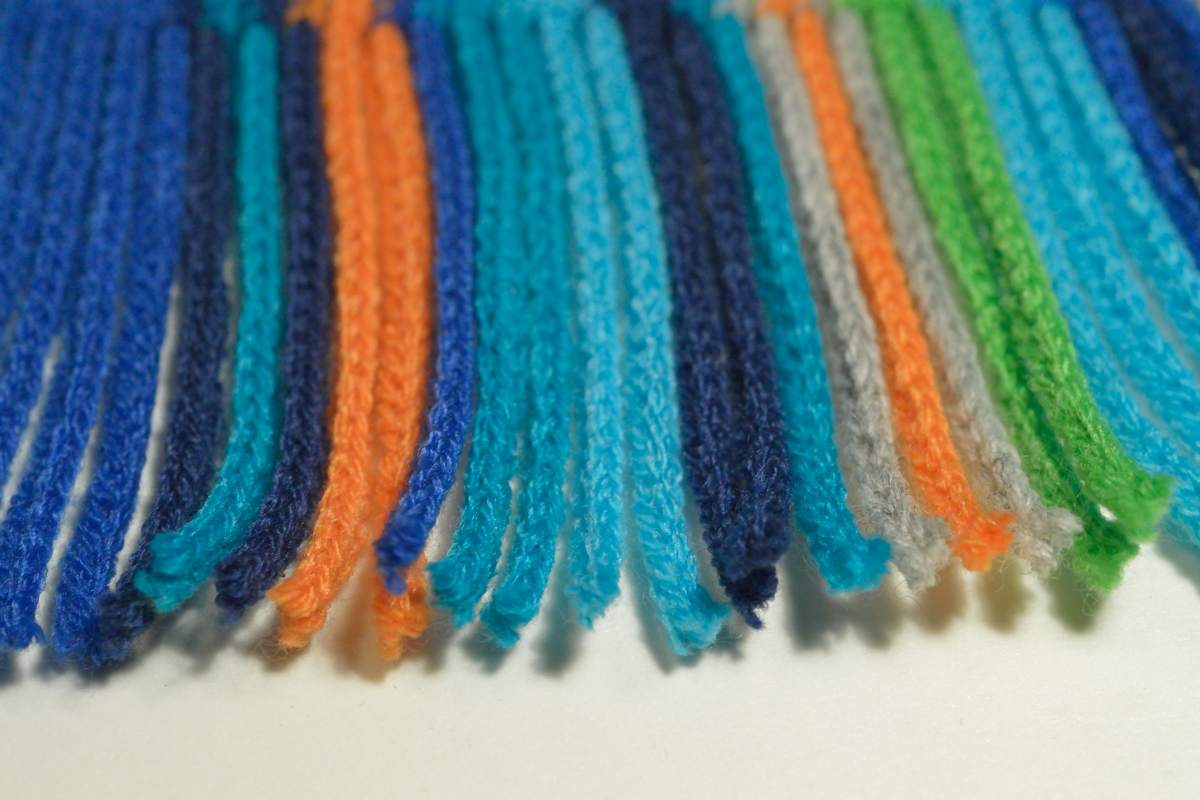
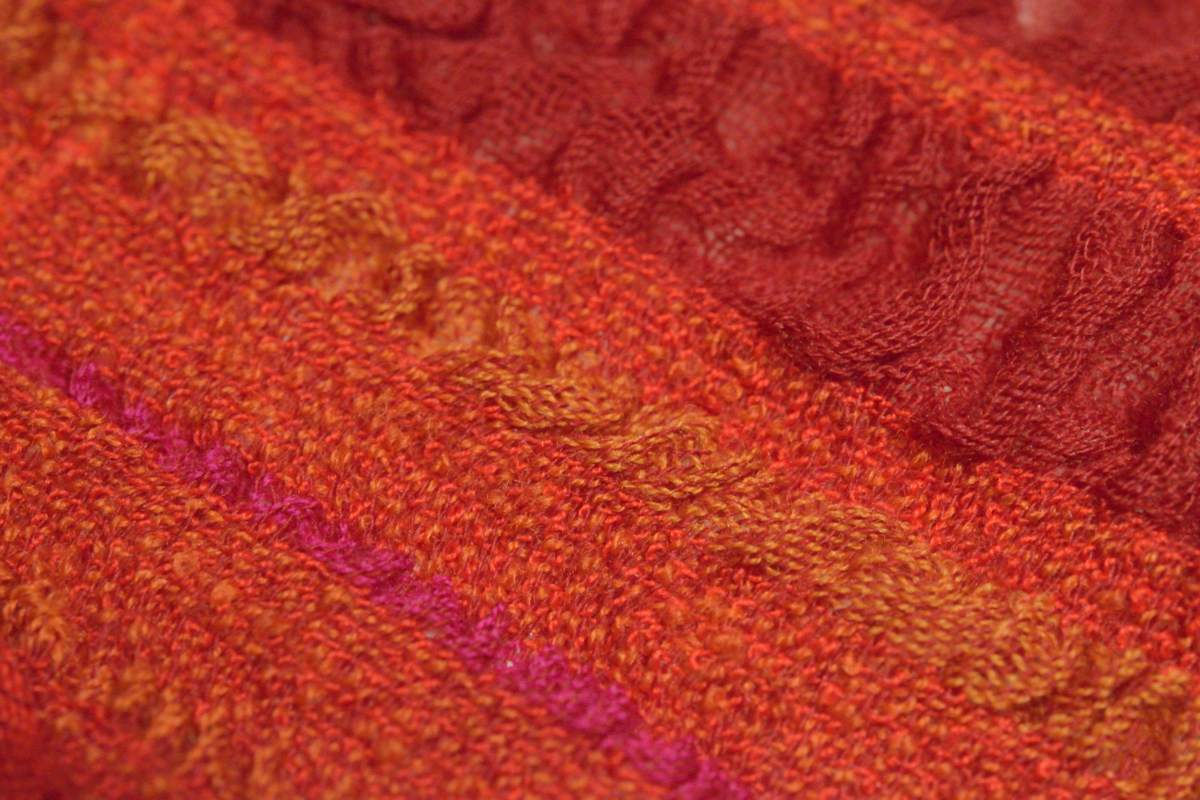
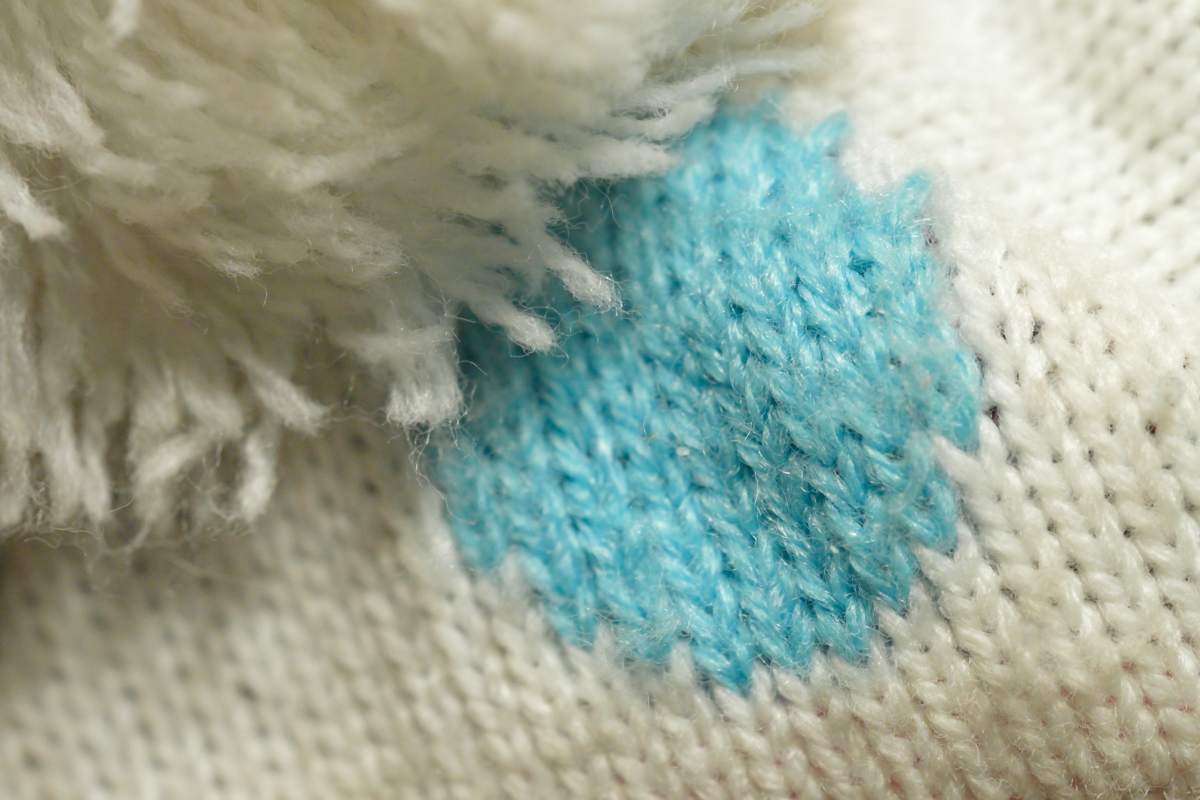
First out were toys. Today, a selection of scarves – as a reminder of the wintery weather we’ve been having recently, and also as a sampling of our different tastes. Ingrid is very warm-blooded and almost never wears a scarf, so for her I photographed her favourite woolly hat instead.


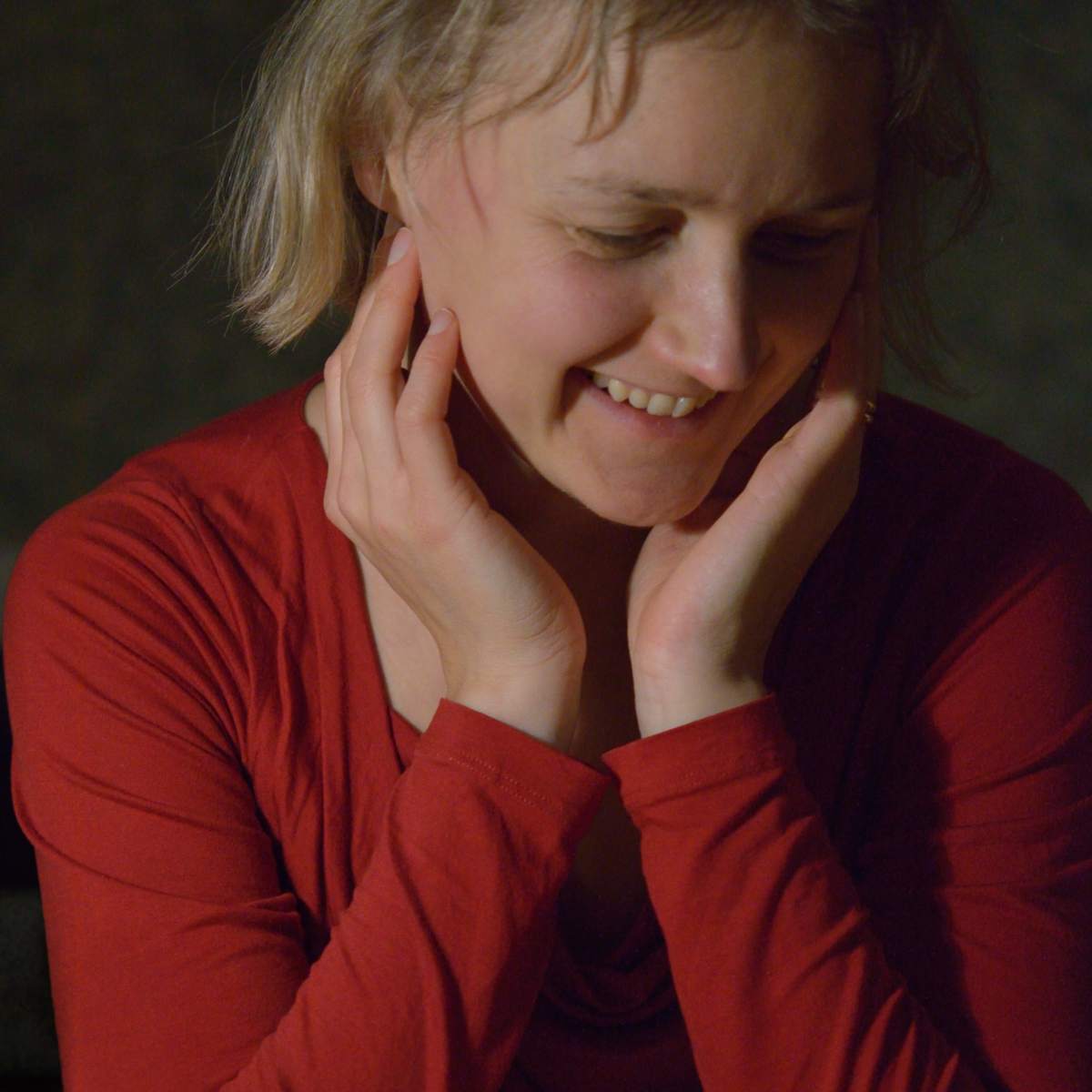
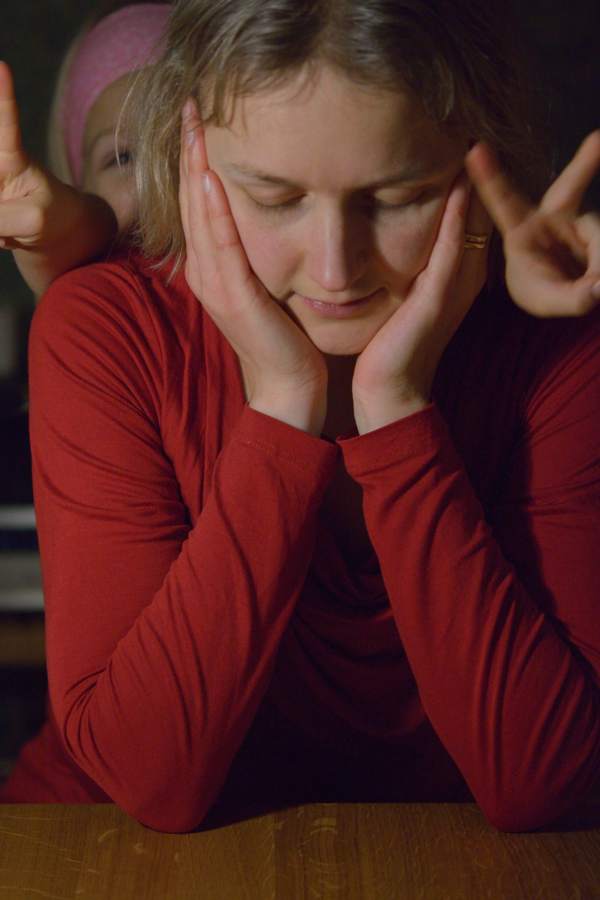
It is difficult to get a self-portrait with a genuine smile. I might achieve a slight smirk at best. Luckily Ingrid came by and helped me.

Achievements:

  • I started learning photography for real. Switched to manual mode on my camera, joined a photo community and took courses. I’m extra pleased that I have started taking self-portraits.
  • We finished digging out the slope of weeds and built a retaining wall instead. Did I post any photos of this? No? I guess I’ll have to do that next year when we fill up with fresh earth and plant stuff there.

Events I will remember:

Memorable non-events: