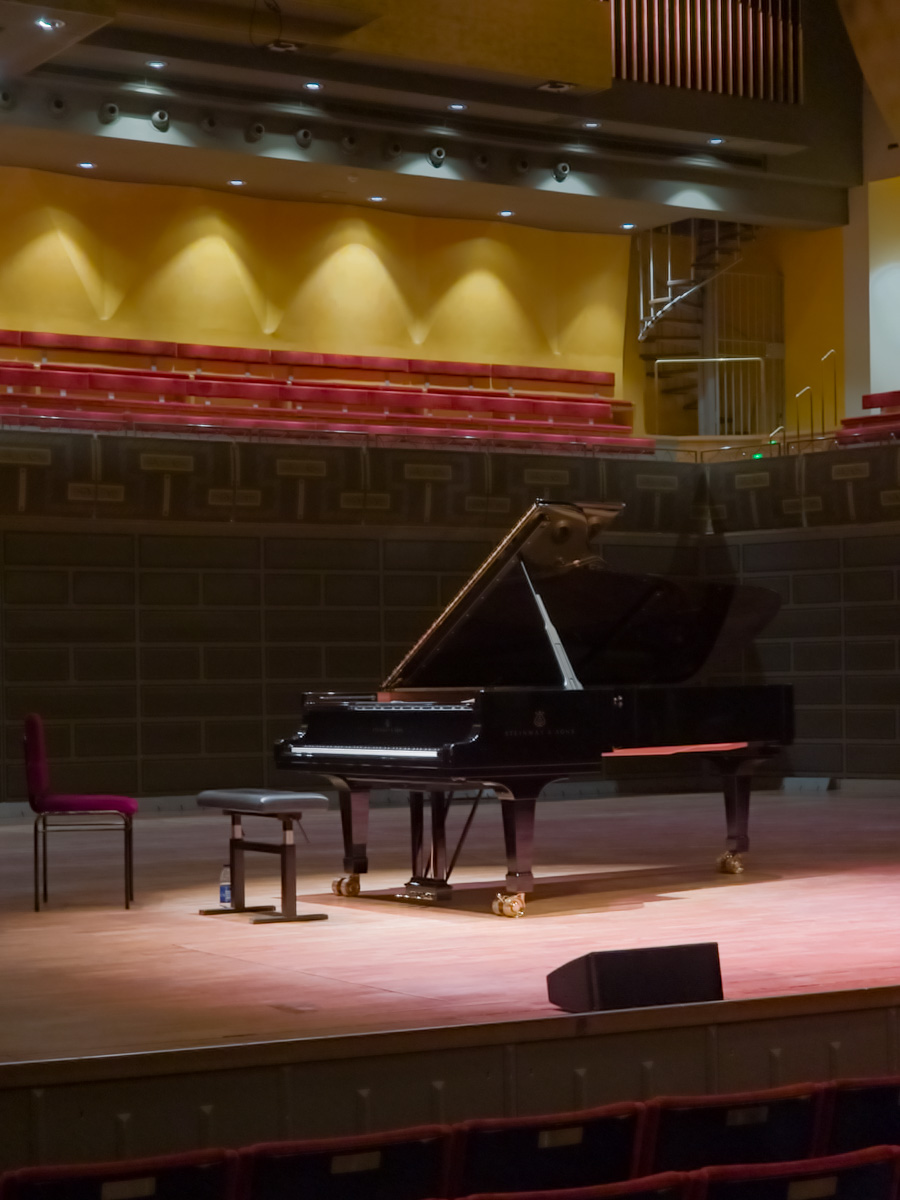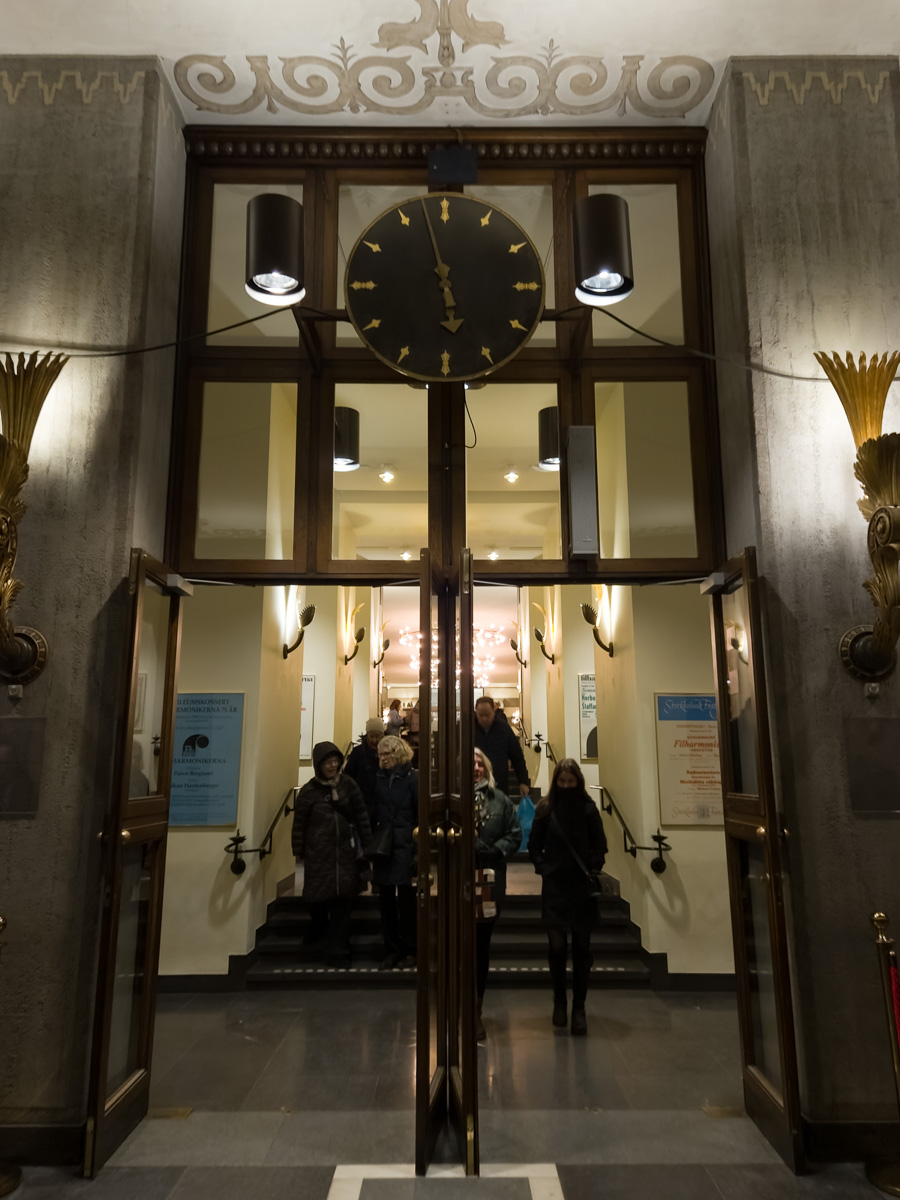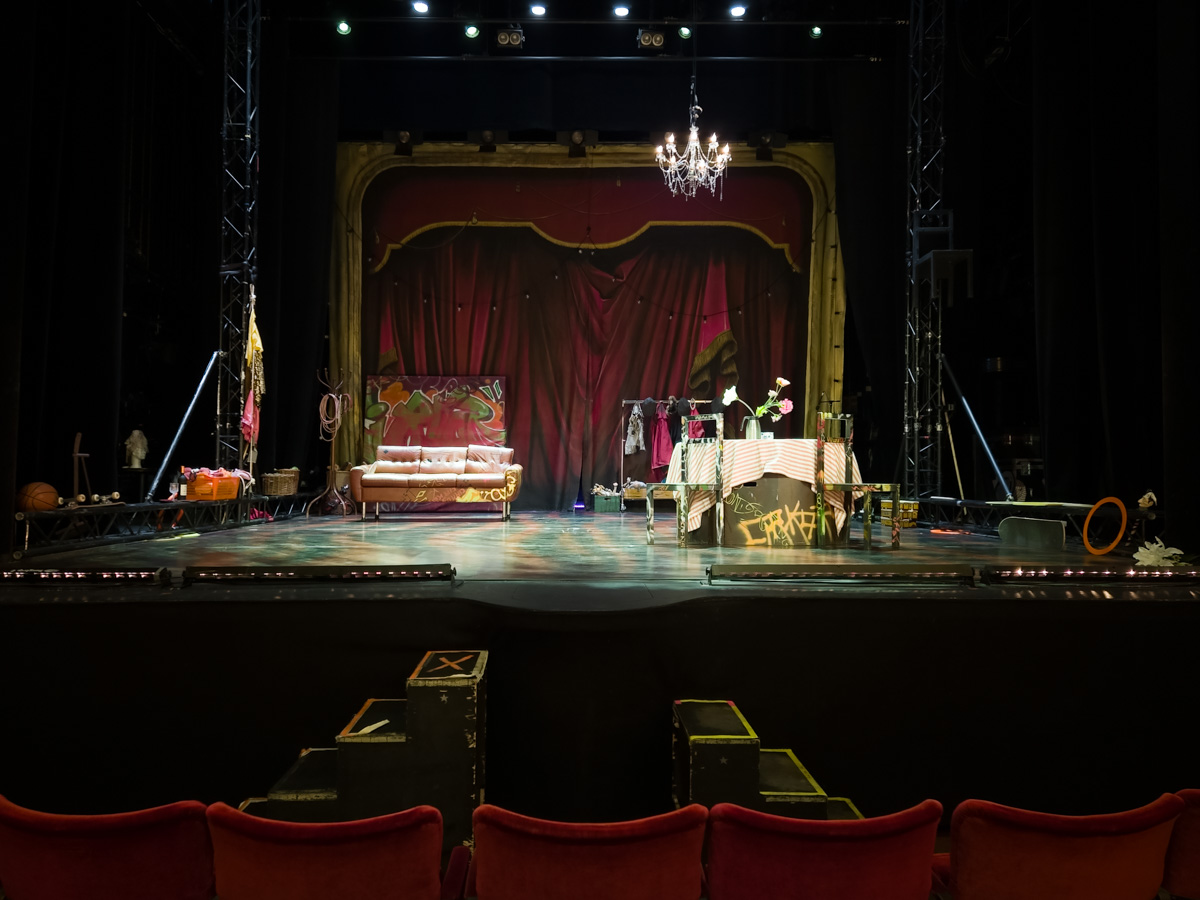
The piano recital series at Konserthuset. Pierre-Laurent Aimard with Bach’s The Well-Tempered Clavier, Part 2. Lovely, but also rather intense, with 140 minutes of focused listening. I was running out of energy towards the end and maybe a little bit less enraptured with the last four pairs or so.

Several parties in the rows in front of me left in the interval. I absolutely support walking out of a concert that isn’t doing it for you (if you can do it without interrupting). Still, it surprised me, that someone would choose to do so with this particular work. To me, this was – well, not quite the easiest music to listen and enjoy, but definitely not one that takes a real effort (like John Cage). You get a theme nicely and clearly presented at the beginning of every fugue and then you can follow it around all its twists and turns, like a guided tour.

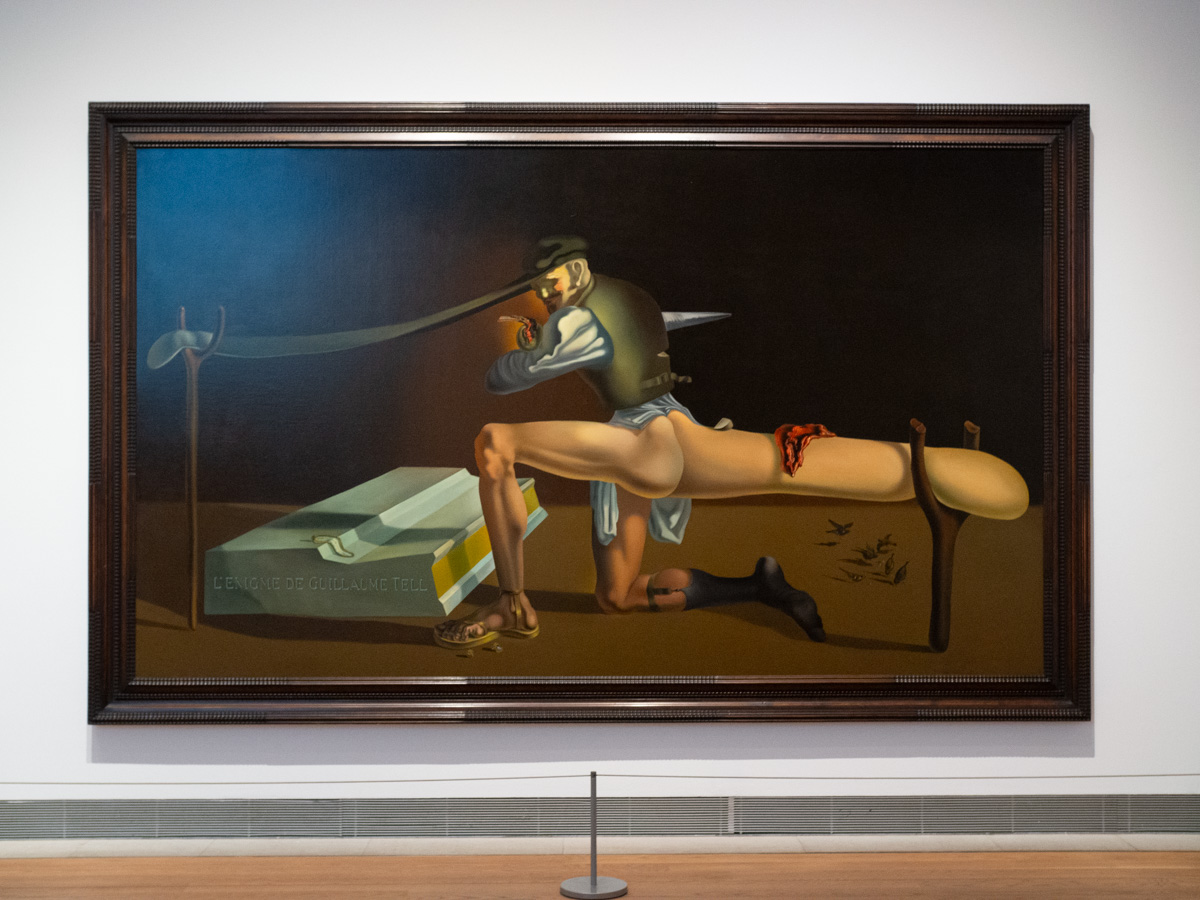
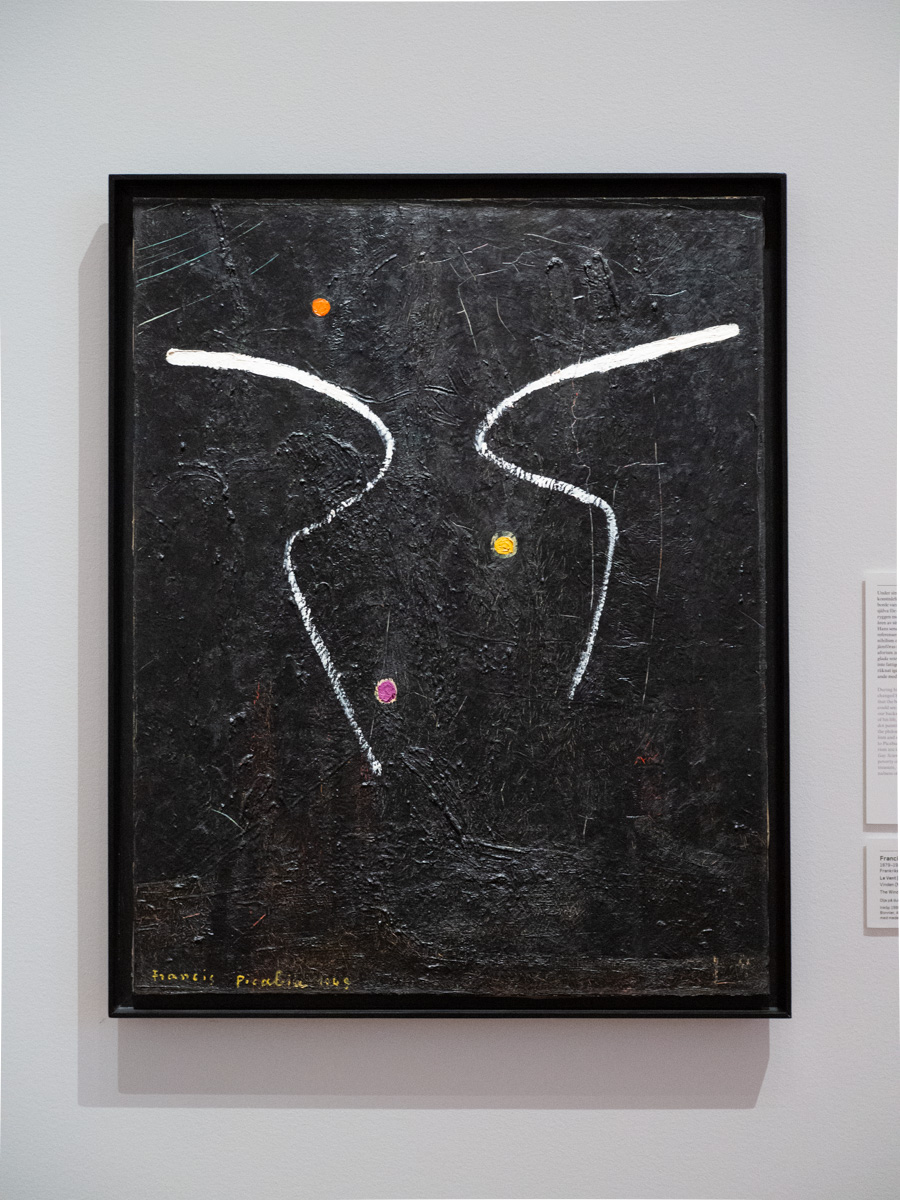
Ingrid and I went to see The Subterranean Sky – surrealist art from the collections of Moderna Museet.

We were confused and disappointed. Most of the works exhibited were not actually examples of surrealism, or at least not what we thought surrealism to be. Maybe we’re not educated enough.

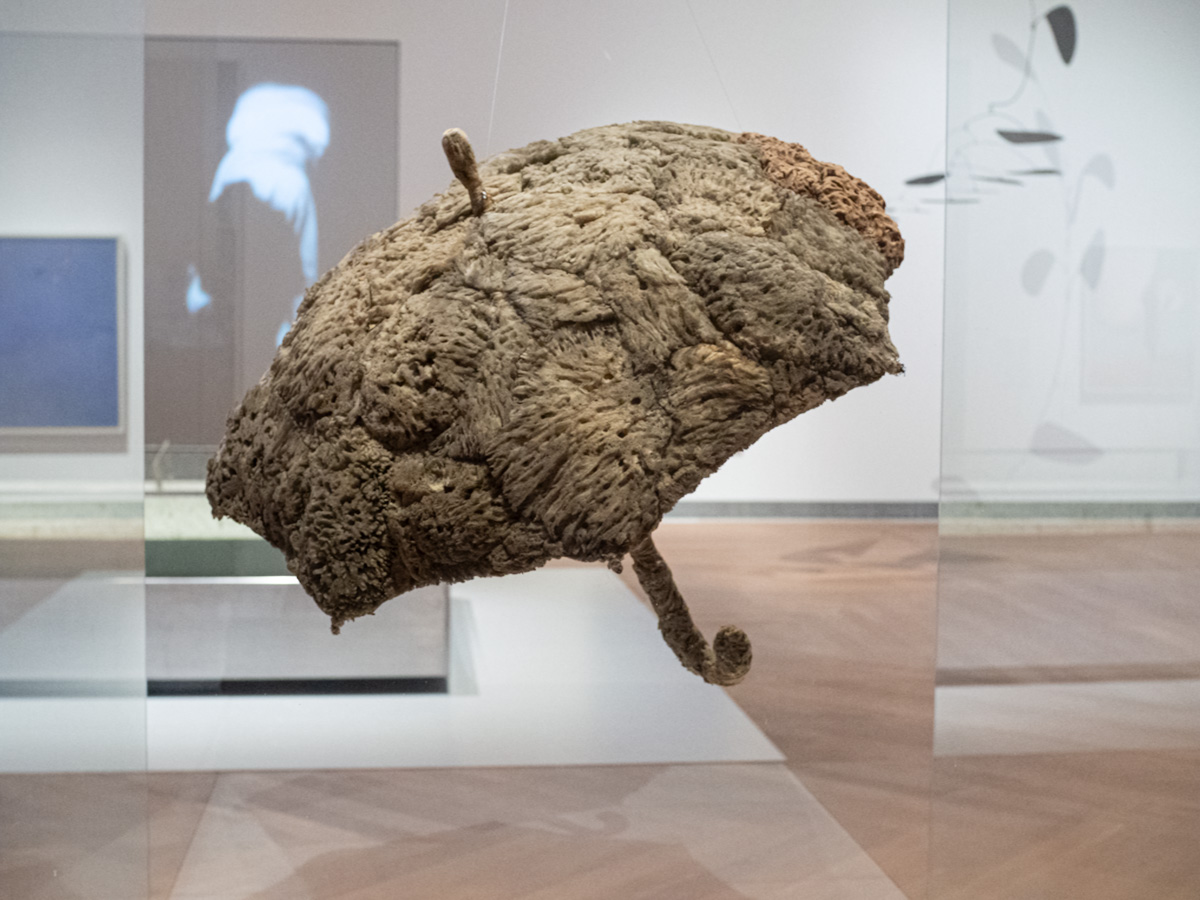
There were some works of obvious, well-known surrealists such as Dali and Magritte, and Bunuel. And a rather bizarre umbrella clad in sponges. I have to wonder if the sponges looked so dead and brown and close to disintegrating into dust when the work was first made.

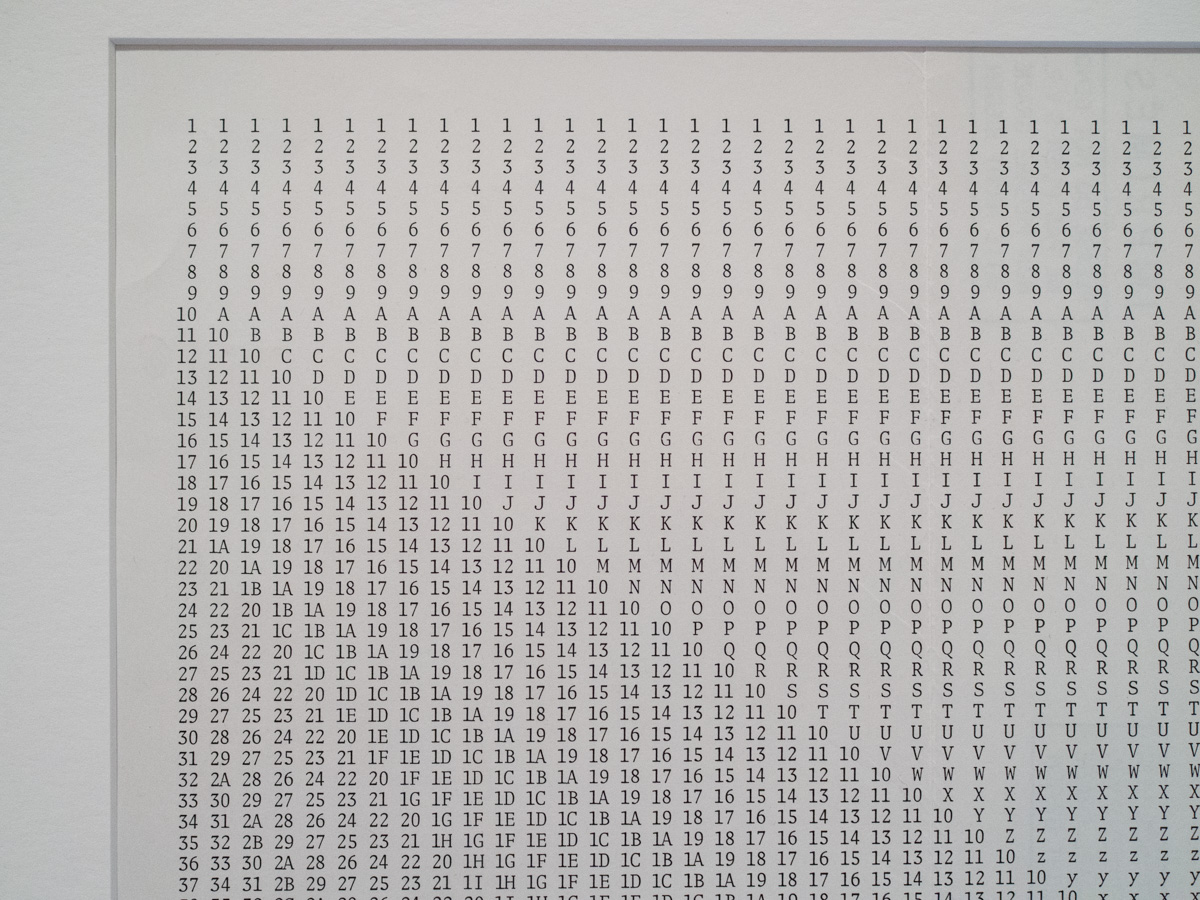
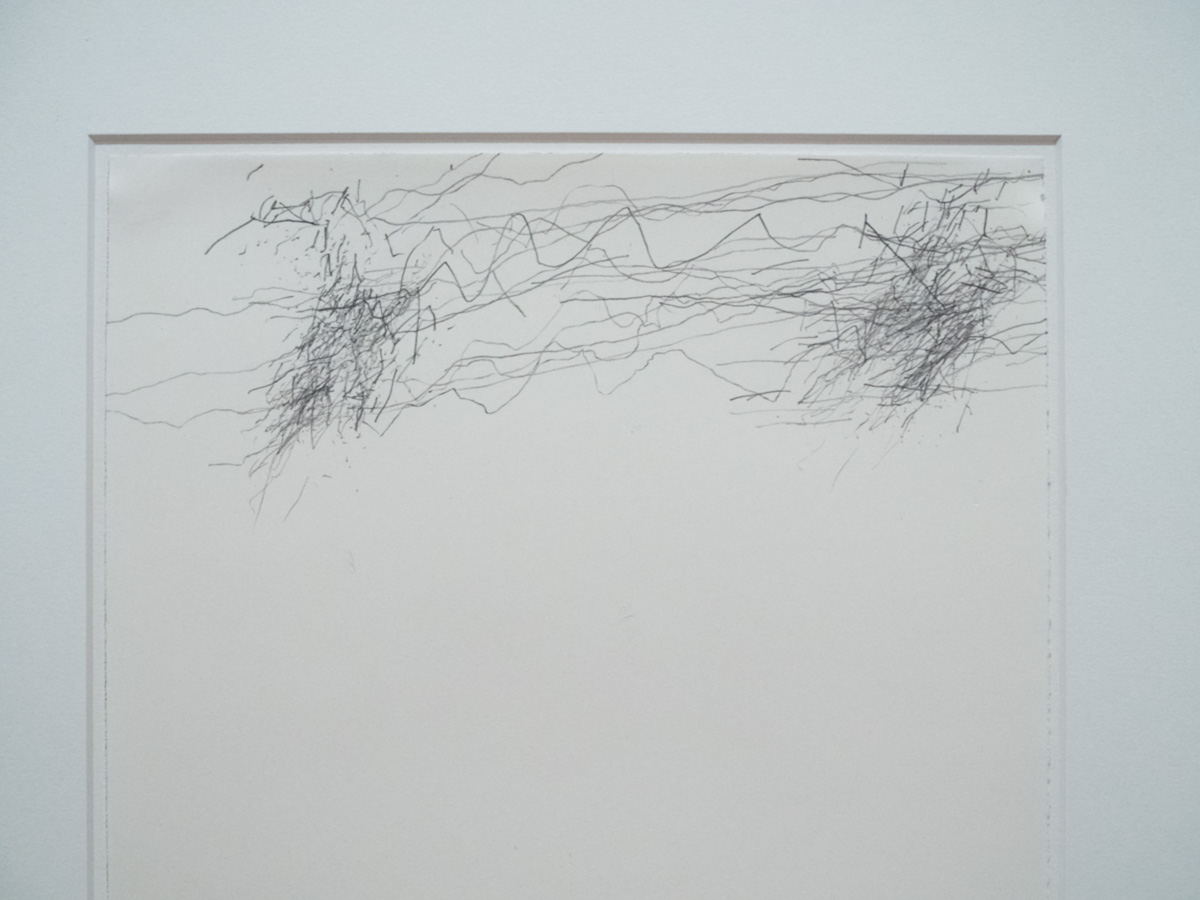
But then a whole lot of what I would have called abstractionism and dadaism: drawings generated automatically by the artist’s hands as they were shaken during a train ride; lines depicting nothing. One of Alexander Calder’s mobiles. Why were they there? No idea.


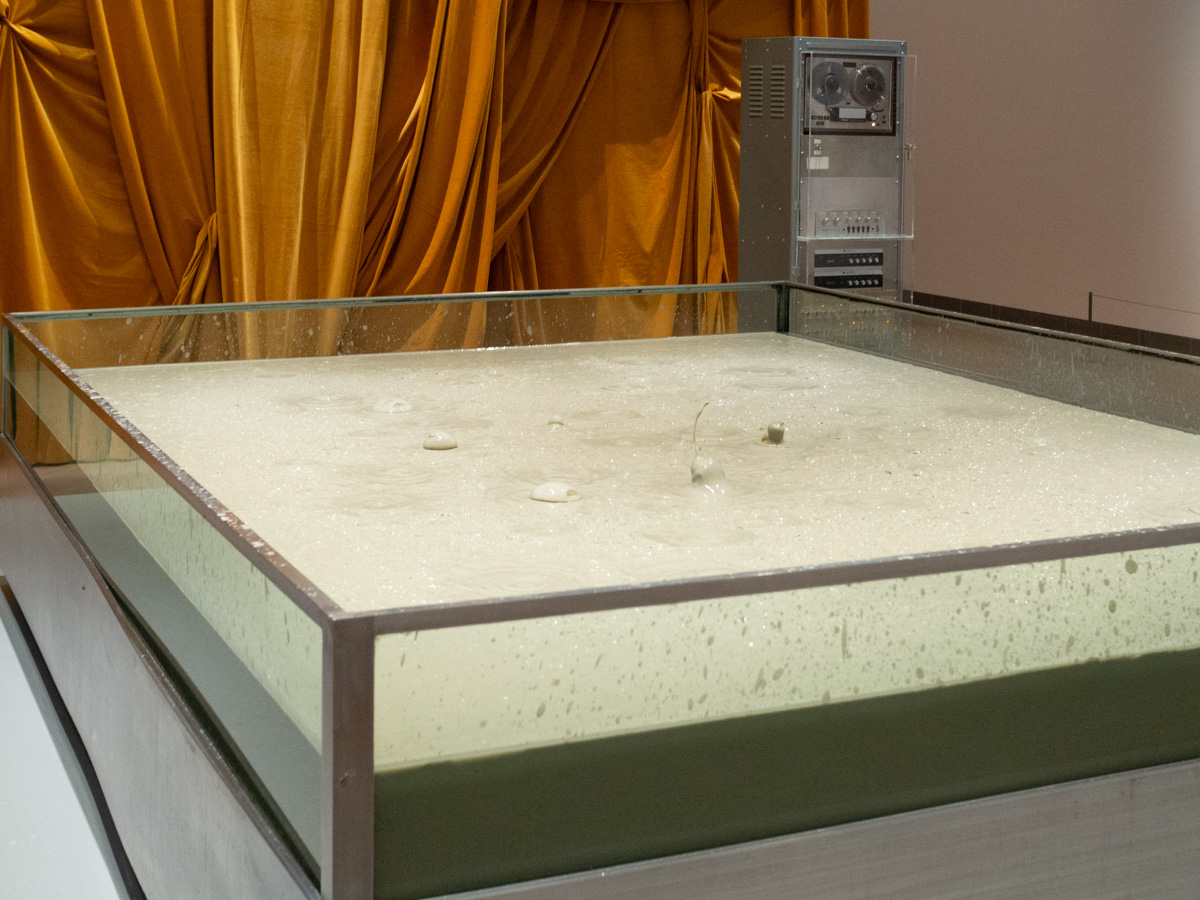
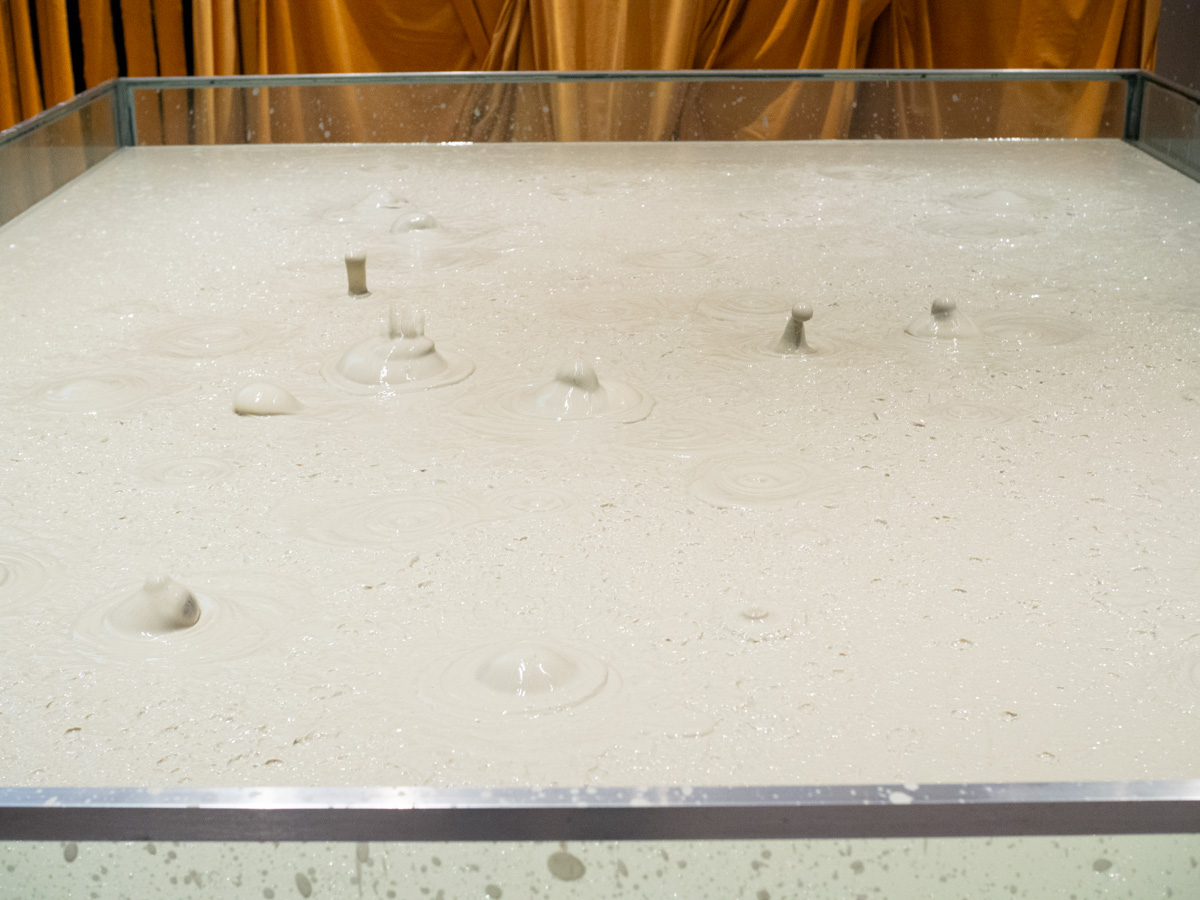
Robert Rauschenbergs “Mud muse” was, in my opinion, also not surrealism, but it was at least kind of fascinating. A pool of liquid mud that bubbled and erupted at seemingly random moments. The eruptions were energetic enough that the pool was surrounded by a splash zone with small dried spots of mud. It turned out to be not random but triggered by sound. I was hoping that meant sound detectors, but no, it was controlled by a recording that was, disappointingly, not even made audible.


So… yeah. Not very impressed.

Vivaldi at Konserthuset. I had been more or less resolved to not continue with the Baroque concert series next season, but this was so great that it’s making me reconsider.

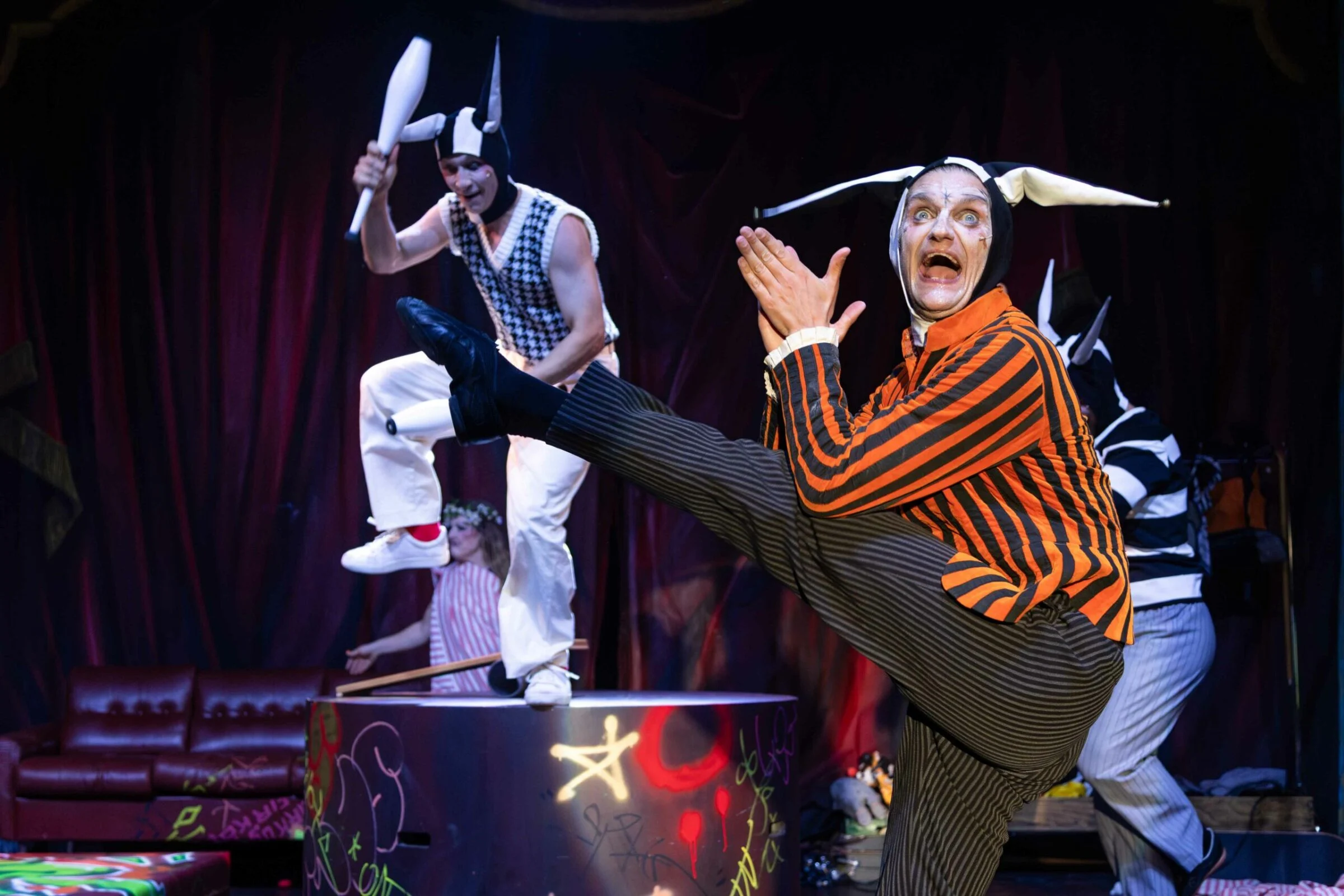
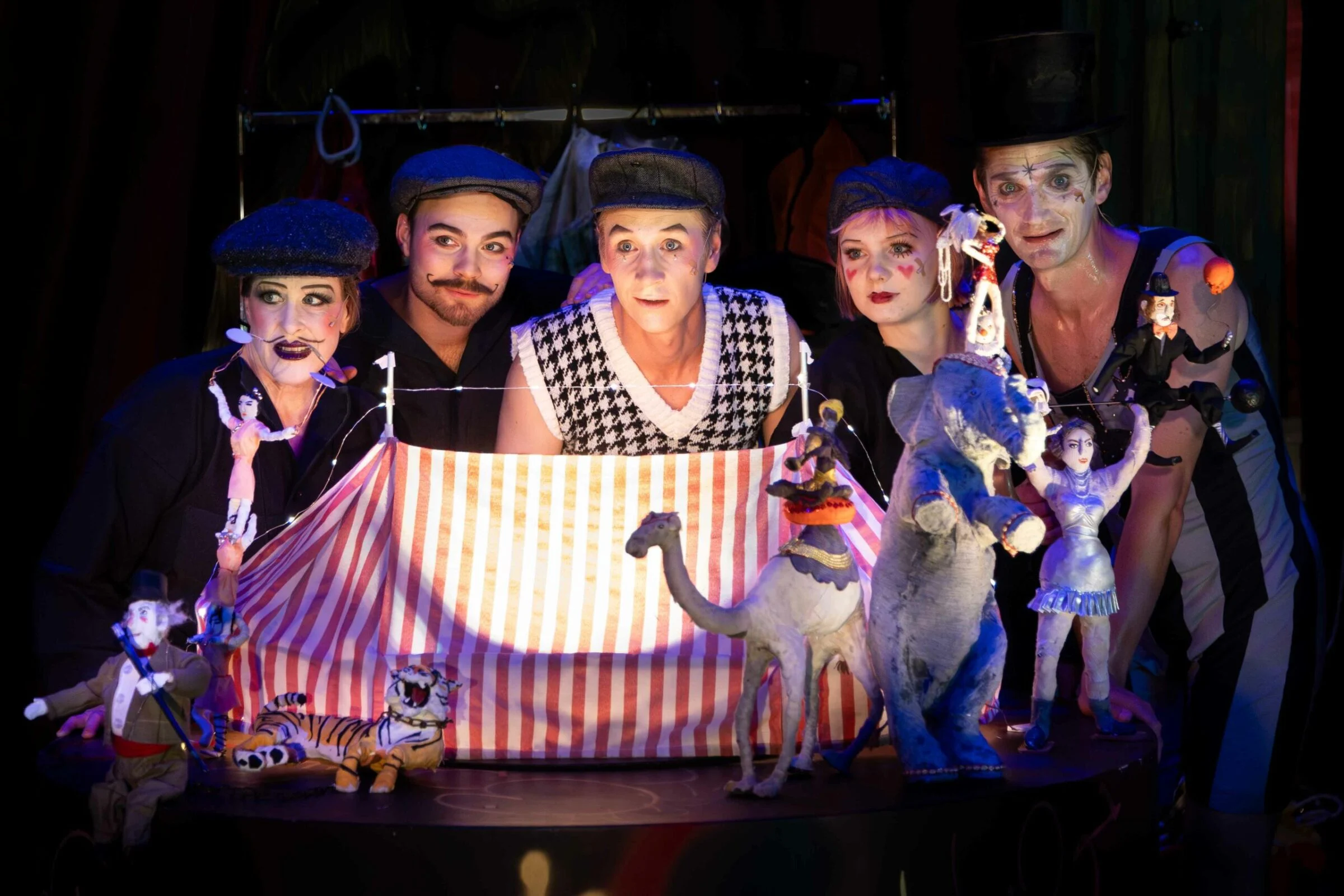
Cirkus Cirkör with The Extraordinary History of Circus at Södra Teatern.

Cirkus Cirkör is usually good and sometimes excellent. This particular show was marketed as “a vibrant family show” and “fast-paced and humourous”, which could mean a whole lot of different things, including cringeworthy childish nonsense. It’s gotten rave reviews in media, though, so I gave it a last-minute chance.

It turned out to be utterly fabulous. Quite unlike most of their other performances that I’ve seen, which have been more conceptual and minimalist, this was silly and vibrant and sensitive and emotional and fun.

A tour through the history of circus, in reverse chronological order, jumping from the early days of Cirkus Cirkör itself in the 1990s, to European travelling circuses in the 1970s, to Barnum & Bailey around 1900. Then leaping onwards to the late 18th century and Philip Astley as the origin of modern circus. But no – circus has its roots in medieval jesters. No, go further back, to the orchestrated battles and beast shows of Rome. And further back than that: humans have probably been throwing things in the air for fun since the dawn of time.

The artists evoked the atmosphere of each of these points in circus history through storytelling, miniatures, re-enactment, sound, light, and costume changes. The steam train of Barnum & Bailey, followed by the circus artists parading through the town. Hobby horses and sound effects for the horse shows of Philip Astley. Giving the audience (soft) toy vegetables to throw at the jesters when they’re not funny enough. And actual circus acts interspersed with all that. It sounds kind of silly but was so well done that I was laughing out loud.

I want to hand out extra brownie points to the cast’s dialect coach! I’m not an expert but I’m sensitive to Swedish accents in English. This crew was switching smoothly and believably from the patter of an American circus presenter to crisp, posh British English for 1790s London – with no fumbling and no Swenglish. Absolutely the cherry on top of the whole show.

Here are a couple of press photos, copyright Sara P Borgström:
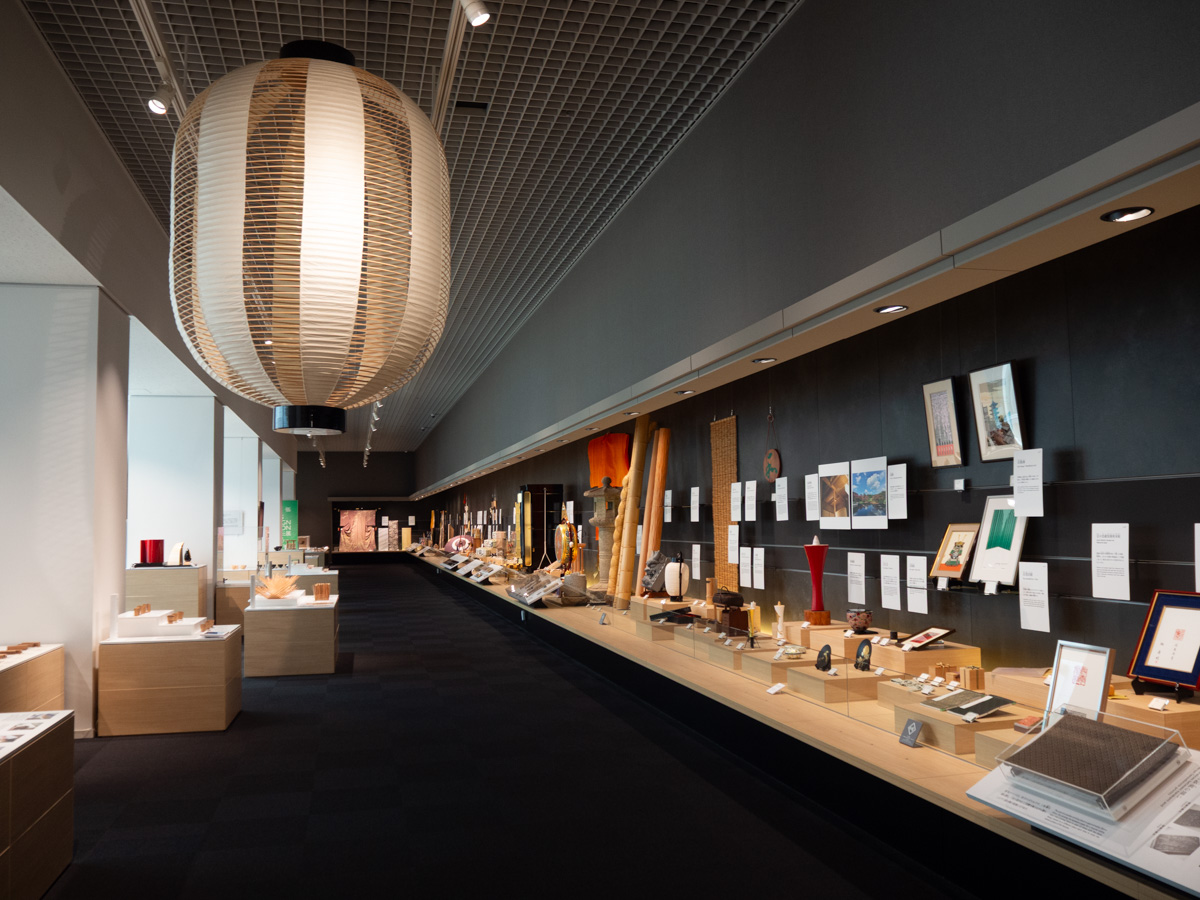
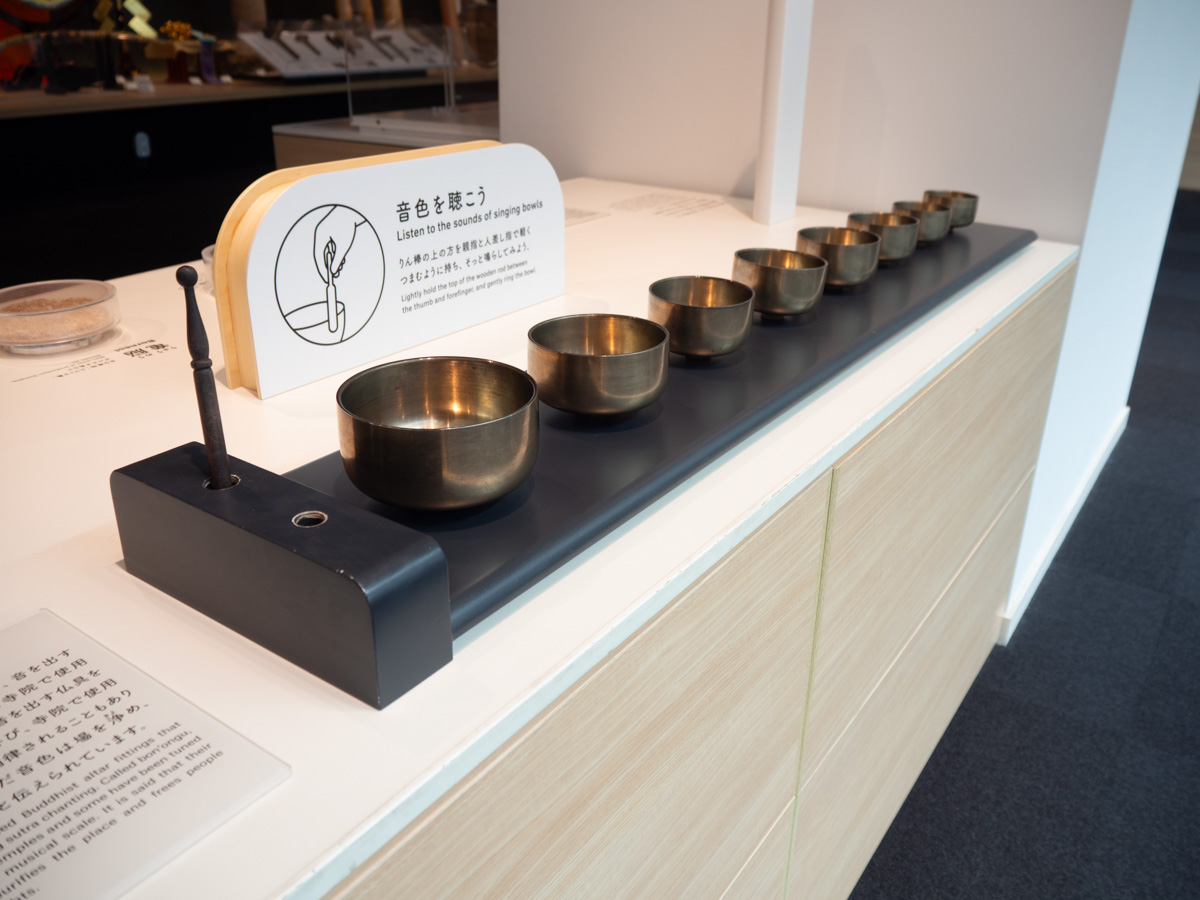
The focus of Kyoto Museum of Crafts and Design is a permanent exhibition of seventy-four traditional crafts of the Kyoto region. These cover a wide range of very different crafts – woodworking, weaving, fabric dying, the making of singing bowls, the carving of funerary sculptures, etc.

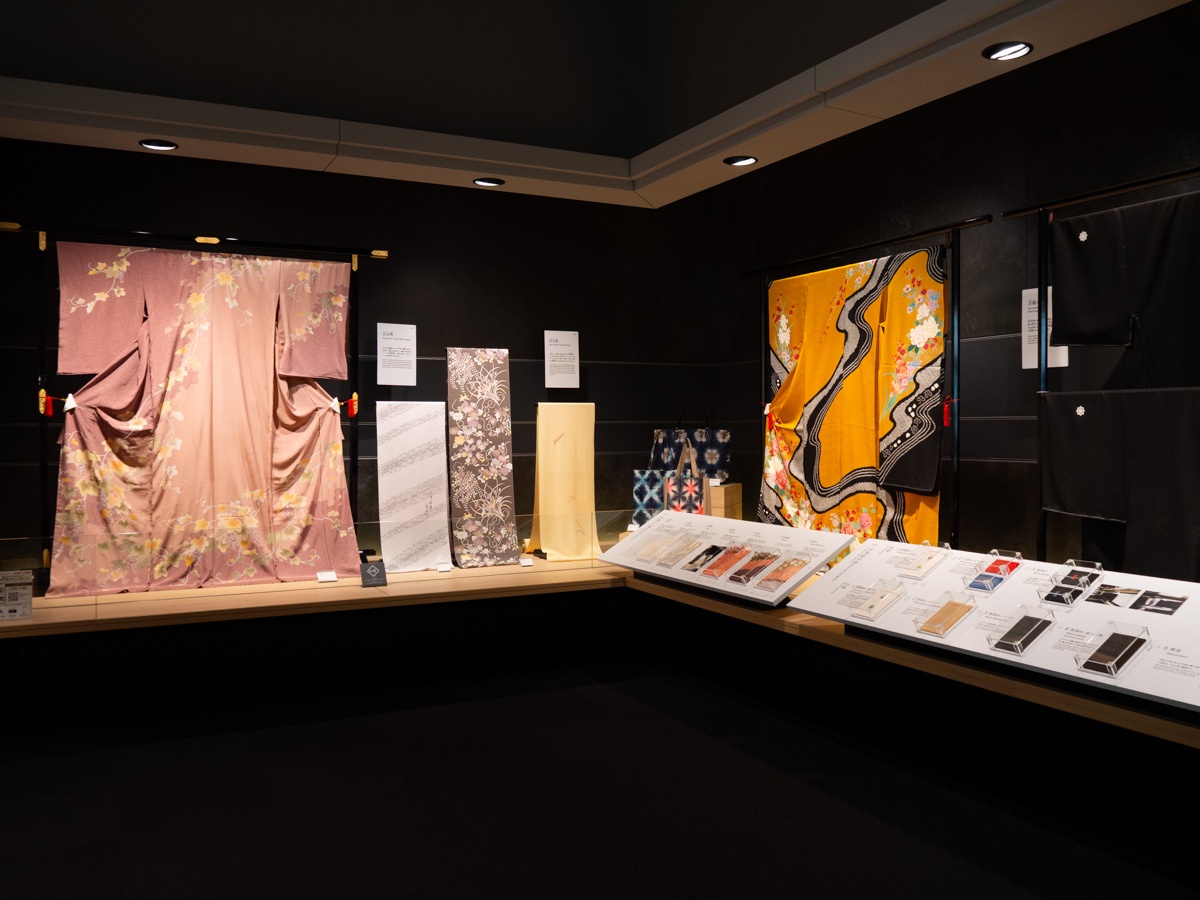
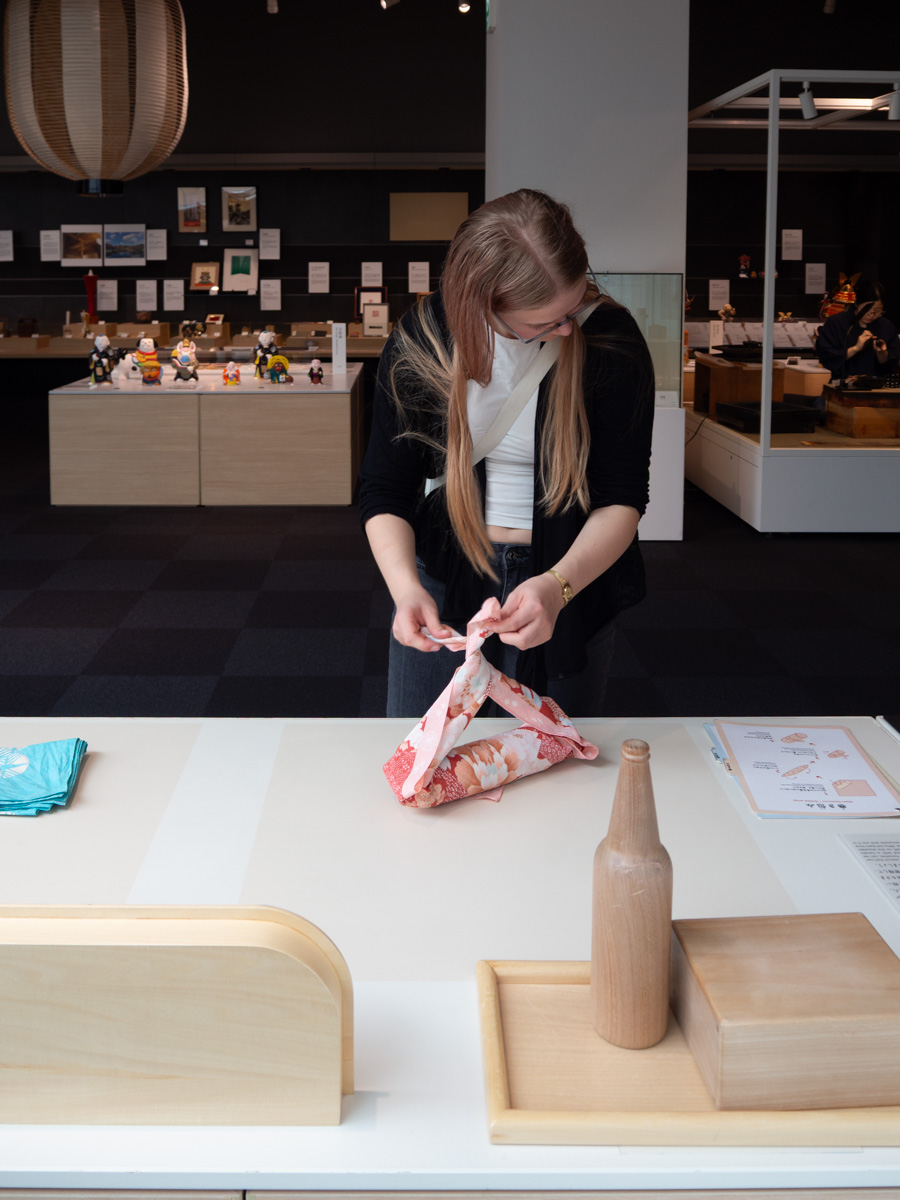
With seventy-four crafts to display in a single room, there’s a limit to how much space each one can get. Some are just displays of particularly exquisite examples of the craft, but many are explained in a lot of detail, such as step-by-step displays of the process of making wooden doll, or exhibits showing the various techniques of dying kimono fabric. The focus was on the craftsmanship and the process. I could happily have walked through three times the space to see more detail of each of the crafts.

There were also multiple hands-on exhibits, where you could try wrapping different kinds of items in a furoshiki cloth, or enjoy the sounds of a tuned series of singing bowls.

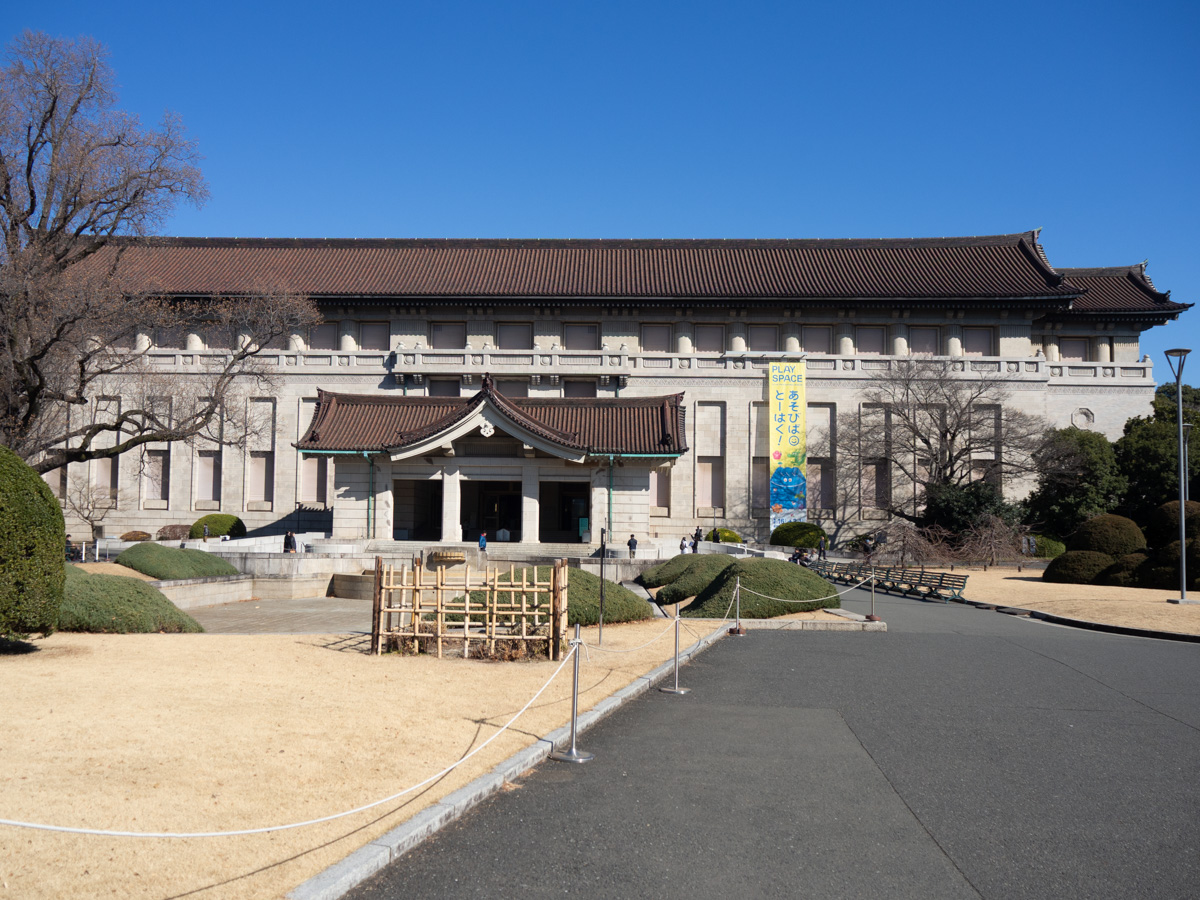
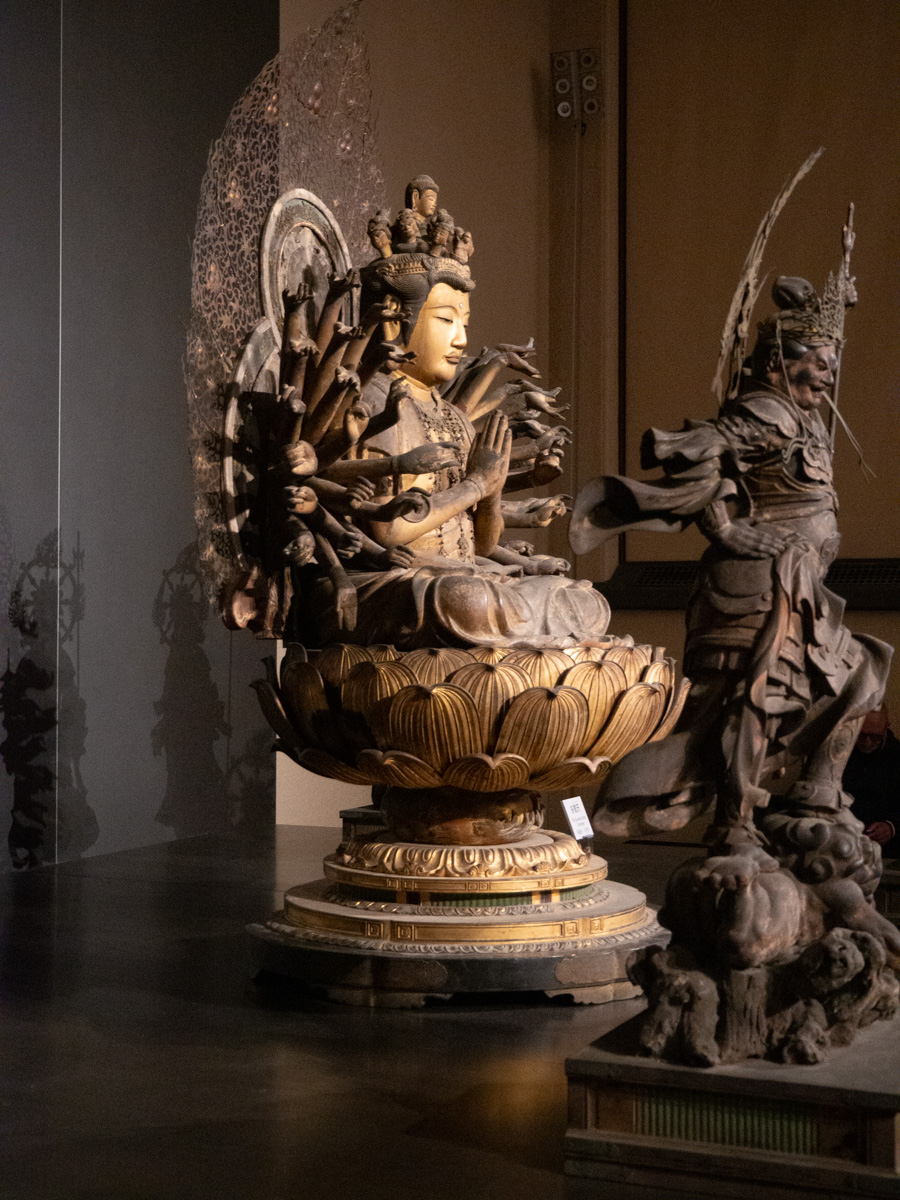
Tokyo National Museum in Ueno Park. Art and historical objects from Japan and other parts of Asia. We focused on Honkan, the main building with Japanese artefacts.

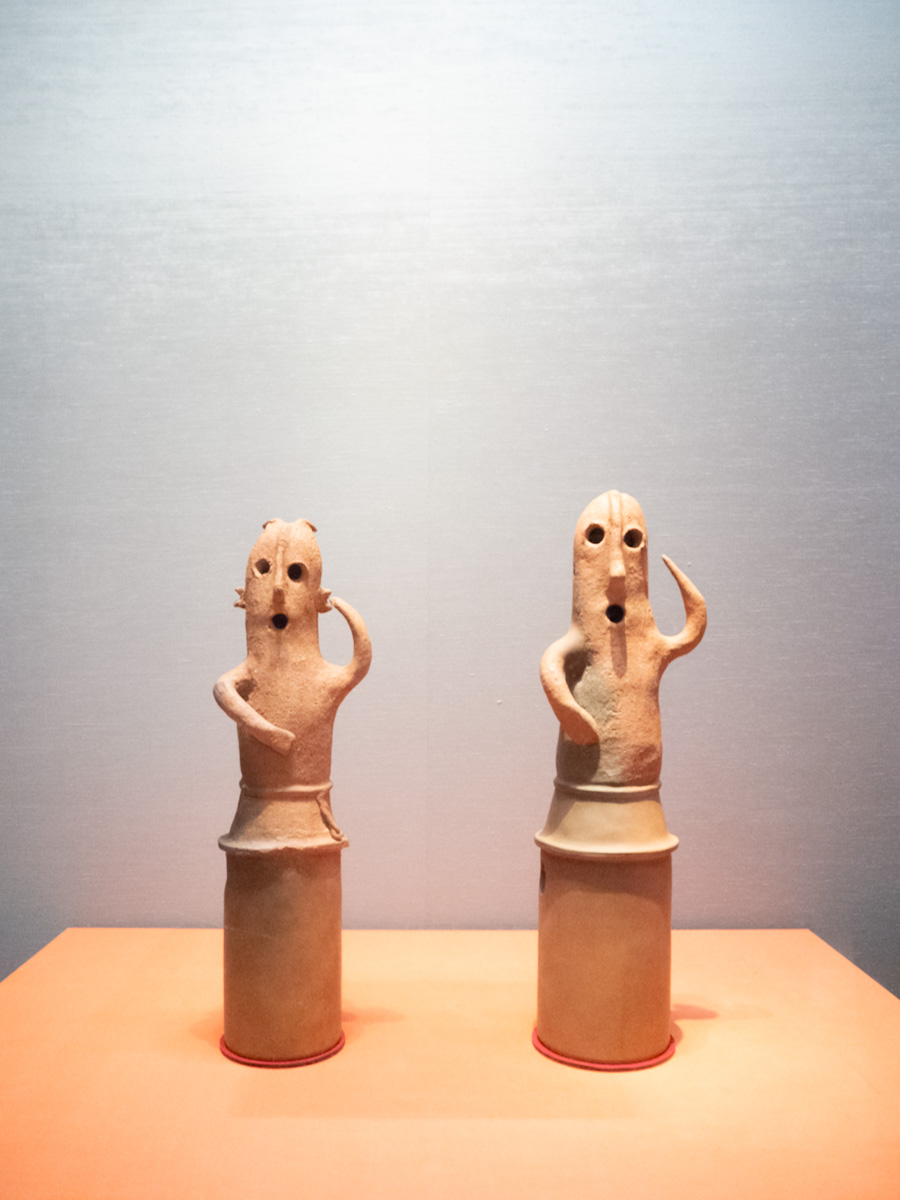
These two sculptures of dancing figures from the 6th century were the oldest items I saw. They are so old that they become new again. They make me think of Modigliani. Art has gone around the full circle.

A lot of the older artwork displayed was religious in nature – Buddha statues, buddhist saints and demons. It can be technically impressive, but the highly stylized iconography, all full of symbolism, feels so impersonal.

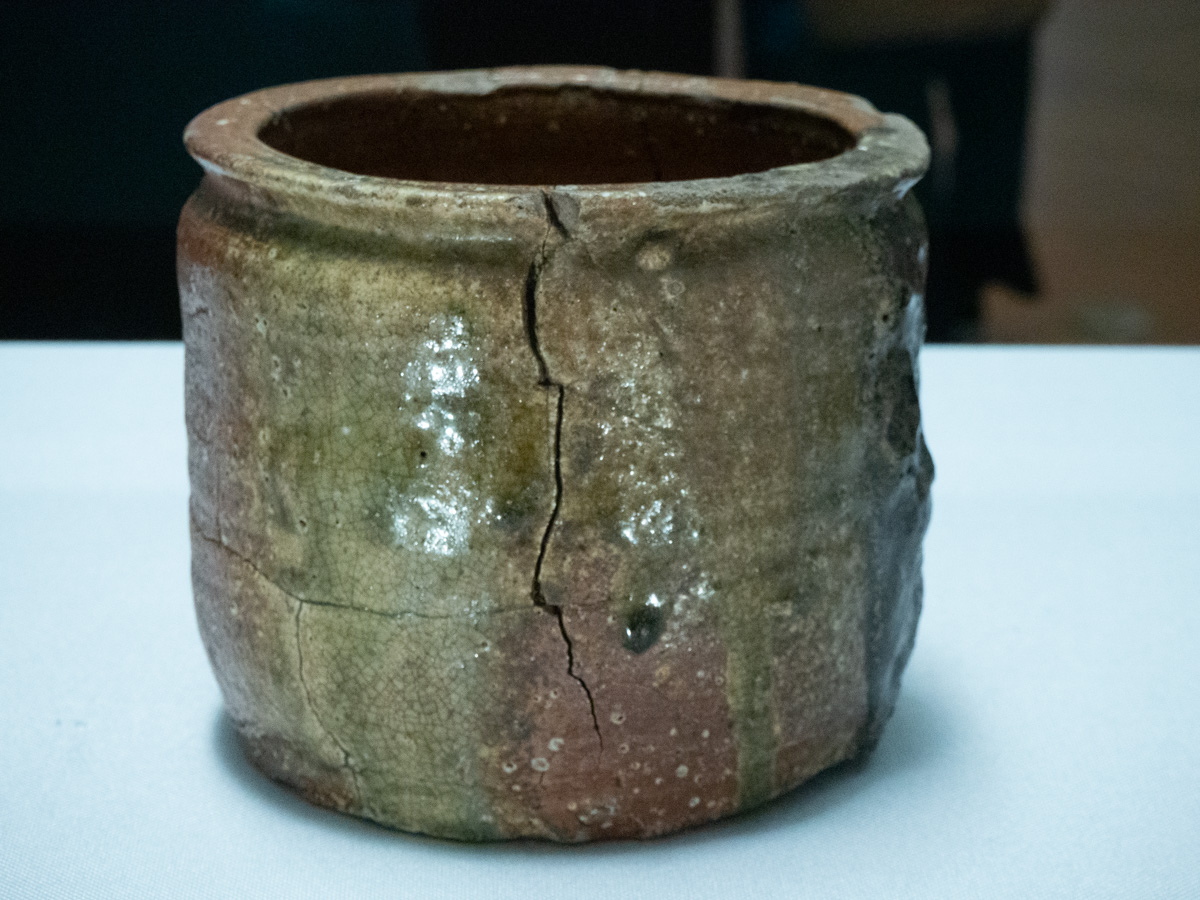
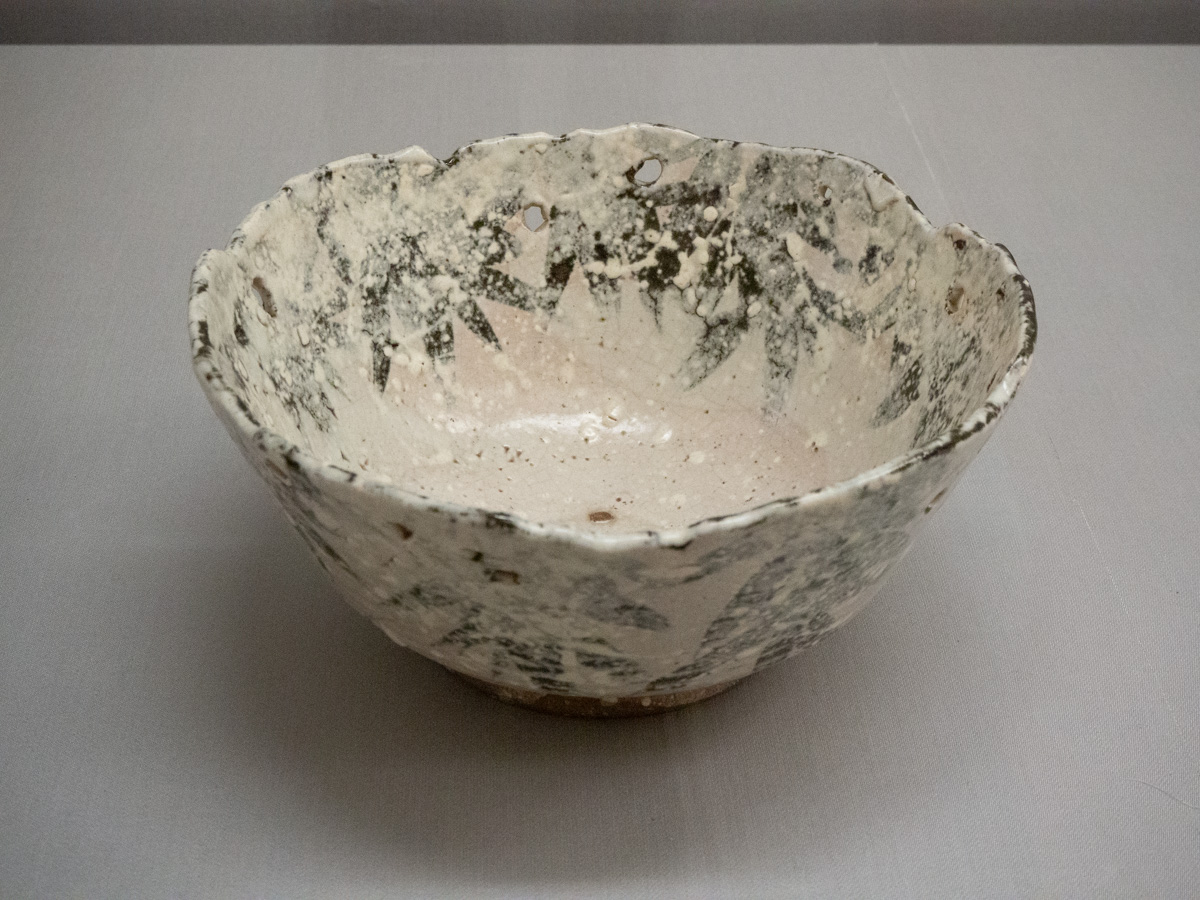
Old pottery with its wabi-sabi aesthetic was the opposite of impersonal. The maker’s hands are so present. It’s amazing that something so fragile has survived for four hundred years.

I’ve never done any pottery, but these pieces make me want to try it myself.

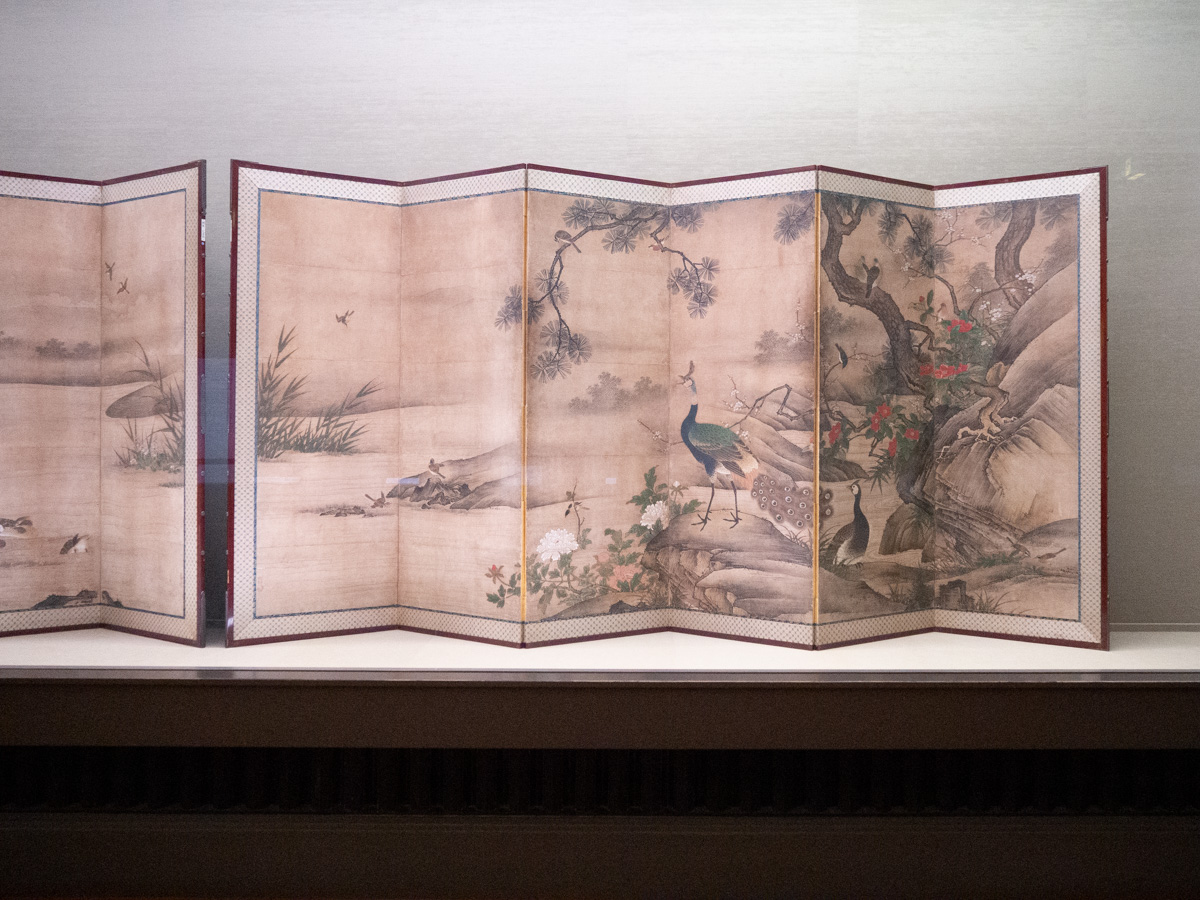
With this painted folding screen, we’re back to refined symbolism again.

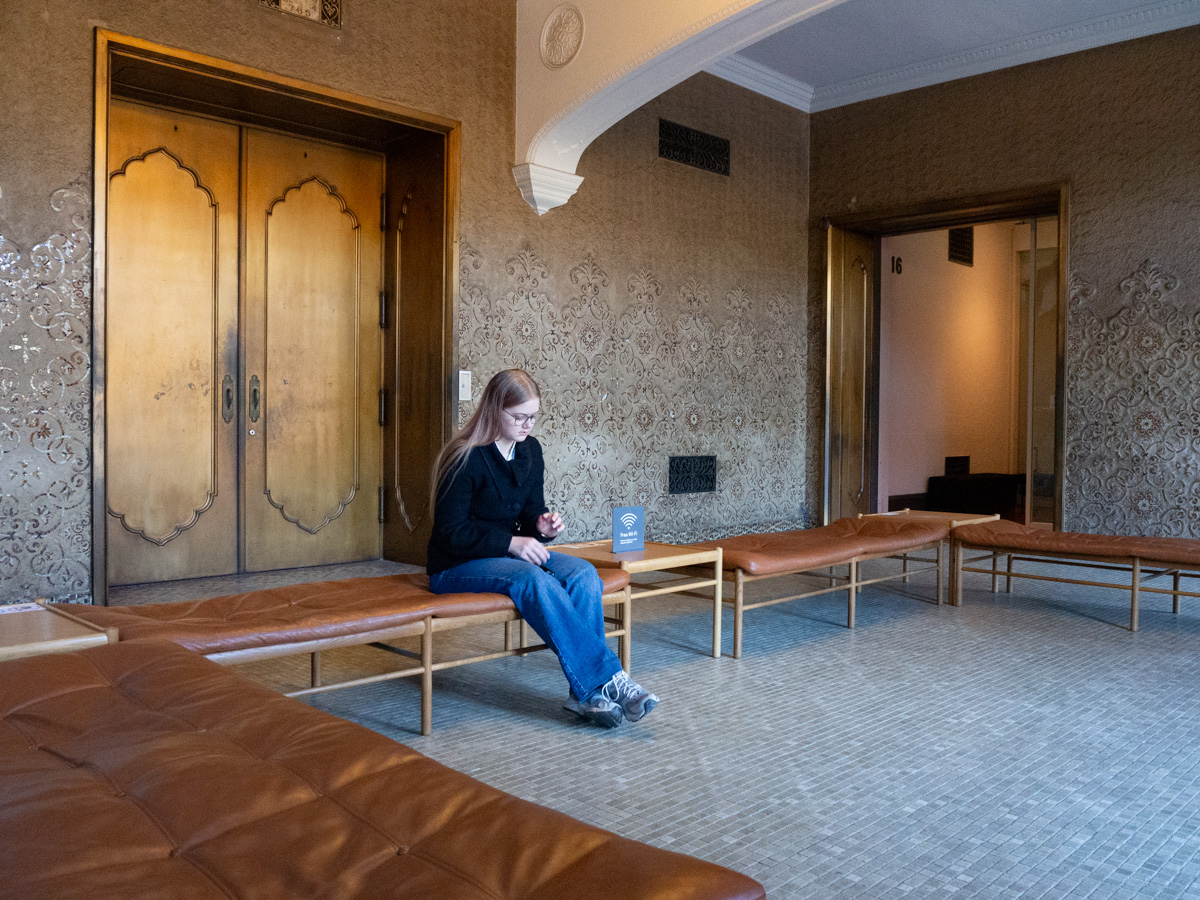
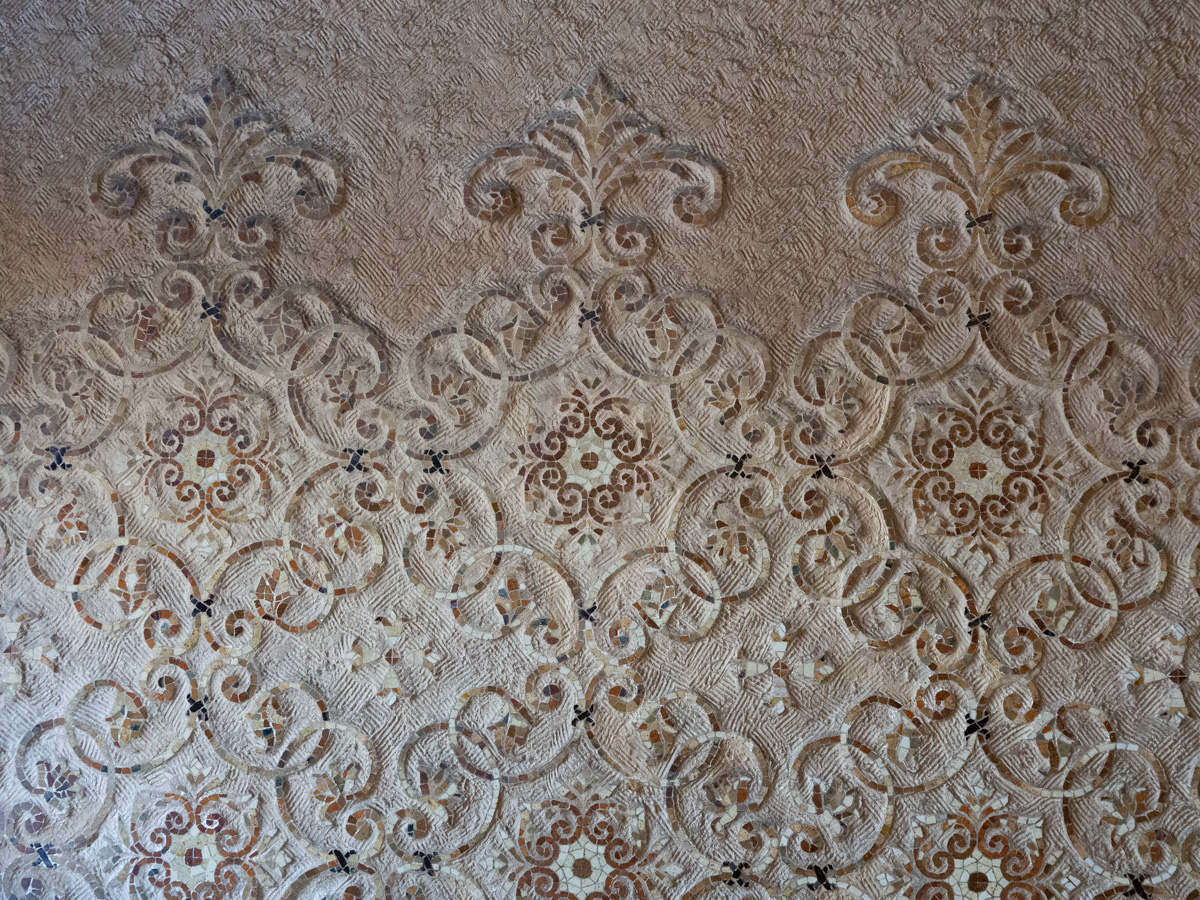
Taking a break to rest our legs. This foyer at the back of the museum had beautiful walls and beautiful light.


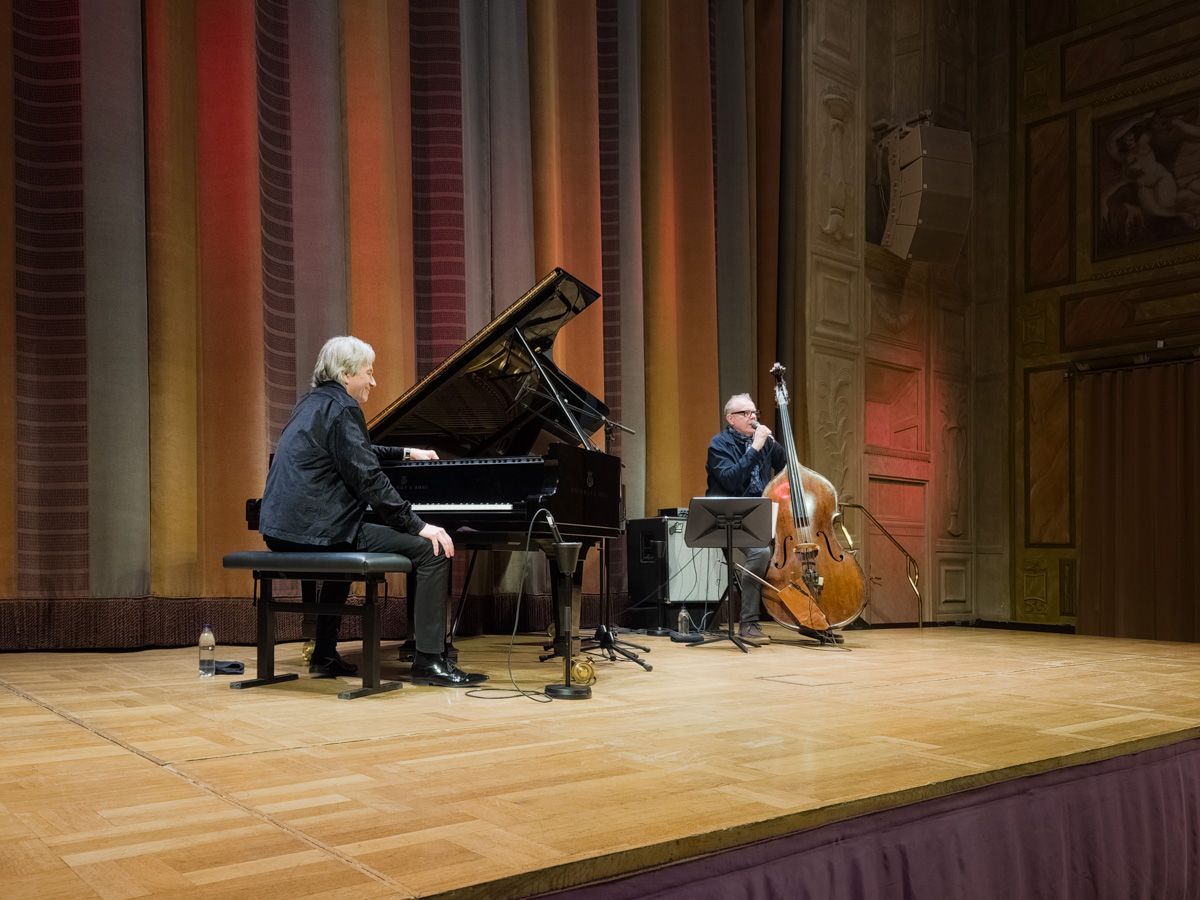
Jan Lundgren and Hans Backenroth at Konserthuset, playing tunes from Jan Johansson’s Jazz på svenska. Absolutely wonderful. Music that I know and love, expert musicians enjoying themselves together, and me in a front row seat. It doesn’t get more perfect than this.

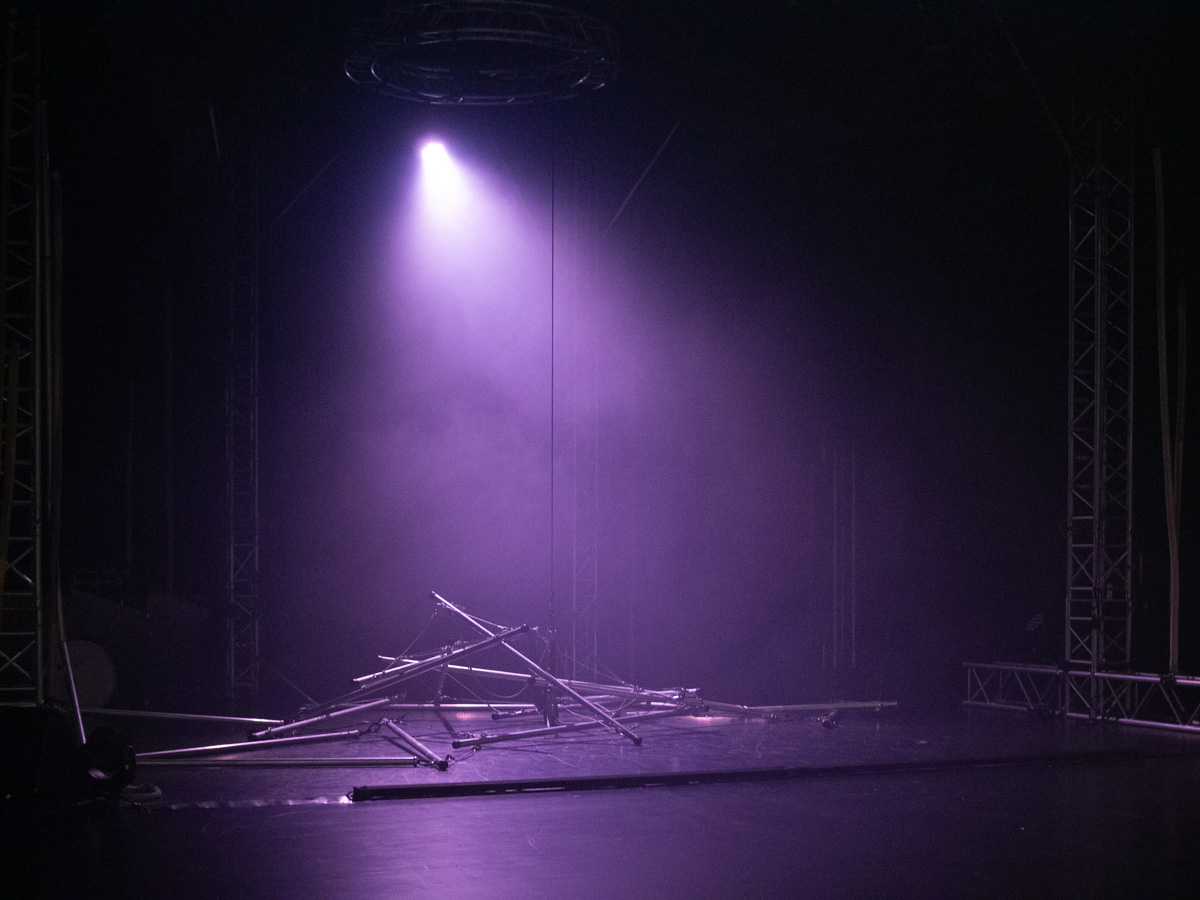
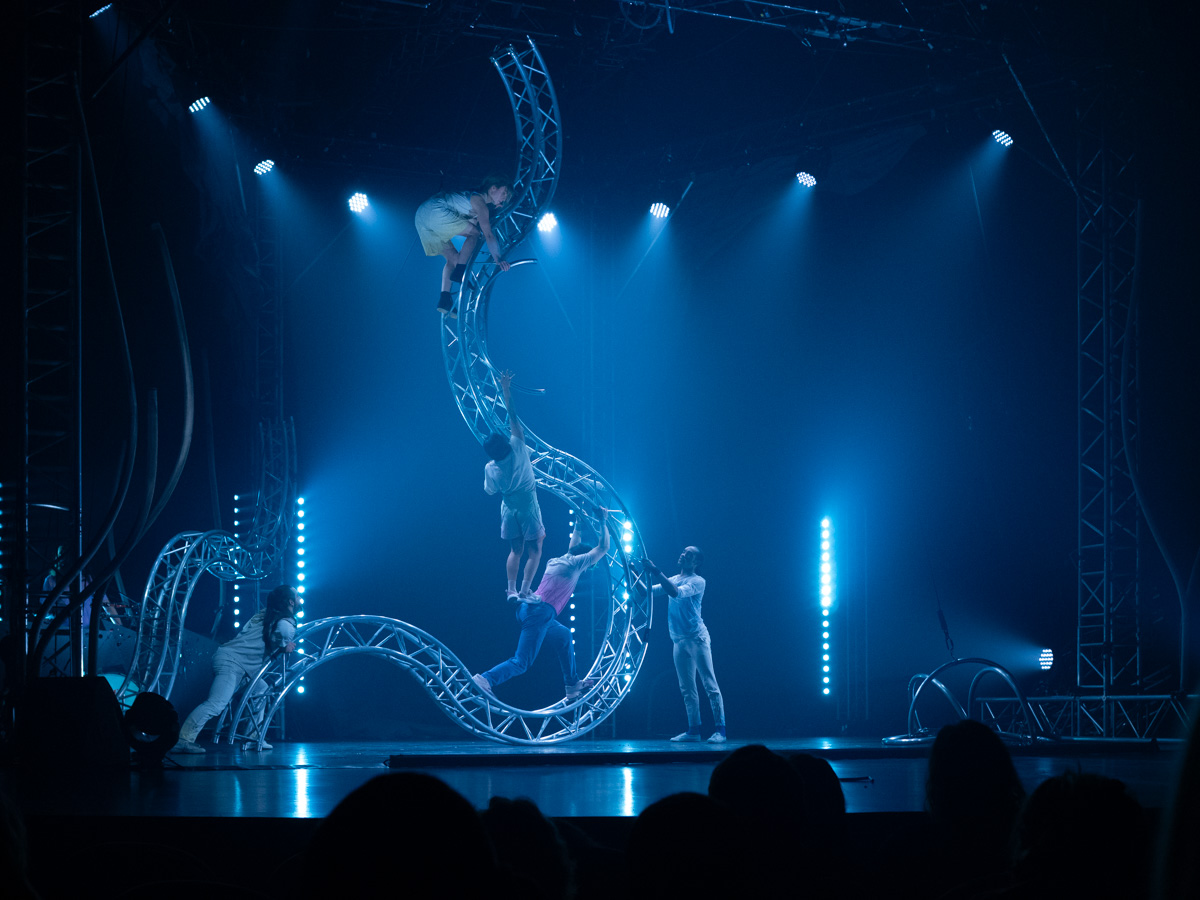
Cirkus Cirkör with Ingrid and Adrian, at Dansens Hus. Tipping Point involved a lot of climbing and balancing on teetering structures of steel pipes. I liked the tensegrity-based designs a lot.

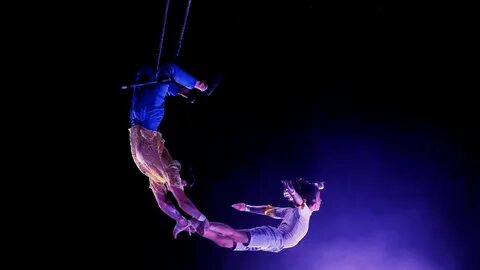
The most stunning part was a trapeze number, both visually and in terms of skill. Had I been their official photographer, knowing the programme and the timing in advance, being able to position myself optimally in the hall, I know exactly what moments I would have tried to capture, and what angles. It was so obvious that I went to their press photos looking for that obvious best shot – and it just wasn’t there. Obviously what was obvious to me was not obvious to others.

Picture this, but with plenty more space below them to show the height, and shot from further to the right so you get the artists more clearly in profile for that pure and elegant graphical curve:

Halfway through the autumn term, Adrian was coaxed into playing with an orchestra attached to the music school. A quarter of the way through, he was frustrated and close to giving up: with a late start and lots of tricky pieces to learn, he felt like he wasn’t going to be able to learn it all by the end of the term. Plus it took quite a lot of time and led to rather late evenings. He was their only percussionist, though, and they convinced him to stay on at least until the end of the term.

Today they had their end-of-term concert and all that hard work paid off.

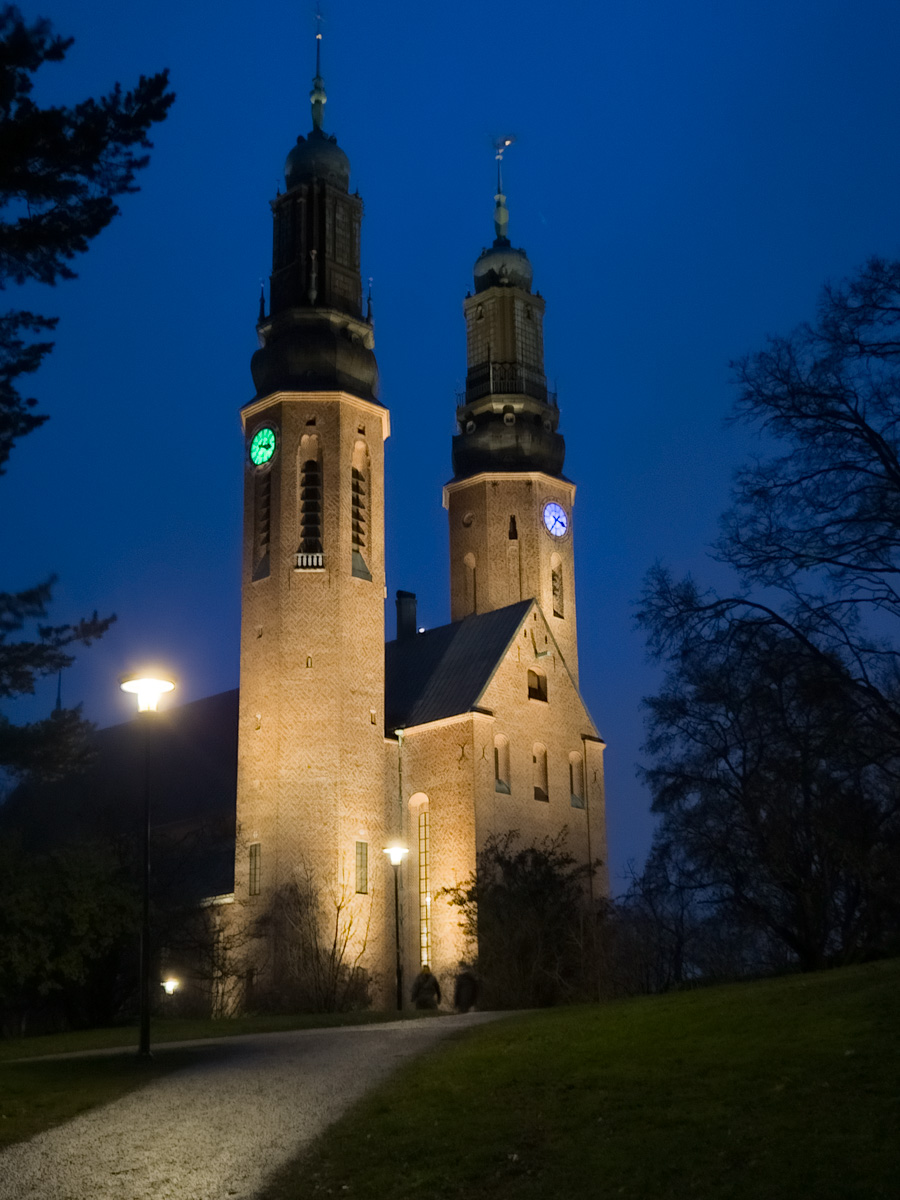
I came there expecting something rather like the previous concert. I don’t even know why: I already knew that this was going to be an orchestra and not just a few kids with drums and some backing from a recorded track. And that it was at St. Birgitta Church rather than the school’s somewhat scruffy rooms.

This concert was on a whole other level – very impressive. There were two orchestras in one – a smaller ensemble that then got subsumed into a larger one. The larger version was basically a full chamber orchestra: violins, cellos, double basses, a whole row of woodwinds and brass, a piano – and percussion, of course.

The repertoire ranged from Jingle Bell Rock and Sleigh Ride to the March of the Toreadors from Carmen. Adrian was joined by one of his teachers and they both had a lot to keep up with. Complicated music to play and a lot of switching between instruments. And I totally understand why they were so keen to keep him: percussion was essential to most of the pieces. Adrian did an excellent job, and now he’s even considering continuing with the orchestra in the spring.

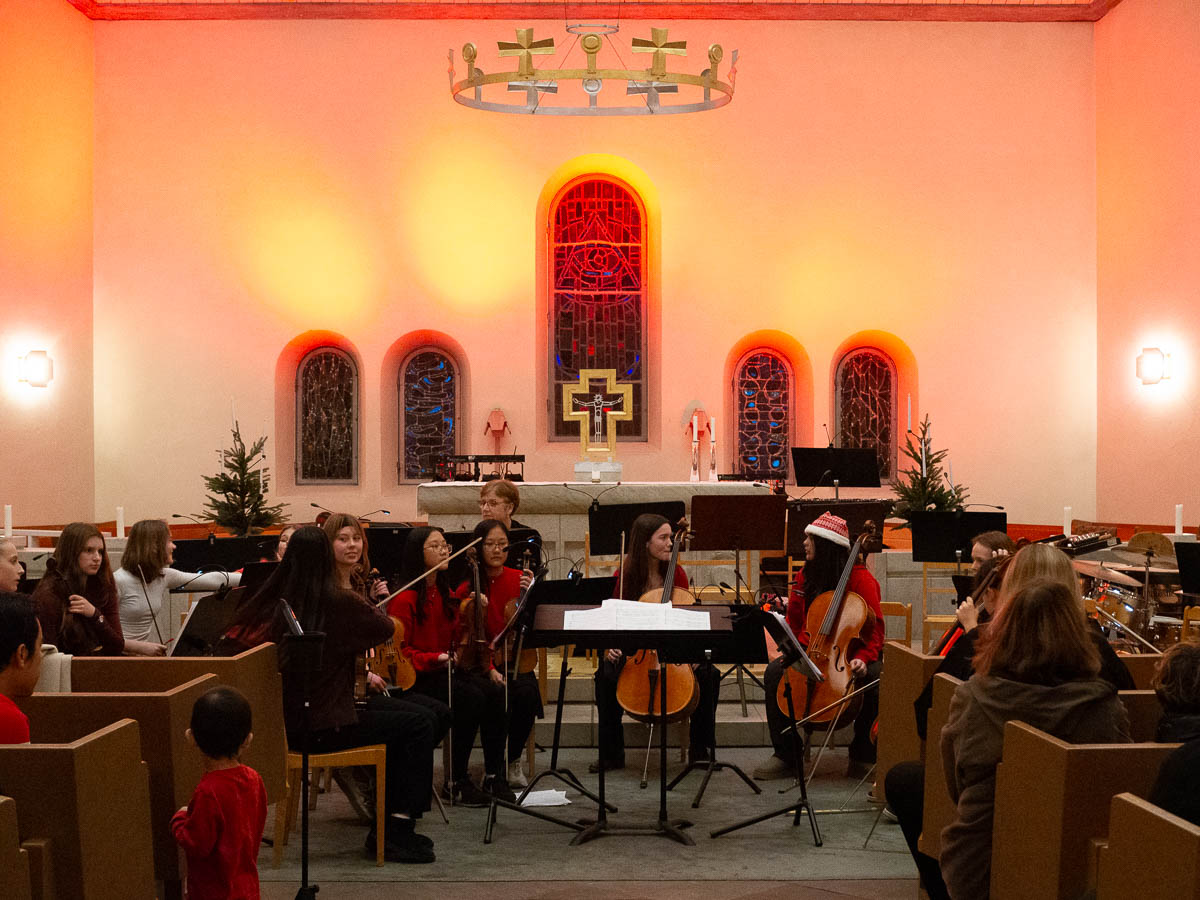
For some reason they don’t place the percussion section at the front and centre of the orchestra. I could get a glimpse of Adrian at times, but mostly not. I rather suspected that this would happen, and got a photo in when they were still warming up. Adrian is not in the frame but this gives a feeling of the ambience at least.