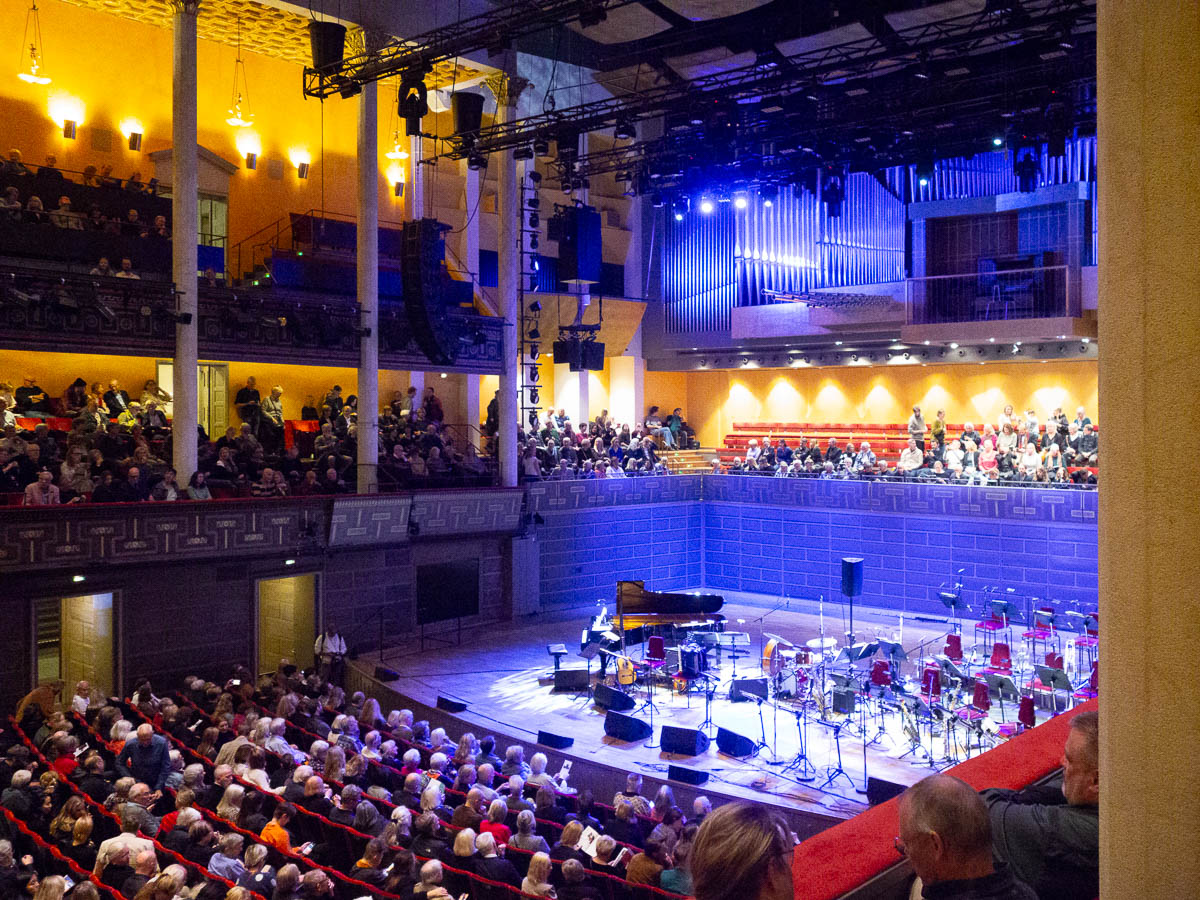
My conclusion from the Friday evening series of new classical music is that modern classical music is often too modern for me. My brain can’t find anything there to hold on to and it just feels like shapeless sounds.

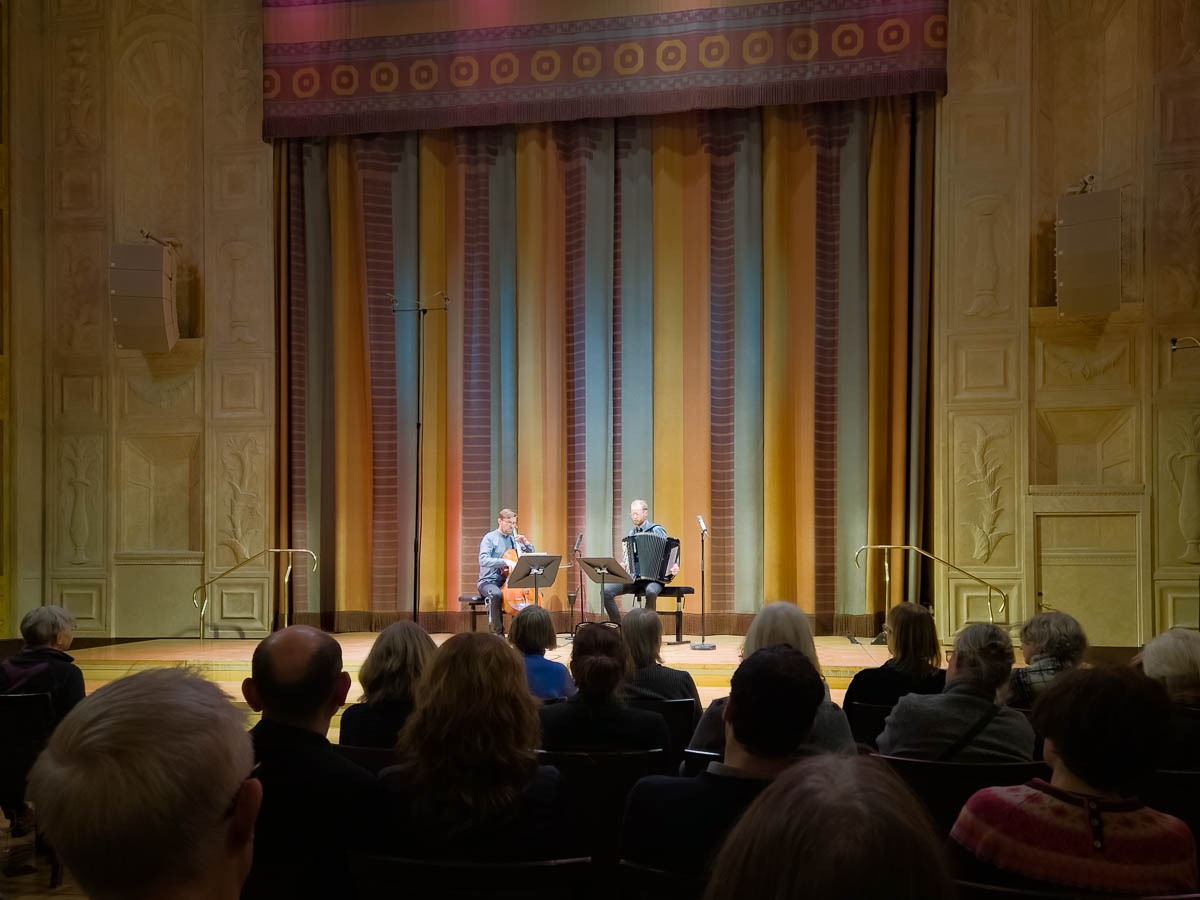
Today’s concert was for the unusual combination of cello and accordion. They alternated between the very old (music by Hildegard von Bingen) and the very new (Jouni Kaipainen, Britta Byström, Sofia Gubajdulina). The very old was excellent; the very new was too much.

This is not a series I will be renewing for the next season.

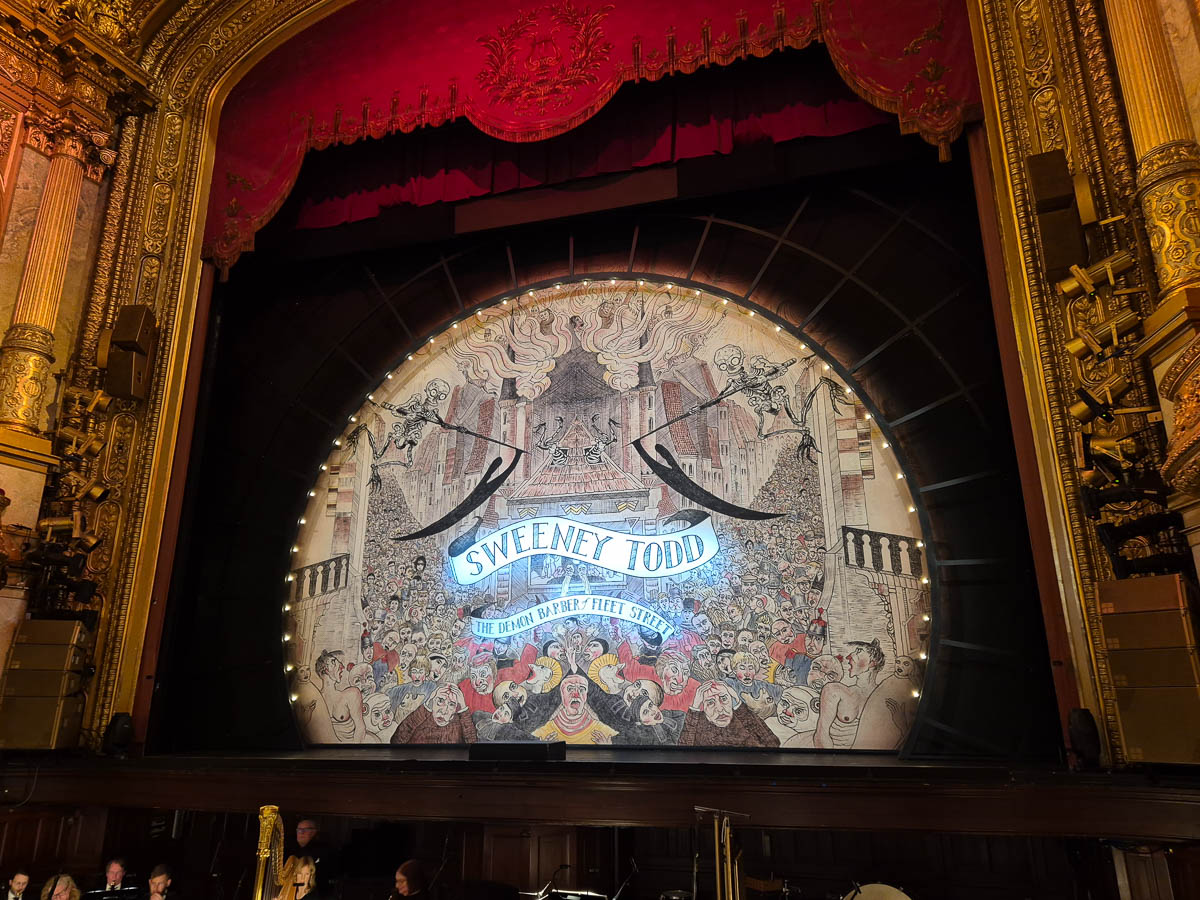
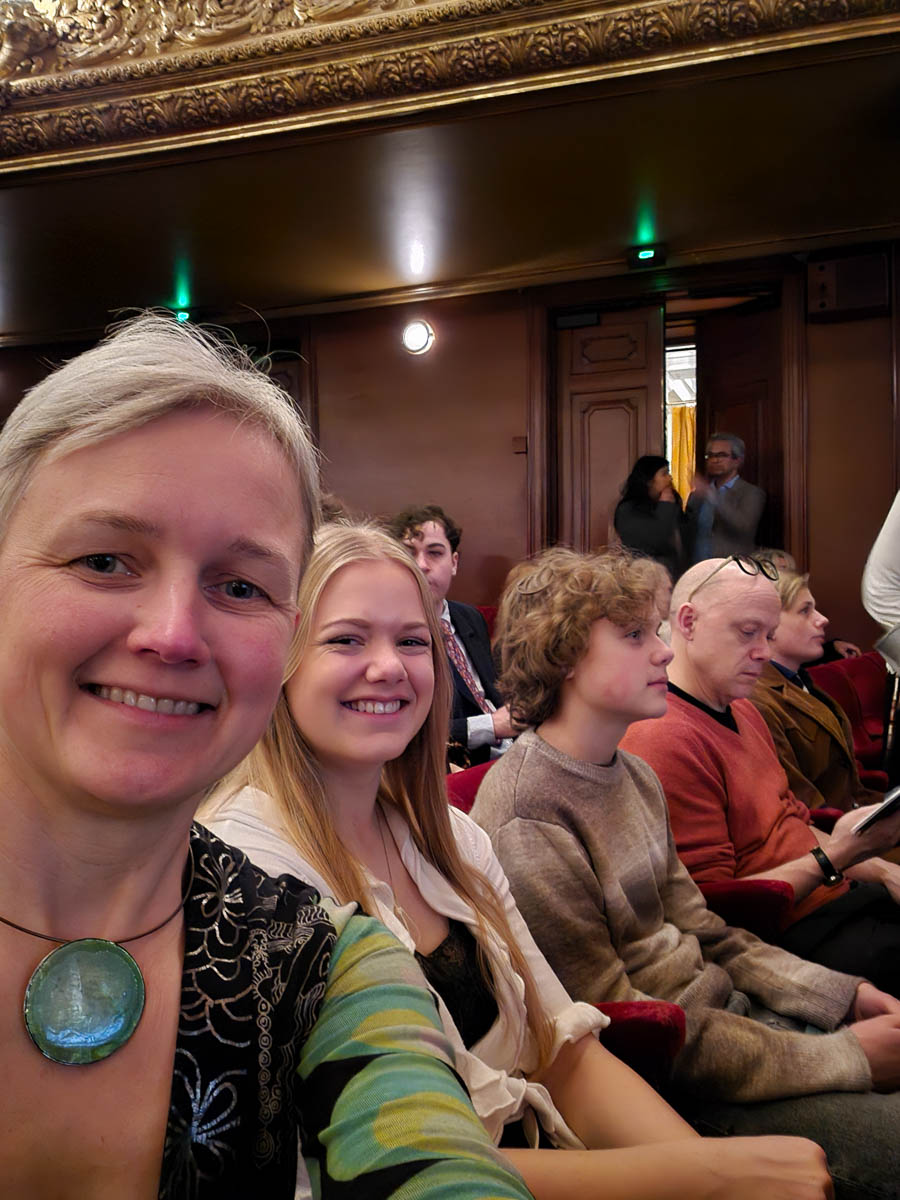
Sweeney Todd at the Royal Opera. Technically a musical, which is nice, because it made the whole thing sound more pop-culture-ish and got the kids to join, but really, what makes this a musical rather than an opera?

I was most impressed by the work of the dialect coach, because Ms Lovett sounded as British as could be, and so did the others.

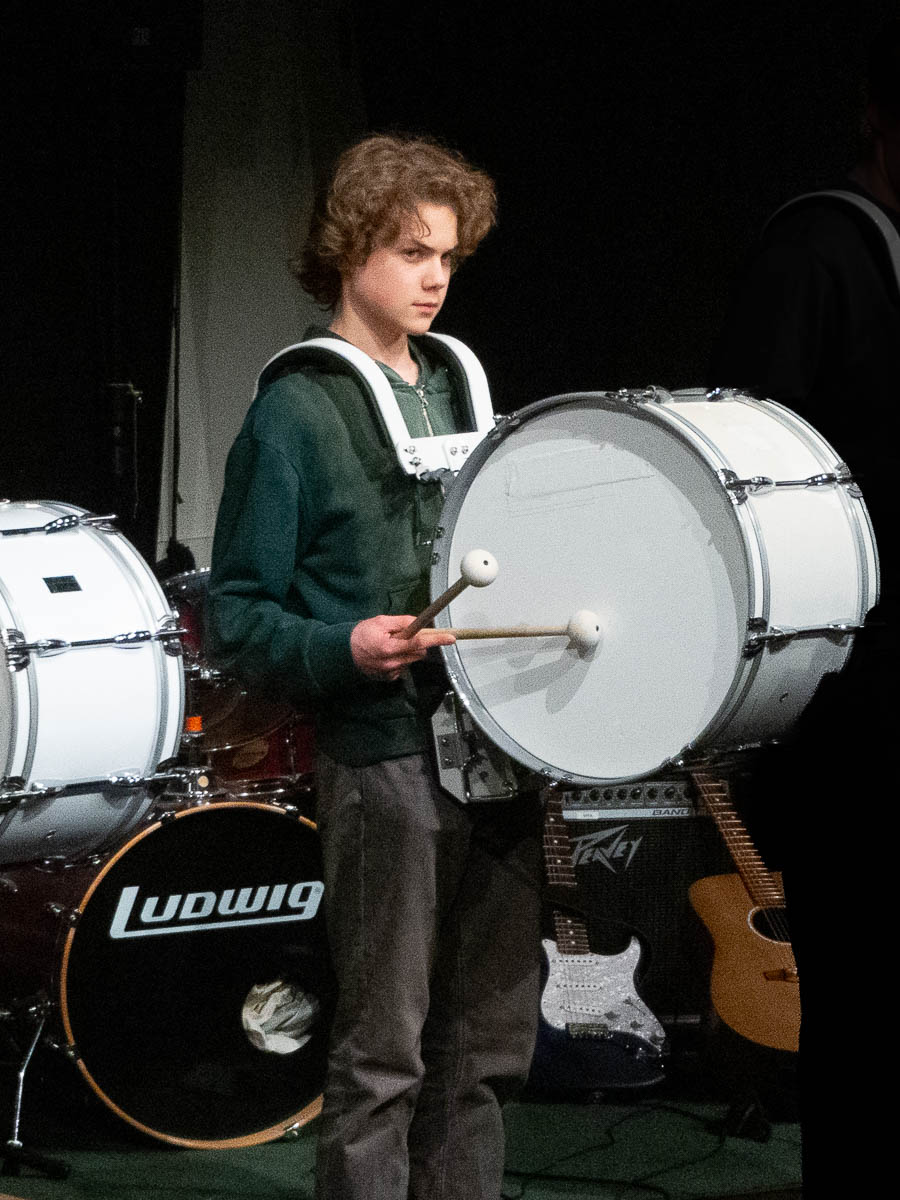
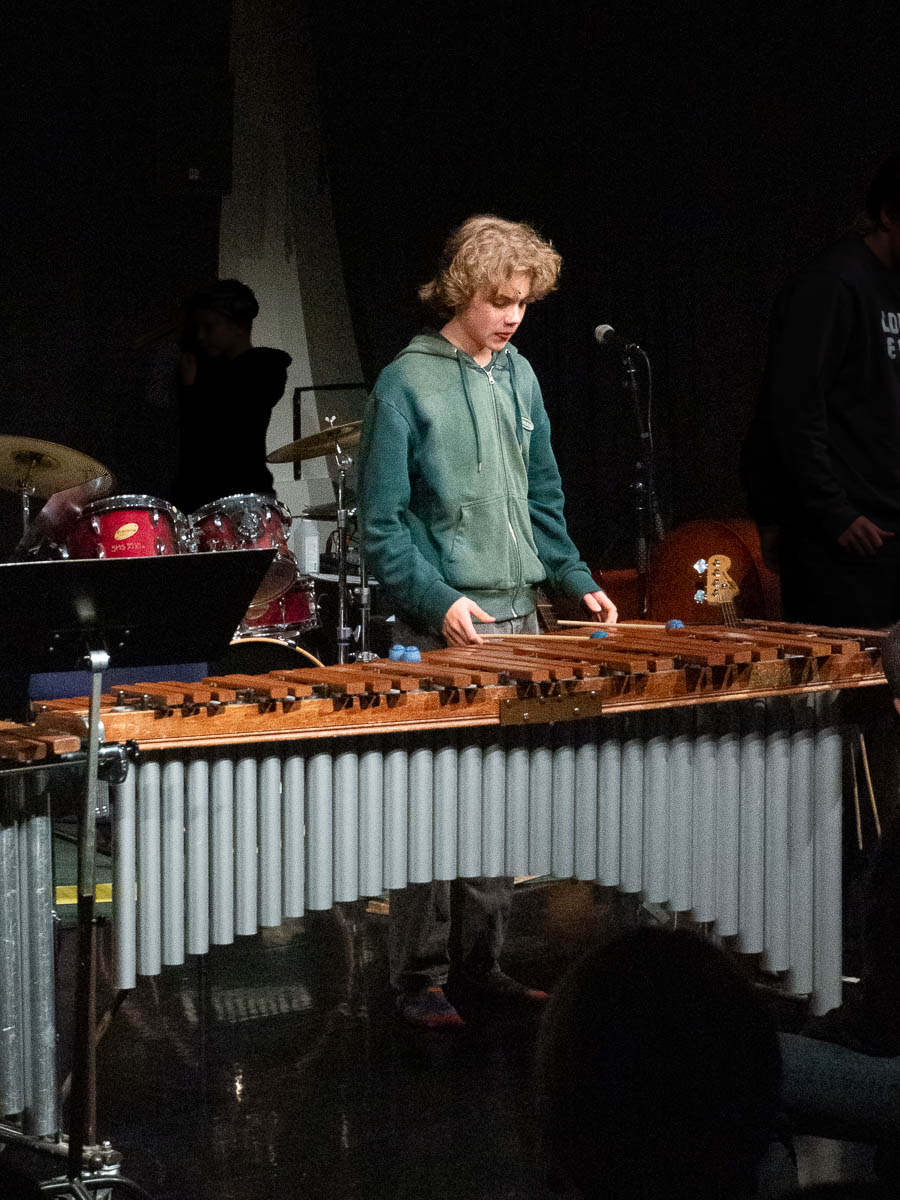
Adrian took up drums again this year. He tried five years ago but lost interest. Now he’s re-found it.

The end-of-term concert was quite a bit longer than I had expected, and a lot of it sounded better than I had expected, too. I guess my expectations were partly still stuck in 2019.

Adrian played the bass drum in a drumline (which was my favourite piece of this evening), the standard drum set in a rock song, and the marimba for Jingle Bells.

If the photos look weird, it’s because I’ve blacked out other kids who were in the frame.


Three concerts in three days is a bit much. It wasn’t intentional, but the two concert series happened to end up on the same weekend. Sara Parkman’s concert came up much later, and I couldn’t just pass it by.

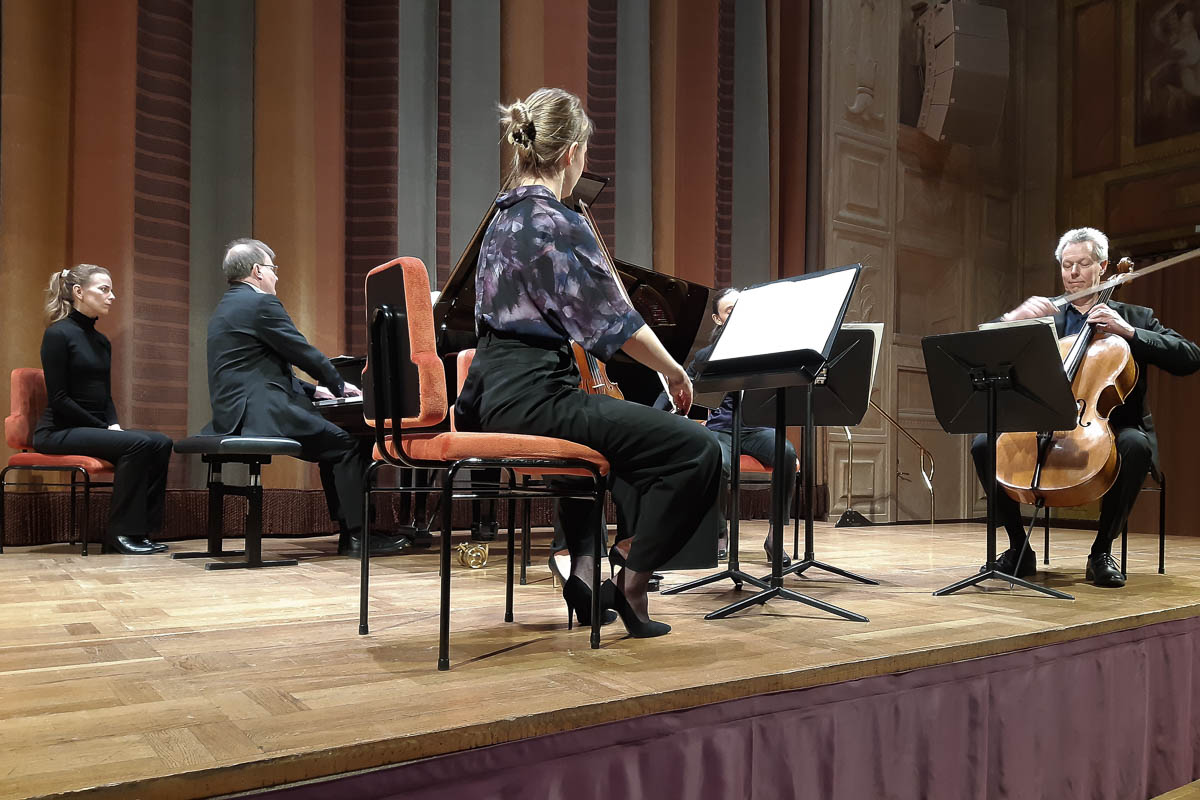
The Sunday afternoon chamber music series is usually nice and cosy. Some pieces are definitely more interesting than others, but if nothing else, it’s a moment of peace. Today’s concert concluded with 45 minutes of a piano quintet by Brahms.

For most instruments, it’s different players each time. The philharmonic orchestra obviously has numerous violinists and so on. But the pianist is often the same – Stefan Lindgren. By now I recognize not only him, but also his loyal page turner, who’s often there with him. The others all manage their own sheet music, physically or digitally, but a pianist’s feet are, obviously, busy with pedals already.

Sara Parkman in concert in Katarina church. The concert was titled Kura skymning.

“Kura skymning” means “huddle [in the] twilight”. I learned that it’s an old Nordic tradition, of taking a moment to sit together in the peace and quiet of twilight, without/before lighting any lamps.

The concert didn’t quite ask the audience to do that, but its lovely candlelit atmosphere came close. The music was beautiful, of course. The acoustics of a church suit her music, both voice and violin, very well. And she is just such a nice, kind, generous person.

She’s now on my list of “buy a ticket whenever she’s nearby, regardless of what she’ll play” list.

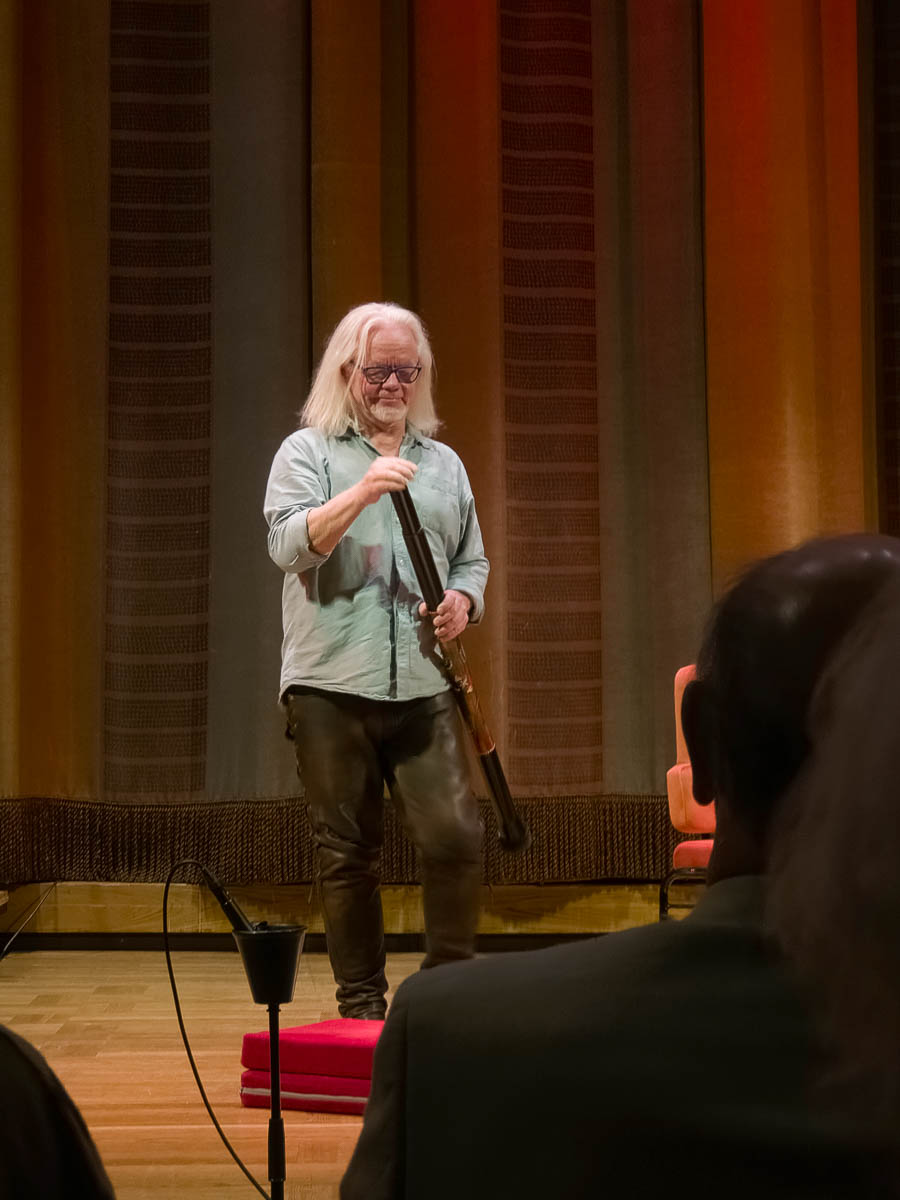
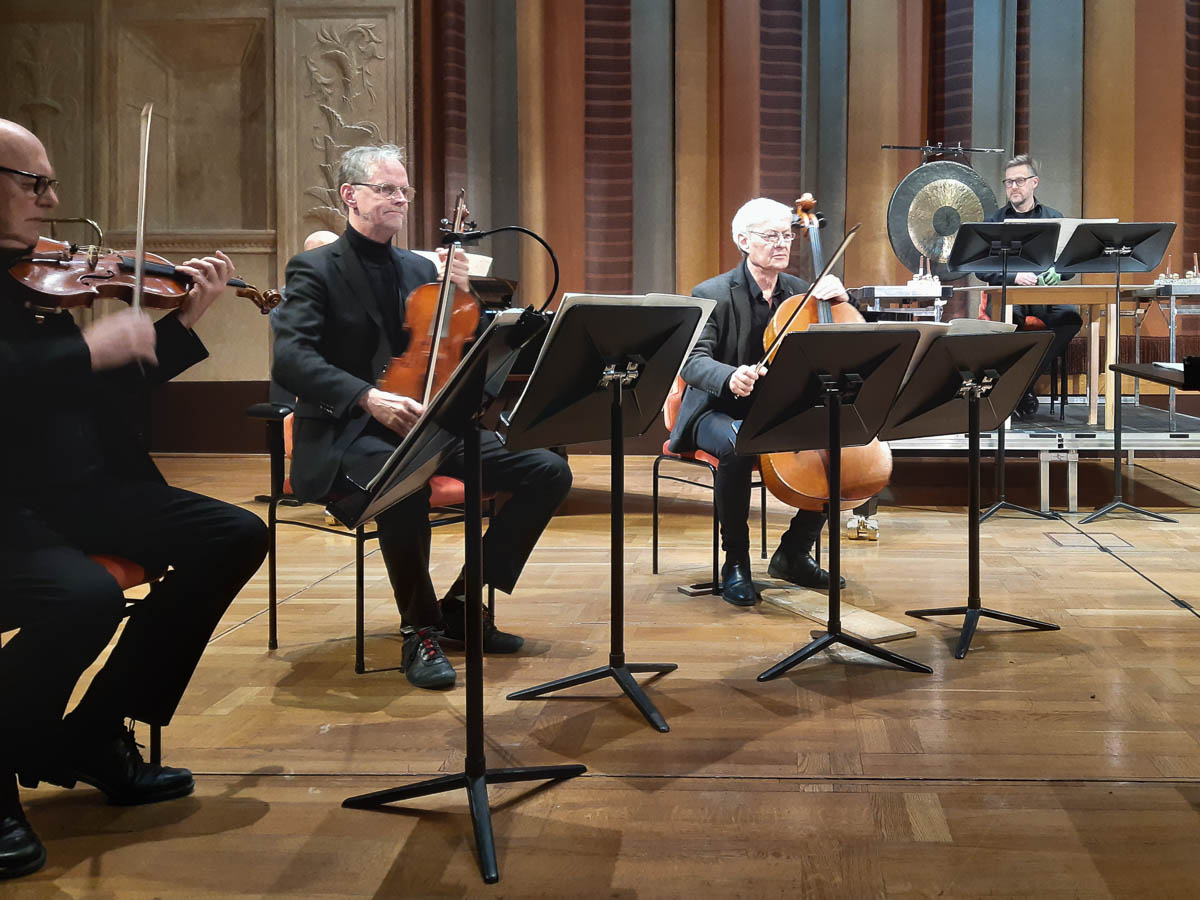
I have an extra concert series this year, very much as an experiment – “Ny fredag”, Fridays with new music. I am cautiously intrigued. One of the four concerts in the series promised didgeridoos. Today’s concert was not that one, but KammarensembleN playing “Schnee (10 canons)” by Hans Abrahamsen.

It was… interesting. I can’t honestly say that I liked it, and I will not be listening to it at home, or seeking out more concerts of this composer. But it never felt boring while I was listening.

The musicians got sounds out of their instruments that I never would have imagined. The first part starts with the violins playing a note so high that it sounds like just the bow against the string, a soft whisper that was probably inaudible past the very frontmost rows of seats. Later, the cello makes long wailing sounds, and the piccolo flute likewise sounds barely like music.

The percussionist’s main instruments were two sheets of paper, one in each hand, that he rhythmically pushed around on a flat table, with great focus. While the violinists were preparing by tuning their instruments, he prepared by donning gloves with rubberized fingertips. He had two sets of paper, even, and I suspect the other pair may have been sandpaper, because during the latter part of the piece, his movements were sending up little puffs of dust.

The gong behind the percussionist was hit exactly once.

Overall I like my music more melodious and less dissonant. Some modern classical music is! Like Ylva Skog’s, or Philip Glass or Steve Reich. But many composers really want to be pushing the envelope, and if they can’t find any other direction to push, they push away from melody.

A tribute concert to Georg Riedel, a Czech-born Swedish jazz musician and composer, who died earlier this year. A mixed bag. What I’m taking with me is that I like the singing of Sarah Riedel and Channa Riedel.

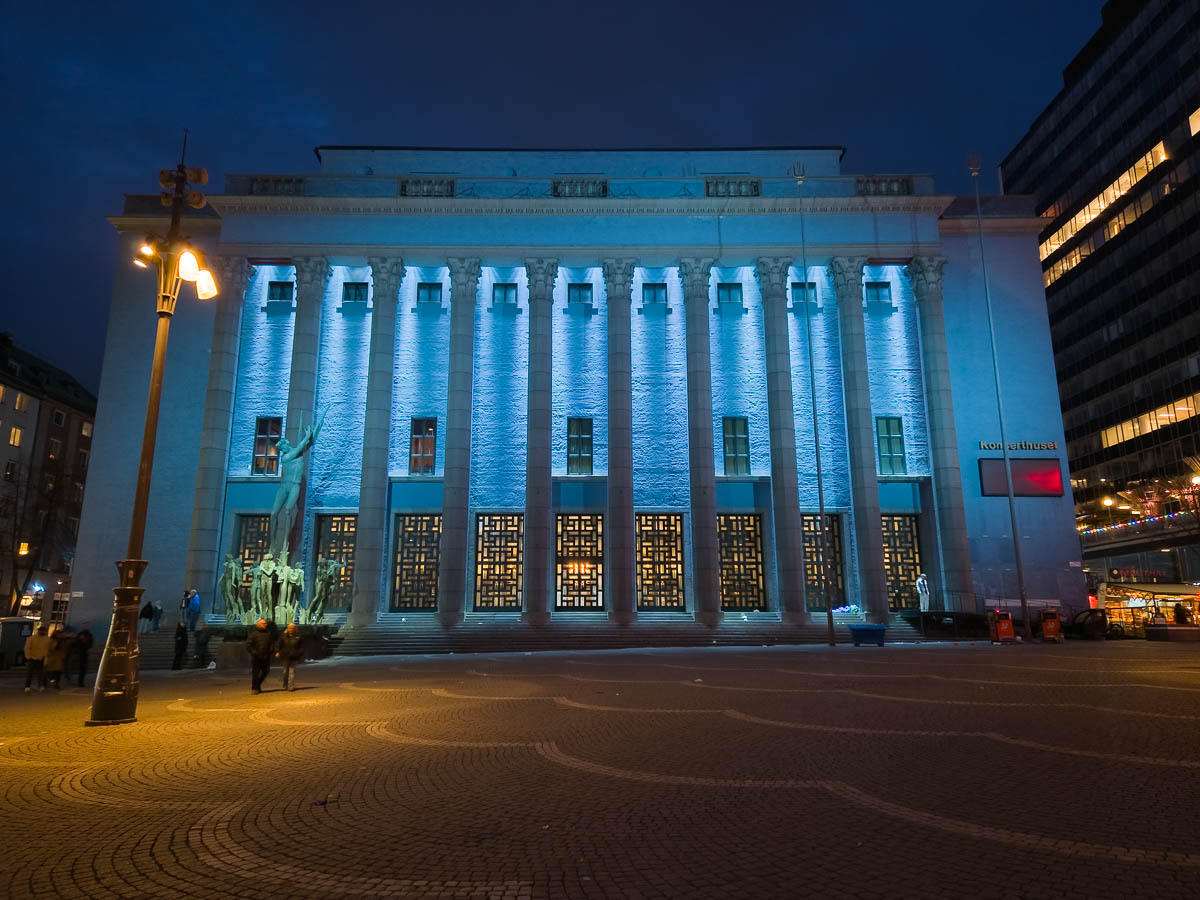
The last in the series of solo piano concerts at Konserthuset/Stockholm Concert Hall, today with Peter Friis Johansson.

First, Henry Cowell’s Three Irish Legends – avant-garde music from 1922. Interesting and energetic. At times the piece requires the pianist to use his entire lower arms to play, not just his fingers. Perhaps not my favourite, but I’m glad I heard this.

Next, Bo Linde, a mid-century Swedish composer. OK, bot not this music didn’t really do anything for me.

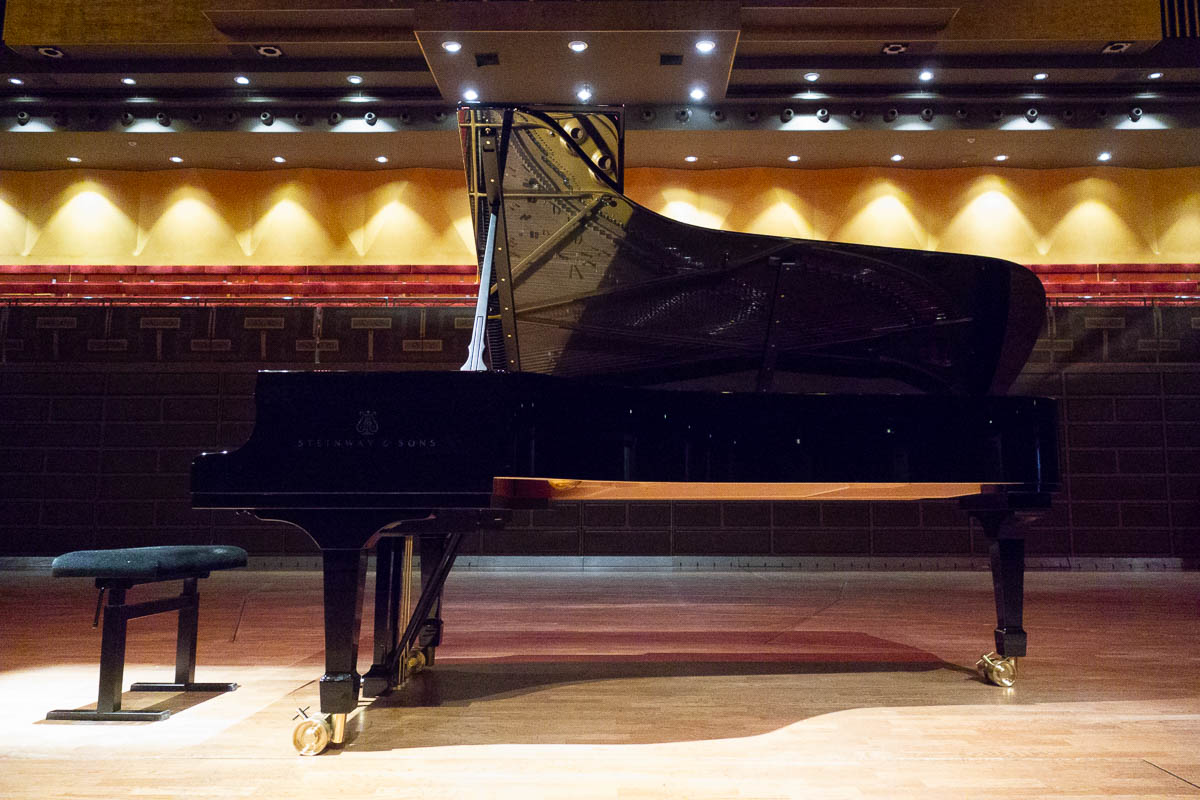
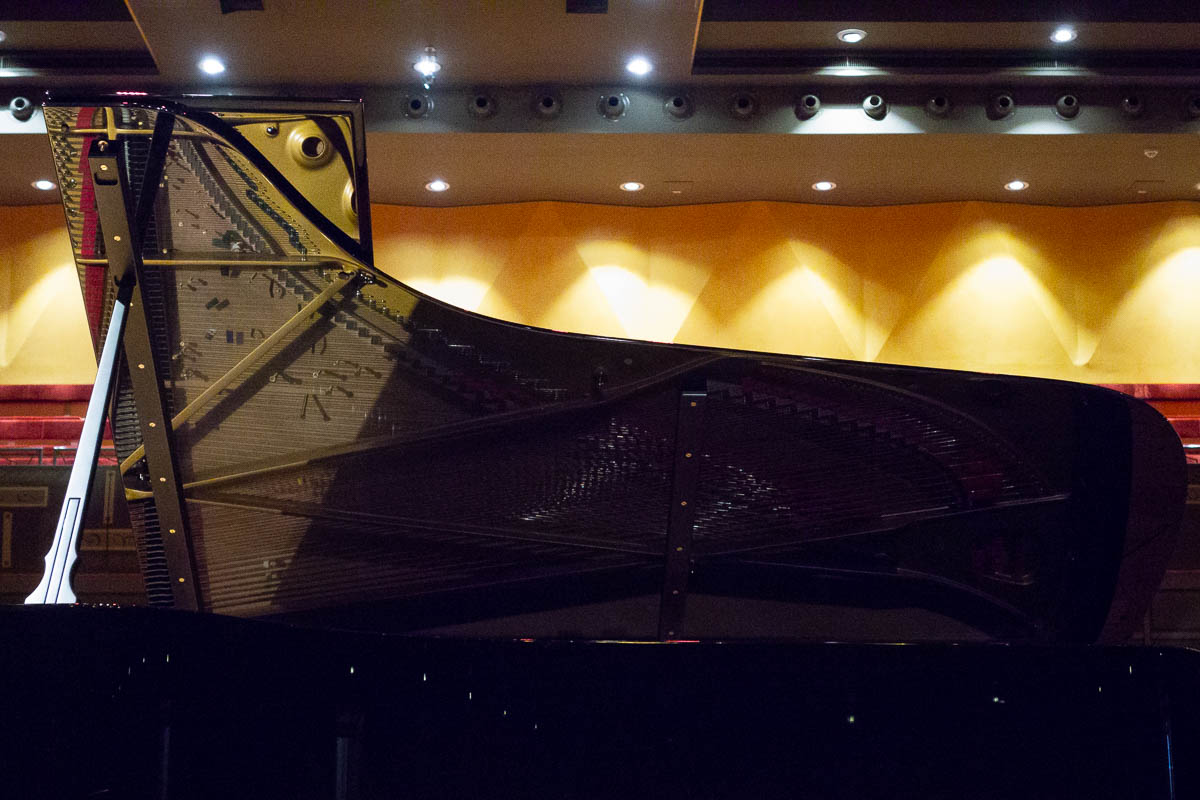
Last, John Cage’s Sonatas and Interludes for Prepared Piano, which means a piano that has been modified by putting small objects – screws, erasers, pieces of plastic – on or between the strings. This sounded intriguing before I’d heard it, remained interesting for the first ten or fifteen minutes, but there wasn’t enough actual music to keep my interest beyond that. Also after a while the music felt like it was just… fading out. Like a constant diminuendo, as if the music was about to end – for half an hour.

I like simple music, and minimalist music, but this was too minimal for me. It wasn’t even meditative. Some music can sometimes put me in a state that’s almost awake dreaming, and I have to rouse myself to keep listening. This didn’t even capture enough of my brain to do that. It just became background noise while I sat and thought of other things.

Several people in the audience left in the interval before the John Cage piece. More walked out about ten minutes into it. (I couldn’t make myself do that.) Many rose and left as soon as the applause started – some in clear relief, others voicing complaints. And at the same time, a few were shouting “Bravo!” at the back.

I asked if I could step up on the stage to see the prepared piano up close, but the staff clearly just wanted the audience to be gone so they could clean up and go home, so I had to make do with photos of the strings and objects as reflected in the lid of the piano, from a distance.
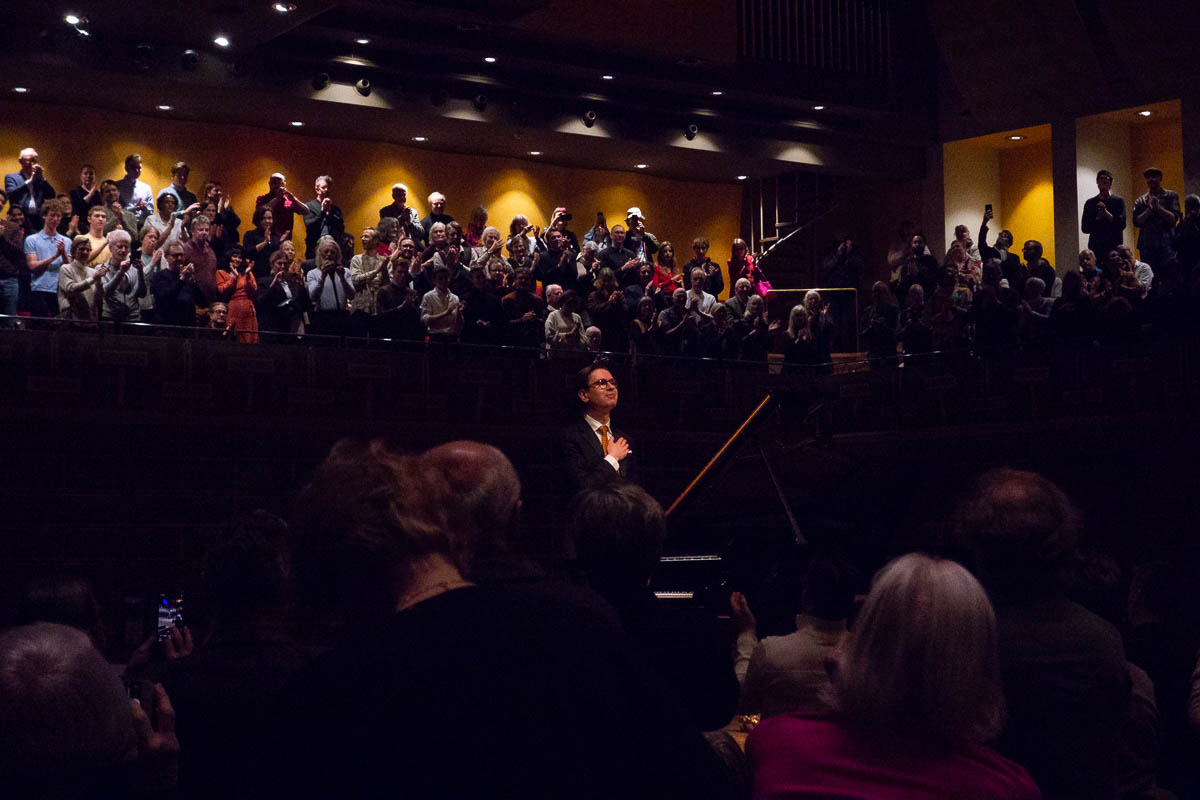
Víkingur Ólafsson played Bach’s Goldberg Variations. My favourite, by far, of the piano recital series. Wonderful experience.

Unlike the grumpy Russians, Ólafsson was personable and fun. Smiled, talked to the audience. Patted the piano to thank it when he was applauded at the end.

These things always end with extra numbers. They can barely even be called extras, these days – they almost always happen. But it was Ólafsson’s very definite opinion that the Goldberg variations were a whole, with a built-in encore in the shape of the aria being repeated at the end, and “you can’t just play a Nocturne by Chopin after it”.


Went to a concert with Sara Parkman together with Hampus Norén and Hägersten A Cappella, at Uppenbarelsekyrkan (Church of Revelation) in Hägersten. Beautiful church, beautiful music, a wonderful experience.

The concert was a mixture of old classical music (ranging from Hildegard Von Bingen to Gregorio Allegri), modern classical music (Arvo Pärt), Swedish folk tunes and herding calls, new music written by Sara Parkman, and combinations of the above.

The concert ended with a sing-along version of one of Sara Parkman’s songs, with a text by Erik Gustaf Geijer, another meeting of old and new. I can generally manage to follow along in an average sing-along tune, especially when I have the score AND I am given multiple chances – this one had two short verses and we sang it three times – but this melody was way above my skill level. But the experience was moving nevertheless.

Powerful and emotional and beautiful. Sara Parkman’s passion and presence made it a truly memorable experience.