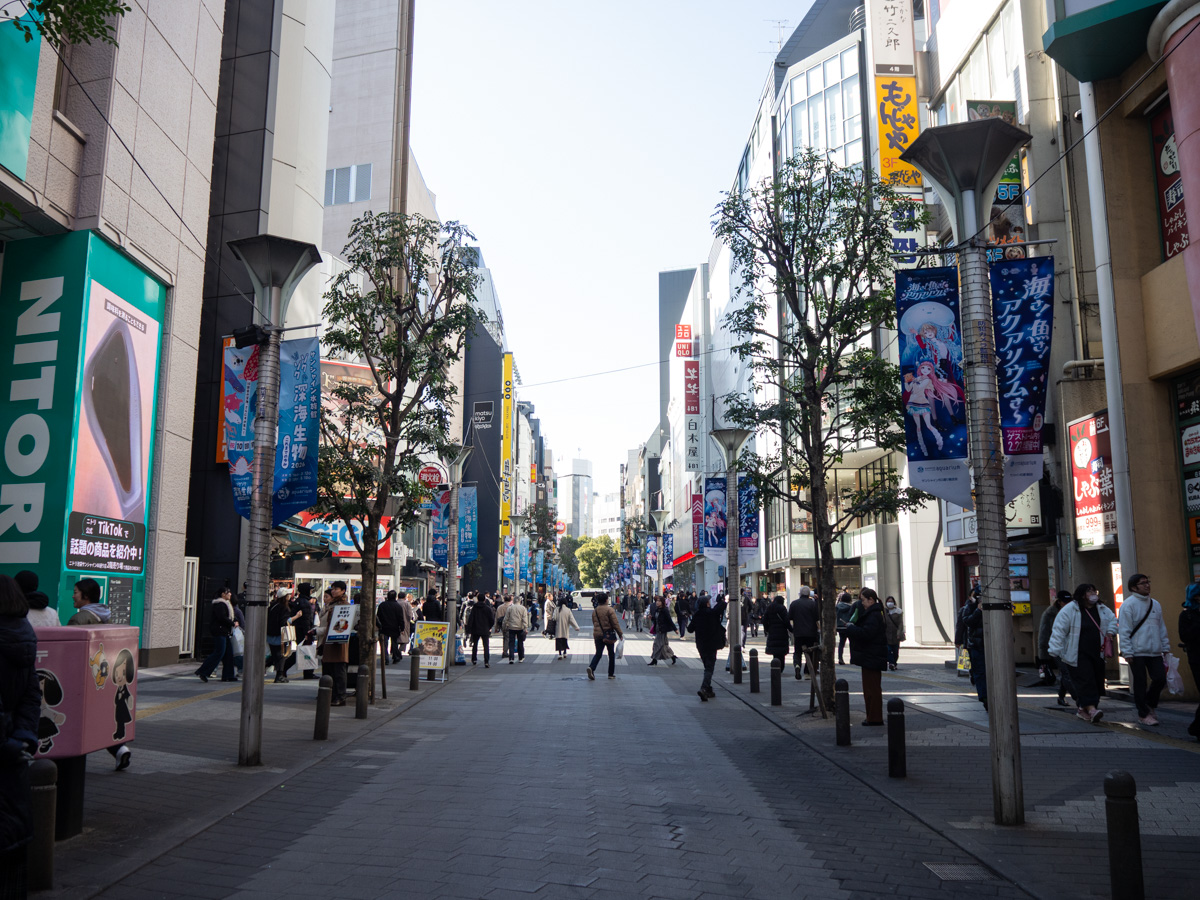
Our rental apartment is in Ikebukuro district, but we’ve barely seen any of it, apart from the routes to the two nearest metro stations.

We’ve got a trip planned outside of Tokyo for later today, but in the morning we walked around a bit in Ikebukuro.

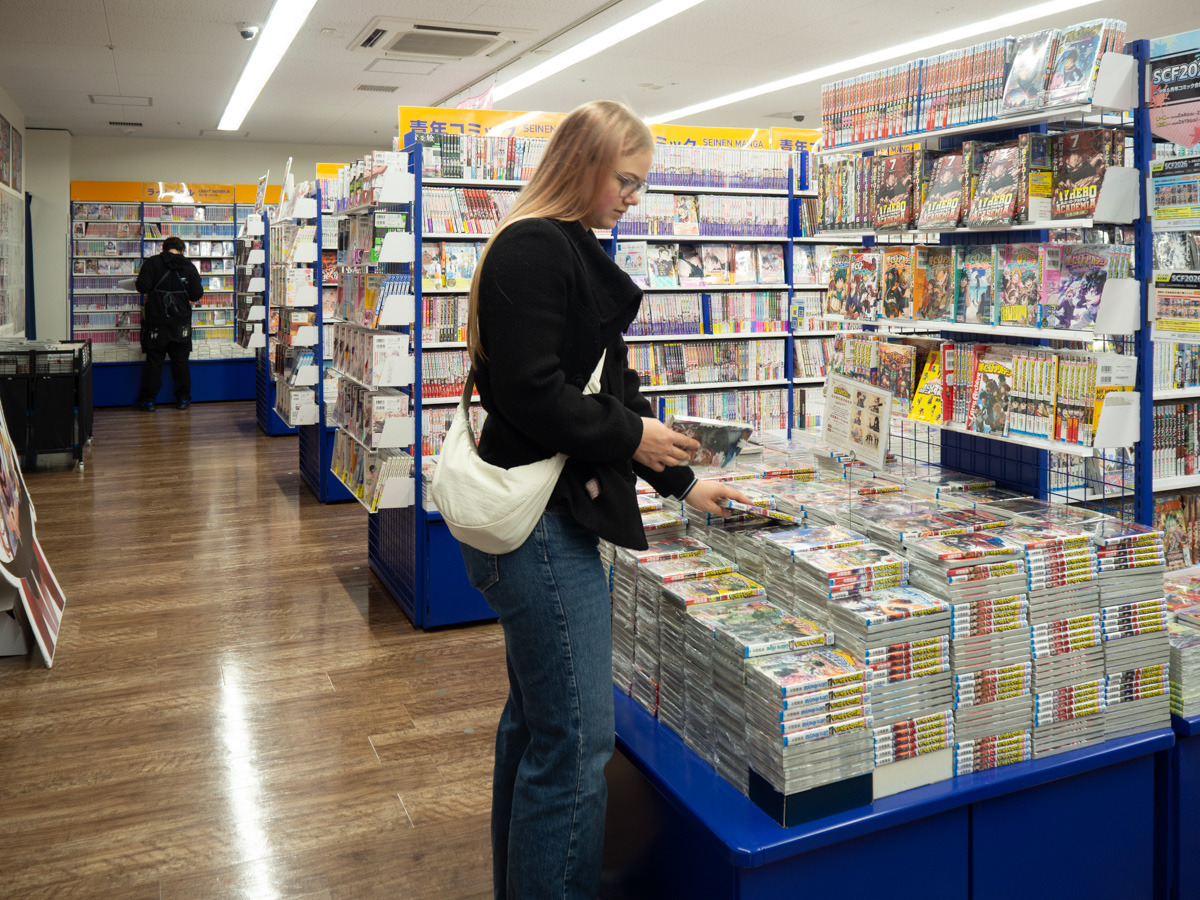
Ingrid visited Animate, a 7-storey manga superstore. I tried my best to occupy myself while waiting for her, but it became very boring fast.

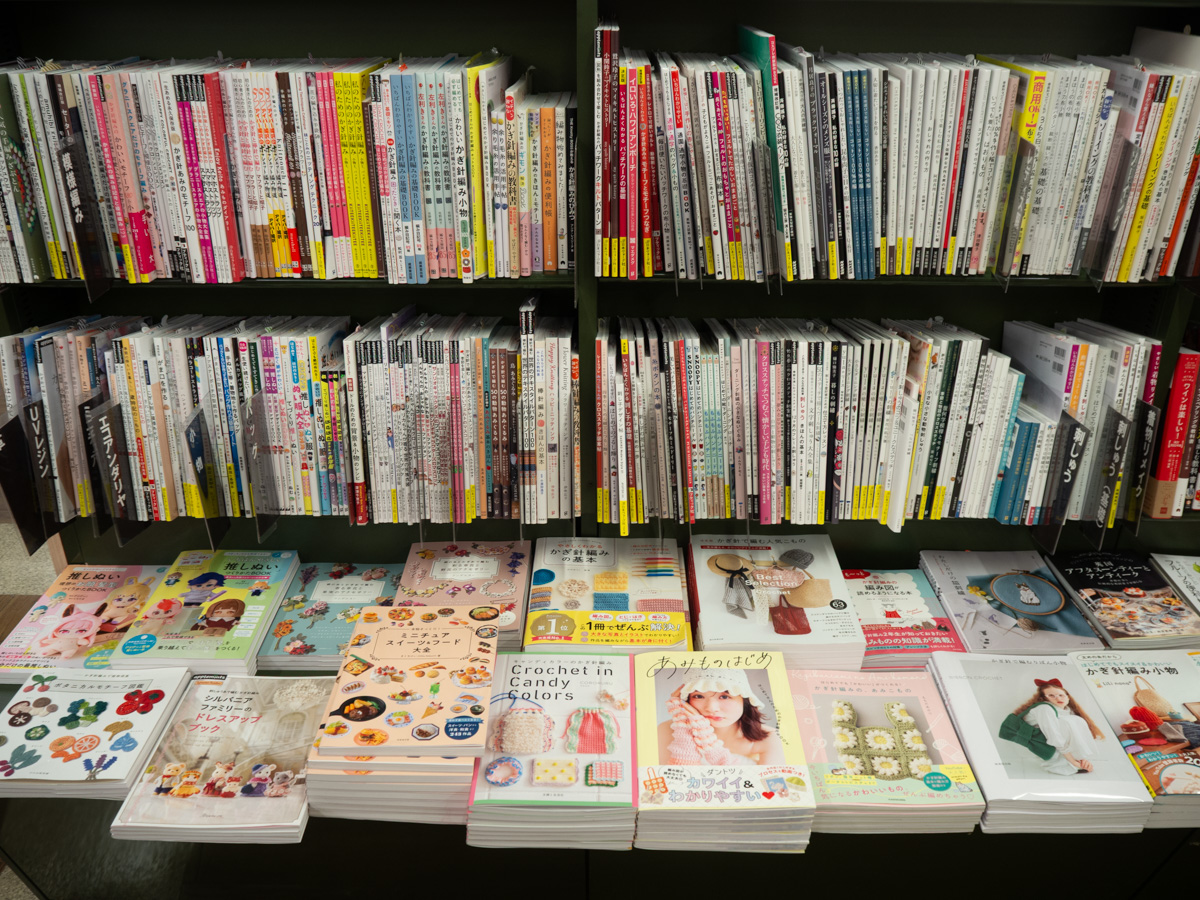
I browsed a bookstore. I was hoping that they might have something interesting in the knitting section. Japanese knitting books are quite different from Swedish ones. In Sweden, there are books like “Knit 20 sweaters” or “Knit for the home” or “Everything about socks and mittens”. Japanese knitting books were more based on vibes. “Here’s some cute stuff” – which could range from knitted sweaters to crochet flowers in the same book. If they want to knit a sweater, do they go through dozens of books to find a pattern?

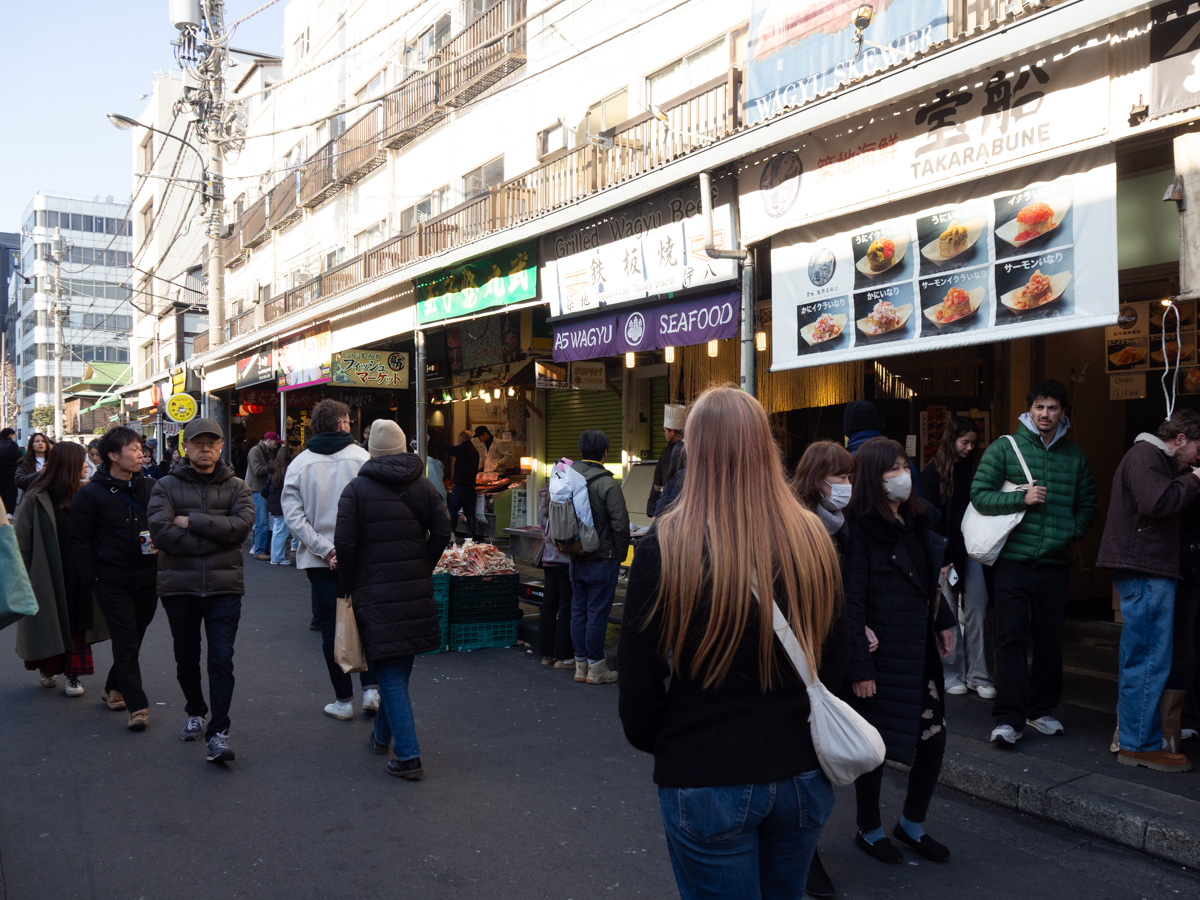
After the museum, we visited Tsukuji market, which is what’s left of the old fish market. I was expecting lively alleys, full of food stalls and restaurants, teeming with people. It was… not that. It felt rather dead. Maybe we came at the wrong time of day?

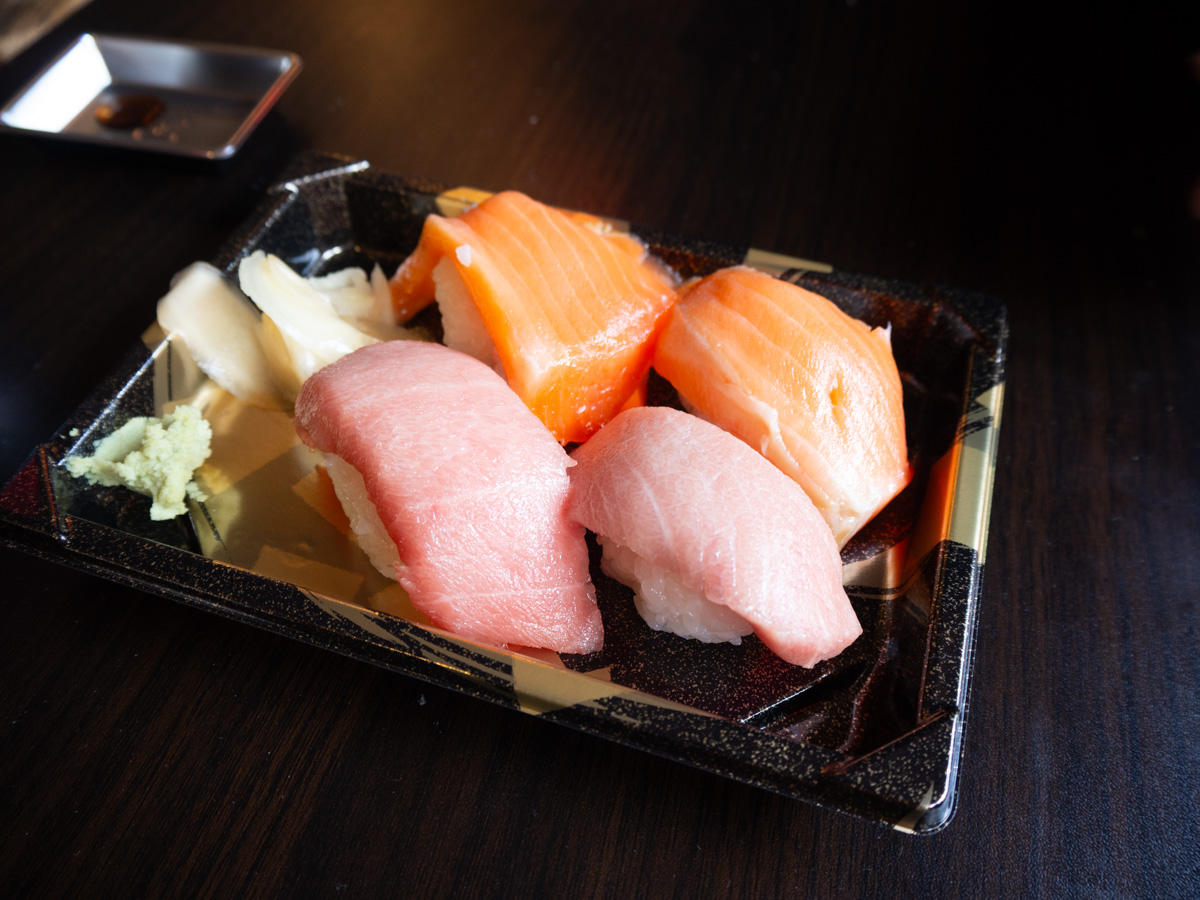
Since we were here, and hungry, we splurged on four pieces of fancy sushi. Generally there wasn’t much here that tempted us so I bought a simple cheese skewer to take the edge off my hunger, and we went elsewhere.

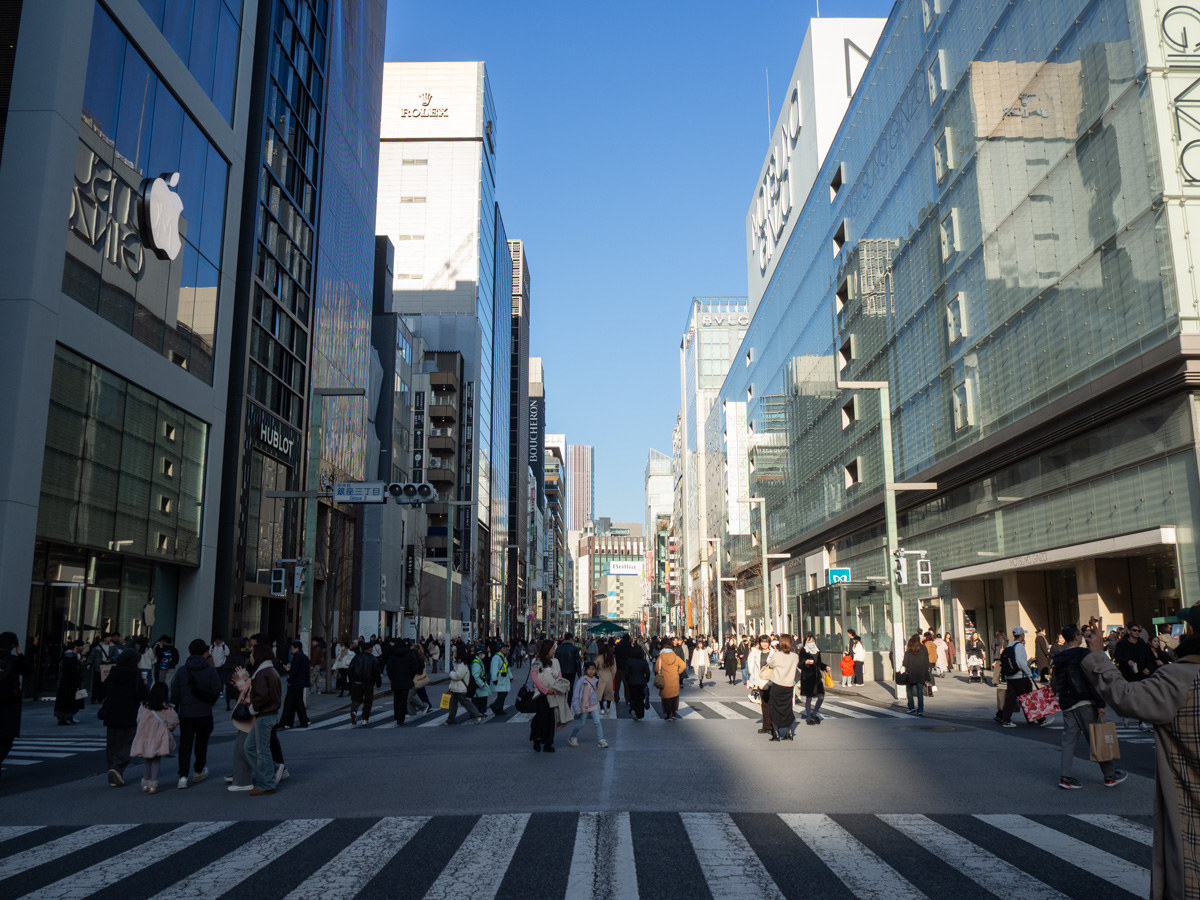
In Ginza, one of the main thoroughfares was closed for traffic. It felt like some kind of traffic apocalypse had disintegrated all the cars but left all the people.

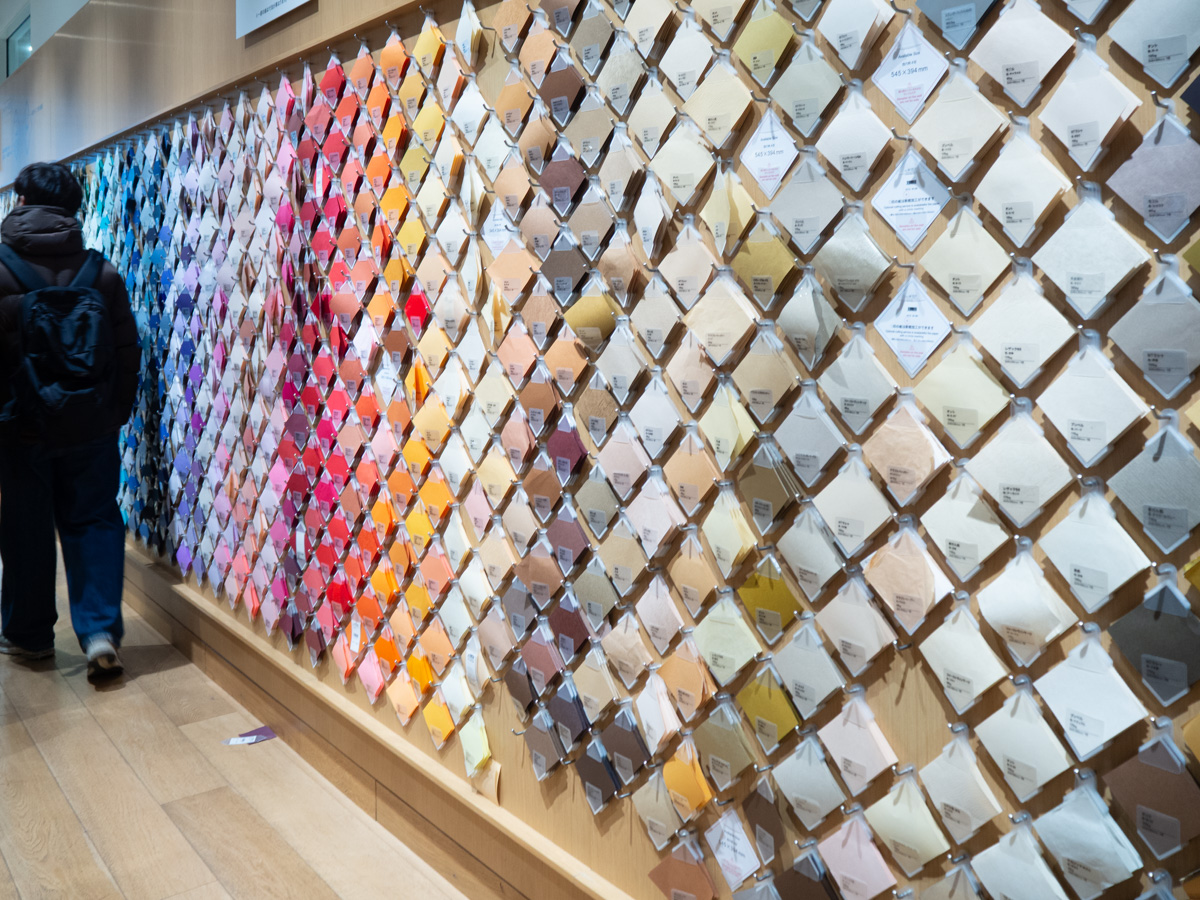
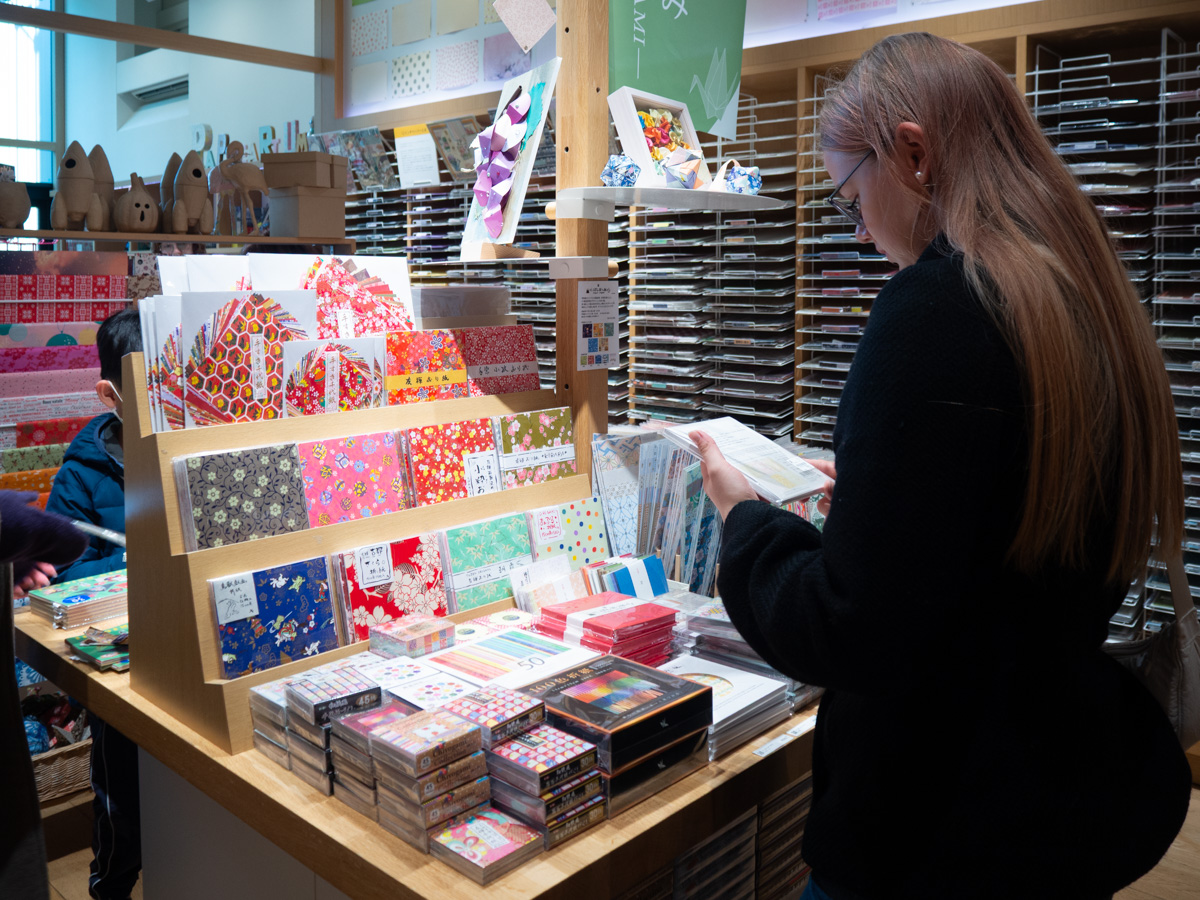
We browsed the Itoya stationary store. I am jealous of Japanese people who have access to so many fine paper products. Origami paper, wrapping paper, note-taking paper, cards, pretty cardboard boxes…


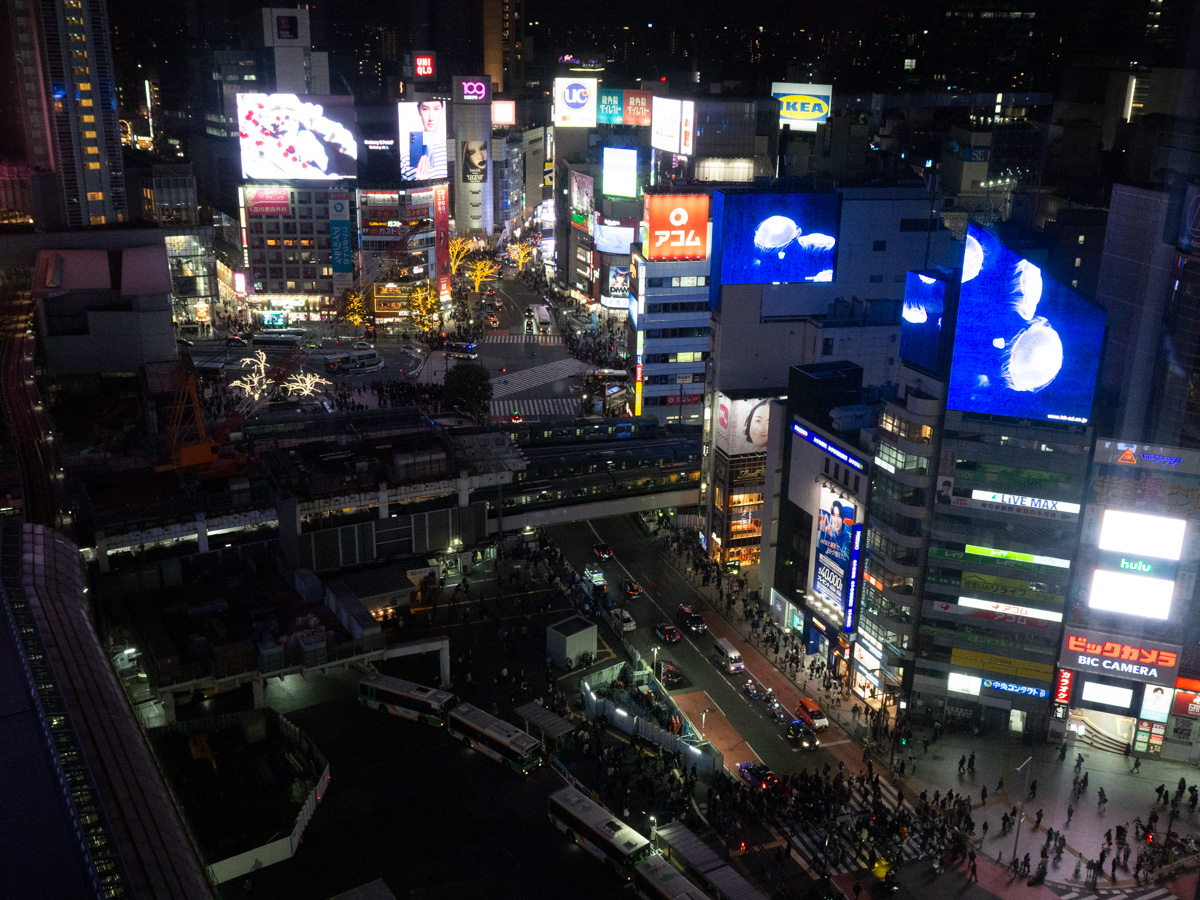
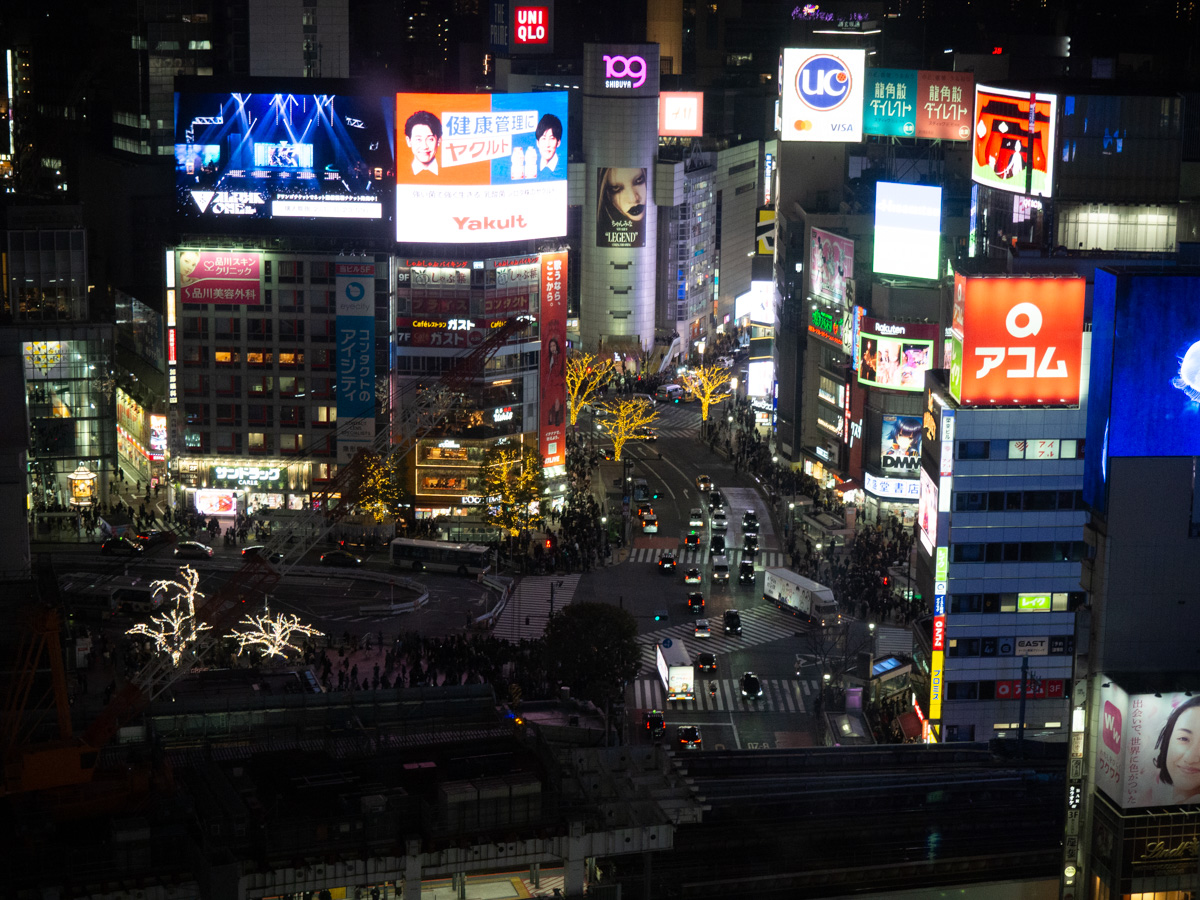
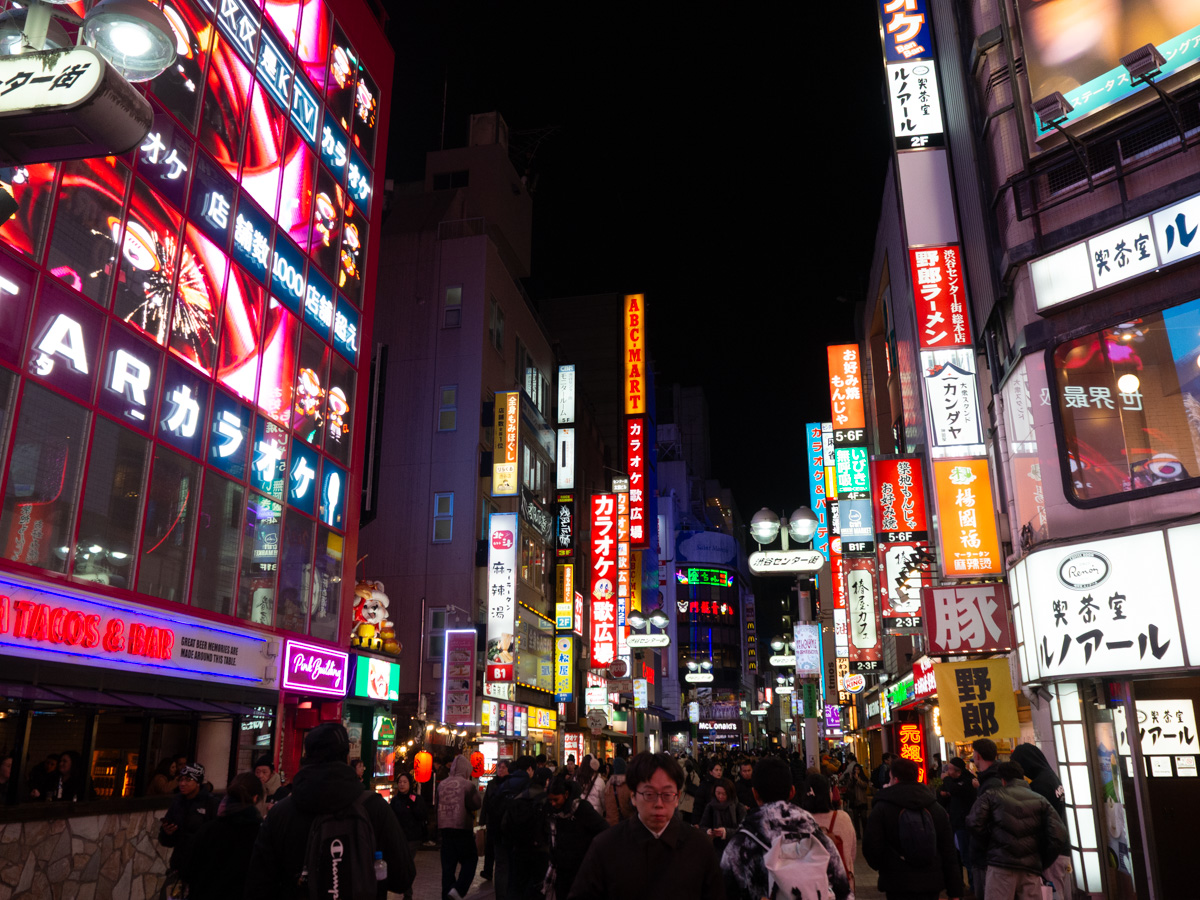
When it was dark, we went to Shibuya sky lounge to take photos of the photogenic street scene there. There is less traffic in Tokyo than I had expected, but a lot of people. Everybody is very obedient when it comes to traffic rules, traffic signals and street crossings. Traffic signals prioritize pedestrians. At the major street crossings, when the lights go green for pedestrians, they go green on all sides at the same time. People cross in all directions, including diagonally, and entire the entire crossing is like an ant hill. But a polite and organized ant hill!


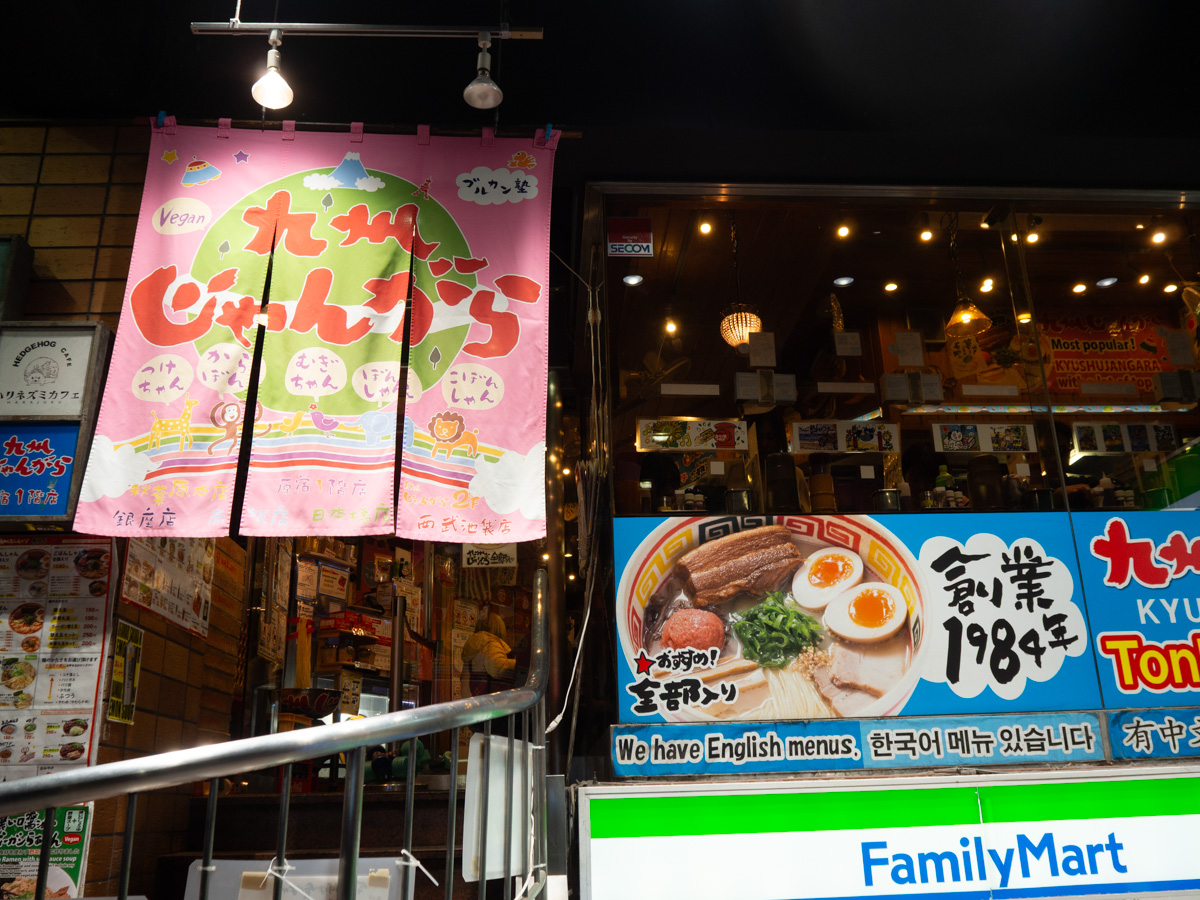
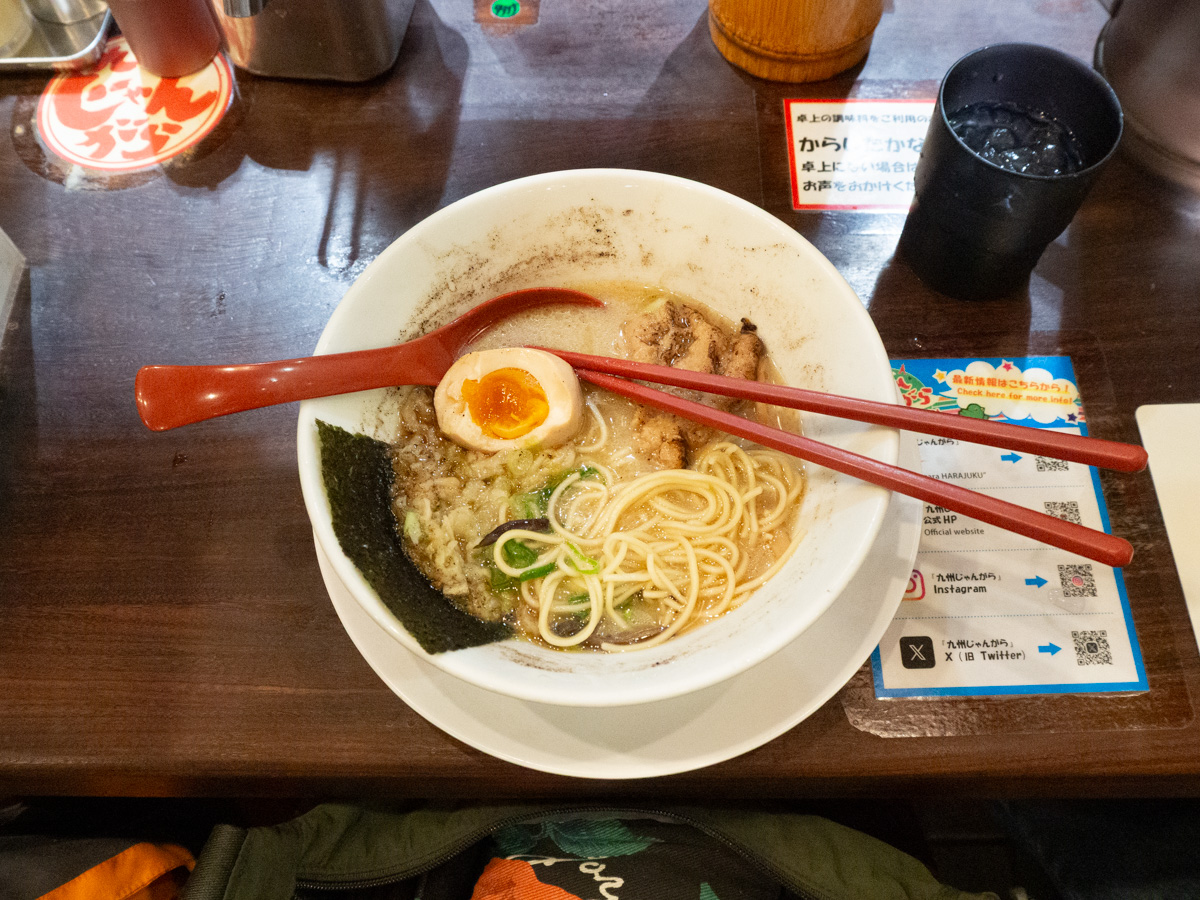
For dinner, Ingrid wished for ramen. We ate at Kyushu Jangara Ramen Harajuku, a total hole in the wall, with cheesy curtains and cheap-looking signage. Had I walked past it on the street, it would never have caught my eye. Possibly only to laugh at the cutesy creatures on the curtain. But Ingrid had done her research!

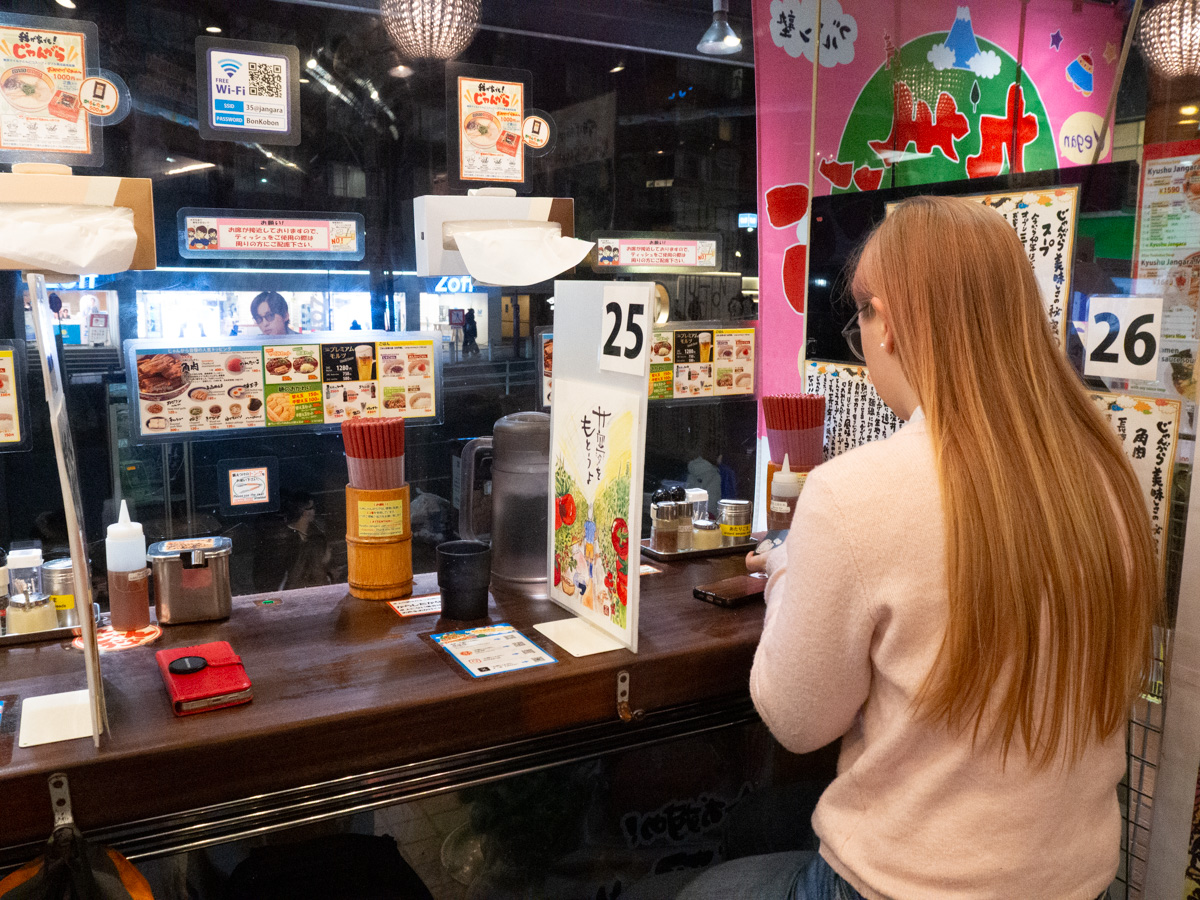
Inside it was just as cramped as a kaitenzushi place. Those dividers between seats make it possible to cram in more people than you otherwise could. Cosiness factor: zero.

The food was excellent, though. Flavourful broth, topped with noodles and vegetables and one of those lovely marinated eggs, as well as other strange things that I couldn’t even identify. They had ramen with vegetarian broth, which can be tricky to find – it tends to be pork-based. Ingrid said that her pork ramen was even better than my vegetarian one.

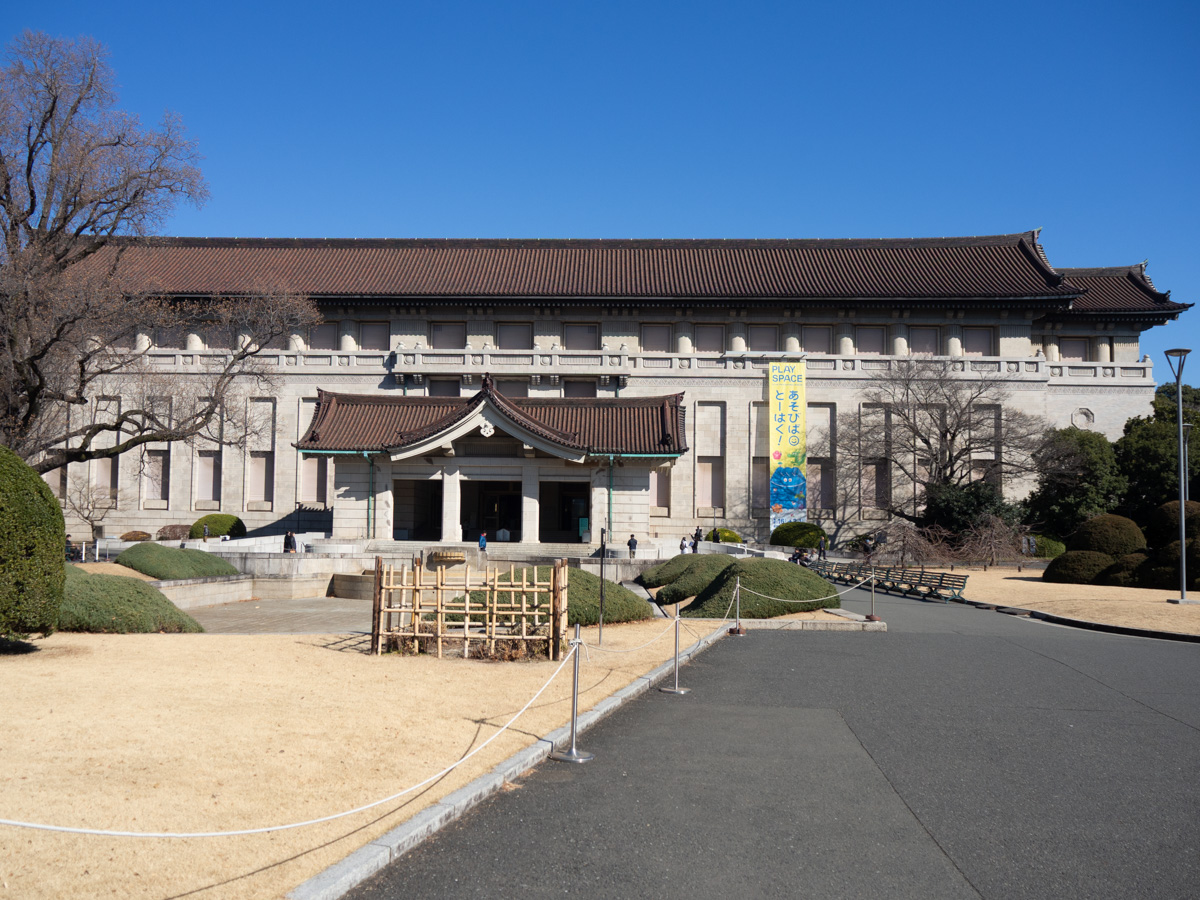
Tokyo National Museum in Ueno Park. Art and historical objects from Japan and other parts of Asia. We focused on Honkan, the main building with Japanese artefacts.

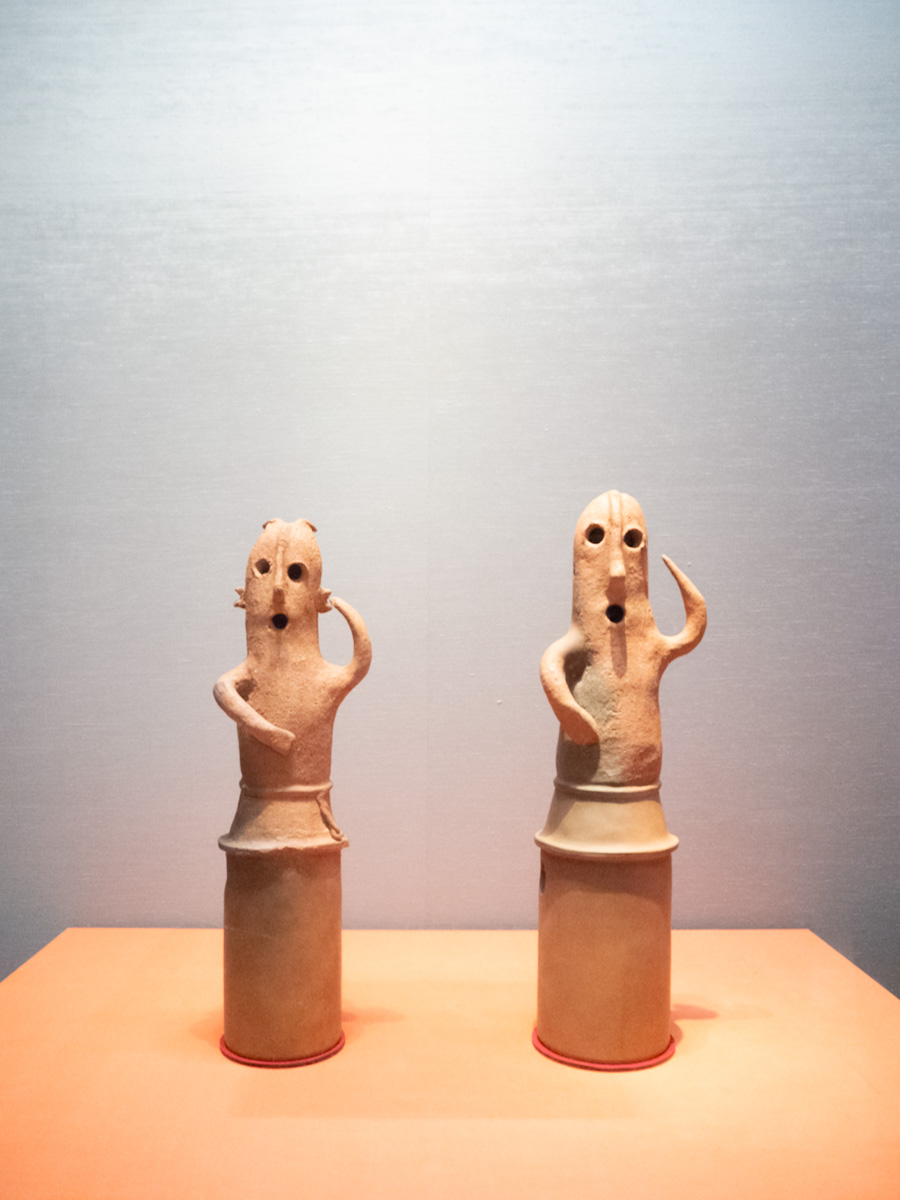
These two sculptures of dancing figures from the 6th century were the oldest items I saw. They are so old that they become new again. They make me think of Modigliani. Art has gone around the full circle.

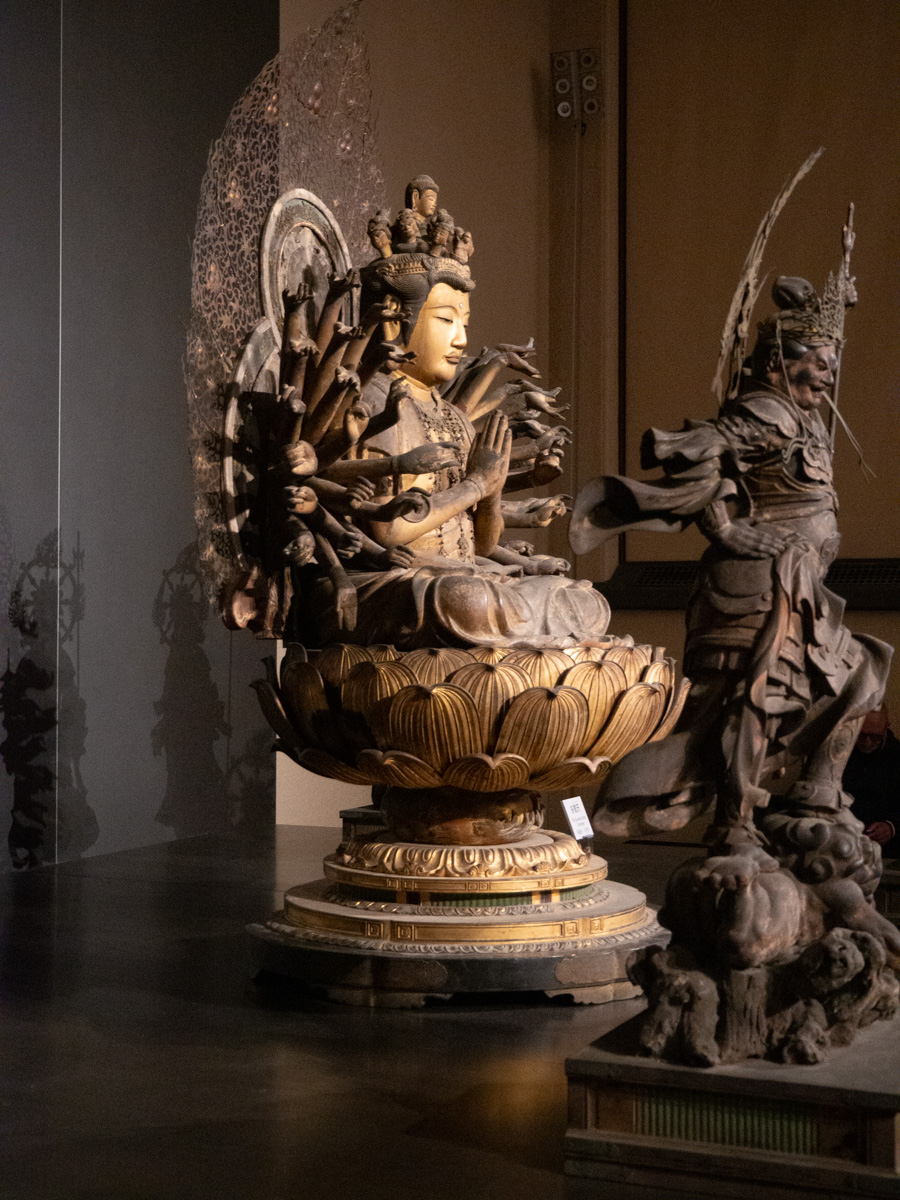
A lot of the older artwork displayed was religious in nature – Buddha statues, buddhist saints and demons. It can be technically impressive, but the highly stylized iconography, all full of symbolism, feels so impersonal.

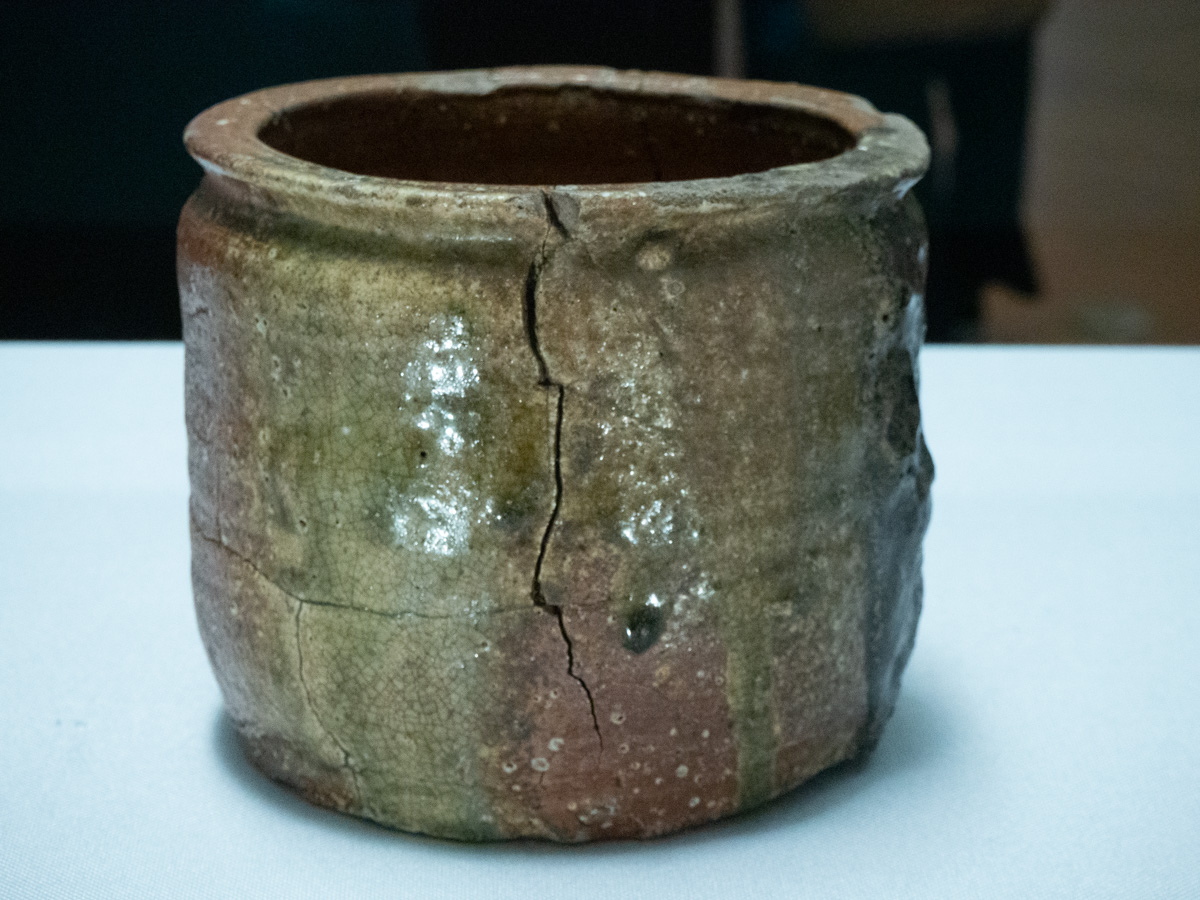
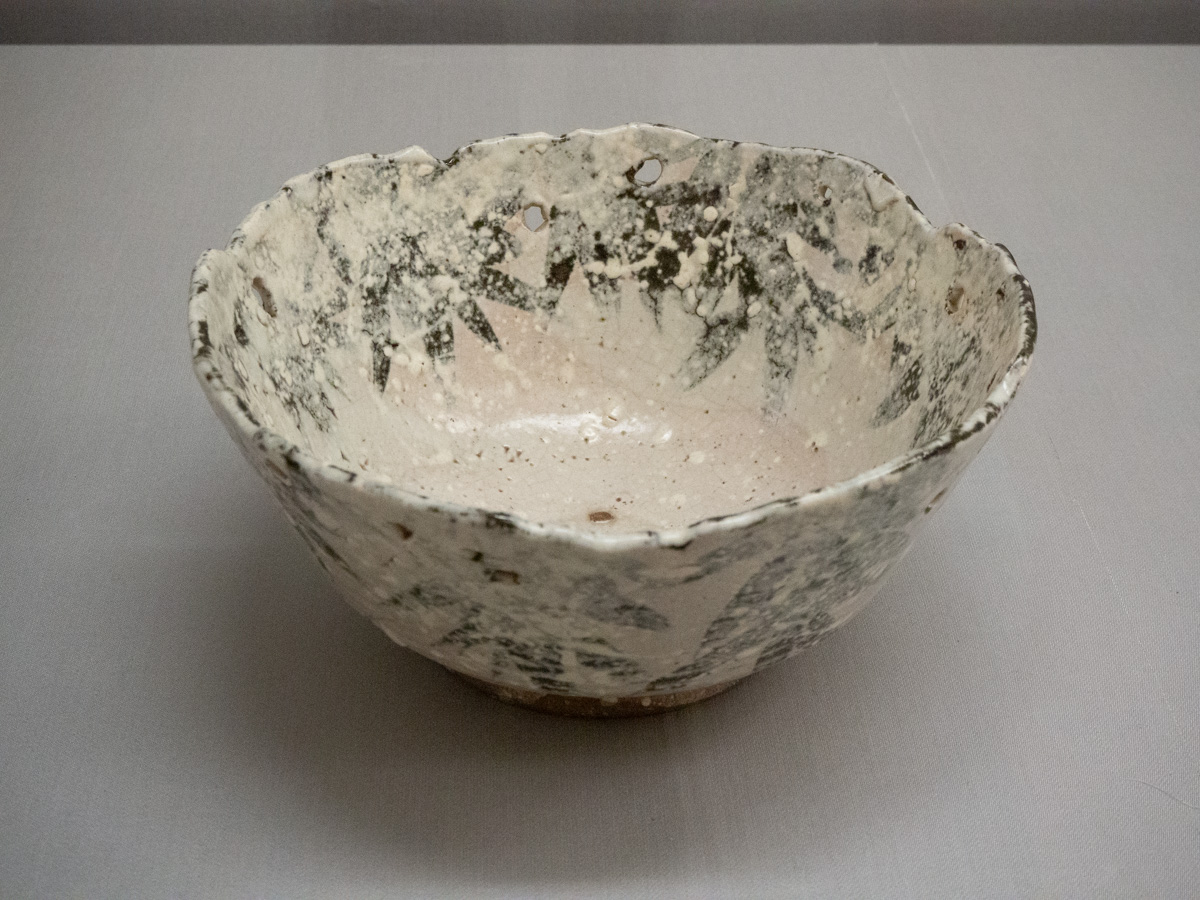
Old pottery with its wabi-sabi aesthetic was the opposite of impersonal. The maker’s hands are so present. It’s amazing that something so fragile has survived for four hundred years.

I’ve never done any pottery, but these pieces make me want to try it myself.

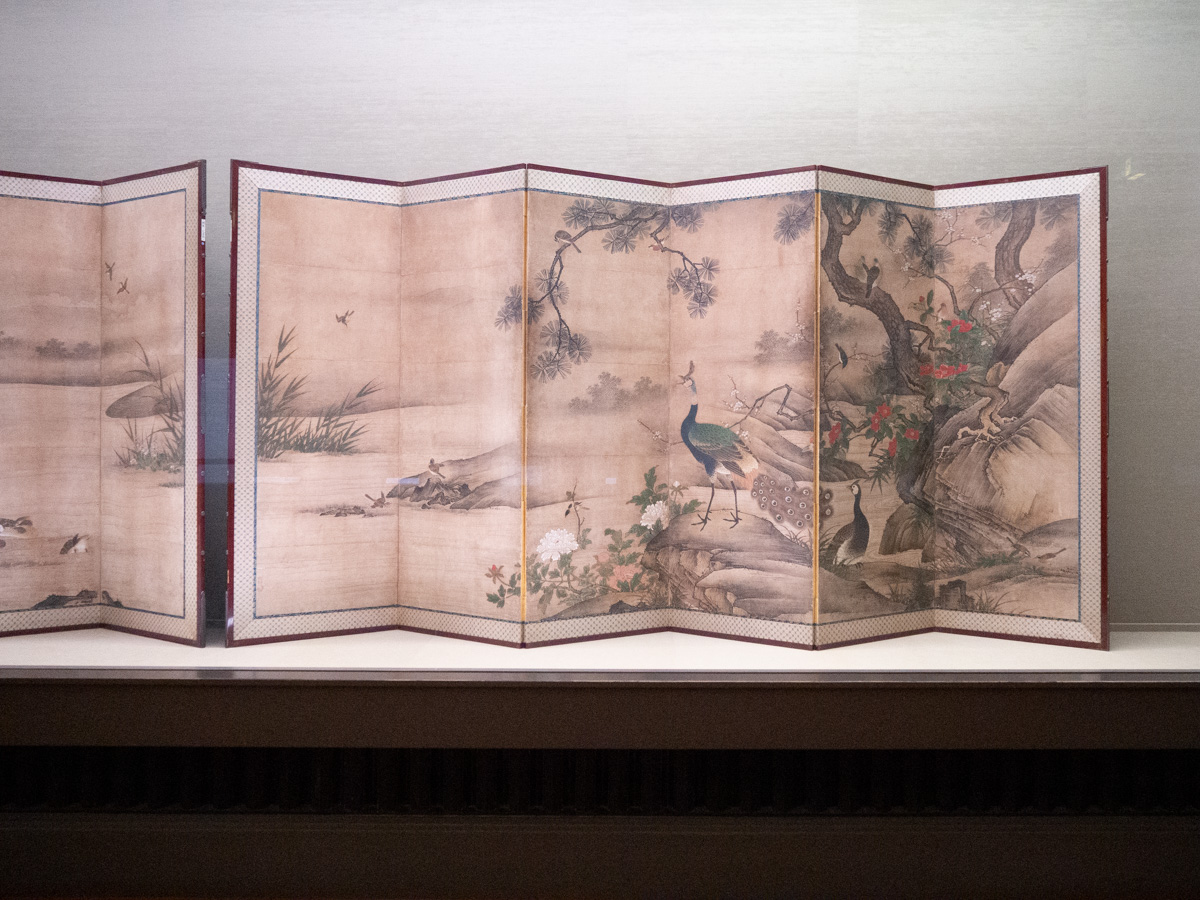
With this painted folding screen, we’re back to refined symbolism again.

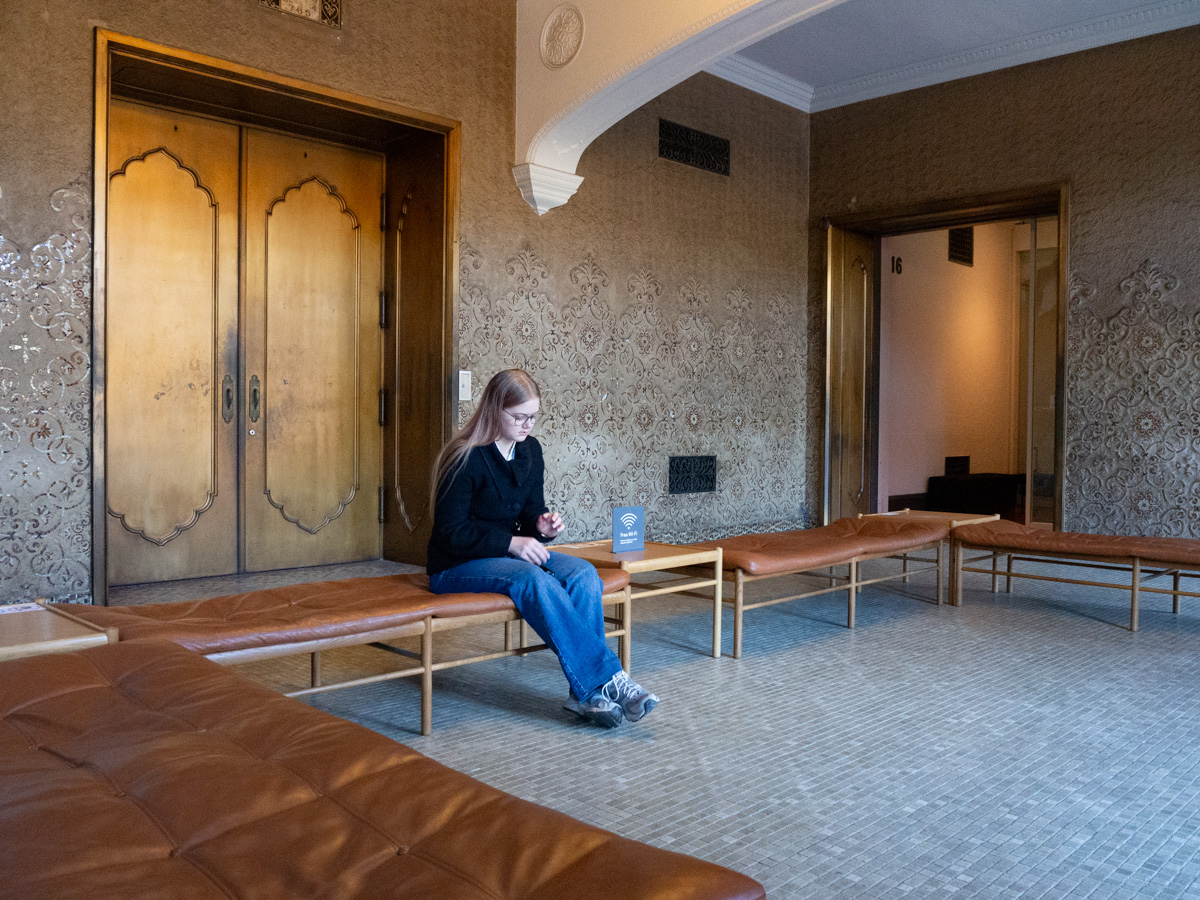
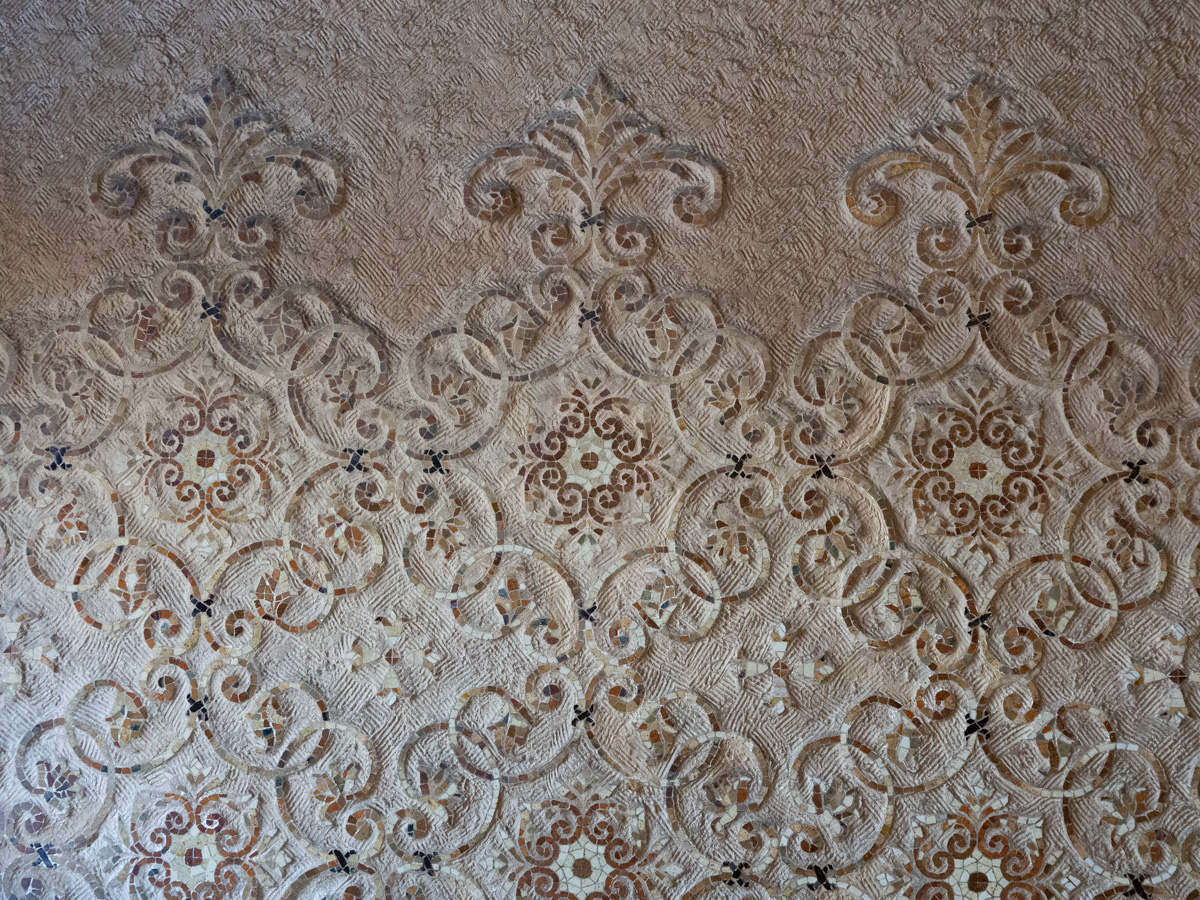
Taking a break to rest our legs. This foyer at the back of the museum had beautiful walls and beautiful light.


A visit to Japan would not be complete without seeing Mount Fuji.
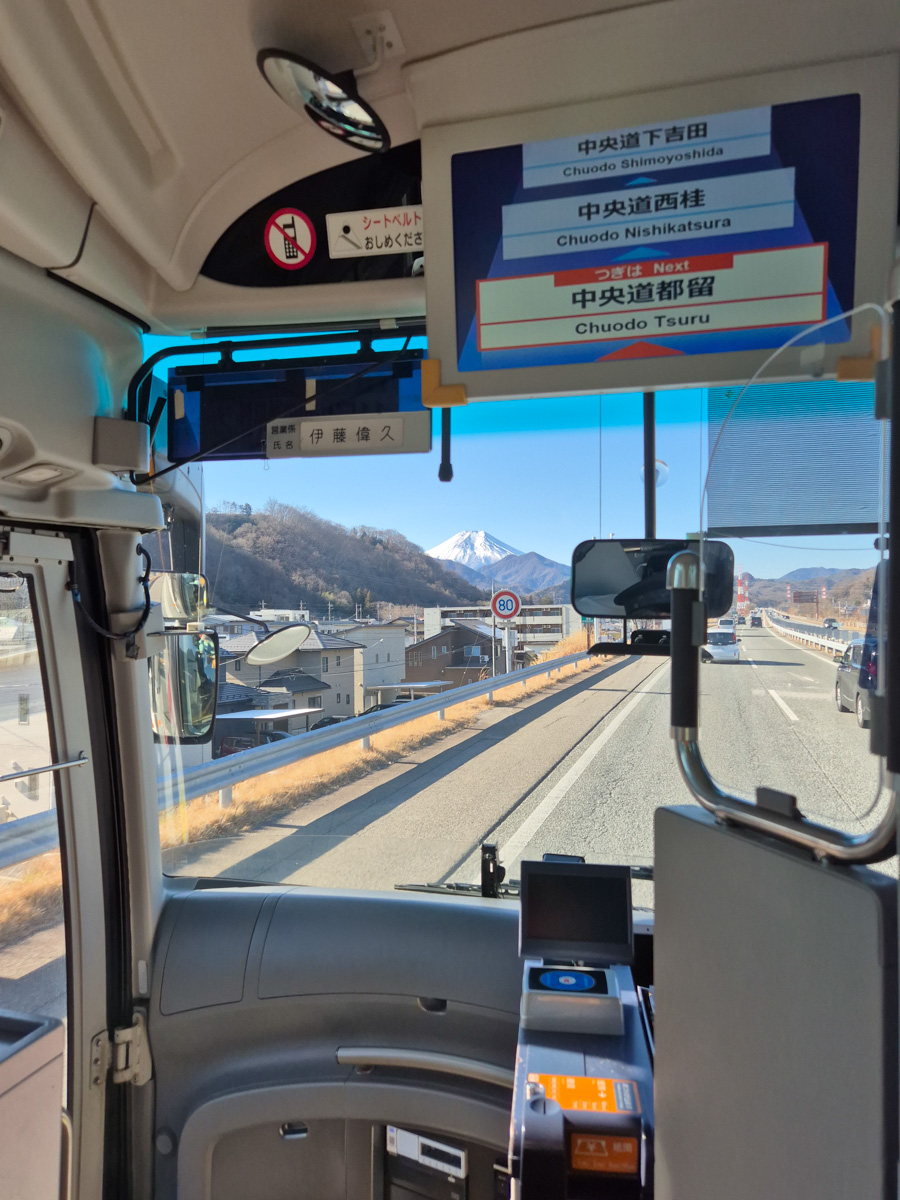
It takes under two hours to get to Fujikamaguchiko from Tokyo by express bus. Mount Fuji is visible well before the final stop.

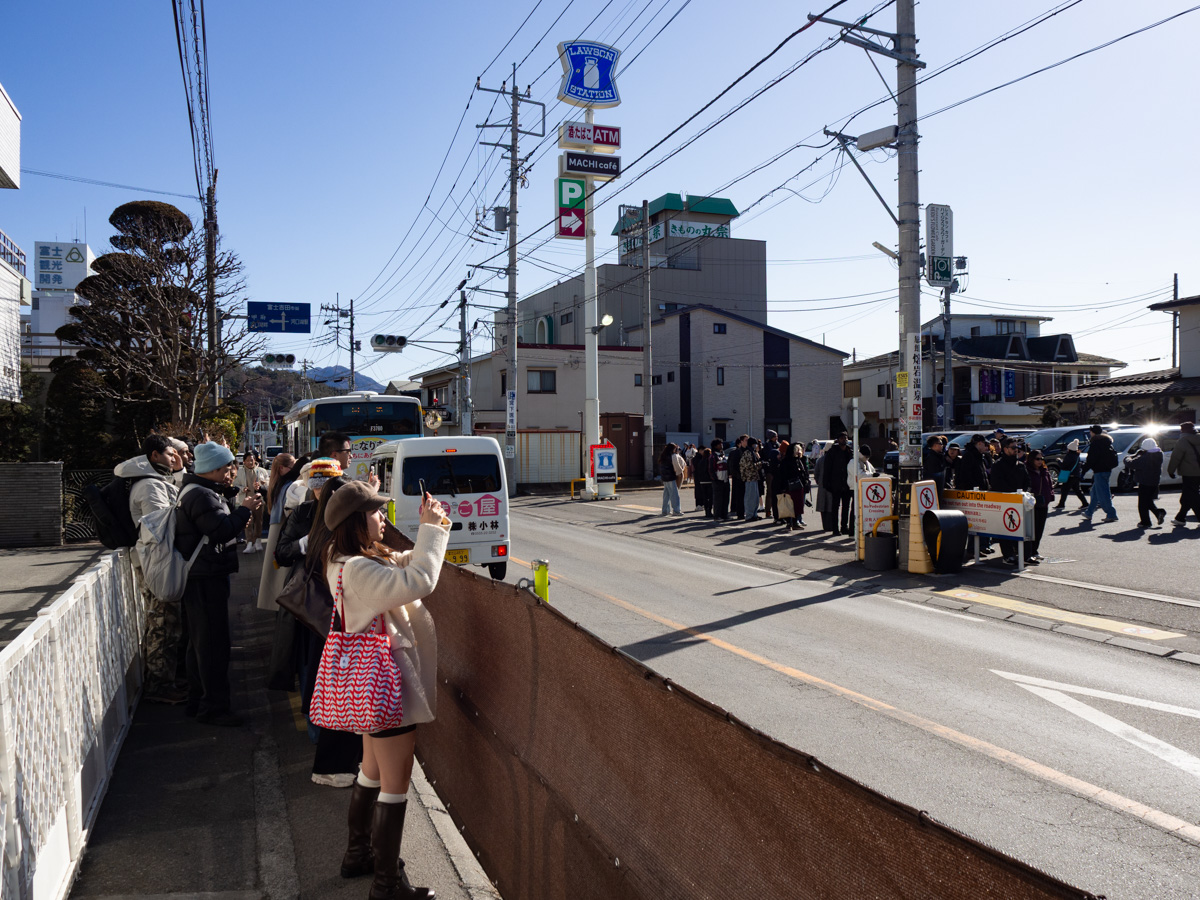
You don’t have to walk far from the bus station to get a view of the mountain. For some reason, a lot of people wanted a photo of it with a Lawson convenience store in the foreground. It’s a whole thing, apparently. There was a queue of people with cameras on one side the road, and their friends/partners on the other side, in front of the Lawson store. Everyone was queueing quite politely, but clearly the whole thing has been causing enough disruption to traffic that there were barriers in place to keep the photographers from wandering into the street, and even a security guard to keep an eye on the whole thing.
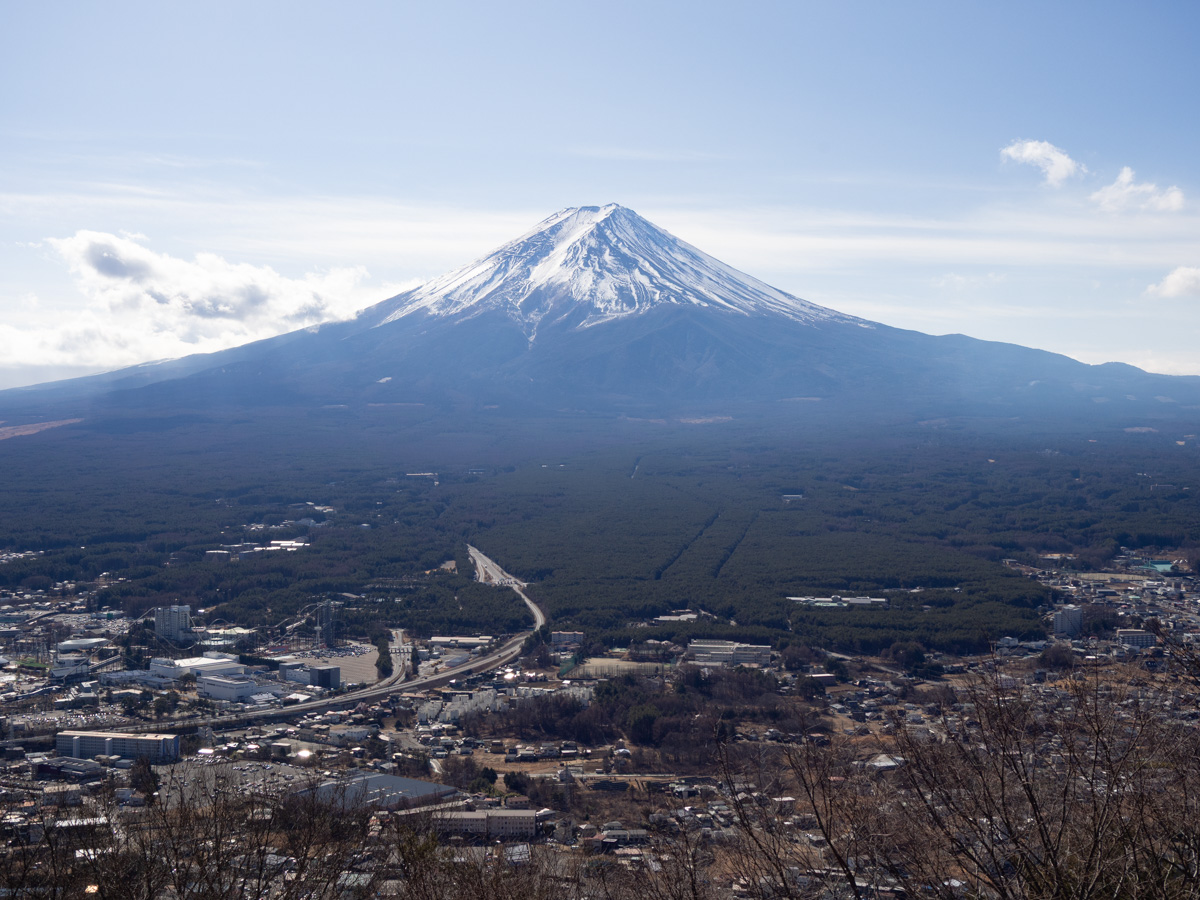
Better views of Mount Fuji can be had from a hill nearby. We took the cable car to the viewing site near the top of the hill and got pretty stunning views. It really is quite majestically large.

When we were planning the trip and Mt Fuji came up, my first instinct was that we should climb it. It’s a mountain, it’s there, of course we want to go to the top. Unfortunately quite undoable: firstly, it would take three days, and secondly, now is not a good time of the year. When we were here in the +5°C weather, the weather app said it was –29°C at the top of the mountain.
There was a hiking path to the top of the hill (and onwards to other hills and mountains) where we felt like we had the whole place to ourselves. The viewing platforms weren’t too badly crowded, either, even though it’s a Saturday, but up there was even better.
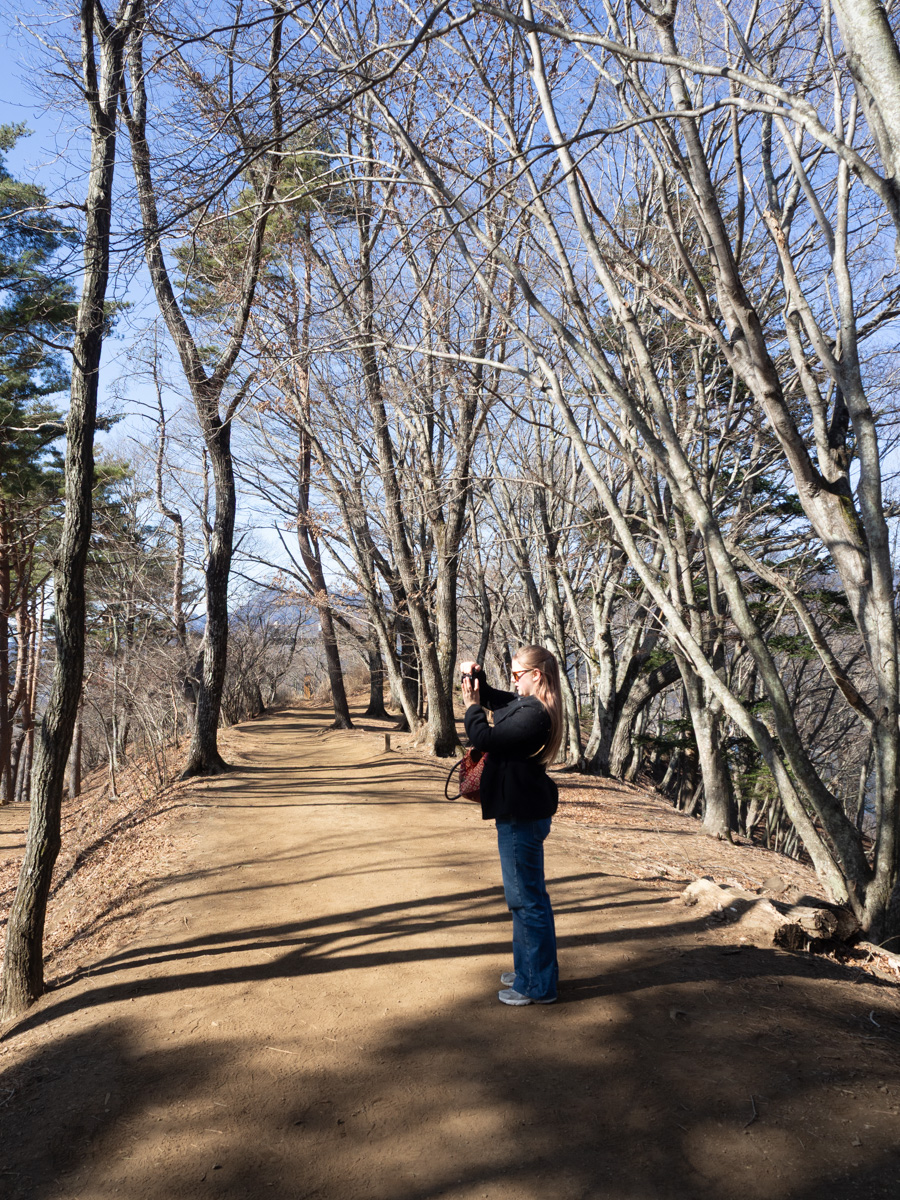
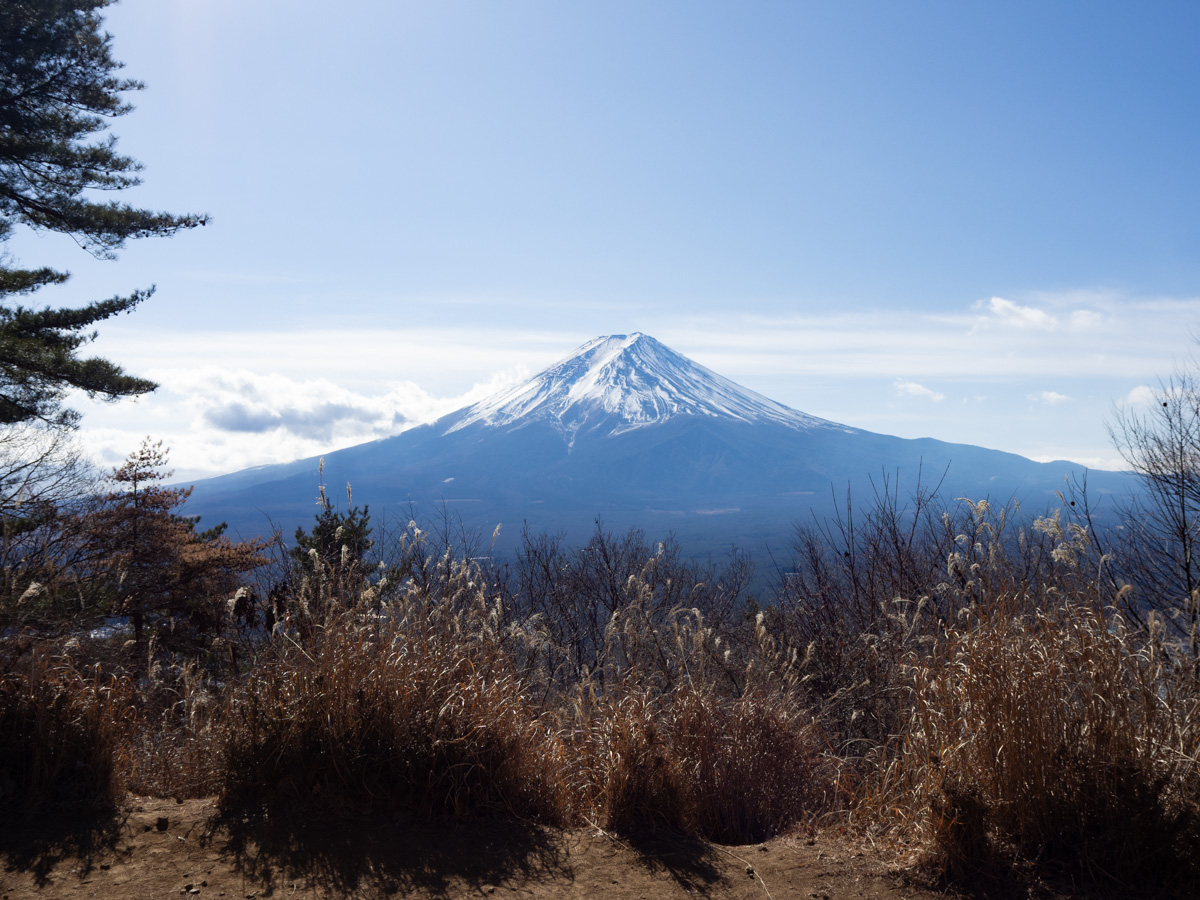
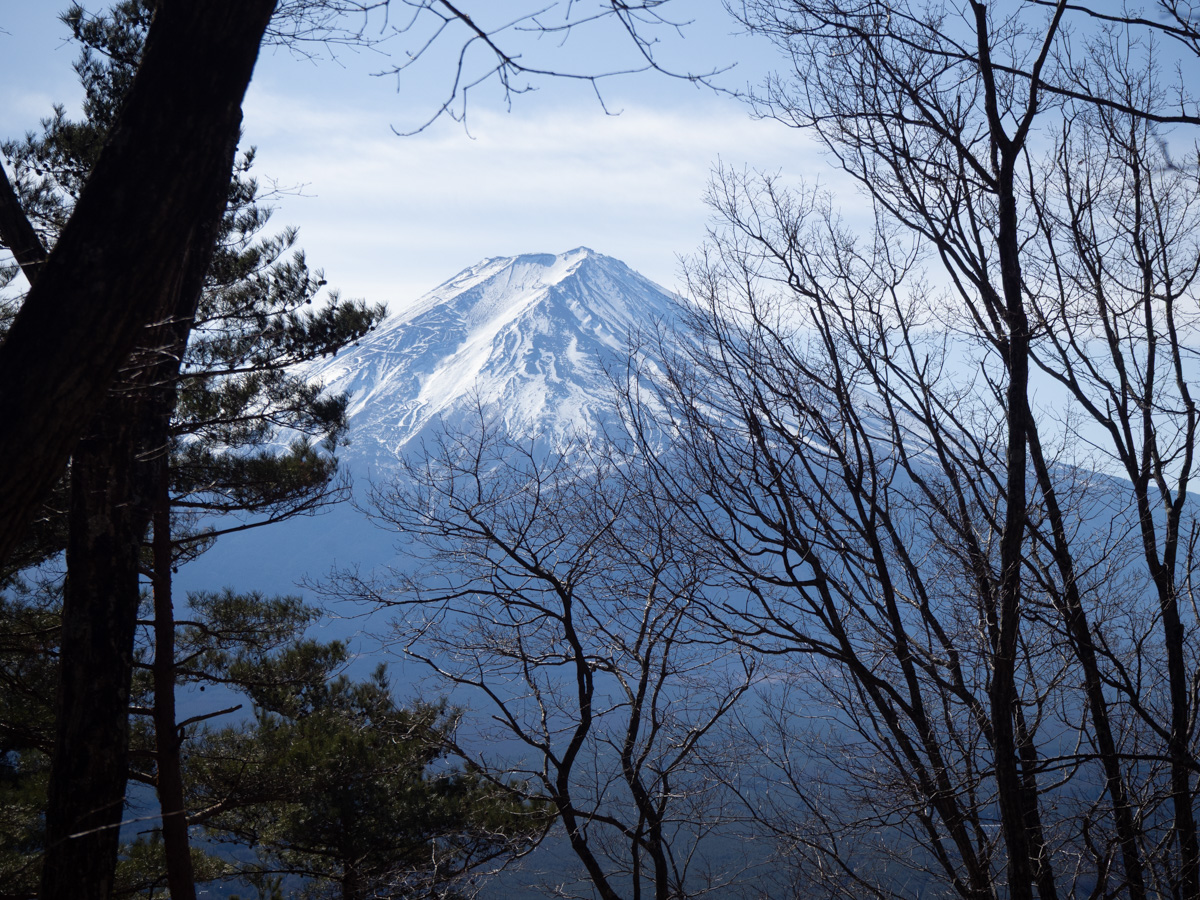
Snack break at the top of the hill. No benches anywhere, of course.
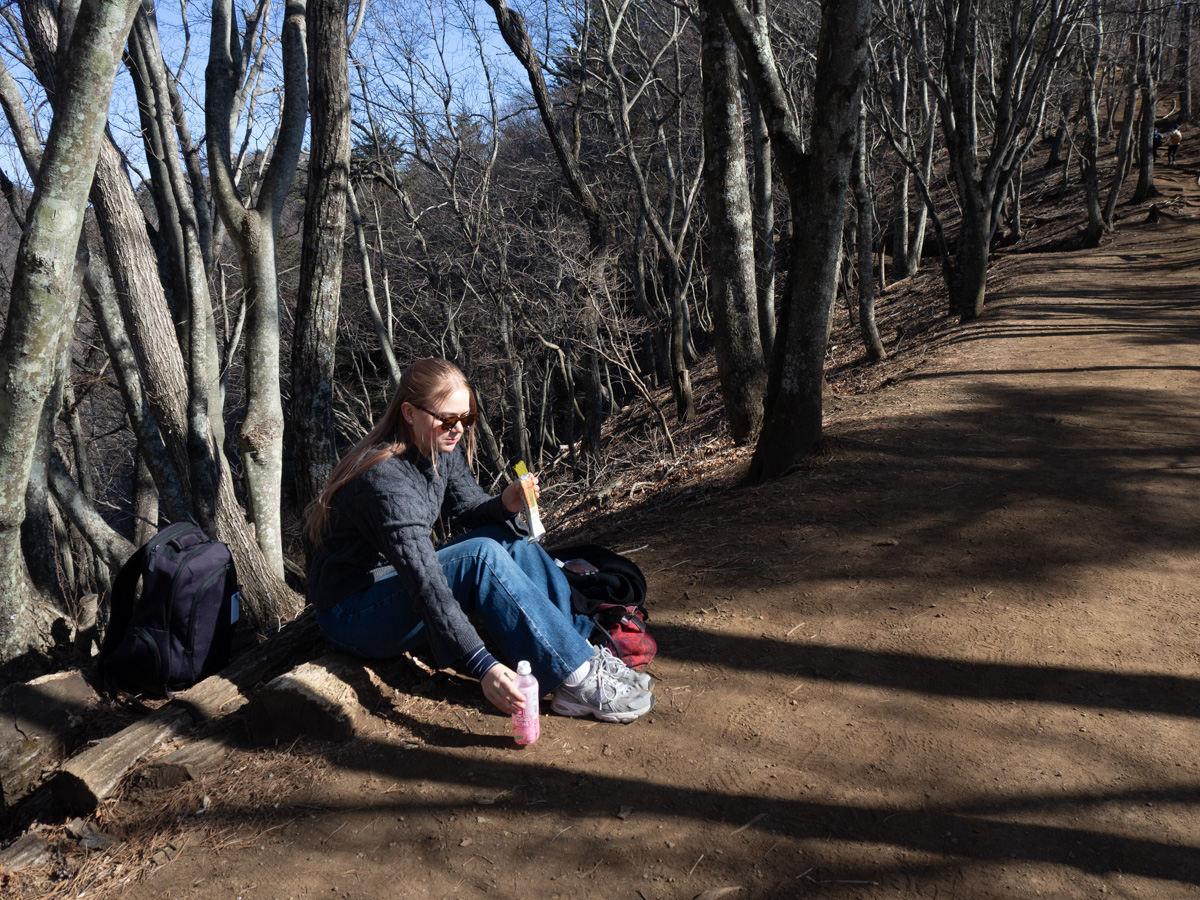
Fujikamaguchiko is a nice little town, with a lake, and pretty temples and shrines here and there. our focus was all on the mountain, though. When we got down from the cable car hill, we walked to Arakurayama temple on another hill for more views.
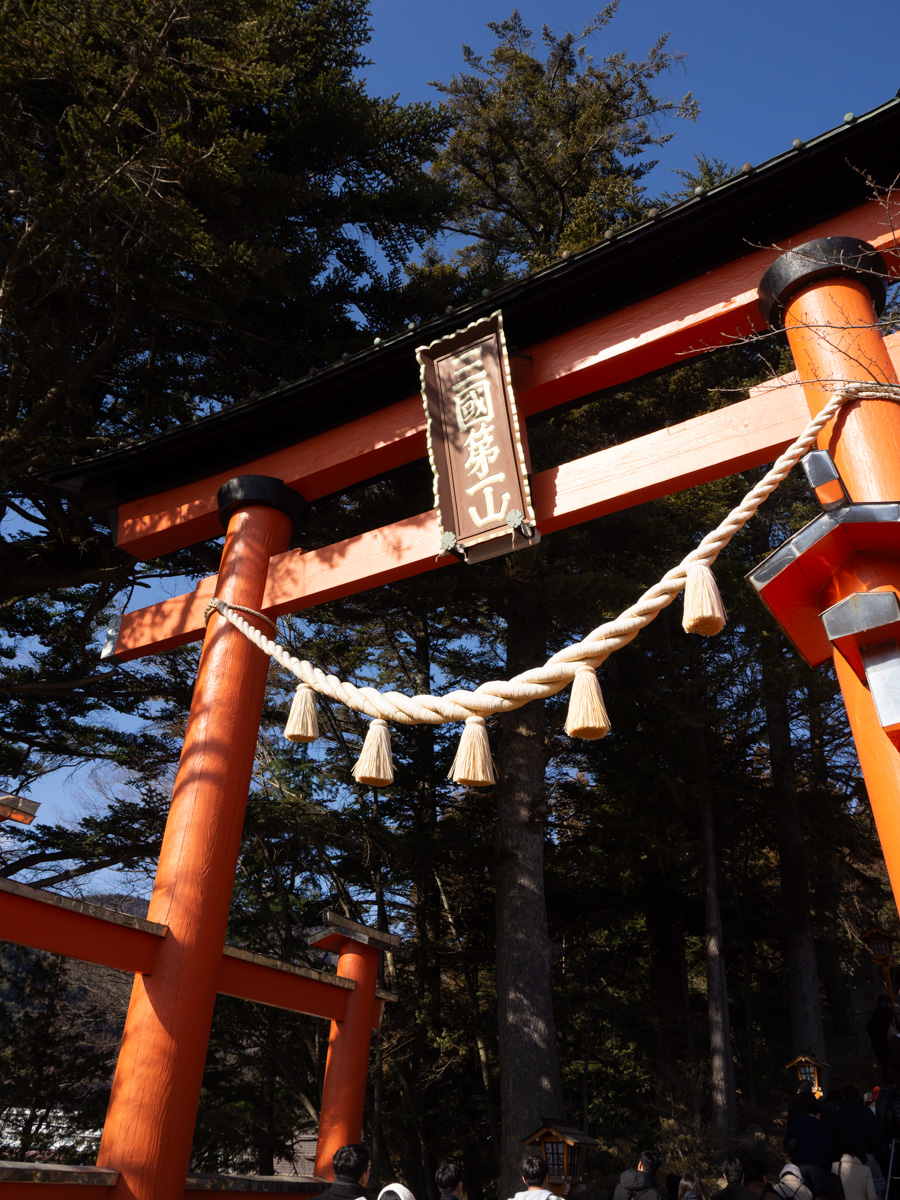
The walk wasn’t too long but turned out to be not at all pleasant. Much of it went along a large, noisy road. The pavement was very narrow; we couldn’t even walk side by side. Ingrid’s shoes hurt her feet, and of course there was nowhere to take a break. We regretted not having rented bikes.
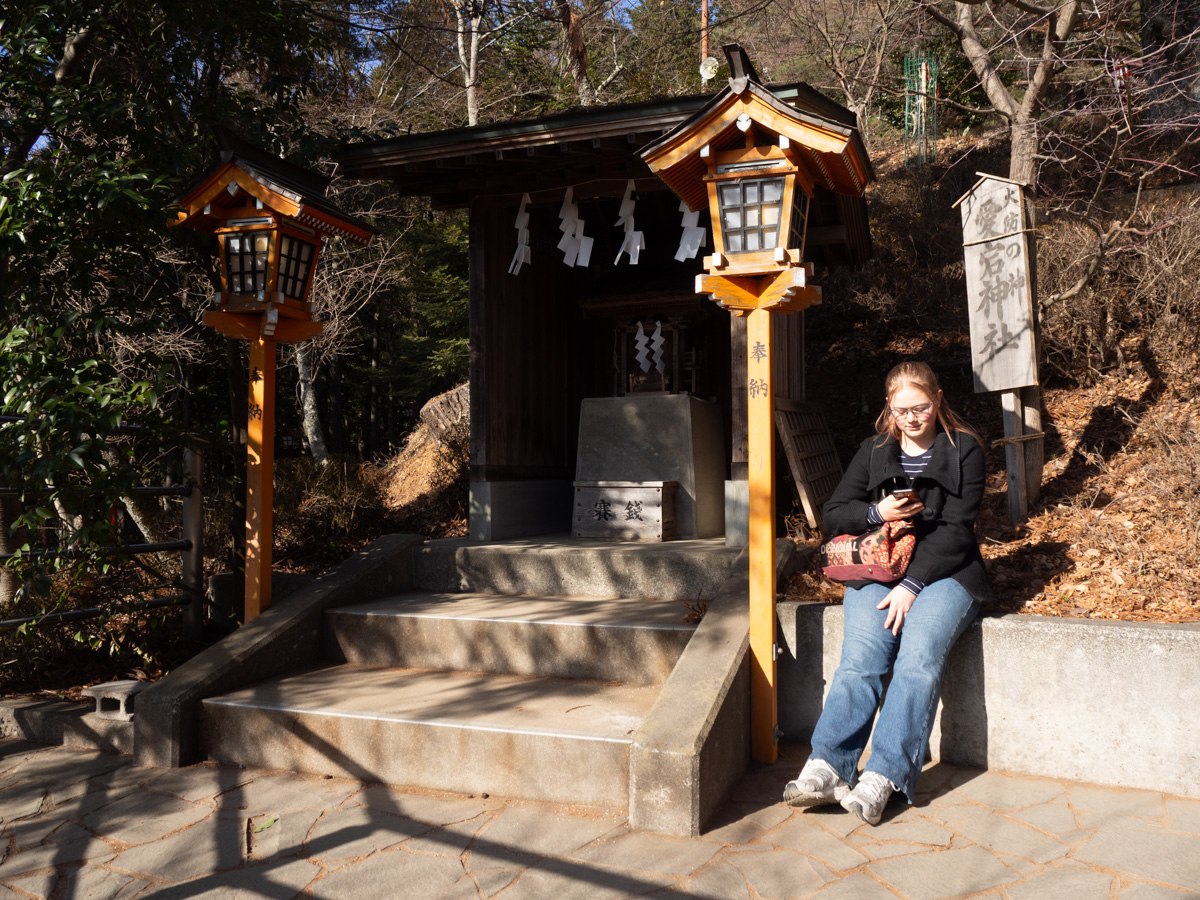
And then there were stairs. Ingrid’s feet and knees were not happy.
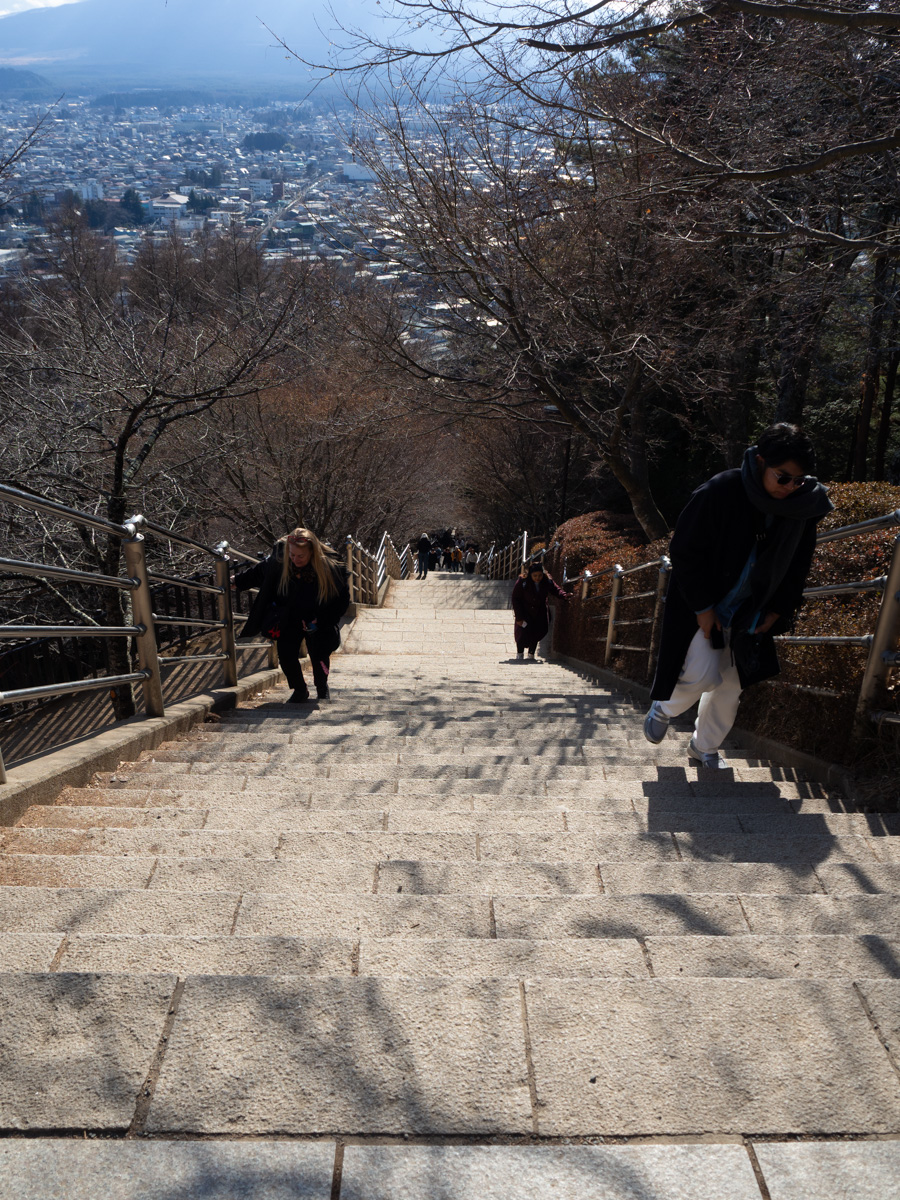
This place was a lot more crowded. Most of the people stayed right at the top of the stairs; walking a bit further up got us away from them.

I’m glad we came here in the low season. I can’t even imagine how crowded it must be here in April, or in the summer.
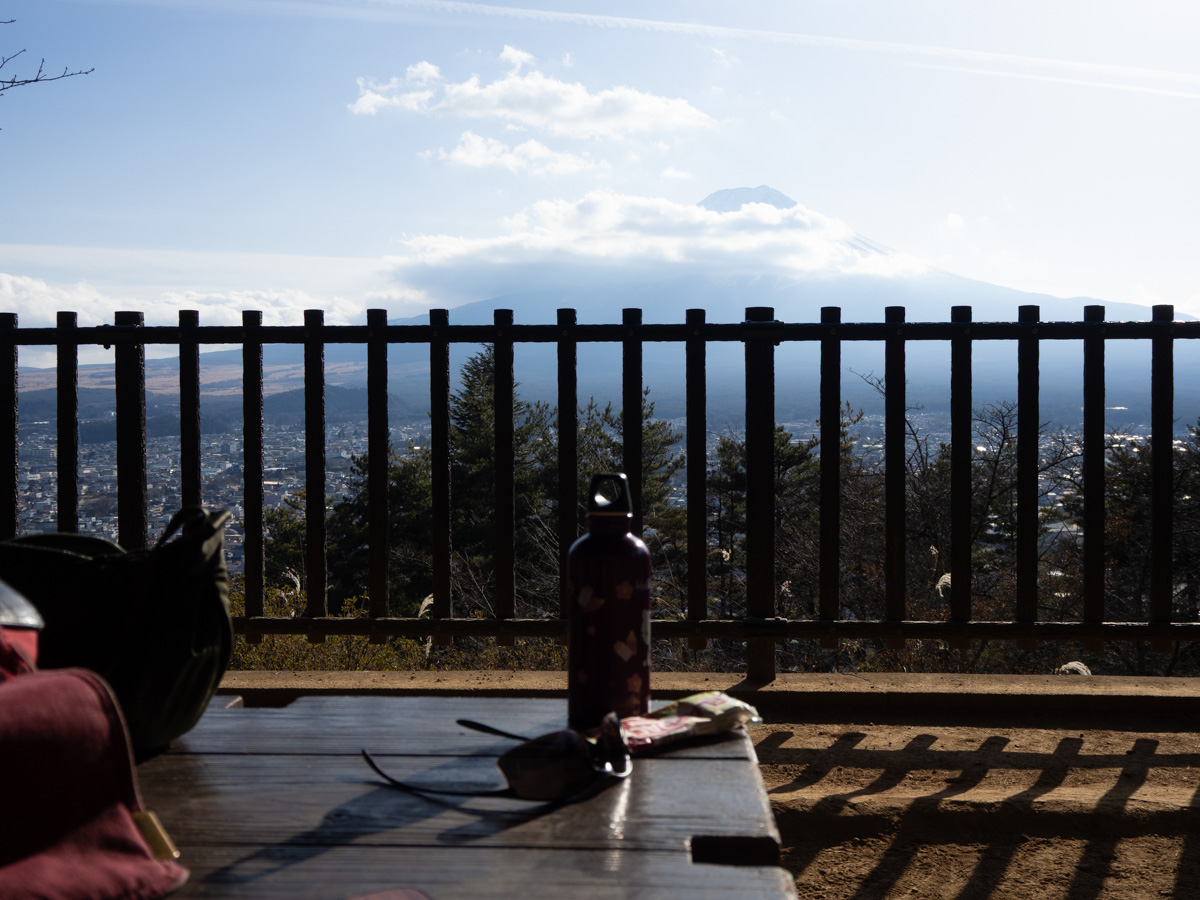
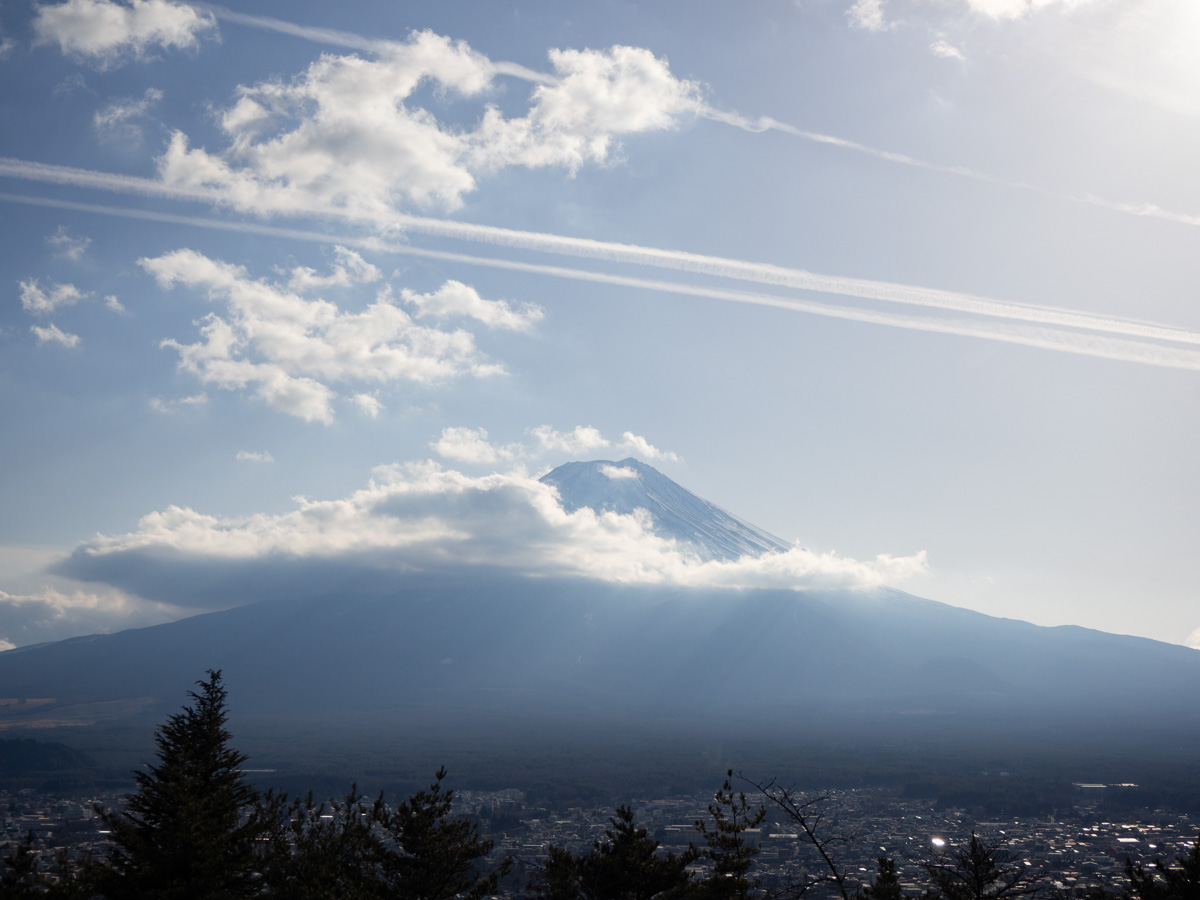
The views from up here were pretty stunning, but now the side of the mountain facing us was all in the shade, and the top of it enveloped in clouds.

Since our itinerary was very flexible, we picked the day for coming here based on the weather forecast. Ingrid told me that Mount Fuji is only visible on about 70 to 80 days in a year – that’s just one day out of every five. The rest of the time it’s hidden by clouds or rain.

We hung out here for a while and waited for the clouds to drift past the peak.
Our legs were quite tired by the end of the day.
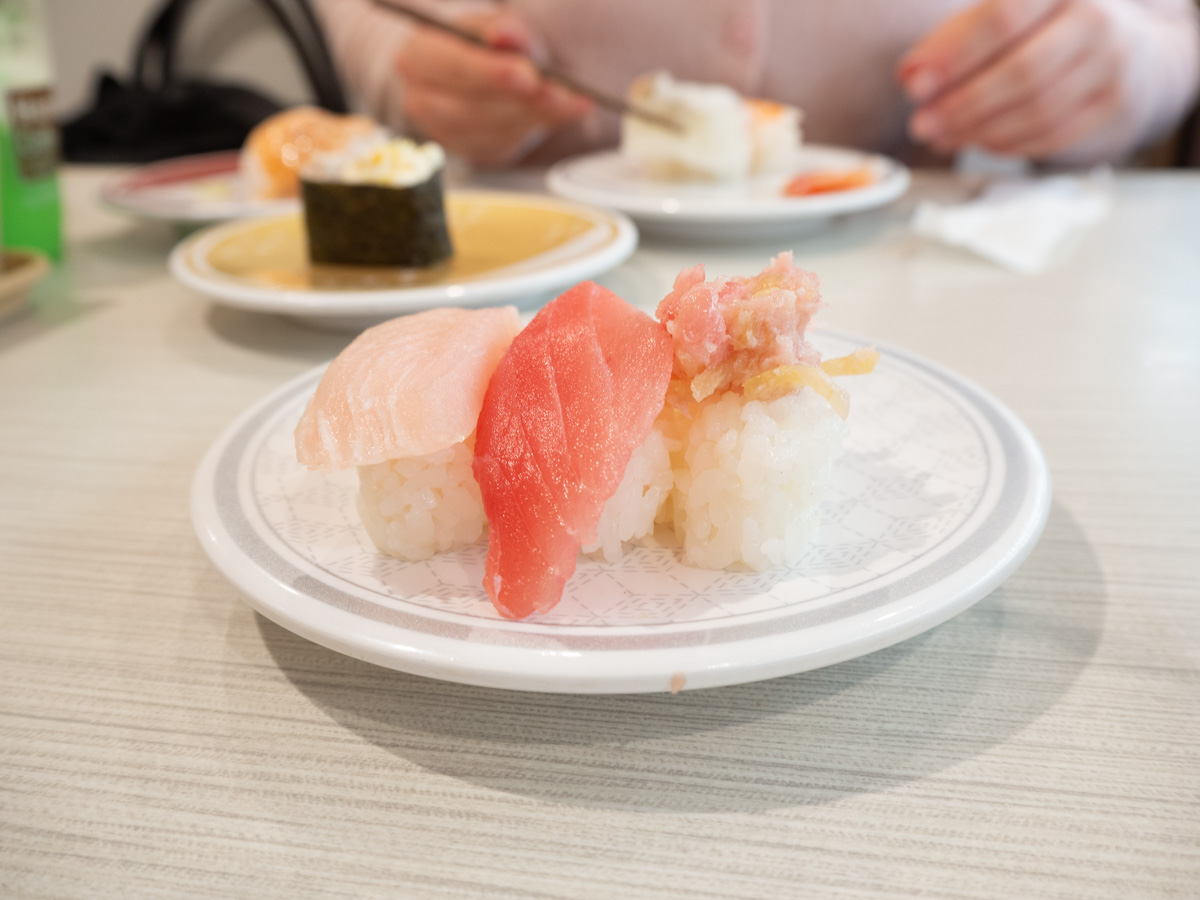
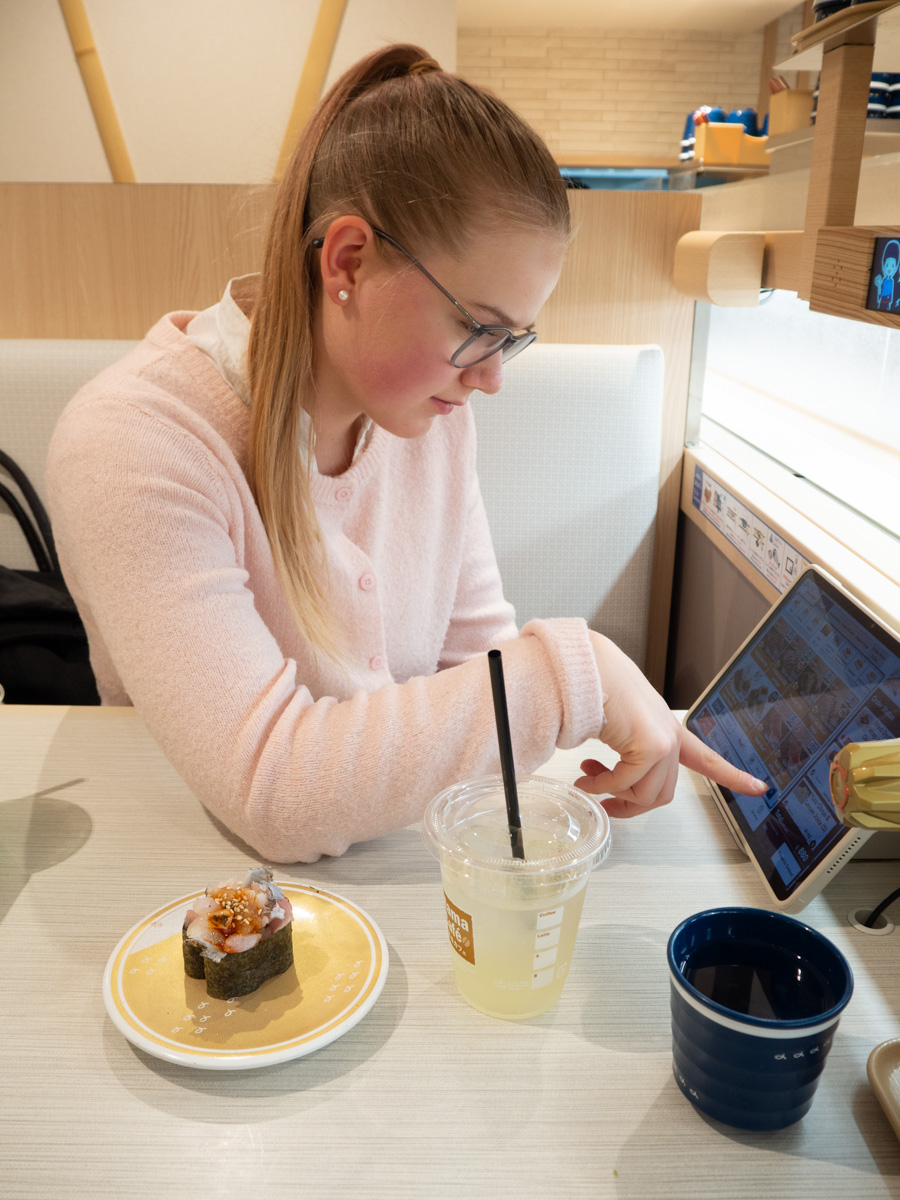
More conveyor belt sushi.

I am exploring the varieties of tuna on offer. In standard Swedish sushi, salmon and prawns dominate, and there’s usually some tuna, which I haven’t found particularly interesting. Here, I like the tuna more than the salmon. The fattier the cut of tuna, the better I like it.

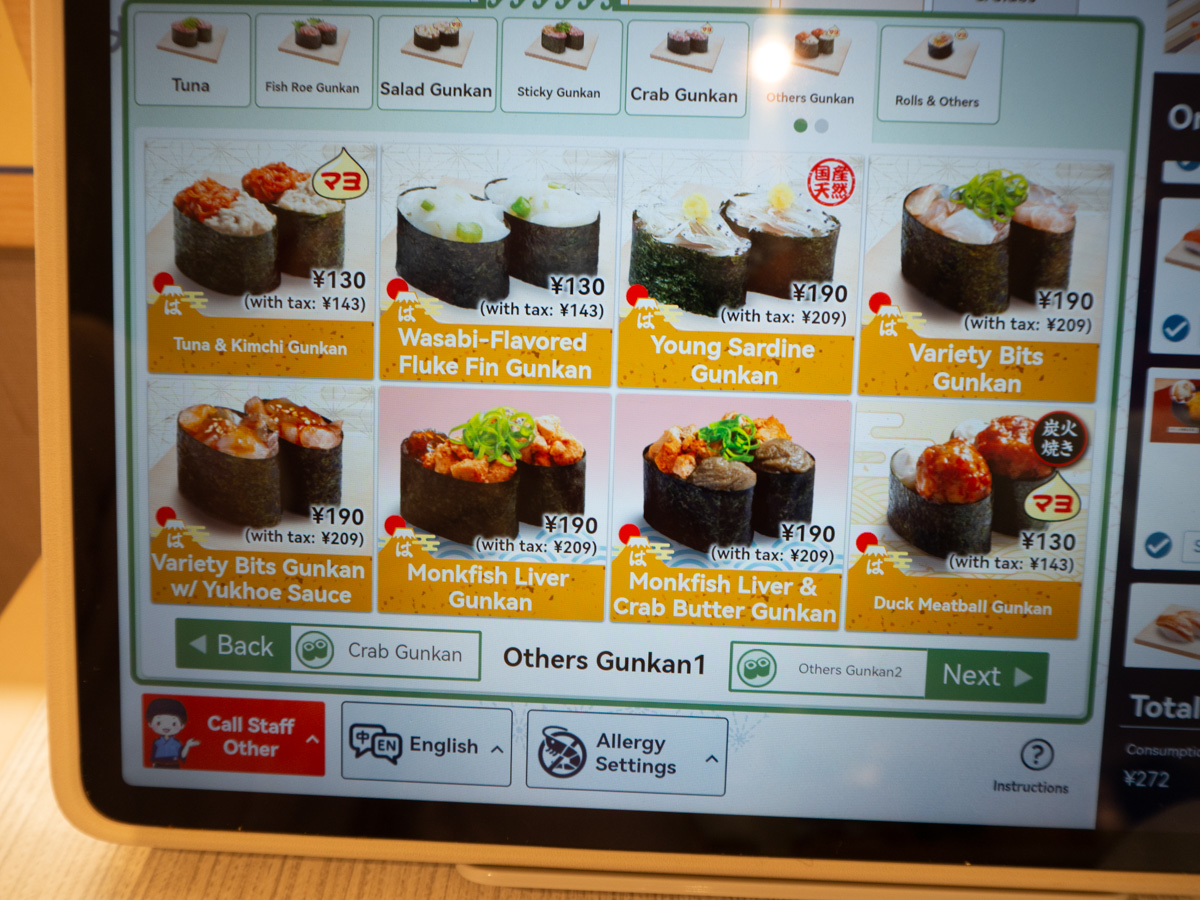
The conveyor belt approach makes it easy to try new things. We don’t have to decide in advance what we want to eat, or how much. Sometimes we see things slide past that intrigue us, and then we can look them up in the menu and try them.

The variety is mind-boggling. There are things on the menu that I couldn’t have come up with in my wildest sushi fantasies. Monkfish liver and crab butter. Duck meatballs! Those last ones are not for me, but there are so many kinds of fish here that I wish I had time to try.
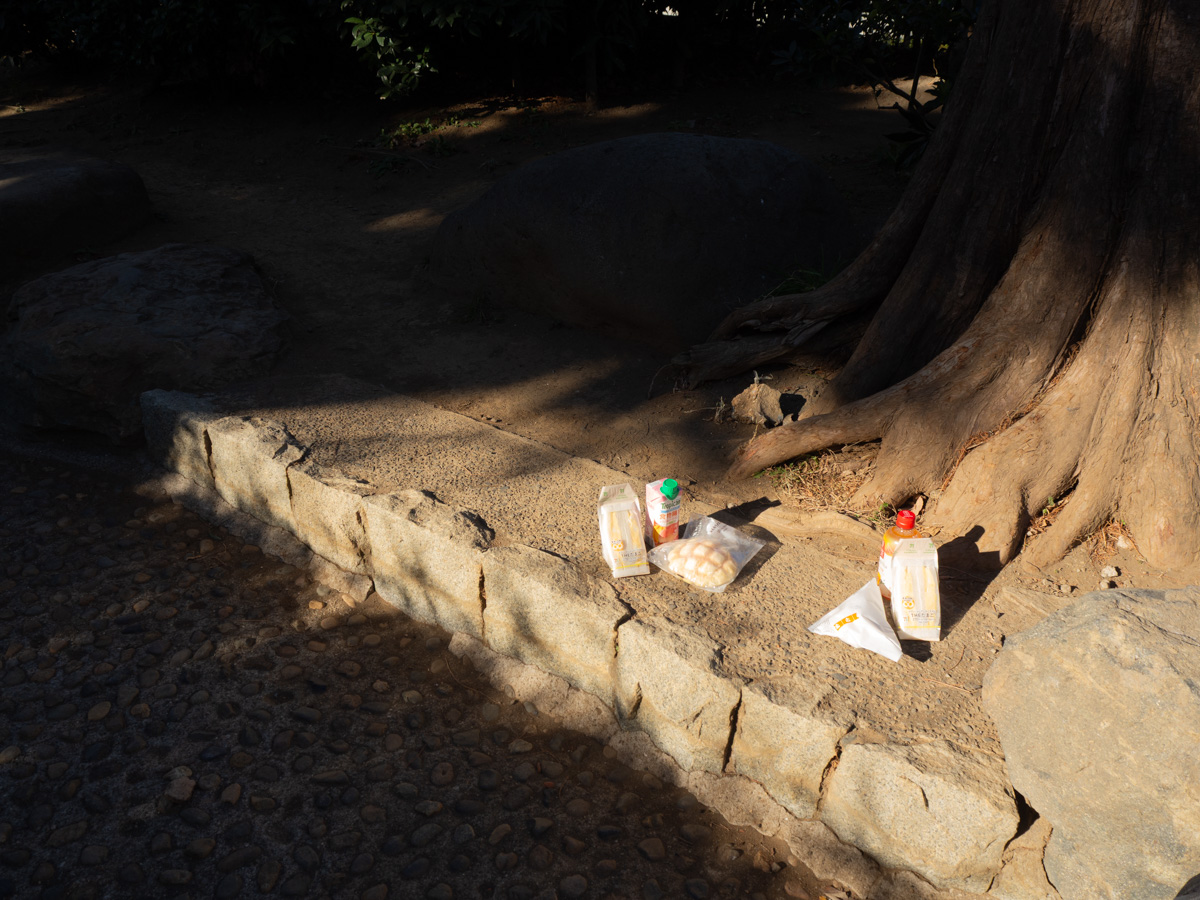
Our day started with the same challenge as yesterday: where to eat our convenience store breakfast. There was a park on the map, very close to us. Surely a park will have a bench, we thought. Nope. We ended up eating our egg sandwiches and rice balls on a concrete edge. And it was cold. We will need a better plan for our future breakfasts.
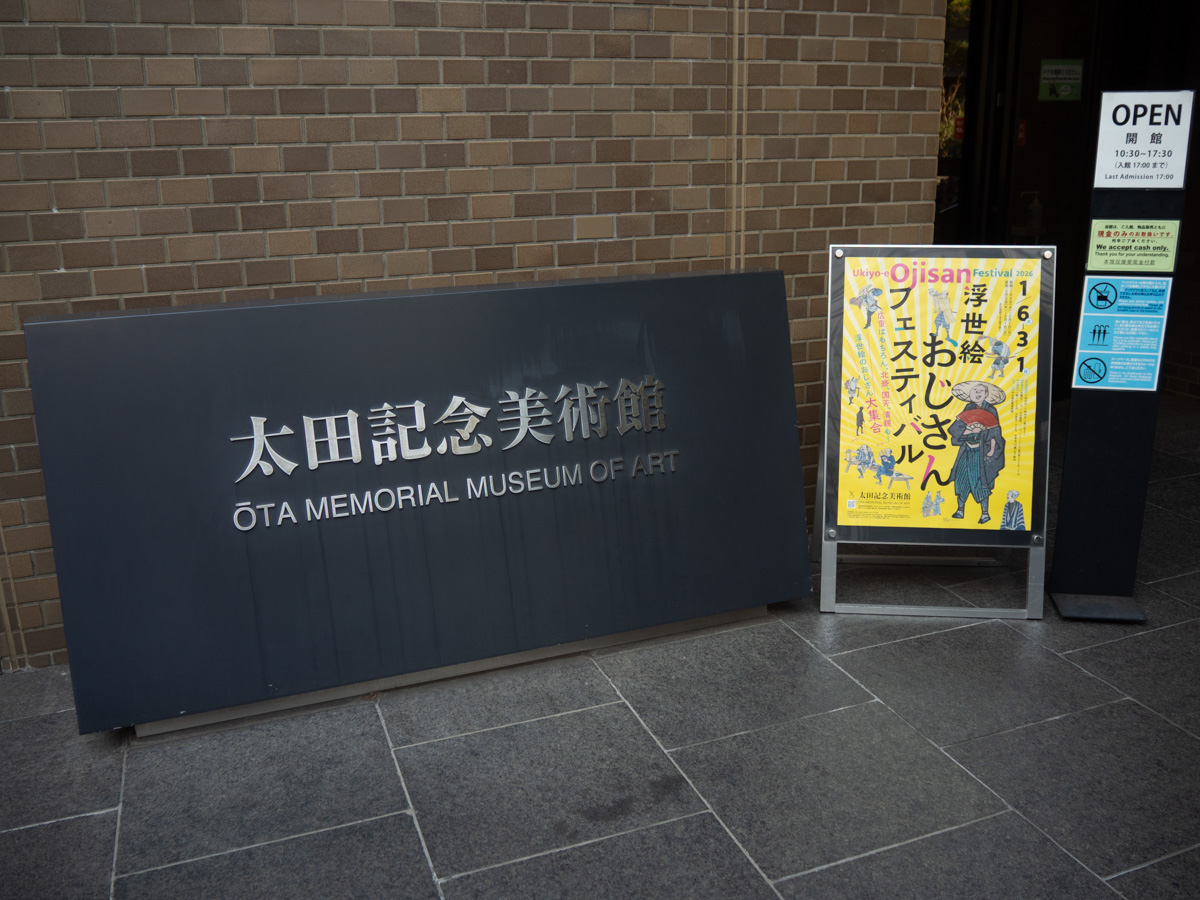
In the morning we visited Ota Memorial Museum of Art, which hosts a large collection of woodblock prints. They rotate which works from their collection are on display at any time. Right now, the theme was “Ojisan” or “uncle”, meaning “middle-aged man”.

Many of the exhibited prints were from famous series, like “The fifty-three stations of the Tokaido” etc.
The “uncles” were never the focal point of any of the works, but they were everywhere. Walking, sunning themselves, carrying things, smoking a pipe.

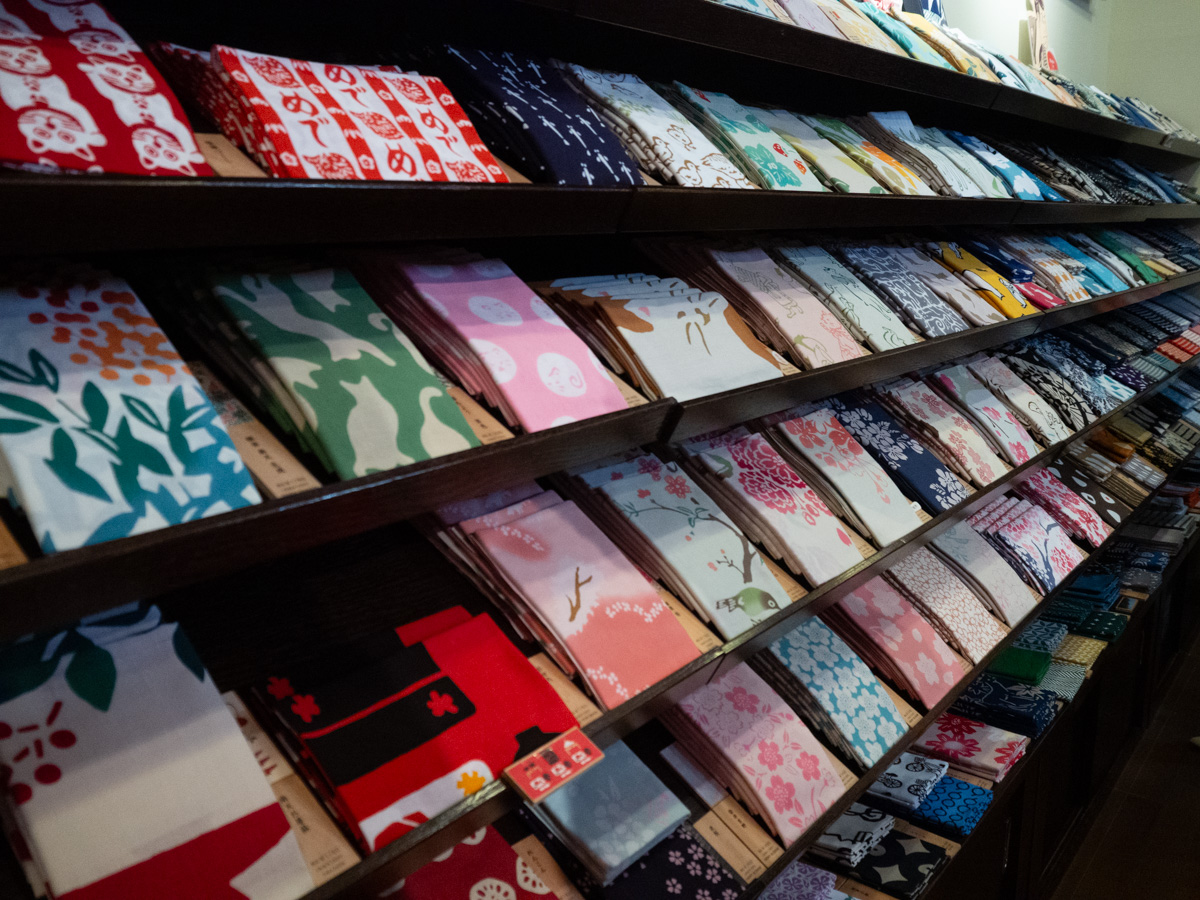
Unfortunately photography was not allowed inside the museum – not even in the foyer. The only exception was the museum shop, which had a wonderful range of tenugui, printed cotton towels. I bought several, even though I have no idea what I will do with them.

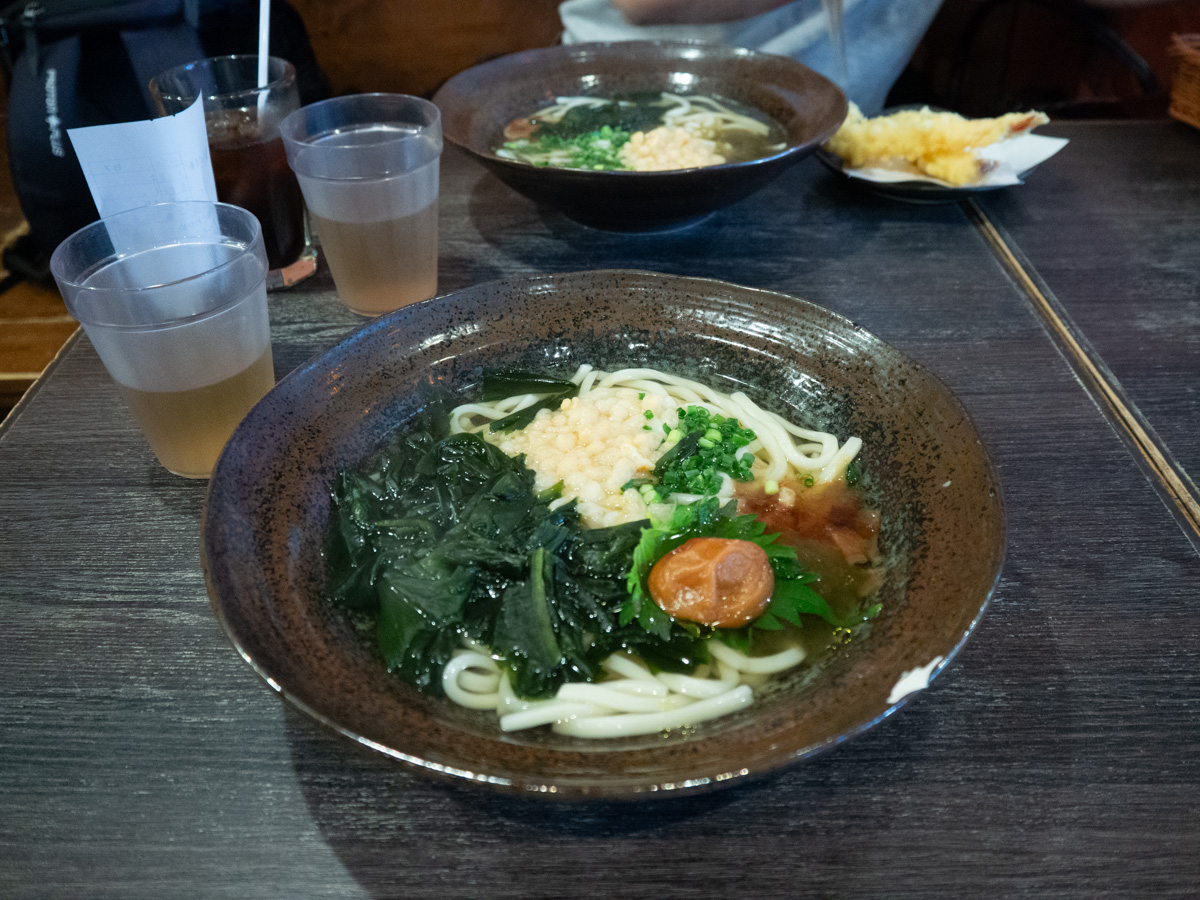
For lunch – udon noodles at – Udon Iroha. The restaurant actually offered paper aprons to guests, which I said no to. Maybe I was cheating when I sometimes bit off the longest noodles, but nobody was watching.

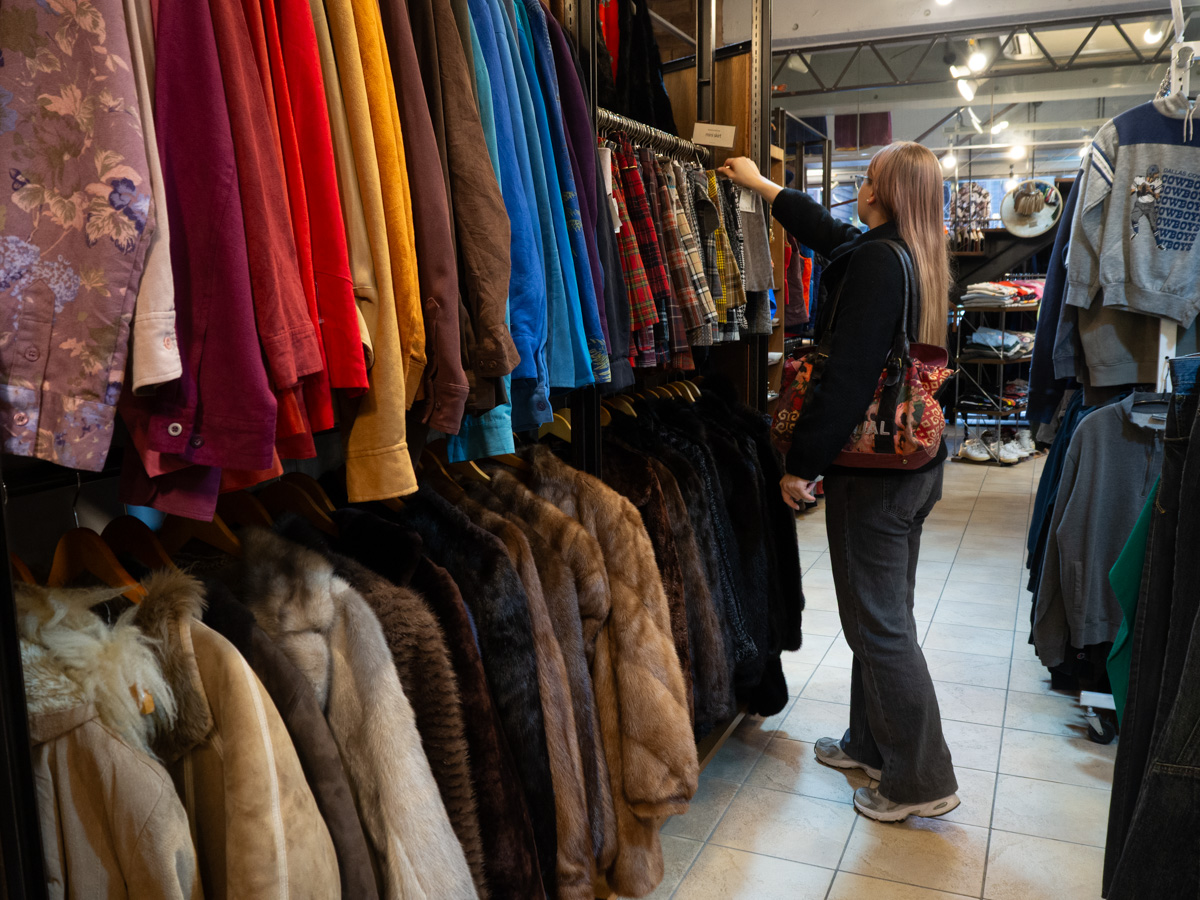
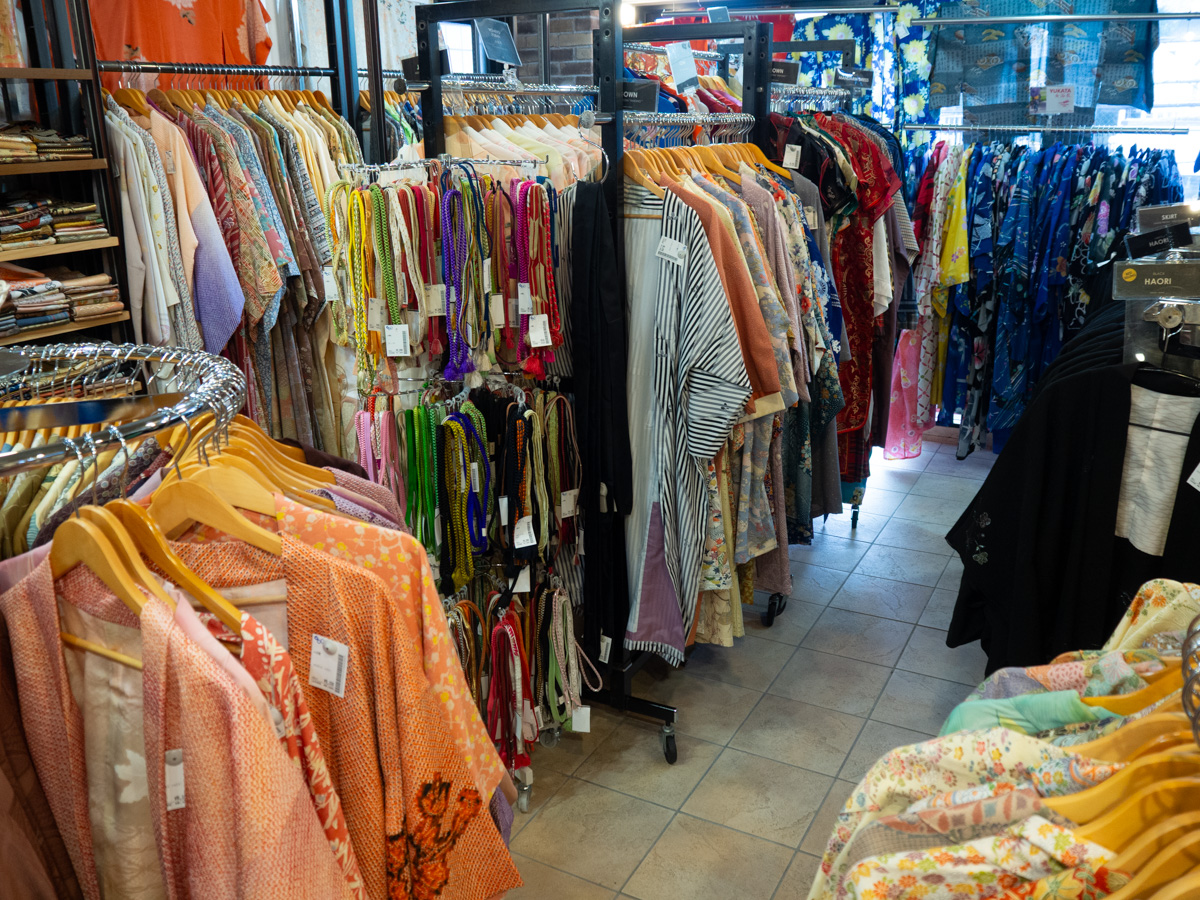
After lunch we spent a few hours browsing various kinds of shops in Harajuku. The vintage clothes shops were impressively organized and curated. A metre of short, plaid skirts; two metres of corduroy shirts. Kimonos, yukatas, haori jackets in all colours.


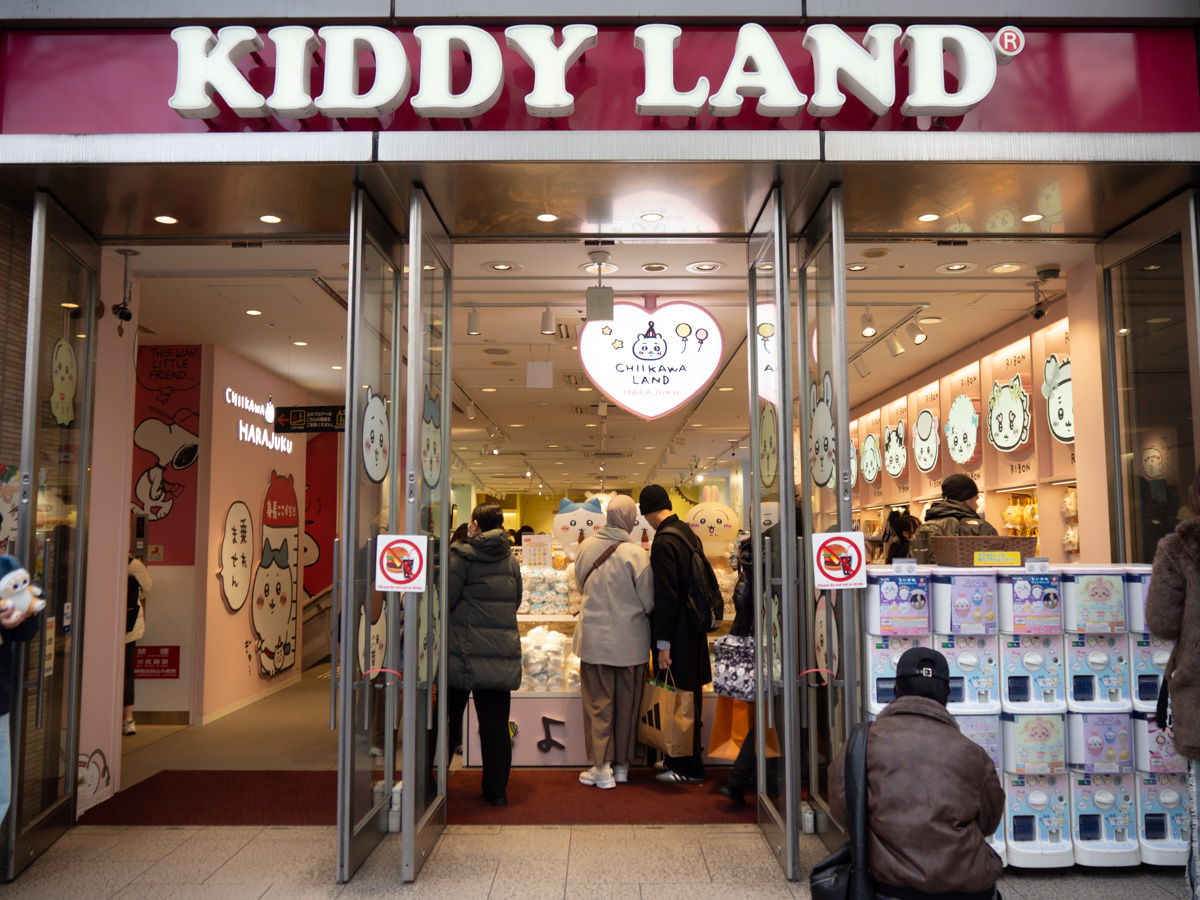
Ingrid had a list of shops with toys and pop culture doodads to visit. I discovered yet again that Tokyo does not like people just hanging around. There was never any place to sit when I was waiting for her.

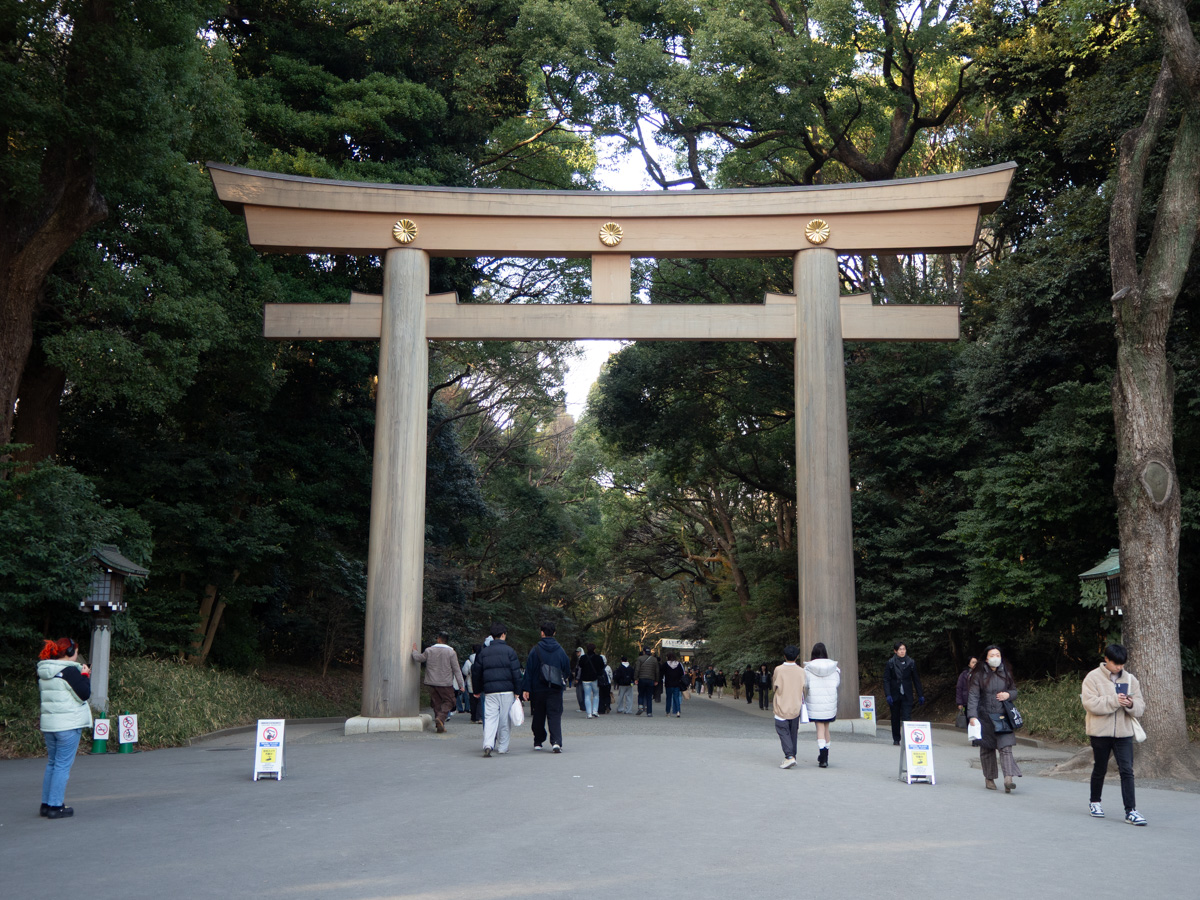
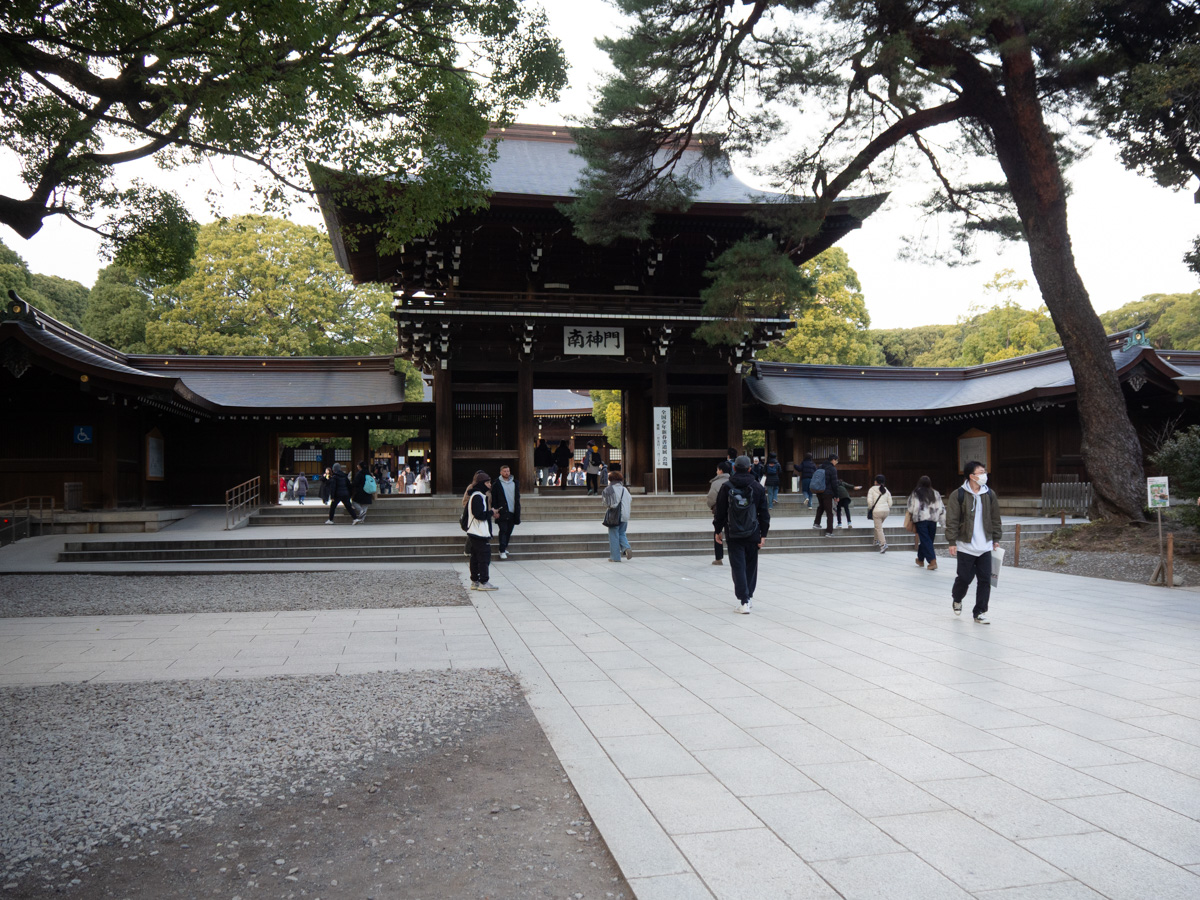
Right next to Shibuya is Meiji Jingu shrine, built to honor Emperor Meiji and his wife, Empress Shoken.

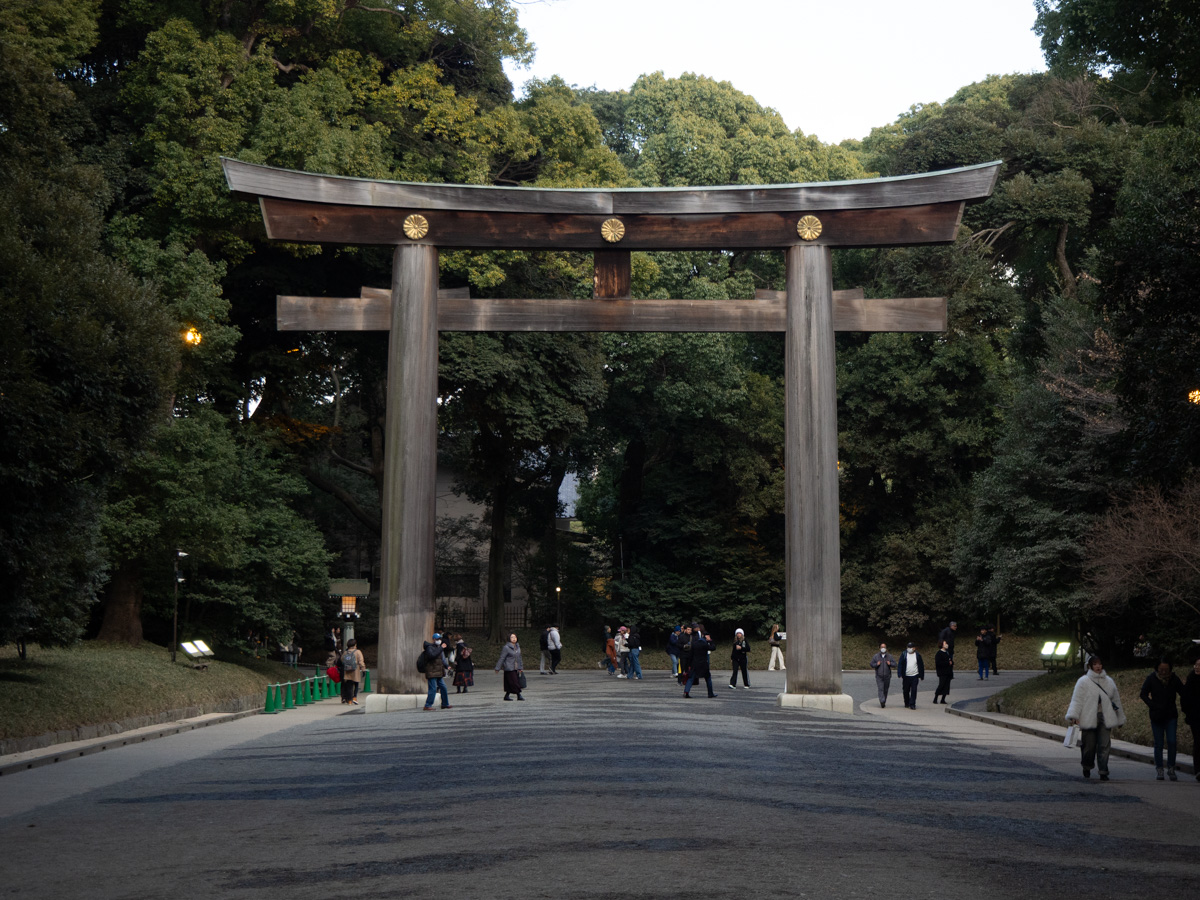
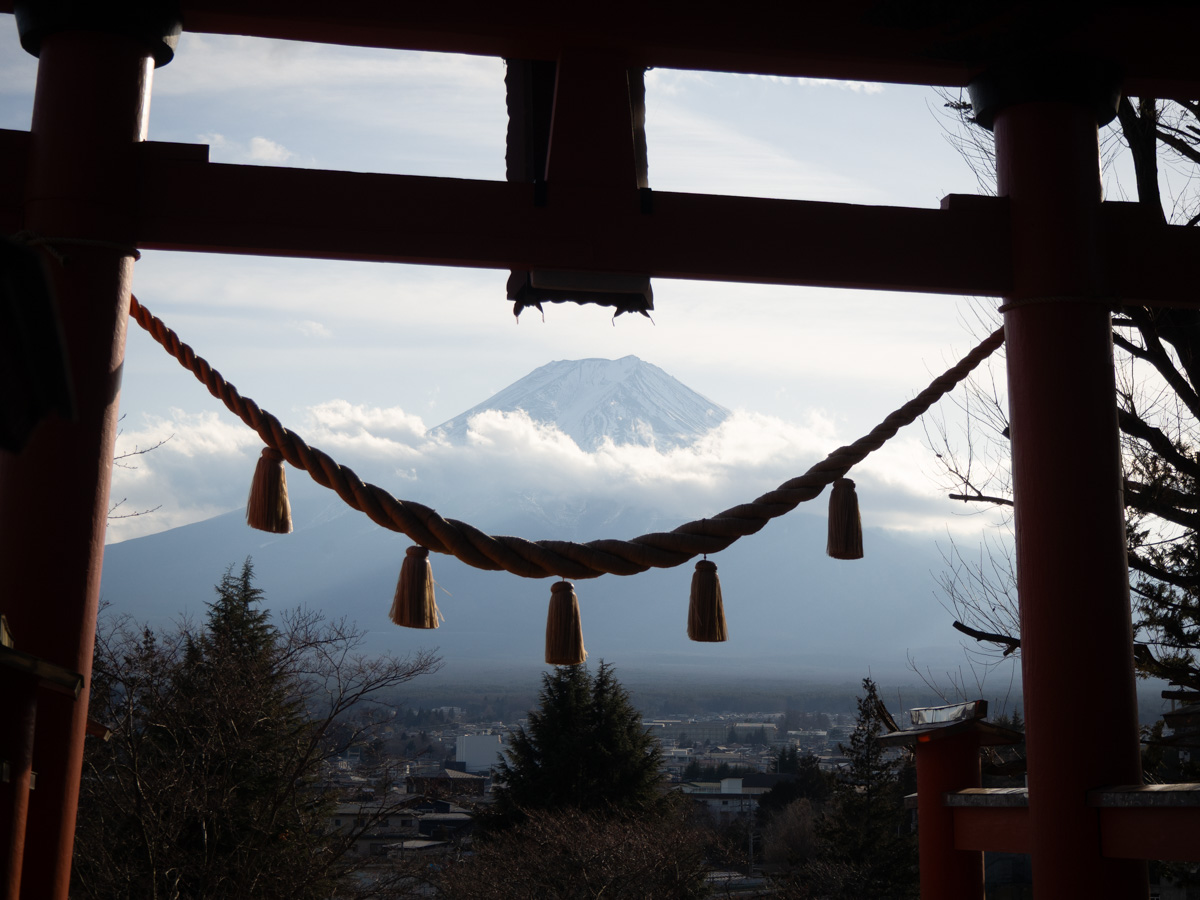
I liked the giant torii gate on the way through the park to the shrine. It looks like each pillar is a single tree trunk.


I read somewhere that, back when the shrine was being designed, there were intense debates about what the appropriate architectural style would be for a shrine erected for a deified emperor, since there was no real precedent.

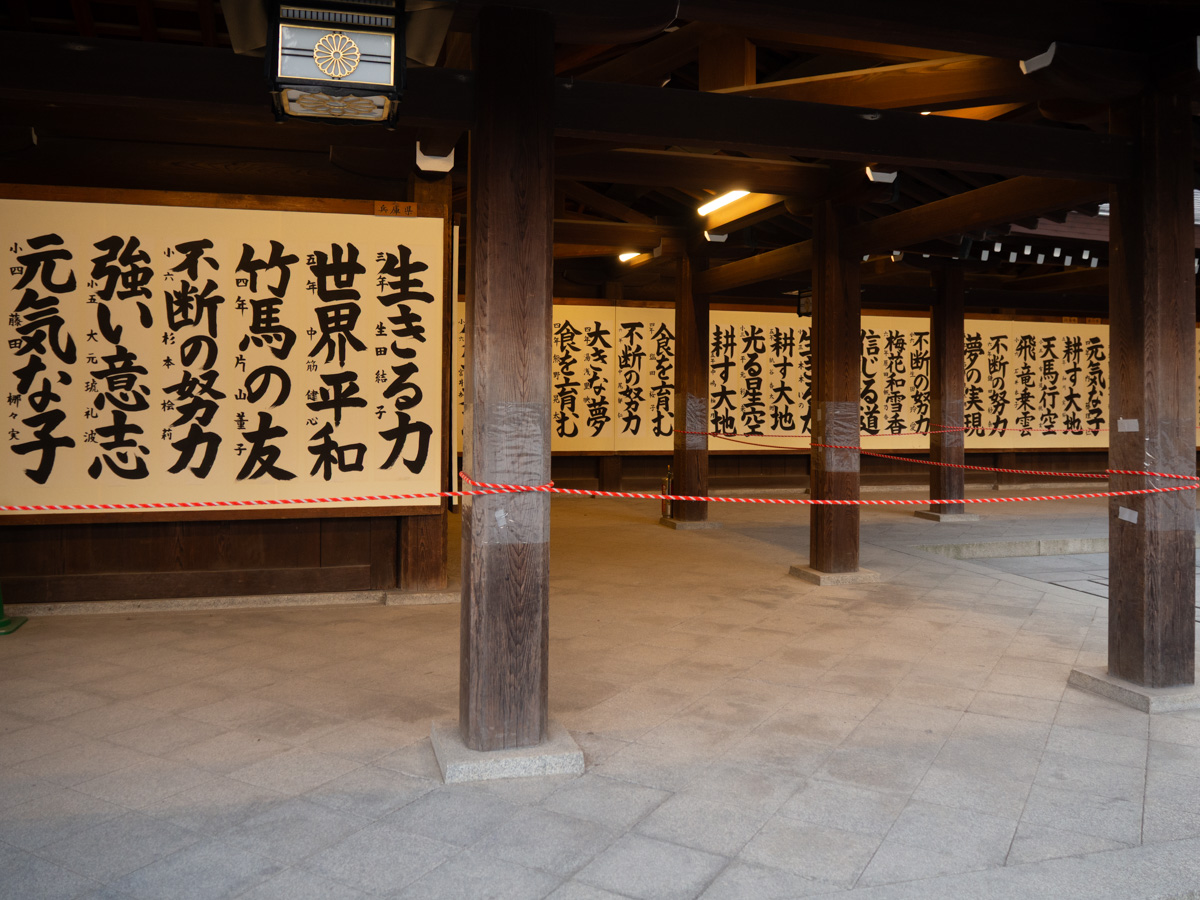
Emperor Meiji apparently wrote 100,000 poems during this life. I presume that these are some of them. I do wish someone had spent at least a little time on some English-language signage. Perhaps even a few translations of the poems?

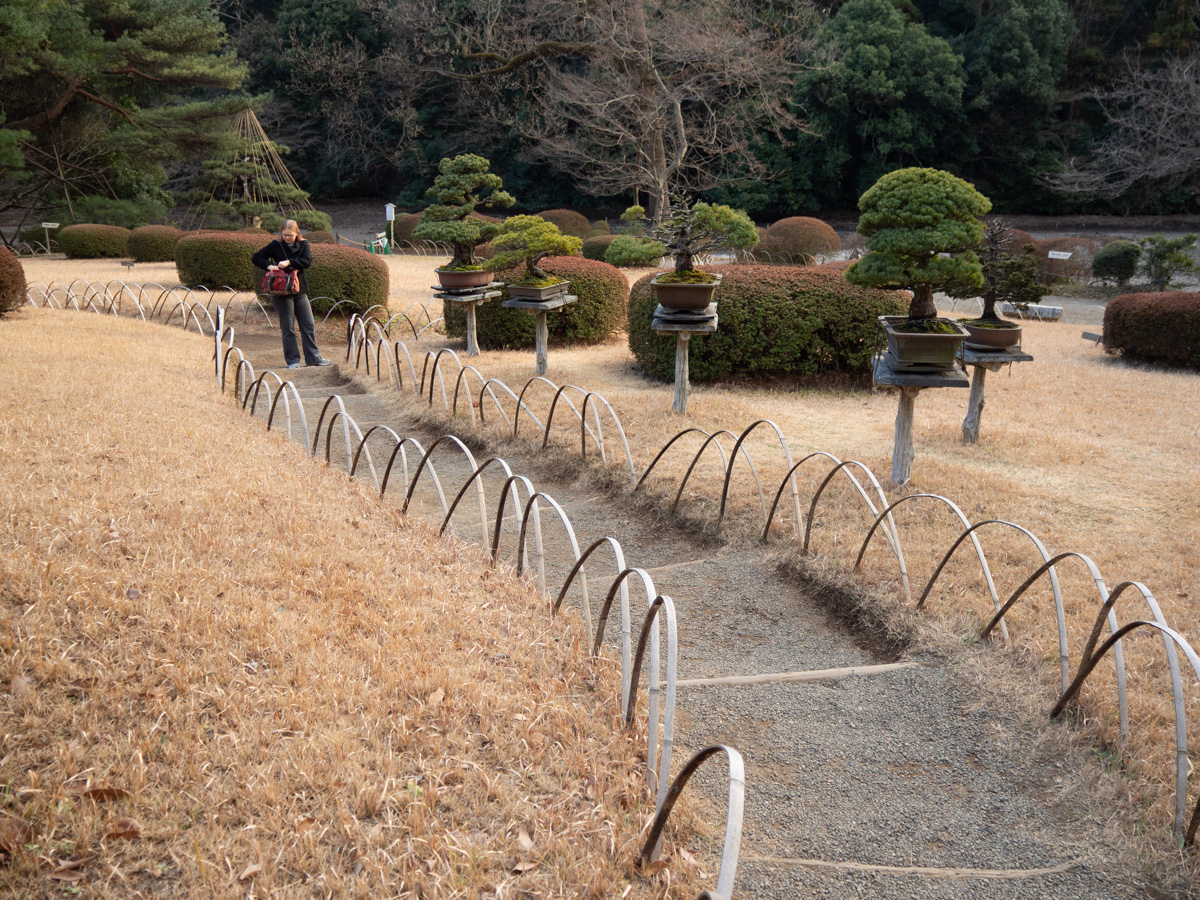
Close to the temple itself, there was the Emperor’s garden. Even though its more spectacular parts (like the iris garden) are nothing to look at in late winter, I appreciated its design, with winding paths and bonsai trees.

Tokyo at night looked exactly as colourful and neon-bright as movies had made me expect.

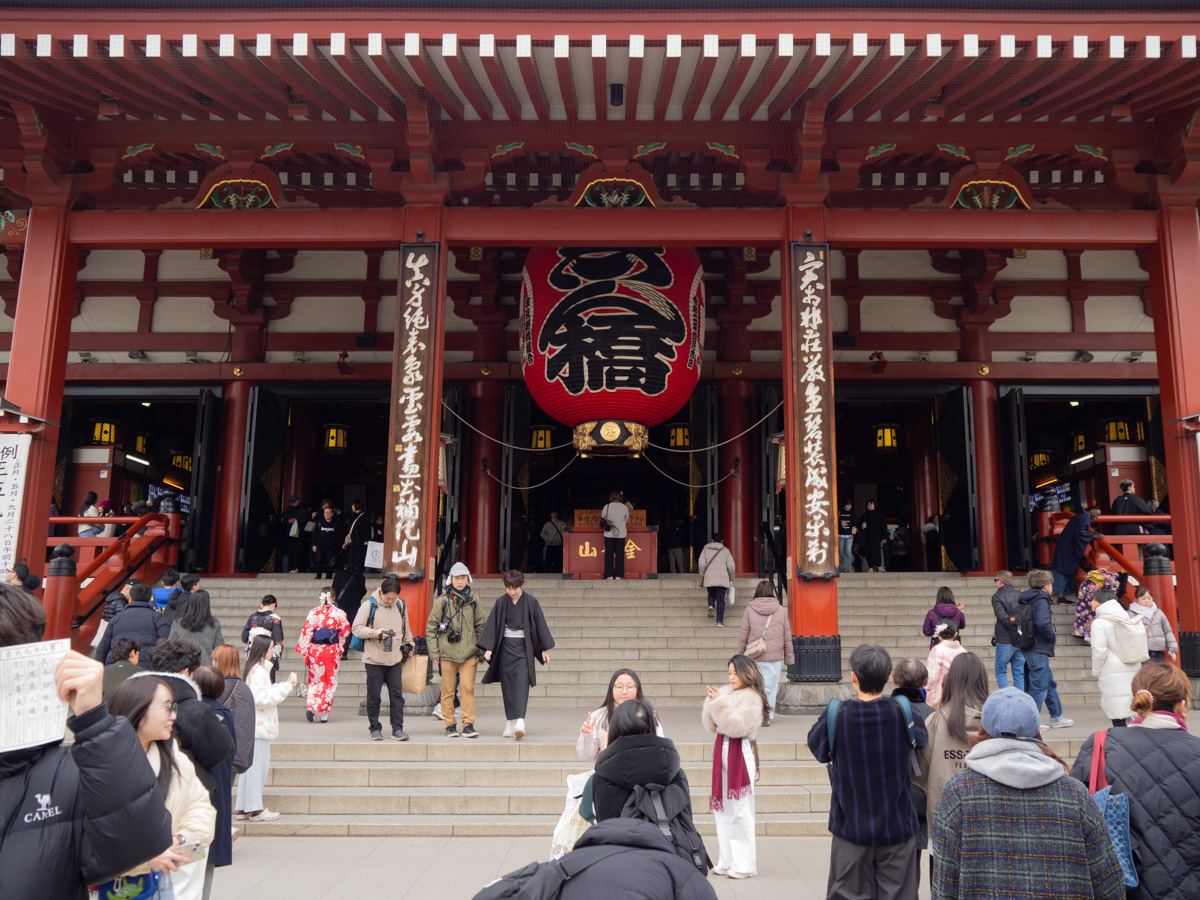
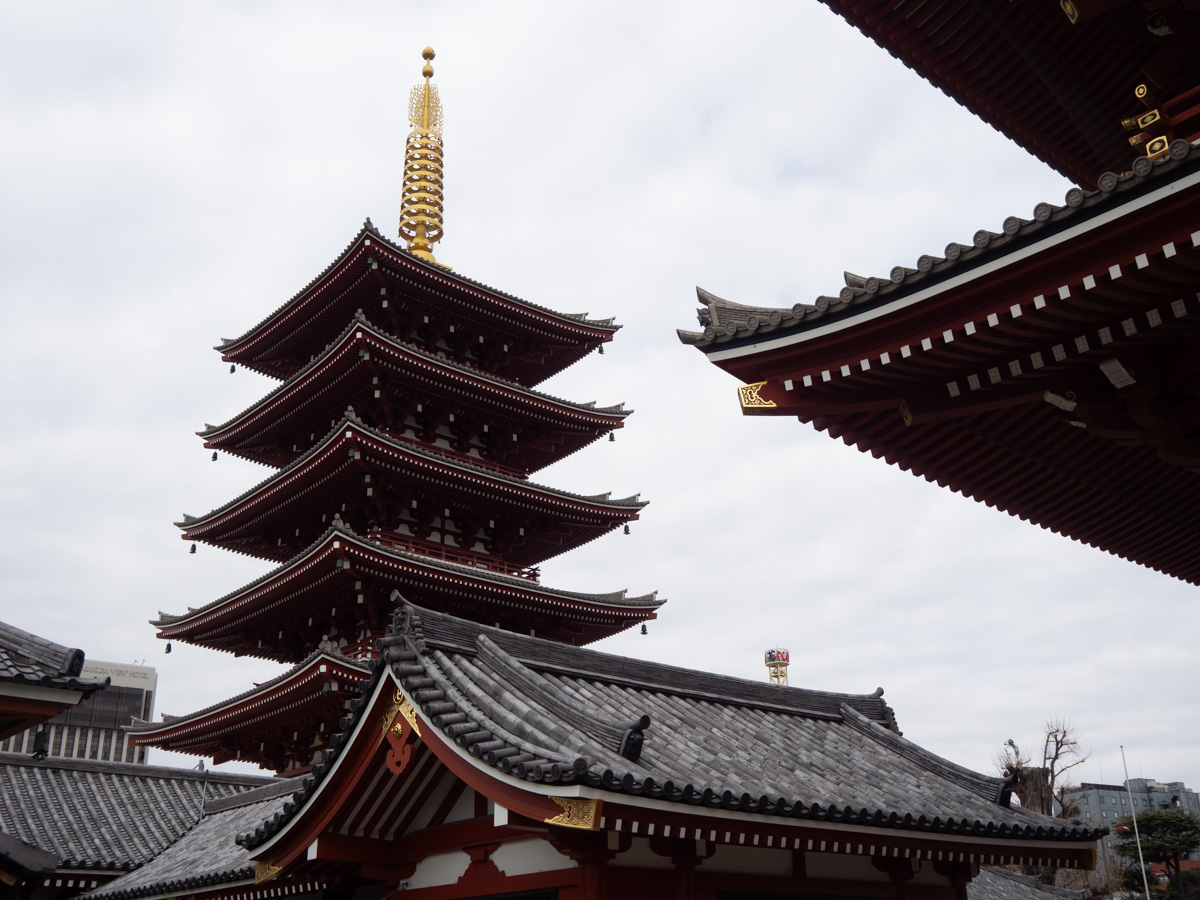
Our first sight for the day is Senso-ji temple. Built in 645, it’s the oldest temple in Tokyo.

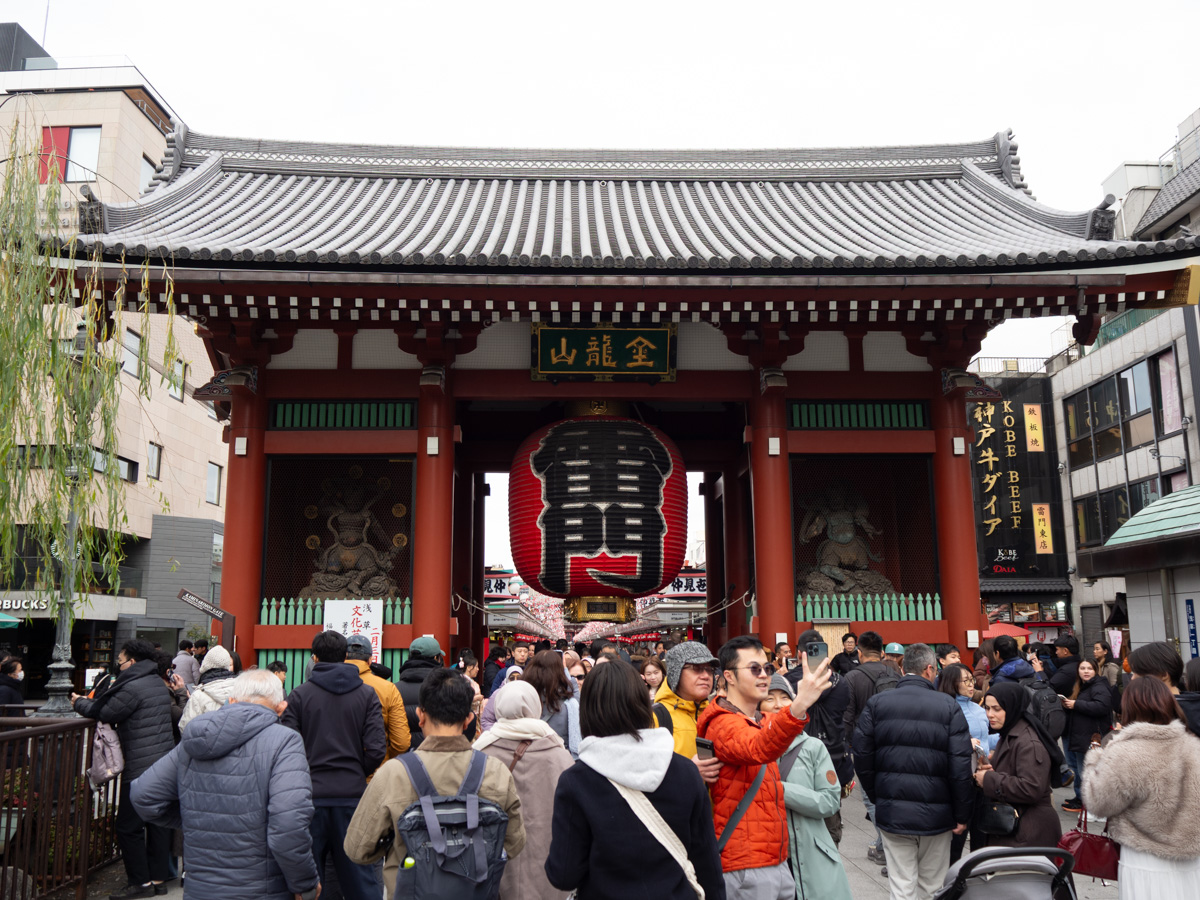
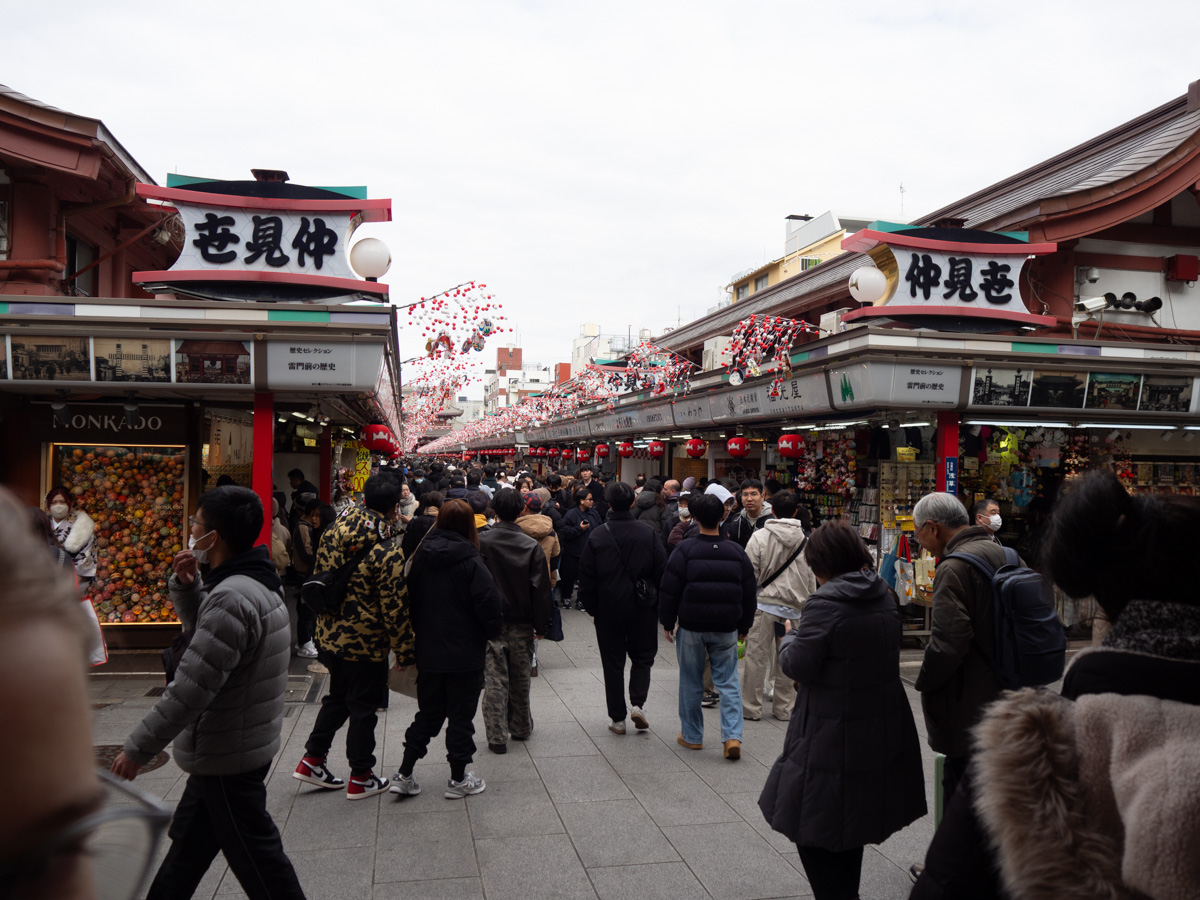
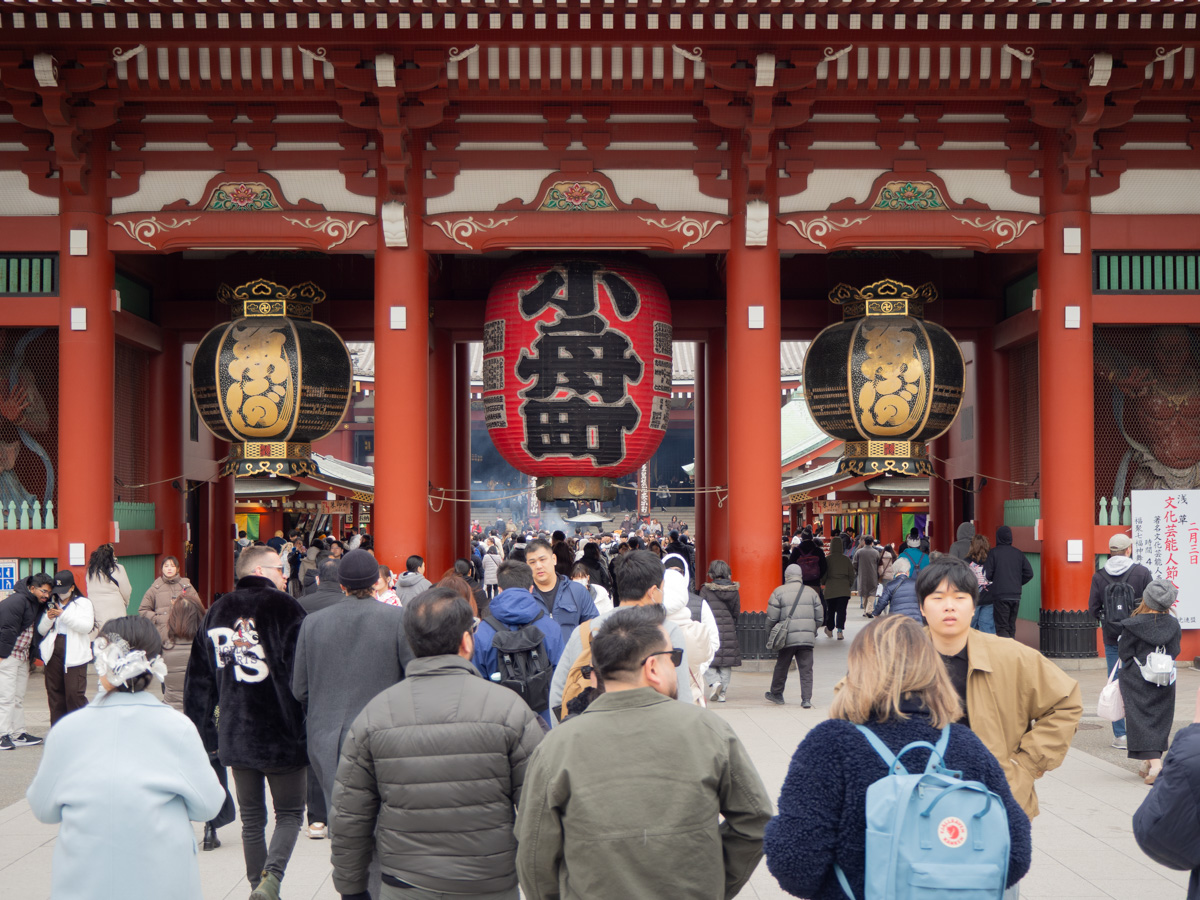
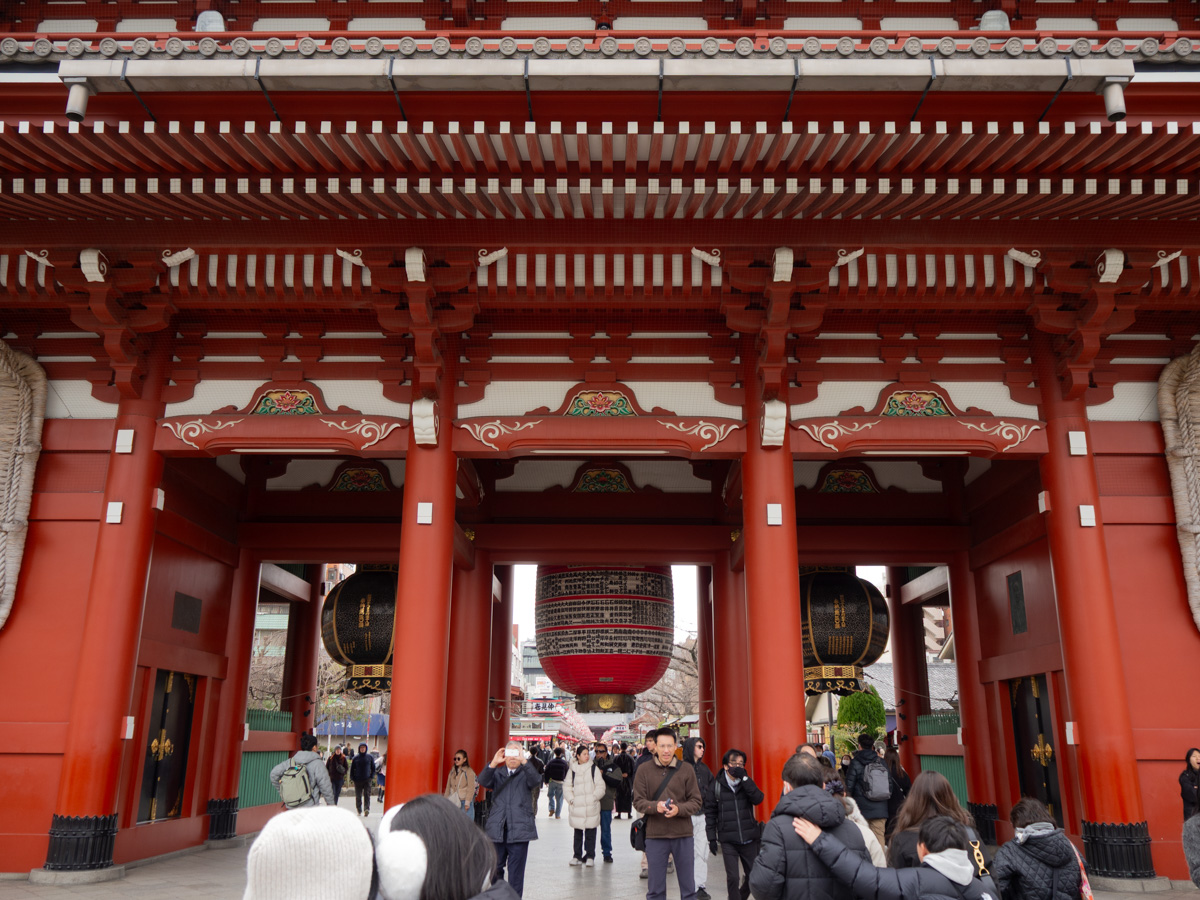
When we first got to the temple, I was confused. There was a temple gate (with a lot of tourists taking selfies) but beyond the template gate there was not a temple but a large shopping street. That turned out to be part of the temple complex somehow.

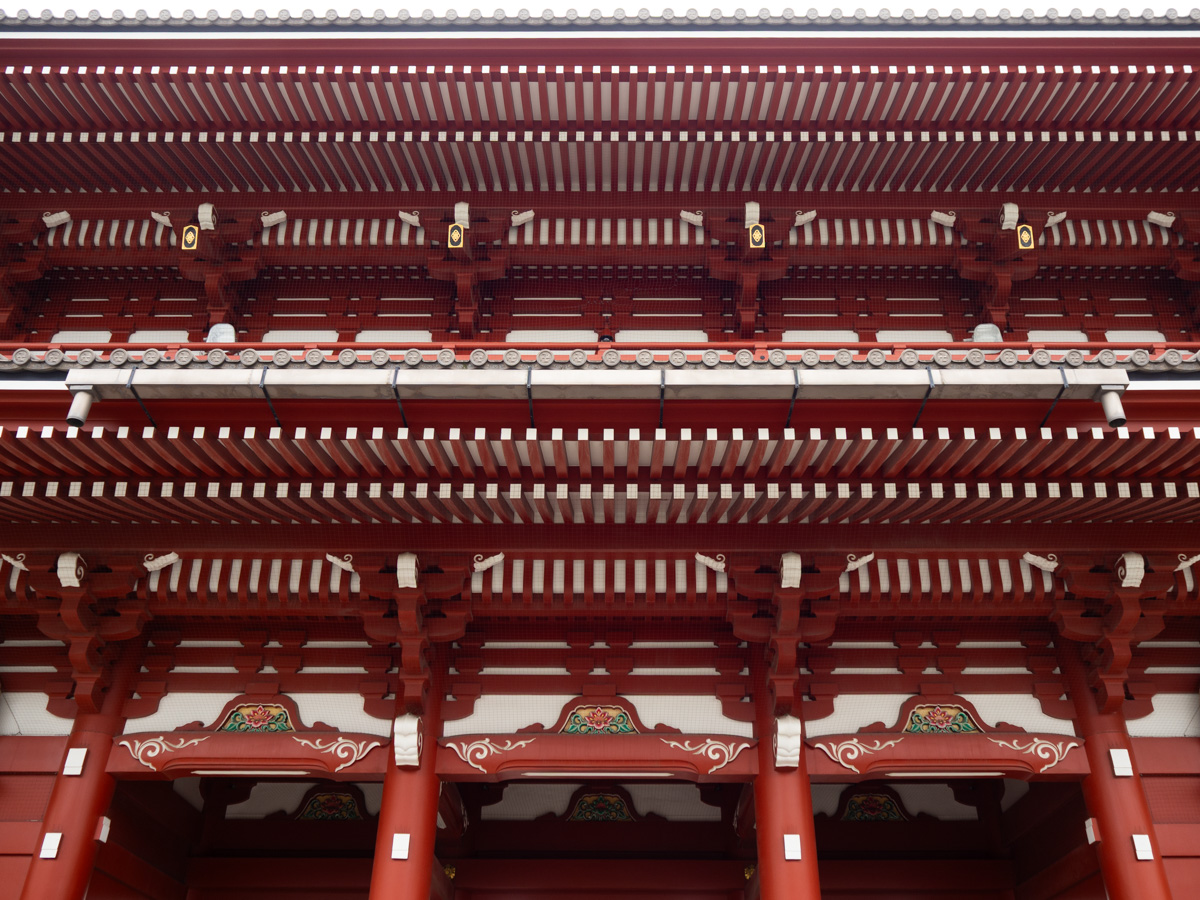
At the end of the shopping street, a second, very similar gate led to an area that was more like what I thought a temple would be like, with large lanterns and ornate roofs,


There were quite a lot of people here. Many seemed to be there for family or couples photos, dressed up in traditional kimonos.


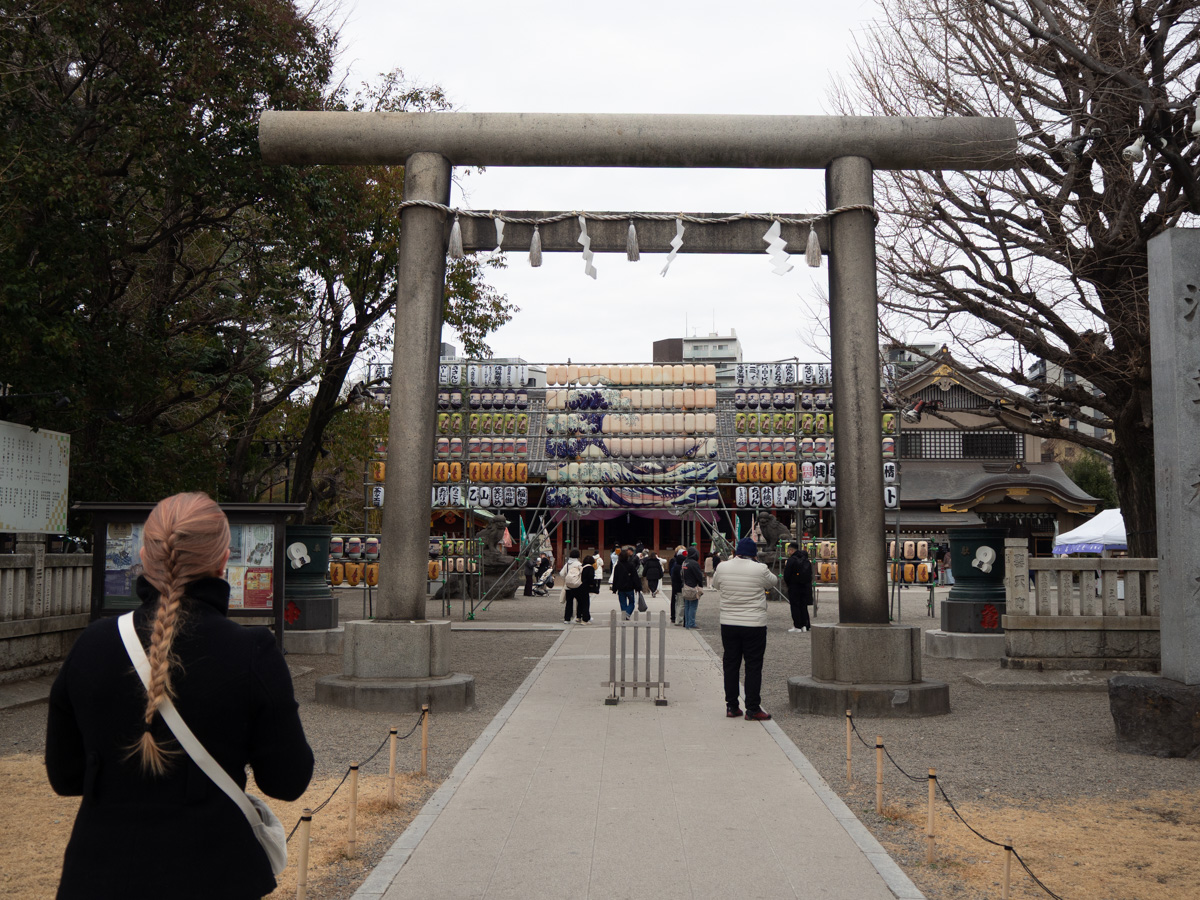
Right next to the Buddhist temple, there was a Shinto shrine. Places of worship for two separate religions co-existing side by side, and the same visitors worshipping first at one and then at the other.

We did read up on the proper rituals for both, but I felt uncomfortable with the idea of going through the motions without believing in any of it, and just stayed respectfully to the side.


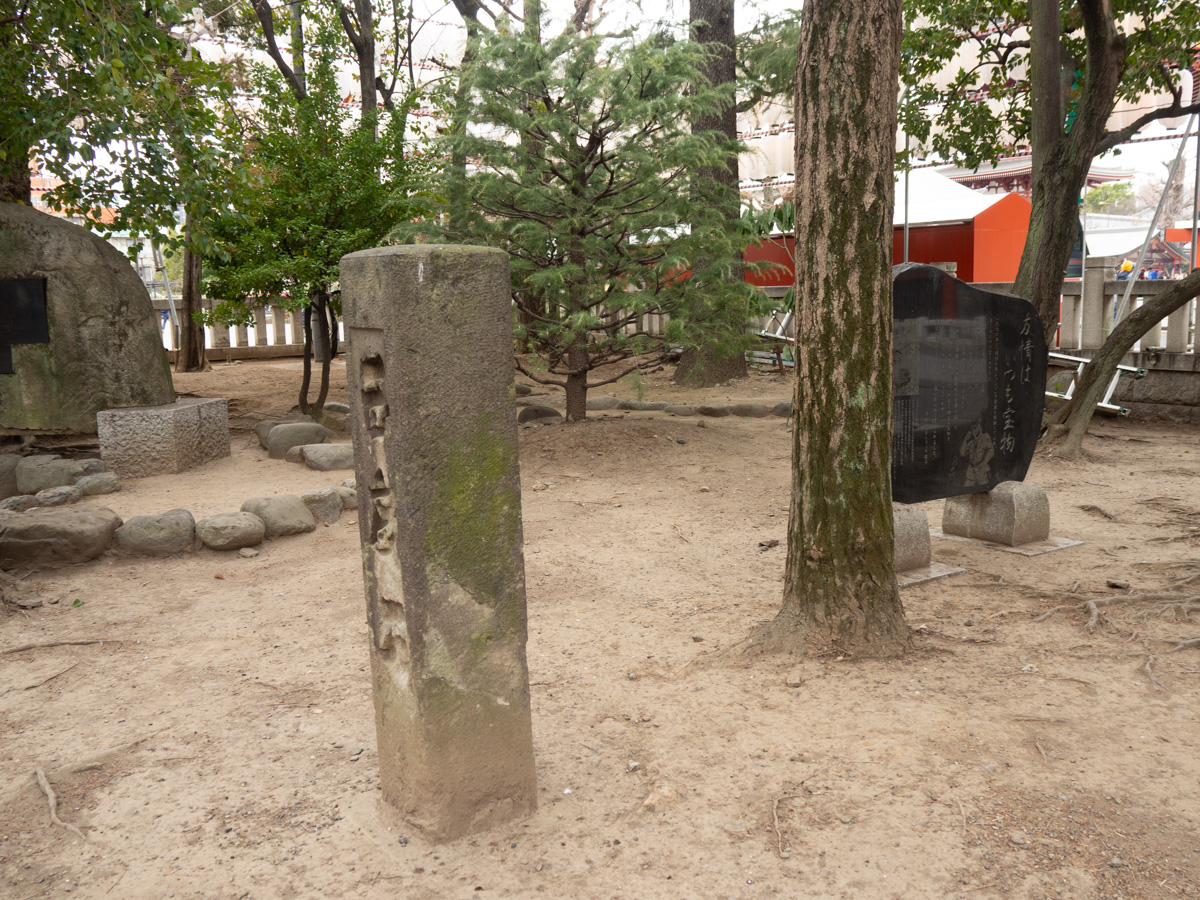
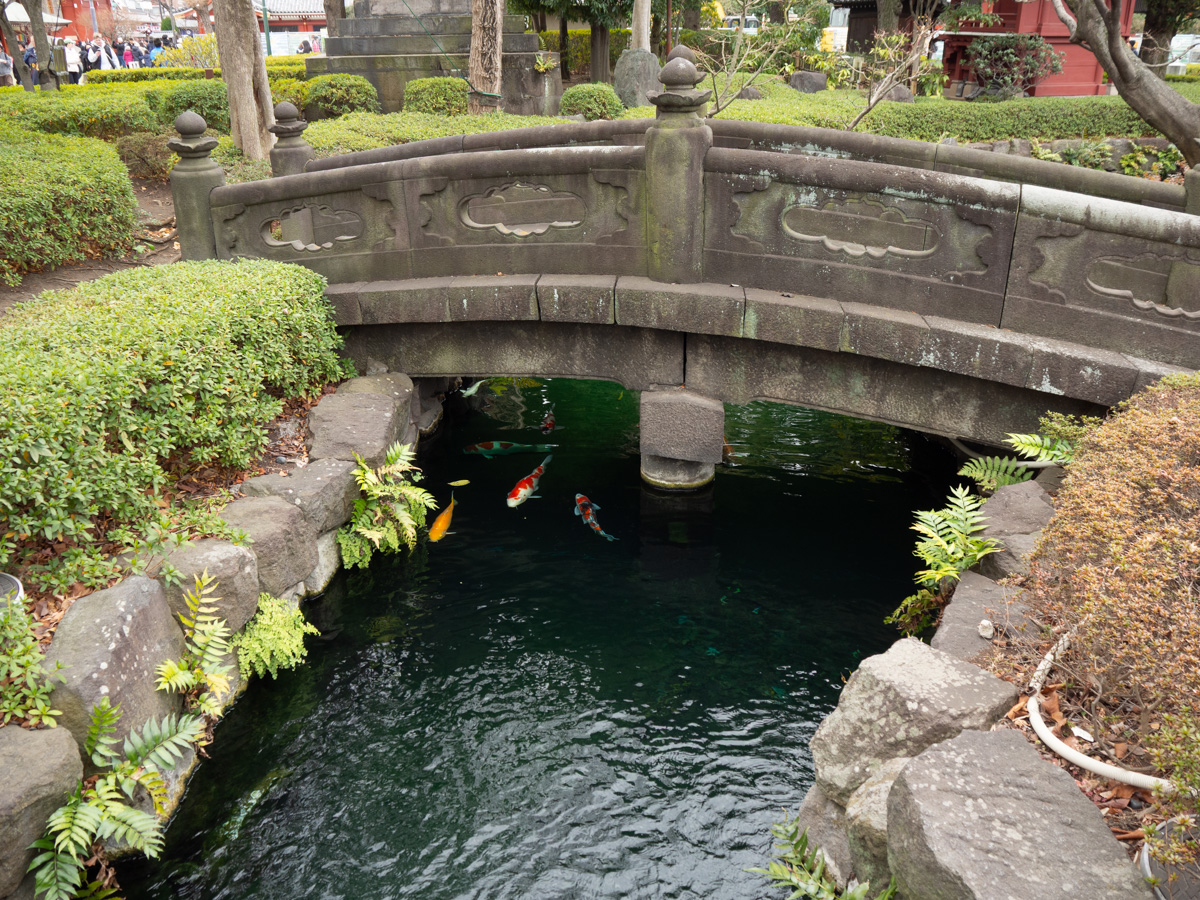
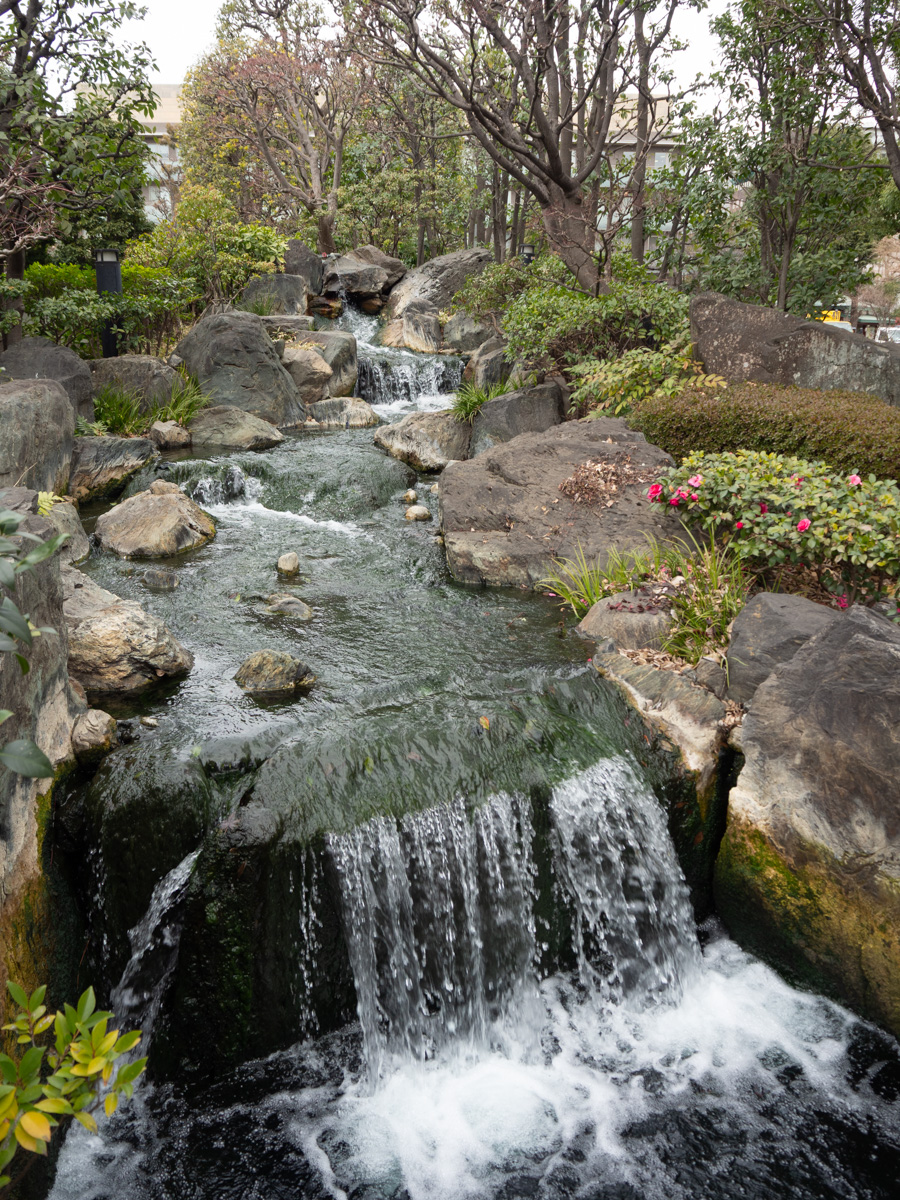
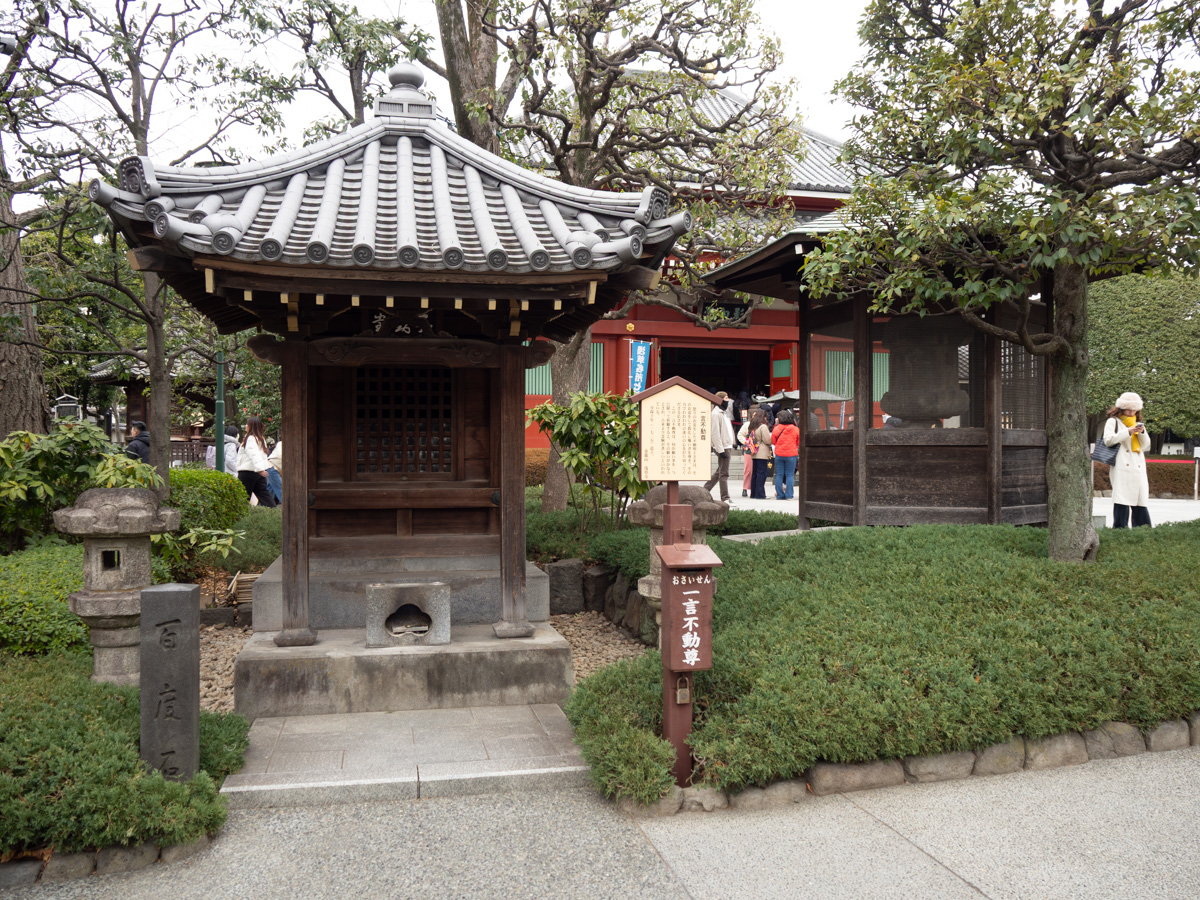
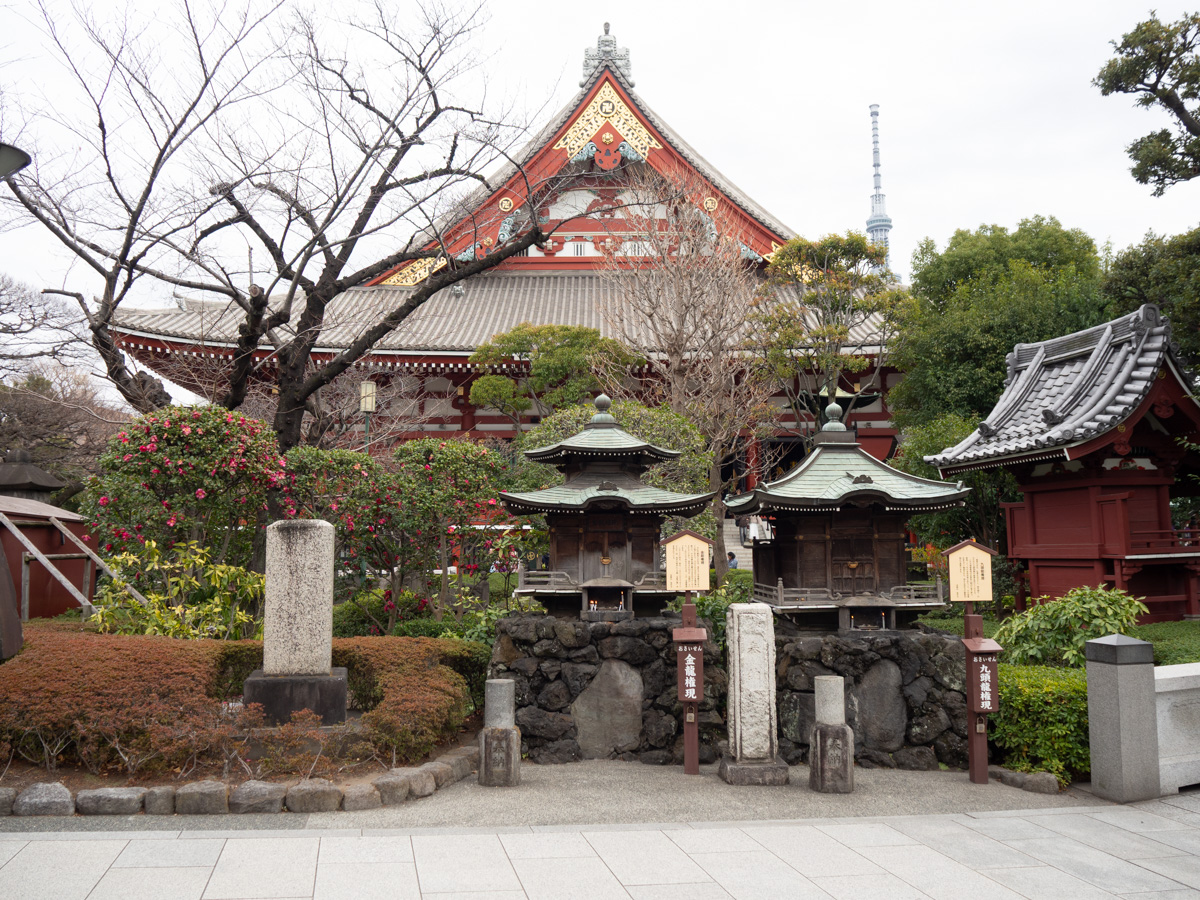
There was also a small, beautiful park, with a waterfall and a koi pond, as well as several small shrines and altars that we didn’t really understand much about, since the signage was all in Japanese only.


This being our first temple visit, I felt mostly clueless. Which bits are special about this one? Which ones are typical?


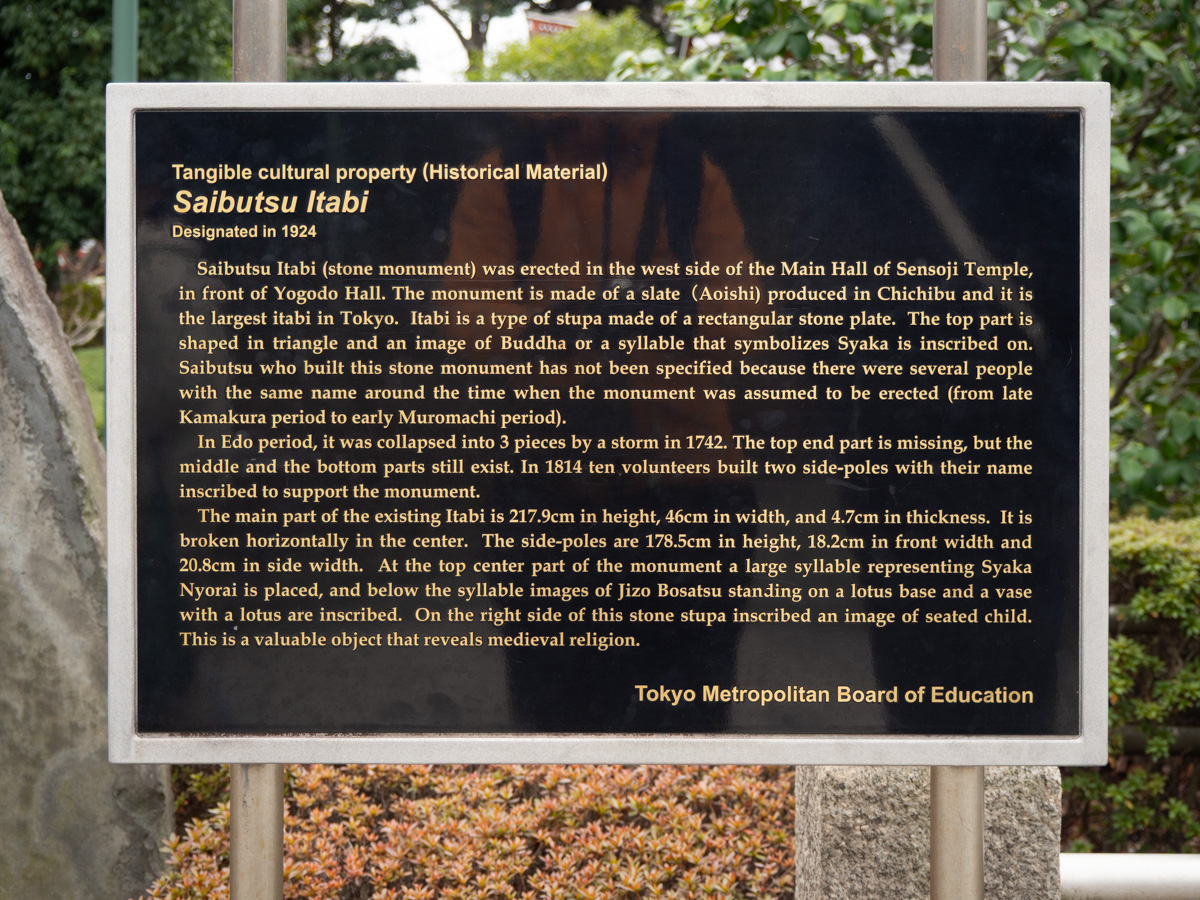
The few informational plaques that were in English – both here and later at other sites – had a bizarre focus on dates and measurements. This one is better than most in that it actually tells us the history of the object that we’re looking at, before it dives into precise measurements (217.9 cm in height, not 218!). But in general we soon gave up expecting any insight from info plaques, and their millimetre precision became a running joke between us.

We have landed in Tokyo. Early in the morning on a weekday, somewhat groggy with jet lag, and hungry. The first order of business was to get rid of our luggage (in a large locker at Tokyo station). The second was breakfast.

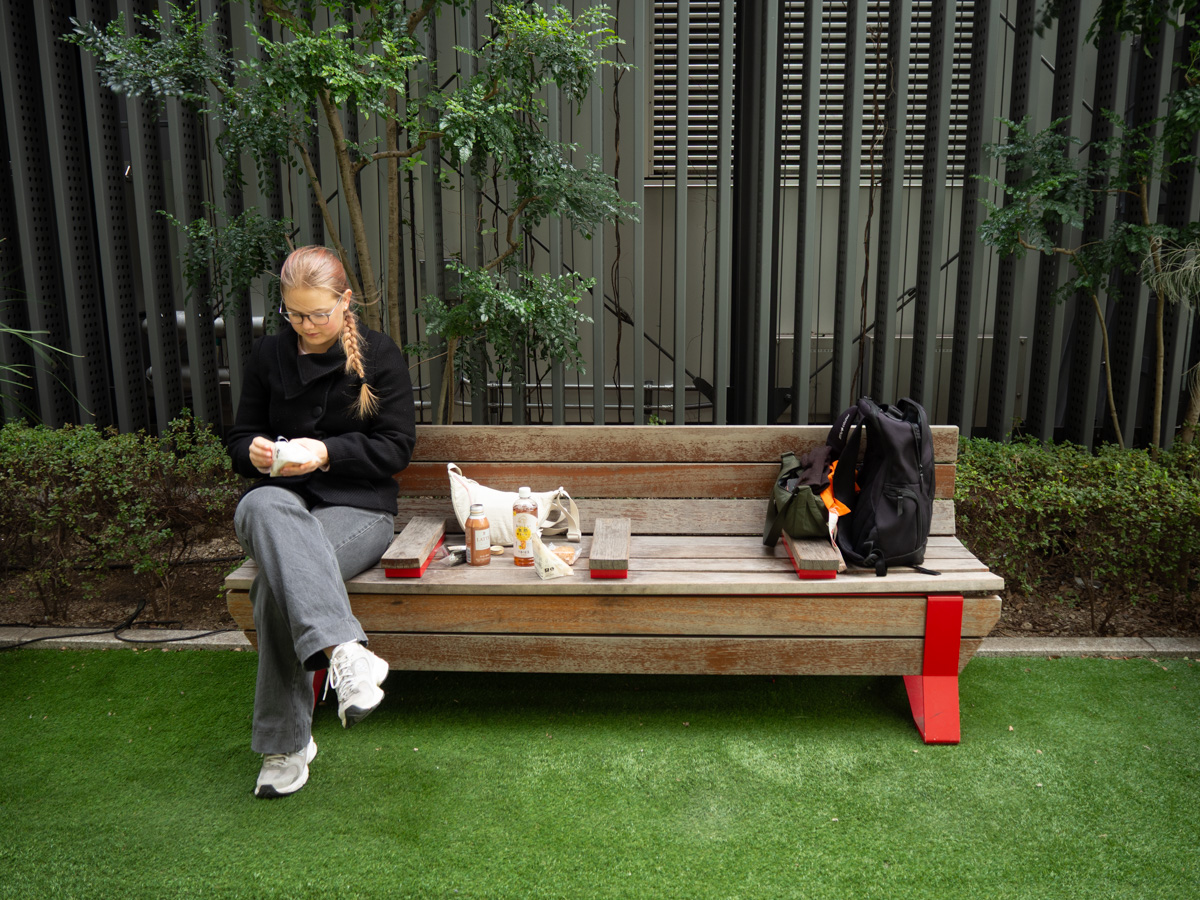
Finding breakfast wasn’t hard. There are convenience stores absolutely everywhere. Finding a place to eat that breakfast was harder. You aren’t allowed to eat and drink while walking in the streets; it’s considered disorderly. There are also almost no benches anywhere. Benches encourage people to sit and hang around, especially young people, and that is kind of considered to be “loitering”. I think they generally just don’t want people to hang around in public places. You can use streets and parks to go from A to B, but keep your socializing and living out of the public eye. Such a contrast to many European towns and cities that go out of their way to liven up their public spaces, with benches and greenery etc, to encourage people to hang around.

We did find a pocket park consisting of about three bushes, a few metres of artificial turf, and a bench where we could sit and eat.

After that we just wandered around to get a general feeling for the city.

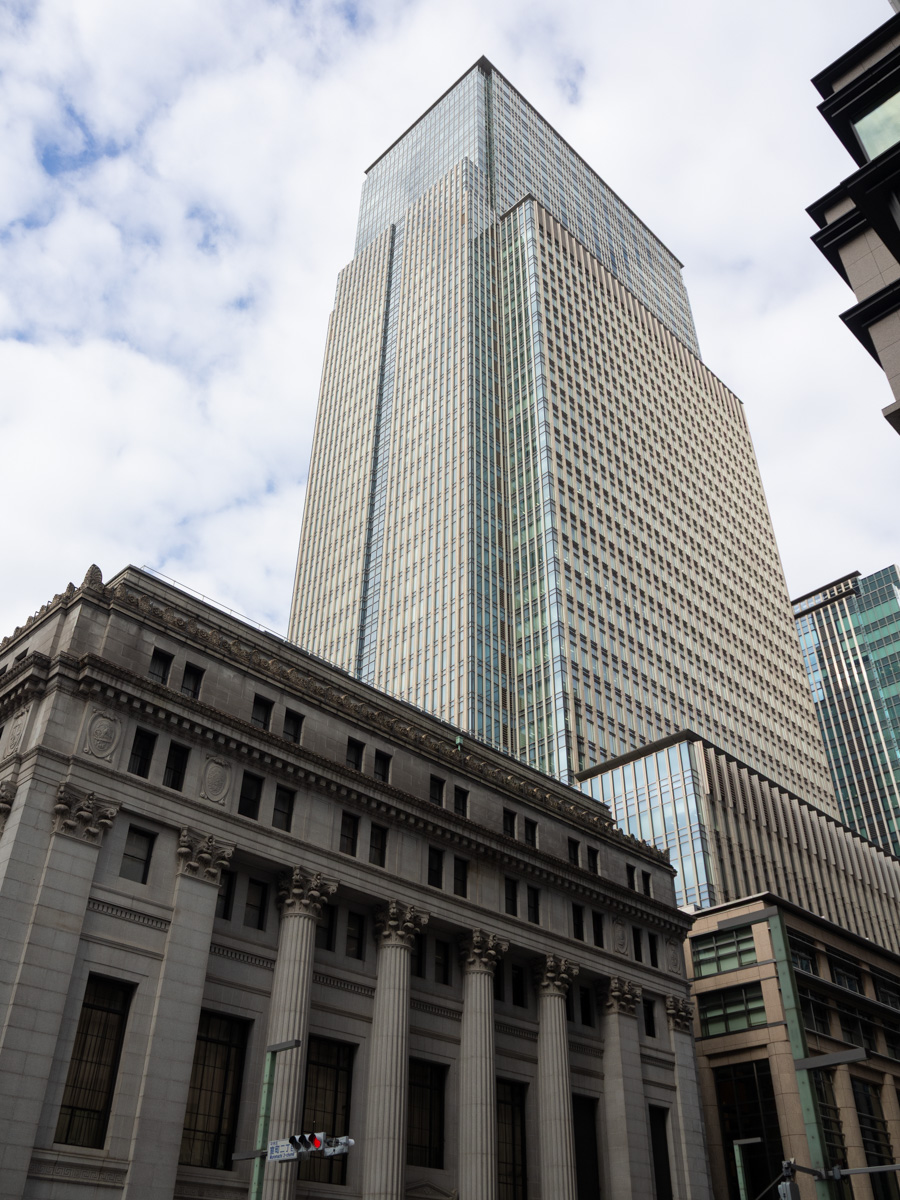
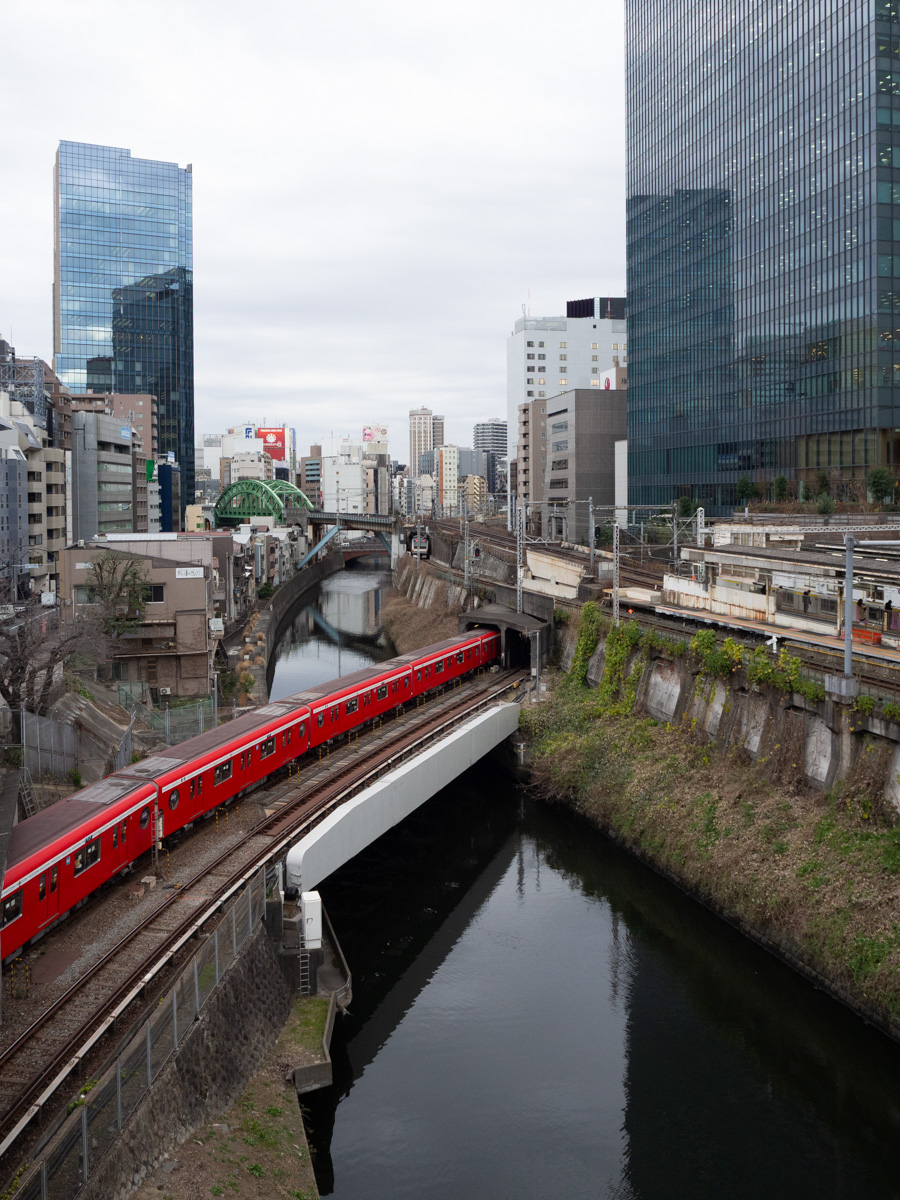
A lot of it is very tall and modern.

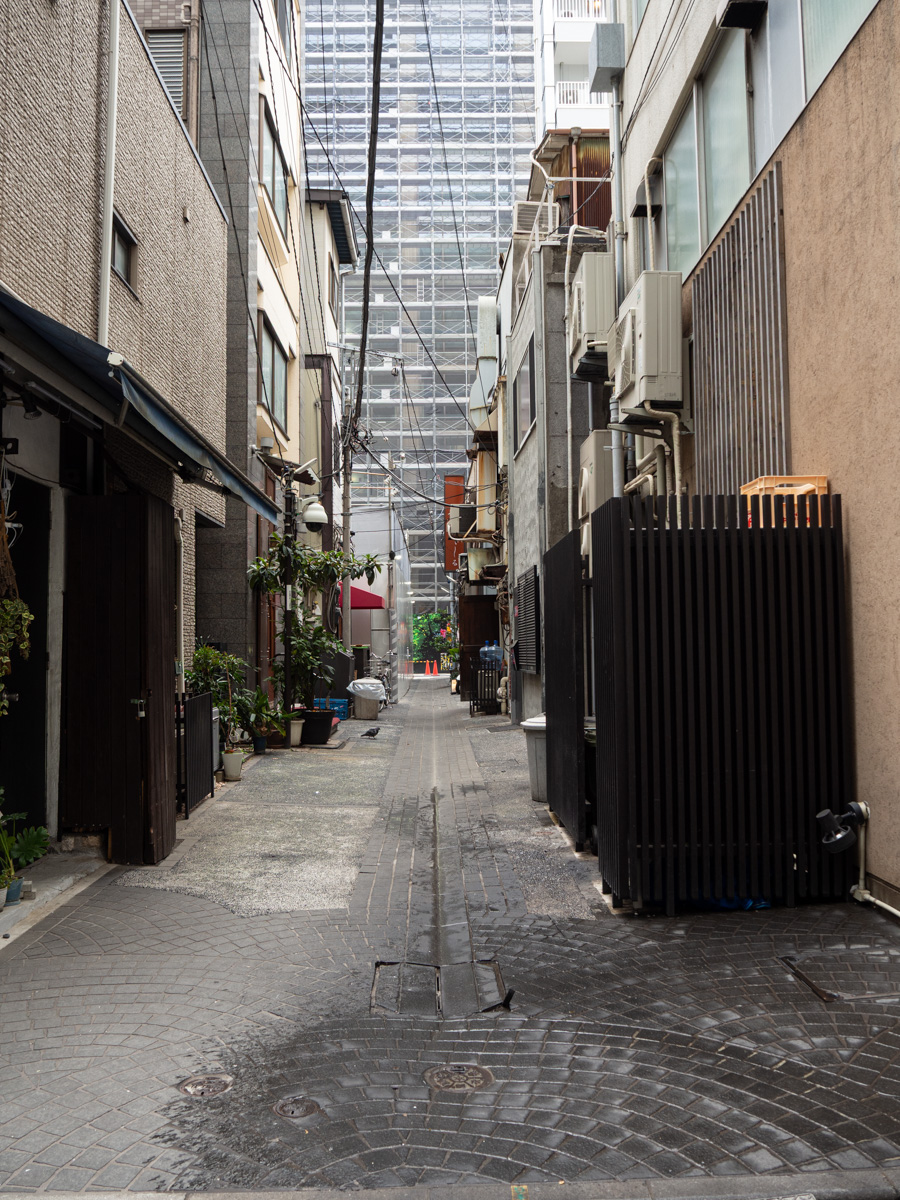
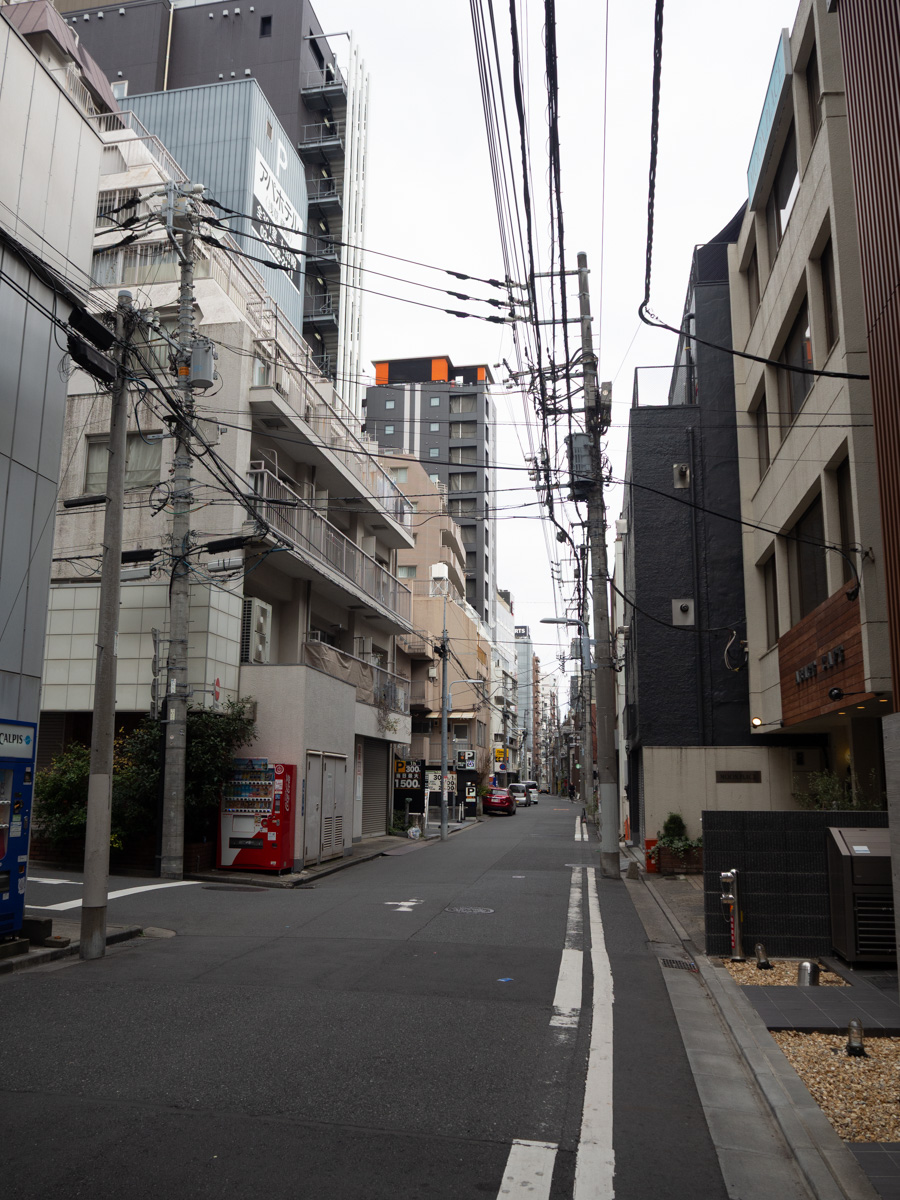
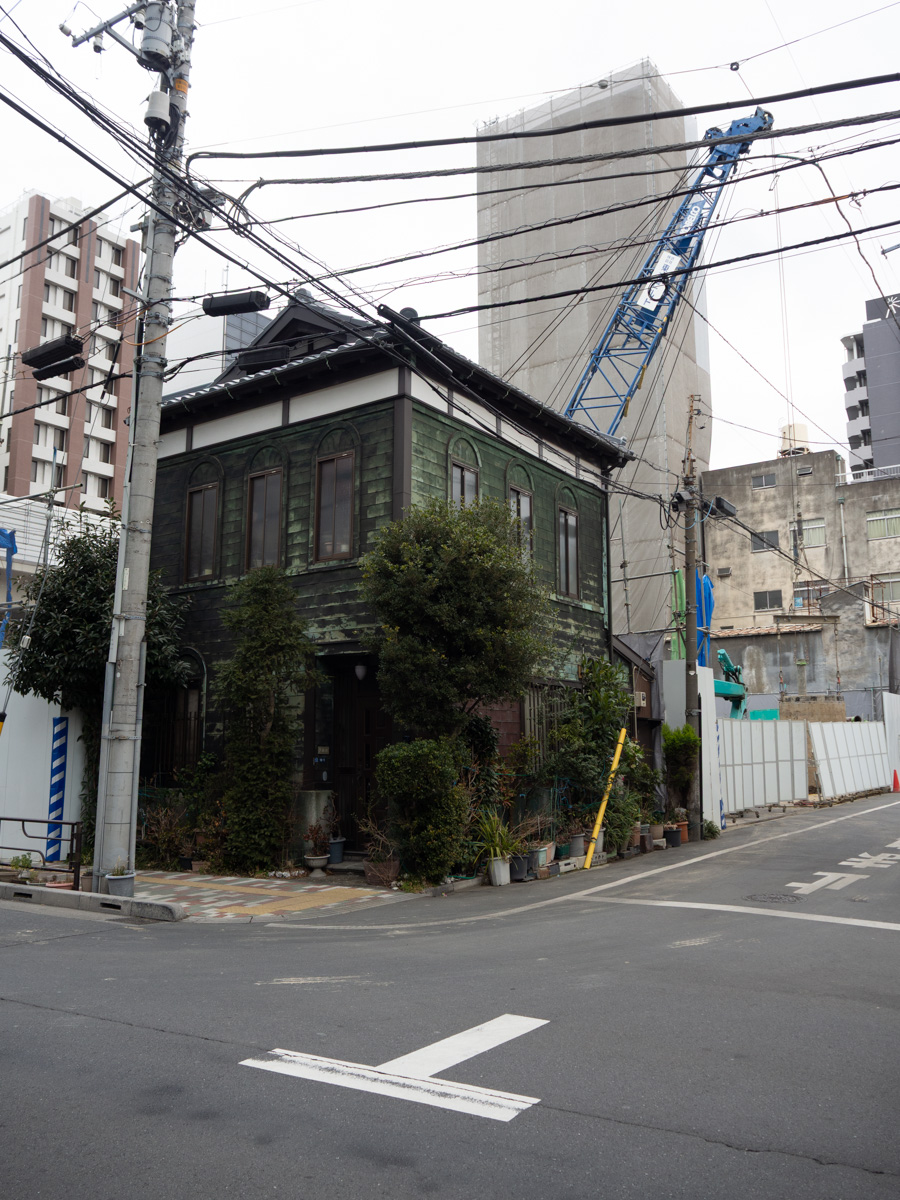
Then you turn off the main streets and wander into the smaller ones, and the atmosphere changes abruptly. Small concrete houses, little back alleys with potted plants.

A lot of the smaller streets are completely without sidewalks. Which doesn’t mean that they’re not for pedestrians. There’s this little strip of asphalt on one side, demarcated by a painted line, that is sort of reserved for pedestrians. But not really. You just have to co-exist with cars, bicycles etc. It mostly works out. It helps that there isn’t that much traffic on these back streets.

The building lots are often small. In Stockholm an inner-city building can be tens of metres in each direction; here they’re sometimes smaller than an average Swedish single-family house.

We saw so much every day, and I took so many photos, that I’ve broken up each day into multiple posts. After our general wandering on this day, we walked to Senso-ji temple and the surrounding Asakusa district, and then onwards to Ueno, all of which get their own posts.

Jet lag caught up with us around four or five in the afternoon. We picked up our luggage and started making our way towards our apartment in Ikebukuro.

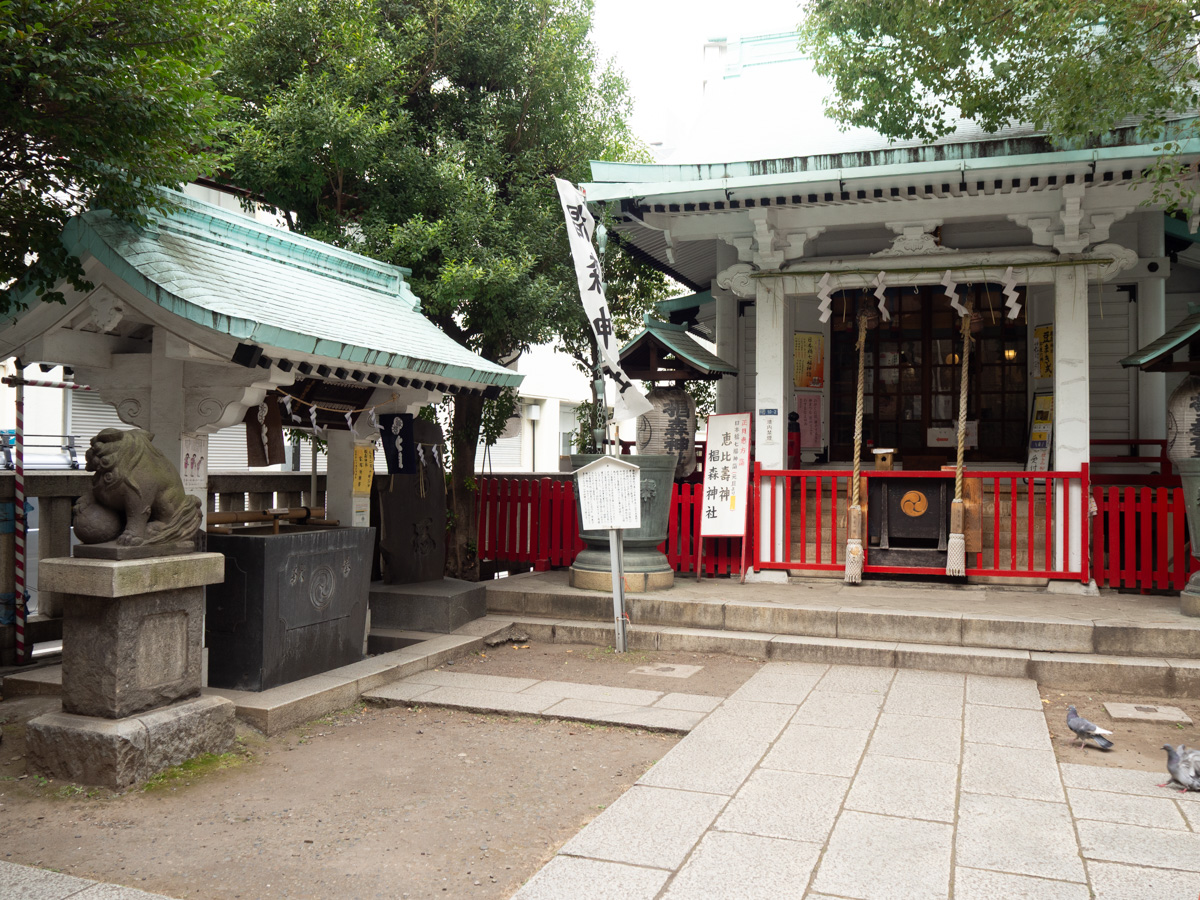
Wherever we walked, there were shrines and temples everywhere. Outside of the central business and shopping districts, I think there’s a shrine almost in every city block. Some smaller, some larger.

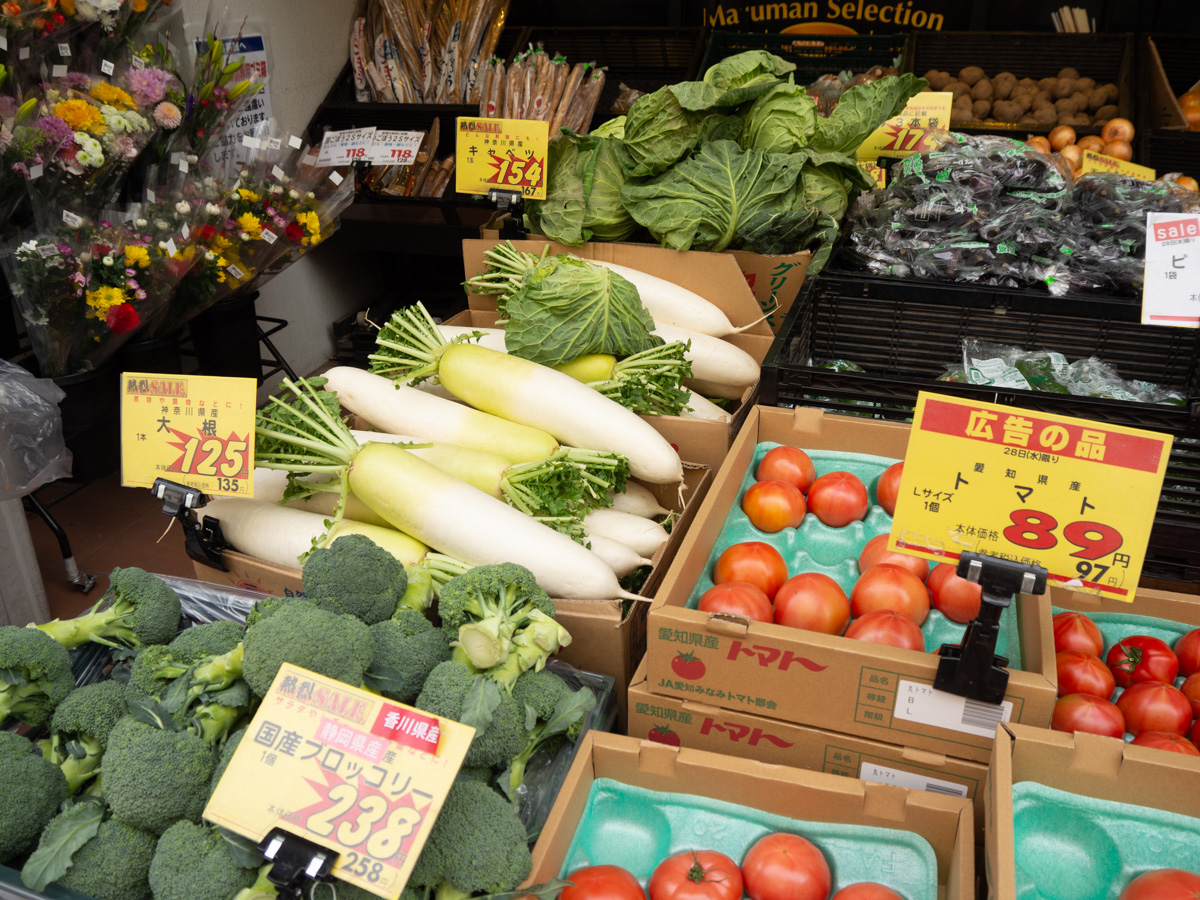
Everything is slightly alien. I feel displaced. The streets are not like streets usually are; the familiar vegetables at the grocery shop are interspersed with strange ones. None of the signs are readable; none of the prices are relatable.

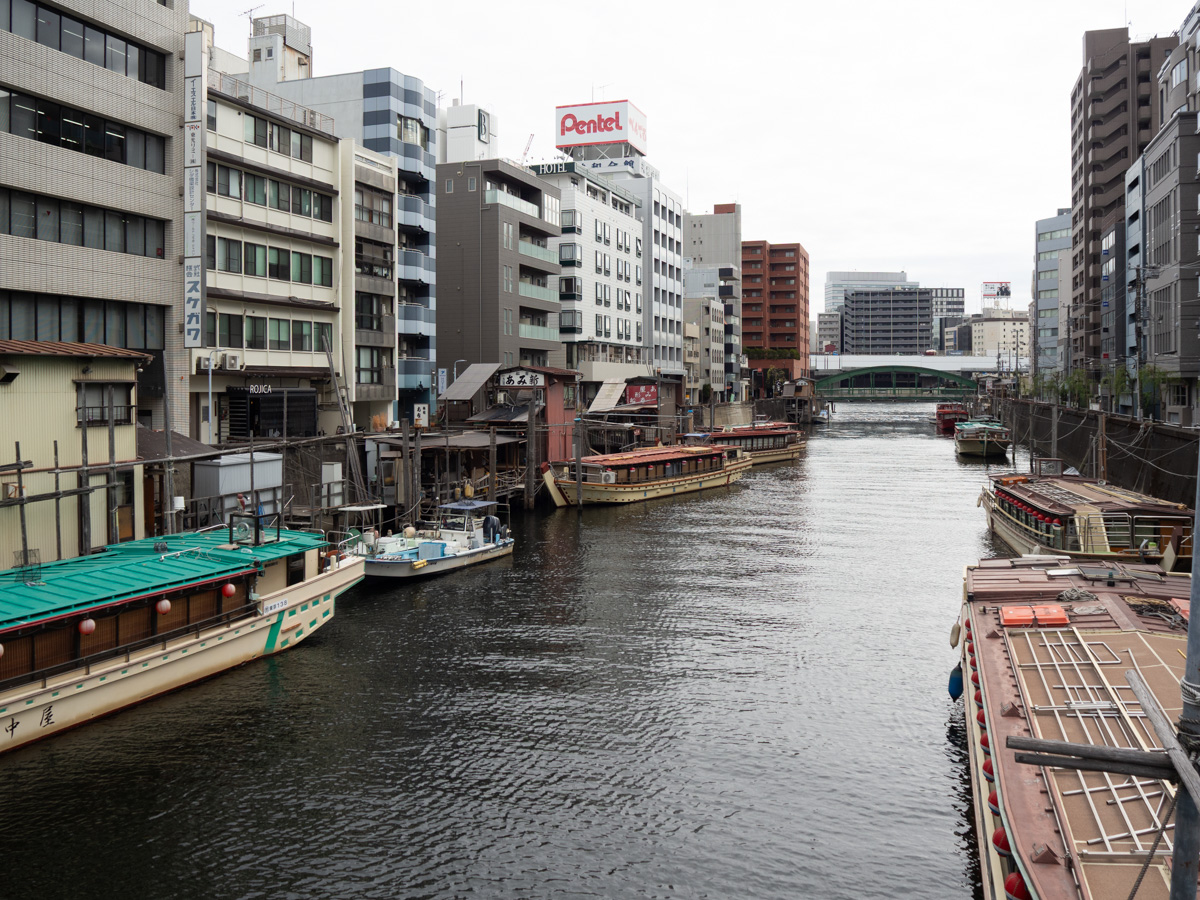
Tokyo is located by the sea and has some waterways flowing through it. In the places where we ended up, they were hardly noticeable, and mostly we forgot the sea was even there.

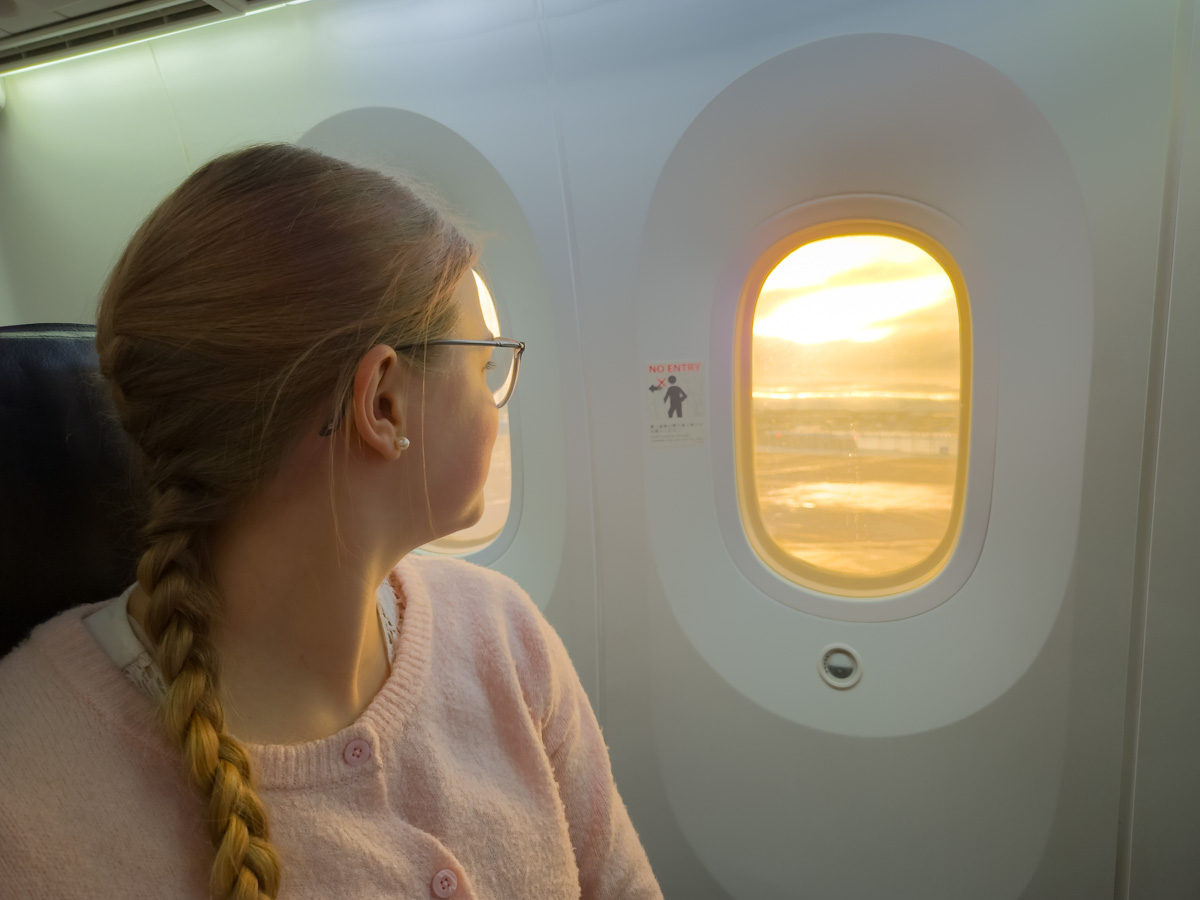
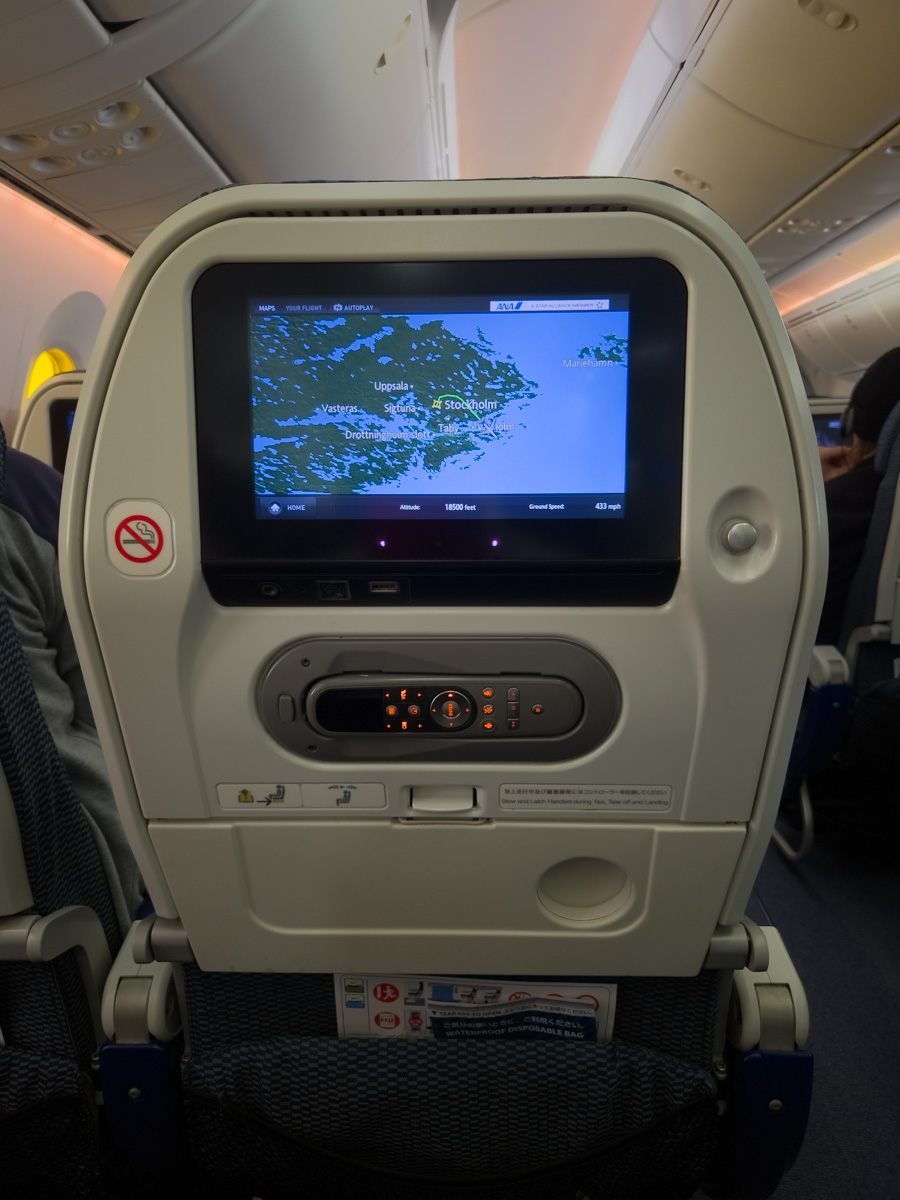
We’re on our way to Japan! I am so excited.

This is a bit of a dream trip for Ingrid and myself. We’ve both wanted to see Japan for years, but it has never seemed feasible. Mostly because of the cost, but also because of school etc.

Now Ingrid is old enough to earn her own money, and has been working and saving up all autumn (in addition to what she had been able to set aside from her job at the cafe). She had been thinking of doing a long Interrail vacation in Europe, but then found out just how advantageous the SEK/JPY exchange rate is right now and changed her plans. Initially she was going to do this on her own, but when I asked if I could join her, she said yes, so we’re going together.

We’re at very different stages of our lives, but in surprisingly similar financial situations – on a tight budget – so our preferences and priorities line up very well. Cheap flights, and the cheapest accommodation that gives us clean beds and a private bathroom. Two-week group trips to Japan start at about 45,000 SEK per person, and that’s without most meals; we expect our total cost per person, including meals and shopping, to come in at half of that at most. That’s less than I’ve paid for a one-week guided ski tour.

Ingrid has done all the heavy lifting in terms of planning: flights, dates, hotels, overall itinerary. Going on a custom vacation without having to do the majority (if not all) of the planning is a luxury I’ve not experienced in many years. That’s another thing that has made this previously impossible trip possible: Ingrid being between jobs and having ample time for planning and research.

This will be amazing.

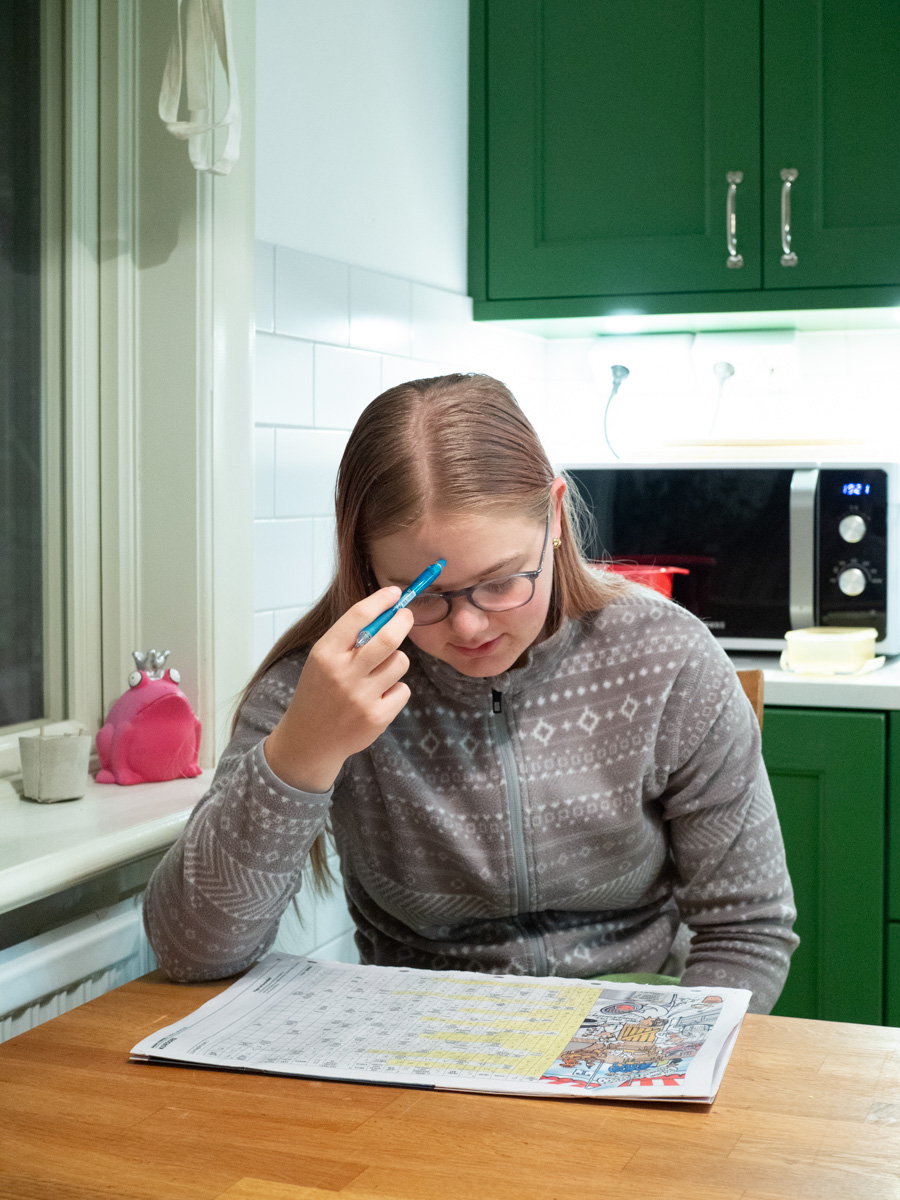
Ingrid and I still do the crosswords in Dagens Nyheter. This weekend we even took on one made by Håkan, whose brain works in strange ways and whose vocabulary is most weird. Normally we don’t allow ourselves any outside tools, but with Håkan’s we need more help. It’s OK to use the internet to confirm a word that looks to be the answer, if we don’t even recognize it as a valid Swedish word.

From today’s crossword we learned ten new words, including töva (= dröja), ami (= halsduk), eda (= strömvirvel), dat (= dåd) and ria (= torkhus).