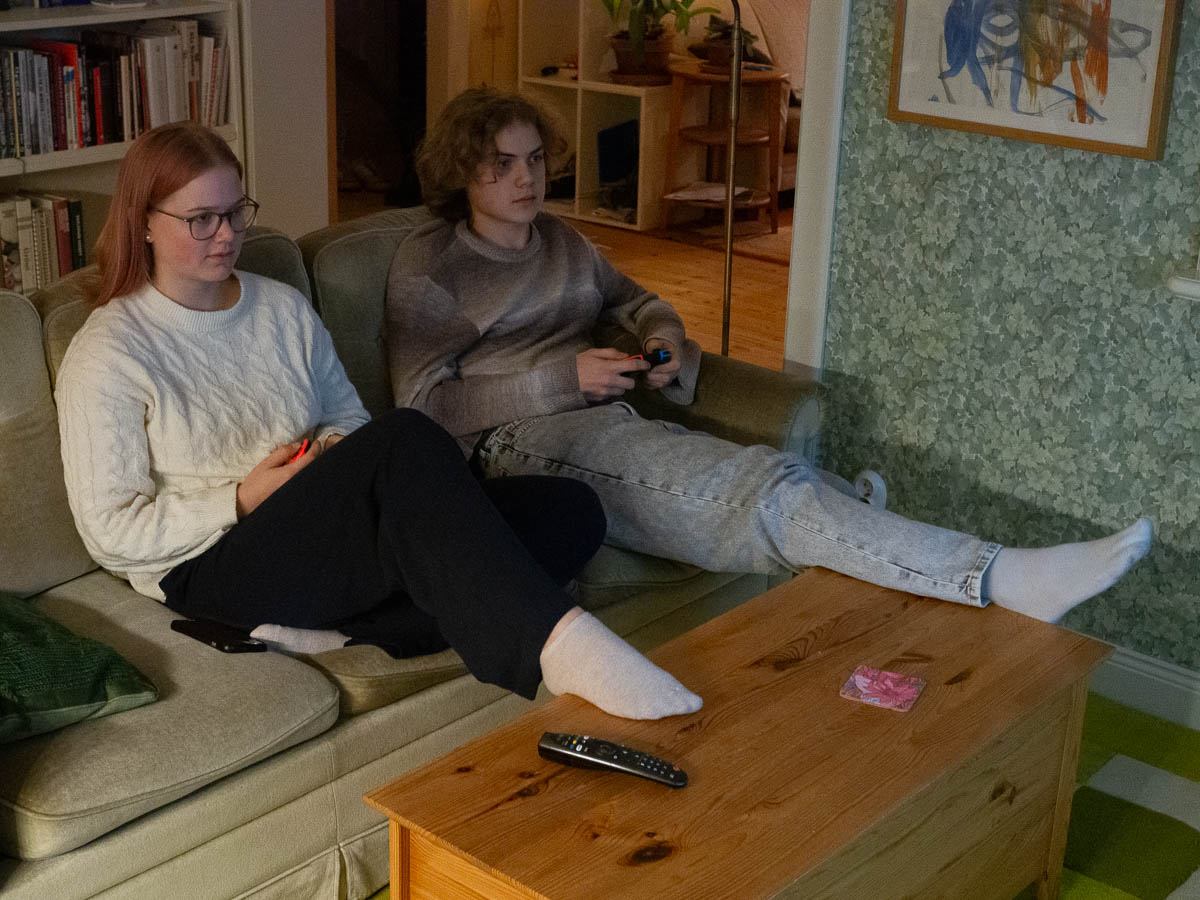
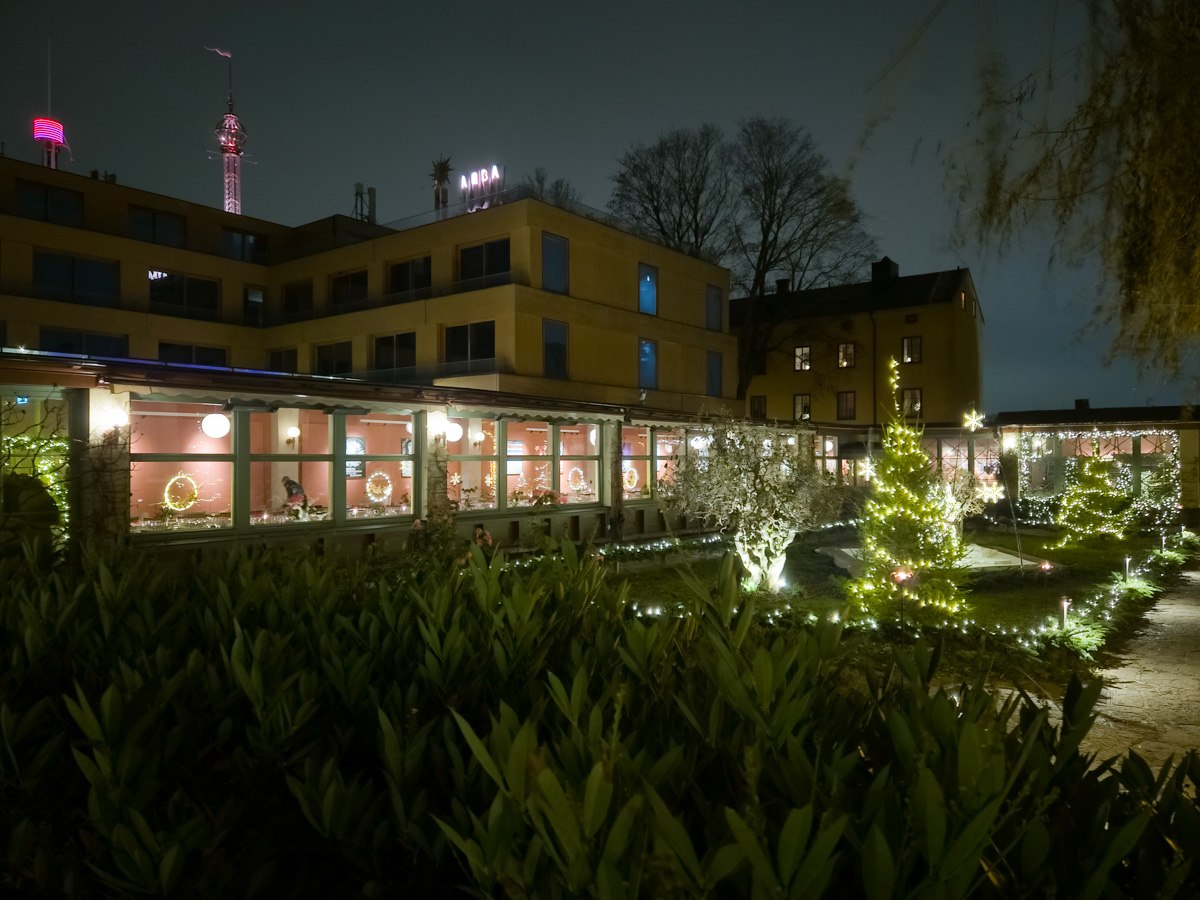
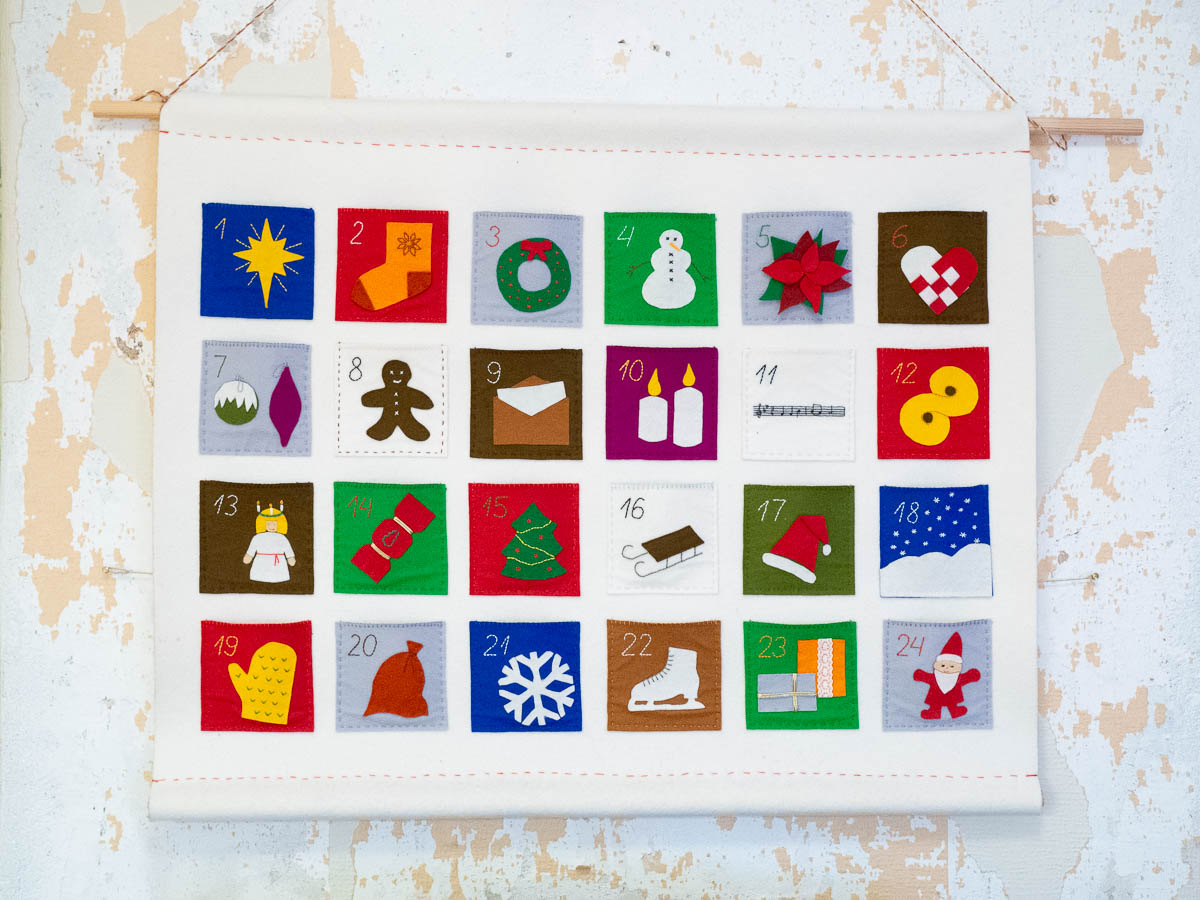
Adrian and Ingrid, playing Cuphead together on one of their Switches.

They speak Estonian to each other these days, when they’re here in the house. Not all the time, but a lot. Even when I’m not in the room; even in situations and about topics that take me by surprise. Like, how did they even get the vocabulary for that?

It makes me feel very warm and fuzzy feelings inside.
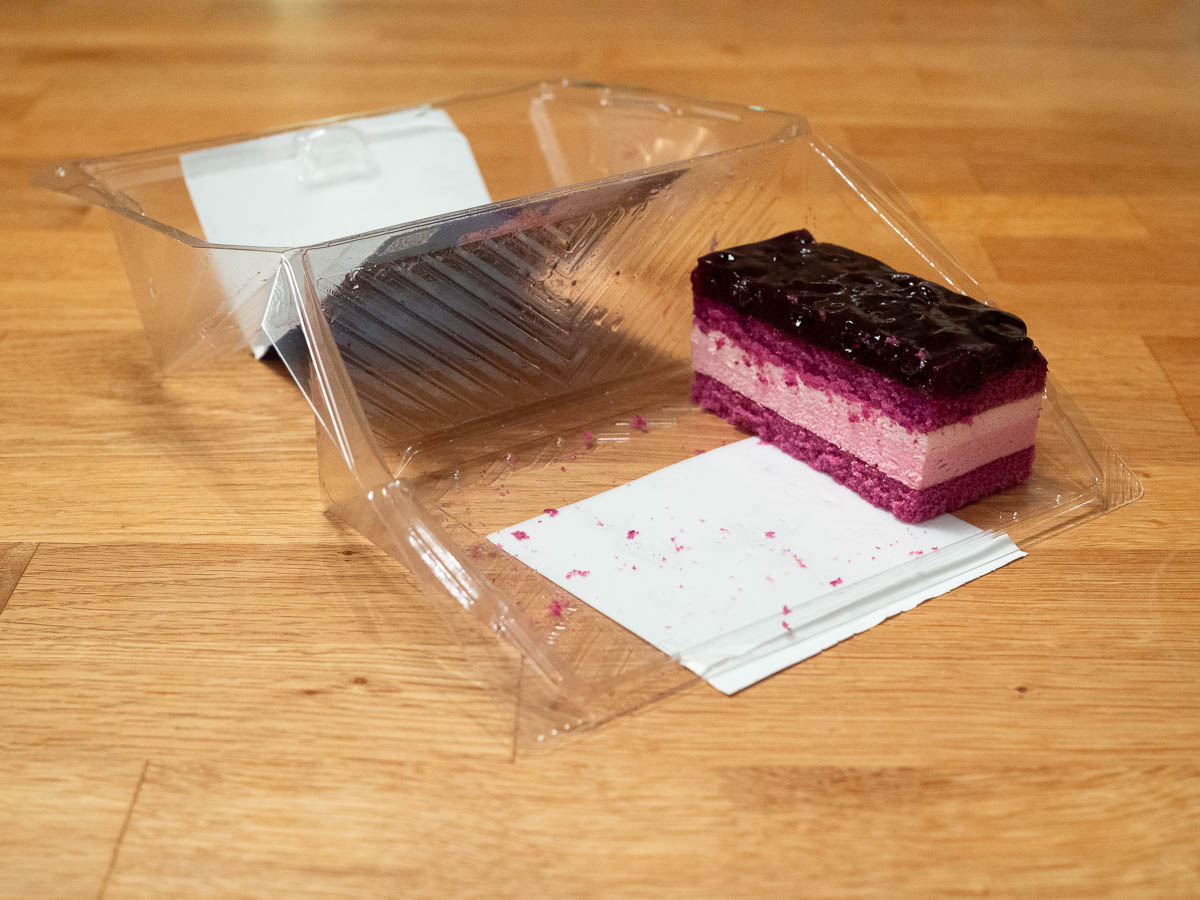
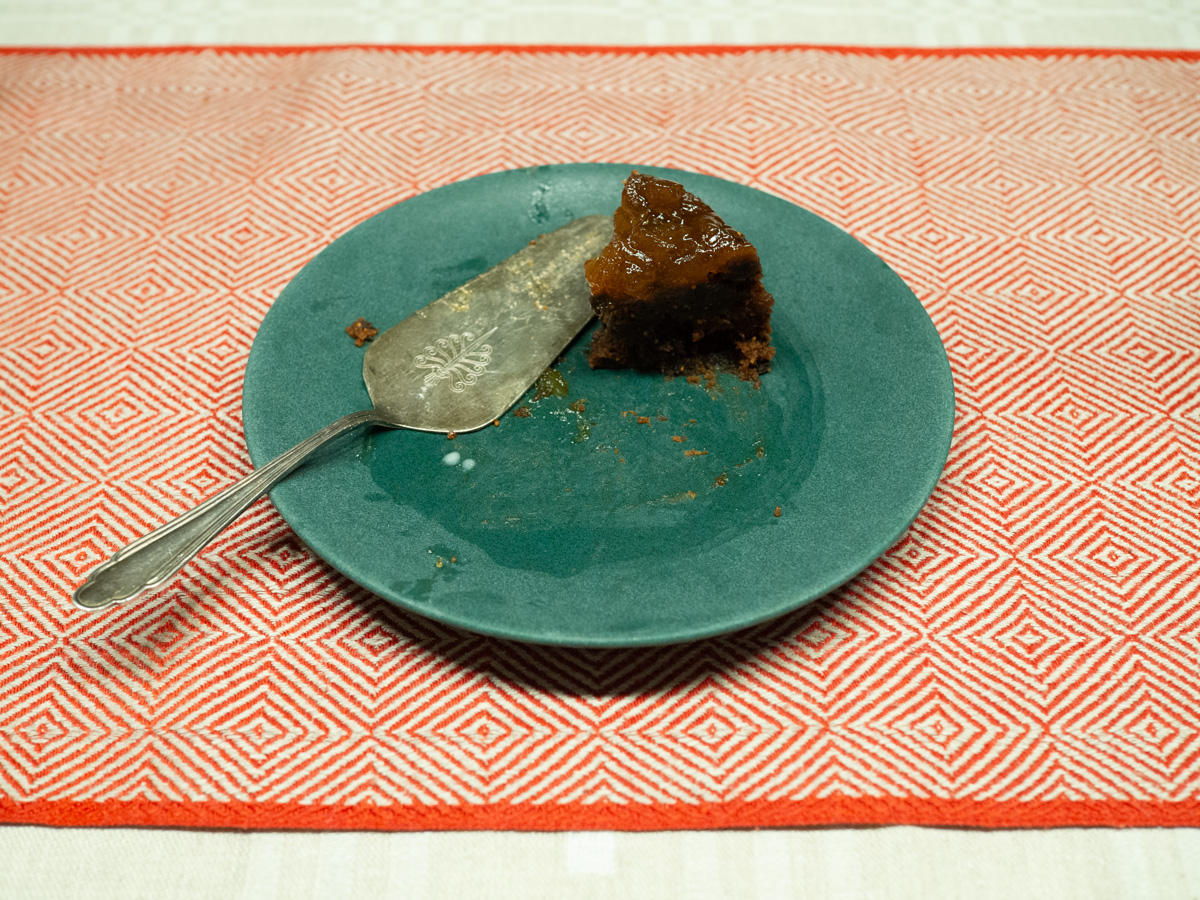
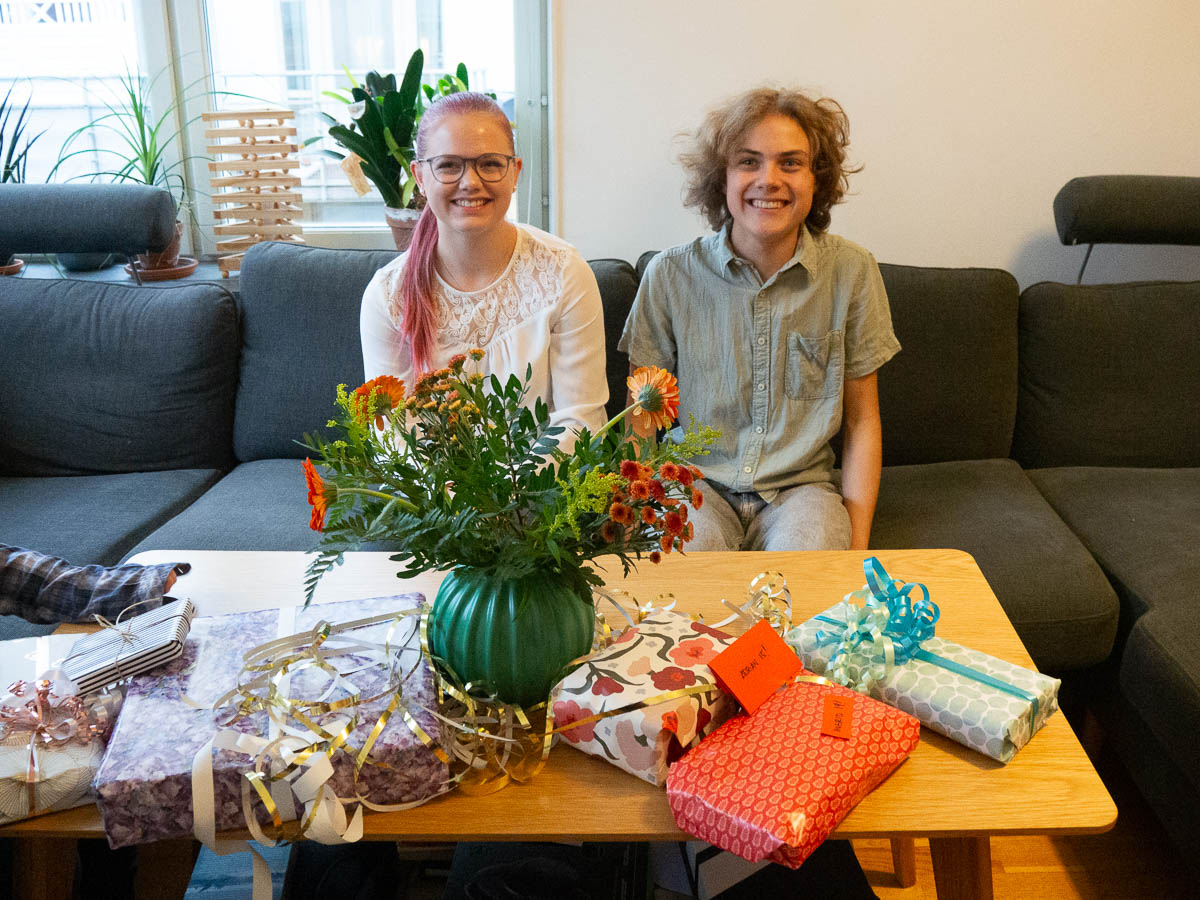
Ingrid’s birthday was on an away week. We had an extra mini-celebration today, since she’s here now. With Estonian cake! (From the Baltic shop in Sollentuna.)

Did I remember to take photos of the celebration, the presents, or the eating of cake? No, I did not.
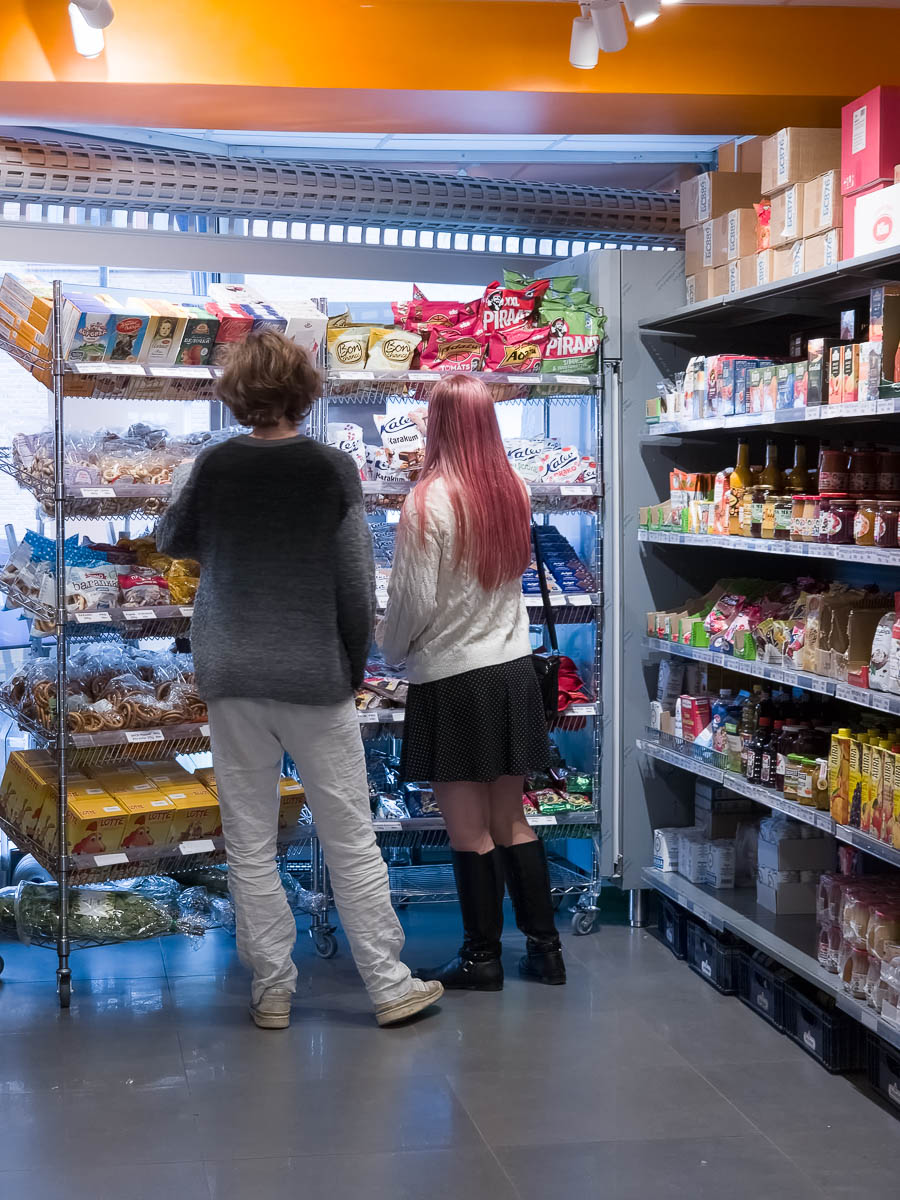
Visited Tre brudar, a nearby shop that sells foodstuff from the Baltic countries. Ingrid was hoping for Merekivid candy, but they didn’t have any. Instead we came home with Estonian dark rye bread and Kohuke quark sweets.
Ingrid and I went to see an exhibition of Lars Jonsson’s drawings and paintings of birds at Liljevalchs.

Exceeded all expectations. We were truly blown away.
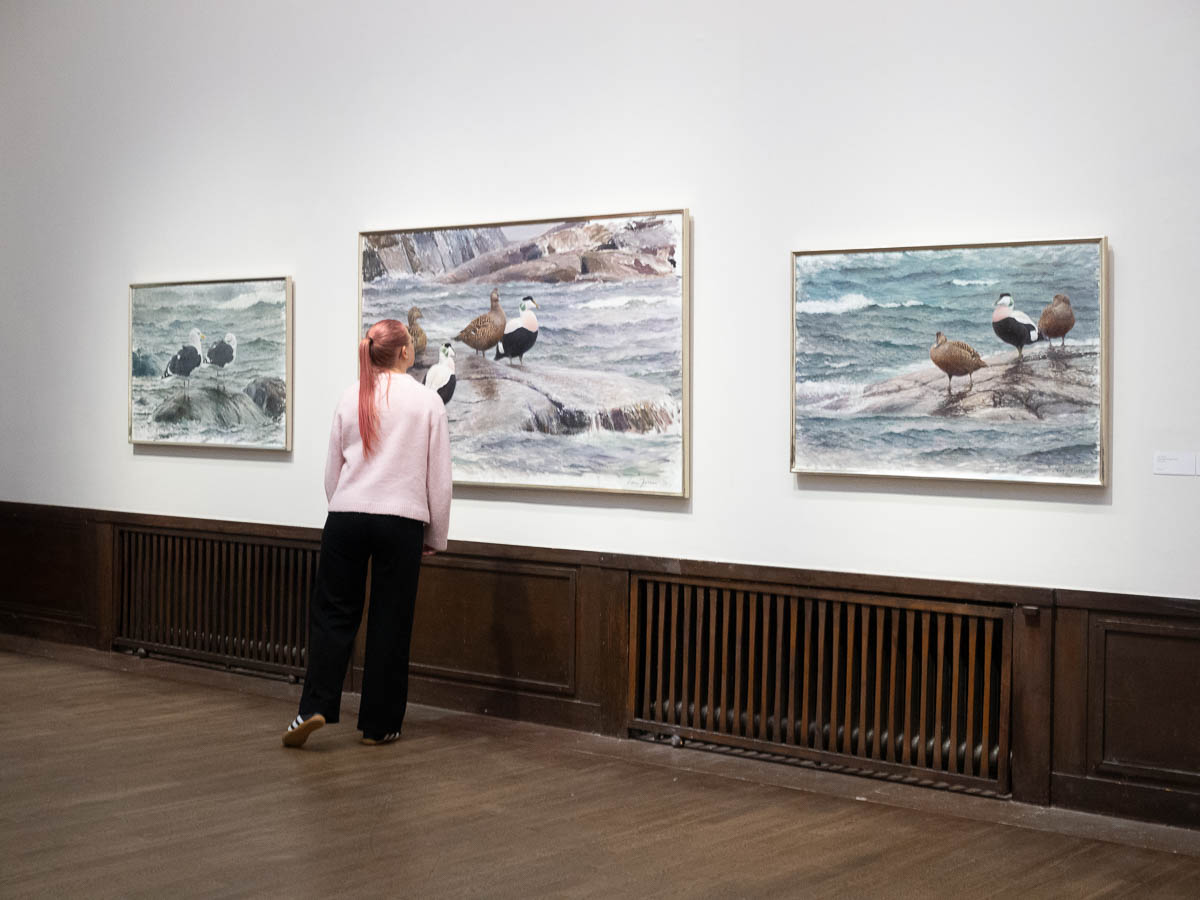
Lars Jonsson is an artist and an ornithologist who makes incredibly life-like pictures of birds. Not primarily photorealistic, although some are, but better: where the painting captures not just the typical physical appearance of a species, but also its character and behaviour, and the details of the individual specimen, and the atmosphere of the situation. Some birds in flight are intentionally blurred at the edges; some are captured at an odd angle.

He makes all his sketches and most watercolour paintings out in nature, drawing from life. His birds are not smoothed-out averages but unique individuals.

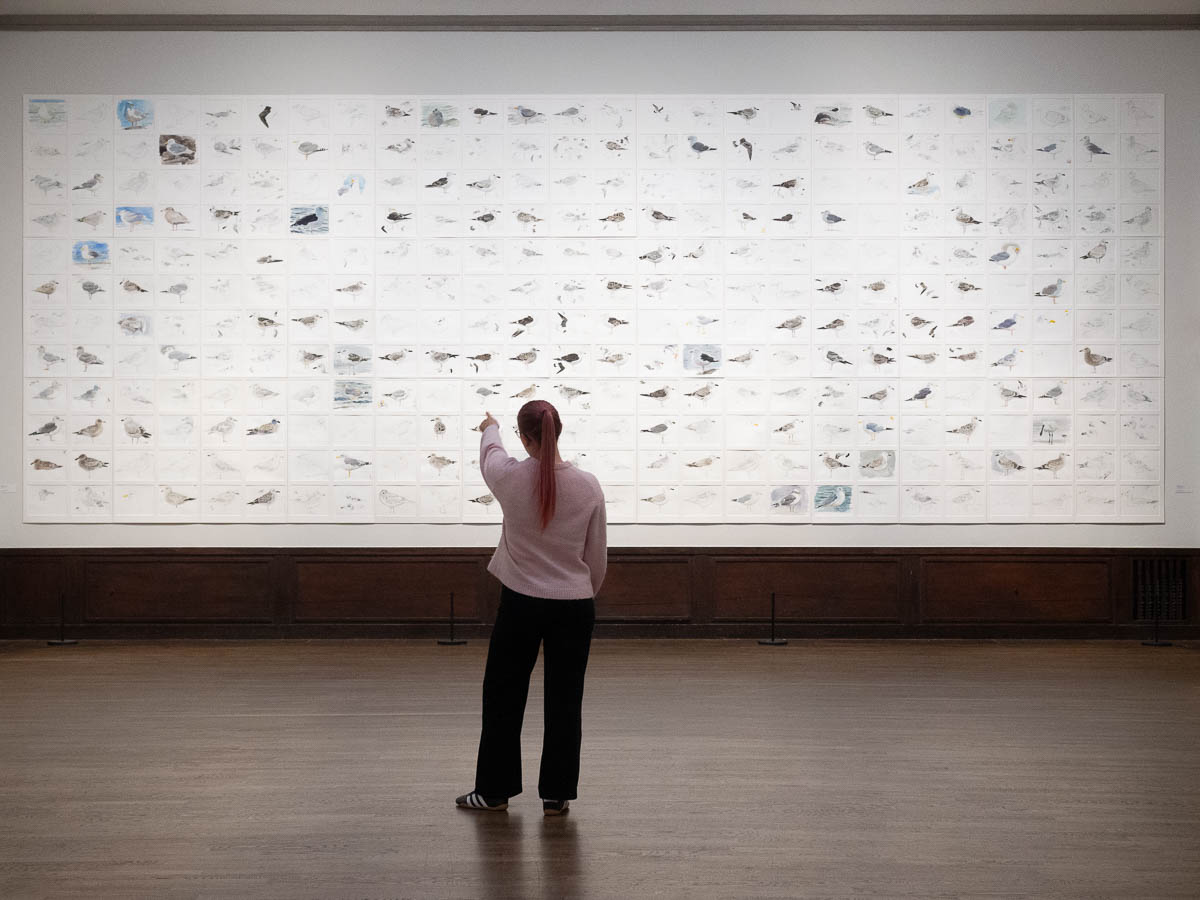
There is literally a wall with just hundreds of sketches of gulls. Some of them are multiple sketches in one: a sheet of paper with just beaks, or with several variations of the striation on their sides.

And you think: he’s able to produce this amazing work because of the decades of practice he’s put in. But then you see that even his early paintings, over forty years old by now, are amazing.

An incredible dedication; almost an obsession. After 50 years of drawing sea birds, how does he not get tired? How can he still see something new in each bird that is worth capturing?
Seeing this exhibition on a weekday evening after work was perfect. Much of the time it was just the two of us; in total I think we saw three or four other pairs of people pass. Large, calm paintings of sea birds, softly lit, in large, quiet rooms – very tranquil. Nobody passing behind us – or in front of us – when we’re backing up to take in a large painting.

If you’re in Stockholm, the exhibition is open for another 10 days, until October 12th. Very much recommended.
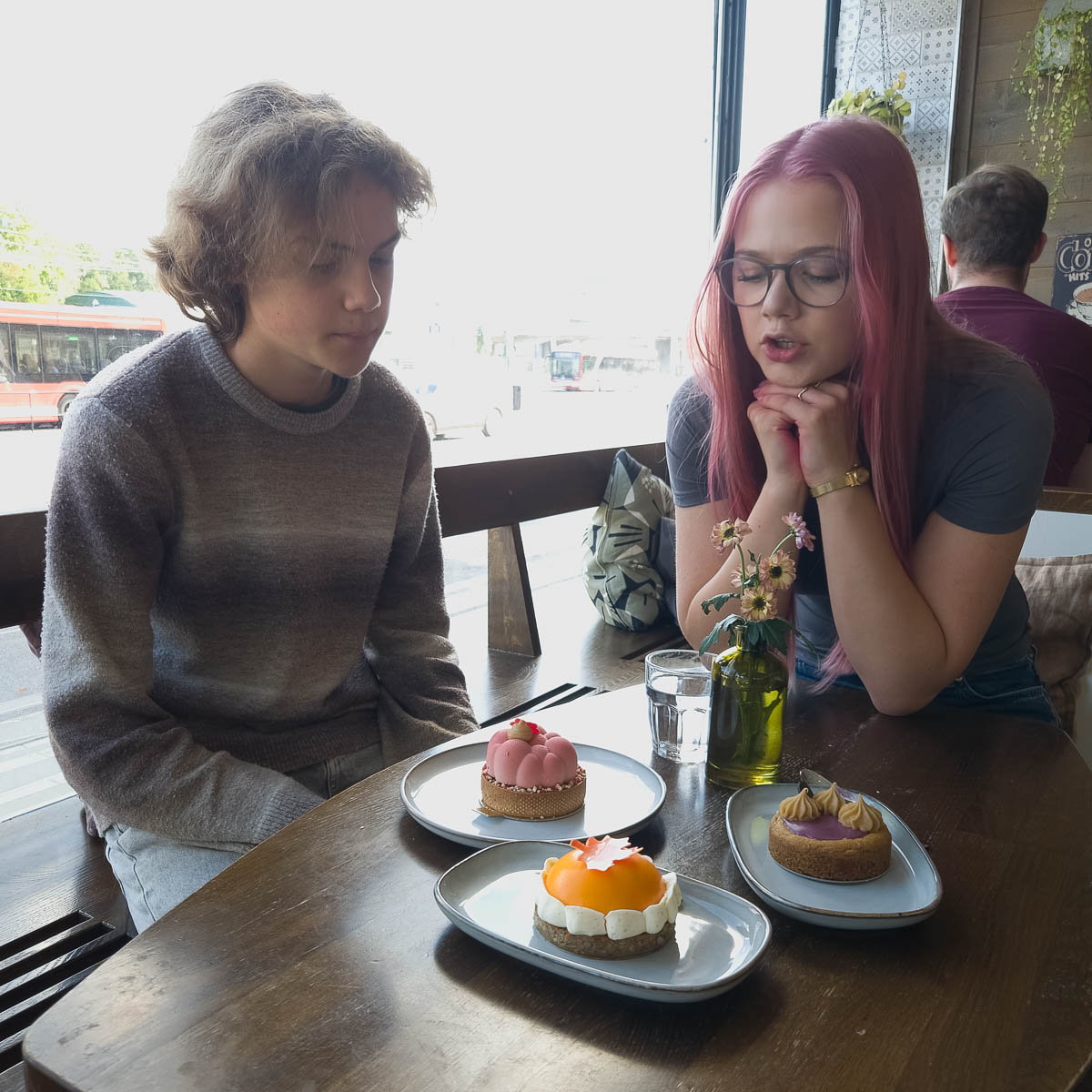
Somehow it has become tradition for us to go for fika at Spånga Konditori on the weekends the kids are with me.

Their fancy pastries are delicious, beautiful, interesting, and come in new flavours every week.

One small luxury in my life is a subscription to an actual paper newspaper. I’ve been considering cancelling it to save money, but I enjoy it too much. One of the really good parts is the crossword. Sometimes I do it in my own, sometimes Ingrid joins me. They’re not at a level where Adrian enjoys them (although we occasionally bring home a free local paper that has easier ones).

The Friday crossword is themed. The theme can be anything from “Fredrik” (when it’s Fredrik’s name day in the calendar) to “fishing” to “the Finnish-Swedish athletics competition”. The Saturday crossword is tied to a picture, with one long word or phrase related to the picture going down vertically at the far left, and words for objects or concepts in the picture going across it. Figuring out what word the constructor might have meant for each thing in the image is where two brains are especially much better than one.

We’re getting familiar with the people behind the crosswords. Some of them we just don’t click with at all. Their clues make no sense to us, even when we look up the correct answer. It’s like we’re not even speaking the same language. When the crossword is signed by Håkan, we don’t even try any more. But those are few; pretty much just Håkan and Madelen.

The current crossword is often open on our sofa table, especially on weekends, and there are always two pencils nearby.

We’re barely in the middle of August and it feels like summer is over. Cloudy days and cool evenings. This is probably the last meal we’re going to have outside this season. Shouldn’t August be a summer month still?

Having walked the western side of the Grinda loop yesterday, from the north harbour to our cabin, left us the eastern side for today.

But first, a very rustic breakfast in our very rustic cabin. Our cabin was also the highest-numbered and the furthest away from the reception. I was wondering yesterday why they wouldn’t give us anything closer, but as I passed the other cabins on our “branch” of the road, I saw that all but one were occupied. So we may have gotten one of the last free cabins.

Having had to walk extra yesterday to get to our cabin gave us a bit of a head start today. Well, I did have to walk all the way back to drop off our key, but I could do that without carrying my pack.

The path to the east of the cabin village passed through pine and spruce forest and was mostly narrow and uneven.

Descriptions of the route promised great views from the highest point of the island, at its south-eastern tip. We didn’t find the views particularly spectacular, compared to others that we’d seen before.

On the map, the path hugged the coastline. In practice, it was always just far enough from the seashore that we didn’t get any views. We did get this view of a small islet, with abundant colourful Sortera dumpster bags!

The path was messy. We often lost track of the markings and had to back-track to fin them again, or just forge forward and assume that we’d strike the trail again. We actually didn’t enjoy this section of the path very much. It felt like a chore.

It was a relief to get back to the central, civilized parts of Grinda.

Grinda is small enough that everything is within an easy walk, as long as you stick to the main lanes. The loop around its edges was 10 km, though.

With the short distances, we could buy ourselves ice cream (or rather, Ingrid could) at the cafe at the centre of the island, wrap the ice cream up in a sweater, walk all the way to the south harbour, and enjoy it there while waiting for our boat back to Vaxholm.

On Finnhamn we stayed at the STF hostel. Small, basic cabins again; this time without even individual toilets. Toilets, showers, etc were all in the central building. Not a problem most of the time, but inconvenient when you need to pee in the middle of night – which tends to happen after we hike in hot weather and rehydrate in the evening. On the other hand – the price included a pretty nice free breakfast buffet.

After breakfast we continued our archipelago ramble. Finnhamn was nice but we rather felt we’d seen the best it had to offer, and it was time to head onwards. I can imagine staying here for a couple of days if I had young kids, but there wasn’t that much for us to do or see here.

We headed for the rowboat connection to Ingmarsö. There’s one basic aluminium boat “parked” at each side of the crossing, and that’s the way it needs to remain, so that people can cross from either side. Which means that you row over to the other side, then row back over while towing the other boat, and then row yourself over again.

Luckily for us, a couple on the other side had been considering crossing as well. When they saw us approaching, they realized the opportunity they had in front of them, and hurried over to the rowboat. So both them and us got to cross with just one leg of rowing. They’d even gotten their boat into the water just before we got there, so there was space for us to jump onto the shore without getting our feet wet.

The eastern end of Ingmarsö was mostly lovely, airy pine forest. The paths were wider and easier to walk than on Finnhamn, which suited us rather well, given that we were now carrying full packs.

There were also occasional meadows, all with very firm signage about the importance of keeping the gates closed and the livestock inside – but all with gates wide open and no livestock in sight. We were a bit disappointed, having hoped for cute sheep, or more cows.

Towards the centre of the island, our surroundings got more civilized. Small gravel roads, farms.

We arrived at Ingmarsö bakery at just about lunchtime, with the intent of eating there. Having seen the prices, though (nearly 300 SEK for a shrimp sandwich or a salad) we didn’t feel very tempted any more. The shop half of the bakery also sold plain fresh bread, though. We had a roadside picnic lunch with fresh bread and yesterday’s farm-fresh tomatoes and eggs.

Heading onwards across Ingmarsö, we shared the roads with quite a lot of people and traffic. Here again there were no cars but various mopeds and other light vehicles.

A small ATV with a four-seat trailer passed us several times in different directions.

Ingmarsö, like many larger islands in this group, has several stops for the Waxholmsbolaget boats. One boat line goes around it on the north side, and another one on the south. For us today the north harbour offered a better connection to the next island on our route.

We got there with an hour to spare, which left us enough time for some bathing and sunbathing. The water was cold again. A minute or two was more than enough to cool us down.

Getting in the water was like riding down a slide of seaweed-slick stone. The railing was pretty necessary for getting out again afterwards.

Today’s boat will be taking us to Grinda.

An afternoon meal on the boat. Hiking makes us hungry, and three meals is not enough to get us all the way to the end of the day, even when supported by snacking on nuts and dried fruit.

Grinda, apparently, is a rich people island. Large harbour, expensive restaurants, a helicopter landing pad, toddlers in Ralph Lauren shirts.

We walked onwards, circling the west side of the island, to the south where we’ll be staying in a simple cabin again.

Our accommodation this time is the most basic yet. Individual cabins, last decorated in the 1970s, with bunk beds. Shared outhouses and water taps within no more than 100 metres of each house. You fetch water for cooking, drinking and dish-washing in a ten-litre water canister. Strong scout camp vibes!

On the other hand, each cabin had electricity and a little kitchen nook, which came in handy for cooking dinner. The restaurants in the middle of the island were a viable option, maybe a kilometre away, if we took the straightest and most boring route – but the prices and the mixed reviews did not appeal. Thus: instant noodles and tinned sweetcorn (both of which I had packed for exactly this kind of scenario) with more of the farm eggs. Almost like ramen soup.