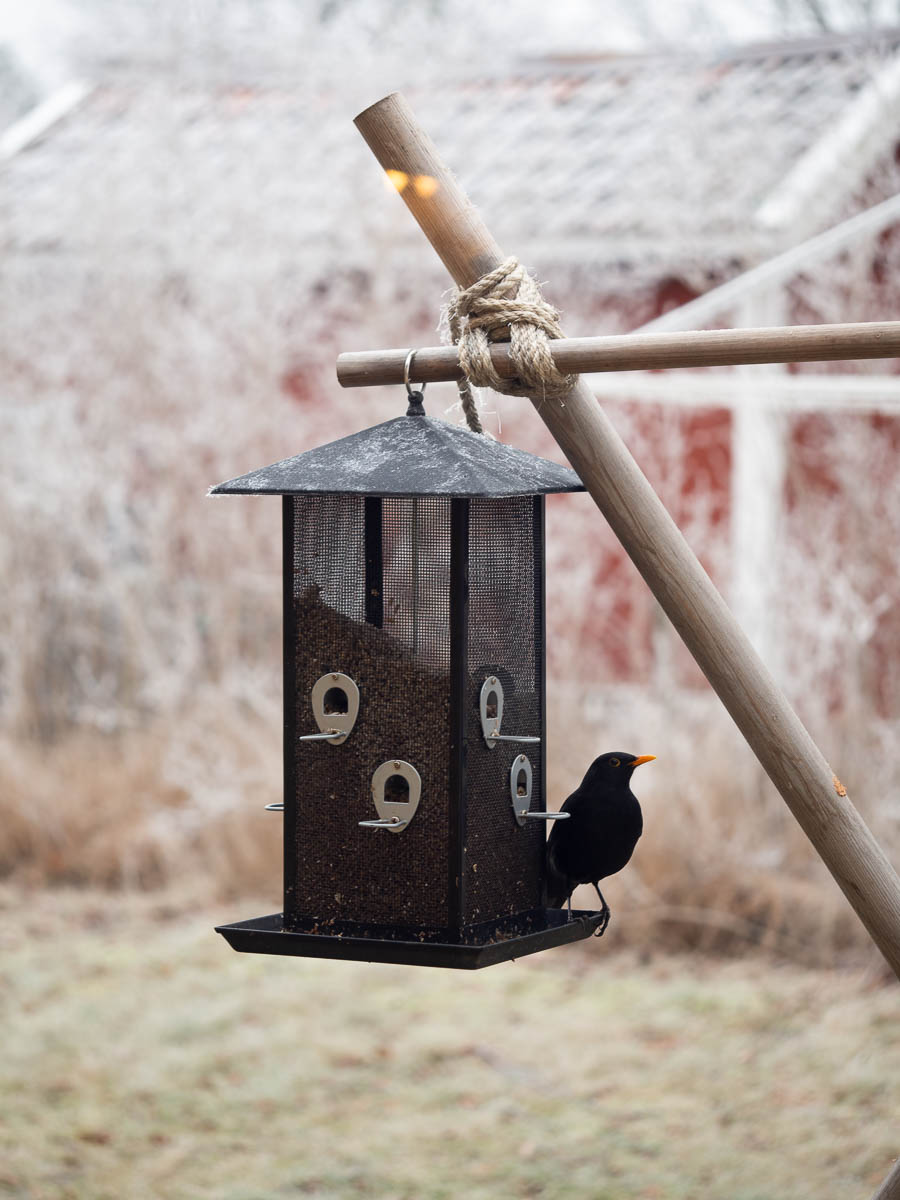
We’ve barely seen any birds at the feeder this year. And it’s not that the birds are there but we’re not, so we just don’t see them. Last time I filled up the feeder was just after New Year’s, and it’s still more than half full.

Too warm, too little snow? First hints of an ecosystem collapse? Better offerings elsewhere?

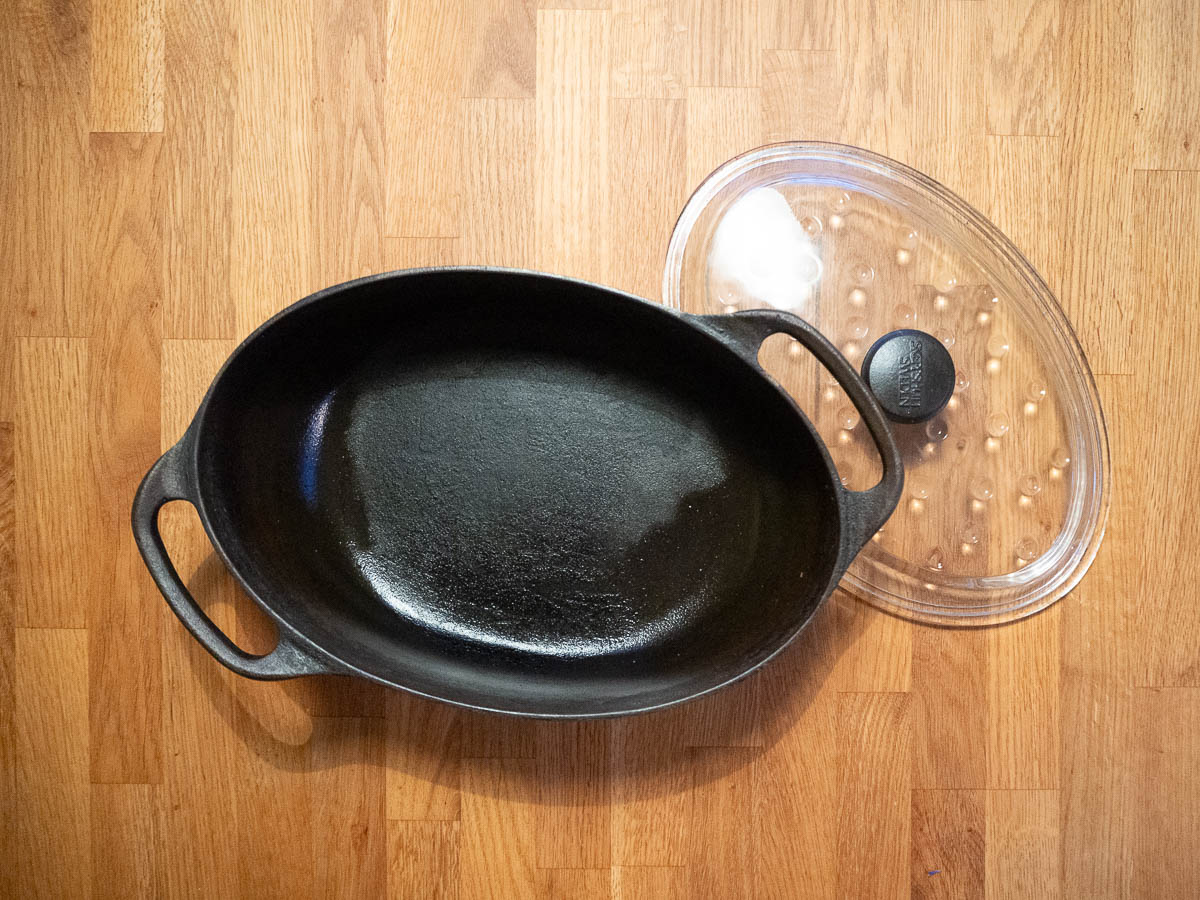
I scored a Skeppshult pot!

Our old cast iron pot was a gift from Eric’s sister, so it went with him when he moved out. We had it for so many years that I’ve actually forgotten what the occasion was for the gift. Was it for our wedding? Or even earlier, when we moved in together?

Anyway, I’ve been on the lookout for a new one for a while, because I miss it all the time. Or rather, not a new one – they’re so expensive that I decided I’d rather wait for a used pot to turn up than just order one.

I was just getting to the point where I was considering other, cheaper brands, or maybe buying an enamelled one, or maybe actually buying a brand new one after all… and then two 4-litre Skeppshult pots turned up independently on Tradera within days of each other, and I got one of them at a total steal. And it even had the lid in perfect condition, which isn’t always the case. The pot itself can be restored if it hasn’t been properly cared for, but there’s nothing you can do for a chipped glass lid.

Today I learned that not all frost on plants is hoar frost. Some of it is rime ice.


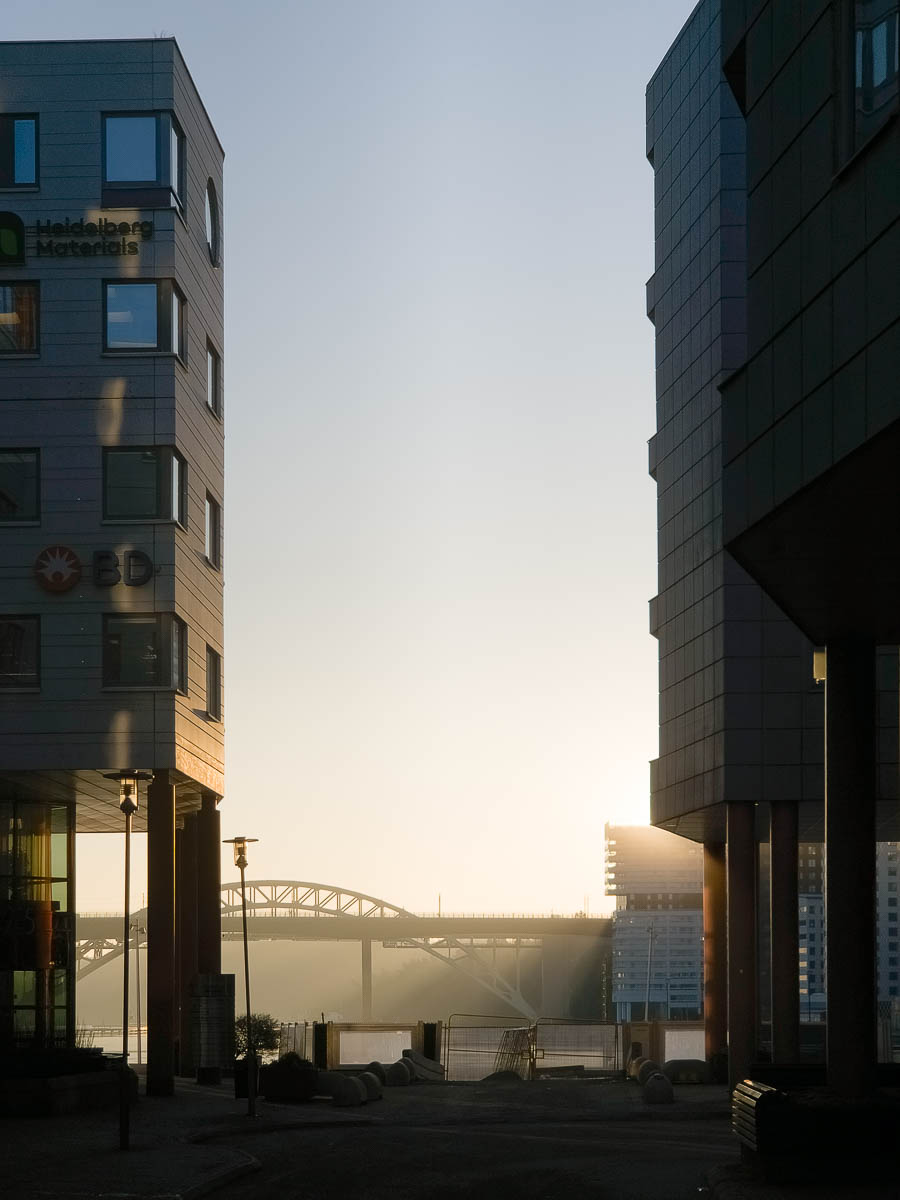
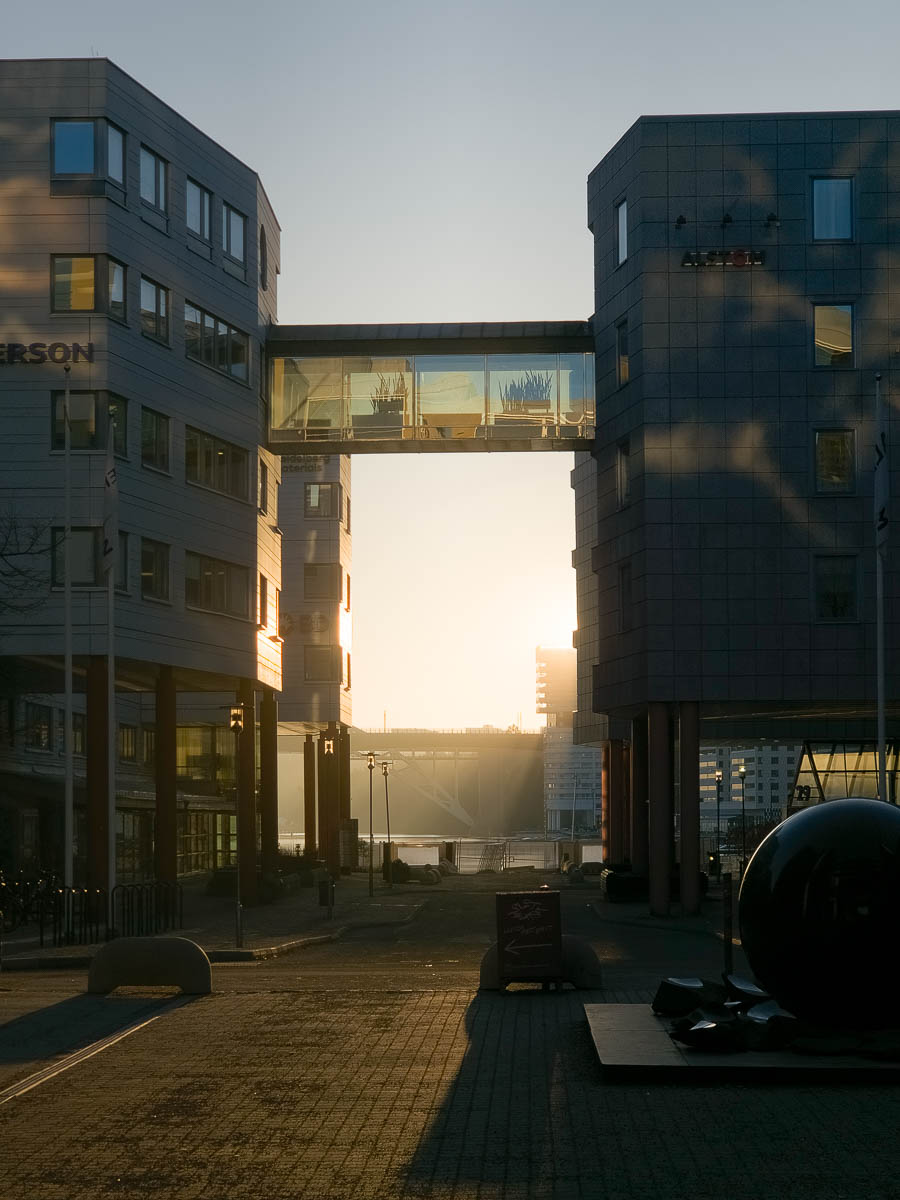
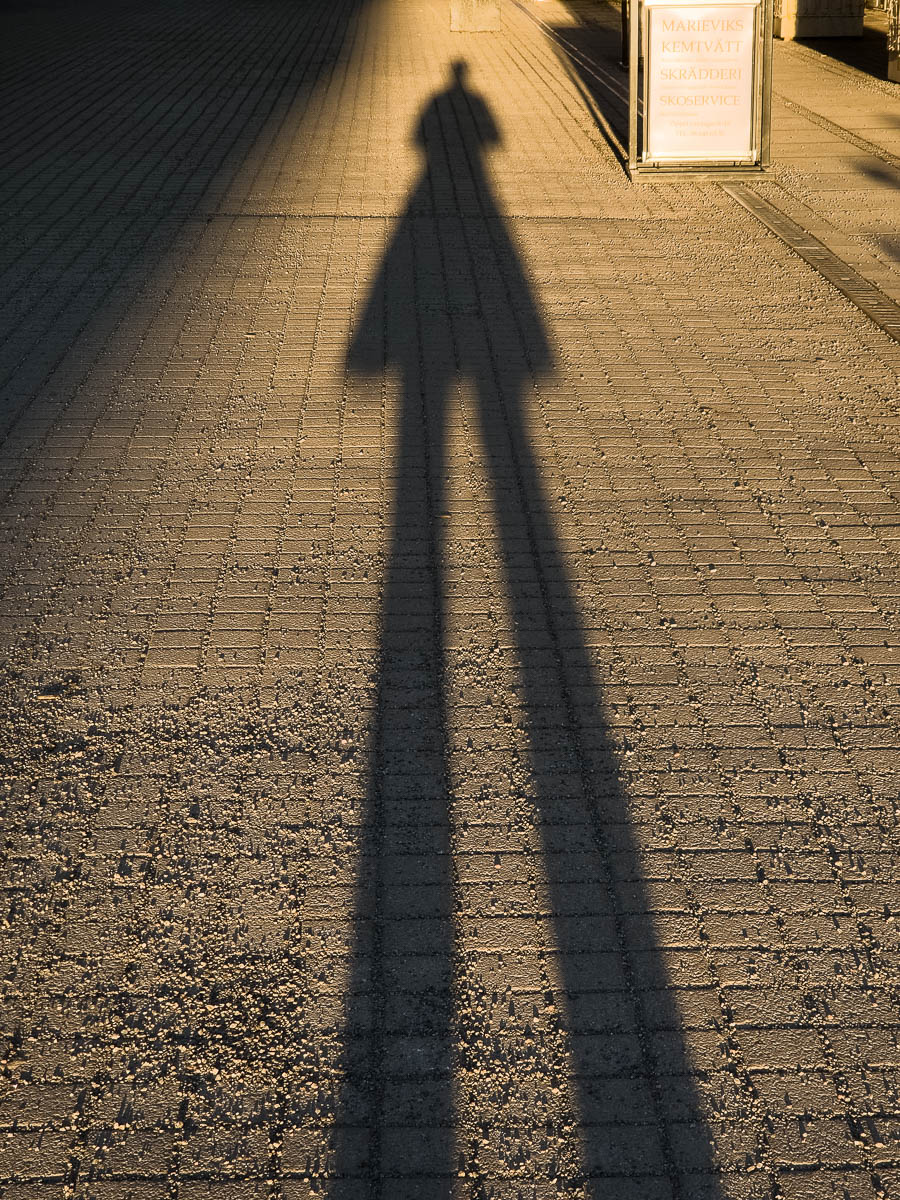
Morning sun over the bay at Liljeholmen. And me.


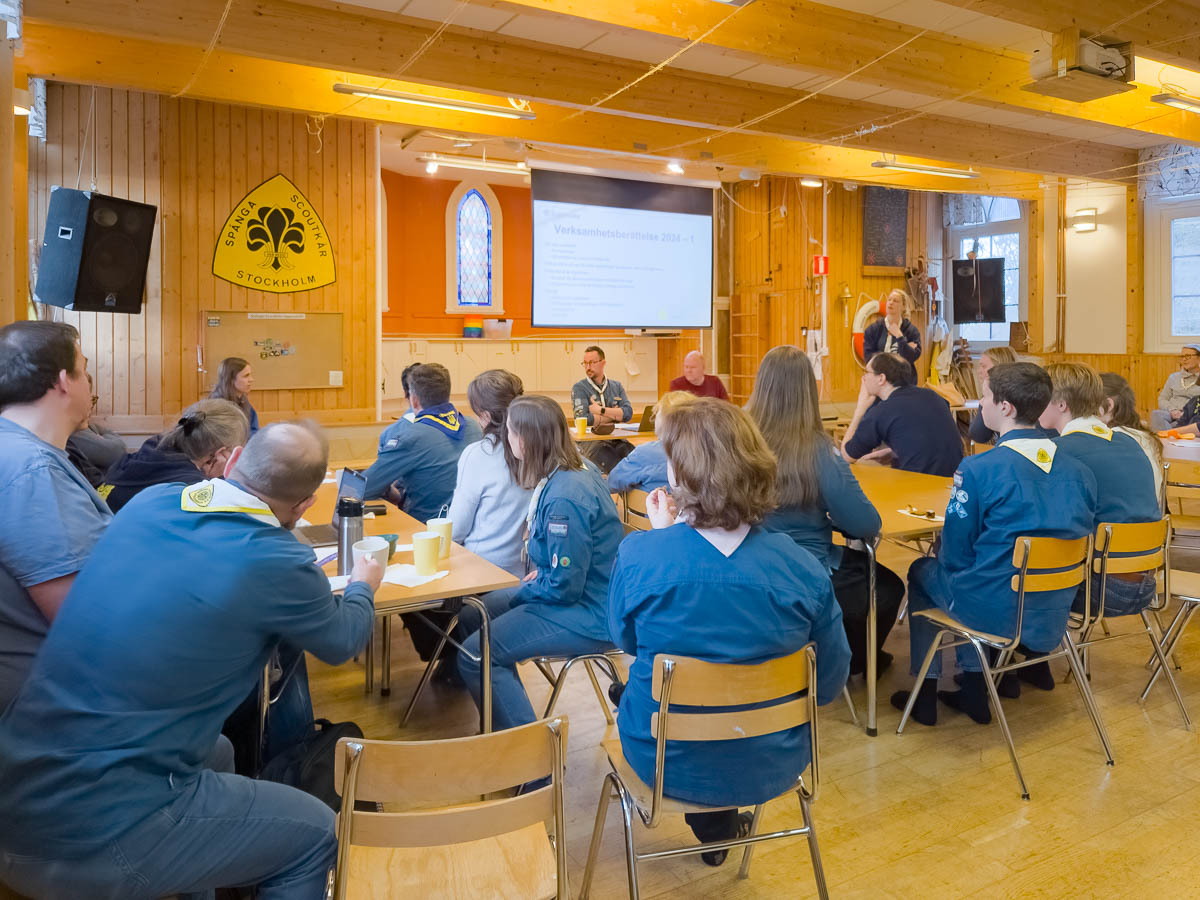
Spånga scout club annual general meeting. An hour and a half of the kind of unexciting formality that is nevertheless absolutely necessary for democracy: approving the profit and loss statement and balance sheet, electing new board members, voting on a budget. I’m continuing in my role as (unelected) accounting assistant. I’d go nuts if I had to sit in regular board meetings and debate or spearhead projects, but I am happy to contribute in this kind of routine, introverted way.

Spånga scout club is one of the largest in Sweden (someone mentioned we might be #3?) so keeping the ship going is a fair bit of work. My role didn’t even exist before I took it on: the (elected) treasurer used to do alone what is now split between three people. Now we have one treasurer who thinks about finances on a strategic level and sits on the board, one accounting assistant (me) who does the day-to-day grunt work of accounting and paying bills, and one person who deals with applying for various state and local grants to keep us afloat.

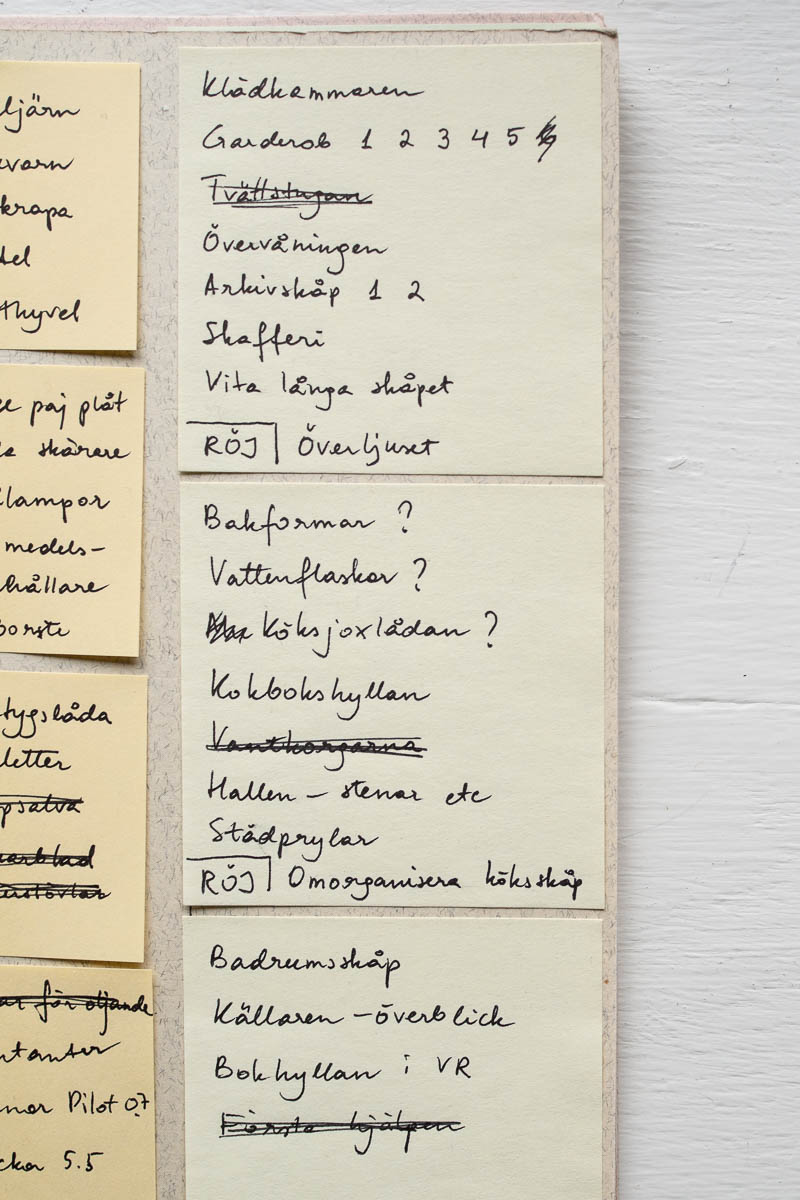
I’ve had the same analogue paper-based organizer since 2006. If it was a human, it would be an adult now.

It’s literally the same sheets of cardboard as I started out with, getting slightly worn around the edges now. Each one has a small sticky note with a title at the bottom left, and even several of those survived until very recently. The oldest two categories are the original ones from the Getting Things Done method: “Actions” for general to do items, and “Projects” for larger items, which yield a stream of smaller steps that go into “actions”. Over time I’ve added “Info/think” for tasks where I need to either make a decision or find information to make a decision, and “Buy” for things to buy.

More recently I allocated one column of a sheet solely to things to “Clean out”.

Stuff tends to accumulate. The house is large enough that we could just let it do so. Sorting out unnecessary stuff was never a high enough priority for us to take time together to do it. Now that decisions only involve a single person, it’s going to be a lot faster. And I have tons of free time every other week.

I’ve only just started with the easiest ones. The closet with the least stuff in it; the laundry room; the hat and mitten storage. It looks like this can keep me busy for months.

One unalloyed benefit of the divorce for me is improved sleep quality. I literally haven’t slept this well in decades.

Eric snores. Has snored for years, and not done anything about it. I on the other hand have been a light sleeper since Ingrid was born – the gentle click of the bedroom door handle used to be enough to wake me when the kids were toddlers. Probably still is. Instinctually I know that I am needed, so I wake up.

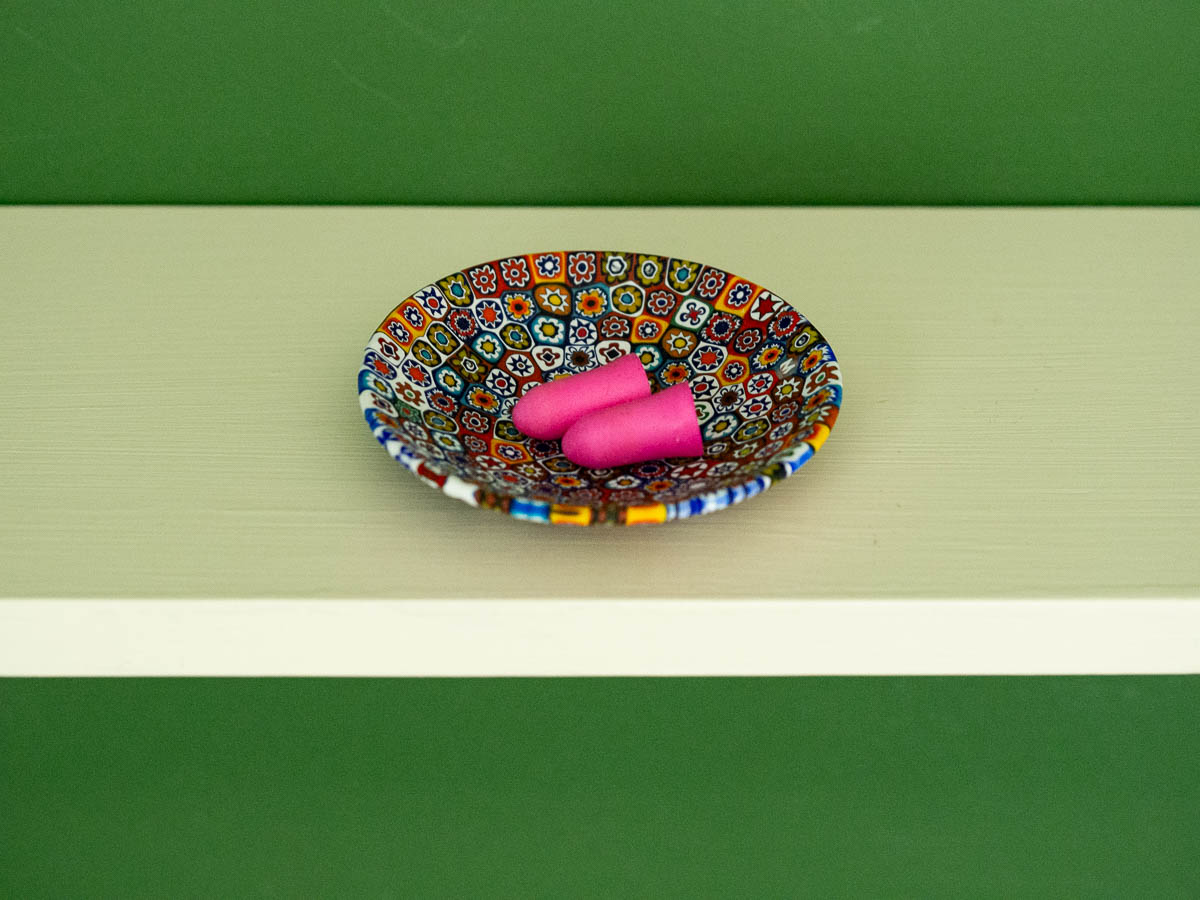
I used to bulk buy earplugs to try and deal with the snoring. A little bowl for my earplugs was a permanent fixture on the bedside shelf, next to a lamp and an alarm clock. It worked so-so. Inevitably my ears were quite close to the source of the noise. I just got used to the fact that it could take me over an hour to fall into proper sleep.

No more! I go to bed, and I fall asleep. I wake up in the morning, and I am well rested despite spending fewer hours in bed than ever.

For a few years, until recently, I didn’t use an alarm – I just woke naturally some time between 7 and 8. Early enough to get to work at a reasonable time. Now I have an alarm set for 7:00 every morning. On weekdays I need to get up to wake Adrian, but I have the alarm on weekends, too. It works well for me to get up at the same time every day. (He is of course absolutely able to get up on his own, but school mornings are dreary enough without having to go through them all alone, so I get up to keep him company.) Ingrid’s hours vary, with work and school, so she manages her own wakings.

It didn’t take long for Nysse to figure out what the morning alarm means. Breakfast!

I feel guilty for leaving him alone as long and as often as I do these days, so I keep the bedroom door ajar for him in case he wants company at night. Sometimes he does, and he comes and sleeps next to me or on my legs. That also means that he has access to me in the morning. He used to come and bother me about breakfast – mrouwing in my ear and nosing at my face – at whatever hour he woke, but now he knows that it’s pointless. The moment the alarm goes off, though, he’s in there.
Sometime back in early December I calculated that the dark season would end for me mid-February. The sun would be up in Stockholm by 7:30, which is about the time I try to leave for work, and wouldn’t go down until 16:30, so I’d catch the tail end of daylight at the end of the working day.

I’ve been looking forward to that day since then. We’ve still got a week to go, but it’s almost here! And we’re gaining 5 minutes of daylight every day.

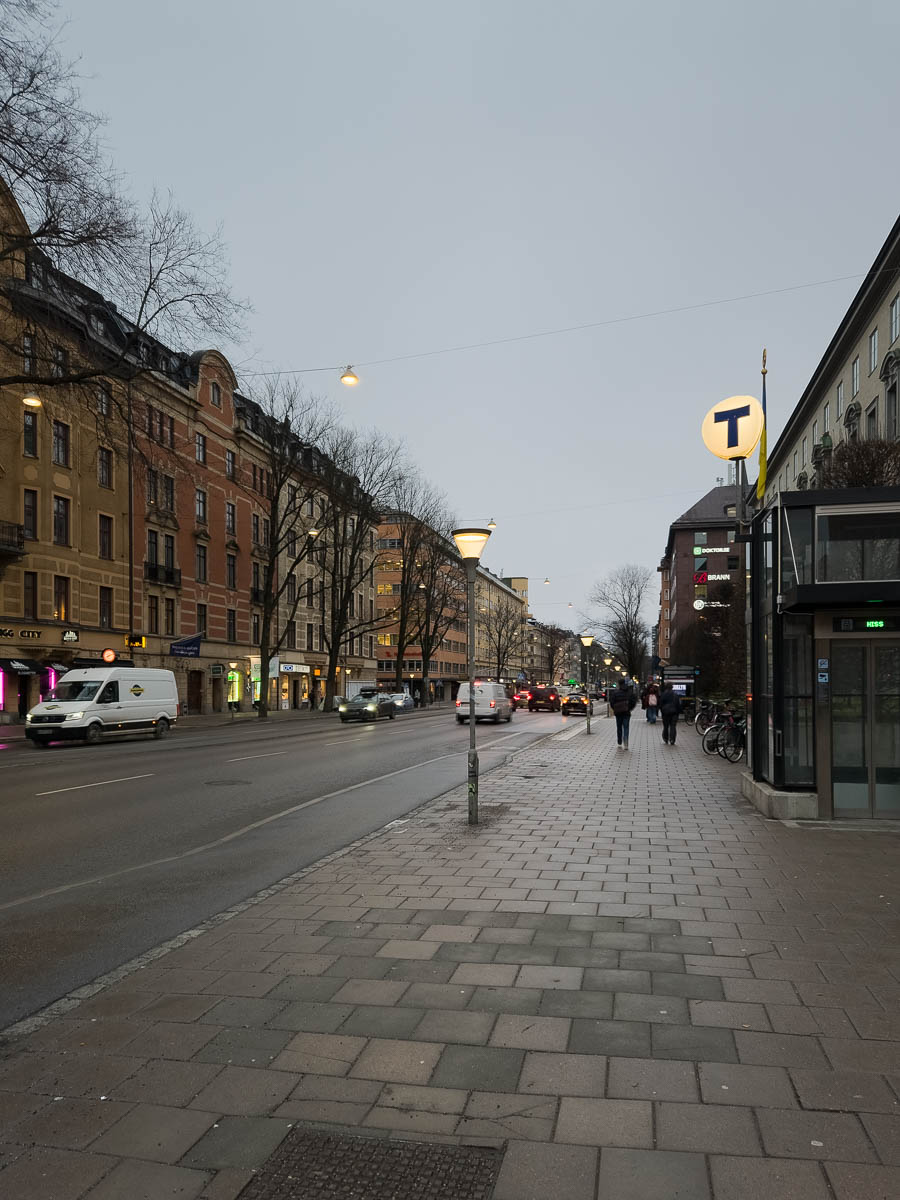
Today the street lights were still on when I was approaching the office, but it actually didn’t feel that dark.

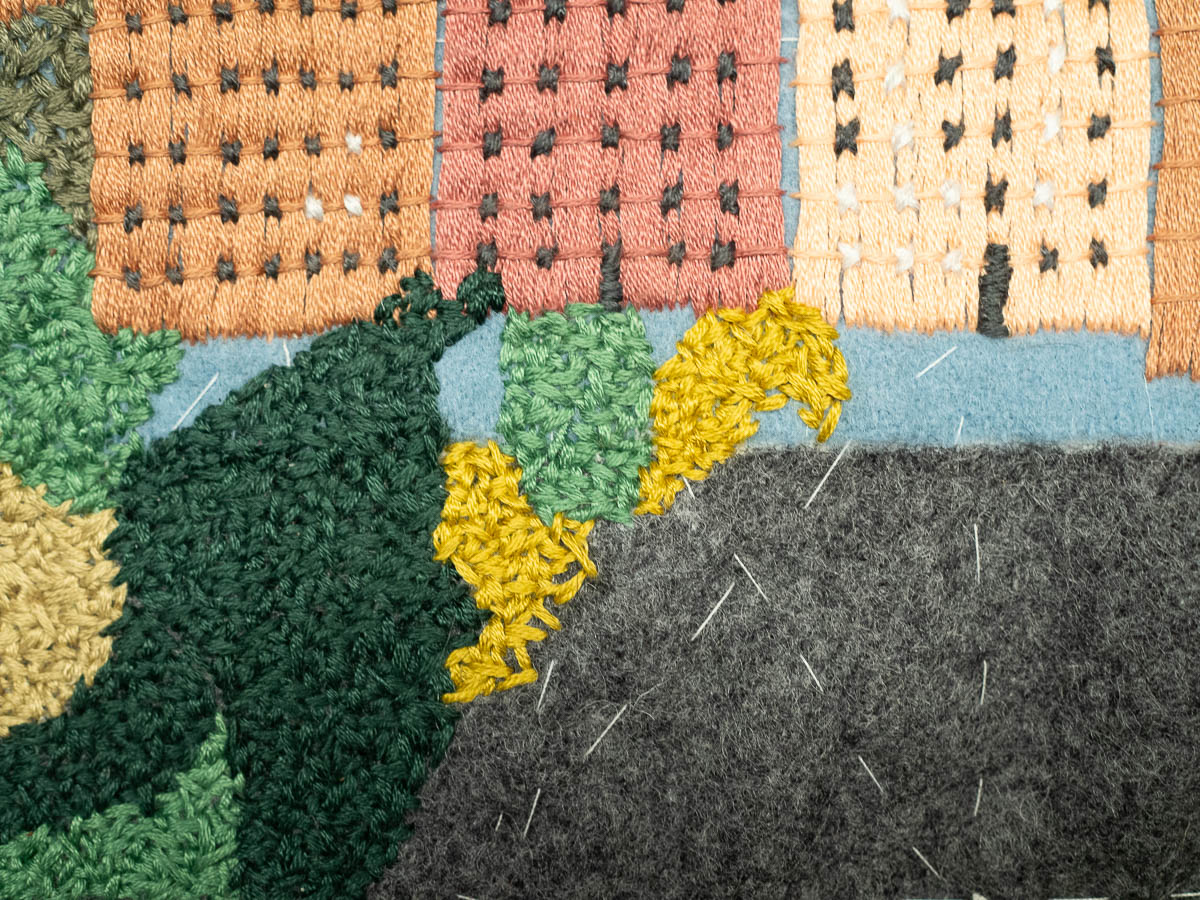
I have a plan now. One “Helen standard length” of embroidery floss per session. One session per evening (unless I’m away) but I can do two per day on weekends.

No more and no less. I want a predictable rhythm, and I don’t want to overdo it one day and then not want to pick up the work the next day. A HSL of DMC embroidery floss yields about 3 square centimetres of embroidered surface. I have about 90 cm2 of trees left, which will take me a month at this pace. Then I’ll have a few weeks to fill in the glimpses of street and car and railroad, and the dark reflections of the trees in the water. Those will both be less dense and far less monotonous than the trees and should hopefully go faster. (Original image here.)

For the first time I am thinking about efficiency while embroidering. What can I do to make the stitch from back to front in the blind, without having to turn over the fabric and watch what I’m doing. How can I reduce strain on the left wrist, which has the less fun and more tiring task of holding the work in place.

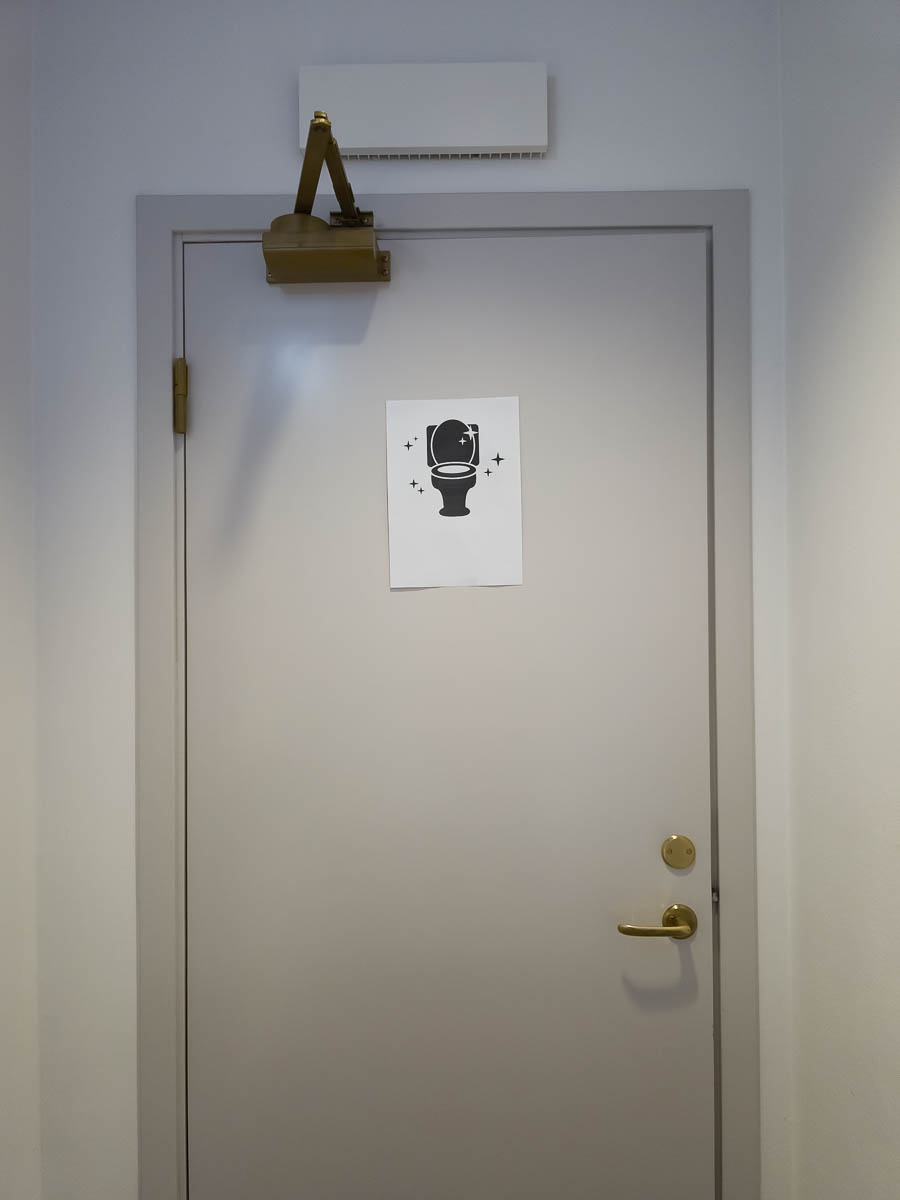
Most venues have equal numbers of female and male bathrooms, despite women on average needing longer time in there. Theatres, concert halls, airports – everywhere women have to queue while men get to just walk in and get their business done.

I don’t quite know what I feel about this ex-female, temporarily de-gendered bathroom at the Lustikulla conference venue. Obviously men dominate the audience at a conference for software developers. It makes sense from a practical point of view to share equally and keep the queues short, and in general I’m absolutely for unisex bathrooms. On the other hand, it would have been rather nice to, for once, have been in the privileged group.