I sit too much. The daily exercise is enough to keep actual back problems away, but if I spend too much time in the sofa in the evening, I start feeling it in my lower back.

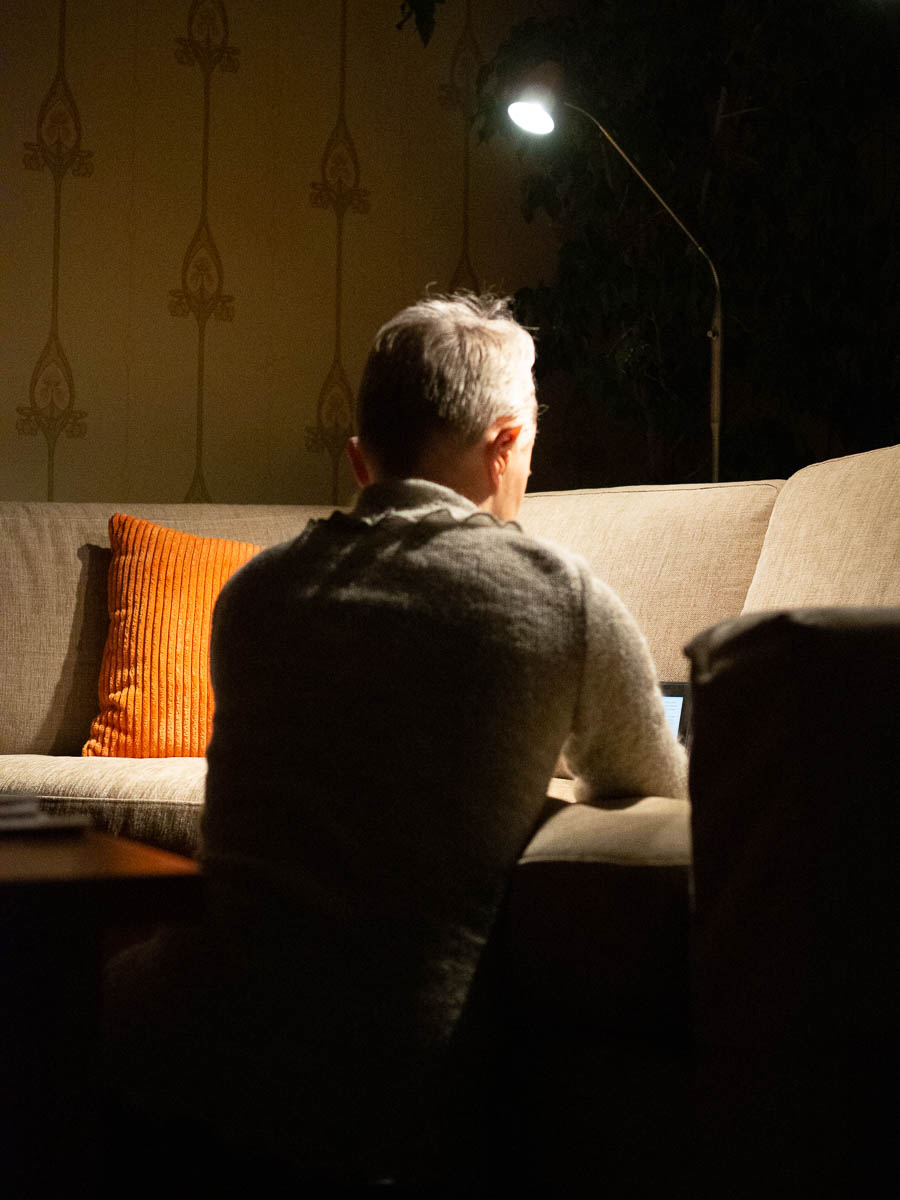
I’ve discovered an alternative way of reading in the sofa. I sit on the floor, prop up the Kindle against the back of the sofa or an armrest, and then lean on the seat. The carpeted floor is firm without being hard, and with the support of the sofa I can still relax.


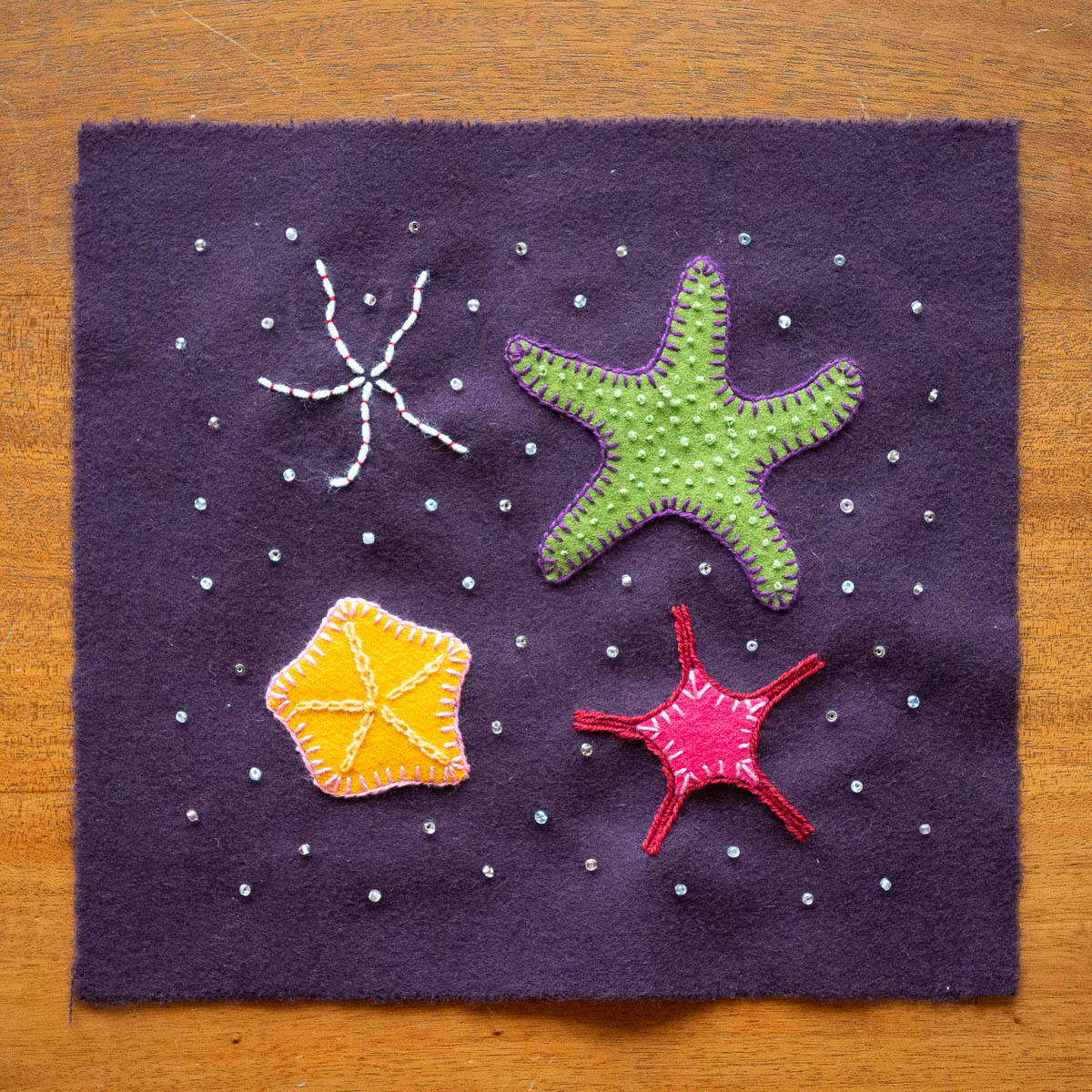
Starfishes, more or less as I had envisaged them.

The second session of the embroidery workshop will be tomorrow and will deal with finishing and making something of your embroidery. I’ve been working on mine so that I can be done with the actual embroidering by then.

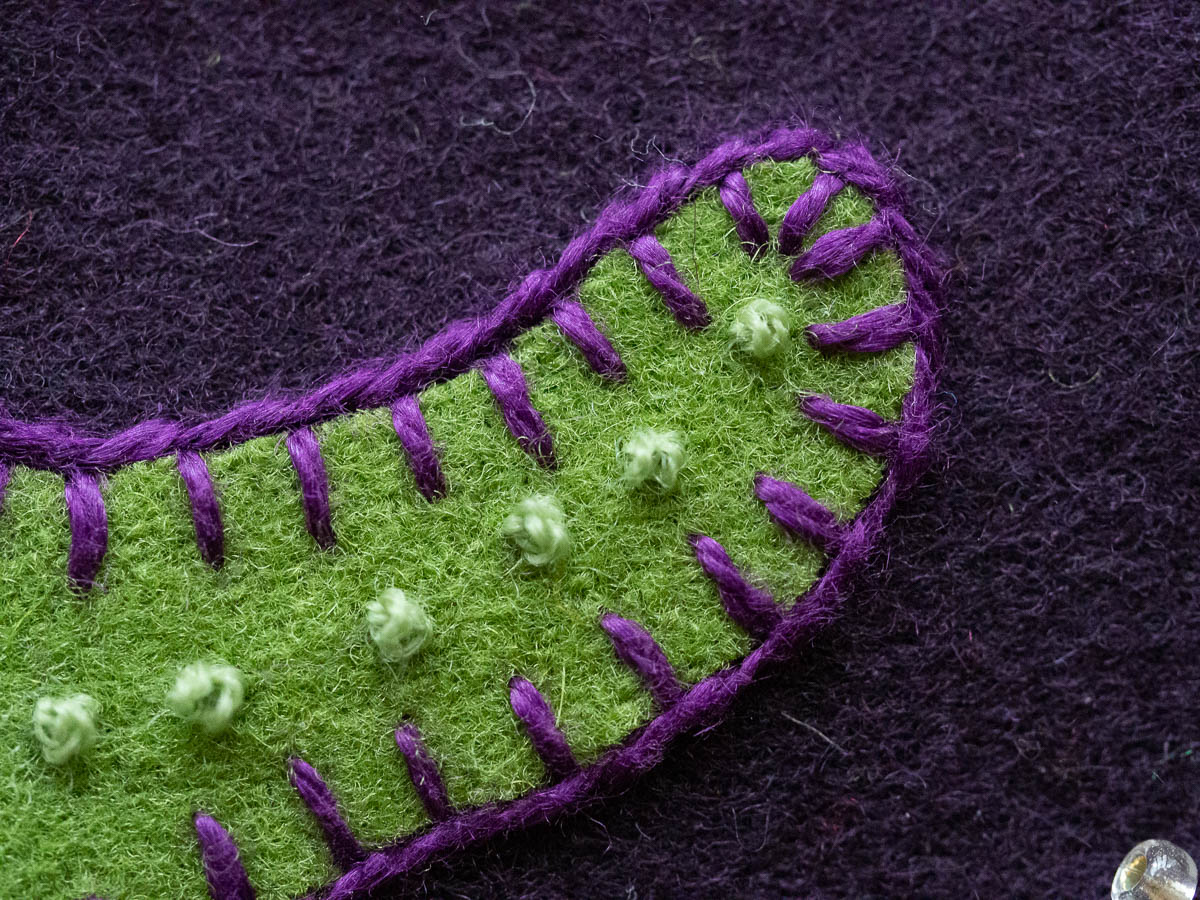
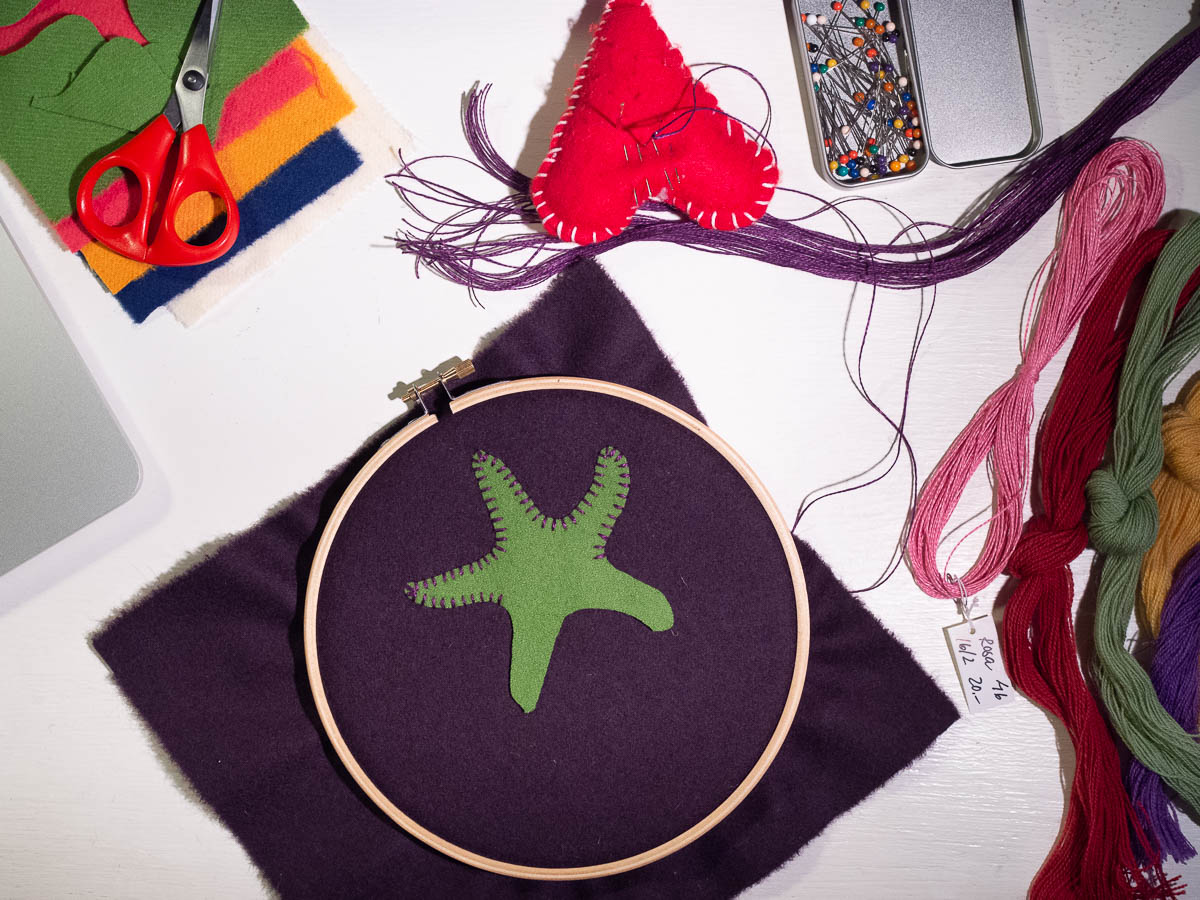
Since this was supposed to be a learning opportunity, I tried to use not just familiar stitches (running stitch, whip stitch and chain stitch) but also some that I rarely use (stem stitch) and some that I have seen but never tried myself (couching and French knots).

Couching was as easy as it looked. That’s what I used for the thin white starfish with small red stitches at the top left. French knots are the small wart-like things on the green starfish. Not difficult per se, but I need more practice to get them really even and tight.

When I had finished the starfishes, I thought the design as a whole was still lacking something. I had four separate starfishes rather than one coherent design. I thought of adding seaweeds, but decided on small seed pearls. They’re like water bubbles sparkling in the sun.

The stem stitch framing around the edges of the starfishes came out really nice, crisp and distinct. This is my new favourite technique and I don’t think I will be using blanket stitch for appliques much from now on.

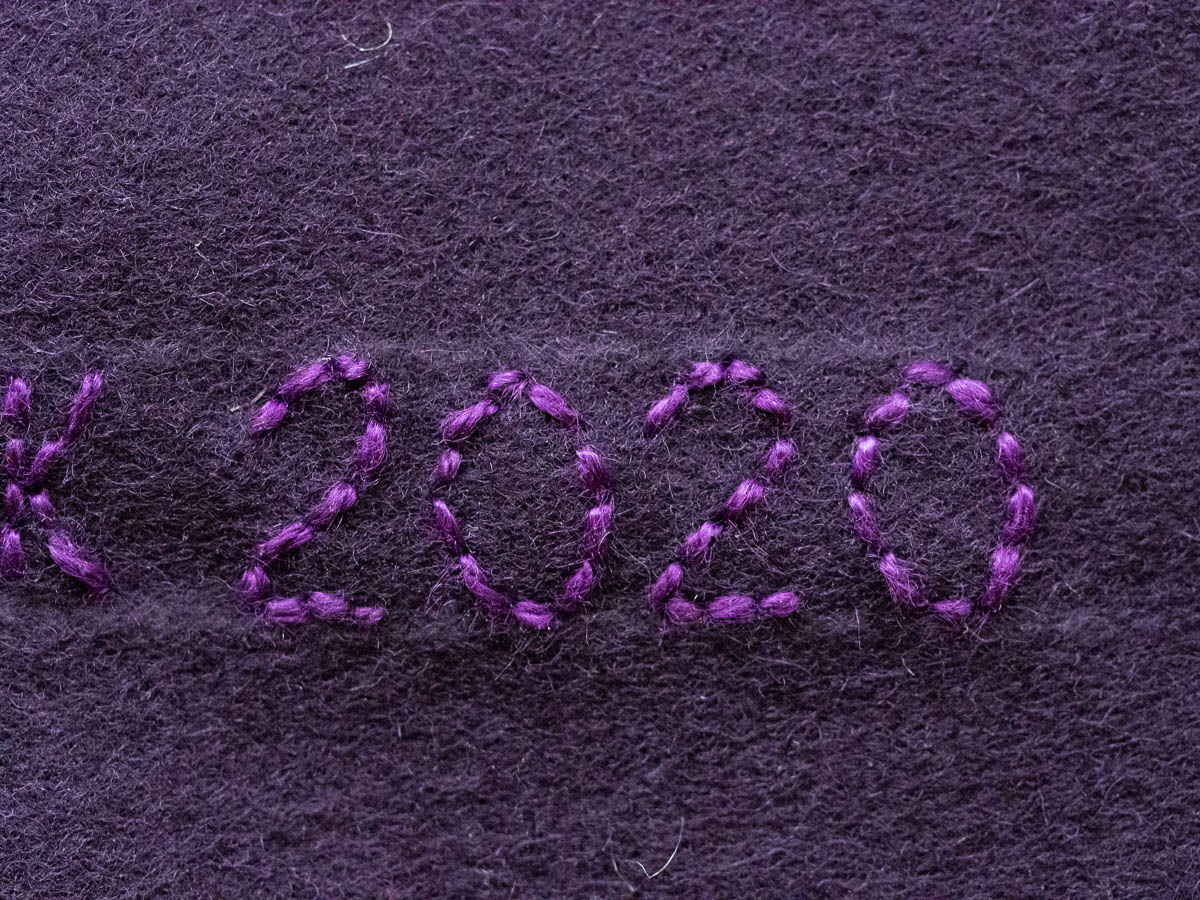
One of my embroidery books encouraged readers to sign their embroideries. It’s a tradition in older works to put the maker’s initials and the year somewhere. I saw this advice when I had already filled the background with pearls and had no suitable place for signing. But the piece of cloth that will become the back of the bag/pouch thing (which I intend to make of this) is all empty, so I decided to sign the back instead.

It’s funny to imagine someone finding this many decades from now. Maybe I’ll give it away and the recipient tires of it and gives it to charity. Maybe I die and someone inherits it and then gifts it to someone else. And then at some point someone discovers it and starts digging into its history and writes a school project about it. Or a blog post, or whatever takes the place of blog posts a hundred years from now. “The materials are of Swedish manufacture and the design is clearly inspired by Swedish traditions, but the embroidery is signed with an Estonian name, very intriguing!”


I finished a jigsaw puzzle. Most puzzles are just pretty pictures, but this one was interesting.

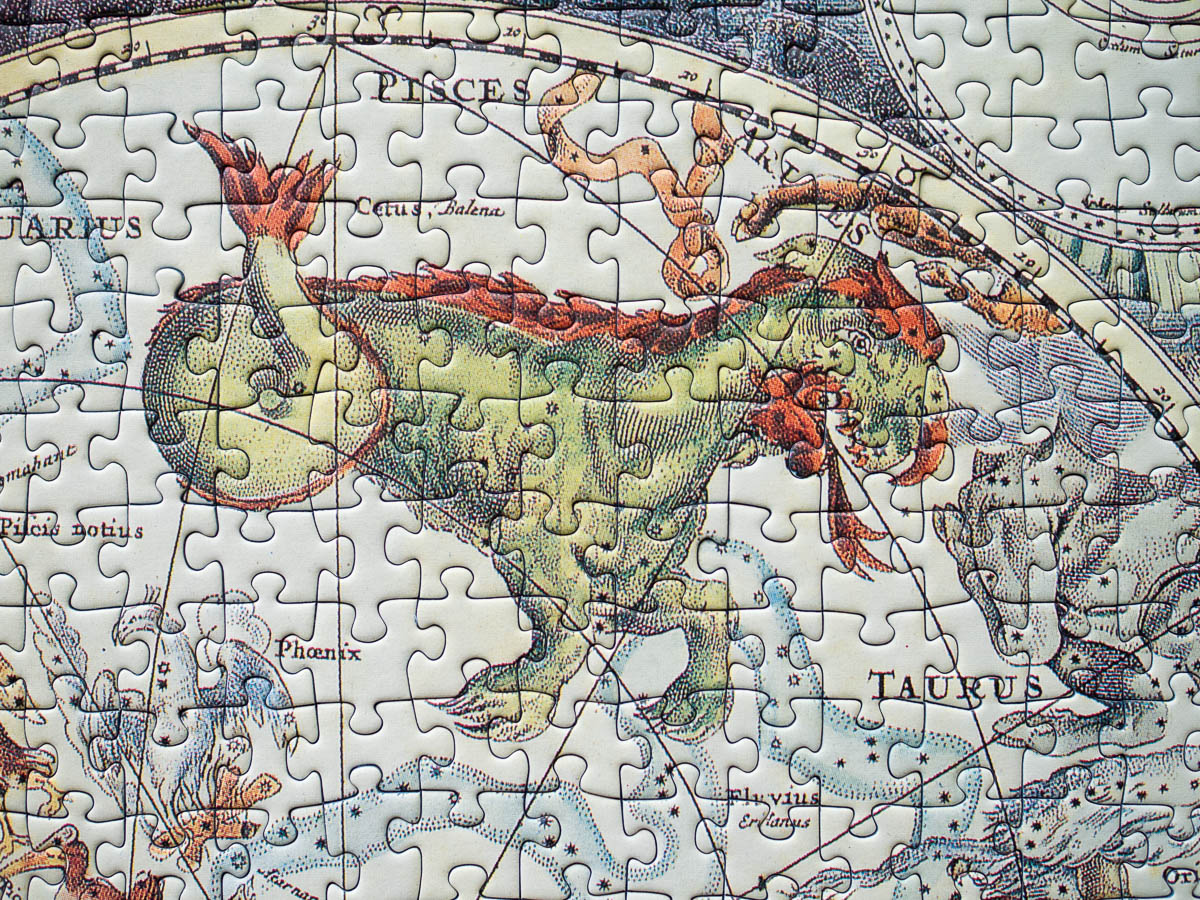
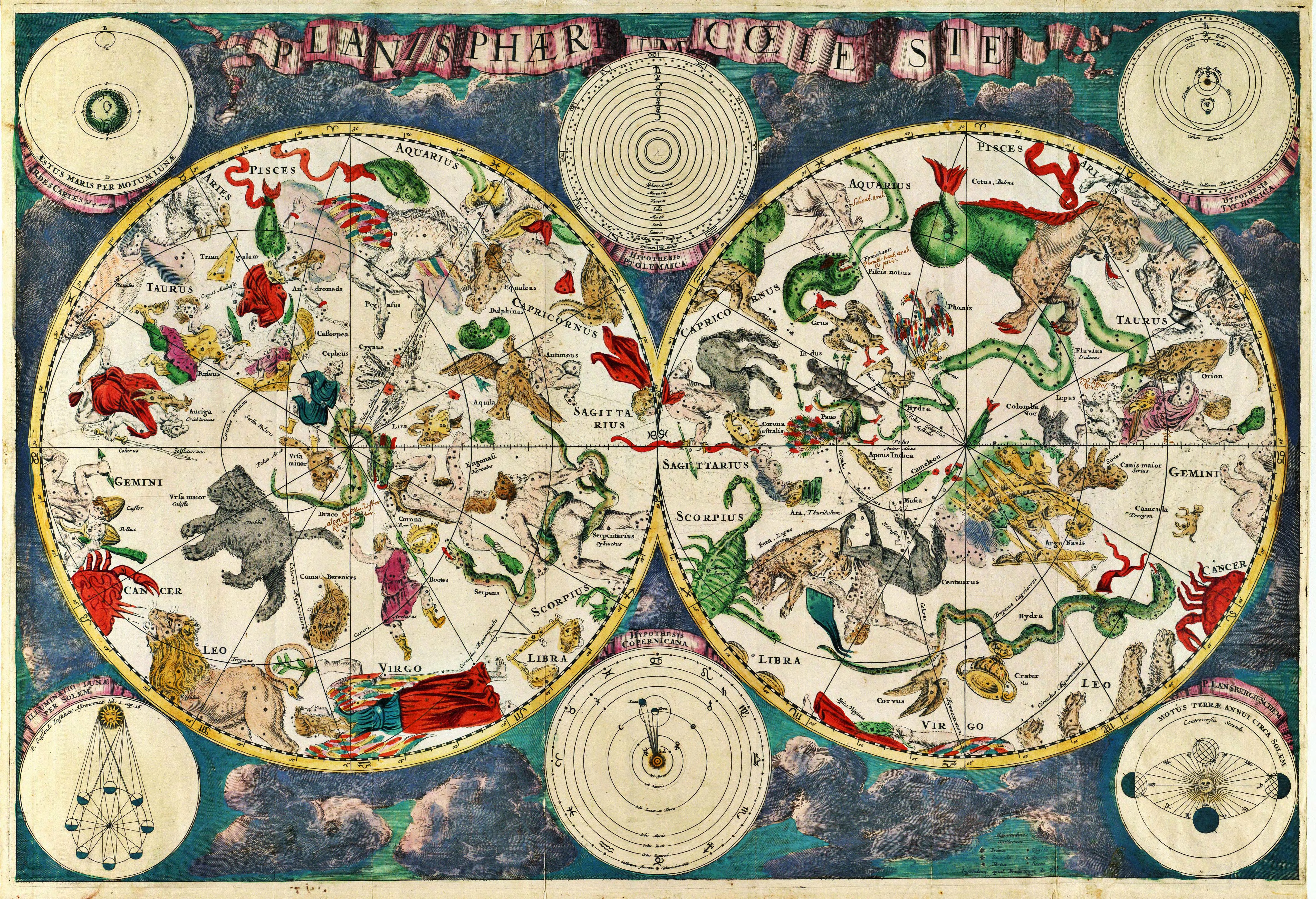
The puzzle is based on a celestial map by Frederik de Wit from 1640. My photo is just a detail and full of noise from the puzzle piece contours, but you can find a high-resolution, zoomable version of the map at the page I’ve linked to, or a version with brighter colours here.

At first glance it looks just like a pretty map of the sky and all the constellations. But as I was doing the puzzle, I inevitably became familiar with all its details and realized it’s more like a science poster, illustrating the latest knowledge about astronomy at that time. Around the main map there are smaller insets explaining astronomical concepts and phenomenons such as the tides, the phases of the moon, and how the Earth’s rotation causes the cycle of day and night. Other insets illustrate the Ptolemaic, Tychonian and Copernican astronomical systems.

The artist had obviously seen horses and women and peacocks and lions, or perhaps reasonably realistic pictures of them. His bears are reasonably bear-like, although with rather long tails. His dolphin on the other hand looks to be based on hearsay and imagination. I wonder how far removed the artist would have been from a first-hand sighting of a dolphin.

The constellation Cetus/Balena (“The Whale”) in my photo looks even more monstrous. At first I assumed this might be due to lack of knowledge, but I have now learned that the Ancient Greek name kētŏs for this constellation originally meant “sea monster”. Now that our understanding of the world does not contain mysterious sea monsters any more, cetus has come to mean “whale” instead.

I noted with some curiosity that all fishes, dolphins, sea monsters, snakes, hydras and dragons are depicted in green.

I also realized that the Estonian word for “peacock” (paabulind), which sounds so Estonian, clearly has its roots in the Latin name Pavo.


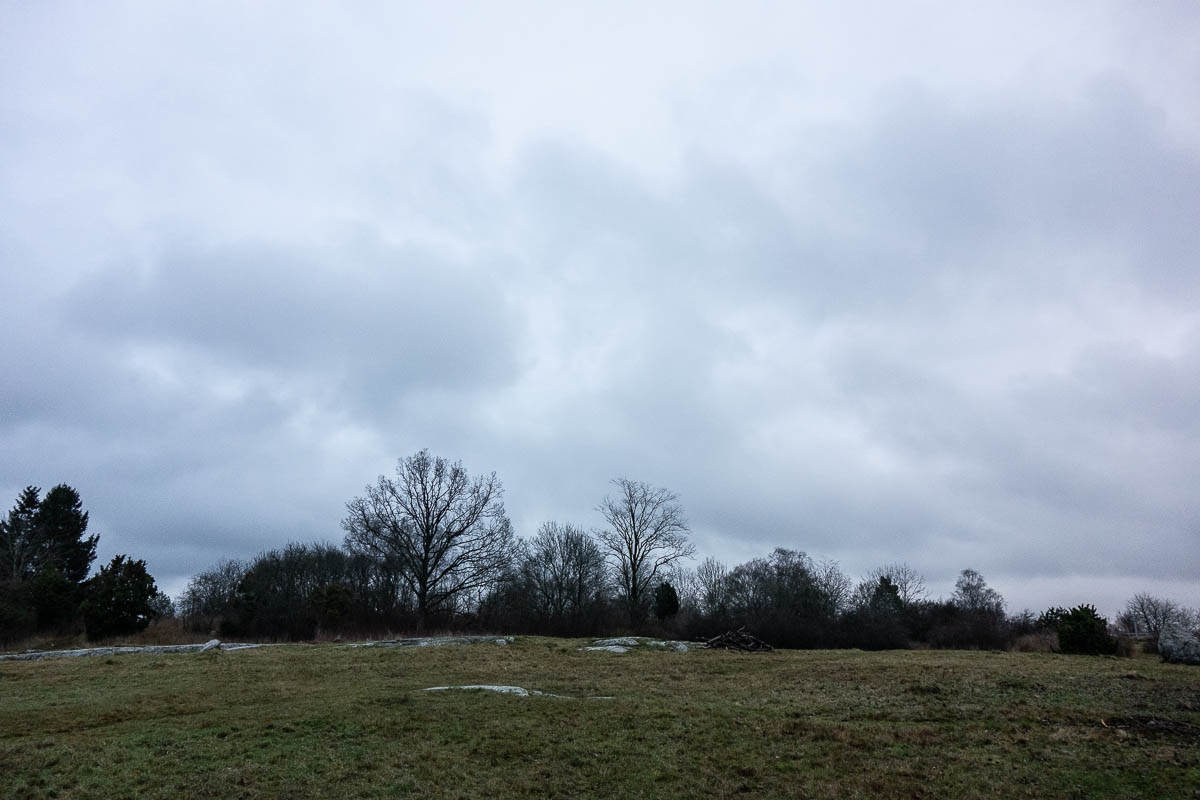
Everything is still gray and dripping.

I am so fed up with this. When we next get a day with actual daylight, I will drop everything (short of Christmas Eve), cancel all meetings and go out for a hike somewhere.


The first of two embroidery workshop sessions took place today, and I started working on my starfish design. I’ve done embroidery before and I was familiar with all the stitches we went through, but still learned new things.

The most useful trick I learned today is to sew applique designs not with blanket stitch but with whip stitch, and then work stem stitch or backstitch around the edge. It’s faster, more stable, and looks more even. Whenever I sew blanket stitch along a curve – and most appliques tend to have curved shapes – the stitches always tend to slip, no matter how careful I am with the thread tension. I never have any problems with whip stitch. Plus stem stitch is thicker and stands out more than blanket stitch, so the whole applique becomes more distinct and gets more depth this way. I loved this.

I also got to try out some new materials. The materials kit contained pieces of felted wool cloth (vadmal) in various colours, wool thread and linen thread. I hadn’t worked with vadmal before, or with linen thread. I quite liked the look of shiny, sleek linen thread on matte wool fabric.

An embroidery workshop in Swedish is probably not relevant for you all, but in case you are interested, the workshop was held by Tamme Craft. The name “Tamme” is Estonian, which is what caught my eye to begin with. It turned out that the company is run by a lady with Estonian roots.

Please excuse the atrocious lighting in the photo. It’s so dark here that I have to turn on all available lamps for embroidery.


I bought myself an early Christmas gift in the form of an online wool embroidery workshop. I need some new impressions and a break from the never-ending sameness.

The workshop package included a bag of materials and also a suggested design. Traditional Swedish wool embroidery designs tend to have a lot of hearts and flowers which seems rather dull and “been there, done that” so I wanted something more interesting.

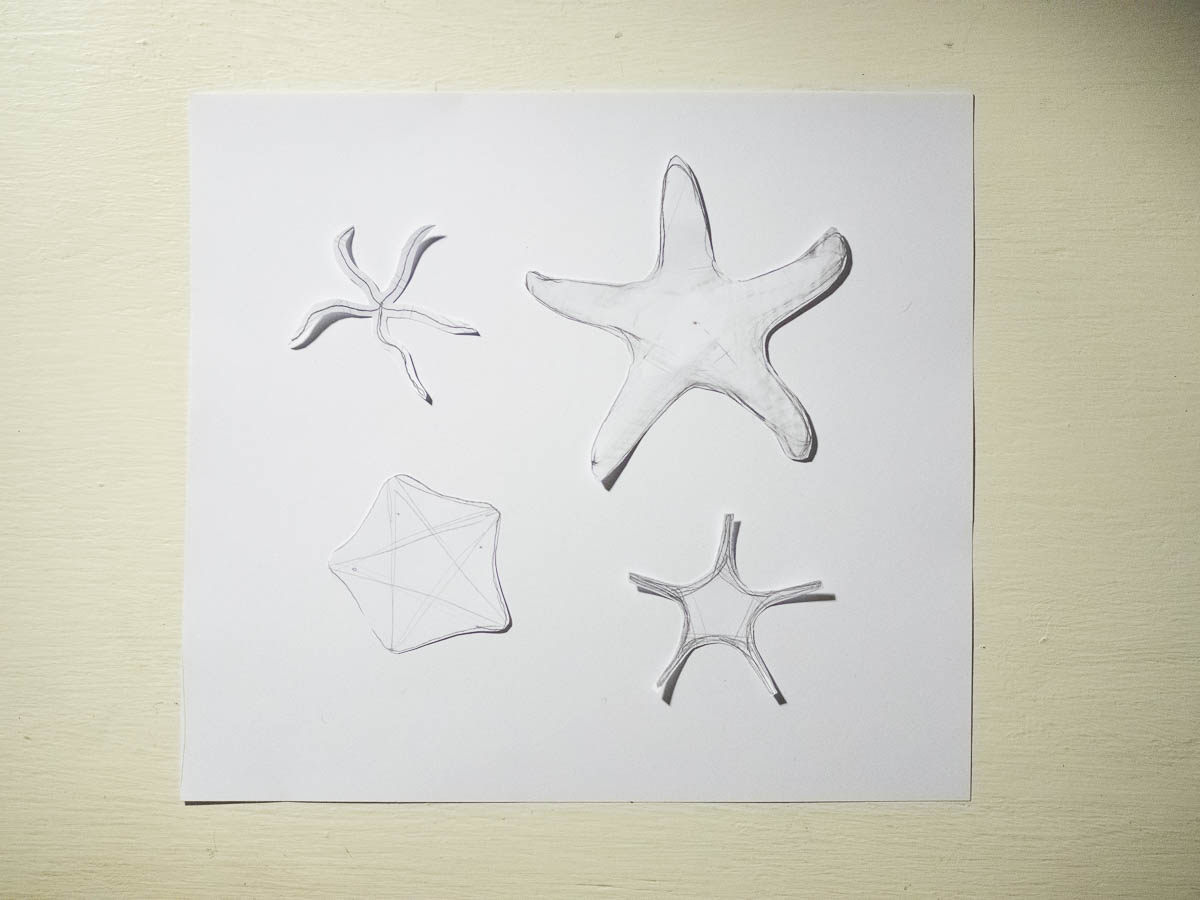
The larger traditional embroideries often include animals such as birds and horses. I don’t feel any particular affinity with birds or horses, so I went looking for some other cool animal, and decided to embroider starfishes. They’re like flowers, but cooler. Especially when you go beyond the most well-known species.

The first of the two workshop meetings is already tomorrow so I’m sitting up late, sketching starfishes.


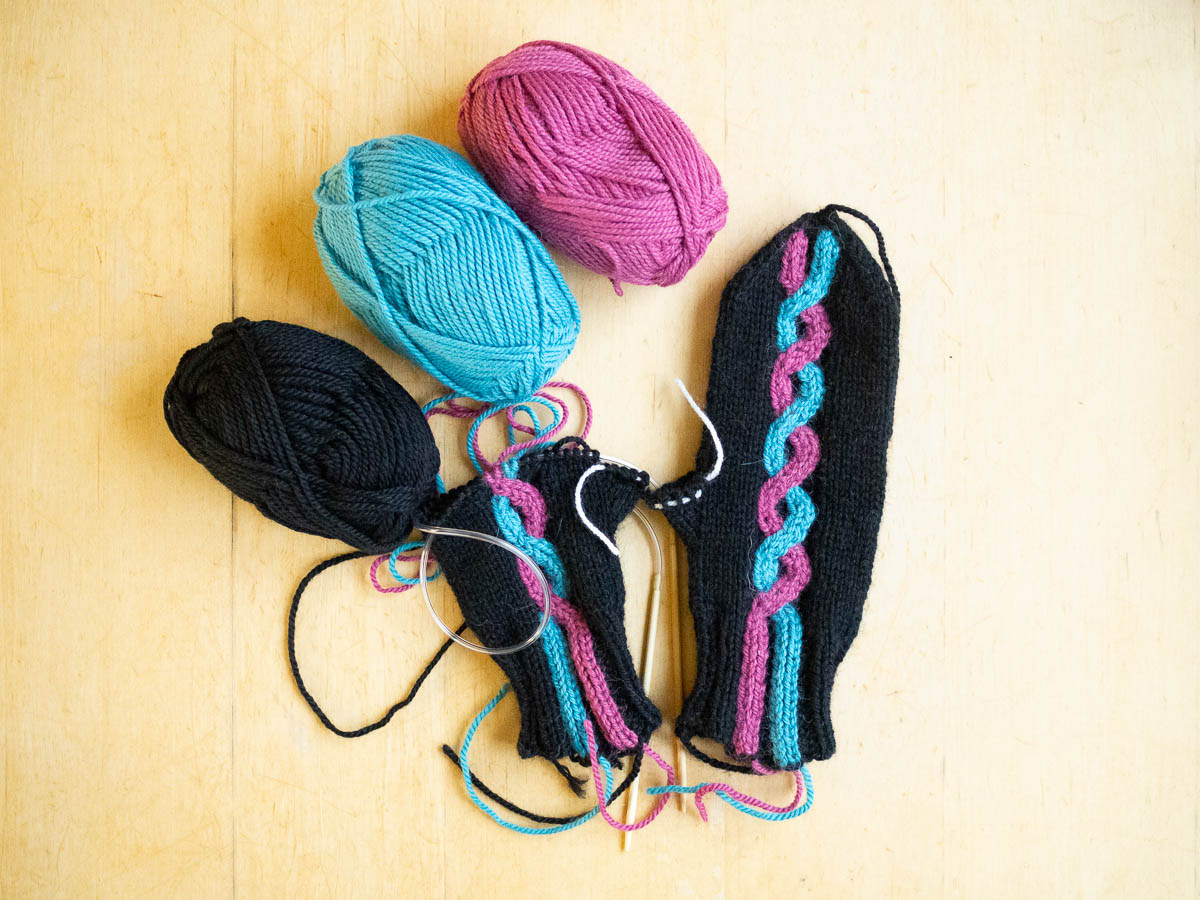
All the socks I’ve planned to knit for Christmas are finished but there are still several weeks left until Christmas Eve so I thought I’d knit some more things. Both kids will get a pair of mobile mittens with finger openings. I found a nice easy pattern to follow in relatively chunky yarn – Keep in touch by Drops Design.

Ingrid isn’t supposed to get any Christmas gifts at all this year, because the gaming computer she got was expensive enough to be both a birthday gift and a Christmas gift and then some. But mittens are more like a utility so those don’t really count, I think.

Oh, let’s be honest. Every gift I knit is a selfish one. The knitting is as much a gift to myself as the finished object is to whoever gets it.

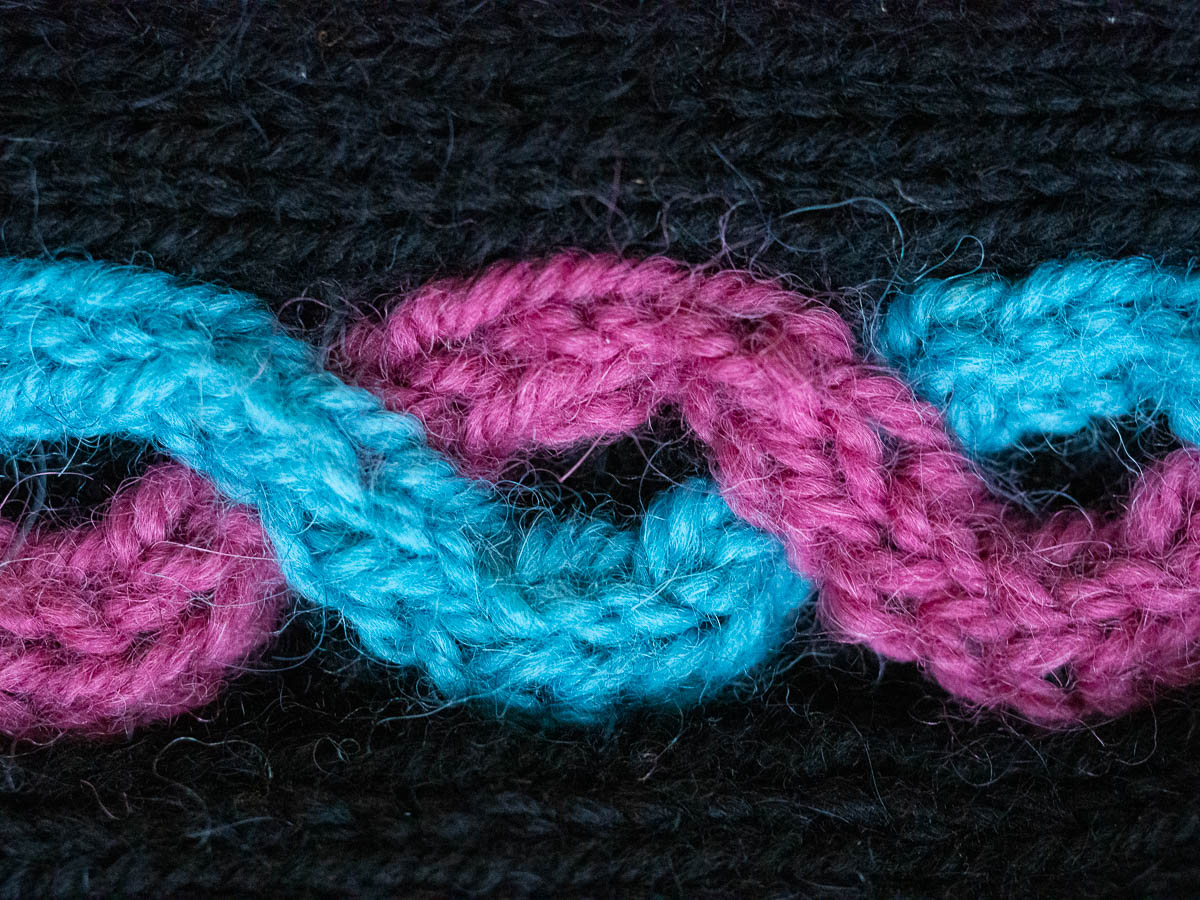
Nice easy patterns are quick to make but also kind of boring to knit, so I decided to add some cables to these mittens, inspired by another design I saw in a book. Then I had the idea of doing the cables in contrasting colours and when I pictured the result in my mind it looked so much better than what I saw in the original pattern that I just had to do it this way. I’ve never done intarsia cables before, but how hard can it be.

Not very hard, it turns out, but fiddly. So my quick pairs of mittens are now not so quick any more. Every other row there is cabling to do, and in the rows between the coloured stitches have to be knitted backwards because the yarn end is at the wrong side of the coloured band. It’s not quite double the work but almost. Maybe it would have been wiser to stick to a simpler design for a last minute project like this… but I do like these a lot. I have two weeks left still so it’ll be fine.

I can knit for Ingrid right here in plain sight without her noticing anything. She’s busy with her own thoughts. If you asked her, she would probably be able to tell you that I have been knitting, but not much more.

It’s much trickier with Adrian. He is curious and sociable. He looks at my knitting, comments on the design, opines on the colours, tries it on even when he knows it’s not for him. There is no way he would not notice. So I’ll have to make his late at night when he is in bed. Or perhaps during the day when he is at school, if I can find the time.
I went for a walk today instead of a more energetic workout. I feel slightly off-colour, sluggish and tired, and just didn’t have the energy for anything more.

It’s funny how corona-adjusted my brain has become. As soon as I see someone on the pavement ahead of me, I adjust my trajectory and step out onto the roadway to pass them at a safe distance, without even thinking about it. Unless they do it first. It has become so normal to stay away from people.

Sometimes I even do it at home, out of habit.


I read an article in a magazine recently about the history of advent stars, starting with the Moravian stars in Germany in the late 19th century and spreading into Sweden, among other places. The article quoted an ethnologist who commented on the current habit of hanging several such stars in one’s home and described it as a sign of wastefulness, wanting much of everything, and as an American ideal leaking in. As opposed to proper Swedish, Lutheran culture where thou shalt not have any fun, I guess.

Vårt välstånd gör oss mer slösaktiga, kanske vi kan säga. Just nu vill vi ha stjärnor och ljusstakar både inomhus, i trädgården och på balkongen. Det amerikanska idealet sipprar in. Vi befinner oss fortfarande i slöseriet och vill ha mycket av allt. Frågan är hur och om det kommer att förändras.

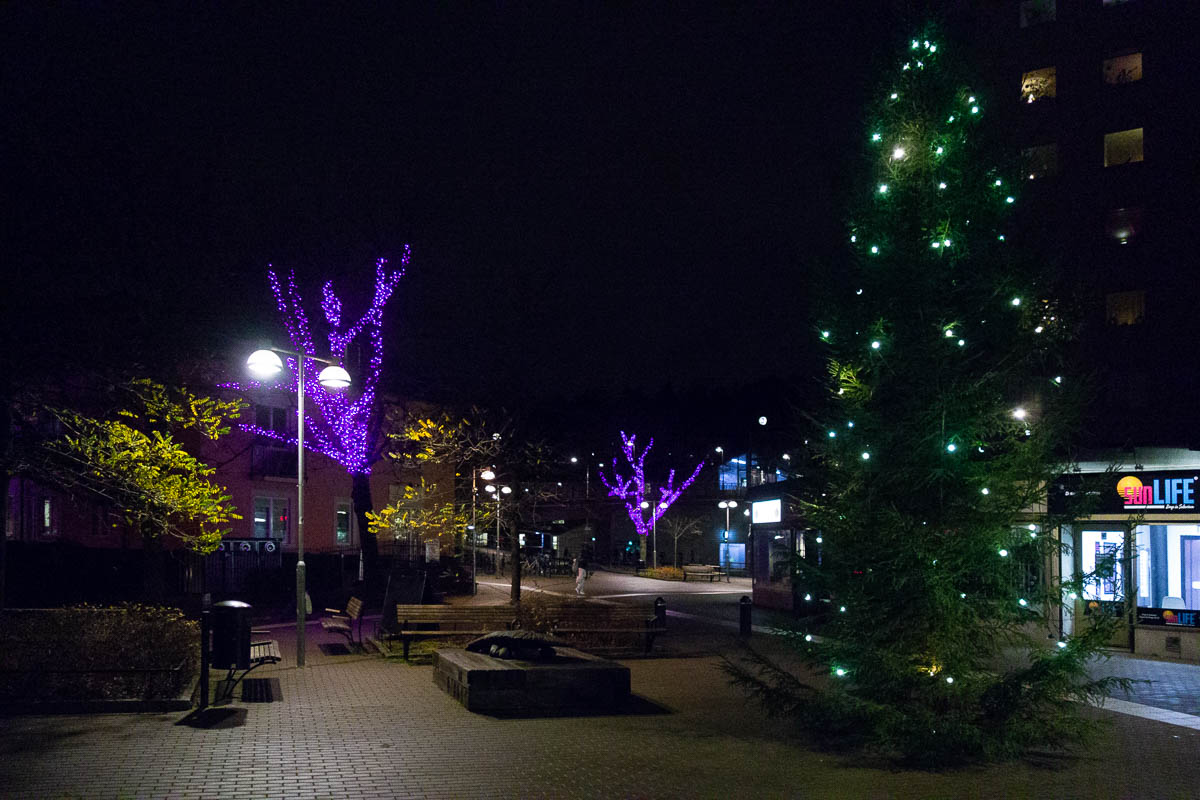
Perhaps the ethnologist lives in a lit-up inner city. Out here in the suburbs the evenings are dark. Heck, even the afternoons are dark, and sometimes there is not much light even in the middle of the day. (Stockholm has seen zero hours of sunlight thus far in December, which is not normal and not fun. This video (in Swedish) by SMHI will tell you more.) And we hang up advent stars and string lights and other kinds of Christmas lights to battle the darkness and bring some light into our lives. So that ethnologist can take her snobbish views and go get stuffed.


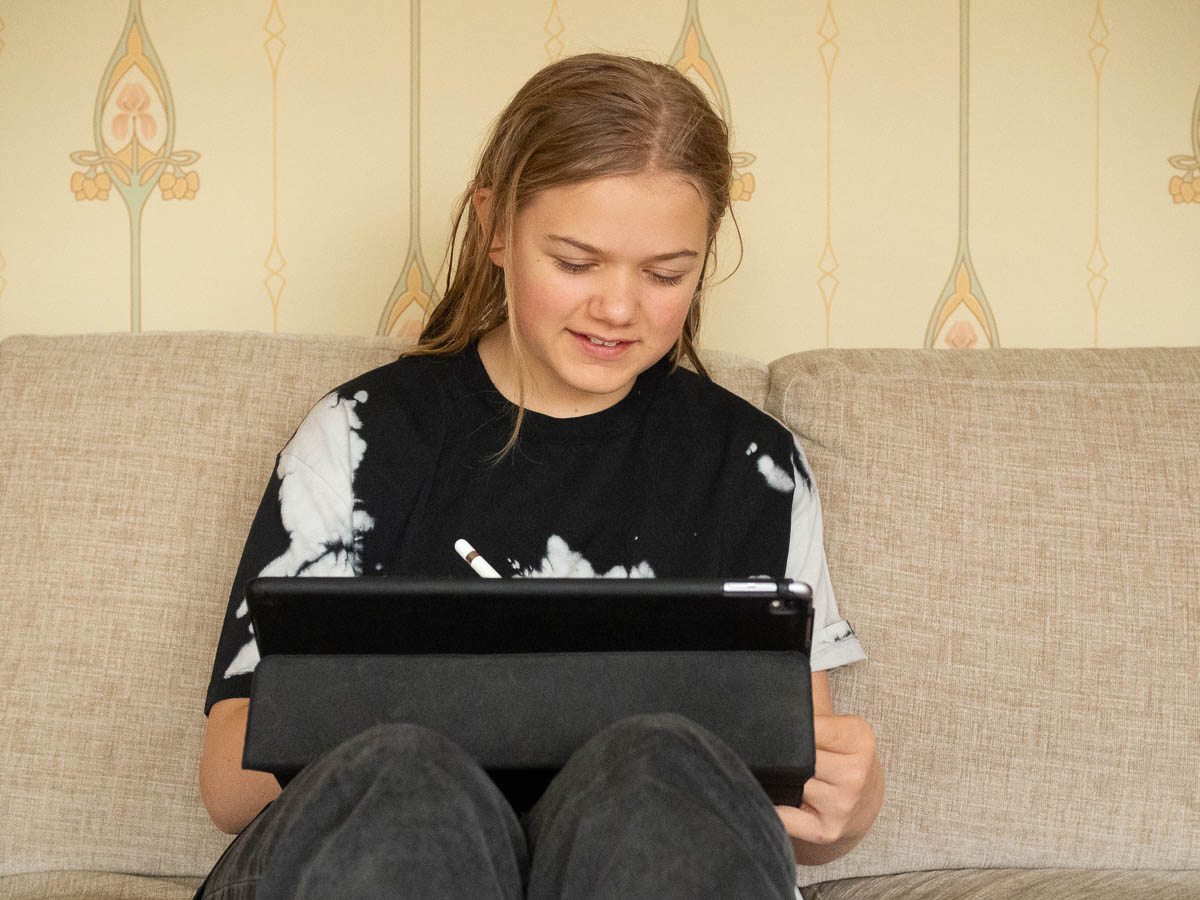
I’m cheating and using a picture I took yesterday, because there is little chance of getting a photo of Ingrid in daylight on a weekday.

She’s doing homework for their technology class – a technical drawing of a thing they constructed in class. The task was to build a structure to protect a raw egg that they then dropped from various heights. Now she’s doing the follow-up task of documenting their structure. The structure that Ingrid’s team built kept an egg intact when it was dropped from a window two floors up. (That’s third floor in the sensible parts of the world and second floor in Britain.)

Ingrid spends a lot of time drawing and handles ProCreate like a true pro, switching between layers faster than I can follow.