There’s convenient bicycle parking just outside the Sortera office. I guess those with more expensive bikes park them in parking garages, but mine isn’t enticing enough to make me worry about anyone taking or damaging it in full daylight in the middle of a street.

The other bikes that mine shares the stand with are all also ordinary, classical city bikes. What I see on the roads is rather different. The classical bikes aren’t so common among commuters any more. Instead, commuters and their bikes are diverging into two extremes. On the one side there are the racers: long men (mostly) clad in Spandex, on skinny bikes with lots of gears. On the other side there are the e-bikers: people dressed in jeans or office wear, casually pedalling on e-bikes. One group focuses on the exercise; the other one on convenience. (And both are willing to pay a fair bit to get it.)

Both groups go quite fast, so the average speed of cycle commuting along the routes I follow has definitely gone up over the years.

For me, the city bike still seems like the best compromise. I like getting exercise while I commute (and really, while the e-bikers move their legs, it’s not like they’re going to break a sweat) and I also like being able to use my bicycle in my everyday life without making a whole deal out of it. I can bike to a store and step off the bike and walk around in normal shoes.
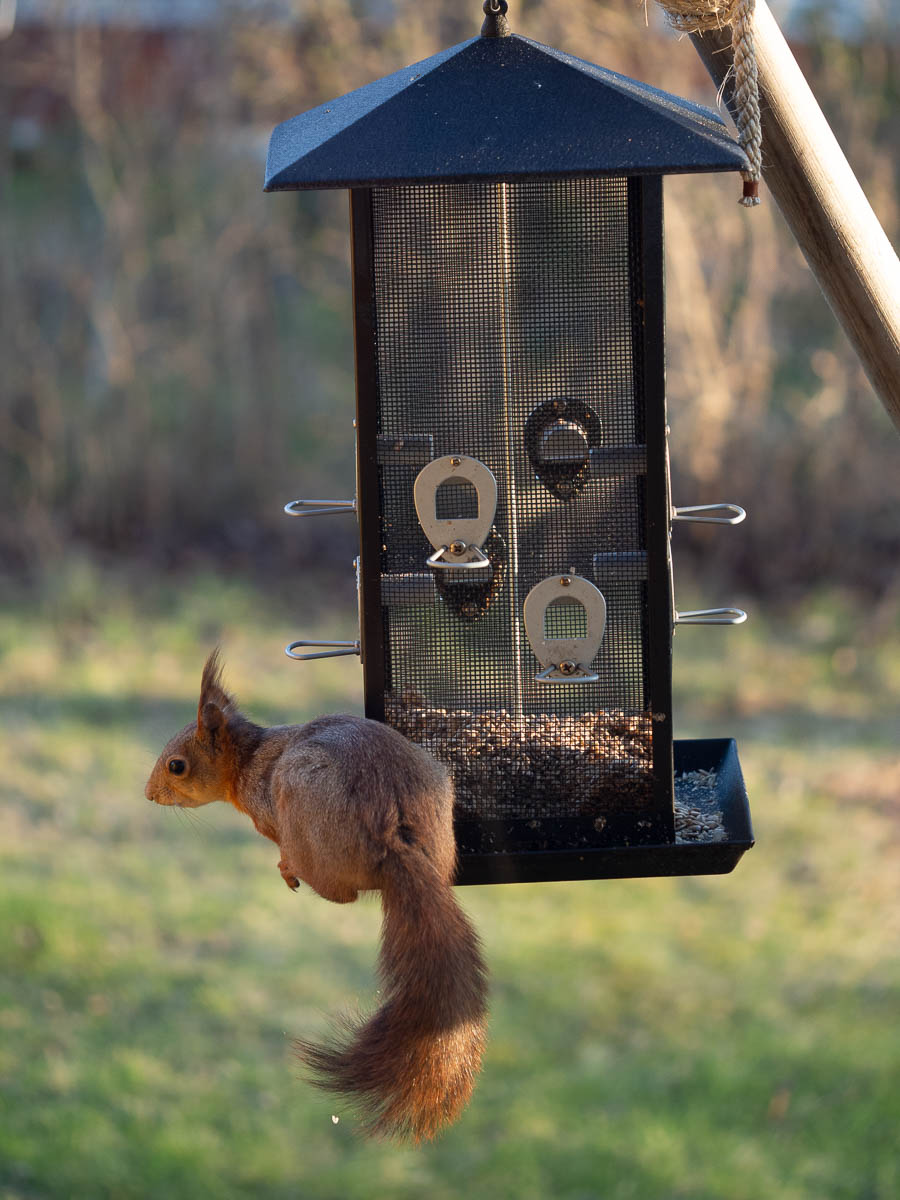
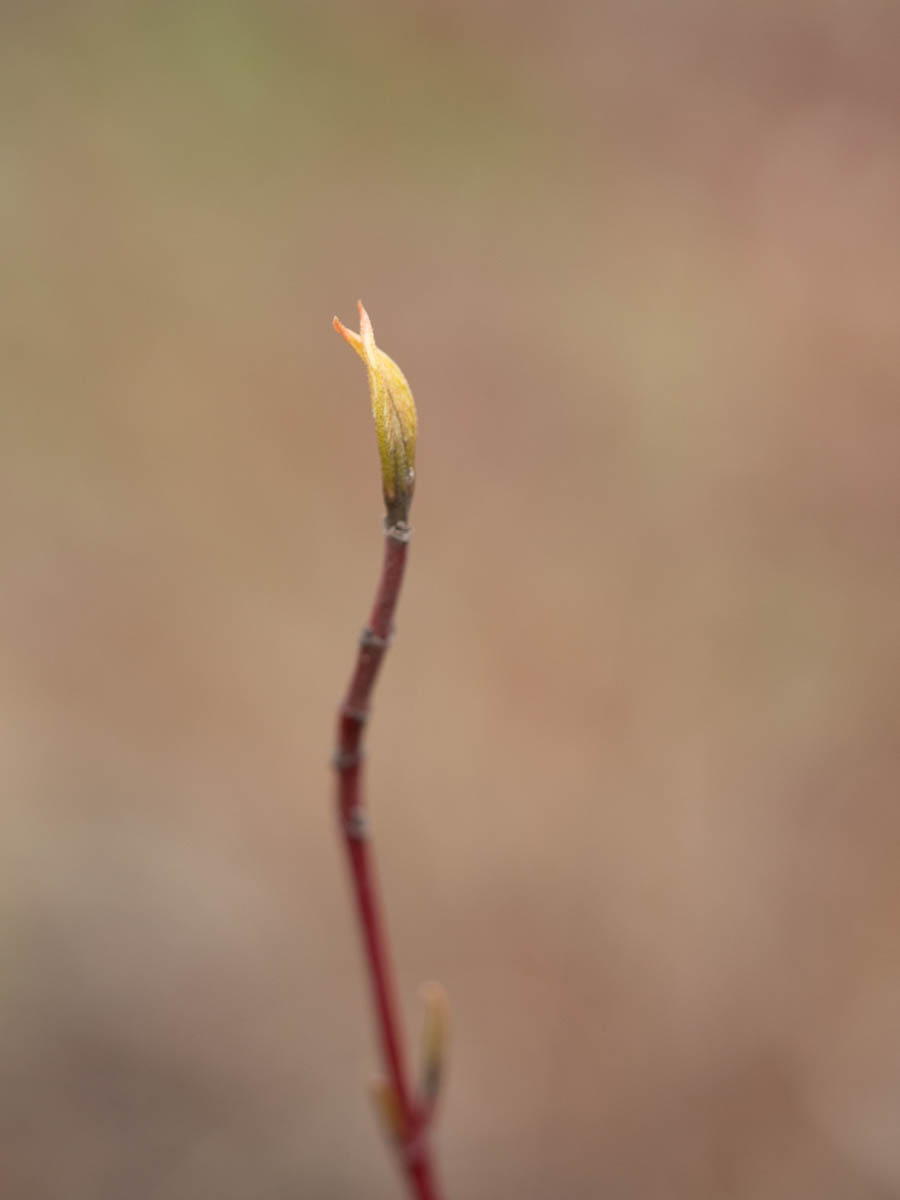
The bird feeder is still up. It’s still cold outside and insect life is not exactly teeming, so birds are still coming by. And occasionally, a squirrel.


A week after I came home to green grass and blossoming spring flowers, and concluded that spring was happening, we’re still exactly at the same point as then. Temperatures haven’t risen, leaf buds haven’t opened, daffodils are still not in bloom. Everything is on pause.


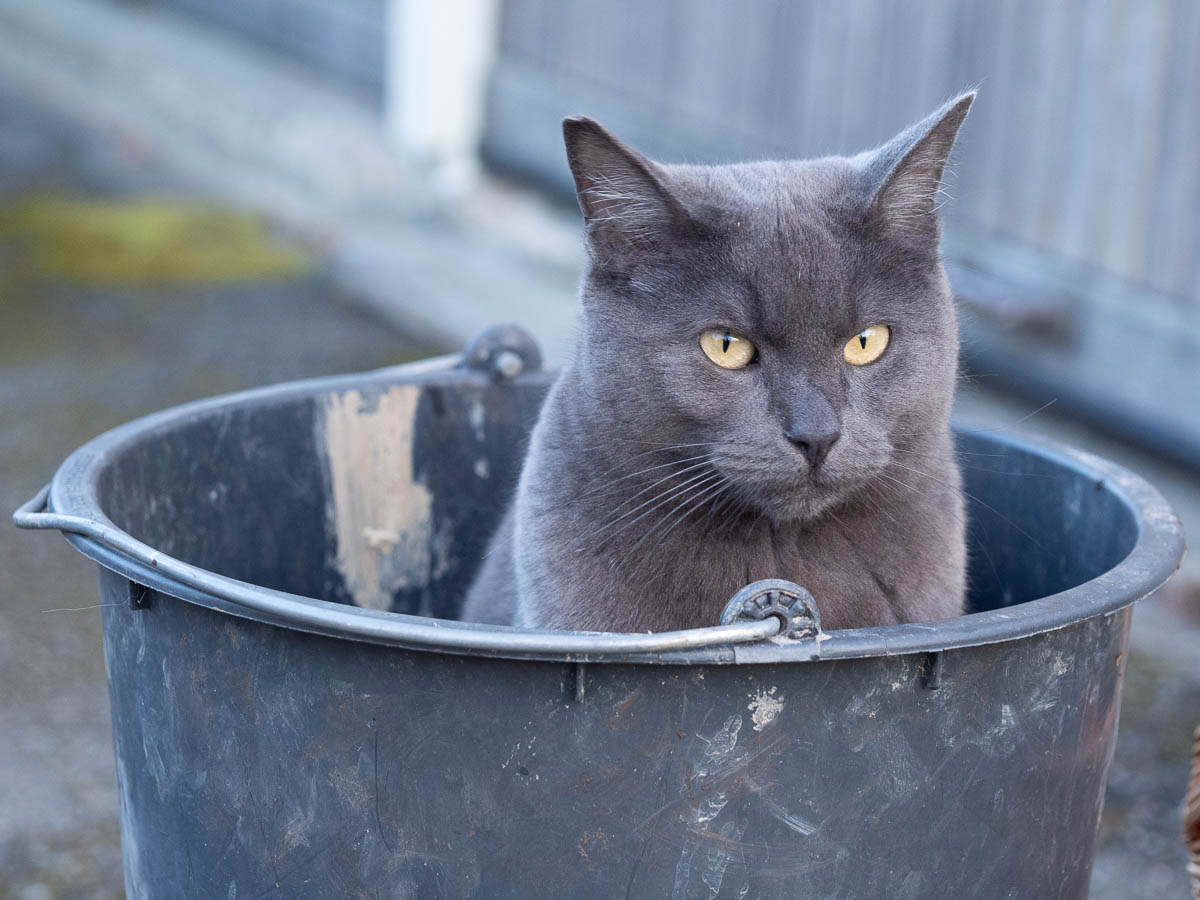
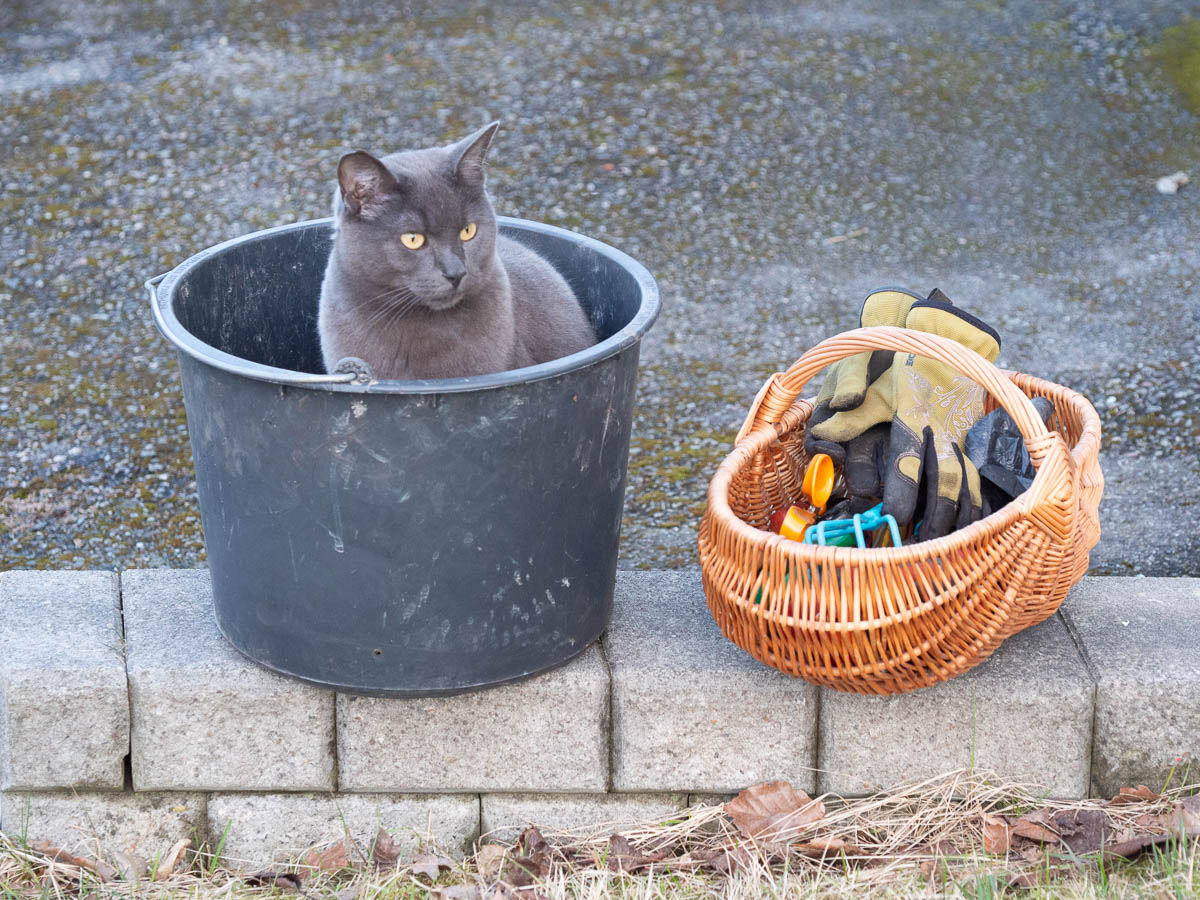
It’s still freezing cold outside and not really the weather for gardening. I can put on layers to keep me warm, but digging in wet freezing soil leads to freezing cold fingers. But I can at least do some picking up and general cleaning. When Nysse lets me us the bucket.

Stockholm Culture Night – cultural events, free of charge, all around town. Concerts, performances, open houses, etc.

Unfortunately when thousands of Stockholmers all decide to attend said events, the result is queues. Lots and lots of very long queues. In barely-above-zero temperatures.

I first went to Stockholm City Hall, but the broad queue there went along at least two sides of the building. It’s a public building, so I figured I could see it at another time.

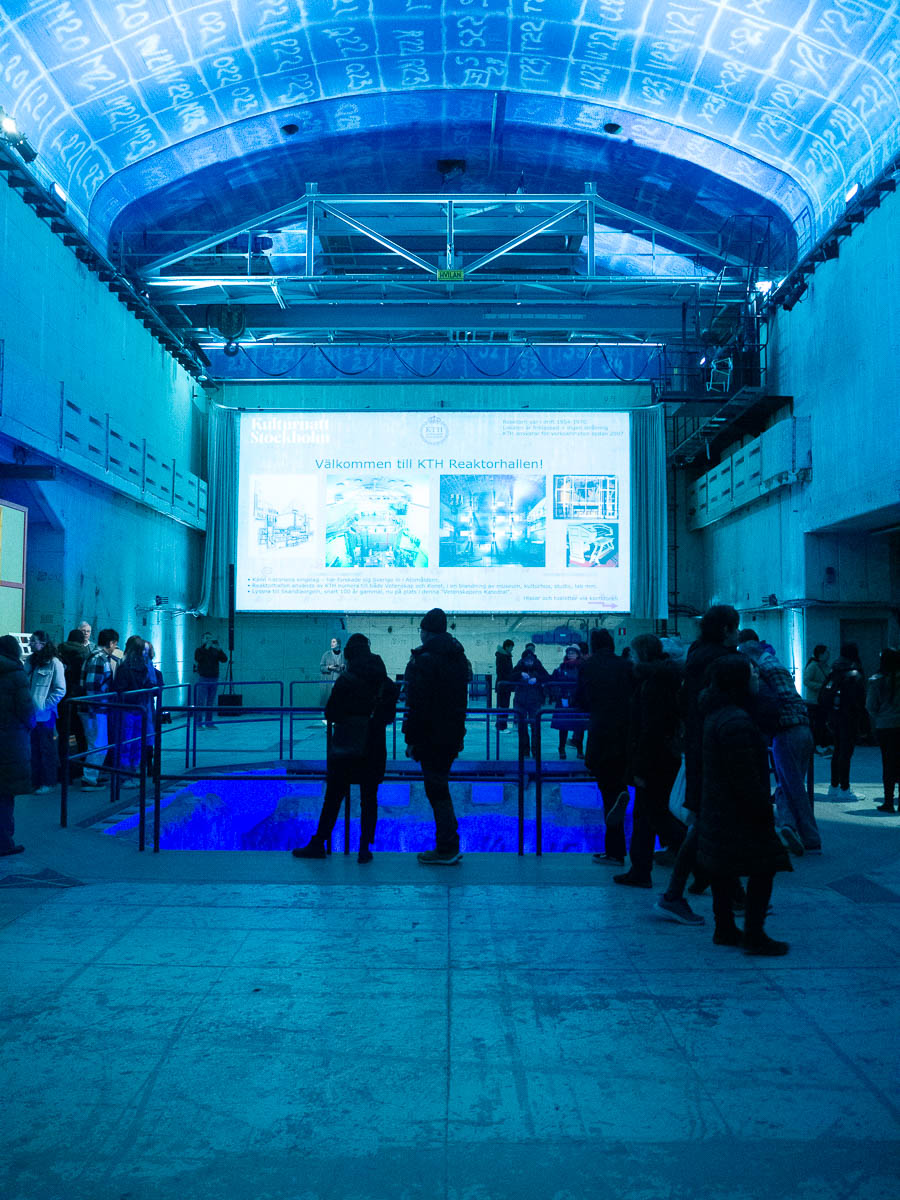
Instead I took the metro to the Royal Institute of Technology, where the reactor hall – home to Sweden’s first, experimental nuclear reactor – was open to the public. The queue was again enormous, but at least I’d get to see something more unique at the end.

I stood for maybe forty minutes, by which time I estimated I’d gotten no more than a quarter of the way there, and I was freezing. No way I’d take two more hours of that.

Having given up on seeing the reactor hall, I opted for a (hopefully) safe bet and took the metro to Gamla Stan and the German Church for a concert. I got a seat (I believe everybody did), and it was indoors and warm, and I heard some lovely music, so at least there was that.

I had a pizza, which warmed me up yet a bit more, and considered my options. The reactor hall was still my top pick. I could either give it another try, or call it a night.

This time the queue was much thinner (and thus faster) and the end of it was well ahead of the point where I’d dropped out before. It still took over half an hour to get to the entrance, but it felt doable.

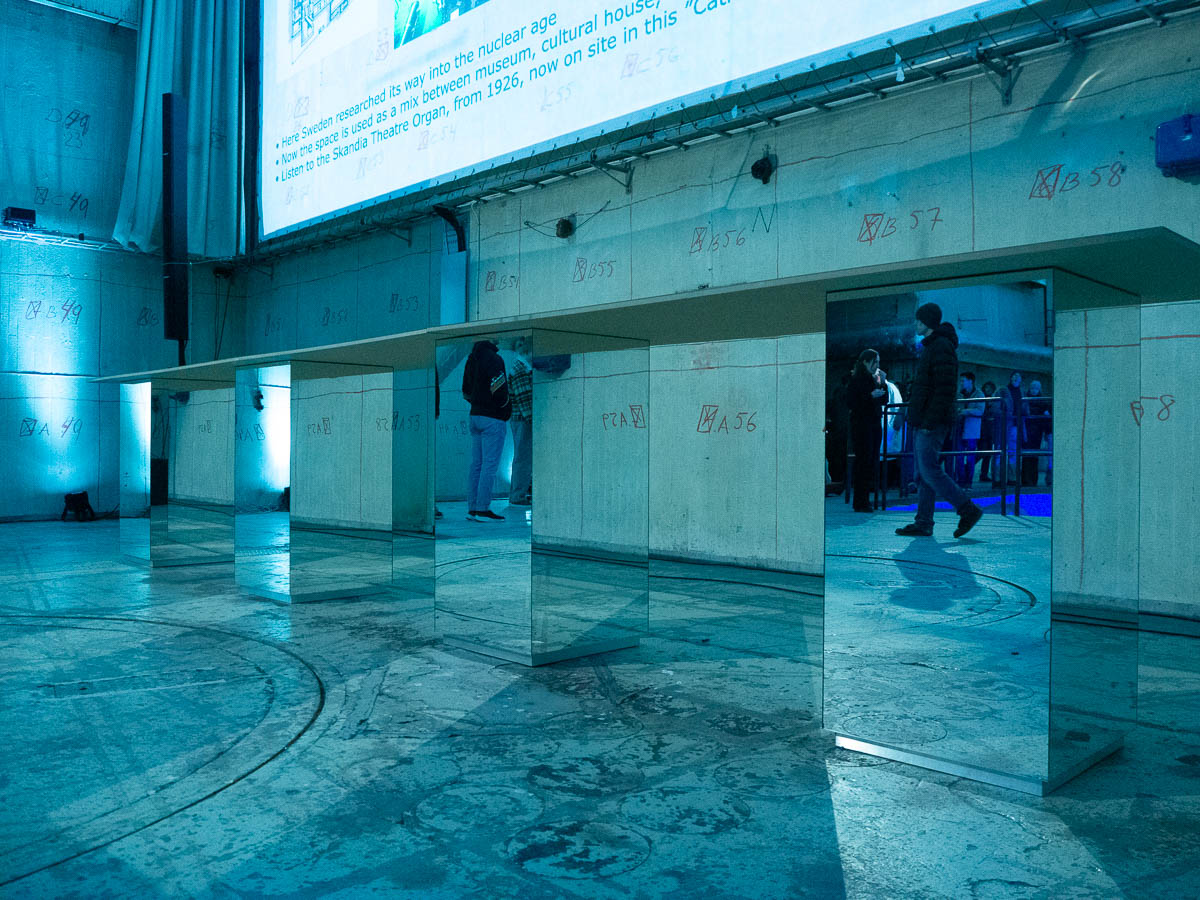
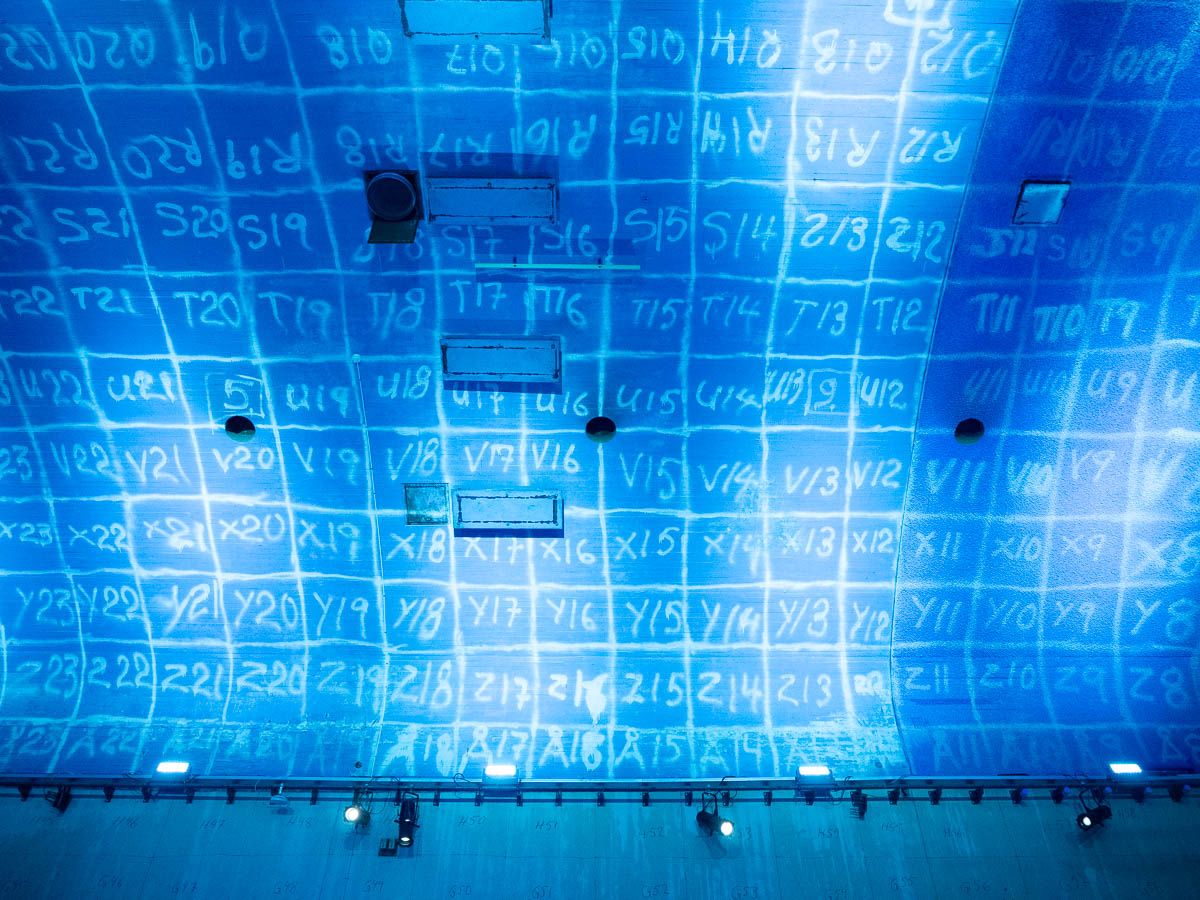
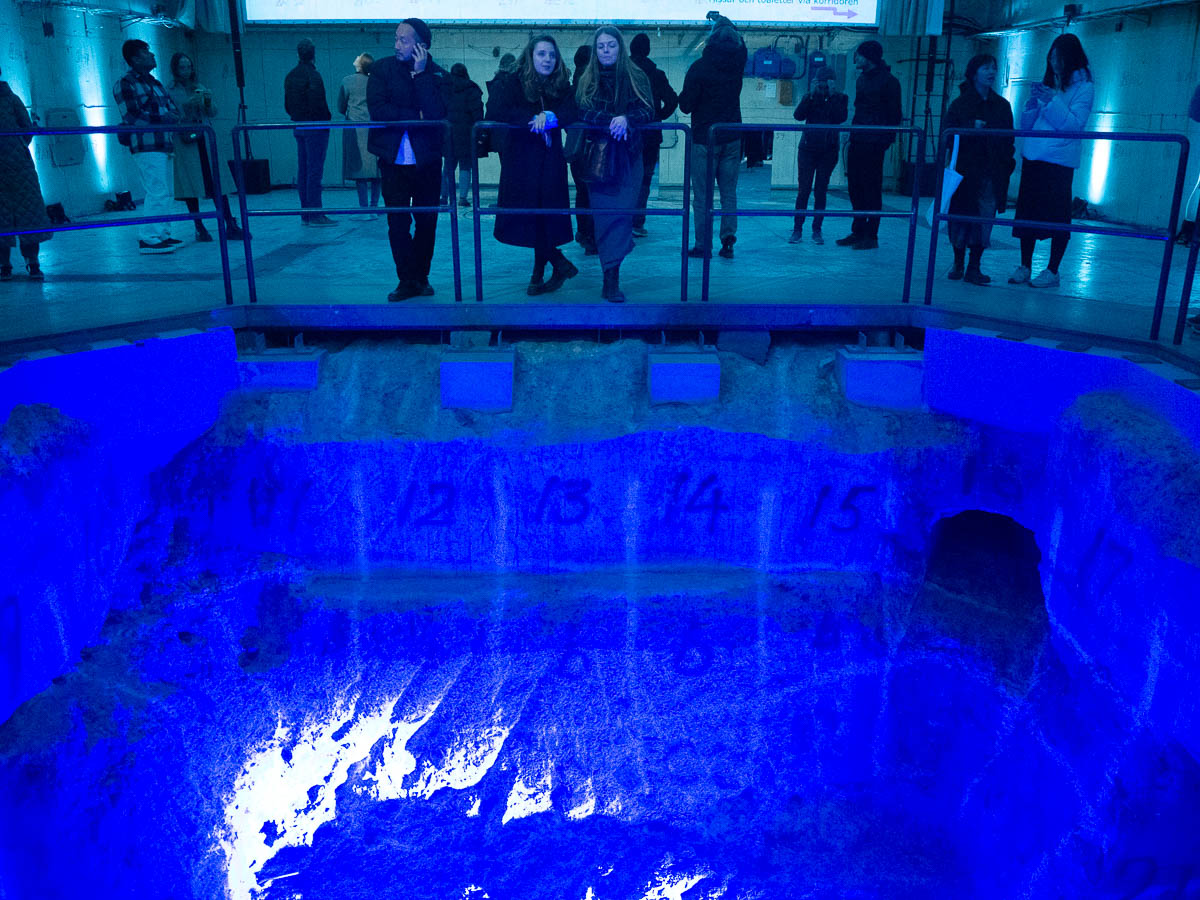
The reactor hall was a unique space indeed. It hasn’t housed an actual nuclear reactor since 1982, so now it’s just an odd-shaped cavernous space deep underground. For the past 17 years it’s been used as an events space, which has led to some interesting design choices. Tonight it was all lit up in blue, for example, and there’s an installation of mirrors along one side.


All the walls, floors and ceilings are covered in a grid of one-metre squares, for systematically measuring residual radioactivity after the reactor was shut down. The grid breaks up the otherwise monotonous surfaces and makes the hall look kind of like a magician’s experiment.

In the middle of the floor, there’s an irregularly-shaped concrete pit that used to house the actual reactor. Also all gridded up, of course.

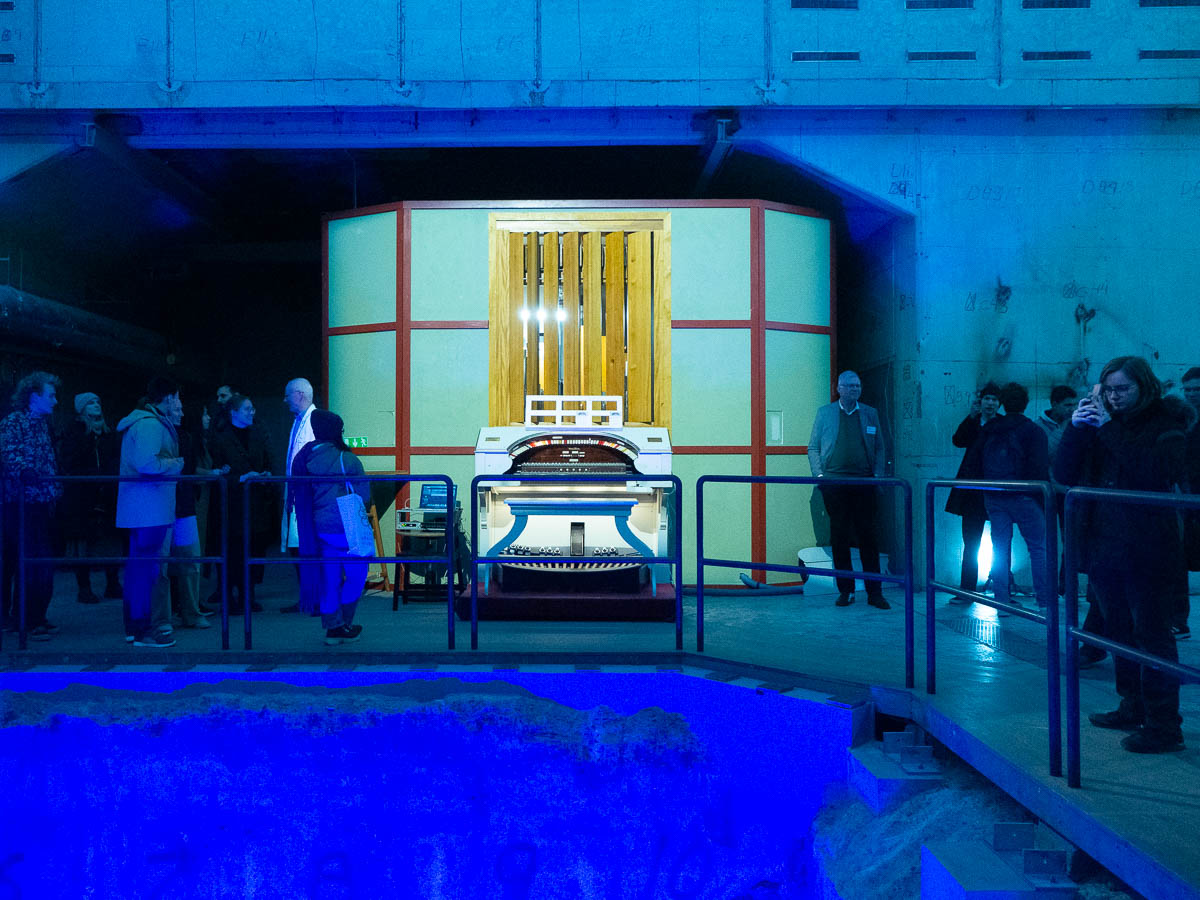
Right next to the pit, there’s an antique Wurlitzer theatre organ, originally from the Skandia cinema. These days it’s hooked up to a computer, and we were treated to a loud and energetic performance.


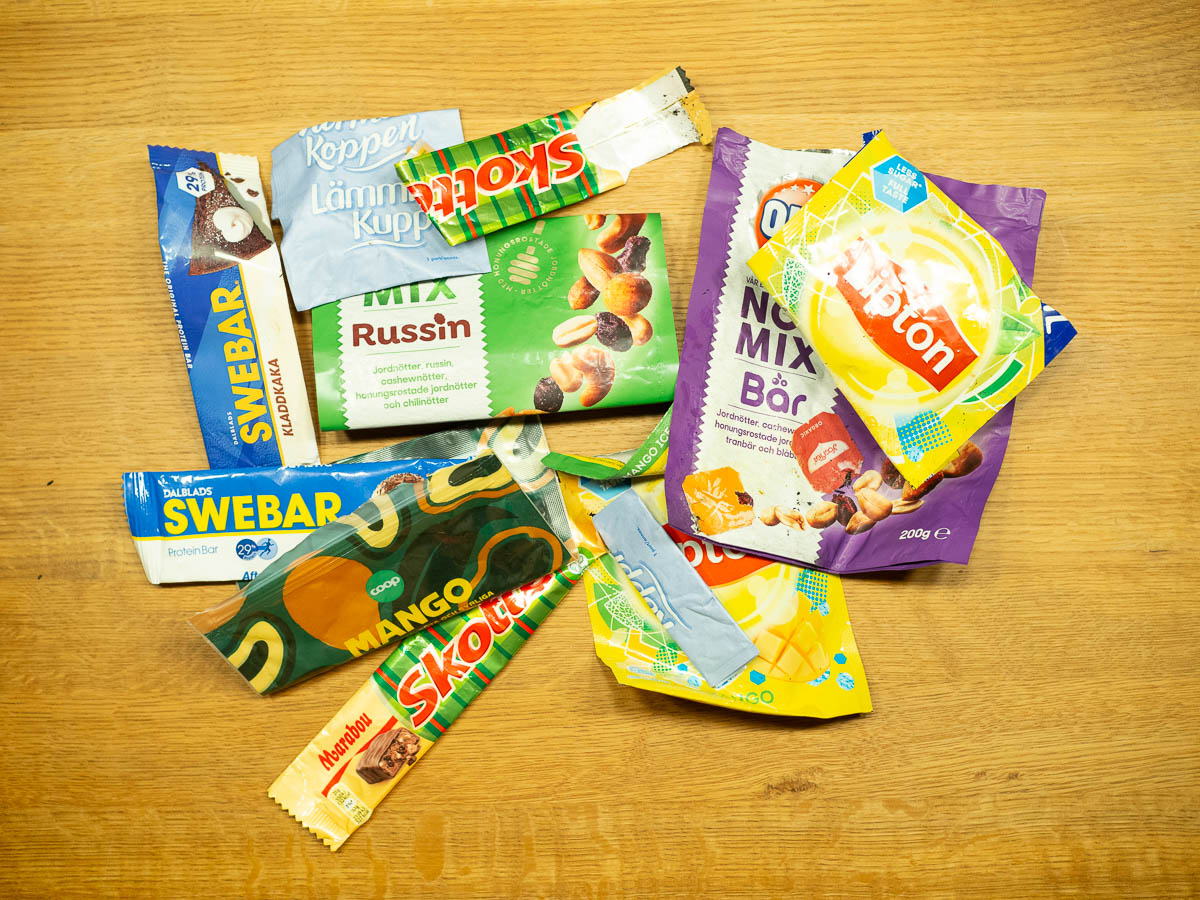
Unpacking after the ski tour, I came across my hike garbage bag. I always have one with me, both for my own garbage and for whatever trash I find on the way. In more populated places, the second category often outweighs the first one. This time, however, 90% of it was snack wrappers.

Things I already knew, that this trip confirmed:

  • Skotte is an ideal snack for winter hikes. Dark chocolate with a chocolate and hazelnut filling – tastes good and is easy to chew in cold weather, unlike anything caramel-based, for example.
  • For winter hikes, choose snacks that you can eat while wearing mittens.
  • Winter hikes need more snacks than summer hikes. Yes, it’s heavy, but worth the weight. I went through a 100-gram chocolate bars (or equivalent) and a 200-250 gram bag of fruit and/or nuts daily.

Learnings and inspiration from this trip:

  • Most people count on everyone drinking tea or coffee. Don’t count on any saft/cordial being available (except in Norway).
  • Ice tea powder, while mostly sugar, is a convenient substitute for cordial – lightweight and spill-proof
  • Cup of soup is also a decent way to make an instant hot drink. I’ve always thought of instant soup as a meal, but a mostly useless one because it has almost no calories or nutrition. But as a drink it actually becomes useful.
  • Speaking of cup of soup: hot water + cup of soup + instant rice makes a decent snack. I didn’t know that instant rice existed.

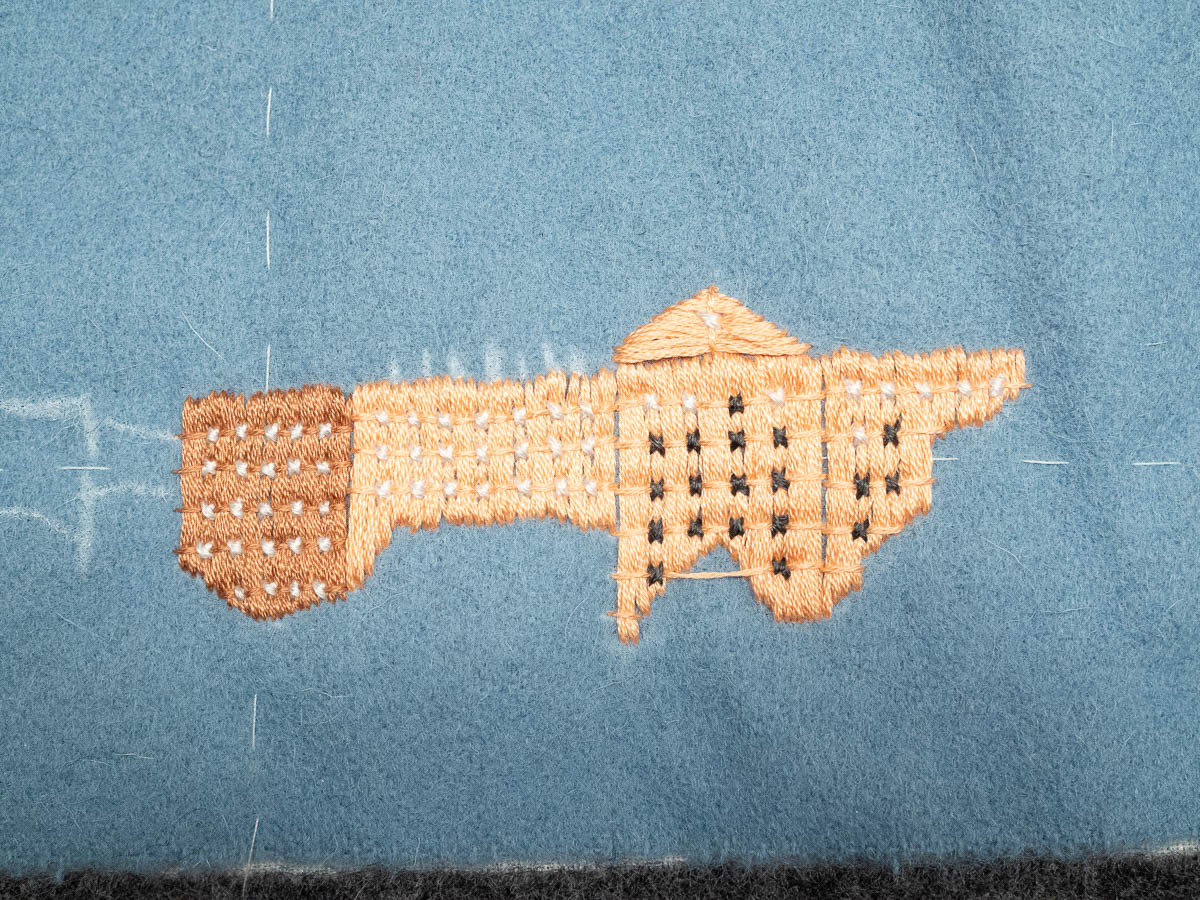
It feels like the houses are taking forever. I think all I did today was tiny cross-stitch windows. They need to be aligned and more or less equally sized, and they’re small and fiddly. But they’re necessary, to hold down the long stitches of the house facades.


Above-zero temperatures are here to stay, so I declare bicycle season started.

I commuted to Sortera at Liljeholmen by bike for the first time yesterday, following the (to me) most obvious path: Spångavägen to Brommaplan, Drottningholmsvägen to Alvik, then across Tranebergsbron bridge and Västerbron bridge and Liljeholmsbron bridge straight to Liljeholmen.

That’s a lot of bridges. And the bridges in Stockholm generally are quite high above the water, to leave space for boats and what not. Tranebergsbron is a serious hill to climb.

Today I tried a different route, with only two bridges. Google says it’s 800 metres and 2 minutes shorter, and has 10 metres less of ascent. True, but Gröndalsbron bridge is even steeper than the others.

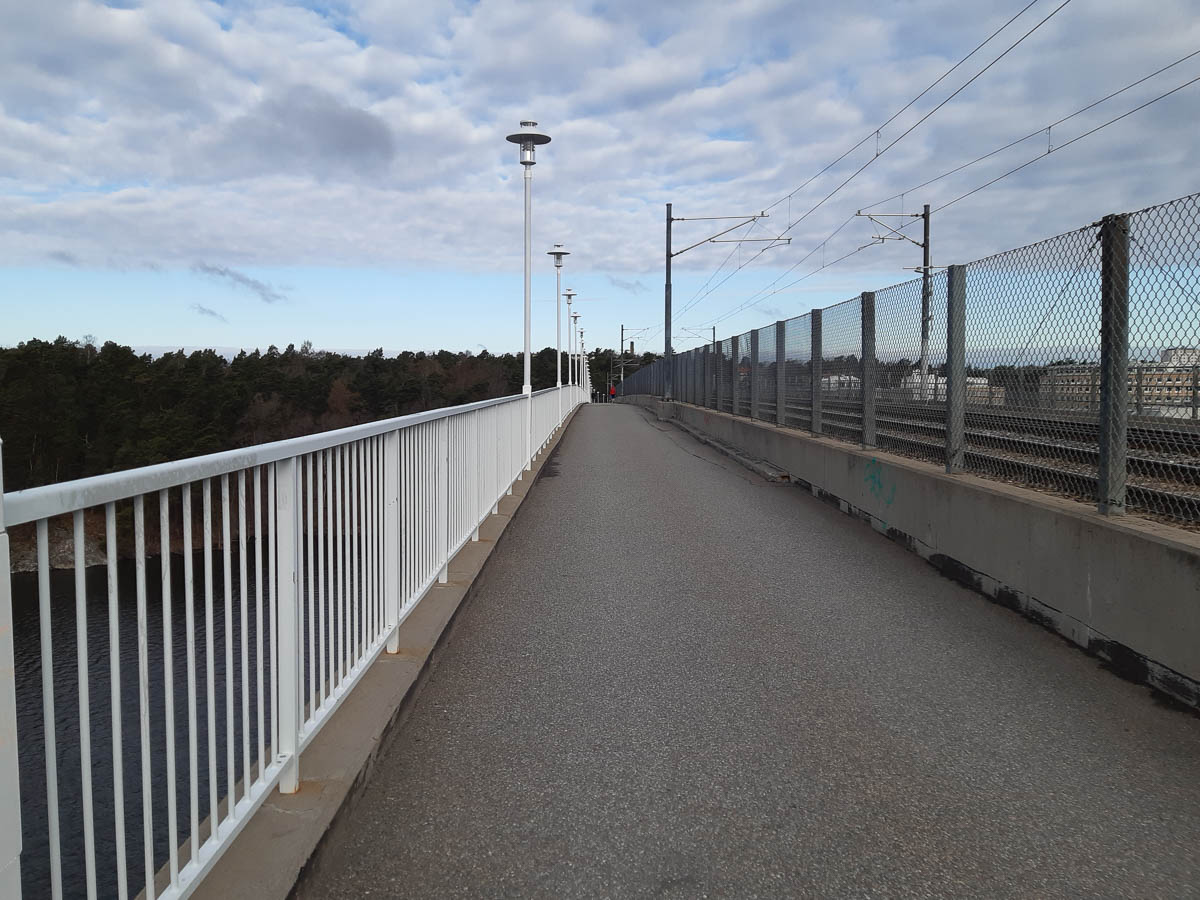
On the minus side, the cycle path shares Gröndalsbron with a ten-lane, heavily trafficked motorway. It’s noisy, windy, and the road surface on the cycle path is in bad shape. On the plus side (beyond the numbers) most of this route feels quieter and has far fewer cyclists, which I rather like. And am glad to avoid the bottlenecks and traffic lights at Alvik and Västerbron. So I kind of like it.

Or maybe it’s just the appeal of something new.

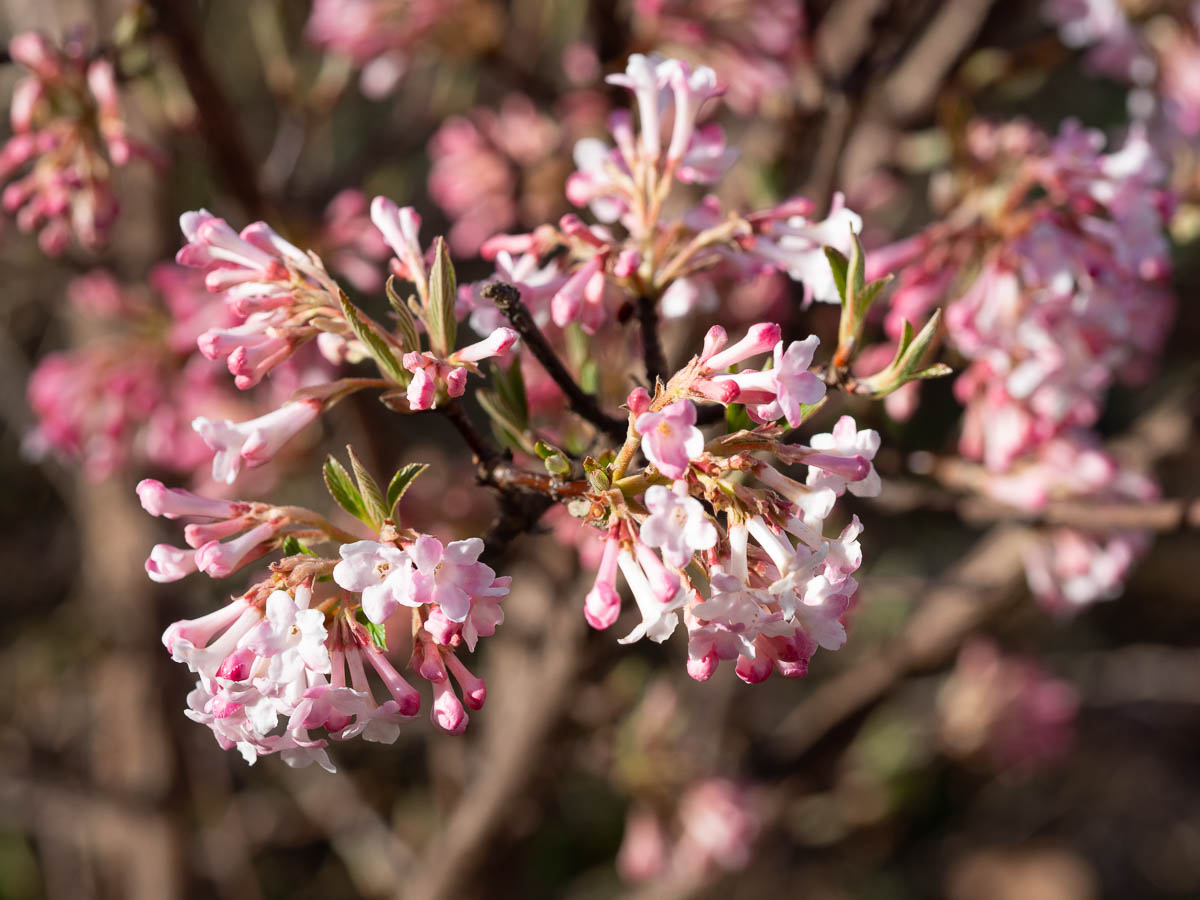
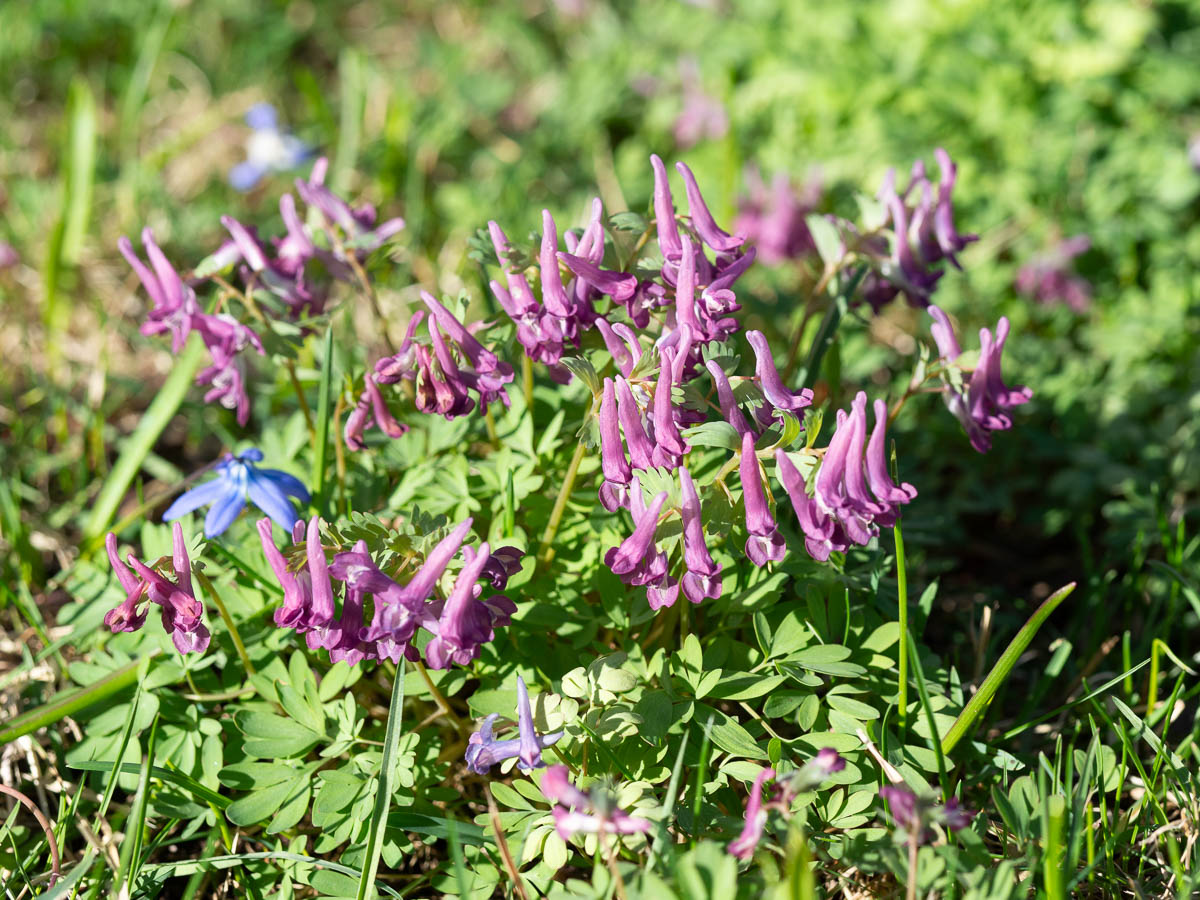
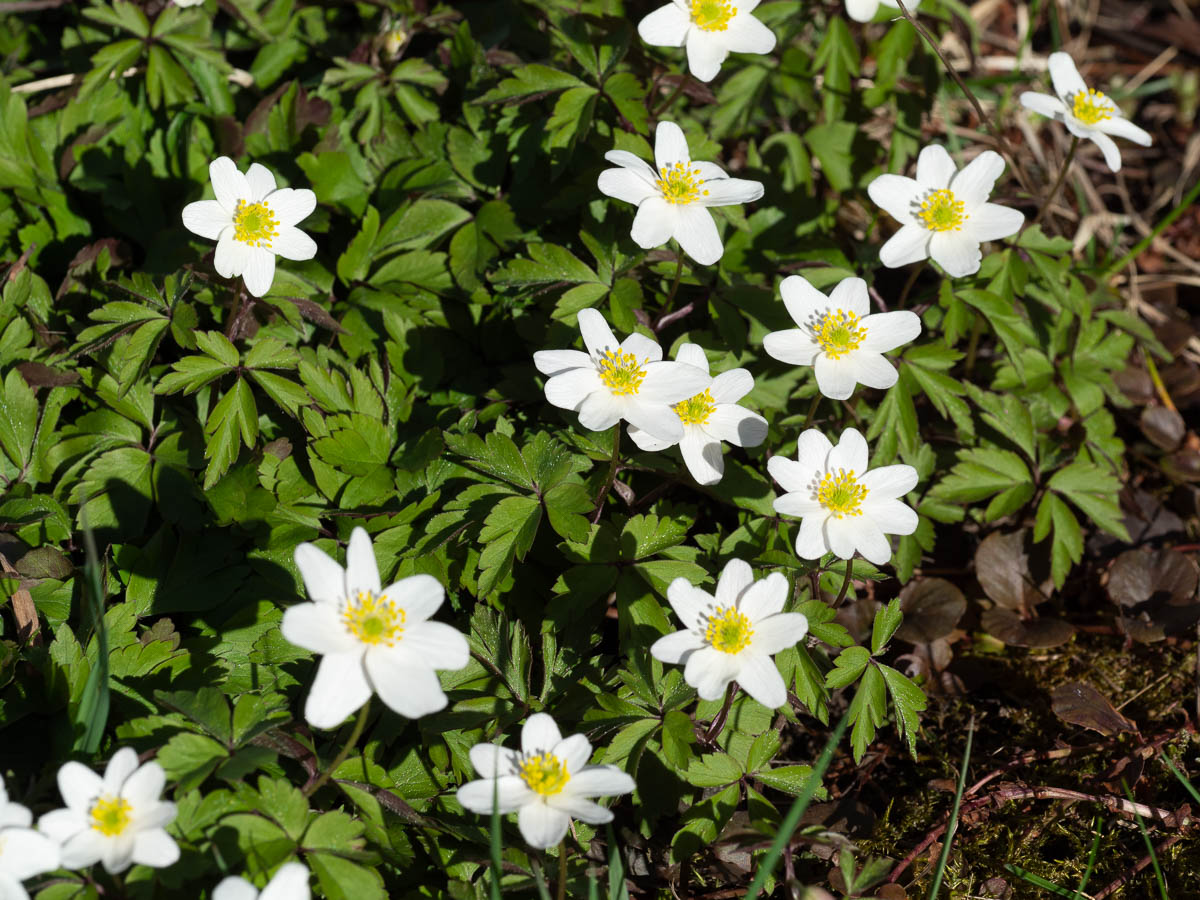
Spring arrived in Spånga while I was away. When I left, most everything was still dormant, and I come back to everything flowering.

The overnight transition from a thick blanket of snow in Jokkmokk to spring flowers was jarring.


My trip from Jokkmokk back to Stockholm starts at two in the afternoon. Bus to Murjek, train to Boden, sleeper train to Stockholm.

Which leaves me with half a day to kill in Jokkmokk. There’s a museum here that I had thought I might visit, but they’re closed on Sundays, so that was not an option.

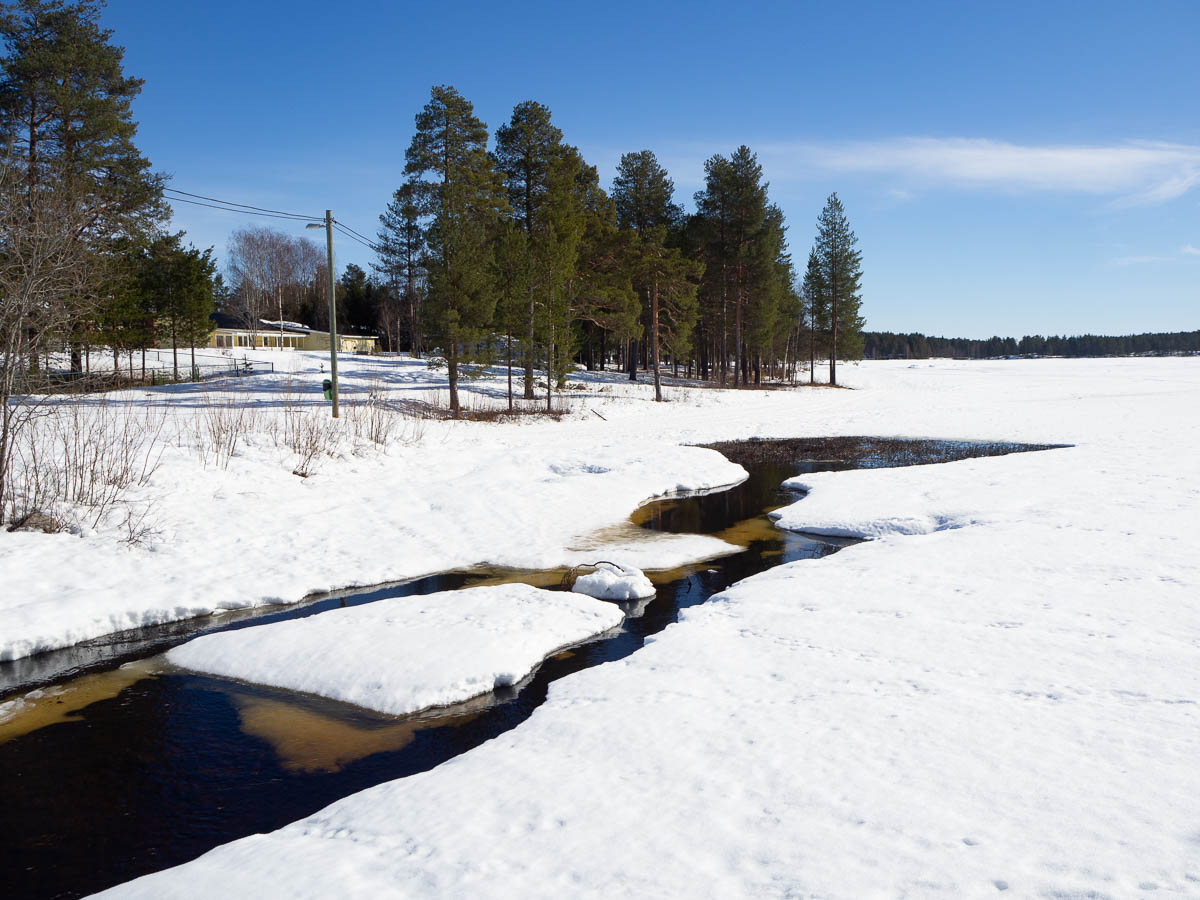
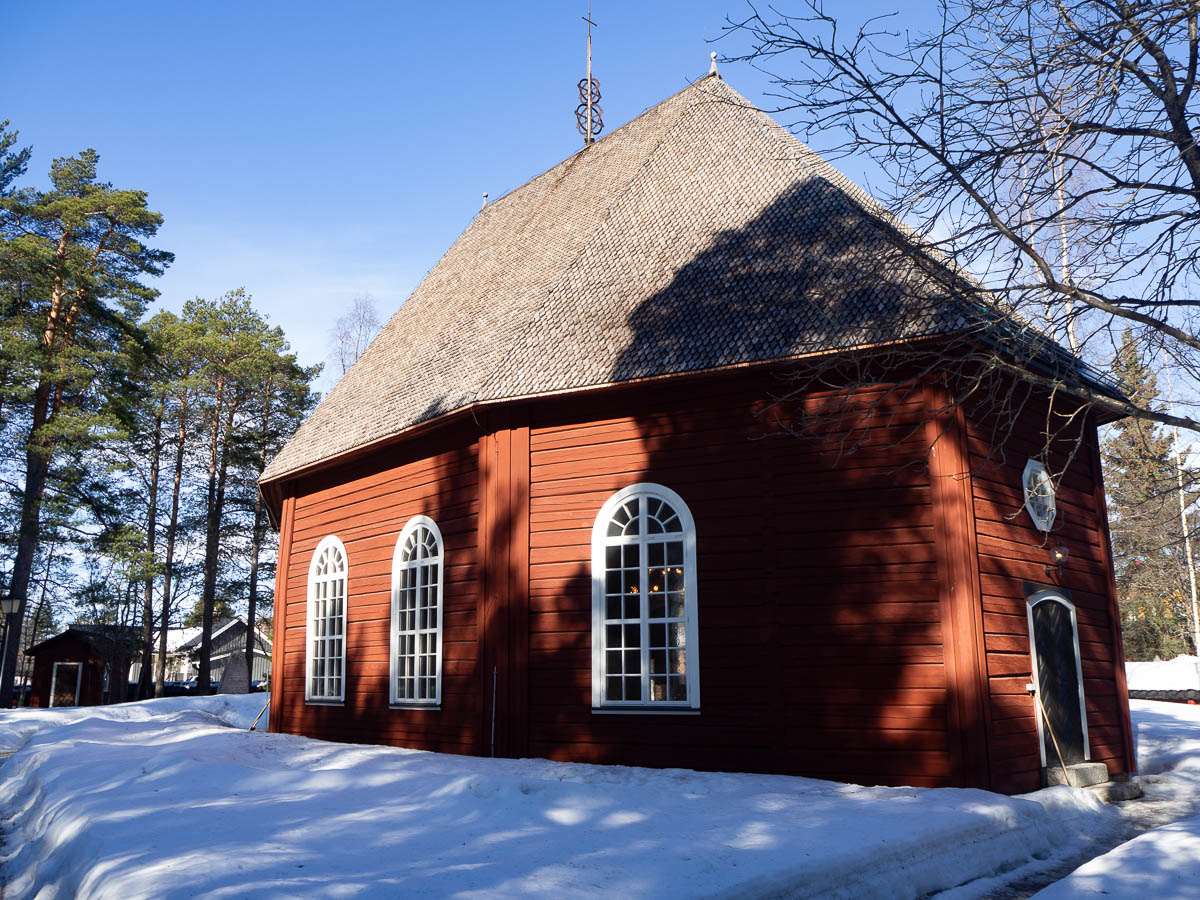
I walked around the Talvatis lake instead. A bit slippery, since I didn’t have proper footwear, but sunny and nice. And saw the old church.

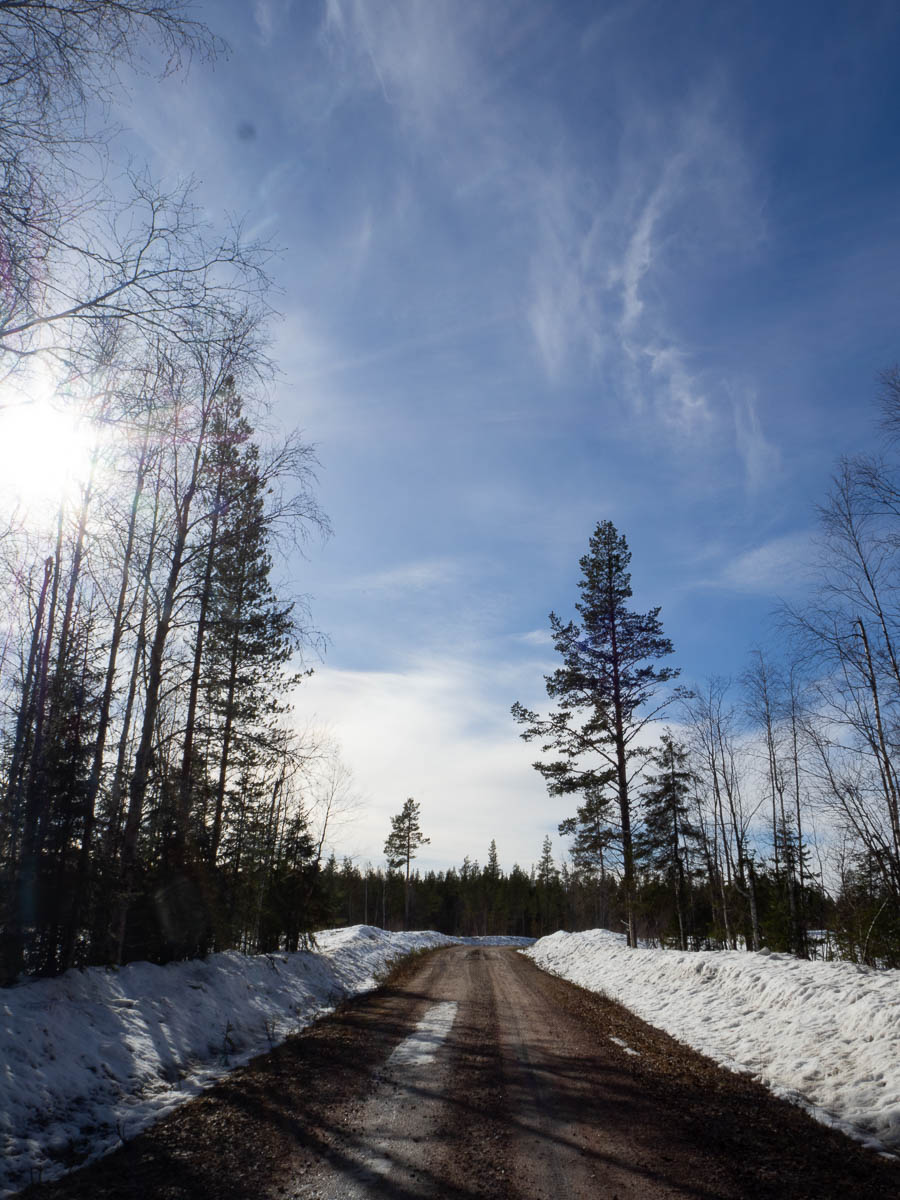
In Murjek I had another hour and a half to wait, so I left all my luggage at the station and went for another walk. Just headed off along the first road that looked like it might not have much traffic, walked for half an hour, and then turned back. My body has gotten all used to moving and gets restless after a day of inactivity.