A visit to Japan would not be complete without seeing Mount Fuji.
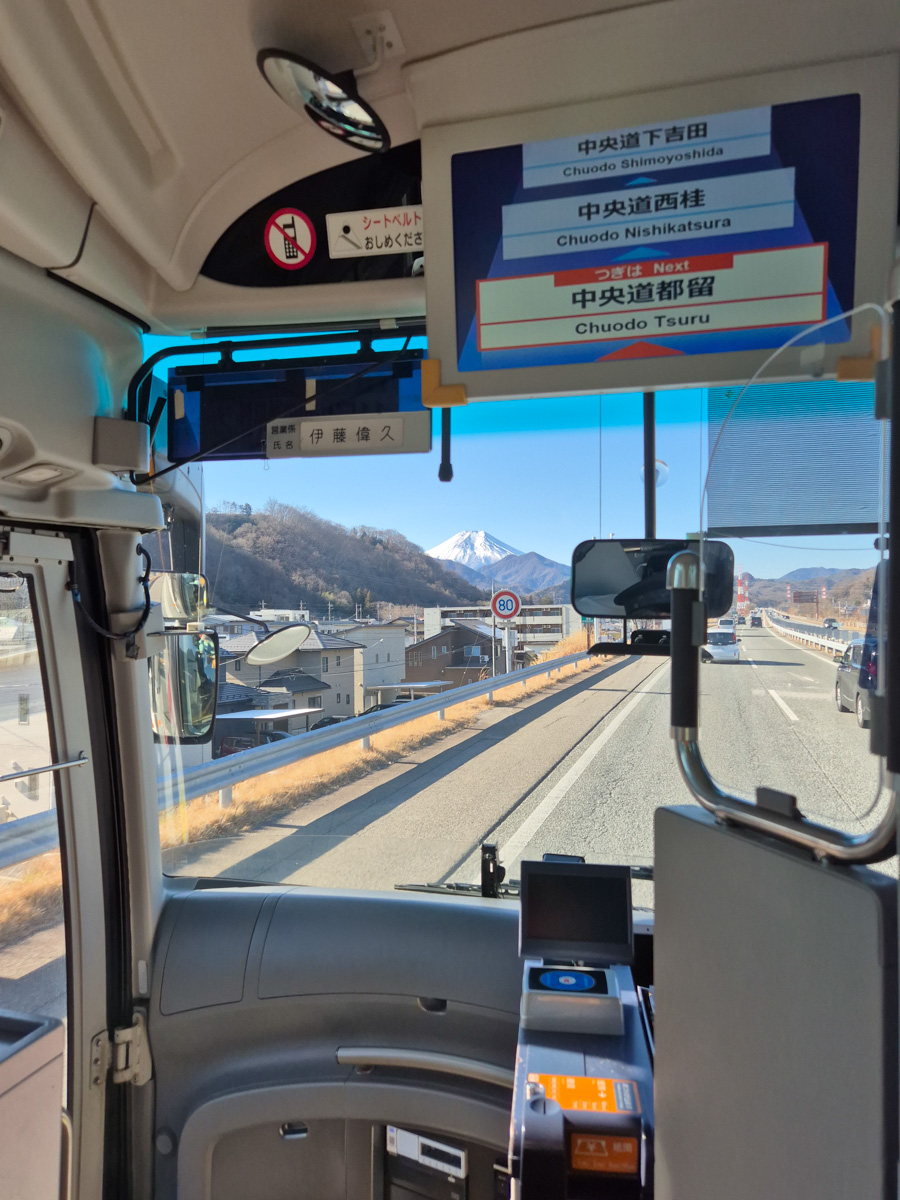
It takes under two hours to get to Fujikamaguchiko from Tokyo by express bus. Mount Fuji is visible well before the final stop.

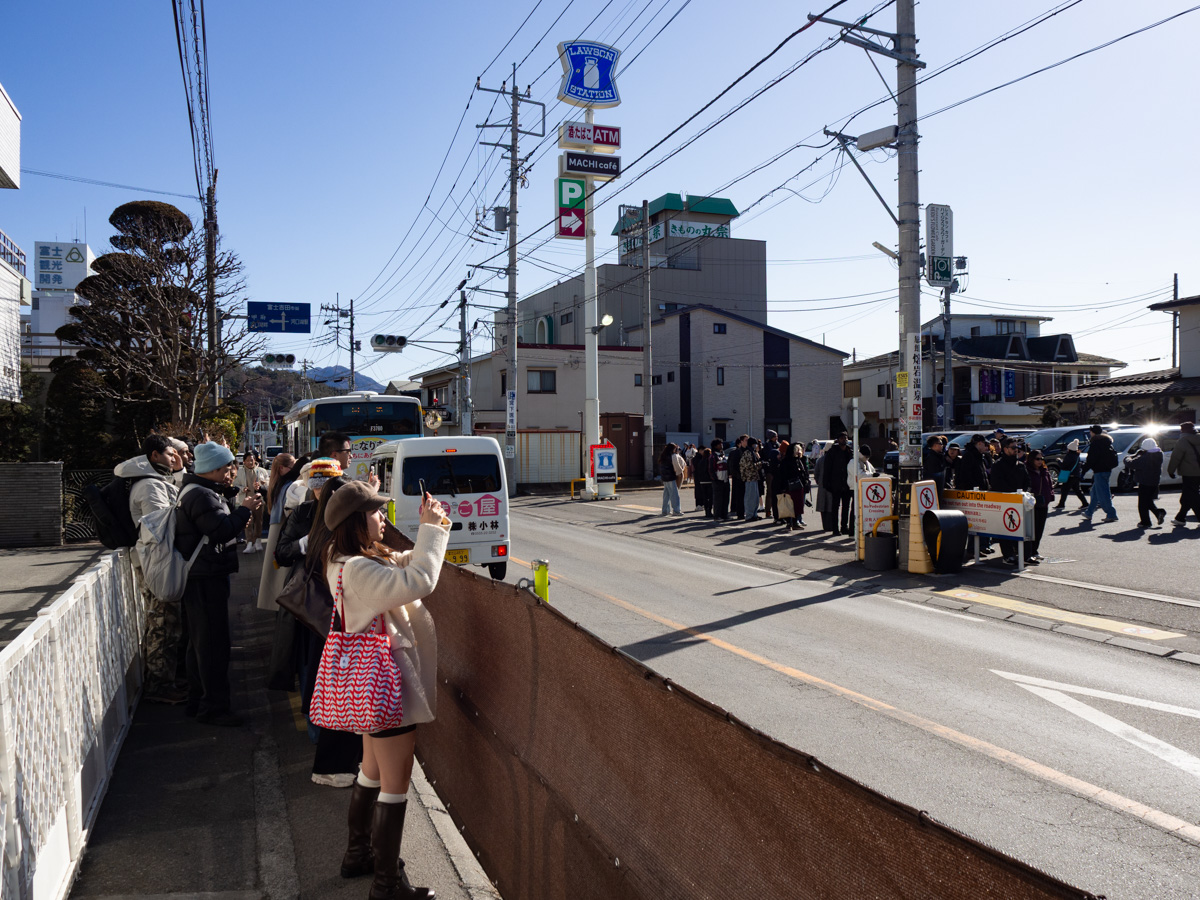
You don’t have to walk far from the bus station to get a view of the mountain. For some reason, a lot of people wanted a photo of it with a Lawson convenience store in the foreground. It’s a whole thing, apparently. There was a queue of people with cameras on one side the road, and their friends/partners on the other side, in front of the Lawson store. Everyone was queueing quite politely, but clearly the whole thing has been causing enough disruption to traffic that there were barriers in place to keep the photographers from wandering into the street, and even a security guard to keep an eye on the whole thing.
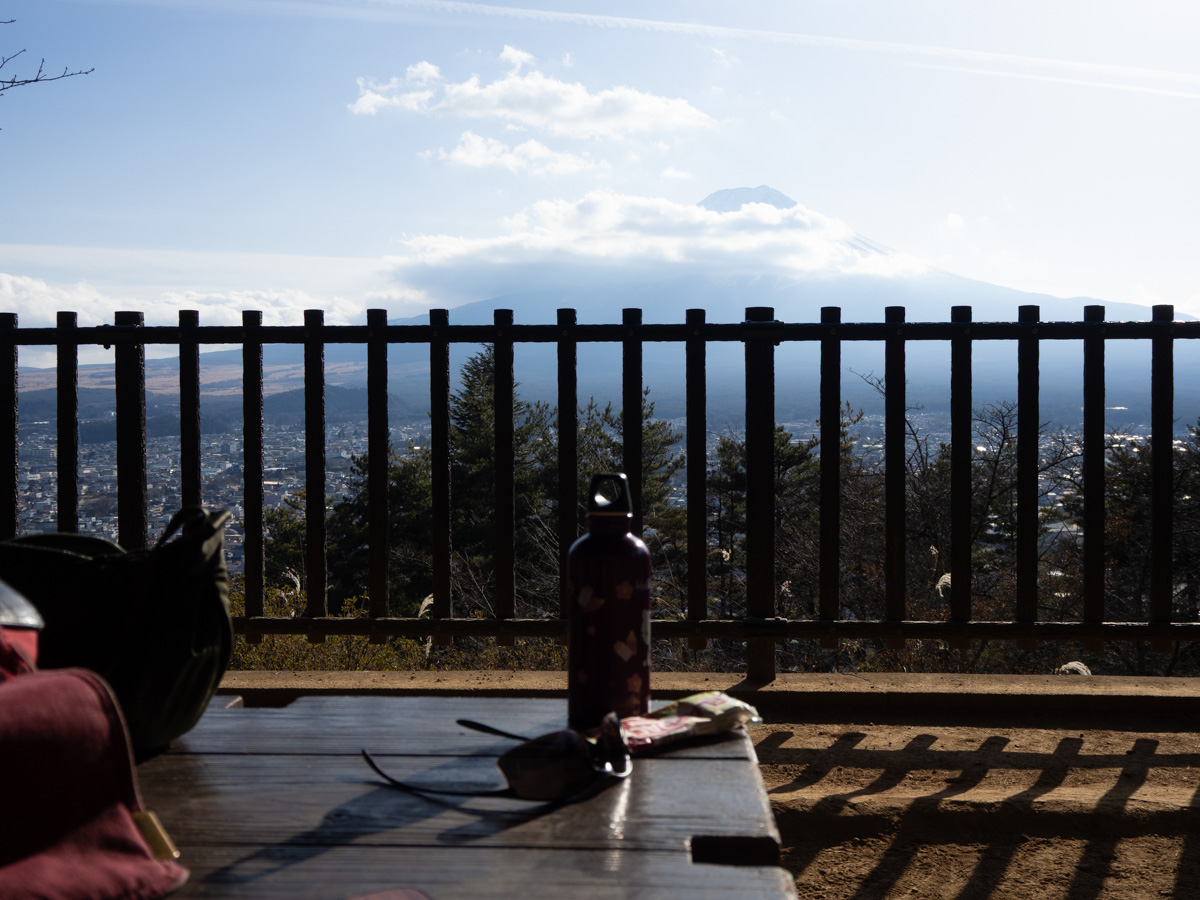
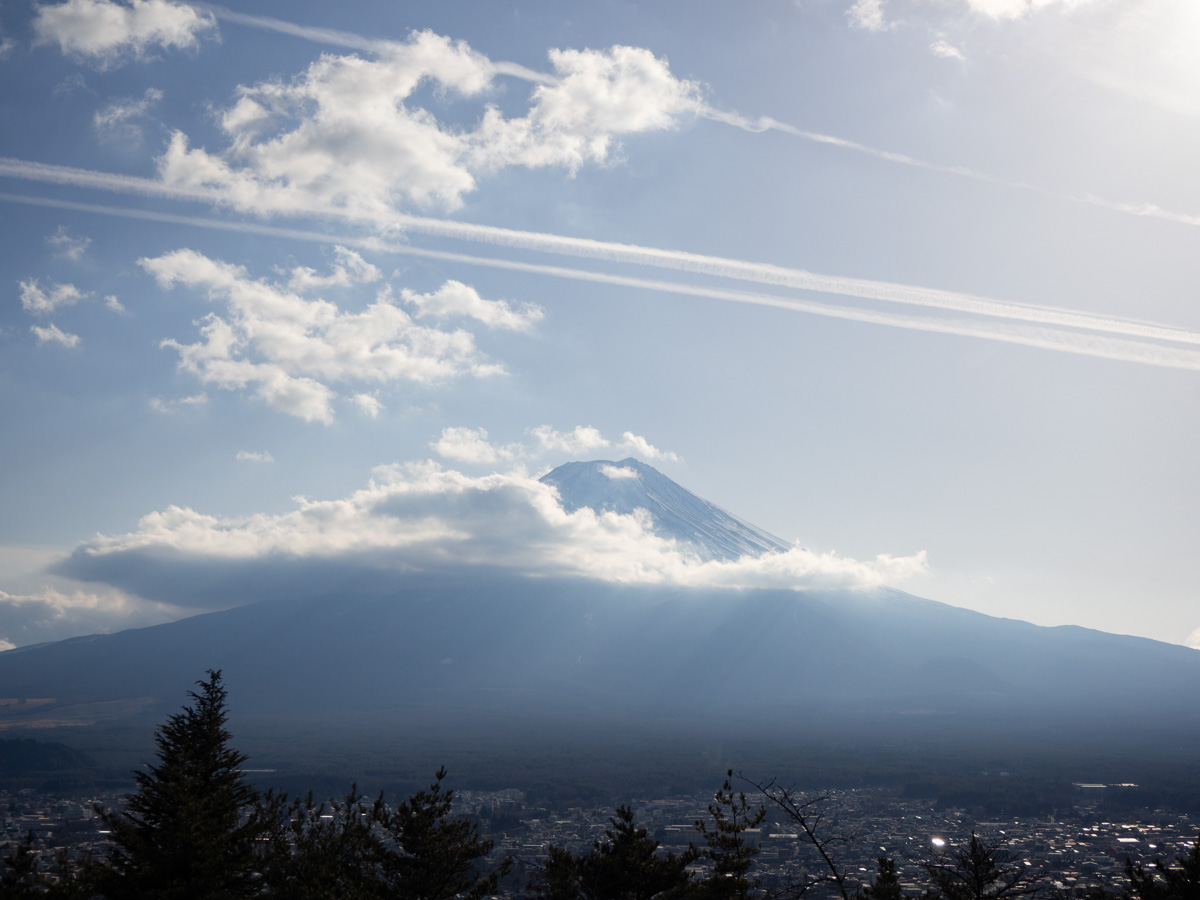
Better views of Mount Fuji can be had from a hill nearby. We took the cable car to the viewing site near the top of the hill and got pretty stunning views. It really is quite majestically large.

When we were planning the trip and Mt Fuji came up, my first instinct was that we should climb it. It’s a mountain, it’s there, of course we want to go to the top. Unfortunately quite undoable: firstly, it would take three days, and secondly, now is not a good time of the year. When we were here in the +5°C weather, the weather app said it was –29°C at the top of the mountain.
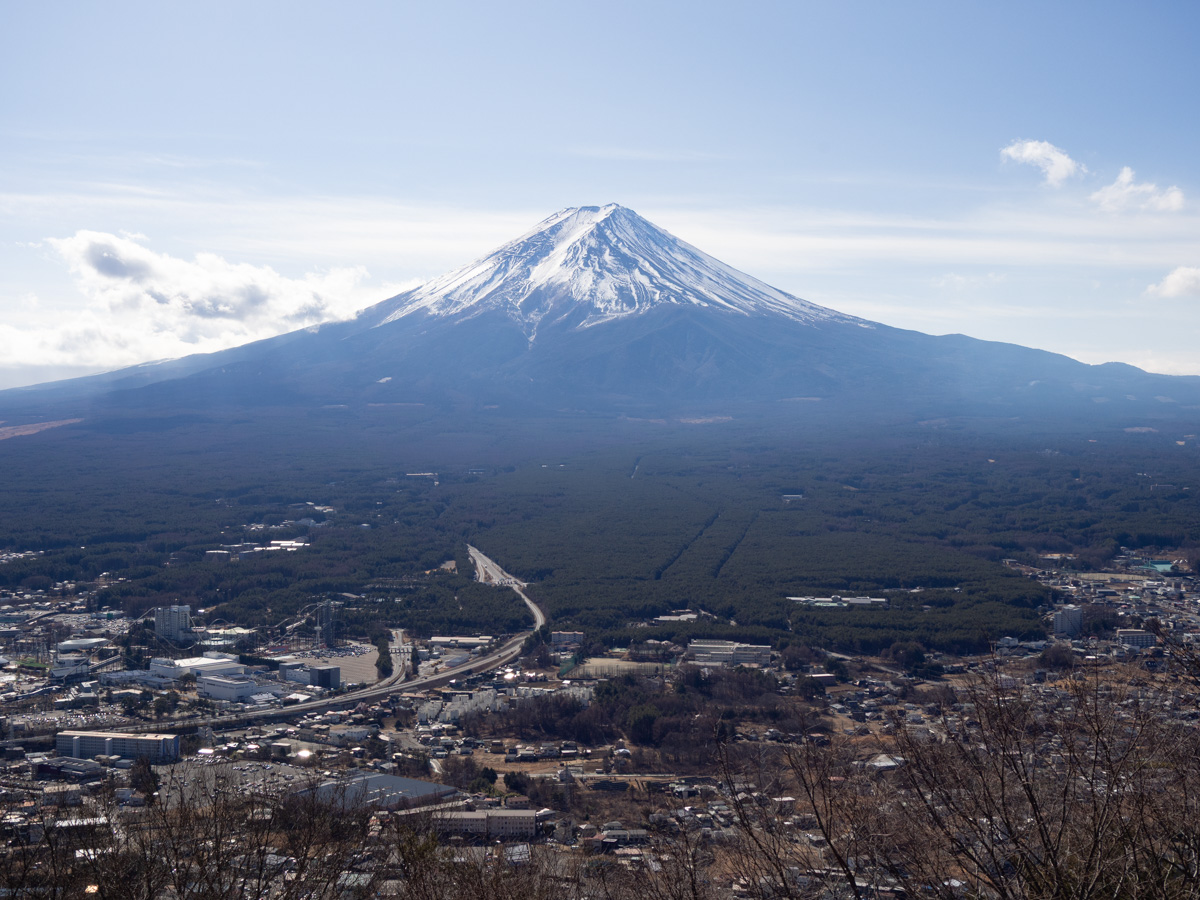
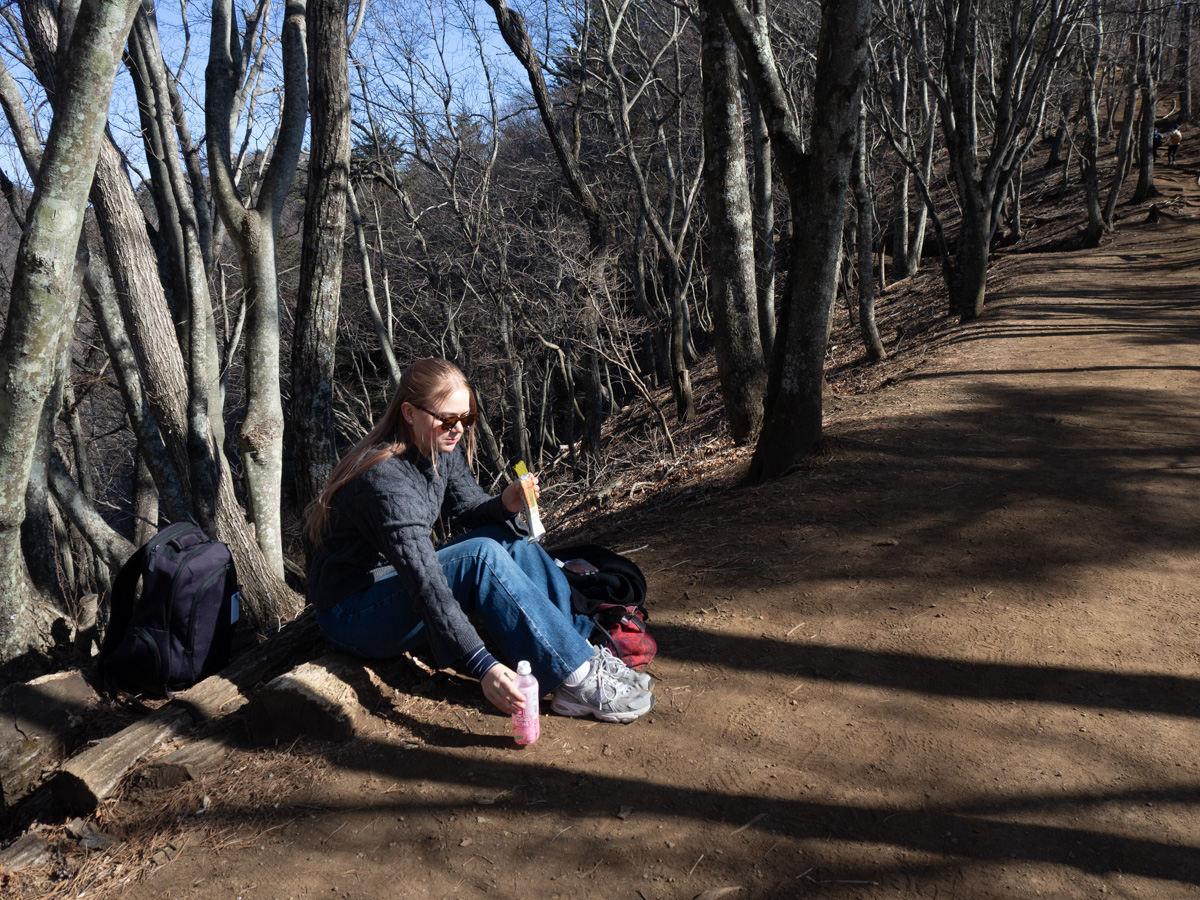
There was a hiking path to the top of the hill (and onwards to other hills and mountains) where we felt like we had the whole place to ourselves. The viewing platforms weren’t too badly crowded, either, even though it’s a Saturday, but up there was even better.
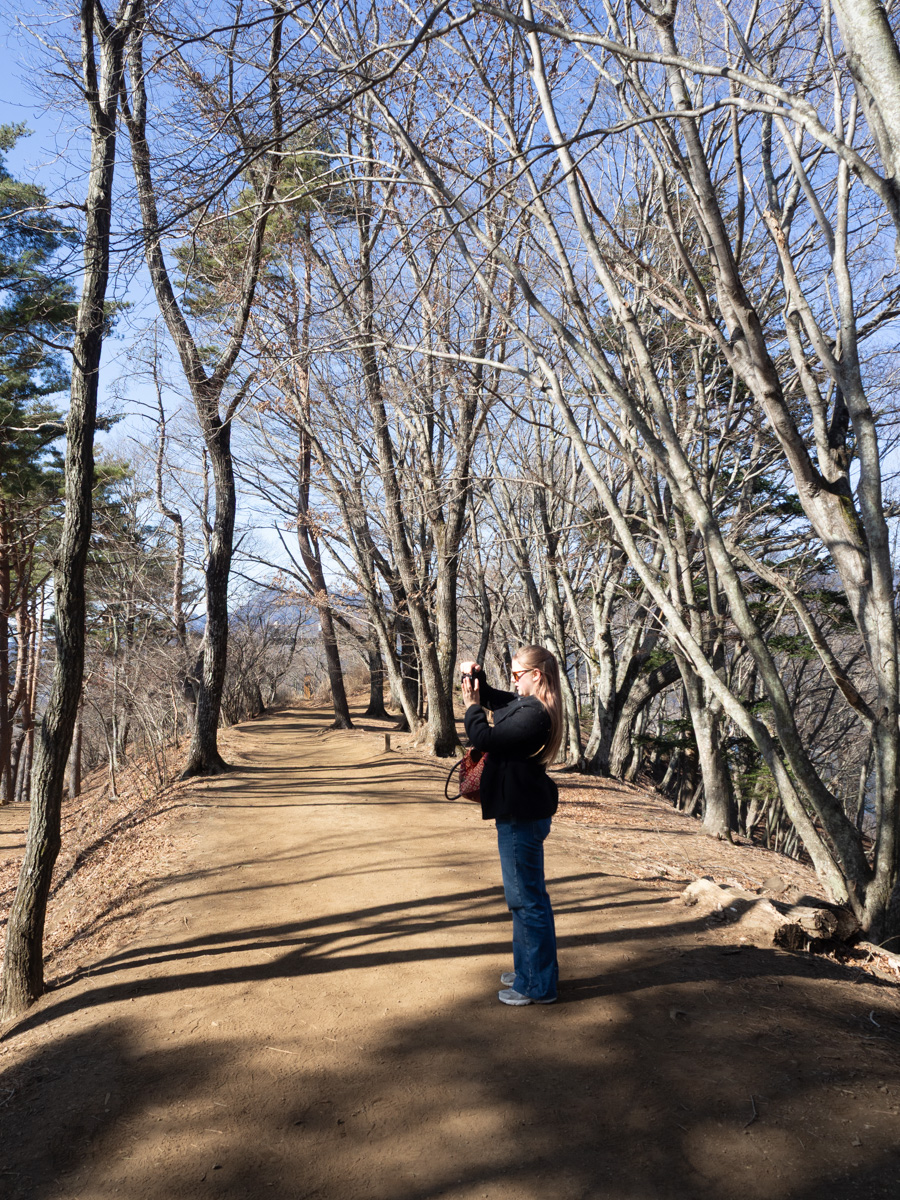
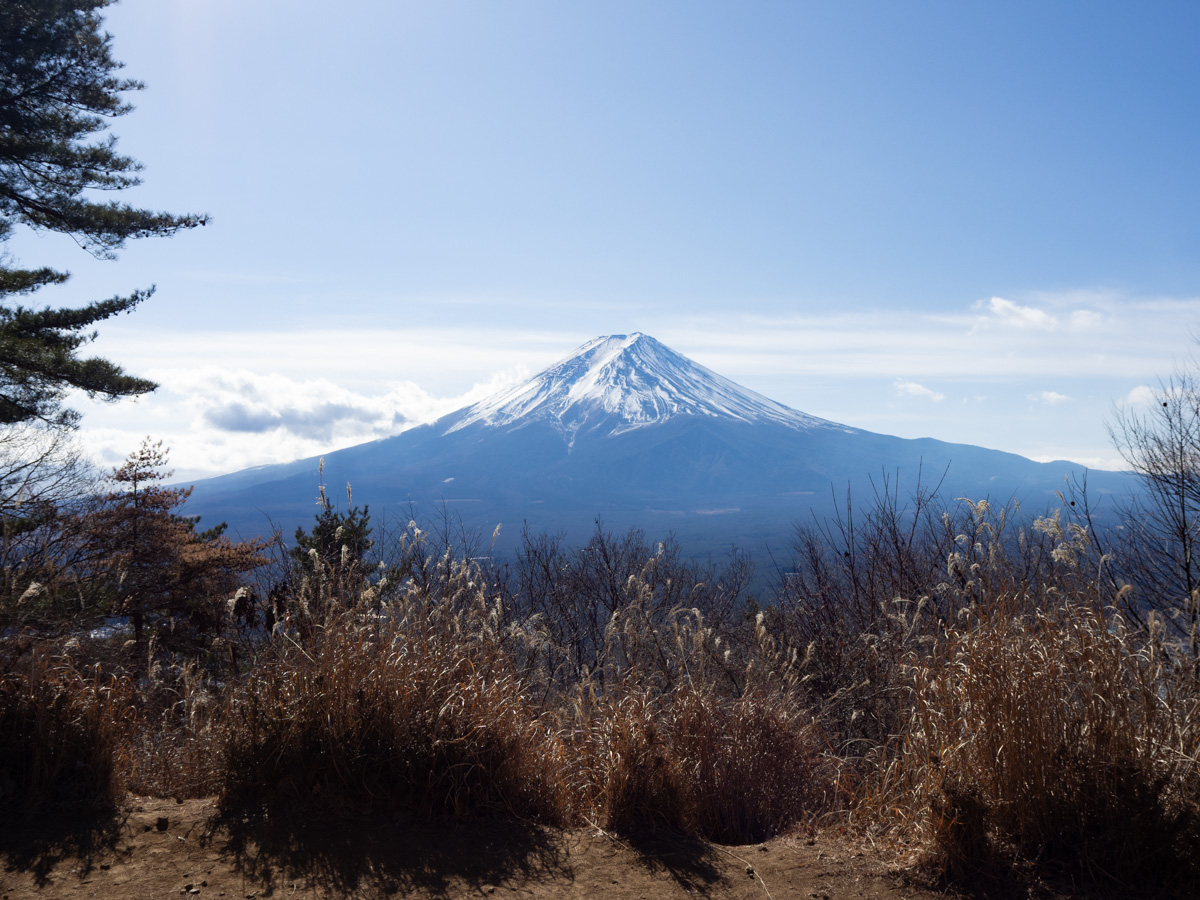
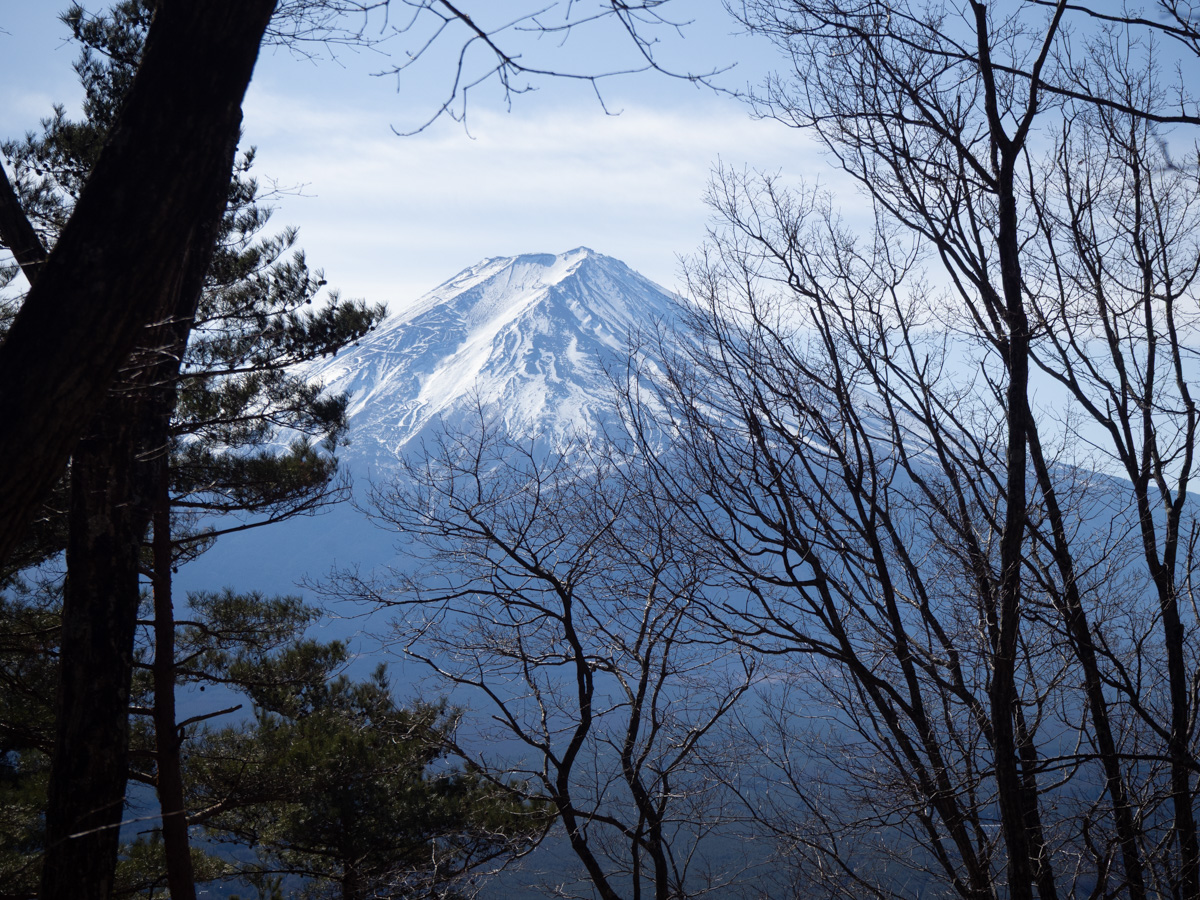
Snack break at the top of the hill. No benches anywhere, of course.
Fujikamaguchiko is a nice little town, with a lake, and pretty temples and shrines here and there. our focus was all on the mountain, though. When we got down from the cable car hill, we walked to Arakurayama temple on another hill for more views.
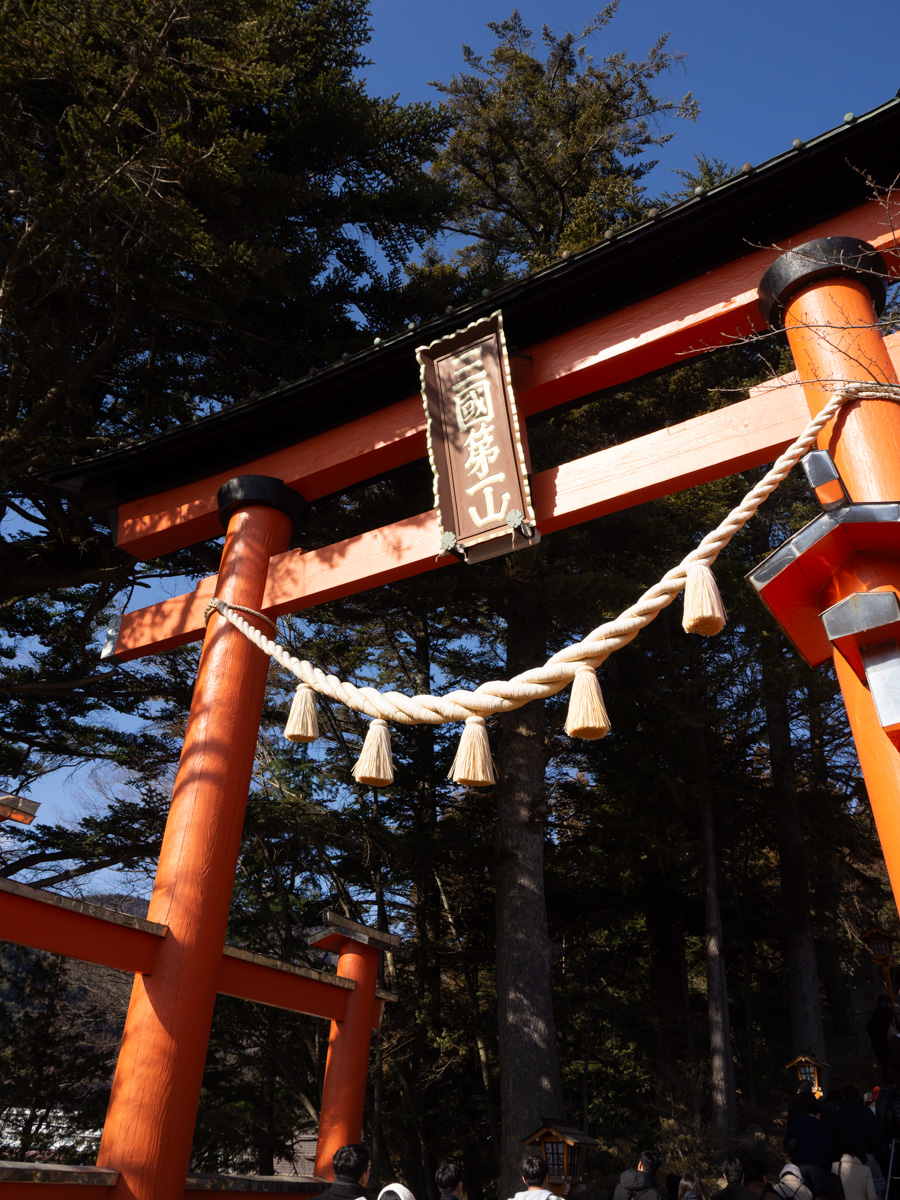
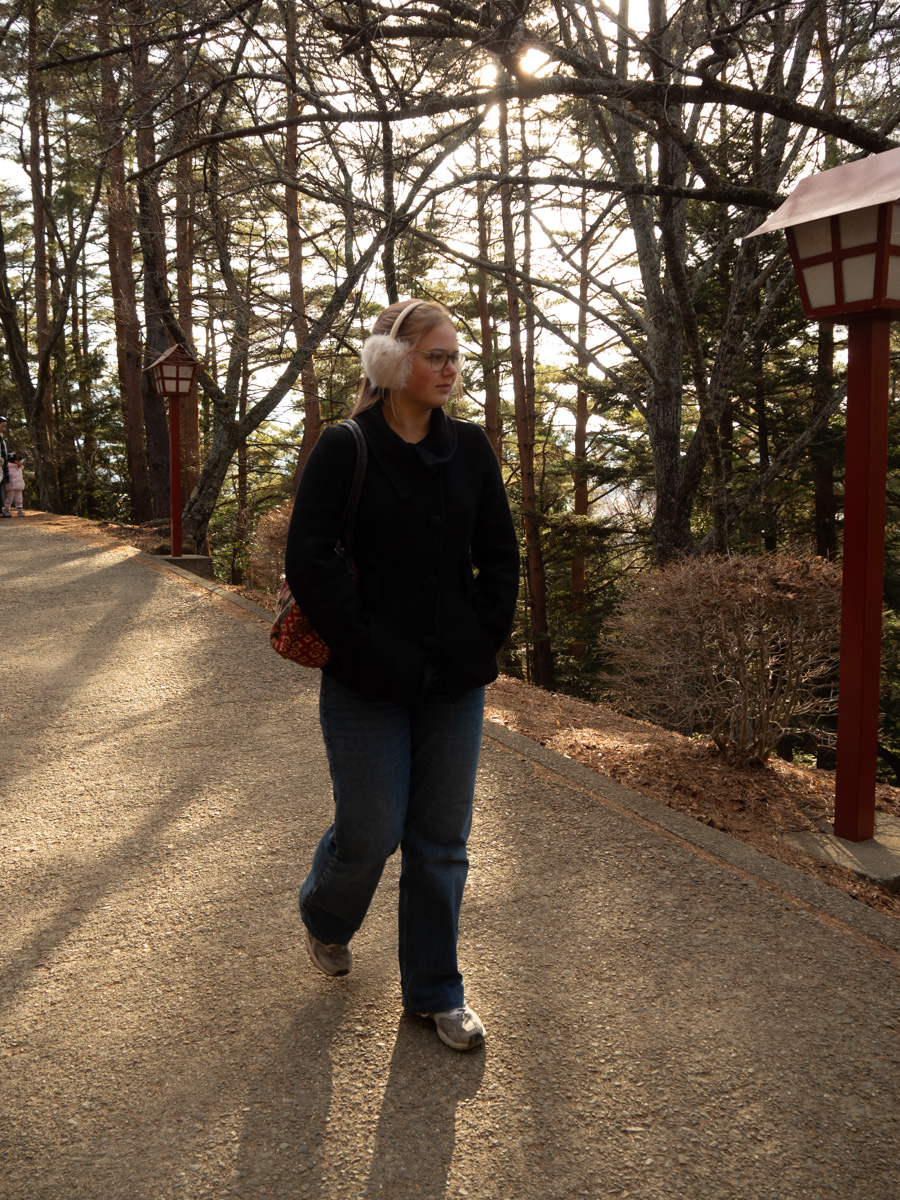
The walk wasn’t too long but turned out to be not at all pleasant. Much of it went along a large, noisy road. The pavement was very narrow; we couldn’t even walk side by side. Ingrid’s shoes hurt her feet, and of course there was nowhere to take a break. We regretted not having rented bikes.
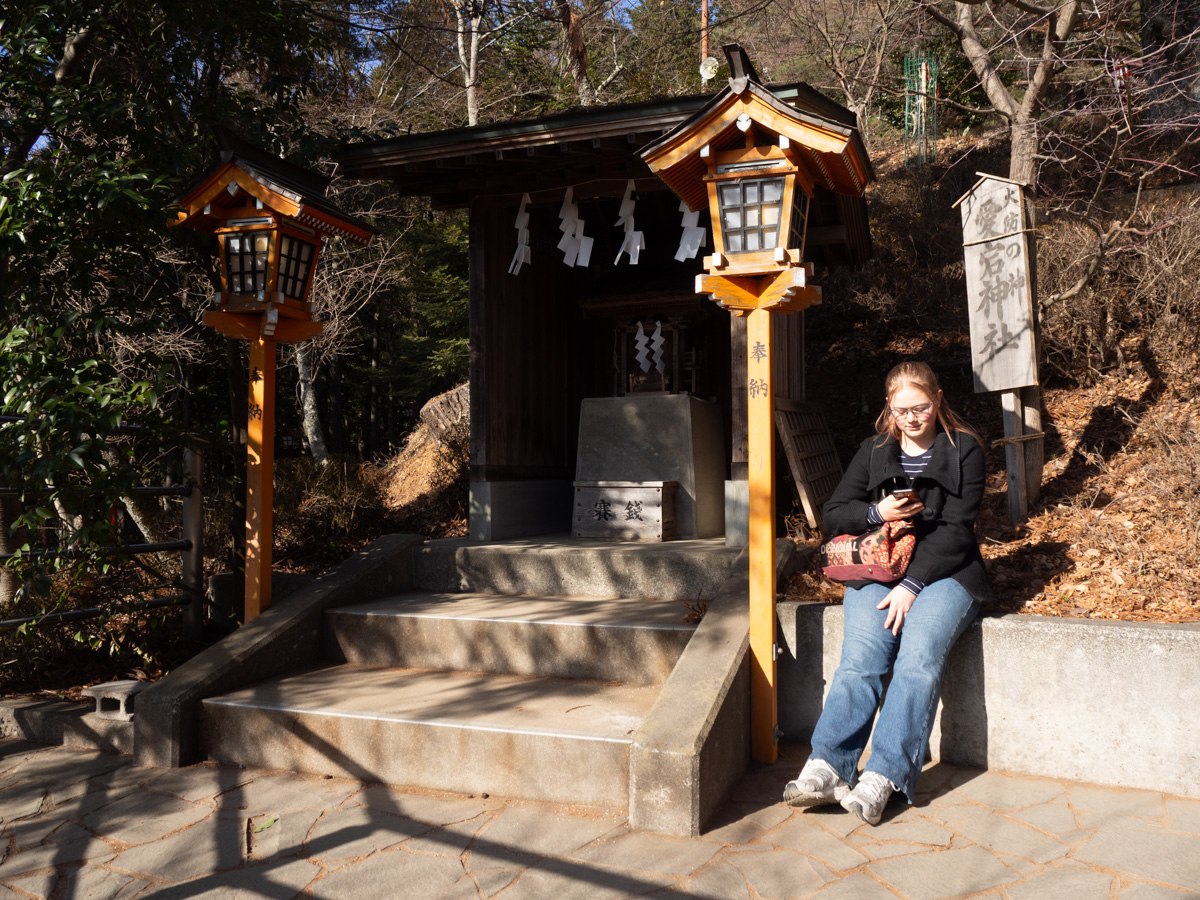
And then there were stairs. Ingrid’s feet and knees were not happy.
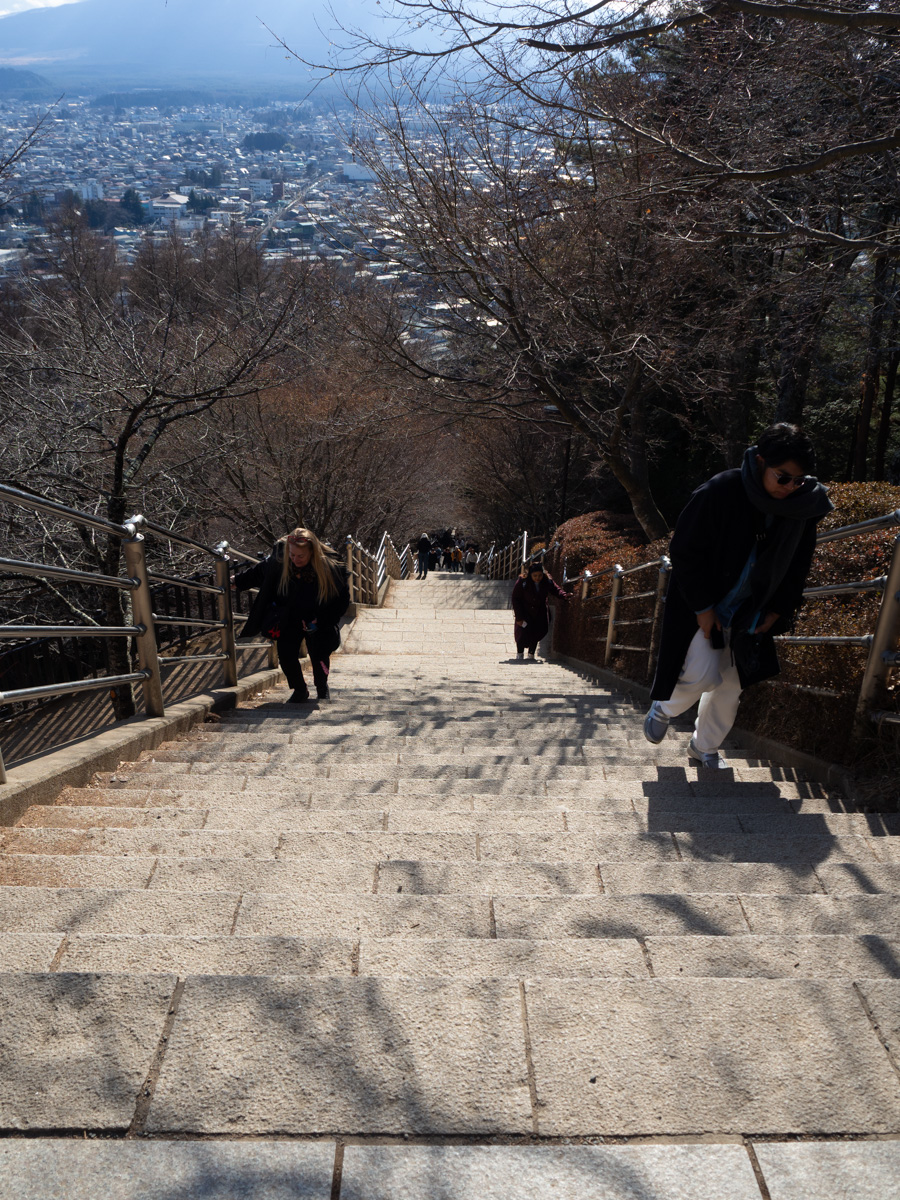
This place was a lot more crowded. Most of the people stayed right at the top of the stairs; walking a bit further up got us away from them.

I’m glad we came here in the low season. I can’t even imagine how crowded it must be here in April, or in the summer.
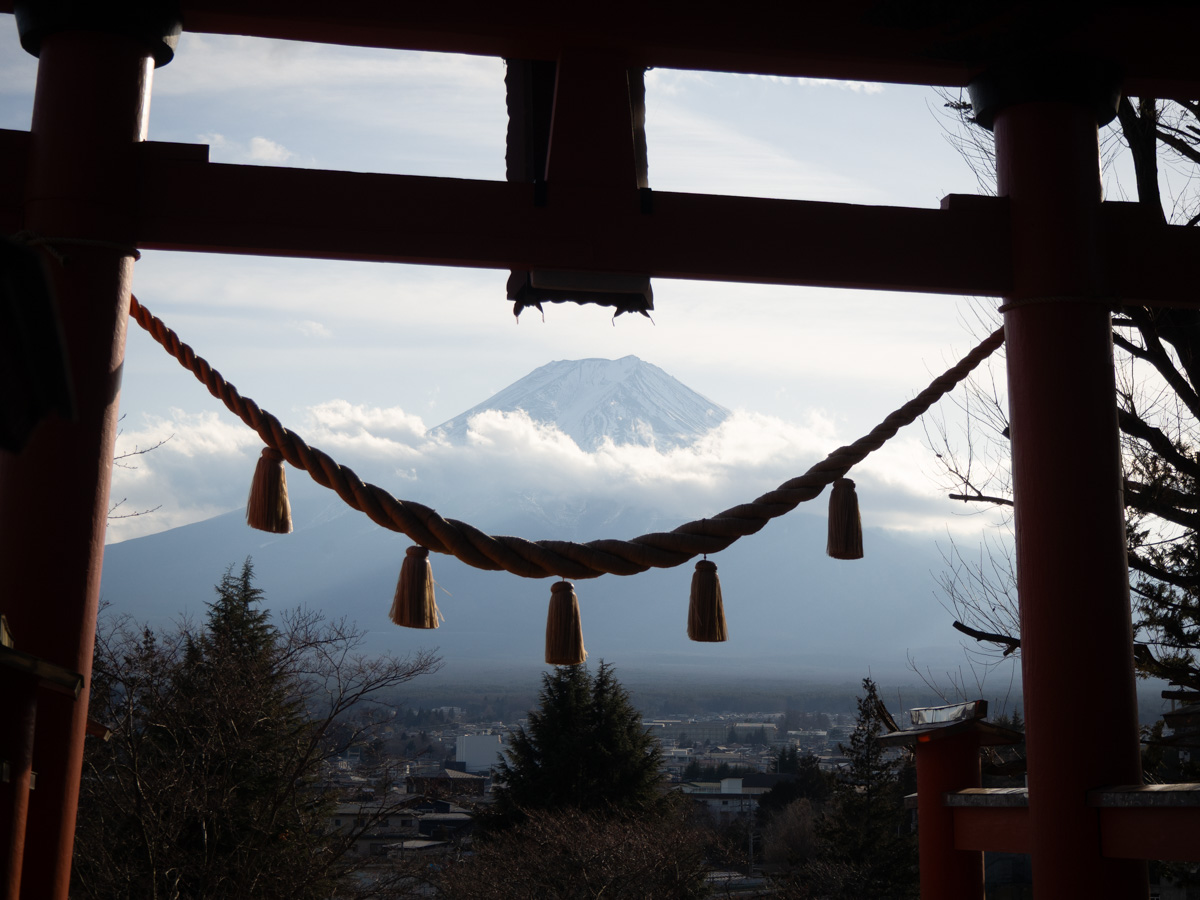
The views from up here were pretty stunning, but now the side of the mountain facing us was all in the shade, and the top of it enveloped in clouds.

Since our itinerary was very flexible, we picked the day for coming here based on the weather forecast. Ingrid told me that Mount Fuji is only visible on about 70 to 80 days in a year – that’s just one day out of every five. The rest of the time it’s hidden by clouds or rain.

We hung out here for a while and waited for the clouds to drift past the peak.
Our legs were quite tired by the end of the day.
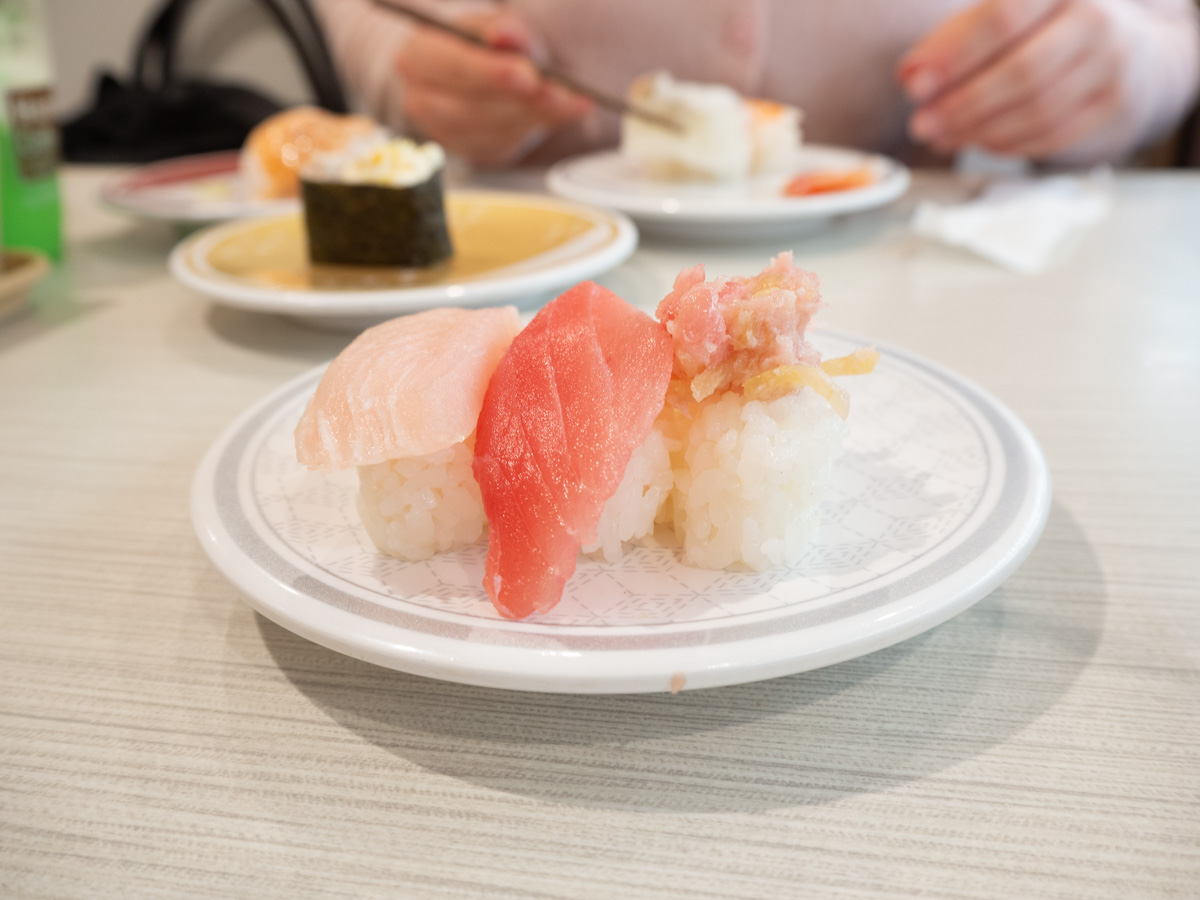
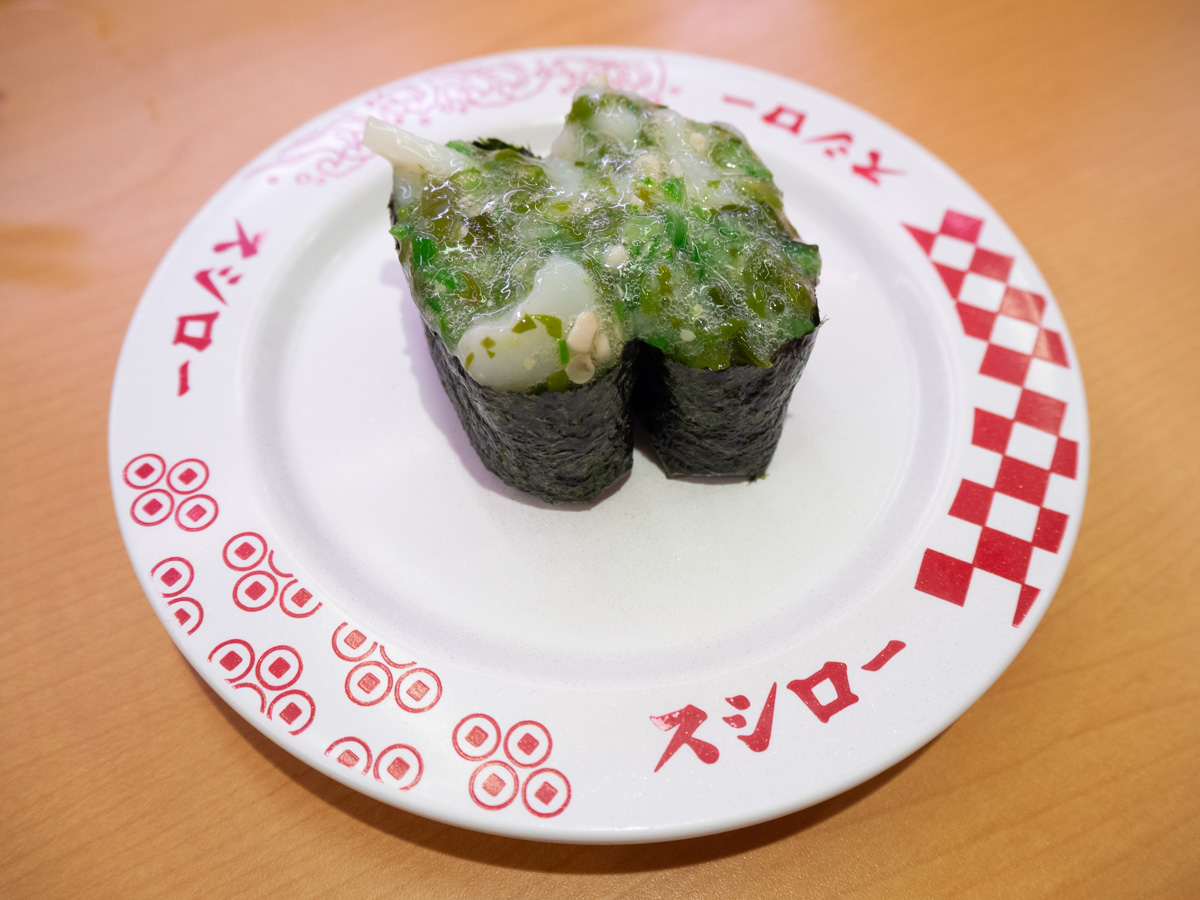
More conveyor belt sushi.

I am exploring the varieties of tuna on offer. In standard Swedish sushi, salmon and prawns dominate, and there’s usually some tuna, which I haven’t found particularly interesting. Here, I like the tuna more than the salmon. The fattier the cut of tuna, the better I like it.

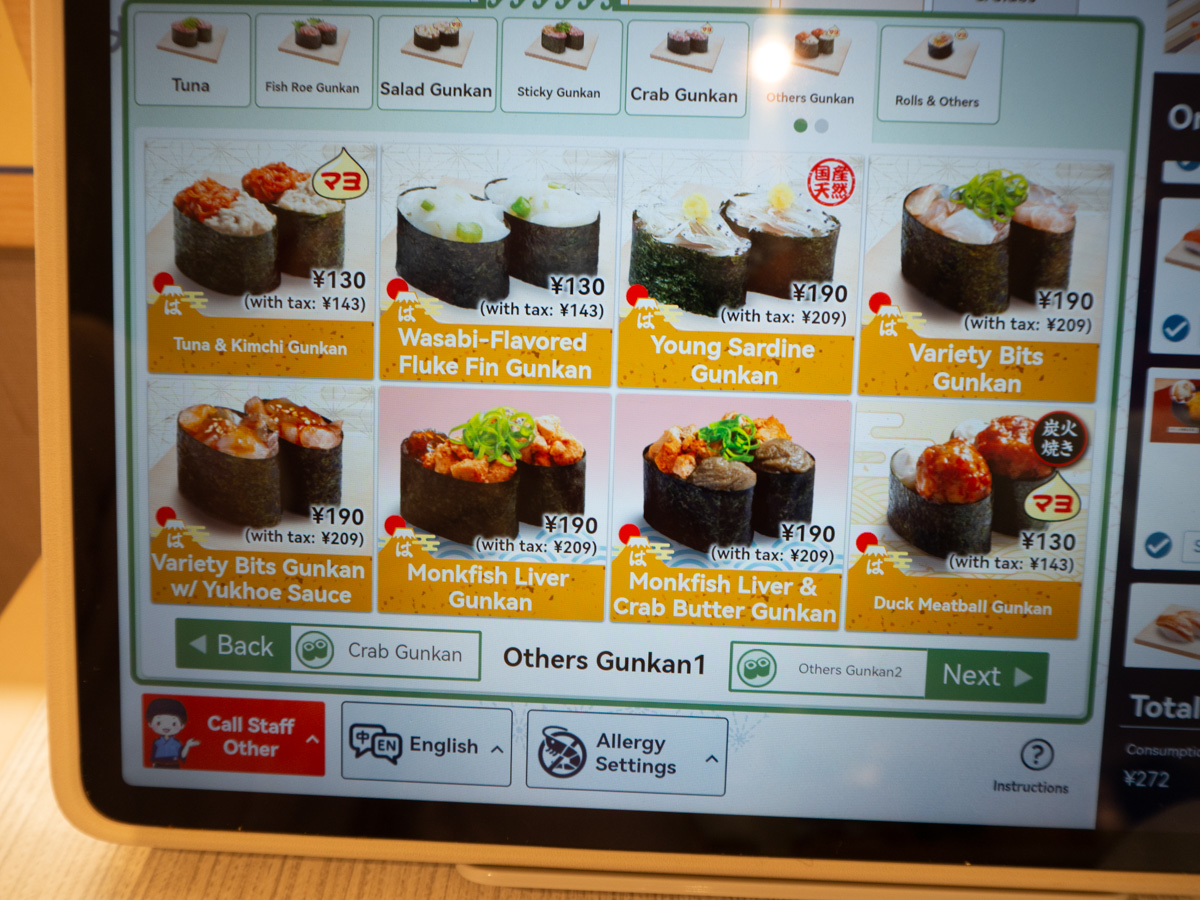
The conveyor belt approach makes it easy to try new things. We don’t have to decide in advance what we want to eat, or how much. Sometimes we see things slide past that intrigue us, and then we can look them up in the menu and try them.

The variety is mind-boggling. There are things on the menu that I couldn’t have come up with in my wildest sushi fantasies. Monkfish liver and crab butter. Duck meatballs! Those last ones are not for me, but there are so many kinds of fish here that I wish I had time to try.

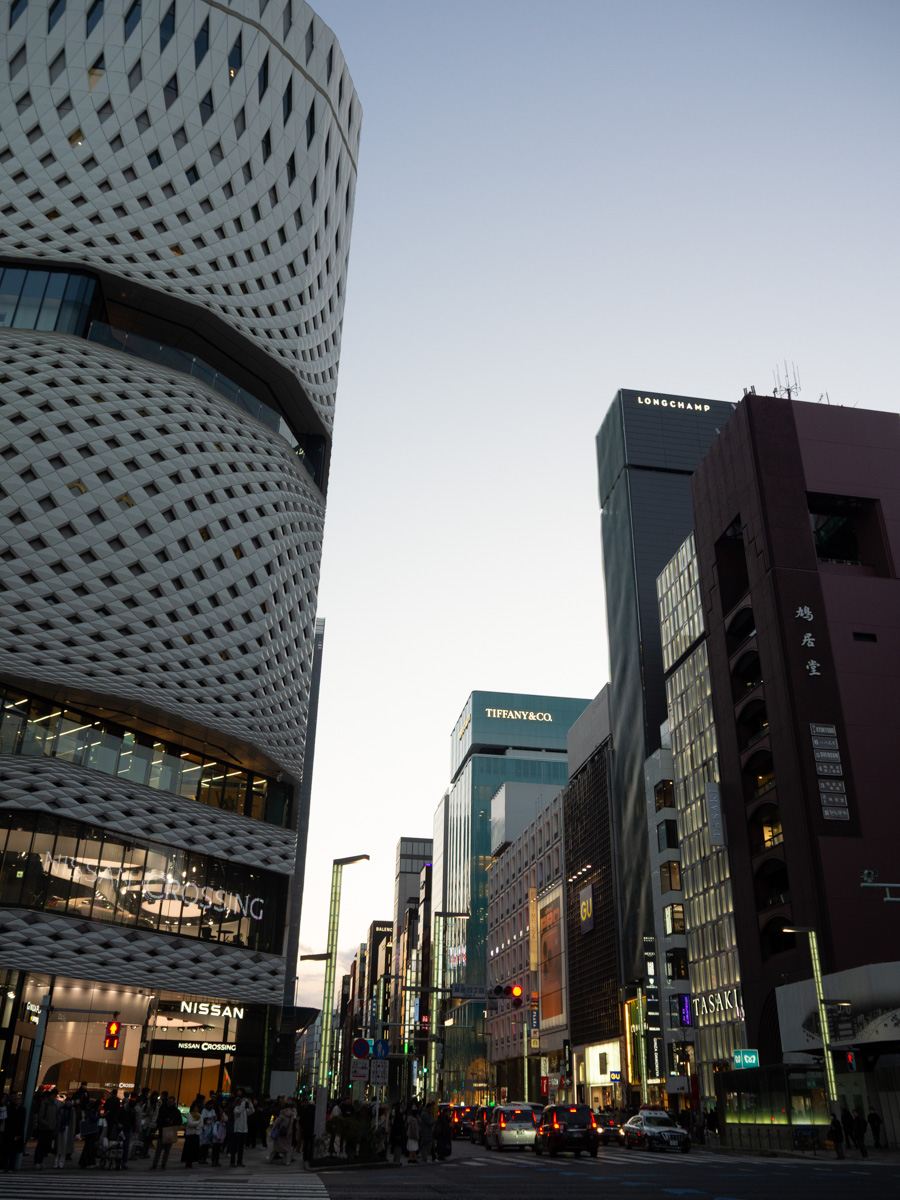
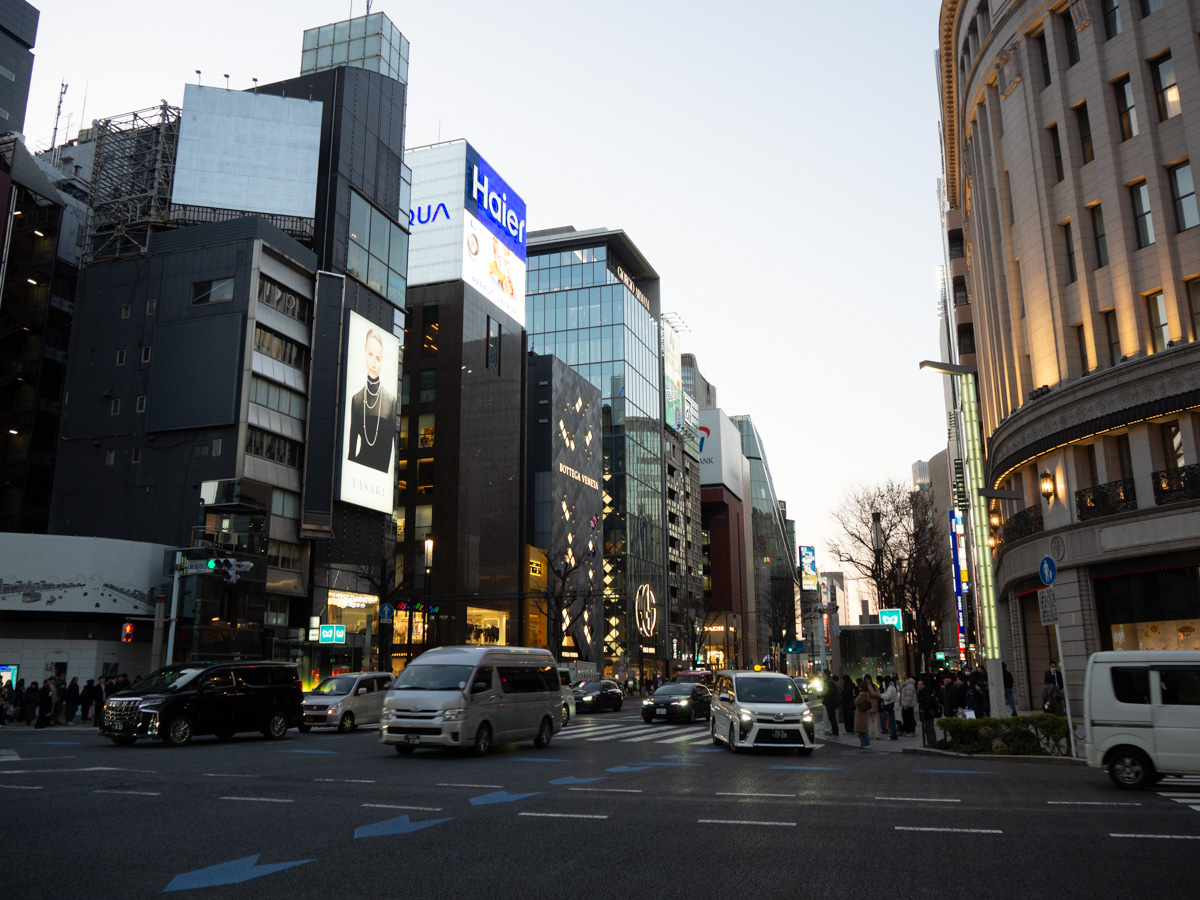
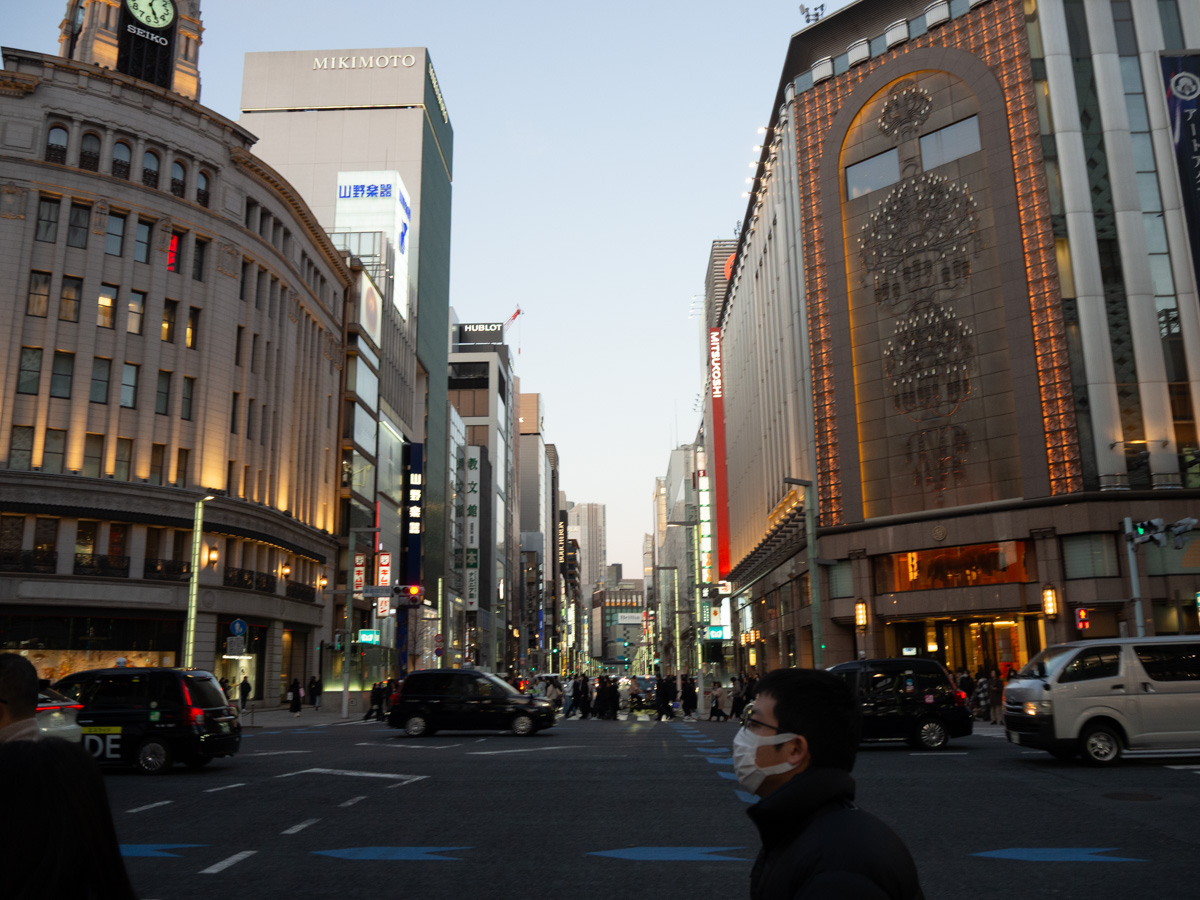
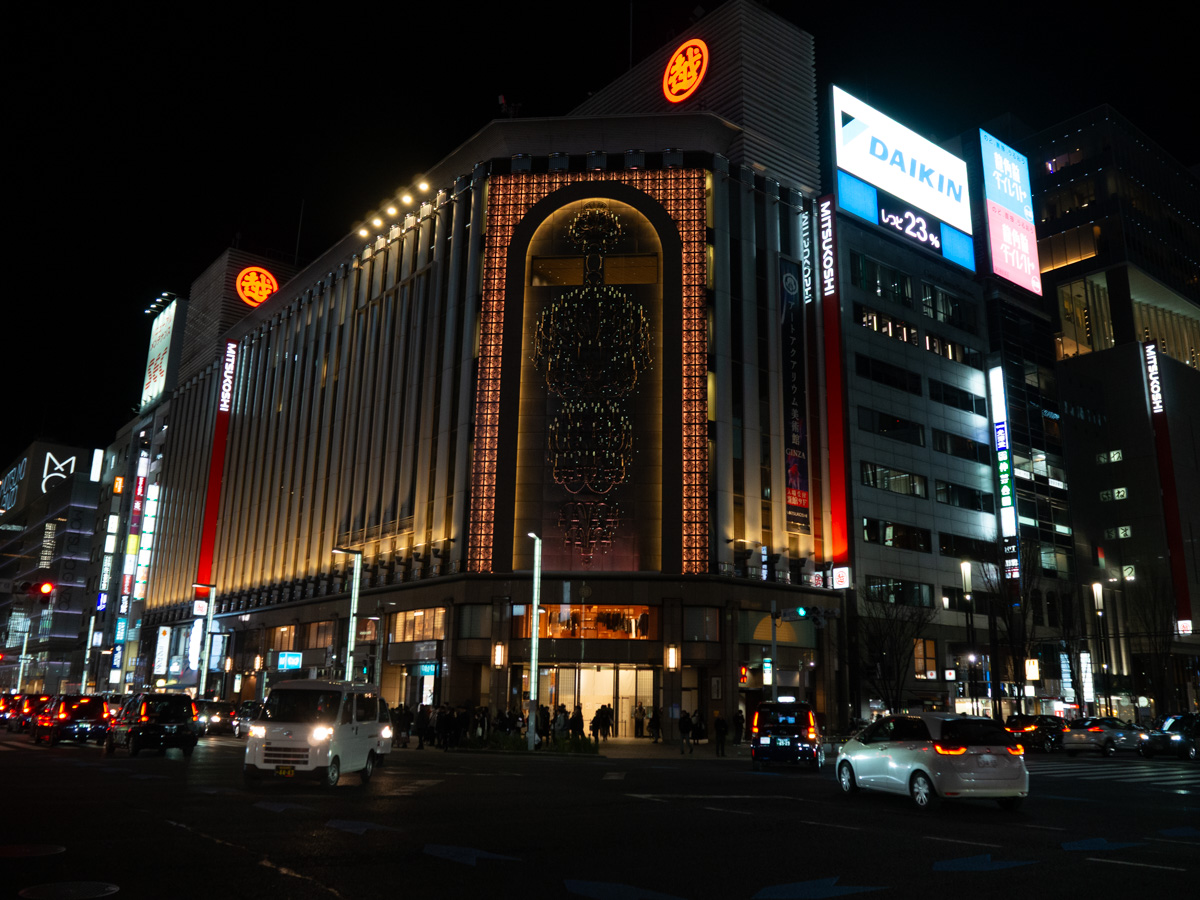
Ginza shopping district. Sleek and shiny.

Ordinary brands like Uniqlo almost side by side with flagship luxury stores like Tiffany’s. And then strange department stores that sold luxury cat food next to luxury crafts materials.


An afternoon of shopping.

We started out in Tokyo’s textile district, Nippori fabric town.

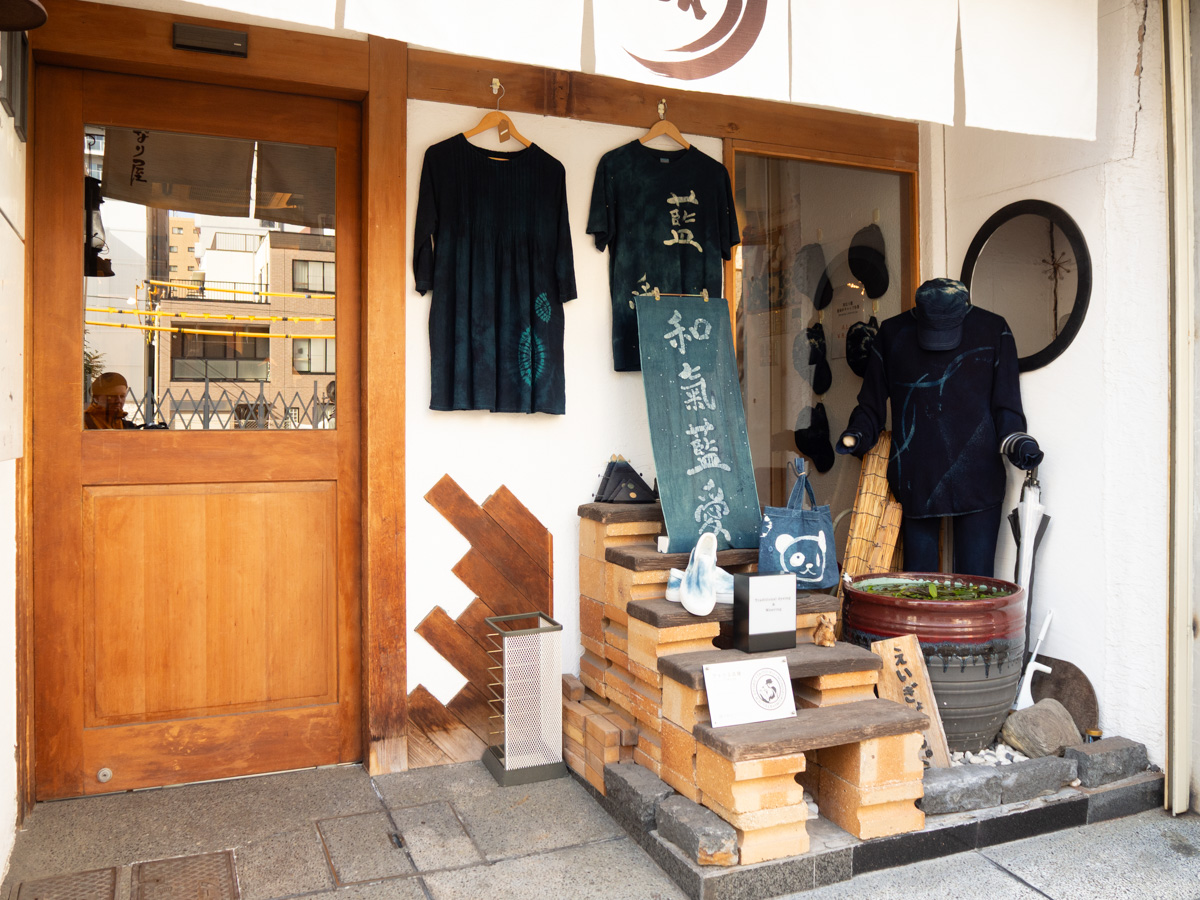
This was Wanariya indigo, a lovely little indigo dying workshop. You could participate in a workshop to dye your own items, such as t-shirts or bags, and one seemed to be about to start when we were there. I just bought a few small pieces of ready-made fabric.

The other fabric shops I peeked inside were not quite what I had expected. I had looked forward to traditional fabrics, wood block prints and such, but there was little to none of that. The general crafts stores also didn’t have anything that I was interested in. I could have bought tons of lace or ribbons or buttons, but there was nothing for a knitter.

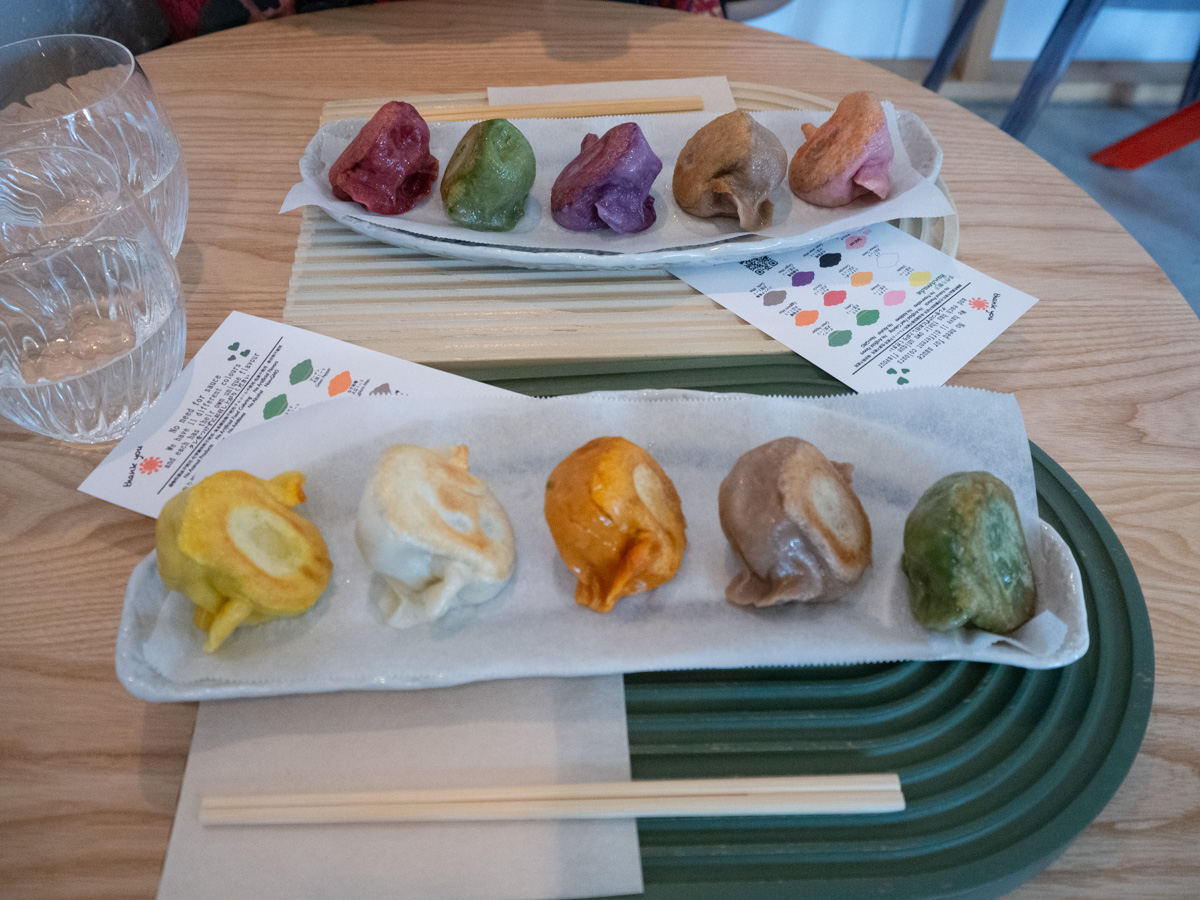
Lunch was vegan gyoza at a restaurant named Vegan Gyoza. Very clearly aimed at tourists with Instagram accounts, but also really tasty. Each colour was a different flavour: aubergine, scallion, mushroom…

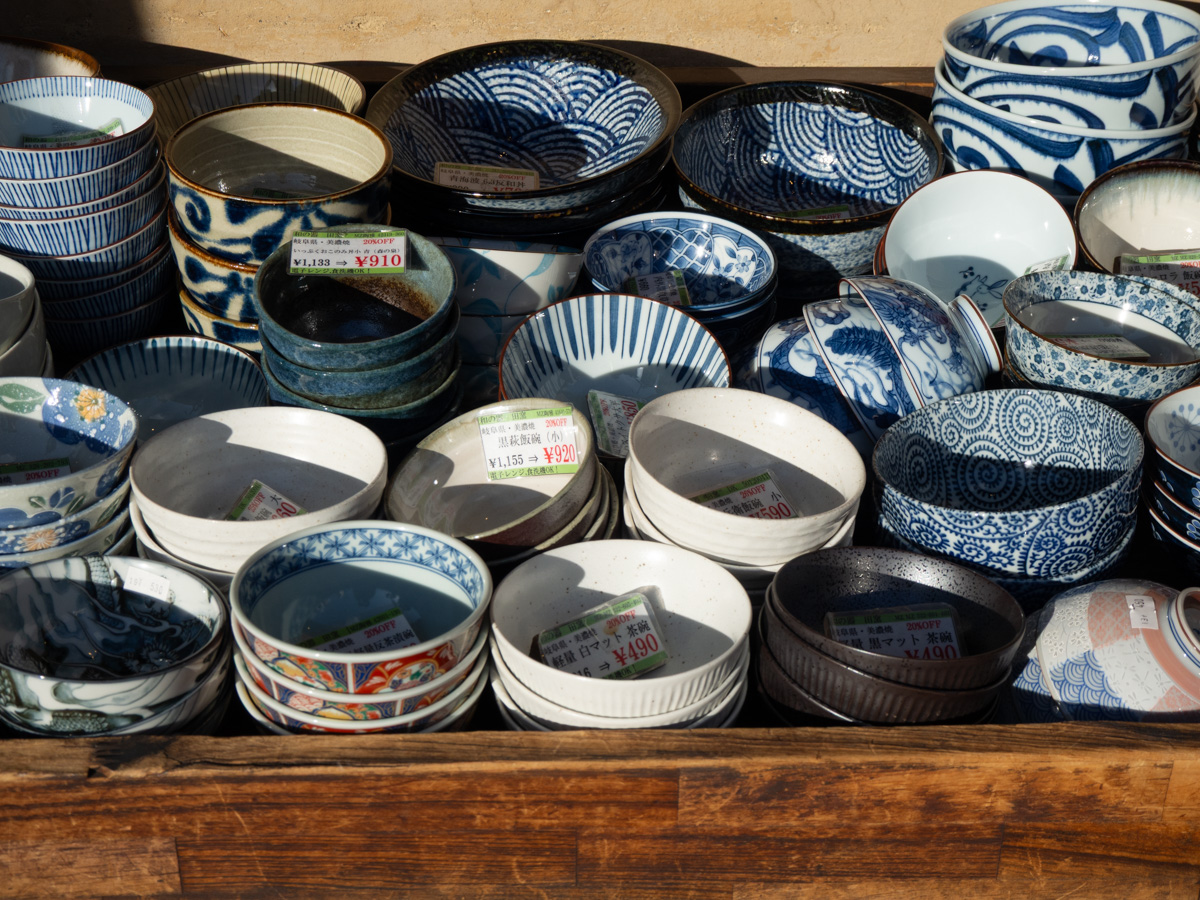
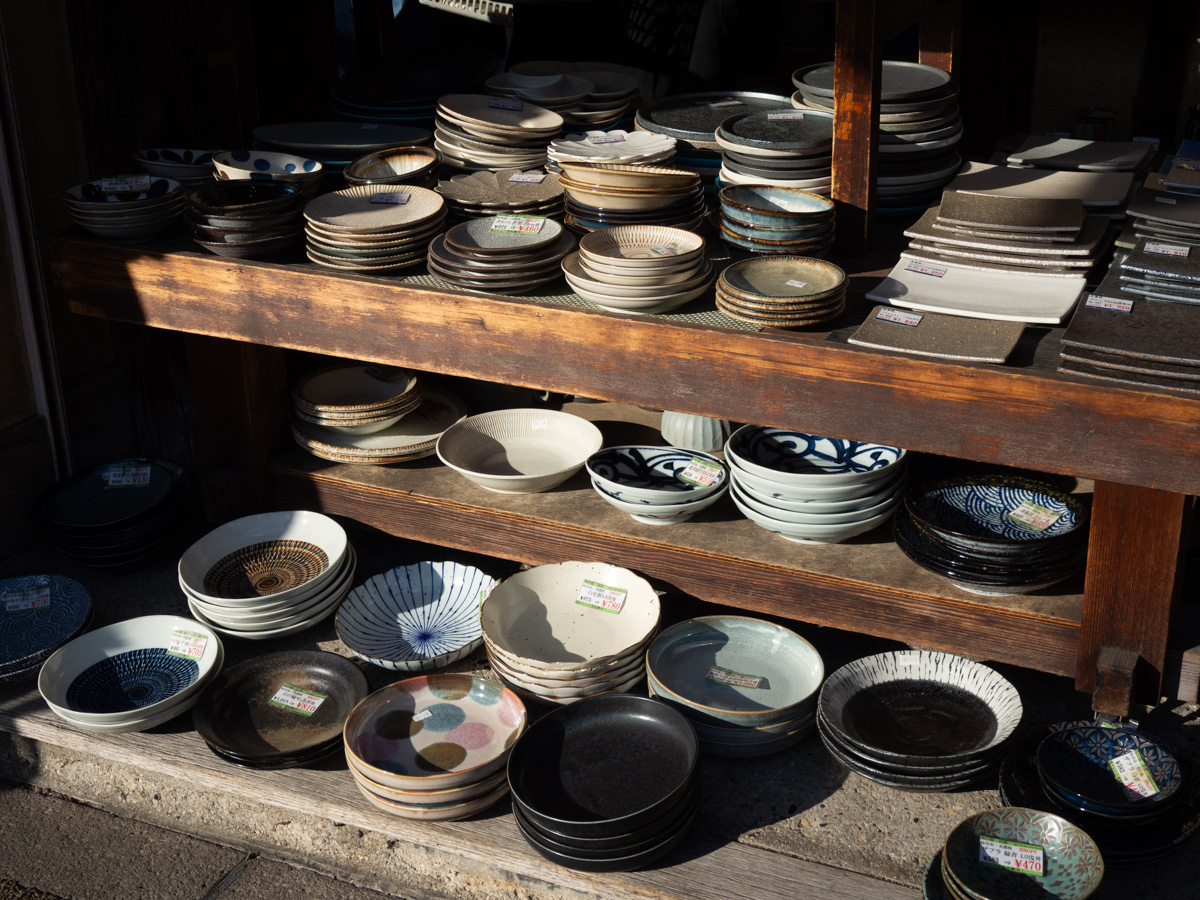
Kappabashi Street with its kitchenware and ceramics was close by. The stores were lined with metres and metres of tables, inside and outside, holding literal piles of beautiful bowls. Most of them simple and cheap, clearly for everyday use, but still beautiful. I love this aesthetic so much more than most tableware sold in Sweden, where everything is sleek and sharp and straight.

So much variety. I struggled to limit my purchases to what I could fit in the suitcase for the flight home.

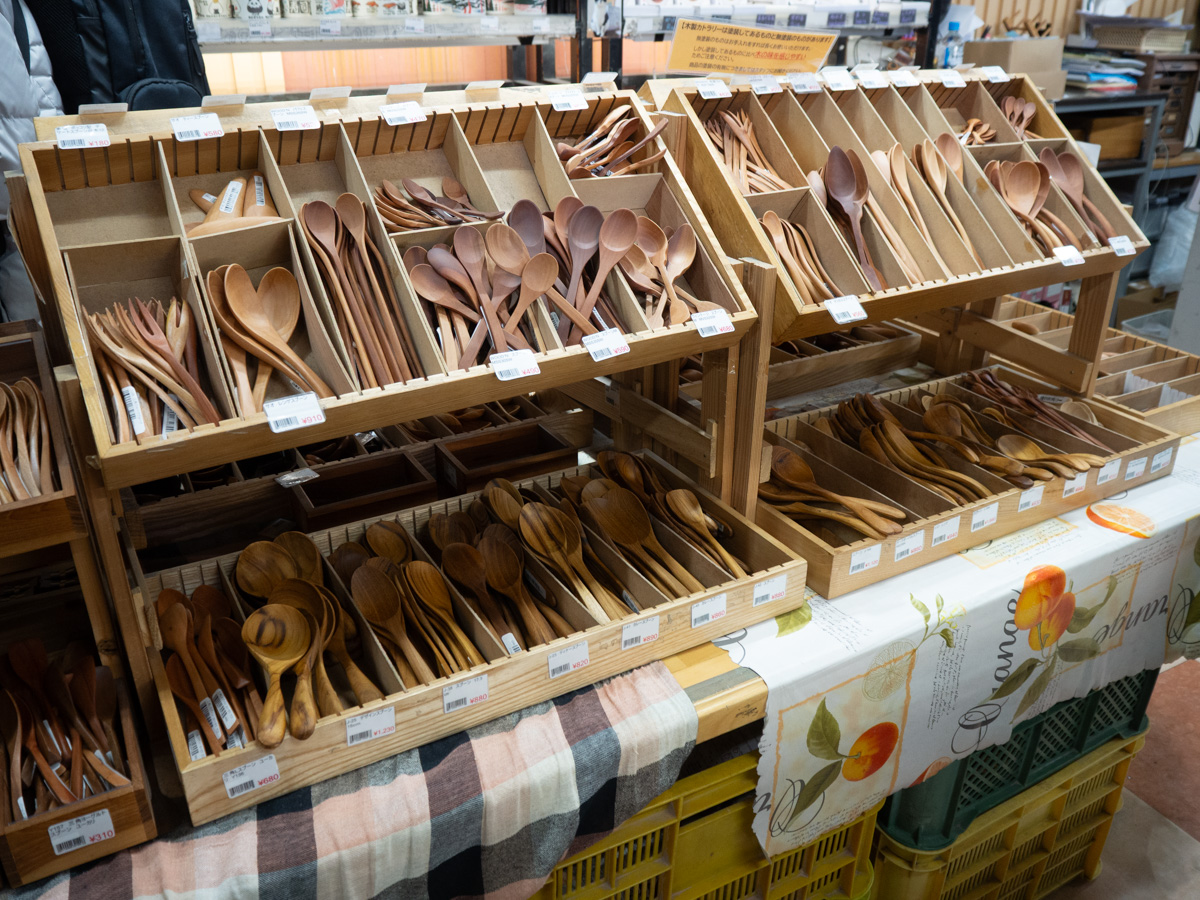
One of the kitchenware shops had something that was almost (but not quite) better than bowls: wooden spoons! Not large cooking utensils, which are quite easy to get hold of even in Sweden, but small ones. And in so many varieties. Different types of wood, different sizes, shapes, curvatures. This made me so happy.

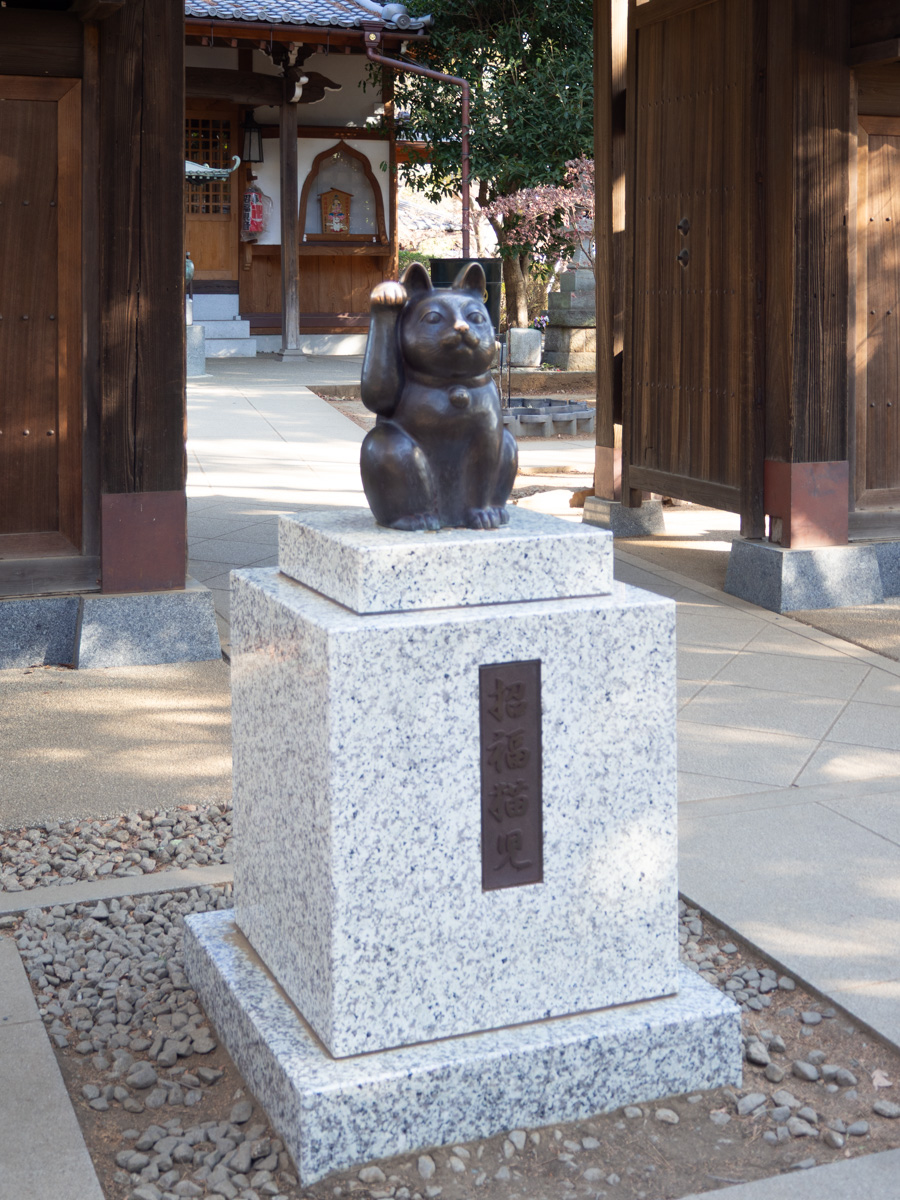
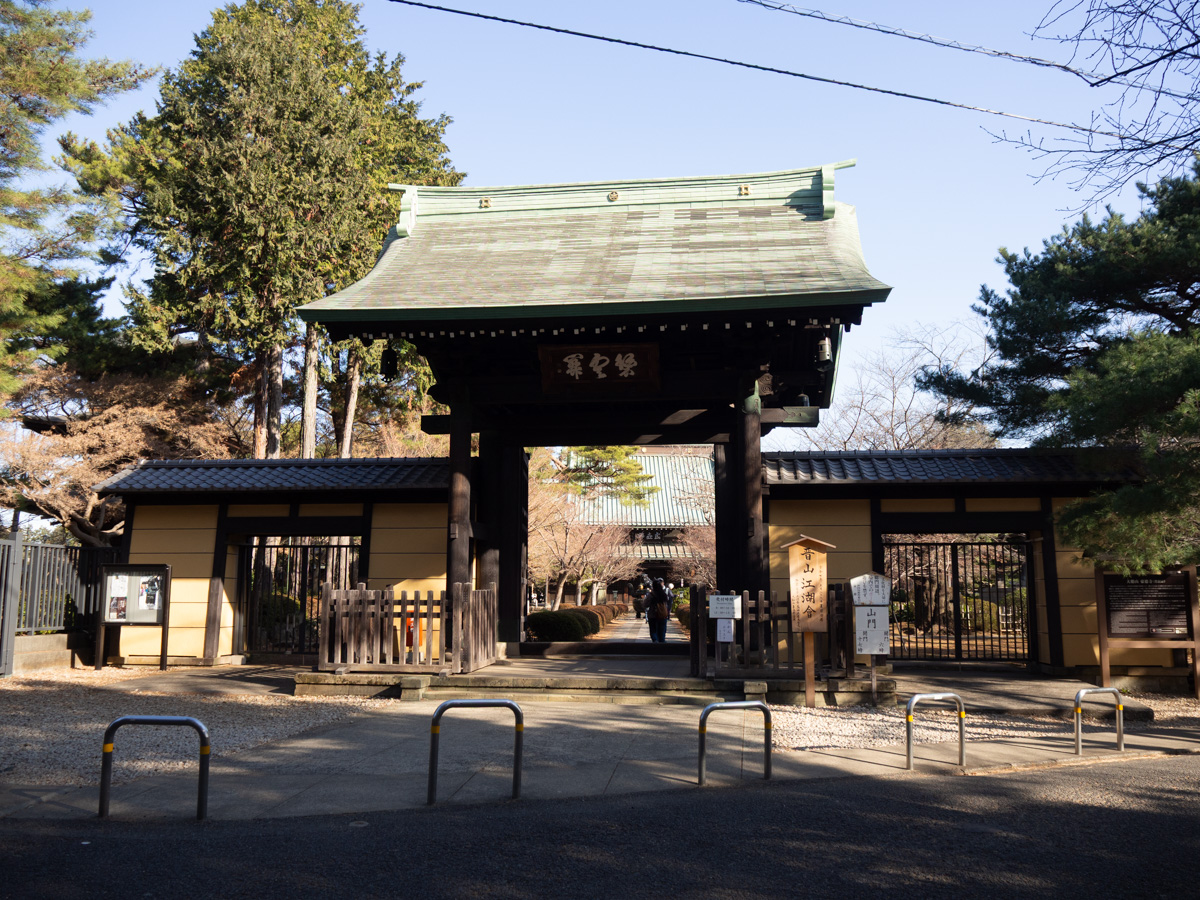
Gotokuji temple – the home of the beckoning cat.

I’d always thought that the beckoning white cats that you can see here and there (very popular in Japanese restaurants in Stockholm) were a modern gimmick. It turns out that the cat has centuries of history. According to legend, a lord was out hunting, when a cat beckoned him towards a temple. The lord entered the temple just before a thunderstorm started. Gotokuji temple became the spiritual home of Manekineko, the lucky cat.

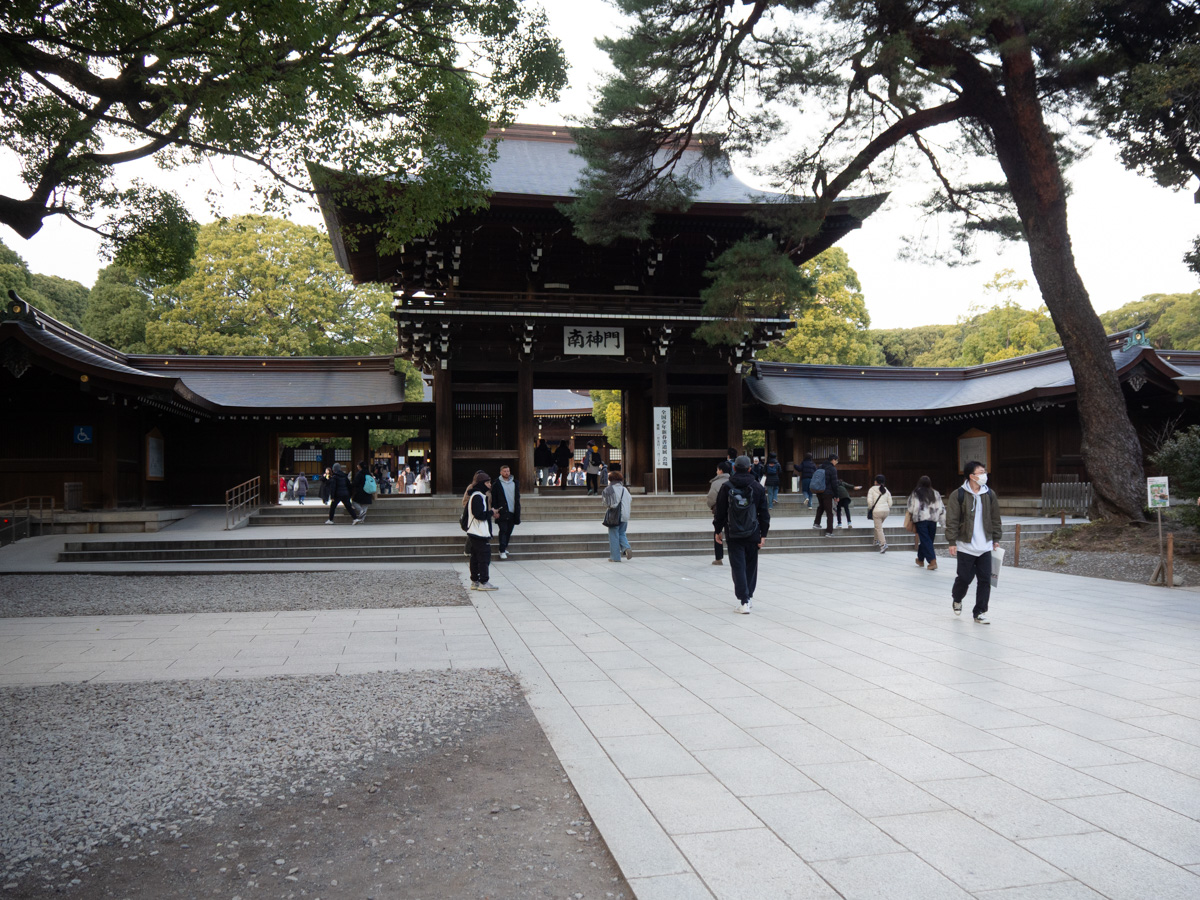
I’ve learned to tell temples and shrines apart now. A temple is buddhist, and has a gate building. A shrine is for the shinto religion, and has a torii gate. Also, as a visiting tourist, entrance to a shrine is almost always free of charge, while temples often charge a small entrance fee.

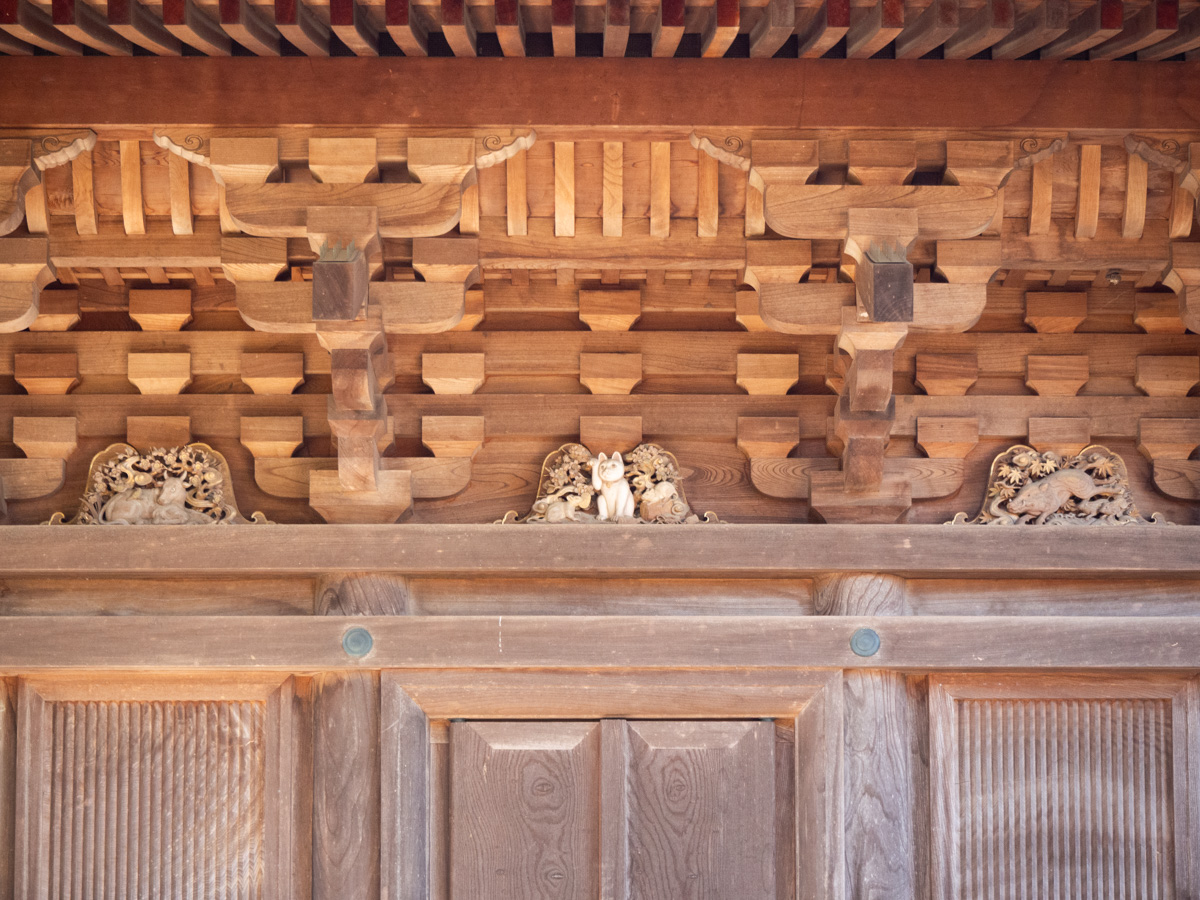
This temple building with sculptures of the twelve animals of the zodiac on its frieze has a manekineko cat.

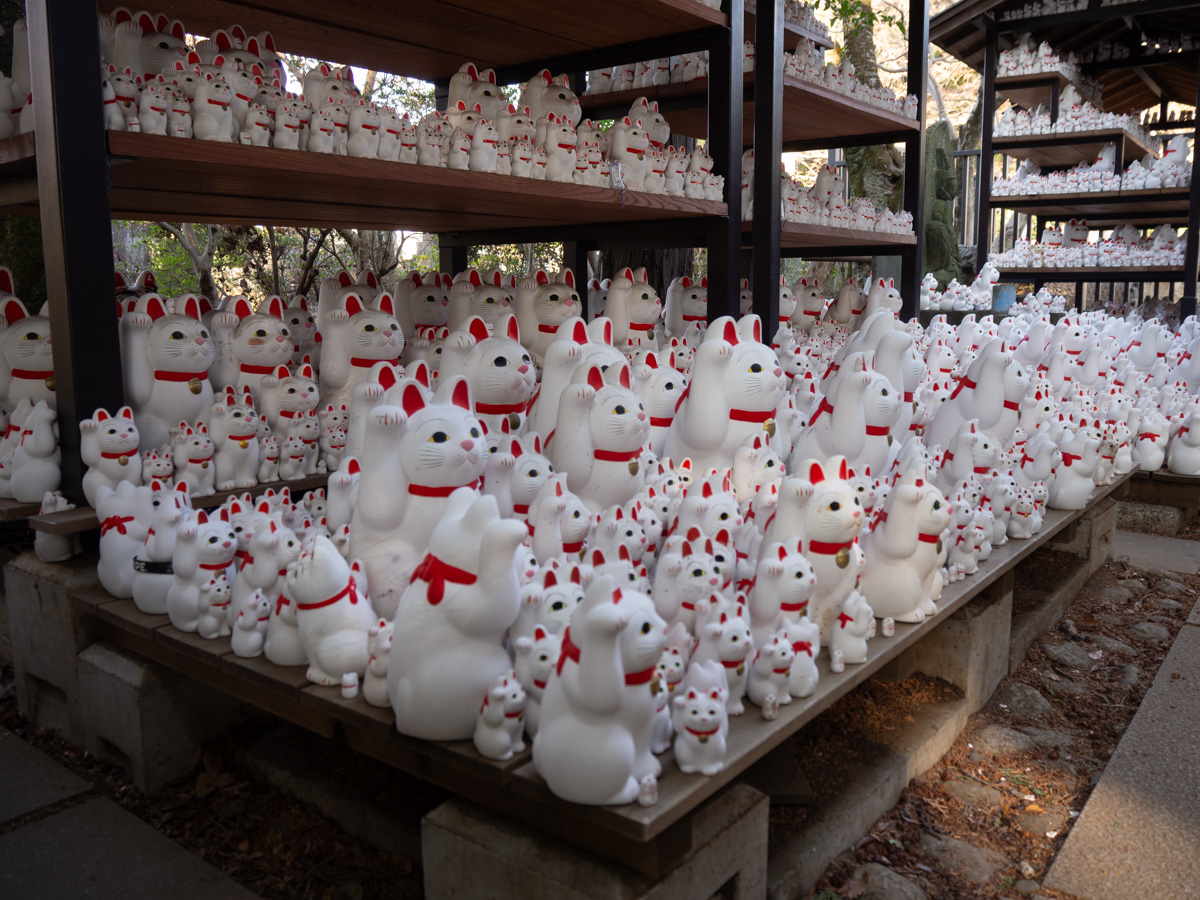
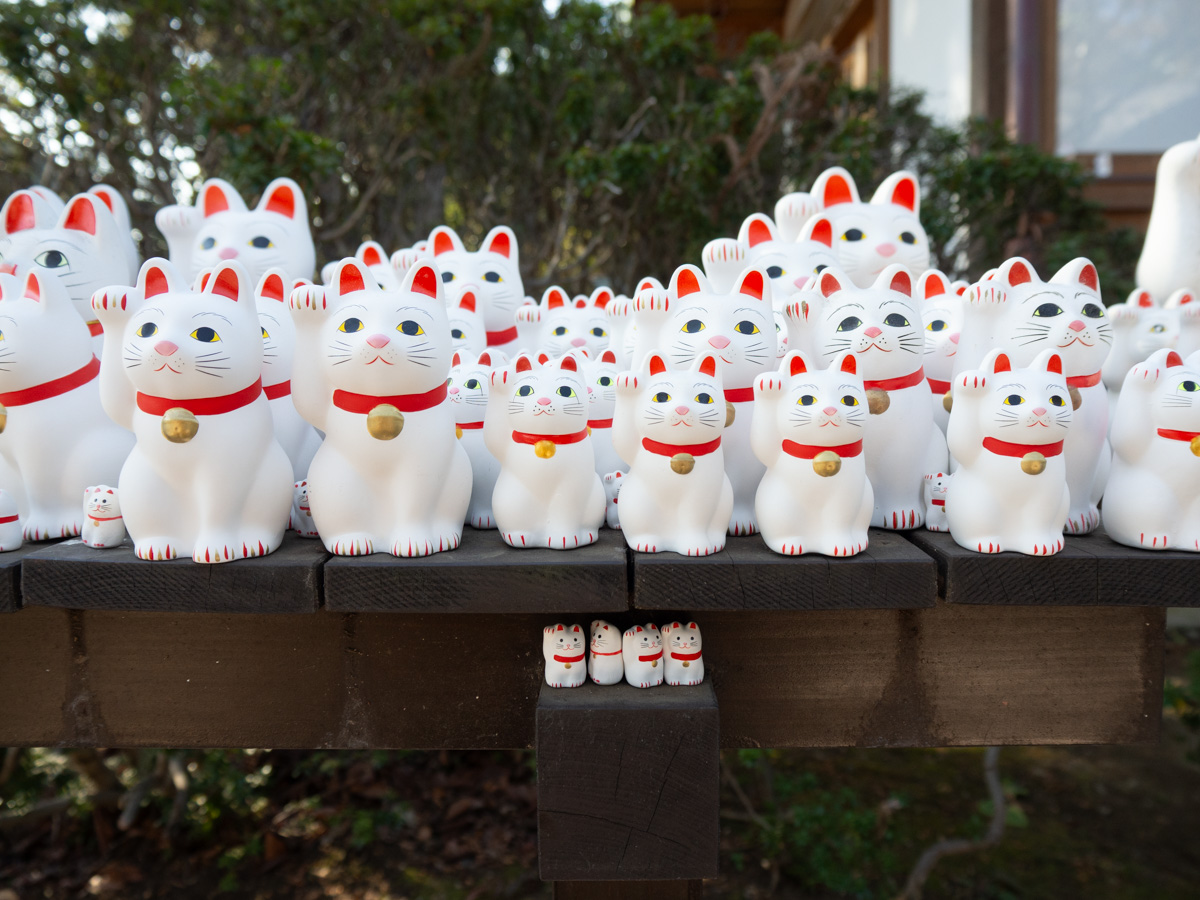
Further inside the temple grounds, there were shelves and tables holding hundreds and hundreds of manekineko figurines that people had donated in order to bring good luck to someone or some venture.

The figurines were cute, but also kind of spooky in their absolute uniformity and with their straight-on stare.

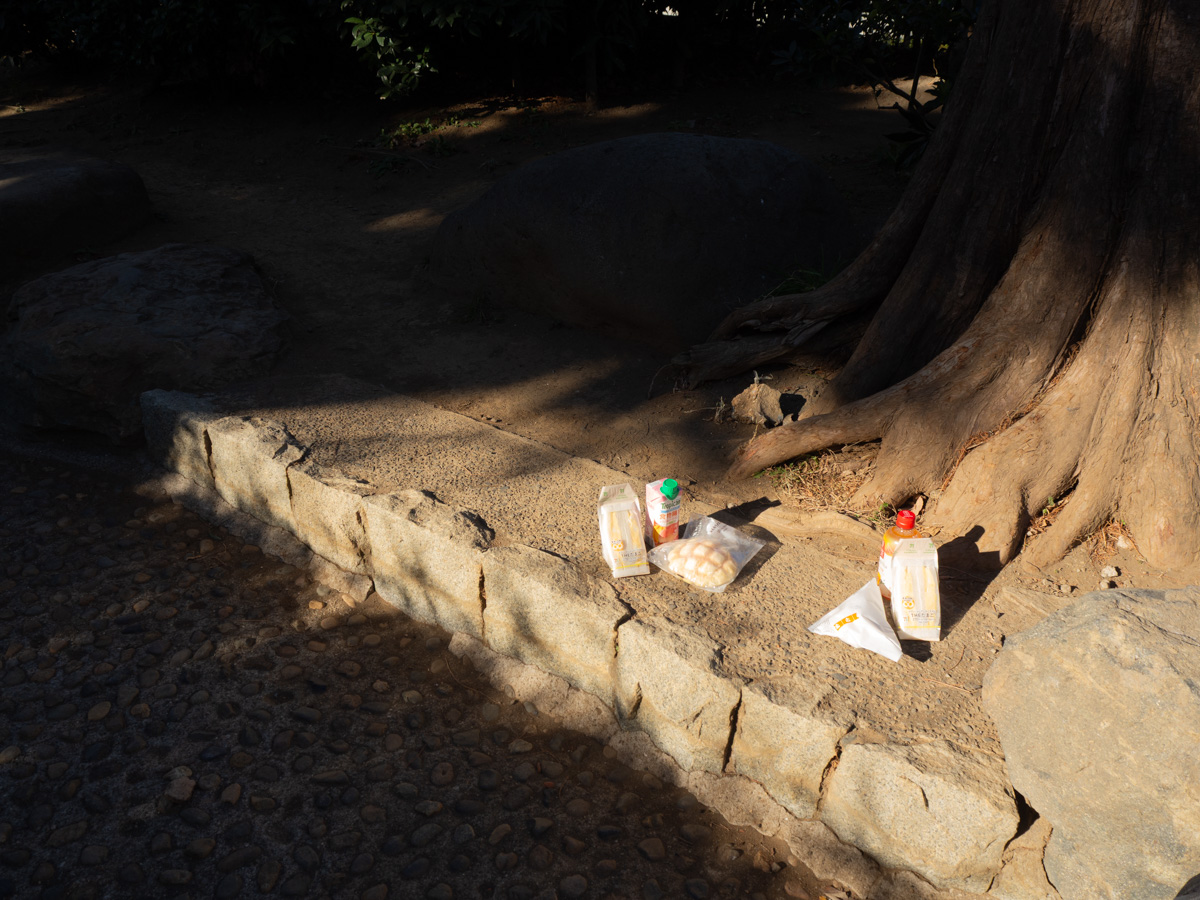
Our day started with the same challenge as yesterday: where to eat our convenience store breakfast. There was a park on the map, very close to us. Surely a park will have a bench, we thought. Nope. We ended up eating our egg sandwiches and rice balls on a concrete edge. And it was cold. We will need a better plan for our future breakfasts.

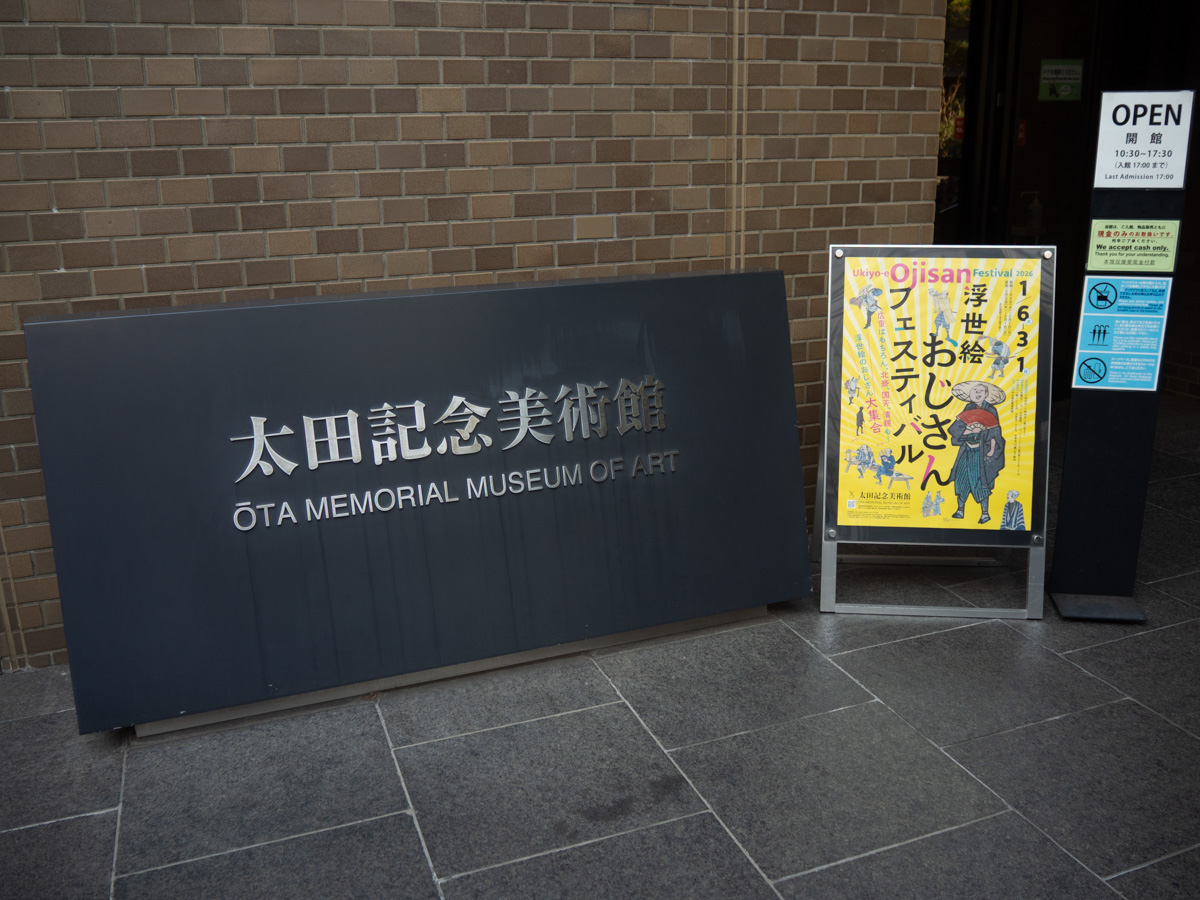
In the morning we visited Ota Memorial Museum of Art, which hosts a large collection of woodblock prints. They rotate which works from their collection are on display at any time. Right now, the theme was “Ojisan” or “uncle”, meaning “middle-aged man”.

Many of the exhibited prints were from famous series, like “The fifty-three stations of the Tokaido” etc.
The “uncles” were never the focal point of any of the works, but they were everywhere. Walking, sunning themselves, carrying things, smoking a pipe.

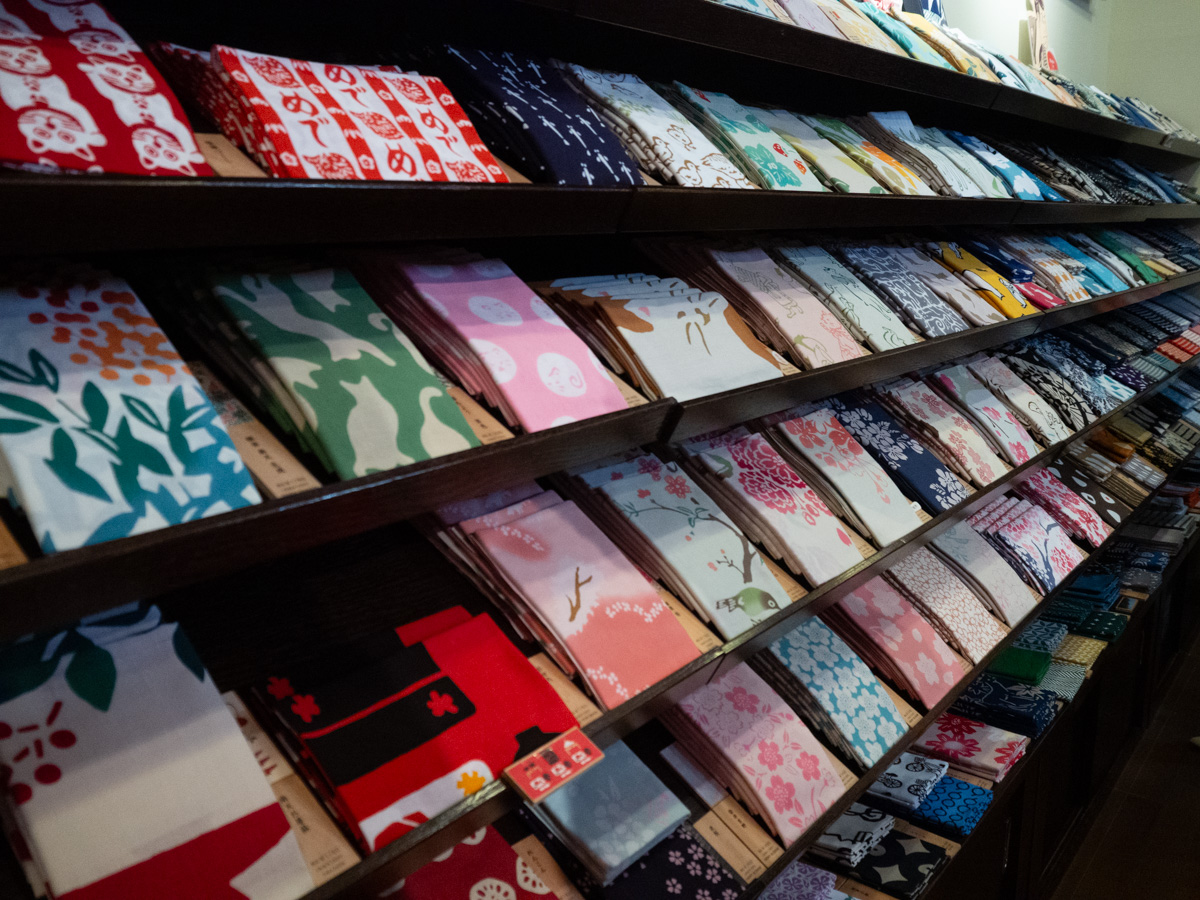
Unfortunately photography was not allowed inside the museum – not even in the foyer. The only exception was the museum shop, which had a wonderful range of tenugui, printed cotton towels. I bought several, even though I have no idea what I will do with them.

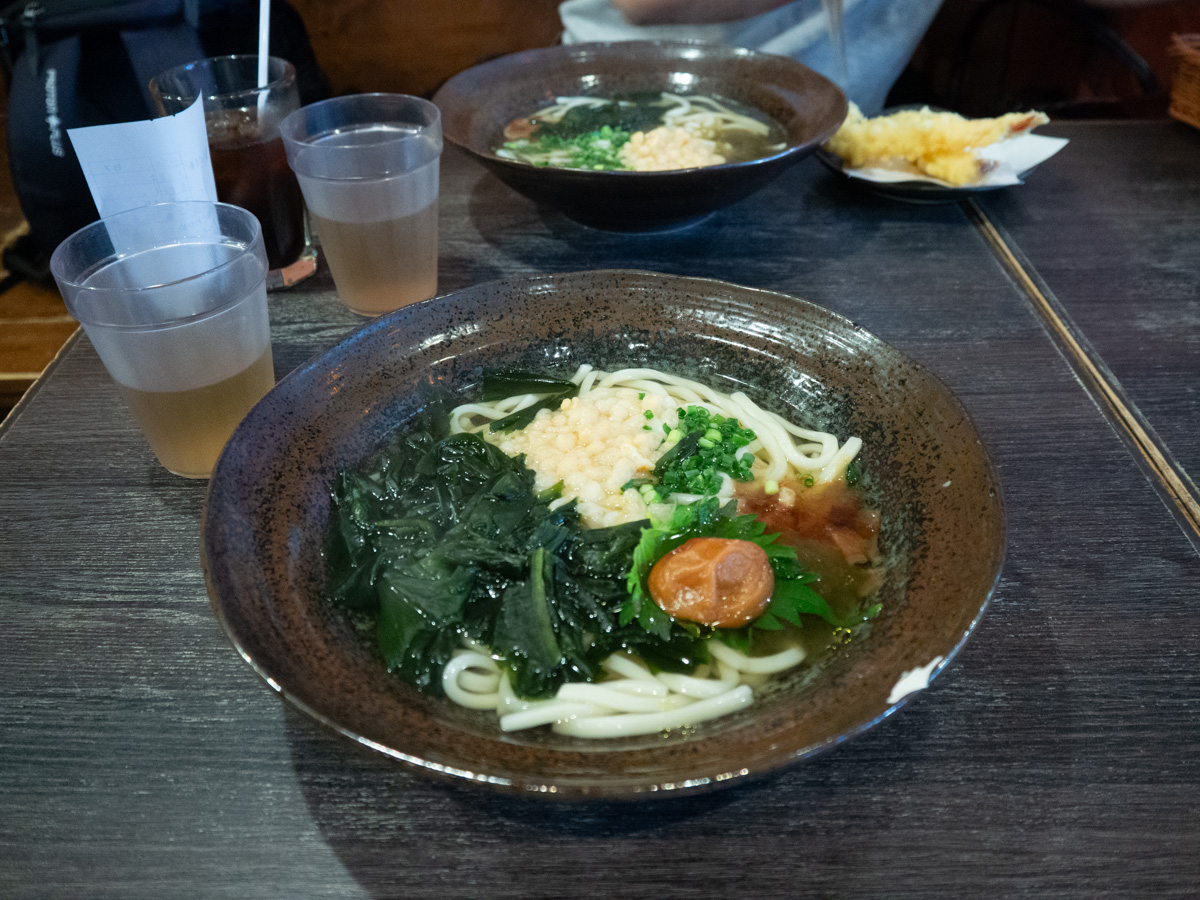
For lunch – udon noodles at – Udon Iroha. The restaurant actually offered paper aprons to guests, which I said no to. Maybe I was cheating when I sometimes bit off the longest noodles, but nobody was watching.

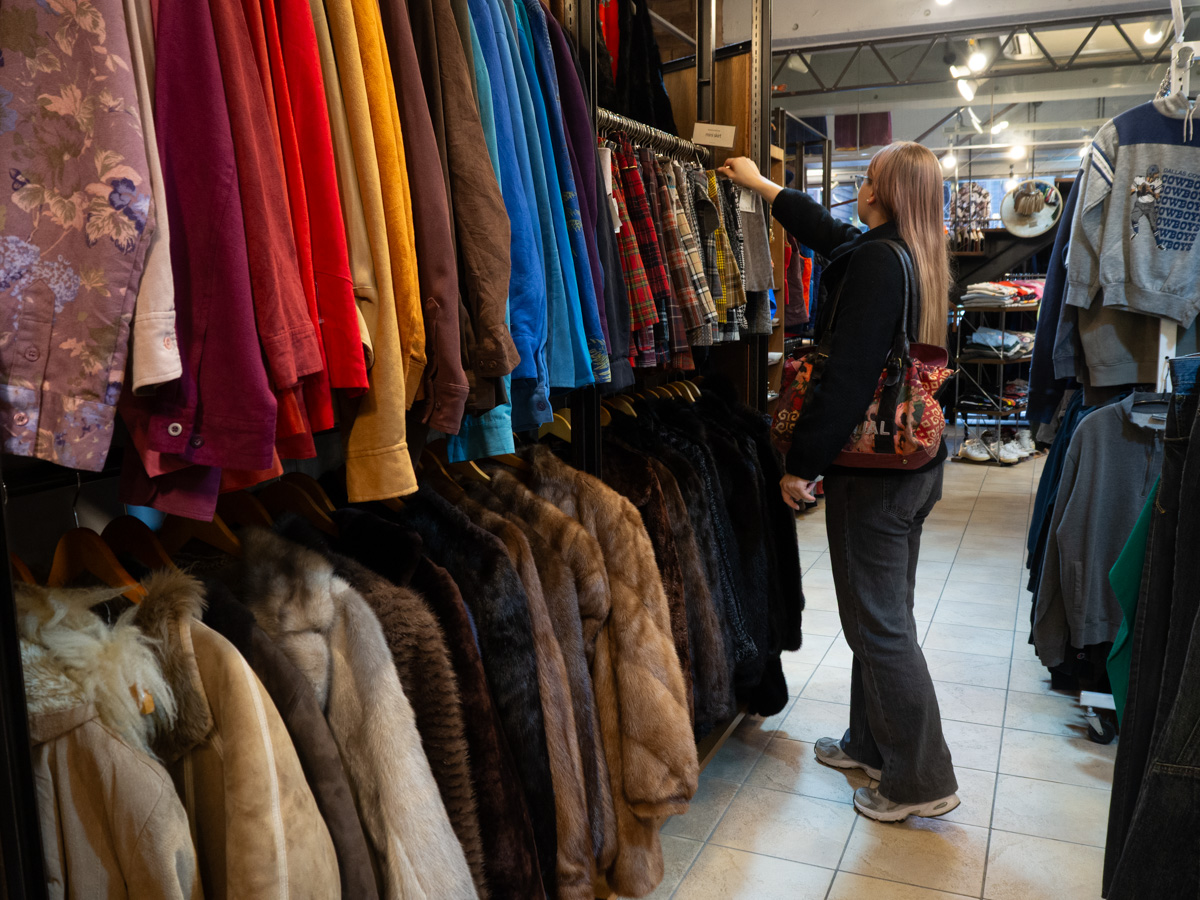
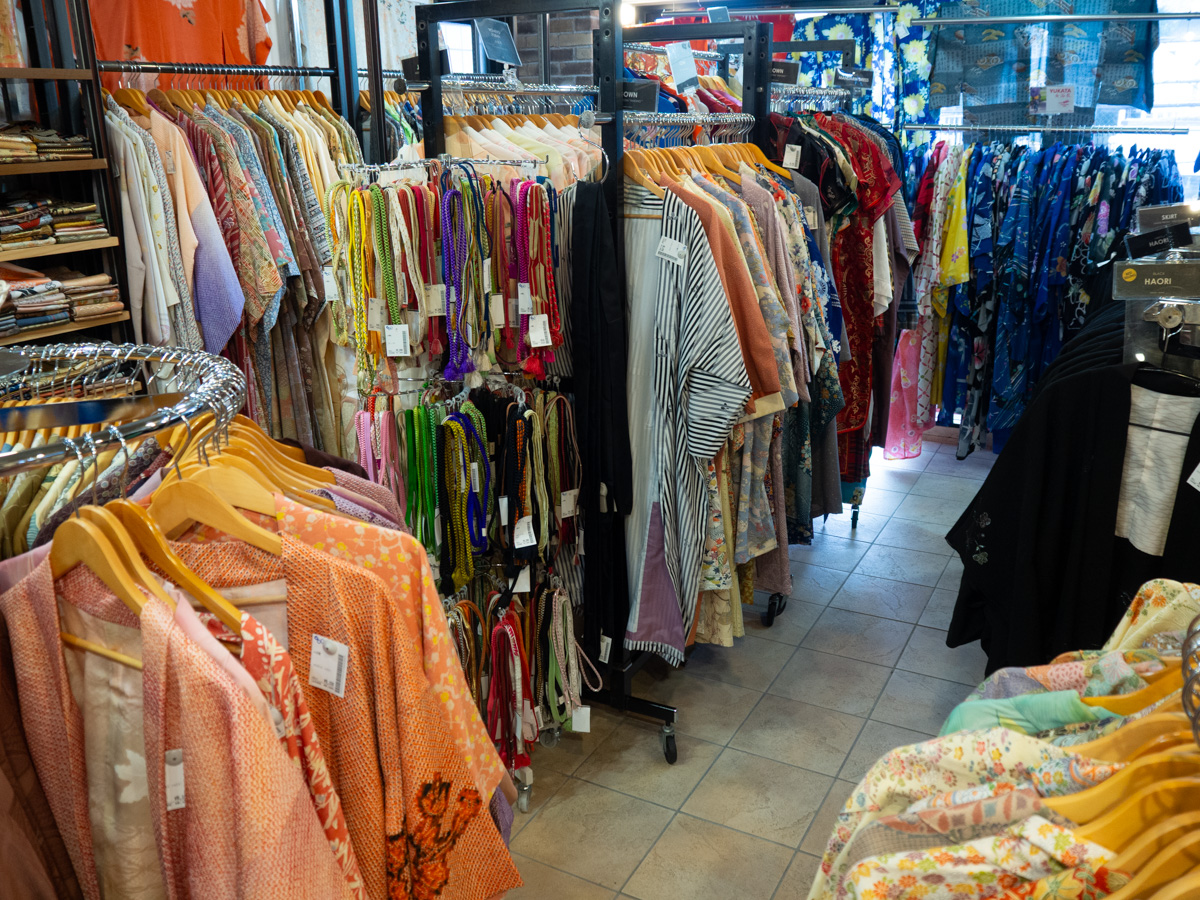
After lunch we spent a few hours browsing various kinds of shops in Harajuku. The vintage clothes shops were impressively organized and curated. A metre of short, plaid skirts; two metres of corduroy shirts. Kimonos, yukatas, haori jackets in all colours.


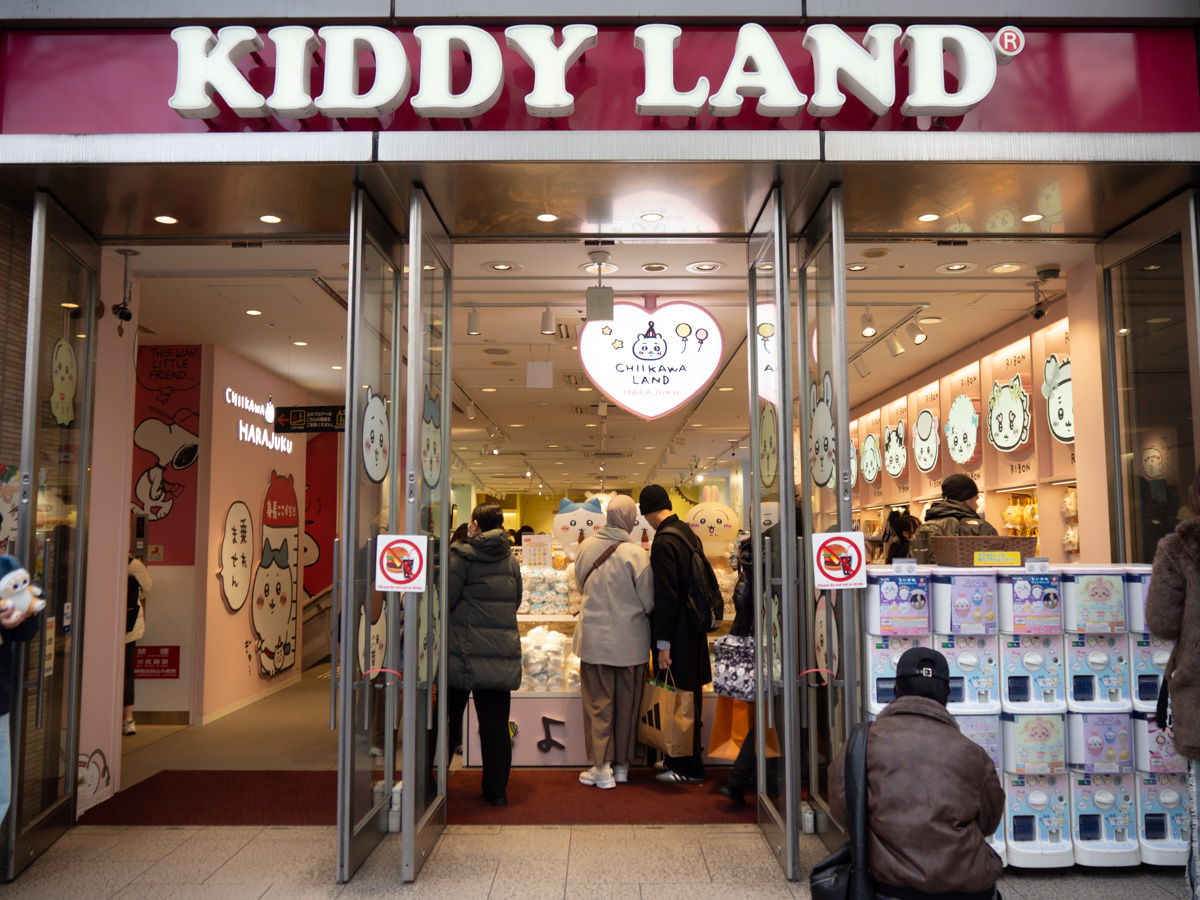
Ingrid had a list of shops with toys and pop culture doodads to visit. I discovered yet again that Tokyo does not like people just hanging around. There was never any place to sit when I was waiting for her.

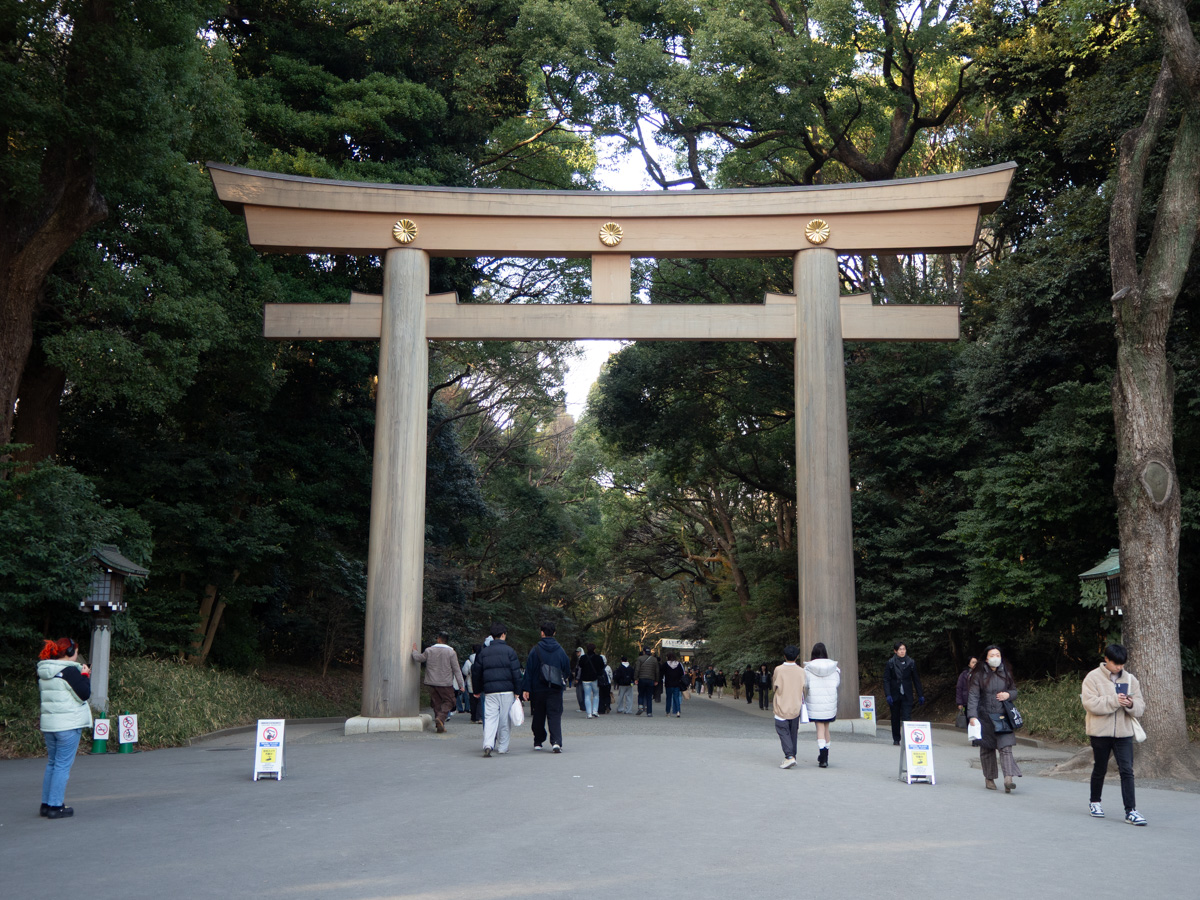
Right next to Shibuya is Meiji Jingu shrine, built to honor Emperor Meiji and his wife, Empress Shoken.

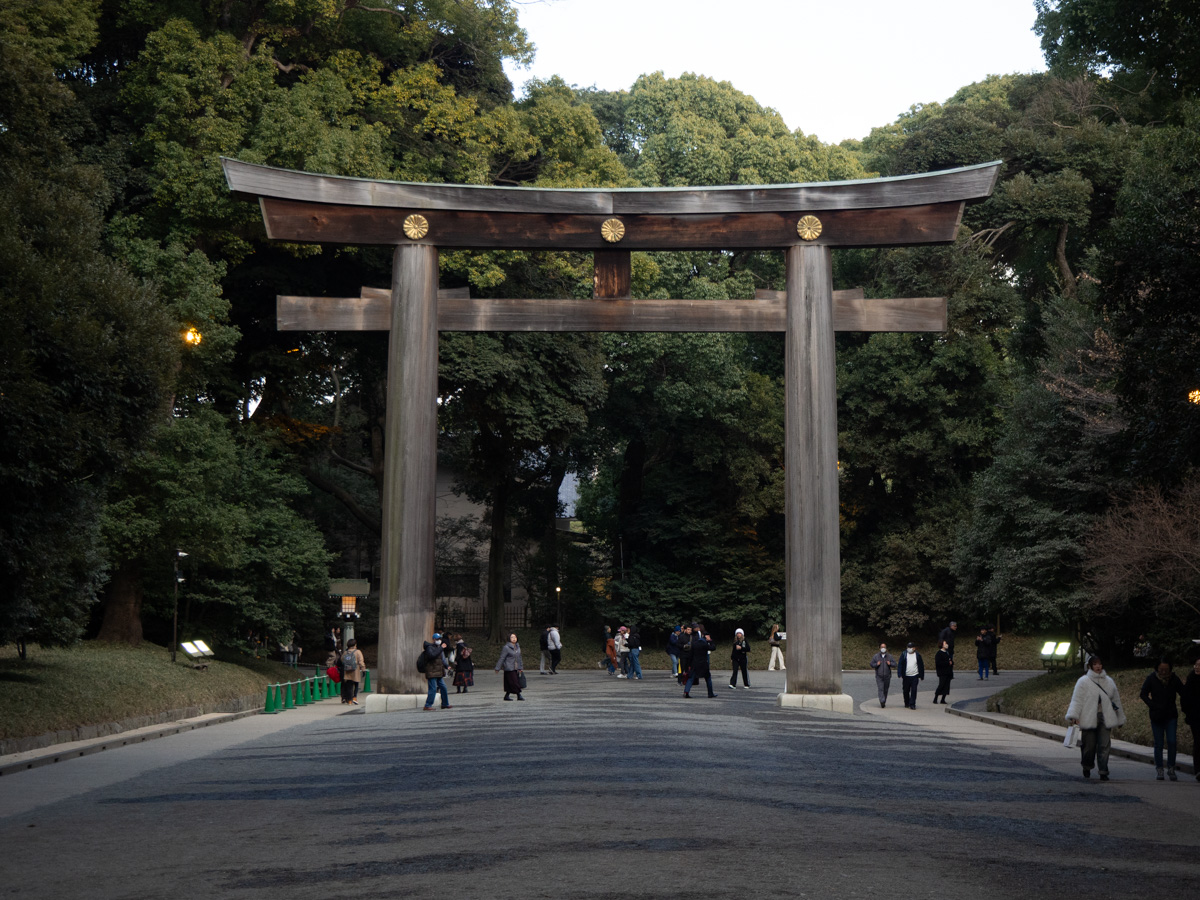
I liked the giant torii gate on the way through the park to the shrine. It looks like each pillar is a single tree trunk.


I read somewhere that, back when the shrine was being designed, there were intense debates about what the appropriate architectural style would be for a shrine erected for a deified emperor, since there was no real precedent.

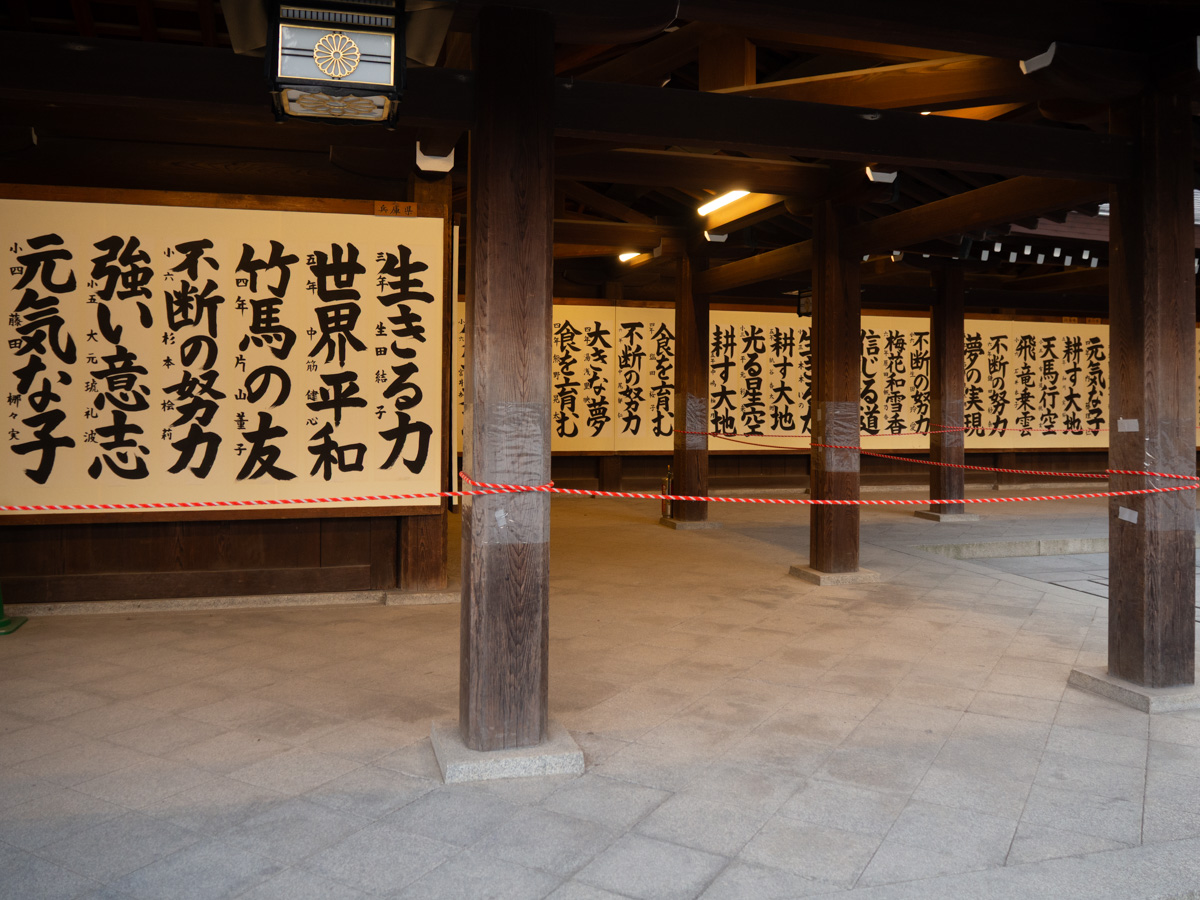
Emperor Meiji apparently wrote 100,000 poems during this life. I presume that these are some of them. I do wish someone had spent at least a little time on some English-language signage. Perhaps even a few translations of the poems?

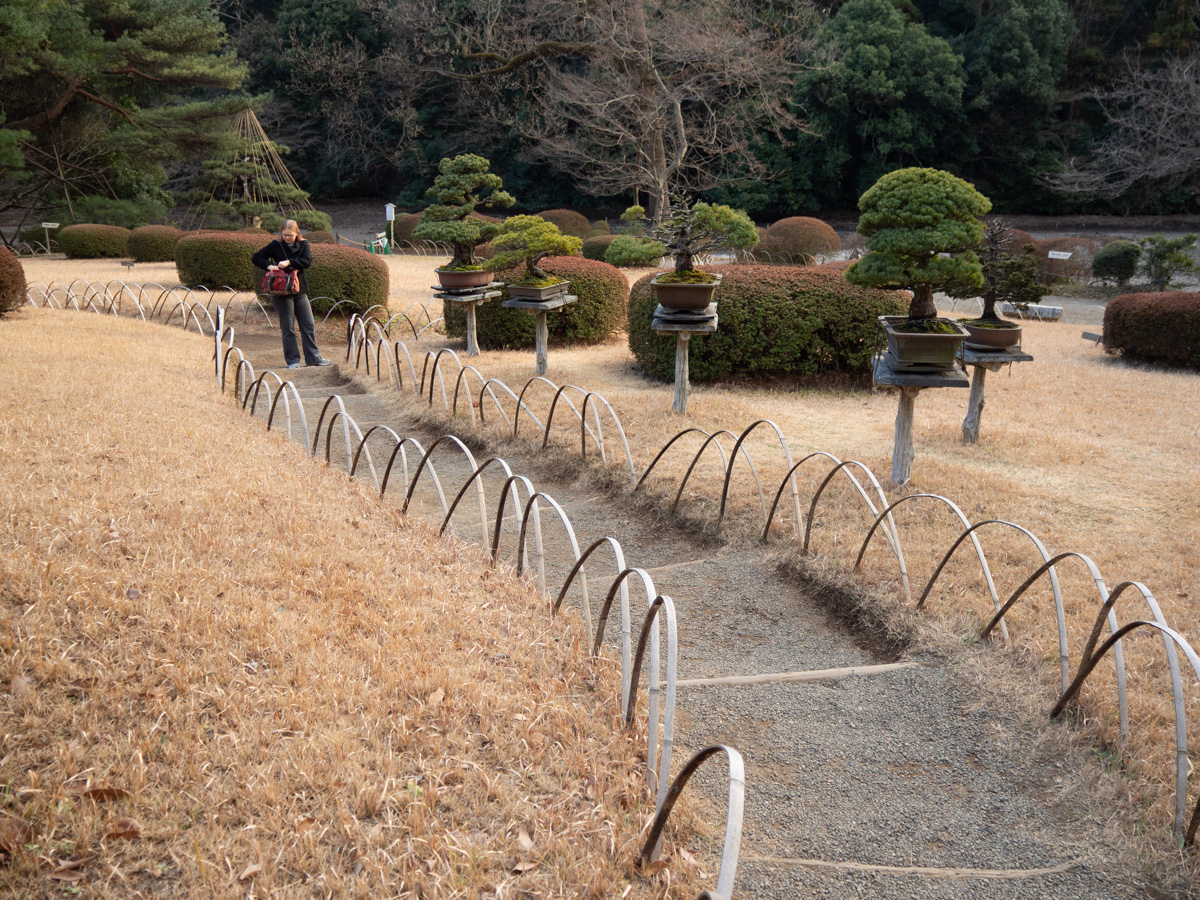
Close to the temple itself, there was the Emperor’s garden. Even though its more spectacular parts (like the iris garden) are nothing to look at in late winter, I appreciated its design, with winding paths and bonsai trees.

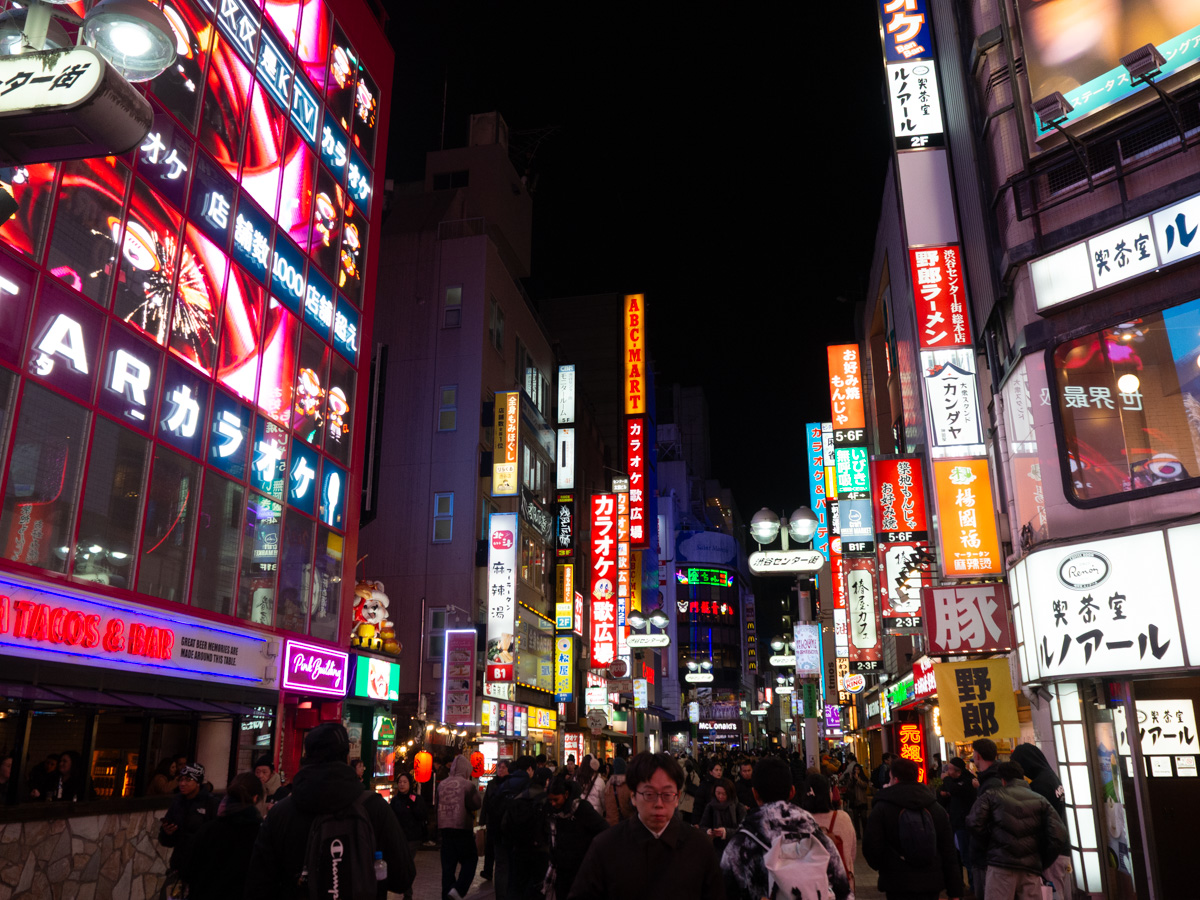
Tokyo at night looked exactly as colourful and neon-bright as movies had made me expect.

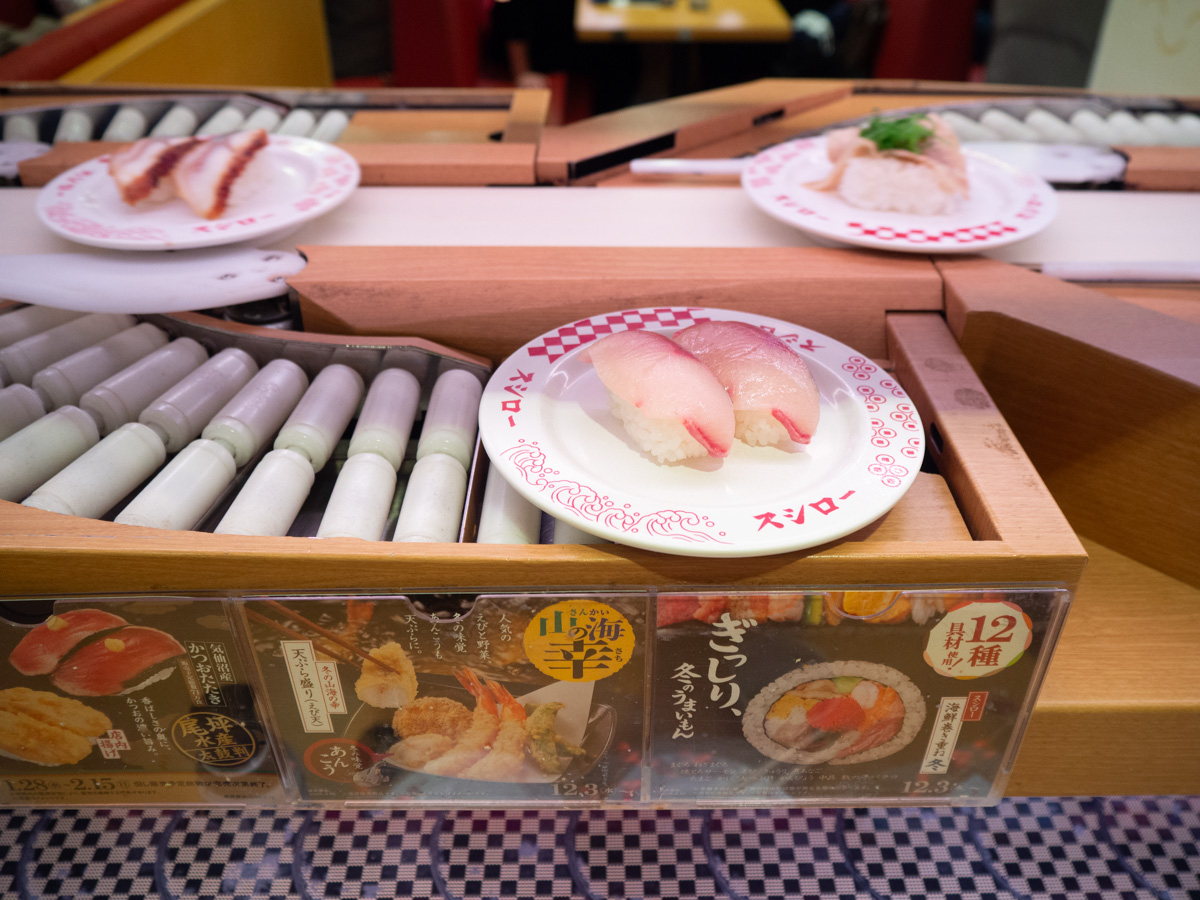
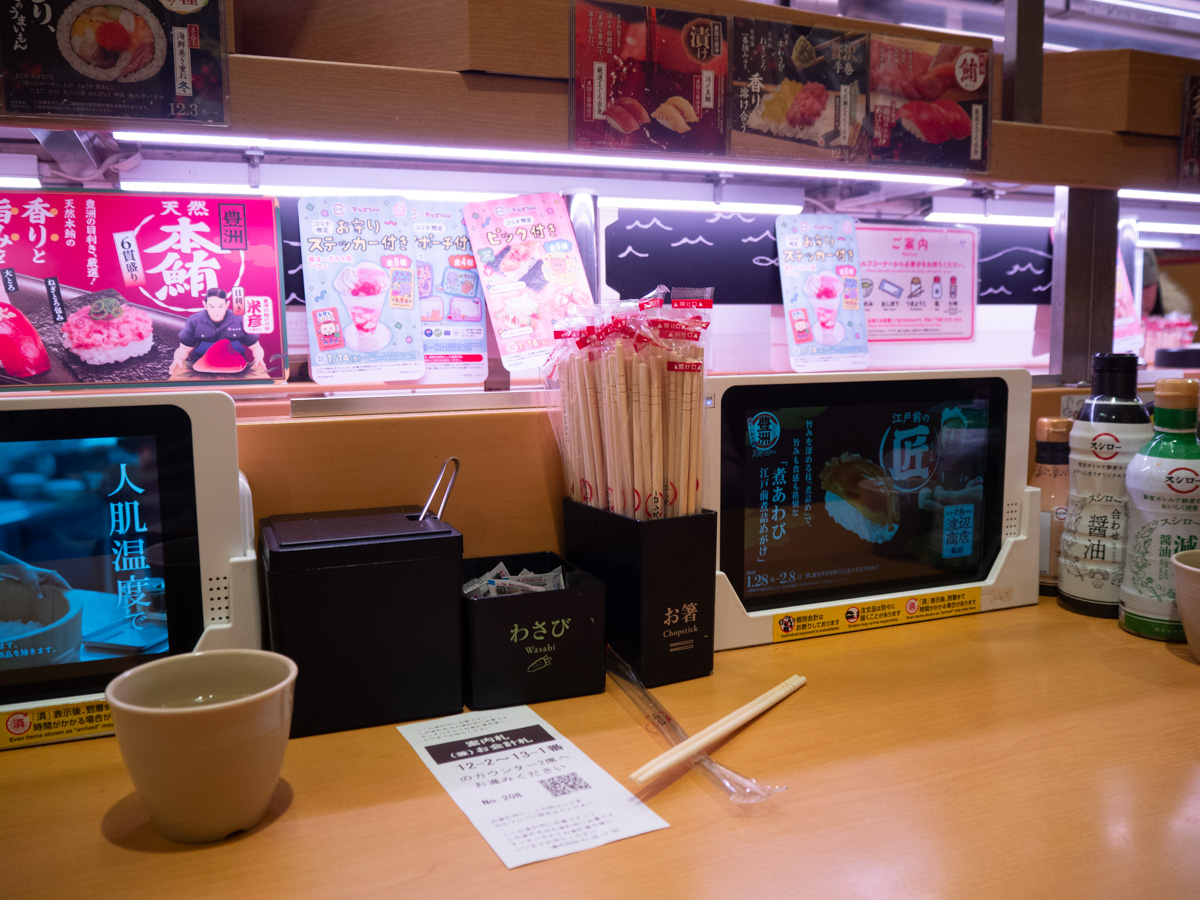
For our first restaurant meal in Tokyo, we went for conveyor belt sushi at Sushiro. Ingrid could probably live on just sushi for a week, and while I’m not quite that enamoured with it, I do love eating good sushi.

Japanese conveyor belt sushi is not like Swedish conveyor belt sushi. In both, there is a belt that snakes its way through the entire restaurant, and tables next to the belt, and the belt brings food to everyone.

In Stockholm and London, there is always food on the belt. You look at the food that glides past, and pick whatever you like. When you’re done, you count the empty plates and pay for each one. Usually they’re colour-coded for different price groups.

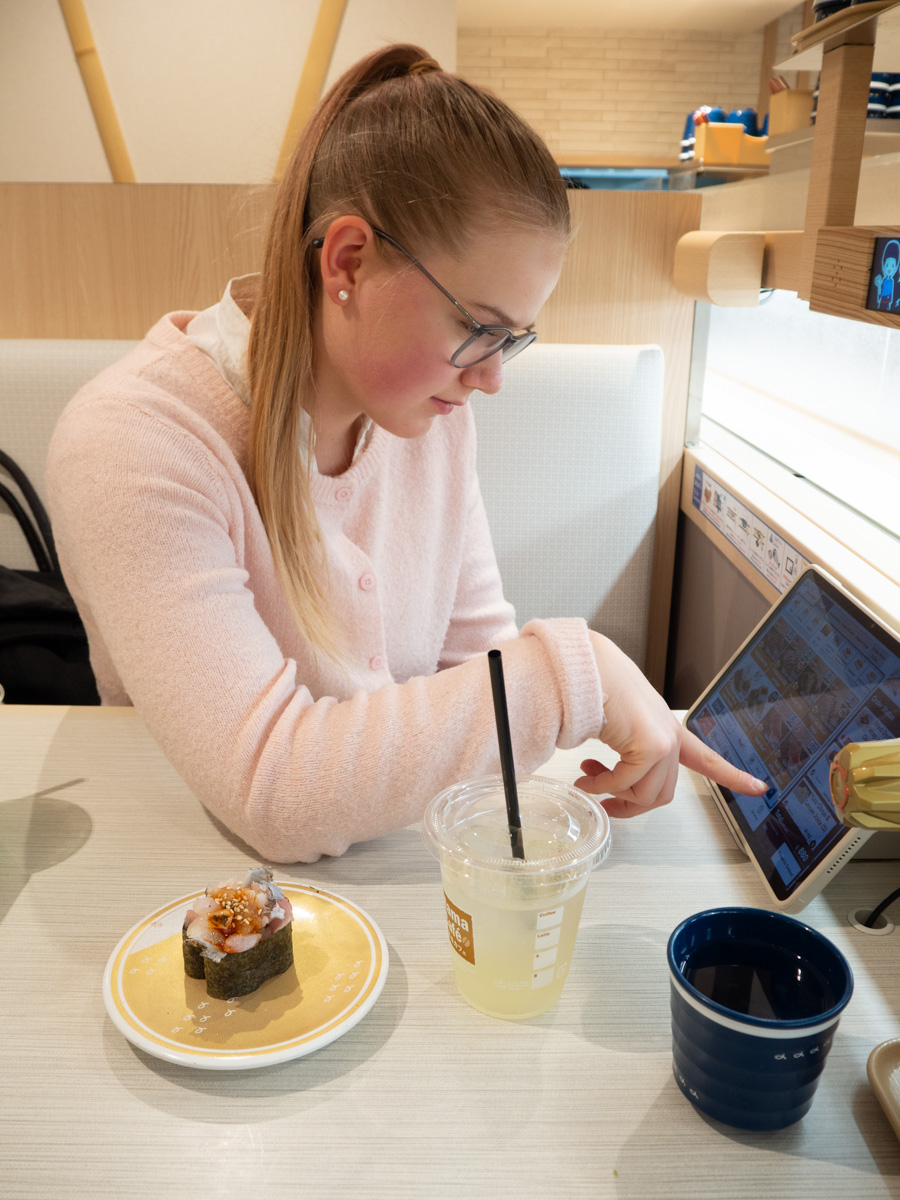
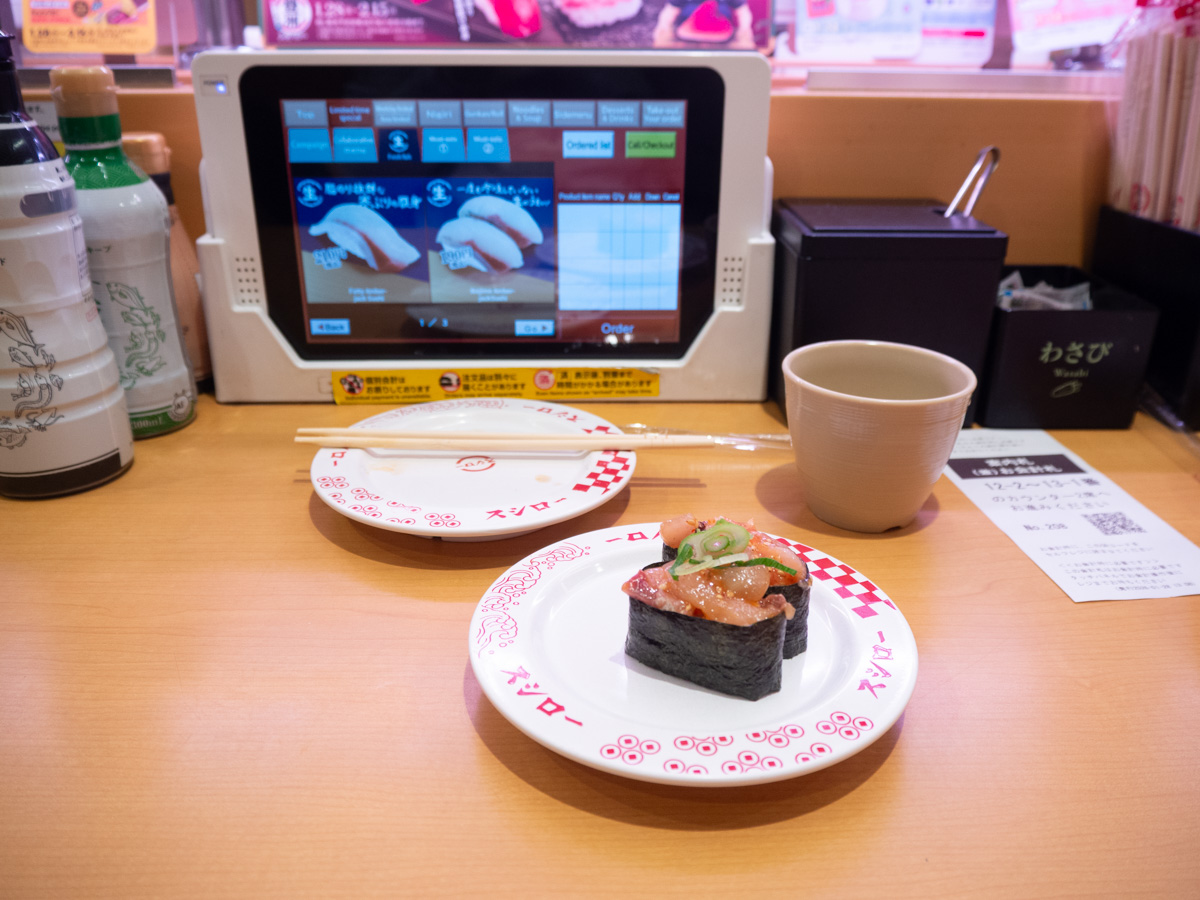
In Tokyo, it’s all individual and customized and computerized. There’s a tablet at each table with an incredibly long menu of sushi, sashimi, side orders, desserts etc. Tap and order, and a few minutes later, your plate arrives on the belt and stops in front of you.

We had counter seats (as opposed to a full table) which was about as glamorous as a fast food restaurant. It was a fast food restaurant, I guess.

But the choice of fish was incredible to my Swedish eyes, and the quality of it was great.

At first we ordered things we recognized and knew we would love. You can’t go wrong with seared salmon. Later I got more adventurous and tried a few more odd items out of pure curiosity. I ate this thing and I can’t even remember what it was.

From Senso-ji temple through the quiet streets of Asakusa, we came to Ueno.

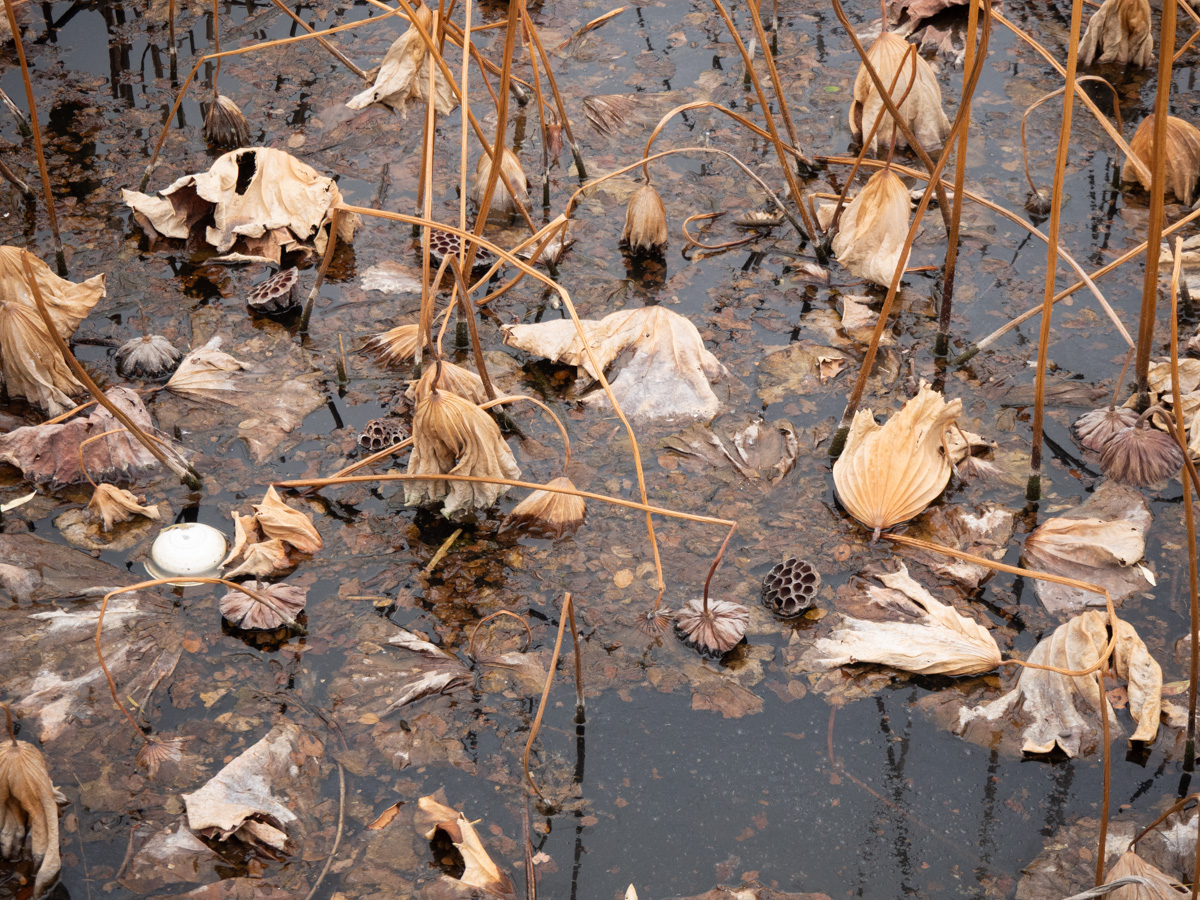
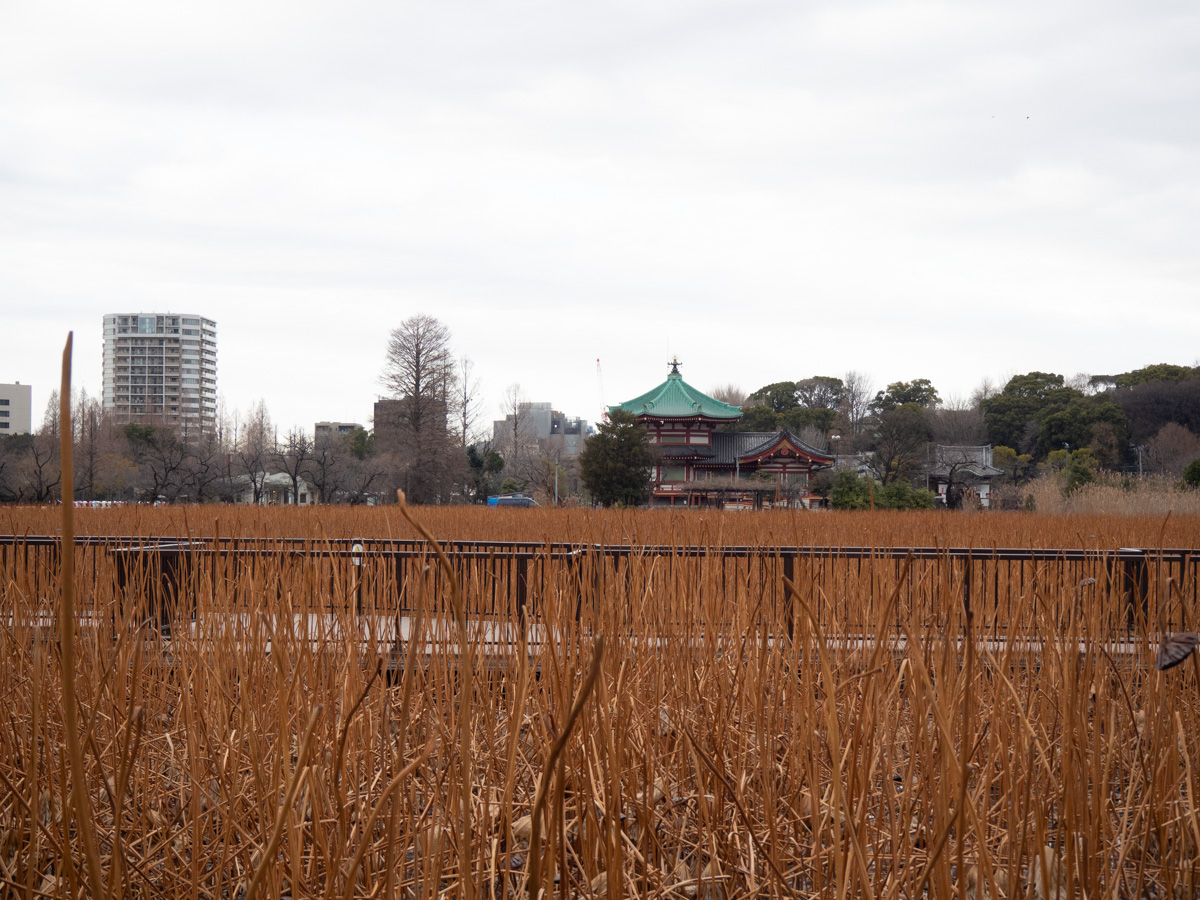
Ueno park and its lotus lake were maybe not at their peak in January, but they were striking in their own way.
On a small island in the middle of a lake, there was a lovely temple. The city was right there in the distance, but here it was peaceful and quiet.

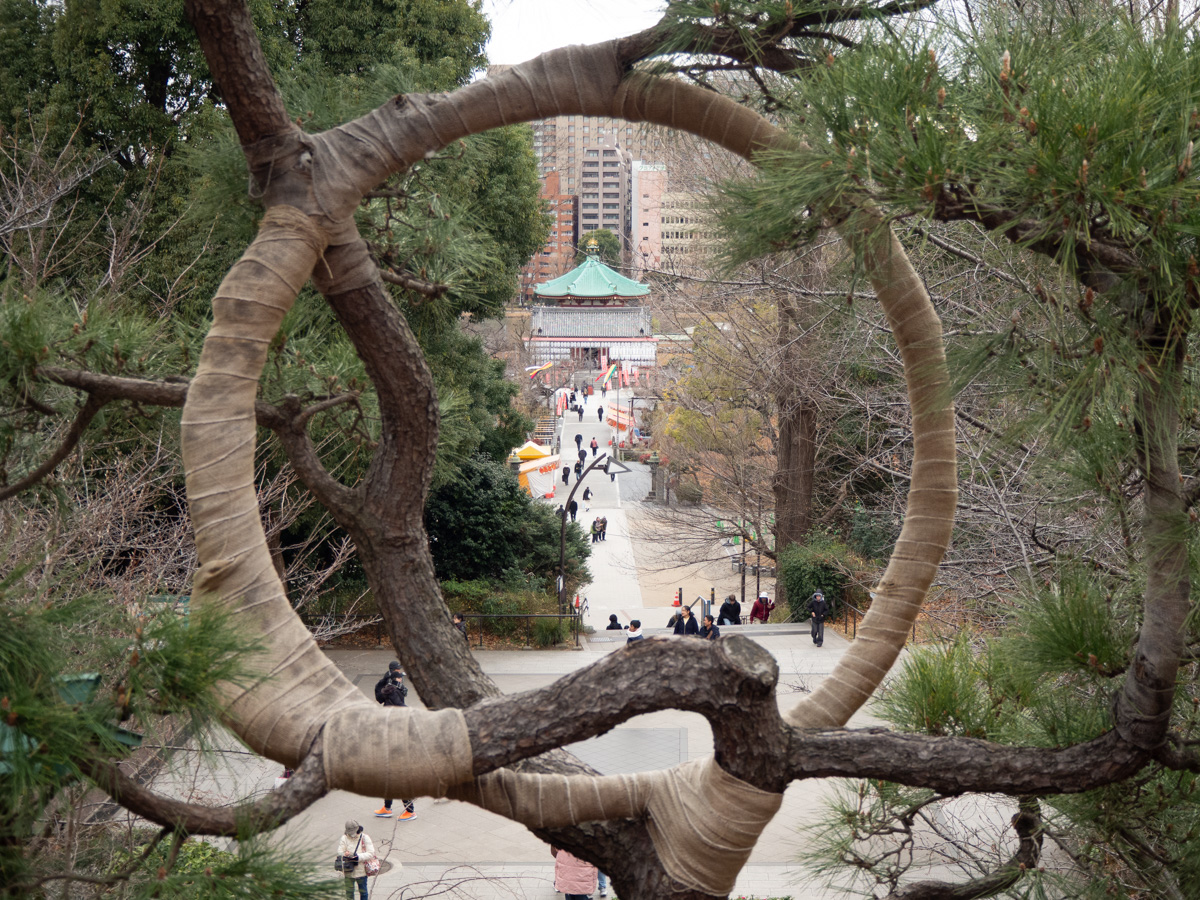
From the balcony of one temple there’s a view towards the next one, through a pine bough trained in a round shape. According to the internet, the bough is a recreation of a similar bough from a woodblock print from the Edo era.

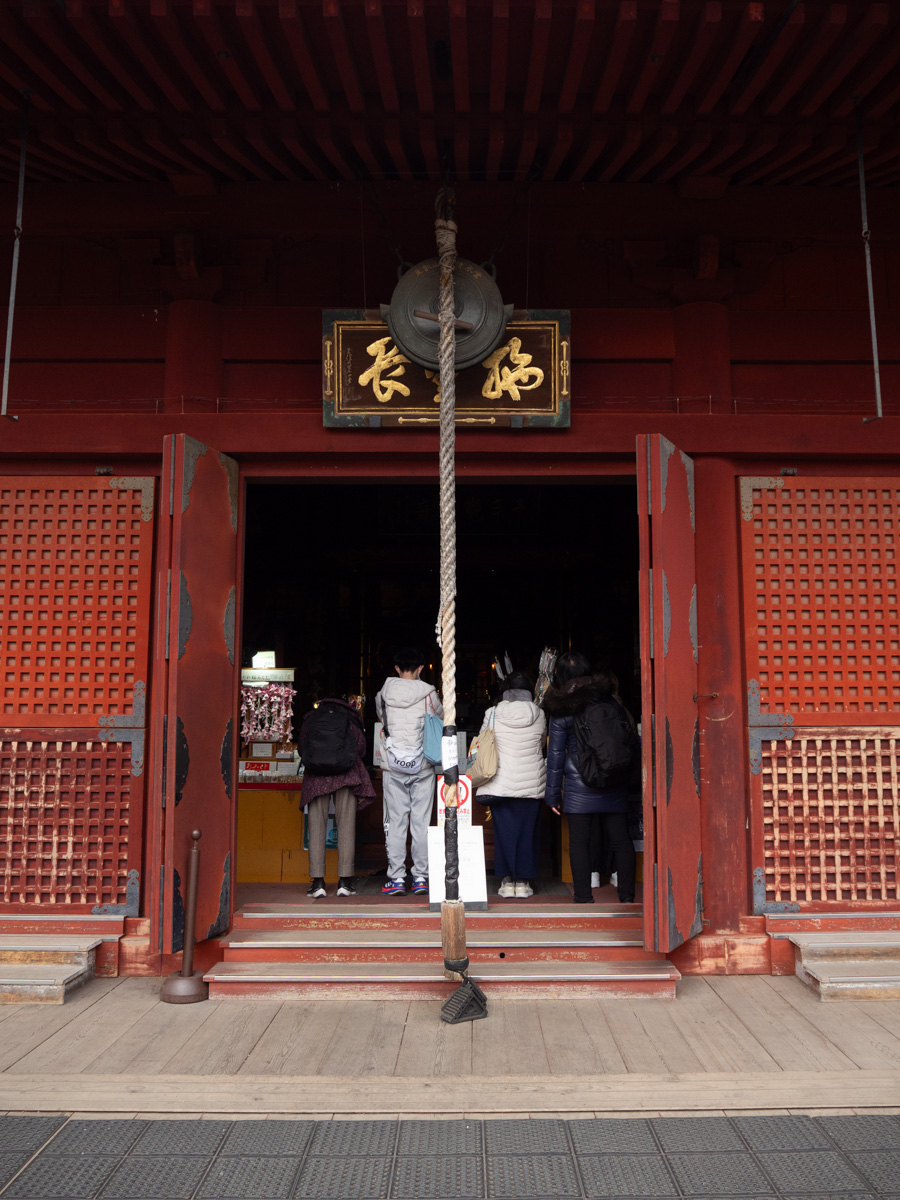
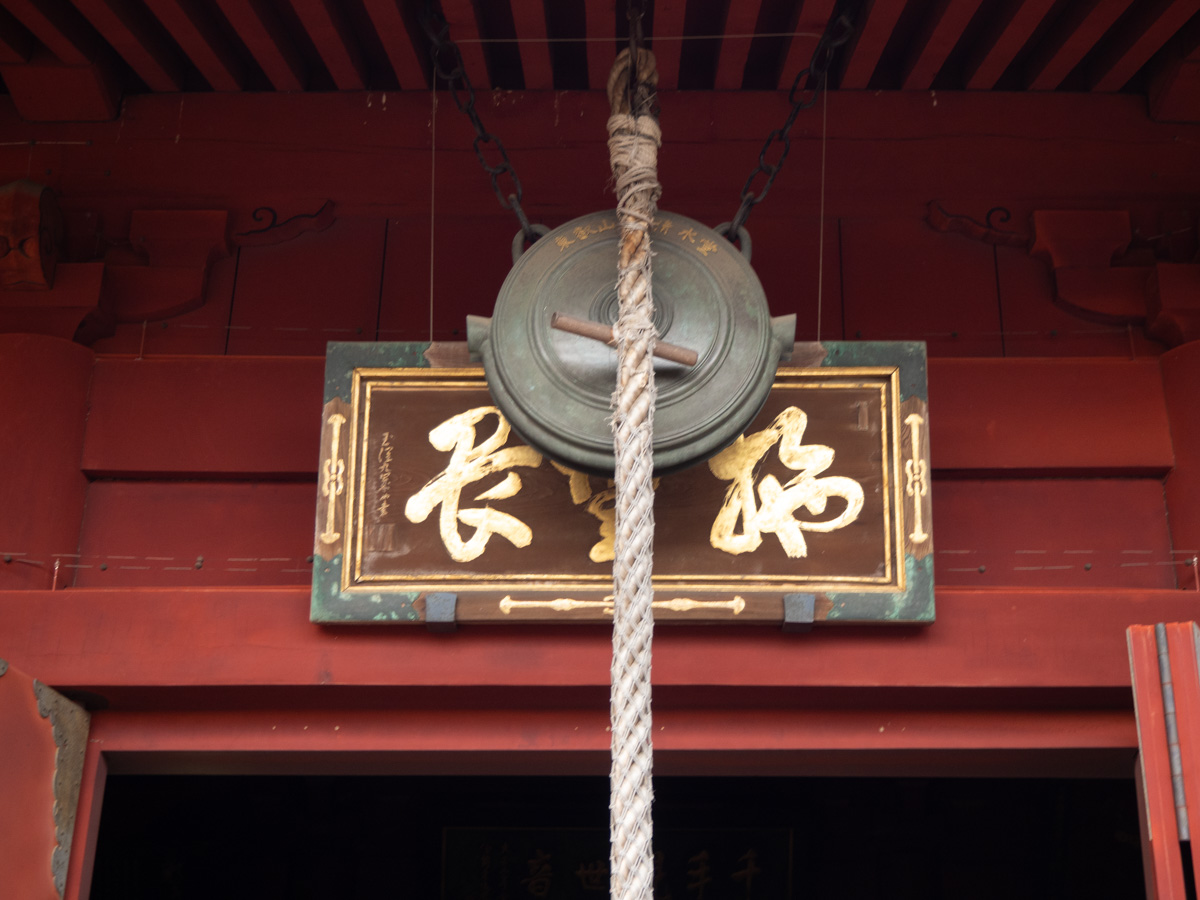
The Kiyomizu Kannon-do temple had a very tempting gonggong that made my fingers itch.


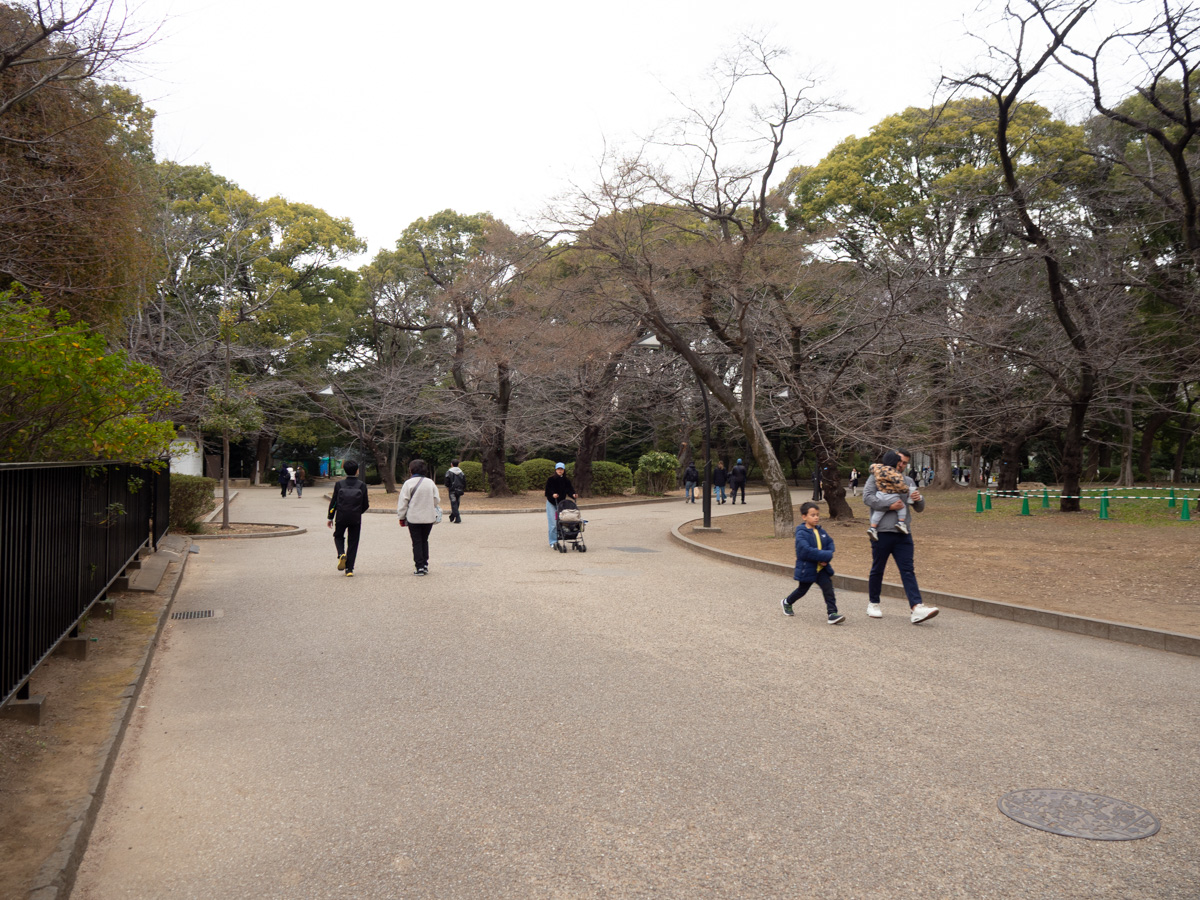
Ueno park itself was somewhat underwhelming. It (and other parks we saw later) had a lot of concrete and bare ground, and not as much greenery as I would expect. It’s January, I know, but it didn’t look like there would be much grass here during summer either.

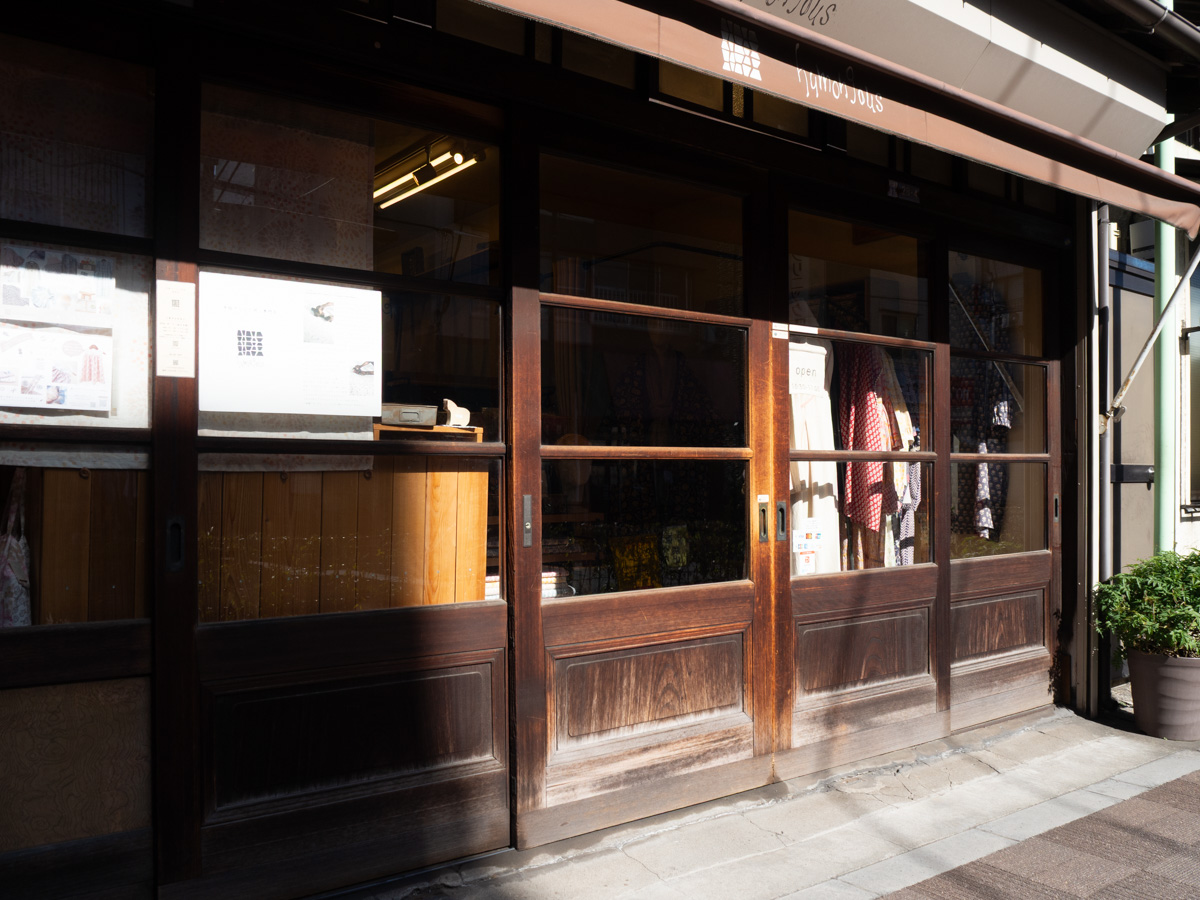
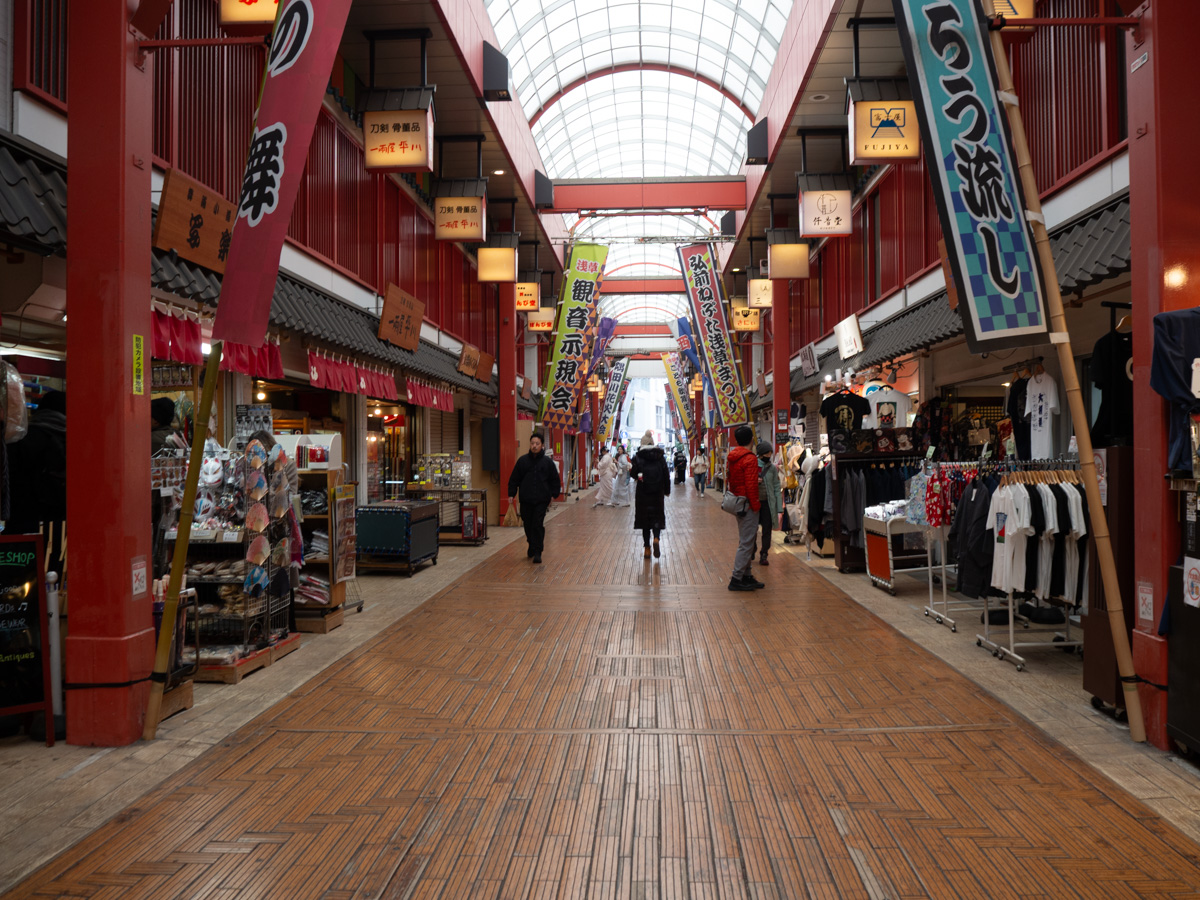
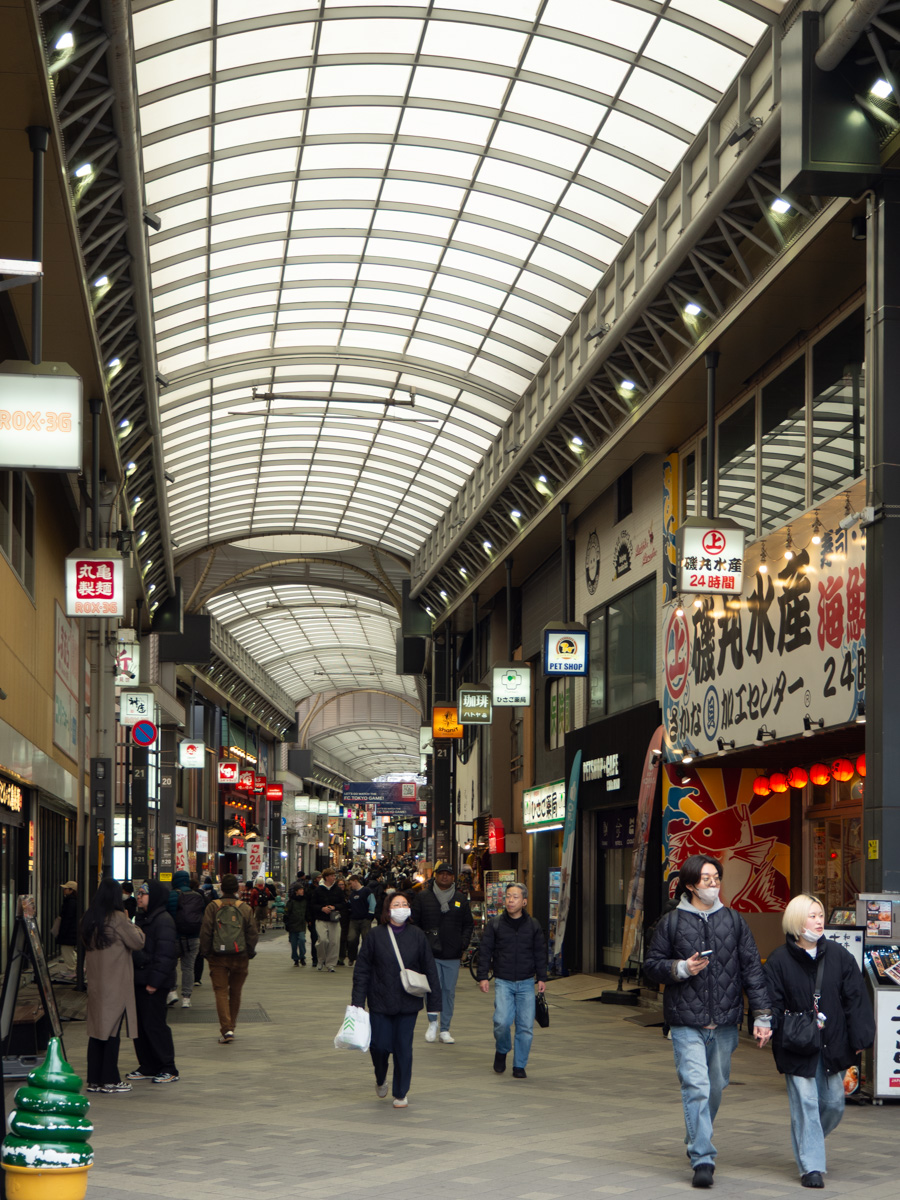
After Senso-ji, we walked back through the Asakusa district towards the nearest metro line. Through a picturesque but strangely empty shopping gallery, onwards to small residential streets. We stumbled upon a small shop selling vintage kimonos where we browsed around for a while. A lot of beautiful fabrics, but I resisted. Can’t start shopping at the first store we run into, when I don’t yet have a clue about general price levels, or what’s available.


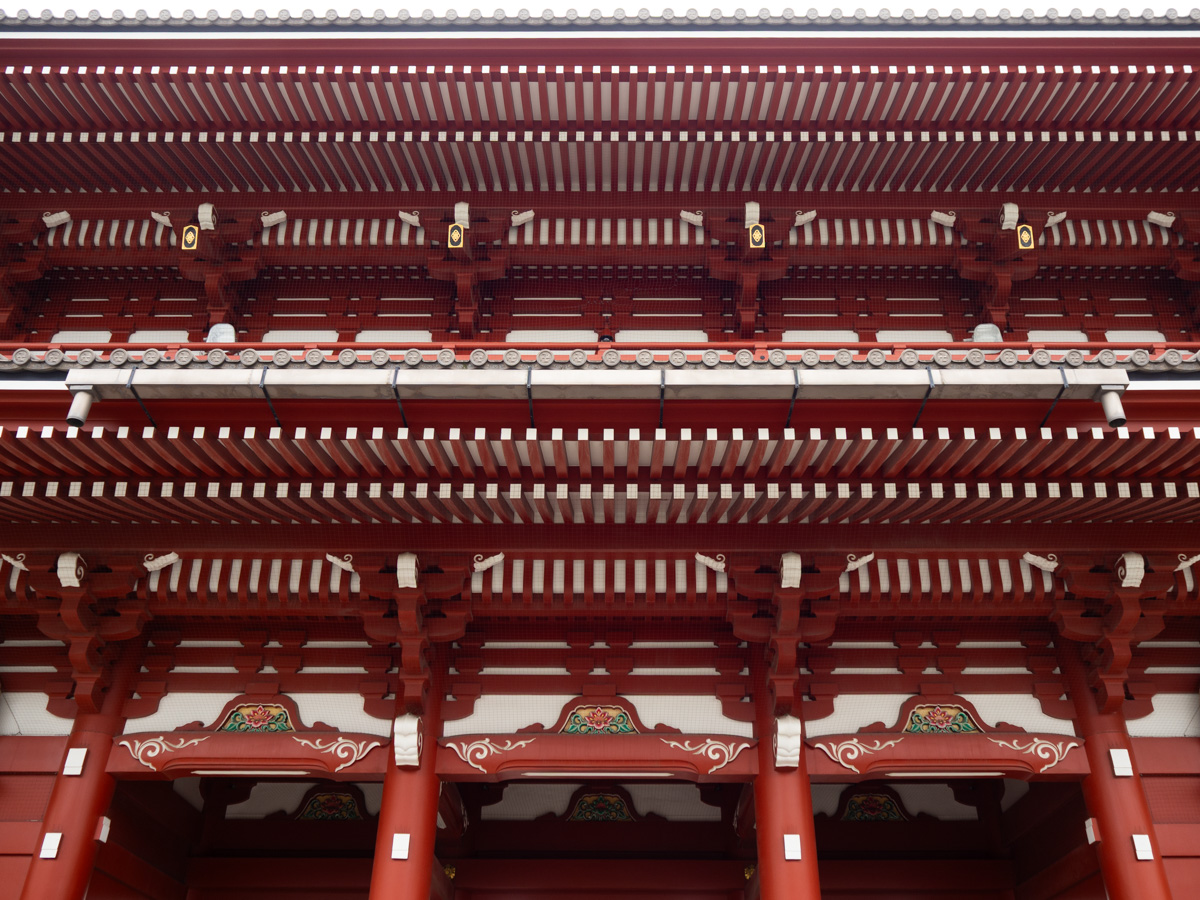
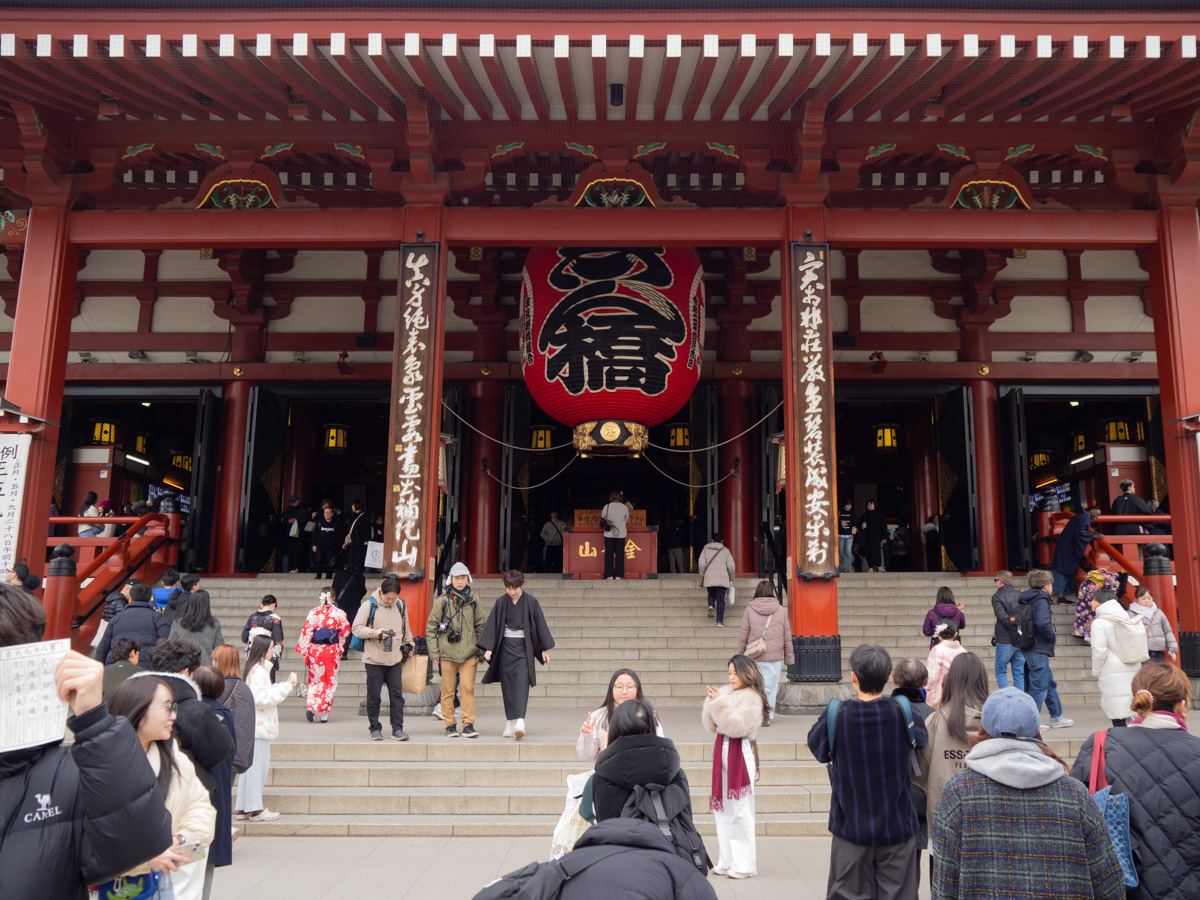
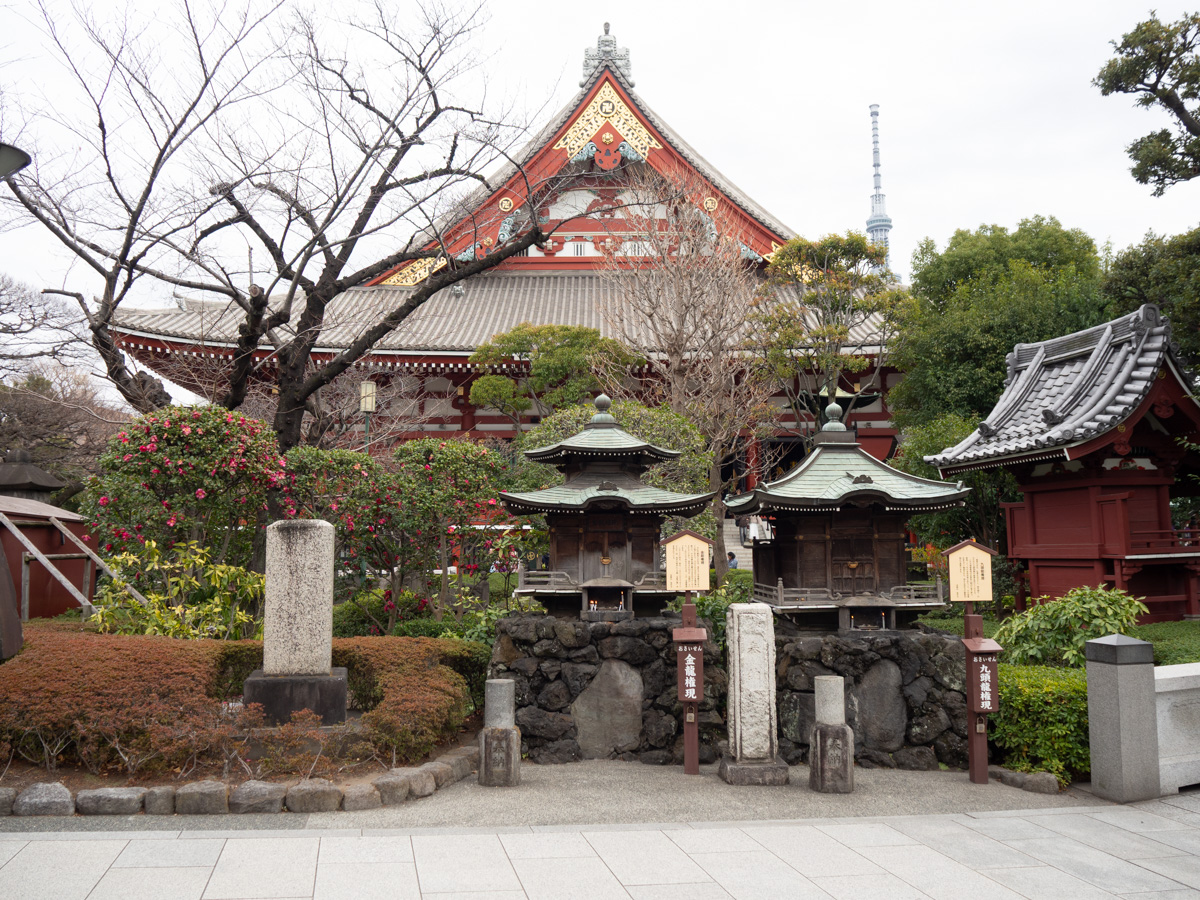
Our first sight for the day is Senso-ji temple. Built in 645, it’s the oldest temple in Tokyo.

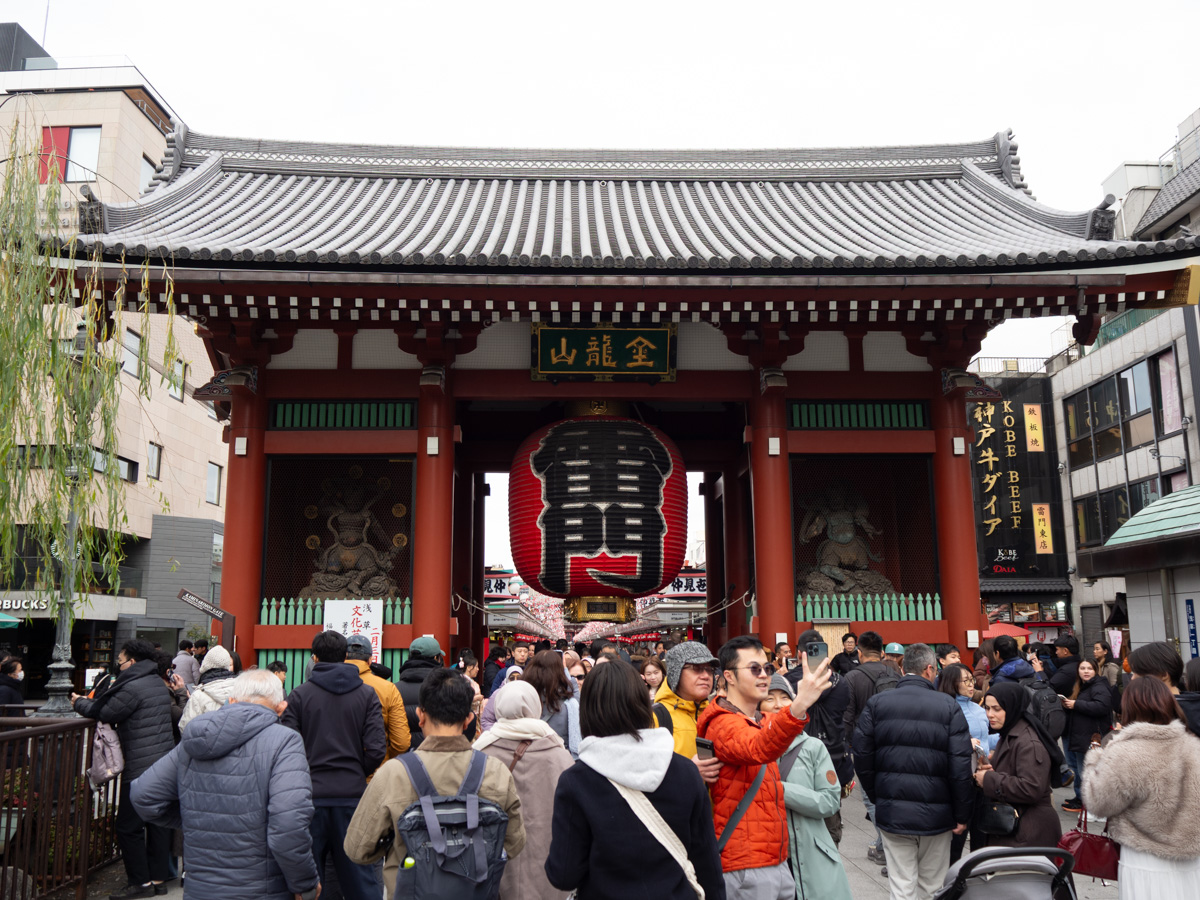
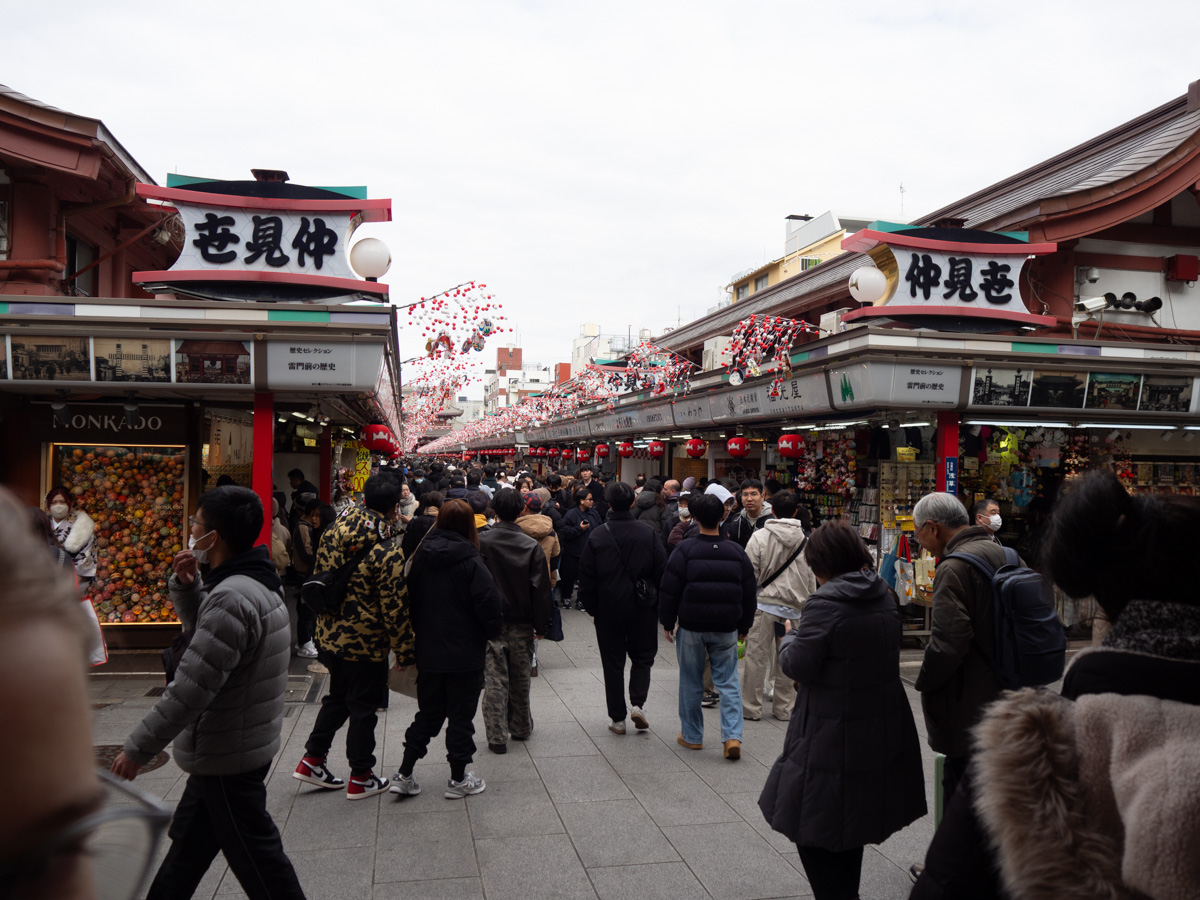
When we first got to the temple, I was confused. There was a temple gate (with a lot of tourists taking selfies) but beyond the template gate there was not a temple but a large shopping street. That turned out to be part of the temple complex somehow.

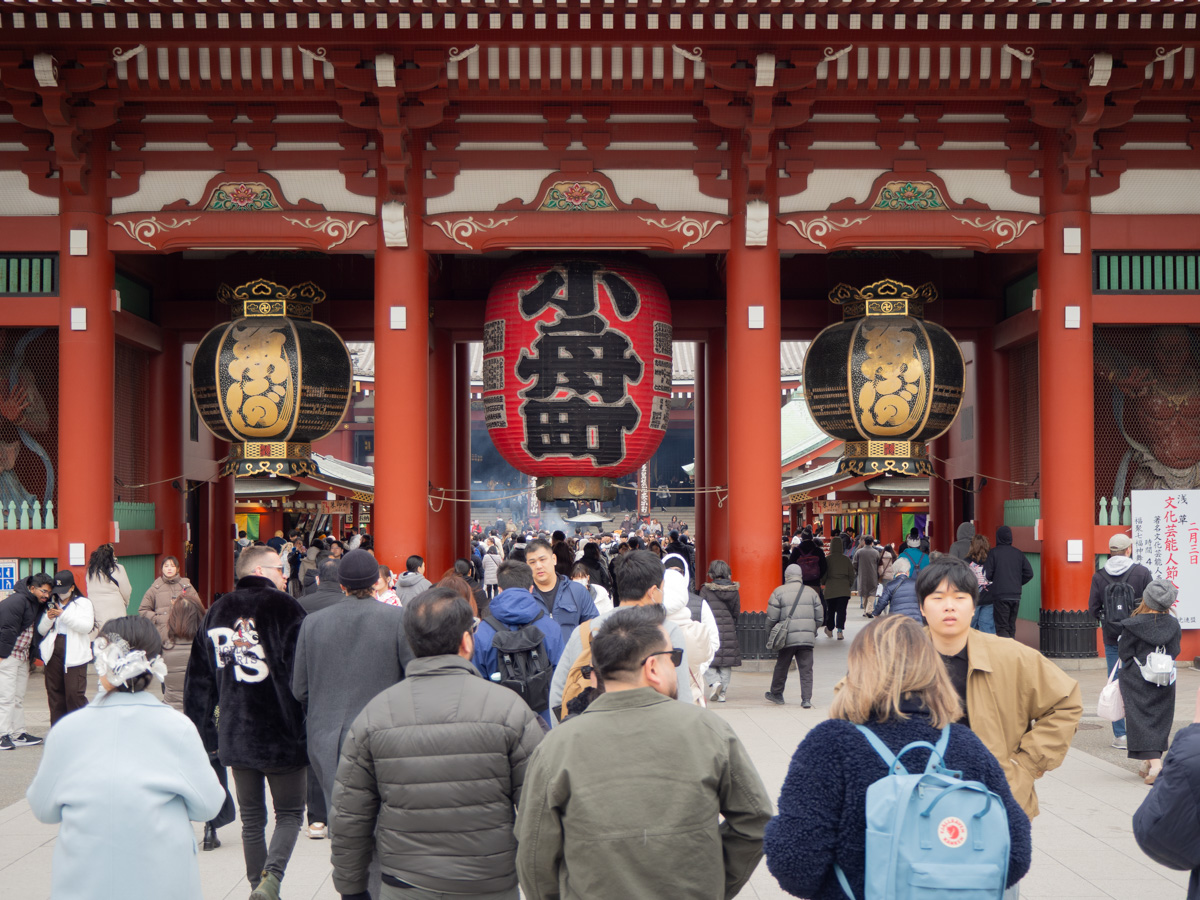
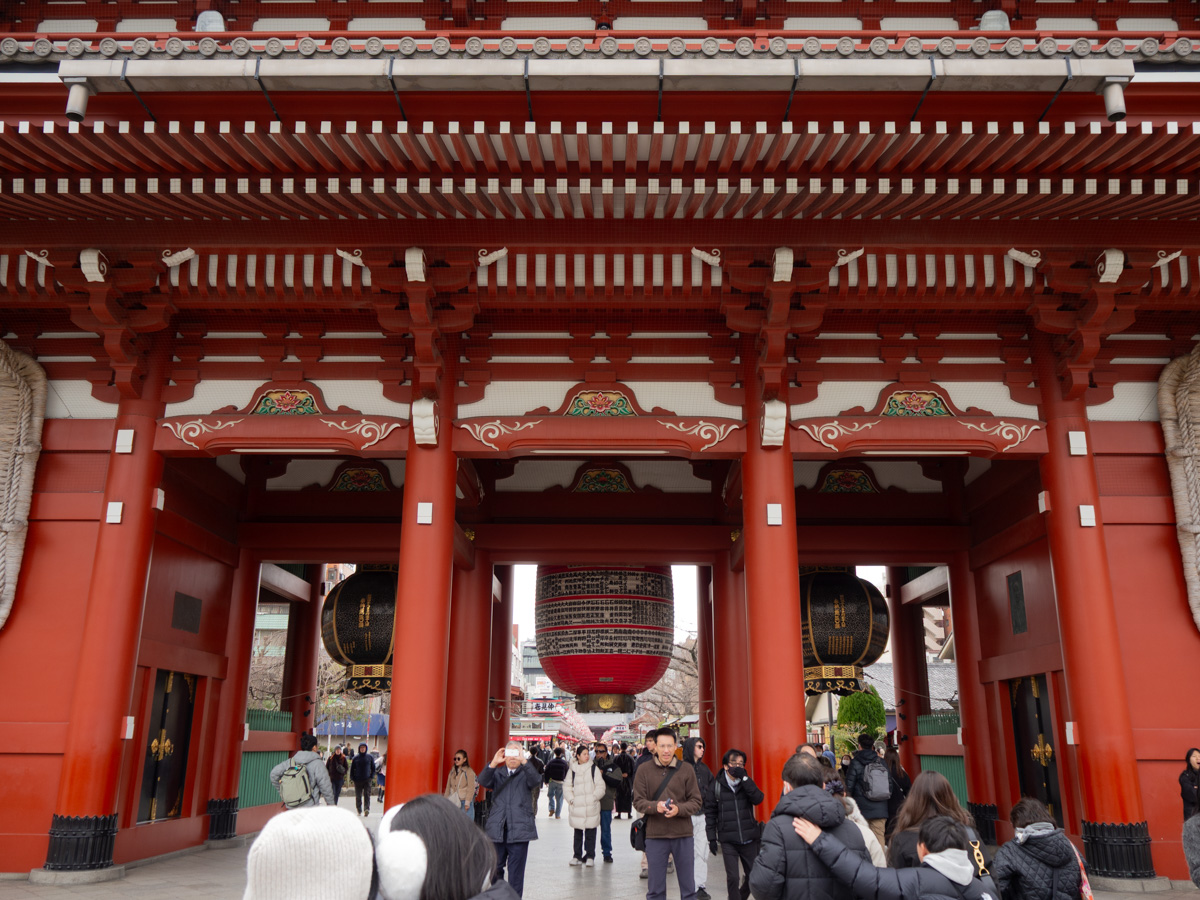
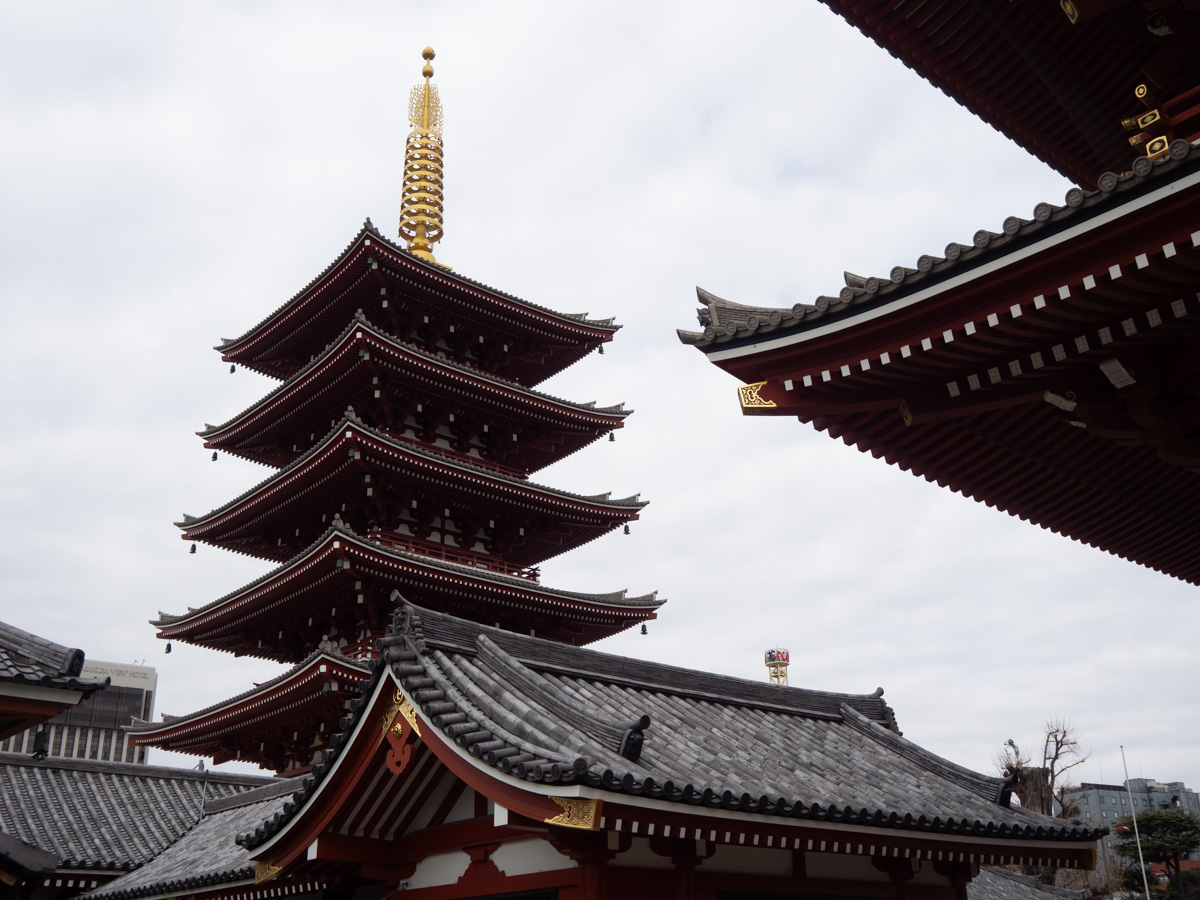
At the end of the shopping street, a second, very similar gate led to an area that was more like what I thought a temple would be like, with large lanterns and ornate roofs,


There were quite a lot of people here. Many seemed to be there for family or couples photos, dressed up in traditional kimonos.


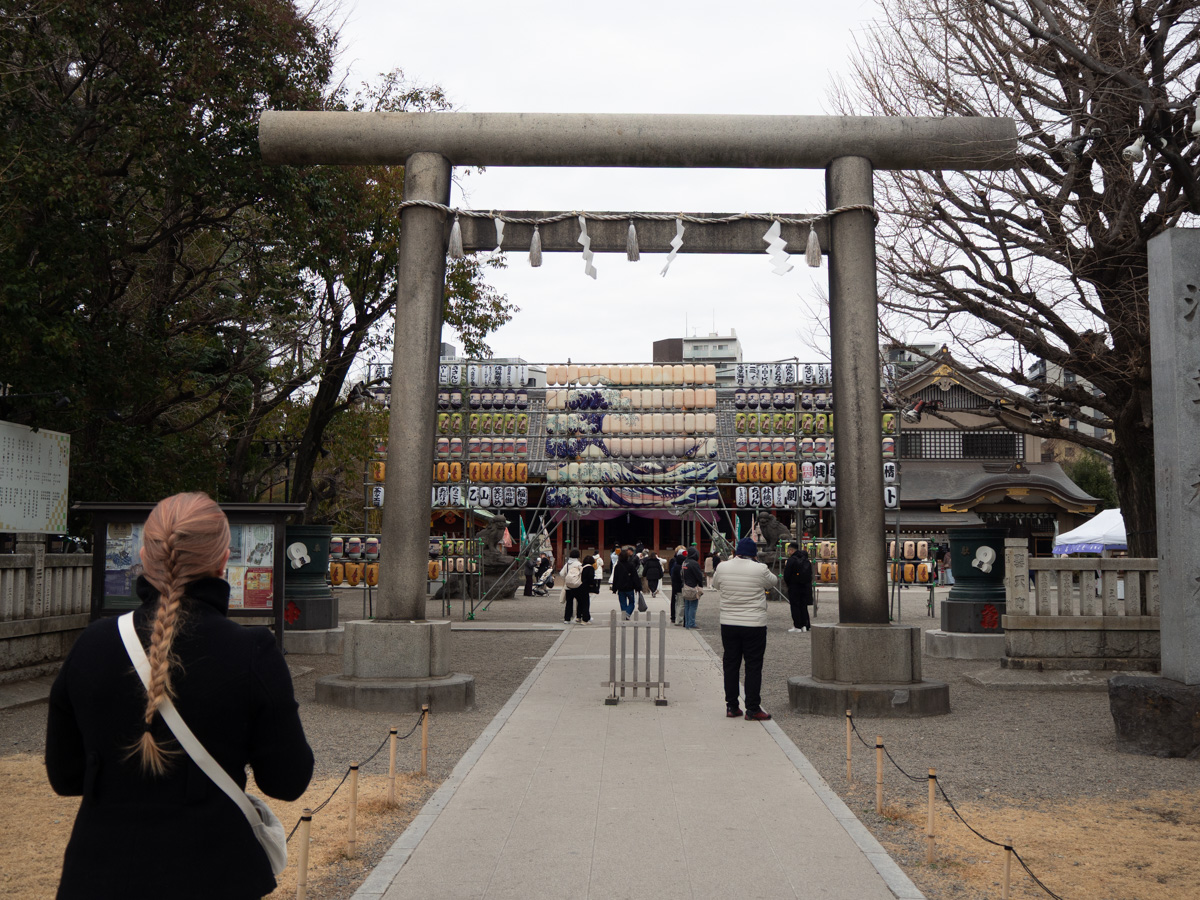
Right next to the Buddhist temple, there was a Shinto shrine. Places of worship for two separate religions co-existing side by side, and the same visitors worshipping first at one and then at the other.

We did read up on the proper rituals for both, but I felt uncomfortable with the idea of going through the motions without believing in any of it, and just stayed respectfully to the side.


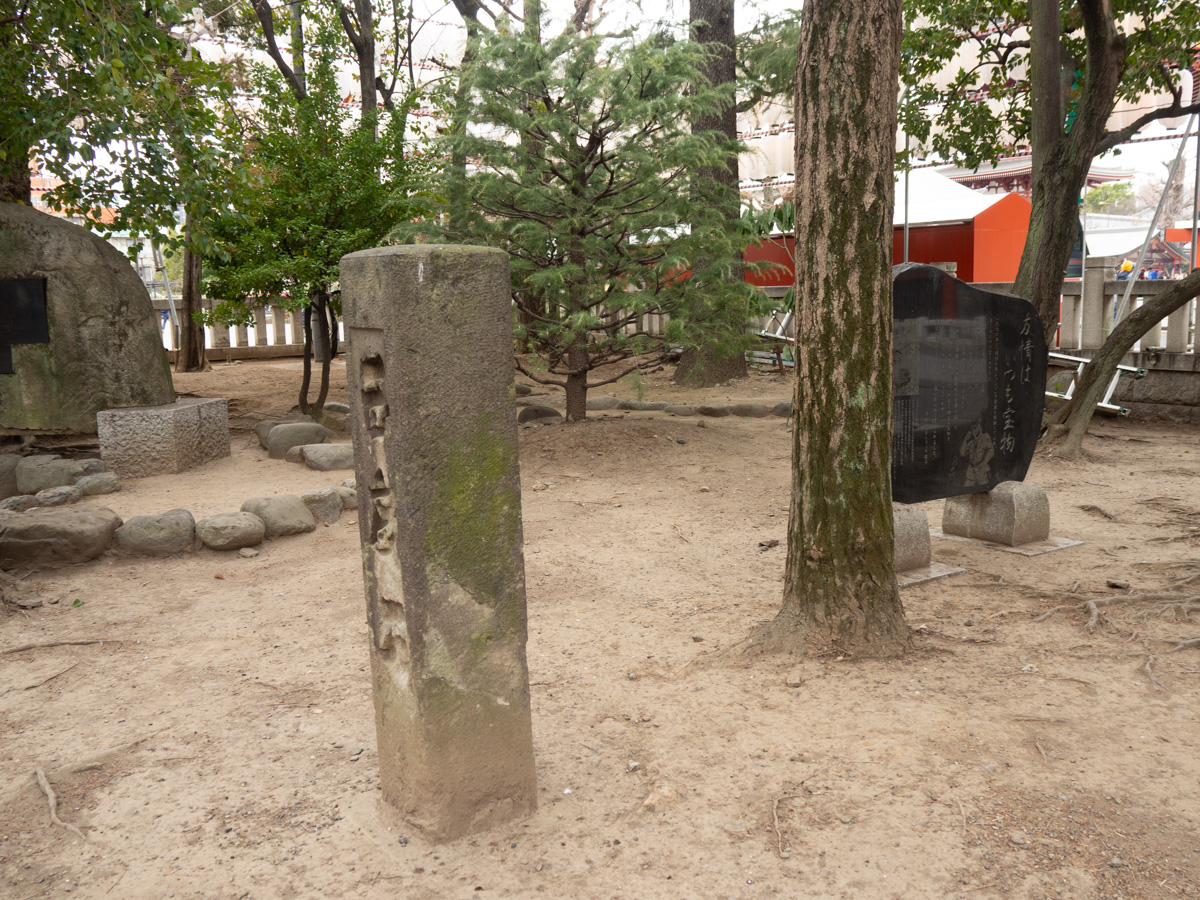
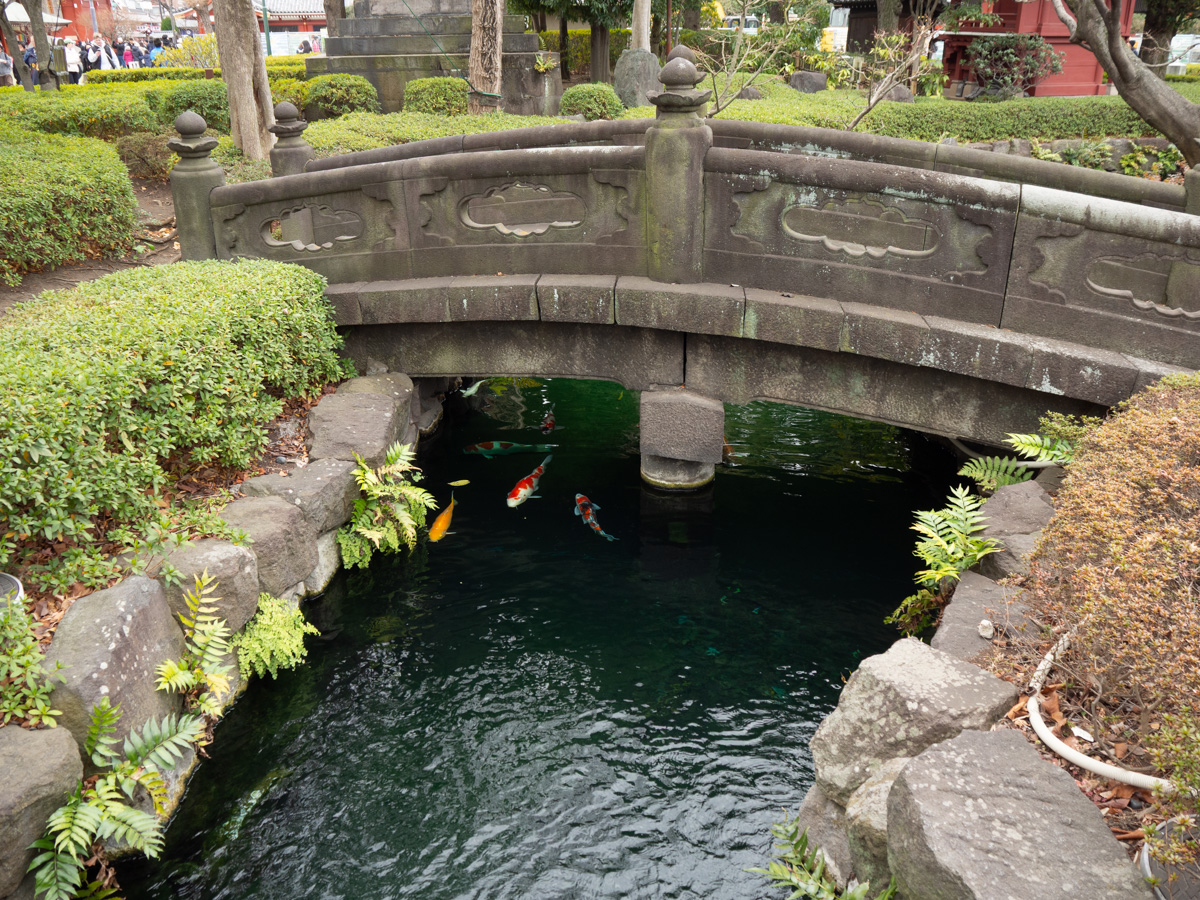
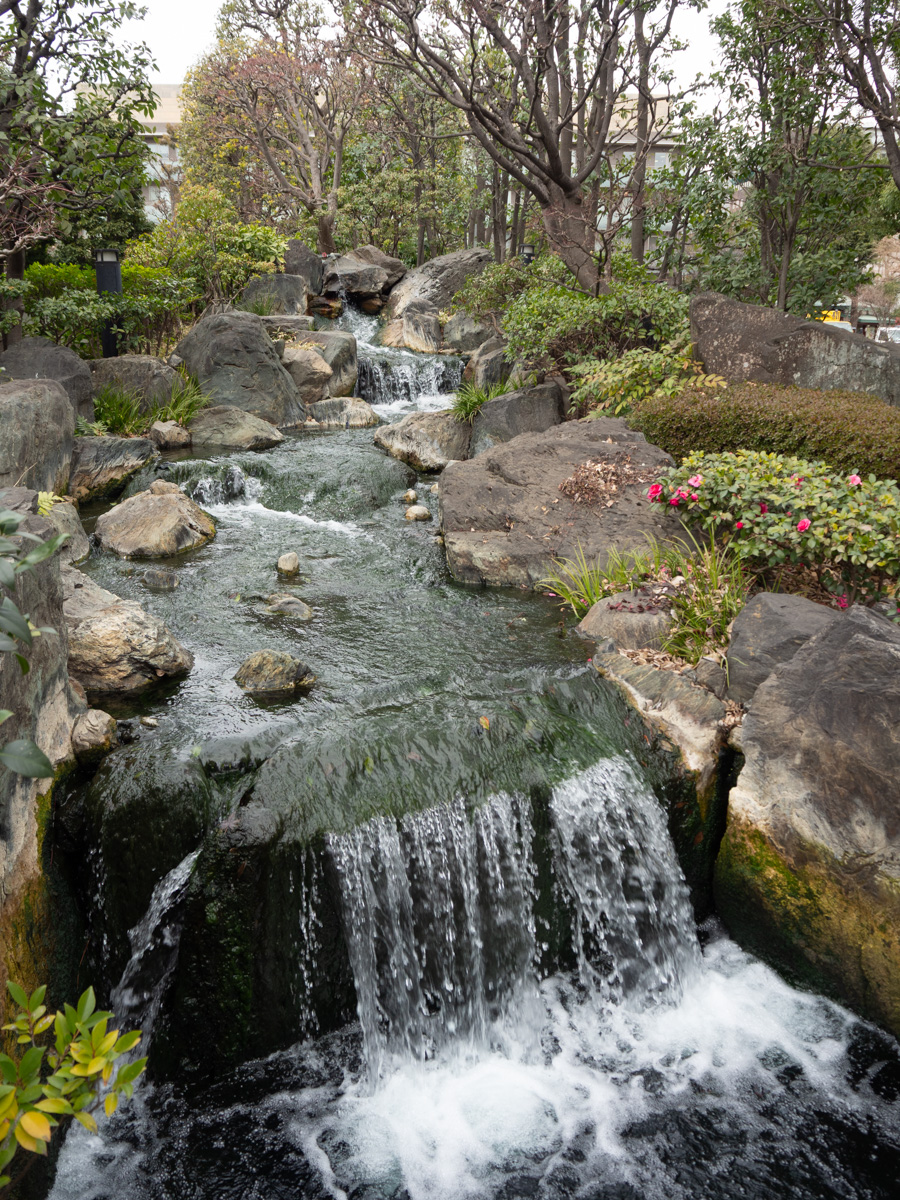
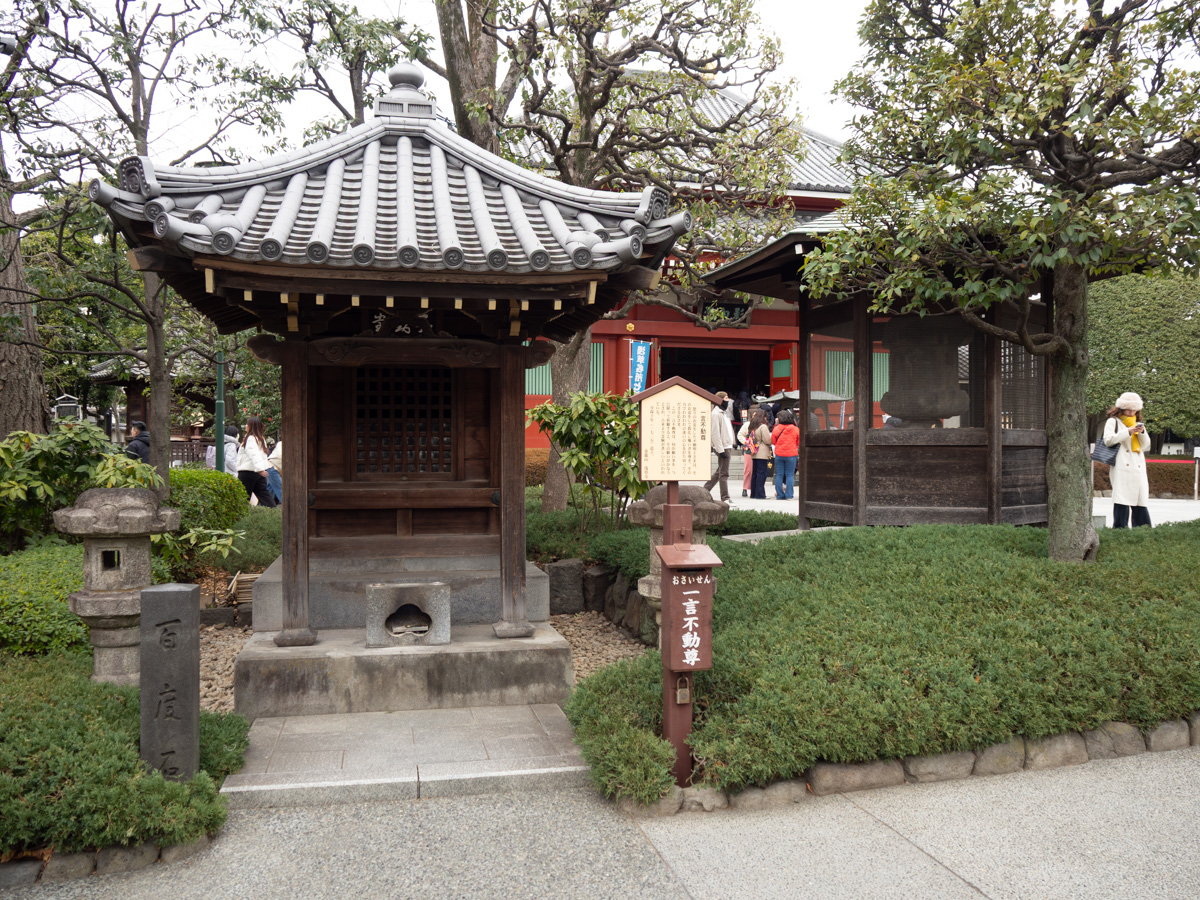
There was also a small, beautiful park, with a waterfall and a koi pond, as well as several small shrines and altars that we didn’t really understand much about, since the signage was all in Japanese only.

This being our first temple visit, I felt mostly clueless. Which bits are special about this one? Which ones are typical?

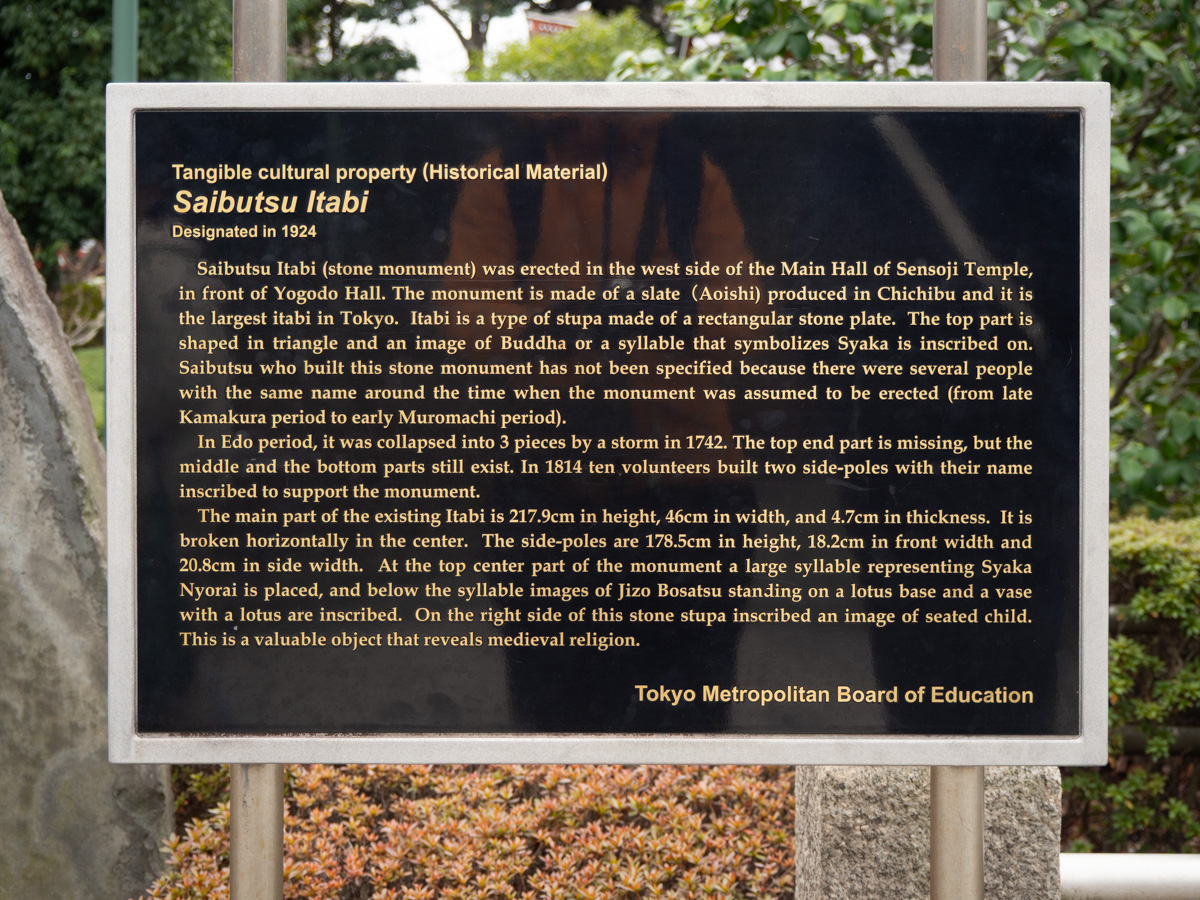
The few informational plaques that were in English – both here and later at other sites – had a bizarre focus on dates and measurements. This one is better than most in that it actually tells us the history of the object that we’re looking at, before it dives into precise measurements (217.9 cm in height, not 218!). But in general we soon gave up expecting any insight from info plaques, and their millimetre precision became a running joke between us.