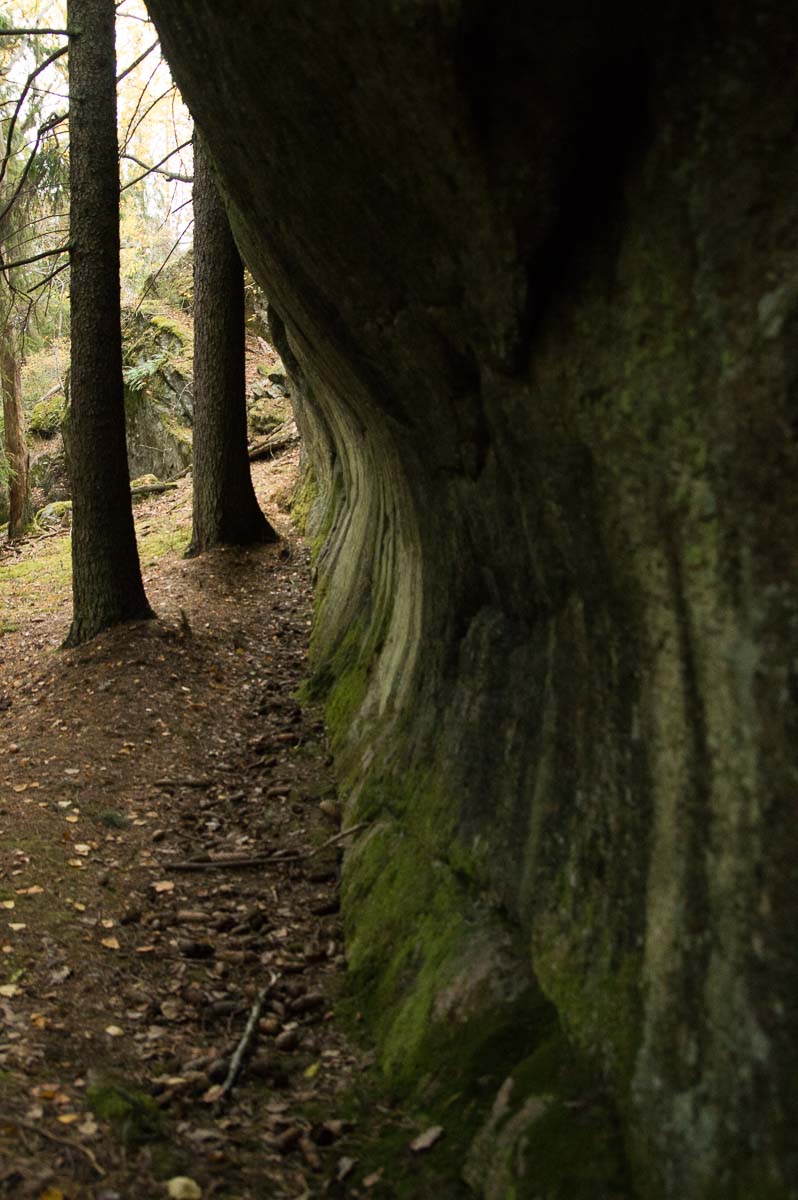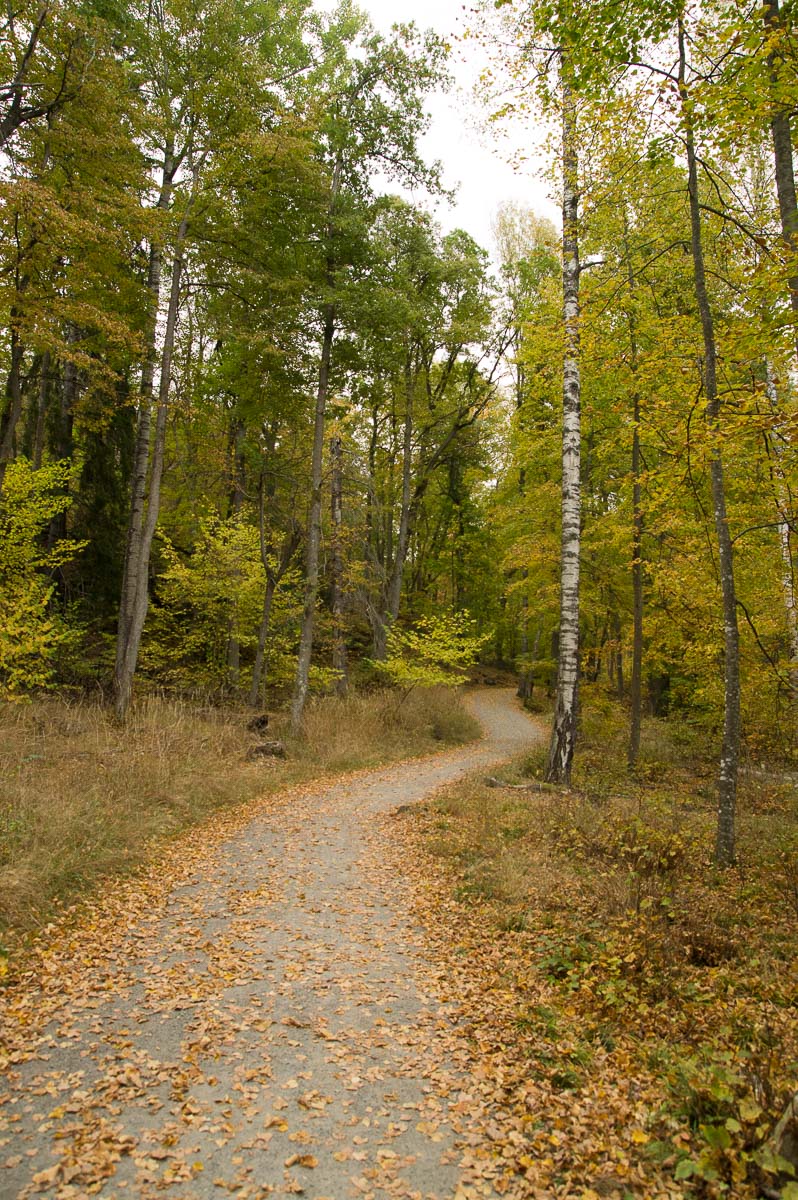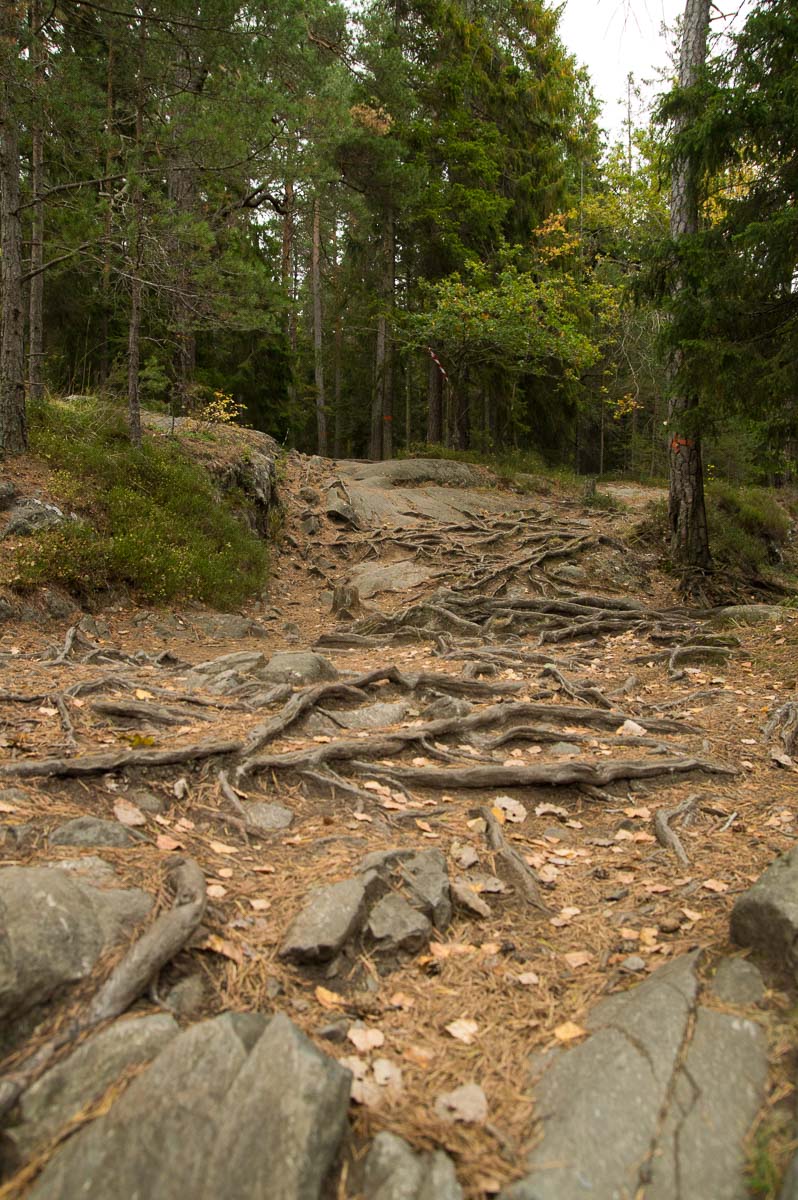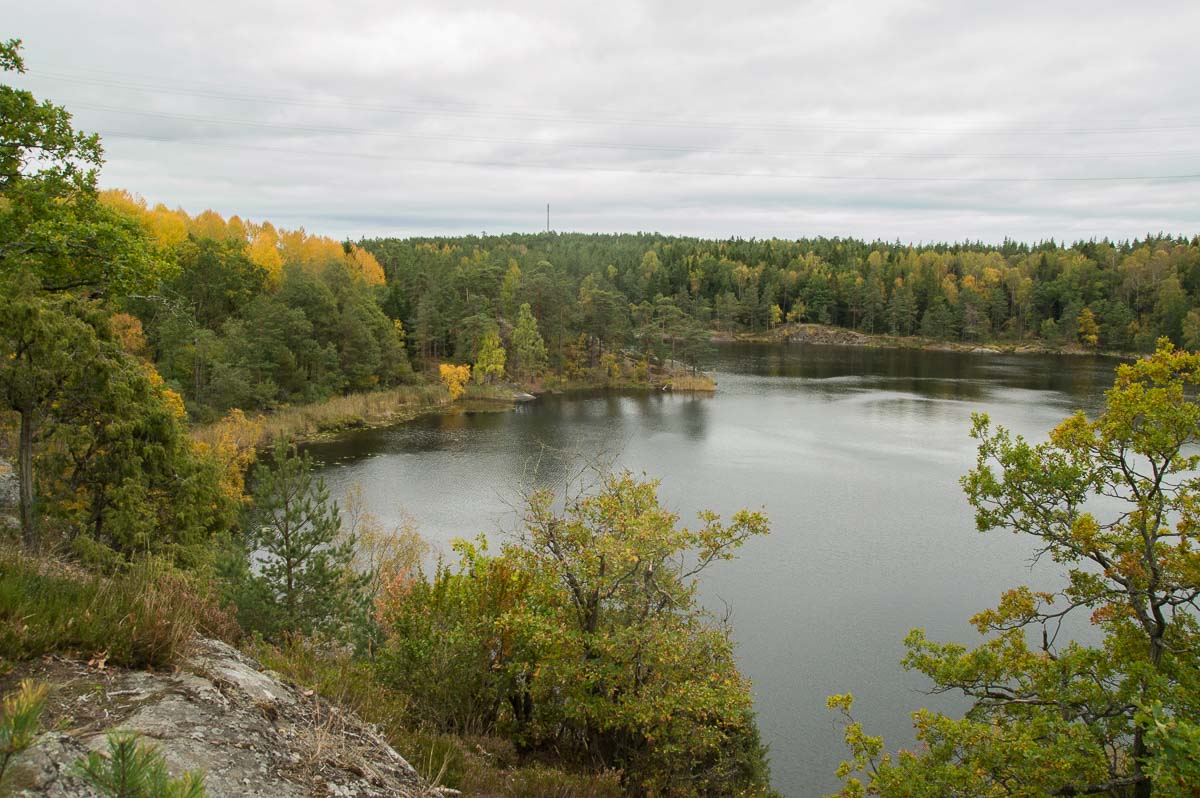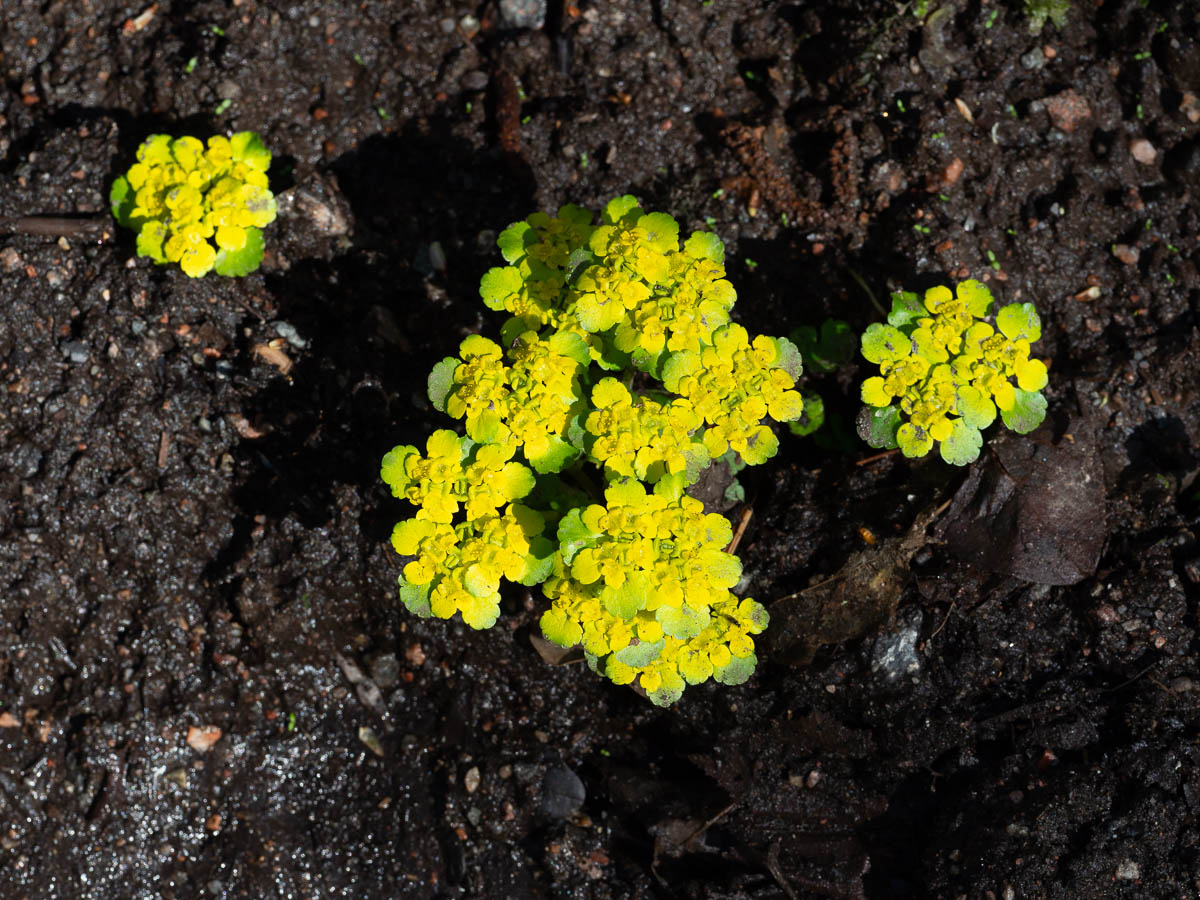
I’ve been doing the first dozen or so stages of Sörmlandsleden consecutively, but skipped a few to walk stage 20 today. This stage passes through Henaredalen, which is described as “botanically interesting, wonderful late spring/early summer flowering”. Sounds great for a weekend in May.

It was rather underwhelming. The Henaredalen valley turned out to be a only few hundred metres long, so just a tiny fraction of the 6 km walk. The rest of it was the usual Sörmland pine forest. And while there were flowers in the valley, it wasn’t exactly breathtaking. I suppose it is more “botanically interesting” than impressive for the general public.

Nevertheless a nice walk – not least because it was very empty. I ran into a single walker on the trail itself (a local bird photographer), and three people at the far end. On my way back I didn’t see a single human being.
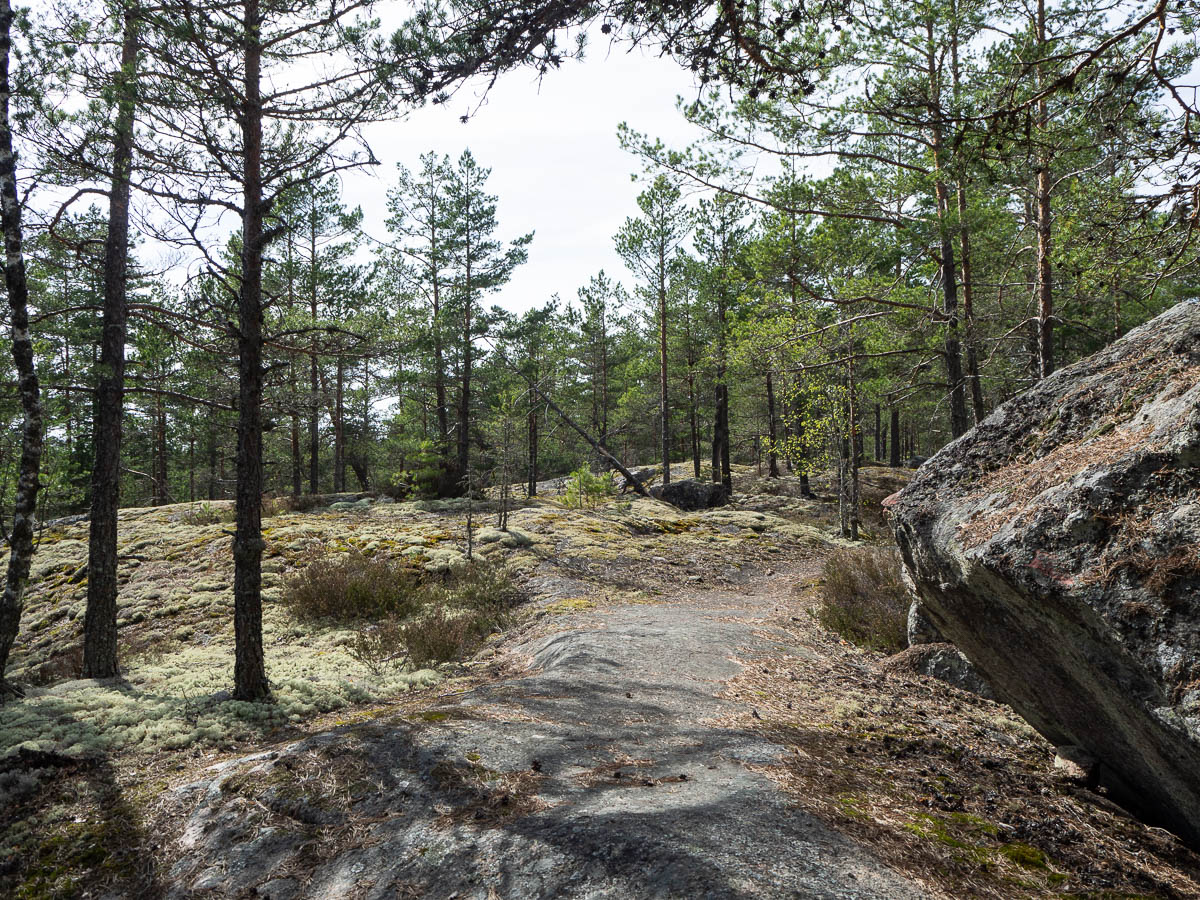
The beautiful weather helped as well – we’re just a few days into May but already it feels like summer, and I was walking in just a tank top and thin trousers and a sandals. I thought the choice of footwear was a bit foolhardy perhaps – early May can be quite wet still – and was mentally prepared to get all muddy, but there was none of that, except in the river valley.

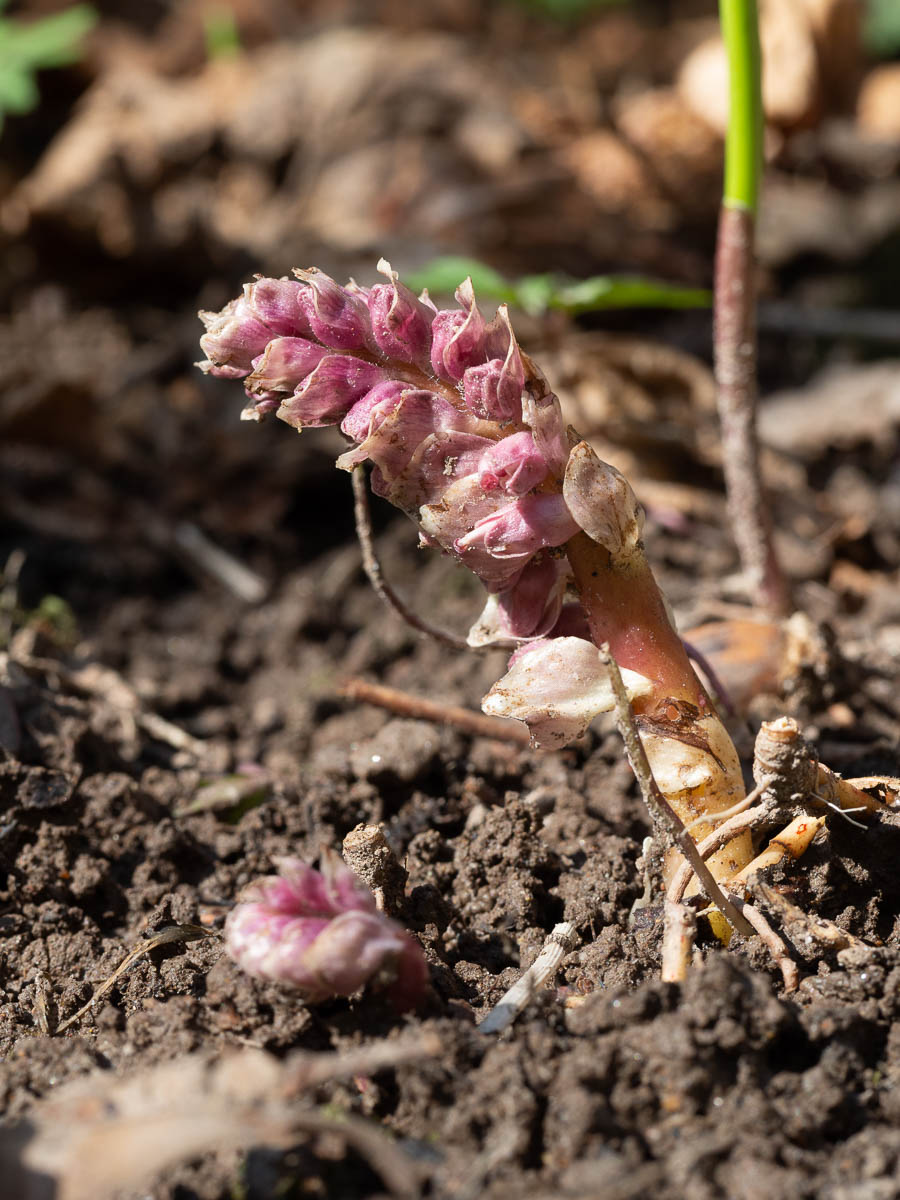
The coolest flowers I saw was the common toothwort (Lathraea squamaria). It was impressively good at hiding in plain sight. Its shoots are quite large and thickly covered with flowers, but those are unassumingly pale brownish pink and somehow the eye just glides over them, especially among dead brown leaves. But once I had seen one, I started seeing them everywhere.
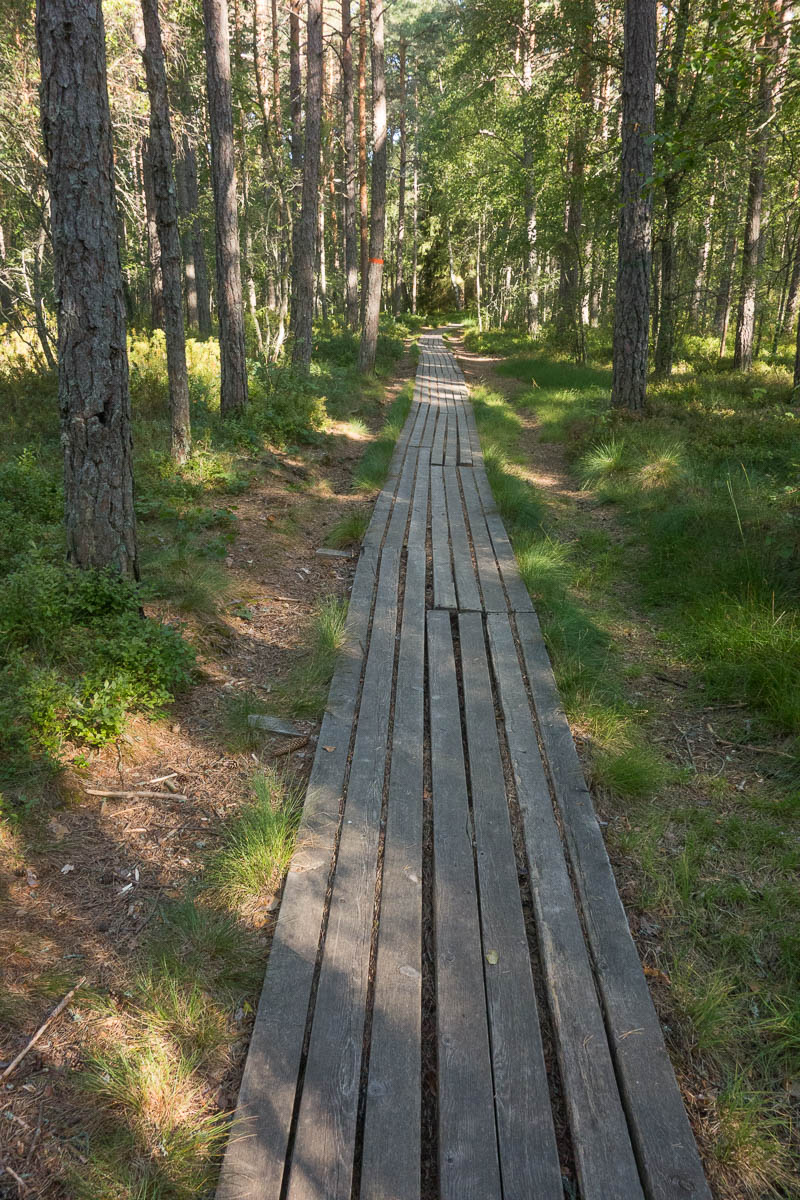
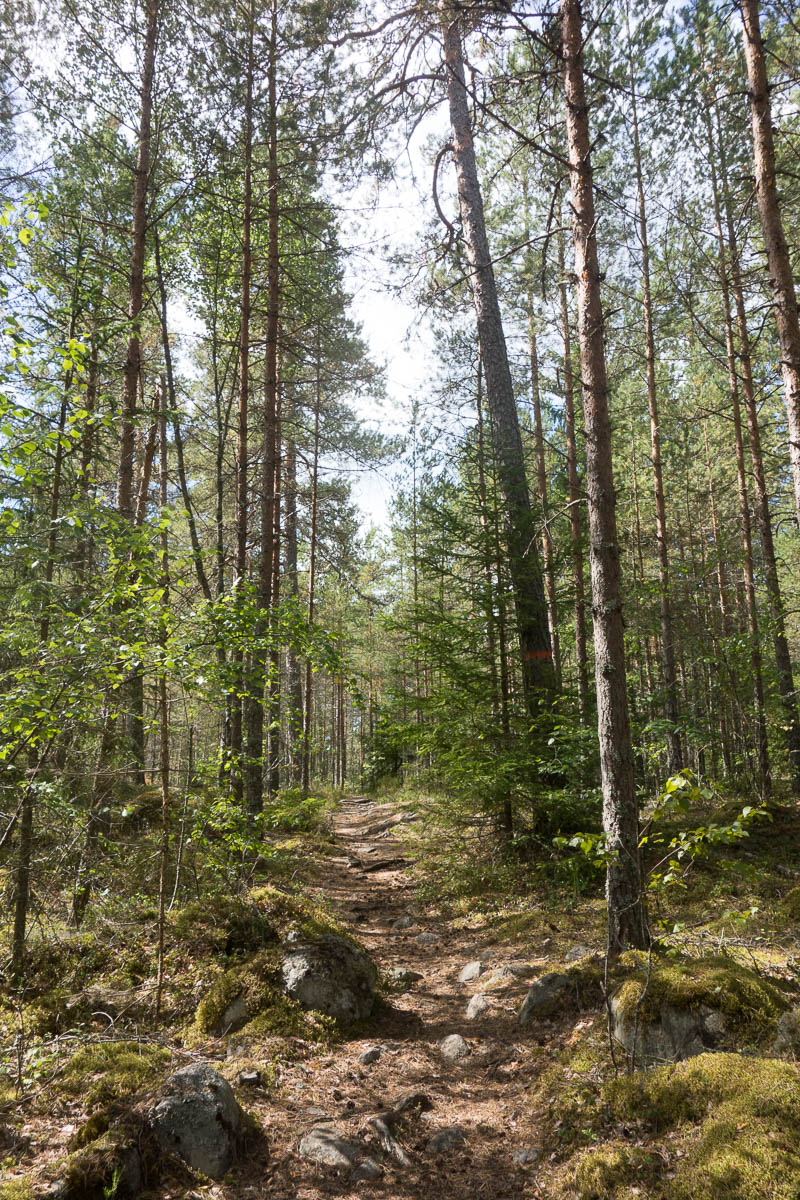
Section 11 passes through a fascinating area of pine forest west of Järna, with dozens and dozens of old mining holes.

In my mind I had never connected the name Järna to järn (“iron”). It’s always just been a name to me. Now I know better.

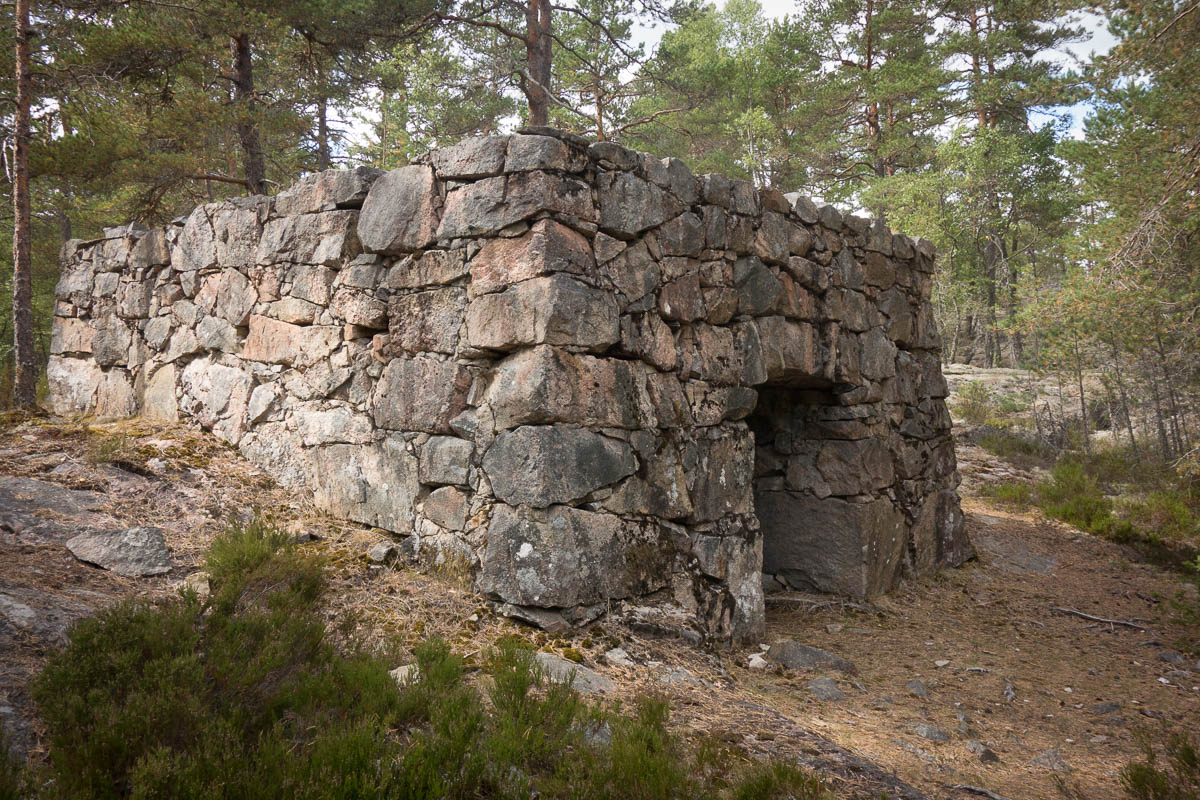
Some holes were just vague indentations in the ground, partly filled with earth. Others were filled with water instead, and looked pitch black because of the depth and the dark rock bottom. Some were actual roofless tunnels that you could walk in. There were also ruins of utility buildings from the mining era.

Today I actually saw other hikers on the trail. (There were also people in Järna but they don’t really count.) I ran across a few campers near a spring, and two French hikers. The French couple walked at roughly the same pace as I did but we timed our breaks differently, so we kept passing each other whenever one of our parties had stopped. I think I passed them three times and they passed me twice, until I left the main trail and turned onto the connecting trail to Mölnbo.

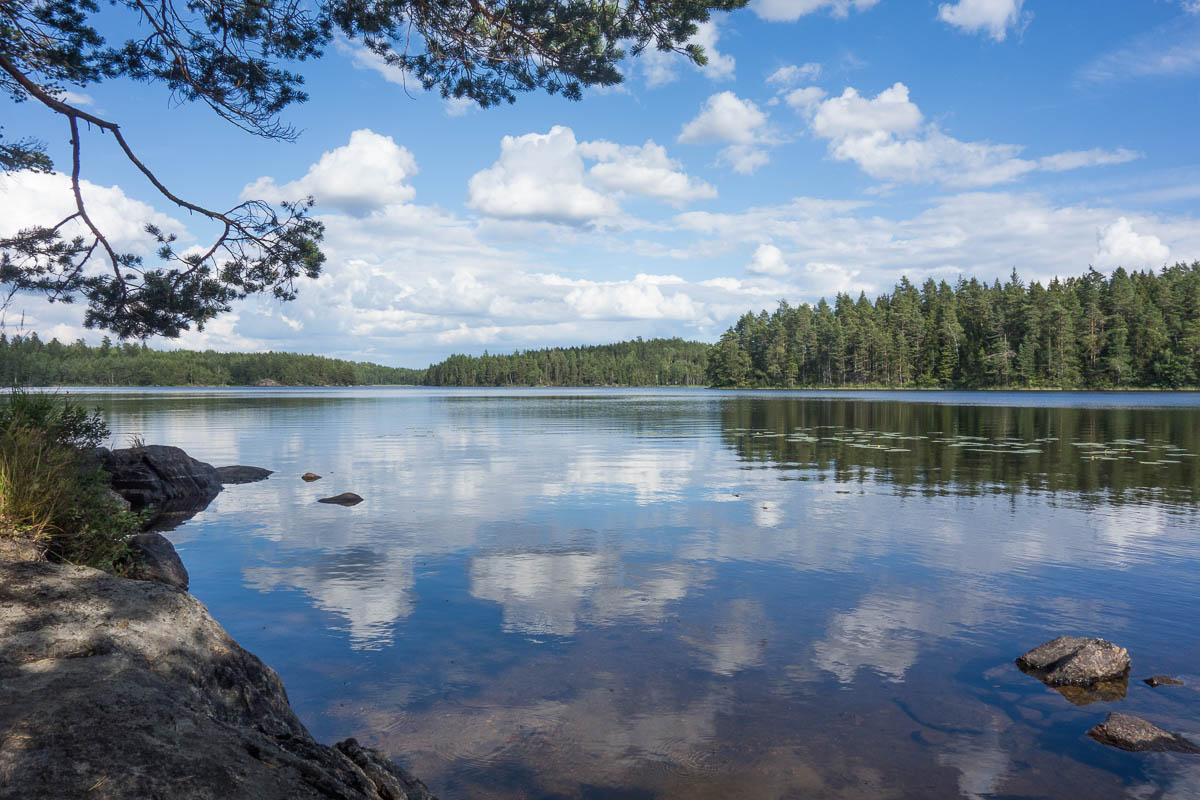
Section 12:1 goes along the shore of a lake for quite a while, and had some nice views to offer. The path was dusty and the day was hot, and I had a pleasant break at the lake and bathed my feet.

There were plenty of bilberries in the woods – enough for me to eat my fill and tire of them. Luckily there were also bog bilberries (which I haven’t previously found much of in Sörmland) and raspberries, to provide some variety.

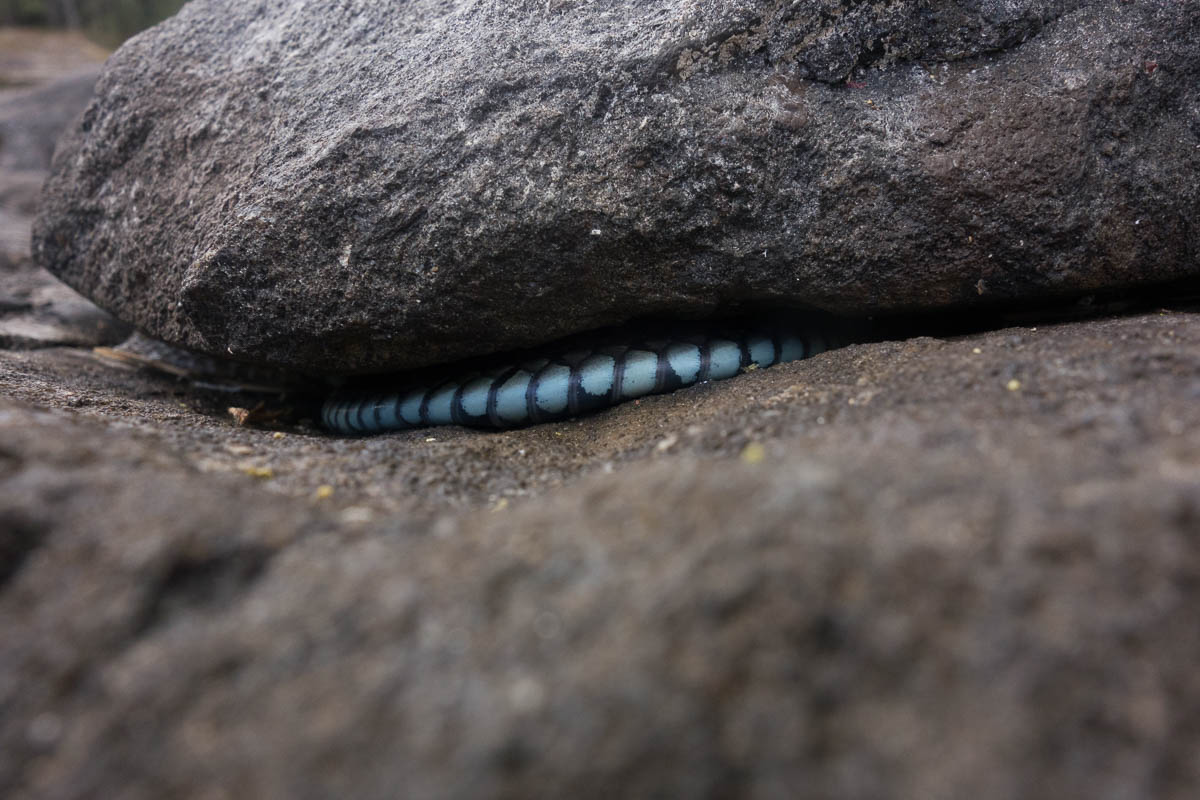
Snake skin


Day 1 of a two-day hike along Sörmlandsleden.

Section 9 goes through central Södertälje and is unlikely to go down in history as anyone’s favourite, least of all mine. I understand why it exists, and it was my own choice to walk it, and if I had to make the decision again then I’d probably make the same choice. But it was rather dull.

Section 10 was pretty typical Sörmland. Some open fields in the beginning, and then rocky pine forests with bilberry bushes. I notice here that all my photos are of the open areas – the whole section definitely didn’t look like this. The fields with their ripening heads of grain just felt so much like late summer.

This was my first solo overnight hike. I had a heavier pack than I normally walk with (sleeping bag and stove and all that, and more food of course) so I was slower than usual. I didn’t know exactly how much the pack would slow me down, so I was a bit worried that I would arrive very late at my planned camping spot. I needed to find the spring which was supposed to be there, so I’d have water for cooking dinner, and I didn’t want to have to look for it in the dark. So my walking was at times less relaxed than usual, and my breaks shorter. (I am a worrier, though I make an effort to avoid it.) In the end I got to the campsite shortly after seven in the evening, which still left me enough time before dark.

I cooked myself an excellent dinner – a hearty stew with carrot and tomato and lentils and wheat grain. Then spent some time reading while there was still enough light from my campfire and the setting sun. Then applied one last layer of mosquito repellent, and went to bed. The mosquitoes were repelled enough to not bite me, but they kept buzzing so close to my face that I had to use earplugs in order to be able to sleep.

The whole family joined me for a walk along a circular route based on Sörmlandsleden, stage 15:2 and part of 15, between the old mine at Skottvång and lake Marviken.


The weather was cloudy and cool but otherwise fine. We saw hepatica flowers everywhere. White anemones were just starting to bloom, but they were camouflaged since their flowers only open in sunshine. I also saw a very early marsh marigold.
 

The kids did not enjoy the actual walking part too much, which was pretty much as expected. Luckily there was stuff for them to do and to look at.

At the beginning and end of the trail, near Skottvång, there were numerous works of art in the forest along the trail – odd constructions, plastic plants in unexpected places, funny road signs (pointing towards “tree”, “path”, “air”, “water”, “berries” etc), coffee cups hanging on trees, a modern rune stone, etc.

We stopped for lunch at a picnic spot just off lake Marviken, roughly at the halfway point, and made a fire to heat and cook our food.

There was no firewood at the picnic spot, but there was no shortage of dry branches in the forest nearby. I guess not many people had stopped there recently. The fireplace was a small one and we had no proper tools with us to cut the branches to size. I couldn’t find my camping knife when packing so I only had a little pocket knife with me, but that turned out to be enough for whittling down the thicker branches until I could snap them in two.


Our standard campfire food is “hike bombs”, a recipe I learned from Ingrid’s scout hikes: foil packages containing diced pre-cooked potatoes, vegetables etc. Easy to prepare, easy to pack, quick to cook, and delicious. Our version consists of potatoes, salmon, and broccoli. For dessert, we had “hike bananas”, which is also a traditional outdoor recipe in Sweden: bananas, slit and stuffed with pieces of chocolate, and then grilled.


Both kids enjoyed poking in the fire and putting on more branches, but Adrian was quite cautious about getting close to it. Somehow he nevertheless managed to get soot marks on his forehead, which Ingrid then turned into a war painting.


After lunch we passed and climbed a viewing tower. The tower was more fun than the viewing – the surrounding area is quite flat and all we could see was forest, looking the same in all directions.


The walk back felt shorter than the way out, because we made slingshots for the kids. Shooting and looking for projectiles kept them happily occupied almost all the way to the car.

We only had pieces of ordinary sewing elastic to work with, so the slingshots were neither powerful nor easy to use, but kids were happy as long as their stones flew a few metres. We’ll probably make new ones next time we’re out walking, so I’ll have to do some research to find a better material to use next time.


This was an exhausting week at work. We had several workshops/meetings lasting over half a day, where the tone got more confrontational and less collaborative than I am used to. In order to recover I used up some of my flex hours to take a day off and go walking instead. There’s nothing like 7 hours outdoors on my own to restore my mental energy levels.

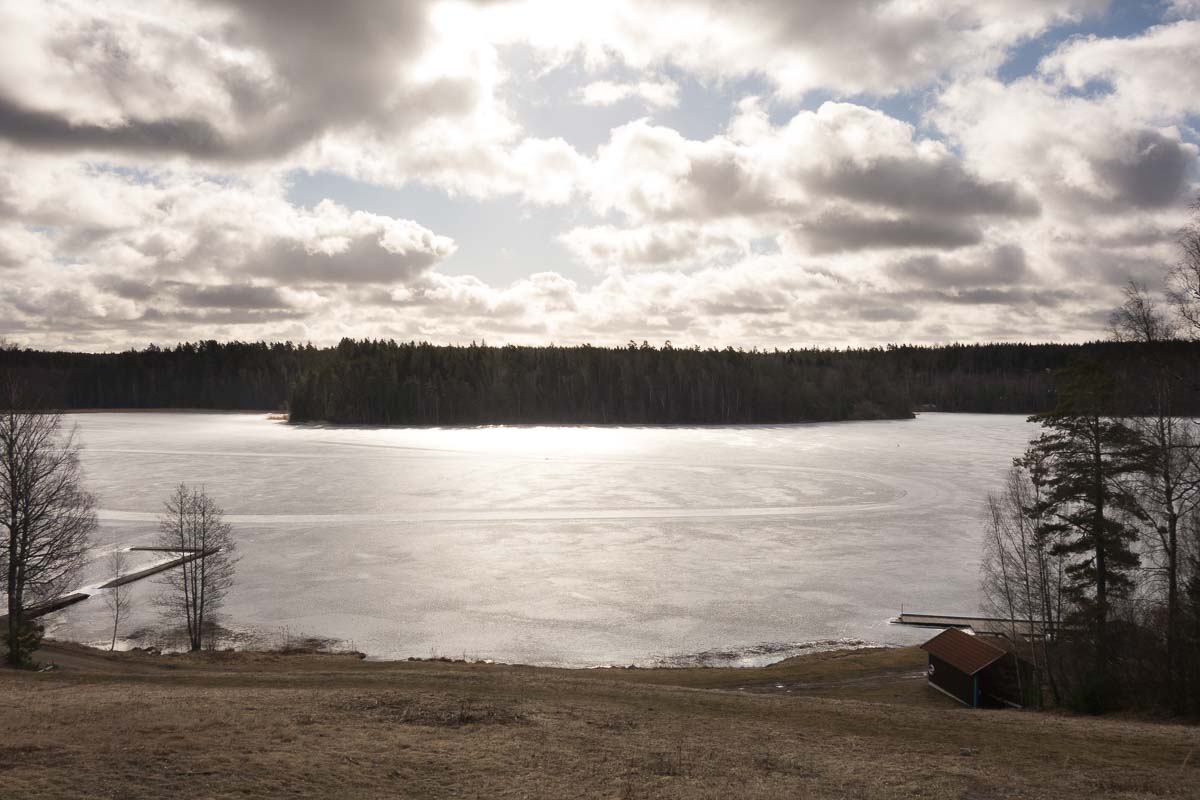
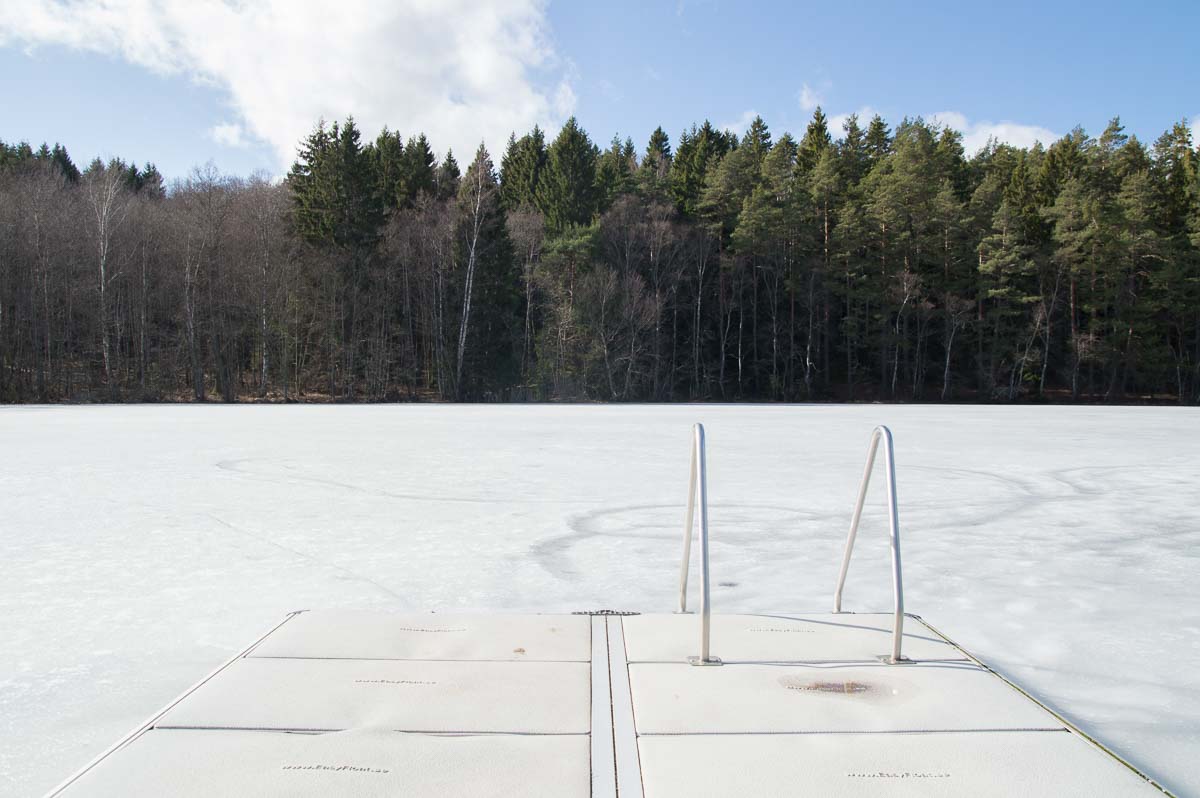
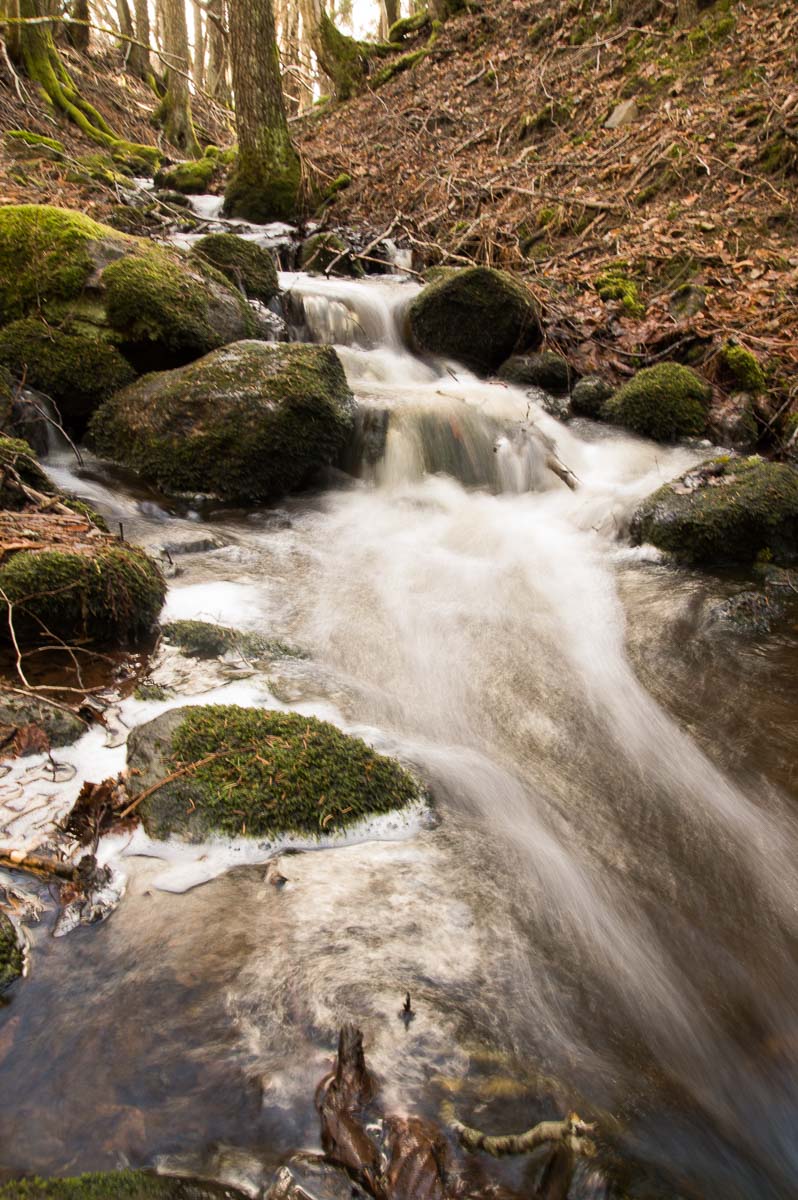
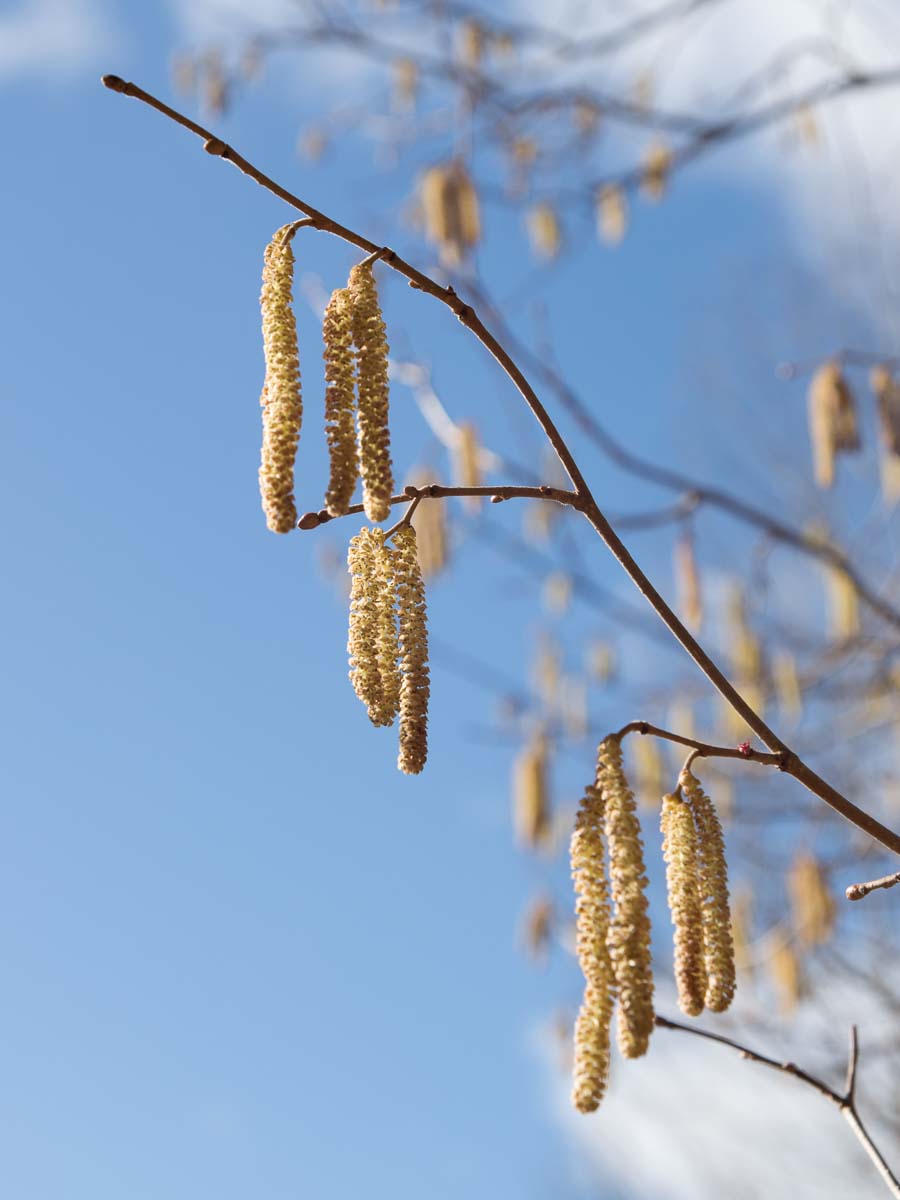
It was a beautiful, warm day, with blue skies and balmy winds. The lakes I passed were still covered in ice and so were parts of the path, but the brooks were full of snow melt and the hazelnut bushes were in bloom – the first plants to do so.


I needed a dose of nature so I went for a long walk.

(It’s a stressful time at work right now. Senior developers have been increasingly dissatisfied with our work situation, and just as we had started work on analysing and improving the situation, we found out the company would get a new CEO. That new CEO arrived a few weeks ago, and he of course has his own ideas about what needs changing. So everything is in a state of flux, but nothing is actually improving yet. It’s going to get worse before it gets better.)

It’s a snowless, cloudy day in February, and it feels like the whole world is the colour of muddy asphalt. And it is actually muddy as well, due to unseasonably warm weather – all of February is normally below freezing, and today’s forecast was +7°C. I stopped for a snack break next to lake Muskan (which you can see in the photo above) and while the ice was still thick, it was dripping and purling like a whole brook.

But it’s not all mud and greyness. With a bit of attention, I found specks of colour here and there. (Although counting my own rucksack as a speck of colour does feel like cheating a bit…) I also found out that lingonberries, which are quite tart in summer, get milder and sweeter after having been frozen – the taste brought lingonberry jam to mind.


After more than a week of not doing much (other than cooking, eating, and hanging around) I am in need of physical activity. My body is getting sofa-shaped and my back is getting sore from all the sitting. Today I went walking on Sörmlandsleden.

Christmas wasn’t white, but last night we got a bit of snow, as luck would have it. Everything was covered in a powdery layer of fresh, fluffy snow – very picturesque! The forest looks much prettier in white than in brown and black. Much of it was untouched by human feet, which made it extra beautiful.

Untouched by human feet, but not by any feet. The forest was full of animal tracks. I’ve never hiked after such fresh snowfall before, so I’ve never seen anything like this. I mean, I know in theory that there are animals in the woods. But as a loud and clumsy human walking through the woods, I normally never see them. Maybe a deer in the distance, that’s it. Now I got to see – well, still not the animals, but signs of just how omnipresent they are.

Fox tracks in particular were everywhere along the paths and footbridges. It seemed funny to me at first that a fox would choose to walk on footbridges on Sörmlandsleden. But then again, Sörmlandsleden follows old, established paths, which in turn probably started their lives as animal paths, centuries ago. So it’s not that the fox follows Sörmlandsleden – it’s Sörmlandsleden that follows old fox paths.

Stages 5 and 6 together are about 24-25 km, which is eight hours of walking at my normal hiking pace. Midwinter days are short, so eight hours is just at the limit. I started in the pre-dawn twilight and finished shortly after dark.


The family is gone for the weekend. What does mum do? Turn up the volume on Adele in the entire house and start planning and packing for another solo hike.


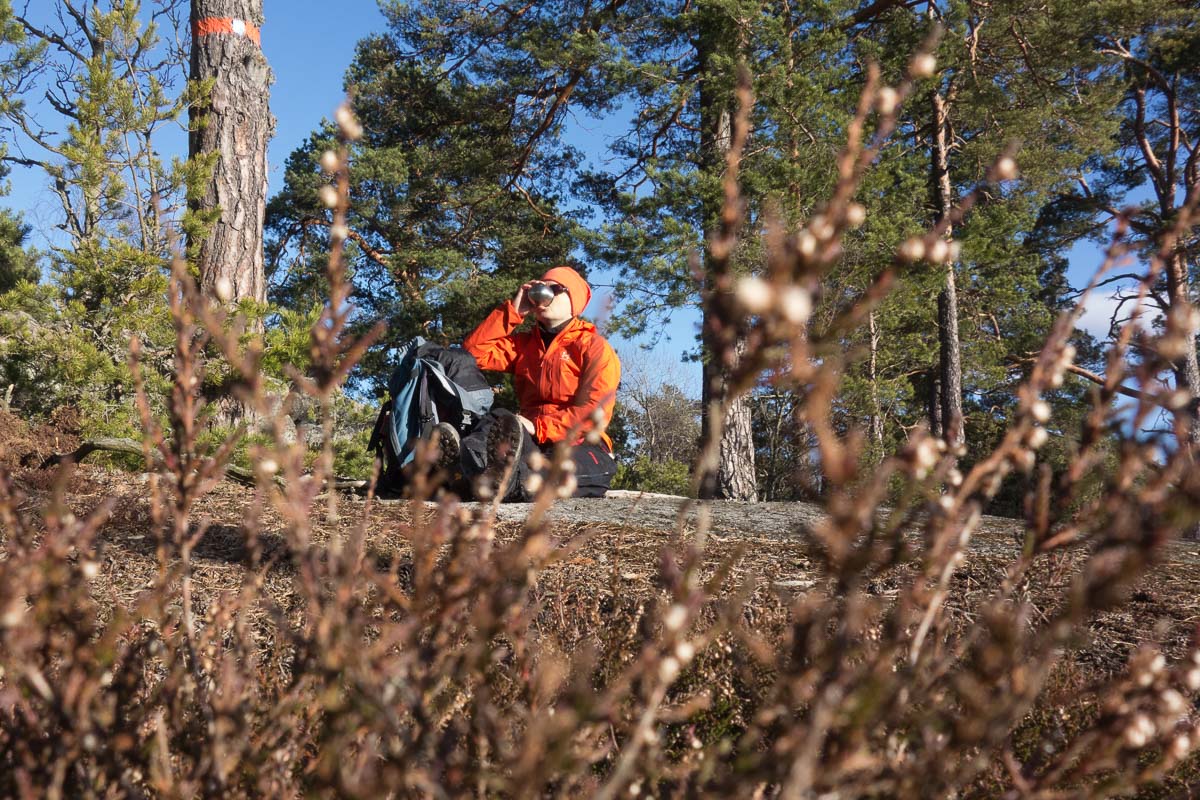
I do pack light but some creature comforts are important. I want good, proper food, rather than cheese sandwiches or trail bars. So I packed both a luxury lunch (flatbread wraps with prawns and avocado) and two thermos flasks with hot drink. It weighs a bit, but dull sandwiches or cold drink would just take all the fun out of it.

I picked up Sörmlandsleden where I left off two weeks ago. So finding the beginning of stage 3 was easy. But then after a hundred metres or so, before I actually started walking for real, the trail markings just seemed to disappear. I spent a good quarter of an hour circling around before I managed to pick up the trail again. (Instead of turning right into the woods, the trail first detoured across a parking lot and behind some ugly gravel hills.) From then on it was smooth going.

The first part of the trail was quite similar to the previous stages. But after a couple of hours, as the trail crossed from the nature reserve into the Tyresta national park, the landscape got more and more beautiful. Much of it was still rocky pine and blueberry forest, or mossy spruce forest, and the odd little lake here and there, but somehow it was just… better. Like it had been more artfully arranged, with more pleasing proportions and less distractions. Just beautiful.


The weather was not so beautiful, unfortunately. It was only about 5°C outside, and around midday it started to rain. First just a light misting, and then a drizzle, and from then on it rained until 5 o’clock, sometimes more and sometimes less, with just a few brief breaks. At first I thought I’d cut my hike short if the weather didn’t improve. But I had waterproof shoes and clothes, and a hat and warm gloves, and there wasn’t much wind, and it was not actually pouring… so I just kept going. I was both warm and dry, even if the weather was not.

I was like the fabled frog in hot water, except the water in my case was cold. It would never have occurred to me to go out hiking in the rain, but since I was already out hiking and the rain only came gradually, I never saw a reason to jump out.

The only two downsides of hiking in the rain were (a) the way the hood of my waterproof jacket rustles and blocks ambient sound, and (b) it was harder to take photos. I have no rain cover for my camera, so I had to put it in my backpack to protect it, and stop to dig it out when I wanted to take photos. Which was a right hassle, so I took far fewer photos than I’d have done otherwise.

The shelter at Årsjön protected me from the elements during my lunch break, and I had brought an insulated jacket to keep me warm. I postponed my other meal break until it was nearly dark, and luckily it stopped raining just as I was thinking that I’d have to eat in the rain (because section 4 has no shelter). It was just me and a few small birds in a twilit mossy forest.


Section 4 of Sörmlandsleden was ordinary forest. The contrast to the beauty of section 3 was stark. On the plus side, while the best parts of section 3 were quite busy, this section was completely empty of people. I met a group of boys with their leader at the very beginning, and not a soul after that.

There is a qualitative difference between hiking with few people around, and hiking with no people around.

By the end of this section it was dark outside. I had brought a headtorch so the darkness was not a problem, but I didn’t really see much of my surroundings. I was also getting tired at this point. The two sections are listed as 12 km and 9 km respectively. But somehow my hike totalled not 21 but 24,5 km, and therefore took over an hour longer than I had planned. It’s a good thing the final part of the trail went through unexciting nature, basically just little forested patches of land between residential areas and some light industry – I don’t think I missed out on anything unforgettable there.

Sörmlandsleden 1+2. Another rainy hike. A previous hike in Tyresta.


Having done two weekend walks in the company of others and come home semi-satisfied from both, I decided to go out on my own this time.

I’ve been thinking for a while of starting to walk Sörmlandsleden, or at least its more accessible sections: the entire path stretches 1000 km throughout the county of Sörmland and is perhaps not entirely doable without overnight stays and dedicated transport. So today I got started with stages 1 and 2.

My start happened to coincide with the start of Sörmland Ultra Marathon, a 50 km run mostly along the Sörmlandsleden. But those 200 runners quickly disappeared from view and most of the time I was walking on my own, which was just the way I liked it.

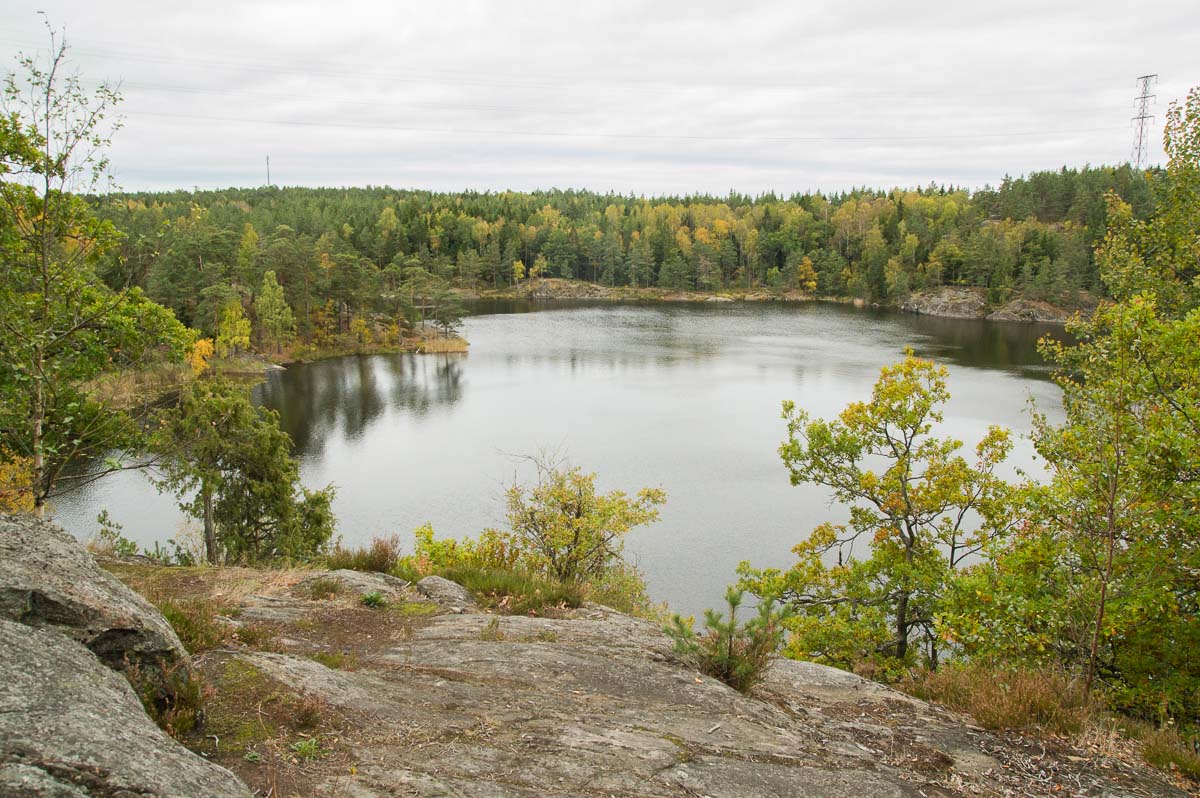
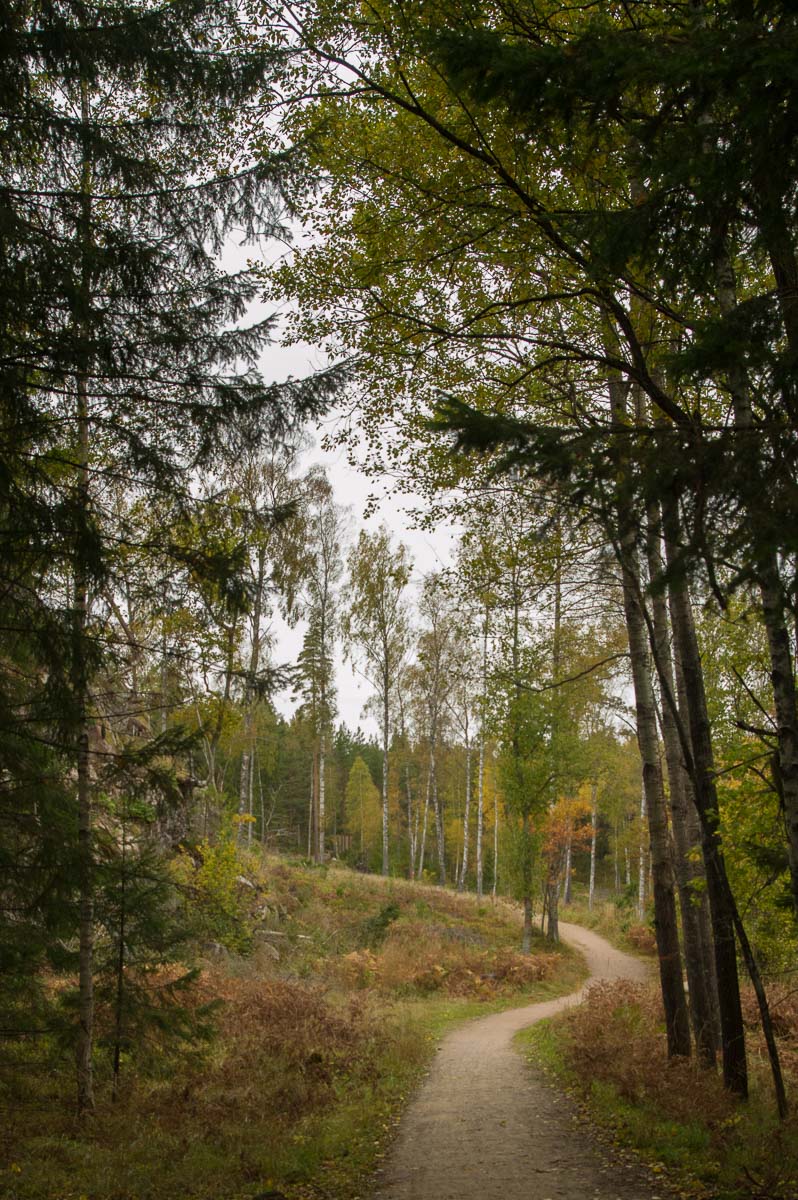
The views were nice and varied but nothing spectacular. A bunch of little lakes overlooked by rocky bluffs, pine forests with blueberry bushes, some fir and birch and oak, a few meadows.

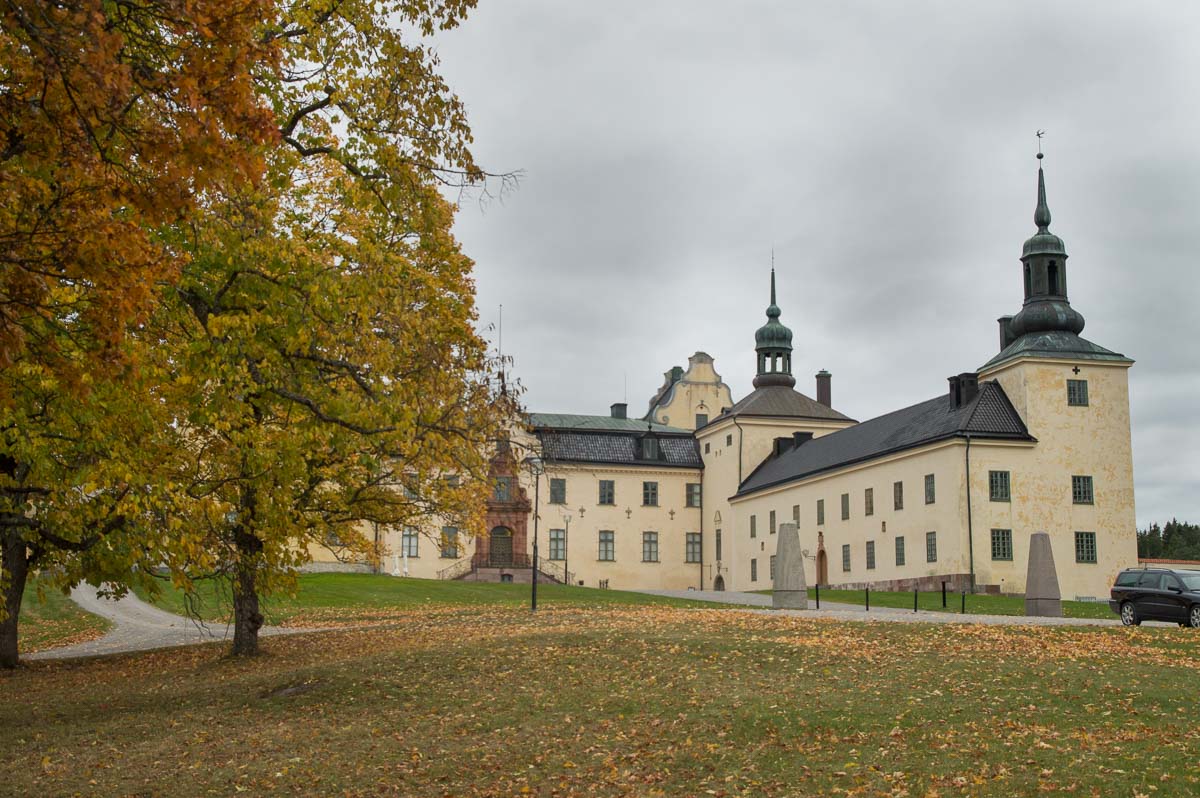
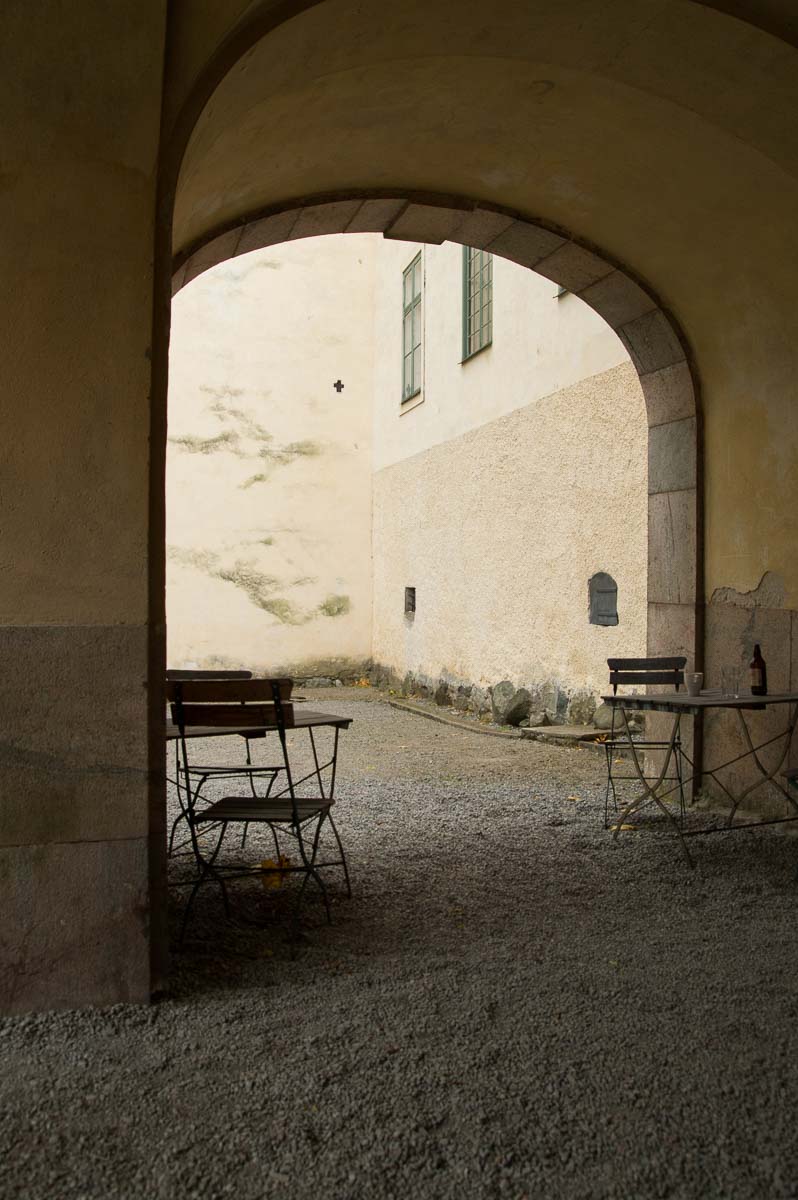
After 14 km of walking I briefly considered doing section 3 as well, but I would have reached the end after dark and after the last bus back to civilization, so I had to give up that idea. Instead I walked a few extra kilometres to Tyresö castle, hoping to get a hot meal at the café there. The extra walk there was nice, castle was pretty standard, but the salmon quiche served at the café was the stingiest one I’ve ever had.