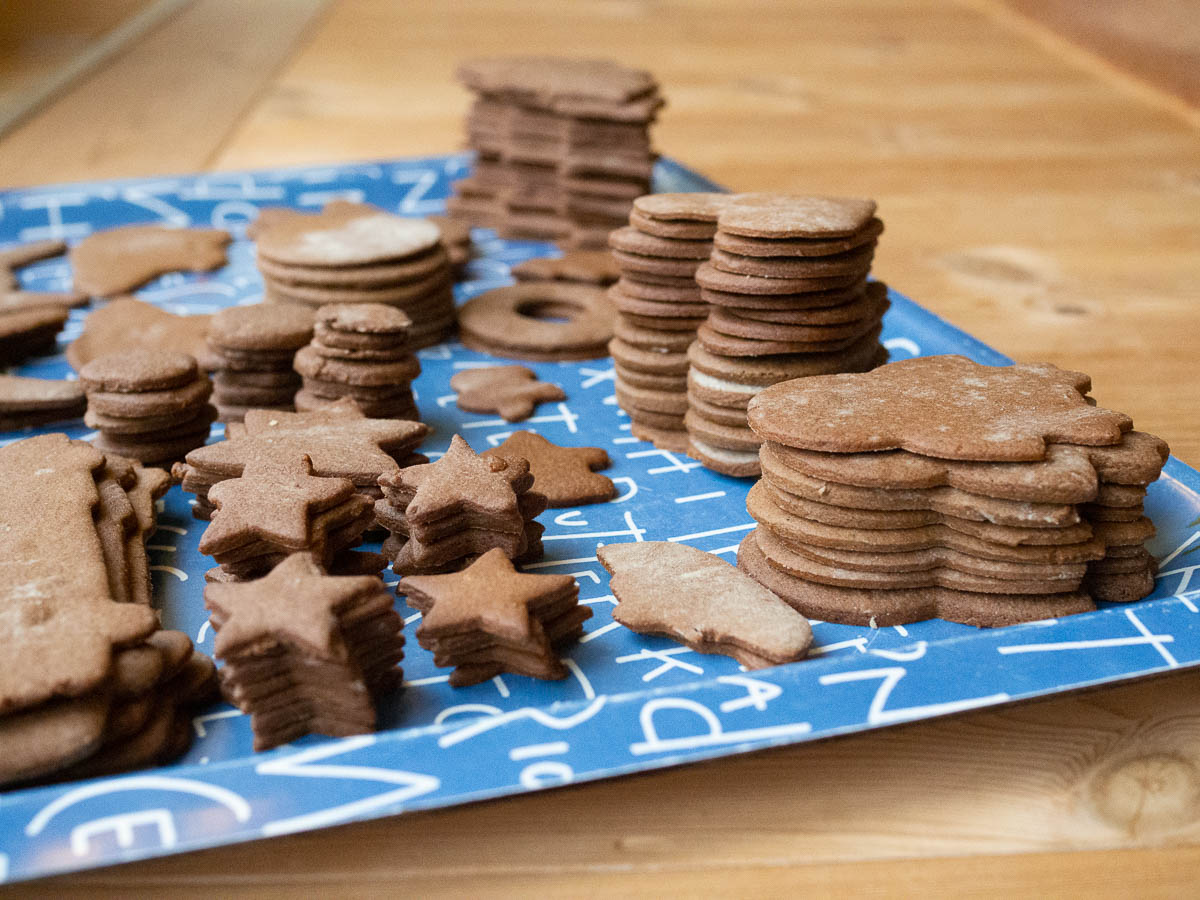
This is what happens to gingerbread cookies in a household full of people who like order. They get sorted by shape, and stacked. Small hearts, large hearts, left-facing pigs, right-facing pigs, and numerous piles of small stars and circles made from the scraps of dough between the larger cookies.

This looked satisfying but later turned out to be not a very good idea. At least not when the cookies are stacked when they are still warm. Because this way the steam can’t evaporate and the cookies end up soft rather than crisp. Unfortunately we only discovered this when we had finished decorating. I put the undecorated ones back in the oven to dry them out, but you can’t heat the decorated ones because the icing goes all runny. So we will be eating soft gingerbread cookies this year.
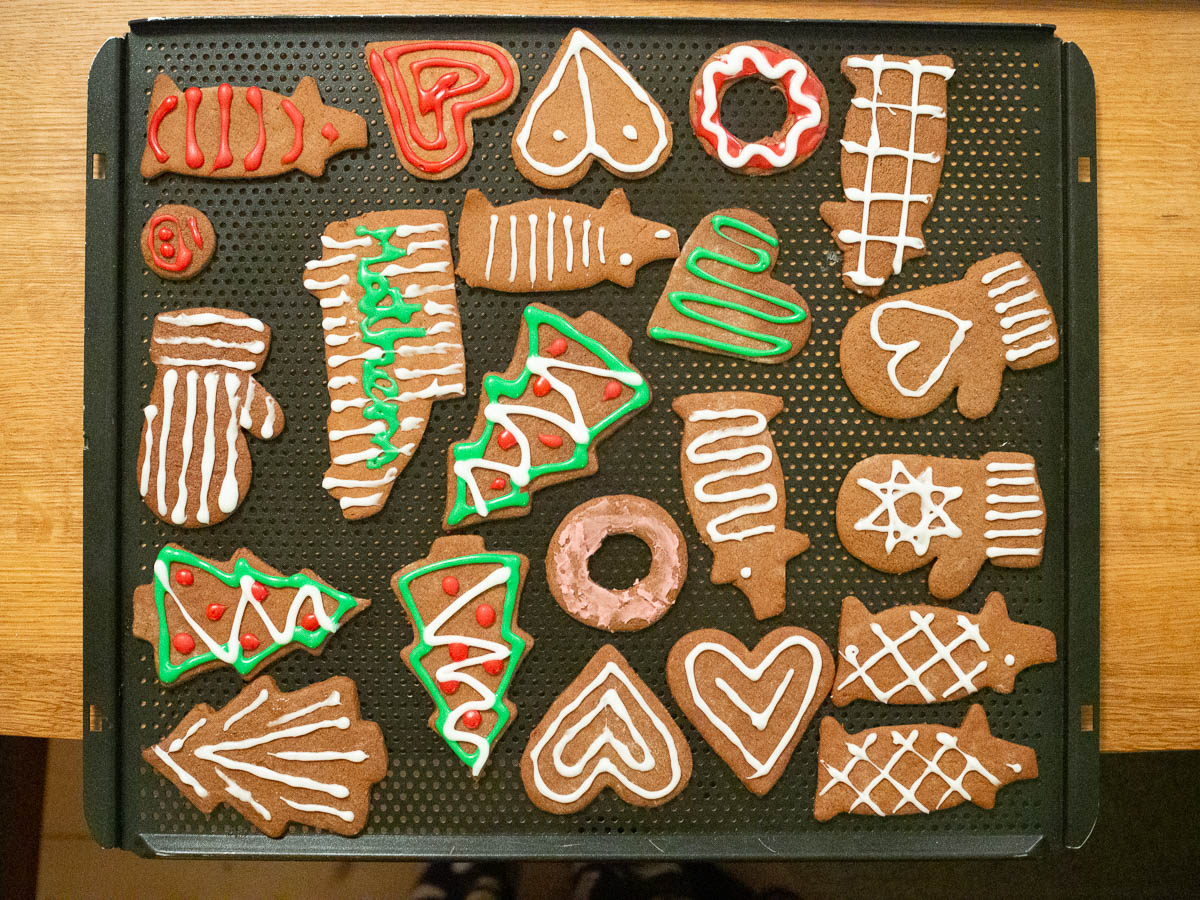
Ingrid is a skilled decorator and makes the most fancy ones, like the Christmas trees here. Adrian likes lots of icing on his, and preferably in colour, not in white.
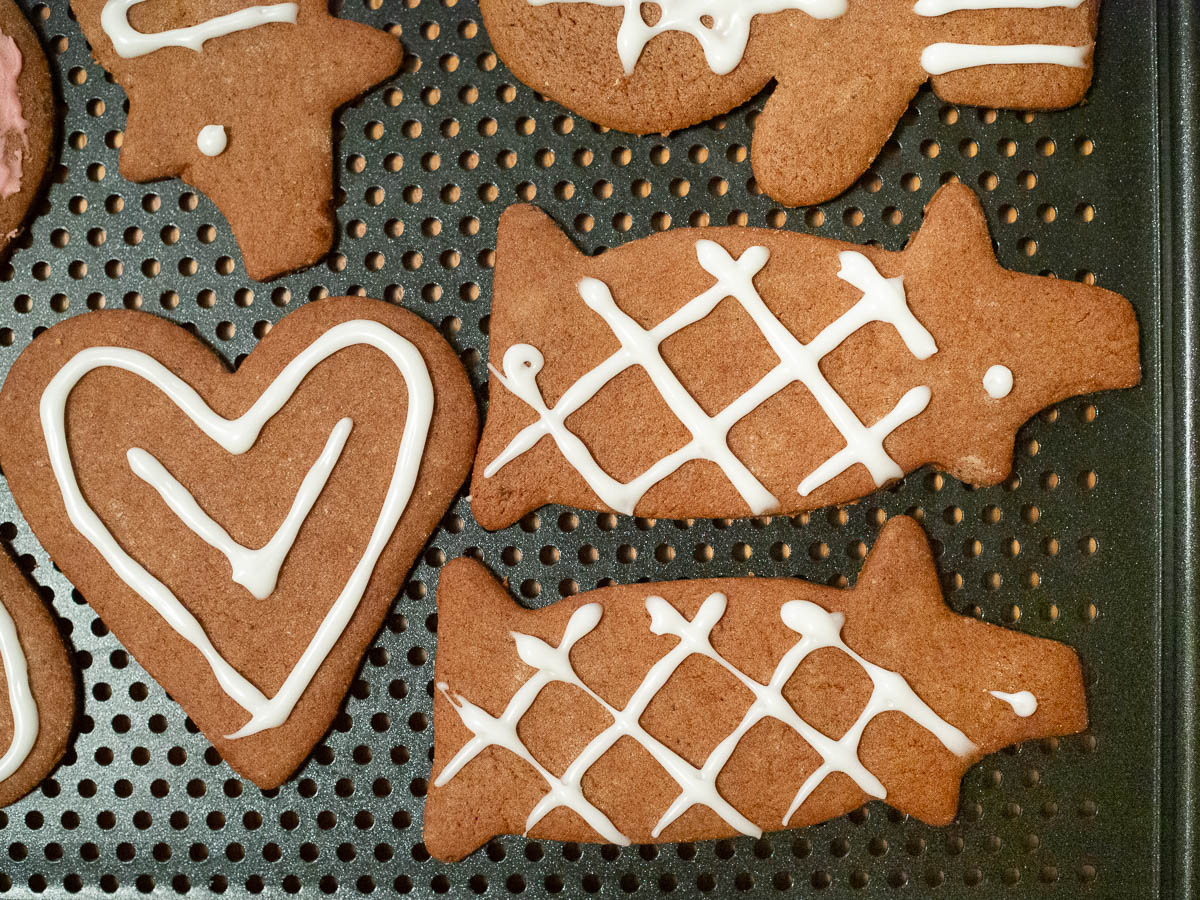
I like understated decorations, mostly in white.

One Christmas we got a truck-shaped cookie cutter from Mathem (the online grocery store). I guess we are valued customers or something. It’s one of Adrian’s favourites, and Ingrid made an actual Mathem truck cookie for him.

This is Adrian’s photo of the cookies he liked best: a Santa couple, a very Grinchy Grinch, and a donut with extra everything.
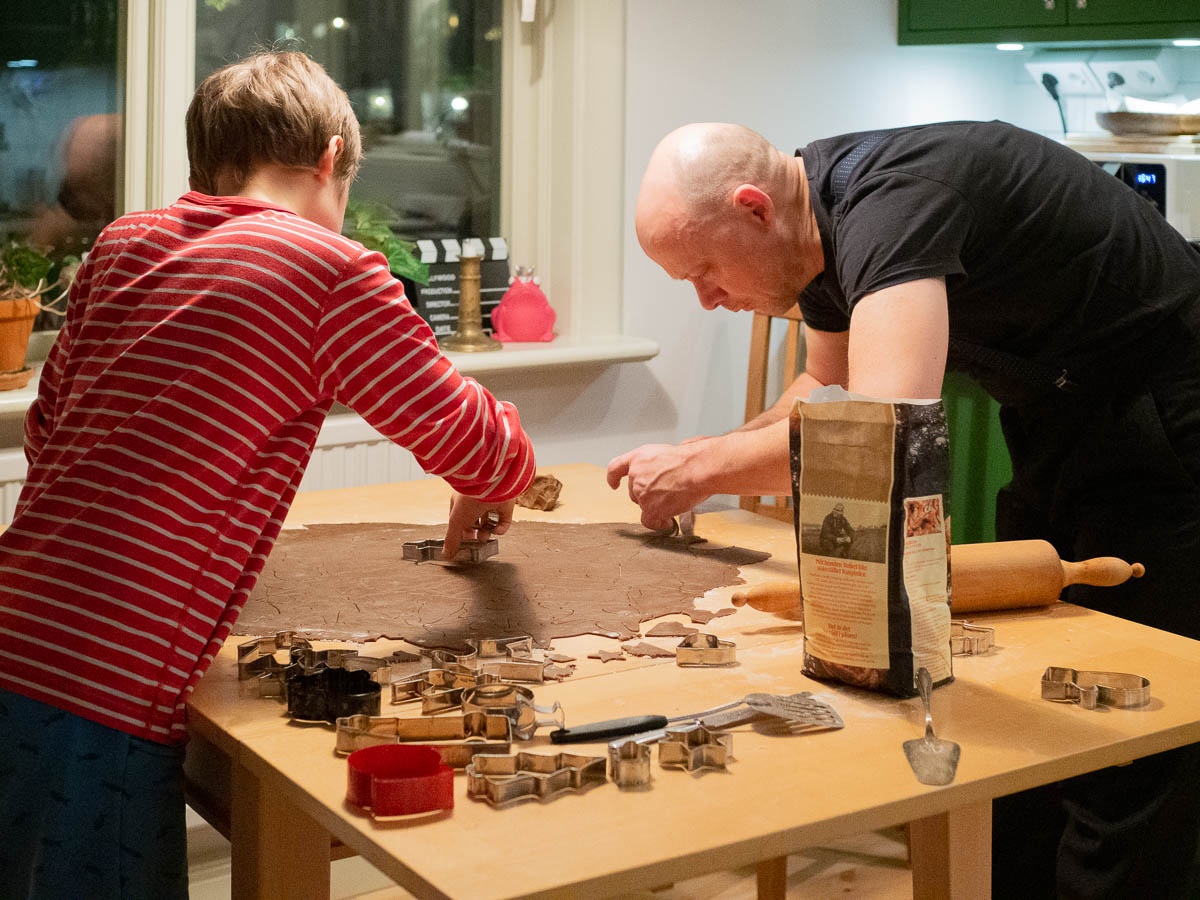
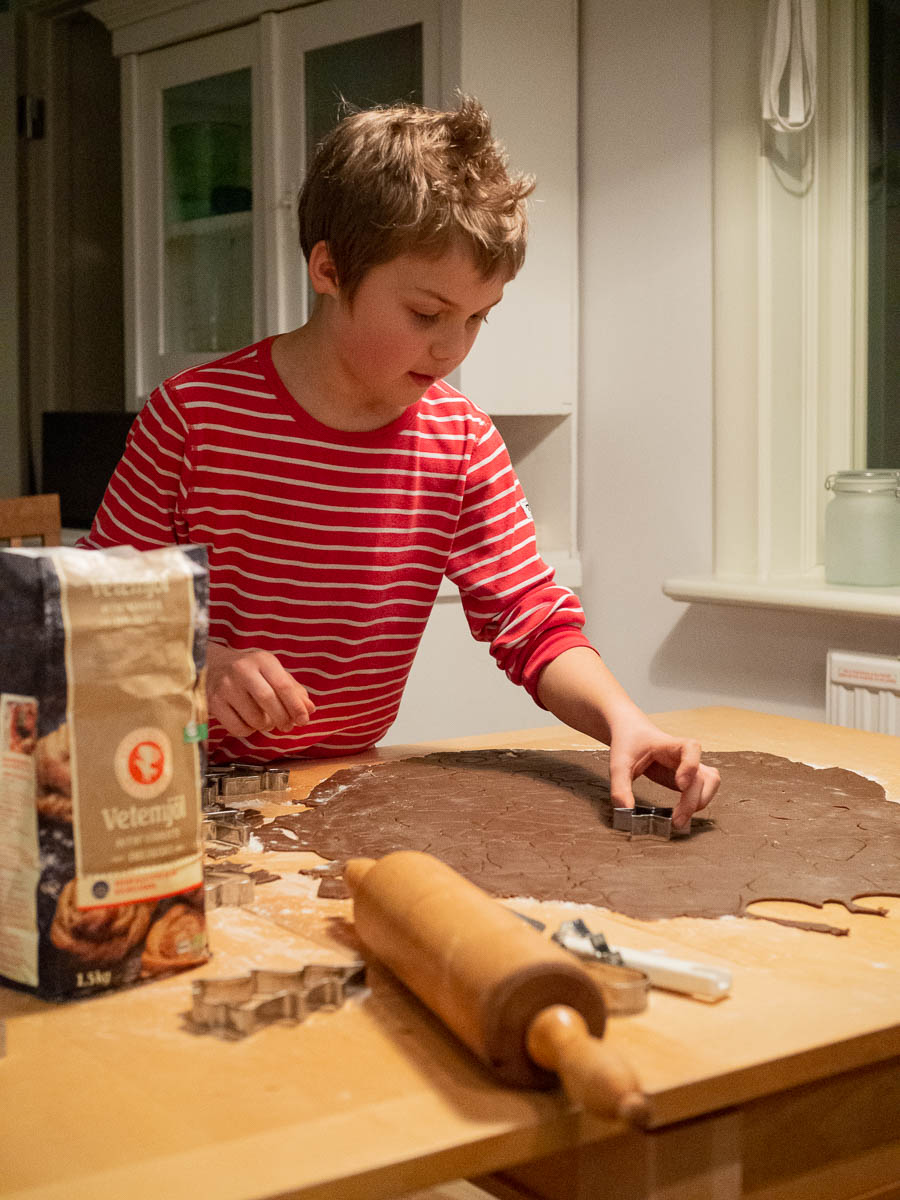
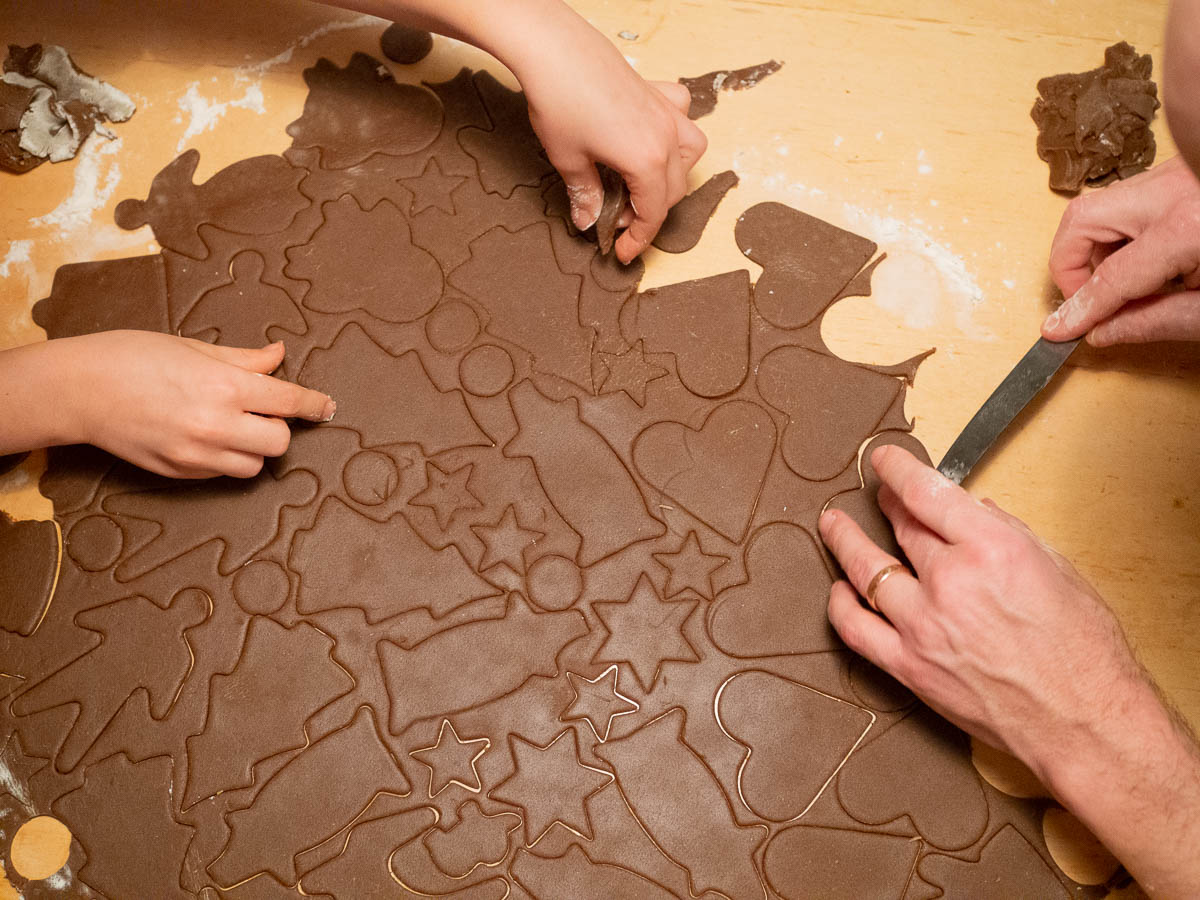
We made gingerbread cookies. Ingrid joined us for a while but not long enough for me to catch her in photos.

The dough was softer and stickier than usual so we had trouble getting the cookies off the table and onto the baking sheets. And the first batch got slightly burned. But once we had kneaded in more flour into the dough and adjusted the oven, the rest came out delicious.

I prefer the traditional shapes – the hearts, Christmas trees, and stars. They’re mostly convex, easy to handle, and are well suited for decorating.


There was a full-on crisis at work today, which I spent all day resolving. Once the crisis was over my brain was mush and I felt too dull to do anything. I’m borrowing this photo from an earlier day, and posting this two days later.

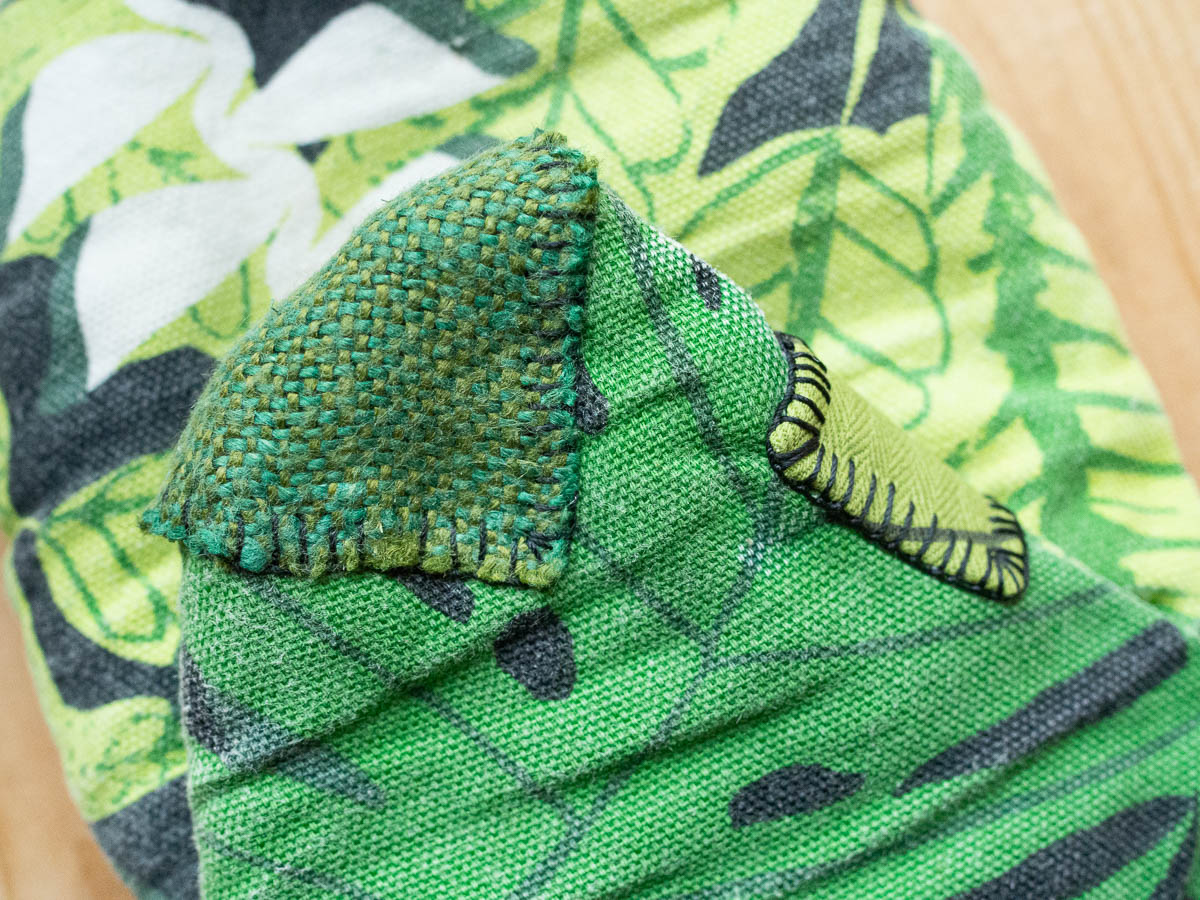
This is the second oven mitt I’ve patched in exactly the same spot: the tip of the thumb. I’m pretty sure that the wear here is due to the thumb getting into food. Maybe someone lifts a heavy, full baking pan with lasagna out of the oven and the thumb of the mitt gets a bit of sauce on it. That spot of food goes unnoticed and unwashed, and somehow it weakens the fabric. As we keep using the mitt the fabric in that spot gets exposed to heat and a hole is burned in the dirty spot. But only there, and not in the parts that are most exposed to heat. There’s some chemistry behind this, I’m sure.


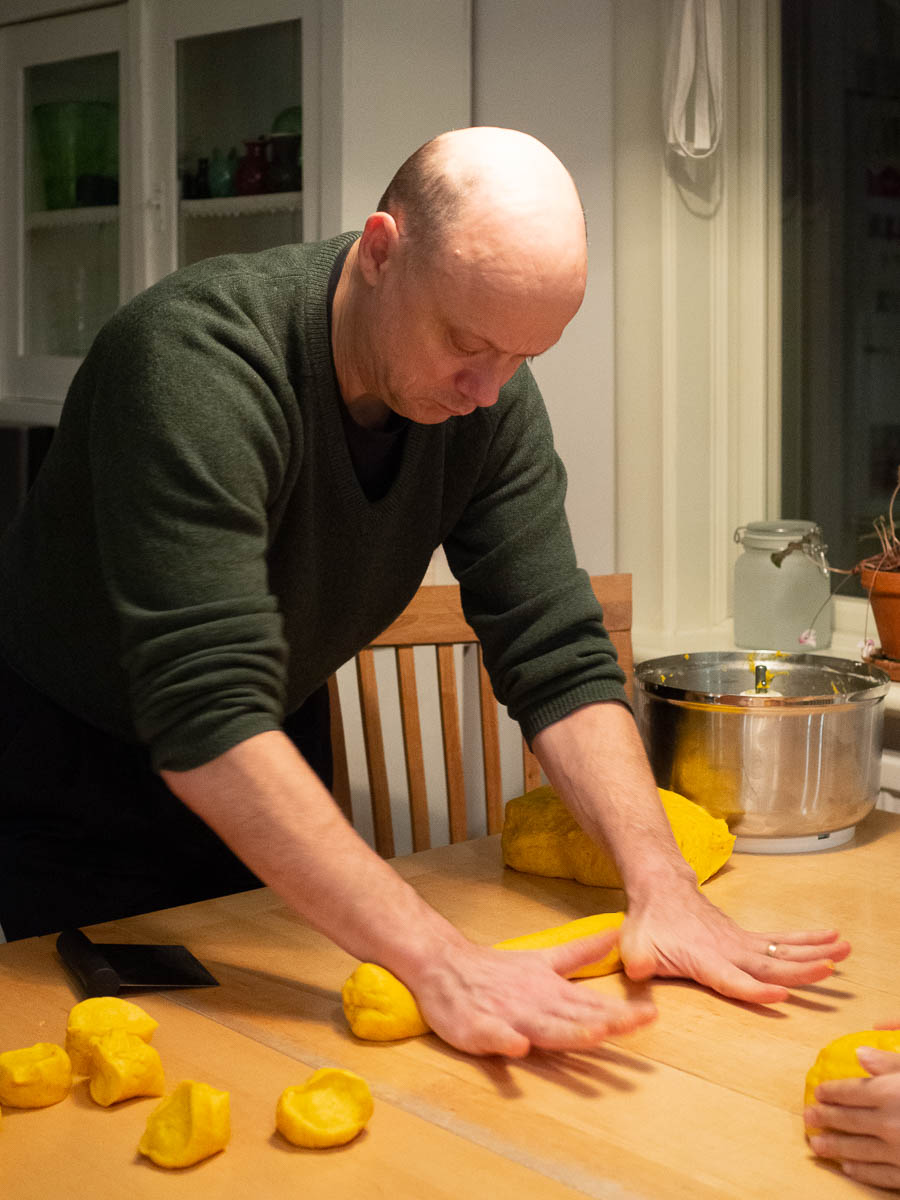
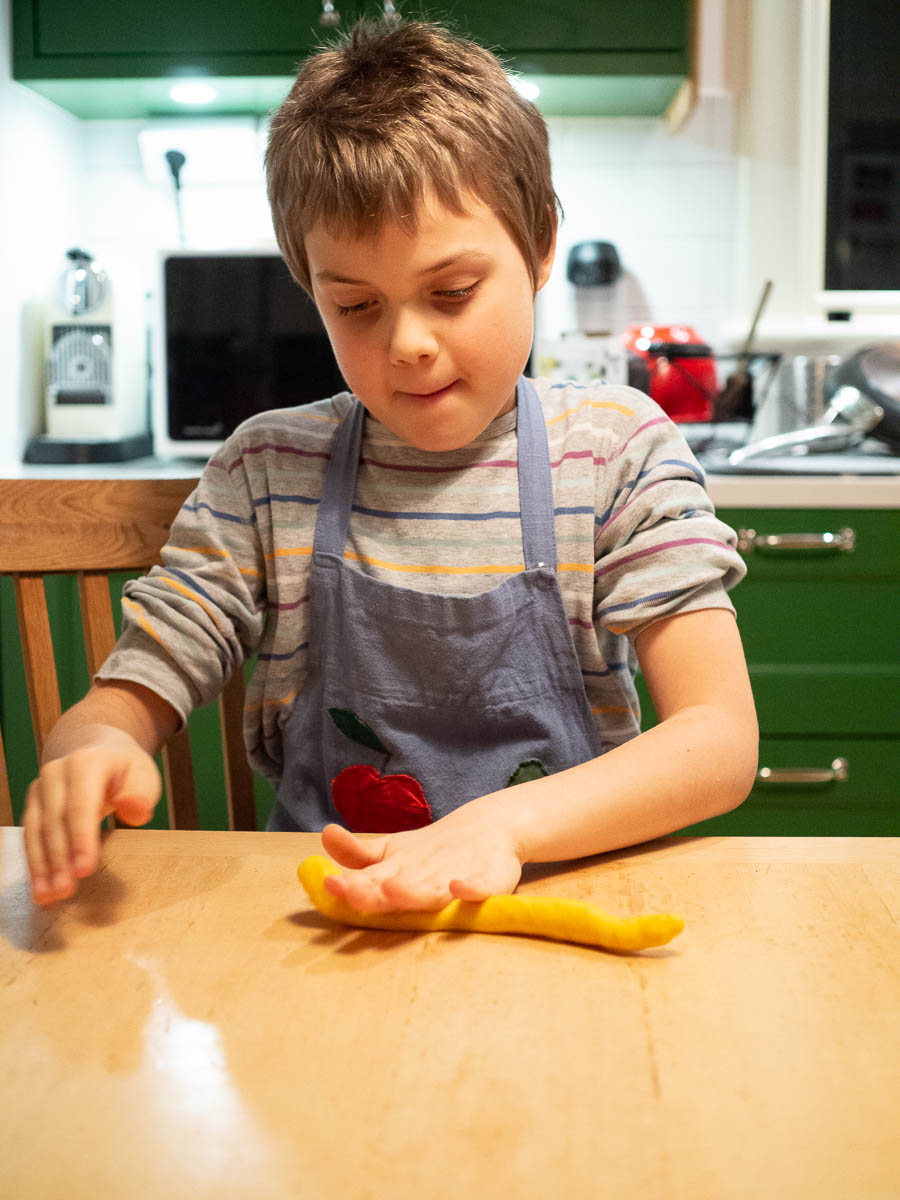
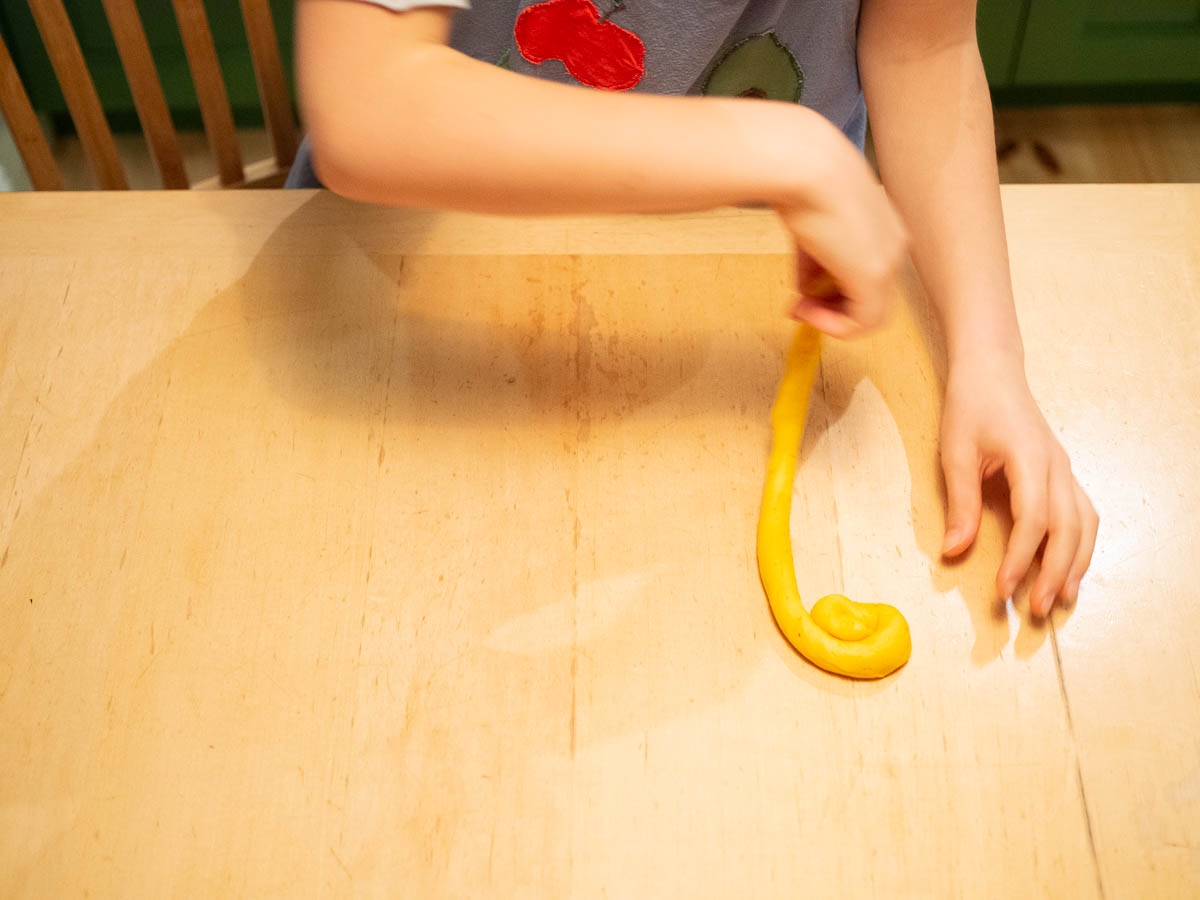
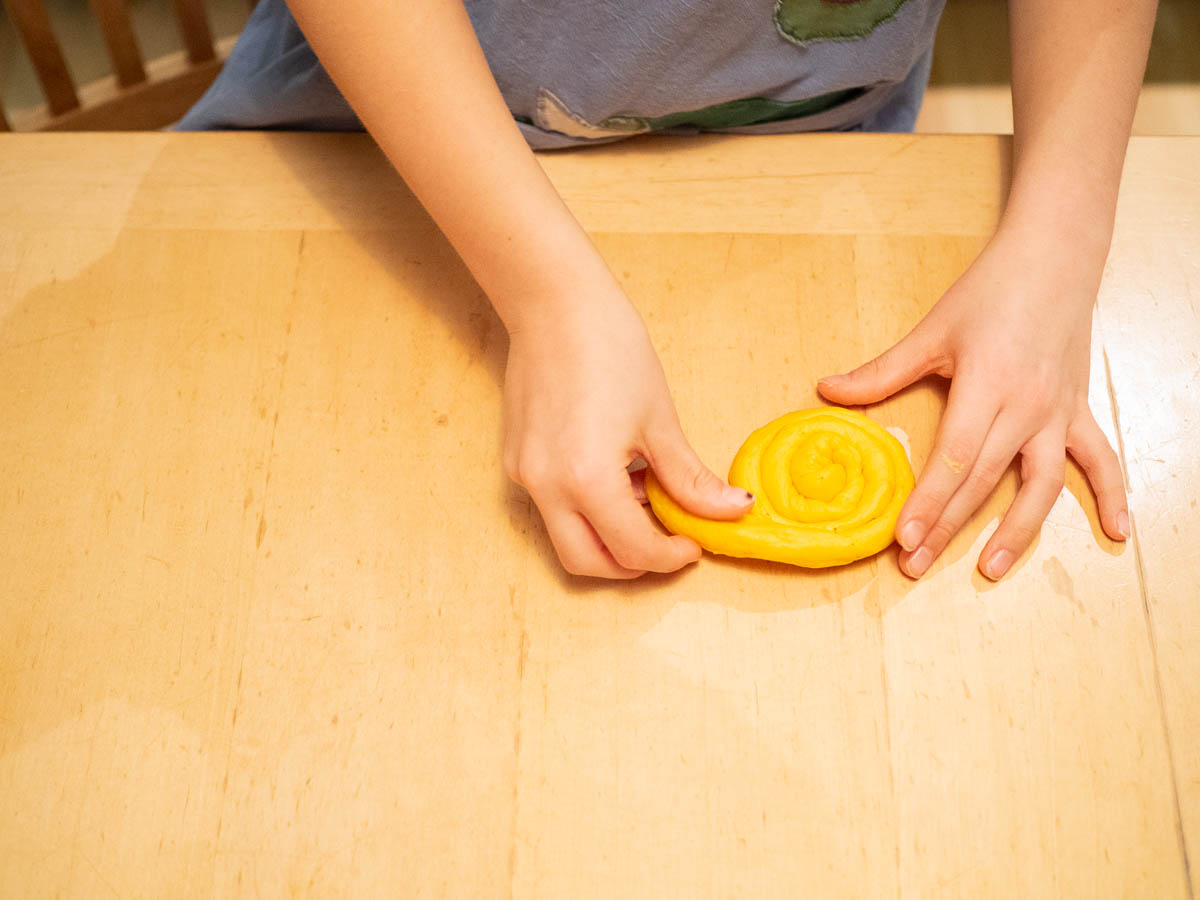
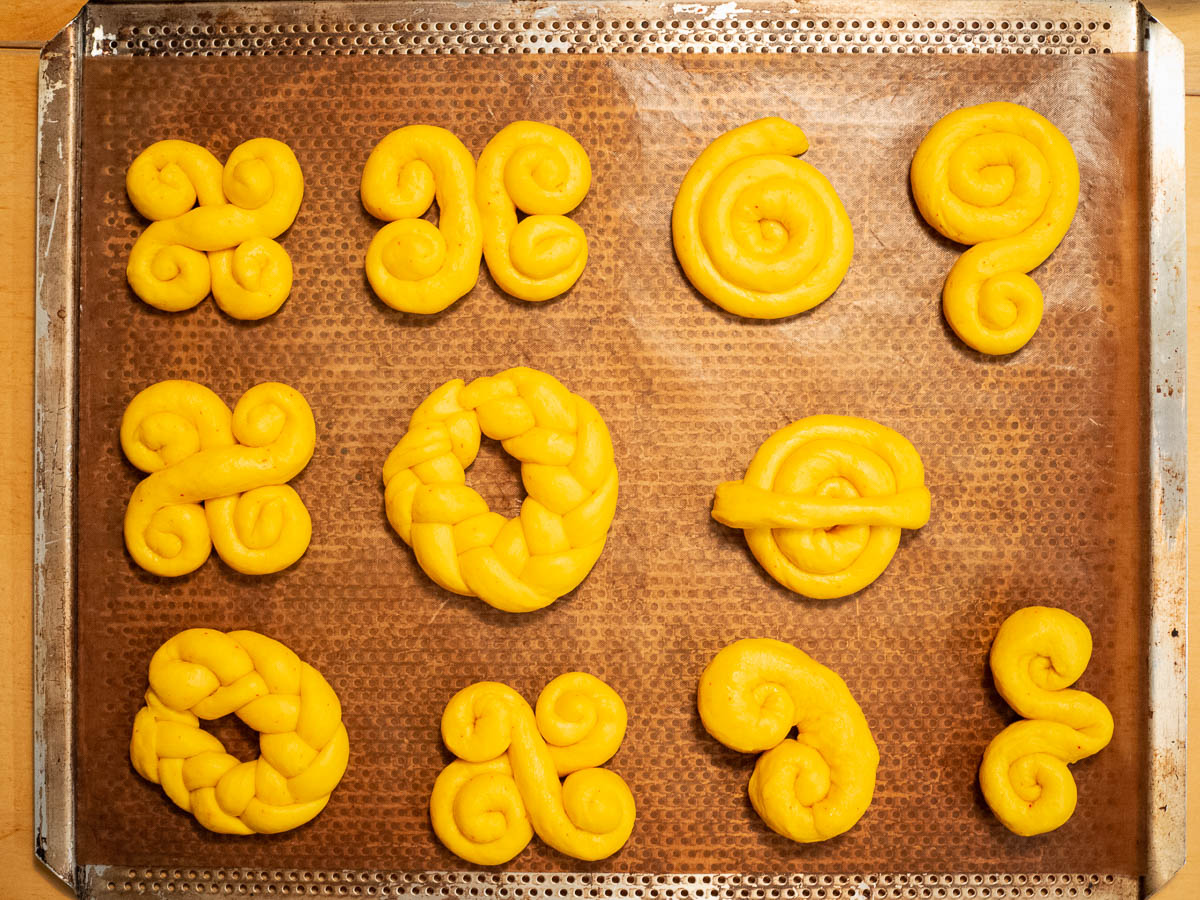
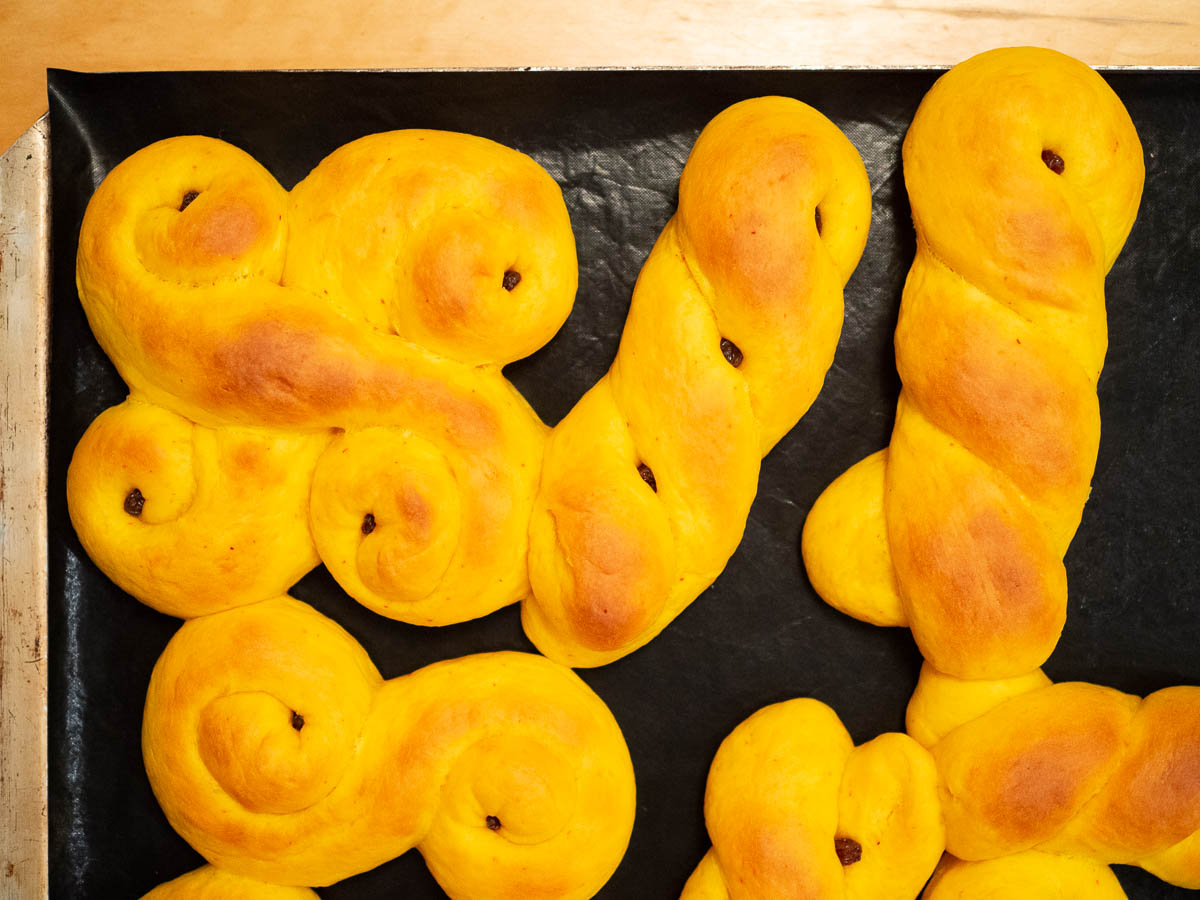
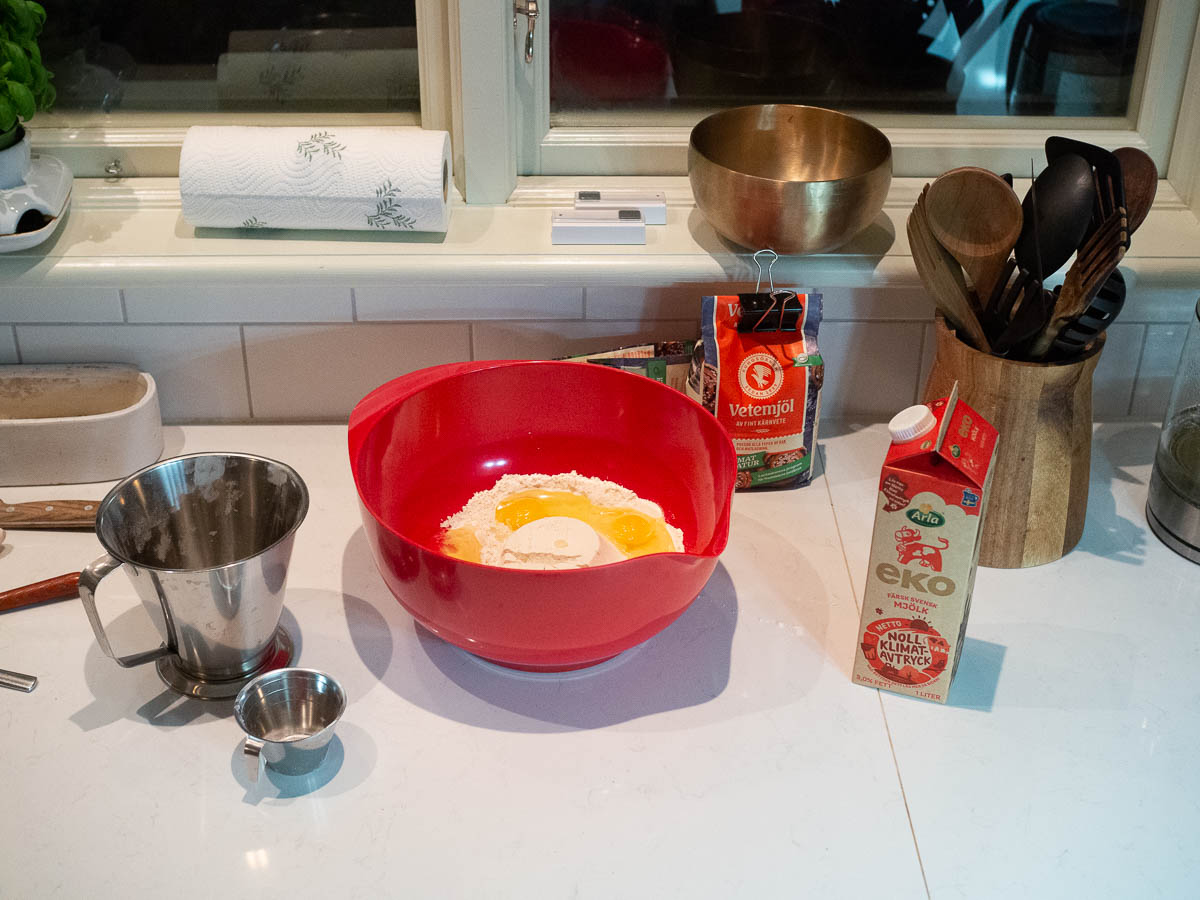
We may not get a proper Christmas celebration this year but we can at least enjoy making lussebullar.


The weather turned this afternoon. From 13°C(!) yesterday to 2°C this evening, with gusty winds and sleet. I was too lazy and comfortable to go out for groceries in this weather, so I made do with what was in the fridge and made pancakes for dinner. It feels odd to be having cake for dinner, but it’s undeniably delicious.

I notice that my few photos of cooking here tend to be of making pancakes. I’m not sure why that is. Perhaps because a pancake dinner feels special.


I eat leftovers for lunch most days. I did the same when I worked in the office – I like my own cooking at least as well as restaurant food, and often better. Plus it takes less effort, less time and less money.

Back then of course I had to decide and pack my lunch in the morning. Now I decide when I get hungry, which means I have a lot more flexibility. And it sometimes leads to odd combinations, when there is not enough of any single leftover to make a full meal, or when I find leftover pasta sauce but no leftover pasta.

Sometimes it leads to two-course lunches: half a serving of soup followed by half a serving of lasagna, for example. That almost feels fancy.

Other times I opt for convenience, and instead of getting two separate bowls and heating two separate dishes, I mix them up. Not soup with lasagna! I’m not that crazy yet.

Yesterday I had carrot soup with pilaf rice, or perhaps pilaf rice in carrot soup, because there was more rice than soup in my bowl.

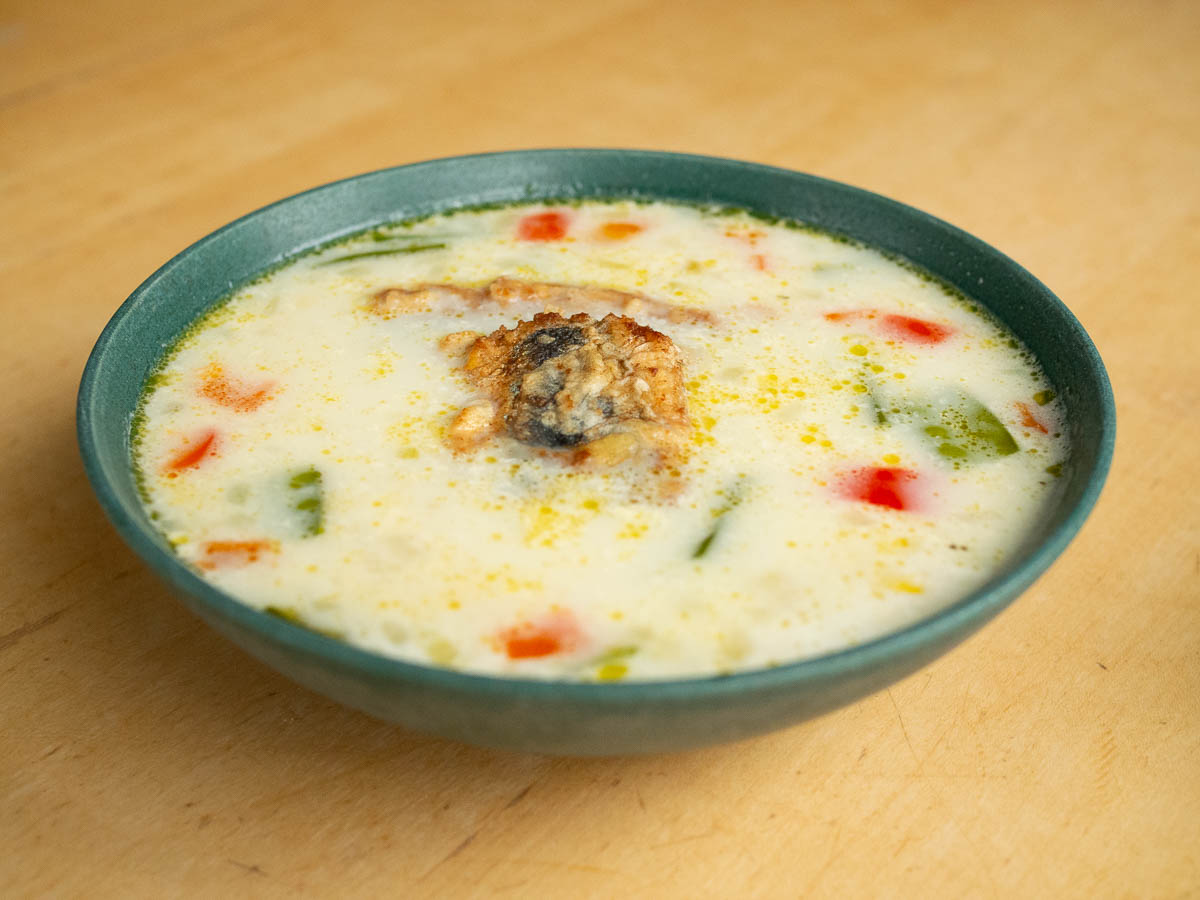
Today’s lunch was sweetcorn chowder, but the hot smoked salmon was all gone, so I topped the soup with fried herring instead and added a pinch of smoked paprika for that smoky flavour.

Both combinations looked a bit odd but tasted great.

The herring chowder would make no sense to cook from scratch – why go to all the effort of dipping your herrings in egg and flour and frying them, only to put them in soup where they immediately go soggy? But the carrot and rice soup was great. The rice made it more filling and gave it texture. I’ve just never thought of it before. But spinach soup with rice is a thing, so why not carrot soup with rice?

(Now I had to google it, and there are recipes for carrot and rice soup out there, but the ones I saw all pureed the rice together with the carrots. Less work, fewer pots, but that would take away half the niceness of this combination.)


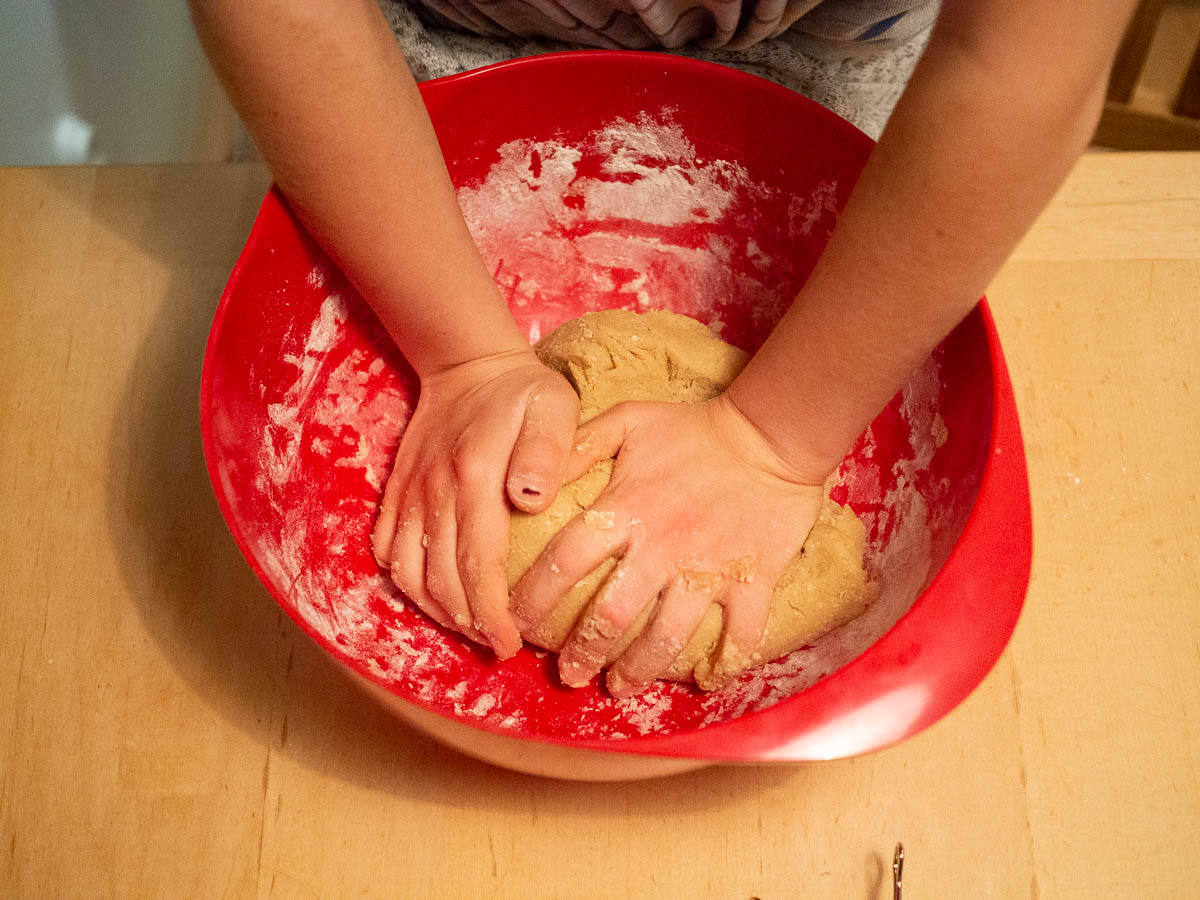
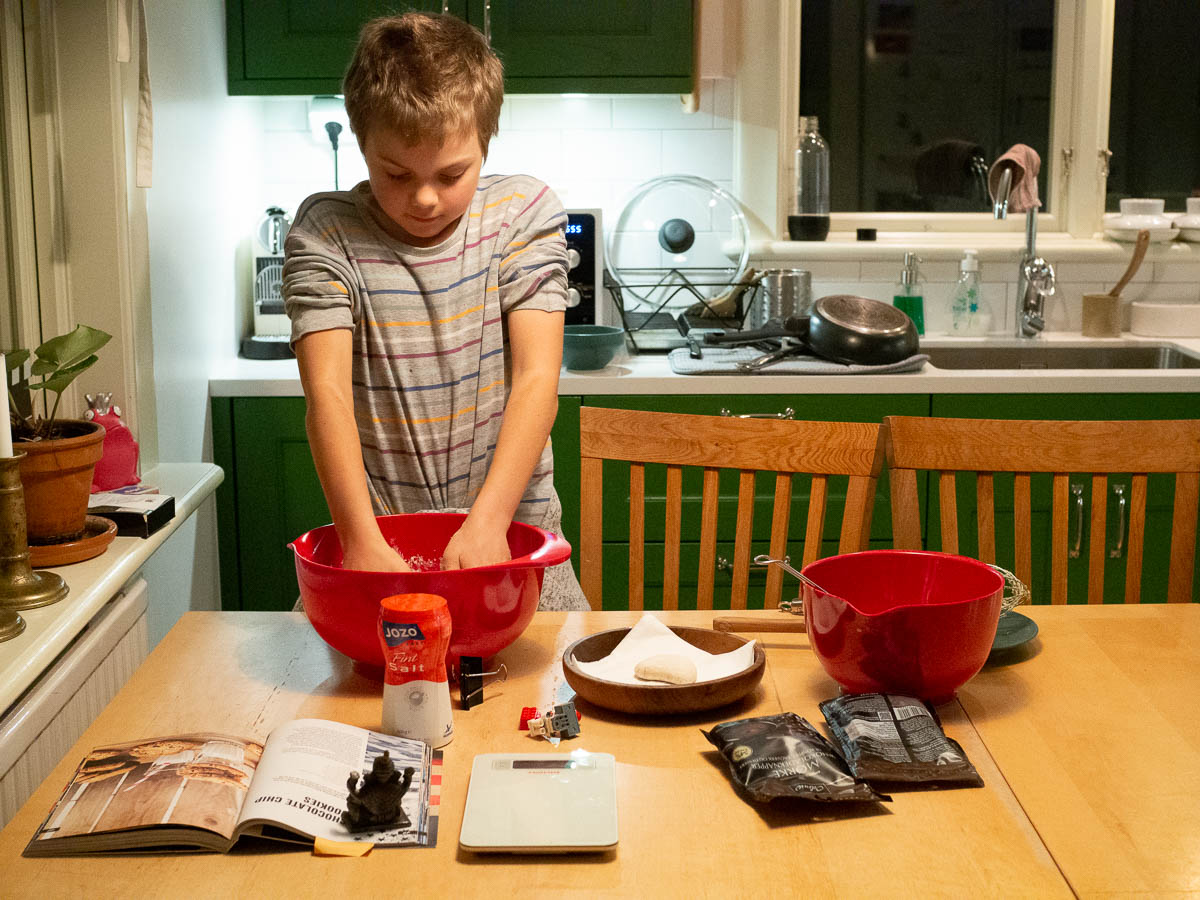
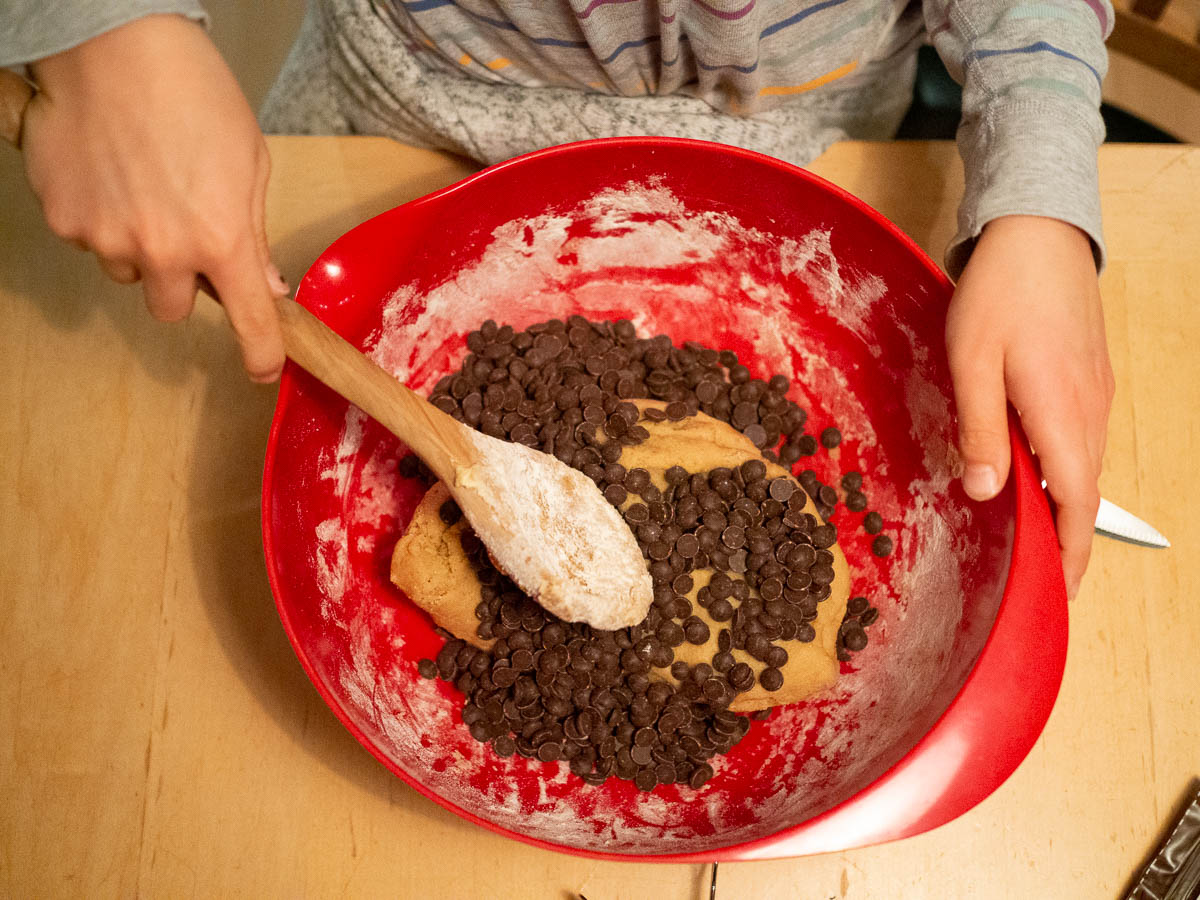
Adrian made chocolate chip cookies, all on his own.

He likes both baking and cooking. Baking, I think, suits him a bit better, because there is less multi-tasking involved. You just follow the steps in order at your own pace, and then you’re done. With cooking, there’s often more time pressure – you need to keep an eye on whatever is on the stove while working on the next thing, and you can’t always queue them up after each other.


I didn’t take a photo today, apart from the phone selfie for the workout challenge. Just forgot.

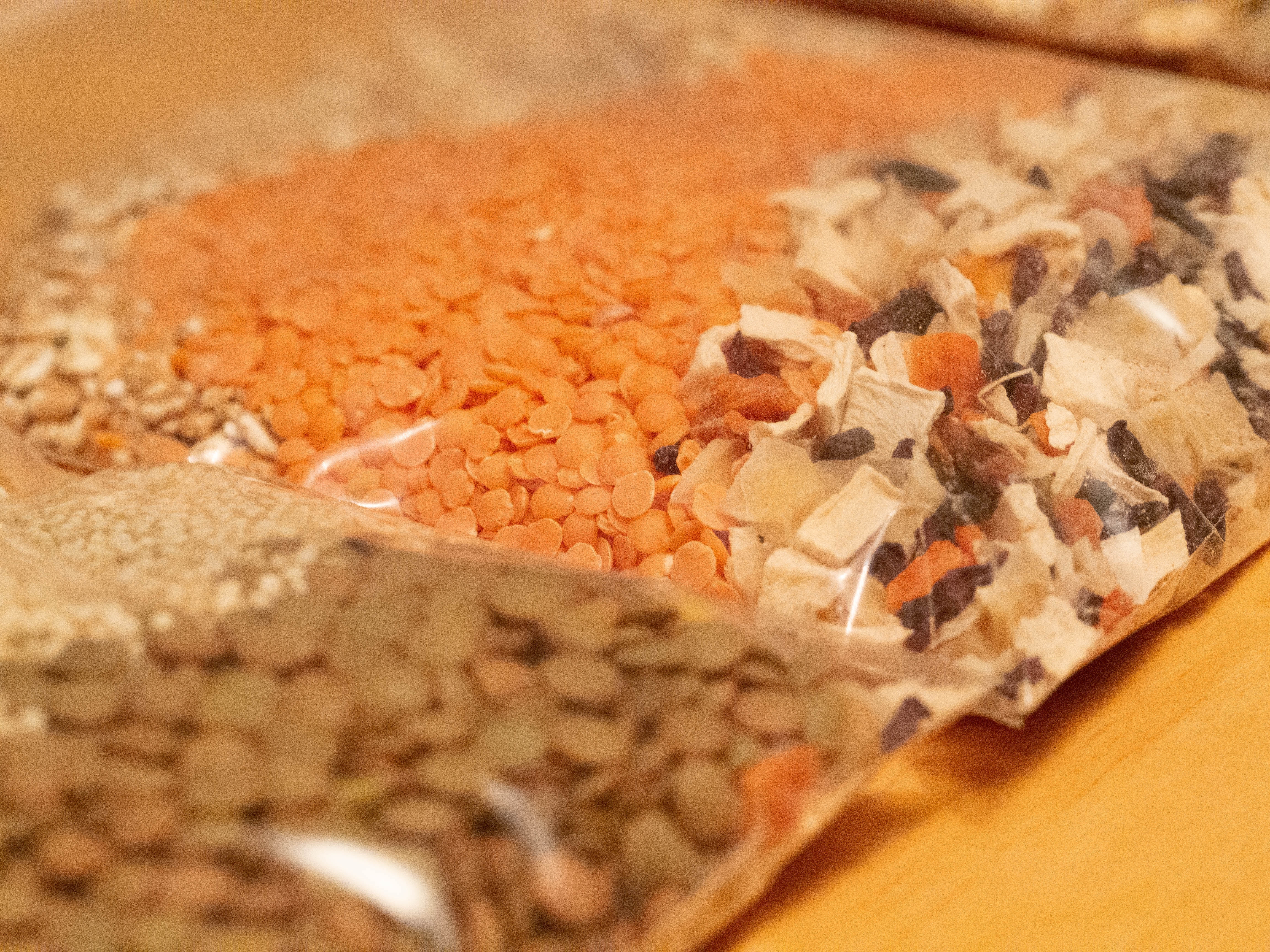
This photo is from when I was preparing for my hike a few weeks ago. These are my dinner baggies. I measured and packed the ingredients for each meal separately in advance to make things as easy as possible. When I was out walking and wanted a meal, all I needed to do was to pick a baggie and cook its contents. The kitchen looked a bit like a drug lab, with rows of little plastic bags on the table…

Breakfast is easy. Always porridge for breakfast on a hike. I make my own grain mix for porridge – about half rolled oats and the other half is a mixture of spelt, rye, flax seeds, and wheat bran. There’s a big box of it in the pantry; for the hike all I did was measure and bag it.

Now I think I’ve found the perfect hiking dinner recipe, so dinner will be almost as easy going forward.

0.75 dl of grains
0.75 dl of lentils
~30 g of dried vegetables

Pick any kind of grain that cooks in about 10 to 20 minutes, and combine it with any kind of lentils that cooks in about the same time. It doesn’t matter too much if one of them ends up slightly overcooked. Add vegetables. I prioritized convenience this time and used a ready-made mix of dried “Swedish vegetables” from Friluftsmat.

I made three dinners, all following the same basic recipe but with different details. Cous cous, wheat grain, oat grain; red lentils, puy lentils, black (beluga) lentils. And when it was time to cook them, I added curry powder to one but used bouillon powder to season another, so they ended up tasting like completely different dishes.

I’m very happy with this solution. Great results with very little effort!

In Soviet Estonia, you didn’t go to the supermarket and come home with fresh fruit and berries. You could buy fruit and berries in the market, when they were in season. But mostly you got them in your grandmother’s garden. Everybody had grandmothers, and all grandmothers had gardens with fruit trees and berry bushes. Because even in Soviet Estonia people wanted fruit, and that was about the only way to get any.

Fresh fruit doesn’t keep all year, so most of it was preserved as jams and squashes, or in syrup.

Jam was for everyday use. On bread, porridge and pancakes; stirred into water to make a drink; in crumbles and cakes. Fruit in syrup was dessert. Raspberries in syrup (vaarikakompott) were my favourite.

During berry season, I think my mother and grandmother were nearly always either picking fruit, cleaning fruit, or cooking it into jam. There were often jam jars cooling in the kitchen of grandma’s cottage.

Most of my childhood’s jams were made of fruits that Swedes know about, even if they don’t grow them much. Quince jam is an exception; I don’t think most people here know that quinces exist or that the fruit are edible. Aronia berries are another oddity. They’re tart and astringent when raw, just like quinces, and sloe for that matter. But they make a great squash, and aronia and apple jam is lovely.


Jam was stored in glass jars. There were no preservatives available (apart from sugar) so it was important to thoroughly sterilize the jars and lids, and then close them so they were airtight.

The simplest kind of lids were made of blue rubber. I’m no expert but I don’t think those were very good.

There were glass lids that had to be fastened with a special kind of clamp. You put the clamp across the lid, and then you twisted the clamp so that its ends gripped the lid to the jar. There were ridges on the lid that pushed the clamp tighter the more you twisted it.

Later a third, fancier kind of lid became available – single-use metal lids. A special tool was used to tighten those. This kind of lid is still used, apparently. I’ve never seen them in Sweden, but googling in Estonian brought up stores that sell them.


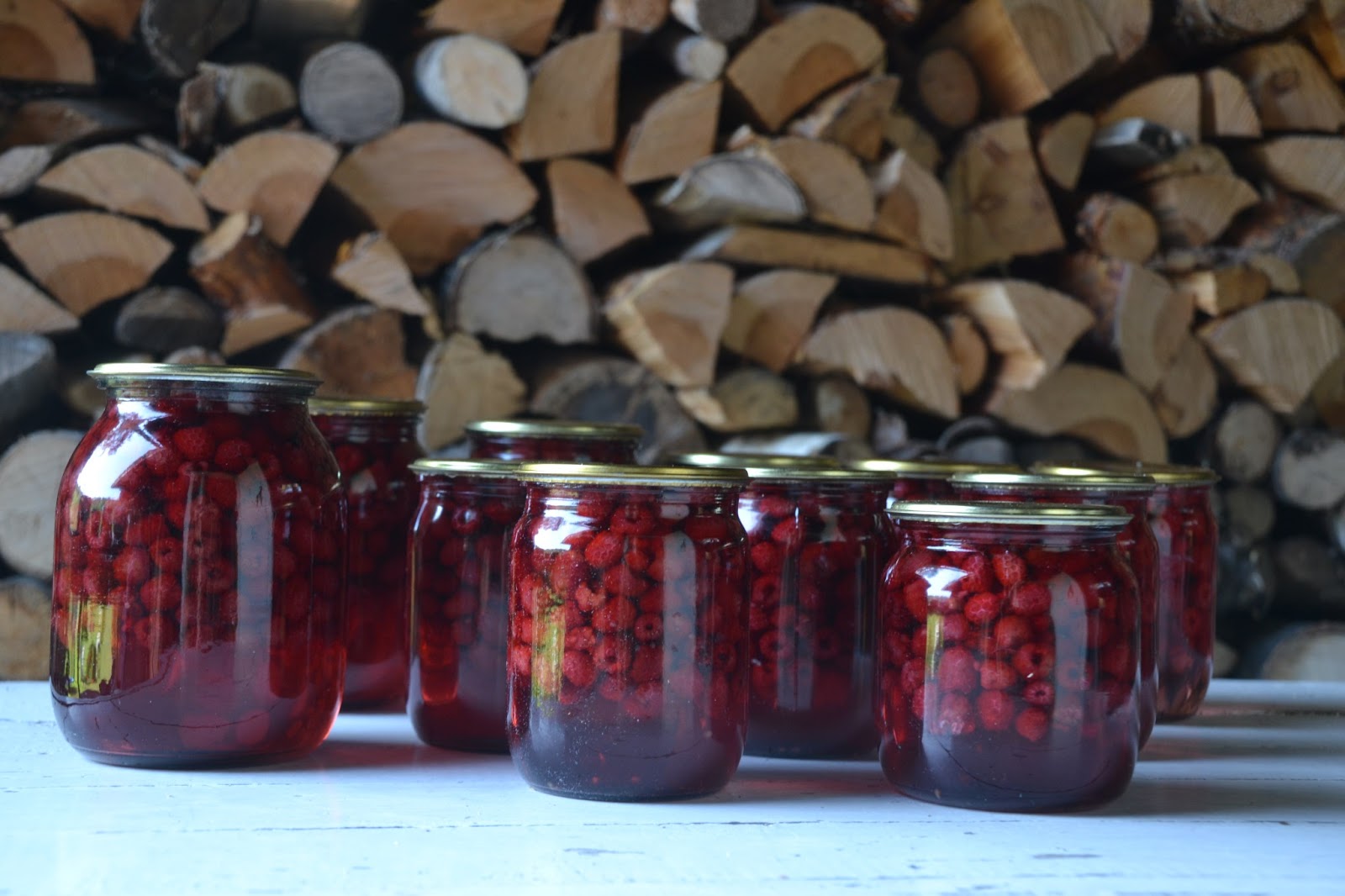
I have no photos of any of these things. But I found this photo of raspberries in syrup, made in Estonia, with the right kind of lids on the jars. Click to visit the original Estonian blog post.


I did not go to the photo meetup. Too unappealing.

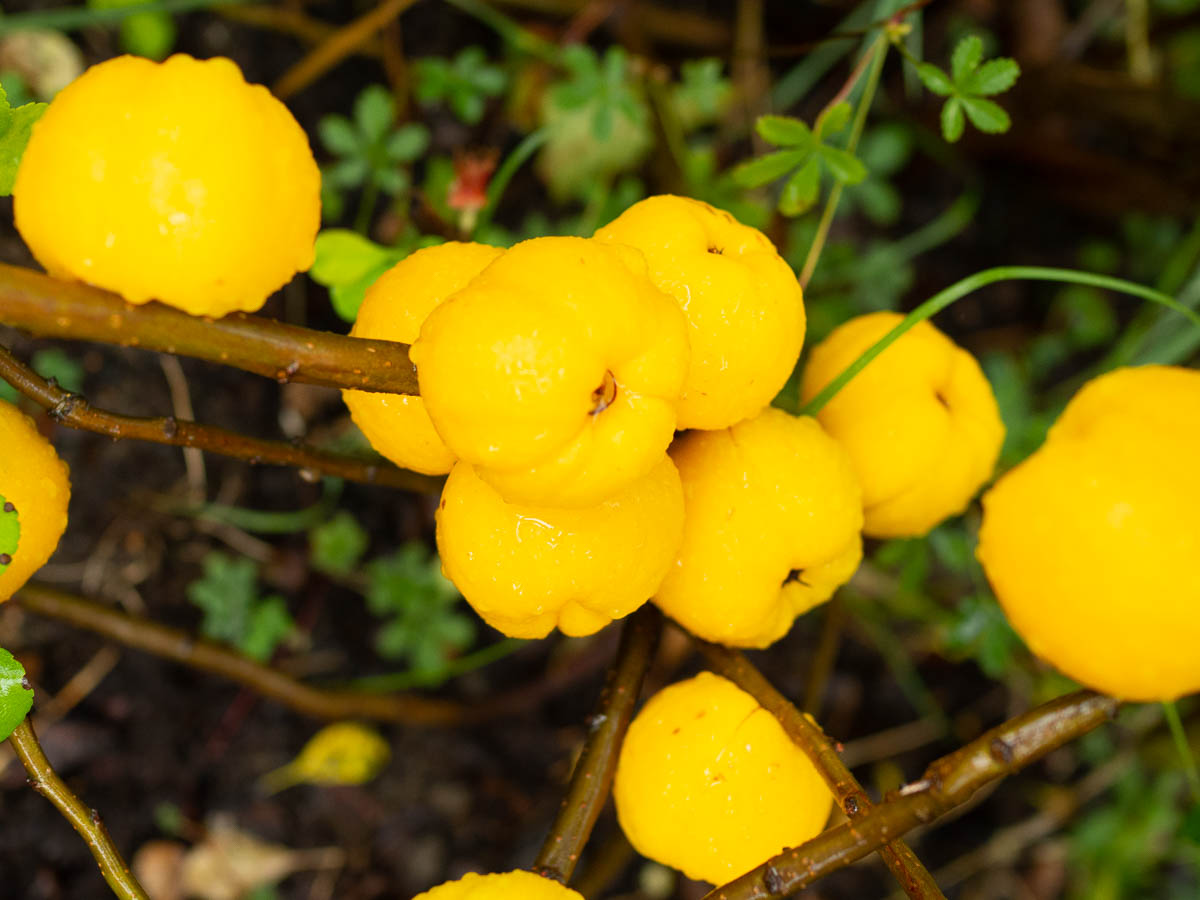
Instead I picked the Japanese quince bush clean from all fruit. There was more than ever on the largest of the three bushes; some branches were chock-full. The others barely had any. I guess they are still young.

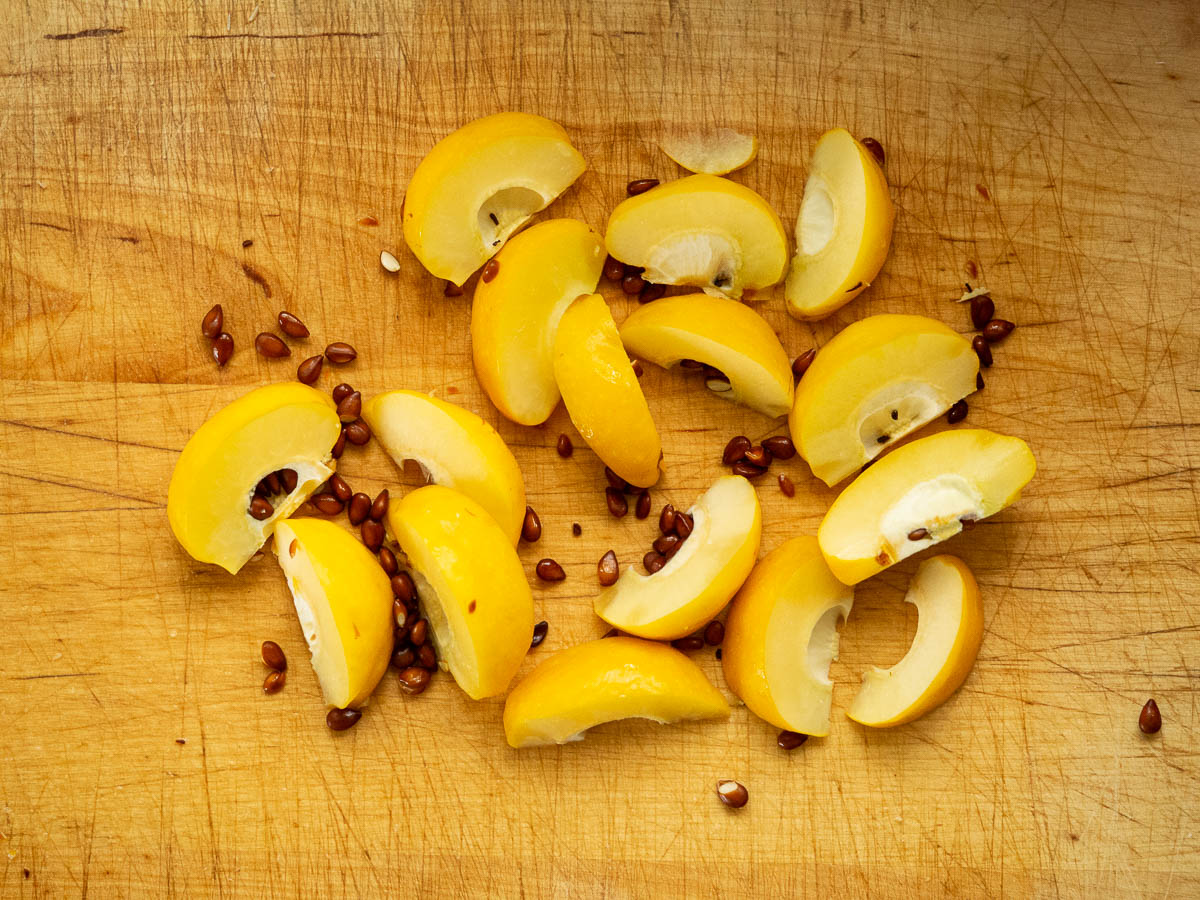
Not that we need much more quince than the 4 litres I picked! I spent two hours chopping and de-seeding and cleaning them. They’re small, and hard. And there are so. Many. Seeds. Everywhere. I actually gave up before I’d cleaned all the fruit and threw the smallest ones away.

Eric will be turning some of the fruit into marmalade. I love quince marmalade – it has been my favourite since I was a child (along with cherry jam).

The rest I asked him to candy. I bought some candied quince at the airport in Riga some years ago and both Adrian and I swooned over them until we ran out. Hopefully now we can recreate that treat.