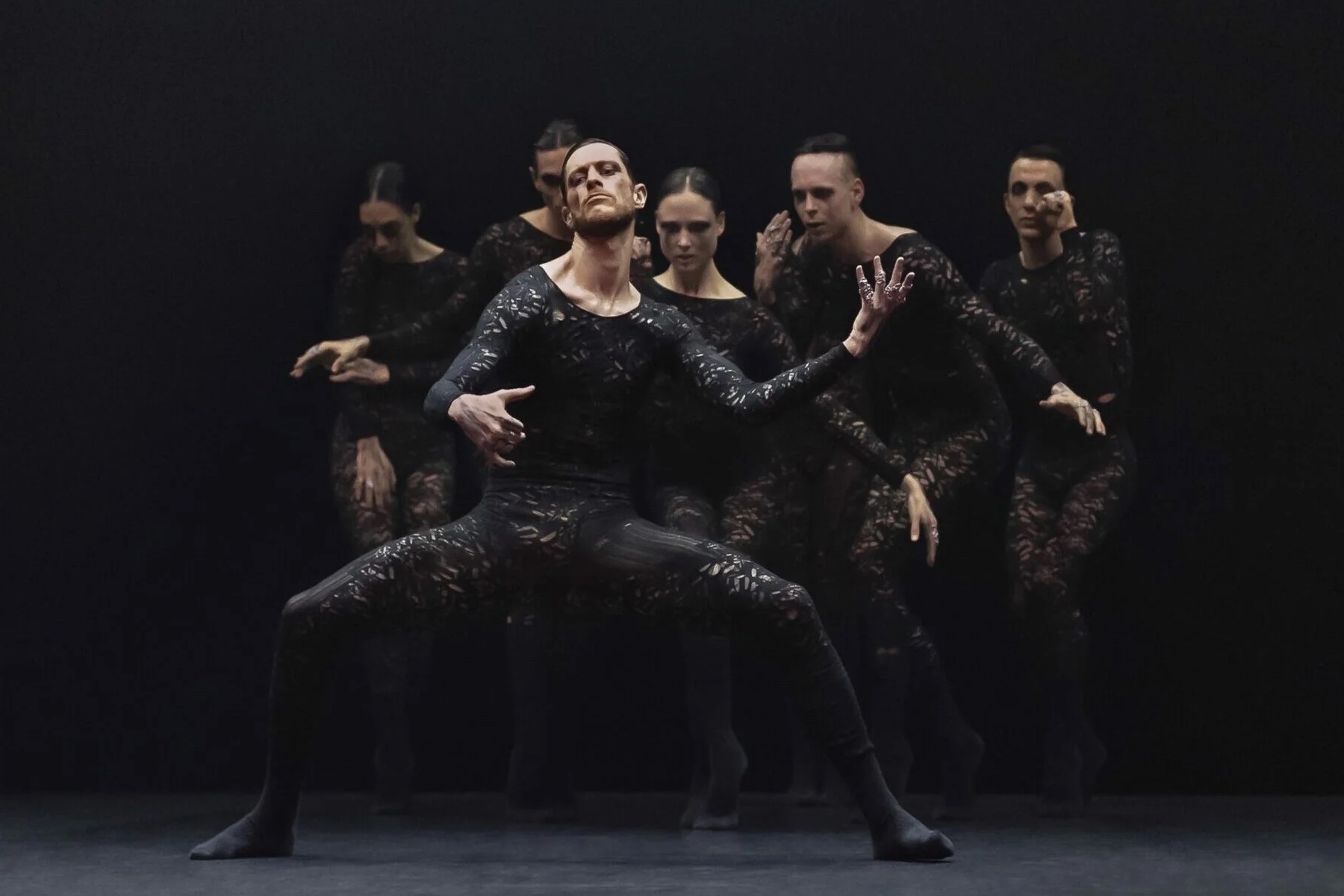
(Image from Dansens Hus, (c) unclear.)

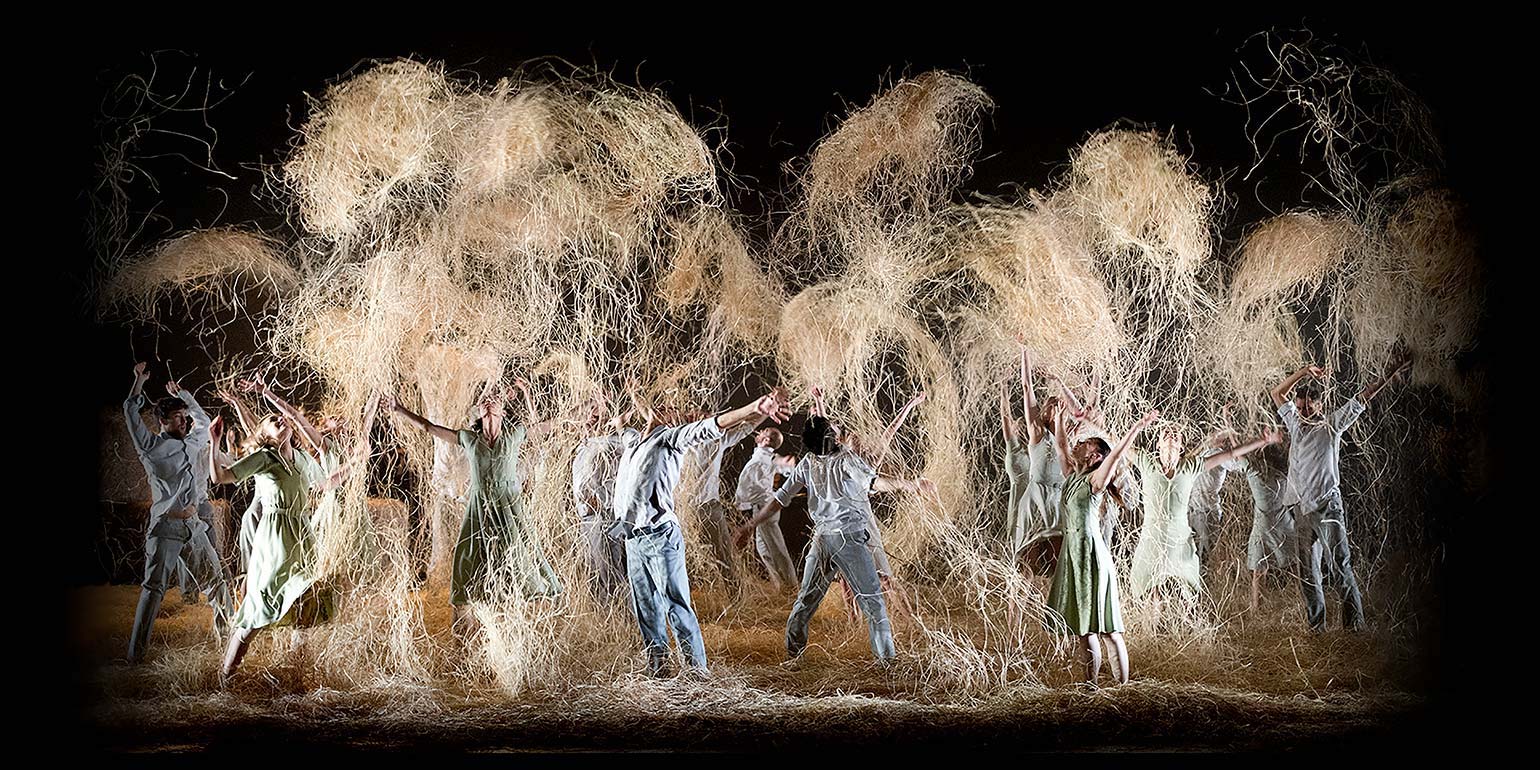
Sharon Eyal is just the best. Awesome. Fascinating. Spell-binding. I don’t have enough superlatives. As an added bonus, this performance took place at Elverket, a small scene, and we had front row seats, so it felt even more immersive than usual.

Into the Hairy had familiar elements, the bits that I have loved in her previous works, but still felt new. Although, to be fair, even if there was nothing new, I could watch this over and over again. Maybe not daily, but once a month? Absolutely.

There was the group, moving together but not in sync, moving similarly but not identically, always having someone deviate somehow. Constant development and mutation in what is happening, even though much of it is told with minimal means. Small gestures, the angle of a wrist, the twist of a shoulder.

There were the precise movements that are elegant but also alien and inhuman. Stepping on the sole of one foot but just the toes of the other, to always be off balance. Especially one of the dancers was like… I don’t know what. An eel. A snake. An octopus. A space alien. Not boneless but just not quite human. Almost uncanny valley.

There were the lacy bodysuits that enhance each movement. A smooth costume smooths out movements, whereas a subtle pattern draws attention to them. I have never been as aware of the flex of each thigh muscle, the undulation of a pair of shoulders, the twitch of a buttock.

Here’s a brief 30-second trailer of Into the Hairy.
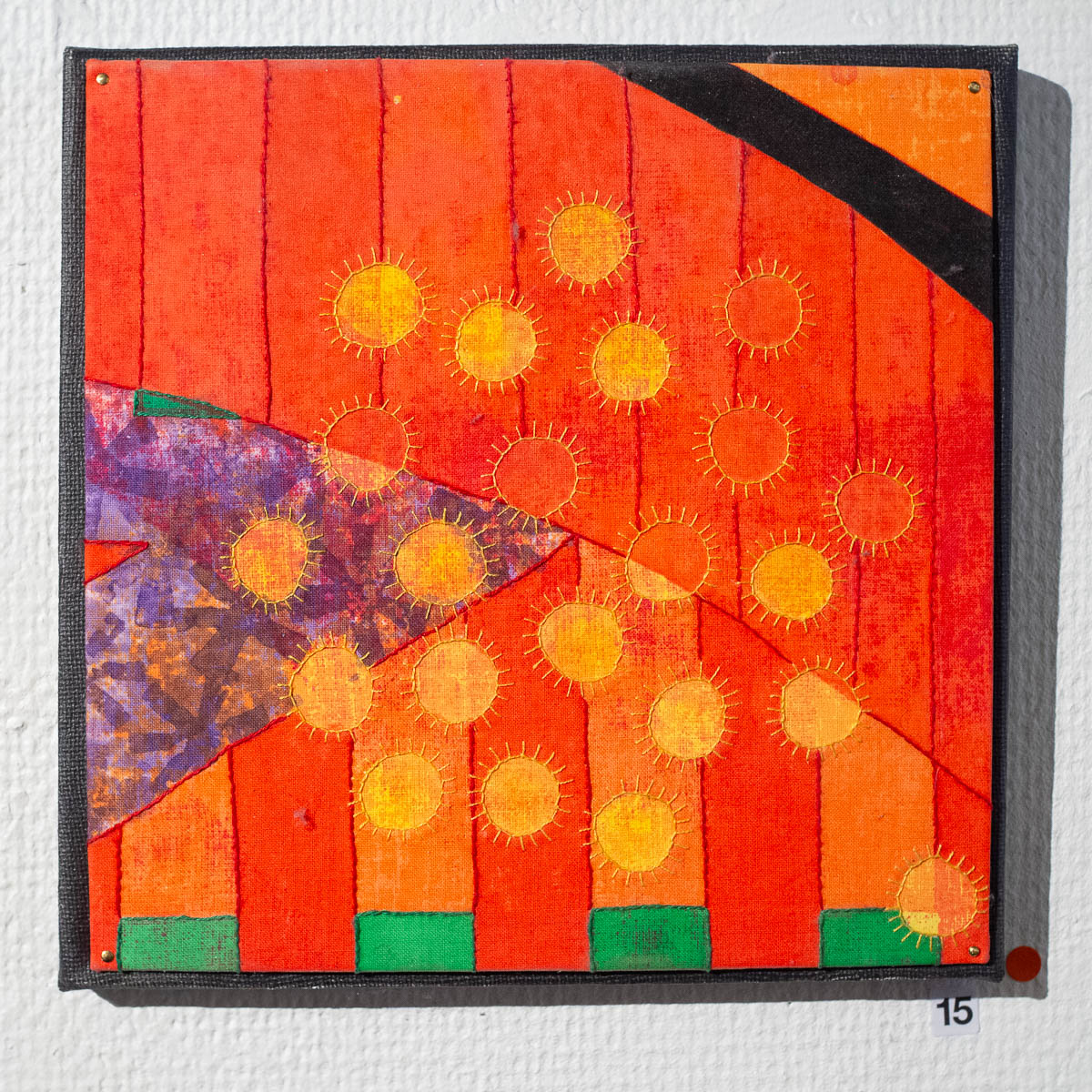
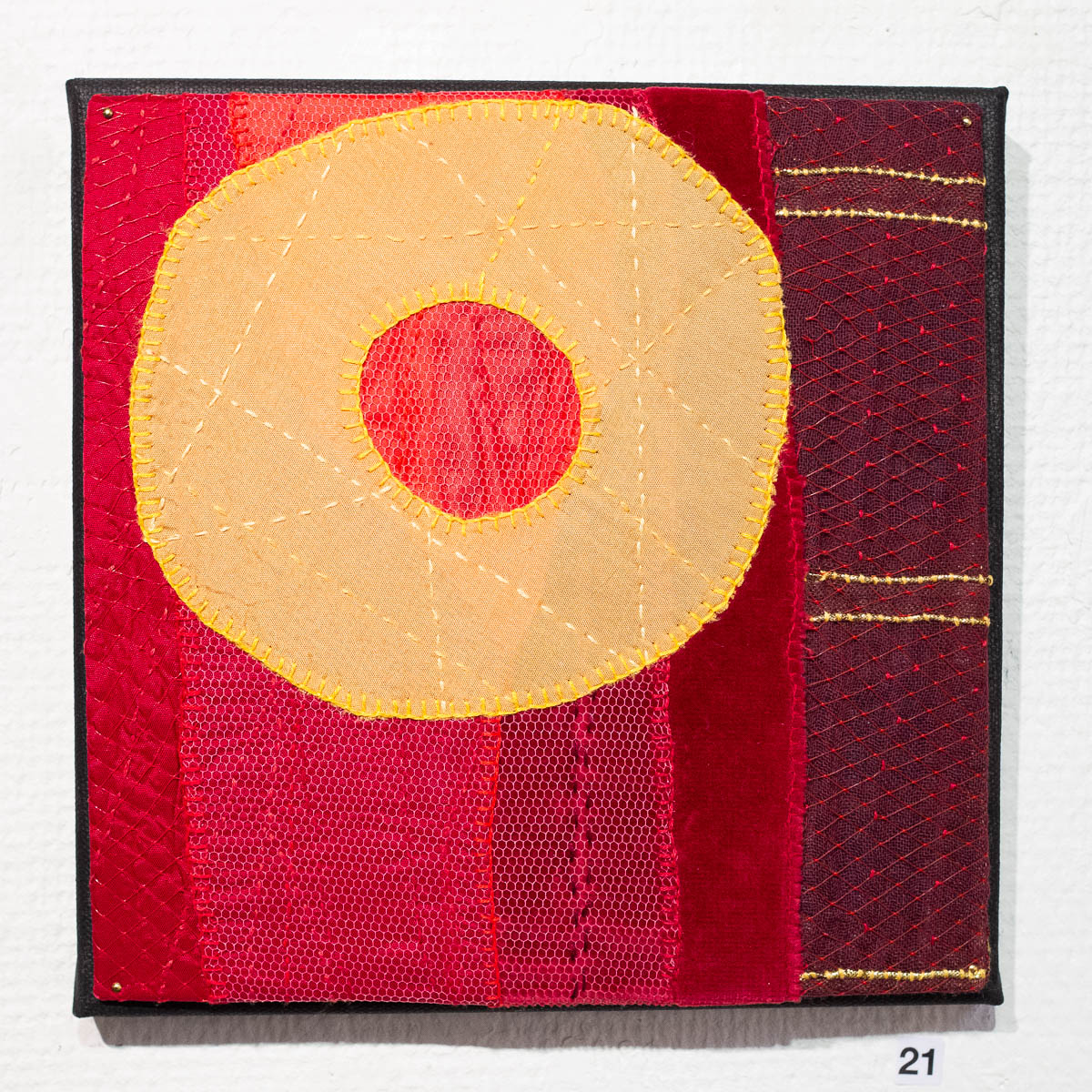
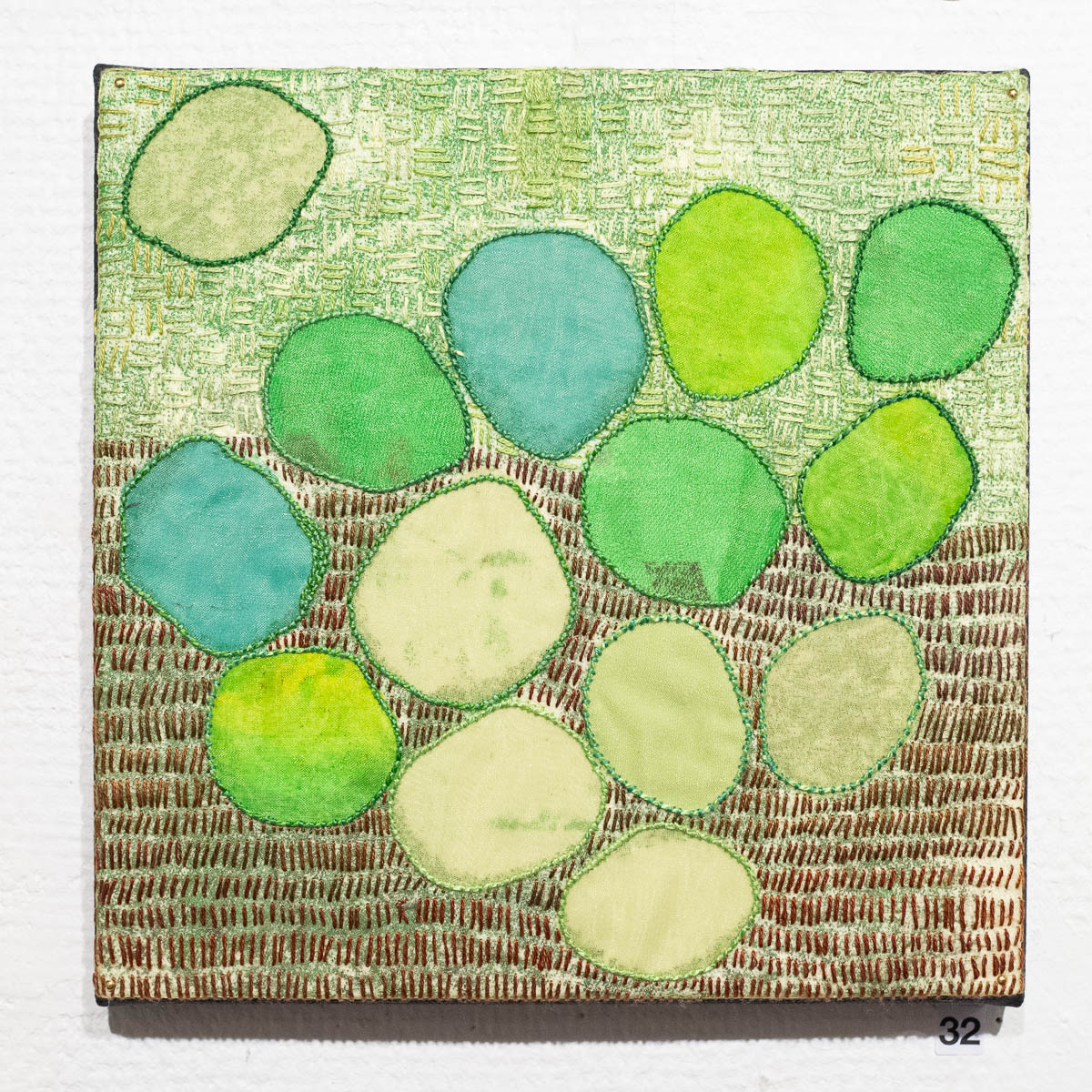
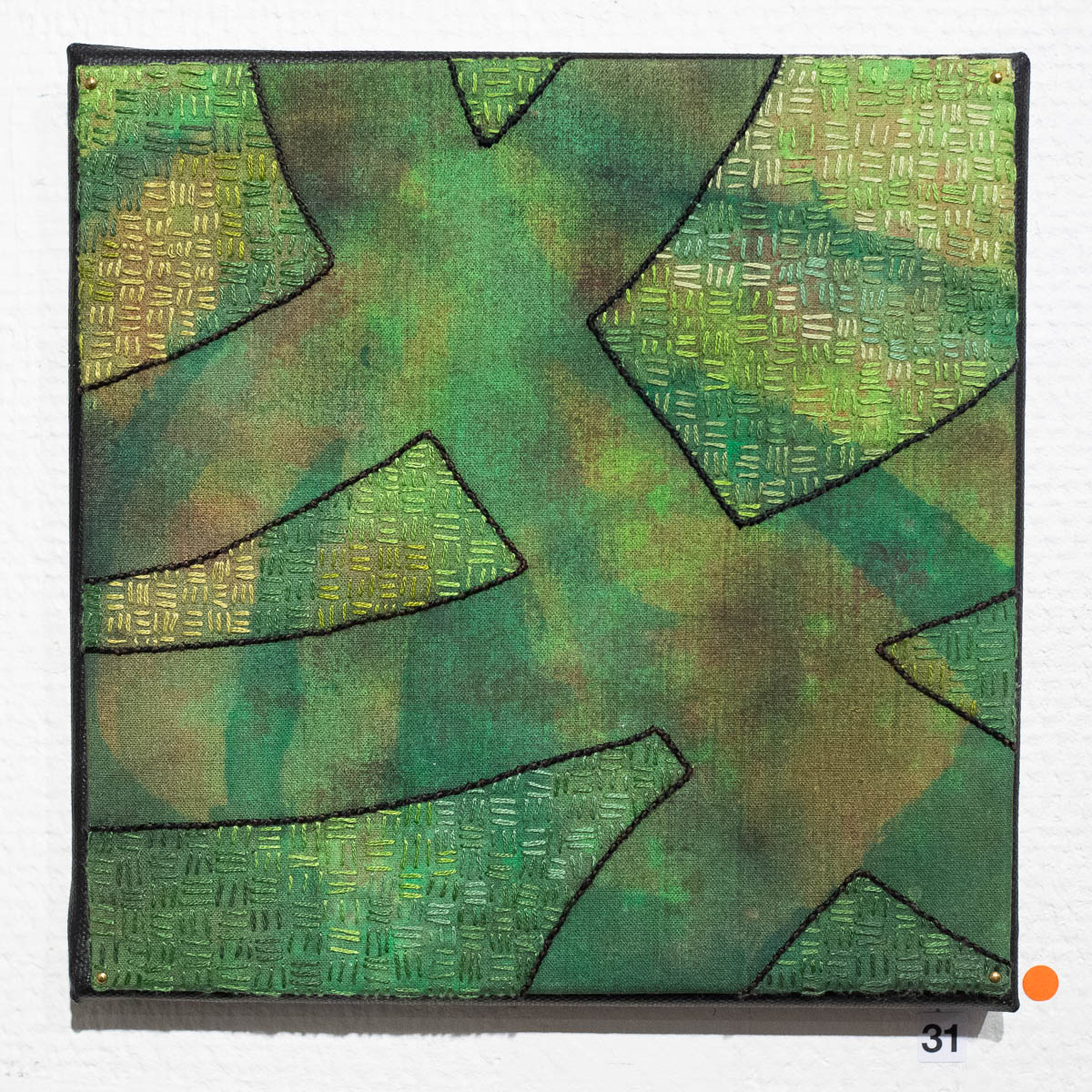
Visited an embroidery exhibition at Husby Gård community centre.

It’s so close to Spånga and so close to my interests but I had no idea it was there, until one of the other members of my Thursday embroidery club told me about it. Today was the last day of the exhibition, so the artist herself, Lena Larsson, was there.

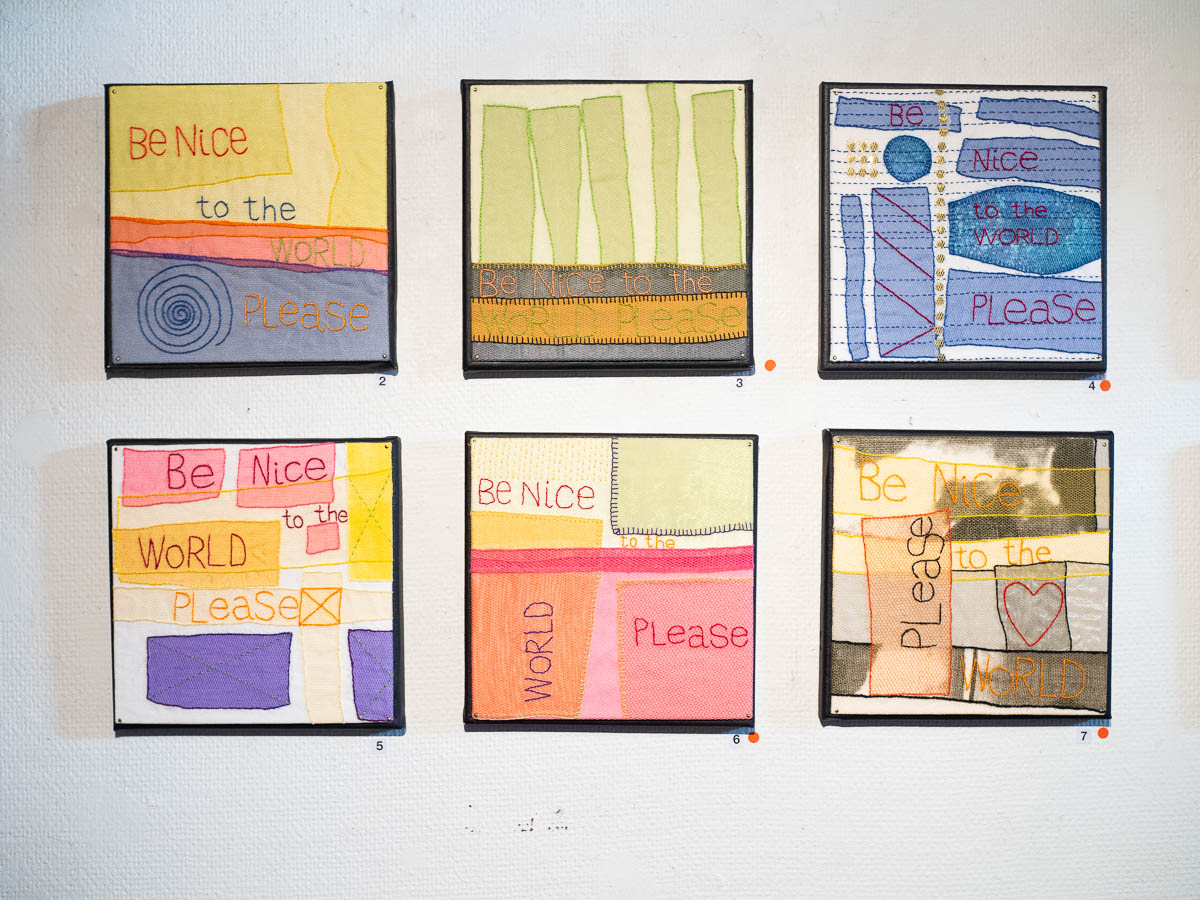
I liked her bold use of colour, and the way she layered fabrics for depth. And the shapes, simple but not strict. Also all the hand-printed fabrics.


All her works (except one) at this exhibition were the same size, so it gave a very coherent impression. Most were grouped by colour theme – the red works, the green ones – and I wondered if she had planned them that way, but she said she’d made them without any such plan and grouped them afterwards.

There was one set of works that clearly had been made to belong together. I like the idea of realizing the same idea in multiple different, but coherent ways. I should do that myself.

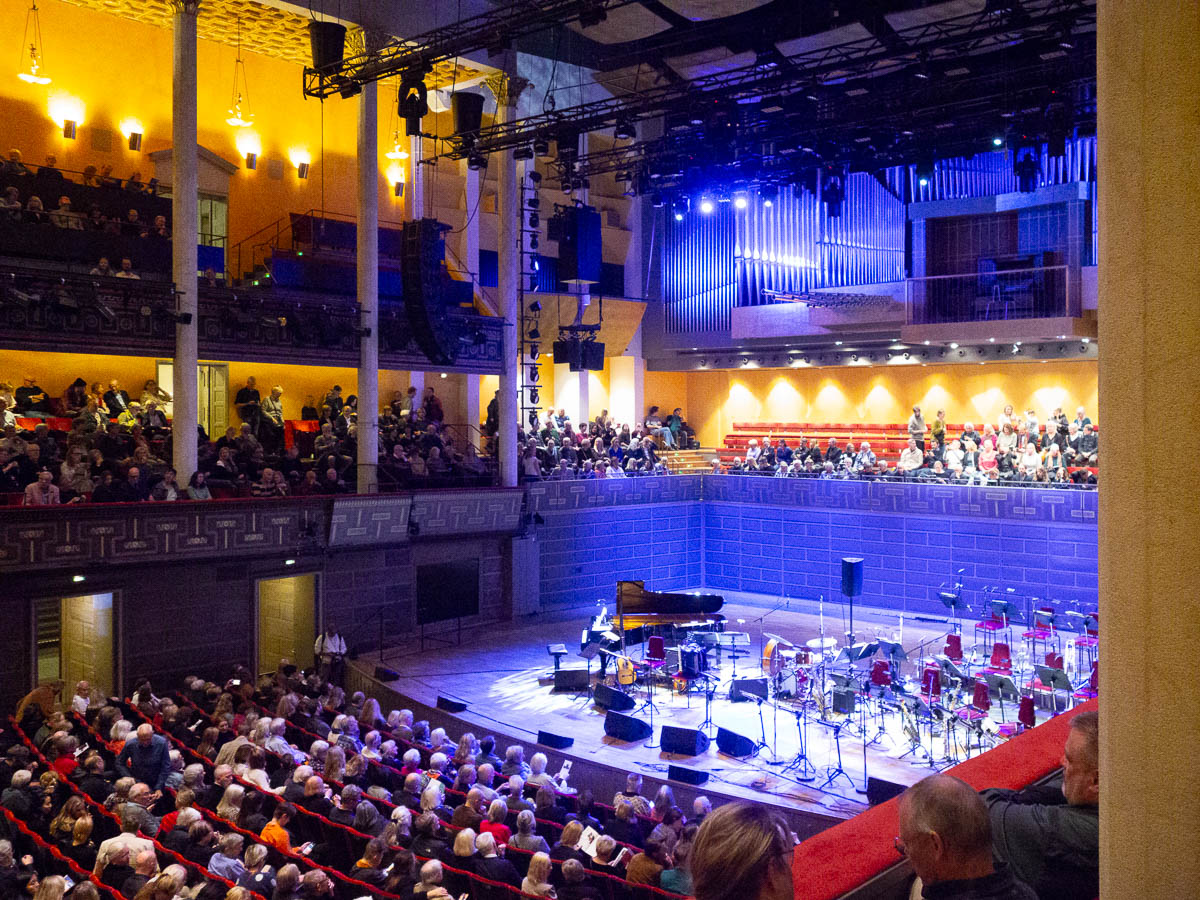
A tribute concert to Georg Riedel, a Czech-born Swedish jazz musician and composer, who died earlier this year. A mixed bag. What I’m taking with me is that I like the singing of Sarah Riedel and Channa Riedel.


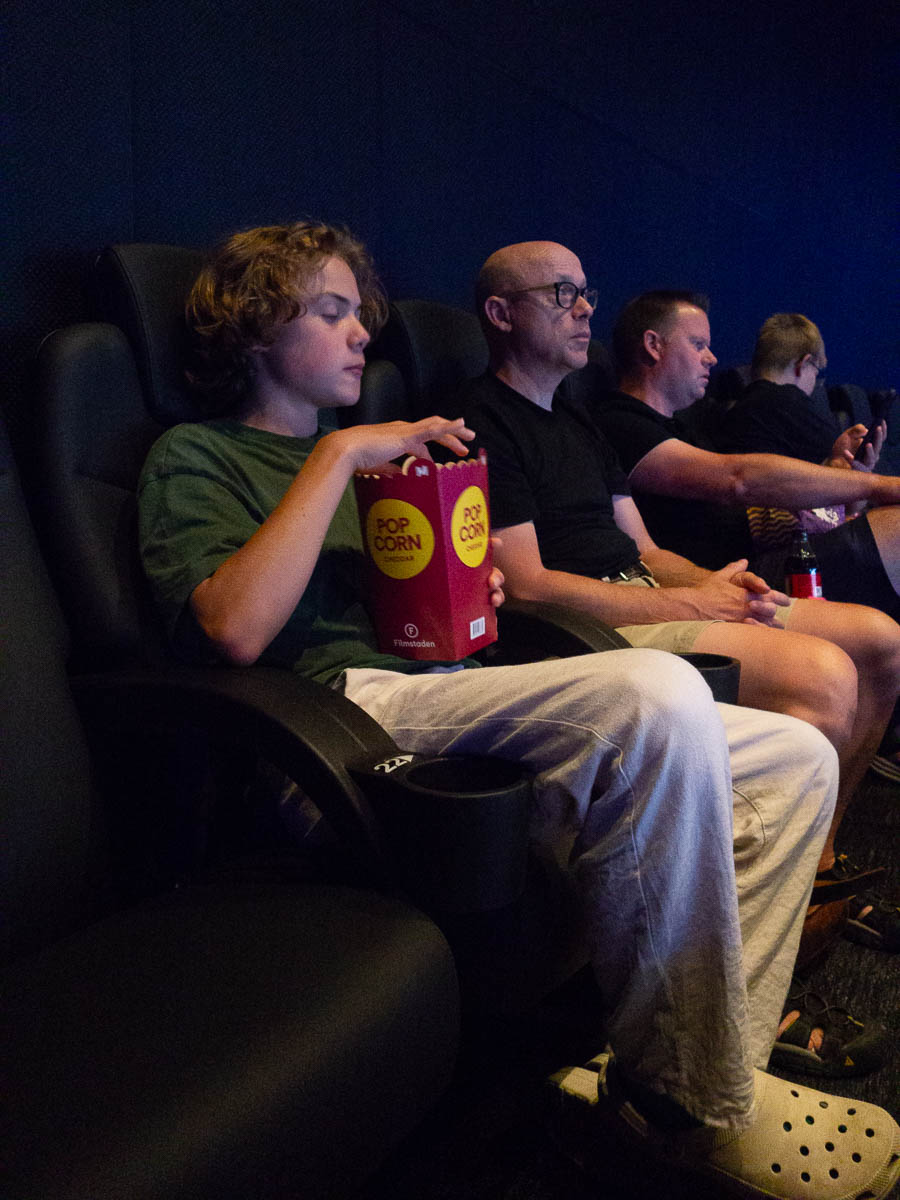
Eric and Adrian and I went to the movies to see Deadpool & Wolverine. We watched the first two Deadpool movies at home, and thought that the third one deserved to be seen on a big screen.

When the movie came up in conversations at work (people talking about their weekend plans) two separate groups expressed their surprise that I’d watch Deadpool. And I can see their point – I don’t watch comedies much. Many comedies get their laughs out of putting some character in embarrassing situations, and I can’t find anything enjoyable about second-hand embarrassment. At all. But the humour in Deadpool is the opposite – he’s so unashamed, so proud of his crudeness and ass-slapping, that it’s liberating.

That being said, I didn’t enjoy this one as much as the last two. The first one had the best writing; the second one leaned into its ridiculousness; this one just felt repetitive and nonsensical. Barely any of the characters’ decisions made sense, apart from Deadpool himself. The studio decided to “waste” less money on writers, I guess, and spent the budget on actor salaries and special effects instead. I rather enjoyed the running gag in Deadpool 2 about the studio not being able to afford all the X-men.

Movie theatre popcorn, by the way, is ridiculously expensive. 75 SEK for that bucket of what is mostly air!

Ingrid and I went to ERM, the Estonian National Museum, while Adrian was off with a friend playing video games.

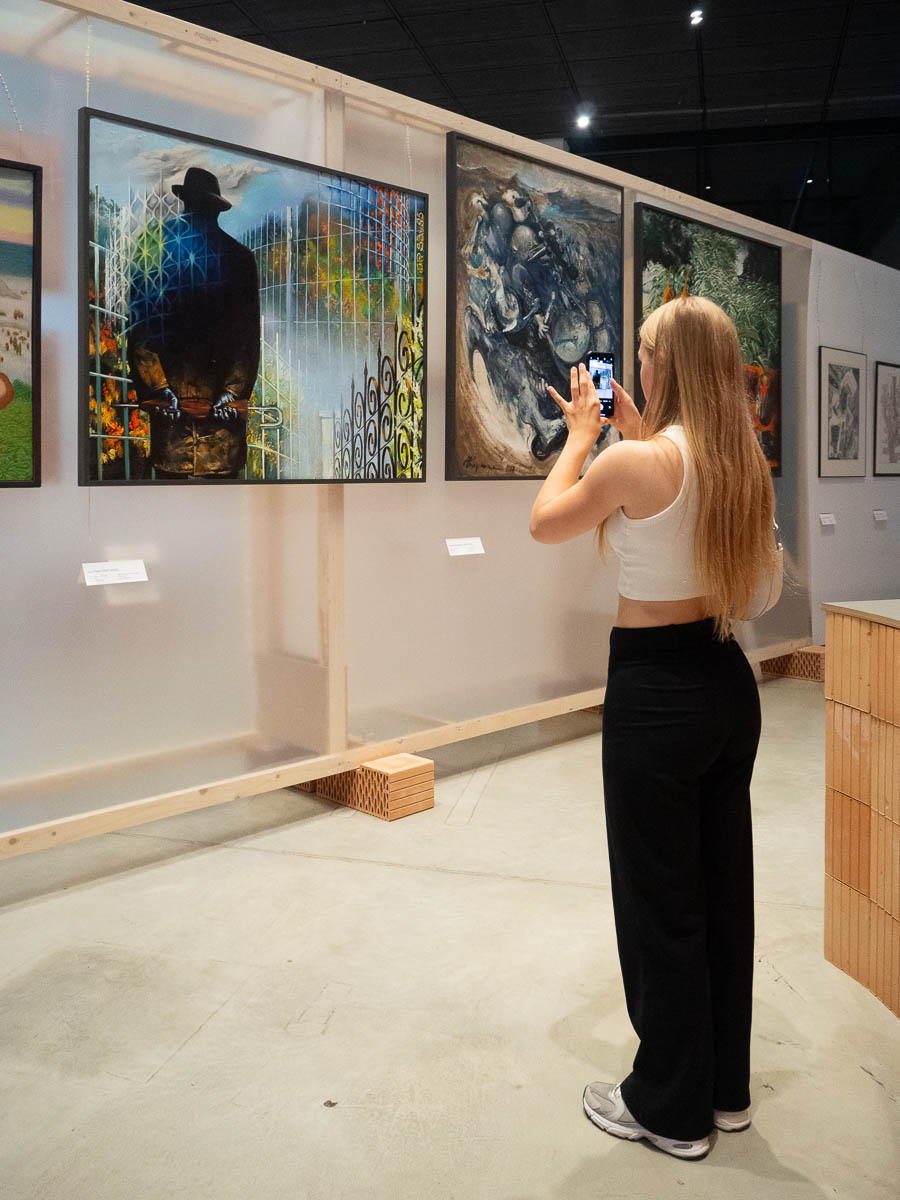
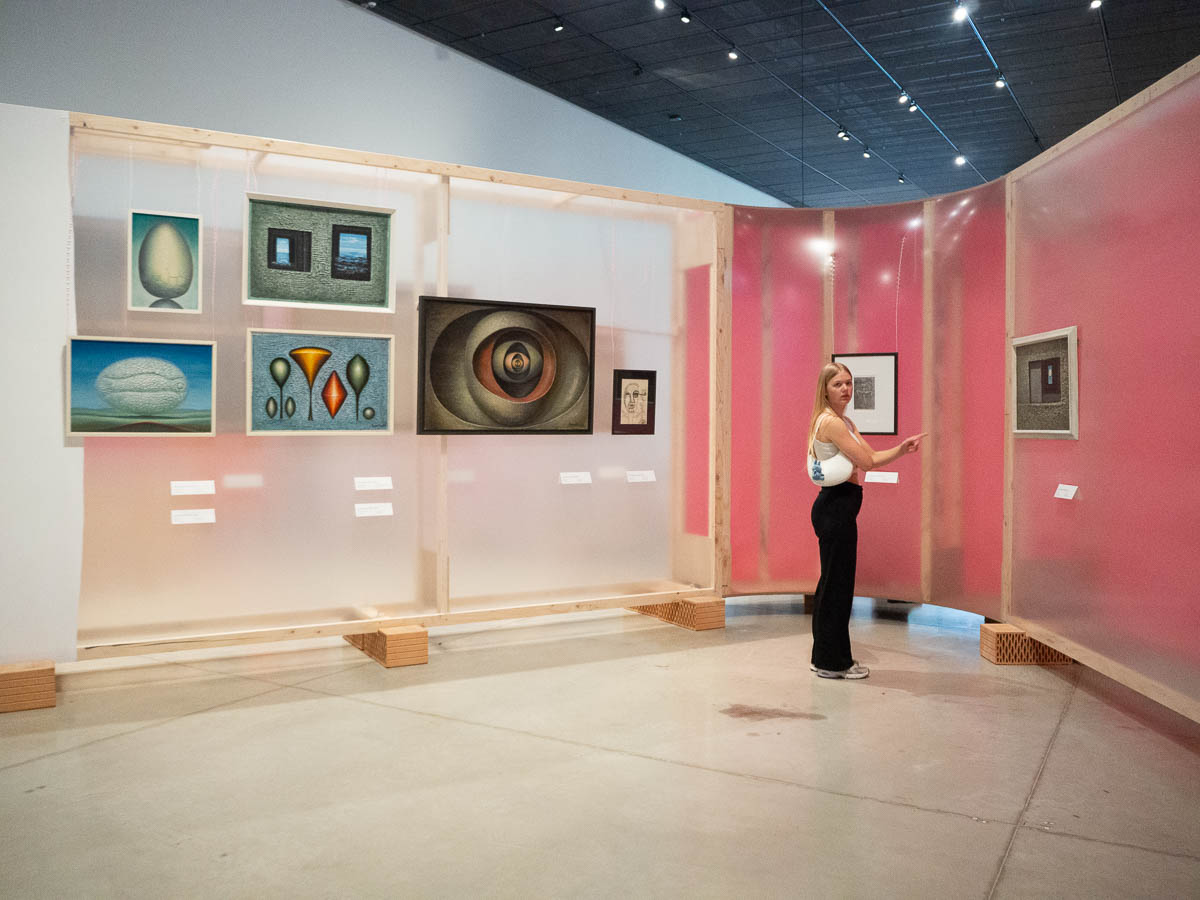
The main draw was an exhibition about surrealism in Tartu and Prague, a collaboration between museums in the two cities. Some of it was interesting, but some works looked more like “general weird” than surrealism to me.


The other current exhibition was about the city at night – one part about nightclubs and bars (most underwhelming) and another about the city at night through the eyes of animals. A wall about people’s encounters with foxes was somewhat interesting, but not much.

A third one was about Bling, which seemed to be an Estonian equivalent of Burning Man. Great for the people who had been there, but I’m not sure what the rest of us were supposed to get out of photos of them having fun.

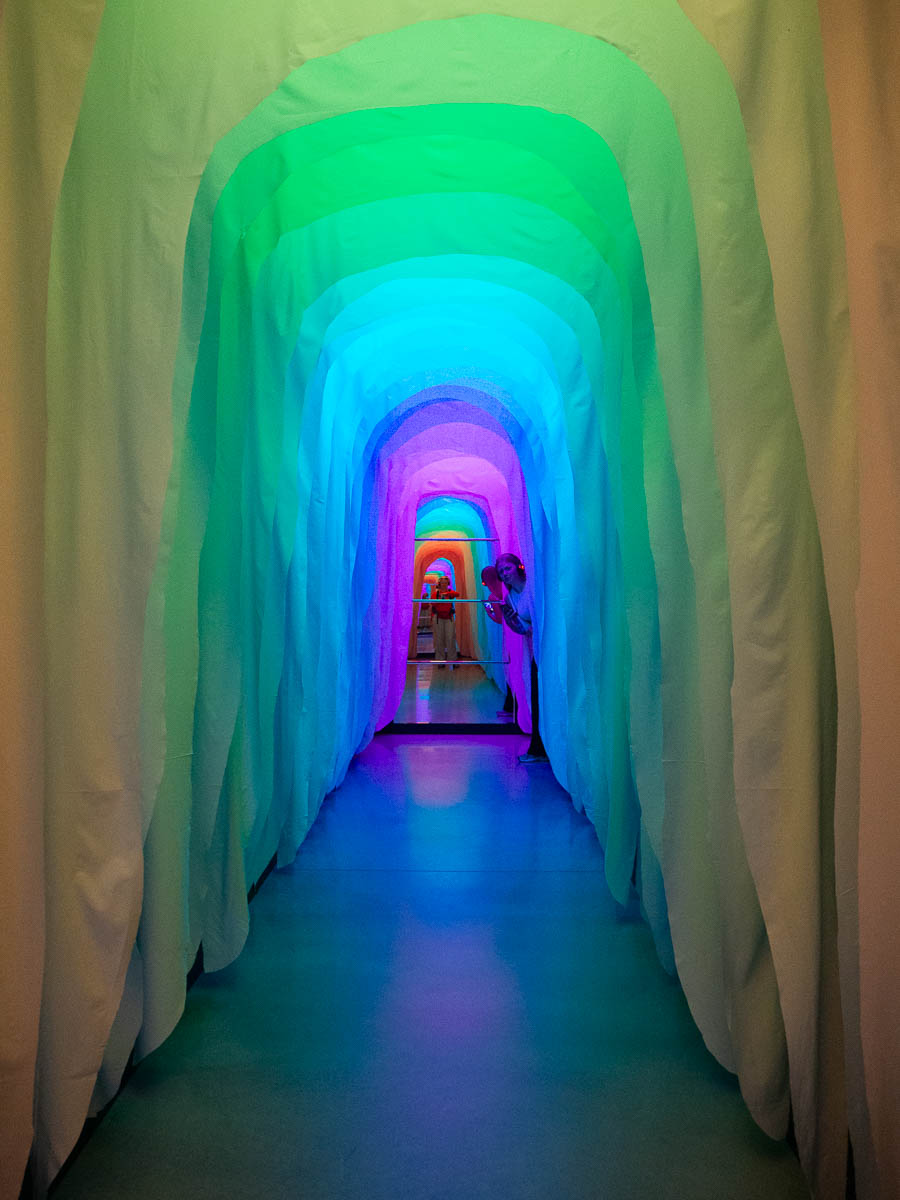
The entrance to that area was a cool installation of textile and light, though.

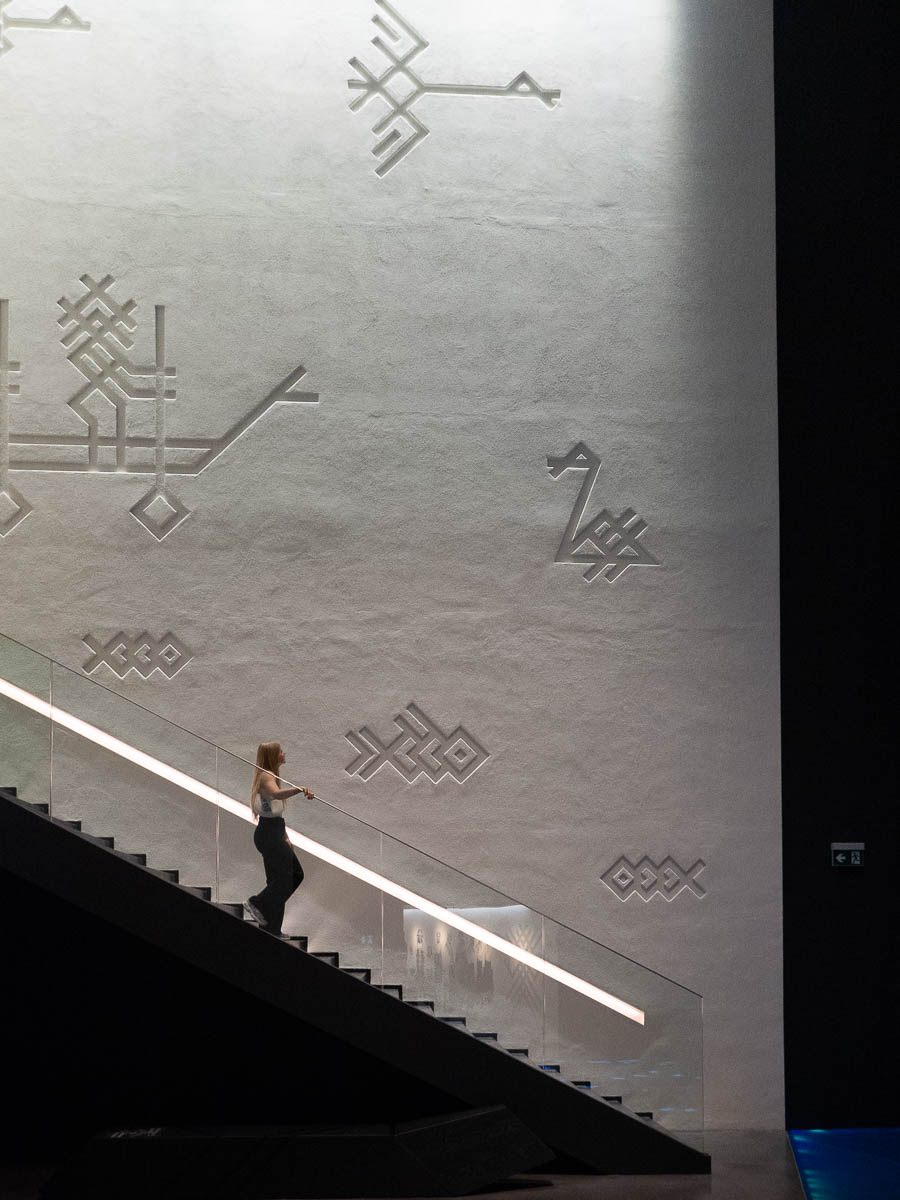
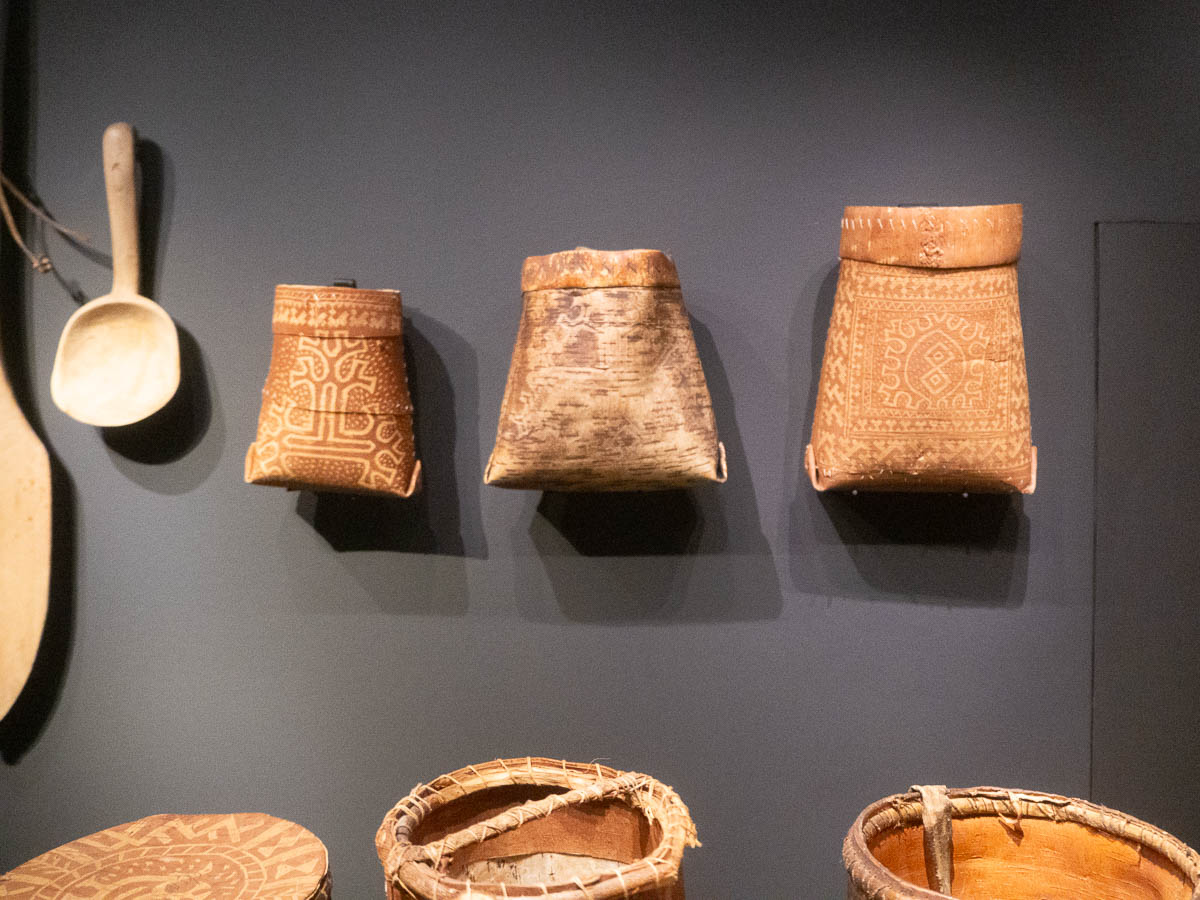
We finished off our visit by strolling through my favourite permanent exhibit, Echo of the Urals, about our “cousins”, all the other Finno-Ugric people. I especially like the visual design of the exhibition space, and the icons and signs derived from traditional Finno-Ugric decorative patterns and old Estonian house marks.


Ahhaa science centre.

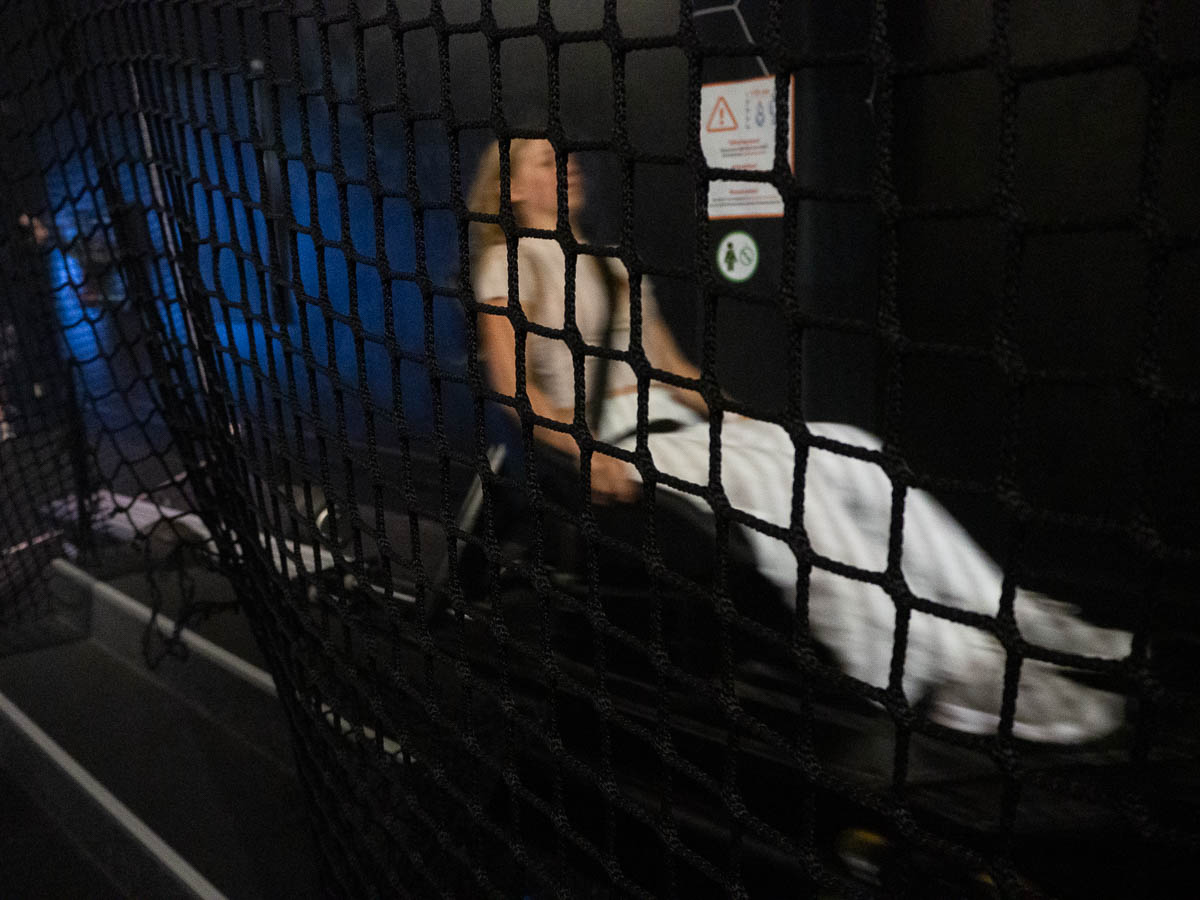
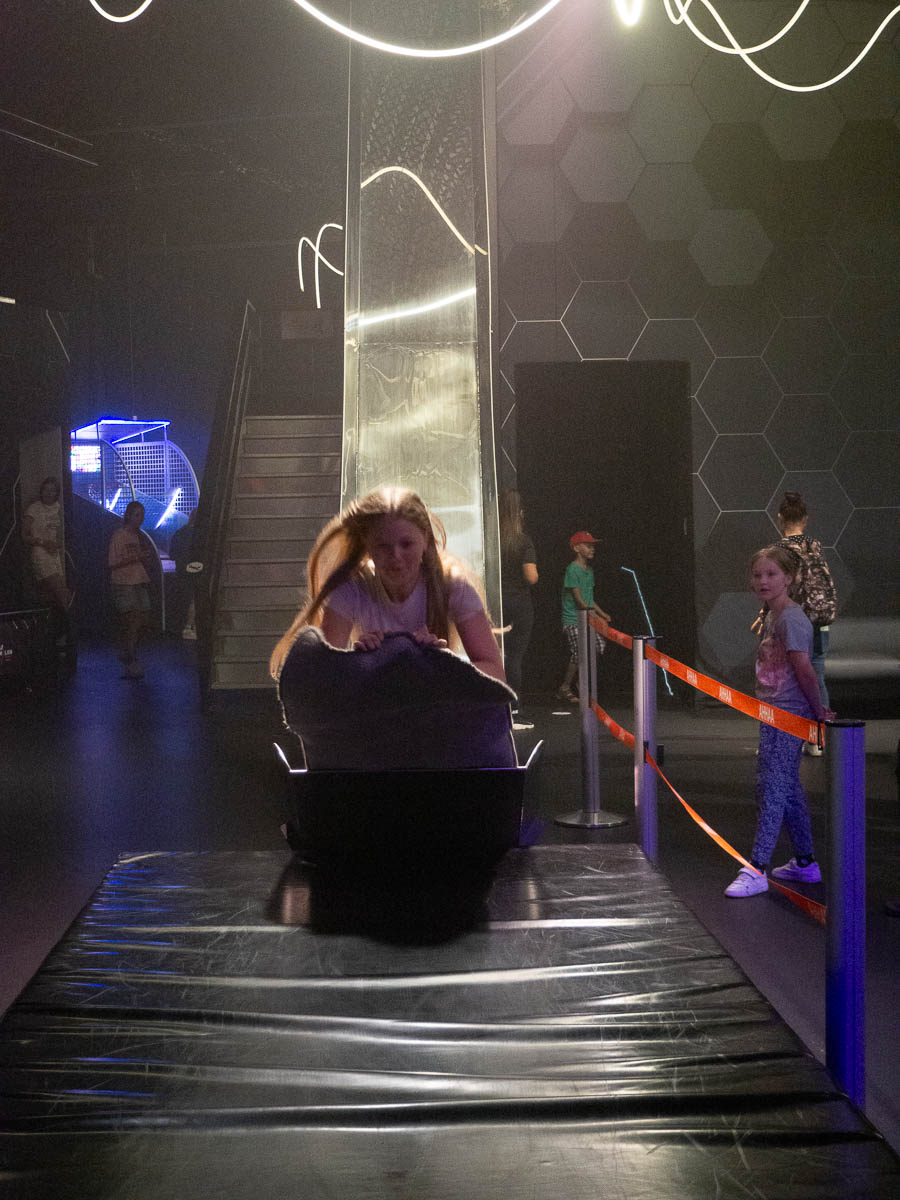
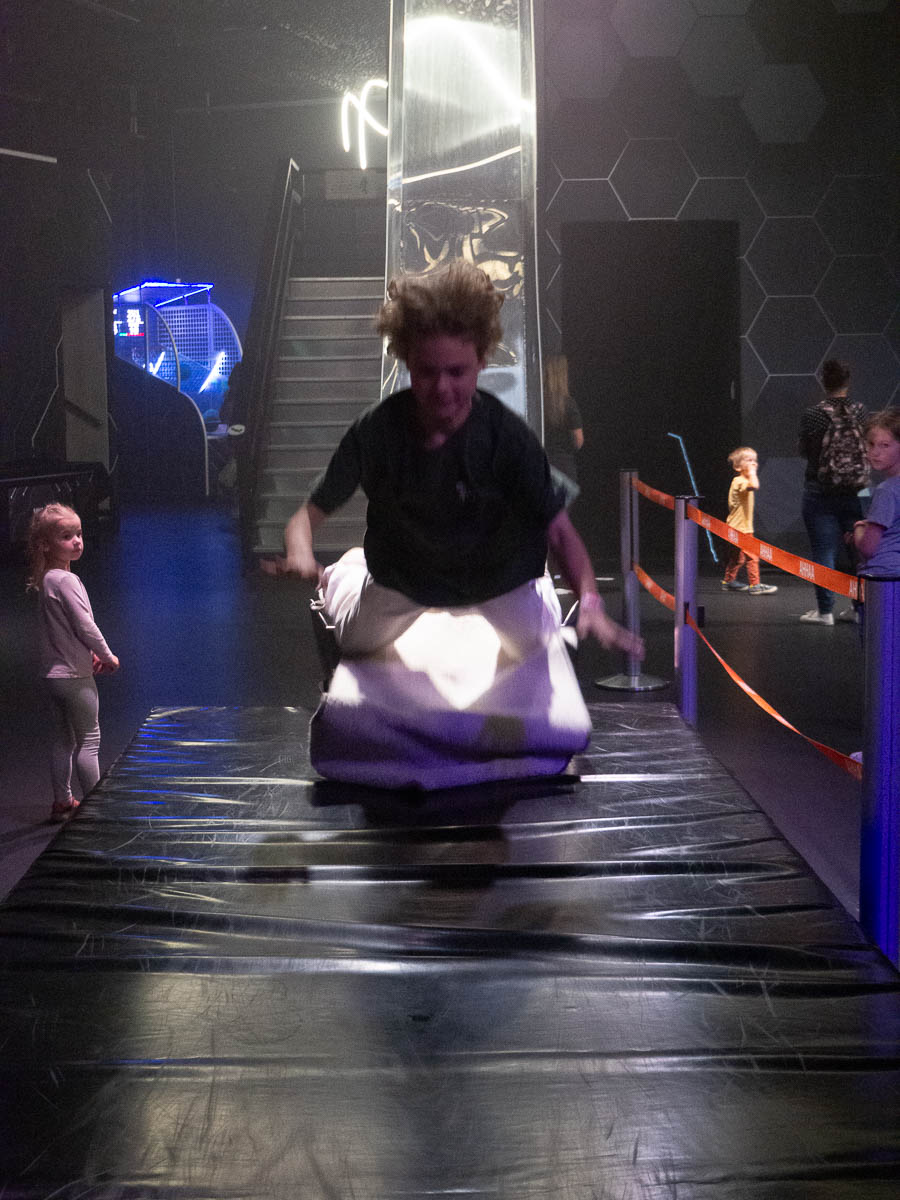
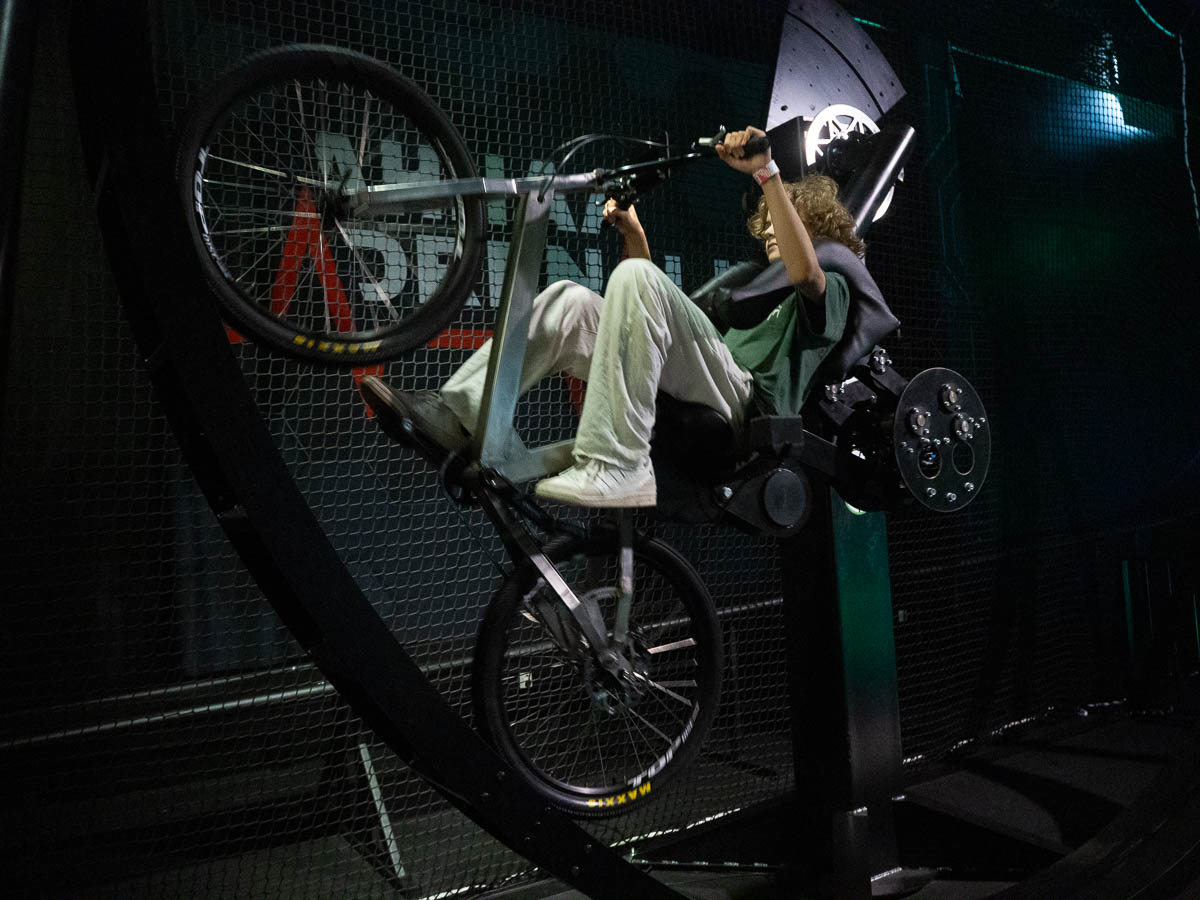
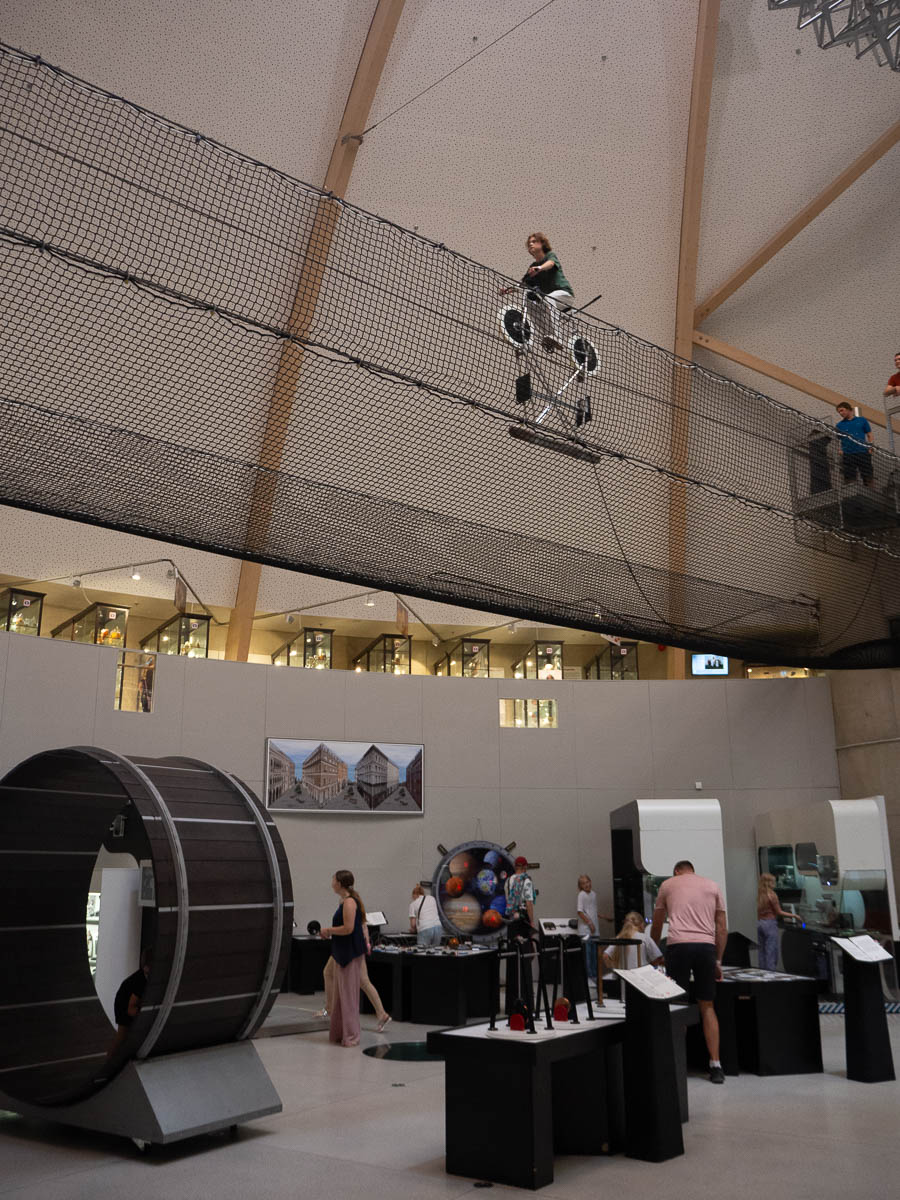
About two thirds of the space holds a permanent exhibition, while the remaining third is used for temporary ones. Past exhibitions have ranged from “spies and detectives” to “nutrition”. Currently the theme of the temporary exhibition is “adrenaline”. In effect, it was a small-scale amusement park for older kids.

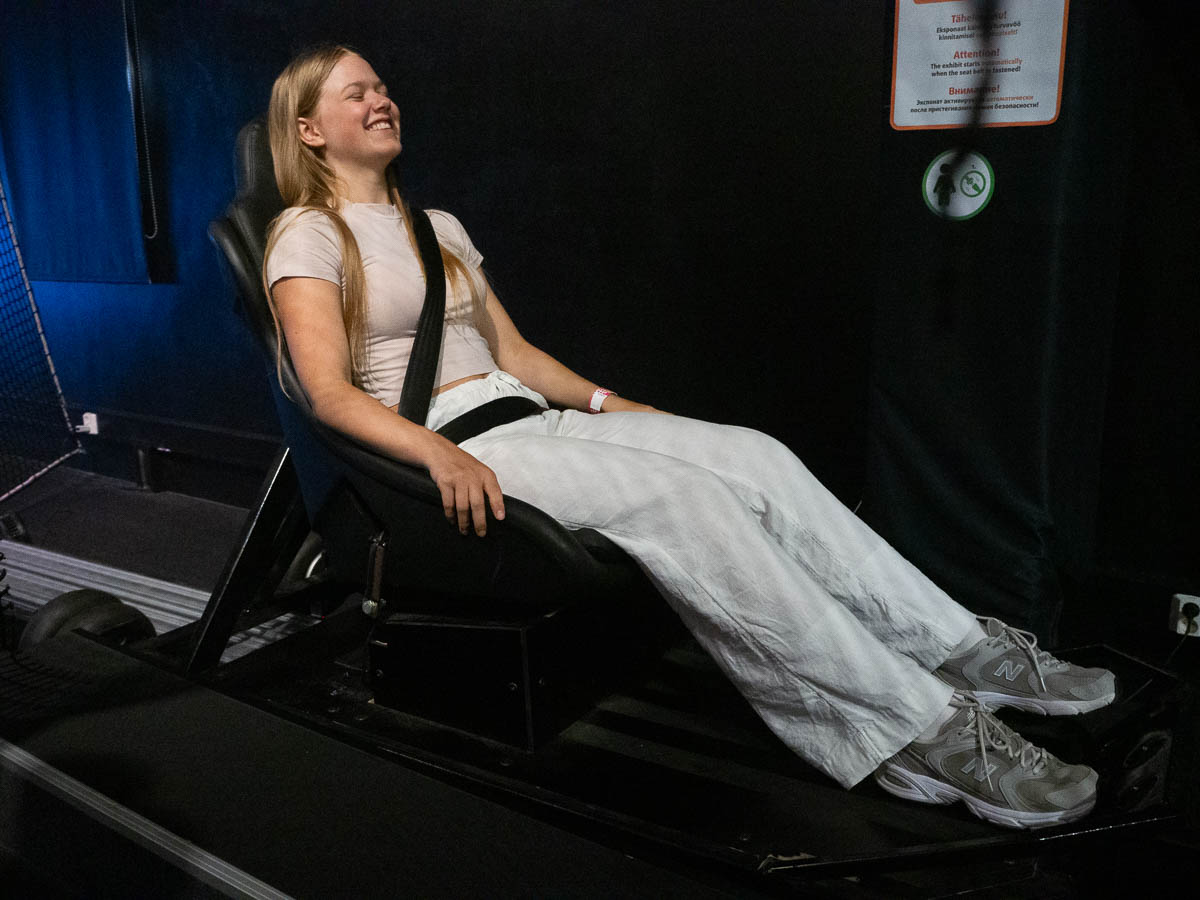
There was a “rocket chair” for acceleration…

… and an extra steep slide, with a thick mat to land on…

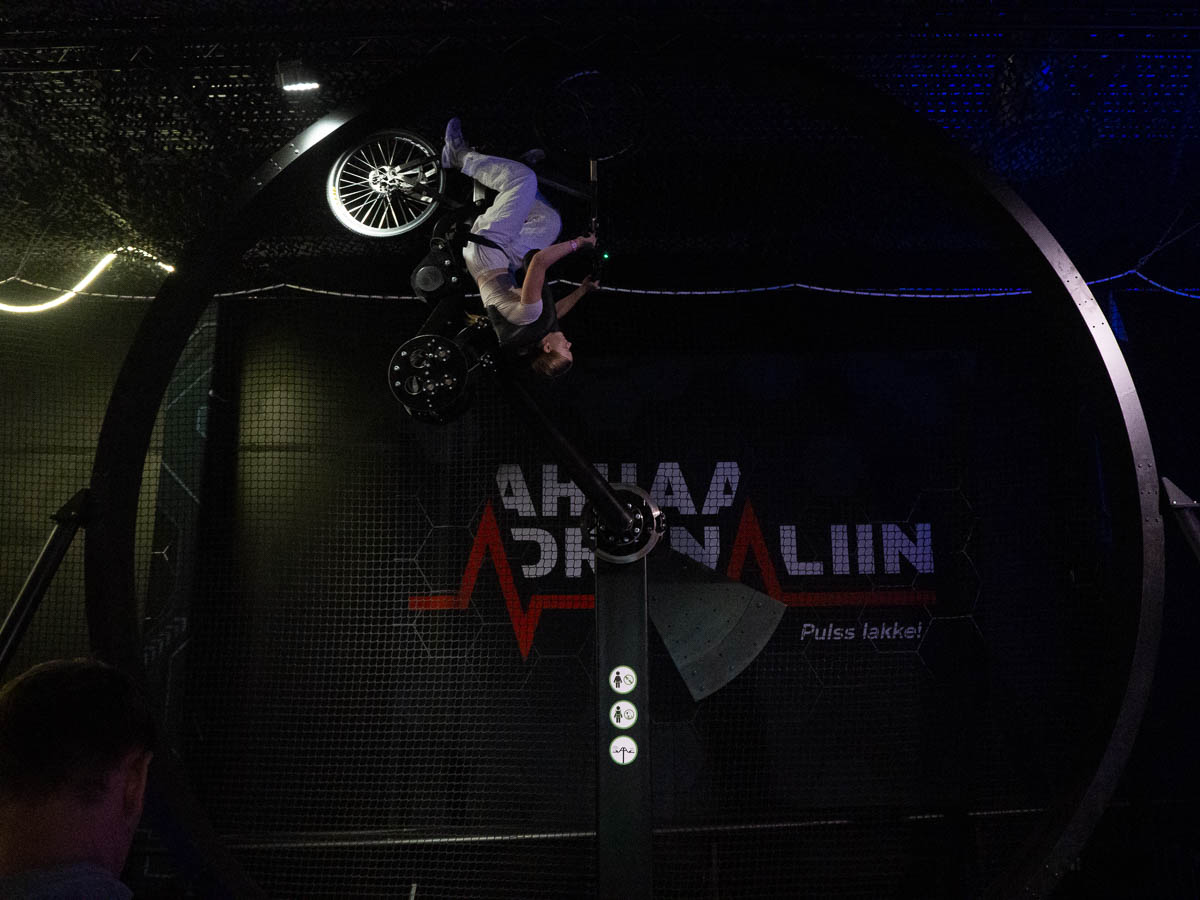
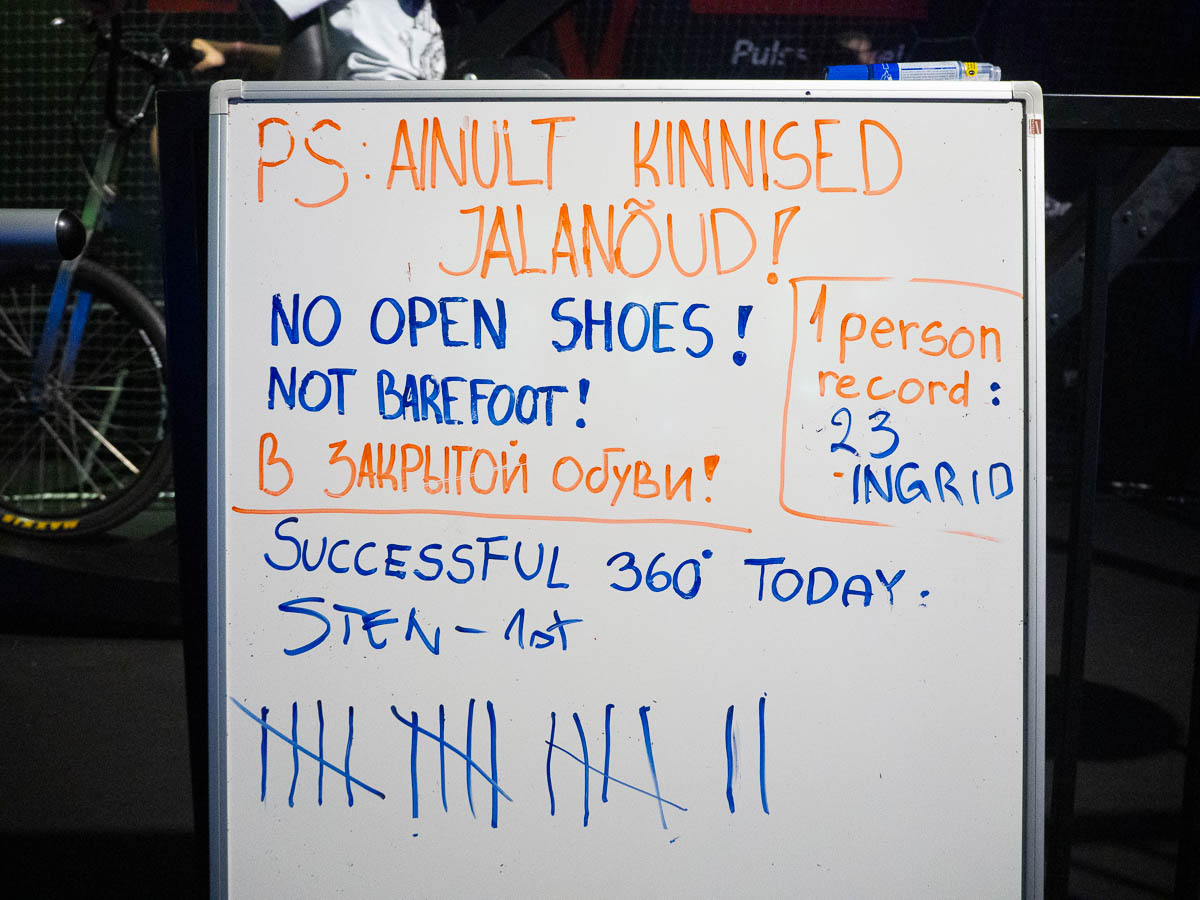
… and a 360 degree loop bicycle ride. All three of us tried it, but Ingrid was the only one to manage the full 360 degrees – there was something wrong with the pedals on the bike that sometimes made them go backwards forcefully when the bike itself rolled backwards, and when that happened, we kept losing our footing and got hit in the shins by the pedals. Ingrid somehow got past that and beat the day’s record of most consecutive loops.


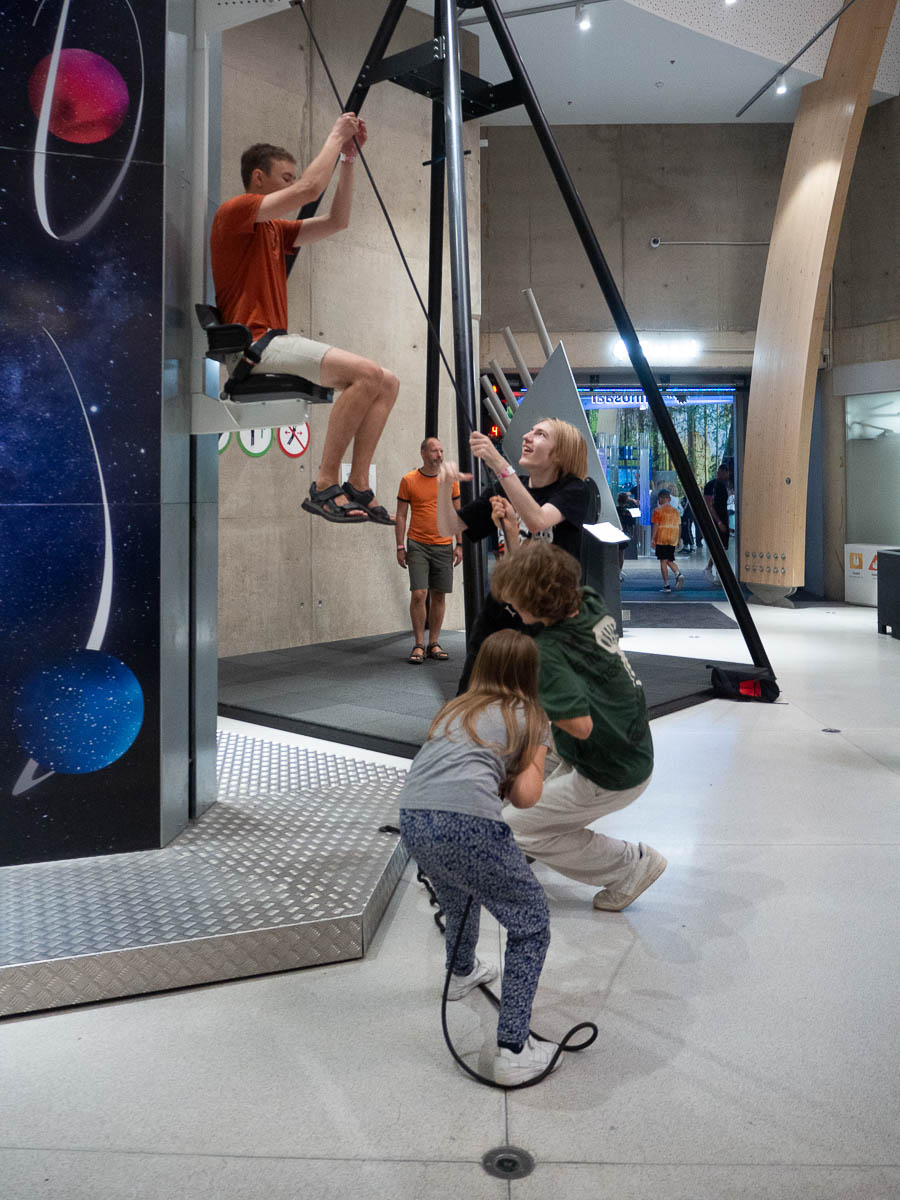
The permanent exhibition also has plenty of hands-on experiments. Like using a rope and pulley system to lift up your friends, and learning how the number of pulleys affects the force required…

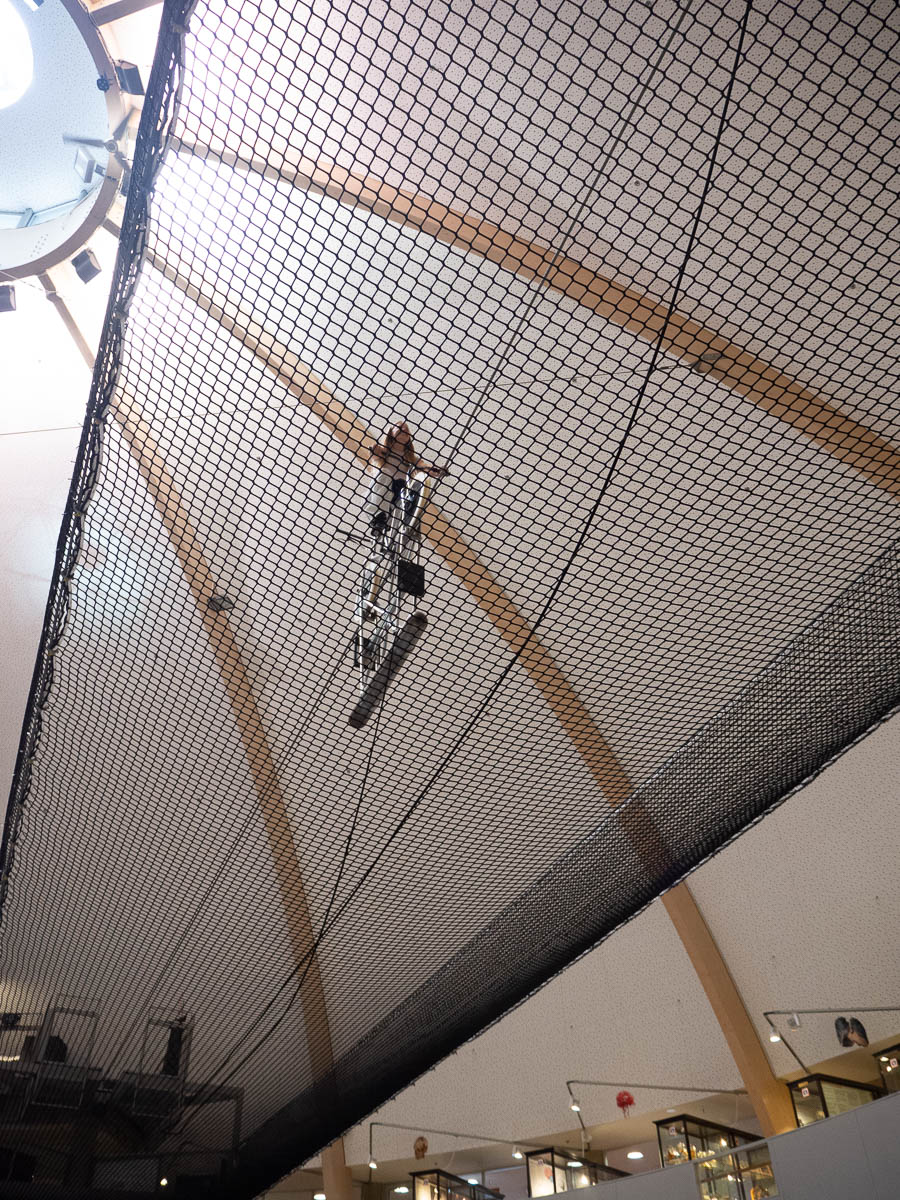
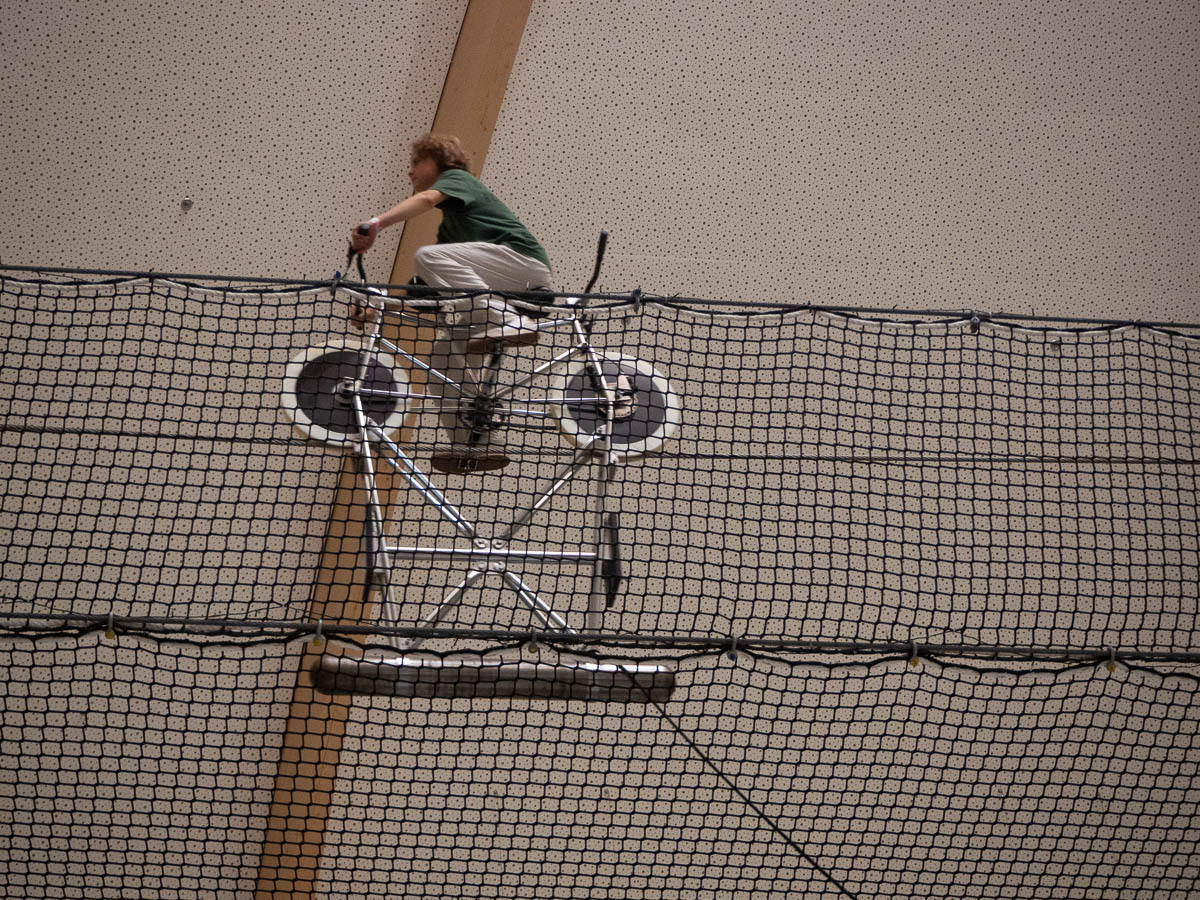
… or riding a bike on a tightrope, and learning how a counterweight makes balancing trivial.


A Midsummer Night’s Dream at Stadsteatern. This time the actual Shakespeare play, not a ballet, and this time the whole family went. Eric and I obviously knew roughly what we were in for; Ingrid enjoyed it; Adrian was mostly restless and not particularly spell-bound.

I found it all pleasantly modern while still true to the spirit of the original. (No microphones!) And of course Shakespeare would have wanted battery-driven hobby horses for his actors, if he had had access to them.

I will remember the wonderfully zany costumes. A bizarre mixture of fashion from Shakespeare’s era (ruff collars and puffy knee-length trousers) and Greek-themed decorations. Lysander and Demetrius wore sweatshirts, one a souvenir shirt from Athens and the other with University of Athens branding. Exaggerated face paintings reminded me of the masks used in Greek tragedies.

There were no photos allowed during the performance of course, so the photos below are official press photos from Stadsteatern.

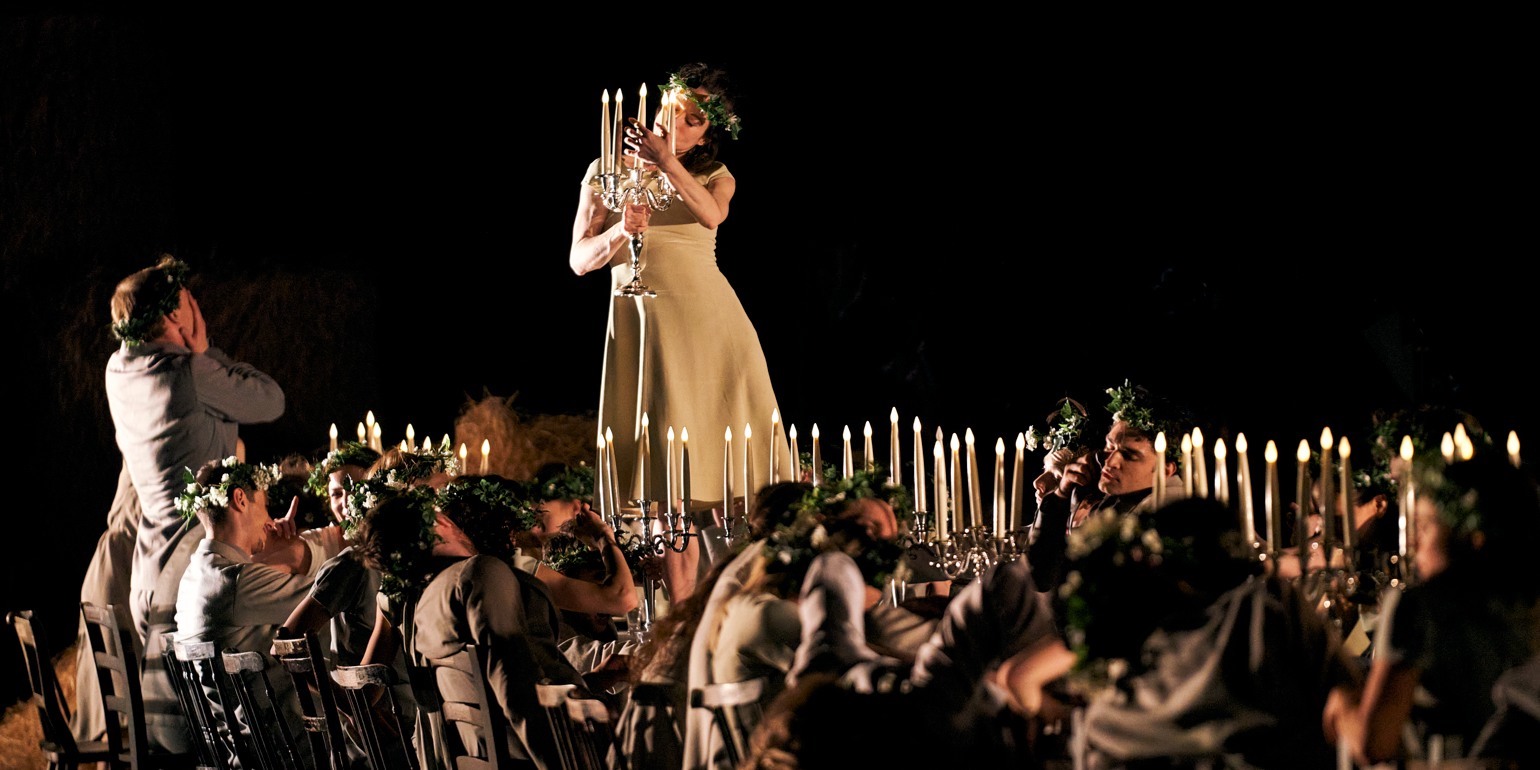
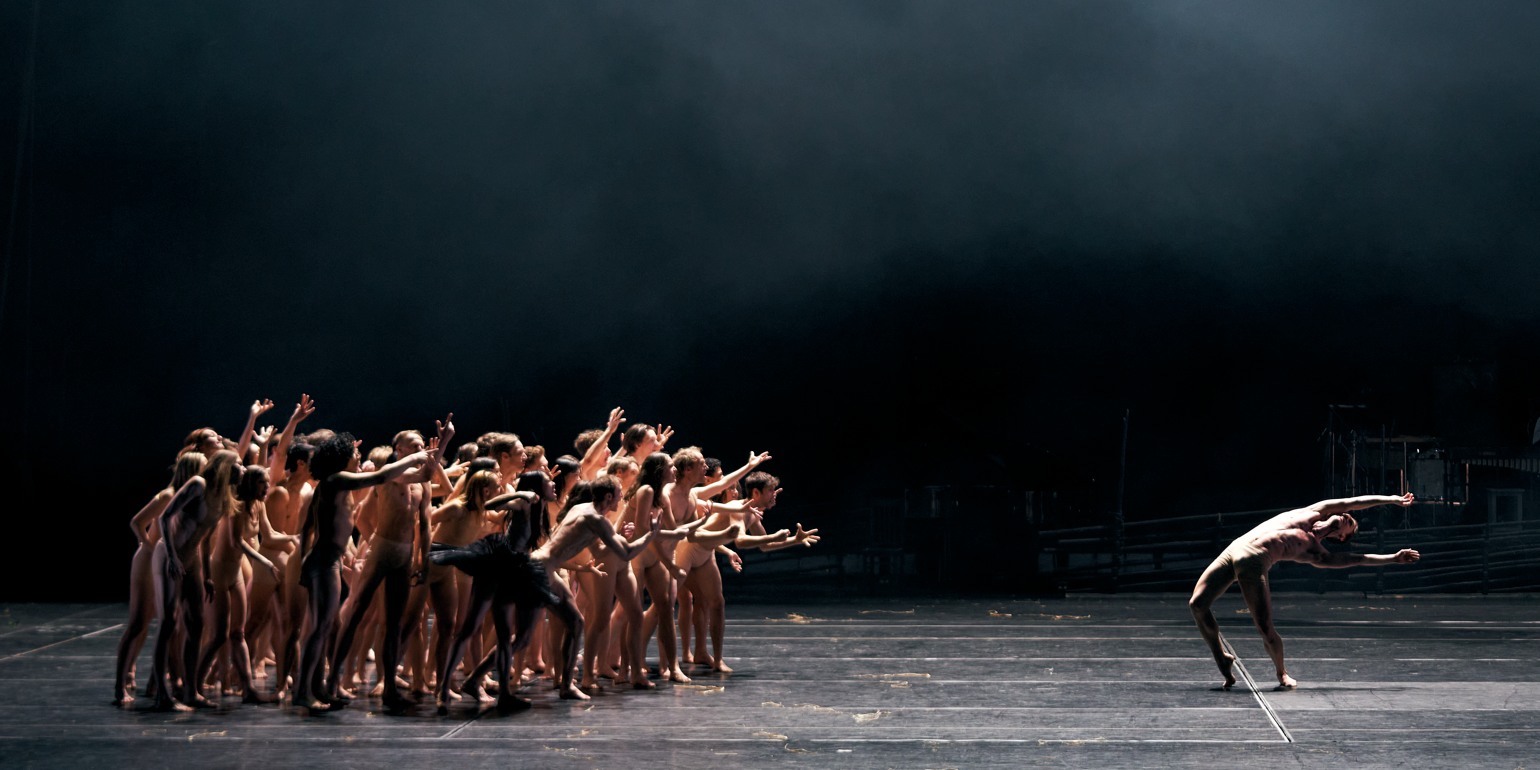
We saw Alexander Ekman’s Midsommarnattsdröm (“A Midsummer Night’s Dream”) at the Royal Opera during its first run, which must have been in 2015 or 2016. Now it’s back, and we saw it again.

From the first time around I remembered the most theatrical parts of it. Entertaining, somewhat pandering, but on the whole not bad. Since then I’ve seen two other pieces choreographed by Ekman (Eskapist and Cacti) and loved both of them, so why not enjoy this one again.

It turned out I’d managed to forget the more interesting parts of the ballet, so I’m glad I didn’t let my recollection of it keep me from giving it another chance.

Act 1 starts with a wild and exuberant… harvest dance, ish. Short but fun.

That is followed by the theatrical part: a parody of a Swedish Midsummer celebration, complete with an anxious hostess, forced cheer, that awkward looking-at-everyone while toasting, too much drinking, etc. I’m not a big fan of story-telling ballet, and I think this part could have been more interesting if it had been taken one step further from normality.

Which the second act definitely did. This is the night after the party, the actual midsummer night’s dream. A dreamscape that approaches magic and nightmare at the same time, where anything can happen. Things grow to absurd proportions, beds hover in the air, people lose their heads. The mood ranges from ethereal to grotesque.

I like beautiful, crazy ballets that keep surprising me.

We saw Alexander Ekman’s Midsommarnattsdröm (“A Midsummer Night’s Dream”) at the Royal Opera during its first run, which must have been in 2015 or 2016. Now it’s back, and we saw it again.

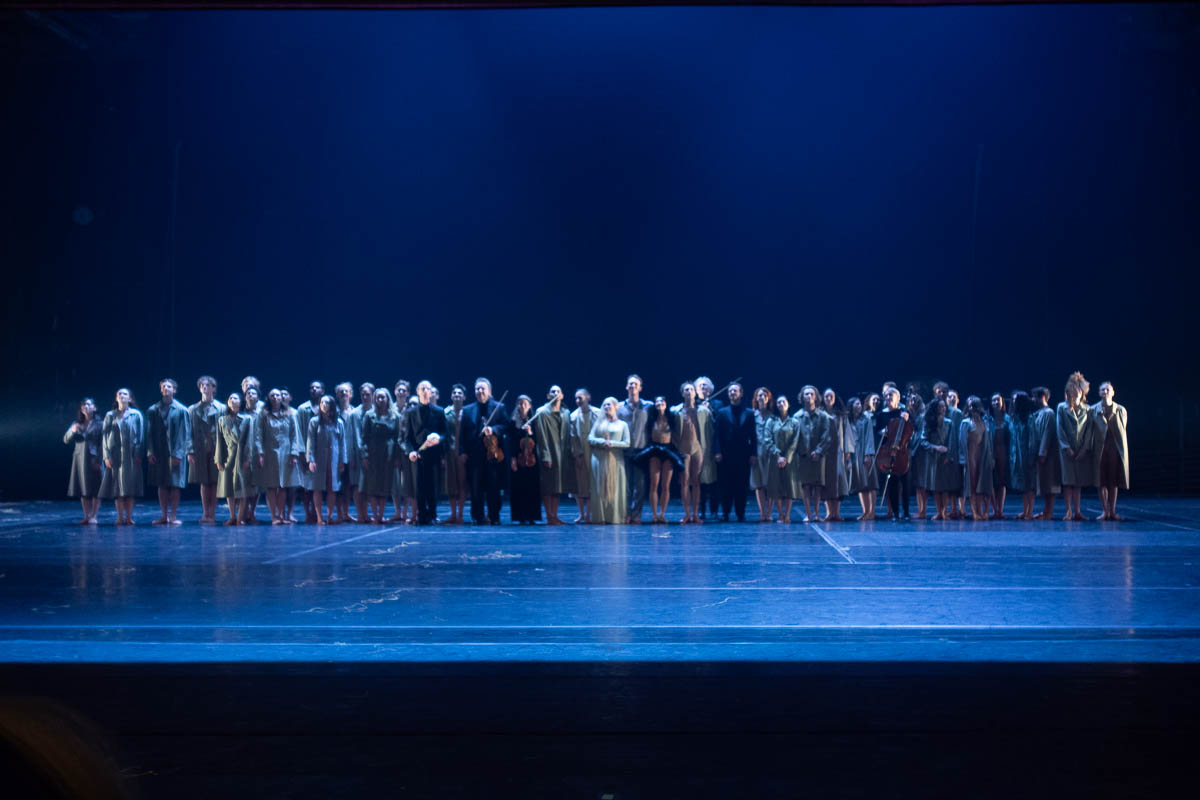
I’m glad that the Opera is willing to invest in a show with such a large cast. (I counted 40+ people on the stage.) The mass scenes would not have had the same impact with, say, half the number of dancers. Forty people marching, chest to back, makes an impression. Forty people streaming back and forth fills the scene, Twenty people doing the same thing would be puny.

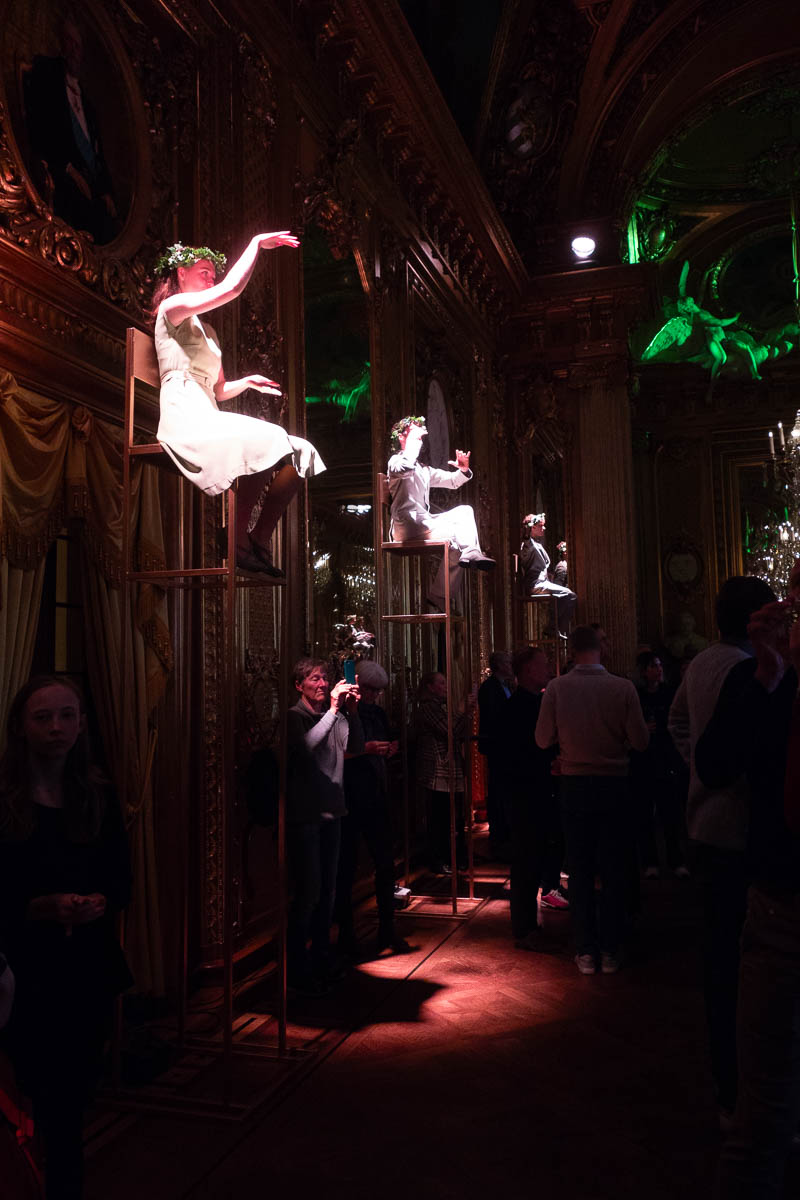
During the interval, dancers were performing in the Golden Foyer of the opera house, seated on three-metre-tall chairs. Mostly a gimmick, and while there were people taking photos, I didn’t see anyone pay them real attention for any longer time.

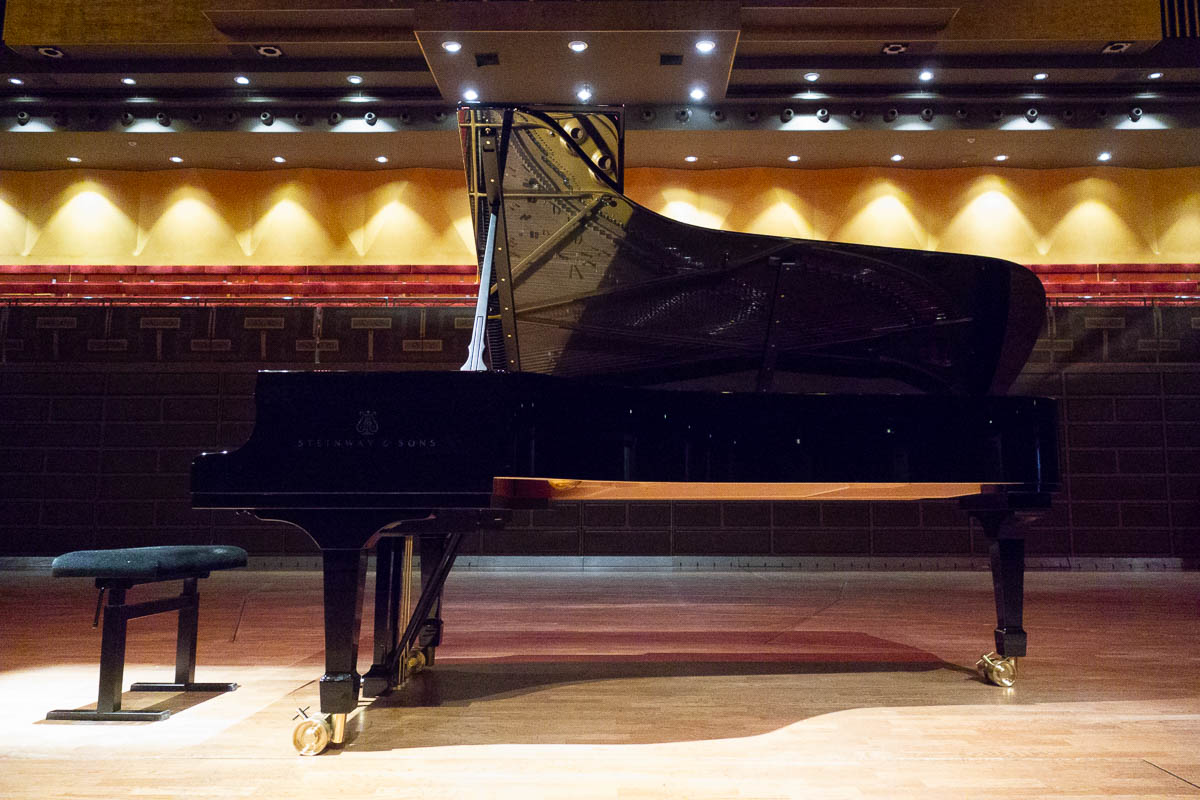
The last in the series of solo piano concerts at Konserthuset/Stockholm Concert Hall, today with Peter Friis Johansson.

First, Henry Cowell’s Three Irish Legends – avant-garde music from 1922. Interesting and energetic. At times the piece requires the pianist to use his entire lower arms to play, not just his fingers. Perhaps not my favourite, but I’m glad I heard this.

Next, Bo Linde, a mid-century Swedish composer. OK, bot not this music didn’t really do anything for me.

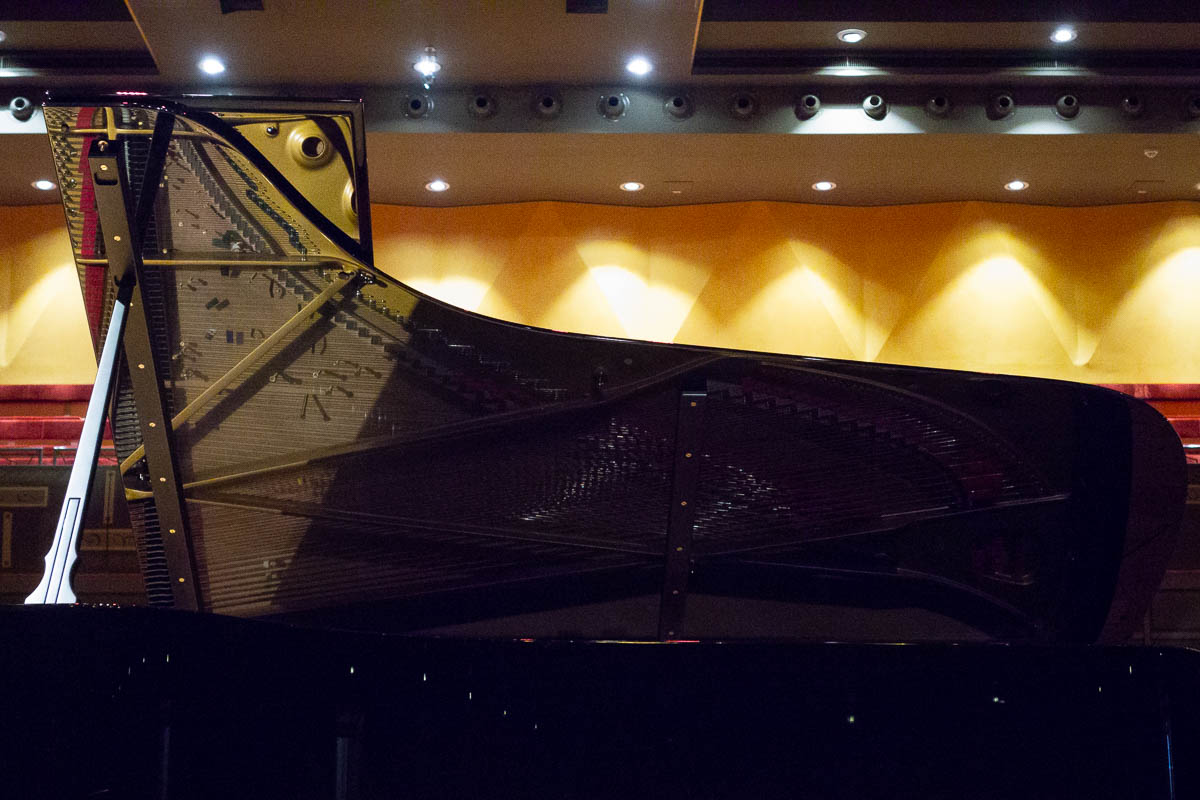
Last, John Cage’s Sonatas and Interludes for Prepared Piano, which means a piano that has been modified by putting small objects – screws, erasers, pieces of plastic – on or between the strings. This sounded intriguing before I’d heard it, remained interesting for the first ten or fifteen minutes, but there wasn’t enough actual music to keep my interest beyond that. Also after a while the music felt like it was just… fading out. Like a constant diminuendo, as if the music was about to end – for half an hour.

I like simple music, and minimalist music, but this was too minimal for me. It wasn’t even meditative. Some music can sometimes put me in a state that’s almost awake dreaming, and I have to rouse myself to keep listening. This didn’t even capture enough of my brain to do that. It just became background noise while I sat and thought of other things.

Several people in the audience left in the interval before the John Cage piece. More walked out about ten minutes into it. (I couldn’t make myself do that.) Many rose and left as soon as the applause started – some in clear relief, others voicing complaints. And at the same time, a few were shouting “Bravo!” at the back.

I asked if I could step up on the stage to see the prepared piano up close, but the staff clearly just wanted the audience to be gone so they could clean up and go home, so I had to make do with photos of the strings and objects as reflected in the lid of the piano, from a distance.