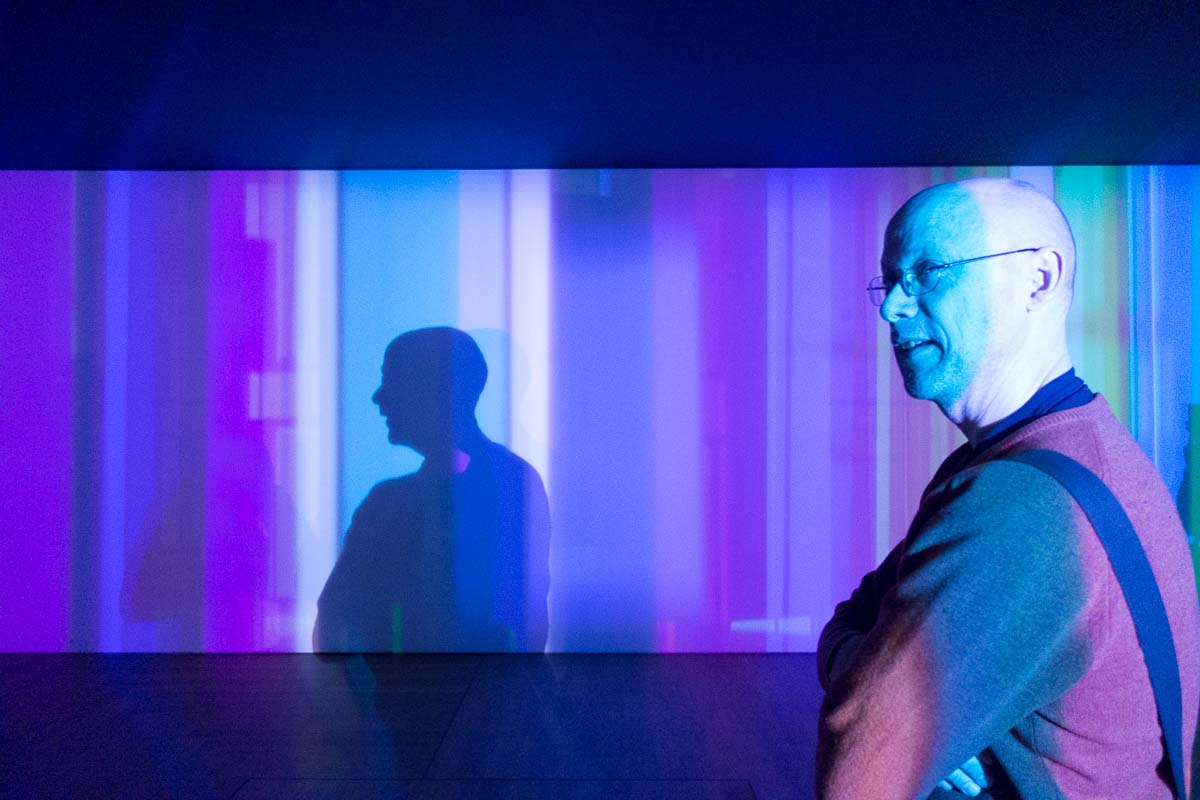
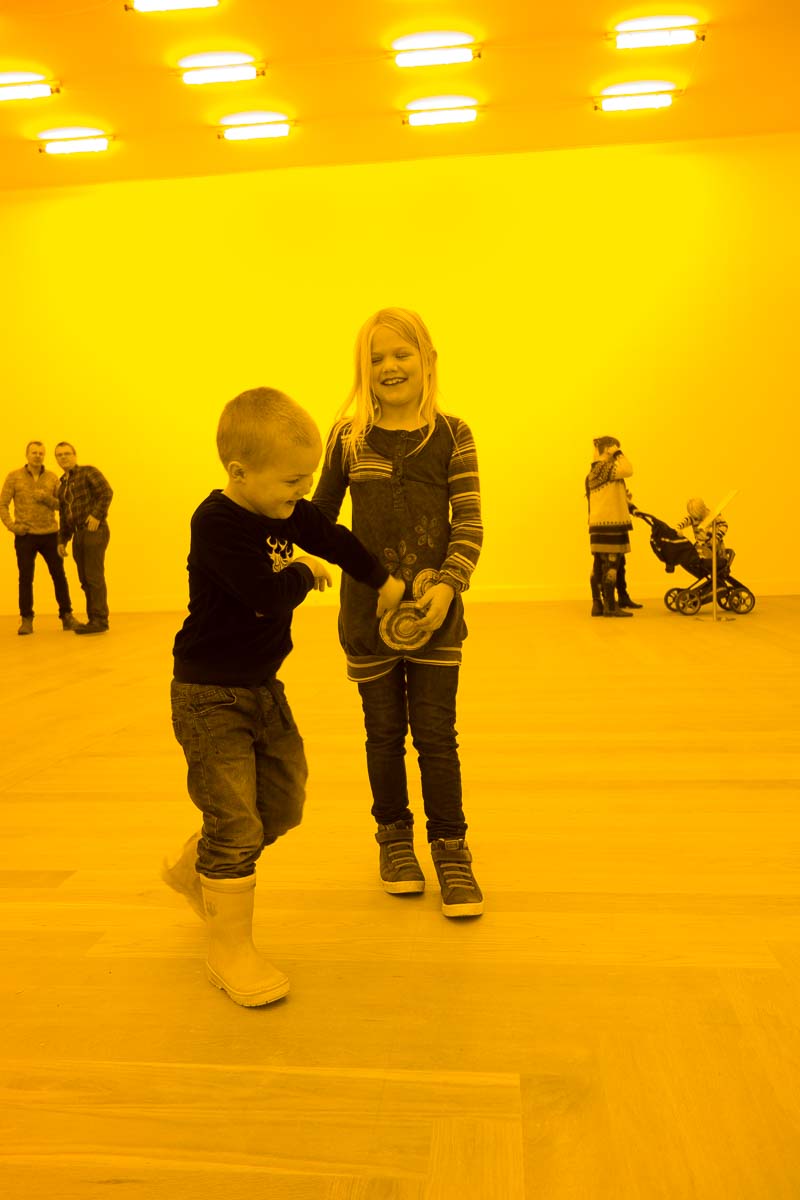
We went to Moderna museet, Stockholm’s museum of modern art, to see an exhibition by Olafur Eliasson. Reality machines was interesting and varied. Many of the installations were such that they became much more interesting when there were people near them, looking at them: installations where the structure itself, reflections, light, shadows and the viewer’s movement all combined to create something new.

…devices for experiencing reality, thus creating new perceptions of the world. It is a matter of becoming aware of what we see, but also of being aware of ourselves in the act of seeing. Or, as the artist puts it, “seeing yourself seeing”, of acknowledging our presence and our participation.
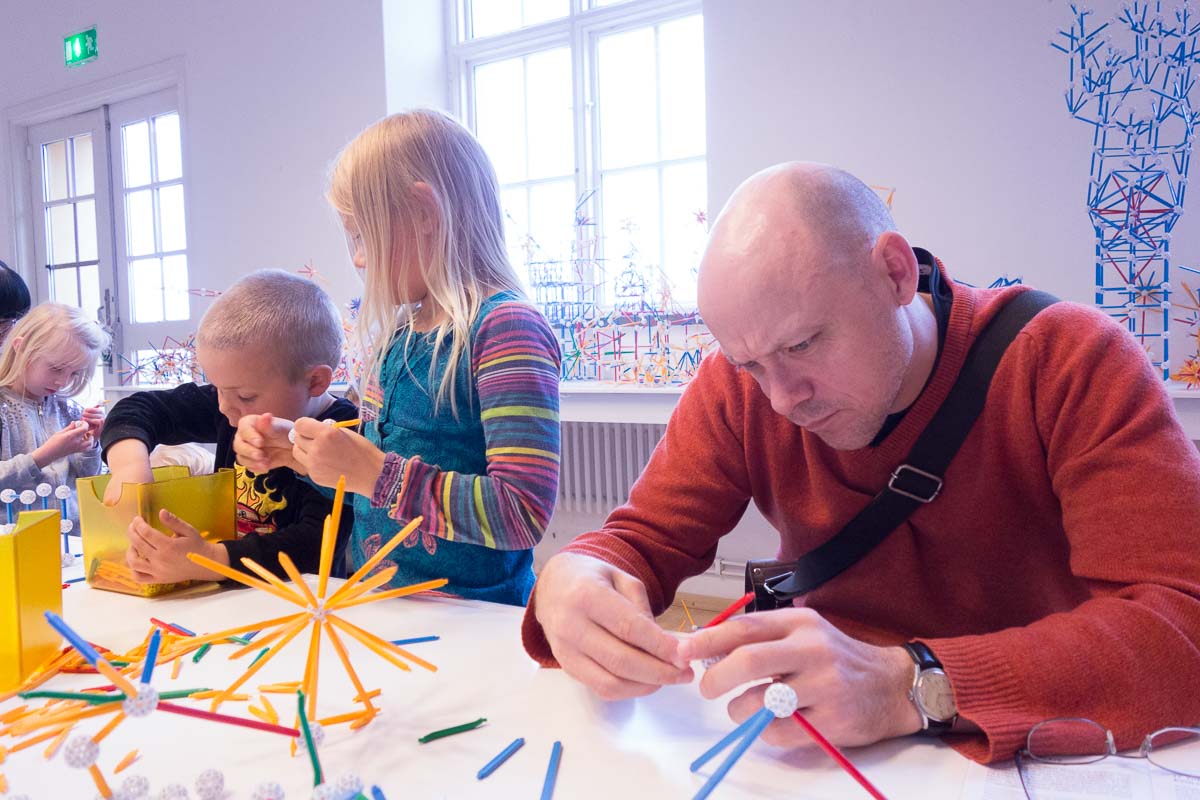
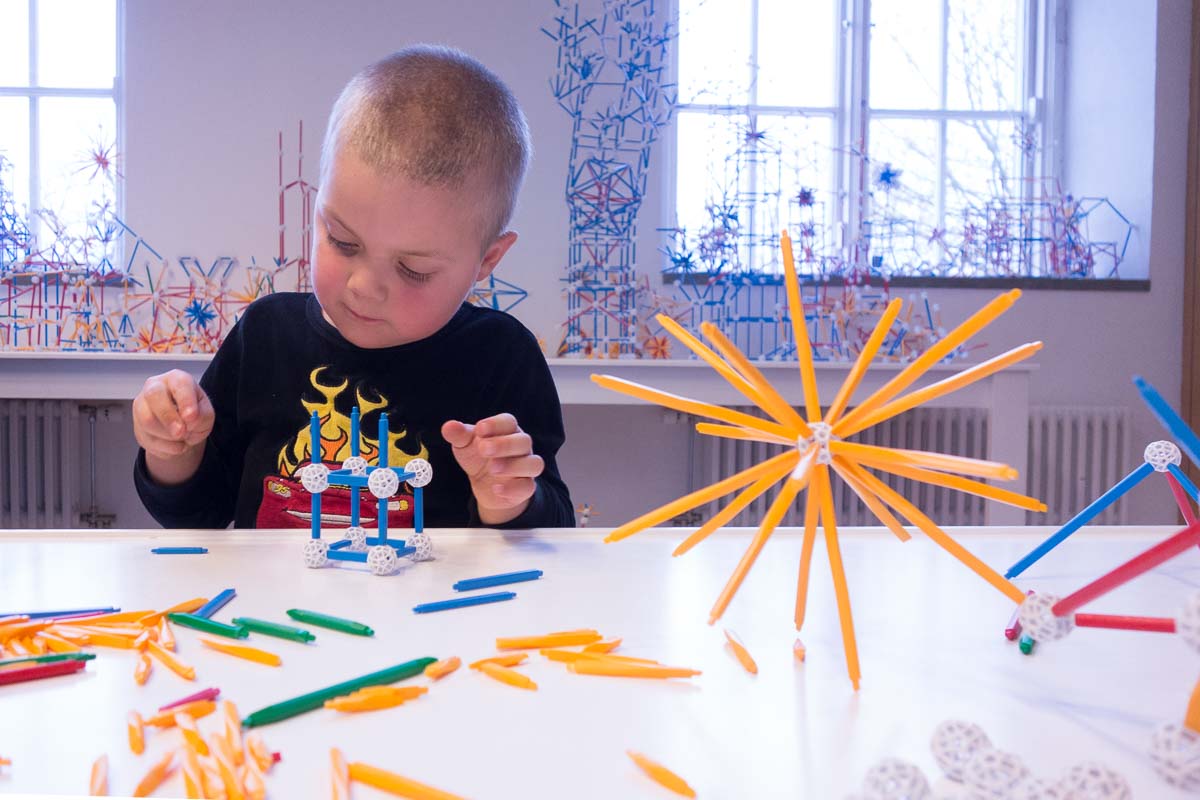
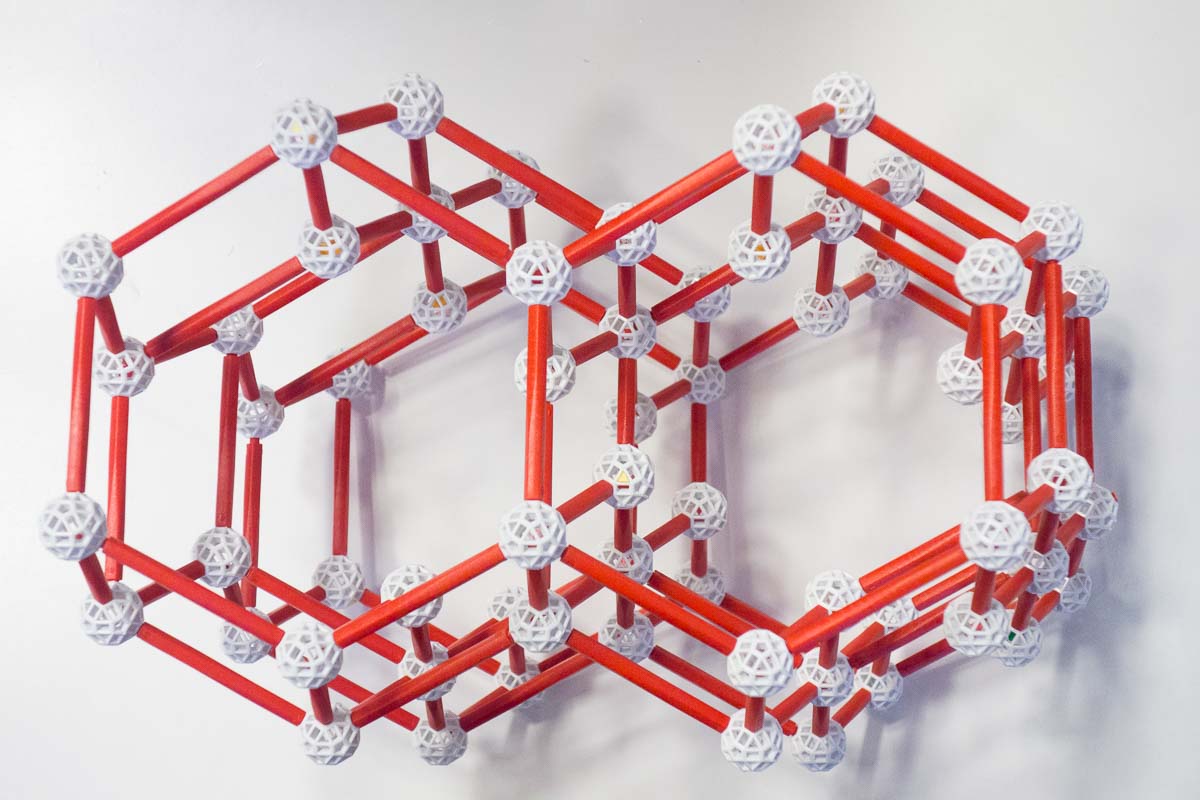
The exhibition was accompanied by a room where visitors can build using a construction toy (Zometools). A sort of artwork – a “structural evolution project” constructed by the visitors/participants – in theory, in practice it was just fun. We probably spent as much time there as in the exhibition itself. Well-designed construction toys are always fun, and it’s especially fun when you have lots and lots of materials to build with.
Visited the Millesgården sculpture garden with Adrian and my mum. I actually went there primarily for an exhibition of flower paintings they had in their exhibition hall, because it’s about to end soon, but the exhibition didn’t really impress. The paintings were supposed to be complemented by texts that describe the flowers from a gardener’s perspective, which sounded really interesting to me, but there was very little of that. So we spent most of our time outside in the sculpture park.

They had a “sculpture hunt” for the kids: a set of drawings of sculptures from the park, but with one or more pieces missing, that the kids had to find and complete. This was good entertainment for Adrian. I’m very sure that without it he would quickly have bored of all that walking around and looking at sculptures. Now he actually had a reason to look at them!

He also loved testing the water in all the fountains. Actually so did I after a while – the day was very hot! – but I just splashed the water on my head and didn’t climb in with him.

There was one thing that really disappointed at Millesgården and it was their café. They had the most outrageously overpriced lunch that I can remember eating. This little sandwich with three pieces of herring and three small potato halves cost 95 kronor. And the edges of the bread were so dry and hard that I am not even sure how fresh it was.


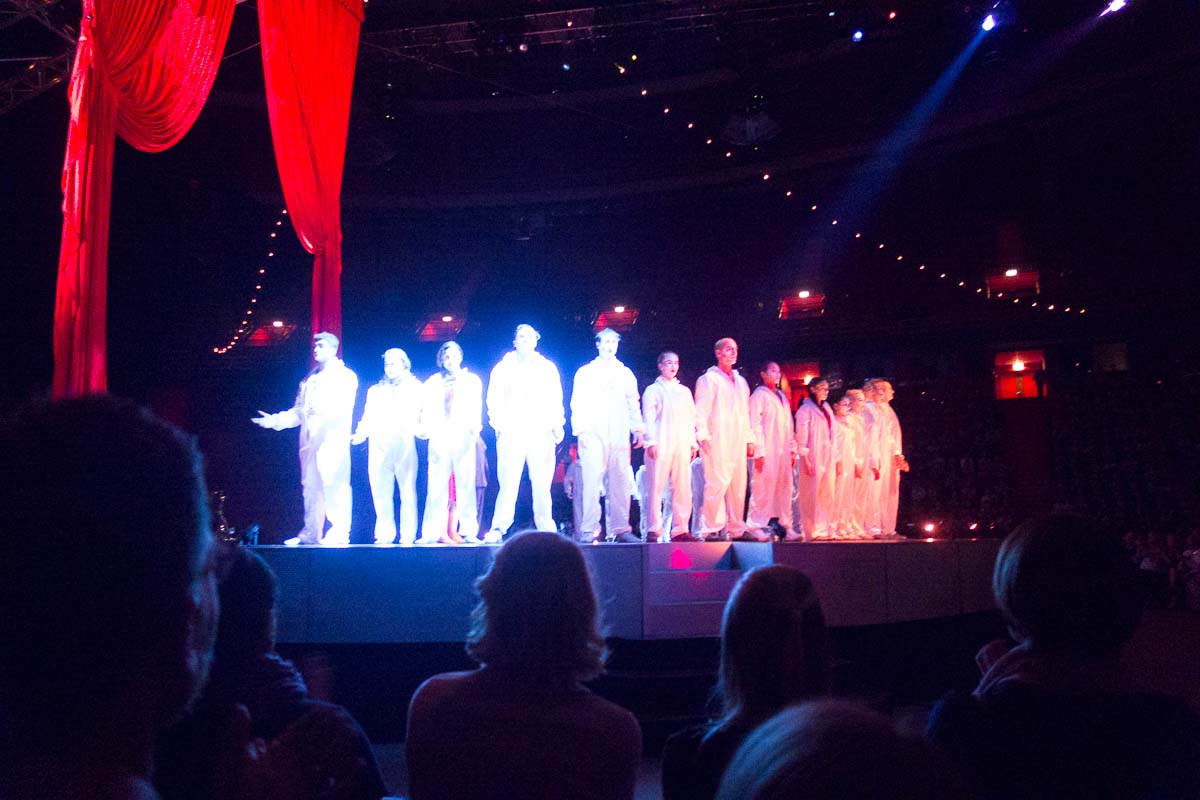
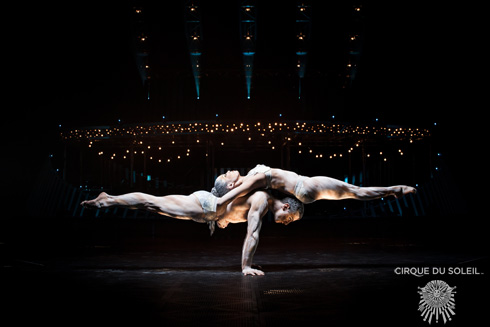
I went to see Cirque du Soleil’s Quidam in Globen. We first saw Quidam years ago in London. I think it was the first CDS show I saw so it has a special place in my heart. Today they were as amazing as ever.

They do everything right and pay attention to every detail. Every little part contributes to a magnificent whole. The decorations, costumes, props, lighting and music all harmonize. There is no dead time: even when one act is finishing, another is walking on scene – or perhaps someone else is, just to fill the void.

Each act is masterfully choreographed and performed. Some so far surpass normal human skill that my almost brain gives up and cannot relate any more. (It’s like with money: thousands are money, millions are a lot of money – trillions are just made up numbers.)

The Statues act was one of the most amazing ones.


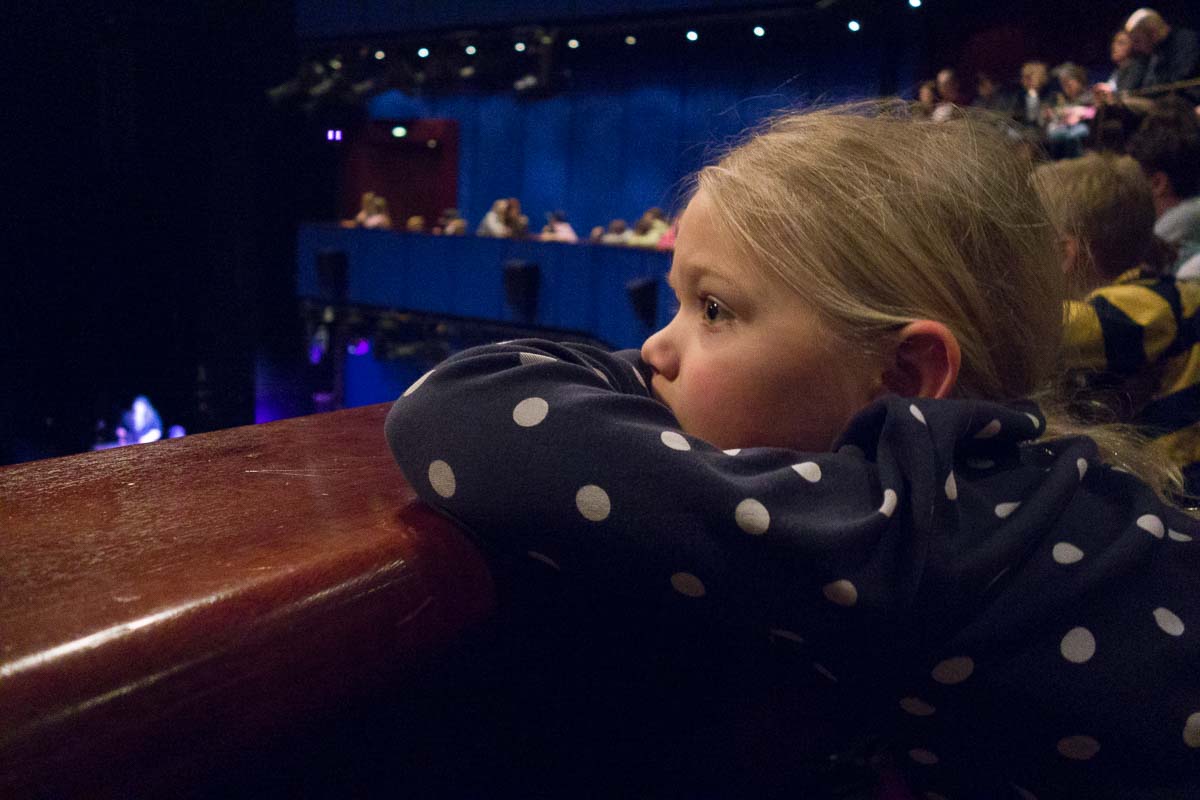
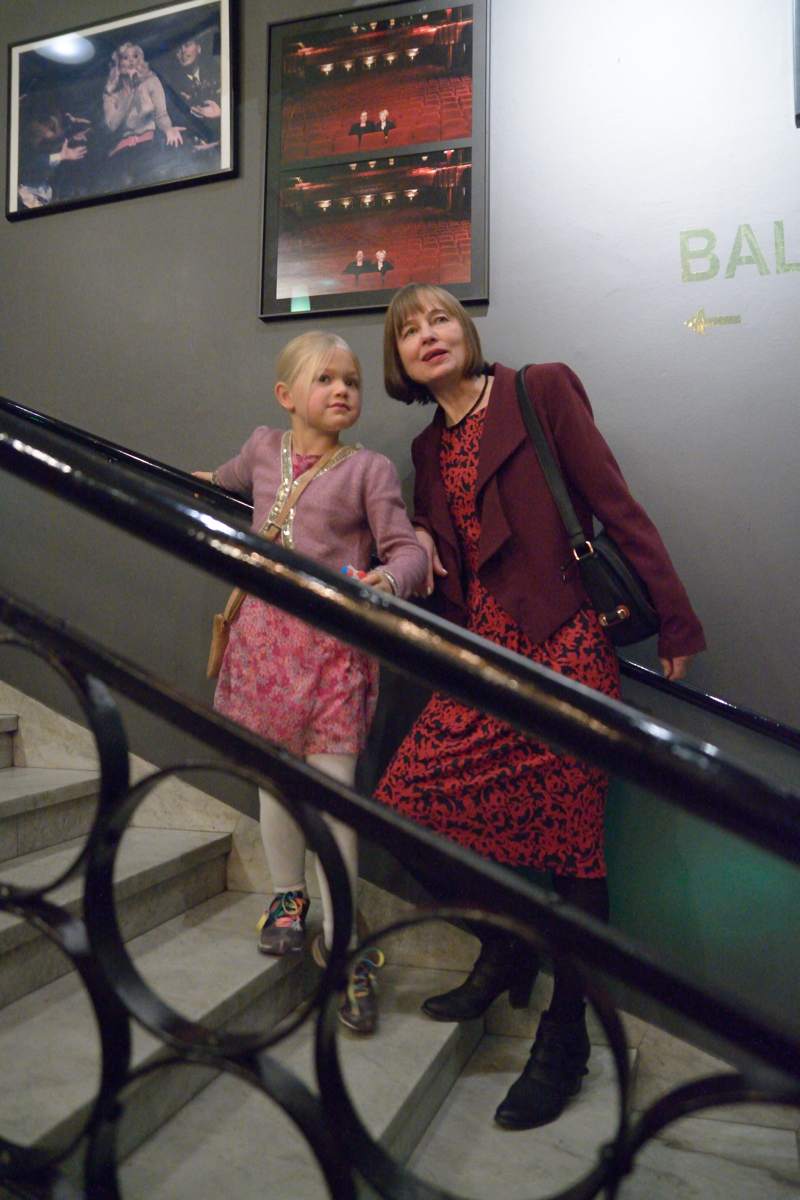
More culture! Ingrid and I went to the theatre and saw Ronja Rövardotter at Stadsteatern. Here we are waiting for the performance to begin.

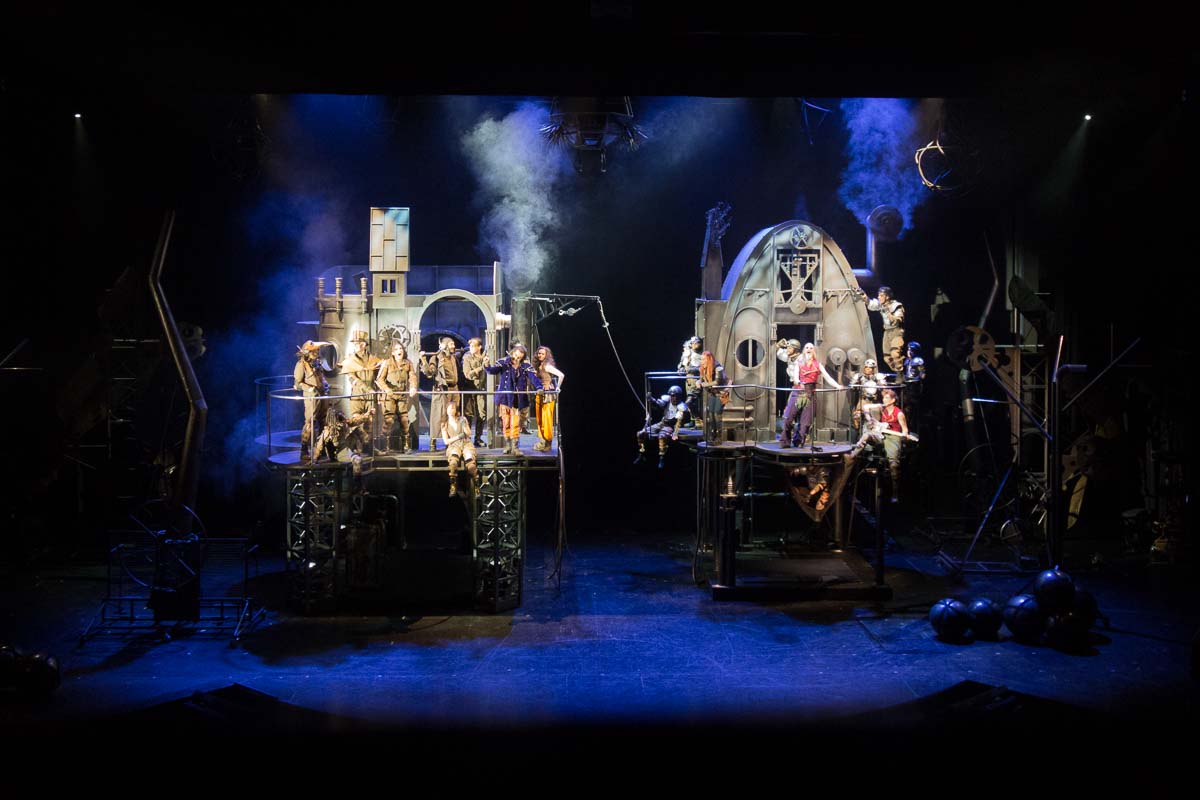
This was Ronja with a steampunk flavour. A dazzling show with spectacular costumes, smoke and thunder, dance and acrobatics and two DJs delivering wild music – and yet well balanced so the effects never stole the attention from Ronja and her story. Spellbinding for both Ingrid and myself.


This is Ramy Essam at Best of Sweden, a concert with five singers who are famous in their countries of origin but effectively unknown in Sweden. They were all unknown to me.

I am trying to get back into the habit of experiencing culture other than literature: going to the theatre and cinema, concerts and exhibitions. Sometimes on my own, sometimes with Eric, sometimes with the kids, sometimes all of us together.

This was a pleasant evening. The music was maybe not the most exciting but good enough, and really varied: from Eritrean swinging 1960s rock to Egyptian hard rock. It all had a nice undercurrent of freedom, peace, acceptance and love (as in loving thy neighbour). All of these singers live in Sweden not because they are globetrotters or adventurers, but because they could not live in their country of birth. This naturally coloured their performances and lent them common themes.

A similar theme was inherent in the whole idea of this concert, which was a celebration of people with different roots and what they have to offer Sweden. Not made explicit too obviously, but still very obvious to all who were there.


A ballet evening in two parts.

Part 1, Ballader by Roy Assaf, was an intimate piece: a man and a woman and a pianist. It was as if we were watching a couple in their living room. I found it utterly boring. The straightforward story-telling choreographies that are half theatre, half dance, are not my thing.

It struck me after seeing this piece that I have similar preferences when it comes to dance and to books: plain realism does not interest me. Novels about quarrelling couples etc, or kids growing up in concrete apartment blocks – why would I want to read about it? Instead, give me something that I haven’t seen yet, cannot have seen yet.

But the music! I don’t go to concerts to listen to classical music, and I don’t know any of the names, the famous musicians, the conductors. So I had no idea who was playing; the name meant nothing to me. But listening to him play Brahms was wonderful. About half the time I sat with my eyes closed, ignoring the dance and focusing only on the piano music. (Afterwards I found out that it was Roland Pöntinen, one of Sweden’s foremost pianists.)

Part 2, Rite of Spring, was something completely different. So different that I wondered how this combination was arrived at. Who thought that this combination made sense, and why?

The music is wild and so was Johan Inger’s choreography. Wild and forceful, at times uncomfortable, dark and brutal. Never a dull moment. Add to this interesting but subtle costume design, and well-designed lighting that ranged from smoky to stark and made great use of shadows, and the sum of it all was a stunning performance.

Watch a trailer here.

Today was my kid-free night and I went to the cinema. I saw Imitation game which I had high hopes for, but came away disappointed. Benedict Cumberbatch does a good job and is very believable, so when I came out of the cinema I felt pretty good about the movie. But the more distance I get and the more I have time to think about what the movie actually said and did, the less I like it. The story of Enigma and Alan Turing is told in such simplistic terms that it’s almost insulting.

According to the movie, Turing was a lone genius, totally socially inept. Recruited to help break the Enigma, he designed and built a great machine, working on it alone for something like two years, while the rest of the team mostly stood in his way and argued with him and his bosses tried to hinder him. (One wonders why they kept paying him all that time.) First the machine did not work, then he had another genius idea, and then it worked. Done! Whoo! Oh, and Turing also makes all the heroic decisions and choices.

He’s been squeezed into the mould of an immature nerd with no sense of humour and no social skills, making him almost a caricature – and to make this totally obvious everybody else is reduced to the role of ignorant hindrance.

Turing’s homosexuality is weirdly present but not present. On the one hand much is made of his first crush as a schoolboy, and the conviction for gross indecency that led to his downfall. But between those events, we see none of it. It’s like the movie is still stuck in the 1950s and tries to sweep homosexuality under the carpet.

While the movie seems to have been made with the aim of raising him from obscurity and showing him for the hero that he was, as well as wagging a finger at the homophobia of that time, it rather does the opposite. It manages to portray him as a victim rather than a hero (and in fact adds a subplot that would turn him into a traitor as well, if it had any basis in fact).


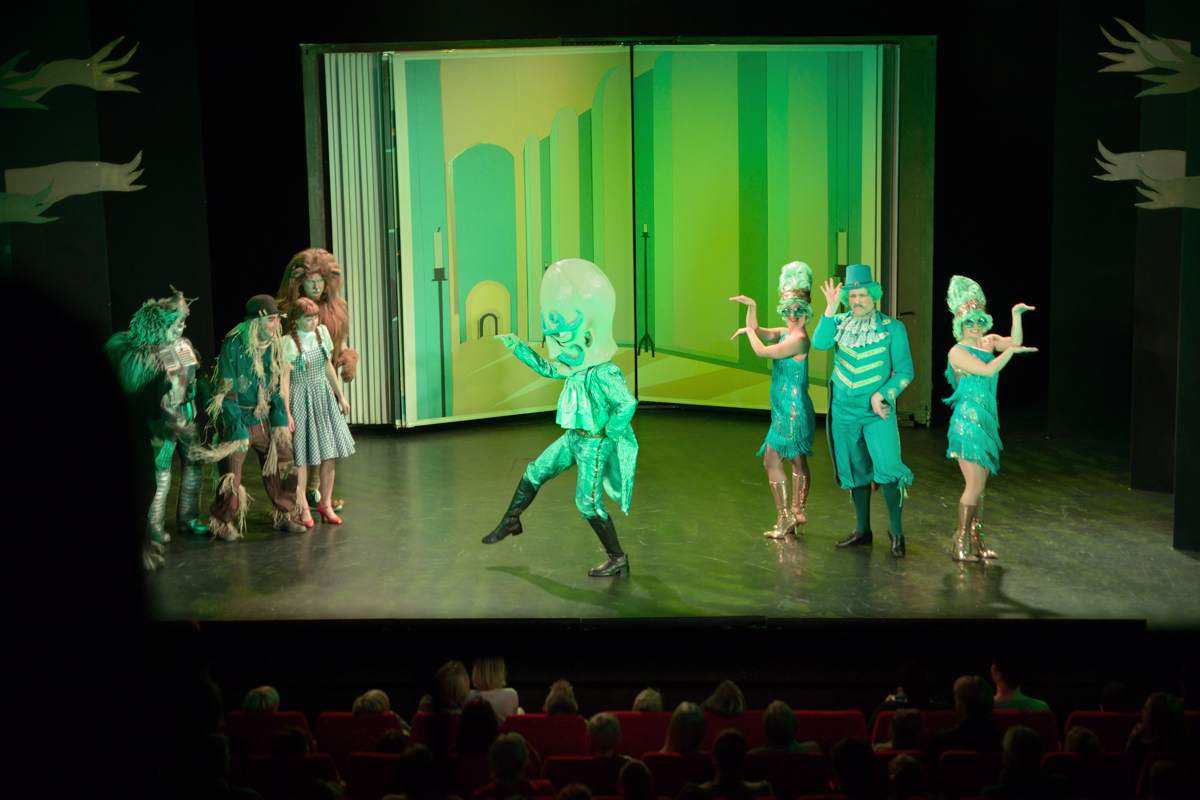
We had a girls’ night out at the theatre, Ingrid, myself and my mum. We saw The Wizard of Oz at Maximteatern. The show was pretty good. Nice costumes, clever scenography (with pages in a giant book providing all the different backdrops), lots of singing and dancing. Visually I thought it was bit unimaginative to mimic the look of the movie so closely, but I guess it’s such a classic that for many people Dorothy needs to look like Judy Garland or it won’t be Dorothy.


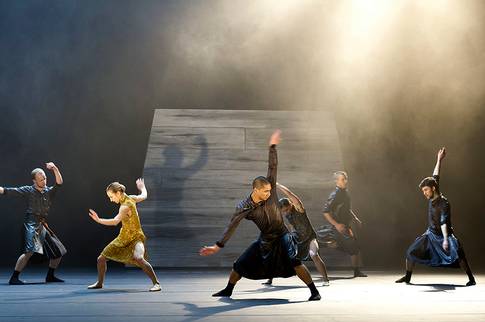
We saw a ballet evening titled Bill at the Stockholm Royal Opera.

The first piece, Artifact Suite by William Forsythe, consisted of two parts. The first part, with violin music by Bach, has a focus on solo performances with the rest of the dancers more in the background. Nice but not particularly exciting.

The second part of this piece, with piano music described as “baroque fantasies”, is more of an ensemble performance. The dancers move in geometrical patterns. They follow, imitate and echo each other. Both the music and the dancers’ movements have a very rhythmic quality. It reminded me of Gurdjieff Movements, both in the geometrical, pattern-based movements of the group as a whole, and the minimalist, somewhat angular movements of the dancers, with an emphasis on arms. Mesmerizing – not just figuratively but also literally. I got so entranced by the movement and the music that I found myself drifting off into a dream several times, without even feeling sleepy.

The second piece, The Other You, I found less interesting. A man and his shadow/mirror image/doppelgänger, struggling. Too little dance, too much “concept” and mime show.

The third piece was more interesting again. Bill (which was also the name of the ballet evening as a whole) by Sharon Eyal was set to rave music, performed by dancers in skin-tight colourless bodysuits, on a smoke-filled blue scene. The choreography felt organic, forceful and wild, but also rather chaotic.

There was one dancer who really excelled during this performance. Jérôme Marchand was easy to pick out from the ensemble not only because he was taller than the others and had a shaved head. He also moved as if the piece had been written with him in mind: fluidly, softly, almost seeming non-human at times. He made me think of Dr. Manhattan from the Watchmen comics.

The opera house have a short video clip, but no good photos unfortunately, so the photos here are from Pennsylvania Ballet’s performance of Artifact Suite.


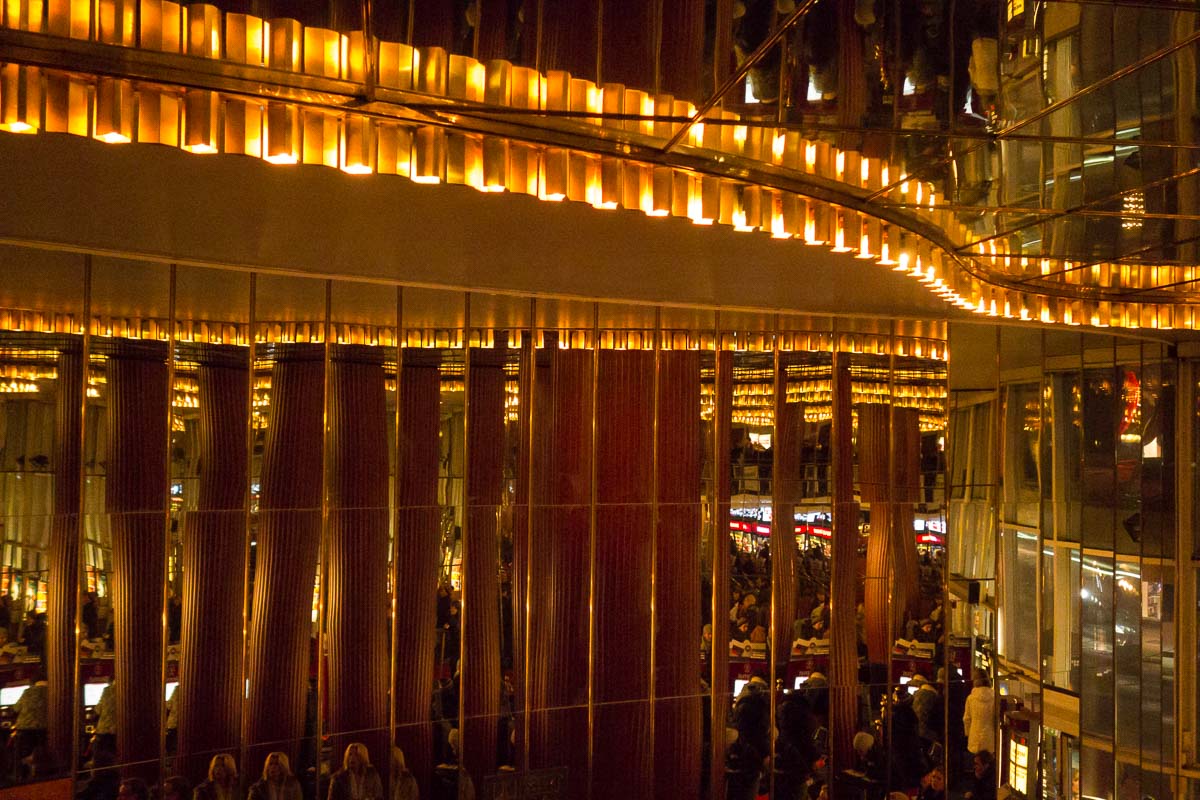
Stockholm’s Royal Opera. I left my camera at home so I borrowed Eric’s iPhone for this.

I have been feeling very uncultured recently, or perhaps cultureless is a better word. I haven’t been to the theatre, I have visited no exhibitions, gone to no concerts, read no new books. I skip the culture section in the newspaper because I have no time for any of it anyway. I have all sorts of excuses for this, mostly coming down to lack of both time and babysitters.

But today Eric and I went to a ballet evening at the Stockholm Royal Opera. What a wonderful feeling it was.

I promise myself more culture from now on. At the very least I will pick up a book, and browse the culture pages so I have a clue about what is happening.