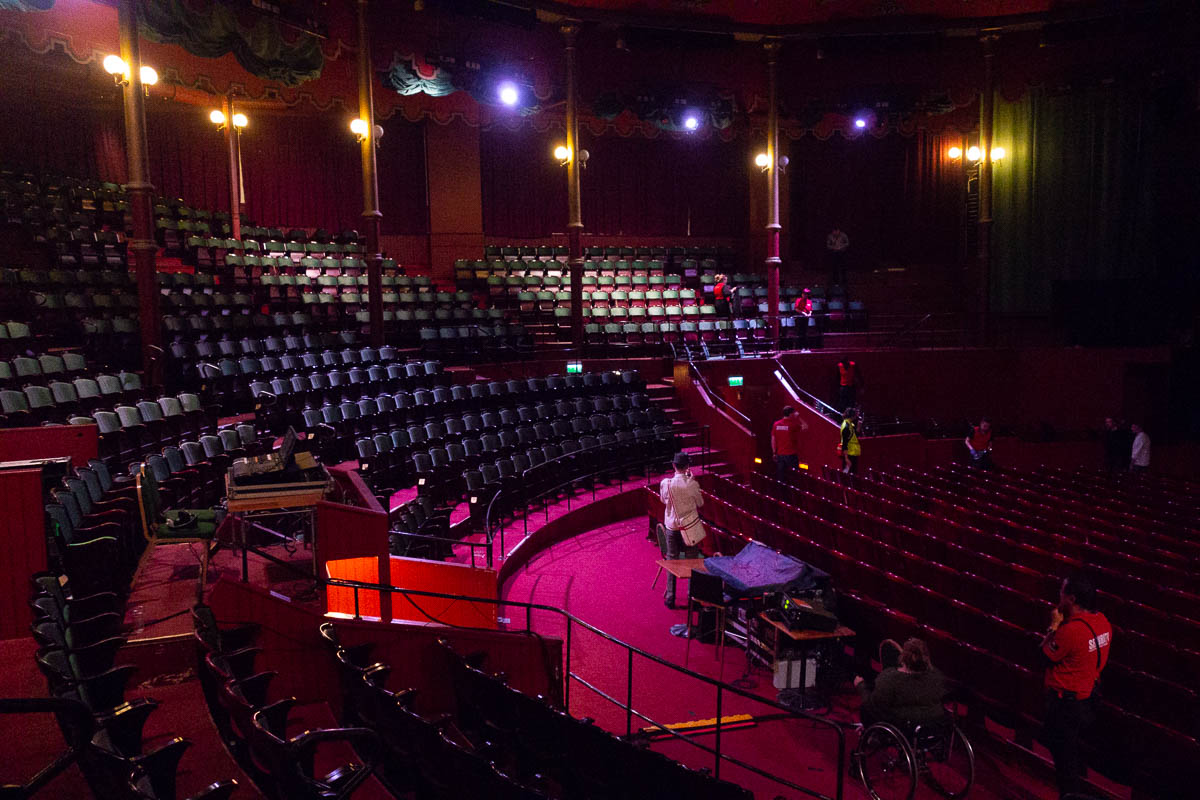
The second of five, in a series of lunchtime organ concerts that I’ve booked tickets to. This time we heard Sebastian Johansson, Sweden’s youngest organist. The hall was not packed but the crowd was definitely larger than last time.

Bach, Prelude and Fugue in E-flat major.
Demessieux, Te Deum.
Sebastian Johansson, improvisation on a given theme.
Avicii, Wake Me Up.

For me, much of this concert was “interesting” rather than enjoyable. The sound of organ music can range from delicate to industrial. Much of today’s music ranged towards noise, for my ears – even the Bach prelude. Too many notes at the same time, at too high volume. But the concert was an interesting display of the organ’s versatility.

The improvisation was fun to hear. The theme he was given was the jingle of Hemglass ice cream vans.

Noces / Agon / Rite of Spring, all set to music by Stravinsky.

A ballet evening with three pieces. The second part reminded me of a ballet I think we’ve seen previously but I couldn’t remember any details, nor find them here on the blog. So I’m going to take better notes this time.

Noces, choreography by Angelin Preljocaj. On a scale from abstract ballet to storytelling, this leaned towards the latter – something about wedding rites. Five couples, the women in dresses of vaguely Eastern European style, the men in white shirts and ties. Sometimes they were throwing around human-sized rag dolls clothed in white wedding dresses. Frankly I had difficulty focusing on the dancing because the music was jarringly, distractingly shrill and unpleasant. But the dresses were beautiful: knee-length velvet in deep, rich jewel tones, with wide skirts and embroidered/appliqued borders.

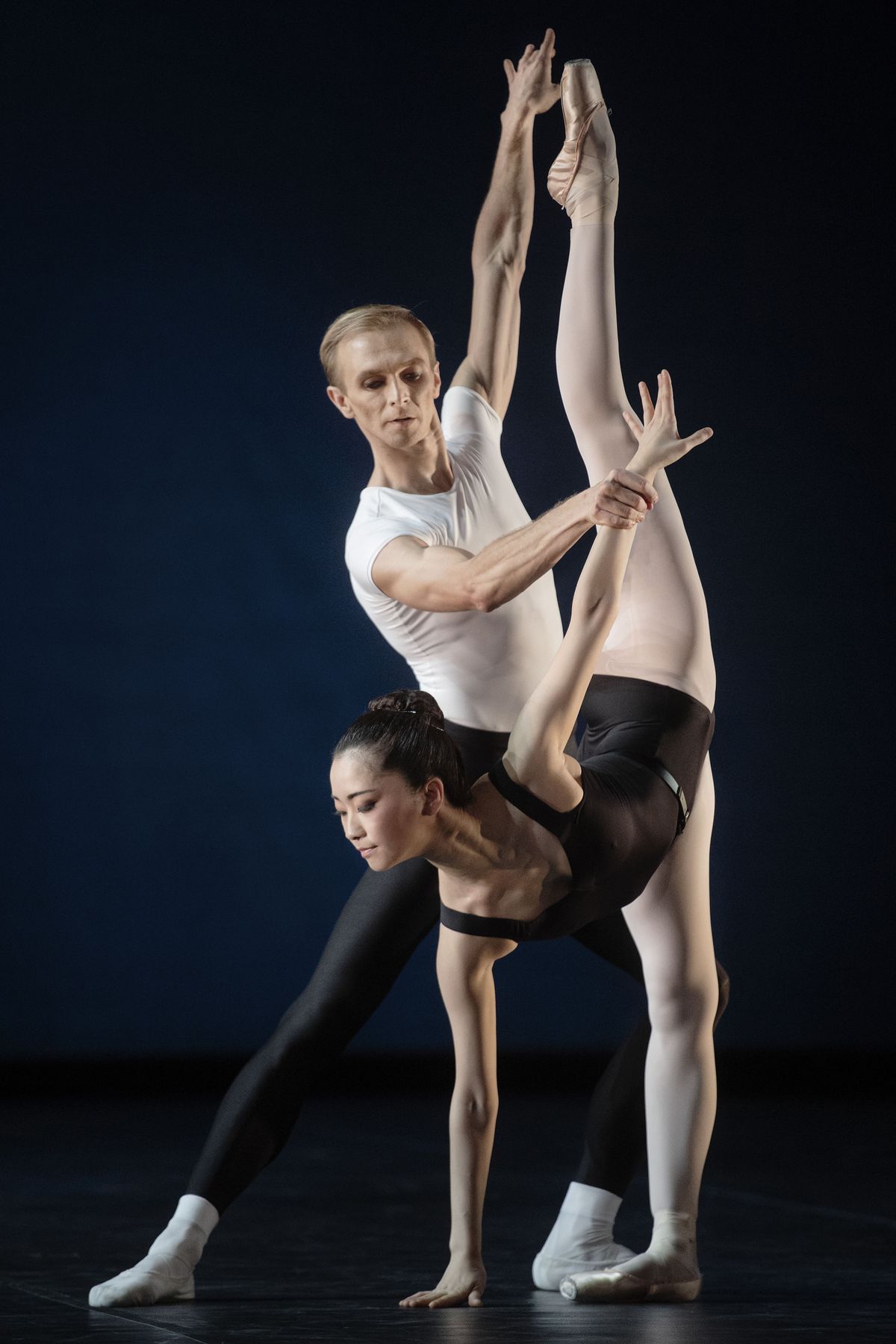
Agon, choreography by George Balanchine. This was very much an abstract ballet. It was somewhat like a symphony, made up of a number of movements. The dancers (six men, six women, in simple black and white leotards) simply gave physical form to the music. As the music reached for a high note, the dancers reached up; as the music paused, so did the dancers. And sometimes the dancers drive the music, rather than vice versa: the dancers’ first steps are a signal to the orchestra to start.

The elements felt classical – plenty of arabesques and stretched toes – and the overall impression was of grace and elegance, but with plenty of modern, humourous touches. Pas de deux with a man and a woman in their traditional roles alternated with parts where men and women performed the same steps and movements.

I would have enjoyed this ballet more if it wasn’t so broken up. Many of the movements ended with bows to the audience, which naturally invited applause. These breaks kept knocking me out of my flow and concentration, and just as I was getting into it again, there was another pause for applause.

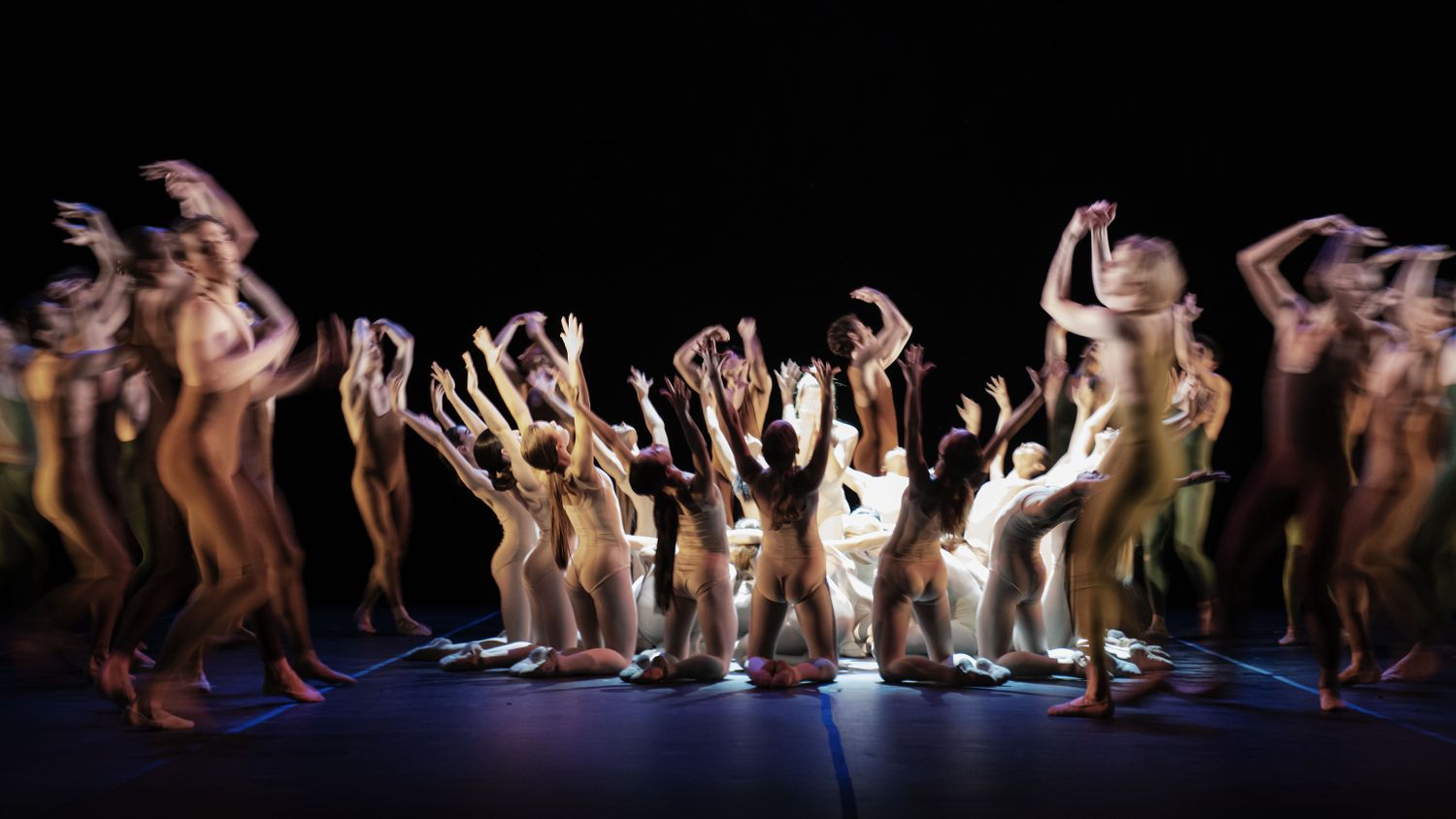
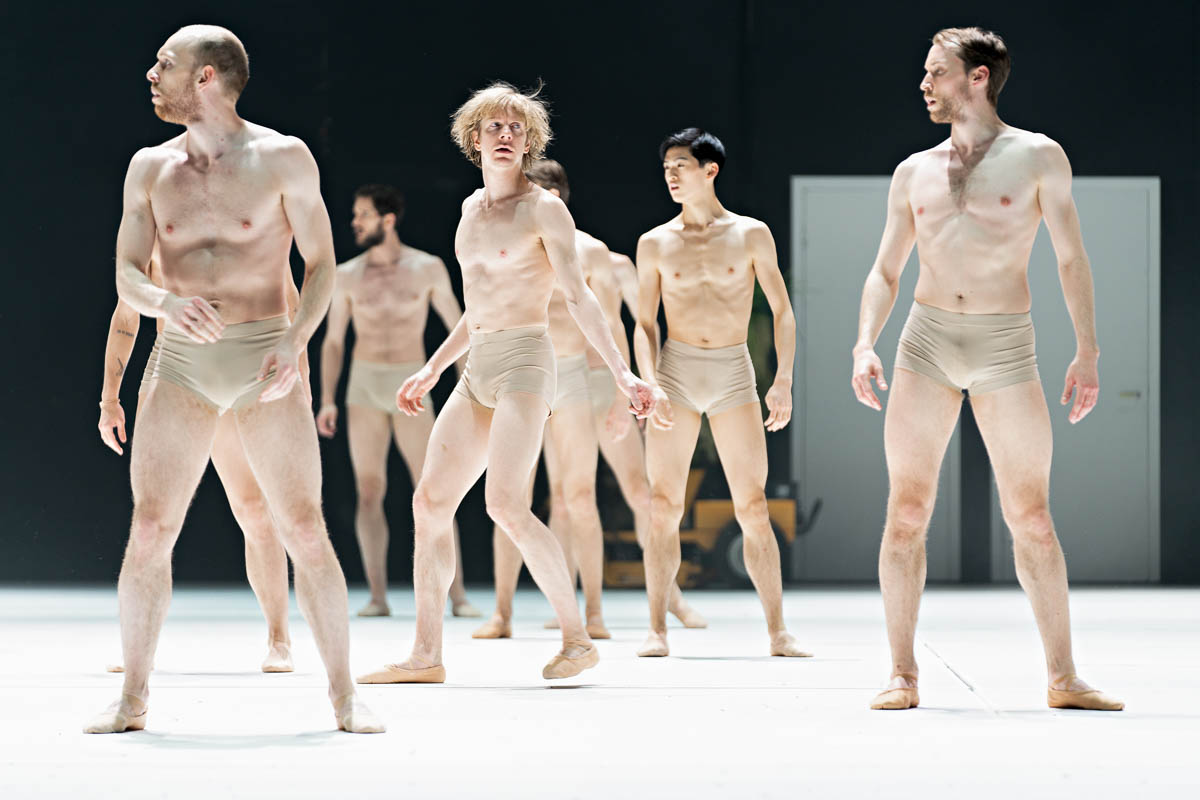
The Rite of Spring, choreography by Maurice Béjart. If the first of tonight’s ballets told a story, and the second was abstract, then this one communicated emotions: youth, energy, joy and awakening, unashamed sexuality. Some versions of the Rite of Spring are aggressive and the rite is one of sacrifice; this one was full of vitality and sensuality. So easy to enjoy.

The Royal Opera still doesn’t allow any photography, and the official photos I could find tend to focus on the final climax, but I found some of the earlier, all-male scenes with their trembling, newly woken animal bodies even stronger. I also enjoyed the geometrical scenes, where all the dancers arranged themselves in lines and moved as a strong, vibrant mass of bodies.


(Pictures not mine, they’re press photos provided by the Royal Opera.)

Hamilton at the Victoria Palace theatre in London.

I wish I had something intelligent and insightful to say about this performance, but I really don’t. I’ve had little practice; I don’t review musicals very often.

I can only say that it was excellent in all ways. Musically it combined the best of musicals – catchy tunes, memorable chorus lines – with the best of hip hop – witty texts, cool rhymes, infectious energy. It’s energetic, funny and engaging, but also has enough depth of emotion to not feel superficial. Hamilton himself may be young, scrappy and hungry most of the time, but there is also room for Eliza’s sorrow, and thoughtful moments.

The whole performance is so refreshingly modern without overdoing it. The costumes are more or less in the historical style but the only wig in sight sits on the head of George III, clearly marking him as one of the old world. And half the cast are non-white – in a play where a good portion of the personages depicted were slave owners.

Here is an interesting review that does have intelligent things to say about the show.


The first in a series of five lunchtime organ concerts at Stockholm’s concert hall.

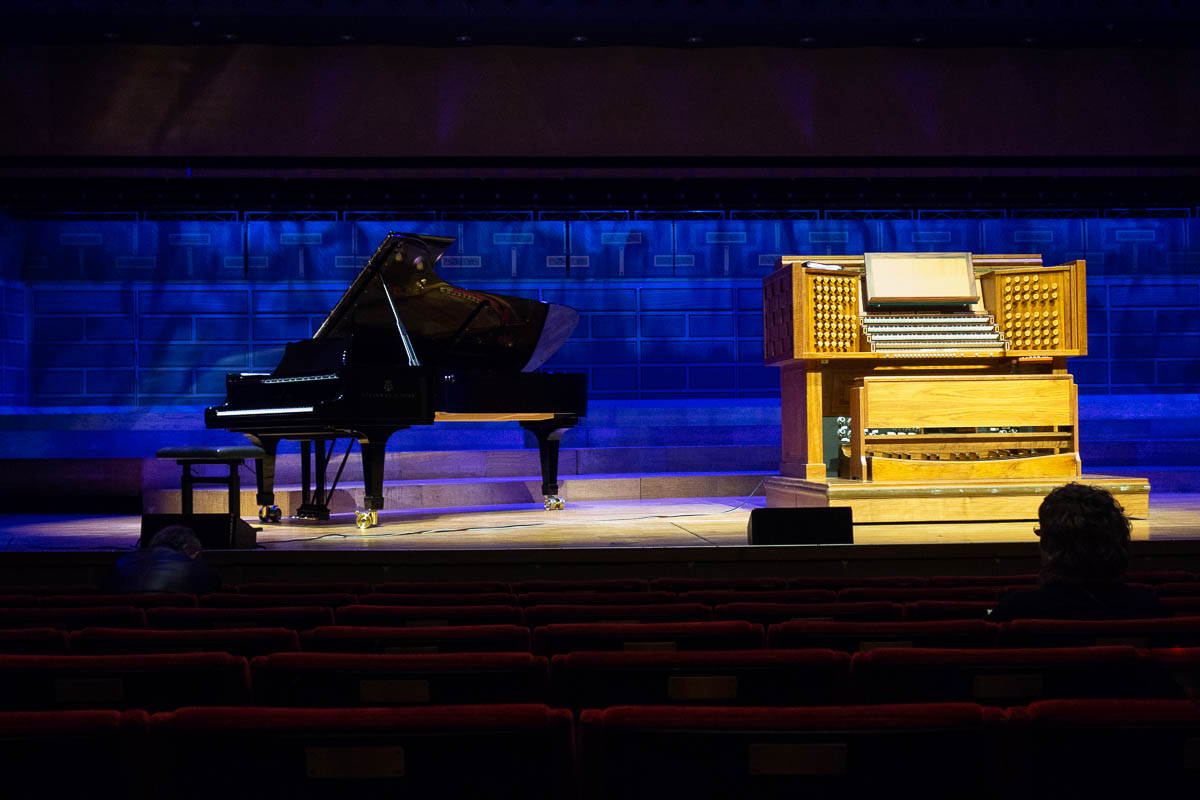
Organ and piano. One piece by Dupré, one by Bach/Gounod and one by Rachmaninov.

I’ve already forgotten the names of the other works (a ballade by Dupré, I believe, and something something variations by Rachmaninov). They were nice, but not really to my taste.

But music doesn’t get better than Bach. The Ave Maria with Gounod’s melody (on organ) wandering around a background of Bach (on piano) was magical.


One of my birthday presents this year was a ticket to see Bortbytingen (“The changeling”) at Dramaten with Ingrid.

The play was based on a short story by Selma Lagerlöf, who is one of my favourite non-sci-fi writers, and one of a very few Swedish writers I like.

A human child was taken by trolls and a troll child left in its place. The troll has grown up with humans, hated and despised by all of them. The mother, too, hates and despises it and longs for her own baby, soft and pink and beautiful, but still feels some responsibility for the ugly thing and cannot bring herself to stop taking care of it, much less kill it. It’s breaking her and her husband and their marriage.

The troll meanwhile is as unhappy as its “parents”. How much should it suppress its nature to fit in? How much of an effort should it make to drink the nauseating milk and eat the disgusting bread? Would it be better to leave the “mother” he loves and see if he fits in better with the trolls in the dark, scary forest?

I loved all parts of this play. The story, the small venue, the minimalist stage design, the simple acting, the folk songs woven into it. I’ve often found Swedish theatre performances overly dramatic and been disappointed in the quality of the acting. This play was truly a pleasant surprise.

Notes for the future:
Written by Sara Bergmark Elfgren, directed by Tobias Theorell. Actors I liked: Maia Hansson Bergqvist, Maria Salomaa.


I went to see and hear Philip Glass and his ensemble today. Eric couldn’t come with me because he had some activity planned with his siblings, as a birthday gift.

Imagine my surprise when, as I am sitting in my seat in the concert hall, Eric’s sister suddenly approaches me and says hi. And it turns out that their long-planned activity is this very same concert, and they have seats just a few steps away from mine. And then nobody turns up for the three seats between us, so Eric and the others move, and we end up sitting and enjoying the concert all together.

This concert made me realize just how similar all of Philip Glass’ music is. I got the impression that he has been writing the same thing through his entire career. It hasn’t felt quite this same-ish when I’ve heard it before. Perhaps he just selected pieces of a very similar kind for this evening.

It was very interesting and pleasant at first but towards the end of the concert my head was getting quite tired of it.

A year ago, when the Royal Opera published their calendar for this year, the piece we saw today was simply presented as “Alexander Ekman is back”. No title, no photos, no description. I guess he wasn’t as done with the piece at the time of publication as he was supposed to be.

We booked tickets nevertheless. The last piece by Alexander Ekman that we saw was “A Midsummer Night’s Dream”. There was perhaps a bit too much theatre and too little dance in that one, but it was far from boring. I could think of many worse ways to spend an afternoon.
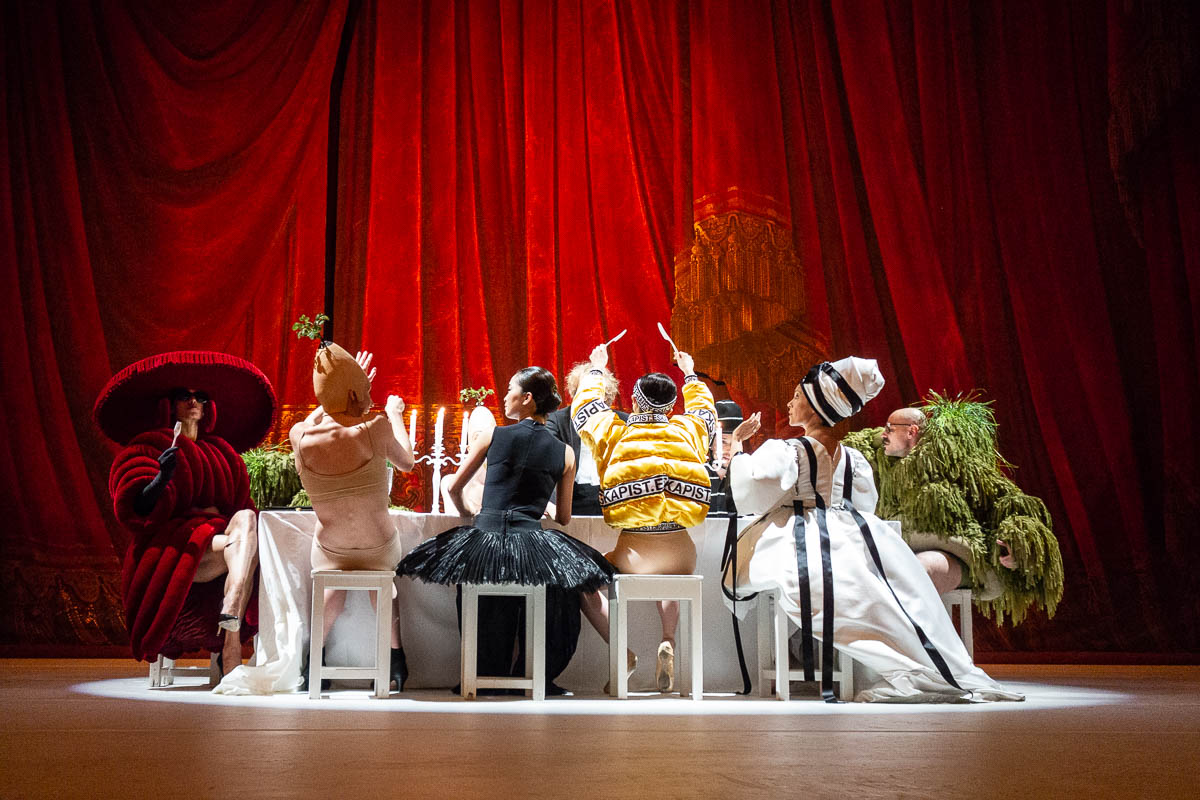
Before the start of the performance, it’s started already: in the orchestra pit, a silent, slow-motion dinner party is taking place, with guests in surreal costumes.

The performance is sprawling and contains not only group dances, solos and duets, but also a movie and a monologue. The movie explains the concept of the escapist: a man who doesn’t just dream of a more interesting, pleasant life, but truly makes himself believe that he is living that life. That he is digging his feet into sun-warmed sand on a beach when he is getting out of bed in the morning, and that he is playing with large, friendly dogs during his boring afternoon in the office.

(Side note: This whole idea of escapism as a way to escape “dead time” is presented as fun and uplifting and heartwarming. After all, sun-warmed beaches are pleasant, and so are large fluffy dogs. But I couldn’t help finding it rather sad. That his life, or our life, is so empty that it needs to be escaped so thoroughly and completely.)


The performance is energetic and entrancing. Sometimes absurd, sometimes sublime and lyrical. But above all and through it all, it’s playful, as Ekman lets his fantasy run loose. This playfulness seems to annoy some reviewers, it’s “pandering to the audience” apparently. I guess ballet is supposed to be a serious thing, for serious viewers only. (I admit, there were a few cheap gimmicks, but those were few.)

The stage design is mostly minimalist, to the point where the backstage mechanisms are visible. Except when it isn’t minimalist, and the entire scene is decorated with white furniture – beds, chairs, shelves, potted plants, a cot.

The lighting likewise was simple and harsh. The costumes, like the stage design, ranged from minimalist skin-coloured underwear – to beautiful, graphical, rich designs in black and white.

The most interesting aspects of the performance to me were those that seemed random and absurd, but also very intentional. Groups of people are dancing, in large, swelling movements – and one man is sitting alone on a chair at the very far end of the scene, flexing his legs. Or a large outline of a flamingo that stands slightly off center. None of the dancers interact with it while it rises ever so slowly until it is out of sight.

My eyes hurt because I forgot to blink for long stretches of time.

Note to self: great music by Mikael Karlsson.
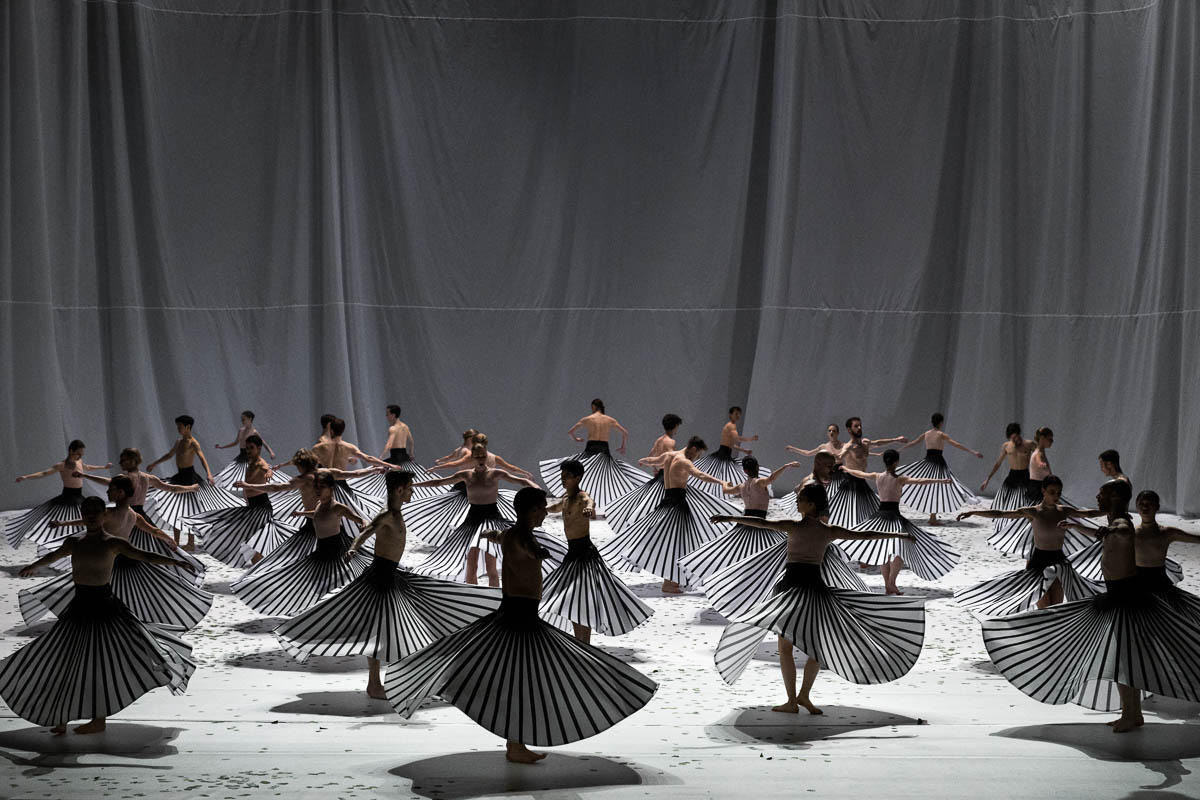

Alexander Ekman’s Eskapist at the Opera was visually quite memorable.

An ensemble of seven women, dressed in various tones of red and pink, perform a seamless new circus/dance/song show.

The theme is feminism, very obviously, and it permeates everything from costumes to song lyrics. Cirkus Cirkör are never subtle about their messages. But unlike some previous shows, I thought this one didn’t rub its message in my face too strongly.

Organic, flowing movements, with circus numbers blending into dance and vice versa. There is rarely a “my number” and “your number” – some performers are more in focus during a particular number but others support, surround, carry, or push. There is a strong sense of togetherness. Beautiful, lyrical and physical.

Memorable fragments: An artist hanging by her hair, spinning, counterbalanced by a pile of plate armour. An artist in the centre, circled and besieged by two others who sing at the same time in different languages. An artist in a tangle of black swathes of fabric that the others weave into a plait. Three artists on two rope trapezes, close together, shifting and moving snake-like over each other.

(Not my photos.)

Irmelin is a trio of female singers, who mostly (or maybe only?) sing Swedish folk songs.

Black Sea Hotel is a trio of female singers, who mostly (or maybe only?) sing Bulgarian folk songs.

Today’s concert with both of them was wonderful.

Irmelin’s pure, sonorous voices sounded beautiful in this small and intimate venue. There isn’t much that beats the joy of listening to melodious unaccompanied human voices, singing simple songs that speak to the deepest part of me. I do not listen to that kind of music analytically, with my intellect. I listen with my body and soul. The wordless dances and wedding marches are especially hypnotizing.

The Swedish singing tradition is clear and natural. Bells and trickling water and tinkling icicles come to mind. Bulgarian singing has a very different sound. There is something sharp and nasal about it, which to my ears is verging on the unpleasant. This kind of music I can observe rather experience.

To my untrained ear, the rhythms and tones of Bulgarian folk songs seem very far from mainstream Western music. I wonder if it is possible at all to transcribe it using standard musical notation, and then perform it based on that transcription, and come anywhere near the original – or if it can only be truly passed down as a living, oral tradition.

Each act ended with all six singers performing a song together. Together, they sounded like what I imagine magic (of the fantasy book kind) might sound like. It swirls and billows, and then there is some tiny part that goes off on its own for a little while and then joins the main swell again.