Last week of vacation, great weather, no plans – I’m going for a nice long walk. The next stage of Sörmlandsleden is 16 km so it would be an overnight there-and-back hike, which I can’t fit in this week. Instead I went to Tyresta. The best hiking I’ve done near Stockholm is in Tyresta, and that was a while ago.
Tyrestarundan combined with Fornborgsrundan for a total of 19 km.
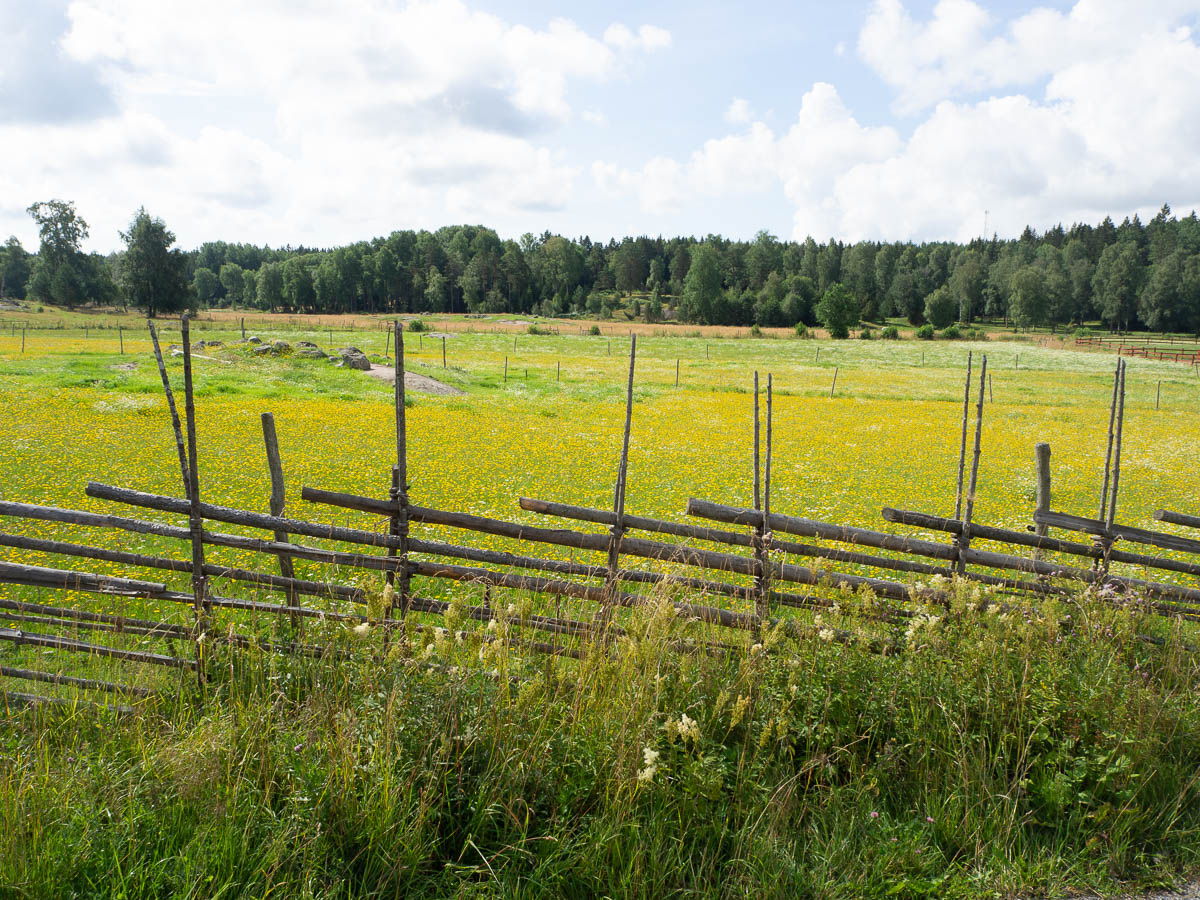
The initial kilometre or two went through farmland, complete with cackling hens and baa-ing sheep. After that, it was the usual granite and bilberry bushes and pine and spruce.
The trail network in Tyresta has been upgraded to the new marking standard that I’ve seen used in other national parks, coloured hexagons with different numbers of dots.
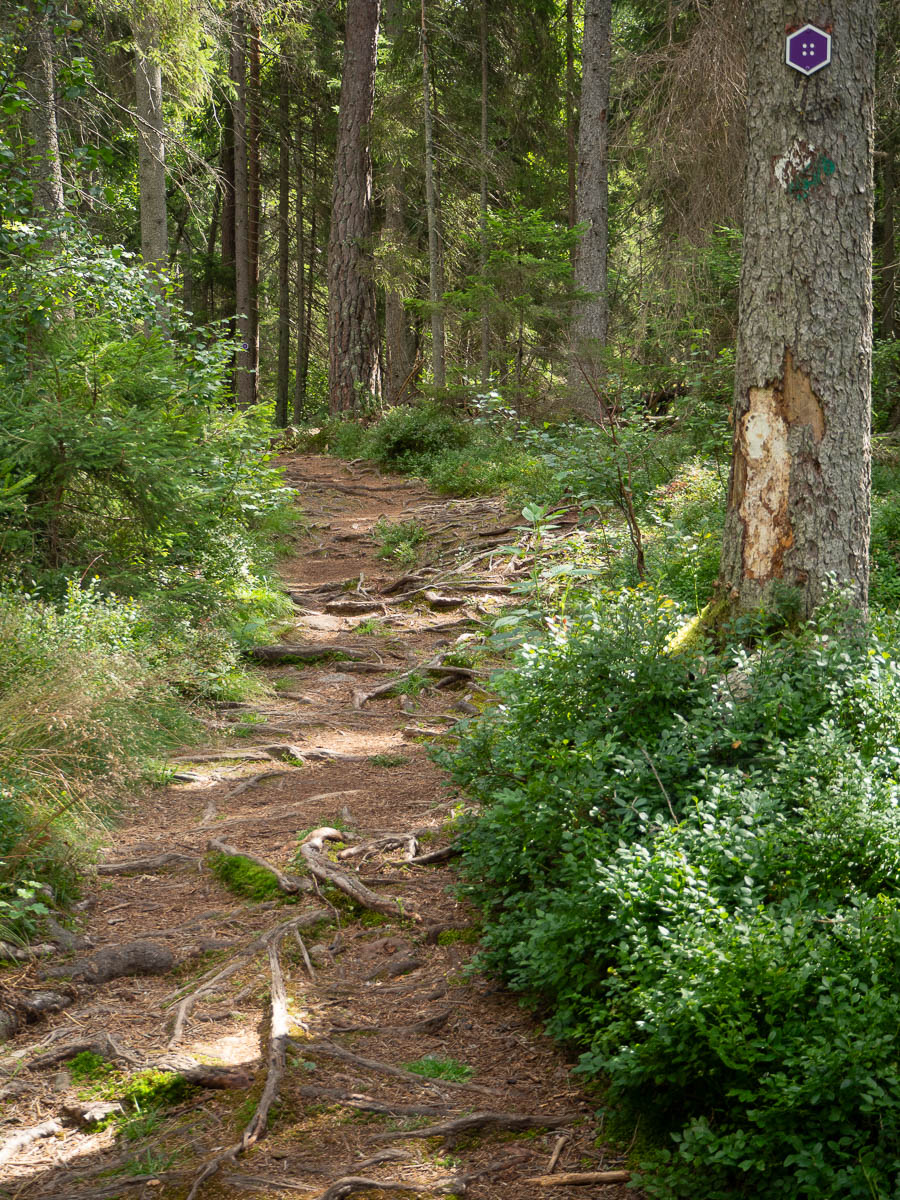
One of the draws of this hiking trail for me was that it goes through a wide swathe of forest that burned down in 1999. It’s clearly marked in the national park maps and rather distinct in real life as well: the forest is evenly young there, like a lake of lighter green amidst the otherwise darker, older trees.
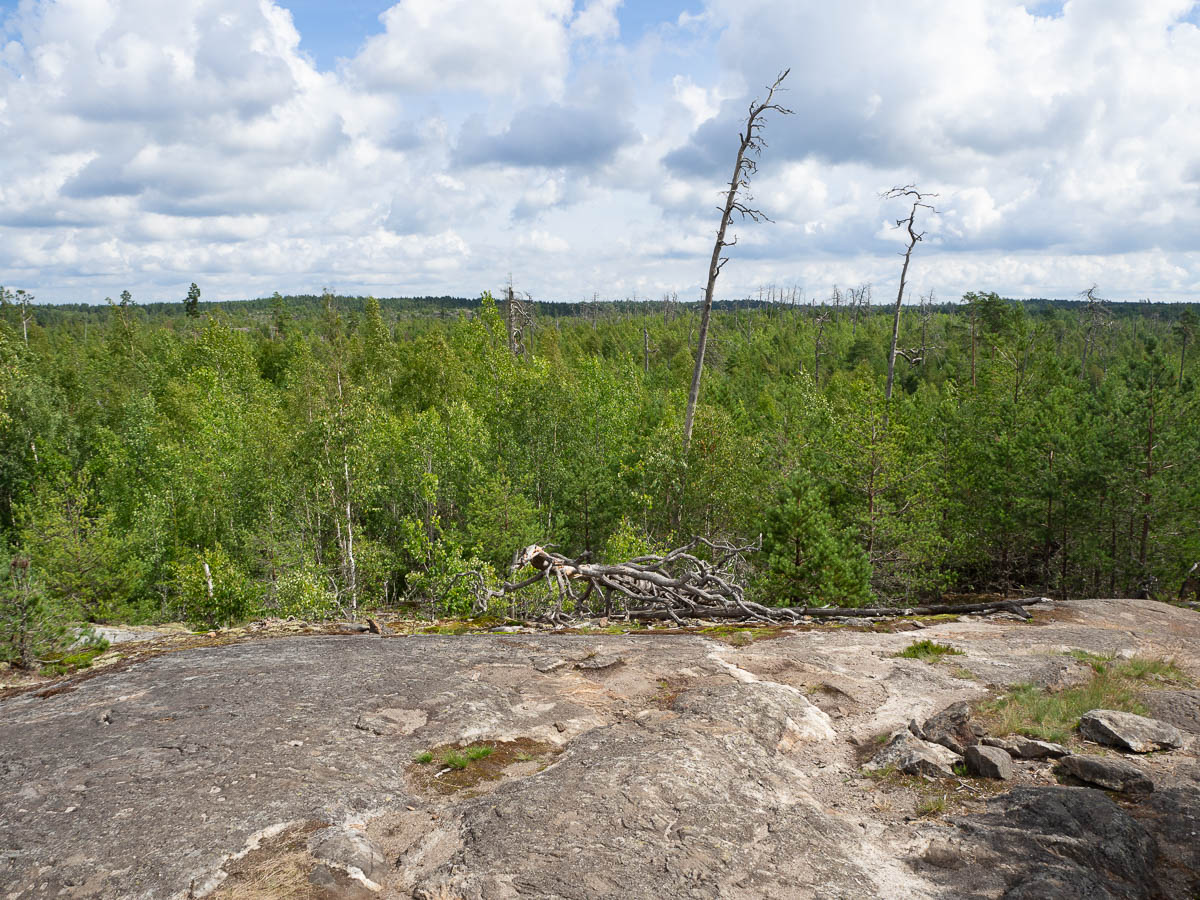
The reasons for the youth of the forest are barely detectable now, twenty-five years on. I remember a brief visit maybe ten years ago, and I think I recall seeing actual dead, burnt skeletons of trees still sticking up. Now there is none of that. If you look really carefully, you can find a carbonized root or stump somewhere.
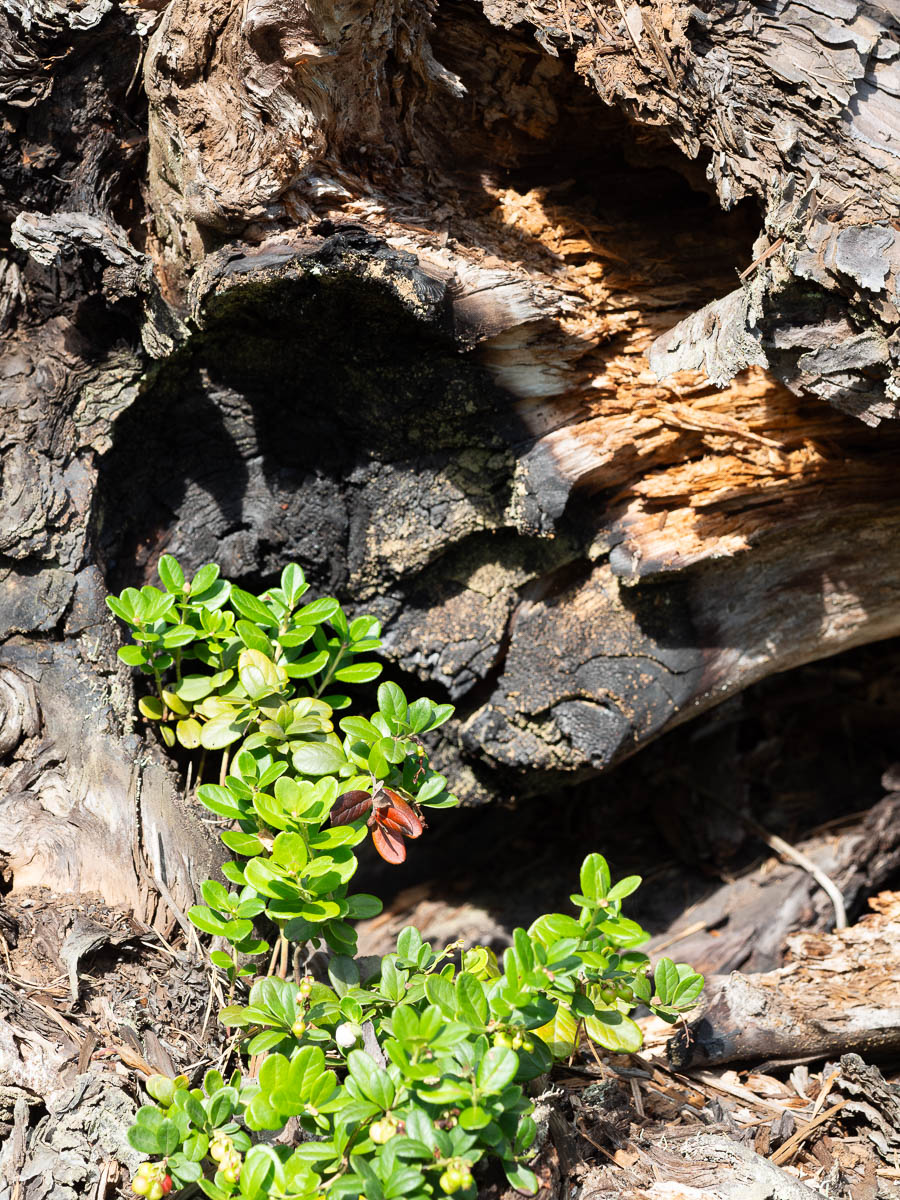
And perhaps some rocks are darker than normal? Or maybe that’s just lichens.
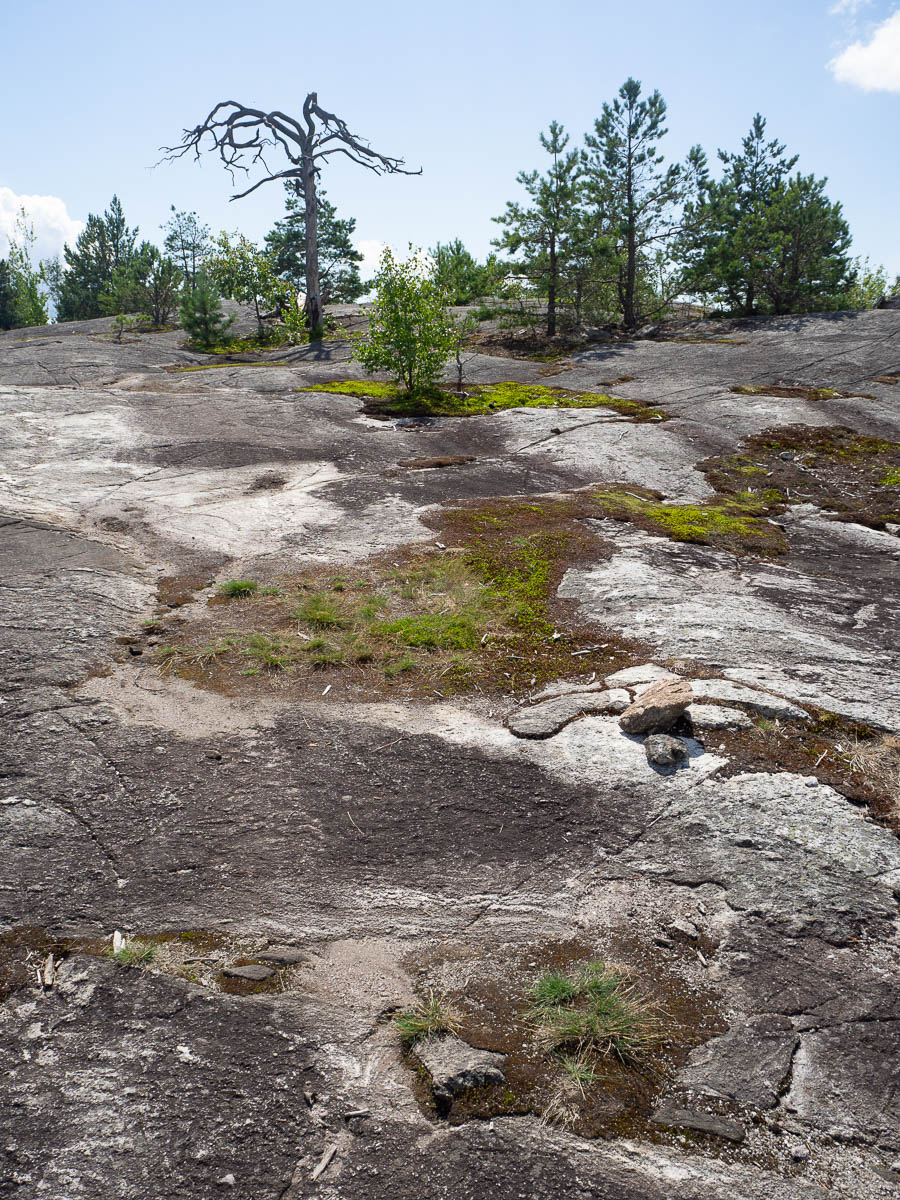
The shorter trail that I added to my walk took me all the way around Stensjön. I love lakes – and rivers and waterfalls and all other kinds of water.
As an unexpected benefit, that side of the park was very empty. I don’t think I saw or heard a single person on the east side of the lake, not even at a distance.
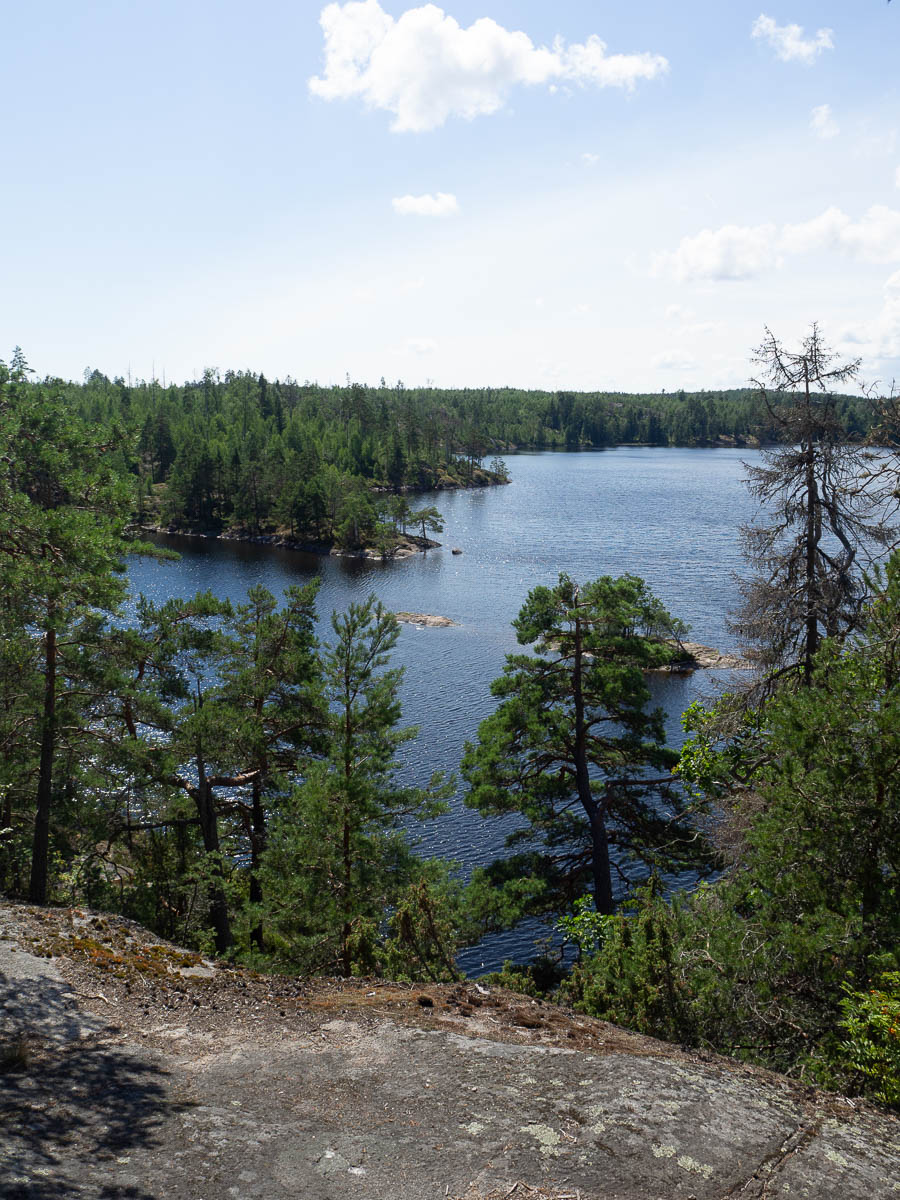
I therefore took the chance and went for a naked swim. Wonderful feeling, especially on a hot and sweaty day like today. (Last time was on Husarö five years ago.)
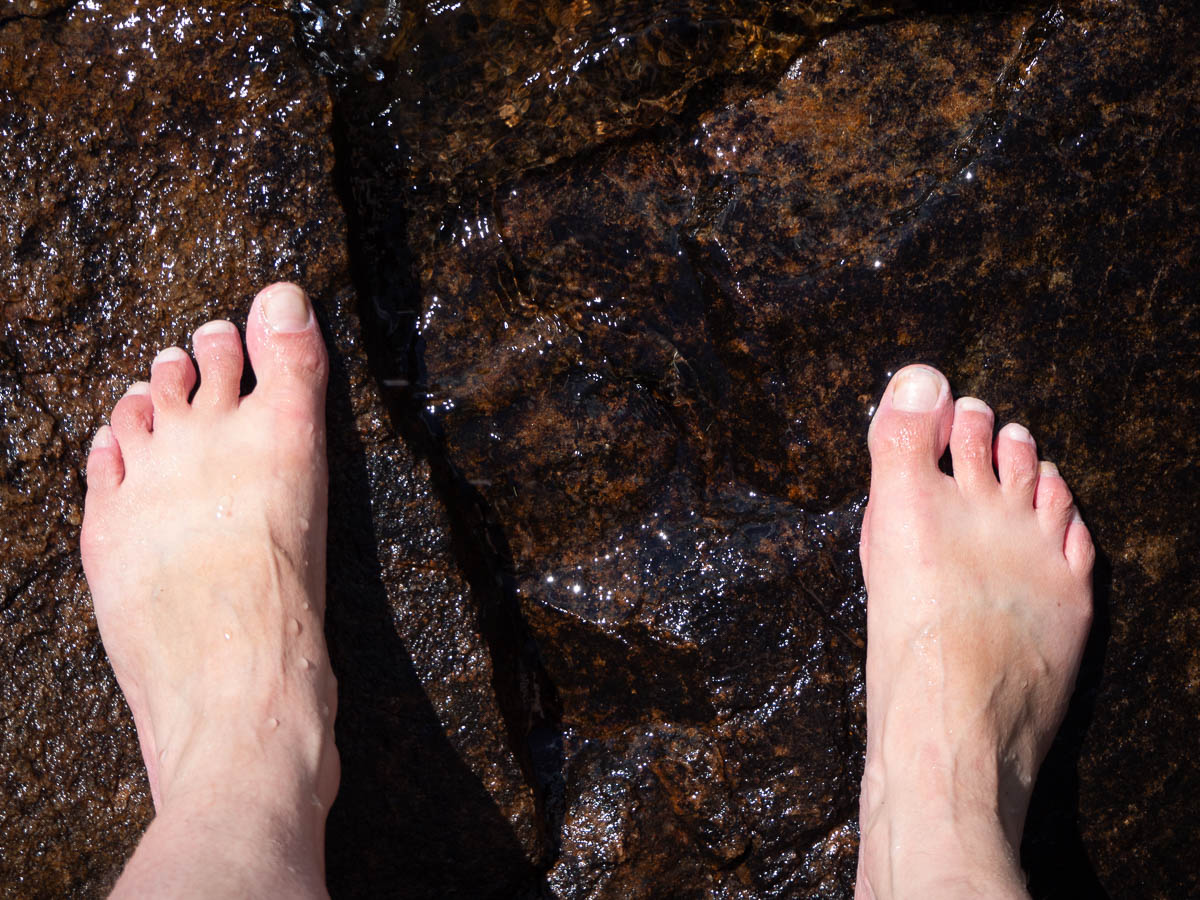
I decided to swim around the two little islets that I could see nearby (in the middle at the back in the photo). At first just around the larger, closer one, but the water between the islets was full of large, slippery rocks hiding just below the surface, barely tall enough to eddy the water when I looked carefully. I gave up on trying to find a way through and swam around both, only to find more rocks on the other side of them, so my circle kept growing. The lake deserves its name (“stone lake”).
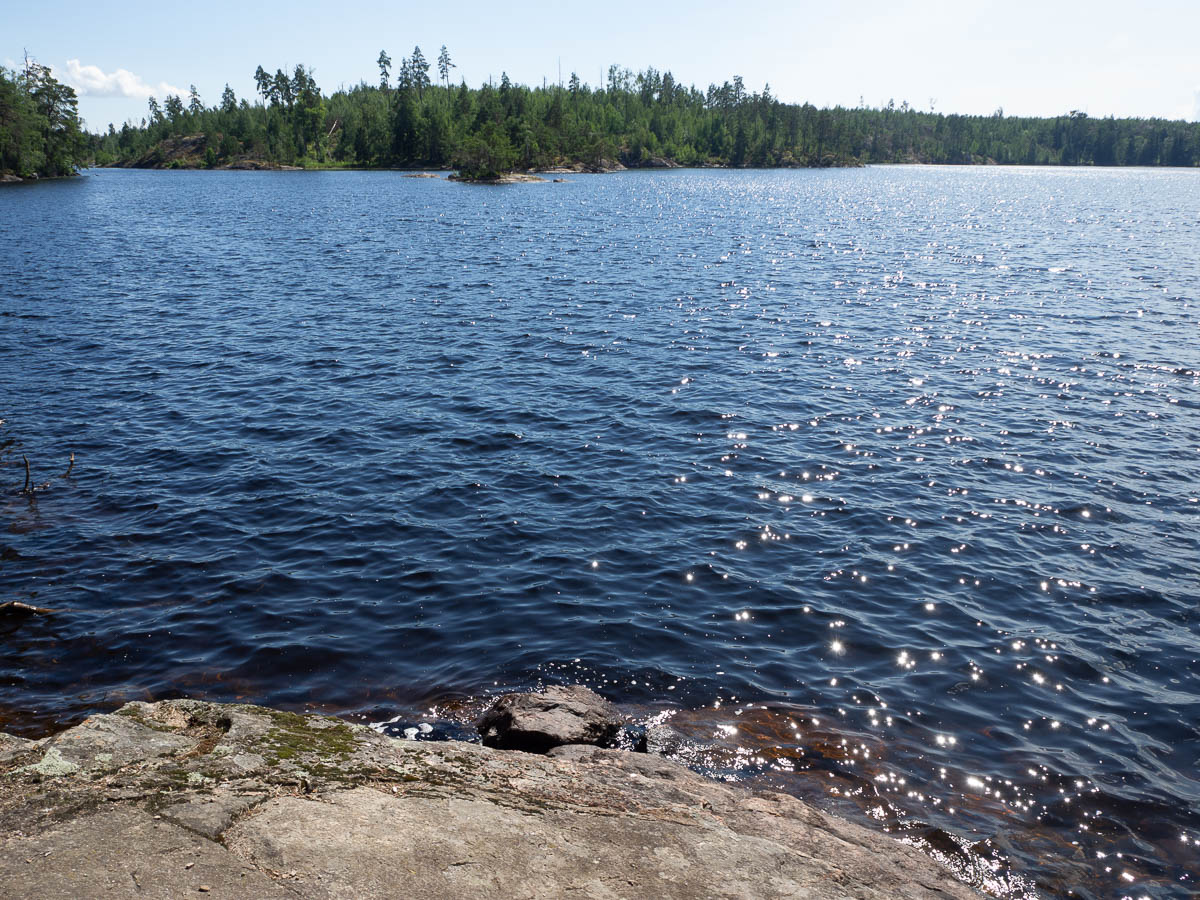
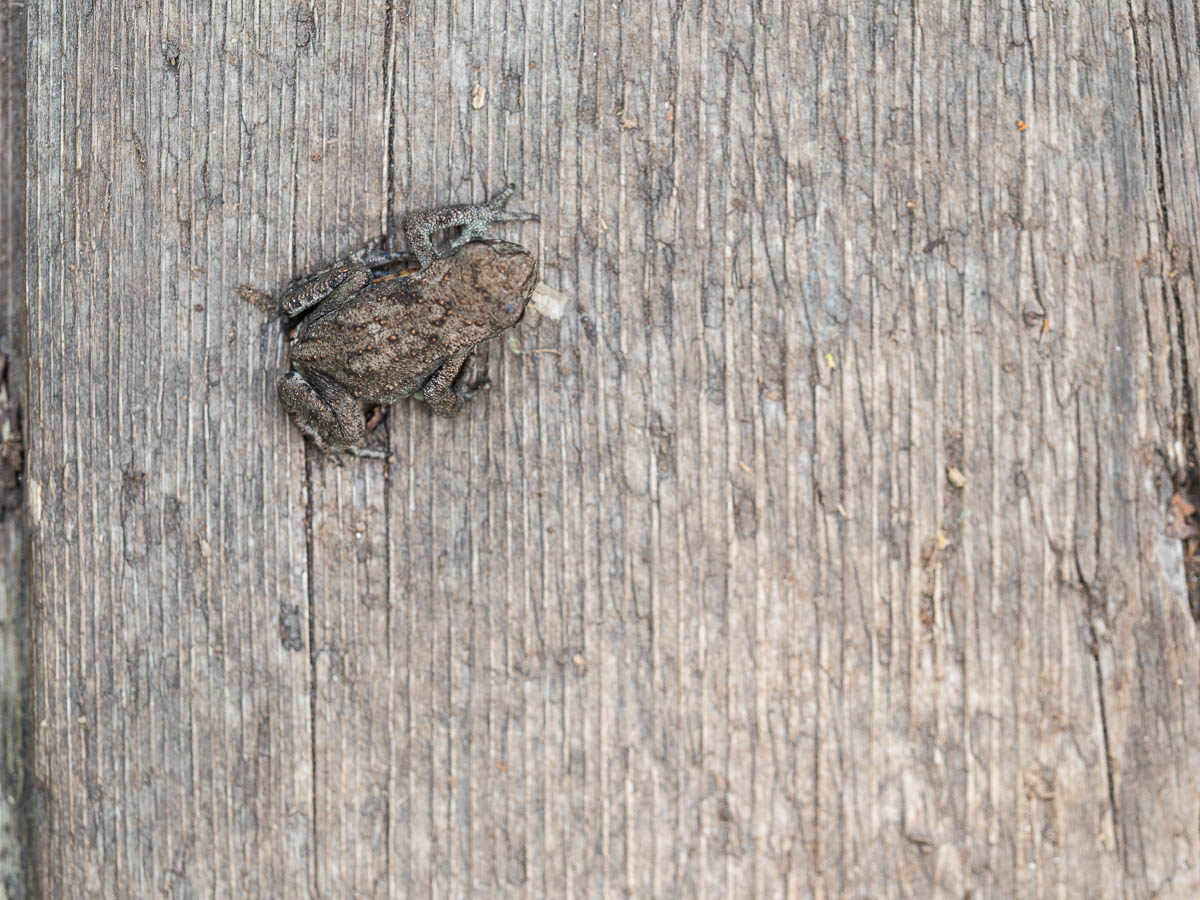
Of wildlife, nothing but a few small frogs, and the calls of crows and finches. Most birds have stopped their singing for this season. Some insects, but luckily no mosquitoes.

Leave a comment