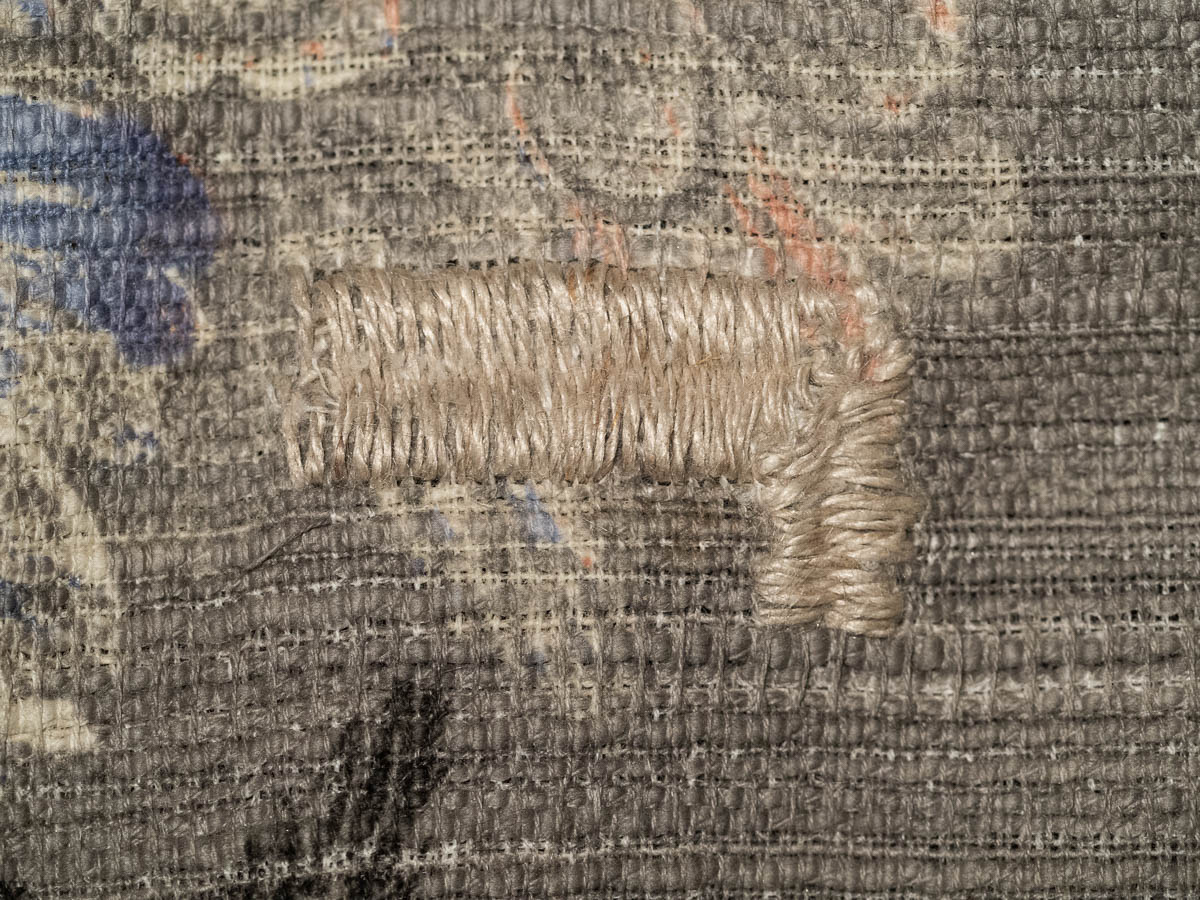
I ripped my spring/autumn coat some months ago. A fold of fabric literally got caught on the end of a door handle and I kept walking and tore a great big L-shaped hole in it. (This fabric looks pretty and feels nice but is way too flimsy for a coat; it’s already wearing thin around the edges of the buttons as well.)

Now I’ve finally mended that rip and I’m quite pleased with the result. The two arms of the L were easy but I couldn’t come up with a good solution for the corner. In the end I just sort of fudged it, which is luckily not too noticeable.

I learned this stitch from a book. They called it the paratrooper’s stitch, recommended it for field repairs of tents and such and demonstrated it on heavy duty canvas. I think it worked pretty nicely for this case as well.

There are books about mending things. I own three.

At what point does something I like doing become a hobby? When I start buying books about it, maybe?
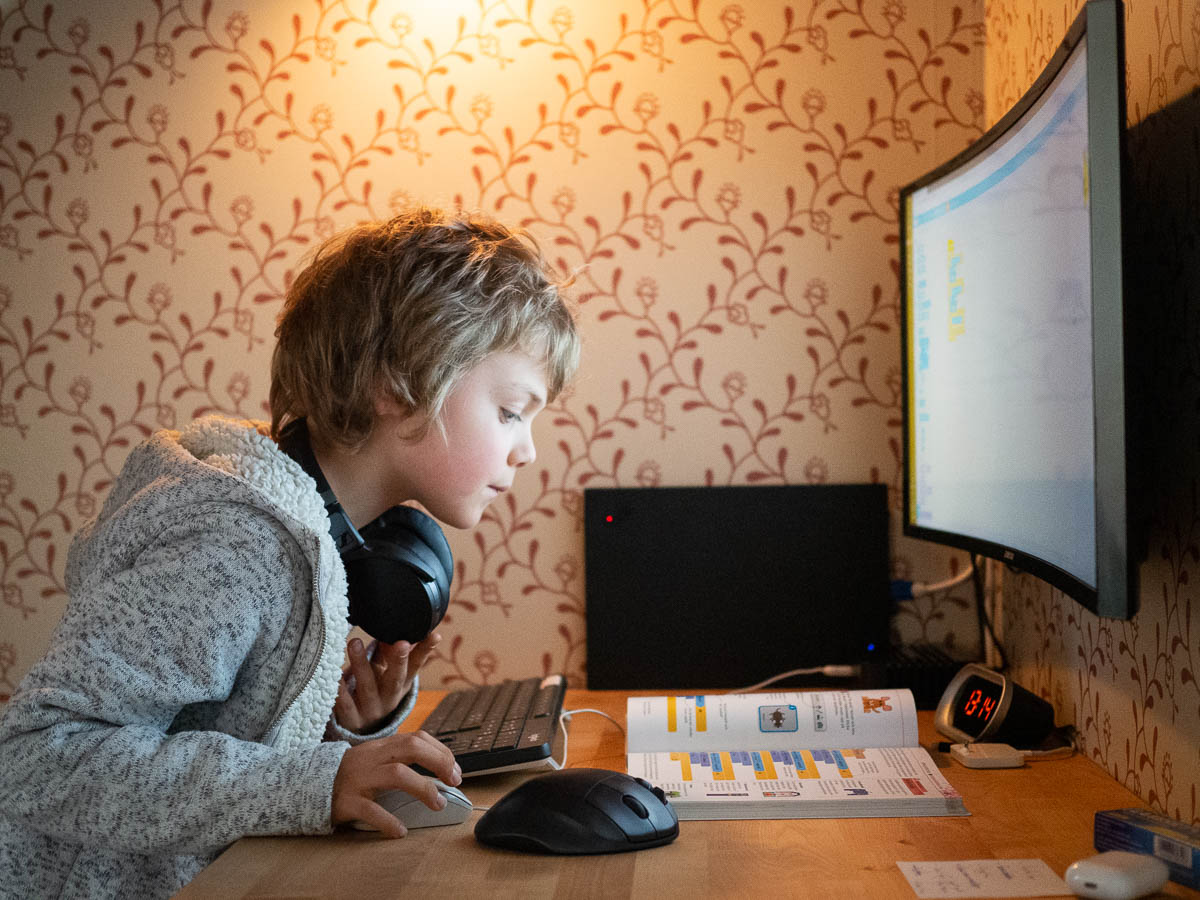

Adrian is programming a game in Scratch. You control a taco with the arrow keys, trying to catch apples and avoid the dreaded loaf of bread.


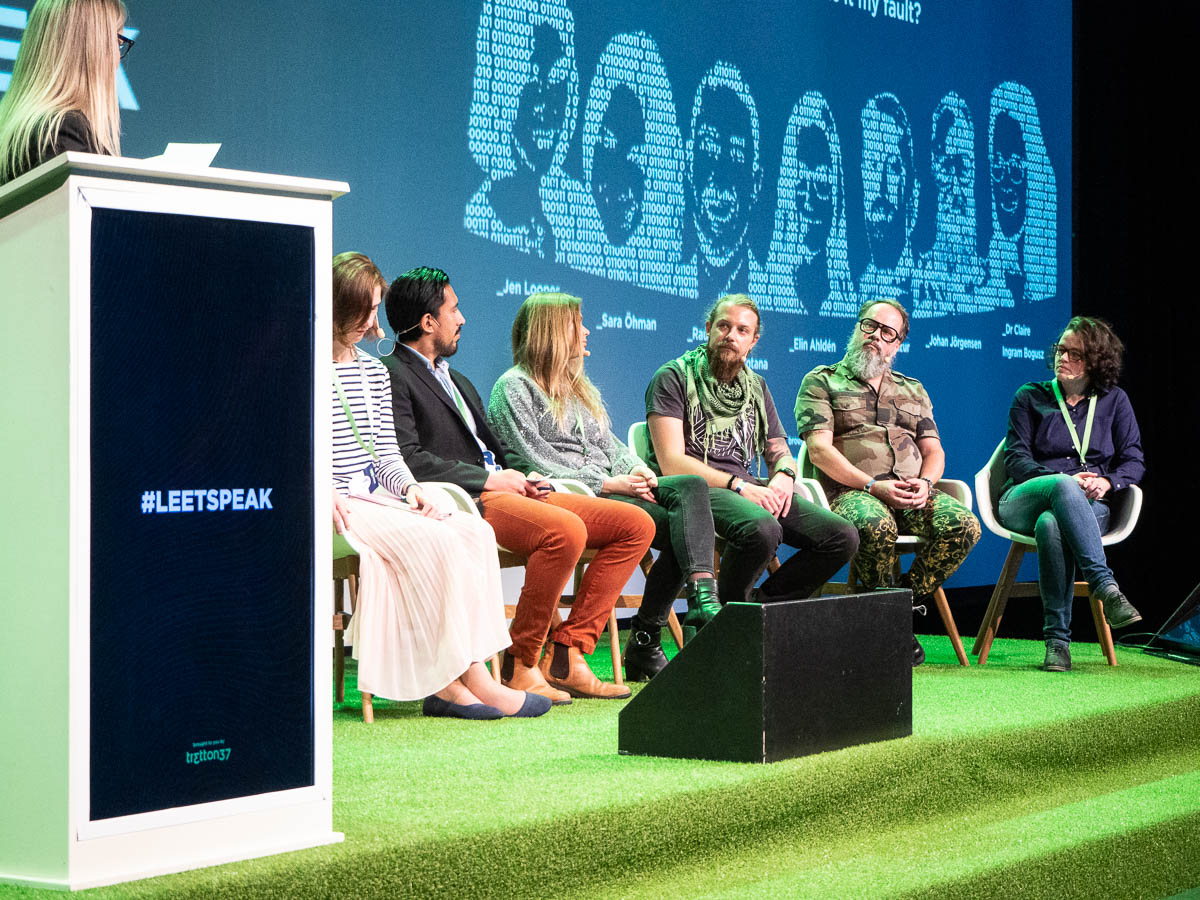
Attended leetspeak, the tretton37 developers’ conference.

The morning sessions were less technical and focused on the ethics of software development. “Code that goes wrong – is it my fault?” Interesting discussions. What is our responsibility? When should we say no? A few thoughts and comments that I especially remember:

  • Do project managers and product owners expect us developers to always deliver faster and faster because they cannot understand the complexity of what we do? Or is it because we keep feeding their expectations, and delivering faster than what is sustainable?
  • It is perfectly possible and even easy to become a developer without ever having considered the ethics of this profession. There is no certification required. Anyone with a two-month JavaScript boot camp under their belt can start calling themselves as a developer. Even if you have a CompSci degree, ethics courses are usually optional.
  • Every developer should give some thought to two things. One, where does your line go? What are the things that you would say no to? (Weapons software? Gambling? Lying to your users?) Two, what is your path of escalation? If you see something you need to say no to, and your manager will not listen, who do you talk to?
  • One of the panel members worked with online marketing. When the question about everyone’s “lines” came up, she jokingly said that if that’s the case then she would have to quit her job entirely. “Then you should,” was my immediate thought, “and the world would not miss what you have been doing.”

The highlight of the afternoon was Eric Wastl’s behind-the-scenes talk about Advent of Code. Passionate and inspiring, interesting and entertaining.


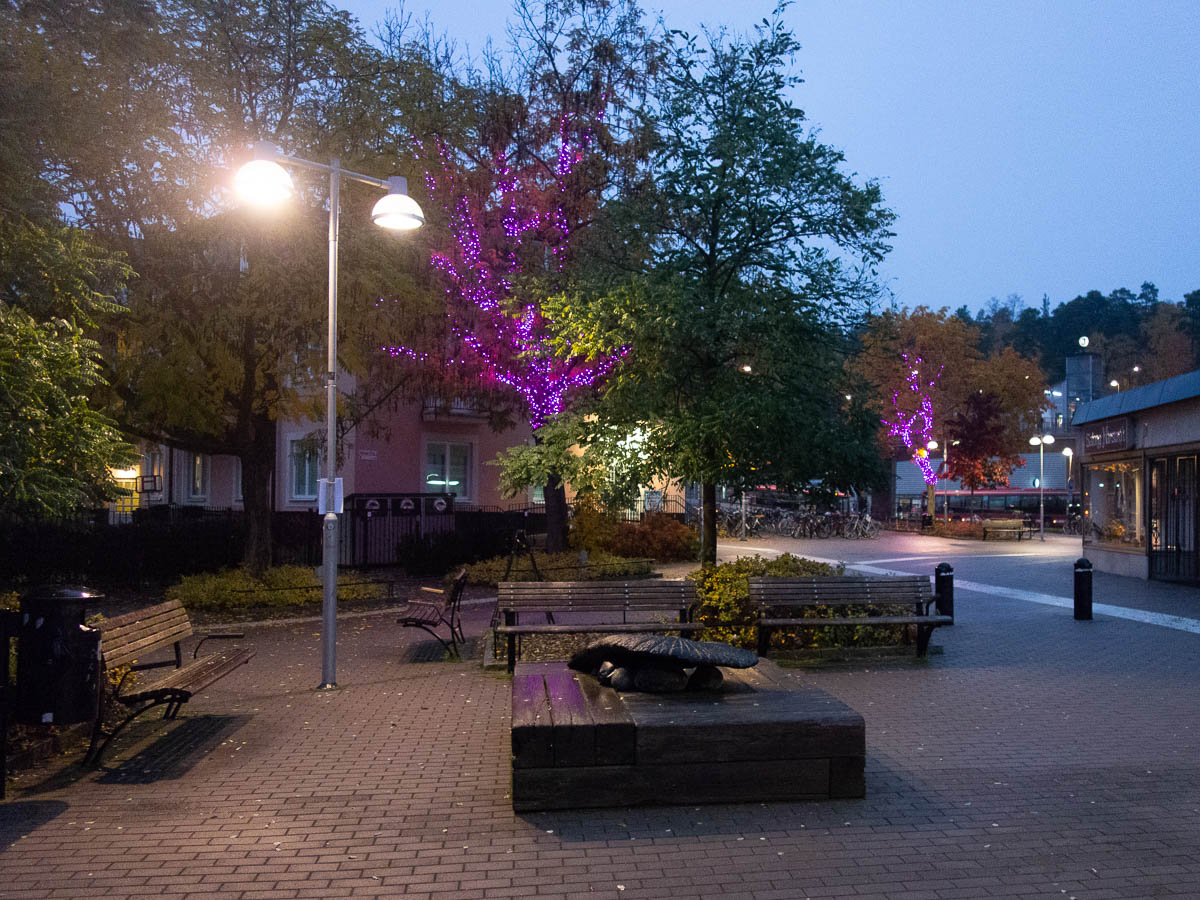
I left ten minutes earlier this morning, and that was early enough that the street lights were still on as I walked to the train station.


We have a teenager in the house. Ingrid just turned thirteen. I’m still trying to get used to this idea.

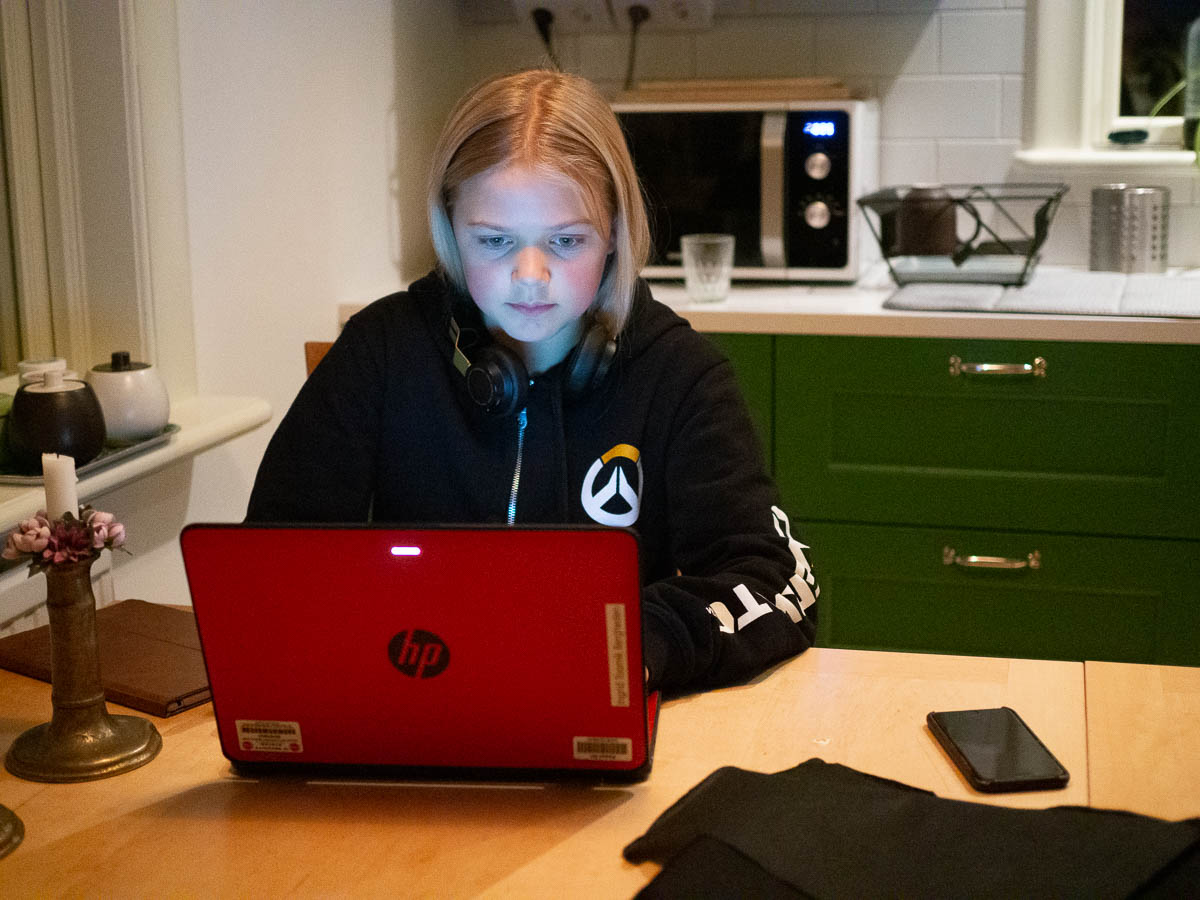
Ingrid’s birthday presents weren’t too photogenic. (Here she is doing homework instead.) The main one was a ticket to Hamilton the musical, in London, next weekend. She’s been quasi-obsessed with Hamilton for months, and almost knocked over the lights on the table as she jumped with happiness when she opened that present.

By the way, her class gets no specific homework as such. They just have tests and quizzes every week, so her study schedule is based on preparing for each such test. She likes the logical subjects – chemistry, physics, even ethics which they do as part of social studies – where stuyding means learning concepts and understanding how they relate to each other, and test questions can then be answered to a great extent by logical thinking. She’s not so fond of subjects where she just has to learn a bunch of random facts, like French spelling, or when the topic in social studies was the Jewish religion.


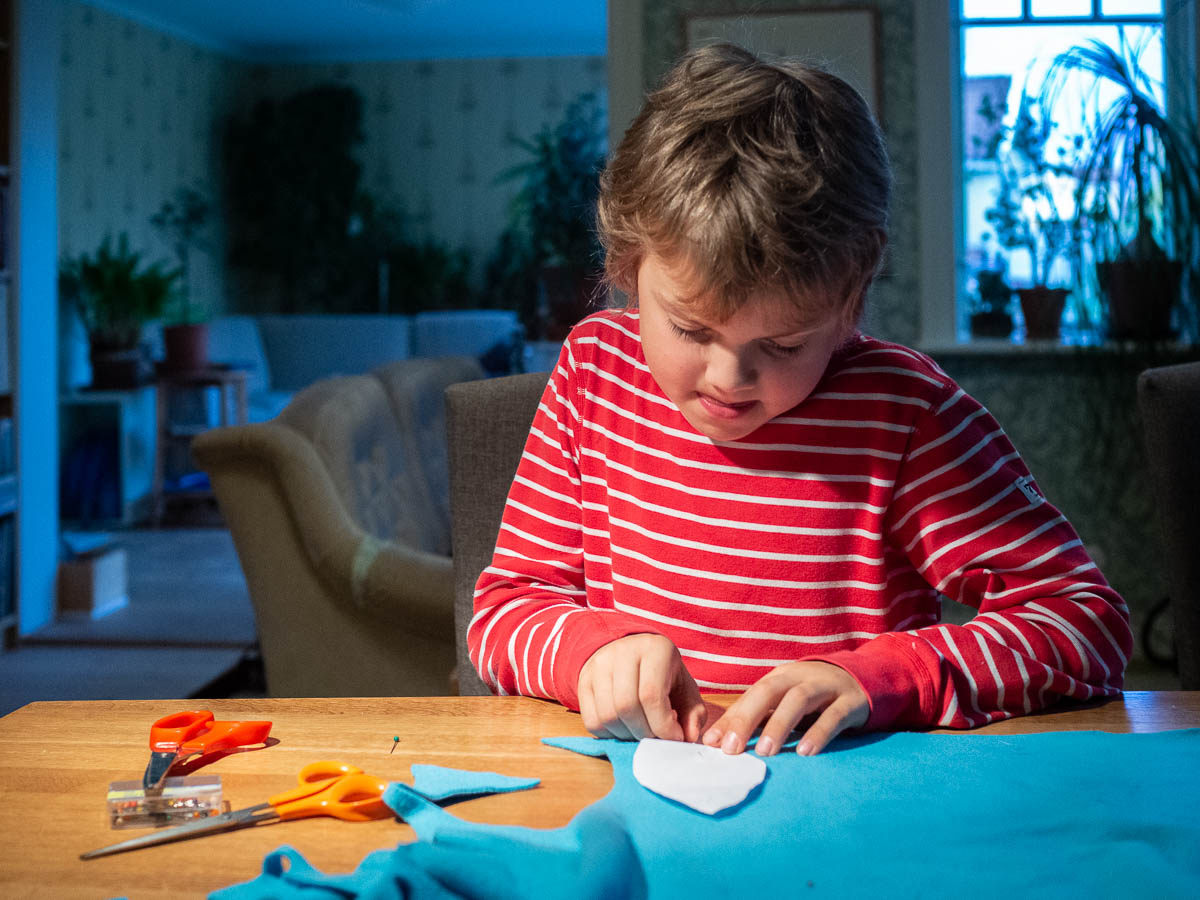
Adrian is thinking ahead to Halloween. He found that cloak I made years ago and thought he might want to use it to dress up as a wizard. A wizard needs a staff, of course, but he also wanted some spells. So he is now making a ball of ice and water magic from blue fleece.

He just started doing textile crafts at school this year so he’s had some practice with basic pinning and cutting and sewing. But not machine sewing, which he wants to use to sew the pieces together, so he’s doing that under close supervision.

Helping kids with their crafts projects is a tricky balancing act. If I help and meddle and guide too much, it’s not fun. But if I meddle too little and the final result comes out way too wonky, he will be disappointed in it and won’t want to sew again. He’s not so fast at it that he could just throw the first attempt away and make a new one. So I meddle just enough to help him avoid mistakes that would be hard to recover from – and also help him understand that the smaller mistakes that he does make are not the end of the world and can be recovered from.


The mornings are getting dark.

And somewhat wet. The cycling season is over. I bought one-month train ticket this morning.


Adrian likes oversized, loose, soft t-shirts and sweaters. And when I say “oversized”, I do truly mean oversized. This blue thing is his latest find from Myrorna. It’s a ladies sweater in size S. The ends of the sleeves reach past his fingertips, and the sweater itself is of course both very loose and quite long.

I suggested cutting off the ends of the sleeves (and refinishing them so they would still look all neat and tidy) but he explained that too-long sleeves really was the whole point of buying an oversized sweater, and this was just the way he liked it.

He is refreshingly unconcerned about social expectations about fashion and clothing.


Autumn is not my favourite season, but I do love its colours. When I planned and planted the hedge, each bush’s autumn colours were a big part of my decision. There are spireas of several kinds with their interesting colour combinations (orange and purple!) and aronia bushes with brilliant red leaves and black berries. It looks colourful from afar, a bit scruffy when you get closer, and then stunning again when you get really close.

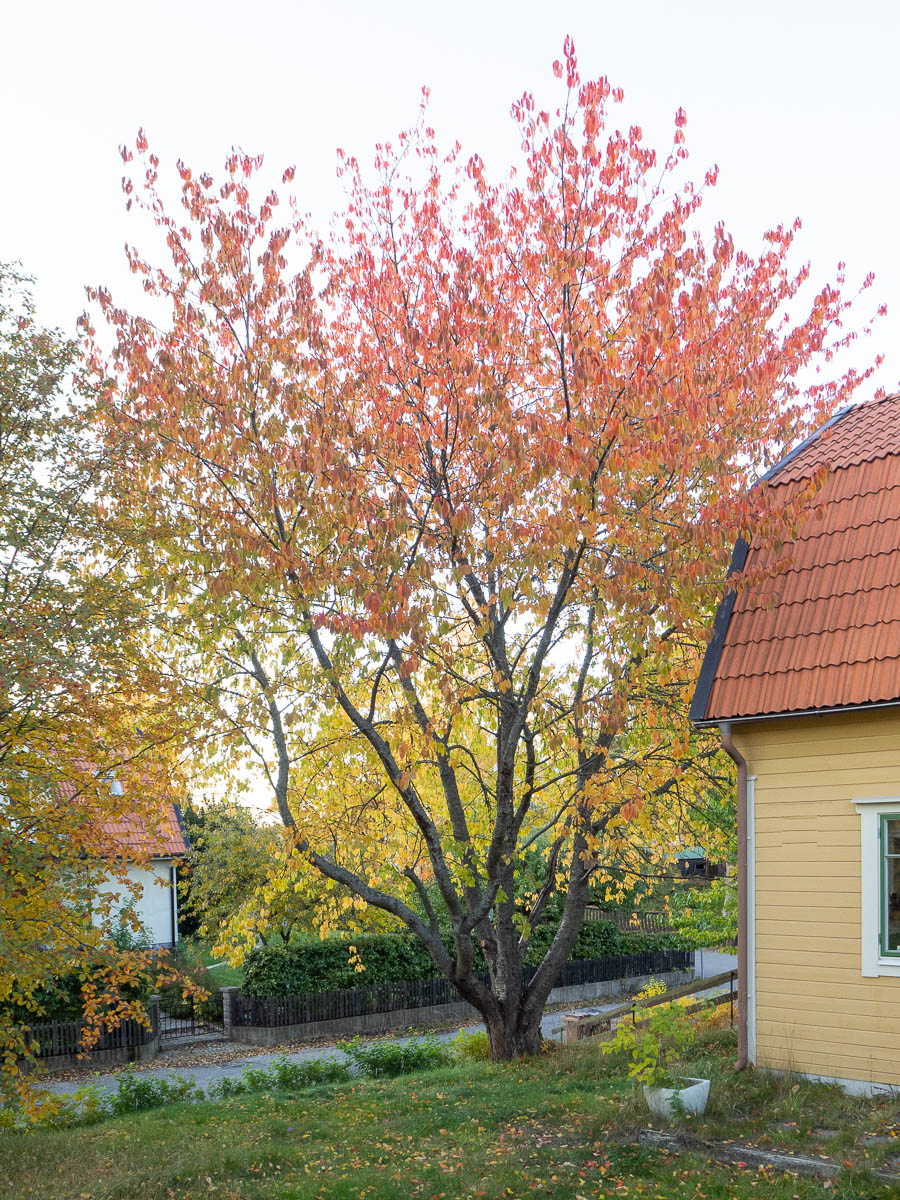
The cherry tree is apparently having one of its more colourful autumns this year. Photos can’t do it justice, but I keep trying anyway.

Actually we have three cherry trees. What “the cherry tree” refers to depends on the season. In the summer, it’s the one behind the house, with the sweet and juicy berries. (The others bear small, sour berries that we don’t pick or eat.) In the autumn, it’s the one in front of the house, with the fiery colours. The third tree is smaller and younger and less colourful. I even considered cutting it down because, honestly, how many cherry trees do you need in a garden? But I just couldn’t do it. Now I kind of think of it as a backup for the autumn tree, in case that one dies because of how many large branches and roots it lost when we had to dig up the water pipe.


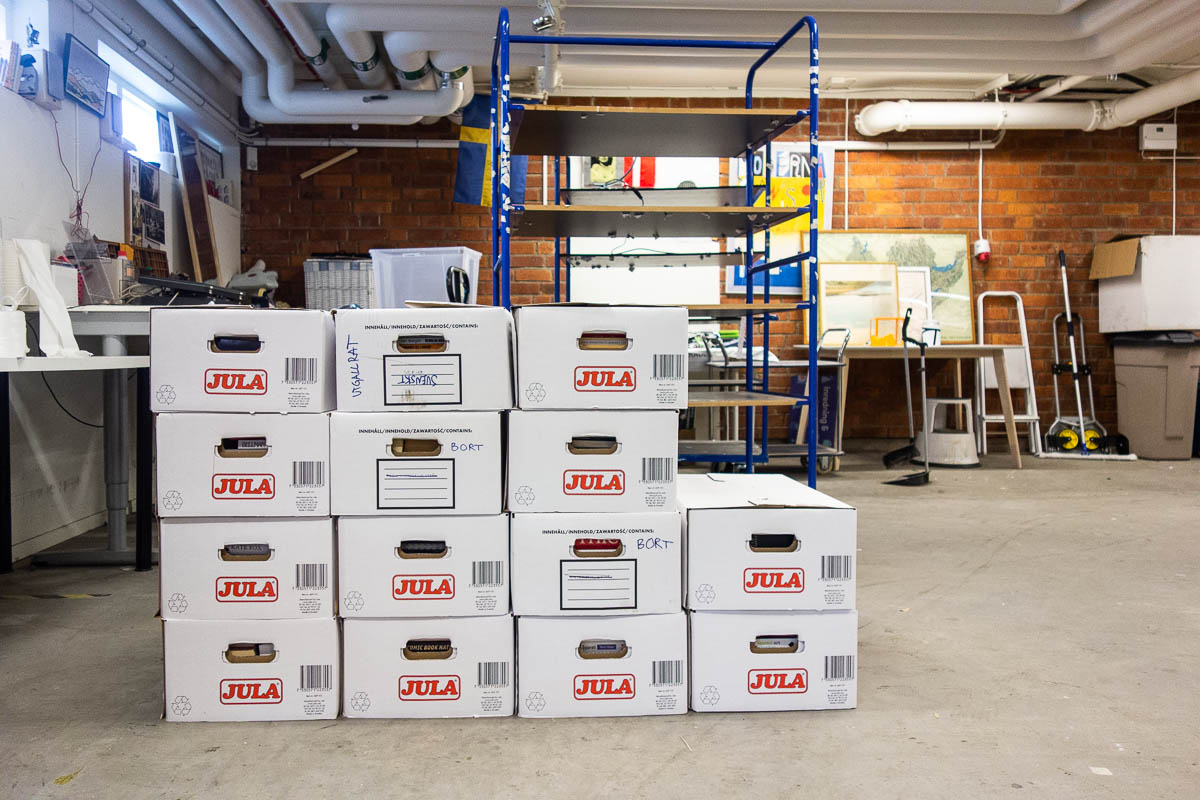
A trip to Myrorna, with 14 boxes of books. Then another trip to Science fiction antikvariatet with 3 more.

That’s the equivalent of about 850 pocket books. (I know this because the SF bookshop counted the contents of the boxes I gave to them, and gave me a gift card in return.) Assuming each cone cost about 80 kr, that would be 68 000 kr worth of books.

In a way that sounds like a terrible waste. Those books face a very uncertain future, and I’m guessing that a good chunk of what we gave to Myrorna will later end up being thrown away. The man at the SF bookshop told me that there’s a guy at Myrorna whose only job is to throw away books. The mere thought is depressing.

But each of those books has been worth the money at some point, and we’ve enjoyed reading them. So they have absolutely been worth the money. This is no more a waste than having paid for cinema tickets, which, after all, we also use once and then throw away.