“Ljust och fräscht” or “light and airy” (literally “light and fresh”) is an eternally recurring theme in ’00s Swedish interior decorating. White is by far the most common colour for walls, and even floors and all furniture. Minimalism is all the rage.
Fredrik Lindström and Henrik Schyffert are two Swedish comedians and media personalities. This book is a print version of a show of theirs, about what is behind the current trend, and was accompanied by a matching comedy show. It’s about chasing perfection, about rootlessness and anxious attempts to not be bourgeois. About making your home reflect your personality, to be unique and individual – but not too unique.
I like to believe that I am immune to the trendiest trends. I am baffled and slightly repulsed by wall letters and wise quotes to paste on your walls, and “distressed” furniture that you paint and then sandpaper to make it look old and worn. I will not have white-on-white rooms, and I want carpets and curtains.
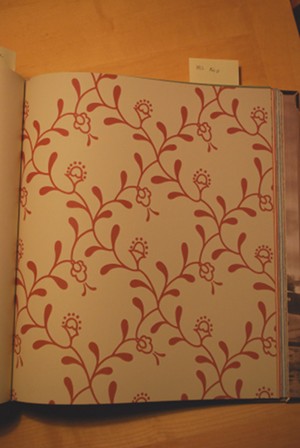
But I, too, want my home to be light and airy. A scary thought: in the seventies everyone wanted their homes colourfully cosy, with pine panelling and orange wallpaper. And now I would not let a ’70s wallpaper into my house. Will our open plan kitchen feel as dated as ’70s basement dens do today?
An interesting book that hits some nails squarely on the head.
Inte sedan funkisen slog igenom på Stockholmsutställningen 1930 har svenskarna haft så enhetlig inredningssmak. Det kan aldrig bli för ljust och fräscht. En bostad kan marknadsföras med en beskrivning som “extremt ljus”, och det är bara positivt. Det kan aldrig bli för ljust! Är det inte tillräckligt ljust så river man ut hela skiten och öppnar upp lite. Det här är så gott som alla överens om.
Translation:
Not since functionalism had its breakthrough at the Stockholm expo in 1930 have Swedes had such uniform taste in interior decorating. There is no such thing as too light and airy. A home can be marketed with a description of “extremely light” and that is only positive. There is no such thing as too light! If it isn’t light enough you just rip out the whole shebang and open it up a bit. Almost everybody agrees on this.
About IKEA, and constantly buying the most current furniture:
Men varför uppfanns det här tänkandet just i Sverige och ingen annanstans? Varför kom ingen annan på “riv ut ditt gamla och daterade hem och satsa på något nytt och fräscht minst vart tionde år-principen”? Ja, kanske för att inget annat land i hela sin samhällsstruktur gjort sig av med det gamla på samma sätt som Sverige gjort. Det svenska samhället omvandlades “blixtsnabbt” från ett fattigt torpar- och utvandrarsamhälle till ett av världens rikaste, det gick på ett par generationer. Då blev det viktigt att hela tiden visa att man tillhörde det nya Sverige, inte minst genom att ha moderna möbler. […] Till slut hade man förnyat Sverige så många vändor att det inte längre fanns någon neutral, tidlös stil att inreda i (om någon nu skulle vara intresserad av att bara ha ett praktiskt och fungerande hem utan attityd). Sverige blev det första landet i världen där man inte längre kunde välja att inreda modernt och daterat, utan var tvungen att göra det.
Translation:
But why did this way of thinking develop in Sweden and nowhere else? Why didn’t anyone else come up with the “tear out your old, dated home and invest in something new and fresh at least once every ten years” principle? Well, perhaps it was because no other country has gotten rid of everything old in the structure of its society the way Sweden has. The Swedish society was transformed at “lightning speed” from a poor society of crofters and emigrants into one of the world’s richest, it happened in a few generations. It became important to show at all times that you belonged to the new Sweden, not least by having modern furniture. […] By the end Sweden had been renewed so many times that there was no neutral, timeless style of decorating any more (if anyone would be interested in just having a practical, functional home without attitude). Sweden became the first country in the world where you could no longer just choose to decorate in a modern and dated style, but you were forced to do so.
Adlibris

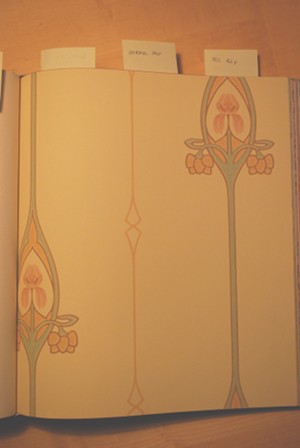
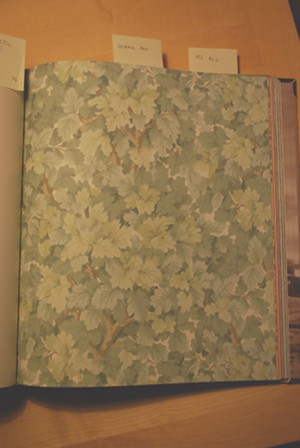
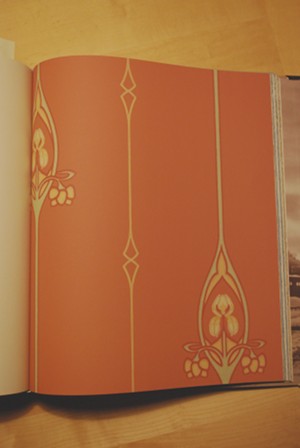
Typical wallpapers, by decade, from the 1920s to the 2000s