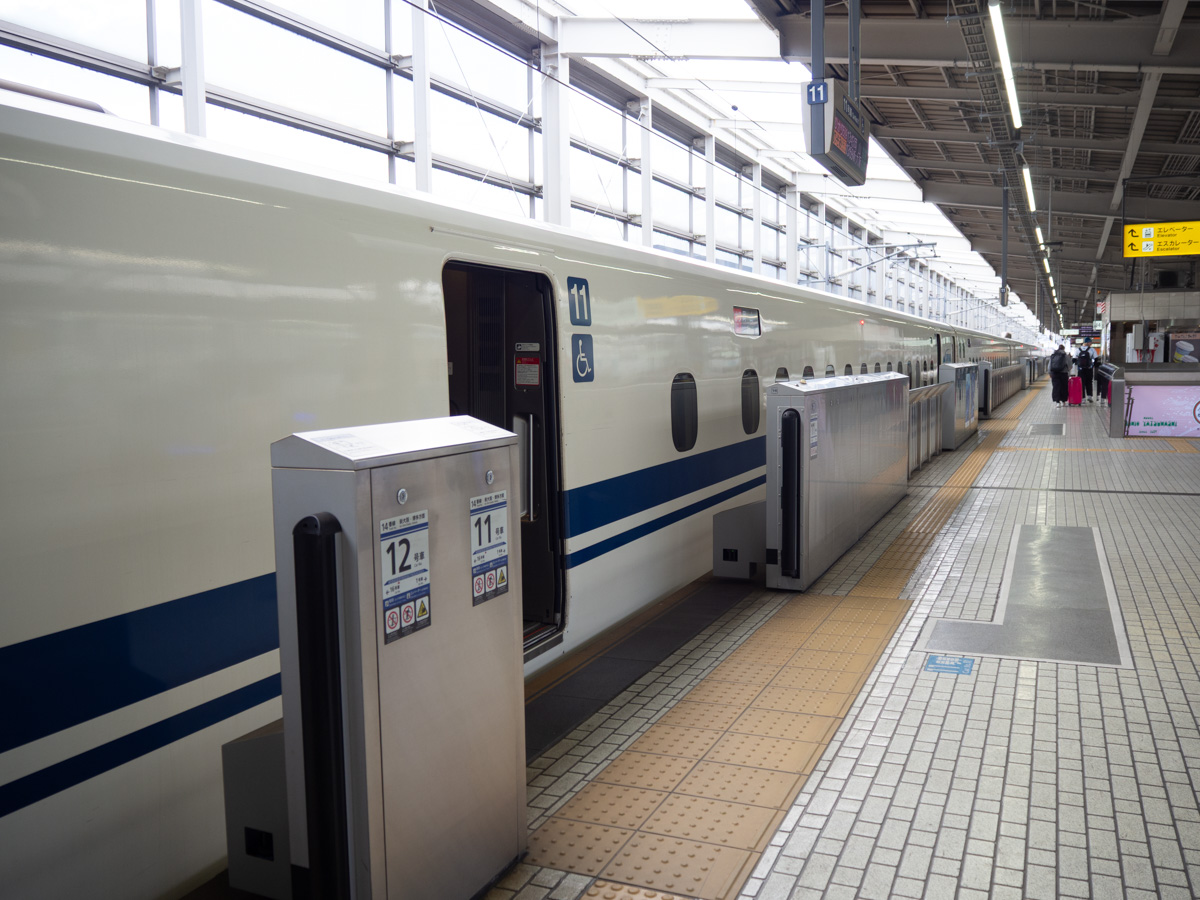
We’re relocating to Kyoto by Shinkansen bullet train.

The train stations in Tokyo are huge and confusing. The metro stations are bad enough, but the train stations are even worse. It took us half an hour to navigate through the station to the Shinkansen platform. Apparently there are parts that are considered the same station but aren’t even fully connected – when we asked the staff for directions, we were told to exit the station, walk to the other side of the block, enter the station there, and then continue. We thought we had left plenty of time for getting to the train but still only made it to the platform with 10 minutes to spare.

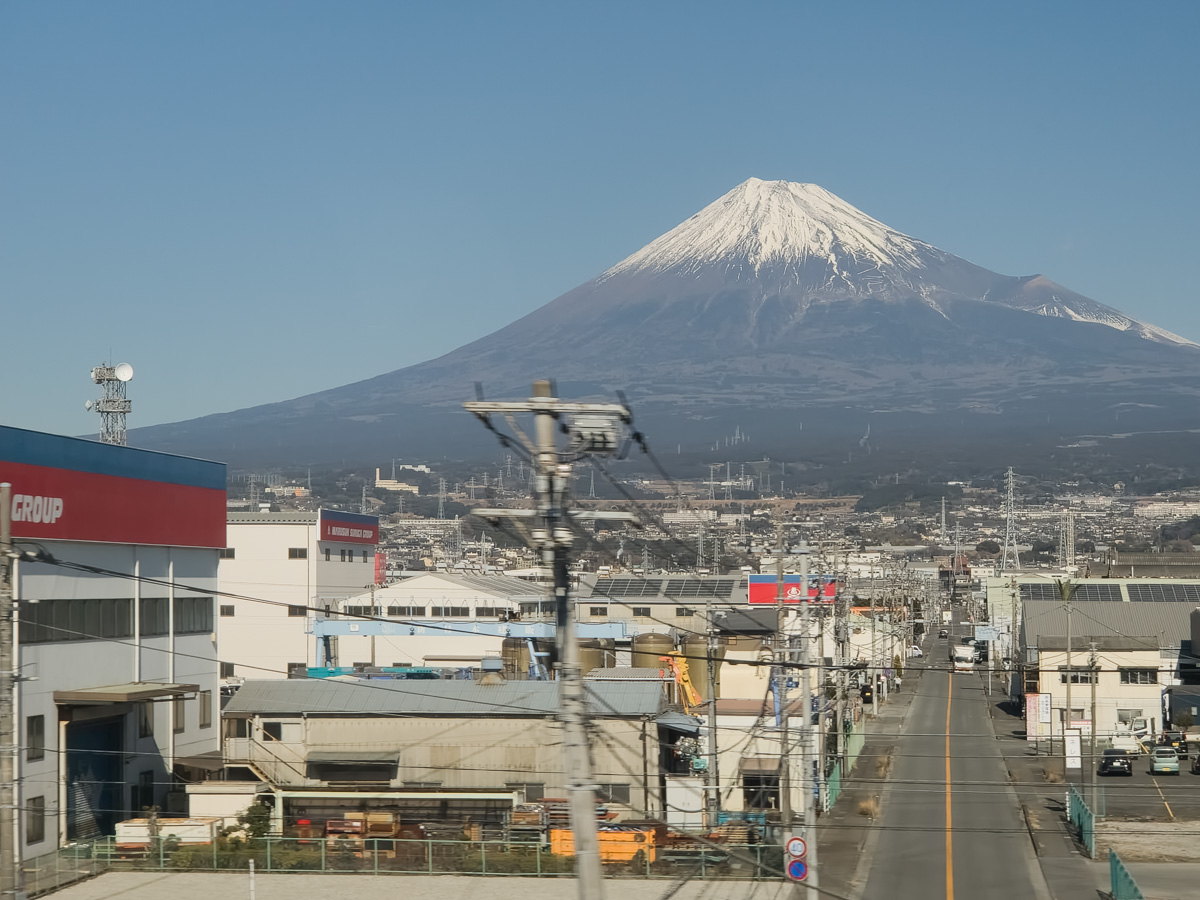
Passing Mount Fuji on the way. It is huge and absolutely towers over the surrounding countryside.

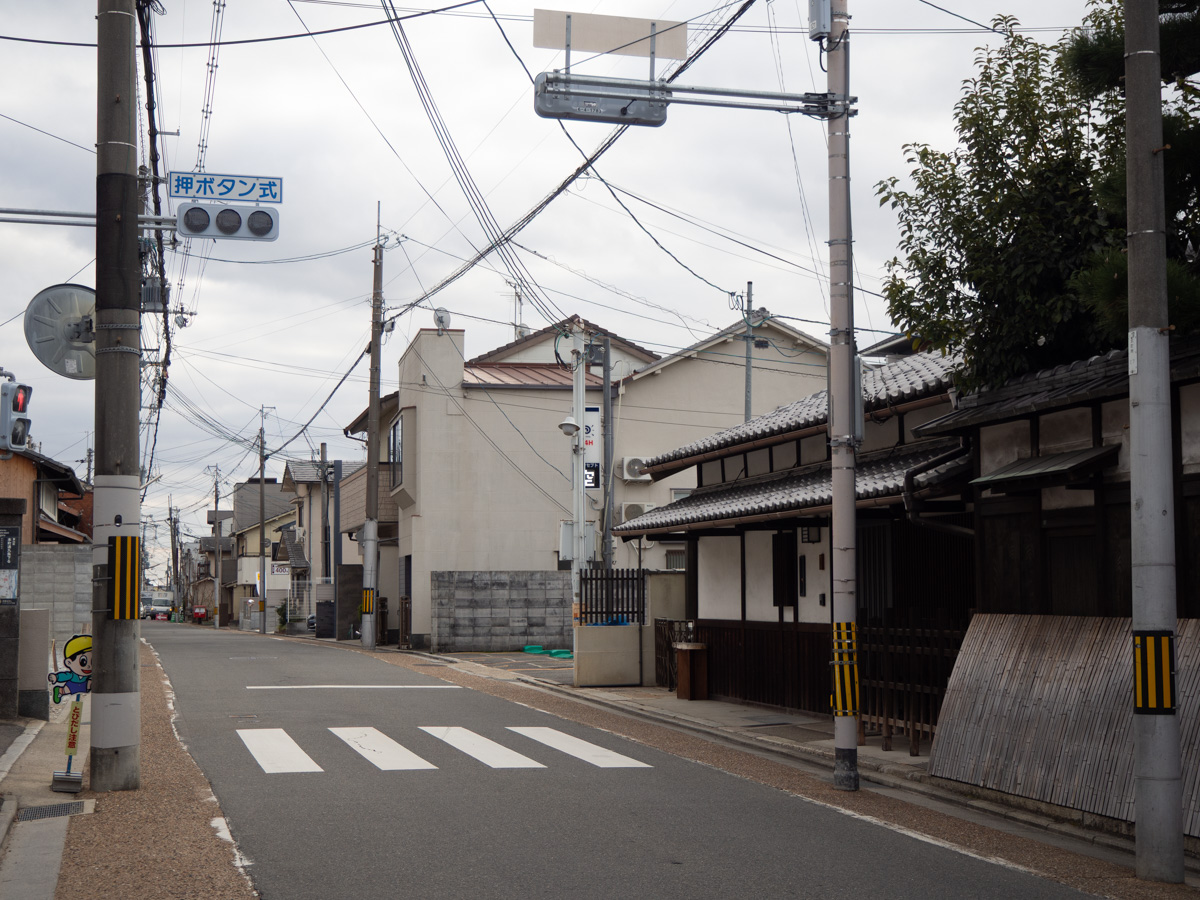
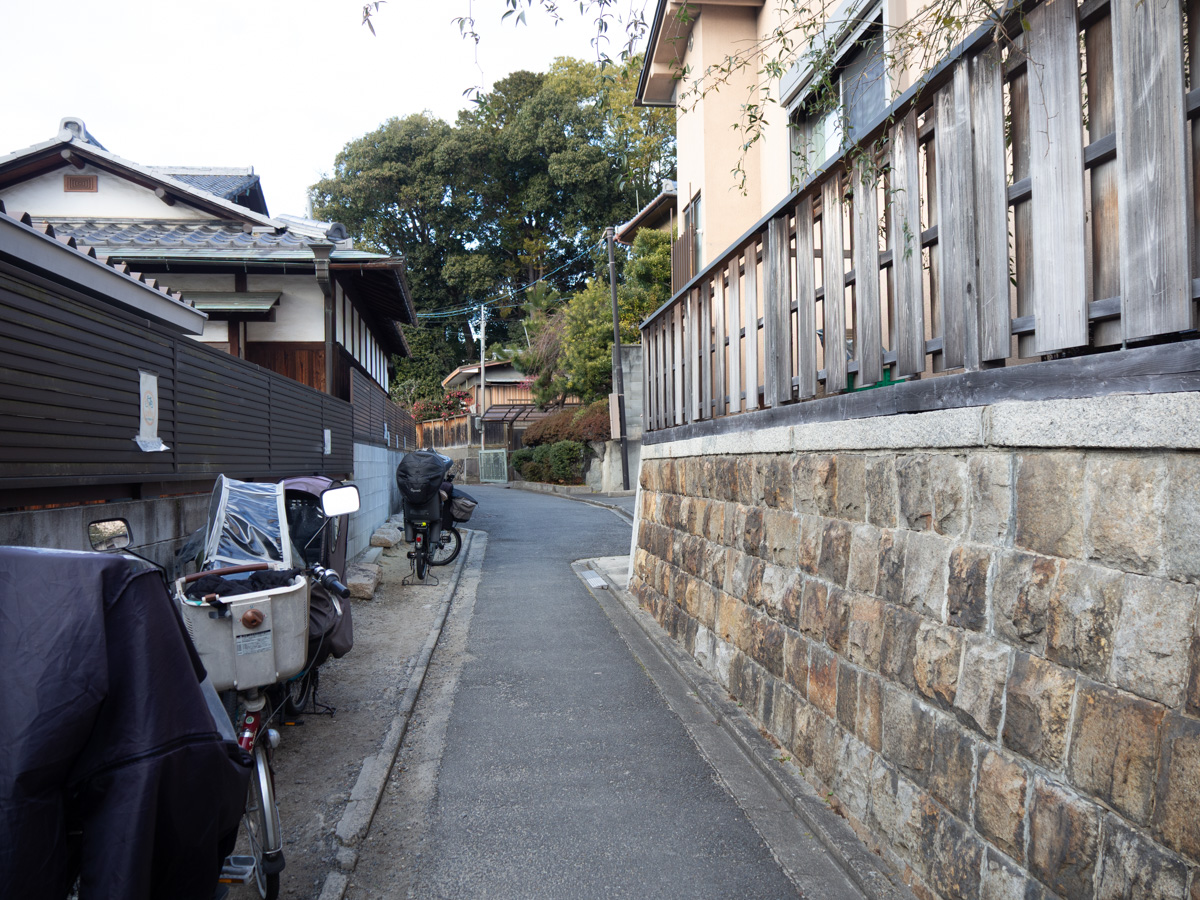
Kyoto immediately feels different from Tokyo. Smaller, greener, hillier streets. More houses in the traditional style.


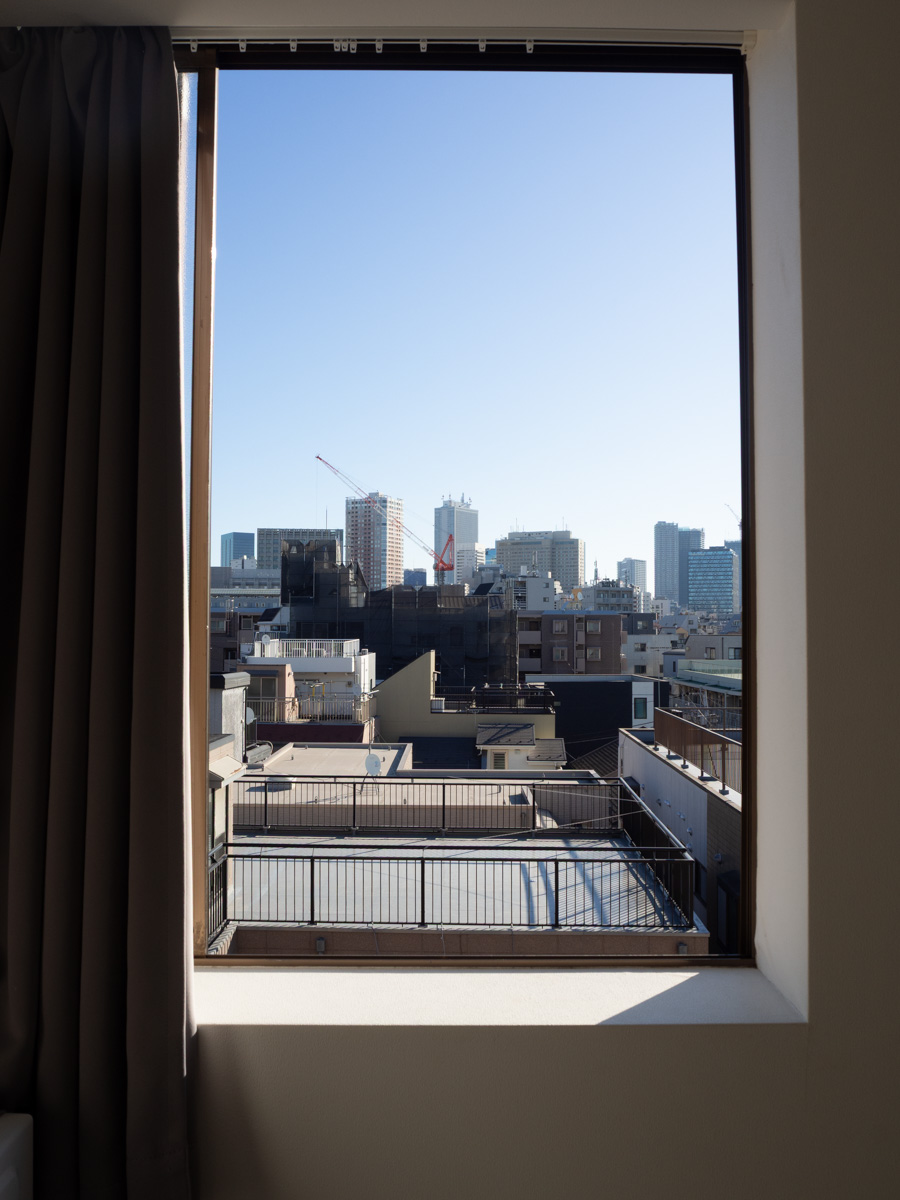
Before we leave for Kyoto, here are a few photos of our tiny rental apartment in Tokyo.

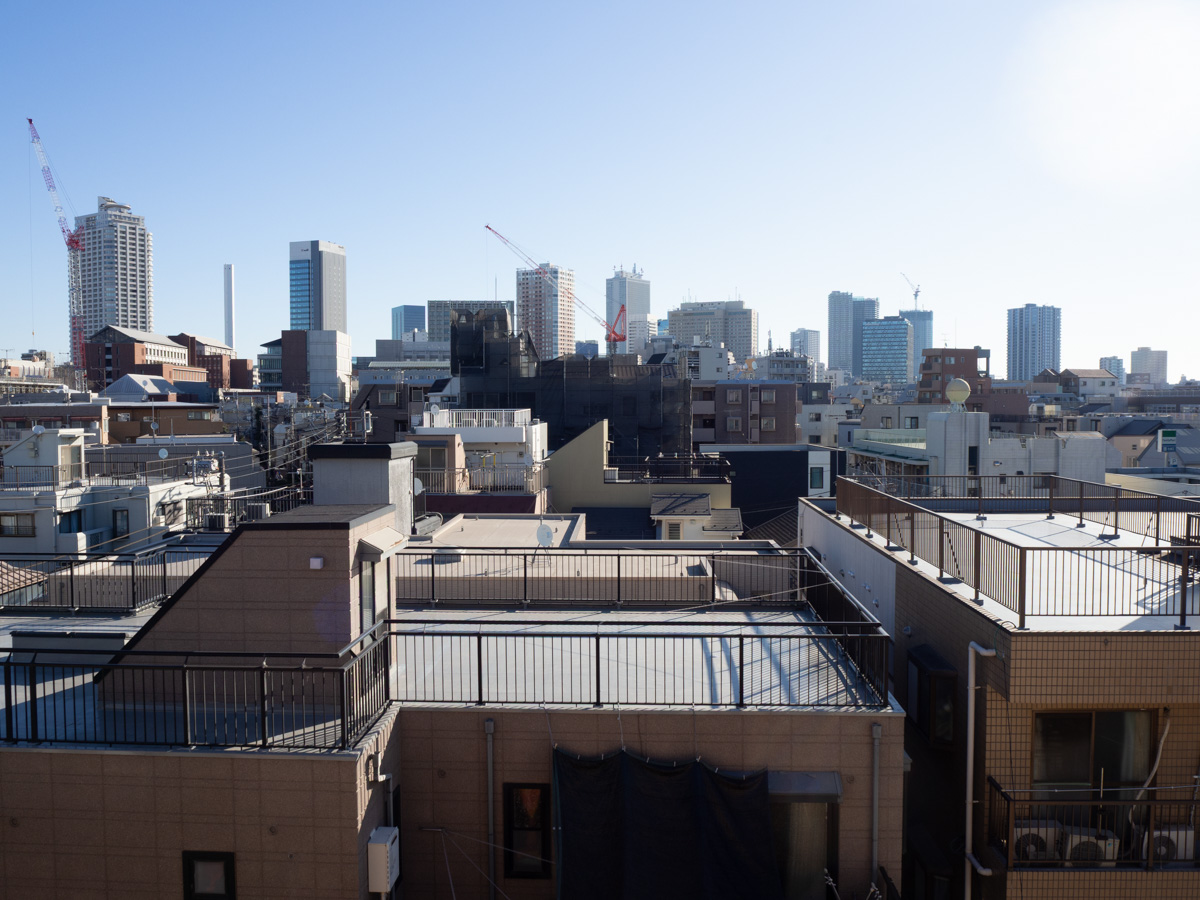
The apartment is in the middle of a very ordinary residential district in Ikebukuro, near Kanamecho station. We’ve got views of the skyscrapers in the business district around Ikebukuro station. Closer to us, there are roof terraces of the houses around us.


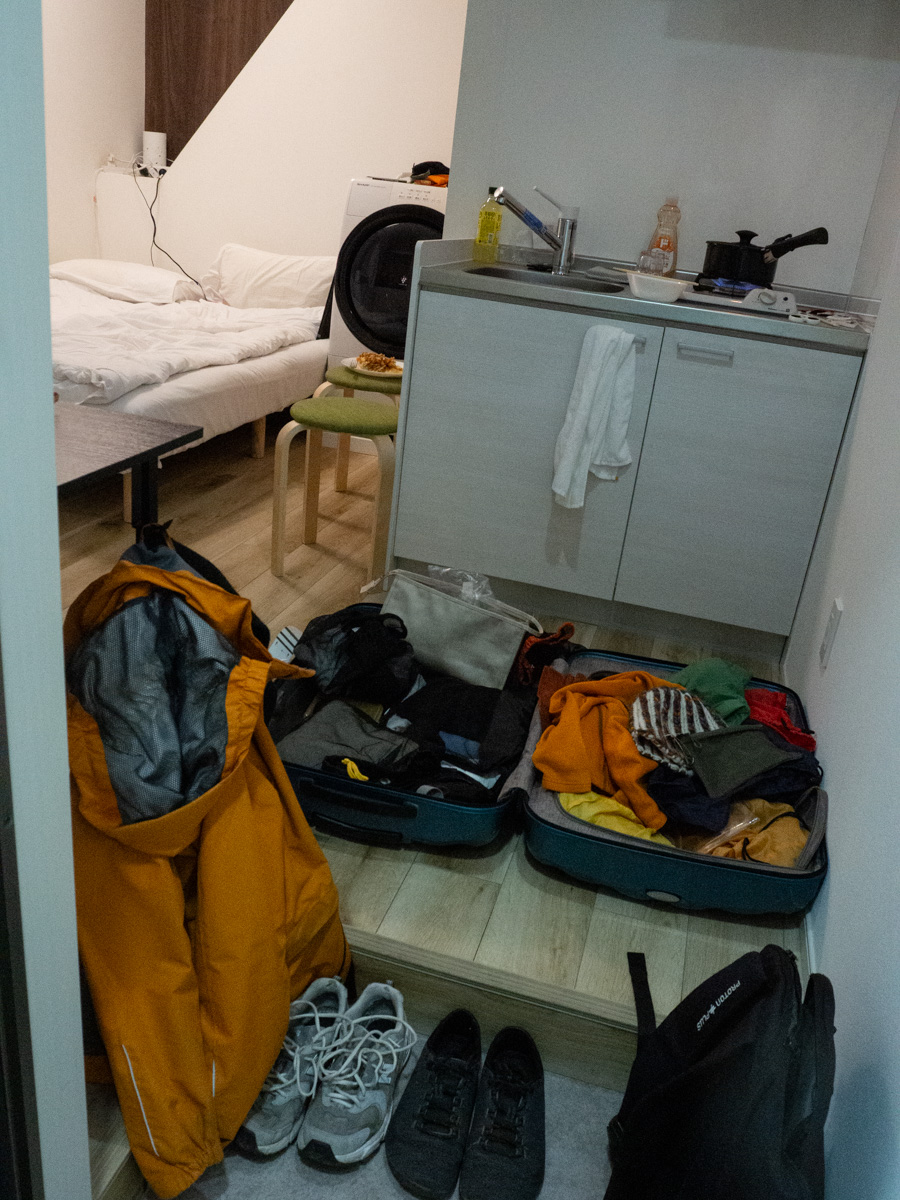
The apartment is tiny. The whole apartment is smaller than my bedroom at home. We have room for a double bed, a pentry, and a bathroom behind the pentry. And a washing machine.

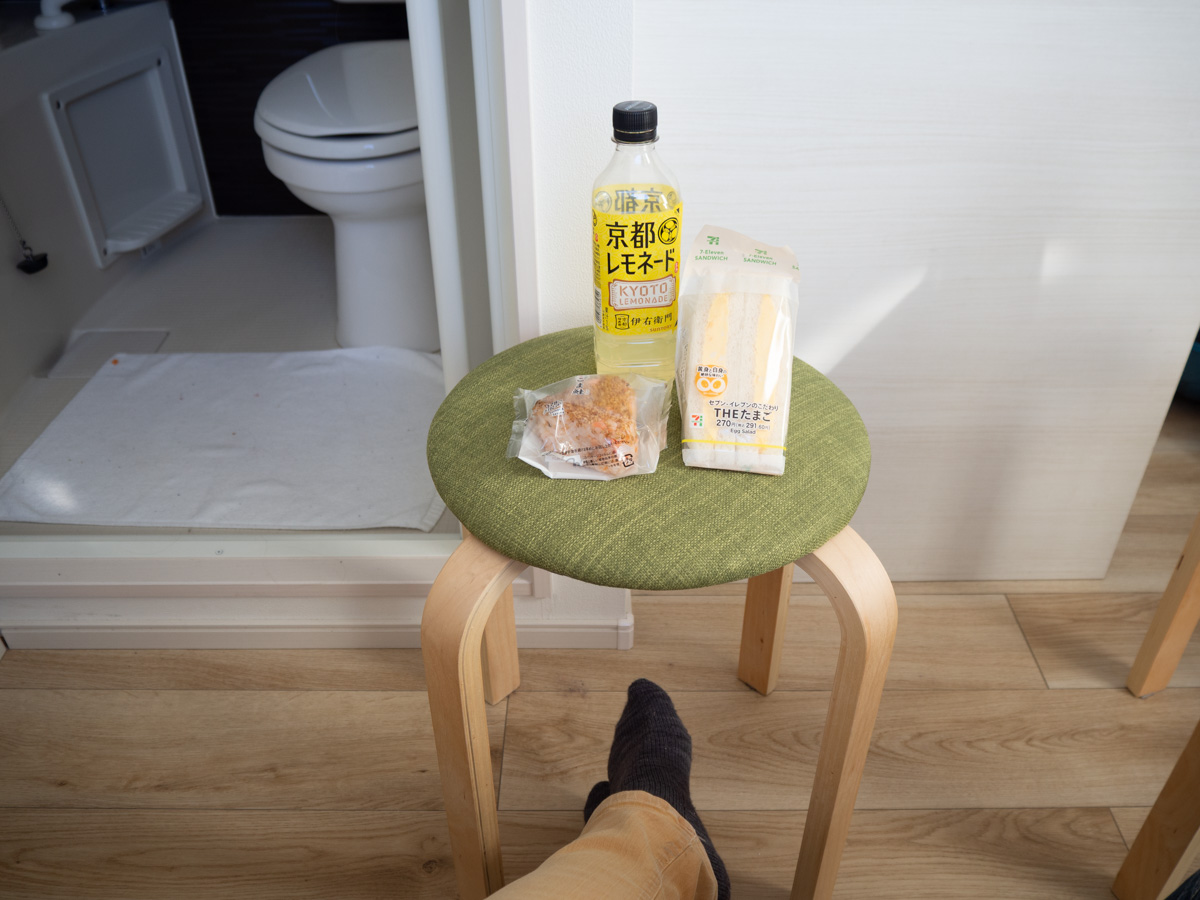
When we open our suitcase, we can barely step past it. There is a small table with two stools, but it’s so narrow that we would be hitting each other with our elbows if we both tried to sit there at the same time. Breakfast is instead served at the stools, next to the bed.

Breakfast today: 1 egg sandwich, 1 onigiri, 1 lemonade.

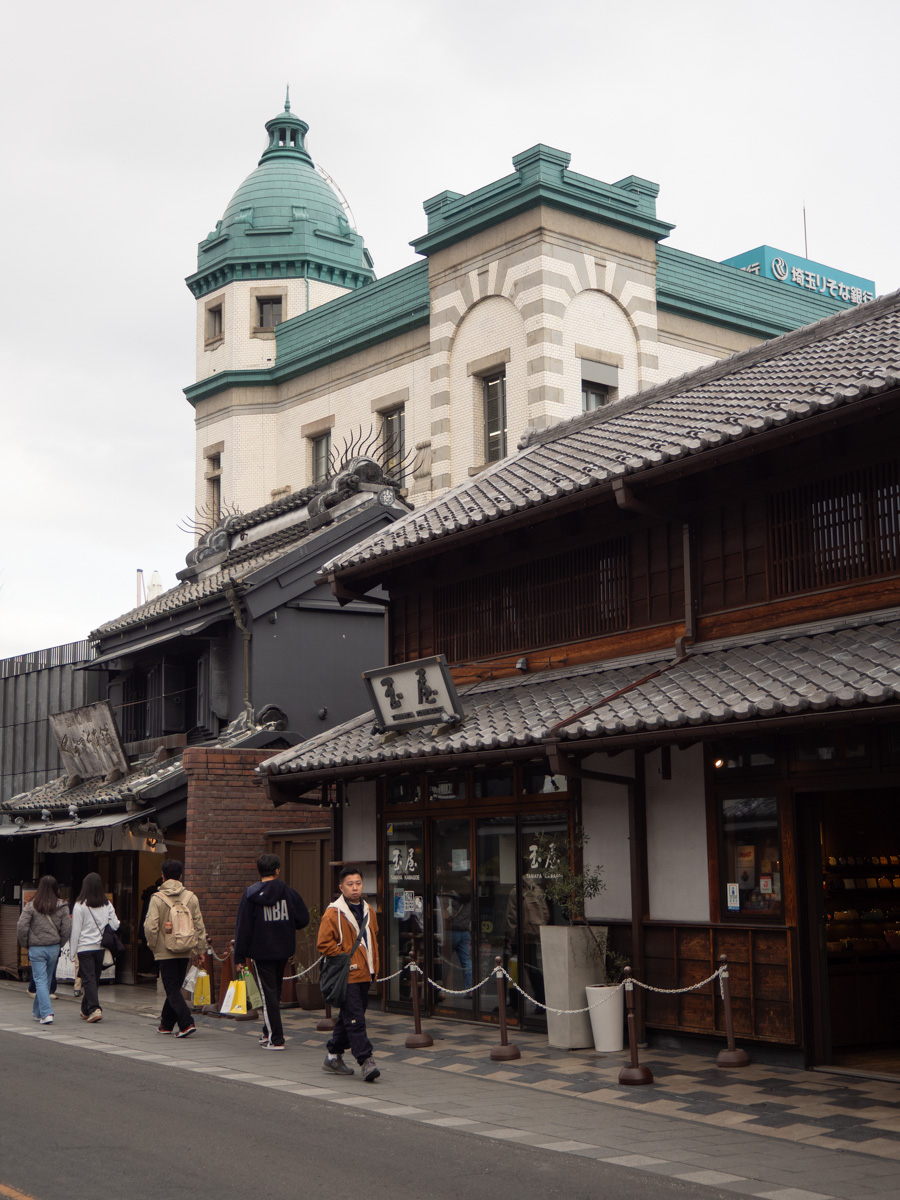
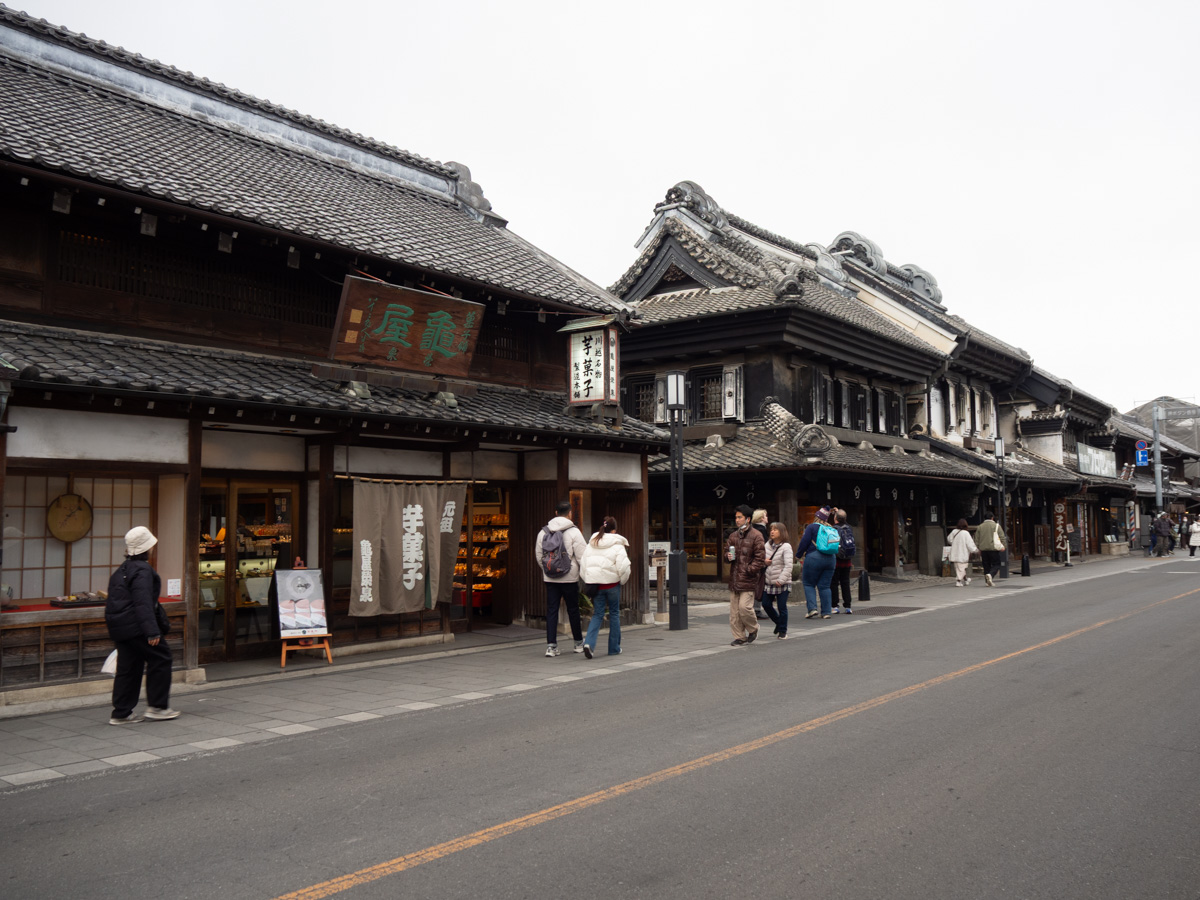
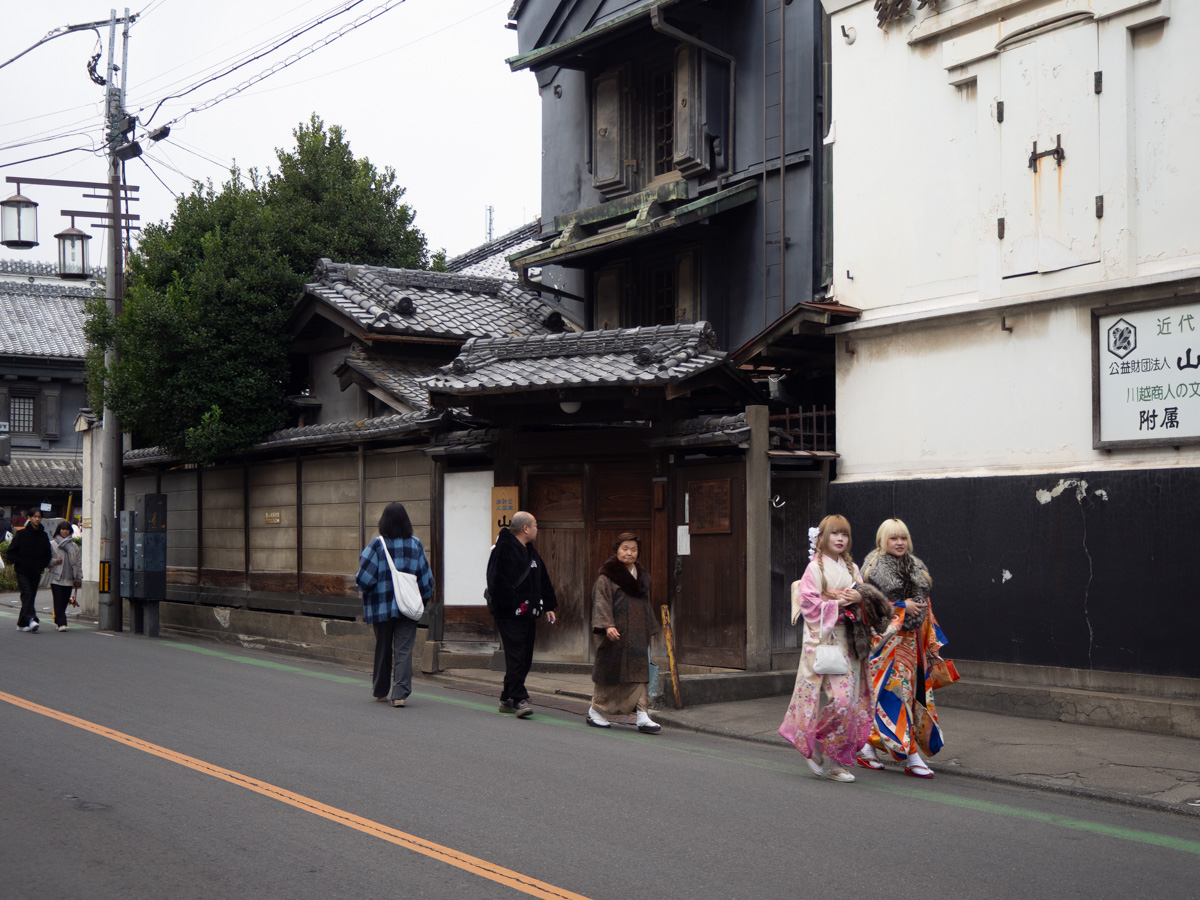
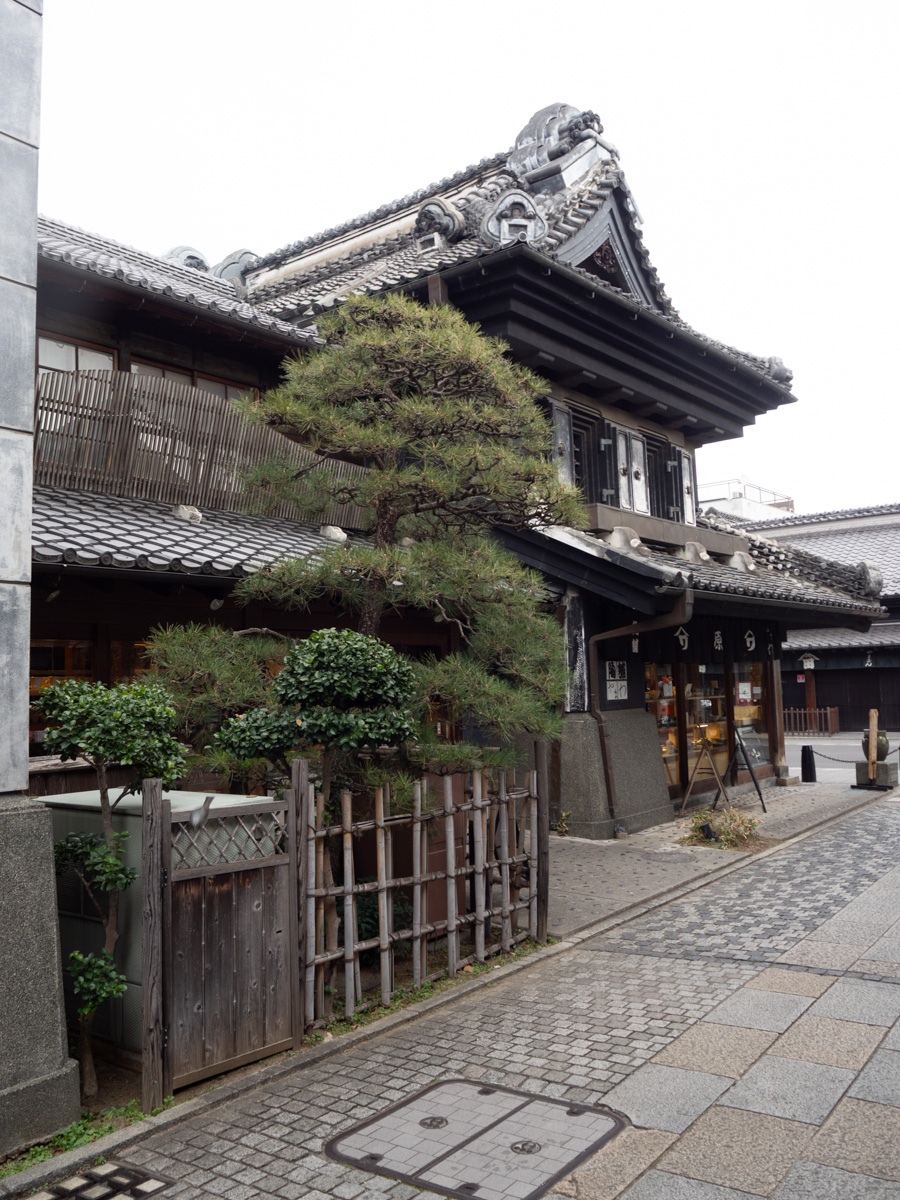
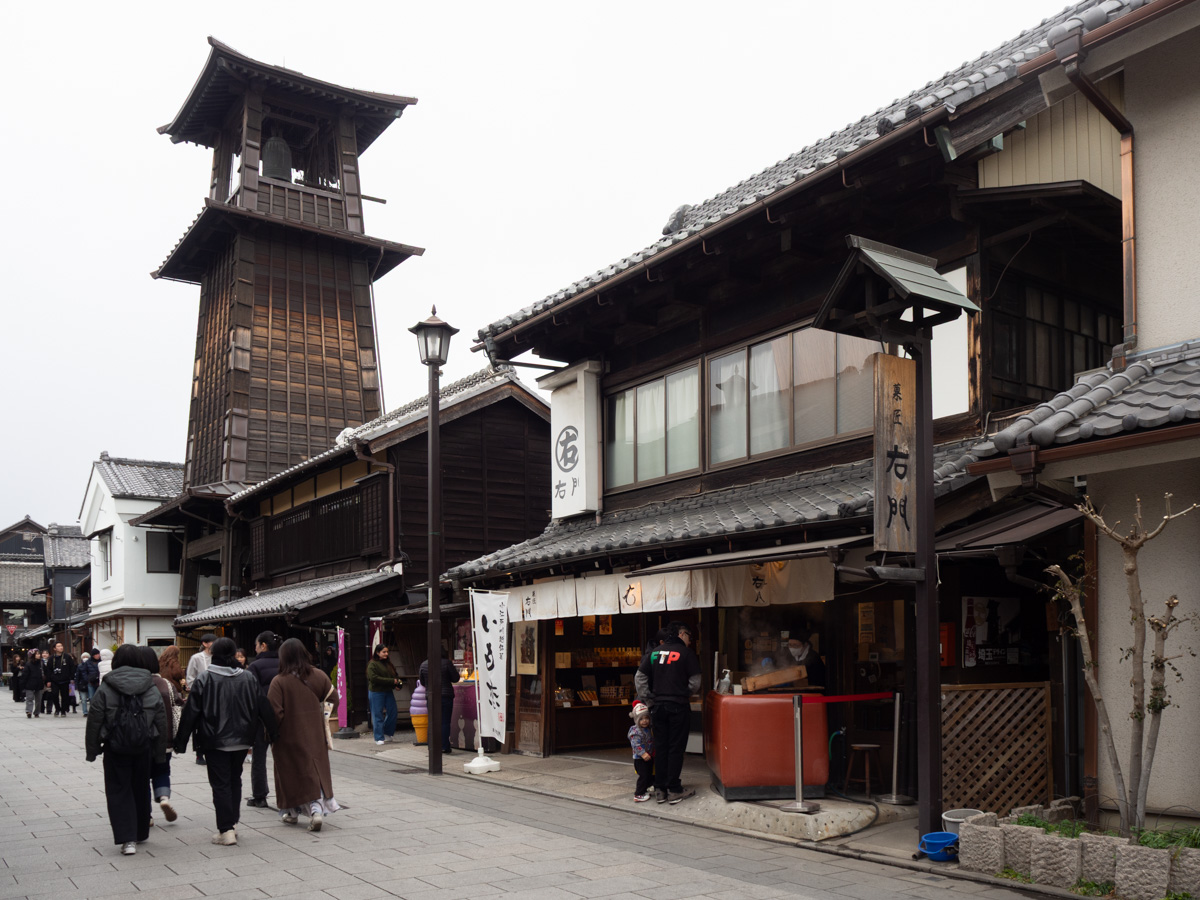
We made a day trip to Kawagoe, a small town near Tokyo that is known for still having entire streets with Edo-era architecture. There are some European-style buildings, but most look very Japanese to my tourist’s eyes: small two-storey buildings in dark wood, with traditional roofs and sliding doors.

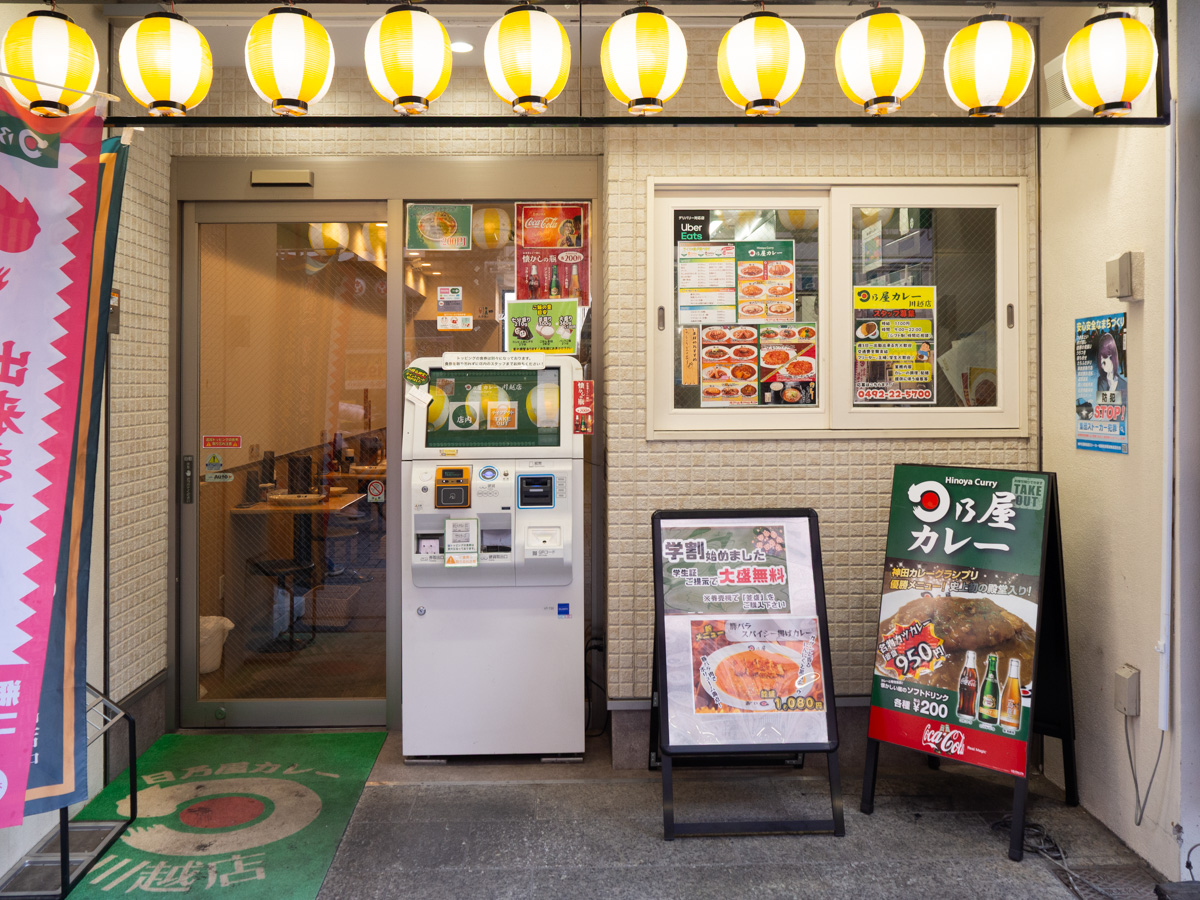
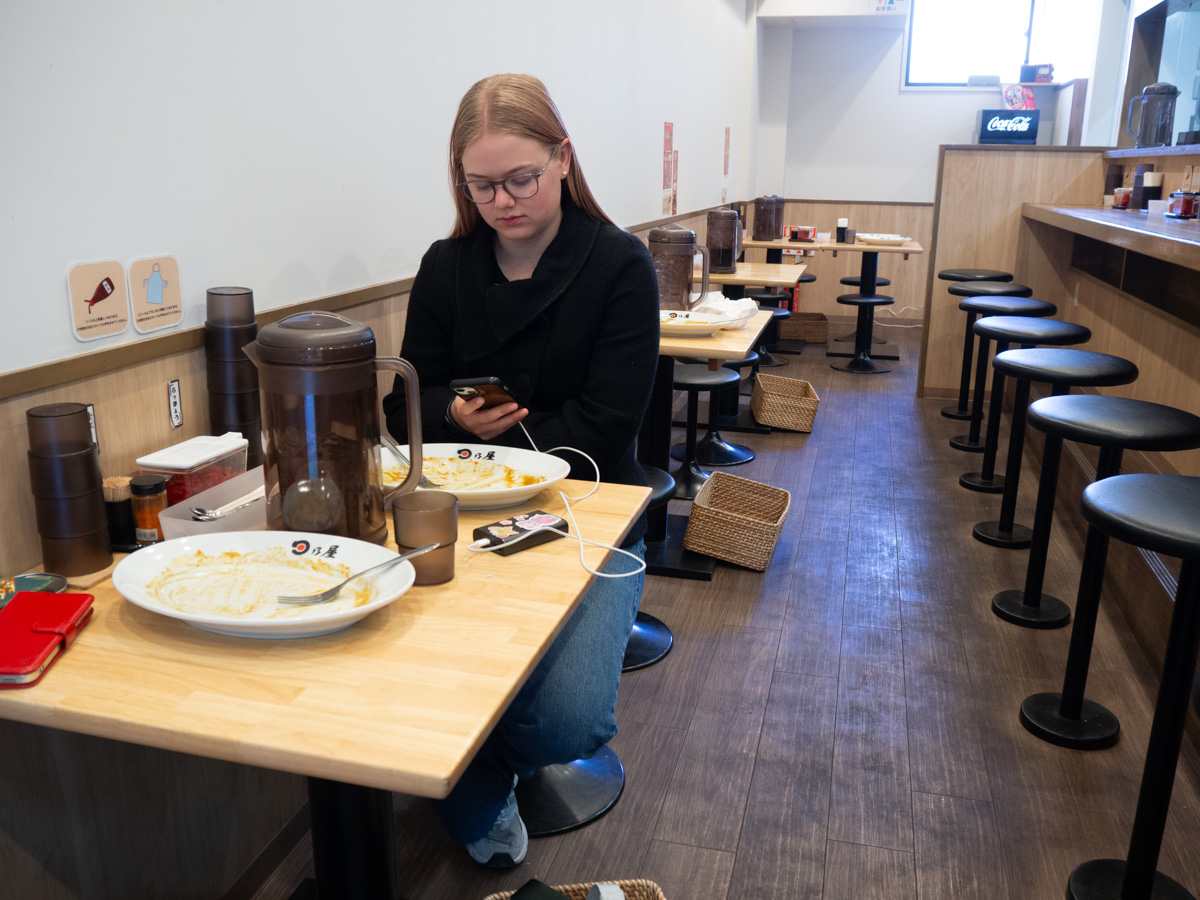
First, though, it was lunchtime. We’ve had noodles of a few kinds, we’ve had sushi; now it was time for Japanese curry. With the help of online reviews we picked a curry shop that, again, looked like nothing but served good food for cheap. The restaurant had a single member of staff doing everything, which basically consisted of ladling up rice, pre-made curry sauce, and your chosen toppings. Which you ordered and paid for in an automat out front. Another great meal at another hole in the wall.


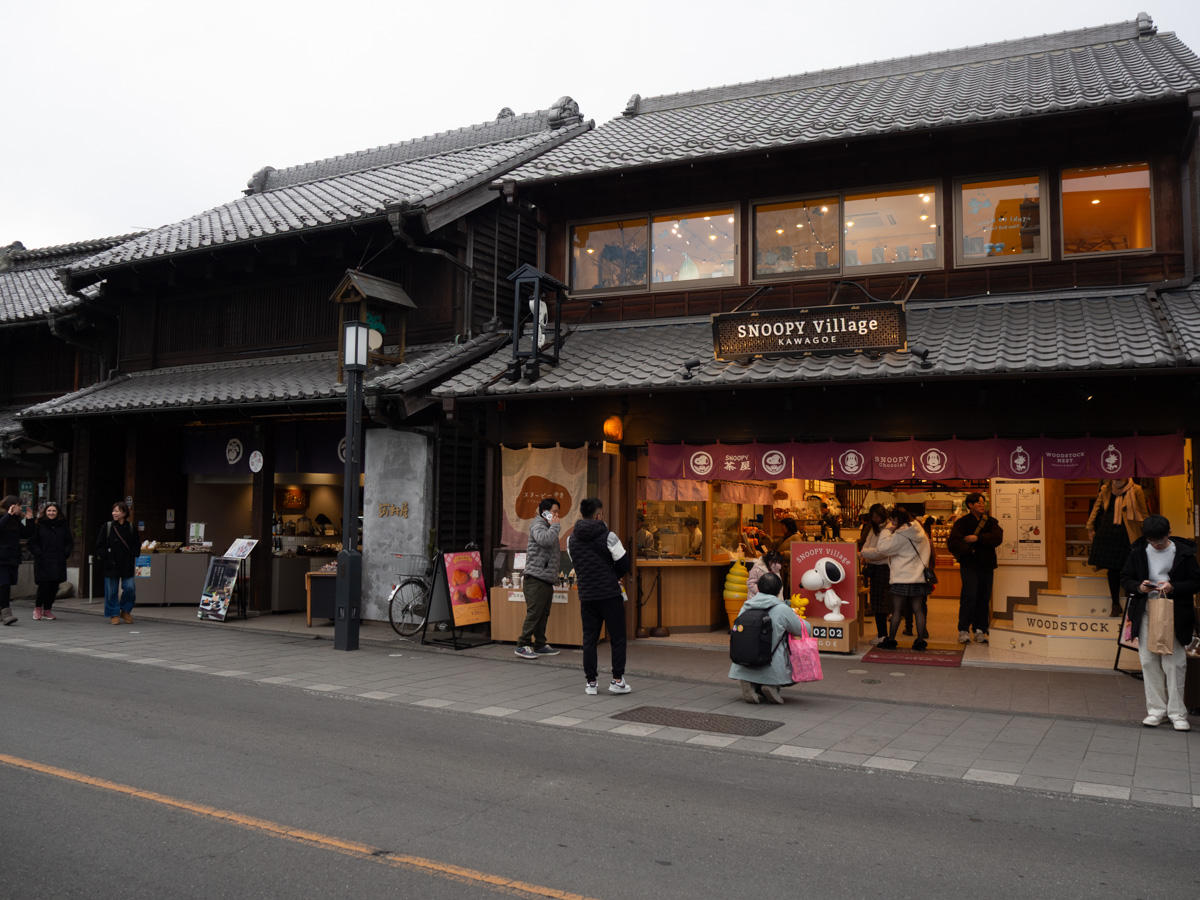
The main street in the old style was lined with small shops, mostly catering for tourists. Snacks, Japanese crafts, cute things.

Japanese tourists, especially young girls, sometimes dress up in kimonos for their outings. There are kimono rental shops in all popular touristy areas. You can rent a whole outfit – kimono, all the layers underneath it, obi, sandals, toe socks, handbag. The fabrics and decorations used tend towards the frilly and shiny.

Just because the street looks old, doesn’t mean that the contents of the shops are traditional. There were plenty of shops focusing on Snoopy, Ghibli, and other popular entertainment brands.

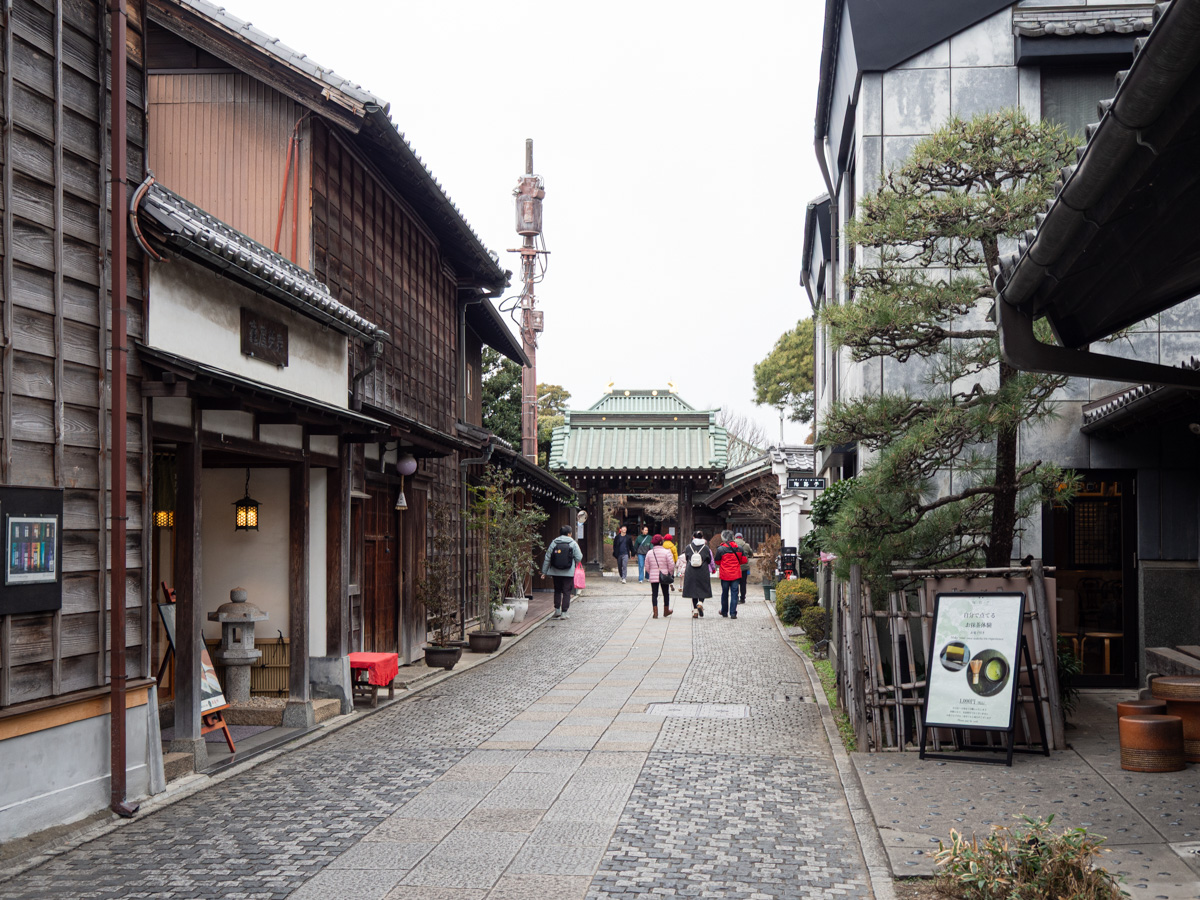
The side alleys were as interesting as the main street.


The bell tower was originally built in the 17th century. As with many historical buildings in Japan, the current physical embodiment of it is newer, rebuilt in the late 19th century after a fire. The same goes for all the wooden temples we’ve visited – just because the temple is described as being this many centuries old, doesn’t mean that the current physical structure has stood there constantly all that time. They’re rebuilt from time to time.

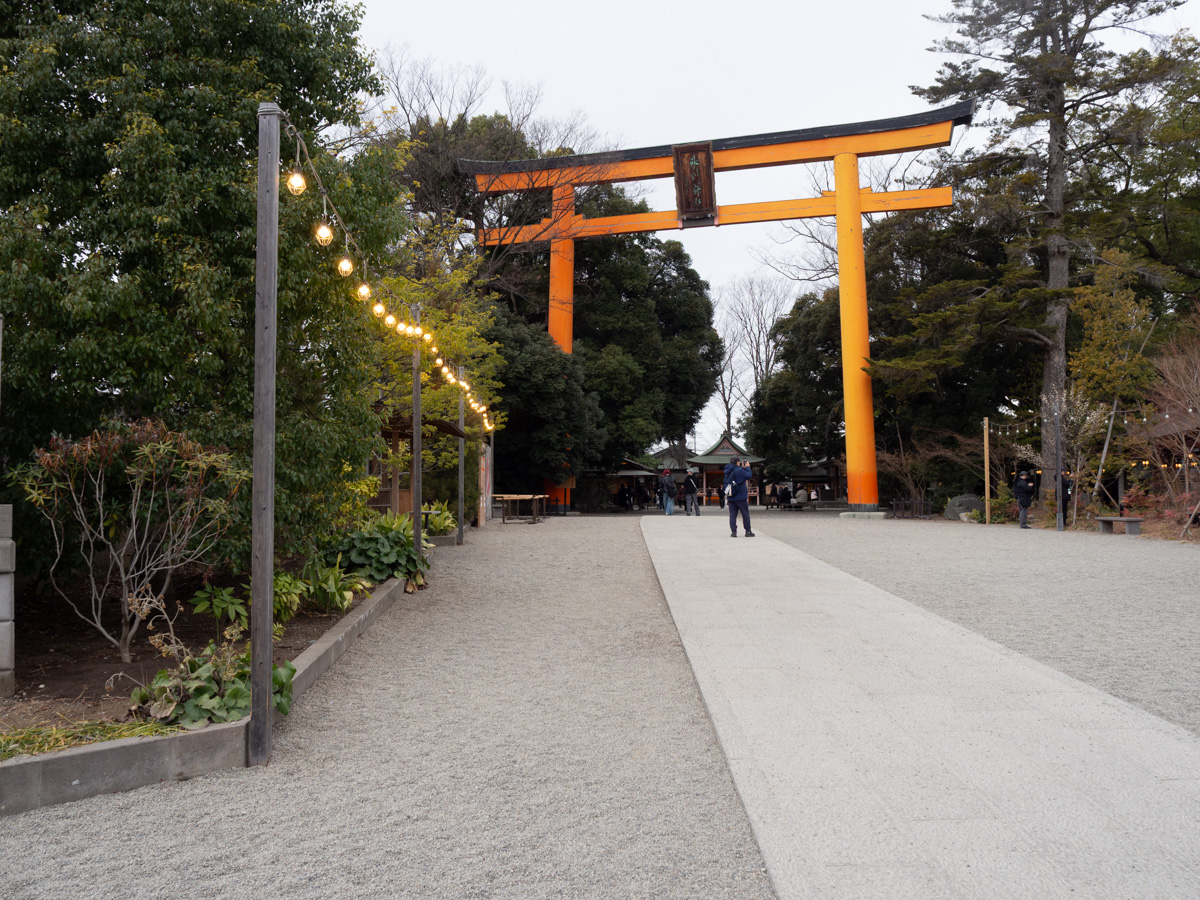
No day in Japan is complete without a visit to a temple or a shrine. Kawagoe Hikawa shrine was very picturesque. The torii gate is apparently one of the tallest in Japan.

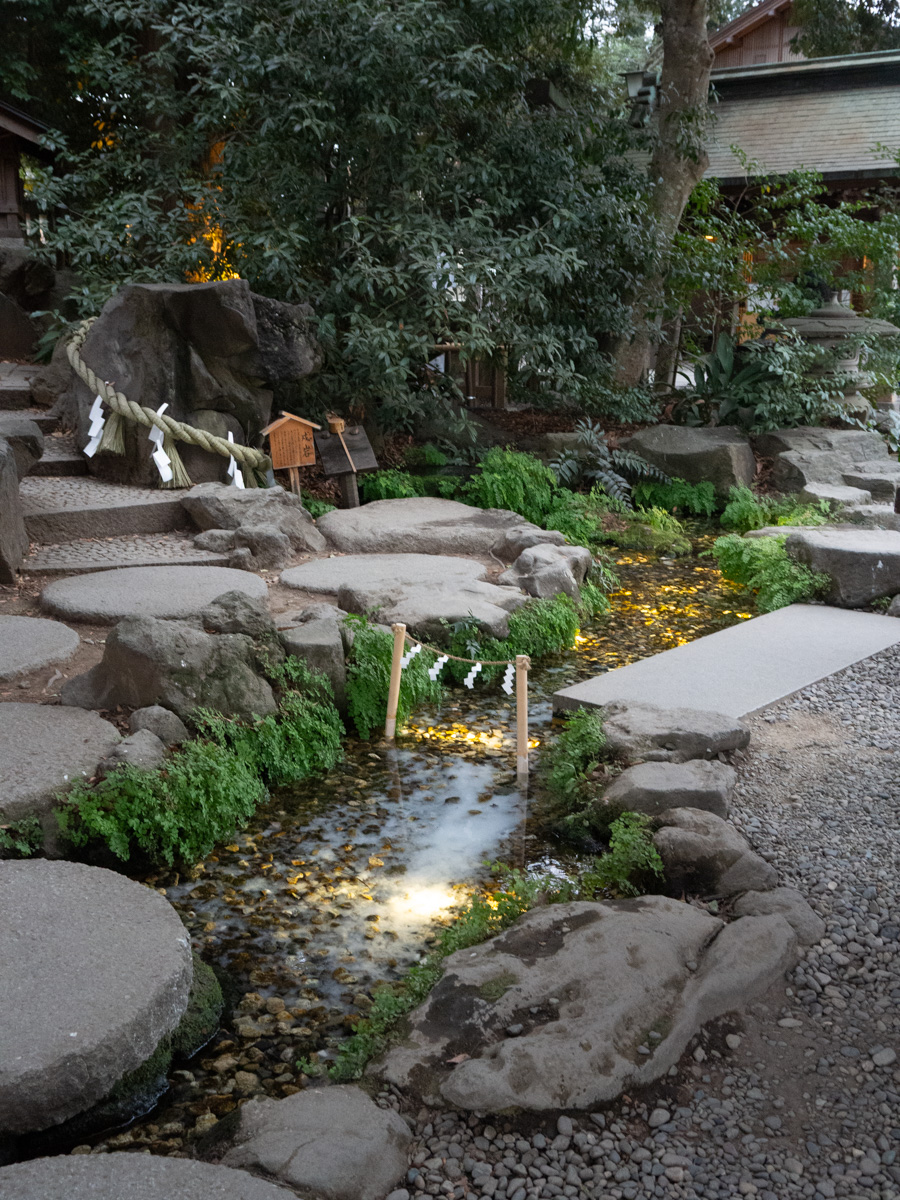
A small stream seemed to be used for dissolving prayers written on special paper.

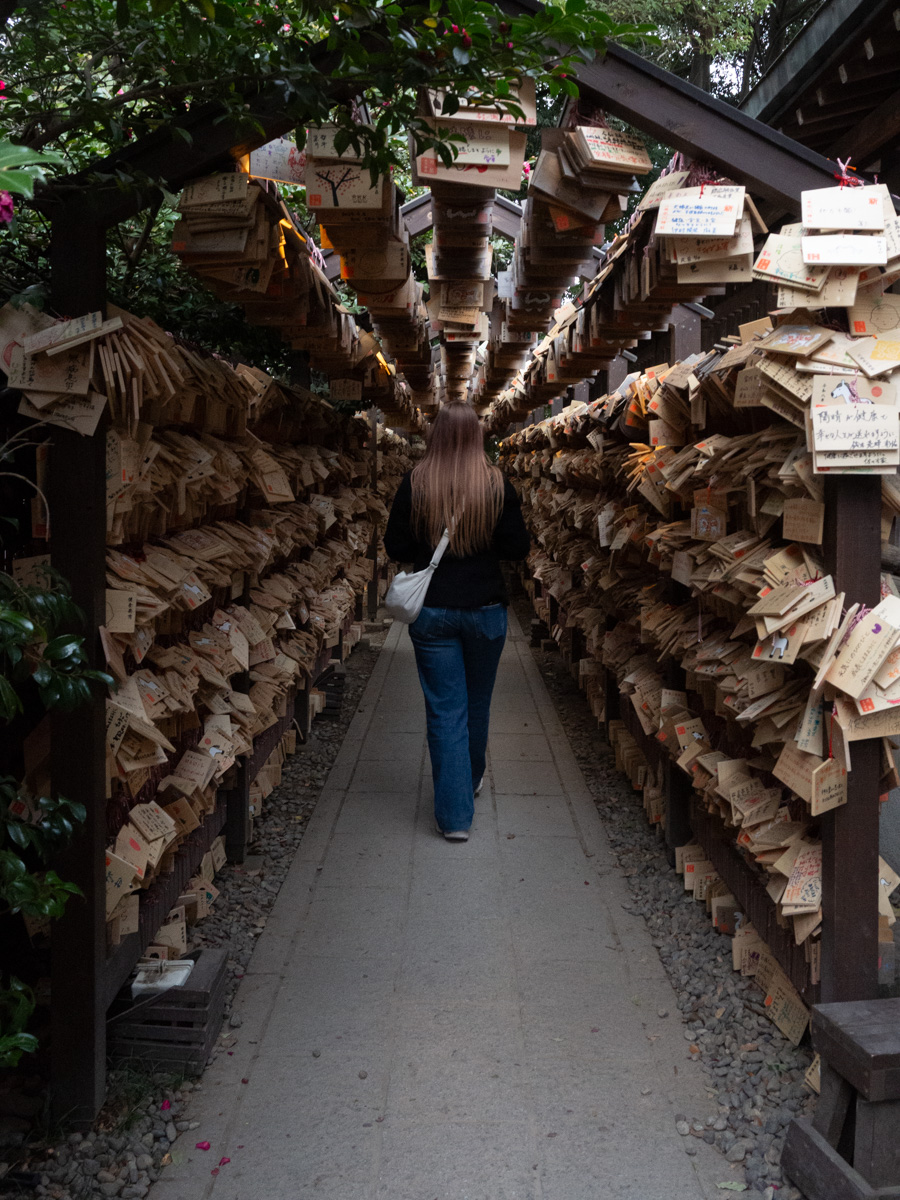
A tunnel of wooden prayer plaques.

Kawagoe Castle, on the other hand, was a total disappointment. There is basically no castle to be seen, just grassy mounds where the castle walls once stood.

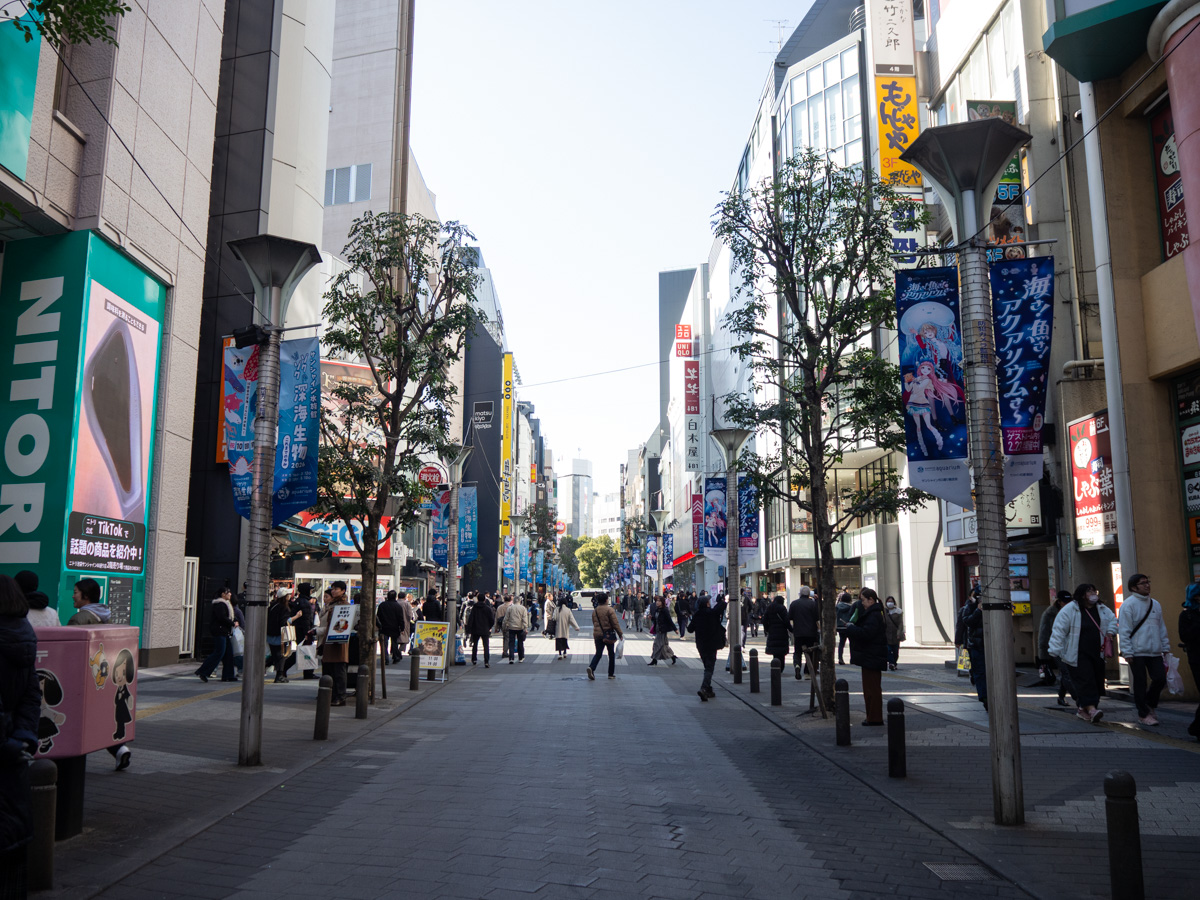
Our rental apartment is in Ikebukuro district, but we’ve barely seen any of it, apart from the routes to the two nearest metro stations.

We’ve got a trip planned outside of Tokyo for later today, but in the morning we walked around a bit in Ikebukuro.

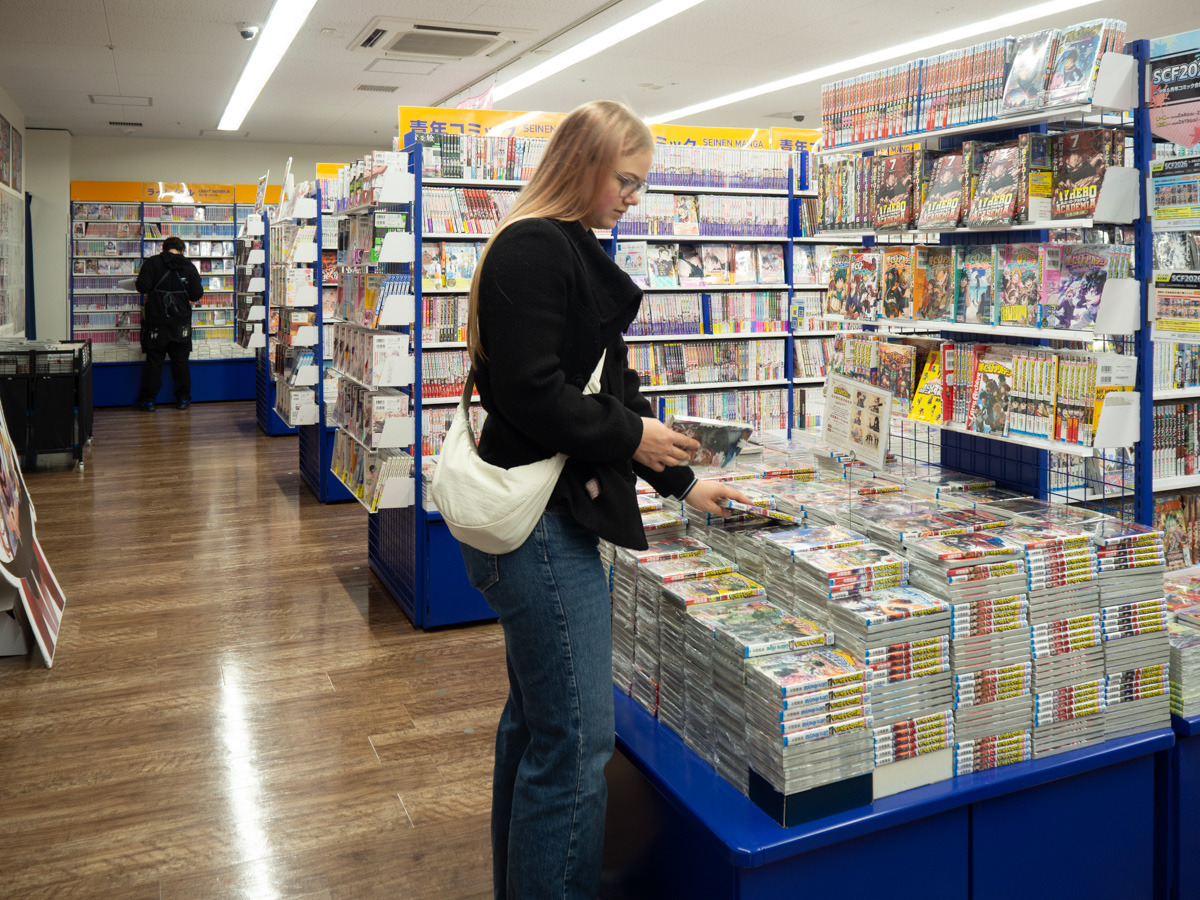
Ingrid visited Animate, a 7-storey manga superstore. I tried my best to occupy myself while waiting for her, but it became very boring fast.

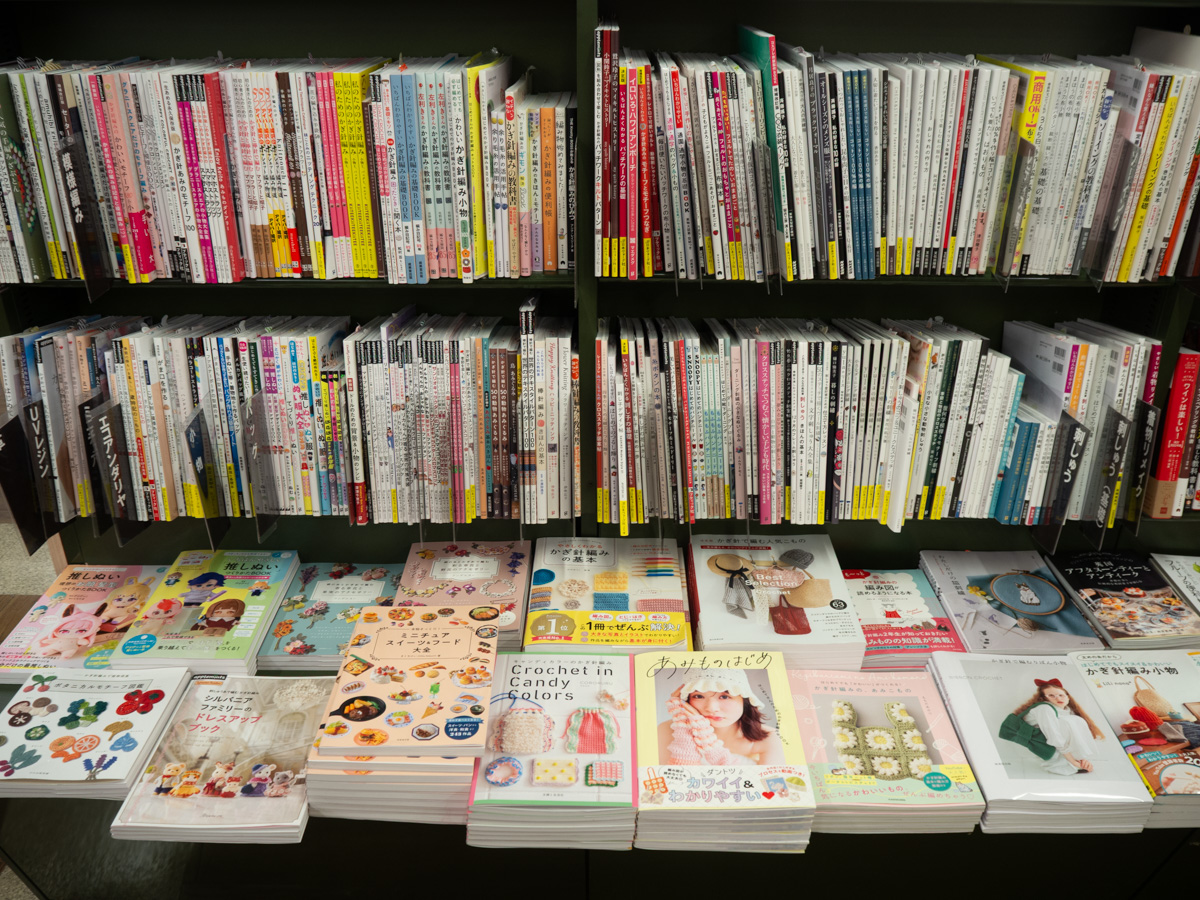
I browsed a bookstore. I was hoping that they might have something interesting in the knitting section. Japanese knitting books are quite different from Swedish ones. In Sweden, there are books like “Knit 20 sweaters” or “Knit for the home” or “Everything about socks and mittens”. Japanese knitting books were more based on vibes. “Here’s some cute stuff” – which could range from knitted sweaters to crochet flowers in the same book. If they want to knit a sweater, do they go through dozens of books to find a pattern?

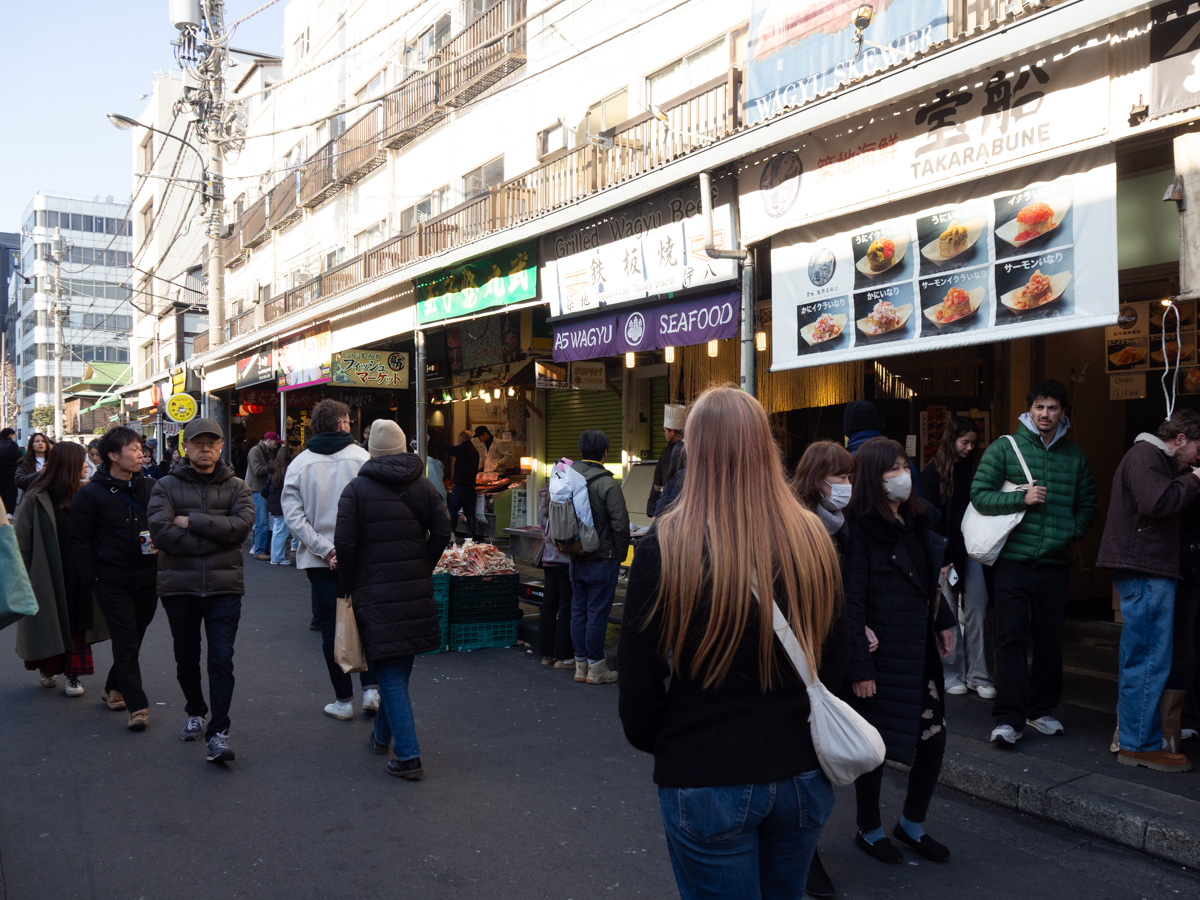
After the museum, we visited Tsukuji market, which is what’s left of the old fish market. I was expecting lively alleys, full of food stalls and restaurants, teeming with people. It was… not that. It felt rather dead. Maybe we came at the wrong time of day?

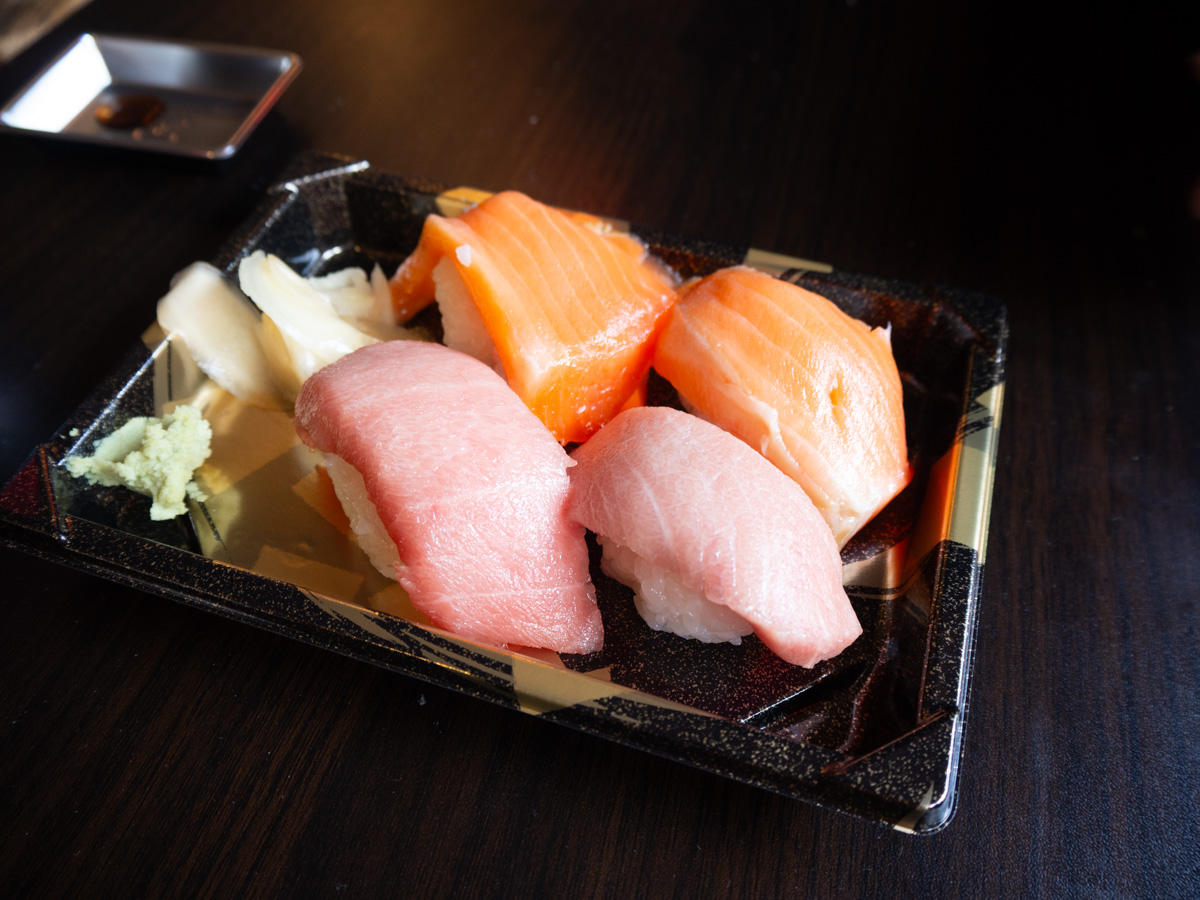
Since we were here, and hungry, we splurged on four pieces of fancy sushi. Generally there wasn’t much here that tempted us so I bought a simple cheese skewer to take the edge off my hunger, and we went elsewhere.

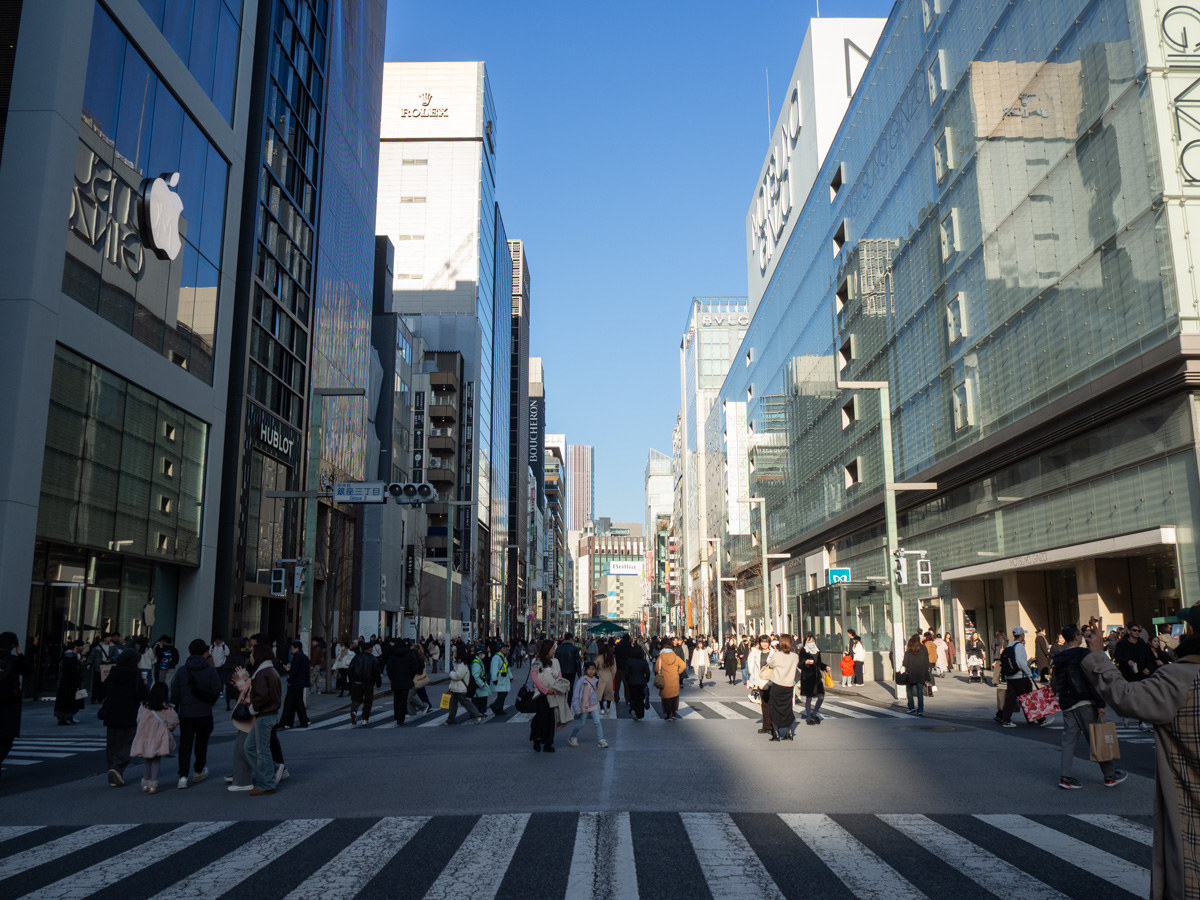
In Ginza, one of the main thoroughfares was closed for traffic. It felt like some kind of traffic apocalypse had disintegrated all the cars but left all the people.

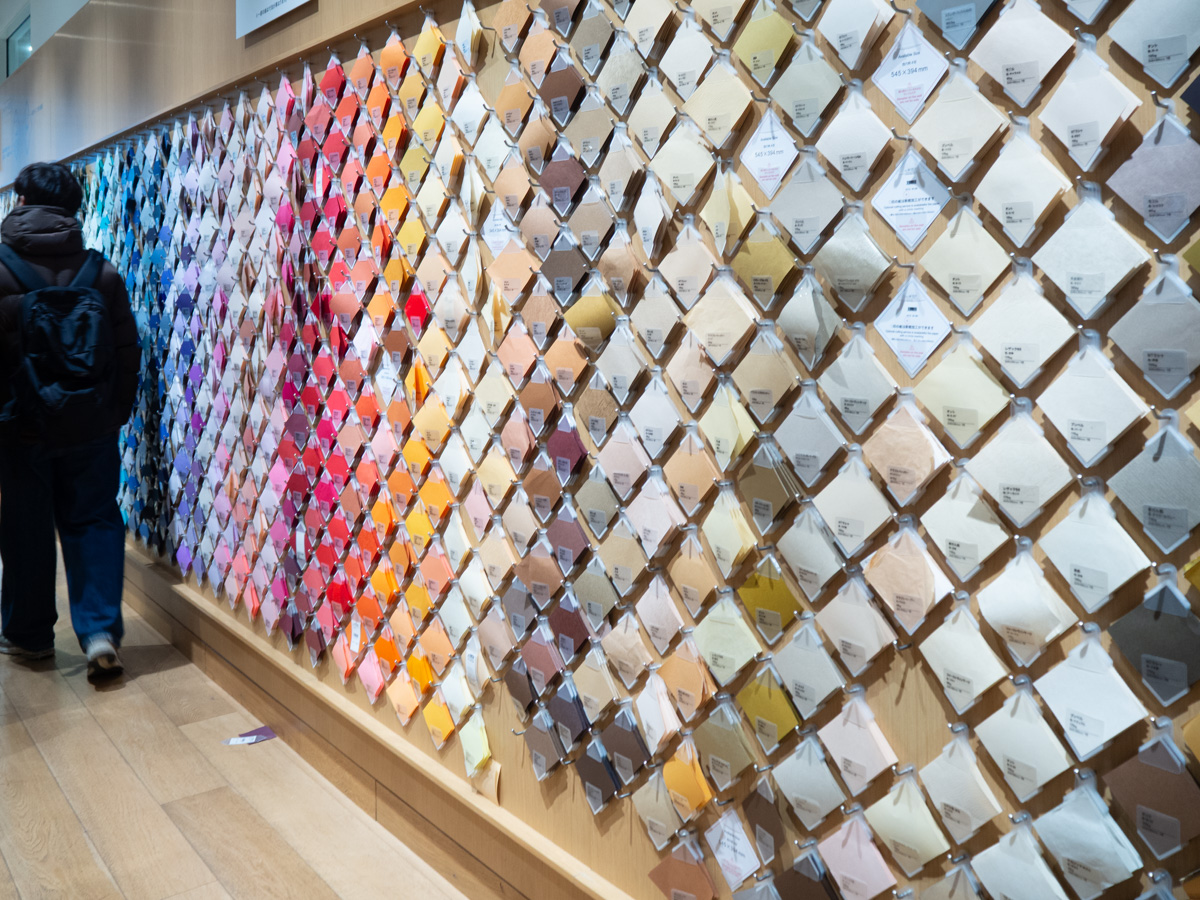
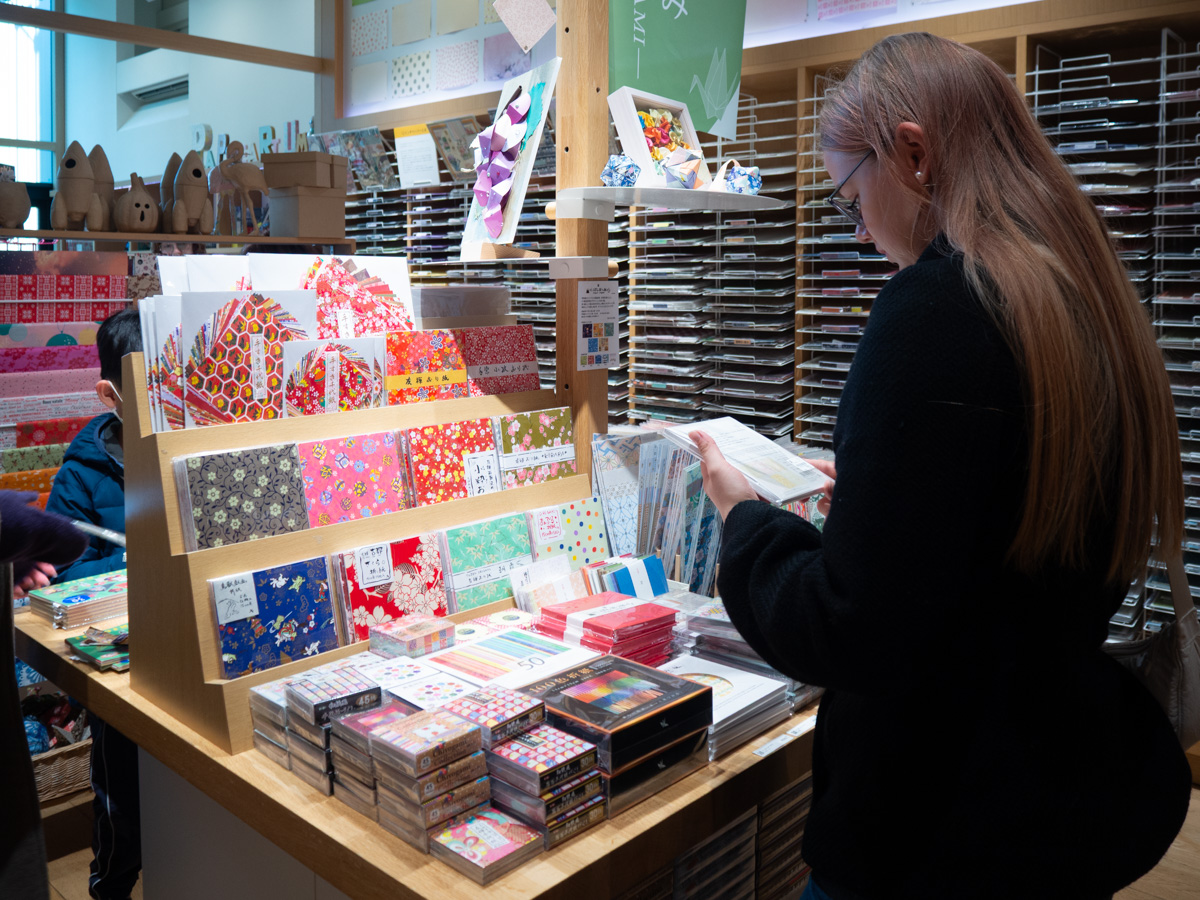
We browsed the Itoya stationary store. I am jealous of Japanese people who have access to so many fine paper products. Origami paper, wrapping paper, note-taking paper, cards, pretty cardboard boxes…


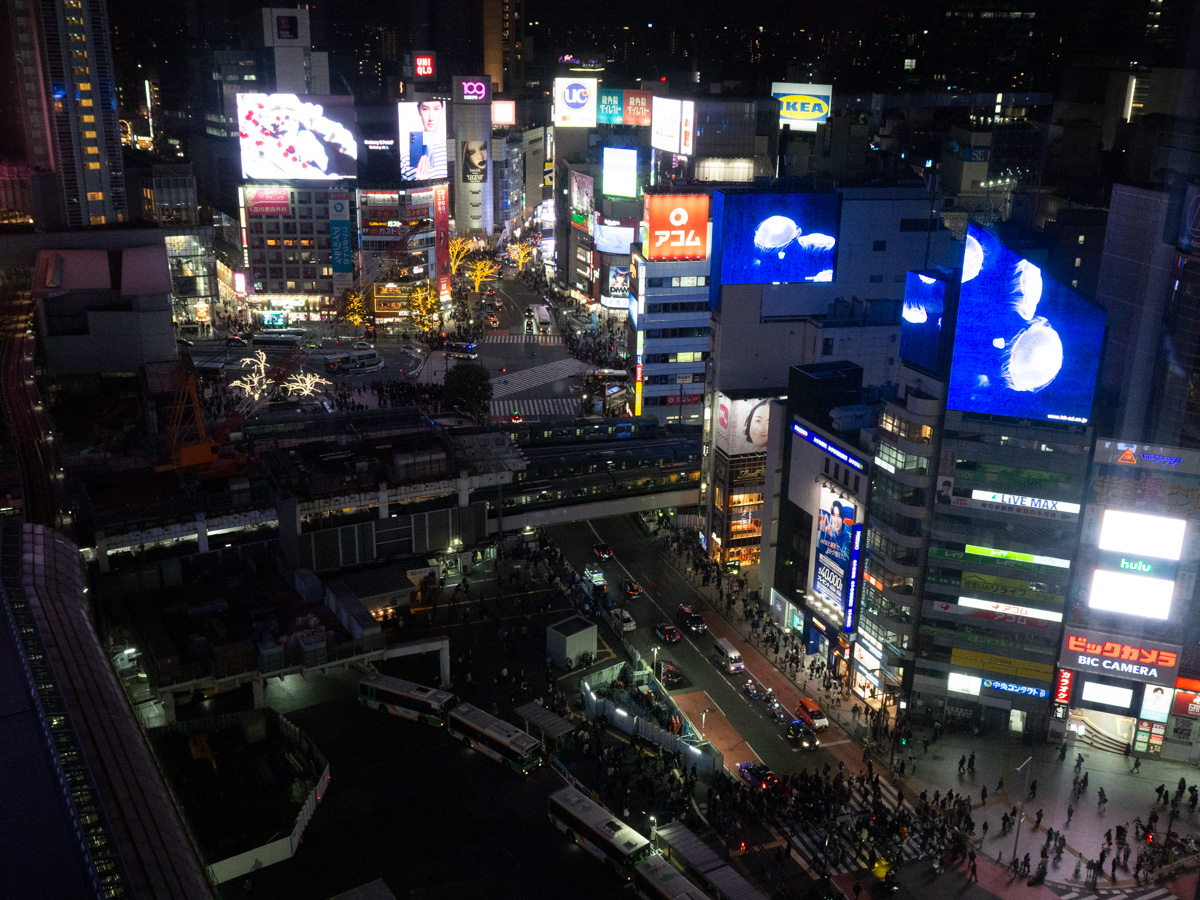
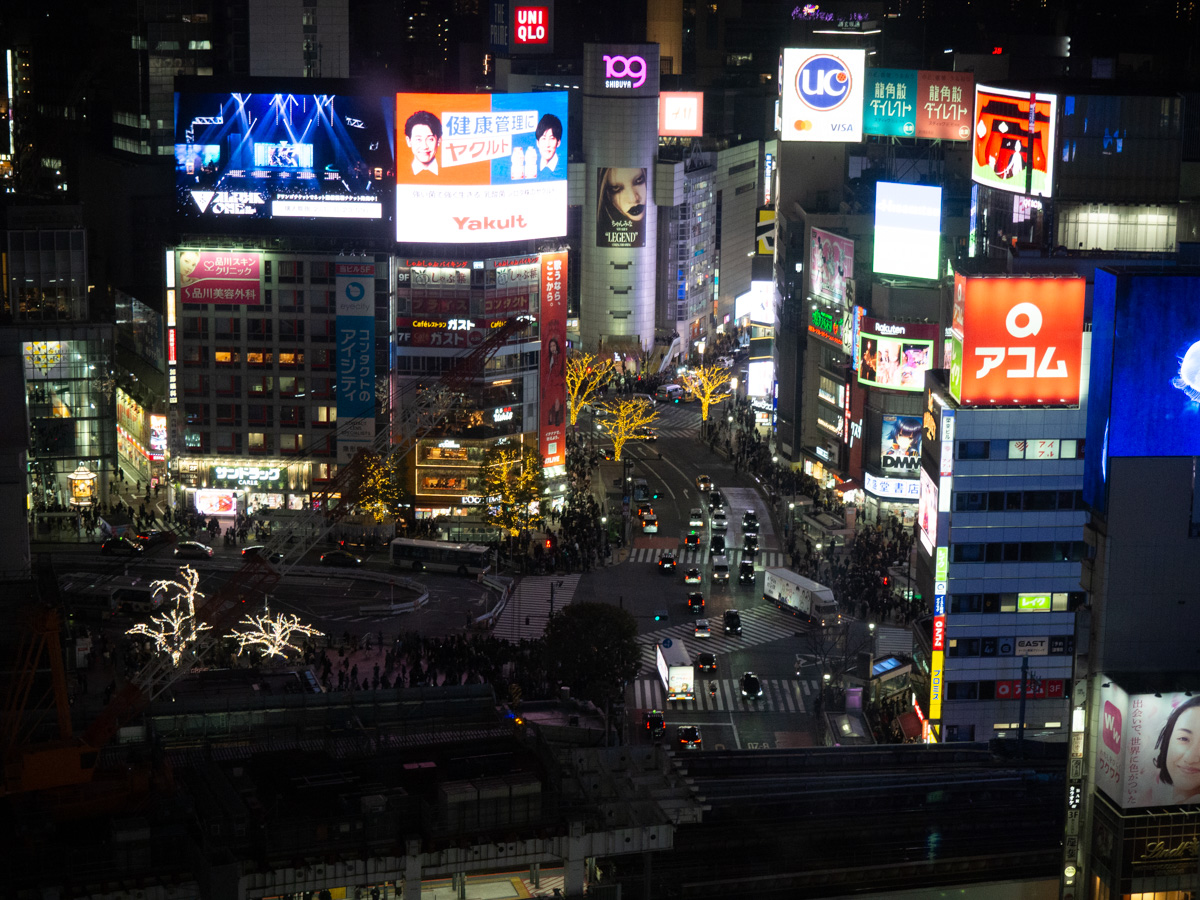
When it was dark, we went to Shibuya sky lounge to take photos of the photogenic street scene there. There is less traffic in Tokyo than I had expected, but a lot of people. Everybody is very obedient when it comes to traffic rules, traffic signals and street crossings. Traffic signals prioritize pedestrians. At the major street crossings, when the lights go green for pedestrians, they go green on all sides at the same time. People cross in all directions, including diagonally, and entire the entire crossing is like an ant hill. But a polite and organized ant hill!


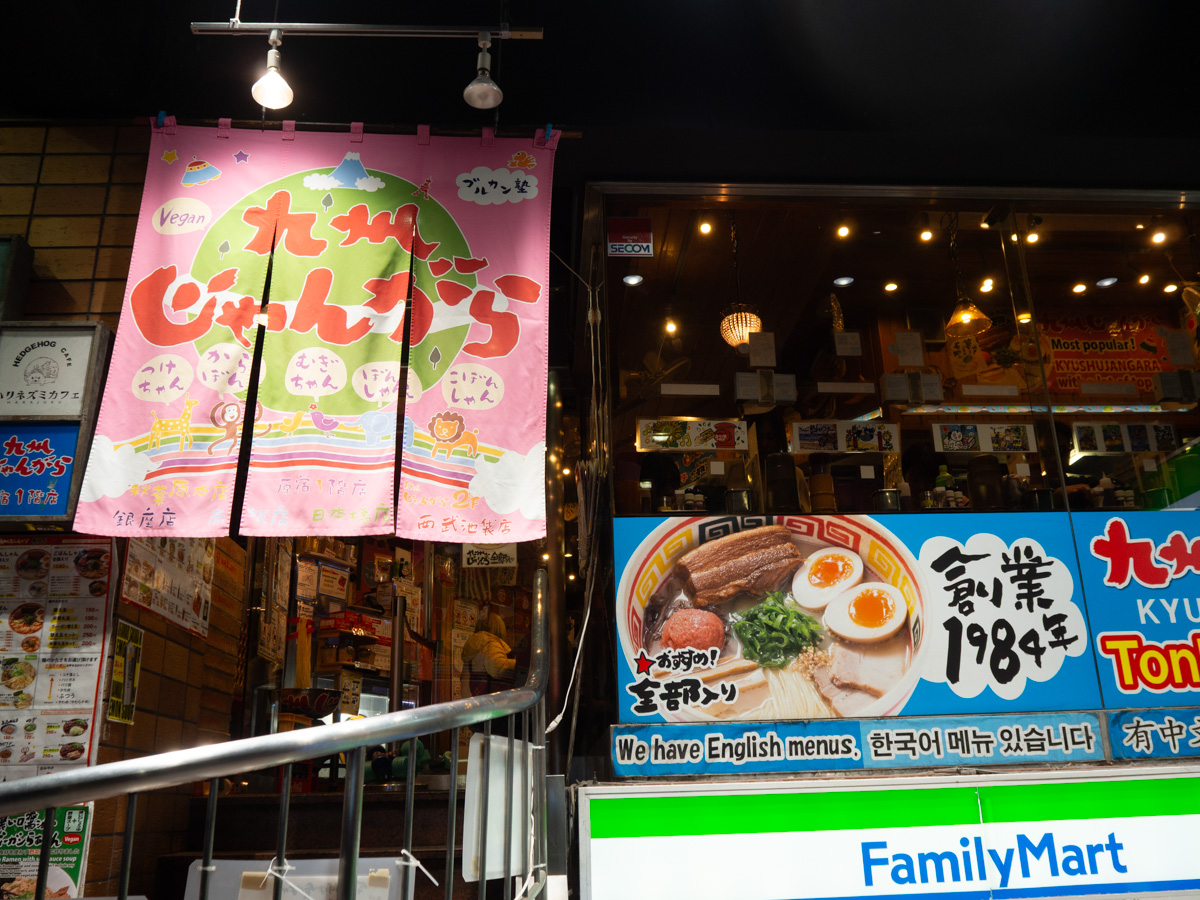
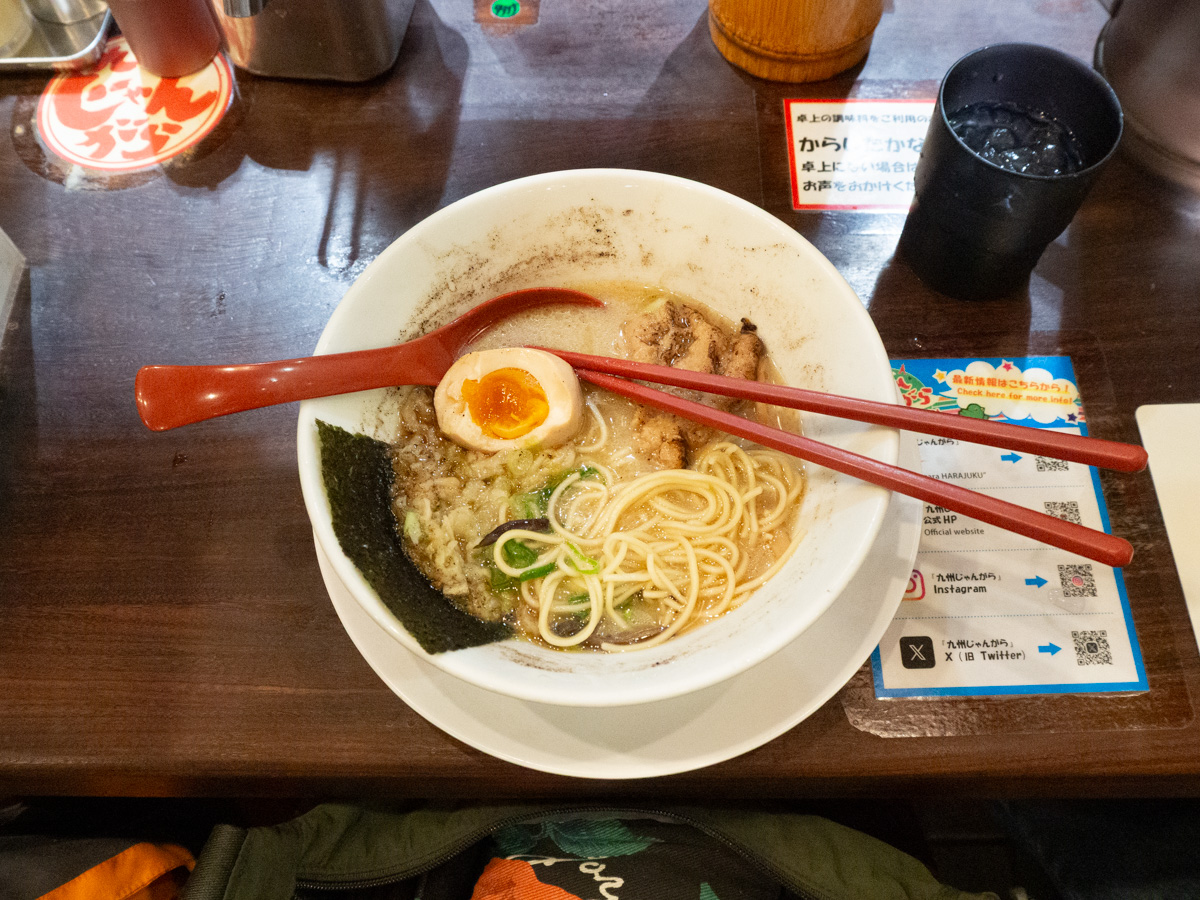
For dinner, Ingrid wished for ramen. We ate at Kyushu Jangara Ramen Harajuku, a total hole in the wall, with cheesy curtains and cheap-looking signage. Had I walked past it on the street, it would never have caught my eye. Possibly only to laugh at the cutesy creatures on the curtain. But Ingrid had done her research!

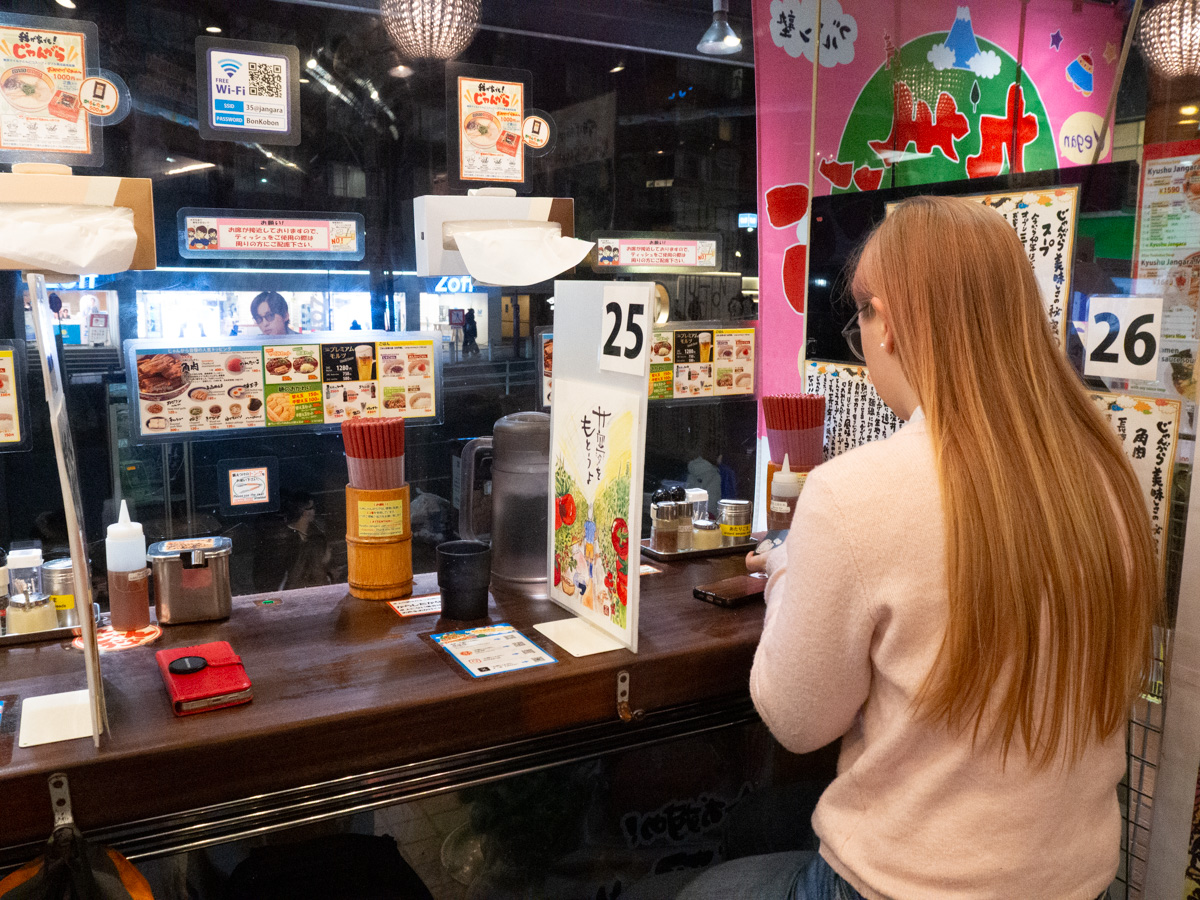
Inside it was just as cramped as a kaitenzushi place. Those dividers between seats make it possible to cram in more people than you otherwise could. Cosiness factor: zero.

The food was excellent, though. Flavourful broth, topped with noodles and vegetables and one of those lovely marinated eggs, as well as other strange things that I couldn’t even identify. They had ramen with vegetarian broth, which can be tricky to find – it tends to be pork-based. Ingrid said that her pork ramen was even better than my vegetarian one.

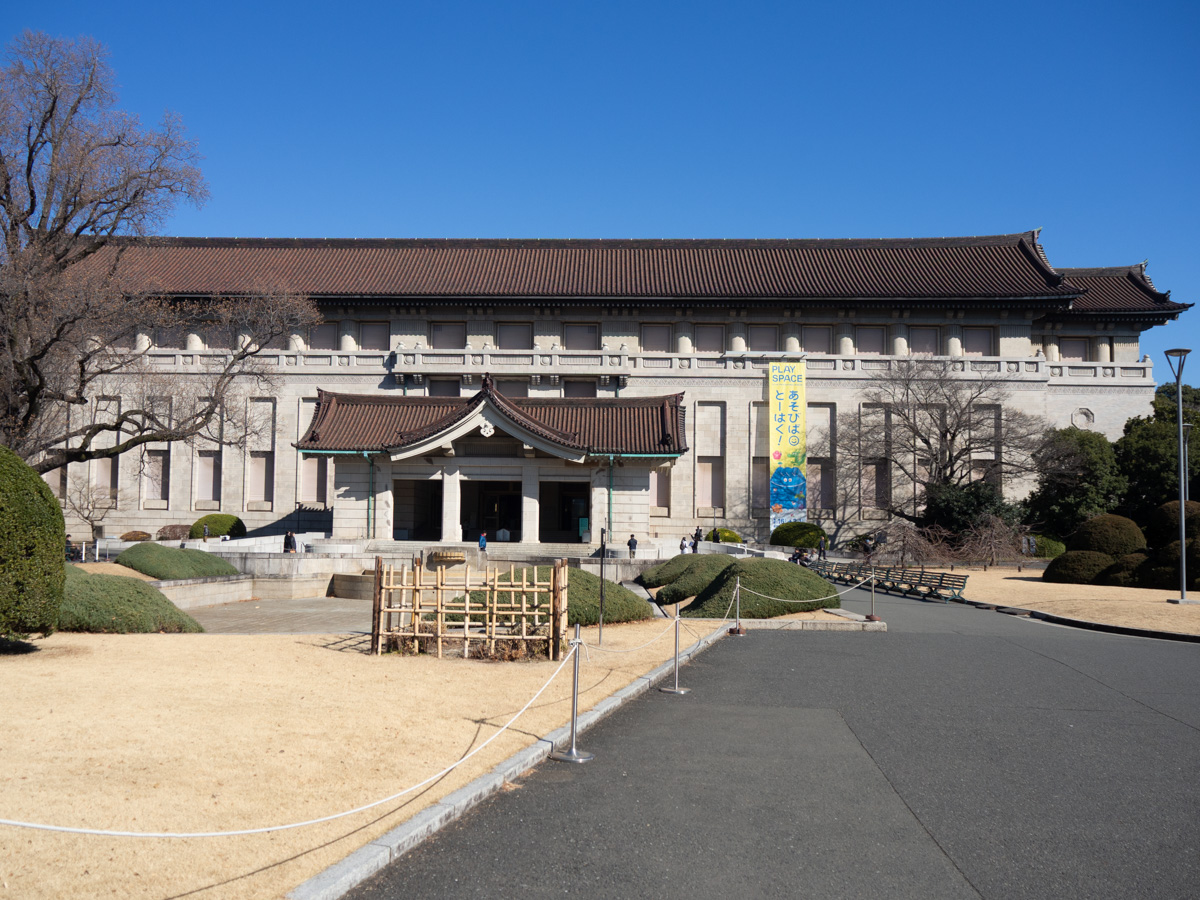
Tokyo National Museum in Ueno Park. Art and historical objects from Japan and other parts of Asia. We focused on Honkan, the main building with Japanese artefacts.

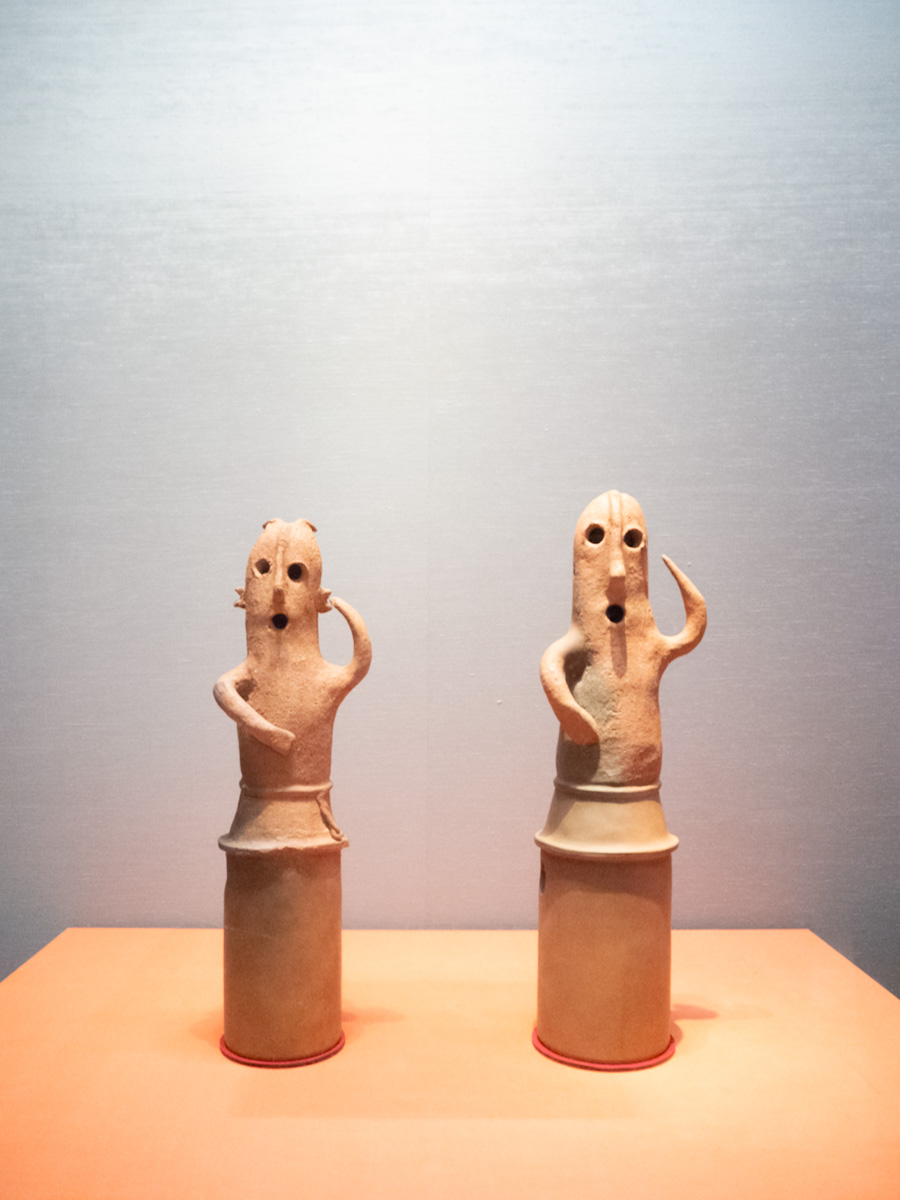
These two sculptures of dancing figures from the 6th century were the oldest items I saw. They are so old that they become new again. They make me think of Modigliani. Art has gone around the full circle.

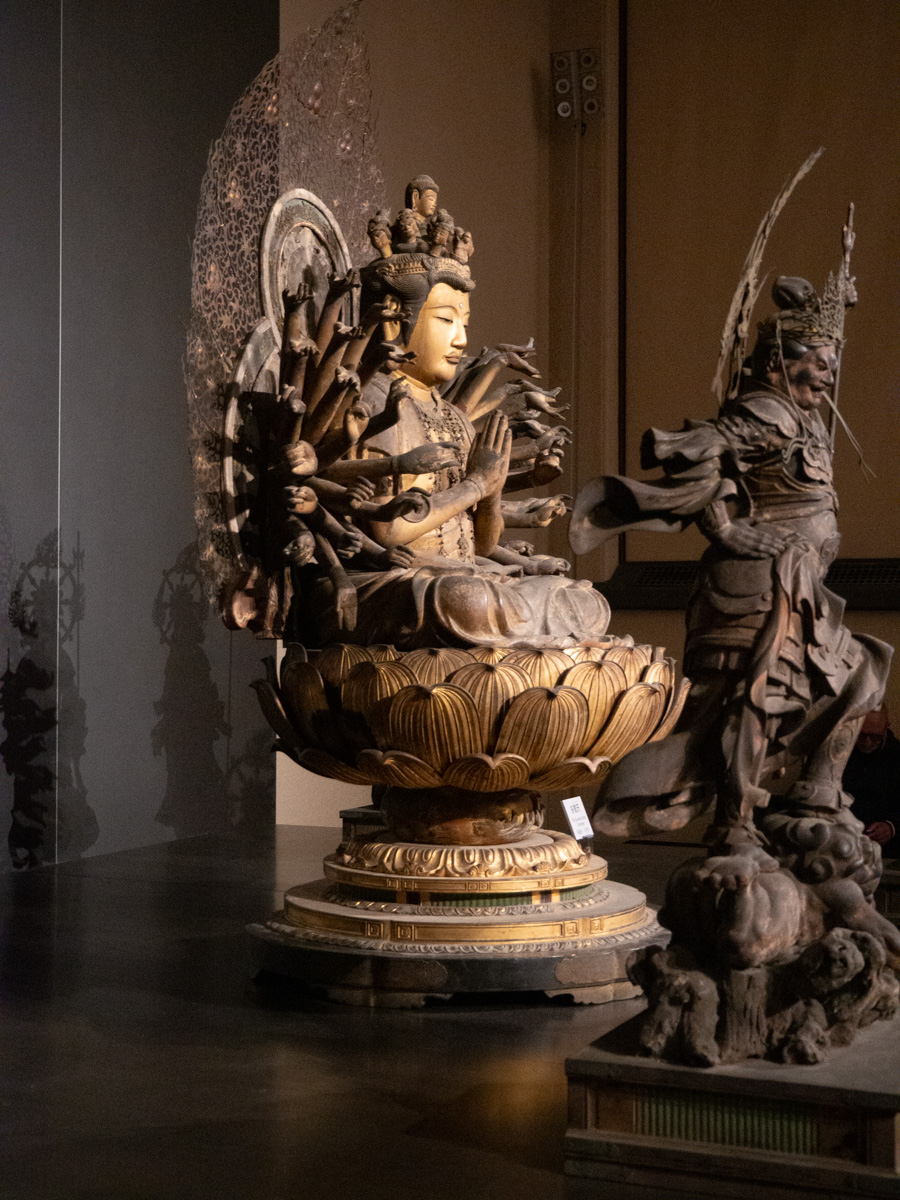
A lot of the older artwork displayed was religious in nature – Buddha statues, buddhist saints and demons. It can be technically impressive, but the highly stylized iconography, all full of symbolism, feels so impersonal.

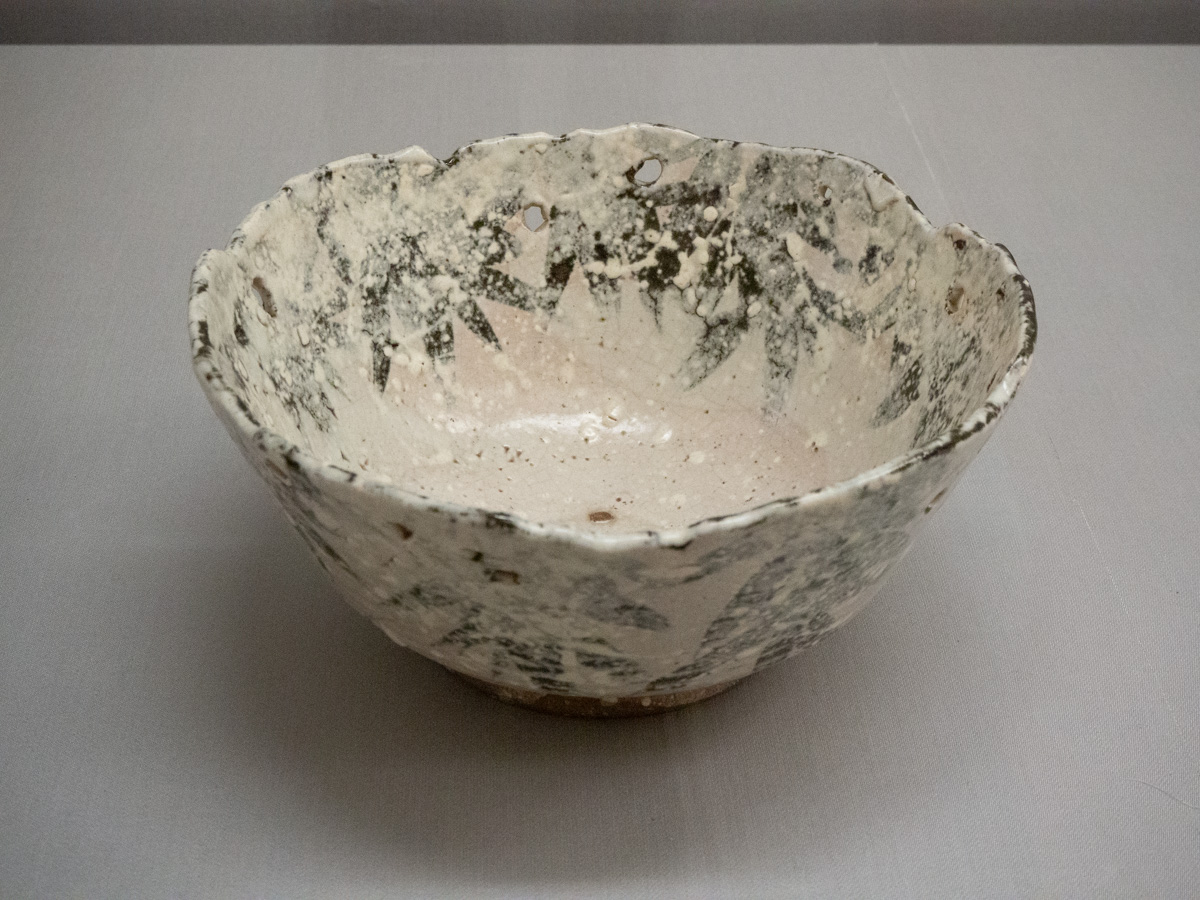
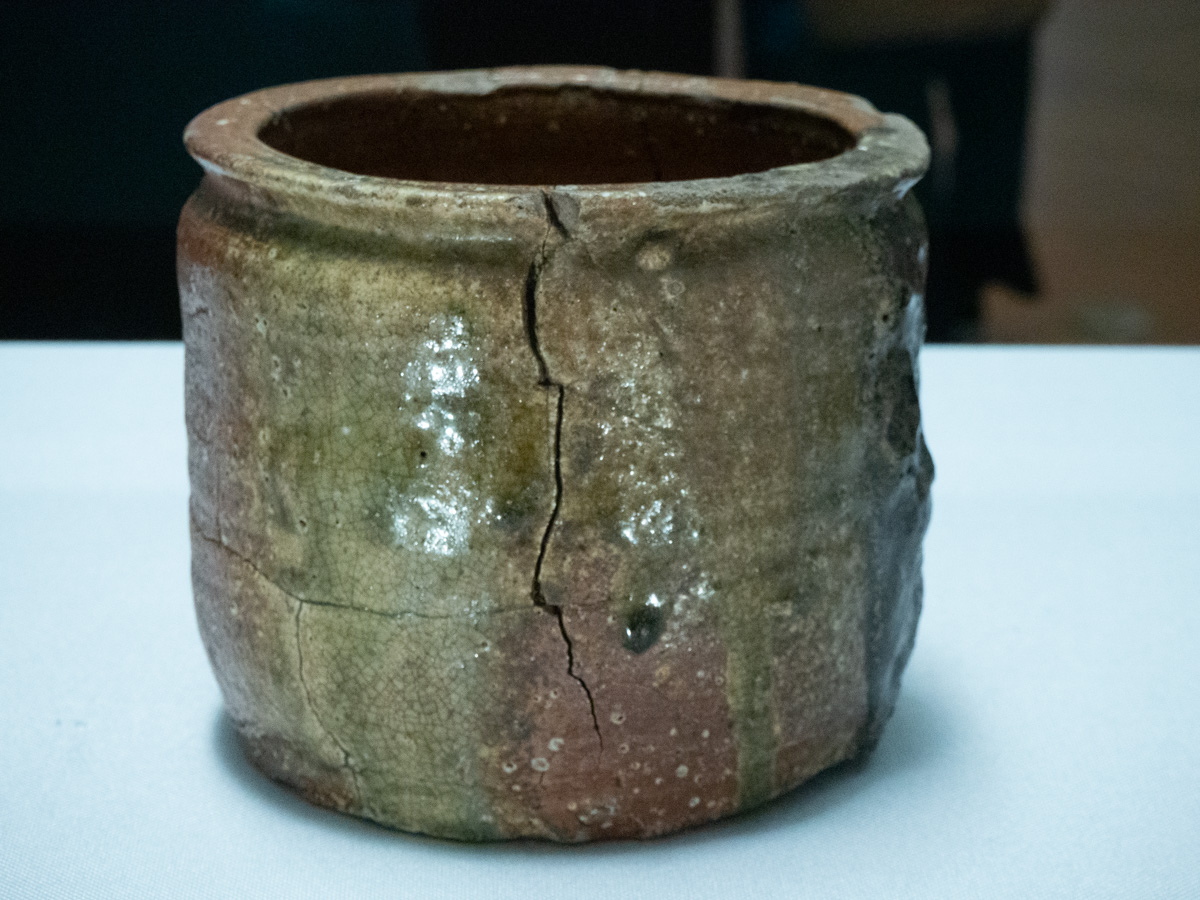
Old pottery with its wabi-sabi aesthetic was the opposite of impersonal. The maker’s hands are so present. It’s amazing that something so fragile has survived for four hundred years.

I’ve never done any pottery, but these pieces make me want to try it myself.

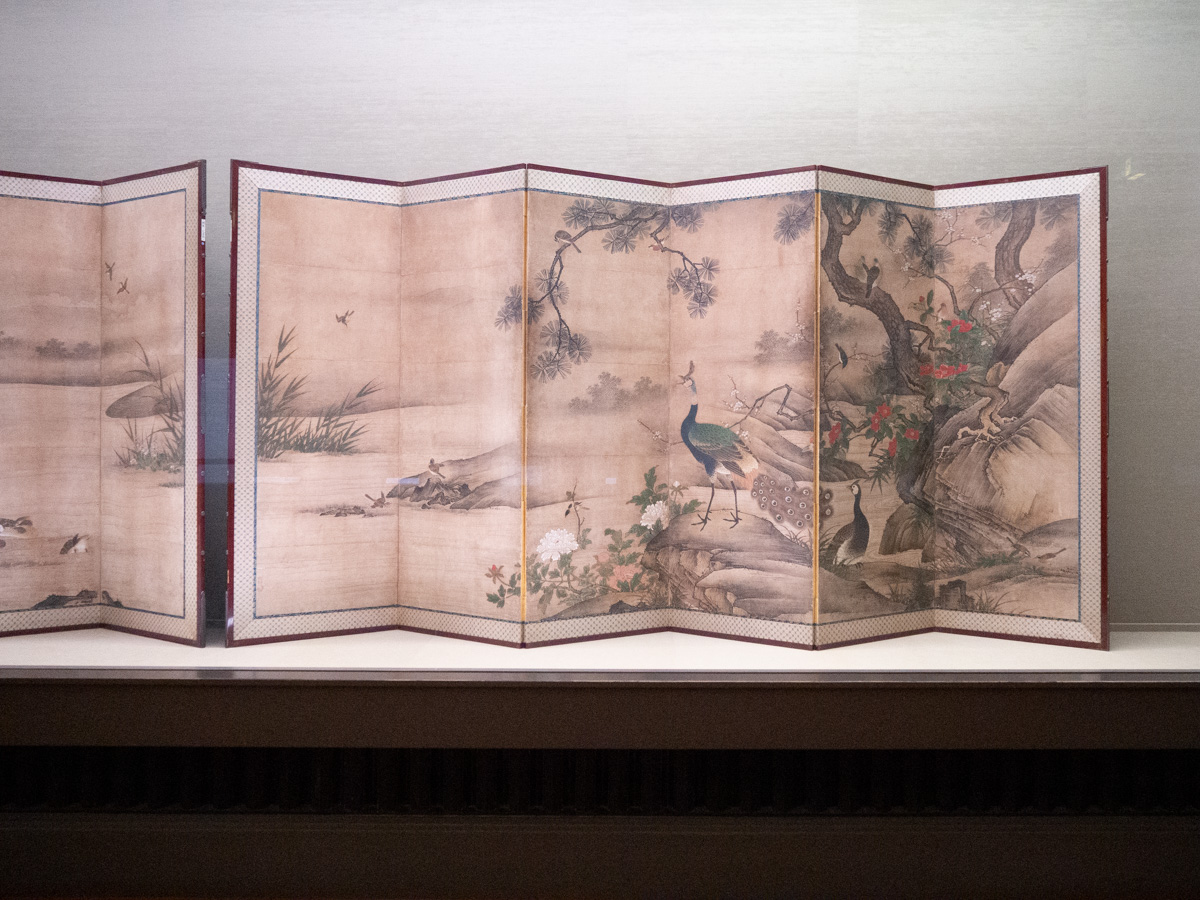
With this painted folding screen, we’re back to refined symbolism again.

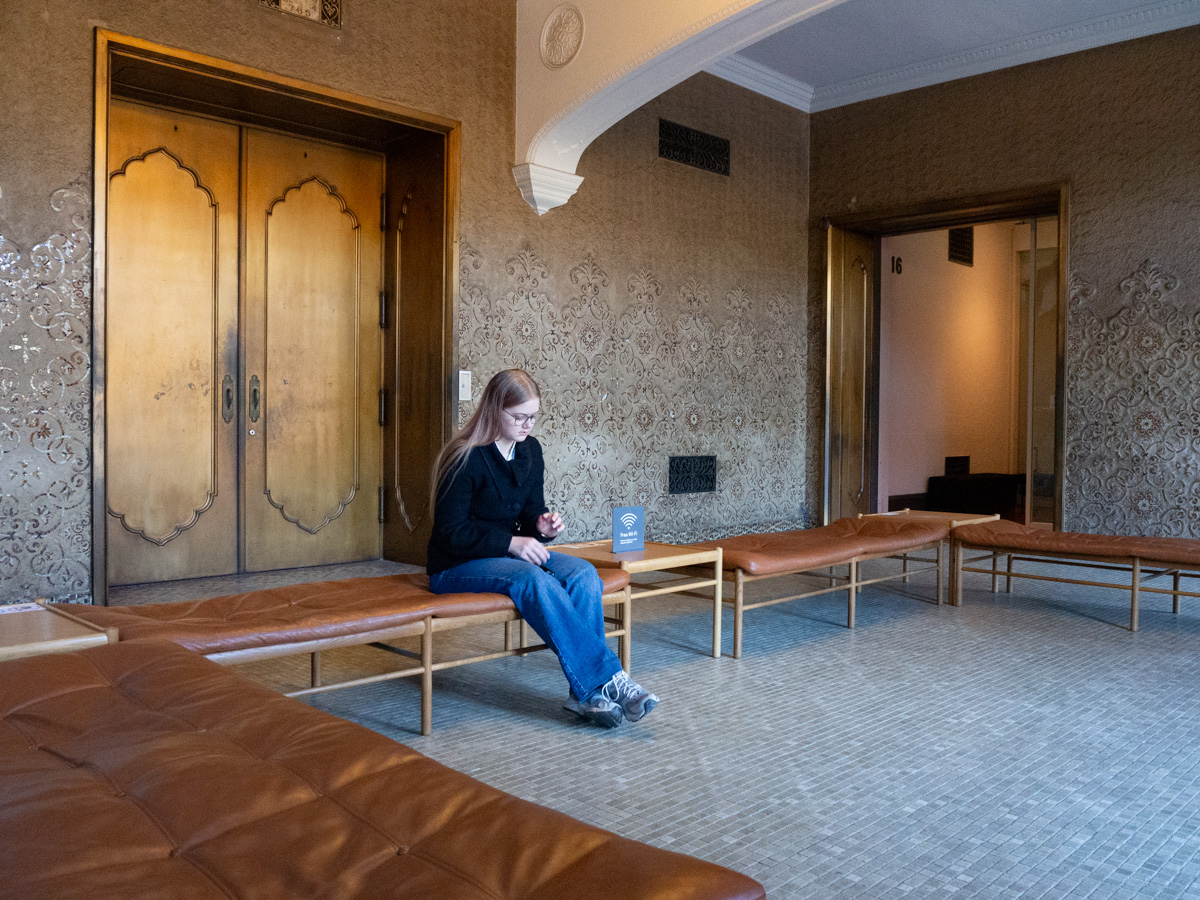
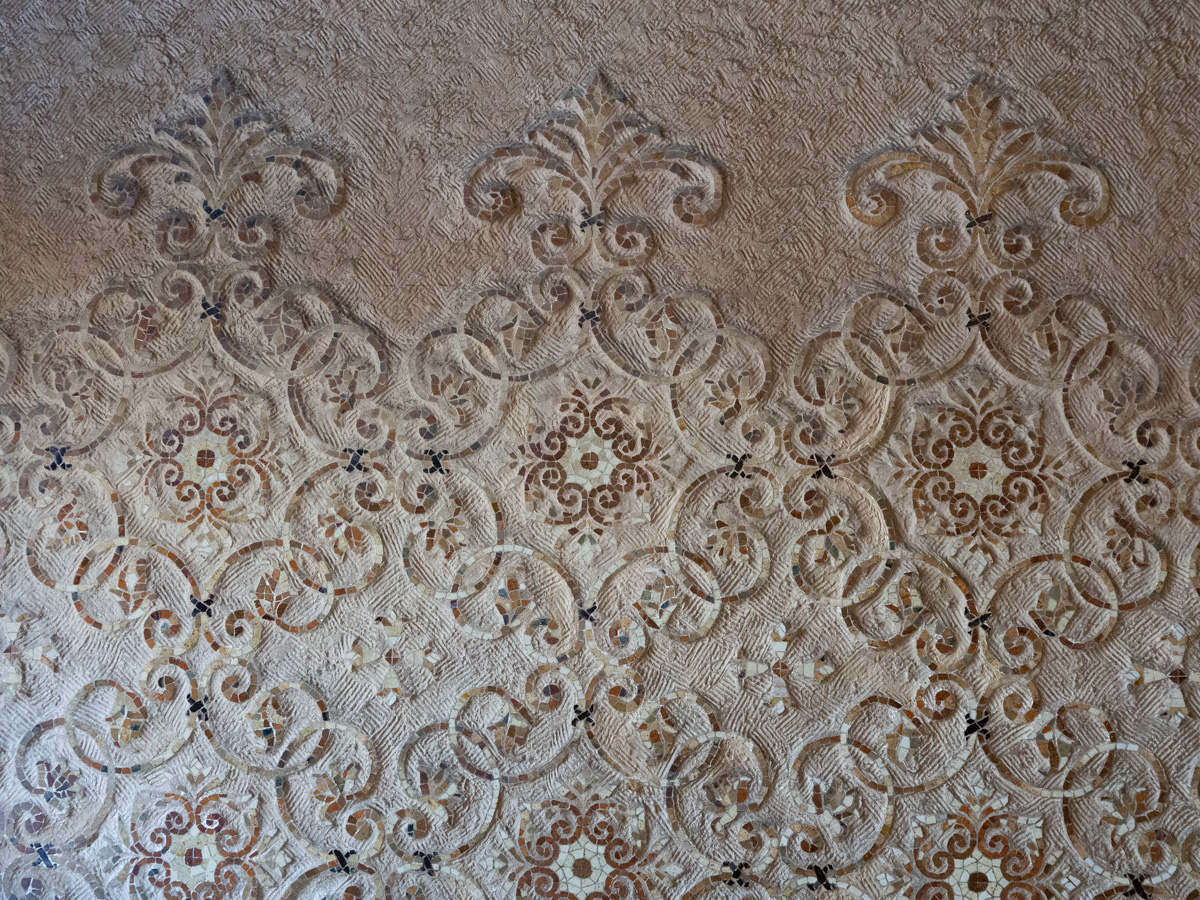
Taking a break to rest our legs. This foyer at the back of the museum had beautiful walls and beautiful light.


A visit to Japan would not be complete without seeing Mount Fuji.
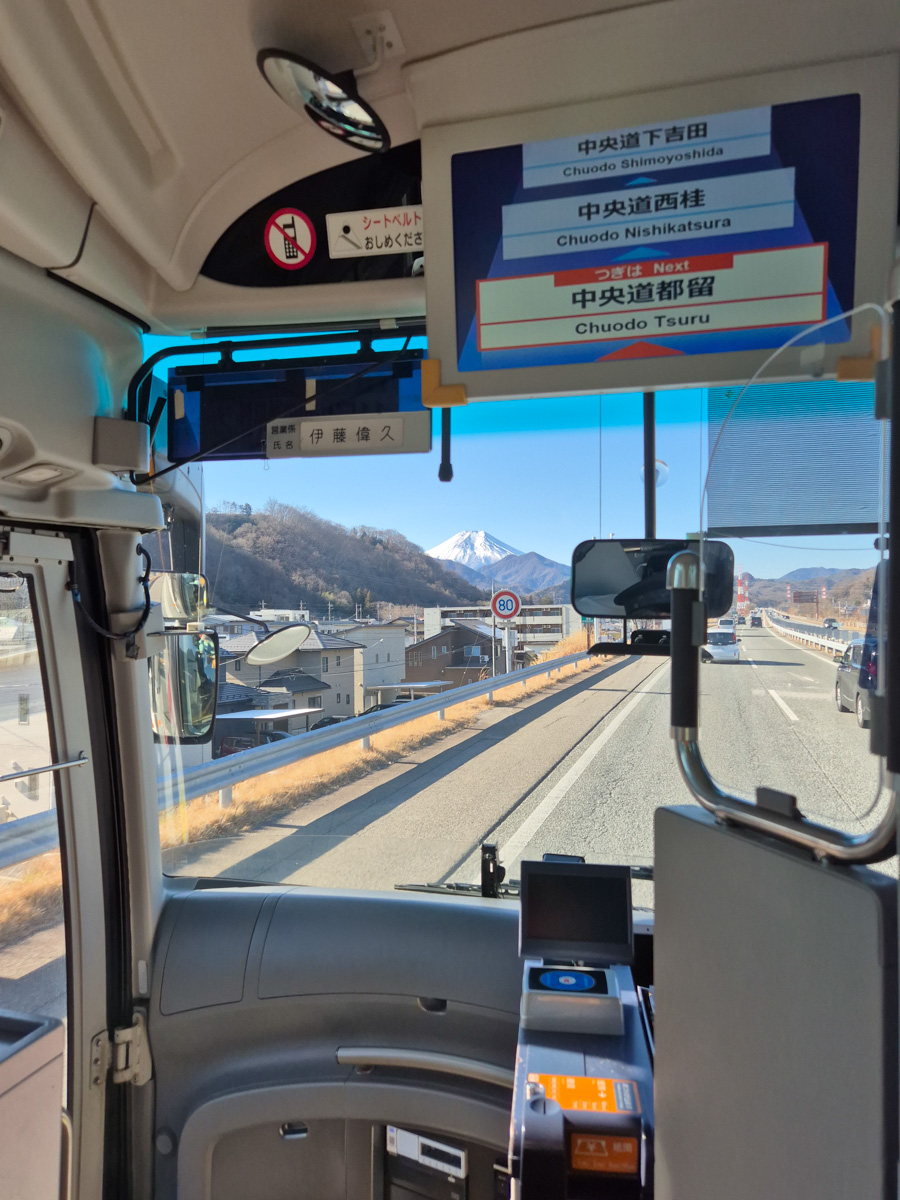
It takes under two hours to get to Fujikamaguchiko from Tokyo by express bus. Mount Fuji is visible well before the final stop.

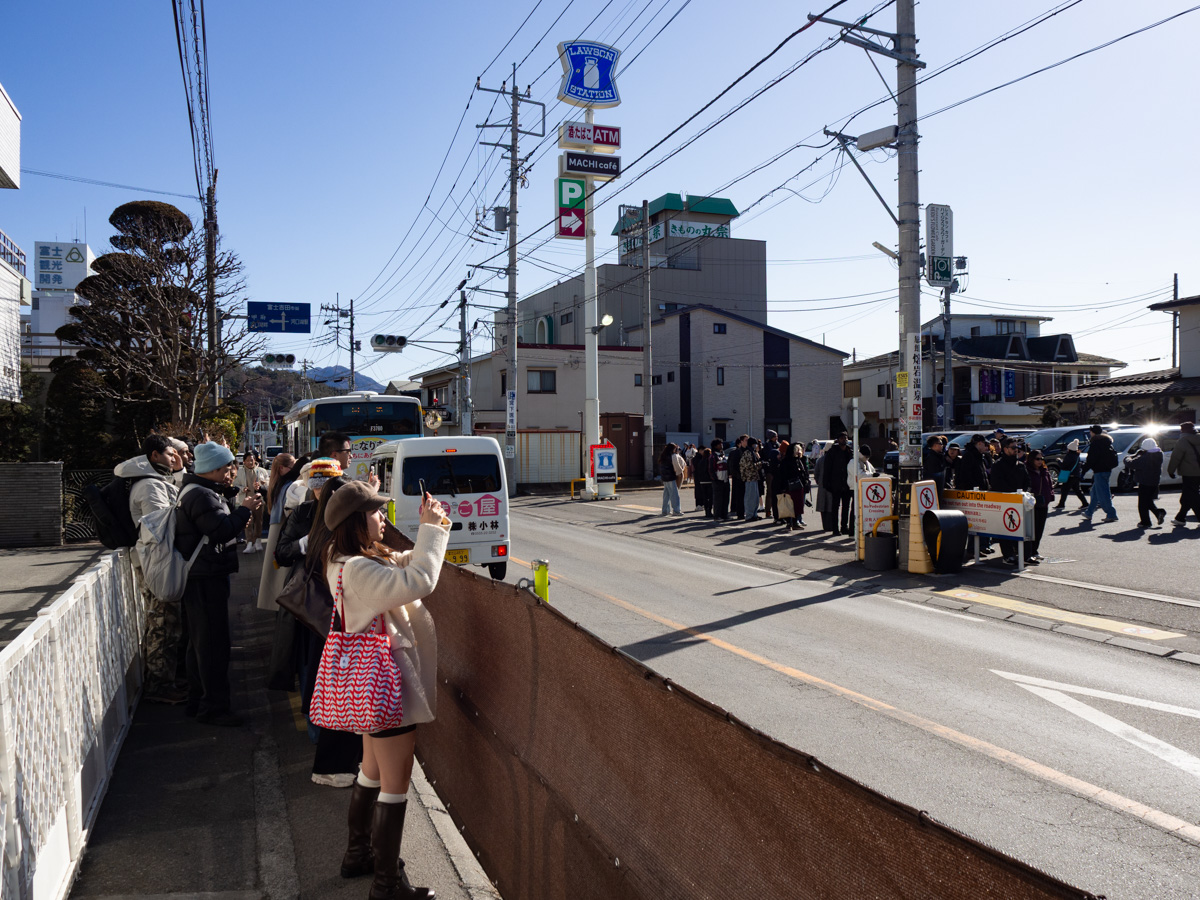
You don’t have to walk far from the bus station to get a view of the mountain. For some reason, a lot of people wanted a photo of it with a Lawson convenience store in the foreground. It’s a whole thing, apparently. There was a queue of people with cameras on one side the road, and their friends/partners on the other side, in front of the Lawson store. Everyone was queueing quite politely, but clearly the whole thing has been causing enough disruption to traffic that there were barriers in place to keep the photographers from wandering into the street, and even a security guard to keep an eye on the whole thing.
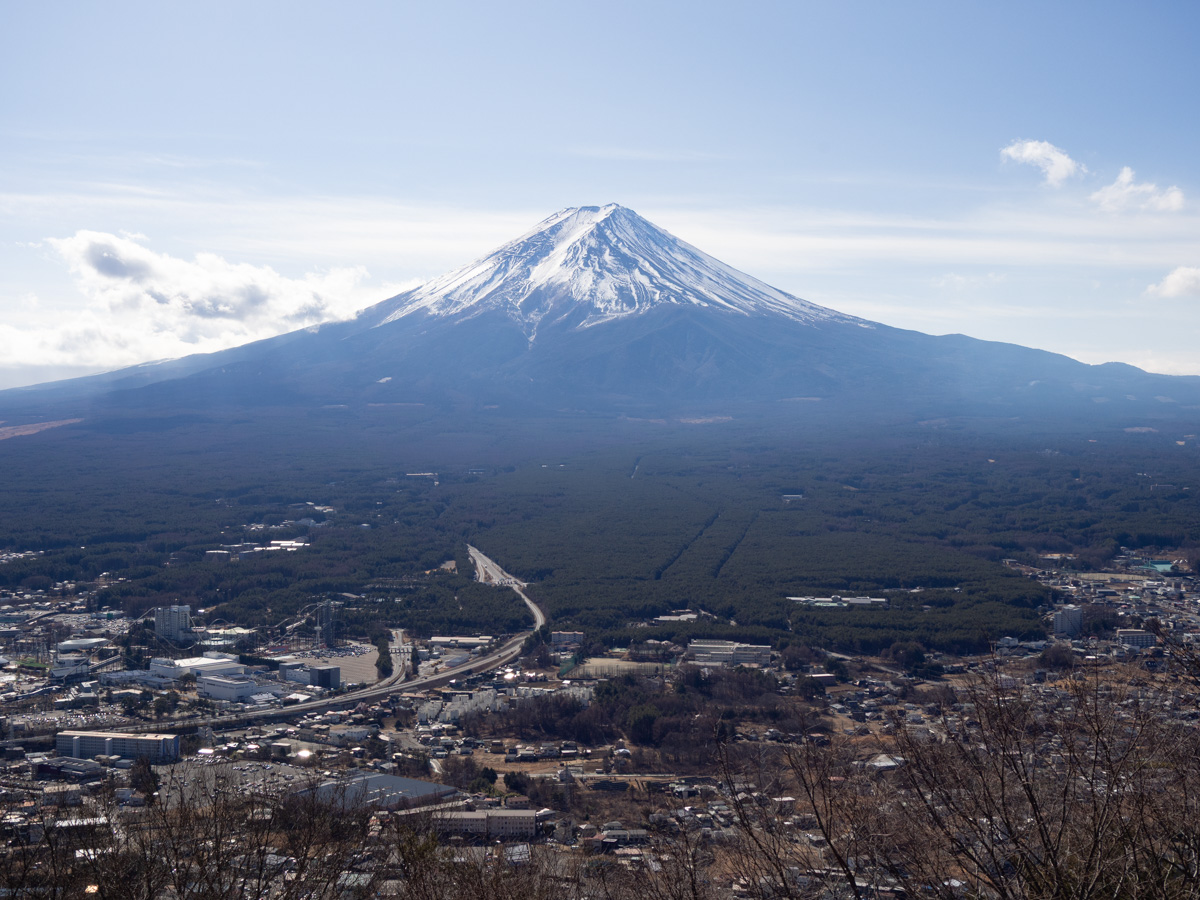
Better views of Mount Fuji can be had from a hill nearby. We took the cable car to the viewing site near the top of the hill and got pretty stunning views. It really is quite majestically large.

When we were planning the trip and Mt Fuji came up, my first instinct was that we should climb it. It’s a mountain, it’s there, of course we want to go to the top. Unfortunately quite undoable: firstly, it would take three days, and secondly, now is not a good time of the year. When we were here in the +5°C weather, the weather app said it was –29°C at the top of the mountain.
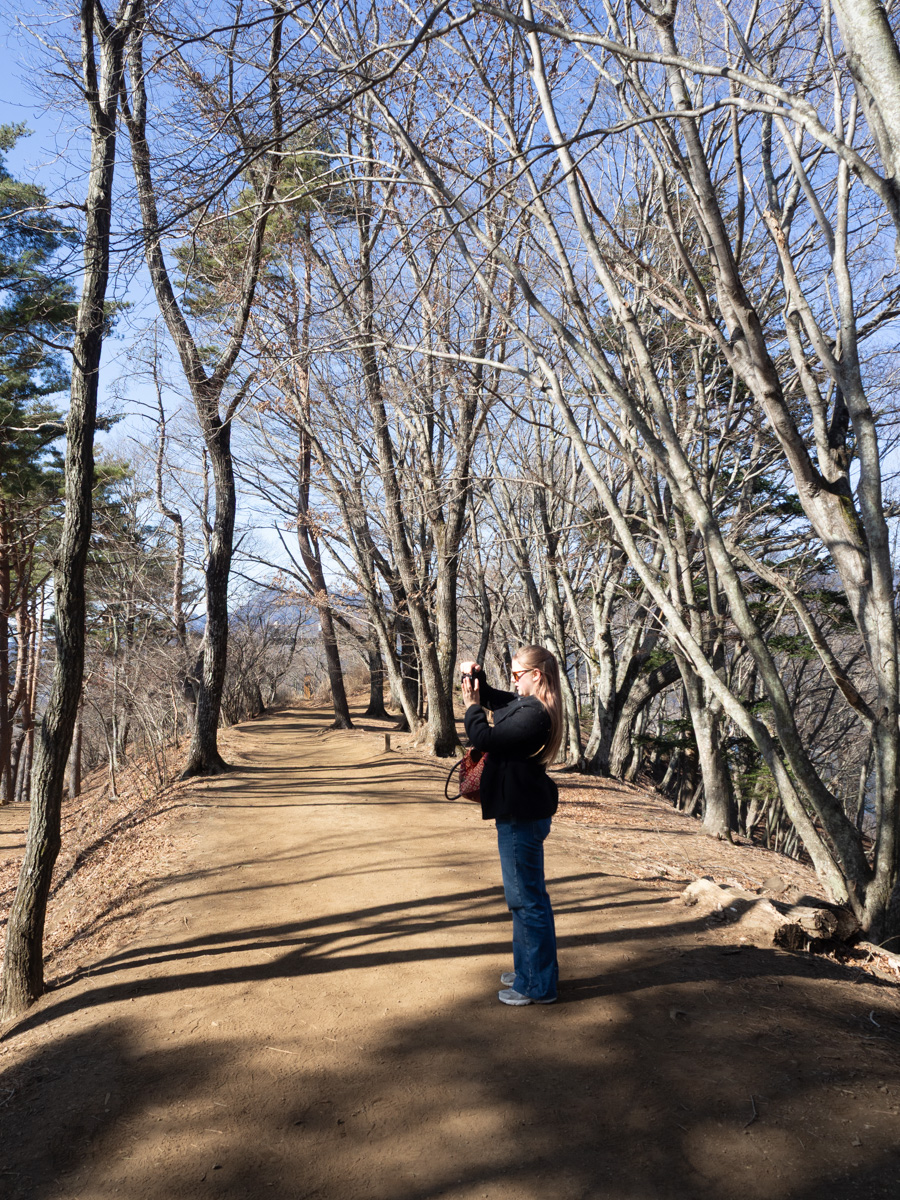
There was a hiking path to the top of the hill (and onwards to other hills and mountains) where we felt like we had the whole place to ourselves. The viewing platforms weren’t too badly crowded, either, even though it’s a Saturday, but up there was even better.
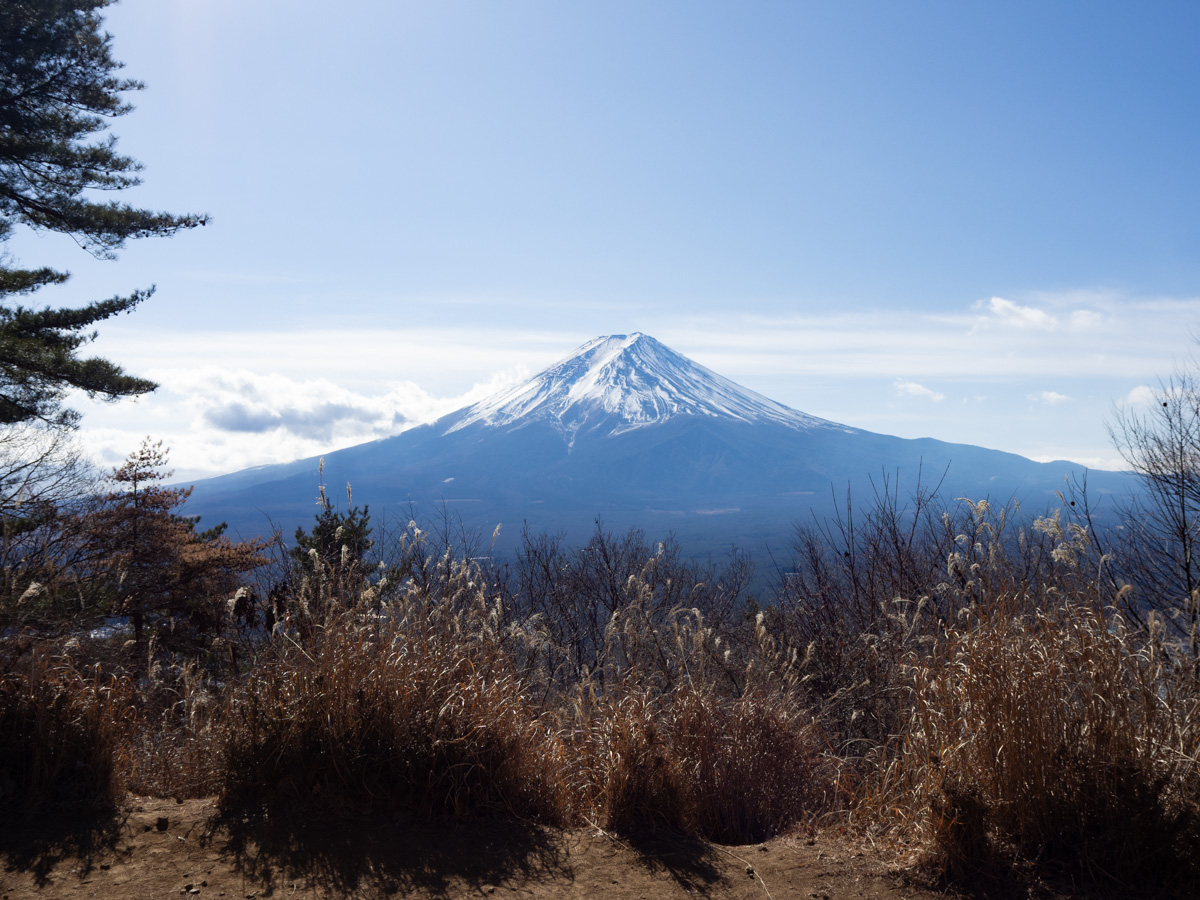
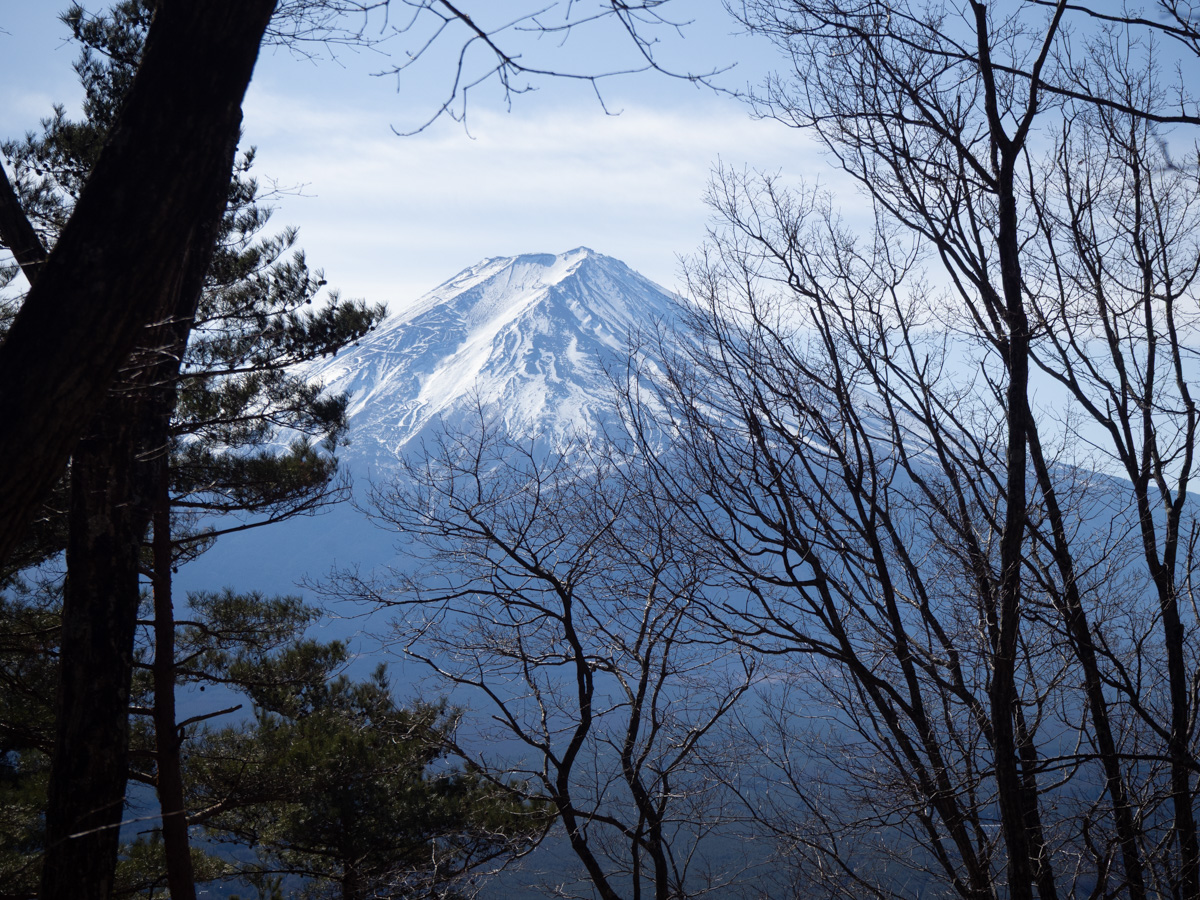
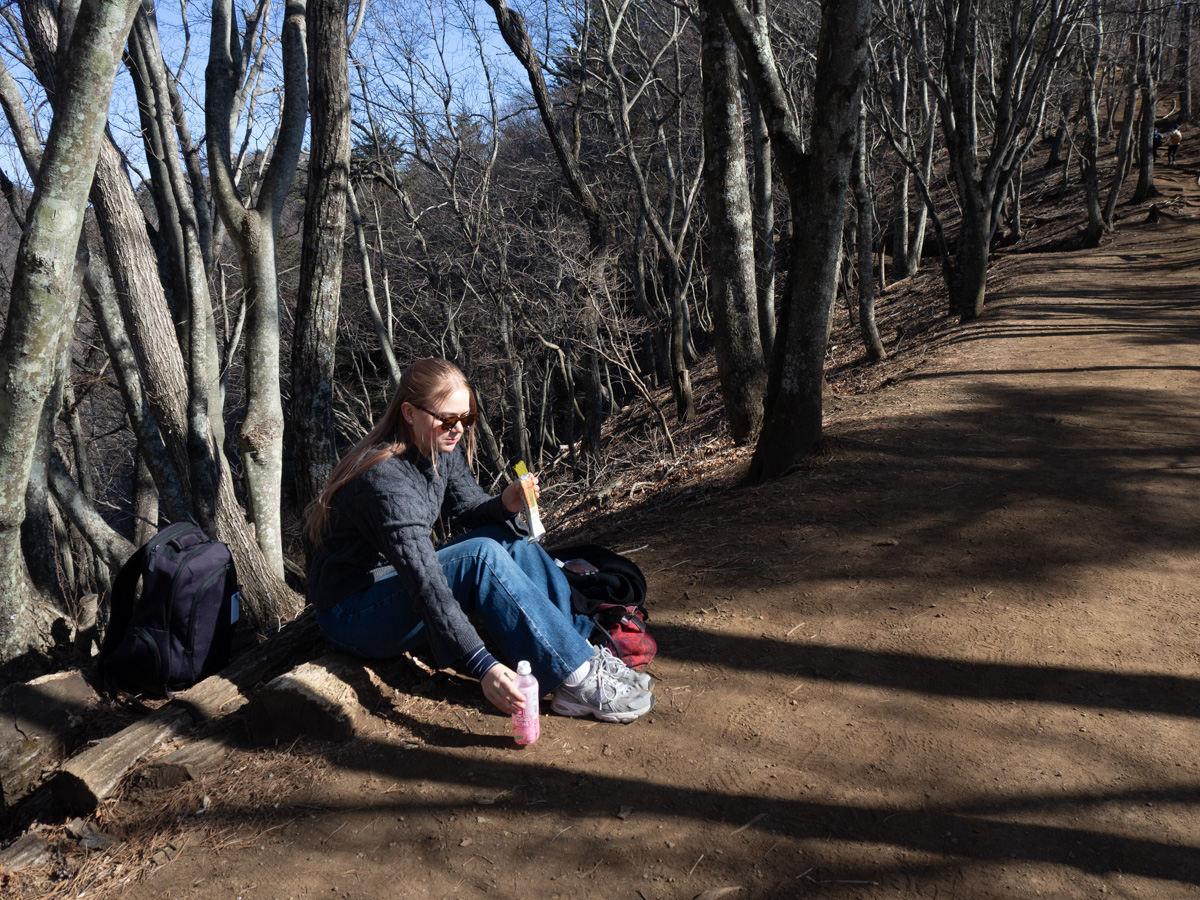
Snack break at the top of the hill. No benches anywhere, of course.
Fujikamaguchiko is a nice little town, with a lake, and pretty temples and shrines here and there. our focus was all on the mountain, though. When we got down from the cable car hill, we walked to Arakurayama temple on another hill for more views.
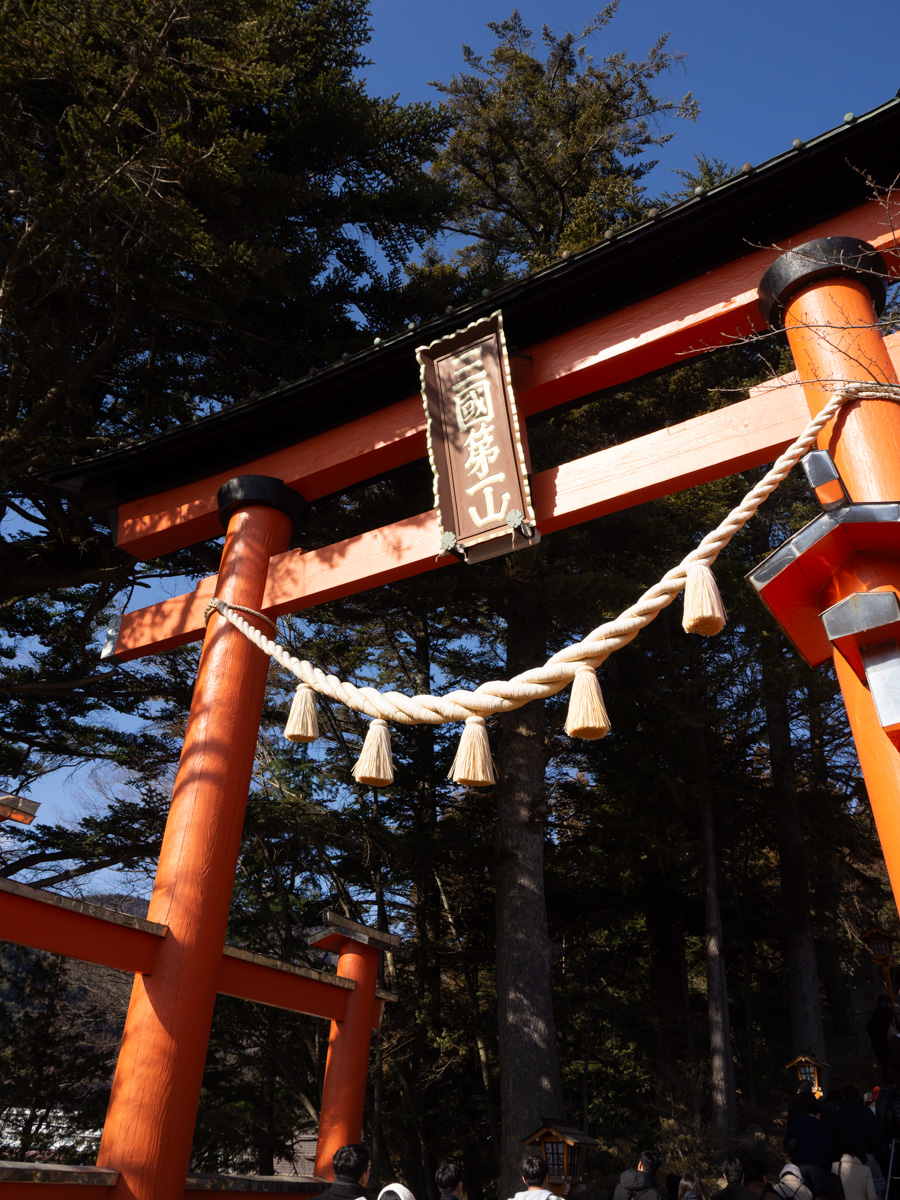
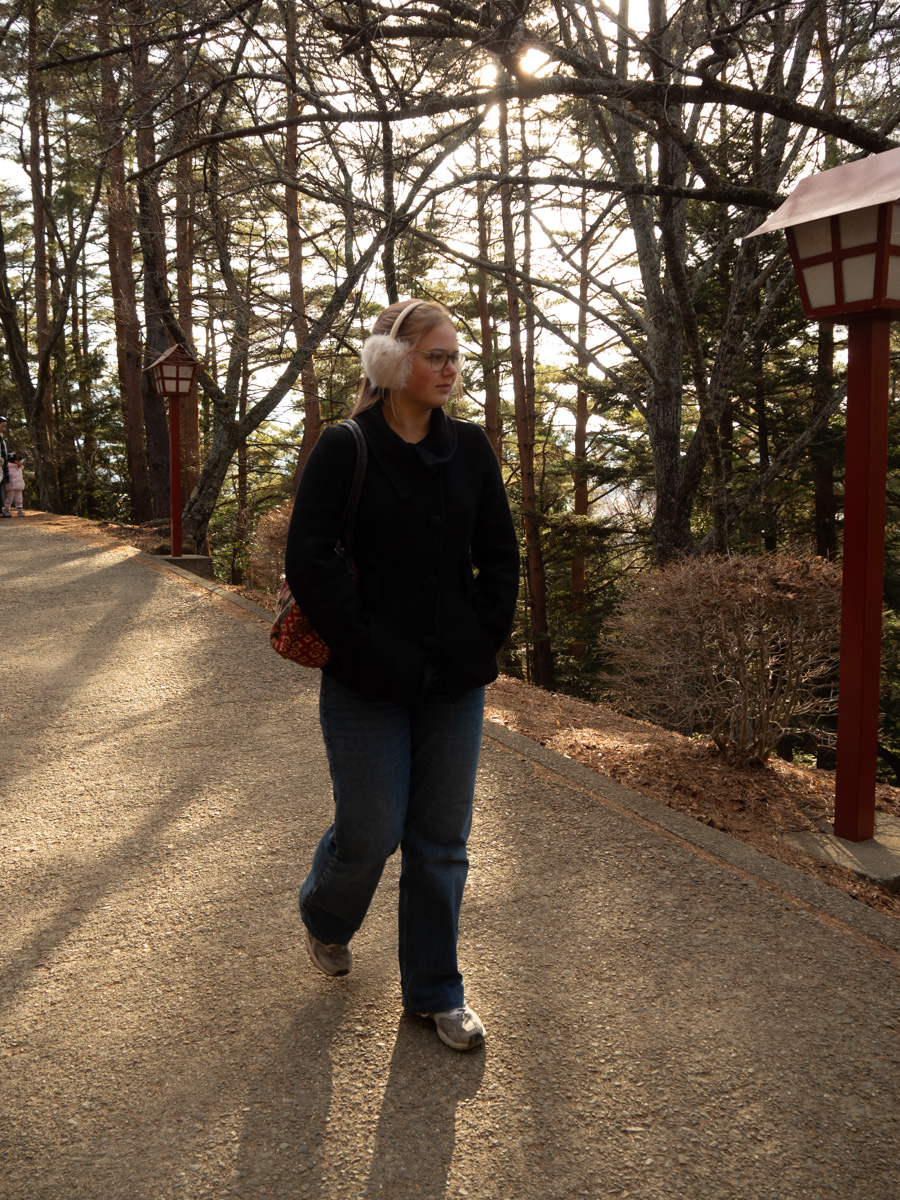
The walk wasn’t too long but turned out to be not at all pleasant. Much of it went along a large, noisy road. The pavement was very narrow; we couldn’t even walk side by side. Ingrid’s shoes hurt her feet, and of course there was nowhere to take a break. We regretted not having rented bikes.
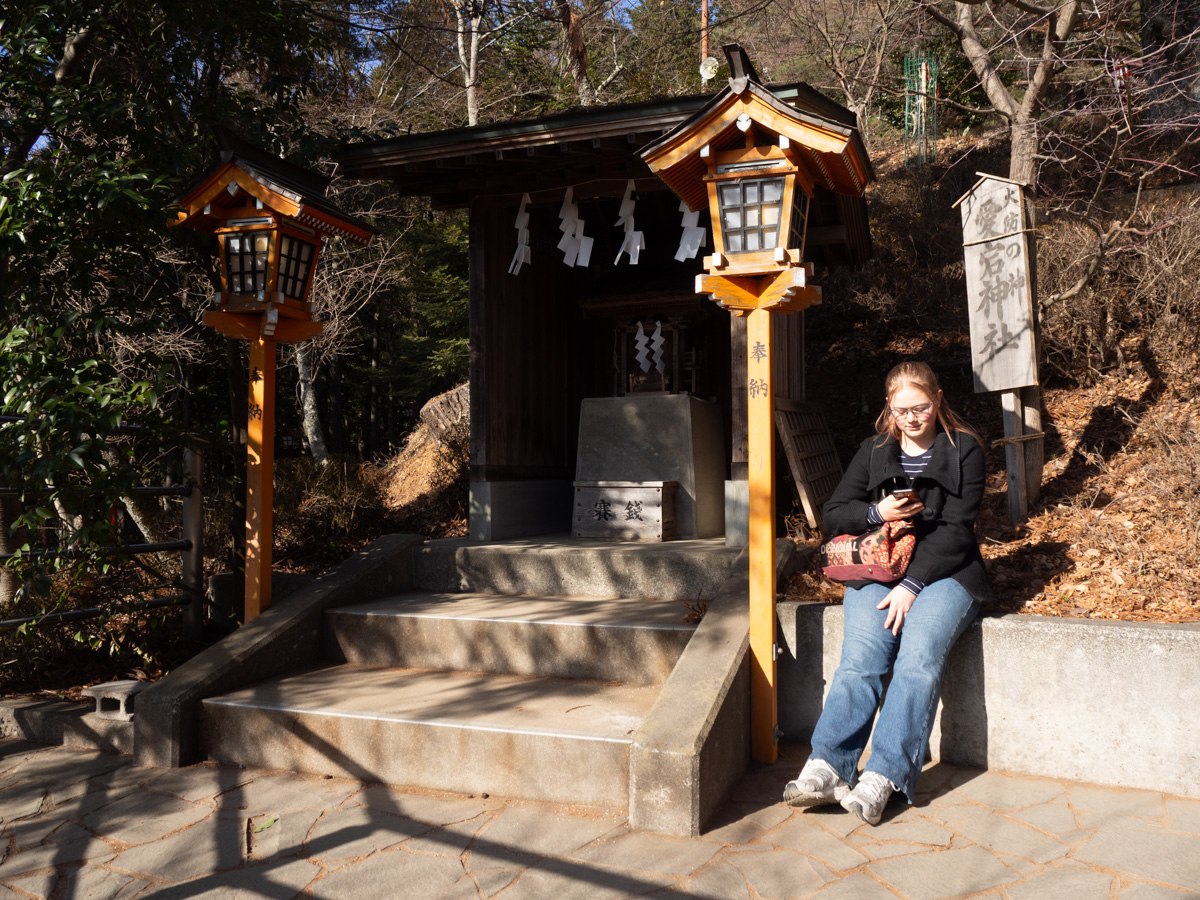
And then there were stairs. Ingrid’s feet and knees were not happy.
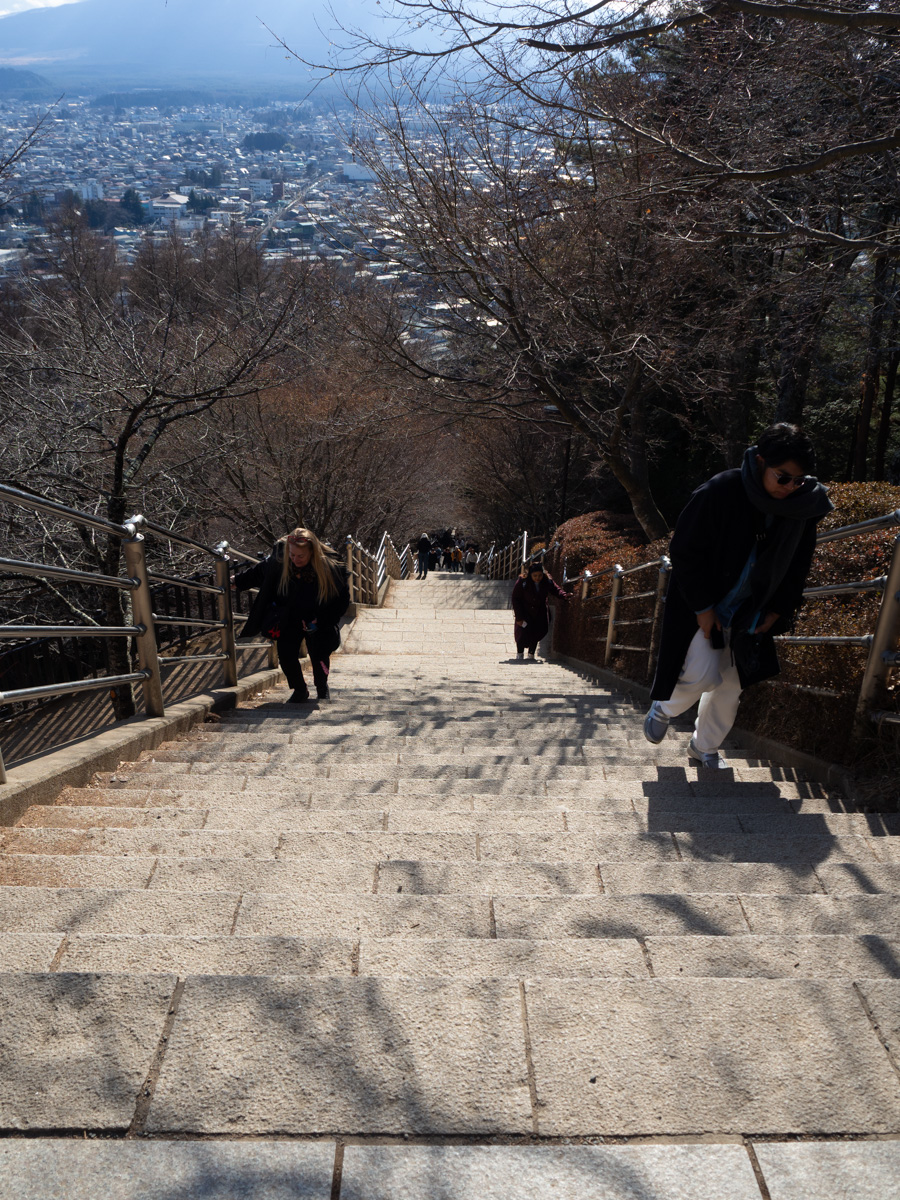
This place was a lot more crowded. Most of the people stayed right at the top of the stairs; walking a bit further up got us away from them.

I’m glad we came here in the low season. I can’t even imagine how crowded it must be here in April, or in the summer.
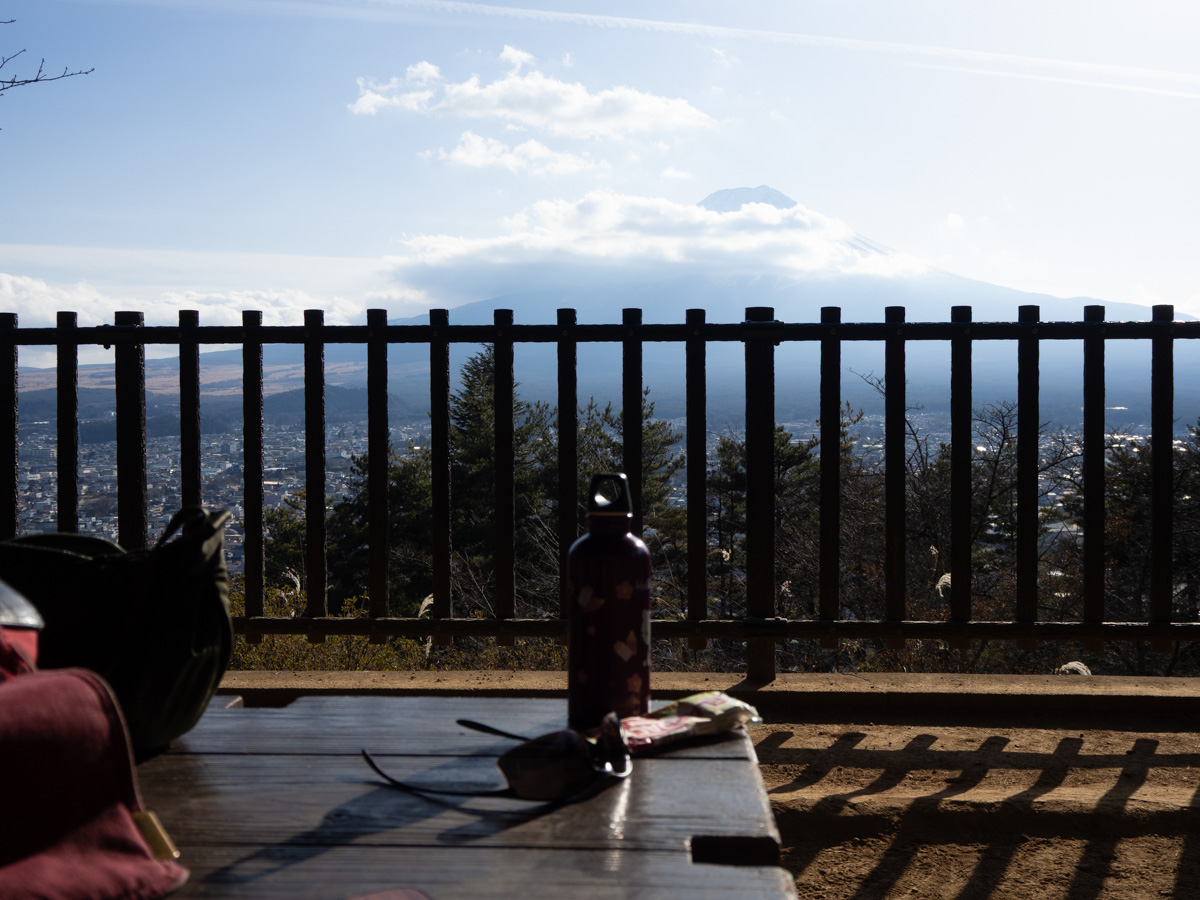
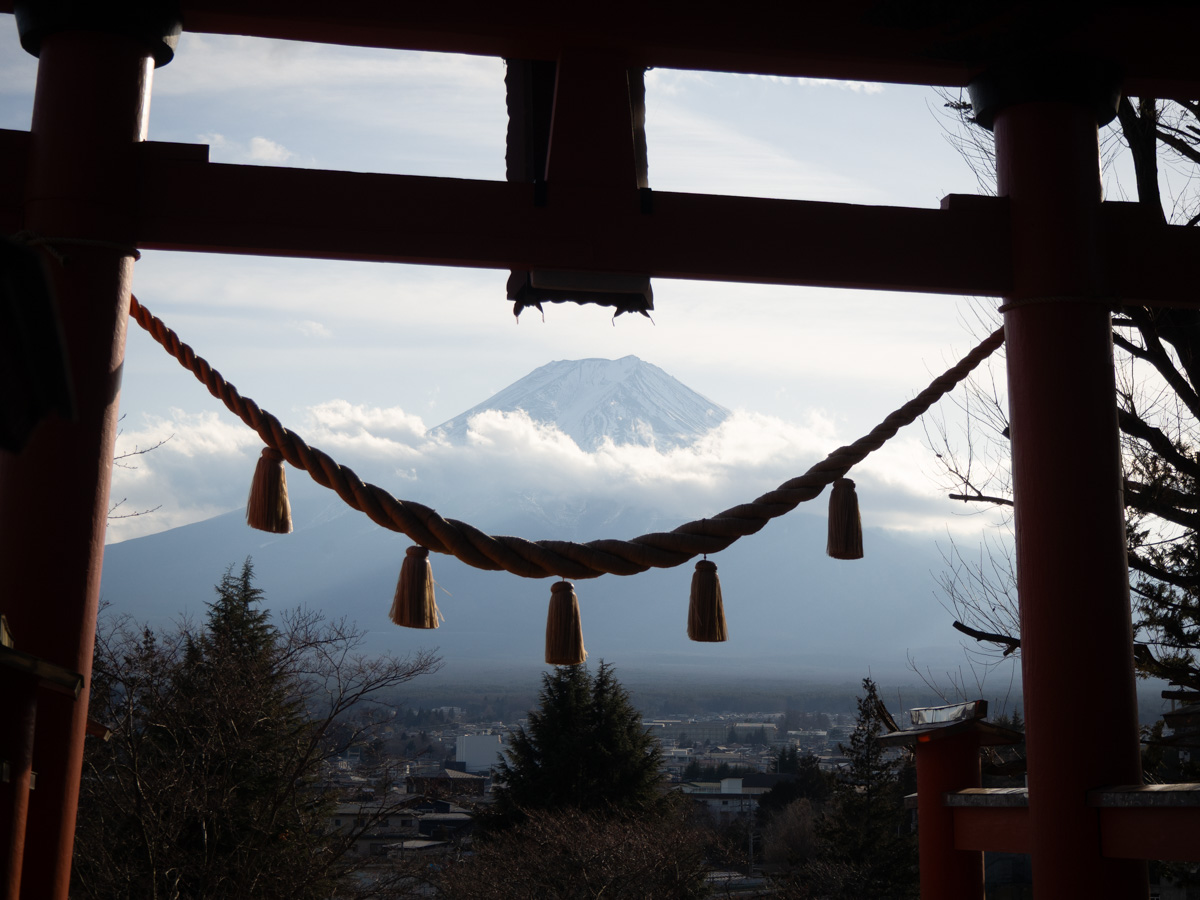
The views from up here were pretty stunning, but now the side of the mountain facing us was all in the shade, and the top of it enveloped in clouds.

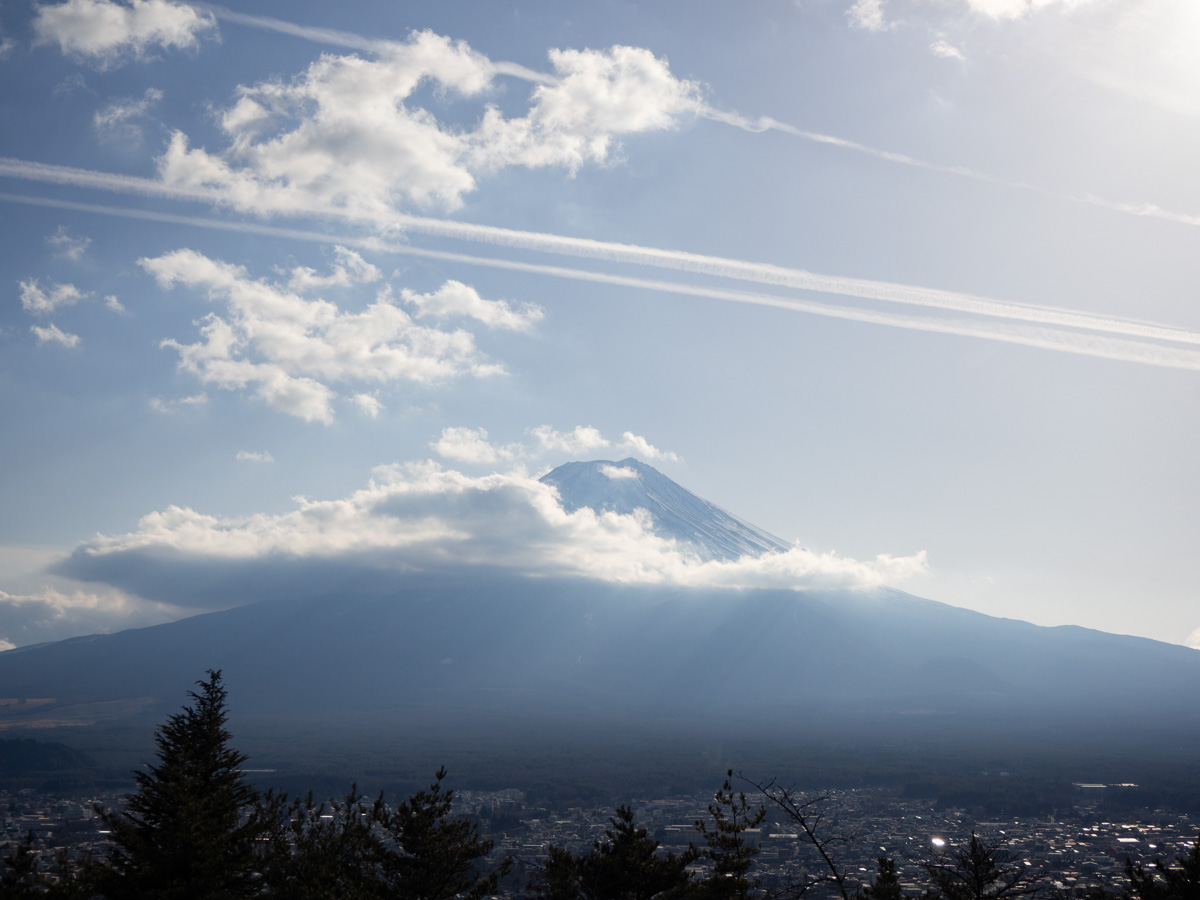
Since our itinerary was very flexible, we picked the day for coming here based on the weather forecast. Ingrid told me that Mount Fuji is only visible on about 70 to 80 days in a year – that’s just one day out of every five. The rest of the time it’s hidden by clouds or rain.

We hung out here for a while and waited for the clouds to drift past the peak.
Our legs were quite tired by the end of the day.
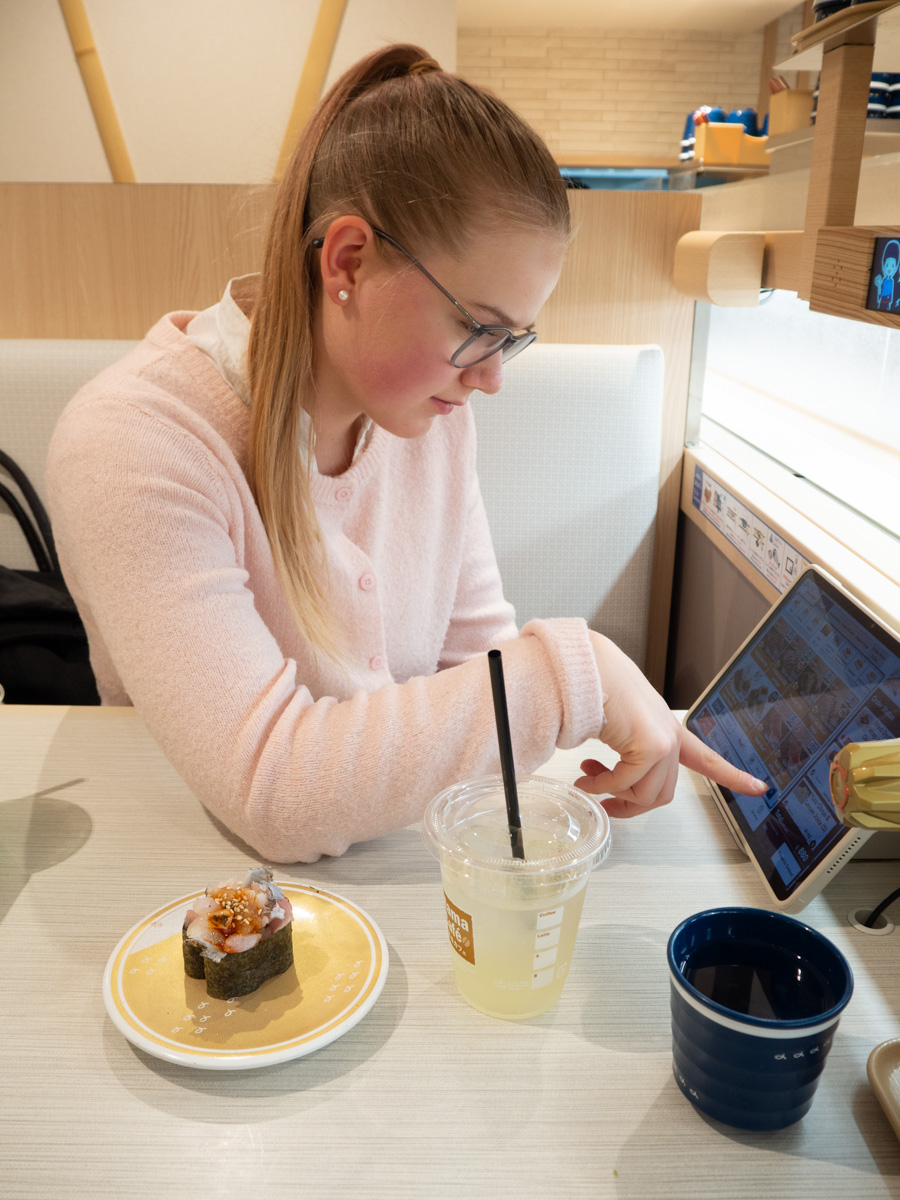
More conveyor belt sushi.

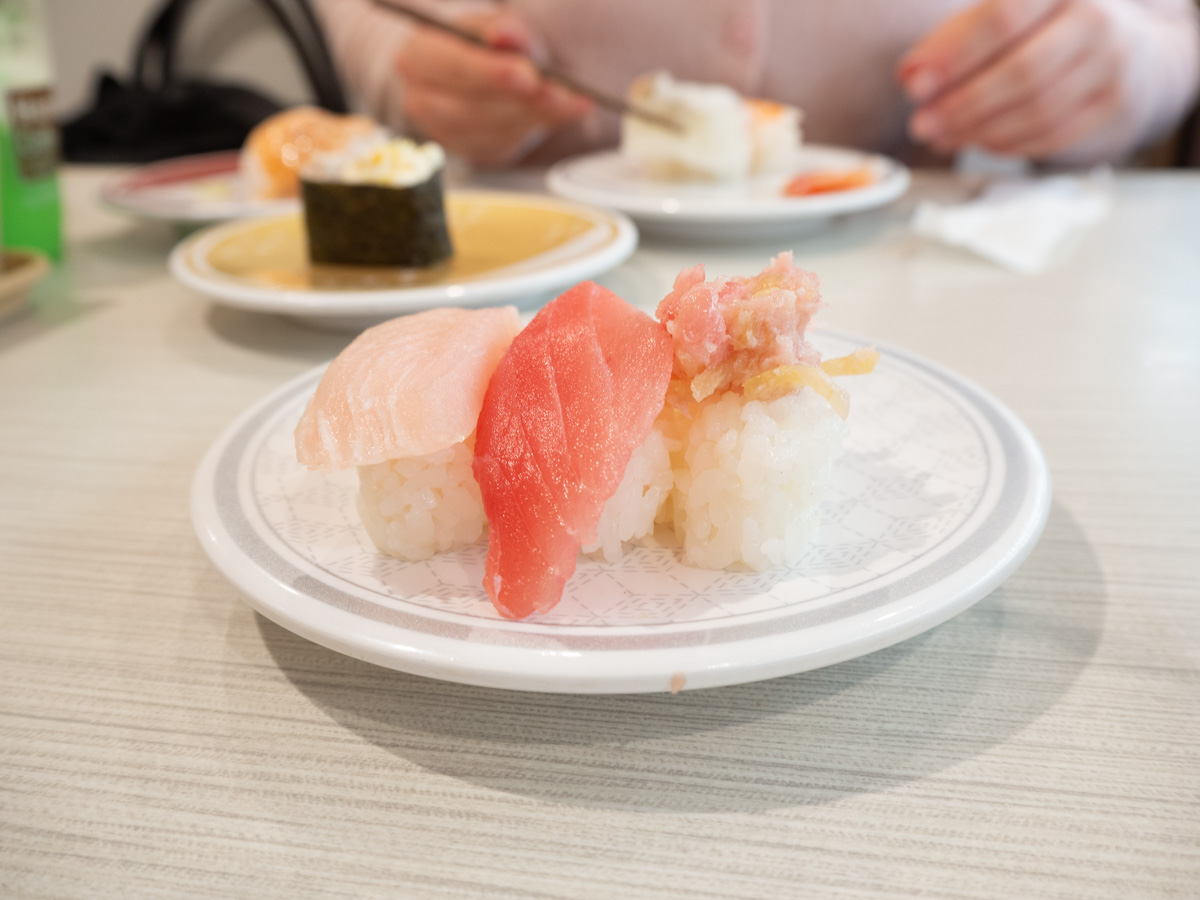
I am exploring the varieties of tuna on offer. In standard Swedish sushi, salmon and prawns dominate, and there’s usually some tuna, which I haven’t found particularly interesting. Here, I like the tuna more than the salmon. The fattier the cut of tuna, the better I like it.

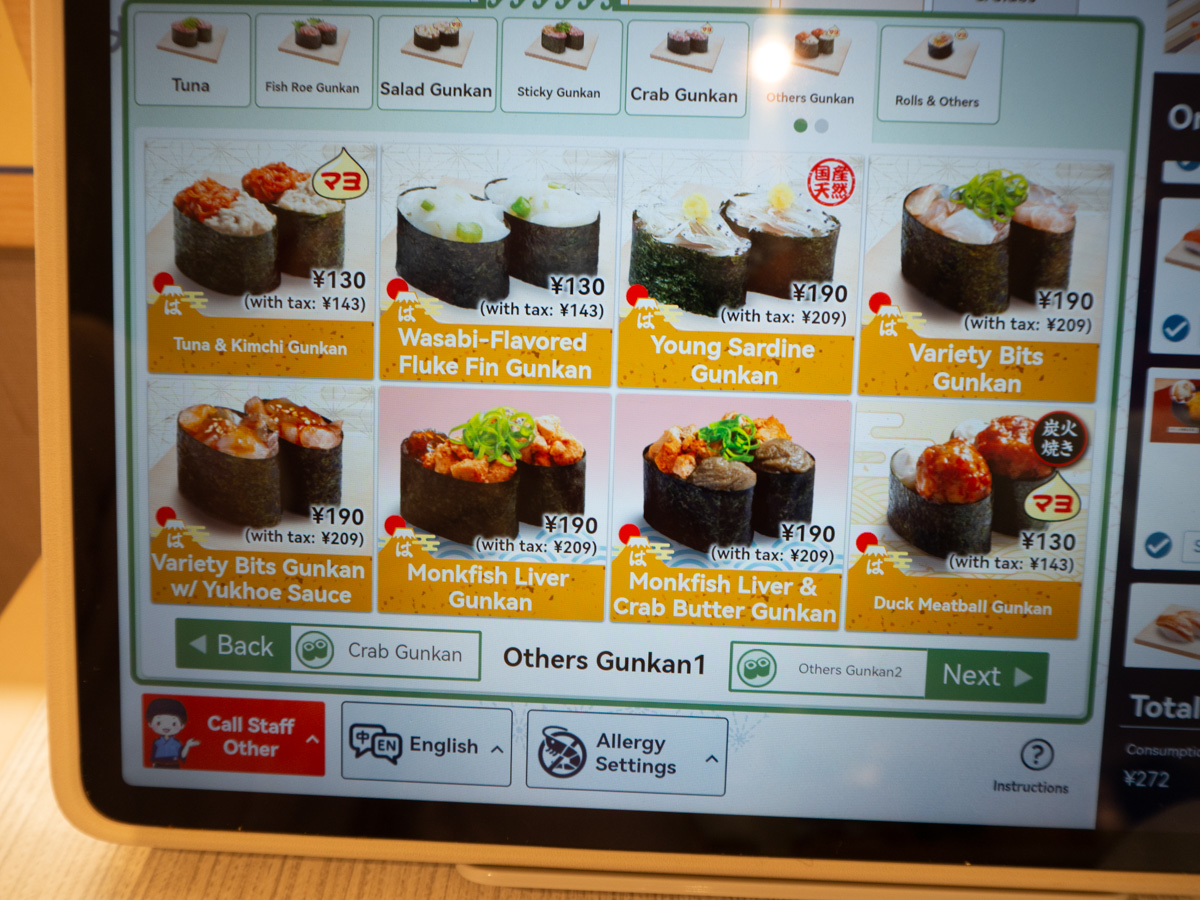
The conveyor belt approach makes it easy to try new things. We don’t have to decide in advance what we want to eat, or how much. Sometimes we see things slide past that intrigue us, and then we can look them up in the menu and try them.

The variety is mind-boggling. There are things on the menu that I couldn’t have come up with in my wildest sushi fantasies. Monkfish liver and crab butter. Duck meatballs! Those last ones are not for me, but there are so many kinds of fish here that I wish I had time to try.
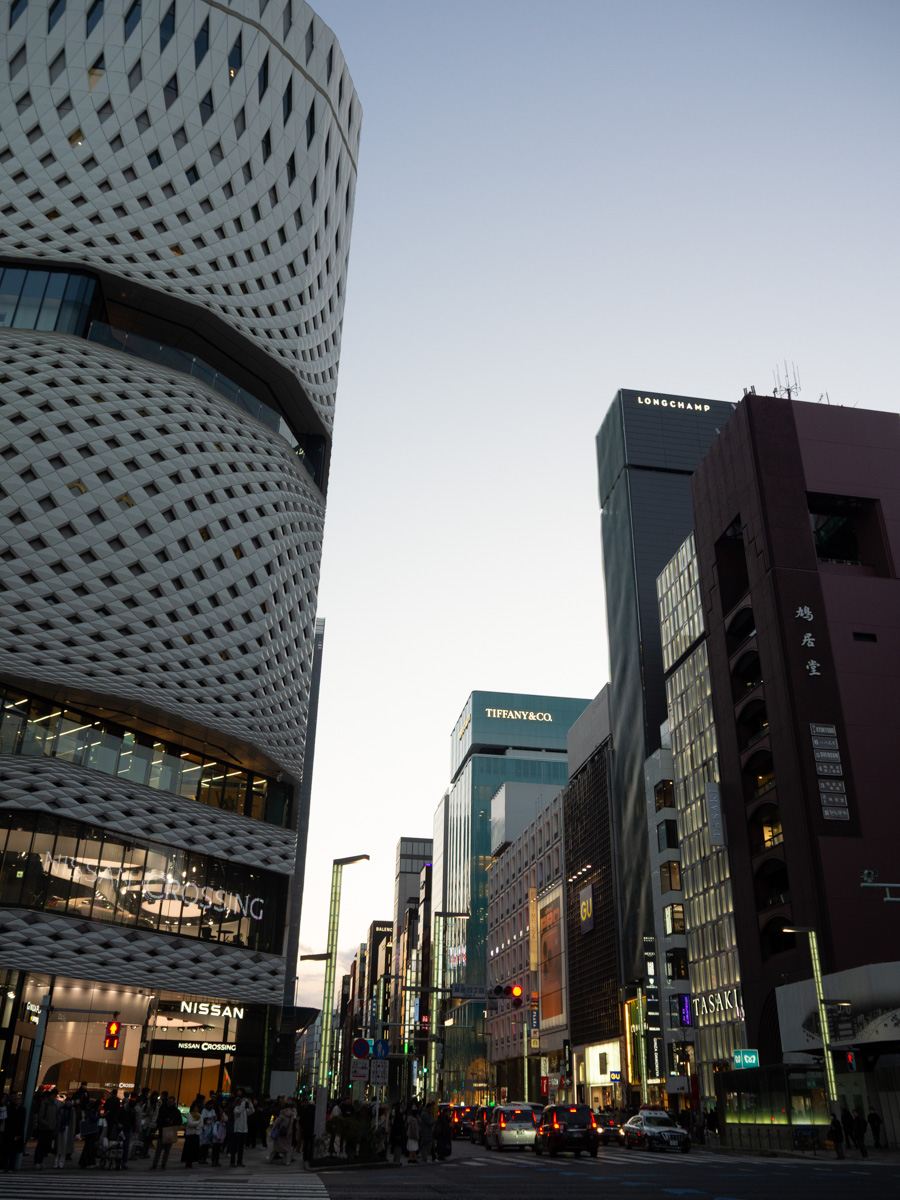
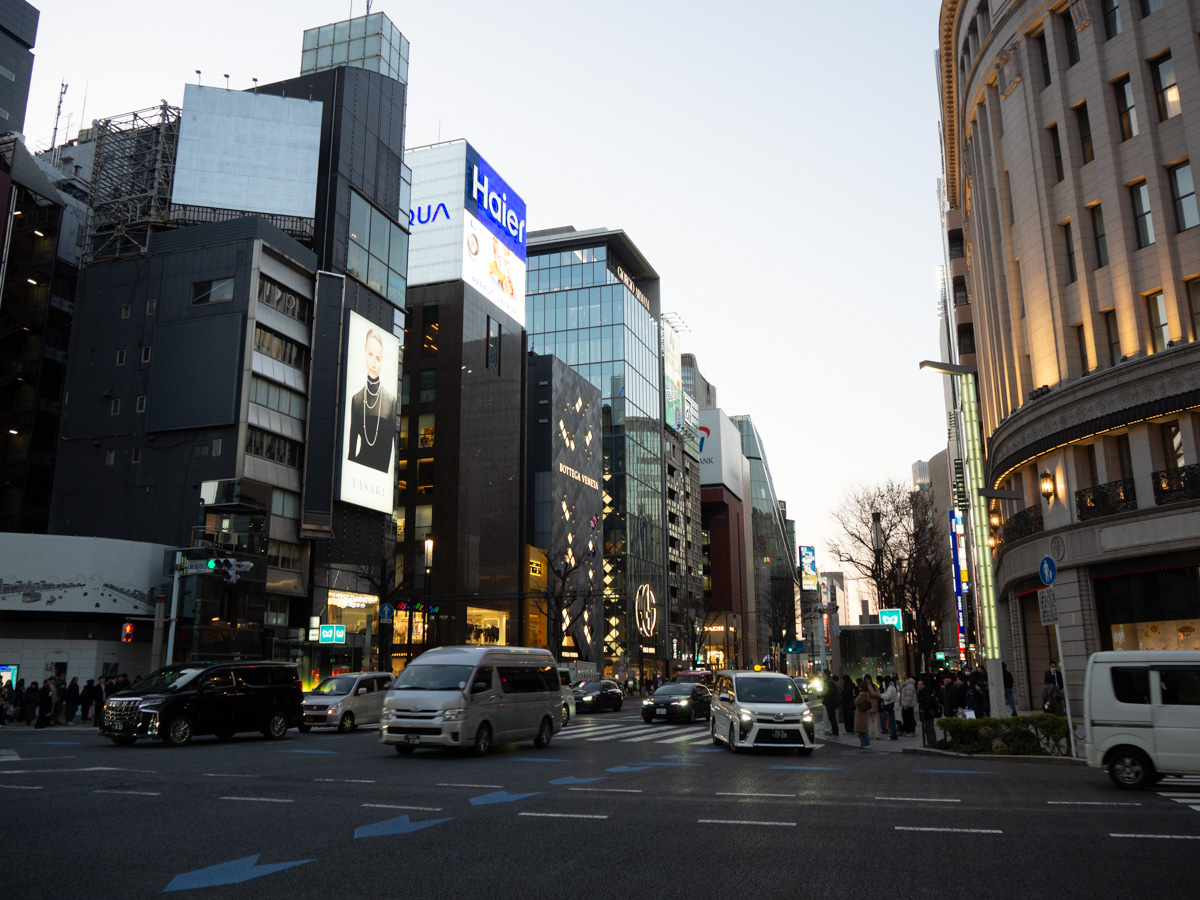
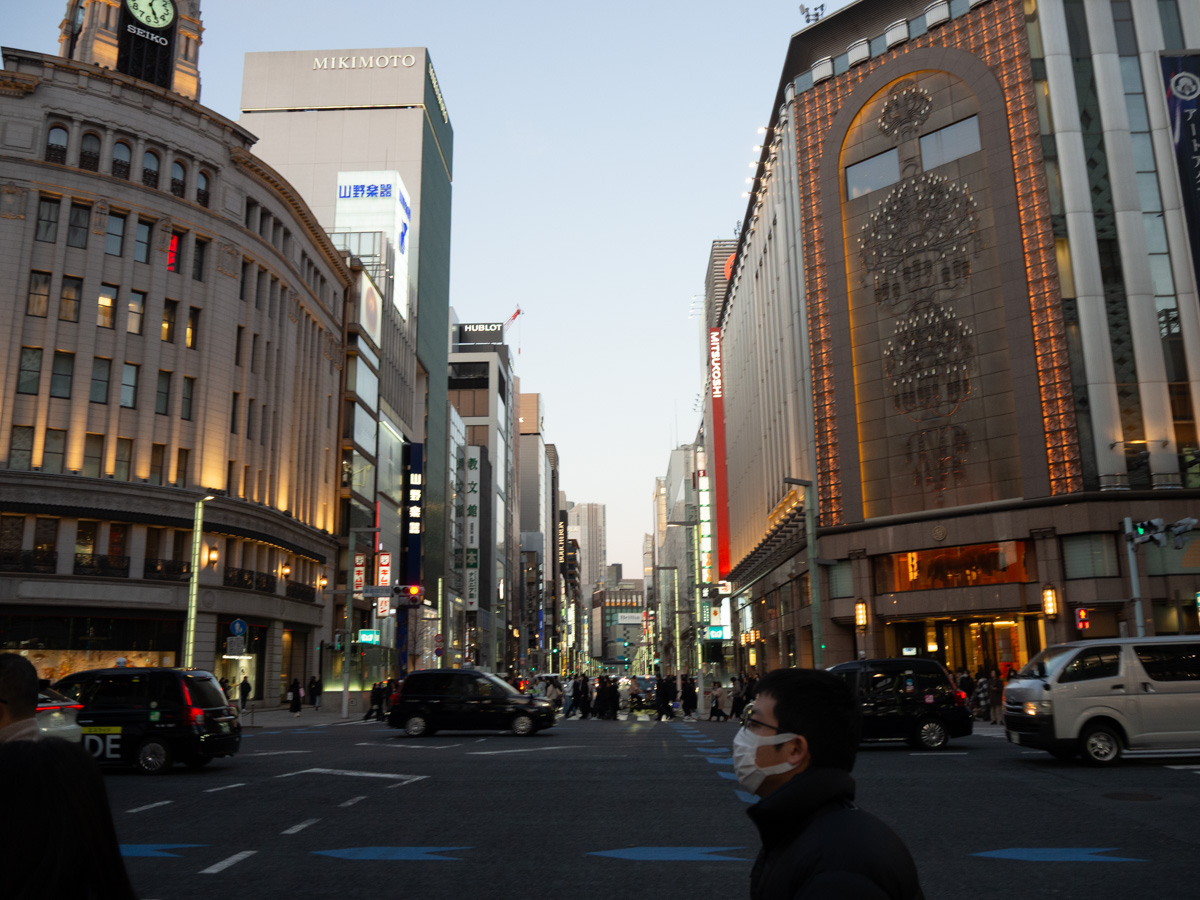
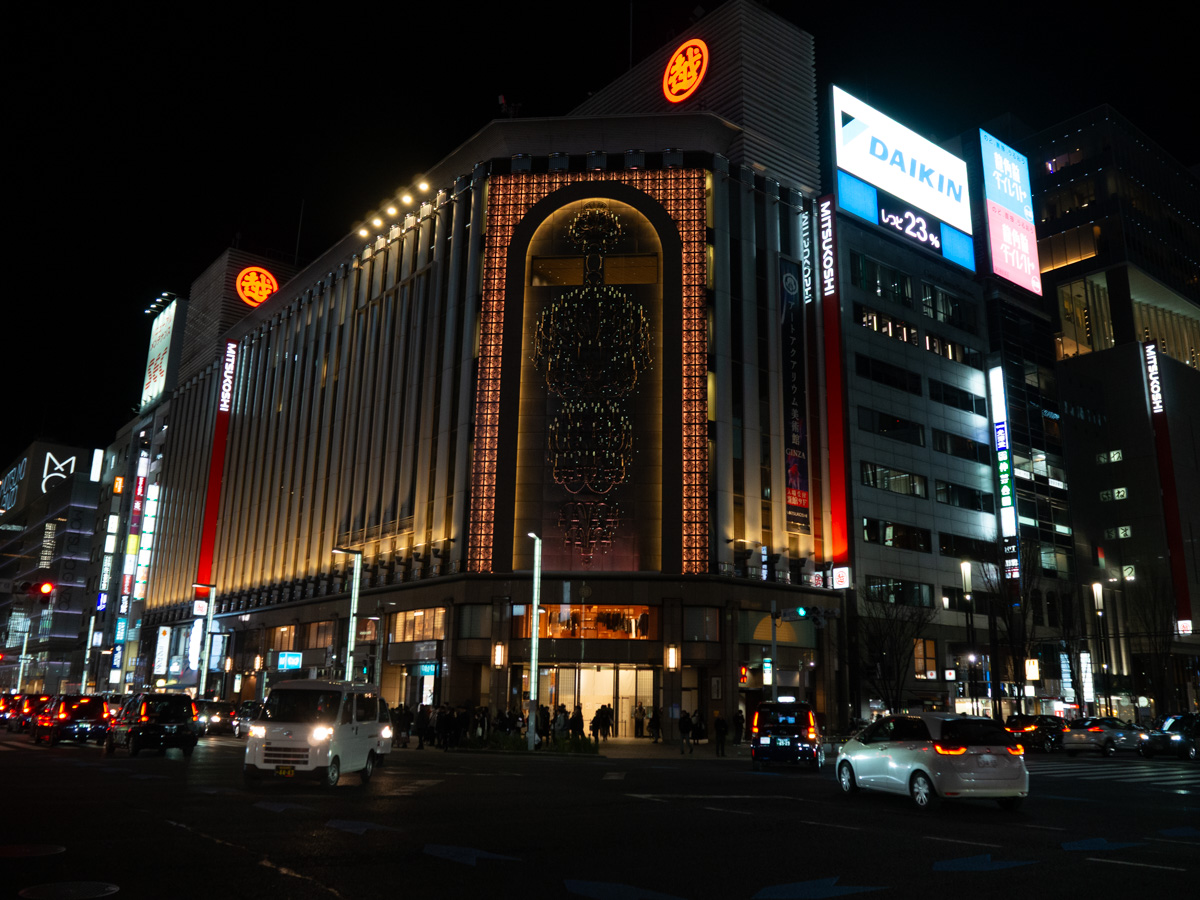
Ginza shopping district. Sleek and shiny.
Ordinary brands like Uniqlo almost side by side with flagship luxury stores like Tiffany’s. And then strange department stores that sold luxury cat food next to luxury crafts materials.


An afternoon of shopping.

We started out in Tokyo’s textile district, Nippori fabric town.

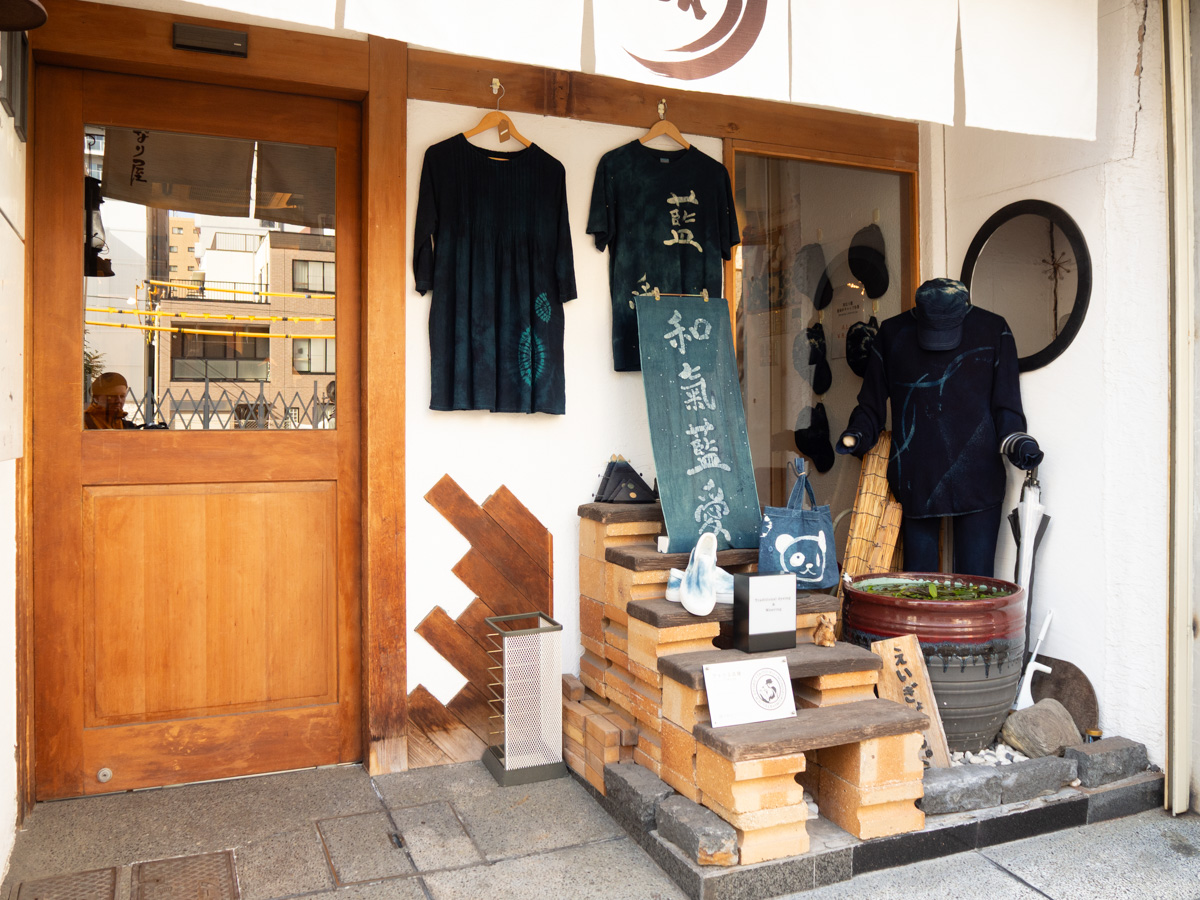
This was Wanariya indigo, a lovely little indigo dying workshop. You could participate in a workshop to dye your own items, such as t-shirts or bags, and one seemed to be about to start when we were there. I just bought a few small pieces of ready-made fabric.

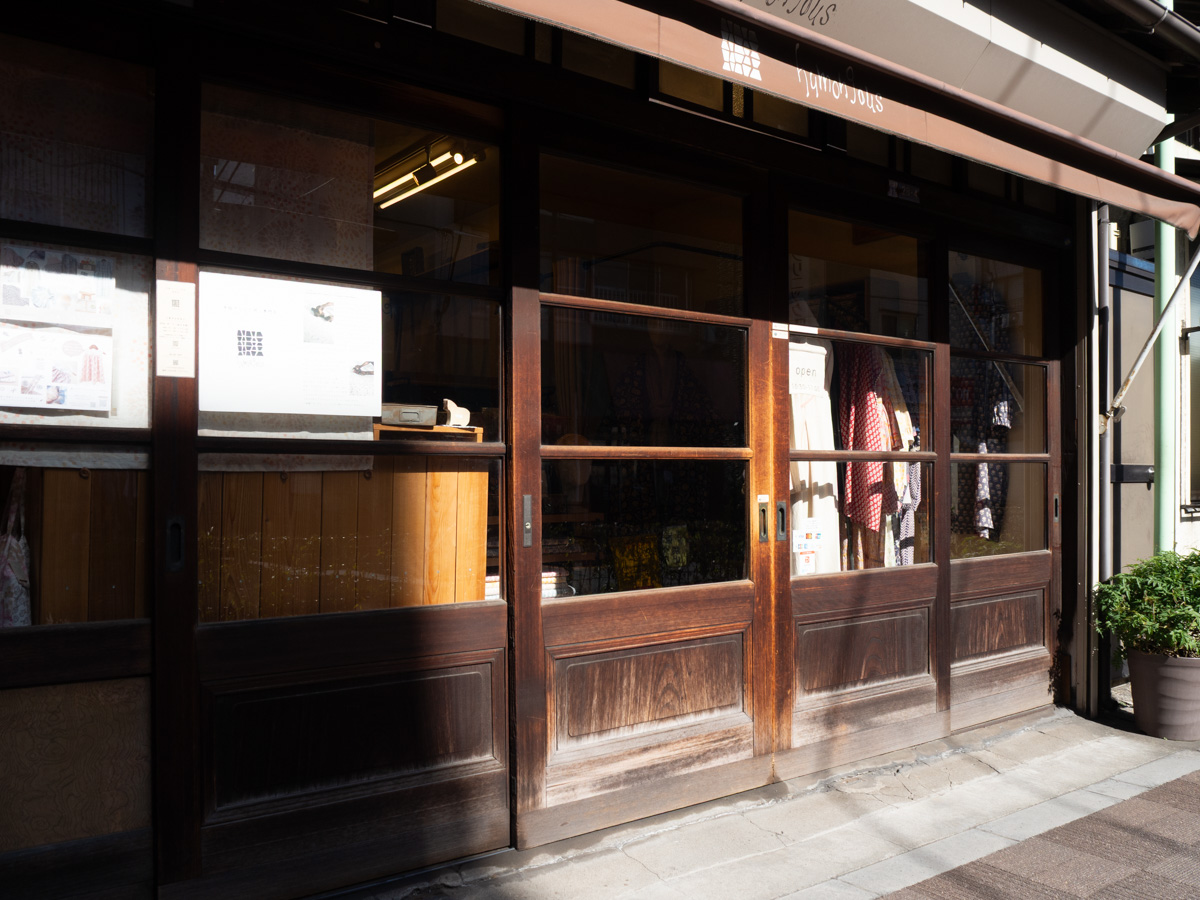
The other fabric shops I peeked inside were not quite what I had expected. I had looked forward to traditional fabrics, wood block prints and such, but there was little to none of that. The general crafts stores also didn’t have anything that I was interested in. I could have bought tons of lace or ribbons or buttons, but there was nothing for a knitter.

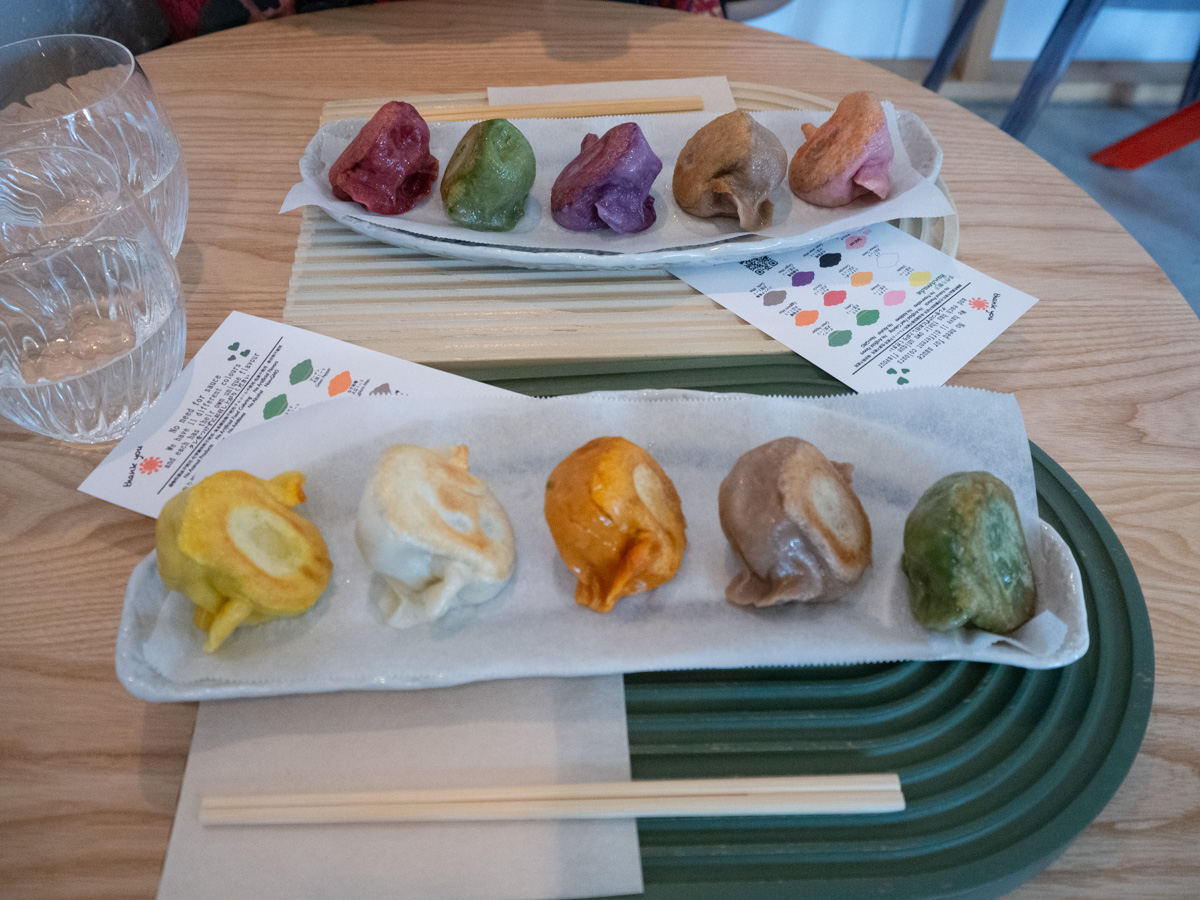
Lunch was vegan gyoza at a restaurant named Vegan Gyoza. Very clearly aimed at tourists with Instagram accounts, but also really tasty. Each colour was a different flavour: aubergine, scallion, mushroom…

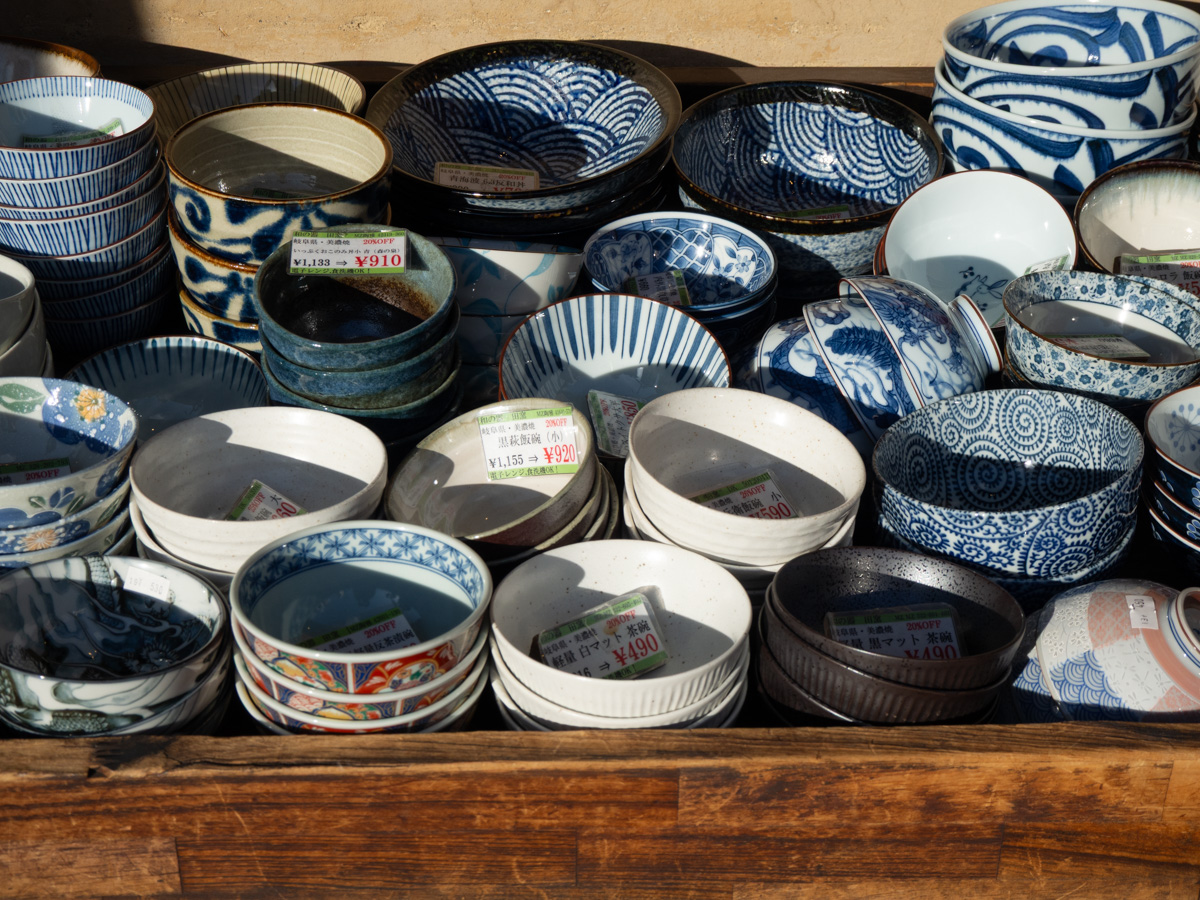
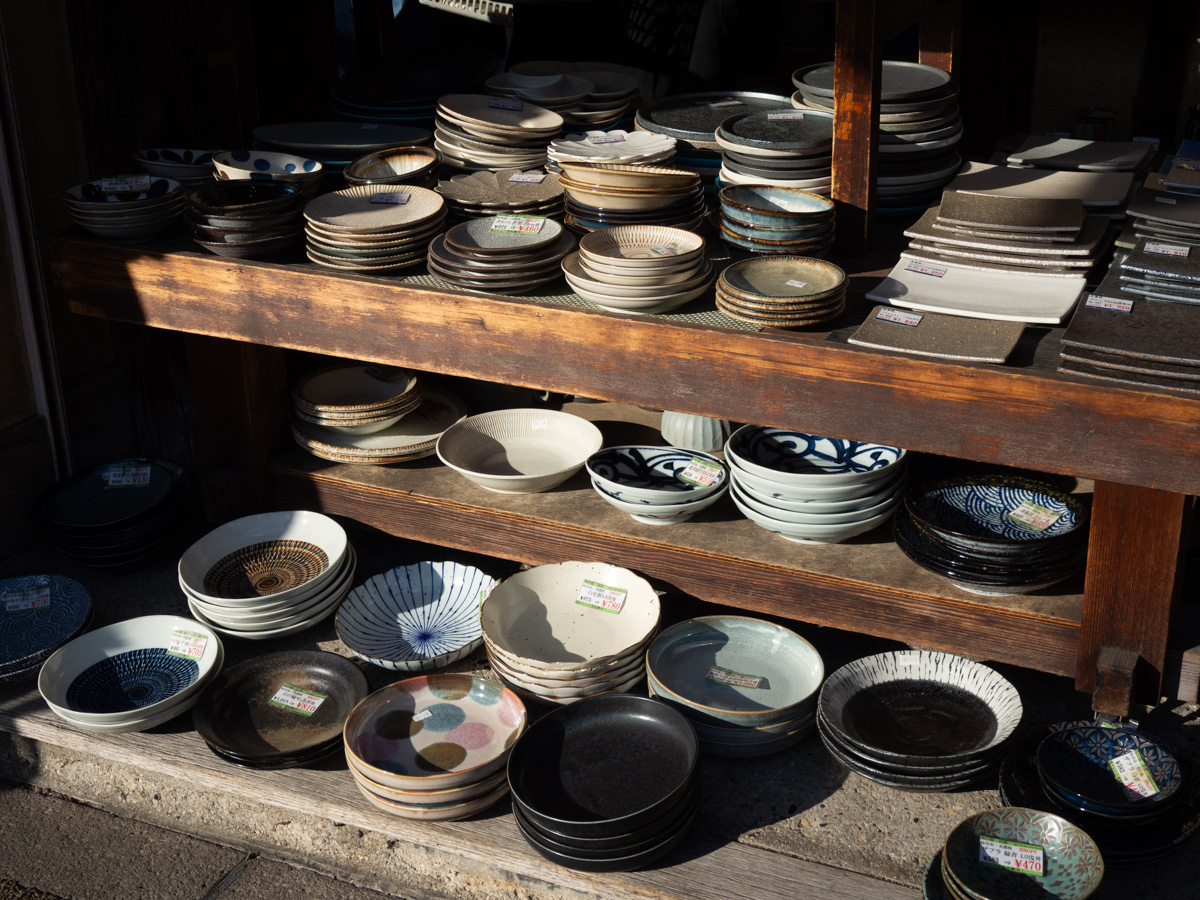
Kappabashi Street with its kitchenware and ceramics was close by. The stores were lined with metres and metres of tables, inside and outside, holding literal piles of beautiful bowls. Most of them simple and cheap, clearly for everyday use, but still beautiful. I love this aesthetic so much more than most tableware sold in Sweden, where everything is sleek and sharp and straight.

So much variety. I struggled to limit my purchases to what I could fit in the suitcase for the flight home.

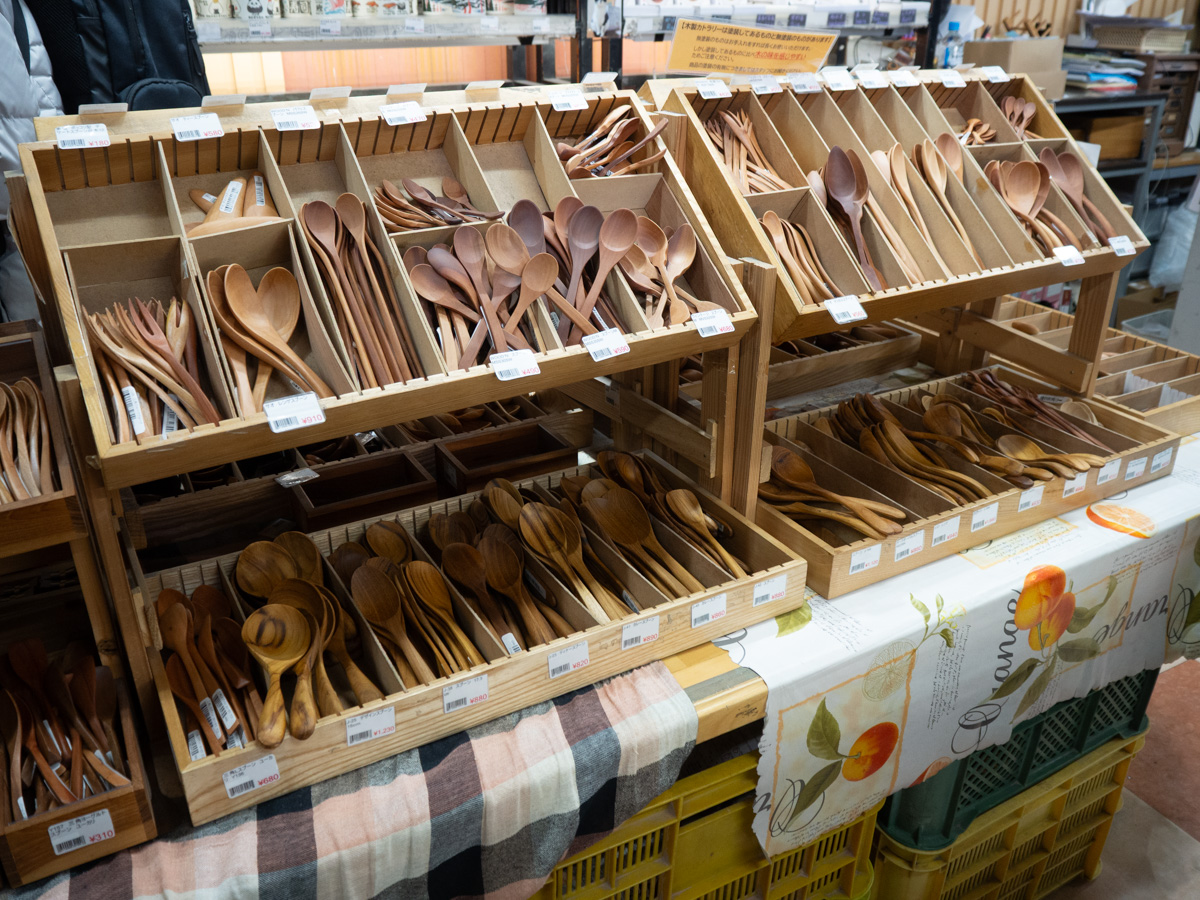
One of the kitchenware shops had something that was almost (but not quite) better than bowls: wooden spoons! Not large cooking utensils, which are quite easy to get hold of even in Sweden, but small ones. And in so many varieties. Different types of wood, different sizes, shapes, curvatures. This made me so happy.