There was some trouble with the commuter trains when I was leaving the office for home. I thought I’d save time by doing my grocery shopping in town while giving it all some time to settle. All fine and good, but it was enough of a deviation from my routine that I accidentally left the bag with groceries on a bench in the train station. I always, ALWAYS only have my backpack to think about, so when the train arrived I just grabbed it and boarded.

I realized my mistake about 5 minutes later, unfortunately after we’d already passed the next station. Had it been just the groceries, I might have just left it and bought everything again in Spånga. But it was also my favourite grocery bag, made for me by Ingrid, colourful and comfortable and just the right size, and I wasn’t going to just leave that.

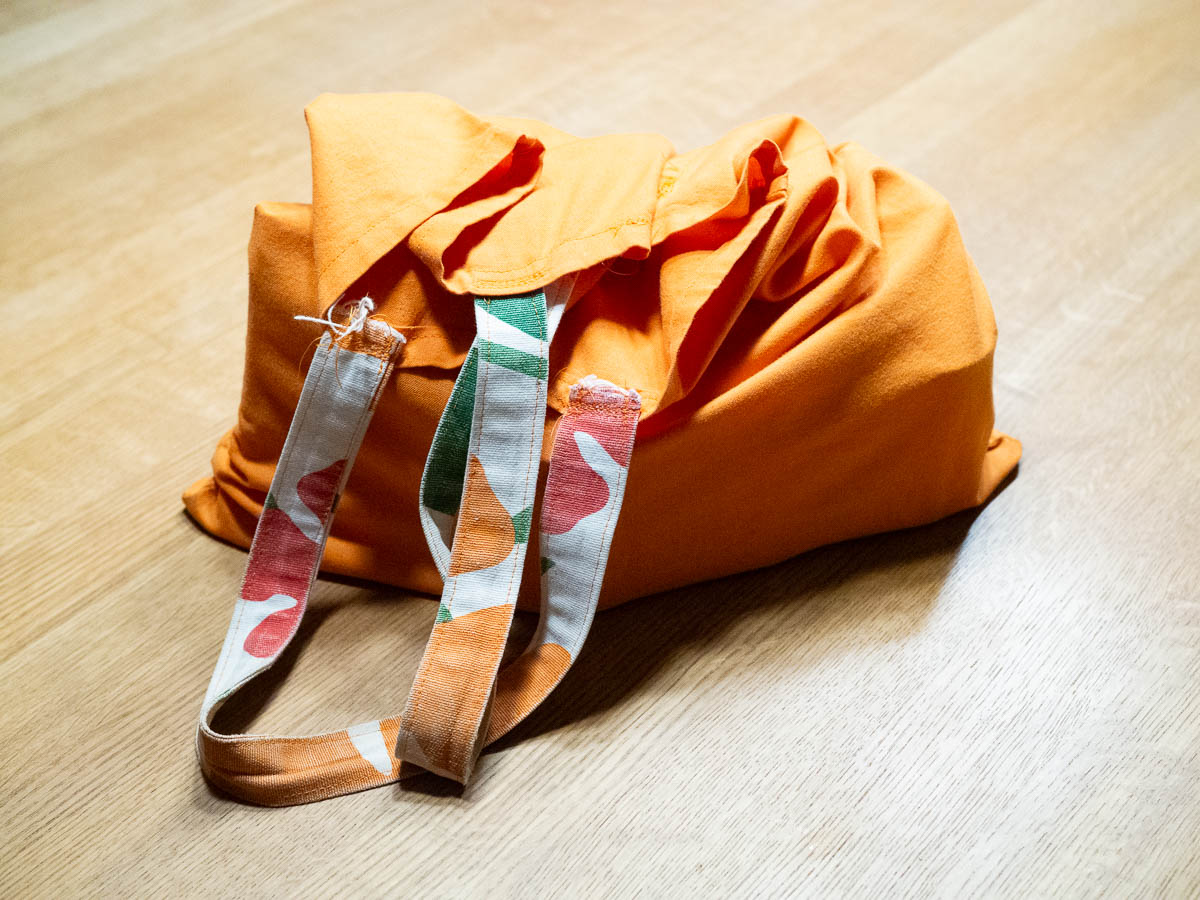
So I got off at Sundbyberg, where I got to wait 10 minutes in the cold wind for a train going in the other direction. Back at Stockholm City my bright orange bag was exactly where I had left it, a splash of colour on dark benches against a dull red floor. Looked very pretty, and I wish I could have taken a photo – but the train home was standing at the platform, ready to leave, and I really did not want to wait 15 minutes for the next one.

Here is the bag, holding the makings of fritters for dinner: two courgettes, a three-pack of tinned sweetcorn, and some feta cheese.

I went out looking for more growing things. Didn’t find much apart from patches of Eranthis in various gardens and hedges. So here’s some no-longer-growing things from the park.


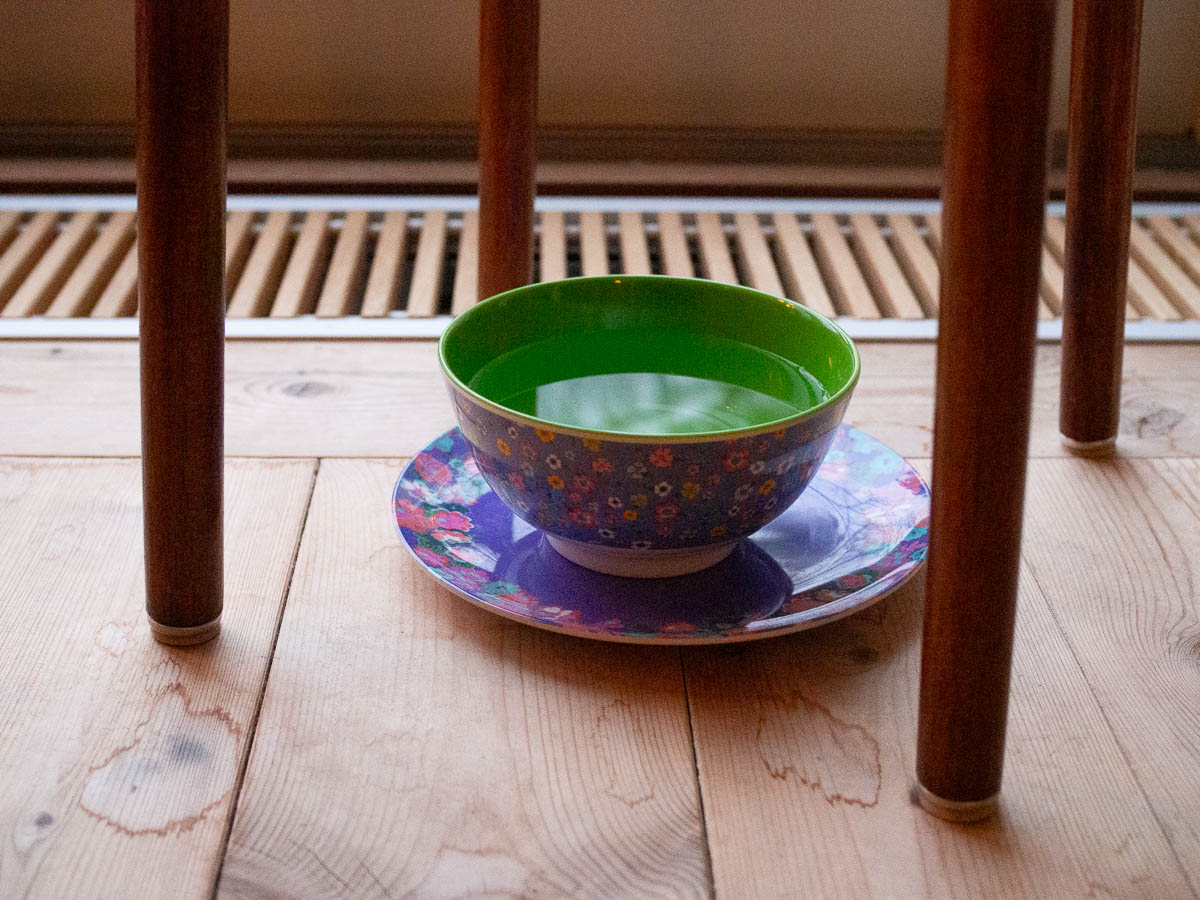
I use colourful, patterned melamine bowls for Nysse’s drinking water. (Although he often prefers to drink from planting saucers instead.)

I wonder what, if anything, he thinks of the bowls. Is his perception of colour close to ours at all? Does he mind the leaf-green bowl, or the violently violet saucer beneath it? Does he notice when I switch out the bowl to put it in the dishwasher?

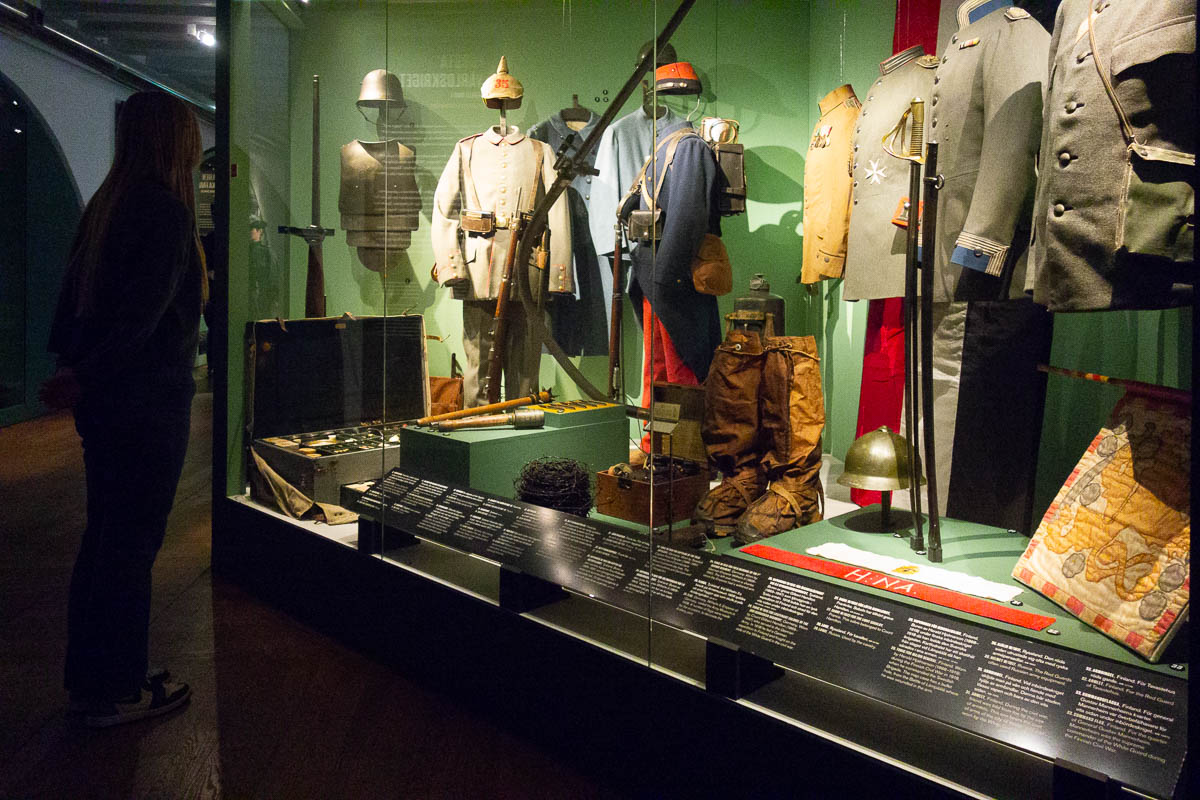
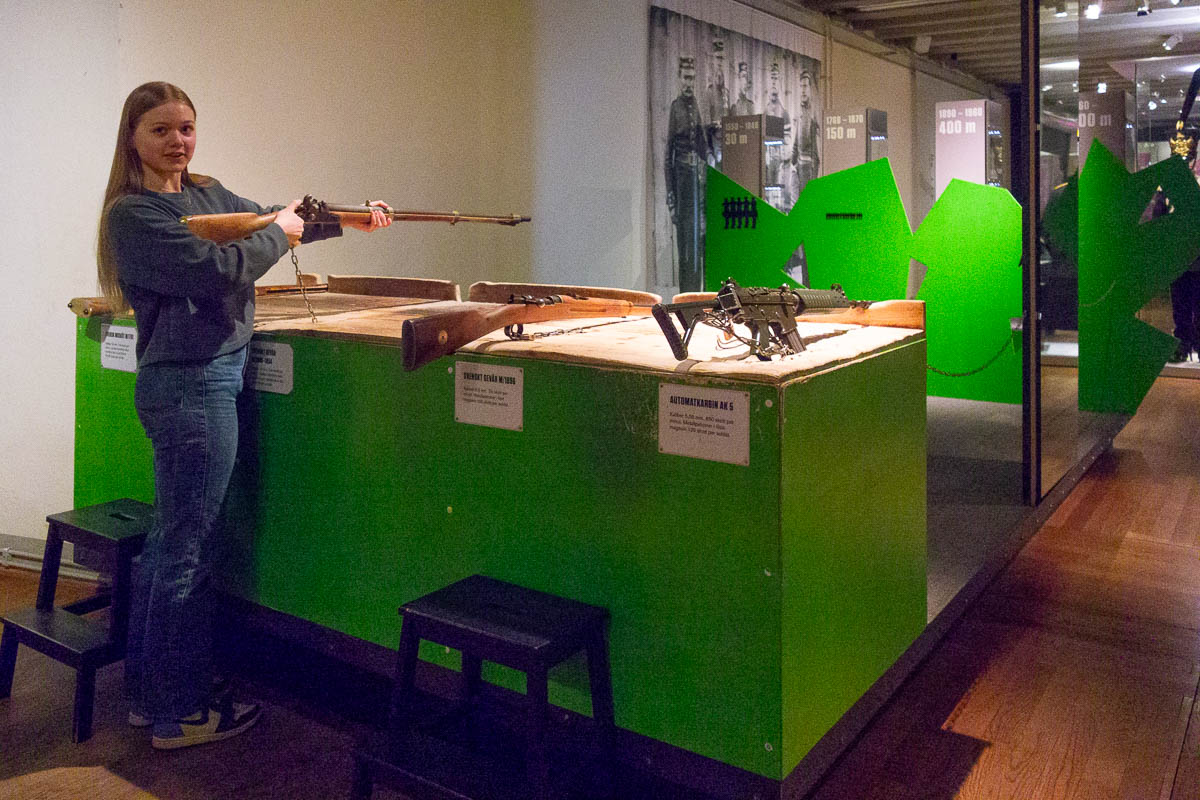
Ingrid is studying WW1 at school, and her teacher had recommended the class to visit the Army Museum to learn more. She asked for company, so I went with her to the museum.

The permanent exhibition was much smaller than I had expected given the teacher’s express recommendation. And it was very much about the army and its experience of the war, rather than about the bigger picture, the whys and the wherefores. Still, well presented and rather interesting, and we learned things. About the breakneck pace of technical innovation during the war, for example. And that guns are heavy.

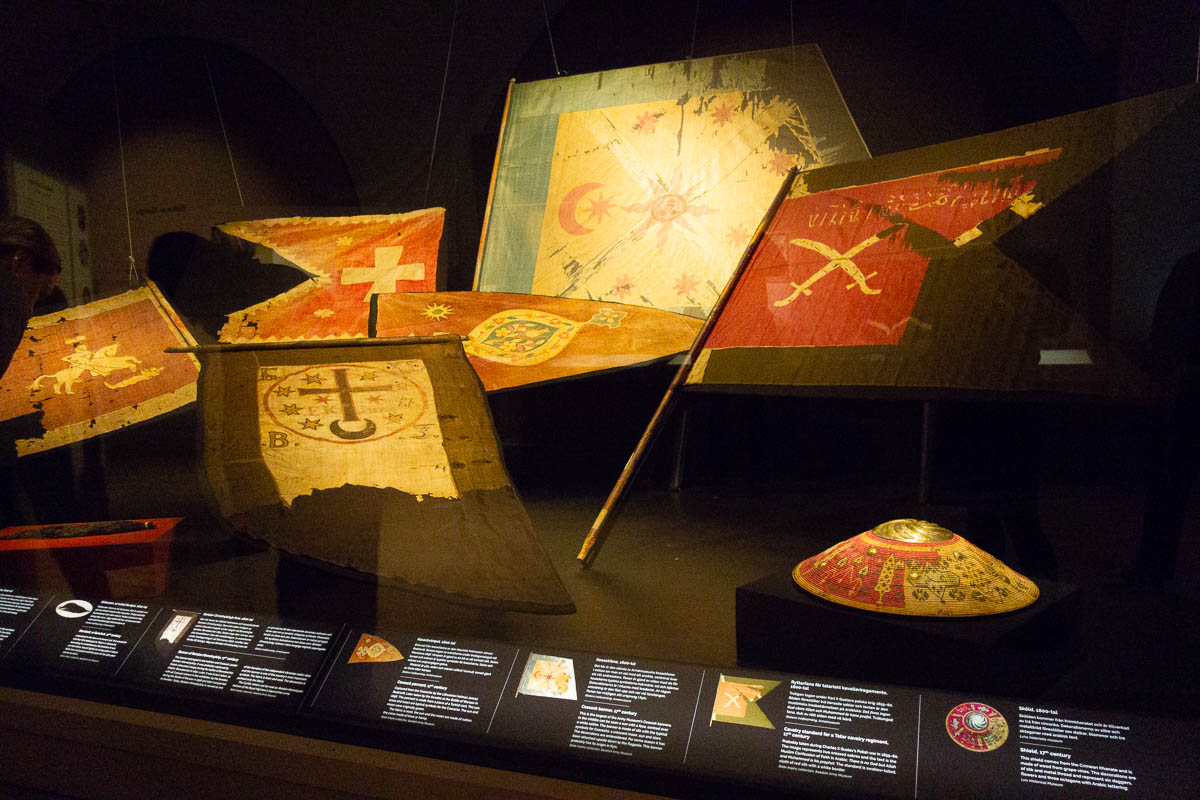
We breezed through the rest of the 20th century and didn’t visit the section about older history at all. What we did spend time on, though, was a very topical temporary exhibition about historical relationships between Sweden and Ukraine.

I had no idea that there were such close ties between the royal families, and important political alliances. Starting Ingegerd Olofsdotter, daughter of a Swedish king, marrying the Grand Prince of Kiyv, which I had never heard about. Then Karl XII allying with Ukrainian leader Ivan Mazepa against Peter I of Russia – what I remember about the Great Northern War from my years in Swedish school is all about Sweden warring against Russia, with Ukraine coming up only tangentially as the place where the battle of Poltava took place. (And the parts of GNW that were discussed during my Estonian schooling were mostly those that took part in Estonia, i.e. the battle of Narva, and the fact that it brought with it the end of the “good old Swedish days” and the passing of Estonian territory from Swedish rule to Russian.)

I also (re-)learned that Gammalsvenskby, an old village in Ukraine of people of Swedish heritage, was originally settled by Estonian Swedes from Dagö/Hiiumaa. Sadly most of the village has been destroyed now in the war.


Vaguely, tantalizingly spring-like weather is here, with above-zero temperatures on most days.

Indoors it’s not a lot warmer than before. The heating is still set to the same target temperature of 19°C, but on sunny days the system is more likely to overshoot slightly than to fall short.

The bedroom is warmer at night, though. I’ve switched from sleeping in long-sleeved thermal shirt, to short-sleeved cotton t-shirt (under the winter-weight duvet, still, and the flannel sheets, still).


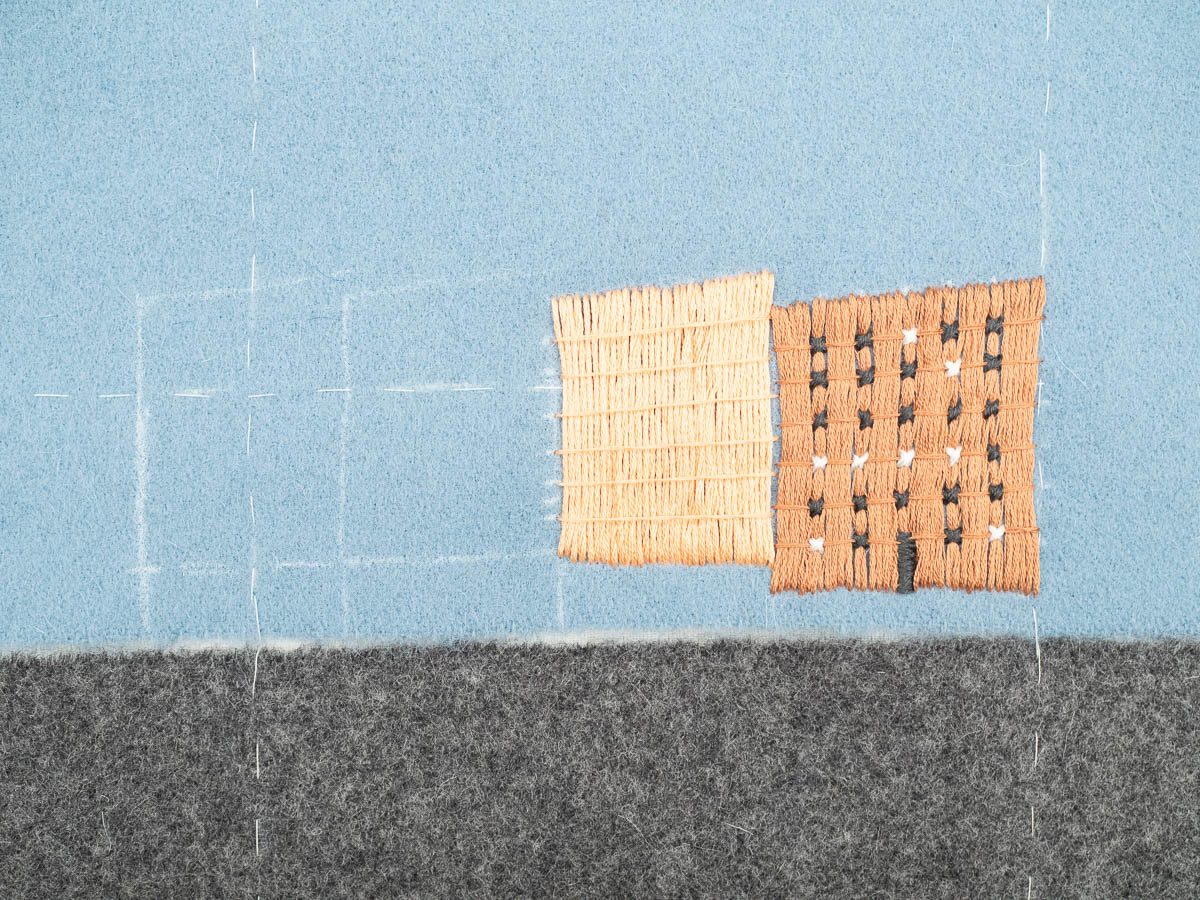
Made a start at the Stockholm embroidery at the embroidery club meeting today.

Yeah, this will take a while.

I’m using Bayeux stitch to fill all that space for the houses. I learned that stitch here at the embroidery club, and I really don’t know what I would have done here instead if I didn’t know this one. It fits so perfectly.

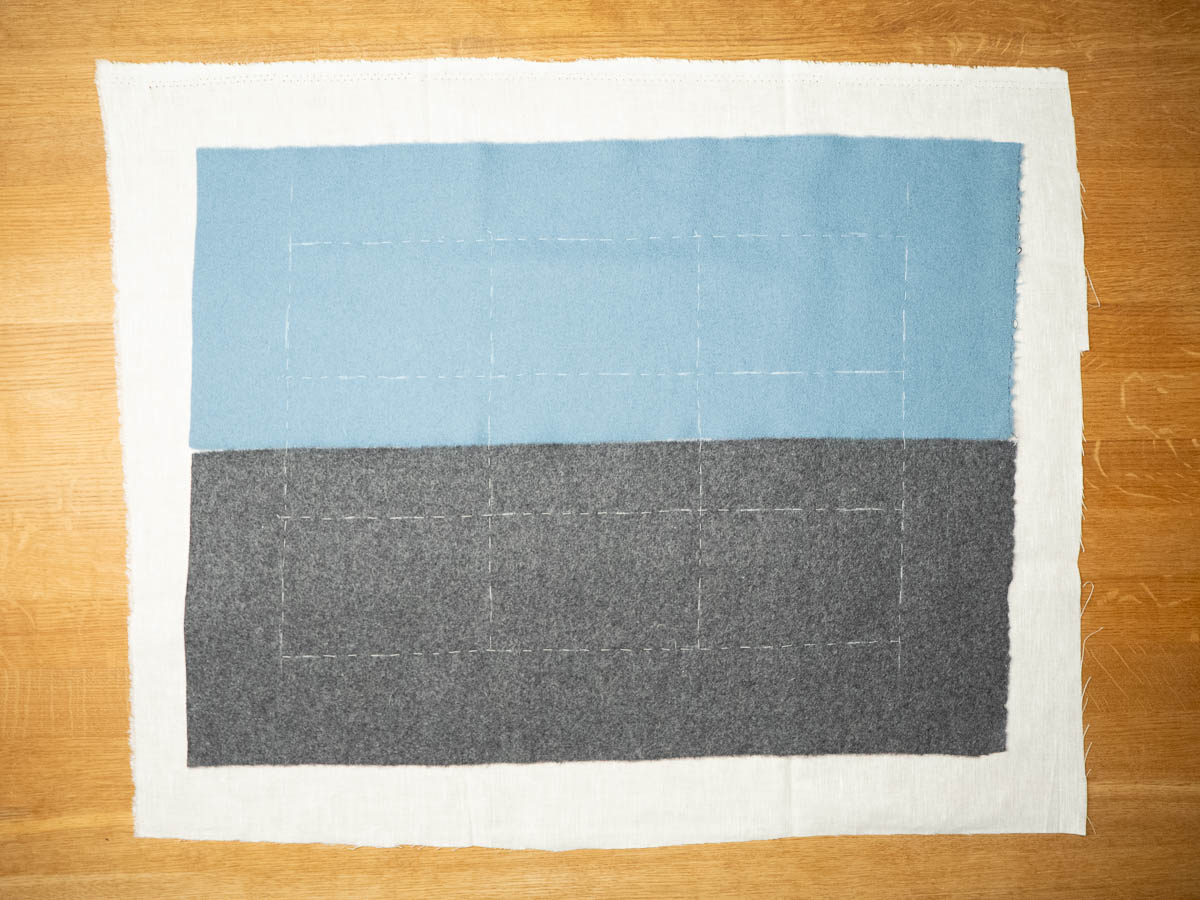
Getting ready to start working on the Stockholm-themed embroidery at the embroidery club tomorrow. I haven’t done much figurative embroidery, but why not try.

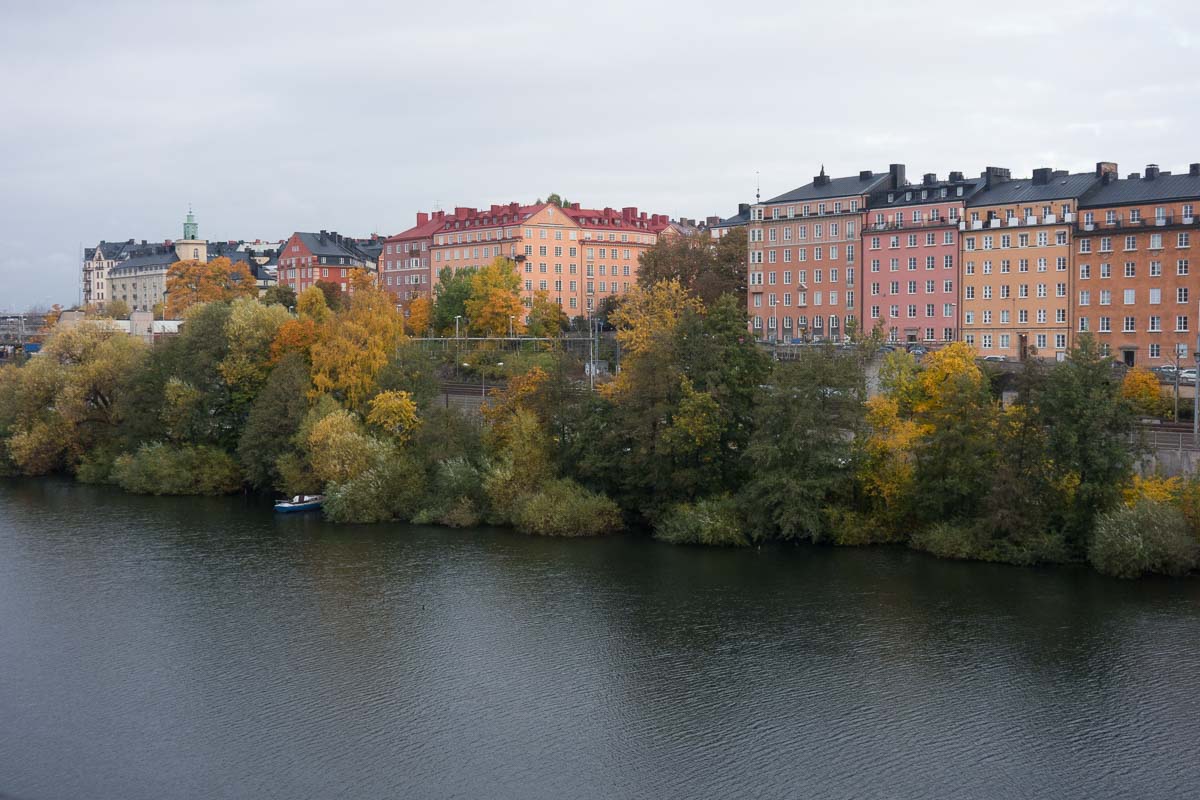
Just choosing something to represent Stockholm was hard. I wanted a concrete picture of Stockholm, not something symbolic (like the subway map). I wanted something personal but also general: an image that would be clearly recognizable as Stockholm by not just me (not a view of our house, for example) but at the same time I don’t want a generic postcard.

In the end I settled on using this old photo of mine of Karlberg. The combination of earth-toned buildings, water, and greenery all together feel like quintessential Stockholm to me.

The group’s suggested end date for the project is mid-May. I’m pretty sure I’m not going to be done by that time. The marked area on the fabric is 30 by 45 cm. I get a lot for free from the background fabric – I won’t be embroidering much on the sky or the water – but that’s still quite a lot of fabric to cover with stitches. But I’d rather make something that I can be proud of, perhaps even hang on a wall, than focus on a deadline. If it takes me until Christmas – well, then it does.


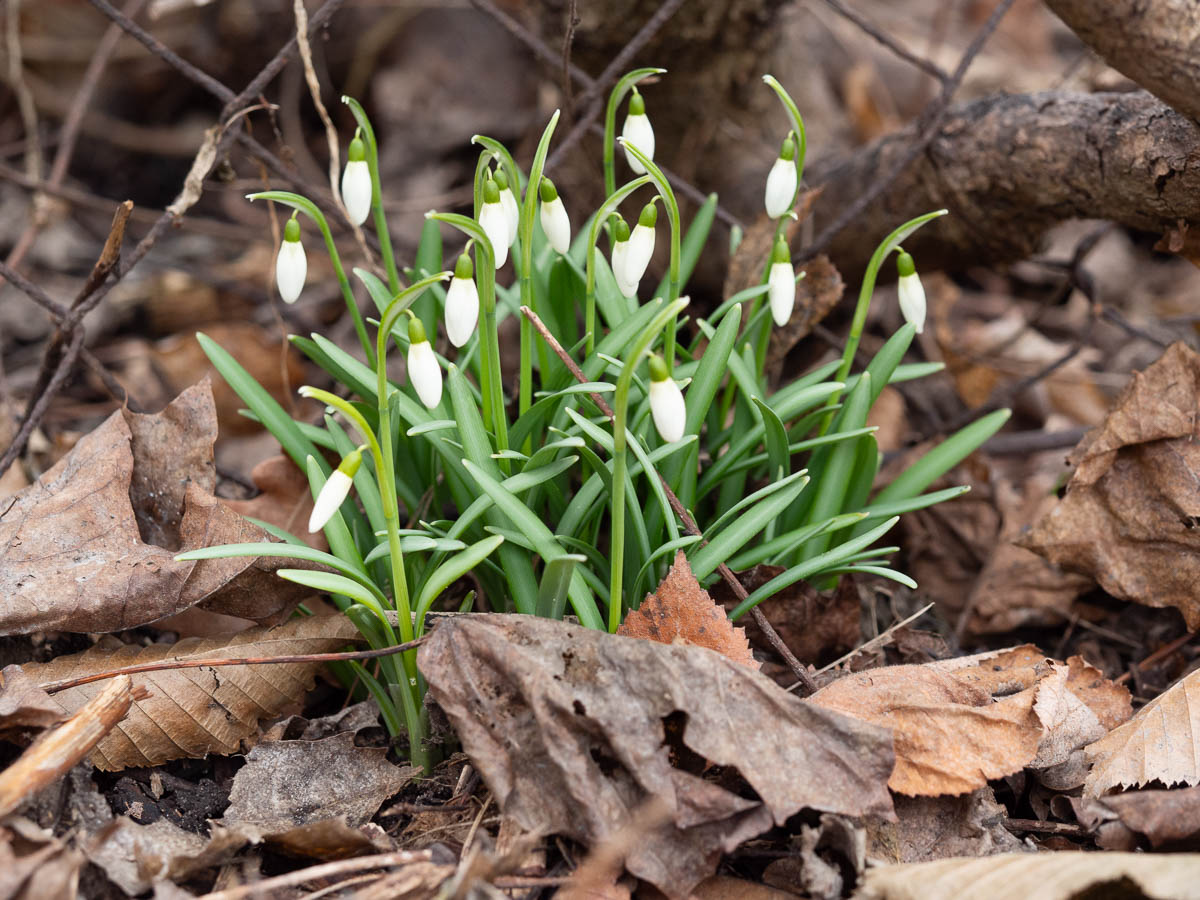
The first snowdrops are out, among the detritus of dead things.


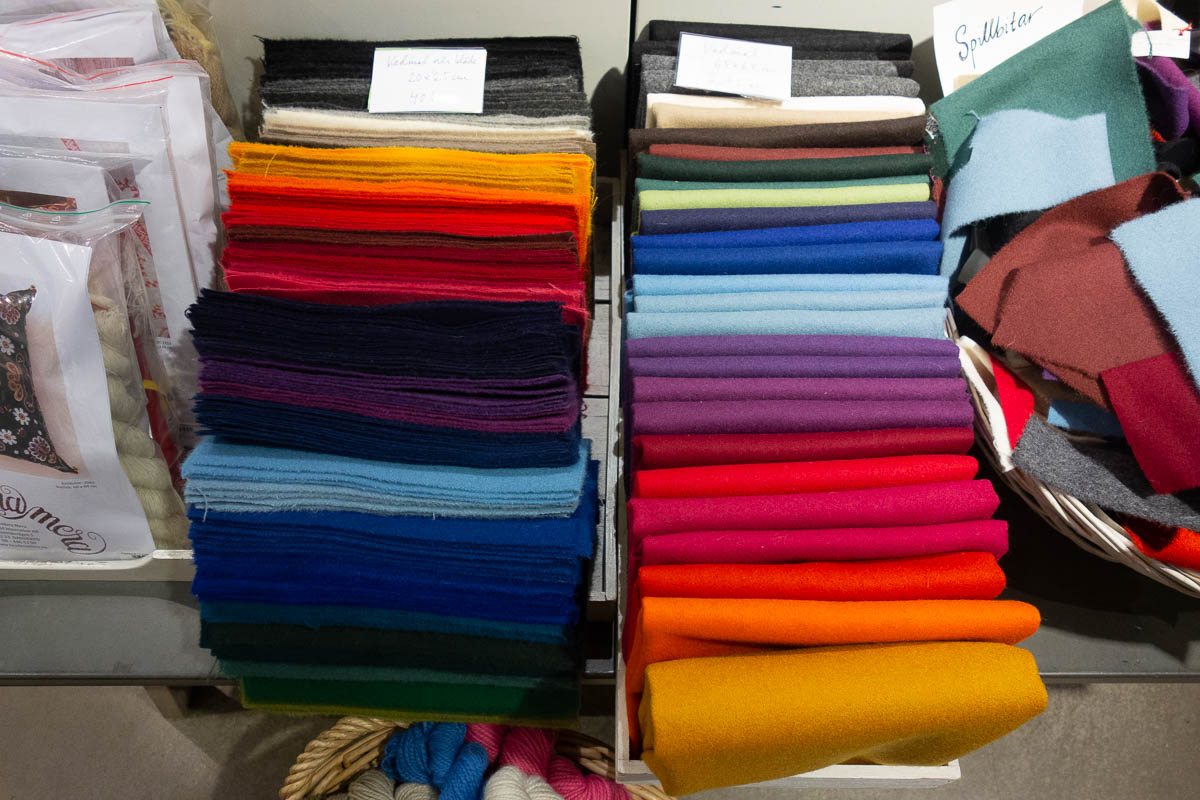
Buying fabric for my next embroidery project.


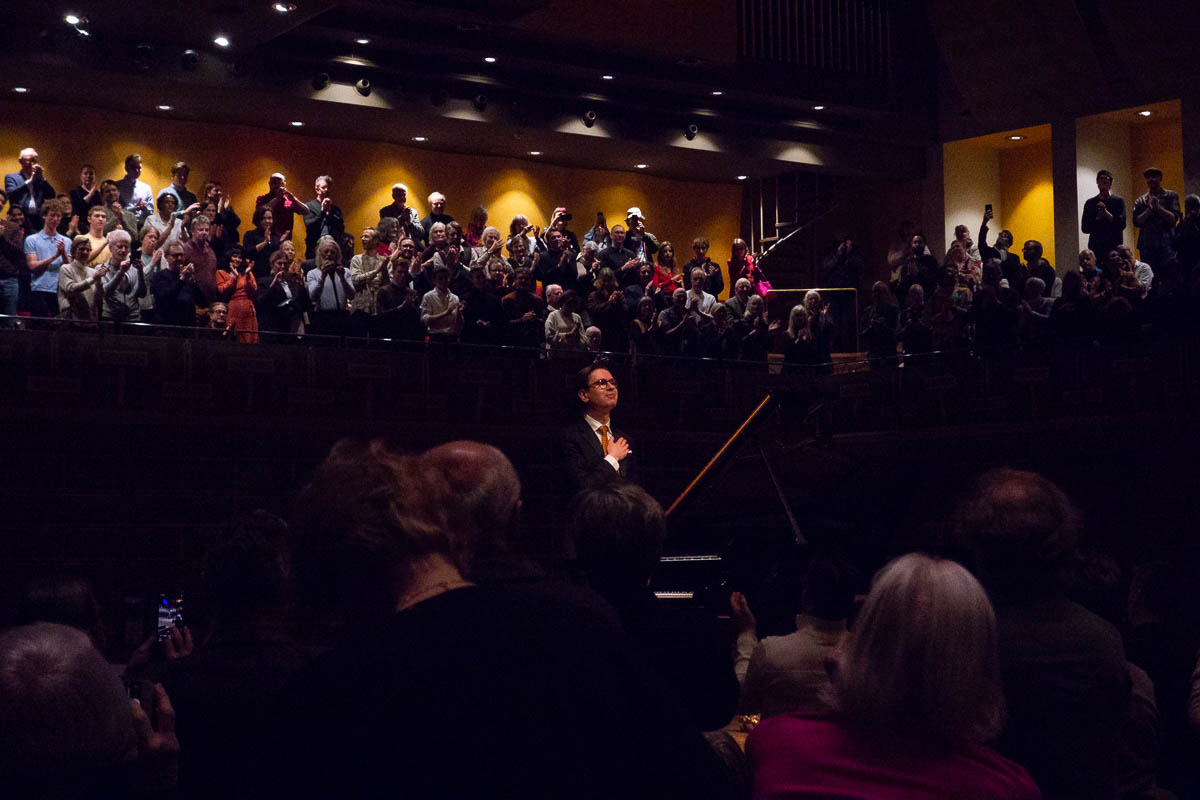
Víkingur Ólafsson played Bach’s Goldberg Variations. My favourite, by far, of the piano recital series. Wonderful experience.

Unlike the grumpy Russians, Ólafsson was personable and fun. Smiled, talked to the audience. Patted the piano to thank it when he was applauded at the end.

These things always end with extra numbers. They can barely even be called extras, these days – they almost always happen. But it was Ólafsson’s very definite opinion that the Goldberg variations were a whole, with a built-in encore in the shape of the aria being repeated at the end, and “you can’t just play a Nocturne by Chopin after it”.