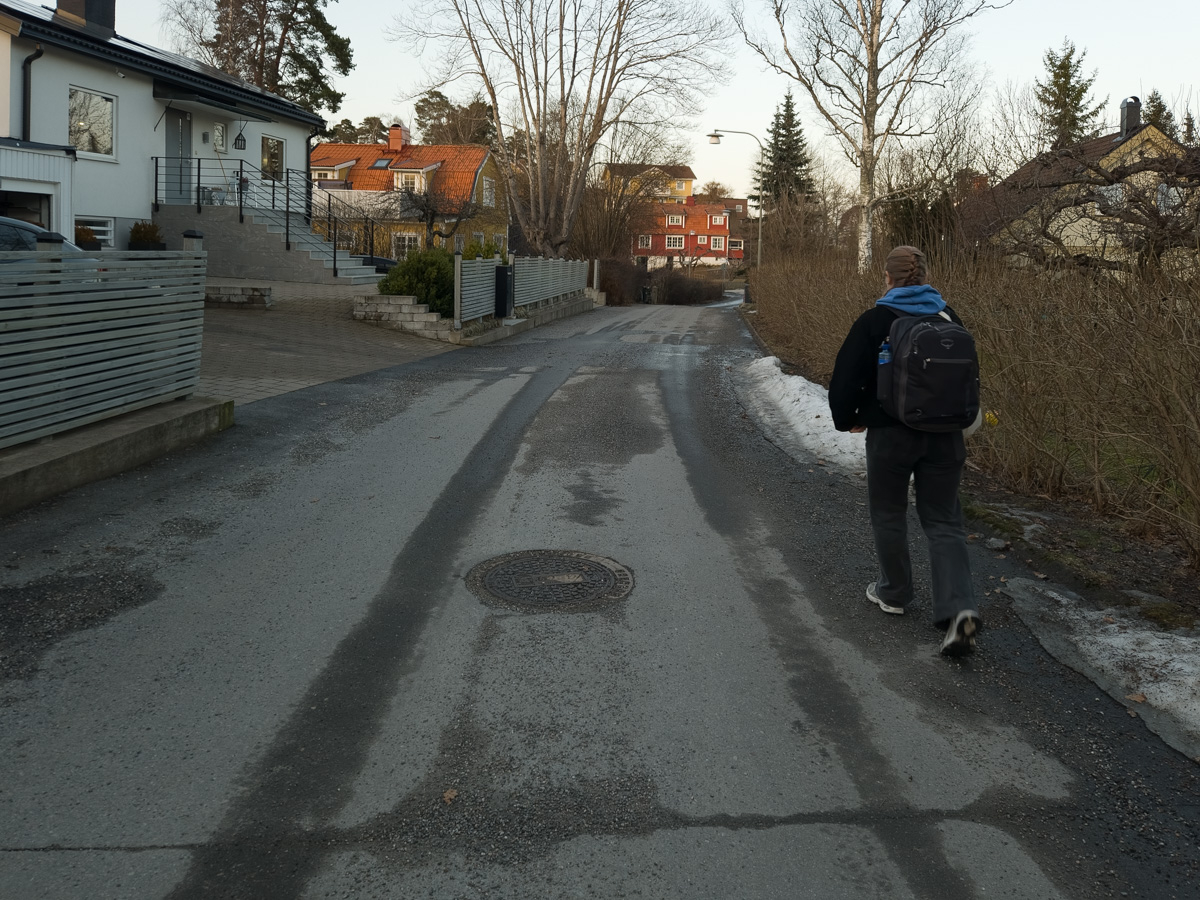
Ingrid is off to Boden, in the far north of Sweden, for fifteen months of military service.

Her position will be gruppchef stridsfordon and I have no idea what the correct English translation is, but it means that she will be leading a small group of soldiers in IFVs, infantry fighting vehicles. The first three months are “just” basic training; the group leader thing will come after.

She’s been looking forward to this for a long time, and working out to be in the best shape she can, but the nerves have been gaining the upper hand in the last week. Now it’s finally happening – a night train to Boden, and tomorrow morning she’ll be presenting herself at the garrison in Boden.

We probably won’t be hearing much from her in the near future, but she will be coming home for a few days already the weekend after next.
I’m having a baking weekend. The freezer was empty, the cake tin was empty – this could not continue.

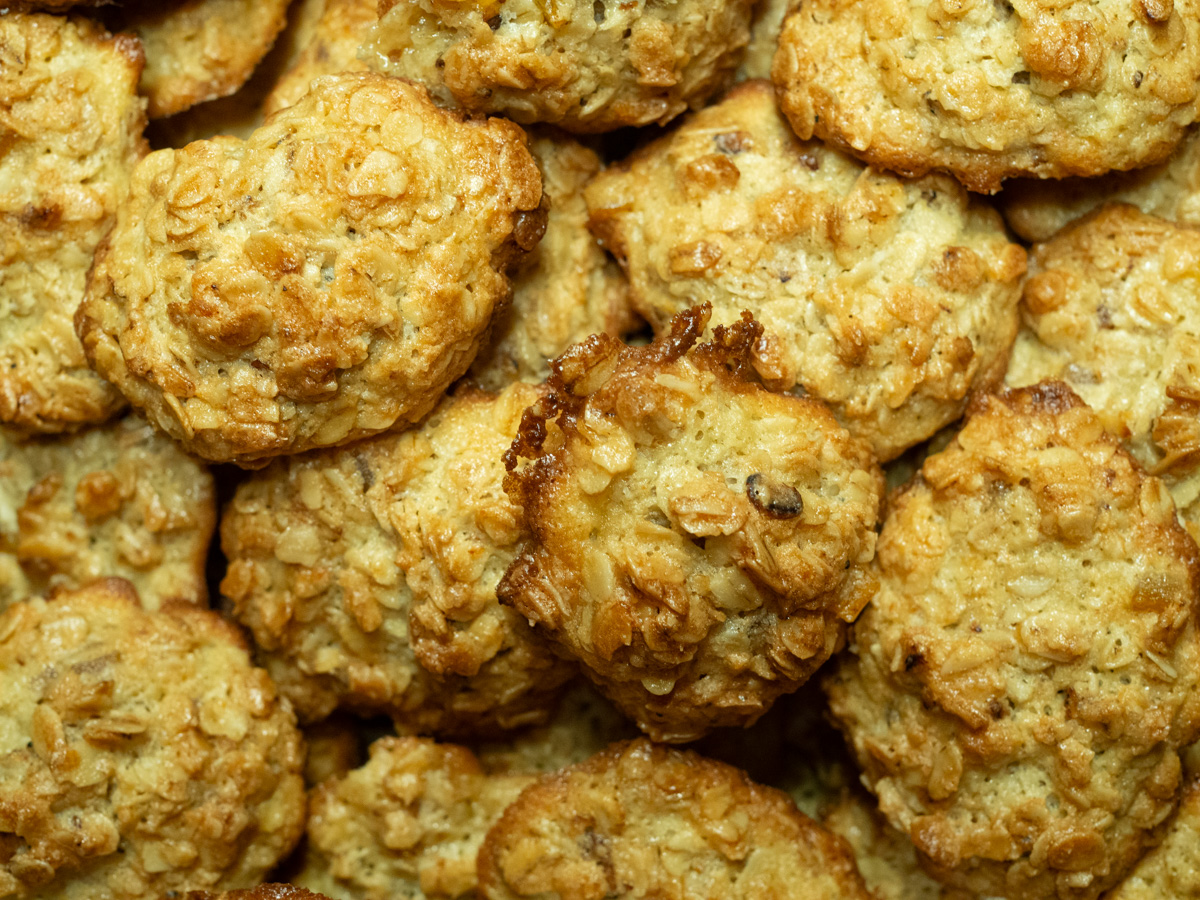
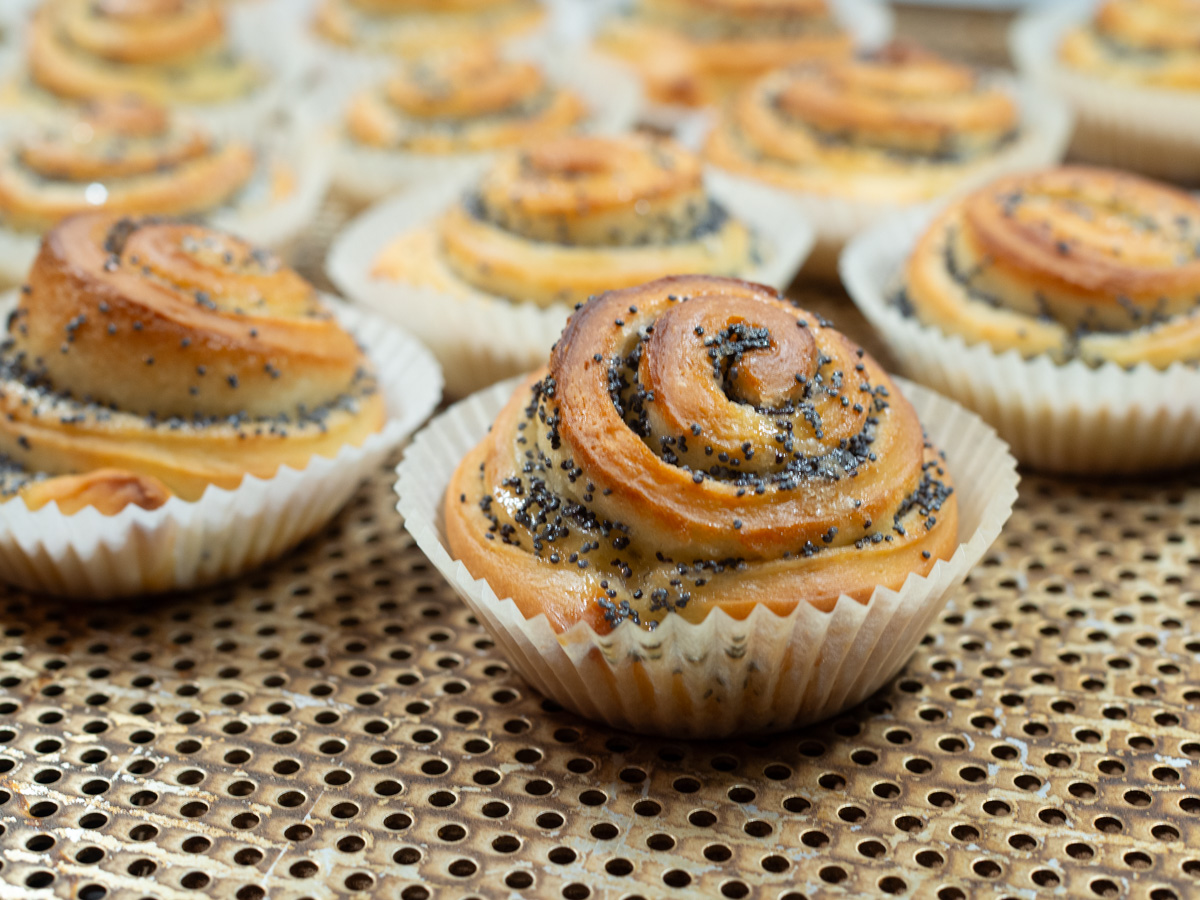
The plan was to make brownies, oat cakes, and poppy seed buns. Adrian got there first with the brownie, though, so I just had the cakes and buns left for this weekend.

These Estonian oat cakes are based on a childhood recipe. They’re mostly rolled oats and butter, with just enough egg to hold them together, and a bit of sugar. Most people who eat them say they’re less sweet than expected, and that just means you can eat more of them. And chopped candied orange peel.

The traditional recipe I’ve held on to for many years doesn’t work in its original state any more. Standard-sized eggs have become so much larger that if I follow the old recipe, the cakes spread out when baked. They’re supposed to stay in little mounds, softening only just a tiny bit around the edges. I have no memory of how large eggs used to be in Estonia thirty-five years ago, but it seems that they must have been about 2/3 of today’s Swedish eggs. Right now with the eggs I get at the supermarket, using two eggs instead of three makes the cakes turn out exactly right.

The poppy seed buns came out great as well.

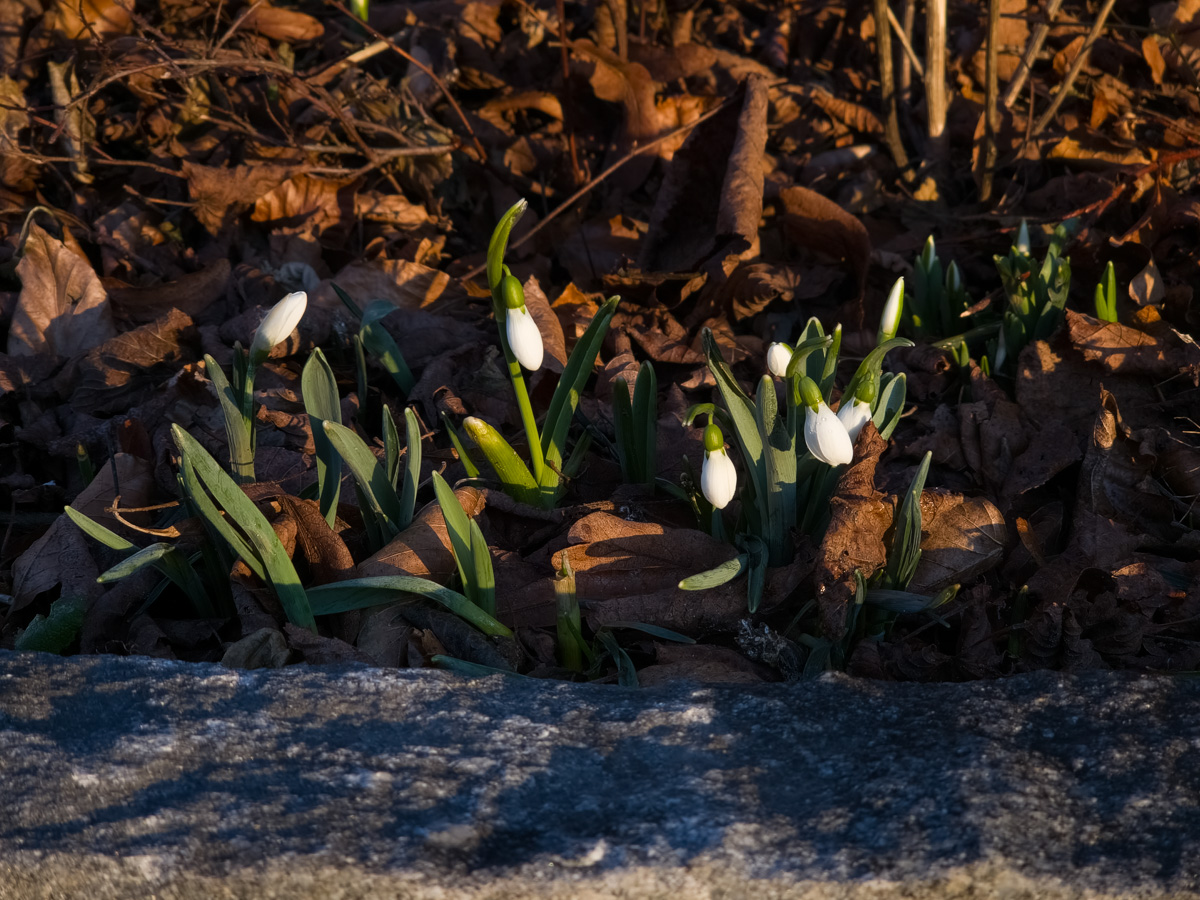
About a week after the snow disappeared.

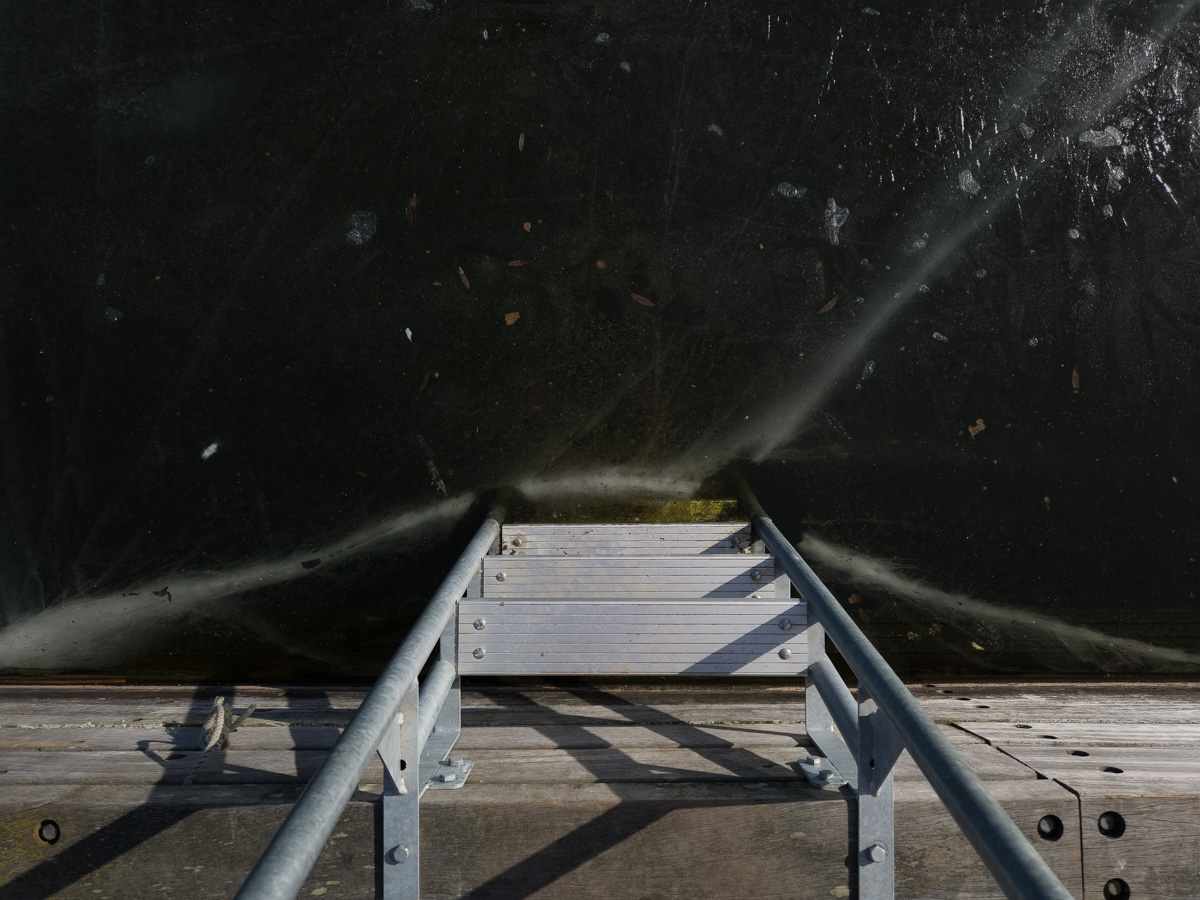
Another brilliantly sunny day, another brief post-lunch walk near the office. The ice in Liljeholmen is still looking very thick and solid, but can it really be? It makes me want to throw rocks at it, or climb down and poke hard at it.

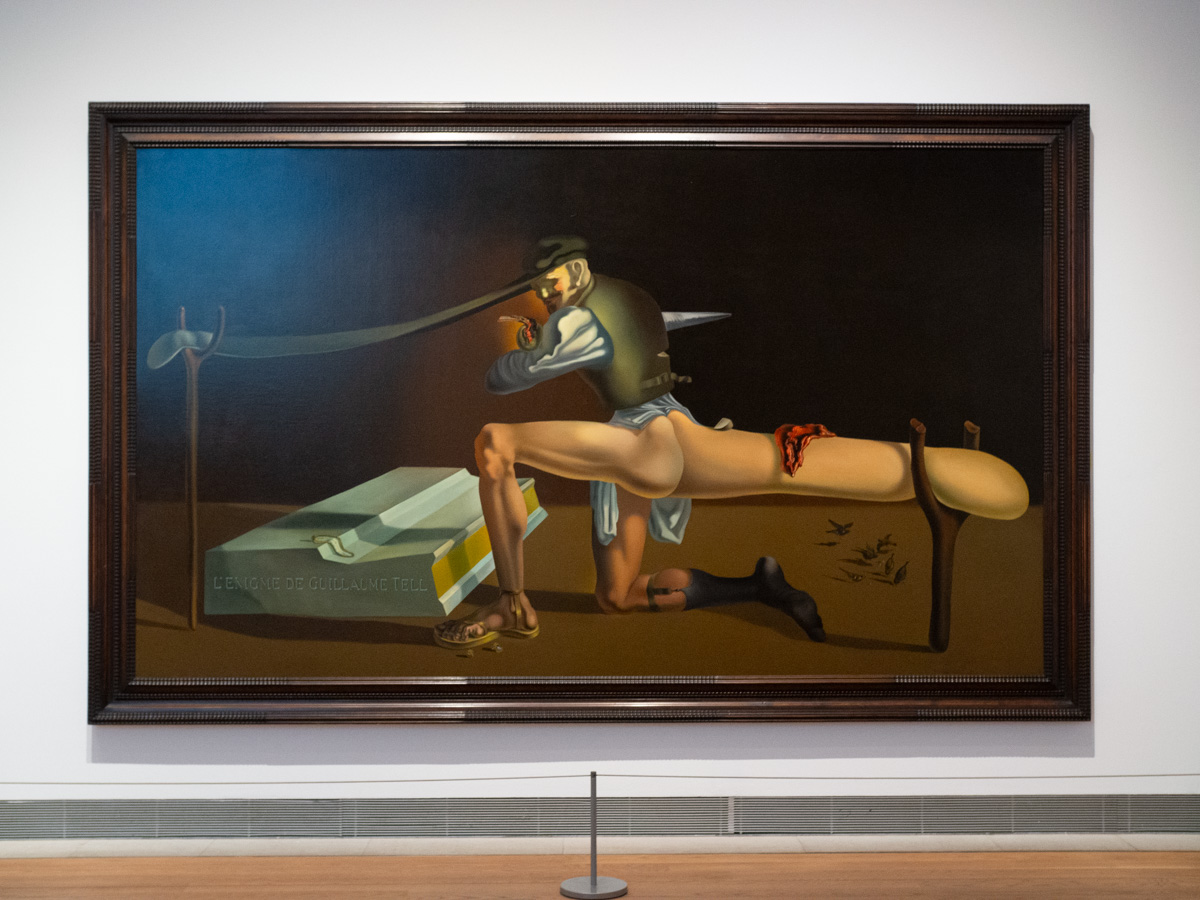
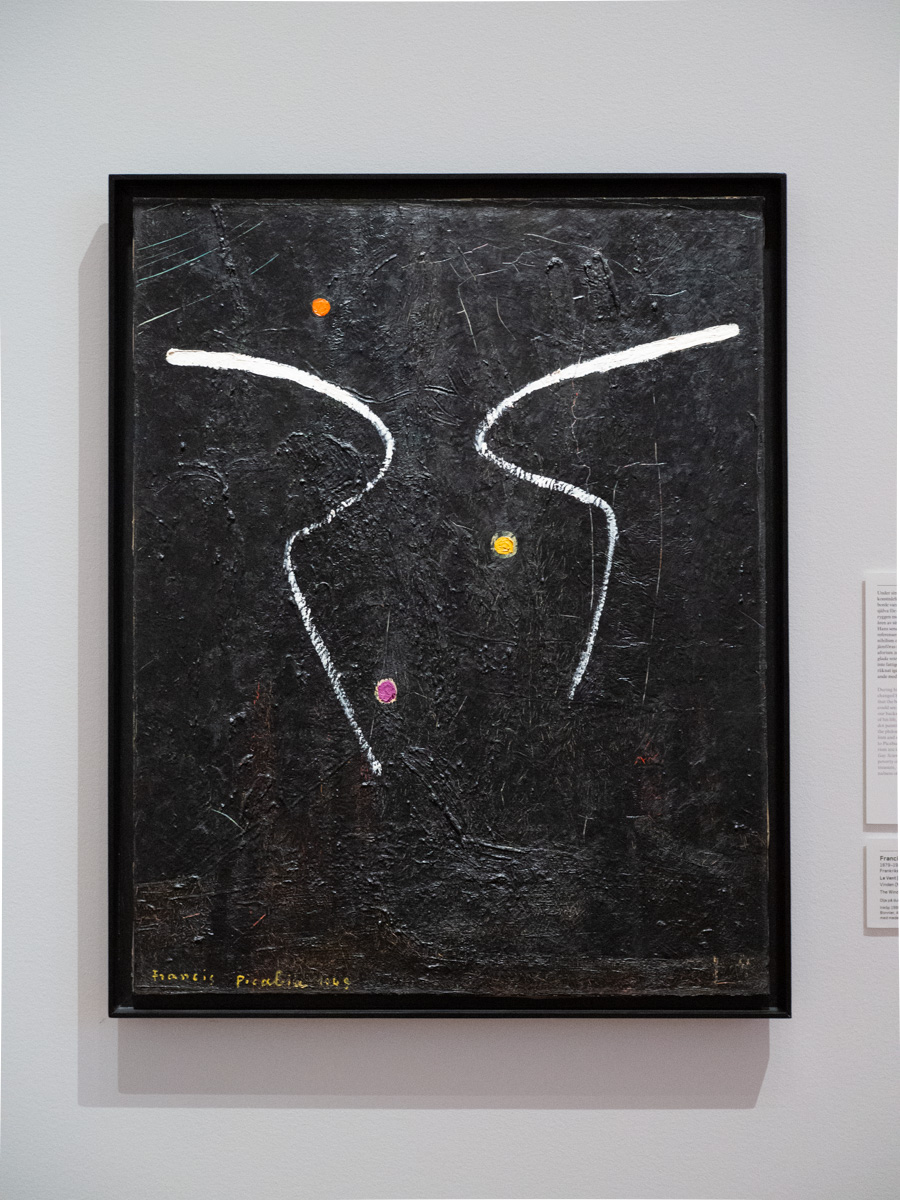
Ingrid and I went to see The Subterranean Sky – surrealist art from the collections of Moderna Museet.

We were confused and disappointed. Most of the works exhibited were not actually examples of surrealism, or at least not what we thought surrealism to be. Maybe we’re not educated enough.

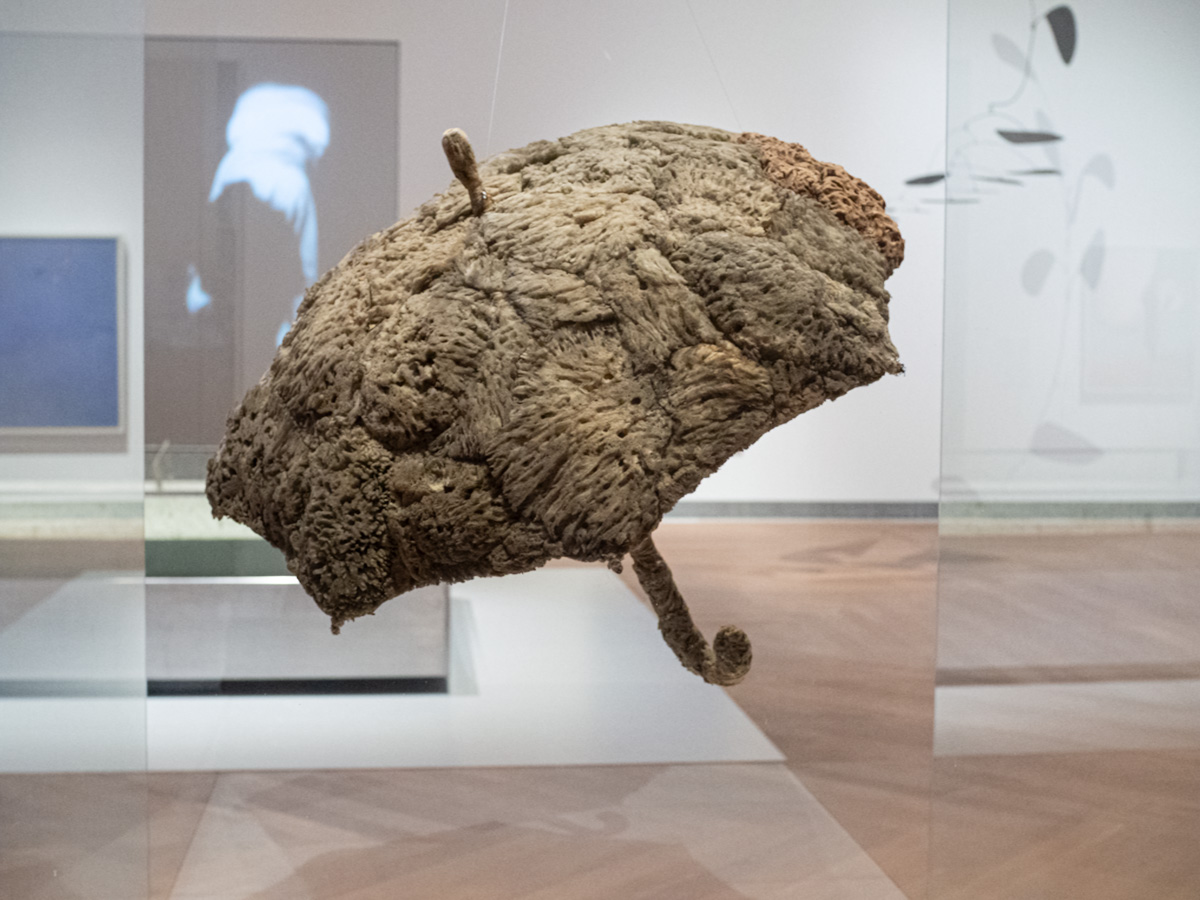
There were some works of obvious, well-known surrealists such as Dali and Magritte, and Bunuel. And a rather bizarre umbrella clad in sponges. I have to wonder if the sponges looked so dead and brown and close to disintegrating into dust when the work was first made.

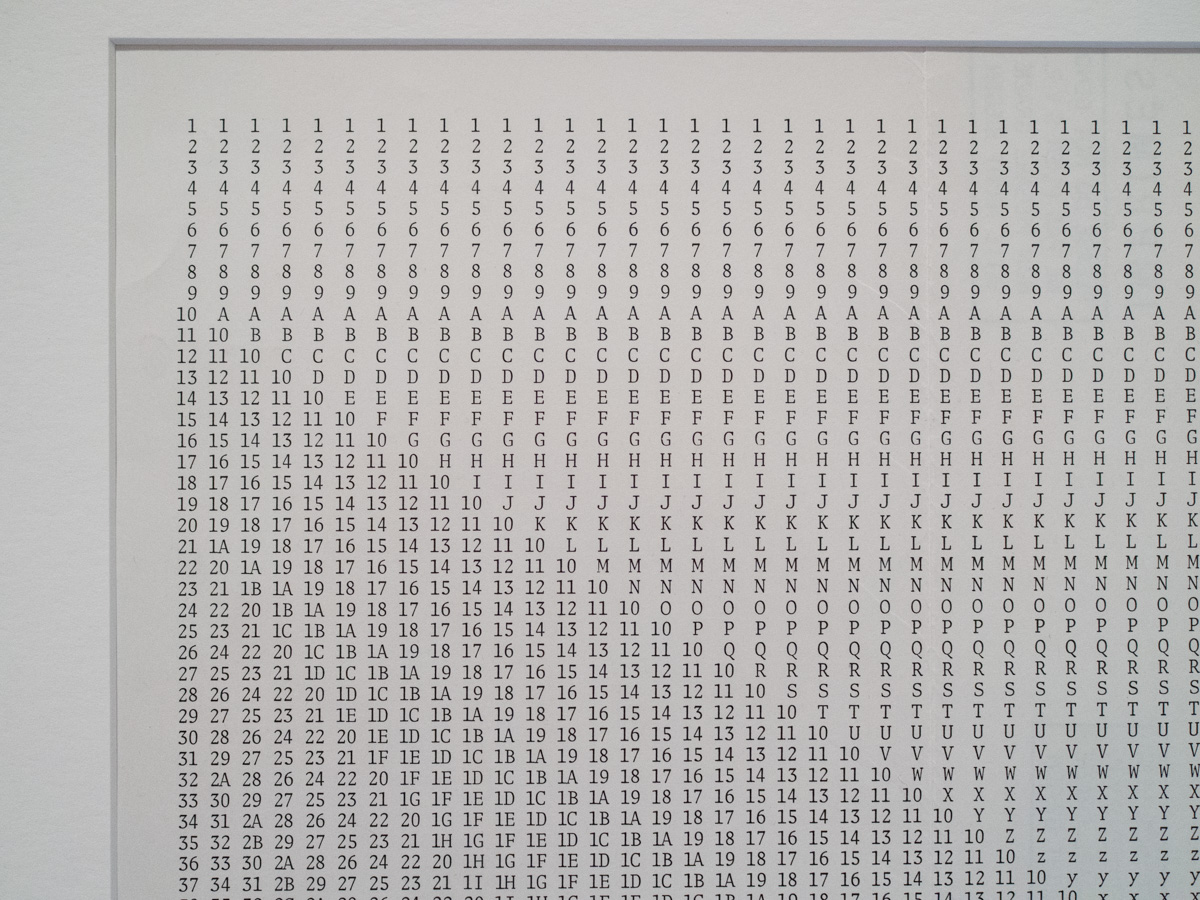
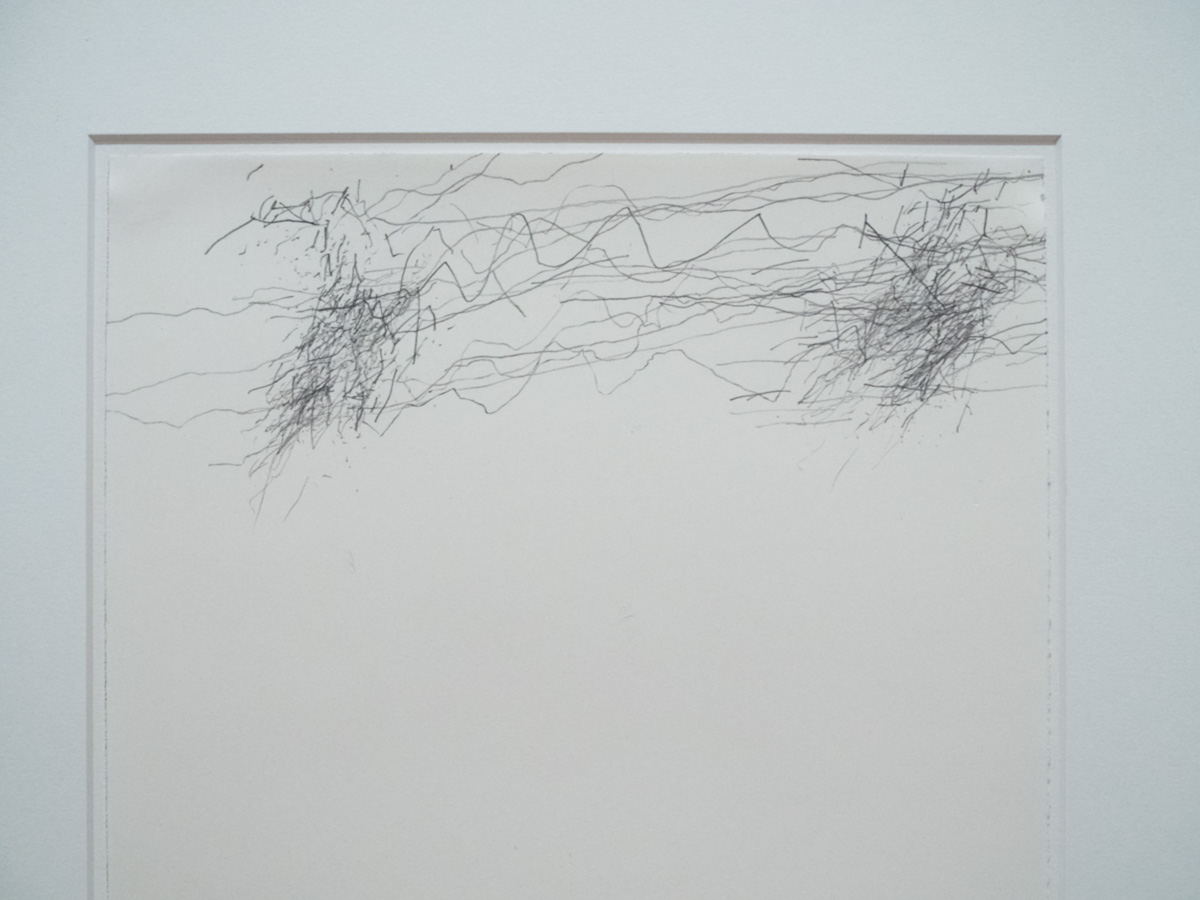
But then a whole lot of what I would have called abstractionism and dadaism: drawings generated automatically by the artist’s hands as they were shaken during a train ride; lines depicting nothing. One of Alexander Calder’s mobiles. Why were they there? No idea.


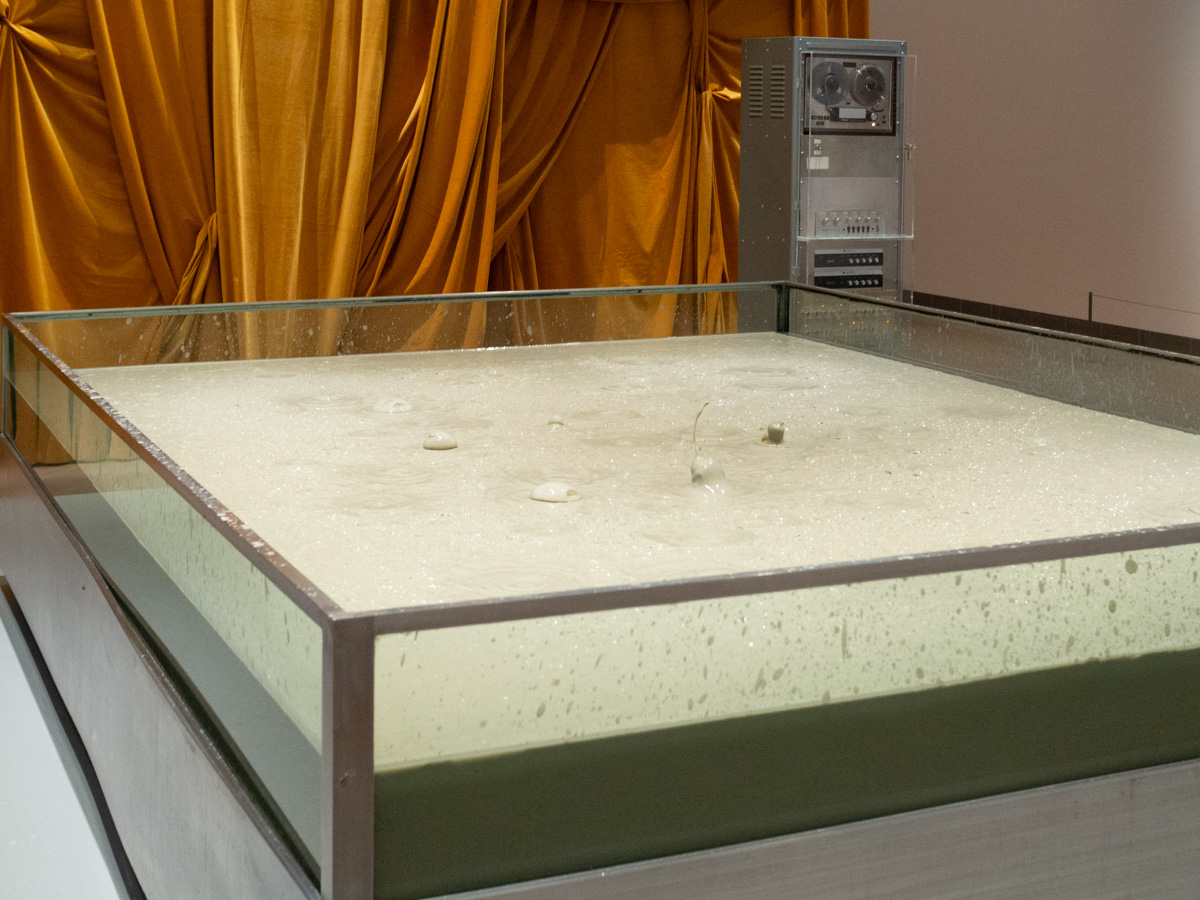
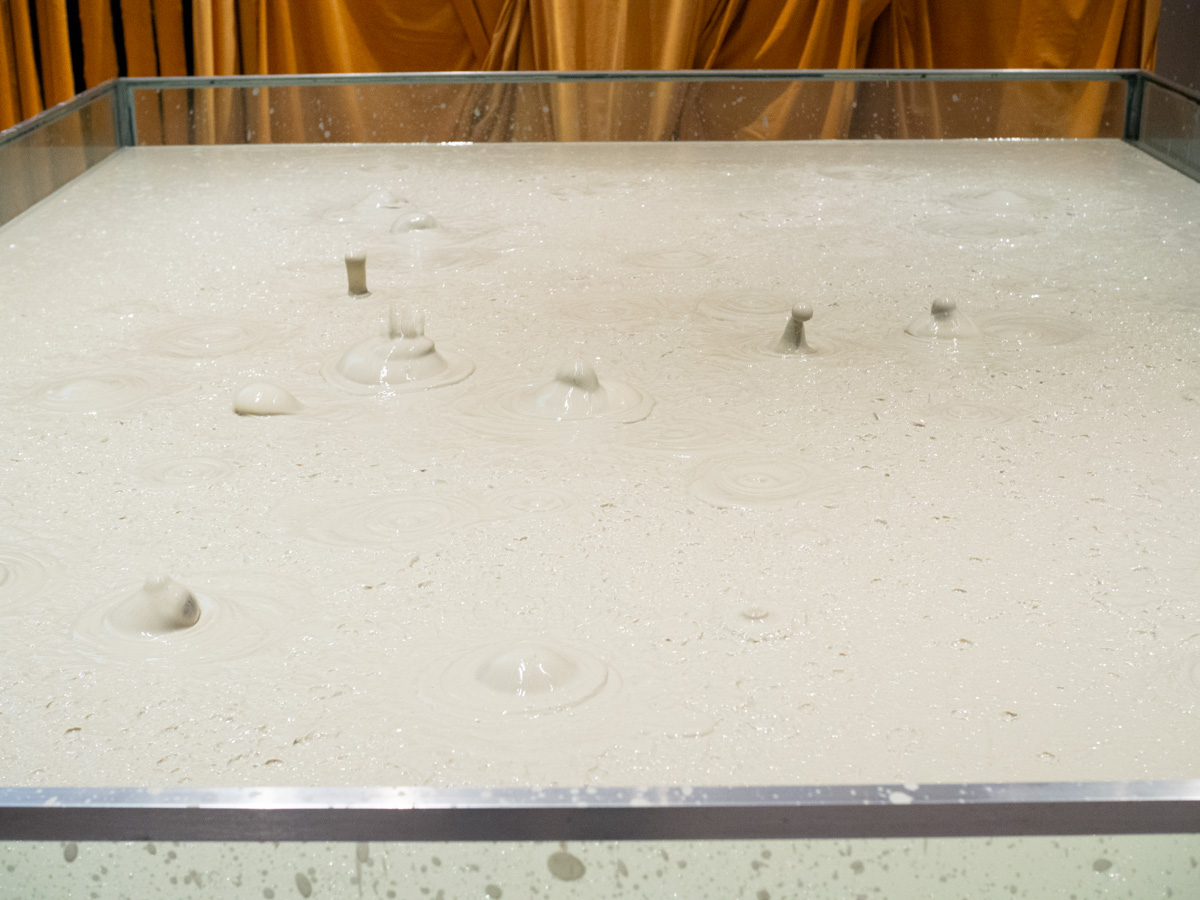
Robert Rauschenbergs “Mud muse” was, in my opinion, also not surrealism, but it was at least kind of fascinating. A pool of liquid mud that bubbled and erupted at seemingly random moments. The eruptions were energetic enough that the pool was surrounded by a splash zone with small dried spots of mud. It turned out to be not random but triggered by sound. I was hoping that meant sound detectors, but no, it was controlled by a recording that was, disappointingly, not even made audible.


So… yeah. Not very impressed.

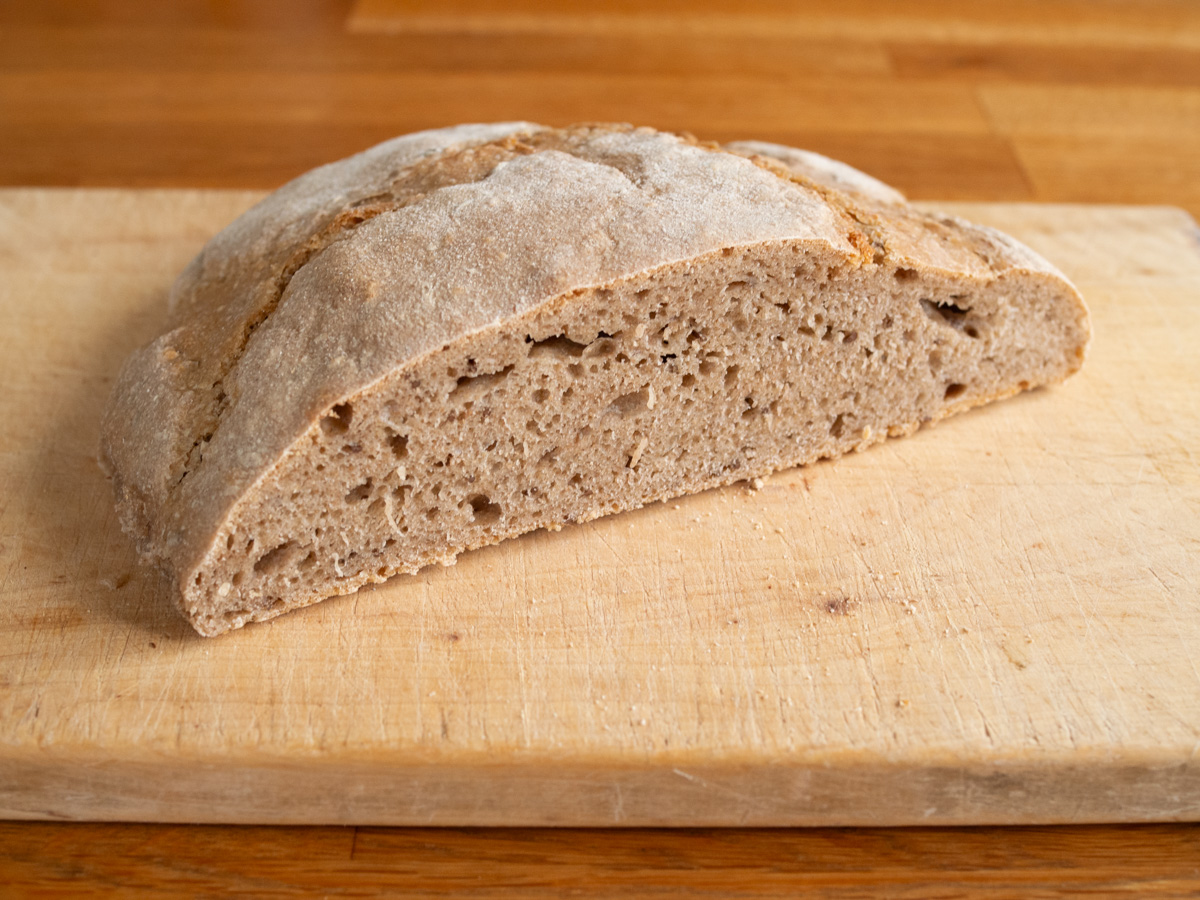
I set a bread dough on Sunday morning. It took a long time to rise, as usual in our house. I was going to bake it in the evening, after dinner, but completely forgot about it. Then at 10 o’clock at night I was suddenly reminded of it – way too late to shape loaves and bake them.

I put it in the fridge (having reshuffled half the fridge to make room for the large dough bowl) and crossed my fingers that it would keep for a day. Either it works or it doesn’t – worth a try at least. Came home from the office on Monday evening, took it out, and picked up from where I’d left off.

The dough didn’t suffer at all from a twenty-hour pause. The bread came out great – possibly even better than usual.

Lunchtime walk in Liljeholmen by the water. Brilliant sun, warm-ish air, but the ice is still thick in the bay.

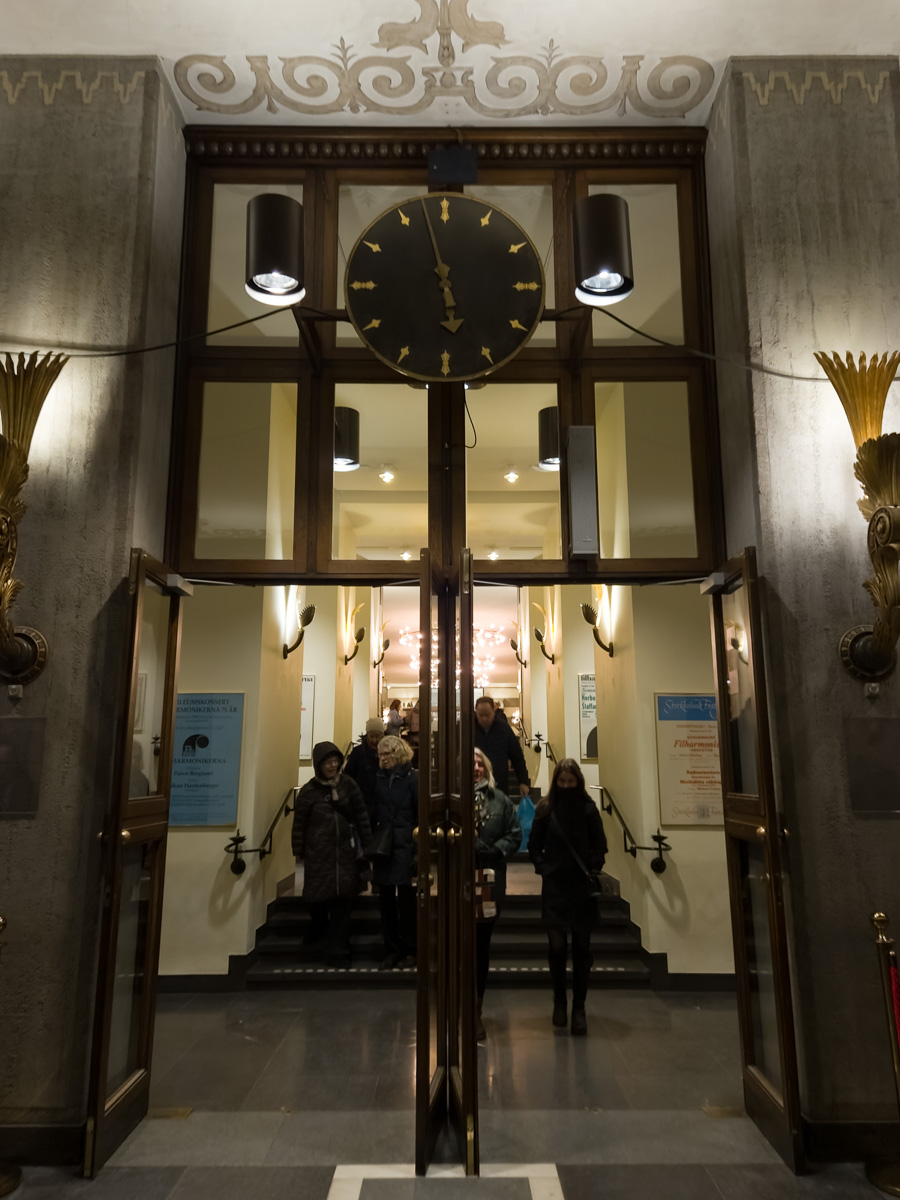
Vivaldi at Konserthuset. I had been more or less resolved to not continue with the Baroque concert series next season, but this was so great that it’s making me reconsider.

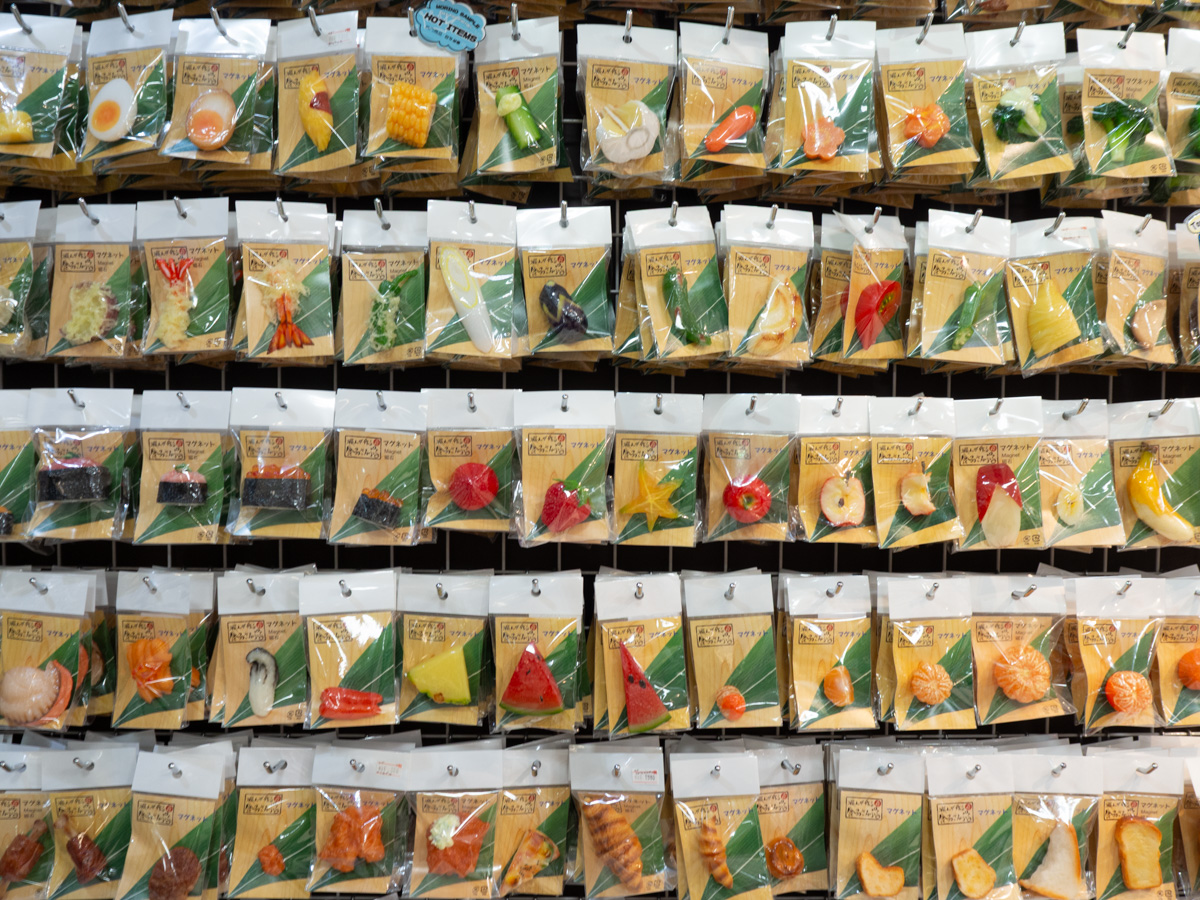
Things I bought in Japan: realistic food magnets.

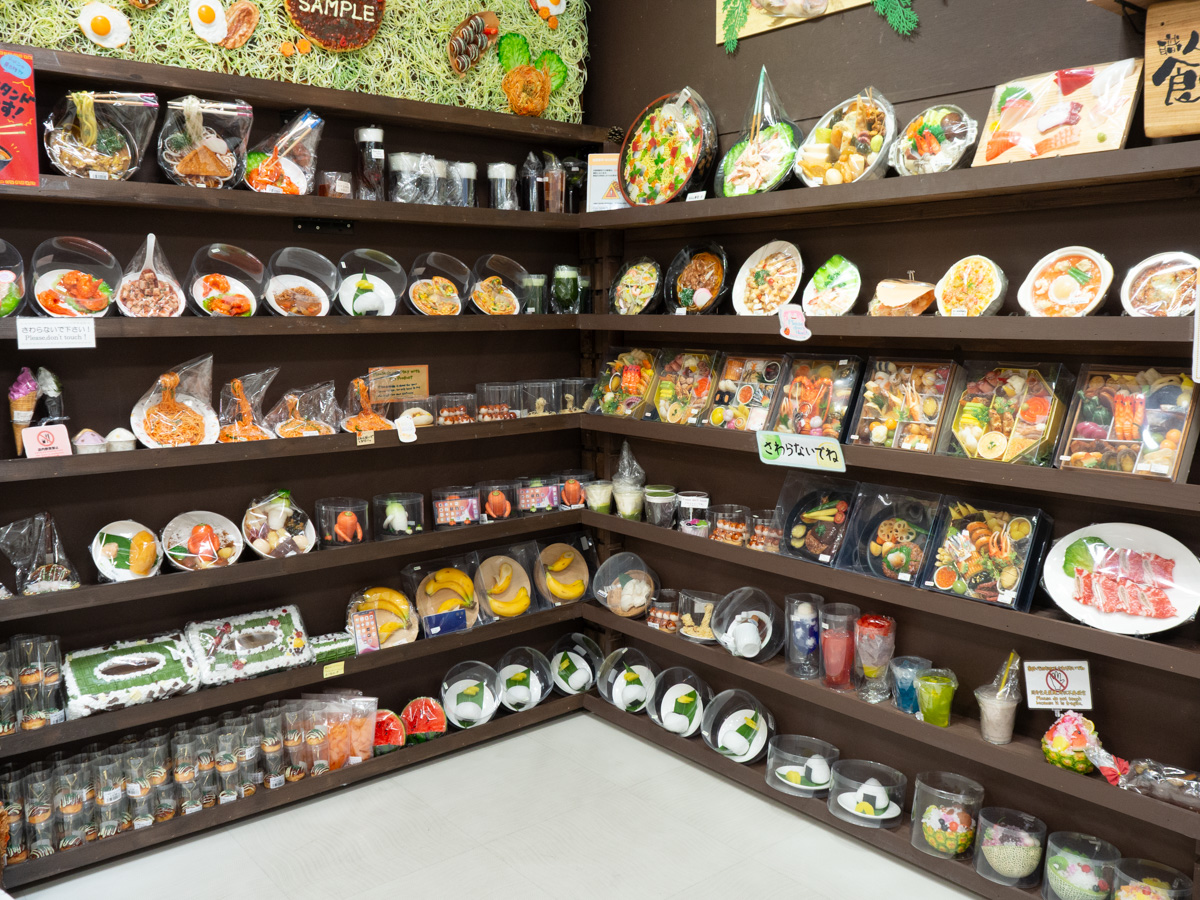
Japan has a whole industry for food samples, realistic fake food. Many restaurants have displays of their menu items outside. Instead of looking at a menu, you just look at the almost-real thing.

The craftsmanship is astounding. The food truly looks real: shiny where it needs to be, matte where that is appropriate. Colours, colour gradients, marbling, textures.

At many street food stalls, I recognized the food on display as not real not by its looks, but by its lack of smell, and then realizing how impractical a large display of the real thing would be: expensive, wasteful, unhygienic.

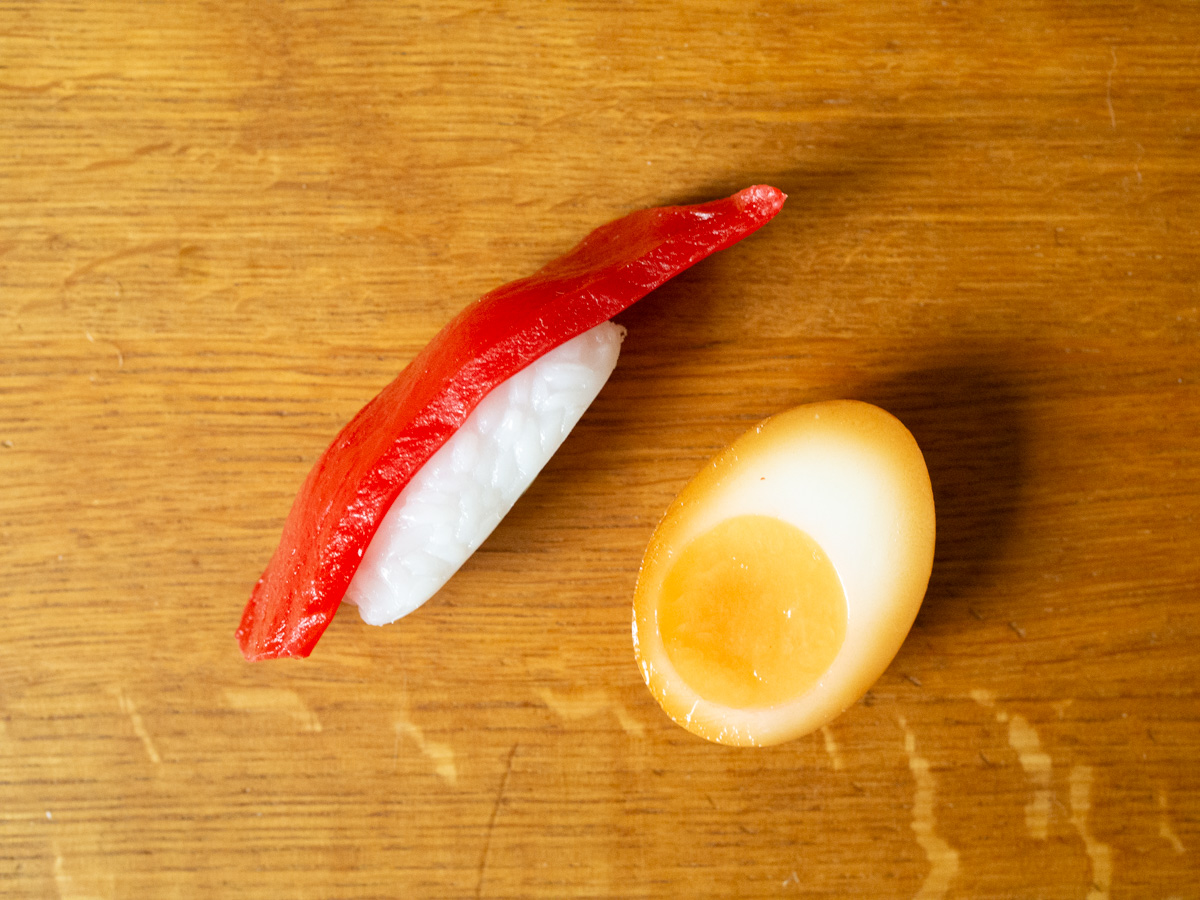
For retail sales, there were earrings, magnets, hair clips, etc. I bought two magnets as souvenirs. They’re life-size and thus a bit impractical as actual magnets for holding things up, so I guess they’ll just be decorating the fridge.

The sushi magnet is a piece of tuna nigiri. (Of course you could by fake nigiri with different kinds of toppings.) Having sampled a whole lot of sushi during our trip, I concluded that fatty tuna was my favourite kind of sushi.

The egg is a soy-marinated egg. I ate a lot of those – daily for breakfast, towards the end of the trip – and it’s the one Japanese food that I think I can bring home with me: I should be able to reproduce it and have it come out like the real thing.

There was a whole wall of food-shaped magnets at the shop where I bought mine.

I could have bought a bowl of soup, or perhaps a bento box, or why not a plate of spaghetti with tomato sauce.

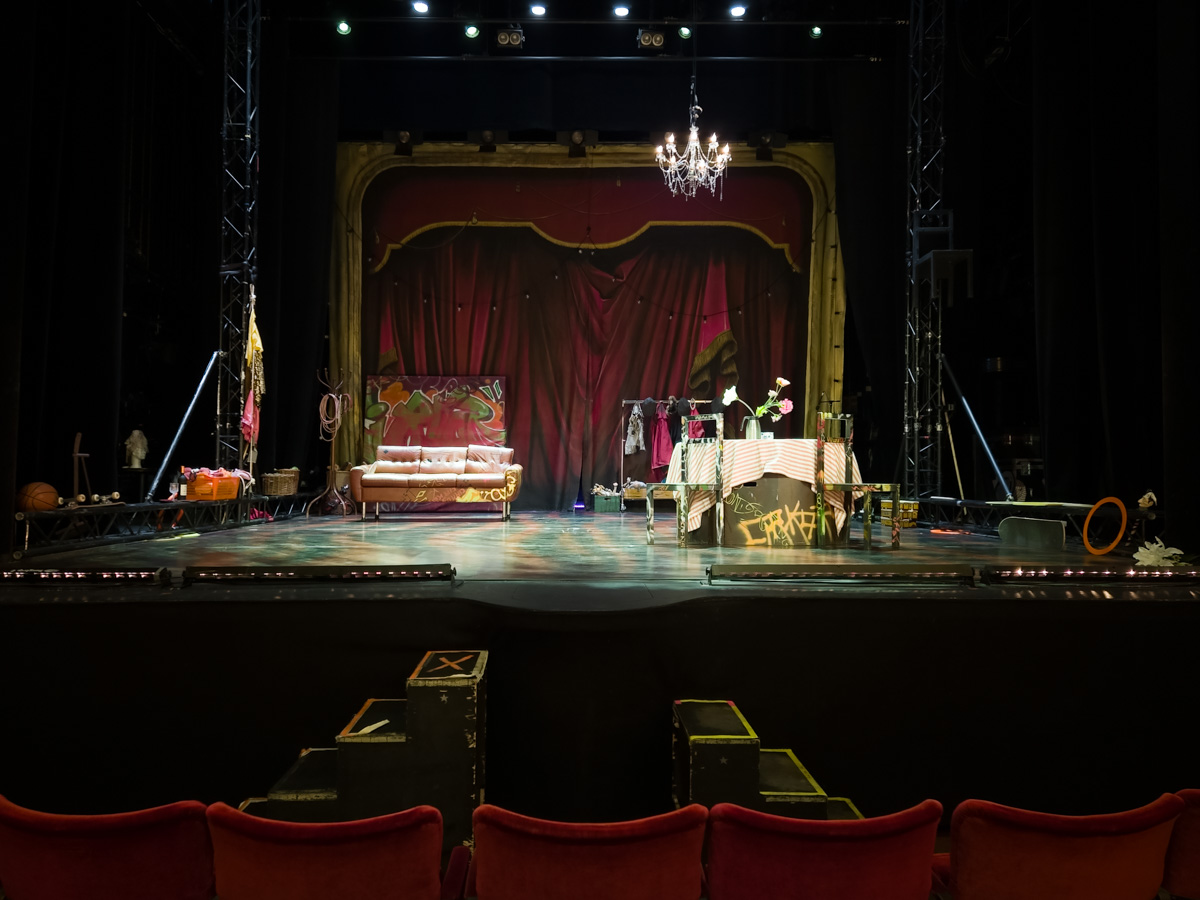
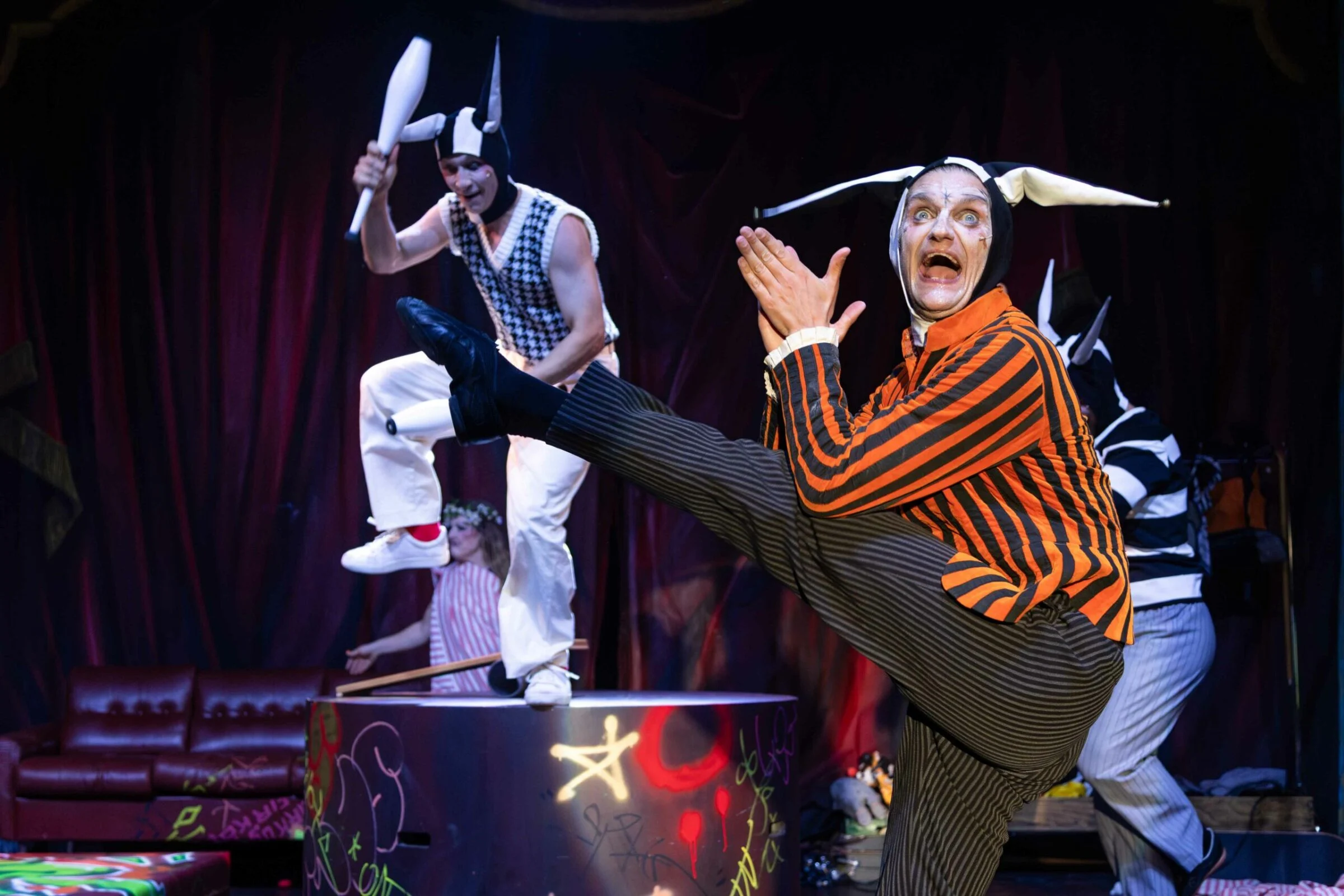
Cirkus Cirkör with The Extraordinary History of Circus at Södra Teatern.

Cirkus Cirkör is usually good and sometimes excellent. This particular show was marketed as “a vibrant family show” and “fast-paced and humourous”, which could mean a whole lot of different things, including cringeworthy childish nonsense. It’s gotten rave reviews in media, though, so I gave it a last-minute chance.

It turned out to be utterly fabulous. Quite unlike most of their other performances that I’ve seen, which have been more conceptual and minimalist, this was silly and vibrant and sensitive and emotional and fun.

A tour through the history of circus, in reverse chronological order, jumping from the early days of Cirkus Cirkör itself in the 1990s, to European travelling circuses in the 1970s, to Barnum & Bailey around 1900. Then leaping onwards to the late 18th century and Philip Astley as the origin of modern circus. But no – circus has its roots in medieval jesters. No, go further back, to the orchestrated battles and beast shows of Rome. And further back than that: humans have probably been throwing things in the air for fun since the dawn of time.

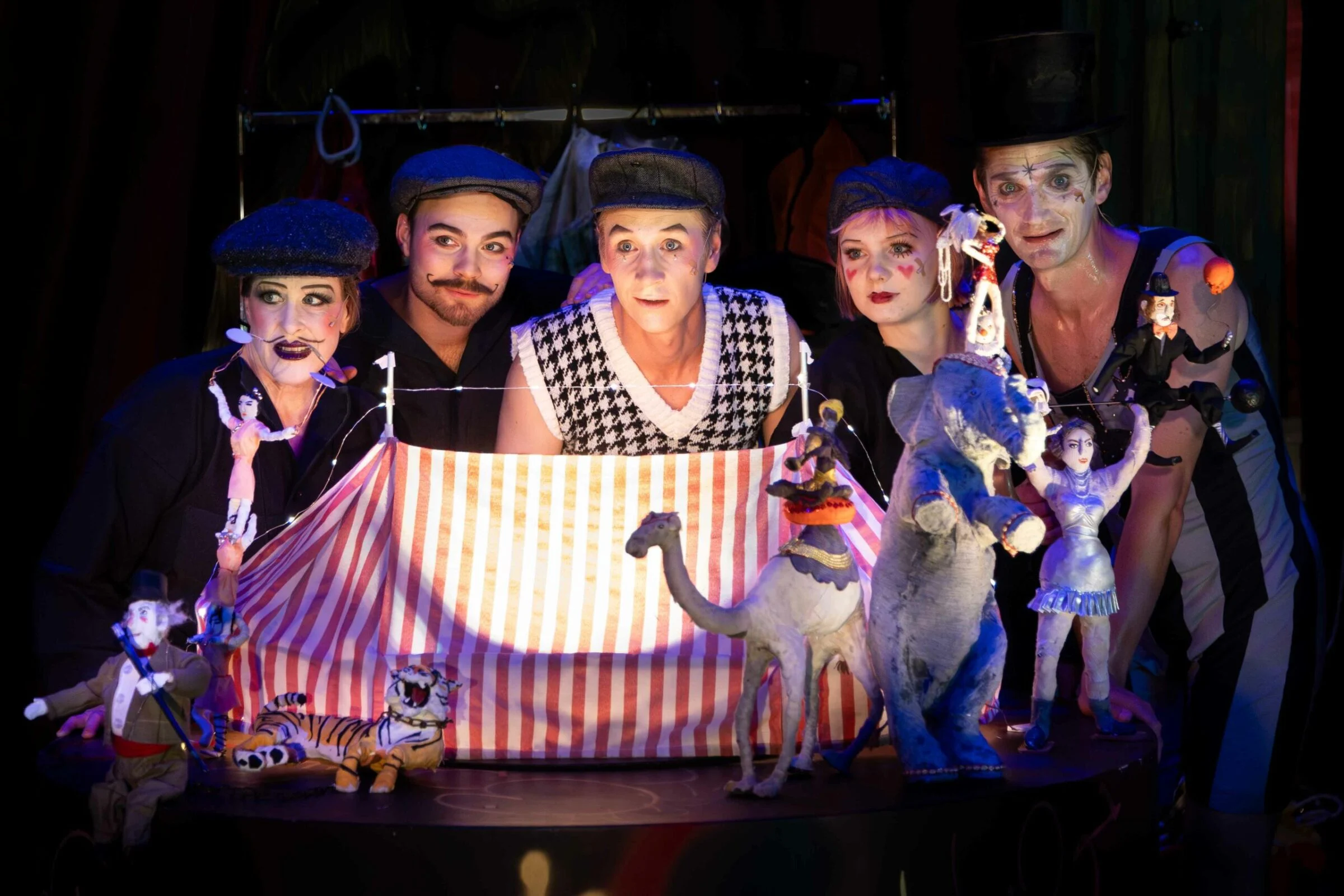
The artists evoked the atmosphere of each of these points in circus history through storytelling, miniatures, re-enactment, sound, light, and costume changes. The steam train of Barnum & Bailey, followed by the circus artists parading through the town. Hobby horses and sound effects for the horse shows of Philip Astley. Giving the audience (soft) toy vegetables to throw at the jesters when they’re not funny enough. And actual circus acts interspersed with all that. It sounds kind of silly but was so well done that I was laughing out loud.

I want to hand out extra brownie points to the cast’s dialect coach! I’m not an expert but I’m sensitive to Swedish accents in English. This crew was switching smoothly and believably from the patter of an American circus presenter to crisp, posh British English for 1790s London – with no fumbling and no Swenglish. Absolutely the cherry on top of the whole show.

Here are a couple of press photos, copyright Sara P Borgström: