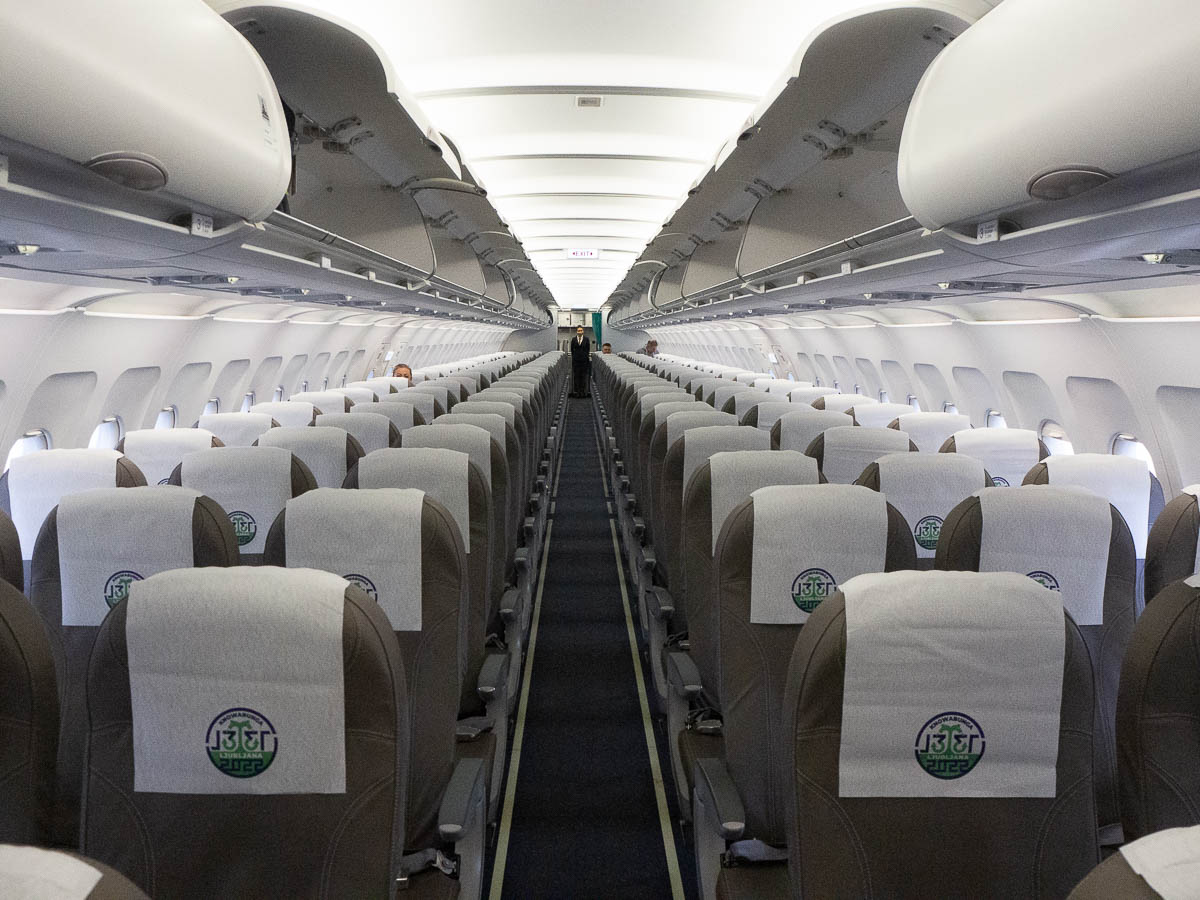
Knowabunga knowledge day, with talks and workshops and such. One about the API Gateway pattern, and one about the Tailwind CSS framework, and one about business people taking over Scrum from developers and making it theirs, and some more.

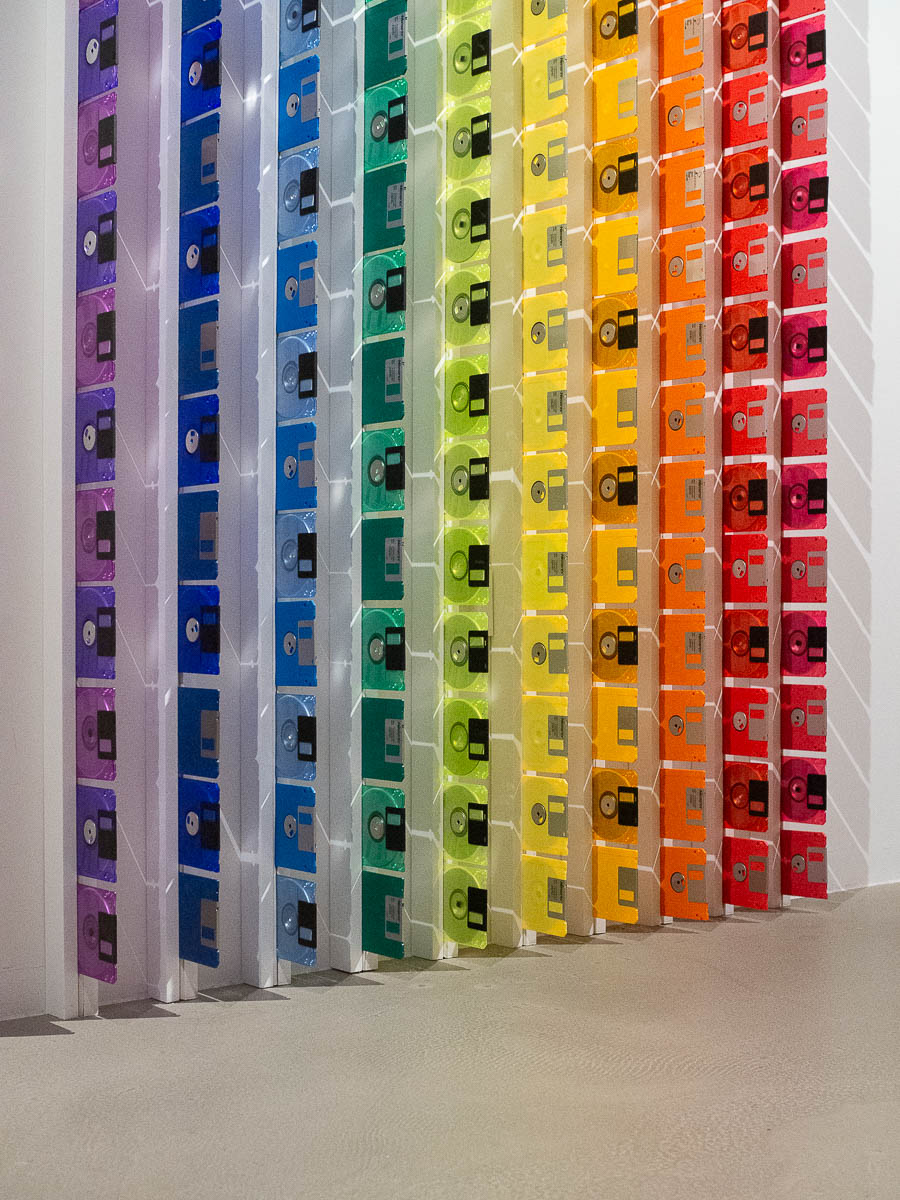
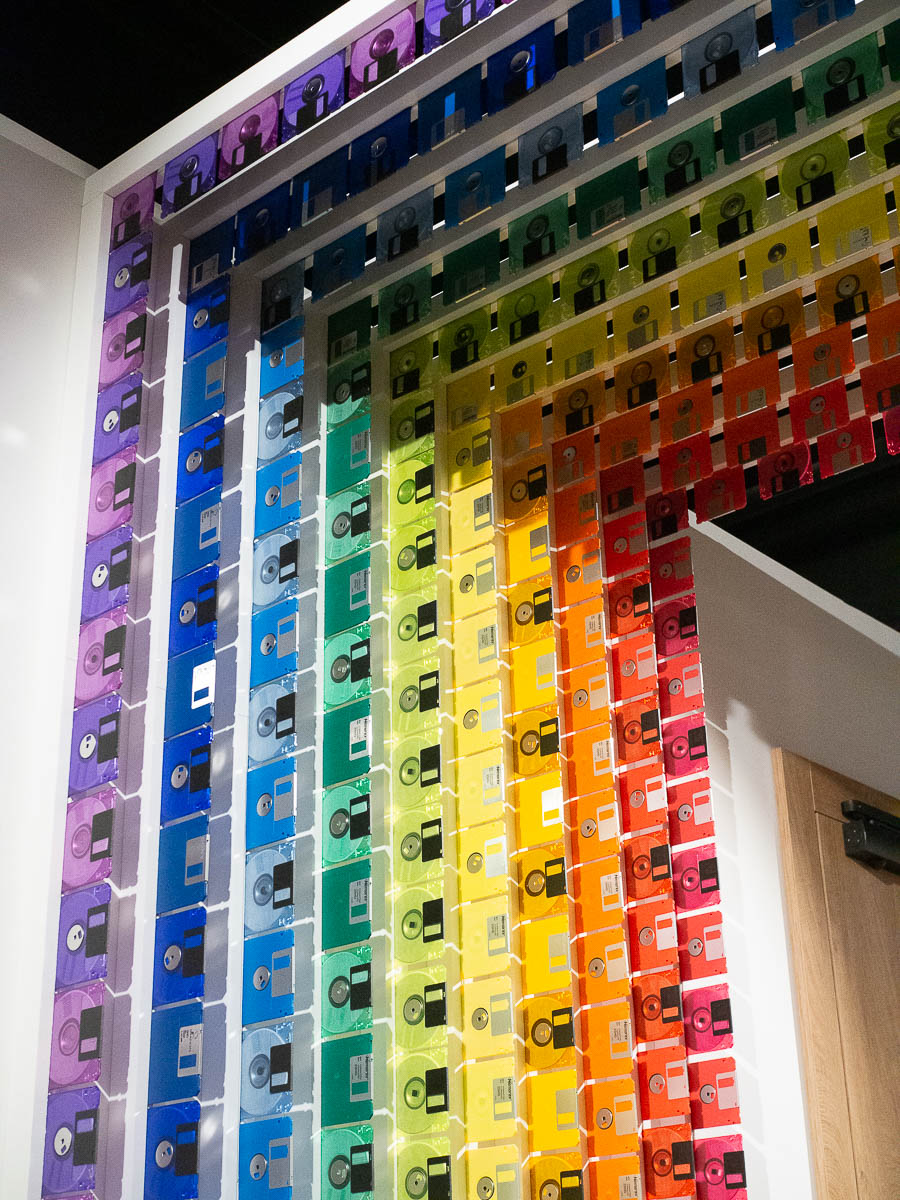
The 13|37 Ljubljana office has some cool decorations.

Did you know that you can still by 3.5-inch floppy disks?


I am experiencing some technical problems with the site after an upgrade by the hosting provider. So if you see any issues, I am working on it. I will start posting again when everything is stable.


We’re off to our used-to-be-annual-but-pandemic-you-know company conference, in Ljubljana this year to celebrate the completion of their snazzy new office.

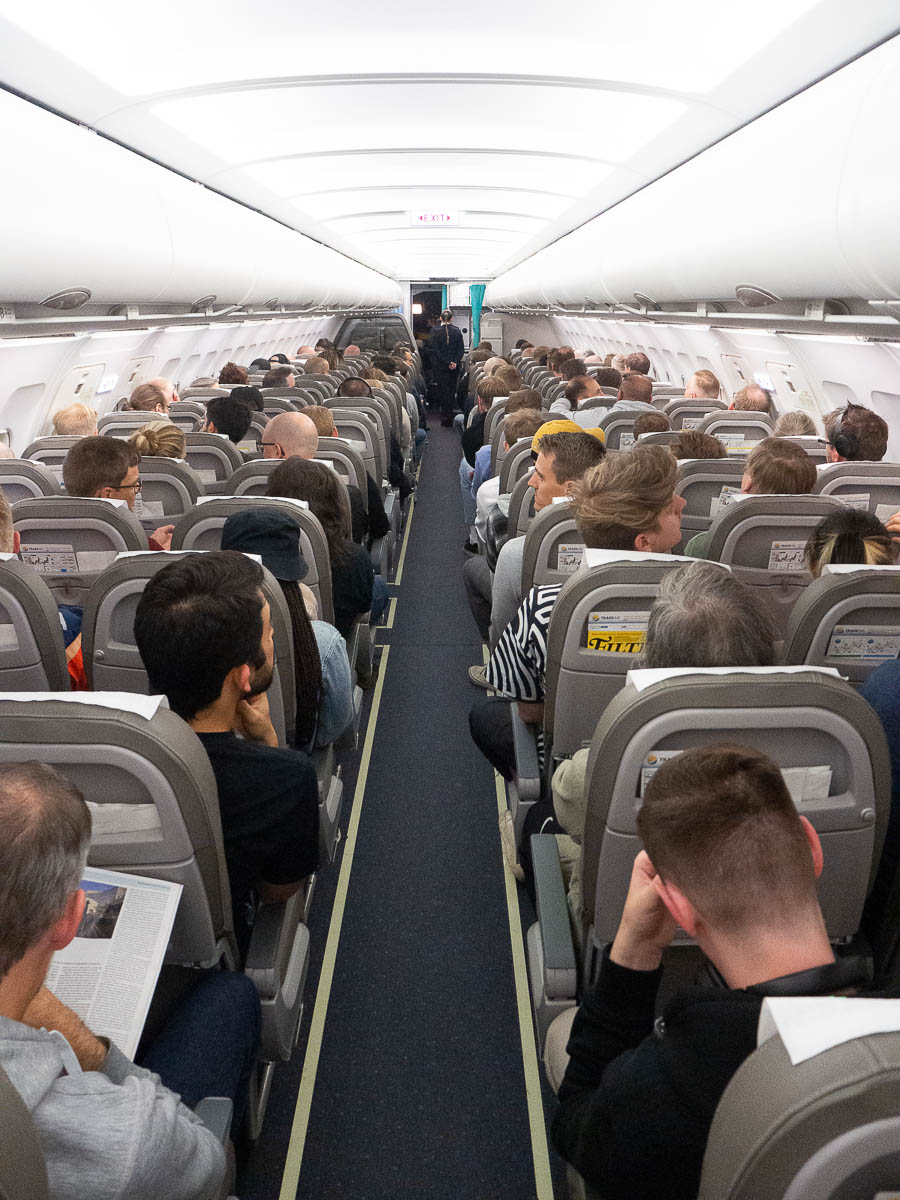
The company has grown since the last Knowabunga three and a half years ago. This time there are so many of us that the easiest and most economic mode of transportation was a chartered flight. Which we filled, and overflowed, so some people still had to fly regular.

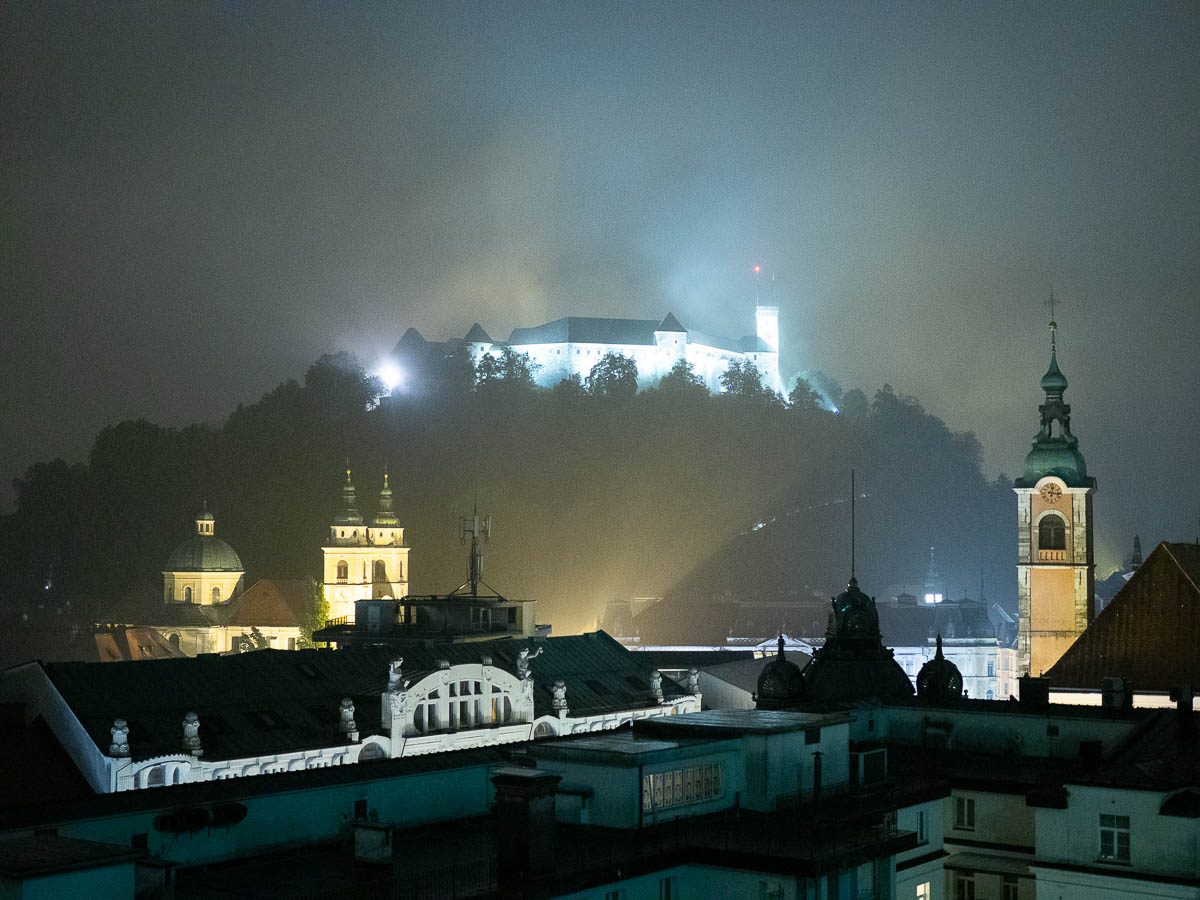
Ljubljana was hit by rain and thunderstorms so our flight was late landing and we got to our hotel around midnight. (I gather that it was actually difficult to find a hotel that could accommodate us all, that wasn’t some convention centre monstrosity.) We had lovely foggy views of Ljubljana castle through the rain from our hotel room balcony. Meanwhile there were water leaks in the hotel stairwells due to several days of relentless rain.


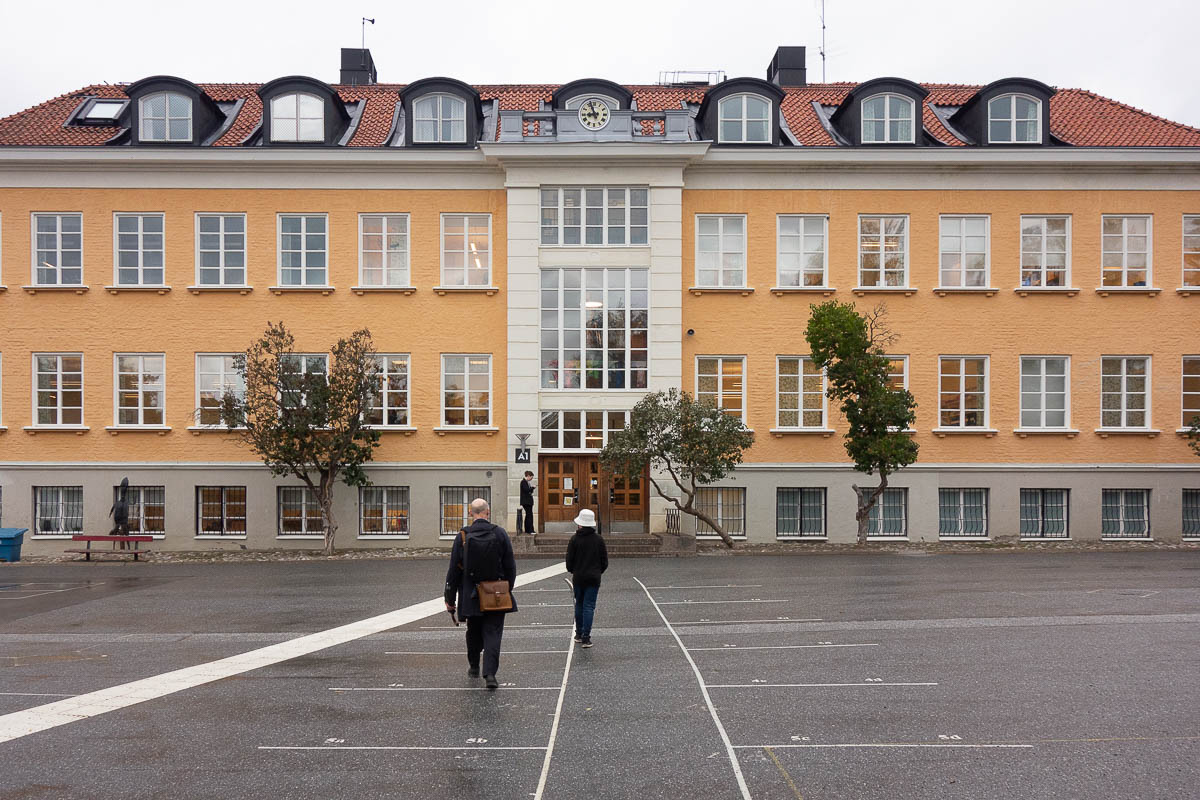
Adrian & Eric in front of Adrian’s school.

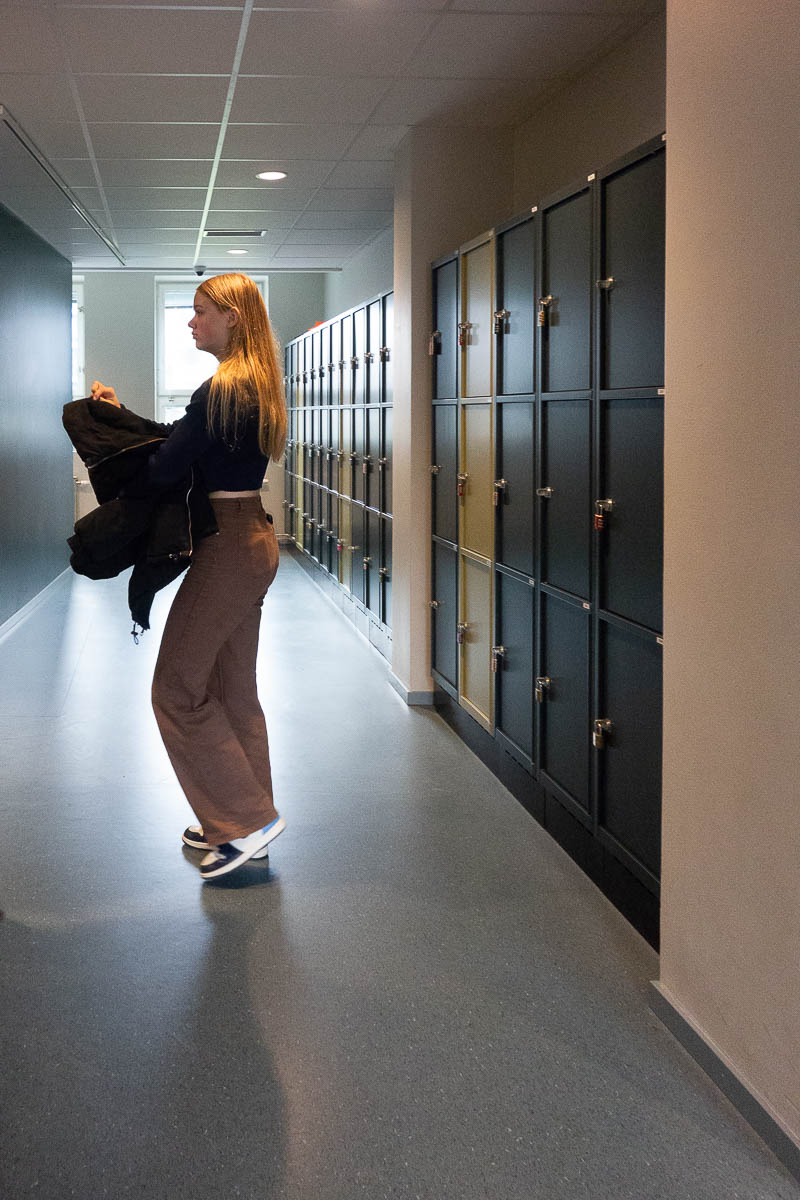
Ingrid, caught in a random moment at her new school.

There were parent/teacher meetings at both schools yesterday and today. Adrian wants to work on his writing skills, especially when it comes to writing longer texts – being more descriptive and structuring his texts better. (He has a bit of a habit, both in writing and in speech, of just jumping right into the middle of things and forgetting to set the scene.) Ingrid, being in a completely new school, isn’t setting any goals at this time, but needs to decide whether to skip the maths course that she’s scheduled to take because she’s done it all in secondary school already and move on to the next one – which would mean not being with the rest of her class during maths.


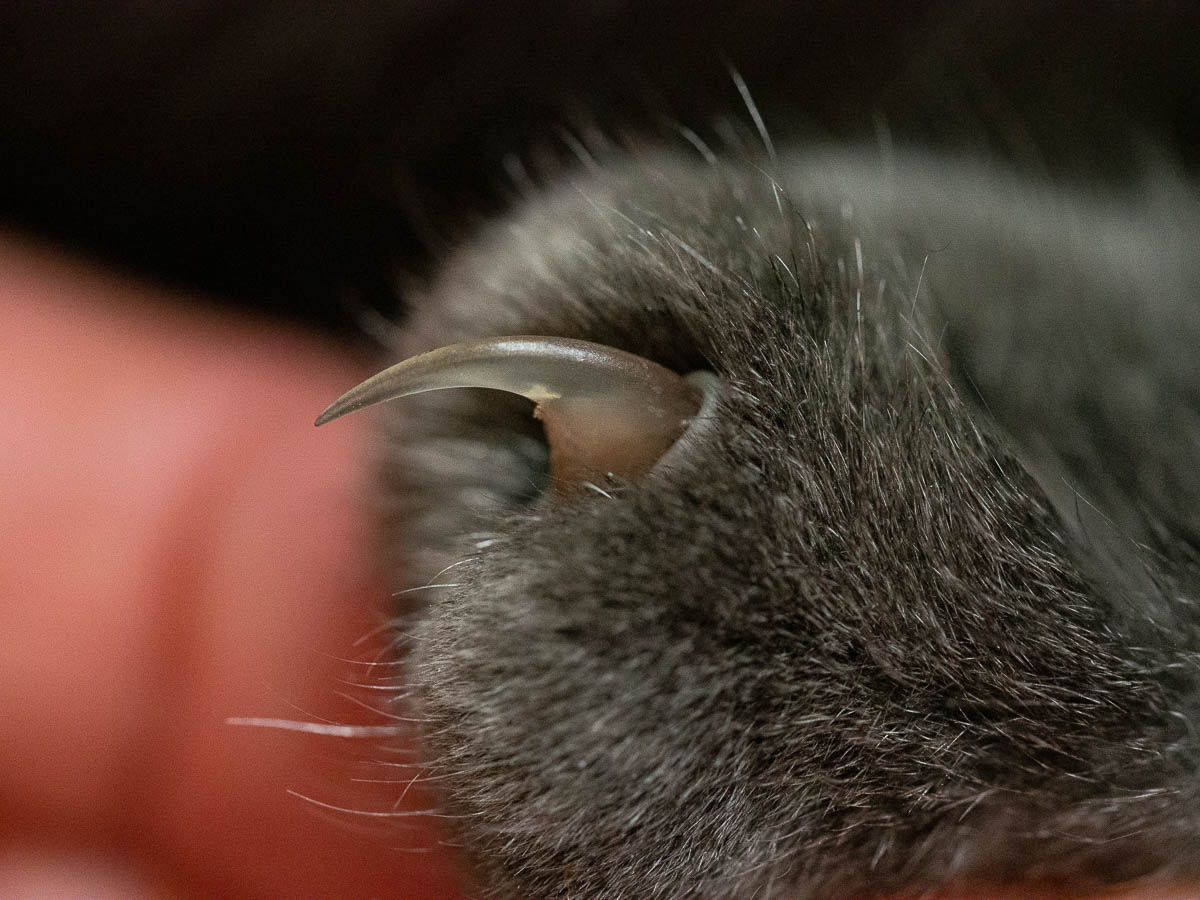
Cat claws are fascinating. I knew they were retractable, but before close contact with Nysse, I didn’t know that I could make them appear – I thought that was fully under the cat’s control. But you can just squeeze slightly in the right spot and out pops a claw. Sometimes when Nysse is near me and all relaxed, I poke his claws in and out just for fun.

His claws are very sharp. I know you can trim them, but I have more or less decided not to do so with Nysse’s claws. He’s an outdoor cat most of the time and wears them down naturally. The claws on his rear paws are much shorter and blunter – he clearly uses them a lot more to jump and climb. According to the internet it’s possible for cats’ claws to grow so long that they curve back into the toe, but I can’t think of how that could happen unless the cat lives indoors on plush carpets only. Or maybe some cats’ claws grow faster than others.

Nysse is quite good about not scratching furniture or anything. Occasionally he digs his claws into the sofa to stretch, but doesn’t actually scratch. He much prefers to scratch the cat tree – I guess whoever designed it knew what cats like. And he very rarely scratches any of us nowadays. The only thing he’s actually damaged is my office chair – twice now he’s dug his claws in deep enough to leave marks. I can’t remember the first occasion, but the second time was when he was really annoyed at me for something. I think maybe I took something from him that I didn’t want him to play with.


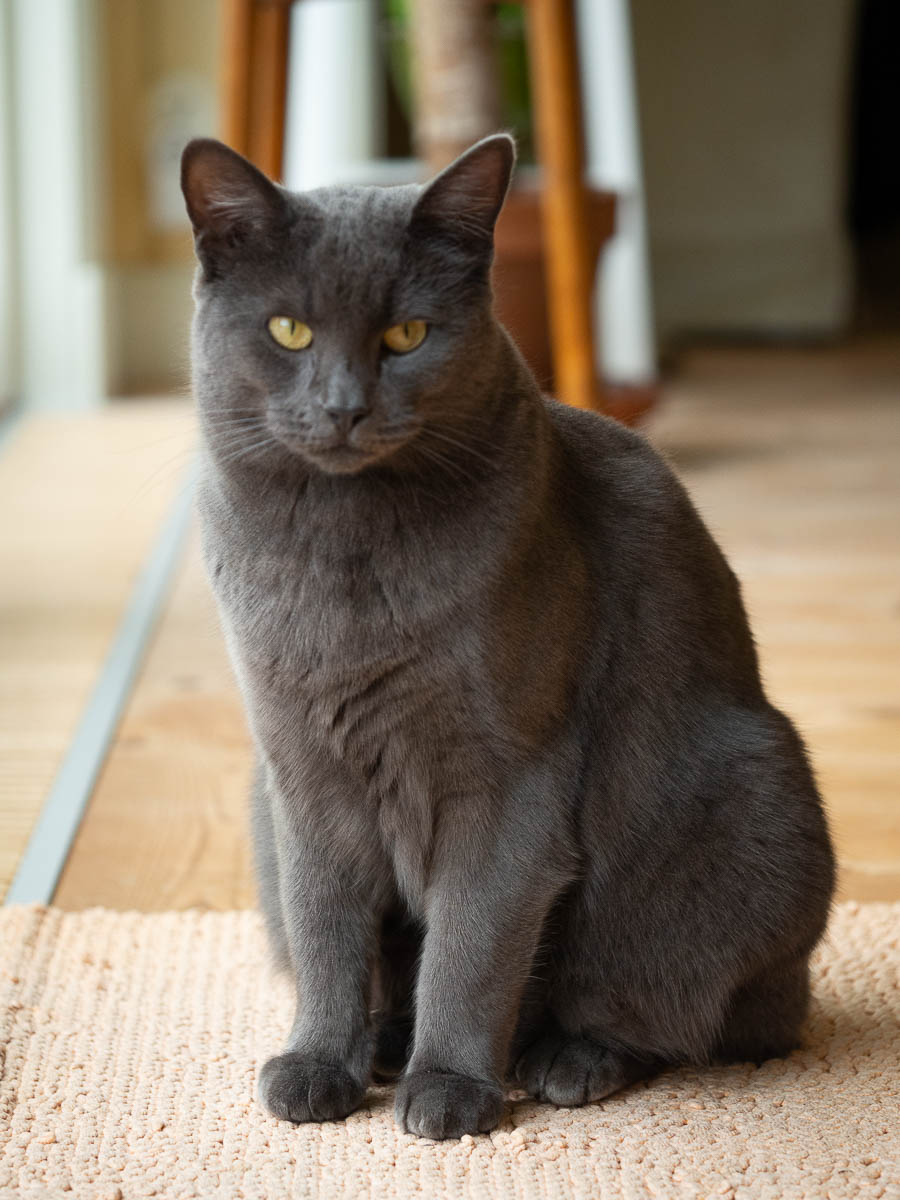
It’s not easy to catch a picture of Nysse doing anything other than eating or sleeping. He’s either out, or in movement – and if he sees me with the camera, he immediately comes closer to examine it. I have plenty of fuzzy photos of his nose and ears.


Potentilla flowers, and a cute little wasp. It’s nice to have something flowering abundantly and brightly this late in the season.


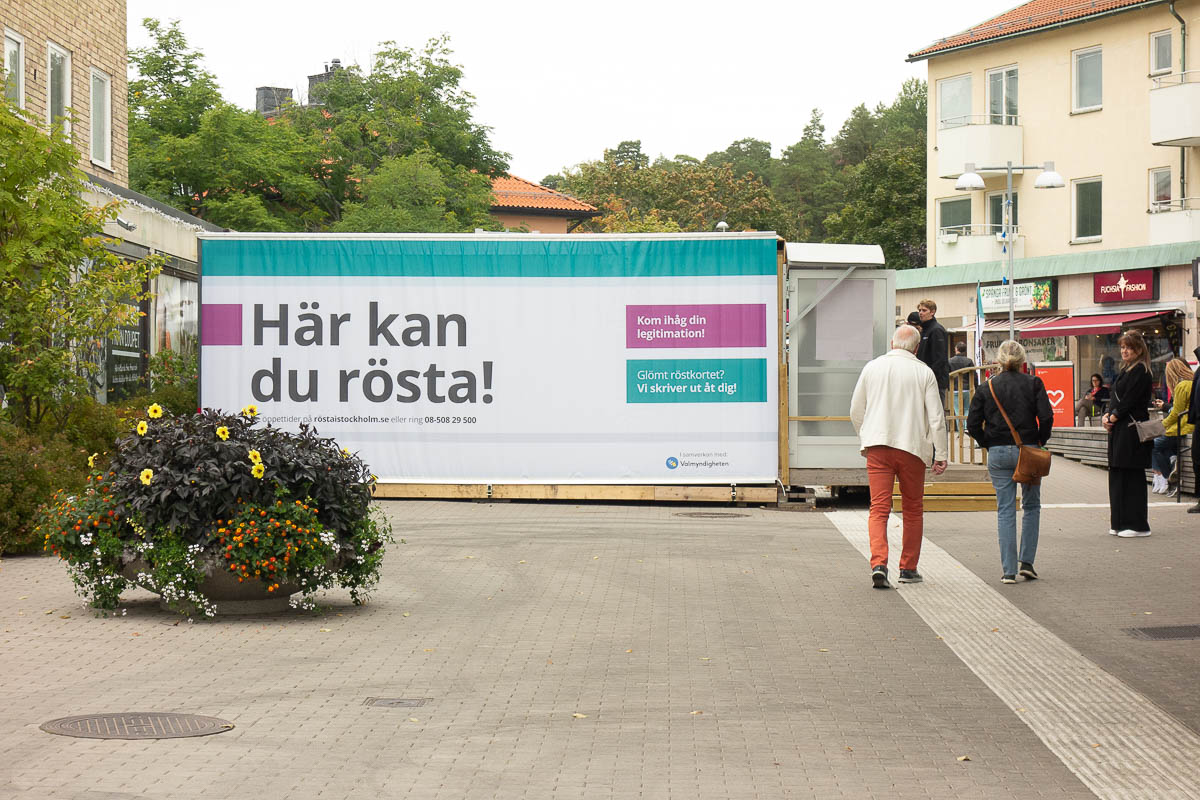
Tomorrow is election day, but advance voting stations have been open for something like two weeks already. I’ve been planning to get it done early, but kept putting it off. Now it’s done.

I am not a Swedish citizen so I only get to vote in the local elections. The county/kommun elections at least feel somewhat relevant. The regional elections on the other hand seem mostly pointless. The only services provided at the regional level is healthcare and public transport, and every single party promises more accessible healthcare and shorter queues, by magic, no hard trade-offs.

Adrian came with me to see how it all works. Their current focus area in social studies is democracy and elections and government and all that, so he wanted to see it live.

Ingrid voted herself in the School Elections, where middle and high school students across the country get to vote almost for real. Their votes are counted and the results published after the main elections, so as not to affect them. In the next election in four years’ time, she’ll be doing it for real.

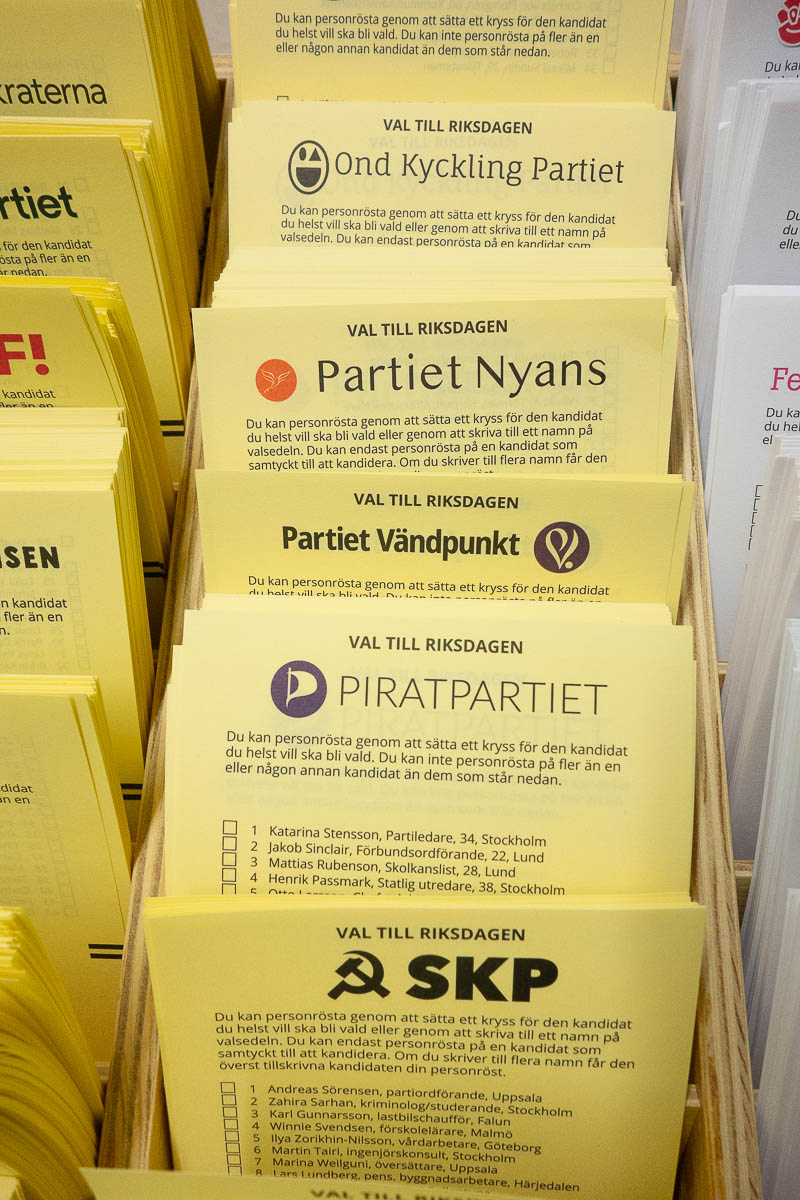
On the national level there are all sorts of weird parties trying to make their voices heard. Some seem sensible but niche; some are unworldly idealists; some are lunatics (like the Swedish Communist Party); some are simply there for the joke. There is a party calling themselves Ond Kycklingpartiet, “the Evil Chicken party”.

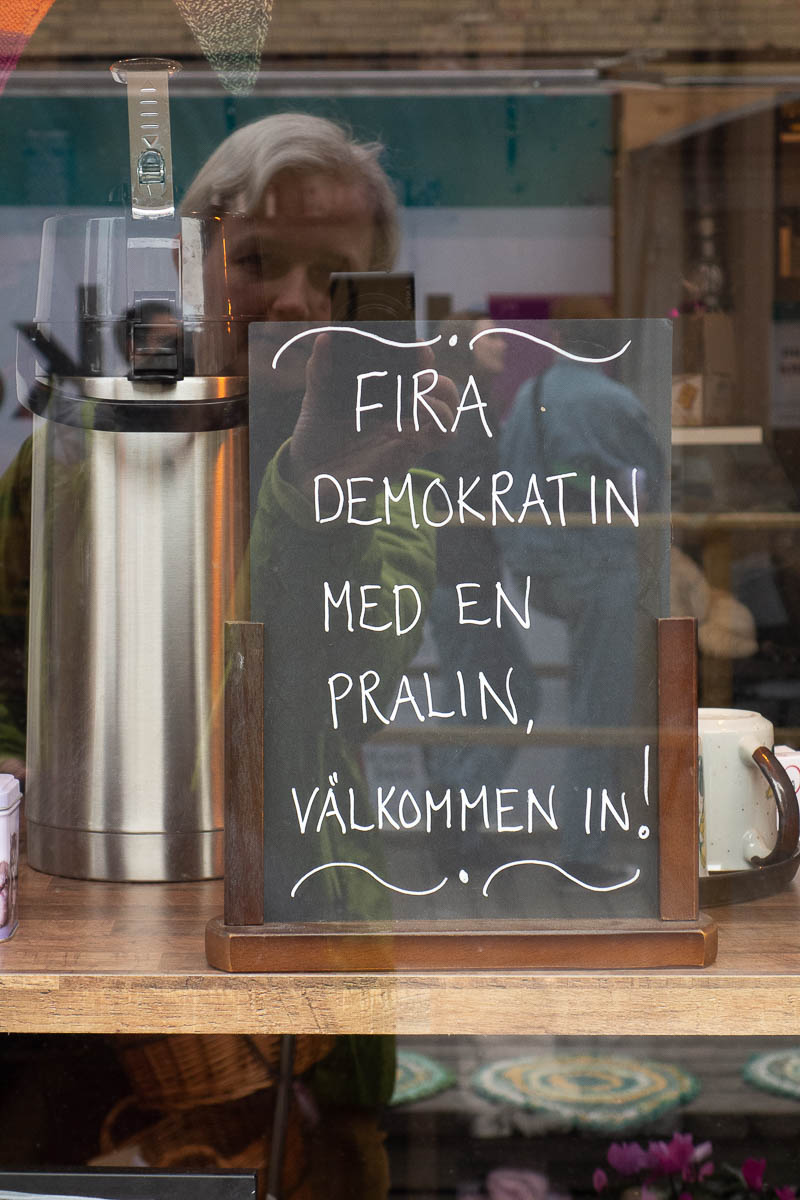
The café next to the advance voting station was urging us to “celebrate democracy with a praline”. This was cheeky enough to work, so Adrian and I bought fancy pralines for ourselves.

Jalet’s Kites and Eyal’s Saaba.

I usually post press photos in my reviews of dance performances but this time we had front row seats so I took my own. Obviously my little camera struggled with the dim lighting but it’s enough for some memories.
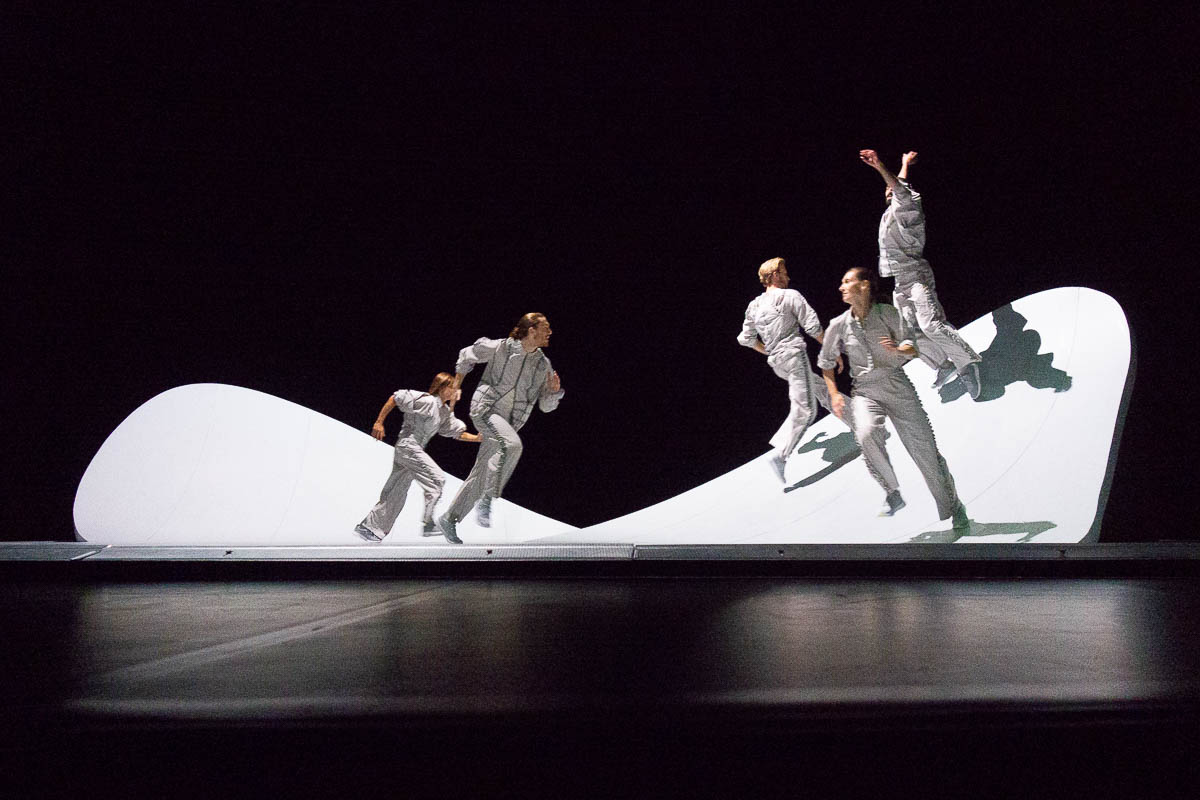
Damien Jalet’s Kites. My opinion of this piece went up and down.

First: a woman, lying down on the floor, moving to a poem about the wind. Then, a group running up and down white slopes, evoking the feeling of running in the wind. This section didn’t impress me much – I found it repetitive and lacking direction and choreography. It felt as if the dancers had just been told to run up and down the white slopes, and let their arms drag behind them. Kind of boring, but the constant motion was soothing, like looking at the foam wake behind a boat, especially together with the music.

Then the group gathered loosely at the front of the scene, dancing together but slightly out of sync. One of them starts a movement, and the others follow gradually, like a wave. The next wave had a different starting point and a different direction. It was still relatively aimless: the same kind of thing kept happening for quite a while, without any noticeable change or directionality. It reminded me of Koyaanisqatsi, music and motion blending into one, especially with the minimalist music. It made me see the previous section from a new perspective, and appreciate it a bit more. Still, my opinion of the whole piece kept oscillating between appreciating the minimalism, and finding it low-effort and boring.

The final section was gimmicky. Cords got pulled and clothes transformed – shirts blown full of wind, sparkly jackets, loosely blowing pants, glitter blowing in the wind. Childish and cheap, compared to what came before, lowering the tone.

Also, the streetwear-inspired costume design may be modern and cool but it detracted from the performance. The costumes were loose but stiff, so they hid the dancer’s bodies and made movements indistinct. A tighter design would have made the bodies more visible; a looser, softer fabric would have flown with the motion.
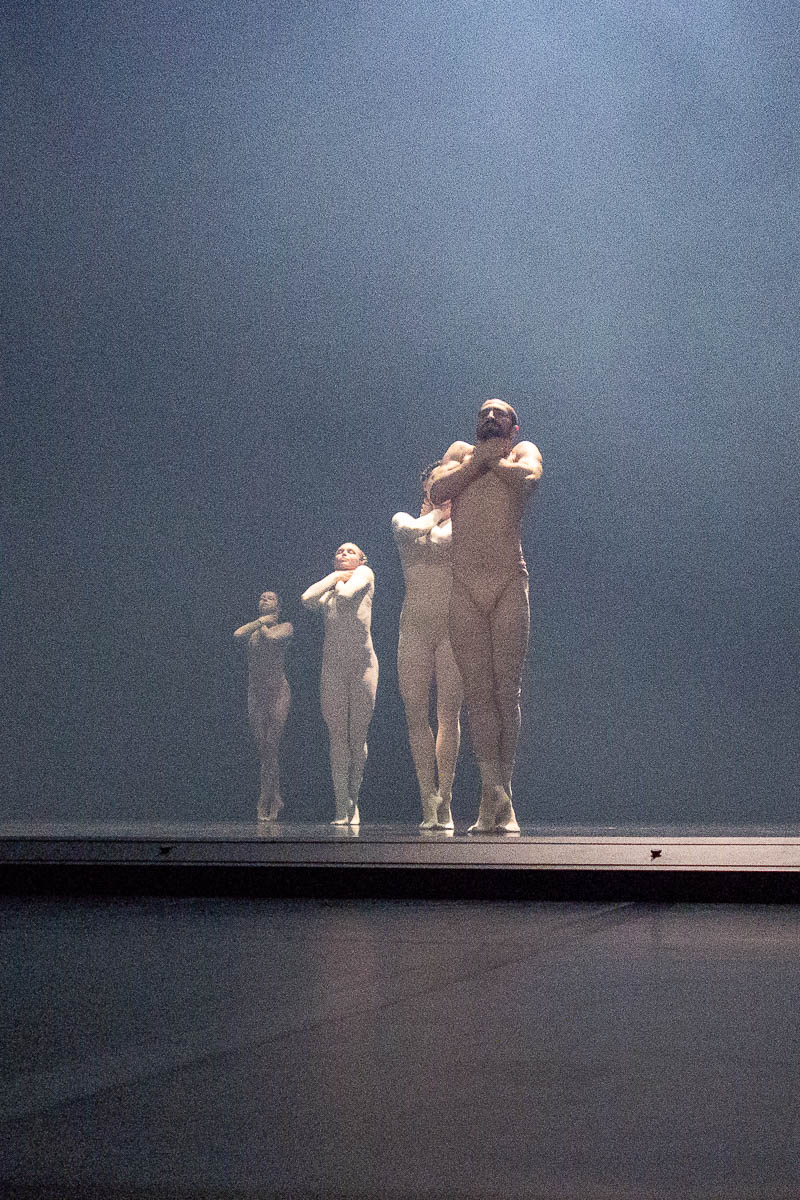
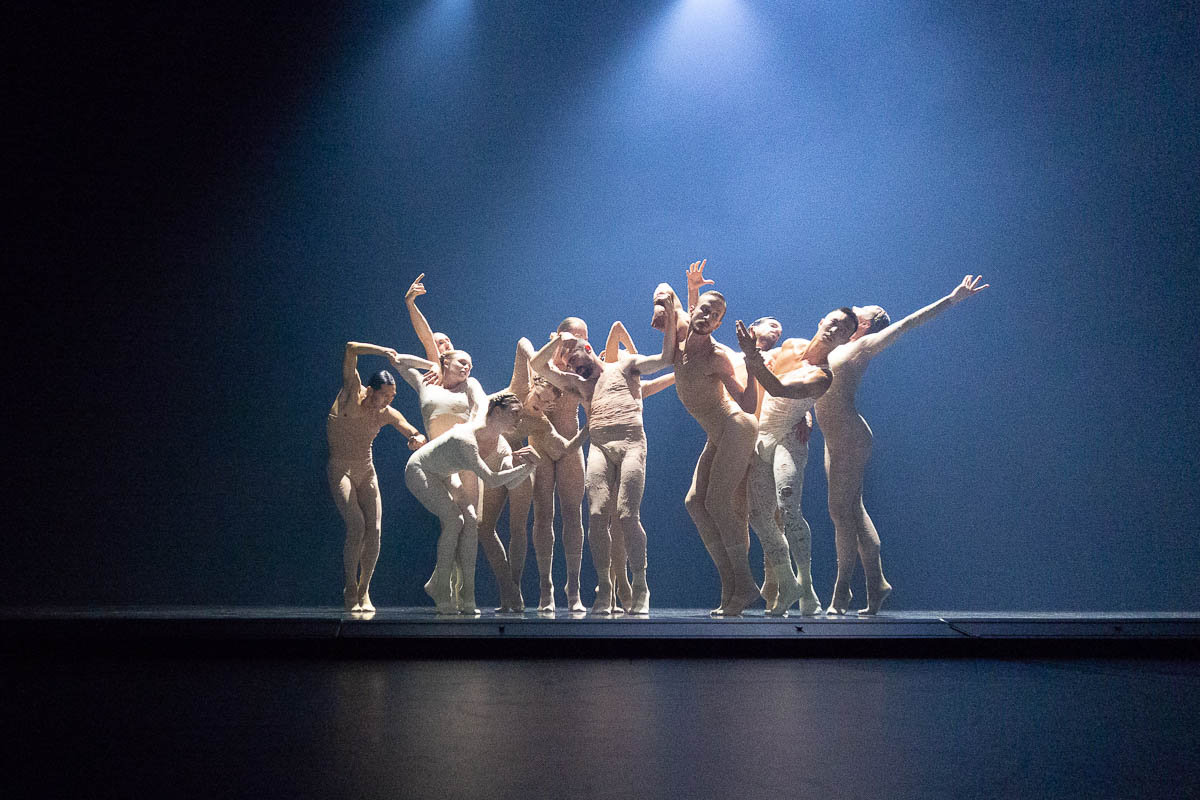
Sharon Eyal’s Saaba. This was spellbinding and awesome. It was as if she had seen the first piece and taken the best parts of the concept – minimalism, gradual change, waves of movement – and added emotional depth and vision, turned up the intensity to 11, and fixed all the niggling little shortcomings.

Like Kites, there is a minimalism to the choreography. There are rarely any large movements or radical changes. Unlike in Kites, everything always subtly mutating. It’s never just time passing. The group is constantly changing direction, or size, or motion, or role. In technical terms, the information density of this work is ten times that of Kites.

The style felt immediately familiar from the last time I saw a work by Sharon Eyal. The dancers move as a group, but their movements are not identical. There is always some deviation, someone going against the flow, or standing on their toes when the others have their feet flat on the ground, or looking left when the others look right.

What was most interesting about the choreography was the tension between the strict and the grotesque. Straight legs, controlled bodies, restrained movement, tightly braided hair – but also hunched shoulders, choked throats, pointed fingers, gaping mouths, distant gazes, pained grimaces. I got the impression of something demonic and obsessed, though it was far from wild or fiery. Possessed, otherworldly, especially with the dreamlike lighting making everything look slightly unreal.

And those amazing costumes of tight light-coloured lace, looking gritty rather than pretty, highlighting every movement.

Hypnotic, powerful, mesmerizing. I barely blinked during this performance, so as not to miss a single detail.
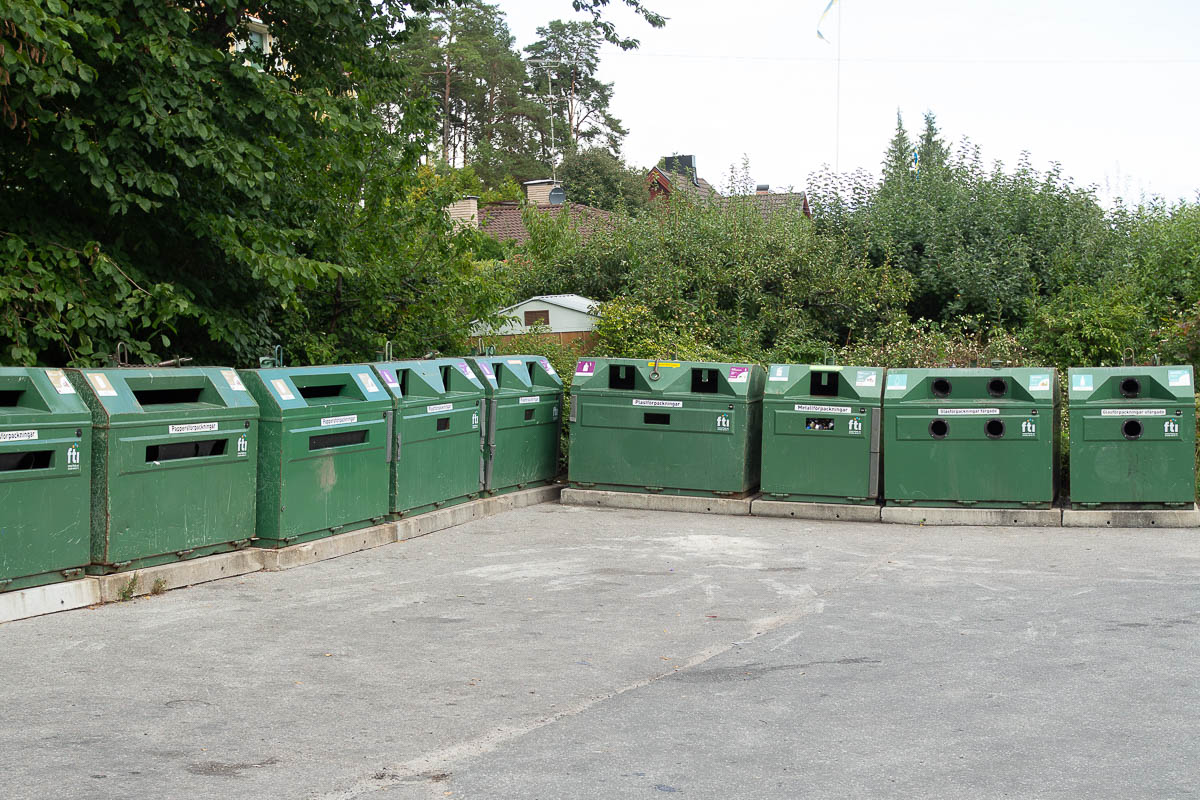
The recycling station across the road from Coop in Spånga has disappeared. Maybe it has moved, I haven’t checked. I guess I should.

Instead I’ve just gone to the other recycling station nearby, next to Spånga Folkets Hus. Which I think might technically be marginally closer to us. But because it lies in the wrong direction and doesn’t have a supermarket next to it, those 20 metres that I could possibly save by going there are useless. I can walk 700 metres to the recycling station and to the supermarket, and the same back again – or I can walk 650 metres to the recycling station, and the same back again, but still need to make the whole trip to the supermarket in the exact opposite direction.

Coincidentally there are DHL and Schenker parcel pickup points very close to each of the recycling stations. The algorithms usually pre-select the one next to the Folkets Hus, because I guess it appears closer. And I always override their choice and pick the one in central Spånga instead, because then I can pick up my parcel on my way from somewhere else. Technically closer does not mean better.

I still end up walking to the “wrong” pickup point regularly, though, because many online shops don’t let me choose and leave it to the algorithm.