












(no photos)
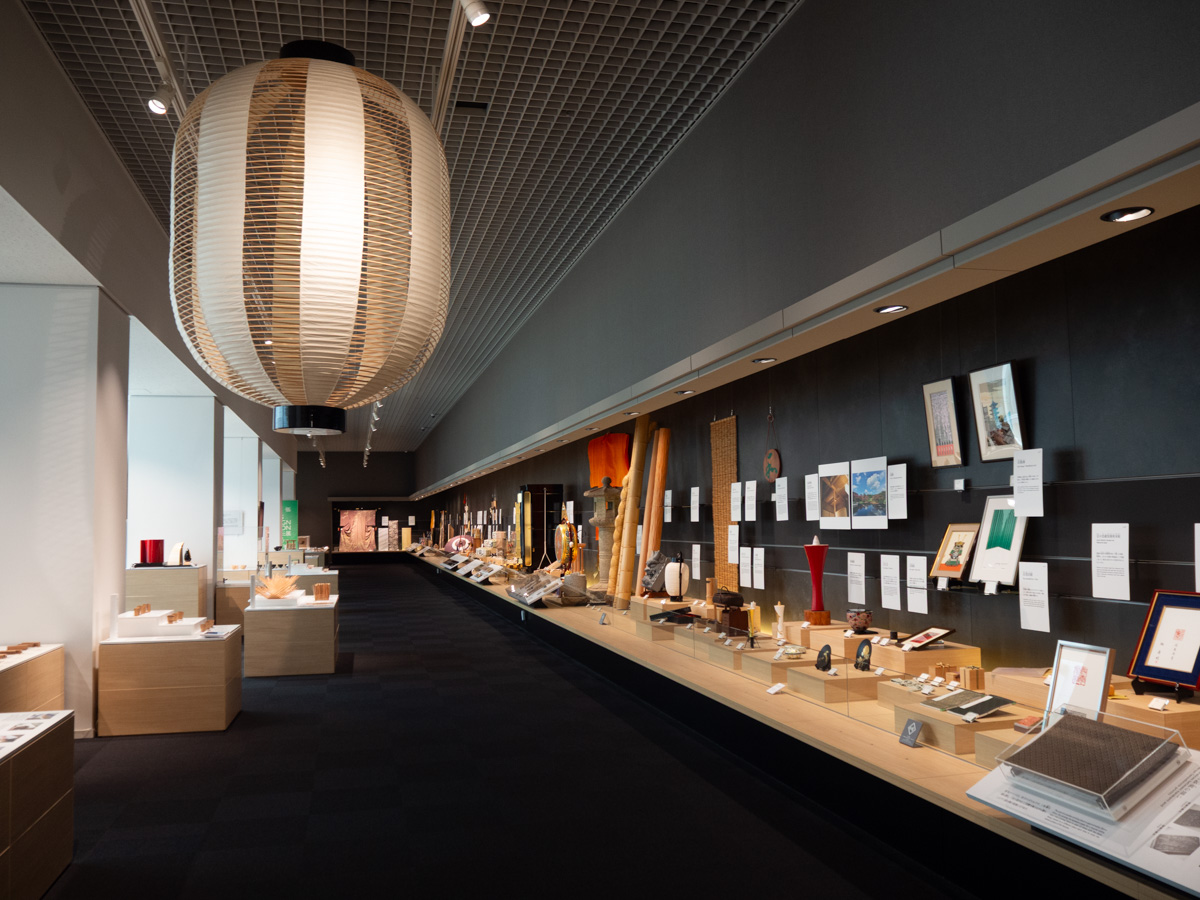
The focus of Kyoto Museum of Crafts and Design is a permanent exhibition of seventy-four traditional crafts of the Kyoto region. These cover a wide range of very different crafts – woodworking, weaving, fabric dying, the making of singing bowls, the carving of funerary sculptures, etc.
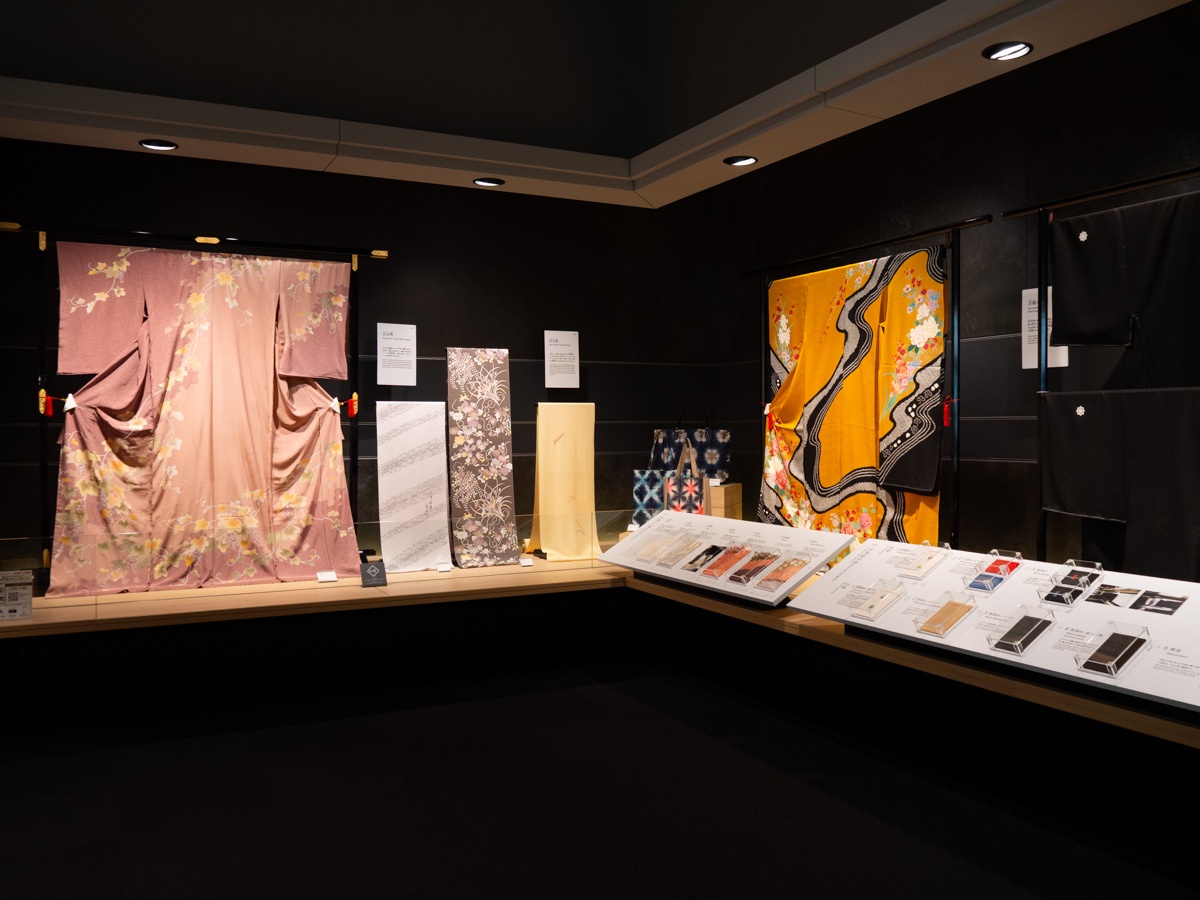
With seventy-four crafts to display in a single room, there’s a limit to how much space each one can get. Some are just displays of particularly exquisite examples of the craft, but many are explained in a lot of detail, such as step-by-step displays of the process of making wooden doll, or exhibits showing the various techniques of dying kimono fabric. The focus was on the craftsmanship and the process. I could happily have walked through three times the space to see more detail of each of the crafts.
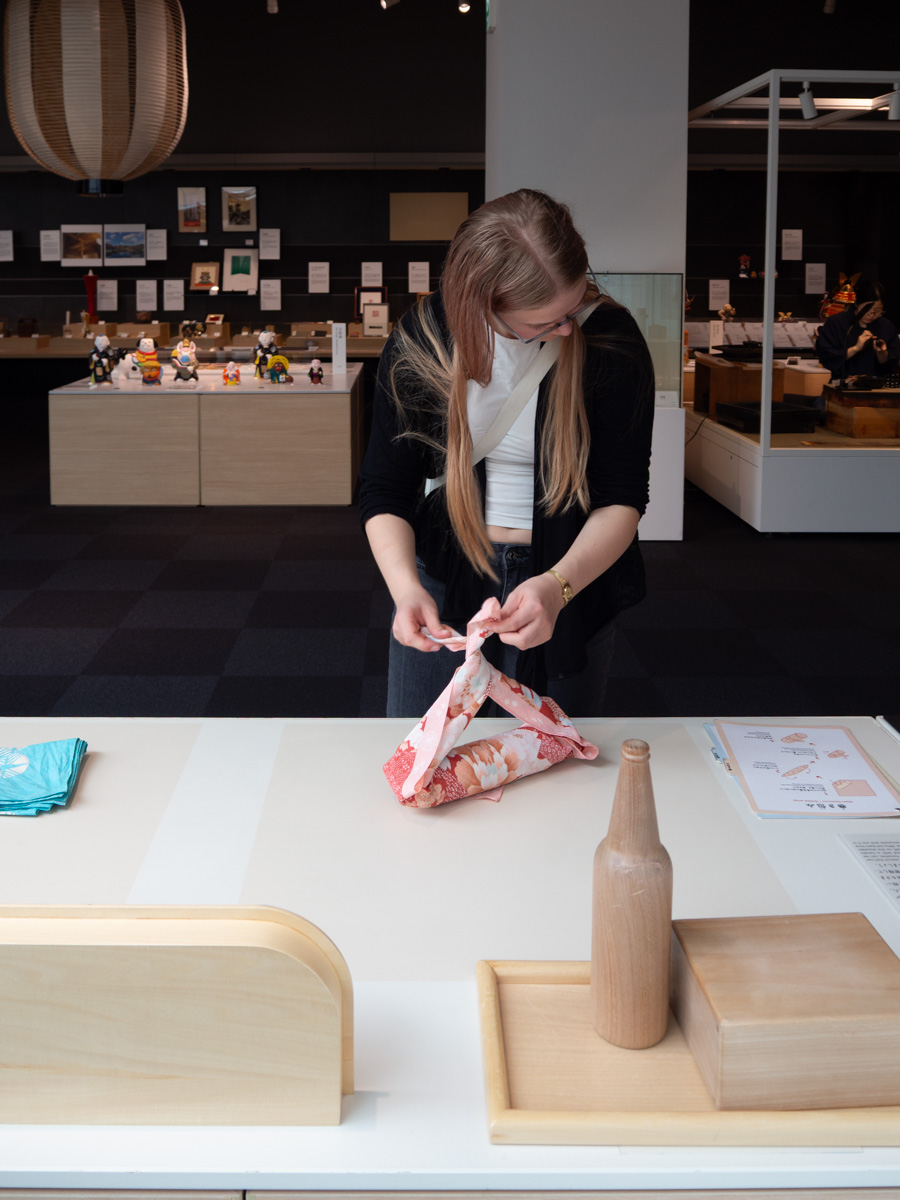
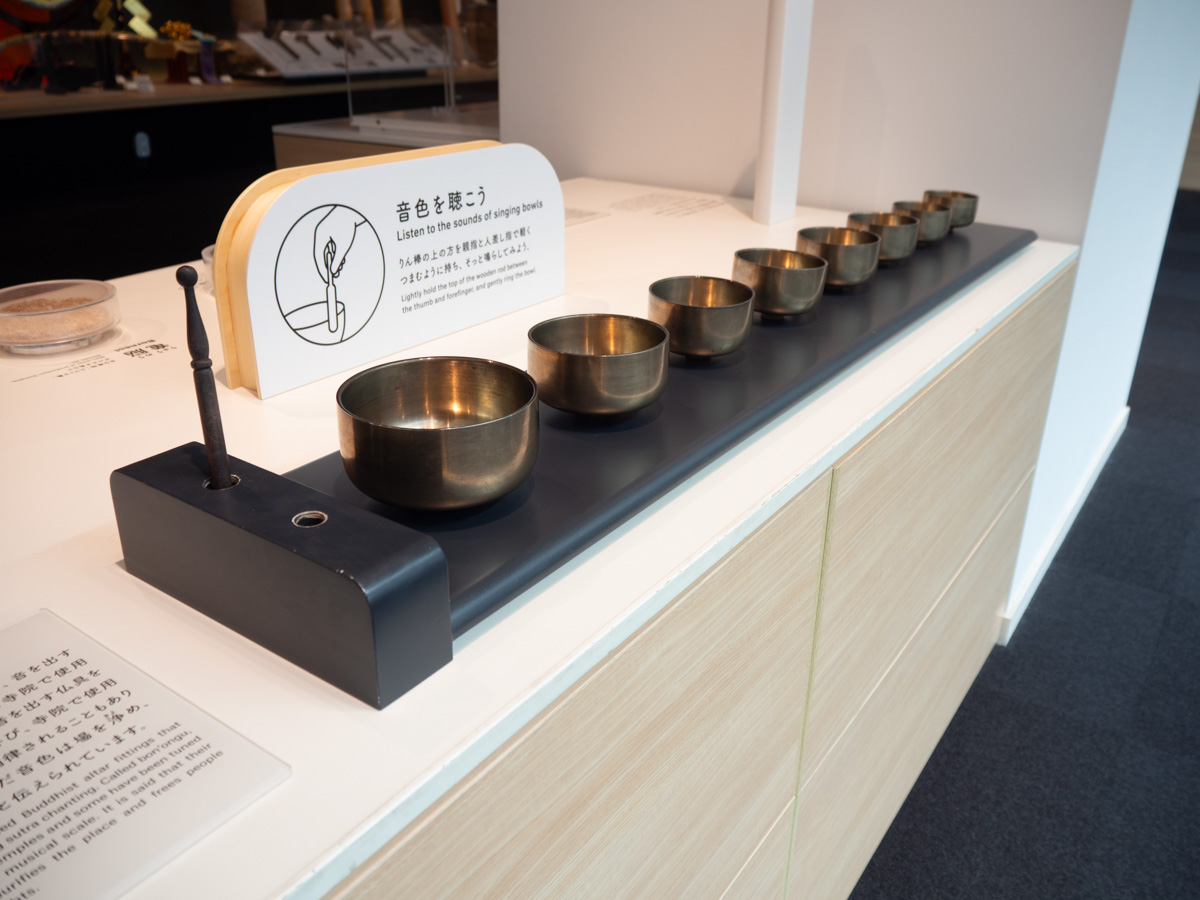
There were also multiple hands-on exhibits, where you could try wrapping different kinds of items in a furoshiki cloth, or enjoy the sounds of a tuned series of singing bowls.
In between the temples and shrines, we spent this day walking around in the main tourist and shopping districts of Kyoto.
Gion is one of the best-known geisha districts, with streets lined with houses in the traditional style.
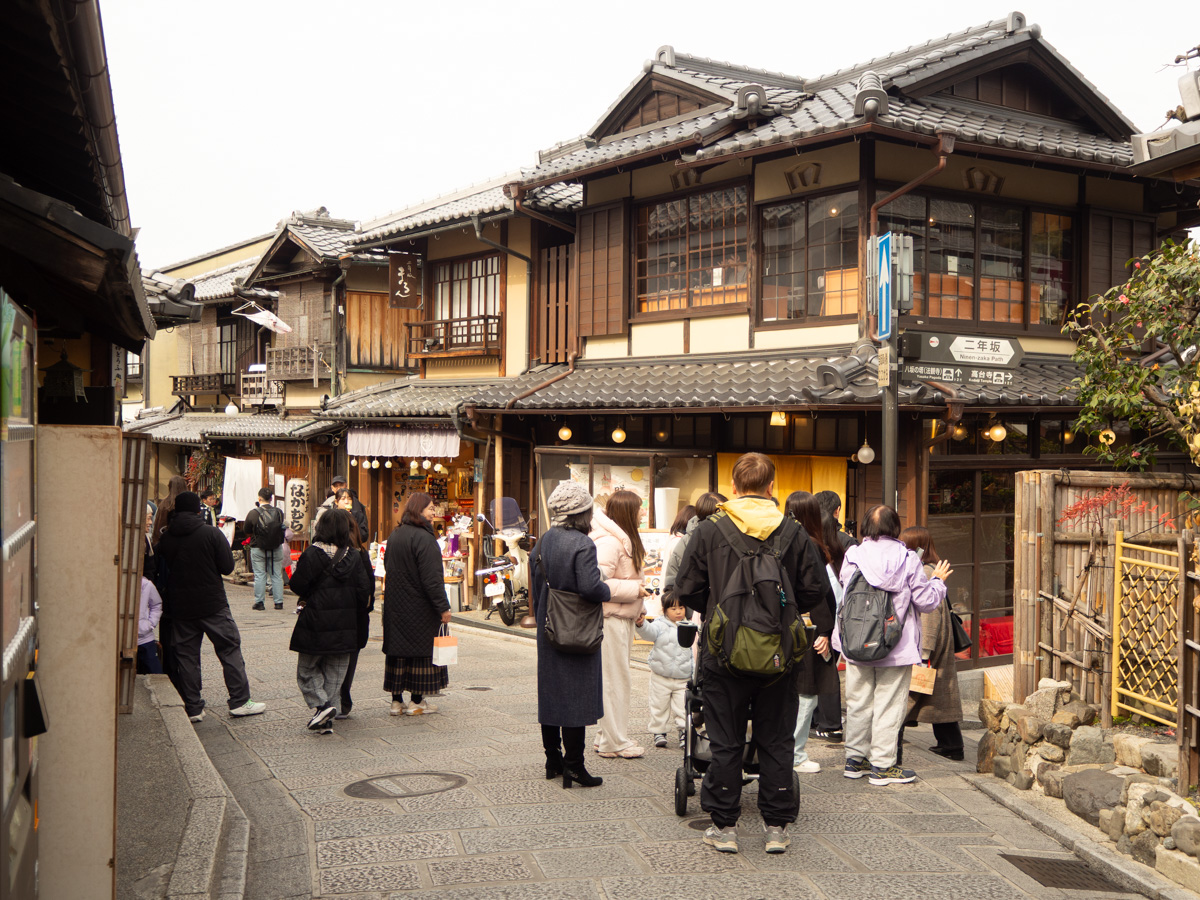
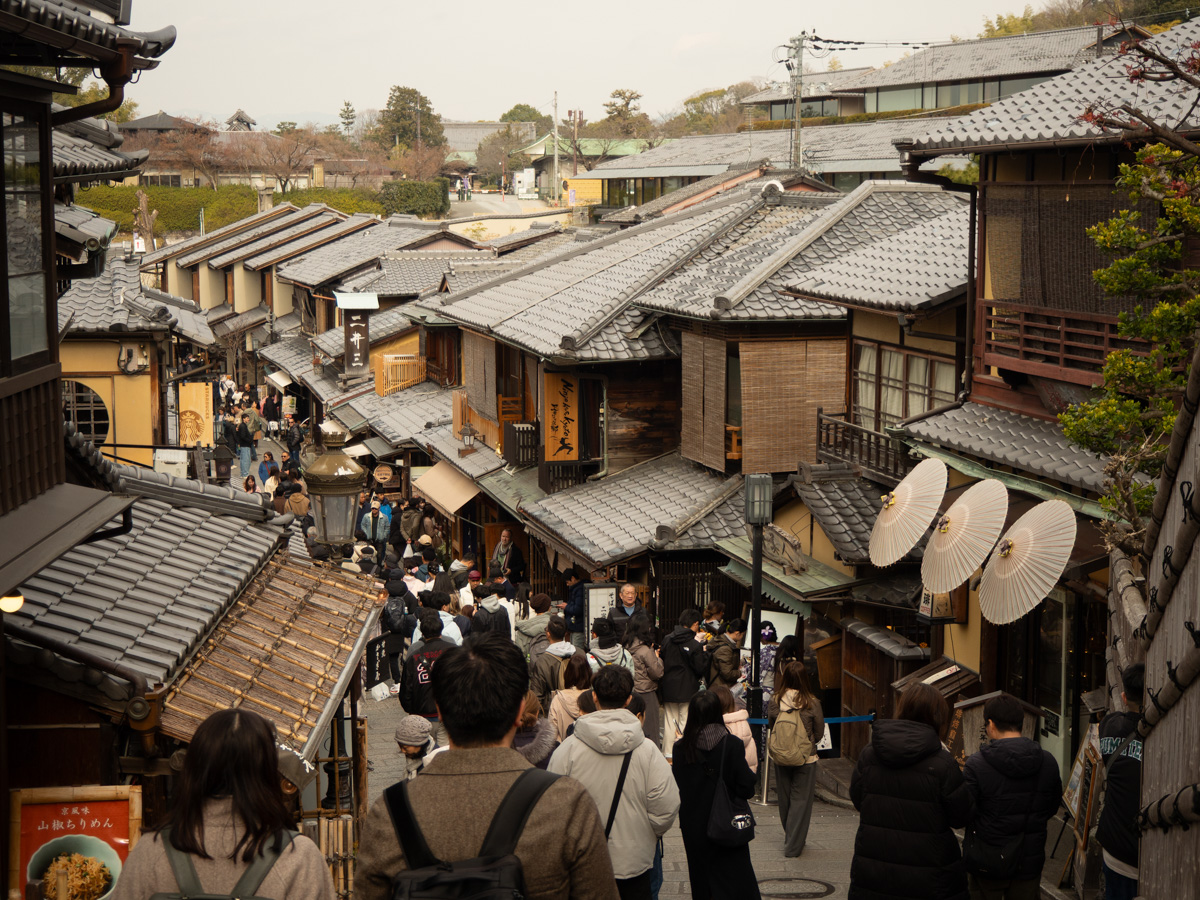
Many are shops or cafés aimed at tourists, and the street get quite full during peak hours. And this is in February, which is the lowest of the low season. I can’t even imagine being here in April or October. February may be rather chilly for walking around, but it truly was the best possible timing for us.
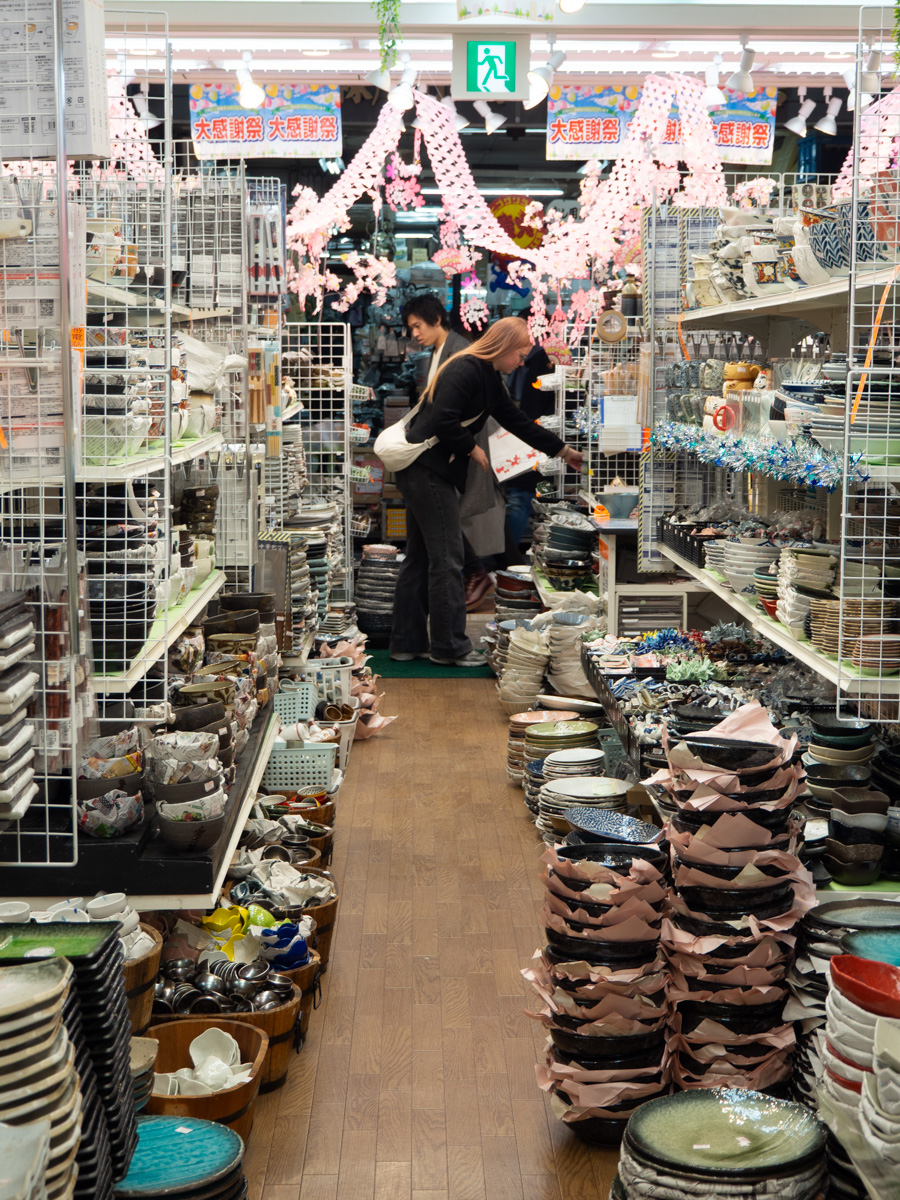
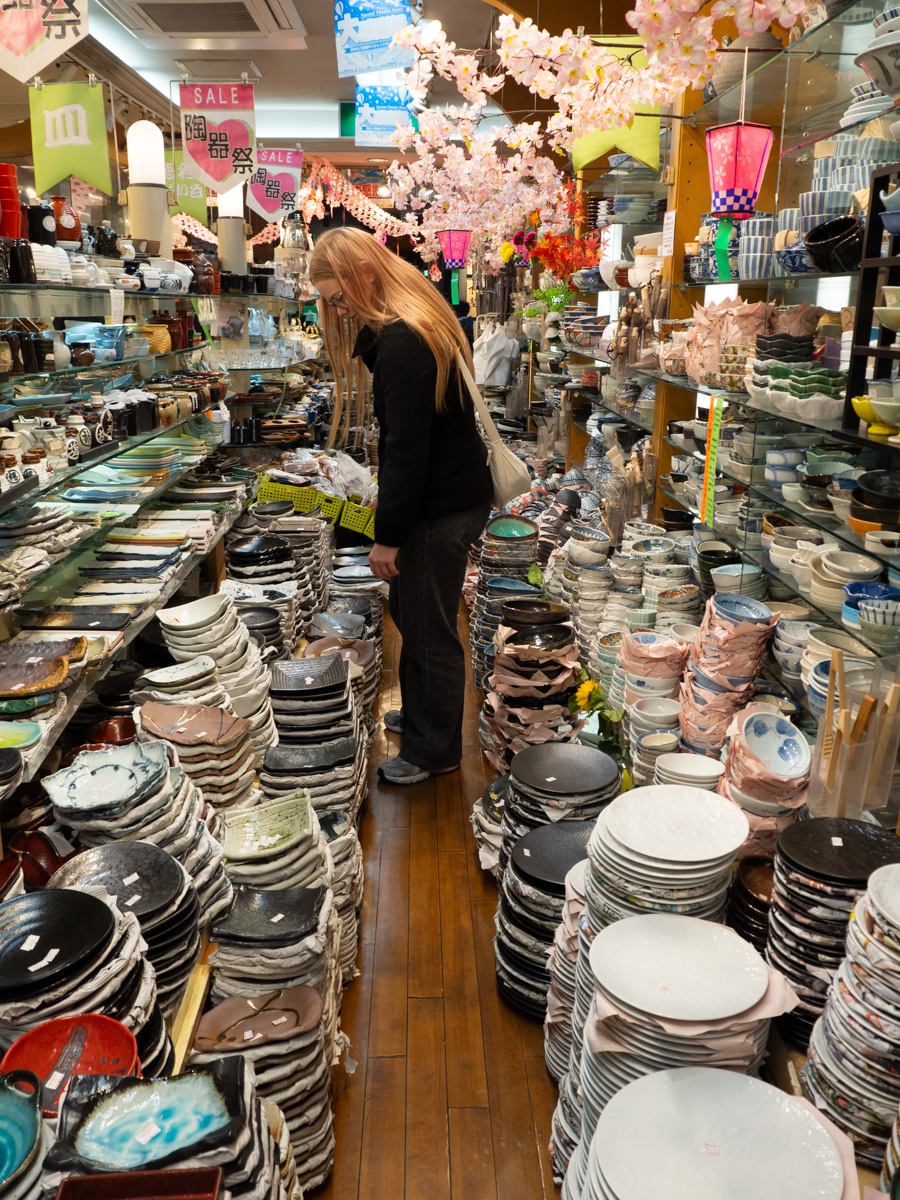
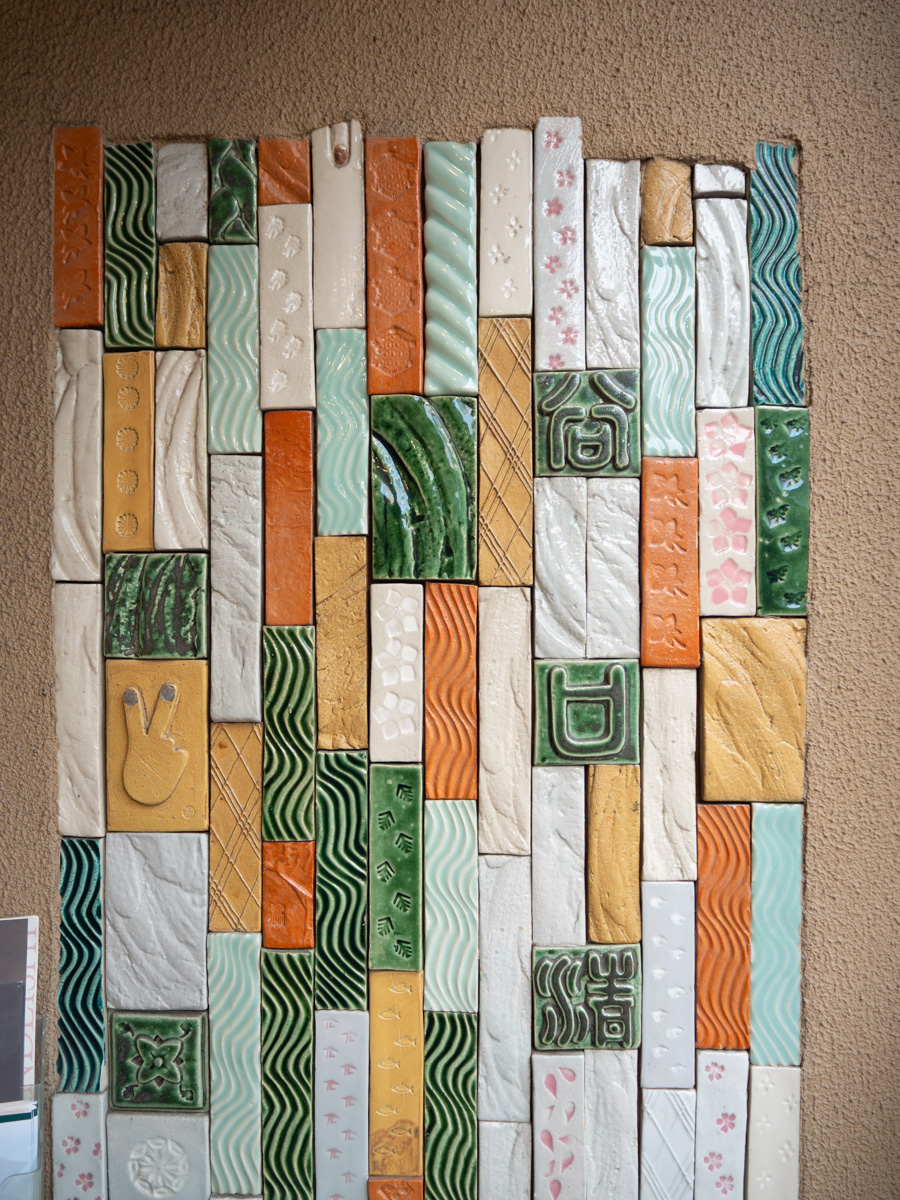
We, of course, zoomed in on the ceramics shops. This one had a wall display of ceramic tiles.
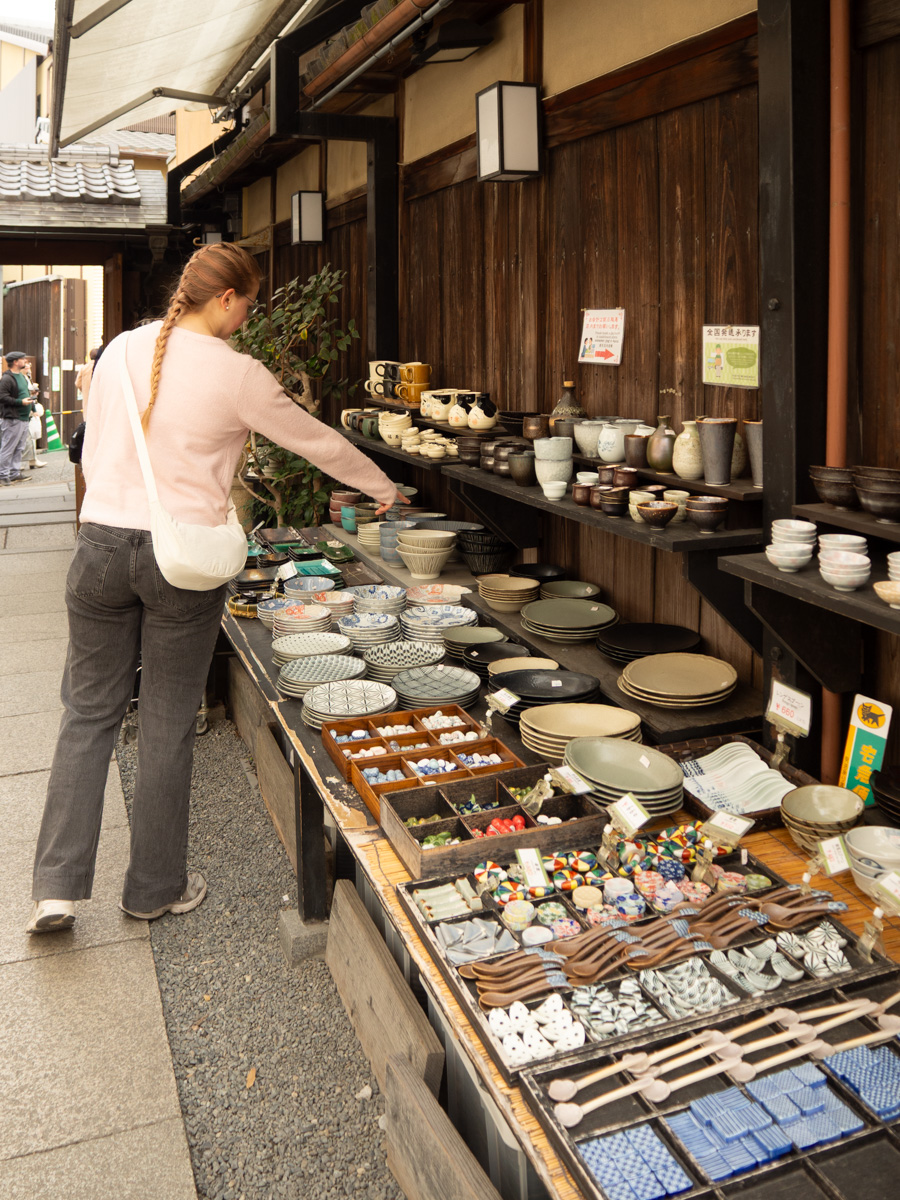
I wonder what they do with the outside displays at night. The bowls and plates aren’t even on any kind of trays or boxes – carrying them inside every evening, only to bring them all out again the next morning, seems like a lot of work.
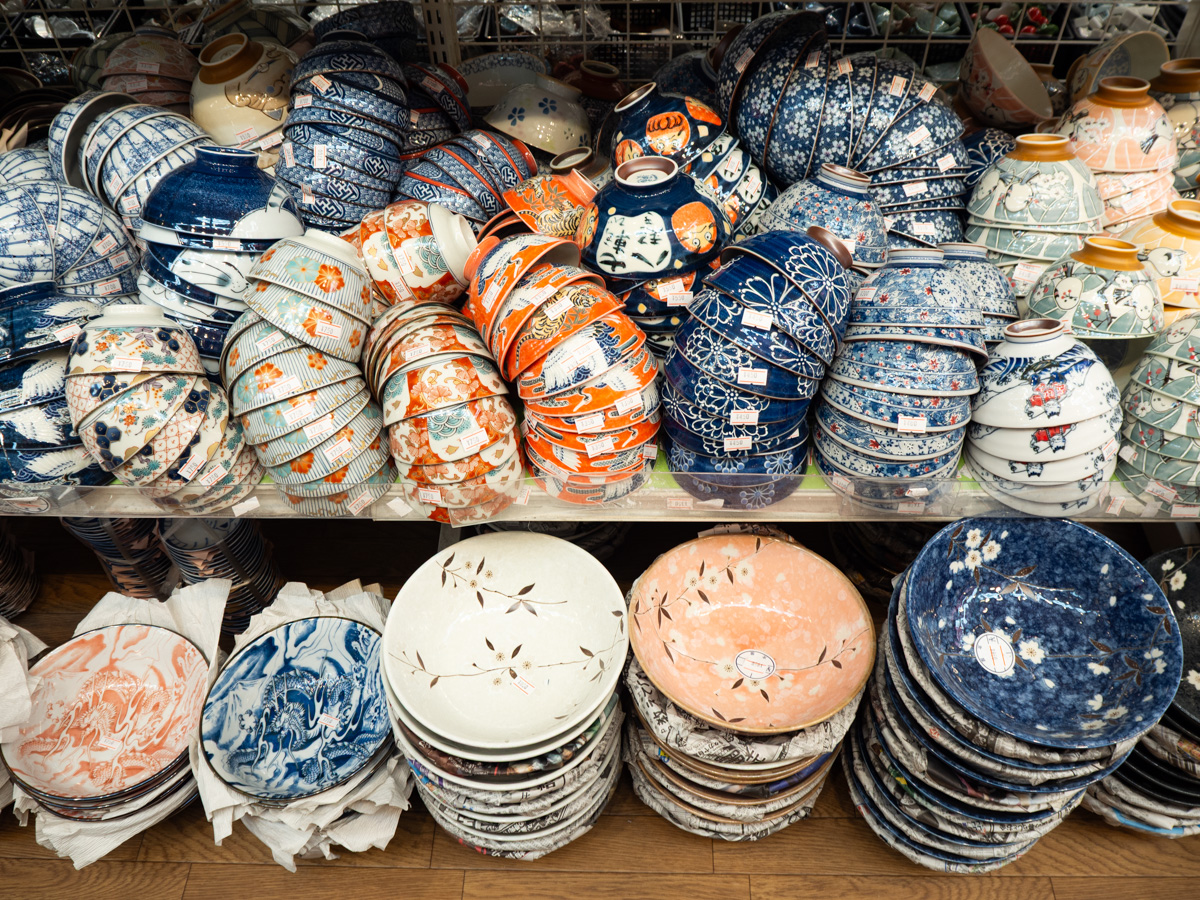
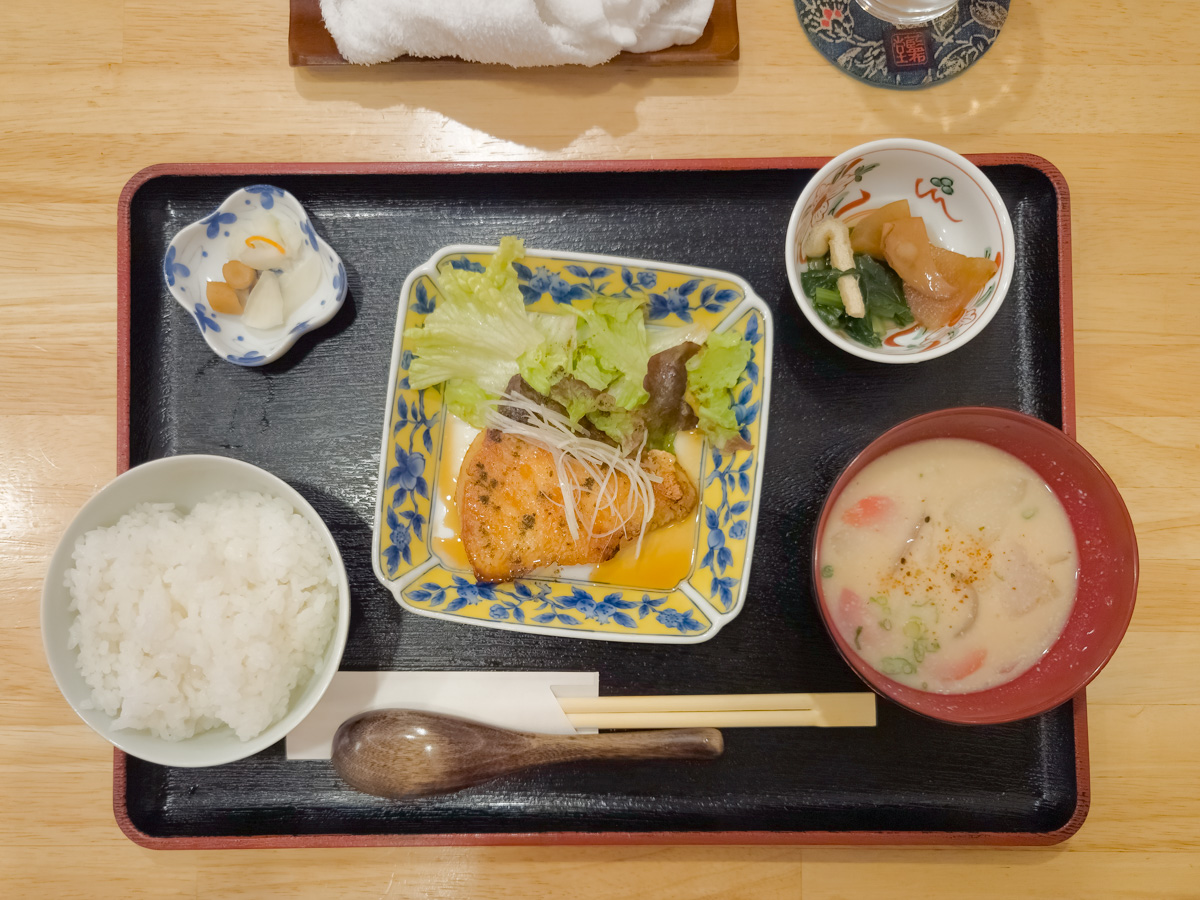
Lunch was at a tiny lunch place for locals, with just a handful of “dish of the day” type meals on the menu. Delicious as usual. The way the meal was served kind of explained the ubiquity of small, palm-sized bowls in all the shops: a little bit of this pickle here, a little bit of another one there. And served with a wooden spoon – we are of like mind here.
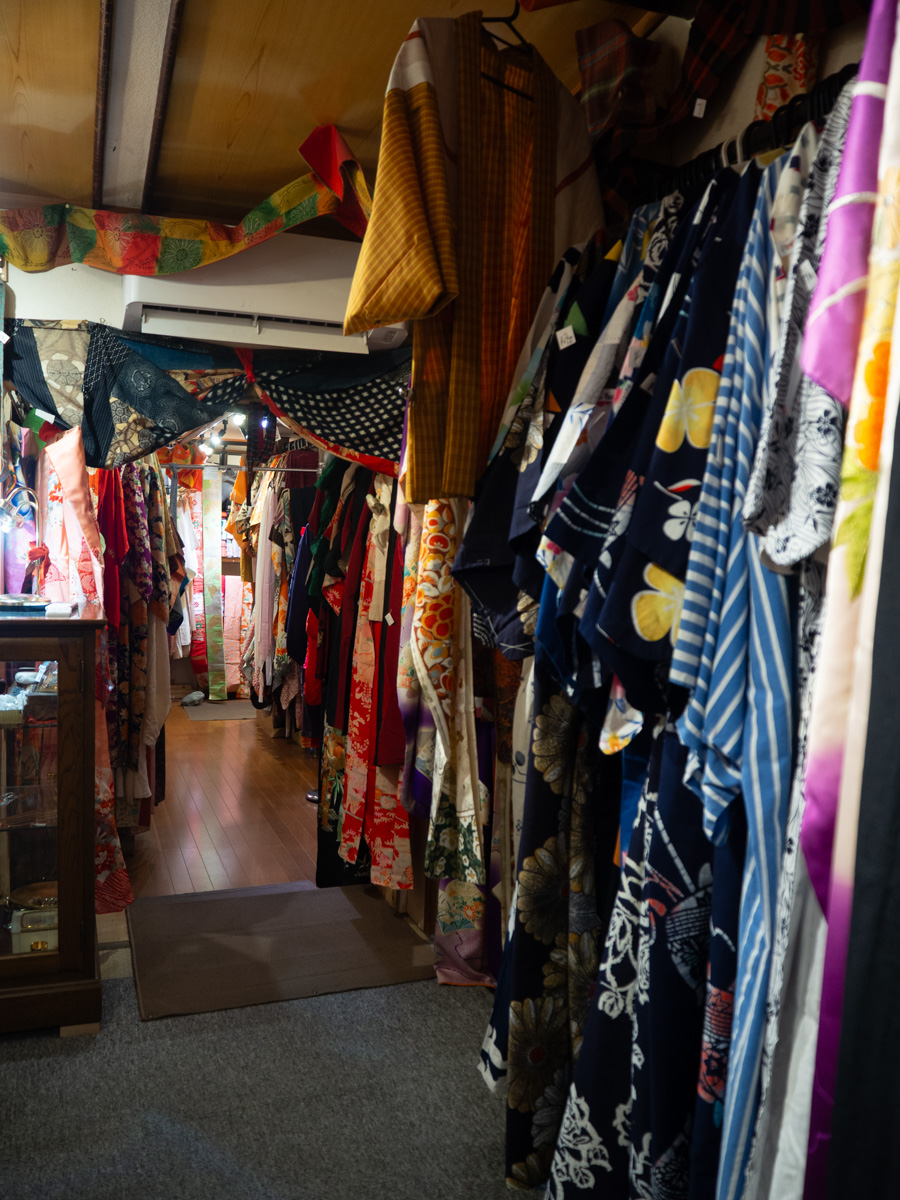
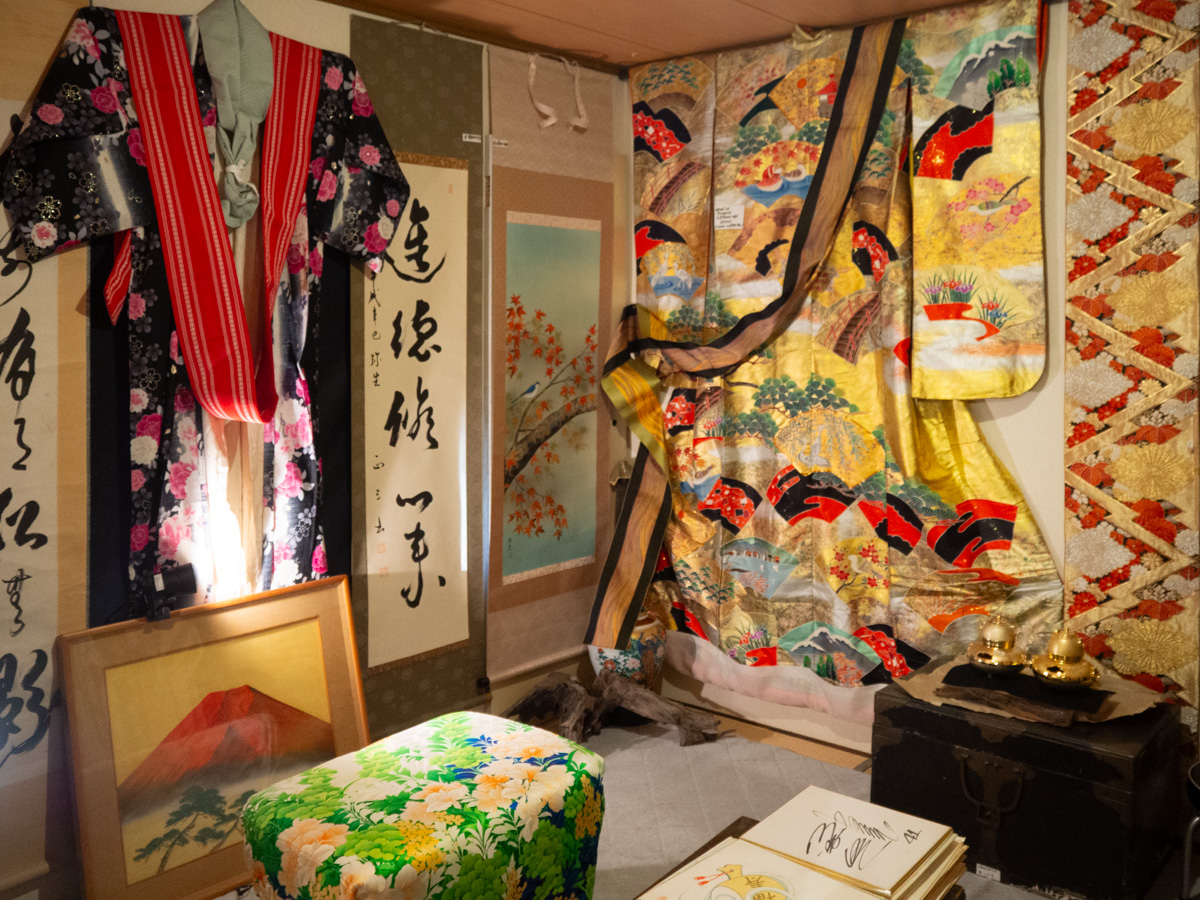
There are several vintage and antique kimono shops in Gion. Antique Kimono Lily Gion was a labyrinth of small rooms and hallways, with metres and metres of kimonos and yukatas, for men and women, of all kinds of ages and prices, starting at 1000 yen and ending somewhere in the stratosphere. On the upper floor there were antique wedding kimonos that were truly works of art.
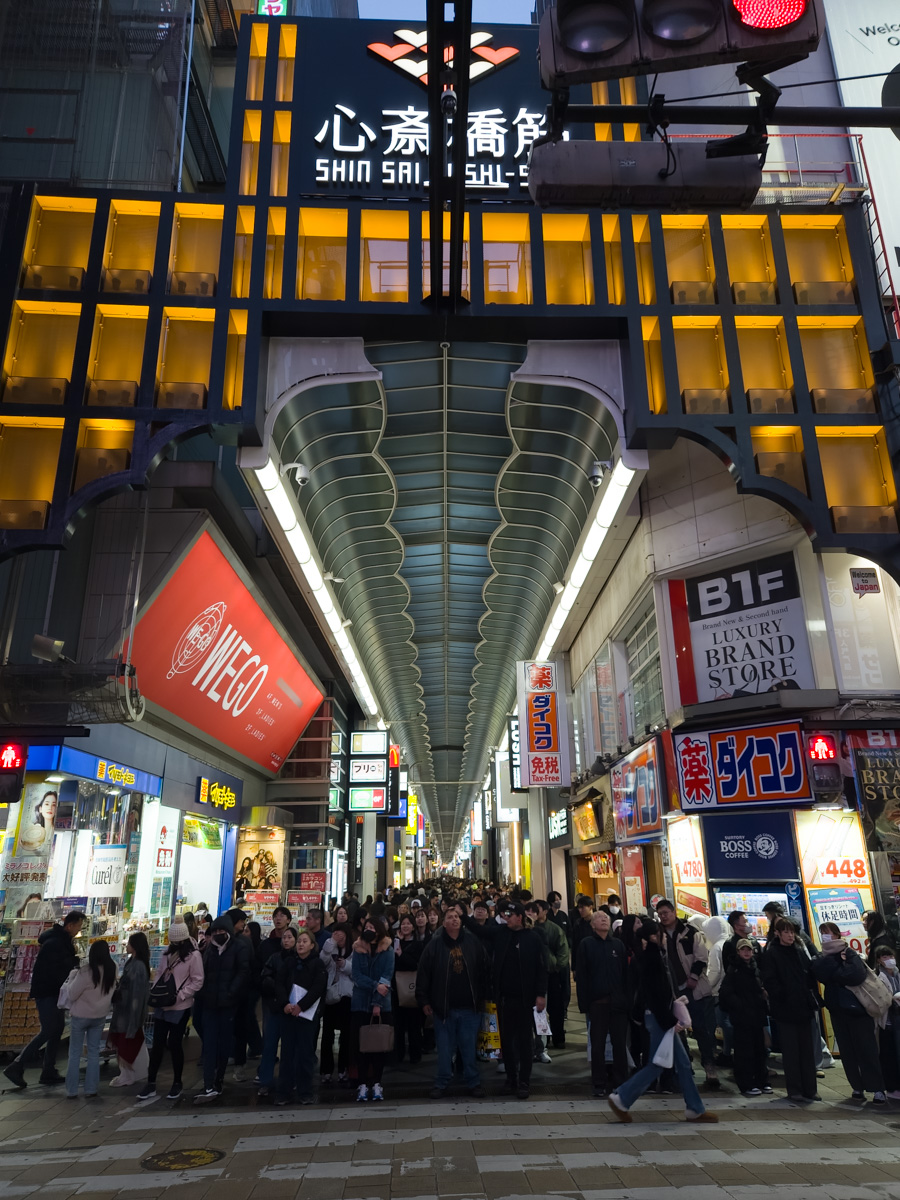
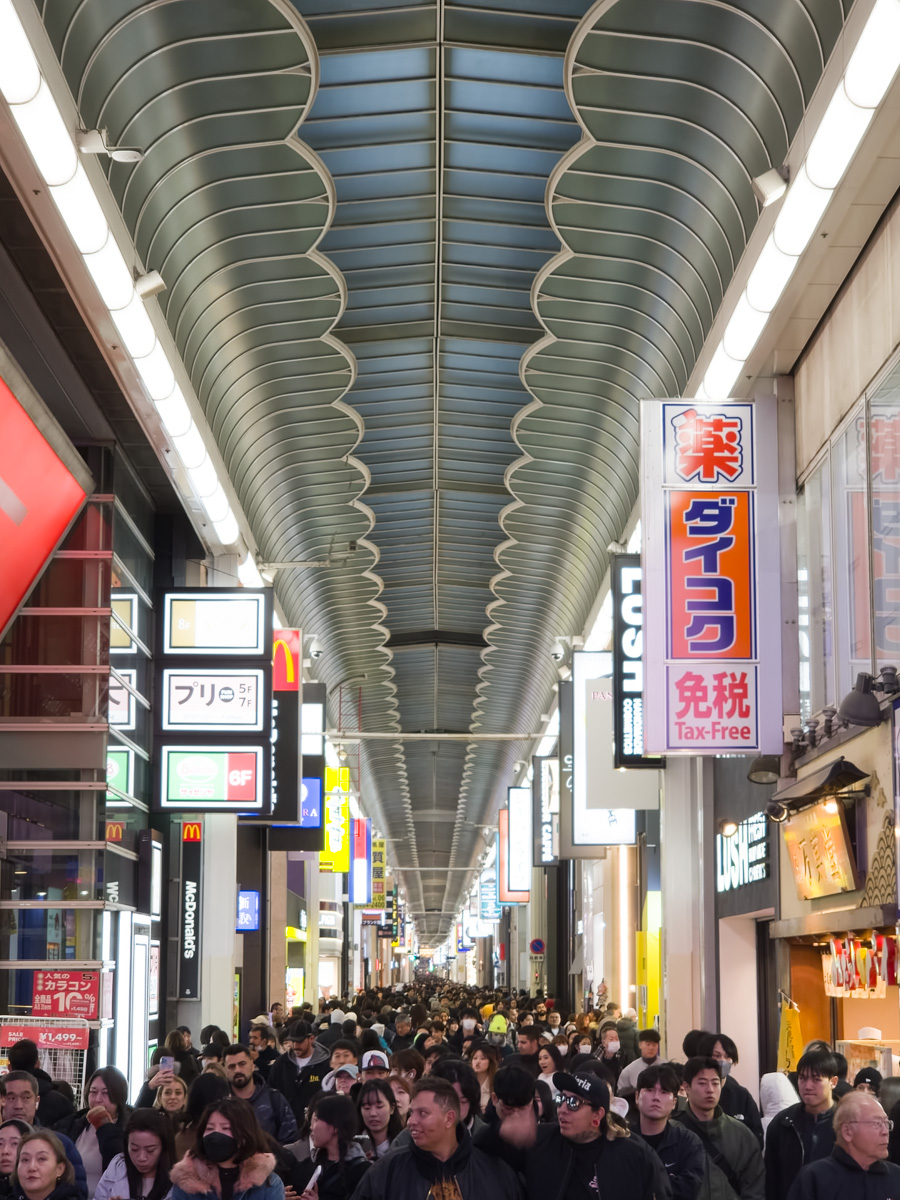
Many streets in central Kyoto – or at least things that look like streets on a map – are actually covered shopping galleries. They’re still streets, with crossings and side streets, and each shop an individual building, but all sheltered from the weather.
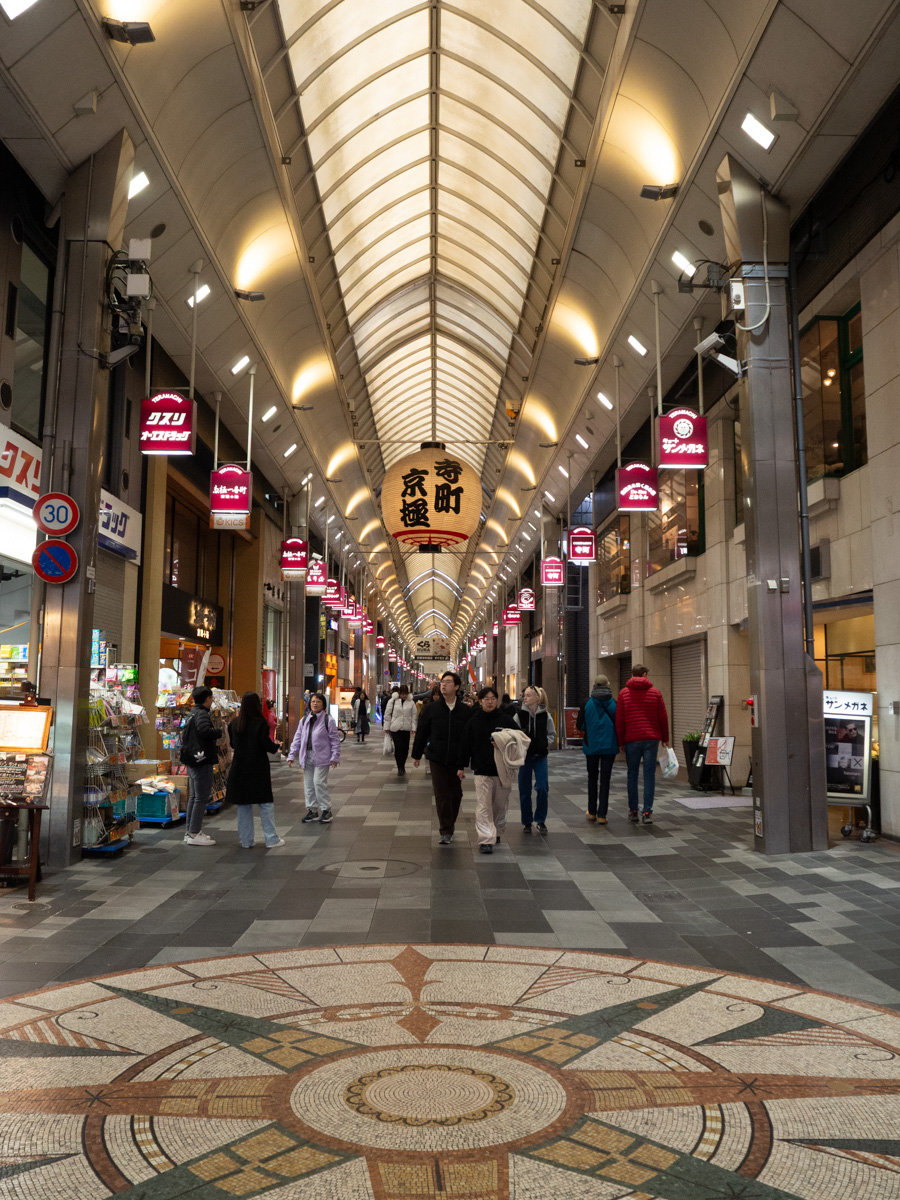
One of these galleries is Nishiki market, which focuses on food. Shops and stalls and restaurants everywhere, offering juts about everything. This is what we had expected Tsukuji market to be like – lively and colourful.
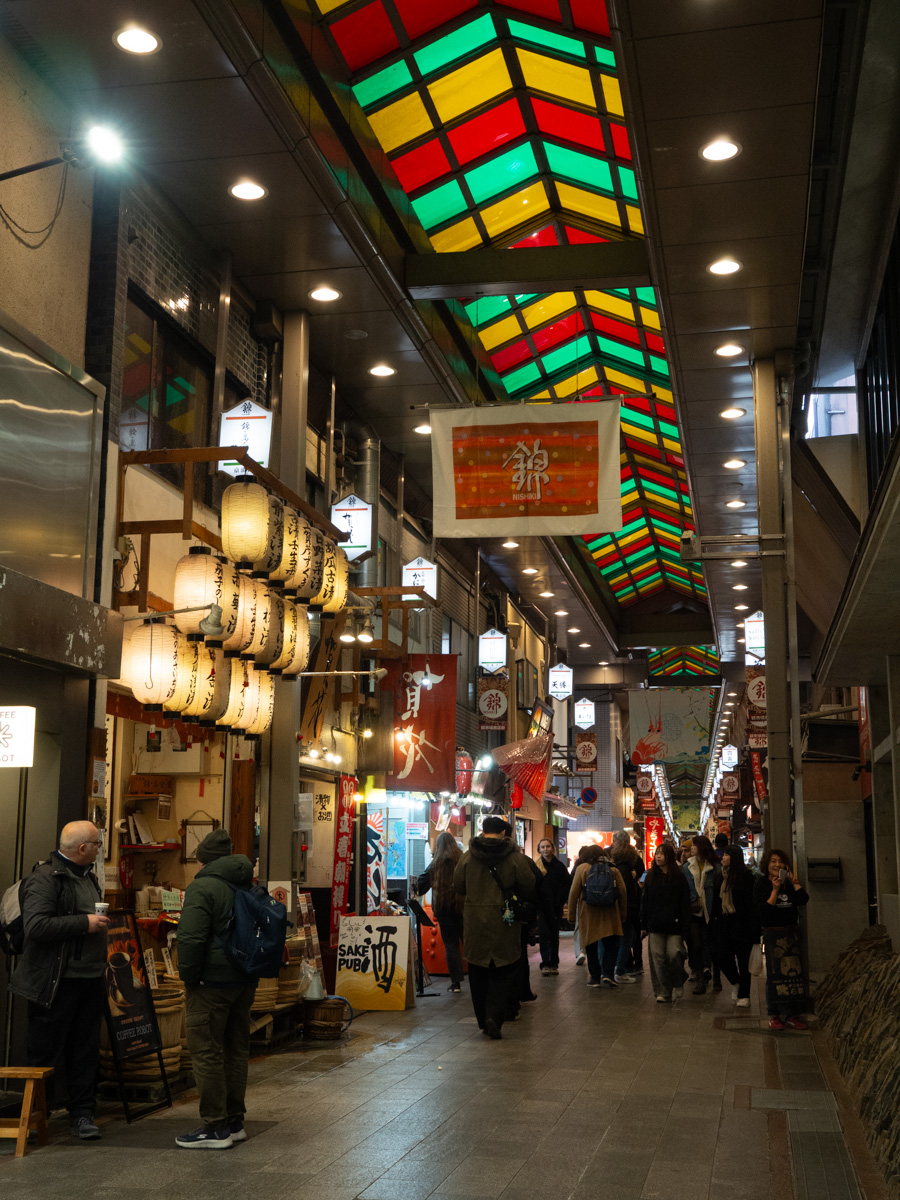
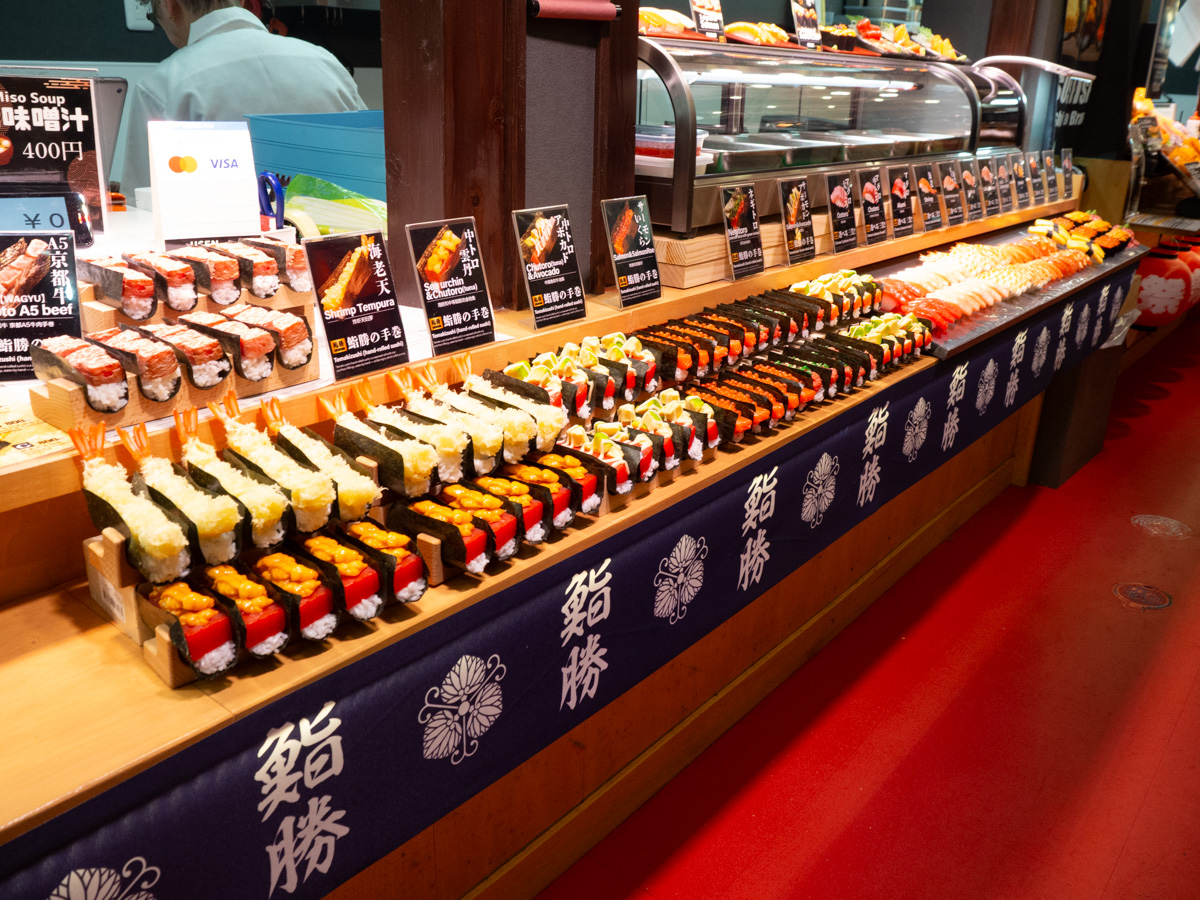
Displays of the uniquely Japanese art form of fake food.
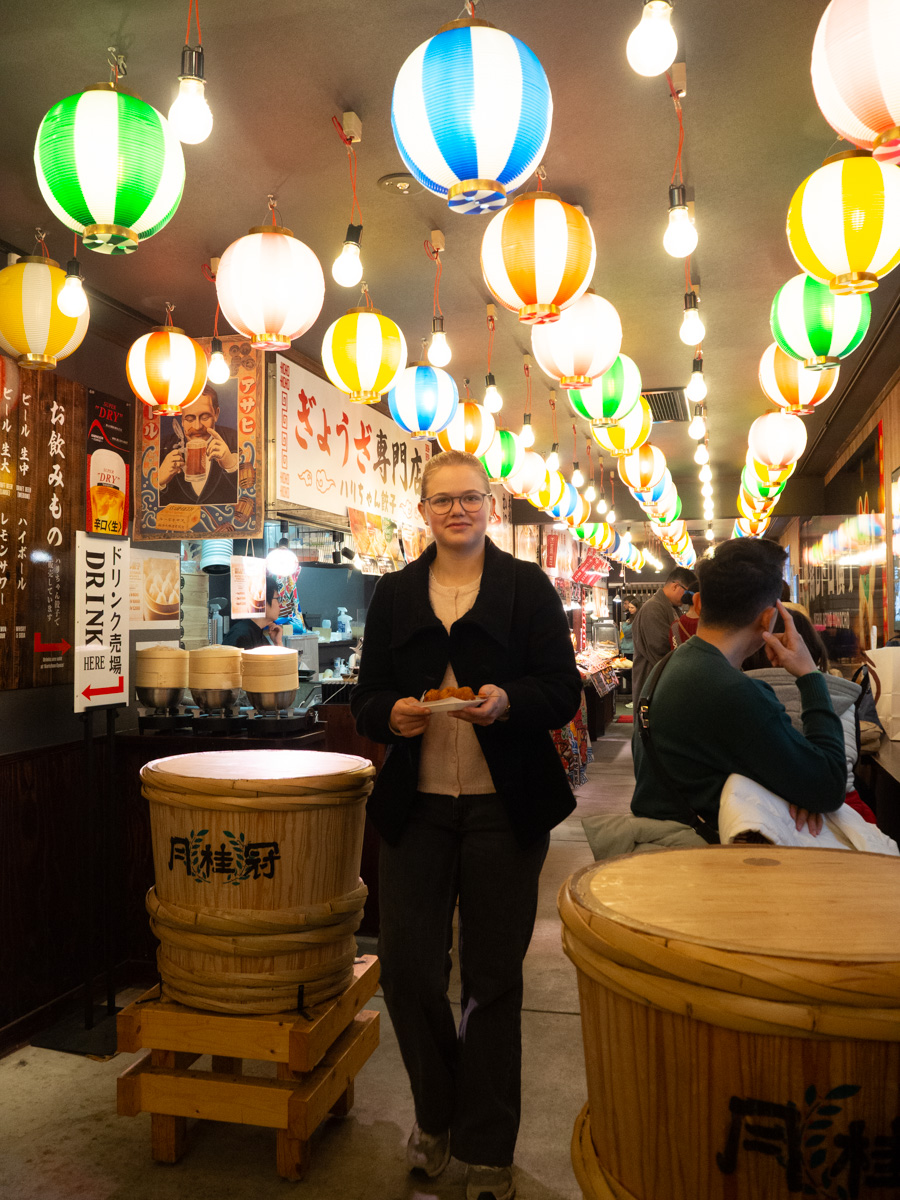
I wanted gyoza; Ingrid wanted takoyaki, dough balls filled with minced octopus.
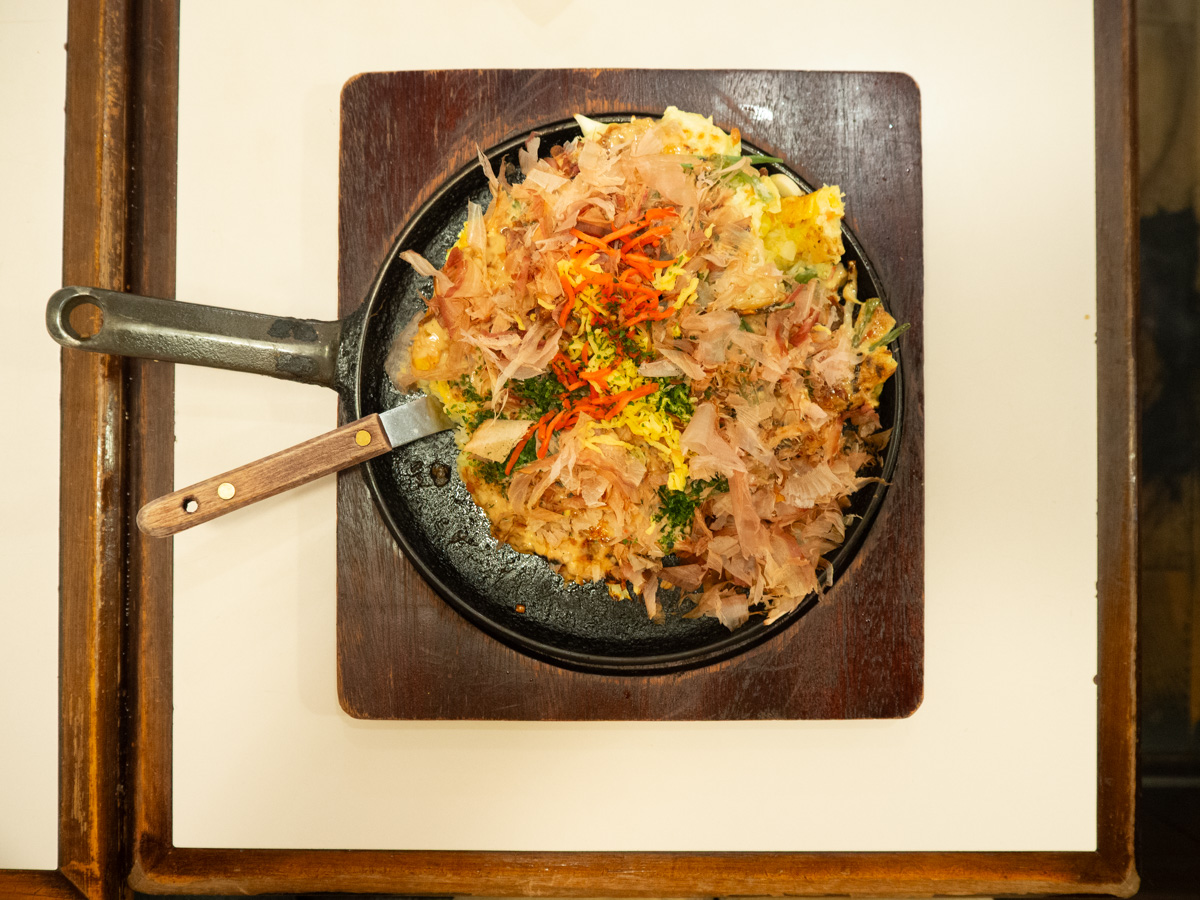
For dinner, we tried another okonomiyaki place – in part because I like it, and also because it does seem to be a bit of a regional specialty. It was recognizably a cousin of what we ate two days ago, but also very different. Still a pancake with shredded cabbage but prepared differently and served differently.
| « Older posts | Newer posts » |
