We eat toast as part of our weekend breakfasts quite often. Nobody has time for toasting anything on weekdays, so breakfast then is either cereal or a simple sandwich.

The end slices are usually no good for toasting. They’re too thin, and the crust makes them curve when heated, so they toast unevenly. The edges are too dark while the middle is not crispy enough. I’m too thrifty to throw them away, though – one doesn’t throw away perfectly edible food just because it’s inconvenient in shape. Instead there’s a bag in the freezer where we dump all the end slices. (Or some of us just leave them in the original bread bag and shove it to one side in the bread drawer in the freezer, and then weeks later I wonder what’s with all the nearly-empty bags, and then I end up consolidating four bags of end slices into one.)

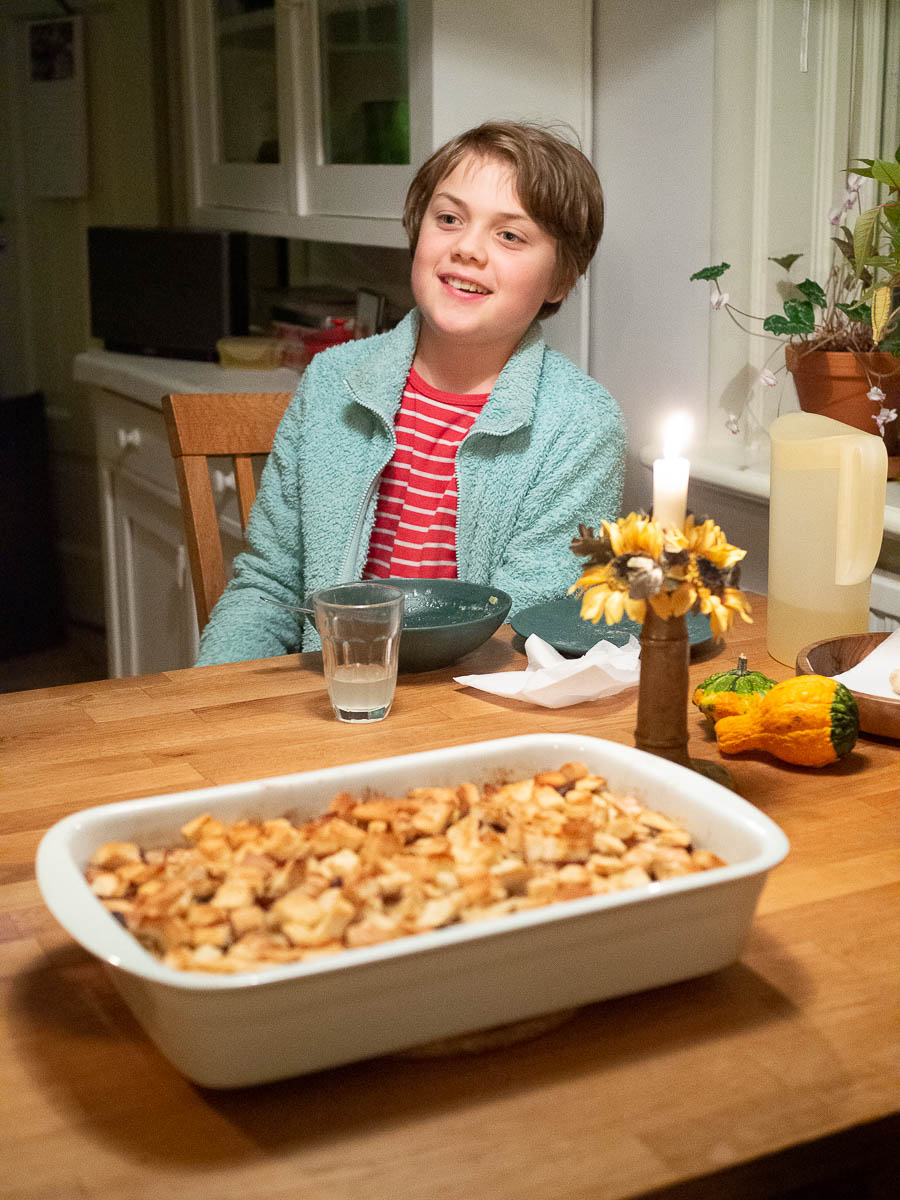
I’ve used the end slices for croutons in the past and used them for a deconstructed French onion soup, and for salads. Today I wanted to make bread pudding, which I haven’t eaten since I was a child. It was a thing in Estonia (saiavorm) but it’s virtually unknown in Sweden. I don’t think they even have a word for it.

There was no shortage of hits when I googled for recipes for saiavorm, but making use of them was harder. There was no agreement whatsoever when it came to proportions. When rescaled to about 400 g bread, one had 3 decilitres of sugar (or something like that, because the recipe was based on “half a loaf of sai” of unspecified size) while another had 2 to 3 tablespoons. One had one egg per one dl of milk; another had twice as much eggs as milk; a third had the opposite.

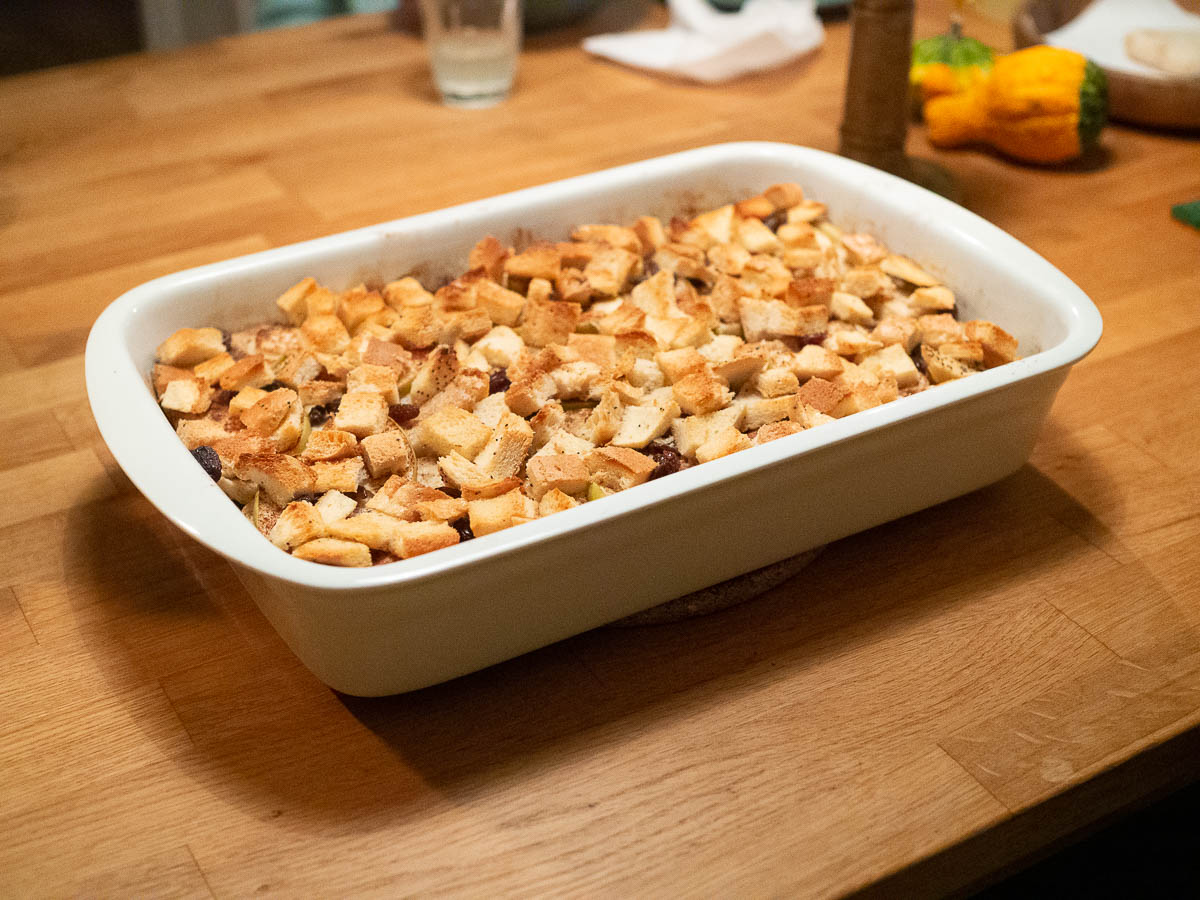
In the end I gave up on the recipes and just winged it. The end result both looked and tasted good, but was a bit too dry. Less bread next time, for the same amount of eggs, milk and apples. (Less bread, rather than more of the rest, because half of what we had would have been enough.)

My childhood version definitely had raisins, but I think it may have been without apples.
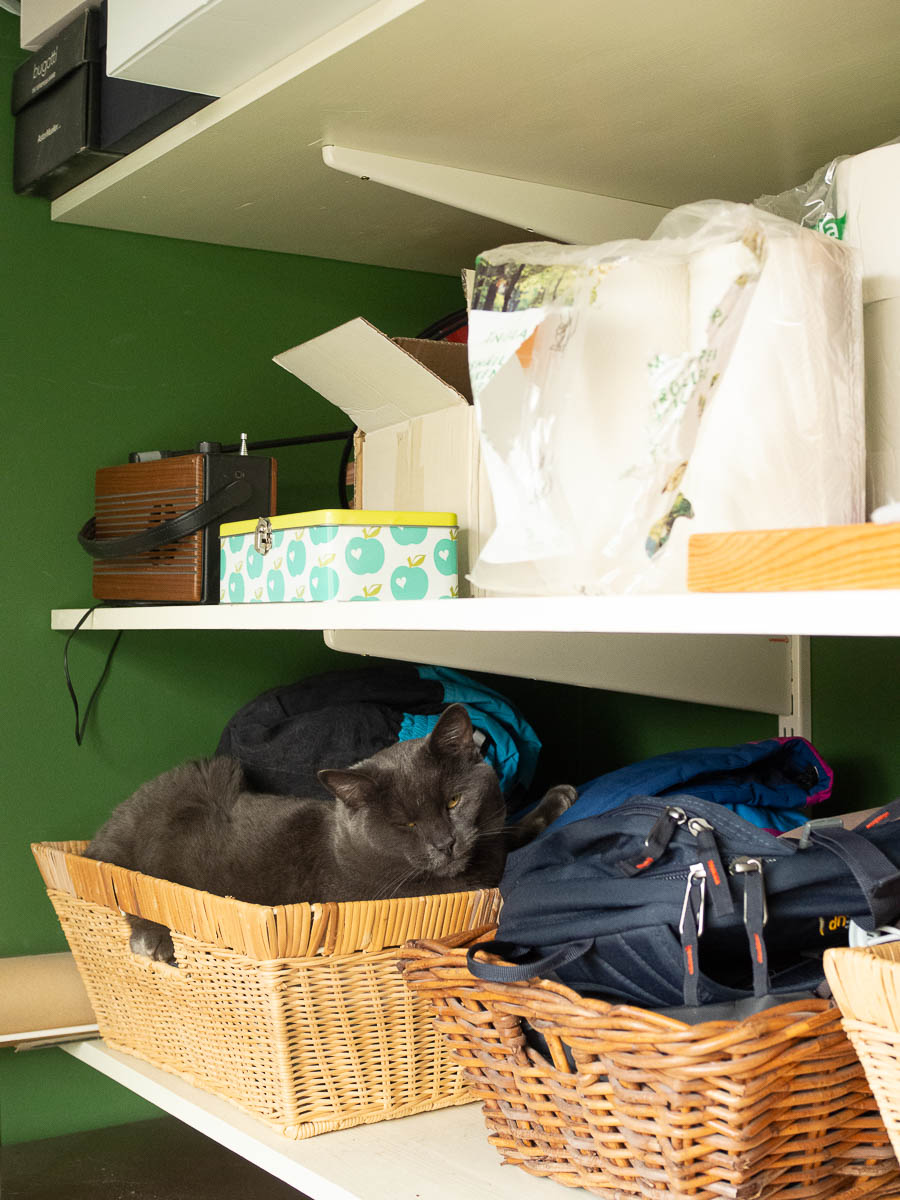
Nysse is still discovering new places in the houses that make good cat beds. Today we both scared each other when I found him sleeping in one of the storage baskets in the storage closet, on top of outgrown children’s outerwear, next to backpacks and rolls of toilet paper. I accidentally woke him when I came in there to put away a backpack from the Amsterdam trip. There wasn’t much light when I walked in there, and I’d never seen him there before, so the sudden movement of a dark shape in the corner gave me quite a turn.


While we were away in Amsterdam for three days and nights, one of Ingrid’s friends took care of Nysse. He couldn’t be here all morning and all evening, of course, so Nysse had to stay indoors for those days. Otherwise they’d likely just keep missing each other: Nysse wouldn’t know when the human is here and might arrive just after he leaves, for example, and then have no chance to get any food or water at all.

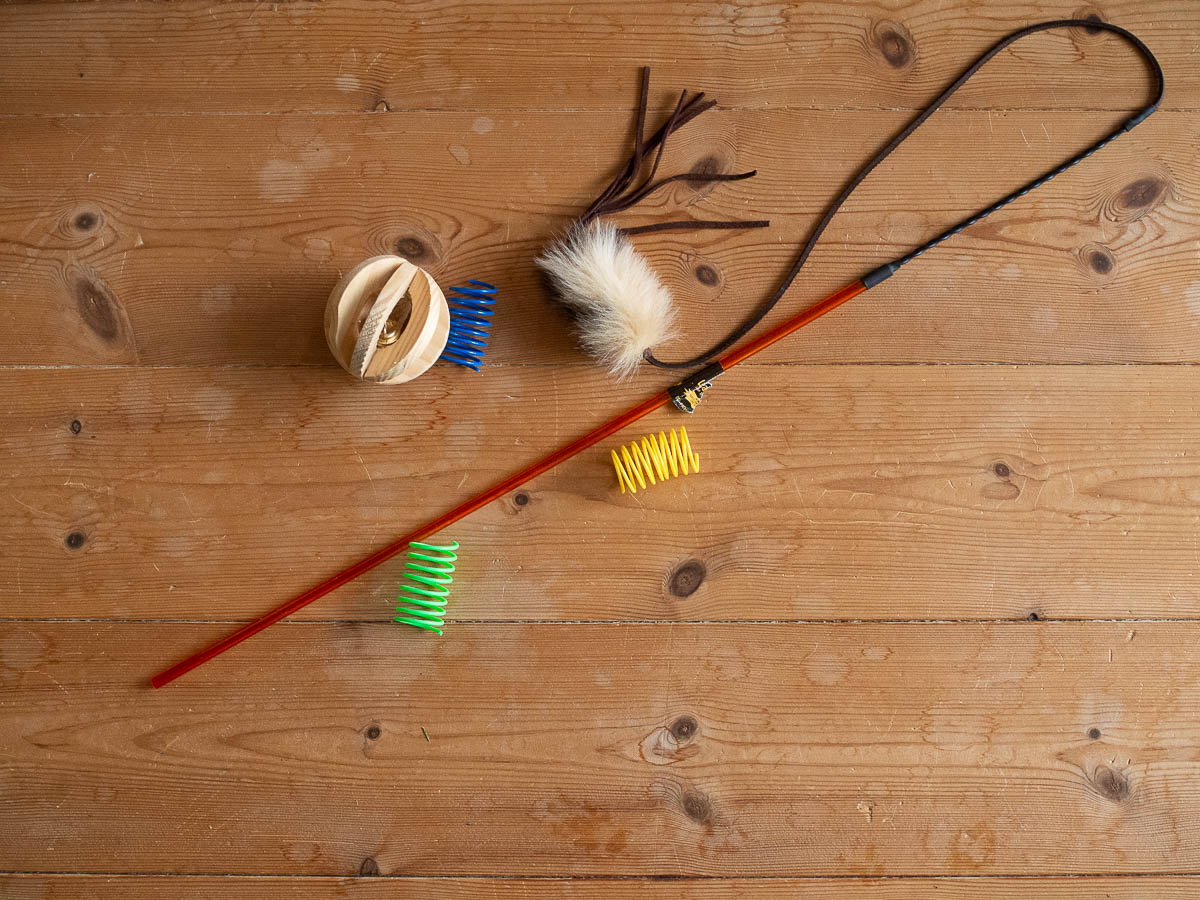
We bought some new cat toys for Nysse to make the three days feel less like imprisonment. He reportedly enjoyed each one for a while. But he really didn’t want to be an indoor cat. On the evening of the third day, the moment the door opened, he ran out as fast as lightning. A big part of it was probably because he much prefers pooping outside to using the litter box. And this is the cat who initially had to be carried and coaxed outside!

The toys now mostly languish unused. The fake-mouse-on-a-string can be fun for a few minutes, when someone dangles it in front of him and makes it come alive. But Nysse almost never plays with anything on his own. The wide world outdoors is much more interesting; the house is for eating and sleeping and cuddles.

Wednesday is Urb-it office day.

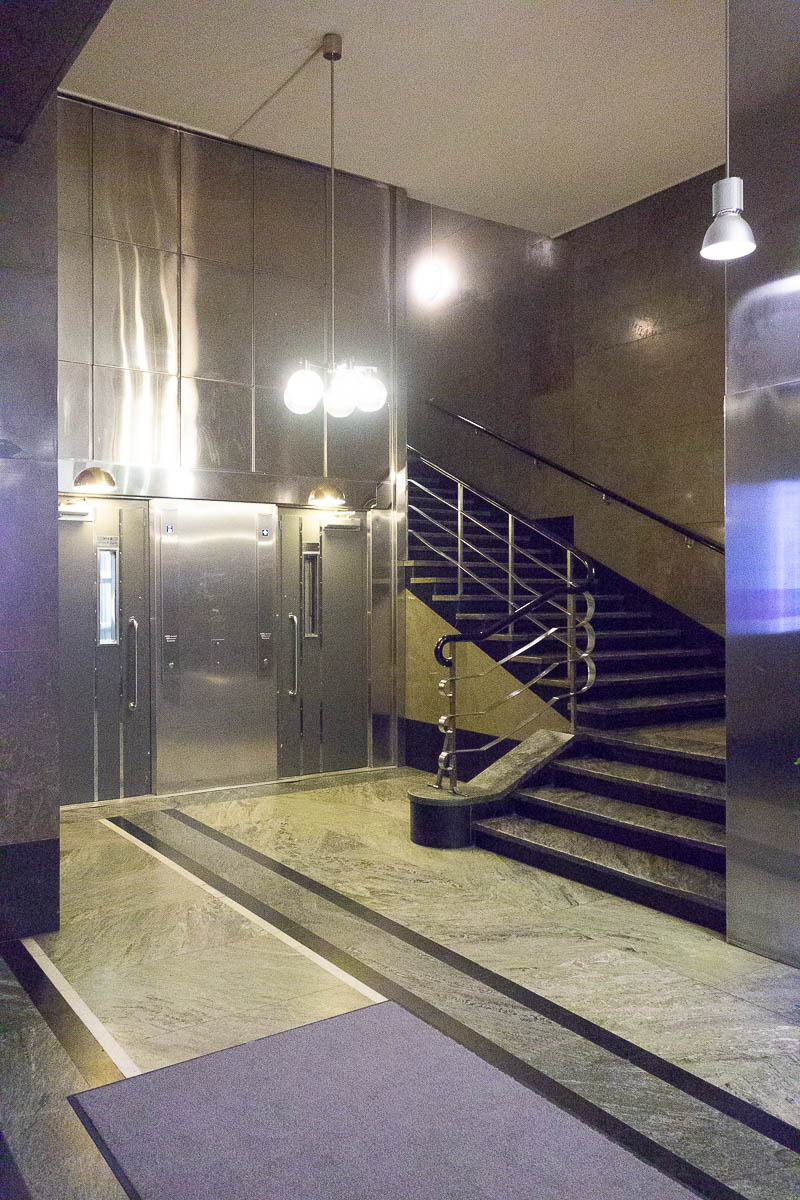
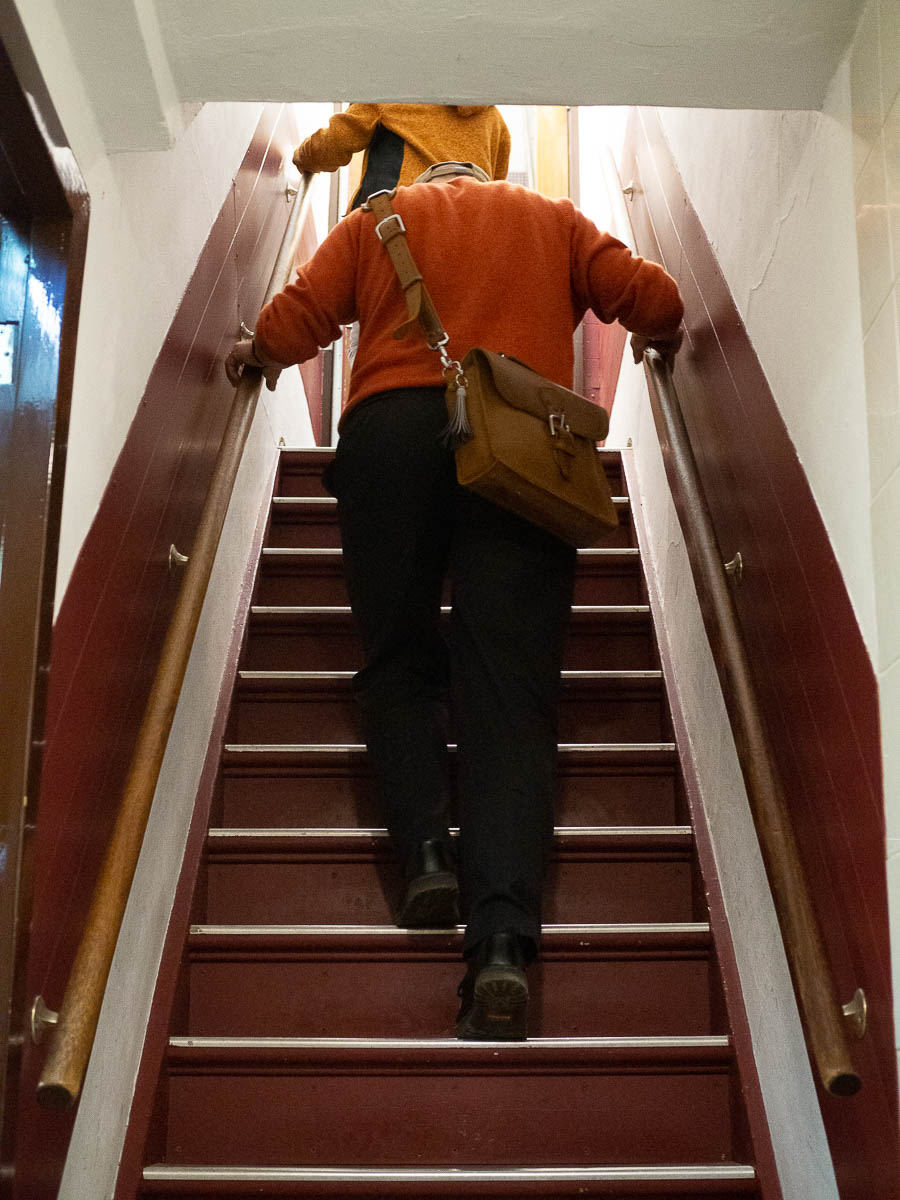
Urb-it’s office is on the seventh floor of a seven-storey office building. Which gives us a lovely rooftop terrace and striking views of central Stockholm, but also lots of stairs. There is a lift, of course (even though it only goes to the 6th floor) but the stairwell is actually pretty nice, spacious and clean and with windows providing plenty of daylight, so I often walk up all those seven floors. I haven’t managed to restart a proper exercise habit but I do my best to insert physical activity in everyday life where I can.

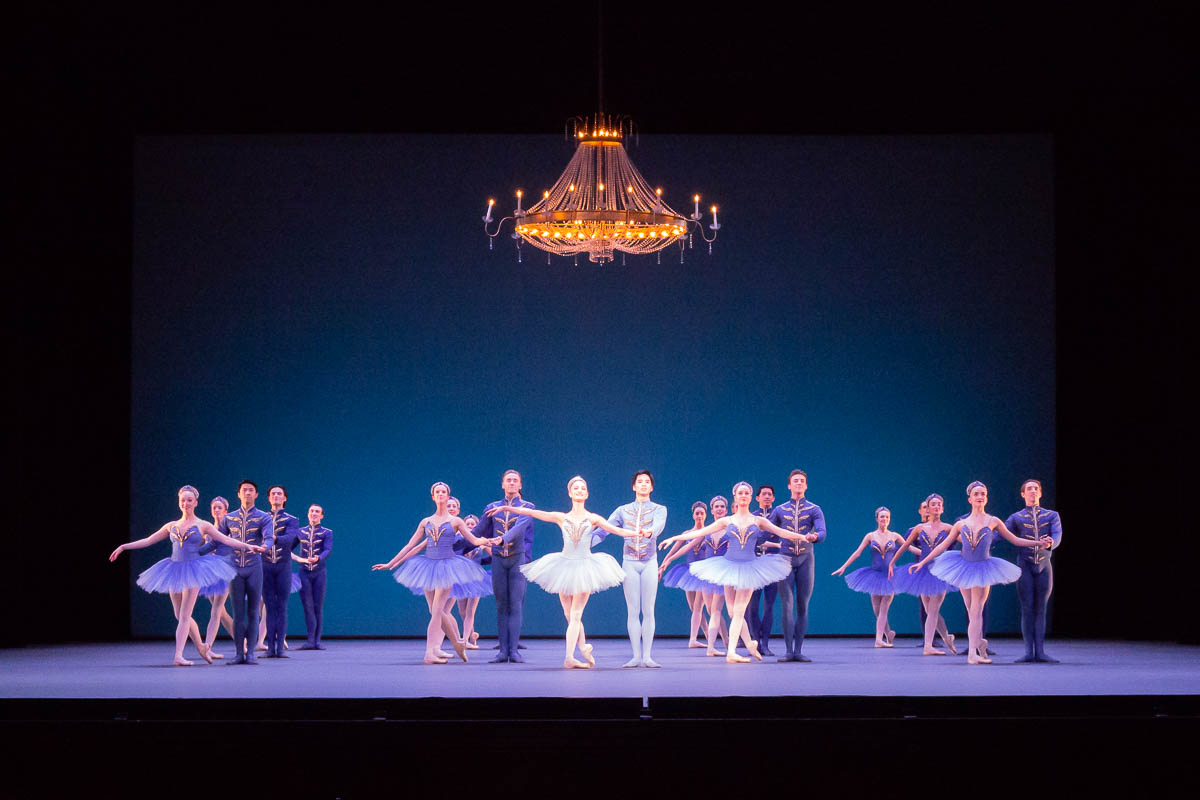
A ballet triple act.

Jerome Robbins’ “The Concert”. A comic piece depicting the audience of a piano concert (which is an actual piano concert being performed on the stage). In my opinion the piece has aged really badly. Its home is clearly in the 1950s, and I don’t understand why anyone would think this silent movie aesthetic was worth dusting off. I guess it was fresh and new when it came out, maybe? All I saw was people reduced to caricatures, and then ridiculed with no warmth. There’s the stern housewife, the cowed husband, the nerdy boy with big spectacles, the flirty hussy. All we’re missing is a plucky black mammy and a squinty-eyed chinaman, to make the collection of clichés complete. I always struggle with second-hand embarrassment but this actually made me angry.

Jerome Robbins’ “In the night”. Three episodes depicting three phases of love. Pretty but not particularly interesting. The piano music by Chopin was the best part of this evening.

George Balanchine’s “Theme and variations”. An artful, technically splendid display of skill and precision and grace, but to me it mostly felt artificial and contrived. There was no room for the dancers to show any personality or any expression other than a fixed, glued-on smile. I couldn’t help wondering if all the dancers had been chosen to match each other’s length and hairstyle.

All of these choreographies date from the second half of the 20th century, so I was expecting something a lot more modern.


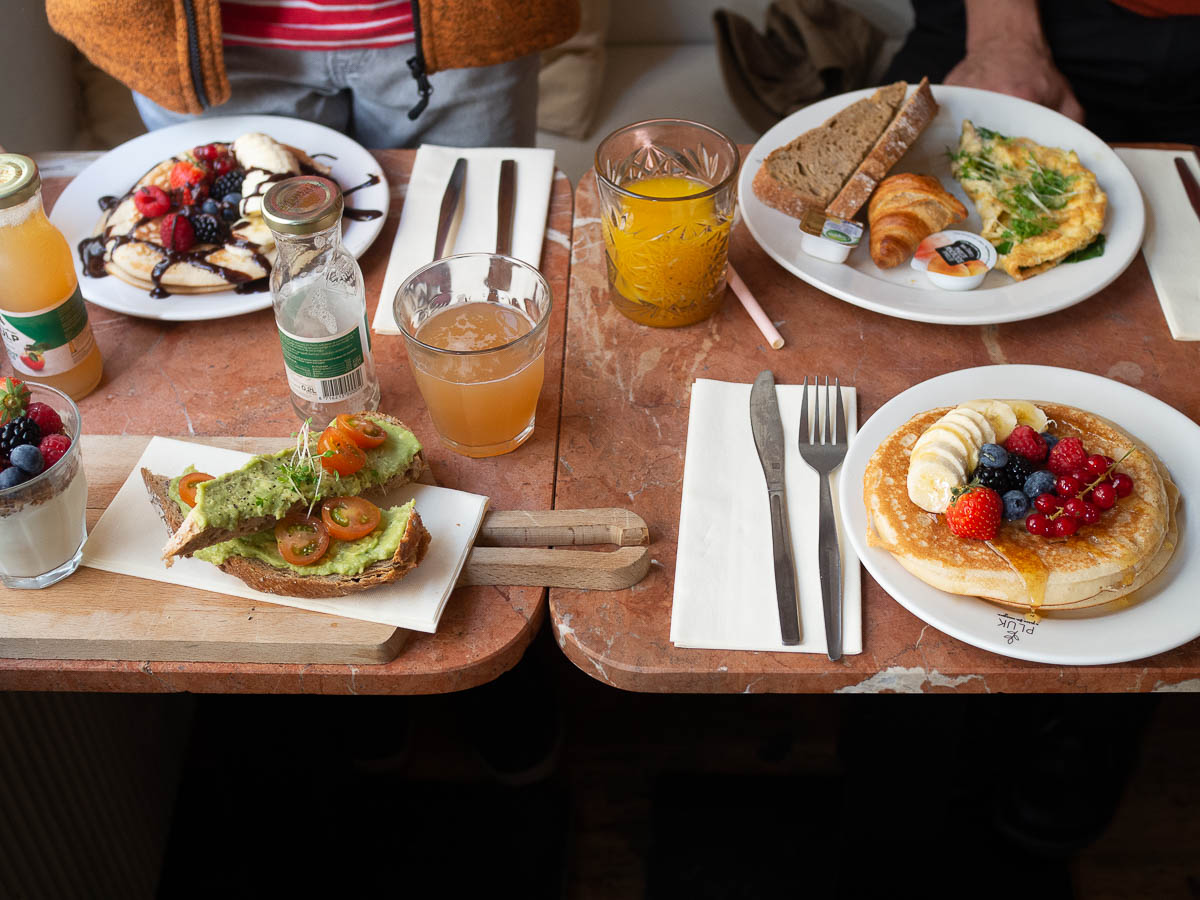
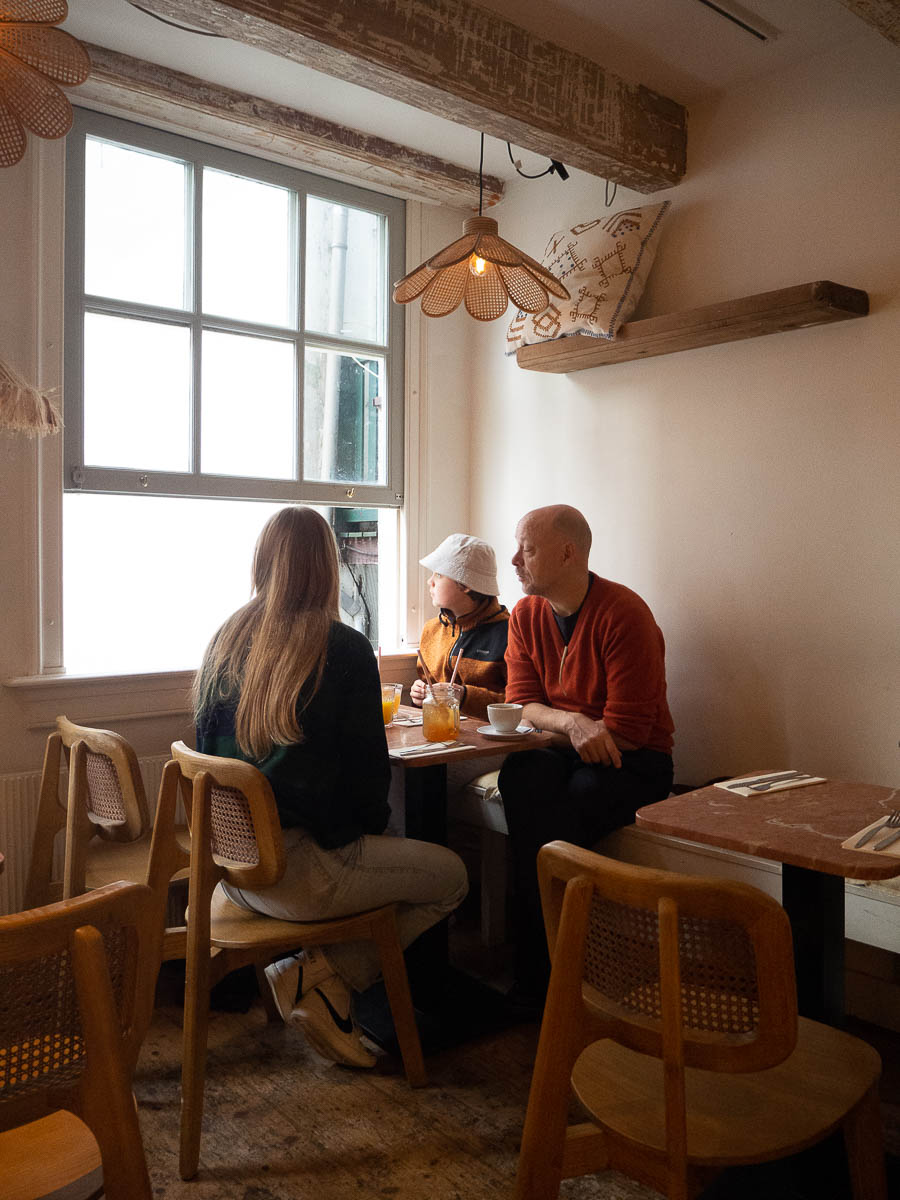
We started both yesterday and today with luxurious breakfasts at a café that Ingrid had found online. Pluk on Berenstraat, in case you find yourself in that area. The online reviews are very mixed but we got very good food, though the service was rather slow.

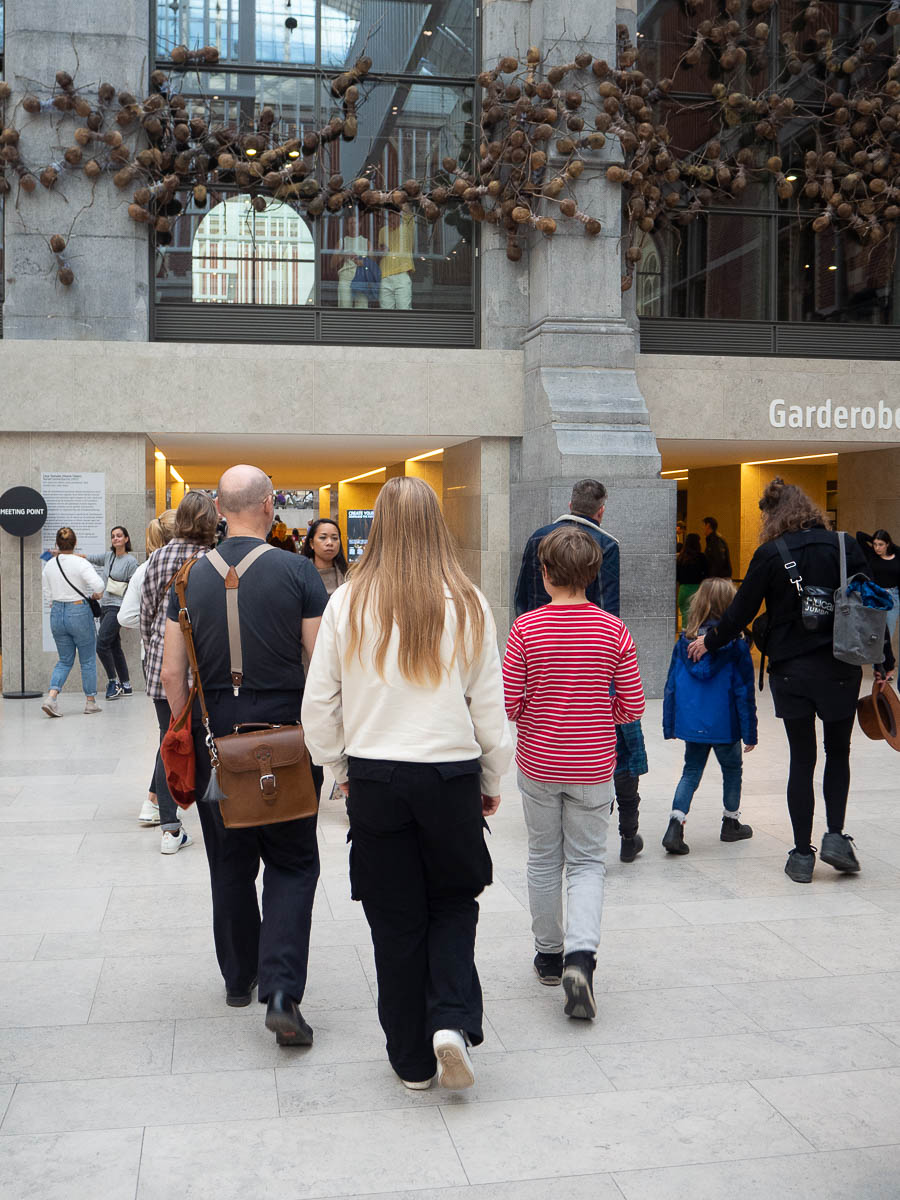
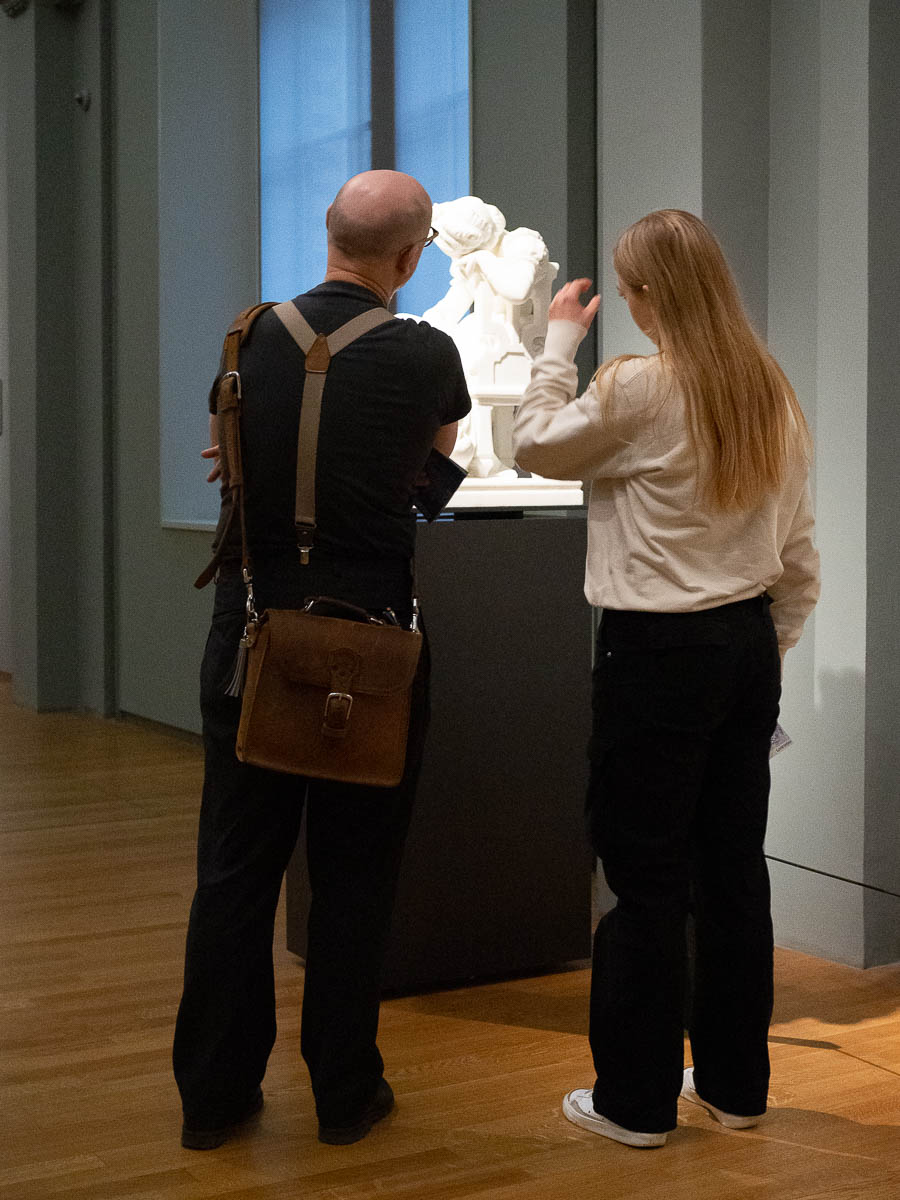
We had seen enough canals and crooked houses and cute little streets yesterday and wanted something different today, so we went to the Rijksmuseum.

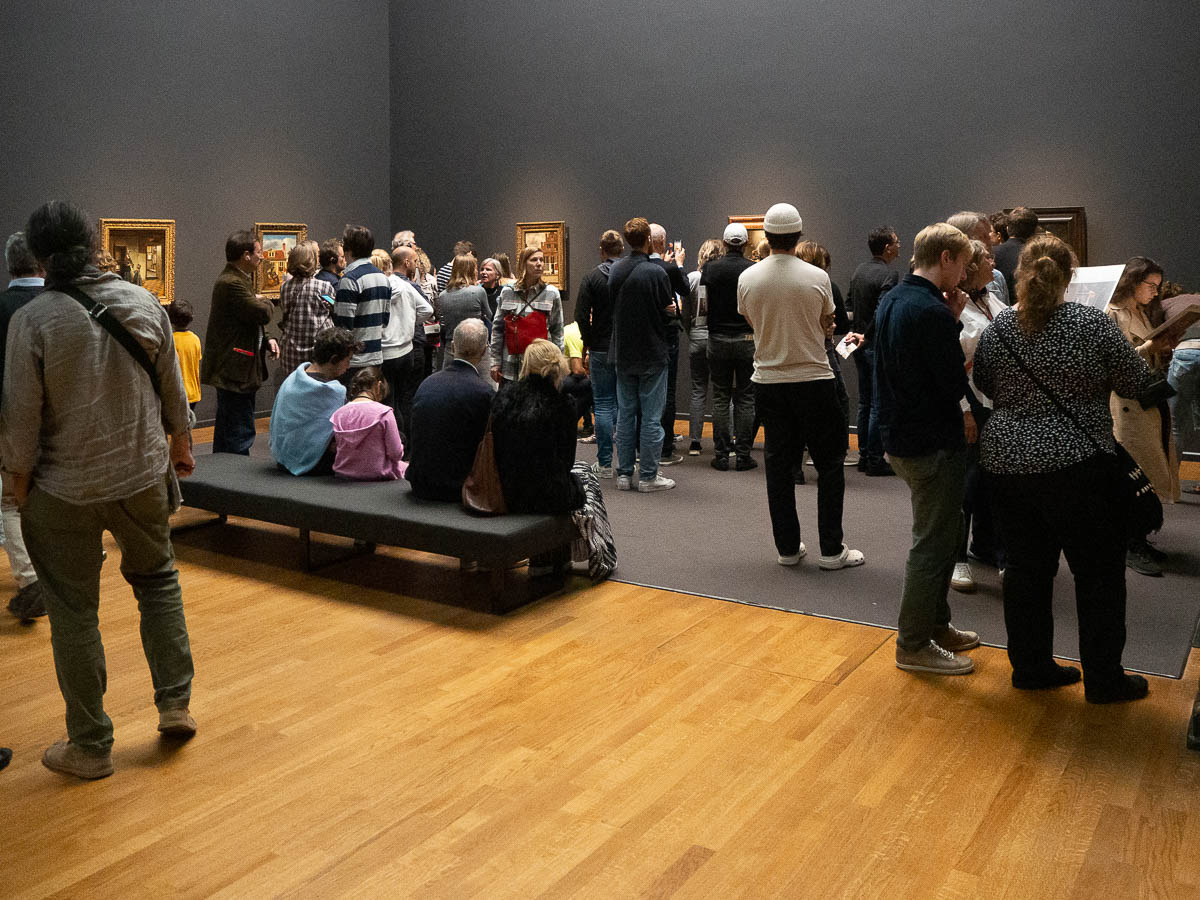
The museum was very visitor-friendly, with easy-to-read maps that guided people to the most popular paintings, but also to other parts of the collection. The popular works – like their one and only Van Gogh – had large crowds in front of them, so I didn’t even bother to try and look at those. There were plenty of other interesting things to see.

Even though we all walked in the same rooms, we often split up because of our diverging interests. Ingrid is interested in art and paints herself, so she looks at details and technical aspects that Adrian doesn’t care much about. So she and Eric (who also painted when he was young) looked at the paintings with artists’ eyes, while Adrian and I looked at them with general curiosity.

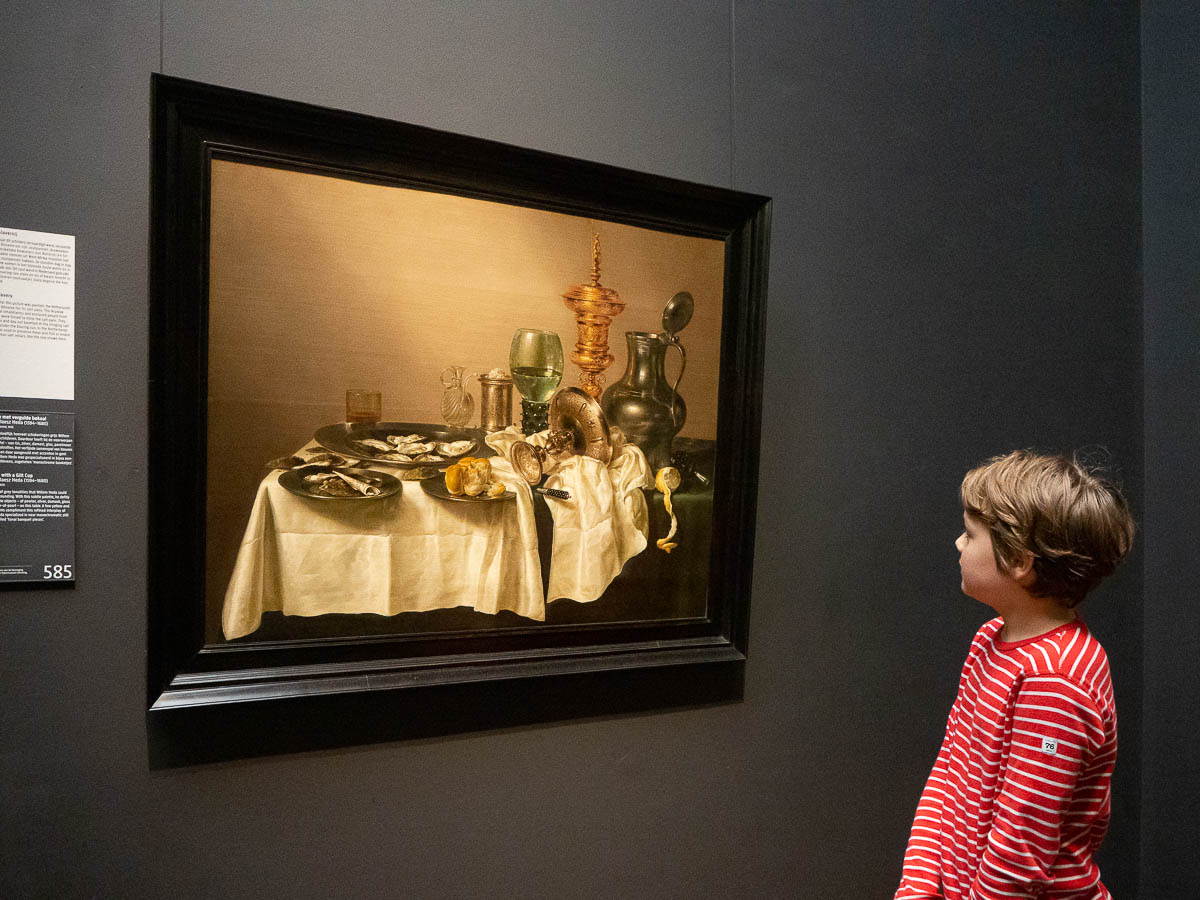
We noted, for example, the prevalence of grapes, glass bowls, and curls of lemon peel in 17th century still life paintings.

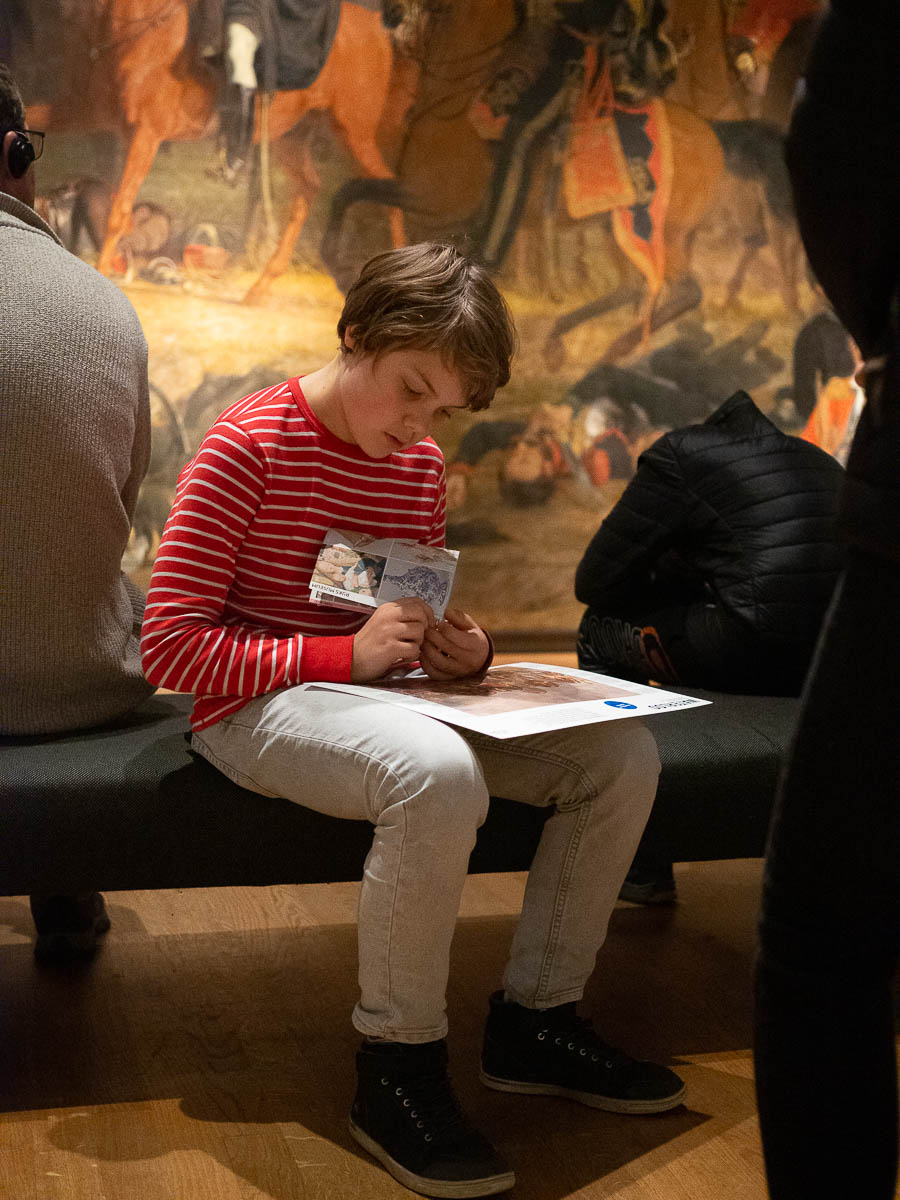
The curators at the Rijksmuseum had done a great job with the signage. All too often, museums label each work with its title, maker and year, and nothing more. Here there were often interesting background facts, and info sheets with even more facts and stories.
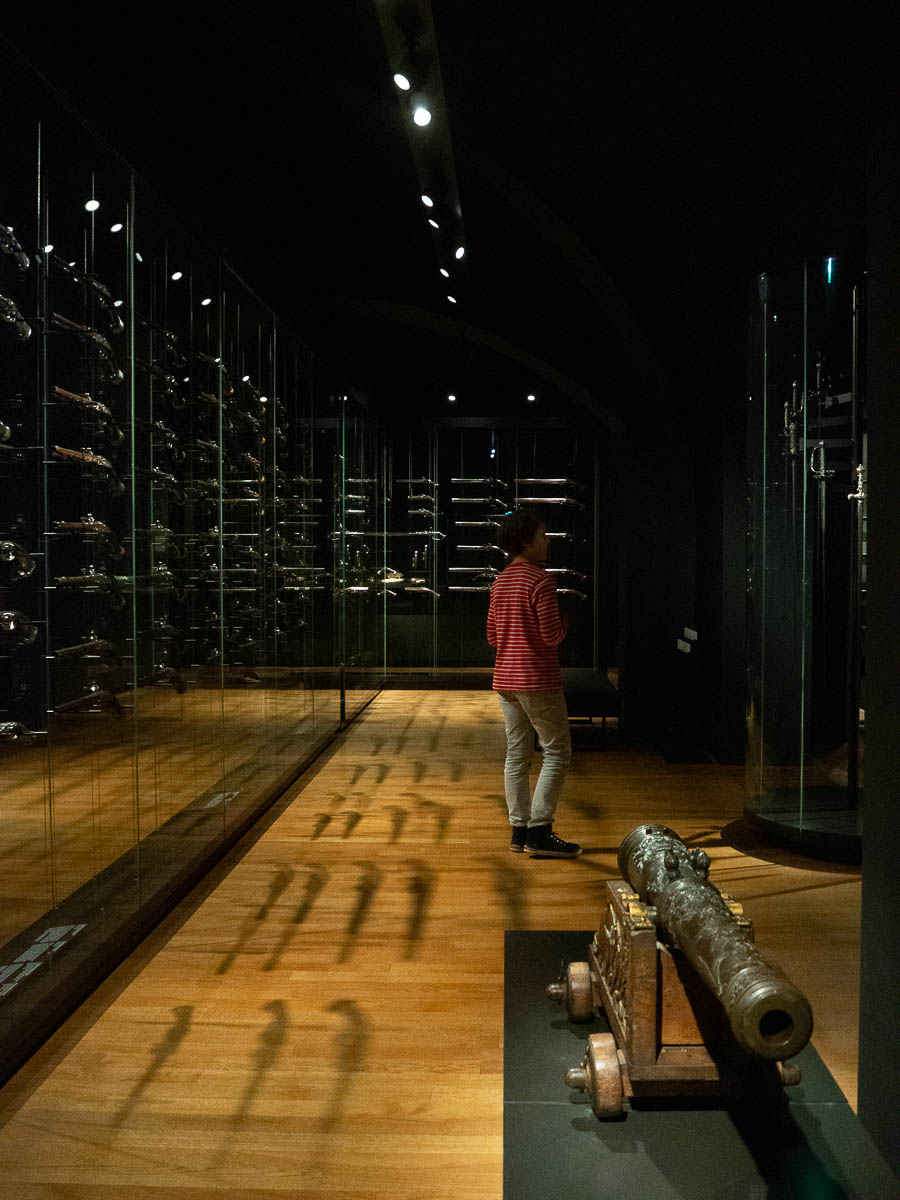
When we tired of paintings, we looked at cannons, porcelain, Delft pottery and ship models.
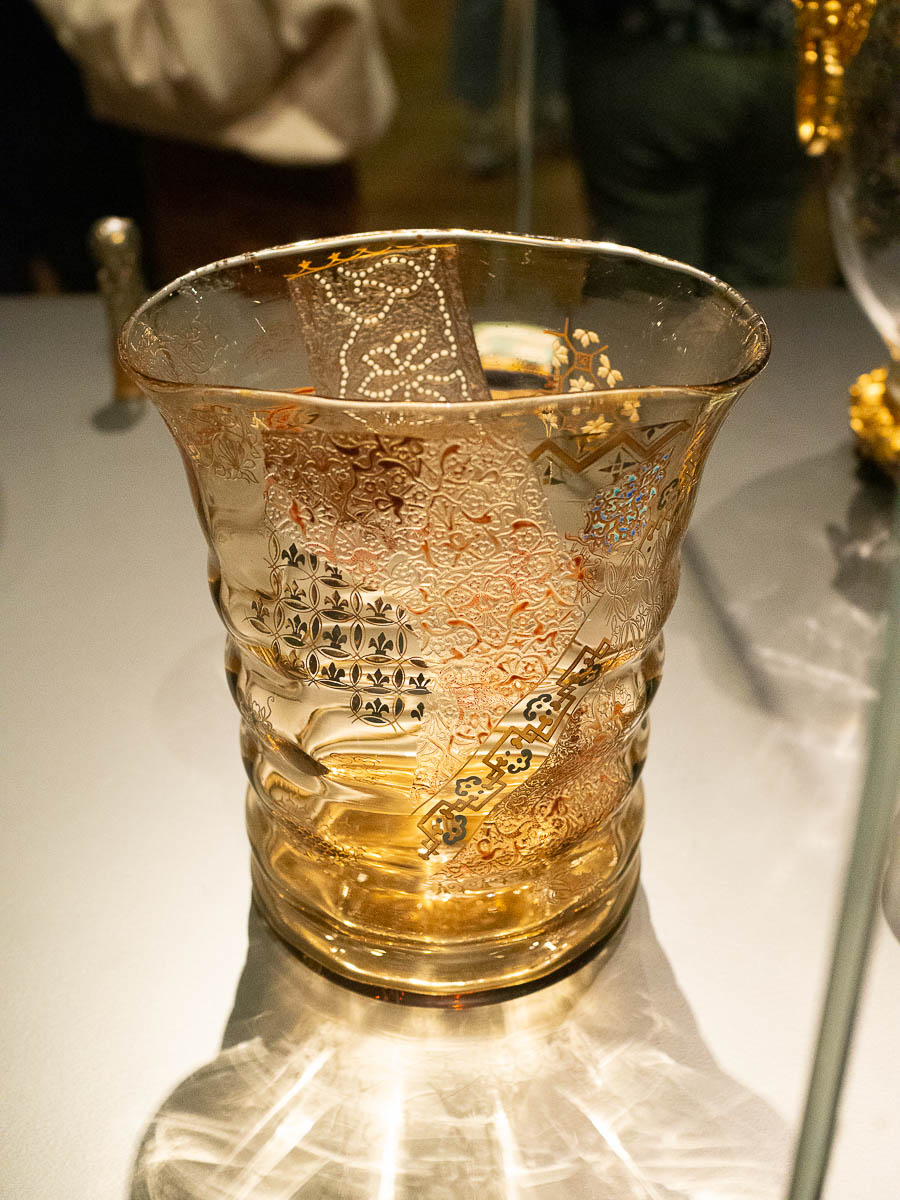
I liked this glass vase by Émile Gallé, with its irregular patterns borrowed from various cultures.
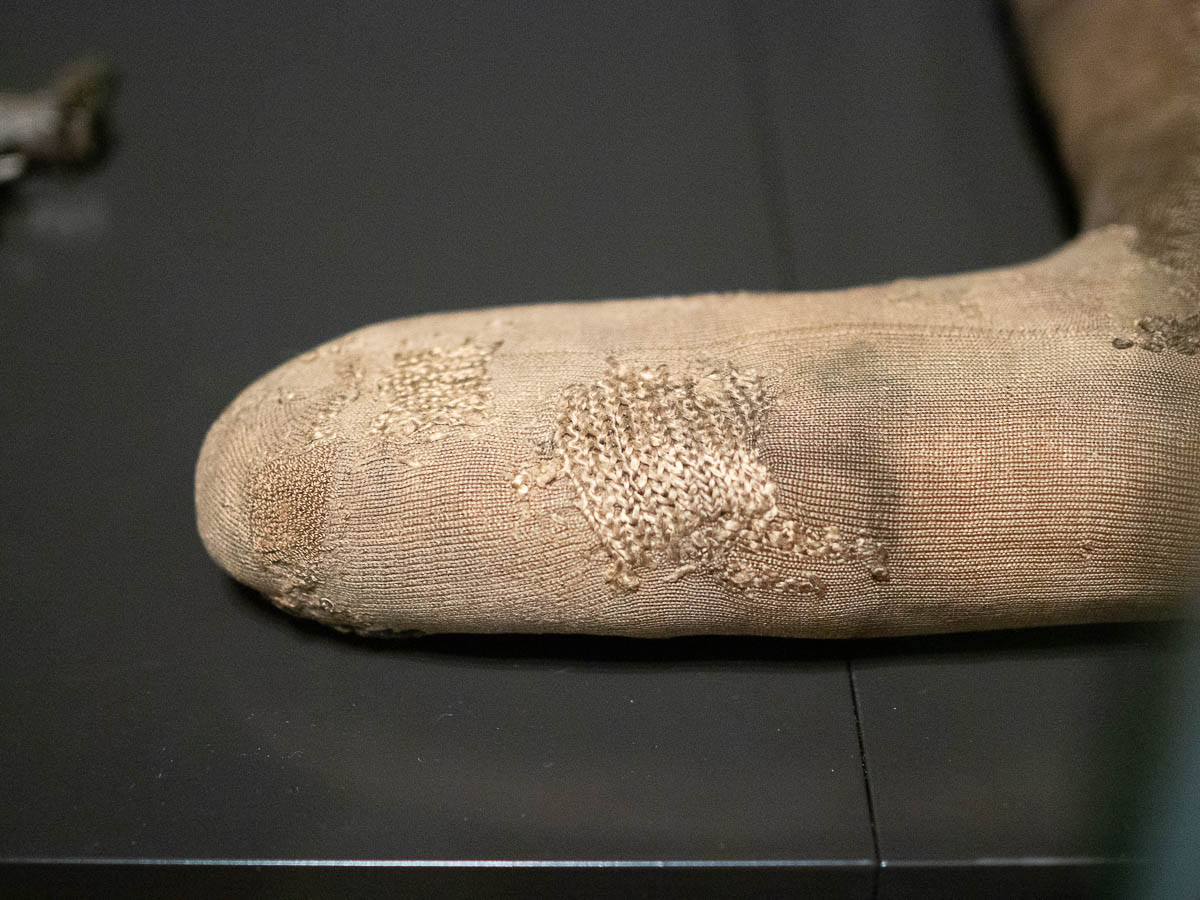
And this repeatedly darned sock, found in a seaman’s chest after a shipwreck.

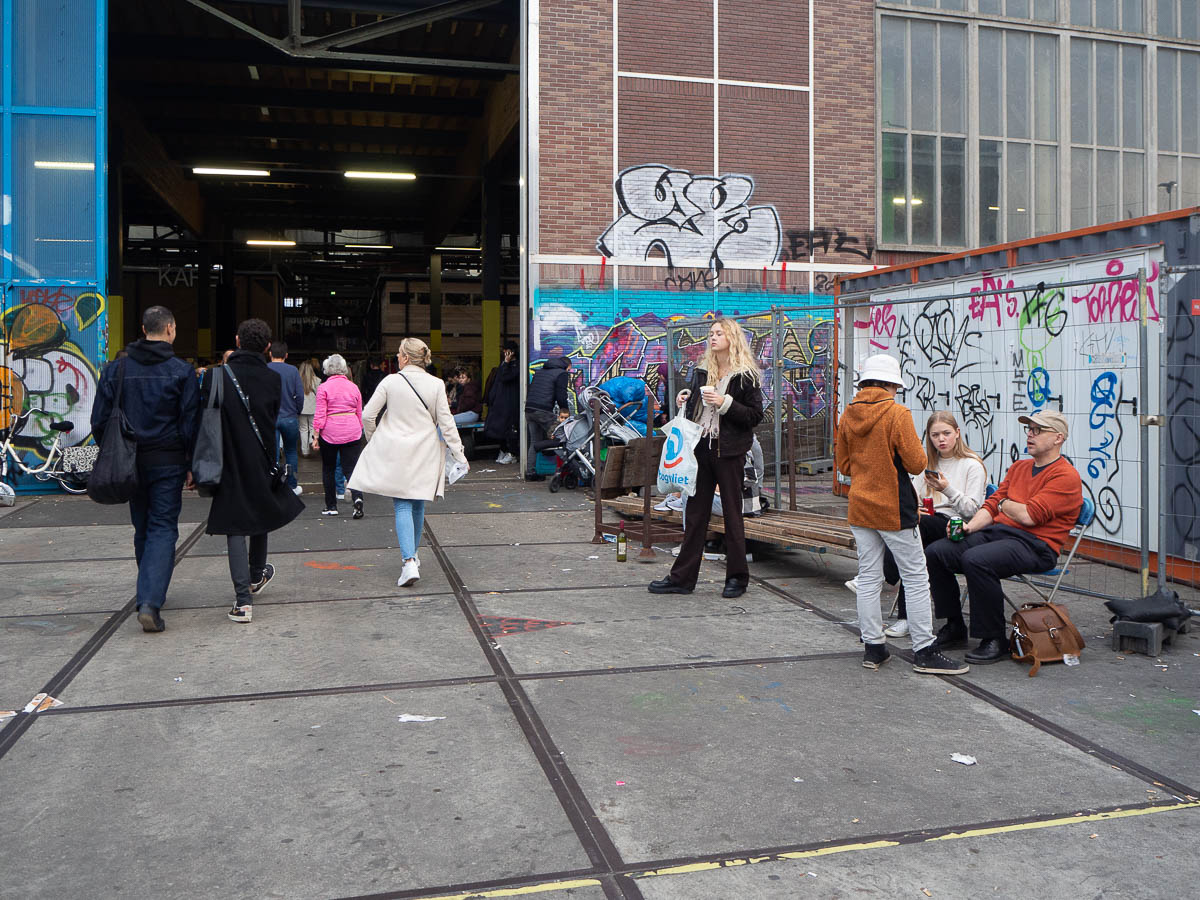
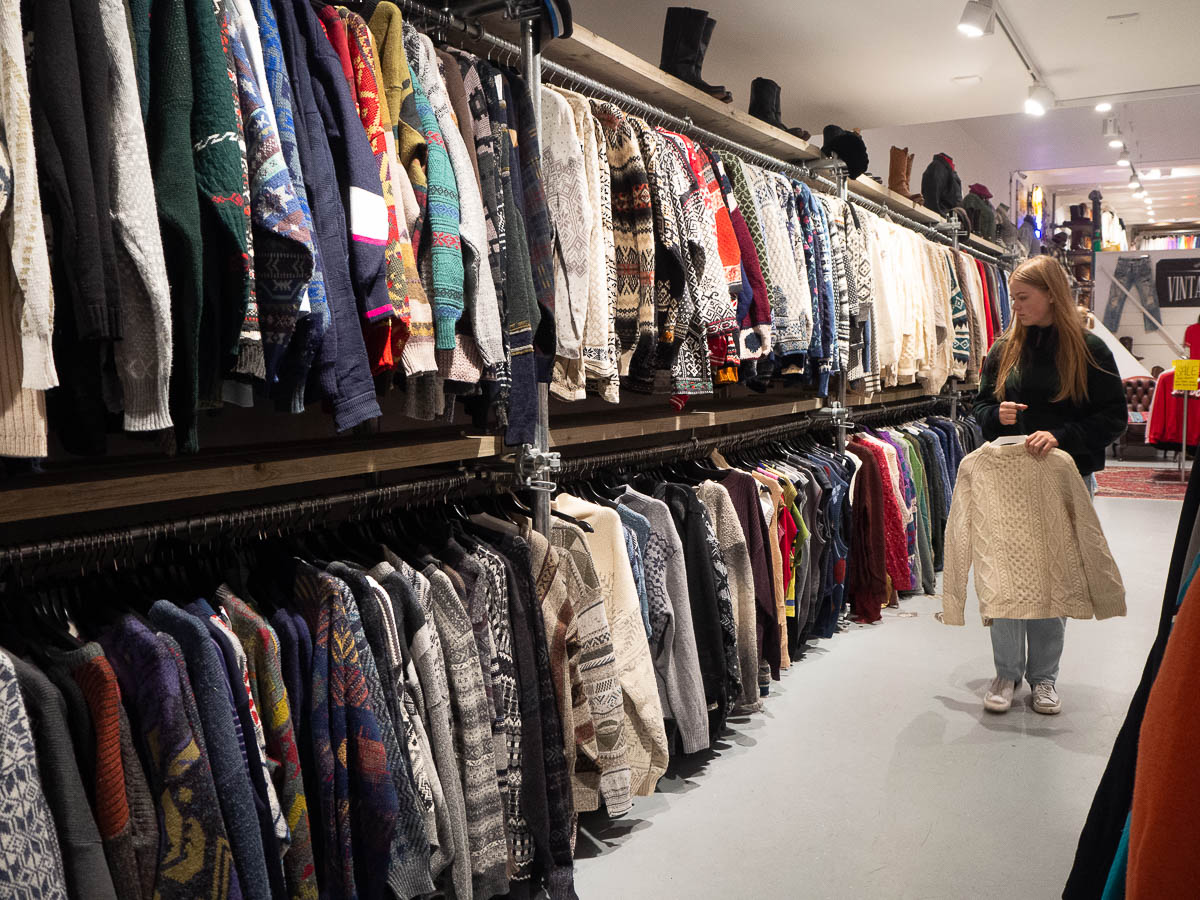
From high culture to low. In the afternoon we took the boat to North Amsterdam to a large flea market that Ingrid wanted to browse for vintage clothing. She didn’t find anything that fit, but I bought a jacket.

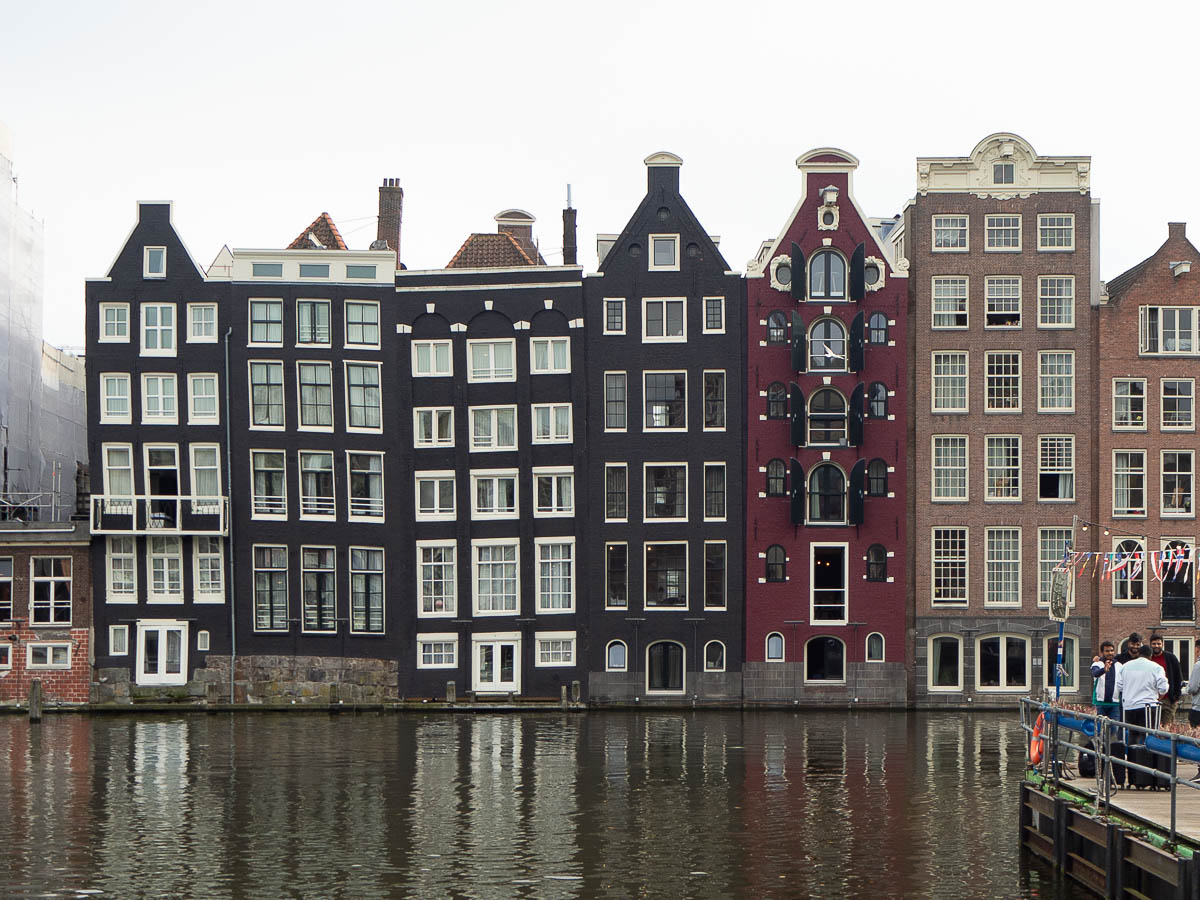
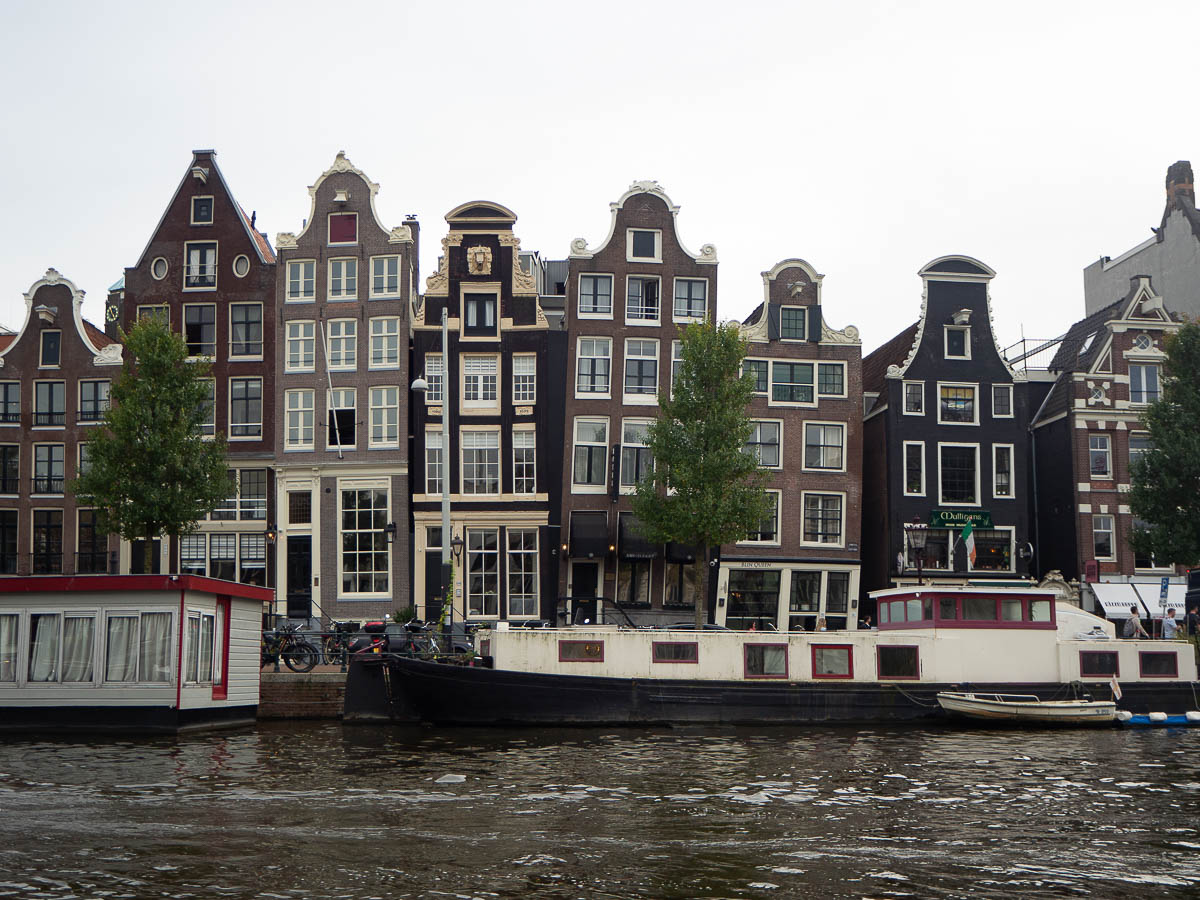
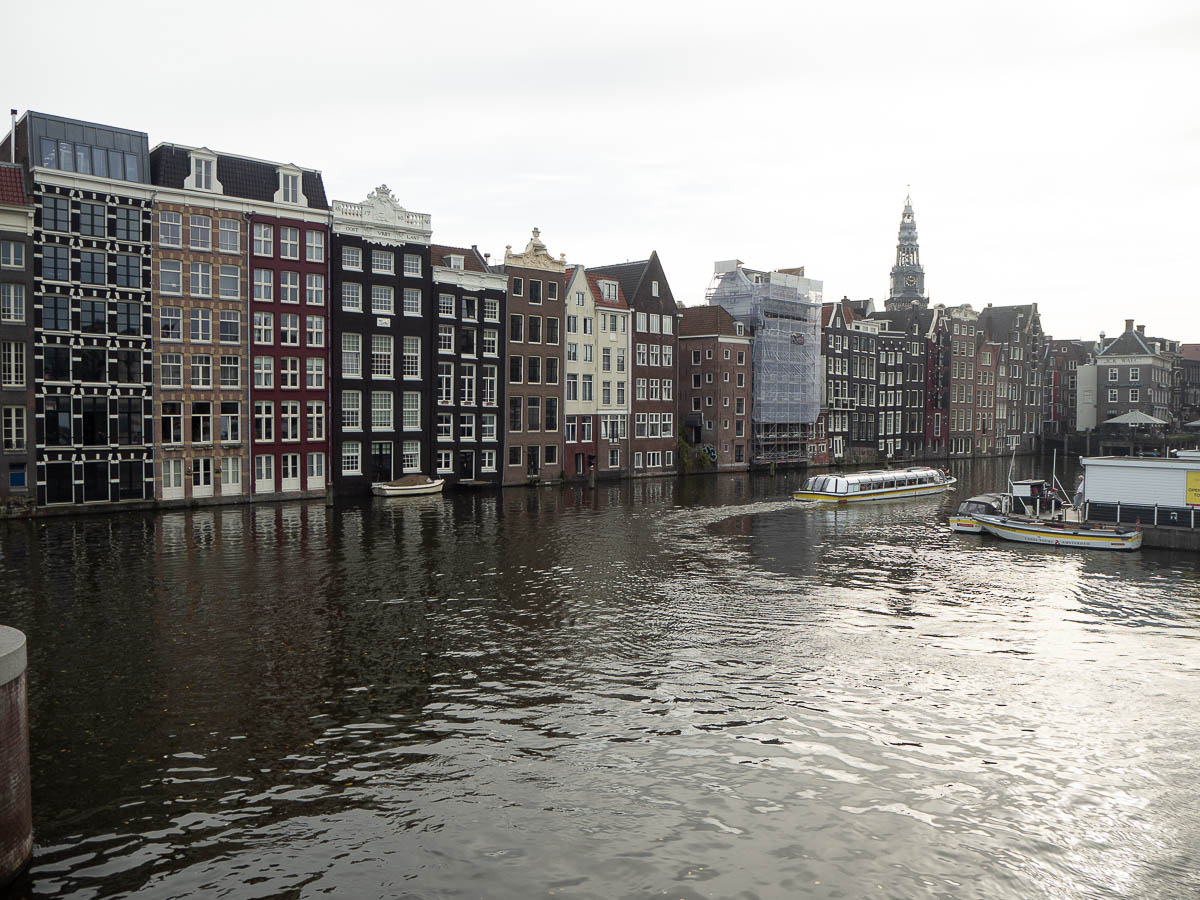
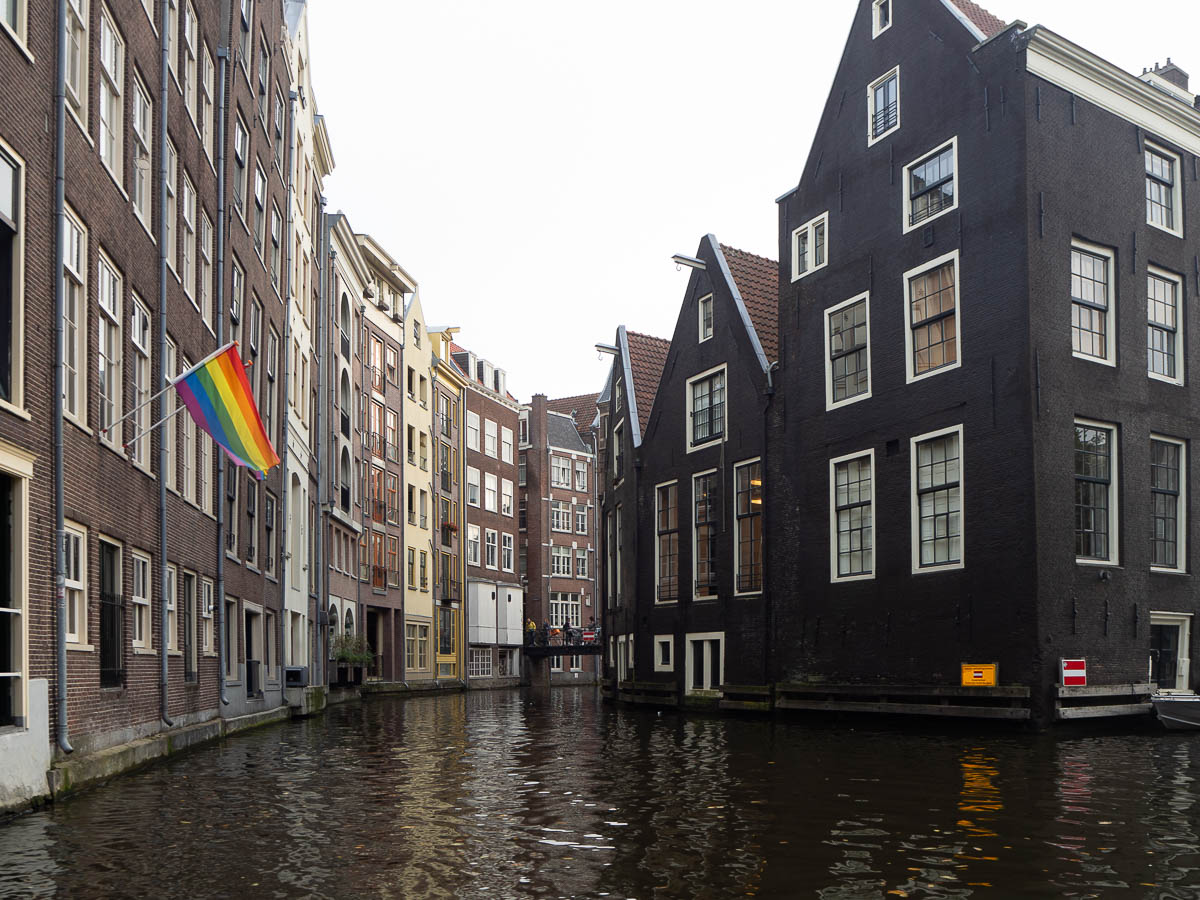
Some of the most crooked, tilting, slanted houses I saw in Amsterdam.

I wonder what it feels like to live in one of them. They must even out the floors, or the houses would be unlivable. But do they do the same with the inside of the walls? Or do they just accept that furniture doesn’t stand flush with the wall, and kitchen cabinets are crooked?


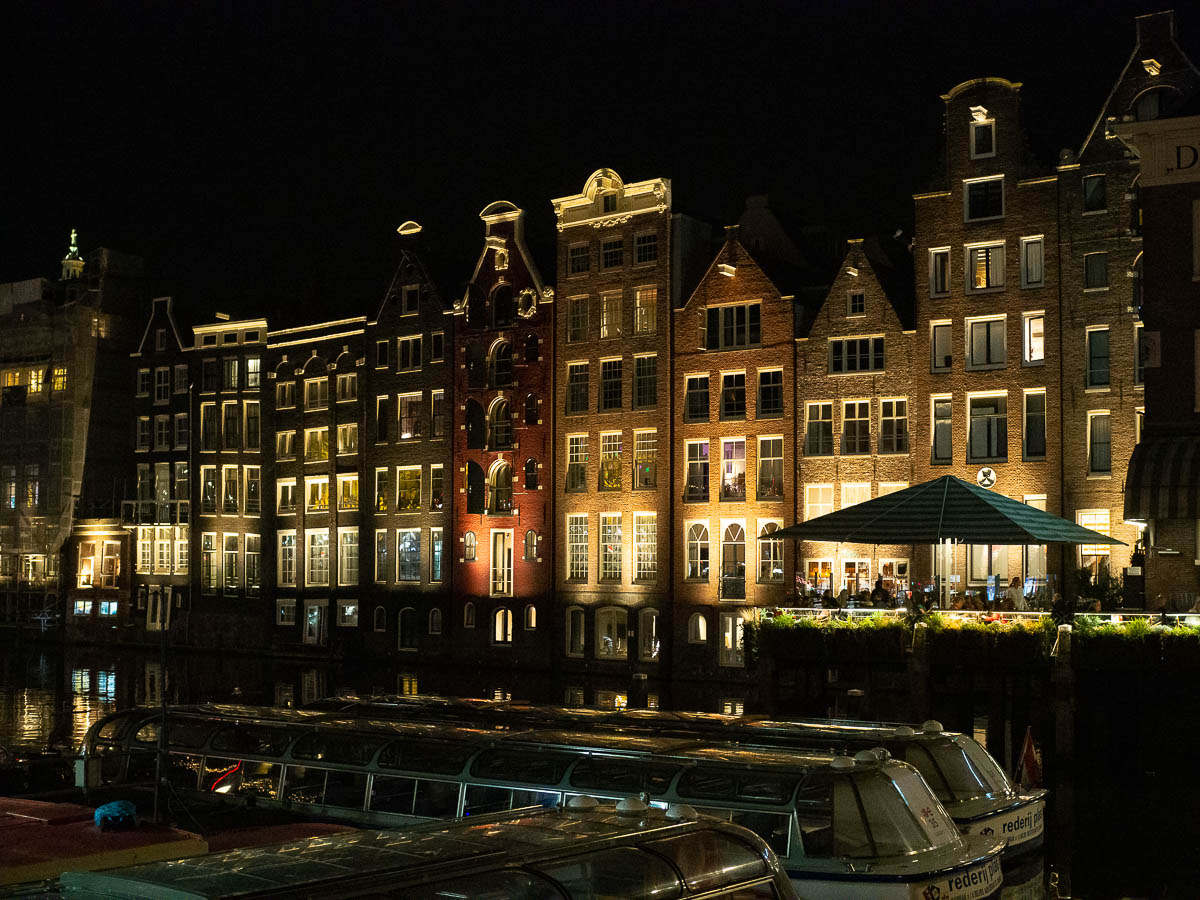
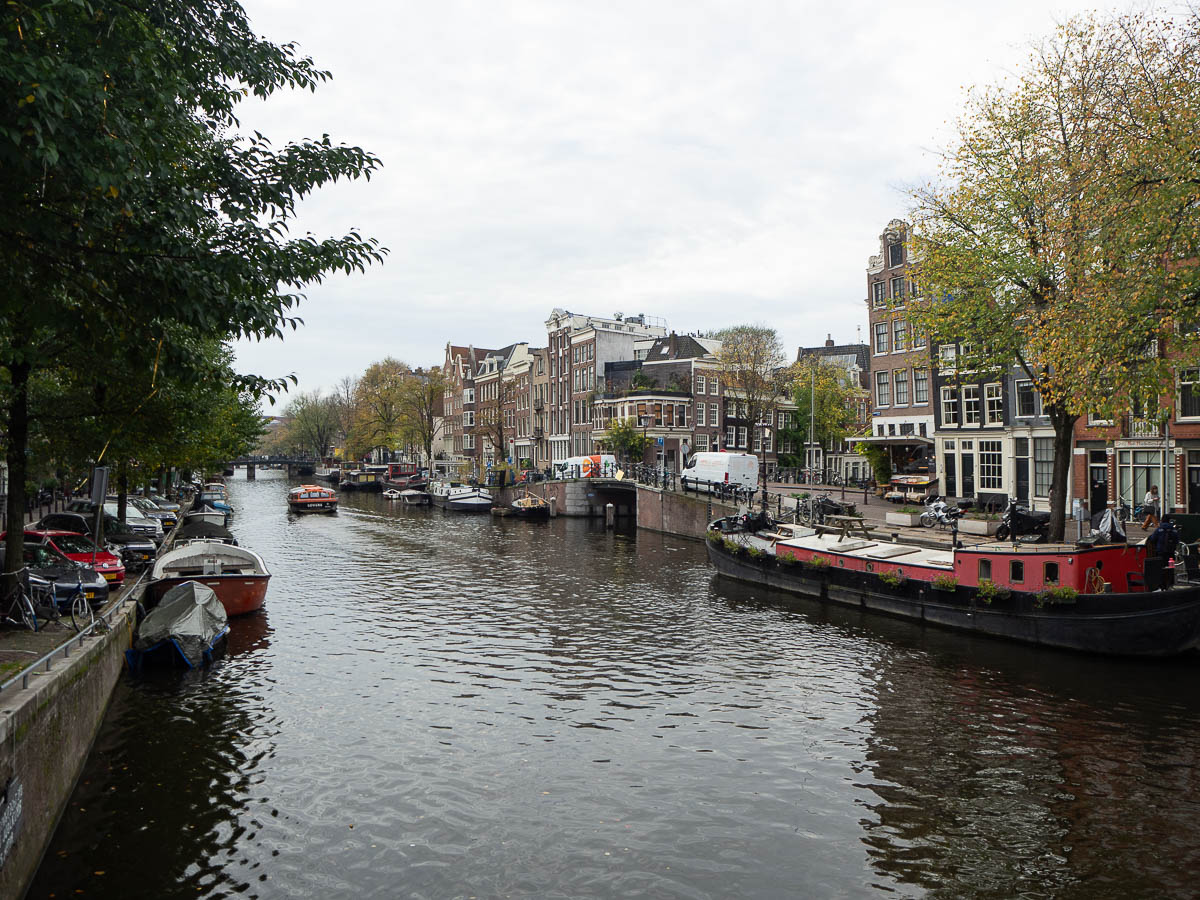
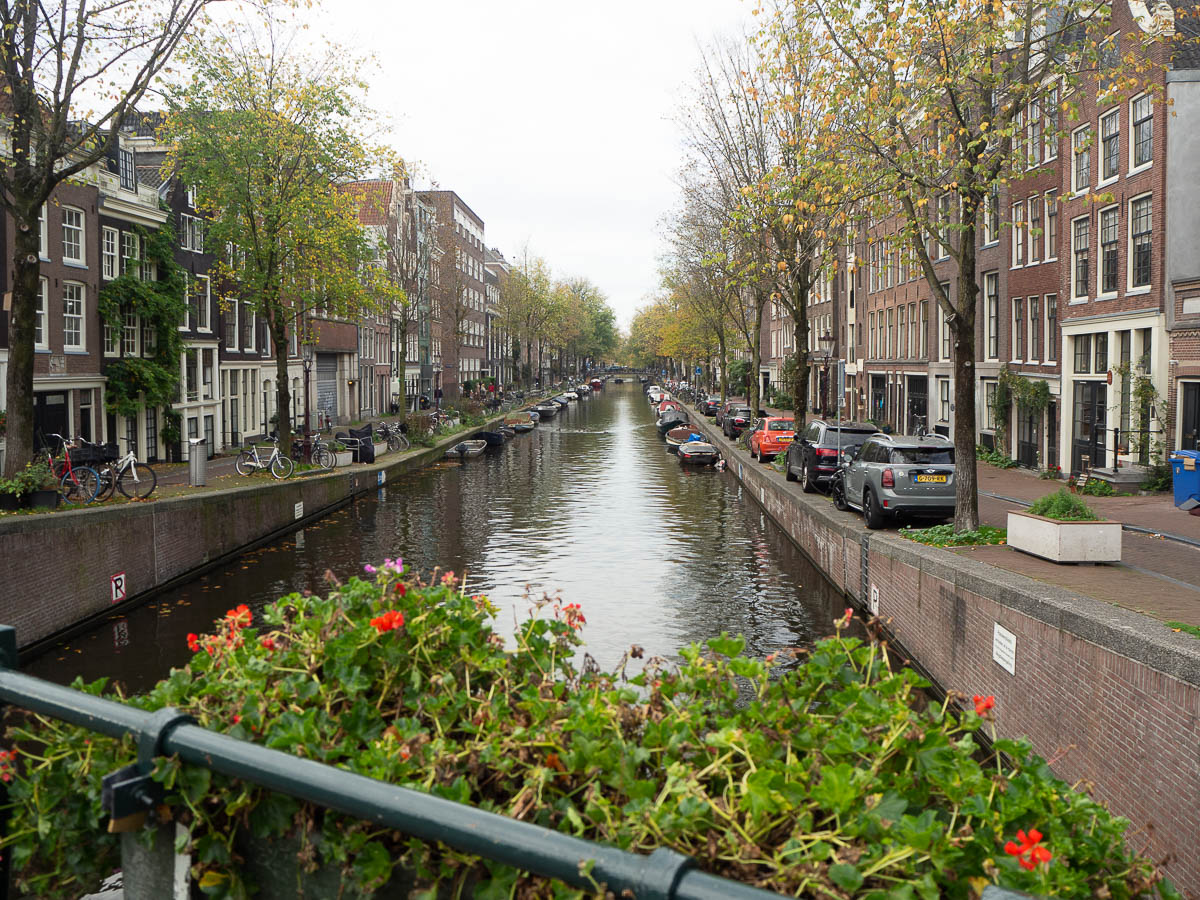
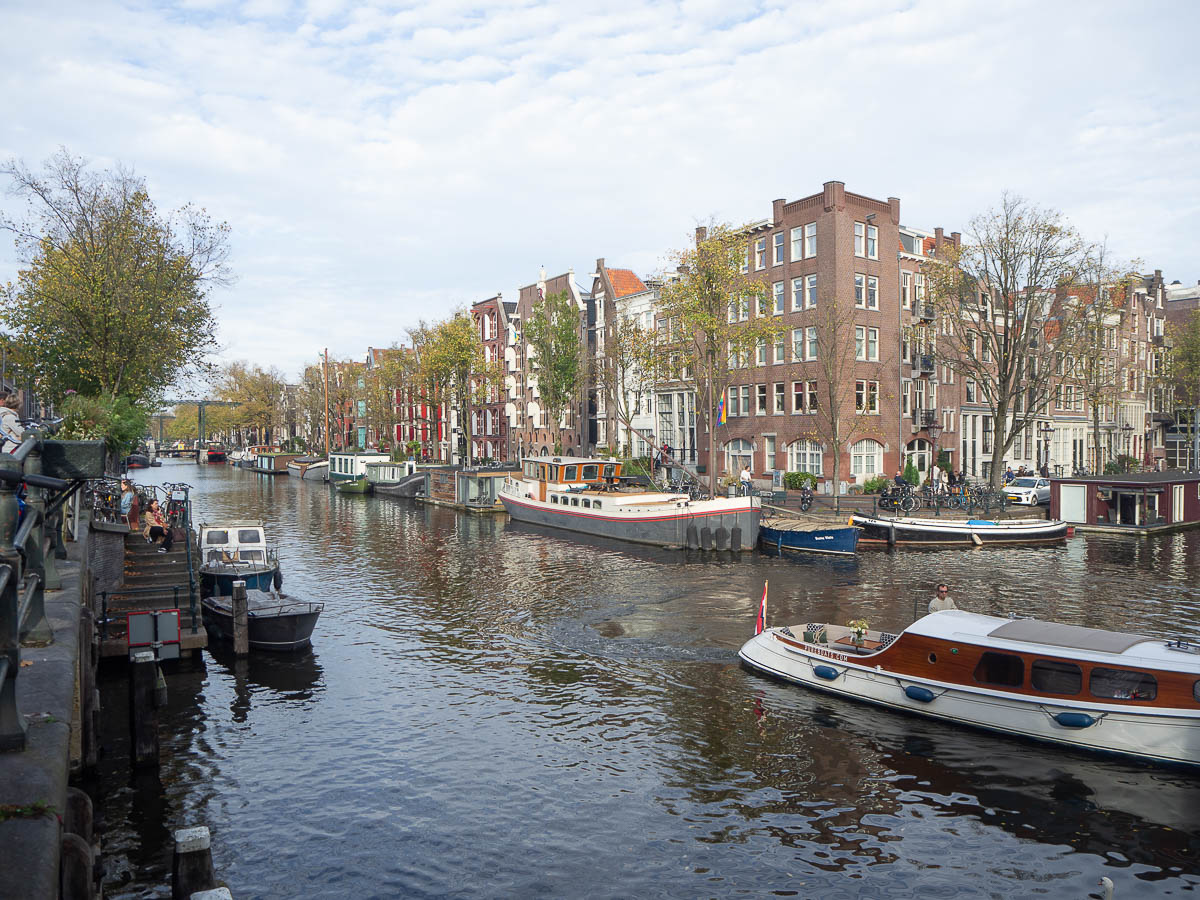
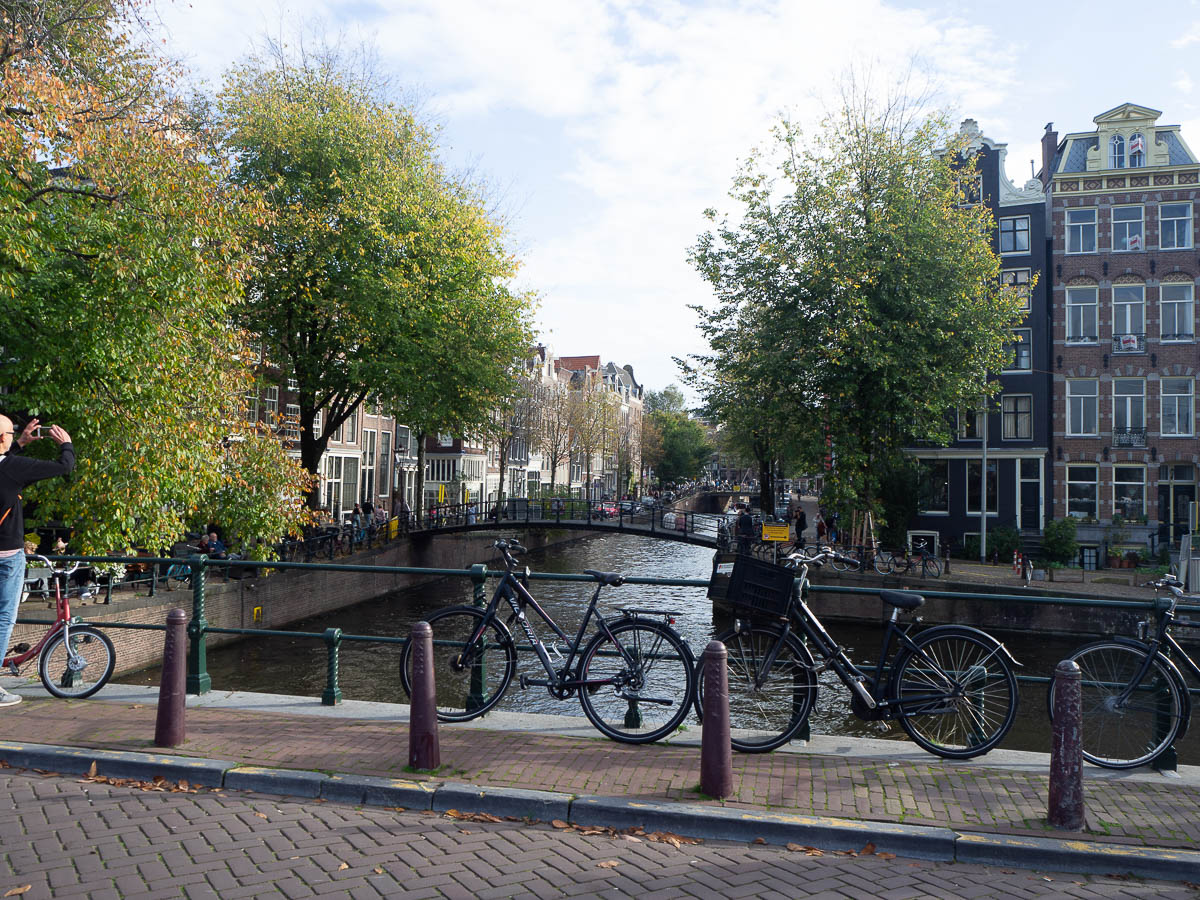
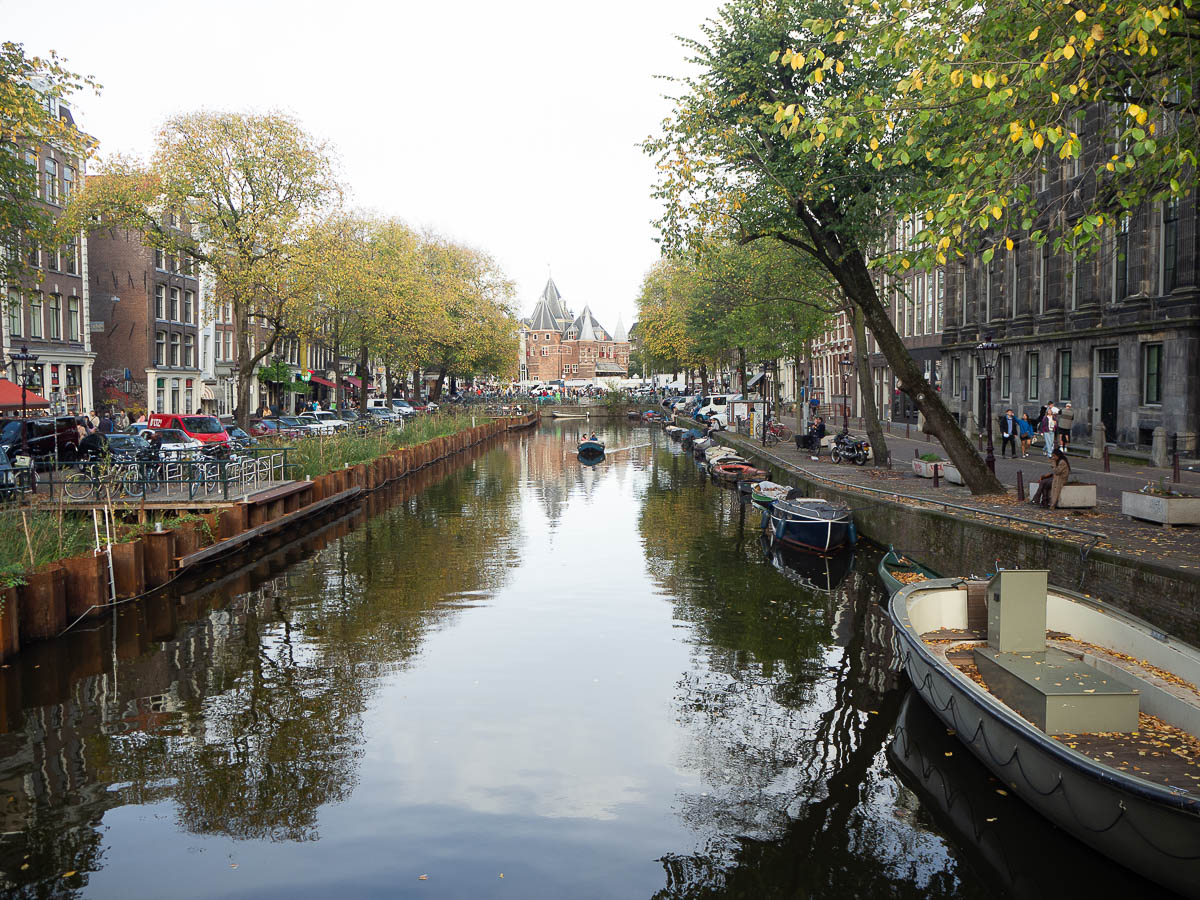
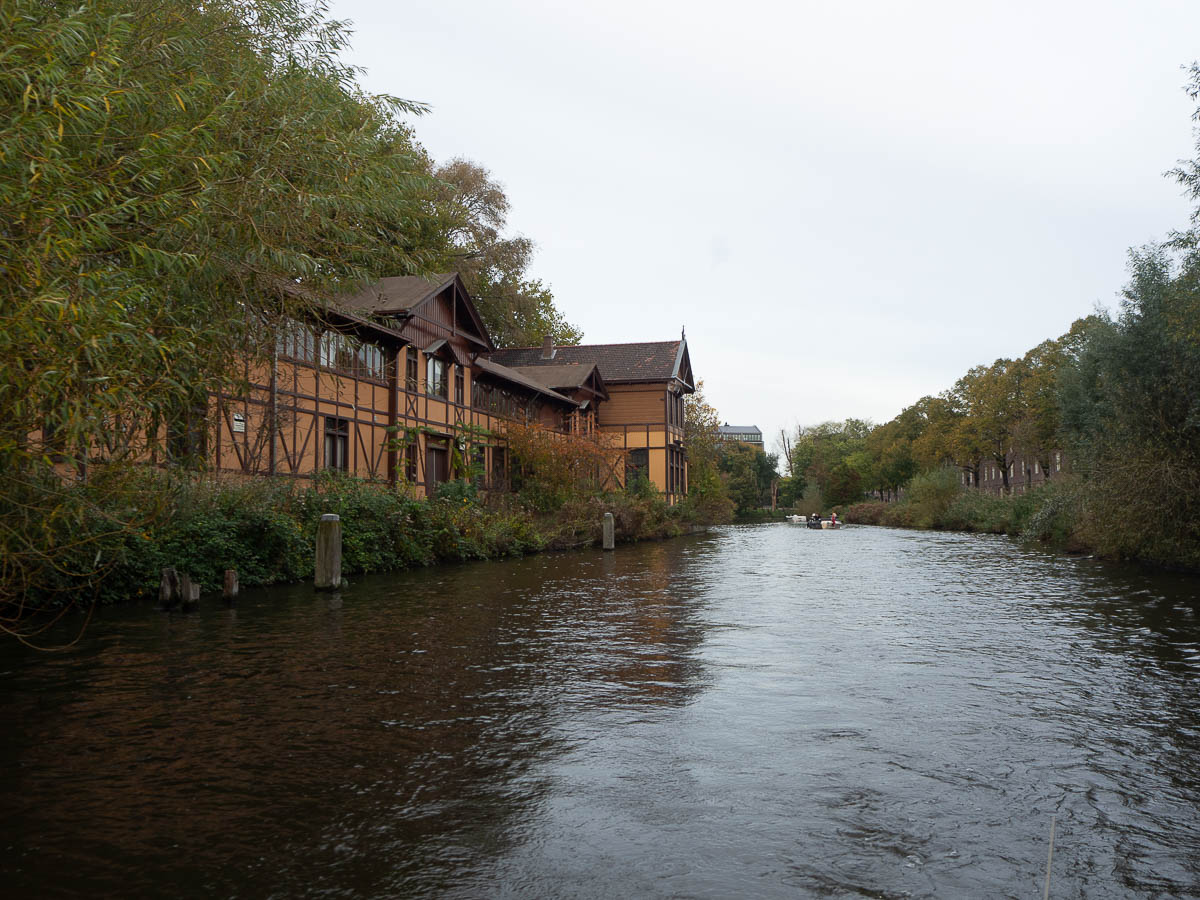
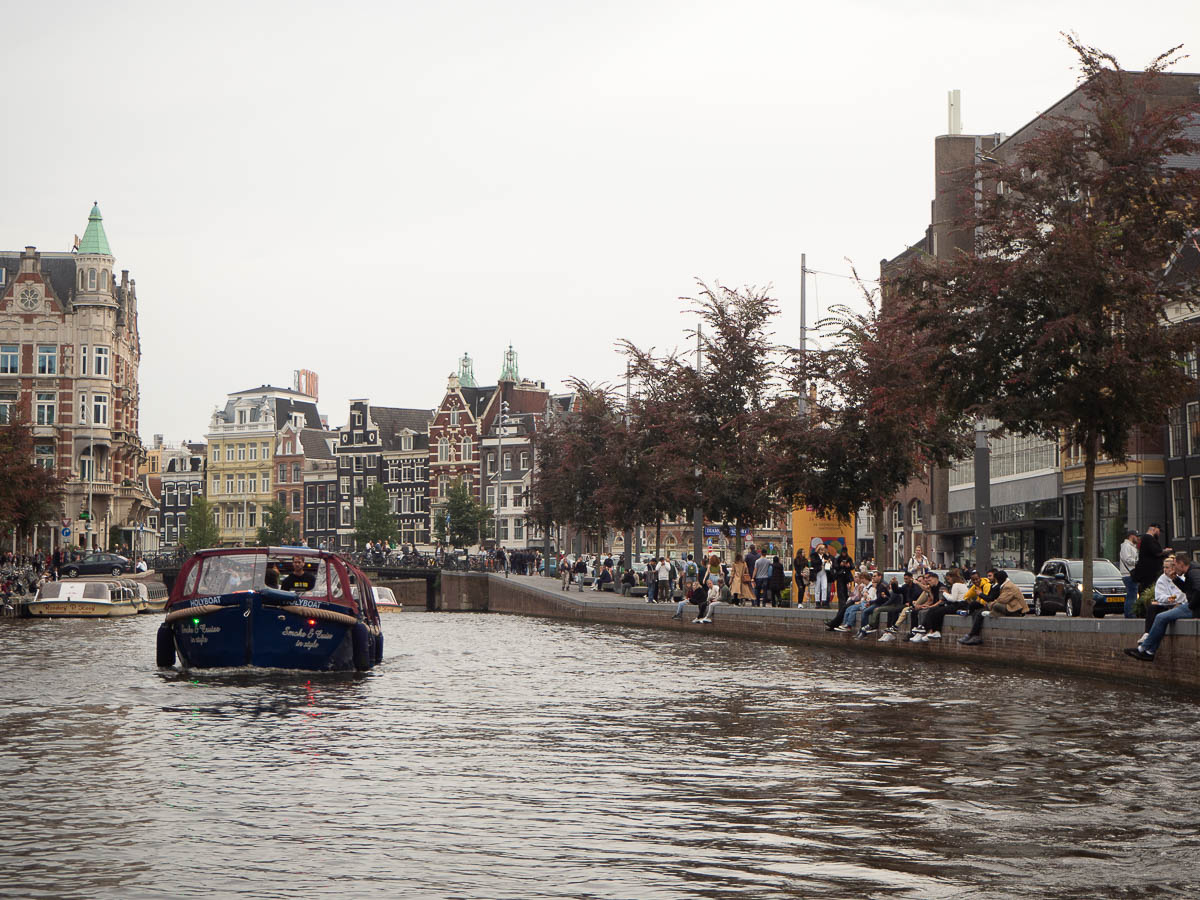
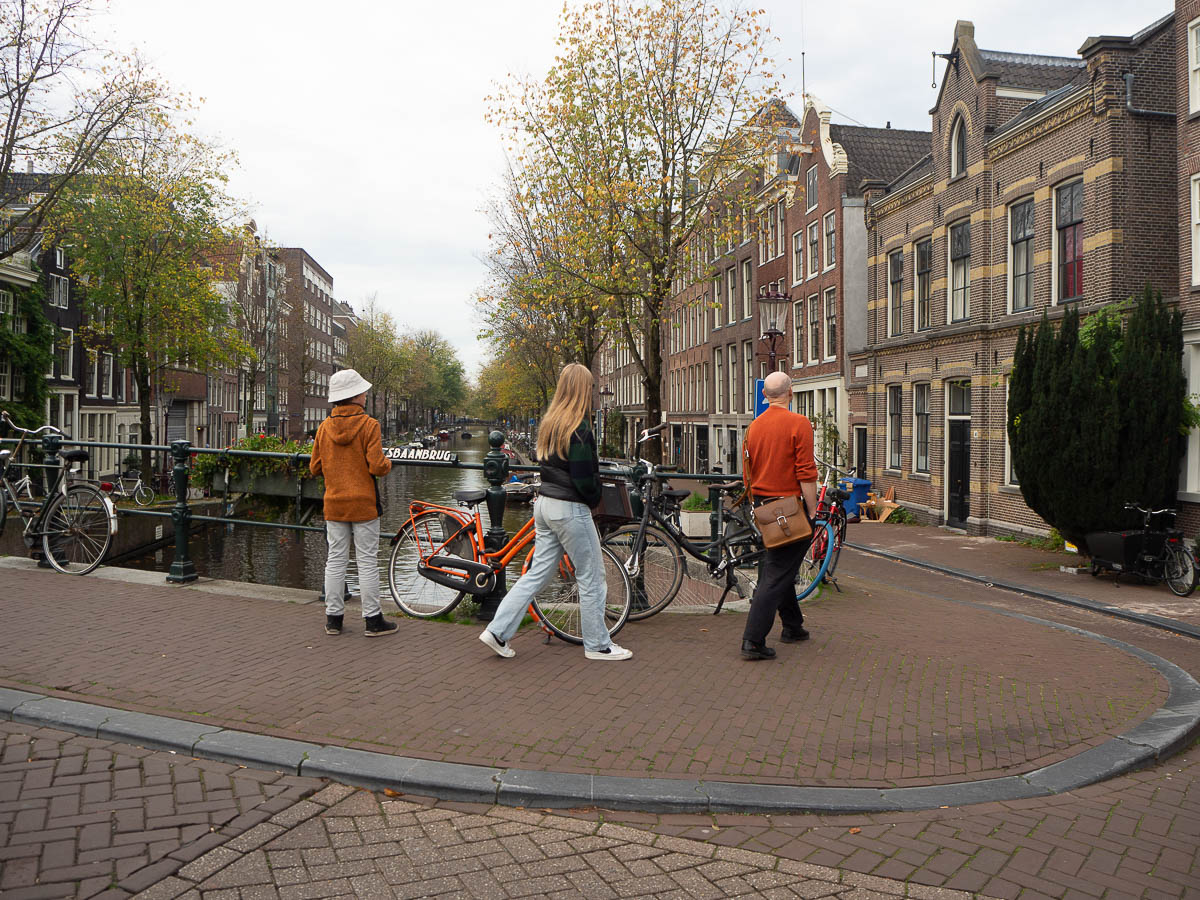
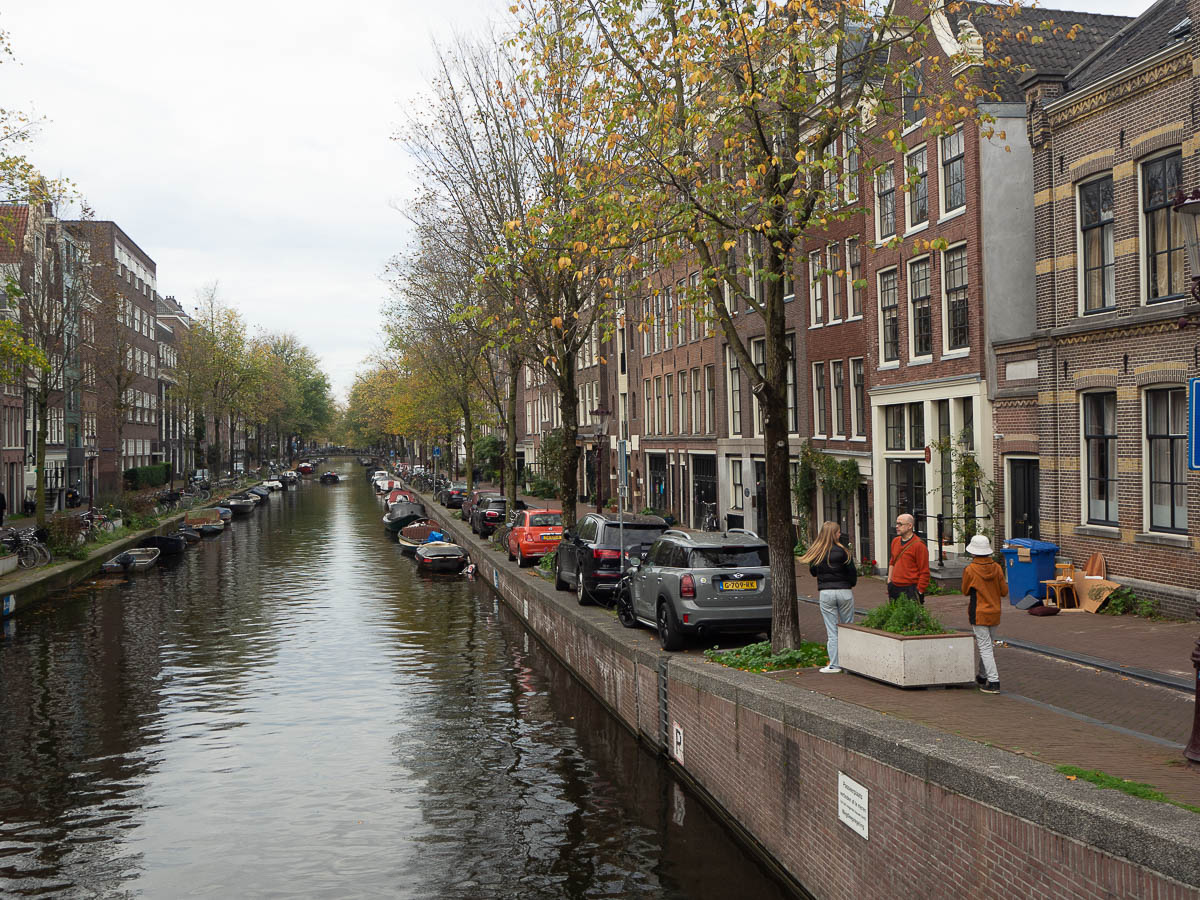
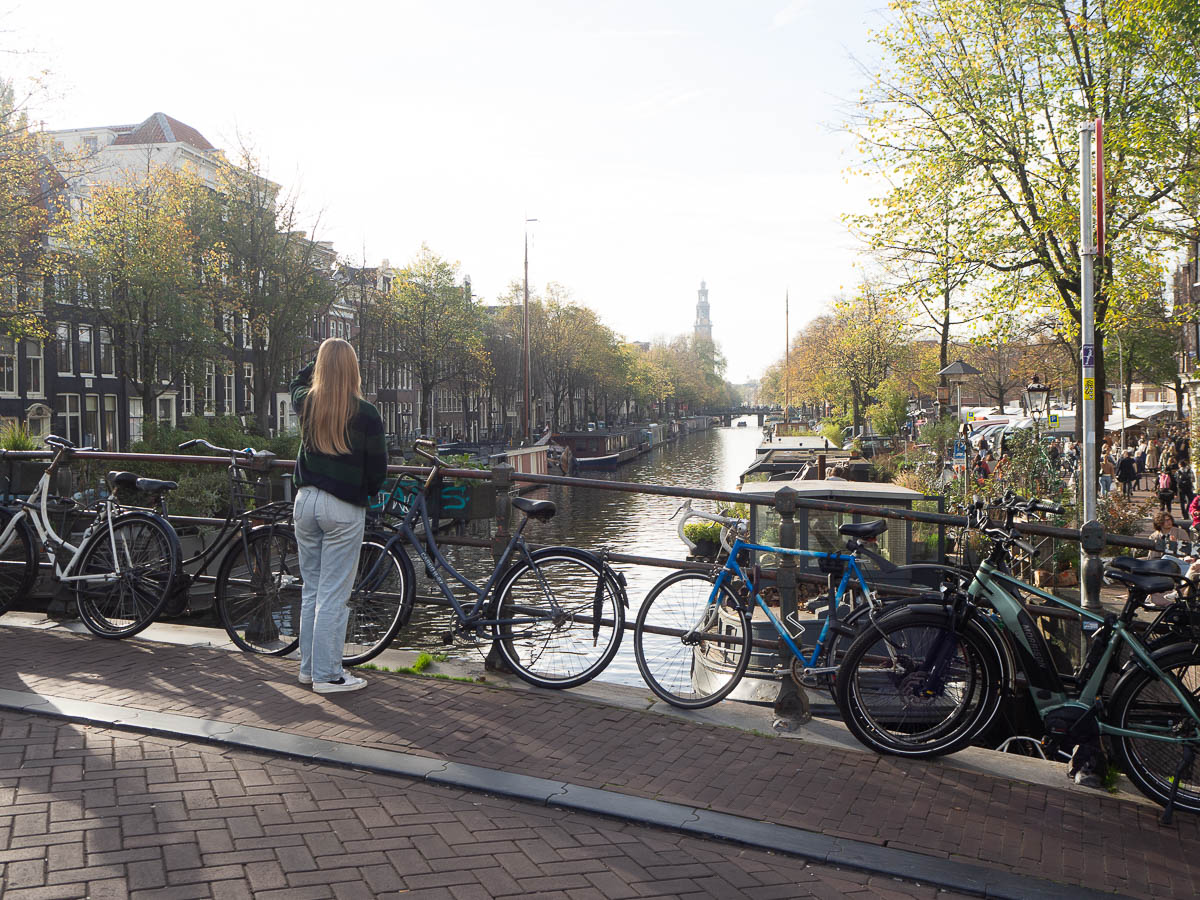
Just a bunch of photos of Amsterdam’s canals.


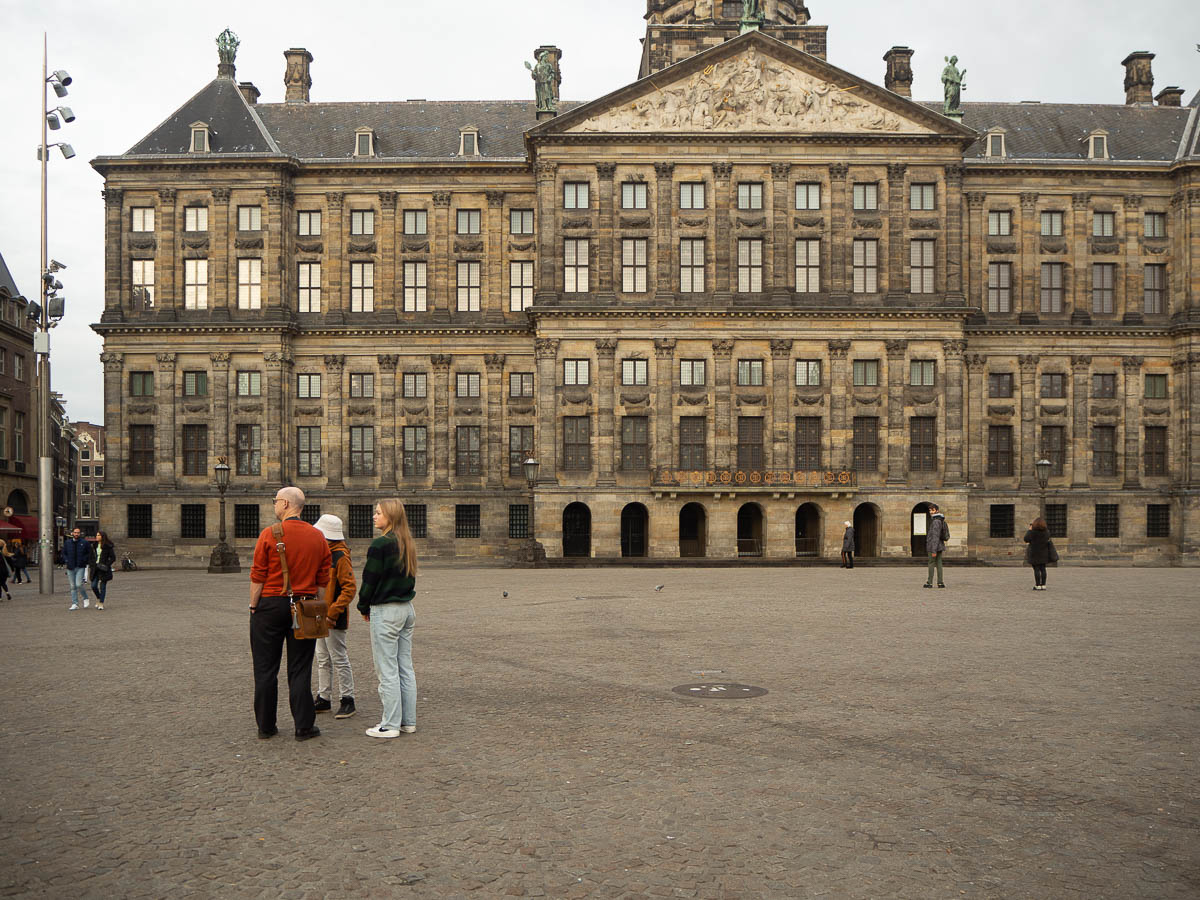
This was our first time in Amsterdam, for all of us. Mostly we just walked around the city, with no particular goals or destinations in mind. This large and imposing building is apparently the royal palace – looking almost as dreary as the royal palace in Stockholm.

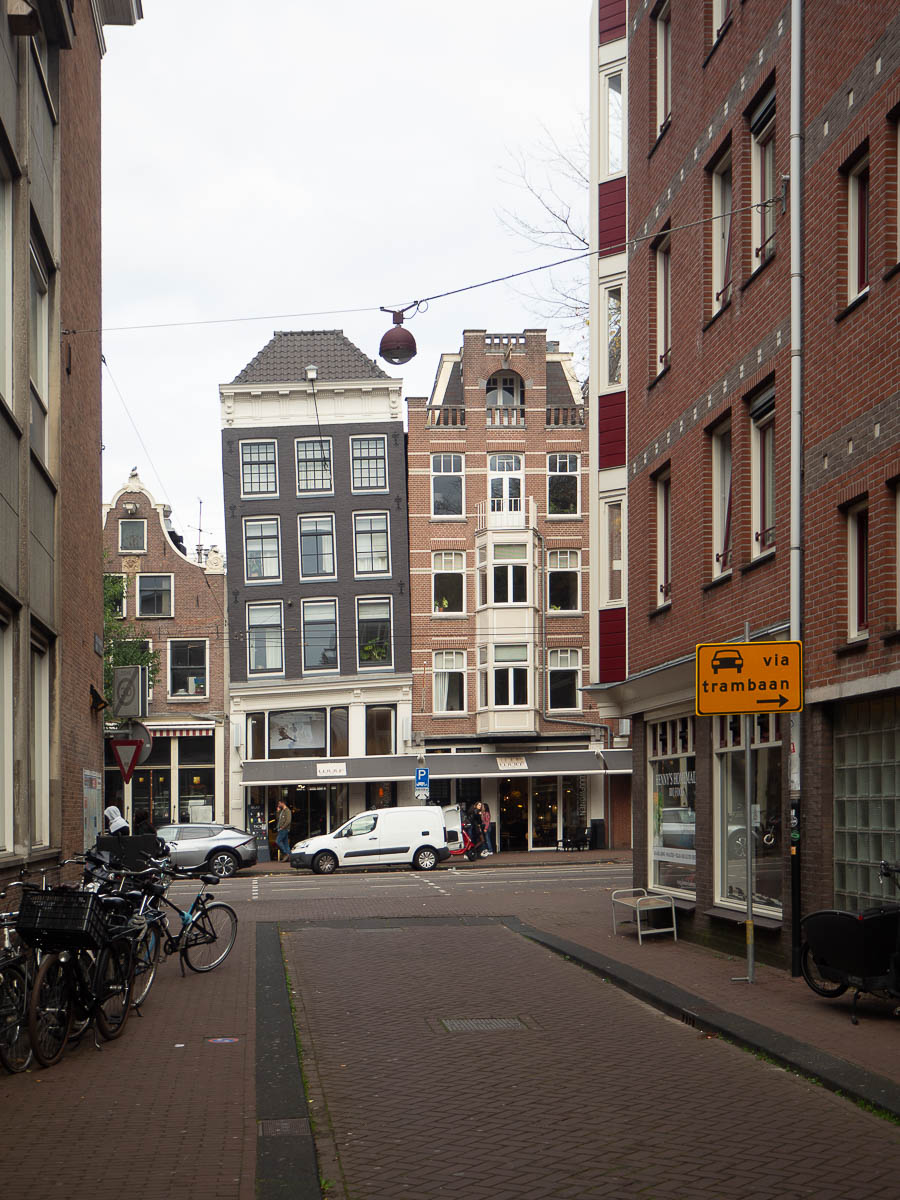
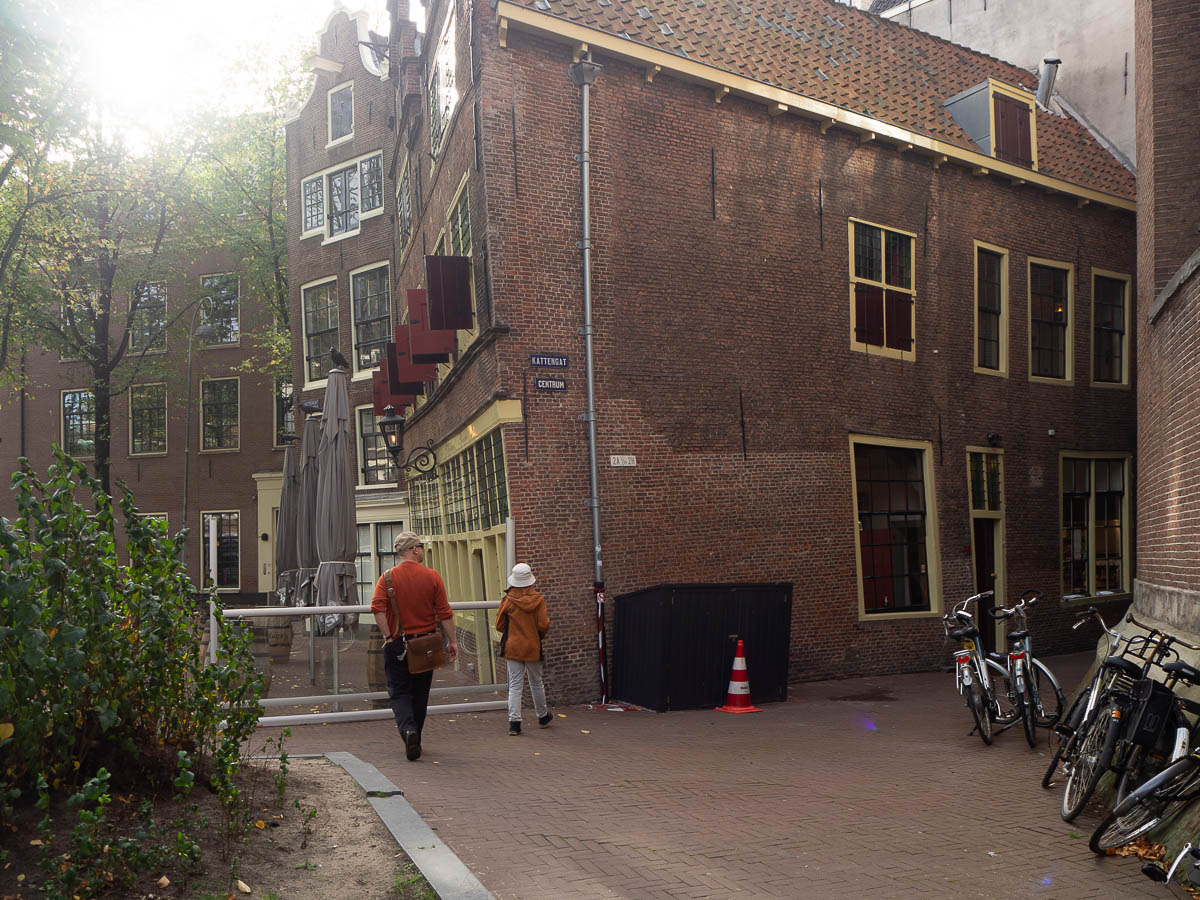
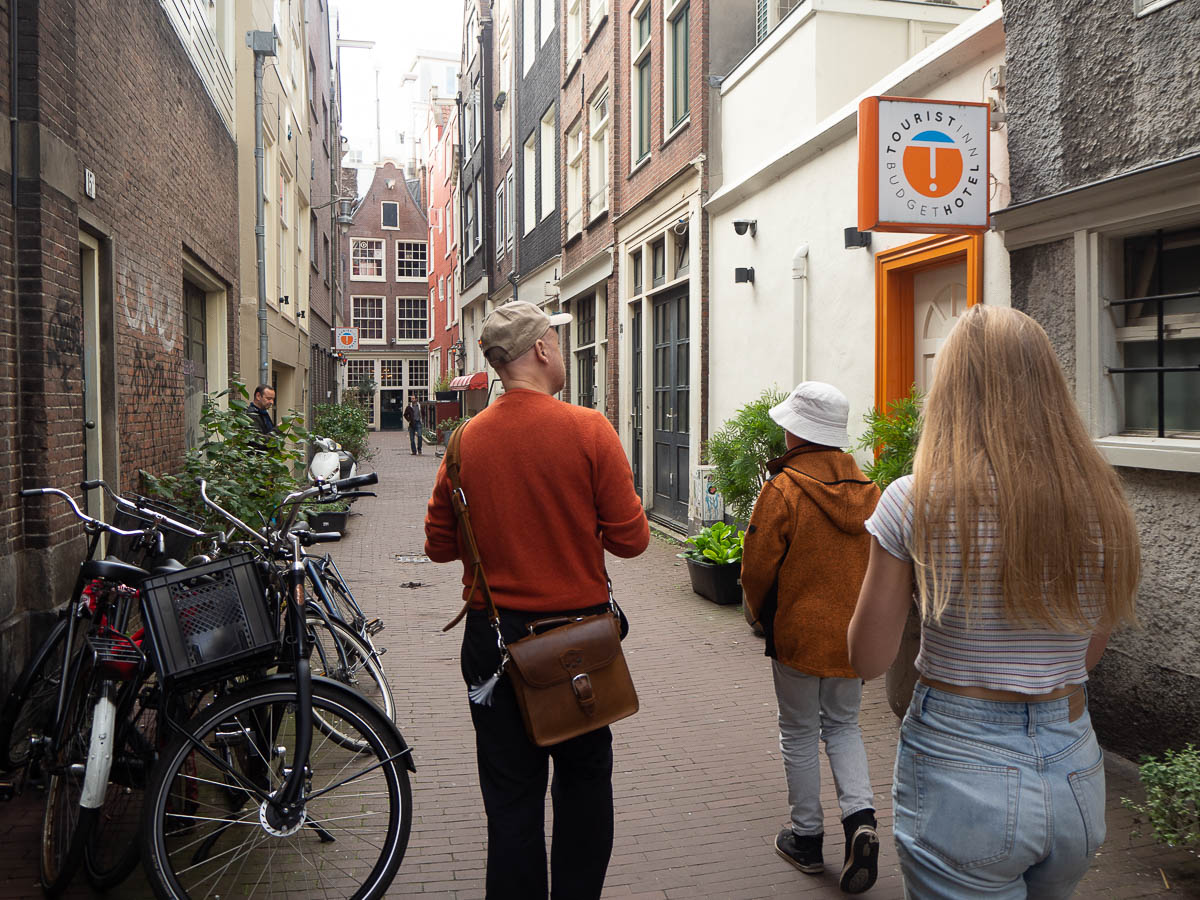
We quickly left it behind us and walked among the smaller streets and all the pretty little canals instead.

The weather was unseasonably warm. Even when there was no sun, we didn’t need any jackets. Pleasant, but worrying – this is not what it’s supposed to feel like at this time of the year.

The streets were narrow and chock full of cyclists. It took some getting used to, before we learned to dodge them. They don’t behave like Swedish cyclists: they’re slower, closer to walking pace (compared to the lycra-clad racers you often see in Stockholm) but more numerous, so in aggregate they move differently. And they’re all helmetless – which makes sense given the lower speed, but still felt weird.

Amsterdam has fewer inhabitants than Stockholm, but so many more tourists, and therefore so many more shops. We kept finding fun little shops everywhere. Central Stockholm is all fashion chains and other large, impersonal stores instead.

The tourists keep the shops alive, but I wonder what made them happen to begin with. A history and culture of shopkeeping, as opposed to Sweden’s history of large industry employing masses of workers? An inner-city architecture of small buildings and thus small retail spaces where you can’t even fit an H&M, whereas Stockholm’s large 1960s city centre has the opposite – mostly large spaces that are unsuitable for small shops?

Ingrid liked the vintage clothing shops. I was horrified to see that ugly 1990s fleece jackets are now considered desirable.

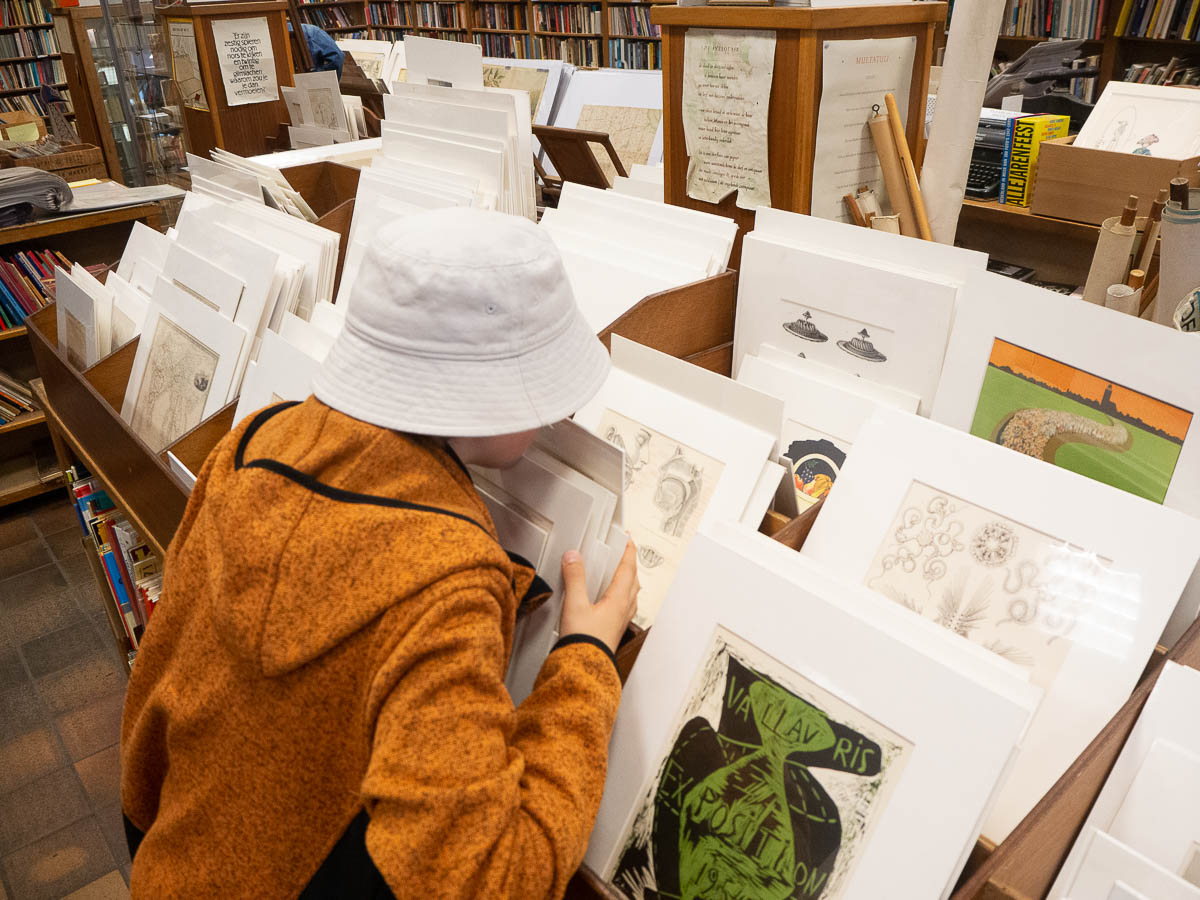
This antiquarian bookshop sold reproductions of prints of all kinds, ranging from “here is how you recognize measles” through anatomical drawings and comparisons of tulip varieties to “this is how you arrange a centerpiece for your dinner table”.

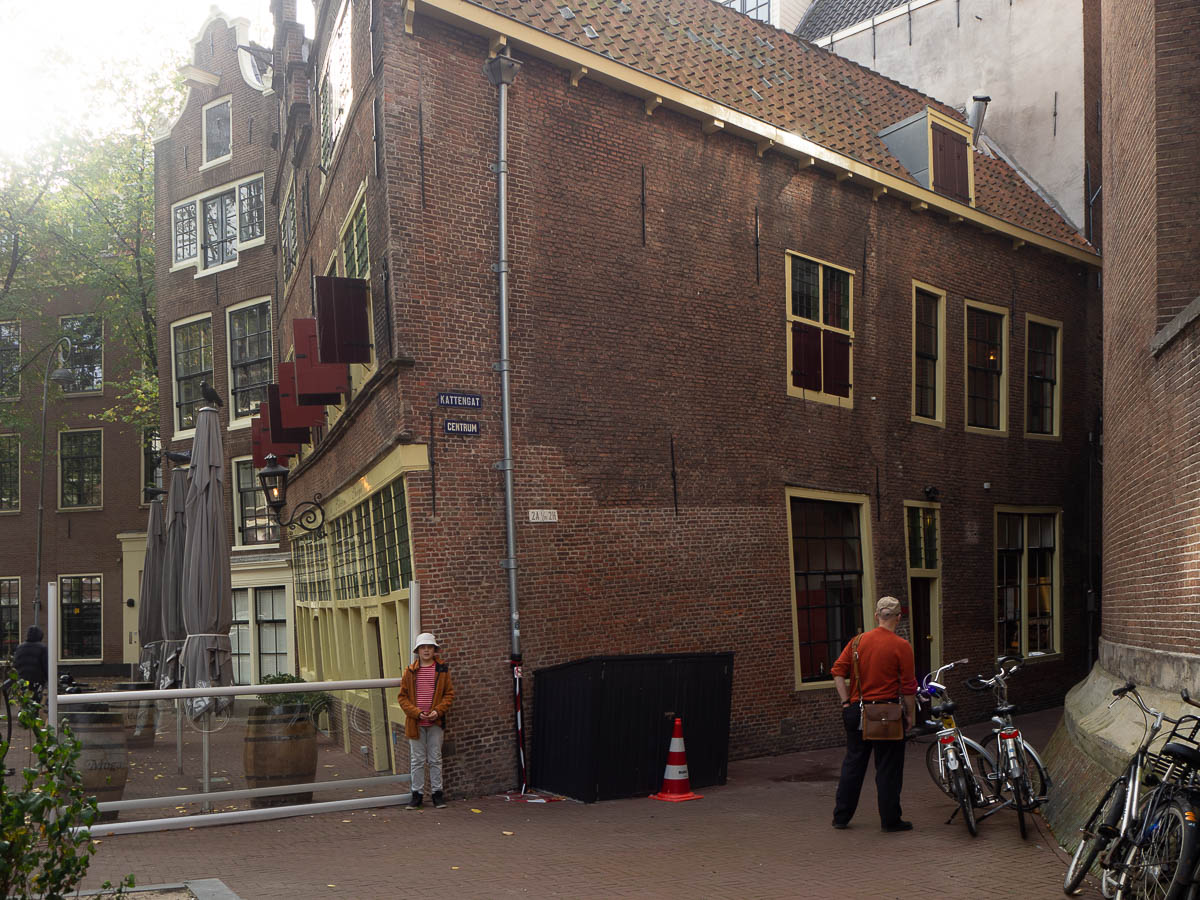
Most of the houses in Amsterdam lean one way or another. Or several: they lean sideways because the foundation sank, and the facade leans forward because it was built that way to allow goods to be hoisted to the upper levels. I kind of got used to it after seeing enough leaning houses, but then you come across something like this and it’s hard to grasp how it even remains stable. It must be a challenge to be a window-maker here, to produce windows that fit these crooked walls.

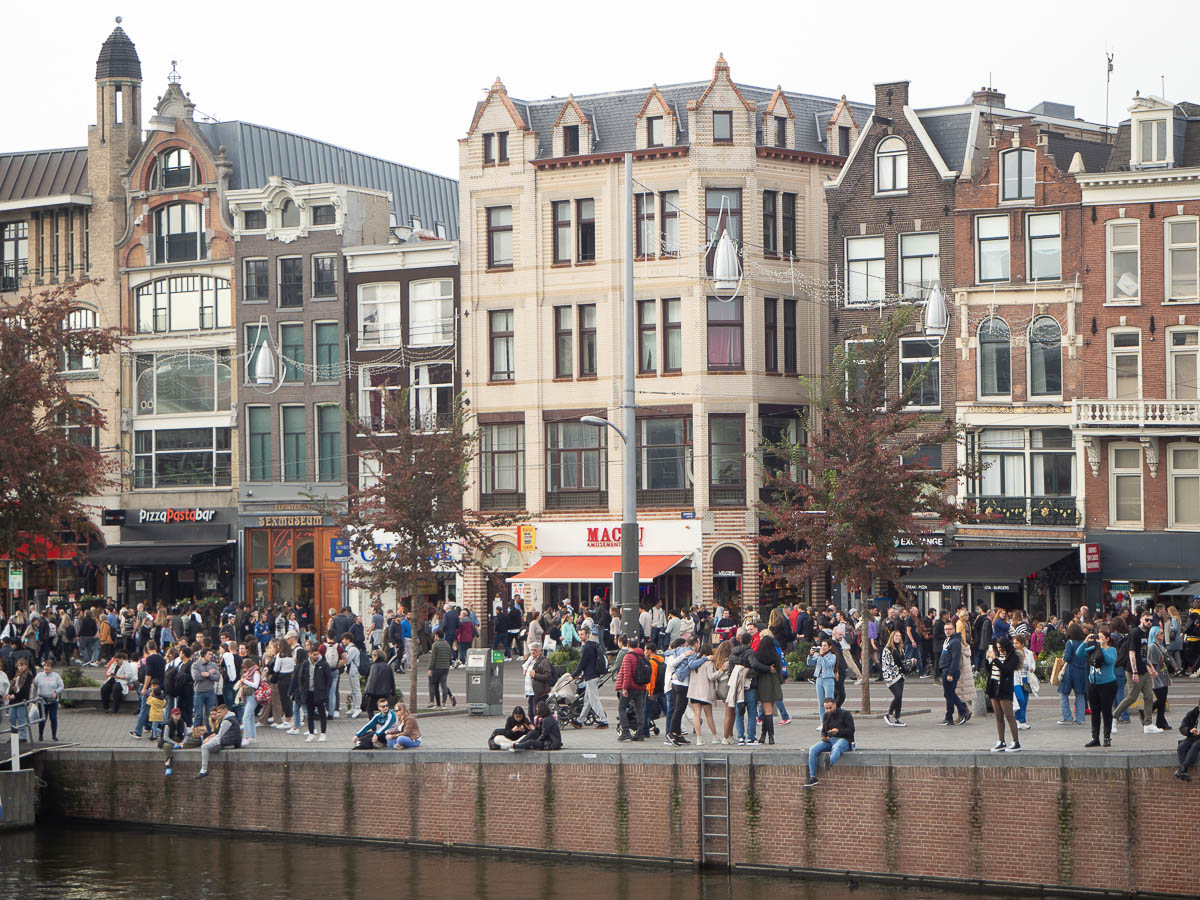
Away from the small canals and back to the innermost city, we were surprised at how crowded the streets were, mostly with groups of young people.

The inner city kept surprising us with red-light streets. Some were clearly noticeable and avoidable, others were sort of just in our way when we wanted to get from A to B and there was no easy way around them. And some looked normal when we entered them and only turned “red” at the other end. You can avert your eyes and try to pretend they’re not there, but it made things uncomfortable for the kids, especially Adrian. Not the most family-friendly city centre.

And the “coffee shops” everywhere. The smell of cannabis – and cigarette smoke, there are so many smokers here and smoking is apparently allowed in most places – got really annoying. Now we’ve seen the inner city, been there, done that, checked the box, let’s leave it behind and get away from here.

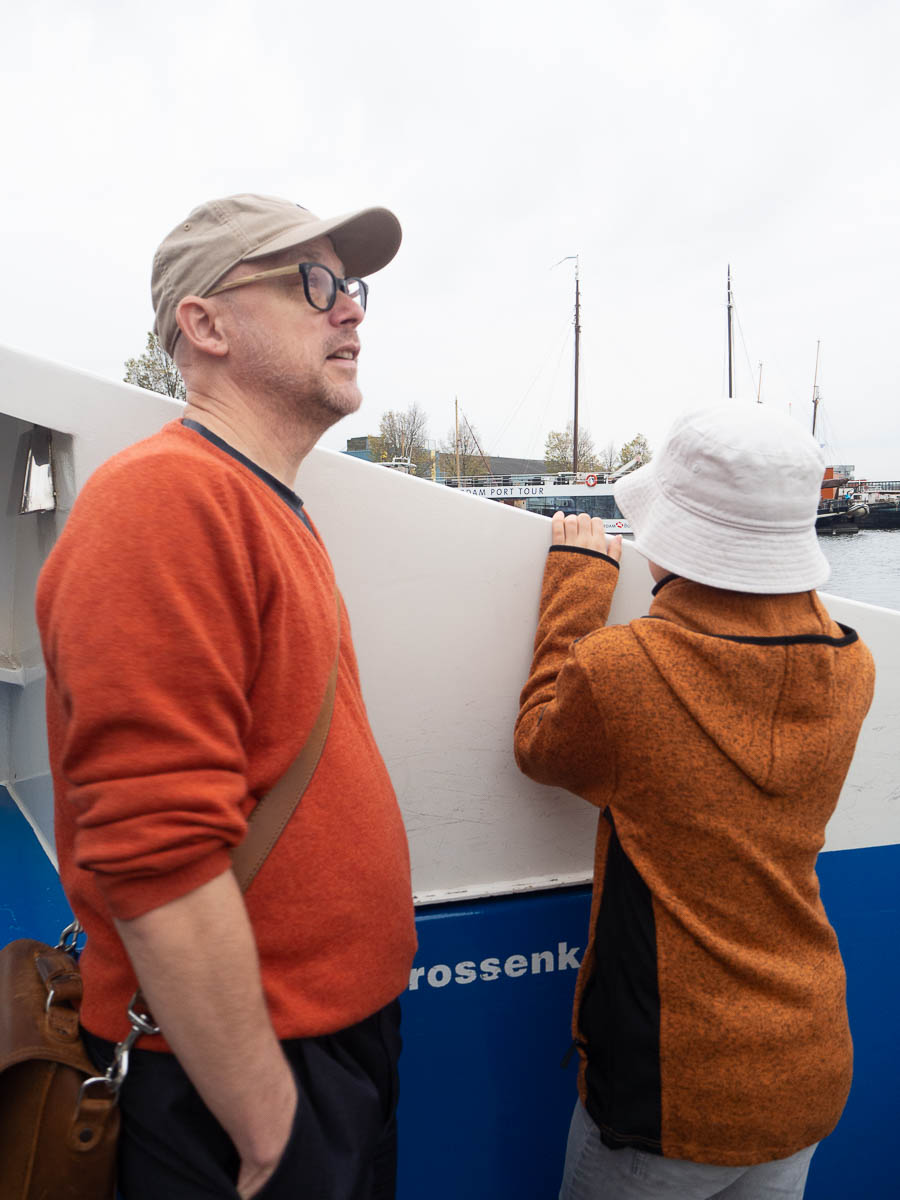
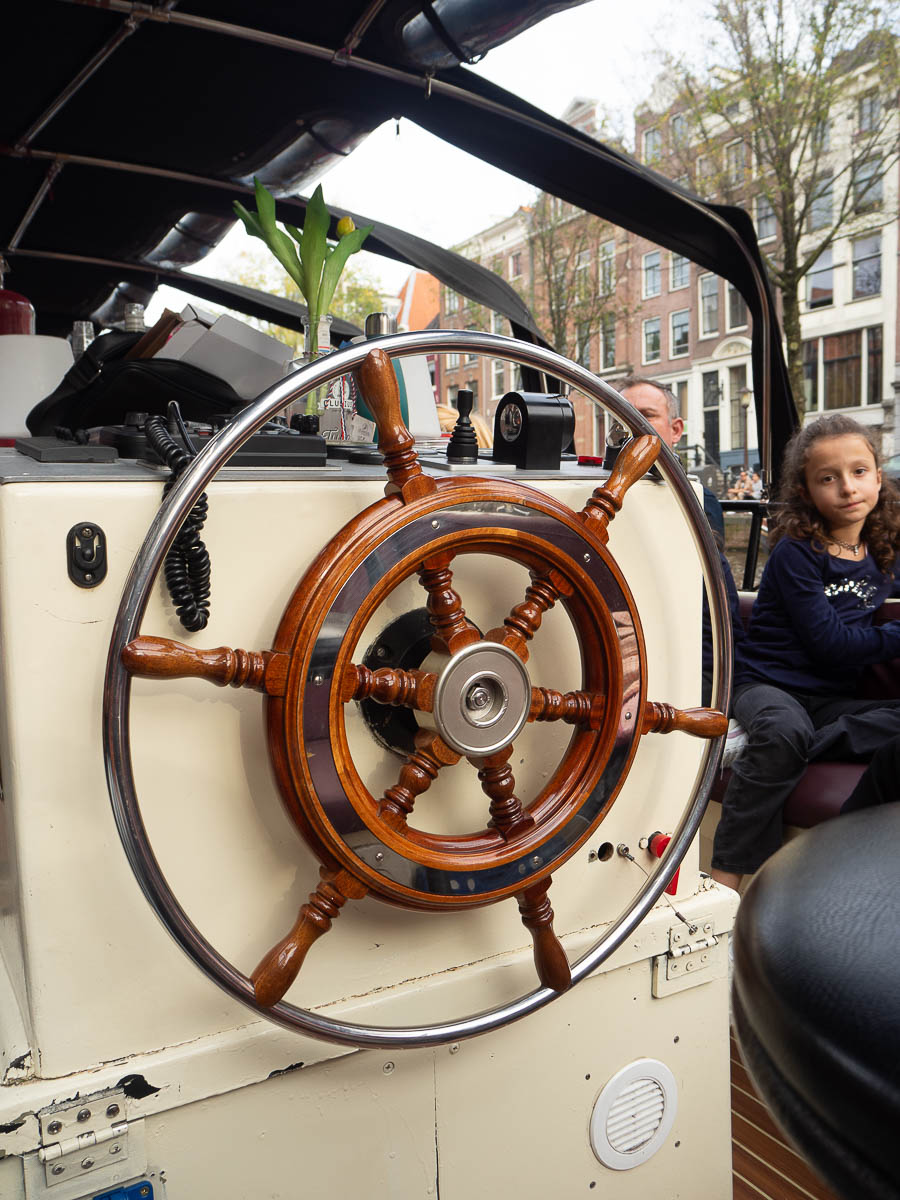
When our legs were tired of walking, we went for a boat tour on the canals. Despite the tour being marketed as family-friendly, the boat was effectively a floating bar and both the crew (not the captain though) and most of the passengers spent the entire trip drinking. We got to see the city from new angles, but didn’t get the kind of guided tour that we had been hoping for.


We’re spending a long weekend in Amsterdam, since Eric was already here for work and next week is autumn break for the kids.

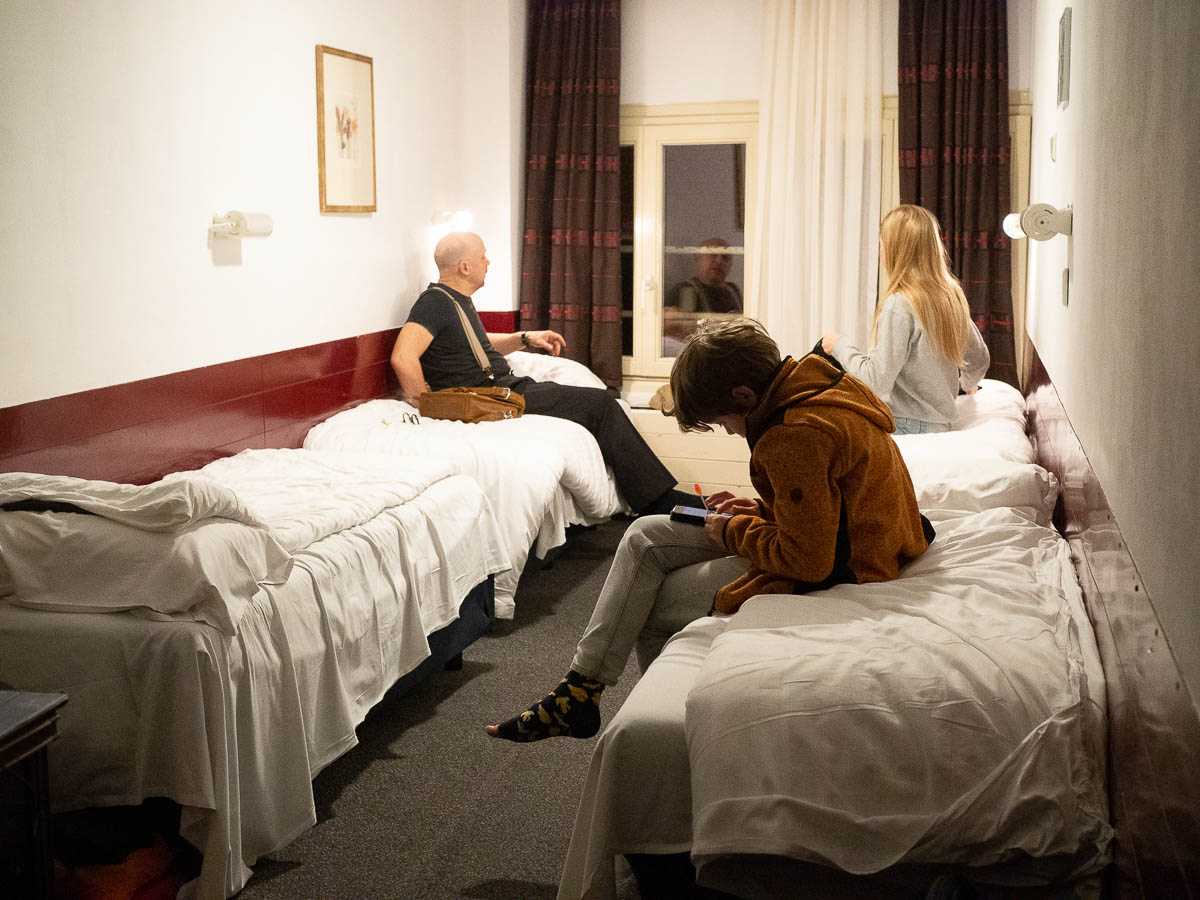
Hotels in central Amsterdam are crazy expensive, especially when booking at short notice. This is definitely one the most basic hotels I’ve ever stayed at, and it’s still more expensive than the luxurious spa hotel in Bled. It’s officially got a single star, and it truly offers no extras. There is a room with four beds and a small desk and enough room to walk between the beds, and a functional bathroom, and that’s it. No TV, no breakfast, no safety box, no elevator.

Everything is clean, though, and mostly whole (though there are cracks in the sink) so they’re delivering on their promises. No complaints.

Oh, there is actually one luxury: plenty of outlets, both 220 V and USB-C, for charging electronics. Basic, but also modern.