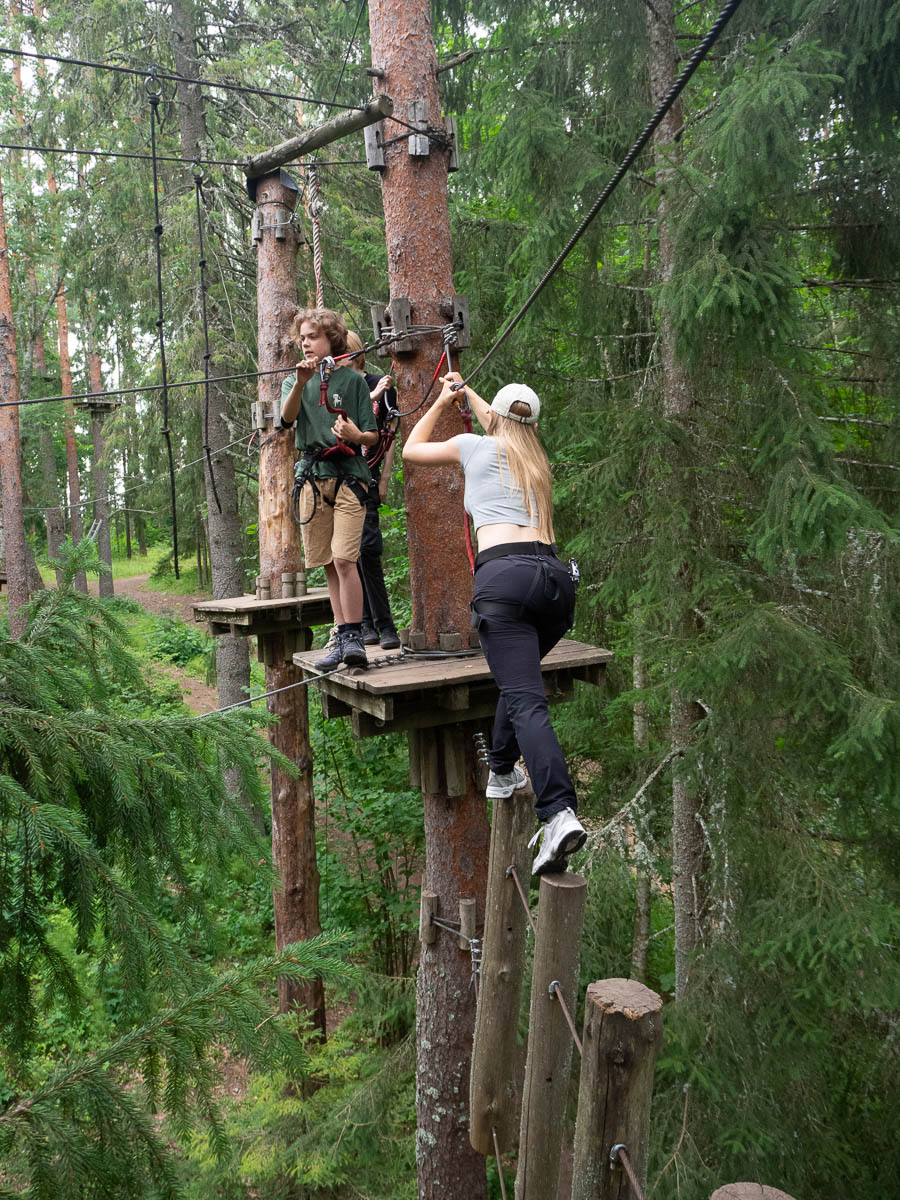
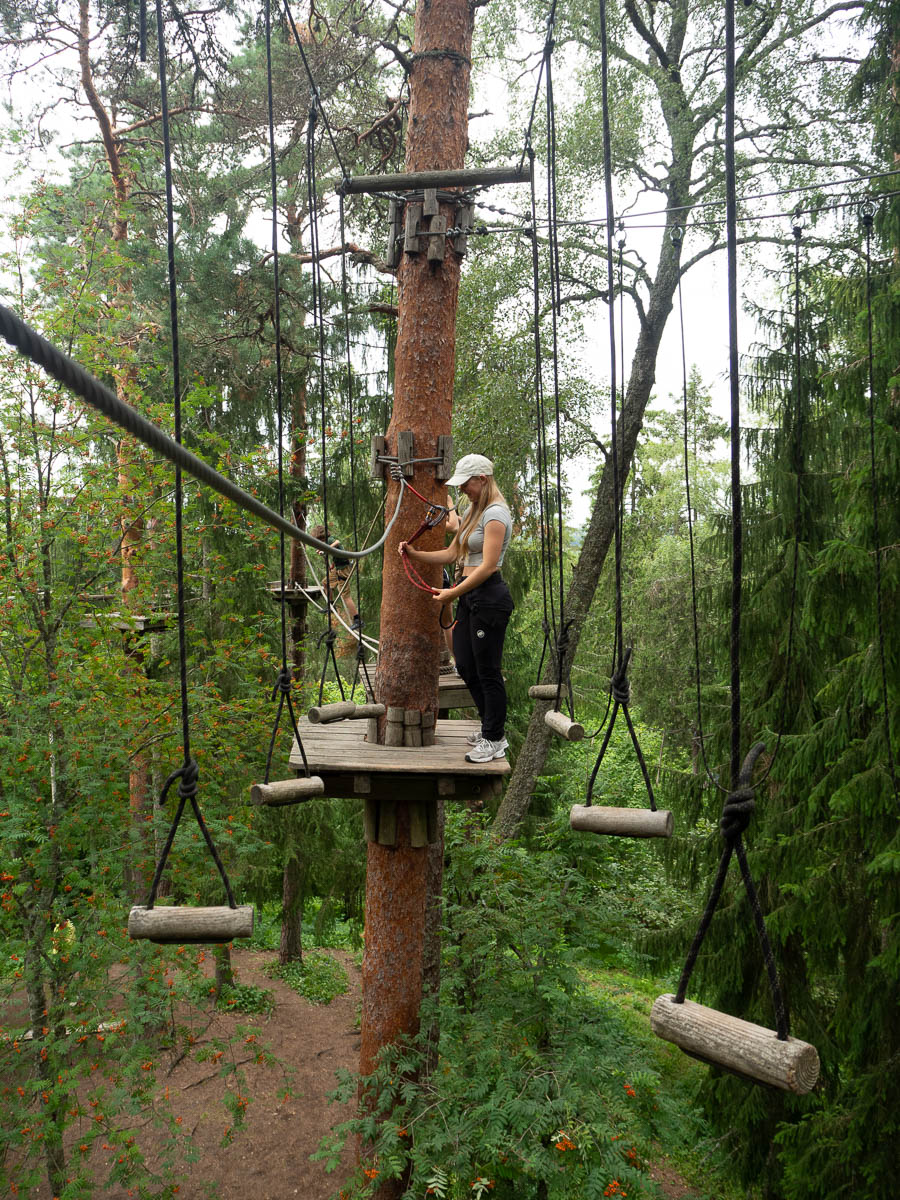
Same procedure as last year?

Same procedure as every year.

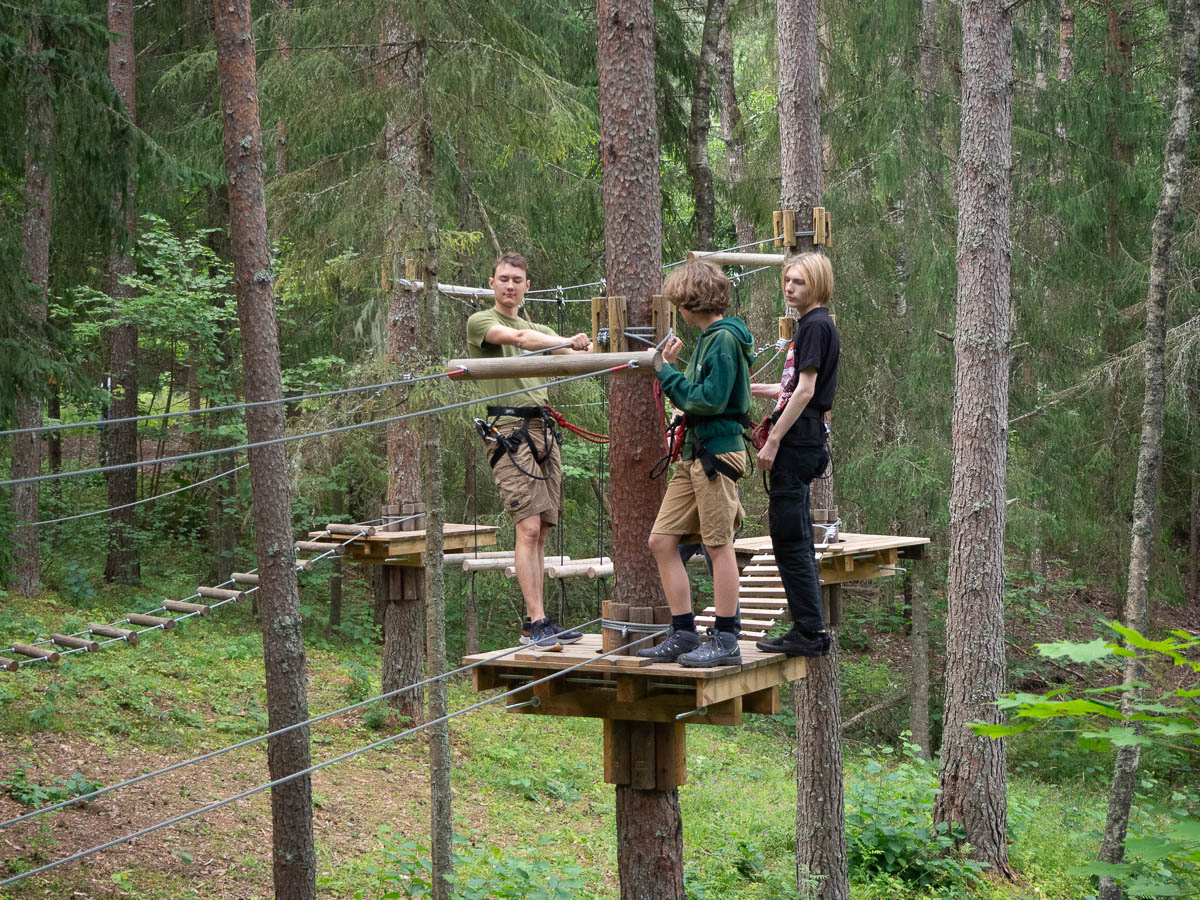
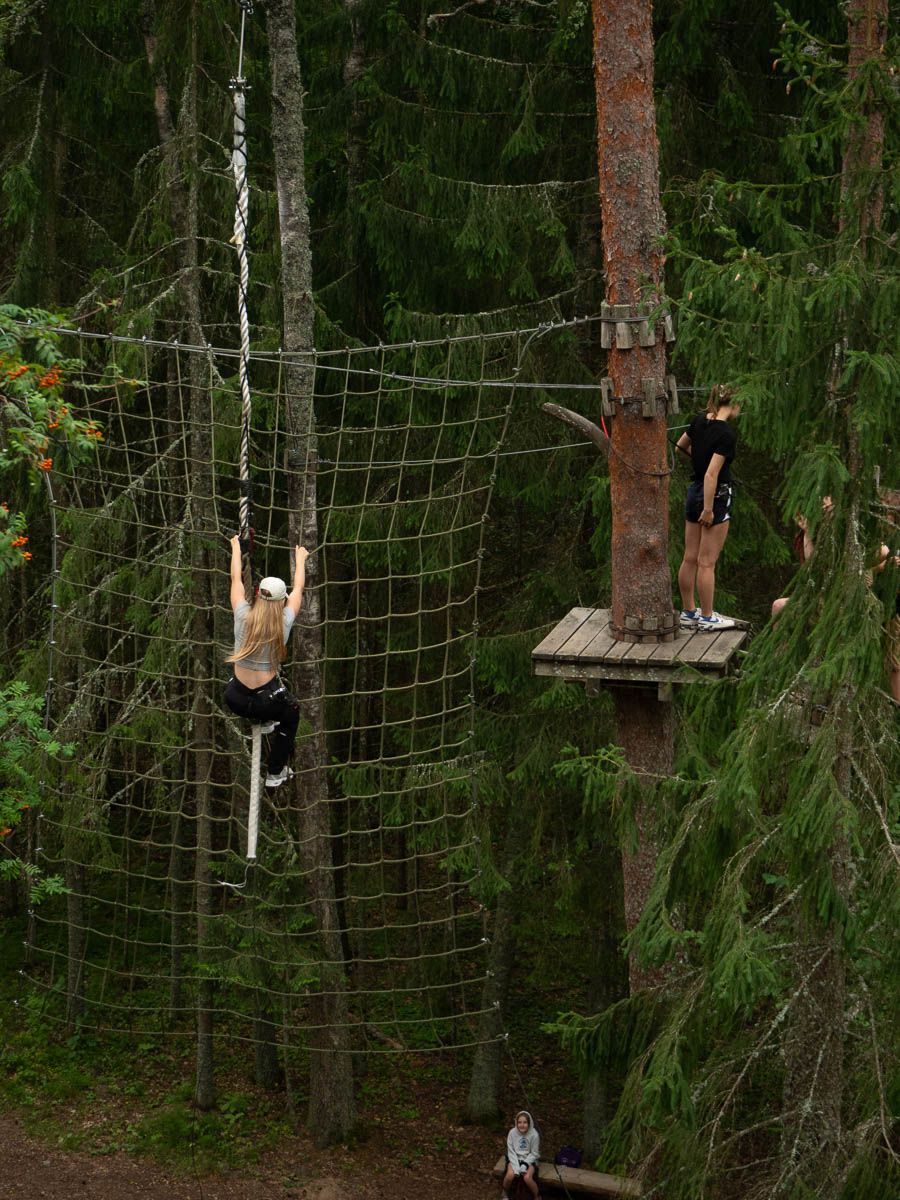
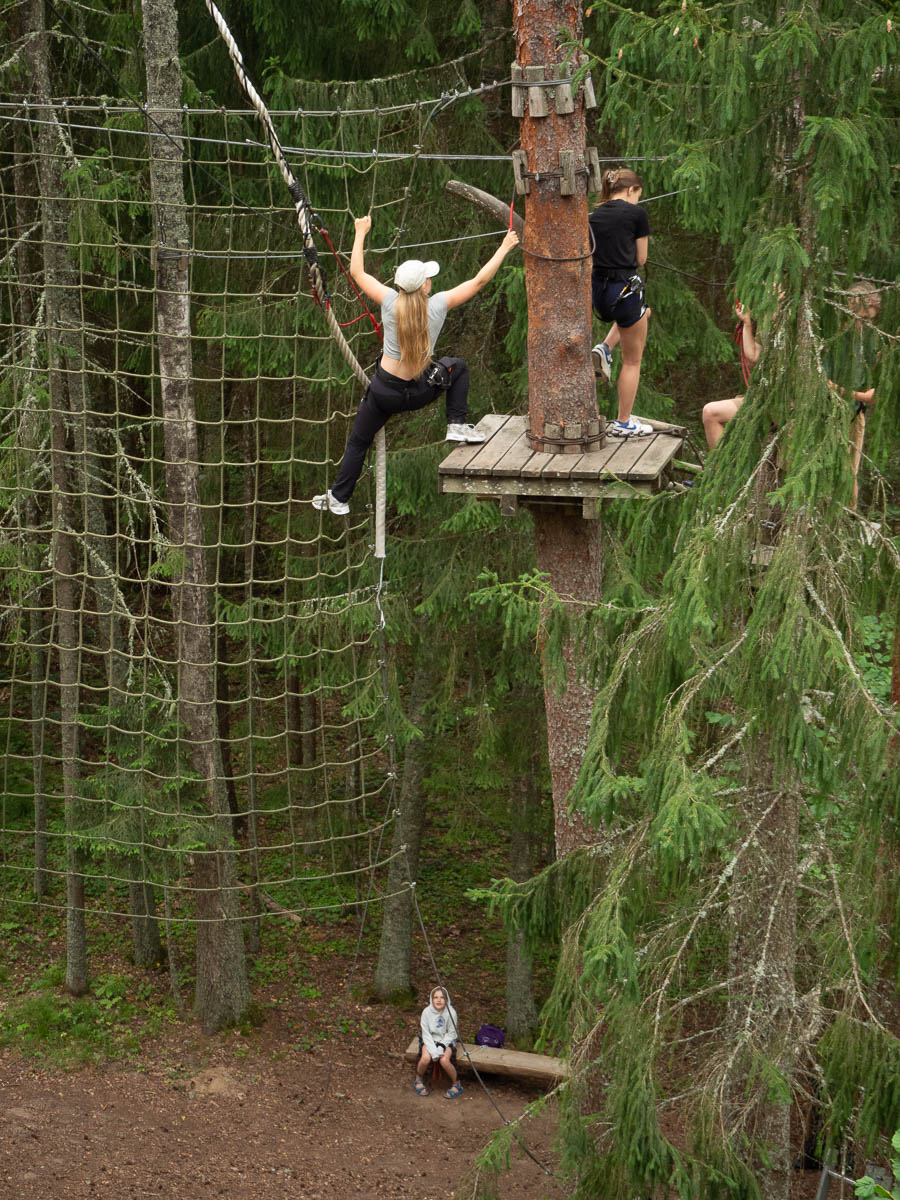
I was a teeny bit worried that Ingrid and Adrian wouldn’t find this exciting any more, after climbing a via ferrata, but this poses a different kind of challenge and was still fun.


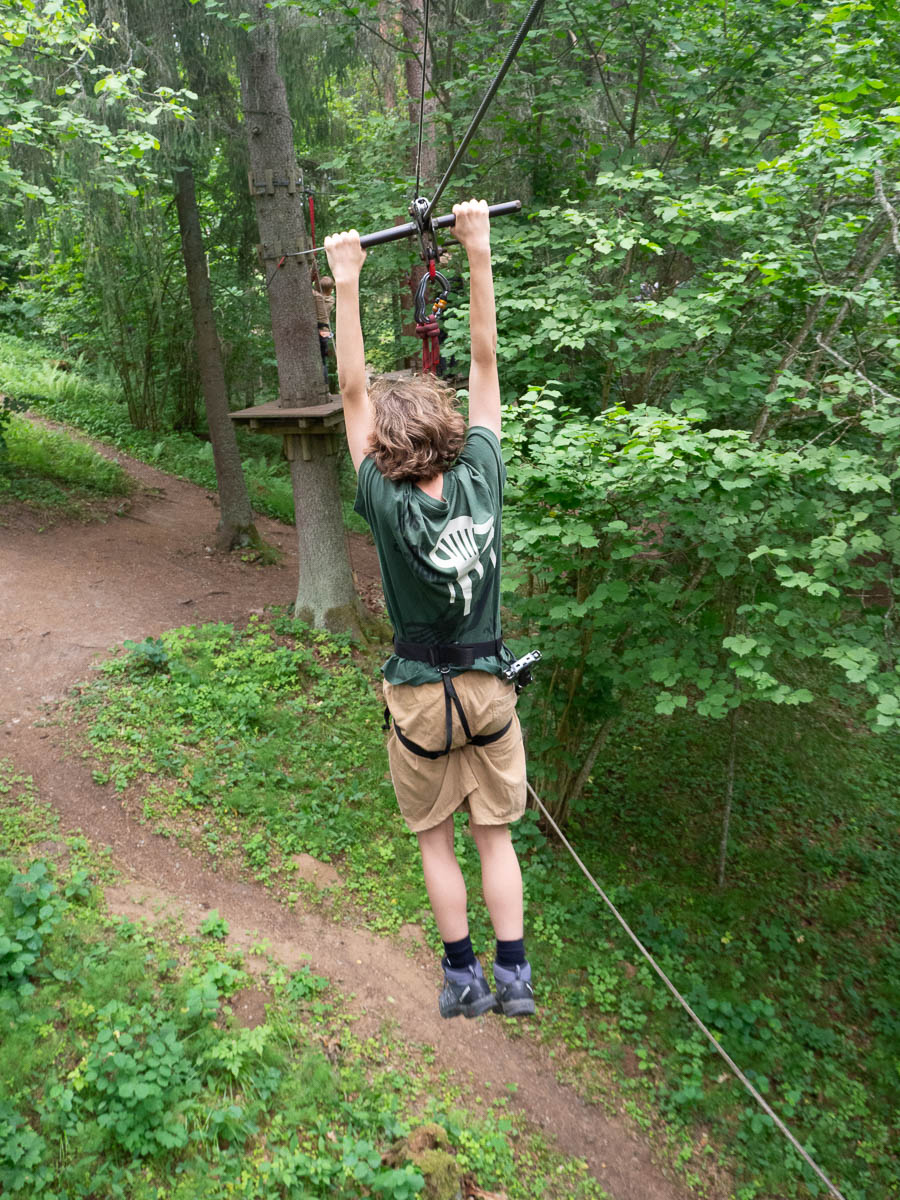
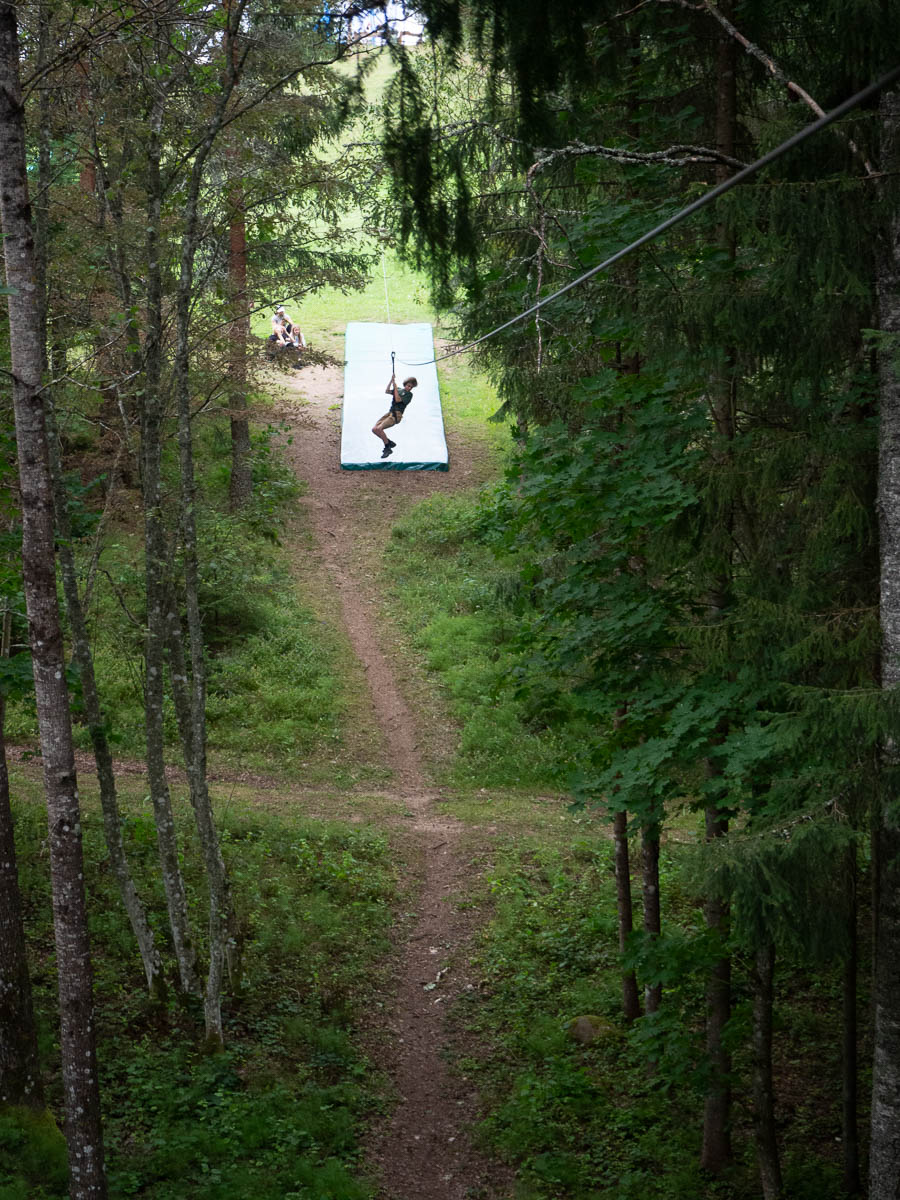
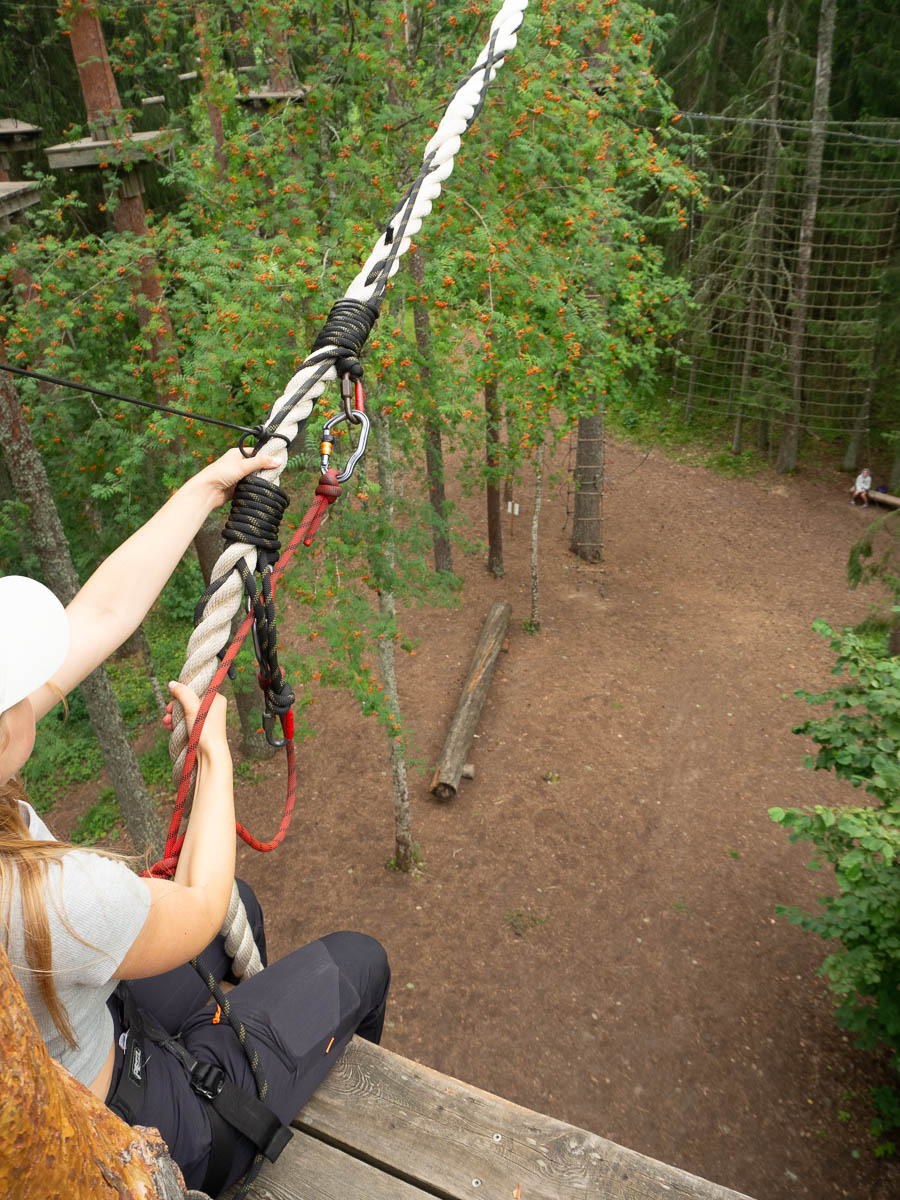
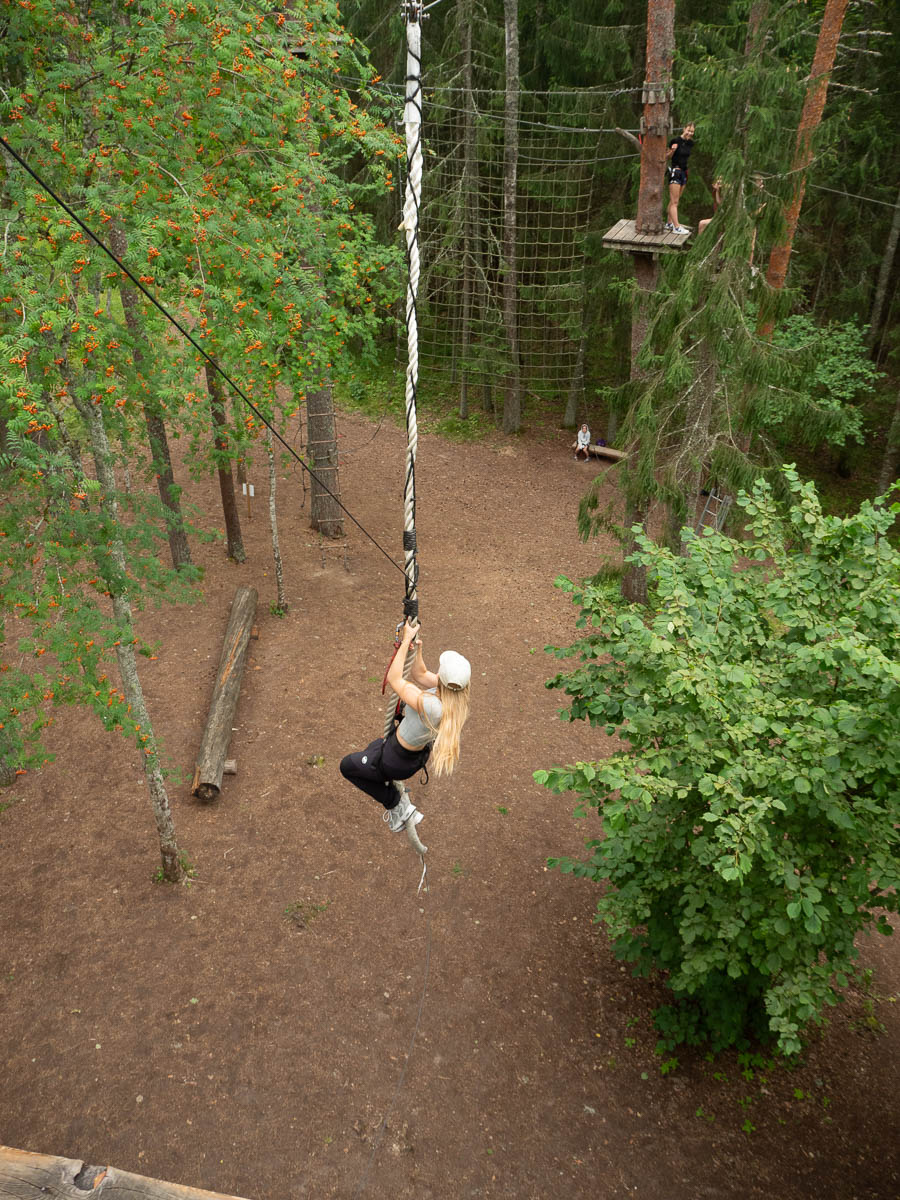
The last obstacle on the last climbing course, the “Tarzan jump”. Was pretty scary the first time, a little bit scary the second year, and barely makes us pause now.


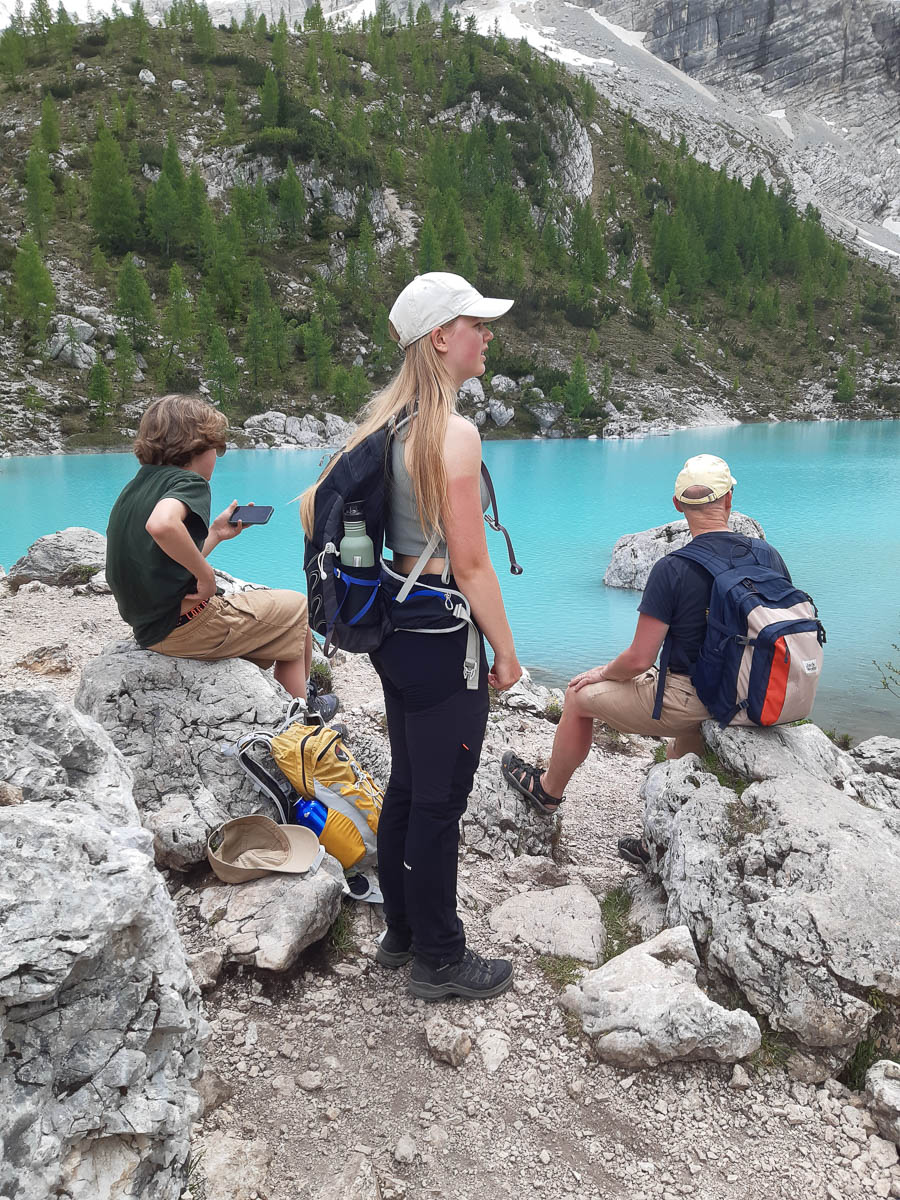
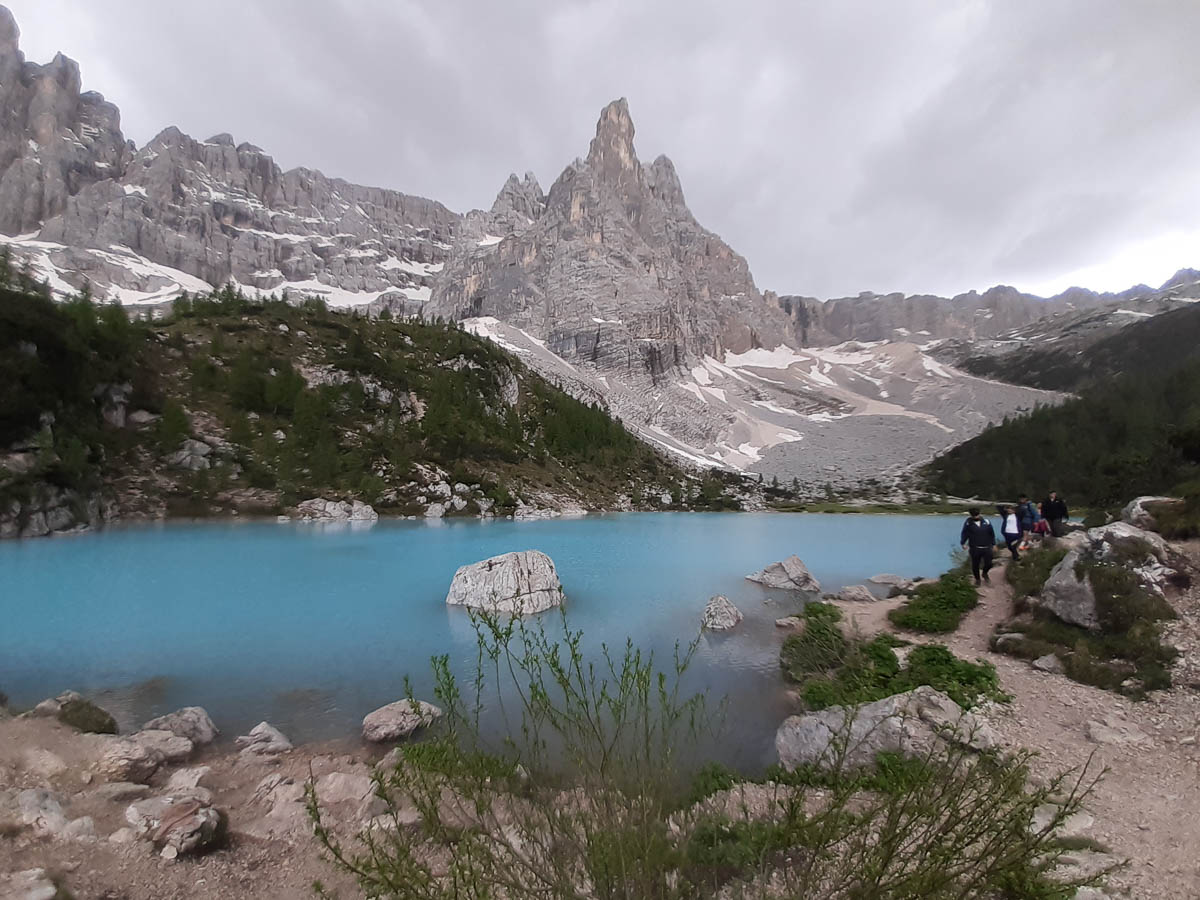
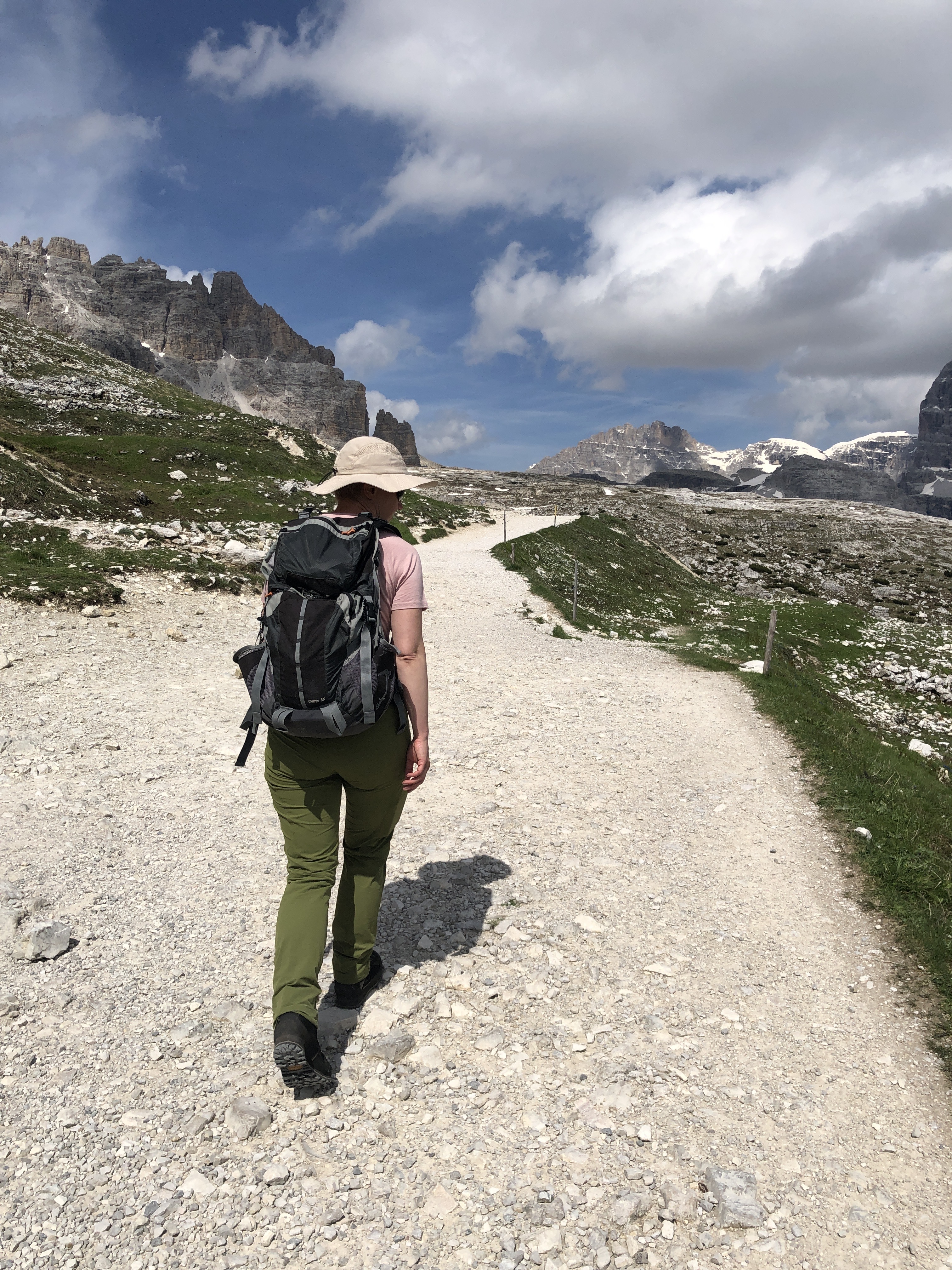
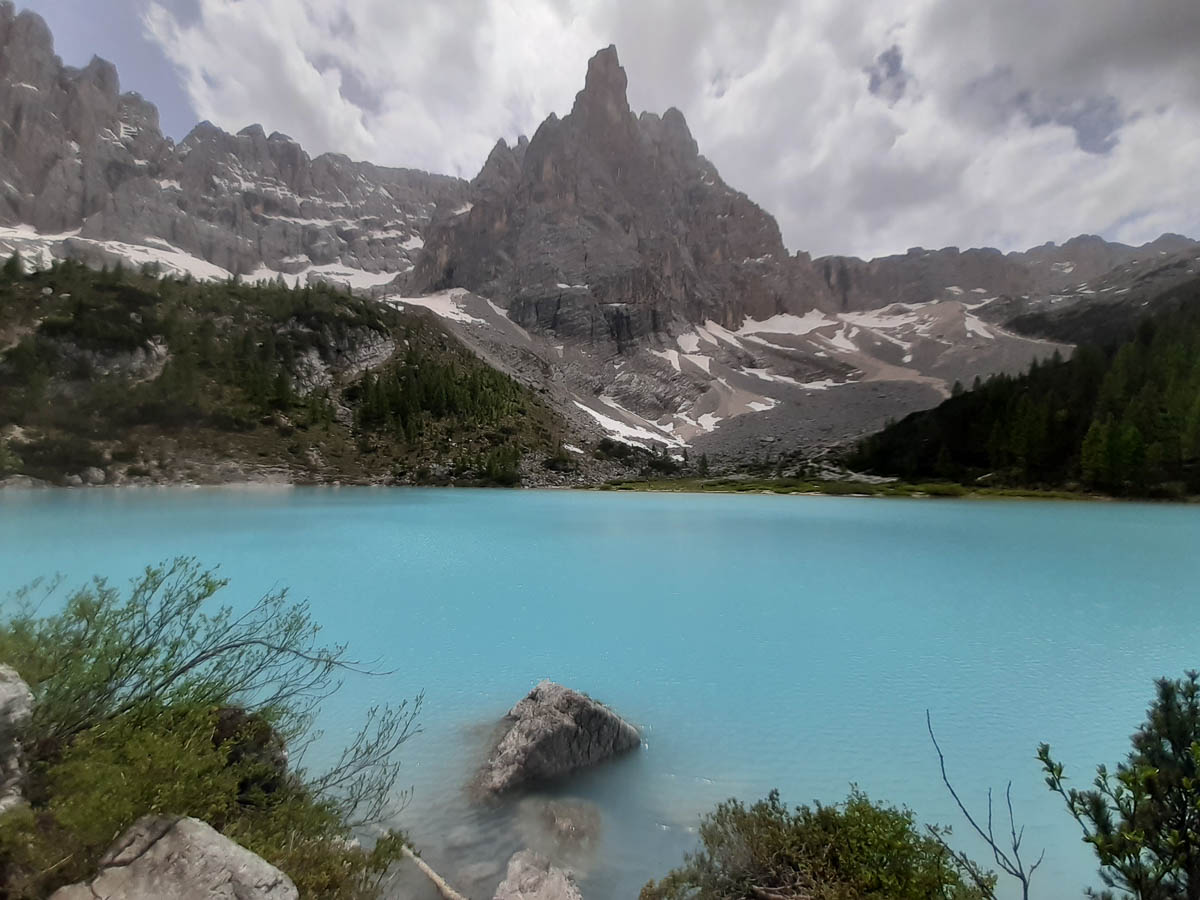
We’re still in the Cortina d’Ampezzo area today, and went for a hike to lake Sorapis, which is said to be one of the best ones in the region. As you can see from the photo above, yes, it’s absolutely stunning. (6.5km each way, just over 400m of ascent & descent, which was one of the deciding factors for us picking this particular hike, because Ingrid’s knees don’t like walking downhill much.)

Like most beautiful places, this one is reportedly absolutely overrun with tourists during high season. Even now there were quite a lot of people. Had this been a Swedish hiking trail, I’d have described it as crowded. There’s not even a proper parking lot near the trailhead – people just park on the side of the road, tens and tens of cars. We parked ours a bit further down the road and just walked an extra 800 metres or so.
We’ve been really happy with our choice to come here early in the season, as soon as the school year ended. Not only do we avoid the worst of the crowds but we also get slightly cooler weather. Which is still not very cool – the temperature has been in the high twenties most days – so I can only imagine how much we’d be suffering here in July.
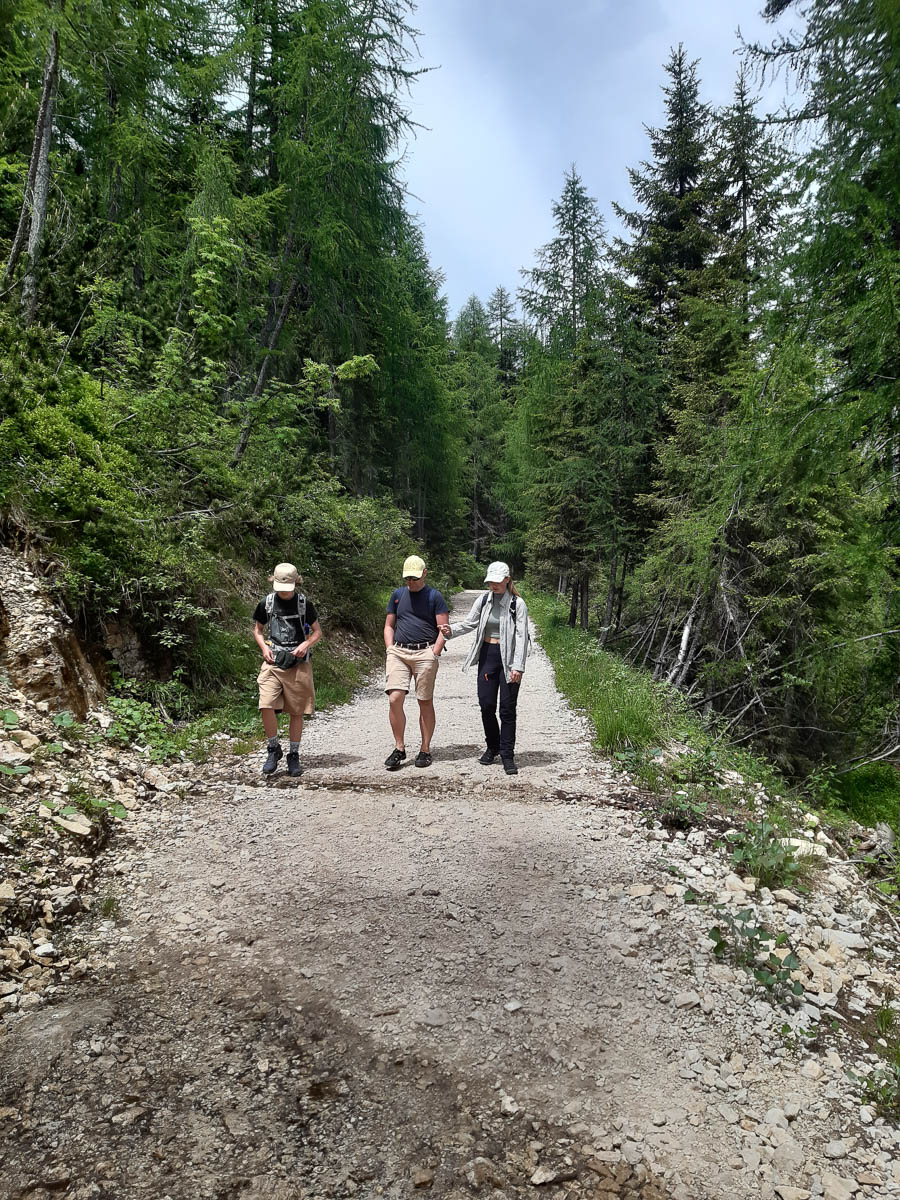
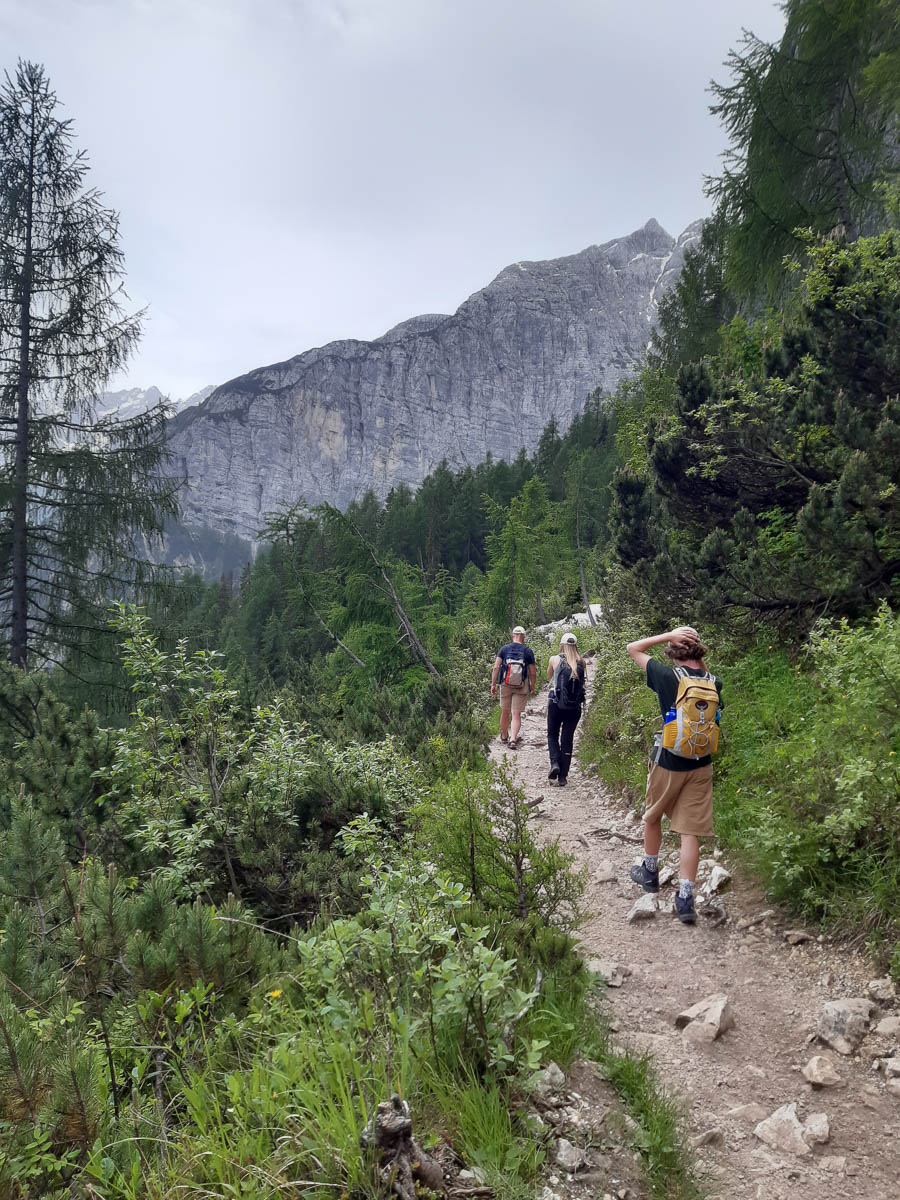
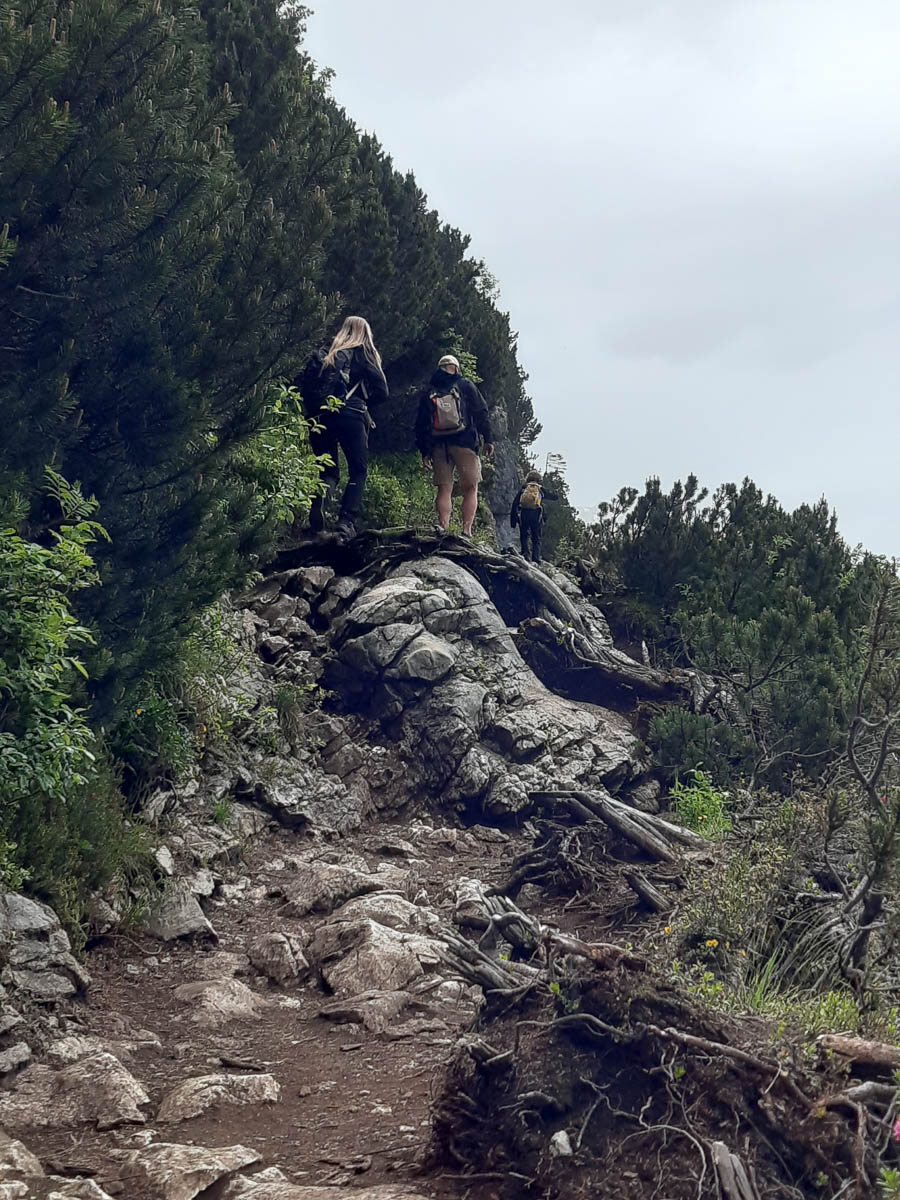
The trail starts as a broad path in the forest in the valley and then snakes its way up the side of the mountain.

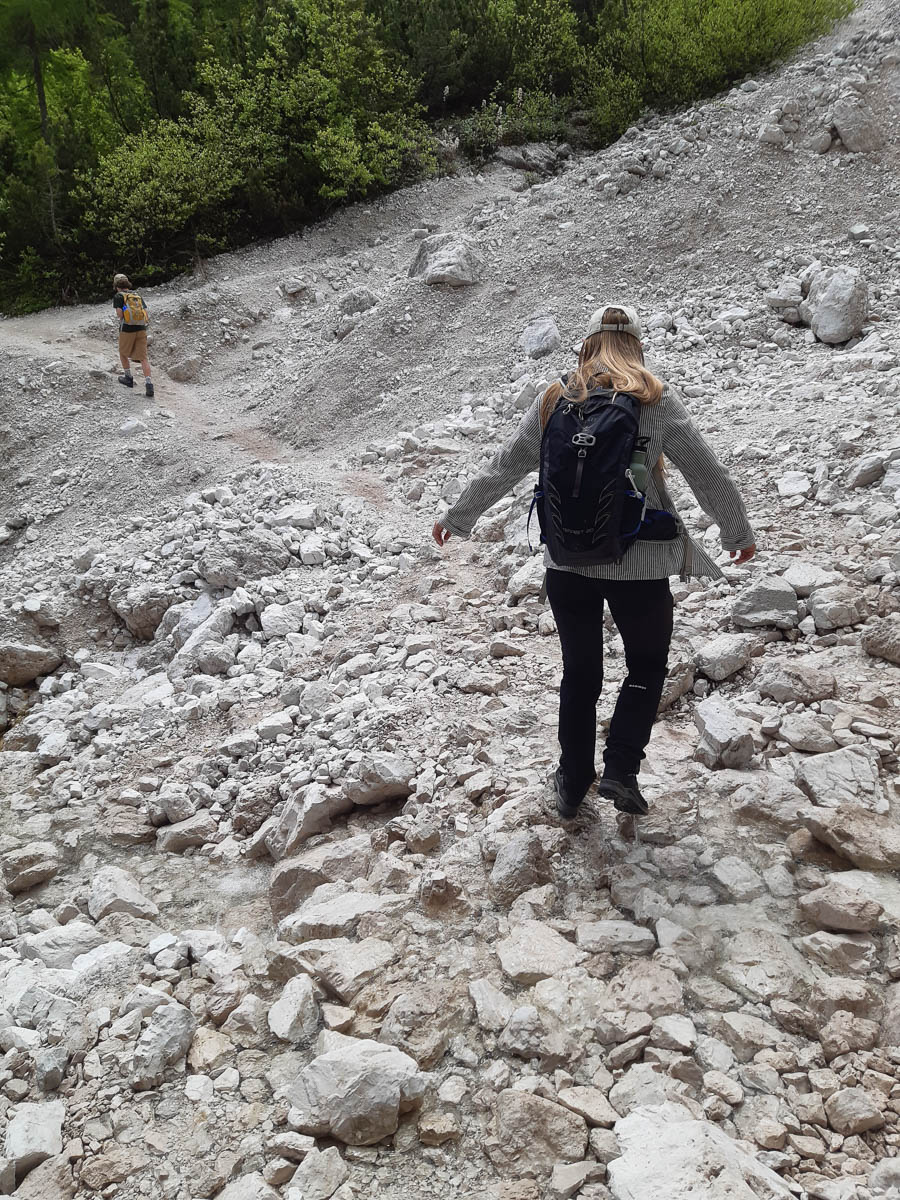
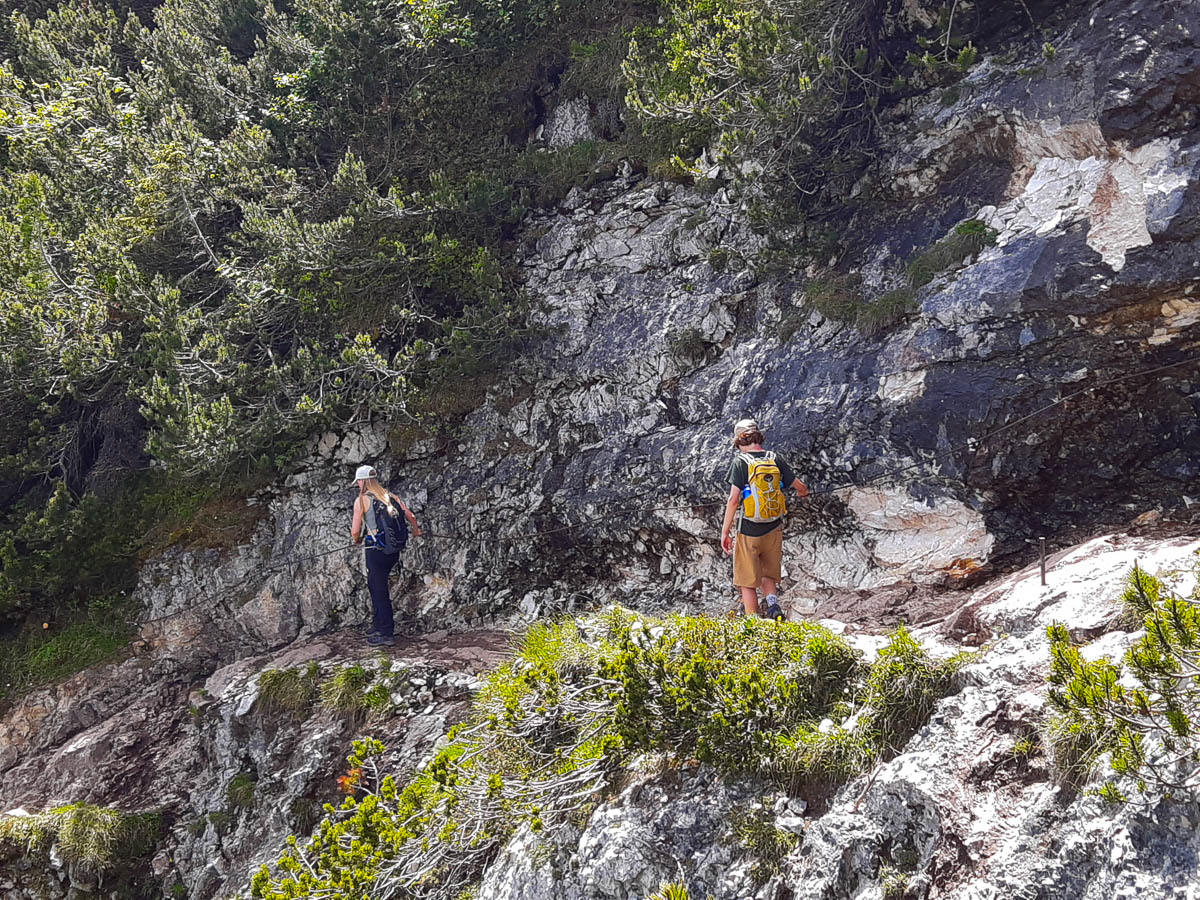
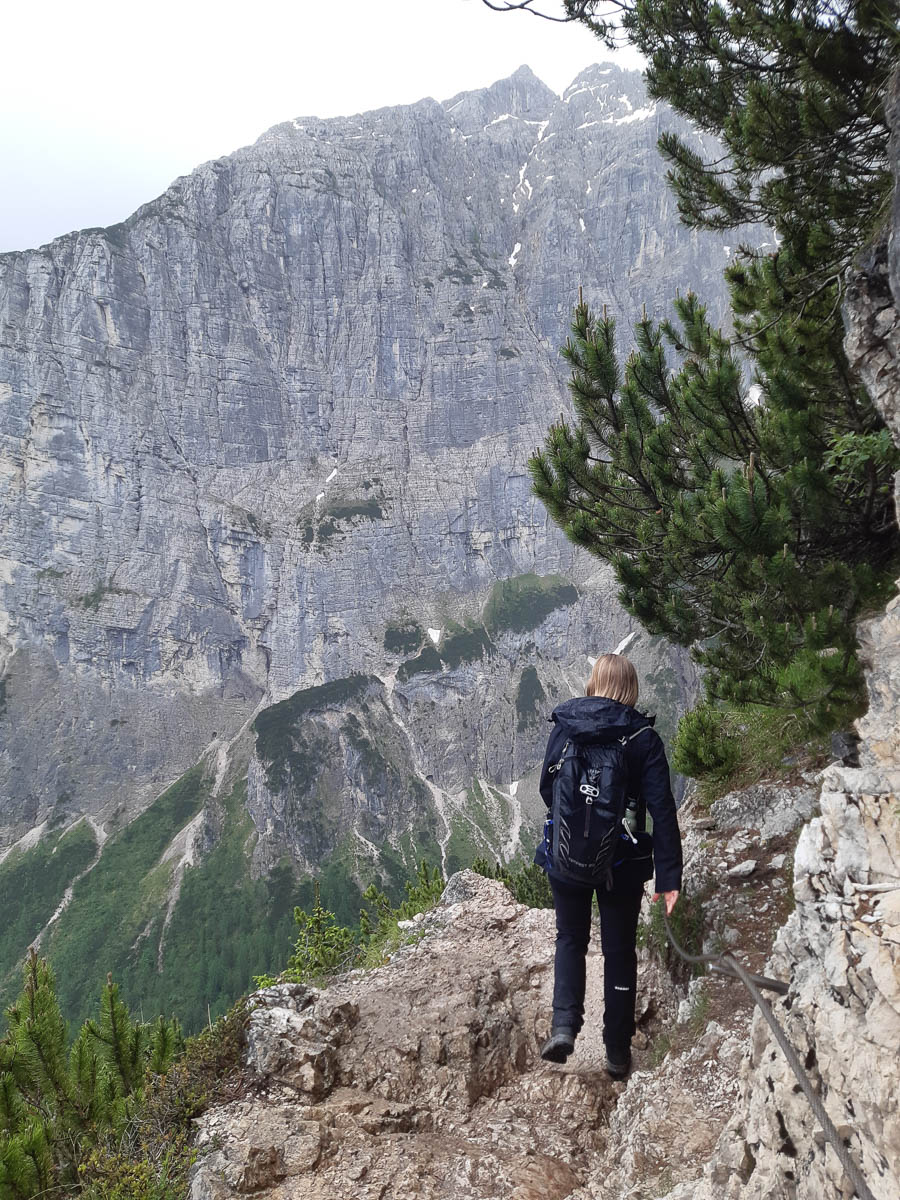
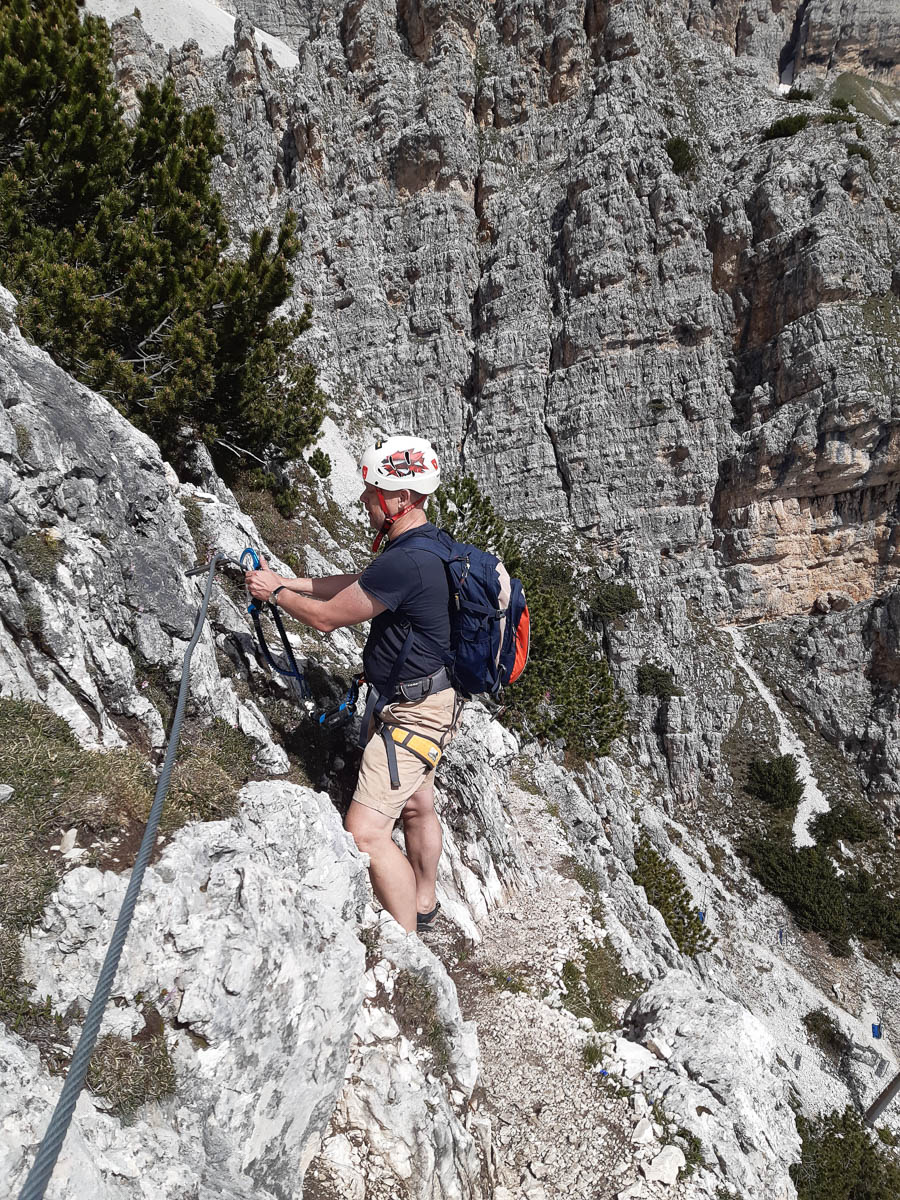
The further up you get, the narrower the trail, and in places it gets quite tricky, with scree slopes and rocks and cliffs. Some sections – where the trail was narrowest and the drop next to it steepest – even had cables to hold on to. Some people were doing this in city sneakers, others with small dogs that they had to carry… I’m not sure what they were thinking.


At the end of the trail, just after a mountain hut, there was the famous turquoise lake. And it felt like there were people everywhere, lots of them posing for photos. We were rather hungry but there wasn’t even enough space to sit down and have a picnic anywhere, so after a brief water stop we trudged onwards, to the other side of the lake, where there looked to be a meadow.

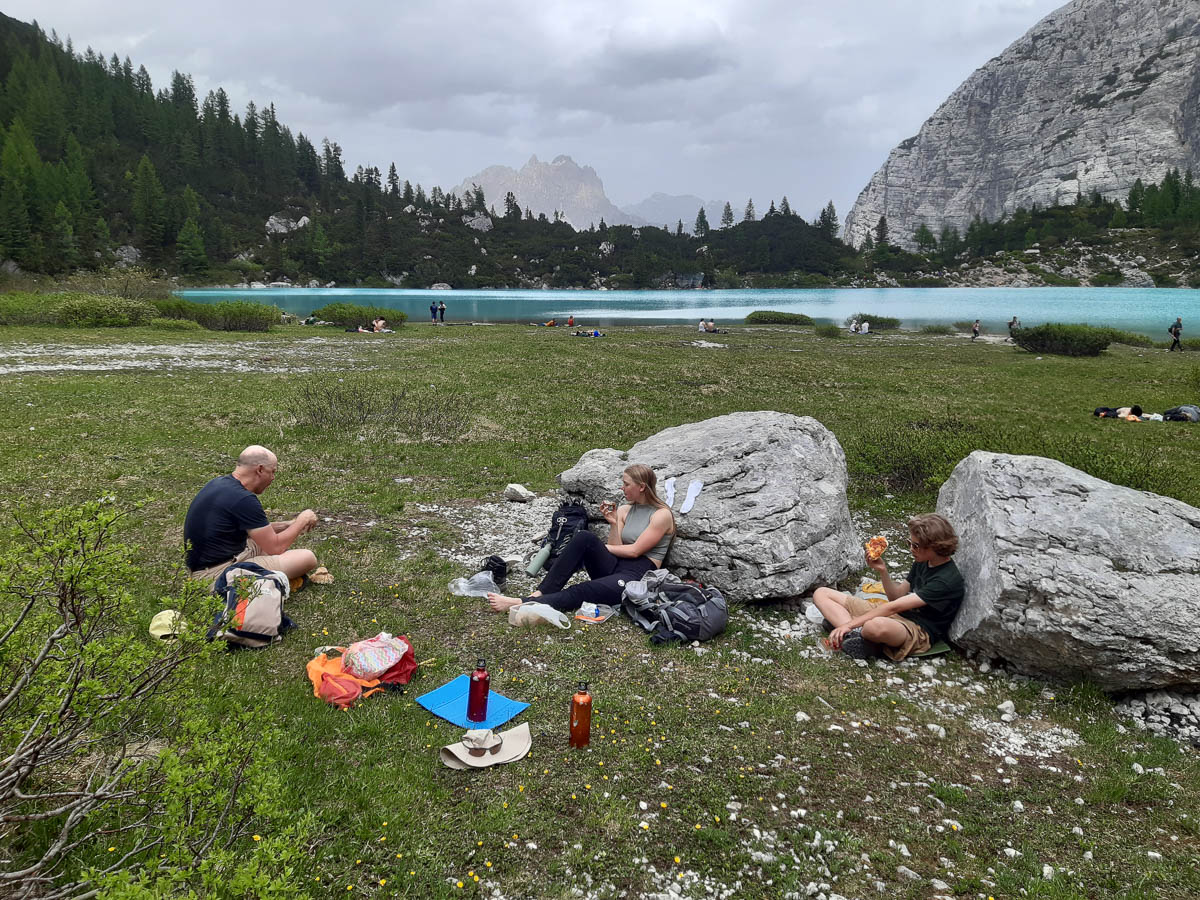
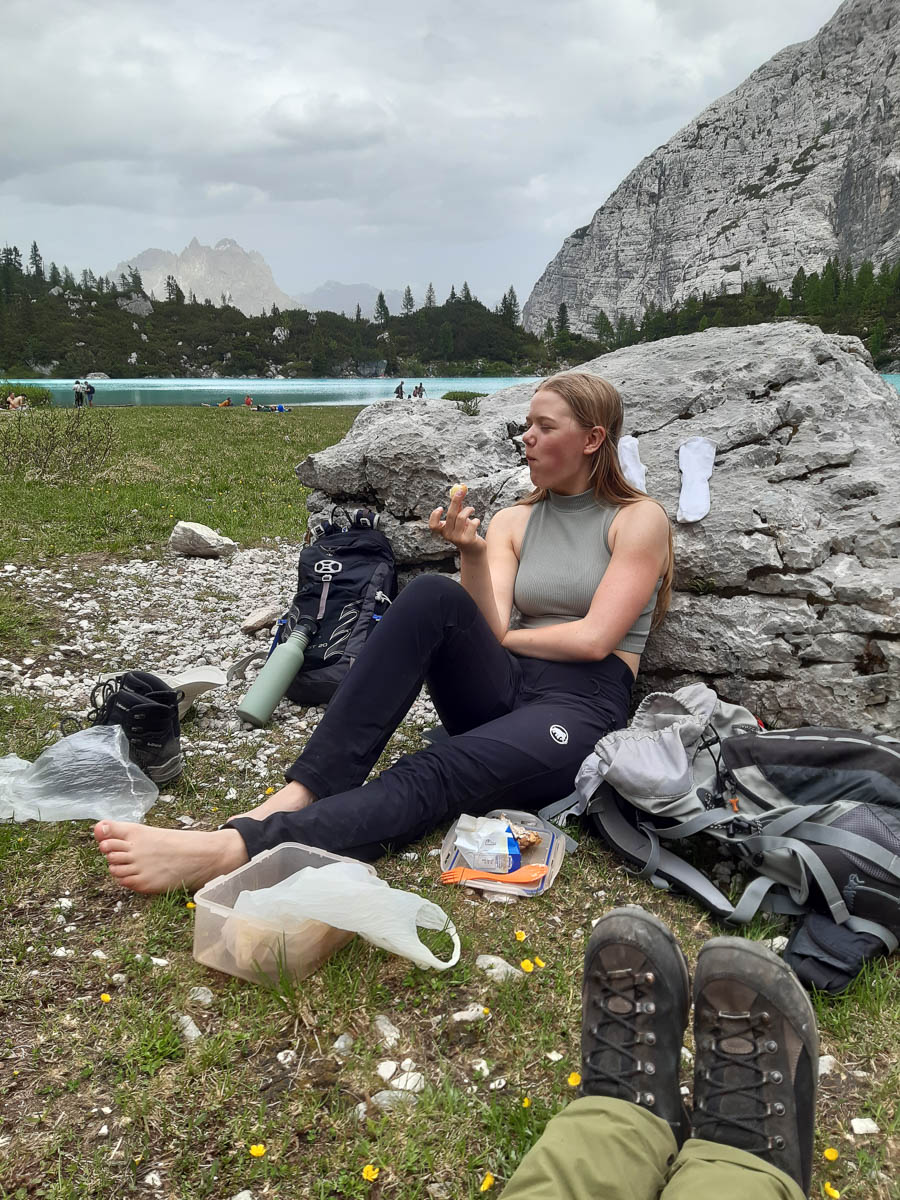
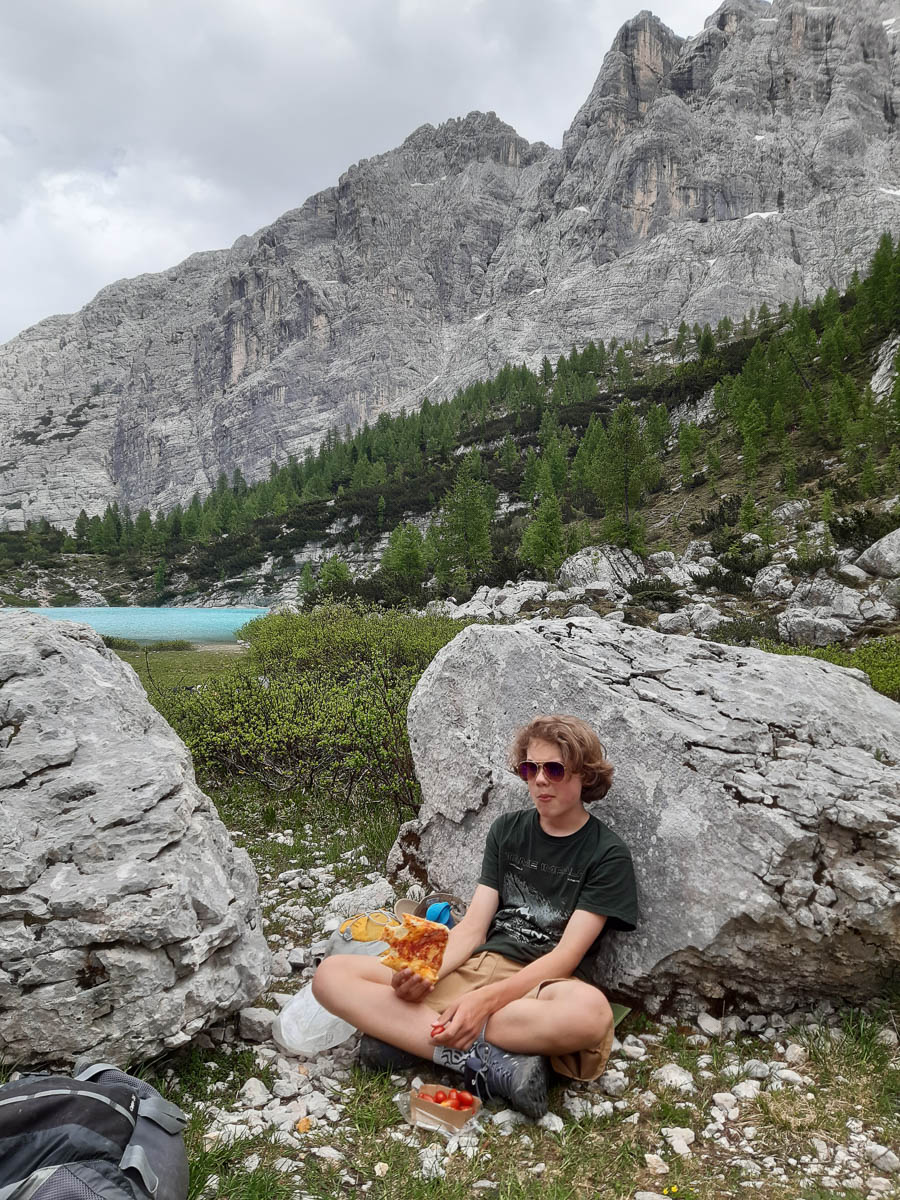
The thing that looked like a meadow was indeed one, and there were fewer people there so we could sit down without feeling like we’re elbow to elbow with someone else. We had a nice, long sit-down lunch, with bakery bread and fresh nectarines.


Just as we were swallowing our last bites of food, it started raining lightly, so we scrambled to get our rain gear on (and our boots) and headed back down the mountain. The lake looked almost otherworldly, with its bright turquoise waters under the gray skies.

The walk downhill was easier in some ways, but also wet and slippery in places.


By the time we got back to the trailhead, the kids were rather tired and sat down right there, and waited for us to bring the car to them.

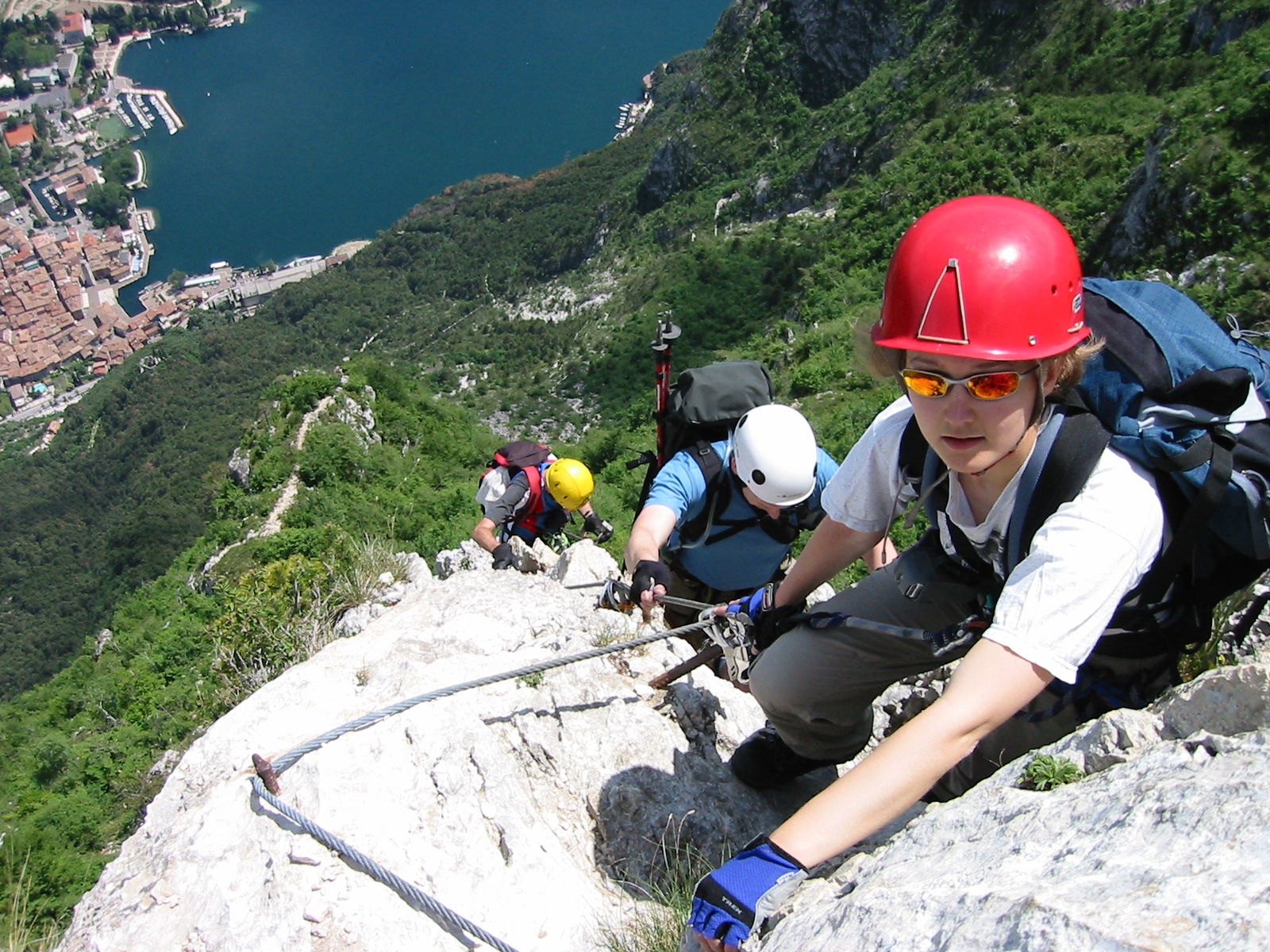
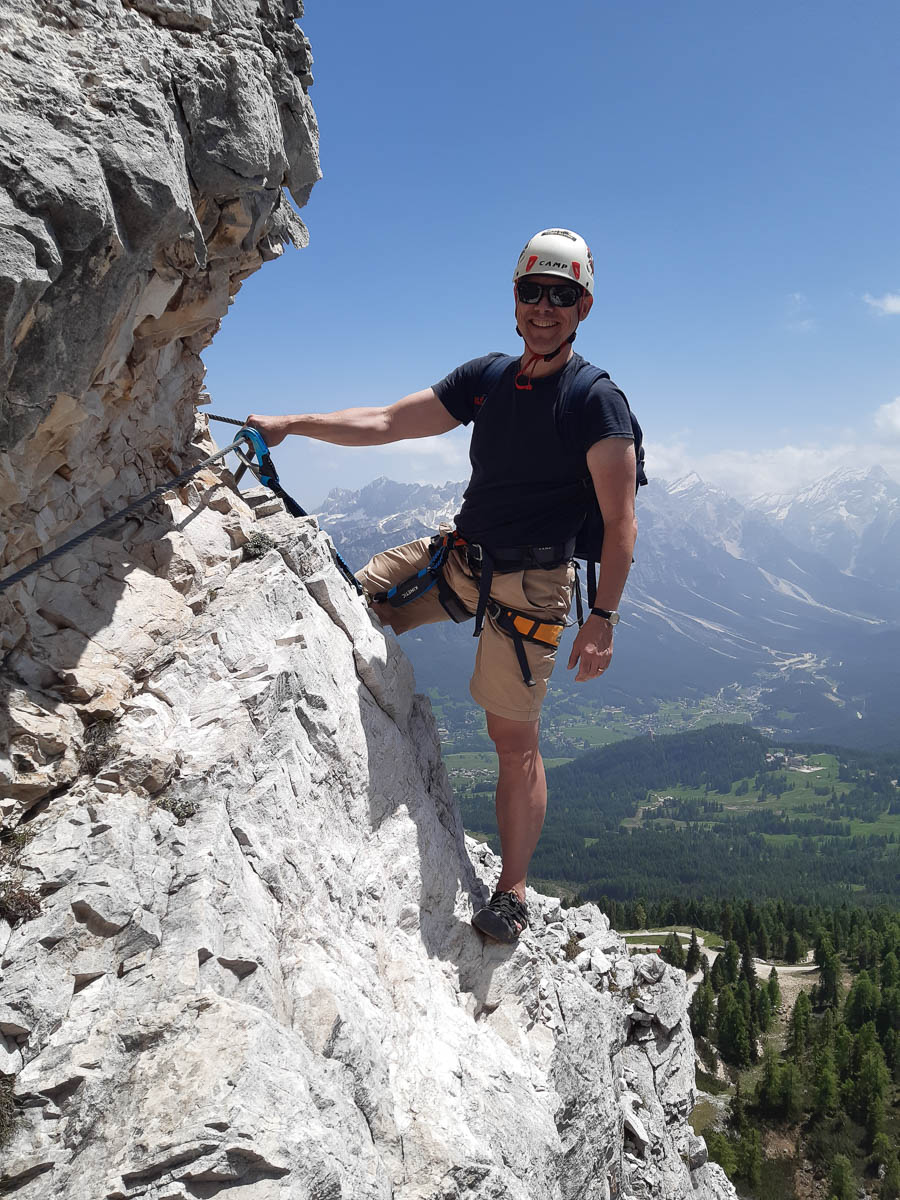
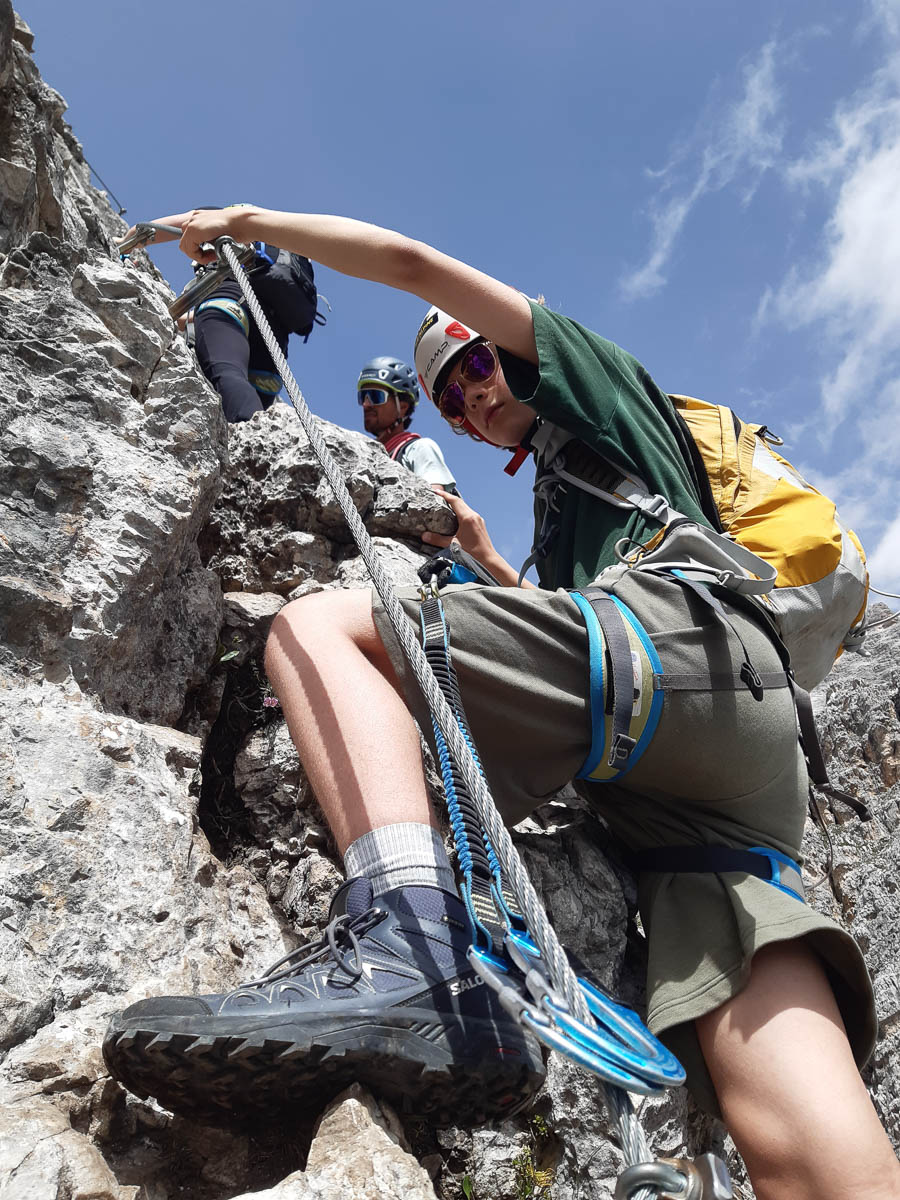
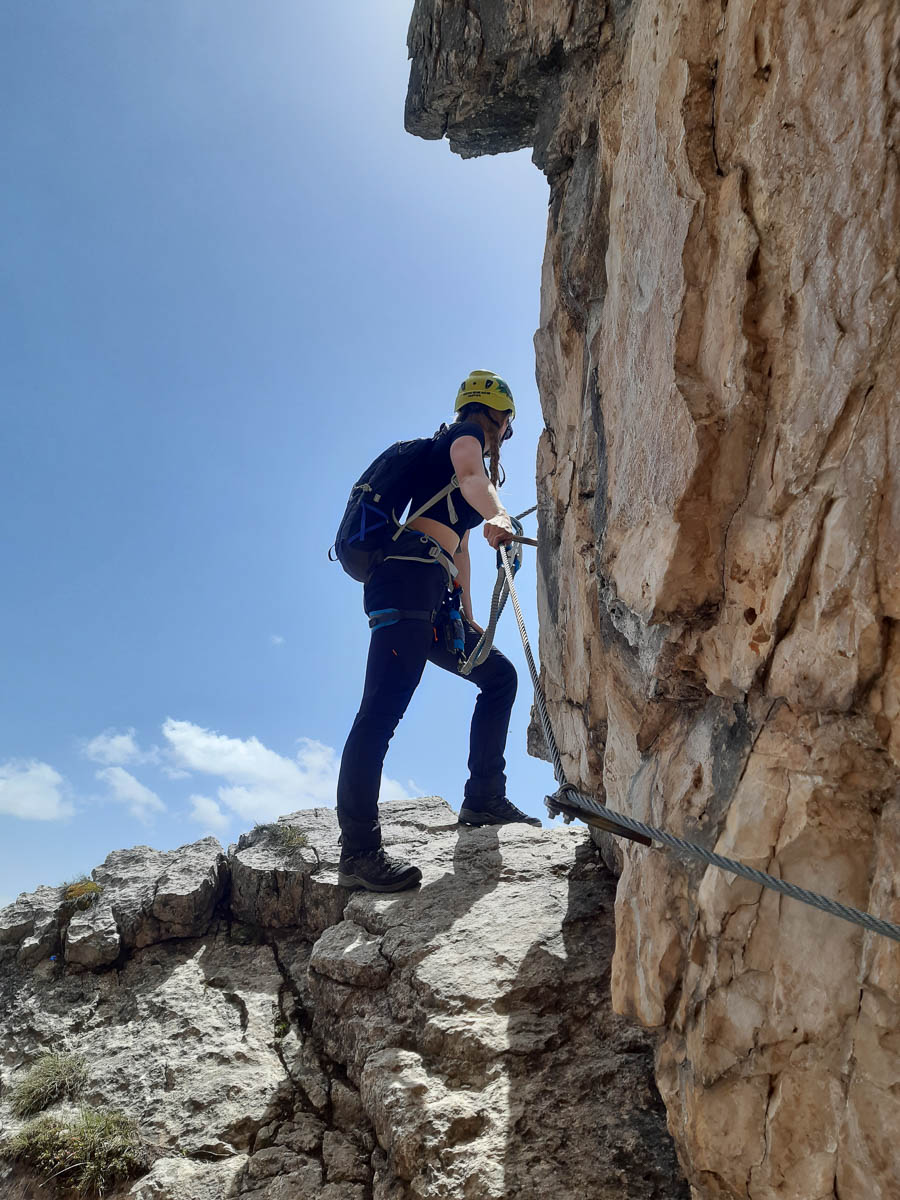
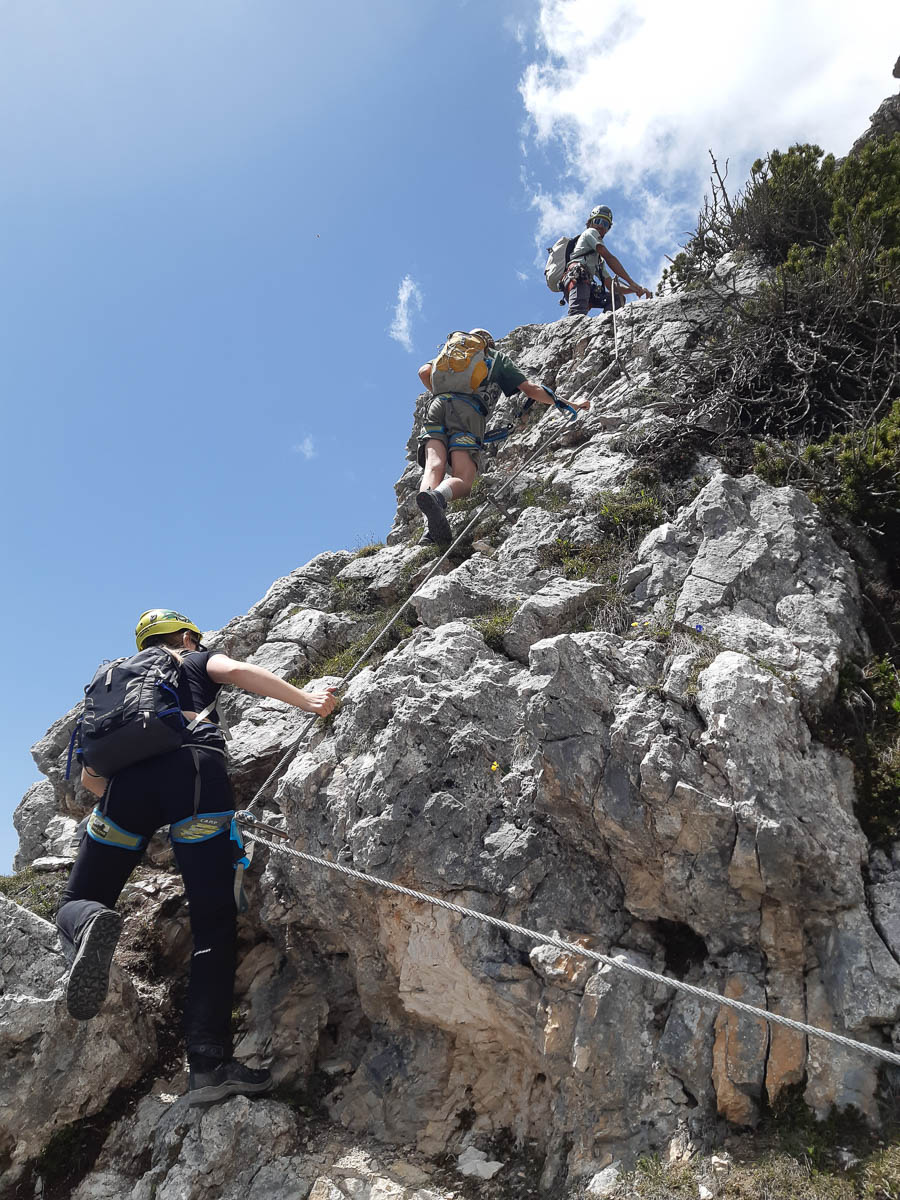
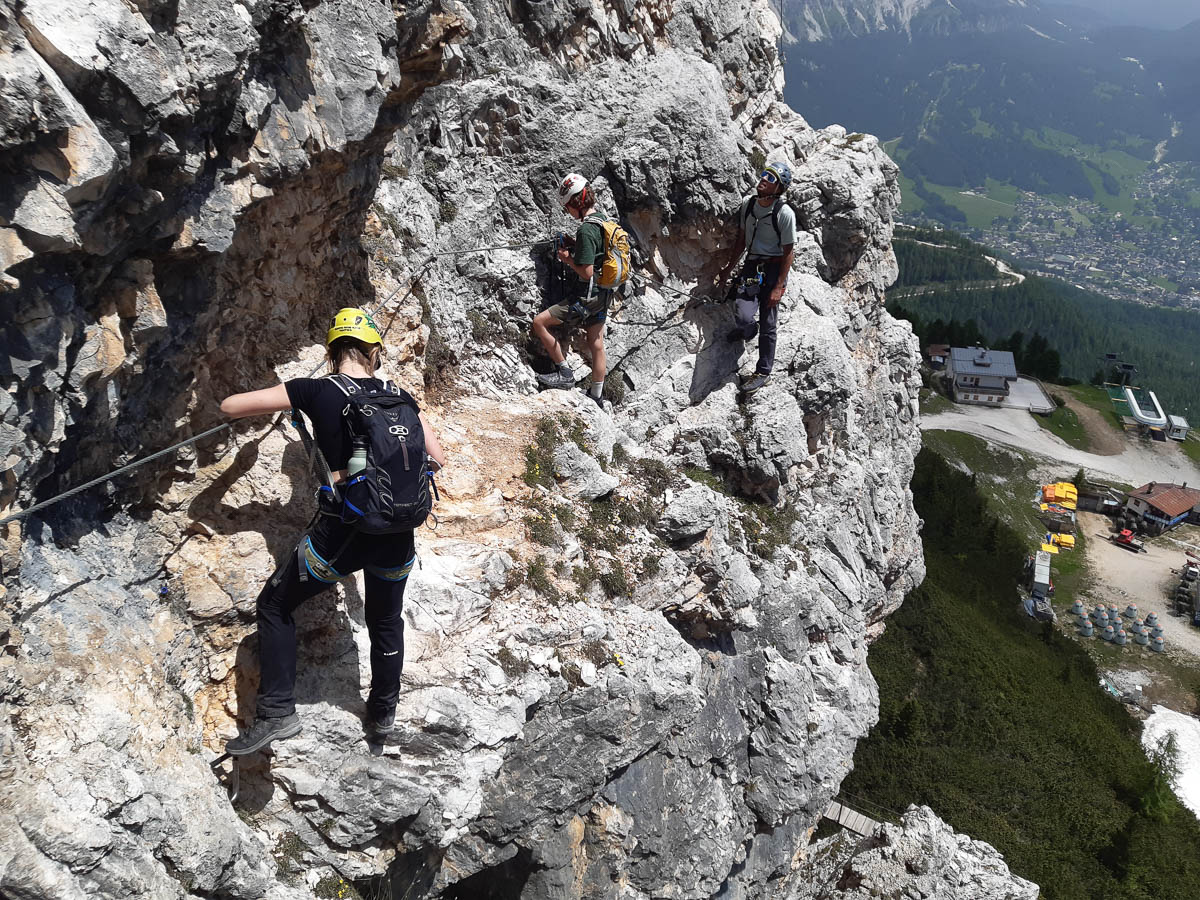
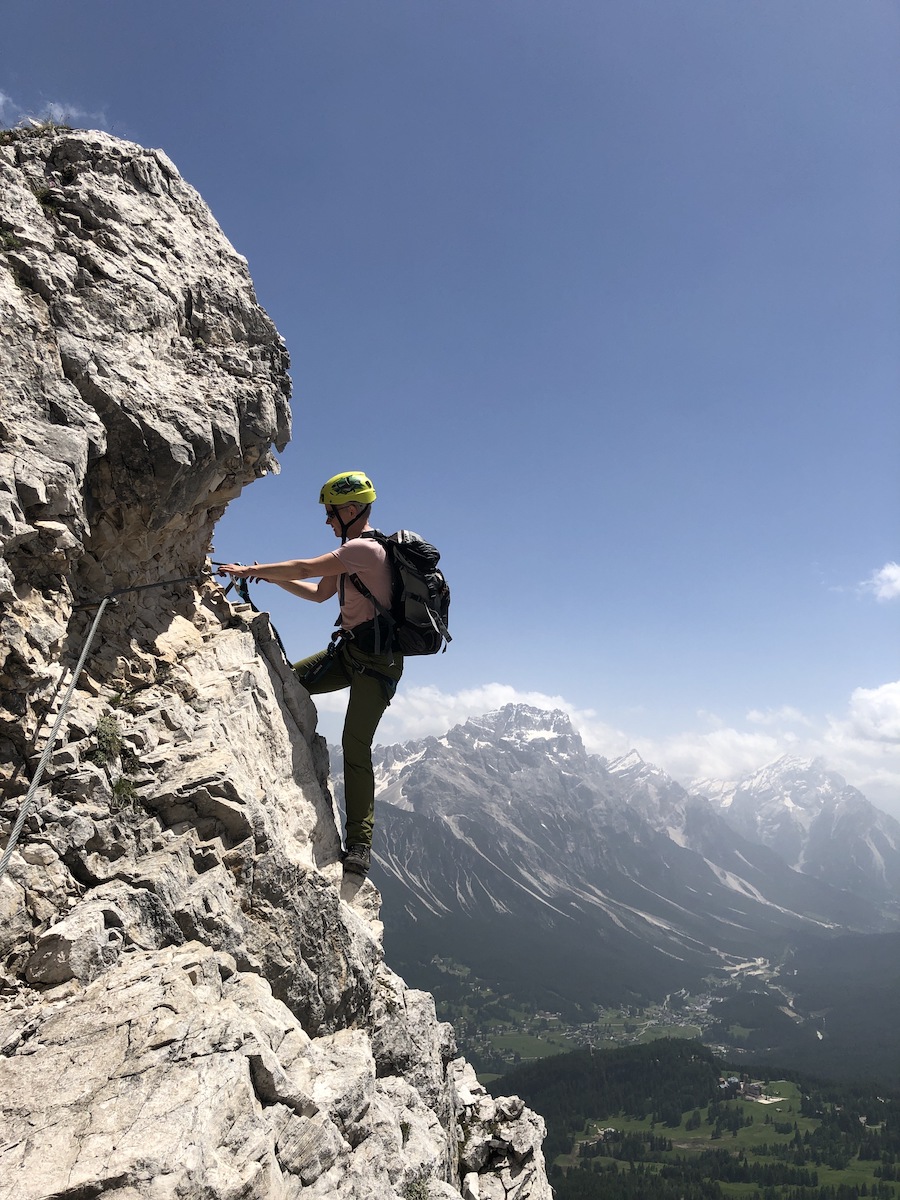
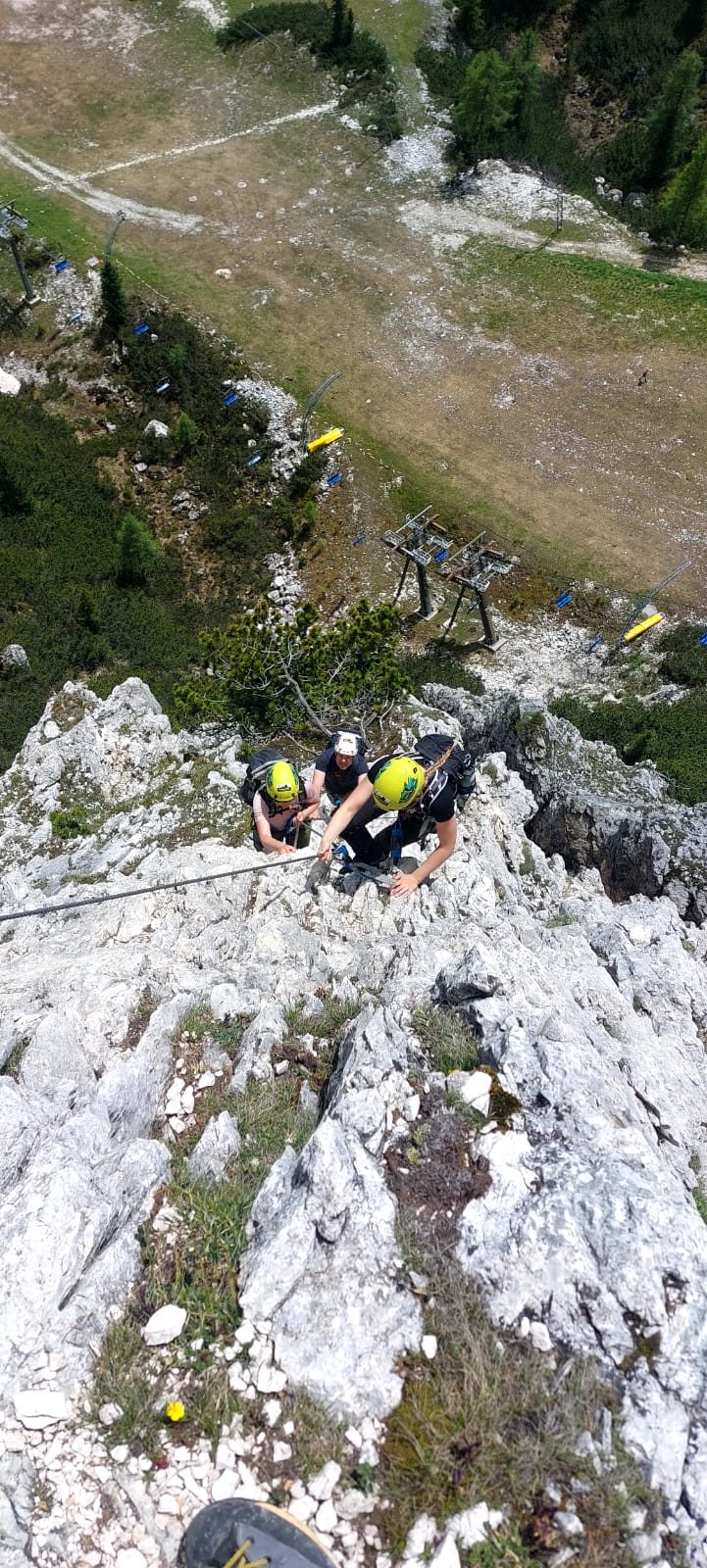
Today we went climbing via ferrata routes. If you haven’t run across that term before – it’s mountain climbing but with protection all the way. You’re climbing up and across cliffs while being attached to a steel cable by two carabiners at all times. Or, for our Estonian readers, it’s like the adventure climbing park in Otepää but in mountains instead of treetops.

Eric and I did this before, ages ago, before the kids arrived. We went on week-long holidays doing nothing but via ferrata climbing. Now that Adrian and Ingrid are old enough, it’s time to induct them into the club as well.

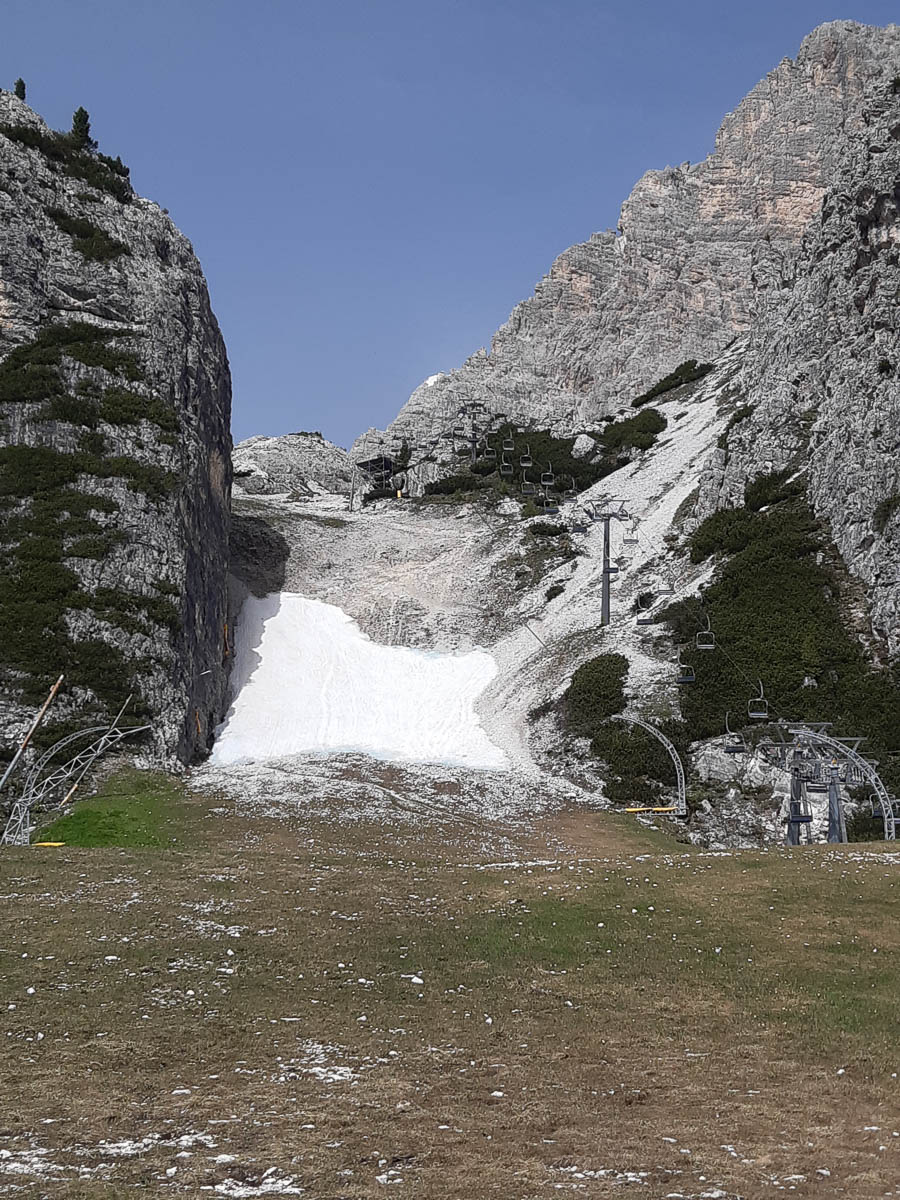
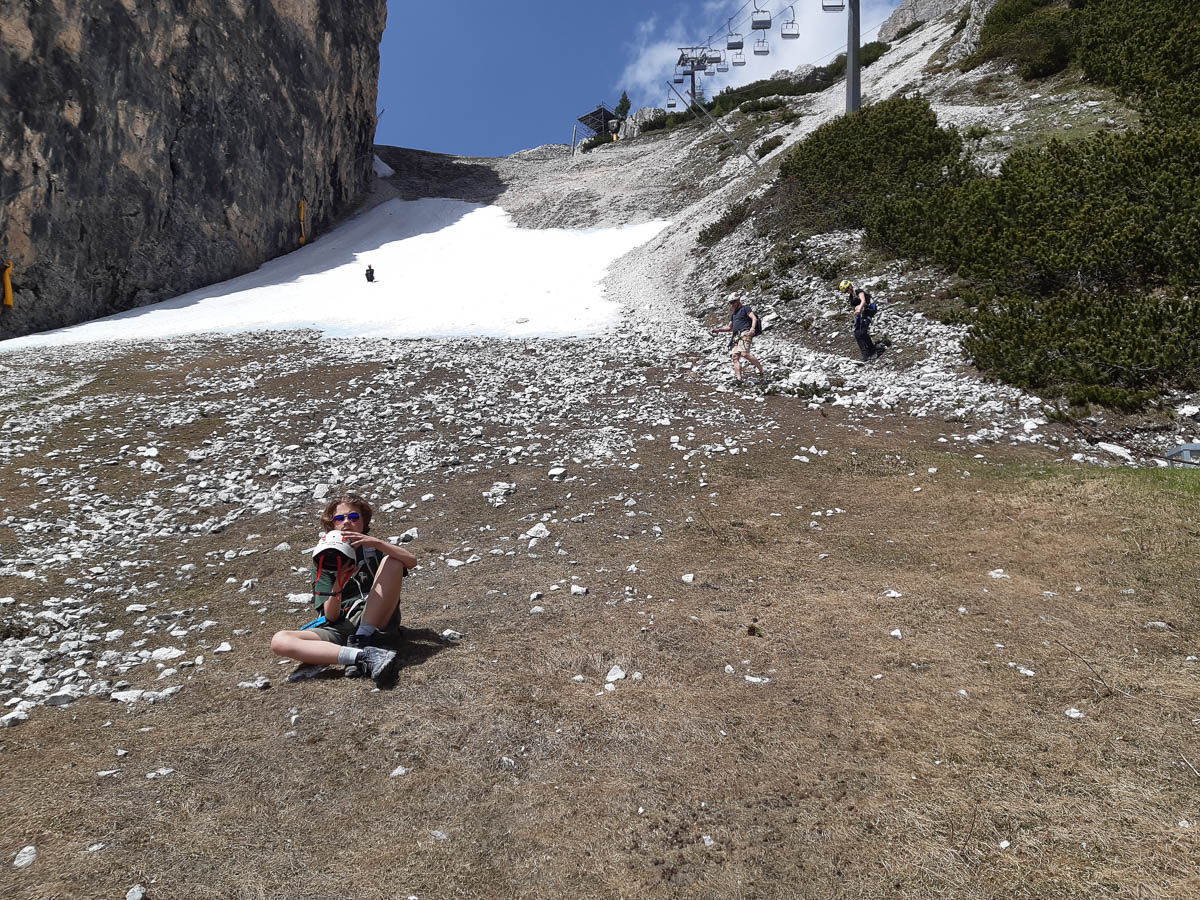
Cortina d’Ampezzo is a ski resort in winter, and there are cable cars lining the mountains in various directions. The two via ferrata routes we did today were in the middle of what is a ski slope in winter. Not just any ski slope – according to our guide, this is where the World Ski Cup runs happen.

The first route, Ra Pegna, is a beginner-level route and goes up the rocky tower on the left of the ski run.


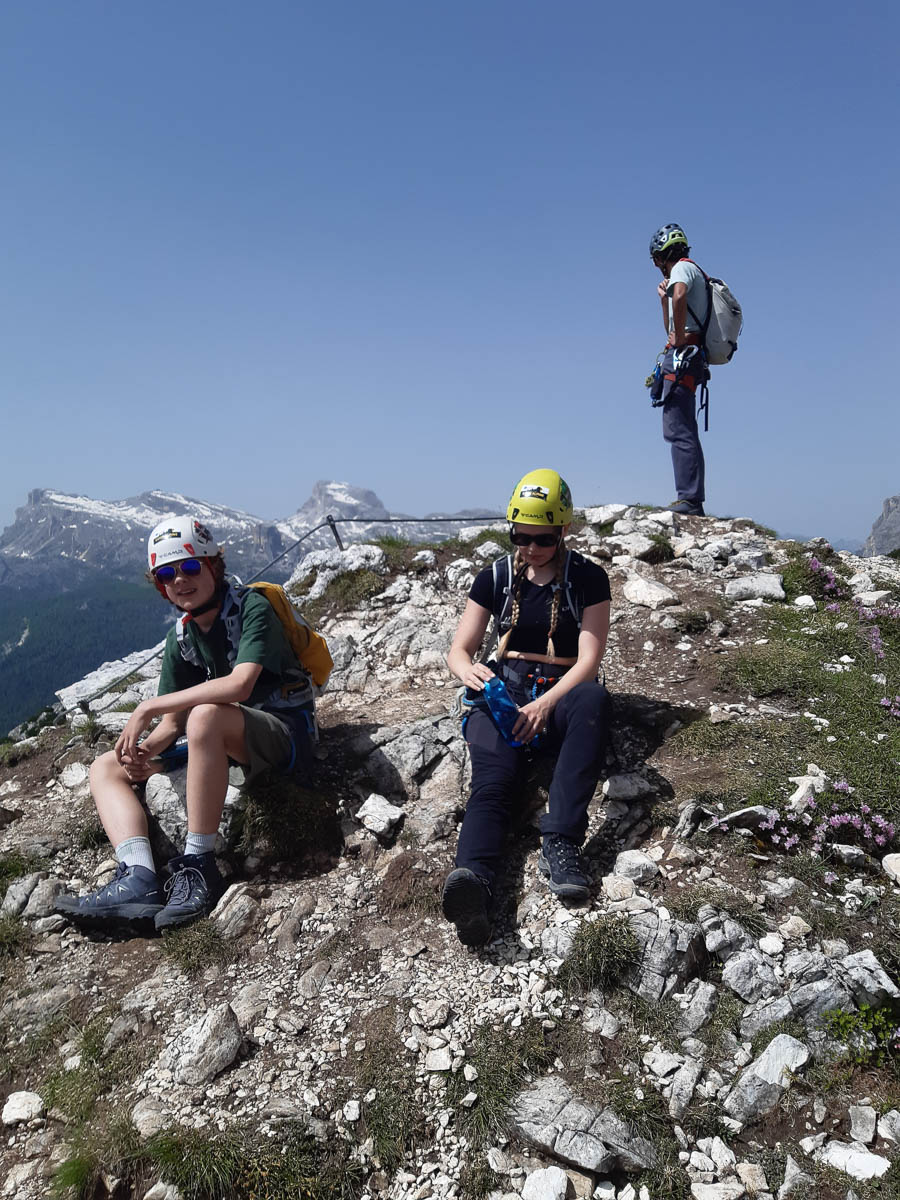
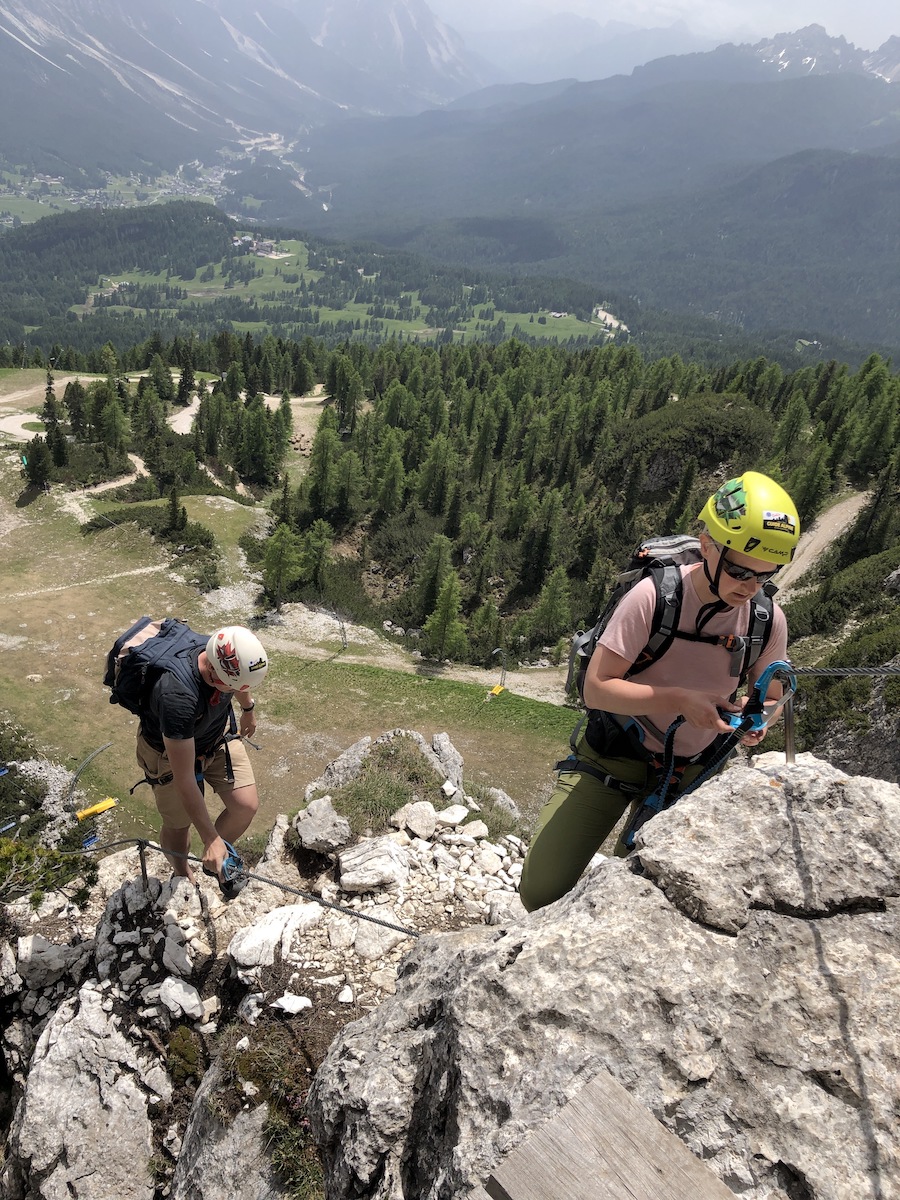
At the top of the tower, there’s actually enough of a flat spot that you can sit down and have a breather. (It was rather hot today.)

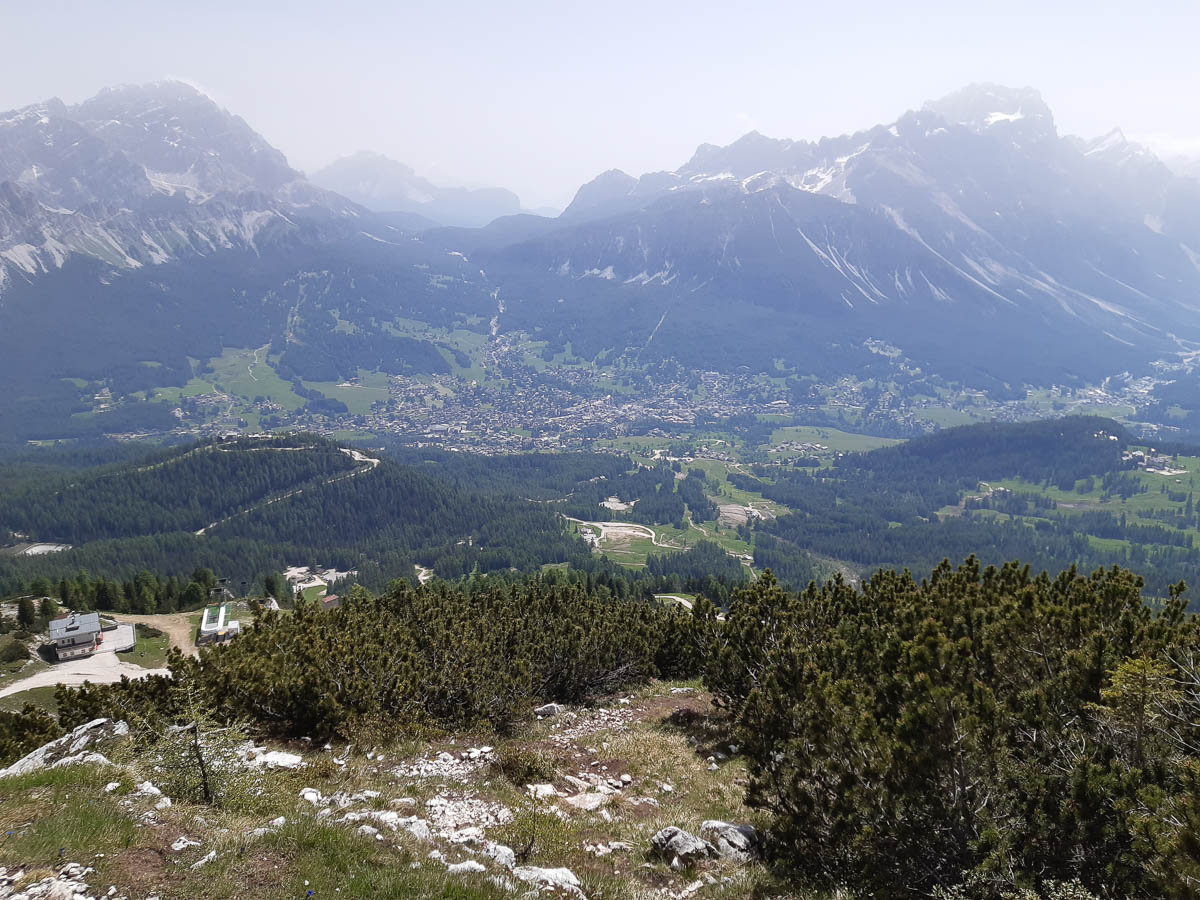
You can see the entirety of Cortina d’Ampezzo from there. San Vito di Cadore is just outside the frame, to the right.

As usual, coming down is more arduous and less fun than going up.

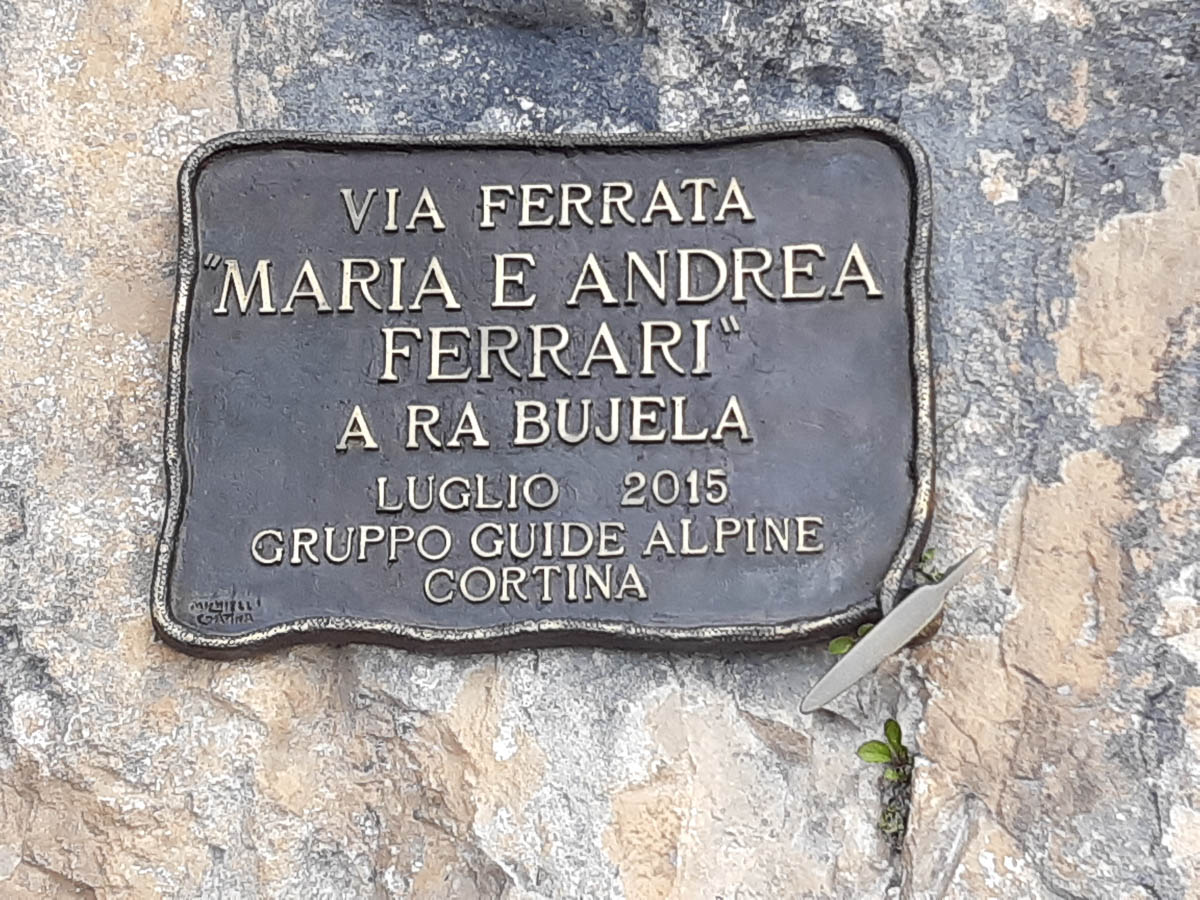
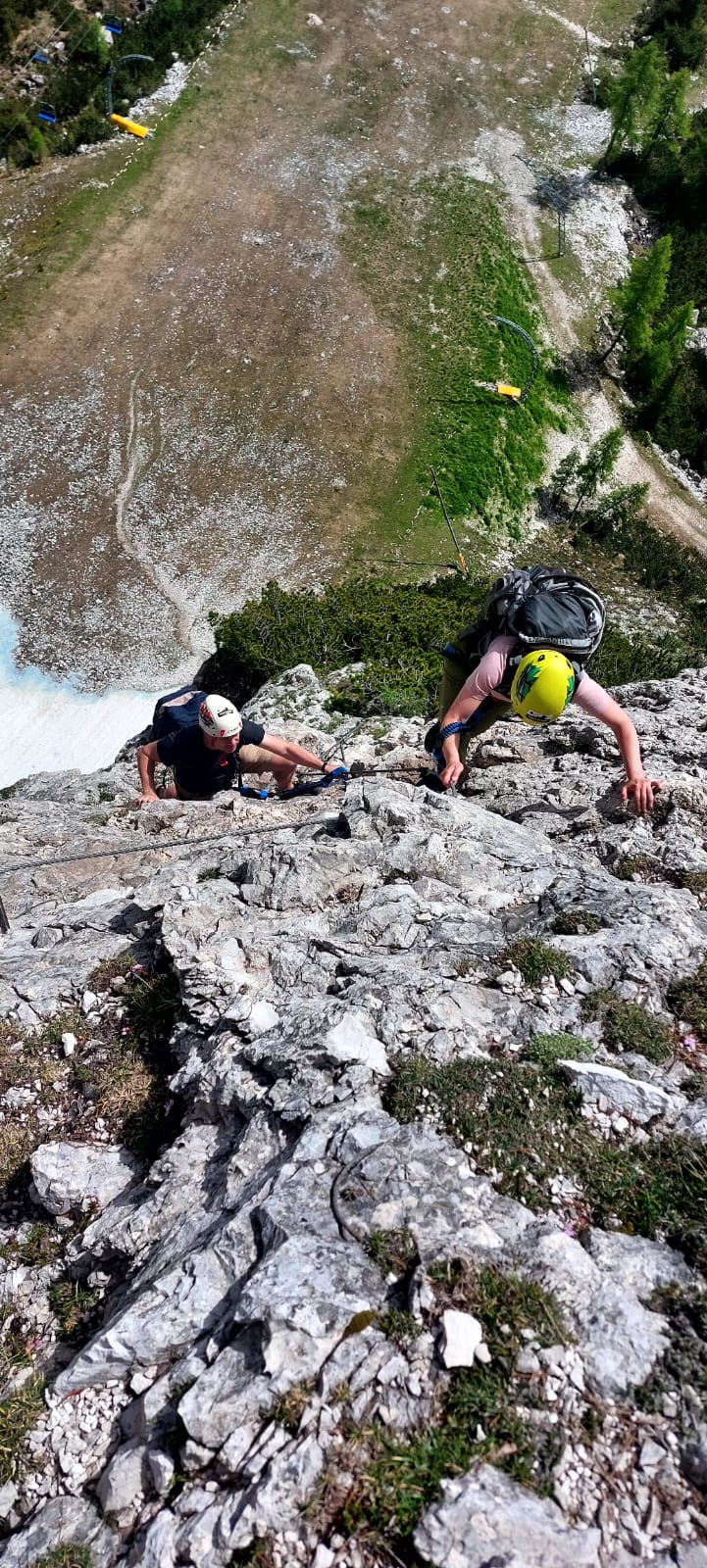
Now that we were warmed up (and had verified that everyone was up to the challenge and enjoyed this activity) we tackled the route up the right-hand tower, called Ra Bujela, somewhat more difficult and longer.

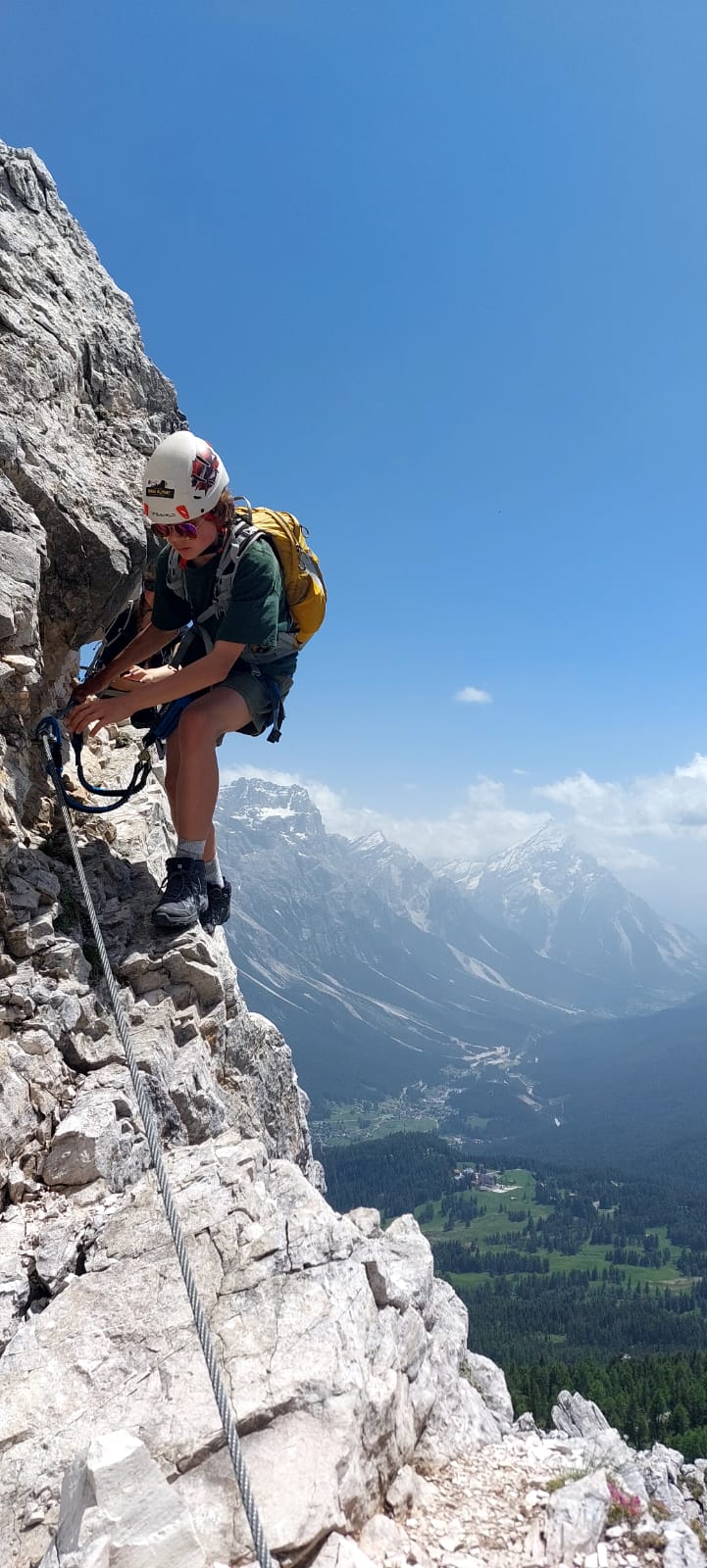
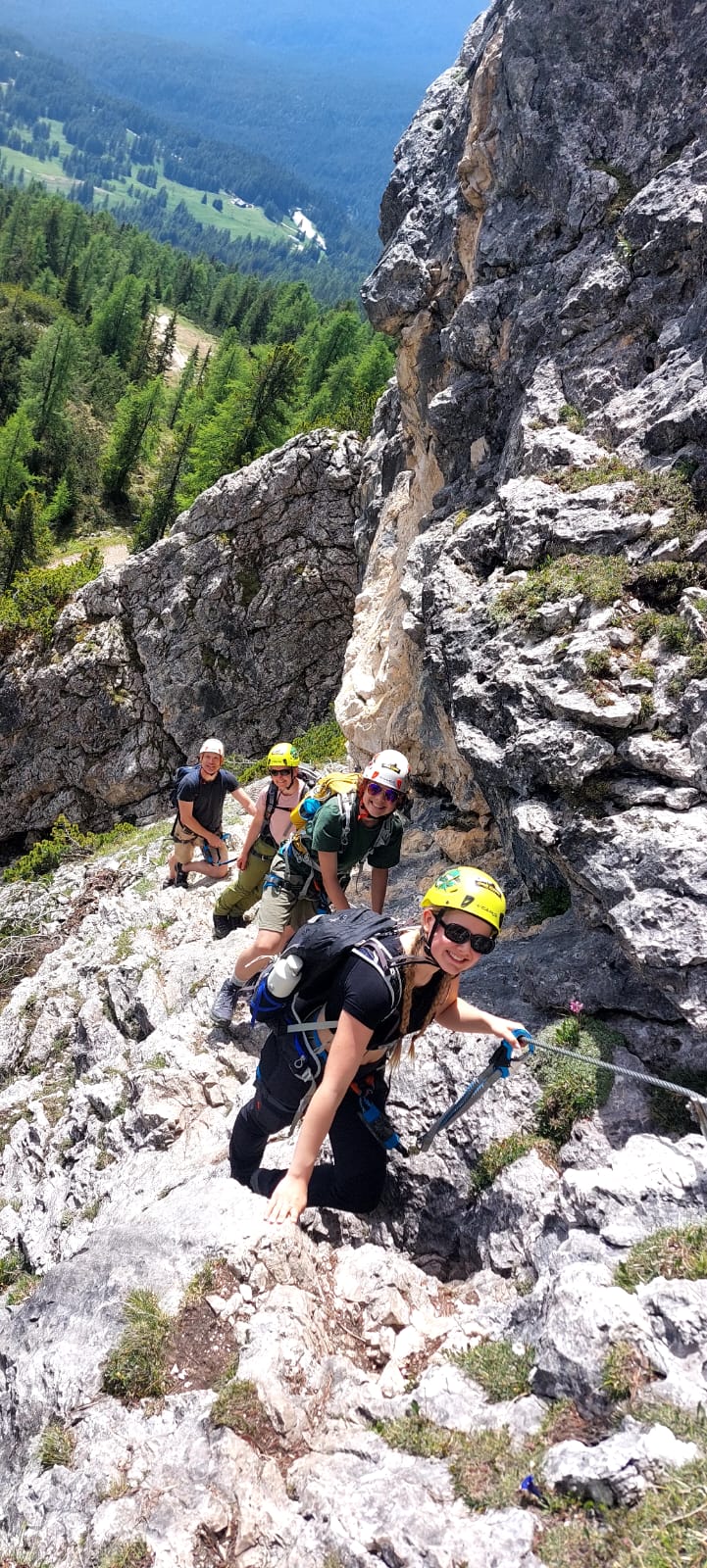
It was trickier to find a good handhold or foothold at times, but our guide Manuel was at hand and attentive, and ready to give advice when needed, so we all got to the top without any real trouble.


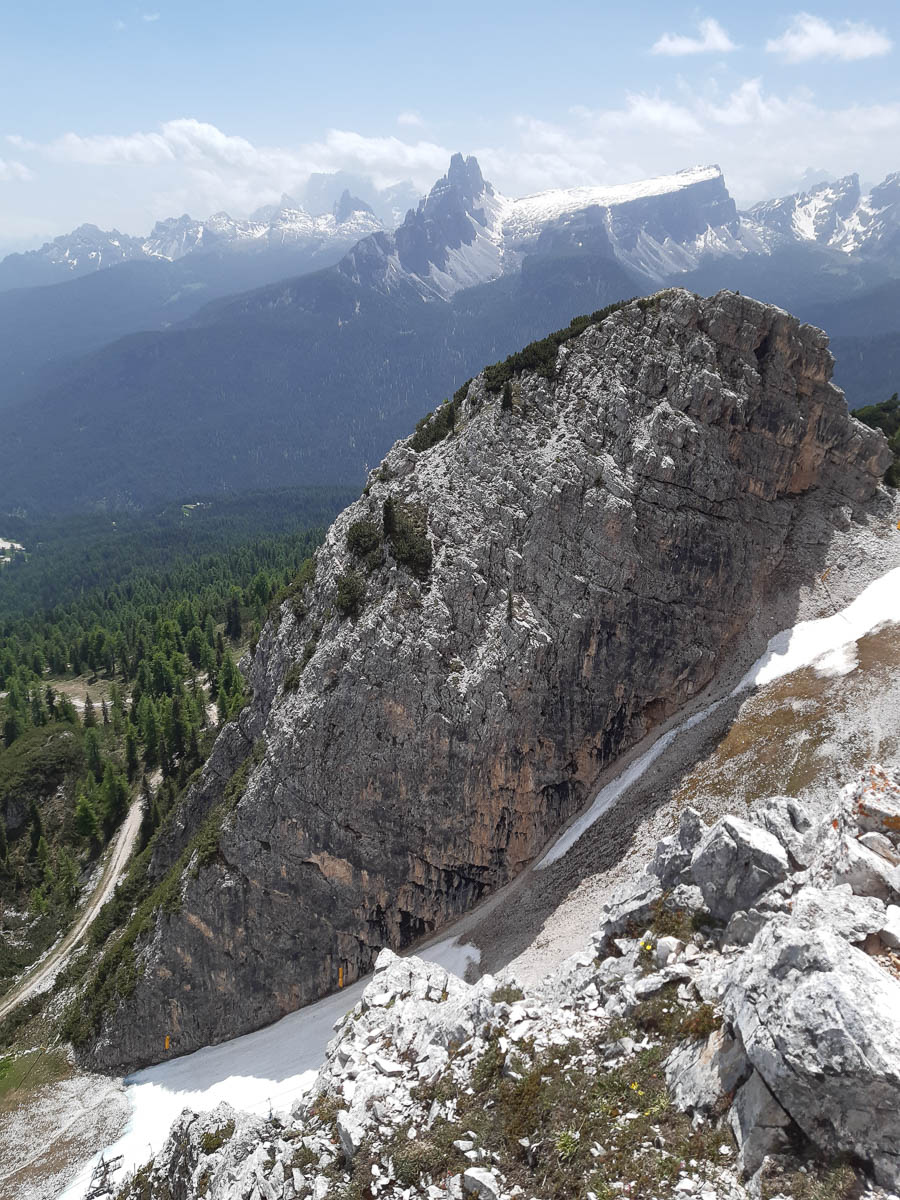
From there we could see Ra Pegna in all its glory.

Here are some photos by Ingrid to show that I was also there:


And some more photos by our guide Manuel:

This morning we left Venice and Mestre behind and drove to Cortina d’Ampezzo.

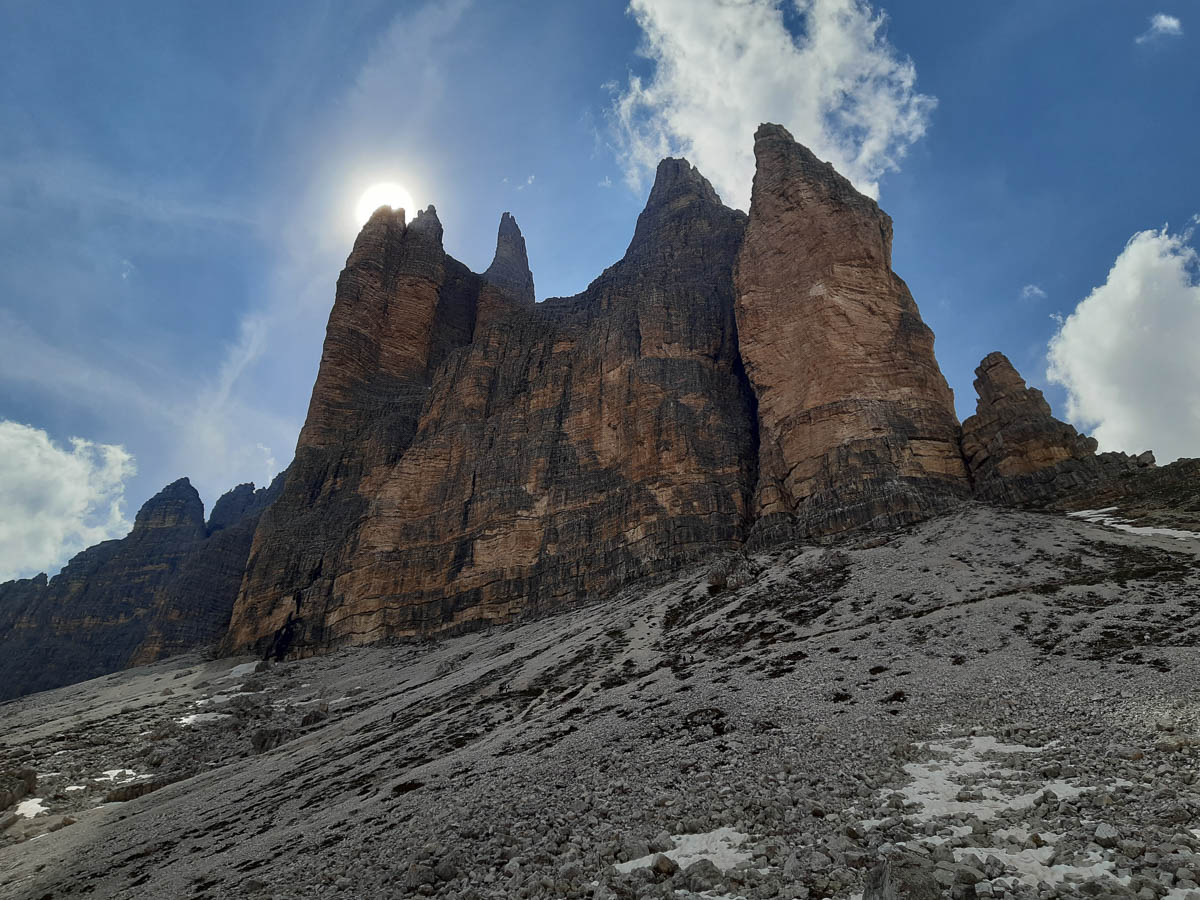
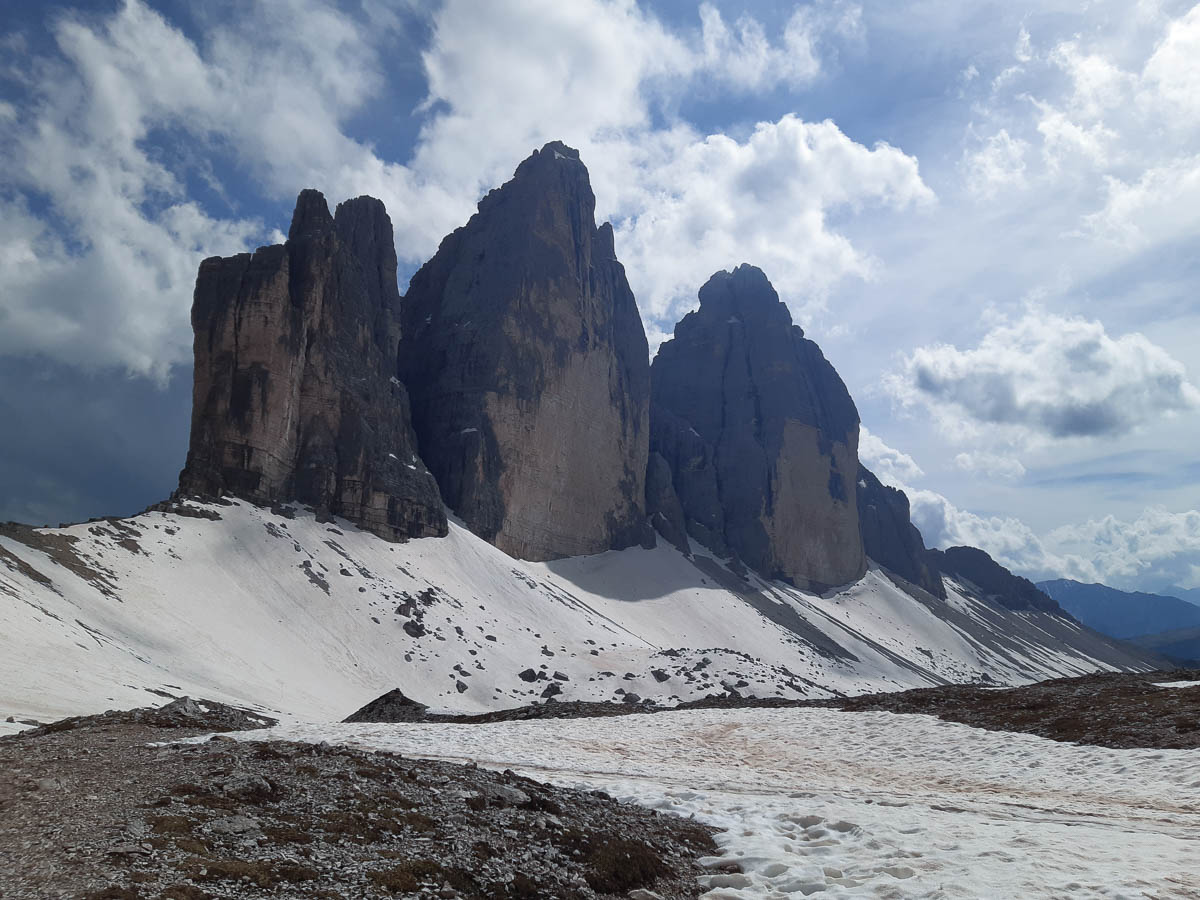
In the afternoon, we hiked the loop trail circles around the famous three peaks of Tre Cime di Lavaredo.

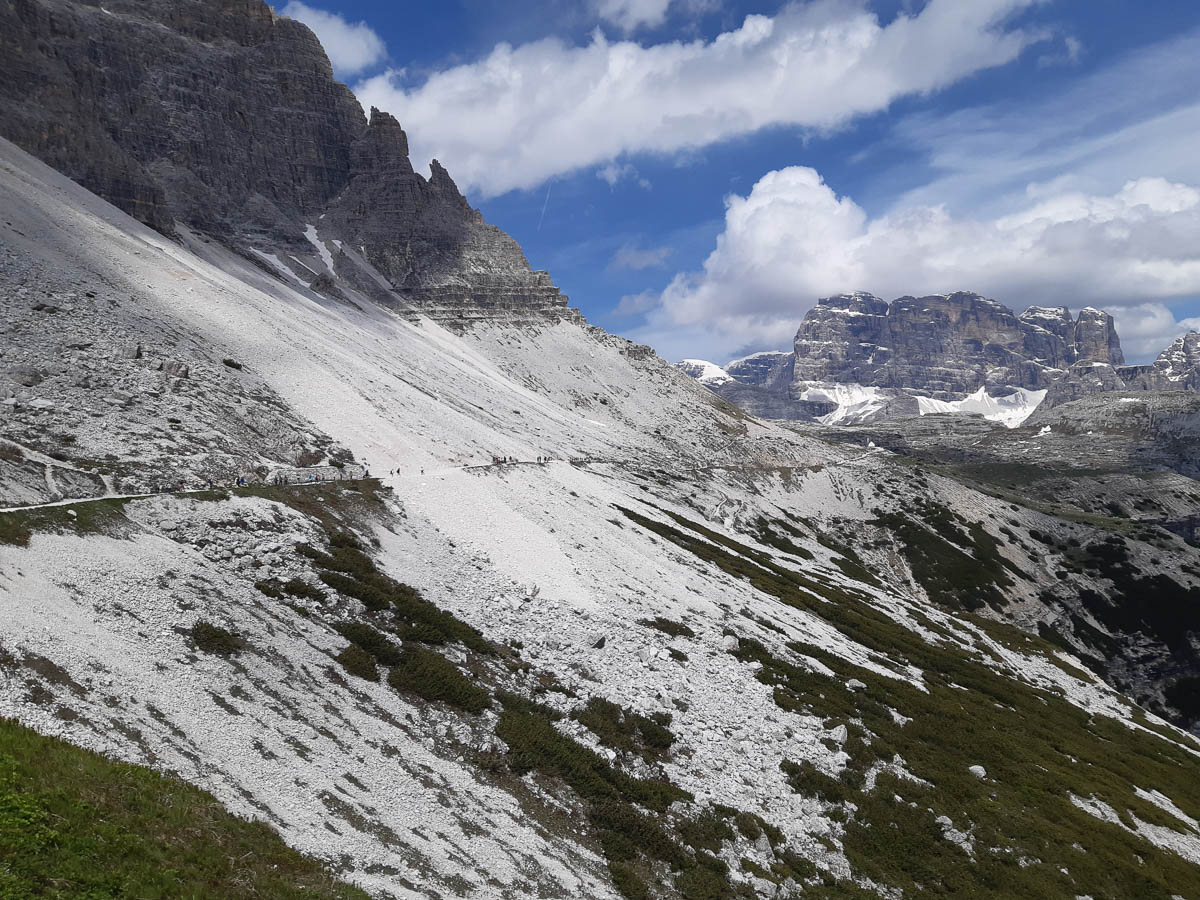
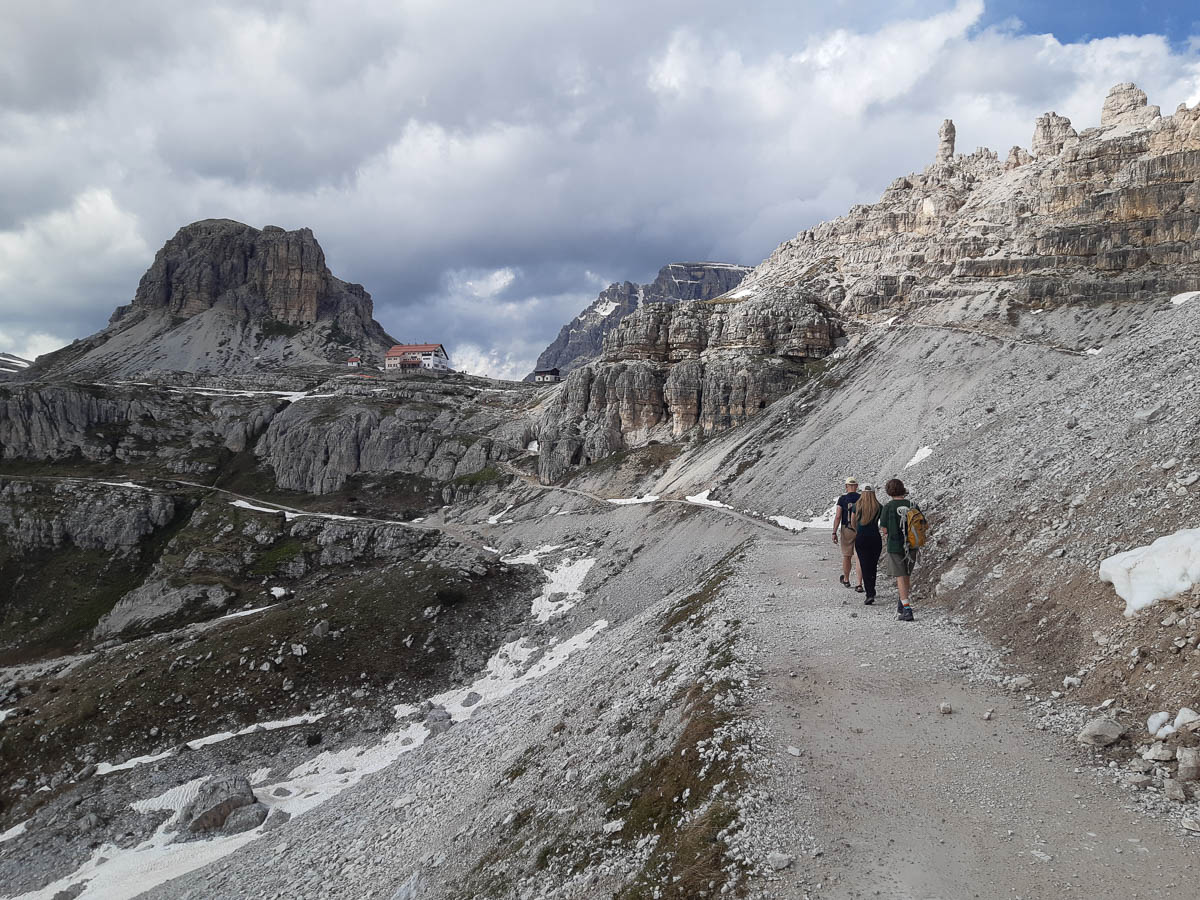
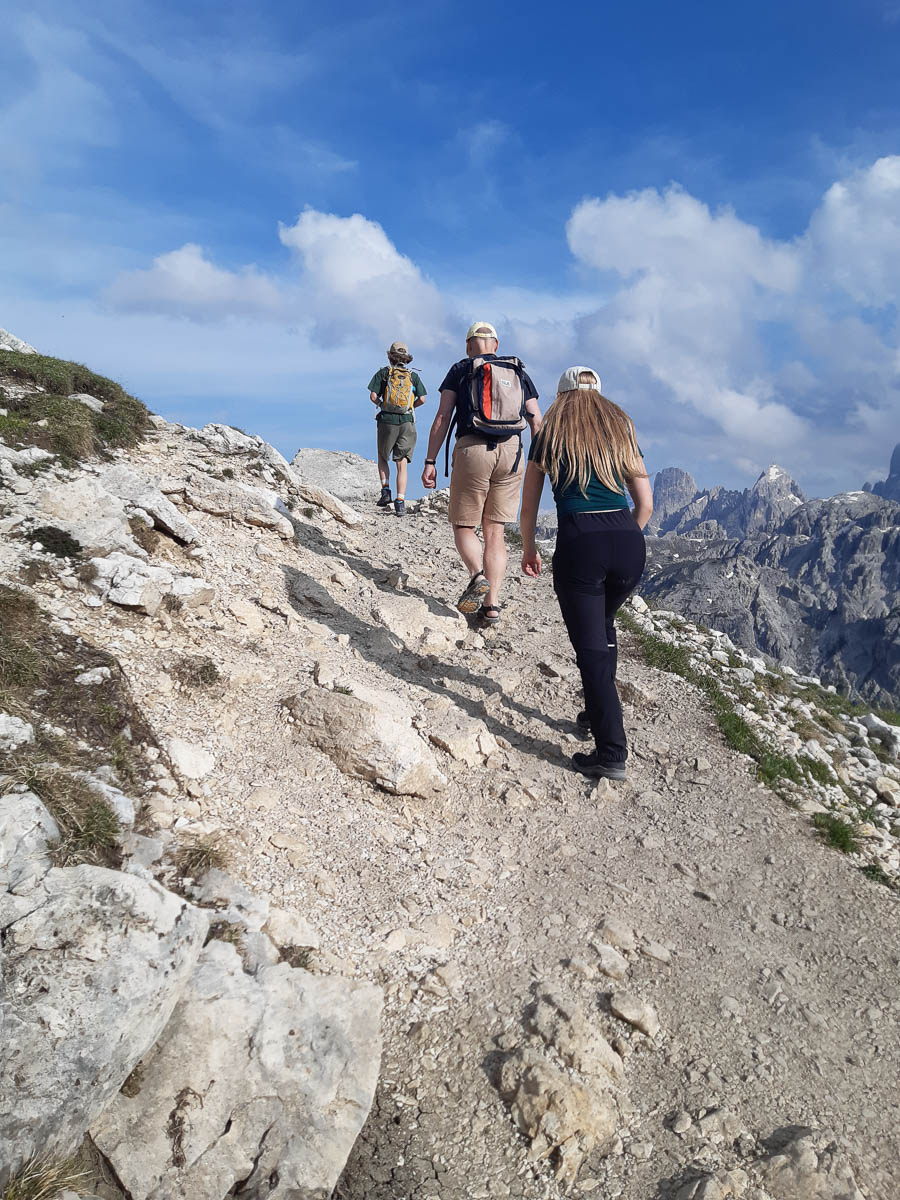
Starting at the Rifugio Auronzo, the trail initially loops behind the mountains, so you can’t see them very well. But the trail is pretty stunning in and of itself.

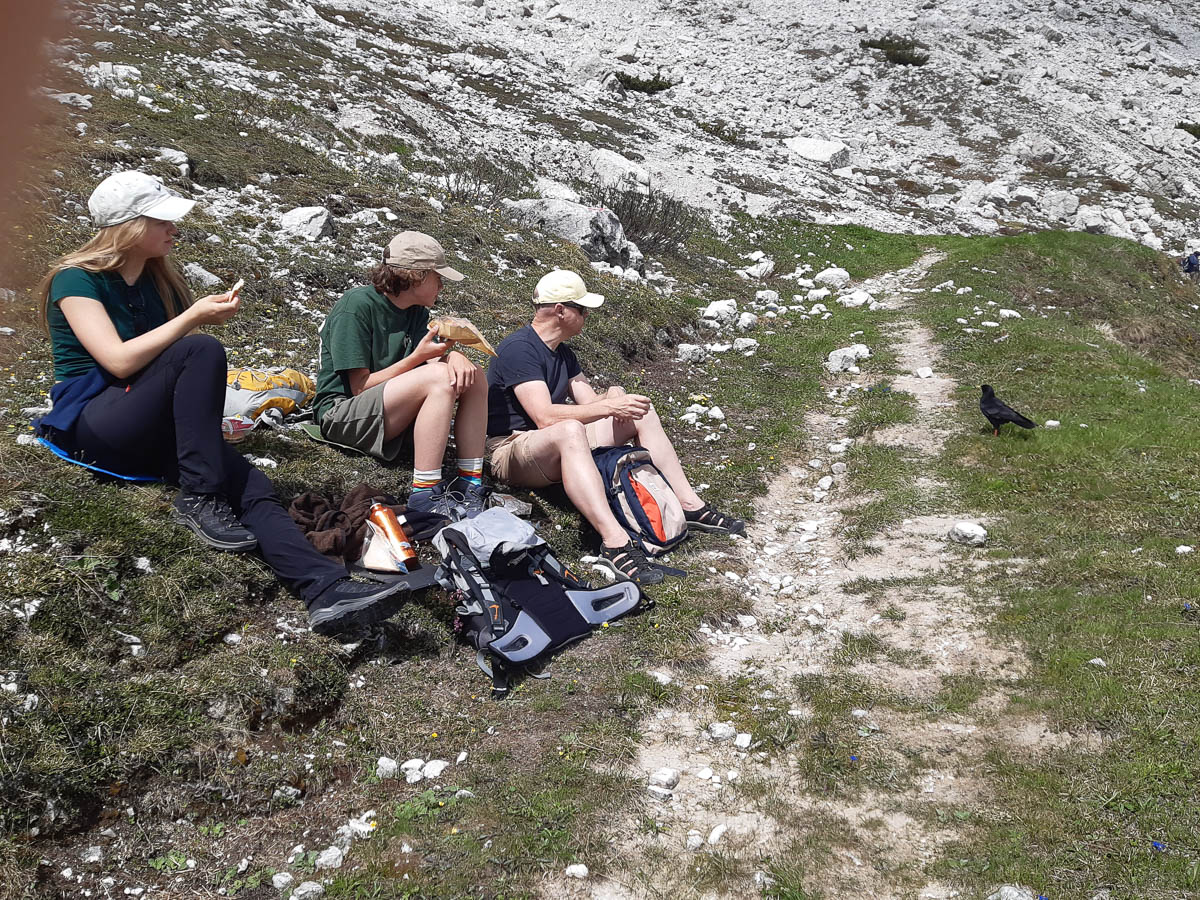
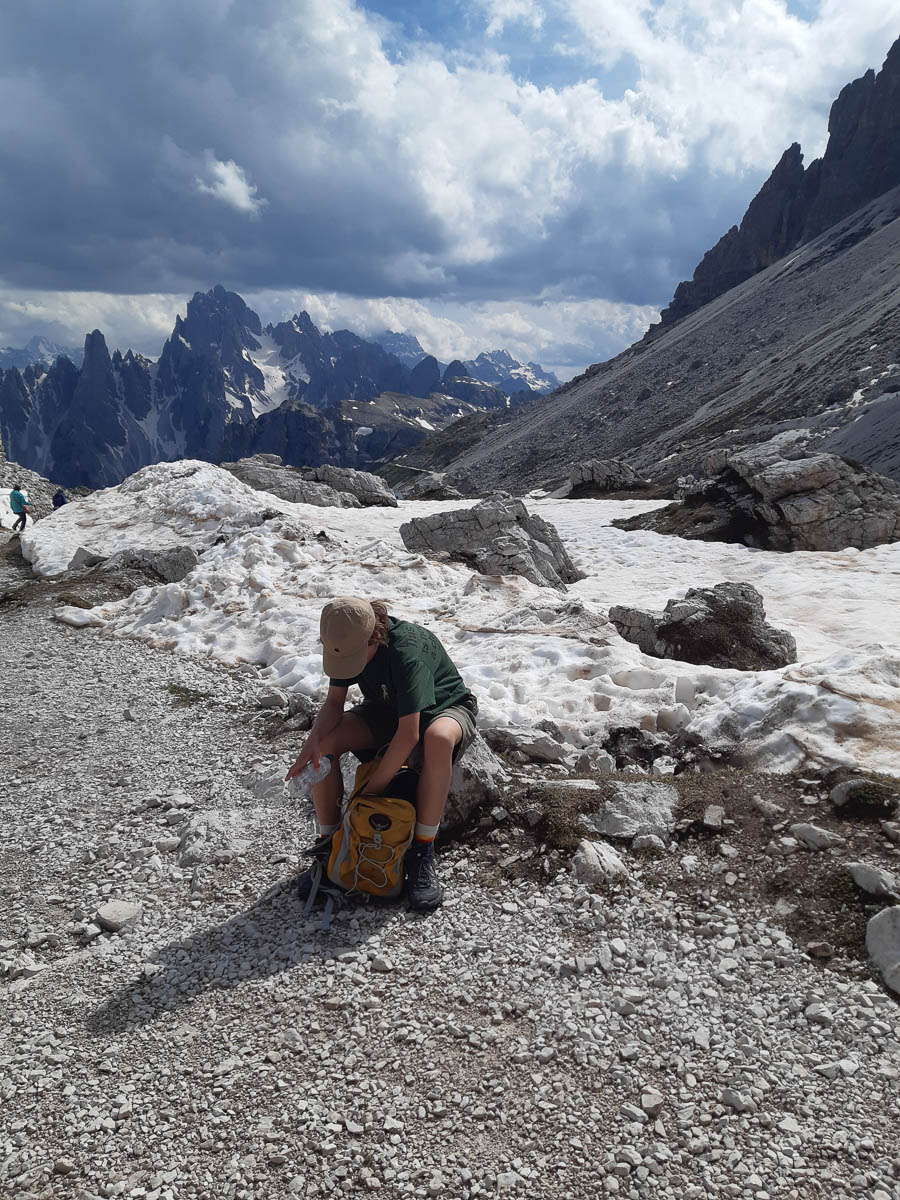
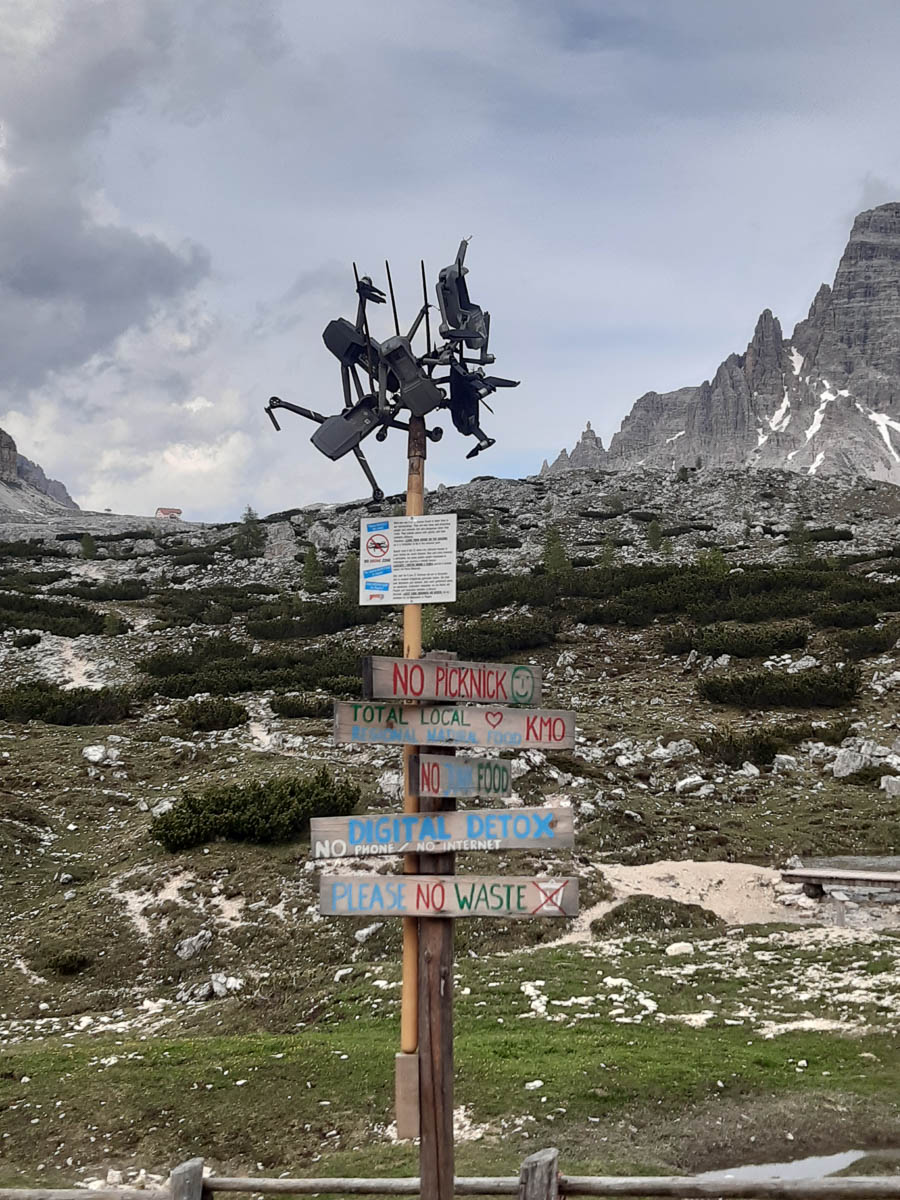
We had a late picnic lunch as soon as we found a place where we could step off the trail a bit. Immediately, birds approached us in the hopes of food scraps. Looks like alpine choughs are the gulls of the mountains.

(And I am clearly a noob when it comes to using my phone camera, even getting my finger in the picture. That just never occurs with an actual camera – you’d have to make a real effort to make that happen.)

The start of the trail is just over 2000 metres above sea level, but since we gained all of those 2000 m of altitude in just half a day, we felt them. Nothing like real altitude sickness, but enough to make us feel slightly short of breath when walking uphill, so we had to pause quite often.

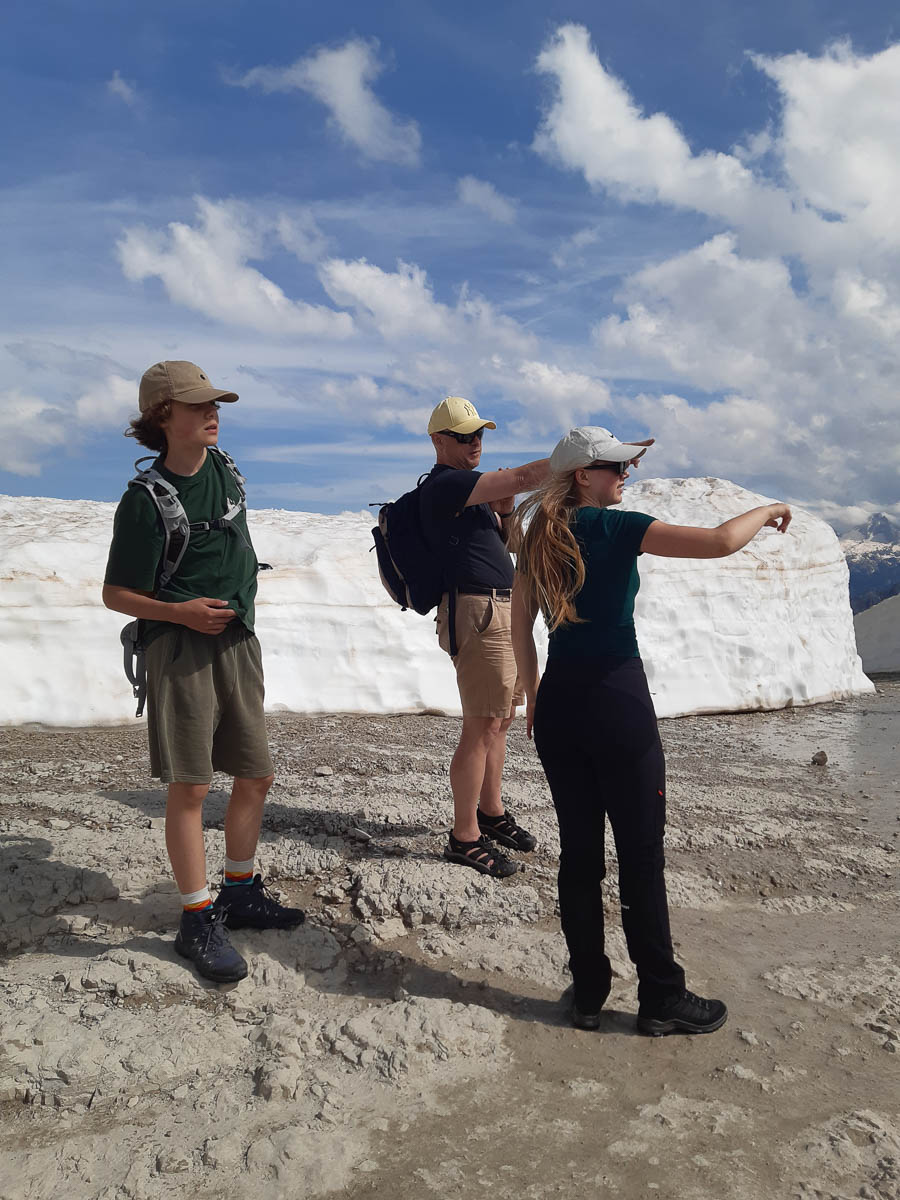
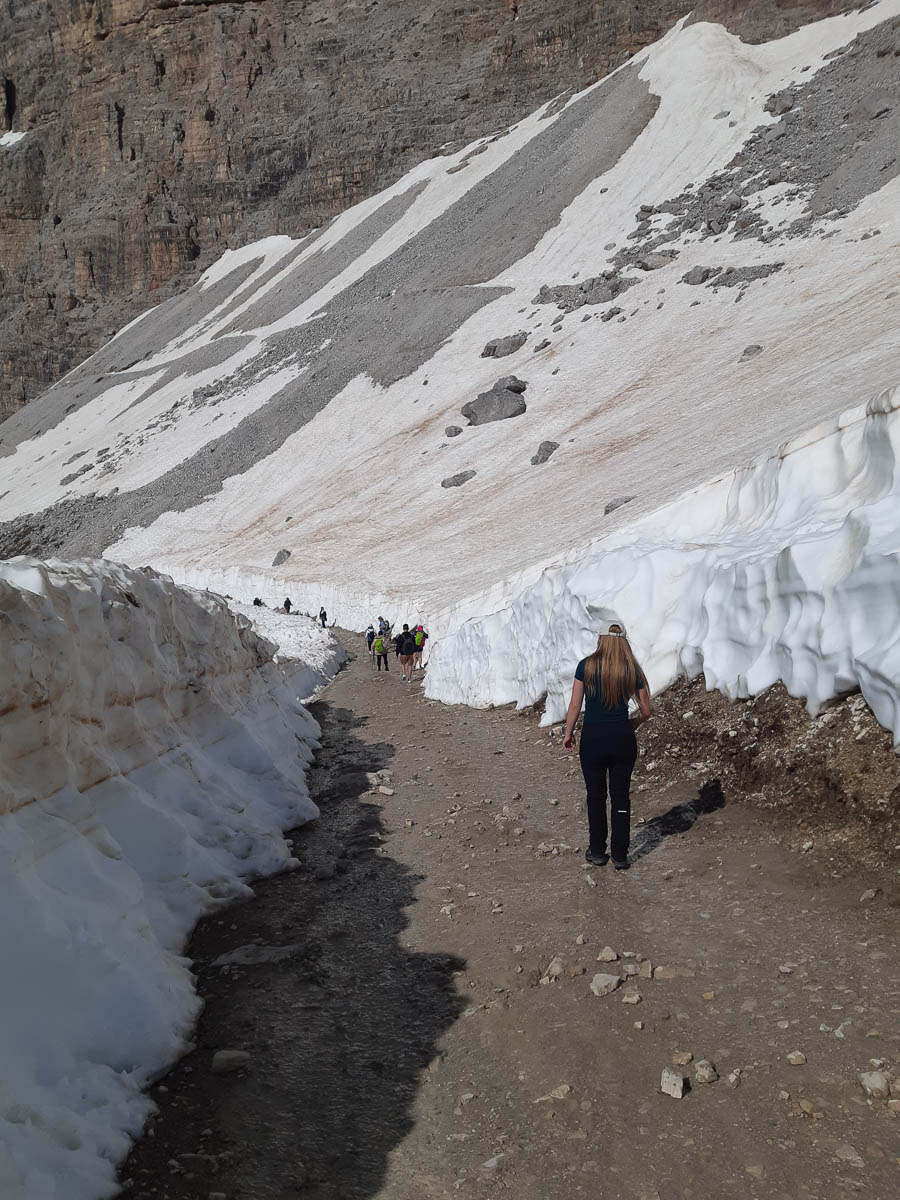
There were still significant amounts of snow up there – packed drifts taller than us. The sun was quite hot, and the trail was like a little stream in places.

The trail itself had been cleared of snow, so we were walking in a canyon between tall walls of snow.

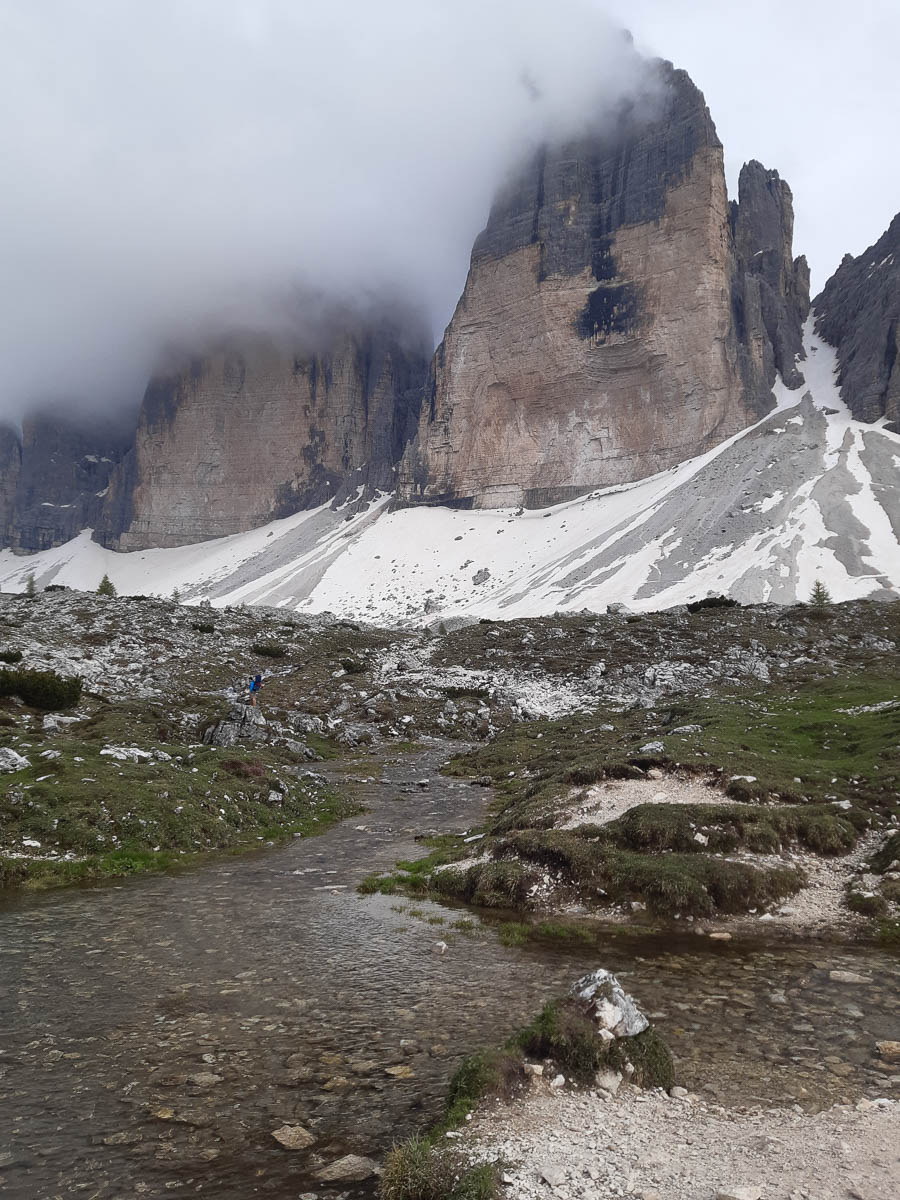
Rounding the mountain, the shapeless lump was starting to separate into three distinct peaks…

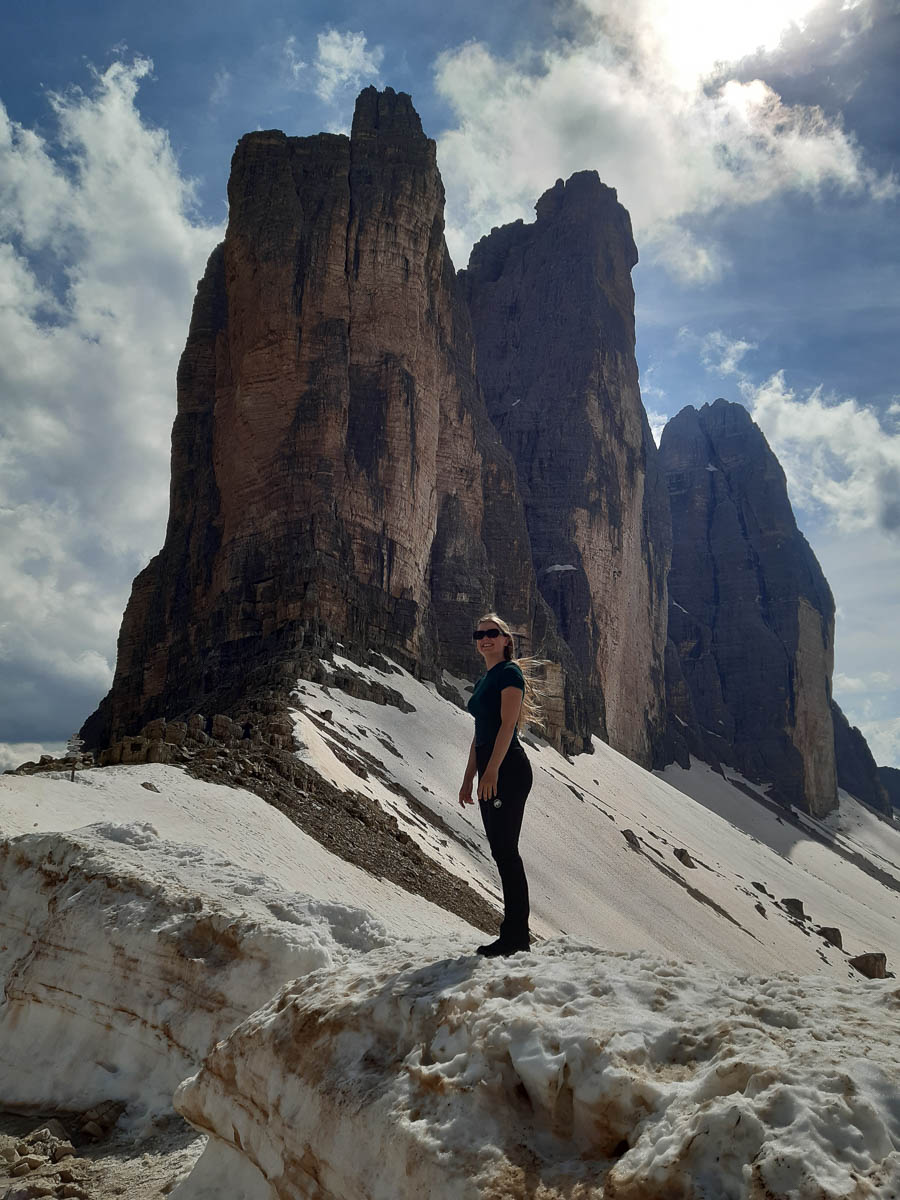
… and a kilometre later, we got those dramatic vistas of the peaks nicely lined up next to each other.

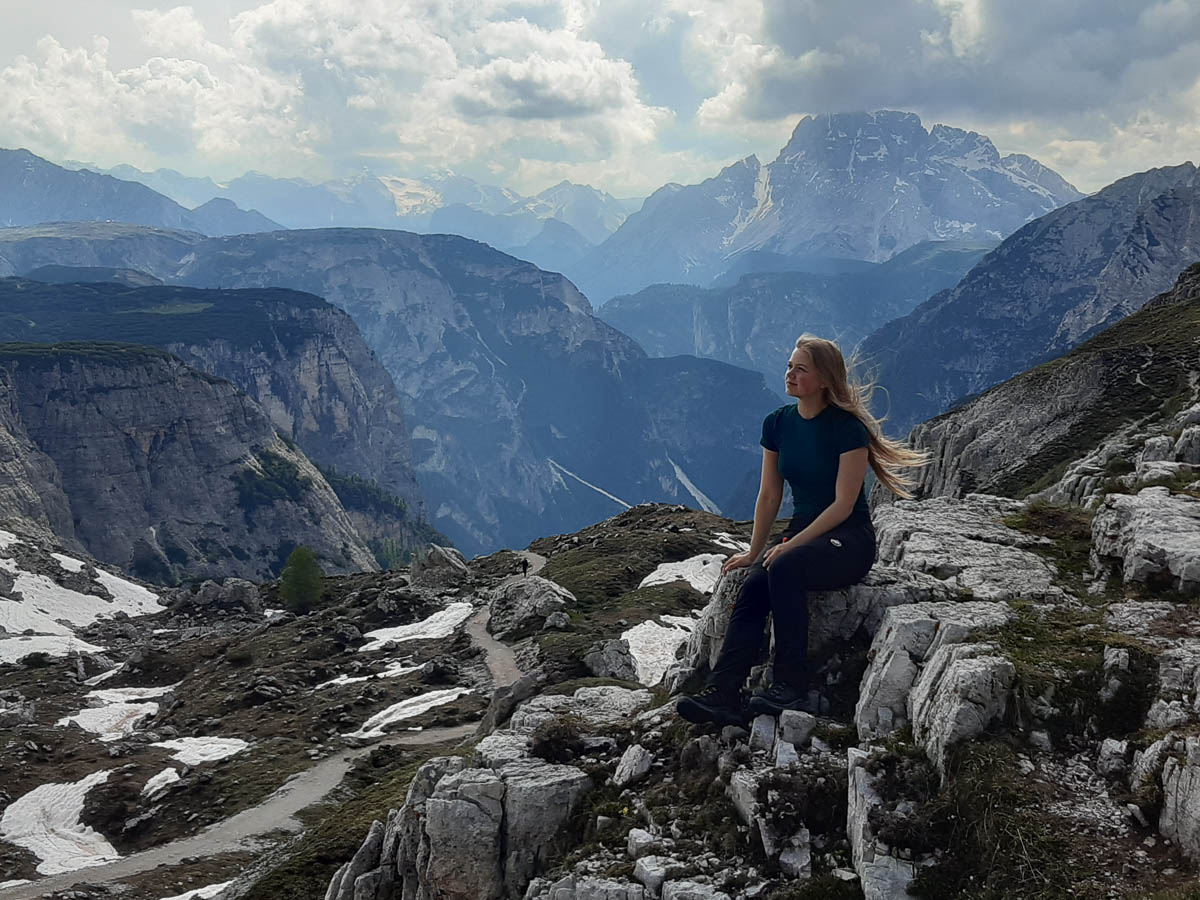
Many people seemed to turn back at this point. Got the views, done. We continued along the trail as it circled a wide valley to the north of the peaks, with more beautiful views.

There was some threat of rain but nothing that actually materialized.

The Dolomites are generously equipped with huts, much more than I am used to seeing anywhere else I’ve hiked – we passed 4 rifugios during the 10-kilometre loop. I can imagine how crowded it must get here during high season.

The last ridge is never actually the last ridge!

Bonus photo by Ingrid:


Went to a nature photo club meetup.

I joined a nature photo club some while ago. I’ve been paying membership fees for a couple of years, and skimming the members’ magazine, but never actually joined in any of the activities. Each issue of the magazine felt less and less relevant and I was in the process of cancelling my membership. Someone wrote back and asked why, and reminded me of their upcoming event, and I thought, why not give it another, proper try. So I attended the next event – an outing to Sandemar nature reserve.

The group consisted of 90% men of mature age, and one woman roughly my age. (And one guy’s wife, but since she wasn’t there to photograph, she doesn’t really count.) Everyone came equipped with big telephoto lenses, aiming to photograph birds. And then there was me, with my micro 4/3 SLR and a macro lens.

Sandemar nature reserve is on the coast, and is a popular nesting area for water birds. The day was very windy and the birds weren’t co-operating much, so in the end I think I came home with more photos I was happy with than most of the rest of them. I photographed tiny flowers (because the smaller and lower they were, the less they blew around in the wind) and lichens, because those were very good at staying still.


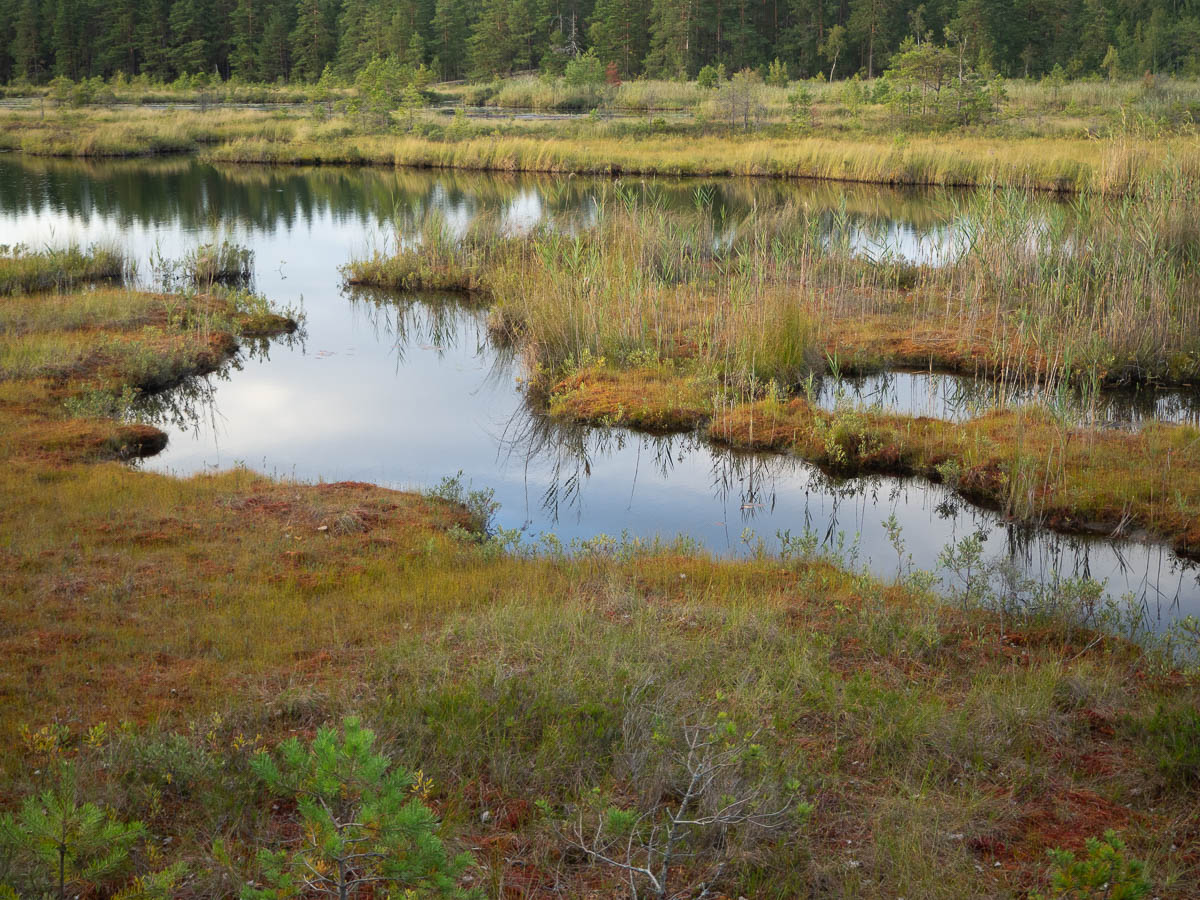
After the meetup was officially over, three of us continued to the other end of the nature reserve, where there are bogs. There was some interesting flora there, but I was a tired by that time so the photos of those didn’t come out very well.


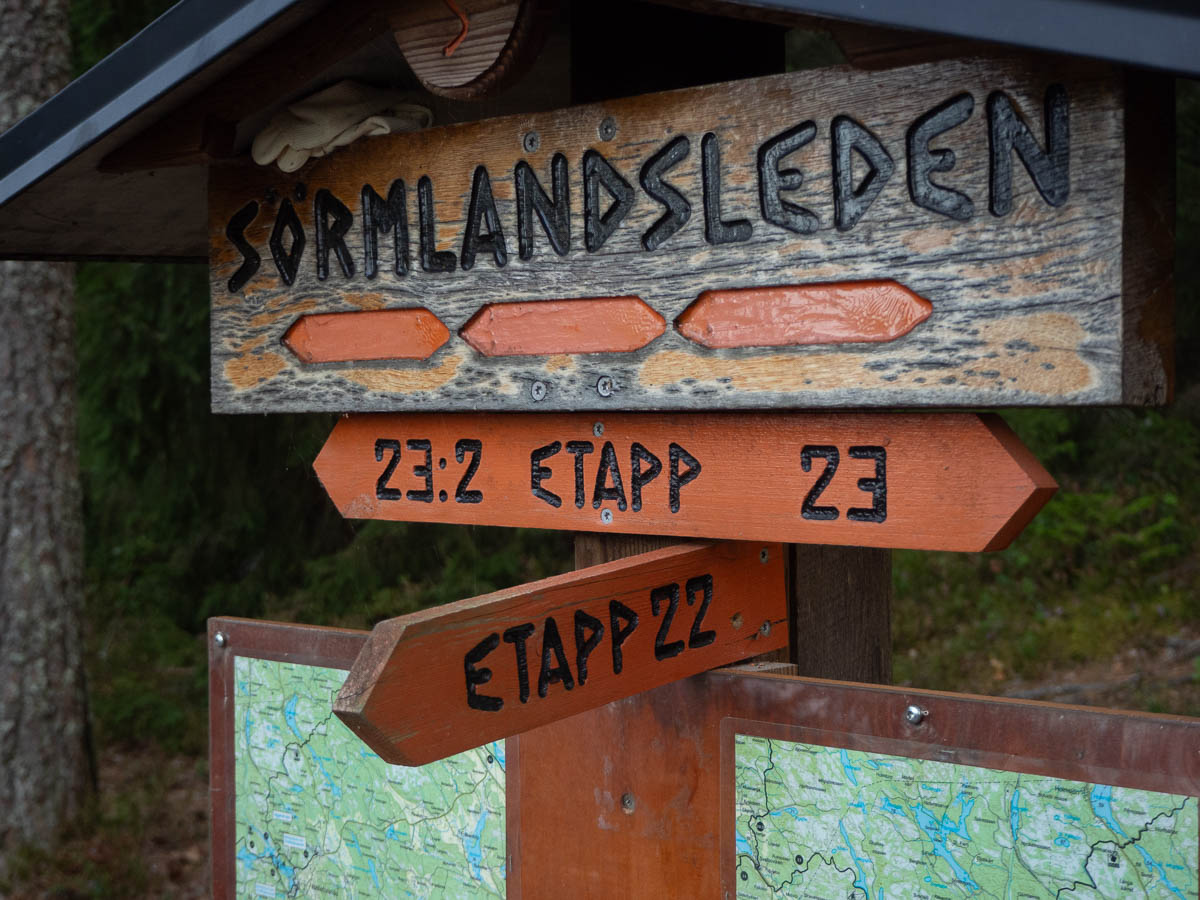
It’s “health week” at tretton37, which includes both a step challenge and group activities, one of which is a hike of the first stage of Sörmlandsleden (which gave us plenty of steps for the step challenge).


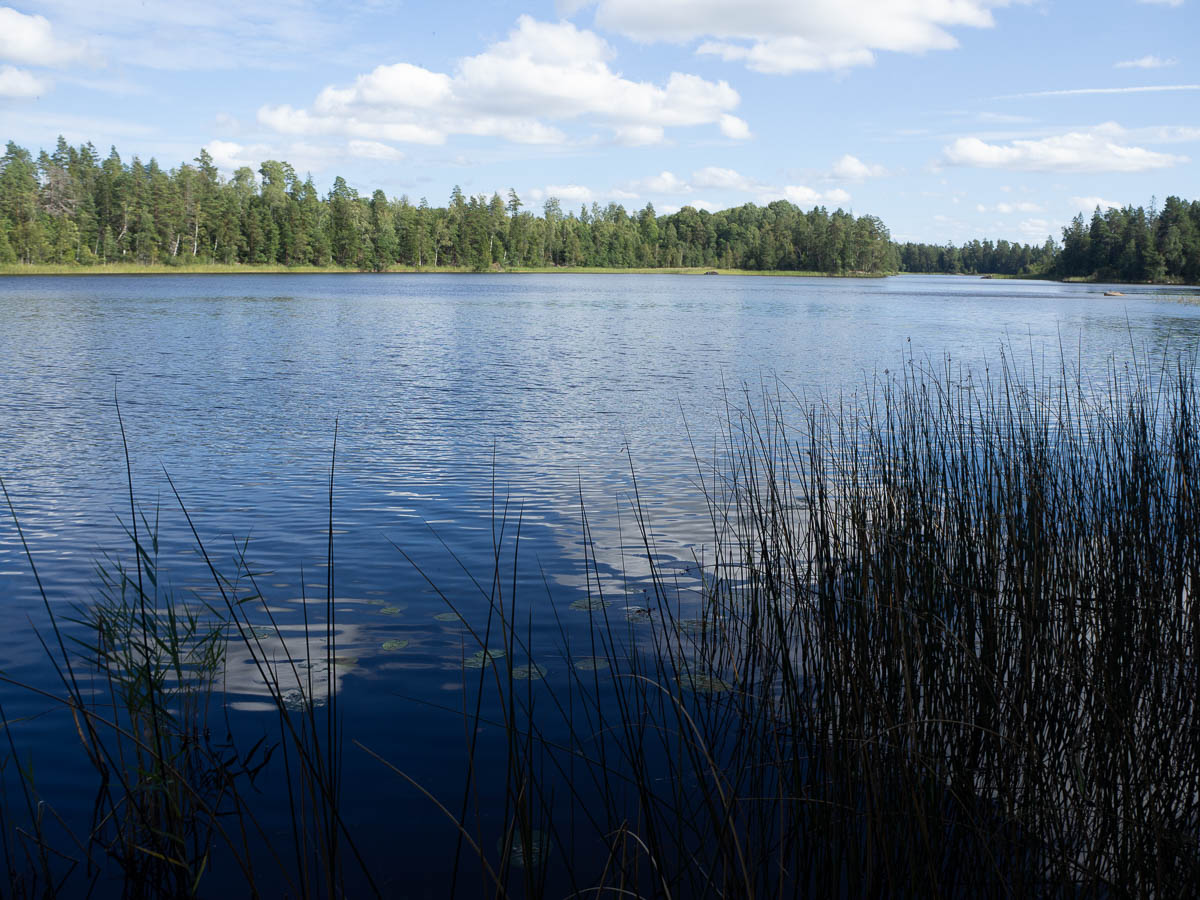
The leader of our group had prepared and packed a picnic dinner for us all, which we ate on a pleasantly secluded little cliff shelf by Sandasjön lake.


On our way out we spotted a sleepy slowworm on the gravel road. The first one I’ve seen in many years.

Stage 21 of Sörmlandsleden, there and back again, 21 km in total.

Much of this section of the Sörmlandsleden follows a ridge (or an esker if you want to be technical about it) through a narrow strip of woodland. Easy walking, but not particularly interesting, after the first novelty wears off.

Not much in terms of views, either.

Unlike stages 19 and 20, this one never let me forget that civilization is just around the corner. There was a large road parallel to the trail (or the other way round, I guess) that I could always hear and sometimes see, and smaller roads even closer.

Some spots here probably look quite spectacular when the lilies of the valley are in bloom.

All in all this was more exercise than a nature experience, and while it was an OK walk, it’s not a stage I see myself revisiting.

Back the way I came yesterday, from Henaredalen to Ånhammar, 13 km.

The paw print yesterday may have been wolf or dog, but the droppings I spotted are most definitely from a wolf, because they’re mostly made up of the hair of whatever animal the wolf ate.

I also met a hiker on the trail who was here specifically because he had seen a wolf here a year earlier and was hoping for a repeat. But I never saw anything more than the droppings.

Unsurprisingly today was similar to yesterday.

As a bonus I already knew the best spots for taking a break.

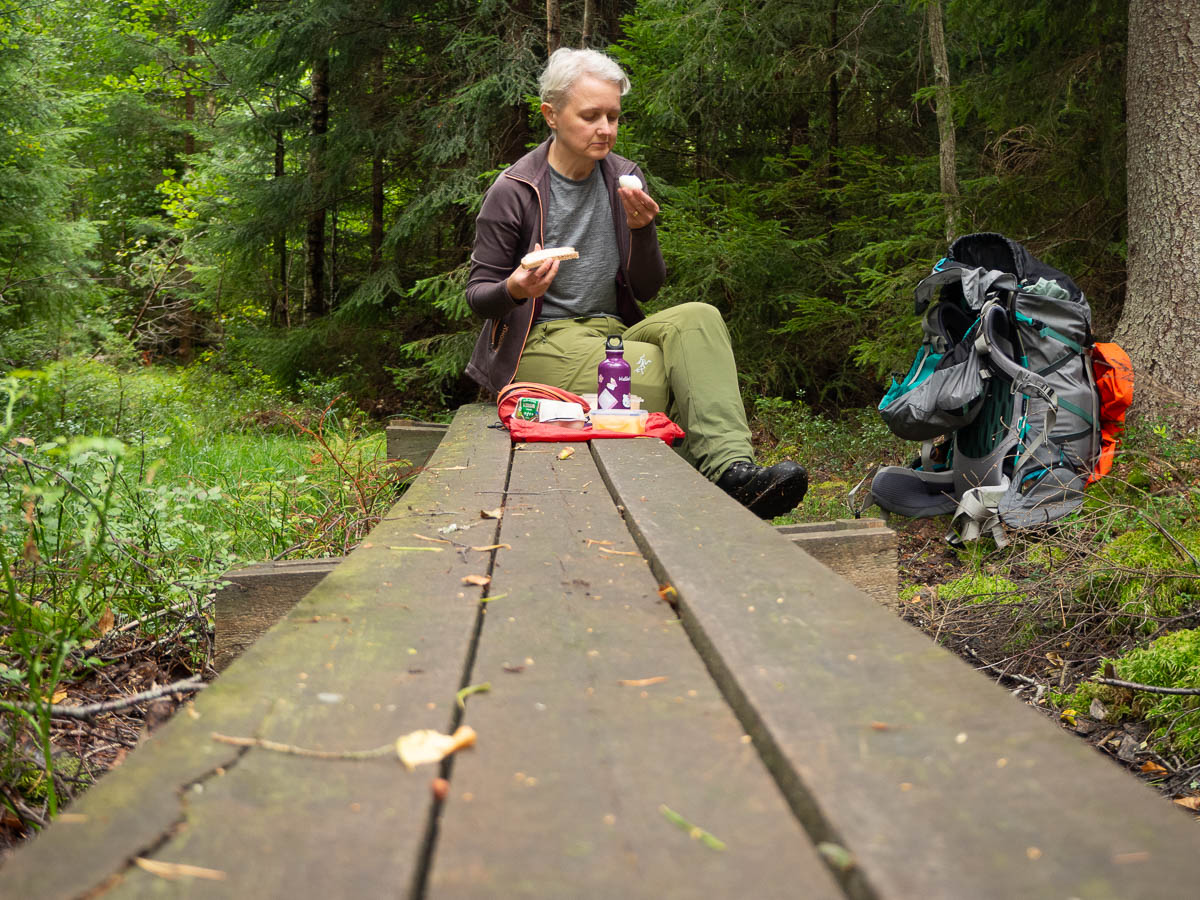
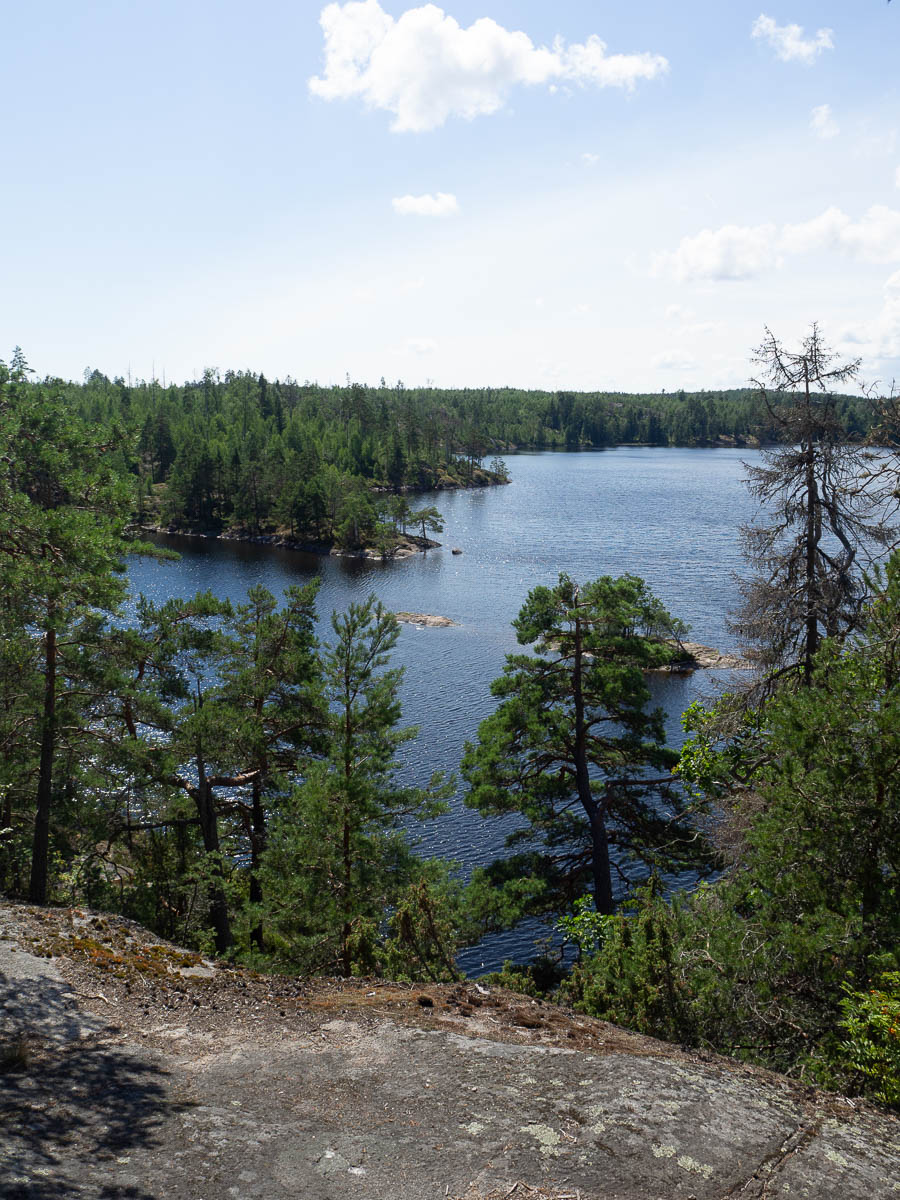
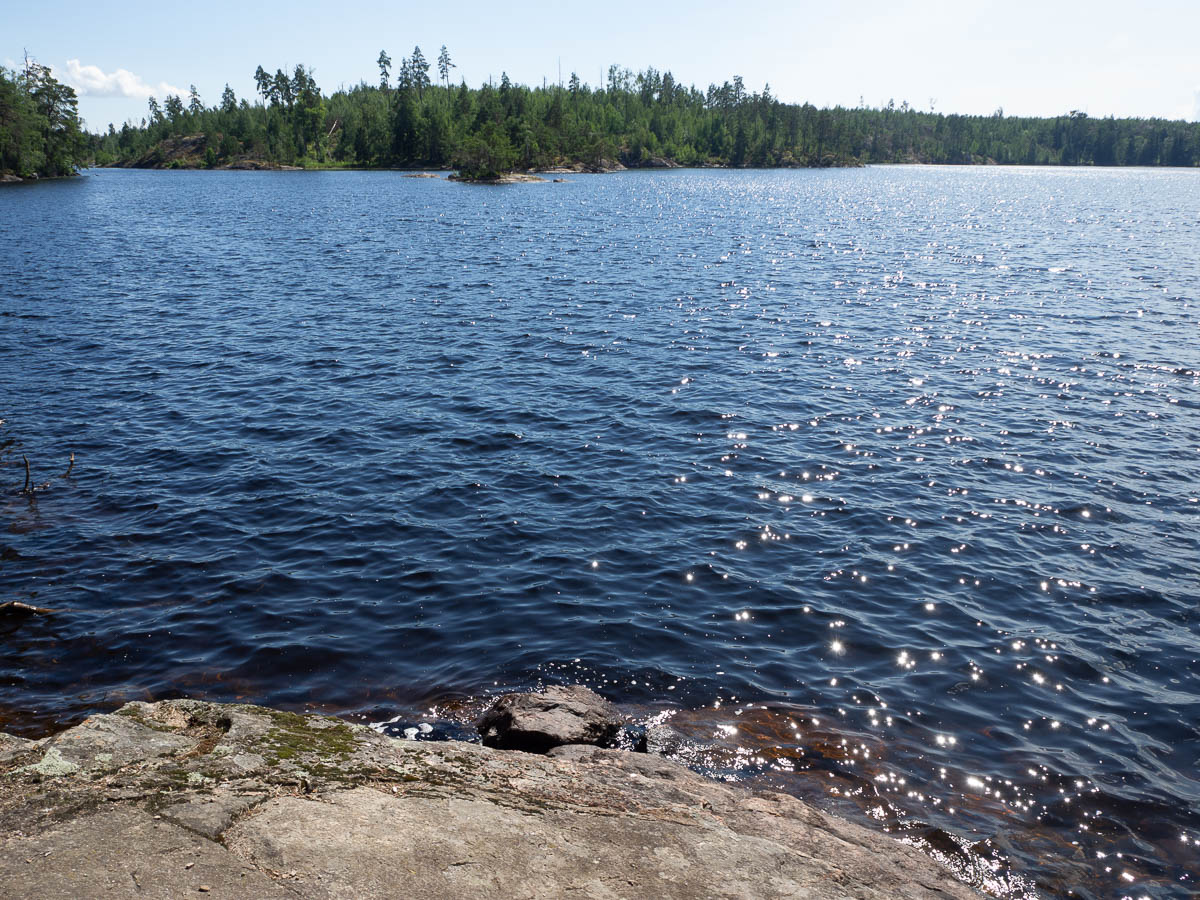
In no rush to get back early, I took a longer break towards the end of the trail, on what I guessed was a bird-watching bench next to a large lake, where I had the company of geese and ducks and herons.


The cows in the oak pasture were at the near end of the pasture today, and seemed quite curious about me. I didn’t mind the curious cows or the calves, but they were accompanied by one or two bulls of impressive size, and I felt rather more cautious about them, so I hightailed it out of there.


Sörmlandsleden stage 19 + a little bit of stage 20, 14.5 km. From Ånhammar to Henaredalen in the middle of nowhere.

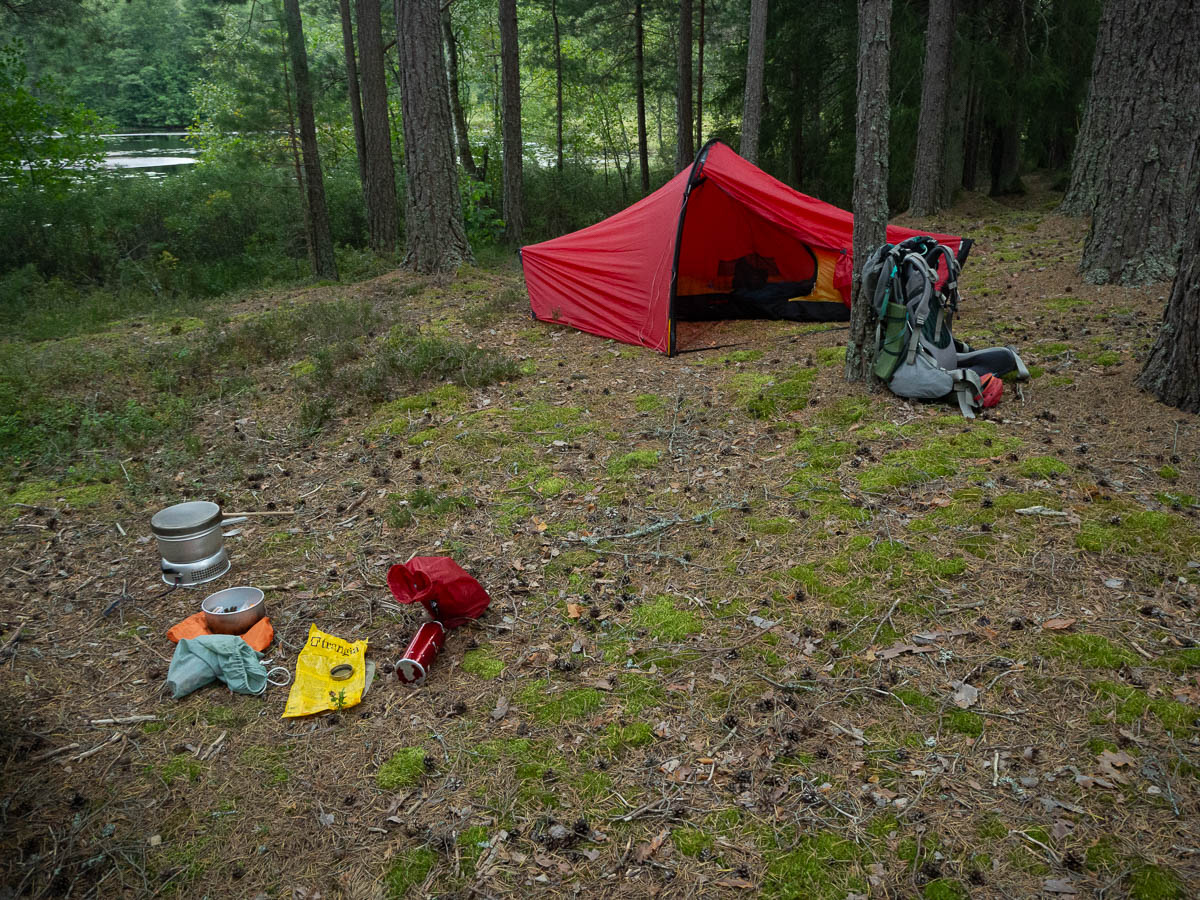
Stage 19 on its own is officially 12 km, which is a bit too short to make a full day, but also a bit too much for a there-and-back in a single day. Rather than pressing myself, I’m doing it over two days, and I added on an extra ramble around Henaredalen for this afternoon.

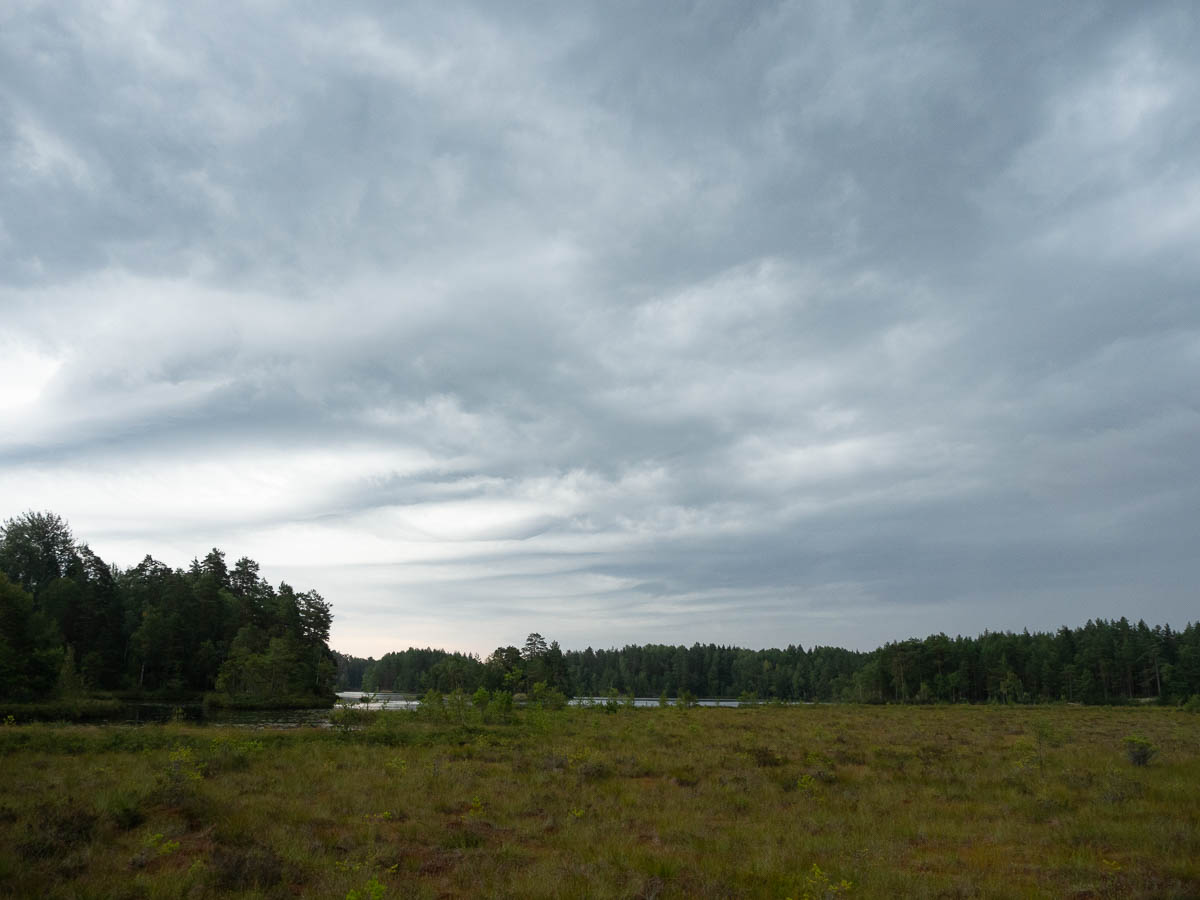
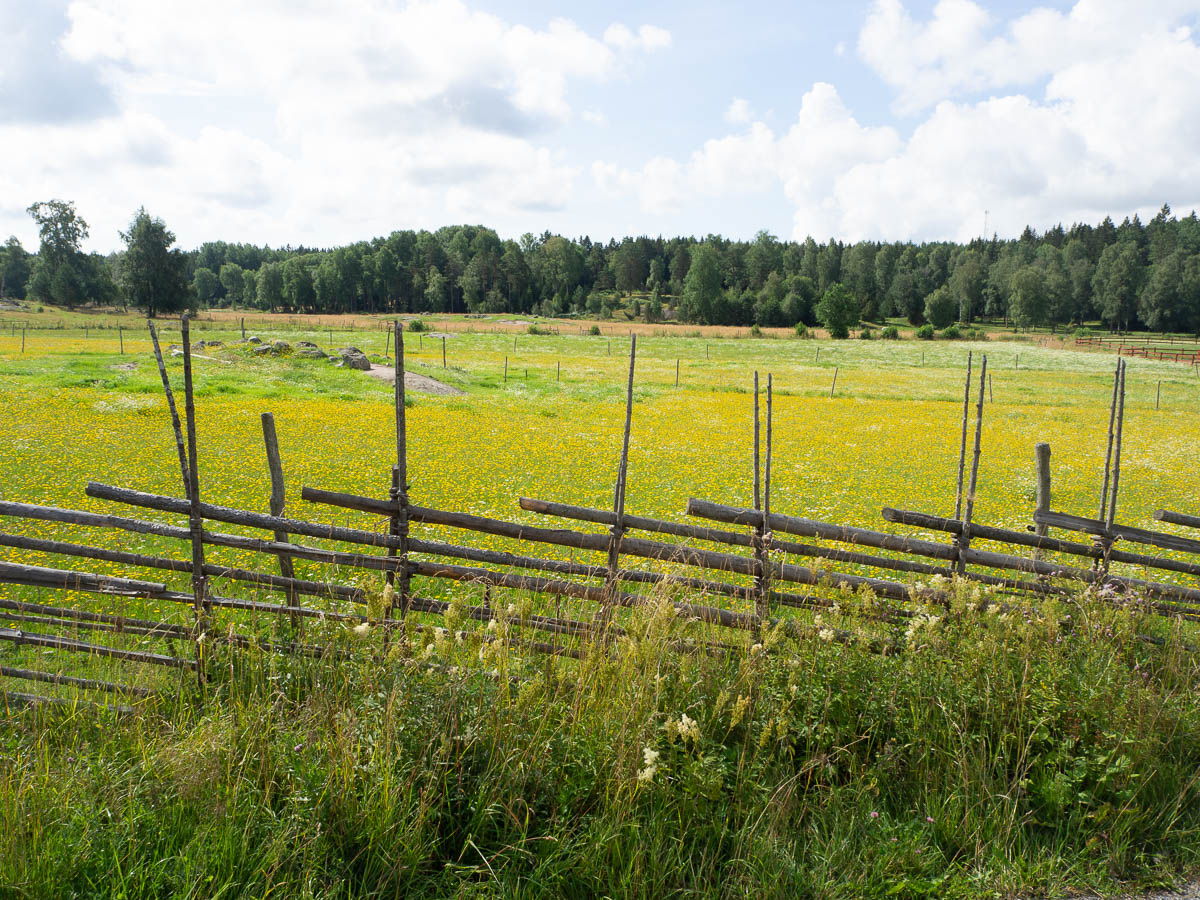
This was a beautiful and varied hike, going a flowering lakeside marsh…

… through oak pastures…

… and heathery bogs…

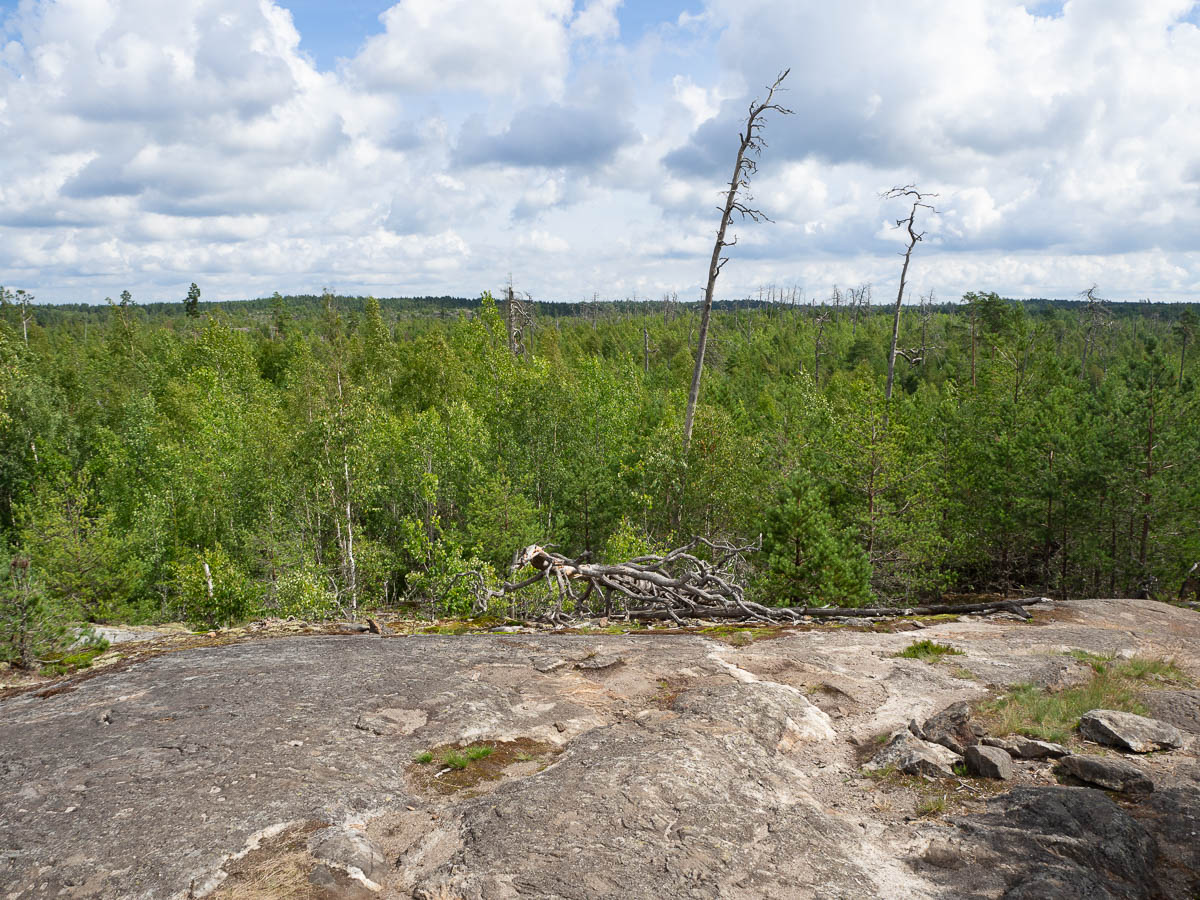
… to rocky pine forests dotted with little rocky lakes.

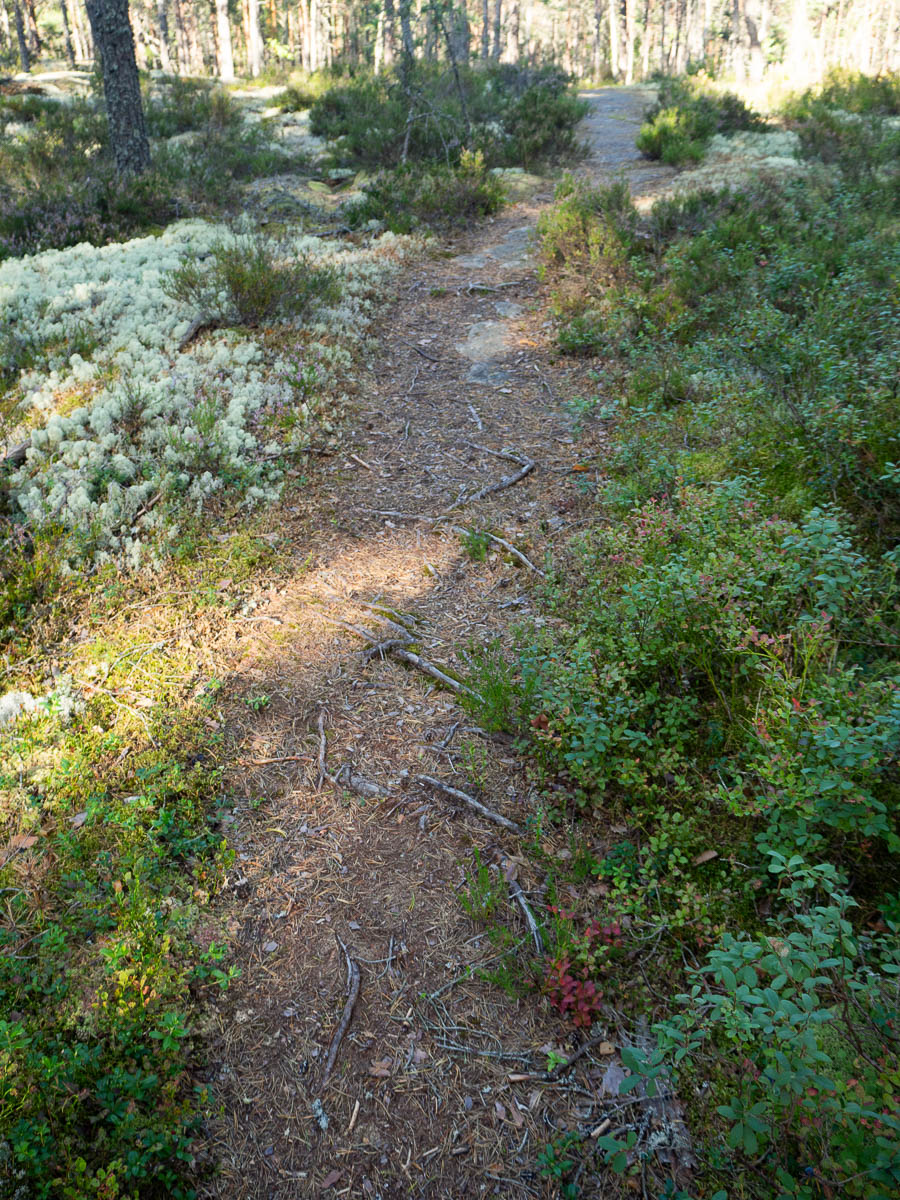
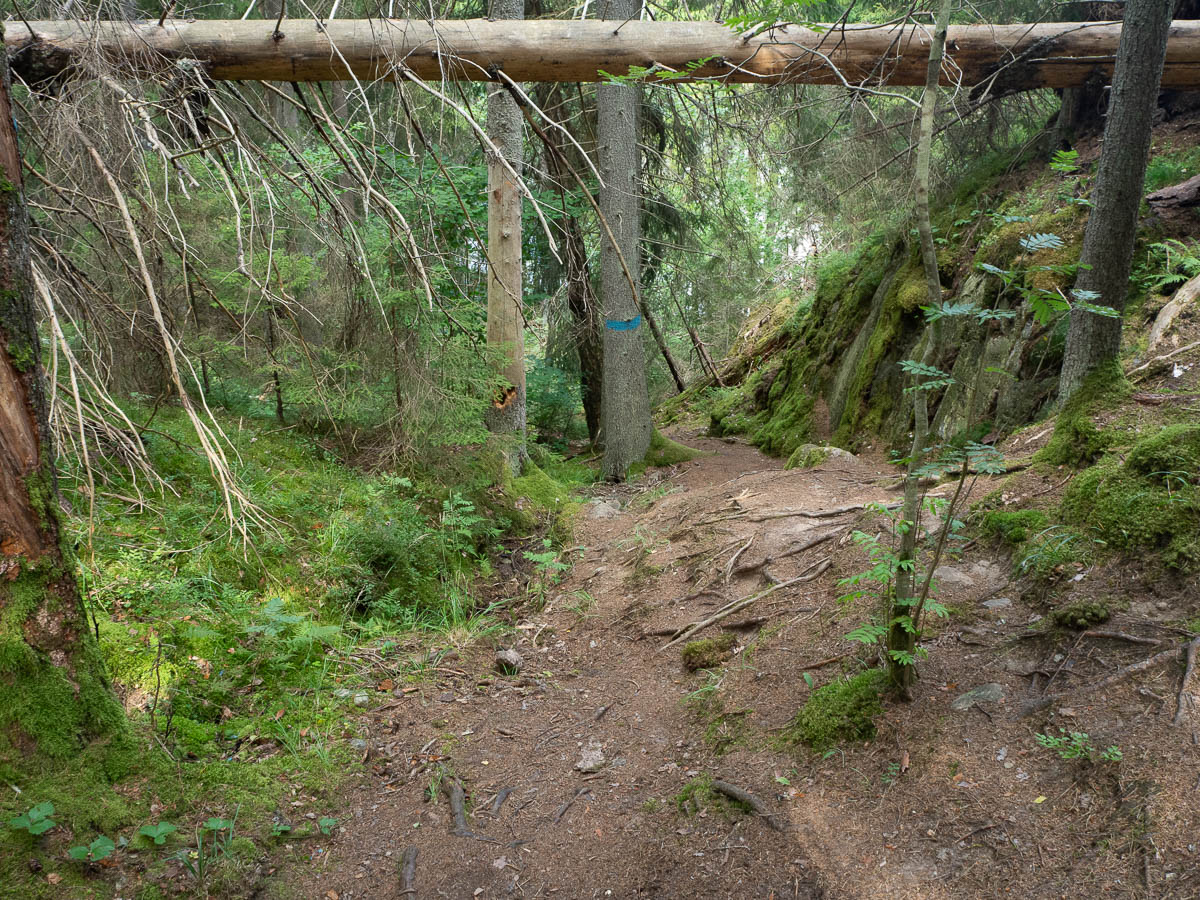
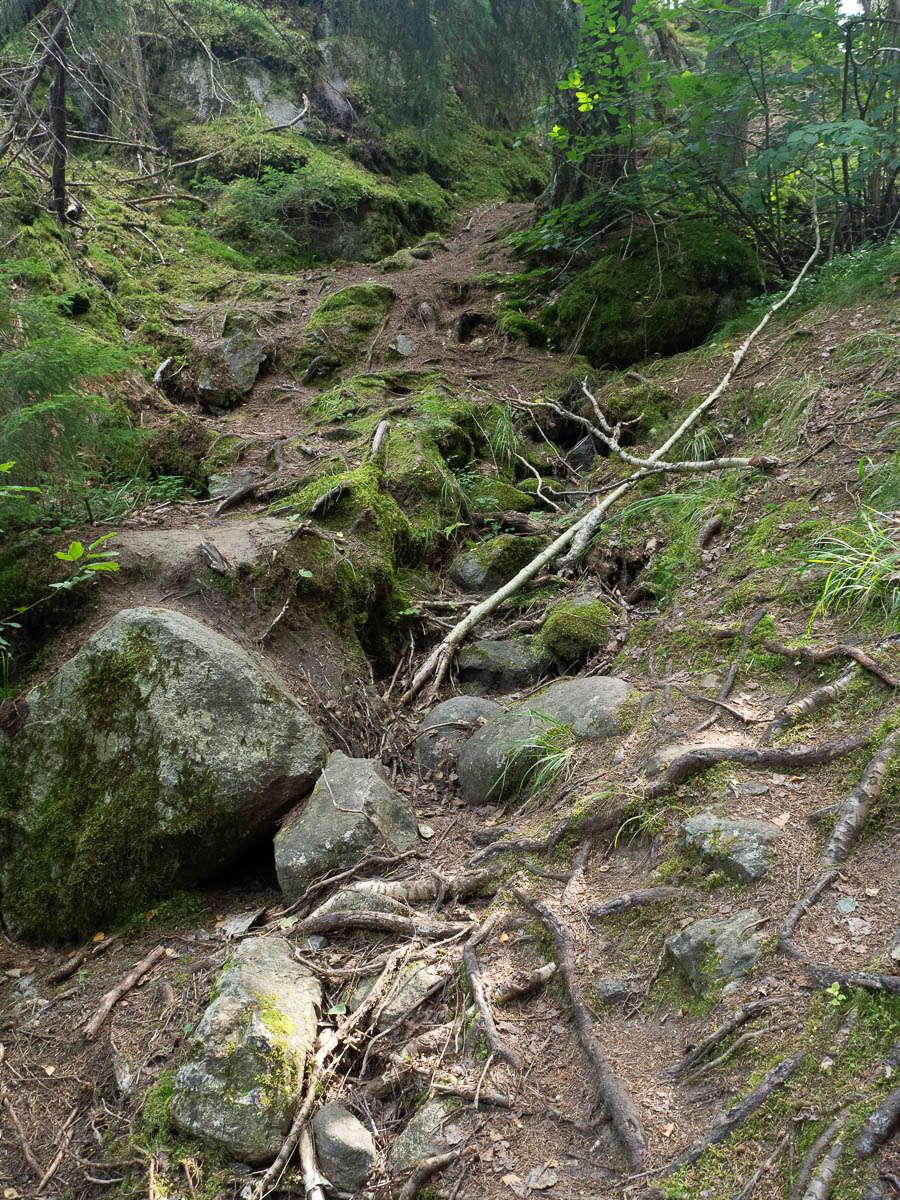
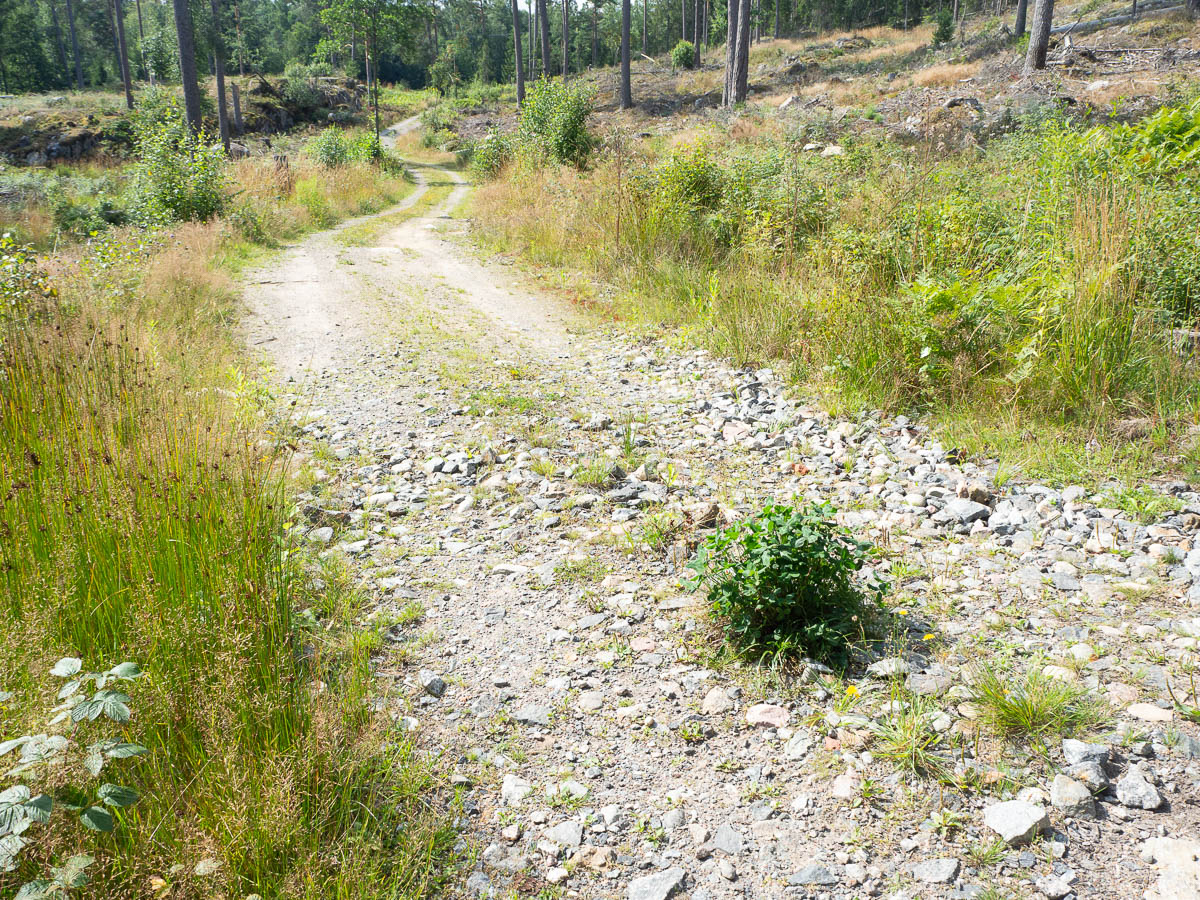
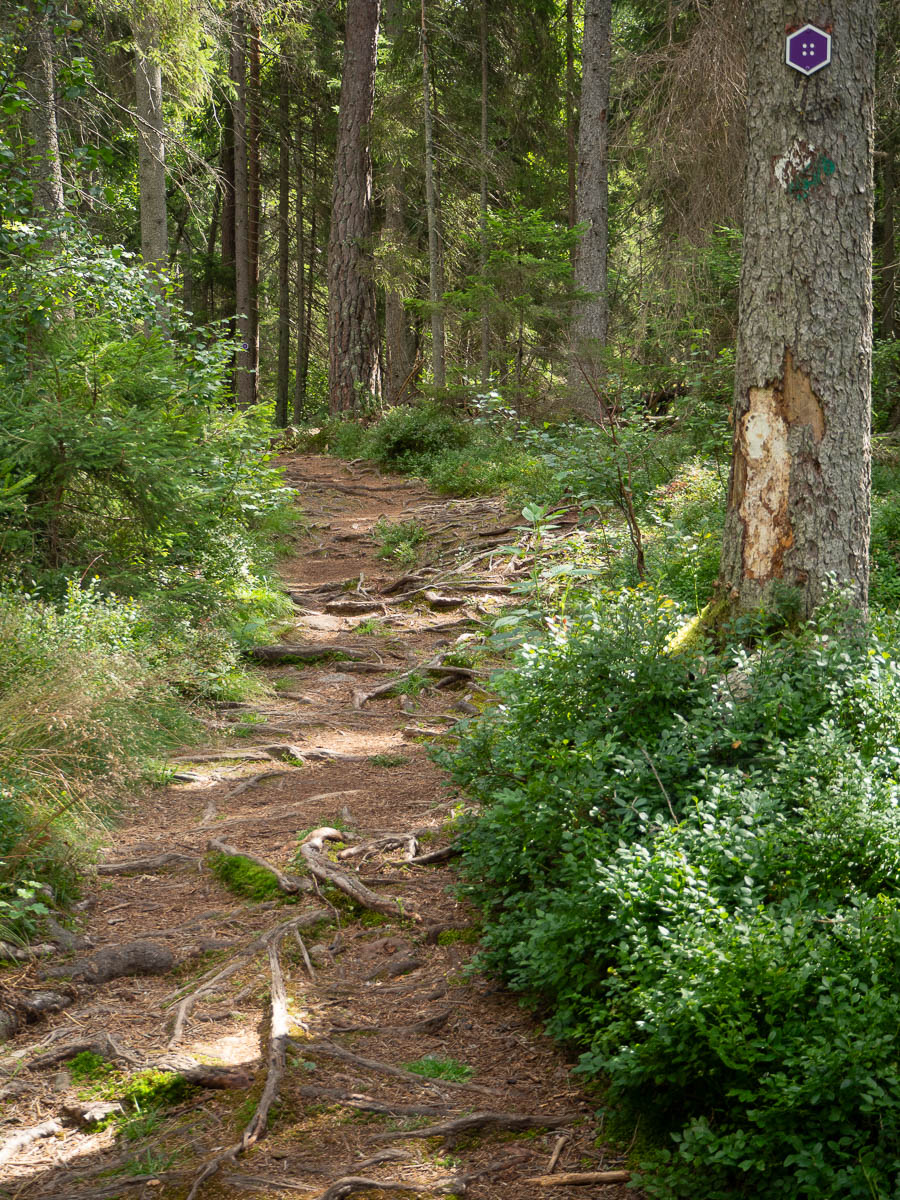
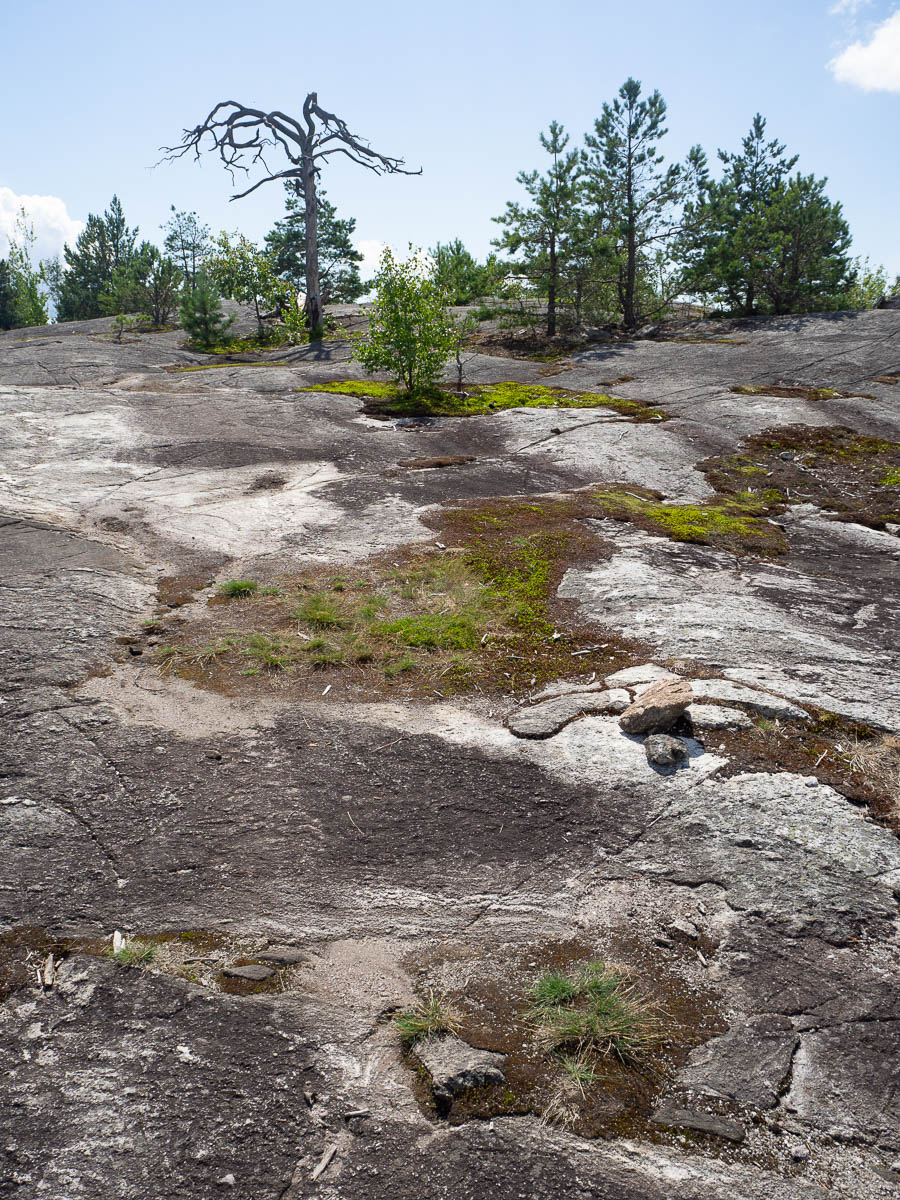
I’m glad I didn’t try to do the 12 + 12 km in a single day because this was not the easiest stage to walk. It wasn’t so much the ups and downs that made it hard, but the uneven path. Rocks and roots everywhere, and muddy patches.

In the middle there was a ten-metre natural arch, all one unbroken piece of rock.

Another interesting sight was a very large paw print in the mud. Either a really large dog that somehow avoided all the other muddy spots on the path, or an actual wolf. I’ve heard from other hikers that there are several established wolf territories in this part of Sörmland, so that’s not entirely far-fetched.

In other news, it turns out that walking around with egg whites in your rucksack will slowly whisk those egg whites into a soft foamy fluff. And if you then dump those egg whites into your hot instant noodles, they solidify into little foamy islands, sort of like sugarless îles flottantes.

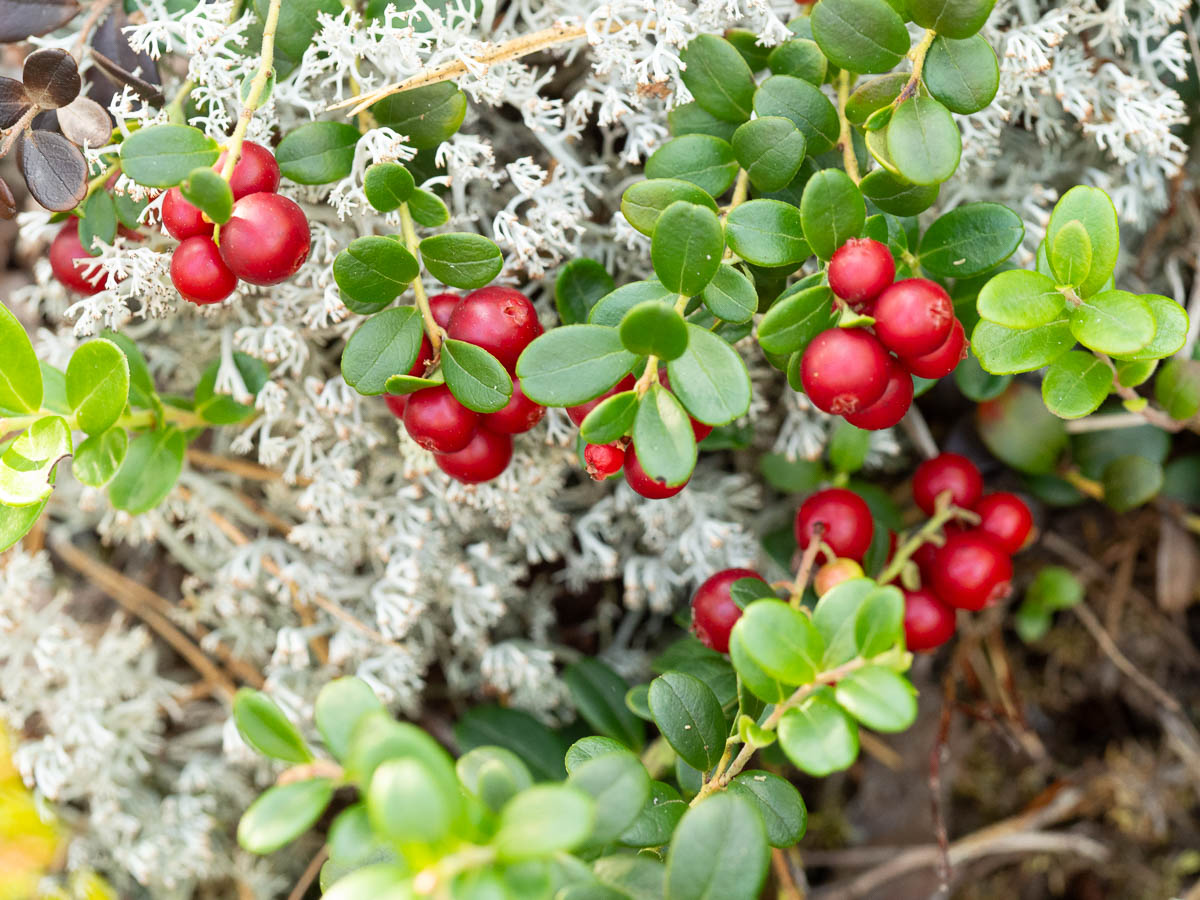
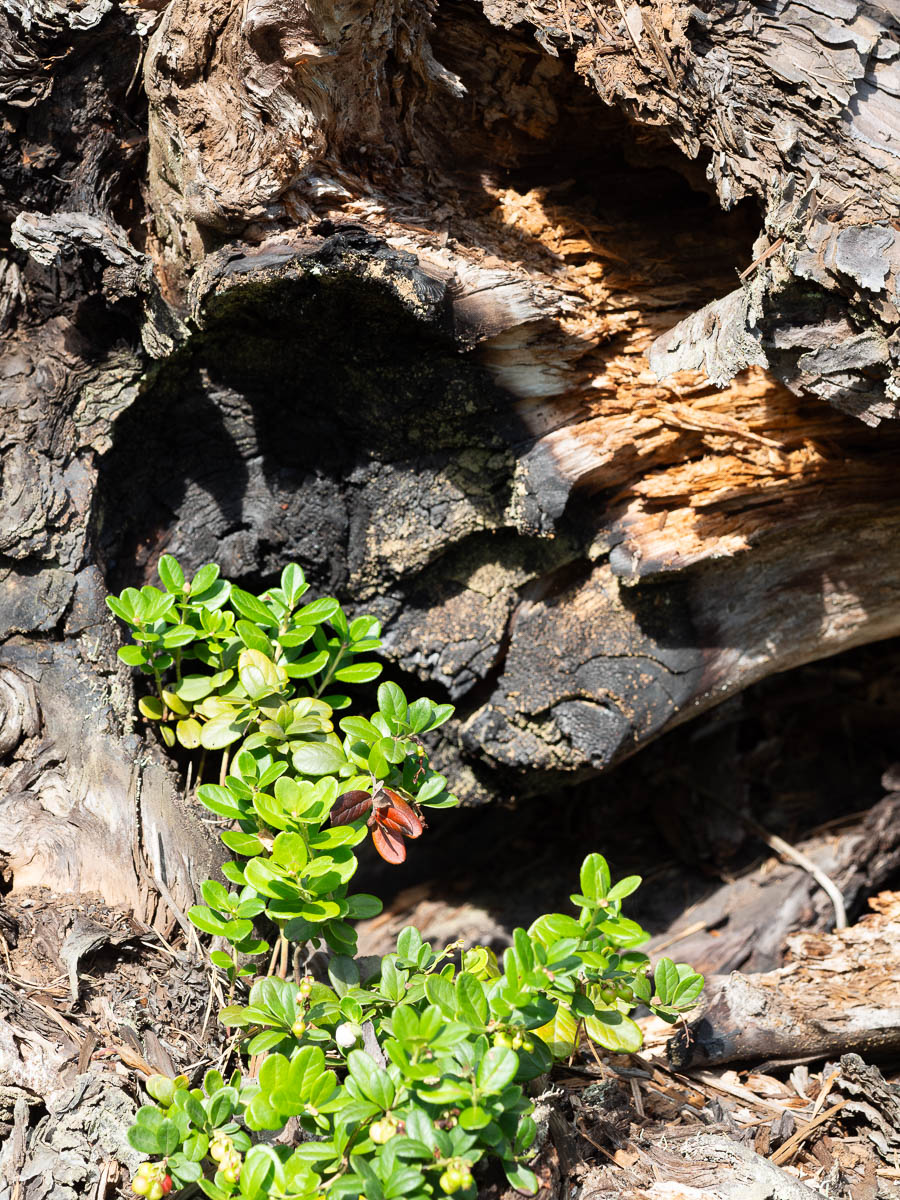
Speaking of food, I wasn’t expecting to find anything edible in the forest at this time of the year, but I was wrong – some of last year’s lingonberries were still there and waiting to be eaten. Frozen and then thawed, and partially sun-dried, they were wrinkly but juicy, tart and sweet. Few and far between, and hard to spot, not like fresh ones where you can stop anywhere and eat your fill.

The forest was full of bilberry and lingonberry bushes, so later in the season there will be lots to eat here. Right now the bilberries taunted me with their berry-like flowers.

Henaredalen is a river valley that I walked in 2018 and wasn’t too impressed by. That was also in May, but this year, spring has come a lot further and the valley is more full of flowers. Much of the ground was covered by wood anemones.

In between there were marsh marigolds…

… and a pretty purplish-red flower that I later identified as some kind of Lathyrus (possibly gökärt, seahernes).

One big change from my last visit was the large number of fallen spruces. There was a sign explaining that the area is badly affected by the spruce bark beetle, and there’s a risk of spruces falling without warning. It looked to be at least a year old, and clearly plenty of trees had toppled since then.

Of wildlife, apart from the possible wolf print: butterflies of all sizes and colours. Birds, especially geese in that marshy lake, blackbirds in the deciduous forests and cuckoos in the pine forests.

Of other hikers, very few. For a while it looked like I would get the camping site all to myself, but just as I was making dinner, a couple turned up. We talked about other hiking trails in this general part of Sweden, and about the tricky logistics of hiking these hard-to-reach parts of Sörmlandsleden. They did it with a car + bicycle combo.

Drove to Hägerstalund and Hansta nature reserve to walk among the anemones. Nature delivered – endless seas of white anemones everywhere.

The woods there look like they belong in a picture book. As if any moment now, a group of singing elves will glide past in the distance. Or, at the very least, a group of hobbits.

There were many more liverworts flowering than I recall here seeing before. Perhaps I came earlier in the season than in previous years?


There were also some odd blue anemones, that almost looked like a hybrid between anemone and liverwort. Which is not botanically possible, I believe – even if the Swedish names of the two are very similar and make it sound as if the flowers are very closely related.