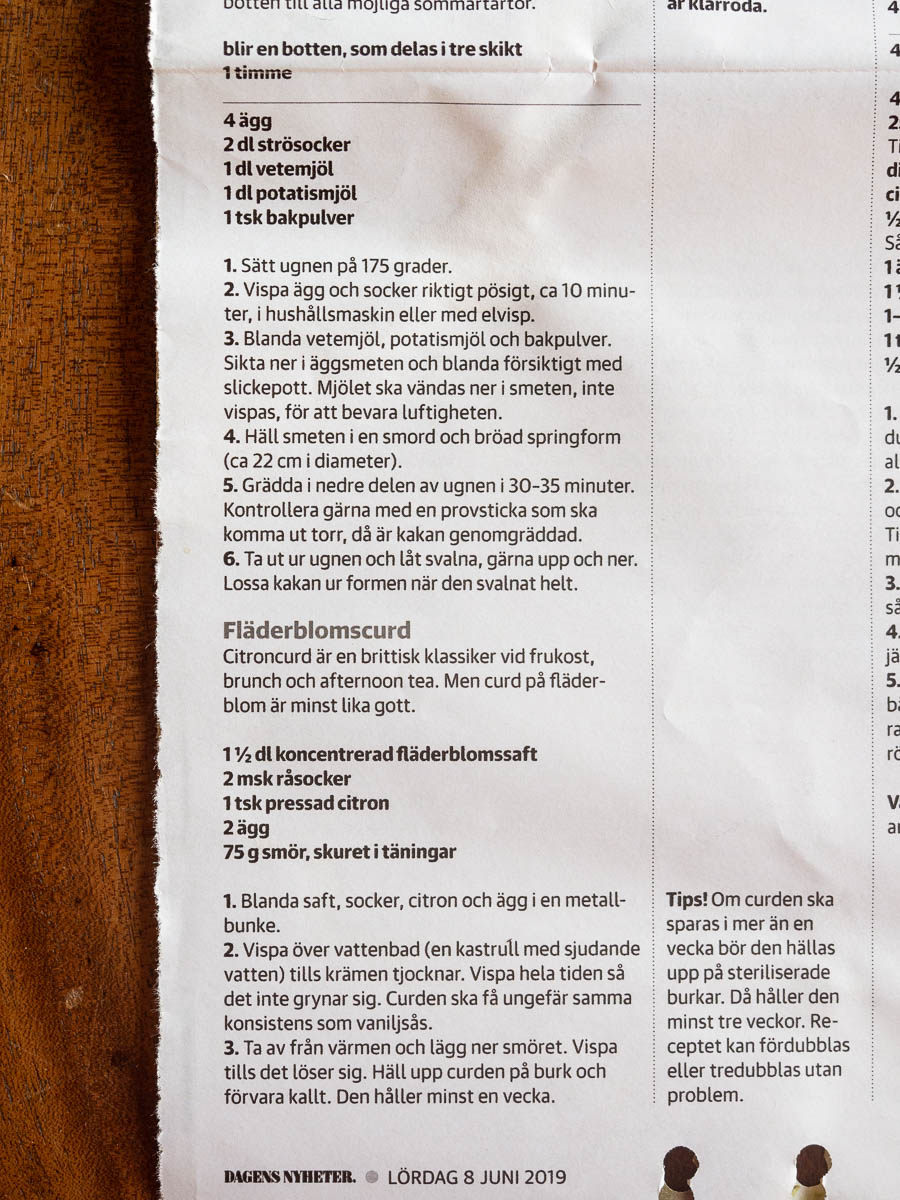
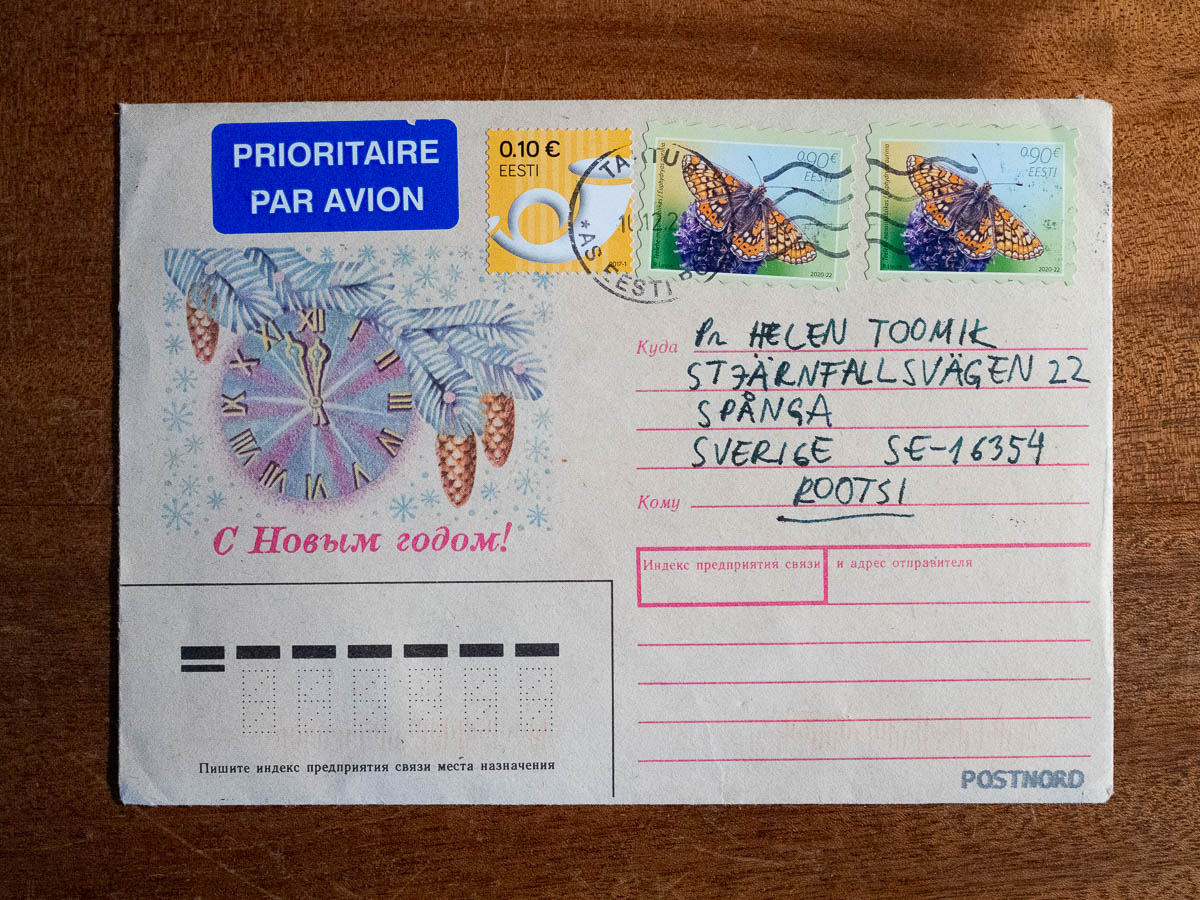
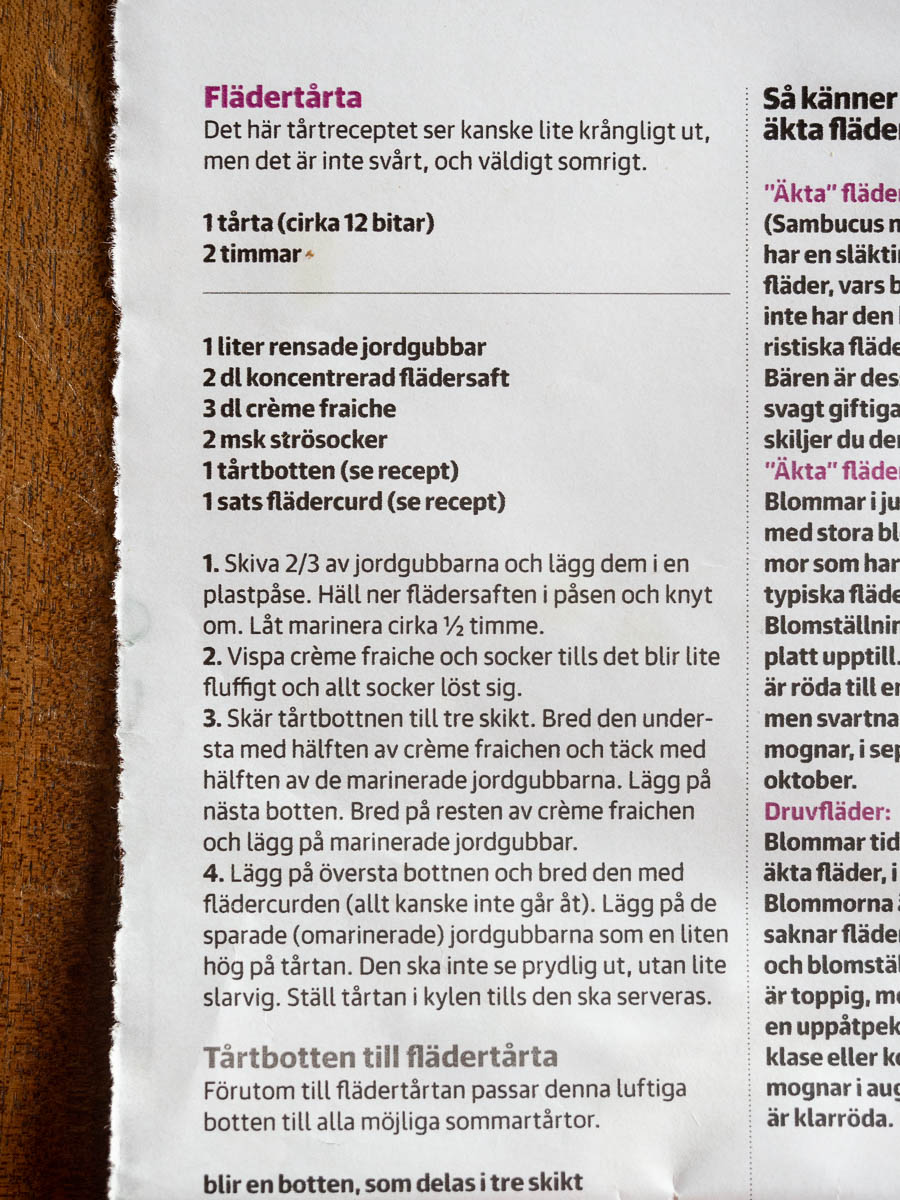
I didn’t take a proper photo today, but I did photograph a cake recipe – the strawberry and elderflower one we’ve had for Midsummer a few times – to send it to my mum, in return for the redcurrant cake recipe. So I guess I could share those with you.

Redcurrant cake

Crust

  • 125 g butter
  • 75 g sugar
  • 2-3 egg yolks
  • 250 g flour
  • ½ tsp baking powder
  • 2-3 tbsp breadcrumbs

Filling

  • 4 egg whites
  • 200 g sugar
  • 75-100 g hazelnuts
  • ½ tsp cinnamon
  • 500 g redcurrants

Cream butter with sugar. Add egg yolks one by one while stirring. Mix baking powder and flour and add to the butter mixture. Roll the dough into a ball, cover and cool for 50-60 minutes. Line a springform pan with the dough, leave a 5 cm edge. Sprinkle the bottom with breadcrumbs.

Whisk the egg whites. Gradually add sugar. Whisk for another few minutes. Add chopped hazelnuts and cinnamon.

Stir the redcurrants into two thirds of the egg mixture. Pour the filling in the crust. Cover with the rest of the egg mixture (either piping or simply spreading).

Bake at medium heat for about 1 hour. (We interpreted “medium heat” as around 175°C.)


The original Estonian recipe had margarine instead of butter but nobody misses that.

The also recipe called for “nuts” rather than specifying hazelnuts. Back then everybody understood that that’s what you mean when you say “nuts”. Locally grown nuts were simply nuts; exotic, fancy nuts had longer, fancier names. That may still be the case actually.

Money wasn’t something we discussed in our family when I was a child. Still, I believe that during my first fifteen years, our purchasing decisions were limited not so much by lack of money but by lack of things to buy. Soviet planning, defitsiit, the usual story.

After I moved to Sweden to join my mother, we were poor. One adult and two teenagers living on the income of a single doctoral student, plus whatever welfare benefits we got. We always bought the cheapest variety of everything: those horrible artificial-looking apples, and whatever groceries were on sale. I remember a carton of orange juice that my mother bought because it was the cheapest, that tasted so bad that I refused to drink it. But we didn’t buy a different one until someone had drunk it.

Luckily I got a job within less than a year – illegally, for cash in an envelope at the end of the week. Other teenagers get an allowance; I worked to help pay the rent, and whatever I wanted or needed to buy for myself. The job was at a sporting goods shop and I got an employee discount even though I wasn’t formally employed, so I got good deals on cheap winter jackets and such. I still have one backpack that I bought there.

I could never afford going to the movies. I think I may have gone once during my four years of high school.

Buying books was a luxury. I remember the feeling of saving up for a single paperback, and then the difficulty of choosing just one.


I know my grandmother was poor in her retirement. I saw her always considering the prices of groceries oh so carefully, and wondering whether she could afford to repair her shoes.


I have no rational reason to expect my own retirement to be like that. I have a well-paid job and I live well below my means and I have significant savings. But underneath the surface there is still that small fear that I might end up there, like she was, like I was. Old and poor.

In Soviet Estonia, you didn’t go to the supermarket and come home with fresh fruit and berries. You could buy fruit and berries in the market, when they were in season. But mostly you got them in your grandmother’s garden. Everybody had grandmothers, and all grandmothers had gardens with fruit trees and berry bushes. Because even in Soviet Estonia people wanted fruit, and that was about the only way to get any.

Fresh fruit doesn’t keep all year, so most of it was preserved as jams and squashes, or in syrup.

Jam was for everyday use. On bread, porridge and pancakes; stirred into water to make a drink; in crumbles and cakes. Fruit in syrup was dessert. Raspberries in syrup (vaarikakompott) were my favourite.

During berry season, I think my mother and grandmother were nearly always either picking fruit, cleaning fruit, or cooking it into jam. There were often jam jars cooling in the kitchen of grandma’s cottage.

Most of my childhood’s jams were made of fruits that Swedes know about, even if they don’t grow them much. Quince jam is an exception; I don’t think most people here know that quinces exist or that the fruit are edible. Aronia berries are another oddity. They’re tart and astringent when raw, just like quinces, and sloe for that matter. But they make a great squash, and aronia and apple jam is lovely.


Jam was stored in glass jars. There were no preservatives available (apart from sugar) so it was important to thoroughly sterilize the jars and lids, and then close them so they were airtight.

The simplest kind of lids were made of blue rubber. I’m no expert but I don’t think those were very good.

There were glass lids that had to be fastened with a special kind of clamp. You put the clamp across the lid, and then you twisted the clamp so that its ends gripped the lid to the jar. There were ridges on the lid that pushed the clamp tighter the more you twisted it.

Later a third, fancier kind of lid became available – single-use metal lids. A special tool was used to tighten those. This kind of lid is still used, apparently. I’ve never seen them in Sweden, but googling in Estonian brought up stores that sell them.


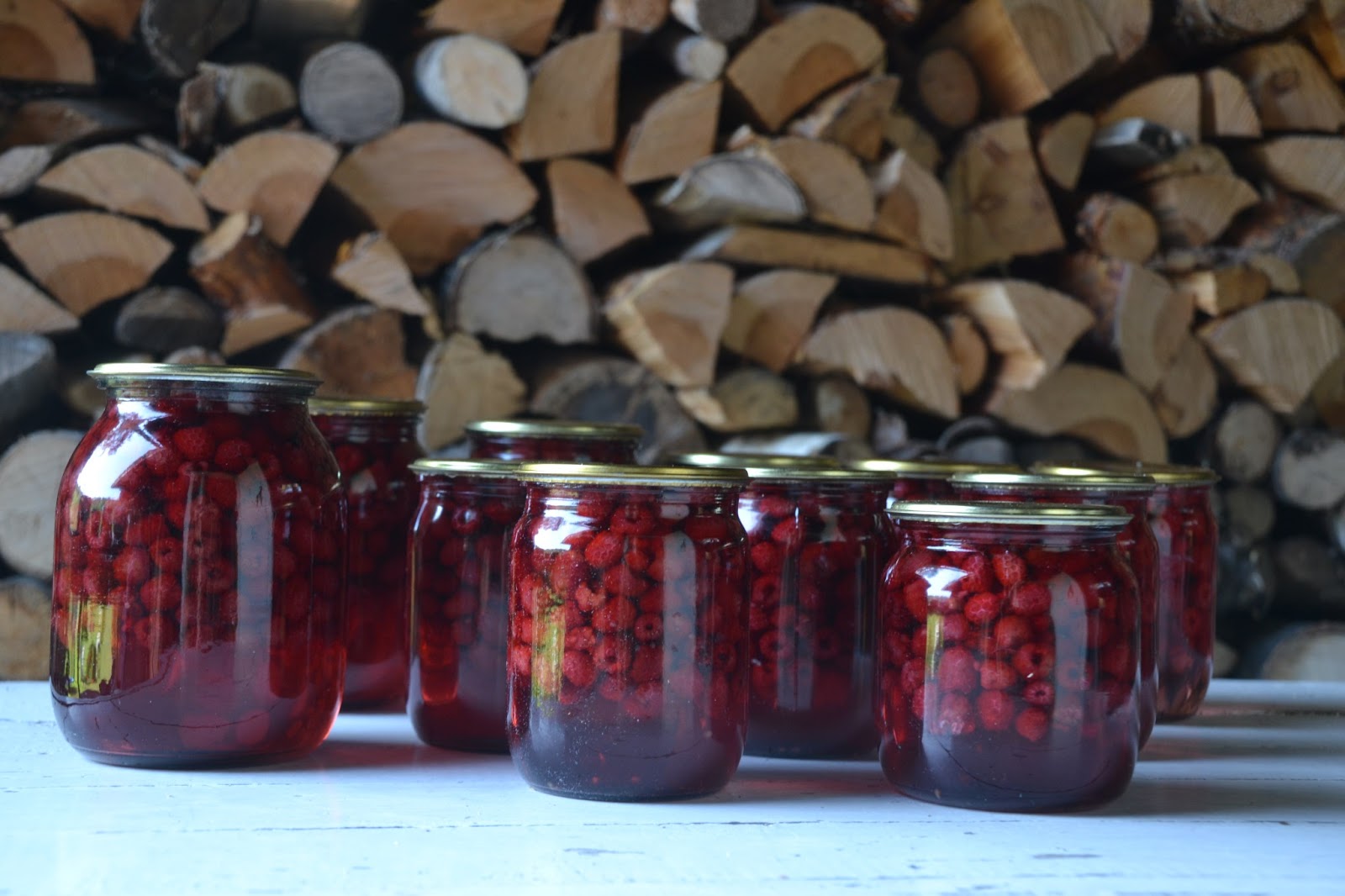
I have no photos of any of these things. But I found this photo of raspberries in syrup, made in Estonia, with the right kind of lids on the jars. Click to visit the original Estonian blog post.

These days, in Sweden, the first day of school is nothing special. Admittedly they do teambuilding activities instead of ordinary lessons, and there’s paperwork, and going through the schedule and such. But it feels mundane and administrative.

The fact that it happens on some random Wednesday in the middle of August doesn’t help. In Estonia, the school year always starts on the 1st of September. That date is almost as much of an institution as Christmas Eve. You say “1st of September” and everybody knows what you’re talking about.

The first day of school was special and festive. I remember dressing up for it. Even the parents taking their children to school dressed up.

We wore a school uniform. These were later abolished, but I wore a uniform up to grade four or five. In the lower grades, girls wore a knee-length dark blue pinafore dress over a lighter blue shirt. On festive occasions, the blue shirt was replaced by a white one with ruffles.

The first day of school started with a ceremony in the school’s assembly hall. There were speeches of welcome by the principal, performances by the school choirs, etc. After that each class split off to their own classroom and the day probably shifted into a more mundane and administrative mode like today.

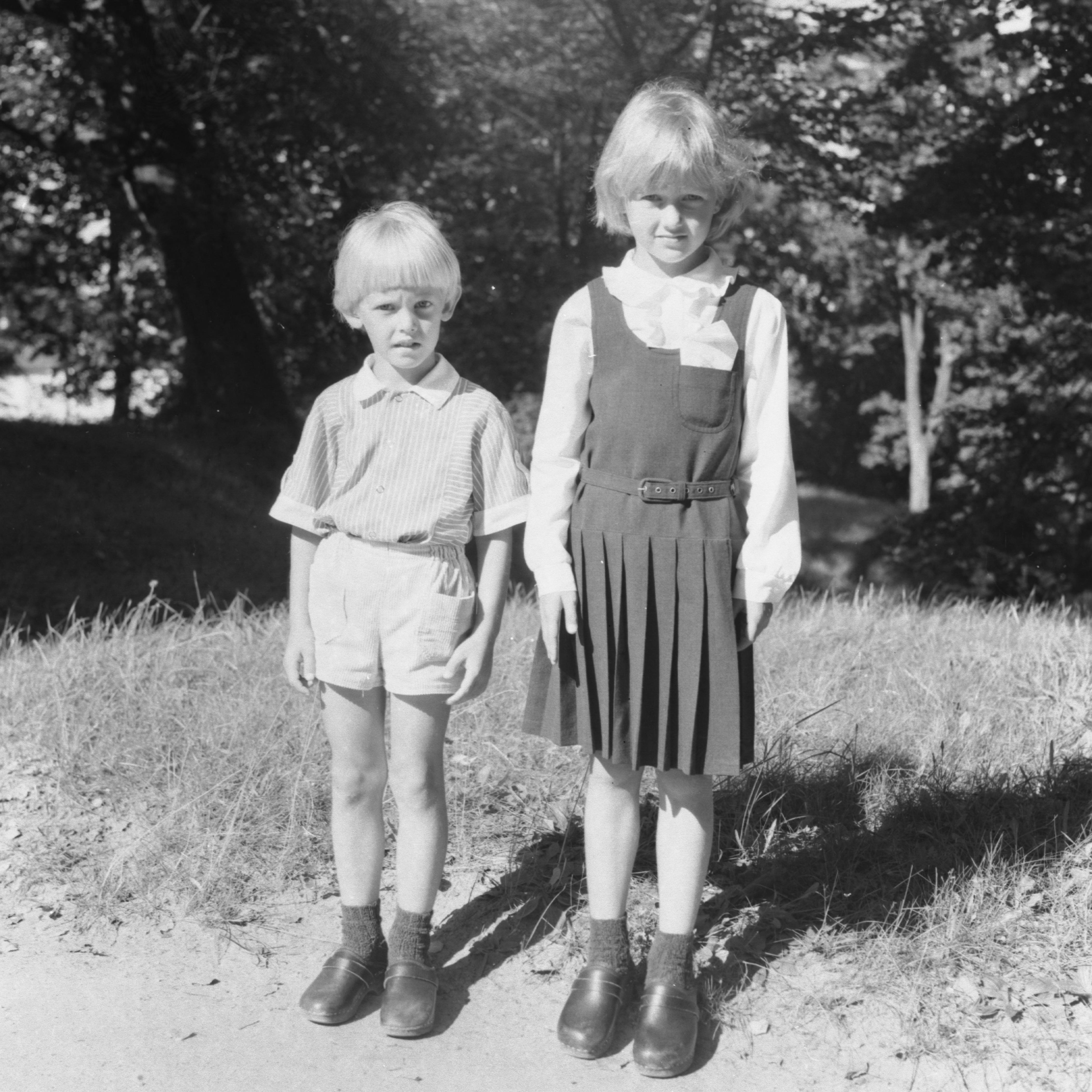
Here’s a photo of me on the first day of 2nd grade. Wooden clogs were cool back then.

Praegusel ajal siin Rootsis on esimene koolipäev üsna tavaline. Õppetundide asemel on küll muud tegemised, nagu üksteisega taas sõbraks saamine, mitmesugune paberiasjandus, tunniplaani läbivõtmine jne. Aga üldiselt igapäevane ja administratiivne.

Ei aita seda sündmust erilisemaks teha ka see, et kool algab suvalisel kolmapäeval keset augustikuud. Eestis algab kool alati esimesel septembril. See kuupäev on sama tuntud kui jõuluõhtu. Räägid esimesest septembrist ja kõik teavad, millest jutt käib.

Esimene koolipäev oli eriline ja pidulik. Mäletan, kuidas selleks puhuks pidulikud riided selga pandi. Isegi lapsevanemad, kes lapsed kooli tõid, riietusid pidulikult.

Koolis kanti koolivormi. Hiljem kaotati see ära, aga mina kandsin koolivormi vist neljanda või viienda klassini. Algklassides kandsid tüdrukud tumesinist pihikseelikut ja heledamat sinist pluusi. Pidupäevadel asendas sinist pluusi valge, volangikestega.

Esimene koolipäev algas aktusega kooli aulas. Kooli direktor pidas tervituskõne, esinesid kooli koorid, jne. Pärast seda läksid klassid laiali oma klassiruumidesse ja eks siis vist järgnesid igapäevasem paberimajandus nagu tänapäevalgi.

Pilt on minu esimesest koolipäevast teises klassis. Puukingad olid tol ajal popid.

I’ve been a voracious reader for as long as I can remember. We had a great variety of books at home. I read children’s books at first of course, but moved on to adult literature around my tweens. Classics, detective stories, travel stories, adventure stories, and so on. (Everything except contemporary English-language literature, which was hard to get hold of until the early nineties.)

At my grandmother’s cottage where we spent our summers, there wasn’t much to read. Partly due to a lack of space, I imagine. The cottage consisted of a single large room, with the kitchen open into that same room. 35 m2 maybe? – and that housed as many as five of us at times. Or maybe the expectation was that we’d all be outdoors most of the time.

We took the train to town, to Tallinn, at regular intervals for laundry, baths, groceries and whatever else the adults did. My grandma’s apartment there was not much larger, but it did have a bookcase… which, however, contained almost no books that I recognized or that looked interesting. There was really a surprisingly small overlap between her library and my parents!

There were two or three (quite literally) children’s books from my father’s childhood in the 1950s. One was a picture book about how trucks were produced in the 1950s. One was about how spacecraft worked. I read both.

I read and browsed books about cooking and gardening, including giant gardening encyclopedias in German, which had gratifying amounts of illustrations. I’ve always liked well-written, illustrated “how-to” books.

I opened dull-looking books at random and stumbled upon a collection Tolstoy’s stories for children (in that same 14-volume series from the 1950s) and read most of those.

There was one small oasis in that reading desert – two books that I truly enjoyed and kept returning to. I think we may even have taken them with us to that tiny cottage. Both were memoirs. One was Kirurgi süda by Fyodor Uglov, a pioneering Russian doctor and surgeon. (“Heart of a surgeon”, full of fascinating medical case histories, not available in English as far as I can see.) The other was Eesriie avaneb (“The curtain opens”) by Mari Möldre, an Estonian actress.

My grandma passed away in 2003. Now I have her copies of these books in my bookshelf, and they always remind me of her.


Olen lapsest saati ablas lugeja olnud. Meie kodus oli lai valik raamatuid. Alustasin loomulikult lasteraamatutega, aga varases teismeeas läksin täiskasvanute kirjandusele üle. Klassika, krimkad, reisikirjeldused, seikluslood, jne. (Kõike pealse kaasaegse inglisekeelse kirjanduse, mida polnud saada enne 1990-ndaid aastaid.)

Minu vanaema suvilas, kus me oma suved veetsime, polnud eriti midagi lugeda. Osaliselt vist ruumipuuduse tõttu, oletan ma. Suvilas oli üksainuke suur tuba, ja köök avanes samasse tuppa. 35 m2 võib-olla? – ja seal elasime kuni viiekesi. Või oli arvestatud sellega, et kõik veedavad suurema osa ajast õues.

Sõitsime aeg-ajalt rongiga Tallinna pesu pesema, vannis käima, sisseoste tegema ja mida muud täiskasvanud veel tegid. Mu vanaema linnakorter polnud suvilast palju suurem, aga seal oli raamatukapp… mis küll ei sisaldanud peaaegu ühtegi raamatut mida ma oleks ära tundnud, või mis huvitav näiks. Tema raamaturiiuli sisu ja meie pere oma vahel oli üllatavalt vähe ühist!

Seal oli kaks või kolm lasteraamatut minu isa lapsepõlvest 1950-ndatel aastatel. Üks oli pildiraamat sellest, kuidas 1950-ndatel veoautosid toodeti. Üks oli sellest, kuidas kosmoseraketid töötavad. Lugesin mõlemat.

Lugesin ja lappasin raamatuid kokandusest ja aiandusest, muuhulgas hiiglasuuri saksakeelseid aianduse entsüklopeediad, milles palju illustratsioone oli. Hästi kirjutatud, paljude piltidega käsiraamatud on mulle alati meeldinud.

Avasin suvalisi igava välimusega raamatuid ja leidsin sedaviisi Tolstoi lood lastele (osa tollest samast 14-köitelises sarjast) ja lugesin suurema osa läbi.

Selles raamatukõrbes oli üks väike oaas – kaks raamatut, mida ma ikka ja jälle tõelise rõõmuga lugesin. Vist võtsime nad isegi kaasa sinna pisikesse suvilasse. Mõlemad olid mälestused. Üks oli kuulsa vene arsti ja kirurgi Fjodor Uglovi „Kirurgi süda“, täis põnevaid haigusjuhtumite kirjeldusi. Teine oli näitlejanna Mari Möldre „Eesriie avaneb“.

Mu vanaema suri 2003. aastal. Nüüd on need tema raamatud minu riiulis, ja nad meenutavad mulle alati teda.
The first programming language that I learned was GW-BASIC, some time in the late 1980s. We had a laptop-ish Tandy computer at some point, but I’m not sure if it was the first one or if there was another one before it.

Computers used 5 1/4 inch floppy disks.

GW-BASIC had line numbers and GOTO statements, and came with a thick reference book that contained everything there was to know about the language. Line numbers were normally used in increments of 10, so that you could easily insert a missed line between existing lines of code – say, insert line 25 between lines 20 and 30 – without retyping everything that follows. The RENUM command renumbered all the lines back to tidy increments of 10.

I remember making the computer draw circles and lines on the screen.


Esimene programmeerimiskeel, mida ma õppisin, oli GW-BASIC, kunagi 1980-ndate lõpus. Meil oli sülearvuti-laadne Tandy, aga ma ei mäleta, kas see oli esimene või oli enne seda ka mõni muu arvuti.

Arvutid kasutasid 5 1/4 tolliseid flopisid ehk diskette.

GW-BASICus olid reanumbrid ja GOTO kommando. Sellega tuli kaasa paks manuaal, kus oli kogu keel ära kirjeldatud. Reanumbrid suurenesid tavaliselt kümnekaupa. Nii sai kergesti kahe olemasoleva rea vahele uue lisada – näiteks lisada ridade 20 ja 30 vahele uus rida 25 – ilma et peaks kõiki järgnevaid ridu uuesti sisse toksima. RENUM kommando nummerdas kõik read jälle 10-stele sammudele.

Mäletan, kuidas panin arvuti ekraanile ringe ja jooni joonistama.

Book publishing in Soviet Estonia, like most other industries, was based on planning. When a book was scheduled or planned for publishing, people pre-ordered it. Years later, the book actually came out, and your pre-order form was mailed back to you as a notification that it was time to go and actually buy the book.

With popular books, if you didn’t pre-order, there was no book for you. Unless of course you worked in a book store or had connections who did. Book shops did have books on their shelves, so some must have been generally available as well.

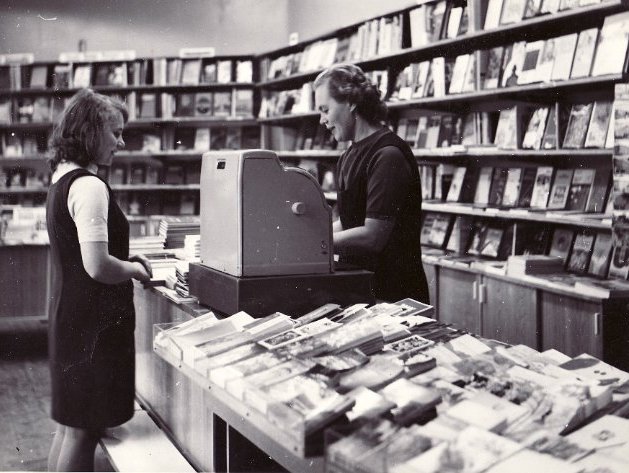
The process in the book store involved several steps. First you went to one desk and asked for the book or books you wanted. The grumpy lady there added up their prices, quite probably on a wooden abacus, and handed you a small piece of paper with the sum. You then walked to the cash desk where another lady punched in that sum into a cash register, took your money and handed you a receipt. With the receipt in hand you walked back to the first desk, where you exchanged the receipt for the actual book. Oh, and there was most likely a queue at each step.

This is what a book store looked like:

Source: Tapa muuseum, where you can also find more.

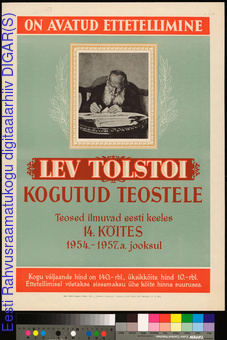
Here is an example of an advertising poster for pre-ordering the collected works of Lev Tolstoy:

Source: Estonian National Library Digital Archive, where you can also read the official state instructions for the pre-ordering process.


Nõukogude Eesti raamatukirjastus põhines plaanimajandusel, nagu ka enamus muid tööstusalasid. Kui mingi teose väljaandmine oli planeeritud, siis said inimesed seda tellida. Aastad hiljem tuli raamat lõpuks välja, su tellimisblankett saadeti sind teavitamaks sulle koju, ja siis läksid ostsid selle ära.

Populaarsemate teostega oligi nii, et kui ei tellinud, siis ei saanud. Kindlasti oli võimalusi, kui sa ise raamatupoes töötasid, või kui sul seal tutvusi oli. Raamatukauplustes oli mingeid raamatuid riiulites, nii et midagi pidi ka üldiselt saada olema.

Protsess raamatukaupluses koosnes mitmest sammust. Kõigepealt tuli minna ühe leti juurde ja seal paluda soovitud raamatut või raamatuid. Leti taga seisev morn naisterahvas liitis nende hinnad kokku, tõenäoliselt puidust arvelaual, ja andis sulle pisikese lipiku kogusummaga. Selle lipikuga kõnniti kassa juurde, kus järgmine daam summa kassaaparaati toksis, sinu raha võttis ja sulle kassatšeki andis. Tšekiga mindi tagasi esimese leti juurde, kus see raamatu vastu välja vahetati. Ja loomulikult eelnes igale sammule tavaliselt järjekord.

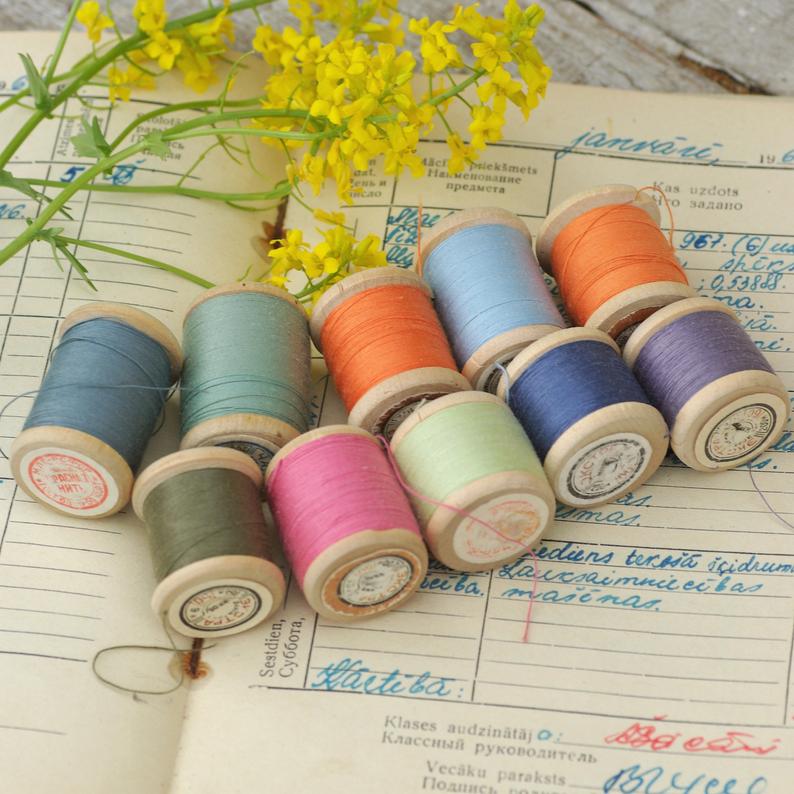
There were shortages of most manufactured goods in Soviet Estonia in the 70s and 80s. Good quality sewing thread was among those things. We had a box of sewing thread in all sorts of colours. Maybe sent from abroad by some friend or relative? Sewing thread was to be used with restraint and not wasted.

Sewing thread came on short, stubby wooden spools. There was a small notch in the edge of each spool, so you could fasten the end of the thread there.

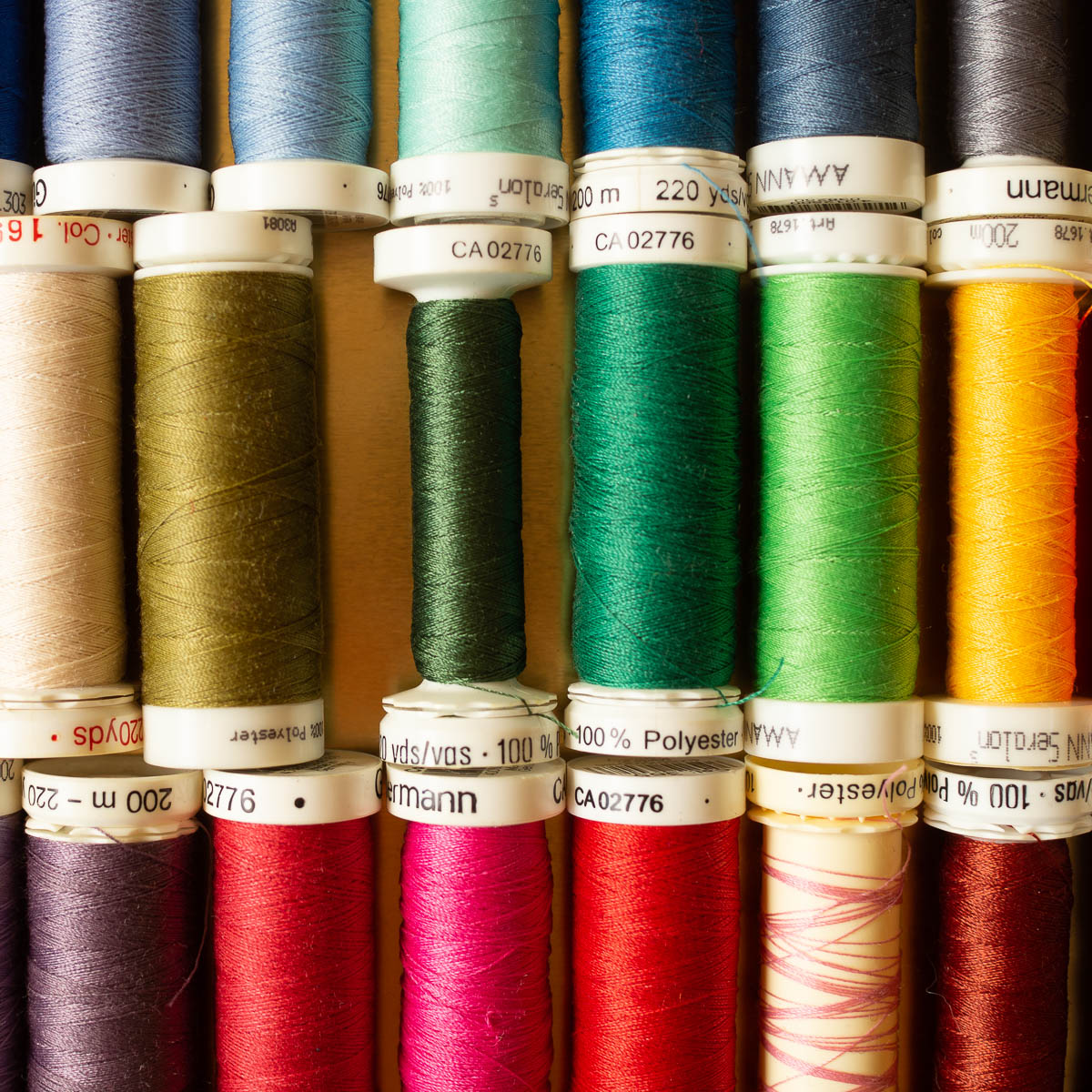
The photo of old spools is, again, from an auction site. I found it through Google Image Search, but the original has already been removed, so I cannot link to it. The photo of modern spools is my own.


Nõukogude Eestis olid 1970-ndatel ja 1980-ndatel aastatel paljud tööstuskaubad defitsiit, s.t. neid polnud poes saada. Hea kvaliteediga õmblusniit oli ka üks selline kaup. Meil oli kodus karp igatsugu värvi niidirullidega. Ei tea, ehk olime selle saanud mõnelt sõbralt või sugulaselt välismaal? Õmblusniiti kasutati kokkuhoidlikult ja ei raisatud.

Niidirullid olid puidust ja töntsakad. Niidirulli servas oli väike täke, kuhu vahele sai niidiotsa kinni panna.

Vanade niidirullide foto on jälle ühelt oksjonileheküljelt. Leidsin pildi Google Image Search’i abil, aga originaalpilt on juba ära võetud, nii et linkida ei saa. Foto moodsatest niidirullidest on minu tehtud.

We didn’t go hiking as a family when I was a child in Estonia, just day trips. I remember my father going away on long hikes in faraway places. I guess that was one of the few benefits of being part of the Soviet Union: travelling to the far ends of that empire, from Sakhalin in the Far East to the Crimea and the Caucasus mountains in the south. I remember looking forward to being old enough to join. Unfortunately I never got to that point.

Our school class did at least two hikes together. One was to Piusa. I think we slept in the hay loft at a classmate’s grandparents’ farm. At Piusa I remember we wandered around in the sandstone caves – man-made, the result of digging for sand for glass-making. The caves are now mostly closed to the public because of safety concerns, otherwise I’d love to back and visit them again.

The other hike was somewhere near Aegviidu, I believe. I remember forest lanes and not much else. That time we carried tents with us.

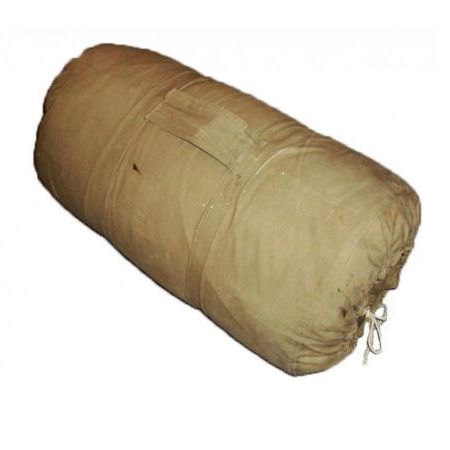
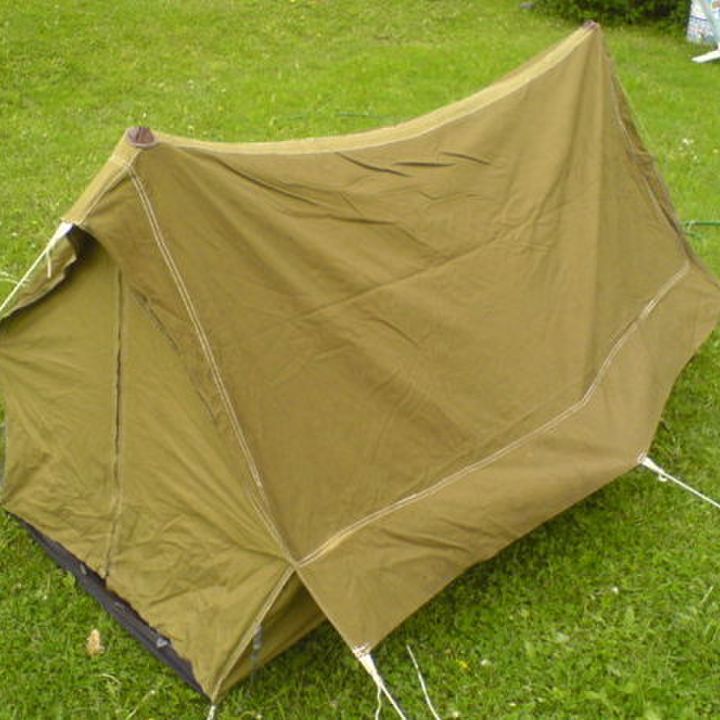
It’s easy to take kids on a hike these days. Back then, equipment weighed a ton. Sleeping bags were rectangular and made of cotton – canvas on the outside, thinner cotton on the inside, some kind of wadding in between. The wadding was probably cotton as well. Cotton is heavy. One of our sleeping bags had a blue lining with a pattern of small white flowers.

Tents were also made of heavy-duty canvas and had that classical ridge shape. They weren’t waterproof at all. For rain protection you covered the tent with a piece of heavy plastic, and you spread another piece of plastic under the tent. Nevertheless the tent usually leaked and grew mouldy with time.

I had a bright green rucksack on those hikes. It was heavy, and definitely did not have a hip belt. I remember the buckles at the bottom ends of the shoulder straps digging into my hips.

The photos are not mine, but what I see matches what I remember. Both are from sites selling old stuff. The bag is a sleeping bag, imagine it being about 40 cm long.


Minu lapsepõlves me perega matkamas ei käinud, tegime ainult lühemaid väljasõite. Mäletan, kuidas mu isa käis pikkadel matkadel kaugetes kohtades. Eks see oli vist Nõukogude Liitu kuulumise üks vähestest headest külgedest: võimalus reisida selle suurriigi kaugetesse nurkadesse, alates Sahhalinist Kaug-Idas kuni Krimmi ja Kaukasuseni lõunas. Mäletan, kuidas ma ootasin, et saaksin ka piisavalt suureks, et mind kaasa võetaks. Ei jõudnudki kunagi nii kaugele.

Meie klass tegi koos vähemalt kaks matka. Üks viis Piusale. Magasime vist ühe klassikaaslase vanavanemate talus, heinalakas. Piusal uitasime ringi liivakivikoobastes – neis, mis sinna klaasitööstuse jaoks liiva kaevandamisest on tekkinud. Koopad on nüüd avalikkusele enamalt jaolt suletud, muidu oleks tore sinna jälle tagasi minna ja uuesti koobastes käia.

Teine matk oli vist kusagil Aegviidu kandis. Mäletan metsasihte ja muud eriti midagi. Tol korral tassisime telke kaasa.

Tänapäeval on lihtne lastega matkale minna. Tol ajal kaalus kogu varustus väga palju. Magamiskotid olid nelinurksed ja puuvillast – väljaspool paksem kangas, seespool mustriline sits, nende vahel mingit sorti vatiin. Vatiin oli tõenäoliselt ka puuvillane. Puuvill on raske. Ühel meie magamiskottidest oli sinine vooder valge lillemustriga.

Telgid olid samuti presendist ja olid seesugused traditsioonilise telgi kujuga. Veekindlad polnud nad üldse. Vihma eest kaitsti telk kiletükiga, ja teine kiletükk pandi telgi alla. Sellegipoolest lekkis telk alati ja kogus aegamööda hallitust.

Mul oli neil matkadel ereroheline seljakott. Kott oli raske, ja mingit puusavööd küll ei olnud. Mäletan, kuidas õlarihmade alumises otsas olevad pandlad mul puusakohas vastu keha vajutasid.

Fotod pole minu tehtud, aga asjad näevad välja umbes nii, nagu ma neid mäletan. Mõlemad on vana kraami müügikohtadest. Paks vorstikujuline kott on magamiskott, umbes 40 cm pikk.

When I was a child, Tartu had two cinemas – Ekraan (“Screen”) and Komsomol. Ekraan was close to where we lived, a few bus stops away, so that was the only one we ever went to.

Ekraan was and is a low, boxy white brick building. Now it has all the conveniences of a modern cinema. But back then it had a single large auditorium, with maybe thirty rows of seats and hardly any rise in the floor. The seats were unpadded, made of thick plywood, dark brown, slightly curved. The cinema sold no drinks and definitely no popcorn, and had no toilet. You always made sure you went to the toilet before leaving home.

Tickets were made of paper. I found this photo of an old ticket from Ekraan at an auction site in Estonia. The row and seat numbers are hand-written. A grumpy middle-aged lady sat in a booth in the entry hall and sold them. When you had chosen a seat, the lady crossed that seat off the seating map, wrote the row and seat numbers on a blank ticket, and tore it off the ticket block.

When the movie was about to start, the grumpy lady moved from the booth to the auditorium entrance and checked your ticket and tore off the stub.