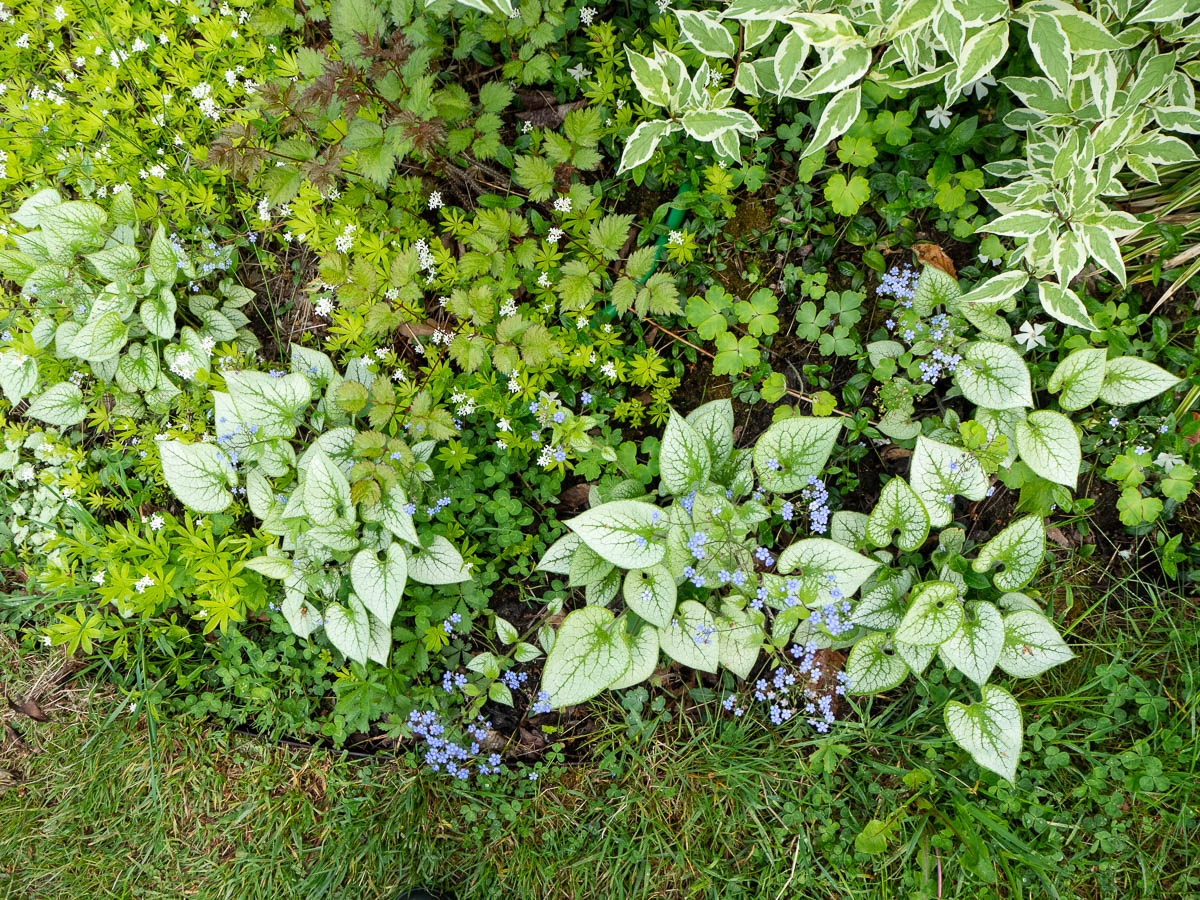
The ground cover in my front flowerbed is mostly doing pretty well. I’m a bit peeved that the Lamiums all died, while their wild cousins turn up here and there in the new hedge, full of vigour. I even see Aquilegia in there but I’ve given up hope about them blooming.

The flowerbeds I remember from my childhood summers in my grandmother’s cottage had single flowers planted at regular distances: tagetes, lilies, gladiolus, hostas. In between the plants the earth was bare. And I remember my grandmother and mother sitting and weeding those flowerbeds to keep them tidy. It must have taken up so much of their time.

I think that aesthetic is still quite in fashion in Estonia, although nowadays the general recommendation is to cover the earth with mulch of some sort to reduce the need for weeding.

The result can kind of look elegant if you can keep it totally pristine, but that bare-earth look just seems so unnatural to me. All gardens and flowerbeds are unnatural by definition, of course, but mulched or bare-earth flowerbeds are like perfectly even monoculture lawns and giant paved patios: it’s no longer bringing out the best of nature but a constant battle to completely dominate nature.

All philosophy aside, it’s also a giant waste of time.
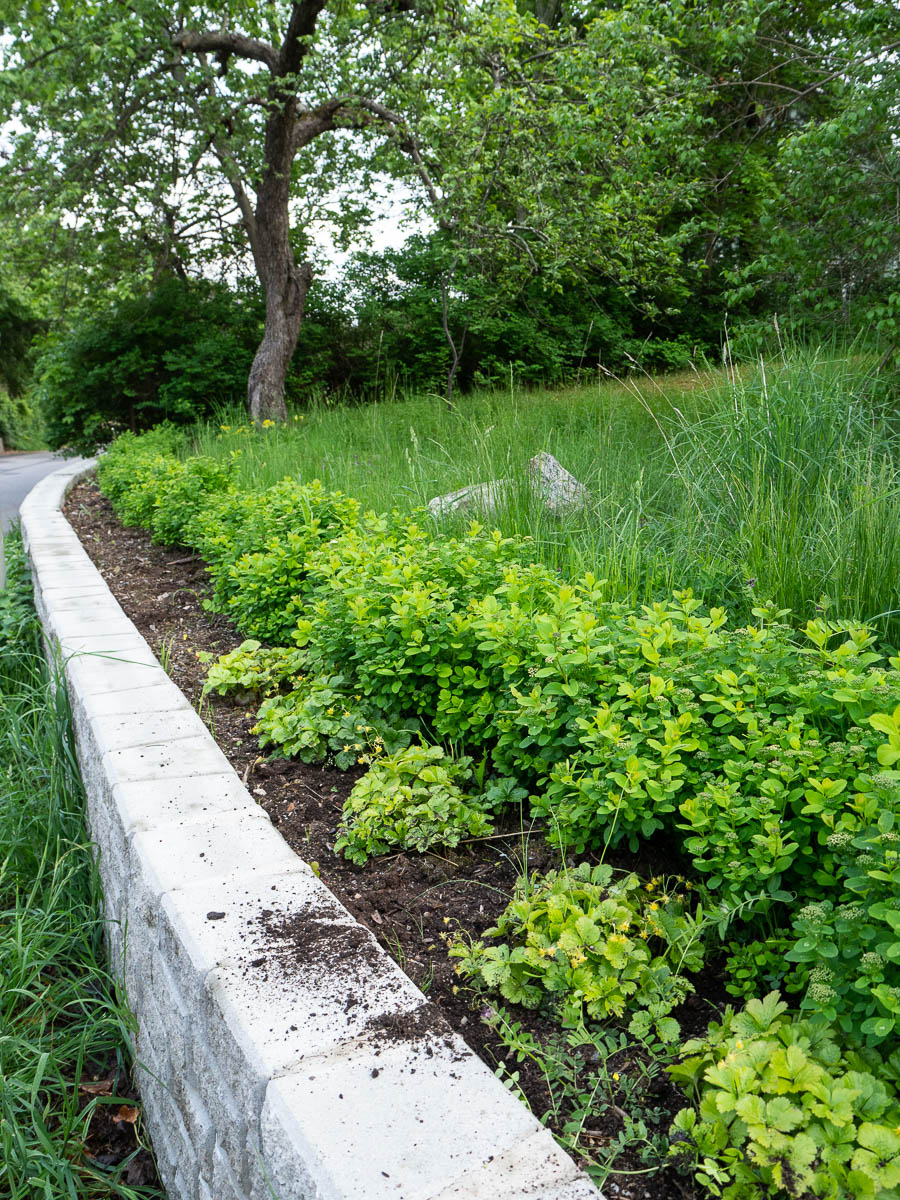

Last summer I also planted some ground cover under one of the new hedges. I couldn’t make up my mind so I bought three different species and gave them equal shares. That turned out to be a very good thing. Out of the three, one has died out so completely that I can’t see even enough of a trace to recall what I may have planted. The second one (Waldsteinia) is growing well, and I’m planning to get more of those to fill in the empty section. The third one (Vinca) is surviving but not exactly doing a good job of covering the ground.

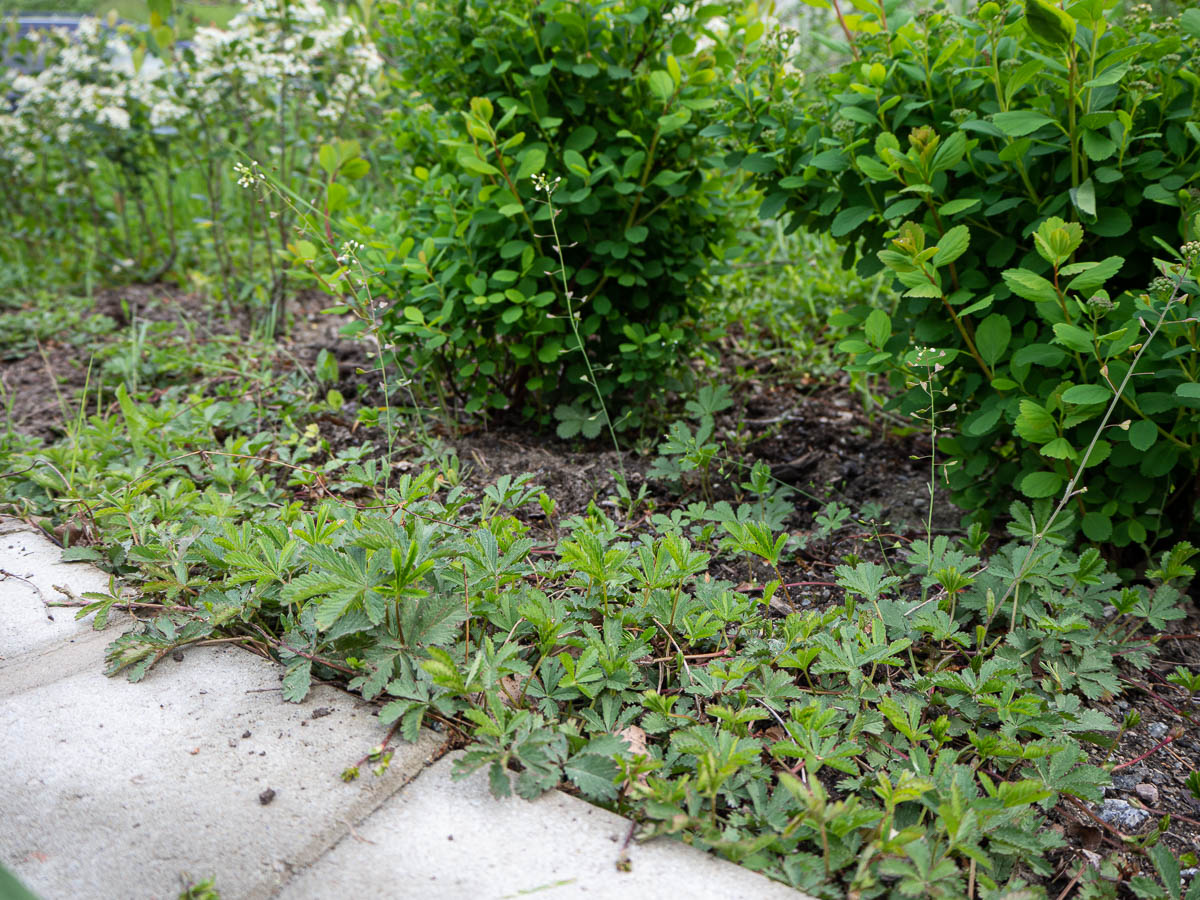
The front hedge I left to its own devices, because the “lawn” there has a lot of species that I thought might spread and cover the ground – Creeping Cinquefoil being the foremost among them. It is generally categorized as a weed, but I find it completely inoffensive in all ways and would happily let it take over all the ground under the hedge, and block weeds I don’t like. The cinquefoil is doing pretty well but there are places it hasn’t spread to yet, and those are now being invaded by less attractive weeds, so I think I will be buying some commercial ground cover for those spots to speed things up.
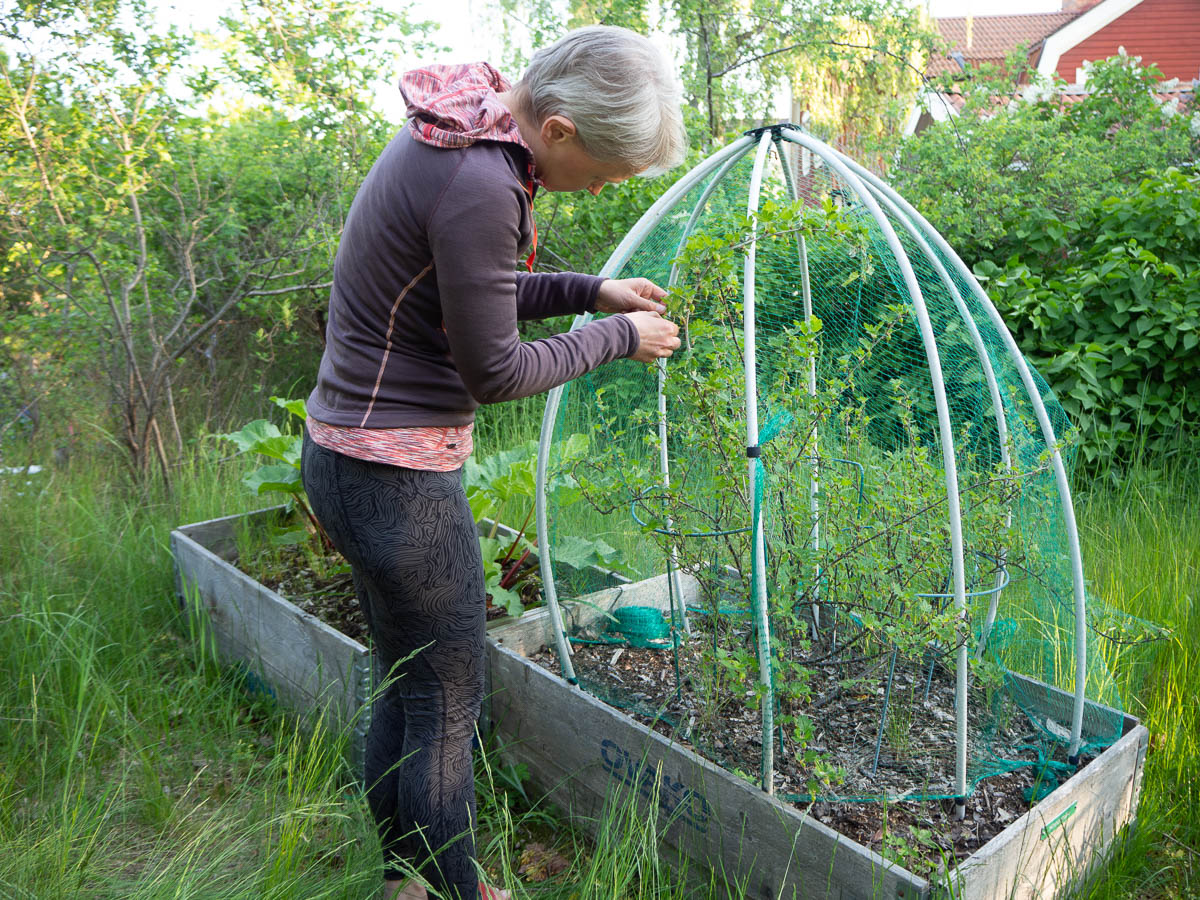
I went out into the garden to take photos, but then I discovered that the gooseberry bush was all tangled up with its net. I’d left the net out over the winter, mostly out of laziness but also thinking that it wouldn’t make much of a difference whether I leave it on or take it off. It made a lot of difference: the new leaves and berries had in many places grown through the net, so they were on the wrong side of it. They were still just small enough that with a lot of fiddling I could mostly poke them back and detach the net from the bush.

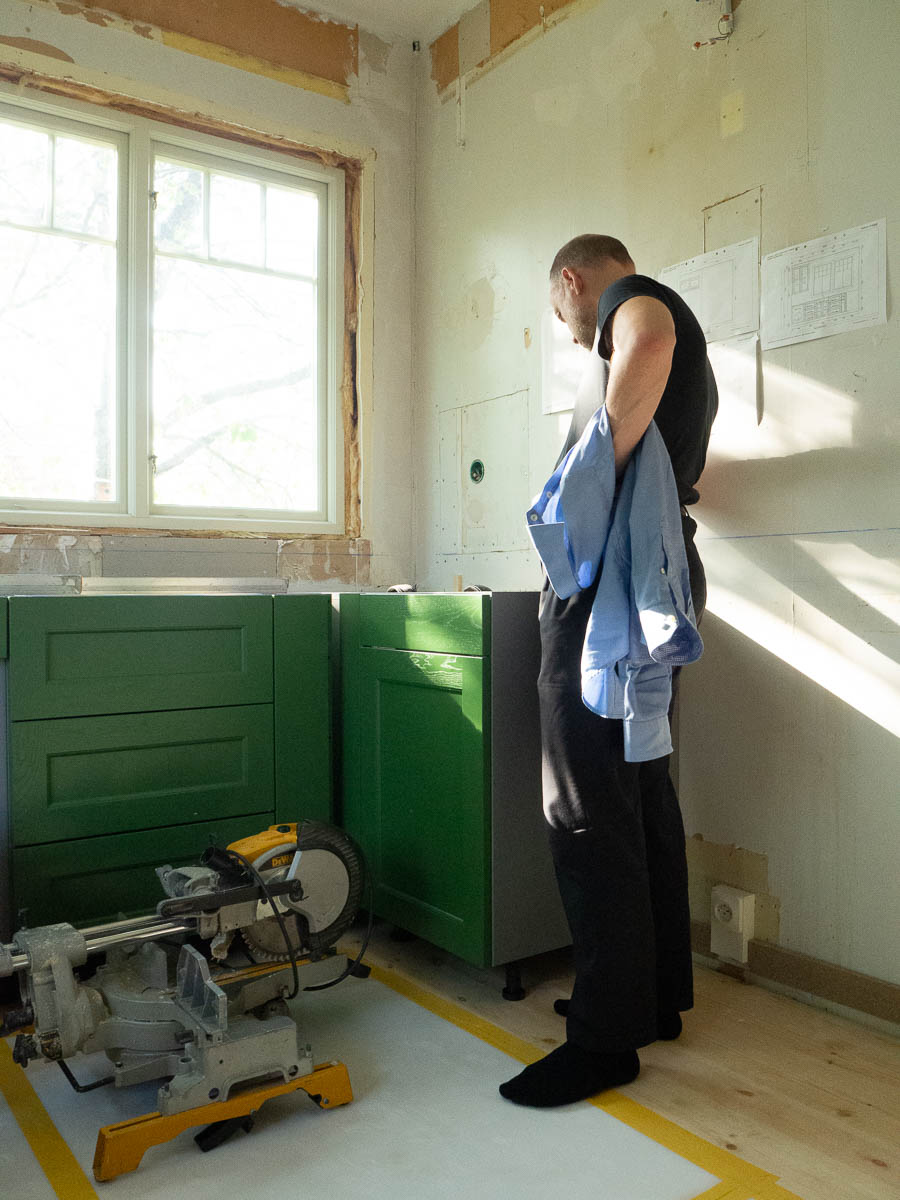
Meanwhile Adrian borrowed my camera, and by the time I was done fiddling with the bush, the camera had run out of batteries. So here is a photo of me instead of photos by me.


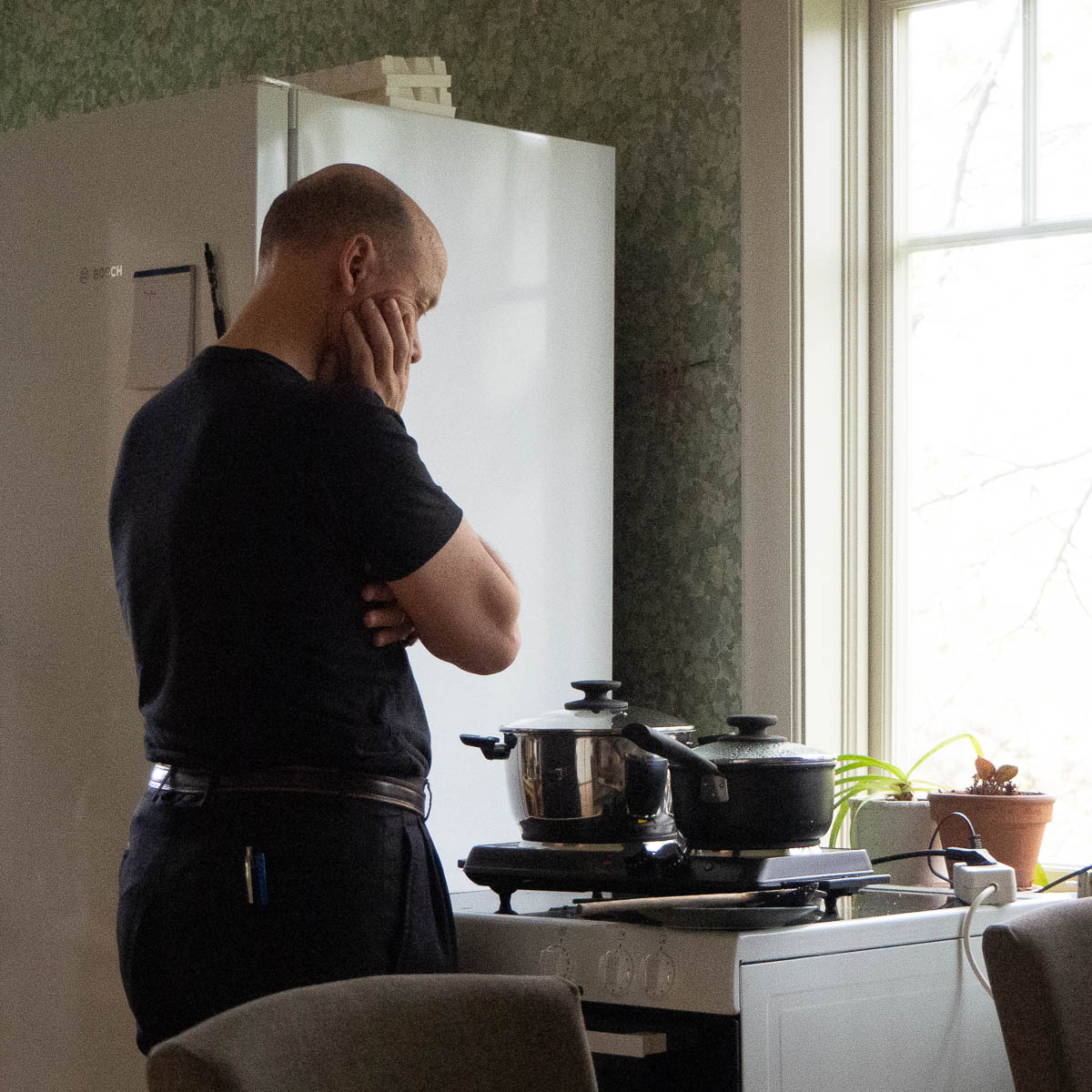
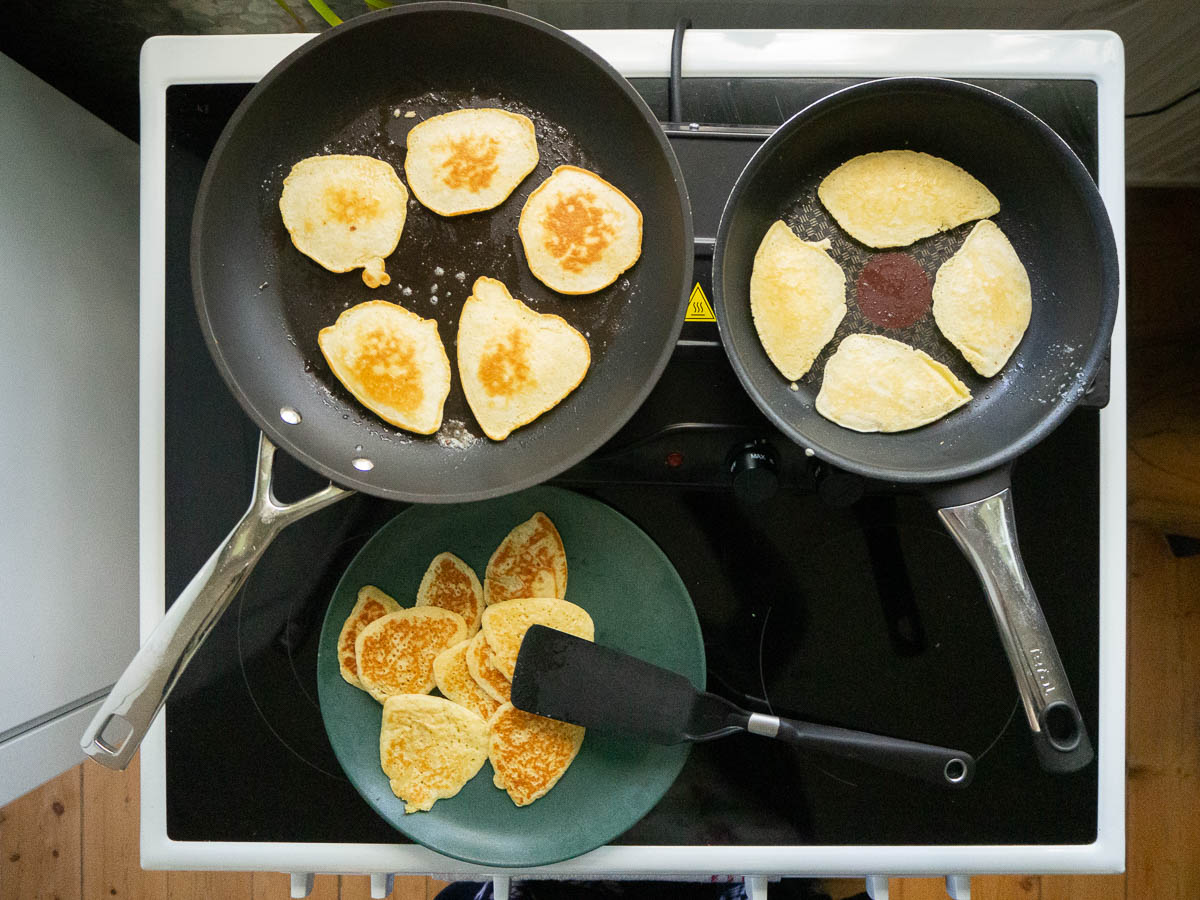
This hob is hopeless. The left-hand burner is slow but more or less works; the right-hand one can barely keep water boiling. I tried to make pancakes today and they just never got done on the right-hand burner. The batter turned solid after a while but didn’t get any colour so it was more like drying than frying the batter.

I am so looking forward to being able to use the big stove again.

And another thing. I’ve always known that the floor in the living room has a bit of give to it. The floorboards sag somewhat when someone walk on them. It’s never bothered me, in fact I used to barely notice it. But now that we store all sorts of kitchenware and glassware here, the whole room jangles loudly and irritatingly whenever I move around. It is becoming really annoying.


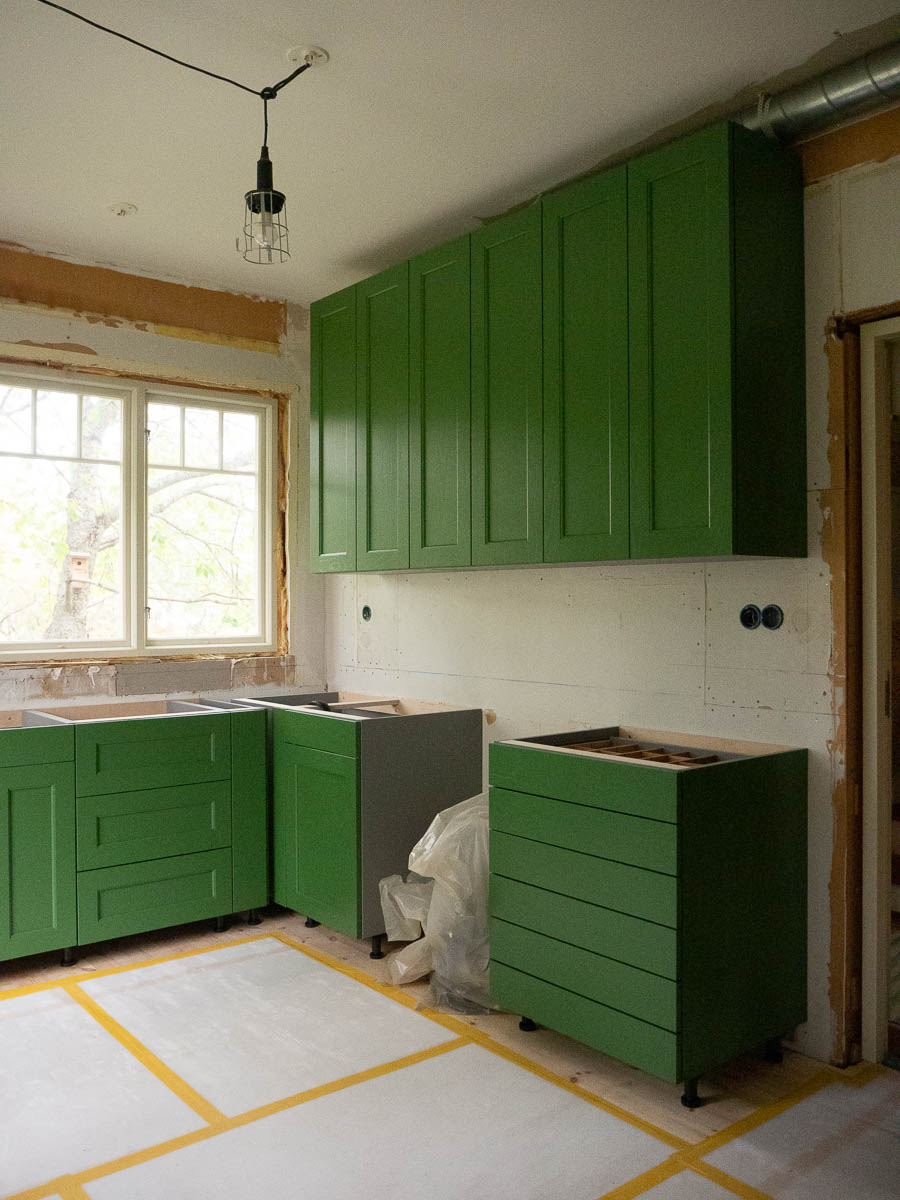
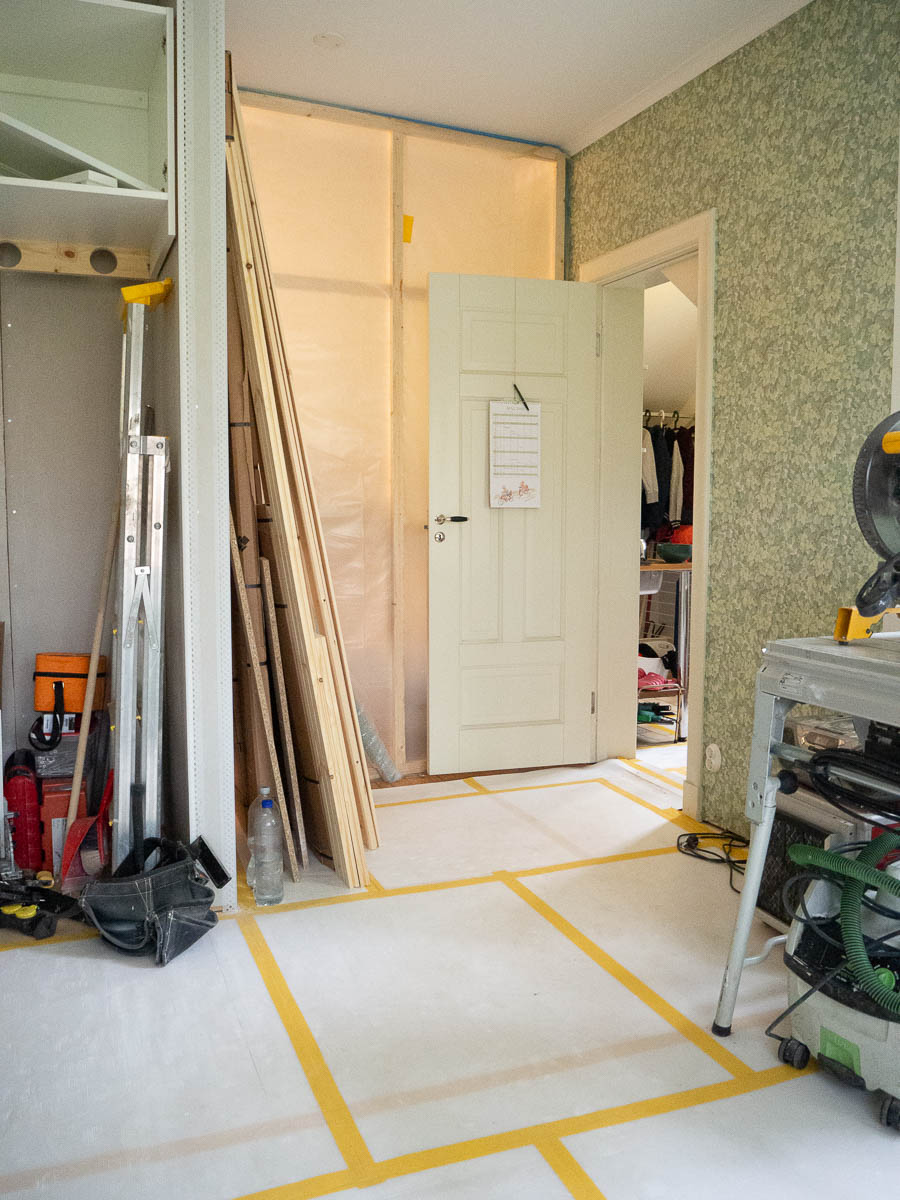
More cabinets have appeared. Turn around, though, and the other side of the kitchen still mostly looks like a construction site and doesn’t really have much of a kitchen vibe yet.


Every day after work, we take a look at the kitchen to see the day’s progress. Some days nothing much seems to happen at all. And today all of a sudden, cabinets appeared and the kitchen is visibly starting to turn into a kitchen again.

It took us several attempts before we managed to settle on the right shade of green for the cabinets. And the one we finally chose was none of the swatches but the colour we already had on the walls in the hall and the office. I was a bit worried that it would be too dark and intense for our relatively small kitchen, but it looks great.

The builders commented that the cabinets are all well made, “the right angles are right and the measurements are correct” which also bodes well.


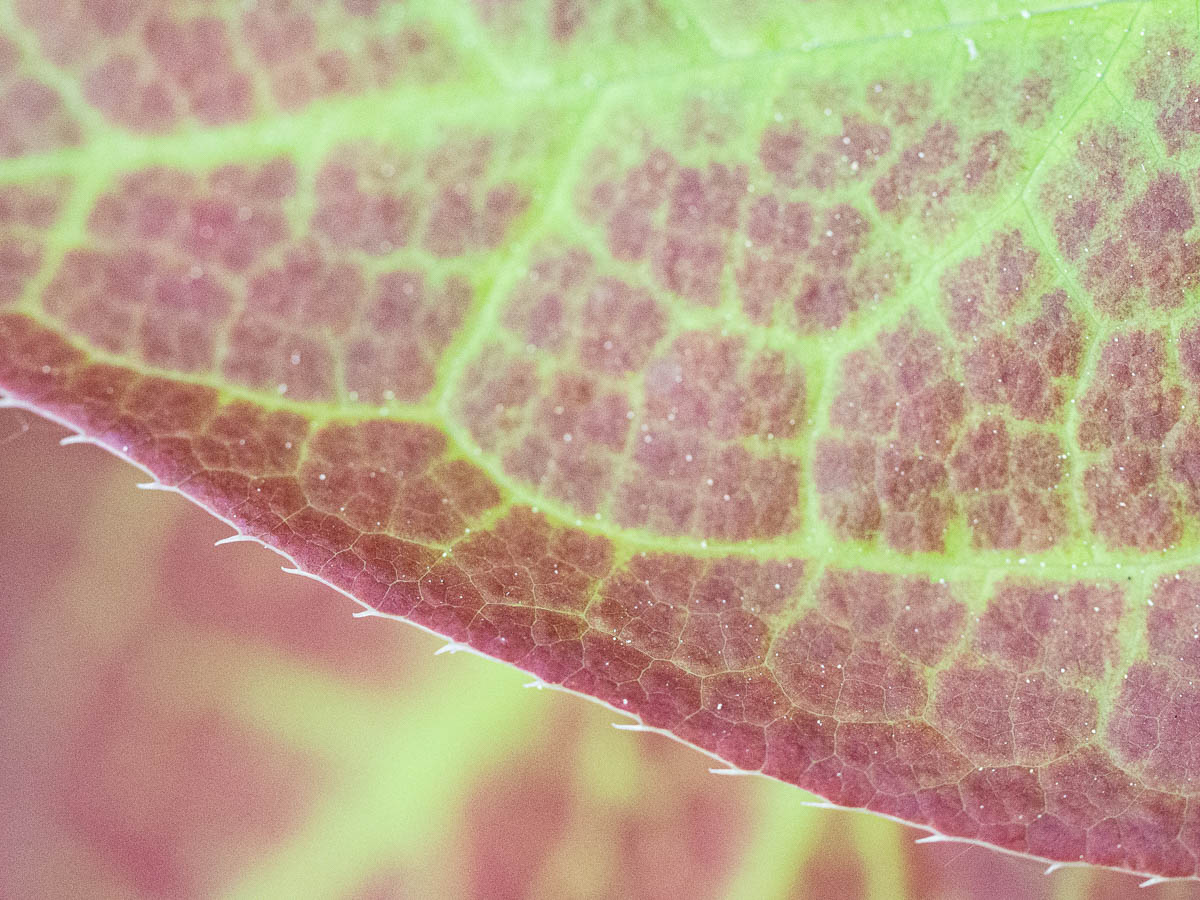
It’s such a pleasure to see fine plants spreading and thriving. Not all do, so I’m extra glad over the ones that do. Especially when they are as decorative as these Epimediums.


I was more or less prepared for making do without a proper kitchen. What I wasn’t quite prepared for was how hard it would be to not have access to running water in or even near the temporary kitchen-in-dining-room.

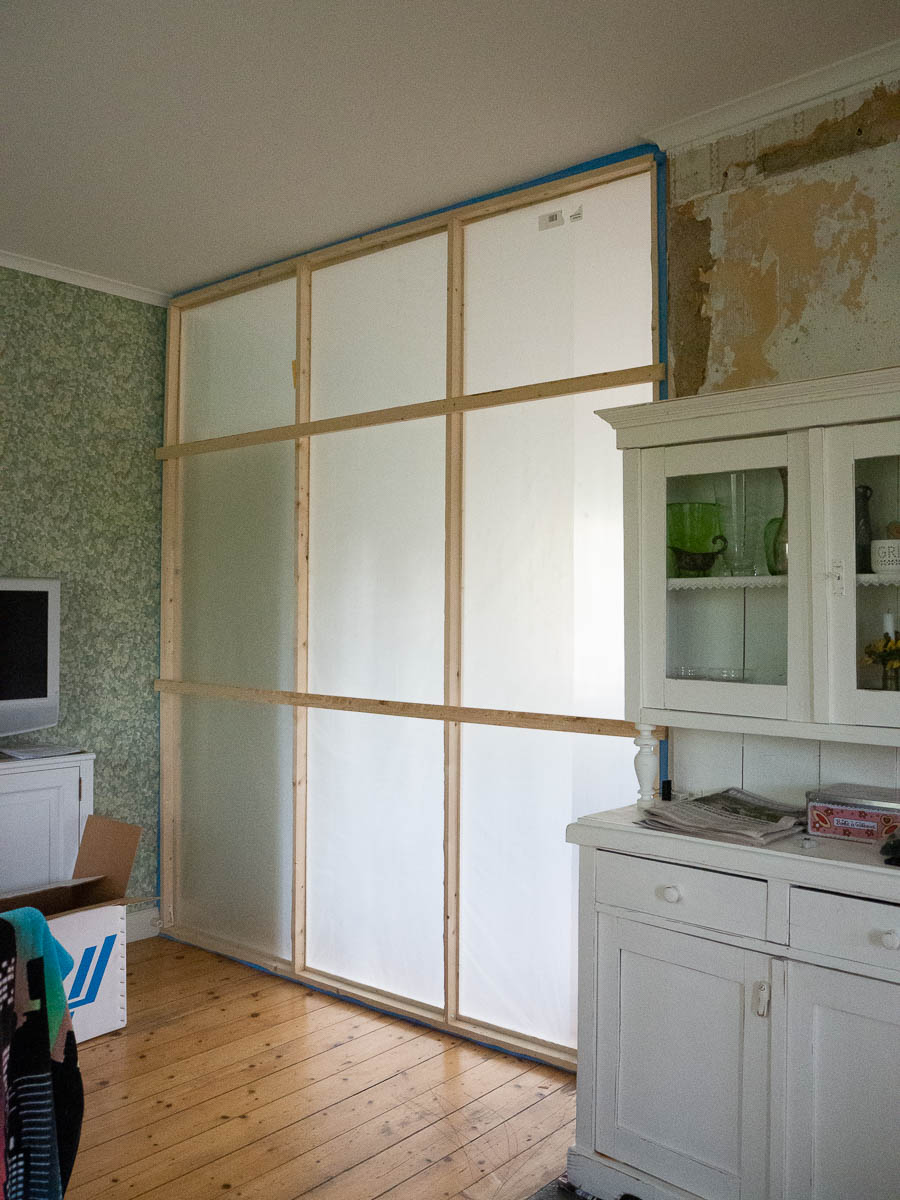
There is a temporary wall blocking off the dining room from the construction site. Which, given the sawdust and peat dust and other kinds of dust in there, is a good thing. But it means that getting to the laundry room and the sink there is now a bit of a hassle.

In the old kitchen, I had the stove and the sink right next to my small work area. Sink on the left, stove on the right. Now the sink is not even in the same room. Or in the next one. Or even in the room beyond that: I have to pass through three doorways and around two corners to get to the sink.

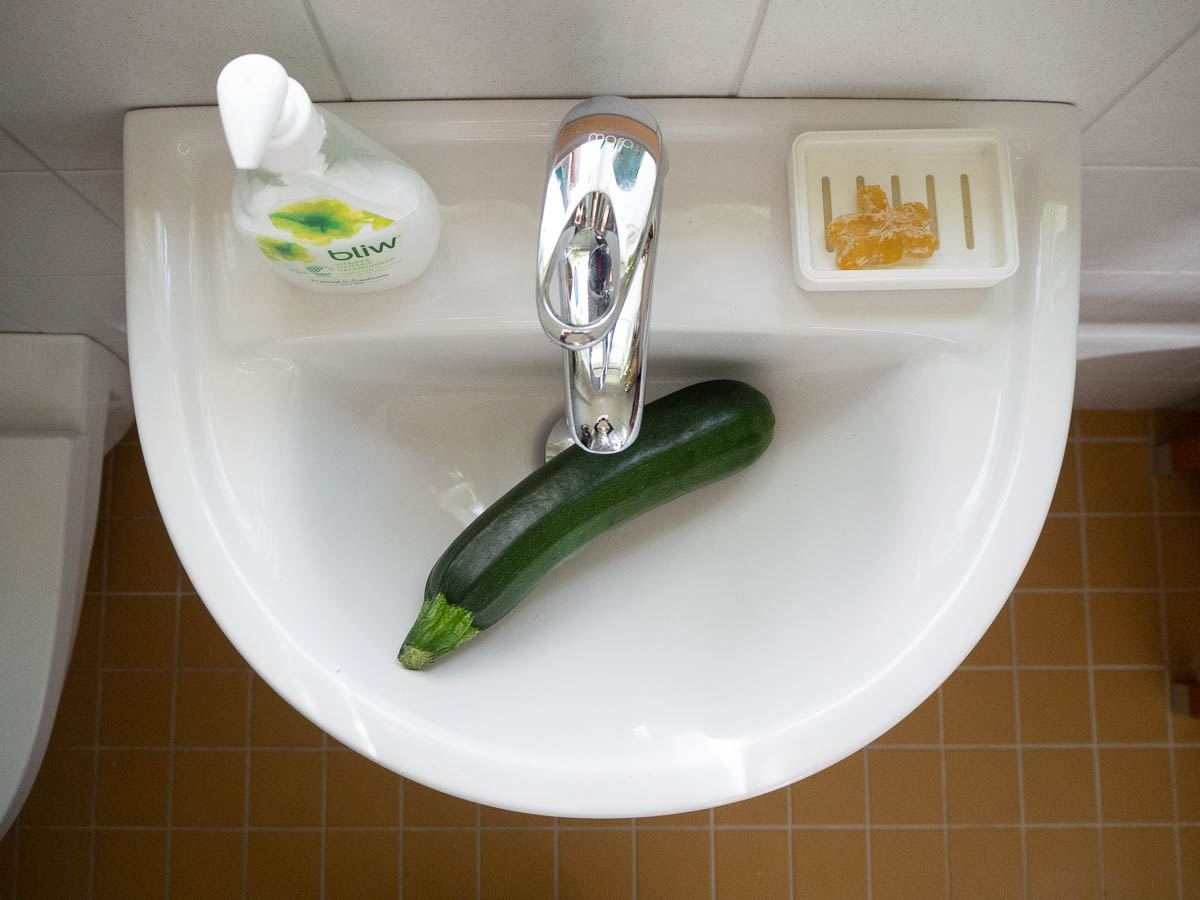
I’ve started using the bathroom sink for some tasks, but it is small, and really only works for small stuff. I can rinse veggies and drain pasta or fill a small pot halfway with water, but no more than that.

I’m almost considering buying a stainless steel bucket so that I can have water at hand in the “kitchen”. But then I’d also need another bucket for dirty water, and someplace to put them, and it’s not really worth it.

Running water is a pretty darn good thing to have.


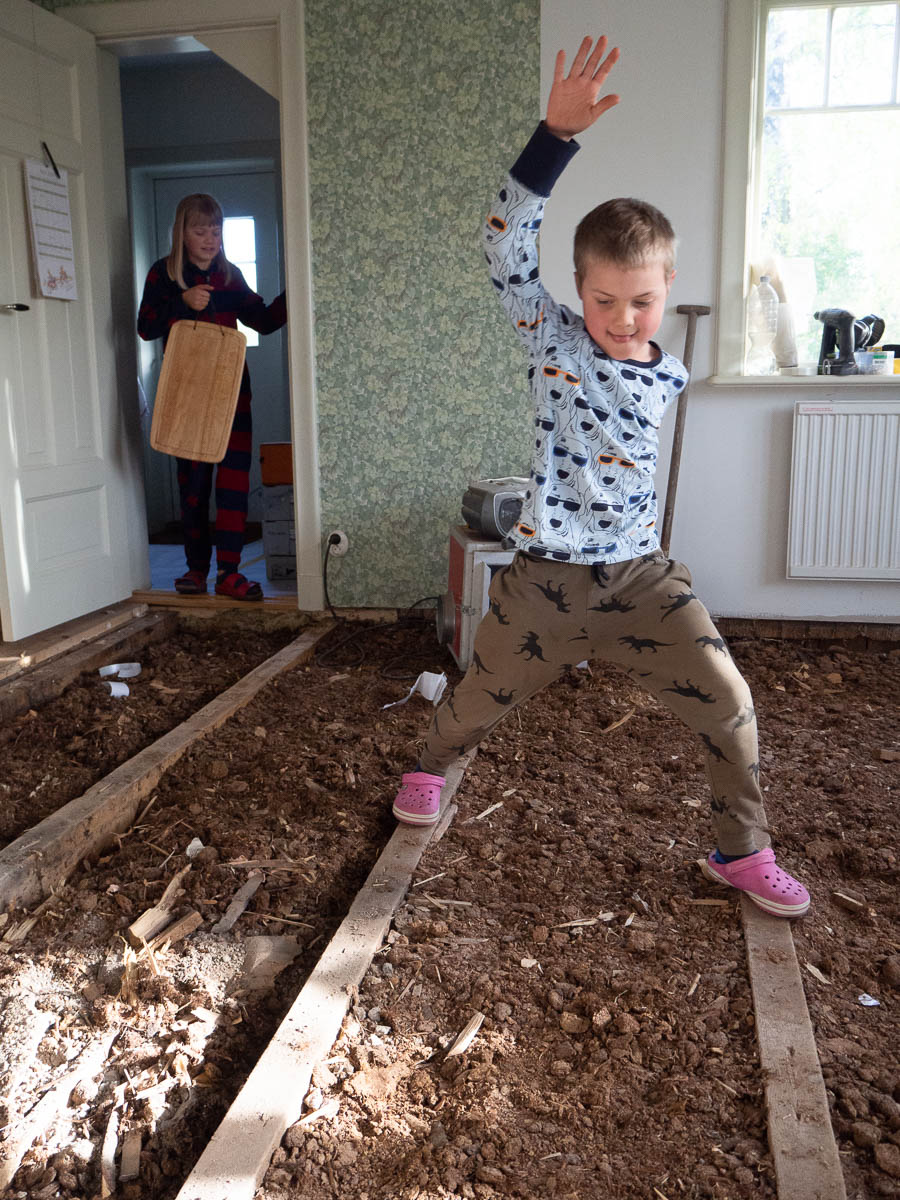
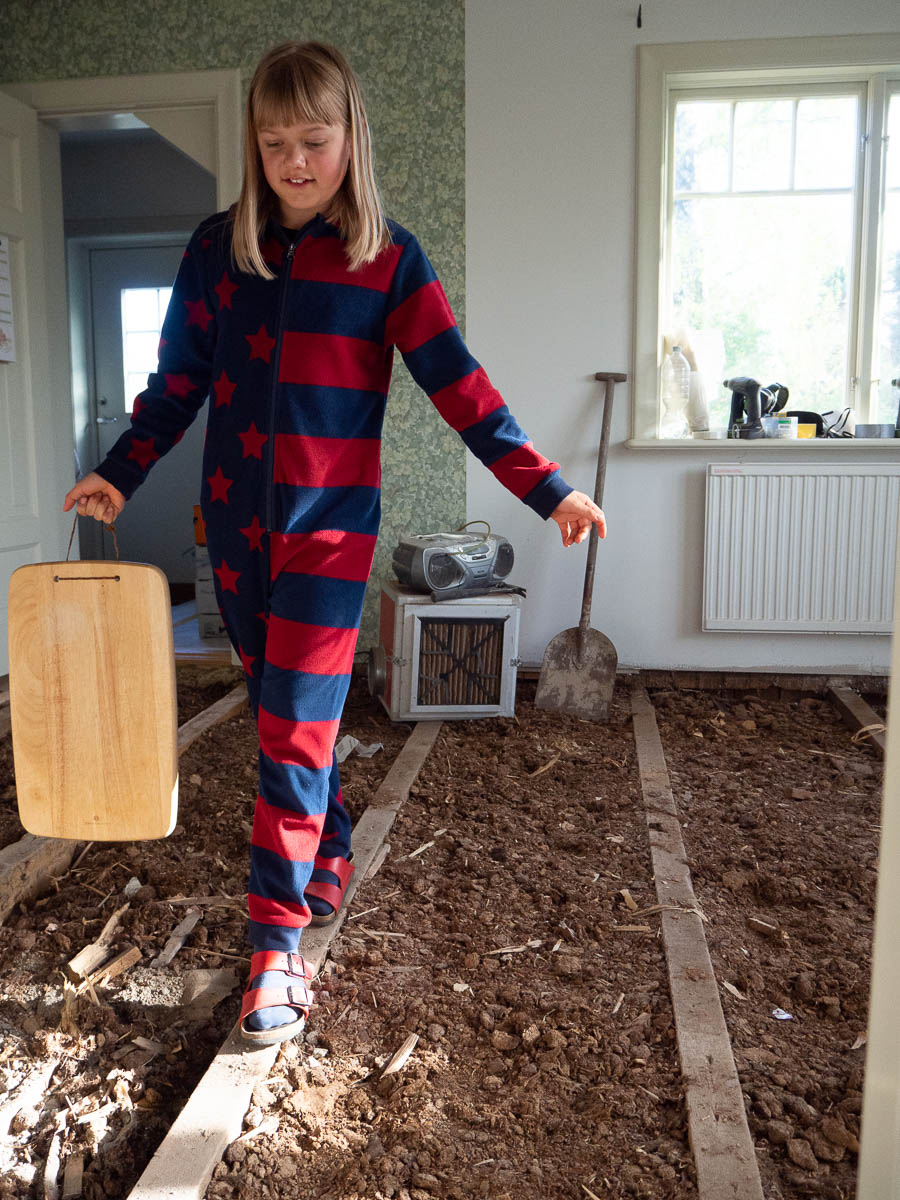
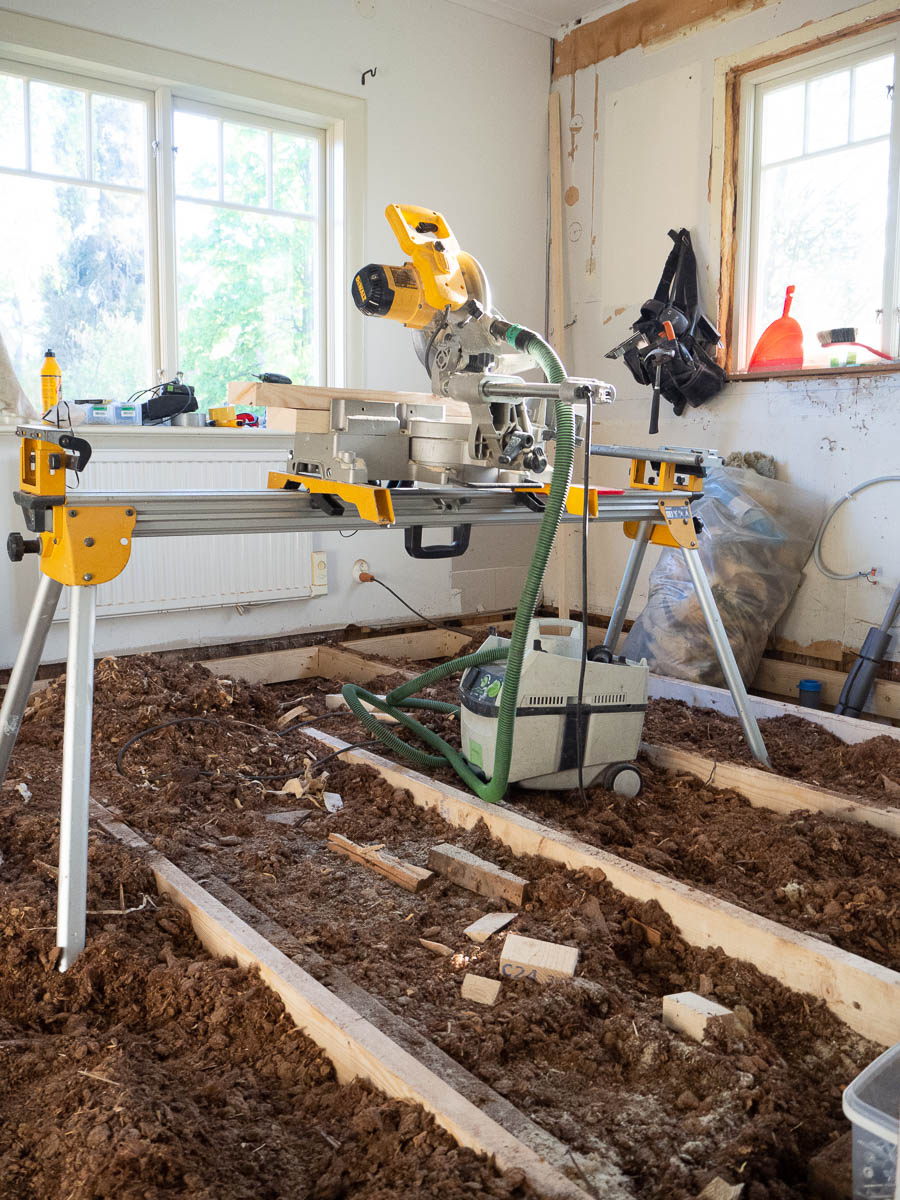
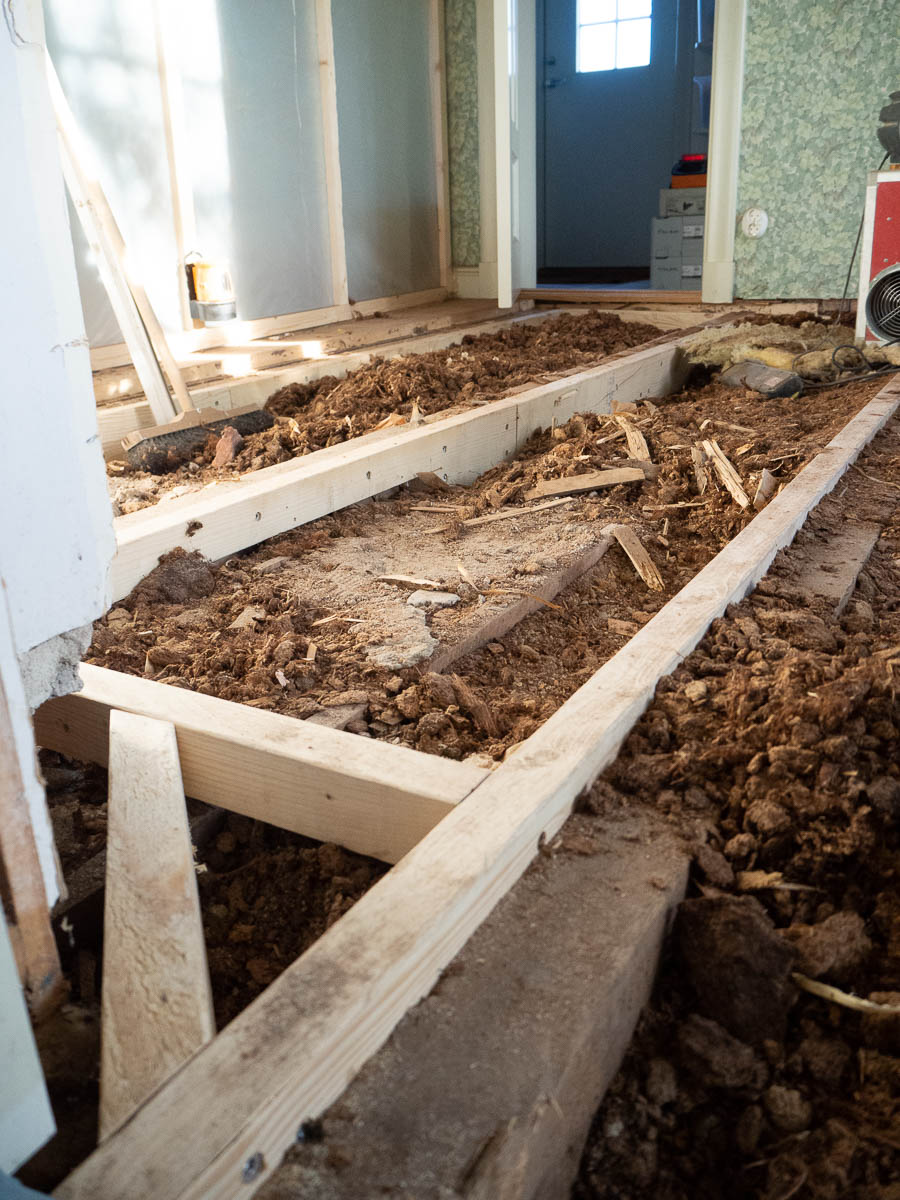
The old pine floor has gone the way of the cupboards. A trip to the laundry room (for e.g. water) now involves either balancing on the floor joists or walking through peat dust. Balancing is definitely both more fun and more comfortable.

Peat dust is rather icky. It’s very light and spreads everywhere and sticks to everything. Half the laundry room/pantry is covered in a thin layer of brown dust – I guess the door has been open while the builders worked.

But as “compensation” we’re getting new floor joists, which – unlike the old ones – are actually level.


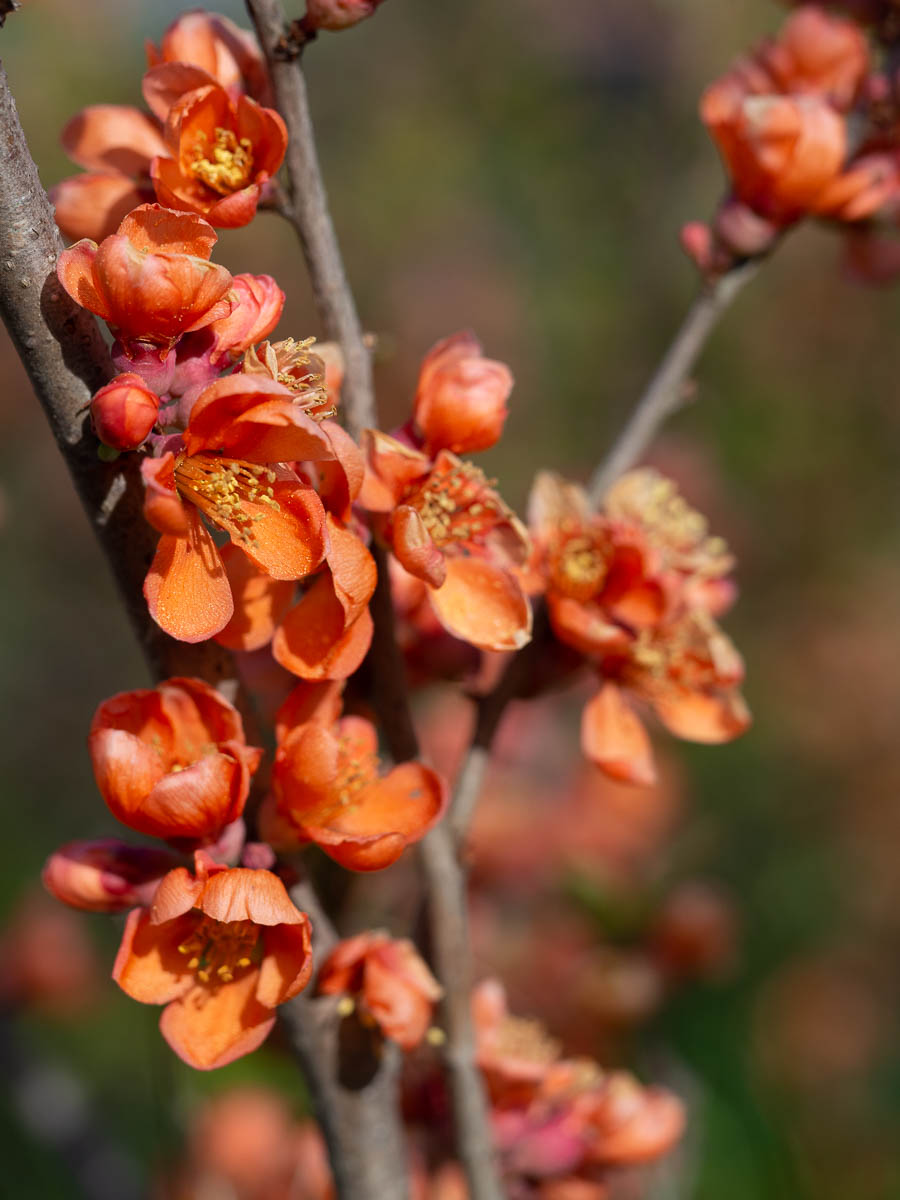
I have three flowering quince bushes in the front quarter of the garden. One is seven years old, full and bushy, strong and well established. The two others have been here for five years according to my notes, so not that much less, but compared to their older brother, they’re scraggly and weak.

This year those two decided to flower before putting out any leaves. Now they are covered so densely with flowers that they’re like bonfires.

I wonder if it is a stress reaction of some sort. Aspens are flowering incredibly intensely this year and spreading their fluff everywhere in amounts that I’ve never seen before, and I’ve been told it’s a reaction to last summer’s heat and drought. Who knows, maybe the quinces do the same?


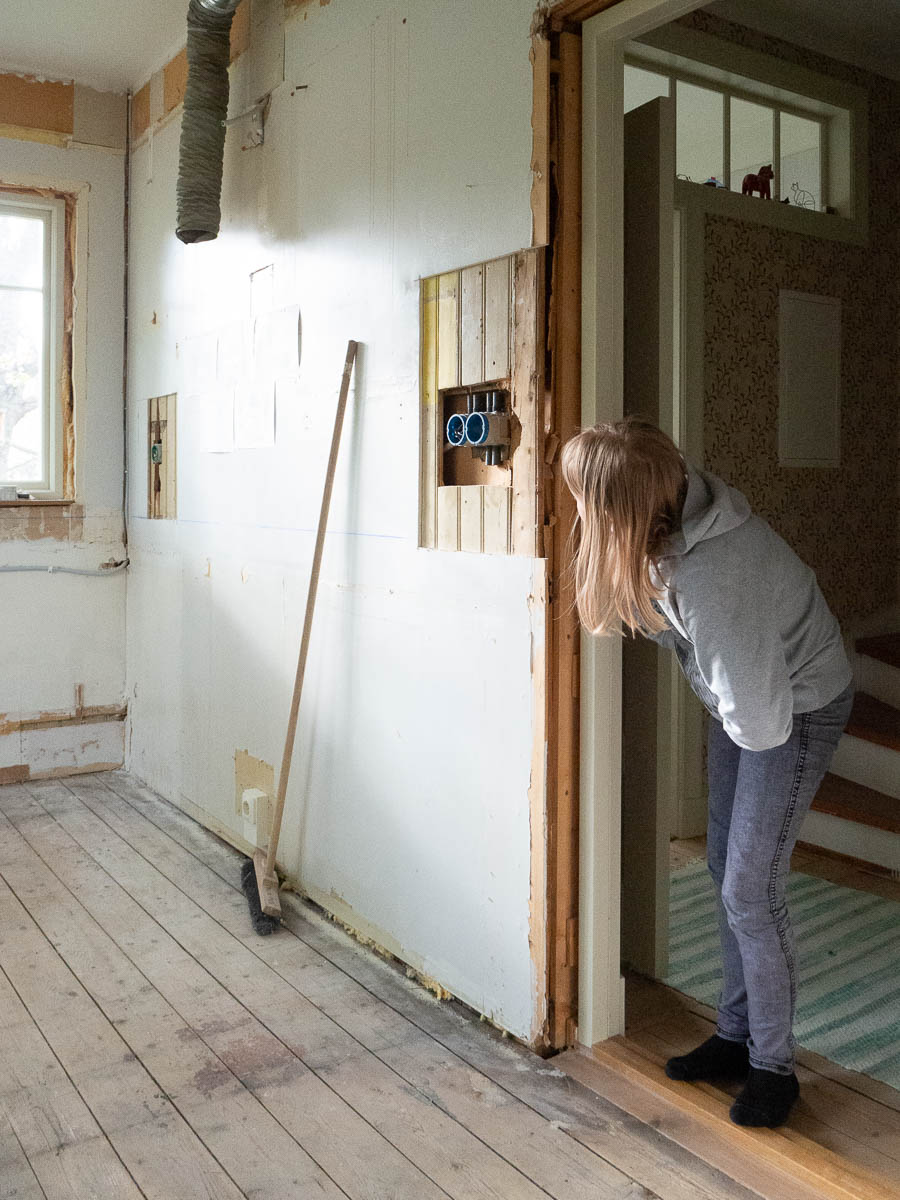
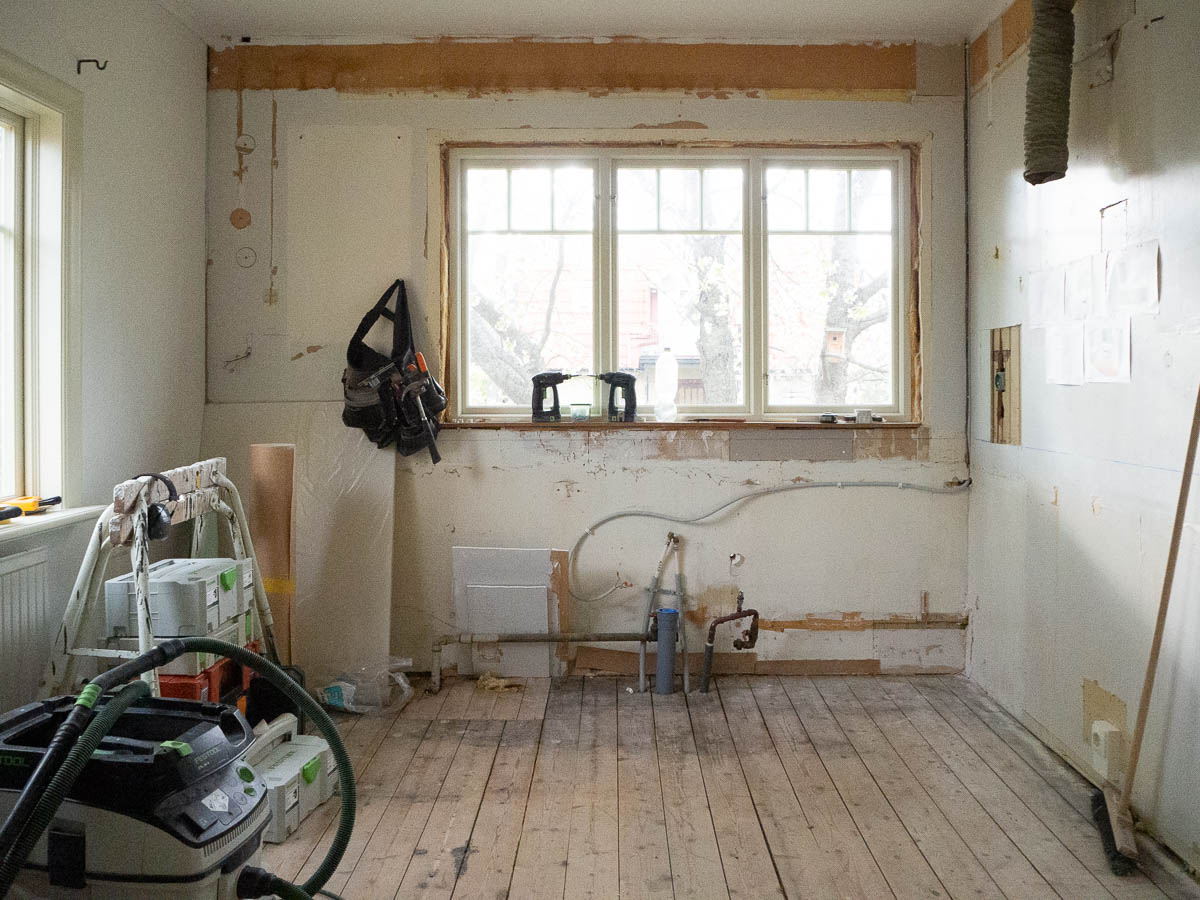
The builders have arrived and gotten to work. And already the kitchen is basically gone. The wonky cupboards and the cheap plastic countertops have all been thrown out. They’ve also already removed the two layers of flooring on top of the original pine (one layer of cork board and one of imitation wood). Only the shell of the room is left.

Since we have no kitchen, we’re now doing all our meal prep, cooking and eating in the dining room. Washing up happens in the laundry room, which also houses such things as the kettle and the microwave.

I can barely imagine living without cooking proper food. Living for however many weeks completely without a stove was not an option. We bought a portable hob with two hot plates that’s going to have to serve for this period.

It kind of works… but it is already frustrating. The plates do kind of get hot, but not proper hot. And it takes them half an eternity. We have to get used to the old school way of cooking again: whatever the meal you’re about to cook, start by turning on the hob. By the time I’m done chopping onions, the pan might be almost hot enough. Cooking on this thing is an exercise in patience