It’s Shrove Tuesday, which in Sweden means eating a semla.

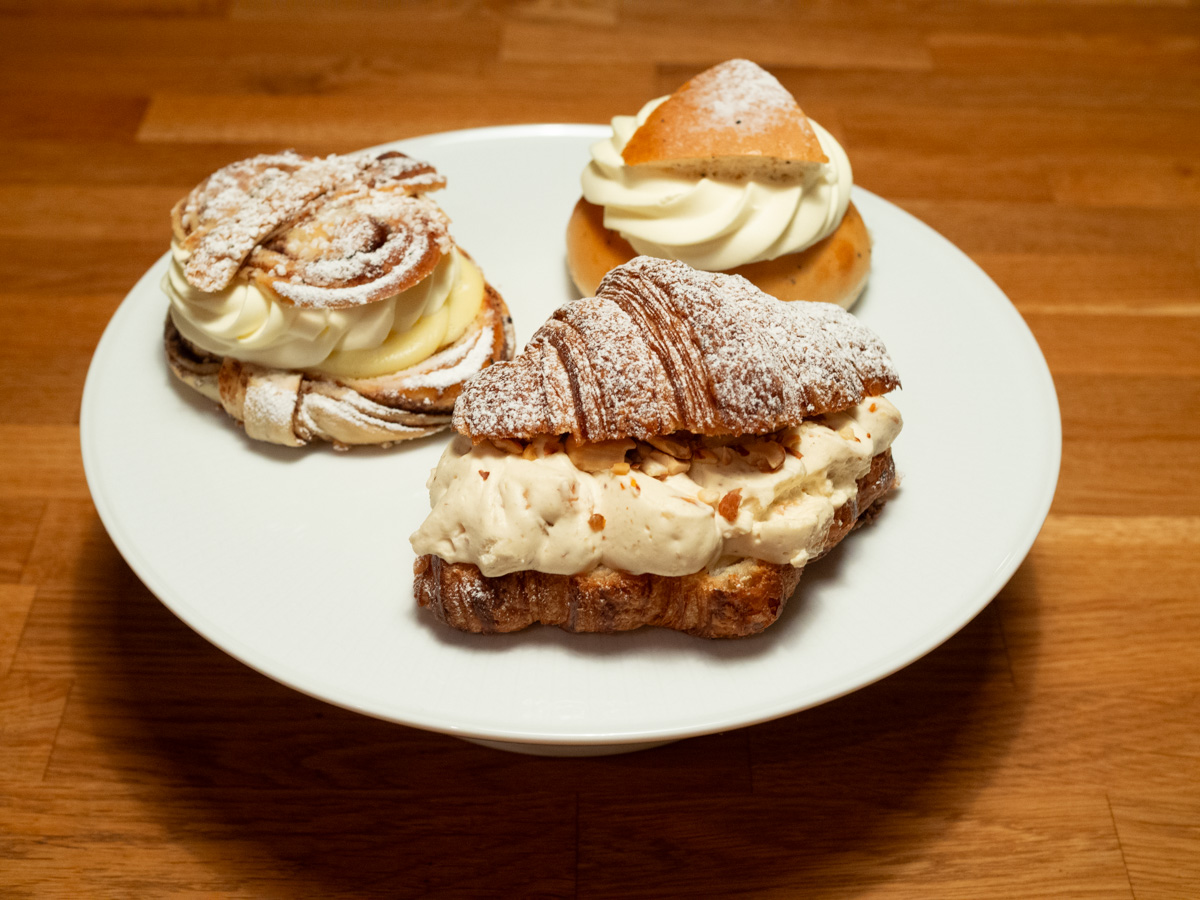
Ten-ish years ago, bakeries started offering semla-inspired products, and the creativity has only grown since then. This year Spånga Konditori offers not just traditional semla and a lactose-free one, but also vanilla semla (which vanilla custard instead of almond paste), cinnamon bun semla (also with custard) and wiener-semla (in a croissant, with the almond paste mixed up with the whipped cream).

I went for the traditional option. Ingrid and Adrian wanted to try the cinnamon bun and croissant variations. We concluded that a plain cinnamon bun is better than the cinnamon bun semla, and that if you want to add anything to a croissant then chocolate works better than almond cream.

We ate a lot of good food in Japan. Still, by the end of the trip I had had rather enough of it and was really looking forward to proper food. Especially proper bread – crusty and chewy and flavourful, not the bland stuff that the Japanese seem to prefer.

Their bread was white, very soft, very airy, bland, and often sweet. The sandwiches all had the crusts cut off, and the golden surface on the buns could not be called crust, either, as soft as it was. It was like eating baby food.

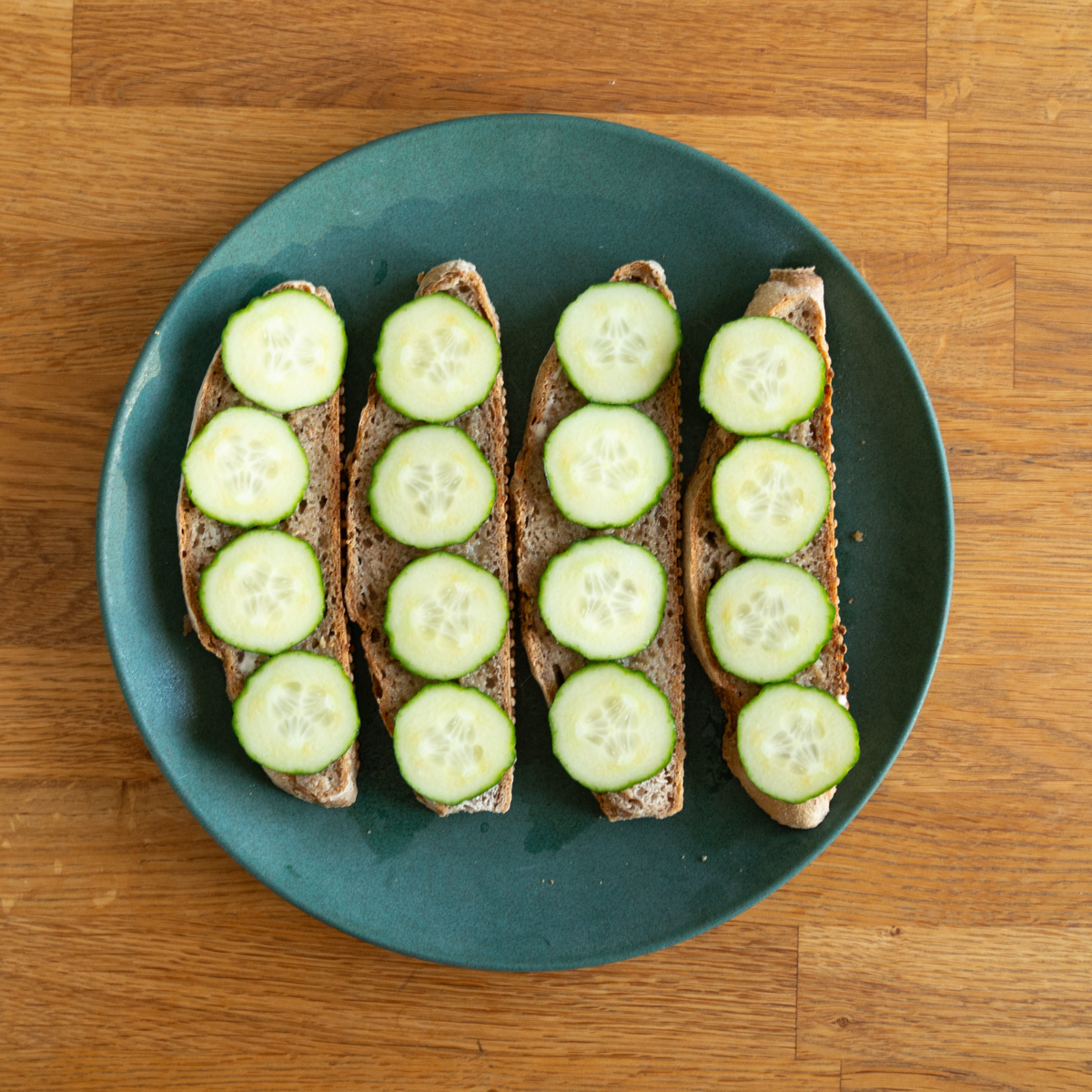
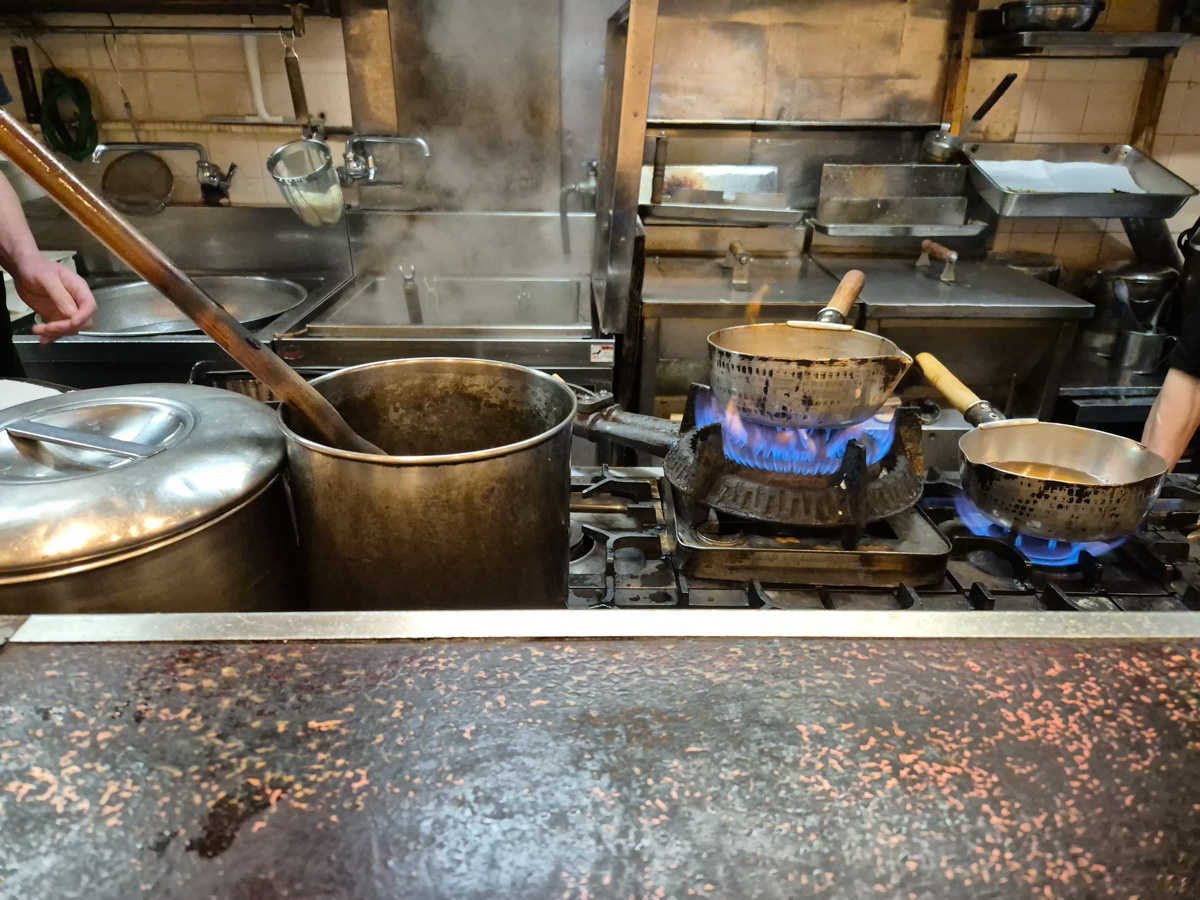
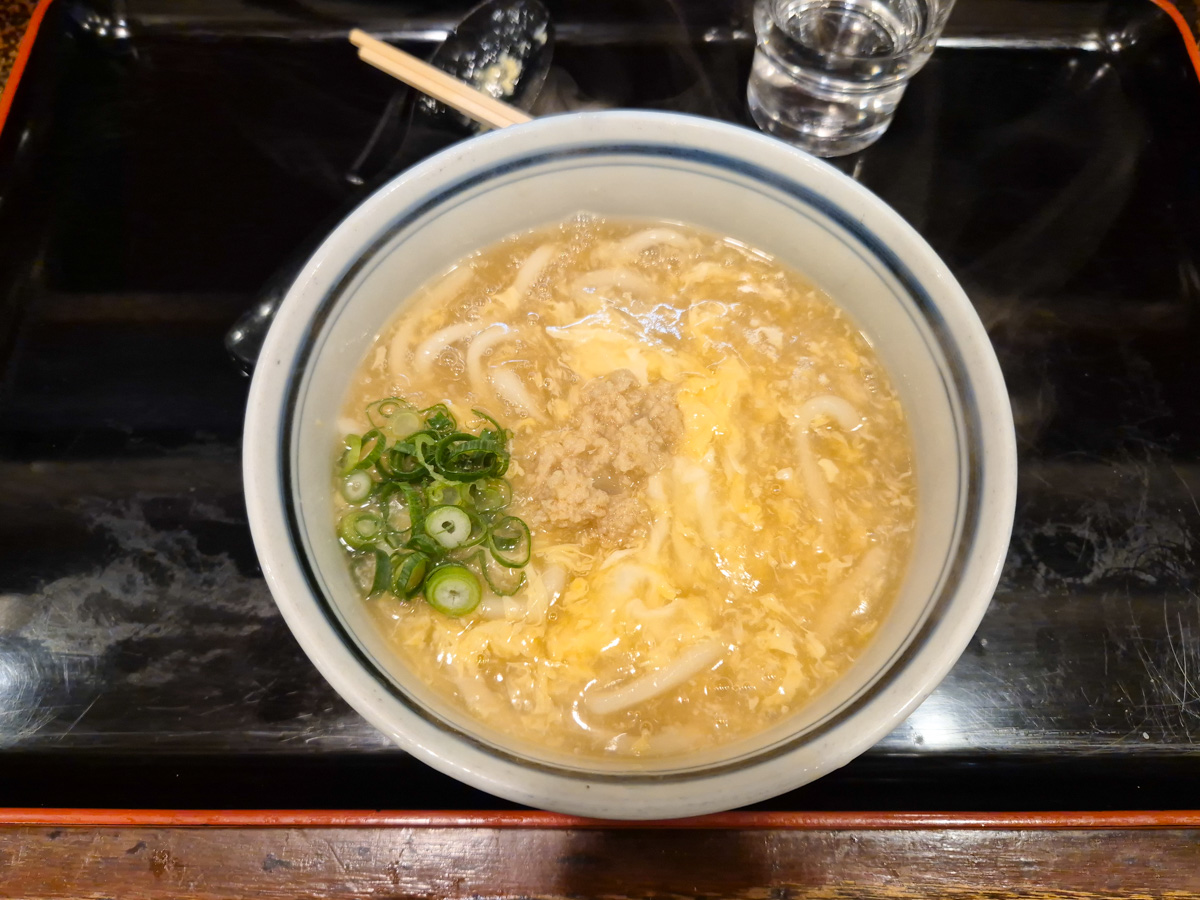
Today’s meals:
– Breakfast: porridge
– Lunch: sourdough bread
– Dinner: barley stew


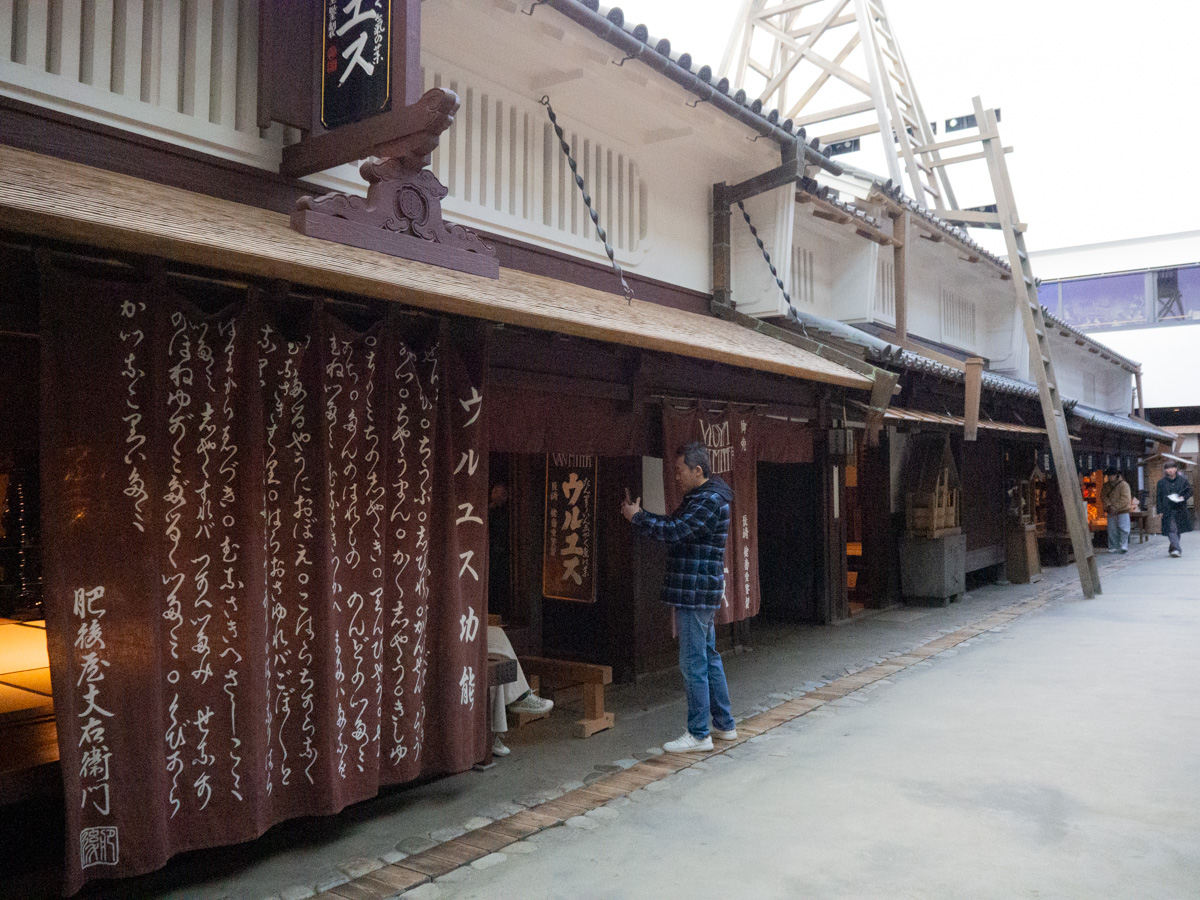
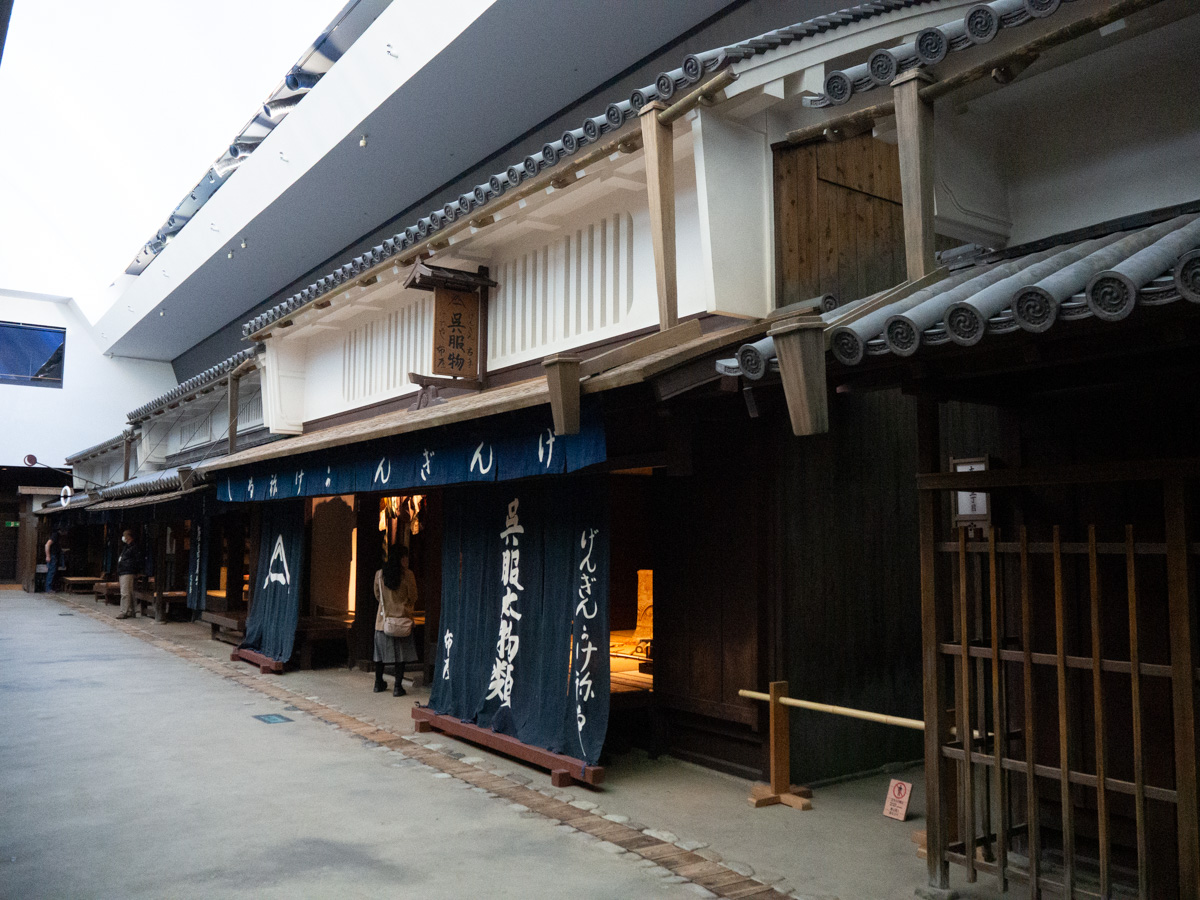
In between the temples and shrines, we spent this day walking around in the main tourist and shopping districts of Kyoto.

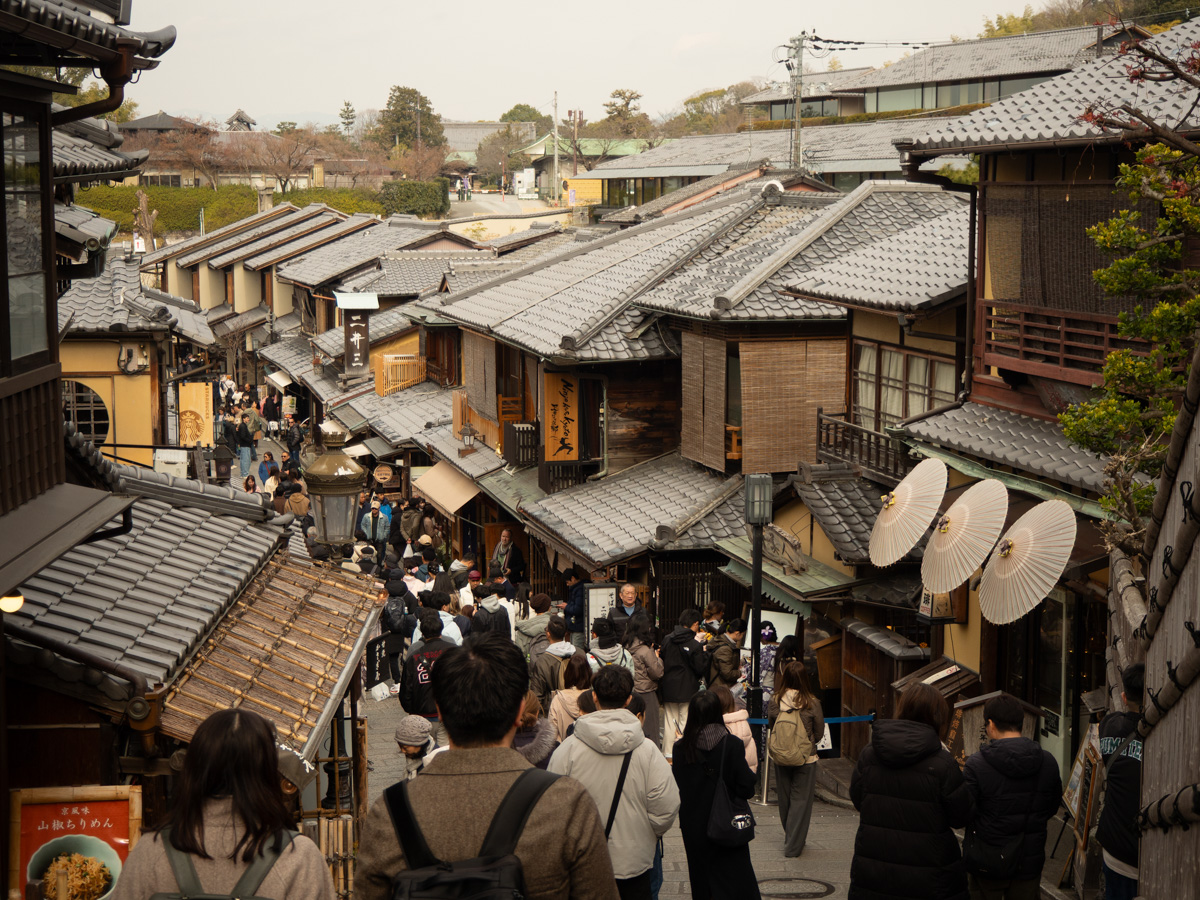
Gion is one of the best-known geisha districts, with streets lined with houses in the traditional style.
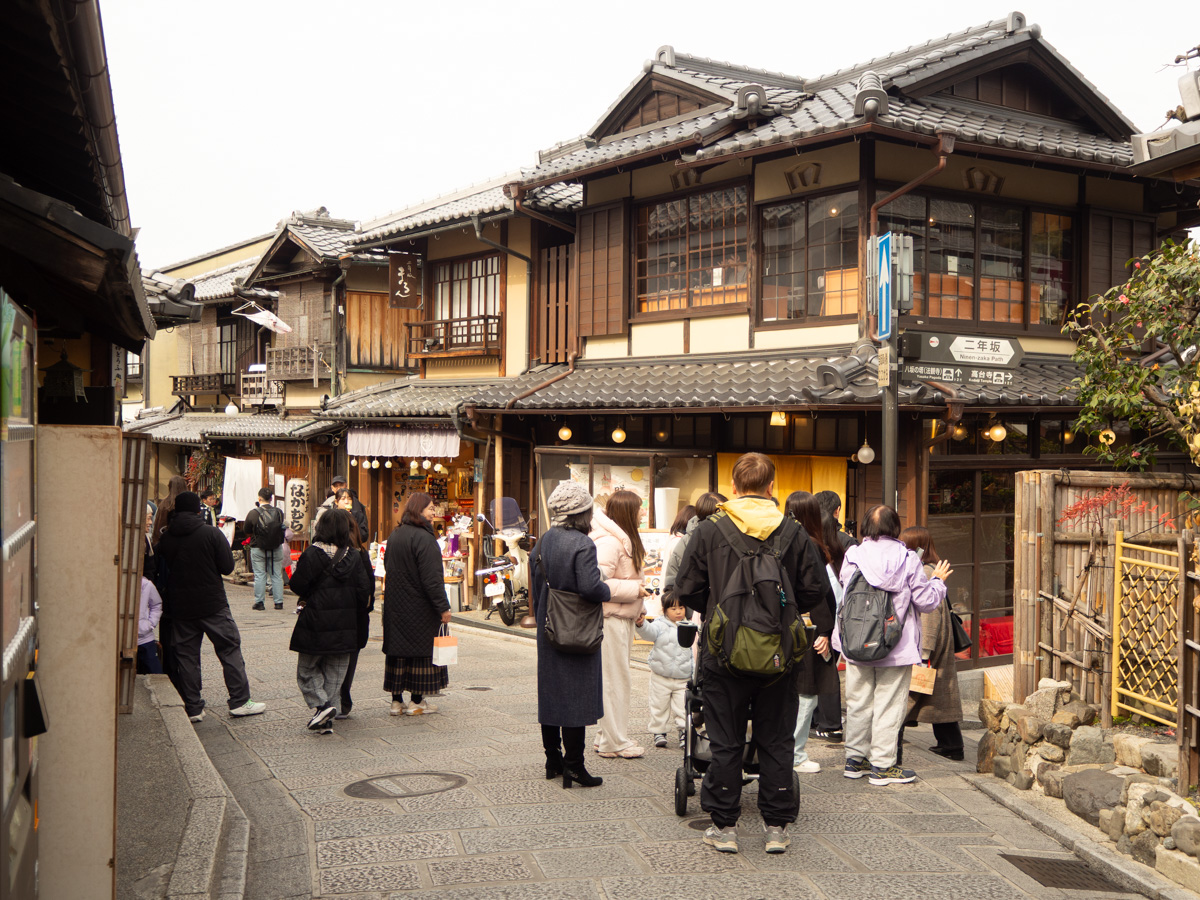
Many are shops or cafés aimed at tourists, and the street get quite full during peak hours. And this is in February, which is the lowest of the low season. I can’t even imagine being here in April or October. February may be rather chilly for walking around, but it truly was the best possible timing for us.
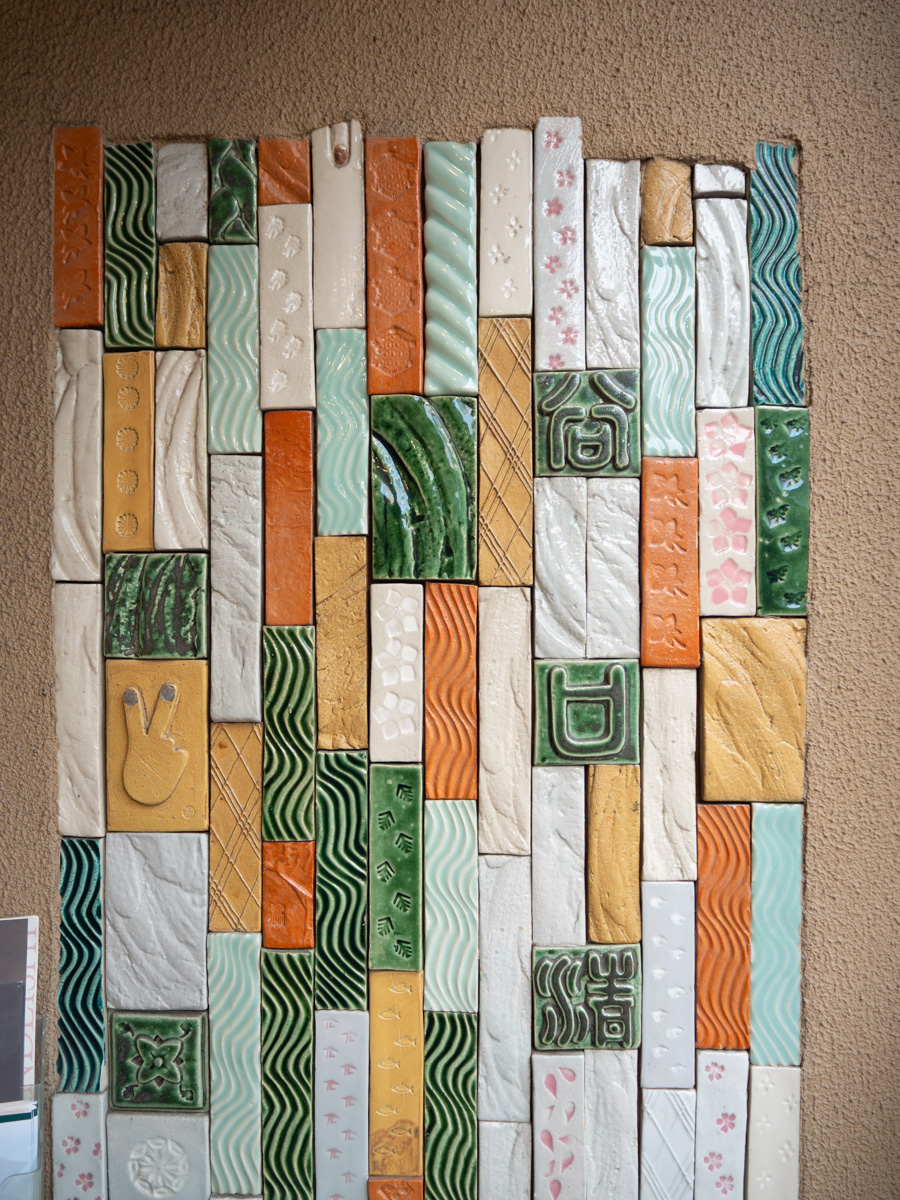
We, of course, zoomed in on the ceramics shops. This one had a wall display of ceramic tiles.
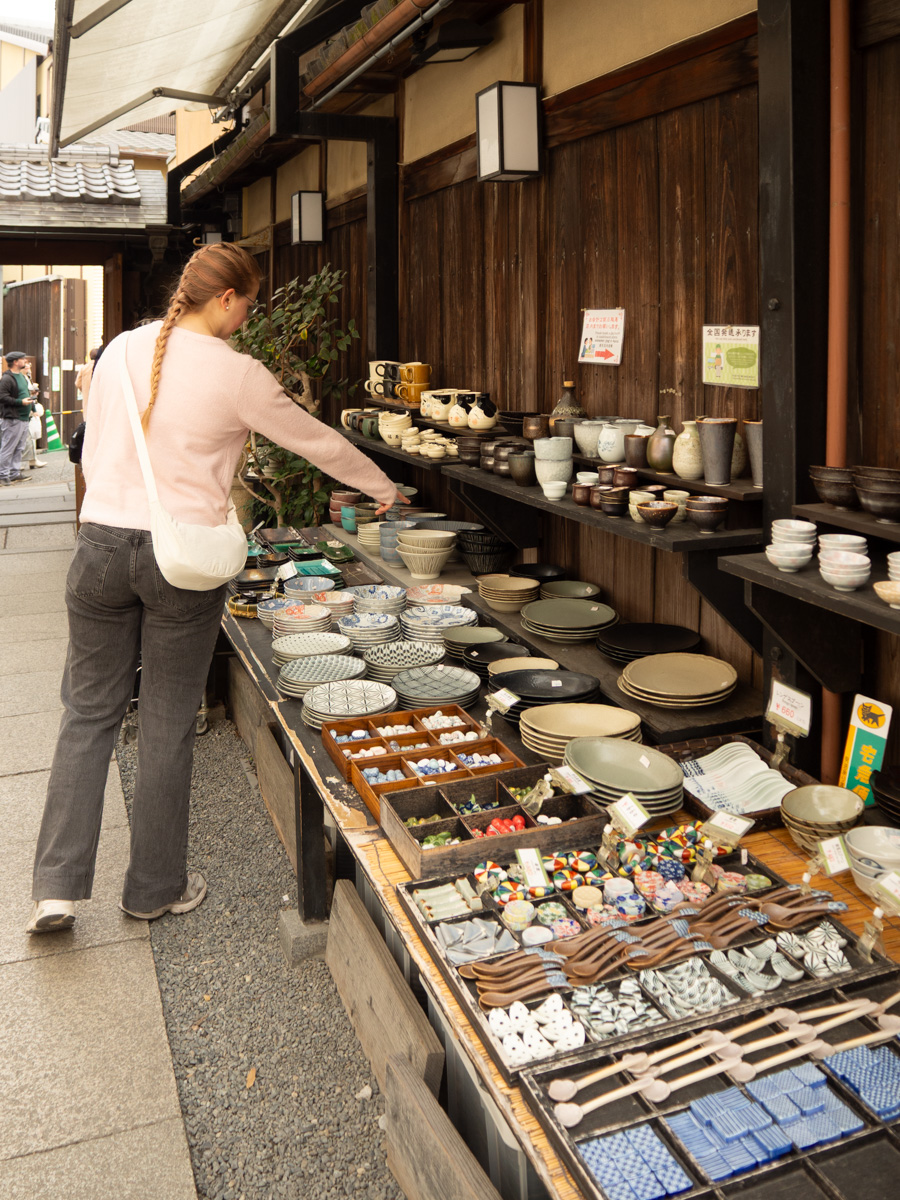
I wonder what they do with the outside displays at night. The bowls and plates aren’t even on any kind of trays or boxes – carrying them inside every evening, only to bring them all out again the next morning, seems like a lot of work.
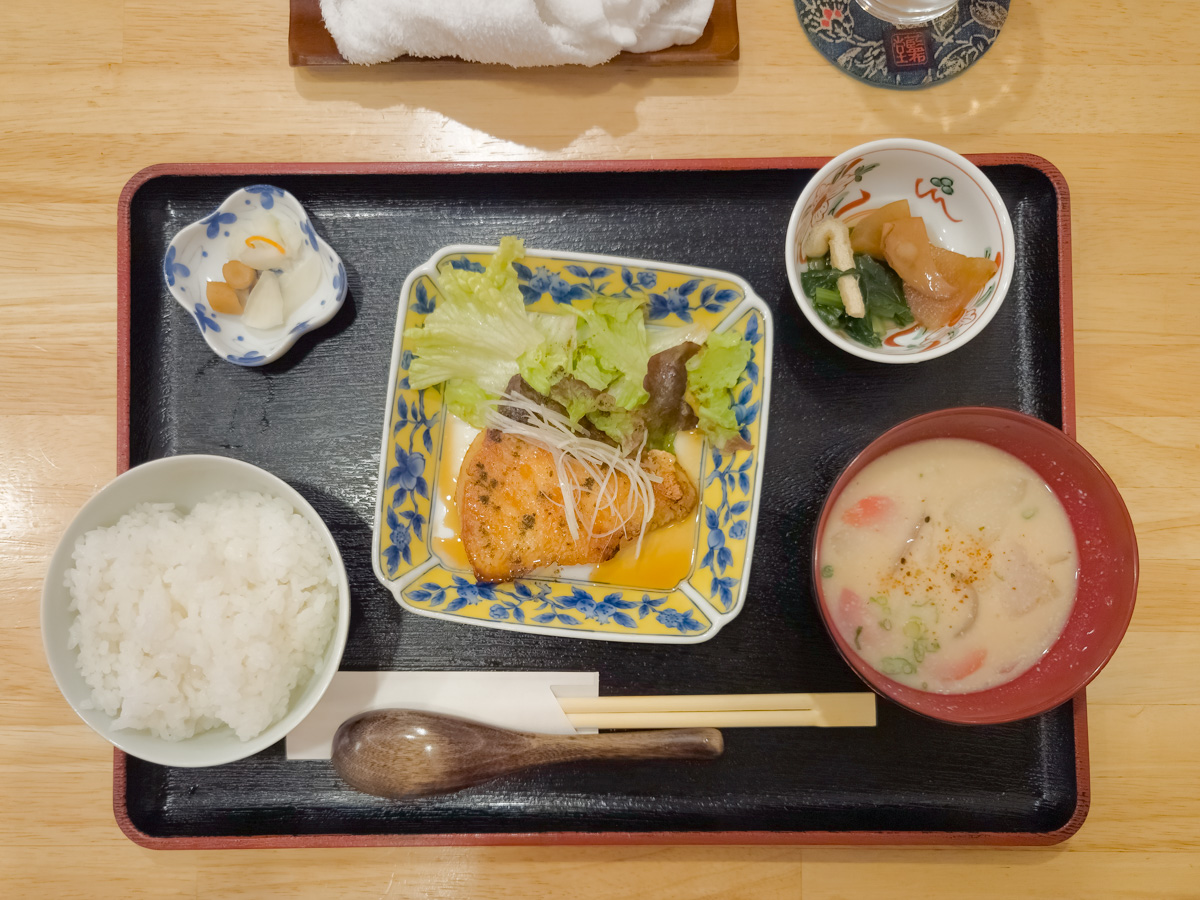
Lunch was at a tiny lunch place for locals, with just a handful of “dish of the day” type meals on the menu. Delicious as usual. The way the meal was served kind of explained the ubiquity of small, palm-sized bowls in all the shops: a little bit of this pickle here, a little bit of another one there. And served with a wooden spoon – we are of like mind here.
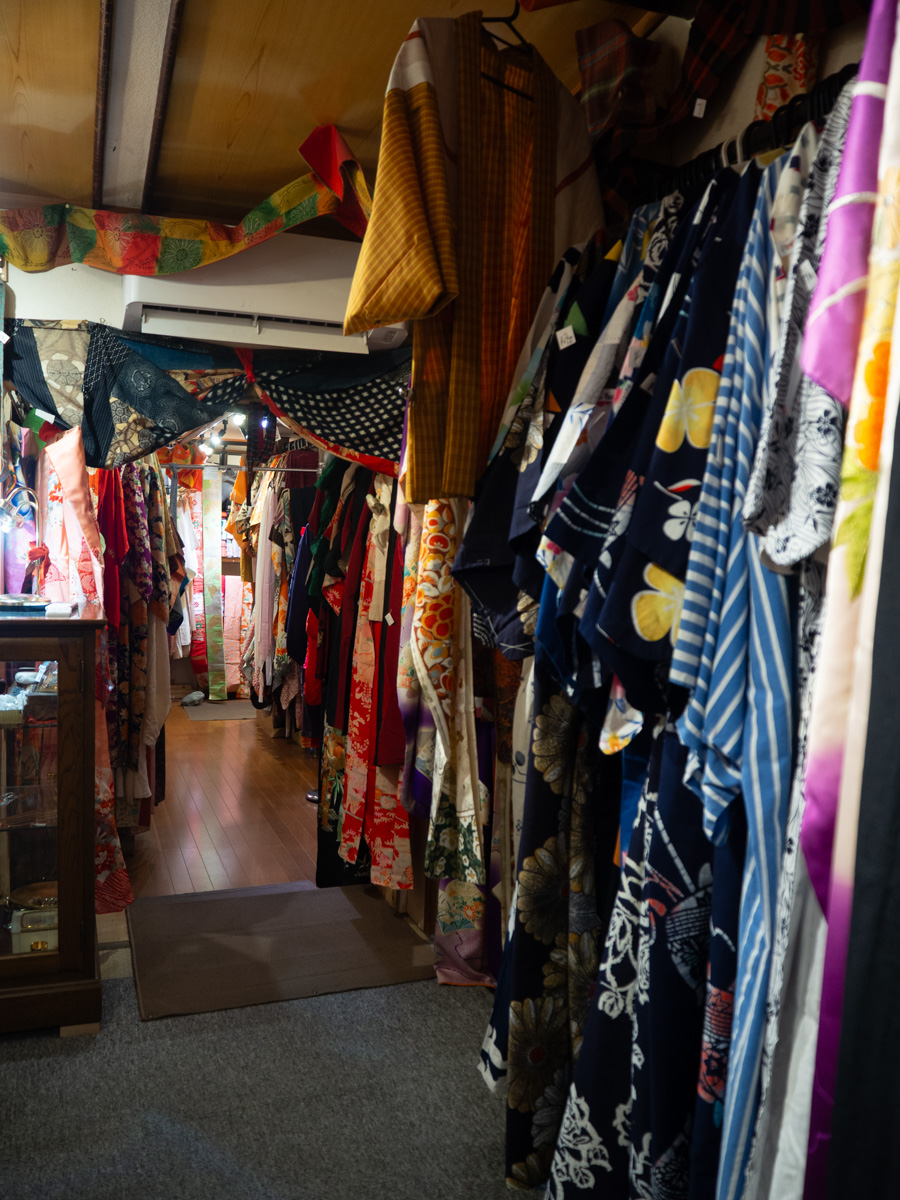
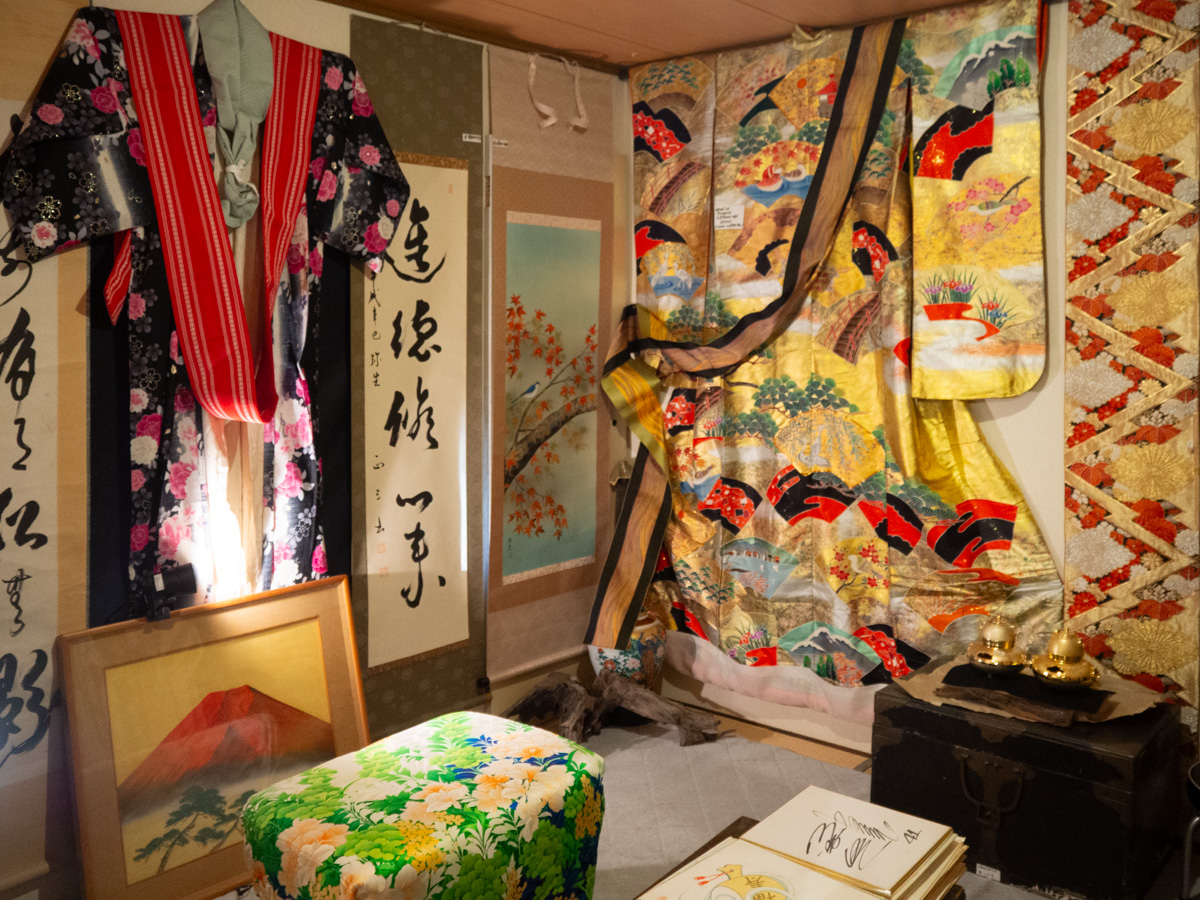
There are several vintage and antique kimono shops in Gion. Antique Kimono Lily Gion was a labyrinth of small rooms and hallways, with metres and metres of kimonos and yukatas, for men and women, of all kinds of ages and prices, starting at 1000 yen and ending somewhere in the stratosphere. On the upper floor there were antique wedding kimonos that were truly works of art.
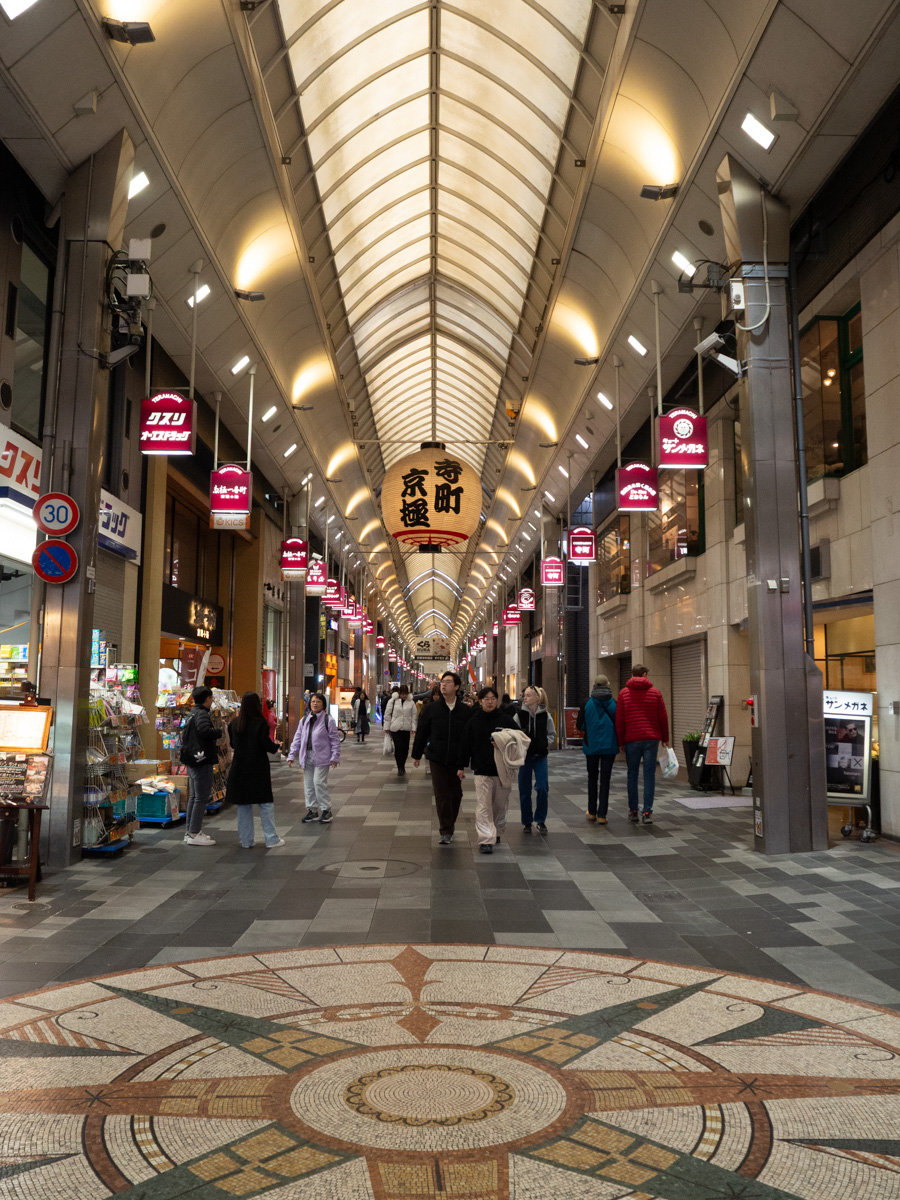
Many streets in central Kyoto – or at least things that look like streets on a map – are actually covered shopping galleries. They’re still streets, with crossings and side streets, and each shop an individual building, but all sheltered from the weather.
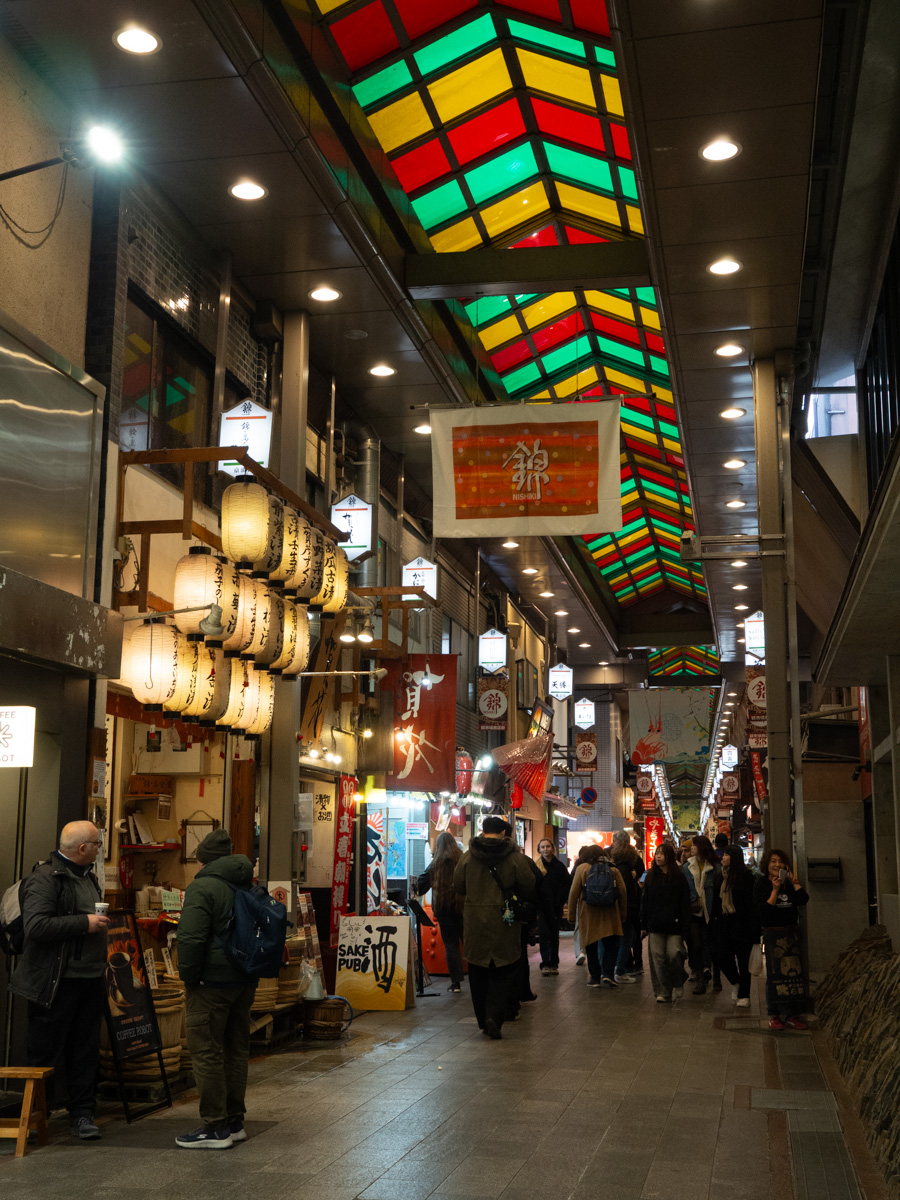
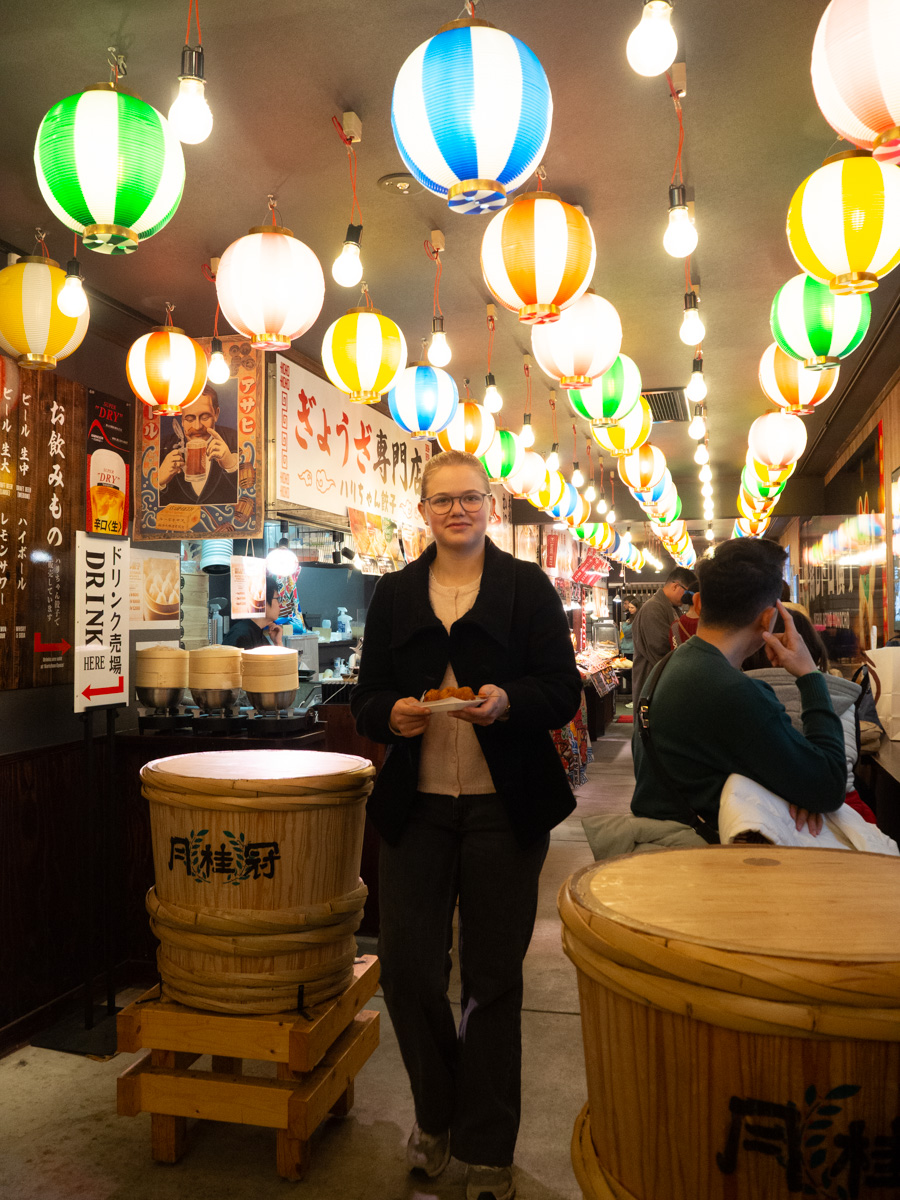
One of these galleries is Nishiki market, which focuses on food. Shops and stalls and restaurants everywhere, offering juts about everything. This is what we had expected Tsukuji market to be like – lively and colourful.
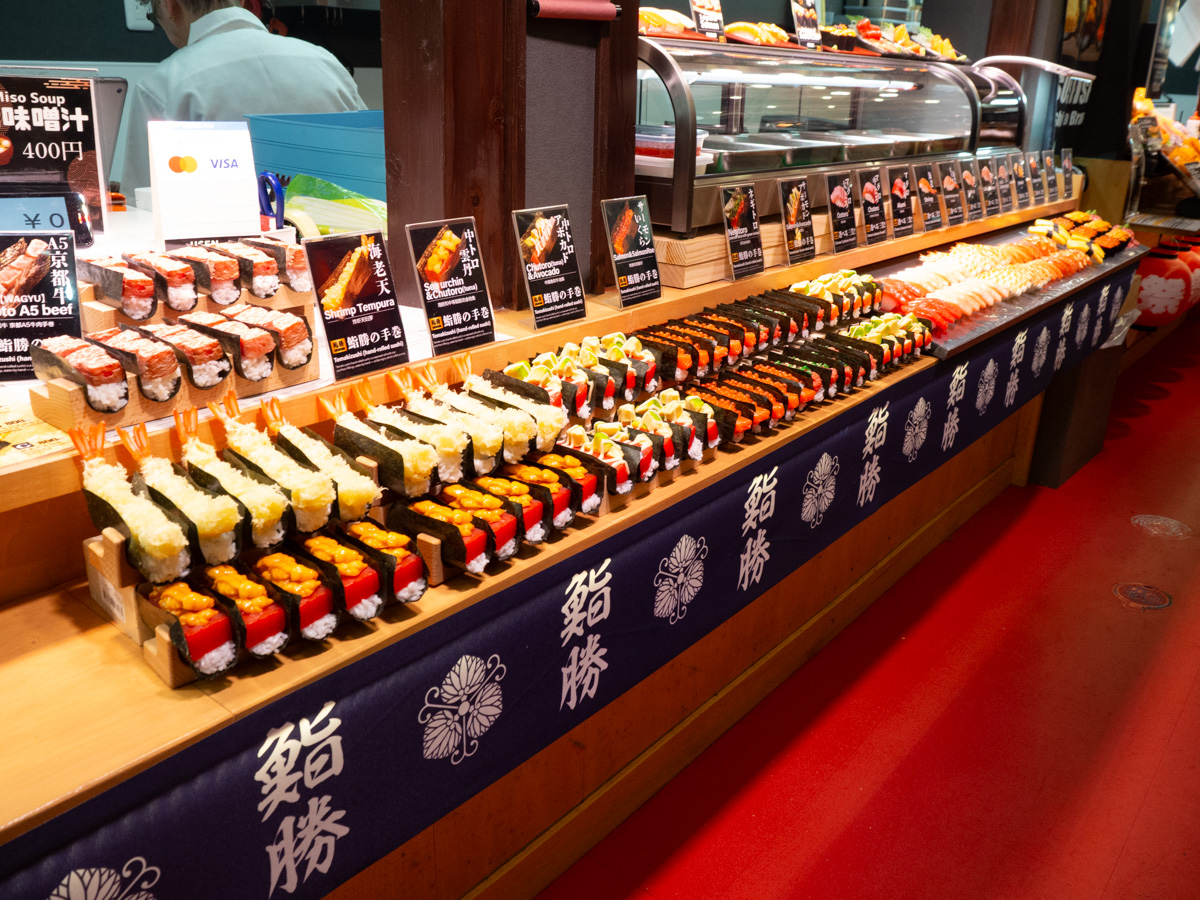
Displays of the uniquely Japanese art form of fake food.
I wanted gyoza; Ingrid wanted takoyaki, dough balls filled with minced octopus.
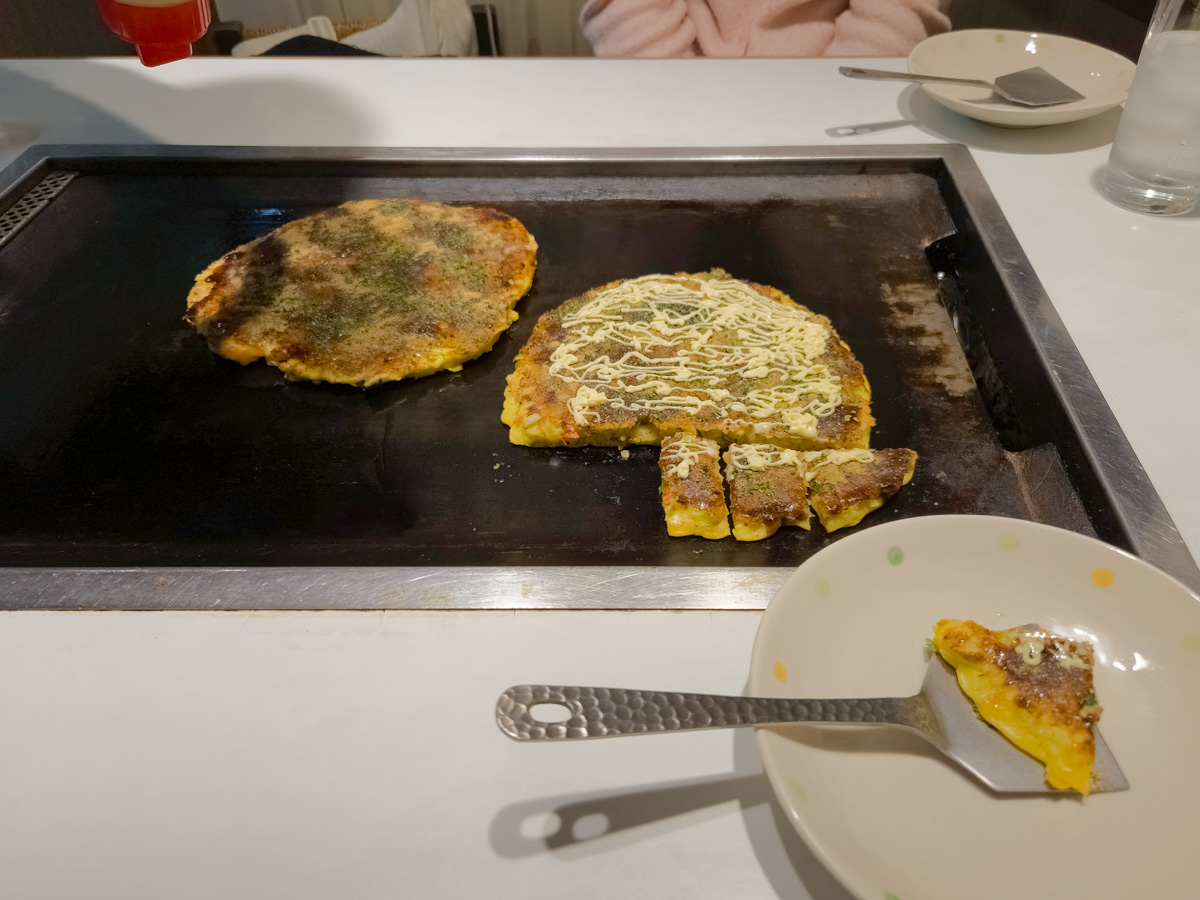
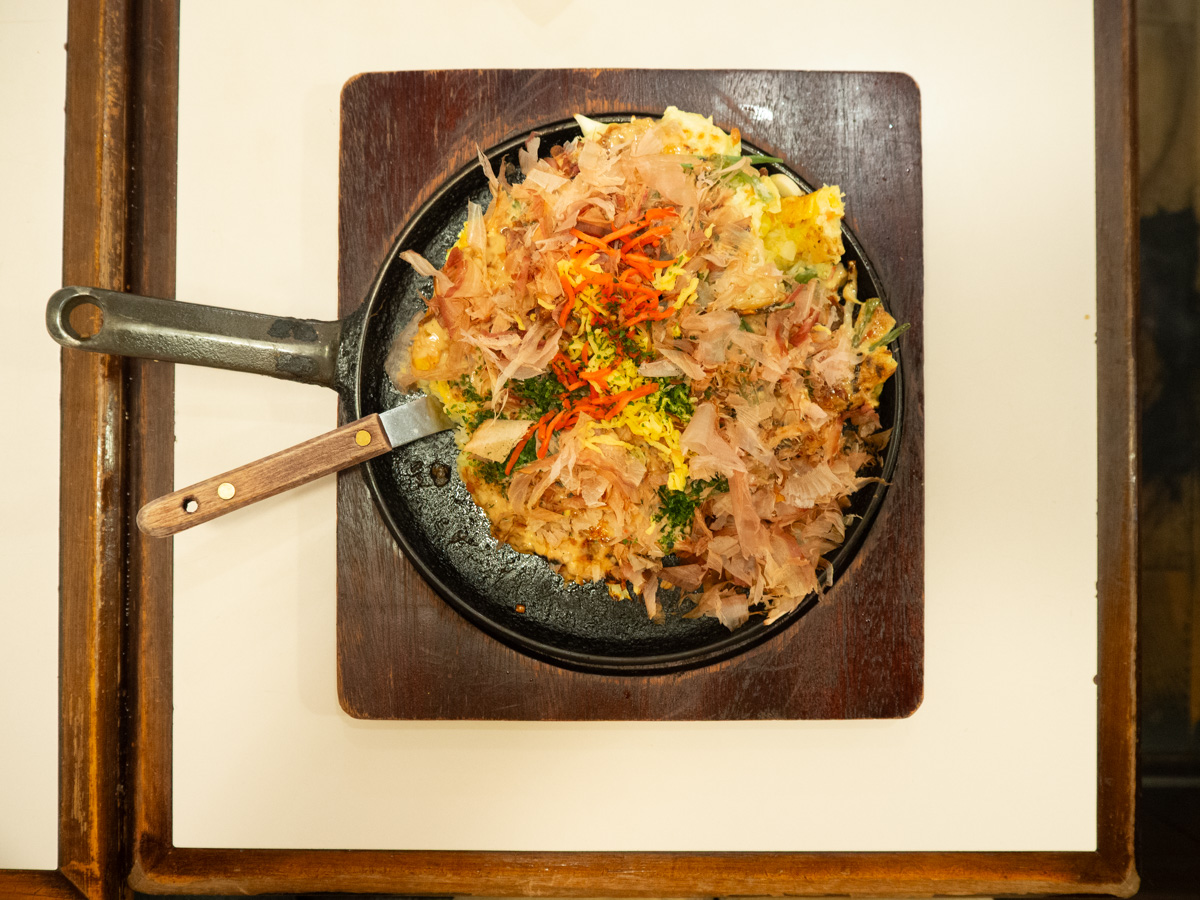
For dinner, we tried another okonomiyaki place – in part because I like it, and also because it does seem to be a bit of a regional specialty. It was recognizably a cousin of what we ate two days ago, but also very different. Still a pancake with shredded cabbage but prepared differently and served differently.
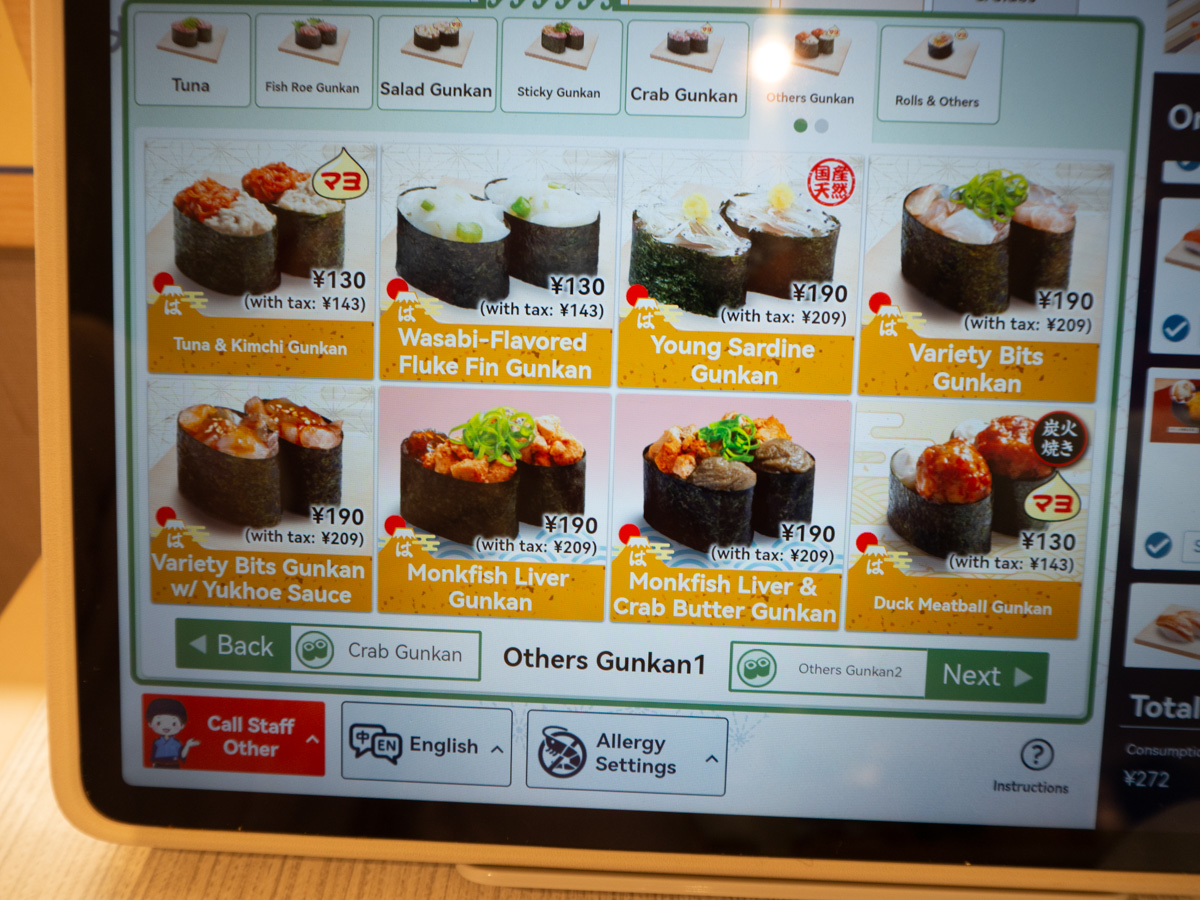
We were far from any busy restaurant districts when it was time for dinner. First we tried our luck at a highly-rated sushi place, but there was an hour’s waiting time, and that was more than we wanted to wait. Ingrid’s legs were tired, and I was so hungry that I would have accepted a McDonald’s meal, so we just picked the next closest place.

Which turned out to be a tiny corner place that served okonomiyaki, pancakes with shredded cabbage. Clearly a place that wasn’t aimed at tourists at all, what with its location and all-Japanese signage, and staff who didn’t have a word of English. But the menu had English translations, and we managed to order by pointing.

We were served absolutely delicious okonomiyaki by a very kind older gentleman, who also demonstrated the correct way of eating it. (You definitely don’t cut it like a pizza, but in square pieces.)

This would turn out to be the best okonomiyaki of the whole trip. We ordered okonomiyaki at two more restaurants, but neither could measure up to this.

Okonomiyaki is one of a very few Japanese dishes that I’ve cooked at home, based on a recipe from the Linas Matkasse meal kits. I was curious to see how close the Swedish version was to the original. Pretty close, actually! The meal kit version was fully vegetarian whereas here okonomiyaki is often topped with tiny bonito flakes. The squirted mayo topping, which I’ve always found a bit strange, is very much present in the real deal.

Before we leave for Kyoto, here are a few photos of our tiny rental apartment in Tokyo.

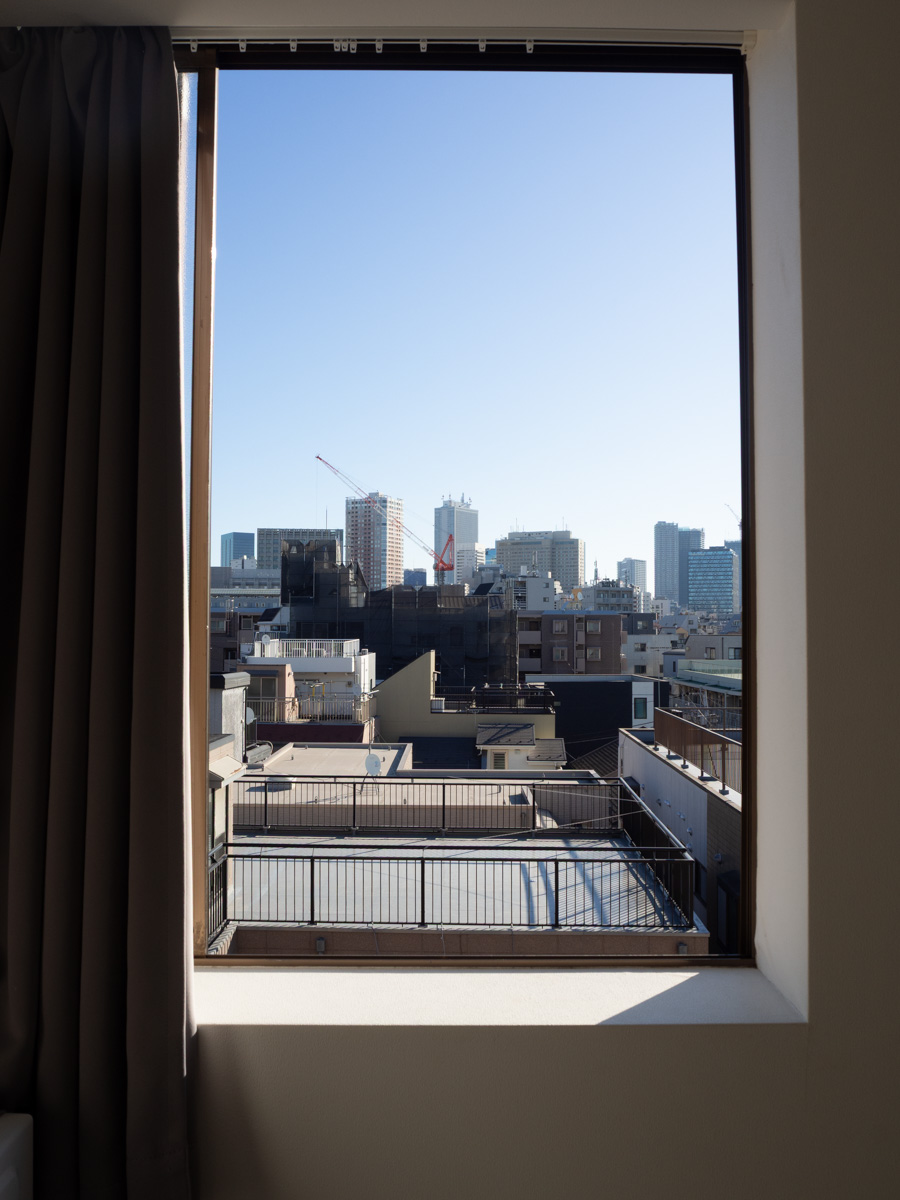
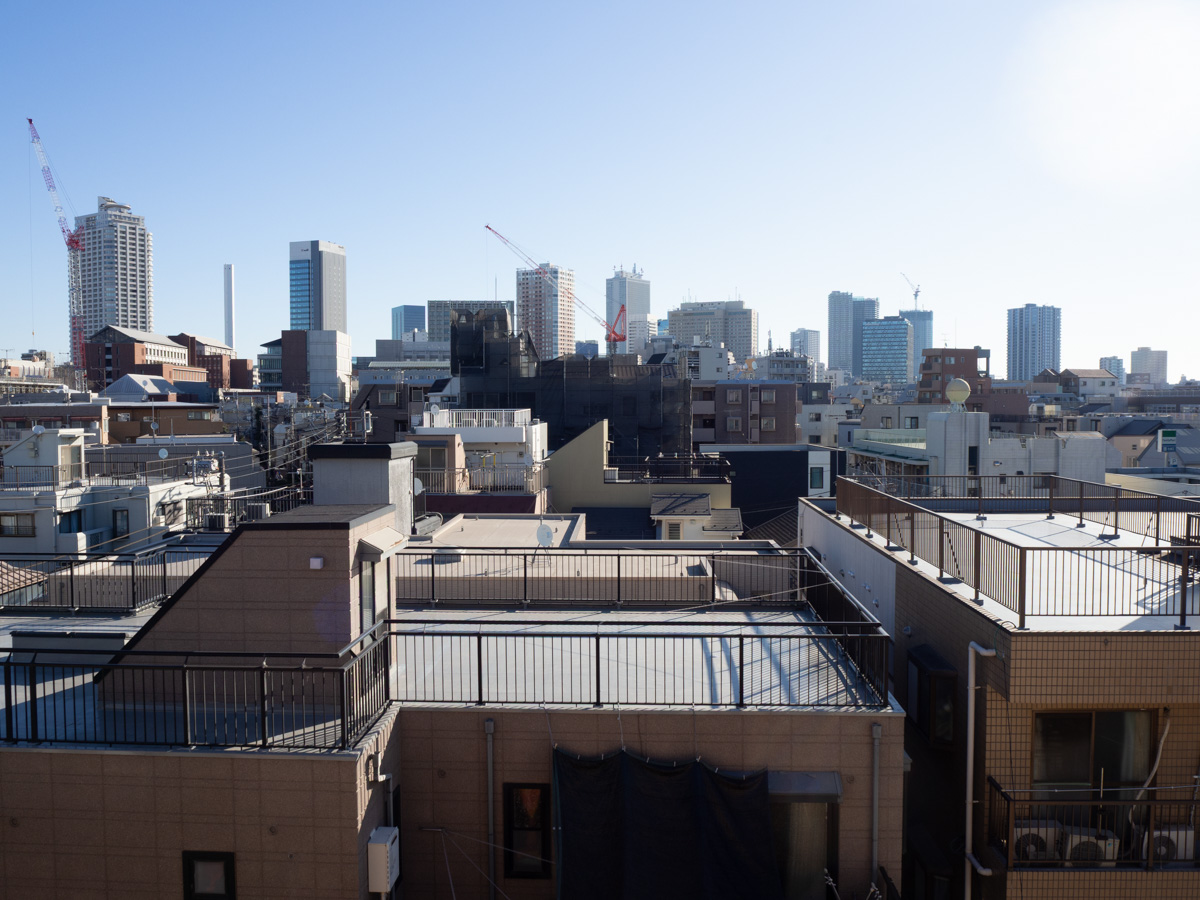
The apartment is in the middle of a very ordinary residential district in Ikebukuro, near Kanamecho station. We’ve got views of the skyscrapers in the business district around Ikebukuro station. Closer to us, there are roof terraces of the houses around us.


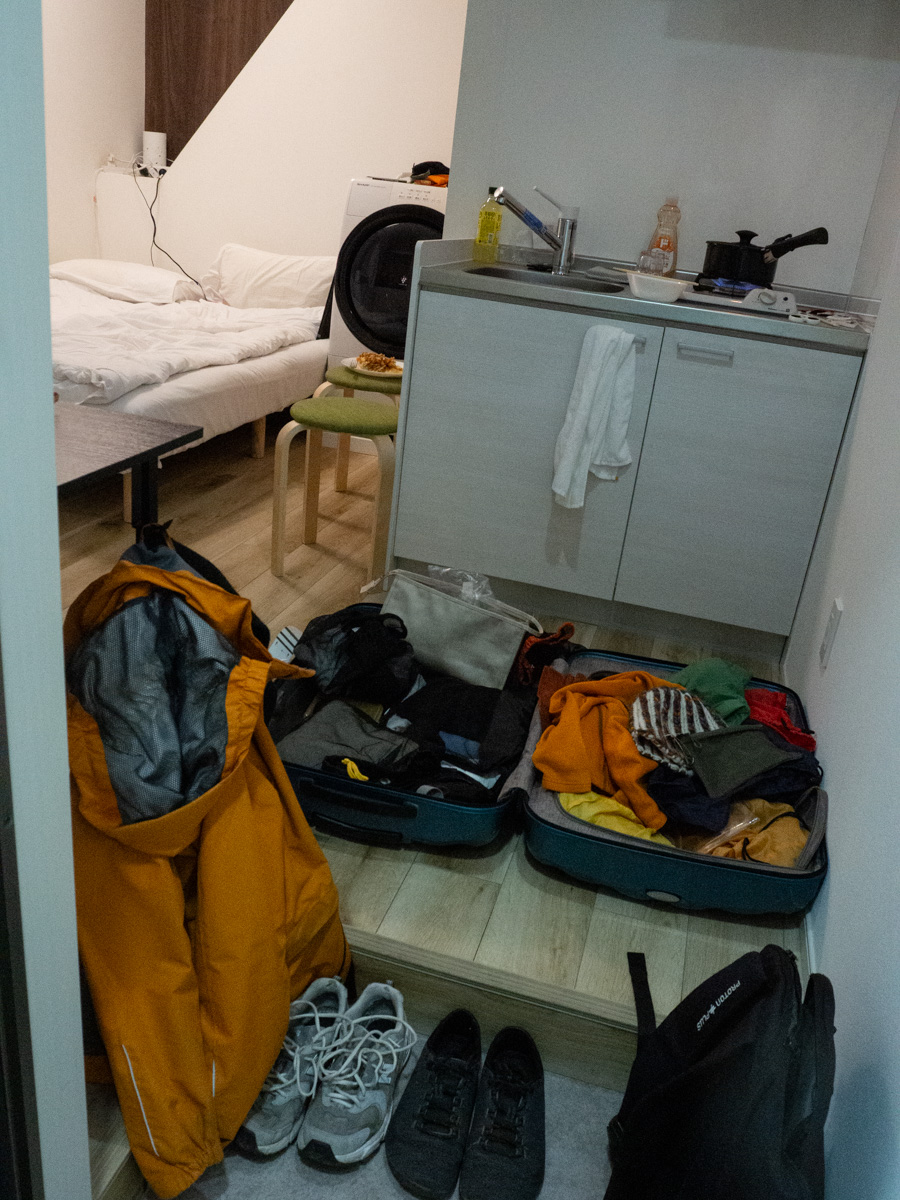
The apartment is tiny. The whole apartment is smaller than my bedroom at home. We have room for a double bed, a pentry, and a bathroom behind the pentry. And a washing machine.

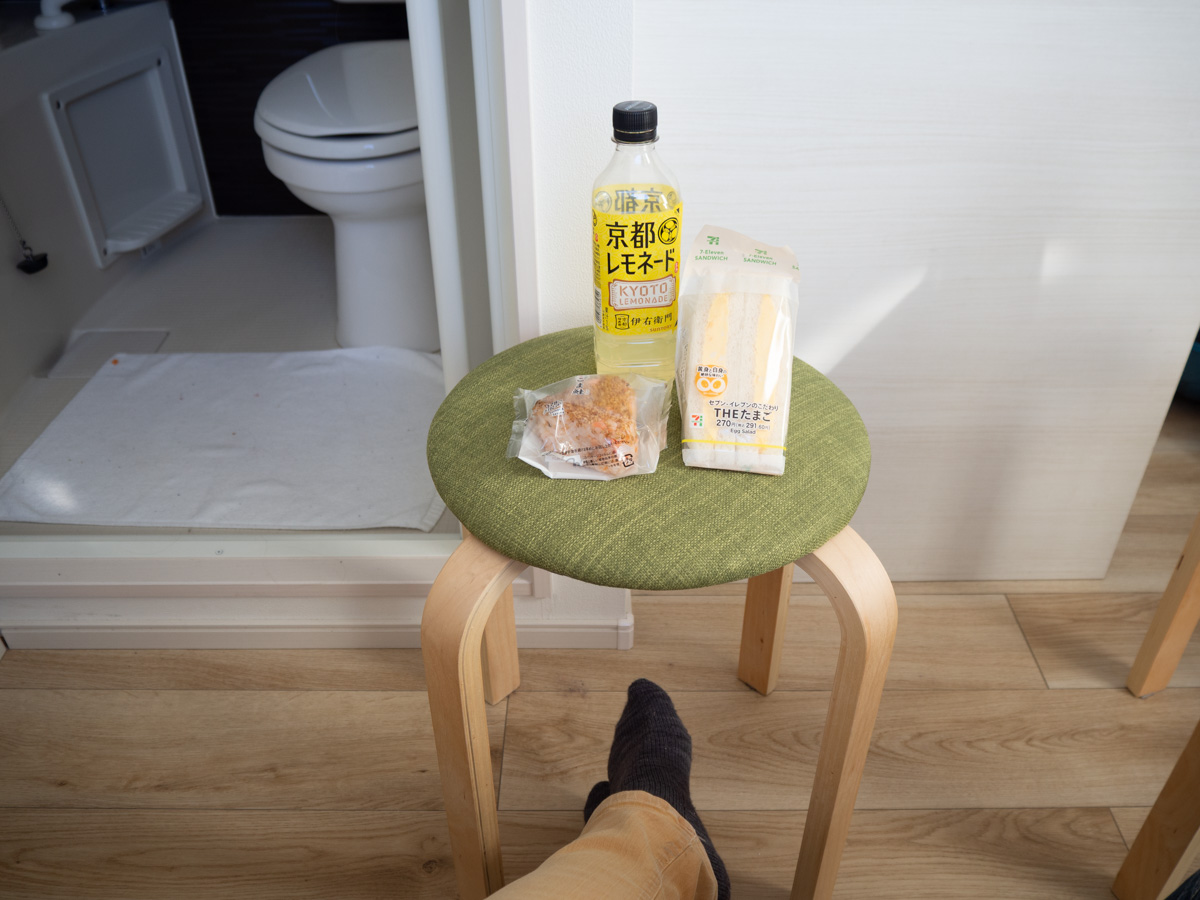
When we open our suitcase, we can barely step past it. There is a small table with two stools, but it’s so narrow that we would be hitting each other with our elbows if we both tried to sit there at the same time. Breakfast is instead served at the stools, next to the bed.

Breakfast today: 1 egg sandwich, 1 onigiri, 1 lemonade.

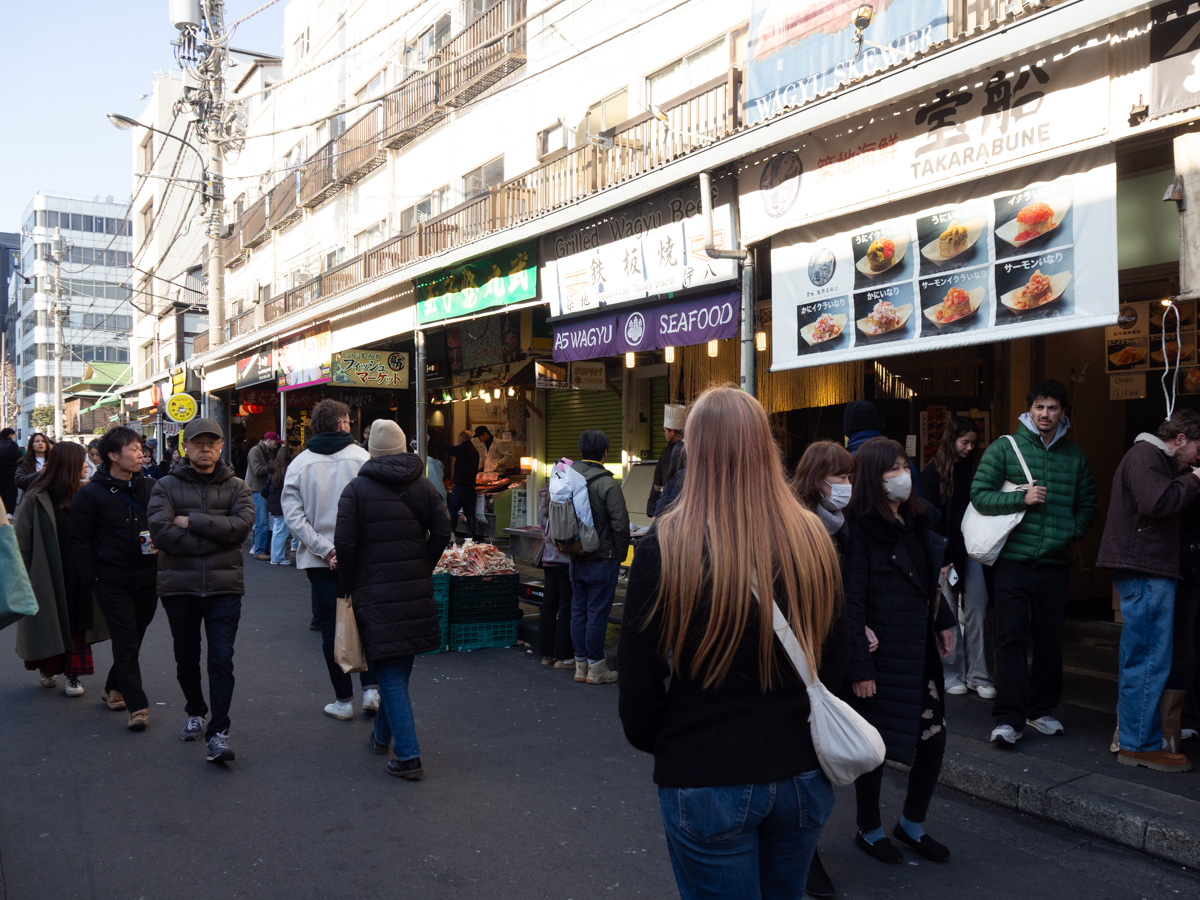
After the museum, we visited Tsukuji market, which is what’s left of the old fish market. I was expecting lively alleys, full of food stalls and restaurants, teeming with people. It was… not that. It felt rather dead. Maybe we came at the wrong time of day?

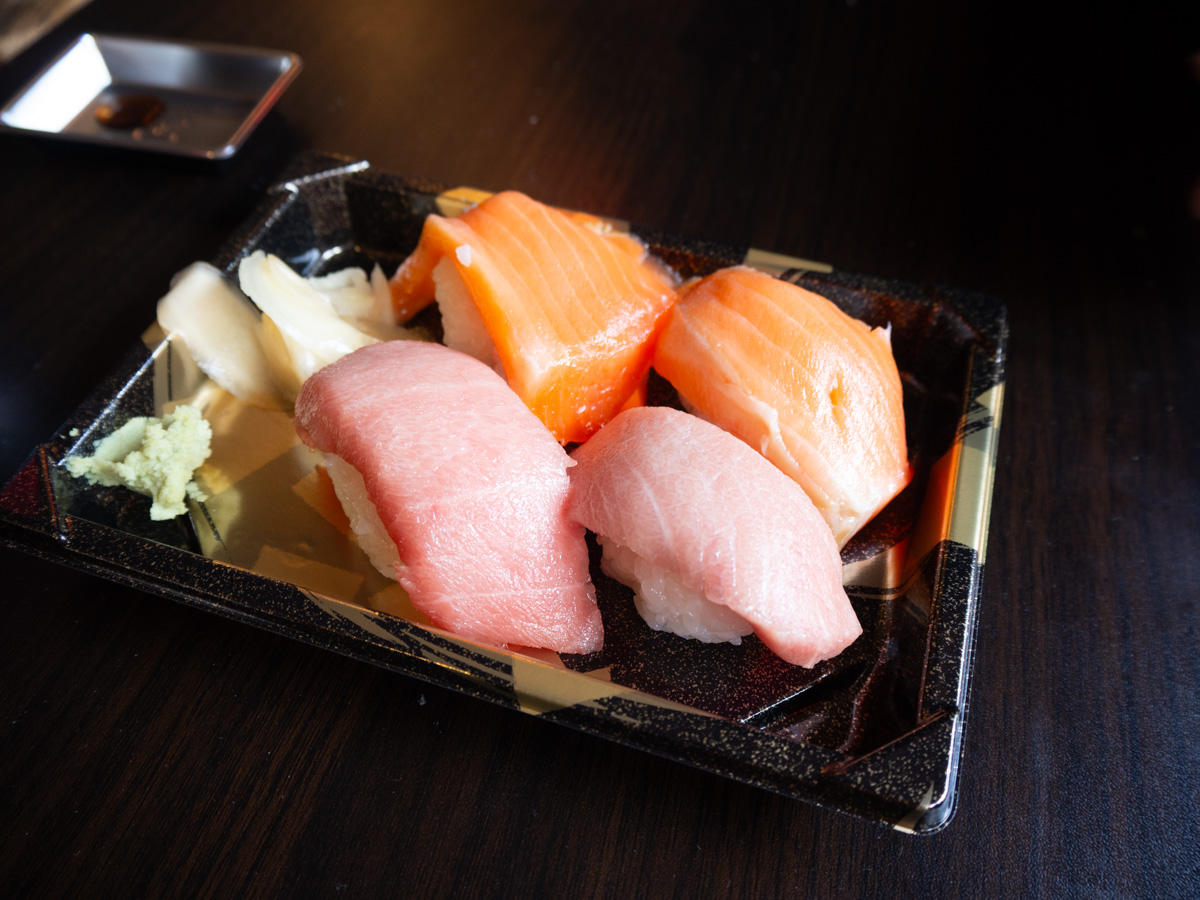
Since we were here, and hungry, we splurged on four pieces of fancy sushi. Generally there wasn’t much here that tempted us so I bought a simple cheese skewer to take the edge off my hunger, and we went elsewhere.

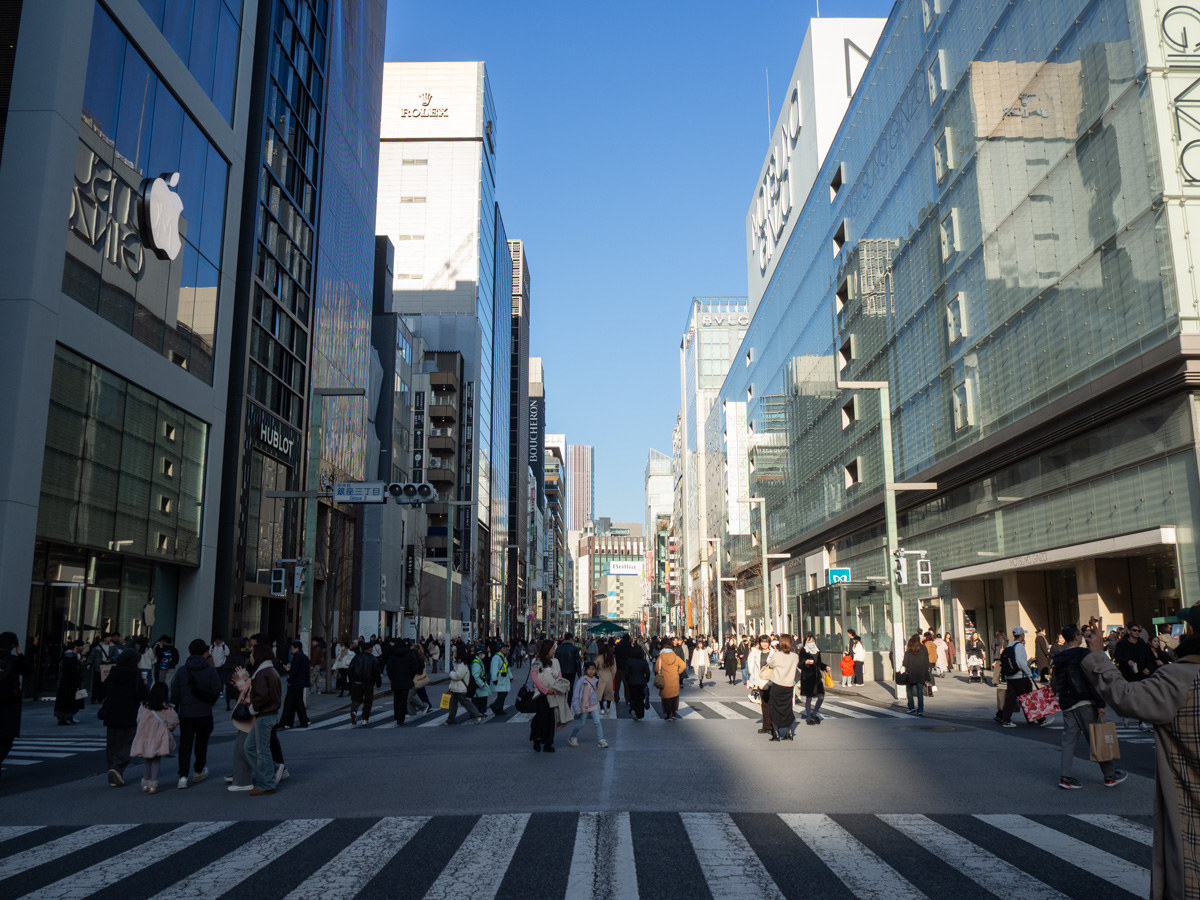
In Ginza, one of the main thoroughfares was closed for traffic. It felt like some kind of traffic apocalypse had disintegrated all the cars but left all the people.

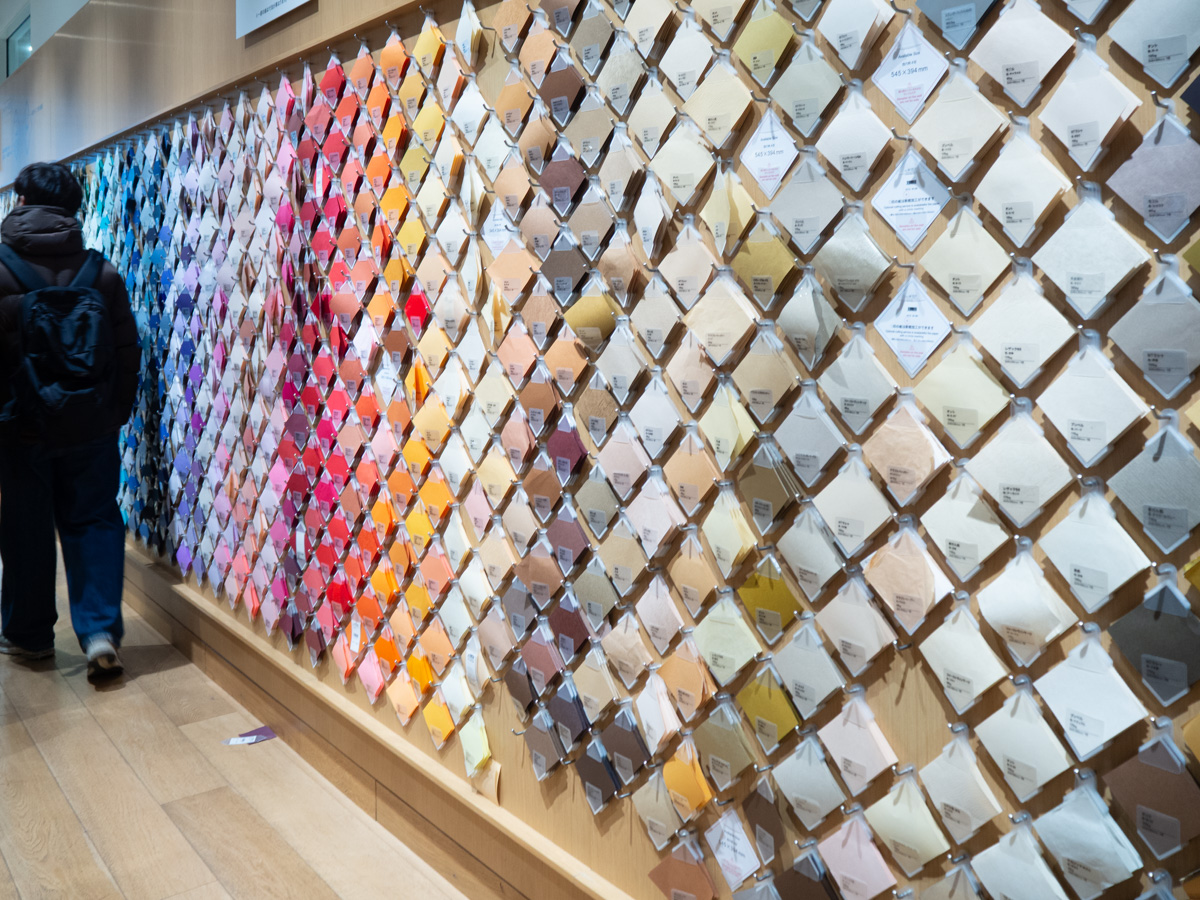
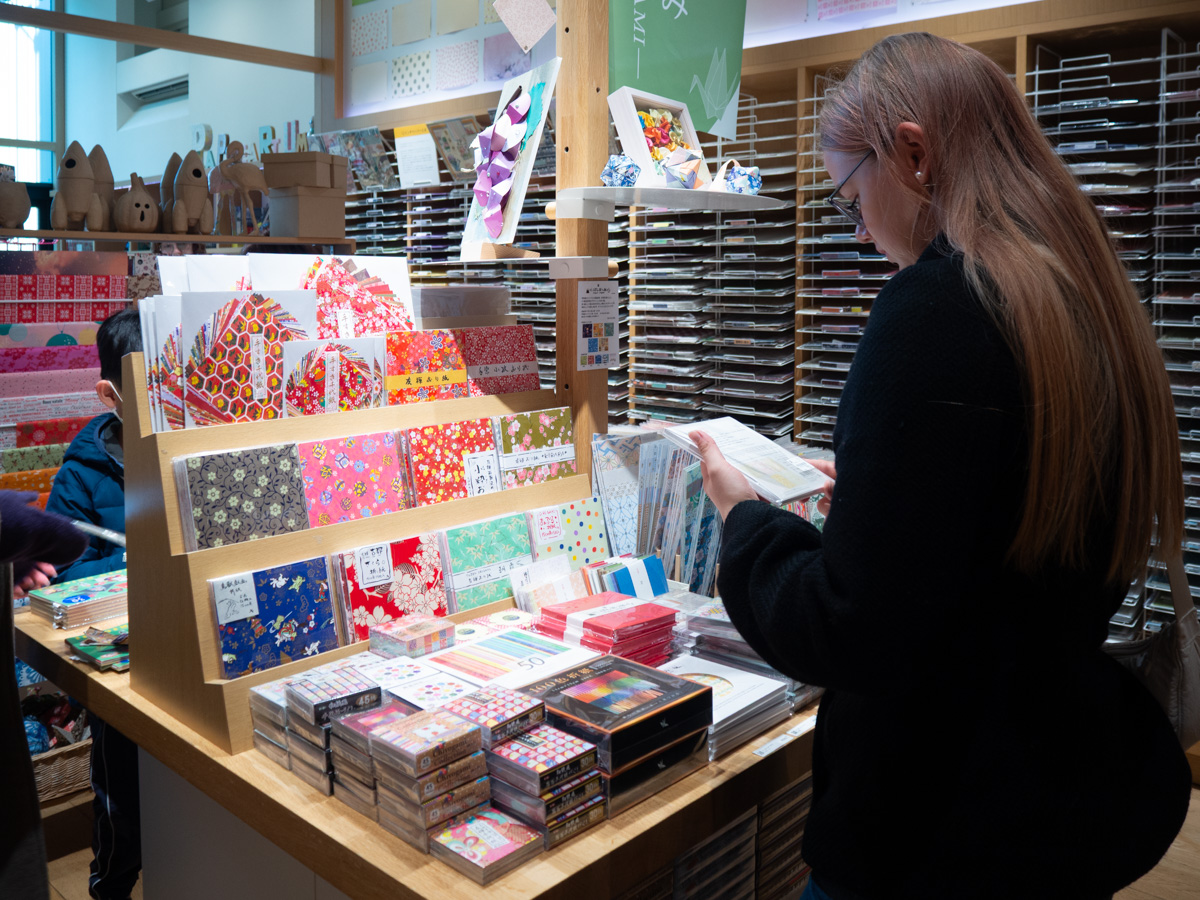
We browsed the Itoya stationary store. I am jealous of Japanese people who have access to so many fine paper products. Origami paper, wrapping paper, note-taking paper, cards, pretty cardboard boxes…


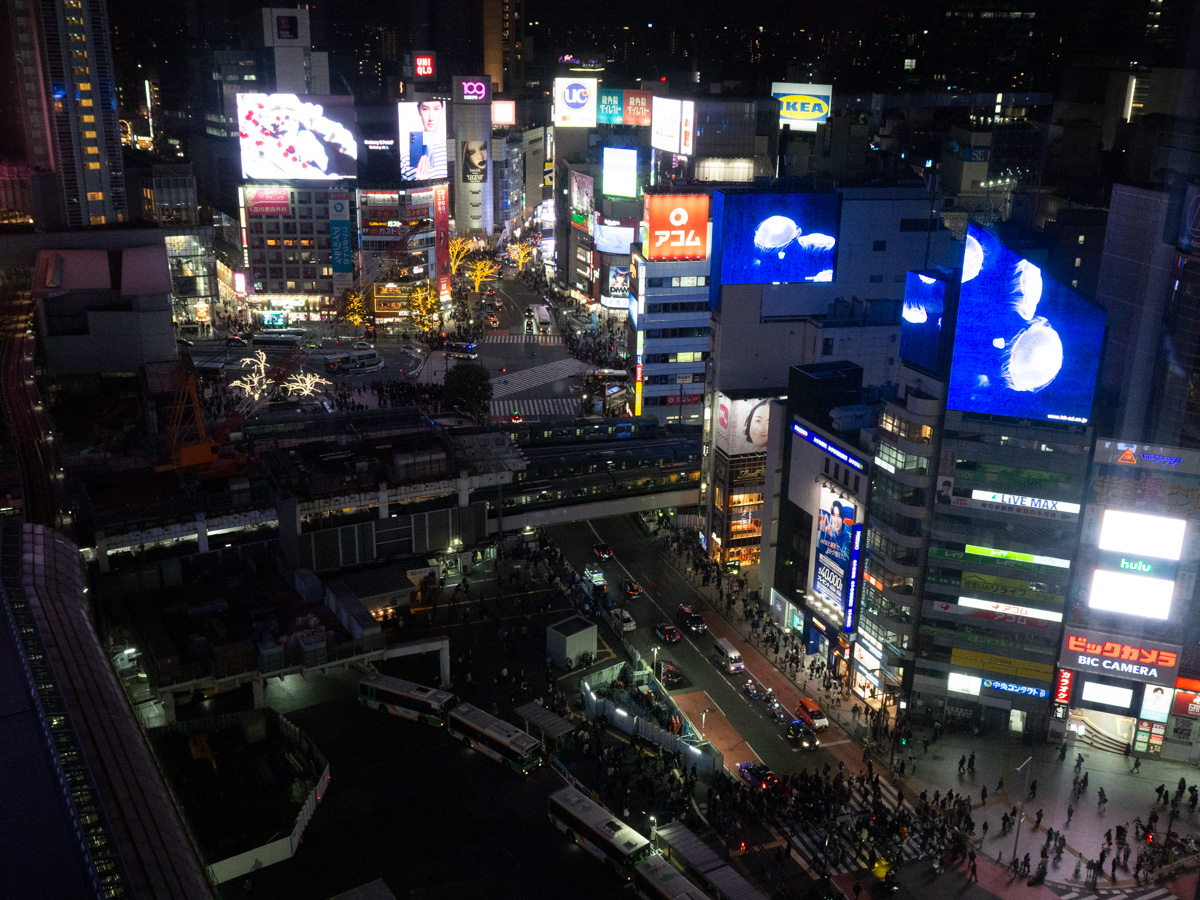
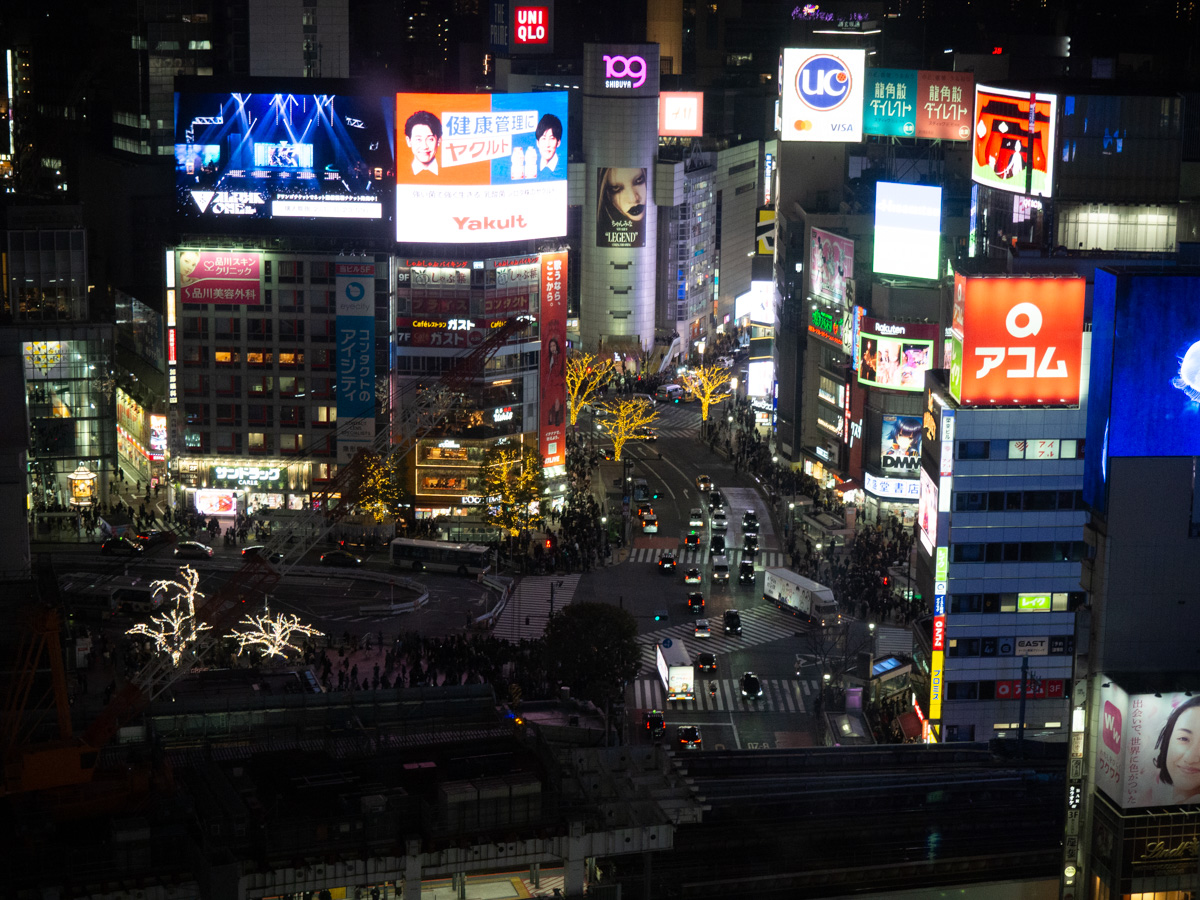
When it was dark, we went to Shibuya sky lounge to take photos of the photogenic street scene there. There is less traffic in Tokyo than I had expected, but a lot of people. Everybody is very obedient when it comes to traffic rules, traffic signals and street crossings. Traffic signals prioritize pedestrians. At the major street crossings, when the lights go green for pedestrians, they go green on all sides at the same time. People cross in all directions, including diagonally, and entire the entire crossing is like an ant hill. But a polite and organized ant hill!


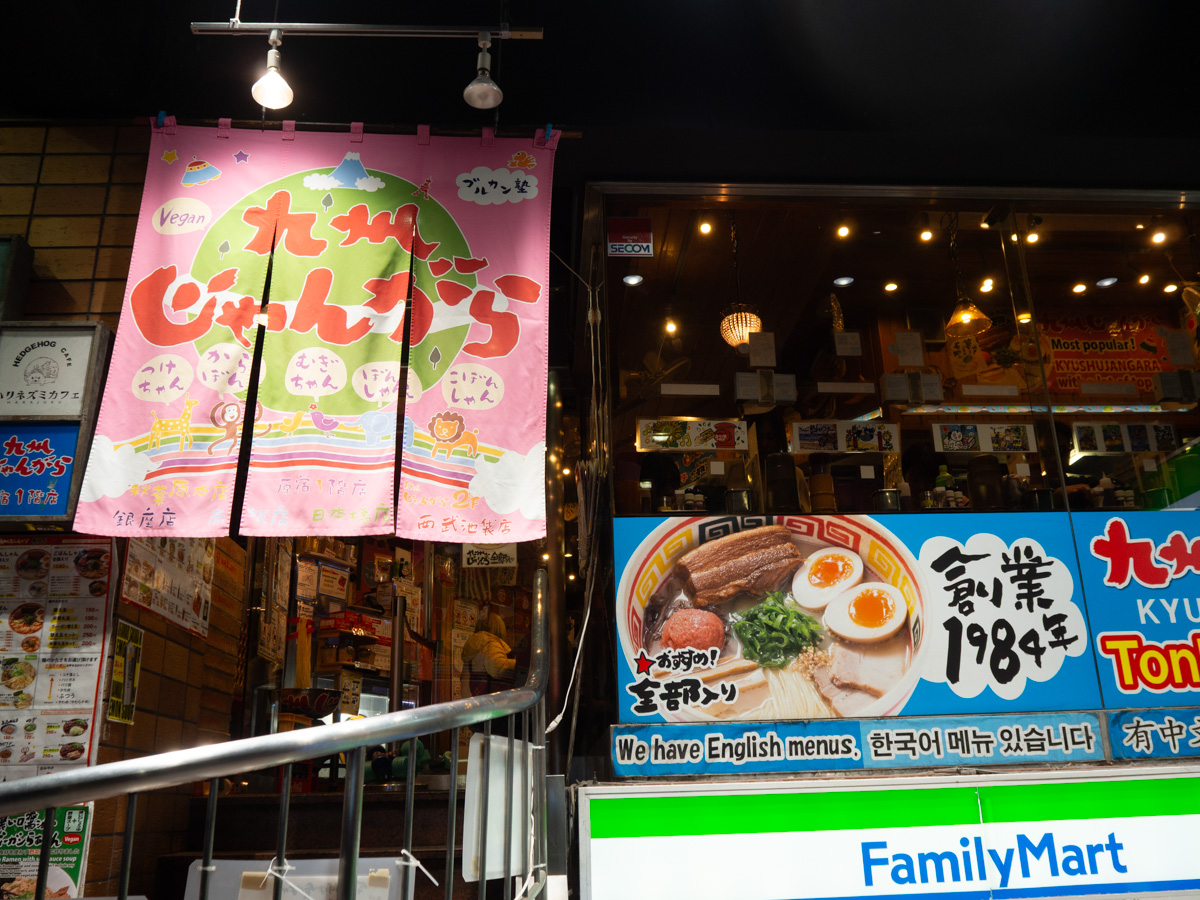
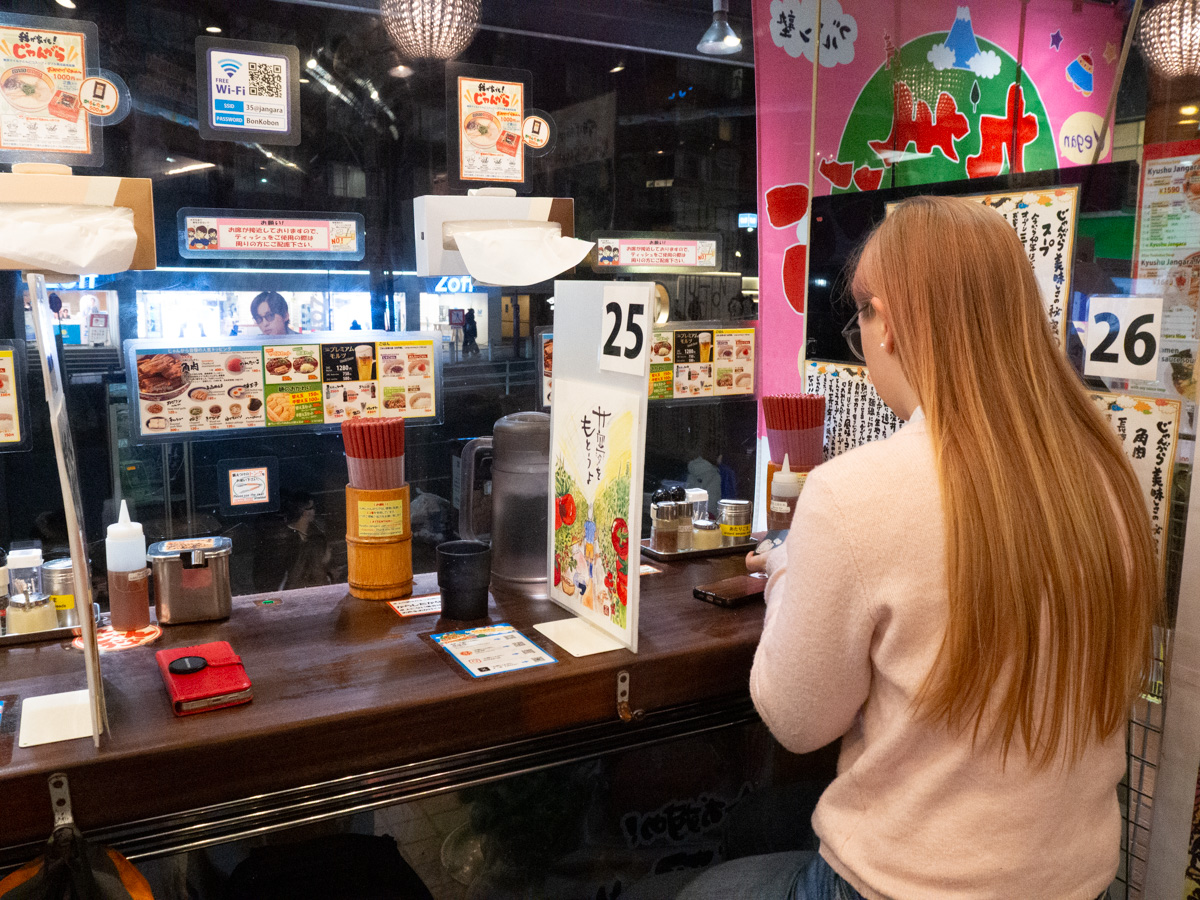
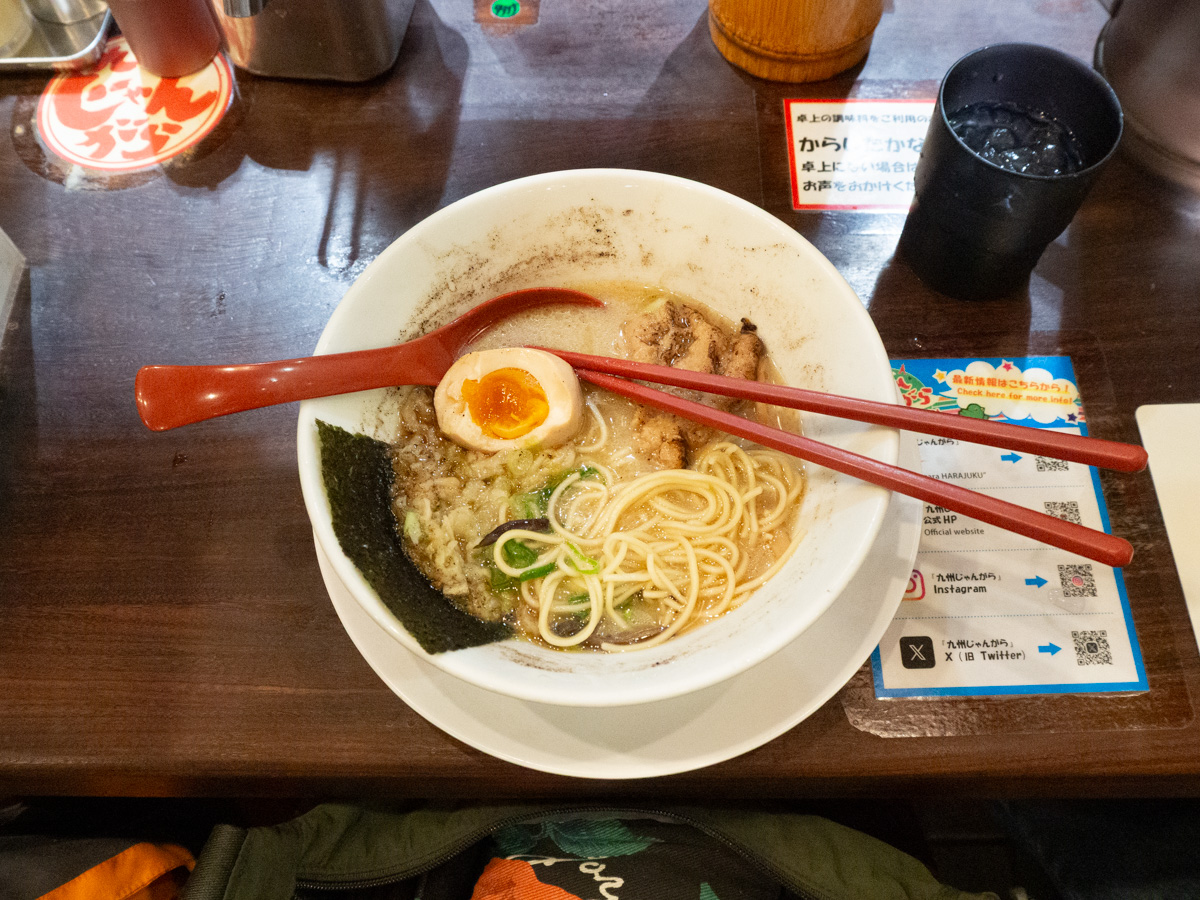
For dinner, Ingrid wished for ramen. We ate at Kyushu Jangara Ramen Harajuku, a total hole in the wall, with cheesy curtains and cheap-looking signage. Had I walked past it on the street, it would never have caught my eye. Possibly only to laugh at the cutesy creatures on the curtain. But Ingrid had done her research!

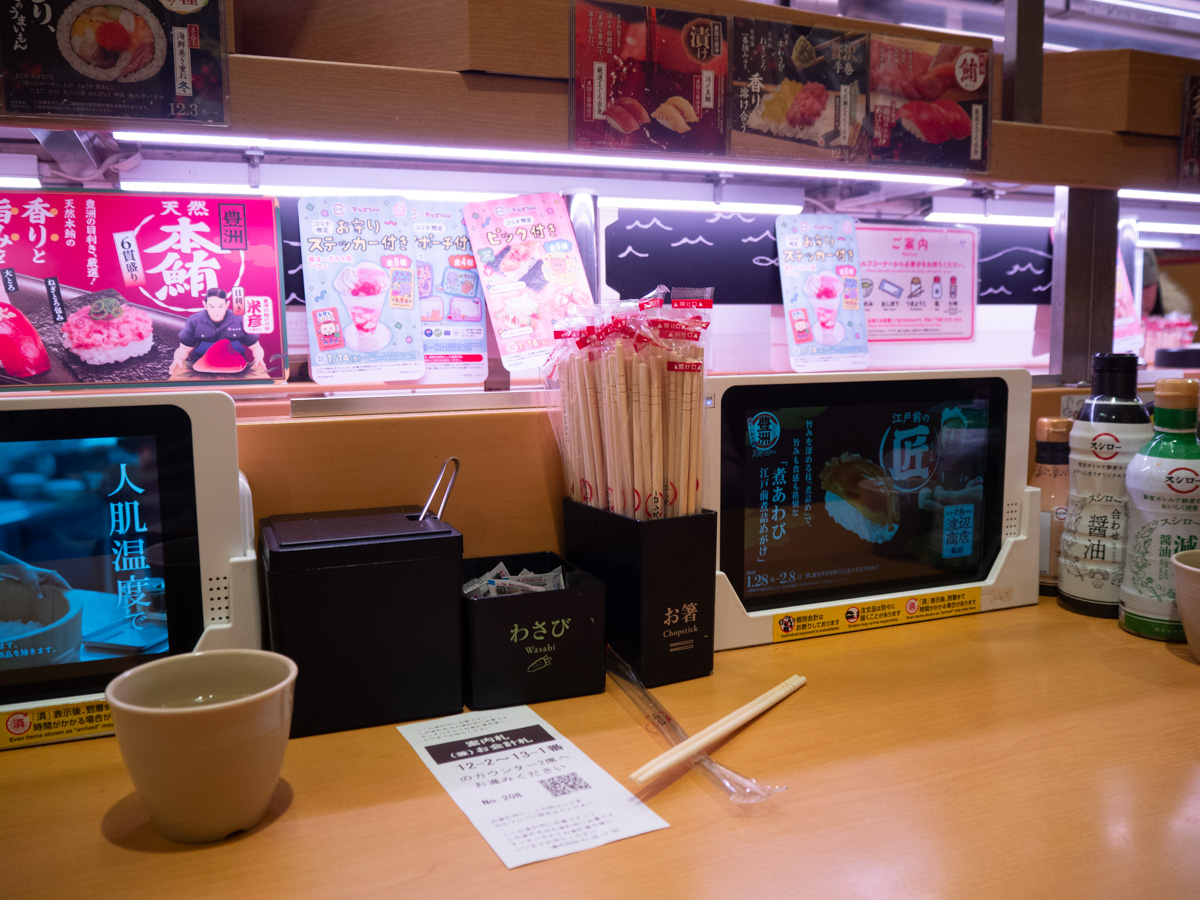
Inside it was just as cramped as a kaitenzushi place. Those dividers between seats make it possible to cram in more people than you otherwise could. Cosiness factor: zero.

The food was excellent, though. Flavourful broth, topped with noodles and vegetables and one of those lovely marinated eggs, as well as other strange things that I couldn’t even identify. They had ramen with vegetarian broth, which can be tricky to find – it tends to be pork-based. Ingrid said that her pork ramen was even better than my vegetarian one.

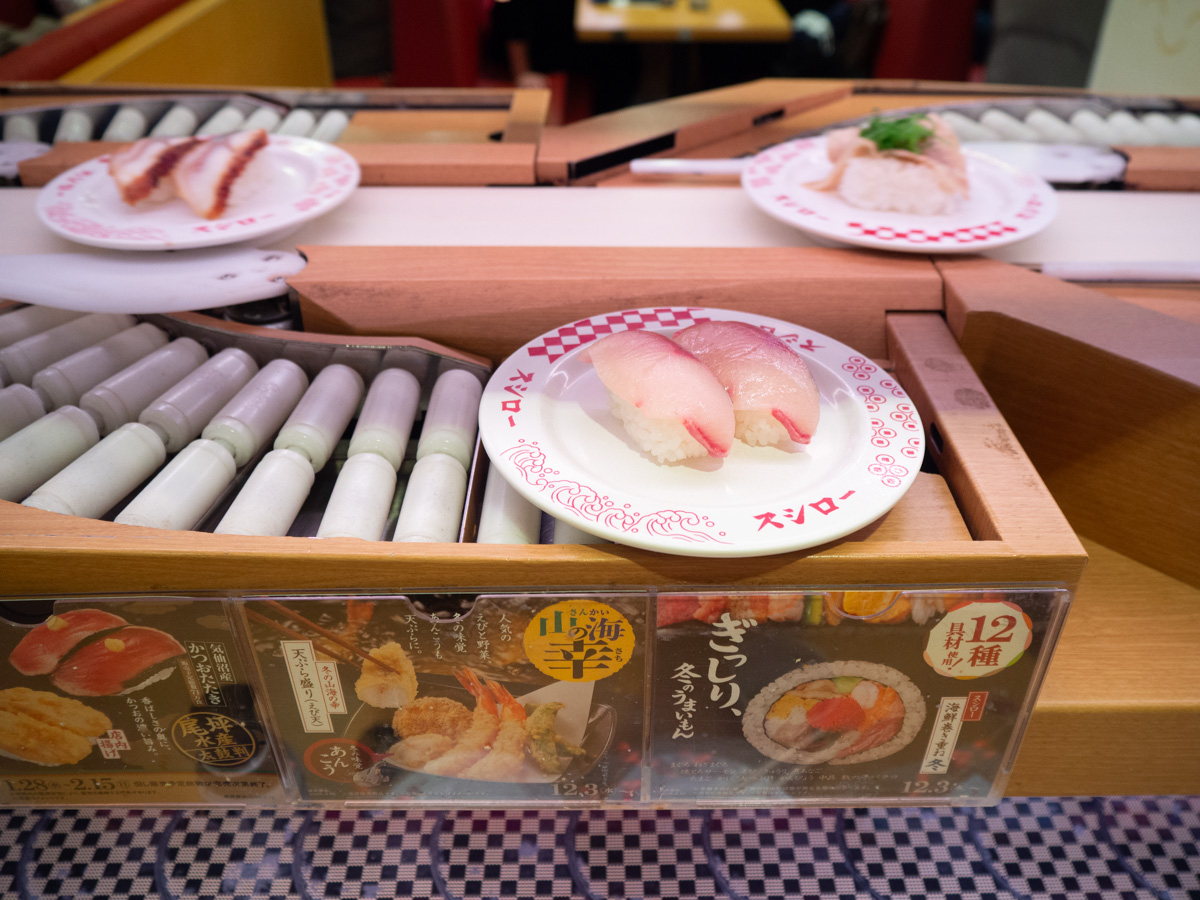
More conveyor belt sushi.

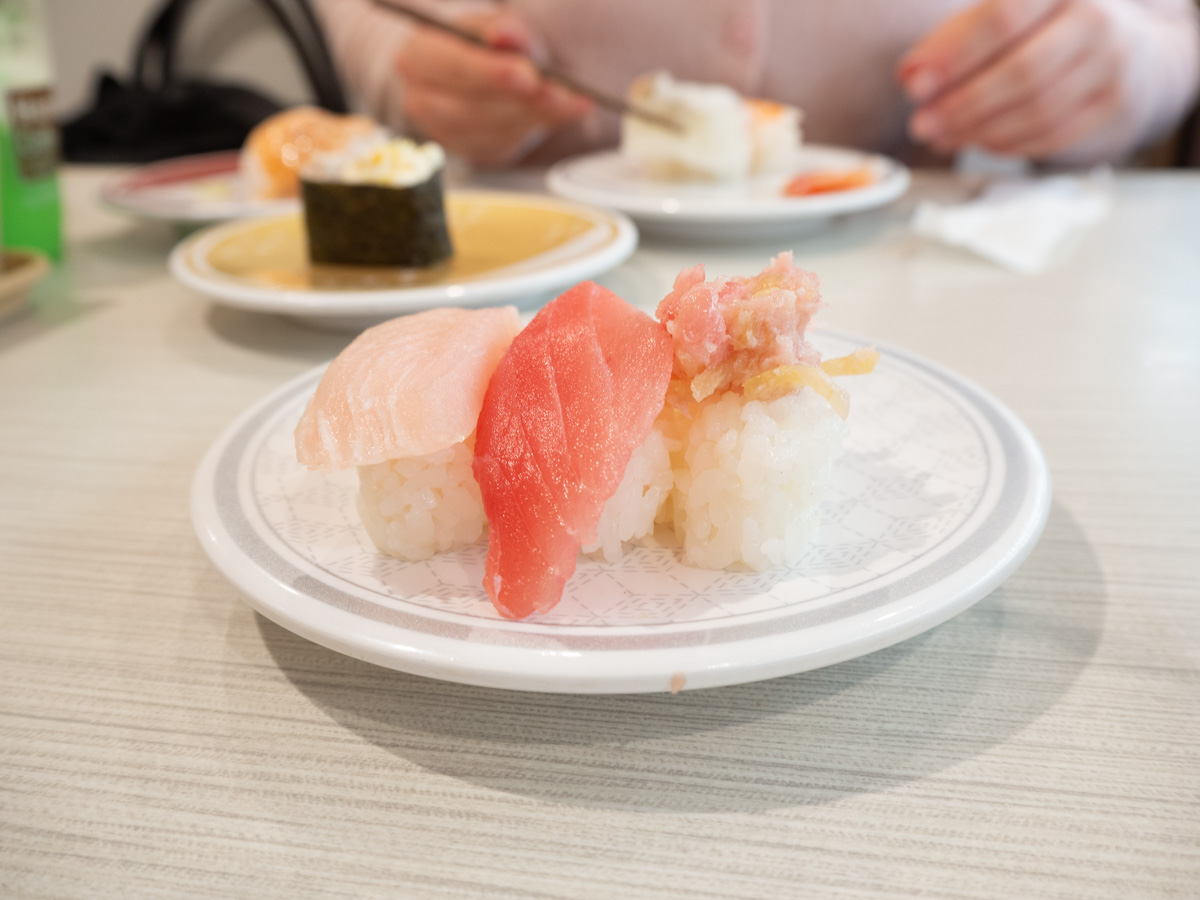
I am exploring the varieties of tuna on offer. In standard Swedish sushi, salmon and prawns dominate, and there’s usually some tuna, which I haven’t found particularly interesting. Here, I like the tuna more than the salmon. The fattier the cut of tuna, the better I like it.

The conveyor belt approach makes it easy to try new things. We don’t have to decide in advance what we want to eat, or how much. Sometimes we see things slide past that intrigue us, and then we can look them up in the menu and try them.

The variety is mind-boggling. There are things on the menu that I couldn’t have come up with in my wildest sushi fantasies. Monkfish liver and crab butter. Duck meatballs! Those last ones are not for me, but there are so many kinds of fish here that I wish I had time to try.

For our first restaurant meal in Tokyo, we went for conveyor belt sushi at Sushiro. Ingrid could probably live on just sushi for a week, and while I’m not quite that enamoured with it, I do love eating good sushi.

Japanese conveyor belt sushi is not like Swedish conveyor belt sushi. In both, there is a belt that snakes its way through the entire restaurant, and tables next to the belt, and the belt brings food to everyone.

In Stockholm and London, there is always food on the belt. You look at the food that glides past, and pick whatever you like. When you’re done, you count the empty plates and pay for each one. Usually they’re colour-coded for different price groups.

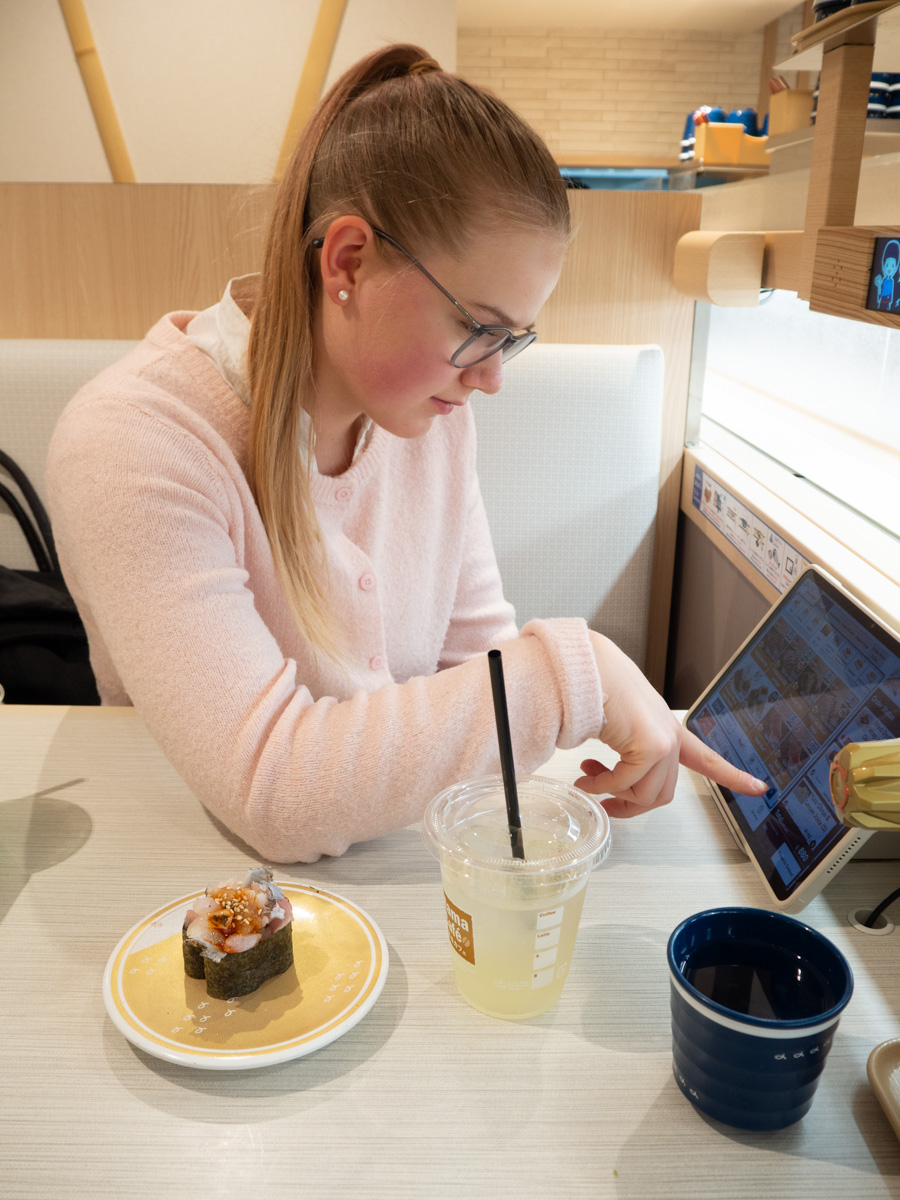
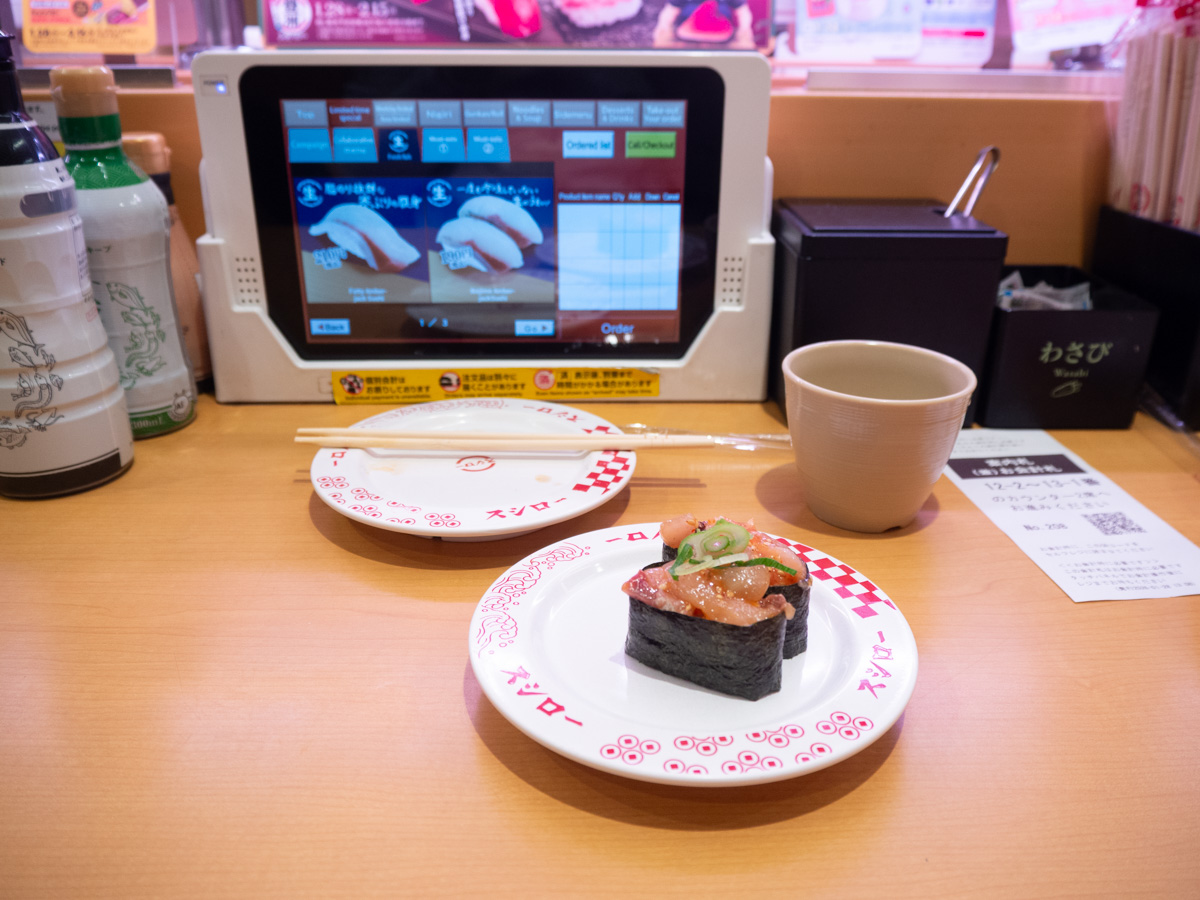
In Tokyo, it’s all individual and customized and computerized. There’s a tablet at each table with an incredibly long menu of sushi, sashimi, side orders, desserts etc. Tap and order, and a few minutes later, your plate arrives on the belt and stops in front of you.

We had counter seats (as opposed to a full table) which was about as glamorous as a fast food restaurant. It was a fast food restaurant, I guess.

But the choice of fish was incredible to my Swedish eyes, and the quality of it was great.

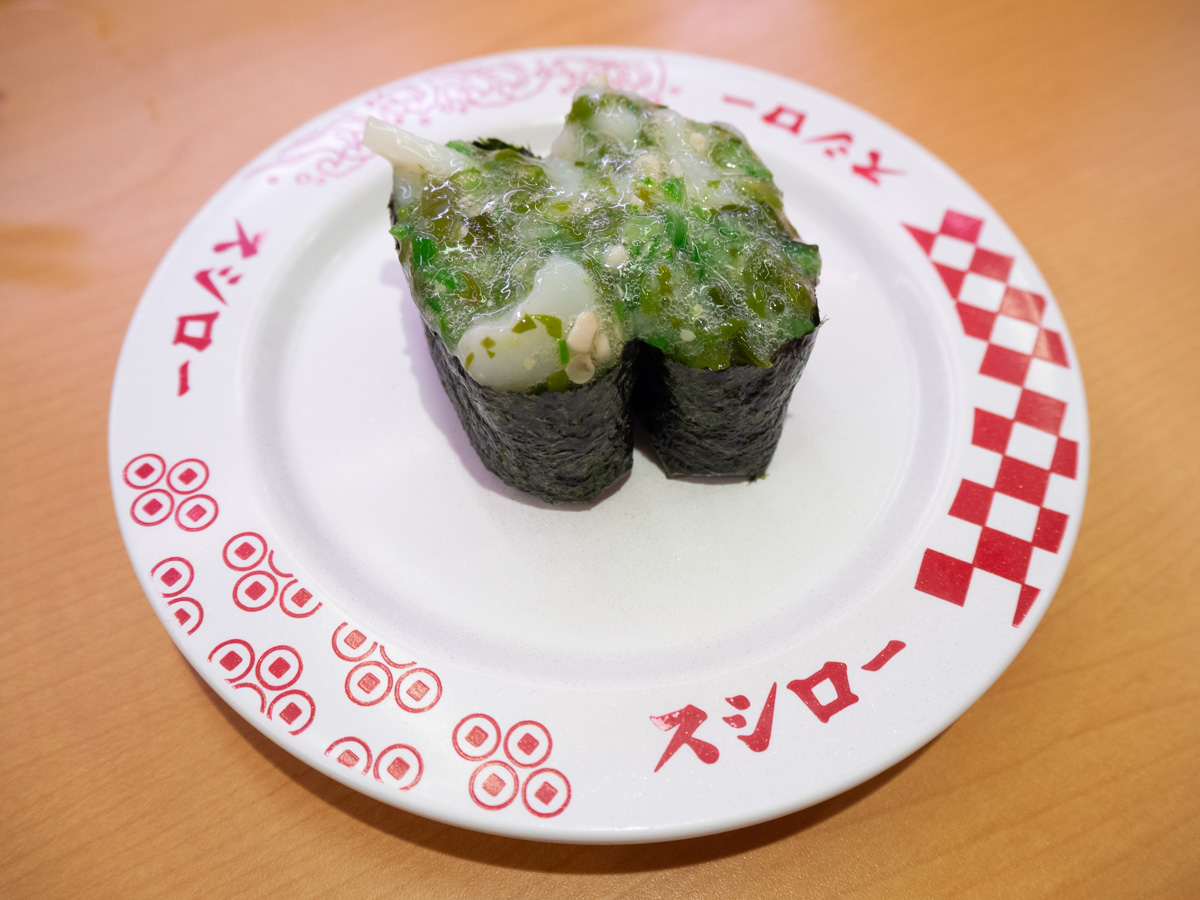
At first we ordered things we recognized and knew we would love. You can’t go wrong with seared salmon. Later I got more adventurous and tried a few more odd items out of pure curiosity. I ate this thing and I can’t even remember what it was.

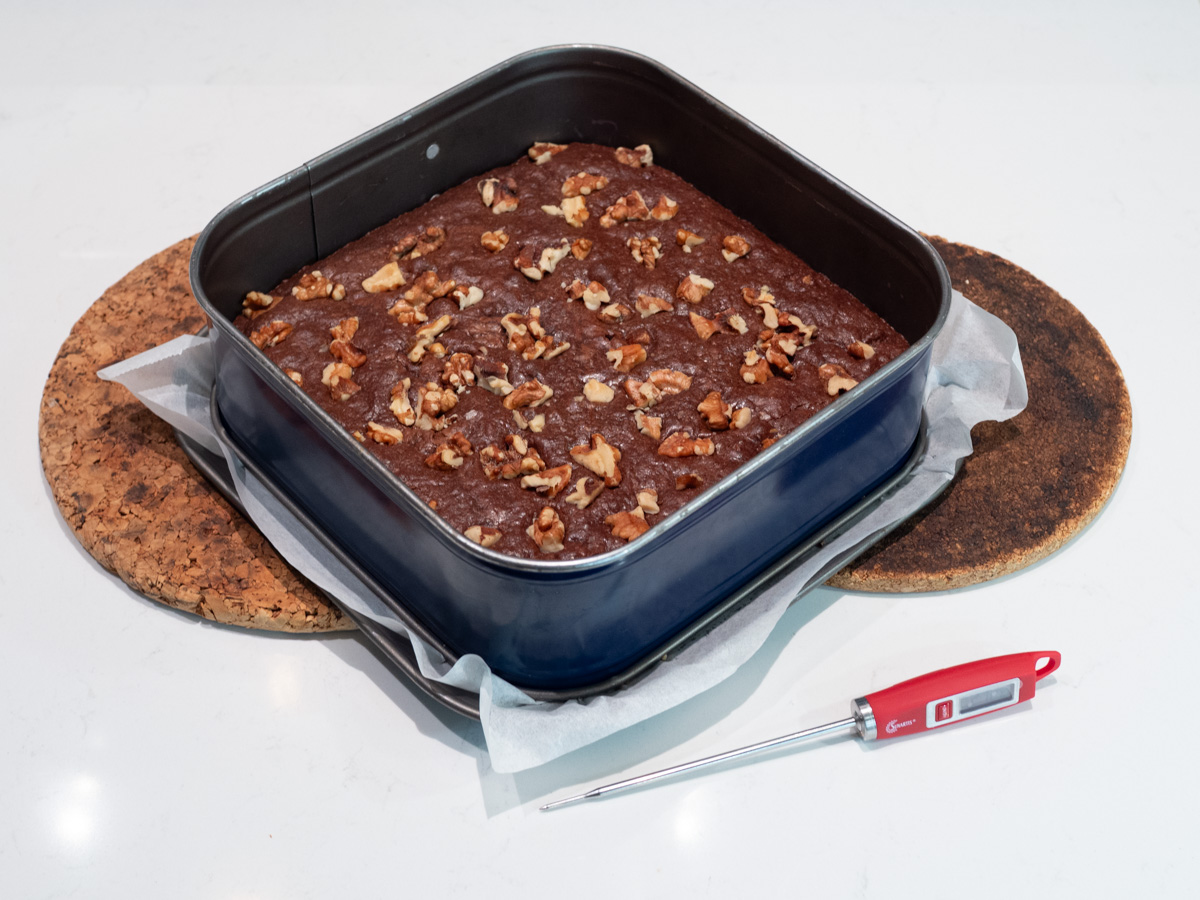
Time to top up the brownie stash in the freezer again.

I have recently come to realize the awesomeness of a precision baking thermometer. The fancy recipe for wort bread strongly suggested using one to check that the bread is done, and that made it clear to me just how difficult it is to eyeball the doneness of a loaf of bread just by looking at it. (Especially with wort bread that is dark before it even goes in the oven.) When I thought it looked done, it still had a good 10 degrees to go, and that took about 20 minutes if I remember correctly. It would definitely have been underbaked if I had taken out based on just the timer and my own eyes.

Now I’m a convert. I bought the thermometer on Adrian’s request – he has a very scientific book about baking – but his baking enthusiasm comes and goes, and now I’ve using it more than he ever has. For my sourdough bread (done when I thought it was), cheesecake (done when it still looked way to liquid), karask (needed more time than the recipe said), brownie (also needed more time). So very convenient.