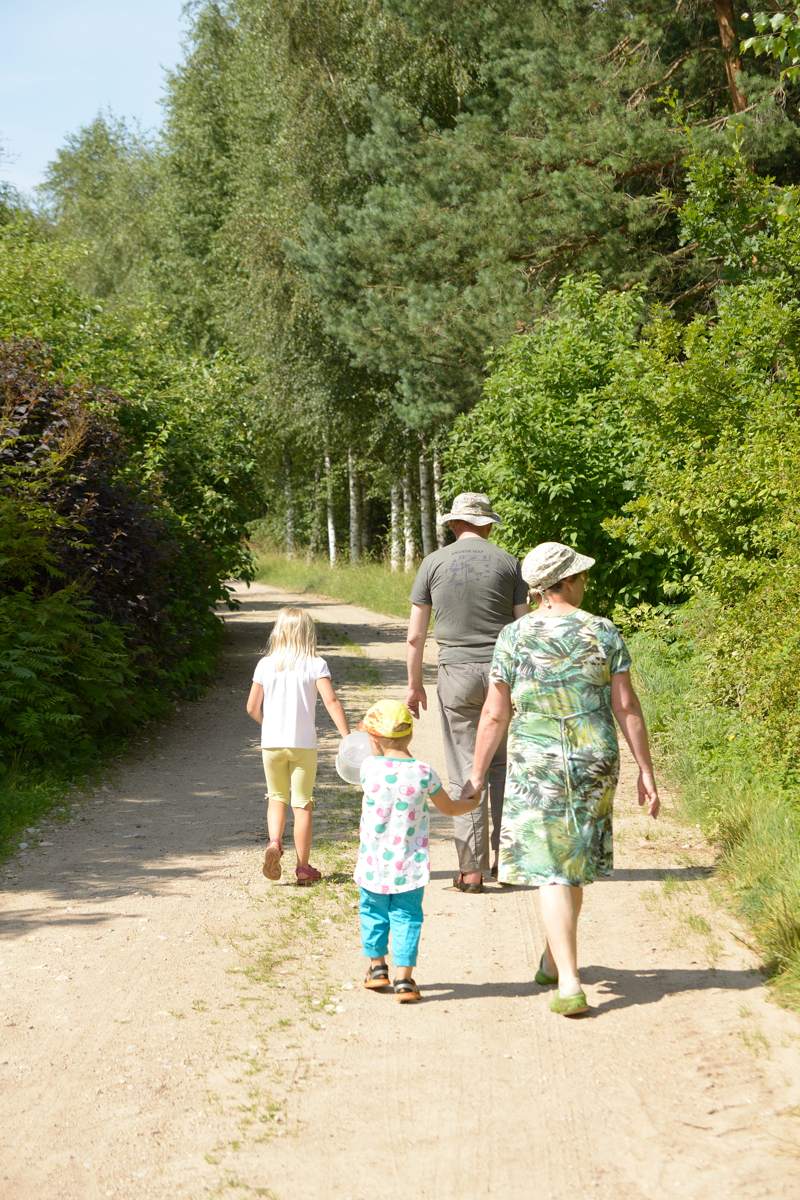
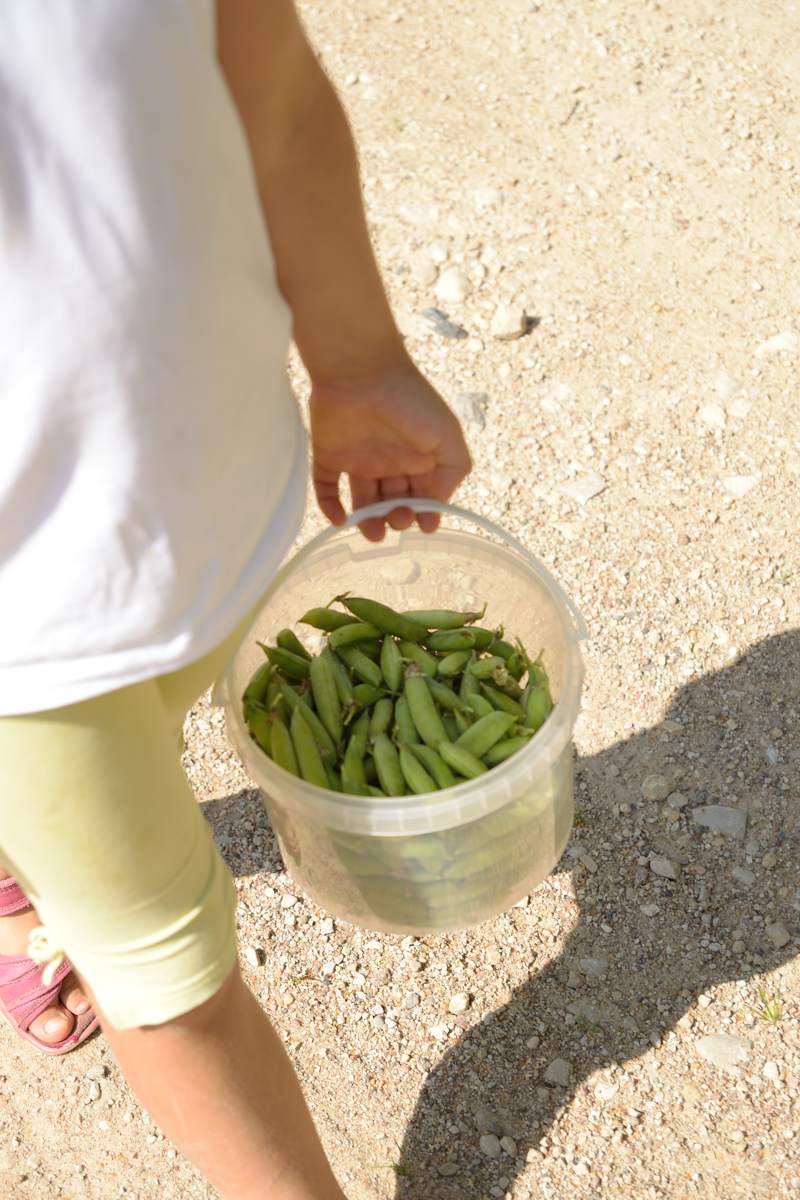
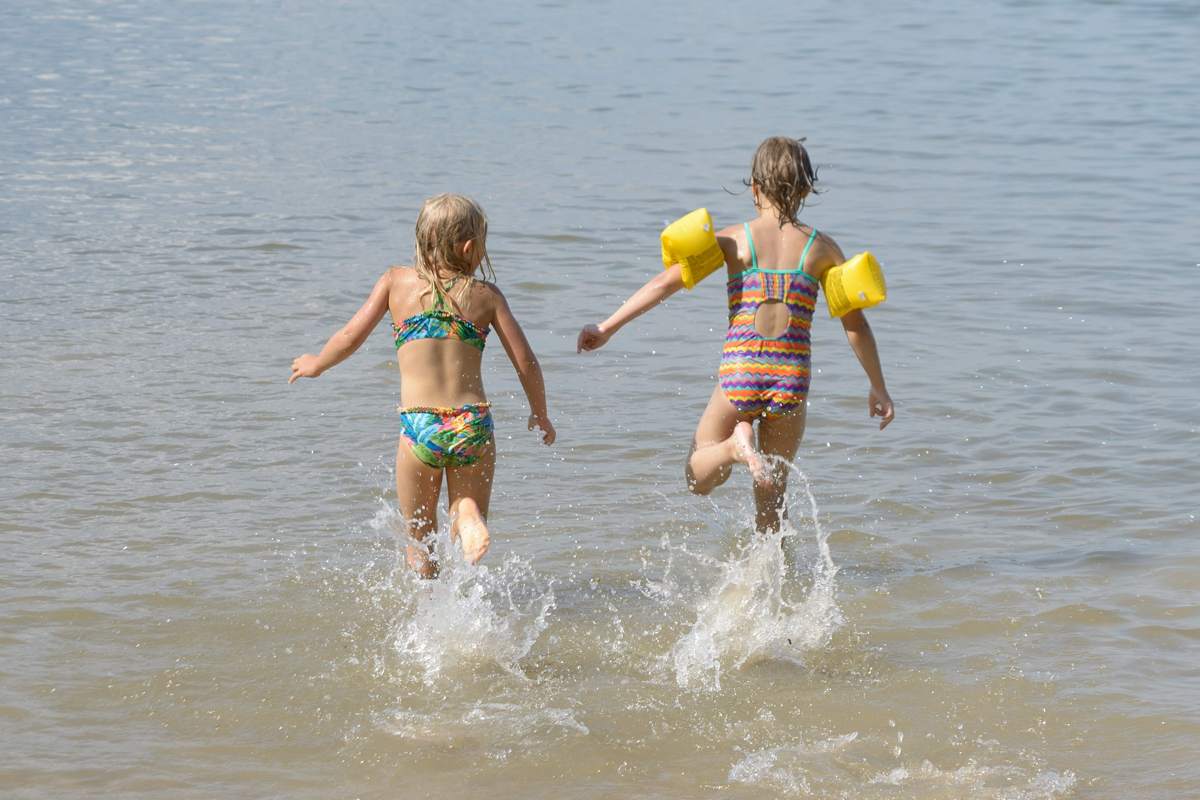
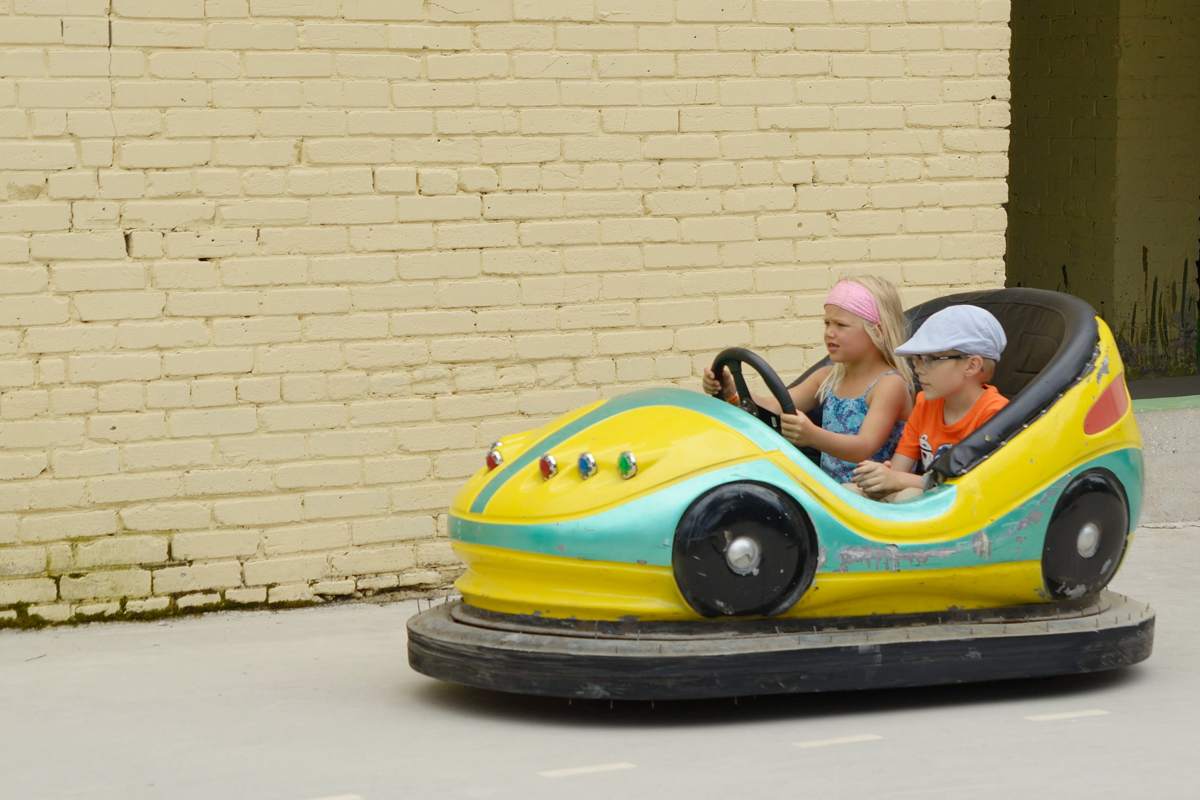
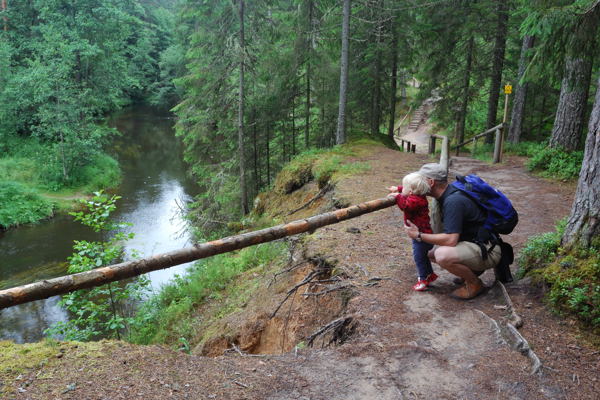
A few highlights from our two weeks in Estonia.

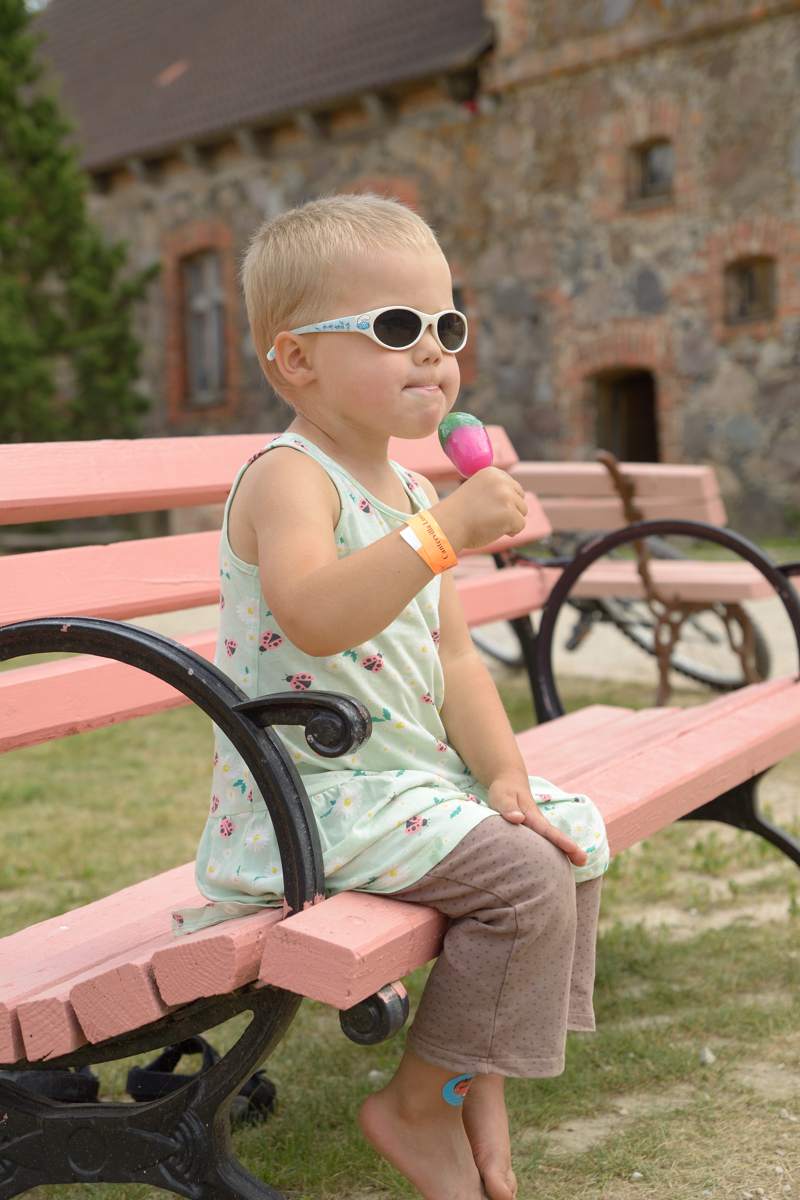
Not surprisingly, Ingrid most enjoyed outings and activities of all kinds, and playing with her friend Katariina.

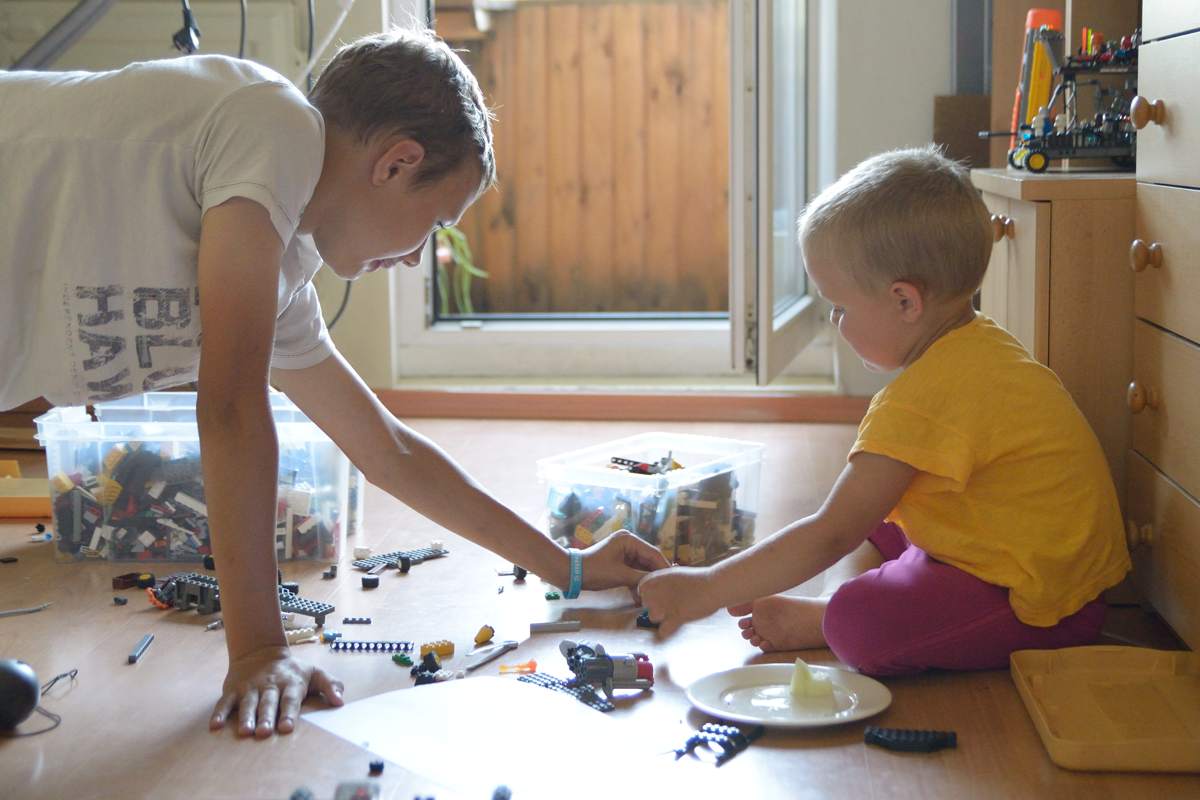
Adrian has no friends of his age in Estonia. He was not too interested in those who were of Ingrid’s age, either. Instead he adored Katariinas big brother Artur who is about 10 years older than him. They built legos together.

Estonia is not that far from Stockholm and yet there are some differences that I just cannot help but notice.

Estonia has storks. There are stork nests on chimneys and utility poles, and storks striding around in fields and roadside meadows. It is pretty cool to see such large non-human creatures, so close to us. In Sweden there are none.

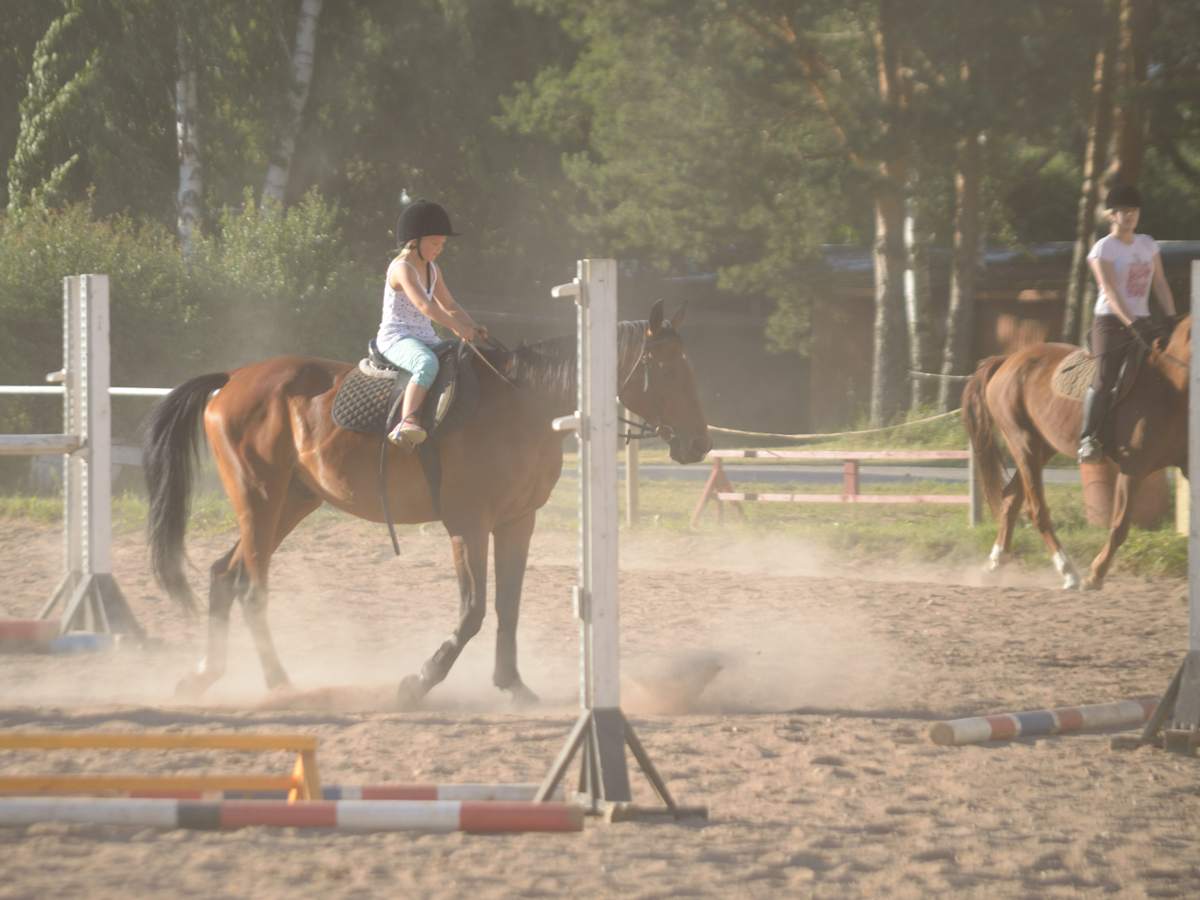
Same with swallows. When Ingrid went riding here in Tartu, the stable was full of swallows flying in and out, and their nests under the ceiling were more than I could count. In our stable in Stockholm there are sparrows instead.

The supermarkets in Estonia stock a much wider variety of processed food of all kinds. Fifteen varieties of ready-made potato salad. Pastries with savoury fillings of all kinds. Dozens of flavours of yoghurt, with actual variation, whereas Swedish supermarkets have maybe six and they’re all almost the same. (The supermarkets in London also had lots of flavours – I wonder what keeps Swedish producers from widening and renewing their range.)

Estonian cyclists do not wear helmets and generally seem to harbour a death wish. Cyclists cross the road diagonally without even looking over their shoulder; they cycle on narrow sidewalks without slowing when meeting pedestrians. The most extreme example was two guys on the same bike, one cycling and the other one standing on the rack. Neither was wearing a helmet. They were in the middle of the road, veering a bit erratically, because the one in the front was steering with one hand and using the other to hold his mobile phone.

Estonian women all make an effort to dress stylishly, whereas Swedish women are more likely to take the jeans-and-top approach. Estonian men all wear single-colour t-shirts and sports shorts, and look as if they were on their way to mow the lawn or possibly attend a beach barbecue.

On our way from Tallinn to Tartu the day before yesterday, the alternator belt in our car broke. I am completely uninterested and thus clueless about automotive technology, so I could not diagnose the problem and just hoped that it was a battery problem (which we’ve had before) and that the car would keep running for the 30 km we had left to our accommodation in Tartu.

It almost did. When we were almost there, as I was pulling away in first gear after stopping at a crossroads, the engine stalled and wouldn’t start again. I waved our jumper cables at passing cars; the first one passed by but the second one stopped and the friendly driver got us going again.

At this point it was pretty obvious that the car was really teetering on the edge. I had lost all the niceties that we take for granted in modern cars, including power steering and speedometer functionality. Luckily there were no more traffic lights and no more driving at low speed, and the car got us all the way “home” and didn’t die until I was halfway through parking it.

It actually felt kind of cool to drive this way, old school, but parking without power steering was not easy. Air conditioning is a pretty nice thing, too. The whole incident gave me a new appreciation for all the mod cons we have in our car. At 16 years it is far from new so I wonder what it might be like to drive a really modern car.

I wish I could say that this also made me realize the value of some basic knowledge of troubleshooting engine problems. It didn’t. It did make me realize the value of (1) having jumper cables in the car, and (2) friendly strangers and well-connected acquaintances.

When we arrived the landlady came out to meet us, and some guy who was with her immediately volunteered to look under the hood. He immediately diagnosed the problem and then proceeded to call “a guy I know” who came by with a trailer and took the car away. We got it back the next day with a new alternator belt and a freshly charged battery. And that was that, problem solved.

We went to our usual Estonian playgroup on Sunday. The kids had fun. Myself, I almost snapped, from too much exposure to Estonian-style parenting. Parents who tell their 4-year-olds how crappy their painting is; who constantly demean and humiliate their kids; whose parenting skills go no further than “stop that right this minute” and “why are you such a whiner”.

Not all Estonian parents are like that, of course. But this kind of attitude towards children (and husbands and wives, and other people in general) is sufficiently common that you cannot really avoid it. The general undertone is that other people do not deserve your respect, that really they’re irritating idiots, and you see no point in hiding that opinion.

During our annual trips to Estonia we live in a cocoon, only spending time with friends and family. I have no wish to go outside that cocoon.

I remember so sharply an episode from one of our previous summer trips. We were at a roadside eatery. We sat outside, and when Ingrid was done eating she went to the little playground they had. There were two other girls there, maybe a year or two older. She cautiously tried to make contact, and got instantly, sharply, snippily put down. I don’t think they even spoke directly to her but one of the girls said something mildly but clearly scornful about Ingrid to the other. Ingrid was totally confused and had no idea how to respond. Like, why would they do that?

How do you explain that in Estonia people are like that? Tell her to not go around trying to make friends? I don’t want to need to explain things like that.

Another thing that I always notice in Estonian playgroup is that almost all of the other kids are super reluctant to ever answer any questions from the teachers. Even when the question is something that you cannot fail at, like “can you come and pick one of these stuffed animals for the next song” or “what’s your favourite food”, they don’t. They cover their faces, they squirm, they hide behind mum’s back, they just won’t.

It’s not an age thing, not a phase. The ones older than Adrian and the ones younger than him all do the same.

A deep-seated reluctance to get noticed? Because odds are, you will only get criticised for it? Or maybe I am totally over-analysing this.

To close on a happier note, here’s a totally unrelated photo of two tired kids happily playing together.

We’ve been in Estonia for nearly two weeks and I have barely said a word about it on the blog. It’s all been too intense, the days too full of action, the mind too full of impressions.

Attractions, sights and outings follow each other in an unceasing flow. We have been to museums, science centres, playgrounds both indoors and outdoors, taken a boat trip and a horseback ride, and more.

Ingrid swallows it all and asks for more; Adrian has found it a bit overwhelming at times, and would probably have preferred some calmer days. But it is easier to plan a day with lots of activity and take him aside for some quiet time, than to plan a quiet day and then try to add extra activities for Ingrid.

Most of these activities we’ve done together with my childhood friends and their children. Me, Ingrid and Adrian have really enjoyed catching up with our Estonian friends, and Adrian pretty much adopted my friends Rahel and Marju as extra moms. Eric has bravely kept us company all the way, but he can probably imagine better ways to spend two weeks of his summer… Planning ahead for our next trip, I think I will try to manage both kids on my own.

Both Ingrid’s and Adrian’s ability to speak Estonian has improved hugely. Adrian said almost nothing at all in Estonian during the first days. Yesterday and today he was playing freely with the other kids and talking to the adults, and using words and grammar that I have never heard him use before.

A few highlights:

Tartu adventure park/seikluspark. Ingrid completed the two kids’ tracks twice and found them rather too easy, so we went on to the first two “real” tracks. These were really meant for people over 140cm (and Ingrid is probably not even 120cm) but with me there to help her move her carabiners, she managed both. Then we did the 300m zipline ride, side by side. Adrian sat on the ground and made silly faces. (We’ve been to a similar park in Otepää twice before during our previous trips, and I could have sworn I’ve blogged about it, but couldn’t find any post about it.)


Vudila, an outdoor playland with all sorts of activities. A pool area with water slides, go-karts and mini ATVs, trampolines and bouncy castles, etc etc. More than enough to fill a day, and good fun in all ways, but the food was really disappointing.

Ice age centre, a science centre about ice ages. Interesting for adults but too serious for the kids, who had much more fun at the beach next to the museum.
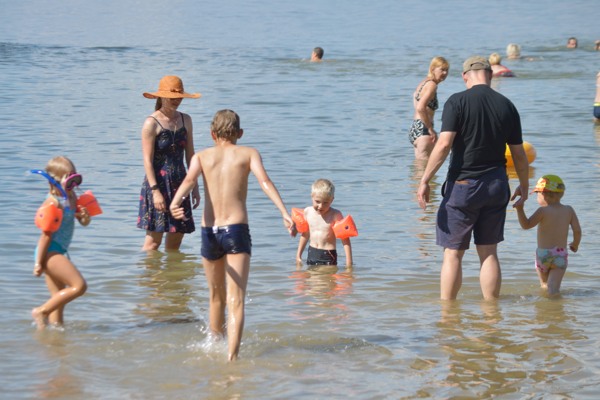
Old favourites revisited: Road museum, Hansapäevad, Tartu Toy Museum with its playroom, Ahhaa science centre.

I went to a class reunion yesterday for my primary school class, grades 1 to 9. (Which actually only gave us 8 years together because in the middle of those years there was a school reform in Estonia that added one year to primary education, from 8 years to 9. So I never went to 5th grade.)

Last time I saw most of my classmates was 8 years ago, at another reunion. A few of them I haven’t seen since I graduated.

A few of them I wouldn’t have recognized if I had met them in the street; others are so similar to their 1st grade selves that any stranger could point them out in the class photo.

It is even more interesting to try to figure out how they have changed on the inside. (More difficult to observe, too, of course.) As with the faces, most are recognizable extrapolations of their school-age selves. Had someone told me 20 years ago that here is where this-and-this will end up in life, I would have nodded and said, yes of course, that figures, I can believe that. The quiet and studious teenager who now has a PhD; the poet’s son who has now published books of his own and studies history, etc.

Others surprise, with life and career choices that I wouldn’t ever have pictured. Which might well mean that I really didn’t know them as well as I thought.

With yet others I realize that despite our 8 years together I never knew them at all. I meet them now as strangers, effectively. Some of them have grown up into nice, interesting people, making me wish that we were not such strangers.

Two observations that, while not at all new, struck me with renewed force yesterday:

  • Some people really are photogenic in a way that has nothing to do with being pretty or handsome. The way they hold their body and move around, the way their face and hands move, just looks good in a photo almost regardless of when I press the trigger. Others look awkward in photos without doing anything that looks or feels awkward in real life.
  • Alcohol is such a natural part of all this events for so many people. I don’t think they could imagine a get-together without alcohol. As a non-drinker one is never specifically excluded, but as the hours pass, alcohol changes the discussions and the mood in such a way that excluding oneself becomes… well, not inevitable, and not the only option, but the only comfortable option.

Evening:

Morning after:

Posts about previous reunions: first, and second.

We’ve been in Estonia for the past 10 days – our annual trip to Tartu to meet friends and family, and for language immersion for the kids. That last part has worked wonders, by the way: Ingrid’s Estonian is a lot more fluent than before.

One thing I’ve noticed is the popularity of ethnic patterns in design of all sorts. (Ethnic Estonian, that is, not the fashion trend that involves wearing fake Indian clothing.) I try to think back 10 years, and I believe that at that time I almost never saw any of the traditional Estonian patterns, except for maybe mittens in some weird craft shop, and tourist souvenirs. The folk costumes came out for the song festivals, and that was that.

Now I run into ethnic Estonian patterns everywhere. The stripes are the most popular ones: there are fabrics in various materials, there are throw pillows and oven mitts and bags, there are mugs and boxes and so on. The traditional floral embroidery designs turn up in children’s socks and women’s tights – and those are everyday tights you can find in high street sock shops, not souvenir or craft items. And in paper napkins and kitchen towels, etc. The more geometric patterns that I associate with knitwear appear everywhere from embroidery and felted wool to pottery and leather.

It is so lovely to see that traditions that were getting marginalized are now getting new lives, in new places, new materials, new variations. I hope that this is not a temporary whim of fashion or burst of nationalism, but that it stays.

Still alive, but in vacation mode rather than blogging mode.

Imbi Paju: peita ja unustada hoolimine (Hide and forget about caring)

This is an opinion piece by Imbi Paju, an Estonian author, about how the Soviet occupation and its opression of the Estonian people destroyed caring and sympathy and fomented mistrust and enmity between fellow Estonians. Those events, now long past, continue to affect Estonians to this very day.

The article is unfortunately in Estonian only, and Google Translate doesn’t manage Estonian particularly well. If you are not familiar with Estonian history, you can read a bit more at Wikipedia about the Soviet deportations from Estonia.

Even today, the general tone in Estonia – both in public discourse, in media and in everyday life – is characterised by a relative lack of respect and empathy, by putting each other down and trampling each other in the mud. This article lays bare the roots of this behaviour, which is not so much Estonian but rather the behaviour of an oppressed nation. An abused nation behaves like an abused person.

I notice this every time I read an Estonian newspaper or blog (and I have by now learned to never EVER look at the comments for any newspaper article), and to some extent when I visit Estonia. Less so when I meet Estonians, because the people I meet are of a younger generation, and perhaps they have already managed to put some of that past behind them. To purge all of it will take another generation at least, it seems.

This is why I never seriously consider moving back to Estonia. I like individual Estonians but I cannot live among only Estonians. It would drag me down.

It is very Estonian to identify with the country, the land. Estonia is still close to its farmer roots. People can ask an expat Estonian, how can you leave your country? I don’t identify with the land but with the people, which makes it all the more painful to admit to myself that while I do miss them, I do not really want to live among them.

Saturday: The planetarium at Ahhaa, somewhat disappointing. A lecture rather than a show, dry-ish and uninspiring. Presented by a guy picked for his knowledge rather than his presentation skills. Since he only gives a scripted talk his knowledge of astronomy is no use; I would have preferred someone with better diction and more charisma, or even a recording by a professional actor.

Sunday: drove to Tallinn. Got stuck in a massive traffic jam at Ülemiste due to some bicycle race that we didn’t know about. We could have taken an alternative route but the traffic authorities didn’t have the sense to inform drivers of the road blocks in advance. After half an hour we finally got to a place where we could escape the jam and zig-zag through Lasnamäe to Pirita where my friend V lives. Spent a most relaxing afternoon with V and family – the kids entertained each other, Adrian picked through their toy box, and we adults just lounged on the deck and ate and talked.

Monday: in Tallinn’s Old Town. The town was overrun with large guided tourist groups; they were everywhere. Both kids were in a bad mood, tired, didn’t want to eat at mealtimes and then complained of hunger a short while later, and generally complained about stuff all day long. We hardly enjoyed any of the stuff we saw.

Tallinn Flower Festival: small scale, low-key, pretty and fun.

Finally saw the much-discussed Victory Column with my own eyes.

Lunch at Olde Hansa: menu unchanged over the past 10 years, food still good, portions smaller than they used to be.

Climbed to the top of the tower of the old City Hall: good views but very windy; had to go down almost as soon as we got up because Ingrid wouldn’t keep still and got in everyone’s way, while Adrian squirmed all the time.

NUKU muuseum, the museum of Tallinn’s puppet theatre: far larger and more interesting than I had expected. But it was a total labyrinth, a tangle of rooms with confusing signs.

Kultuurikilomeeter, a kilometer of culture: “a lot of kilometer and not a lot of culture”. Instead of one kilometer the path is 2.2 km long but the culture along it is very, very sparse. From its name I had expected it to be lined with sculptures, installations, outdoor art… all we found was an “eco-island” (a cheap-looking café on some sort of floating island), a stage and some graffiti and another café in the old Patarei prison, a construction site which will at some point become a museum for sea planes, and a couple of historic ships. A lot of urban decay – hip and edgy, I know, I know, and quite nice-looking in places, but depressing in others – but very little of what I would actually term “culture”. We gave up about halfway through since Ingrid and Adrian were both bored as there was nothing at all to hold their attention.