

(no photos)

The focus of Kyoto Museum of Crafts and Design is a permanent exhibition of seventy-four traditional crafts of the Kyoto region. These cover a wide range of very different crafts – woodworking, weaving, fabric dying, the making of singing bowls, the carving of funerary sculptures, etc.

With seventy-four crafts to display in a single room, there’s a limit to how much space each one can get. Some are just displays of particularly exquisite examples of the craft, but many are explained in a lot of detail, such as step-by-step displays of the process of making wooden doll, or exhibits showing the various techniques of dying kimono fabric. The focus was on the craftsmanship and the process. I could happily have walked through three times the space to see more detail of each of the crafts.

There were also multiple hands-on exhibits, where you could try wrapping different kinds of items in a furoshiki cloth, or enjoy the sounds of a tuned series of singing bowls.

In between the temples and shrines, we spent this day walking around in the main tourist and shopping districts of Kyoto.
Gion is one of the best-known geisha districts, with streets lined with houses in the traditional style.

Many are shops or cafĂ©s aimed at tourists, and the street get quite full during peak hours. And this is in February, which is the lowest of the low season. I can’t even imagine being here in April or October. February may be rather chilly for walking around, but it truly was the best possible timing for us.

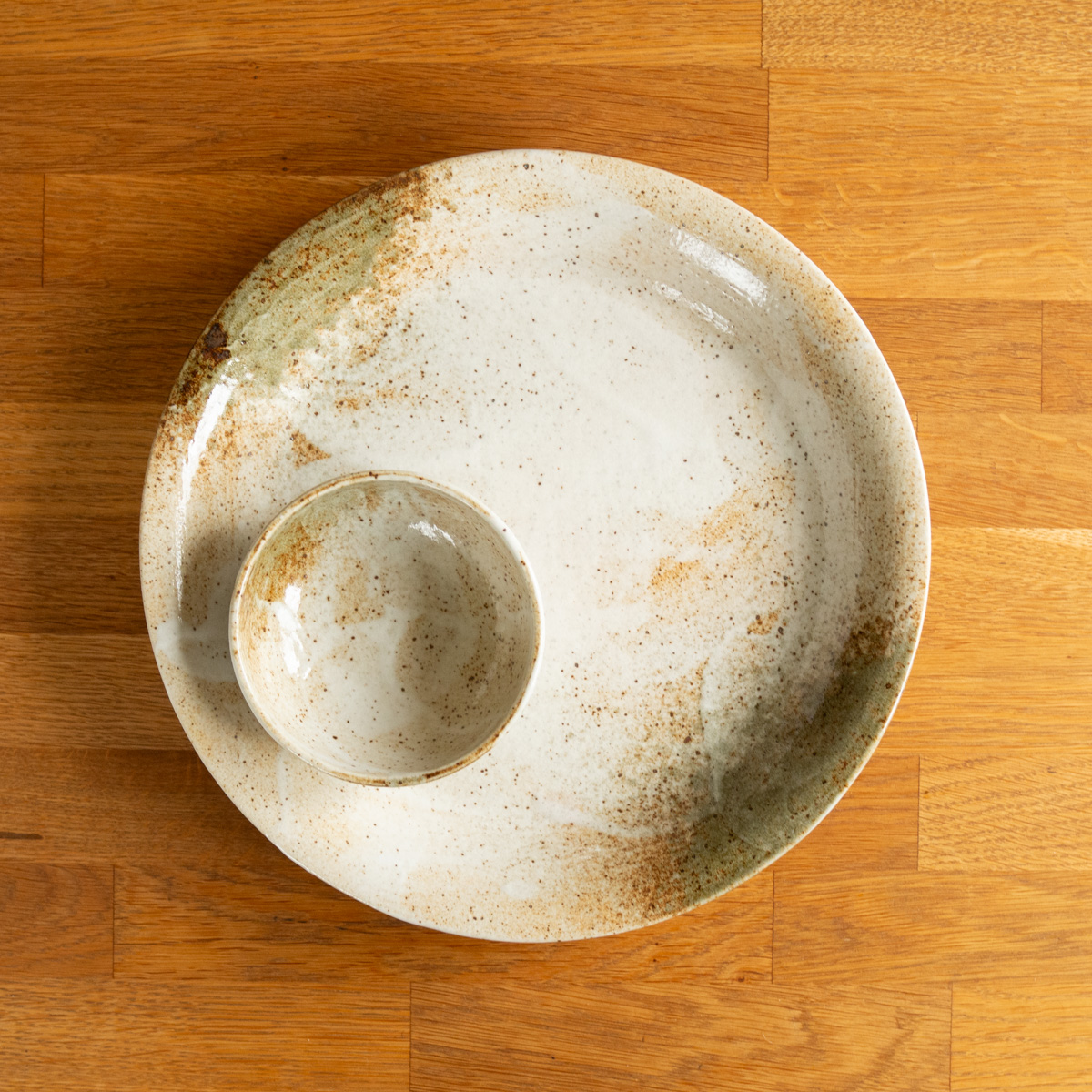
We, of course, zoomed in on the ceramics shops. This one had a wall display of ceramic tiles.

I wonder what they do with the outside displays at night. The bowls and plates aren’t even on any kind of trays or boxes – carrying them inside every evening, only to bring them all out again the next morning, seems like a lot of work.

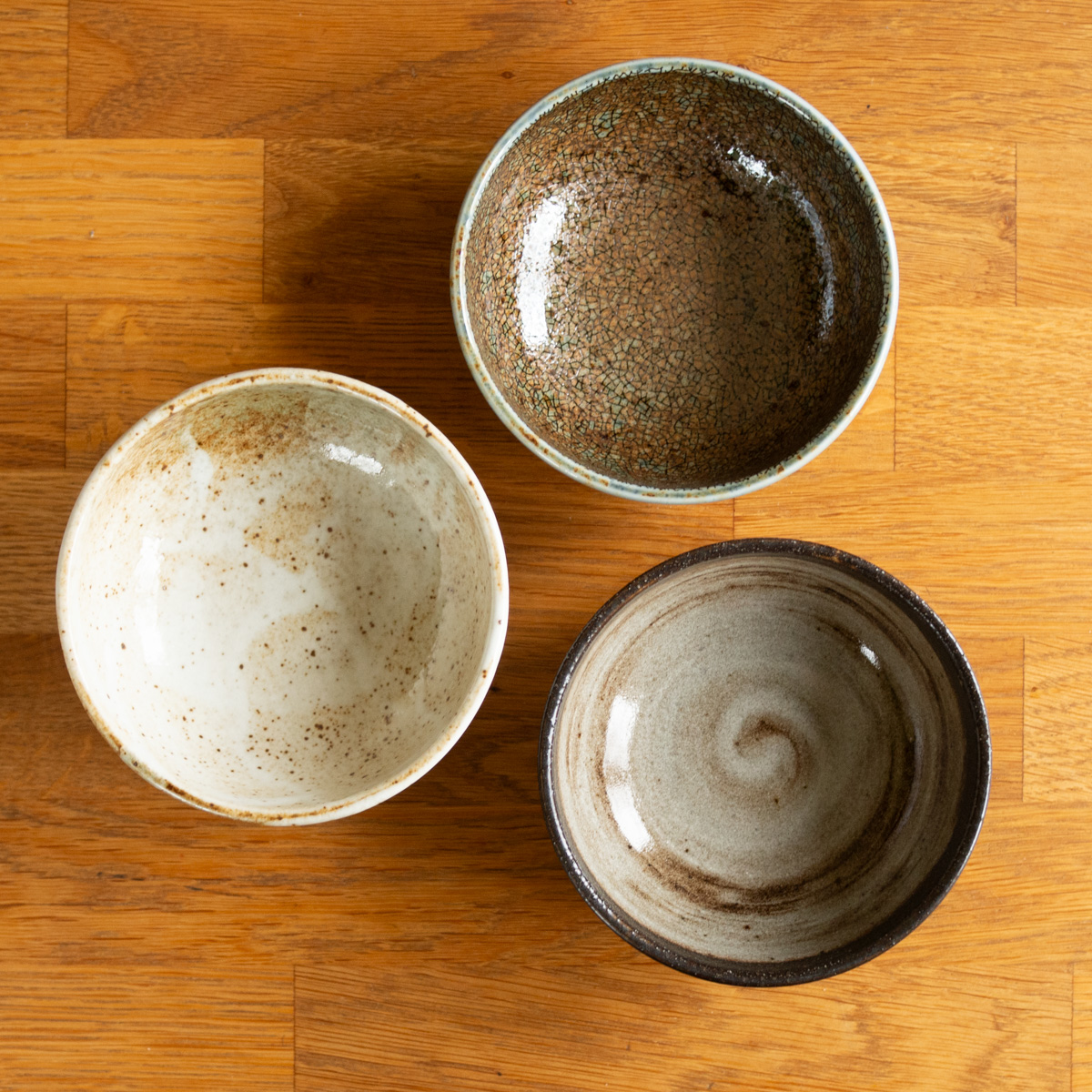
Lunch was at a tiny lunch place for locals, with just a handful of “dish of the day” type meals on the menu. Delicious as usual. The way the meal was served kind of explained the ubiquity of small, palm-sized bowls in all the shops: a little bit of this pickle here, a little bit of another one there. And served with a wooden spoon – we are of like mind here.

There are several vintage and antique kimono shops in Gion. Antique Kimono Lily Gion was a labyrinth of small rooms and hallways, with metres and metres of kimonos and yukatas, for men and women, of all kinds of ages and prices, starting at 1000 yen and ending somewhere in the stratosphere. On the upper floor there were antique wedding kimonos that were truly works of art.


Many streets in central Kyoto – or at least things that look like streets on a map – are actually covered shopping galleries. They’re still streets, with crossings and side streets, and each shop an individual building, but all sheltered from the weather.

One of these galleries is Nishiki market, which focuses on food. Shops and stalls and restaurants everywhere, offering juts about everything. This is what we had expected Tsukuji market to be like – lively and colourful.

Displays of the uniquely Japanese art form of fake food.

I wanted gyoza; Ingrid wanted takoyaki, dough balls filled with minced octopus.

For dinner, we tried another okonomiyaki place – in part because I like it, and also because it does seem to be a bit of a regional specialty. It was recognizably a cousin of what we ate two days ago, but also very different. Still a pancake with shredded cabbage but prepared differently and served differently.

Temples and shrines truly are the thing to do in Kyoto. They are everywhere, and even after we’ve visited a bunch of them, I don’t get tired of them – I am happy to visit another one.

Kodai-ji was built to commemorate Toyotomi Hideyoshi, who unified Japan at the end of the 16h century.

There is more of a Zen feeling to this temple than any of the others we’ve visited until now, with a stone and gravel garden. There was also a more sizeable park/garden up along the slope of the hill than I had realized from the outside, nice to walk around in.

Even the stairs down from the rear gate of the temple were scenic.


Kiyomizu-dera, yet another beautiful, ancient temple in Kyoto. According to Wikipedia, it was one of 21 finalists for the New Seven Wonders of the World, but was not among the “winners”.

There are multiple small shrines and other buildings and structures in the temple compound, including a tall, striking pagoda.

I liked the intricate, brilliant fire-orange roof constructions.

It was also interesting to see just how varied the design and architecture could be, even between buildings within the same temple complex.

Kiyomizu-dera was popular with Japanese tourists, and there were kimono-clad couples and families taking photos on all the the staircases.

Smaller bits and pieces of Kyoto, between the larger sights we saw.
Katsura river. There was a boat rental that rented out blue boats to tourists that looked like plastic bath tubs. These covered boats were not that. These look a bit like Venetian gondolas, but on closer inspection seemed to be small cargo boats.

Togetsukyo bridge across the Katsura river. It looks like a wooden bridge from a distance, and used to be. It was rebuilt in concrete about a hundred years ago, keeping something close to the original design.


Horin-ji, a small and quiet buddhist temple.

Nighttime in Pontocho alley with lanterns providing much of the lighting.


Main street shops, by way of contrast.


In the last remains of the afternoon light, we visited Kinkaku-ji, the temple of the golden pavilion.
I thought it would just be a pavilion painted in some golden colour, but the pavilion’s walls are literally covered in gold leaf. It shone quite spectacularly in the setting sun, in contrast to the dark pines surrounding it.


The pavilion was situated on the edge of a small lake. It looks so effortlessly beautiful. I have to wonder how much of it just was that way entirely naturally, and how much has been carefully curated and designed and pruned.


| « Older posts | Newer posts » |