I set a bread dough on Sunday morning. It took a long time to rise, as usual in our house. I was going to bake it in the evening, after dinner, but completely forgot about it. Then at 10 o’clock at night I was suddenly reminded of it – way too late to shape loaves and bake them.

I put it in the fridge (having reshuffled half the fridge to make room for the large dough bowl) and crossed my fingers that it would keep for a day. Either it works or it doesn’t – worth a try at least. Came home from the office on Monday evening, took it out, and picked up from where I’d left off.

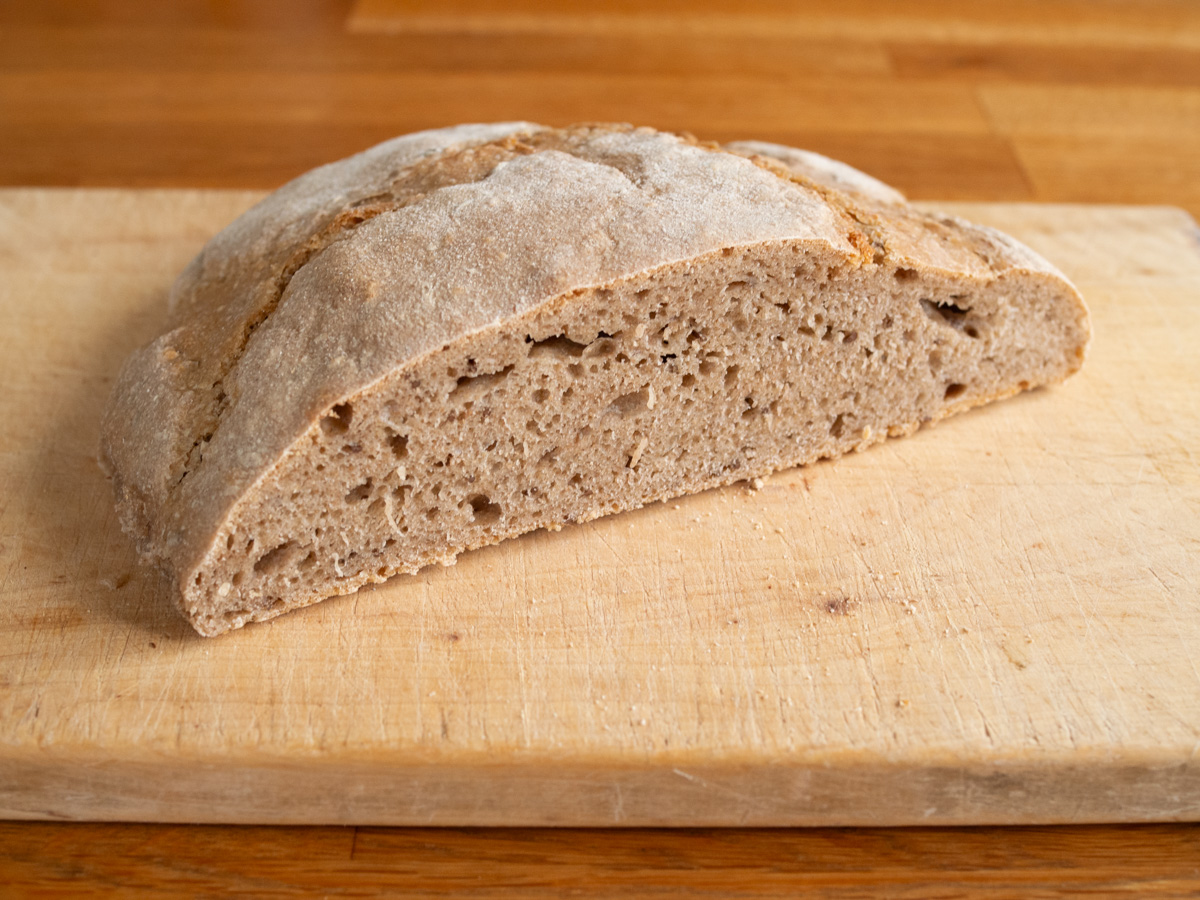
The dough didn’t suffer at all from a twenty-hour pause. The bread came out great – possibly even better than usual.

Lunchtime walk in Liljeholmen by the water. Brilliant sun, warm-ish air, but the ice is still thick in the bay.

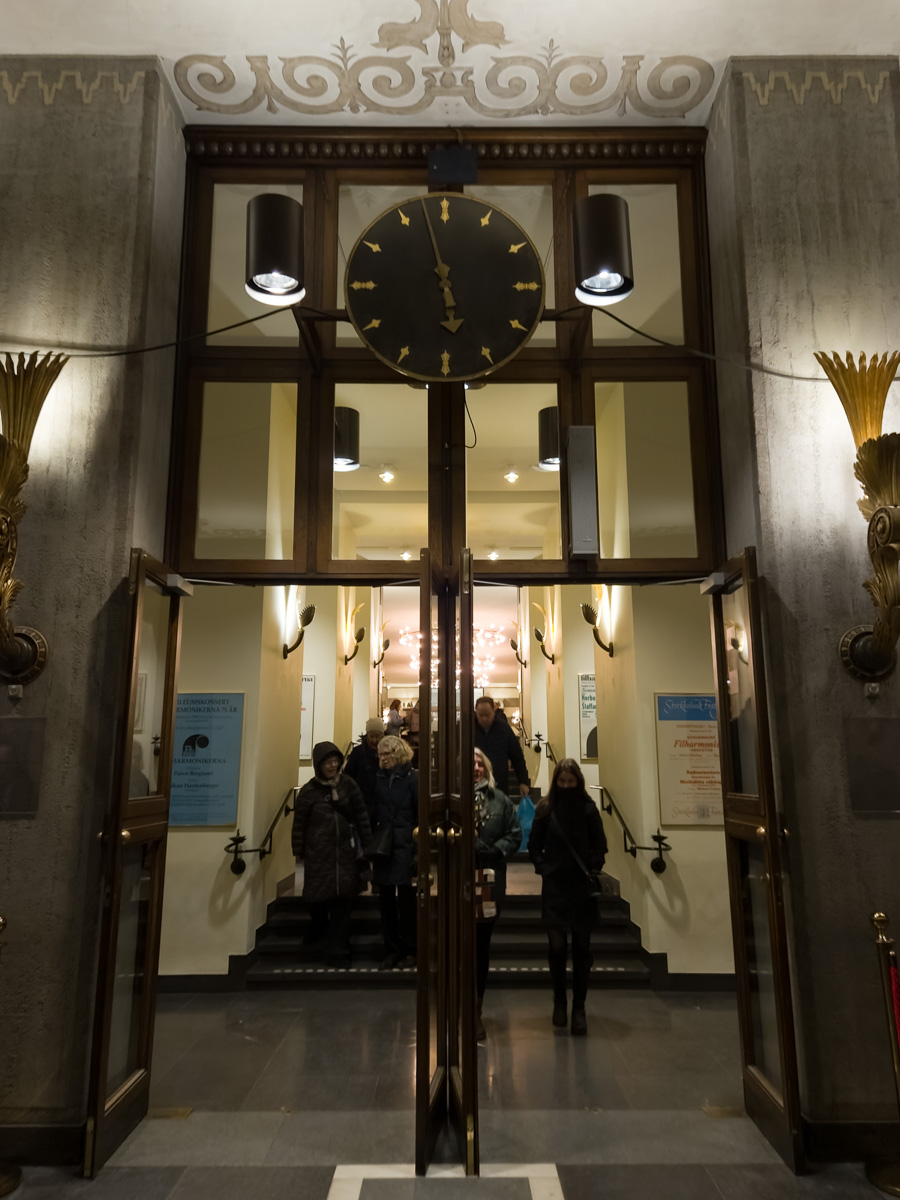
Vivaldi at Konserthuset. I had been more or less resolved to not continue with the Baroque concert series next season, but this was so great that it’s making me reconsider.

Things I bought in Japan: realistic food magnets.
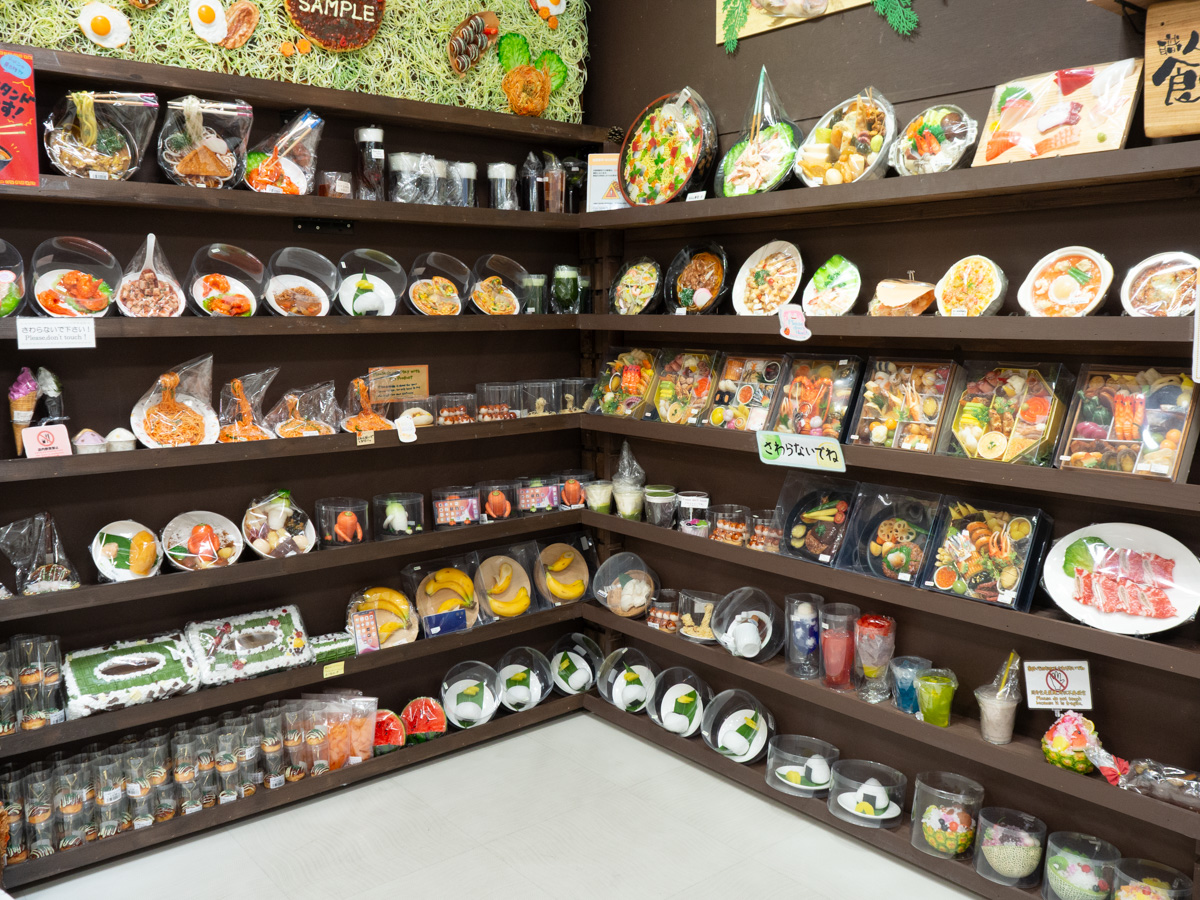
Japan has a whole industry for food samples, realistic fake food. Many restaurants have displays of their menu items outside. Instead of looking at a menu, you just look at the almost-real thing.

The craftsmanship is astounding. The food truly looks real: shiny where it needs to be, matte where that is appropriate. Colours, colour gradients, marbling, textures.

At many street food stalls, I recognized the food on display as not real not by its looks, but by its lack of smell, and then realizing how impractical a large display of the real thing would be: expensive, wasteful, unhygienic.

For retail sales, there were earrings, magnets, hair clips, etc. I bought two magnets as souvenirs. They’re life-size and thus a bit impractical as actual magnets for holding things up, so I guess they’ll just be decorating the fridge.

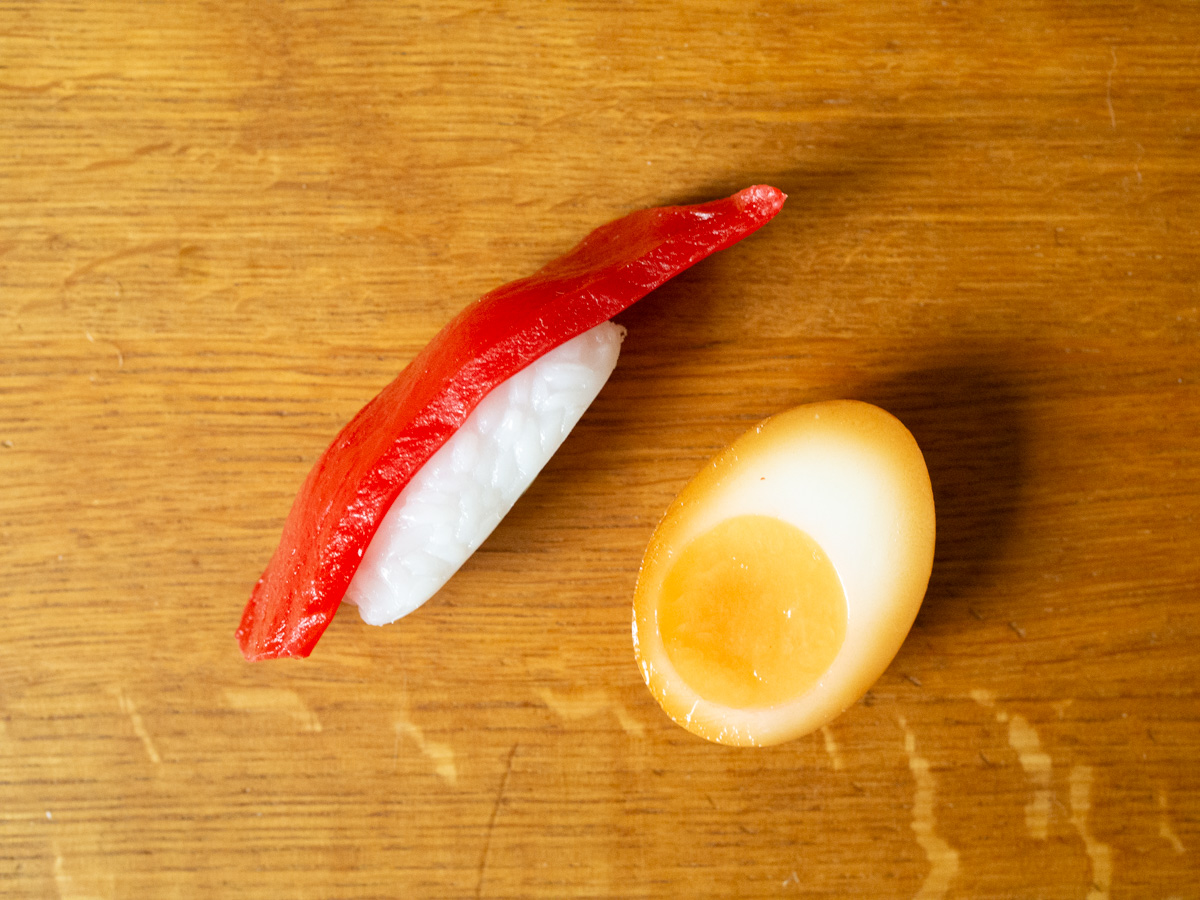
The sushi magnet is a piece of tuna nigiri. (Of course you could by fake nigiri with different kinds of toppings.) Having sampled a whole lot of sushi during our trip, I concluded that fatty tuna was my favourite kind of sushi.

The egg is a soy-marinated egg. I ate a lot of those – daily for breakfast, towards the end of the trip – and it’s the one Japanese food that I think I can bring home with me: I should be able to reproduce it and have it come out like the real thing.

There was a whole wall of food-shaped magnets at the shop where I bought mine.
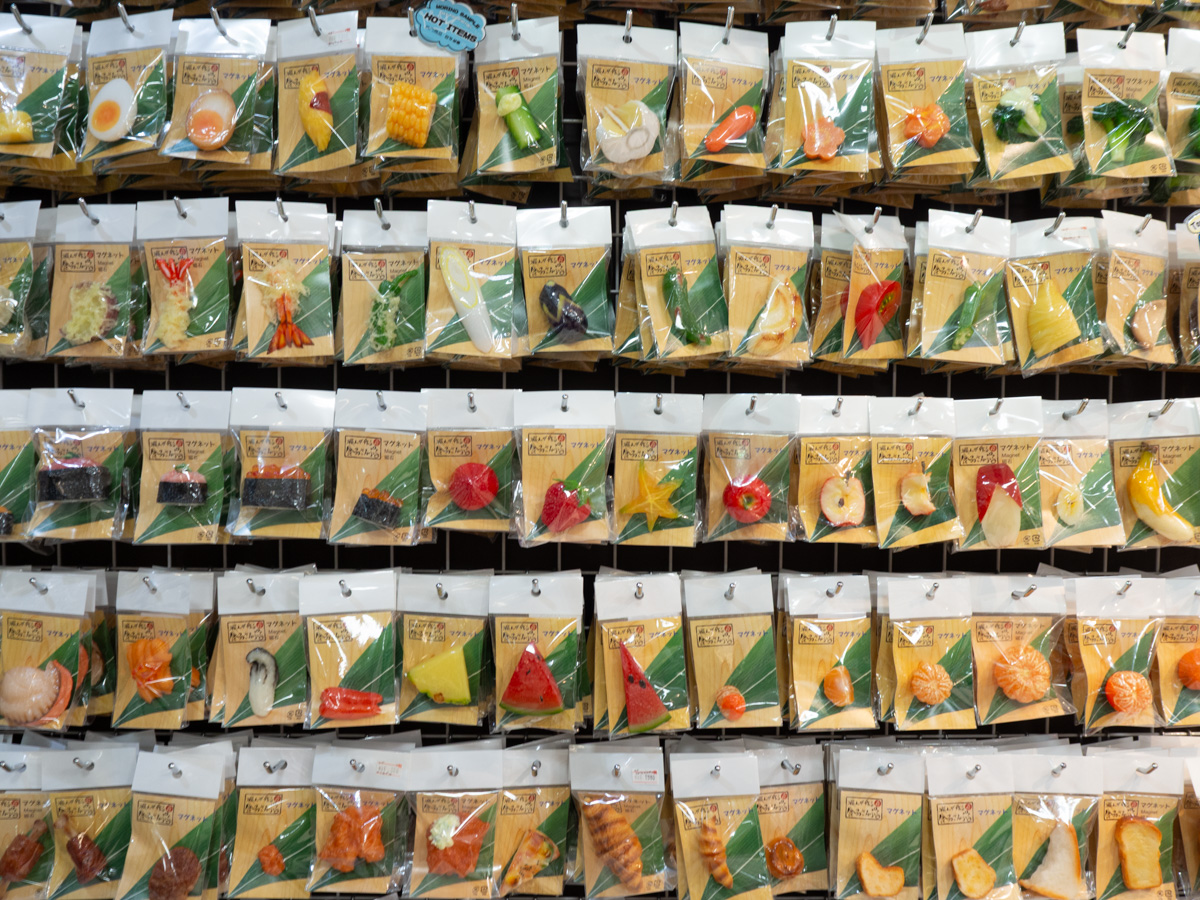
I could have bought a bowl of soup, or perhaps a bento box, or why not a plate of spaghetti with tomato sauce.
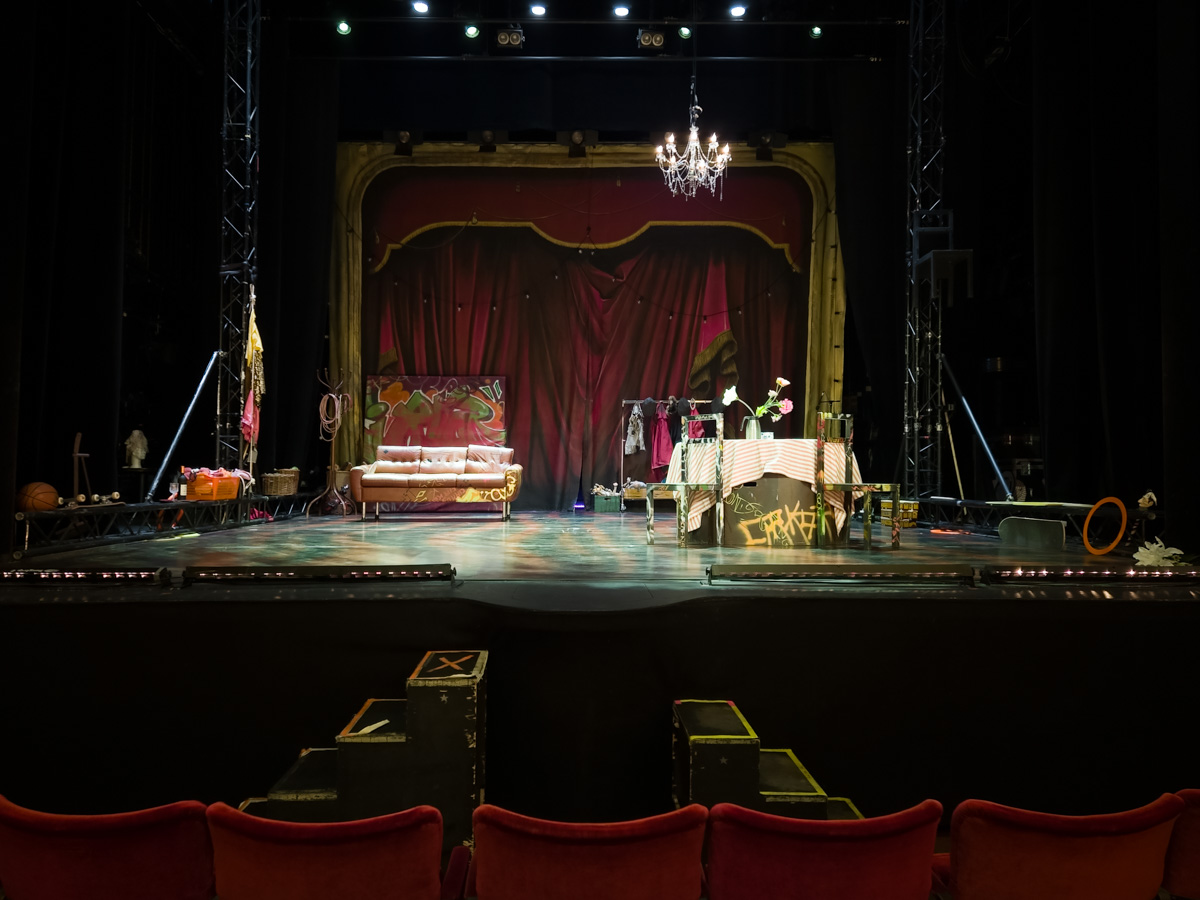
Cirkus Cirkör with The Extraordinary History of Circus at Södra Teatern.

Cirkus Cirkör is usually good and sometimes excellent. This particular show was marketed as “a vibrant family show” and “fast-paced and humourous”, which could mean a whole lot of different things, including cringeworthy childish nonsense. It’s gotten rave reviews in media, though, so I gave it a last-minute chance.

It turned out to be utterly fabulous. Quite unlike most of their other performances that I’ve seen, which have been more conceptual and minimalist, this was silly and vibrant and sensitive and emotional and fun.

A tour through the history of circus, in reverse chronological order, jumping from the early days of Cirkus Cirkör itself in the 1990s, to European travelling circuses in the 1970s, to Barnum & Bailey around 1900. Then leaping onwards to the late 18th century and Philip Astley as the origin of modern circus. But no – circus has its roots in medieval jesters. No, go further back, to the orchestrated battles and beast shows of Rome. And further back than that: humans have probably been throwing things in the air for fun since the dawn of time.

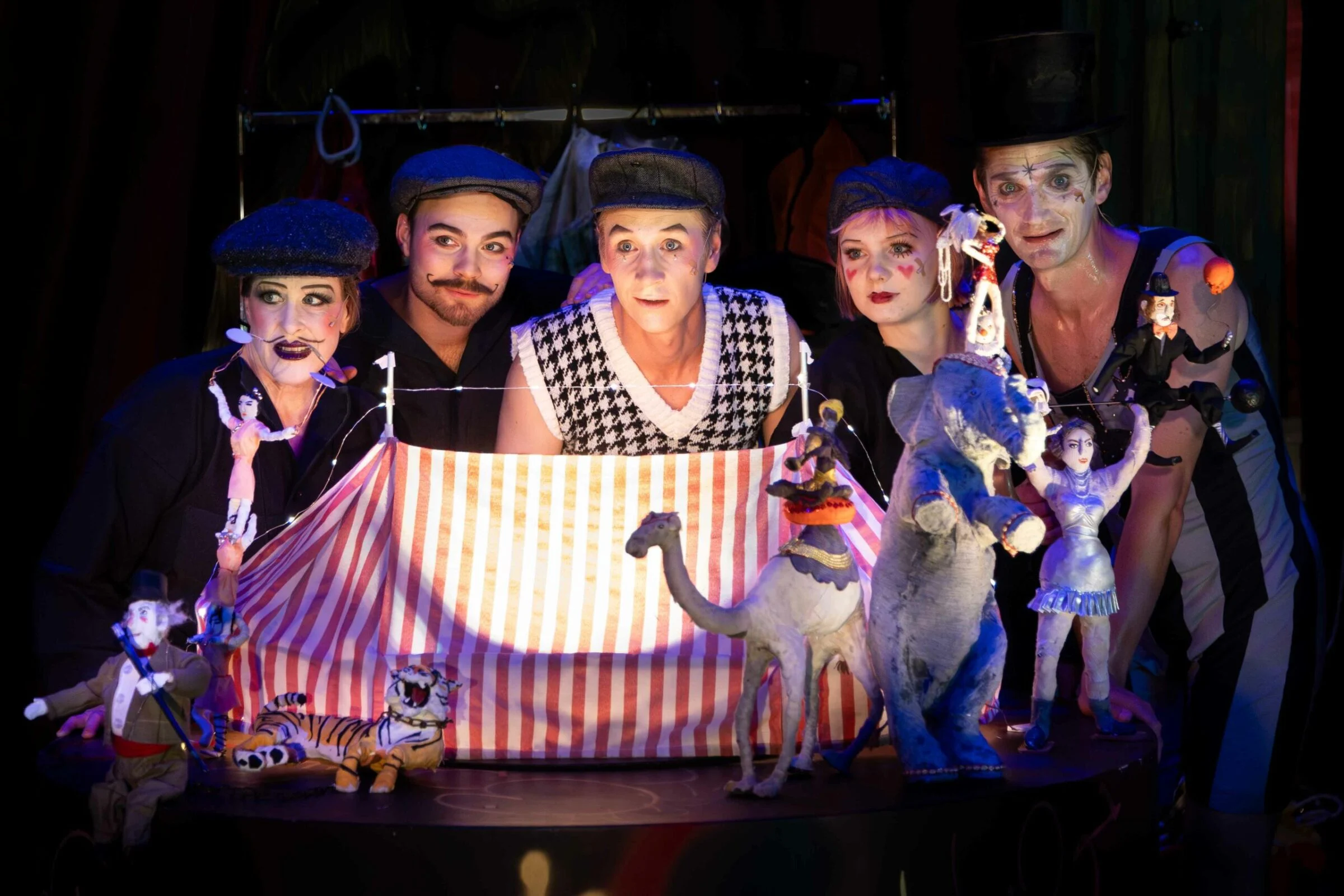
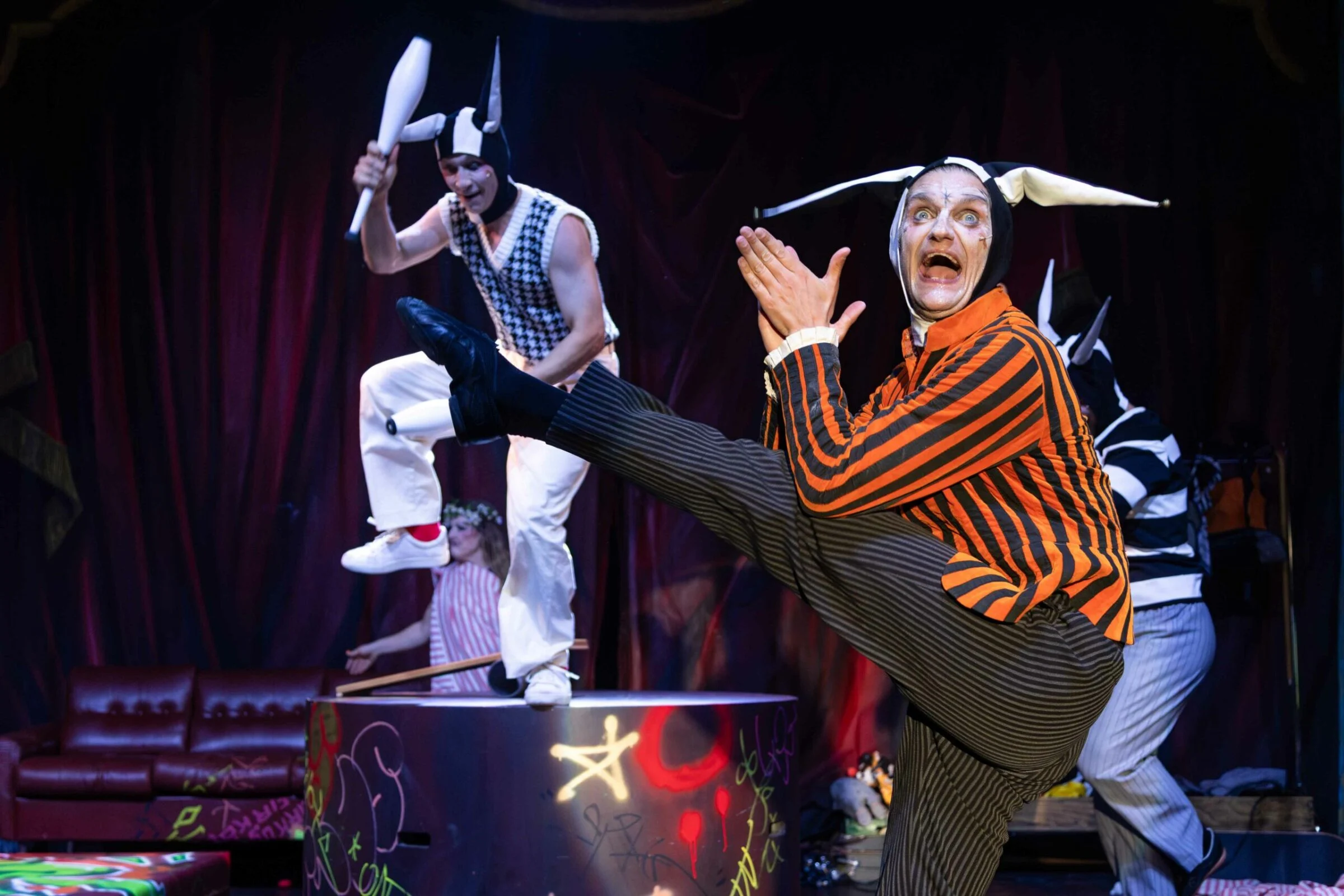
The artists evoked the atmosphere of each of these points in circus history through storytelling, miniatures, re-enactment, sound, light, and costume changes. The steam train of Barnum & Bailey, followed by the circus artists parading through the town. Hobby horses and sound effects for the horse shows of Philip Astley. Giving the audience (soft) toy vegetables to throw at the jesters when they’re not funny enough. And actual circus acts interspersed with all that. It sounds kind of silly but was so well done that I was laughing out loud.

I want to hand out extra brownie points to the cast’s dialect coach! I’m not an expert but I’m sensitive to Swedish accents in English. This crew was switching smoothly and believably from the patter of an American circus presenter to crisp, posh British English for 1790s London – with no fumbling and no Swenglish. Absolutely the cherry on top of the whole show.

Here are a couple of press photos, copyright Sara P Borgström:

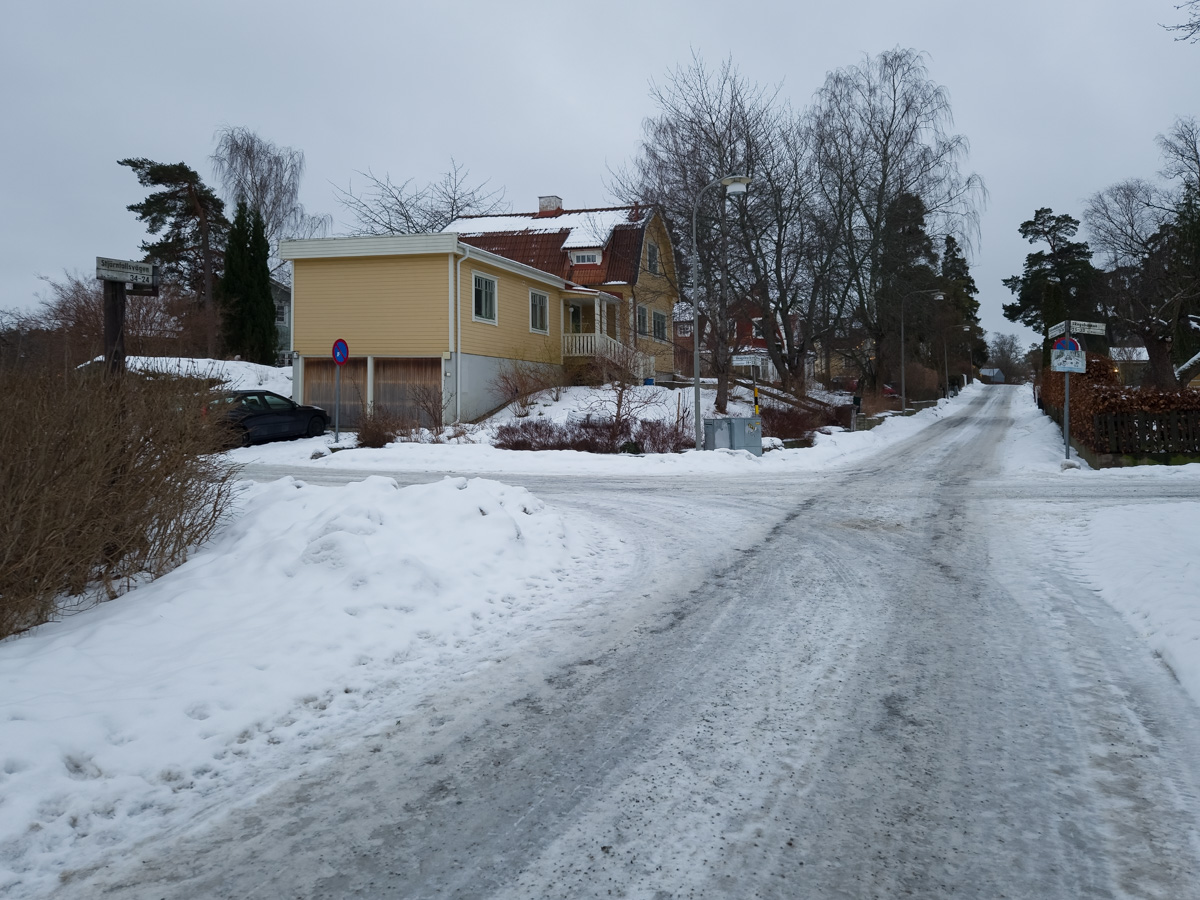
Bye-bye winter. This is the last snow for this season. It’s +5°C now at seven in the morning and will stay that way throughout not just the coming days but also the nights.

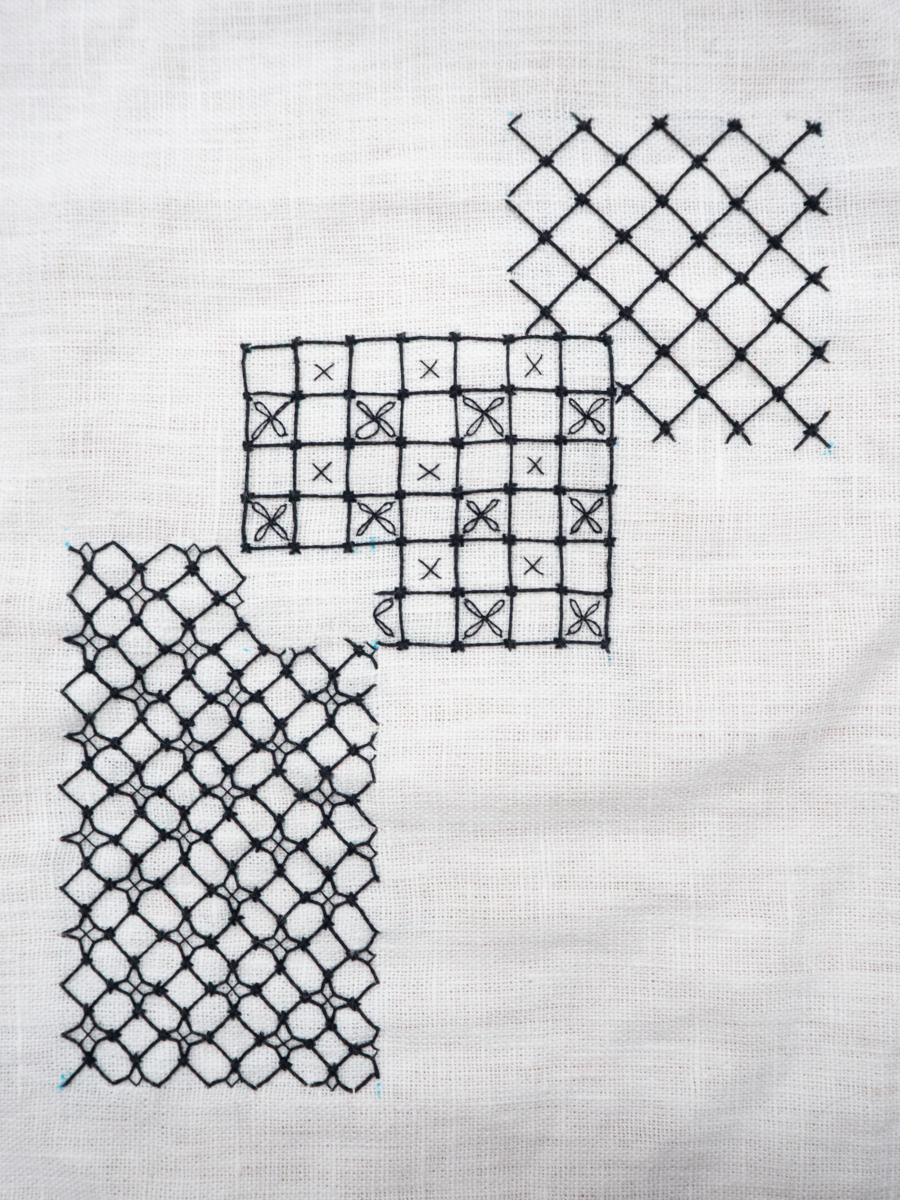
This design was supposed to be five rectangles. Three large rectangles overlapping at the corners, with the overlaps forming two smaller rectangles of negative space. Just like the first iteration, and the second one. I got so engrossed in the latticework of the second large rectangle that I completely lost sight of the big picture, and forgot to leave that one corner empty. Only when I took a step back after completing the third one did I see what I had done.

Can I unpick that corner and still keep the rest of the second rectangle intact?

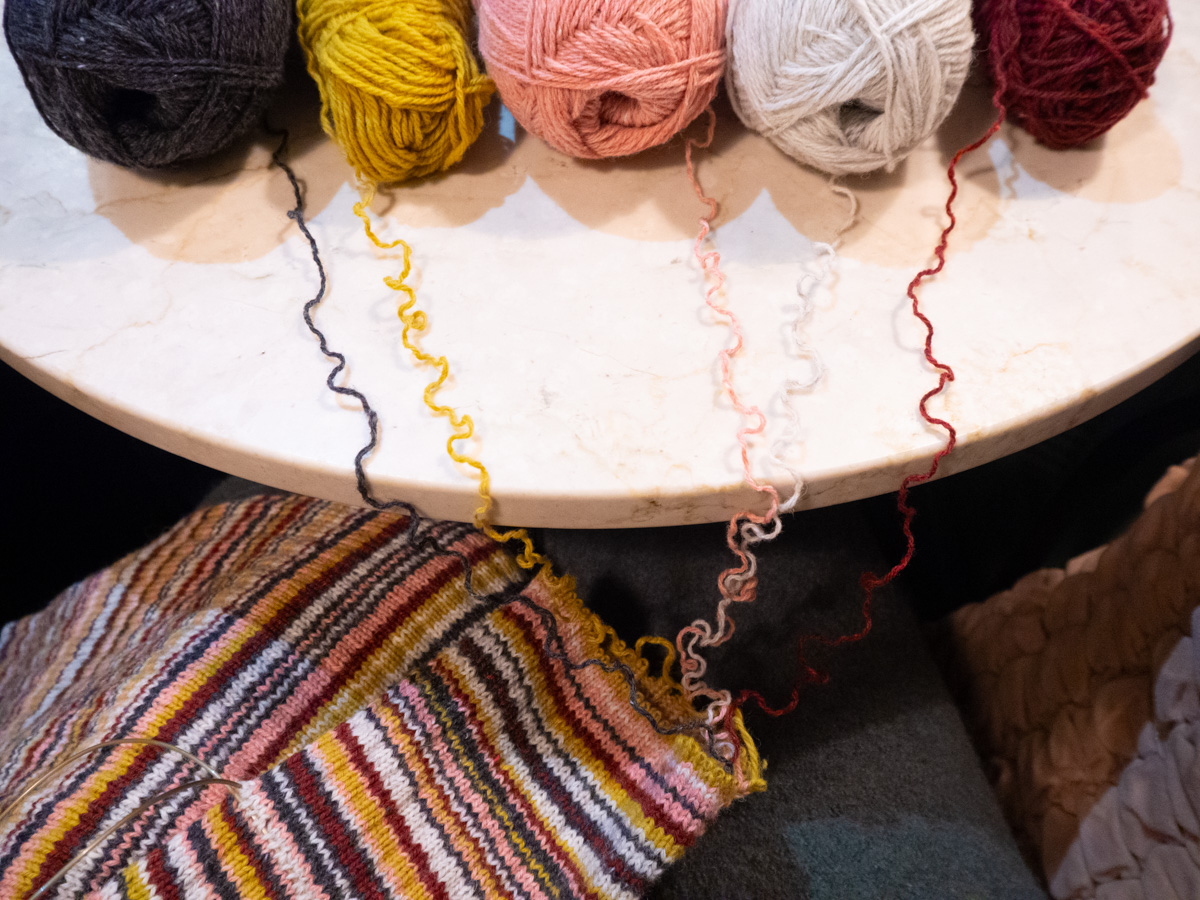
The striped sweater has been in timeout for a month or so. I knitted the sleeve straight because I didn’t want to deal with stripes and ribbing and decreases at the same time, and I hoped that the ribbing would make it stretchy enough to fit well even without shaping. At about halfway down the forearm, it was becoming clear that that wasn’t going to work out. I was pretty sure I’d have to rip the sleeve back past the elbow and redo it with shaping, but I really wasn’t looking forward to that.

For today’s knitting club meet-up, I packed the sweater and no other project, so I’d have no choice but to bite the bullet. Ripping back the stripes was exactly as finicky and slow as I had expected it to be. So much yarn management: rip back one row at a time, wind it up, carefully shuffle the balls around to keep them from tangling. But with company around me, it wasn’t as tedious as it would have been otherwise. I got it all done and actually got as far as knitting a few rows at the end. (With decreases!)

The main benefit of the porridge book has not been the recipes in it, but how it’s made me rethink porridge.

In my mind, porridge has always been a simple meal. It consists of the porridge itself and a topping. The porridge itself is utter simplicity: grains + liquid + salt. The topping can be jam, honey, fruit, or possibly even a combination such as apple sauce + cinnamon. The most adventurous that I’ve been in the past is putting (some of) the topping in the porridge: cooking the porridge with a diced apple, instead of adding apple sauce on top, and then maybe adding nuts as well. Two toppings? Where will this craziness end?

Somehow it’s never really occurred to me that I could add more. It’s like I didn’t give myself permission to make porridge a complex, luxurious thing… because it’s not supposed to be?

You can put cinnamon AND cardamom in the porridge. You can cook the fruit – fry the banana, turn the pears into a compote, make a sauce from the cherries. You can do that AND add a sauce AND nuts as well. All at the same time

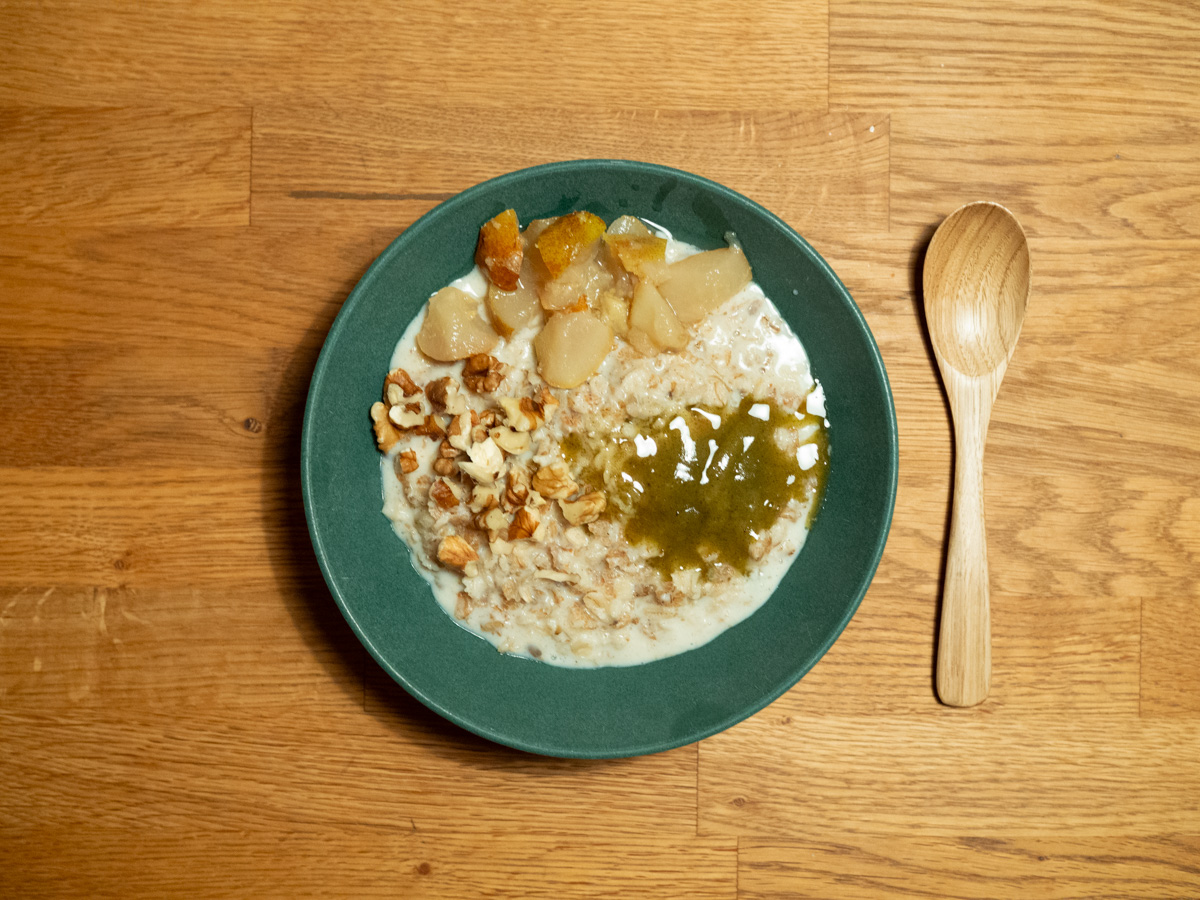
This looks ugly as all get out – beige with brown and more brown and then this really horrible greenish-brown – but it was decadently good. Cardamom-flavoured four-grain porridge, a home-made pear compote, an artisanal peppermint-flavoured honey, and chopped walnuts.

Also: one of the three spoons I bought in Japan was just perfect.

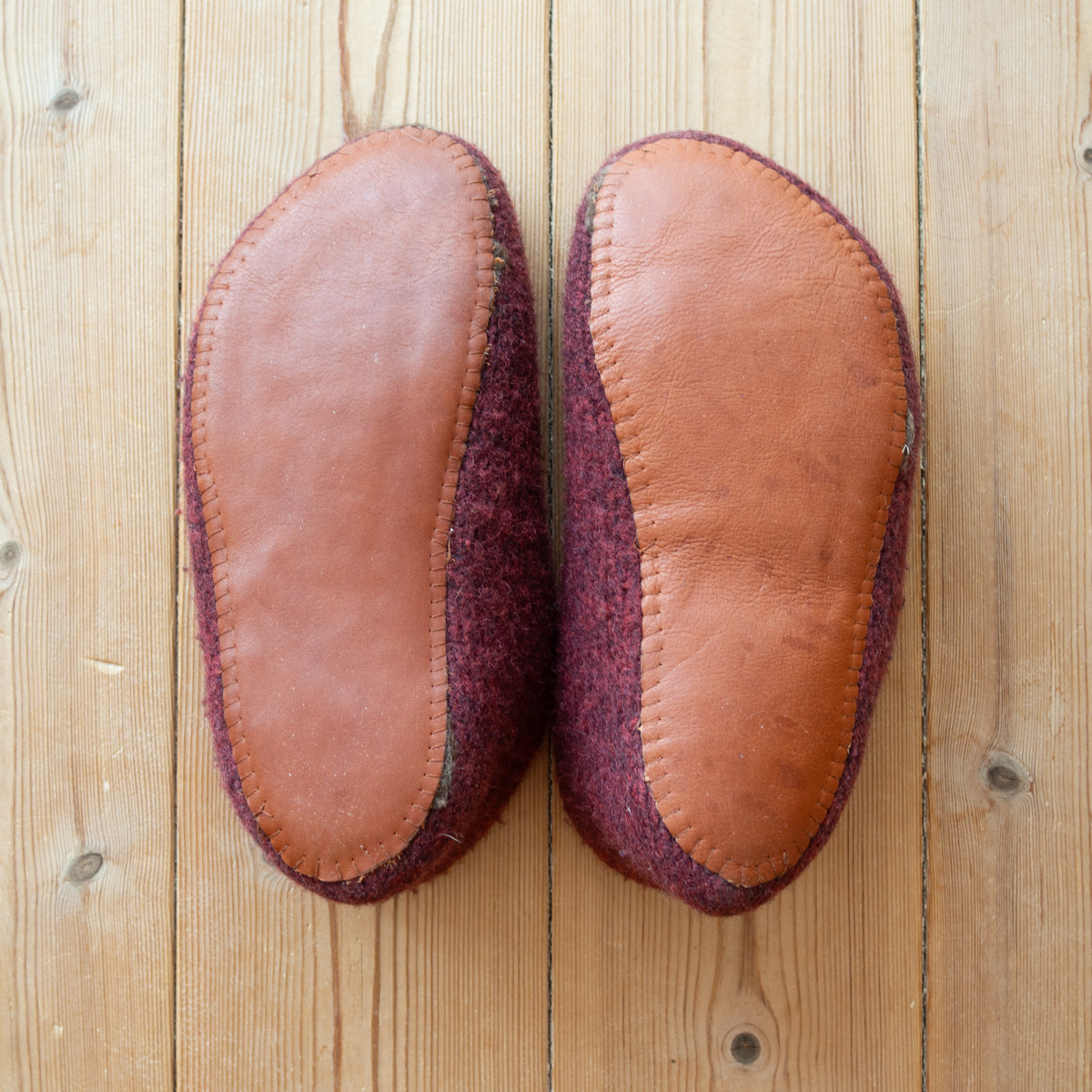
Made soles from leather scraps from the crafts store and sewed them to my slippers. Surely I won’t be able to wear through these any time soon.

At first this seemed like a quick and easy project. Then I got to the toe section. Poking the needle into the cramped space and receiving it with sweaty fingers, without pricking my fingers or getting knots in the thread or losing the thread, did not go very smoothly. I certainly won’t be posting any close-ups of those stitches. I was glad as long as each stitch came out roughly near the edge of the sole, never mind getting them even in size and distance.