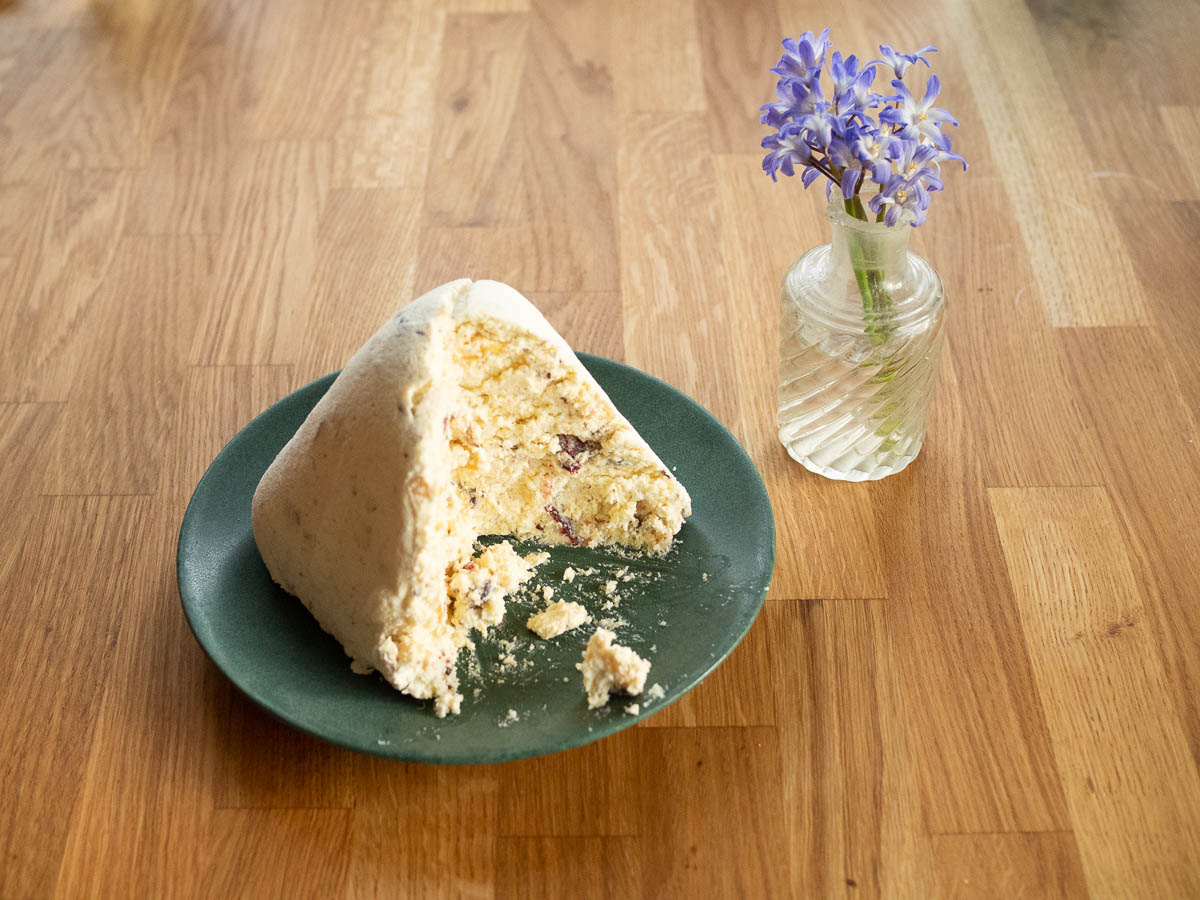
Every year we eat pasha for Easter (and a few days after) and mildly grumble that we don’t get to eat it during the rest of the year. My recipe isn’t super sweet, so it almost feels like a snack more than a dessert, and I could eat it if not every day then at least every week.
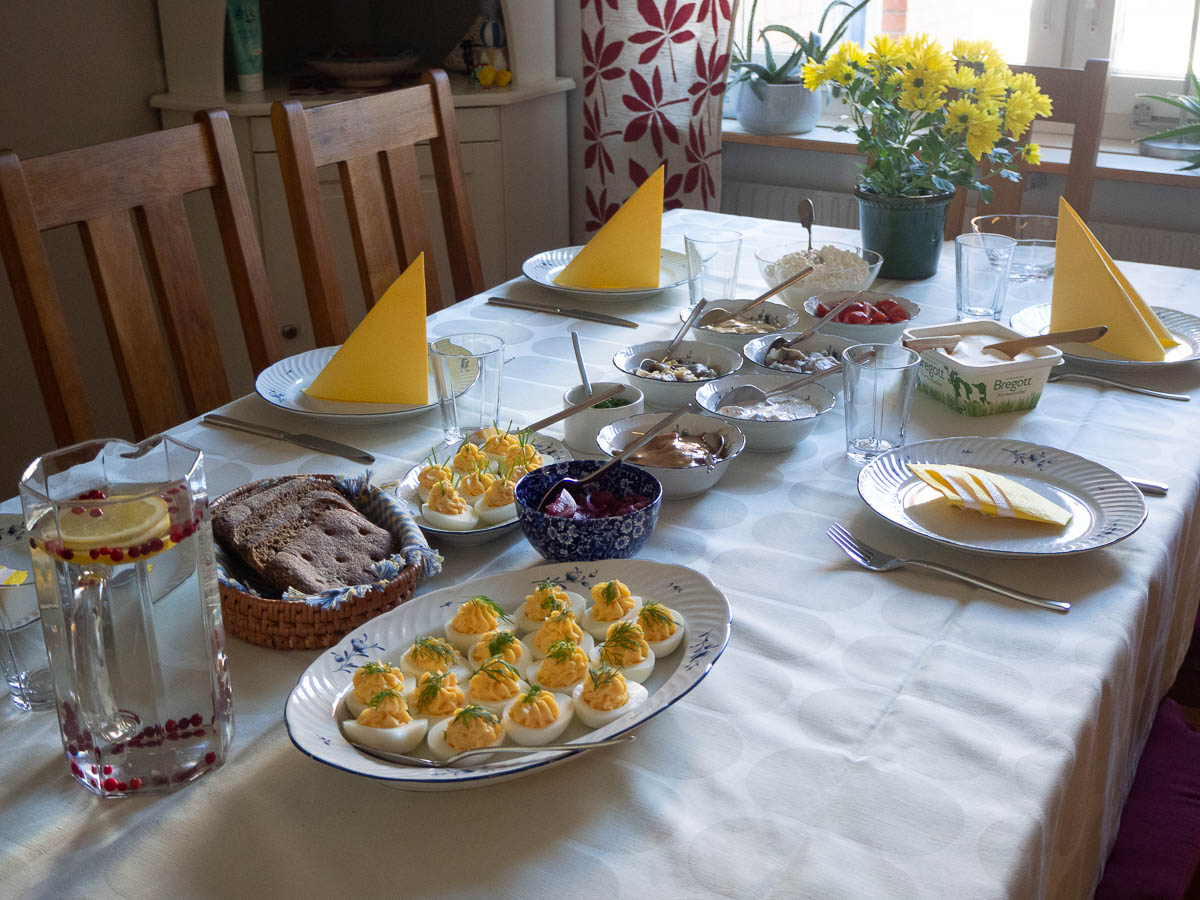
Devilled eggs, herring of various kinds, fake vegetarian herring, and assorted side dishes.
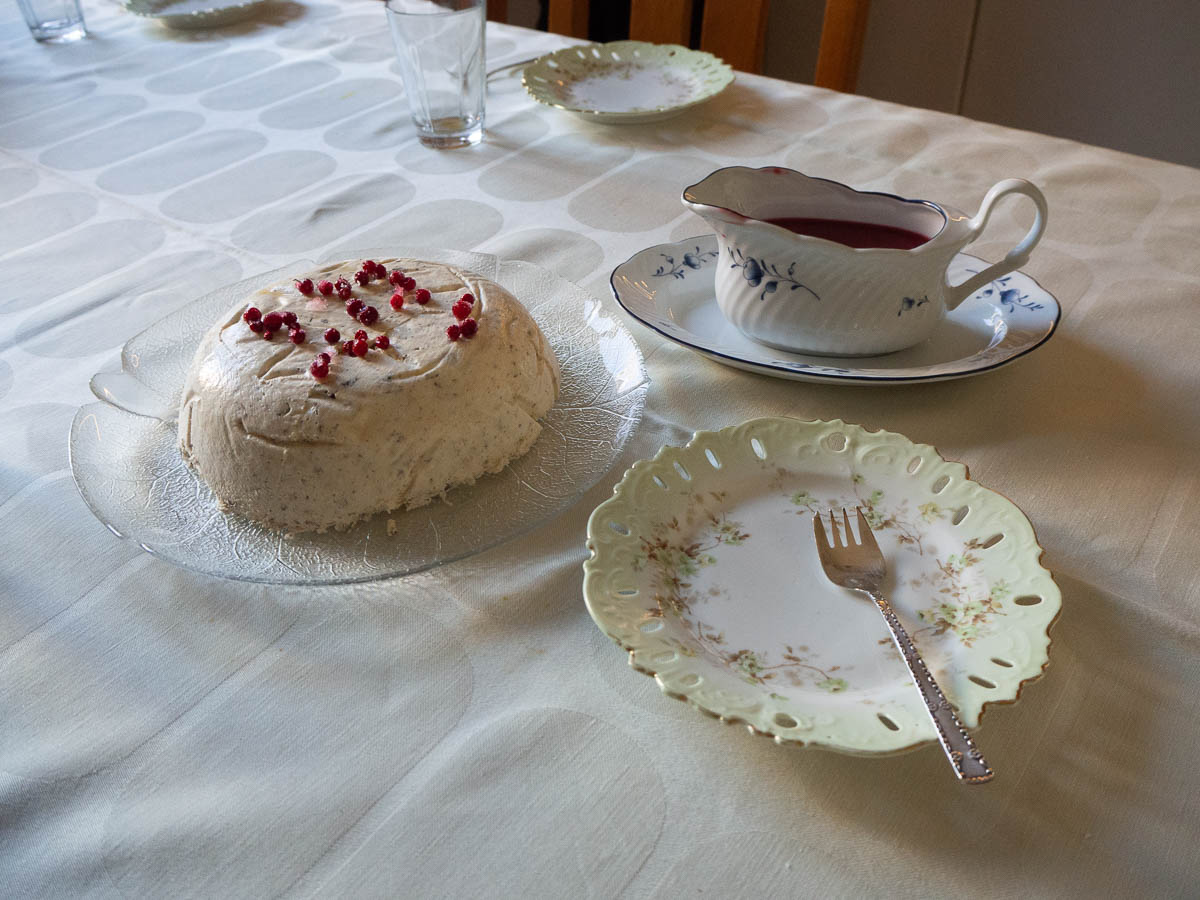
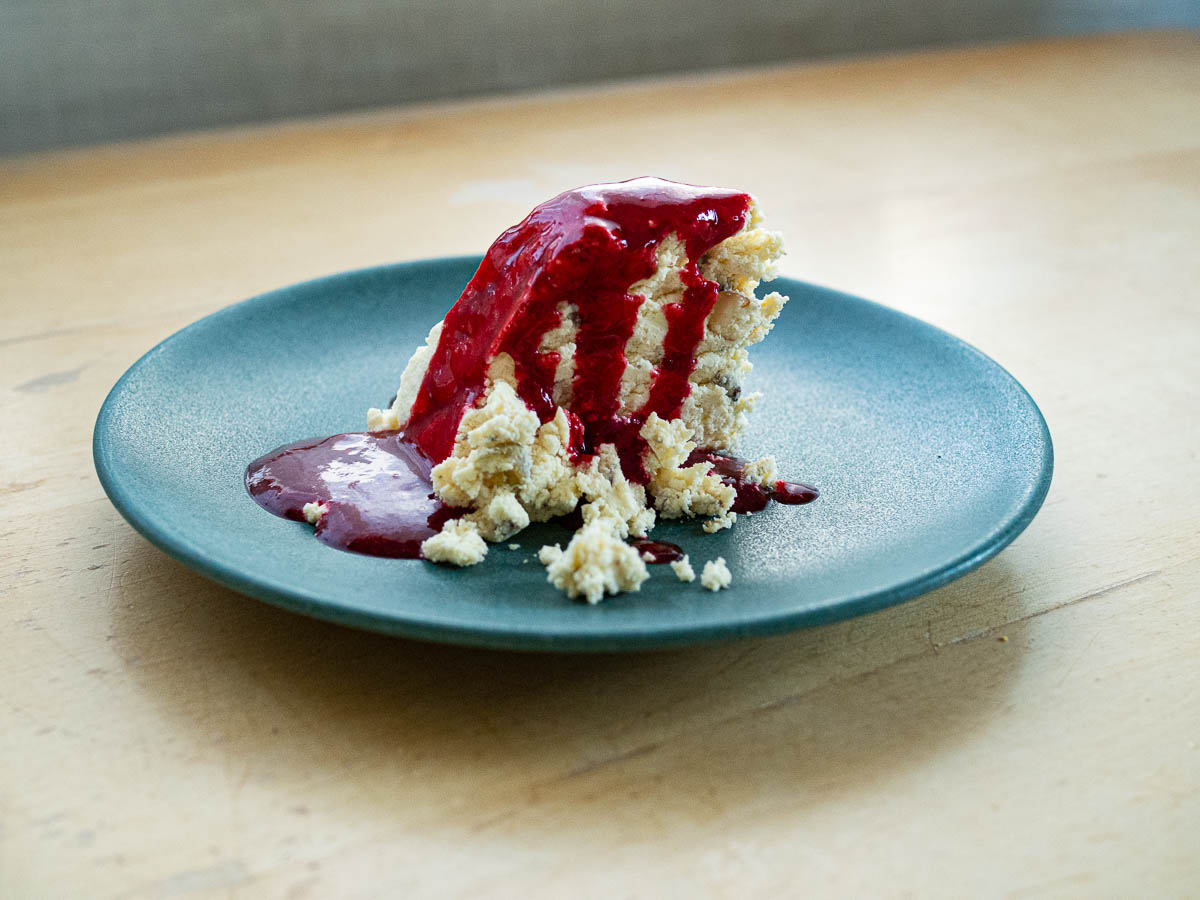
Pasha with raspberry coulis.
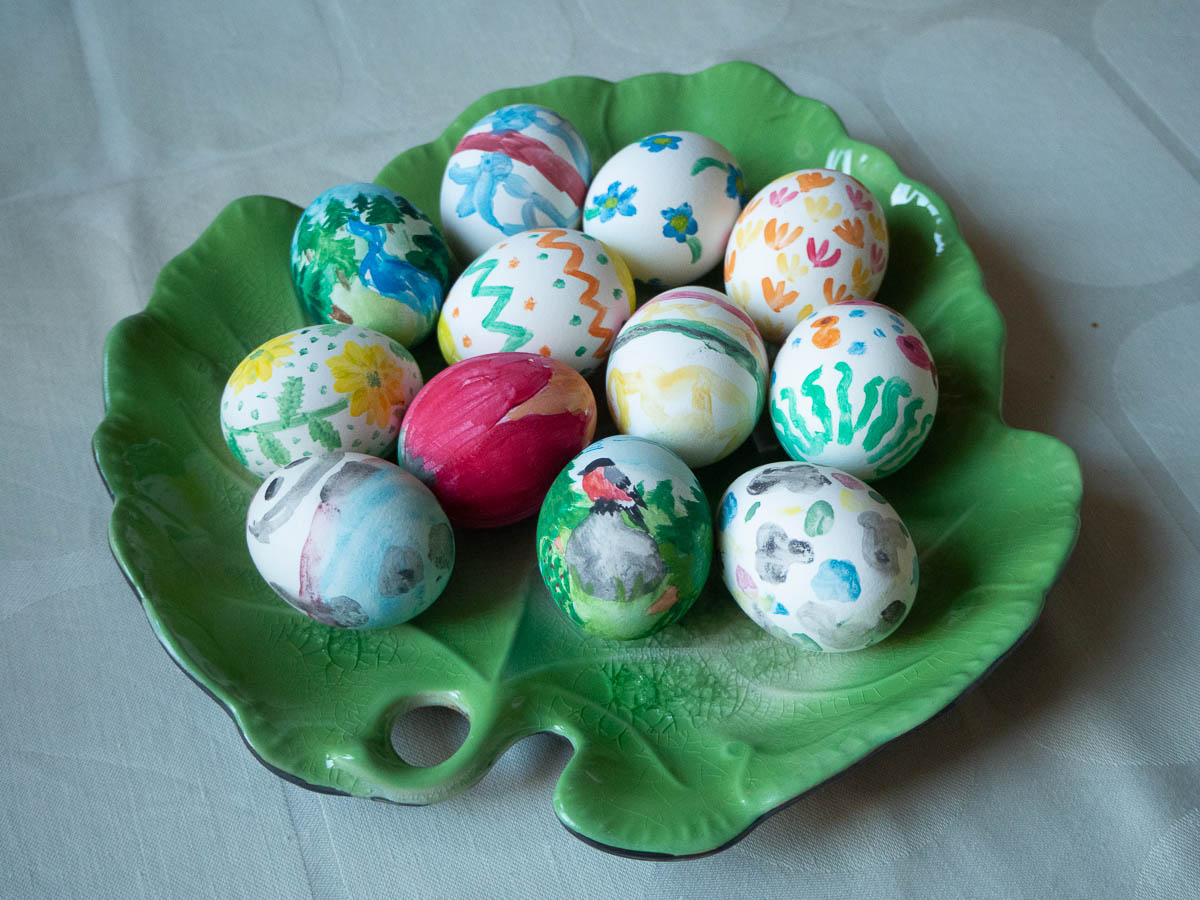
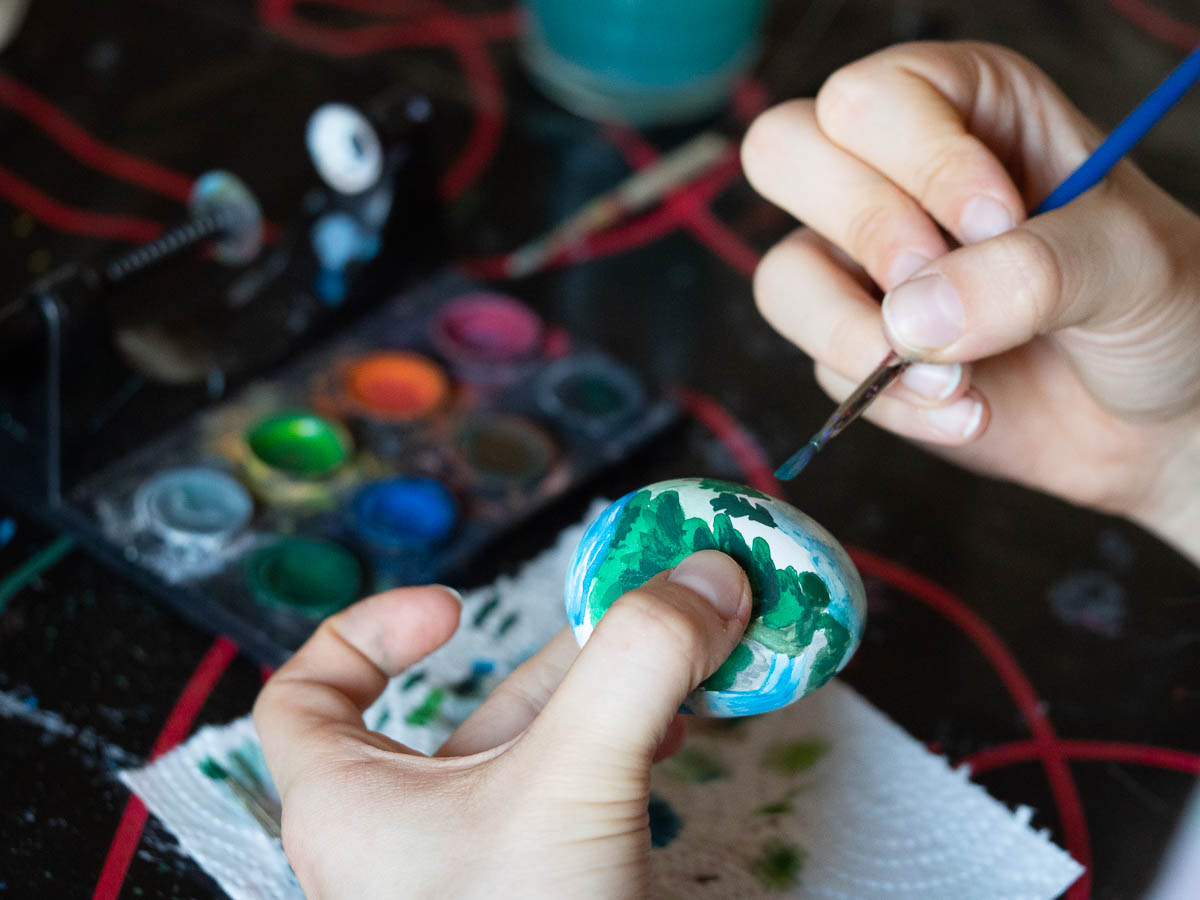
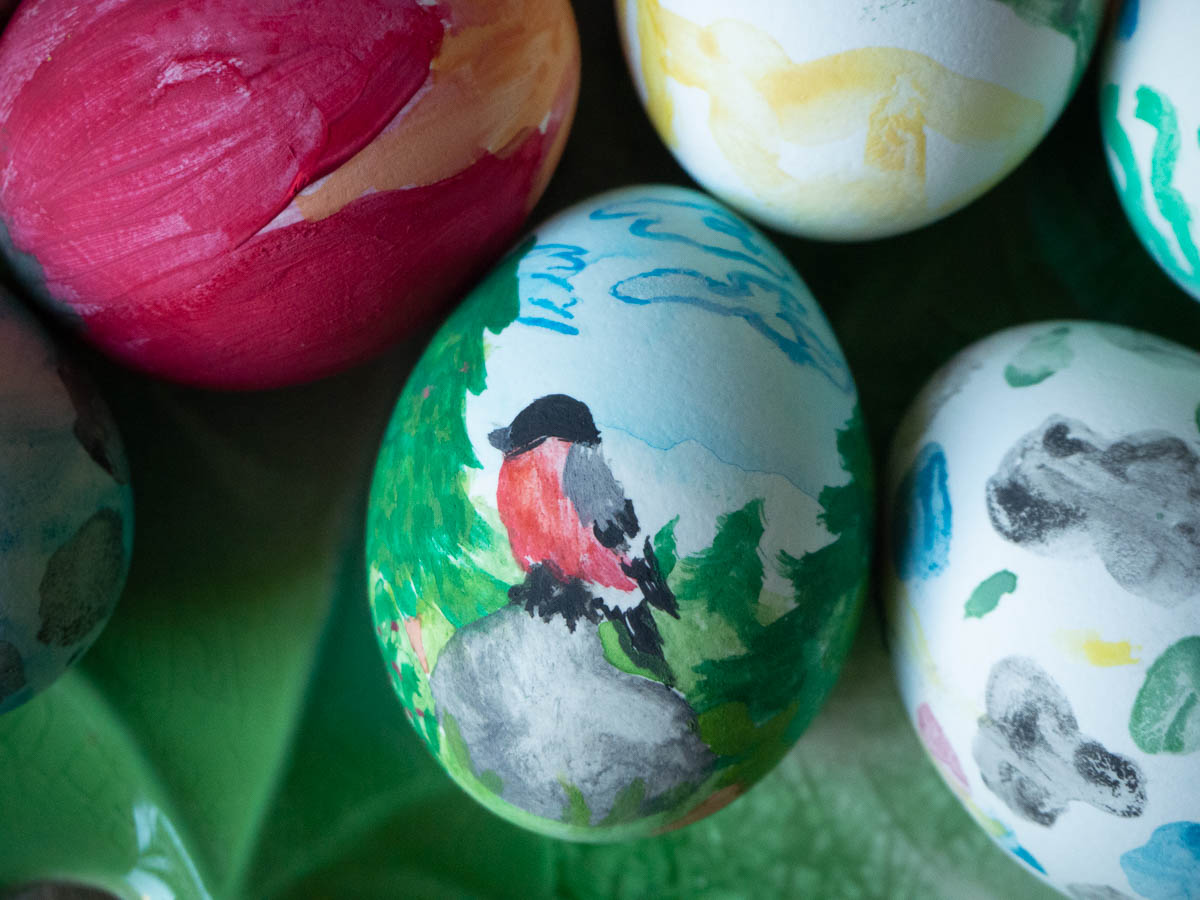
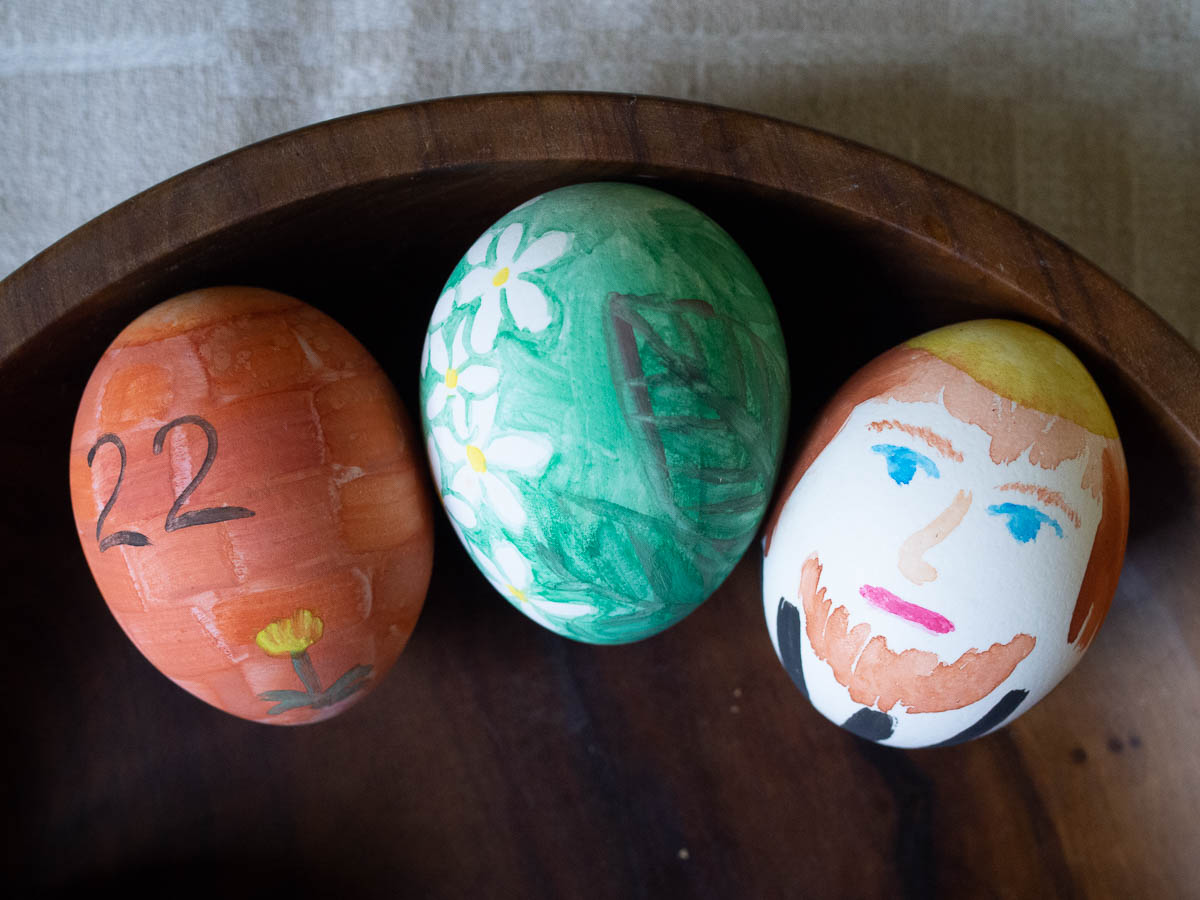
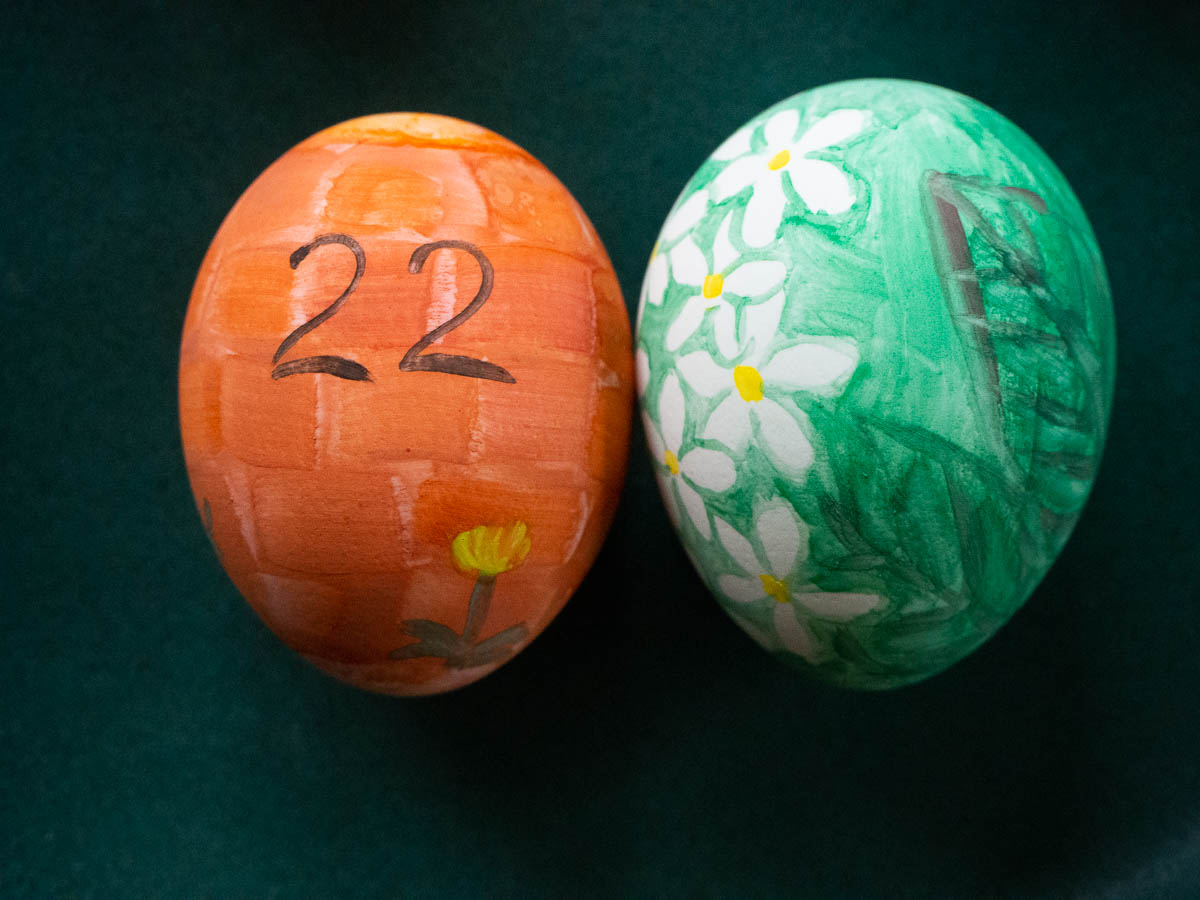
Painted Easter eggs. My mum and I manage stylized but recognizable objects, and pretty patterns. Adrian does his own thing. Ingrid is the only one who actually practices painting and therefore makes more and more impressive designs each year, with just 8 crappy colours.
It’s taken us a while to eat all the Easter eggs. Hard-boiling is not the most delicious way of serving eggs. But some of them accompanied a cauliflower soup, and some we actually had for breakfast.
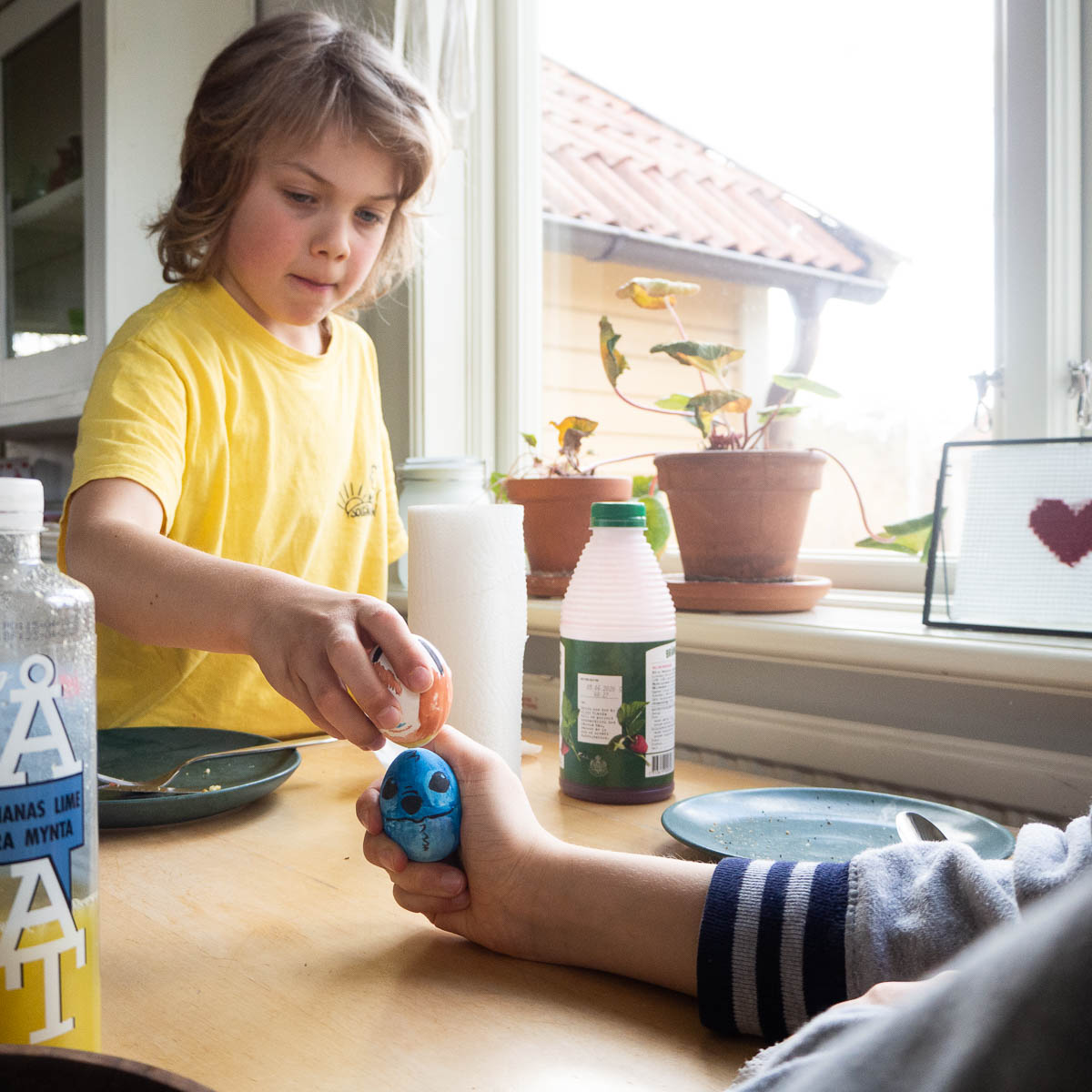
After knocking them first, of course. The tournament was won by Stitch, who’s just about to meet the referee here. (Stitch beat him, too.)
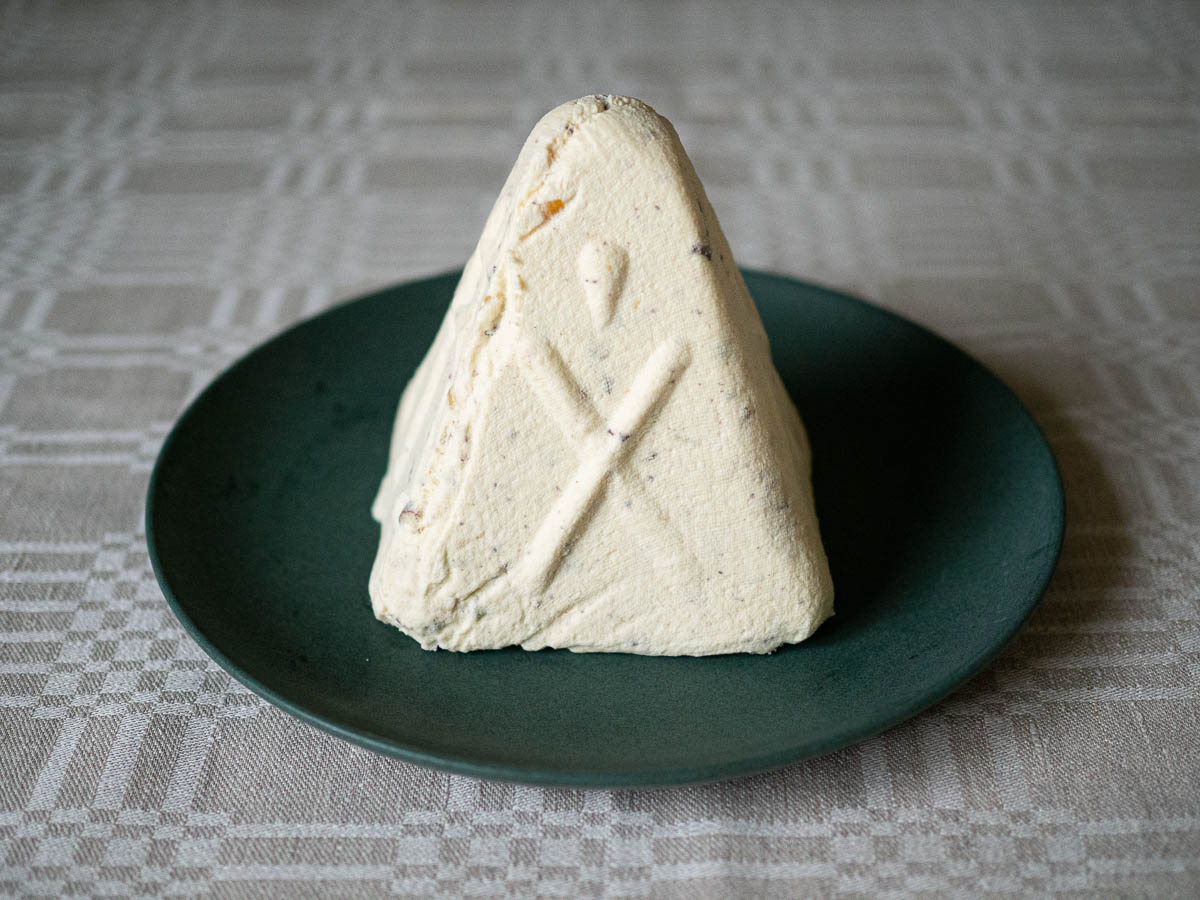
Pasha looks like a bland, white lump, but tastes delicious. (Not unlike other desserts and puddings, to be fair. How appetizing does panna cotta look, really?) It’s my favourite part of Easter.
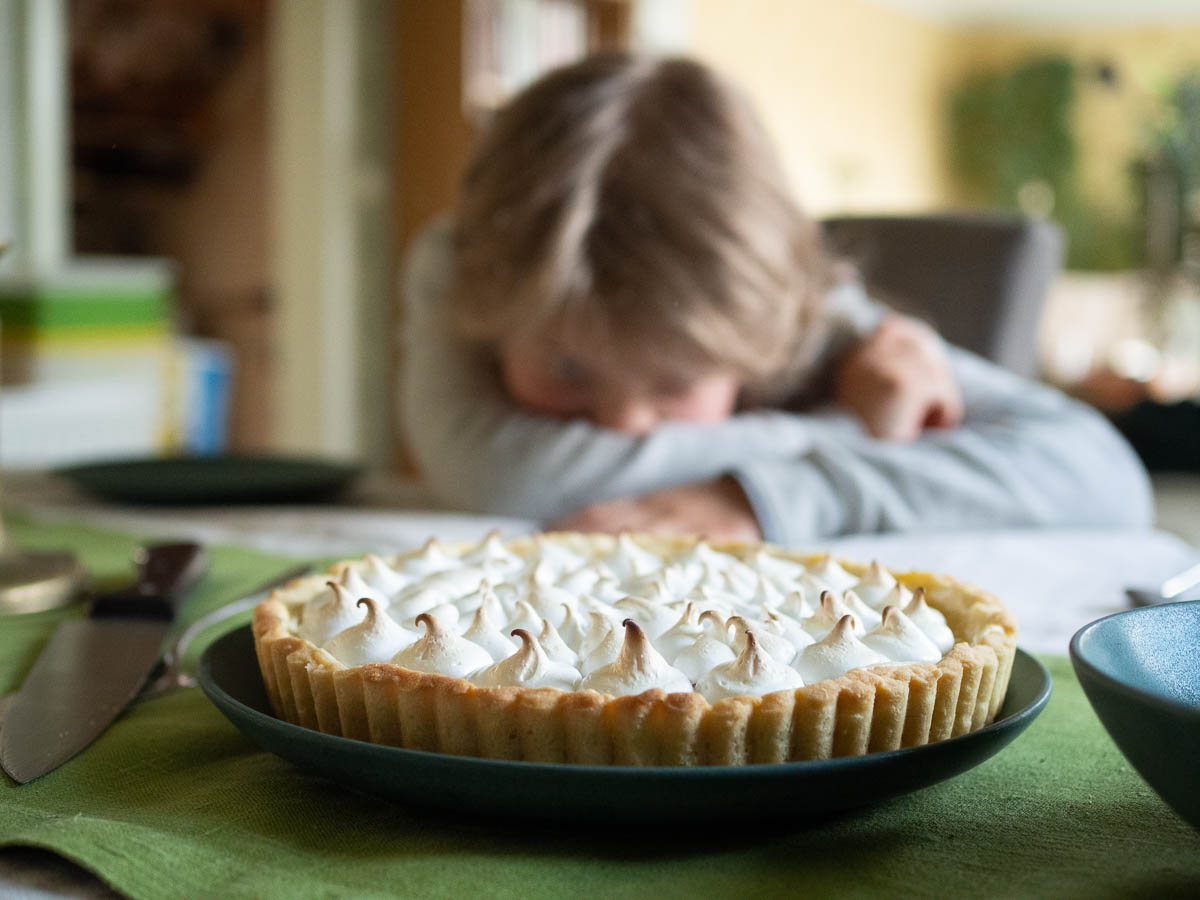
Lemon meringue pie, which we also made for Easter, can be so lemony and intensely sweet that after a small slice my body shouts “enough”. But pasha is so refreshing and un-sweet that it almost doesn’t feel like dessert.
Estonian quark is grainier than the Swedish Kesella and fatter than Keso. This year’s tweak to the recipe was to get the best of both by combining them: Kesella for the creaminess, and Keso (passed through a sieve) for texture. This worked out great; I’ll be doing that again next year.
Raisins have always been a part of my pasha, but next year I think I might skip them. They are the least interesting part, adding nothing but sweetness. Maybe dried cranberries could work?
Pasha was always served on its own when I was a child. Nowadays we eat it with raspberry coulis.
Traditions tend to accumulate. Every item is important for someone. Our Easter food traditions are nearly as many as for Christmas.
Easter eggs are a must, both the painted, boiled kind that originally come from hens and the painted, cardboard kind that hide candy inside. And devilled eggs as well.
One year my mum made paella for us at Easter; the kids loved it and now they ask for it every year.
For dessert, pasha is an important tradition for me, and Ingrid and Eric both love lemon meringue pie.
Speaking of eggs, we talked about egg knocking, and soon Adrian and Ingrid had planned an entire tournament for our eggs. Our six eggs were unsatisfyingly few, so we painted some more. They painted one each to bring the total up to eight, and I painted a referee. The referee got a beard, so I now have a skägg-ägg to go with my vägg-ägg and hägg-ägg.
I thought my puzzle was so obvious but it took a lot of hints for the rest of the family to solve it.
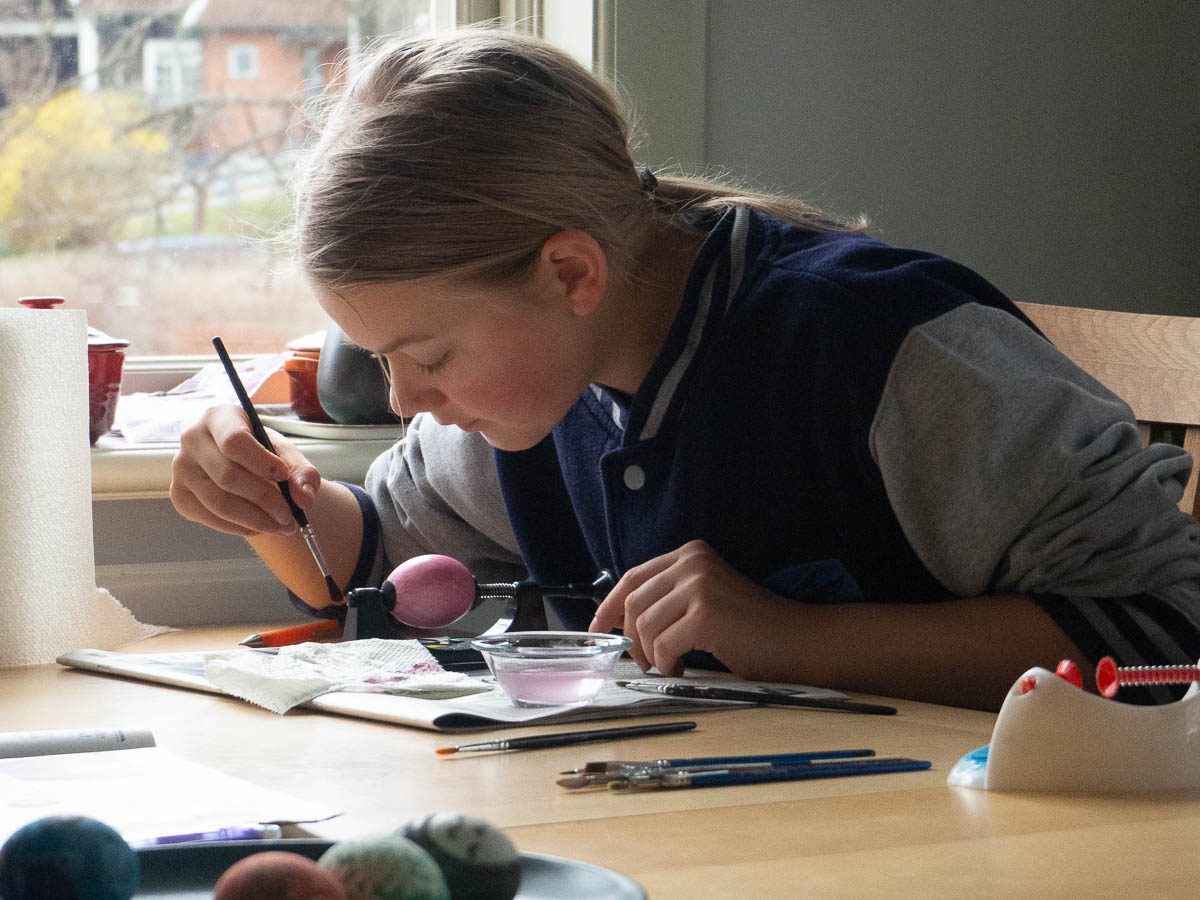
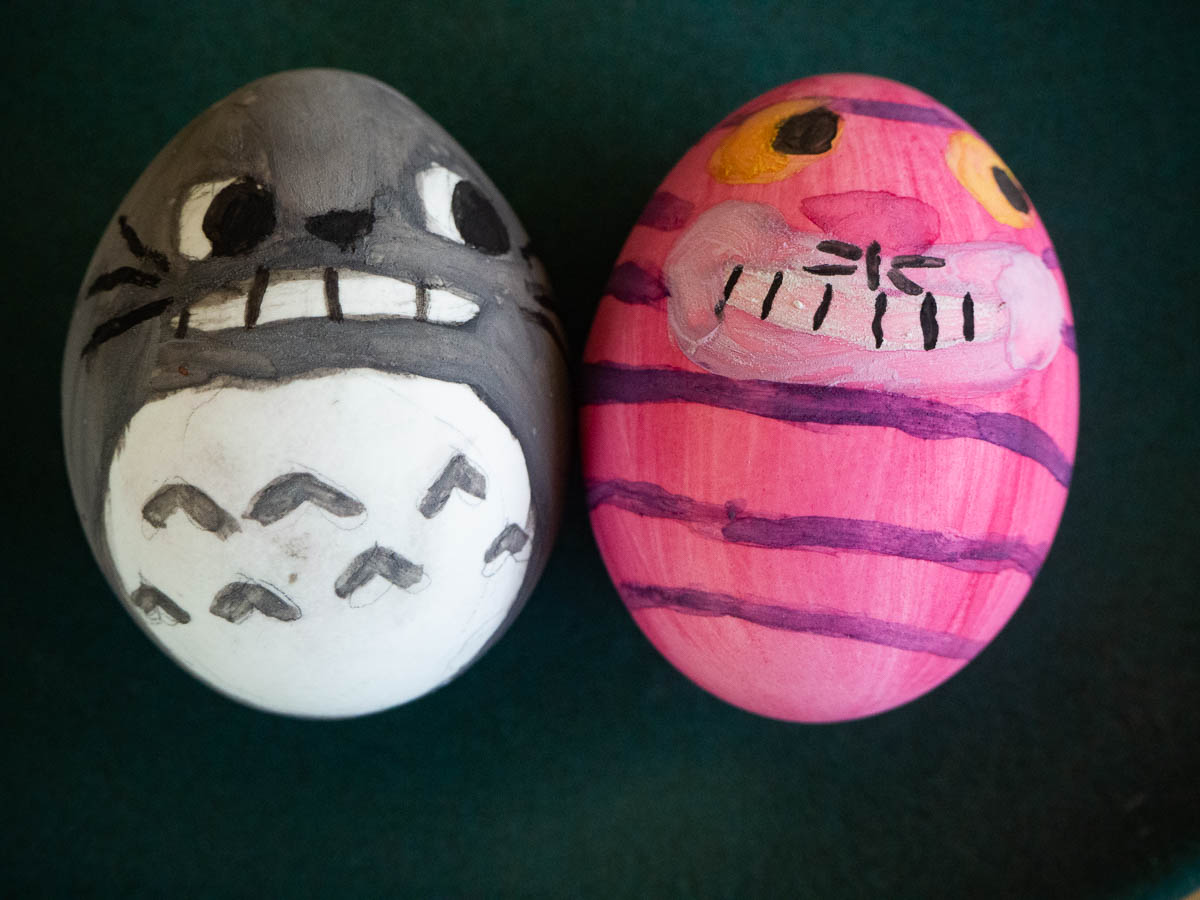
What would Easter be without painted Easter eggs? Nothing, that’s what!
Ingrid had a theme in mind for her eggs, and I also found inspiration, so we got to work.
Adrian quickly finished his first egg but then struggled to find ideas for the next one. Instead he painted the newspaper protecting the kitchen table, and then got caught up in some article.
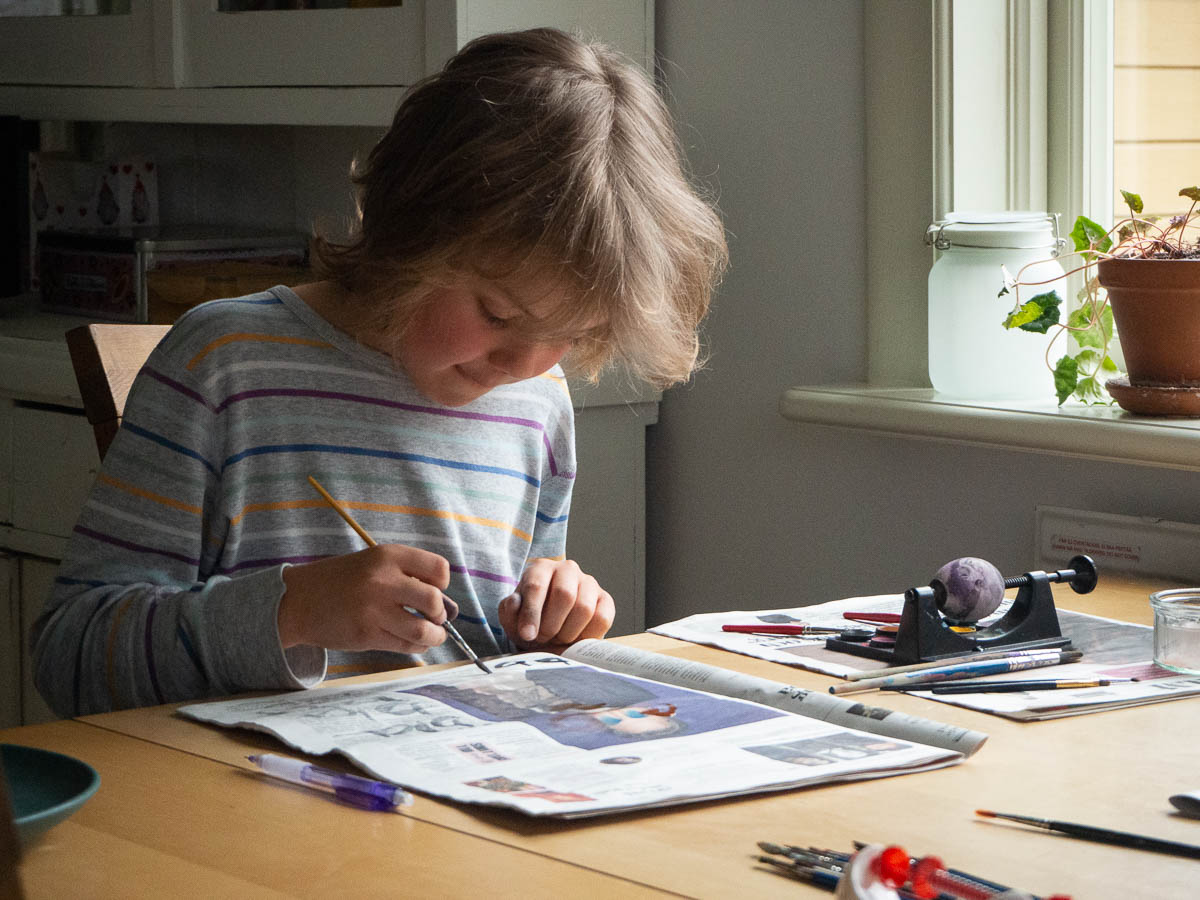
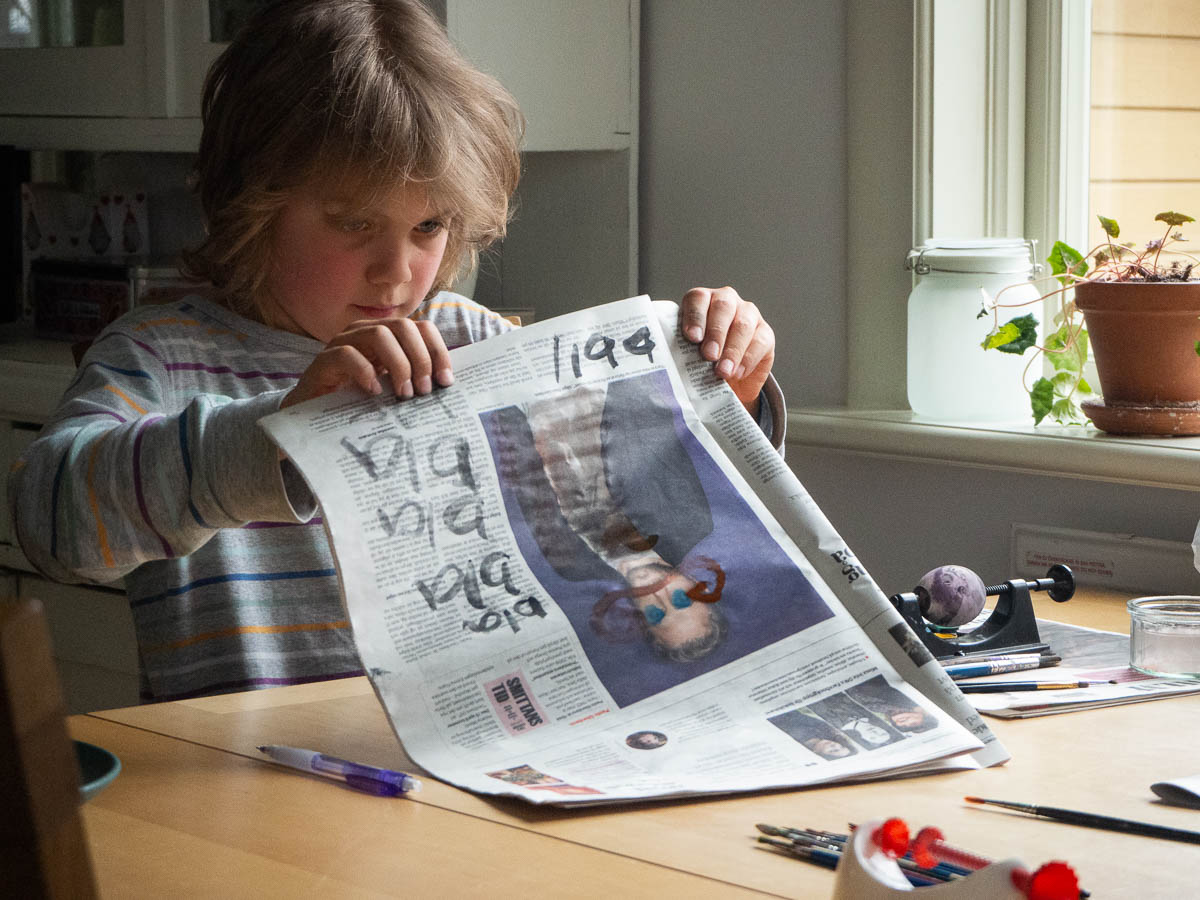
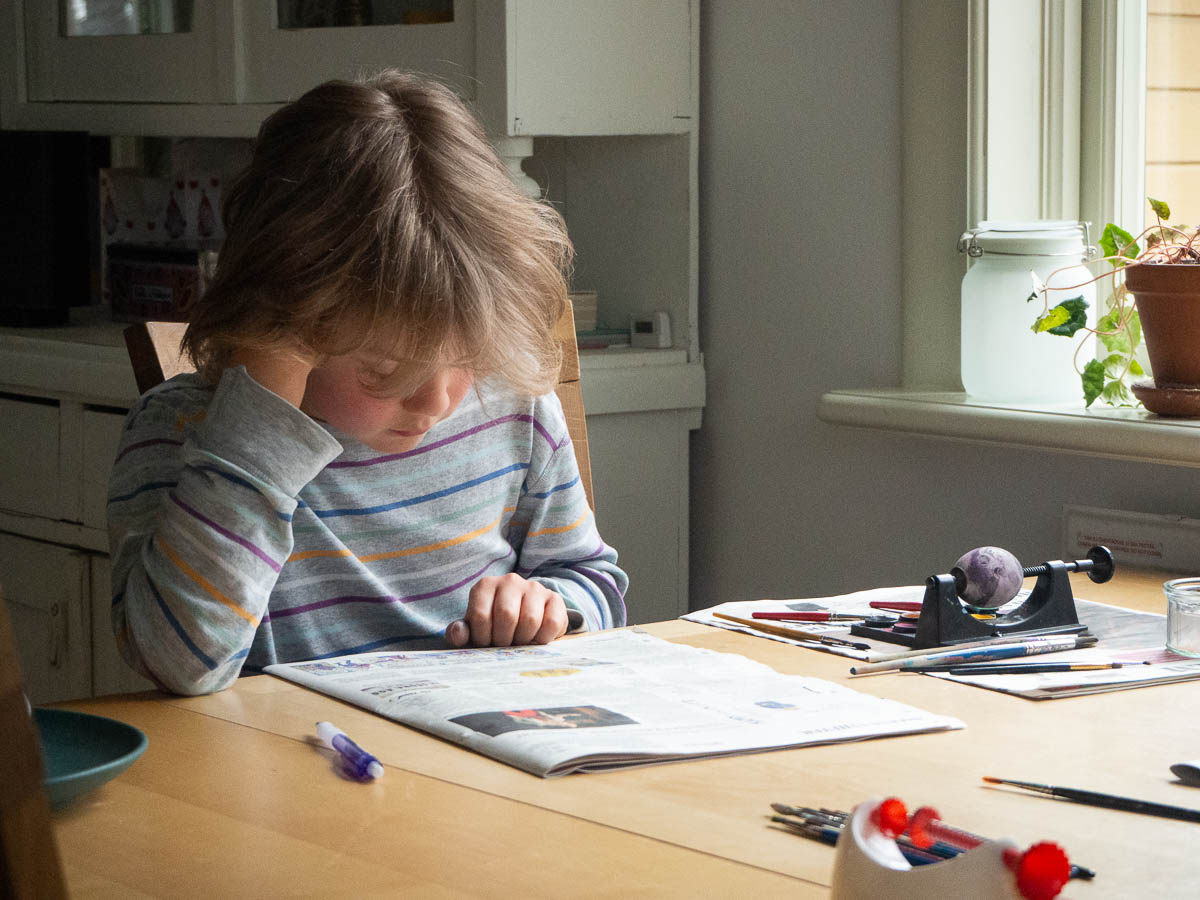
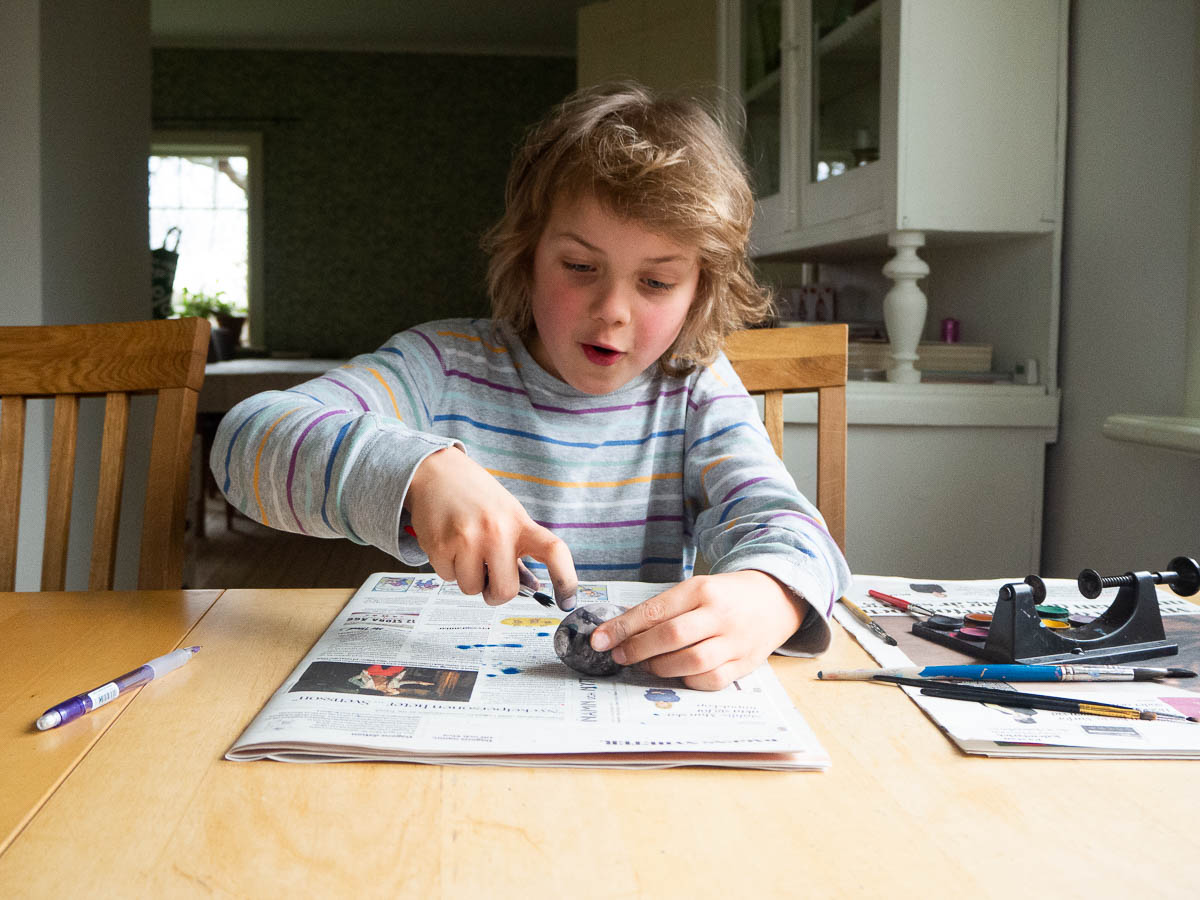
Finally I suggested that he just pick a colour and start putting some paint on the egg, and that was enough to get him unstuck.
He usually makes abstract designs on his eggs, and today was no exception. This is him with a dark egg that he energetically splatters with small speckles for a starry-sky effect.
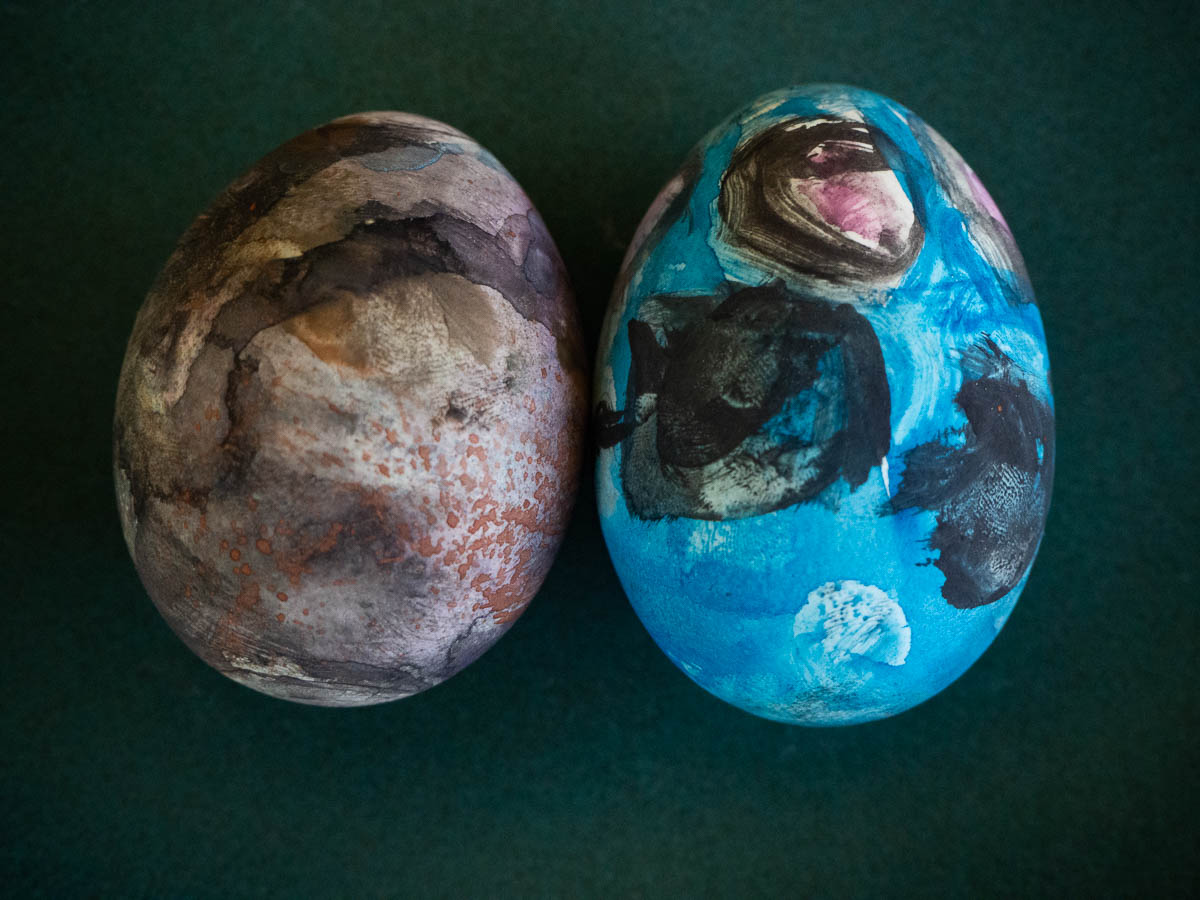
My eggs this year are a picture puzzle, but it only works in Swedish. I made a “vägg-ägg” and a “hägg-ägg”. (Vägg means “wall” and hägg means “bird cherry”.)
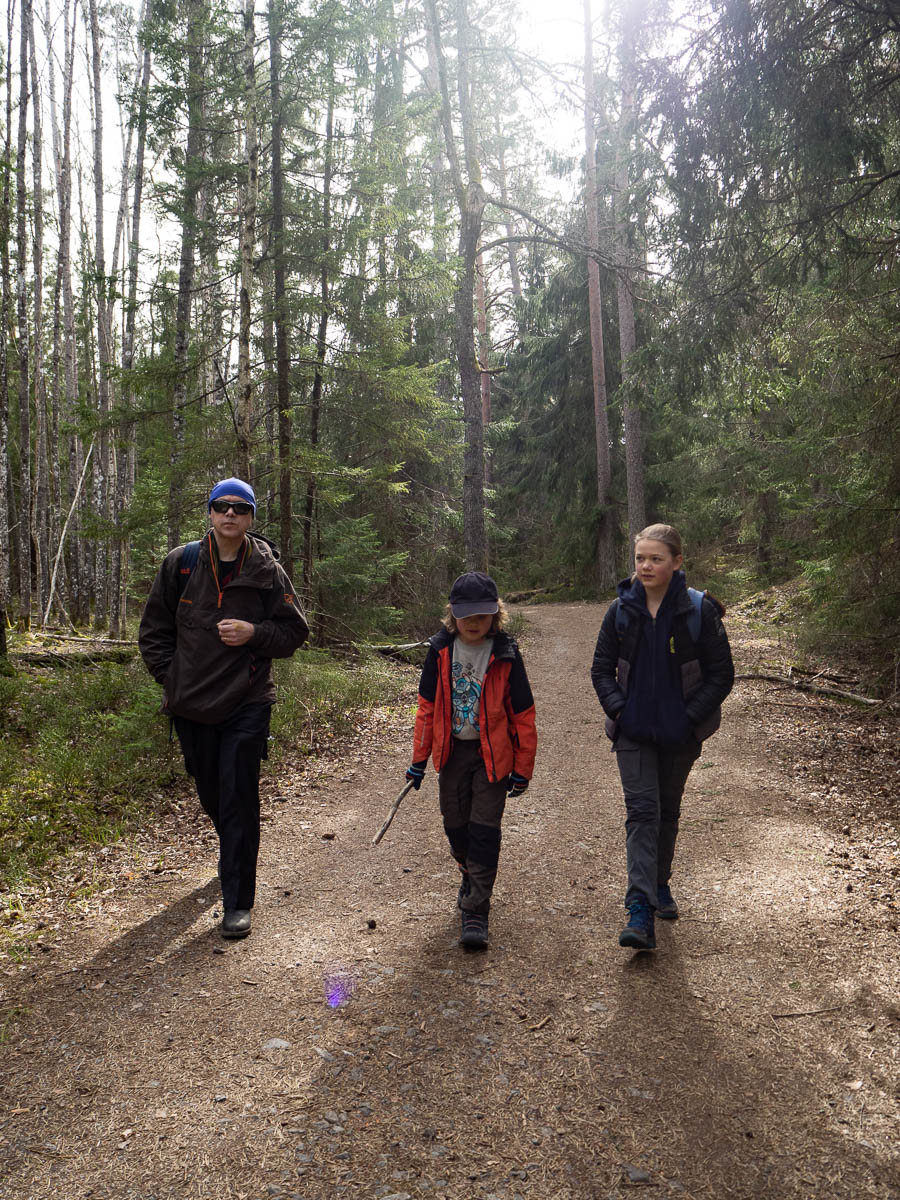
We usually go to Uppsala and my mum and brother for Easter. But with all the government recommendations to stay at home, not travel, especially not from Stockholm to other parts of the country, not meet people, especially older people… that’s not happening.
My usual default solution for long weekends is to go out for a walk. Today we went to Tyresta, back to that north-eastern corner of the national park where we camped last summer. The walk to lake Långsjön and back is picturesque and varied and not too long, and there’s a fire place at a beautiful spot on the lake shore where we could heat our lunch. It’s somewhat harder to get to than the area around the main park entrance in the west, and it doesn’t have any of the super accessible stroller-friendly paths, so I was thinking it would be less crowded.
“Less crowded” maybe it was, but definitely not “not crowded”. Dozens and dozens of families had obviously found themselves in the same situation as us, and come to the same conclusion as us. The parking lot at the park entrance was completely full. Luckily there was another parking lot just a kilometre before it, where we got the last but one spot. (Technically we were probably outside the parking area, but the ground was flat and not in a shrubbery, so it worked.)
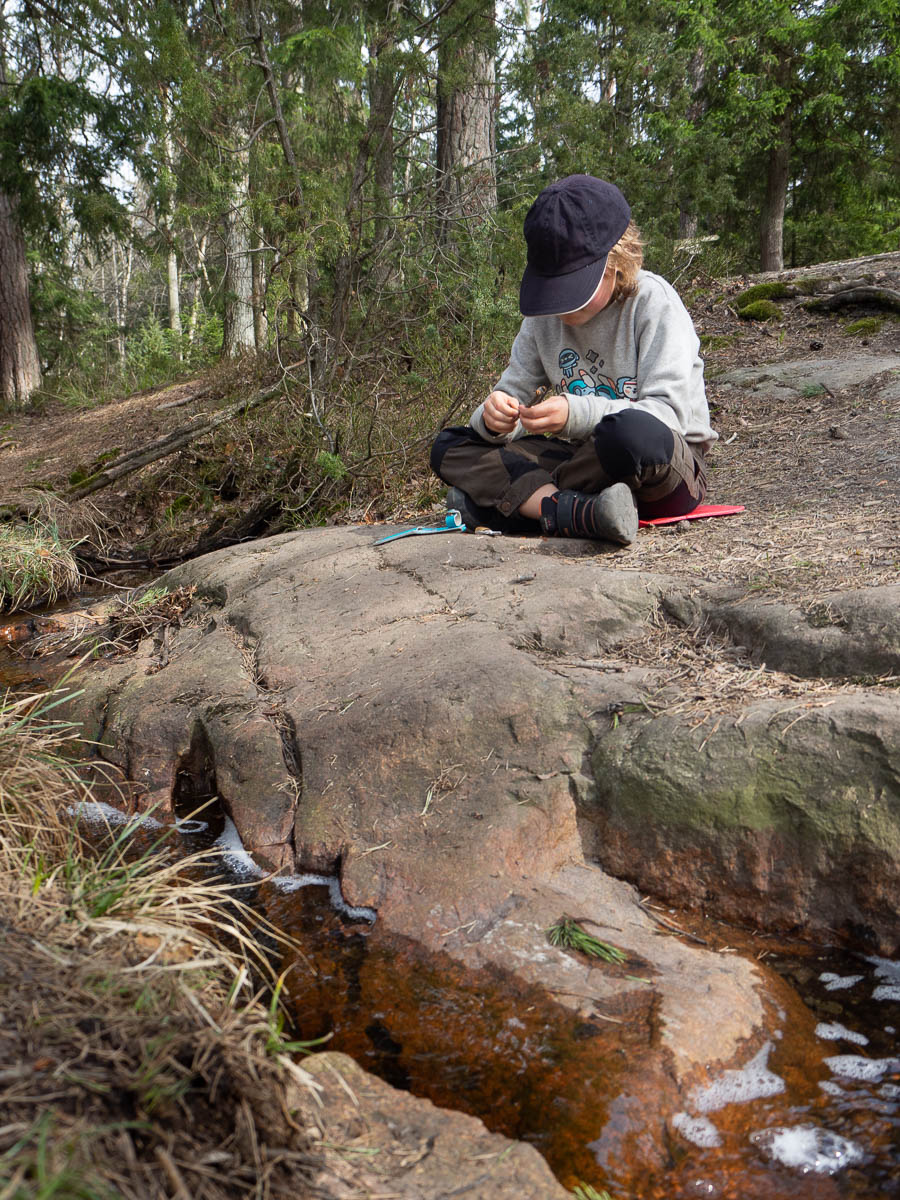
The resting place with its shelter and fire place was of course full of people as well. But again we were lucky to arrive a bit later than a large group who were mostly done grilling their sausages, so Eric found room for our “hike bombs” at the edges of the fire. (More good luck for us in that someone had brought their own firewood, because the park’s official firewood box was completely empty.)
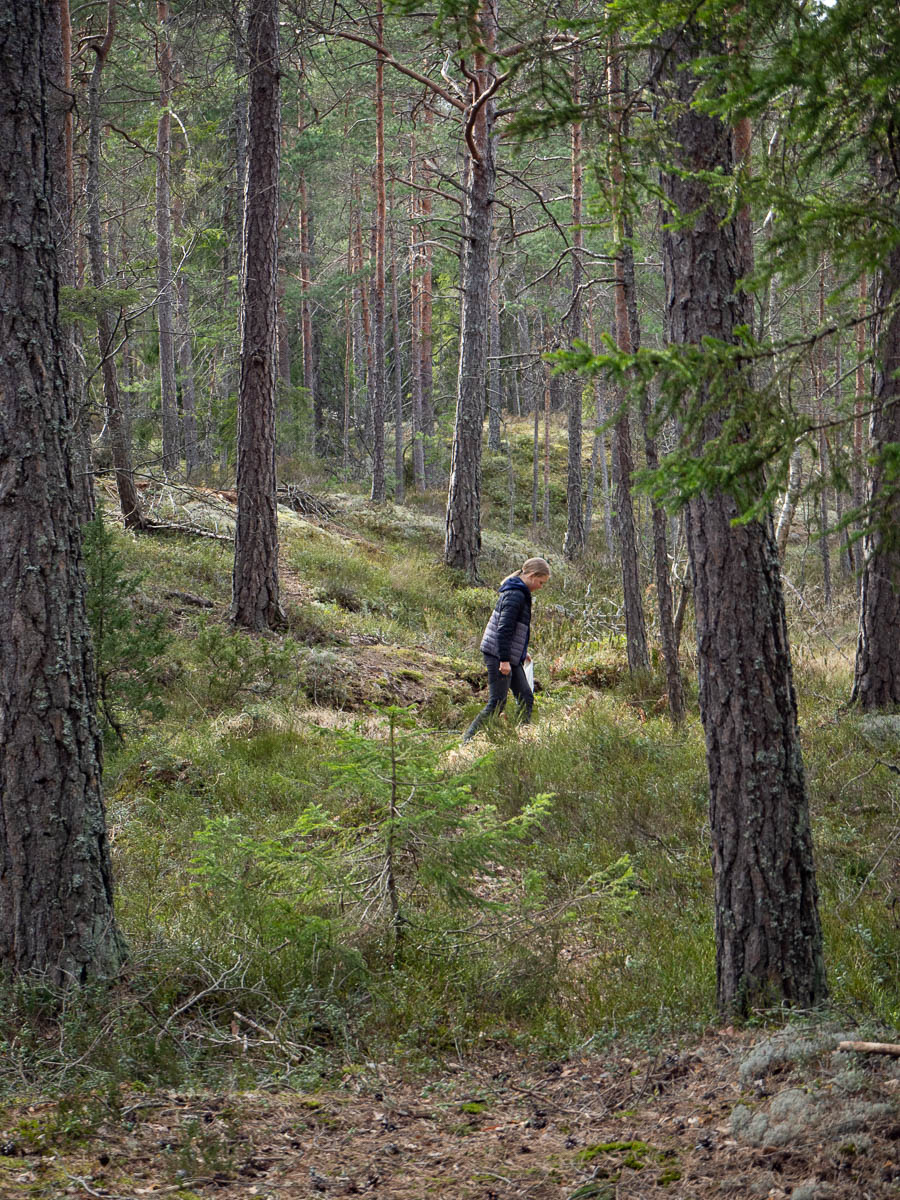
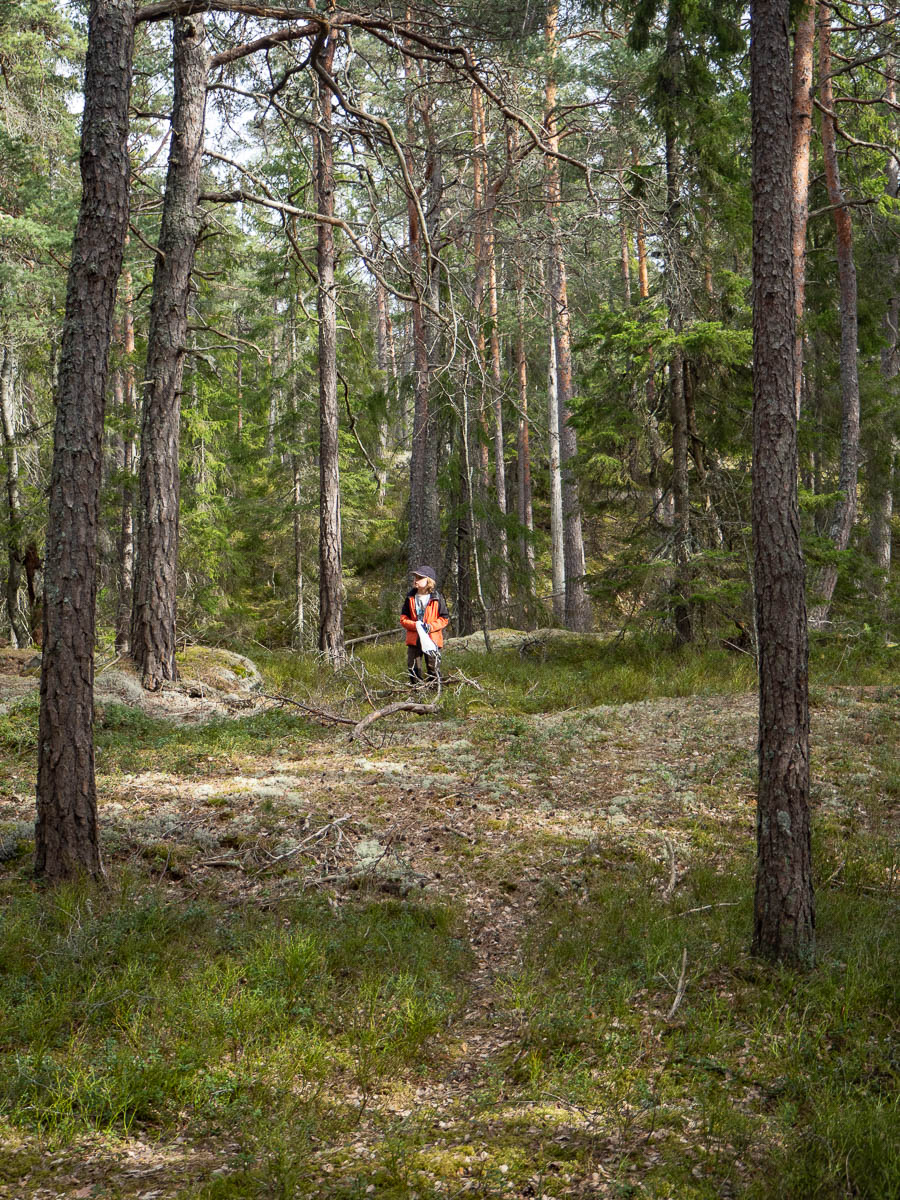
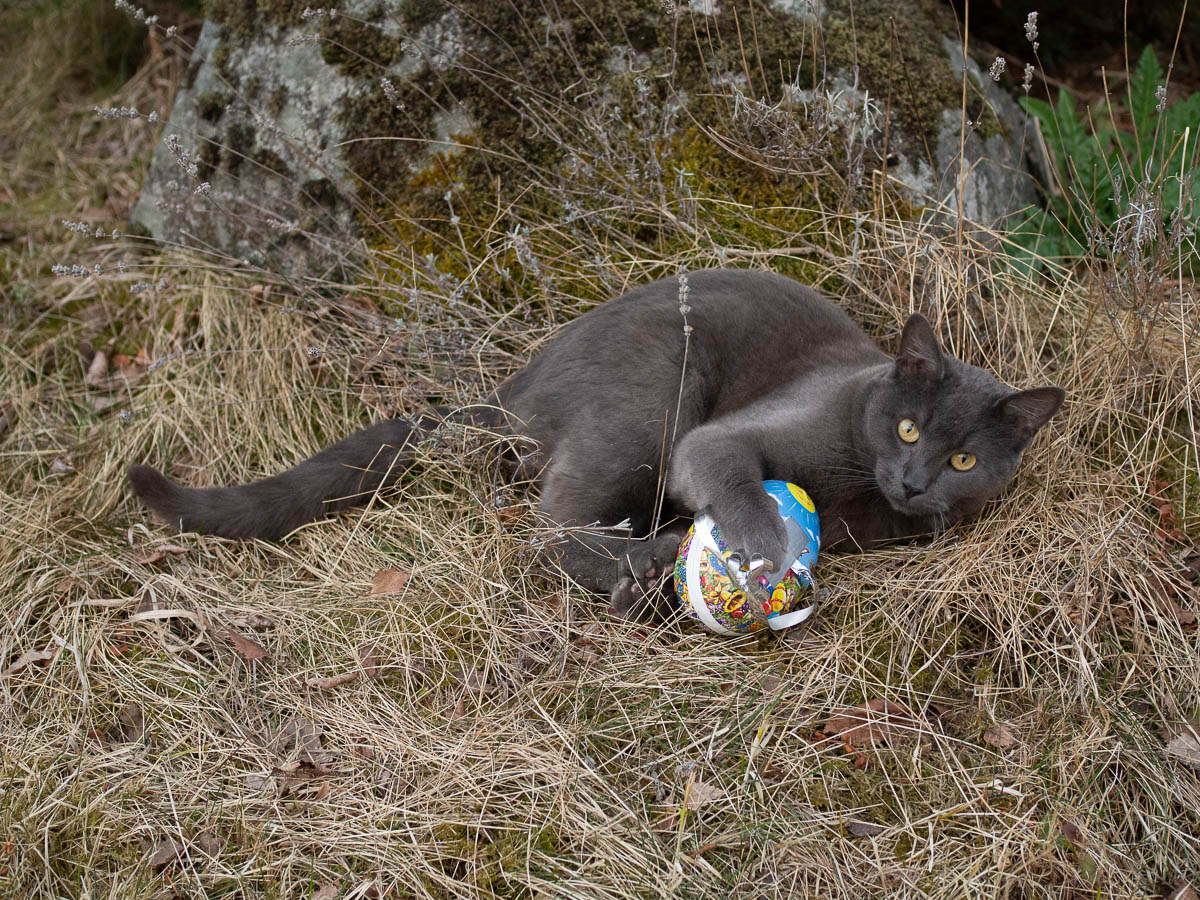
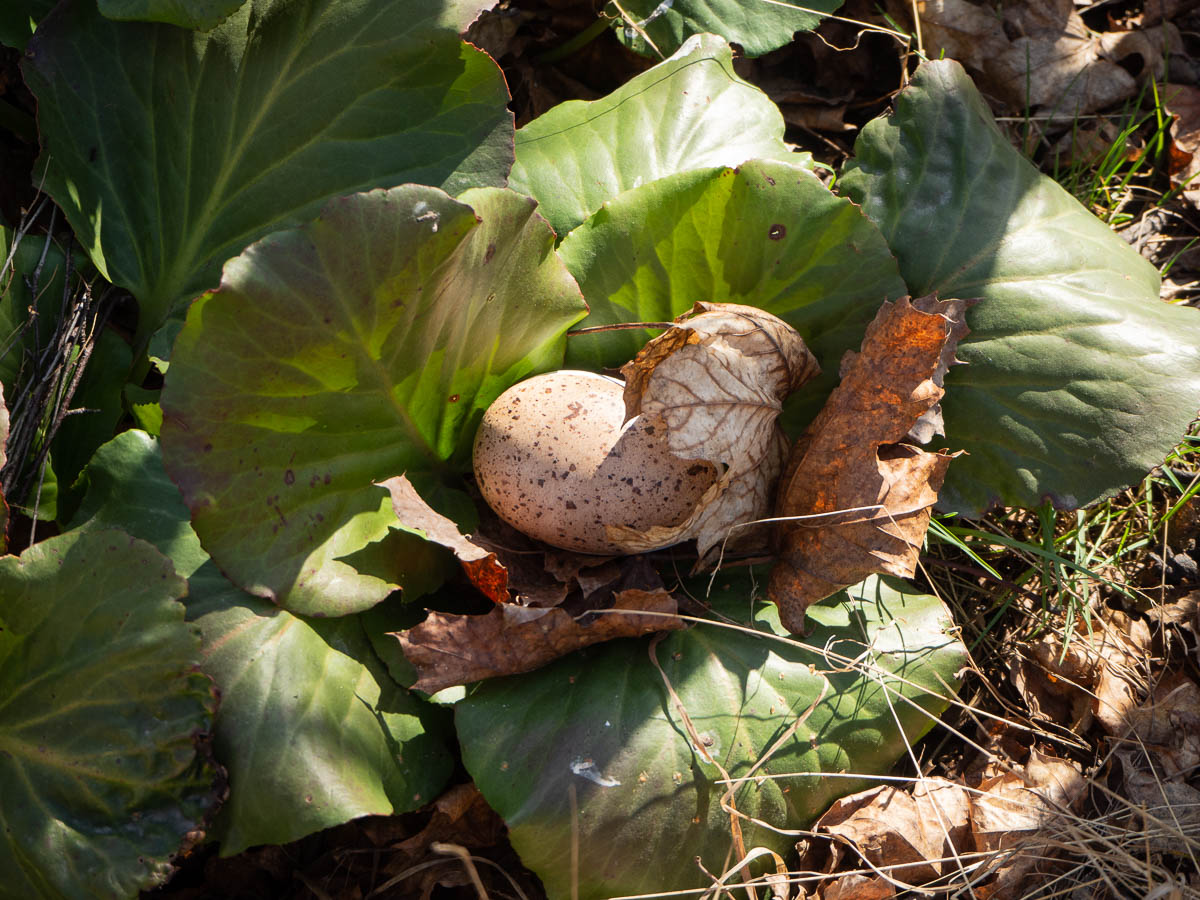
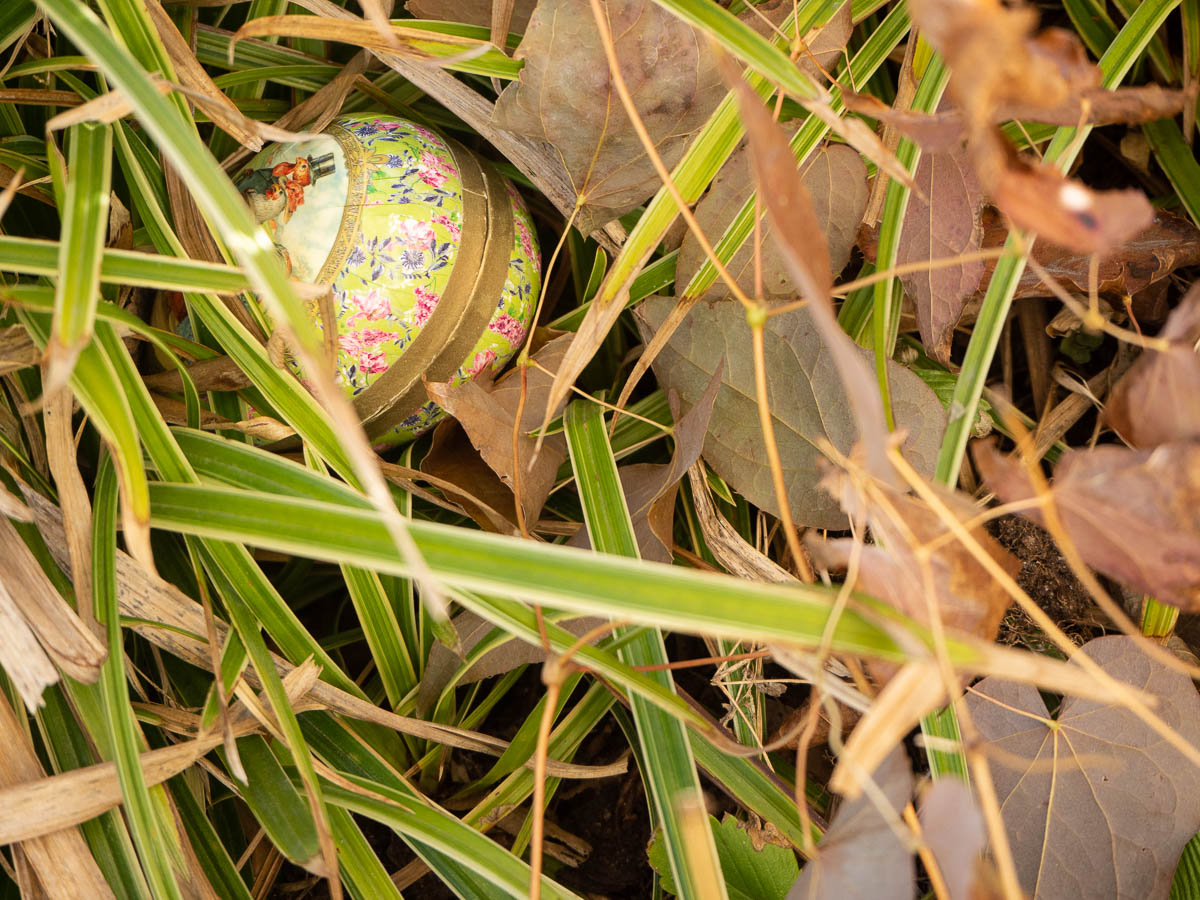
On our way back we had an Easter egg hunt. I hid eggs for Ingrid on one side of the path, and she hid eggs for Adrian on the other. We’ve done this in our own garden several times, but there aren’t that many good places to hide colourful eggs in a bare, early-April garden, so this was a lot more fun. Under roots and under rocks and under twigs and moss. I wish I had thought to take close-up photos.
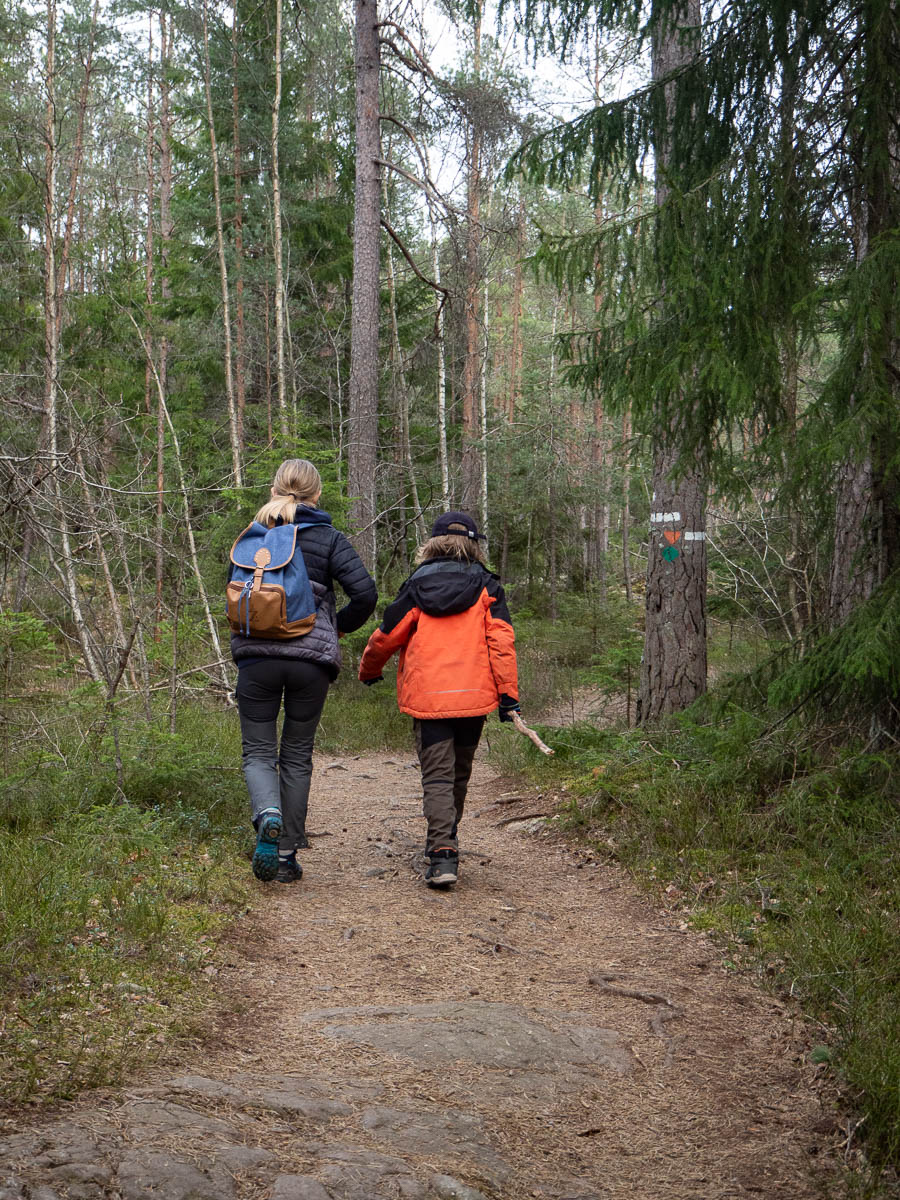
Ingrid and Adrian are both in a phase where they enjoy each other’s company. Well, Adrian has always enjoyed Ingrid’s, but right now she enjoys his as well, which isn’t always the case. Lots of silly jokes. It always makes me happy to see and hear that.
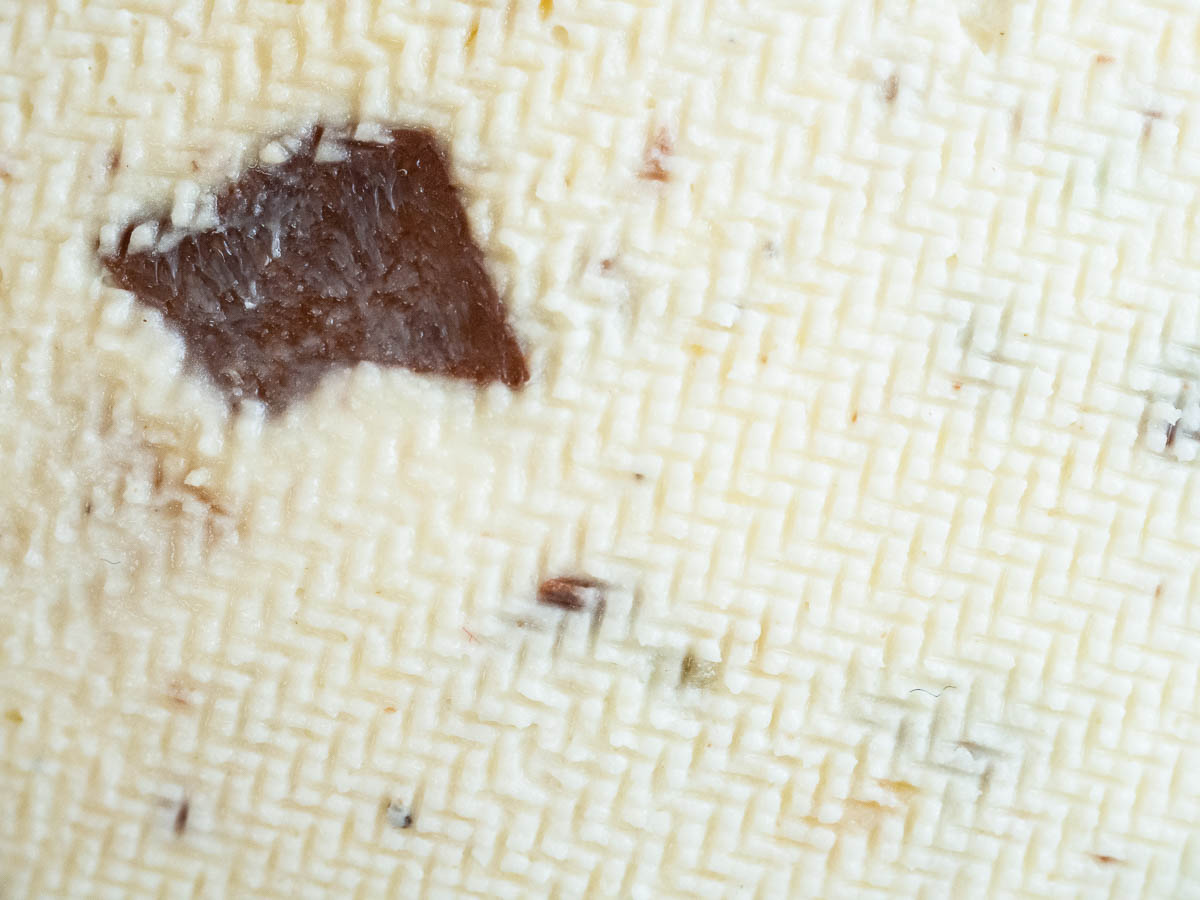
Pasha is an Estonian Easter dessert of Russian origin. When I was a child, we always had pasha for Easter – it was as much a tradition as eggs. Somehow we lost that tradition for many years, but now we’ve picked it up again. We usually go to Uppsala to my mum’s for Easter so she makes the pasha, but recently we’ve concluded that one or two days of pasha just isn’t enough, so we made another batch when we got back home.
The bulk of it is sweetened quark, fluffed up by adding whipped cream, but much of the flavour and texture comes from all the other ingredients: lemon peel, chopped nuts, finely chopped chocolate, raisins, candied orange peel etc. You mix it all up, spoon it into a mould, and then let it stand for a day to drain out some of the liquid. After a day you turn the finished pasha out of the mould.
I have a lovely hand-made wooden pasha mould with decorative designs cut into it. Did I take a photo of the beautiful pasha with relief patterns that came out of that mould? No… because we attacked it like a horde of hungry locusts, and before I could think of bringing the camera, there was nothing left to photograph. This photo is of the other pasha, made of the mixture that didn’t fit in the nice mould and that I put in a sieve instead. The photo doesn’t do it justice, although to be honest, pasha does taste better than it looks in real life as well.
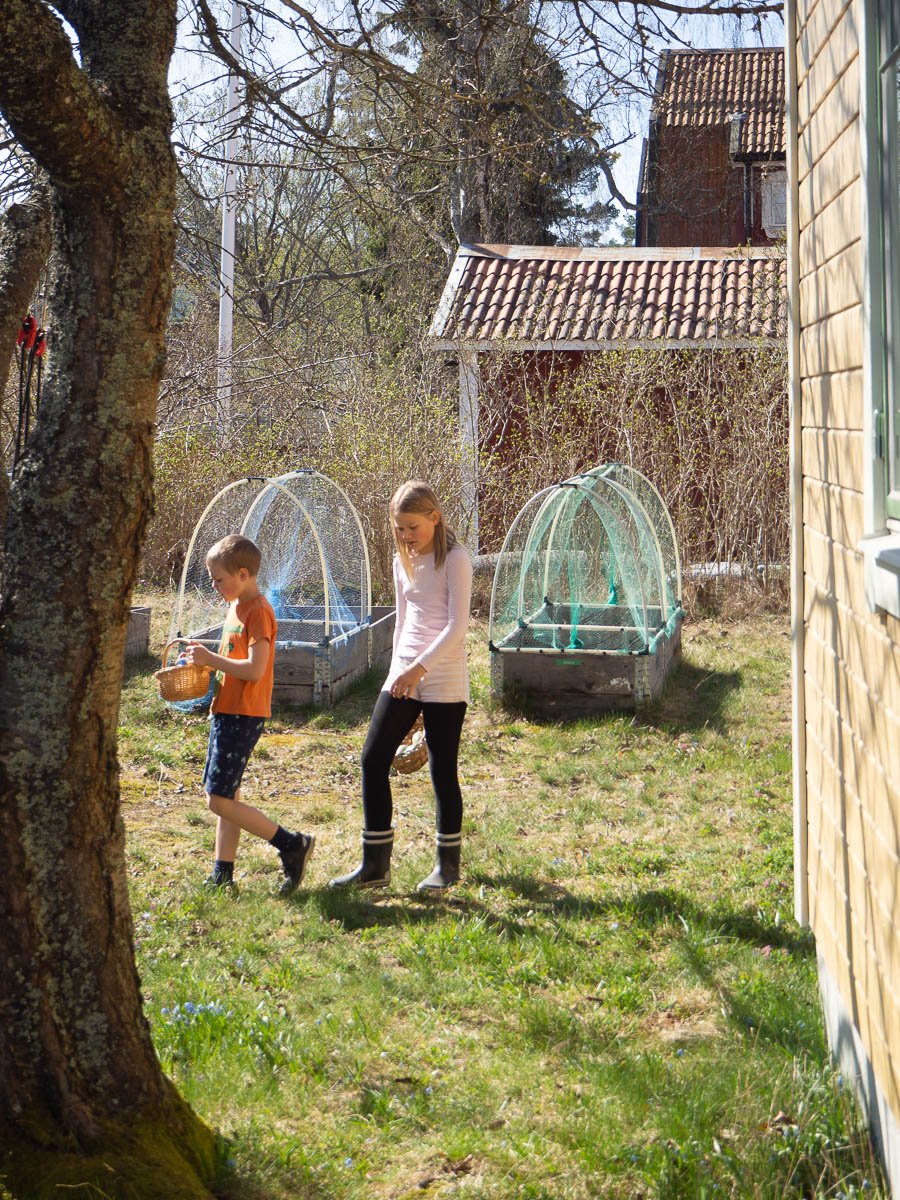
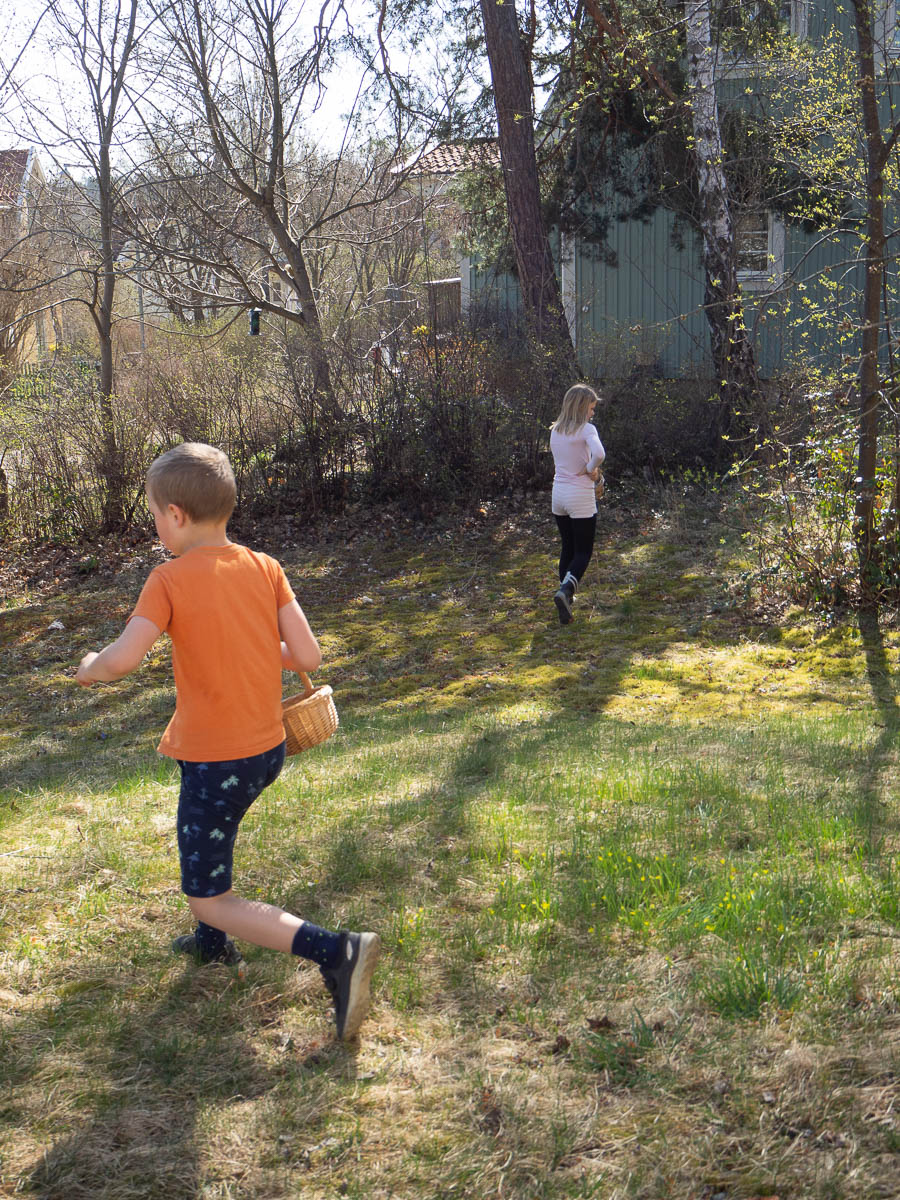
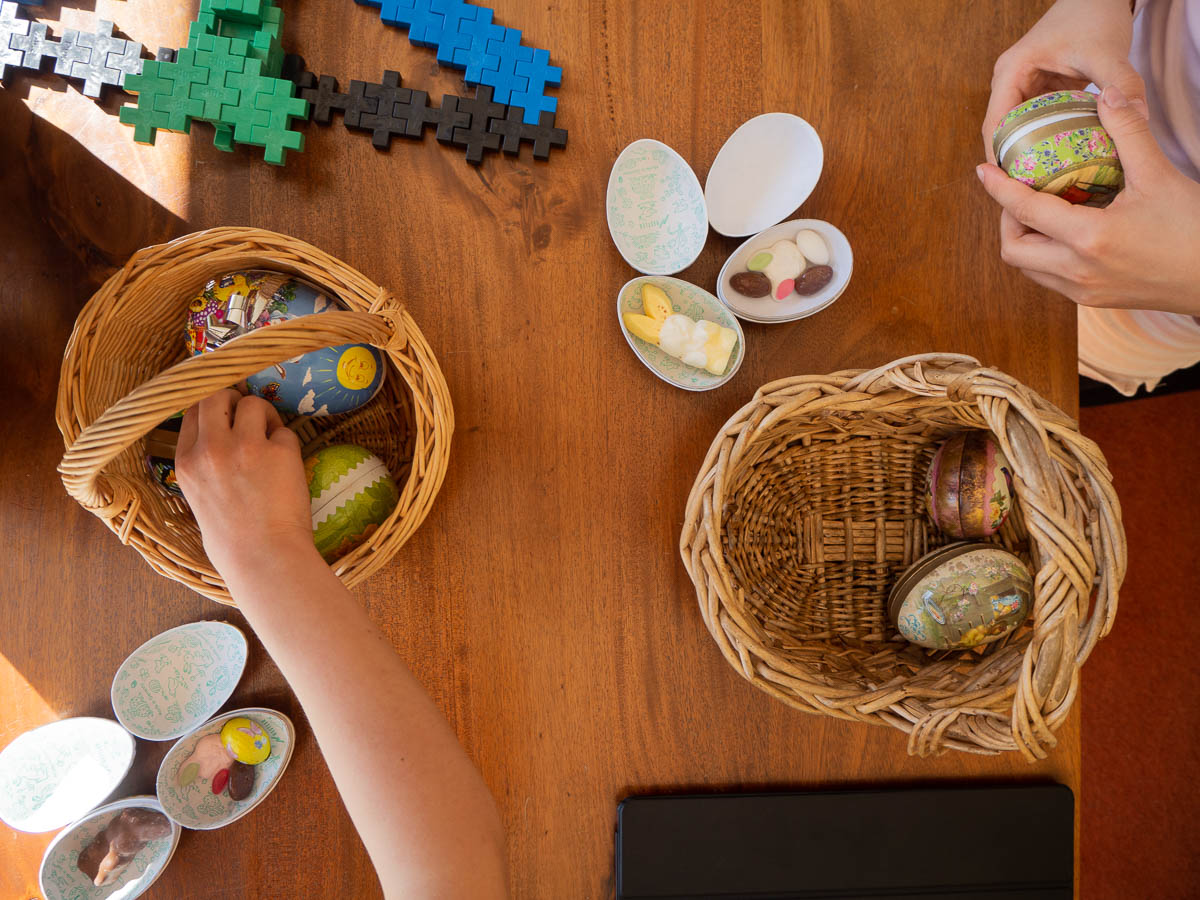
Our traditional Easter egg hunt.
By now the sweets in the eggs aren’t that important – the hunt itself is what the kids look forward to. I’d forgotten to buy candy to fill the eggs with. Luckily we had some leftover candy in the cupboard that Ingrid distributed in the eggs.
Ingrid hid Adrian’s eggs, I hid Ingrid’s eggs, and then the hunt began.
| « Older posts | Newer posts » |
