Spånga scout group has an “education week” every October, with nightly sessions on a variety of topics. I’ve never participated in the past, but this year – starved for experiences outside the home – I signed up for three sessions. (Hence also the slower pace of posting here.)
Two of the sessions were about wood carving. On Monday we went through the basics and practised a few techniques. Today we were handed fresh birch logs, axes and knives and let loose to carve anything we wanted.
You can’t do much in two hours, but it’s enough for a basic wooden spoon, which is what several other participants made. Or a butter knife, which is what I chose. A butter knife is a perfect first project because you can do it with just a simple carving knife, without any special tools.
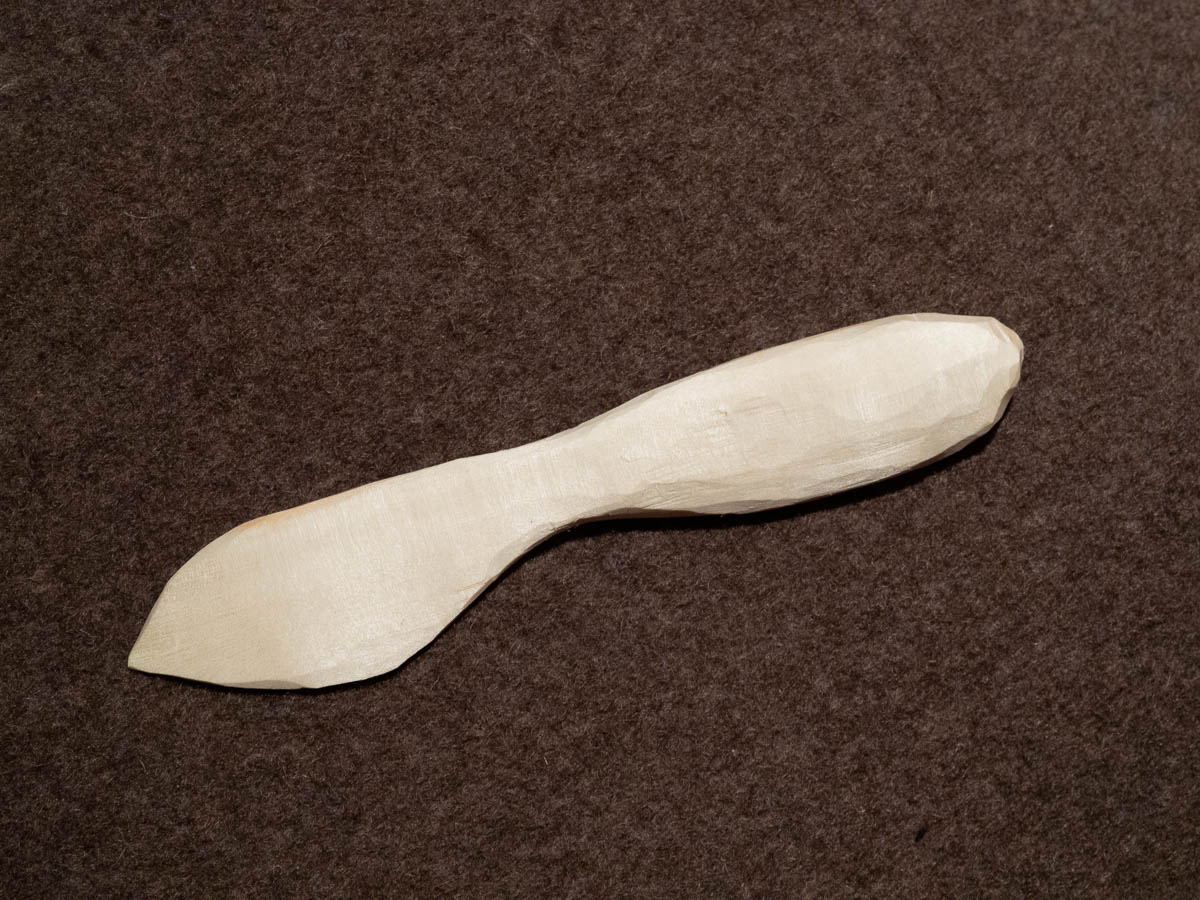
The entire process was a lot of fun. Splitting the log again and again until I was left with thin enough pieces; picking a piece that fit the image in my head; using the axe to cut it roughly to shape. But the best part was the finest, slowest carving, carefully guiding the back of the knife with my thumb to cut off a small sliver to make the shape just so. I haven’t carved any actual object before, but I grew up with sharpening pencils “by hand”, using a knife rather than a sharpener. Having done that for decades, that basic carving grip is very familiar to my hands.
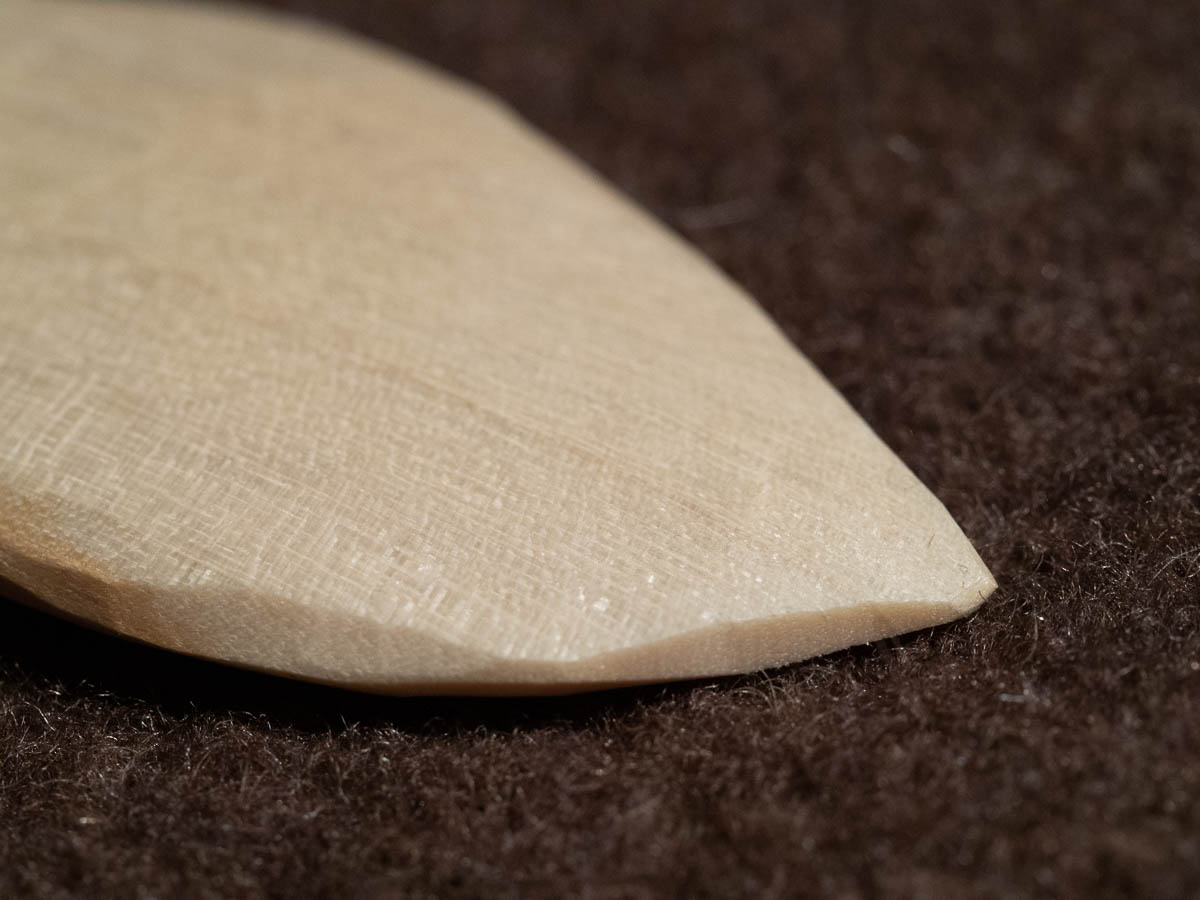
The timing was perfect, because I had just been thinking that we could do with one or two new butter knives in our kitchen. Butter knives actually wear out with time. One thinks of wood as a durable material, especially if it is only used on such soft things as butter and bread. But the blades do get smaller and smaller until the knives come to resemble sticks more than butter knives.
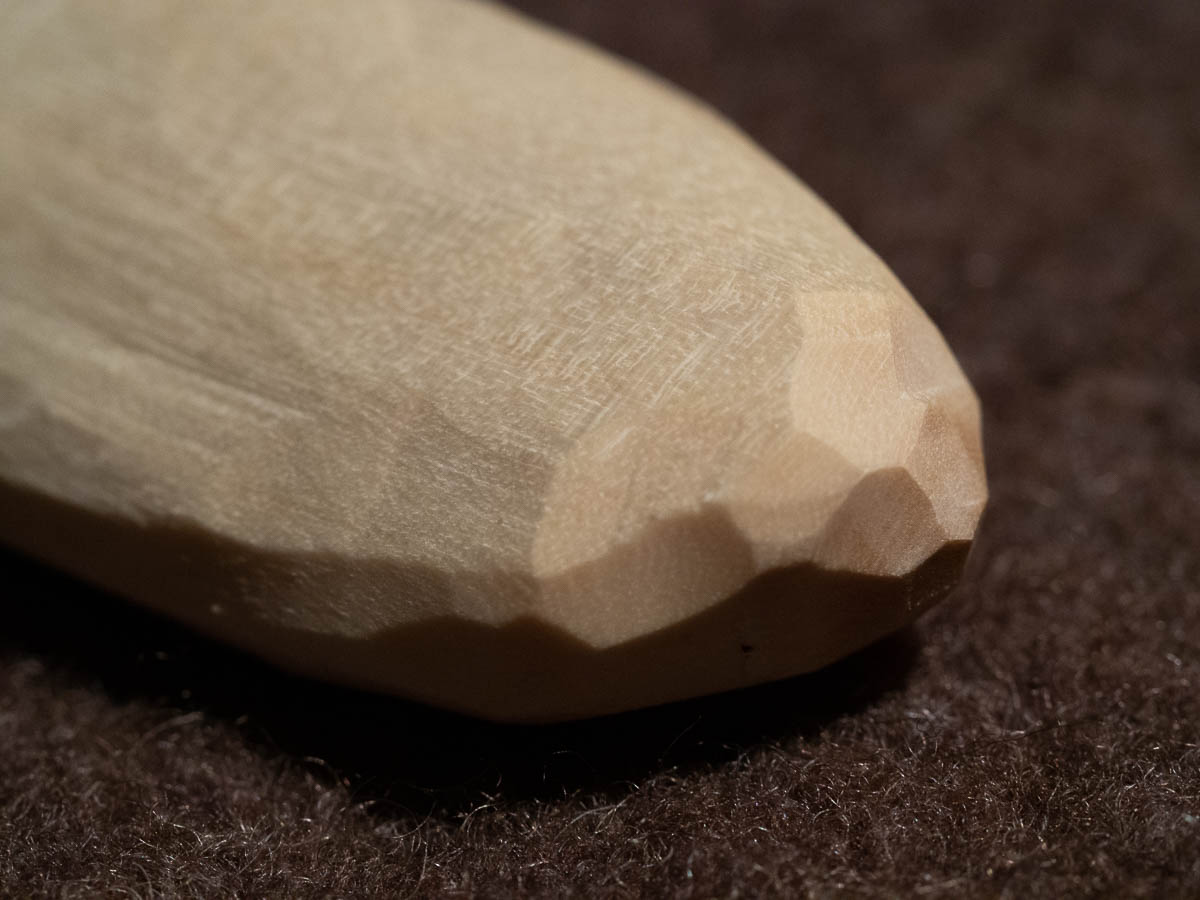
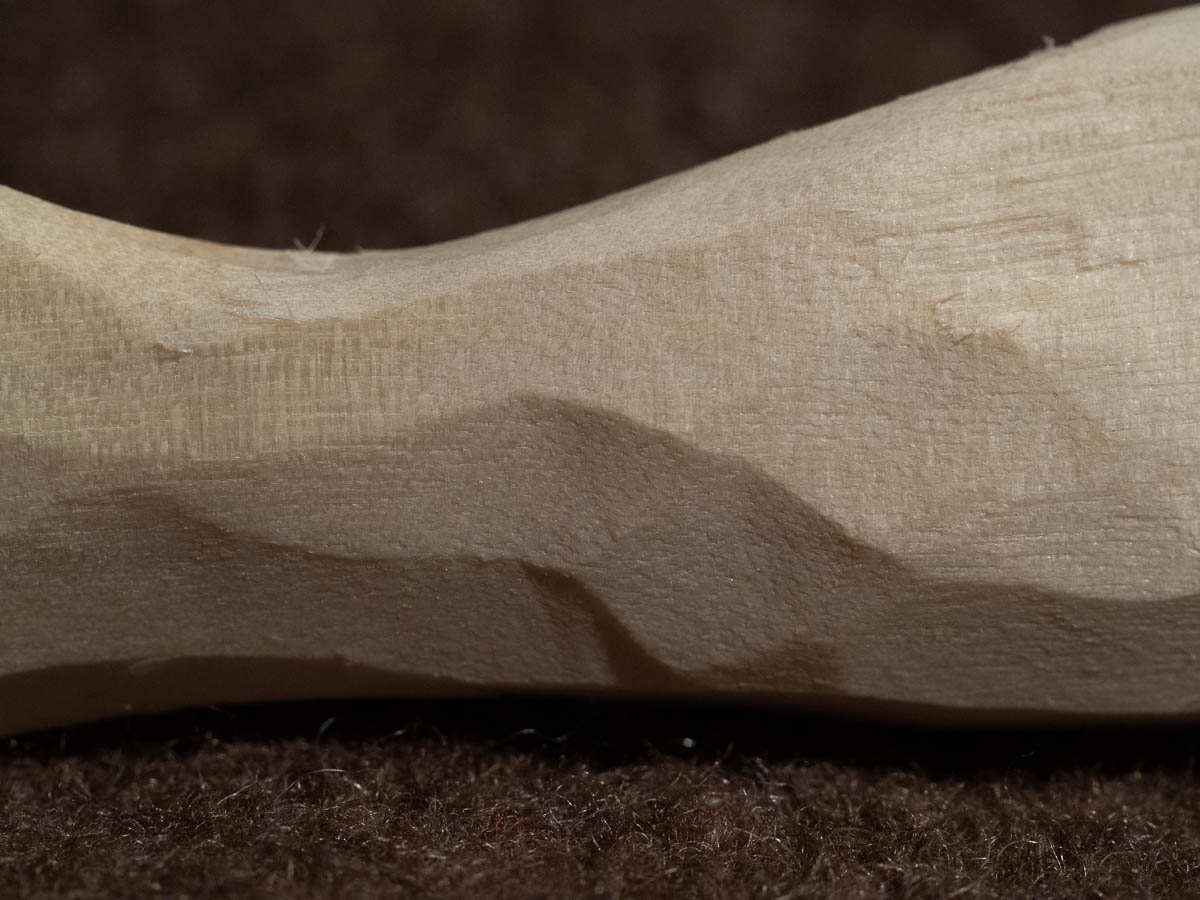
I’ll leave this one in its rustic state, with all the cuts visible, rather than sanding and polishing it. I like seeing the traces of my work.

Leave a comment