A typical spring in Sörmland is a gentle upwelling of water, protected by a concrete ring and a wooden lid. There’s sand and gravel at the bottom to filter the water. Often, but not always, there’s a dipper lying around. The water is usually right at ground level, so the ground around the spring is all muddy.
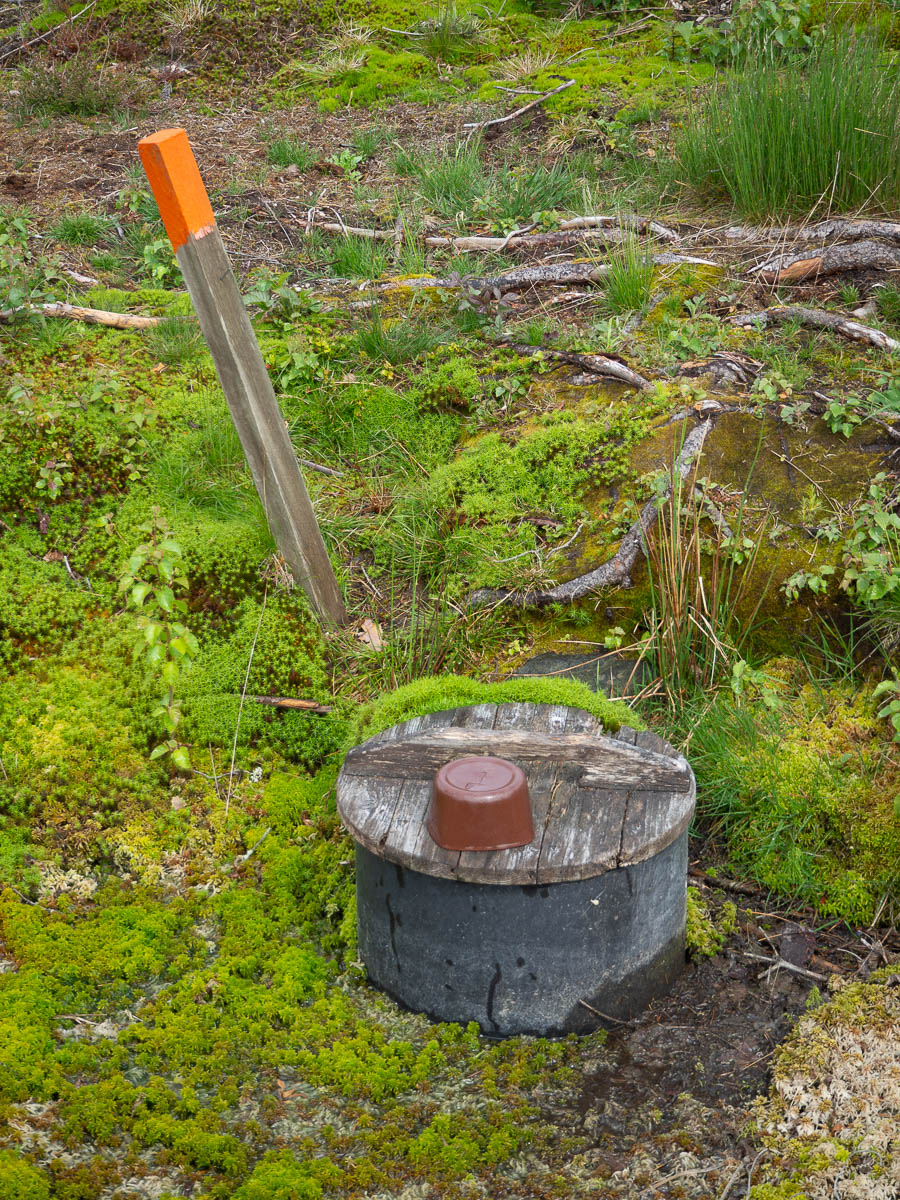
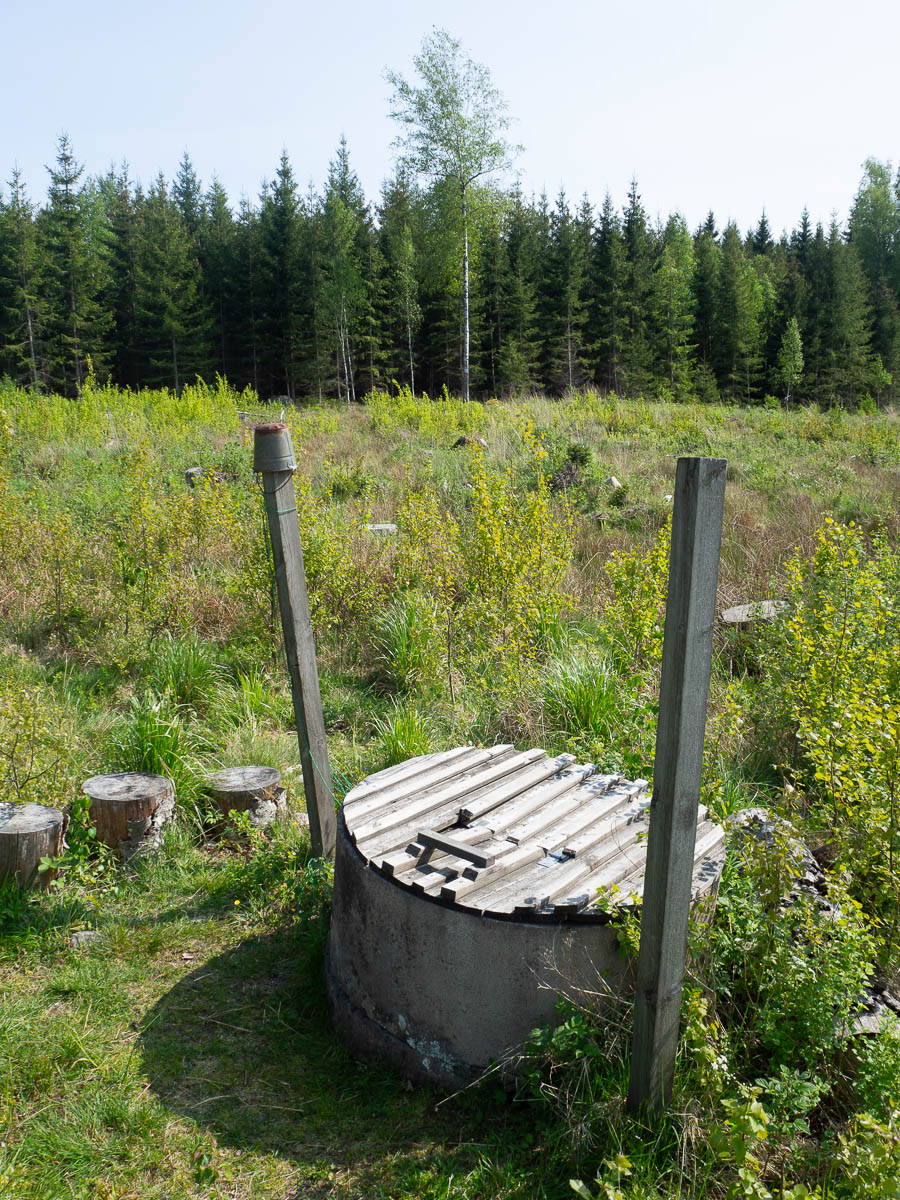
Sometimes the water is further down. On this hike, one of the marked springs was an actual well, with a tiny baby bucket on a piece of rope.
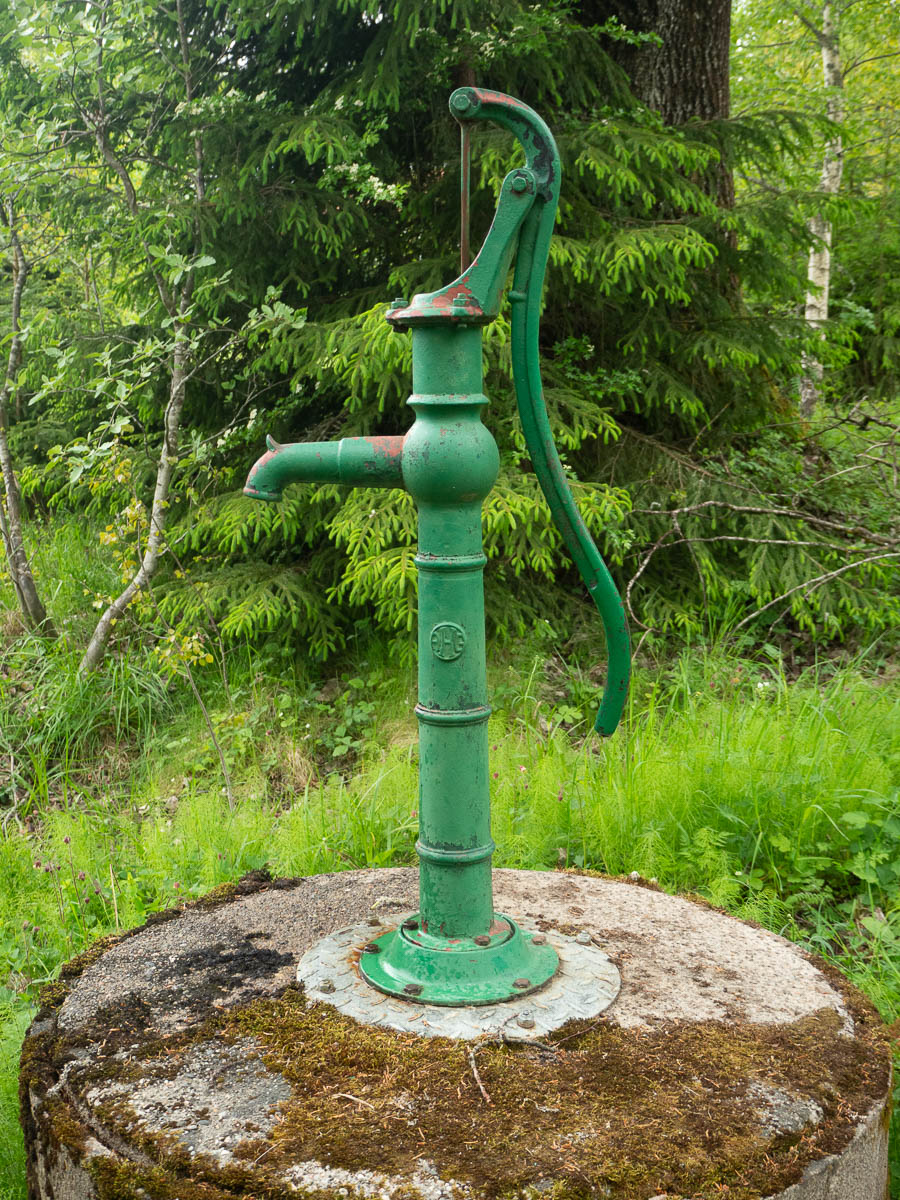
Very rarely there’s a water pump. Seeing this one made me wonder how old it is (looks old) and if manual water pumps like this are still being made and produced. They are, and the ones from reputable manufacturers cost about 5000-6000 SEK. You can also buy just the above-ground parts and install them as a decorative item; there’s a market for that.
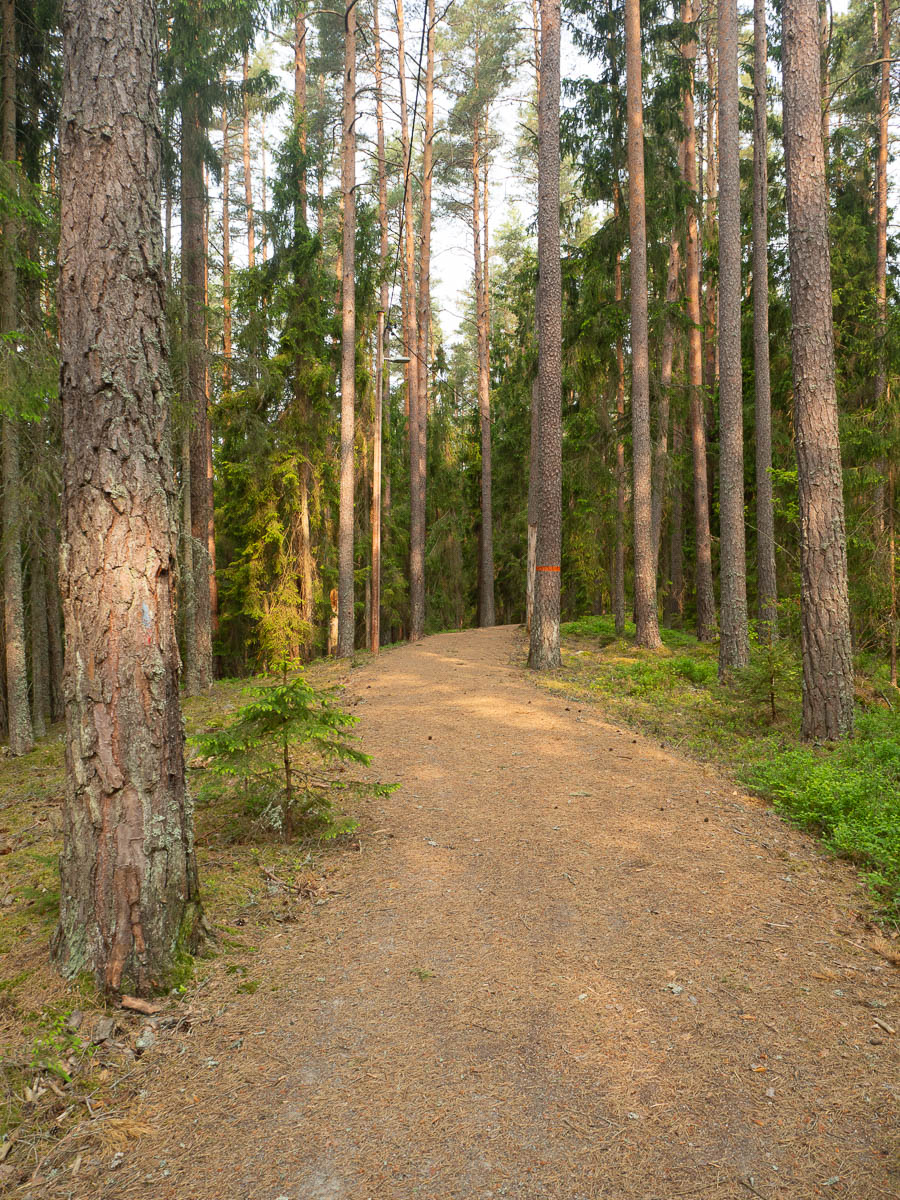
Sörmlandsleden from Kolmården to Katrineholm. Today: Forssjö to Katrineholm, 12 km.

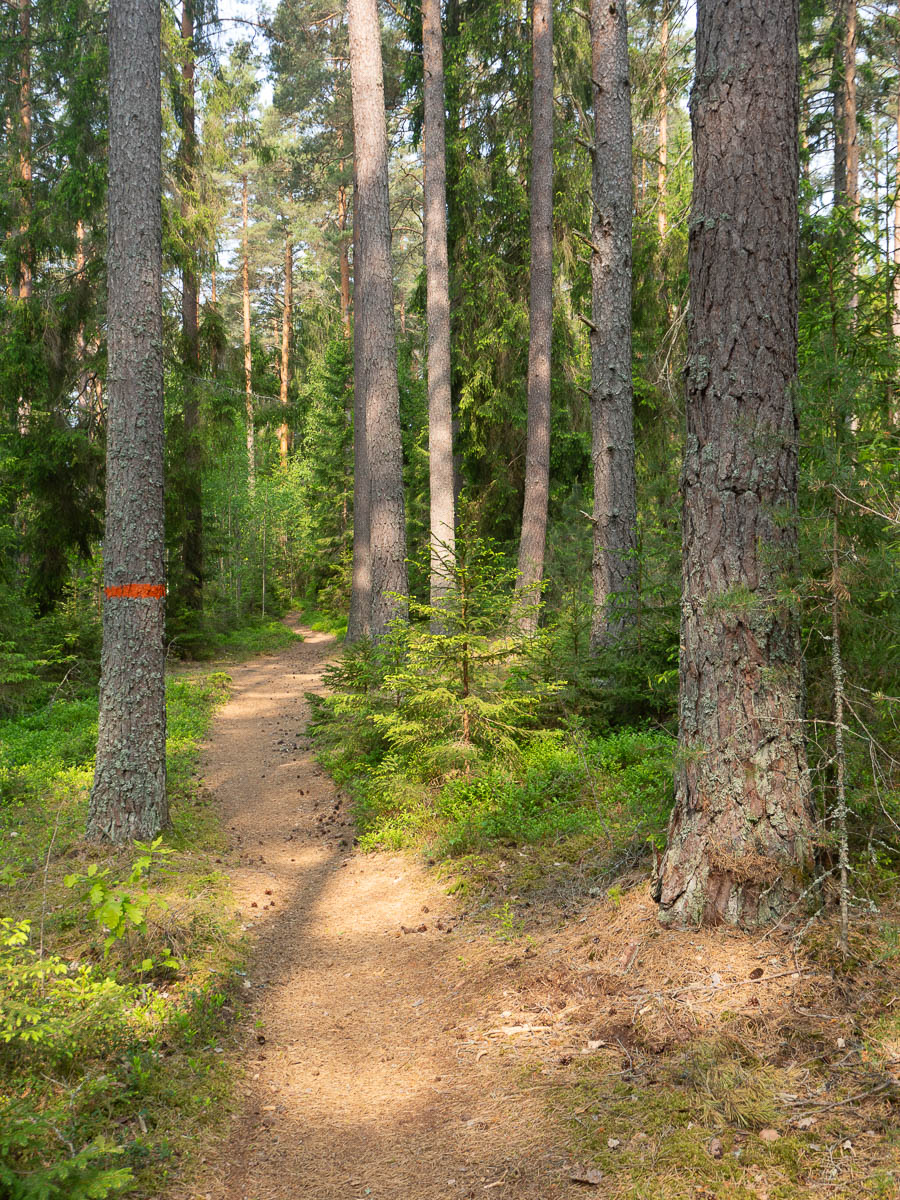
Semi-civilized nature reserves and recreation areas, with comfortable, even paths, made for easy walking.


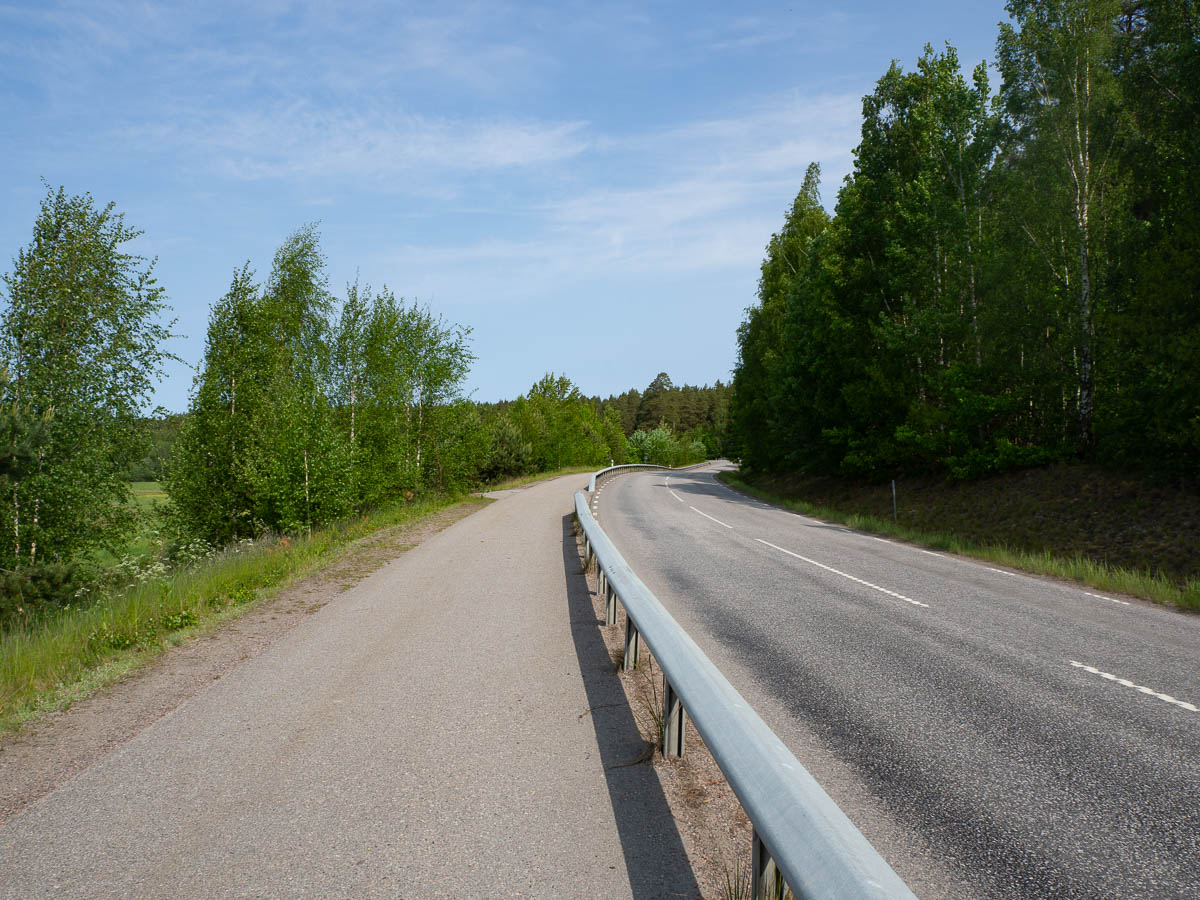
Inevitably, as I got closer to Katrineholm, the soft paths covered in pine needles were interrupted by stretches of asphalt, to get across roads and past farms. Asphalt truly is the nemesis of my feet – hard and unyielding. It looks like easy walking, and I guess objectively I make good time, but it is not comfortable.

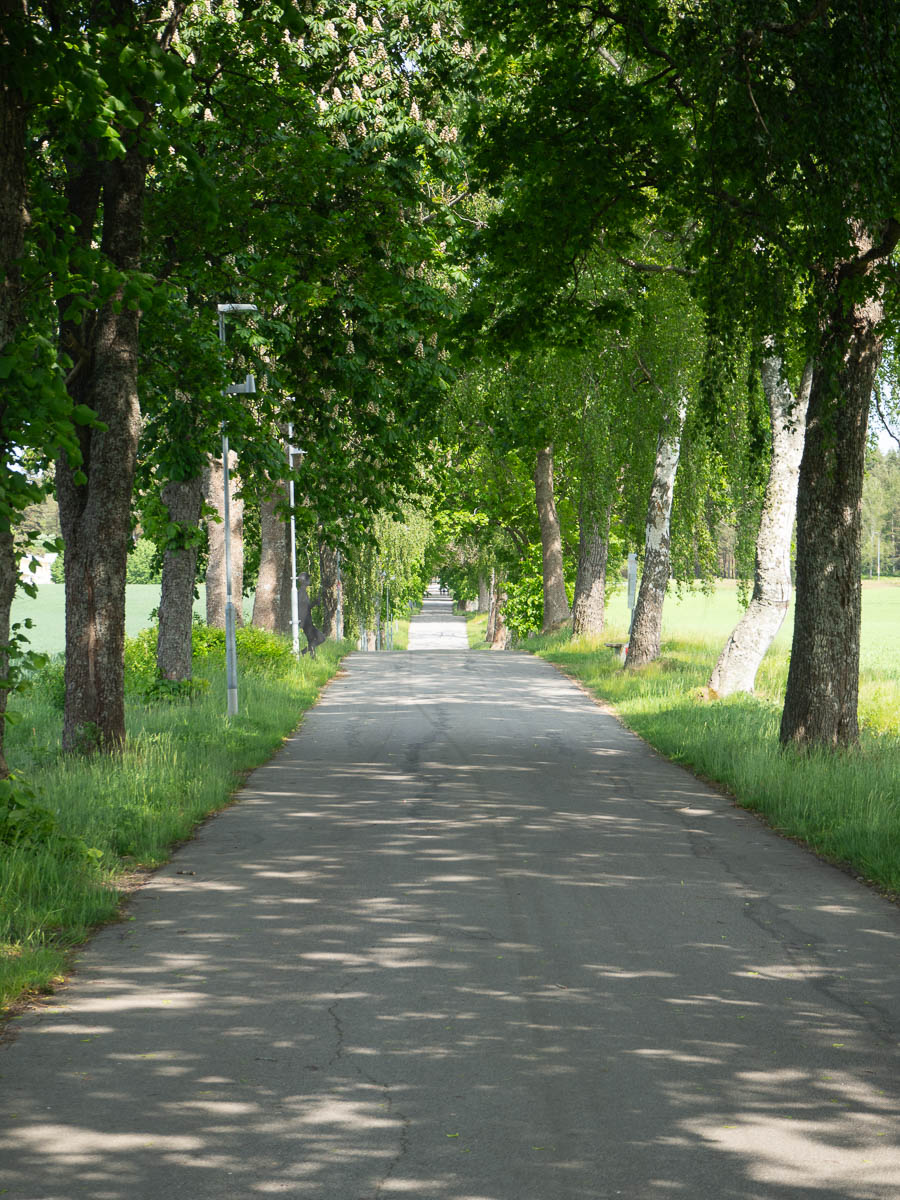
This tree-lined lane, just before I hit the first suburban streets, was popular with locals. Very nice if you’re cycling, or if you’re just out walking without a pack, but I felt every thud of my feet against it.

I think of these last kilometres as my payment to get access to the good kilometres out in the forest.

Compared to the wild nature of the past three days, this stage was blandly pleasant. Looked pretty enough, lacked character, so I don’t have much more to show or say about it.