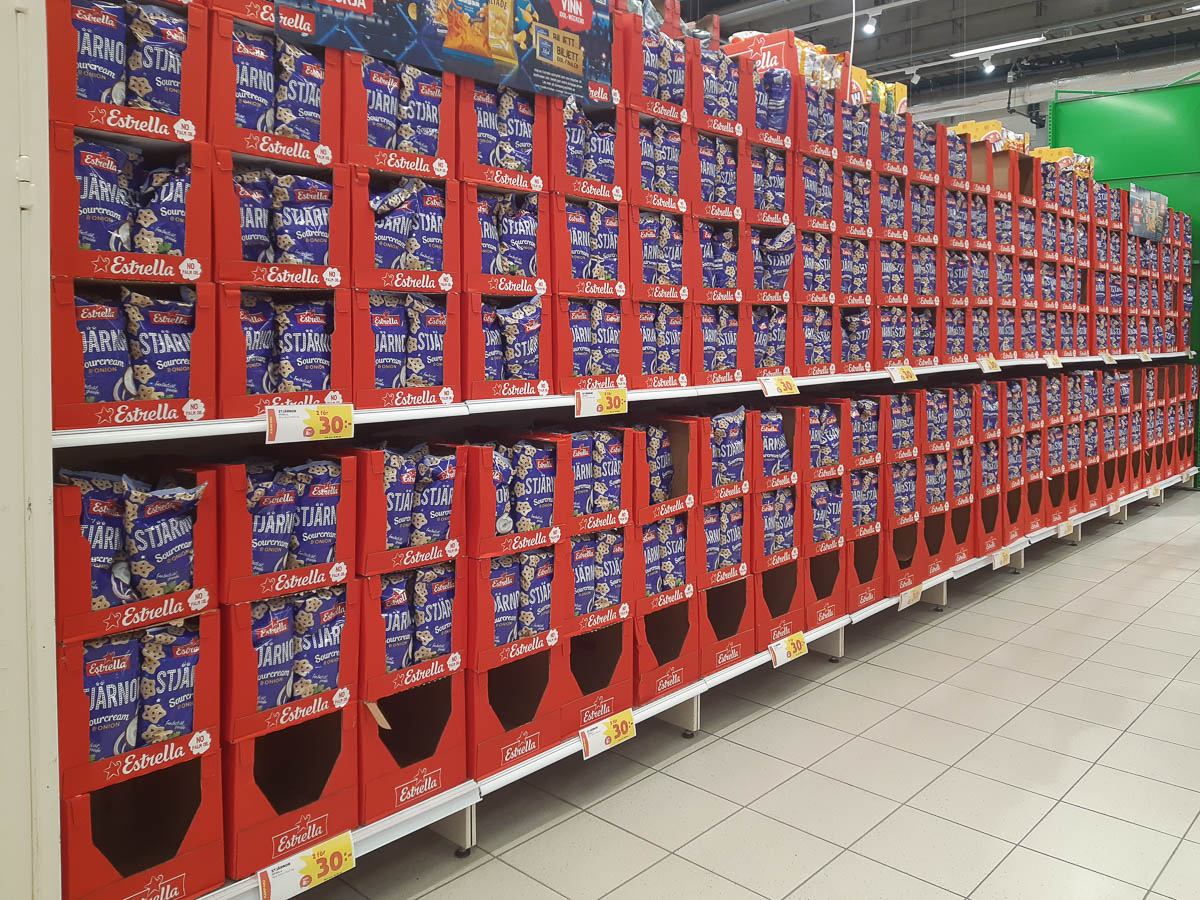
Adrian had put “Sourcream & onion stars” on the grocery list. When I came to the snacks section at Coop Bromma Blocks, this particular snack had an entire wall to itself. All the other ones had one or two columns at most. I guess there’s some marketing campaign going on on TikTok or something? I felt a bit reluctant to buy these, because it feels like I let the marketing firm “win”.

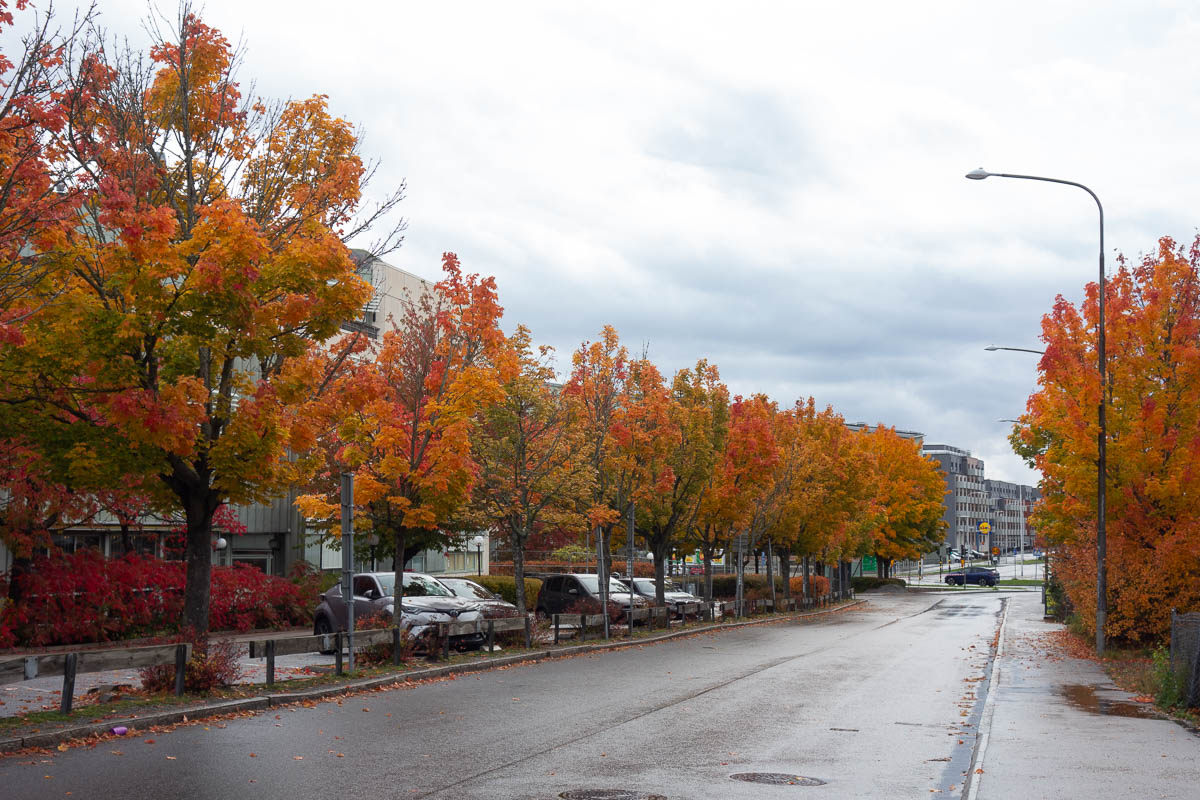
Three days ago, the trees were at the peak of their autumn glory. After a windy weekend, today it’s all gone.

Ingrid’s workload at school is very intense. There is a never-ending stream of test after test after test, often two or three per week. She spends several hours studying every night – and the moment she can put one test behind her, it’s time to start cramming for the next one. It’s much more stressful than adult working life – I can spend most of my days producing actual work, instead of constantly focusing on proving my value.

Even subjects like psychology and philosophy have been turned into cramming subjects. Back in my day, I took philosophy as an elective course in high school, and I remember spending most of our time in debates and discussions. Things like the trolley problem, or “a hospital is on fire and none of the patients can get out on their own, whom do you rescue first?” and so on. Whereas Ingrid, instead of discussing existentialism, gets to cram and regurgitate facts about it. How to kill all students’ interest in a fundamentally fascinating subject in three easy steps. It’s like anti-philosophy, actually.

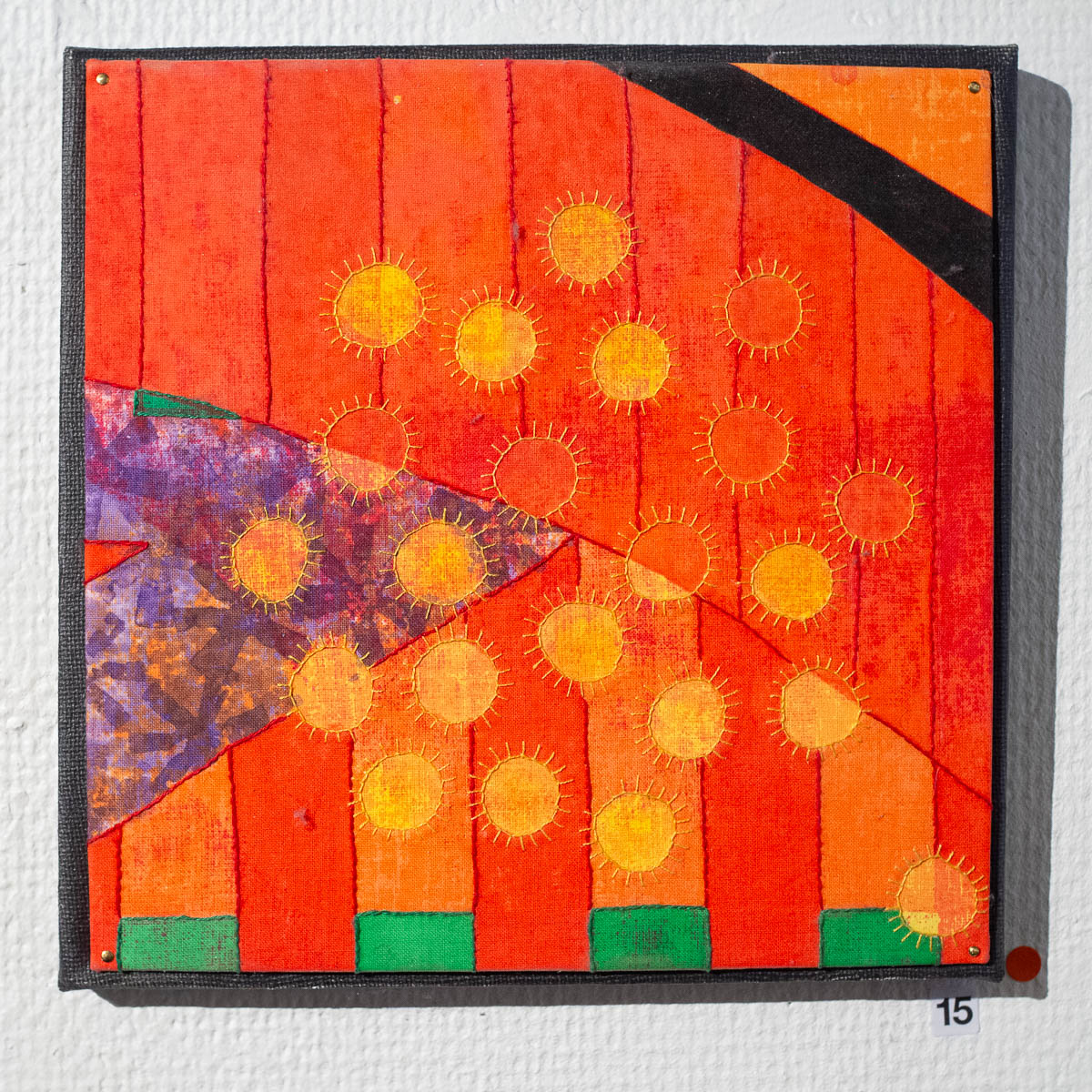
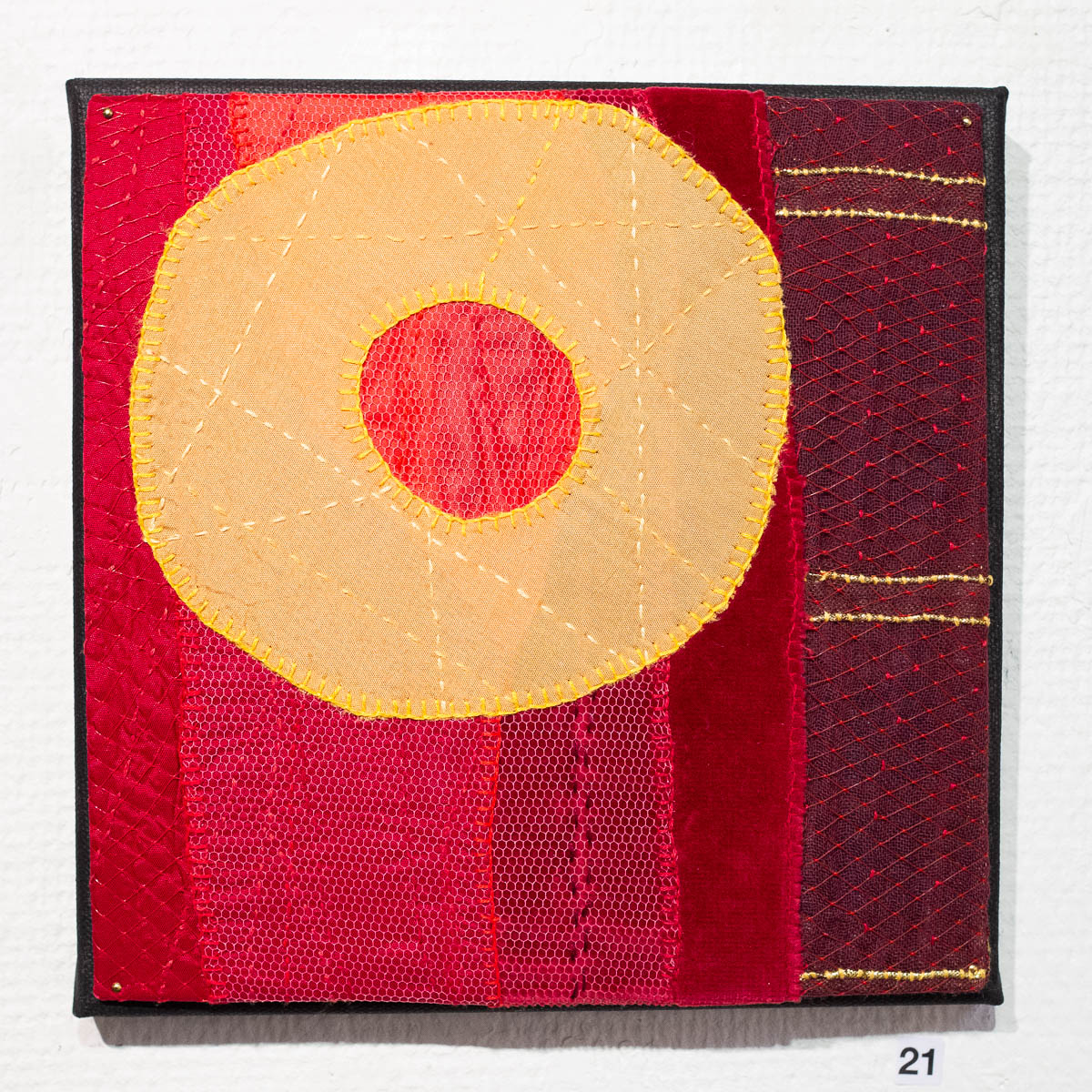
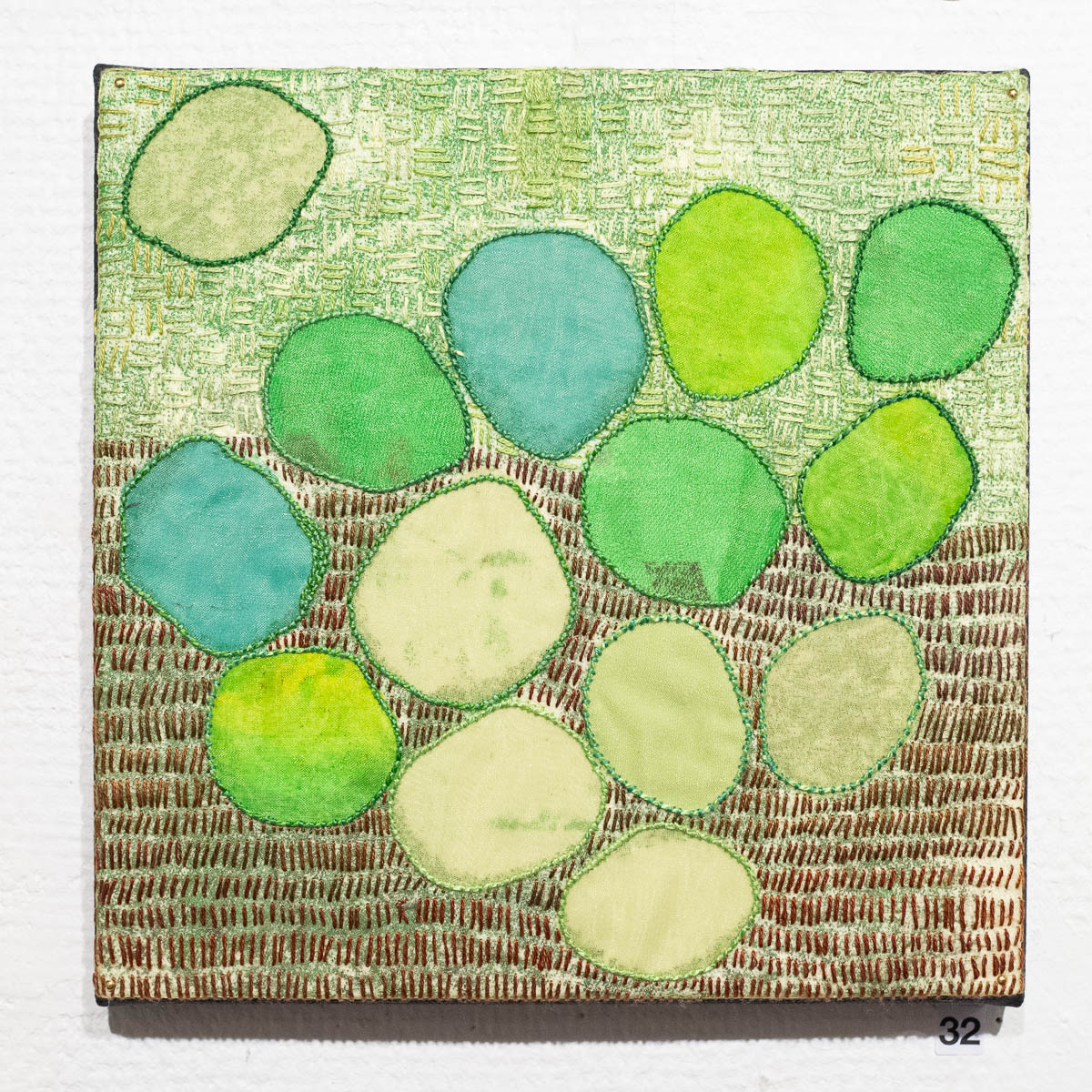
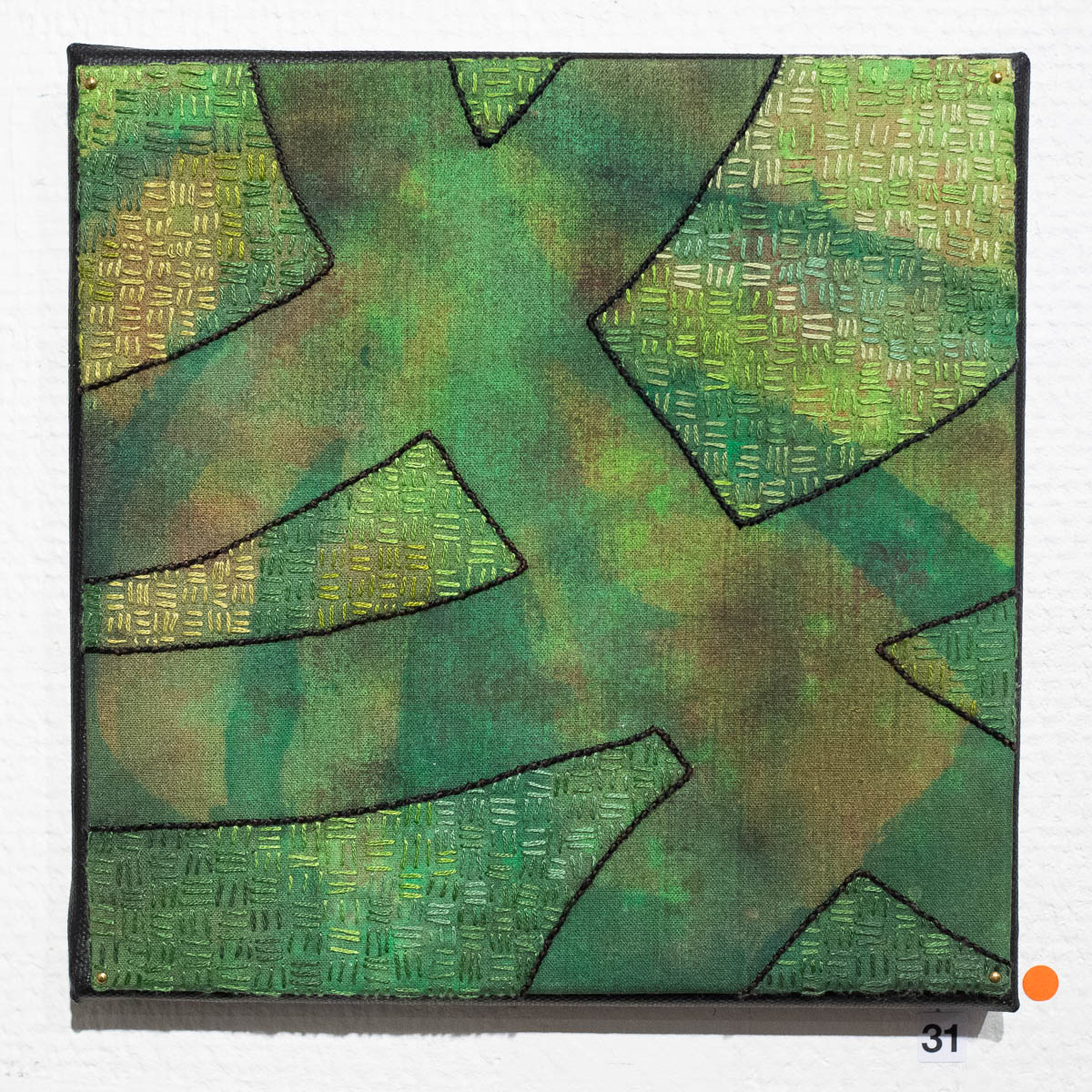
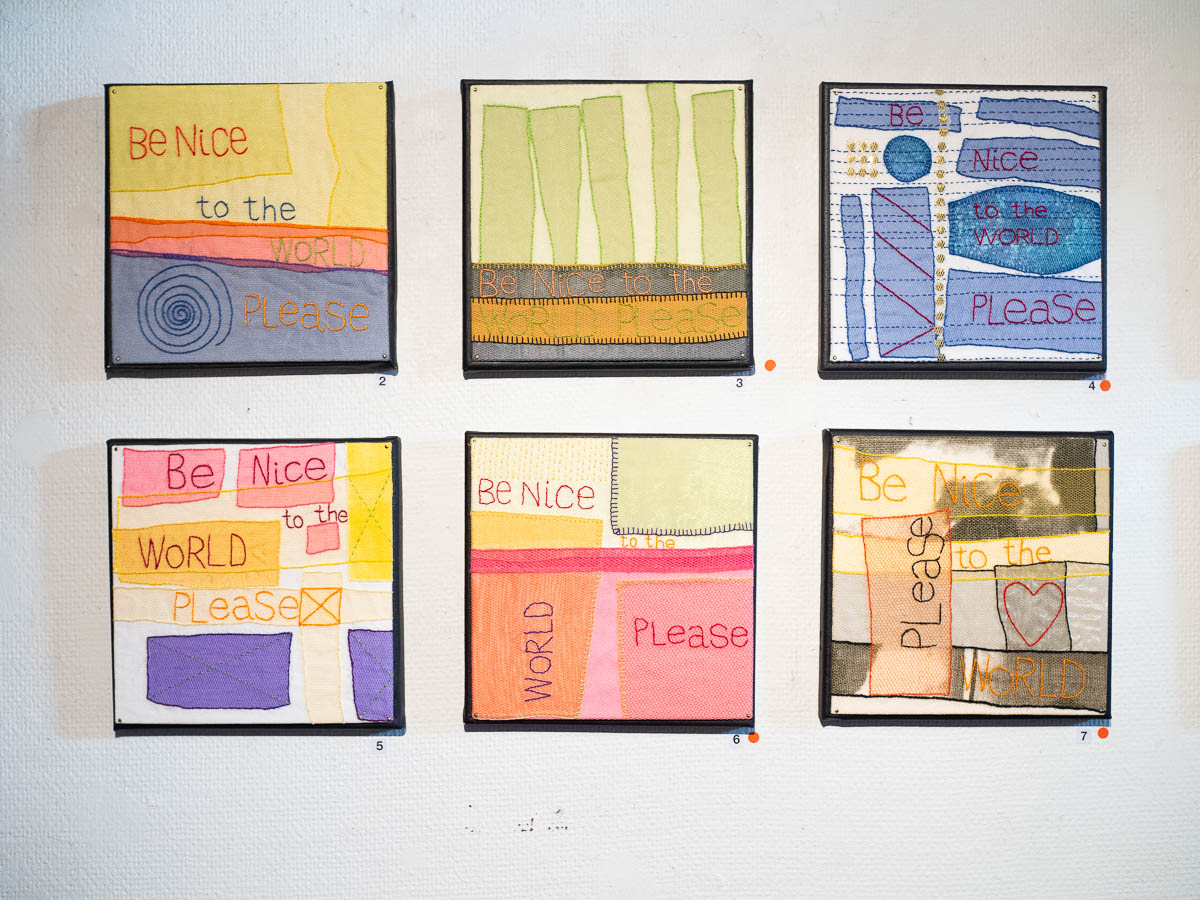
Visited an embroidery exhibition at Husby Gård community centre.

It’s so close to Spånga and so close to my interests but I had no idea it was there, until one of the other members of my Thursday embroidery club told me about it. Today was the last day of the exhibition, so the artist herself, Lena Larsson, was there.

I liked her bold use of colour, and the way she layered fabrics for depth. And the shapes, simple but not strict. Also all the hand-printed fabrics.


All her works (except one) at this exhibition were the same size, so it gave a very coherent impression. Most were grouped by colour theme – the red works, the green ones – and I wondered if she had planned them that way, but she said she’d made them without any such plan and grouped them afterwards.

There was one set of works that clearly had been made to belong together. I like the idea of realizing the same idea in multiple different, but coherent ways. I should do that myself.

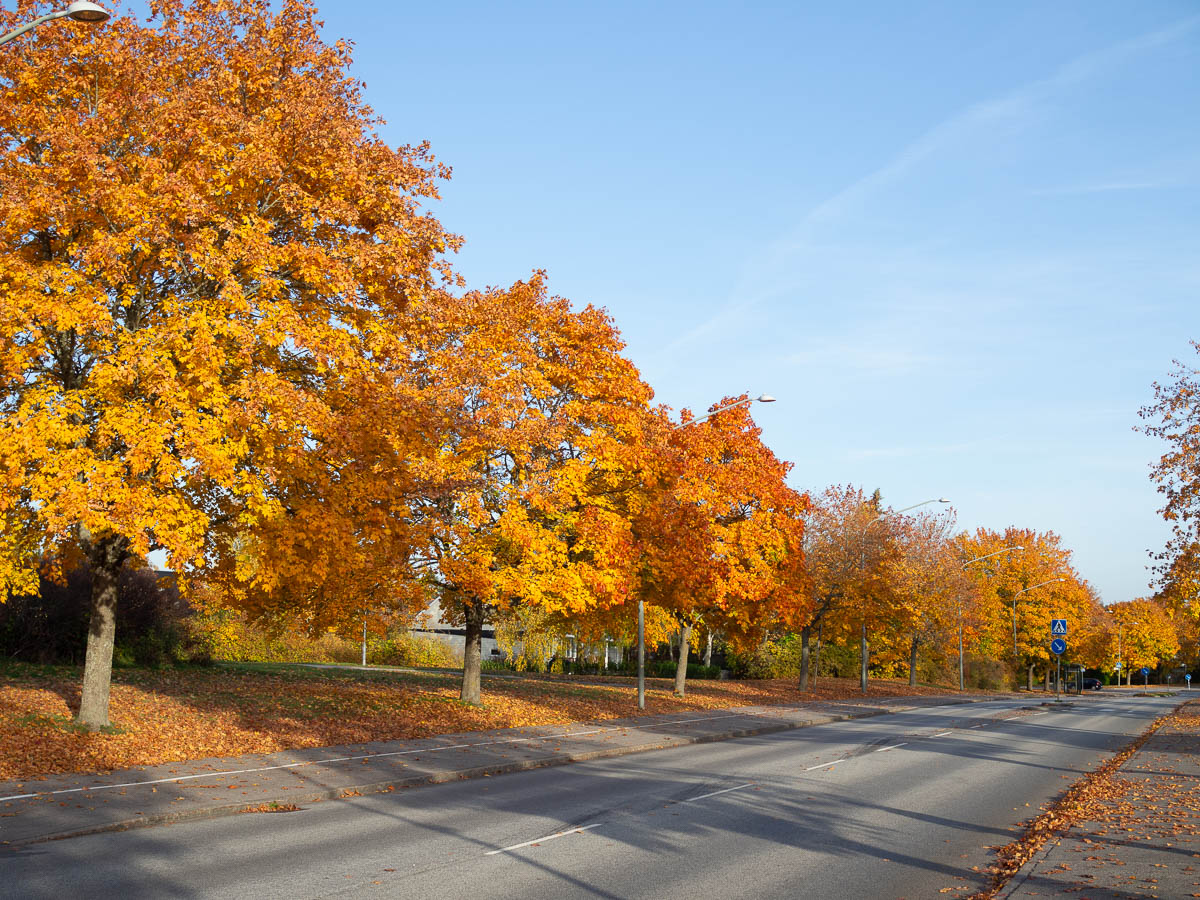
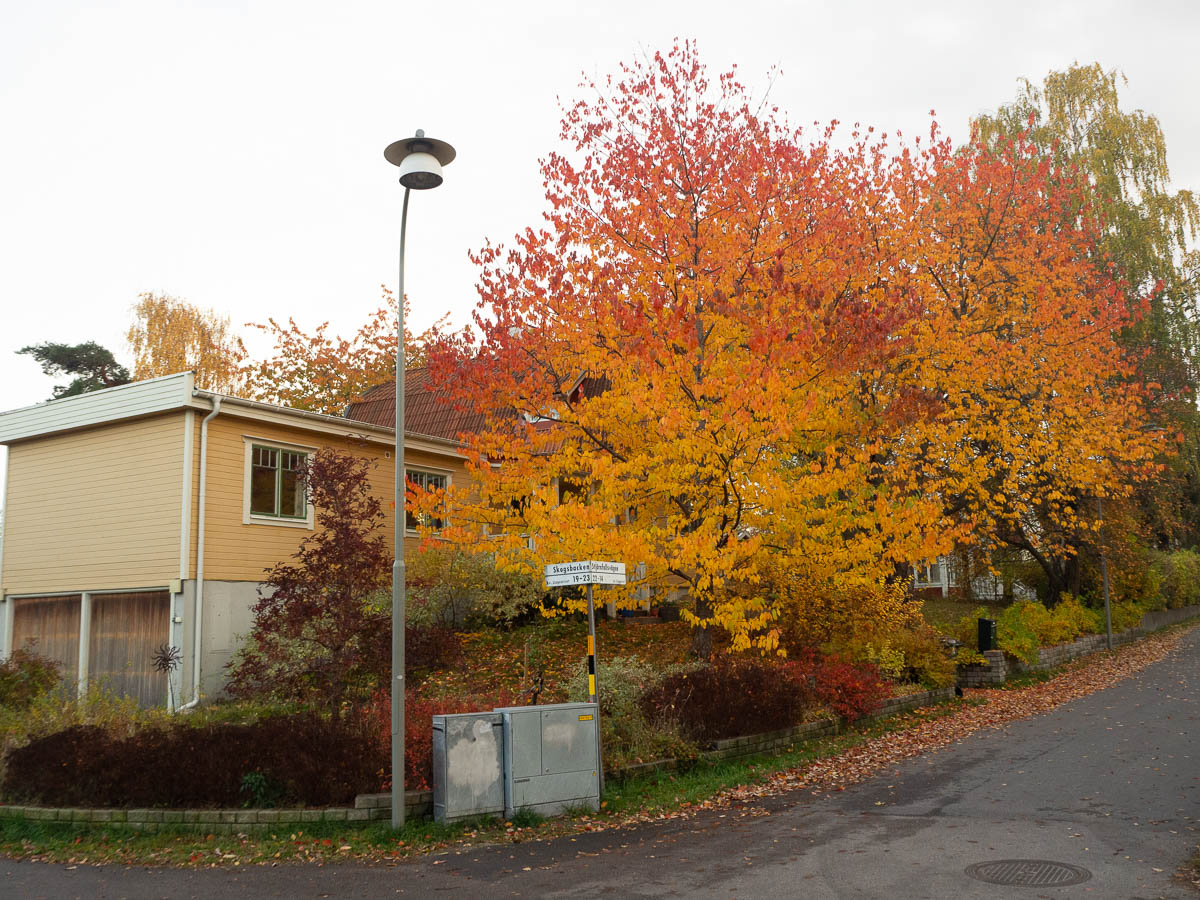
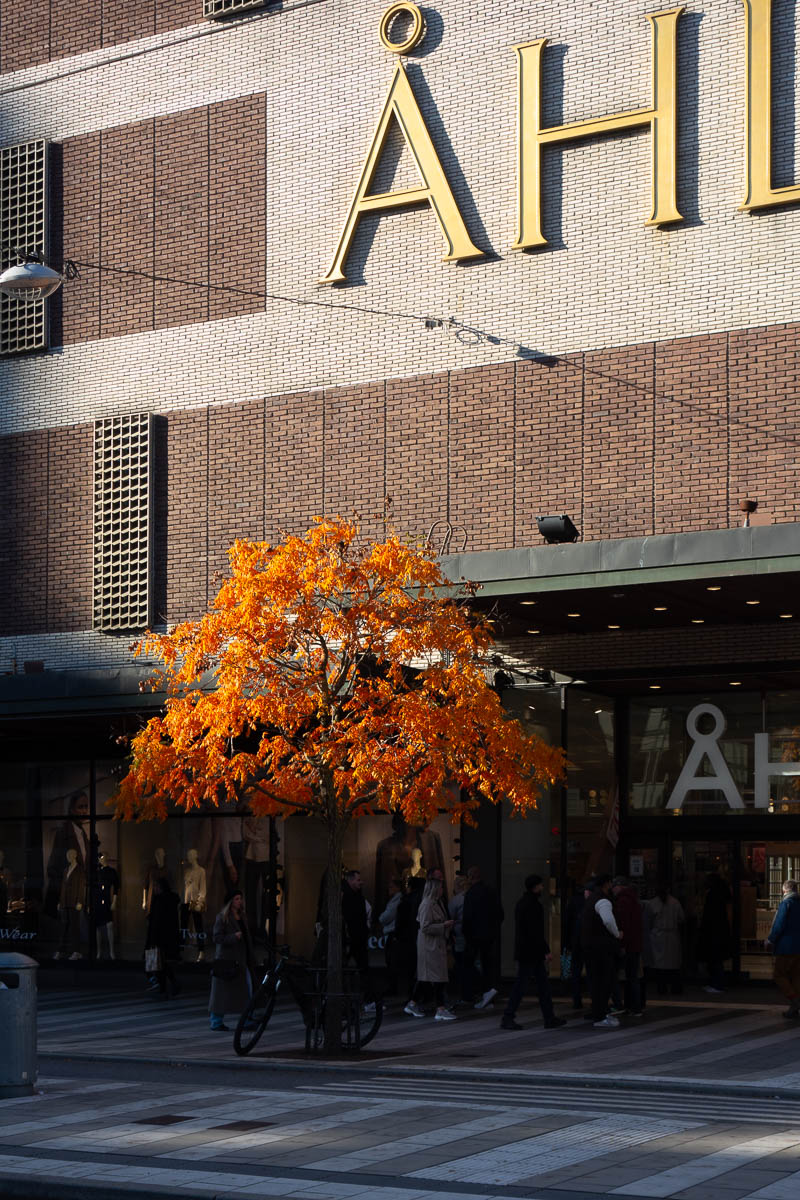
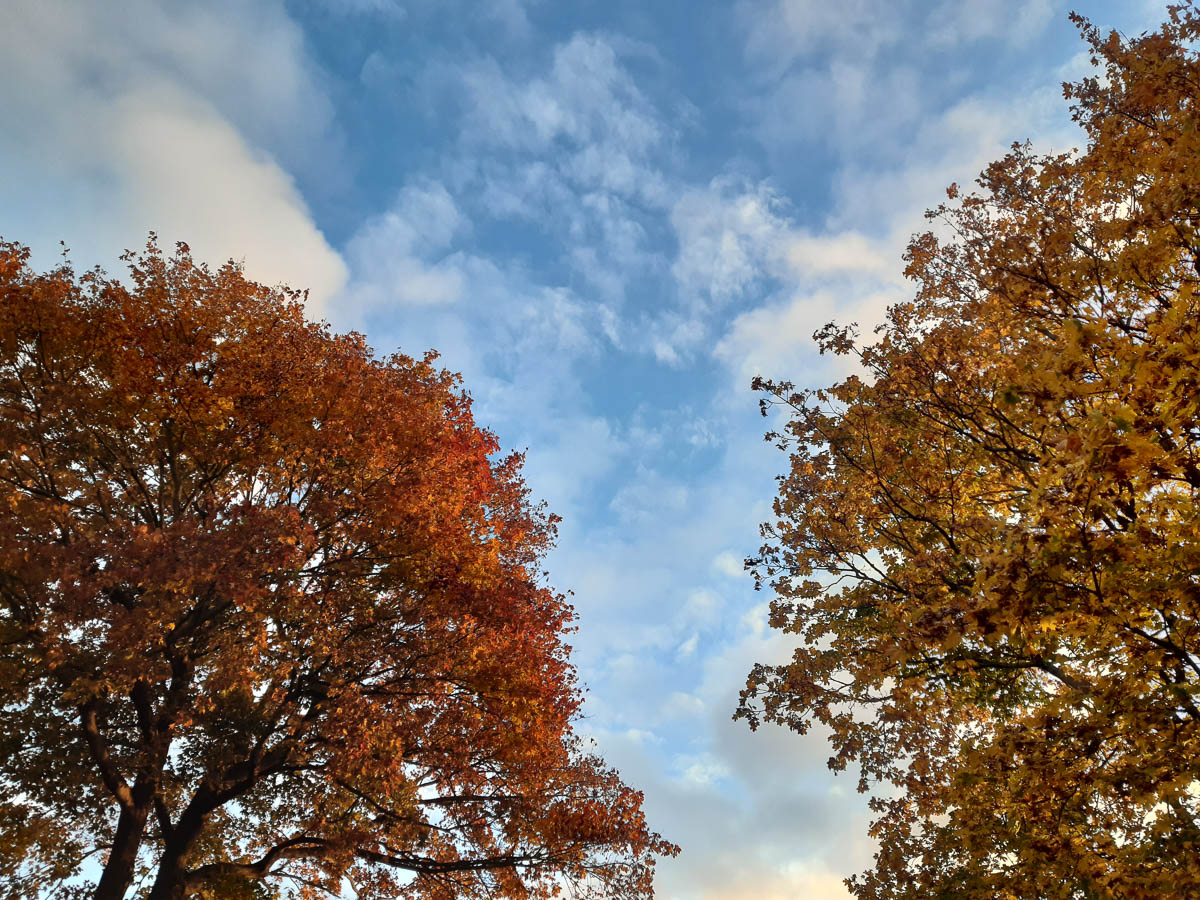
More happy pictures of glowing autumn trees. They’re almost luminous.

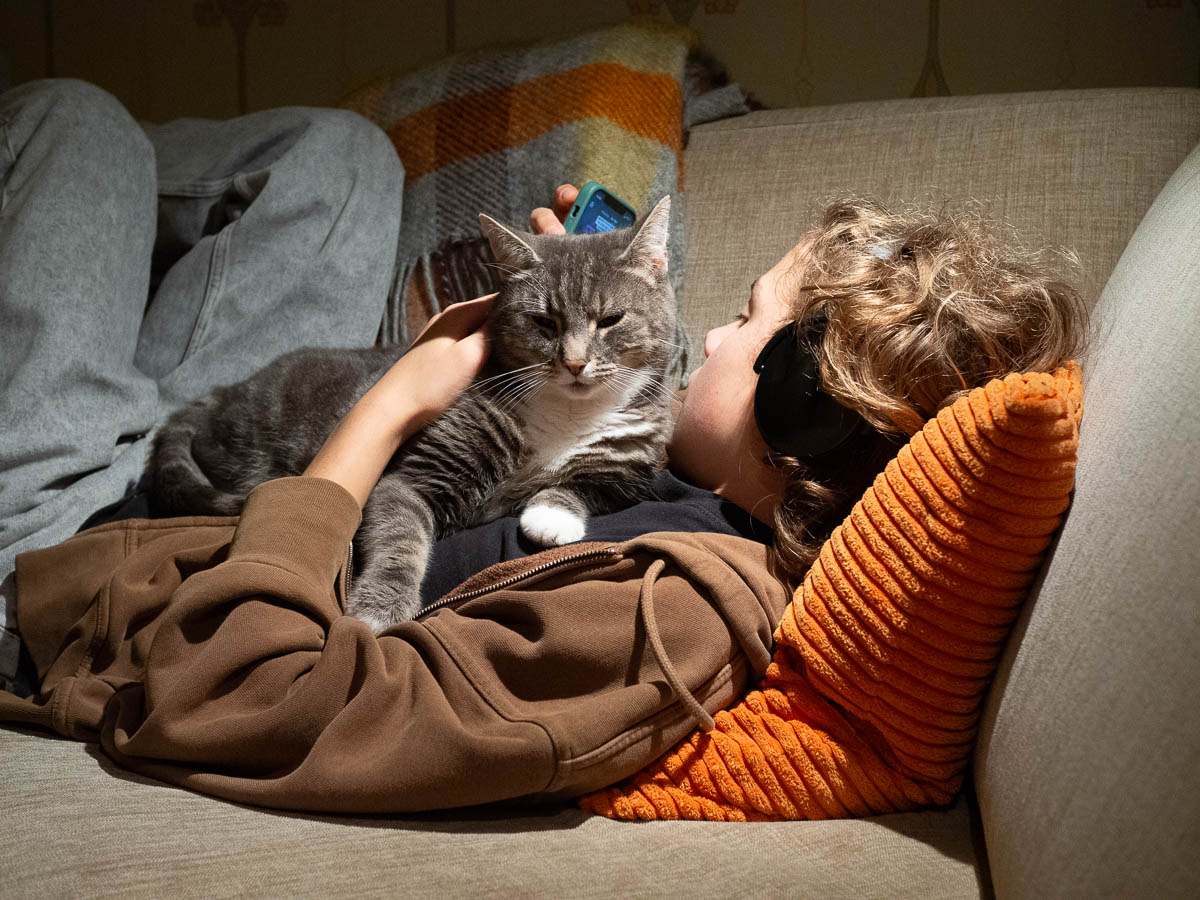
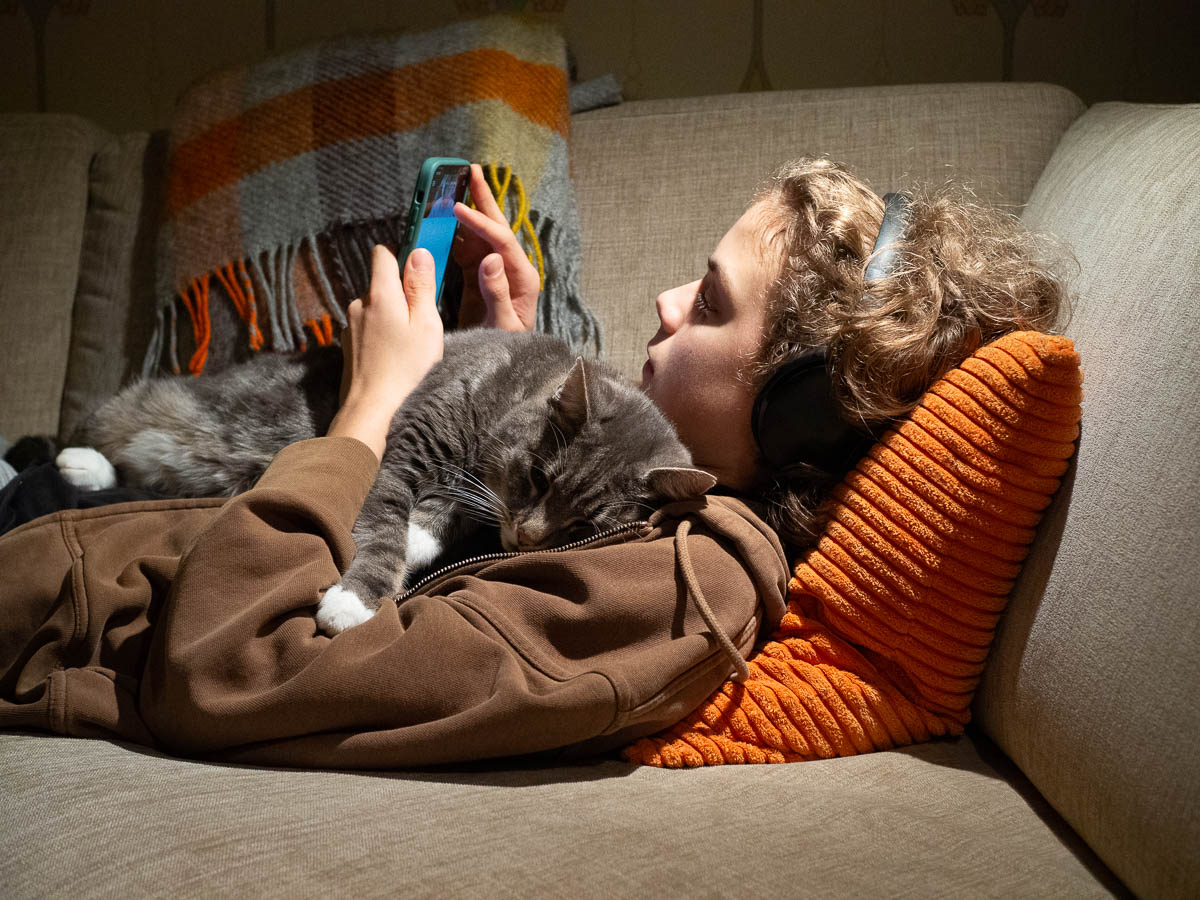
Look who came by and did not leave as soon as he’d checked Nysse’s food bowl! Cuddly Morris is back!

He did start by checking the food bowl, but then walked towards the sofa with a very goal-oriented mien, jumped up, and settled on Adrian’s chest. He stayed upright and alert for a while, but actually relaxed enough to lie down after some time.

Me holding a talk about how to survive when you’re thrown into a super messy code base. With a sample size of two (Urb-it + Sortera) I must surely be an expert, right?

The talk was originally about being thrown into legacy code, but having had an intense philosophical discussion this morning about what actually constitutes legacy code, and not wanting to invite a repeat of that discussion during/before/after my talk, I renamed it.

The talk was well received. As a consultant, your assignments will involve messy legacy code more often than not.

There’s no recording this time, but here’s a very brief summary of my five-step approach:

  1. Learn the code – read it, draw it, play around with it
  2. Clean it up – fix typos, warnings, dead code, etc
  3. Set up a safety net – nullability, types, end-to-end tests
  4. Bigger refactorings – making sure to finish one before starting another, to not leave the code in a worse state than it was before
  5. Don’t forget about the people – talk to your users, celebrate your successes

We had a team lunch with the Sortera team today, and walked from the office to the restaurant, with nice views along the way.

During dinner, our project manager – very clearly the most “people person” among us – kept the conversation interesting by throwing out questions. One of them was: what major event in your life has affected it the most?

Lives are, of course, full of pivotal events that make it change course. Had I gone to a different university, things would be different. Had I not met Eric, had I taken a different job, had I not quit my finance job for software engineering, had I not moved here and there – all of these changes would have ensured that I end up in a different place.

However, with all of those counterfactuals I can still imagine what life might be like. But there is one event so pivotal that, had things gone differently, I cannot even realistically picture how my life would be, and that is moving to Sweden.

The move was not my decision – I was only fifteen at the time and it was more or less just decided for me. I didn’t fully realize it at the time, because I wasn’t thinking in such terms, but the move was traumatic. As a teenager – a sensitive time in life – all of a sudden leaving behind my father, all my friends, what little extended family we had, everything that was familiar. New town, new country, new language, new school system, new teenage culture, new everything. And that in an era without internet or email or video calls or even normal phone calls back to Estonia (because international phone calls were prohibitively expensive). I remember regularly collapsing on a bed and sleeping for a few hours after getting home from school in the afternoon, because it was mentally so exhausting.

I coped, and I managed, but that one change has surely coloured everything that I have done since. Without it, I imagine would have lived a much steadier life. It took many years for me to feel fully confident and comfortable in Sweden, to stop feeling like an outsider trying to fit in. Plus for years we only had temporary residence permits, to be renewed every year or two, so there was always the threat of potentially being uprooted all over again and having to start over. And there was nobody to lean on. I had friends at school, but they were all new and thus superficial relationships, and I didn’t feel that I had much in common with most of them. I was very alone. I don’t think I can even pick out all the ways that this fundamental lack of security and support has affected my choices later in life.

There’s no control group to compare to. Have the challenges made me stronger in the end? Or would I have grown more if I’d had stable ground to stand upon? Who knows.

The move did of course broaden my horizons. One move led to another, and another – I spent a term in Belgium as an exchange student, seven years working in London, and months New York. I’ve travelled more and experienced more than I would have done if I had remained in Estonia. I doubt that I’d have climbed the Kilimanjaro, or gone diving in the Red Sea, or seen Yo-Yo Ma live in concert.
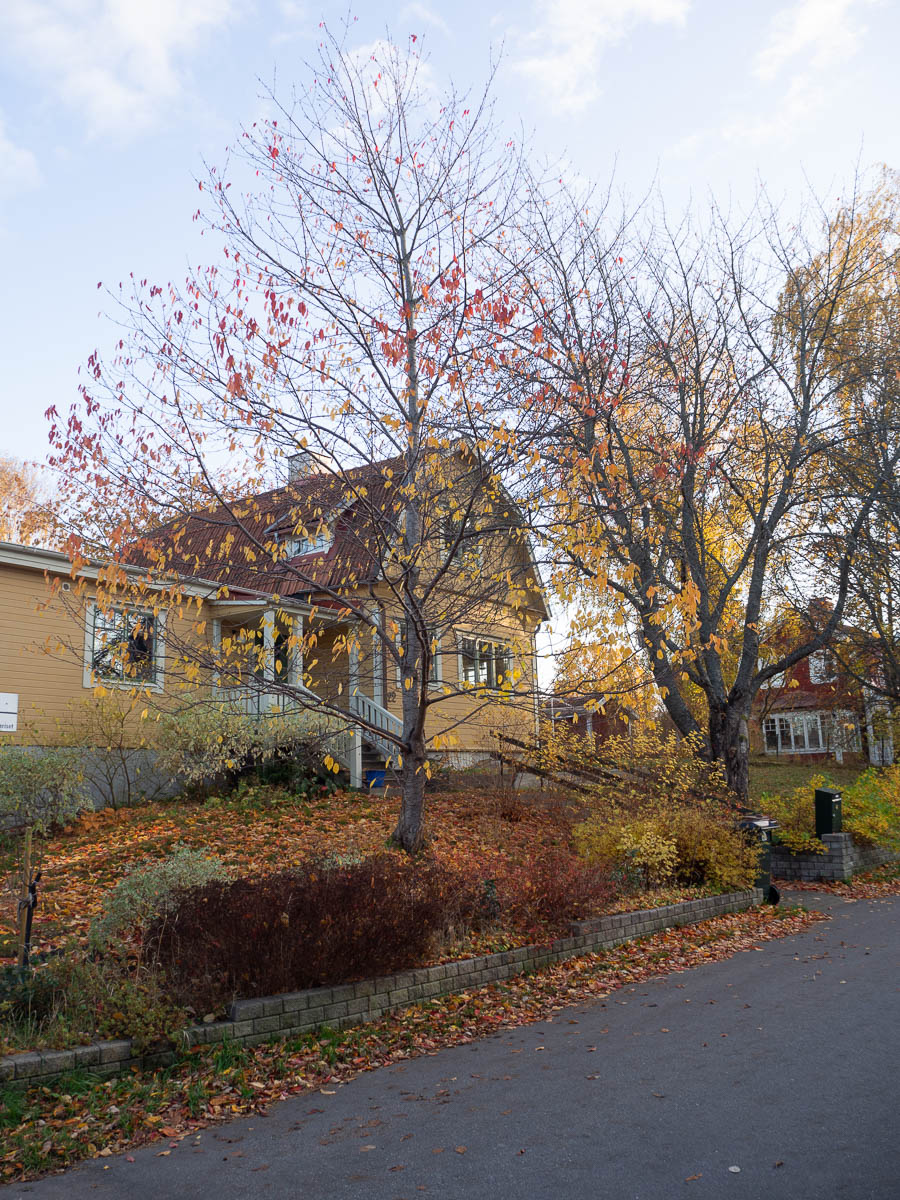
Trees in their full autumn glory everywhere. Cherries and maples are the awesomest.


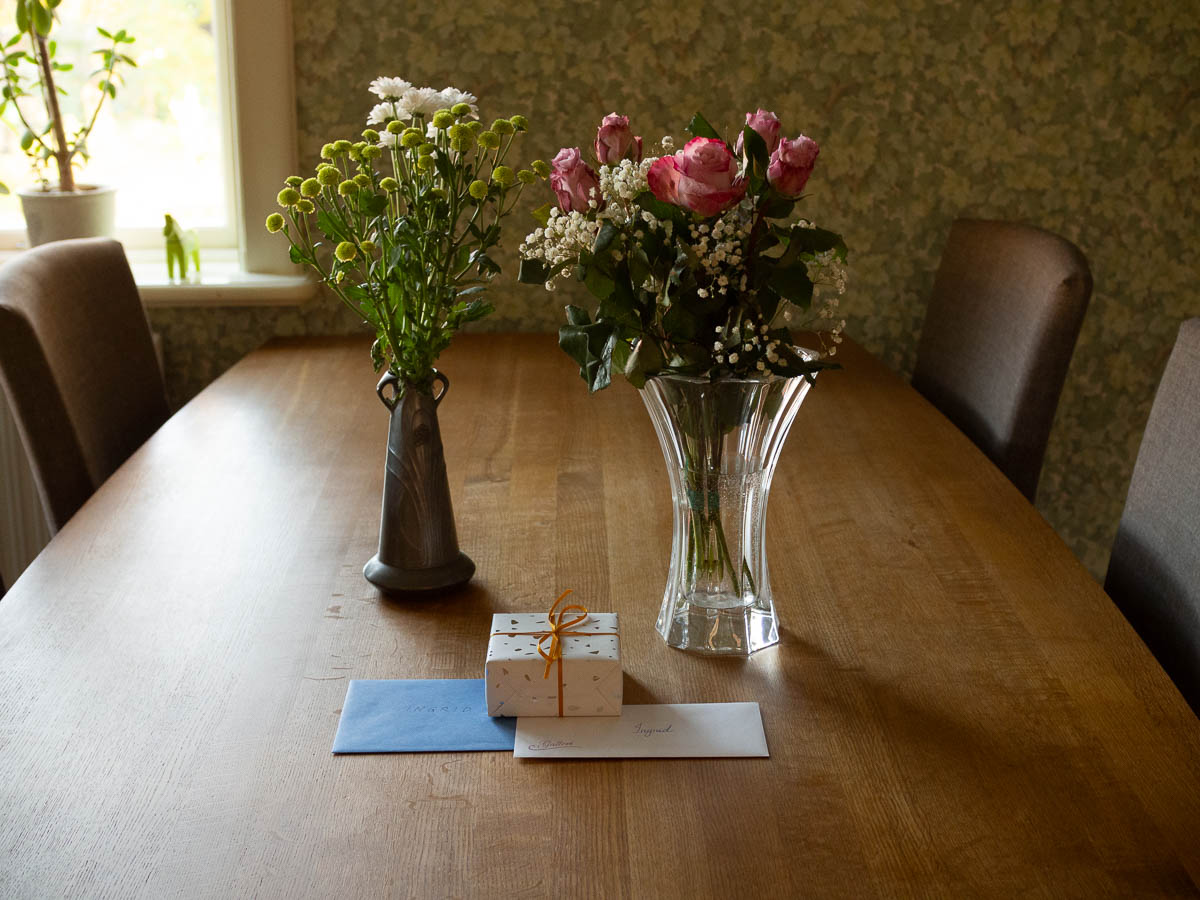
Ingrid turns eighteen today.

She is technically an adult now. She can vote now, get married, take any job, get a driver’s license, order alcohol at a bar, and more. When that felt overwhelming, I reminded her that she is still only just one day older than yesterday. She’s allowed to be a teenager still.