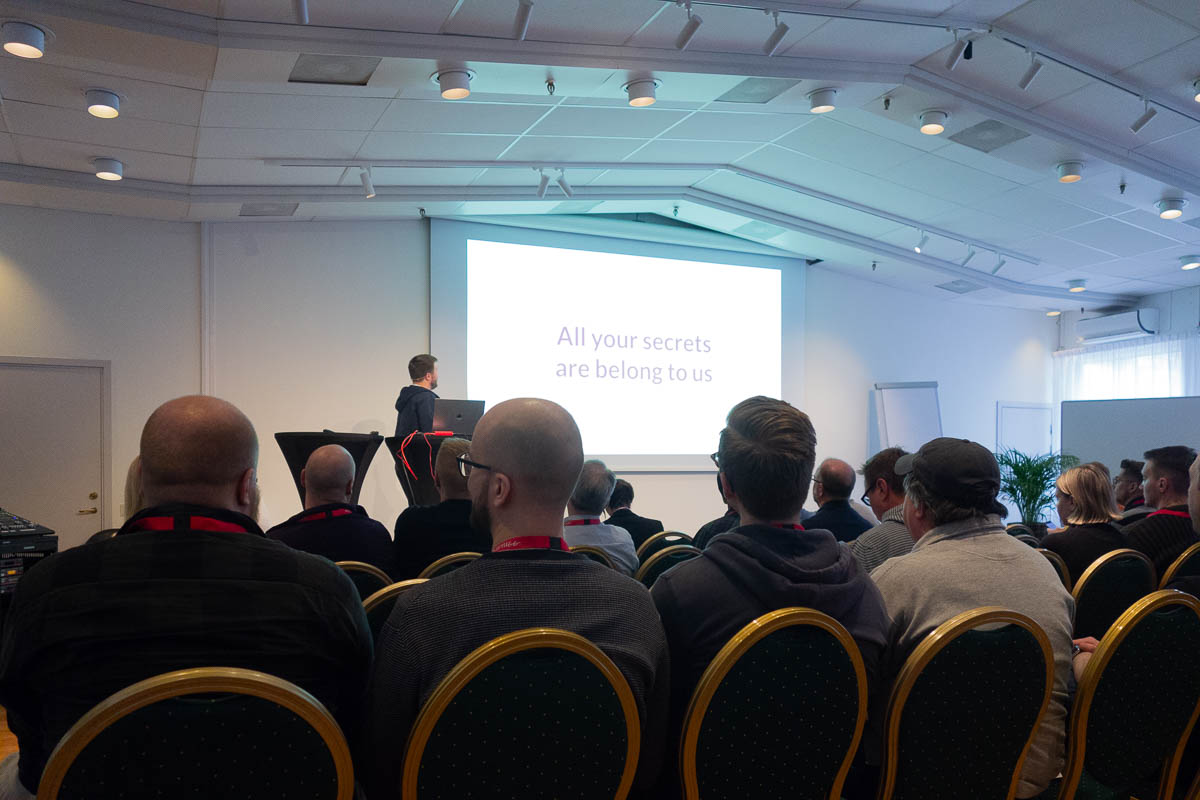
We filled the last, ninth square in our stitch sampler, with latticework. This could be a lot more elaborate, but I think I’ll be leaving it as is.

After the pleasure of making this, the main point of all these squares will be to remind me of all the possibilities.


For the first time in years, I took the time to go to a developer conference. The schedule looked like it would give me at least some sessions of value or interest both days, and the conference is in Stockholm so at least there’s no travel involved.

It was better than expected, even. The sessions that sounded good, were – and those that sounded possibly slightly promising, were better than that.

Among the most interesting sessions were two about ChatGPT – one about how it works under the hood, and one about how to get the most out of it, using prompt engineering.

The first one should be required listening for all the bloggers and journalists out there who keep saying that if we just keep making ChatGPT stronger and better, it will reach actual intelligence and truly understand the answers that it gives. ChatGPT is entirely and only about word prediction. Not even words, but character sequences, shorter than full words. Given these words, what is likely to come next? We saw actual live demos of an earlier version of ChatGPT running locally on the speaker’s computer, and he demonstrated how tweaking specific parameters will make ChatGPT more “adventurous”, i.e. more likely to vary its word sequence from the most likely, or more “conservative”, i.e. more likely to use the most common next word. Given “The cat sat on the…”, pulling the controls in one direction would make ChatGPT always continue with “floor”, whereas pulling them in the other increases the likelihood of getting “bed”, “table”, “shoulder” etc instead.

The second one taught me, for example, that instructing ChatGPT to provide step-by-step reasoning for whatever its conclusion is, makes it more likely that it will reach the correct conclusion. And sometimes you can get better, more detailed answers if you offer it money. In the source material that it has processed and is regurgitating, money leads to better work, so it behaves the same.
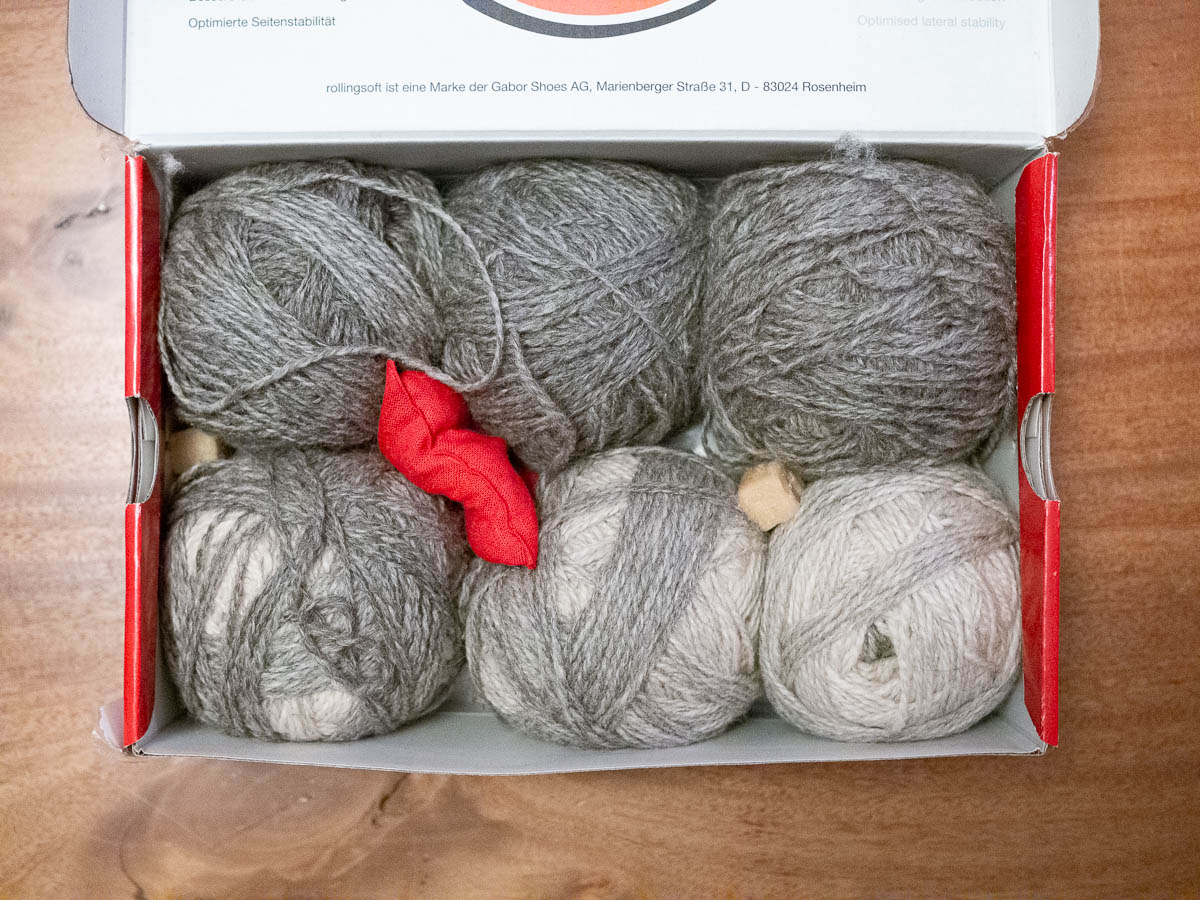
I bought more yarn on the internet. I was going to hold out until I can go to the crafts fair and can touch and look at what I’m buying, but this was just there and looked good, so I thought – why not?

Turns out that you need even more than looking and touching to check what you’re buying. This yarn turned out to smell, with a sharp, chemical odour. I asked the seller about it, and they said that the yarn had been musty after a a long while in storage, so they’d put it next to a toilet freshener block for a few days. Well, it definitely doesn’t smell musty any more.

I’ve squeezed in a lavender pouch between the yarn balls, and that plus just general airing might get the odour out, but I suspect I’ll end up having to return it. Who the hell would want their knitwear to smell like toilet cleaner?


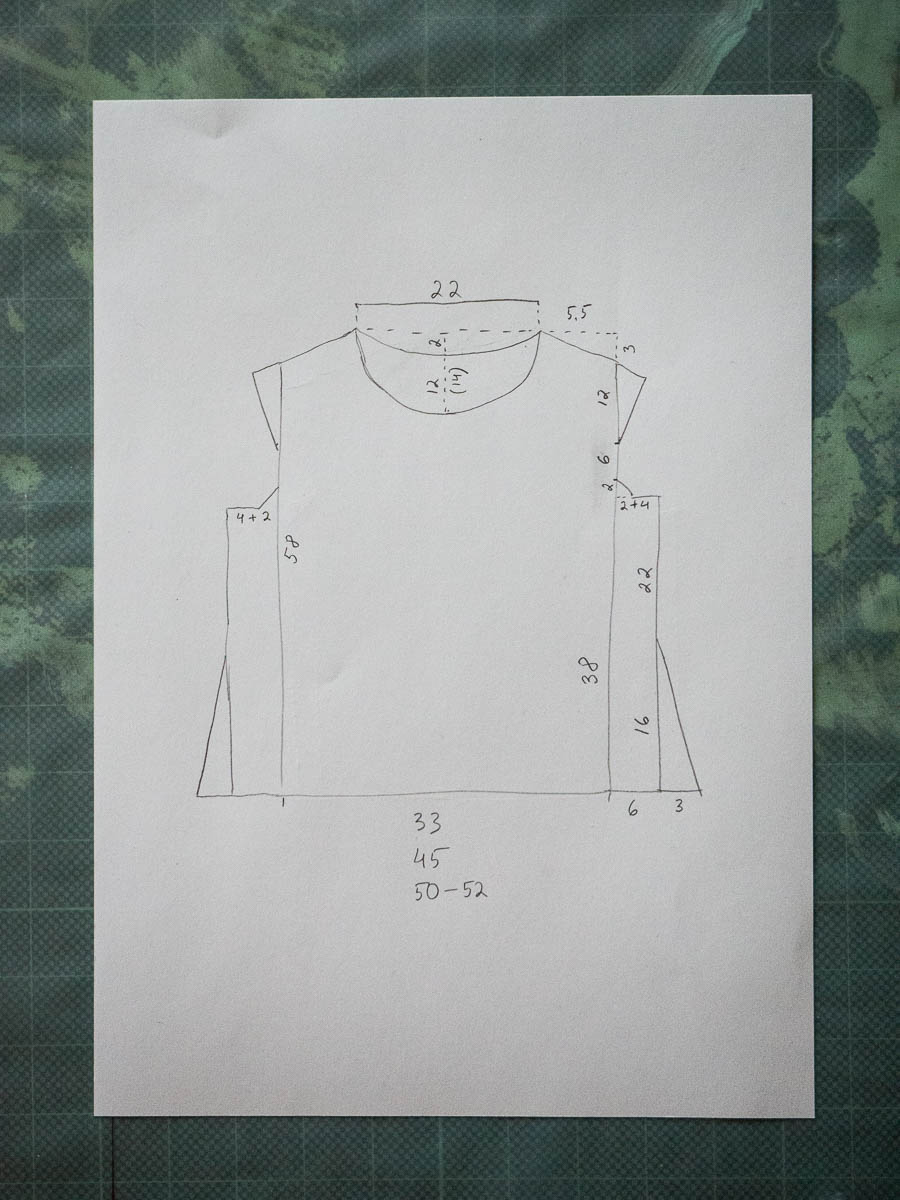
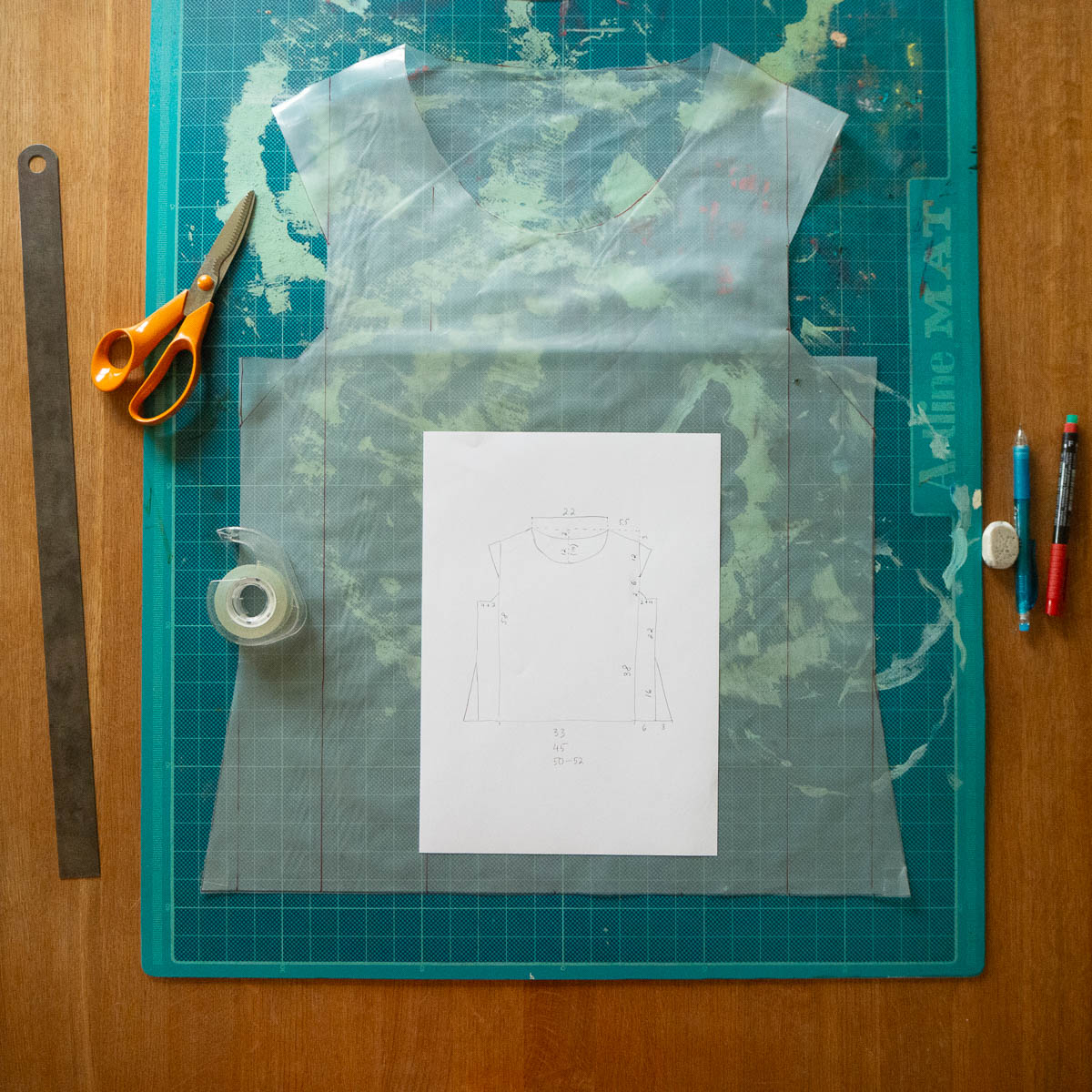
Planning the details for the “sweater with the funky yarn”. I couldn’t find a pattern that I liked, so I’m making it up myself based on bits and pieces of different patterns.

Sewing patterns can have curves all over the place, for armholes and sides and necklines and what not. But knitting patterns ultimately tends to boil down to straight lines and triangles. Making things fit is about adjusting the angles and lengths of those lines. “Decrease x stitches on every n:th row”, and you just pull those numbers up and down to fit.

For a curve, you just need many short, straight, angled lines after each other. Knitting is inherently made up of discrete stitches, after all. Even if it looks like a continuous curve, it isn’t. You want a neckline curve? It’ll still have to be broken down into “decrease 10, then decrease 7, then 4” etc. (I’m postponing thinking about the details of this neckline for now.)

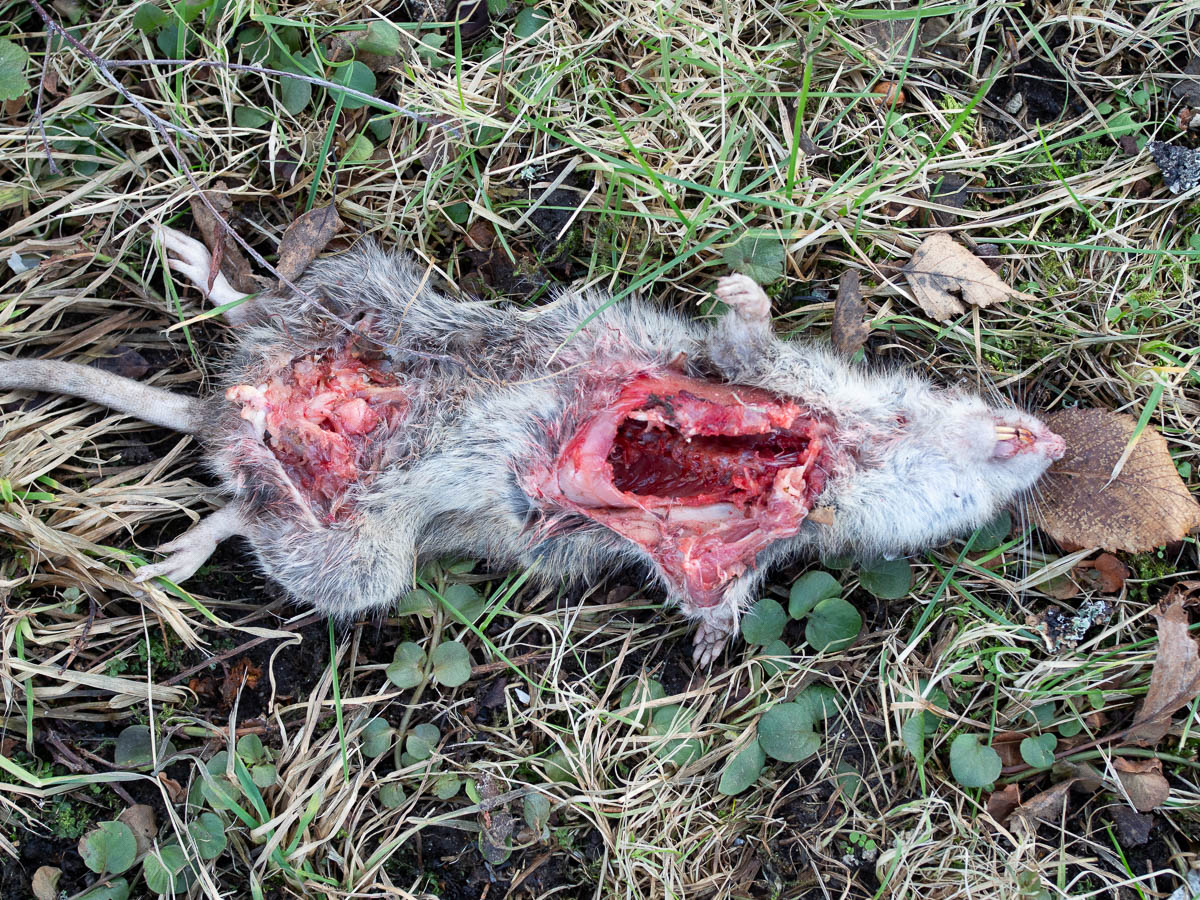
Someone killed a rat and got interrupted before eating it. Or perhaps they only wanted the best bits, that is, its heart and lungs? In any case, they left the rest of it in our garden.

I’m sure it won’t be here for long.

Click to view the dead rat.


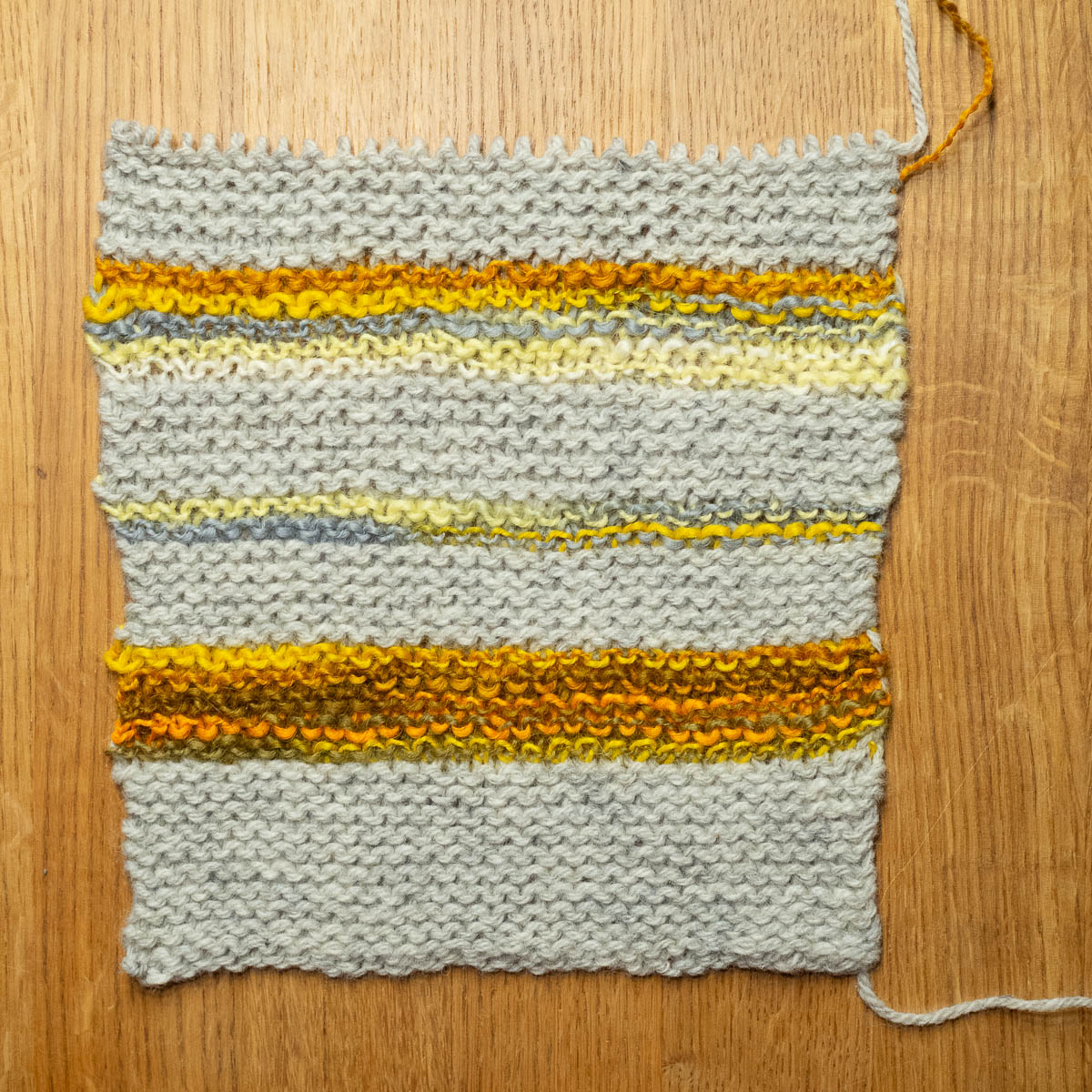
Went to my favourite yarn shop and bought some undyed wool yarn to combine with the funky one. I think this combination might work out.

The yarn weight isn’t a perfect match – the funky one takes up more space than I expect based on its looks. With the same needles for both, the funky one bulges out a bit. I could try and buy more varieties of gray wool yarn from the internet, until I find a better match, or I can just make do. For the top half of the swatch I tried using 4 mm needles for the funky one and 4.5 mm for the gray one, and that looks pretty even.


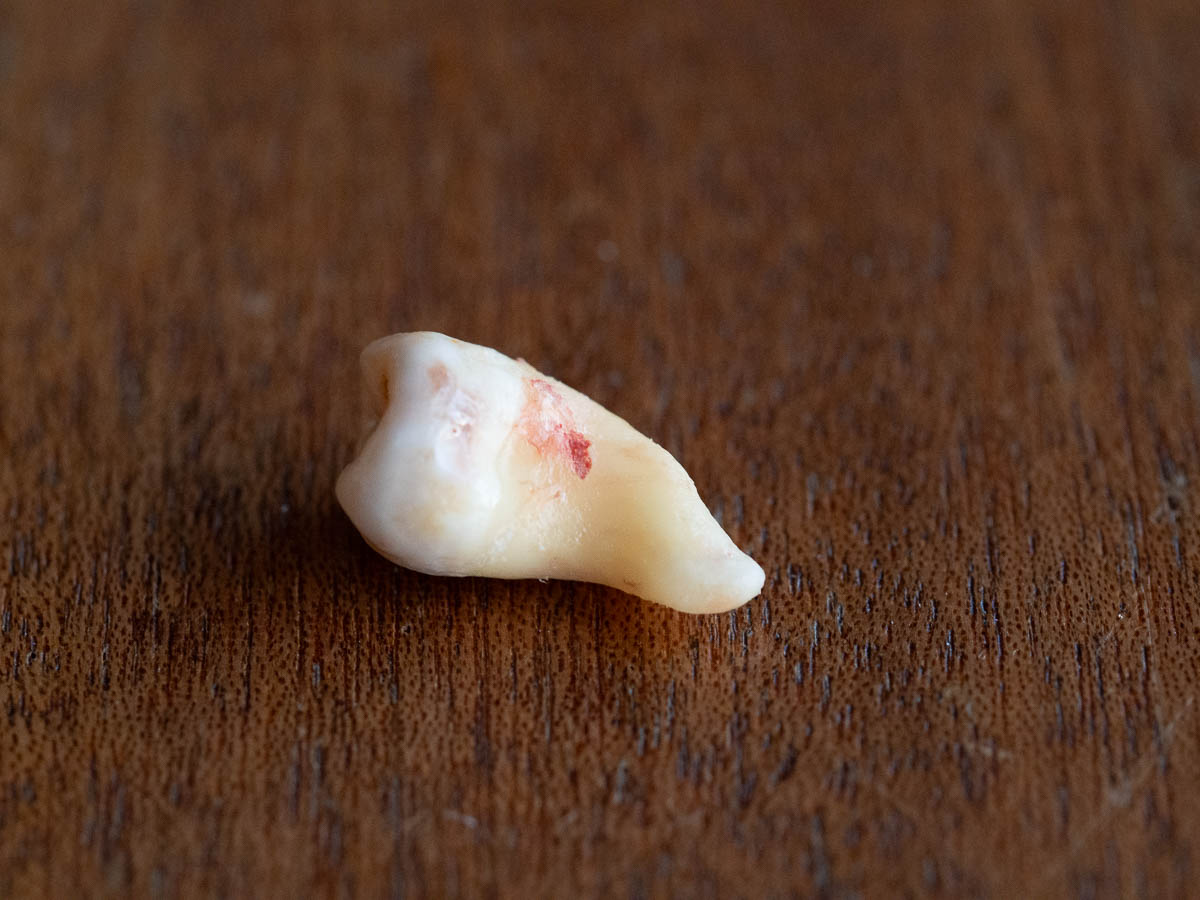
I removed a wisdom tooth today. Top left. It had no partner at the bottom left, so it was growing down beyond the normal line of teeth, which was apparently bad for its roots and those of its neighbour, so it had to come out.

I was expecting pain and suffering, and there was absolutely none of it. Local anaesthetic, some mild discomfort at the corner of my mouth due to the angle of access, a few hours of numbness, and that was it. The printed care instructions had several bullet points about painkillers, and what to do if over-the-counter ones aren’t enough, and I didn’t feel the need to take anything at all.

The dentist’s assistant offered me my tooth and I wasn’t going to say no. Although I doubt the tooth fairy will give me a coin for it. Looking at it, it barely has any roots. I guess it really was ready to come out.