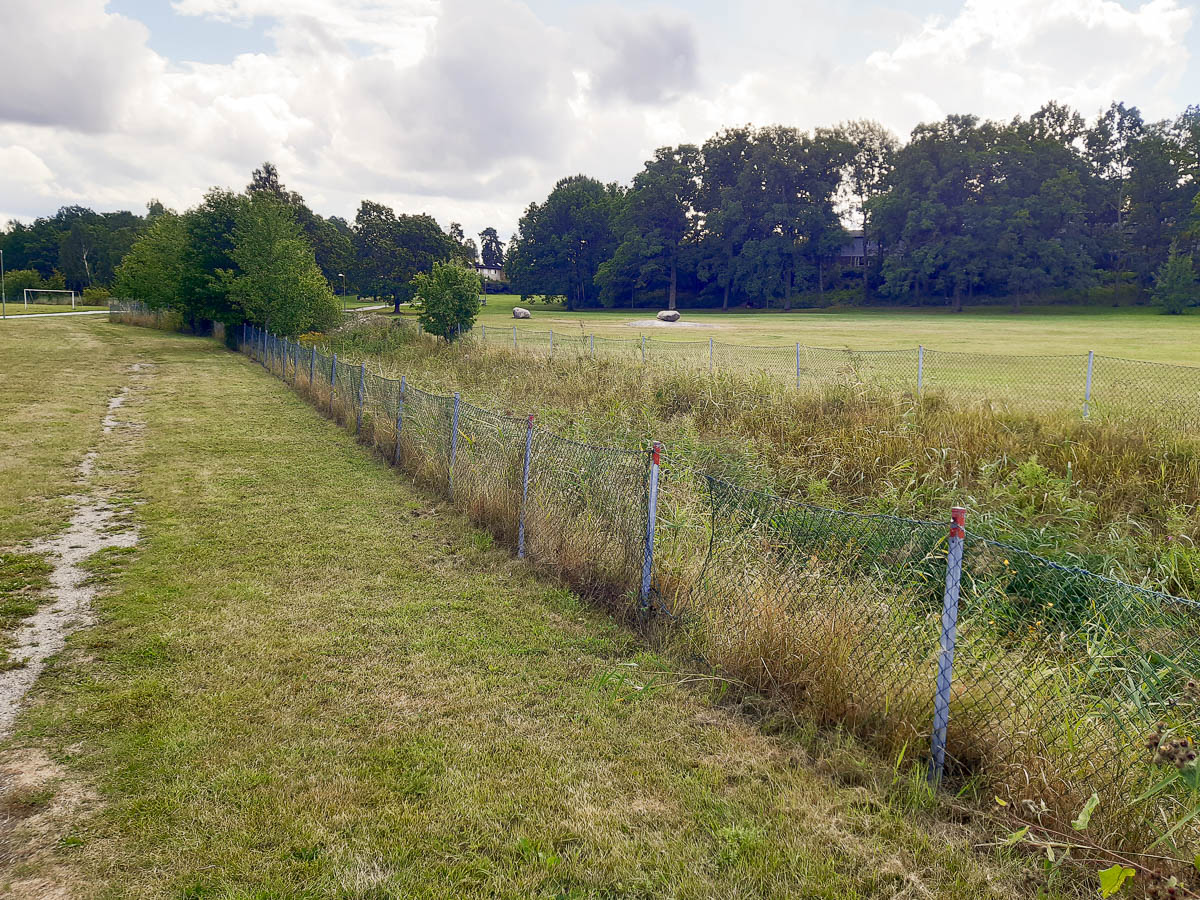
Back to work today.
I lost my daily workout routine during vacation. Starting it up again with daily vigorous walks to begin with.
Back to work today.
I lost my daily workout routine during vacation. Starting it up again with daily vigorous walks to begin with.
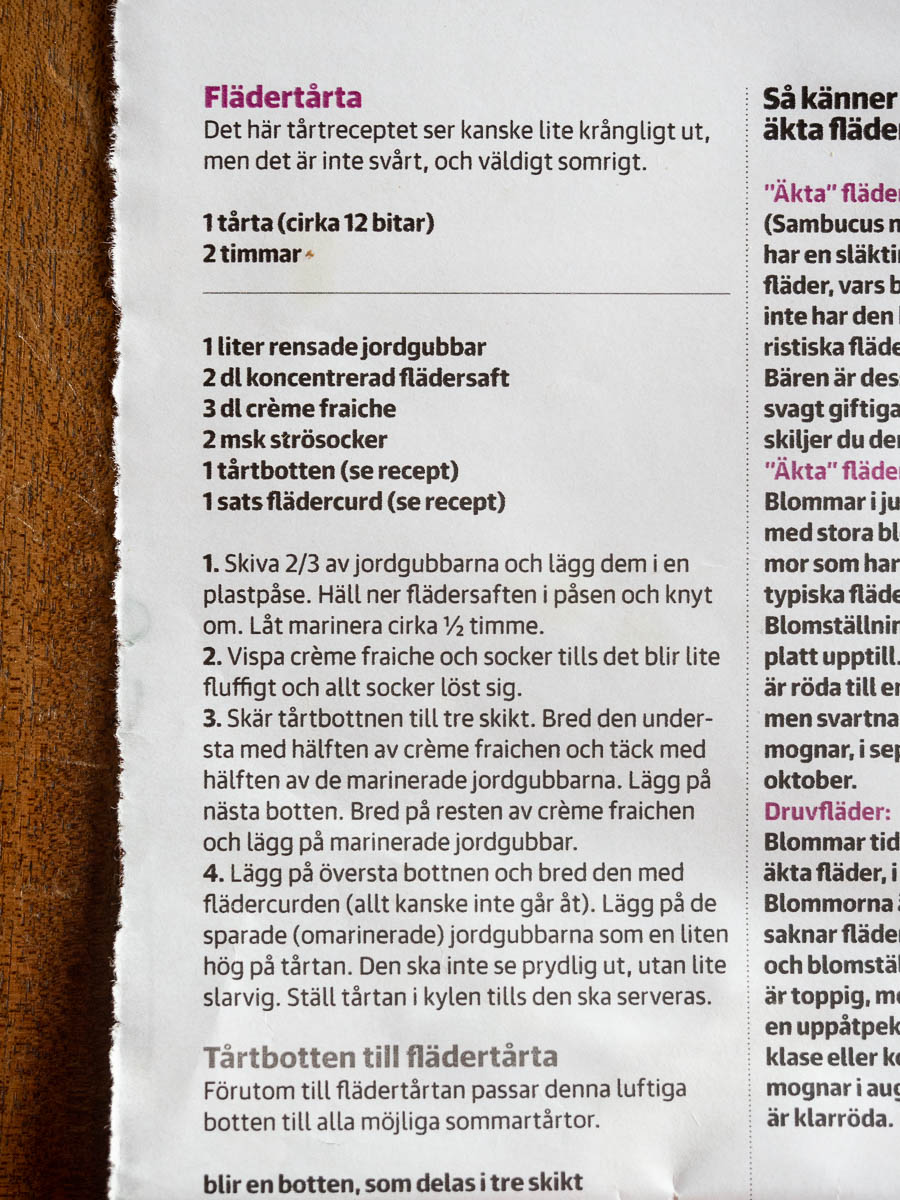
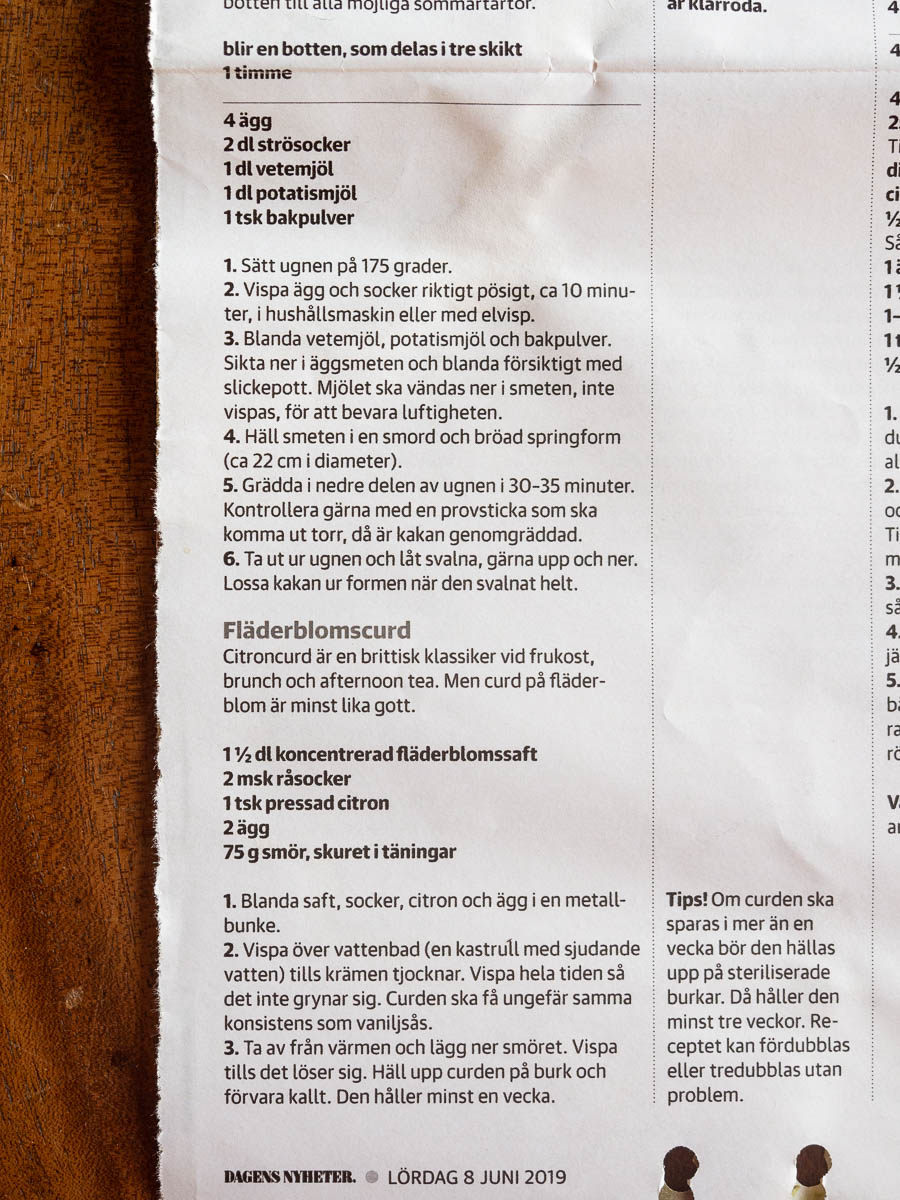
I didn’t take a proper photo today, but I did photograph a cake recipe – the strawberry and elderflower one we’ve had for Midsummer a few times – to send it to my mum, in return for the redcurrant cake recipe. So I guess I could share those with you.
Redcurrant cake
Crust
Filling
Cream butter with sugar. Add egg yolks one by one while stirring. Mix baking powder and flour and add to the butter mixture. Roll the dough into a ball, cover and cool for 50-60 minutes. Line a springform pan with the dough, leave a 5 cm edge. Sprinkle the bottom with breadcrumbs.
Whisk the egg whites. Gradually add sugar. Whisk for another few minutes. Add chopped hazelnuts and cinnamon.
Stir the redcurrants into two thirds of the egg mixture. Pour the filling in the crust. Cover with the rest of the egg mixture (either piping or simply spreading).
Bake at medium heat for about 1 hour. (We interpreted “medium heat” as around 175°C.)
The original Estonian recipe had margarine instead of butter but nobody misses that.
The also recipe called for “nuts” rather than specifying hazelnuts. Back then everybody understood that that’s what you mean when you say “nuts”. Locally grown nuts were simply nuts; exotic, fancy nuts had longer, fancier names. That may still be the case actually.
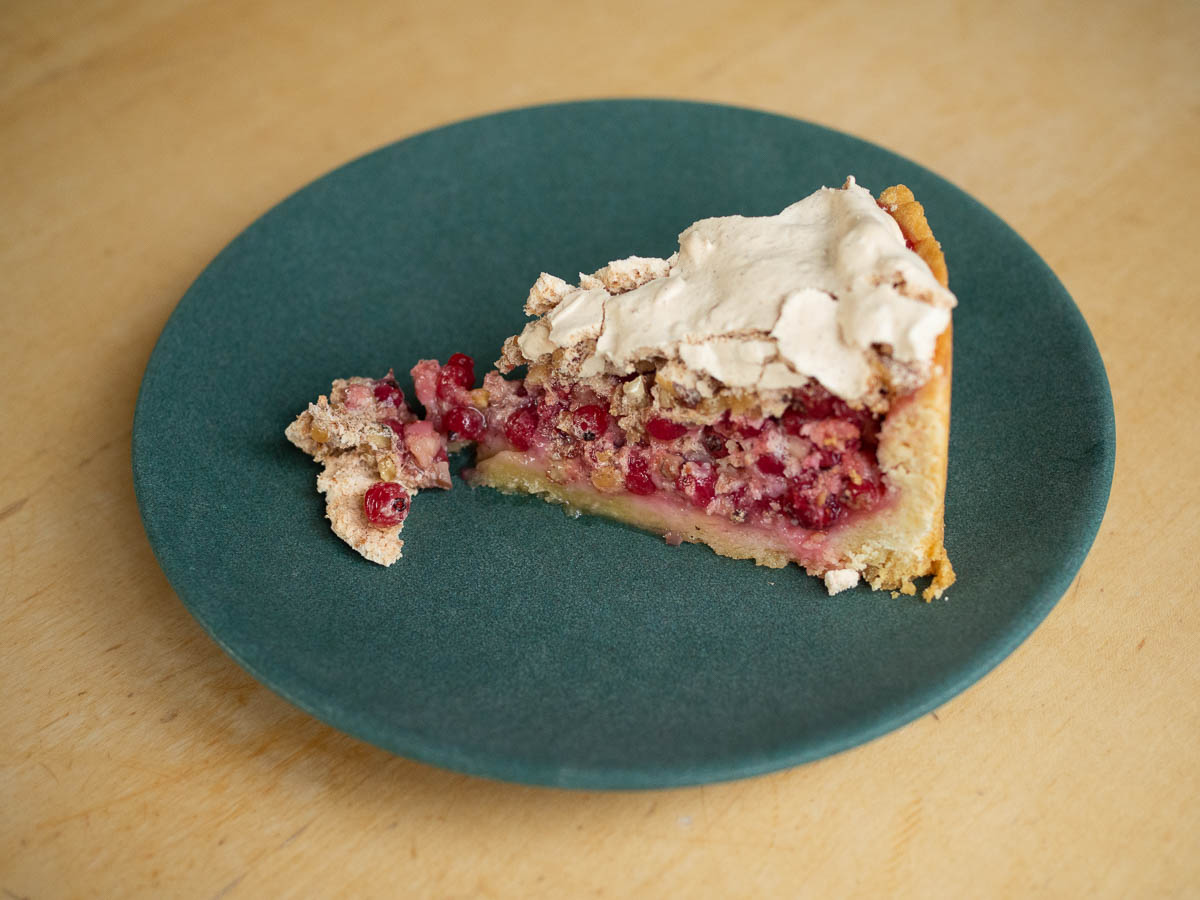
My mum was able to locate that old recipe for redcurrant cake and Eric was kind enough to make it for me. This, this is what the cake is supposed to be like! A deep crust properly filled with lots of redcurrants – three times as much as the other recipe! Meringue mixed in with the berries, and chopped hazelnuts as well. I had completely forgotten about the nuts but now that I can taste them there, I realize what a difference they make. And the meringue itself is slow-baked so it’s crunchy and crumbly instead of sticky. I’ll be holding on hard to this recipe.
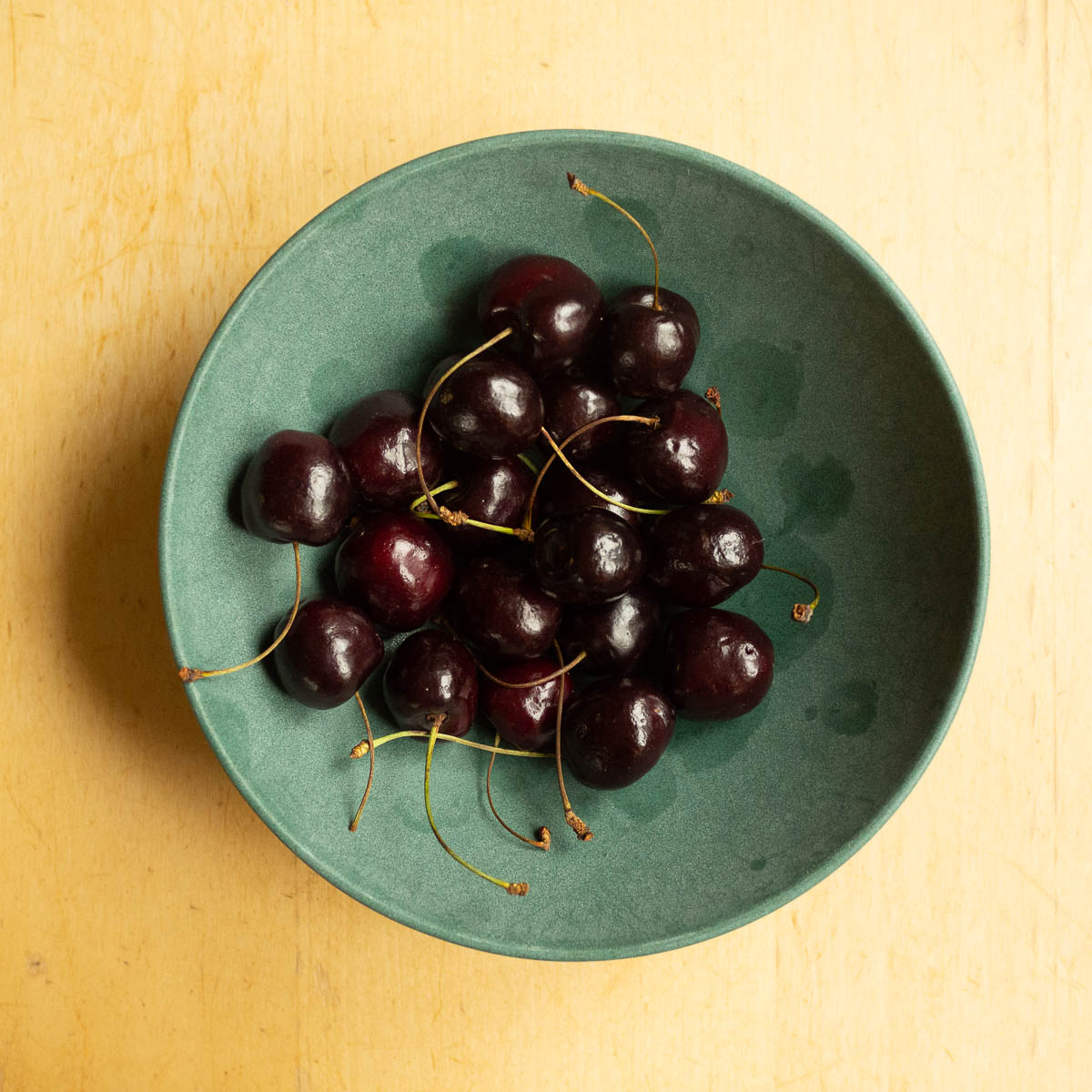
If our own tree has a disappointing cherry harvest then I can just go to the store and buy some, can’t I?
Yes, but nope. Our cherries have a rich, deep, sweet flavour. These store-bought ones were sort of sweet but mostly bland and watery.
I don’t even understand how I could expect them to be the same. I know that about every other kind of fruit and berry – you can’t just buy any old thing and expect it to taste good. Golden delicious apples will never be anything but blandly sweet. Belgian and Spanish strawberries will never compare to Swedish ones. Please, my Belgian friends, do not take this personally – that is just the way it is.
I wonder how much this is due to geography (the longer days and cooler nights here in the north are good for strawberries, from what I understand) and how much is simple selection. If you’re going to transport your berries all the way from Belgium to here, you would naturally prioritize a firm texture over juiciness and flavour. So perhaps we here in Sweden just get the firmest but least flavourful of Belgian strawberries.
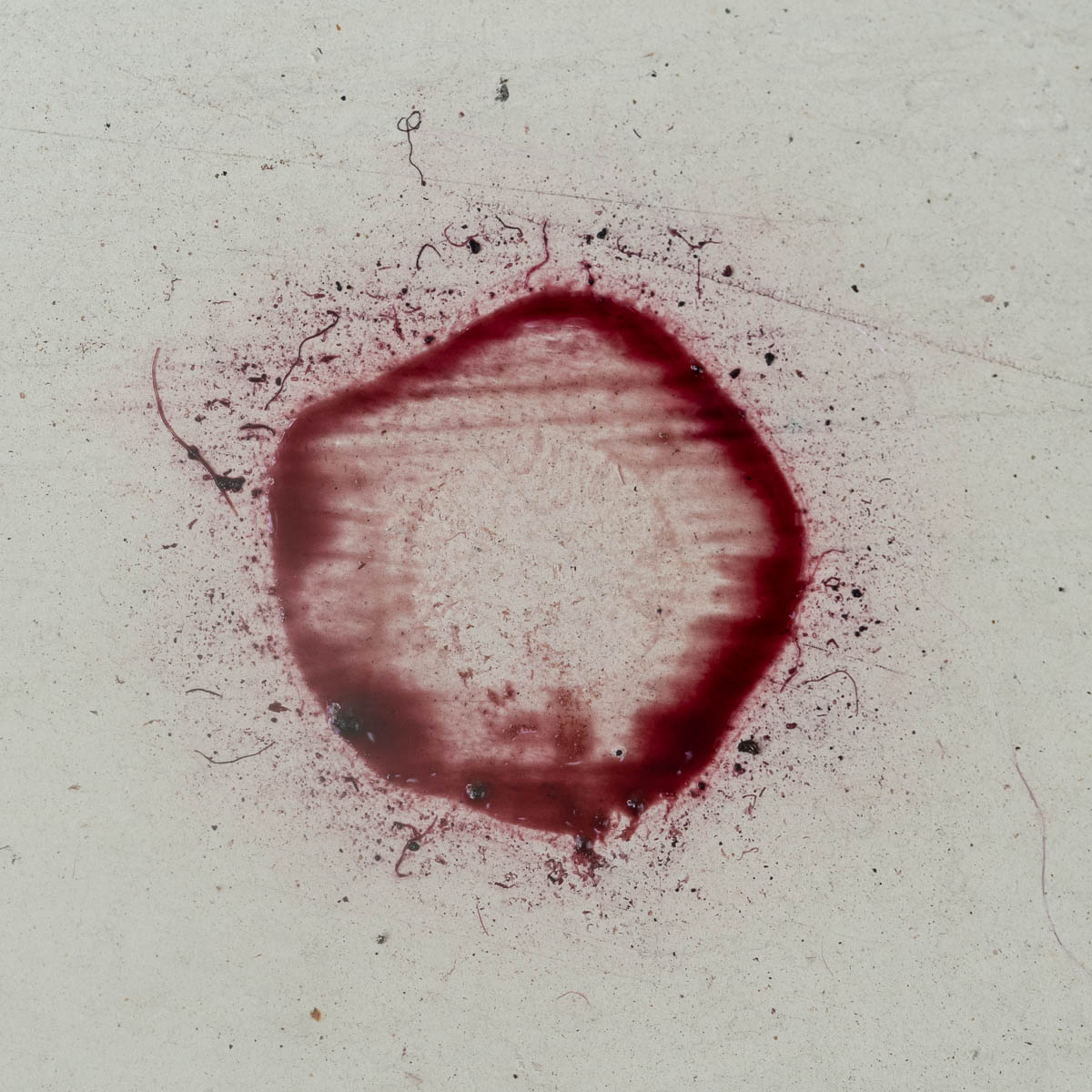
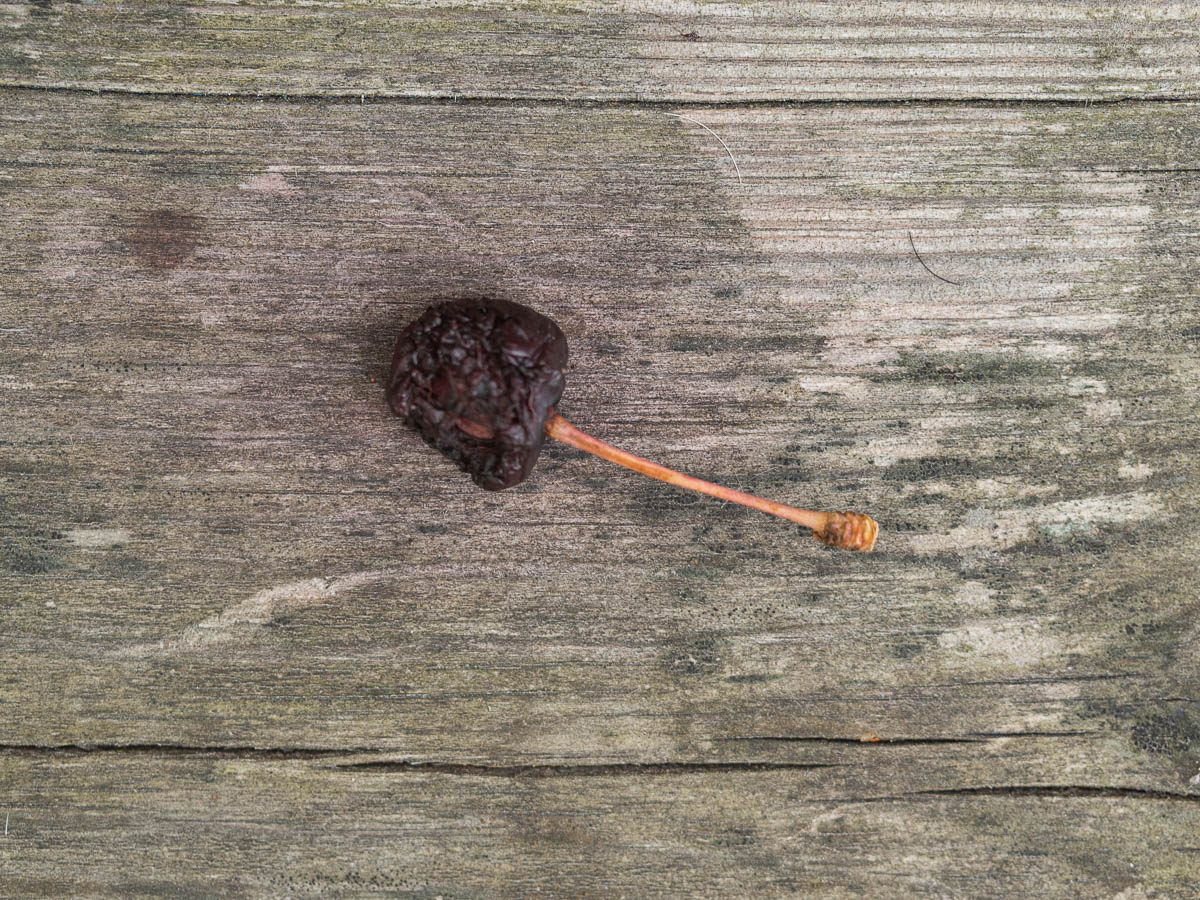
The cherry harvest this year is really poor. Half the tree has borne no fruit at all, and that’s the south-facing side which is usually heavily laden with fruit. The north-facing side had some at least, but many have gone bad and fallen to the ground before even being fully ripe.
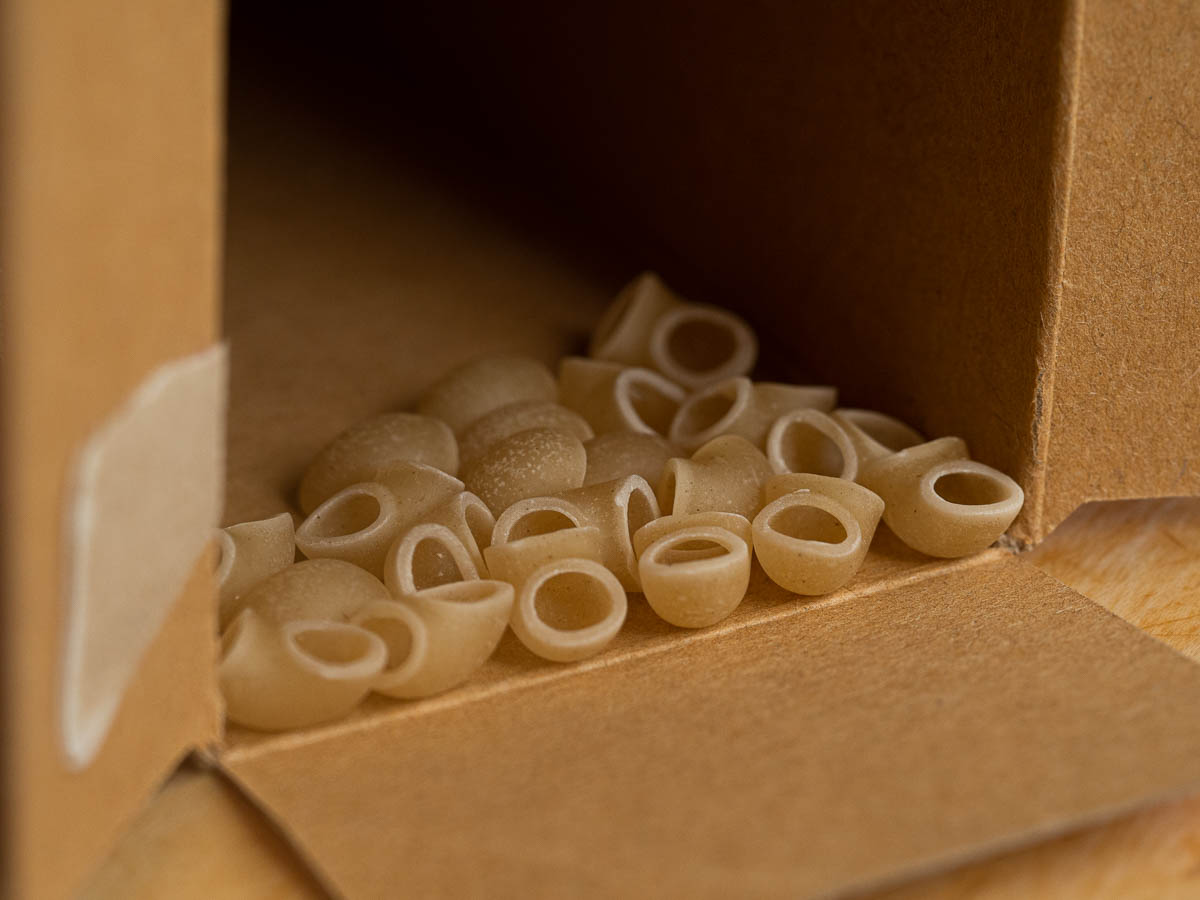
Even when there is a box of macaroni in the pantry, it doesn’t mean that we actually have macaroni. Or, well, I guess technically we do have macaroni, but the amount is a rounding error.
How hard is it to actually empty the box? Would cooking these last 25 pieces of macaroni really have made that lunch portion too large? Argh.
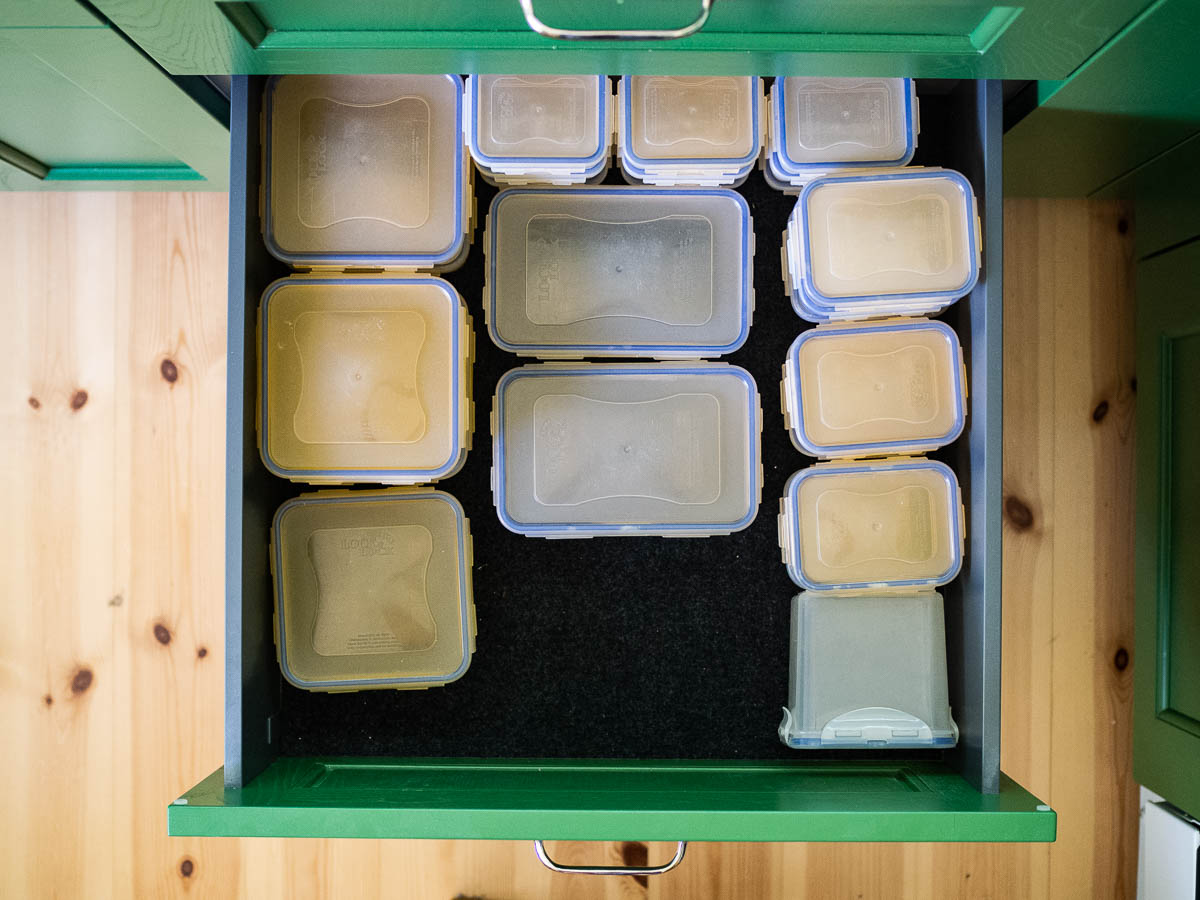
This is our drawer of boxes. This sounds much better in Swedish because a drawer is låda and a box is also låda so the whole thing is a lådlåda.
It’s funny how some concepts are narrow in one language and broad in another, and vice versa.
A “bag” in English (and a kott in Estonian) can in Swedish be kasse, väska or påse, and those three are definitely not interchangeable. A påse is a bag for storage or containment (like a freezer bag or a drawstring bag); a kasse is a simple soft bag you carry something in (like a shopping bag); a väska is structured (like a handbag or backpack). Despite being 100% fluent in Swedish, it isn’t rare for Ingrid and Adrian to mix those up, and I suspect it’s because they grew up with me always calling all three things “kott” when talking to them.
See also: maa in Finnish and the same in video format.
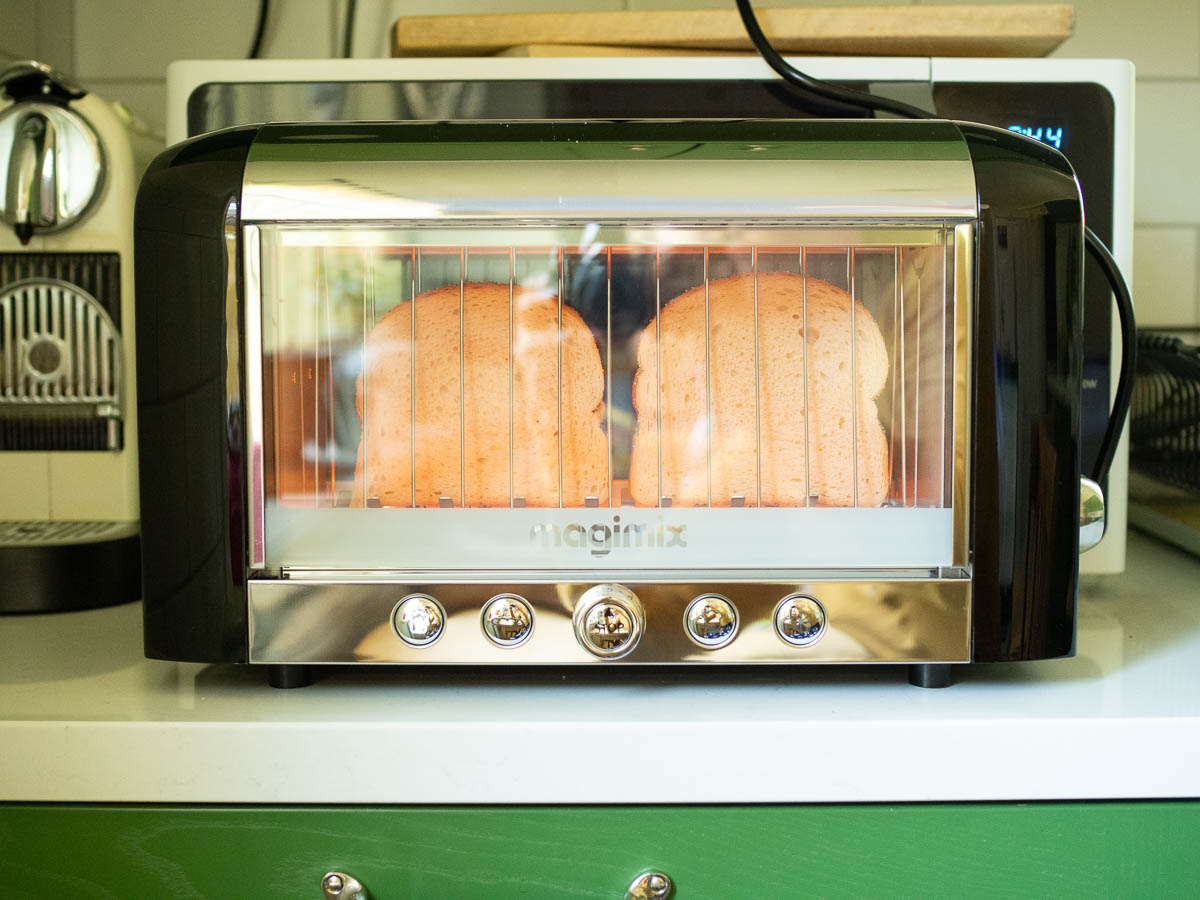
Our old toaster died, after serving us well for 19 years. Or rather, it started behaving in dangerous ways (heating up so much that I could barely touch it, and burning bread instead of toasting it) so we were forced to retire it.
Here’s the new one. Transparent sides! It’s a bit gimmicky but also rather cool. It also gives more even results than the old one, so it’s actually an upgrade. A toaster is a toaster, I thought, it’s just aesthetics, how much can the results differ – but they do.
The build is very solid so hopefully it will last us as long as the previous one.
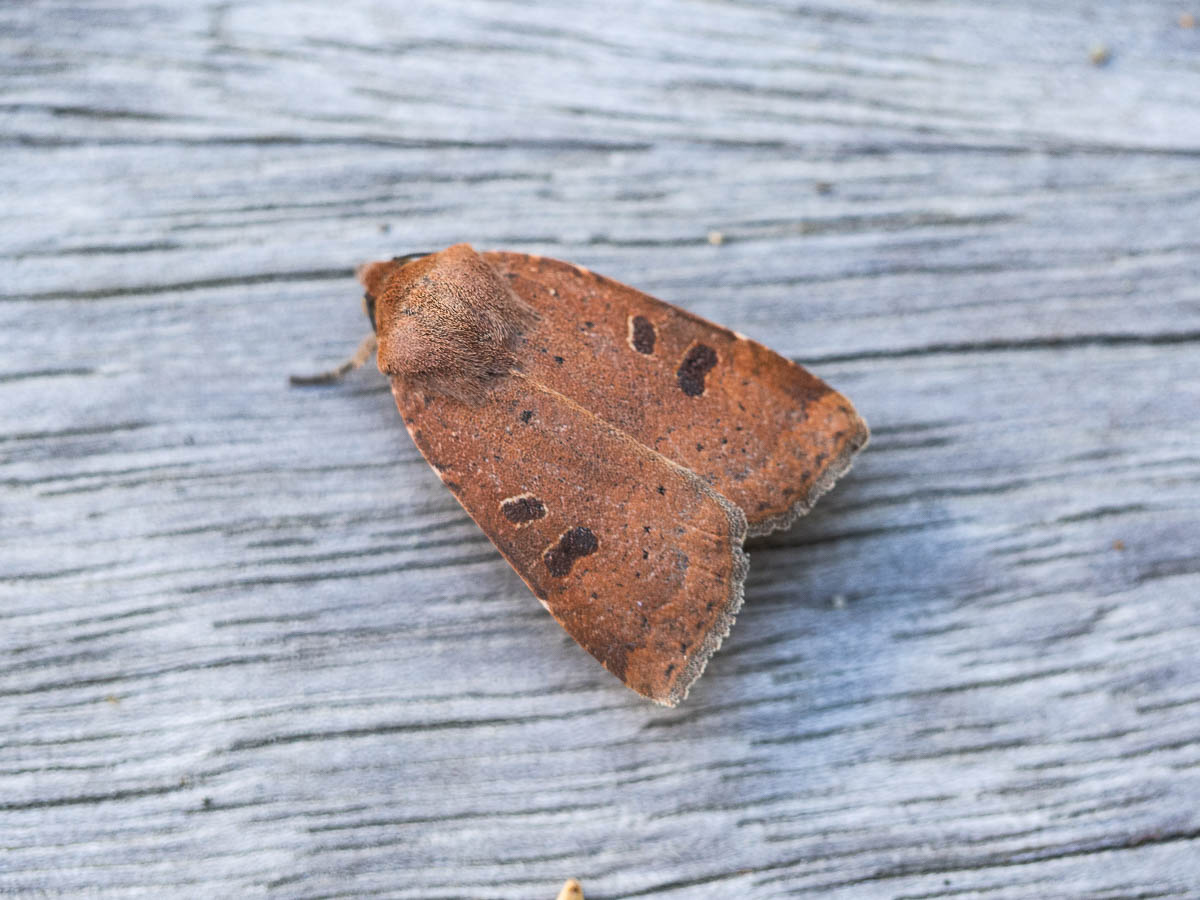
(No scale but this thing about as long as the first two joints of one of my fingers.)
For the last few days, we’ve had these large moths flying into the house in the evening. Once they’re in here, they just fly around sort of stupidly. They clearly have no idea how they got here or how to get out. They keep bumping into walls and doors and ceilings, not even aiming for light sources or anything. With their size, they’re damn noisy about it. And when they accidentally fly into me, it’s enough of a bump to cause a full-body flinch. It’s annoying, so it’s a real relief when they finally stop in one place for long enough for me to take them out.
Wasps and flies on the other hand seem to navigate by light. When they get in here, they bang against the glass of the French doors until they tire, and then they crawl along the same. The wasps I take out; the flies can either figure it out themselves – or get swatted if they annoy me enough.
When bumblebees fly inside, they usually make a wide loop or two and then immediately fly out again. It’s obvious that they are not lost and they know which way to get out. Butterflies do the same. Clearly they have completely different navigational abilities (or different goals) from wasps.
| Newer posts » |

