Sometimes a day goes by and fades into evening and I realize I haven’t done a single photo-worthy thing. I have sat at my desk, behind my computer. I have worked out (yes!) and read a bit of the Economist while eating lunch. I have cooked and eaten dinner. That’s it.

In the evening it is dark outside and I cannot take photos of anything in the garden. It is dark inside as well, and the rest of the family are all sitting in their dim corners of the house.

Occasionally this is enough to give me a gentle kick and make me do something physical that I can take a photo of. Which is backwards in a way – doing things just so I get a photo – but since these are things that I’ve been wanting to do anyway and simply procrastinating about, it’s not so backwards after all. The photo is just an odd kind of motivational carrot.

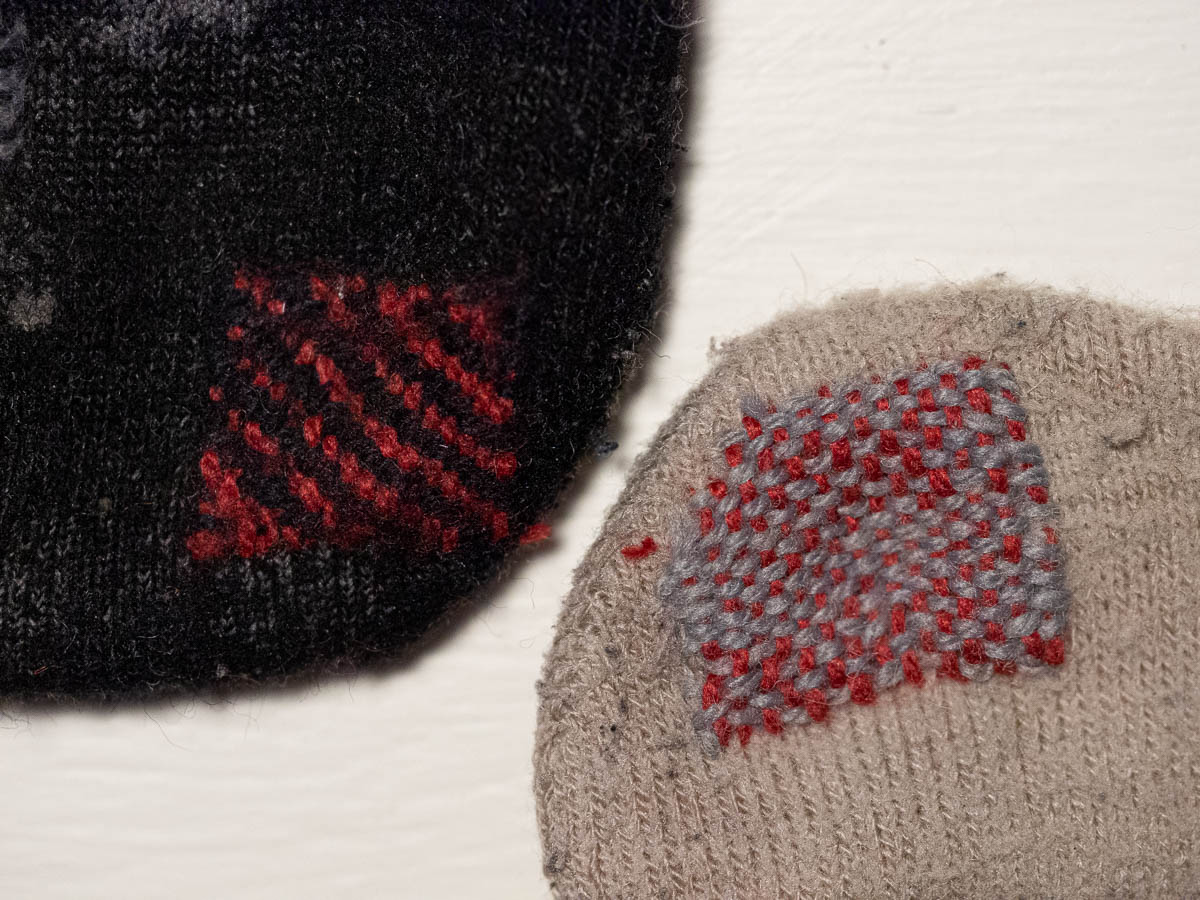
So this evening I darned a hole in a sock that has been waiting for my attention for a week or so.

It is sock darning season, because it is sock wearing season. The house usually starts getting cold enough for socks in the middle of the day around mid-September.

This fresh darning looks crisp and smart compared to the ones I did half a year ago. Almost too crisp, in fact: it doesn’t blend in. The older ones have become slightly felted by wear (even though the darning yarn is a wool mix rather than pure wool) and look a lot more cosy and natural.

It’s nearly always the spot under the big toe that wears out first on my indoor socks.

Book 1, The Riddle-Master of Hed, begins with Morgon, Prince of Hed, finding out that the golden crown he won in a riddling contest with a ghost is a token. The King of An has sworn that his daughter Raederle will marry no one but the man who can present that crown. Morgon leaves his country for An and the princess. Things happen on the way, dangerous riddles and mysteries appear, and he re-aims his quest instead at finding answers to those.

Book 2, Heir of Sea and Fire, starts a year later. Morgon has been missing for that entire year. Through a kind of land-magic his brother knows that Morgon is still alive. Princess Raederle goes off on a quest of her own to find Morgon, together with Morgon’s sister and another princess.

In book 3, Harpist in the Wind, Morgon and Raederle set out together to figure out what’s going on with all the wizards and shape-changers and other assorted dangers in the realm. Throughout all three books, Morgon gradually gains magic but loses much of his carefree innocence and becomes ever grimmer and harder.

There were aspects of the books that I liked. The poetic prose, the sometimes dreamy quality of the story, the nature scenes with bare moors and endless pine forests. The world itself, with its riddles and strange magics and long-lived kings who all seem to be friends with each other. But the more I read, the more annoyance started to outweigh enjoyment.

Already in book 2 the story gets too unrealistic for my taste. Three young princesses somehow decide that running off to rescue a prince is the most logical thing to do – even though two of the three have barely left their homes before this. And this story is told entirely seriously, there is rarely even a touch of humour.

I realize I sound a bit snarky here, but the whole idea just feels so contrived and stupidly heroic, in the worst sense of heroic. If you love someone, of course you should run off to find and rescue him, even though you have no clue what you’re doing! Your love will be enough!

The whole world is all so noble and poetic. People aren’t real people but… what’s the opposite of a caricature? Symbols, perhaps. They fulfil a role in the story, but I never get the sense that they are real people with real lives. I can almost feel them posing in ther dramatic settings to quietly utter portentous phrases.

People in these books swear grand oaths and commit themselves (and others!) to radical action with very little thought. Princess Raederle eloquently swears that she will never abandon her beloved prince Morgon and is determined to follow him wherever he goes, and that is somehow presented as a noble thing, even though she slows him down and puts him in danger all the effing time. He needs to get from A to B, and B is a long way away. She isn’t much of a walker, but she refuses to use her magic to change into a bird (although she could) and she also won’t let Morgon to change into a horse and carry her (although he could), because that would go against her feelings of what is right.

I also really dislike the amount of fate and destiny in this series, and how much Morgon is being pushed by mysterious forces towards a grand goal. Someone has A Grand Plan, and poor Morgon’s story is mostly about following that plan while simultaneously struggling against it and trying to understand it.

Some of all this pushing is more visible to us than to Morgon. But other things are just left as unexplainable fate. For example, Morgon has three stars on his brow that early on turn out to be signs of his grand and dangerous destiny. But even by the end of the story we have no idea how the stars got there, or why it should be him and nobody else. I have a really, really hard time accepting this level of hand-wavy “it just is like that” predestination in a story.

Around the middle of book 2 I realized that this series was not for me, and speed-read it to the end just to find out how it ends and confirm my suspicions about some of the plot points. By the end I almost actively disliked the meandering, dragged-out story. Even the poetic prose and endless lyrical similes started to grate and feel quite overdone.

I was extra disappointed because I came to this book so ready to love it, after The Forgotten Beasts of Eld.


The hydrangeas are going purple all over now – not just the flowers but the leaves as well. It looks quite cool. I’m not sure if they’re normally supposed to do that, but they look healthy otherwise so I assume all is well.


I have been on a reading binge, neglecting just about everything I can neglect without feeling really, really bad about it – including workouts, blogging and laundry.

I still like paper books – old dog, new tricks, all that – but I am gradually getting more comfortable with the Kindle reader. It no longer feels like second best. Binge reading, for example, is an area where the Kindle beats paper books hands down. I saw a book recommendation, downloaded a sample, and bought the book within an hour. When I finished that book and wanted more, a few taps got me the next one, and then the next one after that. No searching, no waiting for days for a delivery.

The Kindle also handles better with one hand, for example when I’m reading lying down and need the other hand to support my head. Or with no hands at all, when I balance the book on my thighs because my hands are busy knitting. Some books don’t deserve my full attention but I still want to finish them. Can’t do that with a paper book. (Am I still “handling” the book when no hands are involved?)


I read differently with the Kindle.

It’s harder to skim backwards and forwards. With a paper book I can easily flip back a few chapters to look up some detail. I can usually remember roughly how far back that part was – how many centimetres back in the book. With the Kindle I have much less context about where I am. The e-reader can show some metrics for this – how many percent I’ve read, for example. But I would never have an intuitive feeling for how many percent or pages I’d have to scroll backwards to get back to something I’ve already read. So I’m less likely to do so.

Recently I turned those percentages off, anyway, so that they wouldn’t constantly remind me how much I have left of the book. You can’t do that with a physical book. The constantly diminishing amount of pages to read is always visible and tangible.

I’m more likely to re-read a page with the Kindle. Sometimes when the action is exciting and I just want to see what happens next, I only skim parts of the page. With the Kindle, I am more likely to notice this and read the page one more time, more slowly and carefully, before flipping to the next page. There’s nothing stopping me from doing the same with a paper book, but it just doesn’t happen. I think it might be because the Kindle page is less dense and contains less text, so one page is just the right amount of text to re-read. Paper book pages are denser and have too much text – re-reading an entire page would be too much.


When I’m a week behind with my blogging, as I am right now, catching up looks hard and blogging becomes a slightly icky task. I want blogging to be fun rather than icky, so I’ll leave the gap for now and catch up later. You’ll have to check below this post to see if and when I succeed.

Plus I now have a whole virtual pile of books that I want to review. The binge was most enjoyable but it’s a good thing that I ran out of books because otherwise I’d never get anything else done.


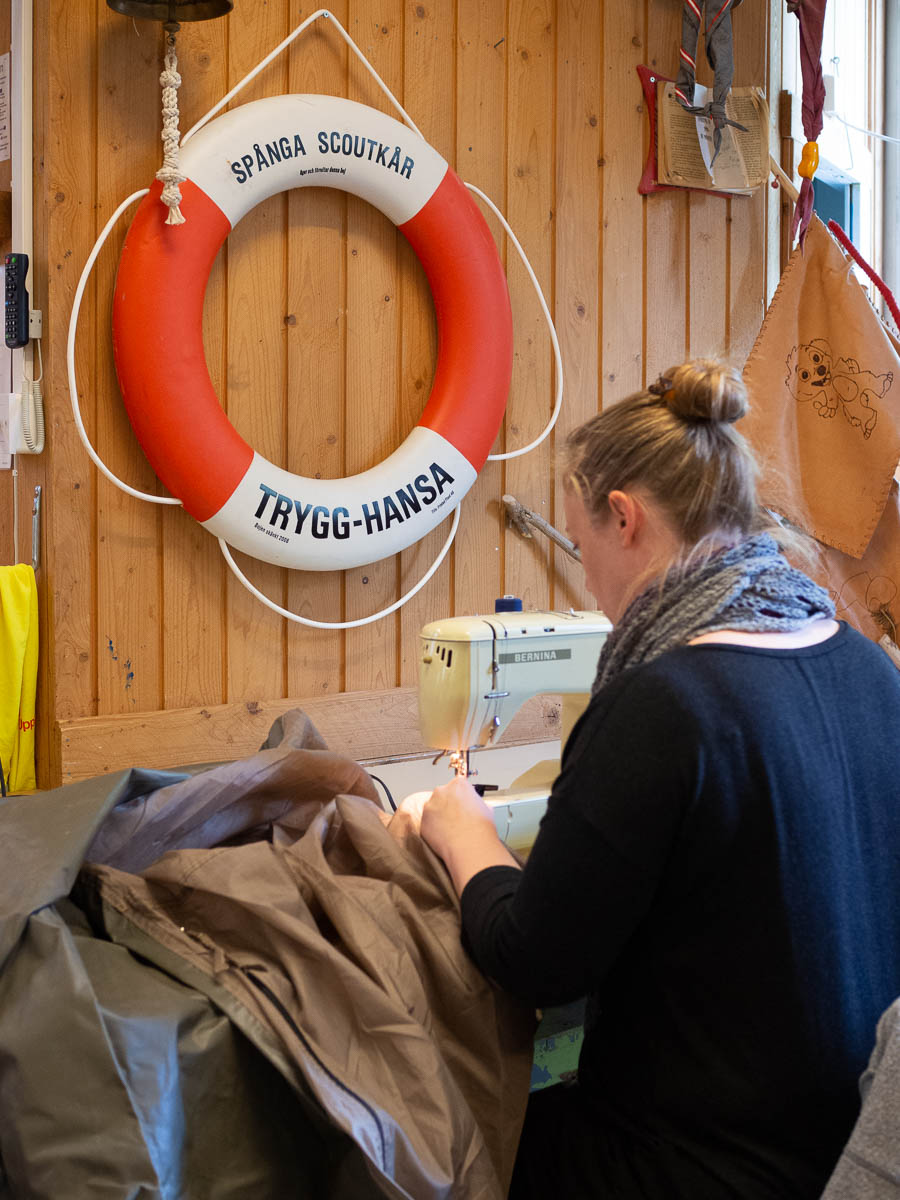
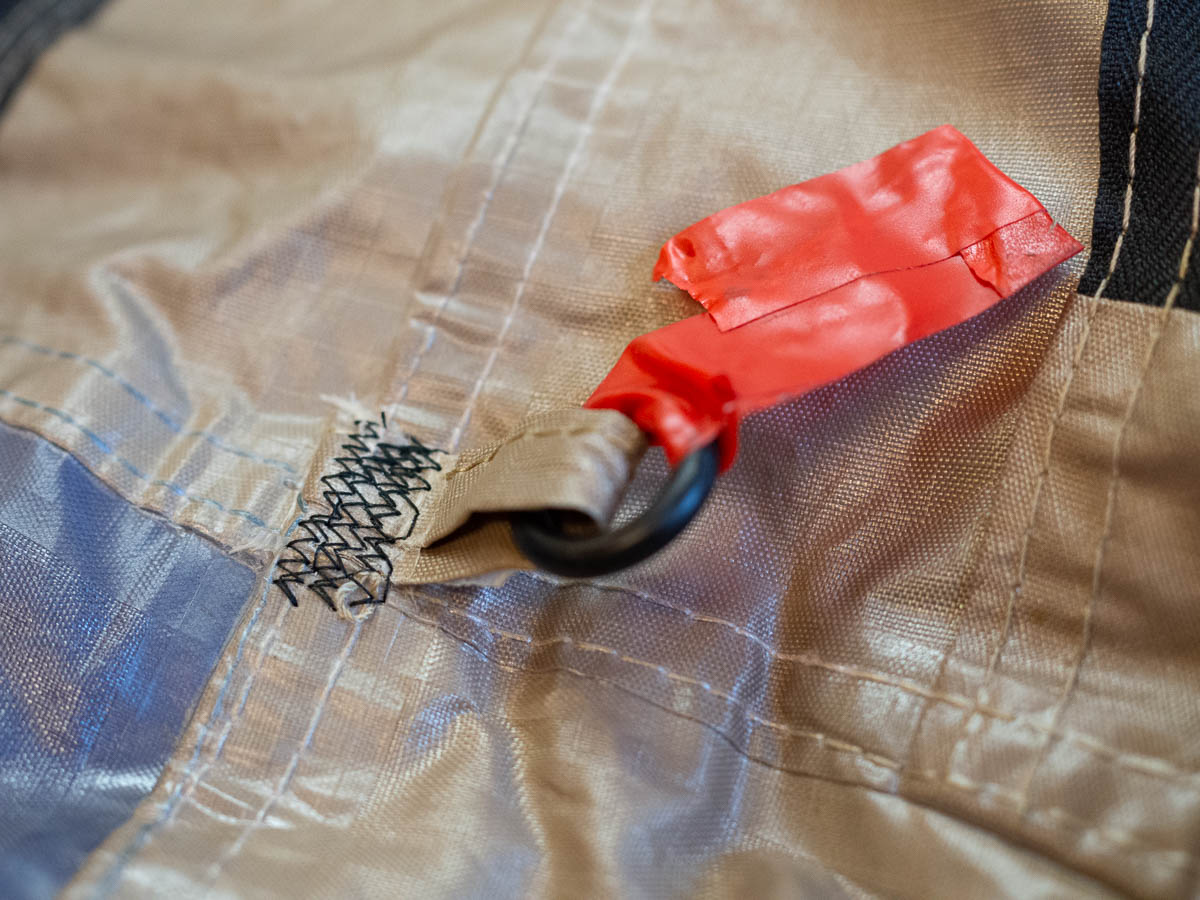
Spent my morning volunteering for the Spånga scout group, mending tents after the summer camp. There were more people than there was work so I spent more time waiting for something to do than actually doing something – which made the brief moments of mending that much more enjoyable.


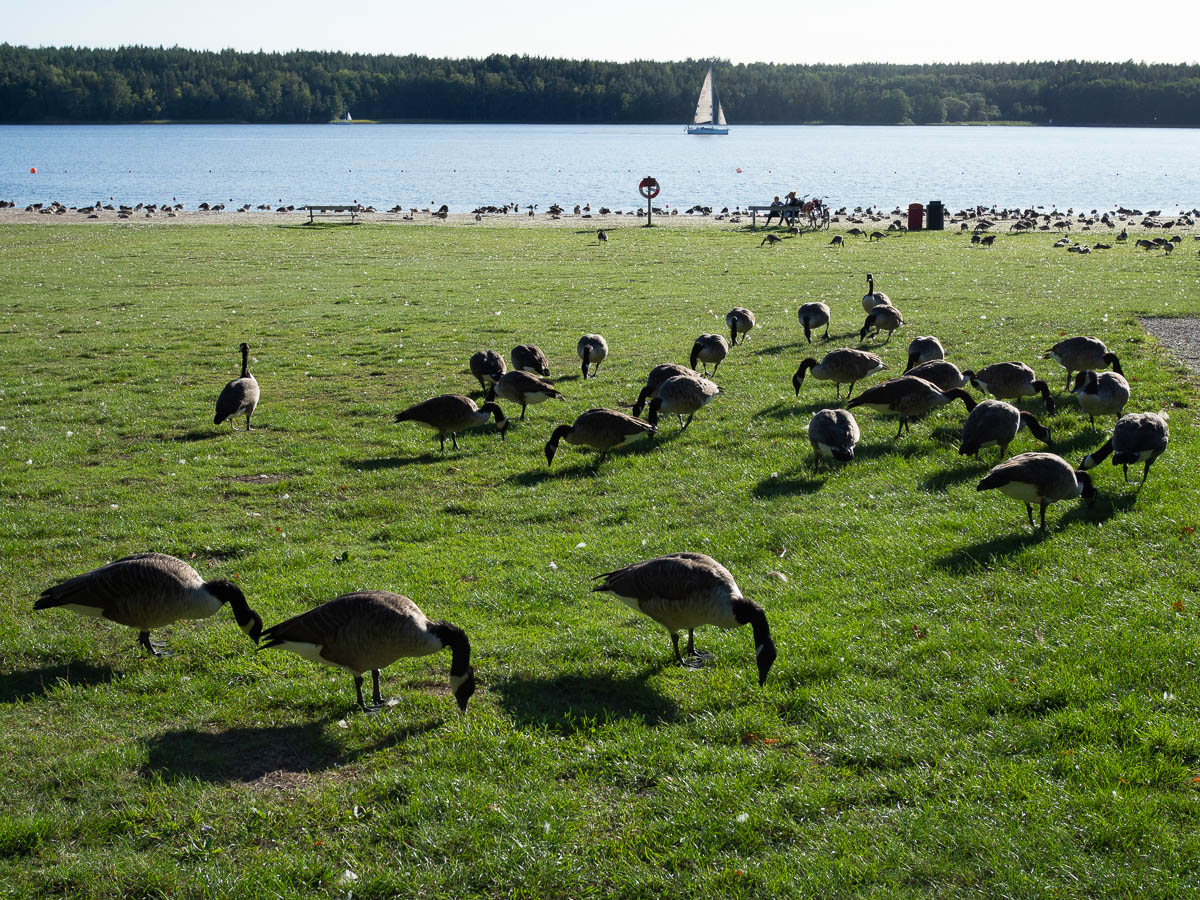
It was a lovely sunny day so we went for a walk – from Maltesholm beach along the walkway to Kanaanbadet, then a break for some fika there, and back to Maltesholm through the forest.

The beach at Maltesholm used to be a pleasant one. Today the grassy slope was so full geese that there was barely room for any humans. They numbered in the hundreds. Bird poop everywhere.


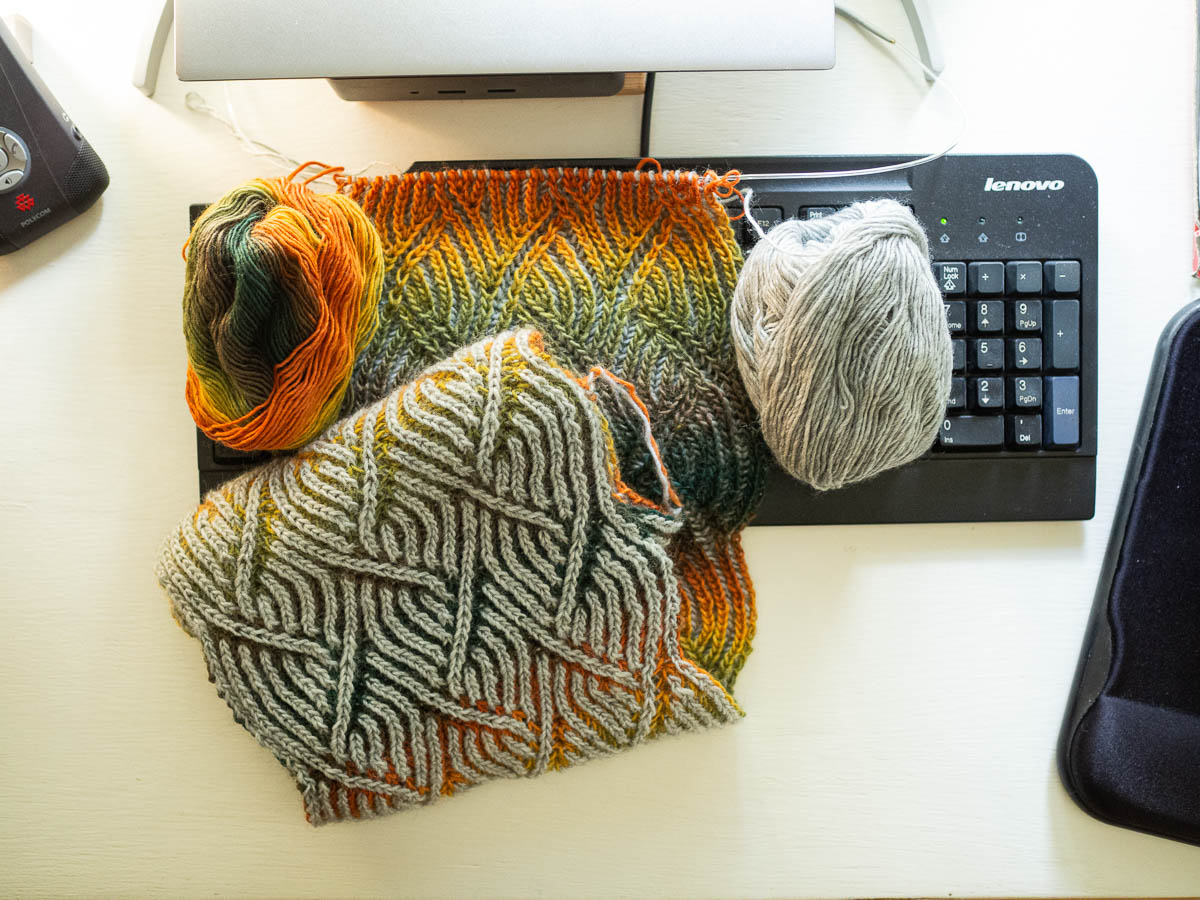
I had a long online meeting this morning and knitted a good 15 cm of my scarf. Now that I’ve internalized the pattern, it requires so little thinking that I can easily do it while focusing 95% of my attention on the meeting.

As the scarf is getting longer, I have to keep most of it rolled up while I’m working on it. Otherwise it gets all twisted and tangled. Socks, hats and cardigans don’t do that.

And I haven’t had to rip up anything at all for weeks, since I figured out the root cause of my repeated mistakes!


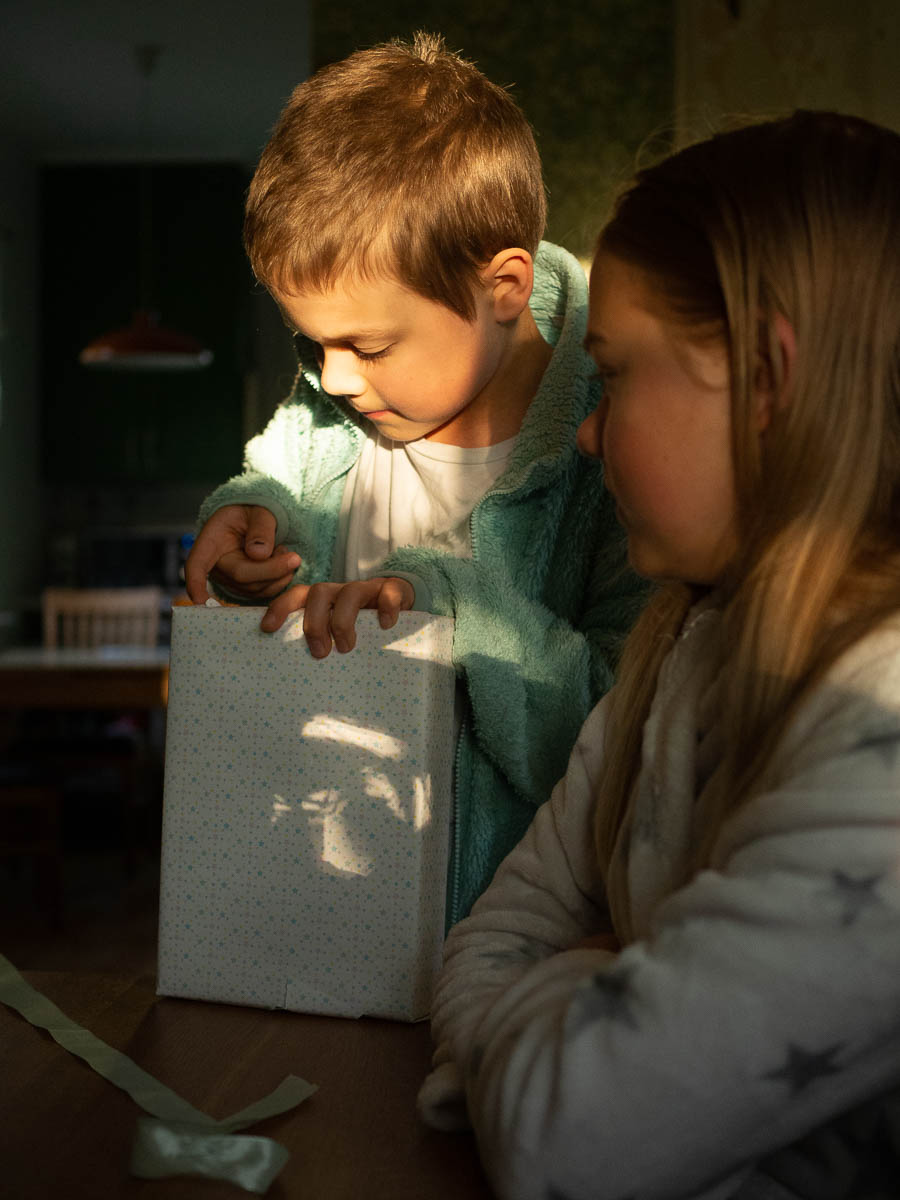
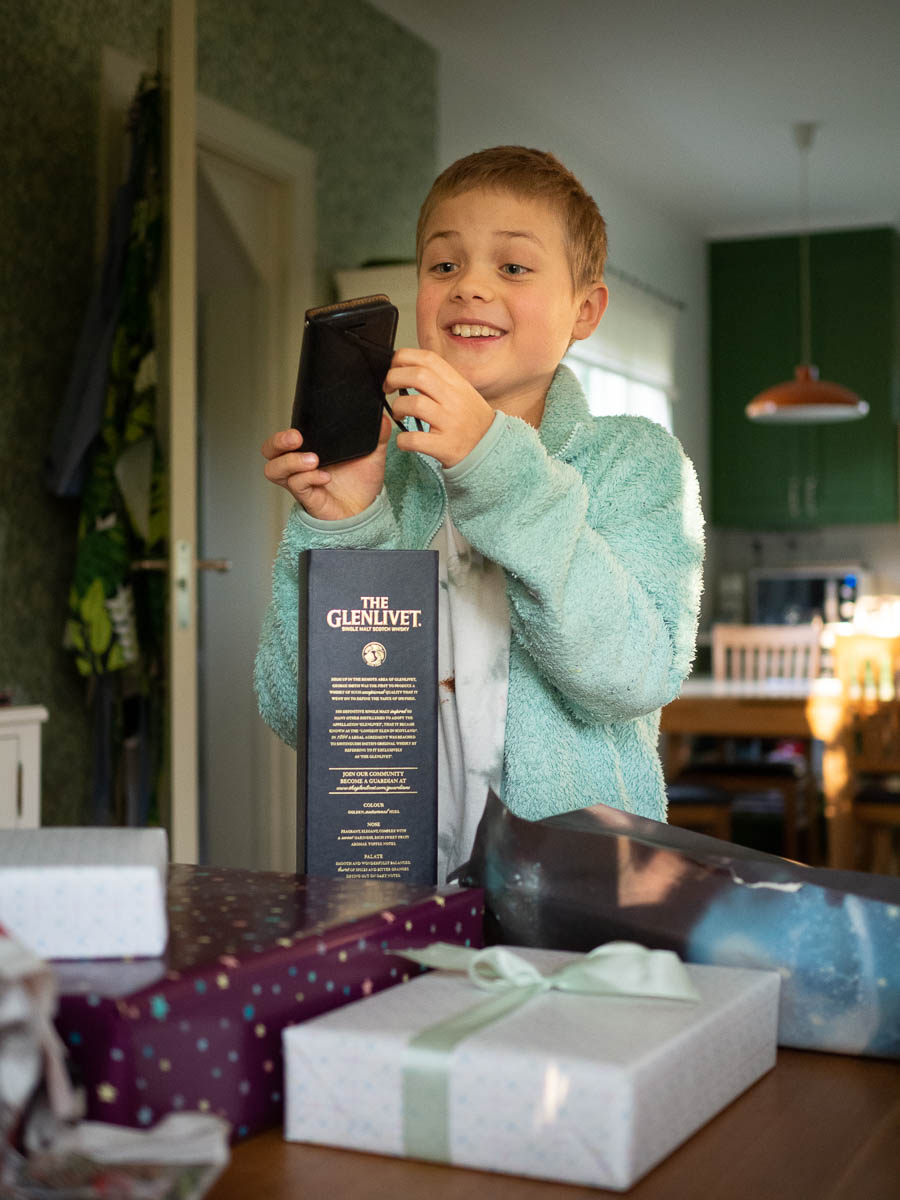
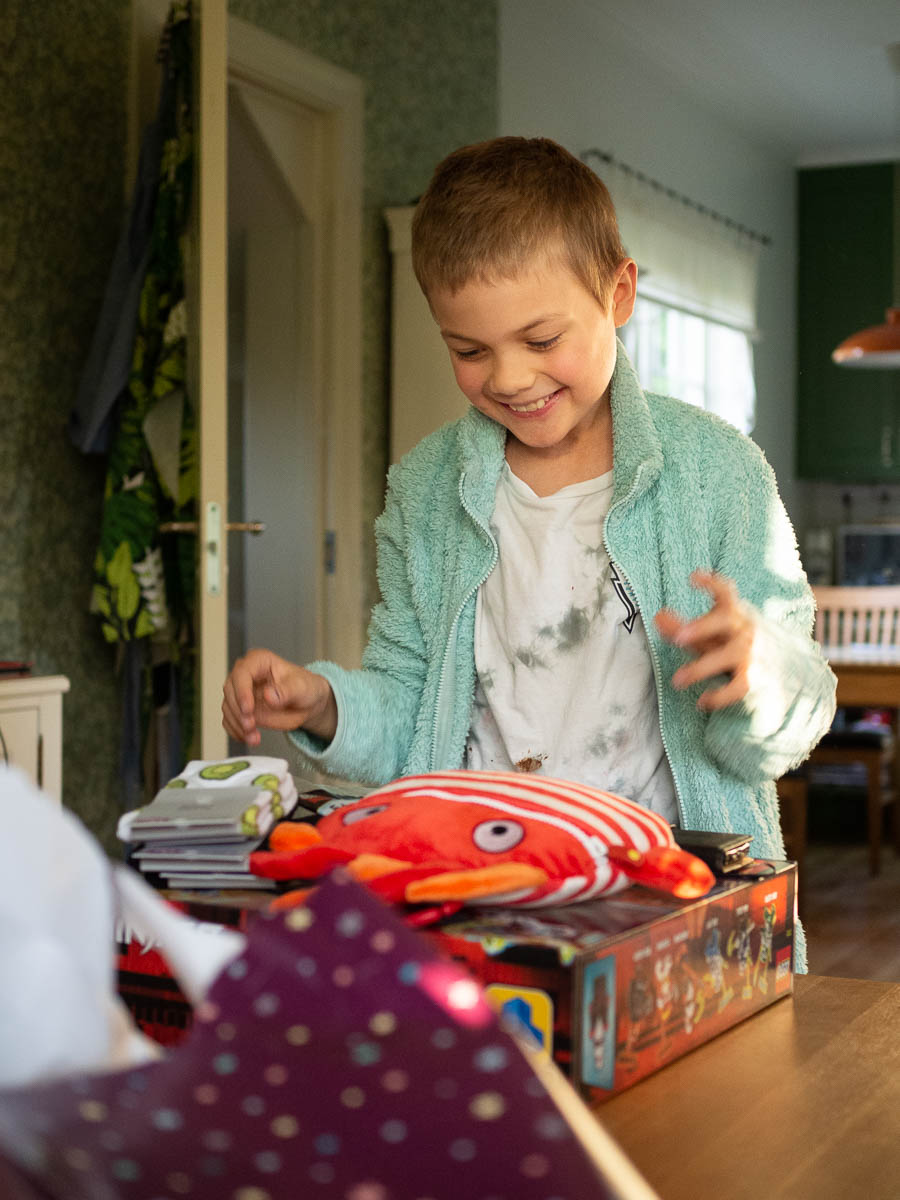
Birthday boy opening his birthday presents, early in the morning, before school.

A much needed “new” phone to replace his old one which is not working so well any more. A Lego Ninjago set, a Sorgenfresser plushie, and socks with food patterns.

No, he did not get a bottle Glenlivet. We have a family tradition of reusing good-quality boxes for wrapping completely unrelated presents, especially hard-to-wrap ones. The Glenlivet box held the phone; the Sorgenfresser came in a box made for an iPad Air.

You have to be a little bit careful with this so you don’t send out misleading signals that lead to disappointment and tears instead of joy. A plushie in an iPad box only works if you’re quite sure that the giftee does not actually expect that box to hold an iPad.


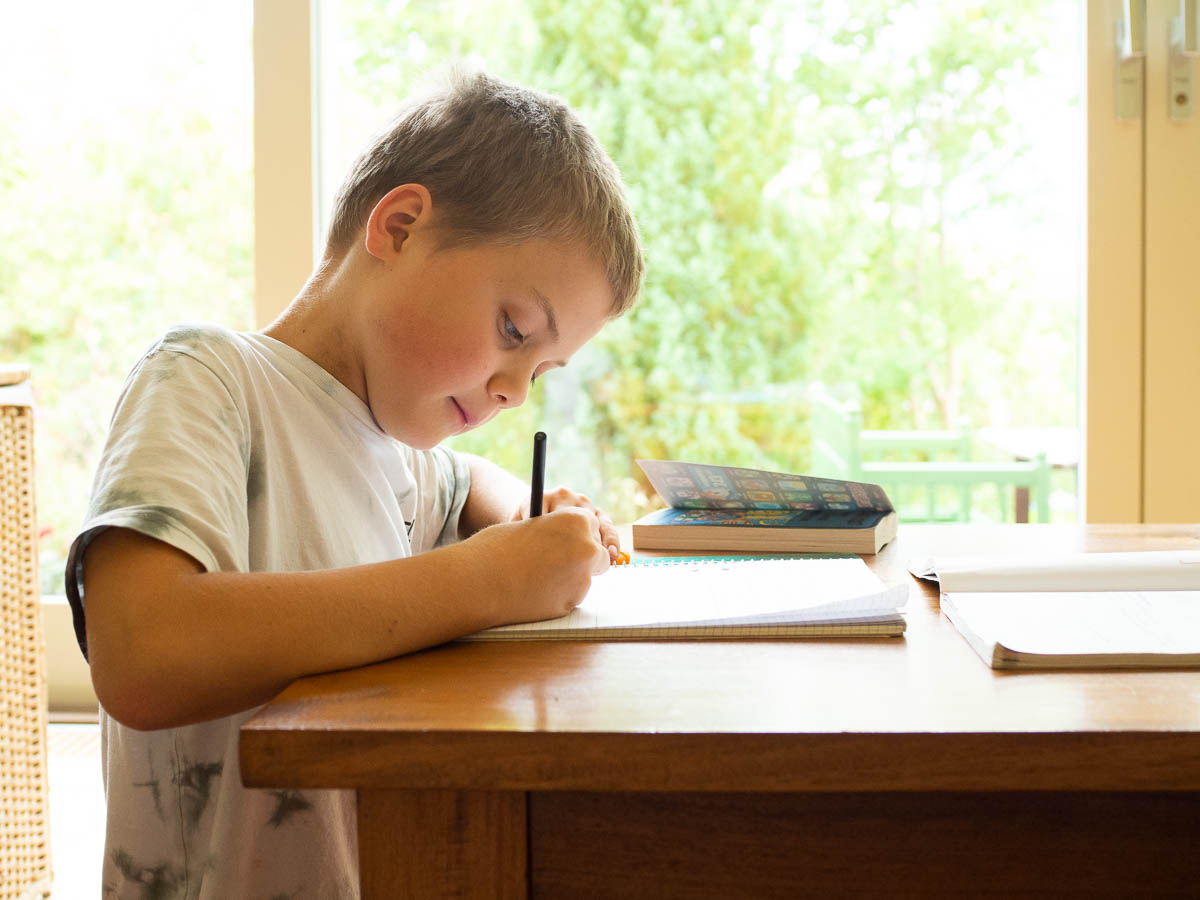
4th grade brought a lot more homework for Adrian. Now he has extra work to do, to catch up after being at home for a week. He dutifully gets it done but I can see the effort it takes him to sit and focus on something so boring as pages and pages of multiplication.

He loves company for the most boring parts. Shared boredom, like shared sorrow, is half boredom.


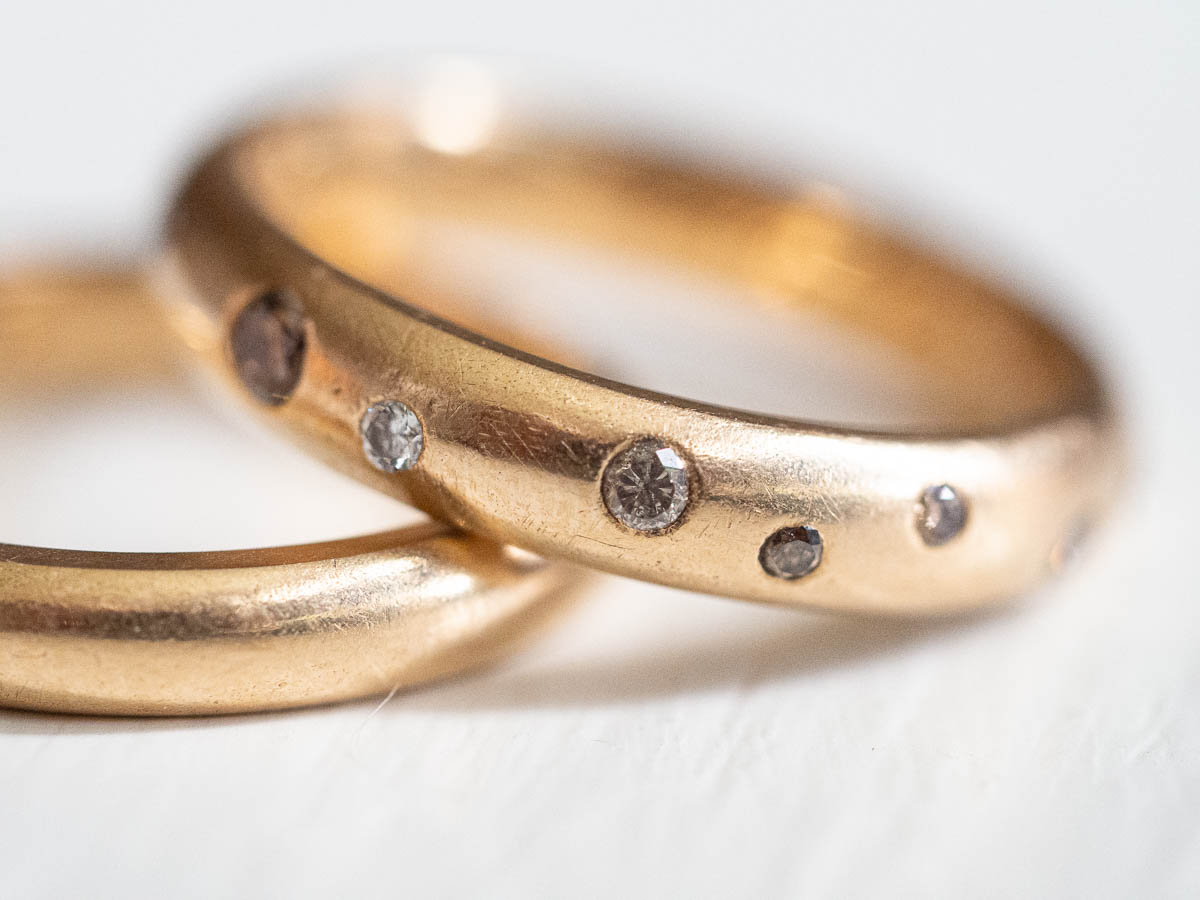
I rarely take off my rings, but I do do so when I work out. I once damaged one of them when working in the garden, carrying rocks I imagine. Since then I take care when lifting or carrying hard, heavy things, such as rocks. Or kettlebells.

My workout discipline is still so-so. I don’t push myself nearly as hard when I am doing it alone. I will be badly out of shape by the time this social distancing ends. But something is better than nothing.