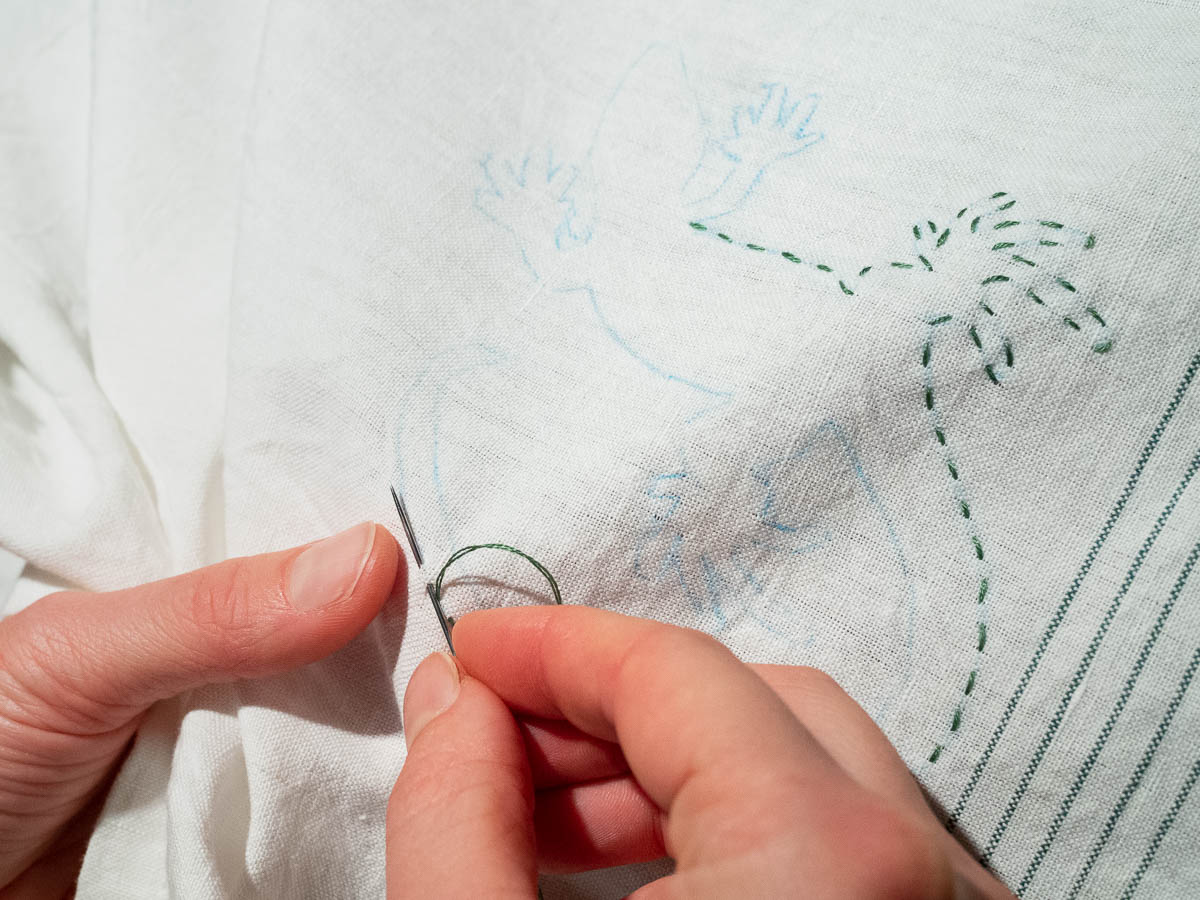
Embroidering a kitchen towel for my brother for Christmas. Mum gets a towel with an elephant, since she collects them. My brother doesn’t collect lizards but lizards are cool as well as cute. (Since I’ve fallen behind on the blogging, I’m posting this a wee bit after Christmas so it’s safe!)

Three days before Christmas Eve and I’m finally done working and doing my Christmas gift shopping instead. Except that I’m not; I’m buying things for myself instead. After an hour of shopping I had bought a wooden kitchen spoon (for myself) and a serving platter (for myself) and no gifts. When I was done and went home, I was also carrying several books (for myself) and 9 pairs of tights (for myself). And luckily some Christmas gifts, too. I just haven’t had any time for such frivolities as buying clothes for many weeks now.
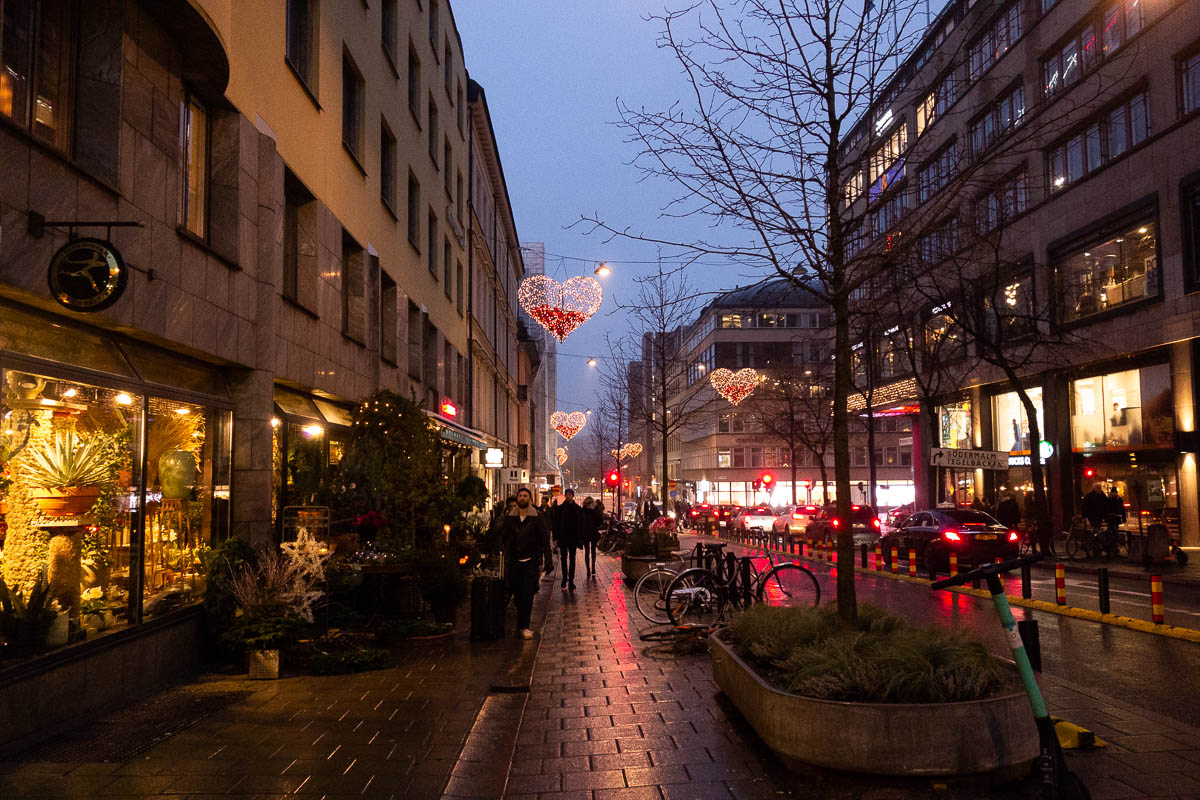
Christmas view of Stockholm.
Good news: I will not have to work on Monday, or between Christmas and New Year’s!
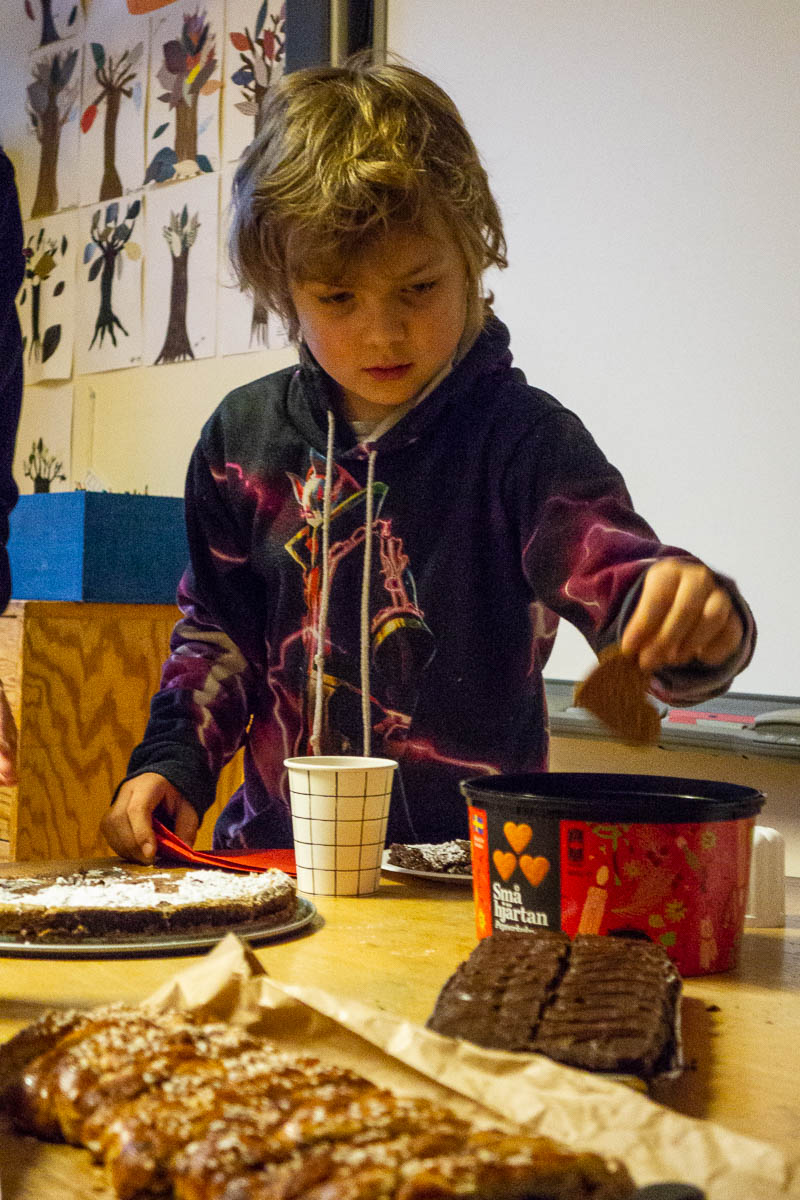
Adrian’s class started the day with Christmas songs, followed by advent fika.
Every year it keeps surprising me that none of the teachers realizes that the singing would sound a lot better if someone stood in front of the kids and helped them all keep the same pace.
(Grumpy, yes. We still have too much to do at work and I am not even sure yet that I can get the day before Christmas off.)
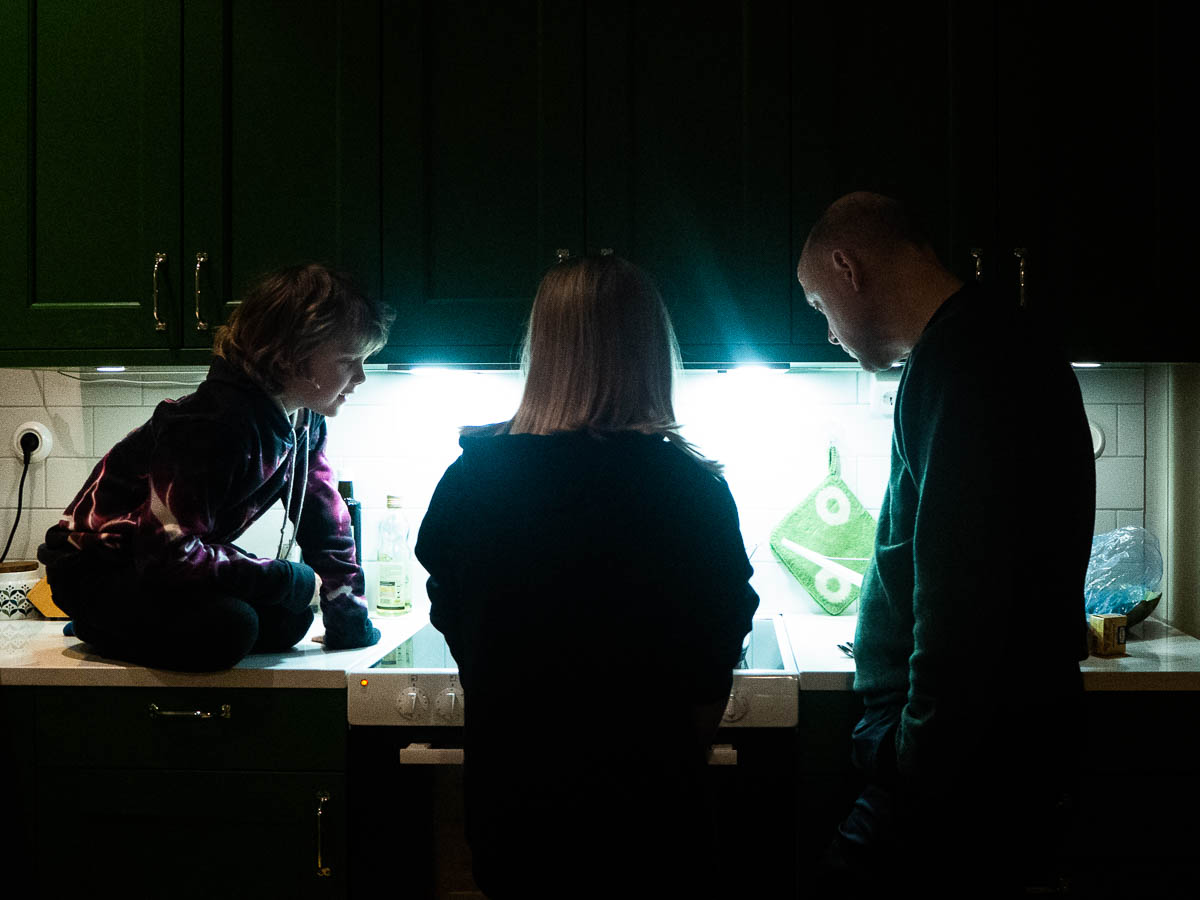
Waiting for the knäck to reach the right temperature. (knäck is a traditional Swedish Christmas treat.)
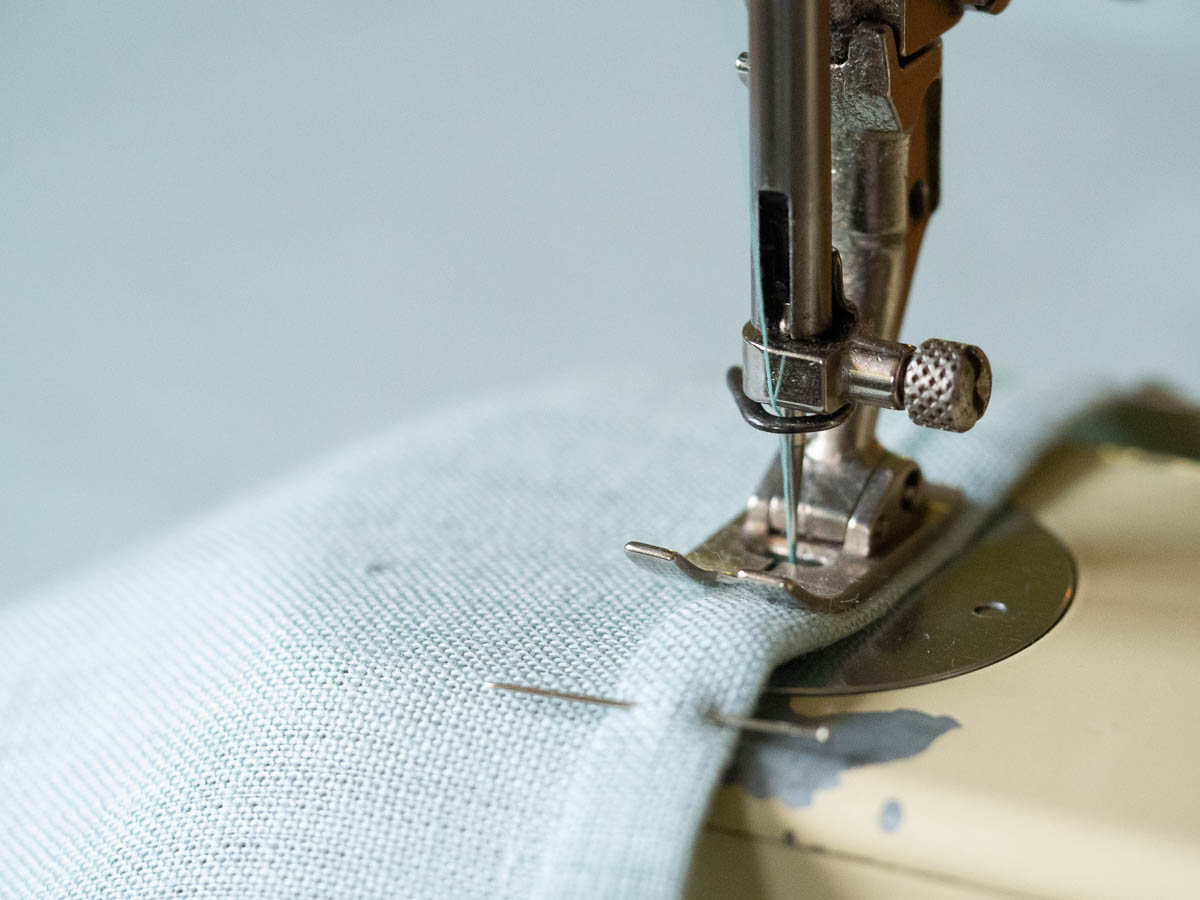
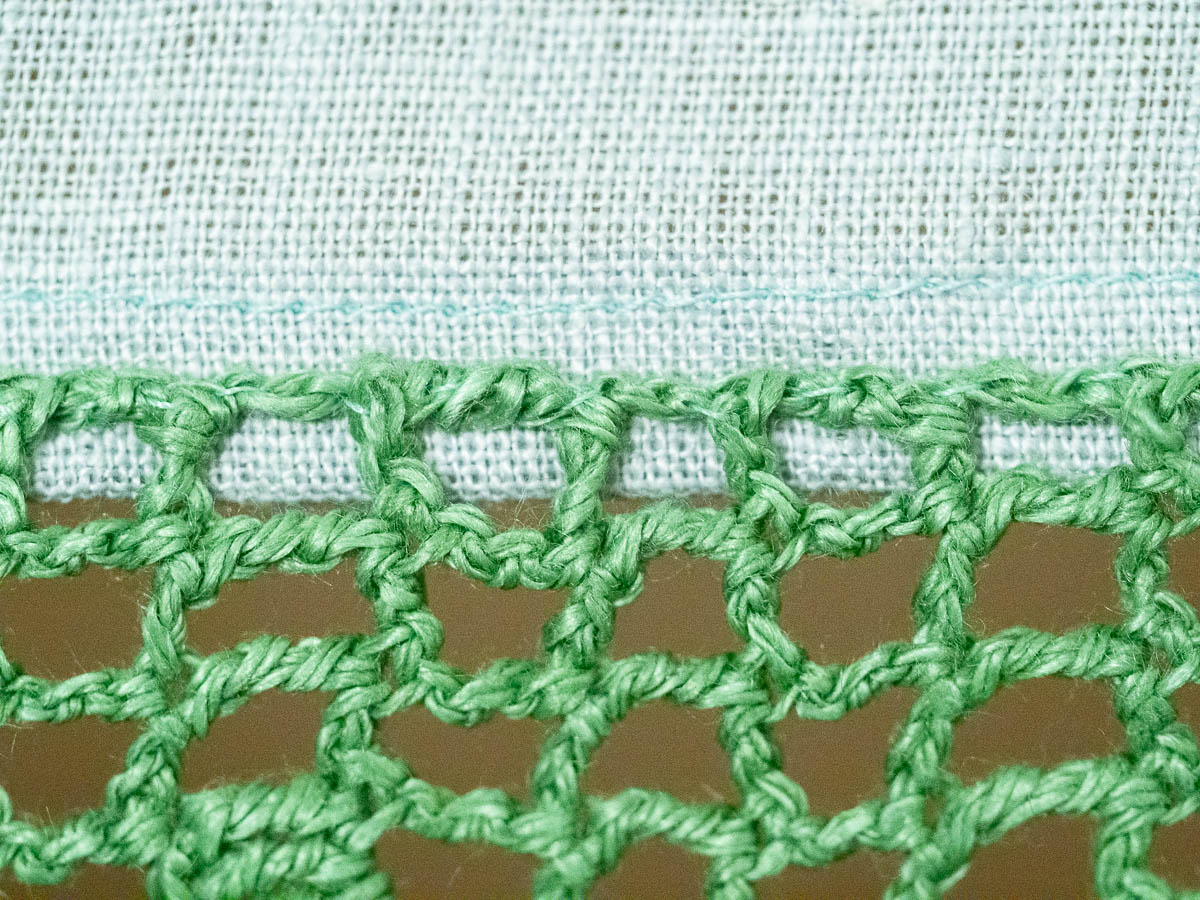
I finally sewed a curtain to attach the lace to, that I crocheted months ago. I dithered for quite some time between putting the lace in front of the fabric or behind, and likewise between sewing it there by hand or by machine. Finally I decided that the lace is the main thing and has to go in front of the fabric. And because I still wasn’t sure about it, I sewed it by hand so that it will be easier to rip up and redo if I change my mind. Which, honestly, I don’t think I will.
There’s barely any daylight so I only had lamplight for my photos today. Now I hope I’ll remember to pick up my camera around noontime some day soon, so I can get of a photo of the finished curtain as a whole as well!
The Bear and the Nightingale is what I think of as fairy-tale fantasy, like Naomi Novik’s Spinning Silver. This one is based on Russian folk tales, in particular the one about the poor stepdaughter who sent out into the woods in the middle of the winter and told to bring back snowdrops (or violets, or strawberries, or other variations).
Vasya is the youngest child of a wealthy boyar somewhere in the North of Russia in medieval times. Her grandmother was known/rumoured to be a magical princess. Vasya’s mother died giving birth to her, and tasked her father with watching over her because she knew the girl would inherit her grandmother’s gifts and would have something important to do.
As the girl grows up, people notice her talking to thin air. When she tells them of the spirits she speaks to, and grows ever wilder and more unpredictable, the family convinces her father that the girl needs a mother. He remarries, bringing home another high-born lady, rumoured to be mad. When she arrives at the manor, it turns out the woman wasn’t mad but instead saw spirits just like Vasya.
The story is full of spirits. The hairy, bearded house spirit, and the toad-like lake spirit, the forest spirit and all the others. While only Vasya and her stepmother can see them, being friendly to them is part of normal life. Even the women who don’t see them, leave offerings to the domovoi.
But the stepmother forbids Vasya to ever mention the spirits or give them offerings, and invites a priest to the household to drive the creatures away. Vasya’s second sight and the creatures may be the only thing standing between the village and disaster, but the priest is determined to drive them all out.
I really enjoyed the Russian flavour of this book. I could relate to it much more personally than to standard Western European fantasy. Western European fairy tales and fantasies with sword-bearing knights and impressive castles have always felt distant, like the stories would only ever happen in some other world. But the Russian environment, with birch forests and muddy lakes, log farmhouses, and wooden forts instead of grand stone castles, is all like old Estonia. Mostly gone now, but I’ve seen enough of it to make it feel real. And extended families living on a large farm, with grandma sleeping on the masonry stove, all that is relatable.
Many times I noticed the author using an expression which I sounds archaic, even a bit overdone, in English but immediately felt less so when I mentally translated it into Estonian. Estonian is not at all related to Russian linguistically but has centuries of close cultural ties and has borrowed a lot of idioms over time. Likewise the names, probably exotic to most English-language readers, are familiar and homey to me, after all the Russian tales and books I’ve read and heard.
The storytelling in this book is slow, but in a good way. It’s magical, beautiful and sharp.
I also liked the balance that the author found. Despite appearances, this is not a story about organized religion vs traditional beliefs. Most of the people in the book see no contradiction between them, just like it was in real life. Folk beliefs survived for hundreds of years after Christianity arrived in Estonia. And Vasya’s own tale is not about rebellion vs obedience. The two can coexist. Vasya may refuse to accept a woman’s traditional lot, but doesn’t put herself above the other women who do, or think herself a hero. She also serves, in her own way.
The book is apparently a part of a trilogy, but worked very well on its own.
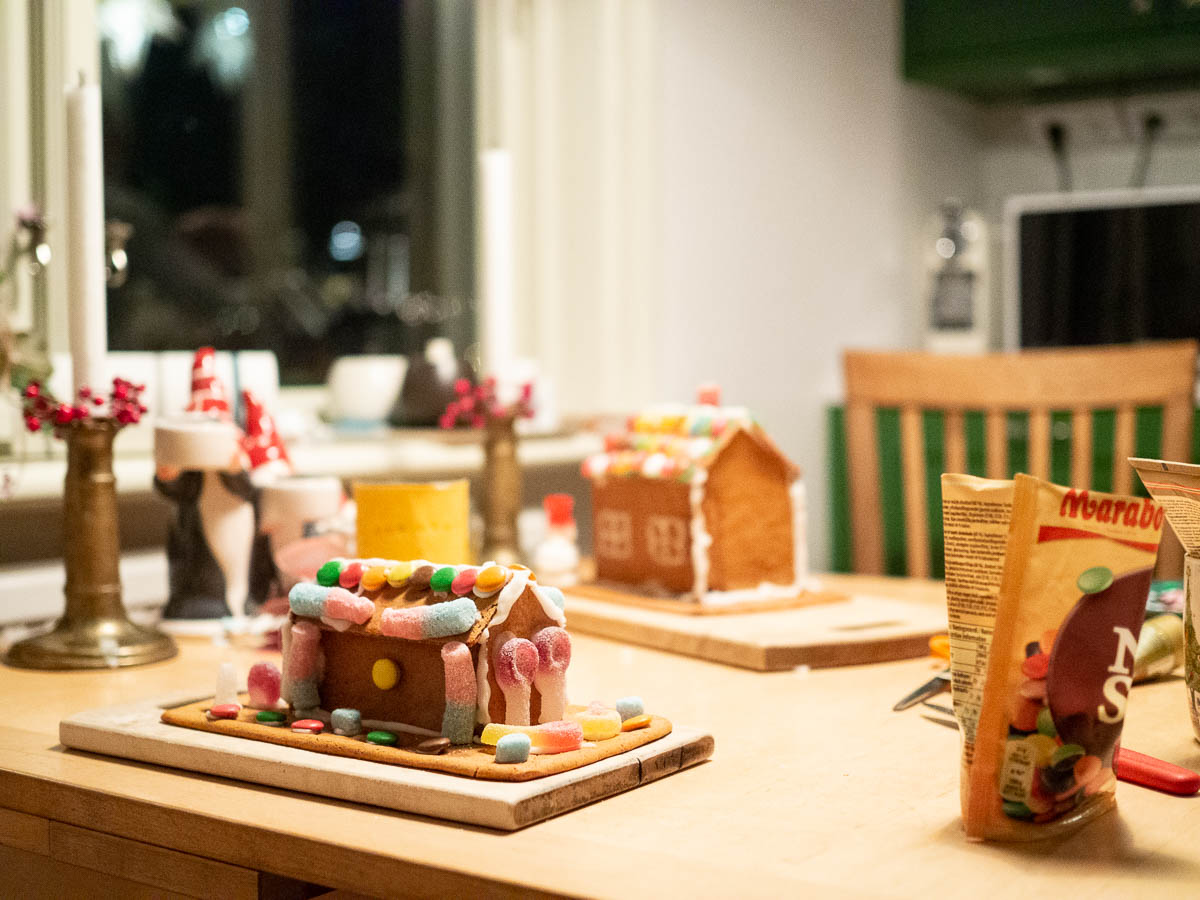
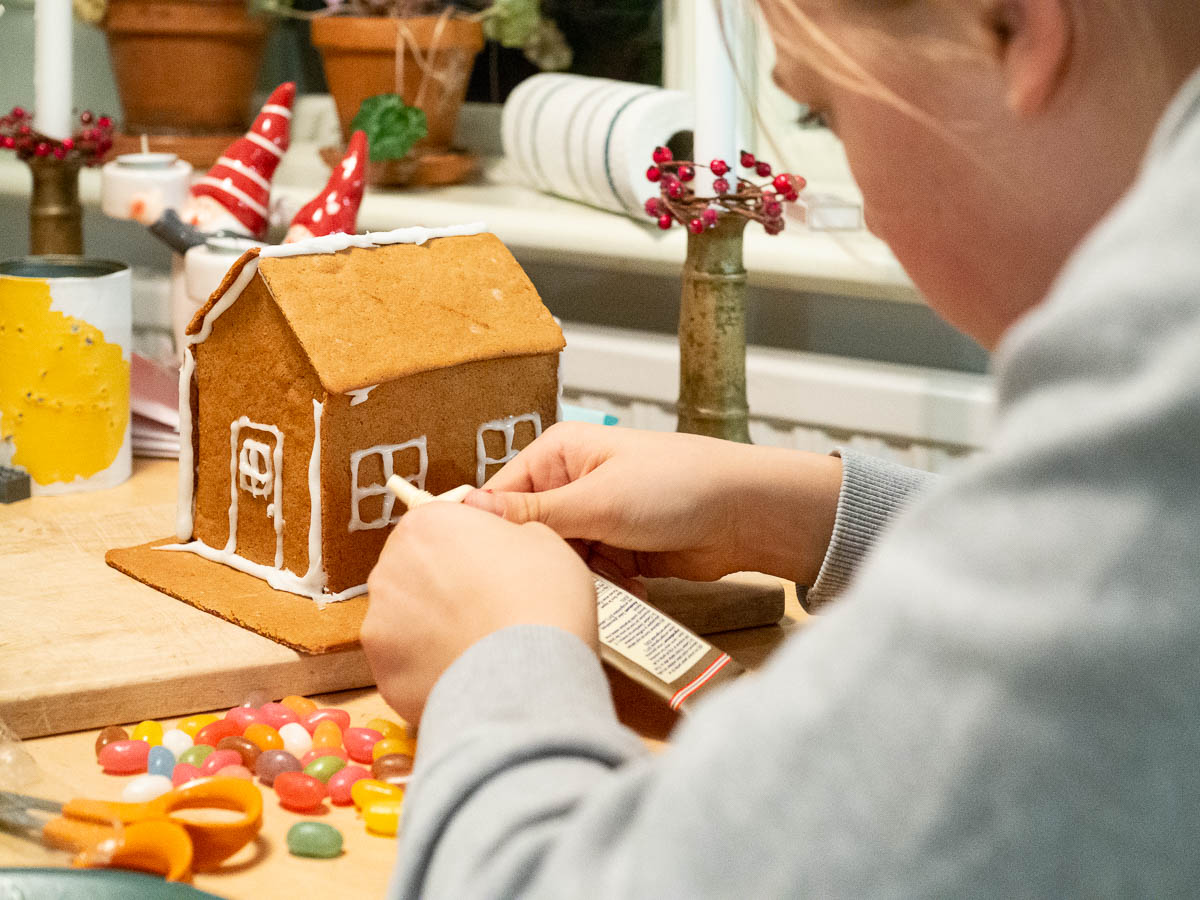
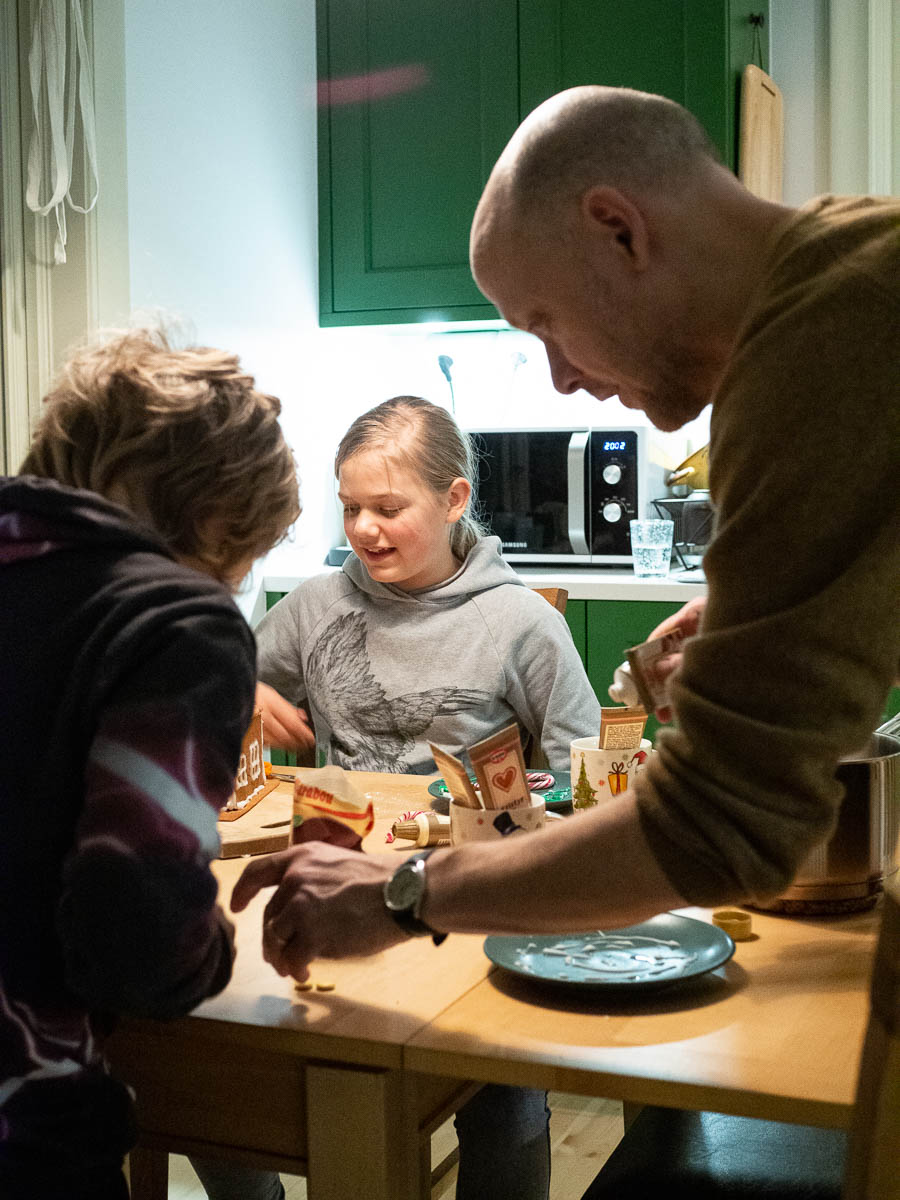
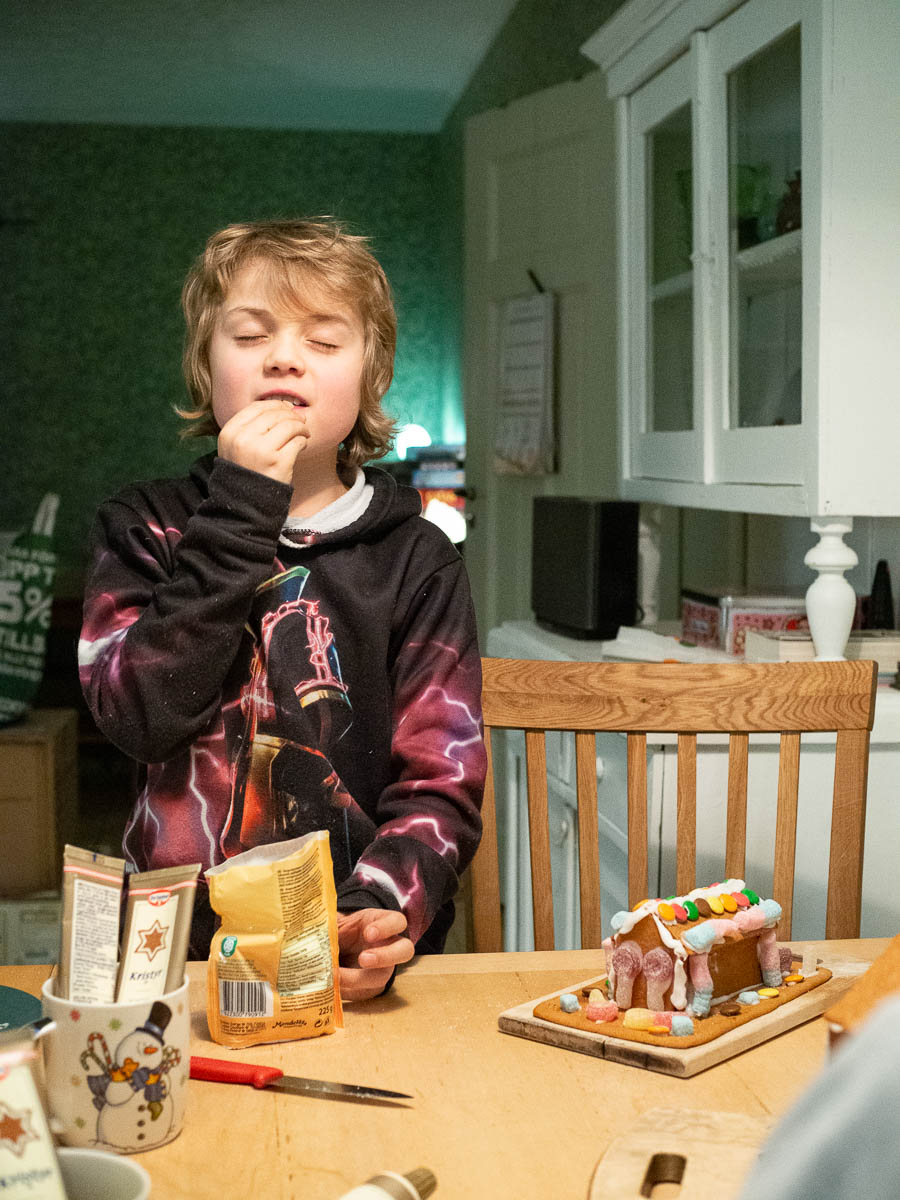
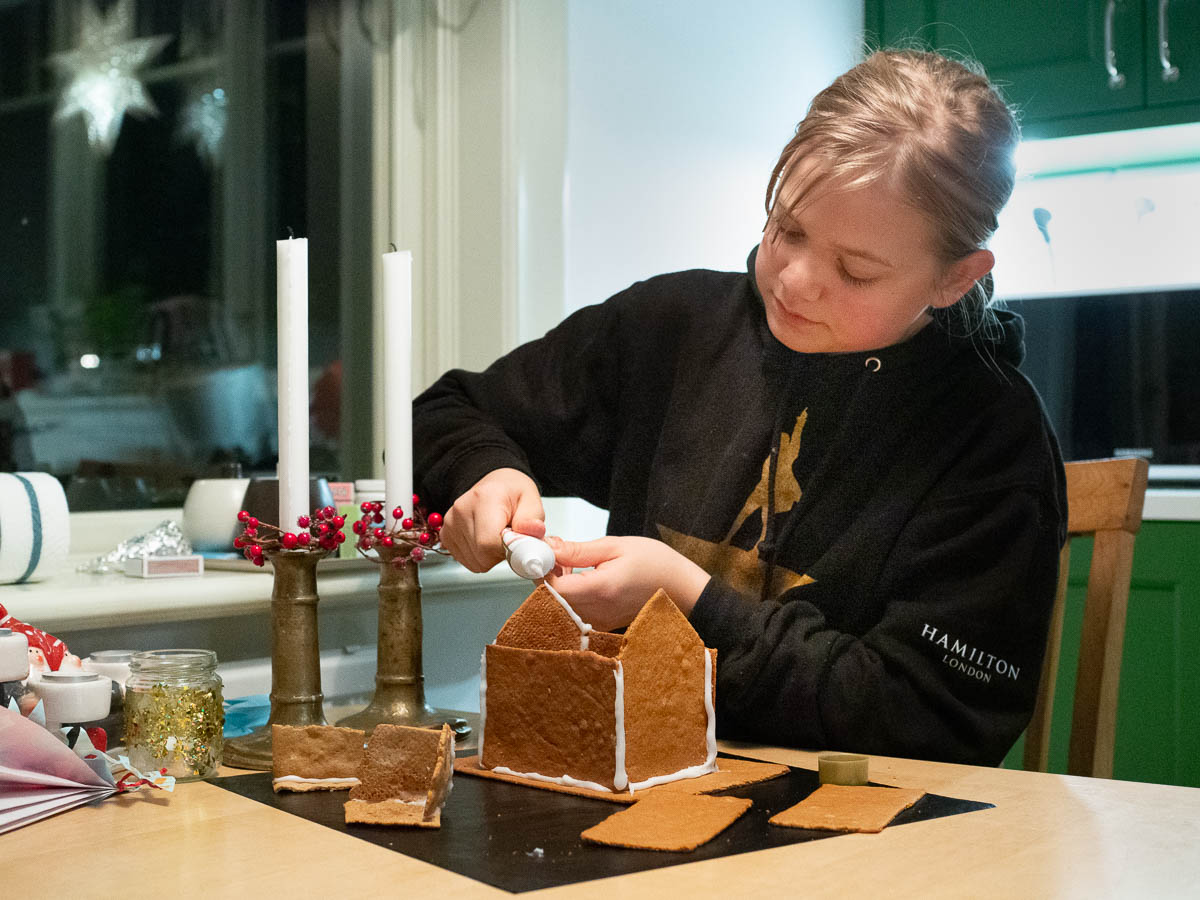
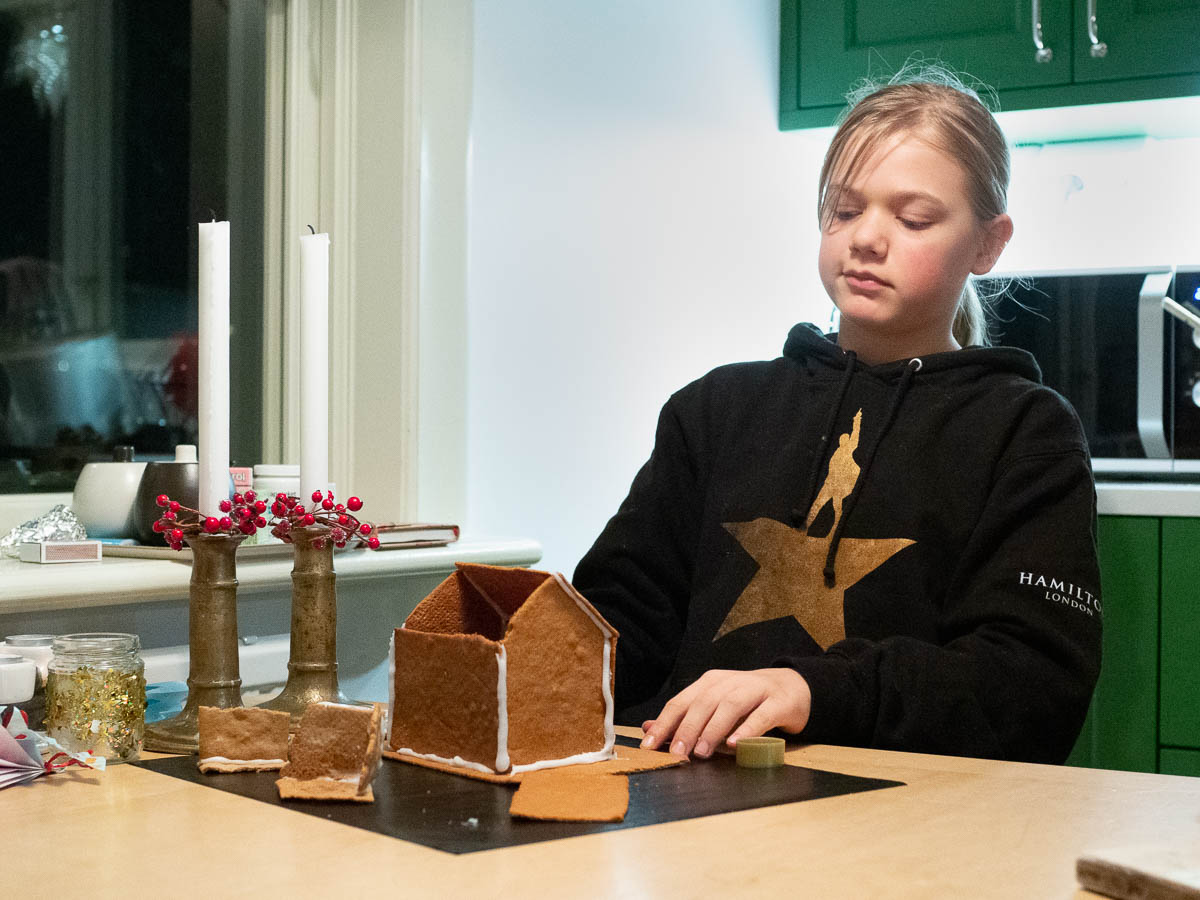
Decorating the gingerbread houses that the were assembled yesterday.
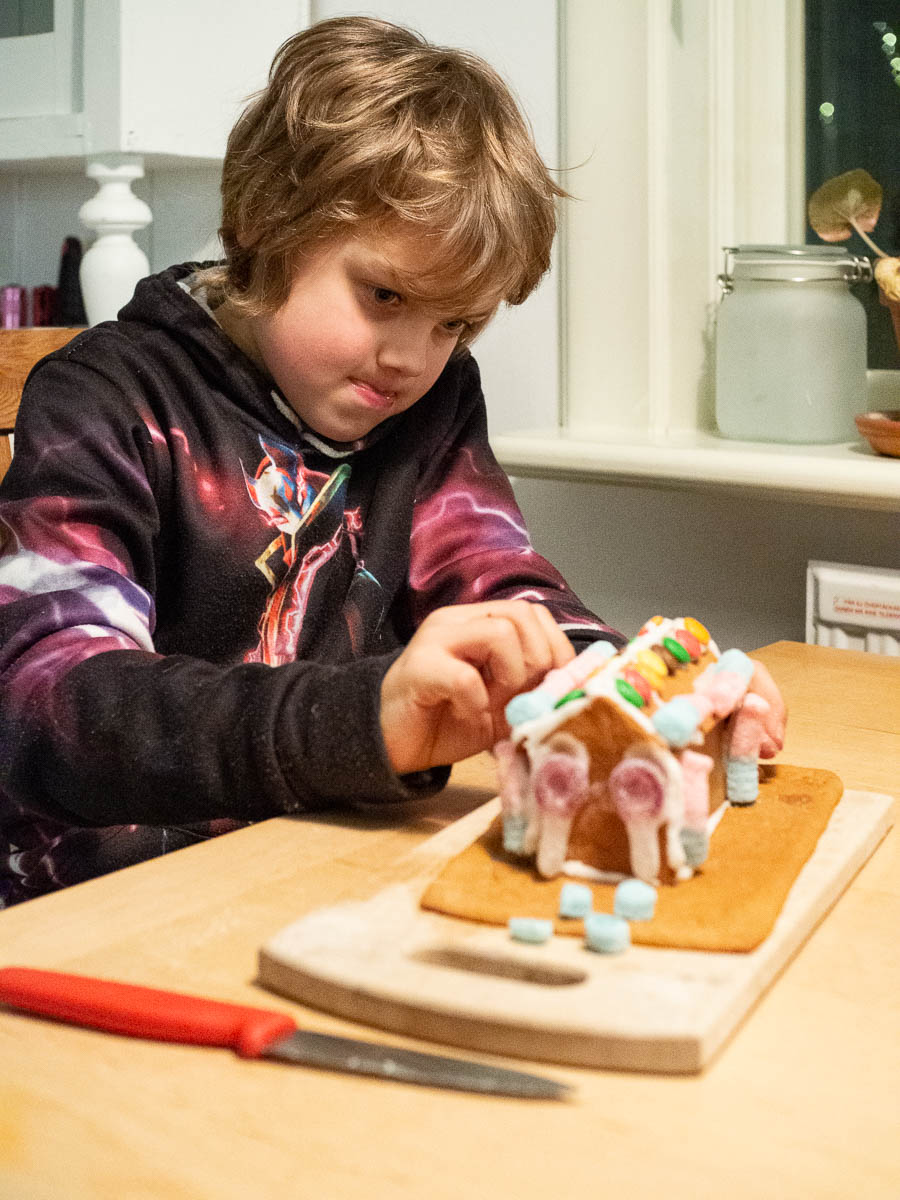
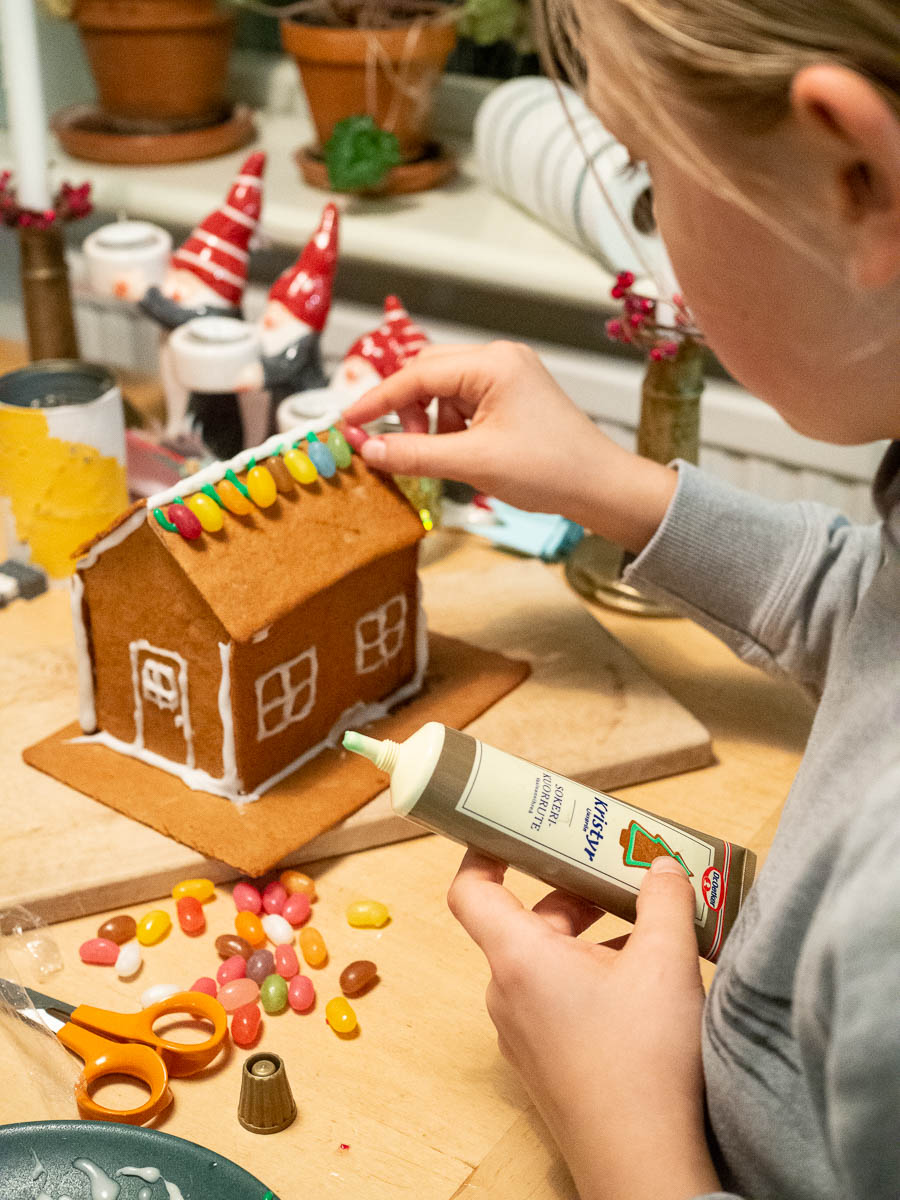
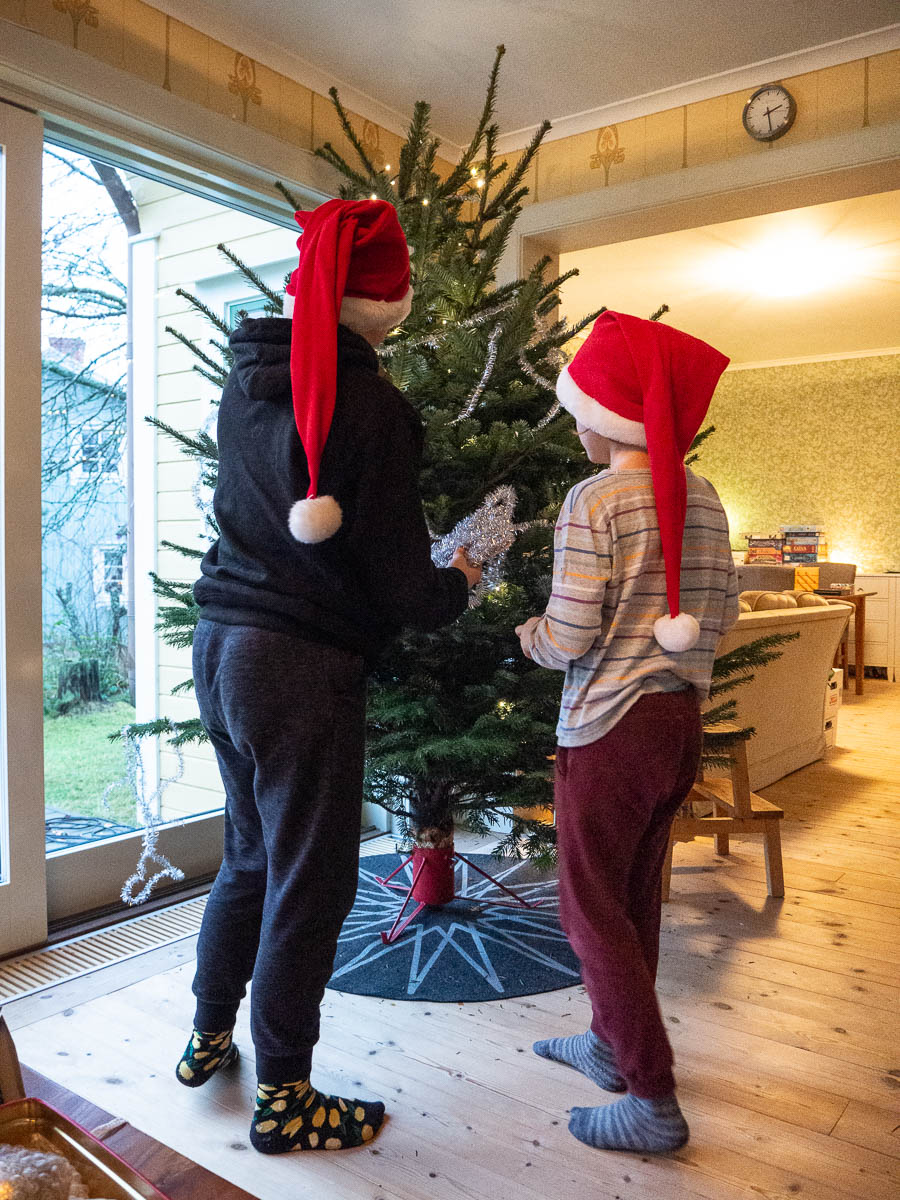
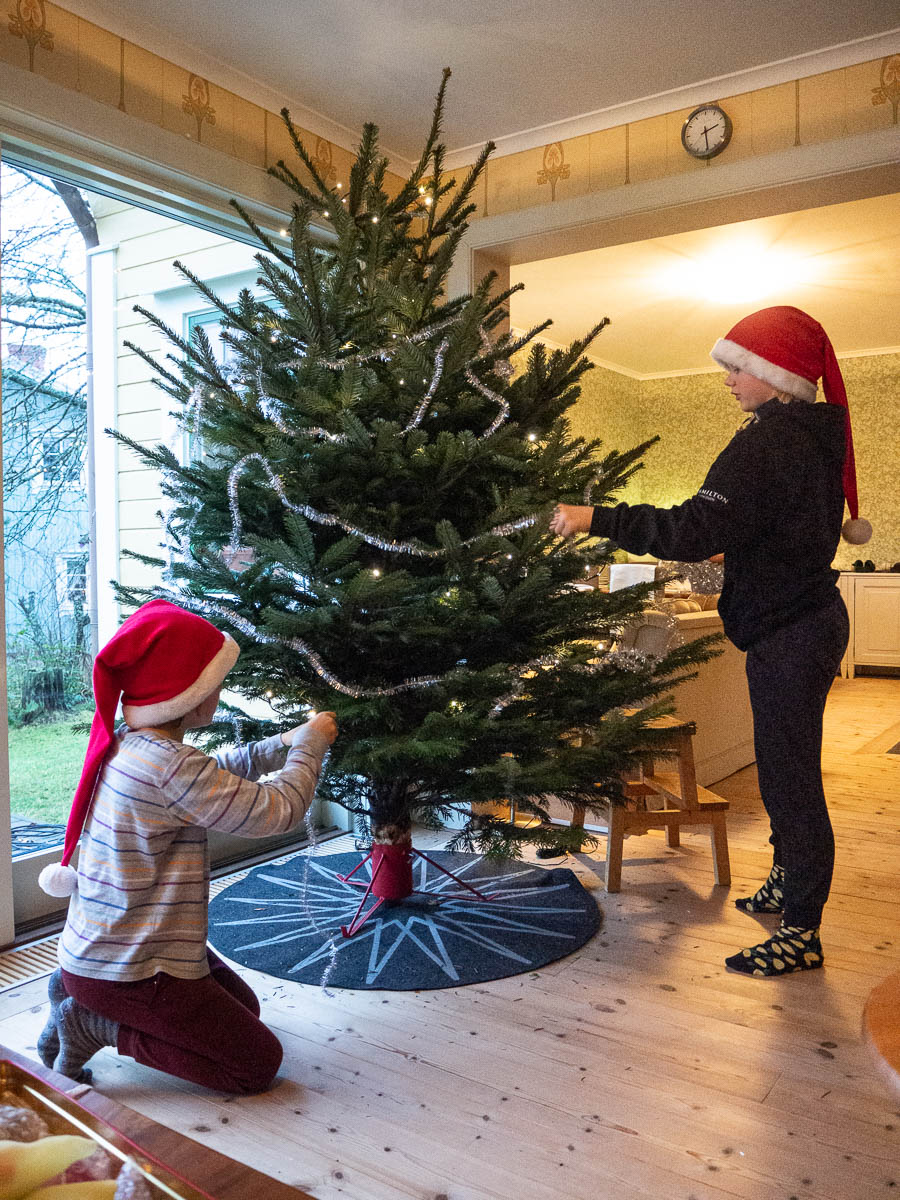
Ingrid and Adrian decorated the Christmas tree today. This year’s tree is a fir again, which goes counter to tradition and instinct but looks better and sheds less.
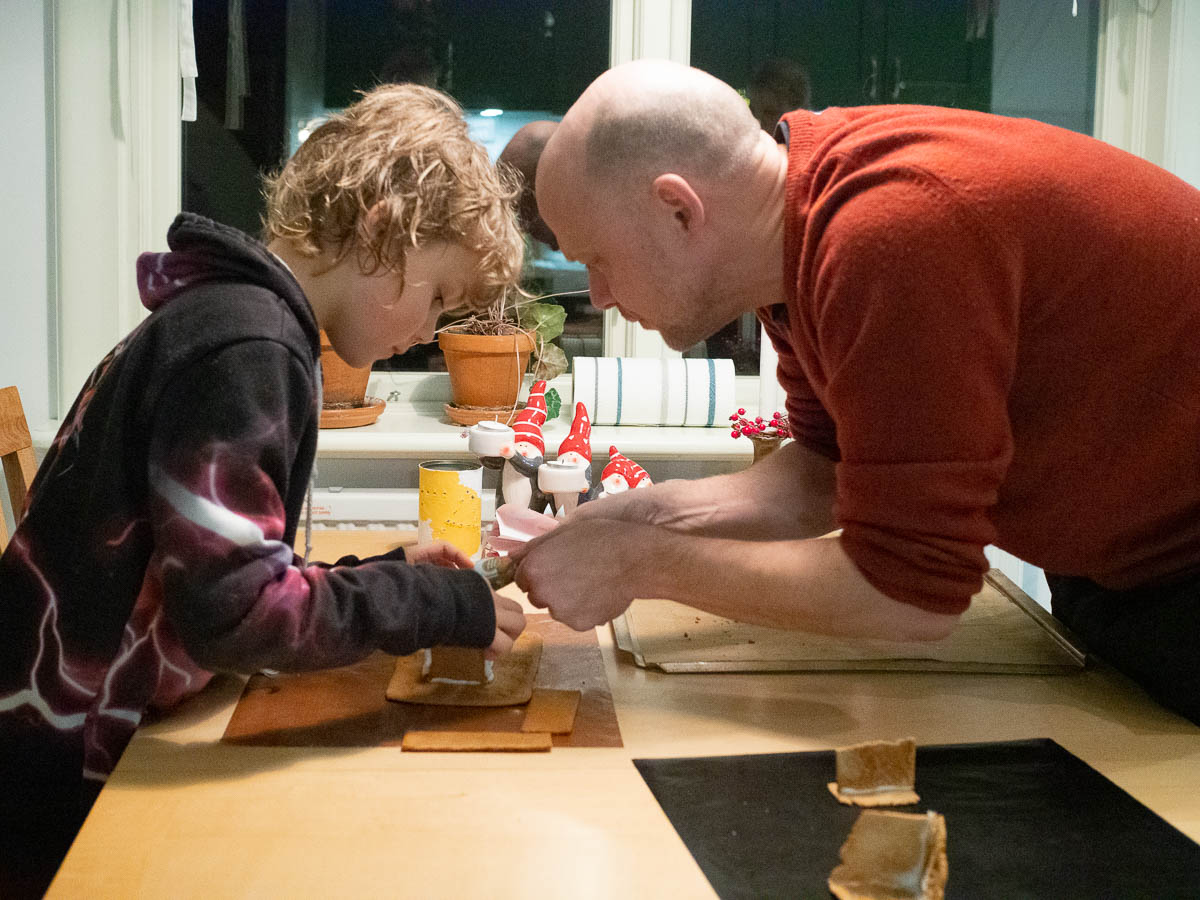
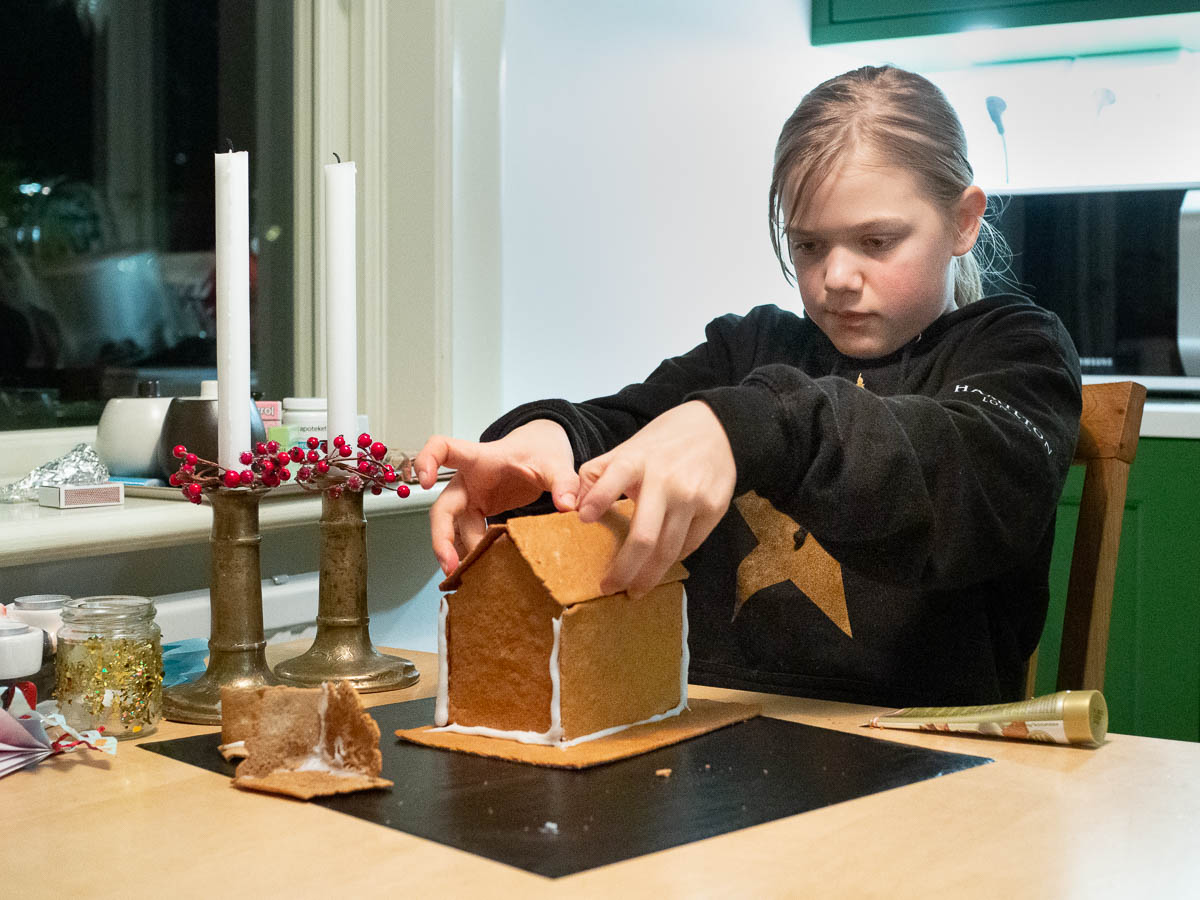
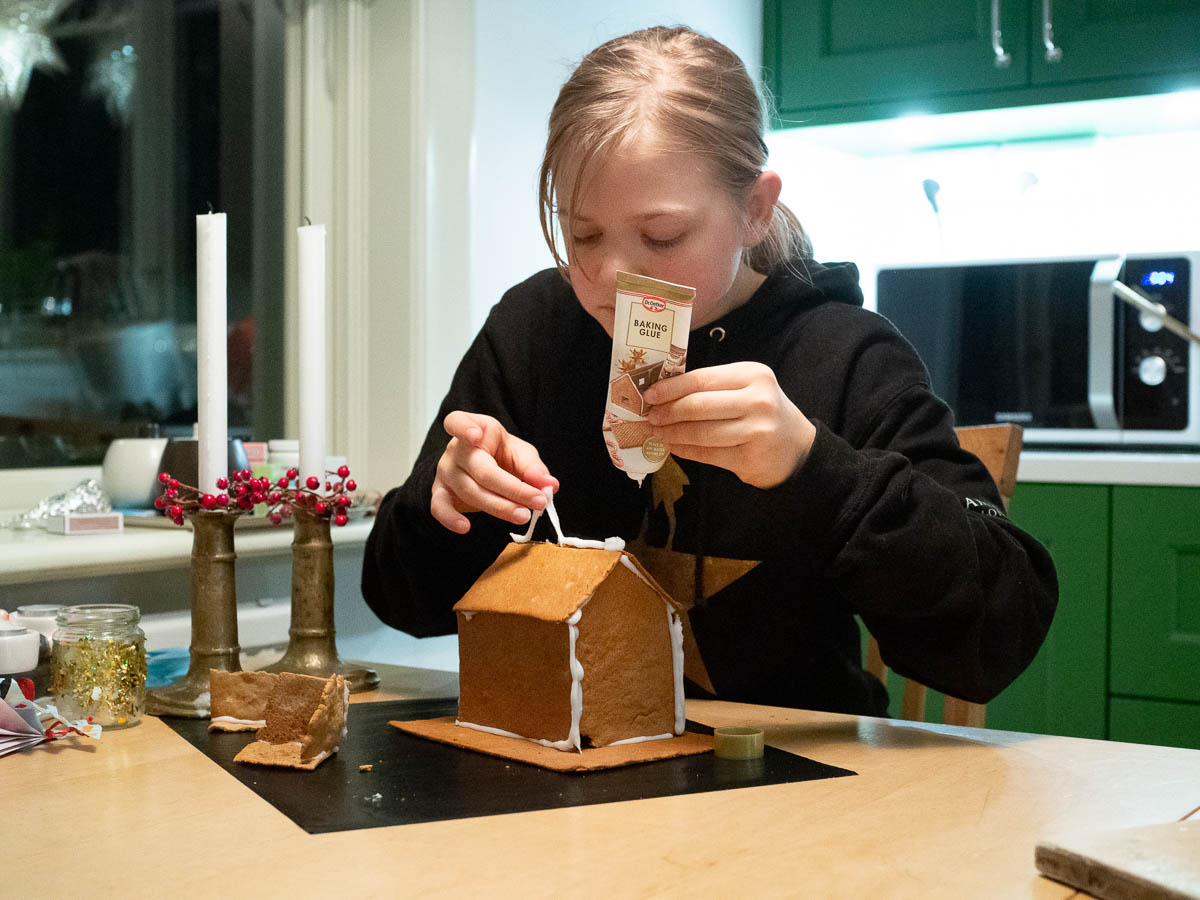
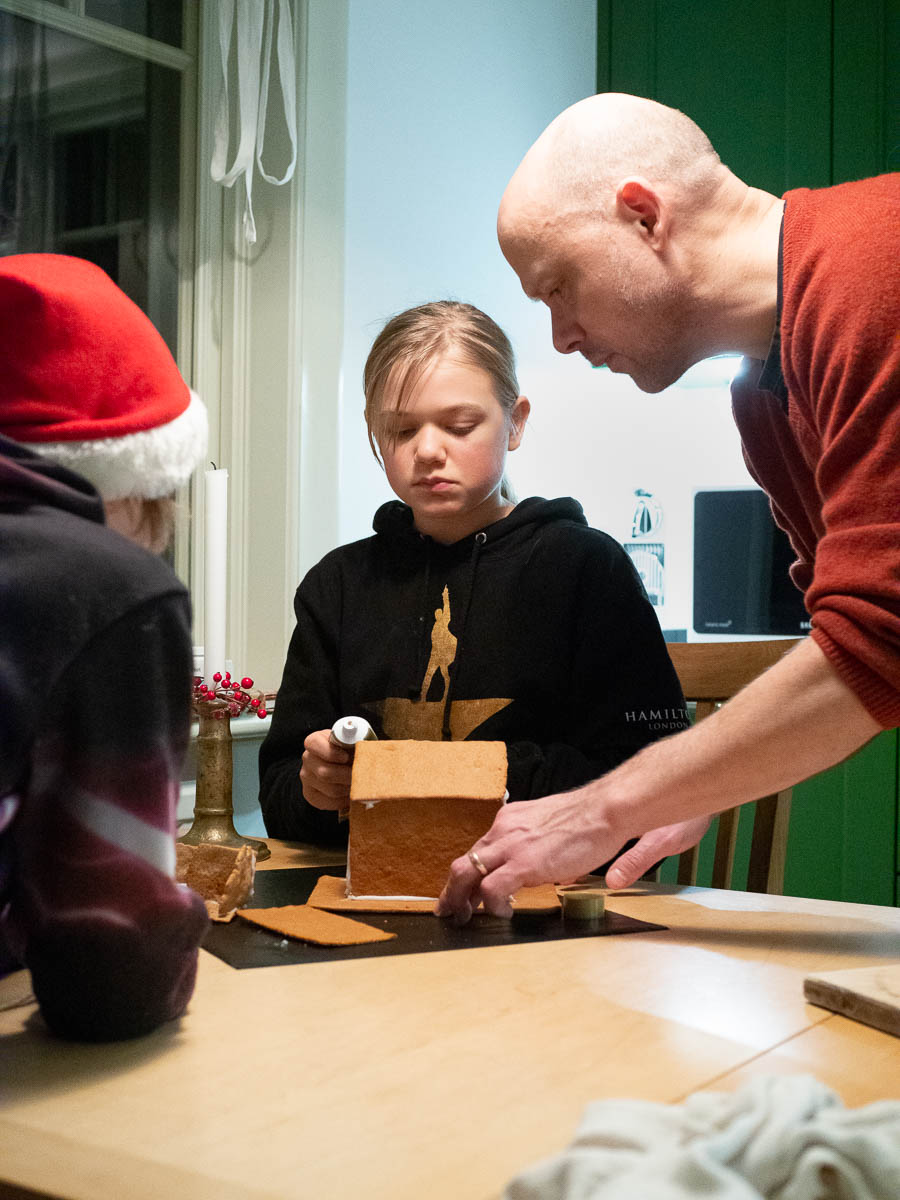
In the evening, the kids made gingerbread houses with Eric’s help. There are ready-made kits you can buy, but this year they’re making them almost from scratch. (But using store-bought dough, because by the time we eat them they will be dry and dusty and using home-made dough would feel like a bit of a waste.) This way we can make much smaller houses, so it’s conceivable that we might actually eat them.
The supermarket had something called “baking glue” which I haven’t seen before. We’ve tried using melted sugar to assemble the houses, and icing, but neither has worked very well. This baking glue was much easier to use than sugar, and stronger than icing.
Sometimes I find a new book to read by reading other people’s recommendations online. The difficulty is not finding passionate reviews of fantasy books, but in finding reviews that I can trust. I.e. reviews by people whose tastes are at least somewhat similar to mine.
The Riftwar saga has been recommended more times than I can remember. People on /r/fantasy keep mentioning it as their favourite book ever. A few months ago I thought I’d try it out.
I’ve rarely been as disappointed in a popular book as with this one. This book was just so simplistic in all ways. There is no subtlety or complexity whatsoever. It’s fantasy for beginners; no thinking required.
The story is simple and linear. The characters’ actions and emotions are always the most predictable ones. Any foreshadowings are pointed out with a heavy hand – “watch closely now, this will be important later!” It’s almost a caricature of a popular book, so bland and so full of clichés.
I keep records of the books I read. When I was noting down this one, I saw that I had read it before, almost exactly ten years ago. I have no memory of it at all. Apparently it made no impression. That doesn’t surprise me.
Note to self: try to remember to never read this book again.
PS: And now I see I even reviewed it back then. I was indeed no more impressed the first time.
| « Older posts | Newer posts » |
