Another release, another cake to celebrate.

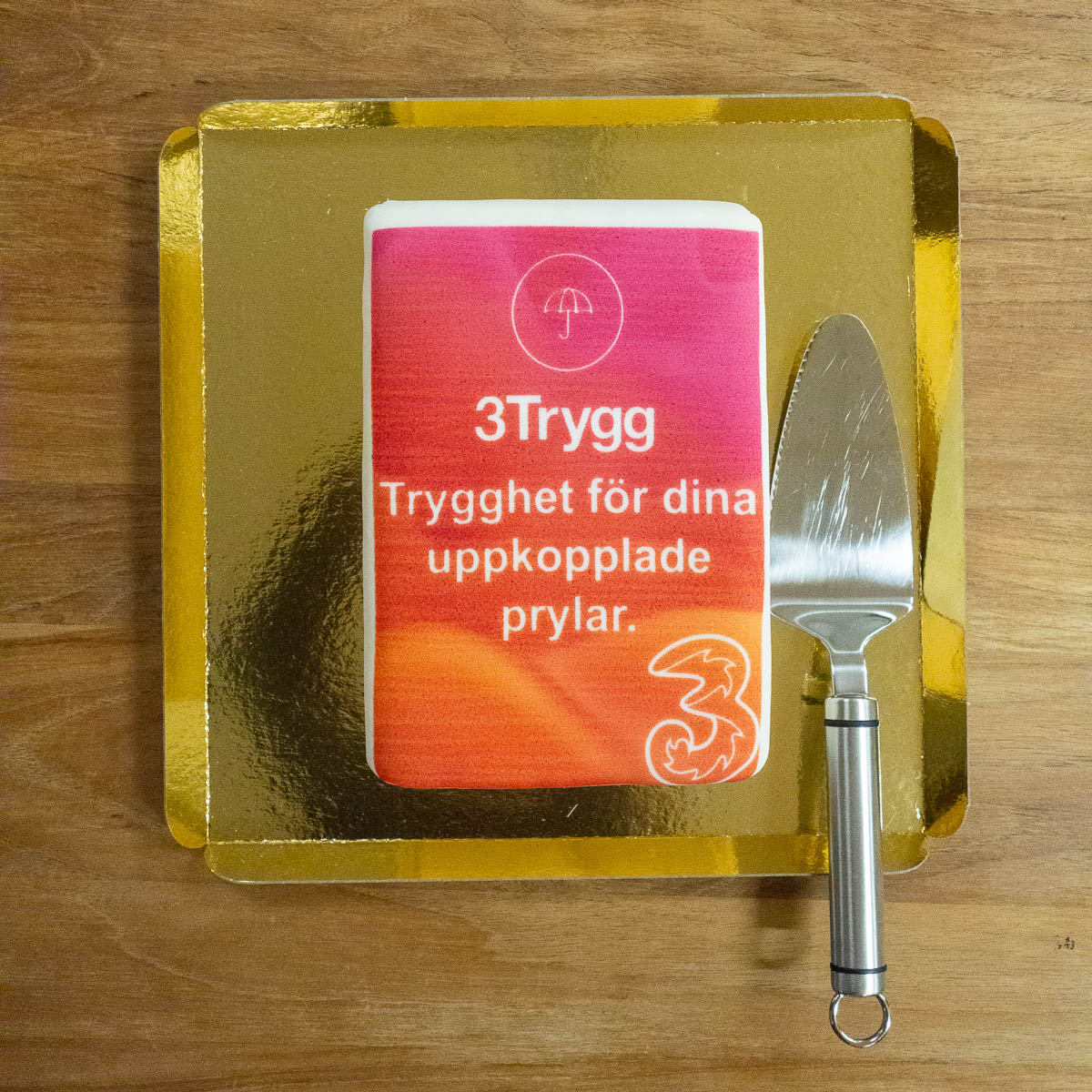
This was a major release so the cake was a bit more fancy than usual – printed with the logo of the service that we helped develop. Apparently you can order cakes printed with any kind of design nowadays.

And apparently these cakes are printed in Germany. They are packed in protective cardboard to survive shipping from Germany to Sweden, and – designed to stay “fresh” during that time – they’re pretty much like cardboard in taste and texture as well. Sort of edible, but not exactly tasty.

We appreciated the kind gesture but we hope there won’t be any more of these German mail order cakes coming our way.

We had the extended families here today to celebrate the kids’ birthdays. Lots of people, cakes, balloons, presents… the lot.

Did I take any pictures of any of this? Not a single one.

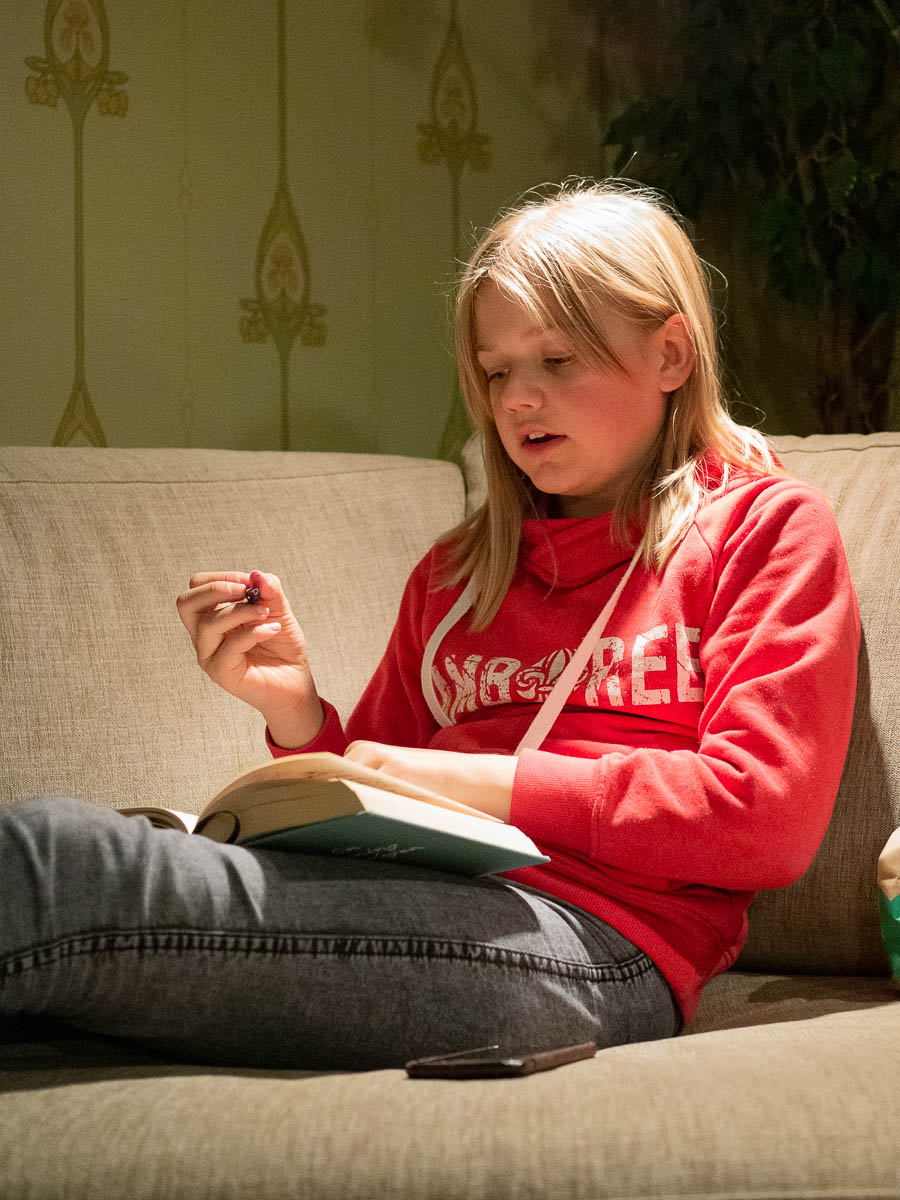
Photos help me build memories. I like going back to old blog posts, and both Ingrid and Adrian like looking at photos. Of themselves as babies, of Christmases and parties and hikes and trips.

The trouble is, the events that I would most like to have photos of are the ones where I am too busy being to even remember to pick up the camera.

I have a bracelet with a little camera pendant to remind me to take photos. It works, in that it reminds me to take photos, but sometimes I feel it so much that it becomes annoying and so I leave it. And then I get no photos. :(

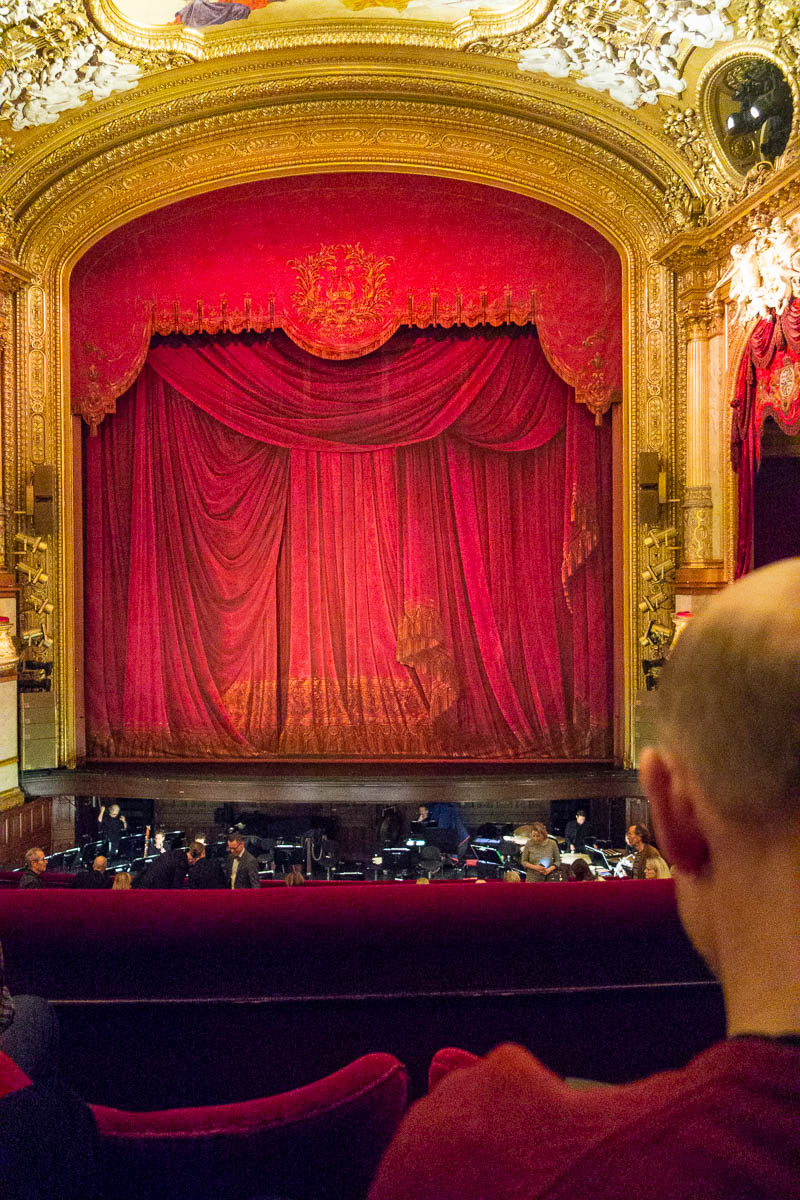
Noces / Agon / Rite of Spring, all set to music by Stravinsky.

A ballet evening with three pieces. The second part reminded me of a ballet I think we’ve seen previously but I couldn’t remember any details, nor find them here on the blog. So I’m going to take better notes this time.

Noces, choreography by Angelin Preljocaj. On a scale from abstract ballet to storytelling, this leaned towards the latter – something about wedding rites. Five couples, the women in dresses of vaguely Eastern European style, the men in white shirts and ties. Sometimes they were throwing around human-sized rag dolls clothed in white wedding dresses. Frankly I had difficulty focusing on the dancing because the music was jarringly, distractingly shrill and unpleasant. But the dresses were beautiful: knee-length velvet in deep, rich jewel tones, with wide skirts and embroidered/appliqued borders.
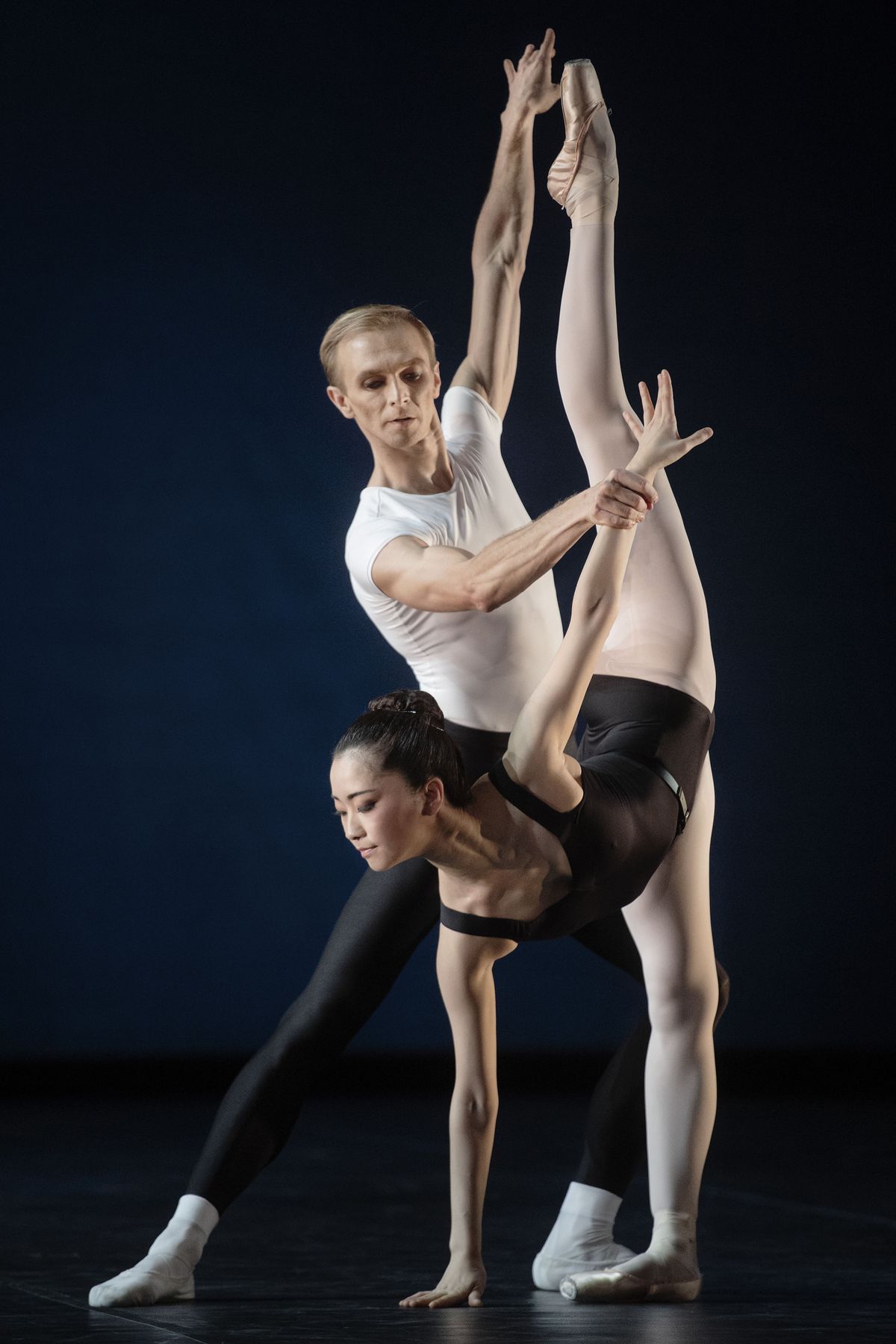
Agon, choreography by George Balanchine. This was very much an abstract ballet. It was somewhat like a symphony, made up of a number of movements. The dancers (six men, six women, in simple black and white leotards) simply gave physical form to the music. As the music reached for a high note, the dancers reached up; as the music paused, so did the dancers. And sometimes the dancers drive the music, rather than vice versa: the dancers’ first steps are a signal to the orchestra to start.

The elements felt classical – plenty of arabesques and stretched toes – and the overall impression was of grace and elegance, but with plenty of modern, humourous touches. Pas de deux with a man and a woman in their traditional roles alternated with parts where men and women performed the same steps and movements.

I would have enjoyed this ballet more if it wasn’t so broken up. Many of the movements ended with bows to the audience, which naturally invited applause. These breaks kept knocking me out of my flow and concentration, and just as I was getting into it again, there was another pause for applause.
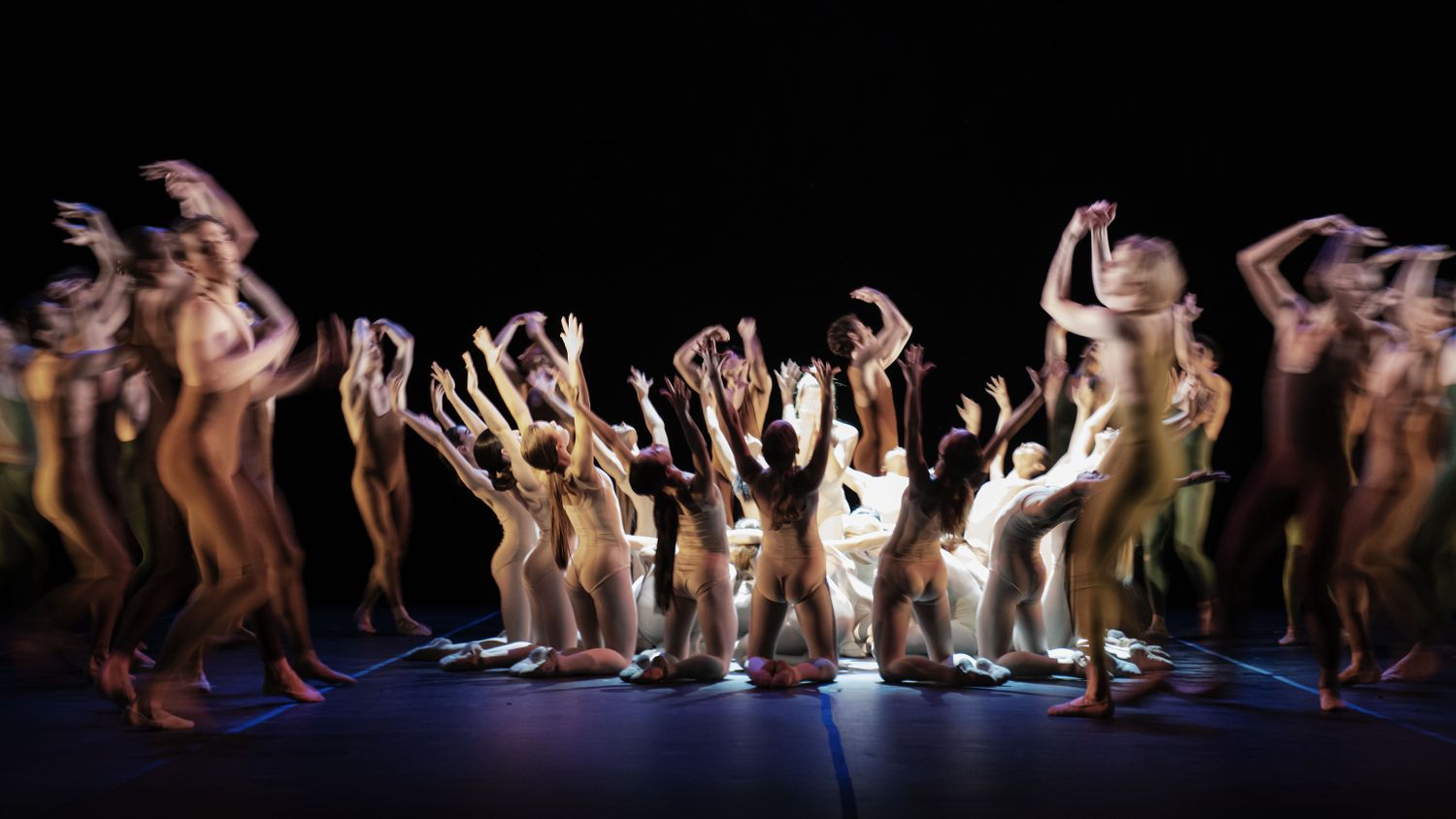
The Rite of Spring, choreography by Maurice Béjart. If the first of tonight’s ballets told a story, and the second was abstract, then this one communicated emotions: youth, energy, joy and awakening, unashamed sexuality. Some versions of the Rite of Spring are aggressive and the rite is one of sacrifice; this one was full of vitality and sensuality. So easy to enjoy.

The Royal Opera still doesn’t allow any photography, and the official photos I could find tend to focus on the final climax, but I found some of the earlier, all-male scenes with their trembling, newly woken animal bodies even stronger. I also enjoyed the geometrical scenes, where all the dancers arranged themselves in lines and moved as a strong, vibrant mass of bodies.


(Pictures not mine, they’re press photos provided by the Royal Opera.)

At the opera with Eric.


We’re holding a gathering for our extended families on Sunday, with the kids’ birthdays as an excuse. (Normally we’ve tried to squeeze it in between the two birthdays, but this year due to lack of planning it’s happening in November instead.)

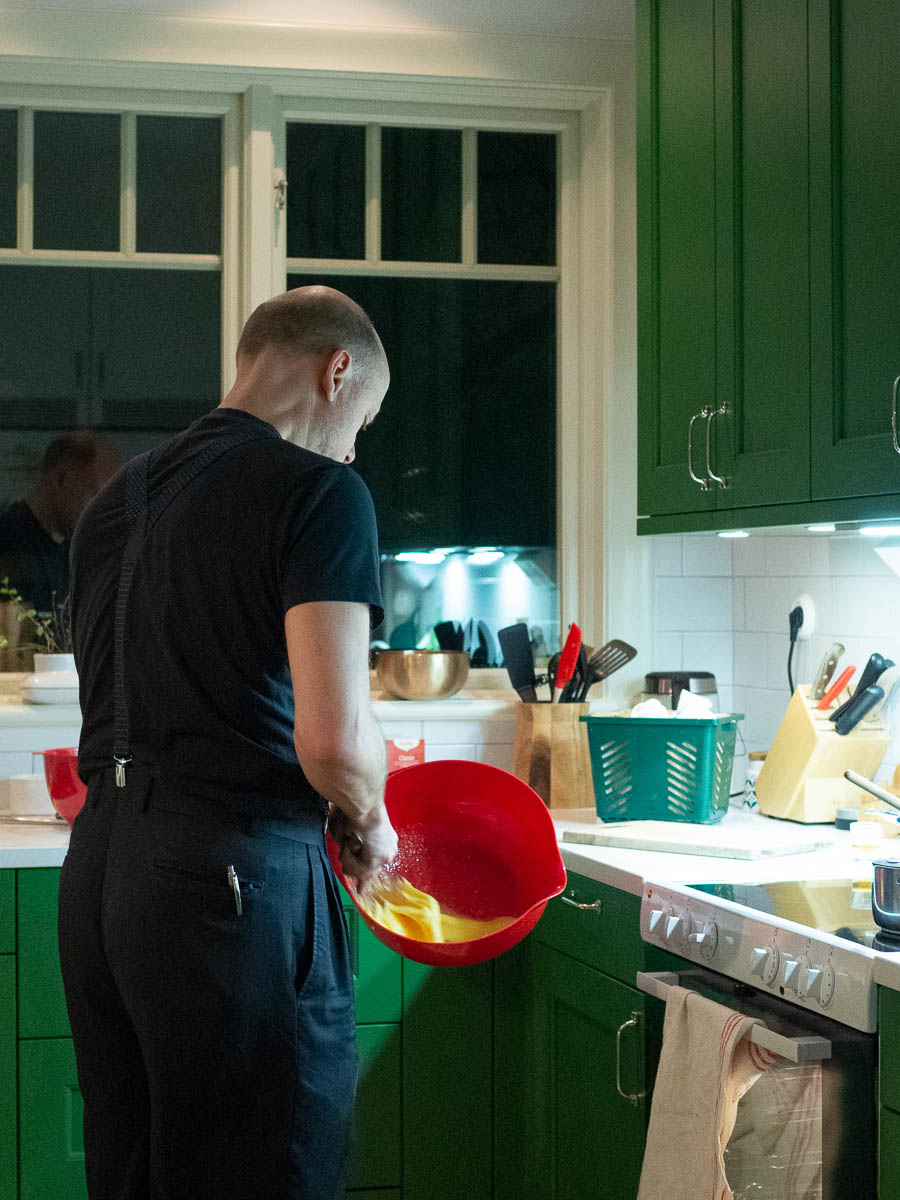
Adrian wanted a brownie or a chocolate cake of some sort. I suggested an apple cake. Ingrid is craving a blueberry cheesecake. Eric has his hands full baking them all.


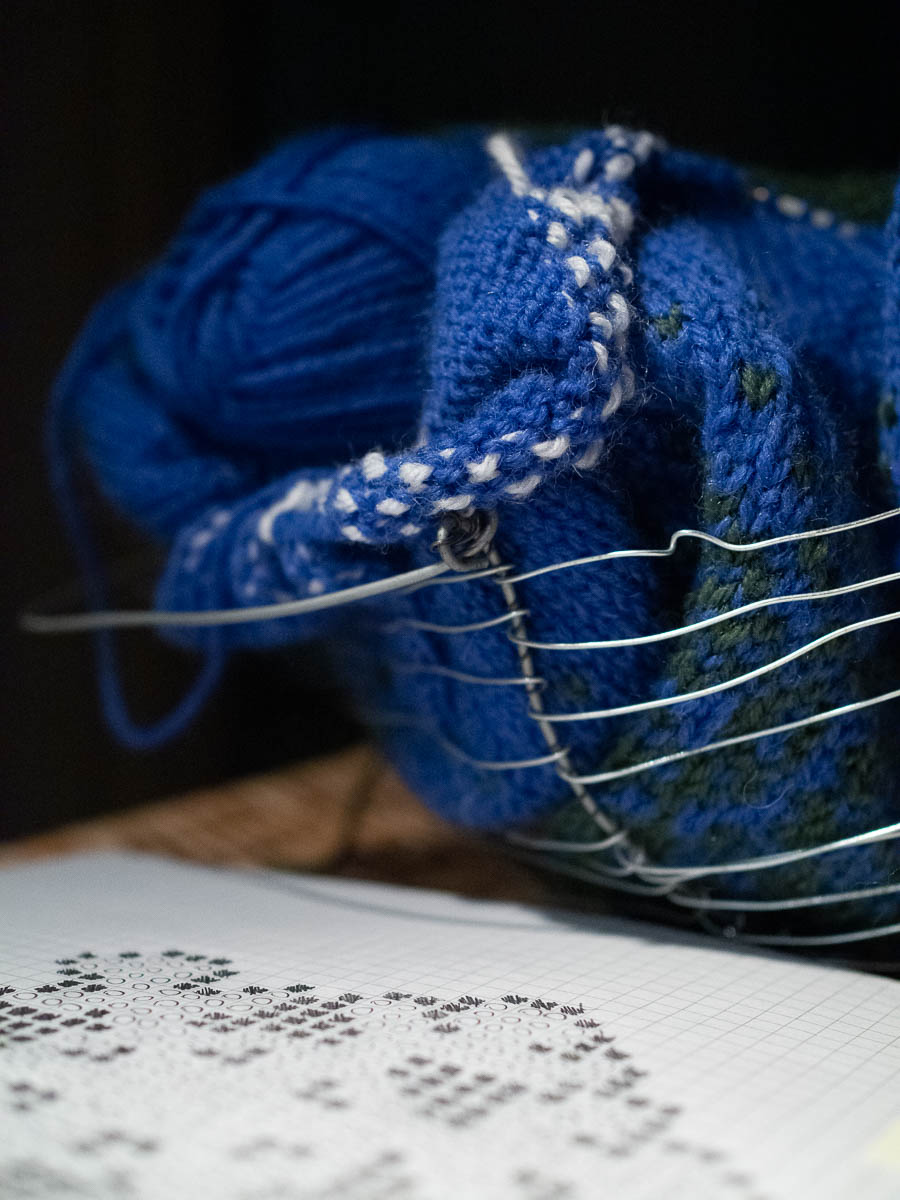
The poncho is generally progressing well. I’ve done the green part, and the gradient from green to blue, and then some plain blue. Now it’s time to start the snowflakes, white on blue.


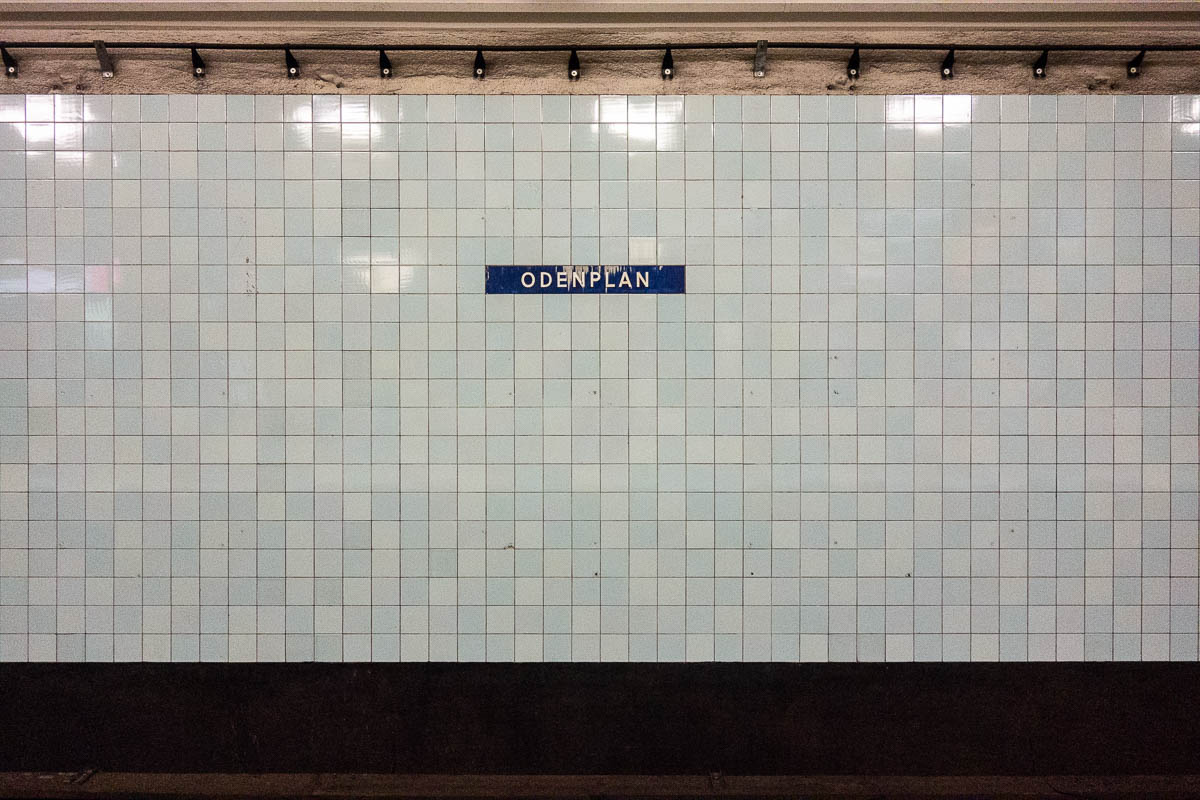
I took the metro to Odenplan to get my hair cut.

I’ve been going to the same hairdresser for many years, back since I worked at ReQtest and we shared offices with Konsultbolag1 in Norrtullsgatan. Since then I’ve been with ReQtest at three different locations that I can remember (Nybrogatan, St. Eriksgatan, Fridhemsgatan) and with tretton37 at two locations (Kungsgatan, and Kungsgatan again).

Afterwards, as I walked onto the metro platform, I continued out of habit to the stairs down to the commuter train station and nearly got on the train that would take me home. That’s what I normally do when I walk past that spot at around that time in the afternoon, after all. The power of habit is strong.


Ingrid is catching up with her sentence-a-day diary.


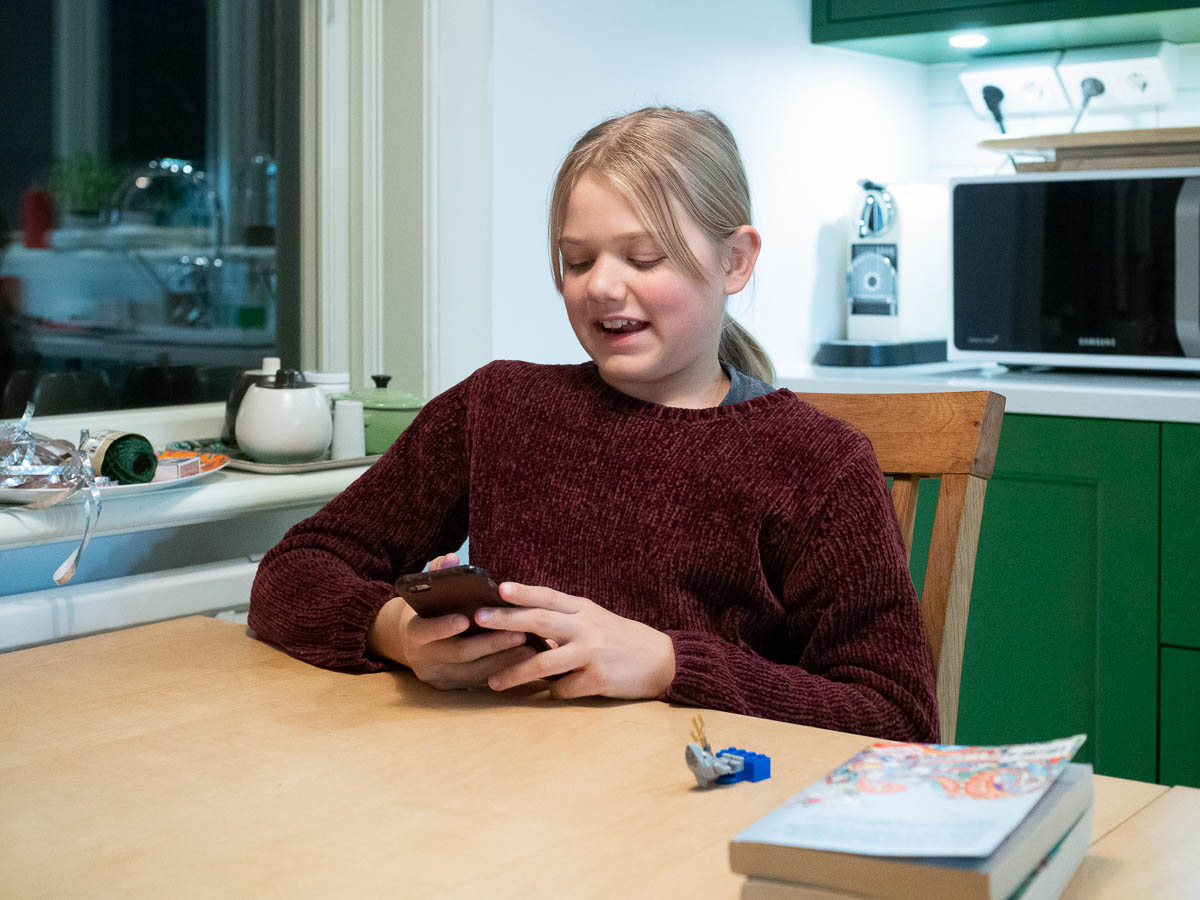
As Ingrid turned thirteen, she became eligible for a whole bunch of new banking services. Today we all went to the bank and arranged for her to get access to Handelsbanken’s banking app, Swish (for instant money transfers) and a MasterCard. All of which she was very excited about.

When she tried out Swish, she immediately zoomed in on the social features of the app. Her first payment to me – just to try it out – came with a card attached, and animated effects. I’ve used the app for years and never even noticed that those features existed. How differently we approach these things!


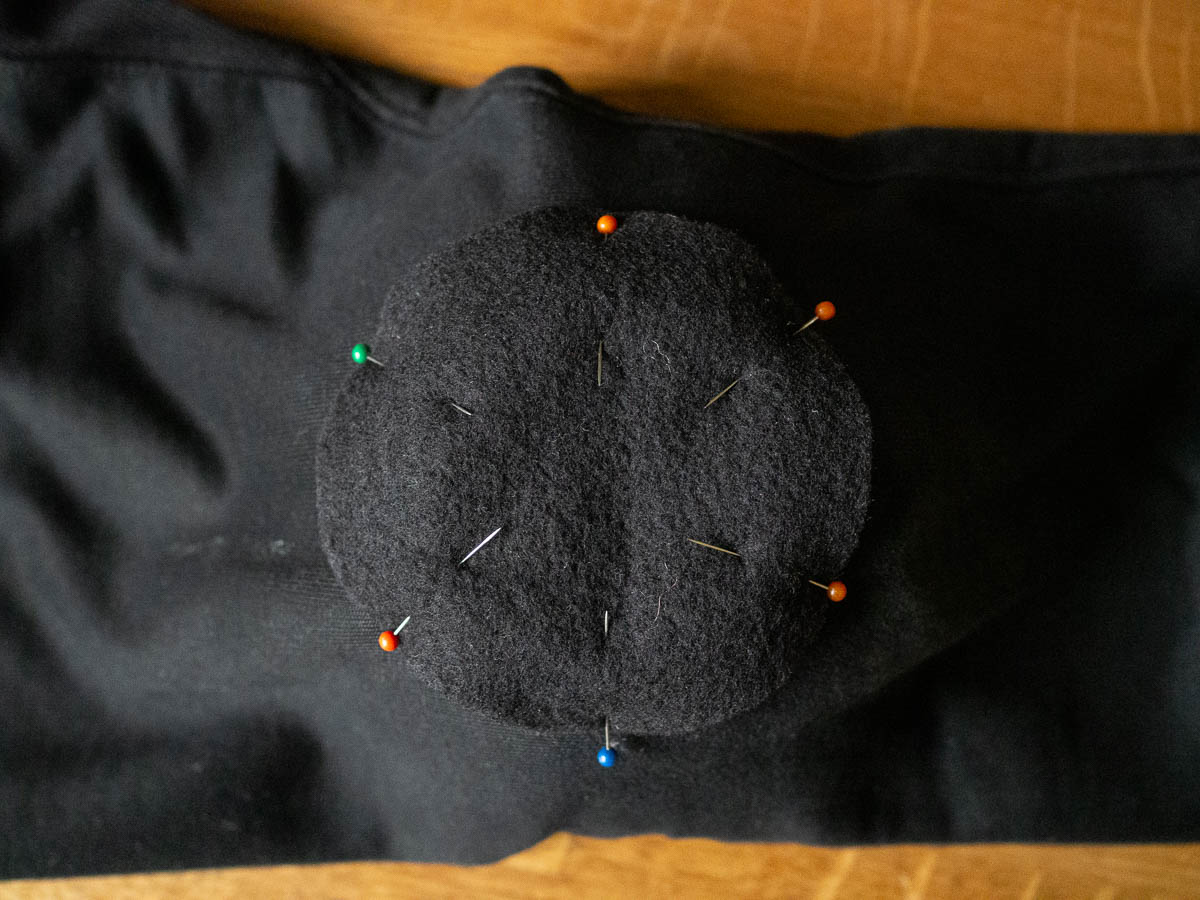
Another pair of patches on another pair of trousers. These I’ve mended before but Adrian keeps wearing out the knees. Apparently they’re really comfortable, I had to confiscate them and promise Adrian he’d get them back the same day before he let me have them.

Polar fleece is the ultimate fabric for patching children’s clothes. Soft, stretchy, comes in a multitude of colours and doesn’t fray at the edges.