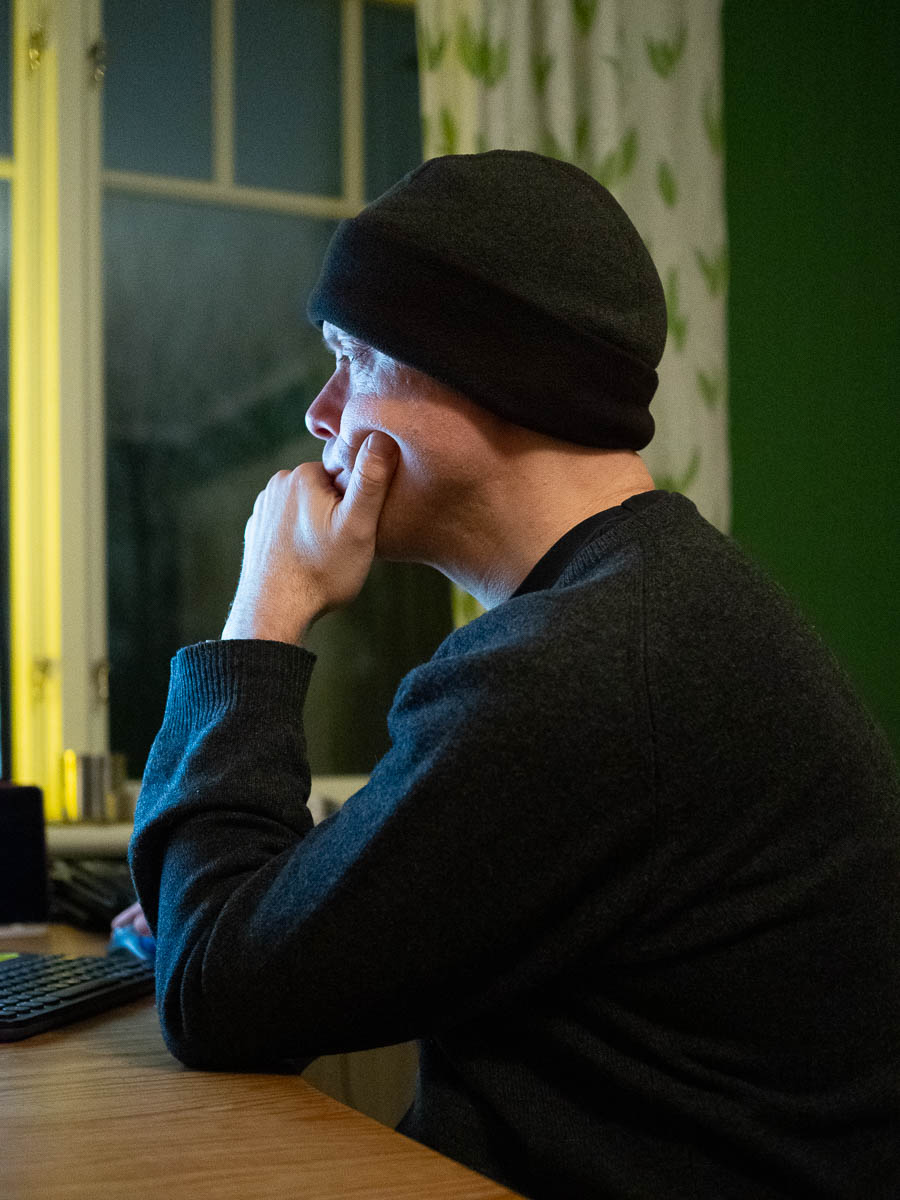
The evenings are getting chilly. Some of us have hair to help keep the head warm; others have to find different solutions.
Book 1: Ann Leckie’s Provenance.
An award-winning author, and glowing reviews for the book. But I’m 116 pages in and nothing much has happened, nothing interesting has been said, no interesting places have been described, and there are no signs that the next chapter will be any better.
Worst of all, the main character is neither interesting nor believable. She’s supposed to be the adopted child of a brilliant, powerful politician – her mother’s competent helper, experienced in organizing events and knowledgeable in politics. She is supposed to be coming up with something clever to gain her mother’s attention and approval. And yet she is as naive and gullible as an adult can possibly be. She believes everything that others tell her, and tells them nearly all she thinks. Which isn’t much. She never thinks two steps ahead, barely one in fact. She dithers and hesitates, then acts impulsively; she cannot control her emotions and starts crying in public. She is annoying and not the least bit impressive.
Book 2: Sylvain Neuvel’s Waking Gods.
This is part two of a trilogy that was kicked off by Sleeping Giants.
Sleeping Giants was pretty good. It had an interesting premise – a giant metal hand is found, buried underground, and then more body parts, and they were clearly not made by humans. The story was told in an interesting way, mostly as transcripts of meetings, interviews, radio traffic etc.
On the surface, the second book is similar, but somehow it’s lacking something. Maybe the novelty of the transcript format wore off. Perhaps it’s because we hear less of and about the key characters, whom I quite enjoyed. Perhaps it’s because the story delivers much more death and much less discovery.

My favourite cardigan is awaiting its second revival.
I bought it many years ago at a luxury department store in London, for more money than I had ever spent on an everyday piece of clothing. The cut and the colour and the feel and the details were all perfect and I’ve loved it ever since.
First the silk edging on the cuffs wore out. Luckily I found a patterned silk fabric in a matching colour and replaced it. Now I’ve managed to wear a hole in an elbow. This is a pretty common fate for my cardigans. Today I made a trip to the only remaining leather store in Stockholm and bought matching red leather for some elegant elbow patches. Elbow patches are almost fashionable now, I believe, but even if they weren’t, I’m not throwing this cardigan away until it falls into pieces.

Ingrid is a worrier. I also used to be, although I’ve worked hard at letting go, and I worry much less than I used to.
High on her list of worries: Making the wrong choice that she later regrets – especially when she has to choose between joining the rest of us for an activity or staying at home. Not getting good grades. The looming responsibilities of adult life. Dying. Family and relatives dying. Wasting her day. Wasting her life.
What can a mother do?
Give the child a book on philosophy. William Irvine’s A Guide to the Good Life. I bought it for myself but hadn’t yet gotten around to reading it.
There are so many books that I could read. An unknown book by an unknown author really needs to stand out in some way to get onto my reading list. Sometimes it’s the cover design that catches my eye, or maybe the book has an intriguing title. Occasionally the back cover blurb sucks me in, although many of those do more harm than good.
The Silvered had none of that. In fact it has an atrocious back cover blurb that tells too much of the story while making it sound cliched and dull. But when I read an excerpt, and it had werewolf lords at an opera house being attracted to young ladies because of how the lady smells – even though the lady’s eyes have no colour – then I just had to know more.
The people of this book live in a country where the nobility are werewolves or mages. Their presence affects all aspects of society, from governance to fashion. It also leads to interesting dynamics between people.
Human patriarchal family structures coexist with the werewolf pack’s “alpha and followers” structure. Werewolves, more influenced by instinct and physical stimuli, have to fit inside human social conventions. As an example, werewolves are strongly affected by smell and touch, while humans in polite society do not go sniffing each other too closely. Interactions between two persons vary depending on which form the werewolf is in: you can pat a friendly wolf but you wouldn’t pat a naked man.
The book also has a reasonably interesting plot: a werewolf and a mage go off to rescue a group of mages captured by the enemy army, and necessity pushes the mage to achieve more than she or anyone else would have thought was possible.
Most of the story is pretty good, but some elements are way too predictable, such as the psychopathic bad guy, and the mage girl’s inevitable triumph. Key parts of the final confrontation and escape are signalled so far ahead that they almost become anti-climactic. On the other hand, some events that at first glance seem like plot holes (“yeah right, how likely is that to happen”) turn out to fit beautifully into the story. And it was most refreshing to see the couple get through the whole adventure without falling in love.
But the plot was not what sucked me in and kept me hooked. (Which it really did: at one point I put the book down to go to bed, then spent about an hour thinking about and revisiting the best scenes, and in the end I had to go down and finish it even though that took me until 3 in the morning, because I simply couldn’t think of anything else.) The plot was kind of just there to give the young mage and werewolf couple something challenging to do, so that they can circle around each other, sniffing and nuzzling, and occasionally save each others’ lives.
On the one hand I am glad this was a standalone book so it runs no risk of contracting the “dramatic overload” disease of some fantasy series. On the other hand, I sure wish there was more of it!
Modern Swedish society is very un-tactile. Most of the time we only touch each other in formalized patterns like handshakes and shoulder pats and semi-formal hugs. Physical contact has somehow gotten all tangled up with sexual contact, and spontaneous, informal touching between adults is limited to a narrow range of situations – within the family, or a romantic relationship.
This touchlessness it doesn’t sit well with me at all. I am more tactile than most people, like the wolves in the book. I could live the rest of my life without sex, but I cannot imagine sleeping alone for the rest of my life. I wish we all had more werewolf blood in us and that we touched each other more, spontaneously and for real.
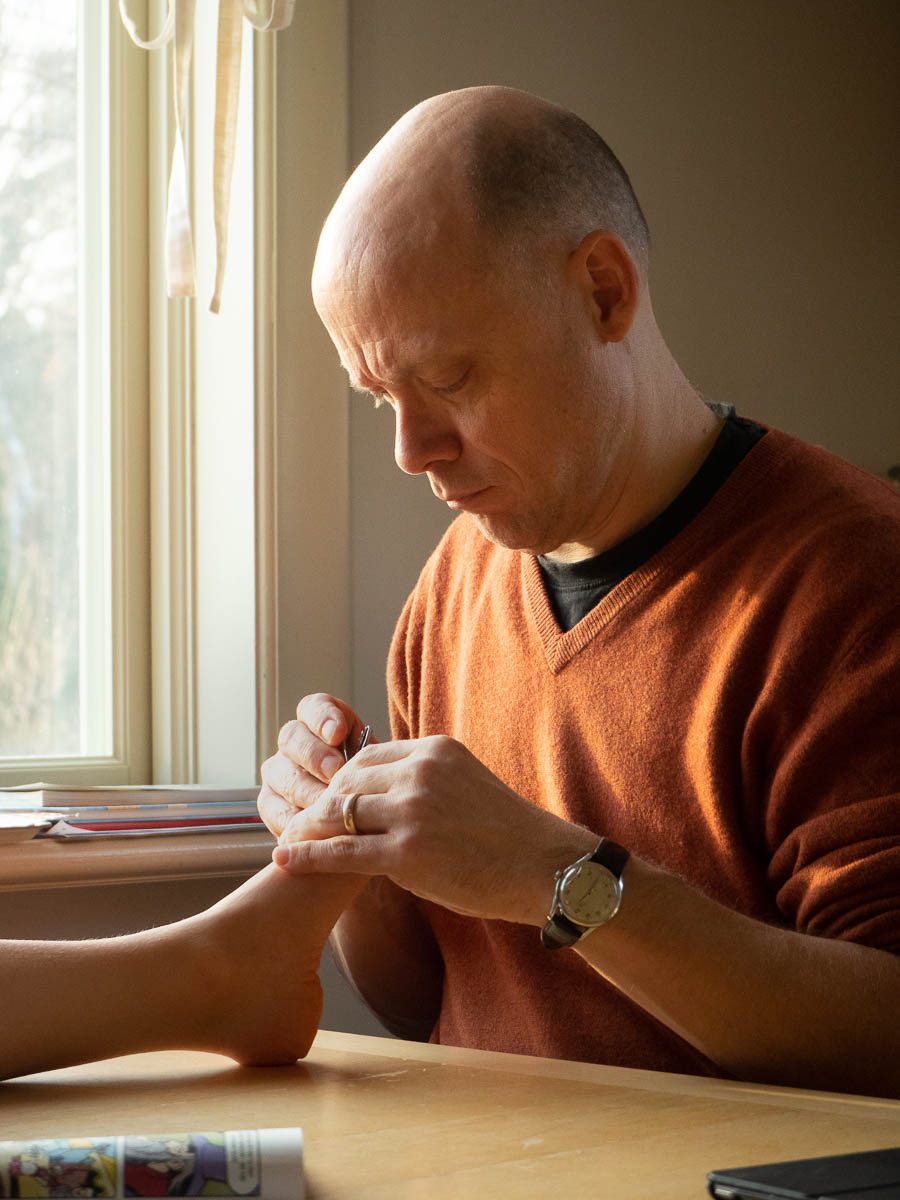
What better place for a pedicure than a south-facing kitchen table?
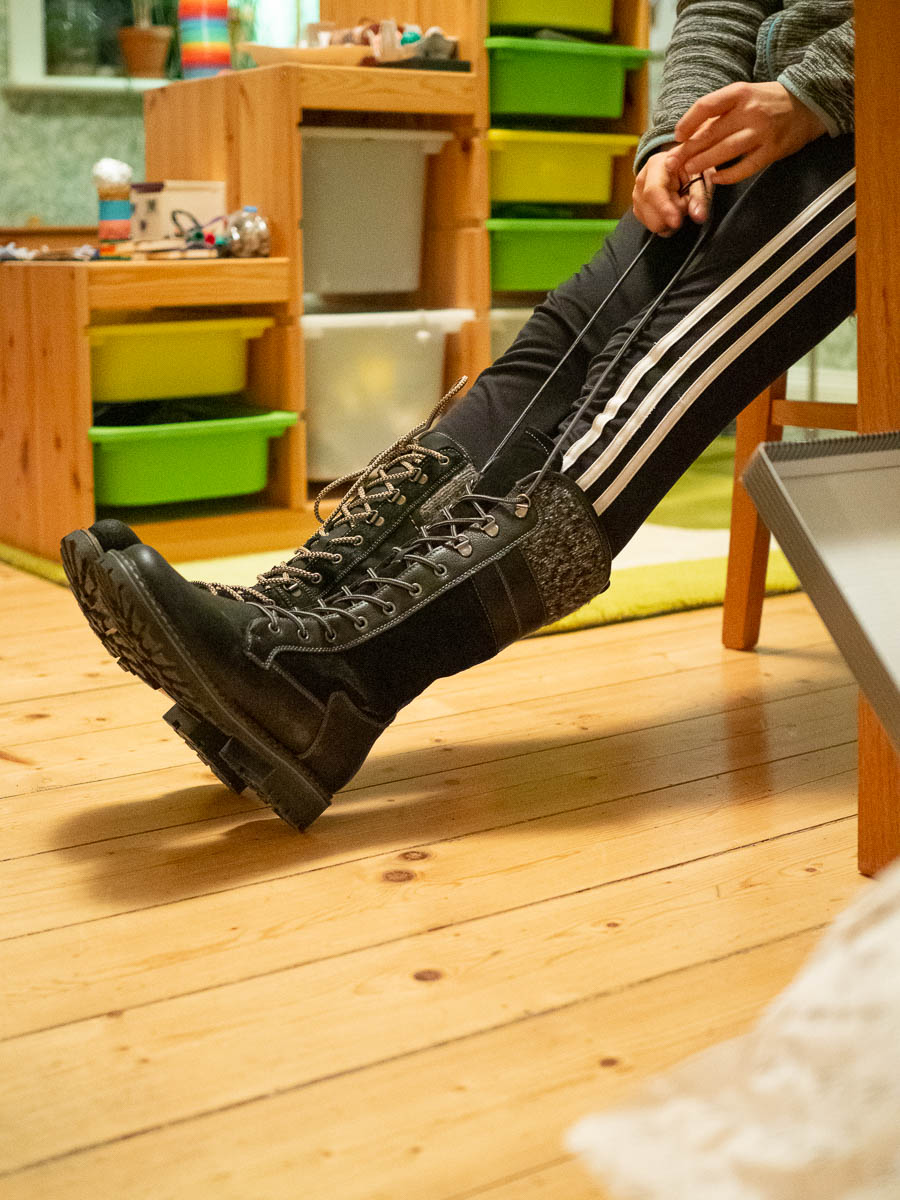
Ingrid also needs new winter boots. She’s short for her age but her feet are size 36/37 so she’s graduated from children’s shoes to the women’s department.

The obelisk sculpture in the middle of Sergels torg had puzzled me for years. It was dull and unimpressive, and I couldn’t understand why and how it got chosen for standing in such a prominent place in the middle of Stockholm. After its cleaning and renovation two years ago, I finally understand. Now it sparkles and shines, and as I understand from newspaper articles, this is what it was supposed to look like all along.
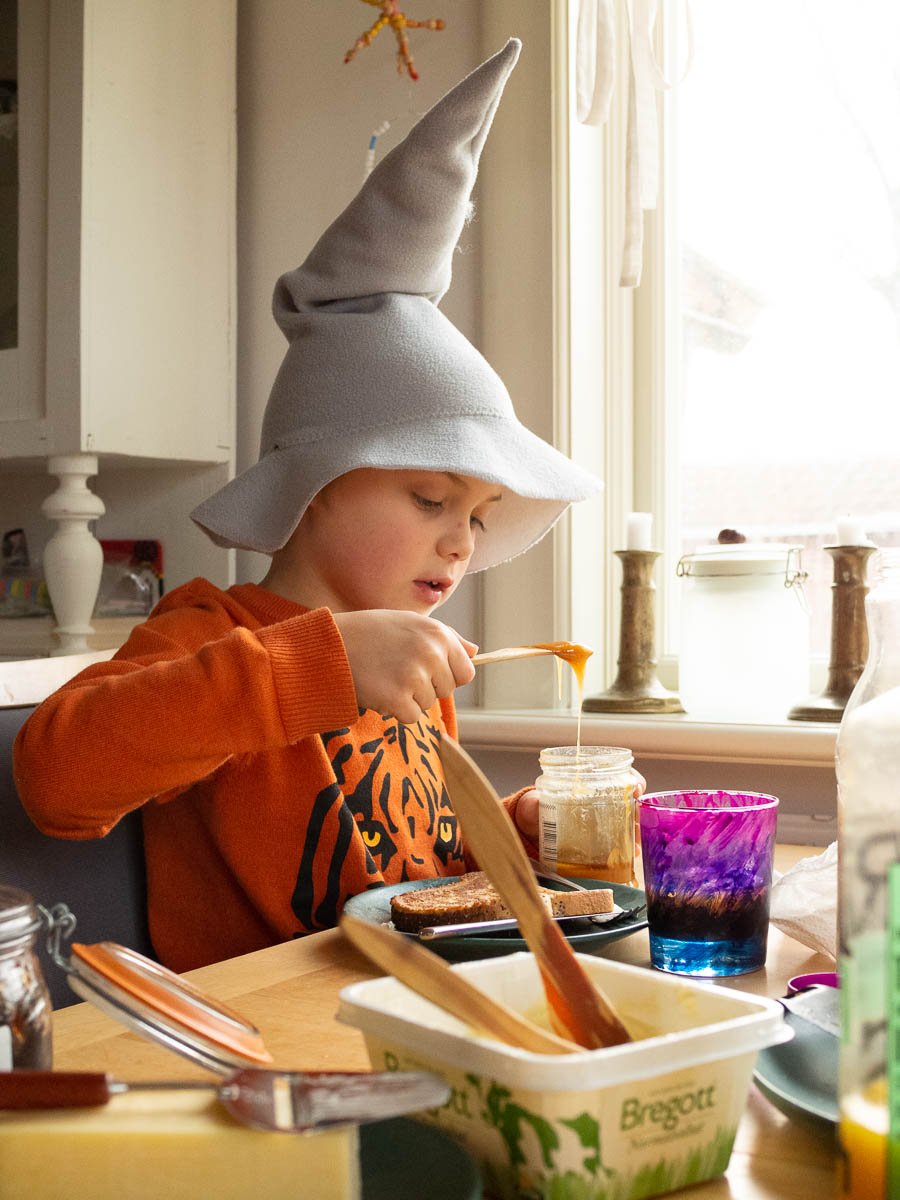
The Gandalf hat, this time on the right head.
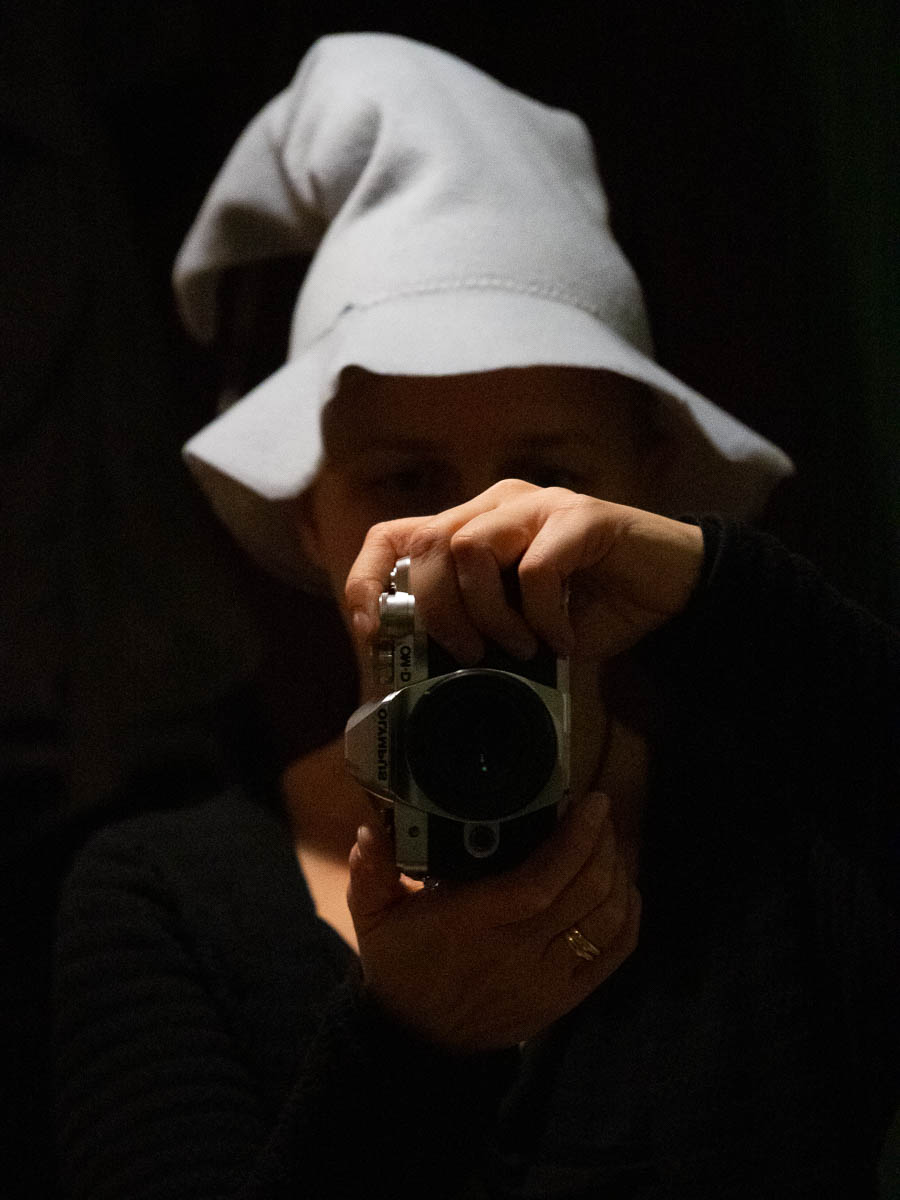
Adrian needed/wanted to dress up as Gandalf for a dress-up thing at school. (We’ve been watching the Hobbit movies and reading the Hobbit book, and he is quite in love with it all.) Luckily I found materials in my fabric chest to whip up a last-minute Gandalf hat. Wearing the hat and an elf/wizard cloak that I made for Ingrid some years ago, and a wooden staff from his collection of sticks, he was quite Gandalf-like.
But he hasn’t learned to pose for photos – he fidget and makes weird faces – so here’s me as Gandalf.
| « Older posts | Newer posts » |
